EP3236944B1 - Verfahren und zusammensetzungen für wachstum, lagerung und verwendung von bakterienpräparaten für wund- und oberflächenbehandlungen - Google Patents
Verfahren und zusammensetzungen für wachstum, lagerung und verwendung von bakterienpräparaten für wund- und oberflächenbehandlungen Download PDFInfo
- Publication number
- EP3236944B1 EP3236944B1 EP15873791.6A EP15873791A EP3236944B1 EP 3236944 B1 EP3236944 B1 EP 3236944B1 EP 15873791 A EP15873791 A EP 15873791A EP 3236944 B1 EP3236944 B1 EP 3236944B1
- Authority
- EP
- European Patent Office
- Prior art keywords
- plasmid
- donor
- composition
- cell
- gene
- Prior art date
- Legal status (The legal status is an assumption and is not a legal conclusion. Google has not performed a legal analysis and makes no representation as to the accuracy of the status listed.)
- Active
Links
Images






Classifications
-
- A—HUMAN NECESSITIES
- A61—MEDICAL OR VETERINARY SCIENCE; HYGIENE
- A61K—PREPARATIONS FOR MEDICAL, DENTAL OR TOILETRY PURPOSES
- A61K39/00—Medicinal preparations containing antigens or antibodies
- A61K39/02—Bacterial antigens
-
- A—HUMAN NECESSITIES
- A61—MEDICAL OR VETERINARY SCIENCE; HYGIENE
- A61K—PREPARATIONS FOR MEDICAL, DENTAL OR TOILETRY PURPOSES
- A61K35/00—Medicinal preparations containing materials or reaction products thereof with undetermined constitution
- A61K35/66—Microorganisms or materials therefrom
- A61K35/74—Bacteria
-
- A—HUMAN NECESSITIES
- A61—MEDICAL OR VETERINARY SCIENCE; HYGIENE
- A61K—PREPARATIONS FOR MEDICAL, DENTAL OR TOILETRY PURPOSES
- A61K9/00—Medicinal preparations characterised by special physical form
- A61K9/0012—Galenical forms characterised by the site of application
- A61K9/0019—Injectable compositions; Intramuscular, intravenous, arterial, subcutaneous administration; Compositions to be administered through the skin in an invasive manner
-
- A—HUMAN NECESSITIES
- A61—MEDICAL OR VETERINARY SCIENCE; HYGIENE
- A61K—PREPARATIONS FOR MEDICAL, DENTAL OR TOILETRY PURPOSES
- A61K9/00—Medicinal preparations characterised by special physical form
- A61K9/14—Particulate form, e.g. powders, Processes for size reducing of pure drugs or the resulting products, Pure drug nanoparticles
- A61K9/19—Particulate form, e.g. powders, Processes for size reducing of pure drugs or the resulting products, Pure drug nanoparticles lyophilised, i.e. freeze-dried, solutions or dispersions
-
- A—HUMAN NECESSITIES
- A61—MEDICAL OR VETERINARY SCIENCE; HYGIENE
- A61P—SPECIFIC THERAPEUTIC ACTIVITY OF CHEMICAL COMPOUNDS OR MEDICINAL PREPARATIONS
- A61P17/00—Drugs for dermatological disorders
- A61P17/02—Drugs for dermatological disorders for treating wounds, ulcers, burns, scars, keloids, or the like
-
- A—HUMAN NECESSITIES
- A61—MEDICAL OR VETERINARY SCIENCE; HYGIENE
- A61P—SPECIFIC THERAPEUTIC ACTIVITY OF CHEMICAL COMPOUNDS OR MEDICINAL PREPARATIONS
- A61P31/00—Antiinfectives, i.e. antibiotics, antiseptics, chemotherapeutics
- A61P31/04—Antibacterial agents
-
- C—CHEMISTRY; METALLURGY
- C12—BIOCHEMISTRY; BEER; SPIRITS; WINE; VINEGAR; MICROBIOLOGY; ENZYMOLOGY; MUTATION OR GENETIC ENGINEERING
- C12N—MICROORGANISMS OR ENZYMES; COMPOSITIONS THEREOF; PROPAGATING, PRESERVING, OR MAINTAINING MICROORGANISMS; MUTATION OR GENETIC ENGINEERING; CULTURE MEDIA
- C12N1/00—Microorganisms; Compositions thereof; Processes of propagating, maintaining or preserving microorganisms or compositions thereof; Processes of preparing or isolating a composition containing a microorganism; Culture media therefor
- C12N1/04—Preserving or maintaining viable microorganisms
-
- C—CHEMISTRY; METALLURGY
- C12—BIOCHEMISTRY; BEER; SPIRITS; WINE; VINEGAR; MICROBIOLOGY; ENZYMOLOGY; MUTATION OR GENETIC ENGINEERING
- C12N—MICROORGANISMS OR ENZYMES; COMPOSITIONS THEREOF; PROPAGATING, PRESERVING, OR MAINTAINING MICROORGANISMS; MUTATION OR GENETIC ENGINEERING; CULTURE MEDIA
- C12N1/00—Microorganisms; Compositions thereof; Processes of propagating, maintaining or preserving microorganisms or compositions thereof; Processes of preparing or isolating a composition containing a microorganism; Culture media therefor
- C12N1/20—Bacteria; Culture media therefor
-
- C—CHEMISTRY; METALLURGY
- C12—BIOCHEMISTRY; BEER; SPIRITS; WINE; VINEGAR; MICROBIOLOGY; ENZYMOLOGY; MUTATION OR GENETIC ENGINEERING
- C12N—MICROORGANISMS OR ENZYMES; COMPOSITIONS THEREOF; PROPAGATING, PRESERVING, OR MAINTAINING MICROORGANISMS; MUTATION OR GENETIC ENGINEERING; CULTURE MEDIA
- C12N15/00—Mutation or genetic engineering; DNA or RNA concerning genetic engineering, vectors, e.g. plasmids, or their isolation, preparation or purification; Use of hosts therefor
-
- C—CHEMISTRY; METALLURGY
- C12—BIOCHEMISTRY; BEER; SPIRITS; WINE; VINEGAR; MICROBIOLOGY; ENZYMOLOGY; MUTATION OR GENETIC ENGINEERING
- C12N—MICROORGANISMS OR ENZYMES; COMPOSITIONS THEREOF; PROPAGATING, PRESERVING, OR MAINTAINING MICROORGANISMS; MUTATION OR GENETIC ENGINEERING; CULTURE MEDIA
- C12N15/00—Mutation or genetic engineering; DNA or RNA concerning genetic engineering, vectors, e.g. plasmids, or their isolation, preparation or purification; Use of hosts therefor
- C12N15/09—Recombinant DNA-technology
- C12N15/63—Introduction of foreign genetic material using vectors; Vectors; Use of hosts therefor; Regulation of expression
- C12N15/70—Vectors or expression systems specially adapted for E. coli
-
- C—CHEMISTRY; METALLURGY
- C12—BIOCHEMISTRY; BEER; SPIRITS; WINE; VINEGAR; MICROBIOLOGY; ENZYMOLOGY; MUTATION OR GENETIC ENGINEERING
- C12N—MICROORGANISMS OR ENZYMES; COMPOSITIONS THEREOF; PROPAGATING, PRESERVING, OR MAINTAINING MICROORGANISMS; MUTATION OR GENETIC ENGINEERING; CULTURE MEDIA
- C12N15/00—Mutation or genetic engineering; DNA or RNA concerning genetic engineering, vectors, e.g. plasmids, or their isolation, preparation or purification; Use of hosts therefor
- C12N15/09—Recombinant DNA-technology
- C12N15/63—Introduction of foreign genetic material using vectors; Vectors; Use of hosts therefor; Regulation of expression
- C12N15/74—Vectors or expression systems specially adapted for prokaryotic hosts other than E. coli, e.g. Lactobacillus, Micromonospora
-
- A—HUMAN NECESSITIES
- A61—MEDICAL OR VETERINARY SCIENCE; HYGIENE
- A61K—PREPARATIONS FOR MEDICAL, DENTAL OR TOILETRY PURPOSES
- A61K39/00—Medicinal preparations containing antigens or antibodies
- A61K39/02—Bacterial antigens
- A61K39/05—Actinobacteria, e.g. Actinomyces, Streptomyces, Nocardia, Bifidobacterium, Gardnerella, Corynebacterium; Propionibacterium
-
- A—HUMAN NECESSITIES
- A61—MEDICAL OR VETERINARY SCIENCE; HYGIENE
- A61K—PREPARATIONS FOR MEDICAL, DENTAL OR TOILETRY PURPOSES
- A61K39/00—Medicinal preparations containing antigens or antibodies
- A61K39/02—Bacterial antigens
- A61K39/104—Pseudomonadales, e.g. Pseudomonas
-
- Y—GENERAL TAGGING OF NEW TECHNOLOGICAL DEVELOPMENTS; GENERAL TAGGING OF CROSS-SECTIONAL TECHNOLOGIES SPANNING OVER SEVERAL SECTIONS OF THE IPC; TECHNICAL SUBJECTS COVERED BY FORMER USPC CROSS-REFERENCE ART COLLECTIONS [XRACs] AND DIGESTS
- Y02—TECHNOLOGIES OR APPLICATIONS FOR MITIGATION OR ADAPTATION AGAINST CLIMATE CHANGE
- Y02A—TECHNOLOGIES FOR ADAPTATION TO CLIMATE CHANGE
- Y02A50/00—TECHNOLOGIES FOR ADAPTATION TO CLIMATE CHANGE in human health protection, e.g. against extreme weather
- Y02A50/30—Against vector-borne diseases, e.g. mosquito-borne, fly-borne, tick-borne or waterborne diseases whose impact is exacerbated by climate change
Definitions
- the present invention relates to the field of bacteriology.
- the invention relates to novel compositions (e.g. , antimicrobial agents) and methods of using the same for treating tissue (e.g ., lesions of the skin and other soft-tissues).
- tissue e.g ., lesions of the skin and other soft-tissues.
- the present invention relates to the killing or altering (e.g ., inhibiting) growth and virulence of populations of microorganisms.
- one of the persistent problems of burn wound care is the development of microbial infections.
- Humans live not in a sterile environment but in a symbiotic relationship with bacteria and other microbes.
- the intact skin and mucosal surface act to maintain a delicate balance between our tissues and the bacterial populations. Any breach in the skin or mucosal barriers alters this balance and thus has the potential to initiate infections by allowing bacteria to gain access to the underlying tissues and achieve critical numbers.
- One of the major treatment goals of a burn surgeon is to prevent infections and, if contamination occurs, the goal is to reduce the microbial contamination below the critical numbers required to initiate and spread infections.
- With the discovery of antibiotics burn wound infections appeared to be under control. However, it has been discovered that bacteria are able to, and indeed have, overcome the antibiotics through development of resistance. Emergence of resistant strains of bacteria has become the major source of many hospital-based infections and has posed a major clinical dilemma to burn surgeons.
- the problem of antibiotic resistance affects all kinds of bacterial infections, including but not limited to infections of the skin and soft-tissues.
- infections including but not limited to infections of the skin and soft-tissues.
- MRSA methicillin-resistant Staphylococcus aureus
- aeruginosa resistance to quinolones in leg ulcers increased from 19% in 1992 to 56% in 2001 ( Valencia et al., J Am Acad Dermatol 50, 845-9 (2004 )). There is no debate in the field; new treatments are needed to control these infections.
- Prophylactic use of antibacterial agents such as silver nitrate, silver sulfadiazine (Silverdene, Thermazine, Flamazine) and mafenide acetate (Sulfamylon) has become the standard of care to reduce bacterial colonization in wounds such as burn wounds.
- these agents have limitations.
- Silverdene has been shown to retard wound healing and cannot be used in patients who are allergic to sulfa drugs.
- the metabolic products of Sulfamylon are potent inhibitors of carbonic anhydrase and therefore can cause metabolic acidosis. Use of this compound is particularly contraindicated in patients who have suffered inhalation injury and those who developed sepsis.
- compositions and methods of altering the growth and virulence of populations of pathogenic microorganisms via "killer vectors" and compatible "donor cells” are known from US 2006/270040 A1 .
- Said document discloses a composition comprising a recombinant transmissible plasmid, which however is different from the recombinant plasmid of the present invention as defined in the claims comprising both colE3 and colE7 in the colE3-aroA -colE7 killing cassette.
- the present invention relates to the field of bacteriology and pharmacology.
- the invention relates to novel compositions (e.g ., antimicrobial agents) and methods of using the same for treating tissue (e.g ., lesions of the skin and other soft tissues) comprising the killing or altering (e.g ., inhibiting) growth and virulence of populations of microorganisms.
- tissue e.g ., lesions of the skin and other soft tissues
- the technology provides compositions for applying an effective dose of non-dividing bacterial cells that prevent and/or treat infection by conjugative transmission of a plasmid that is toxic to recipient pathogen cells.
- Conjugation for transferring genetic material from a donor cell into a target recipient cell for a variety of purposes has been described. See, e.g., PCT Publication WO 02/18605 , U.S. Patent Application Ser. No. 20040137002 , and U.S. Patent Application Ser. No. 10/884,257 .
- the present invention makes use of conjugative transfer to alter the cellular functions of a recipient cell, e.g., to kill or impair the target cell.
- the technology relates to compositions and methods for culturing the donor bacteria in a manner that stably maintains the transmissible plasmid, and for storing the donor bacteria in a manner that maintains both the viability and the killing ability of the donor bacteria.
- the technology further relates to methods for using the donor bacteria in treatments under conditions in which the bacteria cannot further propagate ( i.e ., cannot divide), but in which the killing activity is maintained.
- the technology may provide a recombinant plasmid that is not self-transmissible, and that can be stabily maintained in donor bacterial cell preparations.
- the plasmid is pCON44-74, which is described in detail herein below.
- the technology may provide a donor bacterial cell, e.g., a live bacterium, or a minicell, a maxicell, or a non-dividing cell.
- the donor cell may comprise one or more transfer genes conferring upon it the ability to conjugatively transfer the transmissible plasmid to a recipient cell, and may further comprises a mutation in a gene that renders the donor bacterial cell auxotrophic for a compound, e.g., a nutrient, an amino acid, etc., such that a growth medium must be supplemented with the missing compound for the bacterial cells to replicate.
- the donor bacterial cell may be auxotrophic for one or more aromatic amino acids, 2,6-diaminopimelic acid, and/or lysine.
- the donor bacterial cells are not limited to one particular genus.
- the donor bacterial cell may be selected from the group consisting of Salmonella, Shigella, Escherichia, Enterobacter, Serratia, Proteus, Yersinia, Citrobacter, Edwardsiella, Providencia, Klebsiella, Hafnia, Ewingella, Kluyvera, Morganella, Planococcus, Stomatococcus, Micrococcus, Staphylococcus, Vibrio, Aeromonas, Plessiomonas, Haemophilus, Actinobacillus, Pasteurella, Mycoplasma, Ureaplasma, Rickettsia, Coxiella, Rochalimaea, Ehrlichia, Streptococcus, Enterococcus, Aerococcus, Gemella, Lactococcus, Leuconostoc, Pedicoccus, Bacillus, Corynebacterium, Arcanobacterium, Actinomy
- the technology comprises compositions comprising a donor bacterial cell as described above.
- the composition may comprise a growth medium devoid of aromatic amino acids, while in other examples, the composition may comprise a growth medium supplemented with a compound.
- the composition may comprise a growth medium lacking one or more of tyrosine, tryptophan and phenylalanine, p-aminobenzoate and p-hydroxybenzoate.
- the growth medium may be a minimal medium supplemented with 2, 6-diaminopimelic acid and lysine.
- compositions of the invention may comprise donor bacterial cells grown under controlled conditions for optimal growth.
- cells are grown in conditions in which the pH is controlled.
- the pH of the composition is pH 7.
- the amount of dissolved oxygen in the composition may be controlled.
- the composition may be maintained under conditions that maintain dissolved oxygen at about 50%.
- a composition comprising a donor bacterial cell may comprise or consist of a buffer.
- the buffer may comprise a phosphate buffer, and in particularly preferred examples, the phosphate buffer comprises sodium phosphate and/or potassium phosphate.
- the composition may comprise an excipient mixture, e.g ., for storing or freezing the cells, and comprising a protective agent and a buffer, and optionally also comprising a gelling agent.
- the composition may comprise one or several protective agents, with exemplary protective agents including, e.g ., non-fat milk solids, trehalose, glycerol, betaine, sucrose, glucose, lactose, dextran, polyethylene glycol, sorbitol, mannitol, poly vinyl propylene, potassium glutamate, monosodium glutamate, Tween 20 detergent, Tween 80 detergent, and an amino acid hydrochloride.
- the protective agent may comprise one or more of trehalose, sucrose, and/or glucose.
- the composition may comprise one or more gelling agents selected from the group consisting of hydroxyethyl cellulose, hydroxymethyl cellulose, hydroxypropyl guar, methyl cellulose, ethyl cellulose, hydroxypropyl cellulose, sodium carboxymethyl cellulose, carbomer, alginate, gelatin, and poloxamer.
- composition comprising a donor bacterial cell of the invention as defined in the claims may be in a composition of 10% (w:v) trehalose and 2.0% (w:v) glycerol in 50 mM potassium phosphate buffer. This composition may further comprise 0.5% (w:v) hydroxyethylcellulose.
- compositions of the donor bacterial cells as described above may be in any form that maintains viability, including, e.g ., liquid, gel, frozen, or freeze-dried forms.
- the composition may be formed by addition of water or a buffer to a freeze dried preparation, which may contain the donor bacterial cells and one or more of buffer components, protective agents, and/or gelling agents.
- a composition may be a fluid or gel containing between about 5 x 10 8 to 5 x 10 10 donor bacterial cells (cfu) per ml, preferably 1 x 10 9 to 1 x 10 10 cfu per ml, e.g., configured for therapeutic use, while in other examples, the composition may comprise a fluid or gel containing less than about 1 x 10 9 cfu/ml, e.g., configured for short term storage.
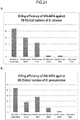
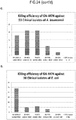
- the technology provides methods for using the compositions of the technology, e.g ., donor bacterial cells comprising a transmissible bacteriocidal plasmid such as pCON44-74, for example, the composition GN-4474.
- the technology may provide methods of treating a tissue surface comprising applying the composition to a surface on said tissue, and ins some embodiments, covering the tissue surface after the applying the composition, e.g ., with a bandage, gauze, fabric, compress, etc.
- compositions and methods find use in the treatment of tissue having a lesion.
- Lesions include, e.g ., burns, cuts, abrasions, abscesses, carbuncles, ulcers, furnuncles, blisters, etc.
- the technology finds particular use in application to tissue comprising epithelial tissue.
- applying a composition of the invention to a tissue may comprise soaking, washing, or rinsing a tissue in the composition.
- the composition may be applied by a process comprising applying the composition to a medical device; and contacting said medical device to the tissue to be treated.
- Treatments are not limited to any particular protocol or schedule for application.
- treating may comprise applying the composition to a tissue a single time, while in some examples, the application may comprise applying the composition to a tissue a plurality of times, e.g., at regularly scheduled intervals.
- Intervals of time between applications are not limited to particular lengths.
- the intervals may be between 1 hour and 24 hours in length, while in some examples, the intervals are 4 hours in length.
- the time intervals in a schedule of treatment may be the same length or different lengths.
- a plurality of applications may comprise at least three applications.
- a method of treating a bacterial infection of a tissue lesion may comprise applying a composition comprising a donor bacterial cell comprising, e.g ., pCON44-74, to an infected lesion in an amount of at least 5 x 10 9 cfu per 20 mm 2 of tissue area.
- the treatment may be repeated at least once, preferably twice, more preferably three times at regular intervals, e.g ., intervals between about 1 hour and 24 hours in length. Treatments may be applied at 4-hour intervals.
- the technology provides methods for preparing and storing bacterial donor cells of the technology.
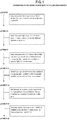
- the method may be directed to preparations configured for short term storage, e.g., at 4°C, the method comprising:
- the storage medium may further comprise glycerol, and storage medium may comprise 50mM KPO 4 buffer, 10% (w:v) trehalose and 2% (w:v) glycerol.
- the storage medium may further comprise 0.5% hydroxyethyl cellulose.
- Recombinant transmissible plasmid may be pCON44-74 and/or the bacterial donor cell may be an E. coli cell and the growth medium is preferably supplemented with 2,6-diaminopimelic acid and lysine.
- the technology provides a method of preparing a frozen composition of bacterial donor cells for therapeutic use without further culturing, comprising:
- snap freezing is conducted at a temperature of less than 45°C, preferably less than -50°C, -60°C, -70°C or -80°C.
- the excipient medium may comprise between about 1% and 2% (w:v) glycerol, and in particularly preferred examples, the excipient medium comprises 50mM KPO 4 buffer, pH 7, 10% (w:v) trehalose and 2% (w:v) glycerol.
- the excipient medium may further comprise a gelling agent, e.g., about 0.5% (w:v) hydroxyethyl cellulose.
- the term "subject” refers to individuals (e.g., human, animal, or other organism) to be treated by the methods or compositions of the present disclosure.
- Subjects include, but are not limited to, mammals (e.g ., murines, simians, equines, bovines, porcines, canines, felines, and the like), and most preferably includes humans.
- the term “subject” generally refers to an individual who will receive or who has received treatment (e.g ., administration of donor cell, and optionally one or more other agents) for a condition characterized by the presence of pathogenic bacteria, or in anticipation of possible exposure to pathogenic bacteria.
- diagnosis refers to the recognition of a disease (e.g., caused by the presence of pathogenic bacteria) by its signs and symptoms (e.g ., resistance to conventional therapies), or genetic analysis, pathological analysis, histological analysis, and the like.
- in vitro refers to an artificial environment and to processes or reactions that occur within an artificial environment.
- in vitro environments include, but are not limited to, test tubes and cell cultures.
- in vivo refers to the natural environment (e.g ., an animal or a cell) and to processes or reaction that occur within a natural environment.
- conjugation refers to the process of DNA transfer from one cell to another. Conjugation is mediated by complex cellular machinery, and essential protein components are often encoded as a series of genes in a plasmid (e.g., the tra genes for plasmid RK2). Some of these gene products are assembled to facilitate a direct cell-cell interaction ( e.g ., mating pair formation), and some of them serve to transfer DNA and associated protein molecules, and to replicate the DNA molecule ( e.g ., DNA transfer/replication).
- oriT is a DNA sequence from which the transfer of a DNA molecule initiates in the process of conjugation. Conjugative transfer is a phenomenon that occurs across bacterial species and a broad host range of conjugative transfer systems that can be utilized in both Gram-positive and Gram-negative genera are known.
- telomere binding proteins bind specifically to their cognate oriTs and produce a nick in the DNA from which the conjugal transfer begins.
- Transfer proteins Tra form a multi-protein complex called the mating pair formation apparatus (Mpf) that, among other transport-related activities, is needed for formation of pili, and for their extrusion to the cell surface.
- Tra proteins need not be encoded on the same plasmid as the oriT on which they act. They can facilitate the transfer of plasmids that contain unrelated oriTs, provided those plasmids also contain the cognate relaxosomes.
- plasmid DNA Once plasmid DNA is prepared for transfer, it is transported through the donor's cytoplasmic membrane and into the recipient. While not limiting the technology to any particular mechanism of action it is generally believed that DNA crosses the donor membrane with the aid of a coupling protein, so-called because it couples plasmid DNA processing to a TIVSS.
- Free-living (planktonic), as well as surface-bound Gram-negative bacteria are capable of transferring plasmids and one of the few diversifying elements in conjugation systems is the type of pili produced and used to facilitate conjugation. Some pili are thick and flexible while others are long and rigid. Pili have the remarkable ability to retract, allowing them to promote intimate associations of cell surfaces over extended areas, which stabilize mating pairs against shearing forces.
- pheromones small molecules called pheromones
- pCF10 small molecules
- pheromones are typically peptides of seven or eight amino acids and are secreted in miniscule amounts, with as little as 1 to 10 molecules per donor needed to initiate the mating process.
- a given pheromone specifically activates the conjugative transfer system of a particular plasmid type. When a plasmid is acquired, secretion of the related pheromone is prevented, while unrelated pheromones continue to be produced to 'seduce' other potential donor cells.
- transfer functions are naturally up-regulated.
- those de-repressed plasmid systems are able to sustain conjugative DNA transfer with close to 100% efficiency (e.g ., Gram-negative F and Gram-positive pCF10 plasmids).
- Conjugation typically occurs within aggregates of multiple donor and recipient cells; in some cases twenty and in other cases thousands of aggregated and conjugating cells were observed. While Gram-positive and Gram-negative bacteria use different methods in nature to prepare for conjugation, the conjugation that occurs is the same for all types of bacteria. Thus, the conjugative transfer of a bactericidal killer plasmid as a mechanism for killing bacteria can be used with all conjugating bacteria.
- Conjugation also takes place from bacterial cells to higher and lower eukaryote cells ( Waters, Nat Genet. 29:375-376 (2001 ); Nishikawa et al., Jpn J Genet. 65:323-334 (1990 )).
- Trans-kingdom conjugation such as from bacteria into mammalian and yeast cells, is well known. See, e.g ., Bates et al., J Bacteriol 180, 6538-6543 (1998 ); Waters, Nat Genet 29, 375-376 (Dec, 2001 ).
- conjugation donor and “donor cell” are used interchangeably to refer to a cell, e.g., a bacterial cell, carrying a plasmid, wherein said plasmid can be transferred to another cell through conjugation.
- donor cells include, but are not limited to E. coli strains that contain a self-transmissible plasmid or a non-self-transmissible plasmid.
- a cell receiving a plasmid or other cellular material from a donor cell via conjugative transfer is referred to as a "recipient cell”.
- the term "transmissible plasmid” refers to a plasmid that can be transferred from a donor cell to a recipient cell via conjugation.
- self-transmissible plasmid refers to a plasmid encoding all the genes needed to mediate conjugation.
- a recipient of a self-transmissible plasmid becomes a proficient donor to further transfer the self-transmissible plasmid to another recipient cell.
- non-self-transmissible plasmid or "mobilizable plasmid” refers to a plasmid lacking some of the genes needed to mediate conjugation.
- a cell carrying a non-self-transmissible plasmid does not transfer DNA through conjugation unless the missing gene(s) are supplied in trans within the same cell. Therefore, a recipient cell that lacks the missing gene(s), does not become a proficient conjugation donor when it receives the non-self-transmissible plasmid.
- oriT refers to the cis -acting site required for DNA transfer, and integration of an oriT sequence into a non-transmissible plasmid converts it into a mobilizable plasmid ( Lanka and Wilkins, Annu Rev Biochem, 64:141-169 (1995 )).
- a donor cell may be a bacterial cell (e.g., a Gram-positive or Gram-negative bacterium).
- donor cells include, but are not limited to, bacterial cells of a genus of bacteria, selected from the group comprising Salmonella, Shigella, Escherichia, Enterobacter, Serratia, Proteus, Yersinia, Citrobacter, Edwardsiella, Providencia, Klebsiella, Hafnia, Ewingella, Kluyvera, Morganella, Planococcus, Stomatococcus, Micrococcus, Staphylococcus, Vibrio, Aeromonas, Plessiomonas, Haemophilus, Actinobacillus, Pasteurella, Mycoplasma, Ureaplasma, Rickettsia, Coxiella, Rochalimaea, Ehrlichia, Streptococcus, Enterococcus, Aerococcus, Gemella, Lactococcus, Leuconosto
- a donor cell may be a non-viable cell, including but not limited to a bacterial minicell, a maxicell, or a non-dividing cell.
- maxicell refers to the cells that have been treated to maximize chromosomal degradation, e.g ., by UV irradiation and extended incubation. Maxicells contain mostly plasmid DNA, and synthesis of proteins within maxicells occurs essentially exclusively from the plasmid DNA in the cells.
- non-dividing cell refers to cells that are treated in a manner selected to preferentially damage the chromosomal DNA of the cell (e.g., by UV or other irradiation), wherein said cells are further treated, e.g., by rapid chilling after DNA damaging treatment, to minimize chromosomal degradation.
- ND cells can also be obtained in a process such as temporal expression of bactericidal protein (e.g., ColE3) within a donor bacterium.
- induction of proteins destroys the protein synthesis in the cell, leading to cell death while leaving the conjugation apparatus and chromosomal DNA synthesized prior to ColE3 synthesis intact.
- ND cells contain both chromosomal and plasmid DNA but the function of the cell is sufficiently altered, e.g., by UV irradiation, that said ND cells have little or no capability to divide.
- target cells are used interchangeably herein.
- the target cells for the compositions and methods of the present disclosure may include, but are not limited to, microorganisms such as pathogenic organisms (e.g ., pathogenic bacteria) that can receive material from a donor cell via conjugative transfer.
- pathogenic organisms e.g ., pathogenic bacteria
- Pathogenic bacteria include, but are not limited to, Salmonella, Shigella, Escherichia, Enterobacter, Serratia, Proteus, Yersinia, Citrobacter, Edwardsiella, Providencia, Klebsiella, Hafnia, Ewingella, Kluyvera, Morganella, Planococcus, Stomatococcus, Micrococcus, Staphylococcus, Vibrio, Aeromonas, Plessiomonas, Haemophilus, Actinobacillus, Pasteurella, Mycoplasma, Ureaplasma, Rickettsia, Coxiella, Rochalimaea, Ehrlichia, Streptococcus, Enterococcus, Aerococcus, Gemella, Lactococcus, Leuconostoc, Pedicoccus, Bacillus, Corynebacterium, Arcanobacterium, Actinomyces, Rhodococcus, Listeria, Erysipelothrix
- Target cells may be continuously cultured cells.
- Target cells may be uncultured cells existing in their natural environment (e.g., at the site of a wound or infection) or obtained from patient tissues ( e.g., via a biopsy).
- Target cells may exhibit pathological growth or proliferation.
- the term "virulence” refers to the degree of pathogenicity of a microorganism, e.g ., as indicated by the severity of the disease produced or its ability to invade the tissues of a subject. It is generally measured experimentally by the median lethal dose (LD 50 ) or median infective dose (ID 50 ). The term may also be used to refer to the competence of any infectious agent to produce pathologic effects.
- LD 50 median lethal dose
- ID 50 median infective dose
- killer gene refers to a gene that, upon expression in a susceptible cell, produces a product that kills the cell.
- killer plasmid refers to plasmid comprising and configured to express one or more killer genes.
- the terms "attenuate” and “attenuation” as used herein in reference to a feature e.g., of a recipient or target cell refers to a reducing or weakening of that feature, or a reducing of the effect(s) of that feature.
- attenuation generally refers to a reduction in the virulence of the pathogen.
- Attenuation of a pathogen is not limited to any particular mechanism of reduced virulence. Reduced virulence may be achieved, e.g ., by disruption of a secretory pathway.
- Reduced virulence may be achieved by altering cellular metabolism to increase reactivity to or susceptibility to a drug, e.g., a drug that attenuates virulence of the pathogen, or that kills the pathogen. Attenuation may refer to a feature, e.g ., virulence of a population of cells. For example, a population of pathogen cells may be treated, e.g., by the methods and compositions of the description, such that the population of cells is decreased in virulence. See, for example, co-pending applications Serial No. 11/137,948, filed May 26, 2005 , and PCT Application PCT/US2006/020582 .
- an effective amount refers to the amount of a composition (e.g., donor cells) sufficient to effect beneficial or desired results.
- An effective amount can be administered in one or more administrations, applications or dosages and is not intended to be limited to a particular formulation or administration route.
- the term "administration” refers to the act of giving a drug, prodrug, or other agent, or therapeutic treatment (e.g ., compositions of the present invention) to a physiological system (e.g., a subject or in vivo, in vitro, or ex vivo cells, tissues, and organs).
- Exemplary routes of administration to the human body can be through the eyes (ophthalmic), mouth (oral), skin ( e.g ., topical, subcutaneous, transdermal), nose (nasal), lungs (inhalant), oral mucosa (buccal), ear, by injection ( e.g ., intravenously, subcutaneously, intratumorally, intraperitoneally, etc.), by introduction into the intestinal tract ( e.g., rectally), by introduction into the bladder, topically to the surface of the skin or mucous membranes and the like.
- injection e.g ., intravenously, subcutaneously, intratumorally, intraperitoneally, etc.
- introduction into the intestinal tract e.g., rectally
- introduction into the bladder topically to the surface of the skin or mucous membranes and the like.
- tissue refers to any epithelial tissue or layer of an epithelial tissue.
- a skin tissue comprises the epidermis, dermis, hypodermus, and/or any portion of skin exposed, e.g ., by a wound.
- skin wound and “skin lesion” are used interchangeably, and include any breach or damage to skin or to a sublayer of skin.
- a skin wound may include, for example, one or more of burns, cuts, abrasions, abscesses, carbuncles, ulcers, furnuncles, blisters, and the like. Burns are not limited to thermal burns, by also include, e.g ., chemical burns, radiation burns, etc.
- An abscess is a collection of pus and debris that has built up within the body. Abscesses are usually caused by bacterial infection, and can develop anywhere in the body.
- Abscesses in skin and soft tissue are particularly common, and have in fact become more common in recent years; standard treatment for these types of abscesses is to cut the abscess open and drain the fluids. Antibiotics are often prescribed to further limit the infection.
- Carbuncles and furuncles are types of abscesses that often involve infected hair follicles, with carbuncles being larger of the two.
- Furuncles are sometimes referred to as boils.
- Ulcers are defined as sores on the skin or mucous membranes that are accompanied by disintegration of tissue; ulcers can result in complete loss of the epidermis and often portions of the dermis and subcutaneous fat as well leaving these areas susceptible to bacterial infection.
- Impetigo is a contagious skin infection caused by bacteria, most common in infants and children, that produces blisters or sores on the face, neck, hands, and diaper area; impetigo is classified as either non-bullous (crusted) and bullous (large blisters). Impetigo can be treated with topical antibiotics if the affected area is small, or oral antibiotics if the affected area is larger or if the bacteria is resistant.
- treating a surface refers to the act of exposing a surface to one or more compositions of the present invention.
- Methods of treating a surface include, but are not limited to, spraying, misting, submerging, and coating or covering (i.e. a bandage or gauze that was pretreated or saturated with product).
- surface may be, for example, a tissue surface or the surface of a device.
- bandage as used in reference to a dressing, e.g., for covering a wound or treated area, is used broadly to refer to all medical-type dressings commonly used for wound coverage, e.g., gauze strips, gauze pads, fabrics, adhesive bandages, foam pads, hydrofibers, hydrogels, tape, etc.
- co-administration refers to the administration of at least two agent(s) (e.g ., two separate donor bacteria, each comprising a different plasmid) or therapies to a subject.
- the co-administration of two or more agents or therapies may be concurrent.
- a first agent/therapy may be administered prior to a second agent/therapy.
- the formulations and/or routes of administration of the various agents or therapies used may vary.
- the appropriate dosage for co-administration can be readily determined by one skilled in the art.
- agents or therapies are co-administered, the respective agents or therapies may be administered at lower dosages than appropriate for their administration alone.
- co-administration is especially desirable where the co-administration of the agents or therapies lowers the requisite dosage of a potentially harmful (e.g ., toxic) agent(s).
- the term "toxic” refers to any detrimental or harmful effects on a subject, a cell (prokaryotic or eukaryotic), or a tissue as compared to the same cell or tissue prior to the administration of the toxicant.
- composition refers to the combination of an active agent (e.g., donor bacteria cells) with a carrier, inert or active, making the composition especially suitable for diagnostic or therapeutic use in vitro, in vivo or ex vivo.
- active agent e.g., donor bacteria cells
- compositions that do not substantially produce adverse reactions, e.g ., toxic, allergic, or immunological reactions, when administered to a subject.
- topically refers to application of the compositions of the present invention to the surface of the skin and mucosal cells and tissues (e.g ., alveolar, buccal, lingual, masticatory, or nasal mucosa, and other tissues and cells which line hollow organs or body cavities, e.g., the bladder, colon, intestine, esophagus, etc .,).
- mucosal cells and tissues e.g ., alveolar, buccal, lingual, masticatory, or nasal mucosa, and other tissues and cells which line hollow organs or body cavities, e.g., the bladder, colon, intestine, esophagus, etc .,).
- the term "pharmaceutically acceptable carrier” refers to any of the standard pharmaceutical carriers including, but not limited to, phosphate buffered saline solution, water, emulsions (e.g. , such as an oil/water or water/oil emulsions), and various types of wetting agents, any and all solvents, dispersion media, coatings, sodium lauryl sulfate, isotonic and absorption delaying agents, disintrigrants (e.g ., potato starch or sodium starch glycolate), and the like.
- the compositions also can include stabilizers and preservatives. For examples of carriers, stabilizers, and adjuvants.
- compositions of the present invention may be formulated for horticultural or agricultural use. Such formulations include dips, sprays, seed dressings, stem injections, sprays, and mists.
- the term "pharmaceutically acceptable salt” refers to any salt (e.g., obtained by reaction with an acid or a base) of a compound of the present invention that is physiologically tolerated in the target subject (e.g., a mammalian subject, and/or in vivo or ex vivo, cells, tissues, or organs).
- Salts of the compounds of the present invention may be derived from inorganic or organic acids and bases.
- acids include, but are not limited to, hydrochloric, hydrobromic, sulfuric, nitric, perchloric, fumaric, maleic, phosphoric, glycolic, lactic, salicylic, succinic, toluene-p-sulfonic, tartaric, acetic, citric, methanesulfonic, ethanesulfonic, formic, benzoic, malonic, sulfonic, naphthalene-2-sulfonic, benzenesulfonic acid, and the like.
- Other acids such as oxalic, while not in themselves pharmaceutically acceptable, may be employed in the preparation of salts useful as intermediates in obtaining the compounds of the invention and their pharmaceutically acceptable acid addition salts.
- bases include, but are not limited to, alkali metal (e.g ., sodium) hydroxides, alkaline earth metal (e.g ., magnesium) hydroxides, ammonia, and compounds of formula NW 4 + , wherein W is C 1-4 alkyl, and the like.
- salts include, but are not limited to: acetate, adipate, alginate, aspartate, benzoate, benzenesulfonate, bisulfate, butyrate, citrate, camphorate, camphorsulfonate, cyclopentanepropionate, digluconate, dodecylsulfate, ethanesulfonate, fumarate, flucoheptanoate, glycerophosphate, hemisulfate, heptanoate, hexanoate, chloride, bromide, iodide, 2-hydroxyethanesulfonate, lactate, maleate, methanesulfonate, 2-naphthalenesulfonate, nicotinate, oxalate, palmoate, pectinate, persulfate, phenylpropionate, picrate, pivalate, propionate, succinate, tartrate, thiocyanate, tosy
- salts include anions of the compounds of the present invention compounded with a suitable cation such as Na + , NH 4 + , and NW 4 + (wherein W is a C 1-4 alkyl group), and the like.
- a suitable cation such as Na + , NH 4 + , and NW 4 + (wherein W is a C 1-4 alkyl group), and the like.
- salts of the compounds of the present invention are contemplated as being pharmaceutically acceptable.
- salts of acids and bases that are non-pharmaceutically acceptable may also find use, for example, in the preparation or purification of a pharmaceutically acceptable compound.
- salts of the compounds of the present invention are contemplated as being pharmaceutically acceptable.
- salts of acids and bases that are non-pharmaceutically acceptable may also find use, for example, in the preparation or purification of a pharmaceutically acceptable compound.
- medical devices includes any material or device that is used on, in, or through a subject's or patient's body, for example, in the course of medical treatment ( e.g ., for a disease or injury).
- Medical devices include, but are not limited to, such items as medical implants, wound care devices, drug delivery devices, and body cavity and personal protection devices.
- the medical implants include, but are not limited to, urinary catheters, intravascular catheters, dialysis shunts, wound drain tubes, skin sutures, vascular grafts, implantable meshes, intraocular devices, heart valves, and the like.
- Wound care devices include, but are not limited to, general wound dressings, biologic graft materials, tape closures and dressings, and surgical incise drapes.
- Drug delivery devices include, but are not limited to, needles, drug delivery skin patches, drug delivery mucosal patches and medical sponges.
- Body cavity and personal protection devices include, but are not limited to, tampons, sponges, surgical and examination gloves, and toothbrushes.
- birth control devices include, but are not limited to, intrauterine devices (IUDs), diaphragms, and condoms.
- therapeutic agent refers to compositions that decrease the infectivity, morbidity, or onset of mortality in a subject contacted by a pathogenic microorganism or that prevent infectivity, morbidity, or onset of mortality in a host contacted by a pathogenic microorganism.
- therapeutic agents encompass agents used prophylactically, e.g ., in the absence of a pathogen, in view of possible future exposure to a pathogen.
- agents may additionally comprise pharmaceutically acceptable compounds (e.g ., adjuvants, excipients, stabilizers, diluents, and the like).
- the therapeutic agents of the present invention are administered in the form of topical compositions, injectable compositions, ingestible compositions, and the like.
- the form may be, for example, a solution, cream, ointment, salve or spray.
- pathogen refers to a biological agent that causes a disease state (e.g., infection, cancer, etc .) in a host.
- pathogens include, but are not limited to, viruses, bacteria, archaea, fungi, protozoans, mycoplasma, prions, and parasitic organisms.
- bacteria and "bacterium” refer to all prokaryotic organisms, including those within all of the phyla in the Kingdom Procaryotae. It is intended that the term encompass all microorganisms considered to be bacteria including Mycoplasma, Chlamydia, Actinomyces, Streptomyces, and Rickettsia. All forms of bacteria are included within this definition including cocci, bacilli, spirochetes, spheroplasts, protoplasts, etc. Also included within this term are prokaryotic organisms that are Gram-negative or Gram-positive. "Gram-negative” and “Gram-positive” refer to staining patterns with the Gram-staining process, which is well known in the art.
- Gram-positive bacteria are bacteria that retain the primary dye used in the Gram stain, causing the stained cells to generally appear dark blue to purple under the microscope.
- Gram-negative bacteria do not retain the primary dye used in the Gram stain, but are stained by the counterstain. Thus, Gram-negative bacteria generally appear red.
- microorganism refers to any species or type of microorganism, including but not limited to, bacteria, archaea, fungi, protozoans, mycoplasma, and parasitic organisms.
- the present invention contemplates that a number of microorganisms encompassed therein will also be pathogenic to a subject.
- fungi is used in reference to eukaryotic organisms such as the molds and yeasts, including dimorphic fungi.
- non-human animals refers to all non-human animals including, but are not limited to, vertebrates such as rodents, non-human primates, ovines, bovines, ruminants, lagomorphs, porcines, caprines, equines, canines, felines, aves; etc.
- nucleic acid molecule refers to any nucleic acid containing molecule, including but not limited to, DNA or RNA.
- the term encompasses sequences that include any of the known base analogs of DNA and RNA including, but not limited to, 4-acetylcytosine, 8-hydroxy-N6-methyladenosine, aziridinylcytosine, pseudoisocytosine, 5-(carboxyhydroxyl-methyl) uracil, 5-fluorouracil, 5-bromouracil, 5-carboxymethylaminomethyl-2-thiouracil, 5-carboxymethylaminomethyluracil, dihydrouracil, inosine, N6-isopentenyladenine, 1-methyladenine, 1-methylpseudouracil, 1-methylguanine, 1-methylinosine, 2,2-dimethylguanine, 2-methyladenine, 2-methylguanine, 3-methylcytosine, 5-methylcytosine, N6-methyladenine
- gene refers to a nucleic acid (e.g ., DNA or RNA) sequence that comprises coding sequences necessary for the production of a polypeptide, precursor, or RNA (e.g., rRNA, tRNA).
- a polypeptide can be encoded by a full length coding sequence or by any portion of the coding sequence so long as the desired activity or functional properties (e.g ., enzymatic activity, ligand binding, signal transduction, immunogenicity, etc. ) of the full-length or fragment are retained.
- the term also encompasses the coding region of a structural gene and the sequences located adjacent to the coding region on both the 5' and 3' ends for a distance of about 1 kb or more on either end such that the gene corresponds to the length of the full-length mRNA. Sequences located 5' of the coding region and present on the mRNA are referred to as 5' non-translated sequences, or 5' flanking sequences. Sequences located 3' or downstream of the coding region and present on the mRNA are referred to as 3' non-translated sequences or 3' flanking sequences.
- the term "gene” encompasses both cDNA and genomic forms of a gene.
- a genomic form or clone of a gene contains the coding region interrupted with non-coding sequences termed "introns” or “intervening regions” or “intervening sequences.”
- Introns are segments of a gene that are transcribed into pre-mRNA; introns may contain regulatory elements such as enhancers. Introns are generally removed or “spliced out” from the primary (pre-mRNA) transcript; introns therefore are generally absent in the messenger RNA (mRNA) transcript.
- mRNA messenger RNA
- RNA expression refers to the process of converting genetic information encoded in a gene into RNA (e.g ., mRNA, rRNA, tRNA, or snRNA) through "transcription" of the gene (i.e ., via the enzymatic action of an RNA polymerase), and for protein encoding genes, into protein through “translation” of mRNA.
- Gene expression can be regulated at many stages in the process.
- Up-regulation” or “activation” refers to regulation that increases the production of gene expression products (i.e., RNA or protein), while “down-regulation” or “repression” refers to regulation that decrease production.
- Molecules e.g ., transcription factors
- activators e.g ., transcription factors
- wild-type refers to a gene or gene product in the form that would be isolated from a naturally occurring source.
- a wild-type gene is that which is most frequently observed in a population and is thus arbitrarily designed the "normal” or “wild-type” form of the gene.
- modified or mutant refers to a gene or gene product that displays modifications in sequence and or functional properties (i.e ., altered characteristics) when compared to the wild-type gene or gene product. It is noted that naturally occurring mutants can be isolated; these are identified by the fact that they have altered characteristics (including altered nucleic acid sequences) when compared to the wild-type gene or gene product.
- nucleic acid molecule encoding As used herein, the terms “nucleic acid molecule encoding,” “DNA sequence encoding,” and “DNA encoding” refer to the order or sequence of deoxyribonucleotides along a strand of deoxyribonucleic acid. The order of these deoxyribonucleotides determines the order of amino acids along the polypeptide (protein) chain. The sequence of nucleotides in the DNA thus encodes for the sequence of amino acids in the corresponding polypeptide.
- an oligonucleotide having a nucleotide sequence encoding a gene and “polynucleotide having a nucleotide sequence encoding a gene,” means a nucleic acid sequence comprising the coding region of a gene or in other words the nucleic acid sequence that encodes a gene product.
- the coding region may be present in a cDNA, genomic DNA or RNA form.
- the oligonucleotide or polynucleotide may be single-stranded ( i.e., the sense strand) or double-stranded.
- Suitable control elements such as enhancers/promoters, splice junctions, polyadenylation signals, etc. may be placed in close proximity to the coding region of the gene if needed to permit proper initiation of transcription and/or correct processing of the primary RNA transcript.
- the coding region utilized in the expression vectors of the present invention may contain endogenous enhancers/promoters, splice junctions, intervening sequences, polyadenylation signals, etc. or a combination of both endogenous and exogenous control elements.
- a partially complementary sequence is a nucleic acid molecule that at least partially inhibits a completely complementary nucleic acid molecule from hybridizing to a target nucleic acid is "substantially homologous.”
- the inhibition of hybridization of the completely complementary sequence to the target sequence may be examined using a hybridization assay (Southern or Northern blot, solution hybridization and the like) under conditions of low stringency.
- a substantially homologous sequence or probe will compete for and inhibit the binding ( i.e., the hybridization) of a completely homologous nucleic acid molecule to a target under conditions of low stringency.
- low stringency conditions are such that non-specific binding is permitted; low stringency conditions require that the binding of two sequences to one another be a specific ( i.e., selective) interaction.
- the absence of non-specific binding may be tested by the use of a second target that is substantially non-complementary (e.g ., less than about 30% identity); in the absence of non-specific binding the probe will not hybridize to the second non-complementary target.
- the term “substantially homologous” refers to any nucleic acid that can hybridize to either or both strands of the double-stranded nucleic acid sequence under conditions of low stringency as described above.
- the term “substantially homologous” refers to any nucleic acid that can hybridize ( i.e., it is the complement of) to the complement of the single-stranded nucleic acid sequence under conditions of low stringency as described above.
- a gene may produce multiple RNA species that are generated by differential splicing of the primary RNA transcript.
- cDNAs that are splice variants of the same gene will contain regions of sequence identity or complete homology (representing the presence of the same exon or portion of the same exon on both cDNAs) and regions of complete non-identity (for example, representing the presence of exon "A” on cDNA 1 wherein cDNA 2 contains exon "B" instead). Because the two cDNAs contain regions of sequence identity they will both hybridize to a probe derived from the entire gene or portions of the gene containing sequences found on both cDNAs; the two splice variants are therefore substantially homologous to such a probe and to each other.
- hybridization is used in reference to the pairing of complementary nucleic acids. Hybridization and the strength of hybridization (i.e ., the strength of the association between the nucleic acids) is impacted by such factors as the degree of complementary between the nucleic acids, stringency of the conditions involved, the T m of the formed hybrid, and the G:C ratio within the nucleic acids. A single molecule that contains pairing of complementary nucleic acids within its structure is said to be “self-hybridized.”
- portion when in reference to a nucleotide sequence (as in “a portion of a given nucleotide sequence”) refers to fragments of that sequence.
- the fragments may range in size from four nucleotides to the entire nucleotide sequence minus one nucleotide (10 nucleotides, 20, 30, 40, 50, 100, 200, etc .) .
- operable combination refers to the linkage of nucleic acid sequences in such a manner that a nucleic acid molecule capable of directing the transcription of a given gene and/or the synthesis of a desired protein molecule is produced.
- the term also refers to the linkage of amino acid sequences in such a manner so that a functional protein is produced.
- isolated when used in relation to a nucleic acid, as in “an isolated oligonucleotide” or “isolated polynucleotide” refers to a nucleic acid sequence that is identified and separated from at least one component or contaminant with which it is ordinarily associated in its natural source. Isolated nucleic acid is such present in a form or setting that is different from that in which it is found in nature. In contrast, non-isolated nucleic acids as nucleic acids such as DNA and RNA found in the state they exist in nature.
- a given DNA sequence e.g ., a gene
- RNA sequences such as a specific mRNA sequence encoding a specific protein
- isolated nucleic acid encoding a given protein includes, by way of example, such nucleic acid in cells ordinarily expressing the given protein where the nucleic acid is in a chromosomal location different from that of natural cells, or is otherwise flanked by a different nucleic acid sequence than that found in nature.
- the isolated nucleic acid, oligonucleotide, or polynucleotide may be present in single-stranded or double-stranded form.
- the oligonucleotide or polynucleotide will contain at a minimum the sense or coding strand (i.e., the oligonucleotide or polynucleotide may be single-stranded), but may contain both the sense and anti-sense strands ( i.e ., the oligonucleotide or polynucleotide may be double-stranded).
- the term "purified” or “to purify” refers to the removal of components (e.g ., contaminants) from a sample.
- components e.g ., contaminants
- antibodies are purified by removal of contaminating non-immunoglobulin proteins; they are also purified by the removal of immunoglobulin that does not bind to the target molecule.
- the removal of non-immunoglobulin proteins and/or the removal of immunoglobulins that do not bind to the target molecule results in an increase in the percent of target-reactive immunoglobulins in the sample.
- recombinant polypeptides are expressed in bacterial host cells and the polypeptides are purified by the removal of host cell proteins; the percent of recombinant polypeptides is thereby increased in the sample.
- nucleic acids in a sample are purified by removing or reducing one or more components from a sample. Components to be reduced or removed in purification comprise other nucleic acids, damaged nucleic acids, proteins, salts, etc.
- amino acid sequence and terms such as “polypeptide” or “protein” are not meant to limit the amino acid sequence to the complete, native amino acid sequence associated with the recited protein molecule.
- cell culture refers to any in vitro culture of cells. Included within this term are continuous cell lines (e.g ., with an immortal phenotype), primary cell cultures, transformed cell lines, finite cell lines ( e.g ., non-transformed cells), bacterial cultures (using liquid or solid media, e.g. ,) and any other cell population maintained in vitro.
- eukaryote refers to organisms distinguishable from “prokaryotes.” It is intended that the term encompass all organisms with cells that exhibit the usual characteristics of eukaryotes, such as the presence of a true nucleus bounded by a nuclear membrane, within which lie the chromosomes, the presence of membrane-bound organelles, and other characteristics commonly observed in eukaryotic organisms. Thus, the term includes, but is not limited to such organisms as fungi, protozoa, and animals ( e.g ., humans).
- transdominant negative mutant gene refers to a gene encoding a protein product that prevents other copies of the same gene or gene product, which have not been mutated ( i.e ., which have the wild-type sequence) from functioning properly ( e.g., by inhibiting wild type protein function).
- the product of a transdominant negative mutant gene is referred to herein as "dominant negative” or "DN” (e.g., a dominant negative protein, or a DN protein).
- kits refers to any delivery system for delivering materials.
- reaction materials such as donor cells
- delivery systems include systems that allow for the storage, transport, or delivery of reaction reagents (e.g ., cells, buffers, selection reagents, etc., in the appropriate containers) and/or supporting materials (e.g., media, written instructions for performing using the materials, etc. ) from one location to another.
- reaction reagents e.g ., cells, buffers, selection reagents, etc., in the appropriate containers
- supporting materials e.g., media, written instructions for performing using the materials, etc.
- kits include one or more enclosures (e.g ., boxes) containing the relevant reaction reagents and/or supporting materials.
- fragmentmented kit refers to delivery systems comprising two or more separate containers that each contain a subportion of the total kit components.
- the containers may be delivered to the intended recipient together or separately.
- a first container may contain cells for a particular use, while a second container contains selective media.
- fragment kit is intended to encompass kits containing Analyte specific reagents (ASR's) regulated under section 520(e) of the Federal Food, Drug, and Cosmetic Act, but are not limited thereto. Indeed, any delivery system comprising two or more separate containers that each contains a subportion of the total kit components are included in the term “fragmented kit.”
- a “combined kit” refers to a delivery system containing all of the components of a reaction materials needed for a particular use in a single container ( e.g ., in a single box housing each of the desired components).
- kit includes both fragmented and combined kits.
- cellular metabolic function refers to any or all processes conducted by a cell (e.g ., enzymatic or chemical processes associated with cell function), other than genomic replication.
- the present technology is directed to bacterial donor cells usable for conjugative delivery of toxins to pathogens.
- the technology finds particular application in the treatment of tissue lesions, e.g ., skin wounds such as burns for the prevention and treatment of infection and for the prevention of sepsis associated with infection.
- compositions of the present technology are configured so that during use, e.g., on a tissue wound, the probiotic organism cannot grow and it must be administered in an effective dosage that does not require further growth of the bacterial donor cells at the treatment site.
- concentrations of donor bacterial cells used in certain preferred examples are typically greater than 1 x 10 9 cfu/ml.
- overgrowth of the donor bacteria to stationary phase, or refrigeration of the donor bacteria at concentrations at or above the therapeutic range reduced the conjugation competence of the cells.
- plasmids and donor bacteria providing stable compositions for therapeutic use, and dosing regimens for treatment or prevention of infection by a variety of bacterial pathogens.
- Organ failure is the leading cause of death in trauma and surgical patients. Excessive inflammatory response and depression of cell-mediated immunity predisposes these patients to infectious complications (see, e.g., Angele and Faist, Crit Care 6, 298 (2002 ); Faist, Curr Top Microbiol Immunol 216, 259 (1996 ); and Schinkel et al., J Trauma 44, 743 (1998 )).
- the present technology may provide a therapeutic treatment comprising donor bacterial cells (e.g., pathogenic or non-pathogenic bacteria, non-dividing cells) comprising one or more plasmids (e.g ., self-transmissible or non-self-transmissible plasmids), wherein the plasmid may be transferred ( e.g ., through conjugation) from the donor cell to a target/recipient cell (e.g., a pathogenic microorganism), resulting in the plasmid expressing its genetic material in the target.
- donor bacterial cells e.g., pathogenic or non-pathogenic bacteria, non-dividing cells
- plasmids e.g ., self-transmissible or non-self-transmissible plasmids
- a target/recipient cell e.g., a pathogenic microorganism
- the technology may provide a stable preparation of a bacterial cell and a transmissible killer plasmid for use, e.g., in topical treatment of skin wounds and burn infections.
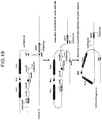
- the technology provides a donor cell that comprises a transmissible killing plasmid termed "pCON44-74," or a variant thereof, that retains the functions required for use in the methods and applications described herein below, and depicted schematically in Fig. 3 . While the use of pCON44-74 plasmid is not limited to use in a particular strain of donor cell, in embodiments discussed herein below, pCON44-74 is used with an E. coli donor cell. As used herein, the term "GN-4474" refers to a bacterial E.
- E. coli CON31-85A containing the pCON44-74 plasmid. Aspects of the technology are directed to methods of growing and storing GN-4474, and to formulations and treatment protocols for using GN-4474 in the prevention and treatment of infection.
- Methods of storing bacterial cells by freezing, with or without lyophilization are known but are commonly done with an expectation that reconstituted cells will be further cultured. The loss of a major portion of viable cells is tolerable when the cells will be further cultured for use.
- An aspect of the present technology is formulations for storage and administration that do not require further growth of the bacteria for effective use.
- the RK2 conjugation system possesses a set of genes that once expressed are very proficient in transferring plasmid DNA from Gram-negative bacterial hosts (e.g., E. coli ).
- Gram-negative bacterial hosts e.g., E. coli
- the functional RK2 conjugation machinery can mobilize plasmid DNA from a large number of Gram-negative bacterial hosts. It has been shown that, as long as proper vegetative replication origins are introduced, a plasmid can be mobilized from these donors ( E. coli and other Gram-negative donors) to other Gram-negative target strains, and even Gram-positive target strains (see, e.g ., Giebelhaus et al., J Bacteriol 178, 6378-6381 (1996 )), generating exconjugants. Conjugation systems of the present disclosure are not limited to RK2, since the majority of conjugative plasmids share strong similarities, and any other system could serve as a delivery system.
- donor cells comprise a transmissible plasmid that is conjugatively transferred into a target, wherein one or more products encoded by the plasmid are expressed ( e.g., to make mRNA or protein) resulting in the killing of the target cells or the inhibiting of their growth.
- the donor cells may further comprise a helper plasmid.
- the transmissible plasmid may be a self-transmissible plasmid.
- Donor cells may comprise a transmissible plasmid comprising nucleic acid that encodes one or more polyamino acids (e.g ., polypeptides or proteins) that are bactericidal. Donor cells may further comprise nucleic acid that encodes a polyamino acid capable of neutralizing the bactericidal properties of the polyamino acid of the non-self-transmissible plasmid within the donor cells (e.g., an immunity protein; see, e.g., Examples 2 and 4).
- the gene encoding the neutralizing polyamino acid may be on a chromosome of the donor cell, while in other examples, it is on a helper plasmid.
- the polyamino acid capable of neutralizing the bactericidal polyamino acid may be under control of a constitutive promoter.
- the polyamino acid capable of neutralizing the bactericidal polyamino acid may be under control of an inducible promoter. While an understanding of the mechanism is not necessary to practice the present invention and while the present invention is not limited to any particular mechanism of action, it is contemplated that, in some examples, the polyamino acid capable of neutralizing bactericidal polyamino acid and the bactericidal polyamino acid form a non-toxic complex within the donor bacteria.
- the bactericidal polyamino acid may be encoded by the colE3 gene.
- the present disclosure is not limited by the type of bactericidal gene used. Indeed a variety of bactericidal genes are contemplated including, but not limited to, colA, colB, colD, colIa, colIb, colK, colN, colE1, colE2, col E4 , colE5, col E6 , colE7, col E8, colE19 and a gene encoding lysozyme, lysostaphin, streptolysin, or listeriolysin O, etc.
- the self-transmissible or non-self-transmissible plasmid may comprise a promoter (e.g ., the lac promoter/operator) that drives expression each of the bactericidal polyamino acid(s).
- a promoter e.g ., the lac promoter/operator
- the promoters are all configured to express the toxins in the same target cell
- a transmissible plasmid will be configured to express a first bacteriocidal protein if transferred to a first type of recipient cell, and to express a second bacteriocidal protein if transferred to a second type of recipient cell.
- Bactericidal proteins such as colicins are not lethal only to bacteria. Although colicins are termed "bactericidal” proteins, the colicin proteins are enzymes that are universally toxic to cells, such as DNase and RNase ( Bowman et al (1971) PNAS 68:964-968 ; Tomita et al (2000) PNAS 97:8278-8283 ; Schaller and Nomura (1976) PNAS 73:3989-3993 ).
- DNase and RNase Bowman et al (1971) PNAS 68:964-968 ; Tomita et al (2000) PNAS 97:8278-8283 ; Schaller and Nomura (1976) PNAS 73:3989-3993 ).
- a bactericidal protein such as a colicin
- a colicin is typically controlled by recognition of a toxin-antidote complex on the surface of the target cell.
- the colicin is secreted to extracellular space by a colicin-producing bacterium as a toxin-antidote complex, and the toxin-antidote complex binds only to target cells that carry a specific surface molecule. Only the toxin molecule is imported into the target cell, killing the cell. In nature, killing by bactericidal proteins such as colicins is restricted to target cells that carry the correct surface molecule.
- bactericidal toxins may be used in targeting non-bacterial cells, e.g., eukaryotic cells, using conjugative transfer.
- a helper plasmid may encode a repressor protein (e.g., lacI ) capable of inhibiting expression of the bactericidal gene.
- a repressor protein may be encoded on the chromosome of the donor strain. The repressor protein may be under control of a constitutive promoter. The repressor protein may be under control of an inducible promoter.
- Plasmids configured for the expression of extremely toxic proteins may be used.
- the vectors of the present disclosure comprise rrnBT 1T2 transcription terminators upstream of a strong bacterial promoter.
- the present disclosure is not limited to the use of the rrnB T1T2 transcription terminators. Other known transcription terminators may be utilized.
- the lactose promoter and operator may be utilized.
- the LacI Q repressor protein may be included on the plasmid or it is provided on a separate vector, F' element, or chromosome.
- the present disclosure in not limited to the use of lactose promoter and operator.
- Other suitable promoters may be utilized, including, but not limited to, tetracycline, PBAD, T7, and T5 promoters.
- the present disclosure may provide vectors comprising a hybrid promoter/operator system.
- One hybrid promoter/operator utilizes the Arc and Mnt repressor proteins from Salmonella bacteriophage P22 as basic scaffolds (see, e.g., WO 2005/072092 ).
- the Arc and Mnt repressor proteins are small transcriptional regulatory proteins with structural similarity.
- Both Arc and Mnt proteins contain two functional domains - a dimeric N-terminal domain that binds operator DNA and a C-terminal coiled-coil domain that mediates protein tetramerization, which is essential for function ( Knight and Sauer. Proc. Natl. Acad. Sci.
- the mutant Mnt-Arc proteins contain the wildtype C-terminal dimerization domain from Mnt; however, six residues within the N-terminal DNA binding domain have been replaced with the corresponding 9 residues from the Arc repressor ( Knight and Sauer. Proc. Natl. Sci. USA 86:797-801 ⁇ 1989 ⁇ ).
- a Mnt-Arc homodimer retains wildtype tetramerization ability, but now recognizes the Arc operator sequence (O2) instead of the Mnt operator (O1).
- the novel repressor heterotetramer of the present invention consists of one wildtype Mnt homodimer and one hybrid Mnt-Arc homodimer.
- the vectors may comprise a low copy number origin of replication (e.g ., low copy modified pSC101 or RK2.
- a low copy number origin of replication e.g ., low copy modified pSC101 or RK2.
- Other exemplary origins of replication include, but are not limited to, wildtype pSC101, pl5a, pACYC.
- Plasmids finding use with the technology may also comprise a multiple cloning site for insertion of nucleic acid encoding genes of interest and a selectable marker (e.g ., an antibiotic resistance gene such as kanamycin, ampicillin, tetracycline, etc. ), and/or protein purification tags (e.g., His-tag, GST-tag, intein tag).
- a selectable marker e.g ., an antibiotic resistance gene such as kanamycin, ampicillin, tetracycline, etc.
- protein purification tags e.g., His-tag, GST-tag, intein tag
- the donor cells of the present disclosure comprise an immunity protein that inhibits or neutralizes the bactericidal protein expressed by the transmissible plasmid.
- an immunity protein that inhibits or neutralizes the bactericidal protein expressed by the transmissible plasmid.
- Numerous pairs of bactericidal proteins and corresponding immunity proteins are known in the art. The bactericidal proteins listed above are inhibited by the corresponding colicin A, colicin B, colicin D, colicin Ia, colicin Ib, colicin K, colicin N, colicin E1, colicin E2, colicin E3, colicin E4, colicin E5, colicin E6, colicin E7, colicin E8, and colicin E9 immunity proteins, respectively.
- bactericidal proteins e.g., bacteriocins
- the gene encoding an immunity protein may be under control of a promoter, wherein said promoter is constitutively active, while in other examples, the gene encoding an immunity protein may be under control of a promoter that is inducible.
- compositions comprising plasmids of the present disclosure find use in research and therapeutic applications.
- any type of bacteria e.g ., Gram-positive and Gram-negative bacteria
- a number of approaches may be taken to prevent spread (e.g ., growth) of donor bacteria.
- non-dividing cells see, e.g., U.S. Pat. App.
- Donor bacterial cells of the present disclosure may comprise temperature sensitive mutation(s).
- a temperature-sensitive mutant grows abnormally within a certain range of temperature compared to its isogenic wild-type bacteria.
- a mutation in the RNA or protein causes effects, e.g., changes in conformation, that are sensitive to temperature such that mutants can be grown in a lab at their permissive temperature; however, they have severe growth defects at non-permissive ( e.g., higher) temperatures (e.g., at body temperature).
- mutations include aminoacyl-tRNA synthetases (see, e.g., Sakamoto et al., J Bacteriol 186, 5899-5905 (2004 ); Martin et al., J Bacteriol 179, 3691-3696 (1997 )), and RNase P ( Li, Rna 9, 518-532 (2003 ); Li and Altman, Proc Natl Acad Sci U S A 100, 13213-13218 (2003 )).
- aminoacyl-tRNA synthetases see, e.g., Sakamoto et al., J Bacteriol 186, 5899-5905 (2004 ); Martin et al., J Bacteriol 179, 3691-3696 (1997 )
- RNase P Li, Rna 9, 518-532 (2003 ); Li and Altman, Proc Natl Acad Sci U S A 100, 13213-13218 (2003 )
- An aminoacyl-tRNA synthetase catalyzes the esterification of a specific amino acid to the 3'-terminal adenosine of the corresponding tRNA, and RNase P is an crucial ribonuclease to generate the mature 5' end of tRNAs in all organisms ( Gopalan et al., J Biol Chem 277, 6759-6762 (2002 ). Defects in these enzymatic functions prevent protein synthesis in the cell.
- the plasmids and donor cells of the invention may be employed to minimize potential risks associated with the use of DNA or genetically modified organisms in the environment. For instance, in environmentally sensitive circumstances it may be preferable to utilize non-self-transmissible plasmids.
- the plasmids may be mobilizable by conjugative machinery but are not self-transmissible. As discussed herein, this may be accomplished in some examples by integrating into the host chromosome all tra genes whose products are necessary for the assembly of conjugative machinery. In such examples, plasmids are configured to possess only an origin of transfer ( oriT ). This feature prevents the recipient, before or even after it dies, from transferring the plasmid further.
- oriT origin of transfer
- Another biosafety feature comprises utilizing conjugation systems with predetermined host-ranges.
- certain elements are known to function only in few related bacteria (narrow-host-range) and others are known to function in many unrelated bacteria (broad-host-range or promiscuous) ( del Solar et al., Mol. Microbiol. 32: 661-666, (1996 ); Zatyka and Thomas, FEMS Microbiol. Rev. 21: 29 1 319, (1998 )).
- many of those conjugation systems can function in either Gram-positive or Gram-negative bacteria but generally not in both (del Solar, 1996, supra; Zatyka and Thomas, 1998, supra).
- Donor bacterial cells of the present disclosure may comprise auxotrophic mutant(s).
- auxotrophic mutants There are large numbers of auxotrophic mutants known in the art. Examples of genes causing such phenotype are dapA and aroA.
- dapA encodes an enzyme dihydropicolinate synthase, a key enzyme for lysine biosynthesis in plant and bacteria (see, e.g., Ledwidge and Blanchard, Biochemistry 38, 3019-3024 (1999 )), and aroA encodes an enzyme 5-enolpyruvylshikimate 3-phosphate synthase, catalyzing a key step in the synthesis of aromatic amino acids (see, e.g., Rogers et al., Appl Environ Microbiol 46, 37-43 (1983 )).
- Environmentally safe bacteria may be utilized as donors. Safe bacteria are known in the art. For example, delivery of DNA vaccines by attenuated intracellular Gram-positive and Gram-negative bacteria has been reported ( Dietrich et al., 2001 Vaccine 19, 2506-2512 ; Grillot-Courvalin et al., 1999 Current Opinion in Biotech. 10, 477-481 ).
- the donor strain can be one of thousands of harmless bacteria that colonize the non-sterile parts of the body (e.g., skin, gastrointestinal, urogenital, mouth, nasal passages, throat and upper airway systems). Low virulence strains may be used.
- minicells and maxicells are well studied model systems of metabolically active but nonviable bacterial cells.
- Minicells lack chromosomal DNA and are generated by special mutant cells that undergo cell division without DNA replication. If the cell contains a multicopy plasmid, many of the minicells will contain plasmids. Minicells neither divide nor grow. However, minicells that possess conjugative plasmids are capable of conjugal replication and transfer of plasmid DNA to living recipient cells. (see, e.g., U.S. Patent No. 4,968,619 ).
- Maxicells are cells that are treated so as to destroy their chromosomal DNA, while retaining the function of plasmids that they contain. Maxicells can be obtained from a strain of E. coli that carries mutations in the key DNA repair pathways ( recA, uvrA and phr ). Because maxicells lack so many DNA repair functions, they die upon exposure to low doses of UV light. Importantly, plasmid molecules (e.g ., pBR322) that do not receive UV irradiation continue to replicate. Transcription and translation (plasmid-directed) can occur efficiently under such conditions ( Sancar et al., J. Bacteriol.
- Non-dividing cells may be utilized as donor cells.
- Non-dividing cells are generally treated such that the ability to divide and grow is removed but conjugation efficiency is preserved.
- Non-dividing cells may be treated such that chromosomal DNA is damaged but is not destroyed to the same extent as it is in the creation of maxicells.
- GN-4474 can be used to treat any of these types of skin infections.
- One method of application would be to apply GN-4474 topically as an ointment; this method of application would be suited to infections such as impetigo.
- GN-4474 can be injected or infused directly into the infected tissue; this method of application would be particularly suited to abscesses and ulcers.
- Application of GN-4474 both topically and injected would be advantageous in some circumstances.
- Example 1 details the genetic modifications made to produce E. coli CON31-85A.
- the resulting strain has the genotype: K-12 E. coli MG1655 ⁇ msbB::LacIQ, ⁇ dapA::immE3-Arc / mnt, ⁇ aroA:: imm x 10 7 -lacIQ, attB::tra-P L -Mnt, ⁇ recA
- Figures 1-3 provide a detailed flow diagram of the assembly of the killing plasmid pCON44-74.
- the skilled person will appreciate that modifications can be made to the plasmid without altering its function in the technology, e.g ., removing portions of nucleic acid that do not affect the function of the conjugation, replication, or toxin functions of the plasmid.
- the plasmid may be transformed into different types of non-pathogenic donor cells, or variant strains of E. coli. It is contemplated that the present technology encompasses such variants of both pCON44-74 and GN-4474. See, e.g., WO 2006/128089 .
- the active ingredient in GN-4474 is a harmless genetically engineered strain of E. coli that possesses conjugation machinery that can transfer "a killer plasmid" into target bacteria, that, once expressed, kills the recipient bacteria.
- antibiotics that are taken orally or that are injected are dosed as the amount (grams, milligrams, etc) that are given so many times per day.
- Topical antibiotics such as Neosporin are dosed as the number of units of each antibiotic in a particular amount (3.5 mg of neomycin, 5,000 units of polymyxin B and 400 units of bacitracin per 1.0 gram of Neosporin).
- a composition such as GN-4474.
- the dosage indicator as used herein is colony forming units (cfus), typically indicated in relation to a volume of a formulation or a unit of area treated or to be treated.
- the GN-4474 composition has been shown to be effective in preventing infection when used as a preventative, i.e., when applied at the same time as exposure to a pathogen. It was demonstrated that when infecting burned mice with between 1x10 4 and 1x10 5 cfu of pathogen ( P. aeruginosa or Acinetobacter baumannii ) a dose response for GN-4474 is observed that prevents death in the mice and also will clear the pathogen from the burn site.
- pathogen P. aeruginosa or Acinetobacter baumannii
- mice infected with P. aeruginosa approximately 50% survival of mice occurred with treatment with 6.0x10 5 cfu of GN-4474 to a burn area of about 20 mm 2 .
- the treatment under these conditions produced the following results: Approximately 75% survival was achieved with treatment with 7.0x10 6 cfu of GN-4474. Greater than 85% survivability was achieved with treatment with 5x10 7 cfu of GN-4474. Greater than 90% survivability was achieved with 5x10 8 cfu of GN-4474 and 100% survivability was achieved with doses of 4.9x10 9 cfu or greater.
- Tissue injuries may be debrided prior to treatment, while in some examples, the formulations of the invention may be applied without debridement.
- Topical treatment of an infected lesion may comprise at least one administration of 1x10 10 cfu of GN-4474 for a lesion of 20 mm 2 of tissue area.
- the treatment at this dosage may be repeated 2 times, preferably 3 times, or more.
- the treatments may be repeated at regular intervals, e.g ., every 4 to 6 hours.
- Treatment of a burn may be done without debriding the burn wound.
- GN-4474 is applied, e.g., by injection below the eschar but above the underlying muscle tissue. Treatment by subeschar injection may reduce the dosage of GN-4474 needed to treat or prevent infection. For example, on a 20 mm 2 burn site, injection of a single dose of 1.0 x 10 9 cfu GN-4474 resulted in nearly 1 log reduction in the number of surviving pathogen organisms.
- compositions of the technology are configured such that they require supplemental amino acids in order to grow, so that in use, e.g., as applied to a skin lesion, they are deprived of essential amino acids and cannot further divide.
- GN-4474 requires 2,6-diaminopimelic acid in order to grow.
- 2,6-diaminopimelic acid As applied to tissue, e.g., on a skin lesion, 2,6-diaminopimelic acid is not available and the donor bacterium thus cannot grow at the application site ( i.e ., it cannot colonize the site or otherwise propagate).
- the conjugation function of donor cell is maintained, so that the transmissible plasmid carrying toxin genes may be transferred into a recipient pathogen cell.
- the plasmid is configured to express encoded toxins in susceptible target pathogens, killing the pathogens.
- the GN-4474 composition is a live viable E. coli bacteria that is intended to be used as a topical therapeutic to treat, e.g ., antibiotic resistant bacteria.
- the GN-4474 cannot be "regrown", it must be in its final formulation and concentration that it is intended to be used at in the hospital setting.
- a high concentration e.g ., approx. 1 x 10 10 cfu/ml.
- the technology may be directed to ways to store GN-4474 for both short term ( ⁇ 2 weeks) and long term (> 1 year) periods of time, while maintaining a very high level of viability and conjugation efficiency. Indeed, some typical bacteria storage conditions may maintain viability, but these same conditions may not maintain conjugation efficiency.
- 1x10 6 to about 1x10 9 cfu/ml may be used for storage, preferably 1x10 8 to 1x10 9 cfu/ml, with 1x10 9 cfu/ml being a particularly preferred concentration for short-term storage, whereby maintenance of both viability and conjugation efficiency are improved significantly relative to significantly more concentrated preparations.
- the composition of the storage medium appears to have an influence on conjugation, but little influence on viability. It was very surprising that conjugation efficiency was better for short term storage when the cells were maintained in spent medium rather than in fresh buffer, as it is typically considered that bacteria should be healthier and more stable when they are removed from a milieu that is depleted of nutritional elements and is laden with waste products. Therefore it is clear that multiple factors influence the stability of the E. coli GN-4474 for short term storage, and that once proper storage concentration is maintained, exact buffer composition influences conjugation efficiency, but has less effect on viability. This would indicate through multiple experiments, that as long as the concentration of E.
- coli is maintained at or below 1x10 9 cfu/ml, viability of the bacteria at 4°C can be maintained in spent medium, or in excipient buffer with or without HEC. However, the conjugation efficiency of the bacteria at 4°C is better maintained in spent medium rather than in buffer with or without HEC.
- Short term storage temperature influences both viability and conjugation efficiency. Different sugars also influence viability. As discussed below in Example 8, glucose as a sugar in short term storage medium is not as good as sucrose or trehalose for maintaining viability. However, all three sugars maintain conjugation efficiency when stored at 4°C. These data show that viability and conjugation efficiency are not directly related and that varying conditions, e.g ., sugars, can affect one feature without affecting the other.
- Snap freezing or flash freezing, is the process by which the samples are lowered to ultra-low temperatures, e.g ., below -70°C, very rapidly. Snap freezing typically involves using dry ice or liquid nitrogen.
- the snap-freezing protocol described in Example 9 maintains both the viability and killing efficiency of GN-4474 in excipient buffer (50mM KPO 4 buffer, 10% trehalose or sucrose, 2% glycerol) for extended periods of time at -80°C. Snap freezing protocols have been developed that maintain the both the viability and killing efficiency using a much lower percentage of glycerol than used in typical bacterial freezing protocols (2% vs. the typical 15-40%).
- Example 10 shows that GN-4474 freeze dried in excipient buffer (50mM KPO 4 buffer, 10% trehalose or sucrose, 2% glycerol and 0.5% HEC) may be stored for extended periods of time at -80°C while maintaining both the viability and killing efficiency.
- excipient buffer 50mM KPO 4 buffer, 10% trehalose or sucrose, 2% glycerol and 0.5% HEC
- GN-4474 is therapeutic for both the prevention of and treatment of gram negative bacterial infections in a burn using a variety of different application strategies.
- coli lac operator/promoter Kan (determinant for kanamycin resistance); Cm (determinant for chloramphenicol resistance); Tral (region encoding genes responsible for conjugative transfer); Control (region encoding control region); oriV (region encoding the origin of vegetative replication); oriT (region encoding the origin of conjugative transfer); tetR (gene encoding repressor of tetA ); tetA (gene encoding resistance to tetracycline); Rep (region encoding genes responsible for replication); Primase (region encoding genes involved in replication); Tra2 (region encoding genes responsible for mating pair formation); colE3 (gene encoding colicin E3); col x 10 7 (gene encoding colicin x 10 7 ); immE3 (gene encoding the immunity protein for colicin E3); immE7 (gene encoding the immunity protein for colicin x 10 7 ), repA, repB and repC (encode
- Donor bacterium construction Construction of E. coli CON31-85A
- E. coli CON31-85A This strain was derived from the wild type E. coli strain MG1655 following the steps shown in Figure 12 .
- E. coli MG1655 was the first completely sequenced strain of E. coli ( Blattner et al, Science. 1997 Sep 5;277(5331):1453-62 .)
- the first genetic alteration to E. coli MG1655 was the deletion of msbB with a lacI Q insertion to take the place of msbB.
- the msbB gene encodes an enzyme responsible for attachment of an acyl group in the lipid A of lipopolysaccharide (LPS), the primary component of bacterial endotoxin.
- LPS lipopolysaccharide
- This mutant strain of E. coli still synthesize LPS lacking the acyl group, and this modified LPS represents significantly reduced (almost 1 million fold) endotoxic effect.
- This modification in E. coli CON31-85A will significantly reduce the endotoxic effect of GN-4474 upon its application in humans.
- the msbB gene in MG1655 was deleted using a standard two-step homologous recombination procedure. This gene deletion (or knock out (KO)) was combined with insertion of lacI Q to take the place of msbB using a gene replacement plasmid (pCON1-96). Since expression of colE3 was repressed with LacI; overexpression of lacI was designed by introducing a second copy of lacI Q . Note that lacI Q has a point mutation in its promoter region, which yields higher expression of lacI. The summary of this gene replacement is depicted in Figure 13 .
- Table 1 lists the individual primers and corresponding primer sequences used to create the pCON1-96 suicide vector and to detect the homologous recombination events that delete the msbB gene and insert the lacI Q gene in replacement. Table 1. Primer names and corresponding sequences of the primers used to create the suicide vector pCON1-96 and to detect the deletion of msbB and insertion of lacI Q .
- the 5' and 3' flanking regions of msbB were PCR cloned using primer pairs, con1-4C/con1-4D, and con1-4A/con1-4B, respectively.
- the lacI Q region was also PCR cloned from E. coli JM109 using the pair of primers con1-8A/1-8B.
- the cloned DNA fragments were verified by DNA sequencing. These fragments were assembled into a plasmid pCON1-96 ( Figure 14 ). This vector has both a selectable marker CamR and counter selective marker sacB on the plasmid.
- pCON1-96 Prior to transformation, pCON1-96 was digested with Asc I to eliminate the replication origin (ori) of the plasmid, and the replicon-less plasmid was circularized by T4 ligase prior to transforming E. coli MG1655.
- Transformants were selected on Luria bertani agar containing 50 ⁇ g/mL chloramphenicol (Cam, 50 ⁇ g/mL), and growing colonies were analyzed by PCR to verify homologous recombination at either 5' or 3' flanking region of msbB.
- the PCR primers used for this analysis are listed in the Table 1 above, and locations of these primers are indicated in Figure 13 .
- the candidate colonies containing the integrated pCON1-96 were subsequently grown in LB broth cultures containing 7% sucrose (with no chloramphenicol), overnight. The cultures were then subcultured for 2 days and were diluted and plated on LB agar containing 7% sucrose without chloramphenicol selection to counter select sacB- containing bacterial cells. Colonies growing on the plate are either msbB -deletion mutants or revertants to wild type, which was verified by PCR using the primer pairs listed in the Table 2.
- PCR primer combinations used in PCR analysis to detect the msbB deletion and lacI Q insertion following homologous recombination. Correct amplicon sizes are shown for the resulting E. coli CON30-12 strain, while amplification of the parental E. coli MG1655 strain, will not yield any amplicons. Table2.
- the second genetic alteration to E. coli MG1655 was the deletion of dapA with an immE3-arc / mnt insertion to take the place of dapA.
- the dapA gene encodes an enzyme partially responsible for the synthesis of the bacterial cell wall and lysine.
- a dapA mutant can grow with medium supplementation with the compound diaminopimelic acid (DAP), which is a precursor in the biosynthetic pathway.
- DAP diaminopimelic acid
- the dapA gene in E. coli CON30-12 was deleted using a standard two-step homologous recombination procedure.
- the dapA gene deletion was combined with integration of immE3 and mnt / arc using a gene replacement plasmid, pCON30-31.
- LacI represses expression of the bactericidal gene colE3 on the plasmid pCON44-74.
- leaky expression of colE3 could cause a detrimental effect on the host survival; thus immE3 was integrated into the host chromosome to neutralize the toxicity of even the smallest amounts of ColE3 within the CON31-85A host cell.
- the dapA deletion genotype was introduced to restrict the growth of the host stain in a DAP limiting environment; thus it prevents spread of the bacterium. This process caused a deletion of 833 bp within the dapA coding region.
- the immE3 and Mnt / Arc genes were integrated into this site. The summary of this gene replacement strategy is depicted in the Figure 15 .
- Table 3 lists the individual primers and corresponding primer sequences used to create the pCON1-96 suicide vector and to detect the homologous recombination events that delete the msbB gene and insert the lacI Q gene in replacement.
- the 5' and 3' flanking regions of dapA were PCR cloned from the chromosomal DNA of E. coli MG1655 using two pairs of primers con8-59A/con8-59B and con8-59C/con8-59D, respectively ( Figure 15 ).
- the immE3 and the arc / mnt hybrid genes were PCR cloned using two pairs of primers. These fragments were assembled into a plasmid pCON30-31 ( Figure 16 ).
- This vector has both a selectable marker CamR and counter selective marker sacB on the plasmid.
- the suicide plasmid pCON30-31 has a gamma R6K origin of replication that cannot replicate in E .
- the candidate colonies containing the integrated pCON30-31 were grown in LB broth cultures containing 100 ⁇ g/mL of 2,6-diaminopimelic acid and 7% sucrose (no chloramphenicol) overnight. These overnight cultures were then subcultured for 2 days, diluted and plated on LB agar containing 100 ⁇ g/mL of 2,6-diaminopimelic acid and 7% sucrose without chloramphenicol selection to counter select sacB -containing bacterial cells. Colonies growing on the plate are either dapA -deletion mutants or revertants to wild type, which was verified by PCR using the primer pairs listed in the Table 4.
- Genotype of CON30-41 K-12 E. coli MG1655 ⁇ msbB::lacIQ, ⁇ dapA::immE3-Arc / mnt
- the third genetic alteration to E. coli MG1655 was the deletion of aroA with an imm x 10 7 -lacIQ insertion to take the place of aroA. Disruption of the aroA gene results in a block in the shikimate pathway of E. coli. This pathway is mainly responsible for the biosynthesis of aromatic amino acids; however, it can provide precursors for folate, enterochelin, and quinine biosynthesis. Published reports of E. coli aroA mutants demonstrated that these strains require the addition of aromatic amino acids, p-aminobenzoate, and p-hydroxybenzoate when grown in minimal medium.
- the aroA genotype was used to make the host strain dependent on a group of amino acids; thus aroA was used as a selective marker for the bactericidal plasmid. In a synthetic culture medium, the bactericidal killer plasmid carrying aroA was demonstrated to be stably maintained. The summary of this gene replacement is depicted in the Figure 17 . Table 5. Primer names and corresponding sequences of the primers used to create the suicide vector pCON29-93 and to detect the deletion of aroA and insertion of imm x 10 7 - lacI Q . Table 5: sequence of primers used to detect the aroA deletion and immE7-lacIQ insertion.
- the 5' and 3' flanking regions of aroA were PCR cloned from the chromosomal DNA of E . coli MG1655 using two pairs of primers con29-28A/con29-28B and con29-28E/con29-28F, respectively.
- the imm x 10 7 and the lacI Q genes were combined with these fragments and cloned into a plasmid to generate pCON29-93.
- This vector has both a selectable marker CamR and counter selective marker sacB on the plasmid.
- the pCON29-93 plasmid was digested with AscI , and the replication origin was removed from the plasmid generating a replicon-less plasmid.
- the resulting replicon-less plasmid was circularized with T4 DNA ligase, and transformed into CON30-41. Since the plasmid is replicon-less the plasmid cannot be stably maintained as a plasmid in this strain. Chloramphenicol resistance was used as a positive selective marker for initial integration of DNA fragment, and sacB was used as a counter selective marker for the second homologous recombination.
- Initial transformants were selected on Luria bertani agar containing 100 ⁇ g/mL of 2,6-diaminopimelic acid and 50 ⁇ g/mL chloramphenicol (Cam, 50 ⁇ g/mL), growing colonies were analyzed by PCR to verify homologous recombination at either 5' or 3' flanking region of aroA.
- the PCR primers used for this analysis are listed in the Table 5 above, and locations of these primers are indicated in Figure 17 .
- the candidate colonies containing the integrated pCON29-93 were subsequently cultured in LB broth containing 100 ⁇ g/mL of 2,6-diaminopimelic acid and 7% sucrose without chloramphenicol overnight.
- PCR primer combinations used in PCR analysis to detect the aroA deletion and imm x 10 7 - lacI Q insertion following homologous recombination. Correct amplicon sizes are shown for the resulting E. coli CON32-16 strain, while amplification of the parental E. coli CON30-41 strain, will not yield any amplicons. Table. Specific PCR products from recombinant strain CON32-16 PCR primers* Product size from CON32-16 Product size from parental strain CON30-41 Con29-95A/con29-77B 1413 bp None Con29-91A/con29-95B 1303 bp none * See the locations of the primers in the Figure 17 .
- the fourth genetic alteration to E. coli MG1655 was the integration of the tra operon into the chromosome of E. coli MG 16556 at the lambda bacteriophage attachment site, attB ( Figure 19 ).
- the bactericidal plasmid pCON44-74 is a mobilizable plasmid that requires a set of tra genes to mediate its transfer from the donor cell ( E. coli CON31-85A) to a recipient cell.
- the plasmid pCON44-74 utilizes RSF1010 for its transfer and replication, and the products of the RK2 tra genes can facilitate this process efficiently.
- a suicide plasmid containing the RK2 tra genes was constructed, and was integrated at the attB site of the host E. coli genome. Recombination of DNA molecules between attB and attP is reversible, and catalyzed by the Int-Xis system of lambda bacteriophage. To avoid its potential gene transfer from the donor strain to another bacterial strain, the integrated plasmid was further modified to prevent its excision process (see the strategy in the Figure 19 ). Briefly, the suicide plasmid carrying a DNA fragment of E. coli chromosome flanking to the attB site, part of the ybhC gene was cloned into this suicide vector as well.
- the tra1 and tra2 regions that were cloned into this plasmid are responsible for providing conjugation machinery necessary for transferring plasmids in the final donor strain.
- the tra1 and tra2 regions must be inserted or integrated into the chromosome of CON31-85A.
- the pCON32-20 suicide plasmid was designed to utilize the Int-Xis system of the lambda bacteriophage and the corresponding attB site in the host chromosome and the attP site in pCON32-20, which was specifically cloned into this suicide vector.
- the attB / attP site recombination event is normally reversible in nature.
- ConjuGon designed pCON32-20 to prevent excision from the host chromosome once integration occurred.
- the pCON32-20 suicide vector was designed to carry a DNA fragment (part of the ybhC gene) of the host E. coli chromosome flanking attB site. Following the site-specific integration of the pCON32-20 plasmid at the attB site in the chromosome, homologous recombination between the two ybhC gene fragments takes place. During this homologous recombination event at the ybhC genes, the attL gene is eliminated, with prevents the potential excision of the plasmid DNA that is integrated at this location.
- the suicide vector pCON32-20 has several important features ( Figure 20 ).
- the Tra1, Tra2 and Control regions (all required for conjugation) were cloned from the well-characterized plasmid RK2.
- the entire Tra1, Tra2 and control regions from RK2 were cloned with the exception trbK.
- Expression of the trbK gene has been shown to reduce conjugation efficiency dramatically in recipient cells.
- the gene was deleted. Elimination of trbK in the donor strain, CON31-85A, does not affect conjugation efficiency of the donor strain.
- KanR for resistance to kanamycin
- CamR for chloramphenicol resistance
- the sacB gene was also cloned into pCON32-20 and used for negative selection to counter select the pCON32-20 plasmid, which will force the second homologous recombination event ( Figure 19 ).
- a copy of the immE3 gene was cloned into the pCON32-20 suicide plasmid however; immE3 was not essential for the purpose of this plasmid development, and after the gene-replacement process, immE3 was designed to be deleted.
- Int protein is essential for recombination between attB and attP.
- the protein was expressed in trans from the plasmid pJW27, which expresses Int under a heat-inducible promoter.
- the plasmid pJW27 is not transferred into the final donor strain CON31-85A and is actually selected against in the final strain.
- the origin of transfer Prior to cloning the entire Tra1, Tra2 and control regions from RK2, the origin of transfer (oriT) was mutated. ConjuGon specifically mutated the oriT to prevent the potential transfer of chromosomal DNA from CON31-85A into pathogenic target bacteria.
- the suicide vector pCON32-20 also carries the Mnt repressor protein that is under control of the lambda P L promoter that is constitutively expressed. This repressor protein is part of ConjuGon's novel Arc/Mnt hybrid promoter/repressor system used to regulate col x 10 7 expression in the CON31-85A donor strain.
- the suicide plasmid pCON32-20 has a gamma R6K origin of replication that cannot replicate in E. coli MG1655 (or CON31-85A) since these strains do not have the pir gene coding for the Pi replication protein required for R6K origins of replication.
- the Pi protein was provided in trans from a specific vector-construction host genome. Since the recipient of the plasmid CON32-16 did not express the Pi protein, the plasmid was not capable of replication; thus only the integrated plasmid could provide resistance against antibiotics, chloramphenicol and kanamycin.
- the tra integration vector (pCON32-20) has to be integrated at the attB site in the chromosome of CON32-16 ( Figure 19 ). Since the E. coli CON32-16 or pCON32-20 vector doesn't contain the lambda integrase gene that is required for integration the lambda integrase needs to be supplied in trans.
- the plasmid pJW27 containing a temperature sensitive replicon, and a heat inducible lambda integrase was transformed into E. coli CON32-16. Following this transformation, electrocompetent E. coli CON32-16/pJW27 were prepared.
- the tra integration vector, pCON32-20 was transformed into the electrocompetent E. coli CON32-16/pJW27 cells.
- the bacterial cells were incubated at 43°C for 1 hour (to induce the lambda integrase, and also to cure the strain of pJW27) and then spread onto LB agar containing 100 ⁇ g/mL of 2,6-diaminopimelic acid and 50 ⁇ g/mL kanamycin (Kn, 50 ⁇ g/mL). These plates were incubated overnight at 37°C. Resulting colonies were analyzed by PCR to verify the initial integration of pCON32-20 at the attB site using the primer pairs con32-8A with con32-8D ( Figure 19 and Table 7) which would generate a 1987 bp amplicon from the integrant strain, with no amplicon from CON32-16.
- PCR-positive clones (those with the integration of pCON32-20 at the attB site) were then grown in LB broth containing 100 ⁇ g/mL of 2,6-diaminopimelic acid and 7% sucrose without antibiotics overnight. These cultures were then subcultured for two days in the same medium, followed by dilution and plating on LB agar containing 100 ⁇ g/mL of 2,6-diaminopimelic acid and 7% sucrose without antibiotic selection to counter select sacB -containing bacterial cells.
- Primer names and corresponding sequences of the primers to detect the integration of the tra genes Sequence of primers used to detect the tra integration
- Sequence of primers used to detect the tra integration Primer name DNA sequence SEQ ID NO: CON32-8A 5'- TTGTAGTTAGTGTCATTCAGATTGCGCTGT 27
- CON32-8C 5'- TGCTACTGCTTCGCAATGCTGGAC 28
- CON32-8D 5'- CAAGAAAGCCATCCAGTTTACTTTGCAG 29
- PCR primer combinations used in PCR analysis to detect the tra integration and subsequent homologous recombination Correct amplicon sizes are shown for the resulting E . coli CON32-27A strain, while amplification of the parental E.
- coli CON32-16 strain will not yield any amplicons that will be amplified in the PCR conditions used for detection.
- Specific PCR products from recombinant strain CON32-27A PCR primer pair Product size from CON32-27A Product size from parental strain CON32-16 CON32-8A x CON32-8C 1695 bp 8897 bp, too large to amplify under the condition used * * PCR condition: 94C-5min, (94C-30sec, 59C-30sec, 72C-1min), 72C-5min, 5% DMSO, 1u/20uL Taq
- Genotype of CON32-27A K-12 E. coli MG1655 ⁇ msbB::lacIQ, ⁇ dapA::immE3-Arc / mnt, ⁇ aroA::imm x 10 7 -lacIQ, attB::tra-P L -Mnt
- the last genetic alteration to E. coli MG1655 was the deletion of recA without any insertion taking the place of recA.
- the ⁇ recA genotype was introduced to minimize potential genetic instability by recombination, and also to attenuate fitness of the host strain. This was the last genetic alteration to the donor strain since the other deletions and insertions listed above required RecA to help facilitate these genetic deletions and insertion to the donor strains chromosome.
- the recA gene in E. coli MG1655 was deleted using the standard two-step homologous recombination. The summary of this gene replacement is depicted in the Figure 21 . Table 9.
- pCON31-45 Construction of the ⁇ recA gene deletion suicide vector, pCON31-45 is described here.
- the 5' and 3' flanking regions of recA were PCR cloned using two pairs of primers, con31-10A/con31-10B, and con31-10C/con31-10D, respectively.
- the cloned DNA fragments were verified by DNA sequencing. These fragments were assembled into a plasmid pCON31-45 ( Figure 22 ).
- This vector has both a selectable marker CamR and counter selective marker sacB on the plasmid.
- pCON31-45 Prior to transformation, pCON31-45 was digested with Asc I to eliminate the replication origin ( ori ) of the plasmid.
- the replicon-less plasmid was circularized by T4 ligase prior to transforming E. coli CON32-27A.
- Transformants were selected on LB agar containing 2,6-diaminopimelic acid (100 ⁇ g/ml) and chloramphenicol (Cam, 50 ⁇ g/ml), growing colonies were analyzed by PCR to verify homologous recombination at either 5' or 3' flanking region of recA.
- the PCR primers used for this analysis are listed in the Table 9 above, and locations of these primers are indicated in the Figure 21 .
- the candidate colonies containing the integrated pCON31-45 were subsequently grown in LB broth containing 2,6-diaminopimelic acid (100 ⁇ g/ml) and 7% sucrose (with no chloramphenicol) overnight. These cultures were then subcultured for 2 days and were diluted and plated on LB agar containing 2,6-diaminopimelic acid (100 ⁇ g/ml) and 7% sucrose without chloramphenicol selection to counter select sacB -containing bacterial cells. Colonies growing on these agar plates are either recA- deletion mutants or revertants to the parental strain, and this was screened by PCR using the primer pair listed in the Table 10 below.
- GN-4474 E. coli CON31-85A transformed with plasmid pCON44-74 is termed "GN-4474." In these experiments, GN-4474 is compared to a negative control strain CON37-55A to assess its effect on killing different target pathogens.
- the pathogen strains were all cultured over night from freezer stocks.
- the GN-4474 and CON37-55A were also cultured overnight from freezer stocks. After overnight growth, the densities of the cultures were standardized spectrophotometrically.
- Target pathogen was then mixed with either GN-4474 or CON37-55A separately, the suspensions were then pelleted in a centrifuge, supernatant removed, and the resulting "mixed" cell pellet was resuspended in saline.
- the resulting suspensions were then spotted onto nitrocellulose filter disks that were placed on top of 0.9% saline agar plates, to ensure that no bacterial growth took place directly on the plates themselves.
- the saline agar plates were then quickly dried in a laminar flow hood, then placed at 37°C for two hours to allow conjugation to occur.
- the plates were removed from the incubator, the filter disks (still containing the target pathogen and treatment cells) were removed from the surface of the agar plates and, then placed in 1.5 ml centrifuge tubes containing 1.0ml sterile saline. The tubes were then vortexed to release the bacterial cells from the filter disks. Serial dilutions were then prepared and plated onto Luria Bertani medium.
- This medium would allow for growth of all of the pathogens tested (Klebsiella, Pseudomonas, Acinetobacter, Enterobacter, Escherichia coli ), however, since this medium was not supplemented with 2,6-diaminopimelic acid, neither the GN-4474 nor the CON37-55A control could grow, ensuring that only target pathogen would be recovered.
- the plates were incubated overnight at 37°C, after which the resulting pathogen colonies were counted. The results are reported as "percent of test strain killed by GN-4474" in Figures 24A-24E .
- the counts from the CON37-55A negative control plates were used as a baseline.
- the killing efficiency of GN-4474 was calculated by dividing the cfu/ml of recovered target pathogen treated with GN-4474 by the cfu/ml of recovered target pathogen treated with CON37-55A, multiplied by 100 to give the % surviving bacteria, as shown in Figures 24A-24E .
- Table 11 Bacterial Species Number of isolates tested E. cloacae 50 K. pneumoniae 50 A. baumanaii 53 E. coli 38 P. aeruginosa 48 Total 239
- GN-4474 is not limited to treating P. aeruginosa, as shown in the examples below, but finds use in treating infection by a range of different pathogens.
- compositions of the present invention The following describes a standard protocol for testing compositions of the present invention.
- mice were burned and then infected with 7400 cfu of P. aeruginosa MAKI delivered in a volume of 200 ⁇ l on day 0. Twenty four hours later (day 1), four groups of 8 mice each were treated as follows:
- mice On Day 2 (48 hours post infection) the mice were sacrificed, muscle biopsies were taken, homogenized, and plated for viable counts. Spleen were also collected, homogenized, and plated for viable counts.
- the GN-4474 bacteria were then concentrated just four hours prior to being applied to the debrided burn site. It is noted that prolonged storage in concentrated form reduces conjugation efficiency.
- the spleen data ( Figure 4B ) shows there is no difference in Pseudomonas loads, indicating that the treatment did not stop sepsis from occurring. However, it was not determined whether sepsis existed prior to treatment, and pre-existing sepsis would not be expected to yield to this topical treatment.
- Example 1 the protocol described in Example 1 was modified by using two different pathogen inoculum amounts to cause the infection.
- the data from Treatment 1 suggested that too large of a P. aeruginosa MAKI inoculum was used to generate this infection.
- the E. coli GN-4474 that was used for this experiment was prepared virtually identically to those in the prior experiment.
- the GN-4474 bacteria were then concentrated just four hours prior to being applied to the debrided burn site.
- mice Two groups of eight mice each received a P. aeruginosa inoculum of (6893 cfu of MAKI). Two other groups of eight mice each received an inoculum of P. aeruginosa MAKI that was roughly one half of the other two groups (3492 cfu of MAKI). Twenty four hours later (day 1), four groups of 8 mice each were treated as follows:
- mice On Day 2 (48 hours post infection) the mice were sacrificed, muscle biopsies were taken, homogenized and plated for viable bacterial counts. Spleens were also collected, homogenized, and plated for viable counts. The results are shown in Figures 5A and 5B .
- aeruginosa MAKI is given to mice to establish an infection, treatment with GN-4474 appears to inhibit or at least decrease the amount of P. aeruginosa MAKI that enters the blood stream, thereby partially inhibiting sepsis ( Figure 5B ).
- GN-4474 was prepared grown and concentrated as for Treatments 1 and 2.
- mice Four groups of 8 mice each were burned and infected with 3400 cfu of P. aeruginosa MAKI. Twenty four hours later the mice were divided into four groups of eight mice each. The groups were treated as follows:
- mice On Day 2 (48 hours post infection) the mice were sacrificed, muscle biopsies were taken, homogenized and plated for viable counts. Spleens were also collected, homogenized and plated for viable counts. The data for this set of experiments is shown in Figures 6A and 6B .
- the number of recovered P. aeruginosa MAKI in the group that were treated 1 time with excipient buffer was 3.51 x 10 7 cfu/ gram of tissue ( Figure 6A ).
- mice treated with 2 treatments of GN-4474 had an average P. aeruginosa MAKI burden of 2.63 x 10 4 CFU/gram of spleen tissue, while the control group of mice treated with 2 treatments of excipient buffer had an average P. aeruginosa MAKI burden of 7.12e5 CFU/gram of spleen tissue ( Fig. 6B ).
- Five of the eight mice in the 2 times treatment with GN-4474 group had no detectable P. aeruginosa MAKI in their spleens.
- One of the remaining 3 mice in this group had a significant decrease in P. aeruginosa MAKI burden as well.
- mice were burned and infected with 3500 cfu of P. aeruginosa MAKI at day 0. Then, 24 hours later, the treatments with vehicle control or with GN-4474 commenced.
- the test groups were as follows:
- GN-4474 significantly altered the dose of GN-4474 that was applied to the wound site. In previous experiments about 1-3 x 10 10 cfu of freshly cultured GN-4474 was applied to the wound site. In this experiment using resuspended lyophilized GN-4474, 33 times less GN-4474 (1.1 x 10 9 cfu) was applied to each burn site, at each treatment time.
- This experiment repeats the protocol of Treatment 3, with the hypothesis that increasing the number of treatments with GN-4474 will continue to decrease the P. aeruginosa MAKI pathogen in the burn site and spleen.
- This experiment utilized GN-4474 that was grown under a slightly different set of conditions.
- mice Three cultures of GN-4474 were grown and the cultures were stopped at OD600s of 2.2-2.5 and prepared on the morning of the day the animals were to be treated. The cultures were grown longer than optimum and were concentrated early in the morning and stored on ice until application. Four groups of 10 mice each were burned and then infected with 3489 CFU of P. aeruginosa MAKI. Twenty four hours later, the eschars were removed and the four groups of 10 mice each were treated as follows:
- Table 12 Recovered pathogen ( P. aeruginosa MAKI) from muscle punches Mean CFUs/Gm Tissue Standard Error Muscle Excipient Control 11,744,311 4,323,708 1x GN-4474 15,619,341 4,670,534 2X GN-4474 4,959,367 2,172,470 3X GN-4474 844,225 435,054 Table 13. Recovered pathogen ( P.
- aeruginosa MAKI from spleen tissue Mean CFUs/Gm Tissue Standard Error Spleen Excipient Control 3,148,364 1,476,464 1x GN-4474 4,624,565 2,076,163 2X GN-4474 899,491 653,886 3X GN-4474 37,587 20,754
- This experiment investigated applying the GN-4474 product without debridement, below the burn eschar.
- the eschar is left in place and the GN-4474 product is injected using a needle below the eschar.
- mice are thermally injured, and then infected with P. aeruginosa MAKI, and left for 24 hours. The next day, groups of infected mice are injected using a needle and syringe below the eschar but above the muscle tissue, with either 300 ⁇ l of excipient buffer (vehicle control) or 300 ⁇ l of resuspended lyophilized GN-4474.
- Lyophilized GN-4474 was resuspended in sterile water. Based on the concentration of GN-4474 in the lyophilized vials, it was calculated that 1.0 x 10 9 cfus of GN-4474 would be injected in the 300 ⁇ l of treatment that is injected subeschar in the mice. The two groups of six mice each were treated as follows:
- mice are treated as follows: Two groups of 4 mice were used, with burning and topical administration as described in Example 2. The mice are then treated as follows:
- a single treatment with 5.0 x 10 8 GN-4474 resulted in a 1.5 log decrease in pathogen numbers in the burn site during this prevention model. This same treatment amount resulted in a greater than 90% survivability.
- This experiment looked at dose-response of mice treated with different amounts of GN-4474 immediately after burn injury and infection.
- the experimental animals received third degree 12% TBSA (total body surface area) dorsal scald burn by immersion in 85°C water for 9 seconds. Pseudomonas aeruginosa PA14 was then applied topically to the burn wound. The pathogens were allowed to absorb into the burn wound, then GN-4474 was applied to the burn surface. The majority of this solution was absorbed into the burn wound as well. The mice are followed for 10 days and mortalities were tracked.
- TBSA total body surface area
- mice were infected with between 1x10 4 and 1x10 5 cfu of pathogen ( P. aeruginosa or Acinetobacter baumannii ) prior to treatment with the indicated doses of GN-4474.
- pathogen P. aeruginosa or Acinetobacter baumannii
- mice infected with P. aeruginosa approximately 50% survival of mice occurred with treatment with 6.0x10 5 cfu of GN-4474. Approximately 75% survival was achieved with treatment with 7.0x10 6 cfu of GN-4474. Greater than 85% survivability was achieved with treatment with 5x10 7 cfu of GN-4474. Greater than 90% survivability was achieved with 5x10 8 cfu of GN-4474 and 100% survivability was achieved with doses of 4.9x10 9 cfu or greater.
- the animals were sacrificed and biopsies were taken analyzed for surviving pathogens at the treatment site.
- GN-4474 is formulated into a thin gel to adhere to bandages, dressing, and for application directly to wound sites. Note the formulation of the gel used in these experiments is the same formulation used in the animal infection and prevention studies.
- a single concentration (100 ⁇ l of 10-3 dilution of standardized) P. aeruginosa was determined to be effective in generating a complete lawn of bacteria on the agar surface, if no treatment was present.
- GN-4474 100 ⁇ l of 10e-3 dilution of standardized P. aeruginosa PA14 is spread on all LB agar plates.
- the GN-4474 was prepared and applied as follows:
- Figure 10 shows the results of direct application of GN-4474 to the agar surface prior to placement of the bandage, with rows A-D as follows:
- the bottom row the controls having no GN-4474, show that the bandages themselves did not detectably inhibit growth of P. aeruginosa. It is clear in the plates in row C that the application of the 10X concentration of GN-4474 produced a clear zone on the plates indicative of inhibition or killing of the P. aeruginosa.
- the plates in row B having 1/10 th the dosage, show a clearer zone in at least one plate, suggesting a dose-related effect of the treatment.
- Figure 11 shows the results of soaking the bandages in preparations of B-4744 prior to placement on the agar surface, with rows A-D as follows:
- the bottom row the controls having no GN-4474, show that the bandages themselves did not detectably inhibit growth of P. aeruginosa. It is clear in the plates in row C that the application of the bandages soaked in the 10X concentration of GN-4474 produced a clear zone on the plates indicative of inhibition or killing of the P. aeruginosa.
- the plates in row B having 1/10 th the dosage, show a clearer zone in all three plates, suggesting a dose-dependent effect of the treatment.
- the GN-4474 bacteria remained viable for up to 72 hours (3 days) at all concentrations. However, by 144 hours (6 days) the [High] was showing a significant decrease in viability. By 10 days, only the [Low] of GN-4474 remained wholly viable with no significant decrease in viability whereas the bacteria at the other three doses had begun to die.
- the data presented in Figure 26B shows that the in vitro killing by GN-4474 ([Low]) was unchanged from Day 1 through Day 10 (with the exception of anomalous data points on Day 7 for both the [Low] sample and fresh killer control reactions). The largest decrease in in vitro killing was obtained from the [High] concentration of GN-4474. When stored at the [High] concentration, GN-4474 lost the ability to effectively conjugate after only 24 hours of storage.
- E. coli GN-4474 when stored in excipient buffer at a concentration of 1 x 10 10 cfu/ml or higher is not stable in terms of viability, and that omission of hydroxyethylcellulose did not reduce the viability or killing ability of the stored cells. Based on viability data and in vitro killing data, this data suggests bacterial concentrations should preferably be maintained at ⁇ 10 9 cfu/ml for short term storage.
- short term storage buffer will not be substantially different than the final excipient(s) buffer in which GN-4474 is frozen, with or without lyophilization.
- One buffer formulation identified for freezing purposes (10% trehalose + 2.0% glycerol + 0.5% hydroxyethylcellulose all in 50 mM potassium phosphate buffer, pH 7.0). Other formulations were tested for short-term storage purposes.
- GN-4474 was stored at 4°C in one of the following four sugar- and glycerol-containing, 50mM phosphate buffers:
- GN-4474 stored in 10% sucrose+1% or 2% glycerol had good initial survivability, but viability decreased starting on day 3. From Day 1 to Day 2, recovery of GN-4474 in 10% sucrose+1% or 2%glycerol dropped from 84% to 59% or from 104% to 76% respectively (Table 2 and Figure 3 ). There was no significant decrease in viability of GN-4474 in 10% trehalose+1% or 2% glycerol for 3 days. By Day 6, viability of GN-4474 decreases in either buffer.
- the in vitro killing data confirms that GN-4474 stored at 4°C is effective when stored in trehalose+1 or 2 % glycerol or sucrose plus 1 or 2 % glycerol. As discussed above, as long as the concentration of E. coli is maintained at or below 1x10 9 cfu/ml, viability and killing efficiency of the bacteria stored at 4°C can also be maintained in spent growth media.
- the GN-4474 was formulated in 50mM KPO 4 buffer, 10% trehalose, 2% glycerol and 0.5% hydroxyethylcellulose. Following overnight storage at 4°C, the GN-4474 culture in spent medium was removed and agitated by hand to make sure the bacteria were fully suspended. The GN-4474 bacteria were then washed and concentrated to ⁇ 3x10 10 cfu/ml in complete excipient buffer. The concentrated GN-4474 in tubes were then subjected to the following chilling and freezing protocol/parameters.
- Control cultures of E. coli GN-4474 (Positive control) and E. coli CON37-55 (Negative control), as well as P. aeruginosa PA14 (Target pathogen) were initiated the day prior to each time point that was monitored (days 0, 1, 2, 5, 6, 15, 27, 45, 51 and 65) and cultured overnight. The following day, the control cultures were placed on ice when the OD 600nm between 1.5 and 1.9. The P. aeruginosa PA14 culture usually had on OD 600nm between 3.0 and 4.0.
- a single 1.0 ml aliquot of frozen GN-4474 in excipient buffer was removed from the -20°C freezer and placed at room temperature for 1 hour prior to use in either viability testing or in vitro killing experiments.
- In vitro killing assays (with target pathogen P. aeruginosa PA14), using the positive and negative control cultures as well as the thawed frozen GN-4474 in excipient buffer, were performed according to the standard protocol.
- Each in vitro killing reaction (PA14 + negative control, PA14 + positive control, and PA14 + thawed controlled frozen GN-4474 in excipient buffer) was performed in duplicate. Time points tested were 0, 1, 2, 5, 6, 15, 27, 45, 51 and 65 days stored at -20°C.
- Figures 28A-28C Resulting viability and conjugation efficiency results from the Controlled Freezing experiments are shown in Figures 28A-28C .
- the viability of these 'controlled frozen' samples of GN-4474 remained stable throughout the course of the experiment (65 days post freezing and storage at -20C).
- Figure 28A shows the viability of all samples examined throughout the 65 day time course remained between 9 x 10 9 cfu/ml and 3.0 x 10 10 cfu/ml (all within standard deviation of each other). Based solely on this viability data the 'controlled freezing' protocol that was tried worked quite well to stabilize and maintain viability of frozen GN-4474 cells in excipient buffer.
- GN-4474 culture in spent medium was removed and agitated by hand to make sure the bacteria were fully suspended.
- the GN-4474 bacteria were then washed and concentrated to ⁇ 1x10 10 cfu/ml in complete excipient buffer (50mM KPO 4 buffer, 10% trehalose, 2% glycerol and 0.5% HEC).
- complete excipient buffer 50mM KPO 4 buffer, 10% trehalose, 2% glycerol and 0.5% HEC.
- the formulated GN-4474 was aliquoted (10.0ml) into 15 ml polypropylene conical tubes. A dry ice/ethanol bath was prepared, and the aliquots were submerged in this bath until the sample was completely frozen (90 sec.) After 'snap freezing' the aliquots were transferred to a -80°C freezer for storage.
- the product may be lyophilized, e.g., for stability, and resuspended at the patient's bedside for application to a wound, to dressings, etc.
- Lyophilization (sometimes referred to as freeze-drying) is typically a two-step process by which a material is 1) frozen, with water then removed under vacuum by the process of sublimation and then 2) warmed to a temperature above freezing, still under vacuum, where residual water is removed by the process of desorption.
- the initial freezing phase during the lyophilization cycle has the following temperatures, rates of temperature change, and holds: 5°C at a rate of 5°C/minute, hold for 30 minutes; -5°C at a rate of 5°C/minute, hold for 40 minutes; and -45°C at a rate of 5°C/minute, hold for 240 minutes.
- Primary and secondary drying steps of the lyophilization cycle may have the following temperatures, rates of temperature change, hold times and vacuum (mT): -30.0°C at a rate of 0.1°C/minute, hold for 4000 minutes at a vacuum of 60.0mT; -28.0°C at a rate of 0.1°C/minute, hold for 2250 minutes at a vacuum of 60.0mT; -10.0°C at a rate of 0.1°C/minute, hold for 600 minutes at a vacuum of 60.0mT; 5.0°C at a rate of 0.1°C/minute, hold for 720 minutes at a vacuum of 60.0mT; 10.0°C at a rate of 0.1°C/minute, hold for 480 minutes at a vacuum of 60.0mT; 20.0°C at a rate of 0.1°C/minute, hold for 480 minutes at a vacuum of 60.0mT.
- the culture was allowed to grow until the OD 600nm of the culture reached 1.55, which took -18 hours.
- the entire Cultibag containing the GN-4474 culture was then removed from the rocking platform and placed at 4°C for -16 hours (overnight).
- the following morning the GN-4474 culture was concentrated from 7.5liters down to -1.0 liter using a 0.45 ⁇ M microfiltration cartridge from GE Healthcare (CFP4-E-8A) and a Watson Marlow 620S peristaltic pump.
- CFP4-E-8A GE Healthcare
- Watson Marlow 620S peristaltic pump Once the culture was concentrated to ⁇ 1.0 liter, diafiltration was initiated.
- the culture was diafiltered with 20 liters of 50mM potassium phosphate buffer, pH 7.0, which was prechilled to 4°C.
- the diafiltered culture was then concentrated to ⁇ 750ml using the same microfiltration cartridge and pump setup.
- the resulting diafiltered GN-4474 was then placed (
- GN-4474 The viability of diafiltered GN-4474 samples remained quite consistent throughout the course of this of the experiment (14 days post diafiltering and storage at 4°C). The viability of GN-4474 throughout this time course stayed between 1.33 x 10 9 and 2.86 x 10 9 cfus/ml (data not shown. GN-4474 was concentrated and diafiltered to a concentration of ⁇ 1 x 10 9 cfu/ml.) With spent medium and metabolic waste and breakdown products removed by filtering and diafiltering, GN-4474 is made very stable at this concentration. These viability data show that GN-4474 at this concentration retained good viability throughout the time course.
- GN-4474 can be prepared in a relatively large batch amounts in the Sartorius CultiBag RM system (at least up to 50 L), then processed according to the manufacturing methods described below. These data show that diafiltered GN-4474 is stable at a concentration of 1 x 10 9 cfu/ml for up to two weeks, and can be stored or transferred to another facility for final processing, e.g., by further concentrating using centrifugation and resuspension in complete excipient buffer followed by snap freezing with or without lyophilization.
- Freeze-dried vials were kept in frozen storage (-80°C) for 10 months. Viability was determined shortly after lyophilization, and subsequently at 2 months and 10 months post manufacture. The following describes viability testing.
- Viability and in vitro killing were tested post-lyophilization.
- cfus colony forming units
- One cfu represents one bacterium, and the reduction in target pathogen numbers compared to controls indicates killing efficiency of the product strain being tested.
- the agar plate lacks diaminopimelic acid (DAP), an essential supplement for the growth of GN-4474; thus only the surviving target pathogen will be counted.
- Serial dilutions are spread on plates using the WASP II (Microbiology International, Frederick, MD), and cfu's are counted using a computer assisted colony counter, ProtoCOL (Microbiology International, Frederick, MD).
Landscapes
- Health & Medical Sciences (AREA)
- Life Sciences & Earth Sciences (AREA)
- Chemical & Material Sciences (AREA)
- Engineering & Computer Science (AREA)
- Genetics & Genomics (AREA)
- Bioinformatics & Cheminformatics (AREA)
- Organic Chemistry (AREA)
- Biotechnology (AREA)
- Wood Science & Technology (AREA)
- Zoology (AREA)
- General Health & Medical Sciences (AREA)
- General Engineering & Computer Science (AREA)
- Biomedical Technology (AREA)
- Microbiology (AREA)
- Medicinal Chemistry (AREA)
- Biochemistry (AREA)
- Public Health (AREA)
- Veterinary Medicine (AREA)
- Pharmacology & Pharmacy (AREA)
- Animal Behavior & Ethology (AREA)
- Molecular Biology (AREA)
- Epidemiology (AREA)
- Plant Pathology (AREA)
- Biophysics (AREA)
- Physics & Mathematics (AREA)
- Mycology (AREA)
- Tropical Medicine & Parasitology (AREA)
- Virology (AREA)
- Dermatology (AREA)
- Immunology (AREA)
- General Chemical & Material Sciences (AREA)
- Chemical Kinetics & Catalysis (AREA)
- Nuclear Medicine, Radiotherapy & Molecular Imaging (AREA)
- Communicable Diseases (AREA)
- Oncology (AREA)
- Micro-Organisms Or Cultivation Processes Thereof (AREA)
- Medicinal Preparation (AREA)
- Materials For Medical Uses (AREA)
- Medicines Containing Material From Animals Or Micro-Organisms (AREA)
- Medicines That Contain Protein Lipid Enzymes And Other Medicines (AREA)
Claims (14)
- Zusammensetzung, umfassend das rekombinante Plasmid pCON44-74, wie in Figur 3 gezeigt.
- Donor-Bakterienzelle, umfassend:i) das rekombinante übertragbare Plasmid pCON44-74 nach Anspruch 1,ii) ein oder mehrere Transfergene, die der Donor-Bakterienzelle die Fähigkeit verleihen, das übertragbare Plasmid konjugativ auf eine Empfänger-Zelle zu übertragen,iii) eine Mutation in einem Gen, die die Donor-Bakterienzelle auxotroph für eine Verbindung macht.
- Donor-Bakterienzelle nach Anspruch 2, wobei die Donor-Bakterienzelle ausgewählt ist aus der Gruppe bestehend aus Salmonella, Shigella, Escherichia, Enterobacter, Serratia, Proteus, Yersinia, Citrobacter, Edwardsiella, Providencia, Klebsiella, Hafnia, Ewingella, Kluyvera, Morganella, Planococcus, Stomatococcus, Micrococcus, Staphylococcus, Vibrio, Aeromonas, Plessiomonas, Haemophilus, Actinobacillus, Pasteurella, Mycoplasma, Ureaplasma, Rickettsia, Coxiella, Rochalimaea, Ehrlichia, Streptococcus, Enterococcus, Aerococcus, Gemella, Lactococcus, Leuconostoc, Pedicoccus, Bacillus, Corynebacterium, Arcanobacterium, Actinomyces, Rhodococcus, Listeria, Erysipelothrix, Gardnerella, Neisseria, Campylobacter, Arcobacter, Wolinella, Helicobacter, Achromobacter, Acinetobacter, Agrobacterium, Alcaligenes, Chryseomonas, Comamonas, Eikenella, Flavimonas, Flavobacterium, Moraxella, Oligella, Pseudomonas, Shewanella, Weeksella, Xanthomonas, Bordetella, Franciesella, Brucella, Legionella, Afipia, Bartonella, Calymmatobacterium, Cardiobacterium, Streptobacillus, Spirillum, Peptostreptococcus, Peptococcus, Sarcinia, Coprococcus, Ruminococcus, Propionibacterium, Mobiluncus, Bifidobacterium, Eubacterium, Lactobacillus, Rothia, Clostridium, Bacteroides, Porphyromonas, Prevotella, Fusobacterium, Bilophila, Leptotrichia, , Acidaminococcus, Megasphaera, Veilonella, Norcardia, Actinomadura, Norcardiopsis, Streptomyces, Micropolysporas, Thermoactinomycetes, Mycobacterium, Treponema, Borrelia, Leptospira und Chlamydiae.
- Donor-Bakterienzelle nach Anspruch 2, wobei die Donor-Bakterienzelle auxotroph für eine oder mehrere Verbindungen ist, die aus der Gruppe ausgewählt sind, die aus einer aromatischen Aminosäure, Lysin und 2,6-Diaminopimelinsäure besteht.
- Donor-Bakterienzelle nach Anspruch 2, wobei die Donor-Bakterienzelle eine Minizelle, eine Maxizelle oder eine sich nicht teilende Zelle ist.
- Zusammensetzung, umfassend eine Donor-Bakterienzelle nach einem der Ansprüche 2-5.
- Zusammensetzung nach Anspruch 6, wobei die Zusammensetzung ein von aromatischen Aminosäuren freies Wachstumsmedium umfasst.
- Zusammensetzung nach Anspruch 6, wobei die Zusammensetzung ein mit 2,6-Diaminopimelinsäure und Lysin supplementiertes Wachstumsmedium umfasst.
- Zusammensetzung nach Anspruch 6, umfassend 10% (w/v) Trehalose, 2,0% (w/v) Glycerin, 0,5% (w/v) Hydroxyethylcellulose in 50 mM Kaliumphosphatpuffer.
- Zusammensetzung nach Anspruch 6, wobei die Zusammensetzung in gefriergetrockneter Form vorliegt.
- Zusammensetzung nach Anspruch 6, wobei die Zusammensetzung eine Flüssigkeit oder ein Gel ist, die bzw. das zwischen etwa 5 x 10⁸ bis 5 x 10¹⁰ Donor-Bakterienzellen pro ml, vorzugsweise zwischen etwa 1 x 10⁹ bis 1 x 10¹⁰ Donor-Bakterienzellen pro ml, enthält.
- Zusammensetzung nach Anspruch 11 zur Verwendung in einem Verfahren zur Behandlung einer Gewebeoberfläche, umfassend das Auftragen der Zusammensetzung auf eine Oberfläche auf dem Gewebe.
- Zusammensetzung nach Anspruch 12, wobei das Gewebe eine Läsion aufweist, vorzugsweise eine Läsion ausgewählt aus Verbrennungen, Schnitten, Abschürfungen, Abszessen, Karbunkel, Geschwüren, Furunkeln und Blasen.
- Zusammensetzung nach Anspruch 6 zur Verwendung in einem Verfahren zur Behandlung einer bakteriellen Infektion einer Gewebeläsion, umfassend das Aufbringen der Zusammensetzung auf eine infizierte Läsion in einer Menge von mindestens 5 x 10⁹ cfu pro 20 mm2 Gewebefläche.
Applications Claiming Priority (2)
| Application Number | Priority Date | Filing Date | Title |
|---|---|---|---|
| US201462096980P | 2014-12-26 | 2014-12-26 | |
| PCT/US2015/000246 WO2016105510A2 (en) | 2014-12-26 | 2015-12-23 | Methods and compositions for growth, storage, and use of bacterial preparations for wound and surface treatments |
Publications (3)
| Publication Number | Publication Date |
|---|---|
| EP3236944A2 EP3236944A2 (de) | 2017-11-01 |
| EP3236944A4 EP3236944A4 (de) | 2018-06-06 |
| EP3236944B1 true EP3236944B1 (de) | 2020-07-15 |
Family
ID=56151612
Family Applications (1)
| Application Number | Title | Priority Date | Filing Date |
|---|---|---|---|
| EP15873791.6A Active EP3236944B1 (de) | 2014-12-26 | 2015-12-23 | Verfahren und zusammensetzungen für wachstum, lagerung und verwendung von bakterienpräparaten für wund- und oberflächenbehandlungen |
Country Status (6)
| Country | Link |
|---|---|
| US (1) | US10568952B2 (de) |
| EP (1) | EP3236944B1 (de) |
| JP (1) | JP6936145B2 (de) |
| AU (1) | AU2015371319B2 (de) |
| CA (1) | CA2972233A1 (de) |
| WO (1) | WO2016105510A2 (de) |
Families Citing this family (7)
| Publication number | Priority date | Publication date | Assignee | Title |
|---|---|---|---|---|
| KR102480965B1 (ko) | 2016-09-13 | 2022-12-26 | 알레간 인코포레이티드 | 안정화된 비단백질 클로스트리듐 독소 조성물 |
| AU2018336988B2 (en) * | 2017-09-19 | 2023-06-22 | Advaxis, Inc. | Compositions and methods for lyophilization of bacteria or Listeria strains |
| EP3821021A4 (de) * | 2018-07-11 | 2021-09-15 | Société de commercialisation des produits de la recherche appliquée SOCPRA Sciences Santé et Humaines s.e.c. | Bakterielles konjugatives system und therapeutische verwendungen davon |
| US11153281B2 (en) | 2018-12-06 | 2021-10-19 | Bank Of America Corporation | Deploying and utilizing a dynamic data stenciling system with a smart linking engine |
| US20220403367A1 (en) * | 2019-01-11 | 2022-12-22 | The Trustees Of Columbia University In The City Of New York | Microbiome engineering through engineered mobile genetic elements |
| GB201912176D0 (en) * | 2019-08-23 | 2019-10-09 | Snipr Biome Aps | Plasmids |
| MX2022002760A (es) * | 2019-09-06 | 2022-04-06 | Consejo Nacional De Investigaciones Cientificas Y Tecn | Una composicion farmaceutica para el tratamiento topico de heridas. |
Family Cites Families (8)
| Publication number | Priority date | Publication date | Assignee | Title |
|---|---|---|---|---|
| US4968619A (en) | 1976-09-27 | 1990-11-06 | Research Corporation | Modified microorganisms and method of preparing and using same |
| US6962696B1 (en) * | 1999-10-04 | 2005-11-08 | Vion Pharmaceuticals Inc. | Compositions and methods for tumor-targeted delivery of effector molecules |
| US6991786B1 (en) | 2000-08-30 | 2006-01-31 | Wisconsin Alumni Research Foundation | Anti-microbial biotherapeutic agents: alternatives to conventional pharmaceutical antibiotics |
| US7758854B2 (en) | 2001-08-30 | 2010-07-20 | Wisconsin Alumni Research Foundation | Anti-microbial agents |
| AU2004314710A1 (en) | 2003-12-12 | 2005-08-11 | Conjugon, Inc. | Systems for tightly regulated gene expression |
| US20060003454A1 (en) * | 2004-07-02 | 2006-01-05 | Conjugon, Inc. | Non-dividing donor cells for gene transfer |
| US20060270040A1 (en) | 2005-05-26 | 2006-11-30 | Conjugon, Inc. | Compositions and methods for treating tissue |
| US20090041727A1 (en) * | 2007-08-08 | 2009-02-12 | Conjugon, Inc. | Compositions and Methods for Microbe Storage and Delivery |
-
2015
- 2015-12-23 EP EP15873791.6A patent/EP3236944B1/de active Active
- 2015-12-23 WO PCT/US2015/000246 patent/WO2016105510A2/en not_active Ceased
- 2015-12-23 JP JP2017534254A patent/JP6936145B2/ja active Active
- 2015-12-23 CA CA2972233A patent/CA2972233A1/en active Pending
- 2015-12-23 AU AU2015371319A patent/AU2015371319B2/en active Active
- 2015-12-23 US US15/539,774 patent/US10568952B2/en active Active
Non-Patent Citations (1)
| Title |
|---|
| None * |
Also Published As
| Publication number | Publication date |
|---|---|
| WO2016105510A3 (en) | 2016-08-18 |
| US10568952B2 (en) | 2020-02-25 |
| CA2972233A1 (en) | 2016-06-30 |
| US20180333475A1 (en) | 2018-11-22 |
| EP3236944A4 (de) | 2018-06-06 |
| AU2015371319B2 (en) | 2021-10-21 |
| JP6936145B2 (ja) | 2021-09-15 |
| WO2016105510A2 (en) | 2016-06-30 |
| JP2018501795A (ja) | 2018-01-25 |
| EP3236944A2 (de) | 2017-11-01 |
| AU2015371319A1 (en) | 2017-07-13 |
Similar Documents
| Publication | Publication Date | Title |
|---|---|---|
| EP3236944B1 (de) | Verfahren und zusammensetzungen für wachstum, lagerung und verwendung von bakterienpräparaten für wund- und oberflächenbehandlungen | |
| JP2013177431A (ja) | 組織を処置するための組成物および方法 | |
| TWI458489B (zh) | 供動物防備由屬於諾卡菌形放線菌族群之細菌感染所引起的疾病之醫藥組成物 | |
| HK1213490A1 (zh) | 免疫调节性小细胞及使用方法 | |
| JP2019010125A (ja) | 細菌中の接合性プラスミドの低減方法 | |
| CN114929873A (zh) | 使用靶向核酸酶调节微生物群的组成 | |
| CN114854758B (zh) | 基于CRISPR-Cas13a系统靶向杀死沙门氏菌的方法及其应用 | |
| JP2024125308A (ja) | バクテロイデスにおけるゲノム編集 | |
| JP2004525602A (ja) | 組織特異的および病原菌特異的毒性剤、リボザイム、DNAzymeおよびアンチセンスオリゴヌクレオチドとそれらの使用方法 | |
| US20060270044A1 (en) | Compositions and methods for altering cellular functions | |
| CN119736279A (zh) | 抗微生物内溶素多肽、组合物和制剂 | |
| EP4702981A1 (de) | Gezielte antibakterielle behandlung | |
| Kerwien et al. | T6SS4 is heterogeneously expressed in Y. pseudotuberculosis and is a target for transcriptional and post-transcriptional regulation | |
| CN121758635A (zh) | 一种靶向清除胞内金黄色葡萄球菌的工程化pvc蛋白复合物及其制备方法和应用 |
Legal Events
| Date | Code | Title | Description |
|---|---|---|---|
| STAA | Information on the status of an ep patent application or granted ep patent |
Free format text: STATUS: THE INTERNATIONAL PUBLICATION HAS BEEN MADE |
|
| PUAI | Public reference made under article 153(3) epc to a published international application that has entered the european phase |
Free format text: ORIGINAL CODE: 0009012 |
|
| STAA | Information on the status of an ep patent application or granted ep patent |
Free format text: STATUS: REQUEST FOR EXAMINATION WAS MADE |
|
| 17P | Request for examination filed |
Effective date: 20170707 |
|
| AK | Designated contracting states |
Kind code of ref document: A2 Designated state(s): AL AT BE BG CH CY CZ DE DK EE ES FI FR GB GR HR HU IE IS IT LI LT LU LV MC MK MT NL NO PL PT RO RS SE SI SK SM TR |
|
| AX | Request for extension of the european patent |
Extension state: BA ME |
|
| DAV | Request for validation of the european patent (deleted) | ||
| DAX | Request for extension of the european patent (deleted) | ||
| A4 | Supplementary search report drawn up and despatched |
Effective date: 20180508 |
|
| RIC1 | Information provided on ipc code assigned before grant |
Ipc: A61K 9/10 20060101AFI20180502BHEP Ipc: C12N 15/70 20060101ALI20180502BHEP Ipc: A61K 9/19 20060101ALI20180502BHEP Ipc: C12N 1/21 20060101ALI20180502BHEP Ipc: C12N 15/00 20060101ALI20180502BHEP Ipc: C12N 15/09 20060101ALI20180502BHEP Ipc: C12N 1/04 20060101ALI20180502BHEP |
|
| RAP1 | Party data changed (applicant data changed or rights of an application transferred) |
Owner name: ATTERX BIOTHERAPEUTICS, INC. |
|
| STAA | Information on the status of an ep patent application or granted ep patent |
Free format text: STATUS: EXAMINATION IS IN PROGRESS |
|
| 17Q | First examination report despatched |
Effective date: 20190712 |
|
| GRAP | Despatch of communication of intention to grant a patent |
Free format text: ORIGINAL CODE: EPIDOSNIGR1 |
|
| STAA | Information on the status of an ep patent application or granted ep patent |
Free format text: STATUS: GRANT OF PATENT IS INTENDED |
|
| INTG | Intention to grant announced |
Effective date: 20200127 |
|
| GRAS | Grant fee paid |
Free format text: ORIGINAL CODE: EPIDOSNIGR3 |
|
| GRAA | (expected) grant |
Free format text: ORIGINAL CODE: 0009210 |
|
| STAA | Information on the status of an ep patent application or granted ep patent |
Free format text: STATUS: THE PATENT HAS BEEN GRANTED |
|
| AK | Designated contracting states |
Kind code of ref document: B1 Designated state(s): AL AT BE BG CH CY CZ DE DK EE ES FI FR GB GR HR HU IE IS IT LI LT LU LV MC MK MT NL NO PL PT RO RS SE SI SK SM TR |
|
| REG | Reference to a national code |
Ref country code: GB Ref legal event code: FG4D Ref country code: CH Ref legal event code: EP |
|
| REG | Reference to a national code |
Ref country code: IE Ref legal event code: FG4D |
|
| REG | Reference to a national code |
Ref country code: DE Ref legal event code: R096 Ref document number: 602015055961 Country of ref document: DE |
|
| REG | Reference to a national code |
Ref country code: AT Ref legal event code: REF Ref document number: 1290185 Country of ref document: AT Kind code of ref document: T Effective date: 20200815 |
|
| REG | Reference to a national code |
Ref country code: LT Ref legal event code: MG4D |
|
| REG | Reference to a national code |
Ref country code: AT Ref legal event code: MK05 Ref document number: 1290185 Country of ref document: AT Kind code of ref document: T Effective date: 20200715 |
|
| REG | Reference to a national code |
Ref country code: NL Ref legal event code: MP Effective date: 20200715 |
|
| PG25 | Lapsed in a contracting state [announced via postgrant information from national office to epo] |
Ref country code: HR Free format text: LAPSE BECAUSE OF FAILURE TO SUBMIT A TRANSLATION OF THE DESCRIPTION OR TO PAY THE FEE WITHIN THE PRESCRIBED TIME-LIMIT Effective date: 20200715 Ref country code: ES Free format text: LAPSE BECAUSE OF FAILURE TO SUBMIT A TRANSLATION OF THE DESCRIPTION OR TO PAY THE FEE WITHIN THE PRESCRIBED TIME-LIMIT Effective date: 20200715 Ref country code: PT Free format text: LAPSE BECAUSE OF FAILURE TO SUBMIT A TRANSLATION OF THE DESCRIPTION OR TO PAY THE FEE WITHIN THE PRESCRIBED TIME-LIMIT Effective date: 20201116 Ref country code: SE Free format text: LAPSE BECAUSE OF FAILURE TO SUBMIT A TRANSLATION OF THE DESCRIPTION OR TO PAY THE FEE WITHIN THE PRESCRIBED TIME-LIMIT Effective date: 20200715 Ref country code: BG Free format text: LAPSE BECAUSE OF FAILURE TO SUBMIT A TRANSLATION OF THE DESCRIPTION OR TO PAY THE FEE WITHIN THE PRESCRIBED TIME-LIMIT Effective date: 20201015 Ref country code: LT Free format text: LAPSE BECAUSE OF FAILURE TO SUBMIT A TRANSLATION OF THE DESCRIPTION OR TO PAY THE FEE WITHIN THE PRESCRIBED TIME-LIMIT Effective date: 20200715 Ref country code: AT Free format text: LAPSE BECAUSE OF FAILURE TO SUBMIT A TRANSLATION OF THE DESCRIPTION OR TO PAY THE FEE WITHIN THE PRESCRIBED TIME-LIMIT Effective date: 20200715 Ref country code: NO Free format text: LAPSE BECAUSE OF FAILURE TO SUBMIT A TRANSLATION OF THE DESCRIPTION OR TO PAY THE FEE WITHIN THE PRESCRIBED TIME-LIMIT Effective date: 20201015 Ref country code: GR Free format text: LAPSE BECAUSE OF FAILURE TO SUBMIT A TRANSLATION OF THE DESCRIPTION OR TO PAY THE FEE WITHIN THE PRESCRIBED TIME-LIMIT Effective date: 20201016 Ref country code: FI Free format text: LAPSE BECAUSE OF FAILURE TO SUBMIT A TRANSLATION OF THE DESCRIPTION OR TO PAY THE FEE WITHIN THE PRESCRIBED TIME-LIMIT Effective date: 20200715 |
|
| PG25 | Lapsed in a contracting state [announced via postgrant information from national office to epo] |
Ref country code: IS Free format text: LAPSE BECAUSE OF FAILURE TO SUBMIT A TRANSLATION OF THE DESCRIPTION OR TO PAY THE FEE WITHIN THE PRESCRIBED TIME-LIMIT Effective date: 20201115 Ref country code: RS Free format text: LAPSE BECAUSE OF FAILURE TO SUBMIT A TRANSLATION OF THE DESCRIPTION OR TO PAY THE FEE WITHIN THE PRESCRIBED TIME-LIMIT Effective date: 20200715 Ref country code: LV Free format text: LAPSE BECAUSE OF FAILURE TO SUBMIT A TRANSLATION OF THE DESCRIPTION OR TO PAY THE FEE WITHIN THE PRESCRIBED TIME-LIMIT Effective date: 20200715 Ref country code: PL Free format text: LAPSE BECAUSE OF FAILURE TO SUBMIT A TRANSLATION OF THE DESCRIPTION OR TO PAY THE FEE WITHIN THE PRESCRIBED TIME-LIMIT Effective date: 20200715 |
|
| PG25 | Lapsed in a contracting state [announced via postgrant information from national office to epo] |
Ref country code: NL Free format text: LAPSE BECAUSE OF FAILURE TO SUBMIT A TRANSLATION OF THE DESCRIPTION OR TO PAY THE FEE WITHIN THE PRESCRIBED TIME-LIMIT Effective date: 20200715 |
|
| REG | Reference to a national code |
Ref country code: DE Ref legal event code: R097 Ref document number: 602015055961 Country of ref document: DE |
|
| PG25 | Lapsed in a contracting state [announced via postgrant information from national office to epo] |
Ref country code: EE Free format text: LAPSE BECAUSE OF FAILURE TO SUBMIT A TRANSLATION OF THE DESCRIPTION OR TO PAY THE FEE WITHIN THE PRESCRIBED TIME-LIMIT Effective date: 20200715 Ref country code: RO Free format text: LAPSE BECAUSE OF FAILURE TO SUBMIT A TRANSLATION OF THE DESCRIPTION OR TO PAY THE FEE WITHIN THE PRESCRIBED TIME-LIMIT Effective date: 20200715 Ref country code: SM Free format text: LAPSE BECAUSE OF FAILURE TO SUBMIT A TRANSLATION OF THE DESCRIPTION OR TO PAY THE FEE WITHIN THE PRESCRIBED TIME-LIMIT Effective date: 20200715 Ref country code: IT Free format text: LAPSE BECAUSE OF FAILURE TO SUBMIT A TRANSLATION OF THE DESCRIPTION OR TO PAY THE FEE WITHIN THE PRESCRIBED TIME-LIMIT Effective date: 20200715 Ref country code: CZ Free format text: LAPSE BECAUSE OF FAILURE TO SUBMIT A TRANSLATION OF THE DESCRIPTION OR TO PAY THE FEE WITHIN THE PRESCRIBED TIME-LIMIT Effective date: 20200715 Ref country code: DK Free format text: LAPSE BECAUSE OF FAILURE TO SUBMIT A TRANSLATION OF THE DESCRIPTION OR TO PAY THE FEE WITHIN THE PRESCRIBED TIME-LIMIT Effective date: 20200715 |
|
| PLBE | No opposition filed within time limit |
Free format text: ORIGINAL CODE: 0009261 |
|
| STAA | Information on the status of an ep patent application or granted ep patent |
Free format text: STATUS: NO OPPOSITION FILED WITHIN TIME LIMIT |
|
| PG25 | Lapsed in a contracting state [announced via postgrant information from national office to epo] |
Ref country code: AL Free format text: LAPSE BECAUSE OF FAILURE TO SUBMIT A TRANSLATION OF THE DESCRIPTION OR TO PAY THE FEE WITHIN THE PRESCRIBED TIME-LIMIT Effective date: 20200715 |
|
| 26N | No opposition filed |
Effective date: 20210416 |
|
| PG25 | Lapsed in a contracting state [announced via postgrant information from national office to epo] |
Ref country code: SK Free format text: LAPSE BECAUSE OF FAILURE TO SUBMIT A TRANSLATION OF THE DESCRIPTION OR TO PAY THE FEE WITHIN THE PRESCRIBED TIME-LIMIT Effective date: 20200715 |
|
| REG | Reference to a national code |
Ref country code: CH Ref legal event code: PL |
|
| PG25 | Lapsed in a contracting state [announced via postgrant information from national office to epo] |
Ref country code: SI Free format text: LAPSE BECAUSE OF FAILURE TO SUBMIT A TRANSLATION OF THE DESCRIPTION OR TO PAY THE FEE WITHIN THE PRESCRIBED TIME-LIMIT Effective date: 20200715 Ref country code: MC Free format text: LAPSE BECAUSE OF FAILURE TO SUBMIT A TRANSLATION OF THE DESCRIPTION OR TO PAY THE FEE WITHIN THE PRESCRIBED TIME-LIMIT Effective date: 20200715 |
|
| REG | Reference to a national code |
Ref country code: BE Ref legal event code: MM Effective date: 20201231 |
|
| PG25 | Lapsed in a contracting state [announced via postgrant information from national office to epo] |
Ref country code: IE Free format text: LAPSE BECAUSE OF NON-PAYMENT OF DUE FEES Effective date: 20201223 Ref country code: LU Free format text: LAPSE BECAUSE OF NON-PAYMENT OF DUE FEES Effective date: 20201223 |
|
| PG25 | Lapsed in a contracting state [announced via postgrant information from national office to epo] |
Ref country code: LI Free format text: LAPSE BECAUSE OF NON-PAYMENT OF DUE FEES Effective date: 20201231 Ref country code: CH Free format text: LAPSE BECAUSE OF NON-PAYMENT OF DUE FEES Effective date: 20201231 |
|
| PG25 | Lapsed in a contracting state [announced via postgrant information from national office to epo] |
Ref country code: TR Free format text: LAPSE BECAUSE OF FAILURE TO SUBMIT A TRANSLATION OF THE DESCRIPTION OR TO PAY THE FEE WITHIN THE PRESCRIBED TIME-LIMIT Effective date: 20200715 Ref country code: MT Free format text: LAPSE BECAUSE OF FAILURE TO SUBMIT A TRANSLATION OF THE DESCRIPTION OR TO PAY THE FEE WITHIN THE PRESCRIBED TIME-LIMIT Effective date: 20200715 Ref country code: CY Free format text: LAPSE BECAUSE OF FAILURE TO SUBMIT A TRANSLATION OF THE DESCRIPTION OR TO PAY THE FEE WITHIN THE PRESCRIBED TIME-LIMIT Effective date: 20200715 |
|
| PG25 | Lapsed in a contracting state [announced via postgrant information from national office to epo] |
Ref country code: MK Free format text: LAPSE BECAUSE OF FAILURE TO SUBMIT A TRANSLATION OF THE DESCRIPTION OR TO PAY THE FEE WITHIN THE PRESCRIBED TIME-LIMIT Effective date: 20200715 |
|
| PG25 | Lapsed in a contracting state [announced via postgrant information from national office to epo] |
Ref country code: BE Free format text: LAPSE BECAUSE OF NON-PAYMENT OF DUE FEES Effective date: 20201231 |
|
| PGFP | Annual fee paid to national office [announced via postgrant information from national office to epo] |
Ref country code: GB Payment date: 20251229 Year of fee payment: 11 |
|
| PGFP | Annual fee paid to national office [announced via postgrant information from national office to epo] |
Ref country code: FR Payment date: 20251226 Year of fee payment: 11 |
|
| PGFP | Annual fee paid to national office [announced via postgrant information from national office to epo] |
Ref country code: DE Payment date: 20251229 Year of fee payment: 11 |