EP3239298A1 - Procédé d'invalidation génique - Google Patents
Procédé d'invalidation génique Download PDFInfo
- Publication number
- EP3239298A1 EP3239298A1 EP15873284.2A EP15873284A EP3239298A1 EP 3239298 A1 EP3239298 A1 EP 3239298A1 EP 15873284 A EP15873284 A EP 15873284A EP 3239298 A1 EP3239298 A1 EP 3239298A1
- Authority
- EP
- European Patent Office
- Prior art keywords
- target
- gene
- crispr
- kinds
- tyr
- Prior art date
- Legal status (The legal status is an assumption and is not a legal conclusion. Google has not performed a legal analysis and makes no representation as to the accuracy of the status listed.)
- Withdrawn
Links
Images




Classifications
-
- A—HUMAN NECESSITIES
- A01—AGRICULTURE; FORESTRY; ANIMAL HUSBANDRY; HUNTING; TRAPPING; FISHING
- A01K—ANIMAL HUSBANDRY; AVICULTURE; APICULTURE; PISCICULTURE; FISHING; REARING OR BREEDING ANIMALS, NOT OTHERWISE PROVIDED FOR; NEW BREEDS OF ANIMALS
- A01K67/00—Rearing or breeding animals, not otherwise provided for; New or modified breeds of animals
- A01K67/027—New or modified breeds of vertebrates
- A01K67/0275—Genetically modified vertebrates, e.g. transgenic
- A01K67/0276—Knock-out vertebrates
-
- C—CHEMISTRY; METALLURGY
- C12—BIOCHEMISTRY; BEER; SPIRITS; WINE; VINEGAR; MICROBIOLOGY; ENZYMOLOGY; MUTATION OR GENETIC ENGINEERING
- C12N—MICROORGANISMS OR ENZYMES; COMPOSITIONS THEREOF; PROPAGATING, PRESERVING, OR MAINTAINING MICROORGANISMS; MUTATION OR GENETIC ENGINEERING; CULTURE MEDIA
- C12N15/00—Mutation or genetic engineering; DNA or RNA concerning genetic engineering, vectors, e.g. plasmids, or their isolation, preparation or purification; Use of hosts therefor
- C12N15/09—Recombinant DNA-technology
- C12N15/11—DNA or RNA fragments; Modified forms thereof; Non-coding nucleic acids having a biological activity
- C12N15/113—Non-coding nucleic acids modulating the expression of genes, e.g. antisense oligonucleotides; Antisense DNA or RNA; Triplex- forming oligonucleotides; Catalytic nucleic acids, e.g. ribozymes; Nucleic acids used in co-suppression or gene silencing
-
- A—HUMAN NECESSITIES
- A01—AGRICULTURE; FORESTRY; ANIMAL HUSBANDRY; HUNTING; TRAPPING; FISHING
- A01K—ANIMAL HUSBANDRY; AVICULTURE; APICULTURE; PISCICULTURE; FISHING; REARING OR BREEDING ANIMALS, NOT OTHERWISE PROVIDED FOR; NEW BREEDS OF ANIMALS
- A01K67/00—Rearing or breeding animals, not otherwise provided for; New or modified breeds of animals
- A01K67/027—New or modified breeds of vertebrates
-
- C—CHEMISTRY; METALLURGY
- C12—BIOCHEMISTRY; BEER; SPIRITS; WINE; VINEGAR; MICROBIOLOGY; ENZYMOLOGY; MUTATION OR GENETIC ENGINEERING
- C12N—MICROORGANISMS OR ENZYMES; COMPOSITIONS THEREOF; PROPAGATING, PRESERVING, OR MAINTAINING MICROORGANISMS; MUTATION OR GENETIC ENGINEERING; CULTURE MEDIA
- C12N15/00—Mutation or genetic engineering; DNA or RNA concerning genetic engineering, vectors, e.g. plasmids, or their isolation, preparation or purification; Use of hosts therefor
- C12N15/09—Recombinant DNA-technology
- C12N15/11—DNA or RNA fragments; Modified forms thereof; Non-coding nucleic acids having a biological activity
-
- C—CHEMISTRY; METALLURGY
- C12—BIOCHEMISTRY; BEER; SPIRITS; WINE; VINEGAR; MICROBIOLOGY; ENZYMOLOGY; MUTATION OR GENETIC ENGINEERING
- C12N—MICROORGANISMS OR ENZYMES; COMPOSITIONS THEREOF; PROPAGATING, PRESERVING, OR MAINTAINING MICROORGANISMS; MUTATION OR GENETIC ENGINEERING; CULTURE MEDIA
- C12N15/00—Mutation or genetic engineering; DNA or RNA concerning genetic engineering, vectors, e.g. plasmids, or their isolation, preparation or purification; Use of hosts therefor
- C12N15/09—Recombinant DNA-technology
- C12N15/87—Introduction of foreign genetic material using processes not otherwise provided for, e.g. co-transformation
-
- C—CHEMISTRY; METALLURGY
- C12—BIOCHEMISTRY; BEER; SPIRITS; WINE; VINEGAR; MICROBIOLOGY; ENZYMOLOGY; MUTATION OR GENETIC ENGINEERING
- C12N—MICROORGANISMS OR ENZYMES; COMPOSITIONS THEREOF; PROPAGATING, PRESERVING, OR MAINTAINING MICROORGANISMS; MUTATION OR GENETIC ENGINEERING; CULTURE MEDIA
- C12N15/00—Mutation or genetic engineering; DNA or RNA concerning genetic engineering, vectors, e.g. plasmids, or their isolation, preparation or purification; Use of hosts therefor
- C12N15/09—Recombinant DNA-technology
- C12N15/87—Introduction of foreign genetic material using processes not otherwise provided for, e.g. co-transformation
- C12N15/873—Techniques for producing new embryos, e.g. nuclear transfer, manipulation of totipotent cells or production of chimeric embryos
-
- A—HUMAN NECESSITIES
- A01—AGRICULTURE; FORESTRY; ANIMAL HUSBANDRY; HUNTING; TRAPPING; FISHING
- A01K—ANIMAL HUSBANDRY; AVICULTURE; APICULTURE; PISCICULTURE; FISHING; REARING OR BREEDING ANIMALS, NOT OTHERWISE PROVIDED FOR; NEW BREEDS OF ANIMALS
- A01K2207/00—Modified animals
- A01K2207/05—Animals modified by non-integrating nucleic acids, e.g. antisense, RNAi, morpholino, episomal vector, for non-therapeutic purpose
-
- A—HUMAN NECESSITIES
- A01—AGRICULTURE; FORESTRY; ANIMAL HUSBANDRY; HUNTING; TRAPPING; FISHING
- A01K—ANIMAL HUSBANDRY; AVICULTURE; APICULTURE; PISCICULTURE; FISHING; REARING OR BREEDING ANIMALS, NOT OTHERWISE PROVIDED FOR; NEW BREEDS OF ANIMALS
- A01K2217/00—Genetically modified animals
- A01K2217/07—Animals genetically altered by homologous recombination
- A01K2217/075—Animals genetically altered by homologous recombination inducing loss of function, i.e. knock out
-
- C—CHEMISTRY; METALLURGY
- C12—BIOCHEMISTRY; BEER; SPIRITS; WINE; VINEGAR; MICROBIOLOGY; ENZYMOLOGY; MUTATION OR GENETIC ENGINEERING
- C12N—MICROORGANISMS OR ENZYMES; COMPOSITIONS THEREOF; PROPAGATING, PRESERVING, OR MAINTAINING MICROORGANISMS; MUTATION OR GENETIC ENGINEERING; CULTURE MEDIA
- C12N2310/00—Structure or type of the nucleic acid
- C12N2310/10—Type of nucleic acid
- C12N2310/20—Type of nucleic acid involving clustered regularly interspaced short palindromic repeats [CRISPR]
Definitions
- the present invention relates to a method for knocking out a gene, for example, a method for producing a knock-out animal in which a certain gene function is deleted.
- mice in which two alleles are knocked out can be facilitated by recently developed genome editing techniques, such as ZFNs (zinc-finger nucleases) (Non-Patent Literature 1), TALENs (transcription activator-like effector nucleases) (Non-Patent Literature 2), and the CRISPR/Cas nuclease systems (hereinafter also referred to as “CRISPR/Cas system” or “CRISPR-Cas system”) (Non-Patent Literatures 3 and 4).
- ZFNs zinc-finger nucleases
- TALENs transcription activator-like effector nucleases
- CRISPR/Cas nuclease systems hereinafter also referred to as “CRISPR/Cas system” or “CRISPR-Cas system”
- Non-Patent Literatures 5 and 6 RNA-based DNA recognition derived from a bacterial adaptive immune system. This method achieves production of knockout animals via co-injection, into embryos, of (i) Cas9 protein or expression vectors or RNAs encoding the Cas9 protein and (ii) target-locus-specific guide RNAs (gRNAs) or expression vectors encoding the gRNA (Non-Patent Literatures 4 and 7).
- Patent Literature 1 discloses a method for specifically cutting a target sequence by introducing, into a cell, (i) guide RNAs designed based on the target sequence and (ii) RNAs encoding a Cas protein.
- guide RNAs designed based on the target sequence
- RNAs encoding a Cas protein Several modifications of the CRISPR/Cas9 system have been also introduced to improve the efficiency and specificity of targeted mutations in a genome (Non-Patent Literatures 8 through 10).
- Patent Literature 1 PCT International Publication, No. WO/2014/093661 (Publication Date: June 19, 2014 )
- the CRISPR/Cas system is promising as a method for efficiently generating biallelic knockout mice.
- first-generation mice often contain a mosaic of wild-type and knockout cells
- rate of complete biallelic mutant mice produced is relatively low (ordinarily approximately 60% to 80%).
- Non-Patent Literature 10 reports the use of two guide RNAs for a single target gene, knockout efficiency is low such as less than 80%. This indicates that phenotype observation without crossings is not possible. Therefore, it is an object of the present invention to provide a method that enables highly efficient (90% or more) production of whole-body biallelic knockout animals in a single generation.
- the inventors of the present invention achieved extremely high knockout efficiency (approximately 100%) by use of three kinds of guide RNAs with respect to a single target gene. Consequently, the inventors of the present invention found that a resulting animal can be subjected to a phenotype observation test in "a single generation" without a crossing or selection.
- the conventional methods for producing knockout mice it is necessary to perform procedures such as: establishing ES cell lines into which vector having been constructed in advance are introduced; producing chimeric mice through injection of ES cells into blastocysts of the mice, and obtaining homozygous knockout mice by mating of the chimeric mice.
- the present invention provides the following:
- a method in accordance with an embodiment of the present invention for knocking out a target gene in a cell is a method including the step of: introducing a CRISPR-Cas system into a cell having one or more kinds of target genes, the CRISPR-Cas system being able to produce (i) three or more kinds of guide RNAs for each of the one or more kinds of target genes and (ii) a Cas protein.
- the one or more kinds of target genes are knocked out by (i) causing three or more kinds of guide RNAs to target each of the one or more kinds of target genes and then (ii) causing a Cas protein to cut each of the one or more kinds of target gene.
- CRISPR Clustered Regularly Interspaced Short Palindromic Repeat
- CRISPR-associated (cas) gene cluster encoding nuclease and helicase exists in the vicinity of a CRISPR repetitive sequence.
- Foreign DNA is fragmented, by protein encoded by any cas gene cluster, into a length of approximately 30 base pairs. In a case where it is inserted into the CRISPR locus by any method, the fragments function as immunological memory.
- RNA is transcribed, so that RNA is fragmented by Cas protein into smaller RNAs (crRNAs) having respective foreign sequences.
- the RNA guides another Cas protein to the foreign DNA (or RNA derived from the foreign DNA), so that a mechanism similar to RNAi of a eukaryote suppresses the function of the foreign DNA (or RNA derived from the foreign DNA).
- the CRISPR-Cas system is applied to RNA-guided genomic engineering at a cellular level or an individual level.
- crRNA which is complementary to a target DNA in a target gene intended to be cut, and tracrRNA (trans-activating crRNA) are fused via a linker, so that chimeric tracrRNA-crRNA is produced.
- This chimeric tracrRNA-crRNA will be referred to as guide RNA (gRNA).
- the length of the target DNA in the target gene is at least any one of 15 nucleotides, 16 nucleotides, 17 nucleotides, 18 nucleotides, 19 nucleotides, 20 nucleotides, and 25 nucleotides, and can be, for example, 10 nucleotides to 30 nucleotides, 15 nucleotides to 25 nucleotides, or 15 nucleotides to 20 nucleotides.
- RGN RNA-guided nuclease
- the type mainly used in genome editing is type II CRISPR/Cas.
- Cas9 is used as RGN.
- Cas9 of Streptococcus pyogenes recognizes three bases, NGG, as Proto-spacer Adjacent Motif (PAM). Therefore, a sequence in which two guanines are adjacent can be cut at the upstream thereof. This makes it possible to target any one of substantially all of DNA sequences on a genome.
- a method in which CRISPR/Cas is used allows, only by synthesis of short gRNA homologous with a target DNA sequence as described above, editing of a genome with use of Cas protein which is a single protein. Therefore, unlike ZFN (Zinc Finger Nuclease) or TALEN (Transcription Activator-Like Effector Nuclease) previously developed, it is unnecessary to synthesize large proteins that vary depending on DNA sequences. This advantageously allows simple and prompt genome editing.
- An embodiment of the present invention is characterized by use of three or more kinds of guide RNAs for each kind of target gene (i.e. use of guide RNAs having sequences which are complementary to respective three or more kinds of target DNAs in a single target gene).
- guide RNAs having sequences which are complementary to respective three or more kinds of target DNAs in a single target gene.
- there is no particular upper limit to the number of kinds of guide RNAs provided that three or more kinds of guide RNAs are used for each kind of target gene. It is possible to use four, five, or more kinds of guide RNAs. It is preferable to use three kinds of guide RNAs.
- Guide RNAs preferably satisfy at least one (particularly preferably all) of the following conditions.
- Examples of the Cas protein encompass, but are not particularly limited to, CAS1, CAS1B, CAS2, CAS3, CAS4, Cas5, Cas6, Cas7, Cas8, Cas9, Cas10, Csy1, Csy2, Csy3, Cse1, Cse2, Csc1, Csc2, Csa5, Csn2, Csm2, Csm3, Csm4, Csm5, Csm6, Cmr1, Cmr3, Cmr4, Cmr5, Cmr6, Csb1, Csb2, Csb3, Csx17, Csx14, Csx10, Csx16, CsaX, Csx3, Csx1, Csx15, Csf1, Csf2, Csf3, Csf4, a homologue thereof, and a mutant thereof. These enzymes are publicly known.
- the Cas protein is particularly preferably a Cas9 protein.
- Components constituting the CRISPR-Cas system are not limited to any particular ones, provided that guide RNAs and Cas protein can be produced in a cell.
- Examples of a manner in which guide RNA can be produced encompass (i) a form in which a guide RNA itself is introduced as RNA into a cell and (ii) a form in which a vector (such as DNA vector) that can express a guide RNA in a cell is introduced into a cell.
- a vector such as DNA vector
- a guide RNA can be obtained by chemical synthesis or in vitro transcription of a guide RNA.
- an expression vector that contains (i) a DNA encoding the guide RNA and (ii) an expression regulatory sequence (such as a promoter) upstream of the DNA.
- a vector herein means, but is not limited to, any one of a wide range of nucleic acid molecules which are single-stranded, double-stranded, or partially double-stranded.
- a vector can be a nucleic acid molecule containing DNA, RNA, or both of DNA and RNA.
- Specific examples of the vector encompass, but are not particularly limited to, plasmid vectors and virus vectors (such as a retrovirus vector, an adenovirus vector, and an adeno-associated virus vector).
- the vector can be a vector which is autonomously replicated in a host cell into which the vector is introduced.
- the vector can be a vector that is integrated into a genome of a host cell when the vector is introduced into the host cell.
- the CRISPR-Cas system is preferably a system that includes (i) three or more kinds of guide RNAs for each kind of target gene and (ii) RNA that encodes a Cas protein.
- CRISPR-Cas system used in accordance with an embodiment of the present invention is non-naturally occurring system, and is produced artificially.
- Examples of a manner in which a Cas protein can be produced encompass (i) a form in which Cas protein itself is introduced as a protein into a cell, (ii) a form in which RNA encoding a Cas protein is introduced into a cell, and (iii) a form in which a vector (such as DNA vector) that can express a Cas protein in a cell is introduced into a cell.
- a vector that can express a Cas protein in a cell it is preferable to use an expression vector that contains (i) a DNA encoding the Cas protein and (ii) an expression regulatory sequence (such as a promoter) upstream of the DNA.
- the kind of an expression regulatory sequence to be used in a vector expressing a guide RNA or a Cas protein is not particularly limited. Any expression regulatory sequence functions in a cell into which an expression vector is introduced can be used. Examples of the expression regulatory sequence encompass, but are not particularly limited to, promoters, enhancers, internal ribosome entry sites (IRES), and any other expression regulatory elements (e.g. transcription termination signals such as a polyadenylation signal and a poly(U) sequence).
- the expression regulatory sequence can be a sequence that induces constitutive expression of genes in a wide range of host cells, or can be a sequence that induces expression of genes in certain host cells.
- tissue-specific promoter that induces expression of gene in only a certain host cell encompass promoters which can induce expression in a desired tissue such as muscle, nerve, bone, skin, blood, certain organs (e.g. liver and pancreas), and certain cell types (e.g. lymphocyte).
- a desired tissue such as muscle, nerve, bone, skin, blood, certain organs (e.g. liver and pancreas), and certain cell types (e.g. lymphocyte).
- specific examples of the promoter encompass, but are not limited to, pol III promoter, pol II promoter, pol I promoter, and a combination thereof.
- Specific examples of the pol III promoter encompass, but are not limited to, U6 promoter and HI promoter.
- polI promoter encompass, but are not limited to, retrovirus Rous sarcoma VIMS (RSV) LTR promoters, cytomegalovirus (CMV) promoters), SV40 promoters, dihydrofolate reductase promoters, ⁇ actin promoters, phospho-glycerol kinase (PGR) promoters, and EFL promoters.
- RSV Rous sarcoma VIMS
- CMV cytomegalovirus
- SV40 promoters SV40 promoters
- dihydrofolate reductase promoters promoters
- ⁇ actin promoters phospho-glycerol kinase (PGR) promoters
- EFL promoters EFL promoters.
- At least four kinds of DNAs that encode three or more kinds of guide RNAs and a Cas protein can be contained in a single expression vector or contained in respective expression vectors.
- the following cases are possible:
- the type of cell into which the CRISPR-Cas system in accordance with an embodiment of the present invention is to be introduced is not limited to any particular one.
- the cell can be a prokaryotic cell or a eukaryotic cell, and is preferably a eukaryotic cell, and more preferably an animal cell.
- the animal cell is particularly preferably a mammal cell (such as a mouse cell or a human cell).
- a knockout animal in which a gene that is a target gene is knocked out by a method in accordance with an embodiment of the present invention, is to be produced, it is possible to use a fertilized egg as the cell. Production of a knockout animal will be described later.
- the CRISPR-Cas system when introduced into a cell, is not particularly limited in terms of which site of the cell the CRISPR-Cas system is to be introduced.
- the CRISPR-Cas system can be introduced into a nucleus, or can be introduced into a cytoplasm. In a case where the CRISPR-Cas system is to be introduced in a form of RNA, the CRISPR-Cas system can be introduced into a cytoplasm.
- the CRISPR-Cas system can be introduced into a cell by a method such as viral particles, liposome, electroporation, microinjection, and conjugation.
- the method of the present invention for knocking out a target gene in a cell can be used for production of a knockout non-human organism, gene therapy, drug screening, and diagnosis and prognosis of a disease.
- the method is preferably used for production of a knockout non-human organism.
- the present invention provides a method for producing a knockout non-human organism, including the steps of: obtaining an embryo in which a target gene has been knocked out by the method of the present invention for knocking out a target gene in a cell; and transplanting the embryo into a pseudopregnant non-human animal, so as to obtain an offspring.
- non-human organism encompass animals (such as mammals, birds, reptiles, amphibians, and fish), arthropods (such as insects), and plants.
- the non-human organism is preferably an animal, more preferably a mammal, and still more preferably a rodent (any one of a mouse, a rat, a hamster, and a rabbit, for example).
- the embryo as a target gene is knocked out by the method of the present invention for knocking out a target gene in a cell is preferably a fertilized egg in which a target gene is knocked out by a method for knocking out a target gene in a fertilized egg of a non-human animal.
- a knockout non-human animal by (i) incubating, under certain conditions (such as in a 5% CO 2 incubator at 37°C), embryos in each of which Cas9 mRNA and three or more kinds of gRNAs for each kind of target gene were injected into the cytoplasm of a fertilized egg and then (ii) transferring a plurality of embryos (e.g.
- each of the pseudopregnant female mice can be obtained by mating a female mouse of a normal estrus cycle with a male mouse that has been castrated by vasoligation or the like.
- target genes are biallelic genes and (ii) a ratio of whole-body biallelic knockout individuals to all of offspring obtained is preferably 90% or more, more preferably 93% or more, still more preferably 95% or more, and particularly preferably 97% or more
- target genes are two or more kinds of target genes and (ii) a ratio of whole-body biallelic knockout individuals for each of the two or more kinds of target genes to all of offspring obtained is preferably 90% or more, still more preferably 93% or more, still more preferably 95% or more, and particularly preferably 97% or more.
- the kind of a target gene is not limited to any particular one. Any gene can be selected as a target gene, provided that the gene allows a desired guide RNA to be designed.
- the target gene is preferably a gene which, when knocked out, causes a change in function of a cell.
- a target gene is preferably a gene which, when knocked out, causes a change in phenotype of the individual.
- the method of the present invention allows a knockout animal to be obtained highly efficiently. This makes it possible to observe a phenotype in a single generation.
- target genes are preferably two or more kinds of target genes, and the two or more kinds of target genes are knocked out by the method in accordance with an embodiment of the present invention.
- target gene encompass, but are not particularly limited to, a disease-associated gene and a signaling pathway-associated gene.
- Specific examples of the disease-associated gene encompass the genes shown in Table A and Table B of International Publication No. WO2014/093661 .
- Specific examples of the signal-transducing pathway-associated gene encompass the genes shown in Table C of International Publication No. WO2014/093661 . The contents of Table A, Table B, and Table C of International Publication No. WO2014/093661 are cited herein.
- the term “knockout” is herein used to indicate disrupting, through cutting of a genome in a cell by the CRISPR-Cas system, a function of a target gene which exists in the genome. Note, however, that as described below, the use of the CRISPR-Cas system allows not only disruption of gene function but also various editing such as modification, activation, and suppression. This allows the present invention to be applied to techniques for any gene editing which can be performed by use of the CRISPR-Cas system. Therefore, the term “knockout” herein encompasses not only disrupting of gene function but also techniques for any gene editing which can be performed by use of the CRISPR-Cas system.
- knockout results from random mutation (such as substitution, deletion, and/or insertion) of an original nucleotide sequence of a target gene, which mutation occurs due to cutting of a genome by the CRISPR-Cas system. That is, the type of the mutation (e.g. nucleotide sequence to be inserted or substituted in a case where insertion and substitution occur) is not artificially selected.
- nucleotide sequence is a functional gene or a non-functional sequence.
- the purpose of inserting the sequence into the gene that has been cut is to merely disrupt the function of the gene.
- the purpose of inserting the foreign gene can be, for example, to (i) confirm, by expression of the foreign gene, disruption of the function of the target gene (obtainment of drug tolerance), (ii) visualize an expression pattern of the target gene by an expression of the foreign gene (such as GFP gene), and (iii) express the foreign gene itself.
- Insertion of the foreign nucleotide sequence can be inserted by, for example, homologous recombination by use of complementation with a nucleotide sequence in the vicinity of a site of a target gene, after the site has been cut by the CRISPR-Cas system.
- the homologous recombination can be performed by use of polynucleotide included at both ends of a foreign nucleotide sequence to be inserted while the following regions serve as a flanking sequence: (i) a 5' end side-region that starts from the site of the target gene, which site is to be cut by the CRISPR-Cas system and (ii) a 3' end side-region that starts from the site.
- insertion methods independent of homologous recombination. For example, after a vector having a sequence recognized by gRNA different from gRNA that recognizes a target sequence on a genome is introduced into a cell, target sequences in the cell and in the vector are cut by the CRISPR-Cas system. The vector, which has become single-stranded, is inserted, through a DNA repair function of the cell, into a site on the genome, which site has been cut. Disruption of the function of a target gene by insertion of a foreign nucleotide sequence as in these examples can be called gene editing in genetic engineering.
- a site into which a foreign gene is to be inserted can be selected from a region of a genome, which region is not related to gene expression directly or indirectly. If "target gene” is replaced with, for example, “target region on a genome”, then a person skilled in the art would immediately understand information on and a method for insertion of a foreign gene into any region on the genome, based on the other descriptions of a target gene herein.
- the present invention provides the following:
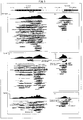
- Genome alignments of exome sequence reads The genomic regions targeted by three gRNAs were shown for wild-type knockout and Tyr knockout #1 and #2. The upper part of each panel shows read coverage, and the lower part shows read alignments (light solid rectangles). Horizontal lines between rectangles indicate read pairing. Different types of mutations (dark solid rectangles) occurring at the target sites are explained in the drawing. The mutations are: inter-exon deletion and inversion; intra-exon deletion and inversion; short deletion; and short insertion.
- mice were purchased from CLEA Japan Inc., and C57BL/6J mice were purchased from Oriental Yeast Co., Ltd. All mice were given food and water ad libitum. The mice were kept in an environment at an ambient temperature of 21°C with a relative humidity of 50%. The light was controlled under 12-hour light/12-hour dark cycle. All procedures involving animals and their care were performed according to the RIKEN Regulations for Animal Experiments.
- C57BL/6N females (4-6 weeks old) were superovulated and mated with C57BL/6N males.
- Fertilized eggs were collected from the ampulla of the oviduct of plugged C57BL/6N females by micro-dissection, and kept in KSOM medium (Merck Millipore) in a 5% CO 2 incubator at 37°C.
- Cas9 mRNA (100 ng/ ⁇ l) and gRNAs (150 ng/ ⁇ l in total) were co-injected into the cytoplasm of fertilized eggs in M2 medium (Merck Millipore) at room temperature.
- cytoplasmic injection Details of the cytoplasmic injection were described previously ( Sumiyama, K., et al., A simple and highly efficient transgenesis method in mice with the Tol2 transposon system and cytoplasmic microinjection. Genomics 95, 306-311 ). After microinjection, the injected embryos were cultured for 1 hour in KSOM medium (Merck Millipore) in a 5% CO 2 incubator at 37°C, and 15-30 embryos were then transferred to the oviducts of pseudopregnant ICR female mice.
- KSOM medium Merck Millipore
- the concentration of each gRNA is S/3 to keep total gRNA concentration as S.
- the single-gene mono-allelic knockout efficiency P was calculated 1,000 times for each given ⁇ , N, and S. Every time calculation was performed, one set of K (1, 3, and N for single-, triple-, and N-tuple-target methods, respectively) were picked randomly from a log-normal distribution whose geometric mean and geometric standard deviation were 1.0 and 2.5, respectively (B of Fig. 2 ). 1.0 can be used for the geometric mean of the distribution of the dissociation constant K without loss of generality.
- K is estimated as a value inversely proportional to the DNA-cleavage efficiency measured from SSA assays. Since the geometric standard deviation of these estimated K values was 2.53097, 2.5 was used for the geometric standard deviation.
- P 2 , P 4 and P 6 were calculated (B of Fig.
- Target sequences for Tyr were designed by use of Jack Lin's online CRISPR gRNA finder (http://spot.colorado.edu/ ⁇ slin/cas9.html). Possible off-target sequences within the mouse genome for each target sequence were checked by use of the CRISPR Design Tool (http://tools.genome-engineering.org) (Non-Patent Literature 9).
- 199-base and 200-base fragments containing the target sequences for Tyrosinase were amplified from C57BL/6 mouse genomic DNA by use of PCR.
- the PCR products were 5'-end phosphorylated with the Mighty Cloning kit (TaKaRa), and inserted into the EcoRV sites of the pGL3-SSA plasmid (see above).
- the resulting vectors were designated as pSSA-Tyr-1 and pSSA-Tyr-2/3, respectively.
- Oligonucleotide Sequences for target sequences Hokkaido System Science
- Oligonucleotides (Hokkaido System Science) containing target sequences for Tyrosinase (Tyr-1, Tyr-2, and Tyr-3, respectively) were annealed and inserted into the BbsI sites downstream of the U6 promoter on the pX330 plasmid [Addgene, #42230, ( Cong et al., (2013). Multiplex genome engineering using CRISPR/Cas systems. Science 339, 819-823 ; Non-Patent Literature 9]. The resulting vectors were designated as pX330-Tyr-1, pX330-Tyr-2, and pX330-Tyr-3, respectively.
- 293T cells were maintained in DMEM (Life Technologies) supplemented with 10% FBS (JRH Biosciences) and antibiotics (100 U/ml penicillin and 100 ⁇ g/ml streptomycin; Life Technologies).
- FBS FBS
- antibiotics 100 U/ml penicillin and 100 ⁇ g/ml streptomycin; Life Technologies.
- the cells were plated onto six-well plates at a density of 4 ⁇ 10 5 cells per well.
- the cells were co-transfected by use of FuGene6 (Roche) with 1 ⁇ g of pSSA-Tyr-1 or pSSA-Tyr-2/3 reporter plasmids in the presence of the following constructs, as indicated in D of Fig.
- pX330, pX330-Tyr-1, pX330-Tyr-2, or pX330-Tyr-3 plasmid according to the manufacturer's instructions.
- An empty vector was used to bring the total amount of DNA to 3 ⁇ g per well.
- 50 ng of a phRL-CMV plasmid [Renilla luciferase (RLuc) reporter vector, Promega] was included in each transfection as an internal control for transfection efficiency. 48 hours after transfection, the cells were harvested and assayed with use of the Dual-Luciferase Reporter Assay System (Promega). The Luciferase activity was normalized to the Rluc activity.
- p3s-Cas9HC [Addgene, #43945, ( Cho, S.W., et al., (2013). Targeted genome engineering in human cells with the Cas9 RNA-guided endonuclease. Nature biotechnology 31,230-232 ], which includes a T7 promoter-fused Cas9 coding region, was digested with XbaI (TaKaRa), and used as the template for in vitro transcription with use of the mMESSAGE mMACHINE T7 kit (Life Technologies). The Cas9 mRNA was purified with use of the MEGAclear kit (Life Technologies).
- Non-Patent Literature 4 The gRNA templates for Tyr (D of Fig. 1 ) were fused to the T7 promoter and amplified from the pX330-Tyr by PCR with use of the primers listed below (Hokkaido System Science) (Non-Patent Literature 4).
- the gRNA templates for Tyr were directly synthesized and fused to the T7 promoter by PCR.
- the partial fragments of the gRNA templates including each target sequence were amplified from pX330 plasmids (Addgene, #42230) by use of PCR with the Common Reverse primer and the Common Reverse primer and Forward primer-1 (Hokkaido System Science) for each target sequence.
- the T7 promoter-fused gRNA templates were amplified from the diluted PCR products by use of PCR with the Common Reverse primer and Forward primer-2 (Hokkaido System Science) for each target sequence.
- T7 promoter-fused gRNA PCR fragments were used as the template for in vitro transcription using the MEGAshortscript T7 kit (Life Technologies).
- the gRNAs were purified with use of the MEGAclear kit (Life Technologies).
- Common reverse oligonucleotide for T7-gRNAs 5'-AAAAGCACCGACTCGGTGCC-3' (SEQ ID NO.
- Non-Patent Literature 4 Oligonucleotide sequences for T7-gRNAs of Tyr (set 1) Tyr-1 Forward oligonucleotide: Tyr-2 Forward oligonucleotide: Tyr-3 Forward oligonucleotide: Oligonucleotide sequences of triple-target gRNAs (T7-gRNAs) for Tyr (sets 2 and 3) genes are as described above.
- the genomic DNA of wild type and Tyr knockout mice were prepared from their brains, scalps, and tails with use of the Wizard Genomic DNA Purification Kit (Promega) according to the manufacturer's instructions. Then, qPCR analysis for genotyping of these mice was performed with use of the ABI PRISM 7900 (Applied Biosystems)/QuantStudio7 Real-Time PCR System (Life Technologies), SYBR Premix Ex Taq GC (TaKaRa) and primers for qPCR (Hokkaido System Science), and it was confirmed that the quantitative qPCR results matched with each other among the genomic DNAs extracted from brains, scalps and tails. The absolute target site abundance was calculated by use of a standard curve obtained from wild-type genomic DNA.
- Tbp Tsujino et al., (2013) Establishment of TSH beta real-time monitoring system in mammalian photoperiodism. Genes to cells: devoted to molecular & cellular mechanisms 18, 575-588 ) was quantified and used as an internal control. Primer sequence (Hokkaido System Science) used for quantitative PCR
- TYR protein was quantified by selected reaction monitoring (SRM) MS.
- SRM reaction monitoring
- Sample processing for the MS analysis was performed according to a phase-transfer surfactant (PTS) protocol ( Masuda, T., Tomita, M., and Ishihama, Y. (2008).
- Phase transfer surfactant-aided trypsin digestion for membrane proteome analysis J Proteome Res 7, 731-740 .
- ears obtained from the mutant mice Tyr #3 and Tyr #4 were used.
- the tissues were homogenized by sonication in PTS buffer (12 mM sodium deoxycholate, 12 mM sodium N-lauroylsarcosinate, and 50 mM NH 4 HCO 3 ) containing a phosphatase inhibitor cocktail (Nacalai Tesque) and a protease inhibitor cocktail (Nacalai Tesque) and were clarified by centrifugation at 10,000xg for 10 minutes.
- PTS buffer (12 mM sodium deoxycholate, 12 mM sodium N-lauroylsarcosinate, and 50 mM NH 4 HCO 3
- PTS buffer 12 mM sodium deoxycholate, 12 mM sodium N-lauroylsarcosinate, and 50 mM NH 4 HCO 3
- PTS buffer 12 mM sodium deoxycholate, 12 mM sodium N-lauroylsarcosinate, and 50 mM NH 4 HCO 3
- a phosphatase inhibitor cocktail Nacalai
- the synthetic peptides with the isotope labeled lysine residue and isotope labeled arginine residue ( 13 C 6 -Lys and 13 C 6 15 N 4 -Arg, respectively) were added.
- the synthetic peptides were pre-quantified and digested to produce specific sequences (DTLLGGSEIWR for the quantification of Tyr protein) for the quantification of target proteins according to our newly developed method described elsewhere.
- the mixtures of proteins and internal standards were subjected to cysteine reduction and alkylation (10 mM TCEP at 37°C for 1 hour and 15 mM iodoacetamide at 37°C for 30 minutes in dark) followed by 5-fold dilution with 50 mM NH 4 HCO 3 solution.
- enzymatic cleavage of proteins was performed by 8 hour-incubation with use of 1:50 (w/w) LysC followed by 16 hour-incubation with use of 1:50 (w/w) trypsin at 37°C.
- the digestion was stopped by mixing an equal volume of ethyl acetate in the presence of 0.5% TFA.
- the surfactants in the sample were removed by discarding the ethyl acetate phase.
- the remaining aqueous phase containing peptides was dried with use of SpeedVac (Thermo Scientific). The dried peptide mixture was then dissolved in an analytical buffer (2% acetonitrile and 0.1% TFA).
- the resulting peptide solution was desalted with use of StageTip ( Rappsilber, J., Mann, M., and Ishihama, Y. (2007). Protocol for micro-purification, enrichment, pre-fractionation and storage of peptides for proteomics using StageTips. Nature protocols 2, 1896-1906 .).
- 100 ⁇ g of the peptide mixture prepared from ear was pre-fractionated into 6 fractions by StageTip-based fractionation ( Wisniewski, J.R., Zougman, A., and Mann, M. (2009). Combination of FASP and StageTip-based fractionation allows in-depth analysis of the hippocampal membrane proteome. J Proteome Res 8, 5674-5678 .), and then the fractions were dissolved in 14 - 30 ⁇ L of analytical buffer.
- the resulting peptide mixture corresponding to approximately 1 ⁇ g of proteins was analyzed by liquid chromatography (LC)-MS using a triple quadruple mass spectrometer (TSQ Vantage EMR mass spectrometer, Thermo Scientific).
- the LC-MS is equipped with a captive spray ionization source (Michrom Bioresources), a nano-Advance UHPLC system (Bruker Daltonics), and an HTC-PAL autosampler (CTC Analytics) with a trap column (0.3 x 5 mm, L-column, ODS, Chemicals Evaluation and Research Institute, Japan).
- Analytical samples were separated by reversed phase chromatography which was performed such at a concentration gradient of acetonitrile from 4% to 36% in 0.5% acetic acid over 105 minutes at a flow rate 300 nL/min. with use of a home-made capillary column (length of 200 mm and inner diameter of 100 ⁇ m) packed with 2 ⁇ m C18 resin (L-column2, Chemicals Evaluation and Research Institute, Japan). The resulting eluted substance was directly electrosprayed (1.6 kV) into the MS.
- the heavy version and light version of DTLLGGSEIWR were monitored by LC-SRM-MS by use of the SRM transitions of m/z 623.8 to 804.4 (for the light version) and m/z 628.8 to 814.4 (for the heavy version).
- Exome libraries were constructed with use of SureSelectQXT Reagent Kit (Cat. No. G9681A, Agilent Technologies) and SureSelectXT Mouse All Exon Kit V1 (Cat. No. 5190-4641, Agilent Technologies) according to the manufacturer's instructions. Fragmentation and adapter-tagging of purified genomic DNA samples were performed by transposase-based reaction. After an amplification of adapter-tagged DNA library, purification was performed with use of AMPure XP beads (Beckman Coulter). The purified libraries were hybridized to the SureSelect capture library, and hybridized DNA was collected with use of streptavidin-coated beads.
- the enriched DNA libraries were amplified by use of PCR using the appropriate pair of dual indexing primers to add index tags for the Illumina TruSeq system.
- the length distribution and concentration of DNA molecules in libraries were analyzed with use of the 2100 Bioanalyzer (Agilent Technologies).
- the libraries were subjected to on-board cluster generation with use of TruSeq Rapid PE Cluster Kit (Cat. No. PE-402-4001) and sequenced on Rapid Run Mode of Illumina HiSeq 1500 (Illumina) to obtain paired-end reads with 126 cycles was obtained with use of three 50-cycle SBS kits (Cat. No. FC-402-4002). It should be noted that surplus reagents were used as demonstrated previously (Tatsumi K, N.O., Itomi K, Tanegashima C, Kuraku S (2015, in press.). Optimization and cost-saving in tagmentation-based mate-pair library preparation and sequencing. Biotechniques.)). 5% PhiX spike-in was added to each lane as control.
- Image analysis and base calling were executed with use of the standard Illumina software consisting of HiSeq Control Software (HCS) ver. 2.0.12.0 and Real-Time Analysis (RTA) ver. 1.17.21.3. Quality of the raw sequence data were controlled by FastQC ver. 0.11.1 (http://www.bioinformatics.bbsrc.ac.uk/projects/fastqc/). Removal of adapter sequences and low-quality reads was performed with use of Trim Galore ver. 0.3.3 with the parameters "-e 0.1 -q 30" (http://www.bioinformatics.babraham.ac.uk/projects/trim _galore/). Additionally, reads with the average per-base quality score of not more than 30 were removed from an original script.
- the reads filtered as described above were aligned with the genome sequences GRCm38/mm10 by BWA ver. 0.7.10-r789 using the BWA-MEM algorithm (Li and Durbin, 2010). Potential PCR duplicates among the mapped paired reads were removed with use of the MarkDuplicates function of Picard Tools ver. 1.122 (http://picard.sourceforge.net/).
- the sequencing statistics including the number of reads, mapping rate, and exome on-bait coverages were summarized by the CalculateHsMetrics function of Picard Tools.
- the Genome Analysis 41 Toolkit a MapReduce framework for analyzing next-generation DNA sequencing data. Genome research 20, 1297-1303 .), and recalibration based on per-base quality score were performed with use of the BaseRecalibrator and PrintReads functions.
- the mm9-based exome region data with 100 bp padding provided by Agilent Technologies was converted to mm10 with use of the UCSC LiftOver program (https://genome.ucsc.edu/util.html) ( Rhead, B et al., (2010).
- the sample-specific indels were called with use of the HaplotypeCaller in GATK after applying local realignment and recalibration performed as described above.
- SnpEff package ver. 4.0E Cingolani, P., Platts, A., Wang le, L., Coon, M., Nguyen, T., Wang, L., Land, S.J., Lu, X., and Ruden, D.M. (2012).
- the following 1 and 2) were defined as high-impact mutations: 1) the indels categorized in "HIGH” by the SnpEff definition; and 2) the in-frame indels.
- the indels in both the samples and the control were removed, in comparison with the indels in the control.
- On- and off-target indels were visualized and evaluated on the UCSC Integrative Genomics Viewer (IGV) ver. 2.3.36 ( Thorvaldsdottir, H., Robinson, J.T., and Mesirov, J.P. (2013). Integrative Genomics Viewer (IGV): high-performance genomics data visualization and exploration. Briefings in bioinformatics 14, 178-192 .).
- the exome sequencing data have been deposited and are available in the DNA Data Bank of Japan (DDBJ).
- the accession numbers for Tyr knockout data are DRA003478.
- the first step in automatically detecting gRNA sites is to extract candidate targets.
- the process is described here for a single gene, the process to be repeated for all genes in a case where the method is carried out.
- the sequences of all exons shared by all known isoforms of the gene were extracted. This was necessary to ensure that a gene, rather than only a few of its isoforms, was to be targeted.
- all the sequences that matched the [G, C, or A]N 20 GG pattern and those for which the complement matched this pattern were extracted. This list represents all the possible candidates for the gene.
- the next steps were used to filter this list and to keep only suitable targets. Each target needed to pass all the steps, so that the order did not have any impact on the selection. These steps were therefore performed in the most computationally efficient order.
- the candidate gRNAs need to target a unique site.
- Bowtie2 Langmead, B., and Salzberg, S.L. (2012). Fast gapped-read alignment with Bowtie 2. Nature methods 9, 357-359 .
- Targets with a low AT percentage (below 45%), which have a risk of binding strongly to off-target sites, were also removed, and targets that contained TTTT, which tend to break the gRNA's secondary structure, were also removed. Because the targets appeared in the forward primer during synthesis, it is necessary to make sure that targets were not excessively similar to the reverse primer (see above "Common reverse oligonucleotide for T7-gRNAs").
- Non-Patent Literature 9 To ensure that all targets stored in the database were as safe as possible, candidates with a score below 75 were rejected.
- Tyr was selected as a target gene and C57BL/6N was selected as an inbred strain. This is because the black coat color of C57BL/6N becomes white if this gene is knocked out biallelically.
- Three kinds of gRNAs were designed for three kinds of target sequences of the Tyr gene (gRNA1, gRNA2, and gRNA3 for targets Tyr-1, Tyr-2, and Tyr-3, respectively. C of Fig. 1 and D of Fig. 2 ). It was confirmed that the designed gRNAs had high cleavage efficiency (approximately 7-fold to approximately 40-fold in comparison with control) at least in cellulo by using a single strand annealing (SSA) assay (D of Fig. 1 and E of Fig.
- SSA single strand annealing
- the triple-target strategy using the mixture of Cas9 mRNA (100 ng/ ⁇ l) and three kinds of gRNAs (gRNA1, gRNA2 and gRNA3, each at 50 ng/ ⁇ l) achieved almost perfect efficiency (97.5%, E and F of Fig. 1 and H of Fig. 2 ).
- qPCR of the target sequence including the CRISPR-target sequence was performed, and it was then confirmed that five out of six CRISPR-target regions from two Tyr knockout mice were not detectable.
- a triple-target CRISPR method achieves high efficiency (>90%) for the biallelic knockout of a single gene
- a triple-target CRISPR method has a potential to achieve efficiency higher than 80% even for the biallelic knockout of dual genes. This is useful for reliable analysis of behavioral phenotypes.
- triple-target CRISPR makes it possible to efficiently produce biallelic knockout mice.
- knockout mice were produced by use of the method, it was still time-consuming to manually design triple targets for the same gene, even with use of existing tools to (i) extract candidate target sequences for a given genome sequence (http://cas9.cbi.pku.edu.cn/index.jsp) ( Ma, M., Ye, A.Y., Zheng, W., and Kong, L. (2013).
- a guide RNA sequence design platform for the CRISPR/Cas9 system for model organism genomes is provided.
- This gRNA database provides at least three target sequences (one set for triple-target CRISPR) for 81.2% of mouse genes. In addition, 71.9% of all mouse genes have more than 6 target sequences (multiple sets for triple-target CRISPR), which are also included (B and C of Fig. 4 ).
- a user inputs a name of a gene in the search box, and then clicks "Submit” (B of Fig. 5 ).
- “Coding Region”, “5'UTR”, “3'UTR”, or “Isoform-dependent” it is possible to select target locations of gRNAs (B of Fig. 5 ).
- Output information by default contains: target sequence; target location; target orientation; and probe locations with respect to genes. There is also optionally-selectable information such as: gRNA sequence; off-target score; and primers of targets (B of Fig. 5 ).
- the search results can be viewed in a table format, and can be downloaded on demand as a CSV file (C of Fig. 5 ).
- An object of the present invention is highly efficient (>90%) production of whole-body biallelic knockout mice in a single generation.
- the inventors of the present invention used a simple computational model to estimate the minimum efficiency of different CRISPR methods, and discovered that multiple-target CRISPR methods would allow production of mutant mice with much higher efficiency than that of single-target CRISPR.
- the inventors designed three different kinds of gRNAs against the Tyr gene, and, by the triple-target method using a mixture of three kinds of gRNAs (Tyr-1, Tyr-2, Tyr-3), achieved almost perfect efficiency (97.5%). Meanwhile, it was confirmed that the single-target method with any of the gRNAs at a three-fold higher concentration had merely moderate efficiency.
- the total number of base pairs (bp) read in the exome sequencing (including Tyr knockout (set 1)) was 65.6 Gbp. This is more than 24 times greater than the whole genome base pairs of mouse (2.7 Gbp). This, therefore, provides sufficient coverage to be confident that off-target effect of the triple-target CRISPR strategy is not a problem in practice.
- the DNA-cleavage efficiency of Tyr-3 was more than three-fold higher than that of Tyr-2 (D of Fig. 1 ), whereas the whole-body biallelic knockout efficiency for Tyr-3 (64.7%) was similar to that of Tyr-2 (54.2%).
Landscapes
- Life Sciences & Earth Sciences (AREA)
- Health & Medical Sciences (AREA)
- Genetics & Genomics (AREA)
- Engineering & Computer Science (AREA)
- Zoology (AREA)
- Biomedical Technology (AREA)
- Biotechnology (AREA)
- General Engineering & Computer Science (AREA)
- Organic Chemistry (AREA)
- Bioinformatics & Cheminformatics (AREA)
- Wood Science & Technology (AREA)
- Chemical & Material Sciences (AREA)
- Molecular Biology (AREA)
- General Health & Medical Sciences (AREA)
- Environmental Sciences (AREA)
- Physics & Mathematics (AREA)
- Biochemistry (AREA)
- Microbiology (AREA)
- Plant Pathology (AREA)
- Biophysics (AREA)
- Animal Behavior & Ethology (AREA)
- Animal Husbandry (AREA)
- Biodiversity & Conservation Biology (AREA)
- Developmental Biology & Embryology (AREA)
- Veterinary Medicine (AREA)
- Micro-Organisms Or Cultivation Processes Thereof (AREA)
Applications Claiming Priority (2)
| Application Number | Priority Date | Filing Date | Title |
|---|---|---|---|
| JP2014265793 | 2014-12-26 | ||
| PCT/JP2015/086259 WO2016104716A1 (fr) | 2014-12-26 | 2015-12-25 | Procédé d'invalidation génique |
Publications (2)
| Publication Number | Publication Date |
|---|---|
| EP3239298A1 true EP3239298A1 (fr) | 2017-11-01 |
| EP3239298A4 EP3239298A4 (fr) | 2018-06-13 |
Family
ID=56150728
Family Applications (1)
| Application Number | Title | Priority Date | Filing Date |
|---|---|---|---|
| EP15873284.2A Withdrawn EP3239298A4 (fr) | 2014-12-26 | 2015-12-25 | Procédé d'invalidation génique |
Country Status (4)
| Country | Link |
|---|---|
| US (1) | US10863730B2 (fr) |
| EP (1) | EP3239298A4 (fr) |
| JP (1) | JPWO2016104716A1 (fr) |
| WO (1) | WO2016104716A1 (fr) |
Cited By (7)
| Publication number | Priority date | Publication date | Assignee | Title |
|---|---|---|---|---|
| US10457960B2 (en) | 2014-11-21 | 2019-10-29 | Regeneron Pharmaceuticals, Inc. | Methods and compositions for targeted genetic modification using paired guide RNAs |
| WO2019237396A1 (fr) * | 2018-06-16 | 2019-12-19 | 深圳市博奥康生物科技有限公司 | Procédé d'invalidation ciblée d'un gène tnfsf18 humain par application d'un système crispr/cas9 |
| WO2020000456A1 (fr) * | 2018-06-29 | 2020-01-02 | 深圳市博奥康生物科技有限公司 | Procédé d'inactivation ciblée de gène cnih2 humain par application d'un système crispr/cas9 |
| EP3498834A4 (fr) * | 2016-08-10 | 2020-06-17 | Genahead Bio, Inc. | Procédé de modification d'un site cible dans le génome d'une cellule eucaryote, et procédé de détection de la présence ou de l'absence d'une séquence d'acide nucléique à détecter au niveau d'un site cible |
| KR20210033293A (ko) * | 2019-09-18 | 2021-03-26 | 서울대학교산학협력단 | Vps13b 돌연변이 동물모델 및 이의 제조방법 |
| EP3794130A4 (fr) * | 2018-05-16 | 2022-07-27 | Synthego Corporation | Méthodes et systèmes de conception et d'utilisation d'arn guide |
| US12342801B2 (en) | 2016-05-20 | 2025-07-01 | Regeneron Pharmaceuticals, Inc. | Methods for producing antigen-binding proteins against foreign antigens |
Families Citing this family (34)
| Publication number | Priority date | Publication date | Assignee | Title |
|---|---|---|---|---|
| US10323236B2 (en) | 2011-07-22 | 2019-06-18 | President And Fellows Of Harvard College | Evaluation and improvement of nuclease cleavage specificity |
| US9163284B2 (en) | 2013-08-09 | 2015-10-20 | President And Fellows Of Harvard College | Methods for identifying a target site of a Cas9 nuclease |
| US9359599B2 (en) | 2013-08-22 | 2016-06-07 | President And Fellows Of Harvard College | Engineered transcription activator-like effector (TALE) domains and uses thereof |
| US9228207B2 (en) | 2013-09-06 | 2016-01-05 | President And Fellows Of Harvard College | Switchable gRNAs comprising aptamers |
| US9526784B2 (en) | 2013-09-06 | 2016-12-27 | President And Fellows Of Harvard College | Delivery system for functional nucleases |
| US9322037B2 (en) | 2013-09-06 | 2016-04-26 | President And Fellows Of Harvard College | Cas9-FokI fusion proteins and uses thereof |
| US20150165054A1 (en) | 2013-12-12 | 2015-06-18 | President And Fellows Of Harvard College | Methods for correcting caspase-9 point mutations |
| US10077453B2 (en) | 2014-07-30 | 2018-09-18 | President And Fellows Of Harvard College | CAS9 proteins including ligand-dependent inteins |
| IL310721B2 (en) | 2015-10-23 | 2025-11-01 | Harvard College | Nucleobase editors and uses thereof |
| CN110214183A (zh) | 2016-08-03 | 2019-09-06 | 哈佛大学的校长及成员们 | 腺苷核碱基编辑器及其用途 |
| WO2018031683A1 (fr) | 2016-08-09 | 2018-02-15 | President And Fellows Of Harvard College | Protéines de fusion cas9-recombinase programmables et utilisations associées |
| CN106172238B (zh) * | 2016-08-12 | 2019-01-22 | 中南大学 | miR-124基因敲除小鼠动物模型的构建方法和应用 |
| US11542509B2 (en) | 2016-08-24 | 2023-01-03 | President And Fellows Of Harvard College | Incorporation of unnatural amino acids into proteins using base editing |
| KR102622411B1 (ko) | 2016-10-14 | 2024-01-10 | 프레지던트 앤드 펠로우즈 오브 하바드 칼리지 | 핵염기 에디터의 aav 전달 |
| WO2018119359A1 (fr) | 2016-12-23 | 2018-06-28 | President And Fellows Of Harvard College | Édition du gène récepteur ccr5 pour protéger contre l'infection par le vih |
| US12390514B2 (en) | 2017-03-09 | 2025-08-19 | President And Fellows Of Harvard College | Cancer vaccine |
| EP3592853A1 (fr) | 2017-03-09 | 2020-01-15 | President and Fellows of Harvard College | Suppression de la douleur par édition de gène |
| US11542496B2 (en) | 2017-03-10 | 2023-01-03 | President And Fellows Of Harvard College | Cytosine to guanine base editor |
| KR20240116572A (ko) | 2017-03-23 | 2024-07-29 | 프레지던트 앤드 펠로우즈 오브 하바드 칼리지 | 핵산 프로그램가능한 dna 결합 단백질을 포함하는 핵염기 편집제 |
| US11560566B2 (en) | 2017-05-12 | 2023-01-24 | President And Fellows Of Harvard College | Aptazyme-embedded guide RNAs for use with CRISPR-Cas9 in genome editing and transcriptional activation |
| CN111801345A (zh) | 2017-07-28 | 2020-10-20 | 哈佛大学的校长及成员们 | 使用噬菌体辅助连续进化(pace)的进化碱基编辑器的方法和组合物 |
| EP3676376B1 (fr) | 2017-08-30 | 2025-01-15 | President and Fellows of Harvard College | Éditeurs de bases à haut rendement comprenant une gam |
| KR20250107288A (ko) | 2017-10-16 | 2025-07-11 | 더 브로드 인스티튜트, 인코퍼레이티드 | 아데노신 염기 편집제의 용도 |
| US12406749B2 (en) | 2017-12-15 | 2025-09-02 | The Broad Institute, Inc. | Systems and methods for predicting repair outcomes in genetic engineering |
| US12157760B2 (en) | 2018-05-23 | 2024-12-03 | The Broad Institute, Inc. | Base editors and uses thereof |
| WO2019232494A2 (fr) * | 2018-06-01 | 2019-12-05 | Synthego Corporation | Procédés et systèmes pour déterminer des résultats d'édition à partir de la réparation de coupes à médiation par endonucléase ciblée |
| US12522807B2 (en) | 2018-07-09 | 2026-01-13 | The Broad Institute, Inc. | RNA programmable epigenetic RNA modifiers and uses thereof |
| WO2020092453A1 (fr) | 2018-10-29 | 2020-05-07 | The Broad Institute, Inc. | Éditeurs de nucléobases comprenant geocas9 et utilisations associées |
| US12351837B2 (en) | 2019-01-23 | 2025-07-08 | The Broad Institute, Inc. | Supernegatively charged proteins and uses thereof |
| WO2020191233A1 (fr) | 2019-03-19 | 2020-09-24 | The Broad Institute, Inc. | Procédés et compositions pour l'édition de séquences nucléotidiques |
| US12473543B2 (en) | 2019-04-17 | 2025-11-18 | The Broad Institute, Inc. | Adenine base editors with reduced off-target effects |
| US12435330B2 (en) | 2019-10-10 | 2025-10-07 | The Broad Institute, Inc. | Methods and compositions for prime editing RNA |
| IL297761A (en) | 2020-05-08 | 2022-12-01 | Broad Inst Inc | Methods and compositions for simultaneously editing two helices of a designated double-helix nucleotide sequence |
| EP4130263A1 (fr) * | 2021-08-04 | 2023-02-08 | Eberhard Karls Universität Tübingen Medizinische Fakultät | Composé et procédé pour le ciblage spécifique du gène hax1 |
Family Cites Families (2)
| Publication number | Priority date | Publication date | Assignee | Title |
|---|---|---|---|---|
| US20160186208A1 (en) * | 2013-04-16 | 2016-06-30 | Whitehead Institute For Biomedical Research | Methods of Mutating, Modifying or Modulating Nucleic Acid in a Cell or Nonhuman Mammal |
| WO2014197748A2 (fr) * | 2013-06-05 | 2014-12-11 | Duke University | Édition et régulation géniques à guidage arn |
-
2015
- 2015-12-25 US US15/538,554 patent/US10863730B2/en not_active Expired - Fee Related
- 2015-12-25 WO PCT/JP2015/086259 patent/WO2016104716A1/fr not_active Ceased
- 2015-12-25 EP EP15873284.2A patent/EP3239298A4/fr not_active Withdrawn
- 2015-12-25 JP JP2016566520A patent/JPWO2016104716A1/ja active Pending
Cited By (10)
| Publication number | Priority date | Publication date | Assignee | Title |
|---|---|---|---|---|
| US10457960B2 (en) | 2014-11-21 | 2019-10-29 | Regeneron Pharmaceuticals, Inc. | Methods and compositions for targeted genetic modification using paired guide RNAs |
| US11697828B2 (en) | 2014-11-21 | 2023-07-11 | Regeneran Pharmaceuticals, Inc. | Methods and compositions for targeted genetic modification using paired guide RNAs |
| US12342801B2 (en) | 2016-05-20 | 2025-07-01 | Regeneron Pharmaceuticals, Inc. | Methods for producing antigen-binding proteins against foreign antigens |
| EP3498834A4 (fr) * | 2016-08-10 | 2020-06-17 | Genahead Bio, Inc. | Procédé de modification d'un site cible dans le génome d'une cellule eucaryote, et procédé de détection de la présence ou de l'absence d'une séquence d'acide nucléique à détecter au niveau d'un site cible |
| EP3794130A4 (fr) * | 2018-05-16 | 2022-07-27 | Synthego Corporation | Méthodes et systèmes de conception et d'utilisation d'arn guide |
| US11697827B2 (en) | 2018-05-16 | 2023-07-11 | Synthego Corporation | Systems and methods for gene modification |
| US11802296B2 (en) | 2018-05-16 | 2023-10-31 | Synthego Corporation | Methods and systems for guide RNA design and use |
| WO2019237396A1 (fr) * | 2018-06-16 | 2019-12-19 | 深圳市博奥康生物科技有限公司 | Procédé d'invalidation ciblée d'un gène tnfsf18 humain par application d'un système crispr/cas9 |
| WO2020000456A1 (fr) * | 2018-06-29 | 2020-01-02 | 深圳市博奥康生物科技有限公司 | Procédé d'inactivation ciblée de gène cnih2 humain par application d'un système crispr/cas9 |
| KR20210033293A (ko) * | 2019-09-18 | 2021-03-26 | 서울대학교산학협력단 | Vps13b 돌연변이 동물모델 및 이의 제조방법 |
Also Published As
| Publication number | Publication date |
|---|---|
| EP3239298A4 (fr) | 2018-06-13 |
| US10863730B2 (en) | 2020-12-15 |
| WO2016104716A1 (fr) | 2016-06-30 |
| US20180020646A1 (en) | 2018-01-25 |
| JPWO2016104716A1 (ja) | 2017-10-05 |
Similar Documents
| Publication | Publication Date | Title |
|---|---|---|
| US10863730B2 (en) | Gene knockout method | |
| Bai et al. | CRISPR/Cas9-mediated precise genome modification by a long ssDNA template in zebrafish | |
| Guo et al. | DdCBE mediates efficient and inheritable modifications in mouse mitochondrial genome | |
| Dos Santos et al. | A fast Myosin super enhancer dictates muscle fiber phenotype through competitive interactions with Myosin genes | |
| Ata et al. | Robust activation of microhomology-mediated end joining for precision gene editing applications | |
| Wen et al. | Critical roles of long noncoding RNAs in Drosophila spermatogenesis | |
| Mashiko et al. | Generation of mutant mice by pronuclear injection of circular plasmid expressing Cas9 and single guided RNA | |
| Song et al. | Efficient dual sgRNA-directed large gene deletion in rabbit with CRISPR/Cas9 system | |
| Dupuy et al. | A modified sleeping beauty transposon system that can be used to model a wide variety of human cancers in mice | |
| Anuar et al. | Gene editing of the multi-copy H2A. B gene and its importance for fertility | |
| Carlson et al. | Insertional mutagenesis in mice: new perspectives and tools | |
| Guiraldelli et al. | SHOC1 is a ERCC4-(HhH) 2-like protein, integral to the formation of crossover recombination intermediates during mammalian meiosis | |
| Taborska et al. | Restricted and non-essential redundancy of RNAi and piRNA pathways in mouse oocytes | |
| Liu et al. | Large-scale multiplexed mosaic CRISPR perturbation in the whole organism | |
| West et al. | Transcriptome analysis of targeted mouse mutations reveals the topography of local changes in gene expression | |
| Srivastava et al. | Discovery of transgene insertion sites by high throughput sequencing of mate pair libraries | |
| Sun et al. | MSL2 ensures biallelic gene expression in mammals | |
| Peterson et al. | Whole genome analysis for 163 gRNAs in Cas9-edited mice reveals minimal off-target activity | |
| Giusti et al. | A brain-enriched circular RNA controls excitatory neurotransmission and restricts sensitivity to aversive stimuli | |
| Devoy et al. | Generation and analysis of innovative genomically humanized knockin SOD1, TARDBP (TDP-43), and FUS mouse models | |
| Li et al. | Precise allele-specific genome editing by spatiotemporal control of CRISPR-Cas9 via pronuclear transplantation | |
| CN120230749A (zh) | TnpB-ωRNA基因编辑系统及用途 | |
| Rao et al. | The translation initiation factor homolog eif4e1c regulates cardiomyocyte metabolism and proliferation during heart regeneration | |
| Kojak et al. | Somatic and intergenerational G4C2 hexanucleotide repeat instability in a human C9orf72 knock-in mouse model | |
| CN113584030A (zh) | 基于Cre-FloxP系统的CNN3基因敲除小鼠模型的构建方法 |
Legal Events
| Date | Code | Title | Description |
|---|---|---|---|
| STAA | Information on the status of an ep patent application or granted ep patent |
Free format text: STATUS: THE INTERNATIONAL PUBLICATION HAS BEEN MADE |
|
| PUAI | Public reference made under article 153(3) epc to a published international application that has entered the european phase |
Free format text: ORIGINAL CODE: 0009012 |
|
| STAA | Information on the status of an ep patent application or granted ep patent |
Free format text: STATUS: REQUEST FOR EXAMINATION WAS MADE |
|
| 17P | Request for examination filed |
Effective date: 20170721 |
|
| AK | Designated contracting states |
Kind code of ref document: A1 Designated state(s): AL AT BE BG CH CY CZ DE DK EE ES FI FR GB GR HR HU IE IS IT LI LT LU LV MC MK MT NL NO PL PT RO RS SE SI SK SM TR |
|
| AX | Request for extension of the european patent |
Extension state: BA ME |
|
| DAV | Request for validation of the european patent (deleted) | ||
| DAX | Request for extension of the european patent (deleted) | ||
| A4 | Supplementary search report drawn up and despatched |
Effective date: 20180511 |
|
| RIC1 | Information provided on ipc code assigned before grant |
Ipc: C12N 5/073 20100101ALI20180504BHEP Ipc: A01K 67/027 20060101ALI20180504BHEP Ipc: C12N 15/873 20100101AFI20180504BHEP |
|
| STAA | Information on the status of an ep patent application or granted ep patent |
Free format text: STATUS: EXAMINATION IS IN PROGRESS |
|
| 17Q | First examination report despatched |
Effective date: 20191126 |
|
| STAA | Information on the status of an ep patent application or granted ep patent |
Free format text: STATUS: THE APPLICATION IS DEEMED TO BE WITHDRAWN |
|
| 18D | Application deemed to be withdrawn |
Effective date: 20210122 |