EP3244580B1 - Netzwerkdienstherstellungsverfahren, kooperationssteuerzentrale und netzwerksystem - Google Patents
Netzwerkdienstherstellungsverfahren, kooperationssteuerzentrale und netzwerksystem Download PDFInfo
- Publication number
- EP3244580B1 EP3244580B1 EP15879473.5A EP15879473A EP3244580B1 EP 3244580 B1 EP3244580 B1 EP 3244580B1 EP 15879473 A EP15879473 A EP 15879473A EP 3244580 B1 EP3244580 B1 EP 3244580B1
- Authority
- EP
- European Patent Office
- Prior art keywords
- service
- layer
- network
- information
- group
- Prior art date
- Legal status (The legal status is an assumption and is not a legal conclusion. Google has not performed a legal analysis and makes no representation as to the accuracy of the status listed.)
- Active
Links
Images




Classifications
-
- H—ELECTRICITY
- H04—ELECTRIC COMMUNICATION TECHNIQUE
- H04L—TRANSMISSION OF DIGITAL INFORMATION, e.g. TELEGRAPHIC COMMUNICATION
- H04L41/00—Arrangements for maintenance, administration or management of data switching networks, e.g. of packet switching networks
- H04L41/50—Network service management, e.g. ensuring proper service fulfilment according to agreements
- H04L41/5041—Network service management, e.g. ensuring proper service fulfilment according to agreements characterised by the time relationship between creation and deployment of a service
- H04L41/5051—Service on demand, e.g. definition and deployment of services in real time
-
- H—ELECTRICITY
- H04—ELECTRIC COMMUNICATION TECHNIQUE
- H04L—TRANSMISSION OF DIGITAL INFORMATION, e.g. TELEGRAPHIC COMMUNICATION
- H04L41/00—Arrangements for maintenance, administration or management of data switching networks, e.g. of packet switching networks
- H04L41/50—Network service management, e.g. ensuring proper service fulfilment according to agreements
- H04L41/5003—Managing SLA; Interaction between SLA and QoS
-
- H—ELECTRICITY
- H04—ELECTRIC COMMUNICATION TECHNIQUE
- H04L—TRANSMISSION OF DIGITAL INFORMATION, e.g. TELEGRAPHIC COMMUNICATION
- H04L41/00—Arrangements for maintenance, administration or management of data switching networks, e.g. of packet switching networks
- H04L41/50—Network service management, e.g. ensuring proper service fulfilment according to agreements
- H04L41/5041—Network service management, e.g. ensuring proper service fulfilment according to agreements characterised by the time relationship between creation and deployment of a service
-
- H—ELECTRICITY
- H04—ELECTRIC COMMUNICATION TECHNIQUE
- H04L—TRANSMISSION OF DIGITAL INFORMATION, e.g. TELEGRAPHIC COMMUNICATION
- H04L67/00—Network arrangements or protocols for supporting network services or applications
- H04L67/50—Network services
- H04L67/51—Discovery or management thereof, e.g. service location protocol [SLP] or web services
-
- H—ELECTRICITY
- H04—ELECTRIC COMMUNICATION TECHNIQUE
- H04L—TRANSMISSION OF DIGITAL INFORMATION, e.g. TELEGRAPHIC COMMUNICATION
- H04L41/00—Arrangements for maintenance, administration or management of data switching networks, e.g. of packet switching networks
- H04L41/12—Discovery or management of network topologies
-
- H—ELECTRICITY
- H04—ELECTRIC COMMUNICATION TECHNIQUE
- H04L—TRANSMISSION OF DIGITAL INFORMATION, e.g. TELEGRAPHIC COMMUNICATION
- H04L41/00—Arrangements for maintenance, administration or management of data switching networks, e.g. of packet switching networks
- H04L41/50—Network service management, e.g. ensuring proper service fulfilment according to agreements
- H04L41/5058—Service discovery by the service manager
Definitions
- the present invention relates to the communications field, and in particular, to a network service establishment method, an orchestration control center, and a network system.
- the IP network and the transport network generally operate independently, and in an operation process, the IP network has a requirement on operation of the transport network to drive planning and construction of the optical network.
- OTN optical transport network
- WDM wavelength division multiplexing
- the IP network and the transport network have separate protection and recovery mechanisms.
- a Multiprotocol Label Switching (MPLS) service is protected at an IP layer, and there are service protection types such as hot-standby protection (Hot-Standby), fast reroute (FRR) protection, and redundant port protection.
- Transport network protection is protection for an IP link of an IP network layer, and there are service protection types such as 1+1 protection, 1:1 protection, and 1+1:1 protection. If an IP link is protected in the transport network, IP services in the entire IP link are protected.
- service protection types are fixed in an existing two-layer network constituted by an IP network and an optical network, and only a same service protection type can be used. Therefore, different service protection types cannot be dynamically selected for different Multiprotocol Label Switching-Traffic Engineering (MPLS-TE) services according to real-time resource statuses of the IP network and the transport network. As a result, an additional increase of network establishment costs is required for an optical layer, and network resource use efficiency is reduced.
- MPLS-TE Multiprotocol Label Switching-Traffic Engineering
- US 2014/078895 A1 describes a method and an engine for computing working paths and recovery paths in a telecommunications network having nodes capable of supporting different recovery schemes, is based on traffic demands having an indication of a desired recovery service level, for that demand.
- a path computation is carried out to select a working path through the network for each of the traffic demands and to select which of the different recovery schemes to use according to the service level.
- the selected working paths and their associated recovery schemes are then set up in the network.
- network resources can be used more efficiently, and operators can specify resiliency in terms of needs rather than in terms of the technology of the network. Thus operators can be insulated from the detailed knowledge of the network.
- Embodiments of the present invention provide a network service establishment method, an orchestration control center, and a network system, so as to improve network resource utilization, and reduce network establishment costs.
- a network service establishment method is provided, is applied to a multi-layer network, and the method includes:
- a target service protection type of at least one layer of network in the multi-layer network satisfies both the QoP information and the SLA information of the service, or a target service protection type of at least one layer of network satisfies the QoP information of the service and a target service protection type of the at least one layer of network satisfies the SLA information of the service.
- the determining a group of target multi-layer service protection types of the service according to network topology information of each layer of network and resource usage of each layer of network from the at least one group of the multi-layer service protection types that satisfy the QoP information and the SLA information of the service includes:
- the determining a group of target multi-layer service protection types of the service according to network topology information of each layer of network and resource usage of each layer of network from the at least one group of the multi-layer service protection types that satisfy the QoP information and the SLA information of the service includes:
- the method further includes: determining a target multi-layer service protection type of the service and an SLA level of the service according to the network topology information of each layer of network and the resource usage of each layer of network.
- the method further includes: determining an IP layer pipe type and/or a used network technology of the service according to the network topology information of each layer of network and the resource usage of each layer of network.
- the SLA information includes a failover time of the service.
- an orchestration control center is provided.
- the orchestration control center is applied to a multi-layer network, and the orchestration control center includes:
- a target service protection type of at least one layer of network in the multi-layer network satisfies both the QoP information and the SLA information of the service, or a target service protection type of at least one layer of network satisfies the QoP information of the service and a target service protection type of the at least one layer of network satisfies the SLA information of the service.
- the second determining unit is specifically configured to: calculate, according to the network topology information of each layer of network and the resource usage of each layer of network, a network resource required by the service in each group of the multi-layer service protection types that satisfy the QoP information and the SLA information of the service and that are determined by the first determining unit; and determine the group of the target multi-layer service protection types of the service according to the network resource required by the service in each group of the multi-layer service protection types that satisfy the QoP information and the SLA information of the service from the at least one group of the multi-layer service protection types that satisfy the QoP information and the SLA information of the service; where the service needs the fewest network resources in the target multi-layer service protection types.
- the second determining unit is specifically configured to: calculate, according to the network topology information of each layer of network and the resource usage of each layer of network, a latency that is corresponding to a resource use path in which fewest network resources are used and that is of the service in each group of the multi-layer service protection types that satisfy the QoP information and the SLA information of the service and that are determined by the first determining unit; and determine, according to the latency requirement of the service and the latency that is corresponding to the resource use path in which the fewest network resources are used and that is of the service in each group of the multi-layer service protection types that satisfy the QoP information and the SLA information of the service from the at least one group of the multi-layer service protection types that satisfy the QoP information and the SLA information of the service, that a group of multi-layer service protection types corresponding to the
- the orchestration control center further includes: a third determining unit, configured to determine a target multi-layer service protection type of the service and an SLA level of the service according to the network topology information of each layer of network and the resource usage of each layer of network.
- the orchestration control center further includes: a fourth determining unit, configured to determine an IP layer pipe type and/or a used network technology of the service according to the network topology information of each layer of network and the resource usage of each layer of network.
- the SLA information includes a failover time of the service.
- a network system is provided.
- the network system is applied to a multi-layer network, and the network system includes an orchestration control center and a network controller of the multi-layer network; where the orchestration control center is configured to receive a service establishment request of a service; where the service establishment request includes quality of protection QoP information and service level agreement SLA information of the service; the orchestration control center is further configured to obtain, by means of screening, all target service protection types that satisfy the QoP information and/or the SLA information of the service for each layer of network in the multi-layer network, and determine, according to all the target service protection types of each layer of network in the multi-layer network, at least one group of multi-layer service protection types that satisfy the QoP information and the SLA information of the service for the multi-layer network; where each group of the at least one group of the multi-layer service protection types includes a target service protection type of each layer of network in the multi-layer network; the orchestration control center is further configured to determine a group of target multi-layer service protection
- the orchestration control center obtains, by means of screening according to QoP information and SLA information of a service, all target service protection types that satisfy the QoP information and the SLA information of the service for each layer of network in the multi-layer network, determines, according to all the target service protection types of each layer of network in the multi-layer network, at least one group of multi-layer service protection types that satisfy the QoP information and the SLA information of the service for the multi-layer network, determines target multi-layer service protection types of the service according to network topology information of each layer of network from all multi-layer service protection types that satisfy the QoP information and the SLA information of the service, and sends an instruction message that carries the target multi-layer service protection types to a network controller corresponding to the multi-layer network.
- the service needs fewest network resources in the target multi-layer service protection types, and because the target multi-layer service protection types consist of target service protection types of services in all layers of network, protection requirements of all the layers of network in the multi-layer network can be satisfied, thereby improving network resource utilization, and reducing network establishment costs.
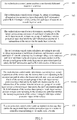
- An embodiment of the present invention provides a network service establishment method. As shown in FIG. 1 , the method specifically includes the following steps.
- An orchestration control center receives a service establishment request of a service.
- the service establishment request includes but is not limited to quality of protection (QoP) information and service level agreement (SLA) information of the service, and a latency requirement of the service.
- QoP information of the service includes a fault tolerance level of a link of each layer of network in a multi-layer network that carries the service, for example, a fiber tolerates one fault or an IP port tolerates one fault.
- SLA information includes quality of service information provided by the multi-layer network for the service carried by the multi-layer network, for example, includes a failover time. For example, the failover time of the service is non-50 ms, that is, the failover time of the service is greater than 50 ms.
- the orchestration control center obtains, by means of screening, all target service protection types that satisfy QoP information and/or SLA information of the service for each layer of network in a multi-layer network.
- a target service protection type of at least one layer of network in the multi-layer network satisfies both the QoP information and the SLA information of the service, or a target service protection type of at least one layer of network satisfies the QoP information of the service and a target service protection type of at least one layer of network satisfies the SLA information of the service.
- a service protection type list is stored in the orchestration control center.
- the service protection type list includes a service protection type corresponding to a service in each layer of network in the multi-layer network and parameter information corresponding to each service protection type.
- the orchestration control center matches the parameter information that is corresponding to each service protection type and that is in the service protection type list with the QoP information and the SLA information of the service, and obtains, by means of screening, a target service protection type that matches at least one of the QoP information or the SLA information of the service from the service protection type list.
- a specific implementation manner in which the orchestration control center obtains, by means of screening, the target service protection type that satisfies the QoP information and/or the SLA information of the service includes: a target service protection type of a layer of network in the multi-layer network satisfies both the QoP information and the SLA information of the service, or a combination of target service protection types of at least two layers of network satisfies the QoP information and the SLA information of the service.
- a service protection type of the IP network in the two-layer network includes: any one of redundant port protection, hot-standby protection (Hot-Standby), fast reroute (FRR) protection, 1: N protection, or unprotect.
- the redundant port protection means that there is a dedicated alternate port on a router to protect all other working ports, that is, when any working port encounters a fault, traffic is switched to the alternate port for protection.
- the hot-standby protection means that an alternate path is always in an operating state, and a service interruption of a service that is caused by a link fault, a device fault, or the like is effectively avoided.
- the fast reroute protection means that, when a link or a node is invalid, traffic carried on a label switched path (LSP) that passes through the valid link or node is quickly re-switched to a protection link.
- a service protection type of the OTN network in the multi-layer network for an IP link includes any one of 1+1 protection, 1:1 protection, 1+1:1 protection, or unprotect.
- the 1+1 protection means that a resource of a working path and a resource of an alternate path are exclusively occupied.
- the 1:1 protection means that the resources of the working path and the alternate path may be shared with another service.
- the 1+1:1 protection means that the resource of the first alternate path is exclusively occupied, and the resource of the second alternate path may be shared with another service. It should be noted that a difference of the 1: N protection and the 1:1 protection is merely that capacities of overlapped paths shared by alternate paths of different services are different.
- redundant port protection, the hot-standby protection, the FRR protection, and the 1: N protection tolerate one fault.
- An ensured failover time of FRR protection is 50 ms
- an ensured failover time of the redundant port protection, the hot-standby protection, the 1: N protection, and the unprotect is non-50 ms.
- the 1+1 protection and 1:1 protection tolerate one fault
- the 1+1:1 protection tolerates two faults.
- An ensured failover time of the 1+1 protection is 50 ms, and an ensured failover time of the 1:1 protection, 1+1:1 protection, and the unprotect is non-50 ms.
- the orchestration control center determines, according to all the target service protection types of each layer of network in the multi-layer network, at least one group of multi-layer service protection types that satisfy the QoP information and the SLA information of the service for the multi-layer network.
- Each group of the at least one group of the multi-layer service protection types includes a target service protection type of each layer of network in the multi-layer network.
- a two-layer network constituted by an IP network and an optical OTN network is used as an example. If a user requests to establish a one-fault-tolerant Multiprotocol Label Switching-Traffic Engineering (MPLS-TE) service bandwidth with non-50 ms recovery, the orchestration control center determines, according to network topology information of the IP network, network topology information of the OTN network, and network resource usage of each layer of network in the two-layer network, two multi-layer protection types: redundant port protection that can tolerate one fault and 1:1 protection that can ensure a non-50 ms failover time, and Hot-Standby that can ensure a non-50 ms failover time and 1+1 protection that can tolerate one fault.
- MPLS-TE Multiprotocol Label Switching-Traffic Engineering
- the orchestration control center determines a group of target multi-layer service protection types of the service according to network topology information of each layer of network and resource usage of each layer of network from the at least one group of the multi-layer service protection types that satisfy the QoP information and the SLA information of the service.
- the network topology information includes node information of nodes of a network to which the network topology information belongs and topology structure information in the nodes.
- the resource usage of each layer of network is an idle resource in each current service link of each layer of network.
- the service needs fewest network resources in the target multi-layer service protection types.
- the multi-layer service protection types consist of service protection types of all layers of network in the multi-layer network.
- the method further includes the following steps.
- the orchestration control center determines a target multi-layer service protection type of the service and an SLA level of the service according to the network topology information of each layer of network and the resource usage of each layer of network.
- the SLA level specifically includes three levels.
- a first level is strict Diffserv, that is, service protection types of all layers of network are strictly differentiated, and services of different service protection types are independently mounted into respective pipes. For example, four services: a service with FRR and optical layer 1:1 protection, a service with FRR protection, a service with optical layer 1:1 protection, and a service with optical layer unprotect are separately mounted into independent IP links. This can fully ensure that the services are strictly differentiated according to the SLA level.
- a second level is loose Diffserv, that is, all services of the SLA level are differentiated according to protection types of IP links carried by the services.
- An OTN network is used as an example. Two commonly used types are unprotect and optical layer 1:1 protection, and certainly, there is another type, for example, optical layer 1+1 protection.
- the unprotect means that the IP links carried by the services are in an unprotect mode at an optical layer
- the 1:1 means that the IP links carried by the services are in a 1:1 protection mode at the optical layer.
- a third level is no Diffserv, that is, all services of the SLA level are not differentiated according to pipe types of IP links, and are mounted into IP links of a same type.
- the following describes the first level differentiation and the second level differentiation of the SLA level by respectively using example 1 and example 2.
- the first level differentiation is that service protection types of an IP layer and service protection types of an optical layer are strictly differentiated. For example, the following four cases may be included:
- Priorities of the four services are as follows: service 1, service 2, service 3, and service 4.
- the second level differentiation is that, service protection types of an optical layer may be differentiated, and service protection types of an IP layer are not differentiated. For example, the following two cases may be included:
- the services of the four service protection types are separately mounted into four IP links in example 1.
- service 1 and service 3 are statistically multiplexed to one IP link in example 2, or service 2 and service 4 are statistically multiplexed to one IP link, and an IP link is corresponding to a VLAN sub-link.
- a recovery path, at the optical layer, of an IP link through which a working path of service 1 passes needs to be separated from a working IP link and a protection IP link; therefore, a latency is increased because a recovery path of service 3 needs to satisfy a stronger two-fault tolerance limitation of service 1 in example 2.
- the orchestration control center may further determine an IP layer pipe type and/or a network technology level according to the network topology information of each layer of network and the resource usage of each layer of network.
- step 104 and/or step 104a the method further includes the following steps.
- the orchestration control center determines an IP layer pipe type and/or a used network technology of the service according to the network topology information of each layer of network and the resource usage of each layer of network.
- the IP layer pipe type includes but is not limited to four types: ODU flex (Oracle Database Unloader flex, flexible rate optical data unit), packet (packet), ODUk (optical channel data unit), and Physical (physical resource).
- ODU flex Organic Database Unloader flex, flexible rate optical data unit
- packet packet
- ODUk optical channel data unit
- Physical Physical resource
- the different pipe types are mainly corresponding to different resource granularities and resource types.
- the ODU flex is corresponding to a circuit hard pipe of a fine granularity, and a pipe granularity is an integer multiple of a 1.25 G ODUO (a frame period signal type of an OTN signal) bandwidth.
- the packet is corresponding to a packet soft pipe, and is traffic of any bandwidth size.
- the Physical is corresponding to an optical layer wavelength resource and does not pass through an electrical layer resource.
- the network technology may be classified into three levels.
- a first level is gray light/colored light.
- the gray light means that a router device uses a gray light interface to connect a gray light interface of an OTN device, and the colored light means that the router device directly uses a colored light interface to connect a reconfigurable optical add/drop multiplexer (ROADM) device.
- a second level is 48*10G high density integration or 100G VLAN.
- the 10G high density integration means that the router device uses a 10 G silicon light interface to connect the gray light interface of the OTN device, and the gray light pipe is converged into a large rate pipe on the OTN device
- the 100G VLAN means that the router device uses a 100 G gray light interface to connect the gray light interface of the OTN device, and the OTN device needs to identify the VLAN and perform grooming at this sub-pipe electrical layer for converging into a large pipe.
- a third level is an MS-OTN characteristic enabled by a station.
- the MS-OTN characteristic includes a packet processing function and a circuit pipe processing function. For example, some stations do not have the packet processing function but have the circuit pipe processing function, and some station have both the packet processing function and the circuit pipe processing function.
- the orchestration control center determines the IP layer pipe type and a network data level according to the network topology information of each layer of network and the resource usage of each layer of network, a principle of using fewest network resources is mainly used for selection. For example, if an ODU2 is of 10 G, and the ODU flex is of an integer multiple of 1.25 G, and if a current service is of 500 M, and 9.9 G of an ONU2 is used, and a new 10 G link needs to be added if the ONU2 is selected, the ONU flex is selected.
- the 48*10G high density integration or the 100G VLAN when the 48*10G high density integration and the 100G VLAN each have sufficient resources, the 48*10G high density integration is selected. When 9.9 G of the 48*10G high density integration is used, and a new link needs to be added if the 48*10G high density integration is selected, the 100G VLAN is selected.
- the orchestration control center sends an instruction message that carries the target multi-layer service protection types to a network controller corresponding to the multi-layer network.
- the instruction message is used to instruct the network controller of the multi-layer network to determine a service link according to the target multi-layer service protection types.
- the orchestration control center may send the instruction message to a network controller of a network at a bottom layer, and the network controller of the network at the bottom layer calculates, according to the network topology information of each layer of network and the resource usage of each layer of network, a resource use path in which fewest network resources are used and that is of the service in the multi-layer service protection type, determines IP link resources that need to be established and adjusted, and sends a resource establishment or removal request to a network controller of a network at another layer, so that the network controller of the network at the another layer establishes, according to the resource establishment or removal request, a service link that needs to be established or removed by the network controller.
- the orchestration control center may send the instruction message to a network controller of each layer of network, and the network controller of each layer of network calculates a resource use path in which fewest network resources are used and that is of the service in a service protection type corresponding to the network, and determines a service link that needs to be established or removed.
- the service link determined by the network controller includes a working service link and a standby service link.
- an orchestration control center obtains, by means of screening according to QoP information and SLA information of a service, all target service protection types that satisfy the QoP information and the SLA information of the service for each layer of network in the multi-layer network, determines, according to all the target service protection types of each layer of network in the multi-layer network, at least one group of multi-layer service protection types that satisfy the QoP information and the SLA information of the service for the multi-layer network, determines target multi-layer service protection types of the service according to network topology information of each layer of network from all multi-layer service protection types that satisfy the QoP information and the SLA information of the service, and sends an instruction message that carries the target multi-layer service protection types to a network controller corresponding to the multi-layer network.
- the service needs fewest network resources in the target multi-layer service protection types, and because the target multi-layer service protection types consist of target service protection types of services in all layers of network, protection requirements of all the layers of network in the multi-layer network can be satisfied, thereby improving network resource utilization, and reducing network establishment costs.
- An embodiment of the present invention provides a network service establishment method. Based on step 101 to step 105 that are provided in the foregoing embodiment, step 104 may be replaced with step 104a1 to step 104a3 in this embodiment.
- step 104 when step 104 is replaced with step 104a1 and step 104a2, the method includes the following steps.
- the orchestration control center calculates, according to the network topology information of each layer of network and the resource usage of each layer of network, a network resource required by the service in each group of the multi-layer service protection types that satisfy the QoP information and the SLA information of the service.
- the orchestration control center determines the group of the target multi-layer service protection types of the service according to the network resource required by the service in each group of the multi-layer service protection types that satisfy the QoP information and the SLA information of the service from the at least one group of the multi-layer service protection types that satisfy the QoP information and the SLA information of the service.
- the service needs the fewest network resources in the target multi-layer service protection types.
- solution 1 an embodiment corresponding to FIG. 2 is applied to a specific software defined network (SDN) architecture for detailed description.
- SDN software defined network
- the SDN architecture includes an orchestration control center Orchestrator, a router controller (R-C), a transport controller (T-C), an IP network device, and an OTN network device.
- An orchestration control center Orchestrator a router controller (R-C), a transport controller (T-C), an IP network device, and an OTN network device.
- R-C router controller
- T-C transport controller
- IP network device IP network device
- OTN network device OTN network device
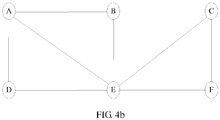
- IP network topology view shown in FIG. 4a it may be learned by referring to an IP network topology view shown in FIG. 4a that four IP links A-B, B-C, A-E, and E-C included in the IP network separately have ODUO idle resources, service protection types of the four IP links are unprotect at an optical layer, physical paths, at a physical layer, of IP links A-B and B-C and IP links A-E and E-C do not pass through a same fiber, each IP node supports VNT redundant port protection, and a client requests to establish a one-fault-tolerant MPLS-TE service bandwidth ODUO from node A to node C and with non-50 ms recovery.
- the user dynamically requests to the orchestration control center for establishing a one-fault-tolerant MPLS-TE service bandwidth ODUO link with non-50 ms recovery.
- the service protection types, of the IP layer and the optical layer, determined by the orchestration control center may include two multi-layer service protection types: redundant port and VLAN 1:1 protection, and hot-standby protection.
- the service protection types of all the IP links are unprotect at the optical layer, and preset optical path resources of the IP links in a 1:1 mode at the optical layer may be shared
- the service protection type is the redundant port and VLAN 1:1
- preset optical path resources, at the optical layer, of two optical layer services corresponding to the IP links A-B and B-C need to be added for the required network resource A
- the service protection type is the hot-standby protection
- the ODUO idle resources in the four original IP links may be used. Quantities of newly added resources for the two service protection types are compared, and it is concluded that A is greater than B.
- the orchestration control center selects the service protection type, that is, the hot-standby protection, in which few resources are required as an optimal service protection type.
- the service protection type that is, the hot-standby protection
- the four IP links in a solution B in which fewest resources are newly added are unprotected, it may be determined that the SLA level of the service is the third level. If the resource A is less than the resource B and a solution A is selected, and because at least the VLAN 1:1 is included, the SLA level of the service is the second level or the first level.
- step 104 may be replaced with step 104b1 and step 104b2 in this embodiment.
- the method includes the following steps.
- the orchestration control center calculates, according to the network topology information of each layer of network and the resource usage of each layer of network, a latency that is corresponding to a resource use path in which fewest network resources are used and that is of the service in each group of the multi-layer service protection types that satisfy the QoP information and the SLA information of the service.
- the orchestration control center determines, according to the latency requirement of the service and the latency that is corresponding to the resource use path in which the fewest network resources are used and that is of the service in each group of the multi-layer service protection types that satisfy the QoP information and the SLA information of the service from the at least one group of the multi-layer service protection types that satisfy the QoP information and the SLA information of the service, that a group of multi-layer service protection types corresponding to the resource use path that satisfies the latency requirement of the service is the target multi-layer service protection types of the service.
- solution 2 an embodiment corresponding to FIG. 5 is applied to a specific SDN network architecture for detailed description.
- a two-layer network constituted by an IP network and an optical transport network is used as an example for description.
- a working path is A-B-C
- an alternate path of a node B is A-E-C
- a latency of IP links A-B and B-C at an optical layer is 1 ms
- a latency of a one-fault-tolerant preset path A-E-B of A-B at the optical layer is 5 ms
- a latency of a two-fault-tolerant preset path A-D-E-B is 8 ms
- physical paths, at a physical layer, of the two-fault-tolerant preset path A-D-E-B and physical links A-B and A-E-C do not pass through a same fiber.
- the user dynamically requests to the orchestration control center for establishing a one-fault-tolerant MPLS-TE service bandwidth ODUO with non-50 ms recovery, and a latency requirement is less than 7 ms.
- the service protection types, of the IP layer and the optical layer, determined by the orchestration control center may include two multi-layer service protection types: VLAN 1:1 protection and hot-standby protection.
- the orchestration control center obtains the idle resources of the IP links A-B, B-C, A-E, and E-C and the 5 ms latency of the one-fault-tolerant preset path A-E-B of the IP Link A-B at the optical layer, and the 8 ms latency of the two-fault-tolerant preset path A-D-E-B of the IP Link A-B at the optical layer.
- the service may directly use an idle resource of the existing IP link A-B; in this way, fewest network resources are used, and the latency a satisfies the latency requirement 7 ms of the service. Therefore, it may be determined that the resource use path in which the fewest network resources are used satisfies the QoP information and the failover time of the service, that is, a service protection type of one-fault tolerance with non-50 ms recovery is the VLAN 1:1 protection.
- IP link A-B uses the two-fault-tolerant preset path A-D-E-B, because the corresponding 8 ms latency exceeds the latency requirement 7 ms of the service, a service requirement can be satisfied only by establishing the first SLA level.
- an orchestration control center obtains, by means of screening according to QoP information and SLA information of a service, all target service protection types that satisfy the QoP information and the SLA information of the service for each layer of network in the multi-layer network, determines, according to all the target service protection types of each layer of network in the multi-layer network, at least one group of multi-layer service protection types that satisfy the QoP information and the SLA information of the service for the multi-layer network, determines target multi-layer service protection types of the service according to network topology information of each layer of network from all multi-layer service protection types that satisfy the QoP information and the SLA information of the service, and sends an instruction message that carries the target multi-layer service protection types to a network controller corresponding to the multi-layer network.
- the service needs fewest network resources in the target multi-layer service protection types, and because the target multi-layer service protection types consist of target service protection types of services in all layers of network, protection requirements of all the layers of network in the multi-layer network can be satisfied, service levels are elaborately differentiated, an SLA level is determined for the service, and a proper IP layer pipe type and a network technology level are selected for the service, thereby improving network resource utilization, and reducing network establishment costs.
- An embodiment of the present invention provides an orchestration control center.
- the orchestration control center is used to implement the network service establishment method.
- a network in which the orchestration control center is located is a multi-layer network.
- the orchestration control center 2 includes a receiving unit 21, a screening unit 22, a first determining unit 23, a second determining unit 24, and a sending unit 25.
- the receiving unit 21 is configured to receive a service establishment request of a service; where the service establishment request includes quality of protection QoP information and service level agreement SLA information of the service; and the SLA information includes a failover time of the service.
- the screening unit 22 is configured to obtain, by means of screening, all target service protection types that satisfy the QoP information and/or the SLA information of the service for each layer of network in the multi-layer network.
- the first determining unit 23 is configured to determine, according to all the target service protection types that are obtained by the screening unit 22 by means of screening and that are of each layer of network in the multi-layer network, at least one group of multi-layer service protection types that satisfy the QoP information and the SLA information of the service for the multi-layer network; where each group of the at least one group of the multi-layer service protection types includes a target service protection type of each layer of network in the multi-layer network.
- the second determining unit 24 is configured to determine a group of target multi-layer service protection types of the service according to network topology information of each layer of network and resource usage of each layer of network from the at least one group of the multi-layer service protection types that satisfy the QoP information and the SLA information of the service and that are determined by the first determining unit 23; where the service needs fewest network resources in the target multi-layer service protection types.
- the sending unit 25 is configured to send an instruction message that carries the multi-layer service protection types determined by the second determining unit 24 to a network controller corresponding to the multi-layer network; where the instruction message is used to instruct the network controller of the multi-layer network to determine a service link according to the multi-layer service protection type.
- a target service protection type of at least one layer of network in the multi-layer network satisfies both the QoP information and the SLA information of the service, or a target service protection type of at least one layer of network satisfies the QoP information of the service and a target service protection type of at least one layer of network satisfies the SLA information of the service.
- the second determining unit 24 is specifically configured to: calculate, according to the network topology information of each layer of network and the resource usage of each layer of network, a network resource required by the service in each group of the multi-layer service protection types that satisfy the QoP information and the SLA information of the service and that are determined by the first determining unit 23; and determine the group of the target multi-layer service protection types of the service according to the network resource required by the service in each group of the multi-layer service protection types that satisfy the QoP information and the SLA information of the service from the at least one group of the multi-layer service protection types that satisfy the QoP information and the SLA information of the service; where the service needs the fewest network resources in the target multi-layer service protection types.
- the second determining unit 24 is specifically configured to: calculate, according to the network topology information of each layer of network and the resource usage of each layer of network, a latency that is corresponding to a resource use path in which fewest network resources are used and that is of the service in each group of the multi-layer service protection types that satisfy the QoP information and the SLA information of the service and that are determined by the first determining unit 23; and determine, according to the latency requirement of the service and the latency that is corresponding to the resource use path in which the fewest network resources are used and that is of the service in each group of the multi-layer service protection types that satisfy the QoP information and the SLA information of the service from the at least one group of the multi-layer service protection types that satisfy the QoP information and the SLA information of the service, that a group of multi-layer service protection types corresponding to the resource use path that satisfies the latency requirement of the service is the target multi-layer service protection
- the orchestration control center 2 further includes a third determining unit 26.
- the third determining unit 26 is configured to determine a target multi-layer service protection type of the service and an SLA level of the service according to the network topology information of each layer of network and the resource usage of each layer of network.
- the orchestration control center 2 further includes a fourth determining unit 27.
- the fourth determining unit 27 is configured to determine an IP layer pipe type and/or a used network technology of the service according to the network topology information of each layer of network and the resource usage of each layer of network.
- the orchestration control center obtains, by means of screening according to QoP information and SLA information of a service, all target service protection types that satisfy the QoP information and the SLA information of the service for each layer of network in the multi-layer network, determines, according to all the target service protection types of each layer of network in the multi-layer network, at least one group of multi-layer service protection types that satisfy the QoP information and the SLA information of the service for the multi-layer network, determines target multi-layer service protection types of the service according to network topology information of each layer of network from all multi-layer service protection types that satisfy the QoP information and the SLA information of the service, and sends an instruction message that carries the target multi-layer service protection types to a network controller corresponding to the multi-layer network.
- the service needs fewest network resources in the target multi-layer service protection types, and because the target multi-layer service protection types consist of target service protection types of services in all layers of network, protection requirements of all the layers of network in the multi-layer network can be satisfied, thereby improving network resource utilization, and reducing network establishment costs.
- An embodiment of the present invention provides a network system.
- the network system includes an orchestration control center 31 and network controllers 32 of all layers of network.
- the orchestration control center 31 is the orchestration control center 31 described in the embodiment.
- the orchestration control center 31 is configured to receive a service establishment request of a service; where the service establishment request includes quality of protection QoP information and service level agreement SLA information of the service; and the SLA information includes a failover time of the service.
- the orchestration control center 31 is further configured to obtain, by means of screening, all target service protection types that satisfy the QoP information and/or the SLA information of the service for each layer of network in a multi-layer network, and determine, according to all the target service protection types of each layer of network in the multi-layer network, at least one group of multi-layer service protection types that satisfy the QoP information and the SLA information of the service for the multi-layer network; where each group of the at least one group of the multi-layer service protection types includes a target service protection type of each layer of network in the multi-layer network.
- the orchestration control center 31 is further configured to determine a group of target multi-layer service protection types of the service according to network topology information of each layer of network and resource usage of each layer of network from the at least one group of the multi-layer service protection types that satisfy the QoP information and the SLA information of the service; where the service needs fewest network resources in the target multi-layer service protection types.
- the orchestration control center 31 is further configured to send an instruction message that carries the target multi-layer service protection types to a network controller corresponding to the multi-layer network.
- the network controller 32 of the multi-layer network is configured to receive the instruction message, and determine a service link according to the multi-layer service protection types carried in the instruction message.
- the orchestration control center 31 may send the instruction message to a network controller of a network at a bottom layer, and the network controller 32 of the network at the bottom layer calculates, according to the network topology information of each layer of network and the resource usage of each layer of network, a resource use path in which fewest network resources are used and that is of the service in the multi-layer service protection type, determines IP link resources that need to be established and adjusted, and sends a resource establishment or removal request to a network controller 32 of a network at another layer, so that the network controller of the network at the another layer establishes, according to the resource establishment or removal request, a service link that needs to be established or removed by the network controller.
- the orchestration control center 31 may send the instruction message to a network controller 32 of each layer of network, and the network controller 32 of each layer of network calculates a resource use path in which fewest network resources are used and that is of the service in a service protection type corresponding to the network, and determines a service link that needs to be established or removed.
- a target service protection type of at least one layer of network in the multi-layer network satisfies both the QoP information and the SLA information of the service, or a target service protection type of at least one layer of network satisfies the QoP information of the service and a target service protection type of at least one layer of network satisfies the SLA information of the service.
- the orchestration control center 31 is specifically configured to: calculate, according to the network topology information of each layer of network and the resource usage of each layer of network, a network resource required by the service in each group of the multi-layer service protection types that satisfy the QoP information and the SLA information of the service; and determine the group of the target multi-layer service protection types of the service according to the network resource required by the service in each group of the multi-layer service protection types that satisfy the QoP information and the SLA information of the service from the at least one group of the multi-layer service protection types that satisfy the QoP information and the SLA information of the service; where the service needs the fewest network resources in the target multi-layer service protection types.
- the orchestration control center 31 is specifically configured to: calculate, according to the network topology information of each layer of network and the resource usage of each layer of network, a latency that is corresponding to a resource use path in which fewest network resources are used and that is of the service in each group of the multi-layer service protection types that satisfy the QoP information and the SLA information of the service; and determine, according to the latency requirement of the service and the latency that is corresponding to the resource use path in which the fewest network resources are used and that is of the service in each group of the multi-layer service protection types that satisfy the QoP information and the SLA information of the service from the at least one group of the multi-layer
- the orchestration control center 31 is further configured to determine a target multi-layer service protection type of the service and an SLA level of the service according to the network topology information of each layer of network and the resource usage of each layer of network.
- the orchestration control center 31 is further configured to determine an IP layer pipe type and/or a used network technology of the service according to the network topology information of each layer of network and the resource usage of each layer of network.
- an orchestration control center obtains, by means of screening according to QoP information and SLA information of a service, all target service protection types that satisfy the QoP information and the SLA information of the service for each layer of network in the multi-layer network, determines, according to all the target service protection types of each layer of network in the multi-layer network, at least one group of multi-layer service protection types that satisfy the QoP information and the SLA information of the service for the multi-layer network, determines target multi-layer service protection types of the service according to network topology information of each layer of network from all multi-layer service protection types that satisfy the QoP information and the SLA information of the service, where the service needs fewest network resources in the target multi-layer service protection types, and sends an instruction message that carries the target multi-layer service protection types to a network controller corresponding to the multi-layer network, where the network controller of the multi-layer network determines a service link according to the multi-layer service protection types carried in the instruction message
- the disclosed system, apparatus, and method may be implemented in other manners.
- the described system embodiment is merely an example.
- the module division is merely logical function division and may be other division in actual implementation.
- a plurality of modules or components may be combined or integrated into another system, or some features may be ignored or not performed.
- the displayed or discussed mutual couplings or direct couplings or communication connections may be implemented through some interfaces.
- the indirect couplings or communication connections between the modules may be implemented in electronic, mechanical, or other forms.
- modules in this application may be integrated into one processing module, or each of the modules may exist alone physically, or two or more modules are integrated into one module.
- the integrated module may be implemented in a form of hardware, or may be implemented in a form of a software functional module.
Landscapes
- Engineering & Computer Science (AREA)
- Computer Networks & Wireless Communication (AREA)
- Signal Processing (AREA)
- Data Exchanges In Wide-Area Networks (AREA)
Claims (15)
- Netzwerkdienstherstellungsverfahren, angewendet auf ein mehrschichtiges Netzwerk, wobei das Verfahren umfasst:Empfangen (101), durch eine Orchestrierungssteuerzentrale, einer Dienstherstellungsanforderung eines Diensts; wobei die Dienstherstellungsanforderung eine Schutzqualitäts(Quality of Protection, QoP)-Information und eine Dienstgüte(Service Level Agreement, SLA)-Information des Diensts umfasst;Erhalten (102), mittels Screening, aller Ziel-Dienstschutztypen, die mit der QoP-Information und/oder der SLA-Information des Diensts für jede Netzwerkschicht in dem mehrschichtigen Netzwerk übereinstimmen;Bestimmen (103), gemäß aller Ziel-Dienstschutztypen jeder Netzwerkschicht in dem mehrschichtigen Netzwerk, von mindestens einer Gruppe von Mehrschicht-Dienstschutztypen, die mit der QoP-Information und der SLA-Information des Diensts für das mehrschichtige Netzwerk übereinstimmen; wobei jede Gruppe der mindestens einen Gruppe der Mehrschicht-Dienstschutztypen einen Ziel-Dienstschutztyp jeder Netzwerkschicht in dem mehrschichtigen Netzwerk umfasst;Bestimmen (104) einer Gruppe von Ziel-Mehrschicht-Dienstschutztypen des Diensts gemäß der Netzwerktopologieinformation jeder Netzwerkschicht und der Ressourcennutzung jeder Netzwerkschicht aus der mindestens einen Gruppe der Mehrschicht-Dienstschutztypen, die mit der QoP-Information und der SLA-Information des Diensts übereinstimmen; wobei der Dienst die wenigsten Netzwerkressourcen in den Ziel-Mehrschicht-Dienstschutztypen benötigt; undSenden (105) einer Anweisungsnachricht, die die Ziel-Mehrschicht-Dienstschutztypen an eine Netzwerksteuerung übermittelt, die dem mehrschichtigen Netzwerk entspricht; wobei die Anweisungsnachricht verwendet wird, um die Netzwerksteuerung des mehrschichtigen Netzwerks anzuweisen, eine Dienstverbindung gemäß den Ziel-Mehrschicht-Dienstschutztypen zu bestimmen.
- Verfahren nach Anspruch 1, wobei ein Ziel-Dienstschutztyp von mindestens einer Netzwerkschicht in dem mehrschichtigen Netzwerk sowohl mit der QoP-Information als auch der SLA-Information des Diensts übereinstimmt oder ein Ziel-Dienstschutztyp von mindestens einer Netzwerkschicht mit der QoP-Information des Diensts übereinstimmt und ein Ziel-Dienstschutztyp von mindestens einer Netzwerkschicht mit der SLA-Information des Diensts übereinstimmt.
- Verfahren nach Anspruch 1 oder 2, wobei das Bestimmen (104) einer Gruppe von Ziel-Mehrschicht-Dienstschutztypen des Diensts gemäß der Netzwerktopologieinformation jeder Netzwerkschicht und der Ressourcennutzung jeder Netzwerkschicht aus der mindestens einen Gruppe der Mehrschicht-Dienstschutztypen, die mit der QoP-Information und der SLA-Information des Diensts übereinstimmen, umfasst:Berechnen (104al), gemäß der Netzwerktopologieinformation jeder Netzwerkschicht und der Ressourcennutzung jeder Netzwerkschicht, einer Netzwerkressource, die von dem Dienst in jeder Gruppe der Mehrschicht-Dienstschutztypen benötigt wird, die mit der QoP-Information und der SLA-Information des Diensts übereinstimmen; undBestimmen (104a2) der Gruppe der Ziel-Mehrschicht-Dienstschutztypen des Diensts gemäß der Netzwerkressource, die von dem Dienst in jeder Gruppe der Mehrschicht-Dienstschutztypen benötigt wird, die mit der QoP-Information und der SLA-Information des Diensts aus der mindestens einen Gruppe von Mehrschicht-Dienstschutztypen übereinstimmen, die mit der QoP-Information und der SLA-Information des Diensts übereinstimmen; wobei der Dienst die wenigsten Netzwerkressourcen in den Ziel-Mehrschicht-Dienstschutztypen benötigt.
- Verfahren nach Anspruch 1 oder 2, wobei, wenn die Dienstherstellungsanforderung ferner einen Latenzbedarf des Diensts umfasst, das Bestimmen einer Gruppe von Ziel-Mehrschicht-Dienstschutztypen des Diensts gemäß der Netzwerktopologieinformation jeder Netzwerkschicht und der Ressourcennutzung jeder Netzwerkschicht aus der mindestens einen Gruppe der Mehrschicht-Dienstschutztypen, die mit der QoP-Information und der SLA-Information des Diensts übereinstimmen, umfasst:Berechnen, gemäß der Netzwerktopologieinformation jeder Netzwerkschicht und der Ressourcennutzung jeder Netzwerkschicht, einer Latenz, die einem Ressourcennutzungspfad entspricht, in dem die wenigsten Netzwerkressourcen verwendet werden, und die dem Dienst in jeder Gruppe der Mehrschicht-Dienstschutztypen entspricht, die mit der QoP-Information und der SLA-Information des Diensts übereinstimmen; undBestimmen, gemäß dem Latenzbedarf des Diensts und der Latenz, die dem Ressourcennutzungspfad entspricht, in dem die wenigsten Netzwerkressourcen verwendet werden, und die dem Dienst in jeder Gruppe der Mehrschicht-Dienstschutztypen entspricht, die mit der QoP-Information und der SLA-Information des Diensts übereinstimmen, und aus der mindestens einen Gruppe der Mehrschicht-Dienstschutztypen, die mit der QoP-Information und der SLA-Information des Diensts übereinstimmen, dass eine Gruppe von Mehrschicht-Dienstschutztypen, die dem Ressourcennutzungspfad entsprechen, der mit dem Latenzbedarf des Diensts übereinstimmt, die Ziel-Mehrschicht-Dienstschutztypen des Diensts sind.
- Verfahren nach einem der Ansprüche 1 bis 4, wobei nach dem Bestimmen (104) einer Gruppe von Ziel-Mehrschicht-Dienstschutztypen des Diensts gemäß der Netzwerktopologieinformation jeder Netzwerkschicht und der Ressourcennutzung jeder Netzwerkschicht aus der mindestens einen Gruppe der Mehrschicht-Dienstschutztypen, die mit der QoP-Information und der SLA-Information des Diensts übereinstimmen, das Verfahren ferner umfasst:Bestimmen eines Ziel-Mehrschicht-Dienstschutztyps des Diensts und einer SLA-Stufe des Diensts gemäß der Netzwerktopologieinformation jeder Netzwerkschicht und der Ressourcennutzung jeder Netzwerkschicht.
- Verfahren nach Anspruch 5, wobei nach dem Bestimmen (104) einer Gruppe von Ziel-Mehrschicht-Dienstschutztypen des Diensts gemäß der Netzwerktopologieinformation jeder Netzwerkschicht und der Ressourcennutzung jeder Netzwerkschicht aus der mindestens einen Gruppe der Mehrschicht-Dienstschutztypen, die mit der QoP-Information und der SLA-Information des Diensts übereinstimmen, das Verfahren ferner umfasst:Bestimmen eines IP-Schichtleitungstyps und/oder einer verwendeten Netzwerktechnologie des Diensts gemäß der Netzwerktopologieinformation jeder Netzwerkschicht und der Ressourcennutzung jeder Netzwerkschicht.
- Verfahren nach einem der Ansprüche 1 bis 6, wobei die SLA-Information eine Failover-Zeit des Diensts umfasst.
- Orchestrierungssteuerzentrale (2), wobei die Orchestrierungssteuerzentrale (2) auf ein mehrschichtiges Netzwerk angewendet wird, und die Orchestrierungssteuerzentrale (2) umfasst:eine Empfangseinheit (21), die konfiguriert ist, um eine Dienstherstellungsanforderung eines Diensts zu empfangen; wobei die Dienstherstellungsanforderung eine Schutzqualitäts(Quality of Protection, QoP)-Information und eine Dienstgüte(Service Level Agreement, SLA)-Information des Diensts umfasst;eine Screening-Einheit (22), die konfiguriert ist, um mittels Screening alle Ziel-Dienstschutztypen zu erhalten, die mit der QoP-Information und/oder der SLA-Information des Diensts für jede Netzwerkschicht in dem mehrschichtigen Netzwerk übereinstimmen;eine erste Bestimmungseinheit (23), die konfiguriert ist, um gemäß allen Ziel-Dienstschutztypen, die durch die Screening-Einheit (22) mittels Screening erhalten werden und die jeder Netzwerkschicht in dem mehrschichtigen Netzwerk entsprechen, mindestens eine Gruppe von Mehrschicht-Dienstschutztypen zu bestimmen, die mit der QoP-Information und der SLA-Information des Diensts für das mehrschichtige Netzwerk übereinstimmen; wobei jede Gruppe der mindestens einen Gruppe der Mehrschicht-Dienstschutztypen einen Ziel-Dienstschutztyp jeder Schicht des Netzwerks in dem mehrschichtigen Netzwerk umfasst;eine zweite Bestimmungseinheit (24), die konfiguriert ist, um eine Gruppe von Ziel-Mehrschicht-Dienstschutztypen des Diensts gemäß der Netzwerktopologieinformation jeder Netzwerkschicht und der Ressourcennutzung jeder Netzwerkschicht aus der mindestens einen Gruppe der Mehrschicht-Dienstschutztypen zu bestimmen, die mit der QoP-Information und der SLA-Information des Diensts übereinstimmen und die von der ersten Bestimmungseinheit (23) bestimmt werden; wobei der Dienst die wenigsten Netzwerkressourcen in den Ziel-Mehrschicht-Dienstschutztypen benötigt; undeine Sendeeinheit (25), die konfiguriert ist, um eine Anweisungsnachricht zu senden, die die Ziel-Mehrschicht-Dienstschutztypen, die von der zweiten Bestimmungseinheit (24) bestimmt werden, an eine Netzwerksteuerung übermittelt, die dem mehrschichtigen Netzwerk entspricht; wobei die Anweisungsnachricht verwendet wird, um die Netzwerksteuerung des mehrschichtigen Netzwerks anzuweisen, eine Dienstverbindung gemäß den Ziel-Mehrschicht-Dienstschutztypen zu bestimmen.
- Orchestrierungssteuerzentrale (2) nach Anspruch 8, wobei ein Ziel-Dienstschutztyp von mindestens einer Netzwerkschicht in dem mehrschichtigen Netzwerk sowohl mit der QoP-Information als auch der SLA-Information des Diensts übereinstimmt oder ein Ziel-Dienstschutztyp von mindestens einer Netzwerkschicht mit der QoP-Information des Diensts übereinstimmt und ein Ziel-Dienstschutztyp von mindestens einer Netzwerkschicht mit der SLA-Information des Diensts übereinstimmt.
- Orchestrierungssteuerzentrale (2) nach Anspruch 8 oder 9, wobei die zweite Bestimmungseinheit (24) insbesondere konfiguriert ist, um:gemäß der Netzwerktopologieinformation jeder Netzwerkschicht und der Ressourcennutzung jeder Netzwerkschicht eine Netzwertressource zu berechnen, die von dem Dienst in jeder Gruppe der Mehrschicht-Dienstschutztypen benötigt werden, die mit der QoP-Information und der SLA-Information des Diensts übereinstimmen und die von der ersten Bestimmungseinheit (23) bestimmt werden; unddie Gruppe der Ziel-Mehrschicht-Dienstschutztypen des Diensts gemäß der Netzwerkressource zu bestimmen, die von dem Dienst in jeder Gruppe der Mehrschicht-Dienstschutztypen benötigt wird, die mit der QoP-Information und der SLA-Information des Diensts aus der mindestens einen Gruppe von Mehrschicht-Dienstschutztypen übereinstimmen, die mit der QoP-Information und der SLA-Information des Diensts übereinstimmen; wobei der Dienst die wenigsten Netzwerkressourcen in den Ziel-Mehrschicht-Dienstschutztypen benötigt.
- Orchestrierungssteuerzentrale (2) nach Anspruch 8 oder 9, wobei, wenn die Dienstherstellungsanforderung ferner einen Latenzbedarf des Diensts umfasst, die zweite Bestimmungseinheit (24) insbesondere konfiguriert ist, um:gemäß der Netzwerktopologieinformation jeder Netzwerkschicht und der Ressourcennutzung jeder Netzwerkschicht eine Latenz zu berechnen, die einem Ressourcennutzungspfad entspricht, in dem die wenigsten Netzwerkressourcen verwendet werden, und die dem Dienst in jeder Gruppe der Mehrschicht-Dienstschutztypen entspricht, die mit der QoP-Information und der SLA-Information des Diensts übereinstimmen und die von der ersten Bestimmungseinheit bestimmt werden; und, gemäß dem Latenzbedarf des Diensts und der Latenz, die dem Ressourcennutzungspfad entspricht, in dem die wenigsten Netzwerkressourcen verwendet werden, und die dem Dienst in jeder Gruppe der Mehrschicht-Dienstschutztypen entspricht, die mit der QoP-Information und der SLA-Information des Diensts aus der mindestens einen Gruppe der Mehrschicht-Dienstschutztypen übereinstimmen, die mit der QoP-Information und der SLA-Information des Diensts übereinstimmen, zu bestimmen dass eine Gruppe von Mehrschicht-Dienstschutztypen, die dem Ressourcennutzungspfad entsprechen, der mit der Latenzanforderung des Diensts übereinstimmt, die Ziel-Mehrschicht-Dienstschutztypen des Diensts sind.
- Orchestrierungssteuerzentrale nach einem der Ansprüche 8 bis 11, wobei die Orchestrierungssteuerzentrale ferner umfasst:eine dritte Bestimmungseinheit (26), die konfiguriert ist, um einen Ziel-Mehrschicht-Dienstschutztyp des Diensts und eine SLA-Stufe des Diensts gemäß der Netzwerktopologieinformation jeder Netzwerkschicht und der Ressourcennutzung jeder Netzwerkschicht zu bestimmen.
- Orchestrierungssteuerzentrale (2) nach Anspruch 12, wobei die Orchestrierungssteuerzentrale ferner umfasst:eine vierte Bestimmungseinheit (27), die konfiguriert ist, um einen IP-Schichtleitungstyp und/oder eine verwendete Netzwerktechnologie des Diensts gemäß der Netzwerktopologieinformation jeder Netzwerkschicht und der Ressourcennutzung jeder Netzwerkschicht zu bestimmen.
- Orchestrierungssteuerzentrale (2) nach einem der Ansprüche 8 bis 13, wobei die SLA-Information eine Failover-Zeit des Diensts umfasst.
- Netzwerksystem, wobei das Netzwerksystem auf ein mehrschichtiges Netzwerk angewendet wird und das Netzwerksystem eine Orchestrierungssteuerzentrale (31) und eine Netzwerksteuerung (32) des mehrschichtigen Netzwerks umfasst; wobei die Orchestrierungssteuerzentrale (31) konfiguriert ist, um eine Dienstherstellungsanforderung eines Diensts zu empfangen; wobei die Dienstherstellungsanforderung eine Schutzqualitäts(Quality of Protection, QoP)-Information und eine Dienstgüte(Service Level Agreement, SLA)-Information des Diensts umfasst;
die Orchestrierungssteuerzentrale (31) ferner konfiguriert ist, um mittels Screening alle Ziel-Dienstschutztypen zu erhalten, die mit der QoP-Information und/oder der SLA-Information des Diensts für jede Netzwerkschicht in dem mehrschichtigen Netzwerk übereinstimmen, und gemäß allen Ziel-Dienstschutztypen jeder Netzwerkschicht in dem mehrschichtigen Netzwerk mindestens eine Gruppe von Mehrschicht-Dienstschutztypen zu bestimmen, die mit der QoP-Information und der SLA-Information des Diensts für das mehrschichtige Netzwerk übereinstimmen; wobei jede Gruppe der mindestens einen Gruppe der Mehrschicht-Dienstschutztypen einen Ziel-Dienstschutztyp jeder Schicht des Netzwerks in dem mehrschichtigen Netzwerk umfasst;
die Orchestrierungssteuerzentrale (31) ferner konfiguriert ist, um eine Gruppe von Ziel-Mehrschicht-Dienstschutztypen des Diensts gemäß der Netzwerktopologieinformation jeder Netzwerkschicht und der Ressourcennutzung jeder Netzwerkschicht aus der mindestens einen Gruppe der Mehrschicht-Dienstschutztypen zu bestimmen, die mit der QoP-Information und der SLA-Information des Diensts übereinstimmen; wobei der Dienst die wenigsten Netzwerkressourcen in den Ziel-Mehrschicht-Dienstschutztypen benötigt;
die Orchestrierungssteuerzentrale (31) ferner konfiguriert ist, um eine Anweisungsnachricht zu senden, die die Ziel-Mehrschicht-Dienstschutztypen an eine Netzwerksteuerung übermittelt, die dem mehrschichtigen Netzwerk entspricht; und die Netzwerksteuerung (32) des mehrschichtigen Netzwerks konfiguriert ist, um die Anweisungsnachricht zu empfangen und eine Dienstverbindung gemäß den Ziel-Mehrschicht-Dienstschutztypen zu bestimmen, die in der Anweisungsnachricht übermittelt werden.
Applications Claiming Priority (1)
| Application Number | Priority Date | Filing Date | Title |
|---|---|---|---|
| PCT/CN2015/072061 WO2016119265A1 (zh) | 2015-01-31 | 2015-01-31 | 一种网络业务建立方法、协作控制中心及网络系统 |
Publications (3)
| Publication Number | Publication Date |
|---|---|
| EP3244580A1 EP3244580A1 (de) | 2017-11-15 |
| EP3244580A4 EP3244580A4 (de) | 2018-01-17 |
| EP3244580B1 true EP3244580B1 (de) | 2019-03-06 |
Family
ID=56542258
Family Applications (1)
| Application Number | Title | Priority Date | Filing Date |
|---|---|---|---|
| EP15879473.5A Active EP3244580B1 (de) | 2015-01-31 | 2015-01-31 | Netzwerkdienstherstellungsverfahren, kooperationssteuerzentrale und netzwerksystem |
Country Status (4)
| Country | Link |
|---|---|
| US (1) | US10491487B2 (de) |
| EP (1) | EP3244580B1 (de) |
| CN (1) | CN106233679B (de) |
| WO (1) | WO2016119265A1 (de) |
Families Citing this family (10)
| Publication number | Priority date | Publication date | Assignee | Title |
|---|---|---|---|---|
| CN108600178A (zh) * | 2018-03-28 | 2018-09-28 | 深圳市银之杰科技股份有限公司 | 一种征信数据的安全保障方法及系统、征信平台 |
| KR102025426B1 (ko) * | 2018-05-11 | 2019-09-25 | 한국전자통신연구원 | Sdn 기반의 통신 노드에서의 트래픽 과적에 따른 서비스 품질 저하를 해소하기 위한 대역폭 제어 방법 및 장치 |
| US10298329B1 (en) | 2018-06-28 | 2019-05-21 | At&T Intellectual Property I, L.P. | Multi-layer system self-optimization |
| CN111200506B (zh) * | 2018-11-19 | 2023-08-29 | 中兴通讯股份有限公司 | 一种故障感知方法及装置和控制器 |
| CN110365549B (zh) * | 2019-06-10 | 2021-09-24 | 烽火通信科技股份有限公司 | 一种sptn网络的处理方法和处理系统 |
| KR20220057963A (ko) * | 2020-10-30 | 2022-05-09 | 에스케이텔레콤 주식회사 | 데이터처리 노드장치 및 그 장치에서 수행되는 정보 전달 방법 |
| US11785365B2 (en) * | 2021-09-10 | 2023-10-10 | Ciena Corporation | Interworking between variable capacity optical layer and ethernet/IP/MPLS layer |
| CN114650254B (zh) * | 2021-12-10 | 2023-10-20 | 中国联合网络通信集团有限公司 | 一种确定业务路径的方法、装置以及计算机可读存储介质 |
| CN120128955A (zh) * | 2023-12-08 | 2025-06-10 | 中兴通讯股份有限公司 | 业务保障方法及电子设备 |
| CN119109893B (zh) * | 2024-09-23 | 2025-09-09 | 武汉烽火技术服务有限公司 | 业务无损切换方法及装置 |
Family Cites Families (10)
| Publication number | Priority date | Publication date | Assignee | Title |
|---|---|---|---|---|
| US7801976B2 (en) * | 2002-05-28 | 2010-09-21 | At&T Intellectual Property I, L.P. | Service-oriented architecture systems and methods |
| US8131606B2 (en) * | 2007-02-09 | 2012-03-06 | International Business Machines Corporation | Model, design rules and system for asset composition and usage |
| CN101621497B (zh) * | 2008-06-30 | 2012-11-21 | 华为技术有限公司 | 一种多层网络中的业务保护的方法和系统 |
| CN101631071B (zh) * | 2008-07-16 | 2012-08-08 | 华为技术有限公司 | 多层网络中建立路径的方法、网络节点和系统 |
| JP5461320B2 (ja) * | 2010-06-24 | 2014-04-02 | 日本電信電話株式会社 | トラフィック収容設計方法、回線設計装置、及び、通信システム |
| WO2012116760A1 (en) * | 2011-02-28 | 2012-09-07 | Telefonaktiebolaget L M Ericsson (Publ) | Path computation of working and recovery paths |
| CN102186124B (zh) * | 2011-04-29 | 2014-01-15 | 东北大学 | 一种wdm光网络中的基于效用的层间协调方法 |
| WO2013026496A1 (en) * | 2011-08-25 | 2013-02-28 | Telefonaktiebolaget L M Ericsson (Publ) | Apparatus and method for a communication network |
| KR20140125244A (ko) * | 2013-04-18 | 2014-10-28 | 한국전자통신연구원 | 다 계층 링크 관리장치, 다 계층 통합 네트워크 전송 시스템 및 다 계층 링크 관리방법 |
| US10404546B2 (en) * | 2017-02-17 | 2019-09-03 | At&T Intellectual Property I, L.P. | Multi-tier fault tolerant network design with quality of service considerations |
-
2015
- 2015-01-31 EP EP15879473.5A patent/EP3244580B1/de active Active
- 2015-01-31 WO PCT/CN2015/072061 patent/WO2016119265A1/zh not_active Ceased
- 2015-01-31 CN CN201580020630.8A patent/CN106233679B/zh active Active
-
2017
- 2017-07-31 US US15/664,962 patent/US10491487B2/en active Active
Non-Patent Citations (1)
| Title |
|---|
| None * |
Also Published As
| Publication number | Publication date |
|---|---|
| CN106233679A (zh) | 2016-12-14 |
| US10491487B2 (en) | 2019-11-26 |
| EP3244580A1 (de) | 2017-11-15 |
| US20170331703A1 (en) | 2017-11-16 |
| EP3244580A4 (de) | 2018-01-17 |
| CN106233679B (zh) | 2019-10-01 |
| WO2016119265A1 (zh) | 2016-08-04 |
Similar Documents
| Publication | Publication Date | Title |
|---|---|---|
| EP3244580B1 (de) | Netzwerkdienstherstellungsverfahren, kooperationssteuerzentrale und netzwerksystem | |
| Shen et al. | Survivable elastic optical networks: survey and perspective | |
| US10305788B2 (en) | Near-real-time and real-time communications | |
| Ridwan et al. | Recent trends in MPLS networks: technologies, applications and challenges | |
| CN103931123B (zh) | Wson复原 | |
| Sengupta et al. | From network design to dynamic provisioning and restoration in optical cross-connect mesh networks: An architectural and algorithmic overview | |
| US20160373317A1 (en) | Bandwidth on-demand services in multiple layer networks | |
| CN104426766A (zh) | 跨多个网络层的动态端到端网络路径建立 | |
| CN102299852A (zh) | 跨域业务域间链路与域内通道的绑定映射控制方法及装置 | |
| EP3108624B1 (de) | Verfahren und vorrichtung zur berechnung eines pfades in einem mehrschichtigen netzwerk | |
| Aibin et al. | Different strategies for dynamic multicast traffic protection in elastic optical networks | |
| CN105763348B (zh) | 一种恢复光层业务的方法和系统 | |
| US7680136B2 (en) | Method and apparatus for allocating label to path in ring network | |
| US9451342B2 (en) | Method and apparatus for managing link on multi-layer networks | |
| Ho et al. | A framework of scalable optical metropolitan networks for improving survivability and class of service | |
| Pryslupskyi et al. | Improvement of multiprotocol label switching network performance using software-defined controller | |
| Alhaqbani et al. | Conceptual Mechanism Software Defined Network Topology in Multiprotocol Label Switching Network Domain | |
| Yang et al. | Service-aware resources integrated resilience for software defined data center networking based on IP over Flexi-Grid optical networks | |
| Martinez et al. | Assessing the performance of multi-layer path computation algorithms for different PCE architectures | |
| US20120189305A1 (en) | Method and apparatus for routes separation in ason services | |
| Yang et al. | Multi-stratum resources resilience in software defined data center interconnection based on IP over elastic optical networks | |
| Sudhakar et al. | Future Generation Elastic Optical | |
| EP2141866B1 (de) | Verfahren und Vorrichtung zum Finden eines Pfades in einem GMPLS-gesteuerten Netzwerk | |
| Munoz et al. | A research and experimentation overview on future optical network control plane in the ADRENALINE testbed | |
| Bernstein et al. | Optical network control—concepts, standardization and interoperability |
Legal Events
| Date | Code | Title | Description |
|---|---|---|---|
| STAA | Information on the status of an ep patent application or granted ep patent |
Free format text: STATUS: THE INTERNATIONAL PUBLICATION HAS BEEN MADE |
|
| PUAI | Public reference made under article 153(3) epc to a published international application that has entered the european phase |
Free format text: ORIGINAL CODE: 0009012 |
|
| STAA | Information on the status of an ep patent application or granted ep patent |
Free format text: STATUS: REQUEST FOR EXAMINATION WAS MADE |
|
| 17P | Request for examination filed |
Effective date: 20170810 |
|
| AK | Designated contracting states |
Kind code of ref document: A1 Designated state(s): AL AT BE BG CH CY CZ DE DK EE ES FI FR GB GR HR HU IE IS IT LI LT LU LV MC MK MT NL NO PL PT RO RS SE SI SK SM TR |
|
| AX | Request for extension of the european patent |
Extension state: BA ME |
|
| A4 | Supplementary search report drawn up and despatched |
Effective date: 20171220 |
|
| RIC1 | Information provided on ipc code assigned before grant |
Ipc: H04L 12/701 20130101AFI20171214BHEP Ipc: H04L 29/08 20060101ALI20171214BHEP Ipc: H04L 29/06 20060101ALI20171214BHEP Ipc: H04L 12/24 20060101ALI20171214BHEP |
|
| DAX | Request for extension of the european patent (deleted) | ||
| GRAP | Despatch of communication of intention to grant a patent |
Free format text: ORIGINAL CODE: EPIDOSNIGR1 |
|
| STAA | Information on the status of an ep patent application or granted ep patent |
Free format text: STATUS: GRANT OF PATENT IS INTENDED |
|
| INTG | Intention to grant announced |
Effective date: 20180905 |
|
| GRAS | Grant fee paid |
Free format text: ORIGINAL CODE: EPIDOSNIGR3 |
|
| GRAA | (expected) grant |
Free format text: ORIGINAL CODE: 0009210 |
|
| STAA | Information on the status of an ep patent application or granted ep patent |
Free format text: STATUS: THE PATENT HAS BEEN GRANTED |
|
| AK | Designated contracting states |
Kind code of ref document: B1 Designated state(s): AL AT BE BG CH CY CZ DE DK EE ES FI FR GB GR HR HU IE IS IT LI LT LU LV MC MK MT NL NO PL PT RO RS SE SI SK SM TR |
|
| REG | Reference to a national code |
Ref country code: GB Ref legal event code: FG4D |
|
| REG | Reference to a national code |
Ref country code: CH Ref legal event code: EP Ref country code: AT Ref legal event code: REF Ref document number: 1106077 Country of ref document: AT Kind code of ref document: T Effective date: 20190315 |
|
| REG | Reference to a national code |
Ref country code: DE Ref legal event code: R096 Ref document number: 602015026118 Country of ref document: DE |
|
| REG | Reference to a national code |
Ref country code: IE Ref legal event code: FG4D |
|
| REG | Reference to a national code |
Ref country code: NL Ref legal event code: MP Effective date: 20190306 |
|
| REG | Reference to a national code |
Ref country code: LT Ref legal event code: MG4D |
|
| PG25 | Lapsed in a contracting state [announced via postgrant information from national office to epo] |
Ref country code: LT Free format text: LAPSE BECAUSE OF FAILURE TO SUBMIT A TRANSLATION OF THE DESCRIPTION OR TO PAY THE FEE WITHIN THE PRESCRIBED TIME-LIMIT Effective date: 20190306 Ref country code: SE Free format text: LAPSE BECAUSE OF FAILURE TO SUBMIT A TRANSLATION OF THE DESCRIPTION OR TO PAY THE FEE WITHIN THE PRESCRIBED TIME-LIMIT Effective date: 20190306 Ref country code: NO Free format text: LAPSE BECAUSE OF FAILURE TO SUBMIT A TRANSLATION OF THE DESCRIPTION OR TO PAY THE FEE WITHIN THE PRESCRIBED TIME-LIMIT Effective date: 20190606 Ref country code: FI Free format text: LAPSE BECAUSE OF FAILURE TO SUBMIT A TRANSLATION OF THE DESCRIPTION OR TO PAY THE FEE WITHIN THE PRESCRIBED TIME-LIMIT Effective date: 20190306 |
|
| PG25 | Lapsed in a contracting state [announced via postgrant information from national office to epo] |
Ref country code: BG Free format text: LAPSE BECAUSE OF FAILURE TO SUBMIT A TRANSLATION OF THE DESCRIPTION OR TO PAY THE FEE WITHIN THE PRESCRIBED TIME-LIMIT Effective date: 20190606 Ref country code: RS Free format text: LAPSE BECAUSE OF FAILURE TO SUBMIT A TRANSLATION OF THE DESCRIPTION OR TO PAY THE FEE WITHIN THE PRESCRIBED TIME-LIMIT Effective date: 20190306 Ref country code: NL Free format text: LAPSE BECAUSE OF FAILURE TO SUBMIT A TRANSLATION OF THE DESCRIPTION OR TO PAY THE FEE WITHIN THE PRESCRIBED TIME-LIMIT Effective date: 20190306 Ref country code: LV Free format text: LAPSE BECAUSE OF FAILURE TO SUBMIT A TRANSLATION OF THE DESCRIPTION OR TO PAY THE FEE WITHIN THE PRESCRIBED TIME-LIMIT Effective date: 20190306 Ref country code: GR Free format text: LAPSE BECAUSE OF FAILURE TO SUBMIT A TRANSLATION OF THE DESCRIPTION OR TO PAY THE FEE WITHIN THE PRESCRIBED TIME-LIMIT Effective date: 20190607 Ref country code: HR Free format text: LAPSE BECAUSE OF FAILURE TO SUBMIT A TRANSLATION OF THE DESCRIPTION OR TO PAY THE FEE WITHIN THE PRESCRIBED TIME-LIMIT Effective date: 20190306 |
|
| REG | Reference to a national code |
Ref country code: AT Ref legal event code: MK05 Ref document number: 1106077 Country of ref document: AT Kind code of ref document: T Effective date: 20190306 |
|
| PG25 | Lapsed in a contracting state [announced via postgrant information from national office to epo] |
Ref country code: AL Free format text: LAPSE BECAUSE OF FAILURE TO SUBMIT A TRANSLATION OF THE DESCRIPTION OR TO PAY THE FEE WITHIN THE PRESCRIBED TIME-LIMIT Effective date: 20190306 Ref country code: ES Free format text: LAPSE BECAUSE OF FAILURE TO SUBMIT A TRANSLATION OF THE DESCRIPTION OR TO PAY THE FEE WITHIN THE PRESCRIBED TIME-LIMIT Effective date: 20190306 Ref country code: SK Free format text: LAPSE BECAUSE OF FAILURE TO SUBMIT A TRANSLATION OF THE DESCRIPTION OR TO PAY THE FEE WITHIN THE PRESCRIBED TIME-LIMIT Effective date: 20190306 Ref country code: PT Free format text: LAPSE BECAUSE OF FAILURE TO SUBMIT A TRANSLATION OF THE DESCRIPTION OR TO PAY THE FEE WITHIN THE PRESCRIBED TIME-LIMIT Effective date: 20190706 Ref country code: EE Free format text: LAPSE BECAUSE OF FAILURE TO SUBMIT A TRANSLATION OF THE DESCRIPTION OR TO PAY THE FEE WITHIN THE PRESCRIBED TIME-LIMIT Effective date: 20190306 Ref country code: IT Free format text: LAPSE BECAUSE OF FAILURE TO SUBMIT A TRANSLATION OF THE DESCRIPTION OR TO PAY THE FEE WITHIN THE PRESCRIBED TIME-LIMIT Effective date: 20190306 Ref country code: CZ Free format text: LAPSE BECAUSE OF FAILURE TO SUBMIT A TRANSLATION OF THE DESCRIPTION OR TO PAY THE FEE WITHIN THE PRESCRIBED TIME-LIMIT Effective date: 20190306 Ref country code: RO Free format text: LAPSE BECAUSE OF FAILURE TO SUBMIT A TRANSLATION OF THE DESCRIPTION OR TO PAY THE FEE WITHIN THE PRESCRIBED TIME-LIMIT Effective date: 20190306 |
|
| PG25 | Lapsed in a contracting state [announced via postgrant information from national office to epo] |
Ref country code: SM Free format text: LAPSE BECAUSE OF FAILURE TO SUBMIT A TRANSLATION OF THE DESCRIPTION OR TO PAY THE FEE WITHIN THE PRESCRIBED TIME-LIMIT Effective date: 20190306 Ref country code: PL Free format text: LAPSE BECAUSE OF FAILURE TO SUBMIT A TRANSLATION OF THE DESCRIPTION OR TO PAY THE FEE WITHIN THE PRESCRIBED TIME-LIMIT Effective date: 20190306 |
|
| REG | Reference to a national code |
Ref country code: DE Ref legal event code: R097 Ref document number: 602015026118 Country of ref document: DE |
|
| PG25 | Lapsed in a contracting state [announced via postgrant information from national office to epo] |
Ref country code: IS Free format text: LAPSE BECAUSE OF FAILURE TO SUBMIT A TRANSLATION OF THE DESCRIPTION OR TO PAY THE FEE WITHIN THE PRESCRIBED TIME-LIMIT Effective date: 20190706 Ref country code: AT Free format text: LAPSE BECAUSE OF FAILURE TO SUBMIT A TRANSLATION OF THE DESCRIPTION OR TO PAY THE FEE WITHIN THE PRESCRIBED TIME-LIMIT Effective date: 20190306 |
|
| PLBE | No opposition filed within time limit |
Free format text: ORIGINAL CODE: 0009261 |
|
| STAA | Information on the status of an ep patent application or granted ep patent |
Free format text: STATUS: NO OPPOSITION FILED WITHIN TIME LIMIT |
|
| PG25 | Lapsed in a contracting state [announced via postgrant information from national office to epo] |
Ref country code: DK Free format text: LAPSE BECAUSE OF FAILURE TO SUBMIT A TRANSLATION OF THE DESCRIPTION OR TO PAY THE FEE WITHIN THE PRESCRIBED TIME-LIMIT Effective date: 20190306 |
|
| 26N | No opposition filed |
Effective date: 20191209 |
|
| PG25 | Lapsed in a contracting state [announced via postgrant information from national office to epo] |
Ref country code: SI Free format text: LAPSE BECAUSE OF FAILURE TO SUBMIT A TRANSLATION OF THE DESCRIPTION OR TO PAY THE FEE WITHIN THE PRESCRIBED TIME-LIMIT Effective date: 20190306 |
|
| PG25 | Lapsed in a contracting state [announced via postgrant information from national office to epo] |
Ref country code: TR Free format text: LAPSE BECAUSE OF FAILURE TO SUBMIT A TRANSLATION OF THE DESCRIPTION OR TO PAY THE FEE WITHIN THE PRESCRIBED TIME-LIMIT Effective date: 20190306 |
|
| PG25 | Lapsed in a contracting state [announced via postgrant information from national office to epo] |
Ref country code: MC Free format text: LAPSE BECAUSE OF FAILURE TO SUBMIT A TRANSLATION OF THE DESCRIPTION OR TO PAY THE FEE WITHIN THE PRESCRIBED TIME-LIMIT Effective date: 20190306 |
|
| REG | Reference to a national code |
Ref country code: CH Ref legal event code: PL |
|
| REG | Reference to a national code |
Ref country code: BE Ref legal event code: MM Effective date: 20200131 |
|
| PG25 | Lapsed in a contracting state [announced via postgrant information from national office to epo] |
Ref country code: LU Free format text: LAPSE BECAUSE OF NON-PAYMENT OF DUE FEES Effective date: 20200131 |
|
| PG25 | Lapsed in a contracting state [announced via postgrant information from national office to epo] |
Ref country code: CH Free format text: LAPSE BECAUSE OF NON-PAYMENT OF DUE FEES Effective date: 20200131 Ref country code: LI Free format text: LAPSE BECAUSE OF NON-PAYMENT OF DUE FEES Effective date: 20200131 Ref country code: BE Free format text: LAPSE BECAUSE OF NON-PAYMENT OF DUE FEES Effective date: 20200131 |
|
| PG25 | Lapsed in a contracting state [announced via postgrant information from national office to epo] |
Ref country code: IE Free format text: LAPSE BECAUSE OF NON-PAYMENT OF DUE FEES Effective date: 20200131 |
|
| REG | Reference to a national code |
Ref country code: DE Ref legal event code: R079 Ref document number: 602015026118 Country of ref document: DE Free format text: PREVIOUS MAIN CLASS: H04L0012701000 Ipc: H04L0045000000 |
|
| PG25 | Lapsed in a contracting state [announced via postgrant information from national office to epo] |
Ref country code: MT Free format text: LAPSE BECAUSE OF FAILURE TO SUBMIT A TRANSLATION OF THE DESCRIPTION OR TO PAY THE FEE WITHIN THE PRESCRIBED TIME-LIMIT Effective date: 20190306 Ref country code: CY Free format text: LAPSE BECAUSE OF FAILURE TO SUBMIT A TRANSLATION OF THE DESCRIPTION OR TO PAY THE FEE WITHIN THE PRESCRIBED TIME-LIMIT Effective date: 20190306 |
|
| PG25 | Lapsed in a contracting state [announced via postgrant information from national office to epo] |
Ref country code: MK Free format text: LAPSE BECAUSE OF FAILURE TO SUBMIT A TRANSLATION OF THE DESCRIPTION OR TO PAY THE FEE WITHIN THE PRESCRIBED TIME-LIMIT Effective date: 20190306 |
|
| PGFP | Annual fee paid to national office [announced via postgrant information from national office to epo] |
Ref country code: GB Payment date: 20251211 Year of fee payment: 12 |
|
| PGFP | Annual fee paid to national office [announced via postgrant information from national office to epo] |
Ref country code: FR Payment date: 20251208 Year of fee payment: 12 |
|
| PGFP | Annual fee paid to national office [announced via postgrant information from national office to epo] |
Ref country code: DE Payment date: 20251210 Year of fee payment: 12 |