EP3244907B1 - Peptid-linkermasken mit ctla4-bindenden proteinen - Google Patents
Peptid-linkermasken mit ctla4-bindenden proteinen Download PDFInfo
- Publication number
- EP3244907B1 EP3244907B1 EP16737836.3A EP16737836A EP3244907B1 EP 3244907 B1 EP3244907 B1 EP 3244907B1 EP 16737836 A EP16737836 A EP 16737836A EP 3244907 B1 EP3244907 B1 EP 3244907B1
- Authority
- EP
- European Patent Office
- Prior art keywords
- seq
- ctla
- sequence
- binding
- protein
- Prior art date
- Legal status (The legal status is an assumption and is not a legal conclusion. Google has not performed a legal analysis and makes no representation as to the accuracy of the status listed.)
- Active
Links
Images





Classifications
-
- C—CHEMISTRY; METALLURGY
- C07—ORGANIC CHEMISTRY
- C07K—PEPTIDES
- C07K14/00—Peptides having more than 20 amino acids; Gastrins; Somatostatins; Melanotropins; Derivatives thereof
- C07K14/435—Peptides having more than 20 amino acids; Gastrins; Somatostatins; Melanotropins; Derivatives thereof from animals; from humans
- C07K14/705—Receptors; Cell surface antigens; Cell surface determinants
- C07K14/70503—Immunoglobulin superfamily
- C07K14/70521—CD28, CD152
-
- C—CHEMISTRY; METALLURGY
- C07—ORGANIC CHEMISTRY
- C07K—PEPTIDES
- C07K14/00—Peptides having more than 20 amino acids; Gastrins; Somatostatins; Melanotropins; Derivatives thereof
- C07K14/435—Peptides having more than 20 amino acids; Gastrins; Somatostatins; Melanotropins; Derivatives thereof from animals; from humans
- C07K14/46—Peptides having more than 20 amino acids; Gastrins; Somatostatins; Melanotropins; Derivatives thereof from animals; from humans from vertebrates
- C07K14/47—Peptides having more than 20 amino acids; Gastrins; Somatostatins; Melanotropins; Derivatives thereof from animals; from humans from vertebrates from mammals
- C07K14/4701—Peptides having more than 20 amino acids; Gastrins; Somatostatins; Melanotropins; Derivatives thereof from animals; from humans from vertebrates from mammals not used
- C07K14/4702—Regulators; Modulating activity
- C07K14/4703—Inhibitors; Suppressors
-
- A—HUMAN NECESSITIES
- A61—MEDICAL OR VETERINARY SCIENCE; HYGIENE
- A61K—PREPARATIONS FOR MEDICAL, DENTAL OR TOILETRY PURPOSES
- A61K47/00—Medicinal preparations characterised by the non-active ingredients used, e.g. carriers or inert additives; Targeting or modifying agents chemically bound to the active ingredient
- A61K47/50—Medicinal preparations characterised by the non-active ingredients used, e.g. carriers or inert additives; Targeting or modifying agents chemically bound to the active ingredient the non-active ingredient being chemically bound to the active ingredient, e.g. polymer-drug conjugates
- A61K47/51—Medicinal preparations characterised by the non-active ingredients used, e.g. carriers or inert additives; Targeting or modifying agents chemically bound to the active ingredient the non-active ingredient being chemically bound to the active ingredient, e.g. polymer-drug conjugates the non-active ingredient being a modifying agent
- A61K47/62—Medicinal preparations characterised by the non-active ingredients used, e.g. carriers or inert additives; Targeting or modifying agents chemically bound to the active ingredient the non-active ingredient being chemically bound to the active ingredient, e.g. polymer-drug conjugates the non-active ingredient being a modifying agent the modifying agent being a protein, peptide or polyamino acid
- A61K47/64—Drug-peptide, drug-protein or drug-polyamino acid conjugates, i.e. the modifying agent being a peptide, protein or polyamino acid which is covalently bonded or complexed to a therapeutically active agent
-
- A—HUMAN NECESSITIES
- A61—MEDICAL OR VETERINARY SCIENCE; HYGIENE
- A61K—PREPARATIONS FOR MEDICAL, DENTAL OR TOILETRY PURPOSES
- A61K47/00—Medicinal preparations characterised by the non-active ingredients used, e.g. carriers or inert additives; Targeting or modifying agents chemically bound to the active ingredient
- A61K47/50—Medicinal preparations characterised by the non-active ingredients used, e.g. carriers or inert additives; Targeting or modifying agents chemically bound to the active ingredient the non-active ingredient being chemically bound to the active ingredient, e.g. polymer-drug conjugates
- A61K47/51—Medicinal preparations characterised by the non-active ingredients used, e.g. carriers or inert additives; Targeting or modifying agents chemically bound to the active ingredient the non-active ingredient being chemically bound to the active ingredient, e.g. polymer-drug conjugates the non-active ingredient being a modifying agent
- A61K47/62—Medicinal preparations characterised by the non-active ingredients used, e.g. carriers or inert additives; Targeting or modifying agents chemically bound to the active ingredient the non-active ingredient being chemically bound to the active ingredient, e.g. polymer-drug conjugates the non-active ingredient being a modifying agent the modifying agent being a protein, peptide or polyamino acid
- A61K47/65—Peptidic linkers, binders or spacers, e.g. peptidic enzyme-labile linkers
-
- A—HUMAN NECESSITIES
- A61—MEDICAL OR VETERINARY SCIENCE; HYGIENE
- A61K—PREPARATIONS FOR MEDICAL, DENTAL OR TOILETRY PURPOSES
- A61K38/00—Medicinal preparations containing peptides
-
- C—CHEMISTRY; METALLURGY
- C07—ORGANIC CHEMISTRY
- C07K—PEPTIDES
- C07K2319/00—Fusion polypeptide
- C07K2319/01—Fusion polypeptide containing a localisation/targetting motif
- C07K2319/055—Fusion polypeptide containing a localisation/targetting motif containing a signal for localisation to secretory granules (for exocytosis)
-
- C—CHEMISTRY; METALLURGY
- C07—ORGANIC CHEMISTRY
- C07K—PEPTIDES
- C07K2319/00—Fusion polypeptide
- C07K2319/30—Non-immunoglobulin-derived peptide or protein having an immunoglobulin constant or Fc region, or a fragment thereof, attached thereto
-
- C—CHEMISTRY; METALLURGY
- C07—ORGANIC CHEMISTRY
- C07K—PEPTIDES
- C07K2319/00—Fusion polypeptide
- C07K2319/50—Fusion polypeptide containing protease site
-
- C—CHEMISTRY; METALLURGY
- C07—ORGANIC CHEMISTRY
- C07K—PEPTIDES
- C07K2319/00—Fusion polypeptide
- C07K2319/70—Fusion polypeptide containing domain for protein-protein interaction
-
- C—CHEMISTRY; METALLURGY
- C07—ORGANIC CHEMISTRY
- C07K—PEPTIDES
- C07K2319/00—Fusion polypeptide
- C07K2319/70—Fusion polypeptide containing domain for protein-protein interaction
- C07K2319/74—Fusion polypeptide containing domain for protein-protein interaction containing a fusion for binding to a cell surface receptor
Definitions
- Cancer is the second leading cause of death in the United States, accounting for more deaths than the next five leading causes (chronic respiratory disease, stroke, accidents, Alzheimer's disease and diabetes). While great strides have been made especially with targeted therapies, the prognosis of late stage cancer including melanoma and prostate cancer remains poor. Immunotherapy has recently reemerged as a viable and exciting therapeutic option for advanced stage malignancies. Specifically, it is now recognized that one hallmark of cancer is immune evasion and significant efforts have identified targets and developed therapies to these targets to reactivate the immune system to recognize and treat cancer. In fact, the anti-CTLA-4 mAb, ipilimumab, has for the first time, led to long-term survival of patients suffering from stage III/IV malignant melanoma.
- Ipilimumab is an immune checkpoint antagonist and interrupts the inhibition of T cells by blocking CTLA-4 ( Korman, A., et al., 2005. Tumor immunotherapy: preclinical and clinical activity of anti-CTLA-4 antibodies. Current Opinion in Investigational Drugs 6:582-591 ).
- ipilimumab also leads to generalized (not tumor-specific) activation of T-cell dependent immune responses leading to immune-related adverse effects which can be life-threatening and are often dose-limiting ( Weber, J.S., et al., 2008. Phase I/II study of ipilimumab for patients with metastatic melanoma. Journal of Clinical Oncology 26:5950-5956 ).
- enterocolitis is the most common major toxicity (affecting approximately 20% of patients).
- the severe safety risks related to immune-mediated adverse reactions prompted the FDA to approve ipilimumab with a Risk Evaluation and Mitigation Strategy (REMS).
- ipilimumab and a second immune checkpoint modulator targeting PD1 e.g., nivolumab
- PD1 e.g., nivolumab
- a recombinant CTLA-4 binding protein comprising:
- a recombinant nucleic acid encoding a recombinant CTLA-4 binding protein according to the first aspect is provided.
- a recombinant CTLA-4 binding protein dimer including two identical binding protein domains, each of the binding protein domains comprising a CTLA-4 binding protein according to the first aspect and a dimerizing domain covalently attached to the CTLA-4 binding domain, wherein the binding protein domains are bound together.
- a recombinant CTLA-4 binding protein according to the first aspect for use in a method of treating a CTLA-4-mediated disease in a subject in need thereof.
- the method includes administering to a subject a therapeutically effective amount of a recombinant CTLA-4 binding protein according to the first aspect or a therapeutically effective amount of a recombinant CTLA-4 binding protein dimer according to the third aspect.
- a pharmaceutical composition including a pharmaceutically acceptable excipient and a recombinant CTLA-4 binding protein according to the first aspect or a recombinant CTLA-4 binding protein dimer according to the third aspect.
- a "cell” as used herein, refers to a cell carrying out metabolic or other functions sufficient to preserve or replicate its genomic DNA.
- a cell can be identified by well-known methods in the art including, for example, presence of an intact membrane, staining by a particular dye, ability to produce progeny or, in the case of a gamete, ability to combine with a second gamete to produce a viable offspring.
- Cells may include prokaryotic and eukaryotic cells.
- Prokaryotic cells include but are not limited to bacteria.
- Eukaryotic cells include but are not limited to yeast cells and cells derived from plants and animals, for example mammalian, insect (e.g., spodoptera) and human cells. Cells may be useful when they are naturally nonadherent or have been treated not to adhere to surfaces, for example by trypsinization.
- polypeptide refers to a polymer of amino acid residues, wherein the polymer may optionally be conjugated to a moiety that does not consist of amino acids.
- the terms apply to amino acid polymers in which one or more amino acid residue is an artificial chemical mimetic of a corresponding naturally occurring amino acid, as well as to naturally occurring amino acid polymers and non-naturally occurring amino acid polymers.
- a “fusion protein” refers to a chimeric protein encoding two or more separate protein sequences that are recombinantly expressed as a single moiety.
- peptidyl and "peptidyl moiety” means a monovalent peptide.
- amino acid refers to naturally occurring and synthetic amino acids, as well as amino acid analogs and amino acid mimetics that function in a manner similar to the naturally occurring amino acids.
- Naturally occurring amino acids are those encoded by the genetic code, as well as those amino acids that are later modified, e.g., hydroxyproline, ⁇ -carboxyglutamate, and O-phosphoserine.
- Amino acid analogs refers to compounds that have the same basic chemical structure as a naturally occurring amino acid, i.e., an ⁇ carbon that is bound to a hydrogen, a carboxyl group, an amino group, and an R group, e.g., homoserine, norleucine, methionine sulfoxide, methionine methyl sulfonium. Such analogs have modified R groups (e.g., norleucine) or modified peptide backbones, but retain the same basic chemical structure as a naturally occurring amino acid.
- Amino acid mimetics refers to chemical compounds that have a structure that is different from the general chemical structure of an amino acid, but that function in a manner similar to a naturally occurring amino acid.
- Amino acids may be referred to herein by either their commonly known three letter symbols or by the one-letter symbols recommended by the IUPAC-IUB Biochemical Nomenclature Commission. Nucleotides, likewise, may be referred to by their commonly accepted single-letter codes.
- Constantly modified variants applies to both amino acid and nucleic acid sequences. With respect to particular nucleic acid sequences, conservatively modified variants refers to those nucleic acids which encode identical or essentially identical amino acid sequences, or where the nucleic acid does not encode an amino acid sequence, to essentially identical sequences. Because of the degeneracy of the genetic code, a large number of functionally identical nucleic acids sequences encode any given amino acid residue. For instance, the codons GCA, GCC, GCG and GCU all encode the amino acid alanine. Thus, at every position where an alanine is specified by a codon, the codon can be altered to any of the corresponding codons described without altering the encoded polypeptide.
- nucleic acid variations are "silent variations," which are one species of conservatively modified variations. Every nucleic acid sequence herein which encodes a polypeptide also describes every possible silent variation of the nucleic acid.
- each codon in a nucleic acid except AUG, which is ordinarily the only codon for methionine, and TGG, which is ordinarily the only codon for tryptophan
- TGG which is ordinarily the only codon for tryptophan
- amino acid sequences one of skill will recognize that individual substitutions, deletions or additions to a nucleic acid, peptide, polypeptide, or protein sequence which alters, adds or deletes a single amino acid or a small percentage of amino acids in the encoded sequence is a "conservatively modified variant" where the alteration results in the substitution of an amino acid with a chemically similar amino acid. Conservative substitution tables providing functionally similar amino acids are well known in the art. Such conservatively modified variants are in addition to and do not exclude polymorphic variants, interspecies homologs, and alleles of the invention.
- the following eight groups each contain amino acids that are conservative substitutions for one another: 1) Alanine (A), Glycine (G); 2) Aspartic acid (D), Glutamic acid (E); 3) Asparagine (N), Glutamine (Q); 4) Arginine (R), Lysine (K); 5) Isoleucine (I), Leucine (L), Methionine (M), Valine (V); 6) Phenylalanine (F), Tyrosine (Y), Tryptophan (W); 7) Serine (S), Threonine (T); and 8) Cysteine (C), Methionine (M) (see, e.g., Creighton, Proteins (1984 )).
- Nucleic acid refers to deoxyribonucleotides or ribonucleotides and polymers thereof in either single- or double-stranded form, and complements thereof.
- polynucleotide refers to a linear sequence of nucleotides.
- nucleotide typically refers to a single unit of a polynucleotide, i.e., a monomer. Nucleotides can be ribonucleotides, deoxyribonucleotides, or modified versions thereof.
- nucleic acid as used herein also refers to nucleic acids that have the same basic chemical structure as a naturally occurring nucleic acid. Such analogues have modified sugars and/or modified ring substituents, but retain the same basic chemical structure as the naturally occurring nucleic acid.
- a nucleic acid mimetic refers to chemical compounds that have a structure that is different the general chemical structure of a nucleic acid, but that functions in a manner similar to a naturally occurring nucleic acid.
- Examples of such analogues include, without limitation, phosphorothiolates, phosphoramidates, methyl phosphonates, chiral-methyl phosphonates, 2-O-methyl ribonucleotides, and peptide-nucleic acids (PNAs).
- Percentage of sequence identity is determined by comparing two optimally aligned sequences over a comparison window, wherein the portion of the polynucleotide or polypeptide sequence in the comparison window may comprise additions or deletions ( i.e ., gaps) as compared to the reference sequence (which does not comprise additions or deletions) for optimal alignment of the two sequences. The percentage is calculated by determining the number of positions at which the identical nucleic acid base or amino acid residue occurs in both sequences to yield the number of matched positions, dividing the number of matched positions by the total number of positions in the window of comparison and multiplying the result by 100 to yield the percentage of sequence identity.
- nucleic acids or polypeptide sequences refer to two or more sequences or subsequences that are the same or have a specified percentage of amino acid residues or nucleotides that are the same (i.e ., 60% identity, optionally 65%, 70%, 75%, 80%, 85%, 90%, 95%, 98%, or 99% identity over a specified region, e.g., of the entire polypeptide sequences of the invention or individual domains of the polypeptides of the invention), when compared and aligned for maximum correspondence over a comparison window, or designated region as measured using one of the following sequence comparison algorithms or by manual alignment and visual inspection.
- sequences are then said to be “substantially identical.”
- This definition also refers to the complement of a test sequence.
- the identity exists over a region that is at least about 50 nucleotides in length, or more preferably over a region that is 100 to 500 or 1000 or more nucleotides in length.
- sequence comparison typically one sequence acts as a reference sequence, to which test sequences are compared.
- test and reference sequences are entered into a computer, subsequence coordinates are designated, if necessary, and sequence algorithm program parameters are designated. Default program parameters can be used, or alternative parameters can be designated.
- sequence comparison algorithm then calculates the percent sequence identities for the test sequences relative to the reference sequence, based on the program parameters.
- a “comparison window”, as used herein, includes reference to a segment of any one of the number of contiguous positions selected from the group consisting of, e.g., a full length sequence or from 20 to 600, about 50 to about 200, or about 100 to about 150 amino acids or nucleotides in which a sequence may be compared to a reference sequence of the same number of contiguous positions after the two sequences are optimally aligned.
- Methods of alignment of sequences for comparison are well known in the art.
- Optimal alignment of sequences for comparison can be conducted, e.g., by the local homology algorithm of Smith and Waterman (1970) Adv. Appl. Math. 2:482c , by the homology alignment algorithm of Needleman and Wunsch (1970) J. Mol.
- T is referred to as the neighborhood word score threshold (Altschul et al ., supra ). These initial neighborhood word hits act as seeds for initiating searches to find longer HSPs containing them. The word hits are extended in both directions along each sequence for as far as the cumulative alignment score can be increased. Cumulative scores are calculated using, for nucleotide sequences, the parameters M (reward score for a pair of matching residues; always > 0) and N (penalty score for mismatching residues; always ⁇ 0). For amino acid sequences, a scoring matrix is used to calculate the cumulative score.
- Extension of the word hits in each direction are halted when: the cumulative alignment score falls off by the quantity X from its maximum achieved value; the cumulative score goes to zero or below, due to the accumulation of one or more negative-scoring residue alignments; or the end of either sequence is reached.
- the BLAST algorithm parameters W, T, and X determine the sensitivity and speed of the alignment.
- the BLAST algorithm also performs a statistical analysis of the similarity between two sequences (see , e . g ., Karlin and Altschul (1993) Proc. Natl. Acad. Sci. USA 90:5873-5787 ).
- One measure of similarity provided by the BLAST algorithm is the smallest sum probability (P(N)), which provides an indication of the probability by which a match between two nucleotide or amino acid sequences would occur by chance.
- P(N) the smallest sum probability
- a nucleic acid is considered similar to a reference sequence if the smallest sum probability in a comparison of the test nucleic acid to the reference nucleic acid is less than about 0.2, more preferably less than about 0.01, and most preferably less than about 0.001.
- nucleic acid sequences or polypeptides are substantially identical is that the polypeptide encoded by the first nucleic acid is immunologically cross-reactive with the antibodies raised against the polypeptide encoded by the second nucleic acid, as described below.
- a polypeptide is typically substantially identical to a second polypeptide, for example, where the two peptides differ only by conservative substitutions.
- Another indication that two nucleic acid sequences are substantially identical is that the two molecules or their complements hybridize to each other under stringent conditions, as described below.
- Yet another indication that two nucleic acid sequences are substantially identical is that the same primers can be used to amplify the sequence.
- modulation refers to a composition that increases or decreases the level of a target molecule or the function of a target molecule or the physical state of the target of the molecule.
- Modulation refers to the process of changing or varying one or more properties. For example, as applied to the effects of a modulator on a biological target, to modulate means to change by increasing or decreasing a property or function of the biological target or the amount of the biological target.
- inhibition means negatively affecting (e.g. decreasing) the activity or function of the protein relative to the activity or function of the protein in the absence of the inhibitor.
- inhibition refers to reduction of a disease or symptoms of disease.
- inhibition includes, at least in part, partially or totally blocking stimulation, decreasing, preventing, or delaying activation, or inactivating, desensitizing, or down-regulating signal transduction or enzymatic activity or the amount of a protein.
- activation means positively affecting (e.g. increasing) the activity or function of the relative to the activity or function of the protein in the absence of the activator (e.g. composition described herein).
- activation may include, at least in part, partially or totally increasing stimulation, increasing or enabling activation, or activating, sensitizing, or up-regulating signal transduction or enzymatic activity or the amount of a protein decreased in a disease.
- recombinant when used with reference, for example, to a cell, a nucleic acid, a protein, or a vector, indicates that the cell, nucleic acid, protein or vector has been modified by or is the result of laboratory methods.
- recombinant proteins include proteins produced by laboratory methods.
- Recombinant proteins can include amino acid residues not found within the native (non-recombinant) form of the protein or can be include amino acid residues that have been modified, e.g., labeled.
- heterologous when used with reference to portions of a nucleic acid indicates that the nucleic acid comprises two or more subsequences that are not found in the same relationship to each other in nature.
- the nucleic acid is typically recombinantly produced, having two or more sequences from unrelated genes arranged to make a new functional nucleic acid, e.g., a promoter from one source and a coding region from another source.
- a heterologous protein indicates that the protein comprises two or more subsequences that are not found in the same relationship to each other in nature (e.g., a fusion
- Antibody refers to a polypeptide comprising a framework region from an immunoglobulin gene or fragments thereof that specifically binds and recognizes an antigen.
- the recognized immunoglobulin genes include the kappa, lambda, alpha, gamma, delta, epsilon, and mu constant region genes, as well as the myriad immunoglobulin variable region genes.
- Light chains are classified as either kappa or lambda.
- Heavy chains are classified as gamma, mu, alpha, delta, or epsilon, which in turn define the immunoglobulin classes, IgG, IgM, IgA, IgD and IgE, respectively.
- antibodies or fragments of antibodies may be derived from different organisms, including humans, mice, rats, hamsters, camels, etc.
- Antibodies may include antibodies that have been modified or mutated at one or more amino acid positions to improve or modulate a desired function of the antibody (e.g. glycosylation, expression, antigen recognition, effector functions, antigen binding, specificity, etc.).
- An exemplary immunoglobulin (antibody) structural unit comprises a tetramer.
- Each tetramer is composed of two identical pairs of polypeptide chains, each pair having one "light” (about 25 kD) and one "heavy” chain (about 50-70 kD).
- the N-terminus of each chain defines a variable region of about 100 to 110 or more amino acids primarily responsible for antigen recognition.
- the terms variable light chain (VL) and variable heavy chain (VH) refer to these light and heavy chains respectively.
- the Fc i.e. fragment crystallizable region
- the Fc region is the "base” or "tail” of an immunoglobulin and is typically composed of two heavy chains that contribute two or three constant domains depending on the class of the antibody. By binding to specific proteins the Fc region ensures that each antibody generates an appropriate immune response for a given antigen.
- the Fc region also binds to various cell receptors, such as Fc receptors, and other immune molecules, such as complement proteins.
- Antibodies exist, for example, as intact immunoglobulins or as a number of well-characterized fragments produced by digestion with various peptidases.
- pepsin digests an antibody below the disulfide linkages in the hinge region to produce F(ab)'2, a dimer of Fab which itself is a light chain joined to VH-CH1 by a disulfide bond.
- the F(ab)'2 may be reduced under mild conditions to break the disulfide linkage in the hinge region, thereby converting the F(ab)'2 dimer into an Fab' monomer.
- the Fab' monomer is essentially the antigen binding portion with part of the hinge region (see Fundamental Immunology (Paul ed., 3d ed. 1993 ).
- antibody fragments are defined in terms of the digestion of an intact antibody, one of skill will appreciate that such fragments may be synthesized de novo either chemically or by using recombinant DNA methodology.
- the term antibody also includes antibody fragments either produced by the modification of whole antibodies, or those synthesized de novo using recombinant DNA methodologies (e.g., single chain Fv) or those identified using phage display libraries (see, e.g., McCafferty et al., Nature 348:552-554 (1990 )).
- a single-chain variable fragment is typically a fusion protein of the variable regions of the heavy (VH) and light chains (VL) of immunoglobulins, connected with a short linker peptide of 10 to about 25 amino acids.
- the linker may usually be rich in glycine for flexibility, as well as serine or threonine for solubility.
- the linker can either connect the N-terminus of the VH with the C-terminus of the VL, or vice versa.
- Suitable antibodies e.g., recombinant, monoclonal, or polyclonal antibodies
- many techniques known in the art can be used (see, e.g., Kohler & Milstein, Nature 256:495-497 (1975 ); Kozbor et al., Immunology Today 4: 72 (1983 ); Cole et al., pp. 77-96 in Monoclonal Antibodies and Cancer Therapy, Alan R. Liss, Inc. (1985 ); Coligan, Current Protocols in Immunology (1991 ); Harlow & Lane, Antibodies, A Laboratory Manual (1988 ); and Goding, Monoclonal Antibodies: Principles and Practice (2d ed. 1986 )).
- the genes encoding the heavy and light chains of an antibody of interest can be cloned from a cell, e.g., the genes encoding a monoclonal antibody can be cloned from a hybridoma and used to produce a recombinant monoclonal antibody.
- Gene libraries encoding heavy and light chains of monoclonal antibodies can also be made from hybridoma or plasma cells. Random combinations of the heavy and light chain gene products generate a large pool of antibodies with different antigenic specificity (see, e.g., Kuby, Immunology (3rd ed. 1997 )).
- Techniques for the production of single chain antibodies or recombinant antibodies U.S. Patent 4,946,778 , U.S. Patent No.
- mice can be adapted to produce antibodies to polypeptides of this invention.
- transgenic mice or other organisms such as other mammals, may be used to express humanized or human antibodies (see, e.g., U.S. Patent Nos.
- phage display technology can be used to identify antibodies and heteromeric Fab fragments that specifically bind to selected antigens (see, e.g., McCafferty et al., Nature 348:552-554 (1990 ); Marks et al., Biotechnology 10:779-783 (1992 )).
- Antibodies can also be made bispecific, i.e., able to recognize two different antigens (see, e.g., WO 93/08829 , Traunecker et al., EMBO J. 10:3655-3659 (1991 ); and Suresh et al., Methods in Enzymology 121:210 (1986 )).
- Antibodies can also be heteroconjugates, e.g., two covalently joined antibodies, or immunotoxins (see, e.g., U.S. Patent No. 4,676,980 , WO 91/00360 ; WO 92/200373 ; and EP 03089 ).
- a humanized antibody has one or more amino acid residues introduced into it from a source which is non-human. These non-human amino acid residues are often referred to as import residues, which are typically taken from an import variable domain. Humanization can be essentially performed following the method of Winter and coworkers (see, e.g., Morrison et al., PNAS USA, 81:6851-6855 (1984 ), Jones et al., Nature 321:522-525 (1986 ); Riechmann et al., Nature 332:323-327 (1988 ); Morrison and Oi, Adv.
- humanized antibodies are typically human antibodies in which some CDR residues and possibly some FR residues are substituted by residues from analogous sites in rodent antibodies.
- polynucleotides comprising a first sequence coding for humanized immunoglobulin framework regions and a second sequence set coding for the desired immunoglobulin complementarity determining regions can be produced synthetically or by combining appropriate cDNA and genomic DNA segments.
- Human constant region DNA sequences can be isolated in accordance with well known procedures from a variety of human cells.
- a “chimeric antibody” is an antibody molecule in which (a) the constant region, or a portion thereof, is altered, replaced or exchanged so that the antigen binding site (variable region) is linked to a constant region of a different or altered class, effector function and/or species, or an entirely different molecule which confers new properties to the chimeric antibody, e.g., an enzyme, toxin, hormone, growth factor, drug, etc.; or (b) the variable region, or a portion thereof, is altered, replaced or exchanged with a variable region having a different or altered antigen specificity.
- the preferred antibodies of, and for use according to the invention include humanized and/or chimeric monoclonal antibodies.
- an antibody-drug conjugate or “ADC” refers to a therapeutic agent conjugated or otherwise covalently bound to to an antibody.
- a “therapeutic agent” as referred to herein, is a composition useful in treating or preventing a disease such as cancer.
- the specified antibodies bind to a particular protein at least two times the background and more typically more than 10 to 100 times background.
- Specific binding to an antibody under such conditions requires an antibody that is selected for its specificity for a particular protein.
- polyclonal antibodies can be selected to obtain only a subset of antibodies that are specifically immunoreactive with the selected antigen and not with other proteins.
- This selection may be achieved by subtracting out antibodies that cross-react with other molecules.
- a variety of immunoassay formats may be used to select antibodies specifically immunoreactive with a particular protein.
- solid-phase ELISA immunoassays are routinely used to select antibodies specifically immunoreactive with a protein (see, e.g., Harlow & Lane, Using Antibodies, A Laboratory Manual (1998 ) for a description of immunoassay formats and conditions that can be used to determine specific immunoreactivity). protein).
- a “ligand” refers to an agent, e.g., a polypeptide or other molecule, capable of binding to a receptor.
- CTLA-4" or CTLA-4 protein includes any of the recombinant or naturally-occurring forms of the cytotoxic T-lymphocyte-associated protein 4 (CTLA-4) or variants or homologs thereof that maintain CTLA-4 protein activity (e.g. within at least 50%, 80%, 90%, 95%, 96%, 97%, 98%, 99% or 100% activity compared to CTLA-4).
- the variants or homologs have at least 90%, 95%, 96%, 97%, 98%, 99% or 100% amino acid sequence identity across the whole sequence or a portion of the sequence (e.g. a 50, 100, 150 or 200 continuous amino acid portion) compared to a naturally occurring CTLA-4 polypeptide.
- CTLA-4 is the protein as identified by the NCBI sequence reference GI:83700231, homolog or functional fragment thereof.
- LCN2 or "CTLA-4 binding lipocalin 2" or “lipocalin 2” as provided herein includes any of the recombinant or naturally-occurring forms of the lipocalin 2 (LCN2) protein or variants or homologs thereof that maintain LCN2 protein activity (e.g. within at least 50%, 80%, 90%, 95%, 96%, 97%, 98%, 99% or 100% activity compared to LCN2).
- the variants or homologs have at least 90%, 95%, 96%, 97%, 98%, 99% or 100% amino acid sequence identity across the whole sequence or a portion of the sequence (e.g. a 50, 100, 150 or 200 continuous amino acid portion) compared to a naturally occurring LCN2 polypeptide.
- the LCN2 protein is the protein as identified by the NCBI sequence reference GI:38455402, homolog or functional fragment thereof.
- MMP 2 or "MMP 2 protease” as provided herein includes any of the recombinant or naturally-occurring forms of the matrix metalloproteinase 2 (MMP 2) or variants or homologs thereof that maintain MMP 2 activity (e.g. within at least 50%, 80%, 90%, 95%, 96%, 97%, 98%, 99% or 100% activity compared to MMP 2).
- the variants or homologs have at least 90%, 95%, 96%, 97%, 98%, 99% or 100% amino acid sequence identity across the whole sequence or a portion of the sequence (e.g. a 50, 100, 150 or 200 continuous amino acid portion) compared to a naturally occurring MMP 2 polypeptide.
- MMP 2 is the protein as identified by the NCBI sequence reference GI:189217853, homolog or functional fragment thereof.
- MMP9 or "MMP9 protease” as provided herein includes any of the recombinant or naturally-occurring forms of the matrix metalloproteinase 9 (MMP9) or variants or homologs thereof that maintain MMP9 activity (e.g. within at least 50%, 80%, 90%, 95%, 96%, 97%, 98%, 99% or 100% activity compared to MMP 9).
- the variants or homologs have at least 90%, 95%, 96%, 97%, 98%, 99% or 100% amino acid sequence identity across the whole sequence or a portion of the sequence (e.g. a 50, 100, 150 or 200 continuous amino acid portion) compared to a naturally occurring MMP9 polypeptide.
- MMP9 is the protein as identified by the NCBI sequence reference GI:74272287, homolog or functional fragment thereof.
- MMP 13 or "MMP 13 protease” as provided herein includes any of the recombinant or naturally-occurring forms of the matrix metalloproteinase 13 (MMP 13) or variants or homologs thereof that maintain MMP 13 activity (e.g. within at least 50%, 80%, 90%, 95%, 96%, 97%, 98%, 99% or 100% activity compared to MMP 13).
- the variants or homologs have at least 90%, 95%, 96%, 97%, 98%, 99% or 100% amino acid sequence identity across the whole sequence or a portion of the sequence (e.g. a 50, 100, 150 or 200 continuous amino acid portion) compared to a naturally occurring MMP 13 polypeptide.
- MMP 13 is the protein as identified by the NCBI sequence reference GI:4505209, homolog or functional fragment thereof.
- ADAM 9 or "ADAM 9 protease” as provided herein includes any of the recombinant or naturally-occurring forms of the disintegrin and metalloprotease domain-containing (ADAM) protein 9 or variants or homologs thereof that maintain ADAM 9 activity (e.g. within at least 50%, 80%, 90%, 95%, 96%, 97%, 98%, 99% or 100% activity compared to ADAM 9).
- the variants or homologs have at least 90%, 95%, 96%, 97%, 98%, 99% or 100% amino acid sequence identity across the whole sequence or a portion of the sequence (e.g. a 50, 100, 150 or 200 continuous amino acid portion) compared to a naturally occurring ADAM 9 polypeptide.
- ADAM 9 is the protein as identified by the NCBI sequence reference GI:4501915, homolog or functional fragment thereof.
- ADAM 10 or "ADAM 10 protease” as provided herein includes any of the recombinant or naturally-occurring forms of the disintegrin and metalloprotease domain-containing (ADAM) protein 10 or variants or homologs thereof that maintain ADAM 10 activity (e.g. within at least 50%, 80%, 90%, 95%, 96%, 97%, 98%, 99% or 100% activity compared to ADAM 10).
- the variants or homologs have at least 90%, 95%, 96%, 97%, 98%, 99% or 100% amino acid sequence identity across the whole sequence or a portion of the sequence (e.g. a 50, 100, 150 or 200 continuous amino acid portion) compared to a naturally occurring ADAM 10 polypeptide.
- ADAM 10 is the protein as identified by the NCBI sequence reference GI:4557251, homolog or functional fragment thereof.
- ADAM 17 or "ADAM 17 protease” as provided herein includes any of the recombinant or naturally-occurring forms of the disintegrin and metalloprotease domain-containing (ADAM) protein 17 or variants or homologs thereof that maintain ADAM 17 activity (e.g. within at least 50%, 80%, 90%, 95%, 96%, 97%, 98%, 99% or 100% activity compared to ADAM 17).
- the variants or homologs have at least 90%, 95%, 96%, 97%, 98%, 99% or 100% amino acid sequence identity across the whole sequence or a portion of the sequence (e.g. a 50, 100, 150 or 200 continuous amino acid portion) compared to a naturally occurring ADAM 17 polypeptide.
- ADAM 17 is the protein as identified by the NCBI sequence reference GI:73747889, homolog or functional fragment thereof.
- PSA prostate-specific antigen
- PSA prostate-specific antigen
- the variants or homologs have at least 90%, 95%, 96%, 97%, 98%, 99% or 100% amino acid sequence identity across the whole sequence or a portion of the sequence (e.g. a 50, 100, 150 or 200 continuous amino acid portion) compared to a naturally occurring PSA polypeptide.
- PSA is the protein as identified by the NCBI sequence reference GI:71834853, homolog or functional fragment thereof.
- PSMA prostate-specific membrane antigen
- PSMA prostate-specific membrane antigen
- GCPII glutamate carboxypeptidase II
- NAALADase I N-acetyl-L-aspartyl-L-glutamate peptidase I
- NAAG peptidase or variants or homologs thereof that maintain PSMA activity (e.g. within at least 50%, 80%, 90%, 95%, 96%, 97%, 98%, 99% or 100% activity compared to PSMA).
- the variants or homologs have at least 90%, 95%, 96%, 97%, 98%, 99% or 100% amino acid sequence identity across the whole sequence or a portion of the sequence (e.g. a 50, 100, 150 or 200 continuous amino acid portion) compared to a naturally occurring PSMA polypeptide.
- PSMA is the protein as identified by the NCBI sequence reference GI:62548858, homolog or functional fragment thereof.
- Cathepsin B or “Cathepsin B protease” as provided herein includes any of the recombinant or naturally-occurring forms of the Cathepsin B protein or variants or homologs thereof that maintain Cathepsin B activity (e.g. within at least 50%, 80%, 90%, 95%, 96%, 97%, 98%, 99% or 100% activity compared to Cathepsin B).
- the variants or homologs have at least 90%, 95%, 96%, 97%, 98%, 99% or 100% amino acid sequence identity across the whole sequence or a portion of the sequence (e.g.
- Cathepsin B is the protein as identified by the NCBI sequence reference GI:4503139, homolog or functional fragment thereof.
- fibroblast associated protein includes any of the recombinant or naturally-occurring forms of the fibroblast associated protein or variants or homologs thereof that maintain fibroblast associated protein activity (e.g. within at least 50%, 80%, 90%, 95%, 96%, 97%, 98%, 99% or 100% activity compared to fibroblast associated protein).
- the variants or homologs have at least 90%, 95%, 96%, 97%, 98%, 99% or 100% amino acid sequence identity across the whole sequence or a portion of the sequence (e.g. a 50, 100, 150 or 200 continuous amino acid portion) compared to a naturally occurring fibroblast associated protein polypeptide.
- fibroblast associated protein is the protein as identified by the NCBI sequence reference GI:1888316, homolog or functional fragment thereof.
- uPA or "uPA protease” as provided herein includes any of the recombinant or naturally-occurring forms of the urokinase-type plasminogen activator (uPA) protease, or variants or homologs thereof that maintain uPA protease activity (e.g. within at least 50%, 80%, 90%, 95%, 96%, 97%, 98%, 99% or 100% activity compared to uPA protease).
- the variants or homologs have at least 90%, 95%, 96%, 97%, 98%, 99% or 100% amino acid sequence identity across the whole sequence or a portion of the sequence (e.g. a 50, 100, 150 or 200 continuous amino acid portion) compared to a naturally occurring uPA polypeptide.
- uPA protease is the protein as identified by the UniProt sequence reference P00749, homolog or functional fragment thereof.
- MT-SP1 or "MT-SP1 protease” as provided herein includes any of the recombinant or naturally-occurring forms of the membrane type serine protease 1 (MT-SP1) or variants or homologs thereof that maintain MT-SP1 activity (e.g. within at least 50%, 80%, 90%, 95%, 96%, 97%, 98%, 99% or 100% activity compared to MT-SP1).
- the variants or homologs have at least 90%, 95%, 96%, 97%, 98%, 99% or 100% amino acid sequence identity across the whole sequence or a portion of the sequence (e.g.
- MT-SP1 is the protein as identified by the NCBI sequence reference GI:11415040, homolog or functional fragment thereof.
- legumain or “legumain protease” as provided herein includes any of the recombinant or naturally-occurring forms of the legumain protein or variants or homologs thereof that maintain legumain activity (e.g. within at least 50%, 80%, 90%, 95%, 96%, 97%, 98%, 99% or 100% activity compared to legumain).
- the variants or homologs have at least 90%, 95%, 96%, 97%, 98%, 99% or 100% amino acid sequence identity across the whole sequence or a portion of the sequence (e.g. a 50, 100, 150 or 200 continuous amino acid portion) compared to a naturally occurring legumain polypeptide.
- legumain is the protein as identified by the NCBI sequence reference GI:2842759, homolog or functional fragment thereof.
- Contacting is used in accordance with its plain ordinary meaning and refers to the process of allowing at least two distinct species (e.g. chemical compounds including biomolecules or cells) to become sufficiently proximal to react, interact or physically touch. It should be appreciated; however, the resulting reaction product can be produced directly from a reaction between the added reagents or from an intermediate from one or more of the added reagents which can be produced in the reaction mixture.
- species e.g. chemical compounds including biomolecules or cells
- contacting may include allowing two species to react, interact, or physically touch, wherein the two species may be, for example, a cleavable peptide linker as described herein and a protease.
- contacting includes, for example, allowing a recombinant CTLA-4 binding protein described herein to interact with a CTLA-4 protein.
- a "control" sample or value refers to a sample that serves as a reference, usually a known reference, for comparison to a test sample.
- a test sample can be taken from a test condition, e.g., in the presence of a test compound, and compared to samples from known conditions, e.g., in the absence of the test compound (negative control), or in the presence of a known compound (positive control).
- a control can also represent an average value gathered from a number of tests or results.
- controls can be designed for assessment of any number of parameters. For example, a control can be devised to compare therapeutic benefit based on pharmacological data (e.g., half-life) or therapeutic measures (e.g., comparison of side effects).
- Controls are valuable in a given situation and be able to analyze data based on comparisons to control values. Controls are also valuable for determining the significance of data. For example, if values for a given parameter are widely variant in controls, variation in test samples will not be considered as significant.
- Patient or “subject in need thereof' refers to a living organism suffering from or prone to a disease or condition that can be treated by administration of a composition or pharmaceutical composition as provided herein.
- Non-limiting examples include humans, other mammals, bovines, rats, mice, dogs, monkeys, goat, sheep, cows, deer, and other non-mammalian animals.
- a patient is human.
- the terms “disease” or “condition” refer to a state of being or health status of a patient or subject capable of being treated with a compound, pharmaceutical composition, or method provided herein.
- the disease is cancer (e.g. lung cancer, ovarian cancer, osteosarcoma, bladder cancer, cervical cancer, liver cancer, kidney cancer, skin cancer (e.g., Merkel cell carcinoma), testicular cancer, leukemia, lymphoma, head and neck cancer, colorectal cancer, prostate cancer, pancreatic cancer, melanoma, breast cancer, neuroblastoma).
- cancer e.g. lung cancer, ovarian cancer, osteosarcoma, bladder cancer, cervical cancer, liver cancer, kidney cancer, skin cancer (e.g., Merkel cell carcinoma), testicular cancer, leukemia, lymphoma, head and neck cancer, colorectal cancer, prostate cancer, pancreatic cancer, melanoma, breast cancer, neuroblastoma).
- cancer refers to all types of cancer, neoplasm or malignant tumors found in mammals, including leukemias, lymphomas, melanomas, neuroendocrine tumors, carcinomas and sarcomas.
- Exemplary cancers that may be treated with a compound, pharmaceutical composition, or method provided herein include lymphoma, sarcoma, bladder cancer, bone cancer, brain tumor, cervical cancer, colon cancer, esophageal cancer, gastric cancer, head and neck cancer, kidney cancer, myeloma, thyroid cancer, leukemia, prostate cancer, breast cancer (e.g.
- ER positive triple negative
- ER negative chemotherapy resistant
- Herceptin resistant Herceptin resistant
- HER2 positive Herceptin resistant
- doxorubicin resistant doxorubicin resistant
- tamoxifen resistant ductal carcinoma, lobular carcinoma, primary, metastatic
- ovarian cancer pancreatic cancer
- liver cancer e.g. hepatocellular carcinoma
- lung cancer e.g.
- non-small cell lung carcinoma non-small cell lung carcinoma, squamous cell lung carcinoma, adenocarcinoma, large cell lung carcinoma, small cell lung carcinoma, carcinoid, sarcoma), glioblastoma multiforme, glioma, melanoma, prostate cancer, castration-resistant prostate cancer, breast cancer, triple negative breast cancer, glioblastoma, ovarian cancer, lung cancer, squamous cell carcinoma (e.g., head, neck, or esophagus), colorectal cancer, leukemia, acute myeloid leukemia, lymphoma, B cell lymphoma, or multiple myeloma.
- squamous cell carcinoma e.g., head, neck, or esophagus
- colorectal cancer leukemia, acute myeloid leukemia, lymphoma, B cell lymphoma, or multiple myeloma.
- Additional examples include, cancer of the thyroid, endocrine system, brain, breast, cervix, colon, head & neck, esophagus, liver, kidney, lung, non-small cell lung, melanoma, mesothelioma, ovary, sarcoma, stomach, uterus or Medulloblastoma, Hodgkin's Disease, Non-Hodgkin's Lymphoma, multiple myeloma, neuroblastoma, glioma, glioblastoma multiforme, ovarian cancer, rhabdomyosarcoma, primary thrombocytosis, primary macroglobulinemia, primary brain tumors, cancer, malignant pancreatic insulanoma, malignant carcinoid, urinary bladder cancer, premalignant skin lesions, testicular cancer, lymphomas, thyroid cancer, neuroblastoma, esophageal cancer, genitourinary tract cancer, malignant hypercalcemia, endometrial
- leukemia refers broadly to progressive, malignant diseases of the blood-forming organs and is generally characterized by a distorted proliferation and development of leukocytes and their precursors in the blood and bone marrow. Leukemia is generally clinically classified on the basis of (1) the duration and character of the disease-acute or chronic; (2) the type of cell involved; myeloid (myelogenous), lymphoid (lymphogenous), or monocytic; and (3) the increase or non-increase in the number abnormal cells in the blood-leukemic or aleukemic (subleukemic).
- Exemplary leukemias that may be treated with a compound, pharmaceutical composition, or method provided herein include, for example, acute nonlymphocytic leukemia, chronic lymphocytic leukemia, acute granulocytic leukemia, chronic granulocytic leukemia, acute promyelocytic leukemia, adult T-cell leukemia, aleukemic leukemia, a leukocythemic leukemia, basophylic leukemia, blast cell leukemia, bovine leukemia, chronic myelocytic leukemia, leukemia cutis, embryonal leukemia, eosinophilic leukemia, Gross' leukemia, hairy-cell leukemia, hemoblastic leukemia, hemocytoblastic leukemia, histiocytic leukemia, stem cell leukemia, acute monocytic leukemia, leukopenic leukemia, lymphatic leukemia, lymphoblastic leukemia, lymphocytic leukemia, lymphogenous
- sarcoma generally refers to a tumor which is made up of a substance like the embryonic connective tissue and is generally composed of closely packed cells embedded in a fibrillar or homogeneous substance.
- Sarcomas that may be treated with a compound, pharmaceutical composition, or method provided herein include a chondrosarcoma, fibrosarcoma, lymphosarcoma, melanosarcoma, myxosarcoma, osteosarcoma, Abemethy's sarcoma, adipose sarcoma, liposarcoma, alveolar soft part sarcoma, ameloblastic sarcoma, botryoid sarcoma, chloroma sarcoma, chorio carcinoma, embryonal sarcoma, Wilms' tumor sarcoma, endometrial sarcoma, stromal sarcoma, Ewing's sarcoma, fascial sar
- melanoma is taken to mean a tumor arising from the melanocytic system of the skin and other organs.
- Melanomas that may be treated with a compound, pharmaceutical composition, or method provided herein include, for example, acral-lentiginous melanoma, amelanotic melanoma, benign juvenile melanoma, Cloudman's melanoma, S91 melanoma, Harding-Passey melanoma, juvenile melanoma, lentigo maligna melanoma, malignant melanoma, nodular melanoma, subungal melanoma, or superficial spreading melanoma.
- carcinoma refers to a malignant new growth made up of epithelial cells tending to infiltrate the surrounding tissues and give rise to metastases.
- exemplary carcinomas that may be treated with a compound, pharmaceutical composition, or method provided herein include, for example, medullary thyroid carcinoma, familial medullary thyroid carcinoma, acinar carcinoma, acinous carcinoma, adenocystic carcinoma, adenoid cystic carcinoma, carcinoma adenomatosum, carcinoma of adrenal cortex, alveolar carcinoma, alveolar cell carcinoma, basal cell carcinoma, carcinoma basocellulare, basaloid carcinoma, basosquamous cell carcinoma, bronchioalveolar carcinoma, bronchiolar carcinoma, bronchogenic carcinoma, cerebriform carcinoma, cholangiocellular carcinoma, chorionic carcinoma, colloid carcinoma, comedo carcinoma, corpus carcinoma, cribriform carcinoma, carcinoma en cuirasse, carcinoma cutaneum, cylindrical carcinoma, cylindrical cell carcinoma, duct carcinoma, ductal carcinoma, carcinoma durum, embryonal carcinoma
- the terms “metastasis,” “metastatic,” and “metastatic cancer” can be used interchangeably and refer to the spread of a proliferative disease or disorder, e.g., cancer, from one organ or another non-adjacent organ or body part. Cancer occurs at an originating site, e.g., breast, which site is referred to as a primary tumor, e.g., primary breast cancer. Some cancer cells in the primary tumor or originating site acquire the ability to penetrate and infiltrate surrounding normal tissue in the local area and/or the ability to penetrate the walls of the lymphatic system or vascular system circulating through the system to other sites and tissues in the body.
- a second clinically detectable tumor formed from cancer cells of a primary tumor is referred to as a metastatic or secondary tumor.
- the metastatic tumor and its cells are presumed to be similar to those of the original tumor.
- the secondary tumor in the breast is referred to a metastatic lung cancer.
- metastatic cancer refers to a disease in which a subject has or had a primary tumor and has one or more secondary tumors.
- non-metastatic cancer or subjects with cancer that is not metastatic refers to diseases in which subjects have a primary tumor but not one or more secondary tumors.
- metastatic lung cancer refers to a disease in a subject with or with a history of a primary lung tumor and with one or more secondary tumors at a second location or multiple locations, e.g., in the breast.
- a disease e.g., diabetes, cancer (e.g. prostate cancer, renal cancer, metastatic cancer, melanoma, castration-resistant prostate cancer, breast cancer, triple negative breast cancer, glioblastoma, ovarian cancer, lung cancer, squamous cell carcinoma (e.g., head, neck, or esophagus), colorectal cancer, leukemia, acute myeloid leukemia, lymphoma, B cell lymphoma, or multiple myeloma)) means that the disease (e.g., diabetes, cancer (e.g. prostate cancer, renal cancer, metastatic cancer, melanoma, castration-resistant prostate cancer, breast cancer, triple negative breast cancer, glioblastoma, ovarian cancer, lung cancer, squamous cell carcinoma (e.g., head, neck, or esophagus), colorectal cancer, leukemia, acute myeloid leukemia, lymphoma, B cell lymphoma, or multiple myel
- lung cancer ovarian cancer, osteosarcoma, bladder cancer, cervical cancer, liver cancer, kidney cancer, skin cancer (e.g., Merkel cell carcinoma), testicular cancer, leukemia, lymphoma, head and neck cancer, colorectal cancer, prostate cancer, pancreatic cancer, melanoma, breast cancer, neuroblastoma) is caused by (in whole or in part), or a symptom of the disease is caused by (in whole or in part) the substance or substance activity or function.
- skin cancer e.g., Merkel cell carcinoma
- testicular cancer e.g., leukemia, lymphoma, head and neck cancer, colorectal cancer, prostate cancer, pancreatic cancer, melanoma, breast cancer, neuroblastoma
- a symptom of the disease is caused by (in whole or in part) the substance or substance activity or function.
- aberrant refers to different from normal. When used to describe enzymatic activity, aberrant refers to activity that is greater or less than a normal control or the average of normal non-diseased control samples. Aberrant activity may refer to an amount of activity that results in a disease, wherein returning the aberrant activity to a normal or non-disease-associated amount (e.g. by using a method as described herein), results in reduction of the disease or one or more disease symptoms.
- a recombinant CTLA-4 binding protein or recombinant CTLA-4 binding protein dimer as provided herein including embodiments thereof, includes a domain (CTLA-4 binding domain) capable of interacting with (e.g., binding to) a CTLA-4 protein expressed on the surface of a cell (e.g., a cancer cell).
- a domain capable of interacting with (e.g., binding to) a CTLA-4 protein expressed on the surface of a cell (e.g., a cancer cell).
- CTLA-4 binding domain is connected to a peptide (CTLA-4 binding domain masking peptide) through a linker (cleavable peptide linker) such that the CTLA-4 binding domain masking peptide prevents the CTLA-4 binding domain from binding to a CTLA-4 protein.
- linker cleavable peptide linker
- the CTLA-4 binding domain masking peptide is released thereby allowing the CTLA-4 binding domain to interact with a CTLA-4 protein.
- CTLA-4 binding protein refers to a recombinantly expressed polypeptide capable of binding to, or otherwise exhibiting an affinity for, a CTLA-4 protein found in or on a cell.
- the CTLA-4 binding protein provided herein including embodiments therof includes a CTLA-4 binding domain, a CTLA-4 binding domain masking peptide and a cleavable peptide linker, which connects the CTLA-4 binding domain masking peptide to the CTLA-4 binding domain.
- CTLA-4 binding domain refers to a recombinantly expressed polypeptide domain capable of binding to, or otherwise exhibiting an affinity for, a CTLA-4 protein found in or on a cell.
- the CTLA-4 binding domain provided herein may be a LCN2 protein capable of binding to CTLA-4.
- the CTLA-4 binding domain is a CTLA-4 binding lipocalin 2 (LCN2).
- the CTLA-4 binding domain includes a CTLA-4 binding lipocalin 2 (LCN2).
- the CTLA-4 binding domain includes the sequence of SEQ ID NO:34.
- the CTLA-4 binding domain has the sequence of SEQ ID NO:34.
- the CTLA-4 binding LCN2 has the sequence of any one of the LCN2 proteins disclosed in patent application US2014/0051645 A1 and US 2014/0080177 .
- a CTLA-4 binding domain masking peptide as provided herein refers to a peptide capable of binding to, or otherwise exhibiting an affinity for, a CTLA-4 binding domain.
- the CTLA-4 binding domain masking peptide inhibits (e.g. decreases) or otherwise prevents (masks) the activity or binding of the CTLA-4 binding domain to its cognate receptor or protein (i.e., CTLA-4).
- CTLA-4 binding domain masking peptide exhibits sufficient affinity for the CTLA-4 binding domain to prevent the activity or binding of the CTLA-4 binding domain to a CTLA-4 protein.
- the CTLA-4 binding domain masking peptide has a length of at least 4 amino acids.
- the CTLA-4 binding domain masking peptide is a circular peptide.
- the circularized peptide is a 12-mer.
- a circularized peptide is formed by a di-sulfide bond connecting two cysteine amino acid residues.
- the cysteine amino acid residues are terminal cysteines (i.e., are located at the N-terminus and/or the C-terminus of the CTLA-4 binding domain masking peptide).
- the di-sulfide bond connects an N-terminal cysteine with a C-terminal cysteine.
- the CTLA-4 binding domain masking peptide has a sequence having about 90% homology to SEQ ID NO:1, SEQ ID NO:2, SEQ ID NO:3, SEQ ID NO:4, SEQ ID NO:5, SEQ ID NO:6, SEQ ID NO:7, SEQ ID NO:8, SEQ ID NO:9, SEQ ID NO:10, SEQ ID NO:11, SEQ ID NO:12, SEQ ID NO:13 or SEQ ID NO:14.
- the sequence has about 90% homology to SEQ ID NO:1.
- the sequence has about 90% homology to SEQ ID NO:2.
- the sequence has about 90% homology to SEQ ID NO:3.
- the sequence has about 90% homology to SEQ ID NO:4.
- the sequence has about 90% homology to SEQ ID NO:5. In embodiments, the sequence has about 90% homology to SEQ ID NO:6. In embodiments, the sequence has about 90% homology to SEQ ID NO:7. In embodiments, the sequence has about 90% homology to SEQ ID NO:8. In embodiments, the sequence has about 90% homology to SEQ ID NO:9. In embodiments, the sequence has about 90% homology to SEQ ID NO:10. In embodiments, the sequence has about 90% homology to SEQ ID NO:11. In embodiments, the sequence has about 90% homology to SEQ ID NO:12. In embodiments, the sequence has about 90% homology to SEQ ID NO:13. In embodiments, the sequence has about 90% homology to SEQ ID NO:14.
- the sequence has at least 90% homology to SEQ ID NO:1, SEQ ID NO:2, SEQ ID NO:3, SEQ ID NO:4, SEQ ID NO:5, SEQ ID NO:6, SEQ ID NO:7, SEQ ID NO:8, SEQ ID NO:9, SEQ ID NO:10, SEQ ID NO:11, SEQ ID NO:12, SEQ ID NO:13 or SEQ ID NO:14.
- the sequence has at least 90% homology to SEQ ID NO:1.
- the sequence has at least 90% homology to SEQ ID NO:2.
- the sequence has at least 90% homology to SEQ ID NO:3.
- the sequence has at least 90% homology to SEQ ID NO:4.
- the sequence has at least 90% homology to SEQ ID NO:5. In embodiments, the sequence has at least 90% homology to SEQ ID NO:6. In embodiments, the sequence has at least 90% homology to SEQ ID NO:7. In embodiments, the sequence has at least 90% homology to SEQ ID NO:8. In embodiments, the sequence has at least 90% homology to SEQ ID NO:9. In embodiments, the sequence has at least 90% homology to SEQ ID NO:10. In embodiments, the sequence has at least 90% homology to SEQ ID NO:11. In embodiments, the sequence has at least 90% homology to SEQ ID NO:12. In embodiments, the sequence has at least 90% homology to SEQ ID NO:13. In embodiments, the sequence has at least 90% homology to SEQ ID NO:14.
- the sequence is SEQ ID NO:1, In embodiments, the sequence is SEQ ID NO:2, In embodiments, the sequence is SEQ ID NO:3, In embodiments, the sequence is SEQ ID NO:4, In embodiments, the sequence is SEQ ID NO:5, In embodiments, the sequence is SEQ ID NO:6, In embodiments, the sequence is SEQ ID NO:7, In embodiments, the sequence is SEQ ID NO:8, In embodiments, the sequence is SEQ ID NO:9, In embodiments, the sequence is SEQ ID NO:10, In embodiments, the sequence is SEQ ID NO:11, In embodiments, the sequence is SEQ ID NO:12, In embodiments, the sequence is SEQ ID NO:13, In embodiments, the sequence is SEQ ID NO:14.
- the CTLA-4 binding domain masking peptide includes a glycoprotein secretion signal.
- glycoprotein as provided herein is well known in the art and refers to proteins that contain oligosaccharide chains (glycans) covalently attached thereto (e.g. to polypeptide side-chains). The carbohydrate may be attached to the protein in a cotranslational or posttranslational modification, a process known as glycosylation. Glycoproteins are often important integral membrane proteins and secreted proteins.
- glycoproteins include antibodies, major histocompatibility complex (MHC) molecules, mucins, integrins, structural glycoproteins, viral coat proteins (e.g., gp41, gp120), and hormones (e.g., follicle-stimulating hormone, thyroid-stimulating hormone, erythropoietin.
- MHC major histocompatibility complex
- a "glycoprotein secretion signal” as provided herein refers to an amino acid sequence included in a glycoprotein that increases secretion, which is typically cleaved from the nascent glycoprotein once it has been translocated into the membrane of the endoplasmic reticulum by a signal peptidase.
- the glycoprotein secretion signal is a glycoprotein (gp) 67 secretion signal, pELB signal, human granulocyte-macrophage colony-stimulating factor receptor (GM-CSFR), or an alpha-chain signal sequence (CAR).
- the glycoprotein secretion signal is a glycoprotein (gp) 67 secretion signal.
- the glycoprotein (gp) 67 secretion signal includes the sequence of SEQ ID NO:35.
- the glycoprotein (gp) 67 secretion signal has the sequence of SEQ ID NO:35.
- the glycoprotein secretion signal is a pELB signal.
- a pElB signal sequence is involved in the periplasmic expression of proteins in E.coli.
- the pElB signal sequence is involved in the expression, proper folding, disulfide formation, and solubility of proteins.
- the pELB signal includes the sequence MKYLLPTAAAGLLLLAAQPAMA (SEQ ID NO:44).
- the pELB signal is the sequence MKYLLPTAAAGLLLLAAQPAMA (SEQ ID NO:44).
- the glycoprotein secretion signal is a human granulocyte-macrophage colony-stimulating factor receptor (GM-CSFR).
- the GM-CSFR includes the sequence MLLLVTSLLLCELPHPAFLLI (SEQ ID NO:45).
- the GM-CSFR is the sequence MLLLVTSLLLCELPHPAFLLI (SEQ ID NO:45).
- the glycoprotein secretion signal is an alpha-chain signal sequence (CAR).
- the CAR sequence includes the sequence MPPPRLLFFL.
- the CAR sequence is the sequence MPPPRLLFFL.
- a "cleavable peptide linker” as used herein refers to a polyvalent linker covalently bonded to a CTLA-4 binding domain and covalently bonded to a CTLA-4 binding domain masking peptide which is enzymatically cleavable (e.g. at a cleavage site).
- the cleavable peptide linker is recombinantly expressed.
- the cleavable peptide linker is a linker formed by reacting a functional (reactive) group attached to the linker with a CTLA-4 binding domain masking peptide using, for example, conjugate chemistry.
- the cleavable peptide linker is a linker formed by reacting a functional (reactive) group attached to the linker with a CTLA-4 binding domain using, for example, conjugate chemistry.
- the cleavable peptide linker connects the CTLA-4 binding domain masking peptide to the N-terminus of the CTLA-4 binding domain.
- the cleavable peptide linker connects the CTLA-4 binding domain masking peptide to the C-terminus of the CTLA-4 binding domain.
- the cleavable peptide linker is a flexible linker including one or more glycine residues.
- the residues included in the cleavable peptide linker are glycine residues.
- the cleavable peptide linker includes a glycine-glycine-serine sequence.
- conjugate and “conjugate chemistry” refer to reactions with known reactive groups which proceed under relatively mild conditions. These include, but are not limited to nucleophilic substitutions (e.g ., reactions of amines and alcohols with acyl halides, active esters), electrophilic substitutions (e.g. , enamine reactions) and additions to carbon-carbon and carbon-heteroatom multiple bonds (e.g ., Michael reaction, Diels-Alder addition).
- nucleophilic substitutions e.g ., reactions of amines and alcohols with acyl halides, active esters
- electrophilic substitutions e.g. , enamine reactions
- additions to carbon-carbon and carbon-heteroatom multiple bonds e.g ., Michael reaction, Diels-Alder addition.
- Useful reactive functional groups used for conjugate chemistries herein include, for example:
- the reactive functional groups can be chosen such that they do not participate in, or interfere with, the chemical stability of the compositions described herein.
- a reactive functional group can be protected from participating in the crosslinking reaction by the presence of a protecting group.
- a non-covalent recombinant masking protein e.g. mAb mask
- clinically validated mAbs or mAb-like biologics i.e. recombinant ligand proteins described herein
- the cleavable peptide linker provided herein may include a protease cleavage site.
- a "cleavage site" as used herein refers to a recognizable site for cleavage of a portion of a linker (e.g. cleavable peptide linker as described hereinabove) found in a recombinant CTLA-4 binding protein or recombinant CTLA-4 binding protein dimer described herein.
- a cleavage site may be found in the sequence of a cleavable peptide linker as described herein, including embodiments thereof.
- the cleavage site is an amino acid sequence that is recognized and cleaved by a cleaving agent (e.g.
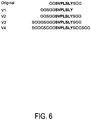
- Exemplary cleaving agents include proteins, enzymes, DNAzymes, RNAzymes, metals, acids, and bases. Exemplary cleavage sites are defined herein (e.g., Table 1 and Fig. 6 ).
- the protease cleavage site is a tumor-associated protease cleavage site.
- a "tumor-associated protease cleavage site” as provided herein is an amino acid sequence recognized by a protease, whose expression is specific for a tumor cell or tumor cell environment thereof.
- the protease cleavage site is a matrix metalloprotease (MMP) cleavage site, a disintegrin and metalloprotease domain-containing (ADAM) metalloprotease cleavage site, a prostate specific antigen (PSA) protease cleavage site, a urokinase-type plasminogen activator (uPA) protease cleavage site, a membrane type serine protease 1 (MT-SP1) protease cleavage site or a legumain protease cleavage site.
- MMP matrix metalloprotease
- ADAM disintegrin and metalloprotease domain-containing
- PSA prostate specific antigen
- uPA urokinase-type plasminogen activator
- MT-SP1 membrane type serine protease 1
- the matrix metalloprotease (MMP) cleavage site is a MMP 9 cleavage site, a MMP 13 cleavage site or a MMP 2 cleavage site.
- the disintegrin and metalloprotease domain-containing (ADAM) metalloprotease cleavage site is a ADAM 9 metalloprotease cleavage site, a ADAM 10 metalloprotease cleavage site or a ADAM 17 metalloprotease cleavage site.
- Protease cleavage sites may be designated by a specific amino acid sequence. Exemplary protease cleavage substrate sequences are shown in Table 1, below.
- cleavable peptide linkers are 5-mers (i.e. peptides 5 amino acids in length), 6-mers (i.e. peptides 6 amino acids in length), 7-mers (i.e. peptides 7 amino acids in length), 8-mers (i.e. peptides 8 amino acids in length), 9-mers (i.e. peptides 9 amino acids in length), 10-mers (i.e. peptides 10 amino acids in length), 11-mers (i.e. peptides11 amino acids in length), 12-mers (i.e. peptides 12 amino acids in length), or 13-mers (i.e. peptides 13 amino acids in length).
- the CTLA-4 binding domain is covalently attached to a dimerizing domain.
- a dimerizing domain is a protein domain capable of dimerizing (i.e. binding to a second dimerizing protein). The dimerization is typically through non-covalent binding.
- the CTLA-4 binding domain is covalently attached to the C-terminus of the dimerizing domain.
- the CTLA-4 binding domain is covalently attached to the N-terminus of the dimerizing domain.
- CTLA-4 binding proteins are covalently attached to a dimerizing domain.
- a first CTLA-4 binding protein is attached to the C-terminus of the dimerizing domain and a second CTLA-4 binding protein is attached to the N-terminus of the dimerizing domain.
- the dimerizing domain may be an Fc protein domain.
- the Fc protein domain may be an IgG or IgM Fc protein.
- the Fc protein is an IgG Fc protein.
- the IgG Fc protein may be an IgG 1 Fc protein.
- the IgG 1 Fc protein has a molecular weight of about 5 kDa, 10 kDa, 15 kDa, 20 kDa, 25 kDa, 30 kDa, 35 kDa, 40 kDa, 45 kDa, 50 kDa, 55 kDa, 60 kDa, 70 kDa, 75 kDa, 80 kDa, 85 kDa, 90 kDa, 95 kDa, 100 kDa, 110 kDa, 120 kDa, 130 kDa, 140 kDa, 150 kDa, 160 kDa, or 170 kDa.
- the IgG 1 Fc protein may have a molecular weight of about 30 kDa to about 70 kDa.
- the IgG 1 Fc protein may have a molecular weight of about 40 kDa to about 60 kDa.
- the Fc protein is an IgM Fc protein.
- the dimerizing domain may be a multivalent protein domain (e.g. preferably dimeric, but also trimeric and tetrameric protein domains).
- the dimerizing domain may be a nanoparticle.
- the dimerizing domain includes any of the proteins disclosed in Applicants patent 6,277,375 , which is herewith incorporated in its entirety and for all purposes.
- the dimerizing domain includes any of the proteins disclosed in Nimmerjahn F et al. (Cancer Immunity (2012) Vol:12 p.13 ) and Vidarsson G et al. (Forntiers in Immunology (2014) Vol:5/520 ), which are herewith incorporated in their entirety and for all purposes.
- CTLA-4 binding protein is covalently attached to a targeting domain.
- the targeting domain is covalently attached to the CTLA-4 binding domain.
- the targeting domain is covalently attached to the dimerizing domain.
- a "targeting domain” as provided herein is a monovalent composition capable of binding to, or otherwise exhibiting an affinity for, a particular type of tissue or component thereof. The addition of a targeting domain to a recombinant CTLA-4 binding protein as provided herein, can direct the recombinant CTLA-4 binding protein to particular sites within the body.
- Targeting domains may include, for example, proteins, antibodies, antibody fragments, peptides, carbohydrates, lipids, oligonucleotides, DNA, RNA, or small molecules having a molecular weight less than 2000 Daltons.
- a targeting domain is a single-chain variable fragment (scFv) domain as described herein.
- a targeting domain may be a glycoprotein or receptor capable of selectively recognizing and binding to a corresponding ligand on a cell (e.g, tumor cell).
- the targeting domain may be a pair of identical proteins (e.g. 1-1 (dimer) or 2-2(tetramer)) and, in embodiments, antibody Fc domains or regions (e.g.
- the targeting domain may be a cellular protein binding domain (e.g. a full length or functional fragment of a cellular protein recognized or otherwise bound by a particular cellular protein domain as described herein, including embodiments thereof).
- the targeting domain is an antibody.
- the targeting domain is a single-chain variable fragment (scFv).
- the targeting domain is a monoclonal antibody (mAb).
- the mAb may be a therapeutic monoclonal antibody.
- the mAb may be an mAb that recognizes a cellular protein domain as described herein, including embodiments thereof.
- the mAb is ipilimumab, engineered recombinant lipocalin2, cetuximab, trastuzumab, efalizumab, Etanercept, Adalimumab, Bevacizumab, Gemtuzumab, Infliximab, Natalizumab, Ofatumumab, Panitumumab, Rituximab, Tocilizumab, Abciximab, Ustekinumab, Pertuzumab, or Alemtuzumab.
- the targeting domain is a recombinant single domain protein (e.g., affibody molecule).
- the targeting domain is an albumin-binding peptide. In embodiments, the targeting domain increases the half life of the CTLA-4 binding protein provided herein including embodiments thereof. Where the targeting domain increases the half life of the CTLA-4 binding protein, the half life of the CTLA-4 binding protein is longer in the presence of a targeting domain compared to absence of a targeting domain. In embodiments, the targeting domain includes any of the proteins disclosed in patent US6,277,375 .
- the recombinant CTLA-4 binding protein is recombinantly expressed.
- a CTLA-4 binding protein may have the formula: CBDMP-CPL-CBD (I).
- CBD is a CTLA-4 binding domain as provided herein (e.g., CTLA-4 binding LCN2)
- CPL is a cleavable peptide linker as provided herein (e.g., an MMP 9 or ⁇ PA cleavage site)
- CBDMP is a CTLA-4 binding domain masking peptide as provided herein (e.g., a peptide of SEQ ID NO:9 or 12).
- the C-terminus of CBDMP is connected to the N-terminus of CPL and the C-terminus of CPL is connected to the N-terminus of CBD.
- the C-terminus of CBD is connected to the N-terminus of CPL and the C-terminus of CPL is connected to the N-terminus of CBDMP.
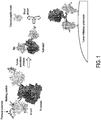
- Figures 2 and 7 set forth exemplary recombinant CTLA-4 binding proteins having exemplary CTLA-4 binding domains, cleavable peptide linkers and CTLA-4 binding domain masking peptides.
- the recombinant CTLA-4 binding protein of formula (I) is covalently attached to a targeting domain.
- the CTLA-4 binding protein may have the formula: CBDMP-CPL-CBD-DD (II).
- DD is a dimerizing domain as provided herein (e.g., IgG 1 Fc)
- CBD is a CTLA-4 binding domain as provided herein (e.g., CTLA-4 binding LCN2)
- CPL is a cleavable peptide linker as provided herein (e.g., an MMP9 or ⁇ PA cleavage site)
- CBDMP is a CTLA-4 binding domain masking peptide as provided herein (e.g., a peptide of SEQ ID NO:9 or 12).
- the C-terminus of CBDMP is connected to the N-terminus of CPL, the C-terminus of CPL is connected to the N-terminus of CBD and the C-terminus of CBD is connected to the N-terminus of DD.
- the C-terminus of CBD is connected to the N-terminus of CPL, the C-terminus of CPL is connected to the N-terminus of CBDMP and the C-terminus of CBDMP is connected to the N-terminus of DD.
- Figures 1 , 3 and 7 set forth exemplary recombinant CTLA-4 binding proteins having exemplary dimerizing domains, CTLA-4 binding domains, cleavable peptide linkers and CTLA-4 binding domain masking peptides.
- the recombinant CTLA-4 binding protein of formula (II) is covalently attached to a targeting domain.
- the dimerzing domain connects the CTLA-4 binding domain with the targeting domain.
- the CBD is not an ScFv.
- CTLA-4 binding protein may have the formula: CBDMP -CPL-CBD-DD-CBD-CPL-CBDMP (III).
- DD is a dimerizing domain as provided herein (e.g., IgG 1 Fc)
- CBD is a CTLA-4 binding domain as provided herein (e.g., CTLA-4 binding LCN2)
- CPL is a cleavable peptide linker as provided herein (e.g., an MMP9 or ⁇ PA cleavage site)
- CBDMP is a CTLA-4 binding domain masking peptide as provided herein (e.g., a peptide of SEQ ID NO:9 or 12).
- Figures 1 and 7 set forth exemplary recombinant CTLA-4 binding proteins having exemplary dimerizing domains, CTLA-4 binding domains, cleavable peptide linkers and CTLA-4 binding domain masking peptides.
- the recombinant CTLA-4 binding protein of formula (III) is covalently attached to a targeting domain.
- the dimerzing domain connects the CTLA-4 binding domain with the targeting domain.
- the recombinant CTLA-4 binding proteins provided herein may form part of a bispecifc antibody.
- a bispecific antibody refers to an antibody that is capable of binding to two different types of antigen (e.g. is composed of fragments of two different monoclonal antibodies).
- Bispecifc antibodies may simultaneously bind to a cytotoxic cell (using a receptor like CD3) and a target cell (e.g., tumour cell).
- cytotoxic cell using a receptor like CD3
- target cell e.g., tumour cell.
- Non-limiting examples of bispecific antibodies are disclosed in WO 93/08829 , Traunecker et al., EMBO J. 10:3655-3659 (1991 ); and Suresh et al., Methods in Enzymology 121:210 (1986 )).
- a recombinant CTLA-4 binding protein dimer including two identical binding protein domains, each of the binding protein domains including (i) a CTLA-4 binding domain; (ii) a CTLA-4 binding domain masking peptide; (iii) a cleavable peptide linker connecting the CTLA-4 binding domain masking peptide to the CTLA-4 binding domain; and (iv) a dimerizing domain covalently attached to the CTLA-4 binding domain, wherein the binding protein domains are bound together.
- each of the recombinant CTLA-4 binding proteins is covalently attached to a targeting domain.
- the dimerzing domain connects the CTLA-4 binding domain with the targeting domain.
- the dimerizing domains of the binding protein domains are chemically different.
- the dimerizing domains of the binding protein domains are identical.
- the CTLA-4 binding domain, CTLA-4 binding domain masking peptide, cleavable peptide linker and the dimerizing domain included in the CTLA-4 binding protein dimer may be any of the CTLA-4 binding domains (e.g., CTLA-4 binding LCN2), CTLA-4 binding domain masking peptides (e.g., a peptide of SEQ ID NO:9 or 12), cleavable peptide linkers (e.g., an MMP9 or ⁇ PA cleavage site), and dimerizing domains (e.g., IgG 1 Fc) described in the section above including embodiments thereof.
- the CTLA-4 binding domain is a CTLA-4 binding lipocalin 2 (LCN2).
- the CTLA-4 binding domain masking peptide includes a sequence having about 90% homology to SEQ ID NO:1, SEQ ID NO:2, SEQ ID NO:3, SEQ ID NO:4, SEQ ID NO:5, SEQ ID NO:6, SEQ ID NO:7, SEQ ID NO:8, SEQ ID NO:9, SEQ ID NO:10, SEQ ID NO:11, SEQ ID NO:12, SEQ ID NO:13 or SEQ ID NO:14.
- the CTLA-4 binding domain masking peptide includes a sequence having about 90% homology to SEQ ID NO:1.
- the CTLA-4 binding domain masking peptide includes a sequence having about 90% homology to SEQ ID NO:2.
- the CTLA-4 binding domain masking peptide includes a sequence having about 90% homology to SEQ ID NO:3. In embodiments, the CTLA-4 binding domain masking peptide includes a sequence having about 90% homology to SEQ ID NO:4. In embodiments, the CTLA-4 binding domain masking peptide includes a sequence having about 90% homology to SEQ ID NO:5. In embodiments, the CTLA-4 binding domain masking peptide includes a sequence having about 90% homology to SEQ ID NO:6. In embodiments, the CTLA-4 binding domain masking peptide includes a sequence having about 90% homology to SEQ ID NO:7. In embodiments, the CTLA-4 binding domain masking peptide includes a sequence having about 90% homology to SEQ ID NO:8.
- the CTLA-4 binding domain masking peptide includes a sequence having about 90% homology to SEQ ID NO:9. In embodiments, the CTLA-4 binding domain masking peptide includes a sequence having about 90% homology to SEQ ID NO:10. In embodiments, the CTLA-4 binding domain masking peptide includes a sequence having about 90% homology to SEQ ID NO:11. In embodiments, the CTLA-4 binding domain masking peptide includes a sequence having about 90% homology to SEQ ID NO:12. In embodiments, the CTLA-4 binding domain masking peptide includes a sequence having about 90% homology to SEQ ID NO:13. In embodiments, the CTLA-4 binding domain masking peptide includes a sequence having about 90% homology to SEQ ID NO:14.
- the recombinant CTLA-4 binding protein dimer has at least 90% homology to SEQ ID NO:1, SEQ ID NO:2, SEQ ID NO:3, SEQ ID NO:4, SEQ ID NO:5, SEQ ID NO:6, SEQ ID NO:7, SEQ ID NO:8, SEQ ID NO:9, SEQ ID NO:10, SEQ ID NO:11, SEQ ID NO:12, SEQ ID NO:13 or SEQ ID NO:14.
- the recombinant CTLA-4 binding protein dimer has at least 90% homology to SEQ ID NO:1.
- the recombinant CTLA-4 binding protein dimer has at least 90% homology to SEQ ID NO:2.
- the recombinant CTLA-4 binding protein dimer has at least 90% homology to SEQ ID NO:3. In embodiments, the recombinant CTLA-4 binding protein dimer has at least 90% homology to SEQ ID NO:4. In embodiments, the recombinant CTLA-4 binding protein dimer has at least 90% homology to SEQ ID NO:5. In embodiments, the recombinant CTLA-4 binding protein dimer has at least 90% homology to SEQ ID NO:6. In embodiments, the recombinant CTLA-4 binding protein dimer has at least 90% homology to SEQ ID NO:7. In embodiments, the recombinant CTLA-4 binding protein dimer has at least 90% homology to SEQ ID NO:8.
- the recombinant CTLA-4 binding protein dimer has at least 90% homology to SEQ ID NO:9. In embodiments, the recombinant CTLA-4 binding protein dimer has at least 90% homology to SEQ ID NO:10. In embodiments, the recombinant CTLA-4 binding protein dimer has at least 90% homology to SEQ ID NO:11. In embodiments, the recombinant CTLA-4 binding protein dimer has at least 90% homology to SEQ ID NO:12. In embodiments, the recombinant CTLA-4 binding protein dimer has at least 90% homology to SEQ ID NO:13. In embodiments, the recombinant CTLA-4 binding protein dimer has at least 90% homology to SEQ ID NO:14.
- the CTLA-4 binding domain masking peptide includes a glycoprotein secretion signal.
- the glycoprotein secretion signal is a glycoprotein (gp) 67 secretion signal.
- the cleavable peptide linker connects the CTLA-4 binding domain masking peptide to the N-terminus of the CTLA-4 binding domain. In embodiments, the cleavable peptide linker connects the CTLA-4 binding domain masking peptide to the C-terminus of the CTLA-4 binding domain. In embodiments, the cleavable peptide linker includes a protease cleavage site. In embodiments, the protease cleavage site is a tumor-associated protease cleavage site.
- the protease cleavage site is a matrix metalloprotease (MMP) cleavage site, a disintegrin and metalloprotease domain-containing (ADAM) metalloprotease cleavage site, a prostate specific antigen (PSA) protease cleavage site, a urokinase-type plasminogen activator (uPA) protease cleavage site, a membrane type serine protease 1 (MT-SP1) protease cleavage site or a legumain protease cleavage site.
- MMP matrix metalloprotease
- ADAM disintegrin and metalloprotease domain-containing
- PSA prostate specific antigen
- uPA urokinase-type plasminogen activator
- MT-SP1 membrane type serine protease 1
- the matrix metalloprotease (MMP) cleavage site is a MMP9 cleavage site, a MMP13 cleavage site, a MMP2 cleavage site, or a ⁇ PA cleavage site.
- the disintegrin and metalloprotease domain-containing (ADAM) metalloprotease cleavage site is a ADAM 9 metalloprotease cleavage site, a ADAM 10 metalloprotease cleavage site or a ADAM 17 metalloprotease cleavage site.
- the CTLA-4 binding domain is covalently attached to a dimerizing domain.
- the dimerizing domain is a Fc protein domain.
- the Fc protein domain is an IgG 1 Fc protein.
- a recombinant nucleic acid encoding the recombinant CTLA-4 binding protein as disclosed herein.
- the recombinant nucleic acid forms part of a viral vector.
- viral vectors include, but are not limited to retroviral, adenoviral, lentiviral and adeno-associated viral vectors.
- the nucleic acid molecules are introduced into a cell using a retroviral vector following standard procedures well known in the art.
- the recombinant peptides provided herein are, inter alia, capable of binding to, or otherwise exhibiting an affinity for, a CTLA-4 binding domain as provided herein including embodiments therof.
- the recombinant peptide inhibits or otherwise prevents the activity or binding of the recombinant CTLA-4 binding domain to its cognate receptor or protein.
- a peptide including a sequence having about 90% homology to SEQ ID NO:1, SEQ ID NO:2, SEQ ID NO:3, SEQ ID NO:4, SEQ ID NO:5, SEQ ID NO:6, SEQ ID NO:7, SEQ ID NO:8, SEQ ID NO:9, SEQ ID NO:10, SEQ ID NO:11, SEQ ID NO:12, SEQ ID NO:13 or SEQ ID NO:14.
- the peptide includes a sequence having about 90% homology to SEQ ID NO:1.
- the peptide includes a sequence having about 90% homology to SEQ ID NO:2.
- the peptide includes a sequence having about 90% homology to SEQ ID NO:3.
- the peptide includes a sequence having about 90% homology to SEQ ID NO:4. In embodiments, the peptide includes a sequence having about 90% homology to SEQ ID NO:5. In embodiments, the peptide includes a sequence having about 90% homology to SEQ ID NO:6. In embodiments, the peptide includes a sequence having about 90% homology to SEQ ID NO:7. In embodiments, the peptide includes a sequence having about 90% homology to SEQ ID NO:8. In embodiments, the peptide includes a sequence having about 90% homology to SEQ ID NO:9. In embodiments, the peptide includes a sequence having about 90% homology to SEQ ID NO:10.
- the peptide includes a sequence having about 90% homology to SEQ ID NO:11. In embodiments, the peptide includes a sequence having about 90% homology to SEQ ID NO:12. In embodiments, the peptide includes a sequence having about 90% homology to SEQ ID NO:13. In embodiments, the peptide includes a sequence having about 90% homology to SEQ ID NO:14.
- the sequence has at least 90% homology to SEQ ID NO:1, SEQ ID NO:2, SEQ ID NO:3, SEQ ID NO:4, SEQ ID NO:5, SEQ ID NO:6, SEQ ID NO:7, SEQ ID NO:8, SEQ ID NO:9, SEQ ID NO:10, SEQ ID NO:11, SEQ ID NO:12, SEQ ID NO:13 or SEQ ID NO:14.
- the sequence has at least 90% homology to SEQ ID NO:1.
- the sequence has at least 90% homology to SEQ ID NO:2.
- the sequence has at least 90% homology to SEQ ID NO:3.
- the sequence has at least 90% homology to SEQ ID NO:4.
- the sequence has at least 90% homology to SEQ ID NO:5. In embodiments, the sequence has at least 90% homology to SEQ ID NO:6. In embodiments, the sequence has at least 90% homology to SEQ ID NO:7. In embodiments, the sequence has at least 90% homology to SEQ ID NO:8. In embodiments, the sequence has at least 90% homology to SEQ ID NO:9. In embodiments, the sequence has at least 90% homology to SEQ ID NO:10. In embodiments, the sequence has at least 90% homology to SEQ ID NO:11. In embodiments, the sequence has at least 90% homology to SEQ ID NO:12. In embodiments, the sequence has at least 90% homology to SEQ ID NO:13. In embodiments, the sequence has at least 90% homology to SEQ ID NO:14.
- the sequence is SEQ ID NO:1, In embodiments, the sequence is SEQ ID NO:2, In embodiments, the sequence is SEQ ID NO:3, In embodiments, the sequence is SEQ ID NO:4, In embodiments, the sequence is SEQ ID NO:5, In embodiments, the sequence is SEQ ID NO:6, In embodiments, the sequence is SEQ ID NO:7, In embodiments, the sequence is SEQ ID NO:8, In embodiments, the sequence is SEQ ID NO:9, In embodiments, the sequence is SEQ ID NO:10, In embodiments, the sequence is SEQ ID NO:11, In embodiments, the sequence is SEQ ID NO:12, In embodiments, the sequence is SEQ ID NO:13, In embodiments, the sequence is SEQ ID NO:14.
- the peptide further includes a glycoprotein secretion signal.
- the glycoprotein secretion signal is a glycoprotein (gp) 67 secretion signal.
- compositions provided by the present invention include compositions wherein the active ingredient (e.g. compositions described herein, including embodiments or examples) is contained in a therapeutically effective amount, i.e ., in an amount effective to achieve its intended purpose.
- a therapeutically effective amount i.e ., in an amount effective to achieve its intended purpose.
- the actual amount effective for a particular application will depend, inter alia , on the condition being treated.
- the recombinant proteins described herein will contain an amount of active ingredient effective to achieve the desired result, e.g., modulating the activity of a target molecule, and/or reducing, eliminating, or slowing the progression of disease symptoms. Determination of a therapeutically effective amount of a compound of the invention is well within the capabilities of those skilled in the art, especially in light of the detailed disclosure herein.
- the dosage and frequency (single or multiple doses) administered to a mammal can vary depending upon a variety of factors, for example, whether the mammal suffers from another disease, and its route of administration; size, age, sex, health, body weight, body mass index, and diet of the recipient; nature and extent of symptoms of the disease being treated (e.g. symptoms of cancer and severity of such symptoms), kind of concurrent treatment, complications from the disease being treated or other health-related problems.
- Other therapeutic regimens or agents can be used in conjunction with the methods and compounds of the invention. Adjustment and manipulation of established dosages (e.g., frequency and duration) are well within the ability of those skilled in the art.
- the therapeutically effective amount can be initially determined from cell culture assays.
- Target concentrations will be those concentrations of active compound(s) that are capable of achieving the methods described herein, as measured using the methods described herein or known in the art.
- effective amounts for use in humans can also be determined from animal models.
- a dose for humans can be formulated to achieve a concentration that has been found to be effective in animals.
- the dosage in humans can be adjusted by monitoring effectiveness and adjusting the dosage upwards or downwards, as described above. Adjusting the dose to achieve maximal efficacy in humans based on the methods described above and other methods is well within the capabilities of the ordinarily skilled artisan.
- Dosages may be varied depending upon the requirements of the patient and the compound being employed.
- the dose administered to a patient, in the context of the present invention should be sufficient to effect a beneficial therapeutic response in the patient over time.
- the size of the dose also will be determined by the existence, nature, and extent of any adverse side-effects. Determination of the proper dosage for a particular situation is within the skill of the practitioner. Generally, treatment is initiated with smaller dosages which are less than the optimum dose of the compound. Thereafter, the dosage is increased by small increments until the optimum effect under circumstances is reached.
- Dosage amounts and intervals can be adjusted individually to provide levels of the administered compound effective for the particular clinical indication being treated. This will provide a therapeutic regimen that is commensurate with the severity of the individual's disease state.
- an effective prophylactic or therapeutic treatment regimen can be planned that does not cause substantial toxicity and yet is effective to treat the clinical symptoms demonstrated by the particular patient.
- This planning should involve the careful choice of active compound by considering factors such as compound potency, relative bioavailability, patient body weight, presence and severity of adverse side effects, preferred
- a pharmaceutical composition including a pharmaceutically acceptable excipient and a recombinant CTLA-4 binding protein as disclosed herein or a recombinant CTLA-4 binding protein dimer as disclosed herein.
- “Pharmaceutically acceptable excipient” and “pharmaceutically acceptable carrier” refer to a substance that aids the administration of an active agent to and absorption by a subject and can be included in the compositions of the present invention without causing a significant adverse toxicological effect on the patient.
- Non-limiting examples of pharmaceutically acceptable excipients include water, NaCl, normal saline solutions, lactated Ringer's, normal sucrose, normal glucose, binders, fillers, disintegrants, lubricants, coatings, sweeteners, flavors, salt solutions (such as Ringer's solution), alcohols, oils, gelatins, carbohydrates such as lactose, amylose or starch, fatty acid esters, hydroxymethycellulose, polyvinyl pyrrolidine, and colors, and the like.
- Such preparations can be sterilized and, if desired, mixed with auxiliary agents such as lubricants, preservatives, stabilizers, wetting agents, emulsifiers, salts for influencing osmotic pressure, buffers, coloring, and/or aromatic substances and the like that do not deleteriously react with the compounds of the invention.
- auxiliary agents such as lubricants, preservatives, stabilizers, wetting agents, emulsifiers, salts for influencing osmotic pressure, buffers, coloring, and/or aromatic substances and the like that do not deleteriously react with the compounds of the invention.
- auxiliary agents such as lubricants, preservatives, stabilizers, wetting agents, emulsifiers, salts for influencing osmotic pressure, buffers, coloring, and/or aromatic substances and the like that do not deleteriously react with the compounds of the invention.
- auxiliary agents such as lubricants, preservatives, stabilizers, wetting agents
- pharmaceutically acceptable salt refers to salts derived from a variety of organic and inorganic counter ions well known in the art and include, by way of example only, sodium, potassium, calcium, magnesium, ammonium, tetraalkylammonium, and the like; and when the molecule contains a basic functionality, salts of organic or inorganic acids, such as hydrochloride, hydrobromide, tartrate, mesylate, acetate, maleate, oxalate and the like.
- preparation is intended to include the formulation of the active compound with encapsulating material as a carrier providing a capsule in which the active component with or without other carriers, is surrounded by a carrier, which is thus in association with it.
- carrier providing a capsule in which the active component with or without other carriers, is surrounded by a carrier, which is thus in association with it.
- cachets and lozenges are included. Tablets, powders, capsules, pills, cachets, and lozenges can be used as solid dosage forms suitable for oral administration.
- the pharmaceutical preparation is optionally in unit dosage form.
- the preparation is subdivided into unit doses containing appropriate quantities of the active component.
- the unit dosage form can be a packaged preparation, the package containing discrete quantities of preparation, such as packeted tablets, capsules, and powders in vials or ampoules.
- the unit dosage form can be a capsule, tablet, cachet, or lozenge itself, or it can be the appropriate number of any of these in packaged form.
- the unit dosage form can be of a frozen dispersion.
- a recombinant CTLA-4 binding protein for use in a method of treating a CTLA-4-mediated disease in a subject in need thereof.
- the method includes administering to a subject a therapeutically effective amount of a recombinant CTLA-4 binding protein as disclosed herein, or a therapeutically effective amount of a recombinant CTLA-4 binding protein dimer as disclosed herein.
- the CTLA-4-mediated disease is cancer.
- the CTLA-mediated disease is a cancer as set forth herein.
- the cancer is leukemia, lymphoma, head and neck cancer, colorectal cancer, prostate cancer, pancreatic cancer, melanoma, breast cancer, neuroblastoma, lung cancer, ovarian cancer, osteosarcoma, bladder cancer, cervical cancer, liver cancer, kidney cancer, skin cancer or testicular cancer.
- treatment or “treating,” or “palliating” or “ameliorating” are used interchangeably herein. These terms refer to an approach for obtaining beneficial or desired results including but not limited to therapeutic benefit and/or a prophylactic benefit.
- therapeutic benefit is meant eradication or amelioration of the underlying disorder being treated.
- a therapeutic benefit is achieved with the eradication or amelioration of one or more of the physiological symptoms associated with the underlying disorder such that an improvement is observed in the patient, notwithstanding that the patient may still be afflicted with the underlying disorder.
- the compositions may be administered to a patient at risk of developing a particular disease, or to a patient reporting one or more of the physiological symptoms of a disease, even though a diagnosis of this disease may not have been made.
- Treatment includes preventing the disease, that is, causing the clinical symptoms of the disease not to develop by administration of a protective composition prior to the induction of the disease; suppressing the disease, that is, causing the clinical symptoms of the disease not to develop by administration of a protective composition after the inductive event but prior to the clinical appearance or reappearance of the disease; inhibiting the disease, that is, arresting the development of clinical symptoms by administration of a protective composition after their initial appearance; preventing reoccurring of the disease and/or relieving the disease, that is, causing the regression of clinical symptoms by administration of a protective composition after their initial appearance.
- certain methods herein treat cancer (e.g. lung cancer, ovarian cancer, osteosarcoma, bladder cancer, cervical cancer, liver cancer, kidney cancer, skin cancer (e.g., Merkel cell carcinoma), testicular cancer, leukemia, lymphoma, head and neck cancer, colorectal cancer, prostate cancer, pancreatic cancer, melanoma, breast cancer, neuroblastoma).
- cancer e.g. lung cancer, ovarian cancer, osteosarcoma, bladder cancer, cervical cancer, liver cancer, kidney cancer, skin cancer (e.g., Merkel cell carcinoma), testicular cancer, leukemia, lymphoma, head and neck cancer, colorectal cancer, prostate cancer, pancreatic cancer, melanoma, breast cancer, neuroblastoma.
- cancer e.g. lung cancer, ovarian cancer, osteosarcoma, bladder cancer, cervical cancer, liver cancer, kidney cancer, skin cancer (e.g., Merkel cell carcinoma), testicular cancer, leukemia, lymphoma, head and neck
- lung cancer ovarian cancer, osteosarcoma, bladder cancer, cervical cancer, liver cancer, kidney cancer, skin cancer (e.g., Merkel cell carcinoma), testicular cancer, leukemia, lymphoma, head and neck cancer, colorectal cancer, prostate cancer, pancreatic cancer, melanoma, breast cancer, neuroblastoma) would be known or may be determined by a person of ordinary skill in the art.
- skin cancer e.g., Merkel cell carcinoma
- testicular cancer e.g., leukemia, lymphoma, head and neck cancer, colorectal cancer, prostate cancer, pancreatic cancer, melanoma, breast cancer, neuroblastoma
- treatment refers to a method of reducing the effects of one or more symptoms of a disease or condition characterized by expression of the protease or symptom of the disease or condition characterized by expression of the protease.
- treatment can refer to a 10%, 20%, 30%, 40%, 50%, 60%, 70%, 80%, 90%, or 100% reduction in the severity of an established disease, condition, or symptom of the disease or condition.
- a method for treating a disease is considered to be a treatment if there is a 10% reduction in one or more symptoms of the disease in a subject as compared to a control.
- the reduction can be a 10%, 20%, 30%, 40%, 50%, 60%, 70%, 80%, 90%, 100%, or any percent reduction in between 10% and 100% as compared to native or control levels. It is understood that treatment does not necessarily refer to a cure or complete ablation of the disease, condition, or symptoms of the disease or condition. Further, as used herein, references to decreasing, reducing, or inhibiting include a change of 10%, 20%, 30%, 40%, 50%, 60%, 70%, 80%, 90% or greater as compared to a control level and such terms can include but do not necessarily include complete elimination.
- agents i.e. ribonucleic acid compounds
- the agents described herein may be administered in combination as simple mixtures as well as chemical hybrids.
- An example of the latter is where the agent is covalently linked to a targeting carrier or to an active pharmaceutical.
- Covalent binding can be accomplished in many ways, such as, though not limited to, the use of a commercially available cross-linking agent.
- an “effective amount” is an amount sufficient to accomplish a stated purpose (e.g. achieve the effect for which it is administered, treat a disease, reduce enzyme activity, reduce one or more symptoms of a disease or condition).
- An example of an “effective amount” is an amount sufficient to contribute to the treatment, prevention, or reduction of a symptom or symptoms of a disease, which could also be referred to as a “therapeutically effective amount.”
- a “reduction” of a symptom or symptoms means decreasing of the severity or frequency of the symptom(s), or elimination of the symptom(s).
- a “prophylactically effective amount” of a drug is an amount of a drug that, when administered to a subject, will have the intended prophylactic effect, e.g., preventing or delaying the onset (or reoccurrence) of an injury, disease, pathology or condition, or reducing the likelihood of the onset (or reoccurrence) of an injury, disease, pathology, or condition, or their symptoms.
- the full prophylactic effect does not necessarily occur by administration of one dose, and may occur only after administration of a series of doses. Thus, a prophylactically effective amount may be administered in one or more administrations.
- An “activity decreasing amount,” as used herein, refers to an amount of antagonist required to decrease the activity of an enzyme or protein relative to the absence of the antagonist.
- a “function disrupting amount,” as used herein, refers to the amount of antagonist required to disrupt the function of an enzyme or protein relative to the absence of the antagonist.
- Guidance can be found in the literature for appropriate dosages for given classes of pharmaceutical products. For example, for the given parameter, an effective amount will show an increase or decrease of at least 5%, 10%, 15%, 20%, 25%, 40%, 50%, 60%, 75%, 80%, 90%, or at least 100%. Efficacy can also be expressed as "-fold" increase or decrease. For example, a therapeutically effective amount can have at least a 1.2-fold, 1.5-fold, 2-fold, 5-fold, or more effect over a control.
- administering means oral administration, administration as a suppository, topical contact, intravenous, intraperitoneal, intramuscular, intralesional, intrathecal, intranasal or subcutaneous administration, or the implantation of a slow-release device, e.g., a mini-osmotic pump, to a subject.
- Administration is by any route, including parenteral and transmucosal (e.g. , buccal, sublingual, palatal, gingival, nasal, vaginal, rectal, or transdermal).
- Parenteral administration includes, e.g ., intravenous, intramuscular, intra-arteriole, intradermal, subcutaneous, intraperitoneal, intraventricular, and intracranial.
- Other modes of delivery include, but are not limited to, the use of liposomal formulations, intravenous infusion, transdermal patches, etc.
- co-administer it is meant that a composition described herein is administered at the same time, just prior to, or just after the administration of one or more additional therapies, for example cancer therapies such as chemotherapy, hormonal therapy, radiotherapy, or immunotherapy.
- the compounds of the invention can be administered alone or can be coadministered to the patient. Coadministration is meant to include simultaneous or sequential administration of the compounds individually or in combination (more than one compound).
- compositions of the present invention can be delivered by transdermally, by a topical route, formulated as applicator sticks, solutions, suspensions, emulsions, gels, creams, ointments, pastes, jellies, paints, powders, and aerosols.
- compositions of the present invention may additionally include components to provide sustained release and/or comfort.
- Such components include high molecular weight, anionic mucomimetic polymers, gelling polysaccharides and finely-divided drug carrier substrates. These components are discussed in greater detail in U.S. Pat. Nos. 4,911,920 ; 5,403,841 ; 5,212,162 ; and 4,861,760 .
- the compositions of the present invention can also be delivered as microspheres for slow release in the body.
- microspheres can be administered via intradermal injection of drug-containing microspheres, which slowly release subcutaneously (see Rao, J. Biomater Sci. Polym. Ed.
- the formulations of the compositions of the present invention can be delivered by the use of liposomes which fuse with the cellular membrane or are endocytosed, i.e ., by employing receptor ligands attached to the liposome, that bind to surface membrane protein receptors of the cell resulting in endocytosis.
- compositions of the present invention can also be delivered as nanoparticles.
- an effective prophylactic or therapeutic treatment regimen can be planned that does not cause substantial toxicity and yet is effective to treat the clinical symptoms demonstrated by the particular patient.
- This planning should involve the careful choice of active compound by considering factors such as compound potency, relative bioavailability, patient body weight, presence and severity of adverse side effects, preferred mode of administration and the toxicity profile of the selected agent.
- Anti-cancer agent is used in accordance with its plain ordinary meaning and refers to a composition (e.g. compound, drug, antagonist, inhibitor, modulator) having antineoplastic properties or the ability to inhibit the growth or proliferation of cells.
- an anti-cancer agent is a chemotherapeutic.
- an anti-cancer agent is an agent identified herein having utility in methods of treating cancer.
- an anti-cancer agent is an agent approved by the FDA or similar regulatory agency of a country other than the USA, for treating cancer.
- compositions e.g., recombinant CTLA-4 binding proteins
- compositions can be used in combination with one another, with other active agents known to be useful in treating a cancer such as anti-cancer agents.
- anti-cancer agents include, but are not limited to, MEK (e.g. MEK1, MEK2, or MEK1 and MEK2) inhibitors (e.g. XL518, CI-1040, PD035901, selumetinib/ AZD6244, GSK1120212/ trametinib, GDC-0973, ARRY-162, ARRY-300, AZD8330, PD0325901, U0126, PD98059, TAK-733, PD318088, AS703026, BAY 869766), alkylating agents ( e .
- MEK e.g. MEK1, MEK2, or MEK1 and MEK2
- MEK inhibitors e.g. XL518, CI-1040, PD035901, selumetinib/ AZD6244, GSK1120212/ trametinib, GDC-0973, ARRY-162, ARRY-300, AZD8330, PD
- cyclophosphamide ifosfamide, chlorambucil, busulfan, melphalan, mechlorethamine, uramustine, thiotepa, nitrosoureas, nitrogen mustards (e.g., mechloroethamine, cyclophosphamide, chlorambucil, meiphalan), ethylenimine and methylmelamines (e.g., hexamethlymelamine, thiotepa), alkyl sulfonates (e.g., busulfan), nitrosoureas (e.g., carmustine, lomusitne, semustine, streptozocin), triazenes (decarbazine)), anti-metabolites (e.g., 5- azathioprine, leucovorin, capecitabine, fludarabine, gemcitabine, pemetrexed, raltitrexed,
- Taxol.TM i.e. paclitaxel
- Taxotere.TM compounds comprising the taxane skeleton, Erbulozole (i.e. R-55104), Dolastatin 10 (i.e. DLS-10 and NSC-376128), Mivobulin isethionate (i.e. as CI-980), Vincristine, NSC-639829, Discodermolide (i.e. as NVP-XX-A-296), ABT-751 (Abbott, i.e. E-7010), Altorhyrtins (e.g. Altorhyrtin A and Altorhyrtin C), Spongistatins (e.g.
- Epothilone E Epothilone F
- Epothilone B N-oxide Epothilone A N-oxide
- 16-aza-epothilone B Epothilone B
- 21-aminoepothilone B i.e. BMS-310705
- 21-hydroxyepothilone D i.e. Desoxyepothilone F and dEpoF
- 26-fluoroepothilone i.e. NSC-654663
- Soblidotin i.e. TZT-1027
- LS-4559-P Pulacia, i.e.
- LS-4577 LS-4578 (Pharmacia, i.e. LS-477-P), LS-4477 (Pharmacia), LS-4559 (Pharmacia), RPR-112378 (Aventis), Vincristine sulfate, DZ-3358 (Daiichi), FR-182877 (Fujisawa, i.e. WS-9885B), GS-164 (Takeda), GS-198 (Takeda), KAR-2 (Hungarian Academy of Sciences), BSF-223651 (BASF, i.e.
- ILX-651 and LU-223651 SAH-49960 (Lilly/Novartis), SDZ-268970 (Lilly/Novartis), AM-97 (Armad/Kyowa Hakko), AM-132 (Armad), AM-138 (Armad/Kyowa Hakko), IDN-5005 (Indena), Cryptophycin 52 (i.e. LY-355703), AC-7739 (Ajinomoto, i.e. AVE-8063A and CS-39.HCl), AC-7700 (Ajinomoto, i.e.
- T-900607 RPR-115781 (Aventis), Eleutherobins (such as Desmethyleleutherobin, Desaetyleleutherobin, Isoeleutherobin A, and Z-Eleutherobin), Caribaeoside, Caribaeolin, Halichondrin B, D-64131 (Asta Medica), D-68144 (Asta Medica), Diazonamide A, A-293620 (Abbott), NPI-2350 (Nereus), Taccalonolide A, TUB-245 (Aventis), A-259754 (Abbott), Diozostatin, (-)-Phenylahistin (i.e.
- NSCL-96F03-7 D-68838 (Asta Medica), D-68836 (Asta Medica), Myoseverin B, D-43411 (Zentaris, i.e. D-81862), A-289099 (Abbott), A-318315 (Abbott), HTI-286 (i.e. SPA-110, trifluoroacetate salt) (Wyeth), D-82317 (Zentaris), D-82318 (Zentaris), SC-12983 (NCI), Resverastatin phosphate sodium, BPR-OY-007 (National Health Research Institutes), and SSR-250411 (Sanofi)), steroids ( e .
- GnRH gonadotropin-releasing hormone agonists
- goserelin or leuprolide gonadotropin-releasing hormone agonists
- adrenocorticosteroids e.g., prednisone
- progestins e.g., hydroxyprogesterone caproate, megestrol acetate, medroxyprogesterone acetate
- estrogens e.g., diethlystilbestrol, ethinyl estradiol
- antiestrogen e.g., tamoxifen
- androgens e.g., testosterone propionate, fluoxymesterone
- antiandrogen e.g., flutamide
- immunostimulants e .
- BCG Bacillus Calmette-Guerin
- levamisole interleukin-2, alpha-interferon, etc.
- monoclonal antibodies e.g ., anti-CD20, anti-HER2, anti-CD52, anti-HLA-DR, and anti-VEGF monoclonal antibodies
- immunotoxins e.g., anti-CD33 monoclonal antibody-calicheamicin conjugate, anti-CD22 monoclonal antibody-pseudomonas exotoxin conjugate, etc.
- radioimmunotherapy e.g ., anti-CD20 monoclonal antibody conjugated to 111 In, 90 Y, or 131 I, etc.
- triptolide triptolide
- homoharringtonine dactinomycin, doxorubicin, epirubicin, topotecan, itraconazole, vindesine, cerivastatin, vincristine, deoxyadenosine, sertraline, pitavastatin, irinotecan, clofazimine, 5-nonyloxytryptamine, vemurafenib, dabrafenib, erlotinib, gefitinib, EGFR inhibitors, epidermal growth factor receptor (EGFR)-targeted therapy or therapeutic (e.g.
- EGFR epidermal growth factor receptor
- gefitinib Iressa TM
- erlotinib Tarceva TM
- cetuximab ErbituxTM
- lapatinib TykerbTM
- panitumumab VectibixTM
- vandetanib CaprelsaTM
- afatinib/BIBW2992 CI-1033/canertinib, neratinib/HKI-272, CP-724714, TAK-285, AST-1306, ARRY334543, ARRY-380, AG-1478, dacomitinib/PF299804, OSI-420/desmethyl erlotinib, AZD8931, AEE788, pelitinib/EKB-569, CUDC-101, WZ8040, WZ4002, WZ3146, AG-490, XL647, PD153035, BMS-599626), sorafenib, imatinib, sunitinib,
- co-administration includes administering one active agent within 0.5, 1, 2, 4, 6, 8, 10, 12, 16, 20, or 24 hours of a second active agent.
- Co-administration includes administering two active agents simultaneously, approximately simultaneously (e.g., within about 1, 5, 10, 15, 20, or 30 minutes of each other), or sequentially in any order.
- co-administration can be accomplished by co-formulation, i.e., preparing a single pharmaceutical composition including both active agents.
- the active agents can be formulated separately.
- the active and/or adjunctive agents may be linked or conjugated to one another.
- the modified lipocalin2 (mLcn2) used as a CTLA-4 antagonist (CTLA-4 binding protein) herein binds to murine, primate and human CTLA-4.
- CTLA-4 binding protein a CTLA-4 antagonist
- Fig. 1 binds to murine, primate and human CTLA-4.
- Applicants have taken two unique approaches to mask a recombinant CTLA-4 blocker (mLcn2): 1) a non-covalent mask (as described in Applicants' previous application) and 2) a covalent mask tethered N-terminal to mLcn2.
- the sequence of mLcn2 was obtained from the PDB, synthesized and produced in bacteria. Peptides that specifically bind to mLcn2 were identified using a cyclic 7-mer library. Positive leads were identified and sequencing of these hits indicated an overall pattern in the sequences. To further characterize the lead peptides and to ensure the peptides bound to the same site as CTLA, a competition ELISA was performed using all leads ( Fig. 2A ). Based on this analysis, two cyclic peptides were chosen, chemically synthesized, and characterized by SPR ( Fig. 2B ) and crystallography.
- Adding the Fc to the C-terminus created a bivalent, high-affinity CTLA-4 antagonist that offers several advantages in certain contexts. For example, many biologics achieve high affinity and specificity through multivalency. Additionally, the non-covalent mask that could be released by reducing the valency of the mask. And, the Fc increases the mass above the renal threshold. As an added benefit, the Fc facilitates purification efforts. The construct was produced at high yield (>50 mg/L) and readily purified from the media.
- the masked mLcn2 was characterized in vitro by size exclusion chromatography and SPR analysis ( FIG. 3 C/D). Admixtures of the masked mLcn2 and a recombinant bivalent CTLA-4 (also fused to the human IgG1 Fc) were incubated and applied to an analytical column. In the absence of MMP9, the combination eluted at the same position as the individual components. However, incubation with MMP9 led to an earlier elution, indicating the formation of a heterodimeric complex. No shift was observed with MMP9-mutated masked mLcn2 control and CTLA-4-Fc ( Fig. 3B ). Similar results were obtained using SPR ( Fig.
- One version of the masked CTLA-4 prodrug contained a 'minimal' linker between the masking peptide and the mLcn2.
- the Schroedinger package was used to model the linker 'conformation'. While the linker may be flexible and accessible (e.g., can be specifically cleaved with recombinant MMP9), this modeling exercise indicates that there may be steric hindrance, which could reduce access to the protease and efficient cleavage of the mask in tissues.
- Alternative linkers shown in Fig. 6 are anticipated to make the protease site more solvent accessible. Size exclusion chromatography and SPR can be used to evaluate masking efficiencies (see Fig. 3 ).
- the efficiency of cleavage by MMP9 for each construct can be quantified by mass spectrometry.
- Each masked construct is exposed with MMP9 and mass spectrometry is used to identify the cleavage products. Ensuring the predicted cleaved peptide mask is generated, a synthetic peptide product, incorporating 15 N into the peptide, will be produced. Next, different concentrations of unlabeled construct will be treated individually with MMP9 and the reaction quenched with trifluoroacetic acid at specific time points.
- the quenched samples will be spiked with a known concentration of the 15N labeled peptide and matrix-assisted laser desorption/ionization-time-of-flight (MALDI-TOF) mass spectrometry to determine the amount of cleaved product liberated ( Gao, W., et al., 2006. Exosite interactions contribute to tension-induced cleavage of von Willebrand factor by the antithrombotic ADAMTS13 metalloprotease. Proc Natl Acad Sci U S A 103:19099-19104 ; Guitot, K., et al., 2014.
- MALDI-TOF matrix-assisted laser desorption/ionization-time-of-flight
- MMP9 was initially selected based on its prevalence in multiple tumor forms and, specifically, the tumor models under investigation here, there are multiple proteases overexpressed in the tumor stroma and one or more may better differentiate between tumor and off-target activation of the prodrug.
- PSA prostate specific antigen
- PSMA prostate specific membrane antigen
- legumain legumain
- ⁇ PA ⁇ PA
- cathepsin B fibroblast activation protein
- fibroblast activation protein Table 1
- Each protease is commercially available. Information gained above can be used to position the substrate within the linker. As the substrates are of different lengths, Applicants will either repeat the substrate (e.g., AANAANAAN for legumain) and or add glycines to maintain a linker length comparable for each construct.
- two protease sites in the linker may be more effective than a single protease site.
- a PSA-PSMA linker, HSSKLQDEEEE could be used for prostate cancer.
- each can be characterized by size exclusion chromatography and SPR to ensure each is appropriately masked.
- cleavage activity of each for each protease can be quantified by using mass spectrometry, also as described above.
- the activity each masked construct against each protease will provide information about the cross reactivity.
- a higher affinity peptide may be used.
- the interaction may be 'maturated' in a targeted fashion. This may be achieved by adding two residues to the N-terminus of the masking peptide encoding each amino acid and selecting for higher affinity. Likewise, all twenty residues at the C-terminus of the peptide can be encoded and selected for a higher affinity peptide.
- Table 2 Identification of CTLA-4 binding domain masking peptide. See Fig. 2.
- Peptide No. Sequence SEQ ID NO: 6 CEKWFRFMC 5 9 CVTGFEFLC 7 12 CSVLPPFMC 9 19 CSVLLPFMC 13 16 CWSPLPFMC 12 11 CPRPLYWLC 8 3 CFTPWPEAC 3 20 CFHAPWAPC 14 13 CNNYKGGRC 10 4 CWPEWDLWC 4 15 CLPEISFLC 11 2 CRIDERLQC 2 8 CYLELMHSC 6 1 CYGLGFNFC 1
Landscapes
- Health & Medical Sciences (AREA)
- Life Sciences & Earth Sciences (AREA)
- Chemical & Material Sciences (AREA)
- Proteomics, Peptides & Aminoacids (AREA)
- Medicinal Chemistry (AREA)
- General Health & Medical Sciences (AREA)
- Organic Chemistry (AREA)
- Bioinformatics & Cheminformatics (AREA)
- Engineering & Computer Science (AREA)
- Molecular Biology (AREA)
- Animal Behavior & Ethology (AREA)
- Veterinary Medicine (AREA)
- Immunology (AREA)
- Public Health (AREA)
- Epidemiology (AREA)
- Pharmacology & Pharmacy (AREA)
- Zoology (AREA)
- Gastroenterology & Hepatology (AREA)
- Toxicology (AREA)
- Biochemistry (AREA)
- Genetics & Genomics (AREA)
- Biophysics (AREA)
- Cell Biology (AREA)
- Peptides Or Proteins (AREA)
Claims (14)
- Rekombinantes, CTLA-4 bindendes Protein, umfassend:(i) eine CTLA-4 bindende Domäne;(ii) ein eine CTLA-4 bindende Domäne maskierendes Peptid; und(iii) einen spaltbaren Peptidlinker, der das CTLA-4 bindende Domäne maskierende Peptid mit der CTLA-4 bindenden Domäne verbindet,wobei das CTLA-4 bindende Domäne maskierende Peptid eine Sequenz umfasst, die aufweist oder mindestens aufweist: 90% Identität zu SEQ ID NO: 1, SEQ ID NO: 2, SEQ ID NO: 3, SEQ ID NO: 4, SEQ ID NO: 5, SEQ ID NO: 6, SEQ ID NO: 7, SEQ ID NO: 8, SEQ ID NO: 9, SEQ ID NO: 10, SEQ ID NO: 11, SEQ ID NO: 12, SEQ ID NO: 13 oder SEQ ID NO: 14.
- Rekombinantes, CTLA-4 bindendes Protein nach Anspruch 1, wobei die CTLA-4 bindende Domäne ein CTLA-4 bindendes Lipocalin 2 (LCN2) ist.
- Rekombinantes, CTLA-4 bindendes Protein nach Anspruch 1 oder 2, wobei die Sequenz des CTLA-4 bindende Domäne maskierenden Peptids SEQ ID NO: 9 oder SEQ ID NO: 12 ist oder mindestens 90% Identität zu SEQ ID NO: 9 oder SEQ ID NO: 12 aufweist.
- Rekombinantes, CTLA-4 bindendes Protein nach einem der Ansprüche 1 bis 3, wobei das CTLA-4 bindende Domäne maskierende Peptid ein Sekretionssignal des Glykoproteins umfasst, wie beispielsweise ein Glykoprotein (gp) 67-Sekretionssignal, ein pELB-Signal, humanen Granulozyten-Makrophagenkolonie stimulierenden Faktor-Rezeptor (GM-CSFR) oder eine Signal sequenz von Alpha-Ketten (CAR).
- Rekombinantes, CTLA-4 bindendes Protein nach einem der Ansprüche 1 bis 4, wobei der spaltbare Peptidlinker das CTLA-4 bindende Domäne maskierende Peptid mit dem N-Terminus oder C-Terminus der CTLA-4 bindenden Domäne verbindet.
- Rekombinantes, CTLA-4 bindendes Protein nach einem der Ansprüche 1 bis 5, wobei der spaltbare Peptidlinker eine Spaltstelle einer Protease umfasst, wobei wahlweise die Protease-Spaltstelle eine Tumor-assoziierte Protease-Spaltstelle ist.
- Rekombinantes, CTLA-4 bindendes Protein nach Anspruch 6, wobei die Protease-Spaltstelle eine Matrix-Metallprotease- (MMP) -Spaltstelle ist, wie beispielsweise eine MMP 9-Spaltstelle, eine MMP 13-Spaltstelle oder eine MMP 2-Spaltstelle, eine Metallprotease-Spaltstelle, die eine Disintegrin und Metallprotease-Domäne (ADAM) enthält, wie beispielsweise eine ADAM 9 Metallprotease-Spaltstelle, eine ADAM 10 Metallprotease-Spaltstelle oder eine ADAM 17 Metallprotease-Spaltstelle, eine Protease-Spaltstelle eines Prostata spezifischen Antigens (PSA), eine Protease-Spaltstelle eines Plasminogenaktivators (uPA) vom Urogenase-Typ, eine Protease-Spaltstelle einer Serinprotease 1 (MT-SP1) vom Membran-Typ oder eine Legumain-Protease-Spaltstelle.
- Rekombinantes, CTLA-4 bindendes Protein nach einem der Ansprüche 1 bis 7, wobei die CTLA-4 bindende Domäne an eine dimerisierende Domäne kovalent gebunden ist, wobei wahlweise die dimerisierende Domäne eine Fc Proteindomäne ist, wie beispielsweise ein IgG1 Fc Protein.
- Rekombinante Nucleinsäure, welche das rekombinante CTLA-4 bindende Protein nach einem der Ansprüche 1 bis 8 codiert.
- CTLA-4 bindende Domäne maskierendes Peptid, umfassend eine Sequenz, die aufweist oder mindestens aufweist: 90% Identität zu SEQ ID NO: 1, SEQ ID NO: 2, SEQ ID NO: 3, SEQ ID NO: 4, SEQ ID NO: 5, SEQ ID NO: 6, SEQ ID NO: 7, SEQ ID NO: 8, SEQ ID NO: 9, SEQ ID NO: 10, SEQ ID NO: 11, SEQ ID NO: 12, SEQ ID NO: 13 oder SEQ ID NO: 14.
- CTLA-4 bindende Domäne maskierendes Peptid nach Anspruch 10, wobei die Sequenz SEQ ID NO: 9 oder SEQ ID NO: 12 ist oder mindestens 90% Identität zu SEQ ID NO: 9 oder SEQ ID NO: 12 aufweist.
- CTLA-4 bindende Domäne maskierendes Peptid nach Anspruch 10 oder Anspruch 11, ferner umfassend ein Sekretionssignal des Glykoproteins, wie beispielsweise ein Glykoprotein (gp) 67-Sekretionssignal, ein pELB-Signal, humanen Granulozyten-Makrophagenkolonie stimulierenden Faktor-Rezeptor (GM-CSFR) oder eine Signal sequenz von Alpha-Ketten (CAR).
- Rekombinantes CTLA-4 bindendes Proteindimer, umfassend zwei identische bindende Proteindomänen, wobei jede der bindenden Proteindomänen das bindende Protein nach einem der Ansprüche 1 bis 8 und eine dimerisierende Domäne umfasst, die an der CTLA-4 bindenden Domäne kovalent gebunden ist, wobei die bindenden Proteindomänen miteinander gebunden sind.
- Pharmazeutische Zusammensetzung, umfassend einen pharmazeutisch verträglichen Träger und ein rekombinantes, CTLA-4 bindendes Protein nach einem der Ansprüche 1 bis 8 oder ein rekombinantes, CTLA-4 bindendes Proteindimer nach Anspruch 13.
Priority Applications (1)
| Application Number | Priority Date | Filing Date | Title |
|---|---|---|---|
| EP19214103.4A EP3733696A1 (de) | 2015-01-13 | 2016-01-13 | Peptid-linkermasken mit ctla4-bindenden proteinen |
Applications Claiming Priority (2)
| Application Number | Priority Date | Filing Date | Title |
|---|---|---|---|
| US201562102966P | 2015-01-13 | 2015-01-13 | |
| PCT/US2016/013292 WO2016115275A1 (en) | 2015-01-13 | 2016-01-13 | Ctla4-binding protein peptide-linker masks |
Related Child Applications (2)
| Application Number | Title | Priority Date | Filing Date |
|---|---|---|---|
| EP19214103.4A Division-Into EP3733696A1 (de) | 2015-01-13 | 2016-01-13 | Peptid-linkermasken mit ctla4-bindenden proteinen |
| EP19214103.4A Division EP3733696A1 (de) | 2015-01-13 | 2016-01-13 | Peptid-linkermasken mit ctla4-bindenden proteinen |
Publications (3)
| Publication Number | Publication Date |
|---|---|
| EP3244907A1 EP3244907A1 (de) | 2017-11-22 |
| EP3244907A4 EP3244907A4 (de) | 2018-07-25 |
| EP3244907B1 true EP3244907B1 (de) | 2020-02-19 |
Family
ID=56406351
Family Applications (2)
| Application Number | Title | Priority Date | Filing Date |
|---|---|---|---|
| EP16737836.3A Active EP3244907B1 (de) | 2015-01-13 | 2016-01-13 | Peptid-linkermasken mit ctla4-bindenden proteinen |
| EP19214103.4A Withdrawn EP3733696A1 (de) | 2015-01-13 | 2016-01-13 | Peptid-linkermasken mit ctla4-bindenden proteinen |
Family Applications After (1)
| Application Number | Title | Priority Date | Filing Date |
|---|---|---|---|
| EP19214103.4A Withdrawn EP3733696A1 (de) | 2015-01-13 | 2016-01-13 | Peptid-linkermasken mit ctla4-bindenden proteinen |
Country Status (4)
| Country | Link |
|---|---|
| US (2) | US10689423B2 (de) |
| EP (2) | EP3244907B1 (de) |
| ES (1) | ES2789351T3 (de) |
| WO (1) | WO2016115275A1 (de) |
Families Citing this family (11)
| Publication number | Priority date | Publication date | Assignee | Title |
|---|---|---|---|---|
| EP3244907B1 (de) * | 2015-01-13 | 2020-02-19 | City of Hope | Peptid-linkermasken mit ctla4-bindenden proteinen |
| MX2019004775A (es) | 2016-11-03 | 2019-08-05 | Squibb Bristol Myers Co | Anticuerpos anti antigeno 4 del linfocito t citotoxico (ctla-4) activables y sus usos. |
| KR101953003B1 (ko) * | 2016-12-06 | 2019-02-27 | 전남대학교산학협력단 | 생체분자 결합용 연결펩티드 |
| SG10202110492YA (en) | 2017-06-22 | 2021-11-29 | Catalyst Biosciences Inc | Modified membrane type serine protease 1 (mtsp-1) polypeptides and methods of use |
| CN111511762B (zh) | 2017-08-21 | 2025-05-06 | 天演药业公司 | 抗cd137分子及其用途 |
| WO2019148444A1 (en) | 2018-02-02 | 2019-08-08 | Adagene Inc. | Anti-ctla4 antibodies and methods of making and using the same |
| WO2019148445A1 (en) * | 2018-02-02 | 2019-08-08 | Adagene Inc. | Precision/context-dependent activatable antibodies, and methods of making and using the same |
| US12459980B2 (en) | 2018-07-25 | 2025-11-04 | AskGene Pharma, Inc. | IL-21 prodrugs and methods of use thereof |
| BR112021012536A2 (pt) | 2018-12-26 | 2021-09-14 | City Of Hope | Proteínas de ligação anti-ctla4 mascaradas ativáveis |
| KR20220020879A (ko) | 2019-06-12 | 2022-02-21 | 에스크진 파마, 아이엔씨. | 새로운 il-15 프로드럭 및 이를 사용하는 방법 |
| WO2021142471A1 (en) | 2020-01-11 | 2021-07-15 | AskGene Pharma, Inc. | Novel masked cytokines and methods of use thereof |
Family Cites Families (45)
| Publication number | Priority date | Publication date | Assignee | Title |
|---|---|---|---|---|
| FR2413974A1 (fr) | 1978-01-06 | 1979-08-03 | David Bernard | Sechoir pour feuilles imprimees par serigraphie |
| US4816567A (en) | 1983-04-08 | 1989-03-28 | Genentech, Inc. | Recombinant immunoglobin preparations |
| EP0173494A3 (de) | 1984-08-27 | 1987-11-25 | The Board Of Trustees Of The Leland Stanford Junior University | Chimäre Rezeptoren durch Verbindung und Expression von DNS |
| US4911920A (en) | 1986-07-30 | 1990-03-27 | Alcon Laboratories, Inc. | Sustained release, comfort formulation for glaucoma therapy |
| US4676980A (en) | 1985-09-23 | 1987-06-30 | The United States Of America As Represented By The Secretary Of The Department Of Health And Human Services | Target specific cross-linked heteroantibodies |
| FR2588189B1 (fr) | 1985-10-03 | 1988-12-02 | Merck Sharp & Dohme | Composition pharmaceutique de type a transition de phase liquide-gel |
| JPS63501765A (ja) | 1985-11-01 | 1988-07-21 | インタ−ナショナル、ジェネティック、エンジニアリング インコ−ポレ−テッド | 抗体遺伝子のモジュ−ル組立体、それにより産生された抗体及び用途 |
| US4946778A (en) | 1987-09-21 | 1990-08-07 | Genex Corporation | Single polypeptide chain binding molecules |
| GB8823869D0 (en) | 1988-10-12 | 1988-11-16 | Medical Res Council | Production of antibodies |
| US5530101A (en) | 1988-12-28 | 1996-06-25 | Protein Design Labs, Inc. | Humanized immunoglobulins |
| ES2096590T3 (es) | 1989-06-29 | 1997-03-16 | Medarex Inc | Reactivos biespecificos para la terapia del sida. |
| US5859205A (en) | 1989-12-21 | 1999-01-12 | Celltech Limited | Humanised antibodies |
| DE69132709T2 (de) | 1990-06-29 | 2002-06-20 | Large Scale Biology Corp., Vacaville | Melaninproduktion durch transformierte mikroorganismen |
| US5661016A (en) | 1990-08-29 | 1997-08-26 | Genpharm International Inc. | Transgenic non-human animals capable of producing heterologous antibodies of various isotypes |
| US5625126A (en) | 1990-08-29 | 1997-04-29 | Genpharm International, Inc. | Transgenic non-human animals for producing heterologous antibodies |
| US5545806A (en) | 1990-08-29 | 1996-08-13 | Genpharm International, Inc. | Ransgenic non-human animals for producing heterologous antibodies |
| ATE300615T1 (de) | 1990-08-29 | 2005-08-15 | Genpharm Int | Transgene mäuse fähig zur produktion heterologer antikörper |
| US5633425A (en) | 1990-08-29 | 1997-05-27 | Genpharm International, Inc. | Transgenic non-human animals capable of producing heterologous antibodies |
| ATE141502T1 (de) | 1991-01-15 | 1996-09-15 | Alcon Lab Inc | Verwendung von karrageenan in topischen ophthalmologischen zusammensetzungen |
| US5212162A (en) | 1991-03-27 | 1993-05-18 | Alcon Laboratories, Inc. | Use of combinations gelling polysaccharides and finely divided drug carrier substrates in topical ophthalmic compositions |
| EP0586505A1 (de) | 1991-05-14 | 1994-03-16 | Repligen Corporation | Heterokonjugat-antikörper zur behandlung von hiv-infektionen |
| WO1993008829A1 (en) | 1991-11-04 | 1993-05-13 | The Regents Of The University Of California | Compositions that mediate killing of hiv-infected cells |
| US5777085A (en) | 1991-12-20 | 1998-07-07 | Protein Design Labs, Inc. | Humanized antibodies reactive with GPIIB/IIIA |
| US6210671B1 (en) | 1992-12-01 | 2001-04-03 | Protein Design Labs, Inc. | Humanized antibodies reactive with L-selectin |
| WO1995023512A1 (en) * | 1994-03-03 | 1995-09-08 | Alexion Pharmaceuticals, Inc. | Terminal complement inhibitor fusion genes and proteins |
| US6309853B1 (en) | 1994-08-17 | 2001-10-30 | The Rockfeller University | Modulators of body weight, corresponding nucleic acids and proteins, and diagnostic and therapeutic uses thereof |
| US6033903A (en) * | 1995-06-02 | 2000-03-07 | Applied Research Systems, ARS Holding N.V. | Method of expressing and secreting soluble extracellular domains of human gonadotropin hormone receptors |
| US6277375B1 (en) | 1997-03-03 | 2001-08-21 | Board Of Regents, The University Of Texas System | Immunoglobulin-like domains with increased half-lives |
| US20140080177A1 (en) | 1997-09-26 | 2014-03-20 | Pieris Ag | Anticalins |
| JP2002531466A (ja) | 1998-12-01 | 2002-09-24 | プロテイン デザイン ラブス, インコーポレイテッド | γ−インターフェロンに対するヒト化抗体 |
| US20050137130A1 (en) | 2001-11-14 | 2005-06-23 | Bodmer Mark W. | Medical treatment |
| WO2006056464A2 (en) | 2004-11-26 | 2006-06-01 | Pieris Ag | Compound with affinity for the cytotoxic t lymphocyte-associated antigen (ctla-4) |
| US20090070897A1 (en) * | 2006-01-12 | 2009-03-12 | Goldman Barry S | Genes and uses for plant improvement |
| JP2009521932A (ja) | 2005-12-29 | 2009-06-11 | カンザス ステート ユニバーシティー リサーチ ファウンデーション | 抗菌性カテリシジンペプチド |
| US8664475B2 (en) * | 2007-09-18 | 2014-03-04 | Basf Plant Science Gmbh | Plants with increased yield |
| US20110178279A1 (en) | 2009-08-03 | 2011-07-21 | Williams John C | Development of masked therapeutic antibodies to limit off-target effects: application to anti-egfr antibodies |
| US20100189651A1 (en) | 2009-01-12 | 2010-07-29 | Cytomx Therapeutics, Llc | Modified antibody compositions, methods of making and using thereof |
| JP5861223B2 (ja) | 2009-02-23 | 2016-02-16 | サイトムエックス セラピューティクス, インク.CytomX Therapeutics, Inc. | プロタンパク質およびその使用方法 |
| US9193791B2 (en) | 2010-08-03 | 2015-11-24 | City Of Hope | Development of masked therapeutic antibodies to limit off-target effects |
| EP2646552B1 (de) | 2010-12-02 | 2017-07-05 | Pieris Pharmaceuticals GmbH | Muteine von menschlichem lipocalin 2 mit affinität für ctla-4 |
| JP6228971B2 (ja) | 2012-05-11 | 2017-11-08 | メディミューン,エルエルシー | Ctla−4バリアント |
| CA2896282C (en) | 2013-01-04 | 2021-07-20 | Cytomx Therapeutics, Inc. | Compositions and methods for detecting protease activity in biological systems |
| US9517276B2 (en) * | 2013-06-04 | 2016-12-13 | Cytomx Therapeutics, Inc. | Compositions and methods for conjugating activatable antibodies |
| WO2016004383A1 (en) | 2014-07-03 | 2016-01-07 | City Of Hope | Tumor-selective ctla-4 antagonists |
| EP3244907B1 (de) * | 2015-01-13 | 2020-02-19 | City of Hope | Peptid-linkermasken mit ctla4-bindenden proteinen |
-
2016
- 2016-01-13 EP EP16737836.3A patent/EP3244907B1/de active Active
- 2016-01-13 EP EP19214103.4A patent/EP3733696A1/de not_active Withdrawn
- 2016-01-13 US US15/543,209 patent/US10689423B2/en active Active
- 2016-01-13 ES ES16737836T patent/ES2789351T3/es active Active
- 2016-01-13 WO PCT/US2016/013292 patent/WO2016115275A1/en not_active Ceased
-
2020
- 2020-05-13 US US15/931,077 patent/US11926652B2/en active Active
Non-Patent Citations (1)
| Title |
|---|
| None * |
Also Published As
| Publication number | Publication date |
|---|---|
| ES2789351T3 (es) | 2020-10-26 |
| US20210122795A1 (en) | 2021-04-29 |
| US11926652B2 (en) | 2024-03-12 |
| EP3244907A4 (de) | 2018-07-25 |
| ES2789351T8 (es) | 2022-11-25 |
| WO2016115275A1 (en) | 2016-07-21 |
| US10689423B2 (en) | 2020-06-23 |
| EP3244907A1 (de) | 2017-11-22 |
| US20190169245A1 (en) | 2019-06-06 |
| EP3733696A1 (de) | 2020-11-04 |
Similar Documents
| Publication | Publication Date | Title |
|---|---|---|
| US11926652B2 (en) | CTLA4-binding protein peptide-linker masks | |
| AU2021200091B2 (en) | Chimeric antigen receptor compositions | |
| US20230081443A1 (en) | Anti-il1rap antibodies | |
| US11279752B2 (en) | Tumor-selective CTLA-4 antagonists | |
| JP7734661B2 (ja) | 抗ror-2抗体および使用方法 | |
| US20240117047A1 (en) | Monoclonal antibodies specific for human ror1 | |
| US20240400686A1 (en) | Anti-cd3 antibodies and uses thereof | |
| US20240317873A1 (en) | Anti-hvem antibodies | |
| US20250027945A1 (en) | Anti-related-to-receptor tyrosine kinase (ryk) antibodies and uses thereof | |
| US20230340089A1 (en) | Smc1a antibodies and uses thereof | |
| WO2024145650A2 (en) | Anti-ror-2 antibodies and methods of use |
Legal Events
| Date | Code | Title | Description |
|---|---|---|---|
| STAA | Information on the status of an ep patent application or granted ep patent |
Free format text: STATUS: THE INTERNATIONAL PUBLICATION HAS BEEN MADE |
|
| PUAI | Public reference made under article 153(3) epc to a published international application that has entered the european phase |
Free format text: ORIGINAL CODE: 0009012 |
|
| STAA | Information on the status of an ep patent application or granted ep patent |
Free format text: STATUS: REQUEST FOR EXAMINATION WAS MADE |
|
| 17P | Request for examination filed |
Effective date: 20170725 |
|
| AK | Designated contracting states |
Kind code of ref document: A1 Designated state(s): AL AT BE BG CH CY CZ DE DK EE ES FI FR GB GR HR HU IE IS IT LI LT LU LV MC MK MT NL NO PL PT RO RS SE SI SK SM TR |
|
| AX | Request for extension of the european patent |
Extension state: BA ME |
|
| DAV | Request for validation of the european patent (deleted) | ||
| DAX | Request for extension of the european patent (deleted) | ||
| REG | Reference to a national code |
Ref country code: DE Ref legal event code: R079 Ref document number: 602016030076 Country of ref document: DE Free format text: PREVIOUS MAIN CLASS: A61K0038000000 Ipc: C07K0014705000 |
|
| RIC1 | Information provided on ipc code assigned before grant |
Ipc: C07K 14/705 20060101AFI20180614BHEP Ipc: C12N 15/62 20060101ALI20180614BHEP |
|
| A4 | Supplementary search report drawn up and despatched |
Effective date: 20180622 |
|
| STAA | Information on the status of an ep patent application or granted ep patent |
Free format text: STATUS: EXAMINATION IS IN PROGRESS |
|
| 17Q | First examination report despatched |
Effective date: 20190214 |
|
| GRAP | Despatch of communication of intention to grant a patent |
Free format text: ORIGINAL CODE: EPIDOSNIGR1 |
|
| STAA | Information on the status of an ep patent application or granted ep patent |
Free format text: STATUS: GRANT OF PATENT IS INTENDED |
|
| INTG | Intention to grant announced |
Effective date: 20190802 |
|
| GRAS | Grant fee paid |
Free format text: ORIGINAL CODE: EPIDOSNIGR3 |
|
| GRAA | (expected) grant |
Free format text: ORIGINAL CODE: 0009210 |
|
| STAA | Information on the status of an ep patent application or granted ep patent |
Free format text: STATUS: THE PATENT HAS BEEN GRANTED |
|
| AK | Designated contracting states |
Kind code of ref document: B1 Designated state(s): AL AT BE BG CH CY CZ DE DK EE ES FI FR GB GR HR HU IE IS IT LI LT LU LV MC MK MT NL NO PL PT RO RS SE SI SK SM TR |
|
| REG | Reference to a national code |
Ref country code: CH Ref legal event code: EP |
|
| REG | Reference to a national code |
Ref country code: DE Ref legal event code: R096 Ref document number: 602016030076 Country of ref document: DE |
|
| REG | Reference to a national code |
Ref country code: AT Ref legal event code: REF Ref document number: 1234873 Country of ref document: AT Kind code of ref document: T Effective date: 20200315 |
|
| REG | Reference to a national code |
Ref country code: IE Ref legal event code: FG4D |
|
| REG | Reference to a national code |
Ref country code: NL Ref legal event code: FP |
|
| PG25 | Lapsed in a contracting state [announced via postgrant information from national office to epo] |
Ref country code: FI Free format text: LAPSE BECAUSE OF FAILURE TO SUBMIT A TRANSLATION OF THE DESCRIPTION OR TO PAY THE FEE WITHIN THE PRESCRIBED TIME-LIMIT Effective date: 20200219 Ref country code: NO Free format text: LAPSE BECAUSE OF FAILURE TO SUBMIT A TRANSLATION OF THE DESCRIPTION OR TO PAY THE FEE WITHIN THE PRESCRIBED TIME-LIMIT Effective date: 20200519 Ref country code: RS Free format text: LAPSE BECAUSE OF FAILURE TO SUBMIT A TRANSLATION OF THE DESCRIPTION OR TO PAY THE FEE WITHIN THE PRESCRIBED TIME-LIMIT Effective date: 20200219 |
|
| REG | Reference to a national code |
Ref country code: LT Ref legal event code: MG4D |
|
| PG25 | Lapsed in a contracting state [announced via postgrant information from national office to epo] |
Ref country code: HR Free format text: LAPSE BECAUSE OF FAILURE TO SUBMIT A TRANSLATION OF THE DESCRIPTION OR TO PAY THE FEE WITHIN THE PRESCRIBED TIME-LIMIT Effective date: 20200219 Ref country code: SE Free format text: LAPSE BECAUSE OF FAILURE TO SUBMIT A TRANSLATION OF THE DESCRIPTION OR TO PAY THE FEE WITHIN THE PRESCRIBED TIME-LIMIT Effective date: 20200219 Ref country code: LV Free format text: LAPSE BECAUSE OF FAILURE TO SUBMIT A TRANSLATION OF THE DESCRIPTION OR TO PAY THE FEE WITHIN THE PRESCRIBED TIME-LIMIT Effective date: 20200219 Ref country code: BG Free format text: LAPSE BECAUSE OF FAILURE TO SUBMIT A TRANSLATION OF THE DESCRIPTION OR TO PAY THE FEE WITHIN THE PRESCRIBED TIME-LIMIT Effective date: 20200519 Ref country code: IS Free format text: LAPSE BECAUSE OF FAILURE TO SUBMIT A TRANSLATION OF THE DESCRIPTION OR TO PAY THE FEE WITHIN THE PRESCRIBED TIME-LIMIT Effective date: 20200619 Ref country code: GR Free format text: LAPSE BECAUSE OF FAILURE TO SUBMIT A TRANSLATION OF THE DESCRIPTION OR TO PAY THE FEE WITHIN THE PRESCRIBED TIME-LIMIT Effective date: 20200520 |
|
| REG | Reference to a national code |
Ref country code: ES Ref legal event code: FG2A Ref document number: 2789351 Country of ref document: ES Kind code of ref document: T3 Effective date: 20201026 |
|
| PG25 | Lapsed in a contracting state [announced via postgrant information from national office to epo] |
Ref country code: CZ Free format text: LAPSE BECAUSE OF FAILURE TO SUBMIT A TRANSLATION OF THE DESCRIPTION OR TO PAY THE FEE WITHIN THE PRESCRIBED TIME-LIMIT Effective date: 20200219 Ref country code: RO Free format text: LAPSE BECAUSE OF FAILURE TO SUBMIT A TRANSLATION OF THE DESCRIPTION OR TO PAY THE FEE WITHIN THE PRESCRIBED TIME-LIMIT Effective date: 20200219 Ref country code: PT Free format text: LAPSE BECAUSE OF FAILURE TO SUBMIT A TRANSLATION OF THE DESCRIPTION OR TO PAY THE FEE WITHIN THE PRESCRIBED TIME-LIMIT Effective date: 20200712 Ref country code: SK Free format text: LAPSE BECAUSE OF FAILURE TO SUBMIT A TRANSLATION OF THE DESCRIPTION OR TO PAY THE FEE WITHIN THE PRESCRIBED TIME-LIMIT Effective date: 20200219 Ref country code: SM Free format text: LAPSE BECAUSE OF FAILURE TO SUBMIT A TRANSLATION OF THE DESCRIPTION OR TO PAY THE FEE WITHIN THE PRESCRIBED TIME-LIMIT Effective date: 20200219 Ref country code: DK Free format text: LAPSE BECAUSE OF FAILURE TO SUBMIT A TRANSLATION OF THE DESCRIPTION OR TO PAY THE FEE WITHIN THE PRESCRIBED TIME-LIMIT Effective date: 20200219 Ref country code: EE Free format text: LAPSE BECAUSE OF FAILURE TO SUBMIT A TRANSLATION OF THE DESCRIPTION OR TO PAY THE FEE WITHIN THE PRESCRIBED TIME-LIMIT Effective date: 20200219 Ref country code: LT Free format text: LAPSE BECAUSE OF FAILURE TO SUBMIT A TRANSLATION OF THE DESCRIPTION OR TO PAY THE FEE WITHIN THE PRESCRIBED TIME-LIMIT Effective date: 20200219 |
|
| REG | Reference to a national code |
Ref country code: AT Ref legal event code: MK05 Ref document number: 1234873 Country of ref document: AT Kind code of ref document: T Effective date: 20200219 |
|
| REG | Reference to a national code |
Ref country code: DE Ref legal event code: R097 Ref document number: 602016030076 Country of ref document: DE |
|
| PLBE | No opposition filed within time limit |
Free format text: ORIGINAL CODE: 0009261 |
|
| STAA | Information on the status of an ep patent application or granted ep patent |
Free format text: STATUS: NO OPPOSITION FILED WITHIN TIME LIMIT |
|
| 26N | No opposition filed |
Effective date: 20201120 |
|
| PG25 | Lapsed in a contracting state [announced via postgrant information from national office to epo] |
Ref country code: AT Free format text: LAPSE BECAUSE OF FAILURE TO SUBMIT A TRANSLATION OF THE DESCRIPTION OR TO PAY THE FEE WITHIN THE PRESCRIBED TIME-LIMIT Effective date: 20200219 |
|
| PG25 | Lapsed in a contracting state [announced via postgrant information from national office to epo] |
Ref country code: PL Free format text: LAPSE BECAUSE OF FAILURE TO SUBMIT A TRANSLATION OF THE DESCRIPTION OR TO PAY THE FEE WITHIN THE PRESCRIBED TIME-LIMIT Effective date: 20200219 Ref country code: SI Free format text: LAPSE BECAUSE OF FAILURE TO SUBMIT A TRANSLATION OF THE DESCRIPTION OR TO PAY THE FEE WITHIN THE PRESCRIBED TIME-LIMIT Effective date: 20200219 |
|
| PG25 | Lapsed in a contracting state [announced via postgrant information from national office to epo] |
Ref country code: MC Free format text: LAPSE BECAUSE OF FAILURE TO SUBMIT A TRANSLATION OF THE DESCRIPTION OR TO PAY THE FEE WITHIN THE PRESCRIBED TIME-LIMIT Effective date: 20200219 |
|
| REG | Reference to a national code |
Ref country code: CH Ref legal event code: PL |
|
| PG25 | Lapsed in a contracting state [announced via postgrant information from national office to epo] |
Ref country code: LU Free format text: LAPSE BECAUSE OF NON-PAYMENT OF DUE FEES Effective date: 20210113 |
|
| REG | Reference to a national code |
Ref country code: BE Ref legal event code: MM Effective date: 20210131 |
|
| PG25 | Lapsed in a contracting state [announced via postgrant information from national office to epo] |
Ref country code: CH Free format text: LAPSE BECAUSE OF NON-PAYMENT OF DUE FEES Effective date: 20210131 Ref country code: LI Free format text: LAPSE BECAUSE OF NON-PAYMENT OF DUE FEES Effective date: 20210131 |
|
| PG25 | Lapsed in a contracting state [announced via postgrant information from national office to epo] |
Ref country code: IE Free format text: LAPSE BECAUSE OF NON-PAYMENT OF DUE FEES Effective date: 20210113 |
|
| PG25 | Lapsed in a contracting state [announced via postgrant information from national office to epo] |
Ref country code: BE Free format text: LAPSE BECAUSE OF NON-PAYMENT OF DUE FEES Effective date: 20210131 |
|
| PLAA | Information modified related to event that no opposition was filed |
Free format text: ORIGINAL CODE: 0009299DELT |
|
| PLBE | No opposition filed within time limit |
Free format text: ORIGINAL CODE: 0009261 |
|
| REG | Reference to a national code |
Ref country code: CH Ref legal event code: PK Free format text: BERICHTIGUNGEN |
|
| R26N | No opposition filed (corrected) |
Effective date: 20201120 |
|
| RIN2 | Information on inventor provided after grant (corrected) |
Inventor name: JENKINS, KURT Inventor name: PARK, MISO Inventor name: RODECK, ULRICH Inventor name: WILLIAMS, JOHN |
|
| PG25 | Lapsed in a contracting state [announced via postgrant information from national office to epo] |
Ref country code: HU Free format text: LAPSE BECAUSE OF FAILURE TO SUBMIT A TRANSLATION OF THE DESCRIPTION OR TO PAY THE FEE WITHIN THE PRESCRIBED TIME-LIMIT; INVALID AB INITIO Effective date: 20160113 |
|
| PG25 | Lapsed in a contracting state [announced via postgrant information from national office to epo] |
Ref country code: CY Free format text: LAPSE BECAUSE OF FAILURE TO SUBMIT A TRANSLATION OF THE DESCRIPTION OR TO PAY THE FEE WITHIN THE PRESCRIBED TIME-LIMIT Effective date: 20200219 |
|
| PG25 | Lapsed in a contracting state [announced via postgrant information from national office to epo] |
Ref country code: MK Free format text: LAPSE BECAUSE OF FAILURE TO SUBMIT A TRANSLATION OF THE DESCRIPTION OR TO PAY THE FEE WITHIN THE PRESCRIBED TIME-LIMIT Effective date: 20200219 |
|
| PG25 | Lapsed in a contracting state [announced via postgrant information from national office to epo] |
Ref country code: MT Free format text: LAPSE BECAUSE OF FAILURE TO SUBMIT A TRANSLATION OF THE DESCRIPTION OR TO PAY THE FEE WITHIN THE PRESCRIBED TIME-LIMIT Effective date: 20200219 |
|
| PG25 | Lapsed in a contracting state [announced via postgrant information from national office to epo] |
Ref country code: TR Free format text: LAPSE BECAUSE OF FAILURE TO SUBMIT A TRANSLATION OF THE DESCRIPTION OR TO PAY THE FEE WITHIN THE PRESCRIBED TIME-LIMIT Effective date: 20200219 |
|
| PGFP | Annual fee paid to national office [announced via postgrant information from national office to epo] |
Ref country code: NL Payment date: 20251126 Year of fee payment: 11 |
|
| PGFP | Annual fee paid to national office [announced via postgrant information from national office to epo] |
Ref country code: GB Payment date: 20251120 Year of fee payment: 11 |
|
| PGFP | Annual fee paid to national office [announced via postgrant information from national office to epo] |
Ref country code: FR Payment date: 20251124 Year of fee payment: 11 |
|
| PGFP | Annual fee paid to national office [announced via postgrant information from national office to epo] |
Ref country code: ES Payment date: 20260212 Year of fee payment: 11 |
|
| PGFP | Annual fee paid to national office [announced via postgrant information from national office to epo] |
Ref country code: DE Payment date: 20251119 Year of fee payment: 11 |
|
| PGFP | Annual fee paid to national office [announced via postgrant information from national office to epo] |
Ref country code: IT Payment date: 20251219 Year of fee payment: 11 |