EP3245944A1 - Moyens olfactifs pour diagnostiquer des complications neurologiques d'une infection du système nerveux - Google Patents
Moyens olfactifs pour diagnostiquer des complications neurologiques d'une infection du système nerveux Download PDFInfo
- Publication number
- EP3245944A1 EP3245944A1 EP16305584.1A EP16305584A EP3245944A1 EP 3245944 A1 EP3245944 A1 EP 3245944A1 EP 16305584 A EP16305584 A EP 16305584A EP 3245944 A1 EP3245944 A1 EP 3245944A1
- Authority
- EP
- European Patent Office
- Prior art keywords
- composition
- odorants
- kit
- compositions
- subject
- Prior art date
- Legal status (The legal status is an assumption and is not a legal conclusion. Google has not performed a legal analysis and makes no representation as to the accuracy of the status listed.)
- Withdrawn
Links
- 208000012902 Nervous system disease Diseases 0.000 title claims description 59
- 238000003745 diagnosis Methods 0.000 title claims description 7
- 206010021888 Nervous system infections Diseases 0.000 title description 6
- 230000002276 neurotropic effect Effects 0.000 claims abstract description 53
- 241000700605 Viruses Species 0.000 claims abstract description 33
- 239000012678 infectious agent Substances 0.000 claims abstract description 31
- 210000000653 nervous system Anatomy 0.000 claims abstract description 18
- 208000037265 diseases, disorders, signs and symptoms Diseases 0.000 claims abstract description 16
- 241000894006 Bacteria Species 0.000 claims abstract description 13
- 208000027626 Neurocognitive disease Diseases 0.000 claims abstract description 12
- 102000029797 Prion Human genes 0.000 claims abstract description 11
- 108091000054 Prion Proteins 0.000 claims abstract description 11
- 239000000090 biomarker Substances 0.000 claims abstract description 9
- 201000010099 disease Diseases 0.000 claims abstract description 9
- 241000233866 Fungi Species 0.000 claims abstract description 8
- 208000035475 disorder Diseases 0.000 claims abstract description 7
- 244000000040 protozoan parasite Species 0.000 claims abstract description 7
- 239000000203 mixture Substances 0.000 claims description 359
- 239000003205 fragrance Substances 0.000 claims description 239
- MLFHJEHSLIIPHL-UHFFFAOYSA-N isoamyl acetate Chemical compound CC(C)CCOC(C)=O MLFHJEHSLIIPHL-UHFFFAOYSA-N 0.000 claims description 76
- 150000001875 compounds Chemical class 0.000 claims description 66
- 239000005973 Carvone Substances 0.000 claims description 55
- 239000001074 1-methoxy-4-[(E)-prop-1-enyl]benzene Substances 0.000 claims description 53
- RUVINXPYWBROJD-UHFFFAOYSA-N para-methoxyphenyl Natural products COC1=CC=C(C=CC)C=C1 RUVINXPYWBROJD-UHFFFAOYSA-N 0.000 claims description 48
- RUVINXPYWBROJD-ONEGZZNKSA-N trans-anethole Chemical compound COC1=CC=C(\C=C\C)C=C1 RUVINXPYWBROJD-ONEGZZNKSA-N 0.000 claims description 48
- RRAFCDWBNXTKKO-UHFFFAOYSA-N eugenol Chemical compound COC1=CC(CC=C)=CC=C1O RRAFCDWBNXTKKO-UHFFFAOYSA-N 0.000 claims description 44
- 229940117955 isoamyl acetate Drugs 0.000 claims description 38
- 241000701022 Cytomegalovirus Species 0.000 claims description 30
- NPBVQXIMTZKSBA-UHFFFAOYSA-N Chavibetol Natural products COC1=CC=C(CC=C)C=C1O NPBVQXIMTZKSBA-UHFFFAOYSA-N 0.000 claims description 22
- 239000005770 Eugenol Substances 0.000 claims description 22
- UVMRYBDEERADNV-UHFFFAOYSA-N Pseudoeugenol Natural products COC1=CC(C(C)=C)=CC=C1O UVMRYBDEERADNV-UHFFFAOYSA-N 0.000 claims description 22
- 229960002217 eugenol Drugs 0.000 claims description 22
- 208000015181 infectious disease Diseases 0.000 claims description 21
- XMGQYMWWDOXHJM-JTQLQIEISA-N (+)-α-limonene Chemical compound CC(=C)[C@@H]1CCC(C)=CC1 XMGQYMWWDOXHJM-JTQLQIEISA-N 0.000 claims description 19
- 241000907316 Zika virus Species 0.000 claims description 19
- 240000009023 Myrrhis odorata Species 0.000 claims description 15
- 235000007265 Myrrhis odorata Nutrition 0.000 claims description 15
- 235000012550 Pimpinella anisum Nutrition 0.000 claims description 15
- 210000003169 central nervous system Anatomy 0.000 claims description 15
- 208000016354 hearing loss disease Diseases 0.000 claims description 15
- 206010011878 Deafness Diseases 0.000 claims description 14
- 240000005561 Musa balbisiana Species 0.000 claims description 13
- 235000018290 Musa x paradisiaca Nutrition 0.000 claims description 13
- 238000001514 detection method Methods 0.000 claims description 13
- 230000010370 hearing loss Effects 0.000 claims description 13
- 231100000888 hearing loss Toxicity 0.000 claims description 13
- 230000004770 neurodegeneration Effects 0.000 claims description 13
- 206010011891 Deafness neurosensory Diseases 0.000 claims description 12
- 235000014749 Mentha crispa Nutrition 0.000 claims description 12
- 244000078639 Mentha spicata Species 0.000 claims description 12
- 208000009966 Sensorineural Hearing Loss Diseases 0.000 claims description 12
- 235000016639 Syzygium aromaticum Nutrition 0.000 claims description 12
- 244000223014 Syzygium aromaticum Species 0.000 claims description 12
- 231100000879 sensorineural hearing loss Toxicity 0.000 claims description 12
- 208000023573 sensorineural hearing loss disease Diseases 0.000 claims description 12
- 230000006735 deficit Effects 0.000 claims description 11
- 210000001428 peripheral nervous system Anatomy 0.000 claims description 10
- 244000005700 microbiome Species 0.000 claims description 9
- 230000000723 chemosensory effect Effects 0.000 claims description 7
- WRMNZCZEMHIOCP-UHFFFAOYSA-N 2-phenylethanol Chemical compound OCCC1=CC=CC=C1 WRMNZCZEMHIOCP-UHFFFAOYSA-N 0.000 claims description 6
- 208000035895 Guillain-Barré syndrome Diseases 0.000 claims description 6
- 206010049567 Miller Fisher syndrome Diseases 0.000 claims description 6
- 210000001178 neural stem cell Anatomy 0.000 claims description 6
- XMGQYMWWDOXHJM-SNVBAGLBSA-N (-)-α-limonene Chemical compound CC(=C)[C@H]1CCC(C)=CC1 XMGQYMWWDOXHJM-SNVBAGLBSA-N 0.000 claims description 5
- 244000223760 Cinnamomum zeylanicum Species 0.000 claims description 5
- 208000036626 Mental retardation Diseases 0.000 claims description 5
- 208000025966 Neurological disease Diseases 0.000 claims description 5
- 235000017803 cinnamon Nutrition 0.000 claims description 5
- 238000001727 in vivo Methods 0.000 claims description 5
- GLZPCOQZEFWAFX-UHFFFAOYSA-N Geraniol Chemical compound CC(C)=CCCC(C)=CCO GLZPCOQZEFWAFX-UHFFFAOYSA-N 0.000 claims description 4
- 206010037213 Psychomotor retardation Diseases 0.000 claims description 4
- 241000220317 Rosa Species 0.000 claims description 4
- 244000299461 Theobroma cacao Species 0.000 claims description 4
- CDOSHBSSFJOMGT-UHFFFAOYSA-N linalool Chemical compound CC(C)=CCCC(C)(O)C=C CDOSHBSSFJOMGT-UHFFFAOYSA-N 0.000 claims description 4
- 208000027232 peripheral nervous system disease Diseases 0.000 claims description 4
- 208000033808 peripheral neuropathy Diseases 0.000 claims description 4
- 230000004393 visual impairment Effects 0.000 claims description 4
- 235000009046 Convallaria majalis Nutrition 0.000 claims description 3
- 244000068485 Convallaria majalis Species 0.000 claims description 3
- 244000004281 Eucalyptus maculata Species 0.000 claims description 3
- 235000006679 Mentha X verticillata Nutrition 0.000 claims description 3
- 235000002899 Mentha suaveolens Nutrition 0.000 claims description 3
- 235000001636 Mentha x rotundifolia Nutrition 0.000 claims description 3
- 241000779819 Syncarpia glomulifera Species 0.000 claims description 3
- 210000001320 hippocampus Anatomy 0.000 claims description 3
- 239000001739 pinus spp. Substances 0.000 claims description 3
- 230000010415 tropism Effects 0.000 claims description 3
- 229940036248 turpentine Drugs 0.000 claims description 3
- NOOLISFMXDJSKH-UTLUCORTSA-N (+)-Neomenthol Chemical compound CC(C)[C@@H]1CC[C@@H](C)C[C@@H]1O NOOLISFMXDJSKH-UTLUCORTSA-N 0.000 claims description 2
- 239000001490 (3R)-3,7-dimethylocta-1,6-dien-3-ol Substances 0.000 claims description 2
- CDOSHBSSFJOMGT-JTQLQIEISA-N (R)-linalool Natural products CC(C)=CCC[C@@](C)(O)C=C CDOSHBSSFJOMGT-JTQLQIEISA-N 0.000 claims description 2
- MIDXCONKKJTLDX-UHFFFAOYSA-N 3,5-dimethylcyclopentane-1,2-dione Chemical compound CC1CC(C)C(=O)C1=O MIDXCONKKJTLDX-UHFFFAOYSA-N 0.000 claims description 2
- 241000251468 Actinopterygii Species 0.000 claims description 2
- 235000001674 Agaricus brunnescens Nutrition 0.000 claims description 2
- 244000291564 Allium cepa Species 0.000 claims description 2
- 235000002732 Allium cepa var. cepa Nutrition 0.000 claims description 2
- 240000002234 Allium sativum Species 0.000 claims description 2
- 244000144730 Amygdalus persica Species 0.000 claims description 2
- 244000099147 Ananas comosus Species 0.000 claims description 2
- 235000007119 Ananas comosus Nutrition 0.000 claims description 2
- 244000025254 Cannabis sativa Species 0.000 claims description 2
- 235000005979 Citrus limon Nutrition 0.000 claims description 2
- 244000131522 Citrus pyriformis Species 0.000 claims description 2
- 240000000560 Citrus x paradisi Species 0.000 claims description 2
- 235000013162 Cocos nucifera Nutrition 0.000 claims description 2
- 244000060011 Cocos nucifera Species 0.000 claims description 2
- 240000007154 Coffea arabica Species 0.000 claims description 2
- 235000016795 Cola Nutrition 0.000 claims description 2
- 241001634499 Cola Species 0.000 claims description 2
- 235000011824 Cola pachycarpa Nutrition 0.000 claims description 2
- 244000241257 Cucumis melo Species 0.000 claims description 2
- 235000015510 Cucumis melo subsp melo Nutrition 0.000 claims description 2
- NOOLISFMXDJSKH-UHFFFAOYSA-N DL-menthol Natural products CC(C)C1CCC(C)CC1O NOOLISFMXDJSKH-UHFFFAOYSA-N 0.000 claims description 2
- WEEGYLXZBRQIMU-UHFFFAOYSA-N Eucalyptol Chemical compound C1CC2CCC1(C)OC2(C)C WEEGYLXZBRQIMU-UHFFFAOYSA-N 0.000 claims description 2
- 239000005792 Geraniol Substances 0.000 claims description 2
- GLZPCOQZEFWAFX-YFHOEESVSA-N Geraniol Natural products CC(C)=CCC\C(C)=C/CO GLZPCOQZEFWAFX-YFHOEESVSA-N 0.000 claims description 2
- 240000004670 Glycyrrhiza echinata Species 0.000 claims description 2
- 235000001453 Glycyrrhiza echinata Nutrition 0.000 claims description 2
- 235000006200 Glycyrrhiza glabra Nutrition 0.000 claims description 2
- 235000017382 Glycyrrhiza lepidota Nutrition 0.000 claims description 2
- 244000165082 Lavanda vera Species 0.000 claims description 2
- 235000010663 Lavandula angustifolia Nutrition 0.000 claims description 2
- 241000220225 Malus Species 0.000 claims description 2
- 235000011430 Malus pumila Nutrition 0.000 claims description 2
- 235000015103 Malus silvestris Nutrition 0.000 claims description 2
- 244000246386 Mentha pulegium Species 0.000 claims description 2
- 235000016257 Mentha pulegium Nutrition 0.000 claims description 2
- 235000004357 Mentha x piperita Nutrition 0.000 claims description 2
- 235000006040 Prunus persica var persica Nutrition 0.000 claims description 2
- 235000014443 Pyrus communis Nutrition 0.000 claims description 2
- 240000001987 Pyrus communis Species 0.000 claims description 2
- 240000007651 Rubus glaucus Species 0.000 claims description 2
- 235000011034 Rubus glaucus Nutrition 0.000 claims description 2
- 235000009122 Rubus idaeus Nutrition 0.000 claims description 2
- 235000004338 Syringa vulgaris Nutrition 0.000 claims description 2
- 244000297179 Syringa vulgaris Species 0.000 claims description 2
- 235000009470 Theobroma cacao Nutrition 0.000 claims description 2
- 235000009499 Vanilla fragrans Nutrition 0.000 claims description 2
- 244000263375 Vanilla tahitensis Species 0.000 claims description 2
- 235000012036 Vanilla tahitensis Nutrition 0.000 claims description 2
- 235000006886 Zingiber officinale Nutrition 0.000 claims description 2
- 244000273928 Zingiber officinale Species 0.000 claims description 2
- FJJCIZWZNKZHII-UHFFFAOYSA-N [4,6-bis(cyanoamino)-1,3,5-triazin-2-yl]cyanamide Chemical compound N#CNC1=NC(NC#N)=NC(NC#N)=N1 FJJCIZWZNKZHII-UHFFFAOYSA-N 0.000 claims description 2
- 235000013736 caramel Nutrition 0.000 claims description 2
- 235000019219 chocolate Nutrition 0.000 claims description 2
- 229960005233 cineole Drugs 0.000 claims description 2
- RFFOTVCVTJUTAD-UHFFFAOYSA-N cineole Natural products C1CC2(C)CCC1(C(C)C)O2 RFFOTVCVTJUTAD-UHFFFAOYSA-N 0.000 claims description 2
- 235000016213 coffee Nutrition 0.000 claims description 2
- 235000013353 coffee beverage Nutrition 0.000 claims description 2
- 235000004611 garlic Nutrition 0.000 claims description 2
- 229940113087 geraniol Drugs 0.000 claims description 2
- 235000008397 ginger Nutrition 0.000 claims description 2
- 235000012907 honey Nutrition 0.000 claims description 2
- 235000001050 hortel pimenta Nutrition 0.000 claims description 2
- 239000001102 lavandula vera Substances 0.000 claims description 2
- 235000018219 lavender Nutrition 0.000 claims description 2
- 239000010985 leather Substances 0.000 claims description 2
- 229940010454 licorice Drugs 0.000 claims description 2
- 229930007744 linalool Natural products 0.000 claims description 2
- 229940041616 menthol Drugs 0.000 claims description 2
- 238000013207 serial dilution Methods 0.000 claims description 2
- 235000011803 sesame oil Nutrition 0.000 claims description 2
- 239000008159 sesame oil Substances 0.000 claims description 2
- 235000020994 smoked meat Nutrition 0.000 claims description 2
- 235000013555 soy sauce Nutrition 0.000 claims description 2
- 240000000662 Anethum graveolens Species 0.000 claims 1
- 125000002485 formyl group Chemical class [H]C(*)=O 0.000 claims 1
- 230000002068 genetic effect Effects 0.000 claims 1
- 230000008786 sensory perception of smell Effects 0.000 abstract description 18
- 239000000092 prognostic biomarker Substances 0.000 abstract description 3
- 235000019645 odor Nutrition 0.000 description 83
- 241000699670 Mus sp. Species 0.000 description 34
- 238000012360 testing method Methods 0.000 description 26
- LRHPLDYGYMQRHN-UHFFFAOYSA-N N-Butanol Chemical compound CCCCO LRHPLDYGYMQRHN-UHFFFAOYSA-N 0.000 description 22
- 241000124008 Mammalia Species 0.000 description 18
- ULDHMXUKGWMISQ-UHFFFAOYSA-N carvone Chemical compound CC(=C)C1CC=C(C)C(=O)C1 ULDHMXUKGWMISQ-UHFFFAOYSA-N 0.000 description 17
- XLYOFNOQVPJJNP-UHFFFAOYSA-N water Substances O XLYOFNOQVPJJNP-UHFFFAOYSA-N 0.000 description 16
- 206010010430 Congenital cytomegalovirus infection Diseases 0.000 description 15
- 241000701024 Human betaherpesvirus 5 Species 0.000 description 15
- 239000000126 substance Substances 0.000 description 14
- 230000035943 smell Effects 0.000 description 13
- 238000010790 dilution Methods 0.000 description 12
- 239000012895 dilution Substances 0.000 description 12
- 241000125205 Anethum Species 0.000 description 11
- 206010011831 Cytomegalovirus infection Diseases 0.000 description 11
- 230000000926 neurological effect Effects 0.000 description 11
- 210000003754 fetus Anatomy 0.000 description 9
- NEHNMFOYXAPHSD-UHFFFAOYSA-N citronellal Chemical compound O=CCC(C)CCC=C(C)C NEHNMFOYXAPHSD-UHFFFAOYSA-N 0.000 description 8
- 239000002480 mineral oil Substances 0.000 description 8
- 235000010446 mineral oil Nutrition 0.000 description 8
- 206010010356 Congenital anomaly Diseases 0.000 description 7
- 230000019771 cognition Effects 0.000 description 7
- 230000004044 response Effects 0.000 description 7
- 241000894007 species Species 0.000 description 6
- 239000003981 vehicle Substances 0.000 description 6
- 241000282412 Homo Species 0.000 description 5
- 208000037273 Pathologic Processes Diseases 0.000 description 5
- 241000710799 Rubella virus Species 0.000 description 5
- 230000006378 damage Effects 0.000 description 5
- 229960002963 ganciclovir Drugs 0.000 description 5
- IRSCQMHQWWYFCW-UHFFFAOYSA-N ganciclovir Chemical compound O=C1NC(N)=NC2=C1N=CN2COC(CO)CO IRSCQMHQWWYFCW-UHFFFAOYSA-N 0.000 description 5
- 230000009054 pathological process Effects 0.000 description 5
- -1 valine ester Chemical class 0.000 description 5
- MTVWFVDWRVYDOR-UHFFFAOYSA-N 3,4-Dihydroxyphenylglycol Chemical compound OCC(O)C1=CC=C(O)C(O)=C1 MTVWFVDWRVYDOR-UHFFFAOYSA-N 0.000 description 4
- 241000710831 Flavivirus Species 0.000 description 4
- NYHBQMYGNKIUIF-UUOKFMHZSA-N Guanosine Chemical compound C1=NC=2C(=O)NC(N)=NC=2N1[C@@H]1O[C@H](CO)[C@@H](O)[C@H]1O NYHBQMYGNKIUIF-UUOKFMHZSA-N 0.000 description 4
- 241000700586 Herpesviridae Species 0.000 description 4
- 241001465754 Metazoa Species 0.000 description 4
- 208000020329 Zika virus infectious disease Diseases 0.000 description 4
- 210000004556 brain Anatomy 0.000 description 4
- 229930003633 citronellal Natural products 0.000 description 4
- 235000000983 citronellal Nutrition 0.000 description 4
- 210000003027 ear inner Anatomy 0.000 description 4
- 230000000694 effects Effects 0.000 description 4
- 230000000763 evoking effect Effects 0.000 description 4
- 238000002474 experimental method Methods 0.000 description 4
- UYTPUPDQBNUYGX-UHFFFAOYSA-N guanine Chemical compound O=C1NC(N)=NC2=C1N=CN2 UYTPUPDQBNUYGX-UHFFFAOYSA-N 0.000 description 4
- 230000002209 hydrophobic effect Effects 0.000 description 4
- 239000004615 ingredient Substances 0.000 description 4
- XMGQYMWWDOXHJM-UHFFFAOYSA-N limonene Chemical compound CC(=C)C1CCC(C)=CC1 XMGQYMWWDOXHJM-UHFFFAOYSA-N 0.000 description 4
- 230000007774 longterm Effects 0.000 description 4
- 239000000243 solution Substances 0.000 description 4
- 239000002904 solvent Substances 0.000 description 4
- 241001225321 Aspergillus fumigatus Species 0.000 description 3
- 241000589969 Borreliella burgdorferi Species 0.000 description 3
- 241000193449 Clostridium tetani Species 0.000 description 3
- 241000709711 Coxsackievirus B5 Species 0.000 description 3
- 241000134257 Echovirus E30 Species 0.000 description 3
- 241000186781 Listeria Species 0.000 description 3
- 241000186779 Listeria monocytogenes Species 0.000 description 3
- 208000016604 Lyme disease Diseases 0.000 description 3
- 241000699666 Mus <mouse, genus> Species 0.000 description 3
- 241000588650 Neisseria meningitidis Species 0.000 description 3
- 208000012898 Olfaction disease Diseases 0.000 description 3
- 241000223960 Plasmodium falciparum Species 0.000 description 3
- DNIAPMSPPWPWGF-UHFFFAOYSA-N Propylene glycol Chemical compound CC(O)CO DNIAPMSPPWPWGF-UHFFFAOYSA-N 0.000 description 3
- 241000700584 Simplexvirus Species 0.000 description 3
- 201000005010 Streptococcus pneumonia Diseases 0.000 description 3
- 241000193998 Streptococcus pneumoniae Species 0.000 description 3
- 241000223997 Toxoplasma gondii Species 0.000 description 3
- 241000589884 Treponema pallidum Species 0.000 description 3
- WPVFJKSGQUFQAP-GKAPJAKFSA-N Valcyte Chemical compound N1C(N)=NC(=O)C2=C1N(COC(CO)COC(=O)[C@@H](N)C(C)C)C=N2 WPVFJKSGQUFQAP-GKAPJAKFSA-N 0.000 description 3
- 208000036142 Viral infection Diseases 0.000 description 3
- 208000001455 Zika Virus Infection Diseases 0.000 description 3
- 241000222126 [Candida] glabrata Species 0.000 description 3
- 230000002745 absorbent Effects 0.000 description 3
- 239000002250 absorbent Substances 0.000 description 3
- 230000002411 adverse Effects 0.000 description 3
- 229940091771 aspergillus fumigatus Drugs 0.000 description 3
- 208000032343 candida glabrata infection Diseases 0.000 description 3
- 238000011109 contamination Methods 0.000 description 3
- 238000011161 development Methods 0.000 description 3
- 230000018109 developmental process Effects 0.000 description 3
- 239000007788 liquid Substances 0.000 description 3
- 239000000463 material Substances 0.000 description 3
- 208000015122 neurodegenerative disease Diseases 0.000 description 3
- 230000008447 perception Effects 0.000 description 3
- 238000011160 research Methods 0.000 description 3
- 238000005070 sampling Methods 0.000 description 3
- 229960002149 valganciclovir Drugs 0.000 description 3
- 230000001720 vestibular Effects 0.000 description 3
- 230000009385 viral infection Effects 0.000 description 3
- 206010002091 Anaesthesia Diseases 0.000 description 2
- 241000228212 Aspergillus Species 0.000 description 2
- 241000589968 Borrelia Species 0.000 description 2
- 241000222120 Candida <Saccharomycetales> Species 0.000 description 2
- 241000193403 Clostridium Species 0.000 description 2
- 241000709687 Coxsackievirus Species 0.000 description 2
- MIKUYHXYGGJMLM-GIMIYPNGSA-N Crotonoside Natural products C1=NC2=C(N)NC(=O)N=C2N1[C@H]1O[C@@H](CO)[C@H](O)[C@@H]1O MIKUYHXYGGJMLM-GIMIYPNGSA-N 0.000 description 2
- NYHBQMYGNKIUIF-UHFFFAOYSA-N D-guanosine Natural products C1=2NC(N)=NC(=O)C=2N=CN1C1OC(CO)C(O)C1O NYHBQMYGNKIUIF-UHFFFAOYSA-N 0.000 description 2
- HOOWCUZPEFNHDT-UHFFFAOYSA-N DHPG Natural products OC(=O)C(N)C1=CC(O)=CC(O)=C1 HOOWCUZPEFNHDT-UHFFFAOYSA-N 0.000 description 2
- 241001466953 Echovirus Species 0.000 description 2
- 241001529936 Murinae Species 0.000 description 2
- 241000588653 Neisseria Species 0.000 description 2
- 241000224016 Plasmodium Species 0.000 description 2
- 239000004698 Polyethylene Substances 0.000 description 2
- 241000194017 Streptococcus Species 0.000 description 2
- 241000223996 Toxoplasma Species 0.000 description 2
- 241000589886 Treponema Species 0.000 description 2
- KZSNJWFQEVHDMF-UHFFFAOYSA-N Valine Natural products CC(C)C(N)C(O)=O KZSNJWFQEVHDMF-UHFFFAOYSA-N 0.000 description 2
- 125000002015 acyclic group Chemical group 0.000 description 2
- 230000004075 alteration Effects 0.000 description 2
- 230000037005 anaesthesia Effects 0.000 description 2
- 238000013399 early diagnosis Methods 0.000 description 2
- 206010014599 encephalitis Diseases 0.000 description 2
- 230000001605 fetal effect Effects 0.000 description 2
- 230000006870 function Effects 0.000 description 2
- 235000021472 generally recognized as safe Nutrition 0.000 description 2
- 229940029575 guanosine Drugs 0.000 description 2
- 238000013095 identification testing Methods 0.000 description 2
- 230000006872 improvement Effects 0.000 description 2
- 235000001510 limonene Nutrition 0.000 description 2
- 229940087305 limonene Drugs 0.000 description 2
- 238000000034 method Methods 0.000 description 2
- 125000002496 methyl group Chemical group [H]C([H])([H])* 0.000 description 2
- 208000004141 microcephaly Diseases 0.000 description 2
- 238000012544 monitoring process Methods 0.000 description 2
- 238000010172 mouse model Methods 0.000 description 2
- 239000002777 nucleoside Substances 0.000 description 2
- 150000003833 nucleoside derivatives Chemical class 0.000 description 2
- 230000009965 odorless effect Effects 0.000 description 2
- 244000045947 parasite Species 0.000 description 2
- 229920000573 polyethylene Polymers 0.000 description 2
- 230000000750 progressive effect Effects 0.000 description 2
- 230000005180 public health Effects 0.000 description 2
- 208000024891 symptom Diseases 0.000 description 2
- 238000007492 two-way ANOVA Methods 0.000 description 2
- 239000004474 valine Substances 0.000 description 2
- 208000019901 Anxiety disease Diseases 0.000 description 1
- 208000035143 Bacterial infection Diseases 0.000 description 1
- 206010063094 Cerebral malaria Diseases 0.000 description 1
- 208000017667 Chronic Disease Diseases 0.000 description 1
- 206010009137 Chronic sinusitis Diseases 0.000 description 1
- 206010062343 Congenital infection Diseases 0.000 description 1
- 208000010859 Creutzfeldt-Jakob disease Diseases 0.000 description 1
- 244000166675 Cymbopogon nardus Species 0.000 description 1
- 235000018791 Cymbopogon nardus Nutrition 0.000 description 1
- 206010053759 Growth retardation Diseases 0.000 description 1
- 238000002704 Guthrie test Methods 0.000 description 1
- 206010061598 Immunodeficiency Diseases 0.000 description 1
- 208000029462 Immunodeficiency disease Diseases 0.000 description 1
- 206010062016 Immunosuppression Diseases 0.000 description 1
- PIWKPBJCKXDKJR-UHFFFAOYSA-N Isoflurane Chemical compound FC(F)OC(Cl)C(F)(F)F PIWKPBJCKXDKJR-UHFFFAOYSA-N 0.000 description 1
- 206010023126 Jaundice Diseases 0.000 description 1
- 201000009906 Meningitis Diseases 0.000 description 1
- 206010027260 Meningitis viral Diseases 0.000 description 1
- 208000008457 Neurologic Manifestations Diseases 0.000 description 1
- 206010036590 Premature baby Diseases 0.000 description 1
- 206010037549 Purpura Diseases 0.000 description 1
- 241000283984 Rodentia Species 0.000 description 1
- 206010041660 Splenomegaly Diseases 0.000 description 1
- 206010043376 Tetanus Diseases 0.000 description 1
- 201000005485 Toxoplasmosis Diseases 0.000 description 1
- 230000001594 aberrant effect Effects 0.000 description 1
- 230000004913 activation Effects 0.000 description 1
- 230000033289 adaptive immune response Effects 0.000 description 1
- 238000005273 aeration Methods 0.000 description 1
- 150000001299 aldehydes Chemical class 0.000 description 1
- VREFGVBLTWBCJP-UHFFFAOYSA-N alprazolam Chemical compound C12=CC(Cl)=CC=C2N2C(C)=NN=C2CN=C1C1=CC=CC=C1 VREFGVBLTWBCJP-UHFFFAOYSA-N 0.000 description 1
- 238000010171 animal model Methods 0.000 description 1
- 230000000840 anti-viral effect Effects 0.000 description 1
- 230000001580 bacterial effect Effects 0.000 description 1
- 208000022362 bacterial infectious disease Diseases 0.000 description 1
- 239000011230 binding agent Substances 0.000 description 1
- 210000004369 blood Anatomy 0.000 description 1
- 239000008280 blood Substances 0.000 description 1
- 230000005978 brain dysfunction Effects 0.000 description 1
- 210000004027 cell Anatomy 0.000 description 1
- 208000012056 cerebral malformation Diseases 0.000 description 1
- 201000008191 cerebritis Diseases 0.000 description 1
- 238000006243 chemical reaction Methods 0.000 description 1
- 208000027157 chronic rhinosinusitis Diseases 0.000 description 1
- 210000003477 cochlea Anatomy 0.000 description 1
- 230000008133 cognitive development Effects 0.000 description 1
- 230000010485 coping Effects 0.000 description 1
- 239000002537 cosmetic Substances 0.000 description 1
- 239000006071 cream Substances 0.000 description 1
- 231100000895 deafness Toxicity 0.000 description 1
- 230000003247 decreasing effect Effects 0.000 description 1
- 230000007812 deficiency Effects 0.000 description 1
- 230000007850 degeneration Effects 0.000 description 1
- 230000003111 delayed effect Effects 0.000 description 1
- 238000013461 design Methods 0.000 description 1
- 230000006866 deterioration Effects 0.000 description 1
- AAOVKJBEBIDNHE-UHFFFAOYSA-N diazepam Chemical compound N=1CC(=O)N(C)C2=CC=C(Cl)C=C2C=1C1=CC=CC=C1 AAOVKJBEBIDNHE-UHFFFAOYSA-N 0.000 description 1
- 230000001079 digestive effect Effects 0.000 description 1
- 210000002889 endothelial cell Anatomy 0.000 description 1
- 238000011156 evaluation Methods 0.000 description 1
- 239000000796 flavoring agent Substances 0.000 description 1
- 235000019634 flavors Nutrition 0.000 description 1
- 235000013305 food Nutrition 0.000 description 1
- 231100000001 growth retardation Toxicity 0.000 description 1
- 230000008105 immune reaction Effects 0.000 description 1
- 230000007813 immunodeficiency Effects 0.000 description 1
- 230000001506 immunosuppresive effect Effects 0.000 description 1
- 230000001771 impaired effect Effects 0.000 description 1
- 238000002347 injection Methods 0.000 description 1
- 239000007924 injection Substances 0.000 description 1
- 230000015788 innate immune response Effects 0.000 description 1
- 238000011081 inoculation Methods 0.000 description 1
- 238000007689 inspection Methods 0.000 description 1
- 229960002725 isoflurane Drugs 0.000 description 1
- 230000003902 lesion Effects 0.000 description 1
- 210000004698 lymphocyte Anatomy 0.000 description 1
- 210000002540 macrophage Anatomy 0.000 description 1
- 238000007726 management method Methods 0.000 description 1
- 239000003550 marker Substances 0.000 description 1
- 230000008774 maternal effect Effects 0.000 description 1
- 230000007246 mechanism Effects 0.000 description 1
- 201000011475 meningoencephalitis Diseases 0.000 description 1
- 239000003094 microcapsule Substances 0.000 description 1
- 210000000274 microglia Anatomy 0.000 description 1
- 230000002025 microglial effect Effects 0.000 description 1
- 230000004048 modification Effects 0.000 description 1
- 238000012986 modification Methods 0.000 description 1
- 201000009240 nasopharyngitis Diseases 0.000 description 1
- 230000004766 neurogenesis Effects 0.000 description 1
- 230000004776 neurological deficiency Effects 0.000 description 1
- 244000039328 opportunistic pathogen Species 0.000 description 1
- 230000007170 pathology Effects 0.000 description 1
- 239000002304 perfume Substances 0.000 description 1
- 230000002093 peripheral effect Effects 0.000 description 1
- 230000002688 persistence Effects 0.000 description 1
- 206010034754 petechiae Diseases 0.000 description 1
- 230000009363 placental transmission Effects 0.000 description 1
- 230000008569 process Effects 0.000 description 1
- 230000007420 reactivation Effects 0.000 description 1
- 230000007115 recruitment Effects 0.000 description 1
- 230000000306 recurrent effect Effects 0.000 description 1
- 238000004370 retrospective diagnosis Methods 0.000 description 1
- 201000005404 rubella Diseases 0.000 description 1
- 238000006748 scratching Methods 0.000 description 1
- 230000002393 scratching effect Effects 0.000 description 1
- 230000035945 sensitivity Effects 0.000 description 1
- 210000000697 sensory organ Anatomy 0.000 description 1
- 238000000926 separation method Methods 0.000 description 1
- 210000000645 stria vascularis Anatomy 0.000 description 1
- 206010043554 thrombocytopenia Diseases 0.000 description 1
- QQJLHRRUATVHED-UHFFFAOYSA-N tramazoline Chemical compound N1CCN=C1NC1=CC=CC2=C1CCCC2 QQJLHRRUATVHED-UHFFFAOYSA-N 0.000 description 1
- 229960001262 tramazoline Drugs 0.000 description 1
- 241001529453 unidentified herpesvirus Species 0.000 description 1
- 210000002700 urine Anatomy 0.000 description 1
- 201000010044 viral meningitis Diseases 0.000 description 1
- 230000009447 viral pathogenesis Effects 0.000 description 1
- 230000000007 visual effect Effects 0.000 description 1
Images


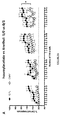

Classifications
-
- A—HUMAN NECESSITIES
- A61—MEDICAL OR VETERINARY SCIENCE; HYGIENE
- A61B—DIAGNOSIS; SURGERY; IDENTIFICATION
- A61B5/00—Measuring for diagnostic purposes; Identification of persons
- A61B5/40—Detecting, measuring or recording for evaluating the nervous system
- A61B5/4005—Detecting, measuring or recording for evaluating the nervous system for evaluating the sensory system
- A61B5/4011—Evaluating olfaction, i.e. sense of smell
-
- A—HUMAN NECESSITIES
- A61—MEDICAL OR VETERINARY SCIENCE; HYGIENE
- A61B—DIAGNOSIS; SURGERY; IDENTIFICATION
- A61B5/00—Measuring for diagnostic purposes; Identification of persons
- A61B5/40—Detecting, measuring or recording for evaluating the nervous system
- A61B5/4076—Diagnosing or monitoring particular conditions of the nervous system
- A61B5/4082—Diagnosing or monitoring movement diseases, e.g. Parkinson, Huntington or Tourette
-
- A—HUMAN NECESSITIES
- A61—MEDICAL OR VETERINARY SCIENCE; HYGIENE
- A61B—DIAGNOSIS; SURGERY; IDENTIFICATION
- A61B5/00—Measuring for diagnostic purposes; Identification of persons
- A61B5/40—Detecting, measuring or recording for evaluating the nervous system
- A61B5/4076—Diagnosing or monitoring particular conditions of the nervous system
- A61B5/4088—Diagnosing of monitoring cognitive diseases, e.g. Alzheimer, prion diseases or dementia
-
- G—PHYSICS
- G01—MEASURING; TESTING
- G01N—INVESTIGATING OR ANALYSING MATERIALS BY DETERMINING THEIR CHEMICAL OR PHYSICAL PROPERTIES
- G01N33/00—Investigating or analysing materials by specific methods not covered by groups G01N1/00 - G01N31/00
- G01N33/48—Biological material, e.g. blood, urine; Haemocytometers
-
- A—HUMAN NECESSITIES
- A61—MEDICAL OR VETERINARY SCIENCE; HYGIENE
- A61B—DIAGNOSIS; SURGERY; IDENTIFICATION
- A61B5/00—Measuring for diagnostic purposes; Identification of persons
- A61B5/40—Detecting, measuring or recording for evaluating the nervous system
- A61B5/4005—Detecting, measuring or recording for evaluating the nervous system for evaluating the sensory system
- A61B5/4017—Evaluating sense of taste
-
- A—HUMAN NECESSITIES
- A61—MEDICAL OR VETERINARY SCIENCE; HYGIENE
- A61K—PREPARATIONS FOR MEDICAL, DENTAL OR TOILETRY PURPOSES
- A61K49/00—Preparations for testing in vivo
-
- A—HUMAN NECESSITIES
- A61—MEDICAL OR VETERINARY SCIENCE; HYGIENE
- A61M—DEVICES FOR INTRODUCING MEDIA INTO, OR ONTO, THE BODY; DEVICES FOR TRANSDUCING BODY MEDIA OR FOR TAKING MEDIA FROM THE BODY; DEVICES FOR PRODUCING OR ENDING SLEEP OR STUPOR
- A61M21/00—Other devices or methods to cause a change in the state of consciousness; Devices for producing or ending sleep by mechanical, optical, or acoustical means, e.g. for hypnosis
- A61M2021/0005—Other devices or methods to cause a change in the state of consciousness; Devices for producing or ending sleep by mechanical, optical, or acoustical means, e.g. for hypnosis by the use of a particular sense, or stimulus
- A61M2021/0016—Other devices or methods to cause a change in the state of consciousness; Devices for producing or ending sleep by mechanical, optical, or acoustical means, e.g. for hypnosis by the use of a particular sense, or stimulus by the smell sense
-
- Y—GENERAL TAGGING OF NEW TECHNOLOGICAL DEVELOPMENTS; GENERAL TAGGING OF CROSS-SECTIONAL TECHNOLOGIES SPANNING OVER SEVERAL SECTIONS OF THE IPC; TECHNICAL SUBJECTS COVERED BY FORMER USPC CROSS-REFERENCE ART COLLECTIONS [XRACs] AND DIGESTS
- Y02—TECHNOLOGIES OR APPLICATIONS FOR MITIGATION OR ADAPTATION AGAINST CLIMATE CHANGE
- Y02A—TECHNOLOGIES FOR ADAPTATION TO CLIMATE CHANGE
- Y02A50/00—TECHNOLOGIES FOR ADAPTATION TO CLIMATE CHANGE in human health protection, e.g. against extreme weather
- Y02A50/30—Against vector-borne diseases, e.g. mosquito-borne, fly-borne, tick-borne or waterborne diseases whose impact is exacerbated by climate change
Definitions
- the application relates to olfactory means involving odorants mixed at different proportions, and to the use of these olfactory means to determine the olfactory discrimination capacity of a subject, who has an infection of his/her nervous system.
- a decrease in the olfactory discrimination capacity of these subjects, as measured by these olfactory means is indicative of the development of neurological complications, e.g ., the development of central or peripheral neuropathies, hearing loss, mental retardation, language retardation, psychomotor retardation or visual loss.
- the means of the application enable the diagnosis of neurological complications of nervous system infection, more particularly the early diagnosis of neurological impairment in a subject, who has an infection of his/her nervous system.
- the means of the application notably allow for an early application of medical treatment to counter-act the infection and/or the neurological impairment, as well as for an optimized monitoring of the medical treatment.
- Infectious agents that infect the nervous system i.e., the Central Nervous System (CNS) and/or the Peripheral Nervous System (PNS), notably include neurotropic virus, bacterium, protozoan parasite, fungus or prion.
- CNS Central Nervous System
- PNS Peripheral Nervous System
- Infection of the nervous system may lead to neurological impairment, e.g ., to neurodegeneration, which in turn may result in a neurosensory or neurocognitive disease or disorder.
- the progression of neurological impairment is not necessarily linear over time, and may even start a long time after infection has occurred.
- ZIKV Zika virus
- CMV congenital CytoMegalovirus
- Herpes virus type 5 or human cytomegalovirus is an opportunist pathogen which is the first cause of congenital cerebral malformation induced by viral infection, mental retardation and nongenetic sensorineural hearing loss (SNHL).
- HCMV human cytomegalovirus
- SNHL nongenetic sensorineural hearing loss
- HCMV infection is characterized by persistence of the virus in infected hosts for the lifespan. HCMV can reactivate in certain contexts such as immunodeficiency, immunosuppression or some chronic diseases, and then give rise to recurrent disease. Endothelial cells and cells of the myeloid lineage are considered to form the main reservoir for latent HCMV genomes.
- HCMV While there is no neurologic symptom in immunocompetent infected hosts when HCMV primary infection occurs after birth, congenital HCMV often leads to brain dysfunction.
- CNS peripheral and central nervous system
- HCMV invades the peripheral and central nervous system (CNS) of the fetus. It targets the stria vascularis of the cochlea, the mammalian auditory sensory organ, and the periventricular region of the brain.
- CNS peripheral and central nervous system
- Innate and adaptive immune responses against HCMV infection are present, including lymphocyte recruitment and activation of microglia, but the immune reaction is limited during fetal life in coping with this virus and protecting brain from neurological damage.
- the occurrence of long-term outcomes, with delayed onset, might be due to reactivation of HCMV within brain structures.
- the application provides olfactory means that enable to diagnose or predict neurological complications of nervous system infection.
- the application generally relates to olfaction, more particularly to olfaction discrimination capacity, and to neurological impairment of subjects, who have been infected by a neurotropic infectious agent.
- olfaction can be a biomarker, more particularly a prognostic biomarker (or biological predictor), of neurosensory disease or disorder and/or of neurocognitive disease or disorder, in subjects whose nervous system has been infected by a neurotropic infectious agent.
- appropriate olfactory means to achieve this result involve odorants mixed at different proportions, and their use to determine the olfactory discrimination capacity of said subjects.
- the nervous system can be the Central Nervous System (CNS) and/or of the Peripheral Nervous System (PNS), more particularly the CNS.
- the infection can be a congenitally-acquired infection.
- the application relates more particularly to a kit, which comprises
- Said use advantageously comprises the sequential smelling or sniffing of said first composition, of said second composition and of said third composition by said subject.
- Said kit notably allows detecting impairment of the olfactory capacity of said subject to discriminate said first composition from said second and third compositions.
- Impairment of the olfactory capacity of said subject to discriminate said first composition from said second and third compositions is a biomarker or biological predictor of neurological impairment in said infected subject.
- the application generally relates to olfaction, more particularly to olfaction discrimination capacity, as a biomarker, more particularly as a prognostic biomarker (or biological predictor), of neurosensory disease or disorder and/or of neurocognitive disease or disorder, in subjects, who have been infected by a neurotropic infectious agent.
- the olfactory means of the application involve odorants mixed at different proportions, and their use to determine the olfactory discrimination capacity of said subjects.
- Impairment of the olfactory discrimination capacity as detected by the olfactory means of the application is a biomarker or biological predictor of neurological impairment in a subject, who has been infected by a neurotropic infectious agent.
- kits which comprises compositions comprising (at least two) odorants, as well as to a series or (functional) association of compositions comprising said odorant compositions.
- the term composition encompasses the meaning of mixture. Therefore, the kit, series or (functional) association comprises several compositions comprising the same (at least two) odorants, wherein each of said several compositions contain the same (at least two different) odorants, and wherein at least one of said several compositions differs from the other compositions by the proportion in which said (at least two different) odorants are contained.
- the kit, series or (functional) association may accordingly comprise
- the first composition is a composition, which is consciously perceived by smelling or sniffing as different from said second composition, or from said second and third compositions, by a control subject (e.g., a control human being), who is normosmic and who is not infected by a neurotropic infectious agent, i.e., a healthy normosmic control subject.
- a control subject e.g., a control human being
- a neurotropic infectious agent i.e., a healthy normosmic control subject.
- the difference in odorant proportion in said first composition compared to said second composition, or compared to said second and third compositions is sufficient for said first composition to be consciously perceived as different from said second composition, or from said second and third compositions, by a healthy normosmic control subject (e.g., a healthy normosmic human being), who sequential smells or sniffs each of said odorant compositions.
- a healthy normosmic control subject e.g., a healthy normosmic human being
- the kit, series or (functional) association advantageously is for use in the in vivo diagnosis of neurological impairment, in a subject, who has been infected by a neurotropic infectious agent, more particularly in a subject, whose nervous system has been infected by a (neurotropic) infectious agent.
- neurological impairment is intended in accordance with its ordinary meaning in the field, and encompasses any neurological deficiency.
- the term neurological impairment encompasses more particularly neurological disability.
- the term neurological impairment encompasses more particularly neurological disease or disorder, including the early (asymptomatic or symptomatic) stages of neurological disease or disorder.
- Said neurological impairment is a neurological impairment, which has been and may have been induced by said (neurotropic) infectious agent.
- Said (neurotropic) infectious agent can be a microorganism or a prion.
- Said use comprises the sequential smelling or sniffing of each composition of said kit, series or (functional) association by said subject.
- the experimenter, laboratory technician or physician records whether said subject succeeds in identifying, within the mixtures or compositions of the same kit, series or (functional) association, the at least one mixture or composition that contains the (two, or at least two) odorants in a proportion that differs from the other mixture(s) or composition(s).
- said sequential smelling or sniffing is advantageously performed under conditions that prevent or avoid olfaction contamination.
- said sequential smelling or sniffing is advantageously performed in a room where aeration is sufficient to prevent or avoid olfaction contamination, and according to a time sequence, which prevents or avoids olfaction contamination from one mixture or composition to the next mixture or composition.
- said sequential smelling or sniffing can be performed under blind testing.
- said smelling or sniffing can be repeated with the same and/or with another functional association of the application.
- Said use may further comprise detecting failure of said subject to discriminate said first composition from said second composition, or from said second and third compositions.
- This failure is an impairment of the olfactory capacity of said subject (compared to a healthy normosmic control subject).
- This olfactory discrimination impairment is a biomarker or biological predictor of neurological impairment in said infected subject.
- This olfactory discrimination impairment is a biomarker or biological predictor of adverse (long-term) neurological outcome(s) in said infected subject.
- Said use may thus further comprises
- an increase in the olfactory discrimination capacity is detected when said subject does not discriminate said first composition from said second composition, or from said second and third compositions, at said first point in time, but discriminates said first composition from said second composition, or from said second and third compositions, at said second point in time.
- a decrease in the olfactory discrimination capacity is detected when said subject discriminates said first composition from said second composition, or from said second and third compositions, at said first point in time, but does not discriminate said first composition from said second composition, or from said second and third compositions, at said second point in time.
- the absence of modification of the discrimination capacity of said subject between said first point in time and said second point in time may allow considering that said treatment is not yet therapeutically effective (and that said treatment should be further applied to later determine whether it is or not therapeutically effective).
- the application also relates to the use of said kit, series or (functional) association in the in vivo diagnosis of the severity or extent of said neurological impairment.
- the application also relates to the use of said kit, series or (functional) association in the in vivo diagnosis of response or non-response to a treatment that is intended for treating said neurological impairment and/or said (nervous system) infection.
- the application also relates to the use of said kit, series or (functional) association in the treatment of said neurological impairment, wherein said kit, series or (functional) association is used to monitor or determine whether said treatment improves the olfactory discrimination capacity of said subject.
- An improvement of said olfactory discrimination capacity is indicative that said treatment is therapeutically effective to treat said neurological impairment and/or said nervous system infection.
- An absence of improvement of said olfactory discrimination capacity may be indicative that said treatment is not, or not yet, therapeutically effective to treat said neurological impairment and/or said nervous system infection.
- Examples of treatment against (nervous system) infection comprise the administration of an antiviral treatment, such as the administration of an acyclic analog of the nucleoside guanosine, for example ganciclovir (9-[(1,3,-dihydroxy-2-propoxy)methyl] guanine, or DHPG) and/or valganciclovir (oral valine ester of ganciclovir).
- Ganciclovir and/or valganciclovir are typically administered when the infection is a CMV or HCMV infection.
- Examples of treatment against neurological impairment include the application of a hearing aid (which may e.g., be intended to reduce or limit the progression or extent of the hearing loss).
- Said neurological impairment may more particularly be a neurodegeneration, more particularly a (neuro)degeneration of the Central Nervous System (CNS) and/or the Peripheral Nervous System (PNS), more particularly of the CNS, of said (infected) subject.
- Said neurological impairment may more particularly be a neurological disease or disorder (including a neurodegenerative disease or disorder), more particularly a neurosensory disease or disorder and/or a neurocognitive disease or disorder.
- Said neurotropic infectious agent may more particularly be a neurotropic microorganism or prion, more particularly a neurotropic microorganism selected from neurotropic viruses, bacteria, protozoan parasites and fungi, more particularly a neurotropic virus.
- bacteria that may lead to meningitis such as Neisseria meningitidis, Streptococcus pneumonia
- bacteria that may lead to Listeria Cerebritis or meningoencephalitis such as Listeria monocytogenes
- bacteria that may lead to tetanus such as Clostridium tetani
- bacteria that may lead to neurosyphylis such as Treponema pallidum
- bacteria that may lead to Lyme disease such as Borrelia burgdorferi.
- protozoan parasites include parasites that may lead to toxoplasmosis (such as Toxoplasma gondii), parasites that may lead to neuromalaria or cerebral malaria (such as Plasmodium falciparum).
- fungi include fungi that may lead to nervous system infection (such as Candida glabrata, Aspergillus fumigatus).
- viruses include viruses that may lead to rubella (such as rubella virus), viruses of the Herpesviridae family (such as (human) cytomegalovirus or Herpes simplex virus), virus of the Flavivirus genus (such as Zika virus), viruses that may lead to viral meningitis (such as Echovirus 30, Coxsackievirus B5).
- prions include prions that may lead to Creutzfeld-Jakob disease.
- Said neurotropic infectious agent may more particularly be a (neurotropic) bacterium selected from Neisseria, Streptococcus, Listeria, Clostridium, Treponema and Borrelia, more particularly selected from Neisseria meningitidis, Streptococcus pneumonia, Listeria monocytogenes, Clostridium tetani, Treponema pallidum and Borrelia burgdorferi.
- Said neurotropic infectious agent may more particularly be a (neurotropic) protozoan parasite selected from Toxoplasma and Plasmodium, more particularly selected from Toxoplasma gondii and Plasmodium falciparum.
- Said neurotropic infectious agent may more particularly be a (neurotropic) fungus selected from Candida and Aspergillus, more particularly selected from Candida glabrata and Aspergillus fumigatus.
- Said neurotropic infectious agent may more particularly be a (neurotropic) virus selected from rubella virus, viruses of the Herpesviridae family, viruses of the Flavivirus genus, Echoviruses and Coxsackieviruses, more particularly selected from rubella virus, (human) cytomegalovirus, Herpes simplex virus, Zika virus, Echovirus 30 and Coxsackievirus B5.
- Said neurotropic infectious agent may more particularly be a (neurotropic) prion.
- Said neurotropic infectious agent may more particularly be a (neurotropic) microorganism selected from Neisseria, Streptococcus, Listeria, Clostridium, Treponema, Borrelia, Toxoplasma, Plasmodium, Candida, Aspergillus, rubella virus, viruses of the Herpesviridae family, viruses of the Flavivirus genus, Echoviruses and Coxsackieviruses.
- a (neurotropic) microorganism selected from Neisseria, Streptococcus, Listeria, Clostridium, Treponema, Borrelia, Toxoplasma, Plasmodium, Candida, Aspergillus, rubella virus, viruses of the Herpesviridae family, viruses of the Flavivirus genus, Echoviruses and Coxsackieviruses.
- Said neurotropic infectious agent may more particularly be a (neurotropic) microorganism selected from Neisseria meningitidis, Streptococcus pneumonia, Listeria monocytogenes, Clostridium tetani, Treponema pallidum, Borrelia burgdorferi, Toxoplasma gondii, Plasmodium falciparum, Candida glabrata, Aspergillus fumigatus, rubella virus, (human) cytomegalovirus, Herpes simplex virus, Zika virus, Echovirus 30 and Coxsackievirus B5.
- a (neurotropic) microorganism selected from Neisseria meningitidis, Streptococcus pneumonia, Listeria monocytogenes, Clostridium tetani, Treponema pallidum, Borrelia burgdorferi, Toxoplasma gondii, Plasmodium falciparum, Candida glabrata, Aspergillus fumi
- Said neurotropic infectious agent may more particularly be a (neurotropic) virus, more a (neurotropic) virus selected from viruses of the Herpesviridae family and viruses of the Flavivirus genus, more particularly a (neurotropic) virus selected from cytomegalovirus (CMV) and Zika virus (ZIKV), more particularly a (neurotropic) virus from human cytomegalovirus (HCMV) and Zika virus (ZIKV).
- Said neurotropic infectious agent may more particularly be CMV, more particularly HCMV.
- Said neurotropic infectious agent may exhibit tropism for neural stem cells, more particularly for neural stem cells of the human hippocampus and/or of the human olfactory system.
- Said neurotropic infectious agent may more particularly be a neurotropic microorganism or prion, more particularly a neurotropic virus, which exhibits tropism for neural stem cells, more particularly for neural stem cells of the human hippocampus and/or of the human olfactory system.
- Said neurological impairment is a neurological disability, disease or disorder, or leads (in the absence of therapeutically effective treatment) to a neurological disability, disease or disorder.
- Said neurological impairment may more particularly be, or may more particularly lead (in the absence of therapeutically effective treatment), to at least one ( i.e., one or several) of
- Said neurological impairment may more particularly be, or may more particularly lead (in the absence of therapeutically effective treatment), to at least one ( i.e., one or several) of
- This(these) neurological impairment(s) may typically be observed when the subject (or the nervous system of the subject) has been infected by CMV, more particularly by HCMV. Said neurological impairment may more particularly be, or may more particularly lead (in the absence of therapeutically effective treatment), to Guillain-Barré syndrome. Guillain-Barre syndrome may typically be observed when the subject (or the nervous system of the subject) has been infected by ZIKV.
- Said subject advantageously is a mammal, more particularly a rodent or a human being, more particularly a human being, more particularly a human being of at least 3-year old. More particularly, said subject is
- Said subject who is (or whose nervous system has been) infected by a (neurotropic) infectious agent, may be a subject, who has been congenitally infected.
- said infection (of the nervous system of the subject) may be a congenital infection, i.e., an infection by a microorganism or a prion, more particularly by a virus, which has been (or can be) maternally transmitted to a human fetus, and which has invaded (or can invade) the CNS and/or the PNS, more particularly the CNS, of the human fetus.
- Said subject may be the human being (of at least 3-year old), who is born from said fetus.
- Said virus can e.g., be CMV, more particularly HCMV.
- Said virus can e.g., be CHKV.
- the olfactory means of the application allow detecting neurological impairment (or neurodegeneration) at an early stage of the pathological process.
- the olfactory means of the application thereby allow the application of a treatment against said infection and/or against said neurological impairment or neurodegeneration, at an early stage of the pathological process.
- said treatment can e.g.
- ganciclovir 9-[(1,3,-dihydroxy-2-propoxy)methyl] guanine, or DHPG
- valganciclovir oral valine ester of ganciclovir
- said treatment can e.g., comprise the application of a hearing aid (which may e.g., be intended to reduce or limit the progression or extent of the hearing loss).
- the olfactory means of the application may allow monitoring the development or progression of a neurological pathological process.
- the olfactory means of the application may thereby improve the treatment of the subject by making him/her benefiting of the palliative and/or curative effects of the treatment at an earlier or more adequate stage of the pathological process.
- the olfactory means of the application can be as described in PCT international application WO 2014/170206 ( PCT/EP2014/057277 ) or in its US counterpart application(s) (e.g., US 2016/0073944 A1 ).
- the content of these applications is herein incorporated by reference. More particularly the content of the applications that relate to the olfactory means is herein incorporated by reference.
- Said two, or at least two, odorants may be in mixture with a (pharmaceutically-acceptable) vehicle, more particularly a vehicle, which is perceived to be odorless by mammals, or by at least one mammal race or species, advantageously at least by (healthy normosmic) humans ( i.e., no odor and no scent perceived by olfactory cognition).
- said vehicle does not alter the odor or scent emitted by each of said two, or of said at least two, odorants.
- said vehicle is structurally suitable for homogeneously mixing said two, or said at least two odorants, together, such as e.g., a solvent, a cream or a paste.
- said vehicle is a (liquid) solvent. More particularly, said vehicle is an odorless liquid solvent, such as water, mineral oil or propylene glycol.
- Each mixture or composition of the application can be comprised on or in a device or instrument for dispensing odor or scent, more particularly for olfactory testing. More particularly, said first, second and third compositions can each be separately contained in an odor dispensing device for assessing nasal chemosensory performance.
- the device or instrument of the application comprises a structure for dispensing the odor(s), scent(s) or smell(s) emitted by the mixture or composition of the application, which is comprised in or on said device or instrument. More particularly, the structure of the device or instrument of the application is adapted, or especially adapted, to sniffing or smelling by a mammal (more particularly by a human), more particularly to active sniffing or smelling by a mammal (more particularly by a human).
- the structure of the device or instrument of the application is adapted, or especially adapted, to allow for a mammal (more particularly for a human) to [actively] sniff or smell the odor(s), scent(s) or smell(s) emitted by said mixture or composition.
- the olfactory device or instrument of the application is an odor dispensing device for assessing nasal chemosensory performance. It can function as a fully extra-nasal or extra-nostril device or instrument, or as a (partially) intra-nasal or intra-nostril device or instrument.
- Devices or instruments for dispensing odor or scent, more particularly for olfactory testing are available to the person of ordinary skill in the art. They include the olfactory devices or instruments that are used in:
- a kit, series or functional association of the application may therefore comprise at least two or three of said olfactory device or instrument (e.g., at least two or three pen-like dispensing devices, such as felt-tip pens of said "SNIFFIN' STICKSTM" battery).
- a first olfactory device or instrument may contain said first (odorant) composition
- a second olfactory device or instrument may contain said second (odorant) composition
- a third olfactory device or instrument may contain said third (odorant) composition).
- An odorant is any substance or compound that emits an odor or scent, or any substance or compound that has a distinctive smell.
- An odor, scent or smell is the odor, scent or smell that is consciously perceived by a mammal by smelling or sniffing though the nostril(s) (olfactory cognition).
- an odorant is a substance or compound, which is identifiable (by olfactory cognition) by said mammal, more particularly by the human population to which the odorant is intended, more particularly by a human, more particularly by a healthy normosmic human.
- An odorant can be a substance or compound, which is volatile and/or hydrophobic, advantageously volatile and hydrophobic.
- an odorant is a substance or compound, which is generally recognized as safe to mammals, more particularly to humans.
- an odorant is a compound, more particularly a monomolecular compound.
- each of said at least two odorants, more particularly each of said two odorants is a monomolecular compound, more particularly a monomolecular compound, which is identifiable by a human by olfaction cognition, still more particularly a monomolecular compound, which is volatile, hydrophobic and identifiable by a (healthy normosmic) human by olfaction cognition, even still more particularly a monomolecular compound, which is volatile, hydrophobic, identifiable by a (healthy normosmic) human by olfaction cognition and generally recognized as safe to humans.
- odorants means odorants, which emit different odors or scents.
- an odorant is different from another odorant if it emits an odor or scent that is different or perceived to be different from said other odorant.
- an odorant is different from another odorant if the majority of a representative number of normosmic healthy mammals (e.g., healthy normosmic humans) belonging to the same mammal race or species perceives that they emit different odors or scents.
- normosmic healthy mammals e.g., healthy normosmic humans
- an odorant is different from another odorant if more than 40% of a representative number of normosmic healthy mammals belonging to the same mammal race or species perceive that they emit different odors or scents.
- said percentage is more than 45%, more particularly more than 50%, more particularly more than 55%, more particularly more than 60%, more particularly more than 65%.
- a representative number of normosmic healthy mammals belonging to the same mammal race or species can be determined by the person of ordinary skill in the art depending on the mammal race or species being tested. Such a number generally is more than 10, more particularly more than 20.
- each of said at least two odorants is a monomolecular compound emitting an odor or scent (as perceived by a healthy normosmic human) selected from the group consisting of anise, apple, banana, caramel, chocolate, cinnamon, clove, cocoa, coconut, coffee, cola, dill, eucalyptus, fish, flower, honey, garlic, ginger, grapefruit, grass, lavender, leather, lemon, lilac, lily of the valley, licorice, melon, mint, mushroom, onion, orange, peach, pear, peppermint, pineapple, rose, spearmint, turpentine, raspberry, sesame oil, smoked meat, soy sauce and vanilla.
- an odor or scent selected from the group consisting of anise, apple, banana, caramel, chocolate, cinnamon, clove, cocoa, coconut, coffee, cola, dill, eucalyptus, fish, flower, honey, garlic, ginger, grapefruit, grass, lavender, leather, lemon, lilac, lily
- each of said at least two odorants is a monomolecular compound emitting an odor or scent (as perceived by a healthy normosmic human) selected from the group consisting of anise, banana, clove, dill and spearmint.
- Examples of monomolecular compounds emitting such an odor or scent comprise:
- Arctander atlas Arctander S. "Perfume and flavor chemicals: (aroma chemicals)", Allured Publishing Corporation, Carol Stream IL, 1994 ).
- each of said at least two odorants is a monomolecular compound selected from the group consisting of R-carvone, S-carvone, isoamylacetate, anethol and eugenol.
- each of said at least two odorants, or each of said two odorants are different from each other.
- each of said at least two odorants, or each of said two odorants are different from each other.
- one of said at least two, or of said two, odorants is a monomolecular compound emitting spearmint odor or scent (e.g. , R-carvone), and the other of said at least two, or of said two, odorants is a monomolecular compound emitting dill odor or scent ( e.g., S-carvone).
- one of said at least two, or of said two, odorants is a monomolecular compound emitting banana odor or scent ( e.g ., isoamylacetate), and the other of said at least two, or of said two, odorants is a monomolecular compound emitting anise odor or scent ( e.g., anethol).
- one of said at least two, or of said two, odorants is a monomolecular compound emitting anise odor or scent (e.g ., anethol), and the other of said at least two, or of said two, odorants is a monomolecular compound emitting clove odor or scent (e.g., eugenol).
- said at least two odorants, or said two odorants are contained in mixture and in any proportion that the person of ordinary skill in the art finds appropriate.
- said at least two odorants, or said two odorants are contained in the mixture or composition of the application in a proportion ranging from 1:1 to 1:5, more particularly in a proportion ranging from 1:1.5 to 1:4, for example in a proportion of 1:1.5, 1:2, 1:2.5, 1:3, 1:3.5 or 1:4.
- a "X:Y" proportion means X part(s) of one of said at least two, or of said two, odorants for Y part(s) of the other of said at least two, or of said two, odorants (X and Y can identical or different).
- Said part values are volume parts or weight parts, more particularly volume parts.
- said at least two odorants, or said two odorants are contained in the mixture or composition of the application in a proportion ranging from 0.8% / 0.2% to 0.2% / 0.8% to 0.2% / 0.8%, more particularly in a proportion ranging from 0.6% / 0.4% to 0.4% / 0.6%, for example in a proportion of 0.8% / 0.2%, 0.6% / 0.4%, 0.4% / 0.6% or 0.2% / 0.8%.
- a proportion of "X% / Y%" means X% of one of said at least two, or of said two, odorants and Y% of the other of said at least two, or of said two, odorants.
- a % value of an odorant is the volume or weight, more particularly the volume, of said odorant expressed with respect to the total volume or weight of the mixture in said mixture, more particularly to the total volume of said mixture.
- said at least two odorants, or said two odorants are contained in the mixture or composition of the application in a proportion ranging from 8/2 to 2/8, more particularly in a proportion ranging from 6/4 to 4/6, for example in a proportion of 8/2, 6/4, 4/6 or 2/8.
- a proportion of "X/Y" means a concentration of X of one of said at least two, or of said two, odorants and a concentration of Y of the other of said at least two, or of said two, odorants.
- concentrations X and Y are expressed in the same unit, for example in volume/volume percent, in volume/weight percent or in weight/weight percent, more particularly in volume/volume percent, and are expressed with respect to the total volume or weight of the mixture in said mixture, more particularly to the total volume of said mixture.
- one of said at least two, or of said two, odorants is a monomolecular compound emitting spearmint odor or scent ( e.g.
- R-carvone the other of said at least two, or of said two, odorants is a monomolecular compound emitting dill odor or scent (e.g., S-carvone), and these two odorants are contained in a 2/8 proportion in said first composition and in a 8/2 proportion in said second (or second and third) composition(s).
- one of said at least two, or of said two, odorants is a monomolecular compound emitting banana odor or scent (e.g ., isoamylacetate), and the other of said at least two, or of said two, odorants is a monomolecular compound emitting anise odor or scent (e.g., anethol), and these two odorants are contained in a 8/2 proportion in said first composition and in a 2/8 proportion in said second (or second and third) composition(s).
- one of said at least two, or of said two, odorants is a monomolecular compound emitting anise odor or scent (e.g ., anethol), and the other of said at least two, or of said two, odorants is a monomolecular compound emitting clove odor or scent (e.g., eugenol), and these two odorants are contained in a 8/2 proportion in said first composition and in a 2/8 proportion in said second (or second and third) composition(s).
- kits, series or (functional) association of the application said several (different) mixtures or compositions are (and remain) distinct or separate from each other.
- they when they are contained in or on a device or instrument for dispensing odor or scent, they are not mixed together.
- each of said several mixtures or compositions is separately contained in an odor dispensing device for assessing nasal chemosensory performance as above-described (and as below-illustrated).
- the odorants are the same in each mixture or composition that belongs to the same kit, series or (functional) association, i.e., they are the same substances or compounds.
- At least one of said several mixtures or compositions contains said odorants in a proportion that differs from the other mixture(s) or composition(s) of the same kit, series or (functional) association.
- the proportion of one of said (at least) two odorants with respect to the other of said (at least) two odorants in a first composition of a kit, series or (functional) association is different from their proportion in at least one second composition of the same kit, series or (functional) association.
- the concentration of at least one odorant in said at least one first mixture or composition is different from its proportion in said at least one second mixture or composition.
- the respective concentrations of the (at least two) odorants in said at least one first mixture or composition are different from their respective concentrations in said at least one second mixture or composition.
- said at least one first composition and said at least one second composition are for sequential use, more particularly for sequential use in the detection of olfactory discrimination impairment in a human, more particularly in a diseased human.
- kits, series or (functional) association of the application may comprise any number of mixtures or compositions of the application that the person of ordinary skill in the art may find appropriate.
- a kit, series, or (functional) association of the application may comprise two or three mixtures or compositions of the application.
- a kit, series, or (functional) association of the application comprises two or three mixtures or compositions of the application, which are distinct or separate from each other, wherein the odorants of said two or three mixtures or compositions are the same but are contained in one of said two or three mixtures or compositions in a proportion that differs from the remaining one or two mixtures or compositions.
- said remaining two mixtures or compositions can be identical, i.e., duplicate.
- the difference in proportions within the same kit, series or (functional) association is sufficient to be distinguishable by a healthy normosmic human.
- the at least one mixture or composition, which contains said odorants in a proportion that differs from the other mixture(s) or composition(s) of the same kit, series or (functional) association is consciously perceived (olfactory cognition) as emitting an odor or scent that is different from the odor or scent emitted by the other mixture(s) or composition(s) of the same kit, series or (functional) association.
- kits, series or (functional) association of the application comprises (at least) two mixtures or compositions of the application, which are distinct or separate from each other, wherein the odorants of each of said (at least) two mixtures or compositions are the same two or the same at least two odorants, and wherein one of said two, or of said at least two, odorants is contained in one of said (at least) two mixtures or compositions in a 8/2 proportion, whereas the other of said two, or of said at least two, odorants is contained in the other of said (at least) two mixtures or compositions in a 2/8 proportion.
- a kit, series or (functional) association of the application comprises three mixtures or compositions of the application, which are separate from each other (two of said three mixtures compositions being duplicate compositions as described above), wherein the odorants of each of said three mixtures or compositions are the same two or the same at least two odorants, and wherein one of said two, or of said at least two, odorants is contained in one of said three mixtures or compositions in a 8/2 proportion, whereas the other of said two, or of said at least two, odorants is contained in each of the two other (duplicate) mixtures or compositions in a 2/8 proportion.
- kits, series or (functional) association of the application comprises (at least) two mixtures or compositions of the application, which are distinct or separate from each other, wherein the odorants of each of said (at least) two mixtures or compositions are the same two or the same at least two odorants, and wherein one of said two, or of said at least two, odorants is contained in one of said (at least) two mixtures or compositions in a 6/4 proportion, whereas the other of said two, or of said at least two, odorants is contained in the other of said (at least) two mixtures or compositions in a 4/6 proportion.
- a kit, series or (functional) association of the application comprises three mixtures or compositions of the application, which are separate from each other (two of said three mixtures compositions being duplicate compositions as described above), wherein the odorants of each of said three mixtures or compositions are the same two or the same at least two odorants, and wherein one of said two, or of said at least two, odorants is contained in one of said three mixtures or compositions in a 6/4 proportion, whereas the other of said two, or of said at least two, odorants is contained in each of the two other (duplicate) mixtures or compositions in a 4/6 proportion.
- kits, series or (functional) association of the application comprises (at least) two mixtures or compositions of the application, which are distinct or separate from each other, wherein the odorants of each of said (at least) two mixtures or compositions are R-carvone and S-carvone in mixture, and wherein one of said (at least) two mixtures or compositions contains R-carvone and S-carvone in a 8/2 proportion, whereas the other of said (at least) two mixtures or compositions contains R-carvone and S-carvone in a 2/8 proportion.
- a kit, series, or (functional) association of the application comprises three mixtures or compositions of the application, which are separate from each other (two of said three mixtures compositions being duplicate compositions as described above), wherein the odorants of each of said three mixtures or compositions are R-carvone and S-carvone in mixture, and wherein one of said three mixtures or compositions contains R-carvone and S-carvone in a 8/2 proportion, whereas each of the two other (duplicate) mixtures or compositions contains R-carvone and S-carvone in a 2/8 proportion.
- kits, series or (functional) association of the application comprises (at least) two mixtures or compositions of the application, which are distinct or separate from each other, wherein the odorants of each of said (at least) two mixtures or compositions are isoamylacetate and anethol in mixture, and wherein one of said (at least) two mixtures or compositions contains isoamylacetate and anethol in a 8/2 proportion, whereas the other of said (at least) two mixtures or compositions contains isoamylacetate and anethol in a 2/8 proportion.
- kits, series or (functional) association of the application comprises three mixtures or compositions of the application, which are separate from each other (two of said three mixtures compositions being duplicate compositions as described above), wherein the odorants of each of said three mixtures or compositions are isoamylacetate and anethol in mixture, and wherein one of said three mixtures or compositions contains isoamylacetate and anethol in a 8/2 proportion, whereas each of the two other (duplicate) mixtures or compositions contains isoamylacetate and anethol in a 2/8 proportion.
- kits, series, or (functional) association of the application comprises (at least) two mixtures or compositions of the application, which are distinct or separate from each other, wherein the odorants of each of said (at least) two mixtures or compositions are anethol and eugenol in mixture, and wherein one of said two (at least) mixtures or compositions contains anethol and eugenol in a 8/2 proportion, whereas the other of said (at least) two mixtures or compositions contains anethol and eugenol in a 2/8 proportion.
- a kit, series or (functional) association of the application comprises three mixtures or compositions of the application, which are distinct or separate from each other (two of said three mixtures compositions being duplicate compositions as described above), wherein the odorants of each of said three mixtures or compositions are anethol and eugenol in mixture, and wherein one of said three mixtures or compositions contains anethol and eugenol in a 8/2 proportion, whereas each of the two other (duplicate) mixtures or compositions contains anethol and eugenol in a 2/8 proportion.
- a mixture or composition of the application can be further functionally associated with, or can further comprise, any other additional element, such as at least one additional means, device, instrument, composition, substance or compound, that the person of ordinary skill in the art finds appropriate to measure olfactory capacity, more particularly to detect and/or measure olfactory impairment.
- said additional element can be means for measuring the olfactory detection threshold of a mammal or human, more particularly a diseased mammal or human.
- Means for measuring olfactory detection threshold can for example comprise a plurality of compositions, wherein each composition of said plurality contains only one odorant, and wherein all the compositions of said plurality contains the same one odorant and form a serial dilution of said same one odorant.
- Said odorant can be as defined above.
- said odorant can be n-butanol or 2-phenylethanol. Please see Hummel et al. 1997, Chem. Senses 22: 39-52 .
- Neurodegeneration is also a common feature of infection by many neurotropic viruses and bacteria, such as congenital cytomegalovirus (CMV) and Zika virus (ZIKV).
- CMV congenital cytomegalovirus
- ZIKV Zika virus
- Congenital CMV and ZIKV are major public health concern due to severe sequelae in the fetus and newborn and the absence of treatment.
- 1% of newborns are CMV-infected and at risk of developing neurocognitive and sensorineural handicaps.
- ZIKV in French Polynesia
- the frequency of microcephaly in fetuses and neonates from ZIKV-infected mothers was about 1%.
- EXAMPLE 1 Murine Model of congenital CytoMegaloVirus (CMV) infection
- Odorants All odorants were monomolecular compounds from SIGMA-ALDRICH (SIGMA-ALDRICH CHEMIE S.A.R.L.; L'Isle d'Abeau Chesnes; 38297 Saint-Quentin Fallavier; France), dissolved in water or mineral oil as indicated below.
- n-butanol has a rancid scent or odor.
- D-limonene has orange scent or odor; citronellal has citronella scent or odor; anethol has aneth (or anise) scent or odor; and IsoAmylAcetate (IAA) has banana scent or odor.
- mice were partially water-deprived by receiving 1-2 ml/day of water for one week and then trained on a "go-no go" discrimination task in computer-controlled four-channel olfactometers with custom-made mouse chamber isolator ( cf. Figure 2 ).
- mice were trained to respond to the presence of an odorant (positive stimulus, S+) by licking the water delivery tube situated out of the odorant sampling port (5 cm distance). They were also trained not to respond on the presentation of another odorant or solvent (negative stimulus, S-). A single stimulus (S+ or S-) was randomly presented at each trial.
- Each series of 20 trials comprises 10 presentations of the rewarded odorant and 10 presentations of the non-rewarded odorant.
- Licking response following an S+ trial and no licking following an S- trial are scored as correct, and called hit and correct rejection respectively.
- About 10 ⁇ l of water were delivered as a reward in a hit.
- a licking response following an S- trial and no licking following an S+ trial were scored as error and named false alarm and miss respectively.
- Accuracy (percentage of correct responses) was scored for each series of 20 trials [(hits + correct rejections)/20 X 100].
- Olfactory performances were assessed using monomolecular odorant compounds and binary odorant mixtures. Mice were given a session of 8 to 10 series of 20 trials per day.
- Odorant detection threshold Mice were trained in olfactometers to recognize n-butanol as the rewarded stimulus (S+). Mice have to detect successively descending decimal concentrations of n-butanol (S+) diluted in water. In each session, water served as the S-. Mice were given one to two sessions per day with one decimal dilution of the odorant per session. The session ended at the criterion performance achievement ( ⁇ 75 % of correct response in the series of 20 trials). If the criterion performance was not achieved in two successive sessions with the same odorant dilution, the preceding dilution was considered as the detection threshold. Odorant discrimination tasks. Mice were trained to discriminate between:
- olfactory perception threshold is altered by CMV infection.
- CMV-infected mice perform poorly in the task that involves fine discrimination of binary mixtures of monomolecular odorants, and that olfactory testing with such binary mixtures is much more sensitive than mono-odorant olfactory testing. Therefore, olfactory testing with binary mixtures of monomolecular odorants is an indicator of neurological impairment. It is useful for the early diagnosis and treatment of neurodegenerative diseases and neurological complications after bacterial or viral infection. For instance, in congenital CMV infection, hearing loss may occur several years after birth in childhood and be often progressive.
- Exploration of olfaction in congenital CMV infection might allow early detection of starting deterioration of hearing or predict the occurrence of deafness. Identification of children that are susceptible to hearing impairment is of major interest because it will allow accentuated surveillance of these children and early management by use of a hearing aid minimizing the impact of these deficits on the cognitive development.
- the correct answers are the green stick for problem n°1, the green stick for problem n°2 and the blue stick for problem n°3.
- a score of 1 is given to a child who correctly identifies the sticks that differs from the two other sticks.
- An incorrect answer results in a score of zero.
- Olfaction is considered normal if a child gets a total score of 2 or 3 after having answered the three problems [problems n°1, n°2 and n°3].
- Olfaction is considered altered if the total score is 0 or 1.
- the total score reflects the olfactory discrimination capacity of the child, and is compared to the CMV status, more particularly to the symptomatic CMV or asymptomatic CMV status. The nature and extent of any neurological impairment are determined for each child.
- auditory thresholds are assessed by either subjective audiograms or objective evoked potentials.
- the normality of hearing is screened using Evoked OtoAcoustic Emissions (EOAEs).
- EOAEs Evoked OtoAcoustic Emissions
- the olfactory capacity of each child is also measured using SNIFFIN' STICKSTM that do not contain a mixture of odorants, but that contain only one odorant, e.g., a series of three sniffing sticks, wherein two of the sticks contain anethol, whereas the third one contains IAA.
Landscapes
- Health & Medical Sciences (AREA)
- Life Sciences & Earth Sciences (AREA)
- Neurology (AREA)
- Engineering & Computer Science (AREA)
- General Health & Medical Sciences (AREA)
- Neurosurgery (AREA)
- Molecular Biology (AREA)
- Animal Behavior & Ethology (AREA)
- Public Health (AREA)
- Physics & Mathematics (AREA)
- Veterinary Medicine (AREA)
- Biomedical Technology (AREA)
- Pathology (AREA)
- Medical Informatics (AREA)
- Biophysics (AREA)
- Heart & Thoracic Surgery (AREA)
- Physiology (AREA)
- Surgery (AREA)
- Developmental Disabilities (AREA)
- Chemical & Material Sciences (AREA)
- Psychology (AREA)
- Psychiatry (AREA)
- Hospice & Palliative Care (AREA)
- Child & Adolescent Psychology (AREA)
- Urology & Nephrology (AREA)
- Hematology (AREA)
- Food Science & Technology (AREA)
- Medicinal Chemistry (AREA)
- Analytical Chemistry (AREA)
- Biochemistry (AREA)
- General Physics & Mathematics (AREA)
- Immunology (AREA)
- Epidemiology (AREA)
- Investigating Or Analysing Biological Materials (AREA)
- Medicines Containing Antibodies Or Antigens For Use As Internal Diagnostic Agents (AREA)
Priority Applications (6)
| Application Number | Priority Date | Filing Date | Title |
|---|---|---|---|
| EP16305584.1A EP3245944A1 (fr) | 2016-05-20 | 2016-05-20 | Moyens olfactifs pour diagnostiquer des complications neurologiques d'une infection du système nerveux |
| CA3024776A CA3024776C (fr) | 2016-05-20 | 2017-05-19 | Dispositif olfactif pour le diagnostic de complications neurologiques d'une infection du systeme nerveux |
| US16/302,387 US11317848B2 (en) | 2016-05-20 | 2017-05-19 | Olfactory means for the diagnosis of neurological complications of nervous system infection |
| JP2018560891A JP2019521732A (ja) | 2016-05-20 | 2017-05-19 | 神経系感染症の神経学的合併症の診断のための嗅覚手段 |
| EP17724556.0A EP3458109B1 (fr) | 2016-05-20 | 2017-05-19 | Moyens olfactifs pour diagnostiquer des complications neurologiques d'une infection du système nerveux |
| PCT/EP2017/062097 WO2017198816A1 (fr) | 2016-05-20 | 2017-05-19 | Dispositif olfactif pour le diagnostic de complications neurologiques d'une infection du système nerveux |
Applications Claiming Priority (1)
| Application Number | Priority Date | Filing Date | Title |
|---|---|---|---|
| EP16305584.1A EP3245944A1 (fr) | 2016-05-20 | 2016-05-20 | Moyens olfactifs pour diagnostiquer des complications neurologiques d'une infection du système nerveux |
Publications (1)
| Publication Number | Publication Date |
|---|---|
| EP3245944A1 true EP3245944A1 (fr) | 2017-11-22 |
Family
ID=56096592
Family Applications (2)
| Application Number | Title | Priority Date | Filing Date |
|---|---|---|---|
| EP16305584.1A Withdrawn EP3245944A1 (fr) | 2016-05-20 | 2016-05-20 | Moyens olfactifs pour diagnostiquer des complications neurologiques d'une infection du système nerveux |
| EP17724556.0A Active EP3458109B1 (fr) | 2016-05-20 | 2017-05-19 | Moyens olfactifs pour diagnostiquer des complications neurologiques d'une infection du système nerveux |
Family Applications After (1)
| Application Number | Title | Priority Date | Filing Date |
|---|---|---|---|
| EP17724556.0A Active EP3458109B1 (fr) | 2016-05-20 | 2017-05-19 | Moyens olfactifs pour diagnostiquer des complications neurologiques d'une infection du système nerveux |
Country Status (5)
| Country | Link |
|---|---|
| US (1) | US11317848B2 (fr) |
| EP (2) | EP3245944A1 (fr) |
| JP (1) | JP2019521732A (fr) |
| CA (1) | CA3024776C (fr) |
| WO (1) | WO2017198816A1 (fr) |
Families Citing this family (2)
| Publication number | Priority date | Publication date | Assignee | Title |
|---|---|---|---|---|
| USD982375S1 (en) | 2019-06-06 | 2023-04-04 | Sharkninja Operating Llc | Food preparation device |
| KR102063723B1 (ko) * | 2019-08-12 | 2020-01-08 | 국립생태원 | 박쥐의 전시 관람 시스템 및 그 방법 |
Citations (3)
| Publication number | Priority date | Publication date | Assignee | Title |
|---|---|---|---|---|
| FR2122453A1 (fr) * | 1971-01-18 | 1972-09-01 | Henkin Robert | |
| US6957038B1 (en) * | 2001-12-13 | 2005-10-18 | William Gartner | Self-scoring method and apparatus for early self-screening of neurological disease |
| WO2014170206A1 (fr) | 2013-04-17 | 2014-10-23 | Institut Pasteur | Moyens olfactifs utiles dans le diagnostic et le traitement du trouble de l'humeur |
Family Cites Families (8)
| Publication number | Priority date | Publication date | Assignee | Title |
|---|---|---|---|---|
| WO2006099739A1 (fr) * | 2005-03-23 | 2006-09-28 | Ramot At Tel-Aviv University Ltd. | Utilisation de polypeptides adnf pour traiter la neurotoxicite peripherique |
| US20070092889A1 (en) * | 2005-06-02 | 2007-04-26 | Perlegen Sciences, Inc. | Parkinson's disease-related disease compositions and methods |
| US20070077204A1 (en) * | 2005-06-10 | 2007-04-05 | The Trustees Of Columbia University In The City Of New York | Olfactory identification tests for cognitive diseases and disorders |
| EP2773779B1 (fr) * | 2011-11-04 | 2020-10-14 | Population Bio, Inc. | Méthodes et compositions pour le diagnostic, le pronostic et le traitement d'états neurologiques |
| CA2908133A1 (fr) * | 2013-04-11 | 2014-10-16 | Sensonics, Inc. | Bande olfactive portative |
| US9801581B2 (en) * | 2013-10-22 | 2017-10-31 | Inspired Technologies, Inc. | Devices, systems and methods for detecting a bilateral differential in olfactory threshold for pure odorants |
| US9717454B2 (en) * | 2014-07-11 | 2017-08-01 | Inspired Technologies, Inc. | Method of ruling out Alzheimer's disease |
| US10610147B2 (en) * | 2014-09-19 | 2020-04-07 | The General Hospital Corporation | Neurodegenerative disease screening using an olfactometer |
-
2016
- 2016-05-20 EP EP16305584.1A patent/EP3245944A1/fr not_active Withdrawn
-
2017
- 2017-05-19 CA CA3024776A patent/CA3024776C/fr active Active
- 2017-05-19 EP EP17724556.0A patent/EP3458109B1/fr active Active
- 2017-05-19 US US16/302,387 patent/US11317848B2/en active Active
- 2017-05-19 WO PCT/EP2017/062097 patent/WO2017198816A1/fr not_active Ceased
- 2017-05-19 JP JP2018560891A patent/JP2019521732A/ja active Pending
Patent Citations (4)
| Publication number | Priority date | Publication date | Assignee | Title |
|---|---|---|---|---|
| FR2122453A1 (fr) * | 1971-01-18 | 1972-09-01 | Henkin Robert | |
| US6957038B1 (en) * | 2001-12-13 | 2005-10-18 | William Gartner | Self-scoring method and apparatus for early self-screening of neurological disease |
| WO2014170206A1 (fr) | 2013-04-17 | 2014-10-23 | Institut Pasteur | Moyens olfactifs utiles dans le diagnostic et le traitement du trouble de l'humeur |
| US20160073944A1 (en) | 2013-04-17 | 2016-03-17 | Institut Pasteur | Olfactory means useful in the diagnosis and treatment of mood depression |
Non-Patent Citations (19)
| Title |
|---|
| ARCTANDER S.: "Perfume and flavor chemicals: (aroma chemicals)", 1994, ALLURED PUBLISHING CORPORATION |
| CAIN ET AL., LARYNGOSCOPE, vol. 98, 1988, pages 83 - 88 |
| CAIN, EAR NOSE THROAT J., vol. 68, no. 316, 1989, pages 322 - 328 |
| DOTY ET AL., LARYNGOSCOPE, vol. 106, 1996, pages 353 - 356 |
| DOTY ET AL., LARYNGOSCOPE, vol. 94, no. 2, 1984, pages 176 - 178 |
| DOTY ET AL., PHYSIOL. BEHAV., vol. 32, 1984, pages 489 - 502 |
| HUMMEL ET AL., ANN. OTOL. RHINO AND LARYNGOL., vol. 110, 2001, pages 976 - 981 |
| HUMMEL ET AL., CHEM. SENSES, vol. 22, 1997, pages 39 - 52 |
| HUMMEL ET AL., EUR. ARCH. OTORHINOLARYNGOL., vol. 364, no. 3, 2007, pages 237 - 243 |
| HUMMEL T ET AL.: "Sniffin' sticks': olfactory performance assessed by the combined testing of odor identification, odor discrimination and olfactory threshold", CHEM SENSES, vol. 22, 1997, pages 39 - 52, XP055211692, DOI: doi:10.1093/chemse/22.1.39 |
| KOBAL ET AL., EUR. ARCH. OTORHINOLARYNGOL., vol. 257, 2000, pages 205 - 211 |
| KOBAL ET AL., RHINOLOGY, vol. 34, 1996, pages 222 - 226 |
| LAING D G ET AL: "Quality and intensity of binary odor mixtures", PHYSIOLOGY AND BEHAVIOR, ELSEVIER SCIENCE LTD., OXFORD, GB, vol. 33, no. 2, 1 August 1984 (1984-08-01), pages 309 - 319, XP024533693, ISSN: 0031-9384, [retrieved on 19840801], DOI: 10.1016/0031-9384(84)90118-5 * |
| POLLATOS ET AL: "Reduced olfactory sensitivity in subjects with depressive symptoms", JOURNAL OF AFFECTIVE DISORDERS, ELSEVIER BIOCHEMICAL PRESS, AMSTERDAM, NL, vol. 102, no. 1-3, 12 July 2007 (2007-07-12), pages 101 - 108, XP022149739, ISSN: 0165-0327, DOI: 10.1016/J.JAD.2006.12.012 * |
| SAKAO-SUZUKI ET AL.: "Aberrant fetal macrophage/microglial reactions to cytomegalovirus infection", ANN CLIN TRANSL NEUROL., vol. 1, no. 8, 2014, pages 570 - 88 |
| SIOPI ET AL.: "Anxiety- and Depression-Like States Lead to Pronounced Olfactory Deficits and Impaired Adult Neurogenesis in Mice", J NEUROSCI., vol. 36, no. 2, 13 December 2015 (2015-12-13), pages 518 - 31 |
| T. HUMMEL ET AL: "'Sniffin' Sticks': Olfactory Performance Assessed by the Combined Testing of Odour Identification, Odor Discrimination and Olfactory Threshold", CHEMICAL SENSES, vol. 22, no. 1, 1 January 1997 (1997-01-01), pages 39 - 52, XP055211692, ISSN: 0379-864X, DOI: 10.1093/chemse/22.1.39 * |
| TSUTSUI Y: "Effects of cytomegalovirus infection on embryogenesis and brain development.", CONGENIT ANOM (KYOTO, vol. 49, 2009, pages 47 - 55 |
| WATRIN L ET AL.: "Guillain-Barre Syndrome (42 Cases) Occurring During a Zika Virus Outbreak in French Polynesia", MEDICINE (BALTIMORE, vol. 95, no. 14, 2016, pages E3257 |
Also Published As
| Publication number | Publication date |
|---|---|
| CA3024776A1 (fr) | 2017-11-23 |
| EP3458109A1 (fr) | 2019-03-27 |
| CA3024776C (fr) | 2023-09-12 |
| WO2017198816A1 (fr) | 2017-11-23 |
| US11317848B2 (en) | 2022-05-03 |
| US20200121239A1 (en) | 2020-04-23 |
| JP2019521732A (ja) | 2019-08-08 |
| EP3458109B1 (fr) | 2021-08-18 |
Similar Documents
| Publication | Publication Date | Title |
|---|---|---|
| US11504049B2 (en) | Olfactory means useful in the diagnosis and treatment of mood depression | |
| Bennetto et al. | Olfaction and taste processing in autism | |
| Frank et al. | Assessment of the Sniff Magnitude Test as a clinical test of olfactory function | |
| Kopala et al. | Olfactory deficits in neuroleptic naive patients with schizophrenia | |
| Hawkes et al. | The neurology of olfaction | |
| Cotes et al. | Neonatal neurobehavioral characteristics as correlates of maternal alcohol use during gestation | |
| Butenhoff et al. | Gestational and lactational exposure to potassium perfluorooctanesulfonate (K+ PFOS) in rats: developmental neurotoxicity | |
| Cameron et al. | Odor identification testing in children and young adults using the smell wheel | |
| Doty et al. | Psychophysical measurement of human olfactory function | |
| Jones et al. | Olfaction: a review | |
| Koelega | Sex differences in olfactory sensitivity and the problem of the generality of smell acuity | |
| Covington et al. | Normal aging and odor intensity effects on the olfactory event-related potential | |
| Rincón-Cortés et al. | Early pup removal leads to social dysfunction and dopamine deficit in late postpartum rats: prevention by social support | |
| EP3245944A1 (fr) | Moyens olfactifs pour diagnostiquer des complications neurologiques d'une infection du système nerveux | |
| Austin | An epidemiological analysis of the ‘autism as mercury poisoning’hypothesis | |
| CA2318424C (fr) | Utilisation d'agents odorants pour modifier le debit sanguin dans le vagin et article manufacture destine a cet effet | |
| Marciniak-Firadza | The sense of smell in logopaedic theory and practice | |
| Wetter et al. | Olfactory and auditory event-related potentials in Huntington's disease. | |
| Schienle et al. | Association between olfactory performance and affective symptoms in children | |
| Api et al. | RIFM fragrance ingredient safety assessment, menthol, CAS Registry Number 89-78-1 | |
| Ansari et al. | CC motif chemokine receptor 6-mediated pro-inflammatory mediator expression is associated with immune dysfunction in children with autism | |
| Igbeneghu et al. | Phenylthiocarbamide Taste Perception among HIV-Infected Patients on Highly Active Antiretroviral Therapy | |
| Johnson et al. | Risk Assessment Studies: Epidemiology | |
| Guarneros et al. | Adverse effect of air pollution on odor perception | |
| TR2024009021A2 (tr) | Koku Ayrım Değerini Ölçen Test Kiti |
Legal Events
| Date | Code | Title | Description |
|---|---|---|---|
| PUAI | Public reference made under article 153(3) epc to a published international application that has entered the european phase |
Free format text: ORIGINAL CODE: 0009012 |
|
| AK | Designated contracting states |
Kind code of ref document: A1 Designated state(s): AL AT BE BG CH CY CZ DE DK EE ES FI FR GB GR HR HU IE IS IT LI LT LU LV MC MK MT NL NO PL PT RO RS SE SI SK SM TR |
|
| AX | Request for extension of the european patent |
Extension state: BA ME |
|
| STAA | Information on the status of an ep patent application or granted ep patent |
Free format text: STATUS: THE APPLICATION IS DEEMED TO BE WITHDRAWN |
|
| 18D | Application deemed to be withdrawn |
Effective date: 20180523 |