EP3249965B1 - Procédé et dispositif de gestion de dispositifs de ligne d'antenne - Google Patents
Procédé et dispositif de gestion de dispositifs de ligne d'antenne Download PDFInfo
- Publication number
- EP3249965B1 EP3249965B1 EP16739758.7A EP16739758A EP3249965B1 EP 3249965 B1 EP3249965 B1 EP 3249965B1 EP 16739758 A EP16739758 A EP 16739758A EP 3249965 B1 EP3249965 B1 EP 3249965B1
- Authority
- EP
- European Patent Office
- Prior art keywords
- antenna line
- line device
- primary
- antenna
- command
- Prior art date
- Legal status (The legal status is an assumption and is not a legal conclusion. Google has not performed a legal analysis and makes no representation as to the accuracy of the status listed.)
- Active
Links
Images





Classifications
-
- H—ELECTRICITY
- H04—ELECTRIC COMMUNICATION TECHNIQUE
- H04W—WIRELESS COMMUNICATION NETWORKS
- H04W24/00—Supervisory, monitoring or testing arrangements
- H04W24/02—Arrangements for optimising operational condition
-
- H—ELECTRICITY
- H04—ELECTRIC COMMUNICATION TECHNIQUE
- H04L—TRANSMISSION OF DIGITAL INFORMATION, e.g. TELEGRAPHIC COMMUNICATION
- H04L41/00—Arrangements for maintenance, administration or management of data switching networks, e.g. of packet switching networks
- H04L41/06—Management of faults, events, alarms or notifications
- H04L41/0686—Additional information in the notification, e.g. enhancement of specific meta-data
-
- H—ELECTRICITY
- H04—ELECTRIC COMMUNICATION TECHNIQUE
- H04L—TRANSMISSION OF DIGITAL INFORMATION, e.g. TELEGRAPHIC COMMUNICATION
- H04L41/00—Arrangements for maintenance, administration or management of data switching networks, e.g. of packet switching networks
- H04L41/12—Discovery or management of network topologies
-
- H—ELECTRICITY
- H04—ELECTRIC COMMUNICATION TECHNIQUE
- H04L—TRANSMISSION OF DIGITAL INFORMATION, e.g. TELEGRAPHIC COMMUNICATION
- H04L61/00—Network arrangements, protocols or services for addressing or naming
- H04L61/50—Address allocation
- H04L61/5007—Internet protocol [IP] addresses
-
- H—ELECTRICITY
- H04—ELECTRIC COMMUNICATION TECHNIQUE
- H04W—WIRELESS COMMUNICATION NETWORKS
- H04W24/00—Supervisory, monitoring or testing arrangements
-
- H—ELECTRICITY
- H04—ELECTRIC COMMUNICATION TECHNIQUE
- H04W—WIRELESS COMMUNICATION NETWORKS
- H04W24/00—Supervisory, monitoring or testing arrangements
- H04W24/04—Arrangements for maintaining operational condition
-
- H—ELECTRICITY
- H04—ELECTRIC COMMUNICATION TECHNIQUE
- H04L—TRANSMISSION OF DIGITAL INFORMATION, e.g. TELEGRAPHIC COMMUNICATION
- H04L2101/00—Indexing scheme associated with group H04L61/00
- H04L2101/60—Types of network addresses
- H04L2101/618—Details of network addresses
- H04L2101/622—Layer-2 addresses, e.g. medium access control [MAC] addresses
-
- H—ELECTRICITY
- H04—ELECTRIC COMMUNICATION TECHNIQUE
- H04L—TRANSMISSION OF DIGITAL INFORMATION, e.g. TELEGRAPHIC COMMUNICATION
- H04L69/00—Network arrangements, protocols or services independent of the application payload and not provided for in the other groups of this subclass
- H04L69/30—Definitions, standards or architectural aspects of layered protocol stacks
- H04L69/32—Architecture of open systems interconnection [OSI] 7-layer type protocol stacks, e.g. the interfaces between the data link level and the physical level
- H04L69/322—Intralayer communication protocols among peer entities or protocol data unit [PDU] definitions
- H04L69/324—Intralayer communication protocols among peer entities or protocol data unit [PDU] definitions in the data link layer [OSI layer 2], e.g. HDLC
Definitions
- Embodiments of the present invention relate to the field of communications technologies, and in particular, to an antenna line device management method, and devices.
- Antenna line devices (English: Antenna line device, ALD for short) are usually mounted between a base station and an antenna.
- the base station needs to manage these ALDs.
- the base station and the ALDs all need to comply with software and hardware standards stipulated in protocols of the Antenna Interface Standards Group (English: Antenna Interface Standards Group, AISG for short), and therefore the base station can communicate with the ALDs.
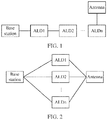
- n ALDs an ALD1, an ALD2, ..., and an ALDn
- the base station finds the n ALDs through scanning.
- the base station needs to establish communication links to the n ALDs one by one before the base station can operate and configure the n ALDs, as shown in FIG. 2 . Because the n ALDs are based on AISG protocols with different release numbers, the base station needs to establish communication connections to ALDs of various AISG protocols. As a result, complexity of management by the base station is increased.
- CN 103389706 A relates to a method, a system and a handheld device for centralized control of a system of electrically adjustable antennas.
- Each electrically adjustable antenna in the system has a unique serial number.
- the handheld device obtains the serial number of each electrically adjustable antenna for identification and setting of the HDLC address for further control.
- Embodiments of the present invention provide an antenna line device management method, and devices, so as to reduce complexity of managing an antenna line device by a base station.
- an antenna line device management method including:
- the capability information report further includes an identifier, in the antenna line device, of each of the N subdevices managed by the antenna line device; and the managing, by the primary device, the N subdevices according to the capability information report includes:
- the primary device when there is no communications protocol supported by the primary device in the communications protocol set supported by the antenna line device, the primary device sends a failure report to a network administrator, where the failure report is used to indicate that the primary device does not support management of the antenna line device.
- the method further includes:
- the tree topological relationship diagram includes a star topological relationship diagram and/or a chain topological relationship diagram.
- the method further includes: sending, by the primary device, a permission configuration command to the antenna line device, where the permission configuration command is used to configure a permission of the primary device of the antenna line device to manage the N subdevices by using a port of the antenna line device.
- the method further includes: receiving, by the primary device, a capability information change report sent by the antenna line device, where the capability information change report includes function information of each of T subdevices currently managed by the antenna line device, where T is an integer greater than or equal to 0.
- the primary device is a base station, a portable control unit (Portable Control Unit, PCU for short), or a container antenna line device.
- an antenna line device management method including:
- the first scanning response further includes a first communications protocol set supported by the first antenna line device, where the first communications protocol set includes a release number of each communications protocol supported by the first antenna line device; when there is a communications protocol supported by the primary device in the first communications protocol set supported by the first antenna line device, the receiving, by the first antenna line device, a first HDLC address assignment command sent by the primary device includes:
- the method further includes:
- the obtaining, by the first antenna line device according to the indication information in the second scanning response, function information of a subdevice managed by the second antenna line device includes:
- the first release number is the same as or different from the second release number.
- the first capability information report further includes an identifier, in the first antenna line device, of each of the N subdevices managed by the first antenna line device; and the method further includes:
- the sending, by the first antenna line device, the management command to the first subdevice according to the identifier, in the first antenna line device, of the first subdevice includes: performing, by the first antenna line device, format conversion on the management command according to the type of the second antenna line device and a communications protocol for communication between the first antenna line device and the second antenna line device, and sending the management command after the format conversion to the second antenna line device.
- the method further includes: sending, by the first antenna line device, first topological relationship information to the primary device, where the first topological relationship information is used to indicate antenna line devices sequentially connected to each of all ports of the first antenna line device.
- the method further includes:
- the method further includes:
- the method further includes: sending, by the first antenna line device, a capability information change report to the primary device, where the capability information change report includes function information of each of T subdevices currently managed by the first antenna line device, where T is an integer greater than or equal to 0.
- the primary device is a base station, a container antenna line device, or a PCU.
- a primary device including:
- the capability information report further includes an identifier, in the antenna line device, of each of the N subdevices managed by the antenna line device; and when managing the N subdevices according to the capability information report, the processing unit is specifically configured to send, according to a function of a to-be-managed subdevice, a management command used to manage the to-be-managed subdevice to the antenna line device, where the management command includes an identifier, in the antenna line device, of the to-be-managed subdevice, and the to-be-managed subdevice is any one of the N subdevices managed by the antenna line device.
- the scanning response further includes a communications protocol set supported by the antenna line device, where the communications protocol set includes a release number of each communications protocol supported by the antenna line device; the processing unit is further configured to: before the sending unit sends the HDLC address assignment command to the antenna line device, when there is a communications protocol supported by the primary device in the communications protocol set supported by the antenna line device, select a release number of a communications protocol supported by the primary device from the communications protocol set supported by the antenna line device; when sending an HDLC address assignment command to the antenna line device, the sending unit is specifically configured to send, to the antenna line device, an HDLC address assignment command including the HDLC address and the release number of the communications protocol that is selected by the primary device; and when establishing a communication link to the antenna line device according to the HDLC address, the processing unit is specifically configured to establish the communication link to the antenna line device according to the HDLC address and the communications protocol selected by the primary device.
- the sending unit is further configured to: when there is no communications protocol supported by the primary device in the communications protocol set supported by the antenna line device, send a failure report to a network administrator, where the failure report is used to indicate that the primary device does not support management of the antenna line device.
- the receiving unit is further configured to: after the communication link is established to the antenna line device according to the HDLC address, receive topological relationship information sent by the antenna line device, where the topological relationship information is used to indicate antenna line devices sequentially connected to each of all ports of the antenna line device; and the processing unit is further configured to create, according to the topological relationship information, a tree topological relationship diagram that uses the primary device as a root node.
- the tree topological relationship diagram includes a star topological relationship diagram and/or a chain topological relationship diagram.
- the sending unit is further configured to: after the processing unit establishes the communication link to the antenna line device according to the HDLC address, send a permission configuration command to the antenna line device, where the permission configuration command is used to configure a permission of the primary device of the antenna line device to manage the N subdevices by using a port of the antenna line device.
- the receiving unit is further configured to receive a capability information change report sent by the antenna line device, where the capability information change report includes function information of each of T subdevices currently managed by the antenna line device, where T is an integer greater than or equal to 0.
- the primary device is a base station, a PCU, or a container antenna line device.
- an antenna line device when being used as a first antenna line device, the antenna line device includes:
- the first scanning response further includes a first communications protocol set supported by the first antenna line device, where the first communications protocol set includes a release number of each communications protocol supported by the first antenna line device; when there is a communications protocol supported by the primary device in the first communications protocol set supported by the first antenna line device, when receiving the first HDLC address assignment command sent by the primary device, the receiving unit is specifically configured to receive a first HDLC address assignment command that is sent by the primary device and that includes the first HDLC address and a first release number of a communications protocol that is selected by the primary device from the first communications protocol set; and when establishing a communication link to the primary device according to the first HDLC address, the processing unit is specifically configured to establish the communication link to the primary device according to the first HDLC address and the communications protocol that corresponds to the first release number.
- the sending unit is further configured to send a second scanning command to a second antenna line device, where the second antenna line device is any antenna line device cascaded with the first antenna line device, and the second scanning command is used to scan the second antenna line device;
- the receiving unit is further configured to receive a second scanning response sent by the second antenna line device, where the second scanning response includes indication information used to indicate a type of the second antenna line device;
- the sending unit is further configured to send a second HDLC address assignment command to the second antenna line device, where the second HDLC address assignment command includes a second HDLC address assigned by the first antenna line device to the second antenna line device;
- the processing unit is further configured to: establish a communication link to the second antenna line device according to the second HDLC address, obtain, according to the indication information in the second scanning response, function information of a subdevice managed by the second antenna line device, and use the subdevice managed by the second antenna line device as a subdev
- the processing unit when the indication information in the second scanning response is used to indicate that the type of the second antenna line device is a container antenna line device, when obtaining, according to the indication information in the second scanning response, the function information of the subdevice managed by the second antenna line device, the processing unit is specifically configured to: send a second capability information query command to the second antenna line device; and receive a second capability information report sent by the second antenna line device, where the second capability information report includes function information of K subdevices managed by the second antenna line device, where K is an integer greater than or equal to 0.
- the second scanning response further includes a second communications protocol set supported by the second antenna line device, where the second communications protocol set includes a release number of each communications protocol supported by the second antenna line device;
- the processing unit is further configured to: before the sending unit sends the second HDLC address assignment command to the second antenna line device, when there is a communications protocol supported by the first antenna line device in the second communications protocol set supported by the second antenna line device, select a communications protocol supported by the first antenna line device from the second communications protocol set supported by the second antenna line device; when sending a second HDLC address assignment command to the second antenna line device, the sending unit is specifically configured to send, to the second antenna line device, a second HDLC address assignment command including the second HDLC address and a second release number of the communications protocol selected by the first antenna line device; and when establishing a communication link to the second antenna line device according to the second HDLC address, the processing unit is specifically configured to establish the communication link to the second antenna line device according
- the first release number is the same as or different from the second release number.
- the first capability information report further includes an identifier, in the first antenna line device, of each of the N subdevices managed by the first antenna line device; and the receiving unit is further configured to receive a management command that is sent by the primary device and that is used to manage a first subdevice, where the management command includes an identifier, in the first antenna line device, of the first subdevice, and the first subdevice is any subdevice managed by the first antenna line device; and the sending unit is further configured to send the management command to the first subdevice according to the identifier, in the first antenna line device, of the first subdevice.
- the sending unit when sending the management command to the first subdevice according to the identifier, in the first antenna line device, of the first subdevice, the sending unit is specifically configured to: perform format conversion on the management command according to the type of the second antenna line device and a communications protocol for communication between the first antenna line device and the second antenna line device, and send the management command after the format conversion to the second antenna line device.
- the sending unit is further configured to: after the processing unit establishes the communication link to the primary device according to the first HDLC address, send first topological relationship information to the primary device, where the first topological relationship information is used to indicate antenna line devices sequentially connected to each of all ports of the first antenna line device.
- the receiving unit is further configured to: after the processing unit establishes the communication link to the second antenna line device according to the second HDLC address, receive second topological relationship information sent by the second antenna line device, where the second topological relationship information is used to indicate antenna line devices sequentially connected to each of all ports of the second antenna line device; and the processing unit is further configured to obtain, as antenna line devices sequentially connected to a first port of the first antenna line device, the second antenna line device that is first connected to the first port of the first antenna line device and the antenna line devices that are sequentially connected to each of all the ports of the second antenna line device, where the first port is any port of the first antenna line device, and an antenna line device that is first connected to the first port is the second antenna line device.
- the receiving unit is further configured to: after the processing unit establishes the communication link to the primary device according to the first HDLC address, receive a permission configuration command sent by the primary device, where the permission configuration command is used to configure a permission of the primary device of the antenna line device to manage the N subdevices by using a port of the first antenna line device; and the processing unit is further configured to configure, according to the permission configuration command, the permission of the primary device of the antenna line device to manage the N subdevices by using a port of the first antenna line device.
- the sending unit when a subdevice managed by the first antenna line device changes, is further configured to send a capability information change report to the primary device, where the capability information change report includes function information of each of T subdevices currently managed by the first antenna line device, where T is an integer greater than or equal to 0.
- the primary device is a base station, a container antenna line device, or a PCU.
- the embodiments of the present invention provide an antenna line device management method and devices. After obtaining a container antenna line device through scanning, a primary device establishes a communication link to the antenna line device, then sends a capability information query command to the antenna line device according to a fact that the antenna line device is the container antenna line device, so as to obtain function information of subdevices managed by the antenna line device, and then manages the subdevices. Therefore, the primary device may establish a communication connection to the container antenna line device, so that the primary device can manage a subdevice (for example, an antenna line device cascaded with the container antenna line device) managed by the container antenna line device, thereby reducing complexity of managing an antenna line device by a primary device.
- a subdevice for example, an antenna line device cascaded with the container antenna line device
- a primary device mentioned in the present invention may be a base station, a portable control unit (Portable Control Unit, PCU for short), or a container antenna line device.
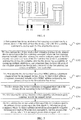
- FIG. 3 is a flowchart of Embodiment 1 of an antenna line device management method according to the present invention. As shown in FIG. 3 , the method in this embodiment may include the following steps.
- a primary device sends a scanning command to an antenna line device, where the scanning command is used to scan the antenna line device.
- the primary device receives a scanning response sent by the antenna line device, where the scanning response includes indication information used to indicate a type of the antenna line device.
- the primary device is a device managing the antenna line device.
- the primary device needs to know antenna line devices managed by the primary device.
- the primary device may send a scanning command to the antenna line device.
- the scanning command is used to scan the antenna line device.
- the antenna line device After receiving the scanning command, the antenna line device sends a scanning response to the primary device.
- the scanning response includes indication information used to indicate a type of the antenna line device.
- the type of the antenna line device is a container antenna line device.
- the container antenna line device has a capability of managing multiple subdevices.
- connection lines between all ports of the container antenna line device and a processor of the antenna line device are different from each other. That is, the connection lines between the ports and the processor of the antenna line device are independent from each other.
- the container antenna line device has four ports: ports P1, P2, P3, and P4, connection lines between the ports and the processor are independent from each other, and the ports are independent from each other.
- the scanning command has an expected sequence number and a corresponding mask.
- the antenna line device After receiving the scanning command, the antenna line device performs computation by using a sequence number of the antenna line device and the received mask, to obtain a result.
- the antenna line device sends a scanning response to the primary device.
- the primary device sends a High-Level Data Link Control (English: High-Level Data Link Control, HDLC for short) address assignment command to the antenna line device, where the HDLC address assignment command includes an HDLC address assigned by the primary device to the antenna line device.
- a High-Level Data Link Control English: High-Level Data Link Control, HDLC for short
- the primary device establishes a communication link to the antenna line device according to the HDLC address.
- the primary device may know that the primary device has obtained the antenna line device through scanning. The primary device then assigns an HDLC address to the antenna line device, adds the HDLC address to an HDLC address assignment command, and sends the HDLC address assignment command to the antenna line device. After the antenna line device receives the HDLC address assignment command, the primary device establishes the communication link to the antenna line device according to the HDLC address.
- the primary device sends a capability information query command to the antenna line device.
- the primary device receives a capability information report sent by the antenna line device, where the capability information report includes function information of each of N subdevices managed by the antenna line device, where N is an integer greater than or equal to 0.
- the primary device manages the N subdevices according to the capability information report.
- the primary device after establishing the communication link to the antenna line device, the primary device sends, by using the communication link, a capability information query command to the antenna line device according to a fact that the antenna line device is a container antenna line device.
- the antenna line device After receiving the capability information query command, the antenna line device sends a capability information report to the primary device.
- the capability information report includes function information of each of the N subdevices managed by the antenna line device.
- the function information of the subdevices may be, for example, remote electrical tilt, RAE, a tower mounted amplifier (English: Tower Mounted Amplifier, TMA for short), azimuth query, temperature query, geographical location query, and height query.
- the primary device After receiving the capability information report sent by the antenna line device, the primary device manages the subdevices according to the capability information report. That is, the primary device manages the subdevices according to function information of the subdevices.
- a primary device after obtaining a container antenna line device through scanning, a primary device establishes a communication link to the antenna line device, then sends a capability information query command to the antenna line device according to a fact that the antenna line device is the container antenna line device, so as to obtain function information of subdevices managed by the antenna line device, and then manages the subdevices. Therefore, the primary device may establish a communication connection to the container antenna line device, so that the primary device can manage a subdevice (for example, an antenna line device cascaded with the container antenna line device) managed by the container antenna line device, thereby reducing complexity of managing an antenna line device by a primary device.
- a subdevice for example, an antenna line device cascaded with the container antenna line device
- FIG. 5 is a flowchart of Embodiment 2 of an antenna line device management method according to the present invention. As shown in FIG. 5 , the method in this embodiment may include the following steps.
- a first antenna line device receives a first scanning command sent by a primary device of the first antenna line device, where the first scanning command is used to scan the first antenna line device.
- the first antenna line device sends a first scanning response to the primary device according to the first scanning command, where the first scanning response includes indication information used to indicate a type of the first antenna line device, the type of the first antenna line device is a container antenna line device, the container antenna line device has a capability of managing multiple subdevices, and connection lines between all ports of the container antenna line device and a processor of the first antenna line device are different from each other.
- the primary device is a device managing the first antenna line device.
- the first antenna line device receives a first scanning command sent by the primary device.
- the first scanning command is used to scan the first antenna line device.
- the first antenna line device sends a first scanning response to the primary device according to the first scanning command.
- the first scanning response includes indication information used to indicate a type of the first antenna line device.
- the type of the first antenna line device is a container antenna line device.
- the container antenna line device has a capability of managing multiple subdevices.
- connection lines between all ports of the container antenna line device and a processor of the first antenna line device are different from each other. That is, the connection lines between the ports and the processor of the first antenna line device are independent from each other. In other words, the ports are independent from each other, as shown in FIG. 4 .
- the first scanning command has an expected sequence number and a corresponding mask.
- the first antenna line device After receiving the scanning command, the first antenna line device performs computation by using a sequence number of the first antenna line device and the received mask, to obtain a result.
- the result is the same as the sequence number in the first scanning command, the first antenna line device sends a scanning response to the primary device.
- the first antenna line device receives a first HDLC address assignment command sent by the primary device, where the first HDLC address assignment command includes a first HDLC address assigned by the primary device to the first antenna line device.
- the first antenna line device establishes a communication link to the primary device according to the first HDLC address.
- the primary device may know that the first antenna line device is obtained through scanning. The primary device then assigns a first HDLC address to the first antenna line device, adds the first HDLC address to a first HDLC address assignment command, and sends the first HDLC address assignment command to the first antenna line device. After receiving the first HDLC address assignment command, the first antenna line device establishes a communication link to the primary device according to the first HDLC address.
- the first antenna line device receives a first capability information query command sent by the primary device.
- the first antenna line device sends a first capability information report to the primary device according to the first capability information query command, where the first capability information report includes function information of each of N subdevices managed by the first antenna line device, where N is an integer greater than or equal to 0.
- the primary device after the first antenna line device establishes a communication link to the primary device, the primary device sends, by using the communication link, a first capability information query command to the first antenna line device according to a fact that the first antenna line device is a container antenna line device. After receiving the first capability information query command, the first antenna line device sends a first capability information report to the primary device.
- the first capability information report includes function information of each of the N subdevices managed by the first antenna line device. N is an integer greater than or equal to 0.
- the function information of the subdevices may be, for example, remote electrical tilt, RAE, a TMA, azimuth query, temperature query, geographical location query, and height query.
- the primary device manages the subdevices according to the first capability information report. That is, the primary device manages the subdevices according to function information of the subdevices.
- the first antenna line device management method provided in this embodiment of the present invention, after a first antenna line device that is a container antenna line device is obtained through scanning by a primary device, the first antenna line device establishes a communication link to the primary device, then receives a first capability information query command that is sent by the primary device according to a fact that the first antenna line device is a container antenna line device, and then notifies the primary device of function information of subdevices managed by the first antenna line device, so that the primary device can manage the subdevices.
- the primary device may establish a communication connection to the container antenna line device, so that the primary device can manage a subdevice (for example, an antenna line device cascaded with the container antenna line device) managed by the container antenna line device, thereby reducing complexity of managing an antenna line device by a primary device.
- a subdevice for example, an antenna line device cascaded with the container antenna line device
- FIG. 6 is a flowchart of Embodiment 3 of an antenna line device management method according to the present invention. As shown in FIG. 6 , based on the embodiment shown in FIG. 5 , the method in this embodiment may further include the following steps.
- the first antenna line device sends a second scanning command to a second antenna line device.
- the second antenna line device is any antenna line device cascaded with the first antenna line device.
- the second scanning command is used to scan the second antenna line device.
- the first antenna line device is an antenna line device managing the second antenna line device, that is, a primary device of the second antenna line device.
- the first antenna line device receives a second scanning response sent by the second antenna line device, where the second scanning response includes indication information used to indicate a type of the second antenna line device.
- the second antenna line device after receiving the second scanning command sent by the first antenna line device, the second antenna line device sends a second scanning response to the first antenna line device.
- the second scanning response includes indication information used to indicate a type of the second antenna line device.
- the indication information may indicate that the second antenna line device is a single-remote electrical tilt (English: Single Remote Electrical Tilt, Single-RET for short) device, a remote antenna extension (English: Remote Antenna Extension, RAE for short) device, an alignment sensor device (English: Alignment Sensor Device, ASD for short), a multi-remote electrical tilt (English: Multi Remote Electrical Tilt, Multi-RET for short) device, or a container antenna line device.
- the first antenna line device sends a second HDLC address assignment command to the second antenna line device, where the second HDLC address assignment command includes a second HDLC address assigned by the first antenna line device to the second antenna line device.
- the first antenna line device establishes a communication link to the second antenna line device according to the second HDLC address.
- the first antenna line device may know that the second antenna line device is obtained through scanning.
- the first antenna line device then assigns an HDLC address to the second antenna line device, where the HDLC address herein is referred to as a second HDLC address, adds the second HDLC address to a second HDLC address assignment command, and sends the second HDLC address assignment command to the second antenna line device.
- the first antenna line device establishes a communication link to the second antenna line device according to the second HDLC address.
- the first antenna line device obtains, according to the indication information in the second scanning response, function information of a subdevice managed by the second antenna line device, and uses the subdevice managed by the second antenna line device as a subdevice managed by the first antenna line device.
- the first antenna line device may obtain, according to the indication information used to indicate the type of the second antenna line device in the second scanning response, a subdevice managed by the second antenna line device and function information of the subdevice, and uses the subdevice managed by the second antenna line device as a subdevice managed by the first antenna line device.
- the obtaining, by the first antenna line device according to the indication information in the second scanning response, function information of a subdevice managed by the second antenna line device is specifically: sending, by the first antenna line device, a second capability information query command to the second antenna line device, and receiving a second capability information report sent by the second antenna line device.
- the second capability information report includes function information of K subdevices managed by the second antenna line device, and K is an integer greater than or equal to 0.
- the first antenna line device sends, by using the communication link between the first antenna line device and the second antenna line device, a second capability information query command to the second antenna line device according to a fact that the second antenna line device is a container antenna line device.
- the second antenna line device After receiving the second capability information query command, the second antenna line device sends a second capability information report to the first antenna line device.
- the second capability information report includes function information of each of the K subdevices managed by the second antenna line device.
- the function information of the subdevices may be, for example, remote electrical tilt, RAE, a TMA, azimuth query, temperature query, geographical location query, and height query. In this way, the first antenna line device can obtain the function information of each of the K subdevices managed by the second antenna line device from the second capability information report.
- the first antenna line device obtains, according to the type of the second antenna line device, function information of a subdevice managed by the second antenna line device, and uses the subdevice managed by the second antenna line device as a subdevice managed by the first antenna line device.
- the first antenna line device can be used as a secondary device of a primary device, or a primary device of a second antenna line device. Because the first antenna line device can obtain a type of any antenna line device cascaded with the first antenna line device and a subdevice managed by the any antenna line device, the primary device can establish a communication connection to the first antenna line device, and then can manage the subdevice (for example, an antenna line device cascaded with the first antenna line device) managed by the first antenna line device, thereby reducing complexity of managing an antenna line device by a primary device.
- the subdevice for example, an antenna line device cascaded with the first antenna line device
- FIG. 7 is a flowchart of Embodiment 4 of an antenna line device management method according to the present invention. As shown in FIG. 7 , the method in this embodiment may include the following steps.
- a primary device sends a first scanning command to a first antenna line device.
- the first antenna line device sends a first scanning response to the primary device.
- the first scanning response includes indication information used to indicate a type of the first antenna line device and a communications protocol set supported by the first antenna line device.
- the communications protocol set supported by the first antenna line device is referred to as a first communications protocol set.
- the first communications protocol set includes a release number (for example, 1.1, 2.0, or 3.0) of each communications protocol supported by the first antenna line device.
- the type of the first antenna line device is a container antenna line device. For descriptions of the container antenna line device, refer to related descriptions in Method Embodiment 1 of the present invention.
- the primary device selects a first release number of a communications protocol supported by the primary device from the first communications protocol set.
- the primary device after receiving the first scanning response sent by the first antenna line device, the primary device obtains the first communications protocol set supported by the first antenna line device from the first scanning response, and searches the first communications protocol set, to determine whether there is a communications protocol supported by the primary device in the first communications protocol set.
- the primary device selects, from the communications protocol supported by the primary device in the first communications protocol set, a release number of a communications protocol supported by the primary device.
- the release number selected by the primary device is referred to as a first release number.
- the primary device may select the release number 2.0 or the release number 3.0.
- the primary device sends a failure report to a network administrator. The failure report is used to indicate that the primary device does not support management of the first antenna line device.
- the primary device sends a first HDLC address assignment command to the first antenna line device.
- the first HDLC address assignment command includes an HDLC address assigned by the primary device to the first antenna line device and the first release number of the communications protocol that is selected by the primary device.
- the HDLC address assigned by the primary device to the first antenna line device is referred to as a first HDLC address.
- the primary device establishes a communication link to the first antenna line device according to the first HDLC address and the communications protocol that corresponds to the first release number.
- the primary device after the first antenna line device receives the first HDLC address assignment command that is sent by the primary device and that includes the first HDLC address and the first release number of the communications protocol that is selected by the primary device from the first communications protocol set, the primary device establishes a communication link to the first antenna line device according to the first HDLC address and the communications protocol that corresponds to the first release number. Subsequently, the primary device may communicate with the first antenna line device based on the communications protocol that corresponds to the first release number.
- the primary device sends a first capability information query command to the first antenna line device.
- a specific implementation manner of S306 is similar to a specific implementation manner of S105 in Method Embodiment 1 of the present invention. Details are not described herein again.
- the first antenna line device sends a first capability information report to the primary device.
- the first antenna line device sends a first capability information report to the primary device according to the first capability information query command.
- the first capability information report includes function information of N subdevices managed by the first antenna line device and identifiers, in the first antenna line device, of the N subdevices managed by the first antenna line device, where N is an integer greater than or equal to 0.
- the first antenna line device manages N subdevices, and identifiers of the subdevices are separately: subdevice 1, subdevice 2, subdevice 3, ..., and subdevice N. Therefore, the first capability information may include: subdevice 1: function information, subdevice 2: function information, subdevice 3: function information, ..., and subdevice N: function information.
- the N subdevices managed by the first antenna line device include a subdevice disposed in the first antenna line device and a subdevice disposed in an antenna line device cascaded with the first antenna line device.
- the primary device may manage the N subdevices. A specific management process is shown as follows.
- the primary device sends, according to a function of a first subdevice, a management command used to manage the first subdevice to the first antenna line device.
- the primary device determines a function supported by each of the N subdevices managed by the first antenna line device, and then performs different management on the subdevices according to different functions supported by the subdevices.
- the foregoing first subdevice is any one of the N subdevices managed by the first antenna line device.
- the first subdevice is a device on which the base station is to perform a management action currently.
- the primary device may send a management command used to manage the first subdevice to the first antenna line device.
- the management command includes an identifier, in the first antenna line device, of the first subdevice.
- the first antenna line device sends the management command to the first subdevice according to the identifier, in the first antenna line device, of the first subdevice.
- the first antenna line device after receiving the management command that is sent by the primary device and that is used to manage the first subdevice, the first antenna line device obtains the identifier, in the first antenna line device, of the first subdevice from the management command, and sends the management command to the first subdevice, so that after receiving the management command, the first subdevice performs, according to the management command, an operation indicated by the management command.
- the first subdevice when the first subdevice is a subdevice disposed in the first antenna line device, if a CPU of the first antenna line device and a CPU of the first subdevice are a same CPU, the first antenna line device performs, on the first subdevice according to the management command, a management operation corresponding to the management command. If the CPU of the first antenna line device and the CPU of the first subdevice are not a same CPU, the CPU of the first antenna line device sends the management command to the CPU of the first subdevice, so that the CPU of the first subdevice performs, according to the management command, a management operation corresponding to the management command.
- the another antenna line device When the first subdevice is disposed in another antenna line device other than the first antenna line device, in this case, the another antenna line device is referred to as the second antenna line device.
- the first antenna line device performs format conversion on the management command according to the type of the second antenna line device and a communications protocol for communication between the first antenna line device and the second antenna line device, and then sends the management command after the format conversion to the second antenna line device.
- the second antenna line device is a container antenna line device, an identifier, in the first antenna line device, of the first subdevice of the first antenna line device is converted into an identifier, in the second antenna line device, of the first subdevice.
- the identifier, in the first antenna line device, of the first subdevice in the management command is replaced with the identifier, in the second antenna line device, of the first subdevice.
- the management command that complies with a communications protocol for communication between the primary device and the first antenna line device is converted into a management command that complies with the communications protocol for communication between the first antenna line device and the second antenna line device.
- the management command after the conversion is then sent to the second antenna line device.
- the first antenna line device deletes, from the management command, the identifier, in the first antenna line device, of the first subdevice, converts the management command that complies with the communications protocol for communication between the primary device and the first antenna line device into a management command that complies with the communications protocol for communication between the first antenna line device and the second antenna line device, and then sends the management command after the conversion to the second antenna line device.
- the antenna line device management method when a primary device obtains, through scanning, a first antenna line device that is a container antenna line device, the first antenna line device reports, to the primary device, a first communications protocol set supported by the first antenna line device. The primary device then selects a communications protocol from the first communications protocol set, and establishes, based on the communications protocol, a communication link to the first antenna line device, so that a result of negotiating a release of a communications protocol is achieved, and the primary device can be well compatible with the first antenna line device that is used as a secondary device.
- the primary device then sends a first capability information query command to the first antenna line device according to a fact that the first antenna line device is a container antenna line device, so as to obtain function information of subdevices managed by the first antenna line device, and then manages the subdevices. Therefore, the primary device may establish a communication connection to the container antenna line device, so that the primary device can manage a subdevice (for example, an antenna line device cascaded with the container antenna line device) managed by the container antenna line device, thereby reducing complexity of managing an antenna line device by a primary device.
- a subdevice for example, an antenna line device cascaded with the container antenna line device
- the method in this embodiment may further include the following steps.
- the first antenna line device sends a second scanning command to a second antenna line device.
- the second antenna line device sends a second scanning response to the first antenna line device.
- the second scanning response includes indication information used to indicate a type of the second antenna line device and a communications protocol set supported by the second antenna line device.
- the communications protocol set supported by the first antenna line device is referred to as a second communications protocol set.
- the second communications protocol set includes a release number (for example, 1.1, 2.0, or 3.0) of each communications protocol supported by the second antenna line device.
- the type of the second antenna line device is a container antenna line device. For descriptions of the container antenna line device, refer to related descriptions in Method Embodiment 1 of the present invention.
- the first antenna line device selects a second release number of a communications protocol supported by the first antenna line device from the second communications protocol set.
- the first antenna line device after receiving the second scanning response sent by the second antenna line device, the first antenna line device obtains the second communications protocol set supported by the second antenna line device from the second scanning response, and searches the second communications protocol set, to determine whether there is a communications protocol supported by the first antenna line device in the second communications protocol set.
- the first antenna line device selects, from the communications protocol supported by the first antenna line device in the second communications protocol set, a release number of a communications protocol supported by the first antenna line device.
- the release number selected by the first antenna line device is referred to as a second release number.
- the first antenna line device may select the release number 2.0 or the release number 3.0.
- the first antenna line device sends a second HDLC address assignment command to the second antenna line device.
- the second HDLC address assignment command includes an HDLC address assigned by the first antenna line device to the second antenna line device and the second release number of the communications protocol that is selected by the first antenna line device.
- the HDLC address assigned by the first antenna line device to the second antenna line device is referred to as a second HDLC address.
- the first antenna line device establishes a communication link to the second antenna line device according to the second HDLC address and the communications protocol that corresponds to the second release number.
- the first antenna line device after the second antenna line device receives the second HDLC address assignment command that is sent by the first antenna line device and that includes the second HDLC address and the second release number of the communications protocol that is selected by the first antenna line device from the second communications protocol set, the first antenna line device establishes a communication link to the second antenna line device according to the second HDLC address and the communications protocol that corresponds to the second release number. Subsequently, the first antenna line device may communicate with the second antenna line device based on the communications protocol that corresponds to the second release number.
- the foregoing first release number may be the same as the second release number.
- the first release number may be different from the second release number. Therefore, the first antenna line device may communicate with the primary device and the second antenna line device by using communications protocols of different releases.
- the first antenna line device sends a second capability information query command to the second antenna line device.
- the second antenna line device sends a second capability information report to the first antenna line device.
- the first antenna line device when the second antenna line device is a container antenna line device, the first antenna line device sends a second capability information query command to the second antenna line device. After receiving the second capability information query command, the second antenna line device sends a second capability information report to the first antenna line device according to the second capability information query command.
- the second capability information report includes function information of K subdevices managed by the second antenna line device and identifiers, in the second antenna line device, of the K subdevices managed by the second antenna line device, where K is an integer greater than or equal to 0.
- the second antenna line device manages K subdevices, and identifiers of the subdevices are separately: subdevice 1, subdevice 2, subdevice 3, ..., and subdevice K.
- the second capability information report may include: subdevice 1: function information, subdevice 2: function information, subdevice 3: function information, ..., and subdevice K: function information.
- the first antenna line device uses the K subdevices managed by the second antenna line device as subdevices managed by the first antenna line device, and then assigns identifiers, in the first antenna line device, of the K subdevices to the K subdevices.
- the first antenna line device further establishes a correspondence between the identifiers, in the first antenna line device, of the K subdevices and the identifiers, in the second antenna line device, of the K subdevices, so that the first antenna line device can convert an identifier, in the first antenna line device, of a subdevice in the management command into an identifier, in the second antenna line device, of the subdevice.
- the K subdevices managed by the second antenna line device include a subdevice disposed in the second antenna line device and a subdevice disposed in an antenna line device cascaded with the second antenna line device.
- the first antenna line device may manage the K subdevices. For a specific management process, refer to related descriptions in S409. Details are not described herein again.
- the method in this embodiment may further include: sending, by the first antenna line device, a second scanning command to the second antenna line device, and sending, by the second antenna line device, a second scanning response to the first antenna line device.
- Indication information in the second scanning response indicates that the type of the second antenna line device is, for example, a Single-RET device, an RAE device, an ASD, or a Multi-RET device.
- the second antenna line device may obtain a release number of a communications protocol of the second antenna line device according to the type of the second antenna line device.
- the first antenna line device may further assign a second HDLC address to the second antenna line device, then send a second HDLC address assignment command to the second antenna line device, and establish a communication link according to the second HDLC address and the communications protocol of the second antenna line device.
- the first antenna line device may further obtain, according to the type of the second antenna line device, function information of a subdevice managed by the second antenna line device, and use the subdevice managed by the second antenna line device as a subdevice managed by the first antenna line device.
- the first antenna line device then assigns an identifier, in the first antenna line device, of the subdevice to the subdevice managed by the second antenna line device, and establishes a correspondence between the identifier, in the first antenna line device, of the subdevice and the identifier in the second antenna line device, so that the first antenna line device can forward the management command to the second antenna line device according to the identifier, in the first antenna line device, of the subdevice in the management command.
- the primary device is a base station
- the first antenna line device is a container antenna line device (English: Container Antenna line device, CALD for short). That is, for a CALD1 shown in FIG. 8 , two subdevices are disposed in the CALD1, and identifiers, in the CALD1, of the two subdevices are separately: subdevice 1 and subdevice 2.
- Each antenna line device cascaded with the CALD1 is a non-container antenna line device.
- the CALD1 may obtain the ALD2, ..., and ALDn through scanning, and separately establish communication connections to the ALD2, ..., and the ALDn.
- the CALD1 may use the ALD2, ..., and the ALDn as subdevices managed by the CALD1.
- the CALD1 assigns subdevice 3, ..., and subdevice n+1 respectively as identifiers, in the CALD1, of the ALD2, ..., and the ALDn.
- the base station can manage the ALD2, ..., and the ALDn by establishing a communication connection to only the CALD1.
- the primary device is a base station
- the first antenna line device is a container antenna line device. That is, for a CALD1 shown in FIG. 10 , a subdevice 1 and a subdevice 2 are disposed in the CALD1.
- Antenna line devices cascaded with the CALD1 include a container antenna line device (that is, a CALD2 shown in FIG. 10 ) and a non-container antenna line device.
- the CALD1 may obtain the ALD2, an ALD3, and a CALD2 through scanning, and separately establish communication connections to the ALD2, the ALD3, and the CALD2.
- the CALD1 may use subdevices managed by the ALD2, the ALD3, and the CALD2 as subdevices managed by the CALD1.
- the CALD2 includes three subdevices. Identifiers, in the CALD2, of the three subdevices are separately: subdevice 1, subdevice 2, and subdevice 3, and the antenna line devices cascaded with the CALD2 are an ALD4 and an ALD5.
- the CALD2 may obtain the ALD4 and the ALD5 through scanning, and separately establish communication connection to the ALD4 and the ALD5.
- the CALD2 may use the ALD4 and the ALD5 as subdevices managed by the CALD2.
- the CALD2 assigns respectively subdevice 4 and subdevice 5 as identifiers, in the CALD3, of the ALD4 and the ALD5.
- the CALD1 may further assign subdevice 3 as an identifier, in the CALD1, of the ALD2, assign subdevice 4 as an identifier, in the CALD1, of the ALD3, and assign subdevice 5, subdevice 6, subdevice 7, subdevice 8, and subdevice 9 respectively as identifiers, in the CALD1, of five subdevices managed by the CALD2.
- the base station can manage the foregoing nine subdevices by establishing a communication connection to only the CALD1.
- the CALD1 can manage the two subdevices in the CALD2, the ALD4, and the ALD5 by establishing a communication connection to the CALD2.
- FIG. 11 is a flowchart of Embodiment 5 of an antenna line device management method according to the present invention. As shown in FIG. 11 , the method in this embodiment may include the following steps.
- a primary device sends a first scanning command to a first antenna line device.
- the first antenna line device sends a first scanning response to the primary device.
- the primary device sends a first HDLC address assignment command to the first antenna line device.
- the primary device establishes a communication link to the first antenna line device according to the first HDLC address.
- the first antenna line device sends first topological relationship information to the primary device.
- the first topological relationship information is used to indicate antenna line devices sequentially connected to each of all ports of the first antenna line device.
- the first topological relationship information is used to indicate that RAE1, an ASD1, and a container antenna line device 1 are sequentially connected to a first port of the first antenna line device, and a container antenna line device 2, an ASD2, and RAE2 are sequentially connected to a second port.
- the second antenna line device sends second topological relationship information to the first antenna line device.
- the second topological relationship information is used to indicate antenna line devices sequentially connected to each of all ports of the second antenna line device.
- the first port of the first antenna line device is connected to the second antenna line device.
- the first antenna line device then obtains and determines that an antenna line device that is first connected to the first port is the second antenna line device, and then uses, as antenna line devices sequentially connected to the first port of the first antenna line device, the second antenna line device that is first connected to the first port and antenna line devices that are sequentially connected to each of all ports of the second antenna line device.
- the first port may be any port of the first antenna line device. Processing is performed on each port of the first antenna line device according to a processing manner of the first port.
- the first antenna line device may obtain the antenna line devices that are sequentially connected to each of all the ports of the first antenna line device. The first antenna line device then sends the first topological relationship information to the primary device.
- the primary device creates, according to the first topological relationship information, a tree topological relationship diagram that uses the primary device as a root node.
- the primary device may create, according to the first topological relationship information, a tree topological relationship diagram that uses the primary device as a root node.
- An antenna line device that is first connected to the primary device includes the first antenna line device.
- the tree topological relationship diagram includes the star topological relationship diagram and/or a chain topological relationship diagram.
- S505 and S506 only need to be performed after S504, and an order of performing S505 and S506 and performing S507 to S509 is not limited.
- the primary device sends a first capability information query command to the first antenna line device.
- the first antenna line device sends a first capability information report to the primary device.
- the primary device manages N subdevices according to the first capability information report.
- the first antenna line device can report topological relationship information to the primary device.
- FIG. 12 is a flowchart of Embodiment 6 of an antenna line device management method according to the present invention. As shown in FIG. 12 , the method in this embodiment may include the following steps.
- a primary device sends a first scanning command to a first antenna line device.
- the first antenna line device sends a first scanning response to the primary device.
- the primary device sends a first HDLC address assignment command to the first antenna line device.
- the primary device establishes a communication link to the first antenna line device according to the first HDLC address.
- the primary device sends a permission configuration command to the first antenna line device.
- the permission configuration command is used to configure a permission of the primary device of the first antenna line device to manage N subdevices by using a port of the antenna line device.
- the first antenna line device configures, according to the permission configuration command, a permission of the primary device of the first antenna line device to manage N subdevices by using a port of the first antenna line device.
- the first antenna line device After receiving the permission configuration command sent by the primary device, the first antenna line device configures the permission of the primary device of the first antenna line device to manage, by using a port of the first antenna line device, subdevices (that is, the foregoing N subdevices) managed by the first antenna line device.
- the first antenna line device may configure that the primary device of the first antenna line device has a permission to control/write a subdevice 1 by using a port of the first antenna line device, configure that the primary device of the first antenna line device has a permission to query/read a subdevice 2 by using a port of the first antenna line device, and configure that the primary device of the first antenna line device has no permission to manage the first antenna line device and a subdevice 3 by using a port of the first antenna line device, and ....
- the primary device of the first antenna line device includes the foregoing primary device that sends the permission configuration command to the first antenna line device, but is not limited to a primary device that sends a permission configuration command to the first antenna line device.
- a first antenna line device is a CALD1
- second antenna line devices are an ALD1, an ALD2, a CALD2, or the like.
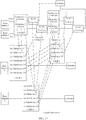
- the CALD1 may manage a subdevice 1 and a subdevice 2 that are disposed in the CALD1, manage the ALD1, manage the ALD2, and manage a subdevice 1 and a subdevice 2 that are disposed in the CALD2.
- a subdevice 1 (1:w 2:na) shown in FIG. 13 indicates that a primary device of the CALD1 has a permission to control/write the subdevice by using a port 1, and has no permission to manage the subdevice by using a port 2.
- a subdevice 2 (1: r 2:w) shown in FIG. 13 indicates that the primary device of the CALD1 has a permission to query/read the subdevice by using the port 1, and has a permission to control/write the subdevice by using the port 2. Therefore, after receiving a permission configuration command, the CALD1 may configure that by using the port 1, the primary device of the CALD1 may have a permission to control/write the subdevice 1 in the CALD1, have a permission to query/read the subdevice 2 in the CALD1, have no permission to manage the ALD1, have a permission to control/write the ALD2, have no permission to manage the subdevice 1 in the CALD2, have a permission to control/write the subdevice 2 in the CALD2, have a permission to control/write a subdevice 3 in the CALD2, have a permission to control/write the ALD3, and have a permission to control/write the ALD4.
- the CALD1 may configure that by using the port 2, the primary device of the CALD1 may have no permission to manage the subdevice 1 in the CALD1, have a permission to control/write the subdevice 2 in the CALD1, have a permission to control/write the ALD1, have a permission to query/read the ALD2, have a permission to control/write the subdevice 1 in the CALD2, have a permission to query/read the subdevice 2 in the CALD2, have no permission to manage the subdevice 3 in the CALD2, have a permission to query/read the ALD3, and have no permission to manage the ALD4.
- a permission configuration command received by the CALD1 may be sent by a base station 1 shown in FIG. 13 , may be sent by a base station 2 shown in FIG.
- the base station 1 When the base station 1 is connected to the port 1 of the CALD1, the base station 1 has a permission to control/write the subdevice 1 in the CALD1, has a permission to query/read the subdevice 2 in the CALD1, has a permission to control/write the ALD2, has a permission to control/write the subdevice 2 in the CALD2, has a permission to control/write the subdevice 3 in the CALD2, has a permission to control/write the ALD3, and has a permission to control/write the ALD4.
- the base station 2 When the base station 2 is connected to the port 2 of the CALD1, the base station 2 has a permission to control/write the subdevice 2 in the CALD1, has a permission to control/write the ALD1, has a permission to query/read the ALD2, has a permission to control/write the subdevice 2 in the CALD2, has a permission to control/write the subdevice 3 in the CALD2, and has a permission to query/read the ALD3.
- S605 and S606 only need to be performed after S604, and an order of performing S605 and S606 and performing S607 to S609 is not limited.
- the primary device sends a first capability information query command to the first antenna line device.
- the first antenna line device sends a first capability information report to the primary device.
- the primary device manages the N subdevices according to the first capability information report.
- the primary device can have a capability of configuring a management permission on a subdevice managed by the first antenna line device, and the primary device can have, by using different ports of the first antenna line device, different management permissions on the subdevice managed by the first antenna line device.
- a method in this embodiment may further include: after the subdevice managed by the first antenna line device changes (for example, a subdevice is added and/or removed), the first antenna line device may further send a capability information change report to the primary device.
- the capability information change report includes function information of each of T subdevices currently managed by the first antenna line device, where T is an integer greater than or equal to 0.
- the primary device may manage the T subdevices currently managed by the first antenna line device, so that when an antenna line device cascaded with the first antenna line device is newly added, the primary device does not need to establish a communication link to the newly added antenna line device. Therefore, layer 1 and layer 2 protocols do not need to be modified to extend a new antenna line device or a new subdevice, and only a new subdevice needs to be extended at layer 7.
- H subdevices are added to the subdevice managed by the first antenna line device in this implementation manner, where H is an integer greater than or equal to 1. Specifically, after the first antenna line device sends the first capability information report to the primary device, if an added subdevice is disposed in the first antenna line device, the first antenna line device may directly know the newly added subdevice and function information of the subdevice.
- the first antenna line device sends a third scanning command to the third antenna line device.
- the first antenna line device receives a third scanning response sent by the third antenna line device, where the third scanning response includes indication information used to indicate a type of the third antenna line device, sends a third HDLC address assignment command, where the third HDLC address assignment command includes a third HDLC address assigned by the first antenna line device to the third antenna line device, and establishes a communication link to the third antenna line device according to the third HDLC address.
- the third antenna line device is not a container antenna line device, the first antenna line device may obtain function information of the newly added subdevice according to the type of the third antenna line device.
- the first antenna line device sends a third capability information query command to the third antenna line device, and the third antenna line device sends a third capability information report to the first antenna line device, where the third capability information report includes function information of a subdevice managed by the third antenna line device, so that the first antenna line device can obtain function information of the added subdevice.
- the second antenna line device may proactively send, to the first antenna line device, a capability information change report including function information of a subdevice currently managed by the second antenna line device, so that the first antenna line device can obtain function information of the added subdevice.
- the first antenna line device may determine, according to the foregoing descriptions, that a quantity of subdevices currently managed by the first antenna line device is T, where T is N+H, and then send a capability information change report to the primary device. For example, the first antenna line device sends, to the primary device, a capability information change report including function information of N subdevices and H subdevices. Optionally, the first antenna line device sends, to the primary device, a capability information change report including function information of newly added H subdevices. The capability information change report is further used to indicate that the H subdevices are added subdevices.
- H subdevices are removed from subdevices managed by the first antenna line device in this implementation manner, where H is an integer greater than or equal to 1.
- the first antenna line device may directly determine the removed subdevice.
- the first antenna line device may obtain, according to a solution of the prior art, that the second antenna line device is removed, and therefore the removed subdevice is determined.
- the second antenna line device may proactively send, to the first antenna line device, a capability information change report including function information of a subdevice currently managed by the second antenna line device, so that the first antenna line device can determine the removed subdevice.
- the first antenna line device may determine, according to the foregoing descriptions, that a quantity of subdevices currently managed by the first antenna line device is T, where T is N-H, and then send a capability information change report to the primary device. For example, the first antenna line device sends, to the primary device, a capability information change report including function information of N-H subdevices. Optionally, the first antenna line device sends, to the primary device, a capability information change report including function information of removed H subdevices. The capability information change report is further used to indicate that the H subdevices are removed subdevices.
- H1 subdevices are added to and H2 subdevices are removed from the subdevice managed by the first antenna line device in this implementation manner.
- H1 subdevices are added to and H2 subdevices are removed from the subdevice managed by the first antenna line device in this implementation manner.
- a working mode of a container antenna line device is a primary/secondary mode. That is, the container antenna line device functions as a secondary device for a primary device superior to the container antenna line device, and functions as a primary device for another secondary device subordinate to and cascaded with the container antenna line device.
- the container antenna line device does not transparently transmit, to a subordinate, all data sent by the primary device of the container antenna line device, but functions as a primary device to proactively find all secondary devices (all the secondary devices include a non-container antenna line device and/or a container antenna line device) cascaded with the container antenna line device, and present all the found secondary devices to the primary device as subdevices of the container antenna line device.
- a management operation of the primary device on a subdevice of the container antenna line device is parsed by the container antenna line device and then delivered by the container antenna line device to the subdevice of the container antenna line device or an antenna line device cascaded with the container antenna line device.
- a working mode of the container antenna line device may be a transparent transmission mode.
- the container antenna line device directly and transparently transmits, to an antenna line device (including a non-container antenna line device and/or a container antenna line device) cascaded with the container antenna line device, all data delivered by the primary device, and directly and transparently transmits, to the primary device of the container antenna line device, all data reported to the container antenna line device by an antenna line device cascaded with the container antenna line device.
- the container antenna line device processes only data sent by the primary device to the container antenna line device and broadcast data.
- the N subdevices managed by the antenna line device are subdevices disposed in the antenna line device
- the N subdevices managed by the first antenna line device are subdevices disposed in the first antenna line device.
- the primary device is a base station
- a container antenna line device connected to the base station is a CALD1 shown in FIG. 14
- Two subdevices are disposed in the CALD1.
- Antenna line devices cascaded with the CALD1 are an ALD2, ..., and a CALDn.
- the base station may obtain the CALD1, the ALD2, ..., and the ALDn through scanning, and separately establish communication connections to the CALD1, the ALD2, ..., and the ALDn, as shown in FIG. 15 .
- a primary device is a base station
- a container antenna line device connected to the base station is a CALD1 shown in FIG. 16
- antenna line devices cascaded with the CALD1 are an ALD2, an ALD3, ... and a CALDn.
- a port connecting the CALD1 and the ALD2 is different from a port connecting the CALD1 and the ALD3.
- the base station may obtain the CALD1, the ALD2, the ALD3, ..., and the ALDn through scanning, and separately establish communication connections to the CALD1, the ALD2, the ALD3, ..., and the ALDn, as shown in FIG. 17 .
- FIG. 18 is a schematic structural diagram of Embodiment 1 of a primary device according to the present invention.
- the primary device in this embodiment may include: a sending unit 11, a receiving unit 12, and a processing unit 13.
- the sending unit 11 is configured to send a scanning command to an antenna line device, where the scanning command is used to scan the antenna line device.
- the receiving unit 12 is configured to receive a scanning response sent by the antenna line device, where the scanning response includes indication information used to indicate a type of the antenna line device, the type of the antenna line device is a container antenna line device, the container antenna line device has a capability of managing multiple subdevices, and connection lines between all ports of the container antenna line device and a processor of the first antenna line device are different from each other.
- the sending unit 11 is further configured to send an HDLC address assignment command to the antenna line device, where the HDLC address assignment command includes an HDLC address assigned by the primary device to the antenna line device.
- the processing unit 13 is configured to establish a communication link to the antenna line device according to the HDLC address.
- the sending unit 11 is further configured to send a capability information query command to the antenna line device.
- the receiving unit 12 is further configured to receive a capability information report sent by the antenna line device, where the capability information report includes function information of each of N subdevices managed by the antenna line device, where N is an integer greater than or equal to 0.
- the processing unit 13 is further configured to manage the N subdevices according to the capability information report.
- the capability information report further includes an identifier, in the antenna line device, of each of the N subdevices managed by the antenna line device.
- the processing unit 13 is specifically configured to send, according to a function of a to-be-managed subdevice, a management command used to manage the to-be-managed subdevice to the antenna line device.
- the management command includes an identifier, in the antenna line device, of the to-be-managed subdevice.
- the to-be-managed subdevice is any one of the N subdevices managed by the antenna line device.
- the scanning response further includes a communications protocol set supported by the antenna line device.
- the communications protocol set includes a release number of each communications protocol supported by the antenna line device.
- the processing unit 13 is further configured to: before the sending unit 11 sends the HDLC address assignment command to the antenna line device, when there is a communications protocol supported by the primary device in the communications protocol set supported by the antenna line device, select a release number of a communications protocol supported by the primary device from the communications protocol set supported by the antenna line device.
- the sending unit 11 is specifically configured to send, to the antenna line device, an HDLC address assignment command including the HDLC address and the release number of the communications protocol that is selected by the primary device.
- the processing unit 13 is specifically configured to establish the communication link to the antenna line device according to the HDLC address and the communications protocol selected by the primary device.
- the sending unit 11 is further configured to: when there is no communications protocol supported by the primary device in the communications protocol set supported by the antenna line device, send a failure report to a network administrator.
- the failure report is used to indicate that the primary device does not support management of the antenna line device.
- the receiving unit 12 is further configured to: after the communication link is established to the antenna line device according to the HDLC address, receive topological relationship information sent by the antenna line device.
- the topological relationship information is used to indicate antenna line devices sequentially connected to each of all ports of the antenna line device.
- the processing unit 13 is further configured to create, according to the topological relationship information, a tree topological relationship diagram that uses the primary device as a root node.
- the tree topological relationship diagram includes a star topological relationship diagram and/or a chain topological relationship diagram.
- the sending unit 11 is further configured to: after the processing unit 13 establishes the communication link to the antenna line device according to the HDLC address, send a permission configuration command to the antenna line device.
- the permission configuration command is used to configure a permission of the primary device of the antenna line device to manage the N subdevices by using a port of the antenna line device.
- the receiving unit 12 is further configured to receive a capability information change report sent by the antenna line device.
- the capability information change report includes function information of each of T subdevices currently managed by the antenna line device, and T is an integer greater than or equal to 0.
- the primary device is a base station, a PCU, or a container antenna line device.
- the apparatus in this embodiment may be used to execute the technical solutions of the foregoing method embodiments of the present invention that are executed by the primary device.
- the implementation principles and technical effects are similar, and are not further described herein.
- FIG. 19 is a schematic structural diagram of Embodiment 1 of an antenna line device according to the present invention.
- the antenna line device in this embodiment when being used as a first antenna line device, may include: a receiving unit 21, a sending unit 22, and a processing unit 23.
- the receiving unit 21 is configured to receive a first scanning command sent by a primary device of the first antenna line device, where the first scanning command is used to scan the first antenna line device.
- the sending unit 22 is configured to send a first scanning response to the primary device according to the first scanning command, where the first scanning response includes indication information used to indicate a type of the first antenna line device, the type of the first antenna line device is a container antenna line device, the container antenna line device has a capability of managing multiple subdevices, and connection lines between all ports of the container antenna line device and a processor of the first antenna line device are different from each other.
- the receiving unit 21 is further configured to receive a first HDLC address assignment command sent by the primary device, where the first HDLC address assignment command includes a first HDLC address assigned by the primary device to the first antenna line device.
- the processing unit 23 is configured to establish a communication link to the primary device according to the first HDLC address.
- the receiving unit 21 is further configured to receive a first capability information query command sent by the primary device.
- the sending unit 22 is further configured to send a first capability information report to the primary device according to the first capability information query command, where the first capability information report includes function information of each of N subdevices managed by the first antenna line device, where N is an integer greater than or equal to 0.
- the first scanning response further includes a first communications protocol set supported by the first antenna line device.
- the first communications protocol set includes a release number of each communications protocol supported by the first antenna line device.
- the receiving unit 21 when receiving the first HDLC address assignment command sent by the primary device, is specifically configured to receive a first HDLC address assignment command that is sent by the primary device and that includes the first HDLC address and a first release number of a communications protocol that is selected by the primary device from the first communications protocol set.
- the processing unit 23 is specifically configured to establish the communication link to the primary device according to the first HDLC address and the communications protocol that corresponds to the first release number.
- the sending unit 22 is further configured to send a second scanning command to a second antenna line device.
- the second antenna line device is any antenna line device cascaded with the first antenna line device.
- the second scanning command is used to scan the second antenna line device.
- the receiving unit 21 is further configured to receive a second scanning response sent by the second antenna line device.
- the second scanning response includes indication information used to indicate a type of the second antenna line device.
- the sending unit 22 is further configured to send a second HDLC address assignment command to the second antenna line device.
- the second HDLC address assignment command includes a second HDLC address assigned by the first antenna line device to the second antenna line device.
- the processing unit 23 is further configured to: establish a communication link to the second antenna line device according to the second HDLC address, obtain, according to the indication information in the second scanning response, function information of a subdevice managed by the second antenna line device, and use the subdevice managed by the second antenna line device as a subdevice managed by the first antenna line device.
- the processing unit 23 when the indication information in the second scanning response is used to indicate that the type of the second antenna line device is a container antenna line device, when obtaining, according to the indication information in the second scanning response, the function information of the subdevice managed by the second antenna line device, the processing unit 23 is specifically configured to: send a second capability information query command to the second antenna line device; and receive a second capability information report sent by the second antenna line device.
- the second capability information report includes function information of K subdevices managed by the second antenna line device, and K is an integer greater than or equal to 0.
- the second scanning response further includes a second communications protocol set supported by the second antenna line device.
- the second communications protocol set includes a release number of each communications protocol supported by the second antenna line device.
- the processing unit 23 is further configured to: before the sending unit 22 sends the second HDLC address assignment command to the second antenna line device, when there is a communications protocol supported by the first antenna line device in the second communications protocol set supported by the second antenna line device, select a communications protocol supported by the first antenna line device from the second communications protocol set supported by the second antenna line device.
- the sending unit 22 When sending a second HDLC address assignment command to the second antenna line device, the sending unit 22 is specifically configured to send, to the second antenna line device, a second HDLC address assignment command including the second HDLC address and a second release number of the communications protocol selected by the first antenna line device.
- the processing unit 23 When establishing a communication link to the second antenna line device according to the second HDLC address, the processing unit 23 is specifically configured to establish the communication link to the second antenna line device according to the second HDLC address and the communications protocol that corresponds to the second release number.
- the first release number is the same as or different from the second release number.
- the first capability information report further includes an identifier, in the first antenna line device, of each of the N subdevices managed by the first antenna line device.
- the receiving unit 21 is further configured to receive a management command that is sent by the primary device and that is used to manage a first subdevice.
- the management command includes an identifier, in the first antenna line device, of the first subdevice.
- the first subdevice is any subdevice managed by the first antenna line device.
- the sending unit 22 is further configured to send the management command to the first subdevice according to the identifier, in the first antenna line device, of the first subdevice.
- the sending unit 22 when sending the management command to the first subdevice according to the identifier, in the first antenna line device, of the first subdevice, the sending unit 22 is specifically configured to: perform format conversion on the management command according to the type of the second antenna line device and a communications protocol for communication between the first antenna line device and the second antenna line device, and send the management command after the format conversion to the second antenna line device.
- the sending unit 22 is further configured to: after the processing unit 23 establishes the communication link to the primary device according to the first HDLC address, send first topological relationship information to the primary device.
- the first topological relationship information is used to indicate antenna line devices sequentially connected to each of all ports of the first antenna line device.
- the receiving unit 21 is further configured to: after the processing unit 23 establishes the communication link to the second antenna line device according to the second HDLC address, receive second topological relationship information sent by the second antenna line device.
- the second topological relationship information is used to indicate antenna line devices sequentially connected to each of all ports of the second antenna line device.
- the processing unit 23 is further configured to obtain, as antenna line devices sequentially connected to a first port of the first antenna line device, the second antenna line device that is first connected to the first port of the first antenna line device and the antenna line devices that are sequentially connected to each of all the ports of the second antenna line device.
- the first port is any port of the first antenna line device.
- An antenna line device that is first connected to the first port is the second antenna line device.
- the receiving unit 21 is further configured to: after the processing unit 23 establishes the communication link to the primary device according to the first HDLC address, receive a permission configuration command sent by the primary device.
- the permission configuration command is used to configure a permission of the primary device of the antenna line device to manage the N subdevices by using a port of the first antenna line device.
- the processing unit 23 is further configured to configure, according to the permission configuration command, the permission of the primary device of the antenna line device to manage the N subdevices by using a port of the first antenna line device.
- the sending unit 22 is further configured to send a capability information change report to the primary device.
- the capability information change report includes function information of each of T subdevices currently managed by the first antenna line device, and T is an integer greater than or equal to 0.
- the primary device is a base station, a container antenna line device, or a PCU.
- the apparatus in this embodiment may be used to execute the technical solutions of the foregoing method embodiments of the present invention that are executed by the first antenna line device.
- the implementation principles and technical effects are similar, and are not further described herein.
- FIG. 20 is a schematic structural diagram of Embodiment 2 of a primary device according to the present invention.
- the primary device in this embodiment may include: a communications port 31 and a processor 32.
- the processor 32 is configured to: send a scanning command to an antenna line device by using the communications port 31, where the scanning command is used to scan the antenna line device; receive, by using the communications port 31, a scanning response sent by the antenna line device, where the scanning response includes indication information used to indicate a type of the antenna line device, the type of the antenna line device is a container antenna line device, the container antenna line device has a capability of managing multiple subdevices, and connection lines between all ports of the container antenna line device and a processor of the first antenna line device are different from each other; send an HDLC address assignment command to the antenna line device by using the communications port 31, where the HDLC address assignment command includes an HDLC address assigned by the primary device to the antenna line device; establish a communication link to the antenna line device according to the HDLC address; send a capability information query command to the
- the capability information report further includes an identifier, in the antenna line device, of each of the N subdevices managed by the antenna line device.
- the processor 32 is specifically configured to send, according to a function of a to-be-managed subdevice, a management command used to manage the to-be-managed subdevice to the antenna line device.
- the management command includes an identifier, in the antenna line device, of the to-be-managed subdevice.
- the to-be-managed subdevice is any one of the N subdevices managed by the antenna line device.
- the scanning response further includes a communications protocol set supported by the antenna line device.
- the communications protocol set includes a release number of each communications protocol supported by the antenna line device.
- the processor 32 is further configured to: before sending the HDLC address assignment command to the antenna line device by using the communications port 31, when there is a communications protocol supported by the primary device in the communications protocol set supported by the antenna line device, select a release number of a communications protocol supported by the primary device from the communications protocol set supported by the antenna line device.
- the processor 32 is specifically configured to send, to the antenna line device by using the communications port 31, an HDLC address assignment command including the HDLC address and the release number of the communications protocol that is selected by the primary device.
- the processor 32 is specifically configured to establish the communication link to the antenna line device according to the HDLC address and the communications protocol selected by the primary device.
- the processor 32 is further configured to: when there is no communications protocol supported by the primary device in the communications protocol set supported by the antenna line device, send a failure report to a network administrator by using the communications port 31.
- the failure report is used to indicate that the primary device does not support management of the antenna line device.
- the processor 32 is further configured to: after the communication link is established to the antenna line device according to the HDLC address, receive, by using the communications port 31, topological relationship information sent by the antenna line device.
- the topological relationship information is used to indicate antenna line devices sequentially connected to each of all ports of the antenna line device.
- the processor 32 is further configured to create, according to the topological relationship information, a tree topological relationship diagram that uses the primary device as a root node.
- the tree topological relationship diagram includes a star topological relationship diagram and/or a chain topological relationship diagram.
- the processor 32 is further configured to: after establishing the communication link to the antenna line device according to the HDLC address, send a permission configuration command to the antenna line device by using the communications port 31.
- the permission configuration command is used to configure a permission of the primary device of the antenna line device to manage the N subdevices by using a port of the antenna line device.
- the processor 32 is further configured to receive, by using the communications port 31, a capability information change report sent by the antenna line device.
- the capability information change report includes function information of each of T subdevices currently managed by the antenna line device, and T is an integer greater than or equal to 0.
- the primary device is a base station, a PCU, or a container antenna line device.
- the primary device in this embodiment may further include a memory (not shown in the figure), configured to store program code for performing an antenna line device management method.
- the processor 32 is configured to invoke the program code in the memory to perform the foregoing operations.
- the apparatus in this embodiment may be used to execute the technical solutions of the foregoing method embodiments of the present invention that are executed by the primary device.
- the implementation principles and technical effects are similar, and are not further described herein.
- FIG. 21 is a schematic structural diagram of Embodiment 2 of an antenna line device according to the present invention.
- the antenna line device in this embodiment when being used as a first antenna line device, may include: a first communications port 41, a second communications port 42, and a processor 43.
- a type of the antenna line device in this embodiment is a container antenna line device.
- the container antenna line device has a capability of managing multiple subdevices.
- a connection line between the first communications port 41 and the processor 43 and a connection line between the second communications port 42 and the processor 43 are different from each other, that is, are independent from each other.
- the processor 43 is configured to: receive, by using the first communications port 41, a first scanning command sent by a primary device of the first antenna line device, where the first scanning command is used to scan the first antenna line device; send a first scanning response to the primary device according to the first scanning command by using the first communications port 41, where the first scanning response includes indication information used to indicate the type of the first antenna line device; receive, by using the first communications port 41, a first HDLC address assignment command sent by the primary device, where the first HDLC address assignment command includes a first HDLC address assigned by the primary device to the first antenna line device; establish a communication link to the primary device according to the first HDLC address; receive, by using the first communications port 41, a first capability information query command sent by the primary device; and send a first capability information report to the primary device according to the first capability information query command by using the first communications port 41, where the first capability information report includes function information of each of N subdevices managed by the first antenna line device, where N is an integer greater than or equal to 0.
- the first scanning response further includes a first communications protocol set supported by the first antenna line device.
- the first communications protocol set includes a release number of each communications protocol supported by the first antenna line device.
- the processor 43 when receiving, by using the first communications port 41, the first HDLC address assignment command sent by the primary device, the processor 43 is specifically configured to receive, by using the first communications port 41, a first HDLC address assignment command that is sent by the primary device and that includes the first HDLC address and a first release number of a communications protocol that is selected by the primary device from the first communications protocol set.
- the processor 43 is specifically configured to establish the communication link to the primary device according to the first HDLC address and the communications protocol that corresponds to the first release number.
- the processor 43 is further configured to: send, by using the second communications port 42, a second scanning command to a second antenna line device, where the second antenna line device is any antenna line device cascaded with the first antenna line device, and the second scanning command is used to scan the second antenna line device; receive, by using the second communications port 42, a second scanning response sent by the second antenna line device, where the second scanning response includes indication information used to indicate a type of the second antenna line device; send a second HDLC address assignment command to the second antenna line device by using the second communications port 42, where the second HDLC address assignment command includes a second HDLC address assigned by the first antenna line device to the second antenna line device; establish a communication link to the second antenna line device according to the second HDLC address; and obtain, according to the indication information in the second scanning response, function information of a subdevice managed by the second antenna line device, and use the subdevice managed by the second antenna line device as a subdevice managed by the first antenna line device.
- the processor 43 when the indication information in the second scanning response is used to indicate that the type of the second antenna line device is a container antenna line device, when obtaining, according to the indication information in the second scanning response, the function information of the subdevice managed by the second antenna line device, the processor 43 is specifically configured to: send a second capability information query command to the second antenna line device by using the second communications port 42; and receive, by using the second communications port 42, a second capability information report sent by the second antenna line device.
- the second capability information report includes function information of K subdevices managed by the second antenna line device, and K is an integer greater than or equal to 0.
- the second scanning response further includes a second communications protocol set supported by the second antenna line device.
- the second communications protocol set includes a release number of each communications protocol supported by the second antenna line device.
- the processor 43 is further configured to: before sending the second HDLC address assignment command to the second antenna line device by using the second communications port 42, when there is a communications protocol supported by the first antenna line device in the second communications protocol set supported by the second antenna line device, select a communications protocol supported by the first antenna line device from the second communications protocol set supported by the second antenna line device.
- the processor 43 When sending a second HDLC address assignment command to the second antenna line device by using the second communications port 42, the processor 43 is specifically configured to send, to the second antenna line device by using the second communications port 42, a second HDLC address assignment command including the second HDLC address and a second release number of the communications protocol selected by the first antenna line device.
- the processor 43 When establishing a communication link to the second antenna line device according to the second HDLC address, the processor 43 is specifically configured to establish the communication link to the second antenna line device according to the second HDLC address and the communications protocol that corresponds to the second release number.
- the first release number is the same as or different from the second release number.
- the first capability information report further includes an identifier, in the first antenna line device, of each of the N subdevices managed by the first antenna line device.
- the processor 43 is further configured to: receive, by using the first communications port 41, a management command that is sent by the primary device and that is used to manage a first subdevice, where the management command includes an identifier, in the first antenna line device, of the first subdevice, and the first subdevice is any subdevice managed by the first antenna line device; and send the management command to the first subdevice according to the identifier, in the first antenna line device, of the first subdevice.
- the processor 43 when sending the management command to the first subdevice according to the identifier, in the first antenna line device, of the first subdevice, the processor 43 is specifically configured to: perform format conversion on the management command according to the type of the second antenna line device and a communications protocol for communication between the first antenna line device and the second antenna line device, and send the management command after the format conversion to the second antenna line device by using the second communications port 42.
- the processor 43 is further configured to: after establishing the communication link to the primary device according to the first HDLC address, send first topological relationship information to the primary device by using the first communications port 41.
- the first topological relationship information is used to indicate antenna line devices sequentially connected to each of all ports of the first antenna line device.
- the processor 43 is further configured to: after establishing the communication link to the second antenna line device according to the second HDLC address, receive, by using the second communications port 42, second topological relationship information sent by the second antenna line device.
- the second topological relationship information is used to indicate antenna line devices sequentially connected to each of all ports of the second antenna line device.
- the processor 43 is further configured to obtain, as antenna line devices sequentially connected to a first port of the first antenna line device, the second antenna line device that is first connected to the first port of the first antenna line device and the antenna line devices that are sequentially connected to each of all the ports of the second antenna line device.
- the first port is any port of the first antenna line device.
- An antenna line device that is first connected to the first port is the second antenna line device.
- the processor 43 is further configured to: after establishing the communication link to the primary device according to the first HDLC address, receive, by using the first communications port 41, a permission configuration command sent by the primary device.
- the permission configuration command is used to configure a permission of the primary device of the antenna line device to manage the N subdevices by using a port of the first antenna line device.
- the processor 43 is further configured to configure, according to the permission configuration command, the permission of the primary device of the antenna line device to manage the N subdevices by using a port of the first antenna line device.
- the processor 43 is further configured to send a capability information change report to the primary device by using the first communications port 41.
- the capability information change report includes function information of each of T subdevices currently managed by the first antenna line device, and T is an integer greater than or equal to 0.
- the primary device is a base station, a container antenna line device, or a PCU.
- the antenna line device in this embodiment may further include a memory (not shown in the figure), configured to store program code for performing an antenna line device management method.
- the processor 43 is configured to invoke the program code in the memory to perform the foregoing operations.
- the apparatus in this embodiment may be used to execute the technical solutions of the foregoing method embodiments of the present invention that are executed by the first antenna line device.
- the implementation principles and technical effects are similar, and are not further described herein.
- the program may be stored in a computer-readable storage medium.
- the foregoing storage medium includes: any medium that can store program code, such as a read-only memory (English: Read-Only Memory, ROM for short), a random access memory (English: Random Access Memory, RAM for short), a magnetic disk, or an optical disc.
Landscapes
- Engineering & Computer Science (AREA)
- Computer Networks & Wireless Communication (AREA)
- Signal Processing (AREA)
- Mobile Radio Communication Systems (AREA)
Claims (17)
- Procédé de gestion de dispositifs de ligne d'antenne, applicable à des dispositifs de ligne d'antenne selon la norme du groupe de normes d'interface d'antenne, AISG, comprenant :l'envoi (101), par un dispositif primaire, d'un ordre de balayage à un premier dispositif de ligne d'antenne, dans lequel l'ordre de balayage est utilisé pour balayer le premier dispositif de ligne d'antenne ;la réception (102), par le dispositif primaire, d'une réponse de balayage envoyée par le dispositif de ligne d'antenne, dans lequel la réponse de balayage comprend des informations d'indication utilisées pour indiquer un type du dispositif de ligne d'antenne, le type du dispositif de ligne d'antenne est un dispositif de ligne d'antenne de conteneur, le dispositif de ligne d'antenne de conteneur a une capacité de gestion de multiples sous-dispositifs, et des lignes de connexion entre tous les ports du dispositif de ligne d'antenne de conteneur et un processeur d'un premier dispositif de ligne d'antenne sont différentes les unes des autres ;l'envoi (103), par le dispositif primaire, d'un ordre d'attribution d'adresse de commande de liaison de données à haut niveau, HDLC, au dispositif de ligne d'antenne, dans lequel l'ordre d'attribution d'adresse HDLC comprend une adresse HDLC attribuée par le dispositif primaire au dispositif de ligne d'antenne ;l'établissement (104), par le dispositif primaire, d'une liaison de communication avec le dispositif de ligne d'antenne selon l'adresse HDLC ;l'envoi (105), par le dispositif primaire, d'un ordre d'interrogation d'informations de capacité au dispositif de ligne d'antenne ;l'envoi (301), par le premier dispositif de ligne d'antenne, d'un second ordre de balayage à un second dispositif de ligne d'antenne, dans lequel le second dispositif de ligne d'antenne est tout dispositif de ligne d'antenne raccordé en cascade au premier dispositif de ligne d'antenne, et le second ordre de balayage est utilisé pour balayer le second dispositif de ligne d'antenne ;la réception (302), par le premier dispositif de ligne d'antenne, d'une seconde réponse de balayage envoyée par le second dispositif de ligne d'antenne, dans lequel la seconde réponse de balayage comprend des informations d'indication utilisées pour indiquer un type du second dispositif de ligne d'antenne ;l'envoi (303), par le premier dispositif de ligne d'antenne, d'un second ordre d'attribution d'adresse HDLC, au second dispositif de ligne d'antenne, dans lequel le second ordre d'attribution d'adresse HDLC comprend une seconde adresse HDLC attribuée par le premier dispositif de ligne d'antenne au second dispositif de ligne d'antenne ;l'établissement (304), par le premier dispositif de ligne d'antenne, d'une liaison de communication avec le second dispositif de ligne d'antenne selon la seconde adresse HDLC ; etl'obtention (305), par le premier dispositif de ligne d'antenne selon les informations d'indication dans la seconde réponse de balayage, d'informations de fonction du second dispositif de ligne d'antenne ou de sous-dispositifs gérés par le second dispositif de ligne d'antenne, et l'utilisation du second dispositif de ligne d'antenne ou des sous-dispositifs gérés par le second dispositif de ligne d'antenne en tant que sous-dispositifs gérés par le premier dispositif de ligne d'antenne ;la réception (106), par le dispositif primaire, d'un rapport d'informations de capacité envoyé par le dispositif de ligne d'antenne, dans lequel le rapport d'informations de capacité comprend des informations de fonction de chacun de N sous-dispositifs gérés par le dispositif de ligne d'antenne, dans lequel N est un nombre entier supérieur ou égal à 0 ; etla gestion (107), par le dispositif primaire, des N sous-dispositifs selon le rapport d'informations de capacité.
- Procédé selon la revendication 1, dans lequel le rapport d'informations de capacité comprend en outre un identifiant, dans le dispositif de ligne d'antenne, de chacun des N sous-dispositifs gérés par le dispositif de ligne d'antenne ; et la gestion, par le dispositif primaire, des N sous-dispositifs selon le rapport d'informations de capacité comprend :
l'envoi, par le dispositif primaire selon une fonction d'un sous-dispositif à gérer, d'un ordre de gestion utilisé pour gérer le sous-dispositif à gérer au dispositif de ligne d'antenne, dans lequel l'ordre de gestion comprend un identifiant, dans le dispositif de ligne d'antenne, du sous-dispositif à gérer, et le sous-dispositif à gérer est l'un quelconque des N sous-dispositifs gérés par le dispositif de ligne d'antenne. - Procédé selon la revendication 1 ou 2, dans lequel la réponse de balayage comprend en outre un ensemble de protocoles de communication pris en charge par le dispositif de ligne d'antenne, dans lequel l'ensemble de protocoles de communication comprend un numéro de version de chaque protocole de communication pris en charge par le dispositif de ligne d'antenne ;
avant l'envoi, par le dispositif primaire, d'un ordre d'attribution d'adresse HDLC au dispositif de ligne d'antenne, le procédé comprend en outre : lorsqu'il y a un protocole de communication pris en charge par le dispositif primaire dans l'ensemble de protocoles de communication pris en charge par le dispositif de ligne d'antenne, la sélection, par le dispositif primaire, d'un numéro de version d'un protocole de communication pris en charge par le dispositif primaire parmi l'ensemble de protocoles de pris en charge par le dispositif de ligne d'antenne ;
l'envoi, par le dispositif primaire, d'un ordre d'attribution d'adresse HDLC au dispositif de ligne d'antenne comprend : l'envoi, par le dispositif primaire au dispositif de ligne d'antenne, d'un ordre d'attribution d'adresse HDLC comprenant l'adresse HDLC et le numéro de version du protocole de communication qui est sélectionné par le dispositif primaire ; et
l'établissement, par le dispositif primaire, d'une liaison de communication avec le dispositif de ligne d'antenne selon l'adresse HDLC comprend :
l'établissement, par le dispositif primaire, de la liaison de communication avec le dispositif de ligne d'antenne selon l'adresse HDLC et le protocole de communication sélectionné par le dispositif primaire. - Procédé selon la revendication 3, dans lequel lorsqu'il n'y a pas de protocole de communication pris en charge par le dispositif primaire dans l'ensemble de protocoles de communication pris en charge par le dispositif de ligne d'antenne, le dispositif primaire envoie un rapport d'échec à un administrateur de réseau, dans lequel le rapport d'échec est utilisé pour indiquer que le dispositif primaire ne prend pas en charge une gestion du dispositif de ligne d'antenne.
- Procédé selon l'une quelconque des revendications 1 à 4, après l'établissement, par le dispositif primaire, d'une liaison de communication avec le dispositif de ligne d'antenne selon l'adresse HDLC, comprenant en outre :la réception, par le dispositif primaire, d'informations de relation topologique envoyées par le dispositif de ligne d'antenne, dans lequel les informations de relation topologique sont utilisées pour indiquer des dispositifs de ligne d'antenne connectés séquentiellement à chacun de tous les ports du dispositif de ligne d'antenne ; etla création, par le dispositif primaire selon les informations de relation topologique, d'un schéma de relation topologique en arborescence qui utilise le dispositif primaire en tant que nœud racine.
- Procédé selon la revendication 5, dans lequel le schéma de relation topologique en arborescence comprend un schéma de relation topologique en étoile et/ou un schéma de relation topologique en chaîne.
- Procédé selon l'une quelconque des revendications 1 à 6, après l'établissement, par le dispositif primaire, d'une liaison de communication avec le dispositif de ligne d'antenne selon l'adresse HDLC, comprenant en outre :
l'envoi, par le dispositif primaire, d'un ordre de configuration de permission au dispositif de ligne d'antenne, dans lequel l'ordre de configuration de permission est utilisé pour configurer une permission du dispositif primaire du dispositif de ligne d'antenne afin de gérer les N sous-dispositifs en utilisant un port du dispositif de ligne d'antenne. - Dispositif de ligne d'antenne, dans lequel, lorsqu'il est utilisé en tant que premier dispositif de ligne d'antenne, le dispositif de ligne d'antenne est configuré pour gérer des dispositifs de ligne d'antenne selon la norme du groupe de normes d'interface d'antenne, AISG, et le dispositif de ligne d'antenne comprend :une unité de réception (21), configurée pour recevoir un premier ordre de balayage envoyé par un dispositif primaire du premier dispositif de ligne d'antenne, dans lequel le premier ordre de balayage est utilisé pour balayer le premier dispositif de ligne d'antenne ;une unité d'envoi (22), configurée pour envoyer une première réponse de balayage au dispositif primaire selon le premier ordre de balayage, dans lequel la première réponse de balayage comprend des informations d'indication utilisées pour indiquer un type du premier dispositif de ligne d'antenne, le type du premier dispositif de ligne d'antenne est un dispositif de ligne d'antenne de conteneur, le dispositif de ligne d'antenne de conteneur a une capacité de gestion de multiples sous-dispositifs, et des lignes de connexion entre tous les ports du dispositif de ligne d'antenne de conteneur et un processeur du premier dispositif de ligne d'antenne sont différentes les unes des autres, dans lequell'unité de réception (21) est en outre configurée pour recevoir un premier ordre d'attribution d'adresse de commande de liaison de données à haut niveau, HDLC, envoyé par le dispositif primaire, dans lequel le premier ordre d'attribution d'adresse HDLC comprend une première adresse HDLC attribuée par le dispositif primaire au premier dispositif de ligne d'antenne ; etune unité de traitement (23), configurée pour établir une liaison de communication avec le dispositif primaire selon la première adresse HDLC, dans lequell'unité de réception (21) est en outre configurée pour recevoir un premier ordre d'interrogation d'informations de capacité envoyé par le dispositif primaire ;dans lequel l'unité d'envoi (22) est en outre configurée pour envoyer un second ordre de balayage à un second dispositif de ligne d'antenne, dans lequel le second dispositif de ligne d'antenne est tout dispositif de ligne d'antenne raccordé en cascade au premier dispositif de ligne d'antenne, et le second ordre de balayage est utilisé pour balayer le second dispositif de ligne d'antenne ;l'unité de réception (21) est en outre configurée pour recevoir une seconde réponse de balayage envoyée par le second dispositif de ligne d'antenne, dans lequel la seconde réponse de balayage comprend des informations d'indication utilisées pour indiquer un type du second dispositif de ligne d'antenne ;l'unité d'envoi (22) est en outre configurée pour envoyer un second ordre d'attribution d'adresse HDLC au second dispositif de ligne d'antenne, dans lequel le second ordre d'attribution d'adresse HDLC comprend une seconde adresse HDLC attribuée par le premier dispositif de ligne d'antenne au second dispositif de ligne d'antenne ; etl'unité de traitement (23) est en outre configurée pour : établir une liaison de communication avec le second dispositif de ligne d'antenne selon la seconde adresse HDLC, obtenir, selon les informations d'indication dans la seconde réponse de balayage, des informations de fonction du second dispositif de ligne d'antenne ou de sous-dispositifs gérés par le second dispositif de ligne d'antenne, et utiliser le second dispositif de ligne d'antenne ou les sous-dispositifs gérés par le second dispositif de ligne d'antenne en tant que sous-dispositifs gérés par le premier dispositif de ligne d'antenne ; etl'unité d'envoi (22) est en outre configurée pour envoyer un premier rapport d'informations de capacité au dispositif primaire selon le premier ordre d'interrogation d'informations de capacité, dans lequel le premier rapport d'informations de capacité comprend des informations de fonction de chacun de N sous-dispositifs gérés par le premier dispositif de ligne d'antenne, dans lequel N est un nombre entier supérieur ou égal à 0.
- Dispositif de ligne d'antenne selon la revendication 8, dans lequel la première réponse de balayage comprend en outre un premier ensemble de protocoles de communication pris en charge par le premier dispositif de ligne d'antenne, dans lequel le premier ensemble de protocoles de communication comprend un numéro de version de chaque protocole de communication pris en charge par le premier dispositif de ligne d'antenne ;
lorsqu'il y a un protocole de communication pris en charge par le dispositif primaire dans le premier ensemble de protocoles de communication pris en charge par le premier dispositif de ligne d'antenne, lors de la réception du premier ordre d'attribution d'adresse de commande de liaison de données à haut niveau HDLC envoyé par le dispositif primaire, l'unité de réception est configurée spécifiquement pour recevoir un premier ordre d'attribution d'adresse HDLC qui est envoyé par le dispositif primaire et qui comprend la première adresse HDLC et un premier numéro de version d'un protocole de communication qui est sélectionné par le dispositif primaire parmi le premier ensemble de protocoles de communication ; et
lors de l'établissement d'une liaison de communication avec le dispositif primaire selon la première adresse HDLC, l'unité de traitement (23) est configurée spécifiquement pour établir la liaison de communication avec le dispositif primaire selon la première adresse HDLC et le protocole de communication qui correspond au premier numéro de version. - Dispositif de ligne d'antenne selon la revendication 8, dans lequel, lorsque les informations d'indication dans la seconde réponse de balayage sont utilisées pour indiquer que le type du second dispositif de ligne d'antenne est un dispositif de ligne d'antenne de conteneur, lors de l'obtention, selon les informations d'indication dans la seconde réponse de balayage, des informations de fonction du sous-dispositif géré par le second dispositif de ligne d'antenne, l'unité de traitement (23) est configurée spécifiquement pour : envoyer un second ordre d'interrogation d'informations de capacité au second dispositif de ligne d'antenne ; et recevoir un second rapport d'informations de capacité envoyé par le second dispositif de ligne d'antenne, dans lequel le second rapport d'informations de capacité comprend des informations de fonction de K sous-dispositifs gérés par le second dispositif de ligne d'antenne, dans lequel K est un nombre entier supérieur ou égal à 0.
- Dispositif de ligne d'antenne selon la revendication 10, dans lequel la seconde réponse de balayage comprend en outre un second ensemble de protocoles de communication pris en charge par le second dispositif de ligne d'antenne, dans lequel le second ensemble de protocoles de comprend un numéro de version de chaque protocole de communication pris en charge par le second dispositif de ligne d'antenne ;
l'unité de traitement (23) est en outre configurée pour : avant que l'unité d'envoi envoie le second ordre d'attribution d'adresse HDLC au second dispositif de ligne d'antenne, lorsqu'il y a un protocole de communication pris en charge par le premier dispositif de ligne d'antenne dans le second ensemble de protocoles de communication pris en charge par le second dispositif de ligne d'antenne, sélectionner un protocole de communication pris en charge par le premier dispositif de ligne d'antenne parmi le second ensemble de protocoles de communication pris en charge par le second dispositif de ligne d'antenne ;
lors de l'envoi d'un second ordre d'attribution d'adresse HDLC au second dispositif de ligne d'antenne, l'unité d'envoi (22) est configurée spécifiquement pour envoyer, au second dispositif de ligne d'antenne, un second ordre d'attribution d'adresse HDLC comprenant la seconde adresse HDLC et un second numéro de version du protocole de communication sélectionné par le premier dispositif de ligne d'antenne ; et
lors de l'établissement d'une liaison de communication avec le second dispositif de ligne d'antenne selon la seconde adresse HDLC, l'unité de traitement (23) est configurée spécifiquement pour établir la liaison de communication avec le second dispositif de ligne d'antenne selon la seconde adresse HDLC et le protocole de communication qui correspond au second numéro de version. - Dispositif de ligne d'antenne selon la revendication 11, dans lequel le premier numéro de version est le même que le second numéro de version ou est différent de celui-ci.
- Dispositif de ligne d'antenne selon l'une quelconque des revendications 8 à 12, le premier rapport de capacité de communication comprend en outre un identifiant, dans le premier dispositif de ligne d'antenne, de chacun des N sous-dispositifs gérés par le premier dispositif de ligne d'antenne ; et l'unité de réception (21) est en outre configurée pour recevoir un ordre de gestion qui est envoyé par le dispositif primaire et qui est utilisé pour gérer un premier sous-dispositif, dans lequel l'ordre de gestion comprend un identifiant, dans le premier dispositif de ligne d'antenne, du premier sous-dispositif, et le premier sous-dispositif est tout sous-dispositif géré par le premier dispositif de ligne d'antenne ; et
l'unité d'envoi (22) est en outre configurée pour envoyer l'ordre de gestion au premier sous-dispositif selon l'identifiant, dans le premier dispositif de ligne d'antenne, du premier sous-dispositif. - Dispositif de ligne d'antenne selon la revendication 13, dans lequel si le premier sous-dispositif est disposé dans le second dispositif de ligne d'antenne, lors de l'envoi de l'ordre de gestion au premier sous-dispositif selon l'identifiant, dans le premier dispositif de ligne d'antenne, du premier sous-dispositif, l'unité d'envoi (22) est configurée spécifiquement pour : effectuer une conversion de format sur l'ordre de gestion selon le type du second dispositif de ligne d'antenne et un protocole de communication pour une communication entre le premier dispositif de ligne d'antenne et le second dispositif de ligne d'antenne, et envoyer l'ordre de gestion après la conversion de format au second dispositif de ligne d'antenne.
- Dispositif de ligne d'antenne selon l'une quelconque des revendications 8 à 14, dans lequel l'unité d'envoi (22) est en outre configurée pour : après que l'unité de traitement (23) établit la liaison de communication avec le dispositif primaire selon la première adresse HDLC, envoyer des premières informations de relation topologique au dispositif primaire, dans lequel les premières informations de relation topologique sont utilisées pour indiquer des dispositifs de ligne d'antenne connectés séquentiellement à chacun de tous les ports du premier dispositif de ligne d'antenne.
- Dispositif de ligne d'antenne selon la revendication 15, dans lequel l'unité de réception (21) est en outre configurée pour : après que l'unité de traitement (23) établit la liaison de communication avec le second dispositif de ligne d'antenne selon la seconde adresse HDLC, recevoir des secondes informations de relation topologique envoyées par le second dispositif de ligne d'antenne, dans lequel les secondes informations de relation topologique sont utilisées pour indiquer des dispositifs de ligne d'antenne connectés séquentiellement à chacun de tous les ports du second dispositif de ligne d'antenne ; et
l'unité de traitement (23) est en outre configurée pour obtenir, en tant que dispositifs de ligne d'antenne connectés séquentiellement à un premier port du premier dispositif de ligne d'antenne, le second dispositif de ligne d'antenne qui est d'abord connecté au premier port du premier dispositif de ligne d'antenne et les dispositifs de ligne d'antenne qui sont connectés séquentiellement à chacun de tous les ports du second dispositif de ligne d'antenne, dans lequel le premier port est tout port du premier dispositif de ligne d'antenne, et un dispositif de ligne d'antenne qui est d'abord connecté au premier port est le second dispositif de ligne d'antenne. - Dispositif de ligne d'antenne selon l'une quelconque des revendications 8 à 16, dans lequel l'unité de réception (21) est en outre configurée pour : après que l'unité de traitement (23) établit la liaison de communication avec le dispositif primaire selon la première adresse HDLC, recevoir un ordre de configuration de permission envoyé par le dispositif primaire, dans lequel l'ordre de configuration de permission est utilisé pour configurer une permission du dispositif primaire du dispositif de ligne d'antenne afin de gérer les N sous-dispositifs en utilisant un port du premier dispositif de ligne d'antenne ; et
l'unité de traitement (23) est en outre configurée pour configurer, selon l'ordre de configuration de permission, la permission du dispositif primaire du dispositif de ligne d'antenne afin de gérer les N sous-dispositifs en utilisant un port du premier dispositif de ligne d'antenne.
Applications Claiming Priority (2)
| Application Number | Priority Date | Filing Date | Title |
|---|---|---|---|
| CN201510026479.0A CN104507116B (zh) | 2015-01-19 | 2015-01-19 | 天线设备管理方法和设备 |
| PCT/CN2016/071021 WO2016116011A1 (fr) | 2015-01-19 | 2016-01-15 | Procédé et dispositif de gestion de dispositifs de ligne d'antenne |
Publications (3)
| Publication Number | Publication Date |
|---|---|
| EP3249965A1 EP3249965A1 (fr) | 2017-11-29 |
| EP3249965A4 EP3249965A4 (fr) | 2017-12-27 |
| EP3249965B1 true EP3249965B1 (fr) | 2020-09-30 |
Family
ID=52948817
Family Applications (1)
| Application Number | Title | Priority Date | Filing Date |
|---|---|---|---|
| EP16739758.7A Active EP3249965B1 (fr) | 2015-01-19 | 2016-01-15 | Procédé et dispositif de gestion de dispositifs de ligne d'antenne |
Country Status (4)
| Country | Link |
|---|---|
| US (1) | US10306491B2 (fr) |
| EP (1) | EP3249965B1 (fr) |
| CN (1) | CN104507116B (fr) |
| WO (1) | WO2016116011A1 (fr) |
Families Citing this family (8)
| Publication number | Priority date | Publication date | Assignee | Title |
|---|---|---|---|---|
| CN104507116B (zh) * | 2015-01-19 | 2018-06-26 | 华为技术有限公司 | 天线设备管理方法和设备 |
| JP6131985B2 (ja) | 2015-05-28 | 2017-05-24 | 富士ゼロックス株式会社 | 画像形成装置 |
| CN105471640B (zh) * | 2015-11-24 | 2019-04-12 | 中国电信股份有限公司 | 远程天线工程参数感知方法、系统以及天线 |
| CN110650473B (zh) * | 2018-06-27 | 2021-09-07 | 华为技术有限公司 | 一种能力上报的方法及装置 |
| EP3935786A1 (fr) * | 2019-03-08 | 2022-01-12 | Nokia Solutions and Networks Oy | Traitement de dispositifs de ligne d'antenne dans une architecture divisée de couche élevée |
| CN114499568B (zh) * | 2021-12-30 | 2025-04-08 | 华为技术有限公司 | 一种通信方法及装置 |
| WO2026049783A1 (fr) * | 2024-08-30 | 2026-03-05 | Rakuten Symphony, Inc. | Mécanisme de récupération automatique de dispositif de ligne d'antenne et gestion d'inventaire |
| WO2026049781A1 (fr) * | 2024-08-30 | 2026-03-05 | Rakuten Symphony, Inc. | Gestion à distance de dispositif de ligne d'antenne dans un réseau |
Family Cites Families (8)
| Publication number | Priority date | Publication date | Assignee | Title |
|---|---|---|---|---|
| US20060277309A1 (en) * | 2005-06-03 | 2006-12-07 | Ems Technologies, Inc. | Method and system for discovering antenna line devices |
| CN1983857A (zh) * | 2006-04-05 | 2007-06-20 | 华为技术有限公司 | 一种天线设备的参数配置方法和装置 |
| CN101626581B (zh) * | 2008-07-08 | 2011-11-09 | 中国移动通信集团公司 | 电调天线接口中的设备扫描方法、装置及系统 |
| US20120038513A1 (en) * | 2010-08-13 | 2012-02-16 | Zhixi Li | Centralized antenna interface for wireless networks |
| CN102811452B (zh) * | 2011-05-31 | 2015-09-02 | 德赛电子(惠州)有限公司 | 一种分布式无线网关系统及通信方法 |
| CN102511180A (zh) * | 2011-11-29 | 2012-06-20 | 华为技术有限公司 | 天馈设备的拓扑信息处理方法、天馈设备和系统 |
| CN103389706B (zh) * | 2013-07-18 | 2016-06-08 | 广东博纬通信科技有限公司 | 用于集中控制多电调天线的方法、系统及手持设备 |
| CN104507116B (zh) * | 2015-01-19 | 2018-06-26 | 华为技术有限公司 | 天线设备管理方法和设备 |
-
2015
- 2015-01-19 CN CN201510026479.0A patent/CN104507116B/zh active Active
-
2016
- 2016-01-15 WO PCT/CN2016/071021 patent/WO2016116011A1/fr not_active Ceased
- 2016-01-15 EP EP16739758.7A patent/EP3249965B1/fr active Active
-
2017
- 2017-07-18 US US15/653,097 patent/US10306491B2/en active Active
Non-Patent Citations (1)
| Title |
|---|
| None * |
Also Published As
| Publication number | Publication date |
|---|---|
| WO2016116011A1 (fr) | 2016-07-28 |
| CN104507116B (zh) | 2018-06-26 |
| EP3249965A4 (fr) | 2017-12-27 |
| US20170318485A1 (en) | 2017-11-02 |
| US10306491B2 (en) | 2019-05-28 |
| CN104507116A (zh) | 2015-04-08 |
| EP3249965A1 (fr) | 2017-11-29 |
Similar Documents
| Publication | Publication Date | Title |
|---|---|---|
| EP3249965A1 (fr) | Procédé et dispositif de gestion de dispositifs de ligne d'antenne | |
| EP3843440B1 (fr) | Procédé et dispositif de sélection de tranche de réseau | |
| US10735956B2 (en) | Method and device for managing security according to service in wireless communication system | |
| CN108464024B (zh) | 用于处理无线设备能力的网络节点、无线设备、介质及其方法 | |
| US8711817B2 (en) | Low cost mesh network capability | |
| US11201786B2 (en) | Auto-configuration method and apparatus, and base station | |
| US20220312512A1 (en) | Methods, apparatuses and systems for session establishment in a wireless communication network | |
| JP6995976B2 (ja) | 端末によるコアネットワークアクセス方法、基地局および端末 | |
| CN119095200B (zh) | 用于改变移动无线局域网中多链路设备的通信链路的方法、模块和存储介质 | |
| EP3754916B1 (fr) | Procédé de configuration de port et dispositif de communication | |
| CN113746716B (zh) | 多连接接入点 | |
| WO2023024617A1 (fr) | Procédé et appareil de distribution de réseau d'un dispositif, serveur, appareil électroménager intelligent, et dispositif terminal | |
| KR102085175B1 (ko) | 니어 필드 통신(nfc)에서 데이터 패킷 길이를 조정하는 방법, 장치 및 시스템 | |
| CN109076635A (zh) | 可冗余运行的工业通信系统、用于其运行的方法和无线电-用户站 | |
| US11233540B2 (en) | Apparatus and methods for G3-PLC bootstrap in a hybrid network | |
| US12284695B2 (en) | Functional part selection in a disaggregated base station | |
| CN107258036A (zh) | 基站系统中的天线控制系统及其配置方法 | |
| CN104519061A (zh) | 一种报文转发方法、装置和系统 | |
| CN104995941A (zh) | 多频电调天线管理方法、装置和系统 | |
| JP2016119722A (ja) | 通信基地局およびその制御方法 | |
| US9894474B2 (en) | ZigBee system management employing a TR-069 enabled CPE proxy | |
| CN110167038A (zh) | 在移动无线电站中进行拓扑确定的方法和移动无线电站 | |
| WO2021087671A1 (fr) | Procédé de communication et appareil de communication | |
| CN114902800A (zh) | 通信方法和装置 | |
| CN106101205A (zh) | 一种用于远程数据透传的透传云系统及其透传方法 |
Legal Events
| Date | Code | Title | Description |
|---|---|---|---|
| STAA | Information on the status of an ep patent application or granted ep patent |
Free format text: STATUS: THE INTERNATIONAL PUBLICATION HAS BEEN MADE |
|
| PUAI | Public reference made under article 153(3) epc to a published international application that has entered the european phase |
Free format text: ORIGINAL CODE: 0009012 |
|
| STAA | Information on the status of an ep patent application or granted ep patent |
Free format text: STATUS: REQUEST FOR EXAMINATION WAS MADE |
|
| 17P | Request for examination filed |
Effective date: 20170818 |
|
| AK | Designated contracting states |
Kind code of ref document: A1 Designated state(s): AL AT BE BG CH CY CZ DE DK EE ES FI FR GB GR HR HU IE IS IT LI LT LU LV MC MK MT NL NO PL PT RO RS SE SI SK SM TR |
|
| AX | Request for extension of the european patent |
Extension state: BA ME |
|
| A4 | Supplementary search report drawn up and despatched |
Effective date: 20171129 |
|
| RIC1 | Information provided on ipc code assigned before grant |
Ipc: H04W 24/00 20090101AFI20171123BHEP |
|
| DAV | Request for validation of the european patent (deleted) | ||
| DAX | Request for extension of the european patent (deleted) | ||
| GRAP | Despatch of communication of intention to grant a patent |
Free format text: ORIGINAL CODE: EPIDOSNIGR1 |
|
| STAA | Information on the status of an ep patent application or granted ep patent |
Free format text: STATUS: GRANT OF PATENT IS INTENDED |
|
| INTG | Intention to grant announced |
Effective date: 20200421 |
|
| GRAS | Grant fee paid |
Free format text: ORIGINAL CODE: EPIDOSNIGR3 |
|
| GRAA | (expected) grant |
Free format text: ORIGINAL CODE: 0009210 |
|
| STAA | Information on the status of an ep patent application or granted ep patent |
Free format text: STATUS: THE PATENT HAS BEEN GRANTED |
|
| AK | Designated contracting states |
Kind code of ref document: B1 Designated state(s): AL AT BE BG CH CY CZ DE DK EE ES FI FR GB GR HR HU IE IS IT LI LT LU LV MC MK MT NL NO PL PT RO RS SE SI SK SM TR |
|
| REG | Reference to a national code |
Ref country code: GB Ref legal event code: FG4D Ref country code: CH Ref legal event code: EP |
|
| REG | Reference to a national code |
Ref country code: AT Ref legal event code: REF Ref document number: 1320076 Country of ref document: AT Kind code of ref document: T Effective date: 20201015 |
|
| REG | Reference to a national code |
Ref country code: DE Ref legal event code: R096 Ref document number: 602016044955 Country of ref document: DE |
|
| REG | Reference to a national code |
Ref country code: IE Ref legal event code: FG4D |
|
| PG25 | Lapsed in a contracting state [announced via postgrant information from national office to epo] |
Ref country code: SE Free format text: LAPSE BECAUSE OF FAILURE TO SUBMIT A TRANSLATION OF THE DESCRIPTION OR TO PAY THE FEE WITHIN THE PRESCRIBED TIME-LIMIT Effective date: 20200930 Ref country code: HR Free format text: LAPSE BECAUSE OF FAILURE TO SUBMIT A TRANSLATION OF THE DESCRIPTION OR TO PAY THE FEE WITHIN THE PRESCRIBED TIME-LIMIT Effective date: 20200930 Ref country code: NO Free format text: LAPSE BECAUSE OF FAILURE TO SUBMIT A TRANSLATION OF THE DESCRIPTION OR TO PAY THE FEE WITHIN THE PRESCRIBED TIME-LIMIT Effective date: 20201230 Ref country code: GR Free format text: LAPSE BECAUSE OF FAILURE TO SUBMIT A TRANSLATION OF THE DESCRIPTION OR TO PAY THE FEE WITHIN THE PRESCRIBED TIME-LIMIT Effective date: 20201231 Ref country code: BG Free format text: LAPSE BECAUSE OF FAILURE TO SUBMIT A TRANSLATION OF THE DESCRIPTION OR TO PAY THE FEE WITHIN THE PRESCRIBED TIME-LIMIT Effective date: 20201230 Ref country code: FI Free format text: LAPSE BECAUSE OF FAILURE TO SUBMIT A TRANSLATION OF THE DESCRIPTION OR TO PAY THE FEE WITHIN THE PRESCRIBED TIME-LIMIT Effective date: 20200930 |
|
| REG | Reference to a national code |
Ref country code: AT Ref legal event code: MK05 Ref document number: 1320076 Country of ref document: AT Kind code of ref document: T Effective date: 20200930 |
|
| PG25 | Lapsed in a contracting state [announced via postgrant information from national office to epo] |
Ref country code: LV Free format text: LAPSE BECAUSE OF FAILURE TO SUBMIT A TRANSLATION OF THE DESCRIPTION OR TO PAY THE FEE WITHIN THE PRESCRIBED TIME-LIMIT Effective date: 20200930 Ref country code: RS Free format text: LAPSE BECAUSE OF FAILURE TO SUBMIT A TRANSLATION OF THE DESCRIPTION OR TO PAY THE FEE WITHIN THE PRESCRIBED TIME-LIMIT Effective date: 20200930 |
|
| REG | Reference to a national code |
Ref country code: NL Ref legal event code: MP Effective date: 20200930 |
|
| REG | Reference to a national code |
Ref country code: LT Ref legal event code: MG4D |
|
| PG25 | Lapsed in a contracting state [announced via postgrant information from national office to epo] |
Ref country code: LT Free format text: LAPSE BECAUSE OF FAILURE TO SUBMIT A TRANSLATION OF THE DESCRIPTION OR TO PAY THE FEE WITHIN THE PRESCRIBED TIME-LIMIT Effective date: 20200930 Ref country code: NL Free format text: LAPSE BECAUSE OF FAILURE TO SUBMIT A TRANSLATION OF THE DESCRIPTION OR TO PAY THE FEE WITHIN THE PRESCRIBED TIME-LIMIT Effective date: 20200930 Ref country code: RO Free format text: LAPSE BECAUSE OF FAILURE TO SUBMIT A TRANSLATION OF THE DESCRIPTION OR TO PAY THE FEE WITHIN THE PRESCRIBED TIME-LIMIT Effective date: 20200930 Ref country code: PT Free format text: LAPSE BECAUSE OF FAILURE TO SUBMIT A TRANSLATION OF THE DESCRIPTION OR TO PAY THE FEE WITHIN THE PRESCRIBED TIME-LIMIT Effective date: 20210201 Ref country code: SM Free format text: LAPSE BECAUSE OF FAILURE TO SUBMIT A TRANSLATION OF THE DESCRIPTION OR TO PAY THE FEE WITHIN THE PRESCRIBED TIME-LIMIT Effective date: 20200930 Ref country code: CZ Free format text: LAPSE BECAUSE OF FAILURE TO SUBMIT A TRANSLATION OF THE DESCRIPTION OR TO PAY THE FEE WITHIN THE PRESCRIBED TIME-LIMIT Effective date: 20200930 Ref country code: EE Free format text: LAPSE BECAUSE OF FAILURE TO SUBMIT A TRANSLATION OF THE DESCRIPTION OR TO PAY THE FEE WITHIN THE PRESCRIBED TIME-LIMIT Effective date: 20200930 |
|
| PG25 | Lapsed in a contracting state [announced via postgrant information from national office to epo] |
Ref country code: AT Free format text: LAPSE BECAUSE OF FAILURE TO SUBMIT A TRANSLATION OF THE DESCRIPTION OR TO PAY THE FEE WITHIN THE PRESCRIBED TIME-LIMIT Effective date: 20200930 Ref country code: AL Free format text: LAPSE BECAUSE OF FAILURE TO SUBMIT A TRANSLATION OF THE DESCRIPTION OR TO PAY THE FEE WITHIN THE PRESCRIBED TIME-LIMIT Effective date: 20200930 Ref country code: ES Free format text: LAPSE BECAUSE OF FAILURE TO SUBMIT A TRANSLATION OF THE DESCRIPTION OR TO PAY THE FEE WITHIN THE PRESCRIBED TIME-LIMIT Effective date: 20200930 Ref country code: IS Free format text: LAPSE BECAUSE OF FAILURE TO SUBMIT A TRANSLATION OF THE DESCRIPTION OR TO PAY THE FEE WITHIN THE PRESCRIBED TIME-LIMIT Effective date: 20210130 Ref country code: PL Free format text: LAPSE BECAUSE OF FAILURE TO SUBMIT A TRANSLATION OF THE DESCRIPTION OR TO PAY THE FEE WITHIN THE PRESCRIBED TIME-LIMIT Effective date: 20200930 |
|
| PG25 | Lapsed in a contracting state [announced via postgrant information from national office to epo] |
Ref country code: SK Free format text: LAPSE BECAUSE OF FAILURE TO SUBMIT A TRANSLATION OF THE DESCRIPTION OR TO PAY THE FEE WITHIN THE PRESCRIBED TIME-LIMIT Effective date: 20200930 |
|
| REG | Reference to a national code |
Ref country code: DE Ref legal event code: R097 Ref document number: 602016044955 Country of ref document: DE |
|
| PLBE | No opposition filed within time limit |
Free format text: ORIGINAL CODE: 0009261 |
|
| STAA | Information on the status of an ep patent application or granted ep patent |
Free format text: STATUS: NO OPPOSITION FILED WITHIN TIME LIMIT |
|
| PG25 | Lapsed in a contracting state [announced via postgrant information from national office to epo] |
Ref country code: DK Free format text: LAPSE BECAUSE OF FAILURE TO SUBMIT A TRANSLATION OF THE DESCRIPTION OR TO PAY THE FEE WITHIN THE PRESCRIBED TIME-LIMIT Effective date: 20200930 Ref country code: MC Free format text: LAPSE BECAUSE OF FAILURE TO SUBMIT A TRANSLATION OF THE DESCRIPTION OR TO PAY THE FEE WITHIN THE PRESCRIBED TIME-LIMIT Effective date: 20200930 |
|
| REG | Reference to a national code |
Ref country code: CH Ref legal event code: PL |
|
| 26N | No opposition filed |
Effective date: 20210701 |
|
| PG25 | Lapsed in a contracting state [announced via postgrant information from national office to epo] |
Ref country code: LU Free format text: LAPSE BECAUSE OF NON-PAYMENT OF DUE FEES Effective date: 20210115 |
|
| REG | Reference to a national code |
Ref country code: BE Ref legal event code: MM Effective date: 20210131 |
|
| PG25 | Lapsed in a contracting state [announced via postgrant information from national office to epo] |
Ref country code: IT Free format text: LAPSE BECAUSE OF FAILURE TO SUBMIT A TRANSLATION OF THE DESCRIPTION OR TO PAY THE FEE WITHIN THE PRESCRIBED TIME-LIMIT Effective date: 20200930 Ref country code: FR Free format text: LAPSE BECAUSE OF NON-PAYMENT OF DUE FEES Effective date: 20210131 |
|
| PG25 | Lapsed in a contracting state [announced via postgrant information from national office to epo] |
Ref country code: LI Free format text: LAPSE BECAUSE OF NON-PAYMENT OF DUE FEES Effective date: 20210131 Ref country code: SI Free format text: LAPSE BECAUSE OF FAILURE TO SUBMIT A TRANSLATION OF THE DESCRIPTION OR TO PAY THE FEE WITHIN THE PRESCRIBED TIME-LIMIT Effective date: 20200930 Ref country code: CH Free format text: LAPSE BECAUSE OF NON-PAYMENT OF DUE FEES Effective date: 20210131 |
|
| PG25 | Lapsed in a contracting state [announced via postgrant information from national office to epo] |
Ref country code: IE Free format text: LAPSE BECAUSE OF NON-PAYMENT OF DUE FEES Effective date: 20210115 |
|
| PG25 | Lapsed in a contracting state [announced via postgrant information from national office to epo] |
Ref country code: IS Free format text: LAPSE BECAUSE OF FAILURE TO SUBMIT A TRANSLATION OF THE DESCRIPTION OR TO PAY THE FEE WITHIN THE PRESCRIBED TIME-LIMIT Effective date: 20210130 |
|
| PG25 | Lapsed in a contracting state [announced via postgrant information from national office to epo] |
Ref country code: BE Free format text: LAPSE BECAUSE OF NON-PAYMENT OF DUE FEES Effective date: 20210131 |
|
| PG25 | Lapsed in a contracting state [announced via postgrant information from national office to epo] |
Ref country code: CY Free format text: LAPSE BECAUSE OF FAILURE TO SUBMIT A TRANSLATION OF THE DESCRIPTION OR TO PAY THE FEE WITHIN THE PRESCRIBED TIME-LIMIT Effective date: 20200930 |
|
| PG25 | Lapsed in a contracting state [announced via postgrant information from national office to epo] |
Ref country code: HU Free format text: LAPSE BECAUSE OF FAILURE TO SUBMIT A TRANSLATION OF THE DESCRIPTION OR TO PAY THE FEE WITHIN THE PRESCRIBED TIME-LIMIT; INVALID AB INITIO Effective date: 20160115 |
|
| PG25 | Lapsed in a contracting state [announced via postgrant information from national office to epo] |
Ref country code: MK Free format text: LAPSE BECAUSE OF FAILURE TO SUBMIT A TRANSLATION OF THE DESCRIPTION OR TO PAY THE FEE WITHIN THE PRESCRIBED TIME-LIMIT Effective date: 20200930 |
|
| PG25 | Lapsed in a contracting state [announced via postgrant information from national office to epo] |
Ref country code: MT Free format text: LAPSE BECAUSE OF FAILURE TO SUBMIT A TRANSLATION OF THE DESCRIPTION OR TO PAY THE FEE WITHIN THE PRESCRIBED TIME-LIMIT Effective date: 20200930 |
|
| PG25 | Lapsed in a contracting state [announced via postgrant information from national office to epo] |
Ref country code: TR Free format text: LAPSE BECAUSE OF FAILURE TO SUBMIT A TRANSLATION OF THE DESCRIPTION OR TO PAY THE FEE WITHIN THE PRESCRIBED TIME-LIMIT Effective date: 20200930 |
|
| PGFP | Annual fee paid to national office [announced via postgrant information from national office to epo] |
Ref country code: GB Payment date: 20251204 Year of fee payment: 11 |
|
| PGFP | Annual fee paid to national office [announced via postgrant information from national office to epo] |
Ref country code: DE Payment date: 20251203 Year of fee payment: 11 |