EP3253888B1 - Pcr sur arn de cellule unique et analyse mutationnelle (scrm-pcr) : un procédé d'analyse simultanée de l'adn et de l'arn au niveau d'une cellule unique - Google Patents
Pcr sur arn de cellule unique et analyse mutationnelle (scrm-pcr) : un procédé d'analyse simultanée de l'adn et de l'arn au niveau d'une cellule unique Download PDFInfo
- Publication number
- EP3253888B1 EP3253888B1 EP16740482.1A EP16740482A EP3253888B1 EP 3253888 B1 EP3253888 B1 EP 3253888B1 EP 16740482 A EP16740482 A EP 16740482A EP 3253888 B1 EP3253888 B1 EP 3253888B1
- Authority
- EP
- European Patent Office
- Prior art keywords
- seq
- nos
- dna
- primer
- cell
- Prior art date
- Legal status (The legal status is an assumption and is not a legal conclusion. Google has not performed a legal analysis and makes no representation as to the accuracy of the status listed.)
- Active
Links
Images








Classifications
-
- C—CHEMISTRY; METALLURGY
- C12—BIOCHEMISTRY; BEER; SPIRITS; WINE; VINEGAR; MICROBIOLOGY; ENZYMOLOGY; MUTATION OR GENETIC ENGINEERING
- C12Q—MEASURING OR TESTING PROCESSES INVOLVING ENZYMES, NUCLEIC ACIDS OR MICROORGANISMS; COMPOSITIONS OR TEST PAPERS THEREFOR; PROCESSES OF PREPARING SUCH COMPOSITIONS; CONDITION-RESPONSIVE CONTROL IN MICROBIOLOGICAL OR ENZYMOLOGICAL PROCESSES
- C12Q1/00—Measuring or testing processes involving enzymes, nucleic acids or microorganisms; Compositions therefor; Processes of preparing such compositions
- C12Q1/68—Measuring or testing processes involving enzymes, nucleic acids or microorganisms; Compositions therefor; Processes of preparing such compositions involving nucleic acids
- C12Q1/6844—Nucleic acid amplification reactions
- C12Q1/686—Polymerase chain reaction [PCR]
-
- C—CHEMISTRY; METALLURGY
- C12—BIOCHEMISTRY; BEER; SPIRITS; WINE; VINEGAR; MICROBIOLOGY; ENZYMOLOGY; MUTATION OR GENETIC ENGINEERING
- C12Q—MEASURING OR TESTING PROCESSES INVOLVING ENZYMES, NUCLEIC ACIDS OR MICROORGANISMS; COMPOSITIONS OR TEST PAPERS THEREFOR; PROCESSES OF PREPARING SUCH COMPOSITIONS; CONDITION-RESPONSIVE CONTROL IN MICROBIOLOGICAL OR ENZYMOLOGICAL PROCESSES
- C12Q1/00—Measuring or testing processes involving enzymes, nucleic acids or microorganisms; Compositions therefor; Processes of preparing such compositions
- C12Q1/68—Measuring or testing processes involving enzymes, nucleic acids or microorganisms; Compositions therefor; Processes of preparing such compositions involving nucleic acids
- C12Q1/6806—Preparing nucleic acids for analysis, e.g. for polymerase chain reaction [PCR] assay
-
- C—CHEMISTRY; METALLURGY
- C12—BIOCHEMISTRY; BEER; SPIRITS; WINE; VINEGAR; MICROBIOLOGY; ENZYMOLOGY; MUTATION OR GENETIC ENGINEERING
- C12Q—MEASURING OR TESTING PROCESSES INVOLVING ENZYMES, NUCLEIC ACIDS OR MICROORGANISMS; COMPOSITIONS OR TEST PAPERS THEREFOR; PROCESSES OF PREPARING SUCH COMPOSITIONS; CONDITION-RESPONSIVE CONTROL IN MICROBIOLOGICAL OR ENZYMOLOGICAL PROCESSES
- C12Q1/00—Measuring or testing processes involving enzymes, nucleic acids or microorganisms; Compositions therefor; Processes of preparing such compositions
- C12Q1/68—Measuring or testing processes involving enzymes, nucleic acids or microorganisms; Compositions therefor; Processes of preparing such compositions involving nucleic acids
- C12Q1/6876—Nucleic acid products used in the analysis of nucleic acids, e.g. primers or probes
-
- C—CHEMISTRY; METALLURGY
- C12—BIOCHEMISTRY; BEER; SPIRITS; WINE; VINEGAR; MICROBIOLOGY; ENZYMOLOGY; MUTATION OR GENETIC ENGINEERING
- C12Q—MEASURING OR TESTING PROCESSES INVOLVING ENZYMES, NUCLEIC ACIDS OR MICROORGANISMS; COMPOSITIONS OR TEST PAPERS THEREFOR; PROCESSES OF PREPARING SUCH COMPOSITIONS; CONDITION-RESPONSIVE CONTROL IN MICROBIOLOGICAL OR ENZYMOLOGICAL PROCESSES
- C12Q2537/00—Reactions characterised by the reaction format or use of a specific feature
- C12Q2537/10—Reactions characterised by the reaction format or use of a specific feature the purpose or use of
- C12Q2537/143—Multiplexing, i.e. use of multiple primers or probes in a single reaction, usually for simultaneously analyse of multiple analysis
-
- C—CHEMISTRY; METALLURGY
- C12—BIOCHEMISTRY; BEER; SPIRITS; WINE; VINEGAR; MICROBIOLOGY; ENZYMOLOGY; MUTATION OR GENETIC ENGINEERING
- C12Q—MEASURING OR TESTING PROCESSES INVOLVING ENZYMES, NUCLEIC ACIDS OR MICROORGANISMS; COMPOSITIONS OR TEST PAPERS THEREFOR; PROCESSES OF PREPARING SUCH COMPOSITIONS; CONDITION-RESPONSIVE CONTROL IN MICROBIOLOGICAL OR ENZYMOLOGICAL PROCESSES
- C12Q2539/00—Reactions characterised by analysis of gene expression or genome comparison
- C12Q2539/10—The purpose being sequence identification by analysis of gene expression or genome comparison characterised by
- C12Q2539/103—Serial analysis of gene expression [SAGE]
-
- C—CHEMISTRY; METALLURGY
- C12—BIOCHEMISTRY; BEER; SPIRITS; WINE; VINEGAR; MICROBIOLOGY; ENZYMOLOGY; MUTATION OR GENETIC ENGINEERING
- C12Q—MEASURING OR TESTING PROCESSES INVOLVING ENZYMES, NUCLEIC ACIDS OR MICROORGANISMS; COMPOSITIONS OR TEST PAPERS THEREFOR; PROCESSES OF PREPARING SUCH COMPOSITIONS; CONDITION-RESPONSIVE CONTROL IN MICROBIOLOGICAL OR ENZYMOLOGICAL PROCESSES
- C12Q2539/00—Reactions characterised by analysis of gene expression or genome comparison
- C12Q2539/10—The purpose being sequence identification by analysis of gene expression or genome comparison characterised by
- C12Q2539/105—Involving introns, exons, or splice junctions
-
- C—CHEMISTRY; METALLURGY
- C12—BIOCHEMISTRY; BEER; SPIRITS; WINE; VINEGAR; MICROBIOLOGY; ENZYMOLOGY; MUTATION OR GENETIC ENGINEERING
- C12Q—MEASURING OR TESTING PROCESSES INVOLVING ENZYMES, NUCLEIC ACIDS OR MICROORGANISMS; COMPOSITIONS OR TEST PAPERS THEREFOR; PROCESSES OF PREPARING SUCH COMPOSITIONS; CONDITION-RESPONSIVE CONTROL IN MICROBIOLOGICAL OR ENZYMOLOGICAL PROCESSES
- C12Q2549/00—Reactions characterised by the features used to influence the efficiency or specificity
- C12Q2549/10—Reactions characterised by the features used to influence the efficiency or specificity the purpose being that of reducing false positive or false negative signals
- C12Q2549/119—Reactions characterised by the features used to influence the efficiency or specificity the purpose being that of reducing false positive or false negative signals using nested primers
Definitions
- the present invention generally relates to polymerase chain reaction (PCR).
- the present invention relates to a method to simultaneously analyse RNA and DNA.
- the polymerase chain reaction (PCR) technology developed by Kary Mullis in 1983, provides a method to rapidly amplify small amounts of a particular target DNA.
- the amplified DNA can be used to facilitate analysis for the presence of DNA sequence variation, mutations, restriction enzyme cleavage or ligation of oligonucleotide pairs.
- the PCR has become a common and often indispensable tool in medical and biological research laboratories in a wide variety of applications.
- Some of these applications have increasingly pointed to a need to link specific DNA profiles with its gene expression. For example, it has become increasingly useful to determine a mutation(s) in a cancer cell circulating in the bloodstream and linking this specific DNA profile with its gene expression to determine the type and origin of the cell in order to facilitate diagnosis, prognosis, prevention and treatment of various human cancers.
- One problem with such analysis of clinical samples or other samples such as forensic samples, is that the samples often contain a low number of cells (such as 1-100 cells), or the target nucleic acids are present in very limited amounts.
- RNA sequencing In the field of next generation sequencing, such as in RNA sequencing (RNA-seq), data and findings derived from large-scale transcriptomics often need to be verified by targeted assays. However, DNA sequences derived from RNA-seq data are often prone to errors due to lack of proofreading activity in reverse transcriptases. This is particularly problematic where the RNA-seq experiments are performed on a low number of cells.
- RNA and DNA in a sample, the method comprising the steps of:
- a third aspect there is disclosed use of the method according to the first or second aspect for determining the DNA profile and/or the gene expression profile of a single cell or a plurality of cells, or cell-free RNA and/or DNA derived from a single cell or a plurality of cells.
- kit for performing the method according to the first or second aspect, or for use according to the third or fourth aspect, wherein the kit comprises:
- the method of the present disclosure can be used to simultaneously quantify RNA transcripts and sequence DNA regions from a single cell.
- the method can be applied to other samples, such as clinical or forensic samples, where nucleic acids are often present in very limited amounts, or to experimental samples containing a low number of cells, such as 2-100 cells.
- RNA and DNA in a sample, the method comprising the steps of:
- the simultaneous amplification of the target cDNA region and the target DNA region in step (b) may form a pre-amplification step that increases the amount of cDNA and/or DNA as templates for further amplification of the target cDNA and/or target DNA regions prior to analysis.
- the target DNA region may be a target genomic DNA region.
- primer an oligonucleotide which, when paired with a strand of DNA or RNA, is capable of initiating the synthesis of a primer extension product in the presence of a suitable polymerising agent.
- the primer is preferably single-stranded for maximum efficiency in amplification but may alternatively be double-stranded.
- a primer must be sufficiently long to prime the synthesis of extension products in the presence of the polymerisation agent. The length of the primer depends on many factors, including application, temperature to be employed, template reaction conditions, other reagents, and source of primers. For example, depending on the complexity of the target sequence, the oligonucleotide primer typically contains 15 to 35 or more nucleotides, although it may contain fewer nucleotides.
- Primers can be large polynucleotides, such as from about 200 nucleotides to several kilobases or more. Primers may be selected to be "substantially complementary" to the sequence on the template to which it is designed to hybridise and serve as a site for the initiation of synthesis. For example, not all bases in the primer need to reflect the sequence of the template molecule to which the primer will hybridize - the primer need only contain sufficient complementary bases to enable the primer to hybridize to the template.
- the primer may include additional bases, for example in the form of a restriction enzyme recognition sequence at the 5' end, to facilitate cloning of the amplified DNA.
- a primer may also include mismatch bases at one or more positions, being bases that are not complementary to bases in the template, but rather are designed to incorporate changes into the DNA upon base extension or amplification.
- amplification or "amplify” relates to the production of additional copies of a nucleic acid. Amplification may be carried out using polymerase chain reaction (PCR) technologies or other nucleic acid amplification technologies well known in the art.
- PCR polymerase chain reaction
- Primer pairs can be used for amplification (and identification) of a nucleic acid, e.g., by the polymerase chain reaction (PCR).
- the "primer pair” may comprise a “forward primer” and a “reverse primer”.
- the "forward primer” may bind to one strand of the DNA and allow the synthesis of a primer extension product from the 5' to 3' direction.
- the "reverse primer” may bind to the complementary strand of DNA, and also allow the synthesis of a primer extension product in the 5' to 3' direction of the complementary DNA strand.
- the "reverse primer” may bind to an RNA strand and allow the synthesis of a complementary DNA (cDNA) strand in a 5' to 3' direction of the cDNA strand in the presence of a reverse transcriptase enzyme.
- the "reverse primer” may subsequently be used together with a "forward primer” to amplify the synthesized cDNA strand.
- PCR primer pairs can be derived from a known sequence, for example, by using computer programs intended for that purpose such as Primer (Version 0.5, 1991, Whitehead Institute for Biomedical Research, Cambridge MA) and those used in the Examples disclosed herein (e.g. PrimerBLAST, Ncbi primer design tool, ensembl genome browser, Netprimer).
- Oligonucleotides for use as primers are selected using software known in the art for such purpose. For example, OLIGO 4.06 software is useful for the selection of PCR primer pairs of up to 30-100 nucleotides each, and for the analysis of oligonucleotides and larger polynucleotides of up to 5,000 nucleotides from an input polynucleotide sequence of up to 32 kilobases.
- PCR amplification reactions The methods and reagents for use in PCR amplification reactions, restriction enzyme digestion and subsequent fragment resolution, and nucleic acid sequencing are well known to those skilled in the art. In each case, suitable protocols and reagents will largely depend on individual circumstances. Guidance may be obtained from a variety of sources, such as for example Sambrook et al., Molecular Cloning : A Laboratory Manual, Cold Spring Harbor, New York, 1989 , and Ausubel et al., Current Protocols in Molecular Biology, Greene Publ. Assoc. and Wiley-Intersciences, 1992 . A person skilled in the art would readily appreciate that various parameters of these procedures may be altered without affecting the ability to achieve the desired product. For example, in the case of PCR amplification, the salt concentration may be varied. Similarly, the amount of DNA used as a template may also be varied depending on the amount of DNA available or the optimal amount of template required for efficient amplification.
- a reverse transcriptase is an enzyme that may be used to synthesise cDNA based on an RNA template.
- a "DNA polymerase” is an enzyme that can synthesise DNA molecules based on a DNA template.
- a primer By “contacting”, a primer may be brought into physical association with a sample. This allows, for example, a primer pair to anneal with the DNA present in the sample, and subsequently amplify the DNA by PCR. This also allows a primer to anneal to an RNA strand present in the sample, to allow synthesis of cDNA using a reverse transcriptase enzyme as known to a person skilled in the art.
- the method as defined herein allows one to "simultaneously” amplify RNA and DNA in a sample or single cell.
- the term “simultaneously” means to be able to amplify both RNA and DNA, present in the very same sample or single cell. It may also mean being able to analyze both RNA and DNA from the same sample or single cell.
- this is the first method that allows targeted analysis of both DNA mutations and RNA transcription in the same single cell.
- the method has undergone several optimization steps.
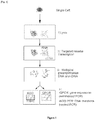
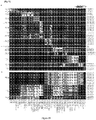
- RNA amplification of both DNA and RNA can only be achieved by using at least a semi-nested approach for RNA and a fully nested approach for DNA molecules (e.g. see Fig 2 ).
- semi-nested PCR refers to a modified PCR technique in which one "nested primer” is used to reduce non-specific binding due to the amplification of unexpected binding sites.
- a "fully nested approach” would refer to a modified PCR technique where two nested primers are used on either side on a template DNA.
- nested primers allow the specific recognition of a PCR product amplified using a first set of primers, thus eliminating contamination from unwanted products such as primer dimers, hairpins and alternative primer target sequences.
- the inventors have also found that amplification of DNA and RNA molecules are differentially affected by annealing temperature in the pre-amplification step. A trade-off therefore needs to be set in order to amplify both molecules.
- the method according to the first aspect further comprises the step of: subjecting the sample from step (b) to a semi-nested PCR using the reverse primer in step (a) or the forward primer in step (b)(i), and a nested primer that binds within the amplified target cDNA region.
- the nested primer may be one that matches or corresponds to the reverse primer in step (a) or the forward primer in step (b)(i).
- the method according to the first aspect further comprises the step of: subjecting the sample from step (b) to a nested PCR using a nested primer pair that binds within the amplified target DNA region.
- steps (a) and (b) are conducted in the same reaction mixture.
- the method according to the first aspect is performed simultaneously for one or more target RNA regions, and/or one or more target cDNA regions, and/or one or more target DNA regions.
- one or more reverse primers each having the same or a differing specificity for a target RNA region may be used in step (a)
- one or more forward primers each having the same or a differing specificity for a target cDNA region may be used in step (b)(i)
- one or more primer pairs, each having the same or a differing specificity for a target DNA region may be used in step (b)(ii)
- one or more nested primers that bind to a target cDNA region, and one or more nested primer pairs that bind to a target DNA region may be used.
- the method according to the first aspect can be used to analyze RNA and DNA in instances where a limited amount of sample is available.
- the sample comprises a single cell, or a plurality of cells (e.g. a low number of cells comprising about 2 to about 100 cells, about 2 to about 90 cells, about 2 to about 80 cells, about 2 to about 70 cells, about 2 to about 60 cells, about 2 to about 50 cells, about 2 to about 40 cells, about 2 to about 30 cells, about 2 to about 20 cells, about 2 to about 10 cells, about 2 to about 5 cells, about 5 to about 100 cells, about 10 to about 100 cells, about 20 to about 100 cells, about 30 to about 100 cells, about 40 to about 100 cells, about 50 to about 100 cells, about 60 to about 100 cells, about 70 to about 100 cells, about 80 to about 100 cells, or about 90 to about 100 cells).
- the single cell or plurality of cells may be lysed to release the RNA and DNA contained within the cell (or cells) prior to step (a).
- the sample comprises cell-free RNA, or cell-free DNA.
- the RNA or DNA may be present in a low amount, for example from about 1 pg to about lOng, about 5 pg to about 10 ng, about 5 pg to about 5 ng, about 5 pg to about 1 ng, about 5 pg to about 500 pg, about 5 pg to about 250 pg, about 5 pg to about 125 pg, about 5 pg to about 100 pg, or about 5 pg to about 50 pg.
- the sample may be a sample of tissues, cells, vesicles such as exosomes, body fluids and isolates thereof etc., isolated from a subject.
- samples include: whole blood, blood fluids (e.g. serum and plasma), lymph and cystic fluids, sputum, stool, tears, mucus, hair, skin, ascitic fluid, cystic fluid, urine, nipple exudates, nipple aspirates, semen, vaginal fluid, sweat, exosomes or other vesicles, sections of tissues such as biopsy and autopsy samples, frozen sections taken for histologic purposes, archival samples, explants and primary and/or transformed cell cultures derived from patient tissues, clinical samples, forensic samples from crime scenes, soil samples etc.
- the single cell or plurality of cells may be a eukaryotic cell, a bacterial cell or an archeal cell, a cell from a pre-implantation embryo, a stem cell, a suspected cancer cell, a suspected tumor-derived cell, a suspected embryonic cell, a cell from a pathogenic organism, or a cell obtained from a crime scene.
- the first primer pair comprises primers that span exon-exon boundaries or are separated by at least one intron on the corresponding DNA region.
- the second primer pair comprises primers that bind to intronic regions of the target DNA region.
- exon refers to the portion of the genomic DNA that becomes a part of the genomic DNA that is converted into the mature messenger mRNA.
- intron or “intronic region” refers to the portion of the genomic DNA that is removed by RNA splicing and which would therefore not be present in the final mature mRNA.
- the term “analyze” or “analyzing” refers to studying or examining the amplified target cDNA region and/or the amplified target DNA region by various techniques known in the art.
- the amplified cDNA region and/or the amplified target DNA region may be studied for its gene expression or for mutations that may be present.
- the analysis in step (c) comprises analyzing the amplified target cDNA for gene expression (e.g. in a gene expression analysis).
- the gene expression analysis may be conducted using any techniques known in the art, such as quantitative PCR, digital PCR, microarray, and the like.
- the analysis in step (c) comprises analyzing the amplified target DNA for mutations (e.g in a mutational analysis).
- the mutational analysis may be conducted using any techniques known in the art, such as Sanger sequencing, Maxam-Gilbert sequencing, Pyrosequencing, Shot-gun sequencing, high-throughput DNA sequencing, Allele-Specific PCR (ASPCR) or High Resolution Melting temperature PCR (HRM).
- the pre-amplification in step (b) of the method according to the first aspect may comprise one or more cycling steps.
- Each cycling step may comprise one or more cycles of amplification (i.e. denaturation, annealing and elongation) at a pre-determined temperature for a pre-determined duration.
- amplification i.e. denaturation, annealing and elongation
- the temperature(s) at which the cycles are conducted, and the duration for which each temperature is applied would depend on the reagents used in the amplification reactions, the target cDNA or DNA region, the primers used, the sample(s) to be amplified.
- the amplification does not include a final extension step.
- step (b) comprises about 1 to about 50 cycling steps, about 1 to about 40 cycling steps, about 1 to about 30 cycling steps, about 1 to about 25 cycling steps, about 1 to about 20 cycling steps, about 1 to about 10 cycling steps, about 1 to about 5 cycling steps, about 1 to about 4 cycling steps, about 1 to about 3 cycling steps, about 1 cycling step, about 2 cycling steps, or about 3 cycling steps. In one embodiment, step (b) comprises 3 cycling steps.
- each cycling step comprises about 1 to about 50 cycles, about 1 to about 40 cycles, about 1 to about 30 cycles, about 1 to about 25 cycles, about 1 to about 20 cycles, about 1 to about 18 cycles, about 1 to about 15 cycles, about 1 to about 10 cycles, about 1 to about 6 cycles, about 2 cycles, about 4 cycles, about 6 cycles, about 8 cycles, about 10 cycles, about 20 cycles, about 30 cycles, about 40 cycles, or about 50 cycles of denaturation, annealing and elongation. In one embodiment, each cycling step comprises 6 cycles of denaturation, annealing and elongation.
- the annealing and/or elongation temperature in a cycle is about 40°C to about 75°C, about 40°C to about 70°C, about 40°C to about 65°C, about 40°C to about 60°C, about 40°C to about 55°C, about 40°C to about 50°C, about 40°C, about 45°C, about 50°C, about 55°C, about 60°C, about 65°C, about 70°C, or about 75°C.
- the annealing and/or elongation temperature for successive cycling steps may be reduced by about 1°C to about 10°C, about 1 °C to about 9°C, about 1°C to about 8°C, about 1 °C to about 7°C, about 1°C to about 6°C, about 1°C to about 5°C, about 1°C to about 4°C, about 1°C to about 3°C, or about 1°C to about 2°C.
- the annealing and/or elongation is carried out for about 10 seconds to about 10 minutes, about 10 seconds to about 8 minutes, about 10 seconds to about 6 minutes, about 10 seconds to about 4 minutes, about 10 seconds to about 2 minutes, about 10 seconds to about 1 minute, about 1 minute, about 2 minutes, about 4 minutes, about 6 minutes, about 8 minutes, or about 10 minutes.
- the denaturation is carried out at a temperature of about 75°C to about 120°C, about 75°C to about 105°C, about 75°C to about 95°C, about 75°C to about 90°C, about 75°C to about 85°C, about 75°C to about 80°C, about 75°C, about 80°C, about 85°C, about 90°C, about 95°C, about 100°C, about 105°C, about 110°C, about 115°C, or about 120°C.
- step (b) of the method according to the first aspect comprises:
- RNA and DNA in a sample, the method comprising the steps of:
- the nested primer in step (d) may be one that matches or corresponds to the reverse primer in step (b) or the forward primer in step (c)(i). In one embodiment of the method of the second aspect, steps (b) and (c) are conducted in the same reaction mixture.
- the method according to the second aspect may also be performed simultaneously for one or more target RNA regions, and/or one or more target cDNA regions, and/or one or more target DNA regions (such as one or more target genomic DNA regions).
- one or more reverse primers each having the same or a differing specificity for a target RNA region may be used in step (b) of the method according to the second aspect
- one or more forward primers each having the same or a differing specificity for a target cDNA region
- one or more primer pairs, each having the same or a differing specificity for a target DNA region may be used in step (c)(ii) of the method according to the second aspect
- one or more nested primers that bind to a target cDNA region, and one or more nested primer pairs that bind to a target DNA region may be used in step (d) of the method of the second aspect.
- DNA or RNA in the cell refers to breaking apart the membrane of a cell. This allows DNA or RNA in the cell to be accessible to contact by, for example, one or more primers and enzymes.
- step (a) of the method of the second aspect may be conducted using any techniques known in the art, for example, use of a lysis buffer, sonication, freeze-thaw, mechanical disruption, and the like.
- the pre-amplification in step (c) of the method of the second aspect does not include a final extension step.
- samples, primers, primer pairs, analytical techniques, and pre-amplification conditions (such as cycling steps, and temperatures and durations used therein) as described above for the method of the first aspect may also be used in the method of the second aspect.
- RNA profile and/or the gene expression profile of a single cell or a plurality of cells e.g. a low number of cells comprising about 2 to about 100 cells
- cell-free RNA and/or DNA e.g. a low amount of DNA and/or RNA comprising about 1 pg to about 10 ng of DNA and/or RNA
- DNA profile refers to the characterization of the DNA sequence of a selection of genes within a cell or a plurality of cells.
- gene expression profile refers to the characterization of the expression level of a selection of genes within a cell or plurality of cells.
- the use may be applied to a biological sample comprising heterogenous cell types from a subject or a low amount of cell-free RNA and/or DNA.
- the biological sample may be selected from the group consisting of a pre-implantation embryo, tissues, cells (e.g. a stem cell, a suspected cancer cell), body fluids and isolates thereof etc., isolated from a subject.
- Examples of biological samples include: whole blood, blood fluids (e.g.
- lymph and cystic fluids sputum, stool, tears, mucus, hair, skin, ascitic fluid, cystic fluid, urine, nipple exudates, nipple aspirates, semen, vaginal fluid, sweat, exosomes or other vesicles, sections of tissues such as biopsy and autopsy samples, frozen sections taken for histologic purposes, archival samples, explants and primary and/or transformed cell cultures derived from patient tissues, clinical samples, forensic samples from crime scenes, soil samples etc.
- the subject may be a mammal, such as a human.
- the linkage of the DNA profile to the gene expression profile for the single cell or the plurality of cells, or the low amount of cell-free DNA and/or cell-free RNA may be used to optimize anti-cancer therapy for the subject or for diagnostic/prognostic purposes, as illustrated by the Examples as described herein.
- the use may be applied to a cell from a pathogenic organism, or a cell obtained from a crime scene, or a low amount of cell-free RNA and/or cell-free DNA derived from a pathogenic organism or a crime scene.
- the use may be applied to confirm specific results obtained by high-throughput RNA sequencing experiments that have been generated using small-scale samples (such as a biological sample comprising of a single cell or a low number of cells, e.g. about 2 to about 100 cells, or a low amount of RNA). This is important to rule out false positive results and to validate the results using an independent methodology.
- the method can be used to validate both RNA expression and/or mutational profile results that are generated by high-throughput RNA sequencing.
- kit for performing the method according to the first or second aspect, or for use according to the third or fourth aspect, wherein the kit comprises:
- the kit according to the fifth aspect may include one or more lysis buffers for lysing a cell in a sample prior to the method of the first aspect, or in step (a) of the method of the second aspect.
- Lysis buffers commonly used in the art, such as alkaline lysis buffers or cell lysis buffers containing proteinase K, or simply buffers containing a detergent or a compound and /or an enzyme that will disrupt the cell and allow its nucleic acids to be released in solution may be used.
- the kit according to the fifth aspect may also include probes or dyes for quantitative real-time PCR.
- probes or dyes for quantitative real-time PCR include, but are not limited to SYBR green dye, EvaGreen, dsGreen, TaqMan probes, hybridization probes and the like.
- the kit may also include instructions for designing one or more of the primers of component (a) of the kit of the fifth aspect, and/or optimizing the pre-amplification cycling conditions of step (b) of the method of the first aspect or step (c) of the method of the second aspect.
- the primers and/or reagents are pre-mixed in combinations suitable for the lysis, pre-amplification, and amplification steps described above. In another embodiment, the primers are pre-mixed in combinations suitable for analysis of gene expression profiles or mutation signatures.
- the primers may be ones that have been designed for amplifying one or more target genes of interest.
- the kit comprises one or more containers comprising one or more reaction buffers for performing the methods and/or uses described above.
- the kit includes software-driven assay protocols for use in commercial PCR instrumentation (such as the Life Technologies 7500 FastDx or Cepheid SmartCycler® II), which may be provided on a CD.
- a primer includes a plurality of primers, including mixtures thereof.
- the term "about”, in the context of concentrations of components of the formulations, typically means +/- 5% of the stated value, more typically +/- 4% of the stated value, more typically +/- 3% of the stated value, more typically, +/- 2% of the stated value, even more typically +/- 1 % of the stated value, and even more typically +/- 0.5% of the stated value.
- range format is merely for convenience and brevity and should not be construed as an inflexible limitation on the scope of the disclosed ranges. Accordingly, the description of a range should be considered to have specifically disclosed all the possible sub-ranges as well as individual numerical values within that range. For example, description of a range such as from 1 to 6 should be considered to have specifically disclosed sub-ranges such as from 1 to 3, from 1 to 4, from 1 to 5, from 2 to 4, from 2 to 6, from 3 to 6 etc., as well as individual numbers within that range, for example, 1, 2, 3, 4, 5, and 6. This applies regardless of the breadth of the range.
- primers for mRNA amplification in the presence of genomic DNA at the single cell scale there must be an intronic sequence on the genomic DNA between primers, or at least one primer must sit at the exon-exon junction.
- the primers need to be specific and should not amplify unwanted products.
- This protocol can be used to generate primers for seminested/nested PCRs following the general method of Peixoto et.al. (http://www.ncbi.nlm.nih.gov/pubmed/15466292). Seminested PCR is required for robust amplification of RNA-derived gene transcripts. Nested PCR is required for robust amplification of genomic DNA.
- This webtool allows checking of the quality of the primers, by rating it accordingly.
- the same search as above may be performed, using the primer with better ratings and constrain the PCR product length to retrieve a primer that sits in the PCR product.
- Two pairs of primers were designed, one with annealing temperature (T) of 60° C, one with annealing T of 65° C.
- the amplified region was selected by primer set one, copied and pasted in primer-blast. Primers with an annealing T of 60°C were selected.
- Primers were designed using Primer-BLAST (Ye et al and Bbenek, et al) and using the primer design protocol described above. For each RNA transcript, primers either spanning exon-exon boundaries or primers separated by at least one intron on the corresponding genomic DNA region were designed. This allows primers to specifically amplify RNA transcripts, whereas DNA regions would not be amplified. Furthermore, primers for mutational analysis were designed to bind intronic regions of the target gene. This would avoid amplification of cDNA transcripts that may have arisen from unspecific or specific reverse transcription. (see Primer Design protocol (above) and Tables 1A to 1C).
- Table 1A Primers used in scrm-PCR assays (Pre-amplification step) Preamplification step Gene name ID (transcript or gene) Marker Forward primer Reverse primer CEACAM5 NM_004363.2 C CCCAAGCCCTCCATCTCCAGCAAC (SEQ ID NO: 1) GCATCCGGGCCATAGAGGACATT (SEQ ID NO: 2) CDX2 NM_001265.4 C TGGGCTGCTGCAAACGCTCAAC (SEQ ID NO: 3) TITCGTCCTGGTTITCACTIGGCTG (SEQ ID NO: 4) KRT20 NT_10783.15 C AAAATGGCCATGCAGAACCT (SEQ ID NO: 5) GAAGTCCTCAGCAGCCAGTT (SEQ ID NO: 6) FN1 NT_5403.17 EMT CCACGGGAGCCTCGAA (SEQ ID NO: 7) TAAAACCTCGGCTTCCTCCA (SEQ ID NO: 8) CDH2 NT_010966.14 EMT GGATGAAGAT
- Example 2 Tumour-derived endothelial microemboli prevalent in early stage colorectal cancer patients
- matched tumour and metastatic samples were immediately frozen after resection, and stored at -80°C until use.
- Clinicopathologic data for participating subjects are described in Supplementary Table 6 and were collected retrospectively after completion of CTM counts. Clinical data collection was conducted without prior knowledge of CTM counts. Similarly, clinical data for CRC patients were not known at the time of CTM count except for diagnosis and preoperative status of FSH samples. Tumour area was calculated by width x length.
- HCT 116, COLO 201, SW480, SW620, DLD-1 and RKO colorectal cancer cell lines, BJ-5ta immortalized human foreskin fibroblasts and HUVECs were from ATCC. HUVECs were used at passage 1 and 2 and cultured in EGM-2 medium (Lonza). All other cell lines were cultured in DMEM (Life Technologies) supplemented with 10% FBS. Cells were maintained in a humidified incubator at 37°C in the presence of 5% CO 2 .
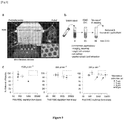
- the microsieve consists of a silicon disk having an overall diameter ( ⁇ ) of 7.3 mm and a support ring of thickness 300 ⁇ m.
- the central capture region has ⁇ 5.3 mm and 60 ⁇ m thickness containing 100,000 circular pores obtained by deep reactive ion etching.
- an acrylic sleeve insert was designed, consisting of an inlet channel of ⁇ 8.58 mm tapered to a ⁇ 5.54 mm channel, which corresponded to the microsieve cell capture region.
- the sleeve insert housed the microsieve and silicone O-rings (0.5 mm-thick) that ensured good sealing and cushioning as shown in Fig. 9b .
- the retrieval device was assembled as follow. Firstly, the rubber plug of a 3 ml syringe plunger was removed and a hole of 5.5 mm diameter was created using a punch cutter. The perforated rubber plug was placed in the 3-ml syringe. Next, an O-ring was placed in the slot of sleeve insert, followed by microsieve and another O-ring. Finally the sleeve insert with microsieve and O-rings was placed in the 3-ml syringe above the perforated rubber plug.
- % Retrieval Efficiency Retrieved cells ⁇ 100 / Spiked Cells
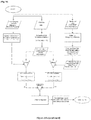
- WBC count in microfiltrate is defined as the number of any Hoechst 33342 positive, CellTracker negative event in the case of experimental enrichment or by any CD45 positive event in the case of clinical sample analysis. All clinical samples were immediately processed for the indicated downstream applications using optimized parameters described in Fig. 5b and c. To estimate ideal target WBC depletion, micromanipulation on serial dilution of PBMCs containing 50 CellTracker positive HCT 116 cells was performed. Five thousand fold depletion allowed micromanipulation of pure HCT 116 cells without contaminant white blood cells. The ideal target retrieval efficiency was chosen based on literature search on existing label-free CTC isolation devices (Cima et al). Microfiltration of clinical samples was performed using 2 ml whole blood for each device and optimized microfiltration conditions.
- the Inside Stain kit (Miltenyi Biotec) and human FcR Blocking Reagent were used with following antibodies: anti-VWF 1:200 (rabbit polyclonal A 0082, DAKO, conjugated in-house to Alexa 488 or Alexa 555 using Life Technologies APEX Antibody Labeling Kit), anti-Vimentin (V9, Santa Cruz Biotechnology), anti-pan Cytokeratin (C11, Cell Signaling Technology). Nuclei were stained using Hoechst 33342 (Life Technologies). In some experiments, Calcein AM (Life Technologies) was used to identify living cells.
- CTM were defined in this study by "any CD45 - cell or CD45 - cellular cluster with a major axis of > 10 ⁇ m and having at least 2 clearly distinct nuclei".
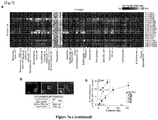
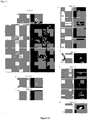
- all cells defined as such stained positive for endothelial markers CD31, CD144 or VWF ( Fig. 7b ).
- the cellular populations belonging to the megakaryocytic lineages, having large and lobulated single nuclei or large and round single nuclei were excluded. These cells had characteristic cytomorphology easily discernible from CTM, stained positive for CD41 and CD42B, and were predominantly observed in CRC patients undergoing treatment, but also in some healthy volunteers and treatment-naive CRC patients.
- CTM Single endothelial cells, owing to their smaller diameter that would allow them to pass through the microsieve, were also excluded from the analysis.
- CTM were counted by applying these inclusion and exclusion criteria by adding the microfiltrate obtained from 2 ml of whole blood to a well of a 96-well plate. After a short centrifugation step, CTM were identified and counted by manually scanning the target well three times using a 20x objective. A positive sample was defined by the detection of at least one CTM.
- Target cell identification was manually micropipetted using a mouth pipette attached to a 25-ml syringe. Briefly, cells were identified from total cell retrieval by means of bright field image, nuclear staining and specific fluorescent signals. Target single-cells or CTM were then micropipetted in a 10- ⁇ l droplet of wash buffer, followed by deposition in 0.2-ml PCR tubes containing appropriate buffer: 5 ⁇ l of 2x Reaction buffer (CellsDirect One-Step qRT-PCR Kit, Life Technologies) for scrmPCR, 2 ⁇ l of PBS for whole genome amplification or 2 ⁇ l of SuperBlock buffer (Thermo Scientific) for low-input RNA-Seq. Cells were stored immediately at -80°C until use. In some cases, the complete microfiltrate was spun down, and stored at -80°C until further use.
- 2x Reaction buffer CellsDirect One-Step qRT-PCR Kit, Life Technologies
- PBS for whole genome amplification
- RNA and mutational analysis PCR Single-cell RNA and mutational analysis PCR (scrmPCR). Primers were designed using Primer-BLAST (Ye et al). For each RNA transcript, primers were desgined either spanning exon-exon boundaries or primers separated by at least one intron on the corresponding genomic DNA region. Primers for mutational analysis were designed to bind intronic regions of the target gene (Tables 1A-C). The method for scrmPCR was highlighted in Fig 1 as described in Example 1 above. This method could be used to simultaneously detect and quantify RNA transcripts and sequence DNA hotspots in the same cell.
- RNA transcripts were reverse transcribed at 50°C for 30 min using SuperScript III Reverse Transcriptase (Invitrogen) and a mix of 500 nM target reverse primers.
- a preamplification round (Table 1A) was then performed using Platinum Taq DNA polymerase (Invitrogen) by adding a matching mix of forward primers to the transcript-specific reverse primers and primers pairs for targeted genomic regions.
- Preamplification cycling was conducted by alternating annealing and denaturation steps without extension as follow: 6x cycles at 60°C, 4 min, 95°C, 1 min; 6x cycles at 55°C, 4 min, 95°C, 1 min; 6x cycles at 50°C, 4 min, 95°C, 1 min.
- RNA transcript quantitation quantitative PCR was performed on a ViiA7 Instrument (Applied Biosystems) using 2 ⁇ l of preamplification reaction, seminested primer pairs according to the target transcript (Table 1B) and the SensiFAST SYBR Lo-ROX Kit (Bioline) following manufacturer's protocol. Relative gene expression was normalized using ACTB as reference gene.
- PCR was performed by using 2 ⁇ l of preamplification reaction, nested PCR primer pairs (Table 1B) and a master mix containing a proof-reading polymerase (KOD Hot Start Master Mix, EMD Millipore) following manufacturer's instructions.
- KOD Hot Start Master Mix EMD Millipore
- PCR amplification was performed using the following forward primer, TTTGTATTAAAAGGTACTGGTGGAG (SEQ ID NO: 135) and reverse primer, CCTTTATCTGTAT CAAAGAATGGTC (SEQ ID NO: 136). PCR products were separated on agarose gel; specific bands were excised and sequenced using the Sanger method.
- RNAqueous-Micro Total RNA Isolation Kit (Ambion) following manufacturer's instructions.
- Total RNA from tissues was isolated using the RNeasy mini kit (Qiagen).
- DNA from tissues was isolated using DNeasy mini kit (Qiagen).
- CTM targeted resequencing and array comparative genomic hybridization were subjected to whole genome amplification using the GenomePlex Single-cell Whole Genome Amplification Kit (Sigma) and following manufacturer's instructions. Tissue DNA (50 pg) samples were amplified using the same procedure.
- a custom gene panel targeting exons for NRAS , CTNNB1 , PIK3CA , EGFR , BRAF , PTEN , KRAS , AKT1 and TP53 genes was designed.
- the libraries were constructed using Ion AmpliSeq Library Kits 2.0 (Life Technologies) with 10 ng of input DNA.
- Targeted resequencing run was performed on Ion Torrent Personal Genome Machine (PGM) Sequencer (Life Technologies). Variants were called using Ion Torrent Variant Caller Plugin in high stringency settings.
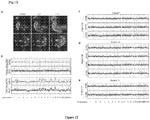
- aCGH was performed by hybridizing 250 ng of DNA to CytoScan 750 K arrays (Affymetrix) with manufacturer's instructions and reagents. Data were analyzed and visualized using Chas software version 2.1 (Affymetrix).
- cDNA was synthesised from single-CTM and 10 pg of tissue RNA with the SMARTer Ultra Low RNA kit (Clontech Laboratories) using long distance PCR (LDPCR) with 25 cycles and 18 cycles respectively. For each sample, cDNA was sheared using the Adaptive Focused Acoustics system (Covaris). Libraries using NEBNext DNA Library Prep Master Mix kit (New England Biolabs) were constructed. All libraries were barcoded using unique indexes and pooled for RNA sequencing run on the Illumina HiSeq 2000 platform. Data were mapped to Human Genome version 19 (hg19) using Tophat (version 2) (Trapnell et al, 2009). Cufflinks (version 2.2) (Trapnell, C. et al, 2010) was used to quantify gene expression as FPKM (Fragments Per Kilobase of transcript per Million mapped reads).
- RNA-Seq data principal component analysis Principal component analysis on the complete RNA-Seq dataset ( Fig. 16 ). was performed. Rank correlations coefficients were calculated by selecting the top 300 genes sorted by their maximum loading in the 1st to 3rd principal component. From this list, the Spearman rank correlation coefficient (p) was calculated for each CTM and tissues and the resulting data were plotted as a heatmap. Dendrograms were generated by average linkage clustering.
- RNA-Seq the number of genes specific for each lineage was calculated.
- 1,000 ⁇ lists of 80 randomly selected genes were generated from the Affymetrix HG-U133_Plus_2 gene list ('random genes') and the average number of genes present by chance in each experimental RNA-Seq profile was determined.
- the odds ratios for each test were mean-centered, scaled and visualized in a heat map comprising all tested lineages. The final results were used to generate hypotheses on cellular lineages based on the distribution of the normalized odds ratios.
- the algorithm was validated using published RNA-Seq datasets generated from various cell types and tissues ( Fig. 15 ).
- EPC Endothelial progenitor cell
- HUVECs were used as positive control as follow: 10,000 HUVECs were spiked in 2ml of donor blood and isolated by microfiltration using two devices. In one device, retrieved HUVECs were quantified by CD144 and Calcein AM staining. HUVECs retrieved from the other device were seeded at defined numbers (5, 10, 20, 40, 80 and 160 cells) in octuplicate wells. After 2 days, the medium was changed and cells were allowed to grow for a total of 30 days by changing half of the medium every other day. Presence and viability of colonies were monitored every week under bright field microscopy. After 30 days, cells were detached by trypsinisation, stained using CD144 antibodies, Calcein AM and Hoechst 33342, and quantified under an IX81 (Olympus) inverted fluorescence microscope.
- Microvessel density and lumen count were performed using immunofluorescence images of CD31-stained tissue sections as described previously (Wild et al, Gupta et al) and using ImageJ (Schneider et al). Briefly, fresh tissues were embedded in Tissue-Tek O.C.T Compound (Sakura) and stored at -80°C until further use. From all available tissues, five-micrometer cryostat sections were cut on poly-L-lysine slides, fixed in PBS containing 4% paraformaldehyde for 8 min, washed in PBS, and stained using PE-anti-CD antibodies (1:20, clone WM59, BioLegend).
- tumour area for each tissue section was imaged with a 10 ⁇ objective by means of an IX71 microscope system (Olympus) and the MetaMorph software (Molecular Devices). Before imaging and throughout MVD and lumen count, patient's IDs were blinded to avoid subjective bias during data acquisition and analysis.
- Endothelial cell isolation from fresh tissues Endothelial cells were isolated from normal colon and tumour tissues as previously described (Van Beijnum et al) with minor modifications of the protocol. Briefly, fresh tissues were minced and digested for 60 min at 37°C using collagenase, dispase and DNAse as described. After a Ficoll-Paque density centrifugation step, a two-step magnetic selection was performed using MACS reagents and materials (Miltenyi Biotec) following manufacturer's instructions. First, CD45- expressing cells were depleted by negative selection on LD columns, after labelling the cells with anti-CD45 magnetic beads and Human FcR Blocking Reagent.
- the CD45-depleted fraction was next collected and a second labelling was performed by adding anti-CD31 magnetic beads and human FcR Blocking Reagent. After a positive selection using MS columns the fraction with enriched CD31 + CD45 - cells was stored at -80°C until further use.
- IQR interquartile range
- Circulating tumour microemboli are clusters of cells commonly observed in blood sampled from cancer patients. CTM have been generally described as malignant entities for over 50 years and their investigation might yield insights on tumour progression and clinical outcomes. However, comprehensive characterization of these structures has not yet been presented. Here it is shown that contrary to current consensus, CTM isolated from colorectal cancer patients are not cancerous but represent a distinct population of tumour-derived endothelial cells. CTM do not mirror the genetic variations of matching tumours, yet CTM express epithelial and mesenchymal transcripts in agreement with previous reports on circulating tumour cell phenotyping. Transcriptome analysis of single-CTM reveals their identity as endothelial cells with further results indicating their tumor origin and mature phenotype.
- endothelial CTM a malignant neoplasm originating from preoperative, early stage cancer patients but not in healthy donors, suggesting endothelial CTM count as potential indicator for colorectal cancer. Endothelial CTM should not be confused with bona fide circulating tumour cells although their analysis might be helpful diagnostically, and provide direct information on the underlying tumour vasculature during treatment and disease course.
- CTCs circulating tumour cells
- CTC enrichment and retrieval efficiency was optimised by spiking 1 ml of donor blood with 30 SW620 cells, a colorectal cancer (CRC) cell line with similar median size as CTCs ( Fig. 9d ).
- An optimal tradeoff between retrieval efficiency and cell purity was obtained using a flow rate of 0.25 ml min -1 and pore sizes of 9-10 ⁇ m.
- CTM circulating tumour microemboli
- Targeted high-throughput DNA sequencing was further applied to 8 commonly mutated genes in DNA amplified from 16 single-CTM (6 patients) and matching tumour tissues. Again, matching mutations between tumour tissues and associated CTM (Supplementary Tables 2 and 3) could not be detected.
- array comparative genomic hybridization aCGH was next performed.
- CTCs from lung cancer patients have been shown to reproducibly mirror cancer tissue copy number variations (Ni. X, et al).
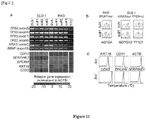
- the CTM had instead normal cytogenetic profiles in contrast to matched primary tumours ( Fig. 6b-c and Fig. 11b-c ).
- single-cell scale analysis of 26 CTM from 10 patients, while displaying epithelial-mesenchymal marker expression did not mirror DNA anomalies found in matching tumour tissues. This suggested a source for CTM that was unrelated to the tumour epithelium.
- RNA-Seq high-throughput sequencing
- Endothelial cells are considered a specialized epithelium, and are known to express both Vimentin (often used as a mesenchymal marker) and various keratins (classic markers of epithelium). All CTM, including those with malignant cytomorphology, stained without exception for endothelial markers such as CD31, VWF or CD144 ( Fig. 7b ) but were negative for CD45 or markers of megakaryocytic lineages CD41 and CD42B. This indicated that in the CRC patients, all CTM detected were of endothelial origin. In addition, single tumour cells within CTM were not detected as reported previously elsewhere.
- Folate hydrolase the gene encoding for prostate-specific membrane antigen (PSMA)
- PSMA prostate-specific membrane antigen
- FOLH1 was indeed expressed in CD31 + CD45 - cells isolated from fresh CRC tissues and in CTM isolated from the blood of 7/10 CRC patients, but not in endothelial cells isolated from normal tissues or in healthy donor peripheral blood mononuclear cells (PBMCs). This result further supported the tumour origin of endothelial CTM ( Fig. 7f ).
- RNA-Seq data of CTM revealed the expression of several tumour endothelial markers, including CD276 ( Fig. 7g and Fig.
- CTM numbers might correlate with features of the underlying tumour vasculature, by counting blood vessels in tumour tissues derived from patients with low or high CTM count. Although the median number of vessel units did not differ, the median number of lumens was significantly higher in patients with high CTM counts ( Fig. 7h ). Taken together, it was shown that CTM in colorectal cancer patients were not malignant entities but clusters of tumour-derived mature endothelial cells.
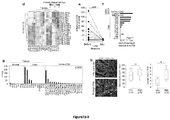
- endothelial CTM count did not associate with clinical parameters such as tumour stage, grade or presence of distant metastasis ( Fig. 8b , Supplementary Tables 6 and 7) or with other variables, including inflammatory markers ( Fig. 18 ).
- endothelial CTM numbers in time series analysis indicated that surgical resection events has the strongest effect on CTM distribution, confirming the results in Fig. 7e and further supporting the association of endothelial CTM with the presence of a primary tumour ( Fig. 8c ).
- AUC Area under the curve (AUC) of the receiving operator characteristic (ROC) curve comparing treatment-naive patients and healthy controls was 0.930 ( Fig. 8d ).
- CTM tumour microemboli
- Endothelial CTM counts represent therefore an interesting modus for early CRC detection.
- the presence of CTC clusters was not detected as reported in Aceto et al.. This might be the result of differences in patient profiles.
- Aceto et al. analyzed blood samples from terminal breast cancer patients, whereas blood samples in this study were mostly derived from preoperative CRC patients. Further studies would need to address specificities of circulating endothelial cell clusters in various diseases.
- tissue-specific molecular signatures have been demonstrated in endothelial cells from various organs, indicating that CTM might be traced back to their organ of origin based on the expression of specific gene sets.
- endothelial CTM should not be confused with bona fide malignant CTCs undergoing EMT.
- endothelial CTM analysis might contribute to early colorectal cancer detection and provide direct information on the underlying tumour vasculature during treatment and disease course.
- Supplementary Table 1 Setected publications Inducting circulating tumor cell dusters or CTM described as cancerous entities (1969-2014) # Year Article reporting CTM or CTC clusters as cancerous entity
- RNA-seq data uniquely mapped reads to hg19 exons ID #Unique reads mapped to hp19 exons P10-T 9,824,250 P19-Met 9,200,220 P1-N 12,046,807 P1-TUc 11,627,650 P1-TUd 10,474,561 P1-TUs 12,120,551 P18-N 11,691,022 P18-T 10,077,598 P10-N 11,940,709 P21-N 12,115,725 P21-T 10,030,315 P20-N 9,710,218 P20-T 7,196,431 P8-N 9,574,544 P8-T 9,413,088 P19-N 9,868,631 P19-T 9,156,651 P8-CTM 10 7,055,733 P8-CTM 11 6,873,889 P16-CTM2 772,636 P21-CTM11 6,526,429 P19-CTM
Landscapes
- Chemical & Material Sciences (AREA)
- Life Sciences & Earth Sciences (AREA)
- Organic Chemistry (AREA)
- Proteomics, Peptides & Aminoacids (AREA)
- Health & Medical Sciences (AREA)
- Zoology (AREA)
- Engineering & Computer Science (AREA)
- Wood Science & Technology (AREA)
- Analytical Chemistry (AREA)
- Chemical Kinetics & Catalysis (AREA)
- Molecular Biology (AREA)
- Genetics & Genomics (AREA)
- Immunology (AREA)
- Microbiology (AREA)
- Biotechnology (AREA)
- Biochemistry (AREA)
- Bioinformatics & Cheminformatics (AREA)
- General Engineering & Computer Science (AREA)
- General Health & Medical Sciences (AREA)
- Biophysics (AREA)
- Physics & Mathematics (AREA)
- Measuring Or Testing Involving Enzymes Or Micro-Organisms (AREA)
Claims (8)
- Procédé d'analyse simultanée d'ARN et d'ADN dans un échantillon, le procédé comprenant les étapes :(a) de mise en contact de l'échantillon avec une amorce arrière provenant d'une première paire d'amorces, l'amorce arrière provenant de la première paire d'amorces étant dirigée vers une région d'ARN cible, et une transcriptase inverse pour effectuer une transcription inverse de l'ARN en ADNc ; puis(b) de mise en contact de l'échantillon avec :(i) une amorce avant provenant de la première paire d'amorces, l'amorce avant provenant de la première paire d'amorces étant dirigée vers une région d'ADNc cible,(ii) une amorce arrière et une amorce avant provenant d'une deuxième paire d'amorces, les amorce arrière et amorce avant provenant de la deuxième paire d'amorces étant dirigée vers une région d'ADN cible, et(iii) une ADN polymérasepour amplifier simultanément la région d'ADNc cible et la région d'ADN cible ;(c)(A) de soumission de l'échantillon provenant de l'étape (b) à une PCR semi-nichée en utilisant l'amorce arrière dans l'étape (a) ou l'amorce avant dans l'étape (b) (i), et une amorce nichée qui se lie au sein de la région d'ADNc cible amplifiée ; et(B) de soumission de l'échantillon provenant de l'étape (b) à une PCR nichée en utilisant une paire d'amorces nichées qui se lie au sein de la région d'ADN cible amplifiée ; et(d) d'analyse de la région d'ADNc cible amplifiée et de la région d'ADN cible amplifiée ;dans lequel l'échantillon est une cellule unique ; et dans lequel la première paire d'amorces comprend des amorces qui entourent les limites d'exon-exon ou qui sont séparées par au moins un intron sur la région d'ADN correspondante ; et
dans lequel les étapes (a) et (b) sont conduites dans le même mélange réactionnel. - Procédé selon la revendication 1, dans lequel la cellule unique est choisie dans le groupe constitué par : une cellule provenant d'un embryon de pré-implantation, une cellule souche, une cellule cancéreuse suspectée, une cellule dérivée d'une tumeur suspectée, une cellule embryonnaire suspectée, une cellule provenant d'un organisme pathogène et une cellule obtenue d'une scène de crime.
- Procédé selon la revendication 1 ou la 2, dans lequela) l'amorce avant de la première ou de la deuxième paire d'amorces est choisie dans le groupe constitué par les SEQ ID n° : 1, 3, 5, 7, 9, 11, 13, 15, 17, 19, 21, 23, 25, 27, 29, 31, 33, 35, 37, 39, 41, 43, 45, 47, 49, 51, 53, 55, 57, 59, 61, 63, 65, 67, 69, 71, 73, 75, 77, 79, 81, 83, 85 et 87 ;b) l'amorce arrière de la première ou de la deuxième paire d'amorces est choisie dans le groupe constitué par les SEQ ID n° : 2, 4, 6, 8, 10, 12, 14, 16, 18, 20, 24, 26, 28, 30, 32, 34, 36, 38, 40, 42, 44, 46, 48, 50, 52, 54, 56, 58, 60, 62, 64, 66, 68, 70, 72, 74, 76, 78, 80, 82, 84, 86 et 88 ; ouc) la première ou la deuxième paire d'amorces est choisie dans le groupe constitué par les SEQ ID n° : 1 et 2 ; SEQ ID n° : 3 et 4 ; SEQ ID n° : 5 et 6 ; SEQ ID n° : 7 et 8 ; SEQ ID n° : 9 et 10 ; SEQ ID n° : 11 et 12 ; SEQ ID n° : 13 et 14 ; SEQ ID n° : 15 et 16 ; SEQ ID n° : 17 et 18 ; SEQ ID n° : 19 et 20 ; SEQ ID n° : 21 et 22 ; SEQ ID n° : 23 et 24 ; SEQ ID n° : 25 et 26 ; SEQ ID n° : 27 et 28 ; SEQ ID n° : 29 et 30 ; SEQ ID n° : 31 et 32 ; SEQ ID n° : 33 et 34 ; SEQ ID n° : 35 et 36 ; SEQ ID n° : 37 et 38 ; SEQ ID n° : 39 et 40 ; SEQ ID n° : 41 et 42 ; SEQ ID n° : 43 et 44 ; SEQ ID n° : 45 et 46 ; SEQ ID n° : 47 et 48 ; SEQ ID n° : 49 et 50 ; SEQ ID n° : 51 et 52 ; SEQ ID n° : 53 et 54 ; SEQ ID n° : 55 et 56 ; SEQ ID n° : 57 et 58 ; SEQ ID n° : 59 et 60 ; SEQ ID n° : 61 et 62 ; SEQ ID n° : 63 et 64 ; SEQ ID n° : 65 et 66 ; SEQ ID n° : 67 et 68 ; SEQ ID n° : 69 et 70 ; SEQ ID n° : 71 et 72 ; SEQ ID n° : 73 et 74 ; SEQ ID n° : 75 et 76 ; SEQ ID n° : 77 et 78 ; SEQ ID n° : 79 et 80 ; SEQ ID n° : 81 et 82 ; SEQ ID n° : 83 et 84 ; SEQ ID n° : 85 et 86 ; et SEQ ID n° : 87 et 88 ;dans lequel la deuxième paire d'amorces comprend des amorces qui se lient à des régions d'introns de la région d'ADN cible ;
dans laquellea) l'amorce avant pour la PCR semi-nichée ou nichée est choisie dans le groupe constitué par les SEQ ID n° : 89, 90, 91, 92, 93, 94, 95, 15, 17, 19, 99, 23, 101, 102, 104, 105, 106, 107, 108, 110, 111, 43, 45, 115, 116, 117, 118, 55, 120, 59, 61, 123, 124, 125, 126, 71, 127, 75, 77, 130, 81, 132, 133 et 134 ;b) l'amorce arrière pour la PCR semi-nichée ou nichée est choisie dans le groupe constitué par les SEQ ID n° : 2, 4, 6, 8, 10, 12, 14, 96, 97, 98, 22, 100, 26, 103, 30, 32, 34, 36, 109, 40, 112, 113, 114, 48, 50, 52, 54, 119, 58, 121, 122, 64, 66, 68, 70, 72, 74, 128, 129, 80, 131, 84, 86 et 88 ; ouc) les amorces pour la PCR semi-nichée ou nichée sont choisies dans le groupe constitué par les SEQ ID n° : 89 et 2 ; SEQ ID n° : 90 et 4 ; SEQ ID n° : 91 et 6 ; SEQ ID n° : 92 et 8 ; SEQ ID n° : 93 et 10 ; SEQ ID n° : 94 et 12 ; SEQ ID n° : 95 et 14 ; SEQ ID n° : 15 et 96 ; SEQ ID n° : 17 et 97 ; SEQ ID n° : 19 et 98 ; SEQ ID n° : 99 et 22 ; SEQ ID n° : 23 et 100 ; SEQ ID n° : 101 et 26 ; SEQ ID n° : 102 et 103 ; SEQ ID n° : 104 et 30 ; SEQ ID n° : 105 et 32 ; SEQ ID n° : 106 et 34 ; SEQ ID n° : 107 et 36 ; SEQ ID n° : 108 et 109 ; SEQ ID n° : 110 et 40 ; SEQ ID n° : 111 et 112 ; SEQ ID n° : 43 et 113 ; SEQ ID n° : 45 et 114 ; SEQ ID n° : 115 et 48 ; SEQ ID n° : 116 et 50 ; SEQ ID n° : 117 et 52 ; SEQ ID n° : 118 et 54 ; SEQ ID n° : 55 et 119 ; SEQ ID n° : 120 et 58 ; SEQ ID n° : 59 et 121 ; SEQ ID n° : 61 et 122 ; SEQ ID n° : 123 et 64 ; SEQ ID n° : 124 et 66 ; SEQ ID n° : 125 et 68 ; SEQ ID n° : 126 et 70 ; SEQ ID n° : 71 et 72 ; SEQ ID n° : 127 et 74 ; SEQ ID n° : 75 et 128 ; SEQ ID n° : 77 et 129 ; SEQ ID n° : 130 et 80 ; SEQ ID n° : 81 et 131 ; SEQ ID n° : 132 et 84 ; SEQ ID n° : 133 et 86 ; et SEQ ID n° : 134 et 88 ;dans lequel l'analyse dans l'étape (d) comprend une analyse de l'ADNc cible amplifié en vue d'une expression génique ;
et dans lequel l'analyse dans l'étape (d) comprend une analyse de l'ADN cible amplifié en vue de mutations. - Procédé selon l'une quelconque des revendications précédentes, dans lequel l'étape (b) comprend de 1 environ à 50 environ étape(s) de cycles,
dans lequel, en option, l'étape (b) comprend 3 étapes de cycles ; dans lequel, en option, chaque étape de cycles comprend de 1 environ à 50 environ cycle(s) de dénaturation, d'annelage et d'allongement,
dans lequel, en option, chaque étape de cycles comprend 6 cycles de dénaturation, d'annelage et d'allongement, dans lequel, en option, la température d'annelage et/ou d'allongement dans un cycle est de 40°C environ à 75°C environ ;
dans lequel, en option, l'annelage et/ou l'allongement sont effectués pendant 10 secondes environ jusqu'à 10 minutes environ ;
dans lequel, en option, la dénaturation est effectuée à une température de 75°C environ à 120°C environ ;
dans lequel, en option, la dénaturation est effectuée pendant 1 seconde environ jusqu'à 10 minutes environ ; et dans lequel, en option,
l'étape (b) comprend :6 cycles de 60°C pendant 4 minutes suivis de 95°C pendant 1 minute,6 cycles de 55°C pendant 4 minutes suivis de 95°C pendant 1 minute et6 cycles de 50°C pendant 4 minutes suivis de 95°C pendant 1 minute. - Procédé selon la revendication 1, dans lequel l'amorce nichée dans l'étape (c) en est une qui s'apparie ou correspond à l'amorce arrière dans l'étape (a) ou l'amorce avant dans l'étape (b)(i) ;
dans lequel la pré-amplification dans l'étape (b) ne comprend pas d'étape d'allongement final. - Procédé selon la revendication 5, dans lequela) l'amorce avant de la première ou de la deuxième paire d'amorces est choisie dans le groupe constitué par les SEQ ID n° : 1, 3, 5, 7, 9, 11, 13, 15, 17, 19, 21, 23, 25, 27, 29, 31, 33, 35, 37, 39, 41, 43, 45, 47, 49, 51, 53, 55, 57, 59, 61, 63, 65, 67, 69, 71, 73, 75, 77, 79, 81, 83, 85 et 87 ;b) l'amorce arrière de la première ou de la deuxième paire d'amorces est choisie dans le groupe constitué par les SEQ ID n° : 2, 4, 6, 8, 10, 12, 14, 16, 18, 20, 24, 26, 28, 30, 32, 34, 36, 38, 40, 42, 44, 46, 48, 50, 52, 54, 56, 58, 60, 62, 64, 66, 68, 70, 72, 74, 76, 78, 80, 82, 84, 86 et 88 ; ouc) la première ou la deuxième paire d'amorces est choisie dans le groupe constitué par les SEQ ID n° : 1 et 2 ; SEQ ID n° : 3 et 4 ; SEQ ID n° : 5 et 6 ; SEQ ID n° : 7 et 8 ; SEQ ID n° : 9 et 10 ; SEQ ID n° : 11 et 12 ; SEQ ID n° : 13 et 14 ; SEQ ID n° : 15 et 16 ; SEQ ID n° : 17 et 18 ; SEQ ID n° : 19 et 20 ; SEQ ID n° : 21 et 22 ; SEQ ID n° : 23 et 24 ; SEQ ID n° : 25 et 26 ; SEQ ID n° : 27 et 28 ; SEQ ID n° : 29 et 30 ; SEQ ID n° : 31 et 32 ; SEQ ID n° : 33 et 34 ; SEQ ID n° : 35 et 36 ; SEQ ID n° : 37 et 38 ; SEQ ID n° : 39 et 40 ; SEQ ID n° : 41 et 42 ; SEQ ID n° : 43 et 44 ; SEQ ID n° : 45 et 46 ; SEQ ID n° : 47 et 48 ; SEQ ID n° : 49 et 50 ; SEQ ID n° : 51 et 52 ; SEQ ID n° : 53 et 54 ; SEQ ID n° : 55 et 56 ; SEQ ID n° : 57 et 58 ; SEQ ID n° : 59 et 60 ; SEQ ID n° : 61 et 62 ; SEQ ID n° : 63 et 64 ; SEQ ID n° : 65 et 66 ; SEQ ID n° : 67 et 68 ; SEQ ID n° : 69 et 70 ; SEQ ID n° : 71 et 72 ; SEQ ID n° : 73 et 74 ; SEQ ID n° : 75 et 76 ; SEQ ID n° : 77 et 78 ; SEQ ID n° : 79 et 80 ; SEQ ID n° : 81 et 82 ; SEQ ID n° : 83 et 84 ; SEQ ID n° : 85 et 86 ; et SEQ ID n° : 87 et 88 ;dans lequel, en option,a) l'amorce avant pour la PCR semi-nichée ou nichée est choisie dans le groupe constitué par les SEQ ID n° : 89, 90, 91, 92, 93, 94, 95, 15, 17, 19, 99, 23, 101, 102, 104, 105, 106, 107, 108, 110, 111, 43, 45, 115, 116, 117, 118, 55, 120, 59, 61, 123, 124, 125, 126, 71, 127, 75, 77, 130, 81, 132, 133 et 134 ;b) l'amorce arrière pour la PCR semi-nichée ou nichée est choisie dans le groupe constitué par les SEQ ID n° : 2, 4, 6, 8, 10, 12, 14, 96, 97, 98, 22, 100, 26, 103, 30, 32, 34, 36, 109, 40, 112, 113, 114, 48, 50, 52, 54, 119, 58, 121, 122, 64, 66, 68, 70, 72, 74, 128, 129, 80, 131, 84, 86 et 88 ; ouc) les amorces pour la PCR semi-nichée ou nichée sont choisies dans le groupe constitué par les SEQ ID n° : 89 et 2 ; SEQ ID n° : 90 et 4 ; SEQ ID n° : 91 et 6 ; SEQ ID n° : 92 et 8 ; SEQ ID n° : 93 et 10 ; SEQ ID n° : 94 et 12 ; SEQ ID n° : 95 et 14 ; SEQ ID n° : 15 et 96 ; SEQ ID n° : 17 et 97 ; SEQ ID n° : 19 et 98 ; SEQ ID n° : 99 et 22 ; SEQ ID n° : 23 et 100 ; SEQ ID n° : 101 et 26 ; SEQ ID n° : 102 et 103 ; SEQ ID n° : 104 et 30 ; SEQ ID n° : 105 et 32 ; SEQ ID n° : 106 et 34 ; SEQ ID n° : 107 et 36 ; SEQ ID n° : 108 et 109 ; SEQ ID n° : 110 et 40 ; SEQ ID n° : 111 et 112 ; SEQ ID n° : 43 et 113 ; SEQ ID n° : 45 et 114 ; SEQ ID n° : 115 et 48 ; SEQ ID n° : 116 et 50 ; SEQ ID n° : 117 et 52 ; SEQ ID n° : 118 et 54 ; SEQ ID n° : 55 et 119 ; SEQ ID n° : 120 et 58 ; SEQ ID n° : 59 et 121 ; SEQ ID n° : 61 et 122 ; SEQ ID n° : 123 et 64 ; SEQ ID n° : 124 et 66 ; SEQ ID n° : 125 et 68 ; SEQ ID n° : 126 et 70 ; SEQ ID n° : 71 et 72 ; SEQ ID n° : 127 et 74 ; SEQ ID n° : 75 et 128 ; SEQ ID n° : 77 et 129 ; SEQ ID n° : 130 et 80 ; SEQ ID n° : 81 et 131 ; SEQ ID n° : 132 et 84 ; SEQ ID n° : 133 et 86 ; et SEQ ID n° : 134 et 88.
- Utilisation du procédé, selon l'une quelconque des revendications précédentes, pour déterminer le profil d'ADN et/ou le profil d'expression génique d'une cellule unique.
- Utilisation du procédé, selon l'une quelconque des revendications 1 à 6, pour une validation des ensembles de données de transcriptomique à grande échelle.
Applications Claiming Priority (2)
| Application Number | Priority Date | Filing Date | Title |
|---|---|---|---|
| SG10201500472R | 2015-01-21 | ||
| PCT/SG2016/050026 WO2016118085A1 (fr) | 2015-01-21 | 2016-01-21 | Pcr sur arn de cellule unique et analyse mutationnelle (scrm-pcr) : un procédé d'analyse simultanée de l'adn et de l'arn au niveau d'une cellule unique |
Publications (3)
| Publication Number | Publication Date |
|---|---|
| EP3253888A1 EP3253888A1 (fr) | 2017-12-13 |
| EP3253888A4 EP3253888A4 (fr) | 2018-06-20 |
| EP3253888B1 true EP3253888B1 (fr) | 2021-03-03 |
Family
ID=56417482
Family Applications (1)
| Application Number | Title | Priority Date | Filing Date |
|---|---|---|---|
| EP16740482.1A Active EP3253888B1 (fr) | 2015-01-21 | 2016-01-21 | Pcr sur arn de cellule unique et analyse mutationnelle (scrm-pcr) : un procédé d'analyse simultanée de l'adn et de l'arn au niveau d'une cellule unique |
Country Status (5)
| Country | Link |
|---|---|
| US (1) | US11186865B2 (fr) |
| EP (1) | EP3253888B1 (fr) |
| CN (1) | CN107208154A (fr) |
| SG (2) | SG11201704893YA (fr) |
| WO (1) | WO2016118085A1 (fr) |
Families Citing this family (6)
| Publication number | Priority date | Publication date | Assignee | Title |
|---|---|---|---|---|
| WO2018162538A1 (fr) * | 2017-03-08 | 2018-09-13 | F. Hoffmann-La Roche Ag | Enrichissement d'extension d'amorce cible et améliorations à celui-ci comprenant l'enrichissement simultané d'adn et d'arn |
| US12297491B2 (en) | 2017-03-08 | 2025-05-13 | Roche Sequencing Solutions, Inc. | Primer extension target enrichment and improvements thereto including simultaneous enrichment of DNA and RNA |
| US10851408B2 (en) * | 2017-12-28 | 2020-12-01 | Shuwen Biotech Co. Ltd. | Methods and kits for detecting gene mutations |
| ES2937927T3 (es) | 2018-01-29 | 2023-04-03 | St Jude Childrens Res Hospital Inc | Método para la amplificación de ácidos nucleicos |
| CN110938680A (zh) * | 2019-12-25 | 2020-03-31 | 江苏为真生物医药技术股份有限公司 | Dna及rna同时检测的基因变异位点检测方法 |
| WO2023212223A1 (fr) * | 2022-04-28 | 2023-11-02 | BioSkryb Genomics, Inc. | Multiomique à cellule unique |
Family Cites Families (12)
| Publication number | Priority date | Publication date | Assignee | Title |
|---|---|---|---|---|
| EP0620859A1 (fr) * | 1992-09-29 | 1994-10-26 | Cedars-Sinai Medical Center | Amplification en chaine par polymerase d'arn en une seule etape et d'arn et d'adn combines en une seule etape, employee pour detecter l'arn rare ou l'arn et l'adn |
| US20030082616A1 (en) | 1999-10-15 | 2003-05-01 | Hitachi, Ltd. | Apparatus and method for analyzing nucleic acids and related genetic abnormality |
| US7040938B2 (en) | 2002-04-02 | 2006-05-09 | Youn Sang Choi | Armored foldaway inflatable floating device |
| EP2201134B1 (fr) | 2007-09-19 | 2018-11-21 | The Research Foundation of State University of New York | Signatures de l'expression génique dans des échantillons de cellules tumorales enrichis |
| US20090191535A1 (en) | 2007-12-22 | 2009-07-30 | Mark Carle Connelly | Method of assessing metastatic carcinomas from circulating endothelial cells and disseminated tumor cells |
| FR2926091B1 (fr) | 2008-01-09 | 2014-09-05 | Metagenex | Procede et dispositif pour isoler et cultiver des cellules vivantes sur un filtre. |
| US20140315295A1 (en) | 2013-03-15 | 2014-10-23 | Creatv Microtech, Inc. | Polymer microfilters, devices comprising the same, methods of manufacturing the same, and uses thereof |
| WO2013078409A2 (fr) | 2011-11-21 | 2013-05-30 | Creatv Microtech, Inc. | Dispositifs polymères de microfiltration, leurs procédés de fabrication et leurs utilisations |
| US20130122539A1 (en) | 2010-05-04 | 2013-05-16 | Mo-Huang Li | Microsieve for cells and particles filtration |
| CN102304581B (zh) | 2011-09-01 | 2013-10-30 | 广州好芝生物科技有限公司 | 用于检测kras基因突变的试剂盒及其检测方法 |
| AU2013302867A1 (en) * | 2012-08-13 | 2015-02-26 | The Regents Of The University Of California | Methods and systems for detecting biological components |
| CN104141013B (zh) | 2014-08-08 | 2016-08-24 | 中国人民解放军总医院第一附属医院 | 一种结肠癌诊断试剂盒及其制备方法 |
-
2016
- 2016-01-21 WO PCT/SG2016/050026 patent/WO2016118085A1/fr not_active Ceased
- 2016-01-21 SG SG11201704893YA patent/SG11201704893YA/en unknown
- 2016-01-21 EP EP16740482.1A patent/EP3253888B1/fr active Active
- 2016-01-21 SG SG10201906653YA patent/SG10201906653YA/en unknown
- 2016-01-21 CN CN201680005645.1A patent/CN107208154A/zh active Pending
- 2016-01-21 US US15/541,295 patent/US11186865B2/en active Active
Non-Patent Citations (1)
| Title |
|---|
| None * |
Also Published As
| Publication number | Publication date |
|---|---|
| SG11201704893YA (en) | 2017-07-28 |
| WO2016118085A1 (fr) | 2016-07-28 |
| US20190119721A1 (en) | 2019-04-25 |
| EP3253888A4 (fr) | 2018-06-20 |
| CN107208154A (zh) | 2017-09-26 |
| US11186865B2 (en) | 2021-11-30 |
| SG10201906653YA (en) | 2019-09-27 |
| EP3253888A1 (fr) | 2017-12-13 |
Similar Documents
| Publication | Publication Date | Title |
|---|---|---|
| EP3253888B1 (fr) | Pcr sur arn de cellule unique et analyse mutationnelle (scrm-pcr) : un procédé d'analyse simultanée de l'adn et de l'arn au niveau d'une cellule unique | |
| US11701657B2 (en) | Column-based device for retrieval of rare cells based on size, and uses thereof | |
| Cima et al. | Tumor-derived circulating endothelial cell clusters in colorectal cancer | |
| Remstein et al. | Mucosa-associated lymphoid tissue lymphomas with t (11; 18)(q21; q21) and mucosa-associated lymphoid tissue lymphomas with aneuploidy develop along different pathogenetic pathways | |
| KR20210043560A (ko) | 순환 마이크로파티클의 분석 방법 | |
| Rodda et al. | Extending circulating tumor DNA analysis to ultralow abundance mutations: techniques and challenges | |
| Riethdorf et al. | The current status and clinical value of circulating tumor cells and circulating cell-free tumor DNA in bladder cancer | |
| CN118980553A (zh) | 解离固定组织的基于尺寸的分离 | |
| Magbanua et al. | Advances in genomic characterization of circulating tumor cells | |
| Liu et al. | Low-frequency somatic copy number alterations in normal human lymphocytes revealed by large-scale single-cell whole-genome profiling | |
| Deng et al. | A non-invasive genomic diagnostic method for bladder cancer using size-based filtration and microchip electrophoresis | |
| Lin et al. | Alterations of the composition and spatial organization of the microenvironment following non-dysplastic Barrett’s esophagus through progression to cancer | |
| Blanes et al. | Coexistent intraurothelial carcinoma and muscle-invasive urothelial carcinoma of the bladder: clonality and somatic down-regulation of DNA mismatch repair | |
| Hénon | Exploration of Desmoplastic Small Round Cell Tumors Cellular and Molecular Heterogeneity | |
| Silva | Whole-genome copy-number profile analysis as a biomarker of relapse in melanoma | |
| Swennenhuis | Unmasking circulating tumor cells | |
| McConnell | Targeted Next Generation Sequencing to Improve Solid Tumour Diagnosis Using Tissue-derived and Cell-free DNA. | |
| CN119753124A (zh) | 检测克隆性造血基因的突变位点的物质的应用 | |
| WO2023236189A1 (fr) | Procédé de diagnostic du lymphome à lymphocytes t par l'utilisation d'une séquence nucléotidique recombinée non complète du récepteur des lymphocytes t, et kit | |
| Appleby | Development and evaluation of the clinical utility of DNA-based detection methods for high-risk chronic lymphocytic leukaemia and lymphoma | |
| Buissant des Amorie et al. | Emergence of oncofetal plasticity is ubiquitous in early colorectal cancers | |
| WO2022001948A1 (fr) | Procédé et kit de détection de méthylation pour des molécules d'adn génomique ou d'adn libre d'échantillons biologiques | |
| Taylor | Biomarkers of Lung Cancer Risk and Progression | |
| Rodriguez et al. | Special Techniques | |
| HK40050395B (zh) | 用於循环微米粒子分析的方法 |
Legal Events
| Date | Code | Title | Description |
|---|---|---|---|
| STAA | Information on the status of an ep patent application or granted ep patent |
Free format text: STATUS: THE INTERNATIONAL PUBLICATION HAS BEEN MADE |
|
| PUAI | Public reference made under article 153(3) epc to a published international application that has entered the european phase |
Free format text: ORIGINAL CODE: 0009012 |
|
| STAA | Information on the status of an ep patent application or granted ep patent |
Free format text: STATUS: REQUEST FOR EXAMINATION WAS MADE |
|
| 17P | Request for examination filed |
Effective date: 20170630 |
|
| AK | Designated contracting states |
Kind code of ref document: A1 Designated state(s): AL AT BE BG CH CY CZ DE DK EE ES FI FR GB GR HR HU IE IS IT LI LT LU LV MC MK MT NL NO PL PT RO RS SE SI SK SM TR |
|
| AX | Request for extension of the european patent |
Extension state: BA ME |
|
| DAV | Request for validation of the european patent (deleted) | ||
| DAX | Request for extension of the european patent (deleted) | ||
| REG | Reference to a national code |
Ref country code: DE Ref legal event code: R079 Ref document number: 602016053574 Country of ref document: DE Free format text: PREVIOUS MAIN CLASS: C12Q0001680000 Ipc: C12Q0001686000 |
|
| A4 | Supplementary search report drawn up and despatched |
Effective date: 20180522 |
|
| RIC1 | Information provided on ipc code assigned before grant |
Ipc: C12Q 1/686 20180101AFI20180515BHEP |
|
| STAA | Information on the status of an ep patent application or granted ep patent |
Free format text: STATUS: EXAMINATION IS IN PROGRESS |
|
| 17Q | First examination report despatched |
Effective date: 20190502 |
|
| GRAP | Despatch of communication of intention to grant a patent |
Free format text: ORIGINAL CODE: EPIDOSNIGR1 |
|
| STAA | Information on the status of an ep patent application or granted ep patent |
Free format text: STATUS: GRANT OF PATENT IS INTENDED |
|
| INTG | Intention to grant announced |
Effective date: 20200930 |
|
| GRAS | Grant fee paid |
Free format text: ORIGINAL CODE: EPIDOSNIGR3 |
|
| GRAA | (expected) grant |
Free format text: ORIGINAL CODE: 0009210 |
|
| STAA | Information on the status of an ep patent application or granted ep patent |
Free format text: STATUS: THE PATENT HAS BEEN GRANTED |
|
| AK | Designated contracting states |
Kind code of ref document: B1 Designated state(s): AL AT BE BG CH CY CZ DE DK EE ES FI FR GB GR HR HU IE IS IT LI LT LU LV MC MK MT NL NO PL PT RO RS SE SI SK SM TR |
|
| REG | Reference to a national code |
Ref country code: GB Ref legal event code: FG4D |
|
| REG | Reference to a national code |
Ref country code: AT Ref legal event code: REF Ref document number: 1367254 Country of ref document: AT Kind code of ref document: T Effective date: 20210315 Ref country code: CH Ref legal event code: EP |
|
| REG | Reference to a national code |
Ref country code: DE Ref legal event code: R096 Ref document number: 602016053574 Country of ref document: DE |
|
| REG | Reference to a national code |
Ref country code: IE Ref legal event code: FG4D |
|
| REG | Reference to a national code |
Ref country code: LT Ref legal event code: MG9D |
|
| PG25 | Lapsed in a contracting state [announced via postgrant information from national office to epo] |
Ref country code: FI Free format text: LAPSE BECAUSE OF FAILURE TO SUBMIT A TRANSLATION OF THE DESCRIPTION OR TO PAY THE FEE WITHIN THE PRESCRIBED TIME-LIMIT Effective date: 20210303 Ref country code: HR Free format text: LAPSE BECAUSE OF FAILURE TO SUBMIT A TRANSLATION OF THE DESCRIPTION OR TO PAY THE FEE WITHIN THE PRESCRIBED TIME-LIMIT Effective date: 20210303 Ref country code: GR Free format text: LAPSE BECAUSE OF FAILURE TO SUBMIT A TRANSLATION OF THE DESCRIPTION OR TO PAY THE FEE WITHIN THE PRESCRIBED TIME-LIMIT Effective date: 20210604 Ref country code: NO Free format text: LAPSE BECAUSE OF FAILURE TO SUBMIT A TRANSLATION OF THE DESCRIPTION OR TO PAY THE FEE WITHIN THE PRESCRIBED TIME-LIMIT Effective date: 20210603 Ref country code: BG Free format text: LAPSE BECAUSE OF FAILURE TO SUBMIT A TRANSLATION OF THE DESCRIPTION OR TO PAY THE FEE WITHIN THE PRESCRIBED TIME-LIMIT Effective date: 20210603 Ref country code: LT Free format text: LAPSE BECAUSE OF FAILURE TO SUBMIT A TRANSLATION OF THE DESCRIPTION OR TO PAY THE FEE WITHIN THE PRESCRIBED TIME-LIMIT Effective date: 20210303 |
|
| REG | Reference to a national code |
Ref country code: NL Ref legal event code: MP Effective date: 20210303 |
|
| REG | Reference to a national code |
Ref country code: AT Ref legal event code: MK05 Ref document number: 1367254 Country of ref document: AT Kind code of ref document: T Effective date: 20210303 |
|
| PG25 | Lapsed in a contracting state [announced via postgrant information from national office to epo] |
Ref country code: SE Free format text: LAPSE BECAUSE OF FAILURE TO SUBMIT A TRANSLATION OF THE DESCRIPTION OR TO PAY THE FEE WITHIN THE PRESCRIBED TIME-LIMIT Effective date: 20210303 Ref country code: PL Free format text: LAPSE BECAUSE OF FAILURE TO SUBMIT A TRANSLATION OF THE DESCRIPTION OR TO PAY THE FEE WITHIN THE PRESCRIBED TIME-LIMIT Effective date: 20210303 Ref country code: LV Free format text: LAPSE BECAUSE OF FAILURE TO SUBMIT A TRANSLATION OF THE DESCRIPTION OR TO PAY THE FEE WITHIN THE PRESCRIBED TIME-LIMIT Effective date: 20210303 Ref country code: RS Free format text: LAPSE BECAUSE OF FAILURE TO SUBMIT A TRANSLATION OF THE DESCRIPTION OR TO PAY THE FEE WITHIN THE PRESCRIBED TIME-LIMIT Effective date: 20210303 |
|
| PG25 | Lapsed in a contracting state [announced via postgrant information from national office to epo] |
Ref country code: NL Free format text: LAPSE BECAUSE OF FAILURE TO SUBMIT A TRANSLATION OF THE DESCRIPTION OR TO PAY THE FEE WITHIN THE PRESCRIBED TIME-LIMIT Effective date: 20210303 |
|
| PG25 | Lapsed in a contracting state [announced via postgrant information from national office to epo] |
Ref country code: AT Free format text: LAPSE BECAUSE OF FAILURE TO SUBMIT A TRANSLATION OF THE DESCRIPTION OR TO PAY THE FEE WITHIN THE PRESCRIBED TIME-LIMIT Effective date: 20210303 Ref country code: SM Free format text: LAPSE BECAUSE OF FAILURE TO SUBMIT A TRANSLATION OF THE DESCRIPTION OR TO PAY THE FEE WITHIN THE PRESCRIBED TIME-LIMIT Effective date: 20210303 Ref country code: CZ Free format text: LAPSE BECAUSE OF FAILURE TO SUBMIT A TRANSLATION OF THE DESCRIPTION OR TO PAY THE FEE WITHIN THE PRESCRIBED TIME-LIMIT Effective date: 20210303 Ref country code: EE Free format text: LAPSE BECAUSE OF FAILURE TO SUBMIT A TRANSLATION OF THE DESCRIPTION OR TO PAY THE FEE WITHIN THE PRESCRIBED TIME-LIMIT Effective date: 20210303 |
|
| PG25 | Lapsed in a contracting state [announced via postgrant information from national office to epo] |
Ref country code: SK Free format text: LAPSE BECAUSE OF FAILURE TO SUBMIT A TRANSLATION OF THE DESCRIPTION OR TO PAY THE FEE WITHIN THE PRESCRIBED TIME-LIMIT Effective date: 20210303 Ref country code: RO Free format text: LAPSE BECAUSE OF FAILURE TO SUBMIT A TRANSLATION OF THE DESCRIPTION OR TO PAY THE FEE WITHIN THE PRESCRIBED TIME-LIMIT Effective date: 20210303 Ref country code: PT Free format text: LAPSE BECAUSE OF FAILURE TO SUBMIT A TRANSLATION OF THE DESCRIPTION OR TO PAY THE FEE WITHIN THE PRESCRIBED TIME-LIMIT Effective date: 20210705 Ref country code: IS Free format text: LAPSE BECAUSE OF FAILURE TO SUBMIT A TRANSLATION OF THE DESCRIPTION OR TO PAY THE FEE WITHIN THE PRESCRIBED TIME-LIMIT Effective date: 20210703 |
|
| REG | Reference to a national code |
Ref country code: DE Ref legal event code: R097 Ref document number: 602016053574 Country of ref document: DE |
|
| PLBE | No opposition filed within time limit |
Free format text: ORIGINAL CODE: 0009261 |
|
| STAA | Information on the status of an ep patent application or granted ep patent |
Free format text: STATUS: NO OPPOSITION FILED WITHIN TIME LIMIT |
|
| PG25 | Lapsed in a contracting state [announced via postgrant information from national office to epo] |
Ref country code: AL Free format text: LAPSE BECAUSE OF FAILURE TO SUBMIT A TRANSLATION OF THE DESCRIPTION OR TO PAY THE FEE WITHIN THE PRESCRIBED TIME-LIMIT Effective date: 20210303 Ref country code: ES Free format text: LAPSE BECAUSE OF FAILURE TO SUBMIT A TRANSLATION OF THE DESCRIPTION OR TO PAY THE FEE WITHIN THE PRESCRIBED TIME-LIMIT Effective date: 20210303 Ref country code: DK Free format text: LAPSE BECAUSE OF FAILURE TO SUBMIT A TRANSLATION OF THE DESCRIPTION OR TO PAY THE FEE WITHIN THE PRESCRIBED TIME-LIMIT Effective date: 20210303 |
|
| 26N | No opposition filed |
Effective date: 20211206 |
|
| PG25 | Lapsed in a contracting state [announced via postgrant information from national office to epo] |
Ref country code: SI Free format text: LAPSE BECAUSE OF FAILURE TO SUBMIT A TRANSLATION OF THE DESCRIPTION OR TO PAY THE FEE WITHIN THE PRESCRIBED TIME-LIMIT Effective date: 20210303 |
|
| PG25 | Lapsed in a contracting state [announced via postgrant information from national office to epo] |
Ref country code: IT Free format text: LAPSE BECAUSE OF FAILURE TO SUBMIT A TRANSLATION OF THE DESCRIPTION OR TO PAY THE FEE WITHIN THE PRESCRIBED TIME-LIMIT Effective date: 20210303 |
|
| PG25 | Lapsed in a contracting state [announced via postgrant information from national office to epo] |
Ref country code: IS Free format text: LAPSE BECAUSE OF FAILURE TO SUBMIT A TRANSLATION OF THE DESCRIPTION OR TO PAY THE FEE WITHIN THE PRESCRIBED TIME-LIMIT Effective date: 20210703 |
|
| PG25 | Lapsed in a contracting state [announced via postgrant information from national office to epo] |
Ref country code: MC Free format text: LAPSE BECAUSE OF FAILURE TO SUBMIT A TRANSLATION OF THE DESCRIPTION OR TO PAY THE FEE WITHIN THE PRESCRIBED TIME-LIMIT Effective date: 20210303 |
|
| REG | Reference to a national code |
Ref country code: CH Ref legal event code: PL |
|
| REG | Reference to a national code |
Ref country code: BE Ref legal event code: MM Effective date: 20220131 |
|
| PG25 | Lapsed in a contracting state [announced via postgrant information from national office to epo] |
Ref country code: LU Free format text: LAPSE BECAUSE OF NON-PAYMENT OF DUE FEES Effective date: 20220121 |
|
| PG25 | Lapsed in a contracting state [announced via postgrant information from national office to epo] |
Ref country code: BE Free format text: LAPSE BECAUSE OF NON-PAYMENT OF DUE FEES Effective date: 20220131 |
|
| PG25 | Lapsed in a contracting state [announced via postgrant information from national office to epo] |
Ref country code: LI Free format text: LAPSE BECAUSE OF NON-PAYMENT OF DUE FEES Effective date: 20220131 Ref country code: CH Free format text: LAPSE BECAUSE OF NON-PAYMENT OF DUE FEES Effective date: 20220131 |
|
| PG25 | Lapsed in a contracting state [announced via postgrant information from national office to epo] |
Ref country code: IE Free format text: LAPSE BECAUSE OF NON-PAYMENT OF DUE FEES Effective date: 20220121 |
|
| PG25 | Lapsed in a contracting state [announced via postgrant information from national office to epo] |
Ref country code: HU Free format text: LAPSE BECAUSE OF FAILURE TO SUBMIT A TRANSLATION OF THE DESCRIPTION OR TO PAY THE FEE WITHIN THE PRESCRIBED TIME-LIMIT; INVALID AB INITIO Effective date: 20160121 |
|
| PG25 | Lapsed in a contracting state [announced via postgrant information from national office to epo] |
Ref country code: MK Free format text: LAPSE BECAUSE OF FAILURE TO SUBMIT A TRANSLATION OF THE DESCRIPTION OR TO PAY THE FEE WITHIN THE PRESCRIBED TIME-LIMIT Effective date: 20210303 Ref country code: CY Free format text: LAPSE BECAUSE OF FAILURE TO SUBMIT A TRANSLATION OF THE DESCRIPTION OR TO PAY THE FEE WITHIN THE PRESCRIBED TIME-LIMIT Effective date: 20210303 |
|
| PG25 | Lapsed in a contracting state [announced via postgrant information from national office to epo] |
Ref country code: MT Free format text: LAPSE BECAUSE OF FAILURE TO SUBMIT A TRANSLATION OF THE DESCRIPTION OR TO PAY THE FEE WITHIN THE PRESCRIBED TIME-LIMIT Effective date: 20210303 |
|
| PGFP | Annual fee paid to national office [announced via postgrant information from national office to epo] |
Ref country code: DE Payment date: 20250130 Year of fee payment: 10 |
|
| PGFP | Annual fee paid to national office [announced via postgrant information from national office to epo] |
Ref country code: FR Payment date: 20250125 Year of fee payment: 10 |
|
| PGFP | Annual fee paid to national office [announced via postgrant information from national office to epo] |
Ref country code: GB Payment date: 20250123 Year of fee payment: 10 |
|
| PG25 | Lapsed in a contracting state [announced via postgrant information from national office to epo] |
Ref country code: TR Free format text: LAPSE BECAUSE OF FAILURE TO SUBMIT A TRANSLATION OF THE DESCRIPTION OR TO PAY THE FEE WITHIN THE PRESCRIBED TIME-LIMIT Effective date: 20210303 |