EP3258794B1 - Procédé et dispositif pour la réduction biotechnologique des sucres dans les matières premières de fruits dans le but d'obtenir des produits de fruits à teneur en sucres réduite - Google Patents
Procédé et dispositif pour la réduction biotechnologique des sucres dans les matières premières de fruits dans le but d'obtenir des produits de fruits à teneur en sucres réduite Download PDFInfo
- Publication number
- EP3258794B1 EP3258794B1 EP15714760.4A EP15714760A EP3258794B1 EP 3258794 B1 EP3258794 B1 EP 3258794B1 EP 15714760 A EP15714760 A EP 15714760A EP 3258794 B1 EP3258794 B1 EP 3258794B1
- Authority
- EP
- European Patent Office
- Prior art keywords
- fruit
- sugar
- glucose
- sugars
- weight
- Prior art date
- Legal status (The legal status is an assumption and is not a legal conclusion. Google has not performed a legal analysis and makes no representation as to the accuracy of the status listed.)
- Active
Links
Images




Classifications
-
- A—HUMAN NECESSITIES
- A23—FOODS OR FOODSTUFFS; TREATMENT THEREOF, NOT COVERED BY OTHER CLASSES
- A23L—FOODS, FOODSTUFFS OR NON-ALCOHOLIC BEVERAGES, NOT OTHERWISE PROVIDED FOR; PREPARATION OR TREATMENT THEREOF
- A23L2/00—Non-alcoholic beverages; Dry compositions or concentrates therefor; Preparation or treatment thereof
- A23L2/70—Clarifying or fining of non-alcoholic beverages; Removing unwanted matter
- A23L2/84—Clarifying or fining of non-alcoholic beverages; Removing unwanted matter using microorganisms or biological material, e.g. enzymes
-
- A—HUMAN NECESSITIES
- A23—FOODS OR FOODSTUFFS; TREATMENT THEREOF, NOT COVERED BY OTHER CLASSES
- A23L—FOODS, FOODSTUFFS OR NON-ALCOHOLIC BEVERAGES, NOT OTHERWISE PROVIDED FOR; PREPARATION OR TREATMENT THEREOF
- A23L19/00—Products from fruits or vegetables; Preparation or treatment thereof
-
- A—HUMAN NECESSITIES
- A23—FOODS OR FOODSTUFFS; TREATMENT THEREOF, NOT COVERED BY OTHER CLASSES
- A23L—FOODS, FOODSTUFFS OR NON-ALCOHOLIC BEVERAGES, NOT OTHERWISE PROVIDED FOR; PREPARATION OR TREATMENT THEREOF
- A23L2/00—Non-alcoholic beverages; Dry compositions or concentrates therefor; Preparation or treatment thereof
- A23L2/02—Non-alcoholic beverages; Dry compositions or concentrates therefor; Preparation or treatment thereof containing fruit or vegetable juices
-
- A—HUMAN NECESSITIES
- A23—FOODS OR FOODSTUFFS; TREATMENT THEREOF, NOT COVERED BY OTHER CLASSES
- A23L—FOODS, FOODSTUFFS OR NON-ALCOHOLIC BEVERAGES, NOT OTHERWISE PROVIDED FOR; PREPARATION OR TREATMENT THEREOF
- A23L2/00—Non-alcoholic beverages; Dry compositions or concentrates therefor; Preparation or treatment thereof
- A23L2/38—Other non-alcoholic beverages
- A23L2/382—Other non-alcoholic beverages fermented
-
- A—HUMAN NECESSITIES
- A23—FOODS OR FOODSTUFFS; TREATMENT THEREOF, NOT COVERED BY OTHER CLASSES
- A23L—FOODS, FOODSTUFFS OR NON-ALCOHOLIC BEVERAGES, NOT OTHERWISE PROVIDED FOR; PREPARATION OR TREATMENT THEREOF
- A23L33/00—Modifying nutritive qualities of foods; Dietetic products; Preparation or treatment thereof
- A23L33/20—Reducing nutritive value; Dietetic products with reduced nutritive value
-
- A—HUMAN NECESSITIES
- A23—FOODS OR FOODSTUFFS; TREATMENT THEREOF, NOT COVERED BY OTHER CLASSES
- A23L—FOODS, FOODSTUFFS OR NON-ALCOHOLIC BEVERAGES, NOT OTHERWISE PROVIDED FOR; PREPARATION OR TREATMENT THEREOF
- A23L5/00—Preparation or treatment of foods or foodstuffs, in general; Food or foodstuffs obtained thereby; Materials therefor
- A23L5/20—Removal of unwanted matter, e.g. deodorisation or detoxification
- A23L5/25—Removal of unwanted matter, e.g. deodorisation or detoxification using enzymes
-
- C—CHEMISTRY; METALLURGY
- C12—BIOCHEMISTRY; BEER; SPIRITS; WINE; VINEGAR; MICROBIOLOGY; ENZYMOLOGY; MUTATION OR GENETIC ENGINEERING
- C12N—MICROORGANISMS OR ENZYMES; COMPOSITIONS THEREOF; PROPAGATING, PRESERVING, OR MAINTAINING MICROORGANISMS; MUTATION OR GENETIC ENGINEERING; CULTURE MEDIA
- C12N1/00—Microorganisms; Compositions thereof; Processes of propagating, maintaining or preserving microorganisms or compositions thereof; Processes of preparing or isolating a composition containing a microorganism; Culture media therefor
- C12N1/14—Fungi; Culture media therefor
- C12N1/16—Yeasts; Culture media therefor
-
- C—CHEMISTRY; METALLURGY
- C12—BIOCHEMISTRY; BEER; SPIRITS; WINE; VINEGAR; MICROBIOLOGY; ENZYMOLOGY; MUTATION OR GENETIC ENGINEERING
- C12N—MICROORGANISMS OR ENZYMES; COMPOSITIONS THEREOF; PROPAGATING, PRESERVING, OR MAINTAINING MICROORGANISMS; MUTATION OR GENETIC ENGINEERING; CULTURE MEDIA
- C12N1/00—Microorganisms; Compositions thereof; Processes of propagating, maintaining or preserving microorganisms or compositions thereof; Processes of preparing or isolating a composition containing a microorganism; Culture media therefor
- C12N1/20—Bacteria; Culture media therefor
-
- A—HUMAN NECESSITIES
- A23—FOODS OR FOODSTUFFS; TREATMENT THEREOF, NOT COVERED BY OTHER CLASSES
- A23V—INDEXING SCHEME RELATING TO FOODS, FOODSTUFFS OR NON-ALCOHOLIC BEVERAGES AND LACTIC OR PROPIONIC ACID BACTERIA USED IN FOODSTUFFS OR FOOD PREPARATION
- A23V2002/00—Food compositions, function of food ingredients or processes for food or foodstuffs
-
- C—CHEMISTRY; METALLURGY
- C12—BIOCHEMISTRY; BEER; SPIRITS; WINE; VINEGAR; MICROBIOLOGY; ENZYMOLOGY; MUTATION OR GENETIC ENGINEERING
- C12Y—ENZYMES
- C12Y101/00—Oxidoreductases acting on the CH-OH group of donors (1.1)
- C12Y101/03—Oxidoreductases acting on the CH-OH group of donors (1.1) with a oxygen as acceptor (1.1.3)
- C12Y101/03004—Glucose oxidase (1.1.3.4)
-
- C—CHEMISTRY; METALLURGY
- C12—BIOCHEMISTRY; BEER; SPIRITS; WINE; VINEGAR; MICROBIOLOGY; ENZYMOLOGY; MUTATION OR GENETIC ENGINEERING
- C12Y—ENZYMES
- C12Y111/00—Oxidoreductases acting on a peroxide as acceptor (1.11)
- C12Y111/01—Peroxidases (1.11.1)
- C12Y111/01006—Catalase (1.11.1.6)
-
- C—CHEMISTRY; METALLURGY
- C12—BIOCHEMISTRY; BEER; SPIRITS; WINE; VINEGAR; MICROBIOLOGY; ENZYMOLOGY; MUTATION OR GENETIC ENGINEERING
- C12Y—ENZYMES
- C12Y302/00—Hydrolases acting on glycosyl compounds, i.e. glycosylases (3.2)
- C12Y302/01—Glycosidases, i.e. enzymes hydrolysing O- and S-glycosyl compounds (3.2.1)
- C12Y302/01026—Beta-fructofuranosidase (3.2.1.26), i.e. invertase
-
- C—CHEMISTRY; METALLURGY
- C12—BIOCHEMISTRY; BEER; SPIRITS; WINE; VINEGAR; MICROBIOLOGY; ENZYMOLOGY; MUTATION OR GENETIC ENGINEERING
- C12Y—ENZYMES
- C12Y503/00—Intramolecular oxidoreductases (5.3)
- C12Y503/01—Intramolecular oxidoreductases (5.3) interconverting aldoses and ketoses (5.3.1)
- C12Y503/01018—Glucose isomerase (5.3.1.18)
Definitions
- the present invention relates to a method for the biotechnological reduction of sugars in fruit starting materials for the purpose of preservation reduced-sugar whole-fruit drinks or fruit and/or vegetable juices
- the fruit comes from perennial plants and the vegetables from annual plants (food definition).
- the sugar content of fruit is usually higher.
- fruit is produced from the fertilized flower (e.g.: pineapple, apple, apricot, banana, pear, strawberry, grapefruit, raspberry, currant, cherry, kiwi, mirabelle plum, orange, peach, plum, sour cherry, grape, lemon, plum, . ..).
- Vegetables are formed from other parts of plants.
- cucumbers, squashes, peppers, tomatoes and courgettes are fruits and belong to fruit (fertilized flower) according to the above (botanical) definition, but are referred to as annual plants (food definition: vegetables) and commonly referred to as vegetables because of the lack of sweetness or acidity.
- Rhubarb on the other hand, is a petiole but is also used as a fruit. Already in this respect it is understandable that in literature and practice the distinction between fruit and vegetables is sometimes unclear.
- fruit starting materials are understood to mean those starting materials which consist of chopped up fruit. These can in particular be pureed, strained or liquefied. Parts of the fruit, such as cell components in particular, can also be removed in the process.
- sugars in the context of the present invention is understood to mean the group of all carbohydrates that belong to the mono- and disaccharides, but also longer-chain carbohydrates that have a sweet taste.
- Glucose, galactose, mannose, fructose, saccharose, lactose or maltose may be mentioned here by way of example.
- fruit products such as whole fruit drinks (smoothies) or fruit and/or vegetable juices (regardless of whether they are undiluted as so-called direct juice or rediluted as so-called fruit juice made from fruit juice concentrate) or comparable fruit drinks that can be labeled as alcohol-free contain many health-relevant ingredients, but can contain larger amounts if consumed regularly Amounts due to their usually high content of sugars in turn lead to undesirable health effects, especially in children.
- the natural proportion of sugars in the dry matter is 82% in a pineapple, 68% in an apple, 55% in a strawberry, 67% in a grapefruit, 27% in a raspberry, 37% in a currant, in an orange 66%, in a sour cherry 69% or in a grape 79%.
- the sugars are primarily made up of sucrose, glucose and fructose, with their percentage total mass shares (i.e. the mass of the ingredients per total mass in %; unit: [w/w %]) as shown below Table shows, depending on the fruit can differ greatly.
- strawberry 90 1.0 2.2 2.3 Grapefruit 89 2.8 2.3 2.3 raspberry 85 0.2 1.8 2.0 currant 81 0.7 2.7 3.6 orange 86 3.8 2.5 2.9 sour cherry 84 0.5 4.8 5.8 grape 81 0.4 7.3 7.3
- the calorific value of fruit is therefore determined almost exclusively by the sugars it contains. It would therefore be desirable to significantly reduce the calorific value and also the cariogenic effect of fruit products by removing or converting the sugars in the fruit educts obtained from fruit.
- the prior art primarily proposes complex processes for isolating sugar substances by means of extraction or the fermentation of sugar to form alcohol and CO 2 .
- the EP 0 554 488 A1 a fermentative process for the selective reduction of the sugar content of sugar-containing foodstuffs while retaining the original sensory properties and foodstuffs obtained thereafter, the original foodstuff being subjected to a controlled fermentation with a microorganism species, and the microorganism species most suitable for the respective food being selected from various microorganism species suitable for sugar degradation Species is selected based on sensory analysis according to ISO Guideline 8587.
- the foodstuffs obtained in this way have a reduced sugar content compared to the original starting product, with key figures for the remaining ingredients that are within the range of the natural fluctuation ranges of the characteristic composition of the respective original foodstuff.
- MG Aziz et al. describes the biotransformation of sugars from pineapple juice into dietary derivatives using a cell-free oxidoreductase from Zymomonas mobilis together with commercial invertase.
- CH 668 887 describes the fruit juice, e.g. apple juice, being freed from at least a major part of its native sugar by biological degradation by treating the sugar-containing fruit juice in continuous or semi-continuous culture with a yeast under culture conditions under which the yeast removes at least a major part of the sugar contained in the fruit juice degrades to the carbon dioxide/water stage with virtually no ethanol formation; by separating the biomass, an alcohol-free fruit juice with a sugar content reduced to practically zero is obtained.
- apple juice e.g. apple juice
- a major problem in the application of the prior art is the formation of reduced-sugar fruit products, which due to the lack of sugar due to the unbalanced ratio of the acids and sugars contained in the reduced-sugar fruit product, in the context of the present invention as referred to as the "sugar-acid ratio", have so far not led to any sugar-reduced fruit products that are acceptable in terms of taste and sensory perception.
- the present invention is based on the object of providing a method for the biotechnological reduction of sugars in fruit educts in order to obtain sugar-reduced fruit products, which both the physiologically important secondary ingredients contained in the fruit educts and at the same time greatly reduces the often undesirably high sugar content and balanced flavors maintained without the use of undesirable flavorings and colorings.
- the regulation of a higher pH value in the sugar-reduced fruit product provided according to the invention compared to the pH value in the fruit starting material has the advantage of preventing the overacidification of taste, regardless of whether alternative or cumulative enzymatic and/or fermentative reaction processes were used. Rather, a reduced-sugar fruit product with a taste-sensory balanced acid-sugar ratio, ie a balanced ratio of sour and sweet flavors, became available for the first time without the need for the usual addition of undesirable flavorings and colorings.
- the method according to the invention is characterized by an enzymatic conversion of sucrose into glucose and fructose by means of invertase and/or by an enzymatic conversion of fructose into glucose by means of glucose isomerase.
- sucrose also known as household or granulated sugar, is made up of an ⁇ -D-glucose and a ⁇ -D-fructose molecule, which are linked to one another via an ⁇ , ⁇ -(1-2)-glycosidic bond.
- the sucrose can advantageously be converted into a fructose (fruit sugar) and a Glucose (dextrose) molecule to be split.
- the reaction scheme of this hydrolysis of sucrose into glucose and fructose by means of invertase can be represented as follows:
- sucrose present in the fruit educt can, if desired, also be completely converted into glucose and fructose and advantageously further converted and/or broken down by means of enzymatic and/or fermentative reaction processes.
- fructose present in the fruit educt can advantageously be converted into glucose and broken down and/or further converted by means of enzymatic and/or fermentative reaction processes.
- the embodiment of the method according to the invention is characterized by an enzymatic degradation of glucose possibly formed by means of invertase and/or glucose isomerase and/or already present in the fruit starting material by means of the enzyme glucose oxidase with the formation of gluconic acid.
- glucose oxidase with the formation of gluconic acid.
- hydrogen peroxide H 2 O 2
- this hydrogen peroxide can destroy the secondary plant components that are important in the fruit educt.
- the reaction scheme of the glucose oxidase/catalase enzyme system can be represented as follows:
- the glucose breakdown advantageously also leads to a removal of oxygen and thus to protection of vitamins and polyphenols in the fruit educt, which are particularly sensitive to oxidation .
- the oxygen supply is regulated to saturations between 5% and 60%, preferably between 10% and 40%, particularly preferably between 30% and below 40%.
- the oxygen content was adjusted to preferably below 40%, an undesired oxidation of the nutritionally valuable ingredients in the fruit starting material could be ensured.
- a preferred development of the method according to the invention is characterized by a fermentative degradation of fructose and/or glucose with the formation of sweetening sugar alcohols using special microorganisms such as Leuconostoc mesenteroides, Monitiella tomentasa, Candida magnoliae.
- the fermentative process can be carried out under aerobic or, preferably, but not at the same time as a regulated supply of oxygen, under anaerobic conditions.
- those microorganisms are preferably used which - despite a low pH value and hardly any nitrogen sources (which is normally the basis for the growth of microorganisms) - grow in the fruit educt and in the presence of fruit-specific bactericides (such as polyphenols), in particular fungi, yeast and/or bacteria.
- fruit-specific bactericides such as polyphenols
- Microorganisms which form laxative-free, ie non-laxative, sweetening sugar alcohols, such as erythritol in particular, are therefore particularly preferred.
- positive experience has been gained, for example, with the fungus Monitiella tomentosa or with the yeast Candida magnoliae .
- a method for anaerobic fermentation in particular as a development of the method according to the invention, is characterized in that before and/or during the use of anaerobic microorganisms, the removal of oxygen takes place completely enzymatically by means of the reaction processes glucose oxidase and catalase reactions.
- adjustment to a higher pH value takes place, preferably automatically, during the reaction processes.
- the preferably automated adjustment to a higher pH value already during the reaction processes has the advantage of accelerating the reaction processes over time and thus increasing economic efficiency, since the enzymes and microorganisms used according to the invention work at rather neutral or less acidic pH values, but especially at higher pH values than found in the fruit educt react faster.
- adjustment to a higher pH value is preferably carried out by adding neutral-tasting salts and/or salt suspensions, such as in particular magnesium oxide and/or magnesium oxide suspension.
- the magnesium compounds mentioned have the advantage that their taste is more distinct than conceivable potassium, calcium or sodium compounds: sodium compounds taste salty; Potassium and calcium compounds bitter.
- the device for carrying out the method according to the invention is preferably of closed design and preferably operates at room temperature.
- a preferably closed device has the advantage of avoiding losses (volatilization) of the added oxygen and the aromas in the fruit educt in enzymatic reaction processes and ensuring the maintenance of anaerobic conditions in (chronologically downstream anaerobic) fermentative reaction processes.
- a device for carrying out the method according to the invention can also be obtained comparatively inexpensively if both the enzymatic and the fermentative reaction processes preferably take place at temperatures which are gentle on the product, in particular at room temperature.
- Sugar-reduced fruit products such as whole fruit drinks (smoothies) or fruit and/or vegetable juices (regardless of whether they are bottled undiluted as direct juice or rediluted as fruit juice from fruit juice concentrate) can be obtained by means of the present invention; according to the invention, the pH value in the reduced-sugar fruit product is regulated to a predetermined higher value than the pH value in the fruit starting material.
- sugars are the most important components of fruit.
- the sugars are primarily made up of sucrose, glucose and fructose, although their percentage total mass can vary greatly depending on the fruit (cf. the table in the introduction to the description).
- grape juices in particular contain high levels of glucose and fructose.
- Sucrose is found in higher concentrations in pineapple and orange juice in particular.
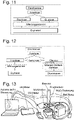
- FIG. 12 uses a schematic process diagram to illustrate essential steps of a method according to the invention for the biotechnological reduction of sugars in fruit starting materials for the purpose of obtaining sugar-reduced fruit products by enzymatic and/or fermentative reaction processes.
- the method according to the invention is characterized by a control process with which the pH value in the sugar-reduced fruit product is adjusted to a predetermined higher value than the pH value in the fruit educt.
- the adjustment of the pH value in the reduced-sugar fruit product to a predetermined higher value compared to the pH value in the fruit educt provided according to the invention has the advantage of preventing the overacidification of the taste in the reduced-sugar fruit product, regardless of whether alternative or cumulative enzymatic and/or fermentative reaction processes are used found:
- AB 1 Establishment of enzymatic processes to remove glucose, sucrose and/or fructose
- sucrose, fructose and/or fructose Due to the high calorific value and the cariogenic effect of the sugars glucose, sucrose and/or fructose, enzymatic reaction processes can be provided within the scope of the present invention, by means of which sucrose, fructose and/or in particular glucose are enzymatically broken down in the fruit or fruit educts.
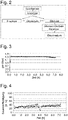
- FIG. 2 shows a reaction scheme of enzymatic reaction processes. It can be seen how a combination of the enzymes invertase, glucose oxidase and catalase can be used to remove both the sugar substance sucrose present in fruit educts and the sugar substance glucose formed in the process. Using the enzyme isomerase, even the sugar substance fructose can be converted into glucose and broken down enzymatically.
- figure 5 shows the course over time of the breakdown of glucose in a grape juice by means of glucose oxidase. It is impressively illustrated how with the control processes described above (control 4.3 pH, 30% oxygen) it was possible to completely break down all the glucose in a grape juice within just 7 hours using the enzymes glucose oxidase and catalase. Analogous tests with raspberry, cherry, orange, pineapple and grapefruit juice led to comparable results and show the universal transferability and cost-effectiveness of the developed process to most relevant fruit matrices.
- sucrose is also found in most types of fruit, sometimes in significant amounts.
- a supplementary method for removing this sugar substance is also provided.
- invertase saccharide
- sucrose is also found in most types of fruit, sometimes in significant amounts.
- sucrose is also found in most types of fruit, sometimes in significant amounts.
- a supplementary method for removing this sugar substance is also provided.
- glucose isomerase is usually established at a ratio of 1:1 (glucose content: fructose content), which is why, according to the invention, the additional use of glucose oxidase is preferred to remove the glucose from this equilibrium and thus complete it Breakdown of fructose via glucose (glucose isomerase) to gluconic acid (glucose oxidase).
- fructose After the successful breakdown of the sugars sucrose and glucose, only fructose remains as the relevant sugar in most fruit educts.
- fructose it is also possible to convert fructose into glucose with the enzyme glucose isomerase, a non-enzymatic process but a fermentative process based on microorganisms can also be used to break down the fructose, which advantageously improves taste aspects in the sugar-reduced fruit product by forming desirable sweetening compounds into account.
- microorganisms that grow in the fruit starting material and in the presence of fruit-specific bactericides (such as polyphenols), in particular fungi, despite a low pH value and hardly any nitrogen sources (which is normally the basis for the growth of microorganisms). , yeast and/or bacteria.
- microorganisms which, although they are able to break down the sugar substance fructose, do not produce any potentially problematic products such as alcohol or mannitol when it is broken down, but rather form sweetening sugar alcohols that are free from laxatives, i.e. do not have a laxative effect, such as in particular erythritol.
- FIG. 9 shows a reaction scheme of fermentative reaction processes. It shows how microorganisms can break down the sugars fructose and/or glucose with the simultaneous formation of erythritol.
- the pH value in the sugar-reduced fruit product was also adjusted to a specified higher value compared to the pH value in the fruit educt in the fermentative reaction process in order to achieve a balanced acid-sugar ratio, which is the prerequisite of taste acceptance by the consumer.
- the pH increase according to the invention is up to 0.3 pH units lower, with the two values preferably correlating to one another in a particularly linear manner.
- the method according to the invention for the biotechnological reduction of sugars in fruit educts for the purpose of obtaining sugar-reduced fruit products will also be distinguished in practice by the combination of enzymatic and fermentative reaction processes.
- Such combination processes make available a type of modular or platform technology that can be used to remove all relevant fractions of sugars from many foods using biotechnological processes.
- FIG. 11 shows an example of a reaction scheme of enzymatic and fermentative combined reaction processes with a fermentative focus. Depicted is the breakdown of the sugars fructose and/or glucose by means of microorganisms with the simultaneous formation of erythritol and optional breakdown of the sugar sucrose through the use of the enzyme invertase.
- FIG. 12 shows an example of a reaction scheme for the combination of all the enzymatic and fermentative reaction processes described above with any selectable (enzymatic and/or fermentative) focuses.
- all sugars contained in fruit educts such as in particular sucrose, fructose and/or glucose
- sweetening substances can still be advantageously retained in the sugar-reduced fruit product.
- reduced-calorie, sweet-tasting compounds such as erythritol in particular can be formed in a fermentation step.
- FIG. 13 shows an example of a laboratory setup showing how sophisticated but cost-effective measurement and control technology is advantageous in both the enzymatic and any fermentative reaction processes in order to ensure a reproducible and reliable process flow, which is preferably carried out in a batch process he follows. It shows how the reactor technology required for an individual process, i.e. also a combination process, together with the sensors used (pH and O2 electrodes) and, preferably automatic, control and regulation technology can be used without resorting to expensive or complex equipment.
- ventilation via a simple frit can be sufficient for introducing the oxygen required for the breakdown of glucose to gluconic acid into a device (reactor) for carrying out the method.
- a device for carrying out the method.
- means for blowing oxygen into the device for carrying out the method can also be provided.
- Magnesium oxide (MgO) and/or magnesium oxide suspensions are preferably used as the acidity regulator for pH regulation, since these advantageously have no negative influence on the taste of the desired reduced-sugar fruit products.
- the laboratory device shown for carrying out a method according to the invention comprises, for example, a 3 liter reactor with a pH electrode, an oxygen electrode and a frit for aeration with pure oxygen.
- a pH electrode e.g., a pH electrode
- an oxygen electrode e.g., a mercury-phosphate
- a frit e.g., a frit
- the 20% proportion of oxygen in air can also be used, but the process speed then drops accordingly.
- the during the reaction processes Fruit educts stirred in the reactor using a magnetic or similar stirrer to ensure an even distribution of oxygen and MgO.
- Magnesium oxide (MgO) is difficult to dissolve and is therefore preferably dosed as a 10% suspension, for example using a peristaltic pump.
- the pH value and oxygen saturation can be adjusted automatically during the reaction process by means of an automatic controller, for example a computer-controlled control system:
- an automatic controller for example a computer-controlled control system:
- the oxygen supply is controlled, for example, via a valve and the metering of the acidity regulator magnesium oxide is controlled, for example, via a pump.
- the oxygen is preferably checked using an O 2 meter, and the pH is preferably checked using a pH meter.
- the latter is also advantageous in a fermentation step that follows the enzymatic reaction process, since especially in the case of lactic acid bacteria, the breakdown of fructose is accompanied by a pH value reduction, which can be counteracted by adding sodium hydroxide (NaOH), for example. If the fermentative step is anaerobic, the addition of oxygen is not (or no longer) necessary.
- NaOH sodium hydroxide
- the investigation of the entire process was carried out below using the example of a pineapple juice.
- the enzymes glucose oxidase, catalase and invertase were added to this in a reactor and the enzymatic reaction process was started with the setting and regulation of an oxygen content of 30% by means of a magnetic valve and computer control.
- the pH value was also adjusted as desired to a higher pH value than that present in the fruit educt.
- the control process managed to keep it within a window of just 0.5 pH units: 15 shows the pH curve during the enzymatic breakdown of the sugars sucrose and glucose in the pineapple juice.
- the sugar substance fructose was almost completely broken down within a further 40 hours, with the formation of a sugar substitute.
- a combination process according to the invention can also be implemented and is able to break down more than 95% of all the essential sugars (sucrose, glucose and fructose) contained in a juice within 45 hours under gentle temperature conditions (between e.g. only 20 to 30 °C). .
- sugar-reduced fruit products in particular are obtainable, such as fruit purees or fruit preparations or fruit powder or whole fruit drinks (smoothies) or fruit and/or vegetable juices (regardless of whether they are bottled undiluted as direct juice or rediluted as fruit juice from fruit juice concentrate) or comparable fruit drinks that can be labeled as alcohol-free;
- the pH value in the reduced-sugar fruit product is regulated to a predetermined higher value than the pH value in the fruit starting material.
Landscapes
- Life Sciences & Earth Sciences (AREA)
- Health & Medical Sciences (AREA)
- Chemical & Material Sciences (AREA)
- Engineering & Computer Science (AREA)
- Nutrition Science (AREA)
- Food Science & Technology (AREA)
- Polymers & Plastics (AREA)
- Zoology (AREA)
- Microbiology (AREA)
- Biotechnology (AREA)
- Wood Science & Technology (AREA)
- Organic Chemistry (AREA)
- Genetics & Genomics (AREA)
- Bioinformatics & Cheminformatics (AREA)
- Mycology (AREA)
- Tropical Medicine & Parasitology (AREA)
- Virology (AREA)
- Medicinal Chemistry (AREA)
- Biomedical Technology (AREA)
- Biochemistry (AREA)
- General Engineering & Computer Science (AREA)
- General Health & Medical Sciences (AREA)
- Molecular Biology (AREA)
- Botany (AREA)
- Preparation Of Compounds By Using Micro-Organisms (AREA)
Claims (4)
- Procédé de réduction biotechnologique des sucres dans des matières premières de fruits dans le but d'obtenir des produits de fruits à teneur réduite en sucres, par- des procédés enzymatiquescaractérisé par- un processus de régulation, à l'aide duquel le pH du produit de fruits à teneur réduite en sucres est ajusté à une valeur prédéfinie supérieure au pH de la matière première de fruits,- en ce que, pour une réduction des sucres d'au moins 30 % en poids à moins de 40 % en poids, le pH est élevé de 0,6 à 1,0 unité de pH ; ou- en ce que, pour une réduction des sucres d'au moins 40 % en poids à moins de 50 % en poids, le pH est élevé de 0,7 à 1,1 unité de pH ; ou- en ce que, pour une réduction des sucres d'au moins 50 % en poids à moins de 65 % en poids, le pH est élevé de 0,8 à 1,2 unité de pH ; ou- en ce que, pour une réduction des sucres d'au moins 65 % en poids à moins de 80 % en poids, le pH est élevé de 0,9 à 1,3 unité de pH ; ou- en ce que, pour une réduction des sucres d'au moins 80 % en poids, le pH est élevé de 1,0 à 1,4 unité de pH ;les produits de fruits à teneur réduite en sucres étant des boissons à base de fruits entiers ou des jus de fruits et/ou de légumes,(a) caractérisé par- une conversion enzymatique du saccharose en glucose et en fructose à l'aide d'une invertase ; et/ou- une conversion enzymatique du fructose en glucose à l'aide d'une glucose-isomérase, et(b) caractérisé par- une dégradation enzymatique du glucose avec formation d'acide gluconique et de peroxyde d'hydrogène à l'aide d'une glucose-oxydase- avec utilisation simultanée d'une catalase, pour convertir le peroxyde d'hydrogène formé en eau et oxygène.
- Procédé selon la revendication 1, caractérisé en ce que, au cours des processus enzymatiques à l'aide d'une glucose-oxydase et d'une catalase, on amène l'oxygène nécessaire, l'apport d'oxygène étant de préférence ajusté à des saturations entre 5 % et 60 %, en particulier entre 10 % et 40 %, d'une manière particulièrement préférée entre 30 % et moins de 40 %.
- Procédé selon la revendication 2, caractérisé en ce que l'oxygène est uniformément insufflé dans un dispositif destiné à la mise en œuvre du procédé.
- Procédé selon l'une des revendications précédentes, caractérisé en ce que l'ajustement à un pH plus élevé est réalisé par addition de sels à goût neutre et/ou de suspensions de sels tels en particulier l'oxyde de magnésium et/ou une suspension d'oxyde de magnésium.
Applications Claiming Priority (1)
| Application Number | Priority Date | Filing Date | Title |
|---|---|---|---|
| PCT/DE2015/100071 WO2016131432A1 (fr) | 2015-02-20 | 2015-02-20 | Procédé et dispositif pour la réduction biotechnologique des sucres dans les matières premières de fruits dans le but d'obtenir des produits de fruits à teneur en sucres réduite |
Publications (2)
| Publication Number | Publication Date |
|---|---|
| EP3258794A1 EP3258794A1 (fr) | 2017-12-27 |
| EP3258794B1 true EP3258794B1 (fr) | 2022-04-06 |
Family
ID=52814760
Family Applications (1)
| Application Number | Title | Priority Date | Filing Date |
|---|---|---|---|
| EP15714760.4A Active EP3258794B1 (fr) | 2015-02-20 | 2015-02-20 | Procédé et dispositif pour la réduction biotechnologique des sucres dans les matières premières de fruits dans le but d'obtenir des produits de fruits à teneur en sucres réduite |
Country Status (5)
| Country | Link |
|---|---|
| US (1) | US20180020702A1 (fr) |
| EP (1) | EP3258794B1 (fr) |
| CA (1) | CA2985875A1 (fr) |
| ES (1) | ES2916209T3 (fr) |
| WO (1) | WO2016131432A1 (fr) |
Families Citing this family (10)
| Publication number | Priority date | Publication date | Assignee | Title |
|---|---|---|---|---|
| US20180020702A1 (en) | 2015-02-20 | 2018-01-25 | Gustav Lermer Gmbh & Co Kg | Method and device for the biotechnological reduction of sugars in fruit educts for the purpose of obtaining reduced-sugar fruit products |
| EP4056046A1 (fr) * | 2016-10-26 | 2022-09-14 | Yissum Research Development Company of The Hebrew University of Jerusalem Ltd. | Produits alimentaires à faible teneur en sucre et à teneur élevée en fibres |
| CA3084677A1 (fr) * | 2017-12-07 | 2019-06-13 | Commonwealth Scientific And Industrial Research Organisation | Produits reduits en sucre et leur procede de production |
| CN108902601B (zh) * | 2018-07-02 | 2021-06-04 | 东莞市农业科学研究中心 | 一株荔枝内生乳酸菌及其发酵果汁饮料 |
| US11412764B2 (en) * | 2019-08-29 | 2022-08-16 | Tropicana Products, Inc. | Reduced calorie food product and methods of making |
| CN110584049A (zh) * | 2019-10-25 | 2019-12-20 | 山东大学 | 一种果酱的生产工艺 |
| WO2022181782A1 (fr) * | 2021-02-26 | 2022-09-01 | 天野エンザイム株式会社 | Procédé de production d'aliment ou de boisson fermenté, et procédé de fermentation anaérobie |
| WO2025216314A1 (fr) * | 2024-04-12 | 2025-10-16 | 天野エンザイム株式会社 | Agent de déplétion de saccharides pour aliment/boisson contenant des saccharides |
| CN118340234A (zh) * | 2024-05-09 | 2024-07-16 | 宁夏大学 | 一种低糖枸杞原浆的酶解制备方法 |
| CN120399845B (zh) * | 2025-04-29 | 2026-02-27 | 江苏上首生物科技有限公司 | 一种果蔬发酵饮料加工用预煮发酵设备 |
Citations (5)
| Publication number | Priority date | Publication date | Assignee | Title |
|---|---|---|---|---|
| US3935071A (en) | 1972-03-24 | 1976-01-27 | Boehringer Mannheim G.M.B.H. | Process for the conversion of glucose into gluconic acid |
| US4675191A (en) | 1985-02-08 | 1987-06-23 | Novo Industri A/S | Method for production of a low alcoholic wine |
| US20120114791A1 (en) | 2009-07-10 | 2012-05-10 | Chr-Hansen A/S | Method for production of an alcoholic beverage with reduced content of alcohol |
| WO2014000746A1 (fr) | 2012-06-29 | 2014-01-03 | Carlsberg Breweries A/S | Procédé de production de boissons par élimination d'acides |
| WO2016131432A1 (fr) | 2015-02-20 | 2016-08-25 | Gustav Lermer Gmbh & Co. Kg | Procédé et dispositif pour la réduction biotechnologique des sucres dans les matières premières de fruits dans le but d'obtenir des produits de fruits à teneur en sucres réduite |
Family Cites Families (7)
| Publication number | Priority date | Publication date | Assignee | Title |
|---|---|---|---|---|
| AT43630B (de) | 1909-09-30 | 1910-08-25 | Johann Frutiger | Pfroptkästchen für Obstzüchter, Gärtner und dergl. |
| US3362836A (en) | 1965-03-15 | 1968-01-09 | Searle & Co | Process for production of albumen |
| CH668887A5 (en) * | 1986-09-10 | 1989-02-15 | Eidgenoess Tech Hochschule | Prodn. of sugar free or low sugar fruit juice - by fermentation with yeast to carbon di:oxide and water stage, avoiding ethanol prodn. |
| CH684048A5 (de) * | 1992-01-29 | 1994-07-15 | Bucher Guyer Ag Masch | Verfahren zur Herstellung eines zuckerreduzierten, alkoholfreien Getränkes bzw. eines alkoholreduzierten fermentierten Getränkes. |
| DE59205769D1 (de) | 1992-02-06 | 1996-04-25 | Eckes Ag | Verfahren zur selektiven Verminderung des Zuckergehalts von zuckerhaltigen Nahrungsmitteln unter Beibehaltung der originären sensorischen Eigenschaften und danach erhaltene Nahrungsmittel |
| US20070275153A1 (en) | 2004-02-06 | 2007-11-29 | Somsen Dirk J | Selective Withdrawal of Reducing Sugars During Blanching |
| SG189463A1 (en) * | 2010-11-03 | 2013-05-31 | Nestec Sa | Intrinsic sugar reduction of juices and ready to drink products |
-
2015
- 2015-02-20 US US15/552,114 patent/US20180020702A1/en not_active Abandoned
- 2015-02-20 ES ES15714760T patent/ES2916209T3/es active Active
- 2015-02-20 EP EP15714760.4A patent/EP3258794B1/fr active Active
- 2015-02-20 CA CA2985875A patent/CA2985875A1/fr not_active Abandoned
- 2015-02-20 WO PCT/DE2015/100071 patent/WO2016131432A1/fr not_active Ceased
Patent Citations (5)
| Publication number | Priority date | Publication date | Assignee | Title |
|---|---|---|---|---|
| US3935071A (en) | 1972-03-24 | 1976-01-27 | Boehringer Mannheim G.M.B.H. | Process for the conversion of glucose into gluconic acid |
| US4675191A (en) | 1985-02-08 | 1987-06-23 | Novo Industri A/S | Method for production of a low alcoholic wine |
| US20120114791A1 (en) | 2009-07-10 | 2012-05-10 | Chr-Hansen A/S | Method for production of an alcoholic beverage with reduced content of alcohol |
| WO2014000746A1 (fr) | 2012-06-29 | 2014-01-03 | Carlsberg Breweries A/S | Procédé de production de boissons par élimination d'acides |
| WO2016131432A1 (fr) | 2015-02-20 | 2016-08-25 | Gustav Lermer Gmbh & Co. Kg | Procédé et dispositif pour la réduction biotechnologique des sucres dans les matières premières de fruits dans le but d'obtenir des produits de fruits à teneur en sucres réduite |
Non-Patent Citations (6)
| Title |
|---|
| AZIZ ET AL.: "Biotransformation of pineapple juice sugars into dietetic derivatives by using a cell free oxidoreductase from Zymomonas mobilis together with commercial invertase", ENZYME AND MICROBIAL TECHNOLOGY, vol. 48, 2011, pages 85 - 91, XP027476954, DOI: 10.1016/j.enzmictec.2010.09.012 |
| HERESZTYN, T.: "Conversion of glucose to gluconic acid by glucose oxidase enzyme in Muscat Gordo juice", THE AUSTRALIAN GRAPEGROWER AND WINEMAKER, 1987, pages 25 - 27, XP093016794 |
| LEIF POLL: "Evaluation of 18 apple varieties for their suitability for juice production", JOURNAL OF THE SCIENCE OF FOOD AND AGRICULTURE, vol. 32, no. 11, 1 November 1981 (1981-11-01), GB, pages 1081 - 1090, XP055653962, ISSN: 0022-5142, DOI: 10.1002/jsfa.2740321107 * |
| PICKERING, G. ET AL.: "Characterisation of reduced alcohol wine made from glucose oxidase treated must", THE FOOD TECHNOLOGIST, vol. 26, no. 3, 1996, pages 101 - 107, XP009178495 |
| RAMACHANDRAN S, FONTANILLE P, PANDEY A, LARROCHE C: "Gluconic Acid: Properties, Applications and Microbial Production", FOOD TECHNOL BIOTECHNOL, vol. 44, no. 2, 2006, pages 185 - 195, XP002670029 |
| SCHMIDTKE, L.M. ET AL.: "Production Technologies for Reduced Alcoholic Wines", JOURNAL OF FOOD SCIENCE, vol. 71, no. 1, 2012, pages R25 - R41, XP055225476, DOI: 10.1111/j.1750-3841.2011.02448.x |
Also Published As
| Publication number | Publication date |
|---|---|
| ES2916209T3 (es) | 2022-06-29 |
| US20180020702A1 (en) | 2018-01-25 |
| CA2985875A1 (fr) | 2016-08-25 |
| EP3258794A1 (fr) | 2017-12-27 |
| WO2016131432A1 (fr) | 2016-08-25 |
Similar Documents
| Publication | Publication Date | Title |
|---|---|---|
| WO2016131432A1 (fr) | Procédé et dispositif pour la réduction biotechnologique des sucres dans les matières premières de fruits dans le but d'obtenir des produits de fruits à teneur en sucres réduite | |
| EP1697493B1 (fr) | Bieres a faible teneur en alcool ou boissons rafraichissantes de type biere a base de palatinose | |
| EP2424390B1 (fr) | Production de boissons sans alcool par fermentation | |
| DE69031565T2 (de) | Verfahren, zusammenstellung und vorrichtung zur hemmung des oxidativen verfalls von lebensmitteln und getränken | |
| EP0748168B1 (fr) | Boisson rafraichissante sans alcool | |
| DE3787095T2 (de) | Verfahren zur herstellung von alkoholischen getränken aus einem pflanzlichen saft. | |
| KR20170068691A (ko) | 사과 식초의 제조 방법 | |
| AT397189B (de) | Verfahren zur enzymatischen behandlung von vorentsafteter maische | |
| DE102015102502A1 (de) | Verfahren und Vorrichtung zur biotechnologischen Reduzierung von Zuckerstoffen in Fruchtedukten zwecks Erhalts zuckerreduzierter Fruchtprodukte | |
| DE4012000C2 (de) | Alkoholfreies Erfrischungsgetränk | |
| WO1989007132A1 (fr) | Procede pour fabriquer des boissons desalcoolisees ainsi qu'installation et dispositif pour la mise en oeuvre du procede | |
| EP0382010A1 (fr) | Procédé pour diminuer la teneur en calories d'une boisson par dégradation microbiologique des sucres ainsi qu'utilisations du produit et du micro-organisme | |
| EP0554488B1 (fr) | Procédé pour réduire sélectivement la teneur en sucre des produits alimentaires sucrés en maintenant leurs caractéristiques sensorielles et produit alimentaire le contenant | |
| DE69828228T2 (de) | Zitrusfruchtessig und Herstellungsverfahren | |
| CH684048A5 (de) | Verfahren zur Herstellung eines zuckerreduzierten, alkoholfreien Getränkes bzw. eines alkoholreduzierten fermentierten Getränkes. | |
| DE10228922B4 (de) | Verfahren zur Modifizierung der Inhaltsstoffzusammensetzung von pflanzlichen Produkten, insbesondere Früchten, wie Sultaninen, Sanddorn, Apfelbeeren oder Moosbeeren | |
| DE3940247C1 (en) | Producing micro-biologically active cereal drink - includes fermenting aq. nourishing path with low solid concn. | |
| DE202019005003U1 (de) | Nicht-alkoholisch fermentiertes Getränk als Alternative zu Wein | |
| JPH0414956B2 (fr) | ||
| DE102024115210A1 (de) | Verfahren zum Herstellen eines alkoholfreien Lebensmittels, insbesondere eines Getränks | |
| EP4272571A1 (fr) | Concentré de jus à teneur réduite en sucre et procédé de fabrication | |
| EP4272572A1 (fr) | Jus pur à faible teneur en sucre et procédé de production | |
| DE102023110966A1 (de) | Fermentative herstellung von getränken aus dem fruchtfleisch der kakaofrucht | |
| DE754713C (de) | Verfahren zur Herstellung von Getraenken | |
| DE102008061736A1 (de) | Verfahren zur Herstellung von edelsüßen Weinen aus Lesegut roter Rebsorten |
Legal Events
| Date | Code | Title | Description |
|---|---|---|---|
| STAA | Information on the status of an ep patent application or granted ep patent |
Free format text: STATUS: THE INTERNATIONAL PUBLICATION HAS BEEN MADE |
|
| PUAI | Public reference made under article 153(3) epc to a published international application that has entered the european phase |
Free format text: ORIGINAL CODE: 0009012 |
|
| STAA | Information on the status of an ep patent application or granted ep patent |
Free format text: STATUS: REQUEST FOR EXAMINATION WAS MADE |
|
| 17P | Request for examination filed |
Effective date: 20170828 |
|
| AK | Designated contracting states |
Kind code of ref document: A1 Designated state(s): AL AT BE BG CH CY CZ DE DK EE ES FI FR GB GR HR HU IE IS IT LI LT LU LV MC MK MT NL NO PL PT RO RS SE SI SK SM TR |
|
| AX | Request for extension of the european patent |
Extension state: BA ME |
|
| DAX | Request for extension of the european patent (deleted) | ||
| STAA | Information on the status of an ep patent application or granted ep patent |
Free format text: STATUS: EXAMINATION IS IN PROGRESS |
|
| 17Q | First examination report despatched |
Effective date: 20180604 |
|
| GRAP | Despatch of communication of intention to grant a patent |
Free format text: ORIGINAL CODE: EPIDOSNIGR1 |
|
| STAA | Information on the status of an ep patent application or granted ep patent |
Free format text: STATUS: GRANT OF PATENT IS INTENDED |
|
| INTG | Intention to grant announced |
Effective date: 20210930 |
|
| GRAS | Grant fee paid |
Free format text: ORIGINAL CODE: EPIDOSNIGR3 |
|
| GRAA | (expected) grant |
Free format text: ORIGINAL CODE: 0009210 |
|
| STAA | Information on the status of an ep patent application or granted ep patent |
Free format text: STATUS: THE PATENT HAS BEEN GRANTED |
|
| AK | Designated contracting states |
Kind code of ref document: B1 Designated state(s): AL AT BE BG CH CY CZ DE DK EE ES FI FR GB GR HR HU IE IS IT LI LT LU LV MC MK MT NL NO PL PT RO RS SE SI SK SM TR |
|
| REG | Reference to a national code |
Ref country code: GB Ref legal event code: FG4D Free format text: NOT ENGLISH |
|
| REG | Reference to a national code |
Ref country code: CH Ref legal event code: EP |
|
| REG | Reference to a national code |
Ref country code: AT Ref legal event code: REF Ref document number: 1480449 Country of ref document: AT Kind code of ref document: T Effective date: 20220415 |
|
| REG | Reference to a national code |
Ref country code: DE Ref legal event code: R096 Ref document number: 502015015741 Country of ref document: DE |
|
| REG | Reference to a national code |
Ref country code: IE Ref legal event code: FG4D Free format text: LANGUAGE OF EP DOCUMENT: GERMAN |
|
| REG | Reference to a national code |
Ref country code: NL Ref legal event code: FP |
|
| REG | Reference to a national code |
Ref country code: ES Ref legal event code: FG2A Ref document number: 2916209 Country of ref document: ES Kind code of ref document: T3 Effective date: 20220629 |
|
| REG | Reference to a national code |
Ref country code: LT Ref legal event code: MG9D |
|
| PG25 | Lapsed in a contracting state [announced via postgrant information from national office to epo] |
Ref country code: SE Free format text: LAPSE BECAUSE OF FAILURE TO SUBMIT A TRANSLATION OF THE DESCRIPTION OR TO PAY THE FEE WITHIN THE PRESCRIBED TIME-LIMIT Effective date: 20220406 Ref country code: PT Free format text: LAPSE BECAUSE OF FAILURE TO SUBMIT A TRANSLATION OF THE DESCRIPTION OR TO PAY THE FEE WITHIN THE PRESCRIBED TIME-LIMIT Effective date: 20220808 Ref country code: NO Free format text: LAPSE BECAUSE OF FAILURE TO SUBMIT A TRANSLATION OF THE DESCRIPTION OR TO PAY THE FEE WITHIN THE PRESCRIBED TIME-LIMIT Effective date: 20220706 Ref country code: LT Free format text: LAPSE BECAUSE OF FAILURE TO SUBMIT A TRANSLATION OF THE DESCRIPTION OR TO PAY THE FEE WITHIN THE PRESCRIBED TIME-LIMIT Effective date: 20220406 Ref country code: HR Free format text: LAPSE BECAUSE OF FAILURE TO SUBMIT A TRANSLATION OF THE DESCRIPTION OR TO PAY THE FEE WITHIN THE PRESCRIBED TIME-LIMIT Effective date: 20220406 Ref country code: GR Free format text: LAPSE BECAUSE OF FAILURE TO SUBMIT A TRANSLATION OF THE DESCRIPTION OR TO PAY THE FEE WITHIN THE PRESCRIBED TIME-LIMIT Effective date: 20220707 Ref country code: FI Free format text: LAPSE BECAUSE OF FAILURE TO SUBMIT A TRANSLATION OF THE DESCRIPTION OR TO PAY THE FEE WITHIN THE PRESCRIBED TIME-LIMIT Effective date: 20220406 Ref country code: BG Free format text: LAPSE BECAUSE OF FAILURE TO SUBMIT A TRANSLATION OF THE DESCRIPTION OR TO PAY THE FEE WITHIN THE PRESCRIBED TIME-LIMIT Effective date: 20220706 |
|
| PG25 | Lapsed in a contracting state [announced via postgrant information from national office to epo] |
Ref country code: RS Free format text: LAPSE BECAUSE OF FAILURE TO SUBMIT A TRANSLATION OF THE DESCRIPTION OR TO PAY THE FEE WITHIN THE PRESCRIBED TIME-LIMIT Effective date: 20220406 Ref country code: PL Free format text: LAPSE BECAUSE OF FAILURE TO SUBMIT A TRANSLATION OF THE DESCRIPTION OR TO PAY THE FEE WITHIN THE PRESCRIBED TIME-LIMIT Effective date: 20220406 Ref country code: LV Free format text: LAPSE BECAUSE OF FAILURE TO SUBMIT A TRANSLATION OF THE DESCRIPTION OR TO PAY THE FEE WITHIN THE PRESCRIBED TIME-LIMIT Effective date: 20220406 Ref country code: IS Free format text: LAPSE BECAUSE OF FAILURE TO SUBMIT A TRANSLATION OF THE DESCRIPTION OR TO PAY THE FEE WITHIN THE PRESCRIBED TIME-LIMIT Effective date: 20220806 |
|
| REG | Reference to a national code |
Ref country code: DE Ref legal event code: R026 Ref document number: 502015015741 Country of ref document: DE |
|
| PLBI | Opposition filed |
Free format text: ORIGINAL CODE: 0009260 |
|
| PLAX | Notice of opposition and request to file observation + time limit sent |
Free format text: ORIGINAL CODE: EPIDOSNOBS2 |
|
| PLAB | Opposition data, opponent's data or that of the opponent's representative modified |
Free format text: ORIGINAL CODE: 0009299OPPO |
|
| PLAB | Opposition data, opponent's data or that of the opponent's representative modified |
Free format text: ORIGINAL CODE: 0009299OPPO |
|
| PG25 | Lapsed in a contracting state [announced via postgrant information from national office to epo] |
Ref country code: SM Free format text: LAPSE BECAUSE OF FAILURE TO SUBMIT A TRANSLATION OF THE DESCRIPTION OR TO PAY THE FEE WITHIN THE PRESCRIBED TIME-LIMIT Effective date: 20220406 Ref country code: SK Free format text: LAPSE BECAUSE OF FAILURE TO SUBMIT A TRANSLATION OF THE DESCRIPTION OR TO PAY THE FEE WITHIN THE PRESCRIBED TIME-LIMIT Effective date: 20220406 Ref country code: RO Free format text: LAPSE BECAUSE OF FAILURE TO SUBMIT A TRANSLATION OF THE DESCRIPTION OR TO PAY THE FEE WITHIN THE PRESCRIBED TIME-LIMIT Effective date: 20220406 Ref country code: EE Free format text: LAPSE BECAUSE OF FAILURE TO SUBMIT A TRANSLATION OF THE DESCRIPTION OR TO PAY THE FEE WITHIN THE PRESCRIBED TIME-LIMIT Effective date: 20220406 Ref country code: DK Free format text: LAPSE BECAUSE OF FAILURE TO SUBMIT A TRANSLATION OF THE DESCRIPTION OR TO PAY THE FEE WITHIN THE PRESCRIBED TIME-LIMIT Effective date: 20220406 Ref country code: CZ Free format text: LAPSE BECAUSE OF FAILURE TO SUBMIT A TRANSLATION OF THE DESCRIPTION OR TO PAY THE FEE WITHIN THE PRESCRIBED TIME-LIMIT Effective date: 20220406 |
|
| 26 | Opposition filed |
Opponent name: MISHCON DE REYA LLP Effective date: 20230105 |
|
| R26 | Opposition filed (corrected) |
Opponent name: MISHCON DE REYA LLP Effective date: 20230105 |
|
| R26 | Opposition filed (corrected) |
Opponent name: MISHCON DE REYA LLP Effective date: 20230105 |
|
| PG25 | Lapsed in a contracting state [announced via postgrant information from national office to epo] |
Ref country code: AL Free format text: LAPSE BECAUSE OF FAILURE TO SUBMIT A TRANSLATION OF THE DESCRIPTION OR TO PAY THE FEE WITHIN THE PRESCRIBED TIME-LIMIT Effective date: 20220406 |
|
| PLAF | Information modified related to communication of a notice of opposition and request to file observations + time limit |
Free format text: ORIGINAL CODE: EPIDOSCOBS2 |
|
| PG25 | Lapsed in a contracting state [announced via postgrant information from national office to epo] |
Ref country code: SI Free format text: LAPSE BECAUSE OF FAILURE TO SUBMIT A TRANSLATION OF THE DESCRIPTION OR TO PAY THE FEE WITHIN THE PRESCRIBED TIME-LIMIT Effective date: 20220406 |
|
| PLBB | Reply of patent proprietor to notice(s) of opposition received |
Free format text: ORIGINAL CODE: EPIDOSNOBS3 |
|
| PG25 | Lapsed in a contracting state [announced via postgrant information from national office to epo] |
Ref country code: MC Free format text: LAPSE BECAUSE OF FAILURE TO SUBMIT A TRANSLATION OF THE DESCRIPTION OR TO PAY THE FEE WITHIN THE PRESCRIBED TIME-LIMIT Effective date: 20220406 |
|
| REG | Reference to a national code |
Ref country code: BE Ref legal event code: MM Effective date: 20230228 |
|
| PG25 | Lapsed in a contracting state [announced via postgrant information from national office to epo] |
Ref country code: LU Free format text: LAPSE BECAUSE OF NON-PAYMENT OF DUE FEES Effective date: 20230220 |
|
| REG | Reference to a national code |
Ref country code: IE Ref legal event code: MM4A |
|
| PG25 | Lapsed in a contracting state [announced via postgrant information from national office to epo] |
Ref country code: IT Free format text: LAPSE BECAUSE OF FAILURE TO SUBMIT A TRANSLATION OF THE DESCRIPTION OR TO PAY THE FEE WITHIN THE PRESCRIBED TIME-LIMIT Effective date: 20220406 Ref country code: IE Free format text: LAPSE BECAUSE OF NON-PAYMENT OF DUE FEES Effective date: 20230220 |
|
| PG25 | Lapsed in a contracting state [announced via postgrant information from national office to epo] |
Ref country code: BE Free format text: LAPSE BECAUSE OF NON-PAYMENT OF DUE FEES Effective date: 20230228 |
|
| PG25 | Lapsed in a contracting state [announced via postgrant information from national office to epo] |
Ref country code: BG Free format text: LAPSE BECAUSE OF FAILURE TO SUBMIT A TRANSLATION OF THE DESCRIPTION OR TO PAY THE FEE WITHIN THE PRESCRIBED TIME-LIMIT Effective date: 20220406 |
|
| PLCK | Communication despatched that opposition was rejected |
Free format text: ORIGINAL CODE: EPIDOSNREJ1 |
|
| REG | Reference to a national code |
Ref country code: DE Ref legal event code: R100 Ref document number: 502015015741 Country of ref document: DE |
|
| PG25 | Lapsed in a contracting state [announced via postgrant information from national office to epo] |
Ref country code: BG Free format text: LAPSE BECAUSE OF FAILURE TO SUBMIT A TRANSLATION OF THE DESCRIPTION OR TO PAY THE FEE WITHIN THE PRESCRIBED TIME-LIMIT Effective date: 20220406 |
|
| PLBN | Opposition rejected |
Free format text: ORIGINAL CODE: 0009273 |
|
| STAA | Information on the status of an ep patent application or granted ep patent |
Free format text: STATUS: OPPOSITION REJECTED |
|
| 27O | Opposition rejected |
Effective date: 20241126 |
|
| PG25 | Lapsed in a contracting state [announced via postgrant information from national office to epo] |
Ref country code: CY Free format text: LAPSE BECAUSE OF FAILURE TO SUBMIT A TRANSLATION OF THE DESCRIPTION OR TO PAY THE FEE WITHIN THE PRESCRIBED TIME-LIMIT; INVALID AB INITIO Effective date: 20150220 |
|
| PG25 | Lapsed in a contracting state [announced via postgrant information from national office to epo] |
Ref country code: HU Free format text: LAPSE BECAUSE OF FAILURE TO SUBMIT A TRANSLATION OF THE DESCRIPTION OR TO PAY THE FEE WITHIN THE PRESCRIBED TIME-LIMIT; INVALID AB INITIO Effective date: 20150220 |
|
| PG25 | Lapsed in a contracting state [announced via postgrant information from national office to epo] |
Ref country code: TR Free format text: LAPSE BECAUSE OF FAILURE TO SUBMIT A TRANSLATION OF THE DESCRIPTION OR TO PAY THE FEE WITHIN THE PRESCRIBED TIME-LIMIT Effective date: 20220406 |
|
| REG | Reference to a national code |
Ref country code: CH Ref legal event code: U11 Free format text: ST27 STATUS EVENT CODE: U-0-0-U10-U11 (AS PROVIDED BY THE NATIONAL OFFICE) Effective date: 20260301 |
|
| PGFP | Annual fee paid to national office [announced via postgrant information from national office to epo] |
Ref country code: NL Payment date: 20260218 Year of fee payment: 12 |
|
| PGFP | Annual fee paid to national office [announced via postgrant information from national office to epo] |
Ref country code: GB Payment date: 20260219 Year of fee payment: 12 |
|
| PGFP | Annual fee paid to national office [announced via postgrant information from national office to epo] |
Ref country code: ES Payment date: 20260319 Year of fee payment: 12 |
|
| PGFP | Annual fee paid to national office [announced via postgrant information from national office to epo] |
Ref country code: DE Payment date: 20260126 Year of fee payment: 12 |
|
| PGFP | Annual fee paid to national office [announced via postgrant information from national office to epo] |
Ref country code: AT Payment date: 20260216 Year of fee payment: 12 |
|
| PGFP | Annual fee paid to national office [announced via postgrant information from national office to epo] |
Ref country code: FR Payment date: 20260223 Year of fee payment: 12 |
|
| PGFP | Annual fee paid to national office [announced via postgrant information from national office to epo] |
Ref country code: CH Payment date: 20260301 Year of fee payment: 12 |