EP3270242B1 - Systèmes et procédés permettant de prédire et d'afficher des mesures de sécurité d'un site - Google Patents
Systèmes et procédés permettant de prédire et d'afficher des mesures de sécurité d'un site Download PDFInfo
- Publication number
- EP3270242B1 EP3270242B1 EP17178512.4A EP17178512A EP3270242B1 EP 3270242 B1 EP3270242 B1 EP 3270242B1 EP 17178512 A EP17178512 A EP 17178512A EP 3270242 B1 EP3270242 B1 EP 3270242B1
- Authority
- EP
- European Patent Office
- Prior art keywords
- devices
- risk index
- baseline
- values
- recipient
- Prior art date
- Legal status (The legal status is an assumption and is not a legal conclusion. Google has not performed a legal analysis and makes no representation as to the accuracy of the status listed.)
- Active
Links
Images
Classifications
-
- G—PHYSICS
- G06—COMPUTING OR CALCULATING; COUNTING
- G06F—ELECTRIC DIGITAL DATA PROCESSING
- G06F11/00—Error detection; Error correction; Monitoring
- G06F11/07—Responding to the occurrence of a fault, e.g. fault tolerance
- G06F11/0703—Error or fault processing not based on redundancy, i.e. by taking additional measures to deal with the error or fault not making use of redundancy in operation, in hardware, or in data representation
- G06F11/0766—Error or fault reporting or storing
- G06F11/0781—Error filtering or prioritizing based on a policy defined by the user or on a policy defined by a hardware/software module, e.g. according to a severity level
-
- G—PHYSICS
- G05—CONTROLLING; REGULATING
- G05B—CONTROL OR REGULATING SYSTEMS IN GENERAL; FUNCTIONAL ELEMENTS OF SUCH SYSTEMS; MONITORING OR TESTING ARRANGEMENTS FOR SUCH SYSTEMS OR ELEMENTS
- G05B23/00—Testing or monitoring of control systems or parts thereof
- G05B23/02—Electric testing or monitoring
- G05B23/0205—Electric testing or monitoring by means of a monitoring system capable of detecting and responding to faults
- G05B23/0259—Electric testing or monitoring by means of a monitoring system capable of detecting and responding to faults characterized by the response to fault detection
- G05B23/0267—Fault communication, e.g. human machine interface [HMI]
-
- G—PHYSICS
- G05—CONTROLLING; REGULATING
- G05B—CONTROL OR REGULATING SYSTEMS IN GENERAL; FUNCTIONAL ELEMENTS OF SUCH SYSTEMS; MONITORING OR TESTING ARRANGEMENTS FOR SUCH SYSTEMS OR ELEMENTS
- G05B23/00—Testing or monitoring of control systems or parts thereof
- G05B23/02—Electric testing or monitoring
- G05B23/0205—Electric testing or monitoring by means of a monitoring system capable of detecting and responding to faults
- G05B23/0259—Electric testing or monitoring by means of a monitoring system capable of detecting and responding to faults characterized by the response to fault detection
- G05B23/0275—Fault isolation and identification, e.g. classify fault; estimate cause or root of failure
- G05B23/0278—Qualitative, e.g. if-then rules; Fuzzy logic; Lookup tables; Symptomatic search; FMEA
-
- G—PHYSICS
- G06—COMPUTING OR CALCULATING; COUNTING
- G06F—ELECTRIC DIGITAL DATA PROCESSING
- G06F11/00—Error detection; Error correction; Monitoring
- G06F11/07—Responding to the occurrence of a fault, e.g. fault tolerance
- G06F11/0703—Error or fault processing not based on redundancy, i.e. by taking additional measures to deal with the error or fault not making use of redundancy in operation, in hardware, or in data representation
- G06F11/0706—Error or fault processing not based on redundancy, i.e. by taking additional measures to deal with the error or fault not making use of redundancy in operation, in hardware, or in data representation the processing taking place on a specific hardware platform or in a specific software environment
- G06F11/0709—Error or fault processing not based on redundancy, i.e. by taking additional measures to deal with the error or fault not making use of redundancy in operation, in hardware, or in data representation the processing taking place on a specific hardware platform or in a specific software environment in a distributed system consisting of a plurality of standalone computer nodes, e.g. clusters, client-server systems
-
- G—PHYSICS
- G06—COMPUTING OR CALCULATING; COUNTING
- G06F—ELECTRIC DIGITAL DATA PROCESSING
- G06F11/00—Error detection; Error correction; Monitoring
- G06F11/07—Responding to the occurrence of a fault, e.g. fault tolerance
- G06F11/0703—Error or fault processing not based on redundancy, i.e. by taking additional measures to deal with the error or fault not making use of redundancy in operation, in hardware, or in data representation
- G06F11/0706—Error or fault processing not based on redundancy, i.e. by taking additional measures to deal with the error or fault not making use of redundancy in operation, in hardware, or in data representation the processing taking place on a specific hardware platform or in a specific software environment
- G06F11/0736—Error or fault processing not based on redundancy, i.e. by taking additional measures to deal with the error or fault not making use of redundancy in operation, in hardware, or in data representation the processing taking place on a specific hardware platform or in a specific software environment in functional embedded systems, i.e. in a data processing system designed as a combination of hardware and software dedicated to performing a certain function
-
- G—PHYSICS
- G06—COMPUTING OR CALCULATING; COUNTING
- G06F—ELECTRIC DIGITAL DATA PROCESSING
- G06F11/00—Error detection; Error correction; Monitoring
- G06F11/07—Responding to the occurrence of a fault, e.g. fault tolerance
- G06F11/0703—Error or fault processing not based on redundancy, i.e. by taking additional measures to deal with the error or fault not making use of redundancy in operation, in hardware, or in data representation
- G06F11/0751—Error or fault detection not based on redundancy
- G06F11/0754—Error or fault detection not based on redundancy by exceeding limits
-
- G—PHYSICS
- G06—COMPUTING OR CALCULATING; COUNTING
- G06F—ELECTRIC DIGITAL DATA PROCESSING
- G06F11/00—Error detection; Error correction; Monitoring
- G06F11/07—Responding to the occurrence of a fault, e.g. fault tolerance
- G06F11/0703—Error or fault processing not based on redundancy, i.e. by taking additional measures to deal with the error or fault not making use of redundancy in operation, in hardware, or in data representation
- G06F11/0766—Error or fault reporting or storing
- G06F11/0769—Readable error formats, e.g. cross-platform generic formats, human understandable formats
-
- G—PHYSICS
- G06—COMPUTING OR CALCULATING; COUNTING
- G06F—ELECTRIC DIGITAL DATA PROCESSING
- G06F11/00—Error detection; Error correction; Monitoring
- G06F11/07—Responding to the occurrence of a fault, e.g. fault tolerance
- G06F11/0703—Error or fault processing not based on redundancy, i.e. by taking additional measures to deal with the error or fault not making use of redundancy in operation, in hardware, or in data representation
- G06F11/0766—Error or fault reporting or storing
- G06F11/0787—Storage of error reports, e.g. persistent data storage, storage using memory protection
-
- G—PHYSICS
- G06—COMPUTING OR CALCULATING; COUNTING
- G06F—ELECTRIC DIGITAL DATA PROCESSING
- G06F11/00—Error detection; Error correction; Monitoring
- G06F11/07—Responding to the occurrence of a fault, e.g. fault tolerance
- G06F11/0703—Error or fault processing not based on redundancy, i.e. by taking additional measures to deal with the error or fault not making use of redundancy in operation, in hardware, or in data representation
- G06F11/079—Root cause analysis, i.e. error or fault diagnosis
-
- G—PHYSICS
- G06—COMPUTING OR CALCULATING; COUNTING
- G06Q—INFORMATION AND COMMUNICATION TECHNOLOGY [ICT] SPECIALLY ADAPTED FOR ADMINISTRATIVE, COMMERCIAL, FINANCIAL, MANAGERIAL OR SUPERVISORY PURPOSES; SYSTEMS OR METHODS SPECIALLY ADAPTED FOR ADMINISTRATIVE, COMMERCIAL, FINANCIAL, MANAGERIAL OR SUPERVISORY PURPOSES, NOT OTHERWISE PROVIDED FOR
- G06Q10/00—Administration; Management
- G06Q10/06—Resources, workflows, human or project management; Enterprise or organisation planning; Enterprise or organisation modelling
- G06Q10/063—Operations research, analysis or management
- G06Q10/0635—Risk analysis of enterprise or organisation activities
-
- G—PHYSICS
- G05—CONTROLLING; REGULATING
- G05B—CONTROL OR REGULATING SYSTEMS IN GENERAL; FUNCTIONAL ELEMENTS OF SUCH SYSTEMS; MONITORING OR TESTING ARRANGEMENTS FOR SUCH SYSTEMS OR ELEMENTS
- G05B15/00—Systems controlled by a computer
- G05B15/02—Systems controlled by a computer electric
-
- G—PHYSICS
- G05—CONTROLLING; REGULATING
- G05B—CONTROL OR REGULATING SYSTEMS IN GENERAL; FUNCTIONAL ELEMENTS OF SUCH SYSTEMS; MONITORING OR TESTING ARRANGEMENTS FOR SUCH SYSTEMS OR ELEMENTS
- G05B19/00—Program-control systems
- G05B19/02—Program-control systems electric
- G05B19/04—Program control other than numerical control, i.e. in sequence controllers or logic controllers
- G05B19/042—Program control other than numerical control, i.e. in sequence controllers or logic controllers using digital processors
- G05B19/0428—Safety, monitoring
-
- G—PHYSICS
- G05—CONTROLLING; REGULATING
- G05B—CONTROL OR REGULATING SYSTEMS IN GENERAL; FUNCTIONAL ELEMENTS OF SUCH SYSTEMS; MONITORING OR TESTING ARRANGEMENTS FOR SUCH SYSTEMS OR ELEMENTS
- G05B19/00—Program-control systems
- G05B19/02—Program-control systems electric
- G05B19/418—Total factory control, i.e. centrally controlling a plurality of machines, e.g. direct or distributed numerical control [DNC], flexible manufacturing systems [FMS], integrated manufacturing systems [IMS] or computer integrated manufacturing [CIM]
- G05B19/4184—Total factory control, i.e. centrally controlling a plurality of machines, e.g. direct or distributed numerical control [DNC], flexible manufacturing systems [FMS], integrated manufacturing systems [IMS] or computer integrated manufacturing [CIM] characterised by fault tolerance, reliability of production system
-
- G—PHYSICS
- G05—CONTROLLING; REGULATING
- G05B—CONTROL OR REGULATING SYSTEMS IN GENERAL; FUNCTIONAL ELEMENTS OF SUCH SYSTEMS; MONITORING OR TESTING ARRANGEMENTS FOR SUCH SYSTEMS OR ELEMENTS
- G05B2219/00—Program-control systems
- G05B2219/20—Pc systems
- G05B2219/25—Pc structure of the system
- G05B2219/25011—Domotique, I-O bus, home automation, building automation
-
- G—PHYSICS
- G05—CONTROLLING; REGULATING
- G05B—CONTROL OR REGULATING SYSTEMS IN GENERAL; FUNCTIONAL ELEMENTS OF SUCH SYSTEMS; MONITORING OR TESTING ARRANGEMENTS FOR SUCH SYSTEMS OR ELEMENTS
- G05B2219/00—Program-control systems
- G05B2219/30—Nc systems
- G05B2219/31—From computer integrated manufacturing till monitoring
- G05B2219/31461—Use risk analysis to identify process parts that should be specially monitored
-
- G—PHYSICS
- G05—CONTROLLING; REGULATING
- G05B—CONTROL OR REGULATING SYSTEMS IN GENERAL; FUNCTIONAL ELEMENTS OF SUCH SYSTEMS; MONITORING OR TESTING ARRANGEMENTS FOR SUCH SYSTEMS OR ELEMENTS
- G05B23/00—Testing or monitoring of control systems or parts thereof
- G05B23/02—Electric testing or monitoring
- G05B23/0205—Electric testing or monitoring by means of a monitoring system capable of detecting and responding to faults
- G05B23/0208—Electric testing or monitoring by means of a monitoring system capable of detecting and responding to faults characterized by the configuration of the monitoring system
- G05B23/021—Electric testing or monitoring by means of a monitoring system capable of detecting and responding to faults characterized by the configuration of the monitoring system adopting a different treatment of each operating region or a different mode of the monitored system, e.g. transient modes; different operating configurations of monitored system
-
- G—PHYSICS
- G05—CONTROLLING; REGULATING
- G05B—CONTROL OR REGULATING SYSTEMS IN GENERAL; FUNCTIONAL ELEMENTS OF SUCH SYSTEMS; MONITORING OR TESTING ARRANGEMENTS FOR SUCH SYSTEMS OR ELEMENTS
- G05B9/00—Safety arrangements
- G05B9/02—Safety arrangements electric
-
- G—PHYSICS
- G08—SIGNALLING
- G08B—SIGNALLING SYSTEMS, e.g. PERSONAL CALLING SYSTEMS; ORDER TELEGRAPHS; ALARM SYSTEMS
- G08B17/00—Fire alarms; Alarms responsive to explosion
- G08B17/12—Actuation by presence of radiation or particles, e.g. of infrared radiation or of ions
- G08B17/125—Actuation by presence of radiation or particles, e.g. of infrared radiation or of ions by using a video camera to detect fire or smoke
-
- G—PHYSICS
- G08—SIGNALLING
- G08B—SIGNALLING SYSTEMS, e.g. PERSONAL CALLING SYSTEMS; ORDER TELEGRAPHS; ALARM SYSTEMS
- G08B25/00—Alarm systems in which the location of the alarm condition is signalled to a central station, e.g. fire or police telegraphic systems
- G08B25/005—Alarm destination chosen according to a hierarchy of available destinations, e.g. if hospital does not answer send to police station
-
- G—PHYSICS
- G08—SIGNALLING
- G08B—SIGNALLING SYSTEMS, e.g. PERSONAL CALLING SYSTEMS; ORDER TELEGRAPHS; ALARM SYSTEMS
- G08B29/00—Checking or monitoring of signalling or alarm systems; Prevention or correction of operating errors, e.g. preventing unauthorised operation
- G08B29/02—Monitoring continuously signalling or alarm systems
- G08B29/04—Monitoring of the detection circuits
Definitions
- the present invention relates generally to safety and security systems in a monitored site. More particularly, the present invention relates to systems and methods for predicting and displaying site safety metrics.
- Safety and security systems such as fire alarm systems, that monitor a site are known in the art.
- a safety and security system it can be a challenge for a user to identify the risks associated with each fault and to prioritize the faults and the work necessary to address each of the faults.
- a user when maintenance work is performed on a safety and security system, a user may be unable to estimate asset liability caused by the failure of the safety and security system.
- a safety and security system device such as a sensor device or a video camera, or a zone monitored by a safety and security system is disabled by a user for maintenance, or for any other reason, users are not notified of the maintenance and the costs of assets at risk, and the potential risks involved are not identified by the system or conveyed to users.
- precautionary devices such as protective covers for a smoke detector or sprinkler, an auxiliary power disconnection, an exit area clearance, and the like. Accordingly, the future detection of a safety and security conditions, such as a fire, can fail.
- the fault when a fault is detected, the fault is reported to a user interface monitored by a user.
- the user sends a request to a third party vendor to respond to and rectify the fault, but the transmitted request and the response thereto can be based on the user or third party's own assessment of a plurality of factors, including available man power, space, equipment, and the like.
- the user transmitting the request to the third party and the third party responding to the request can base their actions on their own understanding of the monitored site, risk level at the location of the detected fault, assets being protected by the system, available hardware and manpower, or alternate protection available to the fault location.
- responding to a detected fault provides many opportunities for human error, including manually assessing and improperly downgrading the risks involved.
- known safety and security systems fail to prioritize high risk faults to facilitate immediate response thereto and rectification thereof by notifying an appropriate user via a medium appropriate for the high risk nature of the fault.
- United States Patent Application Publication No. US 20110298608 describes dynamic determination of site prioritization of alarms, using a filter with a priority scenario, a rule algorithm and primitive rules.
- United States Patent Application Publication No US 20130063264 describes assessment of operational risks at a site particularly for sites with many near-miss events. The assessment operates on either process data or alarm data, and identification of change in probability of occurrence of an adverse incident.
- Embodiments disclosed herein can include systems and methods for predicting and displaying site safety metrics.
- systems and methods disclosed herein can receive, calculate, identify, predict, prioritize, display, and/or transmit a risk associated with a safety and security system device, such as a sensor device or a video camera.
- a safety and security device can include, but is not limited to, individual sensor devices, video cameras, or other elements in a safety and security system, such as a fire alarm system, a loop or wiring in a safety and security system, a control panel of a safety and security system, or an output circuit of a safety and security system.
- systems and methods disclosed herein can identify the severity of an identified risk based on a location thereof within a monitored site. For example, a risk identified in a server, chemical, or gas room can be linked to a high priority risk with a high potential cost associated therewith. Similarly, a risk identified in a cafeteria can be linked to a medium priority risk, but a risk identified in a cooking area can be linked to a high priority risk. Further, a risk identified in a general floor area or hallway can be linked to a low priority risk, but a risk identified in a cubicle area of an office can be linked to a high priority risk.
- systems and methods disclosed herein can validate user input before implementing or executing the same. For example, in some embodiments, systems and methods disclosed herein can receive user input to identify the risk level to be linked to a location within a monitored site. However, if the user input indicates a risk level that would not traditionally be associated with a location, for example, that risks identified in a server room should be linked to a low priority risk, systems and methods disclosed herein can provide the user with a warning of such user input or transmit or display such a warning to other users, for example, supervisors of the monitored site.
- systems and methods disclosed herein can identify a predetermined risk index level (high, medium, or low) linked to the safety and security device and the potential value of assets at risk as a result thereof. Based on the identified risk index level and the potential value of asset liability, systems and methods disclosed herein can transmit a notification message to a user and can determine and adjust the medium for transmitting such a notification message accordingly. For example, systems and methods disclosed herein can escalate the medium for transmitting a notification message to a user from an email notification message to an SMS notification message when the identified risk index level increases from low to medium or from medium to high.
- systems and methods disclosed herein can determine and adjust the recipient of a notification message to a user based on a time when the safety and security system device, such as a sensor device or video camera, fails, is disabled, or a signal or video therefrom is lost.
- systems and methods disclosed herein can escalate the recipient of a transmitted notification message from an operator to a supervisor when the safety and security system device fails, is disabled, or a signal or video therefrom is lost during a predetermined period of time, for example, during nighttime or holiday hours.
- the user can determine whether and when to address such faults.
- systems and methods disclosed herein can identify the value of assets protected by a safety and security system device, such as a sensor device or video camera, calculate, identify, and/or predict the loss impact associated with a fault in the device, and transmit a notification to a user indicative of the same. Furthermore, in some embodiments, systems and methods disclosed herein can escalate the recipient of a transmitted notification message from an operator to a supervisor when the value of assets protected by a safety and security system device, such as a sensor device or a video camera, that is associated with a fault increase or when the loss impact associated with such a device that is associated with a fault increase.
- a safety and security system device such as a sensor device or a video camera
- systems and methods disclosed herein can provide a user with notifications in real time, post-maintenance, to assist a user in enabling a previously disabled safety and security system device, such as a sensor device or video camera.
- a previously disabled safety and security system device such as a sensor device or video camera.
- systems and methods disclosed herein can display or transmit the following message to the user: "Have you removed the dust cover from the detector?"
- a user enables a disabled video camera systems and methods disclosed herein can display or transmit the following message to the user: "Have you validated a video algorithm for the camera?".
- systems and methods disclosed herein can display or transmit the following message to the user: "Have you checked the external power source?". Further still, when a user enables a disabled sprinkler system, systems and methods disclosed herein can display or transmit the following message to the user: "Have you removed the sprinkler protection cover?”. In some embodiments, to complete the enablement of the device or camera, systems and methods can require user input responsive to the displayed or transmitted message as well as user input that identifies the user providing the input.
- Systems and methods disclosed herein can provide at least the following novel, and nonobvious advantages over systems known in the art: systems and methods to configure a safety and security system device with a customized priority level that can be situation-based, systems and methods to configure a safety and security system device with an associated risk level, systems and methods to configure a safety and security system device with alternate protection information, systems and methods to configure a safety and security system device with a value of assets protected by the device, systems and methods to test the contamination level of a safety and security system device prior to identifying a fault associated with the device and to predict and report a risk that will be associated with the device should the device enter into fault, systems and methods to calculate and display a loss prediction representation based on configured data for a safety and security system device when an associated control panel receives or identifies a fault event associated with the device, and systems and methods to predict and display a representation of the impact of disabling a safety and security system device in real time and based on configured data.
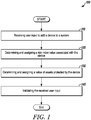
- FIG. 1 is a block diagram of a method 100 of commissioning and configuring a system in accordance with disclosed embodiments.
- the method 100 can include receiving user input to add a device to a system as in 110.
- receiving user input to add a device to the system as in 110 can include receiving user input identifying a name and location of the device.
- the method 100 can include determining and assigning a risk index value associated with the device as in 120 and determining and assigning a value of assets protected by the device as in 130.
- the method can include validating the received user input as in 140 to ensure that, when user input is received assigning the risk index value for the device or the value of assets protected by the device, any such user input does not contradict a risk index value or a value of assets protected that would be assigned to the device based on a location thereof.
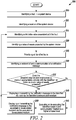
- FIG. 2 is a block diagram of a method 200 of running a system in accordance with disclosed embodiments.
- the method 200 can include identifying a fault in a system device as in 205, for example, when a system device fails or a user disables a system device, and identifying a location of the system device as in 210.
- identifying a fault as in 205 can include detecting lost communication with the system device when the device has failed or been disabled for maintenance thereof.
- identifying the location of the system device as in 210 can include retrieving the location from the user input received as in 110 in the method 100 of FIG. 1 .
- the method 200 can also include identifying a risk index value associated with the fault based on the location of the system device as in 215 and identifying a value of assets protected by the system device based on the location of the system device as in 220.
- identifying the risk index value as in 215 and the value of assets protected as in 220 can include retrieving such values from the assignment thereof as in 120 and 130 in the method 100 of FIG. 1 .
- the method 200 can include prioritizing all identified faults in the system based on risk index values and values of assets protected as in 225.
- the method 200 can include identifying a recipient of and a communication medium for a notification message of the prioritized faults and the risk index values and values of assets protected assigned thereto as in 230, for example, a predetermined or baseline recipient and communication medium, and determining whether the identified recipient and communication method are at a level that appropriately coincides with the assigned risk index values and values of assets protected as in 235. If so, then the method 200 can include displaying or transmitting the notification message to the identified recipient via the identified communication medium as in 240.
- the method 200 can include escalating or de-escalating the recipient and the communication medium to a higher or lower level as in 245, for example, escalating the recipient from an operator to a supervisor and escalating the communication medium from email to SMS, and displaying or transmitting the notification message to the escalated or de-escalated recipient via the escalated or de-escalated medium as in 250.
- the method 200 can periodically, or as system conditions change, assess the system to identify a risk index value of a fault as in 215, to identify a value of assets protected as in 220, and to prioritize identified faults as in 225 and can update, escalate, or de-escalate recipients of and communication mediums for notification messages as in 230, 240, and 245 accordingly.
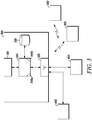
- FIG. 3 is a block diagram of a system 300 in accordance with disclosed embodiments.
- the system 300 can be in wired or wireless communication with a plurality of system devices 400, for example, safety and security system devices, such as sensor devices and video cameras, and can include a user interface device 310, a transceiver device 320, and a memory device 330, each of which can be in communication with control circuitry 340, one or more programmable processors 340a, and executable control software 340b as would be understood by one of ordinary skill in the art.
- system devices 400 for example, safety and security system devices, such as sensor devices and video cameras
- a user interface device 310 for example, safety and security system devices, such as sensor devices and video cameras
- a transceiver device 320 can include a user interface device 310, a transceiver device 320, and a memory device 330, each of which can be in communication with control circuitry 340, one or more programmable processors 340a, and executable control software
- the executable control software 340b can be stored on a transitory or non-transitory computer readable medium, including, but not limited to, local computer memory, RAM, optical storage media, magnetic storage media, flash memory, and the like.
- the control circuitry 340, programmable processor 340a, and control software 340b can execute and control at least some of the methods described above and herein.
- the user interface device 310 can receive user input to add one of the plurality of system devices 400 to the system 300, and the control circuitry 340, programmable processor 340a, and control software 340b can determine and assign a risk index value associated with the device 400, determine and assign a value of assets protected by the device 400, and validate received user input.
- the location of system devices 400 and the risk index values of and values of assets protected by the system devices 400 can be stored in the memory device 330.
- the transceiver device 320 can communicate with each of the plurality of system devices 400, and, upon detecting and identifying a fault in any system device 400, the control circuitry 340, programmable processor 340a, and control software 340b can identify a location of the device 400, a risk index value associated with the device 400, and a value of assets protected by the device 400, for example, by retrieving some or all of such information from the memory device 330, and can prioritize all identified faults.
- the control circuitry 340, programmable processor 340a, and control software 340b can also identify and escalate or de-escalate, as appropriate, recipients of and communication mediums for transmitting a notification message to a user regarding the prioritized faults and the risk index values and values of assets protected assigned thereto and can display any such notification message on the user interface device 310 and/or transmit any such notification message via the transceiver device 320, as appropriate.
Landscapes
- Engineering & Computer Science (AREA)
- Theoretical Computer Science (AREA)
- Physics & Mathematics (AREA)
- General Physics & Mathematics (AREA)
- Quality & Reliability (AREA)
- Business, Economics & Management (AREA)
- General Engineering & Computer Science (AREA)
- Human Resources & Organizations (AREA)
- Automation & Control Theory (AREA)
- Economics (AREA)
- Strategic Management (AREA)
- Entrepreneurship & Innovation (AREA)
- Fuzzy Systems (AREA)
- Tourism & Hospitality (AREA)
- Development Economics (AREA)
- Mathematical Physics (AREA)
- Educational Administration (AREA)
- General Business, Economics & Management (AREA)
- Game Theory and Decision Science (AREA)
- Human Computer Interaction (AREA)
- Marketing (AREA)
- Operations Research (AREA)
- Health & Medical Sciences (AREA)
- Biomedical Technology (AREA)
- Computer Hardware Design (AREA)
- Alarm Systems (AREA)
Claims (11)
- Procédé (100, 200), caractérisé en ce qu'il comprend :l'attribution (120) d'une valeur d'indice de risque respective à chacun des dispositifs d'une pluralité de dispositifs (400) en fonction d'un emplacement respectif de chacun des dispositifs de la pluralité de dispositifs (400) ;le stockage de la valeur d'indice de risque respective de chacun des dispositifs de la pluralité de dispositifs (400) dans un dispositif de mémoire (330) ;l'identification (205) d'un défaut dans certains des dispositifs de la pluralité de dispositifs (400) ;l'identification (210) de l'emplacement des dispositifs défectueux ;la récupération (215, 220), à partir du dispositif de mémoire (330), de la valeur d'indice de risque respective des dispositifs défectueux (400) et de la valeur des actifs protégés par les dispositifs défectueux (400) en fonction de leur emplacement identifié ;la hiérarchisation (225) des défauts respectifs des dispositifs défectueux (400) en fonction des valeurs d'indice de risque respectives identifiées et des valeurs des actifs protégés ;l'identification (230) d'un destinataire de référence et d'un support de communication de référence ;la détermination (235) de l'éventuelle coïncidence appropriée d'un niveau du destinataire de référence ou du support de communication de référence avec les valeurs d'indice de risque respectives identifiées et avec les valeurs des actifs protégés de la pluralité de dispositifs (400) en situation de défaut ;lorsque les niveaux sont inappropriés,l'intensification (245) ou la baisse (245) du destinataire de référence et du support de communication de référence vers un destinataire différent et vers un support de communication différent approprié pour les valeurs d'indice de risque respectives identifiées et pour les valeurs des actifs protégés de la pluralité de dispositifs (400) en situation de défaut ; etla transmission (250) d'un message de notification indiquant les défauts respectifs hiérarchisés des dispositifs défectueux (400) au destinataire différent à l'aide du support de communication différent ; etlorsque les niveaux sont appropriés,
la transmission (240) du message de notification indiquant la hiérarchisation et les défauts respectifs des dispositifs défectueux (400) au destinataire de référence à l'aide du support de communication de référence. - Procédé (100, 200) selon la revendication 1, dans lequel l'attribution (120) des valeurs d'indice de risque respectives à chacun des dispositifs de la pluralité de dispositifs (400) comprend l'identification d'actifs respectifs protégés par chacun des dispositifs de la pluralité de dispositifs (400) et l'identification de valeurs de responsabilité respectives des actifs respectifs protégés par chacun des dispositifs de la pluralité de dispositifs (400).
- Procédé (100, 200) selon la revendication 1, dans lequel l'attribution (120) des valeurs d'indice de risque respectives à chacun des dispositifs de la pluralité de dispositifs (400) comprend la réception d'une entrée d'utilisateur et l'attribution de la valeur d'indice de risque respective d'au moins l'un des dispositifs de la pluralité de dispositifs (400) en fonction de l'entrée d'utilisateur.
- Procédé (100, 200) selon la revendication 4, comprenant en outre :la validation (140) de l'entrée d'utilisateur avant de mémoriser la valeur d'indice de risque respective dans le dispositif de mémoire (330) ; etlorsque l'entrée d'utilisateur n'est pas valide, la transmission d'un message de notification indiquant l'invalidité de l'entrée d'utilisateur.
- Procédé (100, 200) selon la revendication 1, comprenant en outre :l'identification d'un rétablissement de service d'un des dispositifs défectueux (400) ; etla transmission d'un message de notification indiquant des instructions pour le maintien de la restauration après service.
- Système (300), caractérisé en ce qu'il comprend :un dispositif émetteur-récepteur (320) ;un dispositif de mémoire (330) ;un processeur programmable (340a) ; etun logiciel de commande exécutable (340b), mémorisé sur un support non transitoire lisible par ordinateur ;dans lequel le dispositif émetteur-récepteur (320) communique avec une pluralité de dispositifs (400) ;dans lequel le processeur programmable (340a) et le logiciel de commande exécutable (340b) sont configurés pour attribuer une valeur d'indice de risque respective à chacun des dispositifs de la pluralité de dispositifs (400) en fonction d'un emplacement respectif de chacun des dispositifs de la pluralité de dispositifs (400) et pour mémoriser la valeur d'indice de risque respective de chacun des dispositifs de la pluralité de dispositifs (400) dans le dispositif de mémoire (330) ;dans lequel le processeur programmable (340a) et le logiciel de commande exécutable (340b) sont configurés pour :détecter un défaut dans certains des dispositifs de la pluralité de dispositifs (400) ;identifier l'emplacement des dispositifs défectueux (400) ;récupérer, à partir du dispositif de mémoire (330), la valeur d'indice de risque respective des dispositifs défectueux (400) et la valeur des actifs protégés par les dispositifs défectueux (400), en fonction de leur emplacement ;hiérarchiser les défauts respectifs des dispositifs défectueux (400) en fonction des valeurs d'indice de risque respectives et des valeurs des actifs protégés récupérées ;identifier (230) un destinataire de référence et un support de communication de référence ; etdéterminer (235) l'éventuelle coïncidence appropriée d'un niveau du destinataire de référence ou du support de communication de référence avec les valeurs d'indice de risque respectives identifiées et avec les valeurs des actifs protégés de la pluralité de dispositifs (400) en situation de défaut ;lorsque les niveaux sont inappropriés,le processeur programmable (340a) et le logiciel de commande exécutable (340b) sont configurés pour intensifier (245) ou pour abaisser (245) le destinataire de référence et le support de communication de référence vers un destinataire différent et vers un support de communication différent approprié pour les valeurs d'indice de risque respectives identifiées et pour les valeurs des actifs protégés de la pluralité de dispositifs (400) en situation de défaut ; ettransmettre un message de notification indiquant les défauts respectifs hiérarchisés des dispositifs défectueux (400) tels que hiérarchisés au destinataire différent à l'aide du support de communication différent ; etlorsque les niveaux sont appropriés,
le processeur programmable (340a) et le logiciel de commande exécutable (340b) sont configurés pour transmettre (240) le message de notification indiquant les défauts respectifs hiérarchisés de certains des dispositifs de la pluralité de dispositifs (400) comme hiérarchisés au destinataire de référence à l'aide du support de communication de référence. - Système selon la revendication 6, dans lequel le processeur programmable (340a) et le logiciel de commande exécutable (340b) sont configurés pour identifier un emplacement respectif de chacun des dispositifs de la pluralité de dispositifs (400) et pour attribuer la valeur d'indice de risque respective à chacun des dispositifs de la pluralité de dispositifs (400) en fonction de l'emplacement respectif.
- Système selon la revendication 6, dans lequel le processeur programmable (340a) et le logiciel de commande exécutable (340b) attribuant la valeur d'indice respective à chacun des dispositifs de la pluralité de dispositifs (400) comprennent l'identification, par le processeur programmable (340a) et par le logiciel de commande exécutable (340b), des actifs respectifs protégés par chacun des dispositifs de la pluralité de dispositifs (400) et l'identification des valeurs de responsabilité respectives des actifs respectifs protégés par chacun des dispositifs de la pluralité de dispositifs (400).
- Système selon la revendication 6, comprenant en outre :un dispositif d'interface utilisateur (310),le dispositif d'interface utilisateur (310) recevant une entrée d'utilisateuret dans lequel le processeur programmable (340a) et le logiciel de commande exécutable (340b) sont configurés pour attribuer la valeur d'indice de risque respective d'au moins un des dispositifs de la pluralité de dispositifs (400) en fonction de l'entrée d'utilisateur.
- Système selon la revendication 9, dans lequel le processeur programmable (340a) et le logiciel de commande exécutable (340b) sont configurés pour valider l'entrée d'utilisateur avant de mémoriser la valeur d'indice de risque respective de l'au moins un dispositif de la pluralité de dispositifs (400) dans le dispositif de mémoire (330) et, lorsque l'entrée d'utilisateur n'est pas valide, pour transmettre un message de notification indiquant l'invalidité de l'entrée d'utilisateur.
- Système selon la revendication 9, dans lequel le processeur programmable (340a) et le logiciel de commande exécutable (340b) sont configurés pour transmettre le message de notification indiquant les défauts respectifs hiérarchisés des dispositifs défectueux (400) en affichant le message de notification indiquant les défauts hiérarchisés respectifs des dispositifs défectueux (400) sur le dispositif d'interface utilisateur (310).
Applications Claiming Priority (1)
| Application Number | Priority Date | Filing Date | Title |
|---|---|---|---|
| US15/209,455 US10102053B2 (en) | 2016-07-13 | 2016-07-13 | Systems and methods for predicting and displaying site safety metrics |
Publications (2)
| Publication Number | Publication Date |
|---|---|
| EP3270242A1 EP3270242A1 (fr) | 2018-01-17 |
| EP3270242B1 true EP3270242B1 (fr) | 2020-05-20 |
Family
ID=59366197
Family Applications (1)
| Application Number | Title | Priority Date | Filing Date |
|---|---|---|---|
| EP17178512.4A Active EP3270242B1 (fr) | 2016-07-13 | 2017-06-28 | Systèmes et procédés permettant de prédire et d'afficher des mesures de sécurité d'un site |
Country Status (4)
| Country | Link |
|---|---|
| US (1) | US10102053B2 (fr) |
| EP (1) | EP3270242B1 (fr) |
| CN (1) | CN107622320B (fr) |
| CA (1) | CA2972515A1 (fr) |
Families Citing this family (7)
| Publication number | Priority date | Publication date | Assignee | Title |
|---|---|---|---|---|
| US11030067B2 (en) * | 2019-01-29 | 2021-06-08 | Uptake Technologies, Inc. | Computer system and method for presenting asset insights at a graphical user interface |
| CN109856984B (zh) * | 2019-03-04 | 2022-07-15 | 深圳供电局有限公司 | 用电管理方法、装置、计算机设备和存储介质 |
| CN110045705B (zh) * | 2019-04-29 | 2021-12-21 | 生迪智慧科技有限公司 | 采用异构无线网络的智能家居控制方法、装置及系统 |
| EP3836104B1 (fr) | 2019-12-11 | 2022-12-28 | Carrier Corporation | Identification du capuchon ou du couvercle sur un détecteur |
| SE2030373A1 (en) * | 2020-12-22 | 2022-06-23 | Aalands Oemsesidiga Foersaekringsbolag Oemsen | Method and computing function for managing risk factor relating to damages to venue |
| CN113360231B (zh) * | 2021-05-31 | 2024-08-13 | 北京达佳互联信息技术有限公司 | 提示信息的展示方法、装置以及电子设备 |
| CN117608274B (zh) * | 2024-01-23 | 2024-04-02 | 四川鼎鸿智电装备科技有限公司 | 一种工程机械故障诊断方法及系统、设备、介质 |
Family Cites Families (15)
| Publication number | Priority date | Publication date | Assignee | Title |
|---|---|---|---|---|
| EP1257987B1 (fr) * | 2000-02-03 | 2007-12-26 | Honeywell International Inc. | Procede, appareil et progiciel informatique utilises pour avertir d'une approche non stabilisee |
| US7436323B2 (en) * | 2001-02-02 | 2008-10-14 | Honeywell International Inc. | Method, apparatus and computer program product for unstabilized approach alerting |
| US20070276600A1 (en) * | 2006-03-06 | 2007-11-29 | King Timothy I | Intersection collision warning system |
| US20110298603A1 (en) * | 2006-03-06 | 2011-12-08 | King Timothy I | Intersection Collision Warning System |
| US20090228980A1 (en) * | 2008-03-06 | 2009-09-10 | General Electric Company | System and method for detection of anomalous access events |
| US20100156628A1 (en) * | 2008-12-18 | 2010-06-24 | Robert Ainsbury | Automated Adaption Based Upon Prevailing Threat Levels in a Security System |
| US8532839B2 (en) * | 2009-06-22 | 2013-09-10 | Johnson Controls Technology Company | Systems and methods for statistical control and fault detection in a building management system |
| US8890675B2 (en) * | 2010-06-02 | 2014-11-18 | Honeywell International Inc. | Site and alarm prioritization system |
| US8884759B2 (en) * | 2011-09-12 | 2014-11-11 | Near-Miss Management, Llc | Dynamic prediction of risk levels for manufacturing operations through leading risk indicators |
| US8924493B1 (en) * | 2012-03-09 | 2014-12-30 | Google Inc. | Prioritized notifications in a social network |
| US20130233576A1 (en) | 2012-03-09 | 2013-09-12 | David L. McCoy | Methods For Improving Safety Conditions And Mitigating Emergencies At A Work Site |
| US9196148B1 (en) * | 2013-03-15 | 2015-11-24 | Alarm.Com Incorporated | Location based monitoring system alerts |
| CN103870716B (zh) | 2014-04-09 | 2017-06-23 | 杜玉龙 | 一种建筑消防设施故障影响分级判定方法 |
| CN105099853A (zh) * | 2014-04-25 | 2015-11-25 | 国际商业机器公司 | 用于防止消息误发的方法和系统 |
| US9613523B2 (en) * | 2014-12-09 | 2017-04-04 | Unilectric, Llc | Integrated hazard risk management and mitigation system |
-
2016
- 2016-07-13 US US15/209,455 patent/US10102053B2/en active Active
-
2017
- 2017-06-28 EP EP17178512.4A patent/EP3270242B1/fr active Active
- 2017-07-05 CA CA2972515A patent/CA2972515A1/fr not_active Abandoned
- 2017-07-12 CN CN201710564861.6A patent/CN107622320B/zh active Active
Non-Patent Citations (1)
| Title |
|---|
| None * |
Also Published As
| Publication number | Publication date |
|---|---|
| US10102053B2 (en) | 2018-10-16 |
| CN107622320A (zh) | 2018-01-23 |
| EP3270242A1 (fr) | 2018-01-17 |
| CN107622320B (zh) | 2023-08-01 |
| US20180018213A1 (en) | 2018-01-18 |
| CA2972515A1 (fr) | 2018-01-13 |
Similar Documents
| Publication | Publication Date | Title |
|---|---|---|
| EP3270242B1 (fr) | Systèmes et procédés permettant de prédire et d'afficher des mesures de sécurité d'un site | |
| US11164134B2 (en) | Systems and methods for improving process safety in an industrial environment | |
| US10898747B2 (en) | Sensor integration in mechanical fire suppression systems | |
| CA2791937C (fr) | Capteur de variables d'environnement a aspiration avec serveur internet et notification par courrier electronique | |
| US11475758B2 (en) | Monitoring control panels of a fire control system | |
| US10695600B2 (en) | Monitoring platform for mechanical fire suppression systems | |
| US12254753B2 (en) | Determination and notification of a location of a building safety system event | |
| KR102053619B1 (ko) | 산업 현장 안전 관리 시스템 | |
| KR100767425B1 (ko) | 화재 예방을 위한 문자 전송 시스템 및 방법 | |
| KR101775489B1 (ko) | 소방 전원공급장치의 모니터링 시스템 | |
| JP6599261B2 (ja) | 警備業務支援システムおよび警備装置 | |
| CN115223326B (zh) | 向建筑物所有者/运营者进行响应人员动作的实时状态通知 | |
| EP3828852B1 (fr) | Diagnostic à distance pour détecteurs de flamme utilisant une technique de réplication d'incendie | |
| JP2007116586A (ja) | 設備監視システム | |
| JP6979690B2 (ja) | 警備用センタ装置及び警備用センタ装置の制御方法 | |
| KR20150073247A (ko) | Sns를 이용하여 홈 보안 서비스를 제공하는 보안 장치 및 보안 방법 | |
| JP2022110952A (ja) | 監視装置、制御装置及び監視方法 | |
| KR101433518B1 (ko) | 거주지 경보 시스템에서의 경보 방법 및 장치 | |
| KR20230029270A (ko) | 집합건물 관리인을 통한 집합건물 내 비상상황 실시간 대응 시스템 | |
| JP2010176457A (ja) | 警備端末 | |
| JP2016081157A (ja) | 群管理装置および建物群管理方法 | |
| JP2016048412A (ja) | 被管理者監視システム、被管理者監視方法、プログラム、及び記録媒体 |
Legal Events
| Date | Code | Title | Description |
|---|---|---|---|
| PUAI | Public reference made under article 153(3) epc to a published international application that has entered the european phase |
Free format text: ORIGINAL CODE: 0009012 |
|
| STAA | Information on the status of an ep patent application or granted ep patent |
Free format text: STATUS: REQUEST FOR EXAMINATION WAS MADE |
|
| 17P | Request for examination filed |
Effective date: 20170628 |
|
| AK | Designated contracting states |
Kind code of ref document: A1 Designated state(s): AL AT BE BG CH CY CZ DE DK EE ES FI FR GB GR HR HU IE IS IT LI LT LU LV MC MK MT NL NO PL PT RO RS SE SI SK SM TR |
|
| AX | Request for extension of the european patent |
Extension state: BA ME |
|
| STAA | Information on the status of an ep patent application or granted ep patent |
Free format text: STATUS: EXAMINATION IS IN PROGRESS |
|
| 17Q | First examination report despatched |
Effective date: 20190207 |
|
| GRAP | Despatch of communication of intention to grant a patent |
Free format text: ORIGINAL CODE: EPIDOSNIGR1 |
|
| STAA | Information on the status of an ep patent application or granted ep patent |
Free format text: STATUS: GRANT OF PATENT IS INTENDED |
|
| RIC1 | Information provided on ipc code assigned before grant |
Ipc: G06Q 10/06 20120101ALI20191219BHEP Ipc: G05B 15/02 20060101AFI20191219BHEP Ipc: G05B 19/042 20060101ALI20191219BHEP Ipc: G05B 23/02 20060101ALI20191219BHEP |
|
| INTG | Intention to grant announced |
Effective date: 20200121 |
|
| GRAS | Grant fee paid |
Free format text: ORIGINAL CODE: EPIDOSNIGR3 |
|
| GRAA | (expected) grant |
Free format text: ORIGINAL CODE: 0009210 |
|
| STAA | Information on the status of an ep patent application or granted ep patent |
Free format text: STATUS: THE PATENT HAS BEEN GRANTED |
|
| AK | Designated contracting states |
Kind code of ref document: B1 Designated state(s): AL AT BE BG CH CY CZ DE DK EE ES FI FR GB GR HR HU IE IS IT LI LT LU LV MC MK MT NL NO PL PT RO RS SE SI SK SM TR |
|
| REG | Reference to a national code |
Ref country code: GB Ref legal event code: FG4D |
|
| REG | Reference to a national code |
Ref country code: CH Ref legal event code: EP |
|
| REG | Reference to a national code |
Ref country code: DE Ref legal event code: R096 Ref document number: 602017016952 Country of ref document: DE |
|
| REG | Reference to a national code |
Ref country code: AT Ref legal event code: REF Ref document number: 1273005 Country of ref document: AT Kind code of ref document: T Effective date: 20200615 |
|
| REG | Reference to a national code |
Ref country code: LT Ref legal event code: MG4D |
|
| REG | Reference to a national code |
Ref country code: NL Ref legal event code: MP Effective date: 20200520 |
|
| PG25 | Lapsed in a contracting state [announced via postgrant information from national office to epo] |
Ref country code: SE Free format text: LAPSE BECAUSE OF FAILURE TO SUBMIT A TRANSLATION OF THE DESCRIPTION OR TO PAY THE FEE WITHIN THE PRESCRIBED TIME-LIMIT Effective date: 20200520 Ref country code: PT Free format text: LAPSE BECAUSE OF FAILURE TO SUBMIT A TRANSLATION OF THE DESCRIPTION OR TO PAY THE FEE WITHIN THE PRESCRIBED TIME-LIMIT Effective date: 20200921 Ref country code: NO Free format text: LAPSE BECAUSE OF FAILURE TO SUBMIT A TRANSLATION OF THE DESCRIPTION OR TO PAY THE FEE WITHIN THE PRESCRIBED TIME-LIMIT Effective date: 20200820 Ref country code: FI Free format text: LAPSE BECAUSE OF FAILURE TO SUBMIT A TRANSLATION OF THE DESCRIPTION OR TO PAY THE FEE WITHIN THE PRESCRIBED TIME-LIMIT Effective date: 20200520 Ref country code: LT Free format text: LAPSE BECAUSE OF FAILURE TO SUBMIT A TRANSLATION OF THE DESCRIPTION OR TO PAY THE FEE WITHIN THE PRESCRIBED TIME-LIMIT Effective date: 20200520 Ref country code: IS Free format text: LAPSE BECAUSE OF FAILURE TO SUBMIT A TRANSLATION OF THE DESCRIPTION OR TO PAY THE FEE WITHIN THE PRESCRIBED TIME-LIMIT Effective date: 20200920 Ref country code: GR Free format text: LAPSE BECAUSE OF FAILURE TO SUBMIT A TRANSLATION OF THE DESCRIPTION OR TO PAY THE FEE WITHIN THE PRESCRIBED TIME-LIMIT Effective date: 20200821 |
|
| PG25 | Lapsed in a contracting state [announced via postgrant information from national office to epo] |
Ref country code: BG Free format text: LAPSE BECAUSE OF FAILURE TO SUBMIT A TRANSLATION OF THE DESCRIPTION OR TO PAY THE FEE WITHIN THE PRESCRIBED TIME-LIMIT Effective date: 20200820 Ref country code: RS Free format text: LAPSE BECAUSE OF FAILURE TO SUBMIT A TRANSLATION OF THE DESCRIPTION OR TO PAY THE FEE WITHIN THE PRESCRIBED TIME-LIMIT Effective date: 20200520 Ref country code: LV Free format text: LAPSE BECAUSE OF FAILURE TO SUBMIT A TRANSLATION OF THE DESCRIPTION OR TO PAY THE FEE WITHIN THE PRESCRIBED TIME-LIMIT Effective date: 20200520 Ref country code: HR Free format text: LAPSE BECAUSE OF FAILURE TO SUBMIT A TRANSLATION OF THE DESCRIPTION OR TO PAY THE FEE WITHIN THE PRESCRIBED TIME-LIMIT Effective date: 20200520 |
|
| REG | Reference to a national code |
Ref country code: AT Ref legal event code: MK05 Ref document number: 1273005 Country of ref document: AT Kind code of ref document: T Effective date: 20200520 |
|
| PG25 | Lapsed in a contracting state [announced via postgrant information from national office to epo] |
Ref country code: NL Free format text: LAPSE BECAUSE OF FAILURE TO SUBMIT A TRANSLATION OF THE DESCRIPTION OR TO PAY THE FEE WITHIN THE PRESCRIBED TIME-LIMIT Effective date: 20200520 Ref country code: AL Free format text: LAPSE BECAUSE OF FAILURE TO SUBMIT A TRANSLATION OF THE DESCRIPTION OR TO PAY THE FEE WITHIN THE PRESCRIBED TIME-LIMIT Effective date: 20200520 |
|
| PG25 | Lapsed in a contracting state [announced via postgrant information from national office to epo] |
Ref country code: IT Free format text: LAPSE BECAUSE OF FAILURE TO SUBMIT A TRANSLATION OF THE DESCRIPTION OR TO PAY THE FEE WITHIN THE PRESCRIBED TIME-LIMIT Effective date: 20200520 Ref country code: EE Free format text: LAPSE BECAUSE OF FAILURE TO SUBMIT A TRANSLATION OF THE DESCRIPTION OR TO PAY THE FEE WITHIN THE PRESCRIBED TIME-LIMIT Effective date: 20200520 Ref country code: CZ Free format text: LAPSE BECAUSE OF FAILURE TO SUBMIT A TRANSLATION OF THE DESCRIPTION OR TO PAY THE FEE WITHIN THE PRESCRIBED TIME-LIMIT Effective date: 20200520 Ref country code: SM Free format text: LAPSE BECAUSE OF FAILURE TO SUBMIT A TRANSLATION OF THE DESCRIPTION OR TO PAY THE FEE WITHIN THE PRESCRIBED TIME-LIMIT Effective date: 20200520 Ref country code: AT Free format text: LAPSE BECAUSE OF FAILURE TO SUBMIT A TRANSLATION OF THE DESCRIPTION OR TO PAY THE FEE WITHIN THE PRESCRIBED TIME-LIMIT Effective date: 20200520 Ref country code: RO Free format text: LAPSE BECAUSE OF FAILURE TO SUBMIT A TRANSLATION OF THE DESCRIPTION OR TO PAY THE FEE WITHIN THE PRESCRIBED TIME-LIMIT Effective date: 20200520 Ref country code: ES Free format text: LAPSE BECAUSE OF FAILURE TO SUBMIT A TRANSLATION OF THE DESCRIPTION OR TO PAY THE FEE WITHIN THE PRESCRIBED TIME-LIMIT Effective date: 20200520 Ref country code: DK Free format text: LAPSE BECAUSE OF FAILURE TO SUBMIT A TRANSLATION OF THE DESCRIPTION OR TO PAY THE FEE WITHIN THE PRESCRIBED TIME-LIMIT Effective date: 20200520 |
|
| REG | Reference to a national code |
Ref country code: CH Ref legal event code: PL |
|
| REG | Reference to a national code |
Ref country code: DE Ref legal event code: R097 Ref document number: 602017016952 Country of ref document: DE |
|
| PG25 | Lapsed in a contracting state [announced via postgrant information from national office to epo] |
Ref country code: PL Free format text: LAPSE BECAUSE OF FAILURE TO SUBMIT A TRANSLATION OF THE DESCRIPTION OR TO PAY THE FEE WITHIN THE PRESCRIBED TIME-LIMIT Effective date: 20200520 Ref country code: SK Free format text: LAPSE BECAUSE OF FAILURE TO SUBMIT A TRANSLATION OF THE DESCRIPTION OR TO PAY THE FEE WITHIN THE PRESCRIBED TIME-LIMIT Effective date: 20200520 Ref country code: MC Free format text: LAPSE BECAUSE OF FAILURE TO SUBMIT A TRANSLATION OF THE DESCRIPTION OR TO PAY THE FEE WITHIN THE PRESCRIBED TIME-LIMIT Effective date: 20200520 |
|
| PLBE | No opposition filed within time limit |
Free format text: ORIGINAL CODE: 0009261 |
|
| STAA | Information on the status of an ep patent application or granted ep patent |
Free format text: STATUS: NO OPPOSITION FILED WITHIN TIME LIMIT |
|
| PG25 | Lapsed in a contracting state [announced via postgrant information from national office to epo] |
Ref country code: LU Free format text: LAPSE BECAUSE OF NON-PAYMENT OF DUE FEES Effective date: 20200628 |
|
| REG | Reference to a national code |
Ref country code: BE Ref legal event code: MM Effective date: 20200630 |
|
| 26N | No opposition filed |
Effective date: 20210223 |
|
| PG25 | Lapsed in a contracting state [announced via postgrant information from national office to epo] |
Ref country code: IE Free format text: LAPSE BECAUSE OF NON-PAYMENT OF DUE FEES Effective date: 20200628 Ref country code: LI Free format text: LAPSE BECAUSE OF NON-PAYMENT OF DUE FEES Effective date: 20200630 Ref country code: CH Free format text: LAPSE BECAUSE OF NON-PAYMENT OF DUE FEES Effective date: 20200630 |
|
| PG25 | Lapsed in a contracting state [announced via postgrant information from national office to epo] |
Ref country code: BE Free format text: LAPSE BECAUSE OF NON-PAYMENT OF DUE FEES Effective date: 20200630 Ref country code: SI Free format text: LAPSE BECAUSE OF FAILURE TO SUBMIT A TRANSLATION OF THE DESCRIPTION OR TO PAY THE FEE WITHIN THE PRESCRIBED TIME-LIMIT Effective date: 20200520 |
|
| PG25 | Lapsed in a contracting state [announced via postgrant information from national office to epo] |
Ref country code: TR Free format text: LAPSE BECAUSE OF FAILURE TO SUBMIT A TRANSLATION OF THE DESCRIPTION OR TO PAY THE FEE WITHIN THE PRESCRIBED TIME-LIMIT Effective date: 20200520 Ref country code: MT Free format text: LAPSE BECAUSE OF FAILURE TO SUBMIT A TRANSLATION OF THE DESCRIPTION OR TO PAY THE FEE WITHIN THE PRESCRIBED TIME-LIMIT Effective date: 20200520 Ref country code: CY Free format text: LAPSE BECAUSE OF FAILURE TO SUBMIT A TRANSLATION OF THE DESCRIPTION OR TO PAY THE FEE WITHIN THE PRESCRIBED TIME-LIMIT Effective date: 20200520 |
|
| PG25 | Lapsed in a contracting state [announced via postgrant information from national office to epo] |
Ref country code: MK Free format text: LAPSE BECAUSE OF FAILURE TO SUBMIT A TRANSLATION OF THE DESCRIPTION OR TO PAY THE FEE WITHIN THE PRESCRIBED TIME-LIMIT Effective date: 20200520 |
|
| P01 | Opt-out of the competence of the unified patent court (upc) registered |
Effective date: 20230523 |
|
| PGFP | Annual fee paid to national office [announced via postgrant information from national office to epo] |
Ref country code: DE Payment date: 20250626 Year of fee payment: 9 |
|
| PGFP | Annual fee paid to national office [announced via postgrant information from national office to epo] |
Ref country code: GB Payment date: 20250617 Year of fee payment: 9 |
|
| PGFP | Annual fee paid to national office [announced via postgrant information from national office to epo] |
Ref country code: FR Payment date: 20250624 Year of fee payment: 9 |