EP3280186B1 - Kommunikationsverfahren und -vorrichtung - Google Patents
Kommunikationsverfahren und -vorrichtung Download PDFInfo
- Publication number
- EP3280186B1 EP3280186B1 EP15889502.9A EP15889502A EP3280186B1 EP 3280186 B1 EP3280186 B1 EP 3280186B1 EP 15889502 A EP15889502 A EP 15889502A EP 3280186 B1 EP3280186 B1 EP 3280186B1
- Authority
- EP
- European Patent Office
- Prior art keywords
- user equipment
- access network
- network device
- access
- reception
- Prior art date
- Legal status (The legal status is an assumption and is not a legal conclusion. Google has not performed a legal analysis and makes no representation as to the accuracy of the status listed.)
- Active
Links
Images


Classifications
-
- H—ELECTRICITY
- H04—ELECTRIC COMMUNICATION TECHNIQUE
- H04W—WIRELESS COMMUNICATION NETWORKS
- H04W72/00—Local resource management
- H04W72/50—Allocation or scheduling criteria for wireless resources
- H04W72/51—Allocation or scheduling criteria for wireless resources based on terminal or device properties
-
- H—ELECTRICITY
- H04—ELECTRIC COMMUNICATION TECHNIQUE
- H04W—WIRELESS COMMUNICATION NETWORKS
- H04W36/00—Hand-off or reselection arrangements
- H04W36/14—Reselecting a network or an air interface
- H04W36/144—Reselecting a network or an air interface over a different radio air interface technology
- H04W36/1446—Reselecting a network or an air interface over a different radio air interface technology wherein at least one of the networks is unlicensed
-
- H—ELECTRICITY
- H04—ELECTRIC COMMUNICATION TECHNIQUE
- H04W—WIRELESS COMMUNICATION NETWORKS
- H04W48/00—Access restriction; Network selection; Access point selection
- H04W48/02—Access restriction performed under specific conditions
-
- H—ELECTRICITY
- H04—ELECTRIC COMMUNICATION TECHNIQUE
- H04W—WIRELESS COMMUNICATION NETWORKS
- H04W88/00—Devices specially adapted for wireless communication networks, e.g. terminals, base stations or access point devices
- H04W88/02—Terminal devices
- H04W88/06—Terminal devices adapted for operation in multiple networks or having at least two operational modes, e.g. multi-mode terminals
-
- H—ELECTRICITY
- H04—ELECTRIC COMMUNICATION TECHNIQUE
- H04W—WIRELESS COMMUNICATION NETWORKS
- H04W72/00—Local resource management
- H04W72/02—Selection of wireless resources by user or terminal
-
- H—ELECTRICITY
- H04—ELECTRIC COMMUNICATION TECHNIQUE
- H04W—WIRELESS COMMUNICATION NETWORKS
- H04W84/00—Network topologies
- H04W84/02—Hierarchically pre-organised networks, e.g. paging networks, cellular networks, WLAN [Wireless Local Area Network] or WLL [Wireless Local Loop]
- H04W84/10—Small scale networks; Flat hierarchical networks
- H04W84/12—WLAN [Wireless Local Area Networks]
-
- H—ELECTRICITY
- H04—ELECTRIC COMMUNICATION TECHNIQUE
- H04W—WIRELESS COMMUNICATION NETWORKS
- H04W84/00—Network topologies
- H04W84/18—Self-organising networks, e.g. ad-hoc networks or sensor networks
Definitions
- the present invention relates to communications technologies, and in particular, to a network access method, a device, and a system.
- RAT radio access technologies
- new communications standards may be introduced continuously in the future.
- coverage of different communications standards overlaps.
- UE User equipment
- UE User equipment
- a data transmission or reception channel cannot be flexibly established for UE according to these characteristics of the UE. Consequently, an unnecessary waste is caused.
- US 2011/206003 A1 provides a method for determining whether an inter-RAT handover is a Single Radio Voice Call Continuity (SRVCC) handover, and for performing the subsequent SRVCC handover.
- the techniques include receiving a handover command message and performing a handover according to a method depending on whether the message includes SRVCC related information elements or not.
- WO 2008/038949 A1 discloses a method with two access network devices, which support different standards and where a UE triggers a handover from a first to a second access network device.
- the present invention provides a method, device, and system for selecting a proper radio resource for UE, so as to appropriately and efficiently use a radio resource, and to improve quality of service (QoS) of a user.
- the communications network comprises a network controller, first user equipment, and at least two access network devices, the at least two access network devices comprise a first access network device supporting a first communications standard and a second access network device supporting a second communications standard, wherein the first access network device is a macro base station, the second access network device is a WiFi base station in coverage of the first access network device and managed by the first access network device, and wherein the network controller manages the access network devices, and wherein the first user equipment has an access capability, which is a QoS requirement with respect to a service supported by the first user equipment, and the method comprises:
- the requesting the network controller to configure at least one access network device for the first user equipment, to implement data transmission or reception between the first user equipment and the at least one access network device is specifically: requesting the network controller to configure, for the first user equipment, a user plane protocol stack corresponding to the at least one access network device.
- the communications network further comprises a second user equipment and a fourth access network device that implements data transmission or reception with the second user equipment, the first user equipment needs to transmit data to the second user equipment, and the method further comprises:
- the communications network further comprises a third user equipment and a fifth access network device that implements data transmission or reception with the third user equipment, the first user equipment needs to perform Wireless Fidelity peer-to-peer, Wi-Fi P2P, communication with the third user equipment, and the method further comprises:
- a network controller (800), applied to a communications network, wherein the communications network comprises the network controller, first user equipment (900), and at least two access network devices, the at least two access network devices comprise a first access network device supporting a first communications standard and a second access network device supporting a second communications standard, wherein the first access network device is a macro base station, the second access network device is a WiFi base station in coverage of the first access network device and managed by the first access network device, and wherein the network controller manages the access network devices, and wherein the first user equipment has an access capability, which is a QoS requirement with respect to a service supported by the first user equipment , and the network controller comprises:
- the first message is used to request the network controller (800) to configure, for the first user equipment (900), a user plane protocol stack corresponding to the at least one access network device.
- the communications network further comprises a second user equipment and a fourth access network device that implements data transmission or reception with the second user equipment, and the first user equipment (900) needs to transmit data to the second user equipment;
- the receiving unit (810) is further configured to receive the data sent by the first user equipment by using the second access network device; and the network controller comprises a sending unit (830) that is further configured to send the data to the second user equipment by using the fourth access network device.
- the communications network further comprises a third user equipment and a fifth access network device that implements data transmission or reception with the third user equipment, the first user equipment needs to perform Wireless Fidelity peer-to-peer, Wi-Fi P2P, communication with the third user equipment;
- the receiving unit (810) is further configured to receive a third message sent by the user equipment by using the second access network device, wherein the third message is used to request to perform Wi-Fi P2P communication with the third user equipment;
- the processing unit is further configured to configure a channel resource for the first user equipment (900) and the third user equipment according to the third message, to implement Wi-Fi P2P communication between the first user equipment (900) and the third user equipment.
- a user equipment applied to a communications network, wherein the communications network comprises a network controller (800), first user equipment (900), and at least two access network devices, the at least two access network devices comprise a first access network device supporting a first communications standard and a second access network device supporting a second communications standard, the user equipment is the first user equipment (900), wherein the first access network device is a macro base station, the second access network device is a WiFi base station in coverage of the first access network device and managed by the first access network device, and wherein the network controller manages the access network devices, and wherein the first user equipment has an access capability, which is a QoS requirement with respect to a service supported by the first user equipment, and the first user equipment (900) comprises:
- the communications network further comprises a second user equipment and a fourth access network device that implements data transmission or reception with the second user equipment, and the first user equipment (900) needs to transmit data to the second user equipment; and the sending unit (910) is further configured to send the data to the network controller by using the second access network device, so that the network controller sends the data to the second user equipment by using the fourth access network device.
- the communications network further comprises a third user equipment and a fifth access network device that implements data transmission or reception with the third user equipment, and the first user equipment (900) needs to perform Wireless Fidelity peer-to-peer Wi-Fi P2P communication with the third user equipment;
- the sending unit (910) is further configured to send a third message to the network controller by using the second access network device, wherein the third message is used to request to perform Wi-Fi P2P communication with the third user equipment;
- the receiving unit (920) is further configured to receive a fourth message sent by the network controller by using the access network device that implements data transmission or reception with the first user equipment (900), wherein the fourth message is used to indicate a channel resource configured by the network controller for the first user equipment (900) and the third user equipment.
- a network controller is introduced, to configure at least one access network device for UE, so that the UE can use multiple access network devices to implement data transmission or reception.
- a more appropriate data transmission or reception channel can be established for the UE.
- the 2G network includes a Global System for Mobile Communications (GSM).
- GSM Global System for Mobile Communications
- the 3G network includes a Code Division Multiple Access (CDMA) system, a Time Division Multiple Access (TDMA) system, a Frequency Division Multiple Access (FDMA) system, an orthogonal frequency division multiple access (OFDMA) system, a single carrier frequency division multiple access (SC-FDMA) system, and the like.
- the 4G network includes a Long Term Evolution (LTE) system, an LTE Advanced (LTE-A) system, and the like.
- LTE Long Term Evolution
- LTE-A LTE Advanced
- WLAN wireless local area network
- the WLAN has small coverage and a high transmission or reception rate, but relatively low reliability.
- the LTE network has large coverage and relatively high reliability.
- a micro base station has small coverage, but a good channel condition and a high data transfer rate.
- a macro base station has large coverage, but a low data transfer rate.
- UE that supports multiple services has different QoS requirements with respect to different services. For example, voice communication requires a high transmission or reception rate and a small delay; file transmission or reception requires high reliability.
- an objective of radio resource allocation is to improve spectrum utilization efficiency of a network (supporting one communications standard).
- a primary task is coordinating interference of different cells in a same network;
- a network handover is mainly a handover between cells in a same network.
- a network controller is introduced, to configure at least one access network device for UE, so that the UE can use multiple access network devices to implement data transmission or reception.
- a more appropriate data transmission or reception channel can be established for the UE.
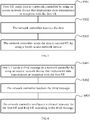
- FIG. 1 is a flowchart of a communication method according to an embodiment of the present invention.
- the method is a method of interaction between a network controller and first UE.
- the method includes the following steps:
- the heterogeneous network includes a network controller, and further includes multiple access network devices.
- An access network device may be a macro base station, or may be a small cell.
- the access network device may be an eNodeB, or may be a small cell such as a home eNodeB (HeNB), a micro base station, or a pico base station; the access network device may include a NodeB and a radio network controller (RNC), or the access network device may include a base station controller (BSC) and a base transceiver station (BTS); or the access network device may be an access point (AP).
- RNC radio network controller
- BSC base station controller
- BTS base transceiver station
- AP access point
- the first access device in this embodiment of the present invention is a macro base station, and multiple access network devices exist in coverage of the macro base station. These access devices are Wireless Fidelity (Wi-Fi) base stations.
- the multiple access devices in coverage of these macro base stations may separately support multiple communications standards.
- a communications standard supported by at least one access network device is different from that supported by the macro base station. That is, a heterogeneous network is constructed.
- the macro base station manages the multiple access network devices, and the multiple access network devices may communicate with each other.
- a network controller as a network element device, manages access network devices that exist in the heterogeneous network.
- the macro base station sends broadcast information to UE in the coverage of the macro base station.
- the broadcast information includes radio transmission or reception parameters of the macro base station, such as a frequency and a supported communications standard, and also includes information about the access network devices that are managed by the macro base station, such as information about a micro base station and a Wi-Fi base station.
- the first UE determines, according to the received broadcast information and with reference to an access capability of the first UE, whether to access the macro base station. If the first UE determines to access the macro base station, the first UE sends the first message, to request to implement control signaling transmission or reception with the accessed macro base station. Control signaling transmission or reception is implemented between the first UE and the macro base station. Control signaling transmission or reception between the first UE and the macro base station may be implemented between the first UE and the macro base station by using a control plane protocol stack there between.
- the access capability of the first UE is a QoS requirement and may optionally be at least one of a UE capability, a service class, or.
- the first message includes access capability information of the first UE.
- the macro base station To implement data transmission or reception between the first UE and a network side, the macro base station forwards the first message to the network controller.
- data transmission or reception between the first UE and the network side may be implemented between the first UE and an access network device by using a user plane protocol stack therebetween.
- the network controller configures at least one access network device for the first UE according to information included in the first message, which comprises the access capability information of the first UE, to implement data transmission or reception between the first UE and the at least one access network device.
- the access network device may be the second access network device.
- a communications standard supported by the second access network device is different from the communications standard supported by the macro base station, that is, the first access device.
- this embodiment of the present invention further includes the following step: S104.
- the network controller configures a third access device for the UE.
- the macro base station that is, the first access network device may further manage the third access network device.
- a communications standard supported by the third access network device may be different from the communications standard supported by the second access network device.
- the network controller may simultaneously configure the third access network device for the first UE. In this way, the first UE may implement data transmission or reception with the second access network device and then with the third access network device or simultaneously implement data transmission or reception with the second network device and the third access network device.
- the two access network devices respectively support two different communications standards.
- S103 and S104 may be performed simultaneously or sequentially. This is not limited herein.
- the network controller may configure three or more access network devices for the first UE. That is, in this embodiment of the present invention, the network controller configures at least one access network device for the UE for data transmission or reception.
- the network controller configures three or more access network devices for the first UE, at least one of communications standards supported by the three or more access network devices may be different from the communications standard supported by the macro base station.
- the three or more access network devices may separately support two or more communications standards.
- an access network device that implements control signaling transmission or reception with the first UE and an access network device that implements data transmission or reception with the first UE may support different communications standards.
- the macro base station supports a communications standard 1
- the network controller configures three access network devices for the UE, and the three access network devices respectively support a communications standard 2, a communications standard 3, and a communications standard 4.
- the communications standard 1, the communications standard 2, the communications standard 3, and the communications standard 4 are different from one another.
- this embodiment of the present invention may further include the following steps: S105.
- the network controller sends a second message to the first UE by using the first access network device.
- the first UE receives the second message.
- the second message is used to indicate the at least one access network device configured by the network controller. Specifically, the second message indicates the second access network device, or the third access network device, or more access network devices in the foregoing steps.
- the second message includes radio transmission or reception parameters, such as a frequency that needs to be used and a supported communications standard, used in data transmission or reception between the first UE and the configured at least one access network device.
- the first UE After learning the access network device that may perform data transmission or reception with the first UE, the first UE sends an uplink access signal to the access network device, so as to implement data transmission or reception with the network side.
- the network controller may further send the access capability information of the first UE to an access network device configured by the network controller for the first UE.
- the configured access network device may adjust communication with the UE more appropriately according to the access capability information of the first UE.
- the network controller may alternatively send a notification message directly to the access network device configured by the network controller.
- the notification message is used to instruct the configured access network device to implement data transmission or reception with the first UE.
- the notification message may further include radio transmission or reception parameters such as a frequency and a supported communications standard.
- the radio configuration parameters such as the frequency may be previously configured default parameters, or parameters configured in a process of configuring, by the network controller, an access network device for the first UE. This is not limited herein.
- the network After the first UE accesses a network, when the network further includes second UE and a fourth access network device that implements data transmission or reception with the second UE, and when the first UE needs to transmit data to the second UE, in a solution in the prior art, the data needs to be transmitted by using a core network.
- This method increases a communications delay and deteriorates QoS of UE.
- the method is a method of interaction between first UE and a network controller, and may include the following steps:
- a network controller implements a data transmission or reception function, without using a core network side. Therefore, a communications delay is decreased, service data is transmitted efficiently and conveniently, and QoS of a user is improved.
- the access network device that implements data transmission or reception with the first UE may be a second access network device or a third access network device in the embodiment shown in FIG. 1 .
- the method is a method of interaction between first UE and a network controller, and may include the following steps:
- a network controller configures a channel resource for UE that requests Wi-Fi P2P communication, so that a radio channel resource can be used appropriately and efficiently, and QoS of the UE is improved.
- the third message may be used to request to perform Wi-Fi P2P communication with the second UE.
- the first UE and the second UE are in a management range of one network controller.
- the network controller configures a channel resource for the Wi-Fi P2P communication, and then separately sends channel resource information to the first UE and the second UE by using the access network device that implements data transmission or reception with the first UE and by using a fourth access network device.
- the channel resource may include information such as a frequency required in the Wi-Fi P2P communication and a used communications standard.
- the network controller may update the channel resource and separately send channel resource information to the first UE and the second UE in time by using the access network device that implements data transmission or reception with the first UE and by using the fourth access network device.
- the network controller may send a switching command to the first UE by using a source access network device (an access network device that previously implements data transmission or reception with the first user equipment in this method).
- the switching command includes the target access network device to which the first UE needs to switch.
- the network controller sends a measurement command to the first UE by using the source access network device.
- the measurement command may include information such as a communications standard and a frequency of the target access network device.
- the first UE measures, according to the measurement command, signal quality of a service cell corresponding to the target access network device.
- the first UE sends a measurement result to the network controller by using the source access network device.
- the network controller sends access capability information of the first UE to the target access network device, or may send related frequency information, a used communications standard, and the like to the target access network device.
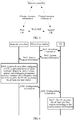
- FIG. 6 is an example of an interaction flowchart of a network access method, which is not covered by the claims but useful for understanding the present invention.
- the method is a specific interaction procedure of the method shown in FIG. 1 , and includes the following steps.
- a macro base station sends broadcast information.
- the broadcast information may be carried in a broadcast frame and include radio transmission or reception parameters of the macro base station, such as a frequency and a supported communications standard, and may also include information about access network devices that are managed by the macro base station, such as information about a micro base station and a Wi-Fi base station.
- radio transmission or reception parameters of the macro base station such as a frequency and a supported communications standard
- access network devices such as information about a micro base station and a Wi-Fi base station.
- S602. UE sends access request information to the macro base station.
- the access request information may be carried in a radio resource control connection setup (RRC connection setup) message, and include access capability information of the UE.
- RRC connection setup radio resource control connection setup
- the macro base station forwards the access request information to a network controller.
- the network controller configures, for the UE, a user plane protocol stack corresponding to at least one base station, and configures parameters such as a standard and a frequency that are used by the UE for accessing the at least one base station.
- the network controller sends configuration information to the macro base station.
- the configuration information may be carried in a radio resource control connection configuration (RRC connection configuration) message, and include information indicating the at least one base station and parameter information such as the standard and the frequency that are used by the UE for accessing the at least one base station.
- RRC connection configuration radio resource control connection configuration
- the macro base station forwards the configuration information to the UE.
- the UE accesses the at least one base station according to the configuration information.
- FIG. 7 is an example of an interaction flowchart of another communication method, which is not covered by the claims but useful for understanding the present invention .
- the method is a specific procedure in which first UE switches to a target base station.
- this embodiment of the present invention may further include the following steps.
- a network controller sends a measurement command to a source base station.
- the source base station is a base station establishing a user plane with the UE in FIG. 4 .
- the measurement command may include information such as a communications standard and a frequency of the target base station.
- the source base station forwards the measurement command to the UE.
- the UE measures signal quality of the target base station.
- the UE sends a measurement result to the source base station.
- the source base station forwards the measurement result to the network controller.
- the network controller When determining, according to the measurement result, to switch the UE to the target base station, the network controller performs the following step:
- the switching command is used to instruct the UE to switch to the target base station.
- the switching command may include the information such as the frequency and the used communications standard of the accessed target base station.
- the base station forwards the switching command to the UE.
- the network controller sends information such as access capability information of the UE and a frequency of the target base station to the target base station.
- the UE accesses the target base station according to the switching command.
- an embodiment of the present invention further provides a network controller 800 and first UE 900.
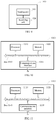
- FIG. 8 is a schematic structural diagram of the network controller 800.
- FIG. 9 is a schematic structural diagram of the first UE 900.
- the network controller 800 includes a receiving unit 810 and a processing unit 820.
- the receiving unit 810 is configured to receive a first message sent by a first access network device, where the first message is used to request the network controller to configure at least one access network device for the first UE, to implement data transmission or reception between the first UE and the at least one access network device.
- the processing unit 820 is configured to configure a second access network device for the first UE.
- the first user equipment 900 includes a sending unit 910 and a receiving unit 920.
- the sending unit 910 is configured to send the first message to the network controller by using the first access network device, where the first message is used to request the network controller to configure the at least one access network device for the first UE, to implement data transmission or reception between the first UE and the at least one access network device.
- the receiving unit 920 is configured to receive a second message sent by the network controller by using the first access device, where the second message is used to indicate that the at least one access network device configured by the network controller includes the second access device.
- the network includes a network controller, first UE, and at least two access network devices.
- the at least two access network devices include a first access network device supporting a first communications standard and a second access network device supporting a second communications standard.
- the first access network device may be a macro base station.
- the macro base station first sends broadcast information to UE in coverage of the macro base station.
- the broadcast information may include radio transmission or reception parameters of the macro base station, such as a frequency and a supported communications standard, and may also include information about access network devices that are managed by the macro base station, such as information about a micro base station and a Wi-Fi base station.
- the first UE 900 determines, according to the received broadcast information and with reference to an access capability of the first UE 900, whether to access the macro base station. If the first UE 900 determines to access the macro base station, the sending unit 910 of the first UE 900 may send the first message to request to access the macro base station.
- Control signaling transmission or reception is implemented between the first UE 900 and the macro base station. Further, the control signaling transmission or reception may be implemented between the first UE 900 and the macro base station by using a control plane protocol stack therebetween.
- the access capability of the first UE 900 is a QoS requirement and may optionally be at least one of a UE capability, a service class.
- the first message includes access capability information of the first UE.
- the macro base station To implement data transmission or reception between the first UE 900 and a network side, the macro base station forwards the first message to the network controller 800.
- data transmission or reception between the first UE 900 and the network side may be implemented between the first UE 900 and an access network device by using a user plane protocol stack therebetween.
- the processing unit 820 of the network controller 800 may configure at least one access network device for the first UE 900 according to information included in the first message, such as the access capability information of the first UE 800, to implement data transmission or reception between the first UE 900 and the at least one access network device.
- the access network device may be the second access network device.
- a communications standard supported by the second access network device may be different from that supported by the macro base station, that is, the first access device.
- a communications standard supported by the first access network device may be the same as a communications standard supported by the second access network device. This is not limited herein.
- the processing unit 820 of the network controller 800 may further configure a third access network device for the first UE 900.
- a communications standard supported by the third access network device may be different from the communications standard supported by the second access network device.
- the processing unit 820 of the network controller 800 may simultaneously configure the third access network device for the first UE 900.
- the first UE 900 may implement data transmission or reception with the second access network device and then with the third access network device or simultaneously implement data transmission or reception with the second network device and the third access network device.
- the two access network devices respectively support two different communications standards.
- the processing unit 820 of the network controller 800 may configure three or more access network devices for the first UE 900.
- the processing unit 820 of the network controller 800 configures three or more access network devices for the first UE 900, at least one of communications standards supported by the three or more access network devices is different from the communications standard supported by the macro base station.
- the first UE 900 is notified of the foregoing configuration information, so that the first UE 900 learns an access network device that may perform data transmission or reception with the first UE 900, and then data transmission or reception with the access network device configured by the network controller 800 is implemented.
- the network controller 800 may further include: a sending unit 830, configured to send the second message to the first UE by using the first access network device.
- the second message is used to indicate the at least one access network device configured by the network controller 800.
- the second message may indicate the second access network device, the second access network device and the third access network device, or more access network devices in the foregoing steps.
- the second message may further include radio transmission or reception parameters, such as a frequency that needs to be used and a supported communications standard, used in data transmission or reception between the first UE and the configured at least one access network device.
- a network controller configures at least one access network device for UE, so that the UE can use multiple access network devices to implement data transmission or reception.
- the UE may select to use a more appropriate data channel for data transmission or reception.
- a network further includes second UE and a fourth access network device that implements data transmission or reception with the second UE
- the sending unit 910 of the first UE 900 is further configured to send the data to the network controller by using an access network device that implements data transmission or reception with the first UE
- the receiving unit 810 of the network controller 800 is further configured to receive the data
- the sending unit 830 of the network controller 800 is further configured to send the data to the second UE by using the fourth access network device.
- a network controller implements a data transmission or reception function, without using a core network side. Therefore, a communications delay is decreased, service data is transmitted efficiently and conveniently, and QoS of a user is improved.
- the sending unit 910 of the first UE is further configured to send a third message to the network controller by using an access network device that implements data transmission or reception with the first user equipment, where the third message may be used to request to perform Wi-Fi P2P communication with the second UE, the receiving unit 810 of the network controller 800 is further configured to receive the third message, and the processing unit 820 of the network controller 800 is further configured to configure a channel resource for the first UE 900 and the second UE according to the third message.
- a network controller configures a channel resource for UE that requests Wi-Fi P2P communication, so that a radio channel resource can be used appropriately and efficiently, and QoS of the UE is improved.
- the network controller may update the channel resource and separately send channel resource information to the first UE and the second UE in time by using the access network device that implements data transmission or reception with the first UE and by using the fourth access network device.
- the sending unit 830 of the network controller 800 may send a switching command to the first UE 900 by using a source access network device (an access network device that previously implements data transmission or reception with the first UE in this method).
- the switching command includes the target access network device to which the first UE 900 needs to switch.
- functions of the network controller 800 and the first UE 900 provided in this embodiment of the present invention may be implemented by a processor and a transceiver in a cooperative manner.
- An embodiment of the present invention further provides another network controller 1000 and another first UE 1100.
- FIG. 10 is a schematic structural diagram of the another network controller 1000.
- FIG. 11 is a schematic structural diagram of the another first UE 1100.
- the network controller 1000 includes a processor 1010, a memory 1020, a communications interface 1030, and a bus 1040.
- the memory 1020 stores an execution instruction.
- the processor 1010 communicates with the memory 1020 by using the bus 1040.
- the processor 1010 receives and sends information by using the communications interface 1030, and performs, according to a computer instruction stored in the memory 1020, steps of the methods disclosed in the method embodiments provided in FIG. 1 to FIG. 7 in the embodiments of the present invention.
- the first UE 1100 includes a processor 1110, a memory 1120, a communications interface 1130, and a bus 1140.
- the memory 1120 stores an execution instruction.
- the processor 1110 communicates with the memory 1120 by using the bus 1140.
- the processor 1110 receives and sends information by using the communications interface 1130, and performs, according to a computer instruction stored in the memory 1120, steps of the methods disclosed in the method embodiments provided in FIG. 1 to FIG. 7 in the embodiments of the present invention.
- a network controller configures at least one access network device for UE, so that the UE can simultaneously use multiple access network devices to implement data transmission or reception and can use two access network devices to respectively implement data transmission or reception and control signaling transmission or reception.
- a radio resource can be used appropriately and efficiently, and QoS of the UE is improved.
- the processor in FIG. 10 or FIG. 11 may be a general purpose processor, a digital signal processor (DSP), an application-specific integrated circuit (ASIC), a field programmable gate array (FPGA) or another programmable logical device, a discrete gate or transistor logic device, or a discrete hardware component.
- the general purpose processor may be a microprocessor, or the processor may be any conventional processor or the like. Steps of the methods disclosed with reference to the embodiments of the present invention may be directly performed by a hardware decoding processor, or may be performed by using a combination of hardware and software modules in a decoding processor.
- the computer instruction may be located in a mature storage medium in the art such as a random access memory, a flash memory, a read-only memory, a programmable read-only memory, an electrically erasable programmable memory, or a register.
- the storage medium is located in the memory.
- the processor reads information in the memory, and performs the steps of the methods in the embodiments in combination with hardware of the processor.
- the "first”, “second”, “third”, “fourth”, and the like are merely intended to distinguish different objects, such as different access network devices and different UEs, but do not constitute any substantive limitation.
Landscapes
- Engineering & Computer Science (AREA)
- Computer Networks & Wireless Communication (AREA)
- Signal Processing (AREA)
- Computer Security & Cryptography (AREA)
- Mobile Radio Communication Systems (AREA)
Claims (12)
- Kommunikationsverfahren, das auf ein Kommunikationsnetz angewandt wird, wobei das Kommunikationsnetz eine Netzsteuerung, ein erstes Benutzergerät und mindestens zwei Zugangsnetzvorrichtungen umfasst, die mindestens zwei Zugangsnetzvorrichtungen eine erste Zugangsnetzvorrichtung, die einen ersten Kommunikationsstandard unterstützt, und eine zweite Zugangsnetzvorrichtung, die einen zweiten Kommunikationsstandard unterstützt, umfassen, wobei die erste Zugangsnetzvorrichtung eine Makrobasisstation ist, die zweite Zugangsnetzvorrichtung eine WiFi-Basisstation in der Reichweite der ersten Zugangsnetzvorrichtung und verwaltet durch die erste Zugangsnetzvorrichtung ist und wobei die Netzsteuerung die Zugangsnetzvorrichtungen verwaltet und wobei das erste Benutzergerät eine Zugangsfähigkeit aufweist, die eine QoS-Anforderung mit Bezug auf einen durch das erste Benutzergerät unterstützten Dienst ist, und das Verfahren Folgendes umfasst:Empfangen von durch die erste Zugangsnetzvorrichtung gesendeten Rundsendeinformationen durch das erste Benutzergerät, wobei die Rundsendeinformationen Funksende- oder -empfangsparameter von der ersten Zugangsnetzvorrichtung und Zugangsnetzvorrichtungen, die durch die Makrobasisstation verwaltet werden, umfassen;Bestimmen gemäß den empfangenen Rundsendeinformationen und mit Bezug auf die Zugangsfähigkeit des ersten UE, ob auf die erste Zugangsnetzvorrichtung zugegriffen werden soll; undwenn das erste Benutzergerät bestimmt, auf die erste Zugangsnetzvorrichtung zuzugreifen,Senden (S101) einer ersten Nachricht zu der ersten Netzvorrichtung durch das erste Benutzergerät, um Implementierung von Steuersignalisierung mit der ersten Netzvorrichtung anzufordern, wobei die erste Nachricht die Zugangsfähigkeit des ersten Benutzergeräts umfasst;Weiterleiten der ersten Nachricht zu der Netzsteuerung durch die erste Zugangsnetzvorrichtung, wobei die erste Nachricht verwendet wird, um von der Netzsteuerung anzufordern, mindestens eine Zugangsnetzvorrichtung für das erste Benutzergerät zu konfigurieren, um geeigneteres Datensenden oder -empfangen zwischen dem ersten Benutzergerät und der konfigurierten Zugangsnetzvorrichtung zu implementieren;Empfangen (S102) der durch die erste Zugangsnetzvorrichtung gesendeten ersten Nachricht (S101) durch die Netzsteuerung;Konfigurieren (S103) der zweiten Zugangsnetzvorrichtung für das erste Benutzergerät durch die Netzsteuerung gemäß der Zugangsfähigkeit;Senden einer zweiten Nachricht zu dem ersten Benutzergerät durch die Netzsteuerung, wobei die zweite Nachricht zur Angabe verwendet wird, dass die durch die Netzsteuerung konfigurierte mindestens eine Zugangsnetzvorrichtung die zweite Zugangsnetzvorrichtung umfasst, und von Funksende- oder -empfangsparametern für Datensenden oder -empfangen zwischen dem ersten Benutzergerät und der zweiten Zugangsnetzvorrichtung;Empfangen (S106) der zweiten Nachricht durch das erste Benutzergerät und Senden eines Aufwärts-Zugangssignals zu der zweiten Zugangsnetzvorrichtung, um so das Datensenden oder -empfangen zwischen dem ersten Benutzergerät (900) und der zweiten Zugangsnetzvorrichtung zu implementieren, wobeidie erste Zugangsnetzvorrichtung eine Zugangsnetzvorrichtung ist, die Steuersignalisierungssendung oder -empfang mit dem ersten Benutzergerät implementiert.
- Verfahren nach Anspruch 1, wobei das Anfordern von der Netzsteuerung, mindestens eine Zugangsnetzvorrichtung für das erste Benutzergerät zu konfigurieren, um Datensenden oder -empfangen zwischen dem ersten Benutzergerät und der mindestens einen Zugangsnetzvorrichtung zu implementieren, speziell von der Netzsteuerung anfordert, für das erste Benutzergerät einen Benutzerebenen-Protokollstapel entsprechend der mindestens einen Zugangsnetzvorrichtung zu konfigurieren.
- Verfahren nach einem der Ansprüche 1 bis 2, wobei das Kommunikationsnetz ferner ein zweites Benutzergerät und eine vierte Zugangsnetzvorrichtung umfasst, die Datensenden oder -empfangen mit dem zweiten Benutzergerät implementiert, wobei das erste Benutzergerät Daten zu dem zweiten Benutzergerät senden muss und das Verfahren ferner Folgendes umfasst:Empfangen (S302) der durch das erste Benutzergerät gesendeten Daten (S301) durch die Netzsteuerung durch Verwendung der zweiten Zugangsnetzvorrichtung; undSenden (S303) der Daten zu dem zweiten Benutzergerät durch die Netzsteuerung durch Verwendung der vierten Zugangsnetzvorrichtung.
- Verfahren nach einem der Ansprüche 1 bis 3, wobei das Kommunikationsnetz ferner ein drittes Benutzergerät und eine fünfte Zugangsnetzvorrichtung, die Datensenden oder - empfangen mit dem dritten Benutzergerät implementiert, umfasst, das erste Benutzergerät "Wireless-Fidelity-Peer-to-Peer"- bzw. Wi-Fi-P2P-Kommunikation mit dem dritten Benutzergerät durchführen muss und das Verfahren ferner Folgendes umfasst:Empfangen (S402) einer durch das erste Benutzergerät durch Verwendung der zweiten Zugangsnetzvorrichtung gesendeten dritten Nachricht (S401) durch die Netzsteuerung, wobei die dritte Nachricht verwendet wird, um Wi-Fi-P2P-Kommunikation mit dem dritten Benutzergerät anzufordern; undKonfigurieren (S403) einer Kanalressource für das erste Benutzergerät und das dritte Benutzergerät durch die Netzsteuerung gemäß der dritten Nachricht, um Wi-Fi-P2P-Kommunikation zwischen dem ersten Benutzergerät und dem dritten Benutzergerät zu implementieren.
- Netzsteuerung (800), die auf ein Kommunikationsnetz angewandt wird, wobei das Kommunikationsnetz eine Netzsteuerung, ein erstes Benutzergerät (900) und mindestens zwei Zugangsnetzvorrichtungen umfasst, die mindestens zwei Zugangsnetzvorrichtungen eine erste Zugangsnetzvorrichtung, die einen ersten Kommunikationsstandard unterstützt, und eine zweite Zugangsnetzvorrichtung, die einen zweiten Kommunikationsstandard unterstützt, umfassen, wobei die erste Zugangsnetzvorrichtung eine Makrobasisstation ist, die zweite Zugangsnetzvorrichtung eine WiFi-Basisstation in der Reichweite der ersten Zugangsnetzvorrichtung und verwaltet durch die erste Zugangsnetzvorrichtung ist und wobei die Netzsteuerung die Zugangsnetzvorrichtungen verwaltet und wobei das erste Benutzergerät eine Zugangsfähigkeit aufweist, die eine QoS-Anforderung mit Bezug auf einen durch das erste Benutzergerät unterstützten Dienst ist, und das Verfahren Folgendes umfasst:eine Empfangseinheit (810), ausgelegt zum Empfangen einer durch das erste Benutzergerät gesendeten ersten Nachricht über die Makrobasisstation, wenn das erste Benutzergerät bestimmt hat, mit Bezug auf die Zugangskapazität auf die Makrobasisstation zuzugreifen, wobei die erste Nachricht verwendet wird, um von der Netzsteuerung anzufordern, mindestens eine Zugangsnetzvorrichtung für das erste Benutzergerät (900) zu konfigurieren, um Datensenden oder -empfangen zwischen dem ersten Benutzergerät und der mindestens einen Zugangsnetzvorrichtung gemäß der Zugangsfähigkeit zu implementieren;eine Verarbeitungseinheit (820), ausgelegt zum Konfigurieren der zweiten Zugangsnetzvorrichtung für das erste Benutzergerät (900) gemäß der Zugangsfähigkeit, um geeigneteres Datensenden oder -empfangen zwischen dem ersten Benutzergerät (900) und der mindestens einen Zugangsnetzvorrichtung zu implementieren,eine Sendeeinheit, ausgelegt zum Senden einer zweiten Nachricht zu dem ersten Benutzergerät durch Verwendung der ersten Zugangsnetzvorrichtung, wobei die zweite Nachricht verwendet wird, um die durch die Netzsteuerung konfigurierte zweite Zugangsnetzvorrichtung und Funksende- oder -empfangsparameter für Datensenden oder -empfangen zwischen dem ersten Benutzergerät und der zweiten Zugangsnetzvorrichtung anzugeben, dergestalt, dass das erste Benutzergerät ein Aufwärtssignal zu der zweiten Zugangsnetzvorrichtung senden kann, um so das Datensenden oder -empfangen zwischen dem ersten Benutzergerät (900) und der zweiten Zugangsnetzvorrichtung zu implementieren;wobei die erste Zugangsnetzvorrichtung eine Zugangsnetzvorrichtung ist, die Steuersignalsenden oder -empfangen mit dem ersten Benutzergerät (900) implementiert;wobei die erste Nachricht die Zugangsfähigkeit des ersten Benutzergeräts (900) umfasst.
- Netzsteuerung (800) nach Anspruch 5, wobei die erste Nachricht verwendet wird, um von der Netzsteuerung (800) anzufordern, für das erste Benutzergerät (900) einen Benutzerebenen-Protokollstapel entsprechend der mindestens einen Zugangsnetzvorrichtung zu konfigurieren.
- Netzsteuerung (800) nach Anspruch 5 oder 6, wobei das Kommunikationsnetz ferner ein zweites Benutzergerät und eine vierte Zugangsnetzvorrichtung umfasst, die Datensenden oder -empfangen mit dem zweiten Benutzergerät implementiert, wobei das erste Benutzergerät (900) Daten zu dem zweiten Benutzergerät senden muss;
die Empfangseinheit (810) ist ferner ausgelegt zum Empfangen der durch das erste Benutzergerät gesendeten Daten durch Verwendung der zweiten Zugangsnetzvorrichtung; und
die Netzsteuerung umfasst eine Sendeeinheit (830), die ferner dafür ausgelegt ist, die Daten durch Verwendung der vierten Zugangsnetzvorrichtung zu dem zweiten Benutzergerät zu senden. - Netzsteuerung (800) nach einem der Ansprüche 5 bis 7, wobei das Kommunikationsnetz ferner ein drittes Benutzergerät und eine fünfte Zugangsnetzvorrichtung, die Datensenden oder -empfangen mit dem dritten Benutzergerät implementiert, umfasst, das erste Benutzergerät "Wireless-Fidelity-Peer-to-Peer"- bzw. Wi-Fi-P2P-Kommunikation mit dem dritten Benutzergerät durchführen muss;
die Empfangseinheit (810) ferner ausgelegt ist zum Empfangen einer durch das Benutzergerät durch Verwendung der zweiten Zugangsnetzvorrichtung gesendeten dritten Nachricht, wobei die dritte Nachricht verwendet wird, um Wi-Fi-P2P-Kommunikation mit dem dritten Benutzergerät anzufordern; und
die Verarbeitungseinheit ferner ausgelegt ist zum Konfigurieren einer Kanalressource für das erste Benutzergerät (900) und das dritte Benutzergerät durch die Netzsteuerung gemäß der dritten Nachricht, um Wi-Fi-P2P-Kommunikation zwischen dem ersten Benutzergerät (900) und dem dritten Benutzergerät zu implementieren. - Benutzergerät, das auf ein Kommunikationsnetz angewandt wird, wobei das Kommunikationsnetz eine Netzsteuerung (800), ein erstes Benutzergerät (900) und mindestens zwei Zugangsnetzvorrichtungen umfasst, die mindestens zwei Zugangsnetzvorrichtungen eine erste Zugangsnetzvorrichtung, die einen ersten Kommunikationsstandard unterstützt, und eine zweite Zugangsnetzvorrichtung, die einen zweiten Kommunikationsstandard unterstützt, umfassen, das Benutzergerät das erste Benutzergerät (900) ist, wobei die erste Zugangsnetzvorrichtung eine Makrobasisstation ist, die zweite Zugangsnetzvorrichtung eine WiFi-Basisstation in der Reichweite der ersten Zugangsnetzvorrichtung und verwaltet durch die erste Zugangsnetzvorrichtung ist und wobei die Netzsteuerung die Zugangsnetzvorrichtungen verwaltet und wobei das erste Benutzergerät eine Zugangsfähigkeit aufweist, die eine QoS-Anforderung mit Bezug auf einen durch das erste Benutzergerät unterstützten Dienst ist, und das erste Benutzergerät (900) Folgendes umfasst:eine Empfangseinheit (920), ausgelegt zum Empfangen von durch die erste Zugangsnetzvorrichtung gesendeten Rundsendeinformationen, wobei die Rundsendeinformationen Funksende- oder -empfangsparameter von der ersten Zugangsnetzvorrichtung und Zugangsnetzvorrichtungen, die durch die Makrobasisstation verwaltet werden, umfassen; und Bestimmen gemäß den empfangenen Rundsendeinformationen und mit Bezug auf die Zugangsfähigkeit des ersten UE, ob auf die erste Zugangsnetzvorrichtung zugegriffen werden soll; undeine Sendeeinheit (910), ausgelegt zum Senden einer ersten Nachricht zu der Netzsteuerung (800) durch Verwendung der ersten Zugangsnetzvorrichtung, wenn das erste Benutzergerät bestimmt, auf die erste Zugangsnetzvorrichtung zuzugreifen, wobei die erste Nachricht die Zugangsfähigkeit des ersten Benutzergeräts umfasst und verwendet wird, um von der Netzsteuerung (800) anzufordern, gemäß der Zugangsfähigkeit mindestens eine Zugangsnetzvorrichtung für das erste Benutzergerät (900) zu konfigurieren, um ein geeigneteres Datensenden oder -empfangen zwischen dem ersten Benutzergerät (900) und der mindestens einen Zugangsnetzvorrichtung zu implementieren;wobei die Empfangseinheit (920) ferner ausgelegt ist zum Empfangen einer durch die Netzsteuerung (800) durch Verwendung der ersten Zugangsnetzvorrichtung gesendeten zweiten Nachricht, wobei die zweite Nachricht zur Angabe, dass die durch die Netzsteuerung konfigurierte mindestens eine Zugangsnetzvorrichtung die zweite Zugangsnetzvorrichtung umfasst, und von Funksende- oder Empfangsparametern zum Datensenden oder -empfangen zwischen dem ersten Benutzergerät und der zweiten Zugangsnetzvorrichtung verwendet wird, wobeidie erste Zugangsnetzvorrichtung eine Zugangsnetzvorrichtung ist, die Steuersignalisierungssenden oder -empfangen mit dem ersten Benutzergerät (900) implementiert;wobei die Sendeeinheit (910) ferner ausgelegt ist zum Senden eines Aufwärtszugangssignals zu der zweiten Zugangsnetzvorrichtung, um das Datensenden und -empfangen zwischen dem ersten Benutzergerät (900) und der zweiten Zugangsnetzvorrichtung zu implementieren.
- Benutzergerät nach Anspruch 11, wobei das Anfordern von der Netzsteuerung, mindestens eine Zugangsnetzvorrichtung für das erste Benutzergerät (900) zu konfigurieren, um das geeignetere Datensenden oder -empfangen zwischen dem ersten Benutzergerät (900) und der mindestens einen Zugangsnetzvorrichtung zu implementieren, speziell von der Netzsteuerung anfordert, für das erste Benutzergerät (900) einen Benutzerebenen-Protokollstapel entsprechend der mindestens einen Zugangsnetzvorrichtung zu konfigurieren.
- Benutzergerät nach Anspruch 9 oder 10, wobei das Kommunikationsnetz ferner ein zweites Benutzergerät und eine vierte Zugangsnetzvorrichtung, die Datensenden oder - empfangen mit dem zweiten Benutzergerät implementiert, umfasst und das erste Benutzergerät (900) Daten zu dem zweiten Benutzergerät senden muss; und
die Sendeeinheit (910) ferner ausgelegt ist zum Senden der Daten zu der Netzsteuerung durch Verwendung der zweiten Zugangsnetzvorrichtung, dergestalt, dass die Netzsteuerung die Daten durch Verwendung der vierten Zugangsnetzvorrichtung zu dem zweiten Benutzergerät sendet. - Benutzergerät nach einem der Ansprüche 9 bis 11, wobei das Kommunikationsnetz ferner ein drittes Benutzergerät und eine fünfte Zugangsnetzvorrichtung, die Datensenden oder -empfangen mit dem dritten Benutzergerät implementiert, umfasst, das erste Benutzergerät (900) "Wireless-Fidelity-Peer-to-Peer"- bzw. Wi-Fi-P2P-Kommunikation mit dem dritten Benutzergerät durchführen muss;
die Sendeeinheit (910) ferner ausgelegt ist zum Senden einer dritten Nachricht zu der Netzsteuerung durch Verwendung der zweiten Zugangsnetzvorrichtung, wobei die dritte Nachricht verwendet wird, um anzufordern, Wi-Fi-P2P-Kommunikation mit dem dritten Benutzergerät durchzuführen; und
die Empfangseinheit (920) ferner ausgelegt ist zum Empfangen einer durch die Netzsteuerung durch Verwendung der Zugangsnetzvorrichtung, die Datensenden oder - empfangen mit dem ersten Benutzergerät (900) implementiert, gesendeten vierten Nachricht, wobei die vierte Nachricht verwendet wird, um eine Kanalressource anzugeben, die durch die Netzsteuerung für das erste Benutzergerät (900) und das dritte Benutzergerät konfiguriert wird.
Applications Claiming Priority (1)
| Application Number | Priority Date | Filing Date | Title |
|---|---|---|---|
| PCT/CN2015/077239 WO2016169013A1 (zh) | 2015-04-22 | 2015-04-22 | 通信方法和设备 |
Publications (3)
| Publication Number | Publication Date |
|---|---|
| EP3280186A1 EP3280186A1 (de) | 2018-02-07 |
| EP3280186A4 EP3280186A4 (de) | 2018-05-09 |
| EP3280186B1 true EP3280186B1 (de) | 2021-08-25 |
Family
ID=57143661
Family Applications (1)
| Application Number | Title | Priority Date | Filing Date |
|---|---|---|---|
| EP15889502.9A Active EP3280186B1 (de) | 2015-04-22 | 2015-04-22 | Kommunikationsverfahren und -vorrichtung |
Country Status (5)
| Country | Link |
|---|---|
| US (1) | US10681702B2 (de) |
| EP (1) | EP3280186B1 (de) |
| JP (1) | JP6564061B2 (de) |
| CN (1) | CN107113692B (de) |
| WO (1) | WO2016169013A1 (de) |
Families Citing this family (3)
| Publication number | Priority date | Publication date | Assignee | Title |
|---|---|---|---|---|
| EP3235313B1 (de) * | 2014-12-19 | 2021-04-14 | Sony Corporation | Benutzergerät, funkzugangsnetzwerkknoten und verfahren zur bestimmung einer relativen position von benutzergeräten |
| WO2021103035A1 (zh) * | 2019-11-30 | 2021-06-03 | 华为技术有限公司 | 一种同步信号/广播信号块的广播方法及装置 |
| CN111918310B (zh) * | 2020-08-10 | 2024-04-16 | 河北电信设计咨询有限公司 | 以用户为中心的小区组网方法 |
Citations (3)
| Publication number | Priority date | Publication date | Assignee | Title |
|---|---|---|---|---|
| WO2008038949A1 (en) * | 2006-09-28 | 2008-04-03 | Samsung Electronics Co., Ltd. | A system and method of providing user equipment initiated and assisted backward handover in heterogeneous wireless networks |
| US20130012260A1 (en) * | 2011-07-07 | 2013-01-10 | Motorola Mobility, Inc. | Wireless Communication Device, Wireless Communication System, and Related Methods |
| US20140355566A1 (en) * | 2013-06-03 | 2014-12-04 | Broadcom Corporation | Cross Radio Access Technology Access with Handoff and Interference Management Using Communication Performance Data |
Family Cites Families (19)
| Publication number | Priority date | Publication date | Assignee | Title |
|---|---|---|---|---|
| US20020102976A1 (en) * | 2001-01-31 | 2002-08-01 | Newbury Mark E. | System and method for performing inter-layer handoff in a hierarchical cellular system |
| CN101309442B (zh) * | 2007-05-17 | 2011-12-21 | 华为技术有限公司 | 无线通信设备及数据传输方法 |
| US8620320B2 (en) * | 2007-06-19 | 2013-12-31 | Motorola Mobility Llc | Methods for handing over calls between communication networks using dissimilar air interfaces |
| BRPI0816729B1 (pt) * | 2007-09-07 | 2020-10-20 | Ntt Docomo, Inc | aparelho controlador de rádio |
| CN101505524B (zh) | 2008-02-05 | 2011-11-16 | 华为技术有限公司 | 用户设备选择网络的方法及装置 |
| US9232452B2 (en) * | 2008-10-31 | 2016-01-05 | Htc Corporation | Method of handling an inter rat handover in wireless communication system and related communication device |
| JP2010187261A (ja) * | 2009-02-13 | 2010-08-26 | Ntt Docomo Inc | 通信システムおよびハンドオーバ方法 |
| US9949305B2 (en) * | 2009-10-02 | 2018-04-17 | Blackberry Limited | Methods and apparatus for peer-to-peer communications in a wireless local area network |
| US8081604B2 (en) * | 2010-02-22 | 2011-12-20 | Htc Corporation | Method and apparatus for handling SRVCC in an inter radio access technology handover |
| CN102196532A (zh) * | 2010-03-05 | 2011-09-21 | 中兴通讯股份有限公司 | 一种网络接入方法及系统 |
| EP2697998B1 (de) * | 2011-04-13 | 2020-05-06 | Telefonaktiebolaget LM Ericsson (publ) | Verringerung der komplexität von musterbasierten messungen |
| KR102071695B1 (ko) * | 2011-07-12 | 2020-01-31 | 인터디지탈 패튼 홀딩스, 인크 | 다중 rat 액세스 모드 동작을 위한 방법 및 장치 |
| CN102883440B (zh) * | 2011-07-15 | 2015-11-25 | 华为技术有限公司 | 一种无线宽带通信方法,装置和系统 |
| US9479978B2 (en) * | 2011-10-18 | 2016-10-25 | Broadcom Corporation | Method for determining a handover between a macrocell and a femtocell |
| WO2013123643A1 (en) * | 2012-02-21 | 2013-08-29 | Nokia Siemens Networks Oy | Signalling interfaces in communications |
| CN102695240B (zh) * | 2012-05-31 | 2015-08-26 | 华为技术有限公司 | 接入控制方法及接入网设备 |
| CN103580791A (zh) * | 2012-07-31 | 2014-02-12 | 华为技术有限公司 | 用户设备到用户设备的通信方法及设备 |
| CN103906193A (zh) * | 2012-12-26 | 2014-07-02 | 上海贝尔股份有限公司 | 配置用户设备进行接入网络类型发现和选择的方法 |
| US9374770B2 (en) * | 2013-03-14 | 2016-06-21 | Qualcomm Incorporated | Communications methods and apparatus that facilitate discovery of small coverage area base stations |
-
2015
- 2015-04-22 JP JP2017555371A patent/JP6564061B2/ja active Active
- 2015-04-22 CN CN201580069865.6A patent/CN107113692B/zh active Active
- 2015-04-22 EP EP15889502.9A patent/EP3280186B1/de active Active
- 2015-04-22 WO PCT/CN2015/077239 patent/WO2016169013A1/zh not_active Ceased
-
2017
- 2017-10-20 US US15/789,559 patent/US10681702B2/en active Active
Patent Citations (3)
| Publication number | Priority date | Publication date | Assignee | Title |
|---|---|---|---|---|
| WO2008038949A1 (en) * | 2006-09-28 | 2008-04-03 | Samsung Electronics Co., Ltd. | A system and method of providing user equipment initiated and assisted backward handover in heterogeneous wireless networks |
| US20130012260A1 (en) * | 2011-07-07 | 2013-01-10 | Motorola Mobility, Inc. | Wireless Communication Device, Wireless Communication System, and Related Methods |
| US20140355566A1 (en) * | 2013-06-03 | 2014-12-04 | Broadcom Corporation | Cross Radio Access Technology Access with Handoff and Interference Management Using Communication Performance Data |
Also Published As
| Publication number | Publication date |
|---|---|
| US10681702B2 (en) | 2020-06-09 |
| JP2018517339A (ja) | 2018-06-28 |
| CN107113692B (zh) | 2020-06-02 |
| CN107113692A (zh) | 2017-08-29 |
| JP6564061B2 (ja) | 2019-08-21 |
| EP3280186A4 (de) | 2018-05-09 |
| EP3280186A1 (de) | 2018-02-07 |
| US20180042002A1 (en) | 2018-02-08 |
| WO2016169013A1 (zh) | 2016-10-27 |
Similar Documents
| Publication | Publication Date | Title |
|---|---|---|
| US11785623B2 (en) | Communication system for alleviating interference arising due to coexistence | |
| US11012471B2 (en) | Communication method and system for MBMS interest indication communication | |
| CN114745755B (zh) | 一种通信方法、基站、终端及存储介质 | |
| CN109905887B (zh) | 用于中继设备的通信方法、设备和计算机可读存储介质 | |
| CA2891506C (en) | Methods and apparatuses for enabling direct mode communication between user equipments | |
| EP3300432B1 (de) | Endgerät, basisstation, zellzugangsverfahren und datenübertragungsverfahren | |
| EP3048748A1 (de) | Kommunikationsverfahren für mobiles endgerät, vorrichtung und zugehörige ausrüstung | |
| CN105407511B (zh) | 一种用户设备接入载波聚合网络的方法及装置 | |
| US12069605B2 (en) | First wireless device, first network node, second wireless device, and methods performed thereby, for determining a status of a cell | |
| US20230284108A1 (en) | Network nodes, and methods performed in a wireless communication network | |
| WO2020082945A1 (zh) | 负载均衡方法及设备 | |
| EP2983438B1 (de) | Datenübertragungsverfahren, kommunikationsvorrichtung und kommunikationssystem | |
| US20150016381A1 (en) | Re-selection optimization for packet and circuit switched connections | |
| KR20140117963A (ko) | 차세대 이동통신 시스템에서 트래픽 제어 방법 및 그 장치 | |
| CN111741496A (zh) | 一种小区间定向切换的方法及装置 | |
| JP7737559B2 (ja) | 5gニューラジオモビリティ拡張 | |
| US10681702B2 (en) | Communication method and device | |
| CN110149702A (zh) | 带宽部分的参数配置方法及装置、存储介质、基站、用户设备 | |
| US20150382260A1 (en) | Control Plane Management | |
| JP5876132B2 (ja) | 移動通信システム、基地局、及びユーザ端末 | |
| JP7418589B2 (ja) | ユーザ端末及び無線通信方法 | |
| WO2026011448A1 (zh) | 通信方法、设备、芯片、存储介质及程序产品 | |
| CN120982128A (zh) | 用于处理与两个或更多个网络的通信的无线通信设备和方法 |
Legal Events
| Date | Code | Title | Description |
|---|---|---|---|
| STAA | Information on the status of an ep patent application or granted ep patent |
Free format text: STATUS: THE INTERNATIONAL PUBLICATION HAS BEEN MADE |
|
| PUAI | Public reference made under article 153(3) epc to a published international application that has entered the european phase |
Free format text: ORIGINAL CODE: 0009012 |
|
| STAA | Information on the status of an ep patent application or granted ep patent |
Free format text: STATUS: REQUEST FOR EXAMINATION WAS MADE |
|
| 17P | Request for examination filed |
Effective date: 20171020 |
|
| AK | Designated contracting states |
Kind code of ref document: A1 Designated state(s): AL AT BE BG CH CY CZ DE DK EE ES FI FR GB GR HR HU IE IS IT LI LT LU LV MC MK MT NL NO PL PT RO RS SE SI SK SM TR |
|
| AX | Request for extension of the european patent |
Extension state: BA ME |
|
| REG | Reference to a national code |
Ref country code: DE Ref legal event code: R079 Ref document number: 602015072757 Country of ref document: DE Free format text: PREVIOUS MAIN CLASS: H04W0048020000 Ipc: H04W0036140000 |
|
| A4 | Supplementary search report drawn up and despatched |
Effective date: 20180410 |
|
| RIC1 | Information provided on ipc code assigned before grant |
Ipc: H04W 36/14 20090101AFI20180404BHEP Ipc: H04W 88/06 20090101ALI20180404BHEP |
|
| DAV | Request for validation of the european patent (deleted) | ||
| DAX | Request for extension of the european patent (deleted) | ||
| STAA | Information on the status of an ep patent application or granted ep patent |
Free format text: STATUS: EXAMINATION IS IN PROGRESS |
|
| 17Q | First examination report despatched |
Effective date: 20200324 |
|
| GRAP | Despatch of communication of intention to grant a patent |
Free format text: ORIGINAL CODE: EPIDOSNIGR1 |
|
| STAA | Information on the status of an ep patent application or granted ep patent |
Free format text: STATUS: GRANT OF PATENT IS INTENDED |
|
| INTG | Intention to grant announced |
Effective date: 20210412 |
|
| GRAS | Grant fee paid |
Free format text: ORIGINAL CODE: EPIDOSNIGR3 |
|
| GRAA | (expected) grant |
Free format text: ORIGINAL CODE: 0009210 |
|
| STAA | Information on the status of an ep patent application or granted ep patent |
Free format text: STATUS: THE PATENT HAS BEEN GRANTED |
|
| AK | Designated contracting states |
Kind code of ref document: B1 Designated state(s): AL AT BE BG CH CY CZ DE DK EE ES FI FR GB GR HR HU IE IS IT LI LT LU LV MC MK MT NL NO PL PT RO RS SE SI SK SM TR |
|
| REG | Reference to a national code |
Ref country code: CH Ref legal event code: EP |
|
| REG | Reference to a national code |
Ref country code: IE Ref legal event code: FG4D Ref country code: AT Ref legal event code: REF Ref document number: 1425114 Country of ref document: AT Kind code of ref document: T Effective date: 20210915 |
|
| REG | Reference to a national code |
Ref country code: DE Ref legal event code: R096 Ref document number: 602015072757 Country of ref document: DE |
|
| REG | Reference to a national code |
Ref country code: LT Ref legal event code: MG9D |
|
| REG | Reference to a national code |
Ref country code: NL Ref legal event code: MP Effective date: 20210825 |
|
| REG | Reference to a national code |
Ref country code: AT Ref legal event code: MK05 Ref document number: 1425114 Country of ref document: AT Kind code of ref document: T Effective date: 20210825 |
|
| PG25 | Lapsed in a contracting state [announced via postgrant information from national office to epo] |
Ref country code: SE Free format text: LAPSE BECAUSE OF FAILURE TO SUBMIT A TRANSLATION OF THE DESCRIPTION OR TO PAY THE FEE WITHIN THE PRESCRIBED TIME-LIMIT Effective date: 20210825 Ref country code: RS Free format text: LAPSE BECAUSE OF FAILURE TO SUBMIT A TRANSLATION OF THE DESCRIPTION OR TO PAY THE FEE WITHIN THE PRESCRIBED TIME-LIMIT Effective date: 20210825 Ref country code: HR Free format text: LAPSE BECAUSE OF FAILURE TO SUBMIT A TRANSLATION OF THE DESCRIPTION OR TO PAY THE FEE WITHIN THE PRESCRIBED TIME-LIMIT Effective date: 20210825 Ref country code: FI Free format text: LAPSE BECAUSE OF FAILURE TO SUBMIT A TRANSLATION OF THE DESCRIPTION OR TO PAY THE FEE WITHIN THE PRESCRIBED TIME-LIMIT Effective date: 20210825 Ref country code: ES Free format text: LAPSE BECAUSE OF FAILURE TO SUBMIT A TRANSLATION OF THE DESCRIPTION OR TO PAY THE FEE WITHIN THE PRESCRIBED TIME-LIMIT Effective date: 20210825 Ref country code: PT Free format text: LAPSE BECAUSE OF FAILURE TO SUBMIT A TRANSLATION OF THE DESCRIPTION OR TO PAY THE FEE WITHIN THE PRESCRIBED TIME-LIMIT Effective date: 20211227 Ref country code: NO Free format text: LAPSE BECAUSE OF FAILURE TO SUBMIT A TRANSLATION OF THE DESCRIPTION OR TO PAY THE FEE WITHIN THE PRESCRIBED TIME-LIMIT Effective date: 20211125 Ref country code: LT Free format text: LAPSE BECAUSE OF FAILURE TO SUBMIT A TRANSLATION OF THE DESCRIPTION OR TO PAY THE FEE WITHIN THE PRESCRIBED TIME-LIMIT Effective date: 20210825 Ref country code: AT Free format text: LAPSE BECAUSE OF FAILURE TO SUBMIT A TRANSLATION OF THE DESCRIPTION OR TO PAY THE FEE WITHIN THE PRESCRIBED TIME-LIMIT Effective date: 20210825 Ref country code: BG Free format text: LAPSE BECAUSE OF FAILURE TO SUBMIT A TRANSLATION OF THE DESCRIPTION OR TO PAY THE FEE WITHIN THE PRESCRIBED TIME-LIMIT Effective date: 20211125 |
|
| PG25 | Lapsed in a contracting state [announced via postgrant information from national office to epo] |
Ref country code: PL Free format text: LAPSE BECAUSE OF FAILURE TO SUBMIT A TRANSLATION OF THE DESCRIPTION OR TO PAY THE FEE WITHIN THE PRESCRIBED TIME-LIMIT Effective date: 20210825 Ref country code: LV Free format text: LAPSE BECAUSE OF FAILURE TO SUBMIT A TRANSLATION OF THE DESCRIPTION OR TO PAY THE FEE WITHIN THE PRESCRIBED TIME-LIMIT Effective date: 20210825 Ref country code: GR Free format text: LAPSE BECAUSE OF FAILURE TO SUBMIT A TRANSLATION OF THE DESCRIPTION OR TO PAY THE FEE WITHIN THE PRESCRIBED TIME-LIMIT Effective date: 20211126 |
|
| PG25 | Lapsed in a contracting state [announced via postgrant information from national office to epo] |
Ref country code: NL Free format text: LAPSE BECAUSE OF FAILURE TO SUBMIT A TRANSLATION OF THE DESCRIPTION OR TO PAY THE FEE WITHIN THE PRESCRIBED TIME-LIMIT Effective date: 20210825 |
|
| PG25 | Lapsed in a contracting state [announced via postgrant information from national office to epo] |
Ref country code: DK Free format text: LAPSE BECAUSE OF FAILURE TO SUBMIT A TRANSLATION OF THE DESCRIPTION OR TO PAY THE FEE WITHIN THE PRESCRIBED TIME-LIMIT Effective date: 20210825 |
|
| REG | Reference to a national code |
Ref country code: DE Ref legal event code: R097 Ref document number: 602015072757 Country of ref document: DE |
|
| PG25 | Lapsed in a contracting state [announced via postgrant information from national office to epo] |
Ref country code: SM Free format text: LAPSE BECAUSE OF FAILURE TO SUBMIT A TRANSLATION OF THE DESCRIPTION OR TO PAY THE FEE WITHIN THE PRESCRIBED TIME-LIMIT Effective date: 20210825 Ref country code: SK Free format text: LAPSE BECAUSE OF FAILURE TO SUBMIT A TRANSLATION OF THE DESCRIPTION OR TO PAY THE FEE WITHIN THE PRESCRIBED TIME-LIMIT Effective date: 20210825 Ref country code: RO Free format text: LAPSE BECAUSE OF FAILURE TO SUBMIT A TRANSLATION OF THE DESCRIPTION OR TO PAY THE FEE WITHIN THE PRESCRIBED TIME-LIMIT Effective date: 20210825 Ref country code: EE Free format text: LAPSE BECAUSE OF FAILURE TO SUBMIT A TRANSLATION OF THE DESCRIPTION OR TO PAY THE FEE WITHIN THE PRESCRIBED TIME-LIMIT Effective date: 20210825 Ref country code: CZ Free format text: LAPSE BECAUSE OF FAILURE TO SUBMIT A TRANSLATION OF THE DESCRIPTION OR TO PAY THE FEE WITHIN THE PRESCRIBED TIME-LIMIT Effective date: 20210825 Ref country code: AL Free format text: LAPSE BECAUSE OF FAILURE TO SUBMIT A TRANSLATION OF THE DESCRIPTION OR TO PAY THE FEE WITHIN THE PRESCRIBED TIME-LIMIT Effective date: 20210825 |
|
| PLBE | No opposition filed within time limit |
Free format text: ORIGINAL CODE: 0009261 |
|
| STAA | Information on the status of an ep patent application or granted ep patent |
Free format text: STATUS: NO OPPOSITION FILED WITHIN TIME LIMIT |
|
| PG25 | Lapsed in a contracting state [announced via postgrant information from national office to epo] |
Ref country code: IT Free format text: LAPSE BECAUSE OF FAILURE TO SUBMIT A TRANSLATION OF THE DESCRIPTION OR TO PAY THE FEE WITHIN THE PRESCRIBED TIME-LIMIT Effective date: 20210825 |
|
| 26N | No opposition filed |
Effective date: 20220527 |
|
| PG25 | Lapsed in a contracting state [announced via postgrant information from national office to epo] |
Ref country code: SI Free format text: LAPSE BECAUSE OF FAILURE TO SUBMIT A TRANSLATION OF THE DESCRIPTION OR TO PAY THE FEE WITHIN THE PRESCRIBED TIME-LIMIT Effective date: 20210825 |
|
| REG | Reference to a national code |
Ref country code: CH Ref legal event code: PL |
|
| REG | Reference to a national code |
Ref country code: BE Ref legal event code: MM Effective date: 20220430 |
|
| PG25 | Lapsed in a contracting state [announced via postgrant information from national office to epo] |
Ref country code: MC Free format text: LAPSE BECAUSE OF FAILURE TO SUBMIT A TRANSLATION OF THE DESCRIPTION OR TO PAY THE FEE WITHIN THE PRESCRIBED TIME-LIMIT Effective date: 20210825 Ref country code: LU Free format text: LAPSE BECAUSE OF NON-PAYMENT OF DUE FEES Effective date: 20220422 Ref country code: LI Free format text: LAPSE BECAUSE OF NON-PAYMENT OF DUE FEES Effective date: 20220430 Ref country code: FR Free format text: LAPSE BECAUSE OF NON-PAYMENT OF DUE FEES Effective date: 20220430 Ref country code: CH Free format text: LAPSE BECAUSE OF NON-PAYMENT OF DUE FEES Effective date: 20220430 |
|
| PG25 | Lapsed in a contracting state [announced via postgrant information from national office to epo] |
Ref country code: BE Free format text: LAPSE BECAUSE OF NON-PAYMENT OF DUE FEES Effective date: 20220430 |
|
| PG25 | Lapsed in a contracting state [announced via postgrant information from national office to epo] |
Ref country code: IE Free format text: LAPSE BECAUSE OF NON-PAYMENT OF DUE FEES Effective date: 20220422 |
|
| PG25 | Lapsed in a contracting state [announced via postgrant information from national office to epo] |
Ref country code: HU Free format text: LAPSE BECAUSE OF FAILURE TO SUBMIT A TRANSLATION OF THE DESCRIPTION OR TO PAY THE FEE WITHIN THE PRESCRIBED TIME-LIMIT; INVALID AB INITIO Effective date: 20150422 |
|
| PG25 | Lapsed in a contracting state [announced via postgrant information from national office to epo] |
Ref country code: MK Free format text: LAPSE BECAUSE OF FAILURE TO SUBMIT A TRANSLATION OF THE DESCRIPTION OR TO PAY THE FEE WITHIN THE PRESCRIBED TIME-LIMIT Effective date: 20210825 Ref country code: CY Free format text: LAPSE BECAUSE OF FAILURE TO SUBMIT A TRANSLATION OF THE DESCRIPTION OR TO PAY THE FEE WITHIN THE PRESCRIBED TIME-LIMIT Effective date: 20210825 |
|
| PG25 | Lapsed in a contracting state [announced via postgrant information from national office to epo] |
Ref country code: TR Free format text: LAPSE BECAUSE OF FAILURE TO SUBMIT A TRANSLATION OF THE DESCRIPTION OR TO PAY THE FEE WITHIN THE PRESCRIBED TIME-LIMIT Effective date: 20210825 |
|
| PG25 | Lapsed in a contracting state [announced via postgrant information from national office to epo] |
Ref country code: MT Free format text: LAPSE BECAUSE OF FAILURE TO SUBMIT A TRANSLATION OF THE DESCRIPTION OR TO PAY THE FEE WITHIN THE PRESCRIBED TIME-LIMIT Effective date: 20210825 |
|
| PGFP | Annual fee paid to national office [announced via postgrant information from national office to epo] |
Ref country code: DE Payment date: 20250305 Year of fee payment: 11 |
|
| PGFP | Annual fee paid to national office [announced via postgrant information from national office to epo] |
Ref country code: GB Payment date: 20260312 Year of fee payment: 12 |