EP3280807B1 - Procédé de méthanogenèse hydrogénotrophes de h2 et co2 en ch4 - Google Patents
Procédé de méthanogenèse hydrogénotrophes de h2 et co2 en ch4 Download PDFInfo
- Publication number
- EP3280807B1 EP3280807B1 EP16713366.9A EP16713366A EP3280807B1 EP 3280807 B1 EP3280807 B1 EP 3280807B1 EP 16713366 A EP16713366 A EP 16713366A EP 3280807 B1 EP3280807 B1 EP 3280807B1
- Authority
- EP
- European Patent Office
- Prior art keywords
- hydrogen
- gas
- natural gas
- storage
- storage facility
- Prior art date
- Legal status (The legal status is an assumption and is not a legal conclusion. Google has not performed a legal analysis and makes no representation as to the accuracy of the status listed.)
- Active
Links
Images

Classifications
-
- C—CHEMISTRY; METALLURGY
- C12—BIOCHEMISTRY; BEER; SPIRITS; WINE; VINEGAR; MICROBIOLOGY; ENZYMOLOGY; MUTATION OR GENETIC ENGINEERING
- C12P—FERMENTATION OR ENZYME-USING PROCESSES TO SYNTHESISE A DESIRED CHEMICAL COMPOUND OR COMPOSITION OR TO SEPARATE OPTICAL ISOMERS FROM A RACEMIC MIXTURE
- C12P5/00—Preparation of hydrocarbons or halogenated hydrocarbons
- C12P5/02—Preparation of hydrocarbons or halogenated hydrocarbons acyclic
- C12P5/023—Methane
-
- E—FIXED CONSTRUCTIONS
- E21—EARTH OR ROCK DRILLING; MINING
- E21B—EARTH OR ROCK DRILLING; OBTAINING OIL, GAS, WATER, SOLUBLE OR MELTABLE MATERIALS OR A SLURRY OF MINERALS FROM WELLS
- E21B41/00—Equipment or details not covered by groups E21B15/00 - E21B40/00
- E21B41/005—Waste disposal systems
- E21B41/0057—Disposal of a fluid by injection into a subterranean formation
-
- E—FIXED CONSTRUCTIONS
- E21—EARTH OR ROCK DRILLING; MINING
- E21B—EARTH OR ROCK DRILLING; OBTAINING OIL, GAS, WATER, SOLUBLE OR MELTABLE MATERIALS OR A SLURRY OF MINERALS FROM WELLS
- E21B41/00—Equipment or details not covered by groups E21B15/00 - E21B40/00
- E21B41/005—Waste disposal systems
- E21B41/0057—Disposal of a fluid by injection into a subterranean formation
- E21B41/0064—Carbon dioxide sequestration
-
- Y—GENERAL TAGGING OF NEW TECHNOLOGICAL DEVELOPMENTS; GENERAL TAGGING OF CROSS-SECTIONAL TECHNOLOGIES SPANNING OVER SEVERAL SECTIONS OF THE IPC; TECHNICAL SUBJECTS COVERED BY FORMER USPC CROSS-REFERENCE ART COLLECTIONS [XRACs] AND DIGESTS
- Y02—TECHNOLOGIES OR APPLICATIONS FOR MITIGATION OR ADAPTATION AGAINST CLIMATE CHANGE
- Y02C—CAPTURE, STORAGE, SEQUESTRATION OR DISPOSAL OF GREENHOUSE GASES [GHG]
- Y02C20/00—Capture or disposal of greenhouse gases
- Y02C20/40—Capture or disposal of greenhouse gases of CO2
-
- Y—GENERAL TAGGING OF NEW TECHNOLOGICAL DEVELOPMENTS; GENERAL TAGGING OF CROSS-SECTIONAL TECHNOLOGIES SPANNING OVER SEVERAL SECTIONS OF THE IPC; TECHNICAL SUBJECTS COVERED BY FORMER USPC CROSS-REFERENCE ART COLLECTIONS [XRACs] AND DIGESTS
- Y02—TECHNOLOGIES OR APPLICATIONS FOR MITIGATION OR ADAPTATION AGAINST CLIMATE CHANGE
- Y02E—REDUCTION OF GREENHOUSE GAS [GHG] EMISSIONS, RELATED TO ENERGY GENERATION, TRANSMISSION OR DISTRIBUTION
- Y02E50/00—Technologies for the production of fuel of non-fossil origin
- Y02E50/30—Fuel from waste, e.g. synthetic alcohol or diesel
-
- Y—GENERAL TAGGING OF NEW TECHNOLOGICAL DEVELOPMENTS; GENERAL TAGGING OF CROSS-SECTIONAL TECHNOLOGIES SPANNING OVER SEVERAL SECTIONS OF THE IPC; TECHNICAL SUBJECTS COVERED BY FORMER USPC CROSS-REFERENCE ART COLLECTIONS [XRACs] AND DIGESTS
- Y02—TECHNOLOGIES OR APPLICATIONS FOR MITIGATION OR ADAPTATION AGAINST CLIMATE CHANGE
- Y02E—REDUCTION OF GREENHOUSE GAS [GHG] EMISSIONS, RELATED TO ENERGY GENERATION, TRANSMISSION OR DISTRIBUTION
- Y02E60/00—Enabling technologies; Technologies with a potential or indirect contribution to GHG emissions mitigation
- Y02E60/30—Hydrogen technology
- Y02E60/32—Hydrogen storage
-
- Y—GENERAL TAGGING OF NEW TECHNOLOGICAL DEVELOPMENTS; GENERAL TAGGING OF CROSS-SECTIONAL TECHNOLOGIES SPANNING OVER SEVERAL SECTIONS OF THE IPC; TECHNICAL SUBJECTS COVERED BY FORMER USPC CROSS-REFERENCE ART COLLECTIONS [XRACs] AND DIGESTS
- Y02—TECHNOLOGIES OR APPLICATIONS FOR MITIGATION OR ADAPTATION AGAINST CLIMATE CHANGE
- Y02E—REDUCTION OF GREENHOUSE GAS [GHG] EMISSIONS, RELATED TO ENERGY GENERATION, TRANSMISSION OR DISTRIBUTION
- Y02E60/00—Enabling technologies; Technologies with a potential or indirect contribution to GHG emissions mitigation
- Y02E60/30—Hydrogen technology
- Y02E60/36—Hydrogen production from non-carbon containing sources, e.g. by water electrolysis
-
- Y—GENERAL TAGGING OF NEW TECHNOLOGICAL DEVELOPMENTS; GENERAL TAGGING OF CROSS-SECTIONAL TECHNOLOGIES SPANNING OVER SEVERAL SECTIONS OF THE IPC; TECHNICAL SUBJECTS COVERED BY FORMER USPC CROSS-REFERENCE ART COLLECTIONS [XRACs] AND DIGESTS
- Y02—TECHNOLOGIES OR APPLICATIONS FOR MITIGATION OR ADAPTATION AGAINST CLIMATE CHANGE
- Y02P—CLIMATE CHANGE MITIGATION TECHNOLOGIES IN THE PRODUCTION OR PROCESSING OF GOODS
- Y02P20/00—Technologies relating to chemical industry
- Y02P20/10—Process efficiency
- Y02P20/133—Renewable energy sources, e.g. sunlight
Definitions
- the present invention relates to a process for the hydrogenotrophic methanogenesis of H 2 and CO 2 to CH 4 by introducing a gas mixture of hydrogen, carbon dioxide and at least 10% natural gas into a gas zone of an underground storage and storage in the presence of methanogenic microorganisms.
- Energy storage devices are used to store energy for later use. If the storage of an energy form is unfavorable due to technical problems, insufficient capacity or standstill losses, this form of energy is converted into another energy form which is more suitable for storage and then stored, the energy then being able to be converted back again if necessary.
- An example is the conversion of chemical energy (fuel) into thermal energy (heat) or the conversion of electrical energy (electricity) into chemical energy (fuel) or thermal energy (heat). There are always losses in both storage and energy conversion.
- hydrogen forms an inflammable mixture with air; an explosive mixture (oxyhydrogen) forms hydrogen only at a fraction of 18% by volume. Because hydrogen is the lightest of all elements, it volatilizes in an open environment before it can form an explosive mixture, or it burns in hot environments at the concentration of 4 vol% (if in the present context) Description or the claims in connection with gas mixtures is a percentage, so it is always meant volume percent, for solids and liquids are meant by mass, unless otherwise stated).
- natural storage formations such as extracted oil and gas deposits and aquifers
- artificial cavities such as salt caverns and mining tunnels.
- the natural storage formations are also referred to as pore storage, as here the gas is stored directly in the rock spores.
- the admixture of hydrogen with natural gas is subject to the natural gas standard, which currently permits decentralized concentrations of hydrogen in different countries.
- the ⁇ VGW guideline G31 defines a hydrogen content of maximum 4% in each part of the natural gas network. If there is a natural gas filling station near the entry point, the hydrogen content may only exceed 2%.
- DVGW-G 260 "Gas quality” single-digit percentage feeds of hydrogen are permissible, although the actual limit must always be determined on a case-by-case basis.
- CO 2 acts as a greenhouse gas in the atmosphere and is considered the main cause of global warming.
- the separation of CO 2, for example, from the exhaust gases of power plants can be done with different methods, eg after combustion in a CO 2 scrubbing of the exhaust gas, separation of CO 2 after coal gasification or combustion in an oxygen atmosphere.
- geological storage is proposed for storing CO 2 obtained, for example, by scrubbing or separation, for example in geological formations, such as extracted oil and natural gas deposits, as well as in deep salt water-bearing aquifers (aquifers).
- geological storage is proposed for storing CO 2 obtained, for example, by scrubbing or separation, for example in geological formations, such as extracted oil and natural gas deposits, as well as in deep salt water-bearing aquifers (aquifers).
- Most researchers favor a storage of CO 2 in deep sediment layers, whose pores are filled with salt water.
- the EP 0 963 780 A1 discloses a process in which hydrogen and CO 2 are stored in the presence of methanogenic bacteria (properly microorganisms) in a pore reservoir. From the document is thus known to separate CO 2 with known technical means from combustion exhaust gases and store underground. H 2 in pure form or, for example, in the form of ammonia, methanogenic "bacteria", bacterial substrate, catalysts and / or inhibitors may also be added to the CO 2 during underground storage the CO 2 is reduced to CH 4 .
- the separated by known means from an exhaust, purified, liquefied and dried CO 2 is made pumpable via a pipeline and into an adjacent aquifer, artificial underground cavity or a natural gas or.
- the WO 2008/128331 A1 discloses a process in which hydrogen and CO 2 are converted to methane in a subterranean warehouse by means of methanogenic microorganisms. CO 2 and hydrogen are supplied to the warehouse.
- WO 2012/110256 discloses a method for the hydrogenotrophic methanogenesis of hydrogen and carbon dioxide to methane with methanogenic microorganisms. The storage and conversion in underground storage is not mentioned.
- methane is usually formed from acetate (acetoclastic methanogenesis) or from H 2 and CO 2 (hydrogenotrophic methanogenesis).
- Other substrates also include low molecular weight organic compounds such as methanol, methylamines and formate.
- hydrogenotrophic methanogenesis inorganic carbon is reduced with hydrogen, either formed by substrate oxidation or absorbed from the environment.
- Methanogenic microorganisms (formerly methane bacteria) belong to the domain of the archaea (archaea). They are capable of methane formation and can gain energy from this metabolic process. These microorganisms are classified into the classes Methanobacteria, Methanococci, Methanomicrobia and Methanopyri, which include a total of six orders.
- H 2 -oxidizing methanogens use exergous methanogenesis, ie the reduction of CO 2 with molecular hydrogen to methane and water, as an energy source.
- the obligate H 2 oxidizing methanogens include, for example, the genera Methanococcus, Methanobacterium and Methanopyrus.
- the present invention now relates to a process for hydrogenotrophic methanogenesis, ie the microbial formation of CH 4 from CO 2 and H 2 , characterized in that a gas mixture comprising natural gas, hydrogen and CO 2 with a minimum concentration of natural gas of 10% and preferably one for the formation of CH 4 stoichiometric ratio between hydrogen and CO 2 is introduced into an underground storage comprising a gas zone and stored there in the presence of methanogenic microorganisms.
- the production of hydrogen is preferably carried out using renewable energy, particularly preferably directly at the memory by electrolysis of, for example, water, after which the hydrogen thus produced is mixed with the natural gas or existing natural gas / hydrogen mixtures and fed through an injection bore to the memory.
- CO 2 preferably originates from one of the abovementioned separation processes.
- the CO 2 to be converted can also be mixed with the natural gas before adding hydrogen.
- the hydrogen is produced by the electrolysis of water, the oxygen recovered as a by-product can also be used for the production of extra pure CO 2 .
- the presence of methanogens can be ensured either by introducing such microorganisms into the reservoir, either before or after filling the reservoir, or even during the filling of the memory by adding the methanogenic microorganisms in the gas mixture to be introduced. Alternatively, the addition of methanogenic microorganisms can also be omitted if they are already present in the memory in sufficient quantity.
- CO 2 and H 2 can be converted to CH 4 simultaneously with the normal gas storage operation when operating an underground storage, in particular an underground natural gas storage.
- the process of the present invention provides substantial advantages over the prior art, as evidenced by the higher productivity of the methanogenic microorganisms at the given specific ratio of natural gas, hydrogen and CO 2 . Contrary to expectations, despite a relatively high concentration of natural gas in the feed gas, there is no end product inhibition for methanogenesis, and the presence of the specified minimum proportion of natural gas even promotes productivity.
- the minimum proportion of natural gas is at least 20%, 30%, 40%, 50%, 60%, 70%, 80%, 87.5%.
- the ratio between hydrogen and CO 2 in the gas mixture to be introduced must be adjusted so that the necessary stoichiometric ratio between hydrogen and CO 2 for the formation of CH 4 is added only to CO 2 contaminating the stored natural gas already present in the deposit 2 is reached.
- the purified natural gas or CH 4 is removed if necessary via a removal hole from the store.
- this is characterized in that the residence time of the gas mixture in the underground storage is determined by the distance between the injection and removal bore such that at the sampling natural gas with a proportion of less than 18%, preferably less than 10%, particularly preferably less than 5% of the introduced CO 2 is removed.
- porosity refers to the ratio of the volume of all voids of a porous soil or rock to its outer volume. It is a measure of how much space the rock fills due to its grain size or ventilation within a certain volume or which cavities it leaves in this volume.
- the pores or capillaries are usually filled with air and / or water.
- the proportion of pore water in the underground storage preferably has at least 15% based on the pore space of the storage rock, it has surprisingly been found that the conversion of CO 2 and H 2 by hydrogenotrophic methanogenesis to CH 4 can take place during the continuous operation of the memory, which is defined by the fact that the amount of gas taken from the store corresponds to the amount of gas introduced into the store. A certain spatial distance between injection and removal hole is no longer necessary.
- the pH in the gas zone in the storage is controlled by metered addition of hydrogen and / or CO 2 and kept in the range in which the productivity of the methanogenic microorganisms has an optimum.
- This range varies depending on the existing microorganism population and is generally between pH 5 and pH 10, preferably between pH 6 and pH 9, more preferably between pH 7 and pH 8.
- the adjustment of the pH is carried out such that at too high a pH Increased CO 2 is supplied to the gas zone, whereby the pH is reduced, and at too low a pH increased molecular hydrogen is supplied, whereby the pH increases.
- the addition of CO 2 and / or hydrogen can be automated by evaluating the data of a located in the gas zone of the memory pH probe to maintain a predetermined pH range.
- the methanogenic microorganisms are resettled from another reservoir already in operation.
- the reservoir water of a second, already in operation storage has proven to be beneficial insofar as in this reservoir water suitable for the methanation microorganism population has already formed.
- this population then multiplies faster in the new store than would the formation of its own microorganism population.
- the composition of the population will then possibly also change and adapt to the existing conditions, the bacterial population of the storage generally agrees in principle in their composition, especially with respect to the capable for hydrogenotrophic methanogenesis Archaea, it can differ, with the distinction usually in the percentage shares.
- the microbial community may be used in the reactors used in the evaluation of the method of the invention.
- a total of eight reactors were used, the microbial consortium of all reactors used contained the same genera.
- Methanobacteriaceae is the only family known to date that can produce methane from carbon dioxide or monoxide and hydrogen.
- the individual species can adapt to a wide range of environmental conditions such as pH, temperature and nutrient availability.
- the genus Methanobacterium known for obligate anaerobic and chemolithotrophic metabolism, was found in the microbial community in the reactors to a small extent (0.3-1.2%).
- Thermotogaceae is another important family known for their ability to break down oil. It is represented in the microbial community in the reactors used by the Generos Cosmotoga (found in proportions of 1,7 - 6,4%) and Petrotoga (found in proportions of 2,4 - 6,9%). Both genera are typical of anaerobic oil reservoirs and can be found in a wide range of temperatures, from mesophilic (20-45 ° C) to thermophilic (45-80 ° C). They are described as fermentative bacteria, which are also able to reduce elemental sulfur to H 2 S. Furthermore, a synergistic interaction between methane-producing bacteria and hydrogen-producing bacteria is known.
- Peptococcaceae Another important family, the Peptococcaceae (found in proportions of 12.7-17.1%), is present in the microbial community in the reactors for example by the following genera: desulfotomaculum (about 1.2%), Desulfurispora (about 0, 6%), Dehalobacter (about 0.3%) and Desulfitibacter (about 1.7%) as well as other Peptococcaceae, which are currently uncultivated (14.03 - 7.92%).
- Desulfotomaculum are mesophilic obligate anaerobic bacteria that are capable of sulfate reduction and H 2 S formation. They are found predominantly in microbial biofilms, where they often form synergistic consortia with fermentative bacteria.
- Clostridiaceae also found in the microbial community of the reactors used (found in proportions of 1.10-1.96%) is able to reduce by the fermentation of peptides amorphous iron (III) oxide hydroxide.
- the family is represented by the genera Natronincola and Proteiniclasticum.
- Other bacteria that are capable of reducing iron and therefore can also occur in the microbial community of a memory in carrying out the method according to the invention are Shewanella, Desulfovibrio and Desulfuromonas, these bacteria are also capable of reducing manganese.
- Thermoanaerobacteraceae (found in proportions of up to 5%) represented by Gelria (about 1.40%), Moorella (about 2.35%) and Syntrophaceticus (about 1.15%), are typical of CO 2 -reducing anaerobic Conditions.
- Moorella For the genus Moorella several species are known that produce hydrogen and can forward it directly to methanogens.
- Pseudomonas (found in proportions of 14.26-30.71%) belong to a group of bacteria that have the highest versatility in terms of metabolism and habitat. For example, Pseudomonas stutzeri can reduce nitrate to nitrite under anaerobic conditions and subsequently convert nitrite into molecular nitrogen.
- the legal regulations in Austria currently provide for a maximum hydrogen concentration in natural gas of 4%, while in Germany, for example, 5% are permissible.
- the inventively provided concentration of hydrogen in the gas mixture provided for feeding into the memory can therefore, depending on the legal requirements of the respective country under 70%, 40%, 30%, preferably below 25%, 24%, 23%, 22%, 21%, 20%, 19%, 18%, 17%, 16%, 15%, 14%, 13%, 12%, 11%, 10%, 9%, 8%, 7%, 6%, 5% , 4%, 3% and less than 2%, respectively.
- Such a gas mixture (containing, for example, in Austria less than 4% hydrogen in natural gas) can be transported through the existing infrastructure of the gas network and then freed by the inventive method during a relatively short storage of hydrogen, at the same CO 2 , for example as a separated component of a Exhaust gas is converted advantageously to methane.
- the method according to the invention in connection with the used storage devices also makes it possible to homogenize the fluctuating renewable energy by introducing hydrogen produced by renewable energy into the natural gas network and then methanizing this hydrogen in the storage facility with the simultaneous utilization of excess CO 2 can.
- the concentration of CO 2 in the gas mixture to be stored is below 20%, preferably below 19%, 18%, 17%, 16%, 15%, 14%, 13%, 12%. , 11%, 10%, 9%, 8%, 7%, 6%, 5%, 4%, 3%, 2%, 1% and less than 0.5% respectively.
- the concentration of CO 2 can be provided by feeding CO 2 in an already existing in a memory natural gas / hydrogen mixture, or it can by the inventive method with a known concentration of CO 2 in a stored natural gas by adding of hydrogen produced by renewable energy in specific quantities according to the reaction equation CO 2 + 4H 2 ⁇ CH 4 + 2H 2 O be set in the gas mixture in the course of storage, a desired content of CO 2 .
- the transport of hydrogen can be carried out preferably in existing natural gas network in an admixture to natural gas corresponding to the legal requirements
- the storage of the natural gas / hydrogen / CO 2 mixture is preferably carried out in underground pore storage.
- the gas mixture may then optionally be subjected to a membrane separation through which the gas mixture in natural gas with a hydrogen content in accordance with the legal requirements for feeding into the natural gas network or desired if in pure natural gas on the one hand and in a gas mixture for recycling in the memory on the other hand is separated.
- the methanogenic microorganisms may preferably be selected from the classes Methanobacteria, Methanococci, Methanomicrobia and Methanopyri and mixtures thereof.
- the selection of suitable methanogenic microorganisms is within the knowledge of a person skilled in the art and not least depends on the microorganisms already present in the reservoir, the ambient conditions in the reservoir, the water content in the reservoir and the gas mixture to be stored.
- methanogenic microorganisms from other, already in operation storage by introducing the bacteria into the new memory, either before or after filling the new memory, or by introducing the microorganisms during the filling of the new memory by Addition of methanogenic microorganisms are provided in the gas mixture to be stored.
- the memory in the method according to the invention is a subterranean pore storage.
- a storage in aquifers is also conceivable, but this means a greater effort from both the technical and microbiological side.
- an aquifer reservoir must be operated at high pressure and, on the other hand, the same microbes that are found in a hydrocarbon-saturated formation are not found in an aquifer.
- the use of artificially created cavities (caverns and galleries) is at least theoretically possible as well, although here the surface on which a biofilm can form is much smaller than in a pore reservoir.
- the gas mixture is an L gas.
- L-gas (English: low (calorific) gas) is a natural gas containing at methane levels of 80 to 87% in addition to the methane even larger amounts of nitrogen and carbon dioxide.
- H gas of English: high (calorific) gas
- the process of the invention may in an existing storage site for L-gas appearance such that by means of renewable energy produced hydrogen, optionally in admixture with methanogenic microorganisms as stated above, is incorporated into the existing reservoir, after which by hydrogenotrophic methanogenic from existing CO 2 by consumption of the added hydrogen, a natural gas with a high methane content has formed in the storage site, which if desired contains neither CO 2 nor hydrogen.
- the method according to the invention can be used to control the content of CO 2 and / or hydrogen in a natural gas.
- a known amount of added CO 2 can be reduced by methanogenic microorganisms with the addition of an optionally stoichiometrically calculated amount of hydrogen during storage to a desired level, with simultaneous formation of methane, or it can be stored in the total amount of CO 2
- Gas mixture can be removed by adding an excess of hydrogen, wherein the remaining gas mixture in the reservoir can optionally be removed when removed by membrane separation of the remaining, excess hydrogen.
- the method according to the invention may be provided to install a separator (membrane or ceramic) at the gas outlet of the removal bore and to treat the gas taken from the reservoir in accordance with the standardized specifications.
- a separator membrane or ceramic
- the thereby separated, unreacted CO 2 / H 2 mixture can then be re-injected into the underground storage and thus fed back into the conversion process.
- a further shortening of the working phases is certainly to be expected in continuous operation.
- a solution in operational management is conceivable for large-scale implementation of the method according to the invention, for example
- a circulation operation may be provided for the gas mixture in the underground storage, which may need to be completely converted, or in which the excess CO 2 / H 2 is separated by means of membranes from the withdrawn gas.
- the ideal system will be established after 3-4 work phases.
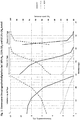
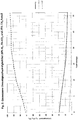
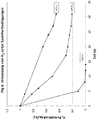
- the conversion rate for an initial content of 10% H 2 (2.5% CO 2 , 87.5% CH 4 ) is 0.54 bar / d, for 20% H 2 (5% CO 2 , 75% CH 4 ) 0.44 bar / d and at 40% H 2 (10% CO 2 , 50% CH 4 ) 0.34 bar / d.
- methane 80% H 2 , 20% CO 2 , not shown
- no hydrogenotrophic methanogenesis could be observed at all, from which it can be concluded that, surprisingly, the presence of methane in the starting gas mixture is absolutely necessary for the process according to the invention.
Landscapes
- Engineering & Computer Science (AREA)
- Life Sciences & Earth Sciences (AREA)
- Mining & Mineral Resources (AREA)
- Geology (AREA)
- Chemical & Material Sciences (AREA)
- Environmental & Geological Engineering (AREA)
- Organic Chemistry (AREA)
- Physics & Mathematics (AREA)
- Fluid Mechanics (AREA)
- General Life Sciences & Earth Sciences (AREA)
- Geochemistry & Mineralogy (AREA)
- Zoology (AREA)
- Chemical Kinetics & Catalysis (AREA)
- Wood Science & Technology (AREA)
- General Chemical & Material Sciences (AREA)
- Microbiology (AREA)
- Biotechnology (AREA)
- Health & Medical Sciences (AREA)
- Biochemistry (AREA)
- Bioinformatics & Cheminformatics (AREA)
- General Engineering & Computer Science (AREA)
- General Health & Medical Sciences (AREA)
- Genetics & Genomics (AREA)
- Preparation Of Compounds By Using Micro-Organisms (AREA)
- Apparatus Associated With Microorganisms And Enzymes (AREA)
- Filling Or Discharging Of Gas Storage Vessels (AREA)
Claims (11)
- Procédé pour la méthanogenèse hydrogénotrophe de H2 et de CO2 en CH4, caractérisé en ce qu'un mélange gazeux comprenant du gaz naturel, de l'hydrogène et du CO2, présentant des concentrations minimales de gaz naturel de 10 % en volume et de préférence un rapport stoechiométrique, pour la formation de CH4, entre l'hydrogène et CO2, est introduit dans un réservoir souterrain comprenant une zone gazeuse, et y est stocké en présence de microorganismes méthanogènes.
- Procédé selon la revendication 1, caractérisé en ce que le temps de séjour du mélange gazeux dans le réservoir souterrain est déterminé par la distance entre le forage d'injection et le forage de prélèvement de façon à prélever au niveau du forage de prélèvement un gaz naturel présentant une proportion du CO2 introduit inférieure à 18 % en volume, de préférence inférieure à 10 %, d'une manière particulièrement préférée inférieure à 5 %.
- Procédé selon la revendication 1 ou 2, caractérisé en ce que le réservoir souterrain présente une proportion d'eau d'au moins 15 % par rapport au volume de pores de la roche réservoir, la conversion ayant lieu pendant l'exploitation continue du réservoir.
- Procédé selon l'une des revendications 1 à 3, caractérisé en ce que le pH dans la zone gazeuse se trouvant dans le réservoir est commandé ou réglé par un addition dosée d'hydrogène et/ou de CO2, et est maintenu dans la plage dans laquelle la productivité des microorganismes méthanogènes présente un optimum.
- Procédé selon l'une des revendications 1 à 4, caractérisé en ce que les microorganismes méthanogènes sont colonisés par inoculation du réservoir par de l'eau de gisement provenant d'un autre réservoir, se trouvant déjà en exploitation.
- Procédé selon l'une des revendications 1 à 5, caractérisé en ce que la concentration de l'hydrogène dans le mélange gazeux à stocker est inférieure à 72 % en volume, de préférence inférieure à 40 %, d'une manière particulièrement préférée inférieure à 30 %, 20 %, 13 %, 12 %, 11 %, 10 %, 9 %, 8 %, 7 %, 6 %, 5 %, 4 %, 3 %, ou inférieure à 2 %.
- Procédé selon l'une des revendications 1 à 6, caractérisé en ce que la concentration du CO2 dans le mélange gazeux à stocker est inférieure à 18 % en volume, de préférence inférieure à 10 %, 9 %, 8 %, 7 %, 6 %, 5 %, 4 %, 3 %, 2 %, 1 % ou inférieure à 0,5 %.
- Procédé selon l'une des revendications 1 à 7, caractérisé en ce que les bactéries sont choisies dans les classes Methanobacteria, Methanococci, Methanomicrobia et Methanopyri, ainsi que les mélanges de ceux-ci.
- Procédé selon l'une des revendications 1 à 8, caractérisé en ce que le réservoir souterrain est un réservoir en couche poreuse.
- Utilisation du procédé selon l'une des revendications 1 à 9 pour la réduction de la proportion de CO2 de la zone gazeuse dans un gisement naturel de gaz naturel ou de pétrole, avant ou pendant la production de pétrole à partir du gisement.
- Utilisation d'un procédé selon l'une des revendications 1 à 9 pour commander la teneur d'un gaz naturel en CO2 et/ou en hydrogène.
Applications Claiming Priority (2)
| Application Number | Priority Date | Filing Date | Title |
|---|---|---|---|
| EP15161055 | 2015-03-26 | ||
| PCT/EP2016/056521 WO2016151078A1 (fr) | 2015-03-26 | 2016-03-24 | Procédé de méthanogénèse hydrogénotrophe de h2 et de co2 en ch4 |
Publications (2)
| Publication Number | Publication Date |
|---|---|
| EP3280807A1 EP3280807A1 (fr) | 2018-02-14 |
| EP3280807B1 true EP3280807B1 (fr) | 2019-10-09 |
Family
ID=52780879
Family Applications (1)
| Application Number | Title | Priority Date | Filing Date |
|---|---|---|---|
| EP16713366.9A Active EP3280807B1 (fr) | 2015-03-26 | 2016-03-24 | Procédé de méthanogenèse hydrogénotrophes de h2 et co2 en ch4 |
Country Status (9)
| Country | Link |
|---|---|
| EP (1) | EP3280807B1 (fr) |
| JP (1) | JP6666424B2 (fr) |
| AR (1) | AR104102A1 (fr) |
| AU (1) | AU2016238788B2 (fr) |
| CA (1) | CA2979954C (fr) |
| DK (1) | DK3280807T3 (fr) |
| ES (1) | ES2764722T3 (fr) |
| HU (1) | HUE047068T2 (fr) |
| WO (1) | WO2016151078A1 (fr) |
Families Citing this family (1)
| Publication number | Priority date | Publication date | Assignee | Title |
|---|---|---|---|---|
| EP4017934A4 (fr) * | 2019-08-21 | 2024-03-27 | Cemvita Factory, Inc. | Procédés et systèmes de production de composés organiques dans un environnement souterrain |
Family Cites Families (6)
| Publication number | Priority date | Publication date | Assignee | Title |
|---|---|---|---|---|
| FR2601690B1 (fr) * | 1986-07-17 | 1990-02-16 | Gaz De France | Procede de production de methane a rendement eleve par culture de methanobacterium thermoautotrophicum ou de toute bacterie methanogene ayant les memes proprietes physiologiques de croissance |
| PT963780E (pt) * | 1998-06-08 | 2006-05-31 | Wild Vaucher Pierrette | Processo para separar o co2 dos gases combustiveis, sua conversao em ch4 e armazenamento fora da atmosfera da terra. |
| WO2008128331A1 (fr) * | 2007-04-18 | 2008-10-30 | University Technologies International Inc. | Procédé de séquestration du dioxyde de carbone |
| JP2010022957A (ja) * | 2008-07-22 | 2010-02-04 | Mitsui Eng & Shipbuild Co Ltd | Co2の処理システム及びメタン回収システム |
| WO2012110256A1 (fr) * | 2011-02-17 | 2012-08-23 | Krajete GmbH | Procédé de conversion de dioxyde de carbone et d'hydrogène en méthane par des micro-organismes |
| JP6202371B2 (ja) * | 2013-06-03 | 2017-09-27 | 国立研究開発法人海洋研究開発機構 | 二酸化炭素の再資源化方法 |
-
2016
- 2016-03-23 AR ARP160100775A patent/AR104102A1/es active IP Right Grant
- 2016-03-24 EP EP16713366.9A patent/EP3280807B1/fr active Active
- 2016-03-24 JP JP2018500858A patent/JP6666424B2/ja active Active
- 2016-03-24 HU HUE16713366A patent/HUE047068T2/hu unknown
- 2016-03-24 ES ES16713366T patent/ES2764722T3/es active Active
- 2016-03-24 WO PCT/EP2016/056521 patent/WO2016151078A1/fr not_active Ceased
- 2016-03-24 AU AU2016238788A patent/AU2016238788B2/en active Active
- 2016-03-24 DK DK16713366T patent/DK3280807T3/da active
- 2016-03-24 CA CA2979954A patent/CA2979954C/fr active Active
Non-Patent Citations (1)
| Title |
|---|
| None * |
Also Published As
| Publication number | Publication date |
|---|---|
| CA2979954C (fr) | 2019-12-31 |
| EP3280807A1 (fr) | 2018-02-14 |
| DK3280807T3 (da) | 2019-11-25 |
| HUE047068T2 (hu) | 2020-04-28 |
| WO2016151078A1 (fr) | 2016-09-29 |
| AR104102A1 (es) | 2017-06-28 |
| CA2979954A1 (fr) | 2016-09-29 |
| JP6666424B2 (ja) | 2020-03-13 |
| ES2764722T3 (es) | 2020-06-04 |
| AU2016238788A1 (en) | 2017-10-12 |
| AU2016238788B2 (en) | 2019-10-10 |
| JP2018510654A (ja) | 2018-04-19 |
Similar Documents
| Publication | Publication Date | Title |
|---|---|---|
| DE102018126953A1 (de) | Verfahren zur Verwendung von Industriegas zur Herstellung einer mit Methan angereicherten Gaszusammensetzung | |
| Alitalo et al. | Biocatalytic methanation of hydrogen and carbon dioxide in a fixed bed bioreactor | |
| CN101503956B (zh) | 利用工业废水和工业废气提高原油采收率的方法 | |
| EP4519399A1 (fr) | Procédé et appareil de production de méthane | |
| EP2586868B1 (fr) | Procédé et installation de biogaz pour la production de biogaz | |
| EP2562237B1 (fr) | Procédé de préparation d'un gaz à très forte teneur en méthane et installation conçue dans ce but | |
| Bassani et al. | Biogeochemical characterization of four depleted gas reservoirs for conversion into underground hydrogen storage | |
| DE102014111287A1 (de) | Verfahren zur Erzeugung von Methan | |
| EP4482790B1 (fr) | Procédé d'élimination et d'immobilisation du dioxyde de carbone de l'atmosphère et/ou d'un gaz d'échappement | |
| DD139737A5 (de) | Verfahren zur gewinnung von organischen gasen | |
| EP0963780A1 (fr) | Procédé pour éliminer le CO2 des gaz d'échappement de combustion, conversion en CH4 et stockage en dehors de l'atmosphère terrestre | |
| EP2982740A1 (fr) | Procede de fabrication de methane | |
| EP3280807B1 (fr) | Procédé de méthanogenèse hydrogénotrophes de h2 et co2 en ch4 | |
| DE102014111298A1 (de) | Verfahren zur Erzeugung von Methan | |
| Spirov et al. | Modelling of microbial enhanced oil recovery application using anaerobic gas-producing bacteria | |
| Ranchou-Peyruse et al. | Effect of calcite on dihydrogen consumption by microbial communities in a deep aquifer used as a UGS | |
| DE102013006935A1 (de) | Verfahren und Anlage zum Erzeugen von methanreichen Biogasen | |
| DE102016101960A1 (de) | Verfahren zur Erzeugung eines methanangereicherten Gases | |
| CA3117885C (fr) | Procede d'utilisation de gaz industriel contenant du co2 pour la production d'une composition de gaz enrichi en methane | |
| Yan et al. | Microbial nutrient stimulation enhances in situ methanogenesis~ 900 m depth in coalbeds: evidence from long-term field trial in Hancheng Block | |
| DE102009000127A1 (de) | Verfahren und Anlage zum Erzeugen von Energie unter gleichzeitiger Verringerung der Emission von Treibhausgasen in die Atmosphäre | |
| DE202025106711U1 (de) | System zur energetischen Verwertung von Biomasse | |
| Figueroa et al. | Sulfate reducing bioreactor longevity estimates based on substrate characterization and initial carbon release | |
| DE102019205829A1 (de) | Kohlenstoffdioxidextraktion aus der Hydrosphäre | |
| Prakash et al. | Producing high CH4-content (> 95%) biogas without external hydrogen addition and with minimal CH4 loss |
Legal Events
| Date | Code | Title | Description |
|---|---|---|---|
| STAA | Information on the status of an ep patent application or granted ep patent |
Free format text: STATUS: THE INTERNATIONAL PUBLICATION HAS BEEN MADE |
|
| PUAI | Public reference made under article 153(3) epc to a published international application that has entered the european phase |
Free format text: ORIGINAL CODE: 0009012 |
|
| STAA | Information on the status of an ep patent application or granted ep patent |
Free format text: STATUS: REQUEST FOR EXAMINATION WAS MADE |
|
| 17P | Request for examination filed |
Effective date: 20171023 |
|
| AK | Designated contracting states |
Kind code of ref document: A1 Designated state(s): AL AT BE BG CH CY CZ DE DK EE ES FI FR GB GR HR HU IE IS IT LI LT LU LV MC MK MT NL NO PL PT RO RS SE SI SK SM TR |
|
| AX | Request for extension of the european patent |
Extension state: BA ME |
|
| RIN1 | Information on inventor provided before grant (corrected) |
Inventor name: SCHRITTER, JOHANNA Inventor name: BAUER, STEPHAN Inventor name: GUBIK, ALEXANDER Inventor name: BRANDSTAETTER-SCHERR, KERSTIN Inventor name: MITTEREGGER, MARKUS Inventor name: PICHLER, MARKUS Inventor name: KOMM, ROBERT Inventor name: BACKES, DIANA Inventor name: LOIBNER, ANDREAS P. |
|
| DAV | Request for validation of the european patent (deleted) | ||
| DAX | Request for extension of the european patent (deleted) | ||
| RAP1 | Party data changed (applicant data changed or rights of an application transferred) |
Owner name: RAG AUSTRIA AG |
|
| GRAP | Despatch of communication of intention to grant a patent |
Free format text: ORIGINAL CODE: EPIDOSNIGR1 |
|
| STAA | Information on the status of an ep patent application or granted ep patent |
Free format text: STATUS: GRANT OF PATENT IS INTENDED |
|
| INTG | Intention to grant announced |
Effective date: 20190523 |
|
| RIN1 | Information on inventor provided before grant (corrected) |
Inventor name: BAUER, STEPHAN Inventor name: LOIBNER, ANDREAS P. Inventor name: PICHLER, MARKUS Inventor name: MITTEREGGER, MARKUS Inventor name: SCHRITTER, JOHANNA Inventor name: GUBIK, ALEXANDER Inventor name: BACKES, DIANA Inventor name: BRANDSTAETTER-SCHERR, KERSTIN Inventor name: KOMM, ROBERT |
|
| GRAS | Grant fee paid |
Free format text: ORIGINAL CODE: EPIDOSNIGR3 |
|
| GRAA | (expected) grant |
Free format text: ORIGINAL CODE: 0009210 |
|
| STAA | Information on the status of an ep patent application or granted ep patent |
Free format text: STATUS: THE PATENT HAS BEEN GRANTED |
|
| AK | Designated contracting states |
Kind code of ref document: B1 Designated state(s): AL AT BE BG CH CY CZ DE DK EE ES FI FR GB GR HR HU IE IS IT LI LT LU LV MC MK MT NL NO PL PT RO RS SE SI SK SM TR |
|
| REG | Reference to a national code |
Ref country code: GB Ref legal event code: FG4D Free format text: NOT ENGLISH |
|
| REG | Reference to a national code |
Ref country code: CH Ref legal event code: EP |
|
| REG | Reference to a national code |
Ref country code: DE Ref legal event code: R096 Ref document number: 502016007006 Country of ref document: DE |
|
| REG | Reference to a national code |
Ref country code: IE Ref legal event code: FG4D Free format text: LANGUAGE OF EP DOCUMENT: GERMAN |
|
| REG | Reference to a national code |
Ref country code: AT Ref legal event code: REF Ref document number: 1188852 Country of ref document: AT Kind code of ref document: T Effective date: 20191115 |
|
| REG | Reference to a national code |
Ref country code: DK Ref legal event code: T3 Effective date: 20191119 |
|
| REG | Reference to a national code |
Ref country code: NL Ref legal event code: FP |
|
| REG | Reference to a national code |
Ref country code: CH Ref legal event code: NV Representative=s name: ISLER AND PEDRAZZINI AG, CH |
|
| REG | Reference to a national code |
Ref country code: LT Ref legal event code: MG4D |
|
| REG | Reference to a national code |
Ref country code: SK Ref legal event code: T3 Ref document number: E 33060 Country of ref document: SK |
|
| REG | Reference to a national code |
Ref country code: HU Ref legal event code: AG4A Ref document number: E047068 Country of ref document: HU |
|
| PG25 | Lapsed in a contracting state [announced via postgrant information from national office to epo] |
Ref country code: LT Free format text: LAPSE BECAUSE OF FAILURE TO SUBMIT A TRANSLATION OF THE DESCRIPTION OR TO PAY THE FEE WITHIN THE PRESCRIBED TIME-LIMIT Effective date: 20191009 Ref country code: NO Free format text: LAPSE BECAUSE OF FAILURE TO SUBMIT A TRANSLATION OF THE DESCRIPTION OR TO PAY THE FEE WITHIN THE PRESCRIBED TIME-LIMIT Effective date: 20200109 Ref country code: BG Free format text: LAPSE BECAUSE OF FAILURE TO SUBMIT A TRANSLATION OF THE DESCRIPTION OR TO PAY THE FEE WITHIN THE PRESCRIBED TIME-LIMIT Effective date: 20200109 Ref country code: PL Free format text: LAPSE BECAUSE OF FAILURE TO SUBMIT A TRANSLATION OF THE DESCRIPTION OR TO PAY THE FEE WITHIN THE PRESCRIBED TIME-LIMIT Effective date: 20191009 Ref country code: PT Free format text: LAPSE BECAUSE OF FAILURE TO SUBMIT A TRANSLATION OF THE DESCRIPTION OR TO PAY THE FEE WITHIN THE PRESCRIBED TIME-LIMIT Effective date: 20200210 Ref country code: GR Free format text: LAPSE BECAUSE OF FAILURE TO SUBMIT A TRANSLATION OF THE DESCRIPTION OR TO PAY THE FEE WITHIN THE PRESCRIBED TIME-LIMIT Effective date: 20200110 Ref country code: LV Free format text: LAPSE BECAUSE OF FAILURE TO SUBMIT A TRANSLATION OF THE DESCRIPTION OR TO PAY THE FEE WITHIN THE PRESCRIBED TIME-LIMIT Effective date: 20191009 Ref country code: FI Free format text: LAPSE BECAUSE OF FAILURE TO SUBMIT A TRANSLATION OF THE DESCRIPTION OR TO PAY THE FEE WITHIN THE PRESCRIBED TIME-LIMIT Effective date: 20191009 Ref country code: SE Free format text: LAPSE BECAUSE OF FAILURE TO SUBMIT A TRANSLATION OF THE DESCRIPTION OR TO PAY THE FEE WITHIN THE PRESCRIBED TIME-LIMIT Effective date: 20191009 |
|
| PG25 | Lapsed in a contracting state [announced via postgrant information from national office to epo] |
Ref country code: RS Free format text: LAPSE BECAUSE OF FAILURE TO SUBMIT A TRANSLATION OF THE DESCRIPTION OR TO PAY THE FEE WITHIN THE PRESCRIBED TIME-LIMIT Effective date: 20191009 Ref country code: HR Free format text: LAPSE BECAUSE OF FAILURE TO SUBMIT A TRANSLATION OF THE DESCRIPTION OR TO PAY THE FEE WITHIN THE PRESCRIBED TIME-LIMIT Effective date: 20191009 Ref country code: IS Free format text: LAPSE BECAUSE OF FAILURE TO SUBMIT A TRANSLATION OF THE DESCRIPTION OR TO PAY THE FEE WITHIN THE PRESCRIBED TIME-LIMIT Effective date: 20200224 |
|
| REG | Reference to a national code |
Ref country code: ES Ref legal event code: FG2A Ref document number: 2764722 Country of ref document: ES Kind code of ref document: T3 Effective date: 20200604 |
|
| PG25 | Lapsed in a contracting state [announced via postgrant information from national office to epo] |
Ref country code: AL Free format text: LAPSE BECAUSE OF FAILURE TO SUBMIT A TRANSLATION OF THE DESCRIPTION OR TO PAY THE FEE WITHIN THE PRESCRIBED TIME-LIMIT Effective date: 20191009 |
|
| REG | Reference to a national code |
Ref country code: DE Ref legal event code: R097 Ref document number: 502016007006 Country of ref document: DE |
|
| PG2D | Information on lapse in contracting state deleted |
Ref country code: IS |
|
| PG25 | Lapsed in a contracting state [announced via postgrant information from national office to epo] |
Ref country code: RO Free format text: LAPSE BECAUSE OF FAILURE TO SUBMIT A TRANSLATION OF THE DESCRIPTION OR TO PAY THE FEE WITHIN THE PRESCRIBED TIME-LIMIT Effective date: 20191009 Ref country code: EE Free format text: LAPSE BECAUSE OF FAILURE TO SUBMIT A TRANSLATION OF THE DESCRIPTION OR TO PAY THE FEE WITHIN THE PRESCRIBED TIME-LIMIT Effective date: 20191009 Ref country code: IS Free format text: LAPSE BECAUSE OF FAILURE TO SUBMIT A TRANSLATION OF THE DESCRIPTION OR TO PAY THE FEE WITHIN THE PRESCRIBED TIME-LIMIT Effective date: 20200209 |
|
| PLBE | No opposition filed within time limit |
Free format text: ORIGINAL CODE: 0009261 |
|
| STAA | Information on the status of an ep patent application or granted ep patent |
Free format text: STATUS: NO OPPOSITION FILED WITHIN TIME LIMIT |
|
| PG25 | Lapsed in a contracting state [announced via postgrant information from national office to epo] |
Ref country code: SM Free format text: LAPSE BECAUSE OF FAILURE TO SUBMIT A TRANSLATION OF THE DESCRIPTION OR TO PAY THE FEE WITHIN THE PRESCRIBED TIME-LIMIT Effective date: 20191009 |
|
| 26N | No opposition filed |
Effective date: 20200710 |
|
| PG25 | Lapsed in a contracting state [announced via postgrant information from national office to epo] |
Ref country code: MC Free format text: LAPSE BECAUSE OF FAILURE TO SUBMIT A TRANSLATION OF THE DESCRIPTION OR TO PAY THE FEE WITHIN THE PRESCRIBED TIME-LIMIT Effective date: 20191009 |
|
| PG25 | Lapsed in a contracting state [announced via postgrant information from national office to epo] |
Ref country code: SI Free format text: LAPSE BECAUSE OF FAILURE TO SUBMIT A TRANSLATION OF THE DESCRIPTION OR TO PAY THE FEE WITHIN THE PRESCRIBED TIME-LIMIT Effective date: 20191009 |
|
| REG | Reference to a national code |
Ref country code: BE Ref legal event code: MM Effective date: 20200331 |
|
| PG25 | Lapsed in a contracting state [announced via postgrant information from national office to epo] |
Ref country code: LU Free format text: LAPSE BECAUSE OF NON-PAYMENT OF DUE FEES Effective date: 20200324 |
|
| PG25 | Lapsed in a contracting state [announced via postgrant information from national office to epo] |
Ref country code: IE Free format text: LAPSE BECAUSE OF NON-PAYMENT OF DUE FEES Effective date: 20200324 |
|
| PG25 | Lapsed in a contracting state [announced via postgrant information from national office to epo] |
Ref country code: BE Free format text: LAPSE BECAUSE OF NON-PAYMENT OF DUE FEES Effective date: 20200331 |
|
| PG25 | Lapsed in a contracting state [announced via postgrant information from national office to epo] |
Ref country code: TR Free format text: LAPSE BECAUSE OF FAILURE TO SUBMIT A TRANSLATION OF THE DESCRIPTION OR TO PAY THE FEE WITHIN THE PRESCRIBED TIME-LIMIT Effective date: 20191009 Ref country code: MT Free format text: LAPSE BECAUSE OF FAILURE TO SUBMIT A TRANSLATION OF THE DESCRIPTION OR TO PAY THE FEE WITHIN THE PRESCRIBED TIME-LIMIT Effective date: 20191009 Ref country code: CY Free format text: LAPSE BECAUSE OF FAILURE TO SUBMIT A TRANSLATION OF THE DESCRIPTION OR TO PAY THE FEE WITHIN THE PRESCRIBED TIME-LIMIT Effective date: 20191009 |
|
| PG25 | Lapsed in a contracting state [announced via postgrant information from national office to epo] |
Ref country code: MK Free format text: LAPSE BECAUSE OF FAILURE TO SUBMIT A TRANSLATION OF THE DESCRIPTION OR TO PAY THE FEE WITHIN THE PRESCRIBED TIME-LIMIT Effective date: 20191009 |
|
| P01 | Opt-out of the competence of the unified patent court (upc) registered |
Effective date: 20230522 |
|
| PGFP | Annual fee paid to national office [announced via postgrant information from national office to epo] |
Ref country code: CH Payment date: 20230401 Year of fee payment: 8 |
|
| PGFP | Annual fee paid to national office [announced via postgrant information from national office to epo] |
Ref country code: FR Payment date: 20240130 Year of fee payment: 9 Ref country code: DK Payment date: 20240215 Year of fee payment: 9 |
|
| REG | Reference to a national code |
Ref country code: CH Ref legal event code: PL |
|
| PG25 | Lapsed in a contracting state [announced via postgrant information from national office to epo] |
Ref country code: CH Free format text: LAPSE BECAUSE OF NON-PAYMENT OF DUE FEES Effective date: 20240331 |
|
| PGFP | Annual fee paid to national office [announced via postgrant information from national office to epo] |
Ref country code: NL Payment date: 20250211 Year of fee payment: 10 |
|
| PGFP | Annual fee paid to national office [announced via postgrant information from national office to epo] |
Ref country code: HU Payment date: 20250131 Year of fee payment: 10 |
|
| PGFP | Annual fee paid to national office [announced via postgrant information from national office to epo] |
Ref country code: GB Payment date: 20250324 Year of fee payment: 10 |
|
| PGFP | Annual fee paid to national office [announced via postgrant information from national office to epo] |
Ref country code: ES Payment date: 20250401 Year of fee payment: 10 |
|
| REG | Reference to a national code |
Ref country code: DK Ref legal event code: EBP Effective date: 20250331 |
|
| PG25 | Lapsed in a contracting state [announced via postgrant information from national office to epo] |
Ref country code: FR Free format text: LAPSE BECAUSE OF NON-PAYMENT OF DUE FEES Effective date: 20250331 |
|
| PG25 | Lapsed in a contracting state [announced via postgrant information from national office to epo] |
Ref country code: DK Free format text: LAPSE BECAUSE OF NON-PAYMENT OF DUE FEES Effective date: 20250331 |
|
| PGFP | Annual fee paid to national office [announced via postgrant information from national office to epo] |
Ref country code: DE Payment date: 20260319 Year of fee payment: 11 |
|
| PGFP | Annual fee paid to national office [announced via postgrant information from national office to epo] |
Ref country code: AT Payment date: 20260310 Year of fee payment: 11 |
|
| PGFP | Annual fee paid to national office [announced via postgrant information from national office to epo] |
Ref country code: IT Payment date: 20260204 Year of fee payment: 11 |
|
| PGFP | Annual fee paid to national office [announced via postgrant information from national office to epo] |
Ref country code: CZ Payment date: 20260216 Year of fee payment: 11 |
|
| PGFP | Annual fee paid to national office [announced via postgrant information from national office to epo] |
Ref country code: SK Payment date: 20260203 Year of fee payment: 11 |