EP3286563B1 - Induction contrôlée de cellules progénitrices pancréatiques humaines produisant des cellules de type bêta fonctionnelles - Google Patents
Induction contrôlée de cellules progénitrices pancréatiques humaines produisant des cellules de type bêta fonctionnelles Download PDFInfo
- Publication number
- EP3286563B1 EP3286563B1 EP16783989.3A EP16783989A EP3286563B1 EP 3286563 B1 EP3286563 B1 EP 3286563B1 EP 16783989 A EP16783989 A EP 16783989A EP 3286563 B1 EP3286563 B1 EP 3286563B1
- Authority
- EP
- European Patent Office
- Prior art keywords
- cells
- cell
- beta
- pdx1
- human
- Prior art date
- Legal status (The legal status is an assumption and is not a legal conclusion. Google has not performed a legal analysis and makes no representation as to the accuracy of the status listed.)
- Active
Links
Images






Classifications
-
- C—CHEMISTRY; METALLURGY
- C12—BIOCHEMISTRY; BEER; SPIRITS; WINE; VINEGAR; MICROBIOLOGY; ENZYMOLOGY; MUTATION OR GENETIC ENGINEERING
- C12N—MICROORGANISMS OR ENZYMES; COMPOSITIONS THEREOF; PROPAGATING, PRESERVING, OR MAINTAINING MICROORGANISMS; MUTATION OR GENETIC ENGINEERING; CULTURE MEDIA
- C12N5/00—Undifferentiated human, animal or plant cells, e.g. cell lines; Tissues; Cultivation or maintenance thereof; Culture media therefor
- C12N5/06—Animal cells or tissues; Human cells or tissues
- C12N5/0602—Vertebrate cells
- C12N5/0676—Pancreatic cells
- C12N5/0678—Stem cells; Progenitor cells; Precursor cells
-
- A—HUMAN NECESSITIES
- A61—MEDICAL OR VETERINARY SCIENCE; HYGIENE
- A61K—PREPARATIONS FOR MEDICAL, DENTAL OR TOILETRY PURPOSES
- A61K35/00—Medicinal preparations containing materials or reaction products thereof with undetermined constitution
- A61K35/12—Materials from mammals; Compositions comprising non-specified tissues or cells; Compositions comprising non-embryonic stem cells; Genetically modified cells
- A61K35/37—Digestive system
- A61K35/39—Pancreas; Islets of Langerhans
-
- A—HUMAN NECESSITIES
- A61—MEDICAL OR VETERINARY SCIENCE; HYGIENE
- A61P—SPECIFIC THERAPEUTIC ACTIVITY OF CHEMICAL COMPOUNDS OR MEDICINAL PREPARATIONS
- A61P3/00—Drugs for disorders of the metabolism
- A61P3/08—Drugs for disorders of the metabolism for glucose homeostasis
- A61P3/10—Drugs for disorders of the metabolism for glucose homeostasis for hyperglycaemia, e.g. antidiabetics
-
- C—CHEMISTRY; METALLURGY
- C07—ORGANIC CHEMISTRY
- C07K—PEPTIDES
- C07K14/00—Peptides having more than 20 amino acids; Gastrins; Somatostatins; Melanotropins; Derivatives thereof
- C07K14/435—Peptides having more than 20 amino acids; Gastrins; Somatostatins; Melanotropins; Derivatives thereof from animals; from humans
- C07K14/475—Growth factors; Growth regulators
- C07K14/485—Epidermal growth factor [EGF], i.e. urogastrone
-
- C—CHEMISTRY; METALLURGY
- C07—ORGANIC CHEMISTRY
- C07K—PEPTIDES
- C07K14/00—Peptides having more than 20 amino acids; Gastrins; Somatostatins; Melanotropins; Derivatives thereof
- C07K14/435—Peptides having more than 20 amino acids; Gastrins; Somatostatins; Melanotropins; Derivatives thereof from animals; from humans
- C07K14/475—Growth factors; Growth regulators
- C07K14/495—Transforming growth factor [TGF]
-
- C—CHEMISTRY; METALLURGY
- C07—ORGANIC CHEMISTRY
- C07K—PEPTIDES
- C07K14/00—Peptides having more than 20 amino acids; Gastrins; Somatostatins; Melanotropins; Derivatives thereof
- C07K14/435—Peptides having more than 20 amino acids; Gastrins; Somatostatins; Melanotropins; Derivatives thereof from animals; from humans
- C07K14/475—Growth factors; Growth regulators
- C07K14/50—Fibroblast growth factor [FGF]
-
- C—CHEMISTRY; METALLURGY
- C07—ORGANIC CHEMISTRY
- C07K—PEPTIDES
- C07K14/00—Peptides having more than 20 amino acids; Gastrins; Somatostatins; Melanotropins; Derivatives thereof
- C07K14/435—Peptides having more than 20 amino acids; Gastrins; Somatostatins; Melanotropins; Derivatives thereof from animals; from humans
- C07K14/575—Hormones
- C07K14/62—Insulins
-
- C—CHEMISTRY; METALLURGY
- C12—BIOCHEMISTRY; BEER; SPIRITS; WINE; VINEGAR; MICROBIOLOGY; ENZYMOLOGY; MUTATION OR GENETIC ENGINEERING
- C12N—MICROORGANISMS OR ENZYMES; COMPOSITIONS THEREOF; PROPAGATING, PRESERVING, OR MAINTAINING MICROORGANISMS; MUTATION OR GENETIC ENGINEERING; CULTURE MEDIA
- C12N5/00—Undifferentiated human, animal or plant cells, e.g. cell lines; Tissues; Cultivation or maintenance thereof; Culture media therefor
- C12N5/06—Animal cells or tissues; Human cells or tissues
- C12N5/0602—Vertebrate cells
- C12N5/0676—Pancreatic cells
- C12N5/0677—Three-dimensional culture, tissue culture or organ culture; Encapsulated cells
-
- C—CHEMISTRY; METALLURGY
- C12—BIOCHEMISTRY; BEER; SPIRITS; WINE; VINEGAR; MICROBIOLOGY; ENZYMOLOGY; MUTATION OR GENETIC ENGINEERING
- C12N—MICROORGANISMS OR ENZYMES; COMPOSITIONS THEREOF; PROPAGATING, PRESERVING, OR MAINTAINING MICROORGANISMS; MUTATION OR GENETIC ENGINEERING; CULTURE MEDIA
- C12N2501/00—Active agents used in cell culture processes, e.g. differentation
- C12N2501/10—Growth factors
- C12N2501/11—Epidermal growth factor [EGF]
-
- C—CHEMISTRY; METALLURGY
- C12—BIOCHEMISTRY; BEER; SPIRITS; WINE; VINEGAR; MICROBIOLOGY; ENZYMOLOGY; MUTATION OR GENETIC ENGINEERING
- C12N—MICROORGANISMS OR ENZYMES; COMPOSITIONS THEREOF; PROPAGATING, PRESERVING, OR MAINTAINING MICROORGANISMS; MUTATION OR GENETIC ENGINEERING; CULTURE MEDIA
- C12N2501/00—Active agents used in cell culture processes, e.g. differentation
- C12N2501/10—Growth factors
- C12N2501/117—Keratinocyte growth factors (KGF-1, i.e. FGF-7; KGF-2, i.e. FGF-12)
-
- C—CHEMISTRY; METALLURGY
- C12—BIOCHEMISTRY; BEER; SPIRITS; WINE; VINEGAR; MICROBIOLOGY; ENZYMOLOGY; MUTATION OR GENETIC ENGINEERING
- C12N—MICROORGANISMS OR ENZYMES; COMPOSITIONS THEREOF; PROPAGATING, PRESERVING, OR MAINTAINING MICROORGANISMS; MUTATION OR GENETIC ENGINEERING; CULTURE MEDIA
- C12N2501/00—Active agents used in cell culture processes, e.g. differentation
- C12N2501/10—Growth factors
- C12N2501/15—Transforming growth factor beta (TGF-β)
-
- C—CHEMISTRY; METALLURGY
- C12—BIOCHEMISTRY; BEER; SPIRITS; WINE; VINEGAR; MICROBIOLOGY; ENZYMOLOGY; MUTATION OR GENETIC ENGINEERING
- C12N—MICROORGANISMS OR ENZYMES; COMPOSITIONS THEREOF; PROPAGATING, PRESERVING, OR MAINTAINING MICROORGANISMS; MUTATION OR GENETIC ENGINEERING; CULTURE MEDIA
- C12N2501/00—Active agents used in cell culture processes, e.g. differentation
- C12N2501/10—Growth factors
- C12N2501/155—Bone morphogenic proteins [BMP]; Osteogenins; Osteogenic factor; Bone inducing factor
-
- C—CHEMISTRY; METALLURGY
- C12—BIOCHEMISTRY; BEER; SPIRITS; WINE; VINEGAR; MICROBIOLOGY; ENZYMOLOGY; MUTATION OR GENETIC ENGINEERING
- C12N—MICROORGANISMS OR ENZYMES; COMPOSITIONS THEREOF; PROPAGATING, PRESERVING, OR MAINTAINING MICROORGANISMS; MUTATION OR GENETIC ENGINEERING; CULTURE MEDIA
- C12N2501/00—Active agents used in cell culture processes, e.g. differentation
- C12N2501/30—Hormones
- C12N2501/38—Hormones with nuclear receptors
- C12N2501/385—Hormones with nuclear receptors of the family of the retinoic acid recptor, e.g. RAR, RXR; Peroxisome proliferator-activated receptor [PPAR]
-
- C—CHEMISTRY; METALLURGY
- C12—BIOCHEMISTRY; BEER; SPIRITS; WINE; VINEGAR; MICROBIOLOGY; ENZYMOLOGY; MUTATION OR GENETIC ENGINEERING
- C12N—MICROORGANISMS OR ENZYMES; COMPOSITIONS THEREOF; PROPAGATING, PRESERVING, OR MAINTAINING MICROORGANISMS; MUTATION OR GENETIC ENGINEERING; CULTURE MEDIA
- C12N2501/00—Active agents used in cell culture processes, e.g. differentation
- C12N2501/40—Regulators of development
- C12N2501/41—Hedgehog proteins; Cyclopamine (inhibitor)
-
- C—CHEMISTRY; METALLURGY
- C12—BIOCHEMISTRY; BEER; SPIRITS; WINE; VINEGAR; MICROBIOLOGY; ENZYMOLOGY; MUTATION OR GENETIC ENGINEERING
- C12N—MICROORGANISMS OR ENZYMES; COMPOSITIONS THEREOF; PROPAGATING, PRESERVING, OR MAINTAINING MICROORGANISMS; MUTATION OR GENETIC ENGINEERING; CULTURE MEDIA
- C12N2506/00—Differentiation of animal cells from one lineage to another; Differentiation of pluripotent cells
- C12N2506/02—Differentiation of animal cells from one lineage to another; Differentiation of pluripotent cells from embryonic cells
Definitions
- Diabetes mellitus type 1 and 2 are diseases characterized by autoimmune destruction or progressive dysfunction and subsequent loss of insulin-producing pancreatic beta cells, respectively.
- Current treatments for both types of patients with diabetes consist of regulating blood glucose levels through injections of exogenous insulin. While this approach provides reasonable management of the diseases, unwanted risks and long-term complications persist due to the inability of tightly maintaining glucose levels within a normal physiological range. Complications include life-threatening episodes of hypoglycemia, as well as long-term complications from hyperglycemia resulting in micro- and macro-angiopathy leading to cardiovascular pathologies and kidney failure, as well as neuropathy.
- hESC pluripotent human embryonic stem cells
- pancreatic progenitors identified by the expression of PDX1 (Herrera et al, 2002). While PDX1+ cells can give rise to all pancreatic lineages (Herrera et al, 2002), the subsequent induction of NKX6.1 in these cells restricts their differentiation potential to only endocrine and ductal cells (Schaffer et al, 2010). Endocrine differentiation is then initiated in PDX1+/NKX6.1+ progenitors by short-lived expression of the basic helix loop helix TF Neurogenin 3 (NEUROG3, also known as NGN3) (Gu et al, 2002).
- NEUROG3 basic helix loop helix TF Neurogenin 3
- NEUROG3 expression has been shown to be crucial in promoting the formation of diverse endocrine islet cell types (Johansson et al, 2007).
- precocious induction of endocrine differentiation by forced expression of NEUROG3 in mice results predominantly in the generation of alpha cells (Johansson et al, 2007).
- Kumar, S. et al. (Int. J. Mol. Sci. 15 (2014), p. 23418-47 ) reviews the developments in beta-cell differentiation of pluripotent stem cells induced by small and large molecules.
- US 2010/112691 A1 describes methods for producing undifferentiated or differentiated ESCs aggregate suspension cultures utilizing ErbB signaling pathways such as the differentiation of hESCs to PDX1+/NKX6.1+ endoderm cells.
- US 2013/164787 A1 discloses the generation of PDX1+ foregut endoderm cells from (induced) pluripotent stem cells or hESCs and the further differentiation into pancreatic progenitor and hormone secreting PDX1+/NKX6.1+ cells.
- pluripotent stem cells e.g., human pluripotent stem cells
- functional insulin-producing beta-like cells for treatment of diabetes.
- pancreatic differentiation protocols induce precocious endocrine differentiation, leading to the formation of undesired polyhormonal endocrine cells.
- the disclosure further provides a simplified suspension-culture-based differentiation protocol that allows for the correct temporal specification of pancreatic and endocrine progenitors into glucose-responsive beta-like cells in vitro. This approach provides a fast and reproducible supply of functional human beta-like cells and enables detailed investigations into human pancreas development and beta cell biology.
- Salient features of the technology disclosed herein includes the exclusion of commonly used BMP inhibitors during human embryonic stem cell-to-pancreatic progenitor cell differentiation prevents precocious endocrine induction. Sequential exposure of foregut cells to retinoic acid followed by combined EGF/KGF treatment establishes highly pure PDX1+ and PDX1+/NKX6.1+ progenitor populations, respectively. Precise temporal induction of endocrine differentiation in PDX1+/NKX6.1+ progenitors, but not in PDX1+/NKX6.1- progenitors, results in the generation of functional beta-like cells in vitro. The beta-like cells produced by the disclosed methods exhibit key features of bona fide human beta cells, remain functional after short-term transplantation, and reduce blood glucose levels in diabetic mice.
- pancreatic progenitor differentiation protocols promote precocious endocrine commitment, ultimately resulting in the generation of non-functional polyhormonal cells.
- Omission of commonly used BMP inhibitors during pancreatic specification prevents precocious endocrine formation while treatment with retinoic acid followed by combined EGF/KGF efficiently generates both PDX1+ and subsequent PDX1+/NKX6.1+ pancreatic progenitor populations, respectively.
- Precise temporal activation of endocrine differentiation in PDX1+/NKX6.1+ progenitors produces glucose responsive beta-like cells in vitro that exhibit key features of bona fide human beta cells, remain functional after short-term transplantation, and reduce blood glucose levels in diabetic mice.
- our simplified and scalable system accurately recapitulates key steps of human pancreas development, and provides a fast and reproducible supply of functional human beta-like cells.
- the disclosure provides a method of generating a PDX1+ progenitor cell by contacting an embryonic stem cell with an effective amount of a retinoic acid compound alone, thereby inducing formation of a PDX1+ progenitor cell.
- the embryonic stem cell is a human embryonic stem cell.
- the embryonic stem cell is contacted with a retinoic acid compound in vitro.
- the above embodiments further comprise not contacting the embryonic stem cell with a bone morphogenic protein (BMP) inhibitor prior to expression of NKX6.1 by the cell.
- BMP bone morphogenic protein
- the method further comprises contacting the cell with effective amounts of epidermal growth factor and keratinocyte growth factor, thereby inducing formation of a PDX1+/NKX6.1+ progenitor cell.
- the cell expresses NKX6.1 prior to the cell contacting at least one of epidermal growth factor and keratinocyte growth factor (K).
- the cell expresses NKX6.1 prior to contacting epidermal growth factor and keratinocyte growth factor.
- the method further comprises inducing the PDX1+/NKX6.1+ progenitor cell to express NEUROG3, resulting in production of an INS+/NKX6.1+ beta-like cell, wherein the NEUROG3 expression is induced by contacting the PDX1+/NKX6.1+ progenitor cell with an effective amount of an inhibitor of bone morphogenetic protein, an inhibitor of TGF ⁇ /ALK, or an inhibitor of sonic hedgehog.
- the PDX1+/NKX6.1+ progenitor cell is contacted by an effective amount of bone morphogenetic protein and an effective amount of an inhibitor of TGF ⁇ /ALK.
- the PDX1+/NKX6.1+ progenitor cell is contacted by an effective amount of bone morphogenetic protein and an effective amount of an inhibitor of sonic hedgehog.
- the inhibitor of bone morphogenetic protein is Noggin or the inhibitor of sonic hedgehog is Cyclopamine.
- the NEUROG3 expression is induced by exposure of the PDX1+/NKX6.1+ progenitor cell to effective amounts of a TATA-Binding Protein, an Activin receptor-Like Kinase inhibitor, Noggin and Keratinocyte Growth Factor, or K.
- the NEUROG3 expression begins before expression of NKX2.2 is detected.
- no more than 5% of the generated cells are polyhormonal cells.
- the INS+/NKX6.1+ beta-like cell is responsive to glucose levels.
- the INS+/NKX6.1+ beta-like cell secretes an increased level of insulin in response to an increased glucose level.
- Some embodiments of the methods according to the disclosure are provided wherein the INS+/NKX6.1+ beta-like cell does not express a detectable level of the Ki67 marker.
- An unclaimed aspect of the disclosure is a method for generating an INS+/NKX6.1+ beta-like cell further compromising transplanting the INS+/NKX6.1+ beta-like cell into a human.
- the human is diabetic.
- BMP inhibitors do have a role in directed differentiation of ES cells to beta-like cells, but only if the inhibitors are introduced later in the process, i.e., after the cells have begun to express NKX6.1.
- Simplified culture conditions have been identified that replicate fetal endocrine development and allow for the precise and efficient generation of PDX1+ and PDX1+/NKX6.1+ progenitor populations without precocious activation of the endocrine marker NEUROG3.
- hESCs human embryonic stem cells
- Fig. 11 A straightforward schematic comparing the protocol disclosed herein to conventional protocols is provided in Fig. 11 .
- hESC derived beta-like cells exhibit key features of cadaveric human beta cells both in vitro and in vivo, most notably their ability to respond to physiological increases in glucose concentrations by secreting insulin.
- Gene expression analysis of beta-like cells indicates the presence of factors essential for beta cell function, proper biosynthesis of mature insulin, glucose metabolism, and insulin secretion at levels comparable to human islets.
- beta-like cells display ultrastructural features of bona fide human beta cells, such as appropriate secretory vesicles.
- critical elements necessary for the generation and appropriate processing, packaging and storing of insulin in its bioactive mature form are present in these hESC-derived cells.
- beta-like cells remained functional after short-term transplantation and reduced blood glucose levels in a murine model of diabetes, further confirming the correct differentiation state of the cells.
- endocrine differentiation occurs over a prolonged period and is confined to a small subset of total cells. This might be a reflection of the situation observed during normal human pancreas development, where only few progenitor cells initiate the endocrine differentiation program at any given time (Jennings et al, 2013).
- cadaveric islet preparations are widely accepted as the gold standard for studying human beta cells, several problems associated with their use remain. For example, their performance and utility depend on a number of confounding factors: genetic variance, age and life style of the donor, isolation time, islet purity and shipping conditions. By eliminating the constraints of availability and reproducibility, we expect hESC-derived beta-like cells to provide an important therapeutic and a tool to accelerate understanding of the biology of human beta cells.
- our fast and simplified protocol provides precise temporal control over the generation of subsequent pancreatic progenitor and endocrine cell types and results in the establishment of human beta-like cells that exhibit glucose responsiveness in vitro and in vivo.
- Our suspension-based direct differentiation approach is scalable, and our ability to produce large numbers of beta-like cells will further accelerate efforts to efficiently deliver a safe and effective cell therapy to patients suffering from diabetes.
- our approach can be used for more detailed investigations into human pancreas development and human beta cell function that were previously impossible due to limited donor material, such as large scale drug screens and genome-wide gene function studies.
- Undifferentiated reference MEL1 INS GFP/W reporter cells (Micallef et al, 2012) were maintained on mouse embryo fibroblast feeder layers (Millipore) in hESC media as described (Guo et al, 2013b). Suspension-based differentiations were carried out as follows. Briefly, confluent cultures were dissociated into single cell suspension by incubation with TrypLE (Gibco). Cells were counted and each well of 6-well low-adherence plates were seeded with 5.5 ⁇ 10 6 cells in 5.5ml hES media supplemented with 10ng/ml Activin A (R&D systems) and 10ng/ml HeregulinB1 (Peprotech).
- d2 RPMI containing 0.2% FBS, 1:2000 ITS, and 100ng/ml Activin A
- d3 RPMI containing 0.2% FBS, 1:1000 ITS, 2.5 ⁇ M TGFbi IV (CalBioChem), and 25ng/ml KGF (R&D systems)
- d4-5 RPMI containing 0.4% FBS, 1:1000 ITS, and 25ng/ml KGF.
- d6-7 DMEM (Gibco) with 25mM Glucose containing 1:100 B27 (Gibco), 3nM TTNBP (Sigma); d8: DMEM with 25mM Glucose containing 1:100 B27, 3nM TTNBP, and 50ng/ml EGF (R&D systems); d9: DMEM with 25mM Glucose containing 1:100 B27, 50ng/ml EGF, and 50ng/ml KGF.
- d10-14 DMEM with 25mM Glucose containing 1:100 B27, 500nM LDN-193189 (Stemgent), 30nM TATA-Binding Protein (TBP; Millipore), 1000nM Alki II (Axxora), and 25ng/ml KGF; d15-21: DMEM with 2.8mM Glucose containing 1:100 Glutamax (Gibco) and 1:100 NEAA (Gibco). Human islets were from Prodo Laboratories or the UCSF Islets and Cellular Production Facility.
- NOD.Cg-Prkdcscid Il2rgtm1Wjl /SzJ mice were obtained from Jackson Laboratories. Mice used in this study were maintained according to protocols approved by the University of California, San Francisco Committee on Laboratory Animal Resource Center. For kidney capsule grafts, approximately 5.0 ⁇ 10 6 hESC differentiated cells in spheres and 4000 human islet equivalents were transplanted as described (Russ & Efrat, 2011; Szot et al, 2007). For glucose-induced insulin secretion, mice were fasted overnight and serum was collected before and after intraperitoneal administration of 3g/kg D-glucose solution.
- mice were administered 35mg/kg streptozotocin via intraperitoneal injection for 5 days. Graft bearing kidneys were removed for immunofluorescence analysis. No statistical method was employed to determine sample size, mice were not randomized and analysis was not blinded.
- spheres were collected and allowed to settle by gravity. Clusters were washed once in PBS and dissociated by gentle pipetting after 12-15 minutes incubation in Accumax (innovative cell technologies).
- FACS buffer consisting of phosphate-buffered saline (PBS) (UCSF cell culture facility) containing 2mM EDTA (Ambion) and 1% BSA (Sigma). Dead cells were excluded by DAPI (Sigma) staining. Cell sorting was performed on a FACS Aria II (BD Bioscience).
- antibodies Human PAX6-Alexa647, Islet-1-PE, NKX6.1-Alexa647, NKX6.1-PE, ChromograninA-PE, NeuroD1-Alexa647, PDX1-PE, and Ki67-Alexa647 were from BD Bioscience.
- Spheres were fixed by adding 37°C 0.1M sodium cacodylate solution (Sigma) containing 2% paraformaldehyde (Electron Microscopy Science) and 2.5% glutaraldehyde (Electron Microscopy Science), 3mM CaCl 2 (Sigma), final pH 7.4. Spheres were then transferred to 4°C for approximately 18 hours, followed by standard processing and analysis by the Electron Microscope Lab/Diabetes Center Microscope Core.
- Spheres were fixed for 15-30 minutes at room temperature with 4% paraformaldehyde, followed by multiple washes in PBS.
- Whole mount staining was performed in suspension, by first blocking overnight at 4°C in blocking buffer consisting of CAS-block (Invitrogen) with 0.2% TritonX (Fisher). Primary antibodies were incubated overnight at 4°C in blocking buffer, followed by washes in PBS containing 0.1% Tween-20 (PBS-T, Sigma) and incubation in appropriate secondary antibodies diluted in PBS-T overnight at 4°C. The next day, clusters were washed in PBS-T followed by PBS and mounted with Vectashield (Vector) on glass slides.
- Vector Vectashield
- spheres were embedded in 2% Agar (Sigma), followed by dehydration, paraffin embedding, and sectioning. Cut sections were rehydrated and treated with an antigen retrieval solution (Biogenex) before incubation with primary antibodies overnight at 4°C in blocking buffer. The next day, sections were washed 3 times in PBS-T and incubated with appropriate secondary antibodies for 30-40 minutes at room temperature in PBS-T. Appropriate Alexa-conjugated secondary antibodies were purchased from JAX or Molecular Probes and used at 1:500 dilutions. Slides were washed in PBS-T and PBS before mounting in Vectashield. Nuclei were visualized with DAPI.
- qPCR analysis was performed on an ABI 7900 HT Fast Real-Time PCR System (Applied Biosystems) and CFX Connect Real Time System (Biorad) using standard protocols. Primers were Taqman Probes (Applied Biosystems) and/or as published previously (Liu et al, 2014). P-values were calculated using a two-tailed student's t-test.
- Insulin, human C-peptide and proinsulin analyses were performed by measuring an aliquot of acidic ethanol lysed clusters with commercially available ELISA kits (Insulin Cat. 80-INSMR-CH10, human C-peptide cat. 80-CPTHU-CH01, and proinsulin Cat. 80-PINHUT-CH01; all from Alpco). Total DNA was quantified by PicoGreen (Invitrogen) assay and normalized to the percentage of C-peptide-positive cells in each sample.
- Pancreatic differentiation of hESCs using a large-scale culture system results in two distinct subsets of insulin-producing cells.
- INS+ cells that do not co-express the critical TF NKX6.1 and manifest as polyhormonal cells
- INS+/NKX6.1+ beta-like cells that more closely resemble human beta cells.
- INS+/NKX6.1+ beta-like cells are absent from cultures at earlier time points but appear and increase in number at later stages of differentiation, indicating that they are derived from a distinct progenitor cell type.
- INS/NKX6.1 double positive beta-like cells can be readily detected only at later time points (day 19, Fig.1G ), indicating that these cells differentiate from PDX1/NKX6.1 double positive progenitor cells.
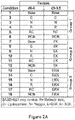
- Spheres cultured under each condition were analyzed at day 9.5 by flow cytometry to quantify the expression of PDX1 and NKX6.1, and by conventional immunofluorescence analysis for NKX6.1 and NEUROG3 expression.
- Spheres within group 1 that had been exposed to retinoic acid during days 6-8 either alone or in combination with other factors (conditions 4, 5, and 6), exhibited highly efficient generation of PDX1 positive progenitors (>88%), while addition of C or N alone (conditions 2 and 3) did not result in enhanced generation of PDX1+ cells over base media alone.
- NKX6.1 was induced only weakly in all group 1 conditions, with the exception of RC (condition 5), which produced 45% PDX1/NKX6.1 double positive cells. NKX6.1 expression was also strongly induced when cells were exposed to retinoic acid alone or in combination with other factors followed by treatment with EK (group 2) or EKN (group 3) ( Fig.2B and C , conditions 10-12 and 16-18). Endocrine differentiation, marked by NEUROG3 expression, was noted only when spheres had been exposed to N, either between days 5-9.5 ( Fig.2C , conditions 3, 6, 9, and 12) or starting at the end of day 8 ( Fig.2C , group 3, conditions 13-18).
- pro-endocrine factor NEUROG3 is rapidly induced through TANK treatment once PDX1+/NKX6.1+ progenitors are specified ( Fig. 3B , day 9).
- endocrine differentiation appears to be confined to a smaller population of cells. This observation can be explained by the very short half-life of the NEUROG3 protein (Roark et al, 2012), which allows only transient detection of this marker in cells undergoing endocrine differentiation.
- NEUROG3+ cells continued to be present when clusters were exposed to the endocrine differentiation cocktail for 5 days ( Fig.
- NKX2.2 a downstream target of NEUROG3.
- NKX2.2 has recently been reported to have distinct expression patterns during pancreatic organogenesis in mouse and human (Jennings et al, 2013). While NKX2.2 is readily detectable in mouse pancreatic progenitor cells before NEUROG3 expression, NKX2.2 protein is only observed after endocrine commitment during human pancreas development.
- NKX2.2 protein expression only after endocrine differentiation is initiated at day 10, but not before in either PDX1+ or PDX1+/NKX6.1+ progenitors ( Fig. 3C ).
- some NKX2.2+ cells at day 10 co-express NEUROG3, and increasing numbers of NKX2.2+/ NEUROG3- cells are found at later time points ( Fig.3C ).
- Fig.3C NKX2.2 could serve as a lineage tracer for human cells that have undergone endocrine differentiation induced by transient NEUROG3 expression.
- Fig.4A The percentage of GFP+ cells increased from day 13 to day 19, reaching an average of 23 ⁇ 6% human C-peptide-positive cells at days 19-21, likely reflecting continuous generation of insulin-producing cells for about 4 days after removal of NEUROG3-inducing factors ( Fig.4B, C ).
- Fig.4D Immunofluorescence analysis of insulin-producing cells revealed co-expression and nuclear localization of TFs critical for beta cell function (PDX1, NKX6.1 and NKX2.2), but very few polyhormonal cells (Fig.4D).
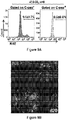
- Flow cytometry analysis of differentiated clusters showed a high percentage of total cells (black gates) and C-peptide positive beta-like cells (green gates) co-staining for PDX1, NKX6.1, NXK2.2, ISL1, PAX6, NeuroD1, and ChromograninA (CHGA) ( Fig.4E ). These markers are normally found in both pancreatic progenitors and mature beta cells.
- transcripts for the TFs PDX1, NKX6.1 and NKX2.2 normally found in both progenitor and mature beta cells were expressed at comparable levels in GFP-negative, GFP-positive, and islet cells ( Fig.5B ).
- Transcripts for the mature human beta cell transcription factors MAFA and MAFB were robustly expressed in human islets and enriched in beta-like cells compared to GFP- populations.
- MAFB transcript levels in beta-like cells were similar to human islets; MAFA expression levels were slightly lower ( Fig.5B ).
- genes important for human beta cell functionality including the KATP channel components Potassium Inwardly-Rectifying Channel, Subfamily J, Member 11 (KIR6.2 also known as KCJN11) and ATP-Binding Cassette, Sub-Family C, Member 8 (SUR1 also known as ABCC8), the glucose metabolism enzyme Glucokinase (GCK, also known as HK4), and the Prohormone Convertase 1/3 (PC1/3) necessary for insulin biosynthesis, were enriched in GFP-positive beta-like cells at levels similar to or exceeding those found in human islets ( Fig.5C ).
- beta-like cells In contrast, mRNA levels for the progenitor marker SOX9 were reduced in beta-like cells compared to GFP- progenitors ( Fig.5D ).
- the somewhat higher SOX9 expression in human islets is likely the result of contamination with Sox9-positive duct cells.
- our gene expression analysis indicated that hESC-derived beta-like cells possess the molecular machinery necessary for beta cell function, including insulin biosynthesis and glucose metabolism. Further investigations revealed that day 19 beta-like cells contain 2.5 ⁇ 1.2ug, 0.32 ⁇ 0.12ug, and 310 ⁇ 143ng insulin, human c-peptide, and proinsulin per ⁇ g DNA, respectively ( Fig.5E ).
- beta-like cells generated by our optimized differentiation strategy express critical beta cell genes, synthesize high levels of mature insulin, exhibit ultrastructural features of bona fide beta cells and secrete endogenous insulin in response to changes in physiological concentrations of glucose.
- hESC-derived beta-like cells remain glucose responsive after short term transplantation.
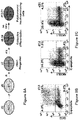
- mice To determine whether hESC-derived beta-like cells can maintain their glucose responsiveness in vivo, we transplanted approximately 5 million cells under the kidney capsule of immunodeficient mice (days 19-21 spheres consisting of progenitors and beta-like cells). Mice transplanted with 4000 human islets served as controls. Seven to 10 days post-surgery, human C-peptide levels were measured in overnight-fasted mice, before and after the administration of a glucose bolus. As expected, mice that received human islet grafts exhibited low levels of insulin secretion upon fasting, followed by a marked increase in circulating insulin after glucose challenge (average of 221 ⁇ 116pM, Fig.6A ).
- mice carrying human islets Similar to mice carrying human islets, fasted mice transplanted with hESC-derived beta-like cells had low levels of circulating C-peptide. Upon glucose administration, C-peptide concentrations in sera of these mice also increased, albeit at lower levels than in mice transplanted with human islets (average of 40 ⁇ 28 pM, Fig.6A ). This lower number might be explained in part by the different numbers of cells transplanted in the human islet and beta-like cell groups. Indeed, each human islet contains on average 1000 cells, of which 50% are beta cells (Cabrera et al, 2006). Thus, 4000 human islets contain approximately 2.0x10 6 bona fide beta cells.
- hESC differentiated spheres contain on average 23% beta-like cells, only about 1.15 ⁇ 10 6 beta-like cells were transplanted per mouse. Normalization based on beta cell number indicates that hESC derived beta-like cells secreted 70 ⁇ 48pM human c-peptide per 2.0x10 6 cells, representing approximately 1/3 of the insulin secreted from each human cadaveric beta cell ( Fig.6A ). Hematoxylin and Eosin staining, together with immunofluorescence analysis of the hESC grafts at 2 weeks post-transplantation demonstrated prominent islet-like structures positive for human C-peptide ( Fig.6B and C ).
- Beta-like cells also maintained co-expression of the key beta cell TFs PDX1, NKX6.1 and NKX2.2, and only a few cells co-expressed other hormones, such as glucagon and somatostatin ( Fig.6C ).
- hES derived beta-like cells we transplanted clusters under the kidney capsule of mice rendered diabetic through treatment with the beta cell toxin streptozotocin. Mice that received grafts exhibit significantly reduced blood glucose (BG) levels at all time points analyzed when compared to control animals ( Fig. 6D ). While BG levels were significantly reduced in graft-bearing mice, they continued to exhibit hyperglycemic BG values over time.
- BG blood glucose
- NGN3+ cells are islet progenitors and are distinct from duct progenitors. Development 129: 2447-2457 .
- Pagliuca FW Millman JR, Gürtler M, Segel M, Van Dervort A, Ryu JH, Peterson QP, Greiner D & Melton DA (2014) Generation of Functional Human Pancreatic b Cells In Vitro. Cell 159: 428-439 .
- Pancreatic islet-like three dimensional aggregates derived from human embryonic stem cells ameliorate hyperglycemia in streptozotocin induced diabetic mice. cell transplant .
Landscapes
- Health & Medical Sciences (AREA)
- Life Sciences & Earth Sciences (AREA)
- Chemical & Material Sciences (AREA)
- Organic Chemistry (AREA)
- Engineering & Computer Science (AREA)
- Zoology (AREA)
- General Health & Medical Sciences (AREA)
- Genetics & Genomics (AREA)
- Biomedical Technology (AREA)
- Medicinal Chemistry (AREA)
- Gastroenterology & Hepatology (AREA)
- Biochemistry (AREA)
- Biotechnology (AREA)
- Bioinformatics & Cheminformatics (AREA)
- Diabetes (AREA)
- Proteomics, Peptides & Aminoacids (AREA)
- Molecular Biology (AREA)
- Biophysics (AREA)
- Toxicology (AREA)
- Wood Science & Technology (AREA)
- Cell Biology (AREA)
- Endocrinology (AREA)
- Animal Behavior & Ethology (AREA)
- Pharmacology & Pharmacy (AREA)
- Public Health (AREA)
- Veterinary Medicine (AREA)
- General Engineering & Computer Science (AREA)
- Microbiology (AREA)
- Developmental Biology & Embryology (AREA)
- Obesity (AREA)
- Nuclear Medicine, Radiotherapy & Molecular Imaging (AREA)
- General Chemical & Material Sciences (AREA)
- Chemical Kinetics & Catalysis (AREA)
- Hematology (AREA)
- Emergency Medicine (AREA)
- Physiology (AREA)
- Nutrition Science (AREA)
- Immunology (AREA)
- Virology (AREA)
- Epidemiology (AREA)
Claims (11)
- Procédé de génération d'une cellule progénitrice PDX1+ par mise en contact d'une cellule souche embryonnaire avec une quantité efficace d'un composé d'acide rétinoïque, et sans mettre en contact la cellule souche embryonnaire avec un inhibiteur d'une protéine de la morphogénèse osseuse (BMP) avant l'expression de NKX6.1 par la cellule, induisant ainsi la formation d'une cellule progénitrice PDX1+, la cellule souche embryonnaire étant mise en contact avec une quantité efficace d'un composé d'acide rétinoïque seul pour induire la formation d'une cellule progénitrice PDX1+.
- Procédé selon la revendication 1, la cellule souche embryonnaire étant une cellule souche embryonnaire humaine.
- Procédé selon la revendication 1, comprenant en outre la mise en contact de la cellule avec des quantités efficaces du facteur de croissance de l'épiderme et du facteur de croissance des kératinocytes, induisant ainsi la formation d'une cellule progénitrice PDX1+/NKX6.1+.
- Procédé selon la revendication 3, la cellule exprimant NKX6.1 avant que la cellule contacte au moins l'un d'un facteur de croissance de l'épiderme et d'un facteur de croissance des kératinocytes.
- Procédé selon la revendication 3, comprenant en outre l'induction de la cellule progénitrice PDX1+/NKX6.1+ pour exprimer NEUROG3, résultant en la production d'une cellule type INS+/NKX6.1+ bêta, l'expression de NEUROG3 étant induite par la mise en contact de la cellule progénitrice PDX1+/NKX6.1+ avec une quantité efficace d'un inhibiteur de la protéine de morphogénèse osseuse, d'un inhibiteur du TGFβ/ALK, d'un inhibiteur du hérisson sonique, Sonic hedgehog, ou avec des quantités efficaces d'une protéine de liaison TATA, d'un inhibiteur kinase type récepteur de l'activine, d'un facteur de croissance nogginine et des kératinocytes.
- Procédé selon la revendication 5, la cellule progénitrice PDX1+/NKX6.1+ étant mise en contact par une quantité efficace d'une protéine de la morphogénèse osseuse et une quantité efficace d'un inhibiteur du TGFβ/ALK.
- Procédé selon la revendication 5, l'expression de NEUROG3 commençant avant que l'expression de NKX2.2 soit détectée.
- Procédé selon la revendication 1, pas plus de 5 % des cellules générées étant des cellules polyhormonales.
- Procédé selon la revendication 5, la cellule type INS+/NKX6.1+ bêta étant sensible à la glycémie.
- Procédé selon la revendication 9, la cellule type INS+/NKX6.1+ bêta sécrétant un niveau accru d'insuline en réponse à une glycémie élevée.
- Procédé selon la revendication 5, la cellule type INS+/NKX6.1+ bêta n'exprimant pas de niveau détectable du marqueur Ki67.
Applications Claiming Priority (2)
| Application Number | Priority Date | Filing Date | Title |
|---|---|---|---|
| US201562151832P | 2015-04-23 | 2015-04-23 | |
| PCT/US2016/028963 WO2016172564A1 (fr) | 2015-04-23 | 2016-04-22 | Induction contrôlée de cellules progénitrices pancréatiques humaines produisant des cellules de type bêta fonctionnelles |
Publications (3)
| Publication Number | Publication Date |
|---|---|
| EP3286563A1 EP3286563A1 (fr) | 2018-02-28 |
| EP3286563A4 EP3286563A4 (fr) | 2018-12-05 |
| EP3286563B1 true EP3286563B1 (fr) | 2022-11-02 |
Family
ID=57144268
Family Applications (1)
| Application Number | Title | Priority Date | Filing Date |
|---|---|---|---|
| EP16783989.3A Active EP3286563B1 (fr) | 2015-04-23 | 2016-04-22 | Induction contrôlée de cellules progénitrices pancréatiques humaines produisant des cellules de type bêta fonctionnelles |
Country Status (4)
| Country | Link |
|---|---|
| US (1) | US10975355B2 (fr) |
| EP (1) | EP3286563B1 (fr) |
| ES (1) | ES2937168T3 (fr) |
| WO (1) | WO2016172564A1 (fr) |
Families Citing this family (7)
| Publication number | Priority date | Publication date | Assignee | Title |
|---|---|---|---|---|
| ES3002713T3 (en) * | 2016-04-08 | 2025-03-07 | Univ California | Production of fully functional mature beta cells from human pancreatic progenitors |
| CN111246864A (zh) * | 2017-07-21 | 2020-06-05 | 森玛治疗公司 | 干细胞衍生的胰腺β细胞的重聚 |
| EP3710021A4 (fr) | 2017-11-15 | 2021-08-11 | Semma Therapeutics, Inc. | Compositions pour la fabrication de cellules d'ilôts et procédés d'utilisation |
| CA3101021A1 (fr) | 2018-05-31 | 2019-12-05 | University Health Network | Procedes et compositions comprenant des inhibiteurs de tankyrase pour produire des cellules produisant de l'insuline |
| WO2020033879A1 (fr) | 2018-08-10 | 2020-02-13 | Semma Therapeutics, Inc. | Différenciation d'ilot dérivé de cellules souches |
| US20220411759A1 (en) * | 2019-05-21 | 2022-12-29 | President And Fellows Of Harvard College | Endocrine differentiation-inducing molecule |
| WO2025117331A1 (fr) | 2023-12-01 | 2025-06-05 | Eli Lilly And Company | Procédés de fabrication de cellules de type îlot dérivées de cellules souches, ainsi que populations et compositions les comprenant |
Family Cites Families (3)
| Publication number | Priority date | Publication date | Assignee | Title |
|---|---|---|---|---|
| US8008075B2 (en) * | 2008-11-04 | 2011-08-30 | Viacyte, Inc. | Stem cell aggregate suspension compositions and methods of differentiation thereof |
| US9109245B2 (en) | 2009-04-22 | 2015-08-18 | Viacyte, Inc. | Cell compositions derived from dedifferentiated reprogrammed cells |
| CN120796168A (zh) | 2013-06-11 | 2025-10-17 | 哈佛学院校长同事会 | SC-β细胞以及用于产生其的组合物和方法 |
-
2016
- 2016-04-22 EP EP16783989.3A patent/EP3286563B1/fr active Active
- 2016-04-22 WO PCT/US2016/028963 patent/WO2016172564A1/fr not_active Ceased
- 2016-04-22 ES ES16783989T patent/ES2937168T3/es active Active
- 2016-04-22 US US15/568,736 patent/US10975355B2/en active Active
Also Published As
| Publication number | Publication date |
|---|---|
| EP3286563A4 (fr) | 2018-12-05 |
| US10975355B2 (en) | 2021-04-13 |
| WO2016172564A1 (fr) | 2016-10-27 |
| ES2937168T3 (es) | 2023-03-24 |
| US20180087034A1 (en) | 2018-03-29 |
| EP3286563A1 (fr) | 2018-02-28 |
Similar Documents
| Publication | Publication Date | Title |
|---|---|---|
| EP3286563B1 (fr) | Induction contrôlée de cellules progénitrices pancréatiques humaines produisant des cellules de type bêta fonctionnelles | |
| Russ et al. | Controlled induction of human pancreatic progenitors produces functional beta‐like cells in vitro | |
| AU2014248167B2 (en) | Methods and compositions for culturing endoderm progenitor cells in suspension | |
| EP3440192B1 (fr) | Production de cellules bêta matures pleinement fonctionnelles à partir de progénitrices pancréatiques humaines | |
| US20250043246A1 (en) | Enrichment of nkx6.1 and c-peptide co-expressing cells derived in vitro from stem cells | |
| US20240182864A1 (en) | Novel chemical combinations and methods of use thereof, towards differentiation of human progenitor cells into functional beta cells | |
| CN113728090B (zh) | 从干细胞衍生的定形内胚层生成胰腺内胚层 | |
| US20220396774A1 (en) | Compositions and methods for generating insulin-producing beta cells | |
| WO2020035480A1 (fr) | Structures cellulaires de type îlots pancréatiques viables et leur procédé de préparation | |
| EP3285572B1 (fr) | Procédé de production de cellules produisant de l'insuline | |
| WO2021228104A1 (fr) | Amas de cellules du type îlot, procédé de préparation et application de celui-ci | |
| HK40121634A (en) | Production of fully functional mature beta cells from human pancreatic progenitors | |
| ES2746232T3 (es) | Generación de células progenitoras endocrinas a partir de células madre pluripotentes humanas mediante el uso de moléculas pequeñas | |
| Geng et al. | Using Embryonic Stem Cells as a Model of Pancreatic Development | |
| Wobus | By INSA S. SCHROEDER, GABRIELA KANIA, PRZEMYSLAW BLYSZCZUK | |
| HK1251120B (en) | Method for production of insulin-producing cells |
Legal Events
| Date | Code | Title | Description |
|---|---|---|---|
| STAA | Information on the status of an ep patent application or granted ep patent |
Free format text: STATUS: THE INTERNATIONAL PUBLICATION HAS BEEN MADE |
|
| PUAI | Public reference made under article 153(3) epc to a published international application that has entered the european phase |
Free format text: ORIGINAL CODE: 0009012 |
|
| STAA | Information on the status of an ep patent application or granted ep patent |
Free format text: STATUS: REQUEST FOR EXAMINATION WAS MADE |
|
| 17P | Request for examination filed |
Effective date: 20171123 |
|
| AK | Designated contracting states |
Kind code of ref document: A1 Designated state(s): AL AT BE BG CH CY CZ DE DK EE ES FI FR GB GR HR HU IE IS IT LI LT LU LV MC MK MT NL NO PL PT RO RS SE SI SK SM TR |
|
| AX | Request for extension of the european patent |
Extension state: BA ME |
|
| RIN1 | Information on inventor provided before grant (corrected) |
Inventor name: RUSS, HOLGER ANDREAS Inventor name: HEBROK, MATTHIAS |
|
| DAV | Request for validation of the european patent (deleted) | ||
| DAX | Request for extension of the european patent (deleted) | ||
| REG | Reference to a national code |
Ref country code: DE Ref legal event code: R079 Ref document number: 602016076068 Country of ref document: DE Free format text: PREVIOUS MAIN CLASS: G01N0033500000 Ipc: A61K0035390000 |
|
| A4 | Supplementary search report drawn up and despatched |
Effective date: 20181025 |
|
| RIC1 | Information provided on ipc code assigned before grant |
Ipc: C07K 14/485 20060101ALI20181020BHEP Ipc: C07K 14/62 20060101ALI20181020BHEP Ipc: G01N 33/50 20060101ALI20181020BHEP Ipc: C12N 5/071 20100101ALI20181020BHEP Ipc: C07K 14/495 20060101ALI20181020BHEP Ipc: A61K 35/39 20150101AFI20181020BHEP Ipc: C12N 5/0735 20100101ALI20181020BHEP Ipc: C07K 14/50 20060101ALI20181020BHEP Ipc: A61P 3/10 20060101ALI20181020BHEP Ipc: C12N 5/0797 20100101ALI20181020BHEP |
|
| STAA | Information on the status of an ep patent application or granted ep patent |
Free format text: STATUS: EXAMINATION IS IN PROGRESS |
|
| 17Q | First examination report despatched |
Effective date: 20190809 |
|
| GRAP | Despatch of communication of intention to grant a patent |
Free format text: ORIGINAL CODE: EPIDOSNIGR1 |
|
| STAA | Information on the status of an ep patent application or granted ep patent |
Free format text: STATUS: GRANT OF PATENT IS INTENDED |
|
| INTG | Intention to grant announced |
Effective date: 20220517 |
|
| GRAS | Grant fee paid |
Free format text: ORIGINAL CODE: EPIDOSNIGR3 |
|
| GRAA | (expected) grant |
Free format text: ORIGINAL CODE: 0009210 |
|
| STAA | Information on the status of an ep patent application or granted ep patent |
Free format text: STATUS: THE PATENT HAS BEEN GRANTED |
|
| AK | Designated contracting states |
Kind code of ref document: B1 Designated state(s): AL AT BE BG CH CY CZ DE DK EE ES FI FR GB GR HR HU IE IS IT LI LT LU LV MC MK MT NL NO PL PT RO RS SE SI SK SM TR |
|
| REG | Reference to a national code |
Ref country code: GB Ref legal event code: FG4D |
|
| REG | Reference to a national code |
Ref country code: CH Ref legal event code: EP Ref country code: AT Ref legal event code: REF Ref document number: 1528258 Country of ref document: AT Kind code of ref document: T Effective date: 20221115 |
|
| REG | Reference to a national code |
Ref country code: DE Ref legal event code: R096 Ref document number: 602016076068 Country of ref document: DE |
|
| REG | Reference to a national code |
Ref country code: IE Ref legal event code: FG4D |
|
| REG | Reference to a national code |
Ref country code: LT Ref legal event code: MG9D |
|
| REG | Reference to a national code |
Ref country code: NL Ref legal event code: MP Effective date: 20221102 |
|
| REG | Reference to a national code |
Ref country code: ES Ref legal event code: FG2A Ref document number: 2937168 Country of ref document: ES Kind code of ref document: T3 Effective date: 20230324 |
|
| REG | Reference to a national code |
Ref country code: AT Ref legal event code: MK05 Ref document number: 1528258 Country of ref document: AT Kind code of ref document: T Effective date: 20221102 |
|
| PG25 | Lapsed in a contracting state [announced via postgrant information from national office to epo] |
Ref country code: SE Free format text: LAPSE BECAUSE OF FAILURE TO SUBMIT A TRANSLATION OF THE DESCRIPTION OR TO PAY THE FEE WITHIN THE PRESCRIBED TIME-LIMIT Effective date: 20221102 Ref country code: PT Free format text: LAPSE BECAUSE OF FAILURE TO SUBMIT A TRANSLATION OF THE DESCRIPTION OR TO PAY THE FEE WITHIN THE PRESCRIBED TIME-LIMIT Effective date: 20230302 Ref country code: NO Free format text: LAPSE BECAUSE OF FAILURE TO SUBMIT A TRANSLATION OF THE DESCRIPTION OR TO PAY THE FEE WITHIN THE PRESCRIBED TIME-LIMIT Effective date: 20230202 Ref country code: LT Free format text: LAPSE BECAUSE OF FAILURE TO SUBMIT A TRANSLATION OF THE DESCRIPTION OR TO PAY THE FEE WITHIN THE PRESCRIBED TIME-LIMIT Effective date: 20221102 Ref country code: FI Free format text: LAPSE BECAUSE OF FAILURE TO SUBMIT A TRANSLATION OF THE DESCRIPTION OR TO PAY THE FEE WITHIN THE PRESCRIBED TIME-LIMIT Effective date: 20221102 Ref country code: AT Free format text: LAPSE BECAUSE OF FAILURE TO SUBMIT A TRANSLATION OF THE DESCRIPTION OR TO PAY THE FEE WITHIN THE PRESCRIBED TIME-LIMIT Effective date: 20221102 |
|
| PG25 | Lapsed in a contracting state [announced via postgrant information from national office to epo] |
Ref country code: RS Free format text: LAPSE BECAUSE OF FAILURE TO SUBMIT A TRANSLATION OF THE DESCRIPTION OR TO PAY THE FEE WITHIN THE PRESCRIBED TIME-LIMIT Effective date: 20221102 Ref country code: PL Free format text: LAPSE BECAUSE OF FAILURE TO SUBMIT A TRANSLATION OF THE DESCRIPTION OR TO PAY THE FEE WITHIN THE PRESCRIBED TIME-LIMIT Effective date: 20221102 Ref country code: LV Free format text: LAPSE BECAUSE OF FAILURE TO SUBMIT A TRANSLATION OF THE DESCRIPTION OR TO PAY THE FEE WITHIN THE PRESCRIBED TIME-LIMIT Effective date: 20221102 Ref country code: IS Free format text: LAPSE BECAUSE OF FAILURE TO SUBMIT A TRANSLATION OF THE DESCRIPTION OR TO PAY THE FEE WITHIN THE PRESCRIBED TIME-LIMIT Effective date: 20230302 Ref country code: HR Free format text: LAPSE BECAUSE OF FAILURE TO SUBMIT A TRANSLATION OF THE DESCRIPTION OR TO PAY THE FEE WITHIN THE PRESCRIBED TIME-LIMIT Effective date: 20221102 Ref country code: GR Free format text: LAPSE BECAUSE OF FAILURE TO SUBMIT A TRANSLATION OF THE DESCRIPTION OR TO PAY THE FEE WITHIN THE PRESCRIBED TIME-LIMIT Effective date: 20230203 |
|
| PG25 | Lapsed in a contracting state [announced via postgrant information from national office to epo] |
Ref country code: NL Free format text: LAPSE BECAUSE OF FAILURE TO SUBMIT A TRANSLATION OF THE DESCRIPTION OR TO PAY THE FEE WITHIN THE PRESCRIBED TIME-LIMIT Effective date: 20221102 |
|
| P01 | Opt-out of the competence of the unified patent court (upc) registered |
Effective date: 20230525 |
|
| PG25 | Lapsed in a contracting state [announced via postgrant information from national office to epo] |
Ref country code: SM Free format text: LAPSE BECAUSE OF FAILURE TO SUBMIT A TRANSLATION OF THE DESCRIPTION OR TO PAY THE FEE WITHIN THE PRESCRIBED TIME-LIMIT Effective date: 20221102 Ref country code: RO Free format text: LAPSE BECAUSE OF FAILURE TO SUBMIT A TRANSLATION OF THE DESCRIPTION OR TO PAY THE FEE WITHIN THE PRESCRIBED TIME-LIMIT Effective date: 20221102 Ref country code: EE Free format text: LAPSE BECAUSE OF FAILURE TO SUBMIT A TRANSLATION OF THE DESCRIPTION OR TO PAY THE FEE WITHIN THE PRESCRIBED TIME-LIMIT Effective date: 20221102 Ref country code: DK Free format text: LAPSE BECAUSE OF FAILURE TO SUBMIT A TRANSLATION OF THE DESCRIPTION OR TO PAY THE FEE WITHIN THE PRESCRIBED TIME-LIMIT Effective date: 20221102 Ref country code: CZ Free format text: LAPSE BECAUSE OF FAILURE TO SUBMIT A TRANSLATION OF THE DESCRIPTION OR TO PAY THE FEE WITHIN THE PRESCRIBED TIME-LIMIT Effective date: 20221102 |
|
| REG | Reference to a national code |
Ref country code: DE Ref legal event code: R097 Ref document number: 602016076068 Country of ref document: DE |
|
| PG25 | Lapsed in a contracting state [announced via postgrant information from national office to epo] |
Ref country code: SK Free format text: LAPSE BECAUSE OF FAILURE TO SUBMIT A TRANSLATION OF THE DESCRIPTION OR TO PAY THE FEE WITHIN THE PRESCRIBED TIME-LIMIT Effective date: 20221102 Ref country code: AL Free format text: LAPSE BECAUSE OF FAILURE TO SUBMIT A TRANSLATION OF THE DESCRIPTION OR TO PAY THE FEE WITHIN THE PRESCRIBED TIME-LIMIT Effective date: 20221102 |
|
| PLBE | No opposition filed within time limit |
Free format text: ORIGINAL CODE: 0009261 |
|
| STAA | Information on the status of an ep patent application or granted ep patent |
Free format text: STATUS: NO OPPOSITION FILED WITHIN TIME LIMIT |
|
| 26N | No opposition filed |
Effective date: 20230803 |
|
| PG25 | Lapsed in a contracting state [announced via postgrant information from national office to epo] |
Ref country code: SI Free format text: LAPSE BECAUSE OF FAILURE TO SUBMIT A TRANSLATION OF THE DESCRIPTION OR TO PAY THE FEE WITHIN THE PRESCRIBED TIME-LIMIT Effective date: 20221102 |
|
| REG | Reference to a national code |
Ref country code: CH Ref legal event code: PL |
|
| GBPC | Gb: european patent ceased through non-payment of renewal fee |
Effective date: 20230422 |
|
| PG25 | Lapsed in a contracting state [announced via postgrant information from national office to epo] |
Ref country code: LU Free format text: LAPSE BECAUSE OF NON-PAYMENT OF DUE FEES Effective date: 20230422 |
|
| REG | Reference to a national code |
Ref country code: BE Ref legal event code: MM Effective date: 20230430 |
|
| PG25 | Lapsed in a contracting state [announced via postgrant information from national office to epo] |
Ref country code: MC Free format text: LAPSE BECAUSE OF FAILURE TO SUBMIT A TRANSLATION OF THE DESCRIPTION OR TO PAY THE FEE WITHIN THE PRESCRIBED TIME-LIMIT Effective date: 20221102 |
|
| PG25 | Lapsed in a contracting state [announced via postgrant information from national office to epo] |
Ref country code: GB Free format text: LAPSE BECAUSE OF NON-PAYMENT OF DUE FEES Effective date: 20230422 |
|
| PG25 | Lapsed in a contracting state [announced via postgrant information from national office to epo] |
Ref country code: MC Free format text: LAPSE BECAUSE OF FAILURE TO SUBMIT A TRANSLATION OF THE DESCRIPTION OR TO PAY THE FEE WITHIN THE PRESCRIBED TIME-LIMIT Effective date: 20221102 Ref country code: LI Free format text: LAPSE BECAUSE OF NON-PAYMENT OF DUE FEES Effective date: 20230430 Ref country code: GB Free format text: LAPSE BECAUSE OF NON-PAYMENT OF DUE FEES Effective date: 20230422 Ref country code: FR Free format text: LAPSE BECAUSE OF NON-PAYMENT OF DUE FEES Effective date: 20230430 Ref country code: CH Free format text: LAPSE BECAUSE OF NON-PAYMENT OF DUE FEES Effective date: 20230430 |
|
| REG | Reference to a national code |
Ref country code: IE Ref legal event code: MM4A |
|
| PG25 | Lapsed in a contracting state [announced via postgrant information from national office to epo] |
Ref country code: BE Free format text: LAPSE BECAUSE OF NON-PAYMENT OF DUE FEES Effective date: 20230430 |
|
| PG25 | Lapsed in a contracting state [announced via postgrant information from national office to epo] |
Ref country code: IE Free format text: LAPSE BECAUSE OF NON-PAYMENT OF DUE FEES Effective date: 20230422 |
|
| PG25 | Lapsed in a contracting state [announced via postgrant information from national office to epo] |
Ref country code: IE Free format text: LAPSE BECAUSE OF NON-PAYMENT OF DUE FEES Effective date: 20230422 |
|
| PG25 | Lapsed in a contracting state [announced via postgrant information from national office to epo] |
Ref country code: IT Free format text: LAPSE BECAUSE OF FAILURE TO SUBMIT A TRANSLATION OF THE DESCRIPTION OR TO PAY THE FEE WITHIN THE PRESCRIBED TIME-LIMIT Effective date: 20221102 |
|
| PG25 | Lapsed in a contracting state [announced via postgrant information from national office to epo] |
Ref country code: BG Free format text: LAPSE BECAUSE OF FAILURE TO SUBMIT A TRANSLATION OF THE DESCRIPTION OR TO PAY THE FEE WITHIN THE PRESCRIBED TIME-LIMIT Effective date: 20221102 |
|
| PG25 | Lapsed in a contracting state [announced via postgrant information from national office to epo] |
Ref country code: BG Free format text: LAPSE BECAUSE OF FAILURE TO SUBMIT A TRANSLATION OF THE DESCRIPTION OR TO PAY THE FEE WITHIN THE PRESCRIBED TIME-LIMIT Effective date: 20221102 |
|
| PGFP | Annual fee paid to national office [announced via postgrant information from national office to epo] |
Ref country code: DE Payment date: 20250429 Year of fee payment: 10 |
|
| PGFP | Annual fee paid to national office [announced via postgrant information from national office to epo] |
Ref country code: ES Payment date: 20250505 Year of fee payment: 10 |
|
| PG25 | Lapsed in a contracting state [announced via postgrant information from national office to epo] |
Ref country code: CY Free format text: LAPSE BECAUSE OF FAILURE TO SUBMIT A TRANSLATION OF THE DESCRIPTION OR TO PAY THE FEE WITHIN THE PRESCRIBED TIME-LIMIT; INVALID AB INITIO Effective date: 20160422 |
|
| PG25 | Lapsed in a contracting state [announced via postgrant information from national office to epo] |
Ref country code: HU Free format text: LAPSE BECAUSE OF FAILURE TO SUBMIT A TRANSLATION OF THE DESCRIPTION OR TO PAY THE FEE WITHIN THE PRESCRIBED TIME-LIMIT; INVALID AB INITIO Effective date: 20160422 |
|
| PG25 | Lapsed in a contracting state [announced via postgrant information from national office to epo] |
Ref country code: TR Free format text: LAPSE BECAUSE OF FAILURE TO SUBMIT A TRANSLATION OF THE DESCRIPTION OR TO PAY THE FEE WITHIN THE PRESCRIBED TIME-LIMIT Effective date: 20221102 |