EP3297245A1 - Verfahren, vorrichtung und system zum sammeln von zugangskontrolllisten - Google Patents
Verfahren, vorrichtung und system zum sammeln von zugangskontrolllisten Download PDFInfo
- Publication number
- EP3297245A1 EP3297245A1 EP16802541.9A EP16802541A EP3297245A1 EP 3297245 A1 EP3297245 A1 EP 3297245A1 EP 16802541 A EP16802541 A EP 16802541A EP 3297245 A1 EP3297245 A1 EP 3297245A1
- Authority
- EP
- European Patent Office
- Prior art keywords
- network device
- acl
- packet
- information
- identifier
- Prior art date
- Legal status (The legal status is an assumption and is not a legal conclusion. Google has not performed a legal analysis and makes no representation as to the accuracy of the status listed.)
- Granted
Links
Images





Classifications
-
- H—ELECTRICITY
- H04—ELECTRIC COMMUNICATION TECHNIQUE
- H04L—TRANSMISSION OF DIGITAL INFORMATION, e.g. TELEGRAPHIC COMMUNICATION
- H04L63/00—Network architectures or network communication protocols for network security
- H04L63/10—Network architectures or network communication protocols for network security for controlling access to devices or network resources
- H04L63/101—Access control lists [ACL]
-
- H—ELECTRICITY
- H04—ELECTRIC COMMUNICATION TECHNIQUE
- H04L—TRANSMISSION OF DIGITAL INFORMATION, e.g. TELEGRAPHIC COMMUNICATION
- H04L45/00—Routing or path finding of packets in data switching networks
- H04L45/02—Topology update or discovery
- H04L45/03—Topology update or discovery by updating link state protocols
-
- H—ELECTRICITY
- H04—ELECTRIC COMMUNICATION TECHNIQUE
- H04L—TRANSMISSION OF DIGITAL INFORMATION, e.g. TELEGRAPHIC COMMUNICATION
- H04L45/00—Routing or path finding of packets in data switching networks
- H04L45/02—Topology update or discovery
- H04L45/033—Topology update or discovery by updating distance vector protocols
-
- H—ELECTRICITY
- H04—ELECTRIC COMMUNICATION TECHNIQUE
- H04L—TRANSMISSION OF DIGITAL INFORMATION, e.g. TELEGRAPHIC COMMUNICATION
- H04L69/00—Network arrangements, protocols or services independent of the application payload and not provided for in the other groups of this subclass
- H04L69/22—Parsing or analysis of headers
Definitions
- the present invention relates to the field of communications technologies, and in particular, to a method, an apparatus, and a system for collecting an access control list.
- An access control list (Access Control List, ACL) is an instruction list set on a border router and a switch interface and is used to control a data packet that is input or output through a port on which the ACL is used.
- ACL Access Control List
- a device When receiving a data packet, a device analyzes a specific field of the data packet according to ACL information used on the port, and allows or forbids, by using the ACL information, the corresponding data packet to pass, so as to control network traffic.
- ACLs on border routers are manually and statically configured one by one according to an actual requirement.
- Embodiments of the present invention provide a method, an apparatus, and a system for collecting an access control list, so as to resolve a prior-art problem that there is no implementation solution to collecting and managing ACLs statically configured on border routers.
- a first aspect of the embodiments of the present invention provides a method for collecting an access control list, where the method includes:
- the extended first BGP-LS packet includes a local node descriptors local node descriptors field and an opaque node attribute type-length-value opaque node attribute TLV field
- the local node descriptors field includes the first network device identifier
- the opaque node attribute TLV field includes the first LSA packet of the first network device.
- the opaque node attribute TLV field includes a type type, a length length, and a value value
- the type indicates that a type of the opaque node attribute TLV field is "report ACL information”
- the length indicates a length of the opaque node attribute TLV field
- the value is opaque node attributes including the first LSA packet
- the first LSA packet includes the first ACL information of the first network device.
- the extended first BGP-LS packet is newly added flow-spec NLRI
- the flow-spec NLRI includes a local node descriptors field and a flow-spec descriptors field
- the local node descriptors field includes the first network device identifier
- the flow-spec descriptors field includes the first ACL information of the first network device.
- the first LSA packet includes an opaque type field, an advertising network device identifier field, and a TLV field
- the opaque type field carries a type value indicating that the first LSA packet is used to announce ACL information of a network device
- the advertising network device identifier field carries the first network device identifier
- the TLV field carries the first ACL information of the first network device.
- the TLV field includes a type type, a length length, and a value value
- the type indicates that a type of the TLV field is "carry ACL information”
- the length indicates a length of the TLV field
- the value is the first ACL information
- the first LSA packet is an extended Open Shortest Path First OSPF opaque LSA packet or an extended intermediate system to intermediate system ISIS opaque LSA packet.
- the method further includes:
- the method further includes:
- the second LSA packet includes an opaque type field, an advertising network device identifier field, and a TLV field
- the opaque type field carries a type value indicating that the second LSA packet is used to announce ACL information of a network device
- the advertising network device identifier field carries the second network device identifier
- the TLV field carries the second ACL information of the second network device.
- the TLV field includes a type type, a length length, and a value value
- the type indicates that a type of the TLV field is "carry ACL information”
- the length indicates a length of the TLV field
- the value is the second ACL information of the second network device.
- the second LSA packet is an extended Open Shortest Path First OSPF opaque LSA packet or an extended intermediate system to intermediate system ISIS opaque LSA packet.
- the method further includes:
- the extended second BGP-LS packet includes a local node descriptors field and an opaque node attribute TLV field
- the local node descriptors field includes the identifier of the target network device
- the opaque node attribute TLV includes the first ACL editing information for the target network device.
- the opaque node attribute TLV field includes a type type, a length length, and a value value
- the type indicates that a type of the opaque node attribute TLV field is "announce ACL editing information”
- the length indicates a length of the opaque node attribute TLV field
- the value is opaque node attributes including the third LSA packet
- the third LSA packet carries the first ACL editing information for the target network device.
- the extended second BGP-LS packet is newly added flow-spec NLRI
- the flow-spec NLRI includes a local node descriptors field and a flow-spec descriptors field
- the local node descriptors field includes the identifier of the target network device
- the flow-spec descriptors field includes the first ACL editing information for the target network device.
- the third LSA packet includes an opaque type field, an advertising network device identifier field, and a TLV field
- the opaque type field carries a type value indicating that the third LSA packet is used to announce ACL editing information used to edit ACL information of a target network device
- the advertising network device identifier field carries the identifier of the target network device
- the TLV field carries the first ACL editing information for the target network device.
- the TLV field includes a type type, a length length, and a value value
- the type indicates that a type of the TLV field is "carry ACL editing information”
- the length indicates a length of the TLV field
- the value is the first ACL editing information for the target network device.
- the third LSA packet is an extended Open Shortest Path First OSPF opaque LSA packet or an extended intermediate system to intermediate system ISIS opaque LSA packet.
- a second aspect of the embodiments of the present invention provides a method for collecting an access control list, where the method includes:
- the first LSA packet includes an opaque type field, an advertising network device identifier field, and a TLV field
- the opaque type field carries a type value indicating that the first LSA packet is used to announce ACL information of a network device
- the advertising network device identifier field carries the first network device identifier
- the TLV field carries the first ACL information of the first network device.
- the TLV field includes a type type, a length length, and a value value
- the type indicates that a type of the TLV field is "carry ACL information”
- the length indicates a length of the TLV field
- the value is the first ACL information of the first network device.
- the first LSA packet is an extended Open Shortest Path First OSPF opaque LSA packet or an extended intermediate system to intermediate system ISIS opaque LSA packet.
- the method further includes:
- the second LSA packet includes an opaque type field, an advertising network device identifier field, and a TLV field
- the opaque type field carries a type value indicating that the second LSA packet is used to announce ACL information of a network device
- the advertising network device identifier field carries the second network device identifier
- the TLV field carries the second ACL information of the second network device.
- the TLV field includes a type type, a length length, and a value value
- the type indicates that a type of the TLV field is "carry ACL information”
- the length indicates a length of the TLV field
- the value is the second ACL information of the second network device.
- the second LSA packet is an extended Open Shortest Path First OSPF opaque LSA packet or an extended intermediate system to intermediate system ISIS opaque LSA packet.
- the method further includes:
- the third LSA packet includes an opaque type field, an advertising network device identifier field, and a TLV field
- the opaque type field carries a type value indicating that the third LSA packet is used to announce ACL editing information used to edit ACL information of a target network device
- the advertising network device identifier field carries the identifier of the target network device
- the TLV field carries the first ACL editing information for the target network device.
- the TLV field includes a type type, a length length, and a value value
- the type indicates that a type of the TLV field is "carry ACL editing information”
- the length indicates a length of the TLV field
- the value is the first ACL editing information for the target network device.
- the third LSA packet is an extended Open Shortest Path First OSPF opaque LSA packet or an extended intermediate system to intermediate system ISIS opaque LSA packet.
- the method further includes:
- a third aspect of the embodiments of the present invention provides a method for collecting an access control list, where the method includes:
- the extended first BGP-LS packet includes a local node descriptors local node descriptors field and an opaque node attribute type-length-value opaque node attribute TLV field
- the local node descriptors field includes the first network device identifier
- the opaque node attribute TLV includes the first ACL information of the first network device.
- the opaque node attribute TLV field includes a type type, a length length, and a value value
- the type indicates that a type of the opaque node attribute TLV field is "report ACL information”
- the length indicates a length of the opaque node attribute TLV field
- the value is opaque node attributes including a first LSA packet
- the first LSA packet carries the first ACL information of the first network device.
- the first LSA packet includes an opaque type field, an advertising network device identifier field, and a TLV field
- the opaque type field carries a type value indicating that the first LSA packet is used to announce ACL information of a network device
- the advertising network device identifier field carries the first network device identifier
- the TLV field carries the first ACL information of the first network device.
- the TLV field includes a type type, a length length, and a value value
- the type indicates that a type of the TLV field is "carry ACL information”
- the length indicates a length of the TLV field
- the value is the first ACL information of the first network device.
- the first LSA packet is an extended Open Shortest Path First OSPF opaque LSA packet or an extended intermediate system to intermediate system ISIS opaque LSA packet.
- the extended first BGP-LS packet is flow-spec NLRI
- the flow-spec NLRI includes a local node descriptors field and a flow-spec descriptors field
- the local node descriptors field includes the first network device identifier
- the flow-spec descriptors field includes the first ACL information of the first network device.
- the method further includes:
- the method further includes:
- the extended second BGP-LS packet includes a local node descriptors field and an opaque node attribute TLV field
- the local node descriptors field includes the identifier of the first target network device
- the opaque node attribute TLV includes the first ACL editing information for the first target network device.
- the opaque node attribute TLV field includes a type type, a length length, and a value value
- the type indicates that a type of the opaque node attribute TLV field is "announce ACL editing information”
- the length indicates a length of the opaque node attribute TLV field
- the value is opaque node attributes including a third LSA packet
- the third LSA packet carries the first ACL editing information for the first target network device.
- the third LSA packet includes an opaque type field, an advertising network device identifier field, and a TLV field
- the opaque type field carries a type value indicating that the third LSA packet is used to announce ACL editing information used to edit ACL information of a target network device
- the advertising network device identifier field carries the identifier of the first target network device
- the TLV field carries the first ACL editing information for the first target network device.
- the TLV field includes a type type, a length length, and a value value
- the type indicates that a type of the TLV field is "carry ACL editing information”
- the length indicates a length of the TLV field
- the value is the first ACL editing information for the first target network device.
- the third LSA packet is an extended Open Shortest Path First OSPF opaque LSA packet or an extended intermediate system to intermediate system ISIS opaque LSA packet.
- the extended second BGP-LS packet is flow-spec NLRI
- the flow-spec NLRI includes a local node descriptors field and a flow-spec descriptors field
- the local node descriptors field includes the identifier of the target network device
- the flow-spec descriptors field includes the first ACL editing information for the target network device.
- the second BGP-LS packet further includes second ACL editing information
- the second ACL editing information is used to edit second ACL information of the second target network device
- the editing includes any one or more of operations such as modification, addition, deletion, and reset.
- the method further includes:
- a fourth aspect of the embodiments of the present invention provides a second network device for collecting an access control list, where the second network device includes:
- the extended first BGP-LS packet includes a local node descriptors local node descriptors field and an opaque node attribute type-length-value opaque node attribute TLV field
- the local node descriptors field includes the first network device identifier
- the opaque node attribute TLV field includes the first LSA packet of the first network device.
- the opaque node attribute TLV field includes a type type, a length length, and a value value
- the type indicates that a type of the opaque node attribute TLV field is "report ACL information”
- the length indicates a length of the opaque node attribute TLV field
- the value is opaque node attributes including the first LSA packet
- the first LSA packet includes the first ACL information of the first network device.
- the extended first BGP-LS packet is newly added flow-spec NLRI
- the flow-spec NLRI includes a local node descriptors field and a flow-spec descriptors field
- the local node descriptors field includes the first network device identifier
- the flow-spec descriptors field includes the first ACL information of the first network device.
- the first LSA packet includes an opaque type field, an advertising network device identifier field, and a TLV field
- the opaque type field carries a type value indicating that the first LSA packet is used to announce ACL information of a network device
- the advertising network device identifier field carries the first network device identifier
- the TLV field carries the first ACL information of the first network device.
- the TLV field includes a type type, a length length, and a value value
- the type indicates that a type of the TLV field is "carry ACL information”
- the length indicates a length of the TLV field
- the value is the first ACL information
- the first LSA packet is an extended Open Shortest Path First OSPF opaque LSA packet or an extended intermediate system to intermediate system ISIS opaque LSA packet.
- the second network device further includes:
- the second network device further includes:
- the second LSA packet includes an opaque type field, an advertising network device identifier field, and a TLV field
- the opaque type field carries a type value indicating that the second LSA packet is used to announce ACL information of a network device
- the advertising network device identifier field carries the second network device identifier
- the TLV field carries the second ACL information of the second network device.
- the TLV field includes a type type, a length length, and a value value
- the type indicates that a type of the TLV field is "carry ACL information”
- the length indicates a length of the TLV field
- the value is the second ACL information of the second network device.
- the second LSA packet is an extended Open Shortest Path First OSPF opaque LSA packet or an extended intermediate system to intermediate system ISIS opaque LSA packet.
- the second network device further includes:
- the extended second BGP-LS packet includes a local node descriptors field and an opaque node attribute TLV field
- the local node descriptors field includes the identifier of the target network device
- the opaque node attribute TLV includes the first ACL editing information for the target network device.
- the opaque node attribute TLV field includes a type type, a length length, and a value value
- the type indicates that a type of the opaque node attribute TLV field is "announce ACL editing information”
- the length indicates a length of the opaque node attribute TLV field
- the value is opaque node attributes including the third LSA packet
- the third LSA packet carries the first ACL editing information for the target network device.
- the extended second BGP-LS packet includes flow-spec NLRI
- the flow-spec NLRI includes a local node descriptors field and a flow-spec descriptors field
- the local node descriptors field includes the identifier of the target network device
- the flow-spec descriptors field includes the first ACL editing information for the target network device.
- the third LSA packet includes an opaque type field, an advertising network device identifier field, and a TLV field
- the opaque type field carries a type value indicating that the third LSA packet is used to announce ACL editing information used to edit ACL information of a target network device
- the advertising network device identifier field carries the identifier of the target network device
- the TLV field carries the first ACL editing information for the target network device.
- the TLV field includes a type type, a length length, and a value value
- the type indicates that a type of the TLV field is "carry ACL editing information”
- the length indicates a length of the TLV field
- the value is the first ACL editing information for the target network device.
- the third LSA packet is an extended Open Shortest Path First OSPF opaque LSA packet or an extended intermediate system to intermediate system ISIS opaque LSA packet.
- a fifth aspect of the embodiments of the present invention provides a first network device for collecting an access control list, where the first network device includes:
- the first LSA packet includes an opaque type field, an advertising network device identifier field, and a TLV field
- the opaque type field carries a type value indicating that the first LSA packet is used to announce ACL information of a network device
- the advertising network device identifier field carries the first network device identifier
- the TLV field carries the first ACL information of the first network device.
- the TLV field includes a type type, a length length, and a value value
- the type indicates that a type of the TLV field is "carry ACL information”
- the length indicates a length of the TLV field
- the value is the first ACL information of the first network device.
- the first LSA packet is an extended Open Shortest Path First OSPF opaque LSA packet or an extended intermediate system to intermediate system ISIS opaque LSA packet.
- the first network device further includes:
- the second LSA packet includes an opaque type field, an advertising network device identifier field, and a TLV field
- the opaque type field carries a type value indicating that the second LSA packet is used to announce ACL information of a network device
- the advertising network device identifier field carries the second network device identifier
- the TLV field carries the second ACL information of the second network device.
- the TLV field includes a type type, a length length, and a value value
- the type indicates that a type of the TLV field is "carry ACL information”
- the length indicates a length of the TLV field
- the value is the second ACL information of the second network device.
- the second LSA packet is an extended Open Shortest Path First OSPF opaque LSA packet or an extended intermediate system to intermediate system ISIS opaque LSA packet.
- the first network device further includes:
- the third LSA packet includes an opaque type field, an advertising network device identifier field, and a TLV field
- the opaque type field carries a type value indicating that the third LSA packet is used to announce ACL editing information used to edit ACL information of a target network device
- the advertising network device identifier field carries the identifier of the target network device
- the TLV field carries the first ACL editing information for the target network device.
- the TLV field includes a type type, a length length, and a value value
- the type indicates that a type of the TLV field is "carry ACL editing information”
- the length indicates a length of the TLV field
- the value is the first ACL editing information for the target network device.
- the third LSA packet is an extended Open Shortest Path First OSPF opaque LSA packet or an extended intermediate system to intermediate system ISIS opaque LSA packet.
- the first network device further includes:
- a sixth aspect of the embodiments of the present invention provides a controller for collecting an access control list, where the controller includes:
- the extended first BGP-LS packet includes a local node descriptors local node descriptors field and an opaque node attribute type-length-value opaque node attribute TLV field
- the local node descriptors field includes the first network device identifier
- the opaque node attribute TLV includes the first ACL information of the first network device.
- the opaque node attribute TLV field includes a type type, a length length, and a value value
- the type indicates that a type of the opaque node attribute TLV field is "report ACL information”
- the length indicates a length of the opaque node attribute TLV field
- the value is opaque node attributes including a first LSA packet
- the first LSA packet carries the first ACL information of the first network device.
- the first LSA packet includes an opaque type field, an advertising network device identifier field, and a TLV field
- the opaque type field carries a type value indicating that the first LSA packet is used to announce ACL information of a network device
- the advertising network device identifier field carries the first network device identifier
- the TLV field carries the first ACL information of the first network device.
- the TLV field includes a type type, a length length, and a value value
- the type indicates that a type of the TLV field is "carry ACL information”
- the length indicates a length of the TLV field
- the value is the first ACL information of the first network device.
- the first LSA packet is an extended Open Shortest Path First OSPF opaque LSA packet or an extended intermediate system to intermediate system ISIS opaque LSA packet.
- the extended first BGP-LS packet is flow-spec NLRI
- the flow-spec NLRI includes a local node descriptors field and a flow-spec descriptors field
- the local node descriptors field includes the first network device identifier
- the flow-spec descriptors field includes the first ACL information of the first network device.
- the controller further includes:
- the controller further includes:
- the extended second BGP-LS packet includes a local node descriptors field and an opaque node attribute TLV field
- the local node descriptors field includes the identifier of the first target network device
- the opaque node attribute TLV includes the first ACL editing information for the first target network device.
- the opaque node attribute TLV field includes a type type, a length length, and a value value
- the type indicates that a type of the opaque node attribute TLV field is "announce ACL editing information”
- the length indicates a length of the opaque node attribute TLV field
- the value is opaque node attributes including a third LSA packet
- the third LSA packet carries the first ACL editing information for the first target network device.
- the third LSA packet includes an opaque type field, an advertising network device identifier field, and a TLV field
- the opaque type field carries a type value indicating that the third LSA packet is used to announce ACL editing information used to edit ACL information of a target network device
- the advertising network device identifier field carries the identifier of the first target network device
- the TLV field carries the first ACL editing information for the first target network device.
- the TLV field includes a type type, a length length, and a value value
- the type indicates that a type of the TLV field is "carry ACL editing information”
- the length indicates a length of the TLV field
- the value is the first ACL editing information for the first target network device.
- the third LSA packet is an extended Open Shortest Path First OSPF opaque LSA packet or an extended intermediate system to intermediate system ISIS opaque LSA packet.
- the extended second BGP-LS packet is flow-spec NLRI
- the flow-spec NLRI includes a local node descriptors field and a flow-spec descriptors field
- the local node descriptors field includes the identifier of the target network device
- the flow-spec descriptors field includes the first ACL editing information for the target network device.
- the second BGP-LS packet further includes second ACL editing information
- the second ACL editing information is used to edit second ACL information of the second target network device
- the editing includes any one or more of operations such as modification, addition, deletion, and reset.
- the controller further includes:
- a seventh aspect of the present invention provides a system for collecting an access control list, where the system includes:
- a second network device receives a first link-state advertisement LSA packet flooded by a first network device, where the first LSA packet includes a first network device identifier and first access control list ACL information correlated to the first network device identifier, the first network device identifier is used to identify the first network device, and the first network device and the second network device belong to a same Interior Gateway Protocol IGP area; obtains the first network device identifier of the first network device according to the first network device identifier; and sends an extended first Border Gateway Protocol-Link State BGP-LS packet to the controller, where the extended first BGP-LS packet includes the first network device identifier and the first ACL information, so that the controller can collect the ACL information of the first network device, and manage the ACL information of the first network device.
- ACL information of any one or more network devices in the IGP area can be collected, and the ACL information of the network device can be managed.
- Embodiments of the present invention provide implementation solutions of a method, an apparatus, and a system for collecting an access control list.
- the following describes preferred embodiments of the present invention with reference to the accompanying drawings of the specification. It should be understood that the preferred embodiments described herein are merely used to describe and explain the present invention, but are not intended to limit the present invention. Moreover, when no conflict occurs, the embodiments in this application and the features in the embodiments may be mutually combined.
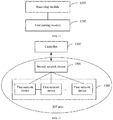
- FIG. 1 is a schematic diagram of an Interior Gateway Protocol (Internal Gateway Protocol, IGP) management area network structure.
- the first network device 101 is a network device that is in the IGP area and that does not directly establish a communication connection to a controller 103.
- the first network device 101 establishes an IGP connection to another network device in the IGP area.
- the first network device 101 floods first ACL information of the first network device 101 to the another network device in the IGP area by using the IGP connection.
- the second network device 102 is a network device that is in the IGP area and that directly establishes a communication connection to the controller 103.
- the second network device 102 establishes a Border Gateway Protocol-Link State (Border Gateway Protocol Link State, BGP-LS) connection to the controller 103.
- the second network device 102 sends ACL information of any one or more network devices in the IGP area to the controller 103 by using the BGP-LS connection.
- Border Gateway Protocol-Link State Border Gateway Protocol Link State
- the controller directly establishes a communication connection to a network device may mean that there is physically a direct physical-connection-line interconnection and that there is logically a communication connection, or may mean that there is physically no direct physical-connection-line interconnection (that is, there is another intermediate device connected to the controller and the network device, and the controller and the network device are indirectly interconnected) but that there is logically a communication connection.
- the logical communication connection may be specifically a control-protocol communication connection.
- FIG. 2 is a flowchart of a method for collecting an access control list according to an embodiment of the present invention. The method includes the following steps.
- a first network device obtains first access control list ACL information of the first network device.
- the first network device generates a first link-state advertisement LSA packet, where the first LSA packet includes a first network device identifier and the first ACL information correlated (English: correlate) to the first network device identifier, and the first network device identifier is used to identify the first network device.
- the first network device floods the first LSA packet into an IGP area to which the first network device belongs, where the first LSA packet is used to announce the first ACL information of the first network device to another network device in the IGP area.
- the first network device establishes an IGP connection to the another network device in the IGP area.
- the first network device floods the first link-state advertisement (Link State Advertisement, LSA) packet to the another network device in the IGP area by using the IGP connection.
- the first LSA packet includes the first network device identifier and the first ACL information correlated to the first network device identifier.
- the first network device announces the first ACL information of the first network device to the another network device in the IGP area by using the first LSA packet.
- the another network device in the IGP area receives the first LSA packet flooded by the first network device, and parses the first LSA packet to obtain the first ACL information of the first network device.
- the first LSA packet includes an opaque type (opaque type) field, an advertising network device identifier (advertising router) field, and a TLV field.
- the opaque type field carries a type value indicating that the first LSA packet is used to announce ACL information of a network device.
- the advertising network device identifier field carries the first network device identifier.
- the TLV field carries the first ACL information of the first network device.
- the TLV field includes a type type, a length length, and a value value.
- the type indicates that a type of the TLV field is "carry ACL information".
- the length indicates a length of the TLV field.
- the value is the first ACL information of the first network device.
- an IGP protocol used in an IGP connection established between network devices includes the Routing Information Protocol (Routing Information Protocol, RIP), the Open Shortest Path First (Open Shortest Path First, OSPF) Protocol, the Interior Gateway Routing Protocol (Interior Gateway Routing Protocol, IGRP), the Intermediate System to Intermediate System (Intermediate system to intermediate system, ISIS) Protocol, and the like.
- Routing Information Protocol Rousing Information Protocol
- OSPF Open Shortest Path First
- IGRP Interior Gateway Routing Protocol
- ISIS Intermediate System to intermediate System
- the first LSA packet is an extended Open Shortest Path First OSPF opaque LSA packet or an extended intermediate system to intermediate system ISIS opaque LSA packet.
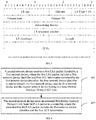
- a format of an LSA packet is described by using an example in which the first LSA packet is an extended OSPF opaque LSA packet.
- a format of the first LSA packet is shown in FIG. 3 .
- LS age represents a time in a unit of a second since the first LSA packet is originated, and a definition is the same as that in the [RFC 2328 Standards].
- LS type a type number of the first LSA.
- Opaque type an opaque type, where in this embodiment of the present invention, the opaque type is extended to add a new type value, for example, an OSPF ACL opaque read LSA (type code: TBD) that is used to indicate that the first LSA packet is used to announce ACL information of a network device.
- OSPF ACL opaque read LSA type code: TBD
- Opaque ID an opaque identifier, where an opaque type and an opaque ID number jointly identify a link state ID in the first LSA header, and a definition is the same as that in [RFC 5250].
- Advertising router an identifier of the first network device that sends the first LSA packet, where a definition is the same as that in [RFC 2328].
- LS sequence number a sequence number of the first LSA, where a definition is the same as that in [RFC 2328].
- LS checksum a checksum of all information of the first LSA except an LS age field, where a definition is the same as that in [RFC 2328].
- Length a total length of the first LSA in a unit of a byte, including an LSA header, where a definition is the same as that in [RFC 2328].
- TLVs may include one or more sub-TLVs, and these sub-TLVs can be combined into the first ACL information.
- the first LSA packet may be an another-IGP-protocol LSA packet. Details are not described herein.
- any network device in the IGP area may flood, into the IGP area in a similar manner, an LSA packet that carries ACL information of the network device, and announce the ACL information of the network device to another network device, other than the network device, in the IGP area.
- the method further includes:
- the second LSA packet includes an opaque type field, an advertising network device identifier field, and a TLV field.
- the opaque type field carries a type value indicating that the second LSA packet is used to announce ACL information of a network device.
- the advertising network device identifier field carries the second network device identifier.
- the TLV field carries the second ACL information of the second network device.
- the TLV field includes a type type, a length length, and a value value.
- the type indicates that a type of the TLV field is "carry ACL information”.
- the length indicates a length of the TLV field.
- the value is the second ACL information of the second network device.
- the second LSA packet is an extended Open Shortest Path First OSPF opaque LSA packet or an extended intermediate system to intermediate system ISIS opaque LSA packet.
- the format of the first LSA packet is the same as that of the second LSA packet.
- the first LSA packet and the second LSA packet each include the opaque type fields, the advertising network device identifier fields, and the TLV fields.
- the opaque type field in the first LSA packet and the opaque type field in the second LSA packet are the same and used to indicate that an LSA packet is used to announce ACL information of a network device.
- specific content included in the advertising network device identifier field and the TLV field of the first LSA packet is different from specific content included in the advertising network device identifier field and the TLV field of the second LSA packet.
- the first network device may not only flood the first ACL information of the first network device into the IGP area, but the first network device may also receive an LSA packet flooded by the another network device in the IGP area.
- the first network device receives the second LSA packet flooded by the second network device, where the second LSA packet includes the second network device identifier and the second ACL information correlated to the second network device identifier, so that the first network device can parse the second LSA packet to obtain the second ACL information of the second network device.
- the first network device may further receive an LSA packet flooded by another network device, other than the second network device, in the IGP area, to learn of ACL information of the another network device.
- any network device in the IGP area may receive an LSA packet flooded by another network device, to obtain ACL information of the another network device.
- a network device in the IGP area stores ACL information of all other network devices in the IGP area.
- the method further includes:
- the controller may edit ACL information of a network device in the IGP area. Description is provided by using the first network device as an example. When the first ACL information of the first network device does not meet an actual requirement, the controller generates the first ACL editing information according to the actual requirement. The first ACL editing information is used to edit the first ACL information of the first network device.
- the first network device does not establish a BGP-LS connection to the controller, and the second network device establishes a BGP-LS connection to the controller. Therefore, the controller first sends, to the second network device, a BGP-LS that carries the first ACL editing information, the second network device and the first network device are located in the same IGP area, and then the second network device floods, into the IGP area, the third LSA packet that carries the first ACL editing information.
- the third LSA packet carries the identifier of the target network device, that is, carries the first network device identifier.
- the first network device After receiving the third LSA packet, the first network device recognizes, according to the identifier of the target network device that is carried in the third LSA packet, that the target network device is the first network device; parses the third LSA packet to obtain the first ACL editing information; and edits the first ACL information of the first network device according to the first ACL editing information.
- the third LSA packet includes an opaque type field, an advertising network device identifier field, and a TLV field.
- the opaque type field carries a type value indicating that the third LSA packet is used to announce ACL editing information used to edit ACL information of a target network device.
- the advertising network device identifier field carries the identifier of the target network device.
- the TLV field carries the first ACL editing information for the target network device.
- the TLV field includes a type type, a length length, and a value value.
- the type indicates that a type of the TLV field is "carry ACL editing information".
- the length indicates a length of the TLV field.
- the value is the first ACL editing information for the target network device.
- the third LSA packet is an extended Open Shortest Path First OSPF opaque LSA packet or an extended intermediate system to intermediate system ISIS opaque LSA packet.
- a format of the third LSA packet is similar to that of the first LSA packet.
- the third LSA packet includes the opaque type field.
- the opaque type is extended to add a new type value, for example, an OSPF ACL opaque write LSA (type code: TBD) that is used to indicate that the third LSA packet is used to announce ACL editing information used to edit ACL information of a target network device.
- the advertising network device identifier field of the third LSA packet carries the identifier of the target network device.
- the TLV field carries the first ACL editing information for the target network device.
- the IGP area network structure shown in FIG. 1 is described by using an example in which the second network device establishes a BGP-LS connection to the controller.
- another network device may establish a BGP-LS connection to the controller, and the first network device receives a third LSA packet flooded by the network device that establishes the BGP-LS connection to the controller, and parses the third LSA packet to obtain the first ACL editing information.
- the method further includes:
- the controller may directly send generated ACL editing information to the network device in the IGP area.
- Description is provided by using the first network device as an example.
- the controller may generate the second ACL editing information.
- the second ACL editing information is used to edit the first ACL information of the first network device.
- a method for editing the ACL information of the network device in the IGP area by the controller is not limited to editing the first ACL information of the first network device, and may be used to edit ACL information of any network device in the IGP area.
- Editing the ACL information of the network device according to the ACL editing information generated by the controller includes: performing any one or more of operations such as modification, addition, deletion, and reset on the ACL information of the network device.
- FIG. 4 is a flowchart of a method for collecting an access control list according to an embodiment of the present invention. The method includes the following steps.
- a second network device receives a first LSA packet flooded by a first network device, where the first LSA packet includes the first network device identifier and first ACL information correlated to the first network device identifier, the first network device identifier is used to identify the first network device, and the first network device and the second network device belong to a same Interior Gateway Protocol IGP area.
- the second network device sends an extended first Border Gateway Protocol-Link State BGP-LS packet to the controller, where the extended first BGP-LS packet includes the first network device identifier and the first ACL information.
- the second network device establishes a BGP-LS connection to the controller.
- the second network device and the first network device are located in the same IGP area.
- the second network device receives the first LSA packet flooded by the first network device, and parses the first LSA packet to obtain the first ACL information of the first network device.
- the second network device sends the extended first BGP-LS packet to the controller, and announces the first ACL information of the first network device to the controller by using the extended first BGP-LS packet.
- the second network device may not only receive the first LSA packet flooded by the first network device, to learn of the first ACL information of the first network device; but may also receive an LSA packet flooded by another network device that belongs to the same IGP area as the second network device, to learn of ACL information of the another network device.
- the second network device stores ACL information of all network devices in the IGP area.
- the extended first BGP-LS packet sent by the second network device to the controller may carry ACL information of any one or more network devices in the IGP area.
- the extended first BGP-LS packet includes a local node descriptors local node descriptors field and an opaque node attribute type-length-value opaque node attribute TLV field.
- the local node descriptors field includes the first network device identifier.
- the opaque node attribute TLV field includes the first LSA packet of the first network device.
- the opaque node attribute TLV field includes a type type, a length length, and a value value.
- the type indicates that a type of the opaque node attribute TLV field is "report ACL information".
- the length indicates a length of the opaque node attribute TLV field.
- the value is opaque node attributes including the first LSA packet.
- the first LSA packet includes the first ACL information of the first network device.
- the local node descriptors field carries device description information of the first network device, and the device description information of the first network device includes the first network device identifier and other device information.
- a format of the extended first BGP-LS packet is shown in FIG. 5 .
- Protocol-ID a BGP-LS protocol identifier, where a definition is the same as a draft-letf-ldr-ls-distribution-10 definition.
- Identifier a topology identifier that is used to distinguish different IGP processes, where a default of 0 indicates that current information is corresponding to a layer 3 topology (L3 TOPO), and a definition is the same as a drafl-ietf idr-ls-distribution-10 definition.
- Local node descriptors (variable): description information of a network device (a length is variable), where the local node descriptors field is used to carry the description information of the network device, and the description information of the network device includes an identifier of the network device.
- Opaque node attribute TLV (variable): describes ACL information (a length is variable).
- the extended first BGP-LS packet When the extended first BGP-LS packet includes ACL information of one network device, the extended first BGP-LS packet includes one local node descriptors field and one opaque node attribute TLV field.
- the local node descriptors field includes an identifier of the network device.
- the opaque node attribute TLV field includes an LSA packet carrying the ACL information of the network device.
- the extended first BGP-LS packet includes multiple groups of network device information that include multiple local node descriptors fields and multiple opaque node attribute TLV fields. As shown in FIG.
- one local node descriptors field and one opaque node attribute TLV field form one group of information, that is, an identifier of one network device is followed by one opaque node attribute TLV field that includes an LSA packet carrying ACL information of the network device.
- a quantity of local node descriptors fields is the same as a quantity of opaque node attribute TLV fields, and each of the quantities is the same as a quantity of network devices.
- the first LSA packet includes an opaque type field, an advertising network device identifier field, and a TLV field.
- the opaque type field carries a type value indicating that the first LSA packet is used to announce ACL information of a network device.
- the advertising network device identifier field carries the first network device identifier.
- the TLV field carries the first ACL information of the first network device.
- the TLV field includes a type type, a length length, and a value value.
- the type indicates that a type of the TLV field is "carry ACL information”.
- the length indicates a length of the TLV field.
- the value is the first ACL information.
- the first LSA packet is an extended Open Shortest Path First OSPF opaque LSA packet or an extended intermediate system to intermediate system ISIS opaque LSA packet.
- a format of the first LSA packet is the same as the format of the first LSA packet shown in FIG. 3 in the method for collecting an access control list shown in FIG. 2 .
- the extended first BGP-LS packet is newly added flow-spec NLRI.
- the flow-spec NLRI includes a local node descriptors field and a flow-spec descriptors field.
- the local node descriptors field includes the first network device identifier.
- the flow-spec descriptors field includes the first ACL information of the first network device.
- a format of the flow-spec NLRI is shown in FIG. 7 .
- Protocol-ID a BGP-LS protocol identifier, where a definition is the same as a draft-letf-idr-ls-distribution-10 definition.
- Identifier a topology identifier that is used to distinguish different IGP processes, where a default of 0 indicates that current information is corresponding to a layer 3 topology (L3 TOPO), and a definition is the same as a drafl-ietf-idr-ls-distribution-10 definition.
- Local node descriptors (variable): description information of a network device (a length is variable), where the local node descriptors field carries the description information of the network device, and the description information of the network device includes an identifier of the network device.
- Flow-spec descriptors (variable): describes ACL information (a length is variable).
- the extended first BGP-LS packet When the extended first BGP-LS packet includes ACL information of one network device, the extended first BGP-LS packet includes one local node descriptors field and one flow-spec descriptors field.
- the local node descriptors field includes an identifier of the network device.
- the flow-spec descriptors field includes the ACL information of the network device.
- the extended first BGP-LS packet includes multiple groups of network device information that include multiple local node descriptors fields and multiple flow-spec descriptors fields. As shown in FIG.
- one local node descriptors field and one flow-spec descriptors field form one group of information, that is, an identifier of one network device is followed by one flow-spec descriptors field that includes ACL information of the network device.
- a quantity of local node descriptors fields is the same as a quantity of flow-spec descriptors fields, and each of the quantities is the same as a quantity of network devices.
- the method further includes:
- the extended first BGP-LS packet further includes the second network device identifier and the second ACL information.
- the method further includes:
- the second network device may further flood the second LSA packet into the IGP area.
- the second LSA packet includes the second network device identifier and the second ACL information correlated to the second network device identifier.
- the another network device in the IGP area may learn of the second ACL information of the second network device.
- the second LSA packet includes an opaque type field, an advertising network device identifier field, and a TLV field.
- the opaque type field carries a type value indicating that the second LSA packet is used to announce ACL information of a network device.
- the advertising network device identifier field carries the second network device identifier.
- the TLV field carries the second ACL information of the second network device.
- the TLV field includes a type type, a length length, and a value value.
- the type indicates that a type of the TLV field is "carry ACL information”.
- the length indicates a length of the TLV field.
- the value is the second ACL information of the second network device.
- the second LSA packet is an extended Open Shortest Path First OSPF opaque LSA packet or an extended intermediate system to intermediate system ISIS opaque LSA packet.
- a format of the first LSA packet is similar to the format of the first LSA packet shown in FIG. 3 in the method for collecting an access control list shown in FIG. 2 .
- the method further includes:
- the second network device establishes a BGP-LS communication connection to the controller.
- the second network device receives the extended second BGP-LS packet sent by the controller.
- the extended second BGP-LS packet includes the identifier of the target network device and the first ACL editing information configured by the controller for the target network device.
- the first ACL editing information is used to edit the ACL information of the target network device.
- the second network device parses the extended second BGP-LS packet to obtain the first ACL editing information.
- the extended second BGP-LS packet has at least two possible structures.
- the extended second BGP-LS packet includes a local node descriptors field and an opaque node attribute TLV field.
- the local node descriptors field includes the identifier of the target network device.
- the opaque node attribute TLV includes the first ACL editing information for the target network device.
- the opaque node attribute TLV field includes a type type, a length length, and a value value.
- the type indicates that a type of the opaque node attribute TLV field is "announce ACL editing information".
- the length indicates a length of the opaque node attribute TLV field.
- the value is opaque node attributes including a third LSA packet.
- the third LSA packet carries the first ACL editing information for the target network device.
- the extended second BGP-LS packet is newly added flow-spec NLRI.
- the flow-spec NLRI includes a local node descriptors field and a flow-spec descriptors field.
- the local node descriptors field includes the identifier of the target network device.
- the flow-spec descriptors field includes the first ACL editing information for the target network device.
- the second network device recognizes the target network device of the first ACL editing information according to the identifier of the target network device in the extended BGP-LS packet.
- the second network device parses the extended BGP-LS packet to obtain the first ACL editing information, and edits the second ACL information of the second network device.
- the second network device When the second network device recognizes, according to the identifier of the target network device, that the target network device is not the second network device, the second network device floods the third LSA packet into the IGP area to which the second network device belongs.
- the third LSA packet carries the first ACL editing information.
- the target network device After receiving the third LSA packet, the target network device performs parsing to obtain the first ACL editing information, and edits the ACL information of the target network device.
- the second network device parses the flow-spec descriptors field of the second BGP-LS to obtain the first ACL editing information, and generates the third LSA packet according to the first ACL editing information.
- the third LSA packet includes an opaque type field, an advertising network device identifier field, and a TLV field.
- the opaque type field carries a type value indicating that the third LSA packet is used to announce ACL editing information used to edit ACL information of a target network device.
- the advertising network device identifier field carries the identifier of the target network device.
- the TLV field carries the first ACL editing information for the target network device.
- the TLV field includes a type type, a length length, and a value value.
- the type indicates that a type of the TLV field is "carry ACL editing information".
- the length indicates a length of the TLV field.
- the value is the first ACL editing information for the target network device.
- the third LSA packet is an extended Open Shortest Path First OSPF opaque LSA packet or an extended intermediate system to intermediate system ISIS opaque LSA packet.
- the third LSA packet includes the opaque type (opaque type) field.
- the opaque type is extended to add a new type value, for example, an OSPF ACL opaque write LSA (type code: TBD) that is used to indicate that the third LSA packet is used to announce ACL editing information used to edit ACL information of a target network device.
- the advertising network device identifier field of the third LSA packet carries the identifier of the target network device.
- the TLV field carries the first ACL editing information for the target network device.
- the type value of the opaque type field in the first LSA packet and the type value of the opaque type field in the second LSA packet are OSPF ACL opaque read LSAs that are used to announce ACL information of a network device.
- the type value of the opaque type field in the third LSA packet is an OSPF ACL opaque write LSA that is used to announce ACL editing information used to edit ACL information of a target network device.
- the extended second BGP-LS packet received by the second network device from the controller may include the first ACL editing information used to edit ACL information of one target network device, or may include ACL editing information used to edit ACL information of multiple target network devices.
- An implementation method is similar. Details are not described herein.
- FIG. 9 is a flowchart of a method for collecting an access control list according to an embodiment of the present invention. The method includes the following steps.
- a controller receives an extended first Border Gateway Protocol-Link State BGP-LS packet sent by a second network device.
- the controller parses the extended first BGP-LS packet to obtain a first network device identifier and first ACL information of a first network device, where the first network device and the second network device belong to a same Interior Gateway Protocol IGP area.
- the controller receives the extended first BGP-LS packet sent by the second network device, and parses the extended first BGP-LS packet to obtain the first ACL information of the first network device.
- the extended first BGP-LS packet has at least two possible structures.
- the extended first BGP-LS packet includes a local node descriptors local node descriptors field and an opaque node attribute type-length-value opaque node attribute TLV field.
- the local node descriptors field includes the first network device identifier.
- the opaque node attribute TLV includes the first ACL information of the first network device.
- the opaque node attribute TLV field includes a type type, a length length, and a value value.
- the type indicates that a type of the opaque node attribute TLV field is "report ACL information".
- the length indicates a length of the opaque node attribute TLV field.
- the value is opaque node attributes including a first LSA packet.
- the first LSA packet carries the first ACL information of the first network device.
- the first possible structure of the first BGP-LS packet is the same as a structure of the first BGP-LS packet shown in FIG. 5 in the method for collecting an access control list provided in FIG. 4 .
- the first BGP-LS packet shown in FIG. 5 Details are not described herein again.
- the first LSA packet includes an opaque type field, an advertising network device identifier field, and a TLV field.
- the opaque type field carries a type value indicating that the first LSA packet is used to announce ACL information of a network device.
- the advertising network device identifier field carries the first network device identifier.
- the TLV field carries the first ACL information of the first network device.
- the TLV field includes a type type, a length length, and a value value.
- the type indicates that a type of the TLV field is "carry ACL information”.
- the length indicates a length of the TLV field.
- the value is the first ACL information of the first network device.
- the first LSA packet is an extended Open Shortest Path First OSPF opaque LSA packet or an extended intermediate system to intermediate system ISIS opaque LSA packet.
- a format of the first LSA packet is similar to the format of the first LSA packet shown in FIG. 3 in the method for collecting an access control list shown in FIG. 2 .
- the extended first BGP-LS packet is flow-spec NLRI.
- the flow-spec NLRI includes a local node descriptors field and a flow-spec descriptors field.
- the local node descriptors field includes the first network device identifier of the first network device.
- the flow-spec descriptors field includes the first ACL information of the first network device.
- the structure of the first BGP-LS packet is the same as a structure of the first BGP-LS packet shown in FIG. 7 in the method for collecting an access control list provided in FIG. 4 .
- the structure of the first BGP-LS packet is the same as a structure of the first BGP-LS packet shown in FIG. 7 in the method for collecting an access control list provided in FIG. 4 .
- the method further includes:
- the extended first BGP-LS packet may further carry ACL information of any one or more network devices that belong to the same IGP area as the second network device. That is, the controller may obtain the ACL information of the any one or more network devices in the IGP area from the extended first BGP-LS packet sent by the second network device. Generally, the controller may obtain ACL information of all network devices in the IGP area from the extended first BGP-LS packet sent by the second network device. The controller may learn of the ACL information of all the network devices, and manage the ACL information.
- the method further includes:
- the extended second BGP-LS packet includes a local node descriptors field and an opaque node attribute TLV field.
- the local node descriptors field includes the identifier of the first target network device.
- the opaque node attribute TLV includes the first ACL editing information for the first target network device.
- the opaque node attribute TLV field includes a type type, a length length, and a value value.
- the type indicates that a type of the opaque node attribute TLV field is "announce ACL editing information".
- the length indicates a length of the opaque node attribute TLV field.
- the value is opaque node attributes including a third LSA packet.
- the third LSA packet carries the first ACL editing information for the first target network device.
- the third LSA packet includes an opaque type field, an advertising network device identifier field, and a TLV field.
- the opaque type field carries a type value indicating that the third LSA packet is used to announce ACL editing information used to edit ACL information of a target network device.
- the advertising network device identifier field carries the identifier of the first target network device.
- the TLV field carries the first ACL editing information for the first target network device.
- the TLV field includes a type type, a length length, and a value value.
- the type indicates that a type of the TLV field is "carry ACL editing information".
- the length indicates a length of the TLV field.
- the value is the first ACL editing information for the first target network device.
- the third LSA packet is an extended Open Shortest Path First OSPF opaque LSA packet or an extended intermediate system to intermediate system ISIS opaque LSA packet.
- the extended second BGP-LS packet is flow-spec NLRI.
- the flow-spec NLRI includes a local node descriptors field and a flow-spec descriptors field.
- the local node descriptors field includes the identifier of the target network device.
- the flow-spec descriptors field includes the first ACL editing information for the target network device.
- the skilled person configures, on the controller, first ACL editing information used to edit the ACL information of the network device. After receiving the first ACL editing information, the network device edits the ACL information of the network device by using the first ACL editing information.
- the skilled person configures the first ACL editing information on the controller.
- the controller sends the extended second BGP-LS packet to the second network device.
- the extended second BGP-LS packet includes the first ACL editing information.
- the second network device floods the first ACL editing information into the IGP area by using the third LSA packet.
- the first network device performs parsing to obtain the first ACL editing information, and edits the first ACL information of the first network device by using the first ACL editing information.
- the second BGP-LS packet further includes second ACL editing information.
- the second ACL editing information is used to edit ACL information of the second network device.
- the extended second BGP-LS packet sent by the controller to the second network device may not only carry the first ACL editing information used to edit the first ACL information of the first network device, but may also carry ACL editing information used to edit ACL information of any one or more network devices in the IGP area.
- the extended second BGP-LS packet may further carry the second ACL editing information used to edit the second ACL information of the second network device.
- the extended second BGP-LS packet may further carry ACL editing information for another network device in the IGP area. Details are not described herein.
- the method further includes:
- the controller may directly send, by using the control channel instead of a network device that establishes a BGP-LS connection to the controller, ACL editing information to a network device whose ACL information does not meet an actual requirement.
- a border router as a Border Gateway Protocol (Border Gateway Protocol, BGP) peer sends sampled traffic to a traffic analysis server.
- the traffic analysis server identifies abnormal attack traffic, creates a BGP flow specification route according to the abnormal attack traffic, and sends the BGP flow specification route to the border router.
- the border router sends the BGP flow specification route to another border router that performs a BGP session with the border router.
- each border router converts the BGP flow specification route into ACL information of a data forwarding layer. After using the ACL information on a port, the border router forbids the abnormal attack traffic to pass.
- the foregoing method for dynamically configuring an ACL can be used only to passively configure, on a border router, an ACL that prevents abnormal attack traffic.
- ACL information that prevents non-abnormal attack traffic can be only manually and statically configured one by one on border routers.
- network devices in a same IGP manager area flood, into the IGP area, LSA packets that carry ACL information, and the network devices in the IGP area may learn of ACL information of another network device.
- a network device that establishes a BGP-LS communication connection to a controller sends a first BGP-LS packet to the controller.
- the first BGP-LS packet carries ACL information of any one or more network devices in the IGP area.
- the controller manages the learned ACL information of the network device, and manages the ACL information of the network device.
- the controller may send ACL editing information, and the ACL editing information is used to edit ACL information that is of at least one or more network devices and that does not meet an actual requirement. In this way, the ACL information of the network device is actively edited, and ACL information maintenance work is simplified.
- FIG. 10 is a schematic structural diagram of a first network device for collecting an access control list according to an embodiment of the present invention.
- the first network device shown in FIG. 10 is a network device corresponding to the flowchart of the method for collecting an access control list shown in FIG. 2 .
- the first network device includes:
- the first LSA packet includes an opaque type field, an advertising network device identifier field, and a TLV field.
- the opaque type field carries a type value indicating that the first LSA packet is used to announce ACL information of a network device.
- the advertising network device identifier field carries the first network device identifier.
- the TLV field carries the first ACL information of the first network device.
- the TLV field includes a type type, a length length, and a value value.
- the type indicates that a type of the TLV field is "carry ACL information”.
- the length indicates a length of the TLV field.
- the value is the first ACL information of the first network device.
- the first LSA packet is an extended Open Shortest Path First OSPF opaque LSA packet or an extended intermediate system to intermediate system ISIS opaque LSA packet.
- the first network device further includes:
- the second LSA packet includes an opaque type field, an advertising network device identifier field, and a TLV field.
- the opaque type field carries a type value indicating that the second LSA packet is used to announce ACL information of a network device.
- the advertising network device identifier field carries the second network device identifier.
- the TLV field carries the second ACL information of the second network device.
- the TLV field includes a type type, a length length, and a value value.
- the type indicates that a type of the TLV field is "carry ACL information”.
- the length indicates a length of the TLV field.
- the value is the second ACL information of the second network device.
- the second LSA packet is an extended Open Shortest Path First OSPF opaque LSA packet or an extended intermediate system to intermediate system ISIS opaque LSA packet.
- the first network device further includes:
- the third LSA packet includes an opaque type field, an advertising network device identifier field, and a TLV field.
- the opaque type field carries a type value indicating that the third LSA packet is used to announce ACL editing information used to edit ACL information of a target network device.
- the advertising network device identifier field carries the identifier of the target network device.
- the TLV field carries the first ACL editing information for the target network device.
- the TLV field includes a type type, a length length, and a value value.
- the type indicates that a type of the TLV field is "carry ACL editing information".
- the length indicates a length of the TLV field.
- the value is the first ACL editing information for the target network device.
- the third LSA packet is an extended Open Shortest Path First OSPF opaque LSA packet or an extended intermediate system to intermediate system ISIS opaque LSA packet.
- the first network device further includes:
- the first network device shown in FIG. 10 is a network device corresponding to the method for collecting an access control list shown in FIG. 2 .
- the first network device shown in FIG. 10 is a network device corresponding to the method for collecting an access control list shown in FIG. 2 .
- FIG. 11 is a schematic structural diagram of a second network device for collecting an access control list according to an embodiment of the present invention.
- the second network device shown in FIG. 11 is a network device corresponding to the flowchart of the method for collecting an access control list shown in FIG. 4 .
- the second network device includes:
- the extended first BGP-LS packet includes a local node descriptors local node descriptors field and an opaque node attribute type-length-value opaque node attribute TLV field.
- the local node descriptors field includes the first network device identifier.
- the opaque node attribute TLV field includes the first LSA packet of the first network device.
- the opaque node attribute TLV field includes a type type, a length length, and a value value.
- the type indicates that a type of the opaque node attribute TLV field is "report ACL information".
- the length indicates a length of the opaque node attribute TLV field.
- the value is opaque node attributes including the first LSA packet.
- the first LSA packet includes the first ACL information of the first network device.
- the extended first BGP-LS packet is newly added flow-spec NLRI.
- the flow-spec NLRI includes a local node descriptors field and a flow-spec descriptors field.
- the local node descriptors field includes the first network device identifier.
- the flow-spec descriptors field includes the first ACL information of the first network device.
- the first LSA packet includes an opaque type field, an advertising network device identifier field, and a TLV field.
- the opaque type field carries a type value indicating that the first LSA packet is used to announce ACL information of a network device.
- the advertising network device identifier field carries the first network device identifier.
- the TLV field carries the first ACL information of the first network device.
- the TLV field includes a type type, a length length, and a value value.
- the type indicates that a type of the TLV field is "carry ACL information”.
- the length indicates a length of the TLV field.
- the value is the first ACL information.
- the first LSA packet is an extended Open Shortest Path First OSPF opaque LSA packet or an extended intermediate system to intermediate system ISIS opaque LSA packet.
- the second network device further includes:
- the extended first BGP-LS packet further includes the second network device identifier and the second ACL information.
- the second network device further includes:
- the second LSA packet includes an opaque type field, an advertising network device identifier field, and a TLV field.
- the opaque type field carries a type value indicating that the second LSA packet is used to announce ACL information of a network device.
- the advertising network device identifier field carries the second network device identifier.
- the TLV field carries the second ACL information of the second network device.
- the TLV field includes a type type, a length length, and a value value.
- the type indicates that a type of the TLV field is "carry ACL information”.
- the length indicates a length of the TLV field.
- the value is the second ACL information of the second network device.
- the second LSA packet is an extended Open Shortest Path First OSPF opaque LSA packet or an extended intermediate system to intermediate system ISIS opaque LSA packet.
- the second network device further includes:
- the extended second BGP-LS packet includes a local node descriptors field and an opaque node attribute TLV field.
- the local node descriptors field includes the identifier of the target network device.
- the opaque node attribute TLV includes the first ACL editing information for the target network device.
- the opaque node attribute TLV field includes a type type, a length length, and a value value.
- the type indicates that a type of the opaque node attribute TLV field is "announce ACL editing information".
- the length indicates a length of the opaque node attribute TLV field.
- the value is opaque node attributes including a third LSA packet.
- the third LSA packet carries the first ACL editing information for the target network device.
- the extended second BGP-LS packet includes flow-spec NLRI.
- the flow-spec NLRI includes a local node descriptors field and a flow-spec descriptors field.
- the local node descriptors field includes the identifier of the target network device.
- the flow-spec descriptors field includes the first ACL editing information for the target network device.
- the third LSA packet includes an opaque type field, an advertising network device identifier field, and a TLV field.
- the opaque type field carries a type value indicating that the third LSA packet is used to announce ACL editing information used to edit ACL information of a target network device.
- the advertising network device identifier field carries the identifier of the target network device.
- the TLV field carries the first ACL editing information for the target network device.
- the TLV field includes a type type, a length length, and a value value.
- the type indicates that a type of the TLV field is "carry ACL editing information".
- the length indicates a length of the TLV field.
- the value is the first ACL editing information for the target network device.
- the third LSA packet is an extended Open Shortest Path First OSPF opaque LSA packet or an extended intermediate system to intermediate system ISIS opaque LSA packet.
- the second network device shown in FIG. 11 is a network device corresponding to the method for collecting an access control list shown in FIG. 4 .
- the second network device shown in FIG. 11 is a network device corresponding to the method for collecting an access control list shown in FIG. 4 .
- the second network device shown in FIG. 11 is a network device corresponding to the method for collecting an access control list shown in FIG. 4 .
- the second network device shown in FIG. 11 is a network device corresponding to the method for collecting an access control list shown in FIG. 4 .
- the second network device shown in FIG. 11 is a network device corresponding to the method for collecting an access control list shown in FIG. 4 .
- FIG. 12 is a schematic structural diagram of a controller for collecting an access control list according to an embodiment of the present invention.
- the controller shown in FIG. 12 is a controller corresponding to the method for collecting an access control list shown in FIG. 9 .
- the controller includes:
- the extended first BGP-LS packet includes a local node descriptors local node descriptors field and an opaque node attribute type-length-value opaque node attribute TLV field.
- the local node descriptors field includes the first network device identifier.
- the opaque node attribute TLV includes the first ACL information of the first network device.
- the opaque node attribute TLV field includes a type type, a length length, and a value value.
- the type indicates that a type of the opaque node attribute TLV field is "report ACL information".
- the length indicates a length of the opaque node attribute TLV field.
- the value is opaque node attributes including a first LSA packet.
- the first LSA packet carries the first ACL information of the first network device.
- the first LSA packet includes an opaque type field, an advertising network device identifier field, and a TLV field.
- the opaque type field carries a type value indicating that the first LSA packet is used to announce ACL information of a network device.
- the advertising network device identifier field carries the first network device identifier.
- the TLV field carries the first ACL information of the first network device.
- the TLV field includes a type type, a length length, and a value value.
- the type indicates that a type of the TLV field is "carry ACL information”.
- the length indicates a length of the TLV field.
- the value is the first ACL information of the first network device.
- the first LSA packet is an extended Open Shortest Path First OSPF opaque LSA packet or an extended intermediate system to intermediate system ISIS opaque LSA packet.
- the extended first BGP-LS packet is flow-spec NLRI.
- the flow-spec NLRI includes a local node descriptors field and a flow-spec descriptors field.
- the local node descriptors field includes the first network device identifier.
- the flow-spec descriptors field includes the first ACL information of the first network device.
- controller further includes:
- controller further includes:
- the extended second BGP-LS packet includes a local node descriptors field and an opaque node attribute TLV field.
- the local node descriptors field includes the identifier of the first target network device.
- the opaque node attribute TLV includes the first ACL editing information for the first target network device.
- the opaque node attribute TLV field includes a type type, a length length, and a value value.
- the type indicates that a type of the opaque node attribute TLV field is "announce ACL editing information".
- the length indicates a length of the opaque node attribute TLV field.
- the value is opaque node attributes including a third LSA packet.
- the third LSA packet carries the first ACL editing information for the first target network device.
- the third LSA packet includes an opaque type field, an advertising network device identifier field, and a TLV field.
- the opaque type field carries a type value indicating that the third LSA packet is used to announce ACL editing information used to edit ACL information of a target network device.
- the advertising network device identifier field carries the identifier of the first target network device.
- the TLV field carries the first ACL editing information for the first target network device.
- the TLV field includes a type type, a length length, and a value value.
- the type indicates that a type of the TLV field is "carry ACL editing information".
- the length indicates a length of the TLV field.
- the value is the first ACL editing information for the first target network device.
- the third LSA packet is an extended Open Shortest Path First OSPF opaque LSA packet or an extended intermediate system to intermediate system ISIS opaque LSA packet.
- the extended second BGP-LS packet is flow-spec NLRI.
- the flow-spec NLRI includes a local node descriptors field and a flow-spec descriptors field.
- the local node descriptors field includes the identifier of the target network device.
- the flow-spec descriptors field includes the first ACL editing information for the target network device.
- the second BGP-LS packet further includes second ACL editing information.
- the second ACL editing information is used to edit second ACL information of the second target network device.
- controller further includes:
- the controller shown in FIG. 12 is a controller corresponding to the method for collecting an access control list shown in FIG. 9 .
- the controller shown in FIG. 12 is a controller corresponding to the method for collecting an access control list shown in FIG. 9 .
- the controller shown in FIG. 12 is a controller corresponding to the method for collecting an access control list shown in FIG. 9 .
- the controller shown in FIG. 12 is a controller corresponding to the method for collecting an access control list shown in FIG. 9 .
- the controller shown in FIG. 12 is a controller corresponding to the method for collecting an access control list shown in FIG. 9 .
- Refer to description of the method shown in FIG. 9 Details are not described herein again.
- FIG. 13 is a schematic structural diagram of a system for collecting an access list according to an embodiment of the present invention.
- the system includes:
- the second network device 1301 is connected to the controller 1302.
- the at least one first network device 1303 is connected to the second network device 1301.
- FIG. 14 is a schematic structural diagram of hardware of a first network device for collecting an access control list according to an embodiment of the present invention.
- the first network device includes:
- the processor 1402 is configured to: after reading the program code stored in the memory 1401, execute the following content:
- the transmitter 1403 is configured to flood the first LSA packet into an Interior Gateway Protocol IGP area to which the first network device belongs.
- the first LSA packet is used to announce the first ACL information of the first network device to another network device in the IGP area.
- the first LSA packet includes an opaque type field, an advertising network device identifier field, and a TLV field.
- the opaque type field carries a type value indicating that the first LSA packet is used to announce ACL information of a network device.
- the advertising network device identifier field carries the first network device identifier.
- the TLV field carries the first ACL information of the first network device.
- the TLV field includes a type type, a length length, and a value value.
- the type indicates that a type of the TLV field is "carry ACL information”.
- the length indicates a length of the TLV field.
- the value is the first ACL information of the first network device.
- the first LSA packet is an extended Open Shortest Path First OSPF opaque LSA packet or an extended intermediate system to intermediate system ISIS opaque LSA packet.
- the first network device further includes:
- the second LSA packet includes an opaque type field, an advertising network device identifier field, and a TLV field.
- the opaque type field carries a type value indicating that the second LSA packet is used to announce ACL information of a network device.
- the advertising network device identifier field carries the second network device identifier.
- the TLV field carries the second ACL information of the second network device.
- the TLV field includes a type type, a length length, and a value value.
- the type indicates that a type of the TLV field is "carry ACL information”.
- the length indicates a length of the TLV field.
- the value is the second ACL information of the second network device.
- the second LSA packet is an extended Open Shortest Path First OSPF opaque LSA packet or an extended intermediate system to intermediate system ISIS opaque LSA packet.
- the receiver is further configured to receive a third LSA packet flooded by the second network device that belongs to the IGP area.
- the third LSA packet carries an identifier of a target network device and first ACL editing information correlated to the identifier of the target network device.
- the first ACL editing information is used to edit ACL information of the target network device.
- the processor 1402 is further configured to: when the first network device determines, according to the identifier of the target network device, that the target network device of the third LSA packet is the first network device, parse the third LSA packet to obtain the first ACL editing information; and edit the first ACL information of the first network device according to the first ACL editing information.
- the third LSA packet includes an opaque type field, an advertising network device identifier field, and a TLV field.
- the opaque type field carries a type value indicating that the third LSA packet is used to announce ACL editing information used to edit ACL information of a target network device.
- the advertising network device identifier field carries the identifier of the target network device.
- the TLV field carries the first ACL editing information for the target network device.
- the TLV field includes a type type, a length length, and a value value.
- the type indicates that a type of the TLV field is "carry ACL editing information".
- the length indicates a length of the TLV field.
- the value is the first ACL editing information for the target network device.
- the third LSA packet is an extended Open Shortest Path First OSPF opaque LSA packet or an extended intermediate system to intermediate system ISIS opaque LSA packet.
- the receiver is further configured to receive an ACL configuration packet delivered by a controller by using a control channel.
- the processor 1402 is further configured to: parse the ACL configuration packet to obtain second ACL editing information, and edit the first ACL information of the first network device according to the second ACL editing information.
- the first network device shown in FIG. 14 is a network device corresponding to the method for collecting an access control list shown in FIG. 2 .
- the first network device shown in FIG. 14 is a network device corresponding to the method for collecting an access control list shown in FIG. 2 .
- FIG. 15 is a schematic structural diagram of hardware of a second network device for collecting an access control list according to an embodiment of the present invention.
- the second network device includes:
- the receiver 1501 is configured to receive a first link-state advertisement LSA packet flooded by a first network device.
- the first LSA packet includes a first network device identifier and first access control list ACL information correlated to the first network device identifier.
- the first network device identifier is used to identify the first network device.
- the first network device and the second network device belong to a same Interior Gateway Protocol IGP area.
- the memory 1502 is configured to store program code.
- the processor 1504 is configured to: after reading the program code stored in the memory 1502, generate an extended first BGP-LS packet according to the first network device identifier and the first ACL information in the first LSA packet.
- the transmitter 1503 is configured to send the extended first Border Gateway Protocol-Link State BGP-LS packet to the controller.
- the extended first BGP-LS packet includes the first network device identifier and the first ACL information.
- the extended first BGP-LS packet includes a local node descriptors local node descriptors field and an opaque node attribute type-length-value opaque node attribute TLV field.
- the local node descriptors field includes the first network device identifier.
- the opaque node attribute TLV field includes the first LSA packet of the first network device.
- the opaque node attribute TLV field includes a type type, a length length, and a value value.
- the type indicates that a type of the opaque node attribute TLV field is "report ACL information".
- the length indicates a length of the opaque node attribute TLV field.
- the value is opaque node attributes including the first LSA packet.
- the first LSA packet includes the first ACL information of the first network device.
- the extended first BGP-LS packet is newly added flow-spec NLRI.
- the flow-spec NLRI includes a local node descriptors field and a flow-spec descriptors field.
- the local node descriptors field includes the first network device identifier.
- the flow-spec descriptors field includes the first ACL information of the first network device.
- the first LSA packet includes an opaque type field, an advertising network device identifier field, and a TLV field.
- the opaque type field carries a type value indicating that the first LSA packet is used to announce ACL information of a network device.
- the advertising network device identifier field carries the first network device identifier.
- the TLV field carries the first ACL information of the first network device.
- the TLV field includes a type type, a length length, and a value value.
- the type indicates that a type of the TLV field is "carry ACL information”.
- the length indicates a length of the TLV field.
- the value is the first ACL information.
- the first LSA packet is an extended Open Shortest Path First OSPF opaque LSA packet or an extended intermediate system to intermediate system ISIS opaque LSA packet.
- the processor 1504 is further configured to obtain second ACL information and a second network device identifier of the second network device.
- the extended first BGP-LS packet further includes the second network device identifier and the second ACL information.
- the processor 1504 is further configured to generate a second LSA packet.
- the second LSA packet includes the second network device identifier and the second ACL information correlated to the second network device identifier.
- the second network device identifier is used to identify the second network device.
- the transmitter 1503 is further configured to flood the second LSA packet into the IGP area to which the second network device belongs.
- the second LSA packet is used to announce the second ACL information of the second network device to another network device in the IGP area.
- the second LSA packet includes an opaque type field, an advertising network device identifier field, and a TLV field.
- the opaque type field carries a type value indicating that the second LSA packet is used to announce ACL information of a network device.
- the advertising network device identifier field carries the second network device identifier.
- the TLV field carries the second ACL information of the second network device.
- the TLV field includes a type type, a length length, and a value value.
- the type indicates that a type of the TLV field is "carry ACL information”.
- the length indicates a length of the TLV field.
- the value is the second ACL information of the second network device.
- the second LSA packet is an extended Open Shortest Path First OSPF opaque LSA packet or an extended intermediate system to intermediate system ISIS opaque LSA packet.
- the receiver 1501 is further configured to receive an extended second BGP-LS packet sent by the controller.
- the extended second BGP-LS packet carries an identifier of a target network device and first ACL editing information.
- the first ACL editing information is used to edit ACL information of the target network device.
- the transmitter 1503 is further configured to: when the first network device determines, according to the identifier of the target network device, that the target network device of the first ACL editing information is not the second network device, flood a third LSA packet to the target network device in the IGP area.
- the third LSA packet is used to announce the first ACL editing information for the target network device to the target network device in the IGP area.
- the extended second BGP-LS packet includes a local node descriptors field and an opaque node attribute TLV field.
- the local node descriptors field includes the identifier of the target network device.
- the opaque node attribute TLV includes the first ACL editing information for the target network device.
- the opaque node attribute TLV field includes a type type, a length length, and a value value.
- the type indicates that a type of the opaque node attribute TLV field is "announce ACL editing information".
- the length indicates a length of the opaque node attribute TLV field.
- the value is opaque node attributes including a third LSA packet.
- the third LSA packet carries the first ACL editing information for the target network device.
- the extended second BGP-LS packet includes flow-spec NLRI.
- the flow-spec NLRI includes a local node descriptors field and a flow-spec descriptors field.
- the local node descriptors field includes the identifier of the target network device.
- the flow-spec descriptors field includes the first ACL editing information for the target network device.
- the third LSA packet includes an opaque type field, an advertising network device identifier field, and a TLV field.
- the opaque type field carries a type value indicating that the third LSA packet is used to announce ACL editing information used to edit ACL information of a target network device.
- the advertising network device identifier field carries the identifier of the target network device.
- the TLV field carries the first ACL editing information for the target network device.
- the TLV field includes a type type, a length length, and a value value.
- the type indicates that a type of the TLV field is "carry ACL editing information".
- the length indicates a length of the TLV field.
- the value is the first ACL editing information for the target network device.
- the third LSA packet is an extended Open Shortest Path First OSPF opaque LSA packet or an extended intermediate system to intermediate system ISIS opaque LSA packet.
- the second network device shown in FIG. 15 is a network device corresponding to the method for collecting an access control list shown in FIG. 4 .
- the second network device shown in FIG. 15 is a network device corresponding to the method for collecting an access control list shown in FIG. 4 .
- the second network device shown in FIG. 15 is a network device corresponding to the method for collecting an access control list shown in FIG. 4 .
- the second network device shown in FIG. 15 is a network device corresponding to the method for collecting an access control list shown in FIG. 4 .
- the second network device shown in FIG. 15 is a network device corresponding to the method for collecting an access control list shown in FIG. 4 .
- FIG. 16 is a schematic structural diagram of hardware of a controller for collecting an access control list according to an embodiment of the present invention.
- the controller includes:
- the receiver 1601 is configured to receive an extended first Border Gateway Protocol-Link State BGP-LS packet sent by a second network device.
- the memory 1602 is configured to store program code.
- the processor 1603 is configured to invoke the stored program code from the memory 1602 to execute the following content:
- the extended first BGP-LS packet includes a local node descriptors local node descriptors field and an opaque node attribute type-length-value opaque node attribute TLV field.
- the local node descriptors field includes the first network device identifier.
- the opaque node attribute TLV includes the first ACL information of the first network device.
- the opaque node attribute TLV field includes a type type, a length length, and a value value.
- the type indicates that a type of the opaque node attribute TLV field is "report ACL information".
- the length indicates a length of the opaque node attribute TLV field.
- the value is opaque node attributes including a first LSA packet.
- the first LSA packet carries the first ACL information of the first network device.
- the first LSA packet includes an opaque type field, an advertising network device identifier field, and a TLV field.
- the opaque type field carries a type value indicating that the first LSA packet is used to announce ACL information of a network device.
- the advertising network device identifier field carries the first network device identifier.
- the TLV field carries the first ACL information of the first network device.
- the TLV field includes a type type, a length length, and a value value.
- the type indicates that a type of the TLV field is "carry ACL information”.
- the length indicates a length of the TLV field.
- the value is the first ACL information of the first network device.
- the first LSA packet is an extended Open Shortest Path First OSPF opaque LSA packet or an extended intermediate system to intermediate system ISIS opaque LSA packet.
- the extended first BGP-LS packet is flow-spec NLRI.
- the flow-spec NLRI includes a local node descriptors field and a flow-spec descriptors field.
- the local node descriptors field includes the first network device identifier.
- the flow-spec descriptors field includes the first ACL information of the first network device.
- the processor 1603 is further configured to parse the extended first BGP-LS packet to obtain a second network device identifier and second ACL information of the second network device.
- controller further includes:
- the extended second BGP-LS packet includes a local node descriptors field and an opaque node attribute TLV field.
- the local node descriptors field includes the identifier of the first target network device.
- the opaque node attribute TLV includes the first ACL editing information for the first target network device.
- the opaque node attribute TLV field includes a type type, a length length, and a value value.
- the type indicates that a type of the opaque node attribute TLV field is "announce ACL editing information".
- the length indicates a length of the opaque node attribute TLV field.
- the value is opaque node attributes including a third LSA packet.
- the third LSA packet carries the first ACL editing information for the first target network device.
- the third LSA packet includes an opaque type field, an advertising network device identifier field, and a TLV field.
- the opaque type field carries a type value indicating that the third LSA packet is used to announce ACL editing information used to edit ACL information of a target network device.
- the advertising network device identifier field carries the identifier of the first target network device.
- the TLV field carries the first ACL editing information for the first target network device.
- the TLV field includes a type type, a length length, and a value value.
- the type indicates that a type of the TLV field is "carry ACL editing information".
- the length indicates a length of the TLV field.
- the value is the first ACL editing information for the first target network device.
- the third LSA packet is an extended Open Shortest Path First OSPF opaque LSA packet or an extended intermediate system to intermediate system ISIS opaque LSA packet.
- the extended second BGP-LS packet is flow-spec NLRI.
- the flow-spec NLRI includes a local node descriptors field and a flow-spec descriptors field.
- the local node descriptors field includes the identifier of the target network device.
- the flow-spec descriptors field includes the first ACL editing information for the target network device.
- the second BGP-LS packet further includes second ACL editing information.
- the second ACL editing information is used to edit second ACL information of the second target network device.
- the transmitter is further configured to send an ACL configuration packet to a target network device by using a control channel.
- the ACL configuration packet carries third ACL editing information.
- the third ACL editing information is used to edit first ACL information of the target network device.
- the controller shown in FIG. 16 is a controller corresponding to the method for collecting an access control list shown in FIG. 9 .
- the controller shown in FIG. 16 is a controller corresponding to the method for collecting an access control list shown in FIG. 9 .
- the controller shown in FIG. 16 is a controller corresponding to the method for collecting an access control list shown in FIG. 9 .
- the controller shown in FIG. 16 is a controller corresponding to the method for collecting an access control list shown in FIG. 9 .
- the controller shown in FIG. 16 is a controller corresponding to the method for collecting an access control list shown in FIG. 9 .
- Refer to description of the method shown in FIG. 9 Details are not described herein again.
- FIG. 17 is a schematic structural diagram of hardware of a system for collecting an access list according to an embodiment of the present invention.
- the system includes:
- the second network device 1701 is connected to the controller 1702.
- the at least one first network device is connected to the second network device 1701.
Landscapes
- Engineering & Computer Science (AREA)
- Computer Networks & Wireless Communication (AREA)
- Signal Processing (AREA)
- Computer Security & Cryptography (AREA)
- Computer Hardware Design (AREA)
- Computing Systems (AREA)
- General Engineering & Computer Science (AREA)
- Mobile Radio Communication Systems (AREA)
Applications Claiming Priority (2)
| Application Number | Priority Date | Filing Date | Title |
|---|---|---|---|
| CN201510299148.4A CN106302351B (zh) | 2015-06-03 | 2015-06-03 | 收集访问控制列表的方法、装置及系统 |
| PCT/CN2016/084146 WO2016192618A1 (zh) | 2015-06-03 | 2016-05-31 | 收集访问控制列表的方法、装置及系统 |
Publications (3)
| Publication Number | Publication Date |
|---|---|
| EP3297245A1 true EP3297245A1 (de) | 2018-03-21 |
| EP3297245A4 EP3297245A4 (de) | 2018-06-13 |
| EP3297245B1 EP3297245B1 (de) | 2022-09-14 |
Family
ID=57440057
Family Applications (1)
| Application Number | Title | Priority Date | Filing Date |
|---|---|---|---|
| EP16802541.9A Active EP3297245B1 (de) | 2015-06-03 | 2016-05-31 | Verfahren, vorrichtung und system zum sammeln von zugangskontrolllisten |
Country Status (4)
| Country | Link |
|---|---|
| US (2) | US10560456B2 (de) |
| EP (1) | EP3297245B1 (de) |
| CN (1) | CN106302351B (de) |
| WO (1) | WO2016192618A1 (de) |
Families Citing this family (8)
| Publication number | Priority date | Publication date | Assignee | Title |
|---|---|---|---|---|
| CN106302351B (zh) * | 2015-06-03 | 2019-10-15 | 华为技术有限公司 | 收集访问控制列表的方法、装置及系统 |
| CN108616451B (zh) * | 2018-04-25 | 2020-12-29 | 新华三技术有限公司 | 一种Flow Spec路由生效方法、装置及网络设备 |
| CN110636008B (zh) * | 2018-06-22 | 2022-02-08 | 中国电信股份有限公司 | 网络拓扑信息采集方法、网络拓扑构建系统和边界路由器 |
| CN111970137B (zh) * | 2019-05-20 | 2022-04-05 | 华为技术有限公司 | Tsn中控制器间通信的方法、装置及系统 |
| CN112910773B (zh) * | 2019-11-19 | 2024-07-05 | 华为技术有限公司 | 下发oam配置信息的方法及控制节点 |
| CN114465943B (zh) * | 2020-11-04 | 2022-11-18 | 华为技术有限公司 | 拓扑信息的发布方法、网络拓扑收集方法及设备 |
| US11477119B1 (en) * | 2020-12-31 | 2022-10-18 | Juniper Networks, Inc. | Micro SID packet processing |
| CN115174139B (zh) * | 2022-05-26 | 2024-04-09 | 华为技术有限公司 | 节点隔离方法、交换设备及以太网存储系统 |
Family Cites Families (17)
| Publication number | Priority date | Publication date | Assignee | Title |
|---|---|---|---|---|
| US7054944B2 (en) * | 2001-12-19 | 2006-05-30 | Intel Corporation | Access control management system utilizing network and application layer access control lists |
| US7639688B2 (en) * | 2005-07-18 | 2009-12-29 | Cisco Technology, Inc. | Automatic protection of an SP infrastructure against exterior traffic |
| EP1850253A1 (de) * | 2006-03-31 | 2007-10-31 | Nokia Siemens Networks Gmbh & Co. Kg | Verfahren zum Entschärfen von DoS-Angriffen |
| CN101047651B (zh) * | 2007-04-23 | 2011-01-05 | 杭州华三通信技术有限公司 | 设置ip优先级的方法、系统和设备 |
| US8325720B2 (en) * | 2008-07-17 | 2012-12-04 | NETBRAIN Technologies, Inc | System and method for simulating IP network routing |
| KR101221045B1 (ko) * | 2008-12-22 | 2013-01-10 | 한국전자통신연구원 | 패킷 처리 방법 및 이를 이용한 toe 장치 |
| CN101667965B (zh) * | 2009-09-29 | 2011-08-24 | 华为技术有限公司 | 一种生成访问控制列表的方法及路由设备 |
| US8804489B2 (en) * | 2010-09-29 | 2014-08-12 | Telefonaktiebolaget L M Ericsson (Publ) | Fast flooding based fast convergence to recover from network failures |
| US9379970B2 (en) * | 2011-05-16 | 2016-06-28 | Futurewei Technologies, Inc. | Selective content routing and storage protocol for information-centric network |
| US9614759B2 (en) * | 2012-07-27 | 2017-04-04 | Dell Products L.P. | Systems and methods for providing anycast MAC addressing in an information handling system |
| WO2014047784A1 (zh) * | 2012-09-25 | 2014-04-03 | 华为技术有限公司 | 报文转发路径确定方法及网络设备、控制设备 |
| US9049233B2 (en) * | 2012-10-05 | 2015-06-02 | Cisco Technology, Inc. | MPLS segment-routing |
| US9253041B2 (en) * | 2013-07-03 | 2016-02-02 | Cisco Technology, Inc. | Advertising layer 0 network topology information to a layer 3 network |
| US9124485B2 (en) * | 2013-08-19 | 2015-09-01 | Cisco Technology, Inc. | Topology aware provisioning in a software-defined networking environment |
| FR3012281A1 (fr) * | 2013-10-18 | 2015-04-24 | Orange | Procede et systeme de decouverte dynamique de fonctions service |
| CN104158809B (zh) * | 2014-08-20 | 2017-12-15 | 新华三技术有限公司 | 协议报文上送cpu的方法及装置 |
| CN106302351B (zh) * | 2015-06-03 | 2019-10-15 | 华为技术有限公司 | 收集访问控制列表的方法、装置及系统 |
-
2015
- 2015-06-03 CN CN201510299148.4A patent/CN106302351B/zh active Active
-
2016
- 2016-05-31 EP EP16802541.9A patent/EP3297245B1/de active Active
- 2016-05-31 WO PCT/CN2016/084146 patent/WO2016192618A1/zh not_active Ceased
-
2017
- 2017-12-03 US US15/829,966 patent/US10560456B2/en active Active
-
2020
- 2020-01-10 US US16/739,551 patent/US11489836B2/en active Active
Also Published As
| Publication number | Publication date |
|---|---|
| US20200153834A1 (en) | 2020-05-14 |
| CN106302351A (zh) | 2017-01-04 |
| WO2016192618A1 (zh) | 2016-12-08 |
| US11489836B2 (en) | 2022-11-01 |
| EP3297245A4 (de) | 2018-06-13 |
| CN106302351B (zh) | 2019-10-15 |
| US10560456B2 (en) | 2020-02-11 |
| US20180091518A1 (en) | 2018-03-29 |
| EP3297245B1 (de) | 2022-09-14 |
Similar Documents
| Publication | Publication Date | Title |
|---|---|---|
| US11489836B2 (en) | Method, apparatus, and system for collecting access control list | |
| CN113691448B (zh) | SRv6业务链中转发报文的方法、SFF及SF设备 | |
| US11528190B2 (en) | Configuration data migration for distributed micro service-based network applications | |
| US11374857B2 (en) | Network device management method and apparatus, and system for indicating a network device to perform management operation | |
| EP2747355B1 (de) | Aggregationsnetz mit zentralisierter Steuerung | |
| EP2996290B1 (de) | Paketweiterleitungsverfahren, -vorrichtung und -system | |
| US10819659B2 (en) | Direct replying actions in SDN switches | |
| EP3065360A1 (de) | Verfahren und vorrichtung zur datenverkehrsbereinigung sowie computerspeichermedium | |
| KR20150031316A (ko) | 그레이스풀 리스타트 가능 이웃의 rsvp 헬로 억제를 이용한 시스템 및 방법 | |
| WO2022194023A1 (zh) | 报文处理的方法、网络设备及控制器 | |
| EP3382955A1 (de) | Kommunikationsverfahren und vorrichtung für dienstfunktionsverkettung (sfc) | |
| CN104639362A (zh) | Oam性能监控方法及装置 | |
| WO2018100437A1 (en) | Policy based configuration in programmable access networks | |
| WO2018150223A1 (en) | A method and system for identification of traffic flows causing network congestion in centralized control plane networks | |
| EP2728797B1 (de) | Verfahren, vorrichtung und system zur nachrichtenverarbeitung | |
| US12531801B2 (en) | Routing information transmission method and apparatus | |
| CN102893560B (zh) | 一种数据流传送方法及网络设备 | |
| EP3461080B1 (de) | Topologiebestimmungsverfahren, nachrichtenantwortverfahren, steuergerät und schalter | |
| CN101997772B (zh) | 流量控制方法、装置、系统及网络设备 | |
| EP2999175A1 (de) | Verfahren, vorrichtung und system zur steuerung der ausgabe von routeninformationen | |
| EP3817341A1 (de) | Massenenkonfiguration von vorrichtungen hinter einer netzwerkadressenübersetzungsvorrichtung | |
| CN116668275A (zh) | 一种网络切片信息传输方法及装置 | |
| US10313151B2 (en) | Enhanced loop-breaking protocol to support connectionless and connection-oriented ethernet | |
| WO2023155733A1 (zh) | 一种网络切片信息传输方法及装置 |
Legal Events
| Date | Code | Title | Description |
|---|---|---|---|
| STAA | Information on the status of an ep patent application or granted ep patent |
Free format text: STATUS: THE INTERNATIONAL PUBLICATION HAS BEEN MADE |
|
| PUAI | Public reference made under article 153(3) epc to a published international application that has entered the european phase |
Free format text: ORIGINAL CODE: 0009012 |
|
| STAA | Information on the status of an ep patent application or granted ep patent |
Free format text: STATUS: REQUEST FOR EXAMINATION WAS MADE |
|
| 17P | Request for examination filed |
Effective date: 20171213 |
|
| AK | Designated contracting states |
Kind code of ref document: A1 Designated state(s): AL AT BE BG CH CY CZ DE DK EE ES FI FR GB GR HR HU IE IS IT LI LT LU LV MC MK MT NL NO PL PT RO RS SE SI SK SM TR |
|
| AX | Request for extension of the european patent |
Extension state: BA ME |
|
| A4 | Supplementary search report drawn up and despatched |
Effective date: 20180516 |
|
| RIC1 | Information provided on ipc code assigned before grant |
Ipc: H04L 29/06 20060101AFI20180509BHEP Ipc: H04L 12/751 20130101ALI20180509BHEP |
|
| DAV | Request for validation of the european patent (deleted) | ||
| DAX | Request for extension of the european patent (deleted) | ||
| STAA | Information on the status of an ep patent application or granted ep patent |
Free format text: STATUS: EXAMINATION IS IN PROGRESS |
|
| 17Q | First examination report despatched |
Effective date: 20191021 |
|
| REG | Reference to a national code |
Ref country code: DE Ref legal event code: R079 Ref document number: 602016075031 Country of ref document: DE Free format text: PREVIOUS MAIN CLASS: H04L0029060000 Ipc: H04L0045020000 |
|
| GRAP | Despatch of communication of intention to grant a patent |
Free format text: ORIGINAL CODE: EPIDOSNIGR1 |
|
| STAA | Information on the status of an ep patent application or granted ep patent |
Free format text: STATUS: GRANT OF PATENT IS INTENDED |
|
| RIC1 | Information provided on ipc code assigned before grant |
Ipc: H04L 9/40 20220101ALI20220304BHEP Ipc: H04L 45/02 20220101AFI20220304BHEP |
|
| INTG | Intention to grant announced |
Effective date: 20220408 |
|
| GRAS | Grant fee paid |
Free format text: ORIGINAL CODE: EPIDOSNIGR3 |
|
| GRAA | (expected) grant |
Free format text: ORIGINAL CODE: 0009210 |
|
| STAA | Information on the status of an ep patent application or granted ep patent |
Free format text: STATUS: THE PATENT HAS BEEN GRANTED |
|
| AK | Designated contracting states |
Kind code of ref document: B1 Designated state(s): AL AT BE BG CH CY CZ DE DK EE ES FI FR GB GR HR HU IE IS IT LI LT LU LV MC MK MT NL NO PL PT RO RS SE SI SK SM TR |
|
| REG | Reference to a national code |
Ref country code: GB Ref legal event code: FG4D |
|
| REG | Reference to a national code |
Ref country code: CH Ref legal event code: EP |
|
| REG | Reference to a national code |
Ref country code: DE Ref legal event code: R096 Ref document number: 602016075031 Country of ref document: DE |
|
| REG | Reference to a national code |
Ref country code: IE Ref legal event code: FG4D |
|
| REG | Reference to a national code |
Ref country code: AT Ref legal event code: REF Ref document number: 1519379 Country of ref document: AT Kind code of ref document: T Effective date: 20221015 |
|
| REG | Reference to a national code |
Ref country code: LT Ref legal event code: MG9D |
|
| REG | Reference to a national code |
Ref country code: NL Ref legal event code: MP Effective date: 20220914 |
|
| PG25 | Lapsed in a contracting state [announced via postgrant information from national office to epo] |
Ref country code: SE Free format text: LAPSE BECAUSE OF FAILURE TO SUBMIT A TRANSLATION OF THE DESCRIPTION OR TO PAY THE FEE WITHIN THE PRESCRIBED TIME-LIMIT Effective date: 20220914 Ref country code: RS Free format text: LAPSE BECAUSE OF FAILURE TO SUBMIT A TRANSLATION OF THE DESCRIPTION OR TO PAY THE FEE WITHIN THE PRESCRIBED TIME-LIMIT Effective date: 20220914 Ref country code: NO Free format text: LAPSE BECAUSE OF FAILURE TO SUBMIT A TRANSLATION OF THE DESCRIPTION OR TO PAY THE FEE WITHIN THE PRESCRIBED TIME-LIMIT Effective date: 20221214 Ref country code: LV Free format text: LAPSE BECAUSE OF FAILURE TO SUBMIT A TRANSLATION OF THE DESCRIPTION OR TO PAY THE FEE WITHIN THE PRESCRIBED TIME-LIMIT Effective date: 20220914 Ref country code: LT Free format text: LAPSE BECAUSE OF FAILURE TO SUBMIT A TRANSLATION OF THE DESCRIPTION OR TO PAY THE FEE WITHIN THE PRESCRIBED TIME-LIMIT Effective date: 20220914 Ref country code: FI Free format text: LAPSE BECAUSE OF FAILURE TO SUBMIT A TRANSLATION OF THE DESCRIPTION OR TO PAY THE FEE WITHIN THE PRESCRIBED TIME-LIMIT Effective date: 20220914 |
|
| REG | Reference to a national code |
Ref country code: AT Ref legal event code: MK05 Ref document number: 1519379 Country of ref document: AT Kind code of ref document: T Effective date: 20220914 |
|
| PG25 | Lapsed in a contracting state [announced via postgrant information from national office to epo] |
Ref country code: HR Free format text: LAPSE BECAUSE OF FAILURE TO SUBMIT A TRANSLATION OF THE DESCRIPTION OR TO PAY THE FEE WITHIN THE PRESCRIBED TIME-LIMIT Effective date: 20220914 Ref country code: GR Free format text: LAPSE BECAUSE OF FAILURE TO SUBMIT A TRANSLATION OF THE DESCRIPTION OR TO PAY THE FEE WITHIN THE PRESCRIBED TIME-LIMIT Effective date: 20221215 |
|
| PG25 | Lapsed in a contracting state [announced via postgrant information from national office to epo] |
Ref country code: SM Free format text: LAPSE BECAUSE OF FAILURE TO SUBMIT A TRANSLATION OF THE DESCRIPTION OR TO PAY THE FEE WITHIN THE PRESCRIBED TIME-LIMIT Effective date: 20220914 Ref country code: RO Free format text: LAPSE BECAUSE OF FAILURE TO SUBMIT A TRANSLATION OF THE DESCRIPTION OR TO PAY THE FEE WITHIN THE PRESCRIBED TIME-LIMIT Effective date: 20220914 Ref country code: PT Free format text: LAPSE BECAUSE OF FAILURE TO SUBMIT A TRANSLATION OF THE DESCRIPTION OR TO PAY THE FEE WITHIN THE PRESCRIBED TIME-LIMIT Effective date: 20230116 Ref country code: ES Free format text: LAPSE BECAUSE OF FAILURE TO SUBMIT A TRANSLATION OF THE DESCRIPTION OR TO PAY THE FEE WITHIN THE PRESCRIBED TIME-LIMIT Effective date: 20220914 Ref country code: CZ Free format text: LAPSE BECAUSE OF FAILURE TO SUBMIT A TRANSLATION OF THE DESCRIPTION OR TO PAY THE FEE WITHIN THE PRESCRIBED TIME-LIMIT Effective date: 20220914 Ref country code: AT Free format text: LAPSE BECAUSE OF FAILURE TO SUBMIT A TRANSLATION OF THE DESCRIPTION OR TO PAY THE FEE WITHIN THE PRESCRIBED TIME-LIMIT Effective date: 20220914 |
|
| PG25 | Lapsed in a contracting state [announced via postgrant information from national office to epo] |
Ref country code: SK Free format text: LAPSE BECAUSE OF FAILURE TO SUBMIT A TRANSLATION OF THE DESCRIPTION OR TO PAY THE FEE WITHIN THE PRESCRIBED TIME-LIMIT Effective date: 20220914 Ref country code: PL Free format text: LAPSE BECAUSE OF FAILURE TO SUBMIT A TRANSLATION OF THE DESCRIPTION OR TO PAY THE FEE WITHIN THE PRESCRIBED TIME-LIMIT Effective date: 20220914 Ref country code: IS Free format text: LAPSE BECAUSE OF FAILURE TO SUBMIT A TRANSLATION OF THE DESCRIPTION OR TO PAY THE FEE WITHIN THE PRESCRIBED TIME-LIMIT Effective date: 20230114 Ref country code: EE Free format text: LAPSE BECAUSE OF FAILURE TO SUBMIT A TRANSLATION OF THE DESCRIPTION OR TO PAY THE FEE WITHIN THE PRESCRIBED TIME-LIMIT Effective date: 20220914 |
|
| REG | Reference to a national code |
Ref country code: DE Ref legal event code: R097 Ref document number: 602016075031 Country of ref document: DE |
|
| PG25 | Lapsed in a contracting state [announced via postgrant information from national office to epo] |
Ref country code: NL Free format text: LAPSE BECAUSE OF FAILURE TO SUBMIT A TRANSLATION OF THE DESCRIPTION OR TO PAY THE FEE WITHIN THE PRESCRIBED TIME-LIMIT Effective date: 20220914 Ref country code: AL Free format text: LAPSE BECAUSE OF FAILURE TO SUBMIT A TRANSLATION OF THE DESCRIPTION OR TO PAY THE FEE WITHIN THE PRESCRIBED TIME-LIMIT Effective date: 20220914 |
|
| PLBE | No opposition filed within time limit |
Free format text: ORIGINAL CODE: 0009261 |
|
| STAA | Information on the status of an ep patent application or granted ep patent |
Free format text: STATUS: NO OPPOSITION FILED WITHIN TIME LIMIT |
|
| PG25 | Lapsed in a contracting state [announced via postgrant information from national office to epo] |
Ref country code: DK Free format text: LAPSE BECAUSE OF FAILURE TO SUBMIT A TRANSLATION OF THE DESCRIPTION OR TO PAY THE FEE WITHIN THE PRESCRIBED TIME-LIMIT Effective date: 20220914 |
|
| 26N | No opposition filed |
Effective date: 20230615 |
|
| PG25 | Lapsed in a contracting state [announced via postgrant information from national office to epo] |
Ref country code: SI Free format text: LAPSE BECAUSE OF FAILURE TO SUBMIT A TRANSLATION OF THE DESCRIPTION OR TO PAY THE FEE WITHIN THE PRESCRIBED TIME-LIMIT Effective date: 20220914 |
|
| REG | Reference to a national code |
Ref country code: CH Ref legal event code: PL |
|
| PG25 | Lapsed in a contracting state [announced via postgrant information from national office to epo] |
Ref country code: MC Free format text: LAPSE BECAUSE OF FAILURE TO SUBMIT A TRANSLATION OF THE DESCRIPTION OR TO PAY THE FEE WITHIN THE PRESCRIBED TIME-LIMIT Effective date: 20220914 |
|
| REG | Reference to a national code |
Ref country code: BE Ref legal event code: MM Effective date: 20230531 |
|
| PG25 | Lapsed in a contracting state [announced via postgrant information from national office to epo] |
Ref country code: MC Free format text: LAPSE BECAUSE OF FAILURE TO SUBMIT A TRANSLATION OF THE DESCRIPTION OR TO PAY THE FEE WITHIN THE PRESCRIBED TIME-LIMIT Effective date: 20220914 Ref country code: LU Free format text: LAPSE BECAUSE OF NON-PAYMENT OF DUE FEES Effective date: 20230531 Ref country code: LI Free format text: LAPSE BECAUSE OF NON-PAYMENT OF DUE FEES Effective date: 20230531 Ref country code: CH Free format text: LAPSE BECAUSE OF NON-PAYMENT OF DUE FEES Effective date: 20230531 |
|
| REG | Reference to a national code |
Ref country code: IE Ref legal event code: MM4A |
|
| PG25 | Lapsed in a contracting state [announced via postgrant information from national office to epo] |
Ref country code: IE Free format text: LAPSE BECAUSE OF NON-PAYMENT OF DUE FEES Effective date: 20230531 |
|
| PG25 | Lapsed in a contracting state [announced via postgrant information from national office to epo] |
Ref country code: IE Free format text: LAPSE BECAUSE OF NON-PAYMENT OF DUE FEES Effective date: 20230531 |
|
| PG25 | Lapsed in a contracting state [announced via postgrant information from national office to epo] |
Ref country code: IT Free format text: LAPSE BECAUSE OF FAILURE TO SUBMIT A TRANSLATION OF THE DESCRIPTION OR TO PAY THE FEE WITHIN THE PRESCRIBED TIME-LIMIT Effective date: 20220914 Ref country code: BE Free format text: LAPSE BECAUSE OF NON-PAYMENT OF DUE FEES Effective date: 20230531 |
|
| PG25 | Lapsed in a contracting state [announced via postgrant information from national office to epo] |
Ref country code: BG Free format text: LAPSE BECAUSE OF FAILURE TO SUBMIT A TRANSLATION OF THE DESCRIPTION OR TO PAY THE FEE WITHIN THE PRESCRIBED TIME-LIMIT Effective date: 20220914 |
|
| PG25 | Lapsed in a contracting state [announced via postgrant information from national office to epo] |
Ref country code: BG Free format text: LAPSE BECAUSE OF FAILURE TO SUBMIT A TRANSLATION OF THE DESCRIPTION OR TO PAY THE FEE WITHIN THE PRESCRIBED TIME-LIMIT Effective date: 20220914 |
|
| PGFP | Annual fee paid to national office [announced via postgrant information from national office to epo] |
Ref country code: DE Payment date: 20250402 Year of fee payment: 10 |
|
| PGFP | Annual fee paid to national office [announced via postgrant information from national office to epo] |
Ref country code: FR Payment date: 20250401 Year of fee payment: 10 |
|
| PG25 | Lapsed in a contracting state [announced via postgrant information from national office to epo] |
Ref country code: CY Free format text: LAPSE BECAUSE OF FAILURE TO SUBMIT A TRANSLATION OF THE DESCRIPTION OR TO PAY THE FEE WITHIN THE PRESCRIBED TIME-LIMIT; INVALID AB INITIO Effective date: 20160531 |
|
| PG25 | Lapsed in a contracting state [announced via postgrant information from national office to epo] |
Ref country code: HU Free format text: LAPSE BECAUSE OF FAILURE TO SUBMIT A TRANSLATION OF THE DESCRIPTION OR TO PAY THE FEE WITHIN THE PRESCRIBED TIME-LIMIT; INVALID AB INITIO Effective date: 20160531 |
|
| PG25 | Lapsed in a contracting state [announced via postgrant information from national office to epo] |
Ref country code: TR Free format text: LAPSE BECAUSE OF FAILURE TO SUBMIT A TRANSLATION OF THE DESCRIPTION OR TO PAY THE FEE WITHIN THE PRESCRIBED TIME-LIMIT Effective date: 20220914 |
|
| PGFP | Annual fee paid to national office [announced via postgrant information from national office to epo] |
Ref country code: GB Payment date: 20260325 Year of fee payment: 11 |