EP3298131B1 - Verfahren zur erzeugung menschlicher dendritischer zellen zur immuntherapie - Google Patents
Verfahren zur erzeugung menschlicher dendritischer zellen zur immuntherapie Download PDFInfo
- Publication number
- EP3298131B1 EP3298131B1 EP16797322.1A EP16797322A EP3298131B1 EP 3298131 B1 EP3298131 B1 EP 3298131B1 EP 16797322 A EP16797322 A EP 16797322A EP 3298131 B1 EP3298131 B1 EP 3298131B1
- Authority
- EP
- European Patent Office
- Prior art keywords
- cells
- cell
- cancer
- ligand
- clec9a
- Prior art date
- Legal status (The legal status is an assumption and is not a legal conclusion. Google has not performed a legal analysis and makes no representation as to the accuracy of the status listed.)
- Active
Links
Images

Classifications
-
- C—CHEMISTRY; METALLURGY
- C12—BIOCHEMISTRY; BEER; SPIRITS; WINE; VINEGAR; MICROBIOLOGY; ENZYMOLOGY; MUTATION OR GENETIC ENGINEERING
- C12N—MICROORGANISMS OR ENZYMES; COMPOSITIONS THEREOF; PROPAGATING, PRESERVING, OR MAINTAINING MICROORGANISMS; MUTATION OR GENETIC ENGINEERING; CULTURE MEDIA
- C12N5/00—Undifferentiated human, animal or plant cells, e.g. cell lines; Tissues; Cultivation or maintenance thereof; Culture media therefor
- C12N5/06—Animal cells or tissues; Human cells or tissues
- C12N5/0602—Vertebrate cells
- C12N5/0634—Cells from the blood or the immune system
- C12N5/0639—Dendritic cells, e.g. Langherhans cells in the epidermis
-
- A—HUMAN NECESSITIES
- A61—MEDICAL OR VETERINARY SCIENCE; HYGIENE
- A61K—PREPARATIONS FOR MEDICAL, DENTAL OR TOILETRY PURPOSES
- A61K40/00—Cellular immunotherapy
- A61K40/10—Cellular immunotherapy characterised by the cell type used
- A61K40/19—Dendritic cells
-
- A—HUMAN NECESSITIES
- A61—MEDICAL OR VETERINARY SCIENCE; HYGIENE
- A61K—PREPARATIONS FOR MEDICAL, DENTAL OR TOILETRY PURPOSES
- A61K40/00—Cellular immunotherapy
- A61K40/20—Cellular immunotherapy characterised by the effect or the function of the cells
- A61K40/24—Antigen-presenting cells [APC]
-
- A—HUMAN NECESSITIES
- A61—MEDICAL OR VETERINARY SCIENCE; HYGIENE
- A61K—PREPARATIONS FOR MEDICAL, DENTAL OR TOILETRY PURPOSES
- A61K40/00—Cellular immunotherapy
- A61K40/40—Cellular immunotherapy characterised by antigens that are targeted or presented by cells of the immune system
- A61K40/41—Vertebrate antigens
- A61K40/42—Cancer antigens
- A61K40/4202—Receptors, cell surface antigens or cell surface determinants
-
- C—CHEMISTRY; METALLURGY
- C12—BIOCHEMISTRY; BEER; SPIRITS; WINE; VINEGAR; MICROBIOLOGY; ENZYMOLOGY; MUTATION OR GENETIC ENGINEERING
- C12N—MICROORGANISMS OR ENZYMES; COMPOSITIONS THEREOF; PROPAGATING, PRESERVING, OR MAINTAINING MICROORGANISMS; MUTATION OR GENETIC ENGINEERING; CULTURE MEDIA
- C12N2500/00—Specific components of cell culture medium
- C12N2500/30—Organic components
-
- C—CHEMISTRY; METALLURGY
- C12—BIOCHEMISTRY; BEER; SPIRITS; WINE; VINEGAR; MICROBIOLOGY; ENZYMOLOGY; MUTATION OR GENETIC ENGINEERING
- C12N—MICROORGANISMS OR ENZYMES; COMPOSITIONS THEREOF; PROPAGATING, PRESERVING, OR MAINTAINING MICROORGANISMS; MUTATION OR GENETIC ENGINEERING; CULTURE MEDIA
- C12N2501/00—Active agents used in cell culture processes, e.g. differentation
- C12N2501/10—Growth factors
- C12N2501/125—Stem cell factor [SCF], c-kit ligand [KL]
-
- C—CHEMISTRY; METALLURGY
- C12—BIOCHEMISTRY; BEER; SPIRITS; WINE; VINEGAR; MICROBIOLOGY; ENZYMOLOGY; MUTATION OR GENETIC ENGINEERING
- C12N—MICROORGANISMS OR ENZYMES; COMPOSITIONS THEREOF; PROPAGATING, PRESERVING, OR MAINTAINING MICROORGANISMS; MUTATION OR GENETIC ENGINEERING; CULTURE MEDIA
- C12N2501/00—Active agents used in cell culture processes, e.g. differentation
- C12N2501/10—Growth factors
- C12N2501/145—Thrombopoietin [TPO]
-
- C—CHEMISTRY; METALLURGY
- C12—BIOCHEMISTRY; BEER; SPIRITS; WINE; VINEGAR; MICROBIOLOGY; ENZYMOLOGY; MUTATION OR GENETIC ENGINEERING
- C12N—MICROORGANISMS OR ENZYMES; COMPOSITIONS THEREOF; PROPAGATING, PRESERVING, OR MAINTAINING MICROORGANISMS; MUTATION OR GENETIC ENGINEERING; CULTURE MEDIA
- C12N2501/00—Active agents used in cell culture processes, e.g. differentation
- C12N2501/20—Cytokines; Chemokines
- C12N2501/22—Colony stimulating factors (G-CSF, GM-CSF)
-
- C—CHEMISTRY; METALLURGY
- C12—BIOCHEMISTRY; BEER; SPIRITS; WINE; VINEGAR; MICROBIOLOGY; ENZYMOLOGY; MUTATION OR GENETIC ENGINEERING
- C12N—MICROORGANISMS OR ENZYMES; COMPOSITIONS THEREOF; PROPAGATING, PRESERVING, OR MAINTAINING MICROORGANISMS; MUTATION OR GENETIC ENGINEERING; CULTURE MEDIA
- C12N2501/00—Active agents used in cell culture processes, e.g. differentation
- C12N2501/20—Cytokines; Chemokines
- C12N2501/23—Interleukins [IL]
- C12N2501/2303—Interleukin-3 (IL-3)
-
- C—CHEMISTRY; METALLURGY
- C12—BIOCHEMISTRY; BEER; SPIRITS; WINE; VINEGAR; MICROBIOLOGY; ENZYMOLOGY; MUTATION OR GENETIC ENGINEERING
- C12N—MICROORGANISMS OR ENZYMES; COMPOSITIONS THEREOF; PROPAGATING, PRESERVING, OR MAINTAINING MICROORGANISMS; MUTATION OR GENETIC ENGINEERING; CULTURE MEDIA
- C12N2501/00—Active agents used in cell culture processes, e.g. differentation
- C12N2501/20—Cytokines; Chemokines
- C12N2501/26—Flt-3 ligand (CD135L, flk-2 ligand)
-
- C—CHEMISTRY; METALLURGY
- C12—BIOCHEMISTRY; BEER; SPIRITS; WINE; VINEGAR; MICROBIOLOGY; ENZYMOLOGY; MUTATION OR GENETIC ENGINEERING
- C12N—MICROORGANISMS OR ENZYMES; COMPOSITIONS THEREOF; PROPAGATING, PRESERVING, OR MAINTAINING MICROORGANISMS; MUTATION OR GENETIC ENGINEERING; CULTURE MEDIA
- C12N2501/00—Active agents used in cell culture processes, e.g. differentation
- C12N2501/40—Regulators of development
- C12N2501/42—Notch; Delta; Jagged; Serrate
-
- C—CHEMISTRY; METALLURGY
- C12—BIOCHEMISTRY; BEER; SPIRITS; WINE; VINEGAR; MICROBIOLOGY; ENZYMOLOGY; MUTATION OR GENETIC ENGINEERING
- C12N—MICROORGANISMS OR ENZYMES; COMPOSITIONS THEREOF; PROPAGATING, PRESERVING, OR MAINTAINING MICROORGANISMS; MUTATION OR GENETIC ENGINEERING; CULTURE MEDIA
- C12N2501/00—Active agents used in cell culture processes, e.g. differentation
- C12N2501/998—Proteins not provided for elsewhere
-
- C—CHEMISTRY; METALLURGY
- C12—BIOCHEMISTRY; BEER; SPIRITS; WINE; VINEGAR; MICROBIOLOGY; ENZYMOLOGY; MUTATION OR GENETIC ENGINEERING
- C12N—MICROORGANISMS OR ENZYMES; COMPOSITIONS THEREOF; PROPAGATING, PRESERVING, OR MAINTAINING MICROORGANISMS; MUTATION OR GENETIC ENGINEERING; CULTURE MEDIA
- C12N2502/00—Coculture with; Conditioned medium produced by
- C12N2502/11—Coculture with; Conditioned medium produced by blood or immune system cells
- C12N2502/1121—Dendritic cells
-
- C—CHEMISTRY; METALLURGY
- C12—BIOCHEMISTRY; BEER; SPIRITS; WINE; VINEGAR; MICROBIOLOGY; ENZYMOLOGY; MUTATION OR GENETIC ENGINEERING
- C12N—MICROORGANISMS OR ENZYMES; COMPOSITIONS THEREOF; PROPAGATING, PRESERVING, OR MAINTAINING MICROORGANISMS; MUTATION OR GENETIC ENGINEERING; CULTURE MEDIA
- C12N2502/00—Coculture with; Conditioned medium produced by
- C12N2502/11—Coculture with; Conditioned medium produced by blood or immune system cells
- C12N2502/1171—Haematopoietic stem cells
-
- C—CHEMISTRY; METALLURGY
- C12—BIOCHEMISTRY; BEER; SPIRITS; WINE; VINEGAR; MICROBIOLOGY; ENZYMOLOGY; MUTATION OR GENETIC ENGINEERING
- C12N—MICROORGANISMS OR ENZYMES; COMPOSITIONS THEREOF; PROPAGATING, PRESERVING, OR MAINTAINING MICROORGANISMS; MUTATION OR GENETIC ENGINEERING; CULTURE MEDIA
- C12N2502/00—Coculture with; Conditioned medium produced by
- C12N2502/13—Coculture with; Conditioned medium produced by connective tissue cells; generic mesenchyme cells, e.g. so-called "embryonic fibroblasts"
- C12N2502/1352—Mesenchymal stem cells
Definitions
- DCs dendritic cells
- cancer vaccines cancer vaccines
- DC-intrinsic properties may present a critical initial barrier to developing effective DC vaccines, as adequate T cell priming is a requisite for subsequent efficacy.
- DC-intrinsic properties A key determinant of DC-intrinsic properties is the source and type of DC used.
- Clinical DC vaccines have relied almost exclusively on monocyte-derived DC (MoDC, also known as "inflammatory DC”), which are typically CD14+ DC-SIGN+ antigen presenting cells generated from either blood monocytes or CD34+ HSPC by culture in stroma-free conditions in the presence of GM-CSF and II, -4, followed by "maturation” with pro-inflammatory stimuli such as interferon-gamma, TNF-alpha, LPS, or poly I:C.
- MoDC monocyte-derived DC
- inflammatory DC typically CD14+ DC-SIGN+ antigen presenting cells generated from either blood monocytes or CD34+ HSPC by culture in stroma-free conditions in the presence of GM-CSF and II, -4, followed by "maturation” with pro-inflammatory stimuli such as interferon-gamma, TNF-alpha, LPS, or poly I
- MoDC have several limitations: Firstly, they are relatively inefficient at cross-presenting cellular antigens to CD8+ T cells and priming cytotoxic T cell (CTL) responses, and thus must be loaded with exogenous peptides. This has required prior knowledge and synthesis of epitopes with HLA specificity, and depending on the peptide may restrict antigen presentation to an MHC class I context. Class I restriction may preclude induction of Th1 /Th2 responses, which are required for durable cytotoxic and T memory responses in vivo. Furthermore, the requirement for exogenous peptide loading limits the use of MoDC vaccines to patients with HLA haplotypes for which there are known immunodominant HLA-binding peptide sequences.
- Electroporation of MoDCs with tumor-derived mRNA or mRNA encoding tumor associated antigens is an experimental approach to promote class and haplotype non-restricted antigen presentation; however this approach may still result in varying efficacy depending on the efficiency of mRNA transcription and antigen presentation via Class I and Class II pathways, and also comes at the cost of decreased cell viability due to electroporation.
- in vitro derived MoDCs are relatively inefficient at homing to secondary lymphoid organs (SLOs), which may critically limit their in vivo activity. Balan et al.
- the invention provides a method of producing a cell population enriched for CLEC9A+ dendritic cells, said method comprising culturing stem cells and/or progenitor cells in a cell culture comprising: culture medium comprising one or more of stem cell factor (SCF), FLT3 ligand (FLT3L), thrombopoietin (TPO), IL-3 and GM-CSF; and stromal cells comprising a nucleic acid that encodes and expresses a notch ligand.
- SCF stem cell factor
- FLT3L FLT3 ligand
- TPO thrombopoietin
- IL-3 IL-3
- GM-CSF GM-CSF
- the invention also provides a method of preparing a dendritic cell vaccine for a subject, said method comprising: preparing a cell population enriched for CLEC9A+ dendritic cells using the method of the invention; and pulsing and/or loading said dendritic cells with a tumor cell antigen and/or a tumor cell lysate or tumor cell preparation, wherein optionally said method comprises: (a) providing a TLR3 agonist and/or a TLR8 agonist to said dendritic cells; and/or (b) pulsing and/or loading said dendritic cells with a tumor cell antigen, tumor cell neoantigen, or with a lysate or tumor cell preparation.
- CLEC9A+ DCs are a naturally occurring type of DC that exhibits potent cross-presenting and CTL-priming ability, as well as the potential to elicit Th1 and Th2 T cell responses in vivo (reviewed in van der Aa et al. (2014) Semin. Cell Dev. Biol. PMID: 24910448 ; and Tullett et al.(2014) Front Immunol. 22(5): 239 ). These cell-intrinsic properties permit the processing and cross-presentation of global epitopes from intact tumor cells or tumor cell preparations, obviating the need for in vitro loading with defined HLA-targeted peptides or mRNA electroporation.
- CLEC9A+ DCs permit antigen processing and presentation via both MHC class I and class II pathways; and allow their use in patients of any HLA haplotype.
- CLEC9A+ DCs As naturally occurring CLEC9A+ DCs physiologically circulate in the blood and traffic to SLOs, it is believed the DCs generated as described herein will prove to be superior to MoDCs in homing to SLOs. Thus, using the methods described herein, CLEC9A+ DCs present a unique opportunity for developing better DC immunotherapies. It is believed that this has not previously been possible due to the rarity of CLEC9A+ DCs in the blood, and the inability in vitro to generate or expand sufficient quantities for use in human studies.
- the invention provides a method of producing a cell population enriched for CLEC9A+ dendritic cells, said method comprising culturing stem cells and/or progenitor cells in a cell culture comprising: culture medium comprising one or more of stem cell factor (SCF), FLT3 ligand (FLT3L), thrombopoietin (TPO), IL-3 and GM-CSF; and stromal cells comprising a nucleic acid that encodes and expresses a notch ligand.
- SCF stem cell factor
- FLT3L FLT3 ligand
- TPO thrombopoietin
- IL-3 IL-3
- GM-CSF GM-CSF
- Said cell culture may comprise stem cell factor (SCF).
- SCF stem cell factor
- Said cell culture may comprise FLT3 ligand (FLT3L).
- Said cell culture may comprise thrombopoietin (TPO).
- TPO thrombopoietin
- Said cell culture may comprise IL-3 and/or GM-CSF.
- Said notch ligand may comprise a canonical notch ligand, or a fragment thereof.
- Said canonical notch ligand may be selected from the group consisting of Delta-like ligand 4 (DLL4), Delta-like ligand 1 (DLL1), Jagged 1 (JAG1 ), Jagged 2 (JAG2), Delta-like ligand 3 (DLL3), and X-delta 2.
- DLL4 Delta-like ligand 4
- DLL1 Delta-like ligand 1
- JAG1 Jagged 1
- JAG2 Jagged 2
- DLL3 Delta-like ligand 3
- Said canonical notch ligand may be DLL4.
- Said canonical notch ligand may be DLL1.
- Said notch ligand may comprise a non-canonical notch ligand.
- Said non-canonical notch ligand may be selected from the group consisting of Contactin-1, NOV/CCN3, Contactin-6, Periostin/OSF-2, DLK2/EGFL9, Pref-1/DLK1/FA1, DNER, Thrombospondin-2, MAGP-1/MFAP2, Thrombospondin-3, MAGP-2/MFAP5, Thrombospondin-4, and Netrin-1.
- Said stem cells and/or progenitor cells may comprise hematopoietic stem cell and/or progenitor cells (HSPCs).
- HSPCs hematopoietic stem cell and/or progenitor cells
- Said cells may comprise a cell population enriched for CD34+ cells.
- Said cells may be derived from bone marrow, umbilical cord, peripheral blood, or mobilized peripheral blood.
- Said notch ligand may be provided by co-culture with a human or murine stromal cell line.
- Said stromal cells may comprise stem cells.
- Said stem cells may be mesenchymal stem cells (MSCs).
- MSCs mesenchymal stem cells
- Said stromal cells may comprise induced pluripotent stem cells (IPSCs) or derivatives of IPSCs, or human embryonic stem cells.
- ISCs induced pluripotent stem cells
- Said medium may be supplemented with L-alanyl-L-glutamine dipeptide.
- Said culture may comprise: MEM medium with L-alanyl-L-glutamine dipeptide (e.g. , Glutamax); fetal calf serum or human AB serum; recombinant SCF; recombinant FLT3L; and IL-3 or GM-CSF.
- L-alanyl-L-glutamine dipeptide e.g. , Glutamax
- fetal calf serum or human AB serum fetal calf serum or human AB serum
- recombinant SCF recombinant FLT3L
- IL-3 or GM-CSF GM-CSF
- Said culture may comprise: about 5% human AB serum; about 5 ng/ml SCF; about 5 ng/ml FLT3L; and about 5 ng/ml IL-3 or about 10 ng/ml GM-CSF.
- the invention also provides a method of preparing a dendritic cell vaccine for a subject, said method comprising: preparing a cell population enriched for CLEC9A+ dendritic cells using the method of the invention; and pulsing and/or loading said dendritic cells with a tumor cell antigen and/or a tumor cell lysate or tumor cell preparation, wherein optionally said method comprises: (a) providing a TLR3 agonist and/or a TLR8 agonist to said dendritic cells; and/or (b) pulsing and/or loading said dendritic cells with a tumor cell antigen, tumor cell neoantigen, or with a lysate or tumor cell preparation.
- the method may comprise pulsing and/or loading said dendritic cells with a tumor cell neoantigen.
- the "canonical notch ligands” are characterized by extracellular domains typically comprising an N-terminal (NT) domain followed by a Delta/Serrate/LAG-2 (DSL) domain and multiple tandemly arranged Epidermal Growth Factor (EGF)-like repeats.
- the DSL domain together with the flanking NT domain and the first two EGF repeats containing the Delta and OSM-11-like proteins (DOS) motif are typically required for canonical ligands to bind Notch.
- the intracellular domains of some canonical ligands contain a carboxy-terminal PSD-95/Dlg/ZO-1-ligand (PDZL) motif that plays a role independent of Notch signaling.
- PZL carboxy-terminal PSD-95/Dlg/ZO-1-ligand
- DSL ligands lack a DOS motif but have been proposed to cooperate with DOS-only containing ligands to activate Notch signaling.
- Illustrative canonical notch ligands include, but are not limited to Delta-like ligand 4 (DLL4), Delta-like ligand 1 (DLL1), Jagged 1 (JAG1 ), Jagged 2 (JAG2), and the like.
- Non-canonical notch ligands lack a DSL domain (Delta/Serrate/LAG-2), are structurally diverse and include integral- and GPI-linked membrane proteins as well as various secreted proteins.
- notch ligand fragment or a “canonical notch ligand fragment” is referenced herein, it is contemplated that the fragment is a fragment that binds notch.
- TLR3 agonists are well known to those of skill in the art and include, but are not limited to isolated, naturally-occurring TLR3 agonists; and synthetic TLR3 agonists.
- TLR3 agonists isolated from a naturally-occurring source of TLR3 agonist are generally purified, e.g ., the purified TLR3 agonist is at least about 80% pure, at least about 90% pure, at least about 95% pure, at least about 98% pure, at least about 99% pure, or more than 99% pure.
- Synthetic TLR3 agonists can be prepared by standard methods, and are generally at least about 80% pure, at least about 90% pure, at least about 95% pure, at least about 98% pure, at least about 99% pure, or more than 99% pure.
- TLR3 agonists include TLR3 agonists that are not attached to any other compound.
- TLR3 agonists include TLR3 agonists that are attached, covalently or non-covalently, to a second compound.
- a TLR3 agonist is attached to another compound directly.
- a TLR3 agonist is attached to another compound through a linker.
- TLR3 agonists include naturally-occurring double-stranded RNA (dsRNA); synthetic ds RNA; and synthetic dsRNA analogs; and the like ( Alexopoulou et al. (2001) Nature, 413: 732-738 ).
- dsRNA naturally-occurring double-stranded RNA
- synthetic ds RNA synthetic dsRNA analogs
- An exemplary, non-limiting example of a synthetic ds RNA analog is poly(I:C).
- Other illustrative TLR3 agonists include, but are not limited to stathmin ( see, e.g., U.S. Patent Pub. No: 2009/253622 ) and agonists described in PCT Publication No: WO 2012027017 A2 .
- TLR8 agonists are well known to those of skill in the art and include, but are not limited to, compounds such as R-848, and derivatives and analogs thereof.
- Suitable TLR8 agonists include compounds having a 2-aminopyridine fused to a five membered nitrogen-containing heterocyclic ring.
- Such compounds include, for example, imidazoquinoline amines including but not limited to substituted imidazoquinoline amines such as, for example, amide substituted imidazoquinoline amines, sulfonamide substituted imidazoquinoline amines, urea substituted imidazoquinoline amines, aryl ether substituted imidazoquinoline amines, heterocyclic ether substituted imidazoquinoline amines, amido ether substituted imidazoquinoline amines, sulfonamido ether substituted imidazoquinoline amines, urea substituted imidazoquinoline ethers, thioether substituted imidazoquinoline amines, and 6-, 7-, 8-, or 9-aryl or heteroaryl substituted imidazoquinoline amines; tetrahydroimidazoquinoline amines including but not limited to amide substituted tetrahydroimidazoquinoline amines, sulfonamide substituted t
- the TLR8 agonist is an amide substituted imidazoquinoline amine. In certain aspects, the TLR8 agonist is a sulfonamide substituted imidazoquinoline amine. In certain aspects, the TLR8 agonist is a urea substituted imidazoquinoline amine. In certain aspects, the TLR8 agonist is an aryl ether substituted imidazoquinoline amine. In certain aspects, the TLR8 agonist is a heterocyclic ether substituted imidazoquinoline amine. In certain aspects, the TLR8 agonist is an amido ether substituted imidazoquinoline amine.
- the TLR8 agonist is a sulfonamido ether substituted imidazoquinoline amine. In certain aspects, the TLR8 agonist is a urea substituted imidazoquinoline ether. In certain aspects, the TLR8 agonist is a thioether substituted imidazoquinoline amine. In certain aspects, the TLR8 agonist is a 6-, 7-, 8-, or 9-aryl or heteroaryl substituted imidazoquinoline amine. In certain aspects, the TLR8 agonist is an amide substituted tetrahydroimidazoquinoline amine. In certain aspects, the TLR8 agonist is a sulfonamide substituted tetrahydroimidazoquinoline amine.
- the TLR8 agonist is a urea substituted tetrahydroimidazoquinoline amine. In certain aspects, the TLR8 agonist is an aryl ether substituted tetrahydroimidazoquinoline amine. In certain aspects, the TLR8 agonist is a heterocyclic ether substituted tetrahydroimidazoquinoline amine. In certain aspects, the TLR8 agonist is an amido ether substituted tetrahydroimidazoquinoline amine. In certain aspects, the TLR8 agonist is a sulfonamido ether substituted tetrahydroimidazoquinoline amine.
- the TLR8 agonist is a urea substituted tetrahydroimidazoquinoline ether. In certain aspects, the TLR8 agonist is a thioether substituted tetrahydroimidazoquinoline amine. In certain aspects, the TLR8 agonist is an amide substituted imidazopyridine amines. In certain aspects, the TLR8 agonist is a sulfonamide substituted imidazopyridine amine. In certain aspects, the TLR8 agonist is a urea substituted imidazopyridine amine. In certain aspects, the TLR8 agonist is an aryl ether substituted imidazopyridine amine.
- the TLR8 agonist is a heterocyclic ether substituted imidazopyridine amine. In certain aspects, the TLR8 agonist is an amido ether substituted imidazopyridine amine. In certain aspects, the TLR8 agonist is a sulfonamido ether substituted imidazopyridine amine. In certain aspects, the TLR8 agonist is a urea substituted imidazopyridine ether. In certain aspects, the TLR8 agonist is a thioether substituted imidazopyridine amine. In certain aspects, the TLR8 agonist is a 1,2-bridged imidazoquinoline amine.
- the TLR8 agonist is a 6,7-fused cycloalkylimidazopyridine amine. In certain aspects, the TLR8 agonist is an imidazonaphthyridine amine. In certain aspects, the TLR8 agonist is a tetrahydroimidazonaphthyridine amine. In certain aspects, the TLR8 agonist is an oxazoloquinoline amine. In certain aspects, the TLR8 agonist is a thiazoloquinoline amine. In certain aspects, the TLR8 agonist is an oxazolopyridine amine. In certain aspects, the TLR8 agonist is a thiazolopyridine amine.
- the TLR8 agonist is an oxazolonaphthyridine amine. In certain aspects, the TLR8 agonist is a thiazolonaphthyridine amine. In yet certain aspects, the TLR8 agonist is a 1H-imidazo dimer fused to a pyridine amine, quinoline amine, tetrahydroquinoline amine, naphthyridine amine, or a tetrahydronaphthyridine amine. In certain aspects, the TLR8 agonist is a selective TLR8 agonist, e.g. , the agonist modulates cellular activity through TLR8, but does not modulate cellular activity through TLR7.
- TLR8-selective agonists include those in U.S. Patent Publication 2004/0171086 .
- TLR8 selective agonist compounds include, but are not limited to, the compounds shown in U.S. Patent Publication No. 2004/0171086 that include N- ⁇ 4-[4-amino-2-(2-methoxyethyl)-1H-imidazo[4,5-c]quinolin-1-yl]butyl ⁇ quinolin-3-carboxamide, N- ⁇ 4-[4-amino-2-(2-methoxyethyl)-1H-imidazo[4,5-c]quinolin-1-yl]butyl ⁇ qui- noxaline-2-carboxamide, and N-[4-(4-amino-2-propyl-1H-imidazo[4,5-c]quinolin-1-yl)butyl]morpholine-4-- carboxamide.
- TLR8-selective agonists include, but are not limited to, 2-propylthiazolo[4,5-c]quinolin-4-amine ( U.S. Pat. No. 6,110,929 ); N.sup.1-[2-(4-amino-2-butyl-1H-imidazo[4,5-c][1,5]naphthridin-1-yl)ethyl]- - 2-amino-4-methylpentanamide ( U.S. Pat. No. 6,194,425 ); N.sup.1-[4-(4-amino-1H-imidazo[4,5-c]quinolin-1-yl)butyl]-2-phenoxy-benza- mide ( U.S.
- Patent Publication 2004/0171086 1- ⁇ 4-[3,5-dichlorophenyl)thio]butyl ⁇ -2-ethyl-1H-imidazo[4,5-c]quinolin-4-- amine ( U.S. Patent Publication 2004/0171086 ); N- ⁇ 2-[4-amino-2-(ethoxymethyl)-1H-imidazo[4,5-c]quinolin-1-yl]ethyl ⁇ -N'-(- 3-cyanophenyl)urea ( WO 00/76518 and U.S. Patent Publication No.
- CLEC9A+ dendritic cells and populations of CLEC9A+ dendritic cells produced by these methods are provided.
- CLEC9A+ dendritic cells loaded and/or pulsed with particular antigens e.g ., tumor antigens
- tumor lysates or tumor cell preparations are provided.
- the CLED9A+ DCs provide effective tumor vaccines.
- the cells also find utility in a number of other contexts including, but not limited to regulating immune/autoimmune responses, inhibiting graft versus host disease, and the like.
- CLEC9A+ DC are specialized antigen-presenting cells normally present in the human blood, lymph nodes, spleen, and other organs. They are also known as BDCA3+ DC, CD141+ DC, XCR1+ DC, or BATF3+ DC, and can be identified based on high mRNA or protein expression of CLEC9A, CD141 (BDCA3/thrombomodulin), XCR1, BATF3, CADM1 (NECL2), TLR3, or IDO1 (reviewed in Vander Aa, et al. 2014).
- CLEC9A+ DC are efficient at cross-presenting antigens from cellular sources to T cells, and thus are likely involved in regulating immune responses to pathogens, anti-tumor immunity and, in certain clinical settings, autoimmunity, transplant rejection, and graft versus host disease (reviewed in Tullett et al.(2014) Front Immunol. 22(5): 239 ). They are also present in the human thymus where they may be involved in the negative selection of self-reactive thymocytes and/or generation of regulatory T cells ( Lei et al. (2011) J. Exp. Med. 208(2): 383-394 ). The ability to generate large numbers of CLEC9A+ DC, as described herein, is believed to permit the development of immunotherapies for the treatment of a wide range of diseases and other pathologies.
- the methods described here provide in vitro cell culture methods that use a Notch ligand to generate and expand large numbers of human CLEC9A+ DC from hematopoietic (or other) stem and/or progenitor cells (HSPC). Culture of HSPC in these conditions results in an inhibition of myeloid cell generation and selective generation/expansion of CLEC9A+ DC.
- HSPC hematopoietic stem and/or progenitor cells
- the methods involve comprising culturing stem cells and/or progenitor cells in a cell culture comprising culture medium, one or more notch ligands; stem cell factor (SCF); FLT3 ligand (FLT3L); and IL-3 and/or GMCSF.
- a cell culture comprising culture medium, one or more notch ligands; stem cell factor (SCF); FLT3 ligand (FLT3L); and IL-3 and/or GMCSF.
- Various culture media can be utilized.
- Illustrative, but non-limiting culture media include, but are not limited to MEM (Minimal Essential Medium), DMEM (Dulbecco's Modified Eagle's Medium), BME (Basal Medium Eagle), RPMI 1640, DMEM/F-12 (Dulbecco's Modified Eagle's Medium: Nutrient Mixture F-12), DMEM/F-10 (Dulbecco's Modified Eagle's Medium: Nutrient Mixture F-10), ⁇ -MEM ( ⁇ -Minimal essential Medium), G-MEM (Glasgow's Minimal Essential Medium), IMDM (Isocove's Modified Dulbecco's Medium), essential 8 (E8) medium, KnockOut DMEM, AIM V, X-VIVO-15, StemSpan, CellGro Dendritic Cell Medium and the like.
- the cells are cultured with one or more notch ligands which can include canonical notch ligands (e.g ., Delta-like ligand 4 (DLL4), Delta-like ligand 1 (DLL1), Jagged 1 (JAG1 ), Jagged 2 (JAG2), Delta-like ligand 3 (DLL3), and X-delta 2, and the like) and/or one or more non-canonical notch ligands (e.g., Delta-like ligand 4 (DLL4), Delta-like ligand 1 (DLL1), Jagged 1 (JAG1 ), Jagged 2 (JAG2), Delta-like ligand 3 (DLL3), and X-delta 2, and the like) and/or one or more non-canonical notch ligands (e.g.
- DLL4 Delta-like ligand 4
- DLL1 Delta-like ligand 1
- JAG1 Jagged 1
- JAG2 Jagged 2
- DLL3 Delta-
- the notch ligand(s) are provided by co-culture with human or murine stromal cells that express the notch ligand(s).
- the stromal cells comprise cells of a human or murine stromal cell line (e.g. MS5, OP9, S17, HS-5, HS-27A) or human stromal/mesenchymal cells (primary or derived from ES or iPSCs) transduced or transfected with the cDNA or mRNA for a human or murine Notch ligand.
- the notch ligand can be provided as a ligand immobilized on a surface in the cell culture (e.g ., on a surface of the culture vessel, attached to beads, and the like).
- the stromal cells may be omitted.
- optimized culture conditions are MEM ⁇ with Glutamax, 20% defined fetal calf serum, 5 ng/ml SCF, 5 ng/ml FLT3L, and 5 ng/ml IL-3 or 10 ng/ml GM-CSF, however variations of these culture conditions are also effective, e.g. serum free conditions, substitution for human serum, minimal cytokine conditions, etc. ) .
- the stem and/or progenitor cells used in the methods described herein can be provided using any of a number of methods known to those of skill in the art.
- the cells are obtained from a commercial provider.
- the cells are derived from a host to whom the CLEC9A+ cells are to be administered.
- the starting cells may be an enriched HSPC population (e.g . defined as CD34+, CD34+ lineage-, or lineage-) or fractions thereof, including hematopoietic stem cells or hematopoietic progenitor cell populations.
- the source of HSPC can be bone marrow, umbilical cord blood, peripheral blood, or mobilized peripheral blood ( e.g. following treatment with G-CSF) from an autologous or allogeneic donor, depending on the clinical setting.
- CLEC9A+ DCs are identified and/or isolated from the culture system. This is achieved through commercially available immunological methods, such as flow cytometry, magnetic-bead based cell sorting, and the like. CLEC9A+ DC may readily be identified or isolated based on binding of one or more commercially available antibody clones which recognize CLEC9A, CD141 (BDCA3), XCR1, NECL-2 (CADM1 ), or other markers present on CLEC9A+ DC.
- the CLEC9A+ dendritic cells are loaded with and/or pulsed with tumor antigen, and/or tumor lysates or tumor cell preparations to produce an anti-cancer "vaccine".
- tumor antigens for use in dendritic cell vaccine(s) include, but are not limited WT1, MUC1, MP2, HPV E6 E7, EGFRvIII, HER-2/neu, diotype, MAGE A3, p53 nonmutant, NY-ESO-1, PSMA, GD2, CEA, MelanA/MART1, Ras mutant, gp100, p53 mutant, Proteinase3 (PR1), bcr-abl, Tyrosinase, Survivin, PSA, hTERT, Sarcoma translocation breakpoints, EphA2 , PAP, ML-IAP , AFP, EpCAM , ERG (TMPRSS2 ETS fusion), NA17, PAX3, ALK, Androgen receptor, Cyclin B1, Polysi
- the CLEC9A+ dendritic cells are loaded with and/or pulsed with tumor neoantigens.
- Neoantigens are antigens encoded by tumor-specific mutated genes antigen.
- tumor-specific neoantigens typically arise via mutations that alter amino acid coding sequences (non-synonymous somatic mutations). Some of these mutated peptides can be expressed, processed and presented on the cell surface, and subsequently recognized by T cells. Because normal tissues do not possess these somatic mutations, neoantigen-specific T cells are not subject to central and peripheral tolerance, and also lack the ability to induce normal tissue destruction. As a result, neoantigens appear to represent ideal targets for cancer immunotherapy.
- Tumor cell neoantigens are well known to those of skill in the art (see, e.g., Lu and Robbins (2016) Seminars Immunol., 28(1): 22-27 ), and an illustrative, but non-limiting list of neoantigens is shown in Table 1. Table 1. Illustrative, but non-limiting human neoantigens. Cancer type Mutated gene name Reference Melanoma CDK4 Wolfel et al. (1995) Science, 269 : 1281-1284 Melanoma MUM1 Coulie et al. (1995) Proc. Natl. Acad. Sci. USA, 92: 7976-7980 Melanoma CTNNB1 Robbins et al. (1996) J.
- tumor/cancer types include acute lymphoblastic leukemia (ALL), acute myeloid leukemia (AML), Adrenocortical carcinoma, AIDS-related cancers (e.g ., Kaposi sarcoma, lymphoma), anal cancer, appendix cancer, astrocytomas, atypical teratoid/rhabdoid tumor, bile duct cancer, extrahepatic cancer, bladder cancer, bone cancer (e.g.
- brain stem glioma e.g. , Ewing sarcoma, osteosarcoma, malignant fibrous histiocytoma
- brain stem glioma e.g. , brain tumors (e.g. , astrocytomas, brain and spinal cord tumors, brain stem glioma, central nervous system atypical teratoid/rhabdoid tumor, central nervous system embryonal tumors, central nervous system germ cell tumors, craniopharyngioma, ependymoma, breast cancer, bronchial tumors, burkitt lymphoma, carcinoid tumors ( e.g.
- CLL chronic lymphocytic leukemia
- CML chronic myelogenous leukemia
- colon cancer colorectal cancer
- craniopharyngioma cutaneous t-cell lymphoma
- duct cancers e.g. (bile, extrahepatic), ductal carcinoma in situ (DCIS), embryonal tumors, endometrial cancer, ependymoma, esophageal cancer, esthesioneuroblastoma, extracranial germ cell tumor, extragonadal germ cell tumor, extrahepatic bile duct cancer, eye cancer ( e.g.
- intraocular melanoma intraocular melanoma, retinoblastoma), fibrous histiocytoma of bone, malignant, and osteosarcoma, gallbladder cancer, gastric (stomach) cancer, gastrointestinal carcinoid tumor, gastrointestinal stromal tumors (GIST), germ cell tumors (e.g.
- ovarian cancer testicular cancer, extracranial cancers, extragonadal cancers, central nervous system), gestational trophoblastic tumor, brain stem cancer, hairy cell leukemia, head and neck cancer, heart cancer, hepatocellular (liver) cancer, histiocytosis, langerhans cell cancer, Hodgkin lymphoma, hypopharyngeal cancer, intraocular melanoma, islet cell tumors, pancreatic neuroendocrine tumors, kaposi sarcoma, kidney cancer ( e.g ., renal cell, Wilm's tumor, and other kidney tumors), langerhans cell histiocytosis, laryngeal cancer, leukemia, acute lymphoblastic (ALL), acute myeloid (AML), chronic lymphocytic (CLL), chronic myelogenous (CML), hairy cell, lip and oral cavity cancer, liver cancer (primary), lobular carcinoma in situ (LCIS), lung cancer (e.g., ALL), acute
- melanoma merkel cell carcinoma, basal cell carcinoma, nonmelanoma
- small intestine cancer squamous cell carcinoma, squamous neck cancer with occult primary, stomach (gastric) cancer, testicular cancer, throat cancer, thymoma and thymic carcinoma, thyroid cancer, trophoblastic tumor, ureter and renal pelvis cancer, urethral cancer, uterine cancer, endometrial cancer, uterine sarcoma, vaginal cancer, vulvar cancer, Waldenström macroglobulinemia, Wilm's tumor, and the like.
- CD34 + hematopoietic stem and progenitor cells HSPC
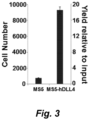
- hematopoietic cytokines and a Notch ligand results in cultures that are highly enriched for CLEC9A+ dendritic cells (DC).
- DC CLEC9A+ dendritic cells
- Bone marrow aspirates were obtained from healthy donors. Mononuclear cells were isolated by density centrifugation on Ficoll-Paque (GE Healthcare) per the manufacturer's protocol. CD34 + HSPCs were magnetically isolated using the CD34 Ultrapure Kit and a MACS LS column (Miltenyi) per the manufacturer's protocol.
- Full-length human DLL4 was cloned from a universal human RNA preparation (Agilent) by RT-PCR and ligated into pCCL-c-MNDU3-x-IRES-GFP at the EcoR1 site.
- Lentiviral supernatant was prepared by co-transfection of 293T cells with the DLL4 vector, pCMV- ⁇ R8.9, and pCAGGS-VSV-G using TransIT 293T (Mirus).
- Supernatants were harvested at 48h and concentrated using an Amicon 100K filter (Millipore). Concentrated supernatant was used to infect MS5 murine bone marrow stromal cells. GFP hi cells were sorted at 72h (MS5-hDLL4, hereafter).
- MS5-hDLL4 cells were plated at 8-9 ⁇ 10 3 cells per well of a 96-well plate the day before HSPC co-culture.
- supernatant was aspirated from MS5-hDLL4 cells, and purified HSPCs were added at 5 ⁇ 10 3 cells per well in 200 ⁇ l MEM-alpha with Glutamax (Life Technologies) supplemented with 20% fetal calf serum (HyClone), recombinant human SCF (5 ng/ml), FLT3L (5 ng/ml), and either IL-3 (5 ng/ml) or GM-CSF (10 ng/ml) (all from Peprotech).
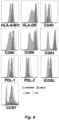
- Cells were incubated at 37°C/5% CO 2 for 15 days, during which half the media volume was replaced every 3-4 days with fresh media containing a 2X concentration of cytokines. At day 15, cells were harvested by pipetting, and analyzed by flow cytometry using the following antibody clones: CD45 (HI30), CLEC9A (8F9), CD141 (M80), CD14 (M5E2).
- CLEC9A + DC were defined as CD45 + CD14 - CD141 + CLEC9A + .
- Proietto AI Mittag D, Roberts AW, Sprigg N, Wu L.
- the equivalents of human blood and spleen dendritic cell subtypes can be generated in vitro from human CD34(+) stem cells in the presence of fms-like tyrosine kinase 3 ligand and thrombopoietin. Cell Mollmmunol. 2012 Nov;9(6 ):446-54. PMID: 23085949 .
- StemRegenin 1 promotes human plasmacytoid and myeloid dendritic cell development from CD34 hematopoietic progenitor cells.
Landscapes
- Health & Medical Sciences (AREA)
- Life Sciences & Earth Sciences (AREA)
- General Health & Medical Sciences (AREA)
- Epidemiology (AREA)
- Animal Behavior & Ethology (AREA)
- Public Health (AREA)
- Veterinary Medicine (AREA)
- Chemical & Material Sciences (AREA)
- Immunology (AREA)
- Engineering & Computer Science (AREA)
- Microbiology (AREA)
- Biomedical Technology (AREA)
- Oncology (AREA)
- Pharmacology & Pharmacy (AREA)
- Mycology (AREA)
- Medicinal Chemistry (AREA)
- Genetics & Genomics (AREA)
- Cell Biology (AREA)
- Wood Science & Technology (AREA)
- Organic Chemistry (AREA)
- Zoology (AREA)
- Bioinformatics & Cheminformatics (AREA)
- Biotechnology (AREA)
- Biochemistry (AREA)
- General Engineering & Computer Science (AREA)
- Hematology (AREA)
- Developmental Biology & Embryology (AREA)
- Molecular Biology (AREA)
- Medicines Containing Material From Animals Or Micro-Organisms (AREA)
- Micro-Organisms Or Cultivation Processes Thereof (AREA)
- Medicines That Contain Protein Lipid Enzymes And Other Medicines (AREA)
- Gynecology & Obstetrics (AREA)
- Pregnancy & Childbirth (AREA)
- Reproductive Health (AREA)
- Dermatology (AREA)
- Inorganic Chemistry (AREA)
- Vascular Medicine (AREA)
Claims (13)
- Verfahren zum Herstellen einer Zellpopulation, die mit CLEC9A+ dendritischen Zellen angereichert ist, wobei das Verfahren das Kultivieren von Stammzellen und/oder Vorläuferzellen in einer Zellkultur umfasst, die umfasst:Kulturmedium, umfassend einen oder mehrere von Stammzellfaktor (SCF), FLT3-Ligand (FLT3L), Thrombopoietin (TPO), IL-3 und GM-CSF; undStromazellen, die eine Nukleinsäure umfassen, die für einen Notch-Liganden kodiert und diesen exprimiert.
- Verfahren nach Anspruch 1, wobei die Zellkultur SCF, FLT3L und IL-3 oder GM-CSF umfasst.
- Verfahren nach Anspruch 1, wobei der Notch-Ligand einen kanonischen Notch-Liganden oder ein Fragment davon umfasst, ausgewählt aus der Gruppe bestehend aus Delta-ähnlichem Ligand 1 (DLL1), Delta-ähnlichem Ligand 4 (DLL4), Jagged 1 (JAG1), Jagged 2 (JAG2), Delta-ähnlichem Ligand 3 (DLL3) und X-Delta 2.
- Verfahren nach Anspruch 2, wobei der Notch-Ligand DLL1 oder ein Fragment davon ist.
- Verfahren nach Anspruch 1, wobei der Notch-Ligand einen nicht-kanonischen Notch-Liganden umfasst, der aus der Gruppe ausgewählt ist, die aus Contactin-1, NOV/CCN3, Contactin-6, Periostin/OSF-2, DLK2/EGFL9, Pref-1/DLK1/FA1, DNER, Thrombospondin-2, MAGP-1/MFAP2, Thrombospondin-3, MAGP-2/MFAPS, Thrombospondin-4 und Netrin-1 besteht.
- Verfahren nach Anspruch 1, wobei die Stammzellen und/oder Vorläuferzellen hämatopoetische Stammzellen und/oder Vorläuferzellen (HSPCs) umfassen, wobei die Zellen für CD34+ Zellen angereichert sind.
- Verfahren nach Anspruch 1, wobei die Zellen aus Knochenmark, Nabelschnur, peripherem Blut oder mobilisiertem peripherem Blut gewonnen werden.
- Verfahren nach Anspruch 1, wobei die Stromazellen menschliche oder murine Stromazellen umfassen.
- Verfahren nach Anspruch 1, wobei die Stromazellen Stammzellen umfassen und optional:(a) die Stammzellen mesenchymale Stammzellen (MSCs) sind; oder(b) die Stromazellen induzierte pluripotente Zellen (IPSCs) oder Derivate von IPSCs oder menschliche embryonale Stammzellen umfassen.
- Verfahren nach Anspruch 1, wobei das Medium mit L-Alanyl-L-Glutamin-Dipeptid ergänzt ist.
- Verfahren nach Anspruch 1, wobei die Kultur umfasst:MEM-Medium mit L-Alanyl-L-Glutamin-Dipeptid (z. B. Glutamax);fötales Kälberserum oder menschliches AB-Serum;rekombinanten SCF;rekombinanten FLT3L; undIL-3 oder GM-CSF,wobei die Kultur optional umfasst:etwa 5 % menschliches AB-Serum oder etwa 20 % fötales Kälberserum;etwa 5 ng/ml SCF;etwa 5 ng/ml FLT3L; undetwa 5 ng/ml IL-3 oder etwa 10 ng/ml GM-CSF.
- Verfahren zum Herstellen eines Impfstoffs aus dendritischen Zellen für ein Subjekt, wobei das Verfahren umfasst:Herstellen einer Zellpopulation, die mit CLEC9A+ dendritischen Zellen angereichert ist, unter Verwendung des Verfahrens nach Anspruch 1; undPulsieren und/oder Beladen der dendritischen Zellen mit einem Tumorzellantigen und/oder einem Tumorzelllysat oder einem Tumorzellpräparat, wobei das Verfahren optional umfasst:(a) Bereitstellen eines TLR3-Agonisten und/oder eines TLR8-Agonisten an die dendritischen Zellen; und/oder(b) Pulsieren und/oder Beladen der dendritischen Zellen mit einem Tumorzellantigen, Tumorzellneoantigen oder mit einem Lysat oder einem Tumorzellpräparat.
- Verfahren nach Anspruch 1, wobei die Zellpopulation wenigstens 25 % der CD45+ Zellen in der Kultur ohne Zellsortierung oder auf Immunaffinität basierende Reinigung umfasst; und/oder zum Kreuzpräsentieren des Antigens ohne Hilfsmittel und/oder ohne Reifung fähig sind.
Applications Claiming Priority (2)
| Application Number | Priority Date | Filing Date | Title |
|---|---|---|---|
| US201562164368P | 2015-05-20 | 2015-05-20 | |
| PCT/US2016/033339 WO2016187459A1 (en) | 2015-05-20 | 2016-05-19 | Method for generating human dendritic cells for immunotherapy |
Publications (3)
| Publication Number | Publication Date |
|---|---|
| EP3298131A1 EP3298131A1 (de) | 2018-03-28 |
| EP3298131A4 EP3298131A4 (de) | 2018-10-31 |
| EP3298131B1 true EP3298131B1 (de) | 2023-04-26 |
Family
ID=57320825
Family Applications (1)
| Application Number | Title | Priority Date | Filing Date |
|---|---|---|---|
| EP16797322.1A Active EP3298131B1 (de) | 2015-05-20 | 2016-05-19 | Verfahren zur erzeugung menschlicher dendritischer zellen zur immuntherapie |
Country Status (4)
| Country | Link |
|---|---|
| US (2) | US11680244B2 (de) |
| EP (1) | EP3298131B1 (de) |
| ES (1) | ES2952603T3 (de) |
| WO (1) | WO2016187459A1 (de) |
Families Citing this family (17)
| Publication number | Priority date | Publication date | Assignee | Title |
|---|---|---|---|---|
| MX2018005274A (es) | 2015-10-30 | 2019-09-19 | The Regents Of The Universtiy Of California | Metodos para la generacion de celulas-t a partir de celulas madre y metodos inmunoterapeuticos que utilizan las celulas-t. |
| WO2017177207A1 (en) * | 2016-04-07 | 2017-10-12 | Bostongene, Llc | Construction and methods of use of a therapeutic cancer vaccine library comprising fusion-specific vaccines |
| BR112020002706A2 (pt) | 2017-08-09 | 2020-08-25 | Orionis Biosciences Inc. | agentes de ligação a clec9a e uso dos mesmos |
| EP3743510A1 (de) | 2018-01-28 | 2020-12-02 | Universite De Geneve | Arginase-unterdrückung für die krebsbehandlung |
| WO2019157597A1 (en) | 2018-02-14 | 2019-08-22 | Sunnybrook Research Institute | Method for generating cells of the t cell lineage |
| WO2019217294A1 (en) | 2018-05-06 | 2019-11-14 | Emendobio Inc. | Differential knockout of an allele of a heterozygous elane gene |
| US20200063104A1 (en) * | 2018-08-22 | 2020-02-27 | Wisconsin Alumni Research Foundation | Expansion of hpsc-derived granulocytic and lymphoid progenitors with um171 |
| CA3118892A1 (en) | 2018-11-08 | 2020-05-14 | Orionis Biosciences, Inc. | Modulation of dendritic cell lineages |
| US12351614B2 (en) | 2019-03-28 | 2025-07-08 | Orionis Biosciences, Inc. | CLEC9A-based chimeric protein complexes |
| US20220387515A1 (en) * | 2019-11-06 | 2022-12-08 | Emendobio Inc. | Differential knockout of an allele of a heterozygous elane gene using guides 21-30 nucleotides in length |
| US12258599B2 (en) | 2019-11-06 | 2025-03-25 | Emendobio Inc. | Method to inactivate a mutant allele of an ELANE gene |
| US12435334B2 (en) | 2019-11-06 | 2025-10-07 | Emendobio Inc. | Differential knockout of an allele of a heterozygous ELANE gene-II |
| CN111849913B (zh) * | 2020-07-31 | 2021-05-25 | 南京北恒生物科技有限公司 | 工程化免疫细胞及其用途 |
| JP2025529895A (ja) * | 2022-08-24 | 2025-09-09 | モンテフィオーレ メディカル センター | 血小板減少症および急性放射線症候群のためのFlt3リガンド二官能性分子 |
| CN116350761B (zh) * | 2023-04-17 | 2023-11-03 | 深圳技术大学 | 一种新型抗肺癌树突状细胞疫苗及其构建方法 |
| CN116458494B (zh) * | 2023-04-21 | 2024-11-05 | 北京景达生物科技有限公司 | 一种高纯度nk细胞库构建方法 |
| CN119331815A (zh) * | 2024-10-14 | 2025-01-21 | 苏州尔生生物医药有限公司 | 一种抗原特异性t细胞及其制备方法和应用 |
Family Cites Families (28)
| Publication number | Priority date | Publication date | Assignee | Title |
|---|---|---|---|---|
| US5389640A (en) | 1991-03-01 | 1995-02-14 | Minnesota Mining And Manufacturing Company | 1-substituted, 2-substituted 1H-imidazo[4,5-c]quinolin-4-amines |
| AU5734998A (en) | 1997-01-10 | 1998-08-03 | Life Technologies, Inc. | Embryonic stem cell serum replacement |
| UA67760C2 (uk) | 1997-12-11 | 2004-07-15 | Міннесота Майнінг Енд Мануфакчурінг Компані | Імідазонафтиридин та тетрагідроімідазонафтиридин, фармацевтична композиція, спосіб індукування біосинтезу цитокінів та спосіб лікування вірусної інфекції, проміжні сполуки |
| US6110929A (en) | 1998-07-28 | 2000-08-29 | 3M Innovative Properties Company | Oxazolo, thiazolo and selenazolo [4,5-c]-quinolin-4-amines and analogs thereof |
| US6451810B1 (en) | 1999-06-10 | 2002-09-17 | 3M Innovative Properties Company | Amide substituted imidazoquinolines |
| US6541485B1 (en) | 1999-06-10 | 2003-04-01 | 3M Innovative Properties Company | Urea substituted imidazoquinolines |
| US6331539B1 (en) | 1999-06-10 | 2001-12-18 | 3M Innovative Properties Company | Sulfonamide and sulfamide substituted imidazoquinolines |
| CN1423523A (zh) | 1999-11-17 | 2003-06-11 | 罗切斯特大学 | 来自人体内的免疫系统 |
| EP1259592A1 (de) | 2000-01-11 | 2002-11-27 | Maxygen, Inc. | Monozyten abgeleitete dendritische zellen untegruppen |
| US7575925B2 (en) | 2002-12-10 | 2009-08-18 | Sunnybrook Health Sciences Centre | Cell preparations comprising cells of the T cell lineage and methods of making and using them |
| US7485432B2 (en) | 2003-02-27 | 2009-02-03 | 3M Innovative Properties Company | Selective modulation of TLR-mediated biological activity |
| US7795404B1 (en) | 2003-08-08 | 2010-09-14 | Five Prime Therapeutics, Inc. | Human soluble notch receptor ligands |
| WO2005070120A2 (en) | 2004-01-09 | 2005-08-04 | Serologicals Investment Company, Inc. | Cell culture media |
| WO2007027226A2 (en) | 2005-04-28 | 2007-03-08 | Board Of Regents, The University Of Texas System | Systems and methods for the production of differentiated cells |
| EP2650366B1 (de) | 2005-10-18 | 2017-03-22 | Precision Biosciences | Rational konstruierte Meganukleasen mit veränderter Sequenzspezifität und DNA-Bindungsaffinität |
| EP1815863A1 (de) | 2006-02-03 | 2007-08-08 | Nederlandse Organisatie voor toegepast-natuurwetenschappelijk Onderzoek TNO | Verwendung von TLR3-Agonisten zur Behandlung von neurodegenerativen Krankheiten |
| US8377886B2 (en) | 2007-09-14 | 2013-02-19 | Albert Einstein College Of Medicine Of Yeshiva University | Use of gamma secretase inhibitors and notch pathway inhibitors for treatment and prevention of renal disease |
| US10350243B2 (en) | 2008-01-30 | 2019-07-16 | Memorial Sloan-Kettering Cancer Center | Methods for off-the-shelf-tumor immunotherapy using allogeneic T-cell precursors |
| WO2009097140A1 (en) | 2008-01-30 | 2009-08-06 | Memorial Sloan-Kettering Cancer Center | Methods for off -the -shelf tumor immunotherapy using allogeneic t-cell precursors |
| CA2736851A1 (en) | 2008-09-11 | 2010-03-18 | Lung-Ji Chang | System and method for producing t cells |
| CN102272153B (zh) | 2008-11-24 | 2015-04-15 | 德国慕尼黑亥姆霍兹研究中心健康和环境有限公司 | 高亲和力t细胞受体及其应用 |
| CN102388130B (zh) * | 2009-02-27 | 2014-08-27 | 细胞动力国际有限公司 | 多能细胞的分化 |
| DK2539441T3 (en) | 2010-02-22 | 2017-01-09 | Univ Pierre Et Marie Curie Paris 6 | Cell culture medium for the growth and differentiation of cells of hematopoietic lineage |
| GB201006768D0 (en) | 2010-04-22 | 2010-06-09 | Cancer Rec Tech Ltd | Method for obtaining dendritic cells |
| WO2012027017A2 (en) | 2010-06-25 | 2012-03-01 | Idera Pharmaceuticals, Inc. | Novel agonists of toll-like receptor 3 and methods of their use |
| WO2014039044A1 (en) | 2012-09-06 | 2014-03-13 | The United States Of America, As Represented By The Secretary, Department Of Health And Human Services | Methods of producing t memory stem cell populations |
| EP3763810A3 (de) | 2012-10-10 | 2021-07-14 | Sangamo Therapeutics, Inc. | T-zell-modifizierende verbindungen und verwendungen davon |
| HK1220111A1 (zh) | 2013-03-05 | 2017-04-28 | Baylor College Of Medicine | 人类t淋巴细胞中类肝素酶的表达 |
-
2016
- 2016-05-19 EP EP16797322.1A patent/EP3298131B1/de active Active
- 2016-05-19 ES ES16797322T patent/ES2952603T3/es active Active
- 2016-05-19 US US15/575,073 patent/US11680244B2/en active Active
- 2016-05-19 WO PCT/US2016/033339 patent/WO2016187459A1/en not_active Ceased
-
2023
- 2023-05-08 US US18/313,852 patent/US20240002799A1/en active Pending
Also Published As
| Publication number | Publication date |
|---|---|
| ES2952603T3 (es) | 2023-11-02 |
| US20180155688A1 (en) | 2018-06-07 |
| EP3298131A1 (de) | 2018-03-28 |
| US11680244B2 (en) | 2023-06-20 |
| EP3298131A4 (de) | 2018-10-31 |
| US20240002799A1 (en) | 2024-01-04 |
| WO2016187459A1 (en) | 2016-11-24 |
Similar Documents
| Publication | Publication Date | Title |
|---|---|---|
| US20240002799A1 (en) | Method for generating human dendritic cells for immunotherapy | |
| Li et al. | Immunotherapy for patients with acute myeloid leukemia using autologous dendritic cells generated from leukemic blasts | |
| EP3768330B1 (de) | Verfahren zur erhöhung der persistenz von adoptiv infundierten t-zellen | |
| US9789174B2 (en) | Method for proliferation of antigen-specific T cells | |
| JP5816627B2 (ja) | 抗原特異的t細胞の増殖のための方法 | |
| Dufait et al. | Ex vivo generation of myeloid-derived suppressor cells that model the tumor immunosuppressive environment in colorectal cancer | |
| EP2459707B1 (de) | Zusammensetzungen und verfahren zur herstellung alloreaktiver zytotoxischer t-zellen | |
| Satthaporn et al. | Dendritic cells (II): Role and therapeutic implications in cancer. | |
| US20220175899A1 (en) | Cytotoxic t lymphocytes specific for mutated forms of epidermal growth factor receptor for use in treating cancer | |
| JP2008521406A (ja) | 養子免疫療法のためのil−21の使用法および腫瘍抗原の同定法 | |
| Tsai et al. | In vitro immunization and expansion of antigen-specific cytotoxic T lymphocytes for adoptive immunotherapy using peptide-pulsed dendritic cells | |
| Kumar et al. | Umbilical cord blood-derived CD11c+ dendritic cells could serve as an alternative allogeneic source of dendritic cells for cancer immunotherapy | |
| JP2024507472A (ja) | 多能性幹細胞から造血性内皮細胞を生産する方法 | |
| Wolf et al. | Regulatory perspective on in vitro potency assays for human dendritic cells used in anti-tumor immunotherapy | |
| CA2476143A1 (en) | Method for inducing cytotoxic t lymphocyte | |
| Tokunaga et al. | Human monocyte-derived dendritic cells pulsed with wild-type p53 protein efficiently induce CTLs against p53 overexpressing human cancer cells | |
| Abdel-Wahab et al. | Cotransfection of DC with TLR4 and MART-1 RNA induces MART-1-specific responses | |
| Cereda et al. | Maturation of human dendritic cells with Saccharomyces cerevisiae (yeast) reduces the number and function of regulatory T cells and enhances the ratio of antigen-specific effectors to regulatory T cells | |
| Wang et al. | Effect of dendritic cell vaccine against a tongue squamous cell cancer cell line (Tca8113) in vivo and in vitro | |
| Imura et al. | Induction of cytotoxic T lymphocytes against human cancer cell lines using dendritic cell-tumor cell hybrids generated by a newly developed electrofusion technique | |
| EP2825634A1 (de) | Immunstimulierende aktivierte zellzusammensetzung und verwendungen davon | |
| Lee et al. | Induction of 90K-specific cytotoxic T lymphocytes for colon cancer immunotherapy | |
| Cueto et al. | The Flt3L/Flt3 Axis in Dendritic Cell Biology and Cancer Immunotherapy. Cancers 2021, 13, 1525 | |
| Selvan et al. | Lack of evidence for MHC-unrestricted (atypical) recognition of mucin by mucinous pancreatic tumour-reactive T-cells | |
| WO2023249071A1 (ja) | T細胞受容体 |
Legal Events
| Date | Code | Title | Description |
|---|---|---|---|
| STAA | Information on the status of an ep patent application or granted ep patent |
Free format text: STATUS: THE INTERNATIONAL PUBLICATION HAS BEEN MADE |
|
| PUAI | Public reference made under article 153(3) epc to a published international application that has entered the european phase |
Free format text: ORIGINAL CODE: 0009012 |
|
| STAA | Information on the status of an ep patent application or granted ep patent |
Free format text: STATUS: REQUEST FOR EXAMINATION WAS MADE |
|
| 17P | Request for examination filed |
Effective date: 20171215 |
|
| AK | Designated contracting states |
Kind code of ref document: A1 Designated state(s): AL AT BE BG CH CY CZ DE DK EE ES FI FR GB GR HR HU IE IS IT LI LT LU LV MC MK MT NL NO PL PT RO RS SE SI SK SM TR |
|
| AX | Request for extension of the european patent |
Extension state: BA ME |
|
| DAV | Request for validation of the european patent (deleted) | ||
| DAX | Request for extension of the european patent (deleted) | ||
| A4 | Supplementary search report drawn up and despatched |
Effective date: 20180928 |
|
| RIC1 | Information provided on ipc code assigned before grant |
Ipc: C12N 5/0784 20100101AFI20180924BHEP |
|
| STAA | Information on the status of an ep patent application or granted ep patent |
Free format text: STATUS: EXAMINATION IS IN PROGRESS |
|
| 17Q | First examination report despatched |
Effective date: 20190918 |
|
| GRAP | Despatch of communication of intention to grant a patent |
Free format text: ORIGINAL CODE: EPIDOSNIGR1 |
|
| STAA | Information on the status of an ep patent application or granted ep patent |
Free format text: STATUS: GRANT OF PATENT IS INTENDED |
|
| INTG | Intention to grant announced |
Effective date: 20221221 |
|
| GRAS | Grant fee paid |
Free format text: ORIGINAL CODE: EPIDOSNIGR3 |
|
| GRAA | (expected) grant |
Free format text: ORIGINAL CODE: 0009210 |
|
| STAA | Information on the status of an ep patent application or granted ep patent |
Free format text: STATUS: THE PATENT HAS BEEN GRANTED |
|
| AK | Designated contracting states |
Kind code of ref document: B1 Designated state(s): AL AT BE BG CH CY CZ DE DK EE ES FI FR GB GR HR HU IE IS IT LI LT LU LV MC MK MT NL NO PL PT RO RS SE SI SK SM TR |
|
| REG | Reference to a national code |
Ref country code: GB Ref legal event code: FG4D |
|
| REG | Reference to a national code |
Ref country code: CH Ref legal event code: EP |
|
| REG | Reference to a national code |
Ref country code: DE Ref legal event code: R096 Ref document number: 602016079064 Country of ref document: DE |
|
| REG | Reference to a national code |
Ref country code: AT Ref legal event code: REF Ref document number: 1562844 Country of ref document: AT Kind code of ref document: T Effective date: 20230515 |
|
| REG | Reference to a national code |
Ref country code: IE Ref legal event code: FG4D |
|
| P01 | Opt-out of the competence of the unified patent court (upc) registered |
Effective date: 20230519 |
|
| REG | Reference to a national code |
Ref country code: LT Ref legal event code: MG9D |
|
| REG | Reference to a national code |
Ref country code: NL Ref legal event code: MP Effective date: 20230426 |
|
| REG | Reference to a national code |
Ref country code: AT Ref legal event code: MK05 Ref document number: 1562844 Country of ref document: AT Kind code of ref document: T Effective date: 20230426 |
|
| PG25 | Lapsed in a contracting state [announced via postgrant information from national office to epo] |
Ref country code: NL Free format text: LAPSE BECAUSE OF FAILURE TO SUBMIT A TRANSLATION OF THE DESCRIPTION OR TO PAY THE FEE WITHIN THE PRESCRIBED TIME-LIMIT Effective date: 20230426 |
|
| PG25 | Lapsed in a contracting state [announced via postgrant information from national office to epo] |
Ref country code: SE Free format text: LAPSE BECAUSE OF FAILURE TO SUBMIT A TRANSLATION OF THE DESCRIPTION OR TO PAY THE FEE WITHIN THE PRESCRIBED TIME-LIMIT Effective date: 20230426 Ref country code: PT Free format text: LAPSE BECAUSE OF FAILURE TO SUBMIT A TRANSLATION OF THE DESCRIPTION OR TO PAY THE FEE WITHIN THE PRESCRIBED TIME-LIMIT Effective date: 20230828 Ref country code: NO Free format text: LAPSE BECAUSE OF FAILURE TO SUBMIT A TRANSLATION OF THE DESCRIPTION OR TO PAY THE FEE WITHIN THE PRESCRIBED TIME-LIMIT Effective date: 20230726 Ref country code: AT Free format text: LAPSE BECAUSE OF FAILURE TO SUBMIT A TRANSLATION OF THE DESCRIPTION OR TO PAY THE FEE WITHIN THE PRESCRIBED TIME-LIMIT Effective date: 20230426 |
|
| REG | Reference to a national code |
Ref country code: ES Ref legal event code: FG2A Ref document number: 2952603 Country of ref document: ES Kind code of ref document: T3 Effective date: 20231102 |
|
| PG25 | Lapsed in a contracting state [announced via postgrant information from national office to epo] |
Ref country code: RS Free format text: LAPSE BECAUSE OF FAILURE TO SUBMIT A TRANSLATION OF THE DESCRIPTION OR TO PAY THE FEE WITHIN THE PRESCRIBED TIME-LIMIT Effective date: 20230426 Ref country code: PL Free format text: LAPSE BECAUSE OF FAILURE TO SUBMIT A TRANSLATION OF THE DESCRIPTION OR TO PAY THE FEE WITHIN THE PRESCRIBED TIME-LIMIT Effective date: 20230426 Ref country code: LV Free format text: LAPSE BECAUSE OF FAILURE TO SUBMIT A TRANSLATION OF THE DESCRIPTION OR TO PAY THE FEE WITHIN THE PRESCRIBED TIME-LIMIT Effective date: 20230426 Ref country code: LT Free format text: LAPSE BECAUSE OF FAILURE TO SUBMIT A TRANSLATION OF THE DESCRIPTION OR TO PAY THE FEE WITHIN THE PRESCRIBED TIME-LIMIT Effective date: 20230426 Ref country code: IS Free format text: LAPSE BECAUSE OF FAILURE TO SUBMIT A TRANSLATION OF THE DESCRIPTION OR TO PAY THE FEE WITHIN THE PRESCRIBED TIME-LIMIT Effective date: 20230826 Ref country code: HR Free format text: LAPSE BECAUSE OF FAILURE TO SUBMIT A TRANSLATION OF THE DESCRIPTION OR TO PAY THE FEE WITHIN THE PRESCRIBED TIME-LIMIT Effective date: 20230426 Ref country code: GR Free format text: LAPSE BECAUSE OF FAILURE TO SUBMIT A TRANSLATION OF THE DESCRIPTION OR TO PAY THE FEE WITHIN THE PRESCRIBED TIME-LIMIT Effective date: 20230727 |
|
| PG25 | Lapsed in a contracting state [announced via postgrant information from national office to epo] |
Ref country code: FI Free format text: LAPSE BECAUSE OF FAILURE TO SUBMIT A TRANSLATION OF THE DESCRIPTION OR TO PAY THE FEE WITHIN THE PRESCRIBED TIME-LIMIT Effective date: 20230426 |
|
| PG25 | Lapsed in a contracting state [announced via postgrant information from national office to epo] |
Ref country code: SK Free format text: LAPSE BECAUSE OF FAILURE TO SUBMIT A TRANSLATION OF THE DESCRIPTION OR TO PAY THE FEE WITHIN THE PRESCRIBED TIME-LIMIT Effective date: 20230426 |
|
| PG25 | Lapsed in a contracting state [announced via postgrant information from national office to epo] |
Ref country code: MC Free format text: LAPSE BECAUSE OF FAILURE TO SUBMIT A TRANSLATION OF THE DESCRIPTION OR TO PAY THE FEE WITHIN THE PRESCRIBED TIME-LIMIT Effective date: 20230426 |
|
| REG | Reference to a national code |
Ref country code: DE Ref legal event code: R097 Ref document number: 602016079064 Country of ref document: DE |
|
| REG | Reference to a national code |
Ref country code: BE Ref legal event code: MM Effective date: 20230531 |
|
| PG25 | Lapsed in a contracting state [announced via postgrant information from national office to epo] |
Ref country code: SM Free format text: LAPSE BECAUSE OF FAILURE TO SUBMIT A TRANSLATION OF THE DESCRIPTION OR TO PAY THE FEE WITHIN THE PRESCRIBED TIME-LIMIT Effective date: 20230426 Ref country code: SK Free format text: LAPSE BECAUSE OF FAILURE TO SUBMIT A TRANSLATION OF THE DESCRIPTION OR TO PAY THE FEE WITHIN THE PRESCRIBED TIME-LIMIT Effective date: 20230426 Ref country code: RO Free format text: LAPSE BECAUSE OF FAILURE TO SUBMIT A TRANSLATION OF THE DESCRIPTION OR TO PAY THE FEE WITHIN THE PRESCRIBED TIME-LIMIT Effective date: 20230426 Ref country code: MC Free format text: LAPSE BECAUSE OF FAILURE TO SUBMIT A TRANSLATION OF THE DESCRIPTION OR TO PAY THE FEE WITHIN THE PRESCRIBED TIME-LIMIT Effective date: 20230426 Ref country code: LU Free format text: LAPSE BECAUSE OF NON-PAYMENT OF DUE FEES Effective date: 20230519 Ref country code: EE Free format text: LAPSE BECAUSE OF FAILURE TO SUBMIT A TRANSLATION OF THE DESCRIPTION OR TO PAY THE FEE WITHIN THE PRESCRIBED TIME-LIMIT Effective date: 20230426 Ref country code: DK Free format text: LAPSE BECAUSE OF FAILURE TO SUBMIT A TRANSLATION OF THE DESCRIPTION OR TO PAY THE FEE WITHIN THE PRESCRIBED TIME-LIMIT Effective date: 20230426 Ref country code: CZ Free format text: LAPSE BECAUSE OF FAILURE TO SUBMIT A TRANSLATION OF THE DESCRIPTION OR TO PAY THE FEE WITHIN THE PRESCRIBED TIME-LIMIT Effective date: 20230426 |
|
| REG | Reference to a national code |
Ref country code: IE Ref legal event code: MM4A |
|
| PLBE | No opposition filed within time limit |
Free format text: ORIGINAL CODE: 0009261 |
|
| STAA | Information on the status of an ep patent application or granted ep patent |
Free format text: STATUS: NO OPPOSITION FILED WITHIN TIME LIMIT |
|
| 26N | No opposition filed |
Effective date: 20240129 |
|
| PG25 | Lapsed in a contracting state [announced via postgrant information from national office to epo] |
Ref country code: IE Free format text: LAPSE BECAUSE OF NON-PAYMENT OF DUE FEES Effective date: 20230519 |
|
| PG25 | Lapsed in a contracting state [announced via postgrant information from national office to epo] |
Ref country code: IE Free format text: LAPSE BECAUSE OF NON-PAYMENT OF DUE FEES Effective date: 20230519 |
|
| PG25 | Lapsed in a contracting state [announced via postgrant information from national office to epo] |
Ref country code: SI Free format text: LAPSE BECAUSE OF FAILURE TO SUBMIT A TRANSLATION OF THE DESCRIPTION OR TO PAY THE FEE WITHIN THE PRESCRIBED TIME-LIMIT Effective date: 20230426 |
|
| PG25 | Lapsed in a contracting state [announced via postgrant information from national office to epo] |
Ref country code: SI Free format text: LAPSE BECAUSE OF FAILURE TO SUBMIT A TRANSLATION OF THE DESCRIPTION OR TO PAY THE FEE WITHIN THE PRESCRIBED TIME-LIMIT Effective date: 20230426 Ref country code: BE Free format text: LAPSE BECAUSE OF NON-PAYMENT OF DUE FEES Effective date: 20230531 |
|
| PG25 | Lapsed in a contracting state [announced via postgrant information from national office to epo] |
Ref country code: BG Free format text: LAPSE BECAUSE OF FAILURE TO SUBMIT A TRANSLATION OF THE DESCRIPTION OR TO PAY THE FEE WITHIN THE PRESCRIBED TIME-LIMIT Effective date: 20230426 |
|
| PG25 | Lapsed in a contracting state [announced via postgrant information from national office to epo] |
Ref country code: BG Free format text: LAPSE BECAUSE OF FAILURE TO SUBMIT A TRANSLATION OF THE DESCRIPTION OR TO PAY THE FEE WITHIN THE PRESCRIBED TIME-LIMIT Effective date: 20230426 |
|
| PGFP | Annual fee paid to national office [announced via postgrant information from national office to epo] |
Ref country code: DE Payment date: 20250529 Year of fee payment: 10 |
|
| PGFP | Annual fee paid to national office [announced via postgrant information from national office to epo] |
Ref country code: GB Payment date: 20250527 Year of fee payment: 10 Ref country code: ES Payment date: 20250602 Year of fee payment: 10 |
|
| PGFP | Annual fee paid to national office [announced via postgrant information from national office to epo] |
Ref country code: IT Payment date: 20250521 Year of fee payment: 10 |
|
| PGFP | Annual fee paid to national office [announced via postgrant information from national office to epo] |
Ref country code: FR Payment date: 20250526 Year of fee payment: 10 |
|
| PGFP | Annual fee paid to national office [announced via postgrant information from national office to epo] |
Ref country code: CH Payment date: 20250601 Year of fee payment: 10 |
|
| PG25 | Lapsed in a contracting state [announced via postgrant information from national office to epo] |
Ref country code: CY Free format text: LAPSE BECAUSE OF FAILURE TO SUBMIT A TRANSLATION OF THE DESCRIPTION OR TO PAY THE FEE WITHIN THE PRESCRIBED TIME-LIMIT; INVALID AB INITIO Effective date: 20160519 |
|
| PG25 | Lapsed in a contracting state [announced via postgrant information from national office to epo] |
Ref country code: HU Free format text: LAPSE BECAUSE OF FAILURE TO SUBMIT A TRANSLATION OF THE DESCRIPTION OR TO PAY THE FEE WITHIN THE PRESCRIBED TIME-LIMIT; INVALID AB INITIO Effective date: 20160519 |
|
| PG25 | Lapsed in a contracting state [announced via postgrant information from national office to epo] |
Ref country code: TR Free format text: LAPSE BECAUSE OF FAILURE TO SUBMIT A TRANSLATION OF THE DESCRIPTION OR TO PAY THE FEE WITHIN THE PRESCRIBED TIME-LIMIT Effective date: 20230426 |