EP3303346B1 - Composés se liant à la tubuline, compositions et utilisations associées - Google Patents
Composés se liant à la tubuline, compositions et utilisations associées Download PDFInfo
- Publication number
- EP3303346B1 EP3303346B1 EP16800699.7A EP16800699A EP3303346B1 EP 3303346 B1 EP3303346 B1 EP 3303346B1 EP 16800699 A EP16800699 A EP 16800699A EP 3303346 B1 EP3303346 B1 EP 3303346B1
- Authority
- EP
- European Patent Office
- Prior art keywords
- cancer
- compound
- melanoma
- compounds
- cell
- Prior art date
- Legal status (The legal status is an assumption and is not a legal conclusion. Google has not performed a legal analysis and makes no representation as to the accuracy of the status listed.)
- Active
Links
- 0 *C1C(*)=C(*)C(*)=C(*)[C@@]1*=C*ICCICCCI Chemical compound *C1C(*)=C(*)C(*)=C(*)[C@@]1*=C*ICCICCCI 0.000 description 2
Images





Classifications
-
- C—CHEMISTRY; METALLURGY
- C07—ORGANIC CHEMISTRY
- C07D—HETEROCYCLIC COMPOUNDS
- C07D495/00—Heterocyclic compounds containing in the condensed system at least one hetero ring having sulfur atoms as the only ring hetero atoms
- C07D495/02—Heterocyclic compounds containing in the condensed system at least one hetero ring having sulfur atoms as the only ring hetero atoms in which the condensed system contains two hetero rings
- C07D495/04—Ortho-condensed systems
-
- A—HUMAN NECESSITIES
- A61—MEDICAL OR VETERINARY SCIENCE; HYGIENE
- A61P—SPECIFIC THERAPEUTIC ACTIVITY OF CHEMICAL COMPOUNDS OR MEDICINAL PREPARATIONS
- A61P35/00—Antineoplastic agents
-
- C—CHEMISTRY; METALLURGY
- C07—ORGANIC CHEMISTRY
- C07D—HETEROCYCLIC COMPOUNDS
- C07D277/00—Heterocyclic compounds containing 1,3-thiazole or hydrogenated 1,3-thiazole rings
- C07D277/60—Heterocyclic compounds containing 1,3-thiazole or hydrogenated 1,3-thiazole rings condensed with carbocyclic rings or ring systems
- C07D277/62—Benzothiazoles
- C07D277/64—Benzothiazoles with only hydrocarbon or substituted hydrocarbon radicals attached in position 2
-
- C—CHEMISTRY; METALLURGY
- C07—ORGANIC CHEMISTRY
- C07D—HETEROCYCLIC COMPOUNDS
- C07D417/00—Heterocyclic compounds containing two or more hetero rings, at least one ring having nitrogen and sulfur atoms as the only ring hetero atoms, not provided for by group C07D415/00
- C07D417/02—Heterocyclic compounds containing two or more hetero rings, at least one ring having nitrogen and sulfur atoms as the only ring hetero atoms, not provided for by group C07D415/00 containing two hetero rings
- C07D417/06—Heterocyclic compounds containing two or more hetero rings, at least one ring having nitrogen and sulfur atoms as the only ring hetero atoms, not provided for by group C07D415/00 containing two hetero rings linked by a carbon chain containing only aliphatic carbon atoms
-
- C—CHEMISTRY; METALLURGY
- C07—ORGANIC CHEMISTRY
- C07D—HETEROCYCLIC COMPOUNDS
- C07D471/00—Heterocyclic compounds containing nitrogen atoms as the only ring hetero atoms in the condensed system, at least one ring being a six-membered ring with one nitrogen atom, not provided for by groups C07D451/00 - C07D463/00
- C07D471/02—Heterocyclic compounds containing nitrogen atoms as the only ring hetero atoms in the condensed system, at least one ring being a six-membered ring with one nitrogen atom, not provided for by groups C07D451/00 - C07D463/00 in which the condensed system contains two hetero rings
- C07D471/04—Ortho-condensed systems
-
- C—CHEMISTRY; METALLURGY
- C07—ORGANIC CHEMISTRY
- C07D—HETEROCYCLIC COMPOUNDS
- C07D487/00—Heterocyclic compounds containing nitrogen atoms as the only ring hetero atoms in the condensed system, not provided for by groups C07D451/00 - C07D477/00
- C07D487/02—Heterocyclic compounds containing nitrogen atoms as the only ring hetero atoms in the condensed system, not provided for by groups C07D451/00 - C07D477/00 in which the condensed system contains two hetero rings
- C07D487/04—Ortho-condensed systems
Definitions
- This disclosure relates to compounds useful in compositions and methods for treating hyperproliferative disorders, including cancers.
- the cell cycle is a set of coordinated events that culminate in the formation of two cells from one mother cell. It is composed of four major phases; G1 (growth phase 1), S (DNA synthesis phase), G2 (growth phase 2) and M (mitosis), which function to integrate environment sensing signaling pathways with cell growth and proliferation.
- G1 growth phase 1
- S DNA synthesis phase
- G2 growth phase 2
- M mitosis
- Cancer cells often deregulate the cell cycle and undergo unscheduled cell divisions. Therefore, inhibition of the the cell cycle represents an opportunity for therapeutic intervention in treating proliferative diseases like cancer.
- Anticancer drugs perturb the proliferation cycle of tumor cells. These drugs are broadly classified into those acting in interphase, such as DNA damaging agents, and those acting in mitosis, so-called antimitotic drugs.
- Antimitotics are a group of natural and synthetic small molecules that function by activating the spindle assembly checkpoint (SAC), which arrests cells in mitosis until proper microtubule-kinetochore attachment occurs.
- SAC spindle assembly checkpoint
- Prolonged mitotic arrest activates an apoptotic response leading to cell death.
- This process occurs through p38, JNK, and CKII kinase mediated phosphorylation of Mcl1, which targets Mcl1 for ubiquitination by the SCF-Fbw7 ubiquitin ligase and proteosome-dependent degradation.(Matson op.
- Mcl1 destruction relieves its inhibiton of Bax and Bak (pro-apoptotic factors), allowing them to bind the mitochondrial outer membrane to induce an apoptotic cell death. (Matson; Wertz; Manchado, op. cit .)
- Microtubule targeting agents including stabilizers (taxanes like paclitaxel (taxol) and epothilones) and destabilizers (vinca alkaloids and colchicine) bind to tubulin and perturb microtubule dynamics by stabilizing or destabilizing microtubules and thereby their ability to align and segregate chromosomes.
- stabilizers taxanes like paclitaxel (taxol) and epothilones
- destabilizers vinca alkaloids and colchicine
- microtubule-targeting agents are some of the most common chemotherapeutic agents used to treat a wide variety of cancers, they show important dose-limiting toxicities, including neutropenia and neurotoxicity, largely a consequence of disturbing microtubule dynamics in neurons.
- Tubulin a target for antineoplastic drugs into the cancer cells but also in the periperal nervous system.
- M-181 An inhibitor of the M-phase of the cell cycle is M-181, which targets tubulin. Characterization experiments revealed inhibition of tubulin polymerization, spindle assembly checkpoint (SAC) activation, mitotic arrest, and induction of apoptosis in cells treated with MI-181.
- SAC spindle assembly checkpoint
- WO 2011/127192 A2 discloses antimetastatic compounds.
- the present disclosure addresses the aforementioned need by providing a novel class of compounds that inhibit cell proliferation.
- these compounds bind to tubulin, to inhibit microtubule polymerization, arrest cells in mitosis, activate the spindle assembly checkpoint, and/or trigger an apoptotic cell death.
- the compounds of this disclosure represent a novel class of compounds that bind ⁇ -tubulin.
- this disclosure provides compounds of Formula I: wherein the variables are as defined herein.
- the compounds are typically selective modulators of the microtubules.
- the compounds as described herein bind to microtubulin.
- the compounds as described herein inhibit microtubule polymerization, arrest cells in mitosis, induce apoptosis, and/or cause cell death.
- Compounds of Formula I can be used to treat the conditions as described herein.
- Another aspect of this disclosure provides compounds of Formula II: wherein the variables are as defined herein.
- the compounds are typically selective modulators of microtubules.
- the compounds as described herein bind to microtubulin.
- the compounds as described herein inhibit microtubule polymerization, arrest cells in mitosis, induce apoptosis, and/or cause cell death.
- Compounds of Formula I can be used to treat the conditions as described herein.
- compositions that comprise the compounds of this disclosure.
- the disclosure also includes the use of the compounds or compositions disclosed herein in the manufacture of a medicament for the treatment of one or more of the conditions described herein.
- myelodysplastic syndrome (MDS) in a subject in need thereof using a compound described herein.
- the myelodysplastic syndrome that may be treated by a compound described herein is selected from, but not limited to, refractory anemia, refractory anemia with ringed sideroblasts, refractory anemia with excess blasts, refractory anemia with excess blasts in transformation, and chronic myelomonocytic leukemia.
- the cancer that may be treated by a compound or composition described herein is selected from, but not limited to, ovarian cancer, cervical cancer, brain cancer, lung cancer, skin cancer, colorectal cancer, esophageal cancer, breast cancer, prostate cancer, leukemia, multiple myeloma, bone cancer, pancreatic cancer, bladder cancer, endometrial cancer, kidney cancer, liver cancer, eye cancer, pituitary cancer, testicular cancer, and stomach cancer.
- the skin cancer that may be treated by a compound described herein is a melanoma.
- the melanoma is selected from, but not limited to, lentigo maligna melanoma, superficial spreading melanoma, acral lentiginous melanoma, mucosal melanoma, nodular melanoma, polypoid melanoma, desmoplastic melanoma, amelanotic melanoma, soft-tissue melanoma, melanoma with small nevus-like cells, melanoma with features of a Spitz nevus, and uveal melanoma.
- the present disclosure provides a compound of Formula I: or a pharmaceutically acceptable salt thereof, wherein:
- L is chosen such that L interposes 2 atoms between the central ring (bearing R 3 ) and ring A, e.g., substituted or unsubstituted ethylene or ethenylene (vinylene).
- the compound of Formula I has a structure of formula IA: wherein X, Y, n, m, A, R 1 , R 2 , R 3 and R 4 are as defined herein.
- each occurrence of R 4 is independently selected from hydrogen or lower alkyl (e.g., methyl or ethyl).
- both occurrences of R 4 are hydrogen.
- A is unsubstituted or substituted (C6-C10)-aryl, such as unsubstituted or substituted phenyl.
- the compound of Formula I has a structure of formula IA-1: wherein the variables are as defined herein.
- a (and/or the phenyl ring bearing R 1 ) is selected from:
- n is 0-3, preferably 0, 1 or 2. In some embodiments, n is 0. In some embodiments, n is 1. In other embodiments, n is 2.
- each occurrence of R 1 when present, is independently selected from: halogen, lower alkyl, haloalkyl, alkoxy, haloalkoxy, and alkylthio. In some embodiments, when present, each occurrence of R 1 is independently selected from: -F, -Br, -Cl, -Me, -Et, -CF 3 , -OMe, -OEt, -OCF 3 , -OCHF 2 , and -SMe. In some embodiments, each occurrence of R 1 is independently selected from: -F, -Me, -CF 3 , -OMe, and -OEt.
- n is 1-3, and at least one R 1 is -F. In some embodiments, n is 1 or 2, and at least one R 1 is -F. In some embodiments, n is 2 and both R 1 are -F.
- the compound has a structure of formula IA-2: wherein the variables are as defined herein.
- n is 1.
- n is 2.
- R 1 is -F.
- R 3 is hydrogen or lower alkyl (such as methyl or ethyl). In some embodiments, R 3 is hydrogen.
- m is 0-3, preferably 0, 1 or 2. In some embodiments, m is 0. In some embodiments, m is 1. In other embodiments, m is 2.
- each occurrence of R 4 is independently hydrogen or lower alkyl (such as methyl or ethyl).
- m is 0; A is phenyl; each occurrence of R 1 is independently selected from: -F, -Me, -CF 3 , -OMe, and -OEt; R 3 is hydrogen; and each occurrence of R 4 is hydrogen.
- the compound of Formula IA is selected from: or a pharmaceutically acceptable salt thereof.
- the compound of Formula IA is selected from Formula 10a and Formula 10b.
- the present disclosure provides a compound of Formula II: or a pharmaceutically acceptable salt thereof, wherein:
- L 2 is a substituted or unsubstituted alkenyl group.
- R 22 and R 25 are both hydrogen.
- Z 2 is S.
- a 2 is pyridyl, such as pyridin-3-yl.
- R 23 and R 24 are both substituted or unsubstituted alkyl.
- m 0.
- the compound of Formula II is MI-181:
- the present disclosure provides a pharmaceutical composition
- a pharmaceutical composition comprising a compound of this disclosure, and a pharmaceutically acceptable carrier, adjuvant or vehicle.
- the present disclosure provides a method for treating cancer in a subject in need thereof, comprising administering to the subject an effective amount of a compound of this disclosure.
- the subject is a mammal, such as a human.
- the present disclosure provides a method of modulating microtubules in a cell, comprising contacting the cell with a compound of this disclosure.
- the compounds of this disclosure are more soluble in aqueous solutions, as compared to paclitaxel. In some embodiments, the compounds of this disclosure have a logS of -8.4319 or higher. In some embodiments, the compounds of this disclosure have a logS selected from -4.0 to -8.5. In some embodiments, the compounds of this disclosure have a logS selected from -5.0 to -6.0.
- the compounds of this disclosure are highly soluble in aqueous saline solutions, such as phosphate buffered saline (PBS).
- PBS phosphate buffered saline
- the compounds of this disclosure can be delivered or administered as a solution or suspension in aqueous saline solutions, without any additional delivery vehicles (such as the Cremophor EL® formulation).
- the compounds of this disclosure can be administered orally.
- the compounds of this disclosure can effectively pass the blood brain barrier when administered, e.g., for treating brain cancers.
- the compounds of this disclosure bind to all tubulin isoforms. In some embodiments, the compounds described herein are effective in treating paclitaxel-resistant cancers that overexpress ⁇ -tubulin isoform 3.
- P-glycoprotein (P-gp) efflux pump (a product of the multidrug resistant gene MDR1) can transport paclitaxel out of the cell, thus rendering it ineffective.
- P-gp overexpressing cancers are resistant to paclitaxel.
- compounds of the disclosure are not substrates of these pumps and thus are effective against cancers that overexpress drug efflux pumps.
- the subject compounds are effective in paclitaxel-resistant cancers that have become resistant to paclitaxel due to mutagenesis of the ⁇ -tubulin taxane-binding site.
- the present disclosure provides a pharmaceutical composition
- a pharmaceutically acceptable carrier comprising a pharmaceutically acceptable carrier and a compound of this disclosure.
- Pharmaceutically acceptable carriers that may be used in these compositions include, but are not limited to, ion exchangers, alumina, aluminum stearate, lecithin, serum proteins, such as human serum albumin, buffer substances such as phosphates, glycine, sorbic acid, potassium sorbate, partial glyceride mixtures of saturated vegetable fatty acids, water, salts or electrolytes, such as protamine sulfate, disodium hydrogen phosphate, potassium hydrogen phosphate, sodium chloride, zinc salts, colloidal silica, magnesium trisilicate, polyvinyl pyrrolidone, cellulose based substances, polyethylene glycol, sodium carboxymethylcellulose, polyacrylates, waxes, polyethylene polyoxypropylene block polymers, polyethylene glycol and wool fat.
- the compounds of this disclosure may be prepared in general by methods known to those skilled in the art. Illustrated herein are general and synthetic routes to the compounds of the present disclosure. Other equivalent routes, which will be readily apparent to the ordinary skilled organic chemist, may alternatively be used to synthesize various portions of the molecules as illustrated herein.
- the present disclosure provides novel compounds of Formulas I, IA, IA-1, IA-2, and II, as well as salts and prodrugs thereof, which, together with the specific microtubule-inhibiting compounds disclosed herein, are the compounds of the disclosure. Accordingly, described herein are all uses of the compounds of the disclosure, including their use in compositions (such as pharmaceutical compositions) and therapeutic methods (e.g., for modulating cell division and other uses disclosed herein), as well as uses in diagnostic assays and as research tools.
- the compounds of the disclosure are useful in modulating microtubules, including destabilizing microtubules and/or inhibiting mitotic spindle formation, for the treatment of various conditions such as all proliferative disorders as mentioned above. Accordingly, the present disclosure provides a method of modulating microtubules' stability and/or mitotic spindle formation, by administering an effective amount of a compound of the disclosure to a cell or subject in need thereof. In a further aspect, the present disclosure provides a method of destabilizing microtubules and/or inhibiting mitotic spindle formation, by administering an effective amount of a compound of the disclosure to a cell or subject in need thereof.
- the present diclosure provides a method for modulating cell division and/or proliferation, comprising administering an effective amount of a compound of the disclosure to a cell or subject in need thereof.
- the present disclosure provides a method of arresting cells during the process of cell division (mitosis), inducing apoptosis, and/or causing cell death, the method comprising administering an effective amount of a compound of the disclosure to a cell or subject in need thereof.
- the method of the disclosure is useful in inhibiting the division and/or proliferation of abnormal but not normal cells.
- Abnormal cells include any type of cell that is causative of or involved in a disease or condition and wherein it is desirable to modulate or inhibit the proliferation of the abnormal cell to treat the disease or condition. Examples of abnormal cells include malignant or cancerous cells as well as cell that over-proliferate in inflammatory conditions.
- the compounds of the disclosure are effective at killing cancer cells while at the same time they do not kill normal cells. These properties make the compounds of the disclosure useful as anti-cancer agents. Accordingly, in some embodiments, the present disclosure provides a method of inhibiting the division and/or proliferation (and in some cases, causing apoptosis) of a cancer cell, comprising administering an effective amount of a compound of the disclosure to a cell or subject in need thereof.
- Cancer cells that can be treated with a compound of the disclosure may be any type of cancer including, but not limited to, hematopoietic malignancies, including leukemias, lymphomas, and myelomas as well as other types of cancer including sarcomas, carcinomas, melanomas, adenomas, nervous system cancers and genitourinary cancers.
- leukemias include acute lymphoblastic leukemia (ALL), acute myelocytic leukemia (AML), acute myelomonocytic leukemia (AMML), chronic myeloid leukemia (CML), chronic lymphocytic leukemia (CLL) and juvenile myelo-monocytic leukemia (JMML).
- the compounds and compositions of this disclosure are useful in treating a cancer selected from, but not limited to, ovarian cancer, cervical cancer, brain cancer, lung cancer, skin cancer, colorectal cancer, esophageal cancer, breast cancer, prostate cancer, leukemia, multiple myeloma, bone cancer, pancreatic cancer, bladder cancer, endometrial cancer, kidney cancer, liver cancer, eye cancer, pituitary cancer, testicular cancer, and stomach cancer.
- a cancer selected from, but not limited to, ovarian cancer, cervical cancer, brain cancer, lung cancer, skin cancer, colorectal cancer, esophageal cancer, breast cancer, prostate cancer, leukemia, multiple myeloma, bone cancer, pancreatic cancer, bladder cancer, endometrial cancer, kidney cancer, liver cancer, eye cancer, pituitary cancer, testicular cancer, and stomach cancer.
- the compounds and the compositions of this disclosure are useful in treating a myelodysplastic syndrome (MDS) in a subject in need thereof, comprising administering an effective amount of a compound or composition of the disclosure to a cell or subject in need thereof.
- MDS myelodysplastic syndrome
- compounds and compositions of Formula I are useful in treating MDS.
- compounds and compositions of Formula II are useful in treating MDS.
- Myelodysplastic syndrome (MDS) refers to a diverse group of hematopoietic stem cell disorders.
- MDS is characterized by a cellular marrow with impaired morphology and maturation (dysmyelopoiesis), peripheral blood cytopenias, and a variable risk of progression to acute leukemia, resulting from ineffective blood cell production.
- the compounds or compositions of this disclosure are useful in treating an MDS that is selected from, but not limited to, refractory anemia, refractory anemia with ringed sideroblasts, refractory anemia with excess blasts, refractory anemia with excess blasts in transformation and chronic myelomonocytic leukemia.
- the compounds of the disclosure are useful in treating other conditions involving aberrant or abnormal cell proliferation.
- compounds and compositions of Formula I are useful in treating conditions involving aberrant or abnormal cell proliferation.
- compounds and compositions of Formula II are useful in treating conditions involving aberrant or abnormal cell proliferation.
- Other cell proliferative disorders include inflammatory diseases, allergies, autoimmune disease, graft rejection psoriasis, restenosis, atherosclerosis, and any other disorder wherein it is desirable to inhibit, prevent, or suppress cell growth.
- Compounds of the disclosure may be tested for their efficacy in a particular cell proliferation disorder using assays and techniques known to those of skill in the art.
- Another aspect of this disclosure provides methods for treating a skin cancer in a subject in need thereof using a compound described herein.
- compounds and compositions of Formula I are useful in treating MDS.
- compounds and compositions of Formula II are useful in treating MDS.
- the skin cancer that may be treated by a compound described herein is a melanoma.
- the melanoma is selected from, but not limited to, lentigo maligna melanoma, superficial spreading melanoma, acral lentiginous melanoma, mucosal melanoma, nodular melanoma, polypoid melanoma, desmoplastic melanoma, amelanotic melanoma, soft-tissue melanoma, melanoma with small nevus-like cells, melanoma with features of a Spitz nevus, and uveal melanoma.
- the compounds of the disclosure are also useful in diagnostic assays, screening assays and as research tools.
- the compounds of the disclosure may be useful in identifying or detecting a cell proliferative disorder.
- the compounds of the disclosure may be radiolabelled (as hereinbefore described) and contacted with a population of cells. The presence of the radiolabel on the cells may indicate a cell proliferative disorder.
- the compounds of the disclosure may be used to identify other compounds that destabilize microtubules, modulate cell division and/or proliferation.
- the compounds may also be radiolabelled.
- the compounds of this disclosure can be used to synthesize additional analogs and derivatives to improve their therapeutic activity (e.g., anticancer activity), including but not limited to improved stability, solubility, potency, specificity, bioavailability, efficacy, and delivery.
- the compounds of this disclosure can be used to synthesize additional analogs and derivatives to decrease their side effects, including but not limited to its toxicity or unwanted metabolites.
- the compounds of the disclosure are formulated into pharmaceutical compositions for administration to subjects (such as human subjects) in a biologically compatible form suitable for administration in vivo.
- the present disclosure provides a pharmaceutical composition comprising a compound of the disclosure in admixture with a suitable diluent or carrier. Such a composition is useful for treating the conditions described herein.
- compositions containing the compounds of the disclosure can be prepared by known methods for the preparation of pharmaceutically acceptable compositions which can be administered to subjects, such that an effective quantity of the active substance is combined in a mixture with a pharmaceutically acceptable vehicle.
- suitable vehicles are described, for example, in Remington's Pharmaceutical Sciences ( Remington's Pharmaceutical Sciences, Mack Publishing Company, Easton, Pa., USA 1985 ).
- the compositions include, albeit not exclusively, solutions of the substances in association with one or more pharmaceutically acceptable vehicles or diluents, and contained in buffered solutions with a suitable pH and iso-osmotic with the physiological fluids.
- the compounds of this disclosure may be used in treating the conditions described herein, in the form of the free base, salts (preferably pharmaceutically acceptable salts), solvates, hydrates, prodrugs, isomers, or mixtures thereof. All forms are within the scope of the disclosure. Acid addition salts may be formed and provide a more convenient form for use; in practice, use of the salt form inherently amounts to use of the base form.
- the acids which can be used to prepare the acid addition salts include preferably those which produce, when combined with the free base, pharmaceutically acceptable salts, that is, salts whose anions are non-toxic to the subject organism in pharmaceutical doses of the salts, so that the beneficial properties inherent in the free base are not vitiated by side effects ascribable to the anions.
- Pharmaceutically acceptable salts within the scope of the disclosure include those derived from the following acids; mineral acids such as hydrochloric acid, sulfuric acid, phosphoric acid and sulfamic acid; and organic acids such as acetic acid, citric acid, lactic acid, tartaric acid, malonic acid, methanesulfonic acid, ethanesulfonic acid, benzenesulfonic acid, p-toluenesulfonic acid, cyclohexylsulfamic acid, quinic acid, and the like.
- the described compounds may be administered to a patient in a variety of forms depending on the selected route of administration, as will be understood by those skilled in the art.
- the compositions of the disclosure may be administered orally or parenterally.
- Parenteral administration includes intravenous, intraperitoneal, subcutaneous, intramuscular, transepithelial, nasal, intrapulmonary, intrathecal, rectal and topical modes of administration. Parenteral administration may be by continuous infusion over a selected period of time.
- compositions suitable for parenteral administration may comprise the compound of the present disclosure in combination with one or more pharmaceutically acceptable sterile isotonic aqueous or non-aqueous solutions, dispersions, suspensions or emulsions, or sterile powders which may be reconstituted into sterile injectable solutions or dispersions just prior to use, which may contain antioxidants, buffers, bacteriostats, solutes which render the formulation isotonic with the blood of the intended recipient or suspending or thickening agents.
- aqueous and non-aqueous carriers examples include water, ethanol, polyols (such as glycerol, propylene glycol, polyethylene glycol, and the like), and suitable mixtures thereof, vegetable oils, such as olive oil, and injectable organic esters, such as ethyl oleate.
- polyols such as glycerol, propylene glycol, polyethylene glycol, and the like
- vegetable oils such as olive oil
- injectable organic esters such as ethyl oleate.
- Proper fluidity can be maintained, for example, by the use of coating materials, such as lecithin, by the maintenance of the required particle size in the case of dispersions, and by the use of surfactants.
- a composition comprising a compound of the present disclosure may also contain adjuvants, such as preservatives, wetting agents, emulsifying agents and dispersing agents. Prevention of the action of microorganisms may be ensured by the inclusion of various antibacterial and antifungal agents, for example, paraben, chlorobutanol, phenol sorbic acid, and the like. It may also be desirable to include isotonic agents, such as sugars, sodium chloride, and the like into the compositions. In addition, prolonged absorption of the injectable pharmaceutical form may be brought about by the inclusion of agents which delay absorption, such as aluminum monostearate and gelatin.
- compositions comprising a compound of the present disclosure can be administered orally, e.g., in the form of capsules, cachets, pills, tablets, lozenges (using a flavored basis, usually sucrose and acacia or tragacanth), powders, granules, or as a solution or a suspension in an aqueous or non-aqueous liquid, or as an oil-in-water or water-in-oil liquid emulsion, or as an elixir or syrup, or as pastilles (using an inert base, such as gelatin and glycerin, or sucrose and acacia) and the like, each containing a predetermined amount of the compound of the present disclosure as an active ingredient.
- inert base such as gelatin and glycerin, or sucrose and acacia
- one or more compositions comprising the compound of the present disclosure may be mixed with one or more pharmaceutically acceptable carriers, such as sodium citrate or dicalcium phosphate, and/or any of the following: (1) fillers or extenders, such as starches, lactose, sucrose, glucose, mannitol, and/or silicic acid; (2) binders, such as, for example, carboxymethylcellulose, alginates, gelatin, polyvinyl pyrrolidone, sucrose, and/or acacia; (3) humectants, such as glycerol; (4) disintegrating agents, such as agar-agar, calcium carbonate, potato or tapioca starch, alginic acid, certain silicates, and sodium carbonate; (5) solution retarding agents, such as paraffin; (6) absorption accelerators, such as quaternary ammonium compounds; (7) wetting
- pharmaceutically acceptable carriers such as sodium citrate or dicalcium phosphate, and/or any of the following: (1) fillers or extenders
- compositions may also comprise buffering agents.
- Solid compositions of a similar type may also be employed as fillers in soft and hard-filled gelatin capsules using such excipients as lactose or milk sugars, as well as high molecular weight polyethylene glycols and the like.
- Liquid dosage forms for oral administration include pharmaceutically acceptable emulsions, microemulsions, solutions, suspensions, syrups, and elixirs.
- the liquid dosage forms may contain inert diluents commonly used in the art, such as water or other solvents, solubilizing agents and emulsifiers, such as ethyl alcohol (ethanol), isopropyl alcohol, ethyl carbonate, ethyl acetate, benzyl alcohol, benzyl benzoate, propylene glycol, 1,3-butylene glycol, oils (in particular, cottonseed, groundnut, corn, germ, olive, castor, and sesame oils), glycerol, tetrahydrofuryl alcohol, polyethylene glycols and fatty acid esters of sorbitan, and mixtures thereof.
- the oral compositions can also include adjuvants such as wetting agents, emulsifying
- Suspensions in addition to the active compounds, salts and/or prodrugs thereof, may contain suspending agents such as ethoxylated isostearyl alcohols, polyoxyethylene sorbitol, and sorbitan esters, microcrystalline cellulose, aluminum metahydroxide, bentonite, agar-agar and tragacanth, and mixtures thereof.
- suspending agents such as ethoxylated isostearyl alcohols, polyoxyethylene sorbitol, and sorbitan esters, microcrystalline cellulose, aluminum metahydroxide, bentonite, agar-agar and tragacanth, and mixtures thereof.
- the pharmaceutical forms suitable for injectable use include sterile aqueous solutions or dispersion and sterile powders for the extemporaneous preparation of sterile injectable solutions or dispersions.
- the compounds of the disclosure may be administered to a subject in need thereof alone or in combination with pharmaceutically acceptable carriers, as noted above, the proportion of which is determined by the solubility and chemical nature of the compound, chosen route of administration and standard pharmaceutical practice.
- the dosage of the compounds and/or compositions of the disclosure can vary depending on many factors such as the pharmacodynamic properties of the compound, the mode of administration, the age, health and weight of the recipient, the nature and extent of the symptoms, the frequency of the treatment and the type of concurrent treatment, if any, and the clearance rate of the compound in the subject to be treated.
- One of skill in the art can determine the appropriate dosage based on the above factors.
- the compounds of the disclosure may be administered initially in a suitable dosage that may be adjusted as required, depending on the clinical response.
- HED human equivalent dose
- HED (mg/kg) mouse dose (mg/kg) x 0.08 may be employed ( see Estimating the Safe Starting Dose in Clinical Trials for Therapeutics in Adult Healthy Volunteers, December 2002, Center for Biologics Evaluation and Research ).
- the compounds of the disclosure can be used alone or conjointly with other therapeutic agents, or in combination with other types of treatment (which may or may not modulate stability of microtubules) for treating cell proliferative disorders.
- these other therapeutically useful agents may be administered in a single formulation, simultaneously or sequentially with the compound of the present disclosure according to the methods of the disclosure.
- the compounds of the disclosure may be used in combination with other therapies and therapeutics to treat leukemia.
- the method of treating or preventing cancer may comprise administering a compound or composition of the disclosure conjointly with one or more other chemotherapeutic agent(s).
- Chemotherapeutic agents that maybe conjointly administered with compounds or compositions of the disclosure include: aminoglutethimide, amsacrine, anastrozole, asparaginase, bcg, bicalutamide, bleomycin, bortezomib, buserelin, busulfan, campothecin, capecitabine, carboplatin, carfilzomib, carmustine, chlorambucil, chloroquine, cisplatin, cladribine, clodronate, colchicine, cyclophosphamide, cyproterone, cytarabine, dacarbazine, dactinomycin, daunorubicin, demethoxyviridin, dichloroacetate, dienestrol, diethyl
- the chemotherapeutic agent conjointly administered with compounds of the disclosure is a taxane chemotherapeutic agent, such as paclitaxel or docetaxel.
- the chemotherapeutic agent conjointly administered with compounds of the disclosure is doxorubicin.
- a compound of the disclosure is administered conjointly with a taxane chemotherapeutic agent (e.g., paclitaxel) and doxorubicin.
- combination therapies have been developed for the treatment of cancer.
- compounds or compositions of the disclosure may be conjointly administered with a combination therapy.
- Examples of combination therapies with which compounds of the disclosure may be conjointly administered are included in Table 1.
- Table 1 Exemplary combinatorial therapies for the treatment of cancer.
- a compound or composition of the disclosure may be conjointly administered with non-chemical methods of cancer treatment.
- a compound or composition of the disclosure may be conjointly administered with radiation therapy.
- a compound or composition of the disclosure may be conjointly administered with surgery, with thermoablation, with focused ultrasound therapy, with cryotherapy, or with any combination of these.
- different compounds of the disclosure may be conjointly administered with one or more other compounds of the disclosure.
- such combinations may be conjointly administered with other therapeutic agents, such as other agents suitable for the treatment of cancer, such as the agents identified above.
- compositions and methods described herein may be adapted and modified as is appropriate for the application being addressed and that the compositions and methods described herein may be employed in other suitable applications, and that such other additions and modifications will not depart from the scope hereof.
- the compounds and compositions of this disclosure can be used as research tools or chemical probes to, for example, understand normal cell or cancer cell biological processes, including but not limited to microtubule dynamics, cell division, cell proliferation, and the types of cells that are resistant or sensitive to the compounds or compositions of this disclosure.
- the disclosure contemplates all uses of the compounds and compositions of the disclosure, including their use in therapeutic methods and compositions for modulating cell division, their use in diagnostic assays and their use as research tools.
- agent is used herein to denote a chemical compound (such as an organic or inorganic compound, a mixture of chemical compounds), a biological macromolecule (such as a nucleic acid, an antibody, including parts thereof as well as humanized, chimeric and human antibodies and monoclonal antibodies, a protein or portion thereof, e.g., a peptide, a lipid, a carbohydrate), or an extract made from biological materials such as bacteria, plants, fungi, or animal (particularly mammalian) cells or tissues.
- Agents include, for example, agents whose structure is known, and those whose structure is not known. The microtubule-stabilizing or -destabilizing activity of such agents may render them suitable as "therapeutic agents" in the methods and compositions of this disclosure.
- a “patient,” “subject,” or “individual” are used interchangeably and refer to either a human or a non-human animal. These terms include mammals, such as humans, primates, livestock animals (including bovines, porcines, etc.), companion animals (e.g., canines, felines, etc.) and rodents (e.g., mice and rats).
- Treating refers to taking steps to obtain beneficial or desired results, including clinical results.
- treatment is an approach for obtaining beneficial or desired results, including clinical results.
- Beneficial or desired clinical results can include, but are not limited to, alleviation or amelioration of one or more symptoms or conditions, diminishment of extent of disease, stabilized (i.e. not worsening) state of disease, preventing spread of disease, delay or slowing of disease progression, amelioration or palliation of the disease state, and remission (whether partial or total), whether detectable or undetectable.
- Treatment can also mean prolonging survival as compared to expected survival if not receiving treatment.
- preventing is art-recognized, and when used in relation to a condition, such as a local recurrence (e.g., pain), a disease such as cancer, a syndrome complex such as heart failure or any other medical condition, is well understood in the art, and includes administration of a composition which reduces the frequency of, or delays the onset of, symptoms of a medical condition in a subject relative to a subject which does not receive the composition.
- a condition such as a local recurrence (e.g., pain)
- a disease such as cancer
- a syndrome complex such as heart failure or any other medical condition
- prevention of cancer includes, for example, reducing the number of detectable cancerous growths in a population of patients receiving a prophylactic treatment relative to an untreated control population, and/or delaying the appearance of detectable cancerous growths in a treated population versus an untreated control population, e.g., by a statistically and/or clinically significant amount.
- administering or “administration of” a substance, a compound or an agent to a subject can be carried out using one of a variety of methods known to those skilled in the art.
- a compound or an agent can be administered, intravenously, arterially, intradermally, intramuscularly, intraperitoneally, subcutaneously, ocularly, sublingually, orally (by ingestion), intranasally (by inhalation), intraspinally, intracerebrally, and transdermally (by absorption, e.g., through a skin duct).
- a compound or agent can also appropriately be introduced by rechargeable or biodegradable polymeric devices or other devices, e.g., patches and pumps, or formulations, which provide for the extended, slow or controlled release of the compound or agent.
- Administering can also be performed, for example, once, a plurality of times, and/or over one or more extended periods.
- a compound or an agent is administered orally, e.g., to a subject by ingestion.
- the orally administered compound or agent is in an extended release or slow release formulation, or administered using a device for such slow or extended release.
- the phrase "conjoint administration” refers to any form of administration of two or more different therapeutic agents such that the second agent is administered while the previously administered therapeutic agent is still effective in the body (e.g., the two agents are simultaneously effective in the patient, which may include synergistic effects of the two agents).
- the different therapeutic compounds can be administered either in the same formulation or in separate formulations, either concomitantly or sequentially.
- an individual who receives such treatment can benefit from a combined effect of different therapeutic agents.
- a “therapeutically effective amount” or a “therapeutically effective dose” of a drug or agent is an amount of a drug or an agent that, when administered to a subject will have the intended therapeutic effect.
- the full therapeutic effect does not necessarily occur by administration of one dose, and may occur only after administration of a series of doses.
- a therapeutically effective amount may be administered in one or more administrations.
- the precise effective amount needed for a subject will depend upon, for example, the subject's size, health and age, and the nature and extent of the condition being treated, such as cancer or MDS. The skilled worker can readily determine the effective amount for a given situation by routine experimentation.
- antimitotic agent(s) or “antimitotic(s)”, as used herein, means a compound (or compounds) that inhibits cell growth by interfering with cell division.
- Antimitotic agents include antimicrotubule agents, mitotic inhibitors, and/or taxanes.
- Docetaxel and paclitaxel are exemplary antimitotic agents.
- Antimitotic agents that interact with tubulin protein are of interest because of their potential uses in the treatment of human neoplastic and inflammatory diseases.
- the compounds as described herein target the microtubules.
- Important dynamics of the microtubule polymers include their growth rate at the plus ends, catastrophic shortening, frequency of transition between the two phases, pause between the two phases, their release from the microtubule organizing center, and treadmilling (Margolis and Wilson, 1981; Mitchison and Kirschner, 1984; Kirschner and Mitchison, 1986; Margolis and Wilson, 1998; Jordan and Wilson, 2004).
- the compounds of this disclosure disrupt the normal microtubule dynamics by acting on (or affecting) one or more of the above aspects of the microtubule dynamics.
- acyl is art-recognized and refers to a group represented by the general formula hydrocarbylC(O)-, preferably alkylC(O)-.
- acylamino is art-recognized and refers to an amino group substituted with an acyl group and may be represented, for example, by the formula hydrocarbylC(O)NH-.
- acyloxy is art-recognized and refers to a group represented by the general formula hydrocarbylC(O)O-, preferably alkylC(O)O-.
- alkoxy refers to an alkyl group having an oxygen attached thereto.
- Representative alkoxy groups include methoxy, ethoxy, propoxy, tert-butoxy and the like.
- alkoxyalkyl refers to an alkyl group substituted with an alkoxy group and may be represented by the general formula alkyl-O-alkyl.
- alkyl refers to saturated aliphatic groups, including straight-chain alkyl groups, branched-chain alkyl groups, cycloalkyl (alicyclic) groups, alkyl-substituted cycloalkyl groups, and cycloalkyl-substituted alkyl groups.
- a straight chain or branched chain alkyl has 30 or fewer carbon atoms in its backbone (e.g., C 1 - 30 for straight chains, C 3 - 30 for branched chains), and more preferably 20 or fewer.
- alkyl as used throughout the specification, examples, and claims is intended to include both unsubstituted and substituted alkyl groups, the latter of which refers to alkyl moieties having substituents replacing a hydrogen on one or more carbons of the hydrocarbon backbone, including haloalkyl groups such as trifluoromethyl and 2,2,2-trifluoroethyl, etc.
- C x-y or "Cx-Cy”, when used in conjunction with a chemical moiety, such as, acyl, acyloxy, alkyl, alkenyl, alkynyl, or alkoxy is meant to include groups that contain from x to y carbons in the chain.
- C 0 alkyl indicates a hydrogen where the group is in a terminal position, a bond if internal.
- a C 1-6 alkyl group for example, contains from one to six carbon atoms in the chain.
- alkylamino refers to an amino group substituted with at least one alkyl group.
- alkylthio refers to a thiol group substituted with an alkyl group and may be represented by the general formula alkylS-.
- amide refers to a group wherein R 9 and R 10 each independently represent a hydrogen or hydrocarbyl group, or R 9 and R 10 taken together with the N atom to which they are attached complete a heterocycle having from 4 to 8 atoms in the ring structure.
- amine and “amino” are art-recognized and refer to both unsubstituted and substituted amines and salts thereof, e.g., a moiety that can be represented by wherein R 9 , R 10 , and R 10' each independently represent a hydrogen or a hydrocarbyl group, or R 9 and R 10 taken together with the N atom to which they are attached complete a heterocycle having from 4 to 8 atoms in the ring structure.
- aminoalkyl refers to an alkyl group substituted with an amino group.
- aralkyl refers to an alkyl group substituted with an aryl group.
- aryl as used herein include substituted or unsubstituted single-ring aromatic groups in which each atom of the ring is carbon.
- the ring is a 5- to 7-membered ring, more preferably a 6-membered ring.
- aryl also includes polycyclic ring systems having two or more cyclic rings in which two or more carbons are common to two adjoining rings wherein at least one of the rings is aromatic, e.g., the other cyclic rings can be cycloalkyls, cycloalkenyls, cycloalkynyls, aryls, heteroaryls, and/or heterocyclyls.
- Aryl groups include benzene, naphthalene, phenanthrene, phenol, aniline, and the like.
- carboxylate is art-recognized and refers to a group wherein R 9 and R 10 independently represent hydrogen or a hydrocarbyl group.
- Carbocyclylalkyl refers to an alkyl group substituted with a carbocycle group.
- carbocycle refers to a non-aromatic saturated or unsaturated ring in which each atom of the ring is carbon.
- a carbocycle ring contains from 3 to 10 atoms, more preferably from 5 to 7 atoms.
- Carbocyclylalkyl refers to an alkyl group substituted with a carbocycle group.
- carbonate is art-recognized and refers to a group -OCO 2 -.
- esters refers to a group -C(O)OR 9 wherein R 9 represents a hydrocarbyl group.
- ether refers to a hydrocarbyl group linked through an oxygen to another hydrocarbyl group. Accordingly, an ether substituent of a hydrocarbyl group may be hydrocarbyl-O-. Ethers may be either symmetrical or unsymmetrical. Examples of ethers include, but are not limited to, heterocycle-O-heterocycle and aryl-O-heterocycle. Ethers include "alkoxyalkyl” groups, which may be represented by the general formula alkyl-O-alkyl.
- heteroalkyl and “heteroaralkyl”, as used herein, refers to an alkyl group substituted with a hetaryl group.
- heteroaryl and “hetaryl” include substituted or unsubstituted aromatic single ring structures, preferably 5- to 7-membered rings, more preferably 5- to 6-membered rings, whose ring structures include at least one heteroatom, preferably one to four heteroatoms, more preferably one or two heteroatoms.
- heteroaryl and “hetaryl” also include polycyclic ring systems having two or more cyclic rings in which two or more carbons are common to two adjoining rings wherein at least one of the rings is heteroaromatic, e.g., the other cyclic rings can be cycloalkyls, cycloalkenyls, cycloalkynyls, aryls, heteroaryls, and/or heterocyclyls.
- Heteroaryl groups include, for example, pyrrole, furan, thiophene, imidazole, oxazole, thiazole, pyrazole, pyridine, pyrazine, pyridazine, and pyrimidine, and the like.
- heteroatom as used herein means an atom of any element other than carbon or hydrogen. Preferred heteroatoms are nitrogen, oxygen, and sulfur.
- heterocyclylalkyl refers to an alkyl group substituted with a heterocycle group.
- heterocyclyl refers to substituted or unsubstituted non-aromatic ring structures, preferably 3- to 10-membered rings, more preferably 3- to 7-membered rings, whose ring structures include at least one heteroatom, preferably one to four heteroatoms, more preferably one or two heteroatoms.
- heterocyclyl and “heterocyclic” also include polycyclic ring systems having two or more cyclic rings in which two or more carbons are common to two adjoining rings wherein at least one of the rings is heterocyclic, e.g., the other cyclic rings can be cycloalkyls, cycloalkenyls, cycloalkynyls, aryls, heteroaryls, and/or heterocyclyls.
- Heterocyclyl groups include, for example, piperidine, piperazine, pyrrolidine, morpholine, lactones, lactams, and the like.
- Hydrocarbyl groups include, but are not limited to aryl, heteroaryl, carbocycle, heterocycle, alkyl, alkenyl, alkynyl, and combinations thereof.
- hydroxyalkyl refers to an alkyl group substituted with a hydroxy group.
- lower when used in conjunction with a chemical moiety, such as, acyl, acyloxy, alkyl, alkenyl, alkynyl, or alkoxy is meant to include groups where there are ten or fewer atoms in the substituent, preferably six or fewer.
- acyl, acyloxy, alkyl, alkenyl, alkynyl, or alkoxy substituents defined herein are respectively lower acyl, lower acyloxy, lower alkyl, lower alkenyl, lower alkynyl, or lower alkoxy, whether they appear alone or in combination with other substituents, such as in the recitations hydroxyalkyl and aralkyl (in which case, for example, the atoms within the aryl group are not counted when counting the carbon atoms in the alkyl substituent).
- polycyclyl refers to two or more rings (e.g., cycloalkyls, cycloalkenyls, cycloalkynyls, aryls, heteroaryls, and/or heterocyclyls) in which two or more atoms are common to two adjoining rings, e.g., the rings are "fused rings".
- Each of the rings of the polycycle can be substituted or unsubstituted.
- each ring of the polycycle contains from 3 to 10 atoms in the ring, preferably from 5 to 7.
- sulfate is art-recognized and refers to the group -OSO 3 H, or a pharmaceutically acceptable salt thereof.
- sulfonamide is art-recognized and refers to the group represented by the general formulae wherein R 9 and R 10 independently represents hydrogen or hydrocarbyl.
- sulfoxide is art-recognized and refers to the group-S(O)-.
- sulfonate is art-recognized and refers to the group SO 3 H, or a pharmaceutically acceptable salt thereof.
- sulfone is art-recognized and refers to the group -S(O) 2 -.
- substituted refers to moieties having substituents replacing a hydrogen on one or more carbons of the backbone. It will be understood that “substitution” or “substituted with” includes the implicit proviso that such substitution is in accordance with permitted valence of the substituted atom and the substituent, and that the substitution results in a stable compound, e.g., which does not spontaneously undergo transformation such as by rearrangement, cyclization, elimination, etc. As used herein, the term “substituted” is contemplated to include all permissible substituents of organic compounds.
- the permissible substituents include acyclic and cyclic, branched and unbranched, carbocyclic and heterocyclic, aromatic and non-aromatic substituents of organic compounds.
- the permissible substituents can be one or more and the same or different for appropriate organic compounds.
- the heteroatoms such as nitrogen may have hydrogen substituents and/or any permissible substituents of organic compounds described herein which satisfy the valences of the heteroatoms.
- Substituents can include any substituents described herein, for example, a halogen, a hydroxyl, a carbonyl (such as a carboxyl, an alkoxycarbonyl, a formyl, or an acyl), a thiocarbonyl (such as a thioester, a thioacetate, or a thioformate), an alkoxyl, a phosphoryl, a phosphate, a phosphonate, a phosphinate, an amino, an amido, an amidine, an imine, a cyano, a nitro, an azido, a sulfhydryl, an alkylthio, a sulfate, a sulfonate, a sulfamoyl, a sulfonamido, a sulfonyl, a heterocyclyl, an aralkyl, or an aromatic or heteroaromatic mo
- thioalkyl refers to an alkyl group substituted with a thiol group.
- thioester refers to a group -C(O)SR 9 or -SC(O)R 9 wherein R 9 represents a hydrocarbyl.
- thioether is equivalent to an ether, wherein the oxygen is replaced with a sulfur.
- urea is art-recognized and may be represented by the general formula wherein R 9 and R 10 independently represent hydrogen or a hydrocarbyl.
- modulate includes the inhibition or suppression of a function or activity (such as cell proliferation) as well as the enhancement of a function or activity.
- the phrase "pharmaceutically acceptable” is art-recognized.
- the tenn includes compositions, excipients, adjuvants, polymers and other materials and/or dosage forms which are, within the scope of sound medical judgment, suitable for use in contact with the tissues of human beings and animals without excessive toxicity, irritation, allergic response, or other problem or complication, commensurate with a reasonable benefit/risk ratio.
- “Pharmaceutically acceptable salt” or “salt” is used herein to refer to an acid addition salt or a basic addition salt which is suitable for or compatible with the treatment of patients.
- pharmaceutically acceptable acid addition salt means any non-toxic organic or inorganic salt of any base compounds represented by Formula I.
- Illustrative inorganic acids which form suitable salts include hydrochloric, hydrobromic, sulfuric and phosphoric acids, as well as metal salts such as sodium monohydrogen orthophosphate and potassium hydrogen sulfate.
- Illustrative organic acids that form suitable salts include mono-, di-, and tricarboxylic acids such as glycolic, lactic, pyruvic, malonic, succinic, glutaric, fumaric, malic, tartaric, citric, ascorbic, maleic, benzoic, phenylacetic, cinnamic and salicylic acids, as well as sulfonic acids such as p-toluene sulfonic and methanesulfonic acids. Either the mono or di-acid salts can be formed, and such salts may exist in either a hydrated, solvated or substantially anhydrous form.
- mono-, di-, and tricarboxylic acids such as glycolic, lactic, pyruvic, malonic, succinic, glutaric, fumaric, malic, tartaric, citric, ascorbic, maleic, benzoic, phenylacetic, cinnamic and salicylic acids, as well as sul
- the acid addition salts of compounds of Formula I are more soluble in water and various hydrophilic organic solvents, and generally demonstrate higher melting points in comparison to their free base forms.
- the selection of the appropriate salt will be known to one skilled in the art.
- Other non-pharmaceutically acceptable salts e.g., oxalates, may be used, for example, in the isolation of compounds of Formula I for laboratory use, or for subsequent conversion to a pharmaceutically acceptable acid addition salt.
- pharmaceutically acceptable basic addition salt means any non-toxic organic or inorganic base addition salt of any acid compounds represented by Formula I or any of their intermediates.
- Illustrative inorganic bases which form suitable salts include lithium, sodium, potassium, calcium, magnesium, or barium hydroxide.
- Illustrative organic bases which form suitable salts include aliphatic, alicyclic, or aromatic organic amines such as methylamine, trimethylamine and picoline or ammonia. The selection of the appropriate salt will be known to a person skilled in the art.
- stereogenic center in their structure.
- This stereogenic center may be present in a R or a S configuration, said R and S notation is used in correspondence with the rules described in Pure Appl. Chem. (1976), 45, 11-30 .
- the disclosure contemplates all stereoisomeric forms such as enantiomeric and diastereoisomeric forms of the compounds, salts, prodrugs or mixtures thereof (including all possible mixtures of stereoisomers). See, e.g., WO 01/062726 .
- Prodrug or “pharmaceutically acceptable prodrug” refers to a compound that is metabolized, for example hydrolyzed or oxidized, in the host after administration to form the compound of the present disclosure (e.g., compounds of formula I).
- Typical examples of prodrugs include compounds that have biologically labile or cleavable (protecting) groups on a functional moiety of the active compound.
- Prodrugs include compounds that can be oxidized, reduced, aminated, deaminated, hydroxylated, dehydroxylated, hydrolyzed, dehydrolyzed, alkylated, dealkylated, acylated, deacylated, phosphorylated, or dephosphorylated to produce the active compound.
- prodrugs using ester or phosphoramidate as biologically labile or cleavable (protecting) groups are disclosed in U.S. Patents 6,875,751 , 7,585,851 , and 7,964,580 .
- the prodrugs of this disclosure are metabolized to produce a compound of Formula I.
- the present disclosure includes within its scope, prodrugs of the compounds described herein. Conventional procedures for the selection and preparation of suitable prodrugs are described, for example, in " Design of Prodrugs" Ed. H. Bundgaard, Elsevier, 1985 .
- pharmaceutically acceptable carrier means a pharmaceutically acceptable material, composition or vehicle, such as a liquid or solid filter, diluent, excipient, solvent or encapsulating material useful for formulating a drug for medicinal or therapeutic use.
- myelodysplastic syndrome means a hematopoietic stem cell disorder characterized by one or more of the following: ineffective blood cell production, progressive cytopenias, risk of progression to acute leukemia or cellular marrow with impaired morphology and maturation (dysmyelopoiesis).
- myelodysplastic syndrome or “MDS” includes, but is not limited to, refractory anemia, refractory anemia with ringed sideroblasts, refractory anemia with excess blasts, refractory anemia with excess blasts in transformation and chronic myelomonocytic leukemia.
- log of solubility is used in the art to quantify the aqueous solubility of a compound.
- the aqueous solubility of a compound significantly affects its absorption and distribution characteristics. A low solubility often goes along with a poor absorption.
- LogS value is a unit stripped logarithm (base 10) of the solubility measured in mol/liter.
- Morpholine (20.4 g, 0.234 mol) was added dropwise to a mixture of cyclohexanone (10.0 g, 0.102 mol), ethyl cyanoacetate (11.53 g, 0.102 mol), and sulfur (2.9 g, 0.094 mol) in 30mL of ethanol at ambient temperature in 20 min.
- the reaction was exothermic, so the temperature increased to 50°C, and a clear solution was obtained. It was filtered from solids and cooled to 0-5°C. After stirring for 1h the product was filtered off, washed with chilled ethanol (15 mL) and sucked dry. The obtained cake was dried in an oven at 50°C for 3h to obtain 14g of the title product. Yield: 66.0%.
- the cell viability IC 50 of each compound was determined using Promega CellTiter-Glo Luminescent Cell Viability Assay kit by measuring the total ATP levels to quantify the number of metabolically active cells upon drug treatment as described in Crouch et al., J Immunol Methods 1993, 160, (1), 81-8 . Briefly, the compounds were suspended in DMSO at 10 mM and diluted in 384 plates (20 ⁇ l/well in DMSO) in triplicate by a 14-point titration (12 nM to 100 ⁇ M).
- Cells used in Example 2 and other examples disclosed herein were cultured as follows: Adherent HeLa cells and patient derived glioblastoma cells were grown with 5% CO 2 at 37°C in F12:DMEM 50:50 medium (Invitrogen) containing 10% FBS and 1% penicillin/streptomycin. To obtain HeLa cells synchronized in mitosis, cycling cells were treated with 2 mM thymidine (Sigma-Aldrich) for eighteen hours, washed three times with PBS, and released into fresh media until they entered mitosis eight hours post-release. Patient-derived glioblastoma cells (HK-309) were collected and grown with approval from the UCLA Institutional Review Board.
- HK-309 was derived from a recurrent glioblastoma taken from a 55 year old male.
- the cells were initially propagated as cancer stem cell-containing spheres in serum-free medium containing basic fibroblast growth factor and epidermal growth factor (Preprotech) as described previously by Visnyei et al., Mol Cancer Ther 2011, 10, (10), 1818-28 .
- Preprotech basic fibroblast growth factor and epidermal growth factor
- Example 3 Microtubule Polymerization Assays.
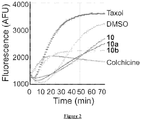
- microtubule polymerization was monitored by reading the fluorescence at 420 nm (due to the incorporation of a fluorescent reporter into microtubules as polymerization occurs) every ten seconds using a Tecan M1000 microplate reader ( Figure 6B ). Fluorescence increased as polymerization occurred, due to the incorporation of 4',6-diamidino-2- phenylindole. Fluorescence was monitored every minute for 70 minutes at 37°C. See Figure 2 . Both endpoint and kinetic measurements indicated that in vitro 10, 10a and 10b were potent inhibitors of microtubule polymerization similar to colchicine.
- microtubule stability was analyzed in HeLa cells treated with increasing concentrations of each of these three compounds by fixing the cells with 4% paraformaldehyde, staining them with Hoechst 33342 (DNA dye) to visualize their DNA and anti- ⁇ -tubulin antibodies to visualize microtubule structures and then imaging them by immunofluorescence microscopy.
- Hoechst 33342 DNA dye
- This analysis showed that, similar to colchicine, the microtubules of 10, 10a and 10b-treated cells became destabilized in a drug dose-dependent manner.
- HeLa cells were plated in 384 well plates (1500 cells/well) and treated with 10 ⁇ M drugs for 20 hours. Cells were then fixed and stained with 5 ⁇ M Vybrant DyeCycle Green (Invitrogen) for 1 hour at 37°C and plates were scanned with an Acumen eX3 (TTP Labtech) fluorescence microplate cytometer using its 488 nm laser and a cell cycle histogram profile was generated for each drug treatment using the CDD (Collaborative Drug Discovery) software.
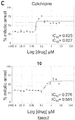
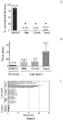
- Figure 1 shows the cell cycle histogram of cells treated with DMSO, colchicine or compound 10. Additionally, HeLa cells were treated with increasing concentrations of colchicine and compound 10 for 20 hours and the drug response dose curves were used to measure the mitotic arrest IC 50 for each treatment. See Figure 3 .
- Live-cell time-lapse microscopy was carried out essentially as described by Torres et al., Cell 2011, 147, (6), 1309-23 . Briefly, HeLa-FUCCI cells were arrested with 2mM thymidine for eighteen hours, washed three times with PBS, and released into fresh media. Six hours postrelease, cells were treated with indicated small molecules and imaged live at 20X magnification with ten Z-stacks, one every 1 ⁇ m, for twelve hours at ten-minute intervals. Images were captured with a Leica DMI6000 microscope (Leica Microsystems), processed using LSF software and converted to Apple QuickTime movies. Each frame represents a fifteen-minute interval. Data quantitation represents the average ⁇ SD (standard deviation) of 3 independent experiments, with 20 cells counted for each.
- Example 6 Anticancer agents.
- MI-181 had broad anti-cancer activity
- HLa cervical adenocarcinoma
- MCF7 breast adenocarcinoma
- M233 melanoma
- U2OS osteosarcoma
- CCRF-CEM acute lymphoblastic leukemia
- NCI-H460 non-small cell lung carcinoma
- MCF7 breast adenocarcinoma
- IC 50 18nM-90 nM
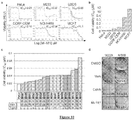
- BRAF V600E cell lines were slightly more sensitive than NRAS Q61L cell lines and MI-181 was effective in Vemurafenib and Trametinib resistant cell lines ( Figure 10c and Table 2).
- MI-181 is a potent inhibitor of melanoma cell lines.
- Tubulin polymerization reactions were carried out according to the manufacturer (Cytoskeleton, BK011P) in the presence of 3 ⁇ M colchicine, MI-181, taxol or DMSO. Polymerization was monitored with a Tecan M1000 micro-plate reader at 420 nm for 70 minutes at 37°C. The results are depicted in Figure 11 .
- Phospho-histone-H3-488 (Ser10) (p-H3-488, Cell Signaling), ⁇ -tubulin (Serotec), AurKB (BD Transduction), Anti-Centromere-Antibodies (ACA, Cortex Biochem), cyclin A and B (Santa Cruz Biotechnology), and SECURIN (Gene Tex).
- BubR1 and Bub1 were from Hongtao Yu.
- FITC-, Cy3- and Cy5-conjugated secondary antibodies were from Jackson Immuno Research.
- HeLa cells were plated in 384-well plates (1500 cells/well) and treated with 10 ⁇ M drugs for 20 hours. Cells were fixed and stained with 5 ⁇ M Vybrant DyeCycle Green (Invitrogen) for 1 hour at room temperature and plates were scanned with an Acumen e X3 (TTP Labtech) fluorescence cytometer using its 488 nm laser and a cell cycle histogram profile was generated for each well.
- Vybrant DyeCycle Green Invitrogen
- Acumen e X3 TTP Labtech
- Z' factor 1-3 x ( ⁇ ⁇ + ⁇ ⁇ )/(
- HeLa FUCCI fluorescent ubiquitination-based cell cycle indicator cell line, where S through M-phase cells are green due to expression of the mAG-hGeminin fusion protein, and G1-phase cells are red due to expression of the mKO2-hCdt1 fusion protein
- cells were released from G1/S in the presence of indicated drug or control DMSO and ten Z-stack images (0.9 ⁇ m steps) were captured 6 hours post-release at 15-minute intervals.
- Non-melanoma cell lines were purchased from ATCC, which verified identity by short-tandem repeat profiling, were passaged for less than 6 months following receipt and were maintained in F12:DMEM 50:50 medium (GIBCO) with 10% FBS, 2 mM L-glutamine and antibiotics, in 5% CO 2 at 37° C.
- Melanoma cell lines were established from patient biopsies under UCLA IRB approval #02-08-067, as described in: Sondergaard J.N., et al. Differential sensitivity of melanoma cell lines with BRAFV600E mutation to the specific Raf inhibitor PLX4032. J Transl Med 2010, 8: 39 .
- Melanoma cell lines were genotyped using Oncomap3 platform for 33 genes, Affymetrix Gene Chip for SNP and IonTorrent for next-generation sequencing, were passaged for less than 6 months following verification, and were maintained in RPMI (GIBCO) with 10% FBS and antibiotics in 5% CO 2 at 37° C, as described previously (Sondergaard, op. cit. ) For G1/S arrests, cells were treated with 2 mM thymidine (Sigma-Aldrich) for 18 hours.
- Mitotic arrest IC 50 S cells were treated with a twenty-point-2-fold-titration (190pM to 10 ⁇ M) of each compound tested for 20 hours.
- cell viability IC 50 s cells were treated with a fourteen-point-2-fold-titration (12.2 nM to 100 ⁇ M).
- Mitotic arrest IC 50 was determined by_measuring the percent G2/M arrest using the Vybrant DyeCycle Green (Invitrogen) assay described above.
- Cell viability IC 50 was determined using the CellTiter-Glo Assay (Promega), which measures total ATP levels. Plates were read with a Tecan M1000 micro-plate reader at 540nm. The CDD software was used for generating IC 50 and IC 90 values.
- a single crystal form grown using T 2 R-TTL soaked with either MI-181 or C2 gave two crystals from which diffraction data were collected.
- the structure of C2 is shown below: The crystal soaked with MI-181 exhibited diffraction to at least 2.60 ⁇ and the crystal soaked with C2 diffracted to at least 3.75 ⁇ .
- the final resolution cutoffs described here were determined optimally from a subset of diffraction images that took into consideration the signal-to-noise ratio for reflection intensities and the random half-data set correlation coefficient, CC 1/2 ( Karplus P.A., Diederichs K. Linking crystallographic model and data quality. Science 2012,(New York, NY) 336:1030-1033 .)
- T 2 R-TTL structures with MI-181 and C2 bound to ⁇ -tubulin identify the previously unknown binding sites for each compound [ Figs. 7(B) and 7(C) ].
- Secondary structure elements and sequence numbering of tubulin are based on the initial structural studies of tubulin ( Nogales E., et al. Structure of the alpha beta tubulin dimer by electron crystallography. Nature 1998, 391:199-203 .). Both compounds occupy a binding pocket in the intermediate domain of ⁇ -tubulin that forms the interface with the ⁇ -subunit (residues 206-384).
- nucleotide-binding domain (residues 1-205) and a C-terminal helical domain from residue 385 to the C-terminus. Only MI-181 is in proximity to the nucleotide-binding domain, which binds and hydrolyzes GTP within the ⁇ -subunit.
- Tubulin retains a curved structure in the presence of MI-181 and C2 as observed similarly with colchicine and other molecules that interact with the expansive binding pocket on ⁇ -tubulin ( Ravelli R.B., Gigant B., et al. Insight into tubulin regulation from a complex with colchicine and a stathmin-like domain. Nature 2004, 428:198-202 ; Dorleans A., Gigant B., et al. Variations in the colchicine-binding domain provide insight into the structural switch of tubulin. PNAS 2009, 106:13775-13779 .; Prota A.E., Danel F., op. cit.
- Luria-Bertani medium also known as lysogeny broth (LB) was purchased from EMD Millipore (Gibbstown, NJ) ( Bertani G. Studies on lysogenesis. I. The mode of phage liberation by lysogenic Escherichia coli. J Bacteriol 1951,62:293-300 .) Antibiotics, DNase I, and lysozyme were from Sigma Chemical Company (St. Louis, MO). Isopropyl ⁇ -D-1-thiogalactopyranoside (IPTG) and dithiothreitol (DTT) were from Gold Biotechnology, Inc. (St. Louis, MO). The compounds MI-181 and C2 (>95% purity) were purchased through MolPort (Riga, Norway). Protease inhibitor tablets and other chemicals were from Roche and Fisher Scientific, respectively (Indianapolis, IN and Pittsburgh, PA).
- the rat STMN4 stathmin-like domain with mutations Cys14Ala and Phe20Trp and chicken TTL genes were cloned into pET22b(+) (Novagen) with no additional residues or a C-terminal hexahistidine tag, respectively.
- the proteins were recombinantly expressed and purified using established methods ( Prota A.E., Bargsten K., et al., op. cit.; Charbaut E., et al. Stathmin family proteins display specific molecular and tubulin binding properties. J Biol Chem 2001, 276:16146-16154 .) Lyophilized bovine brain tubulin (>99% purity) was purchased from Cytoskeleton, Inc.
- MR solutions were initially refined with rigid-body refinement using the phenix.refine module of PHENIX ( Adams P.D., et al. PHENIX: building new software for automated crystallographic structure determination. Acta crystallographica Section D, Biological crystallography 2002, 58:1948-1954 .)
- Ligand structures and restraints for MI-181 and C2 were generated with SMILES input for phenix.eLBOW ( Moriarty N.W. et al. electronic Ligand Builder and Optimization Workbench (eLBOW): a tool for ligand coordinate and restraint generation.
- eLBOW Moriarty N.W. et al. electronic Ligand Builder and Optimization Workbench
- Certain compounds of Formula II such as MI-181, were shown to be potent anticancer agents.
Landscapes
- Chemical & Material Sciences (AREA)
- Organic Chemistry (AREA)
- Health & Medical Sciences (AREA)
- Chemical Kinetics & Catalysis (AREA)
- General Chemical & Material Sciences (AREA)
- Medicinal Chemistry (AREA)
- Nuclear Medicine, Radiotherapy & Molecular Imaging (AREA)
- Pharmacology & Pharmacy (AREA)
- Life Sciences & Earth Sciences (AREA)
- Animal Behavior & Ethology (AREA)
- General Health & Medical Sciences (AREA)
- Public Health (AREA)
- Veterinary Medicine (AREA)
- Pharmaceuticals Containing Other Organic And Inorganic Compounds (AREA)
Claims (9)
- Composé choisi parmi :

- Composé selon la revendication 1, dans lequel le composé est

- Composé selon la revendication 1, dans lequel le composé est

- Composition pharmaceutique comprenant un composé selon l'une quelconque des revendications 1 à 3 et un support, adjuvant ou véhicule pharmaceutiquement acceptable.
- Composé selon l'une quelconque des revendications 1 à 3, à utiliser dans le traitement du cancer ou du syndrome myélodysplasique (SMD) chez un sujet le nécessitant.
- Composé à utiliser selon la revendication 5, dans lequel le cancer est choisi parmi un cancer des ovaires, un cancer du col de l'utérus, un cancer du cerveau, un cancer du poumon, un cancer de la peau, un cancer colorectal, un cancer de l'œsophage, un cancer du sein, un cancer de la prostate, une leucémie, un myélome multiple, un cancer des os, un cancer du pancréas, un cancer de la vessie, un cancer de l'endomètre, un cancer du rein, un cancer du foie, un cancer de l'œil, un cancer de l'hypophyse, un cancer des testicules et un cancer de l'estomac.
- Composé à utiliser selon la revendication 6, dans lequel le cancer de la peau est un mélanome, choisi parmi le mélanome sur mélanose de Dubreuilh, le mélanome superficiel extensif, le mélanome acrolentigineux, le mélanome muqueux, le mélanome nodulaire, le mélanome polypoïde, le mélanome desmoplastique, le mélanome amélanotique, le mélanome des tissus mous, le mélanome à petites cellules de type naevus, le mélanome avec caractéristiques d'un naevus de Spitz, et le mélanome uvéal.
- Composé à utiliser selon la revendication 5, dans lequel le syndrome myélodysplasique est choisi parmi une anémie réfractaire, une anémie réfractaire avec sidéroblastes en couronne, une anémie réfractaire avec excès de blastes, une anémie réfractaire avec excès de blastes en transformation, ou une leucémie myélomonocytaire chronique.
- Composé selon l'une quelconque des revendications 1 à 3, à utiliser pour moduler ou déstabiliser les microtubules dans une cellule in vitro.
Applications Claiming Priority (3)
| Application Number | Priority Date | Filing Date | Title |
|---|---|---|---|
| US201562167526P | 2015-05-28 | 2015-05-28 | |
| US201562191738P | 2015-07-13 | 2015-07-13 | |
| PCT/US2016/034286 WO2016191537A1 (fr) | 2015-05-28 | 2016-05-26 | Composés de liaison de tubuline, compositions et utilisations associées |
Publications (3)
| Publication Number | Publication Date |
|---|---|
| EP3303346A1 EP3303346A1 (fr) | 2018-04-11 |
| EP3303346A4 EP3303346A4 (fr) | 2019-03-13 |
| EP3303346B1 true EP3303346B1 (fr) | 2020-09-16 |
Family
ID=57394157
Family Applications (1)
| Application Number | Title | Priority Date | Filing Date |
|---|---|---|---|
| EP16800699.7A Active EP3303346B1 (fr) | 2015-05-28 | 2016-05-26 | Composés se liant à la tubuline, compositions et utilisations associées |
Country Status (3)
| Country | Link |
|---|---|
| US (2) | US20180354966A1 (fr) |
| EP (1) | EP3303346B1 (fr) |
| WO (1) | WO2016191537A1 (fr) |
Families Citing this family (3)
| Publication number | Priority date | Publication date | Assignee | Title |
|---|---|---|---|---|
| WO2016191537A1 (fr) | 2015-05-28 | 2016-12-01 | The Regents Of The University Of California | Composés de liaison de tubuline, compositions et utilisations associées |
| EP3850191A4 (fr) | 2018-09-11 | 2021-10-13 | TPI Composites, Inc. | Soutien temporaire d'âme pour dispositif de rotation de pale d'éolienne |
| CN112010871B (zh) * | 2019-05-29 | 2021-05-11 | 赛尔瑞成(北京)生命科学技术有限公司 | RORγt活性抑制化合物及其制备方法和应用 |
Family Cites Families (7)
| Publication number | Priority date | Publication date | Assignee | Title |
|---|---|---|---|---|
| DE225993C (fr) | ||||
| DD225993A1 (de) * | 1983-10-12 | 1985-08-14 | Univ Halle Wittenberg | Verfahren zur herstellung von 3.4-dihydro-4-oxo-2-styrylthieno(2.3-d)pyrimidinen |
| US7982035B2 (en) * | 2007-08-27 | 2011-07-19 | Duquesne University Of The Holy Spirit | Tricyclic compounds having antimitotic and/or antitumor activity and methods of use thereof |
| US8481553B2 (en) * | 2010-04-06 | 2013-07-09 | Brigham Young University | Antimetastatic compounds |
| WO2012119605A1 (fr) * | 2011-03-10 | 2012-09-13 | Akar Yahya Ahmed Abdellhafeez Salem | Nouveau colorant dispersé ayant une activité anticancéreuse puissante |
| WO2015051188A1 (fr) * | 2013-10-02 | 2015-04-09 | Washington University | Molécules hétérocycliques pour l'imagerie biomédicale et leurs applications thérapeutiques |
| WO2016191537A1 (fr) | 2015-05-28 | 2016-12-01 | The Regents Of The University Of California | Composés de liaison de tubuline, compositions et utilisations associées |
-
2016
- 2016-05-26 WO PCT/US2016/034286 patent/WO2016191537A1/fr not_active Ceased
- 2016-05-26 US US15/577,551 patent/US20180354966A1/en not_active Abandoned
- 2016-05-26 EP EP16800699.7A patent/EP3303346B1/fr active Active
-
2019
- 2019-09-17 US US16/573,602 patent/US10913750B2/en active Active
Non-Patent Citations (1)
| Title |
|---|
| None * |
Also Published As
| Publication number | Publication date |
|---|---|
| US20180354966A1 (en) | 2018-12-13 |
| US10913750B2 (en) | 2021-02-09 |
| EP3303346A4 (fr) | 2019-03-13 |
| EP3303346A1 (fr) | 2018-04-11 |
| US20200079789A1 (en) | 2020-03-12 |
| WO2016191537A1 (fr) | 2016-12-01 |
Similar Documents
| Publication | Publication Date | Title |
|---|---|---|
| EP3867251B1 (fr) | Inhibiteurs de kras g12c | |
| AU2003217393B2 (en) | Ansamycins having improved pharmacological and biological properties | |
| JP7085566B2 (ja) | アポトーシス誘発剤 | |
| RU2606951C1 (ru) | Дихлорацетаты замещенных N4-[2-(диметилфосфорил)фенил]-N2-(2-метокси-4-пиперидин-1-илфенил)-5-хлорпиримидин-2,4-диаминов в качестве модуляторов ALK и EGFR, предназначенных для лечения рака | |
| DE60032601T2 (de) | Als antikrebsmittel verwendbare heterocyklische derivate | |
| KR20210120074A (ko) | Jak 억제제 및 그 제조 방법 | |
| AU2018231671B2 (en) | Pyrimidopyrimidinones useful as Wee-1 kinase inhibitors | |
| US10913750B2 (en) | Tubulin-binding compounds, compositions and uses related thereto | |
| EP1392662A1 (fr) | Pyrimidine inhibitrice de la cdk, sa production et son utilisation comme medicament | |
| JP2016512498A (ja) | Cdc7阻害剤 | |
| ES2667847T3 (es) | Pirimidinas sustituidas útiles como inhibidores de cinasa de EGFR-T790M | |
| EA013522B1 (ru) | Алкинилпирролопиримидины и их применение в качестве ингибиторов hsp90 | |
| US10501466B2 (en) | WDR5 inhibitors and modulators | |
| EP3452484B1 (fr) | Certains inhibiteurs de protéines kinases | |
| WO2024235013A1 (fr) | Dérivé d'acide hydroxamique contenant de l'indazolyle et son utilisation | |
| EP3827006A1 (fr) | Composés à molécule unique fournissant une inhibition multi-cible de btk et d'autres protéines et leurs méthodes d'utilisation | |
| Radwan et al. | Synthesis and Characterization of bis-3, 5-disubstituted thiadiazine-2-thione derivatives as anticancer agents | |
| RU2627692C1 (ru) | N-{ 3-[3-циклопропил-5-(2-фторо-4-иодофениламино)-6,8-диметил-2,4,7-триоксо-3,4,6,7-тетрагидро-2Н-пиридо[4,3-d]пиримидин-1-ил]-фенил} -циклопропанкарбоксамида диметилсульфоксида сольват в качестве ингибитора МЕК1/2 | |
| EP3133069A1 (fr) | Inhibiteur du diploïde bcr-abl, son procédé de préparation et son utilisation | |
| CN111777562B (zh) | 一种6-苯氧基取代嘧啶类靶向ddr1抑制剂及其制备和抗肿瘤活性的应用 | |
| WO2026068848A1 (fr) | 9-aminoacridines n-substituées et leur utilisation dans le traitement du cancer | |
| JP2025538774A (ja) | 治療方法において5-アルファ還元酵素拮抗薬として使用するためのフェニル-ピラゾロ[3,4-b]ピリジン-4-カルボン酸誘導体 | |
| BR122021007130B1 (pt) | Uso de agentes indutores de apoptose | |
| BR112019021434B1 (pt) | Agentes indutores de apoptose, seus usos, e composição | |
| WO2019111792A1 (fr) | INHIBITEUR DE LA PROTÉINE PI5P4Kβ DÉTECTRICE DE GTP |
Legal Events
| Date | Code | Title | Description |
|---|---|---|---|
| STAA | Information on the status of an ep patent application or granted ep patent |
Free format text: STATUS: THE INTERNATIONAL PUBLICATION HAS BEEN MADE |
|
| PUAI | Public reference made under article 153(3) epc to a published international application that has entered the european phase |
Free format text: ORIGINAL CODE: 0009012 |
|
| STAA | Information on the status of an ep patent application or granted ep patent |
Free format text: STATUS: REQUEST FOR EXAMINATION WAS MADE |
|
| 17P | Request for examination filed |
Effective date: 20171123 |
|
| AK | Designated contracting states |
Kind code of ref document: A1 Designated state(s): AL AT BE BG CH CY CZ DE DK EE ES FI FR GB GR HR HU IE IS IT LI LT LU LV MC MK MT NL NO PL PT RO RS SE SI SK SM TR |
|
| AX | Request for extension of the european patent |
Extension state: BA ME |
|
| DAV | Request for validation of the european patent (deleted) | ||
| DAX | Request for extension of the european patent (deleted) | ||
| RIC1 | Information provided on ipc code assigned before grant |
Ipc: A61K 31/4184 20060101ALI20181023BHEP Ipc: A61K 31/519 20060101ALI20181023BHEP Ipc: C07D 401/06 20060101ALI20181023BHEP Ipc: C07D 495/04 20060101AFI20181023BHEP Ipc: A61K 31/428 20060101ALI20181023BHEP Ipc: A61P 35/00 20060101ALI20181023BHEP Ipc: C07D 235/06 20060101ALI20181023BHEP |
|
| A4 | Supplementary search report drawn up and despatched |
Effective date: 20190213 |
|
| RIC1 | Information provided on ipc code assigned before grant |
Ipc: A61K 31/428 20060101ALI20190207BHEP Ipc: A61K 31/519 20060101ALI20190207BHEP Ipc: A61K 31/4184 20060101ALI20190207BHEP Ipc: C07D 401/06 20060101ALI20190207BHEP Ipc: A61P 35/00 20060101ALI20190207BHEP Ipc: C07D 235/06 20060101ALI20190207BHEP Ipc: C07D 495/04 20060101AFI20190207BHEP |
|
| STAA | Information on the status of an ep patent application or granted ep patent |
Free format text: STATUS: EXAMINATION IS IN PROGRESS |
|
| 17Q | First examination report despatched |
Effective date: 20190924 |
|
| RIN1 | Information on inventor provided before grant (corrected) |
Inventor name: TORRES, JORGE Inventor name: LO, YU-CHEN Inventor name: MCNAMARA, DAN, E. Inventor name: YEATES, TODD, O. Inventor name: DAMOISEAUX, ROBERT Inventor name: SENESE, SILVIA |
|
| GRAP | Despatch of communication of intention to grant a patent |
Free format text: ORIGINAL CODE: EPIDOSNIGR1 |
|
| STAA | Information on the status of an ep patent application or granted ep patent |
Free format text: STATUS: GRANT OF PATENT IS INTENDED |
|
| INTG | Intention to grant announced |
Effective date: 20200409 |
|
| GRAS | Grant fee paid |
Free format text: ORIGINAL CODE: EPIDOSNIGR3 |
|
| GRAA | (expected) grant |
Free format text: ORIGINAL CODE: 0009210 |
|
| STAA | Information on the status of an ep patent application or granted ep patent |
Free format text: STATUS: THE PATENT HAS BEEN GRANTED |
|
| AK | Designated contracting states |
Kind code of ref document: B1 Designated state(s): AL AT BE BG CH CY CZ DE DK EE ES FI FR GB GR HR HU IE IS IT LI LT LU LV MC MK MT NL NO PL PT RO RS SE SI SK SM TR |
|
| REG | Reference to a national code |
Ref country code: GB Ref legal event code: FG4D |
|
| REG | Reference to a national code |
Ref country code: CH Ref legal event code: EP |
|
| REG | Reference to a national code |
Ref country code: DE Ref legal event code: R096 Ref document number: 602016044202 Country of ref document: DE |
|
| REG | Reference to a national code |
Ref country code: IE Ref legal event code: FG4D |
|
| REG | Reference to a national code |
Ref country code: AT Ref legal event code: REF Ref document number: 1314089 Country of ref document: AT Kind code of ref document: T Effective date: 20201015 |
|
| PG25 | Lapsed in a contracting state [announced via postgrant information from national office to epo] |
Ref country code: NO Free format text: LAPSE BECAUSE OF FAILURE TO SUBMIT A TRANSLATION OF THE DESCRIPTION OR TO PAY THE FEE WITHIN THE PRESCRIBED TIME-LIMIT Effective date: 20201216 Ref country code: HR Free format text: LAPSE BECAUSE OF FAILURE TO SUBMIT A TRANSLATION OF THE DESCRIPTION OR TO PAY THE FEE WITHIN THE PRESCRIBED TIME-LIMIT Effective date: 20200916 Ref country code: BG Free format text: LAPSE BECAUSE OF FAILURE TO SUBMIT A TRANSLATION OF THE DESCRIPTION OR TO PAY THE FEE WITHIN THE PRESCRIBED TIME-LIMIT Effective date: 20201216 Ref country code: SE Free format text: LAPSE BECAUSE OF FAILURE TO SUBMIT A TRANSLATION OF THE DESCRIPTION OR TO PAY THE FEE WITHIN THE PRESCRIBED TIME-LIMIT Effective date: 20200916 Ref country code: GR Free format text: LAPSE BECAUSE OF FAILURE TO SUBMIT A TRANSLATION OF THE DESCRIPTION OR TO PAY THE FEE WITHIN THE PRESCRIBED TIME-LIMIT Effective date: 20201217 Ref country code: FI Free format text: LAPSE BECAUSE OF FAILURE TO SUBMIT A TRANSLATION OF THE DESCRIPTION OR TO PAY THE FEE WITHIN THE PRESCRIBED TIME-LIMIT Effective date: 20200916 |
|
| REG | Reference to a national code |
Ref country code: AT Ref legal event code: MK05 Ref document number: 1314089 Country of ref document: AT Kind code of ref document: T Effective date: 20200916 |
|
| REG | Reference to a national code |
Ref country code: NL Ref legal event code: MP Effective date: 20200916 |
|
| PG25 | Lapsed in a contracting state [announced via postgrant information from national office to epo] |
Ref country code: RS Free format text: LAPSE BECAUSE OF FAILURE TO SUBMIT A TRANSLATION OF THE DESCRIPTION OR TO PAY THE FEE WITHIN THE PRESCRIBED TIME-LIMIT Effective date: 20200916 Ref country code: LV Free format text: LAPSE BECAUSE OF FAILURE TO SUBMIT A TRANSLATION OF THE DESCRIPTION OR TO PAY THE FEE WITHIN THE PRESCRIBED TIME-LIMIT Effective date: 20200916 |
|
| REG | Reference to a national code |
Ref country code: LT Ref legal event code: MG4D |
|
| PG25 | Lapsed in a contracting state [announced via postgrant information from national office to epo] |
Ref country code: EE Free format text: LAPSE BECAUSE OF FAILURE TO SUBMIT A TRANSLATION OF THE DESCRIPTION OR TO PAY THE FEE WITHIN THE PRESCRIBED TIME-LIMIT Effective date: 20200916 Ref country code: SM Free format text: LAPSE BECAUSE OF FAILURE TO SUBMIT A TRANSLATION OF THE DESCRIPTION OR TO PAY THE FEE WITHIN THE PRESCRIBED TIME-LIMIT Effective date: 20200916 Ref country code: PT Free format text: LAPSE BECAUSE OF FAILURE TO SUBMIT A TRANSLATION OF THE DESCRIPTION OR TO PAY THE FEE WITHIN THE PRESCRIBED TIME-LIMIT Effective date: 20210118 Ref country code: RO Free format text: LAPSE BECAUSE OF FAILURE TO SUBMIT A TRANSLATION OF THE DESCRIPTION OR TO PAY THE FEE WITHIN THE PRESCRIBED TIME-LIMIT Effective date: 20200916 Ref country code: CZ Free format text: LAPSE BECAUSE OF FAILURE TO SUBMIT A TRANSLATION OF THE DESCRIPTION OR TO PAY THE FEE WITHIN THE PRESCRIBED TIME-LIMIT Effective date: 20200916 Ref country code: LT Free format text: LAPSE BECAUSE OF FAILURE TO SUBMIT A TRANSLATION OF THE DESCRIPTION OR TO PAY THE FEE WITHIN THE PRESCRIBED TIME-LIMIT Effective date: 20200916 |
|
| PG25 | Lapsed in a contracting state [announced via postgrant information from national office to epo] |
Ref country code: AL Free format text: LAPSE BECAUSE OF FAILURE TO SUBMIT A TRANSLATION OF THE DESCRIPTION OR TO PAY THE FEE WITHIN THE PRESCRIBED TIME-LIMIT Effective date: 20200916 Ref country code: AT Free format text: LAPSE BECAUSE OF FAILURE TO SUBMIT A TRANSLATION OF THE DESCRIPTION OR TO PAY THE FEE WITHIN THE PRESCRIBED TIME-LIMIT Effective date: 20200916 Ref country code: ES Free format text: LAPSE BECAUSE OF FAILURE TO SUBMIT A TRANSLATION OF THE DESCRIPTION OR TO PAY THE FEE WITHIN THE PRESCRIBED TIME-LIMIT Effective date: 20200916 Ref country code: IS Free format text: LAPSE BECAUSE OF FAILURE TO SUBMIT A TRANSLATION OF THE DESCRIPTION OR TO PAY THE FEE WITHIN THE PRESCRIBED TIME-LIMIT Effective date: 20210116 Ref country code: PL Free format text: LAPSE BECAUSE OF FAILURE TO SUBMIT A TRANSLATION OF THE DESCRIPTION OR TO PAY THE FEE WITHIN THE PRESCRIBED TIME-LIMIT Effective date: 20200916 |
|
| REG | Reference to a national code |
Ref country code: DE Ref legal event code: R097 Ref document number: 602016044202 Country of ref document: DE |
|
| PG25 | Lapsed in a contracting state [announced via postgrant information from national office to epo] |
Ref country code: SK Free format text: LAPSE BECAUSE OF FAILURE TO SUBMIT A TRANSLATION OF THE DESCRIPTION OR TO PAY THE FEE WITHIN THE PRESCRIBED TIME-LIMIT Effective date: 20200916 |
|
| PLBE | No opposition filed within time limit |
Free format text: ORIGINAL CODE: 0009261 |
|
| STAA | Information on the status of an ep patent application or granted ep patent |
Free format text: STATUS: NO OPPOSITION FILED WITHIN TIME LIMIT |
|
| 26N | No opposition filed |
Effective date: 20210617 |
|
| PG25 | Lapsed in a contracting state [announced via postgrant information from national office to epo] |
Ref country code: DK Free format text: LAPSE BECAUSE OF FAILURE TO SUBMIT A TRANSLATION OF THE DESCRIPTION OR TO PAY THE FEE WITHIN THE PRESCRIBED TIME-LIMIT Effective date: 20200916 Ref country code: SI Free format text: LAPSE BECAUSE OF FAILURE TO SUBMIT A TRANSLATION OF THE DESCRIPTION OR TO PAY THE FEE WITHIN THE PRESCRIBED TIME-LIMIT Effective date: 20200916 |
|
| PG25 | Lapsed in a contracting state [announced via postgrant information from national office to epo] |
Ref country code: IT Free format text: LAPSE BECAUSE OF FAILURE TO SUBMIT A TRANSLATION OF THE DESCRIPTION OR TO PAY THE FEE WITHIN THE PRESCRIBED TIME-LIMIT Effective date: 20200916 |
|
| PG25 | Lapsed in a contracting state [announced via postgrant information from national office to epo] |
Ref country code: LU Free format text: LAPSE BECAUSE OF NON-PAYMENT OF DUE FEES Effective date: 20210526 Ref country code: MC Free format text: LAPSE BECAUSE OF FAILURE TO SUBMIT A TRANSLATION OF THE DESCRIPTION OR TO PAY THE FEE WITHIN THE PRESCRIBED TIME-LIMIT Effective date: 20200916 |
|
| REG | Reference to a national code |
Ref country code: BE Ref legal event code: MM Effective date: 20210531 |
|
| PG25 | Lapsed in a contracting state [announced via postgrant information from national office to epo] |
Ref country code: IE Free format text: LAPSE BECAUSE OF NON-PAYMENT OF DUE FEES Effective date: 20210526 |
|
| PG25 | Lapsed in a contracting state [announced via postgrant information from national office to epo] |
Ref country code: BE Free format text: LAPSE BECAUSE OF NON-PAYMENT OF DUE FEES Effective date: 20210531 |
|
| PG25 | Lapsed in a contracting state [announced via postgrant information from national office to epo] |
Ref country code: HU Free format text: LAPSE BECAUSE OF FAILURE TO SUBMIT A TRANSLATION OF THE DESCRIPTION OR TO PAY THE FEE WITHIN THE PRESCRIBED TIME-LIMIT; INVALID AB INITIO Effective date: 20160526 |
|
| P01 | Opt-out of the competence of the unified patent court (upc) registered |
Effective date: 20230508 |
|
| PG25 | Lapsed in a contracting state [announced via postgrant information from national office to epo] |
Ref country code: NL Free format text: LAPSE BECAUSE OF NON-PAYMENT OF DUE FEES Effective date: 20200923 Ref country code: CY Free format text: LAPSE BECAUSE OF FAILURE TO SUBMIT A TRANSLATION OF THE DESCRIPTION OR TO PAY THE FEE WITHIN THE PRESCRIBED TIME-LIMIT Effective date: 20200916 |
|
| PG25 | Lapsed in a contracting state [announced via postgrant information from national office to epo] |
Ref country code: MK Free format text: LAPSE BECAUSE OF FAILURE TO SUBMIT A TRANSLATION OF THE DESCRIPTION OR TO PAY THE FEE WITHIN THE PRESCRIBED TIME-LIMIT Effective date: 20200916 |
|
| PGFP | Annual fee paid to national office [announced via postgrant information from national office to epo] |
Ref country code: GB Payment date: 20240527 Year of fee payment: 9 |
|
| PGFP | Annual fee paid to national office [announced via postgrant information from national office to epo] |
Ref country code: DE Payment date: 20240530 Year of fee payment: 9 |
|
| PGFP | Annual fee paid to national office [announced via postgrant information from national office to epo] |
Ref country code: CH Payment date: 20240602 Year of fee payment: 9 |
|
| PGFP | Annual fee paid to national office [announced via postgrant information from national office to epo] |
Ref country code: FR Payment date: 20240527 Year of fee payment: 9 |
|
| PG25 | Lapsed in a contracting state [announced via postgrant information from national office to epo] |
Ref country code: MT Free format text: LAPSE BECAUSE OF FAILURE TO SUBMIT A TRANSLATION OF THE DESCRIPTION OR TO PAY THE FEE WITHIN THE PRESCRIBED TIME-LIMIT Effective date: 20200916 |
|
| REG | Reference to a national code |
Ref country code: DE Ref legal event code: R119 Ref document number: 602016044202 Country of ref document: DE |
|
| PG25 | Lapsed in a contracting state [announced via postgrant information from national office to epo] |
Ref country code: TR Free format text: LAPSE BECAUSE OF FAILURE TO SUBMIT A TRANSLATION OF THE DESCRIPTION OR TO PAY THE FEE WITHIN THE PRESCRIBED TIME-LIMIT Effective date: 20200916 |
|
| REG | Reference to a national code |
Ref country code: CH Ref legal event code: H13 Free format text: ST27 STATUS EVENT CODE: U-0-0-H10-H13 (AS PROVIDED BY THE NATIONAL OFFICE) Effective date: 20251223 |
|
| PG25 | Lapsed in a contracting state [announced via postgrant information from national office to epo] |
Ref country code: CH Free format text: LAPSE BECAUSE OF NON-PAYMENT OF DUE FEES Effective date: 20250531 |
|
| GBPC | Gb: european patent ceased through non-payment of renewal fee |
Effective date: 20250526 |
|
| PG25 | Lapsed in a contracting state [announced via postgrant information from national office to epo] |
Ref country code: GB Free format text: LAPSE BECAUSE OF NON-PAYMENT OF DUE FEES Effective date: 20250526 |
|
| PG25 | Lapsed in a contracting state [announced via postgrant information from national office to epo] |
Ref country code: DE Free format text: LAPSE BECAUSE OF NON-PAYMENT OF DUE FEES Effective date: 20251202 |
|
| PG25 | Lapsed in a contracting state [announced via postgrant information from national office to epo] |
Ref country code: FR Free format text: LAPSE BECAUSE OF NON-PAYMENT OF DUE FEES Effective date: 20250531 |