EP3306997B1 - Datenpaketübertragungsverfahren und vorrichtung - Google Patents
Datenpaketübertragungsverfahren und vorrichtung Download PDFInfo
- Publication number
- EP3306997B1 EP3306997B1 EP15899185.1A EP15899185A EP3306997B1 EP 3306997 B1 EP3306997 B1 EP 3306997B1 EP 15899185 A EP15899185 A EP 15899185A EP 3306997 B1 EP3306997 B1 EP 3306997B1
- Authority
- EP
- European Patent Office
- Prior art keywords
- packet
- data sub
- data
- control information
- sub
- Prior art date
- Legal status (The legal status is an assumption and is not a legal conclusion. Google has not performed a legal analysis and makes no representation as to the accuracy of the status listed.)
- Active
Links
Images


Classifications
-
- H—ELECTRICITY
- H04—ELECTRIC COMMUNICATION TECHNIQUE
- H04W—WIRELESS COMMUNICATION NETWORKS
- H04W28/00—Network traffic management; Network resource management
- H04W28/02—Traffic management, e.g. flow control or congestion control
- H04W28/06—Optimizing the usage of the radio link, e.g. header compression, information sizing, discarding information
- H04W28/065—Optimizing the usage of the radio link, e.g. header compression, information sizing, discarding information using assembly or disassembly of packets
-
- H—ELECTRICITY
- H04—ELECTRIC COMMUNICATION TECHNIQUE
- H04W—WIRELESS COMMUNICATION NETWORKS
- H04W72/00—Local resource management
- H04W72/04—Wireless resource allocation
-
- H—ELECTRICITY
- H04—ELECTRIC COMMUNICATION TECHNIQUE
- H04W—WIRELESS COMMUNICATION NETWORKS
- H04W72/00—Local resource management
- H04W72/04—Wireless resource allocation
- H04W72/044—Wireless resource allocation based on the type of the allocated resource
- H04W72/0446—Resources in time domain, e.g. slots or frames
-
- H—ELECTRICITY
- H04—ELECTRIC COMMUNICATION TECHNIQUE
- H04W—WIRELESS COMMUNICATION NETWORKS
- H04W72/00—Local resource management
- H04W72/12—Wireless traffic scheduling
- H04W72/1263—Mapping of traffic onto schedule, e.g. scheduled allocation or multiplexing of flows
-
- H—ELECTRICITY
- H04—ELECTRIC COMMUNICATION TECHNIQUE
- H04W—WIRELESS COMMUNICATION NETWORKS
- H04W28/00—Network traffic management; Network resource management
- H04W28/02—Traffic management, e.g. flow control or congestion control
- H04W28/10—Flow control between communication endpoints
-
- H—ELECTRICITY
- H04—ELECTRIC COMMUNICATION TECHNIQUE
- H04W—WIRELESS COMMUNICATION NETWORKS
- H04W76/00—Connection management
- H04W76/10—Connection setup
- H04W76/14—Direct-mode setup
-
- H—ELECTRICITY
- H04—ELECTRIC COMMUNICATION TECHNIQUE
- H04W—WIRELESS COMMUNICATION NETWORKS
- H04W92/00—Interfaces specially adapted for wireless communication networks
- H04W92/16—Interfaces between hierarchically similar devices
- H04W92/18—Interfaces between hierarchically similar devices between terminal devices
Definitions
- Embodiments of the present invention relate to communications technologies, and in particular, to a data packet transmission method and a device.
- D2D communication mainly indicates D2D unicast communication or D2D broadcast/multicast communication.
- a device directly communicates with only another device.
- a device simultaneously sends a data packet of the device to multiple devices near the device.
- FIG. 1 is a schematic diagram of a common D2D transmission manner.
- a scheduling assignment (SA) is transmitted in an SA resource pool, and data is transmitted in a data resource pool.
- the SA resource pool and the data resource pool are separated in a time domain. For example, after transmission begins, the SA is transmitted first for two times, and then the data is transmitted for four times.
- the SA of a transmit end includes a time resource pattern of transmission that indicates a location at which the data is transmitted each time in the time domain, further includes resource assignments (RA) that indicate a location at which the data is transmitted for the first time in a frequency domain, and includes frequency hopping indication information indicating whether frequency hopping occurs in the frequency domain during the four transmissions.
- RA resource assignments
- a receive end needs to correctly receive the SA in the SA resource pool first, can determine a location in the frequency domain for last three transmissions according to a frequency domain location for the first transmission and the frequency hopping indication information, then receives the data on a corresponding time-frequency domain resource in the data resource pool according to the time-frequency domain location information indicated by the SA, and then performs decoding or joint processing on obtained data transmitted each time to obtain the data packet. That is, the receive end can obtain the data packet of the transmit end only when little interference is imposed on the SA and the data.
- both the SA and the data packet are separately transmitted, the data packet can be obtained only when both the SA and the data packet are successfully transmitted. However, both the SA and the data packet may fail to be transmitted or may be transmitted with an error because of a transmission collision, half duplexing, in-band leakage, or the like, thereby causing relatively low transmission reliability of D2D communication.
- US 2016/286570 A1 describes a method for transmission of a device-to-device (D2D) signal by a terminal in a wireless communication system.
- the method for transmission of a D2D signal comprises the steps of: receiving a location of resources, for transmitting a scheduling assignment, from a base station; and transmitting the scheduling assignment by means of the resources, wherein the scheduling assignment comprises information indicating a subframe, for transmitting a D2D-related signal in a scheduling assignment period that is subsequent to the subframe in which the scheduling assignment is transmitted.
- CATR On control information of D2D communication
- 3GPP Draft R1-141601, XP050787268, proposes content of control information for SA in D2D communication.
- Embodiments of the present invention provide a data packet transmission method and a device, so as to resolve the following problem:
- the data packet can be obtained only when both the SA and the data packet are successfully transmitted; however, both the SA and the data packet may fail to be transmitted or may be transmitted with an error because of a transmission collision, half duplexing, in-band leakage, or the like, thereby causing relatively low transmission reliability of D2D communication.
- a first aspect of the present invention provides a data packet transmission method, including:
- control information of each data sub-packet is specifically used to indicate a transmission resource of a first data sub-packet of the data packet to which the data sub-packet belongs, and the first data sub-packet is a data sub-packet that is sent first in the data packet.
- the transmission resource includes a time resource and a frequency resource.
- the method further includes:
- a second aspect of the present invention provides a data packet transmission method, including:
- a third aspect of the present invention provides a data packet transmission method, including:
- control information of each data sub-packet is specifically used to indicate a transmission resource of a first data sub-packet of the data packet to which the data sub-packet belongs, and the first data sub-packet is a data sub-packet that is sent first in the data packet.
- the transmission resource includes a time resource and a frequency resource.
- control information of each data sub-packet is further used to indicate transmission formats of the at least two data sub-packets of the data packet to which the data sub-packet belongs, and the transmission formats include a modulation order and/or a coding redundancy version number.
- the decoding the control information of each data sub-packet, to obtain at least two data sub-packets that belong to a same data packet, and performing joint processing on the at least two data sub-packets, to obtain a first data packet sent by the transmit end device includes:
- the decoding the control information of each data sub-packet, to obtain at least two data sub-packets that belong to a same data packet, and performing joint processing on the at least two data sub-packets, to obtain a first data packet sent by the transmit end device includes:
- a fourth aspect of the present invention provides a data packet transmission method, including:
- a fifth aspect of the present invention provides a transmit end device, including:
- control information generated by the processing module for each data sub-packet is specifically used to indicate a transmission resource of a first data sub-packet of the data packet to which the data sub-packet belongs, the first data sub-packet is a data sub-packet that is sent first in the data packet, and the transmission resource includes a time resource and a frequency resource.
- the processing module is further configured to determine a transmission format for each data sub-packet, where the transmission format includes a modulation order and/or a coding redundancy version number; and the processing module is specifically configured to generate the control information for each data sub-packet according to the transmission resources and transmission formats of the at least two data sub-packets, where the control information is further used to indicate the transmission formats of the at least two data sub-packets of the data packet to which the data sub-packet belongs.
- a sixth aspect of the present invention provides a transmit end device, including:
- a seventh aspect of the present invention provides a receive end device, including:
- the control information of each data sub-packet received by the receiving module is specifically used to indicate a transmission resource of a first data sub-packet of the data packet to which the data sub-packet belongs, the first data sub-packet is a data sub-packet that is sent first in the data packet, and the transmission resource includes a time resource and a frequency resource.
- the processing module is specifically configured to: when a transmission resource of a first data sub-packet of the first data packet is correctly obtained for the first time, obtain, by means of calculation according to the transmission resource of the first data sub-packet, at least one transmission resource used by at least one second data sub-packet of the first data packet, where the first data sub-packet is a data sub-packet that is sent first in the data packet; the receiving module is further configured to receive a corresponding second data sub-packet on a transmission resource used by each second data sub-packet; and the processing module is further configured to perform joint processing and decoding on the first data sub-packet and the at least one second data sub-packet, to obtain the first data packet sent by the transmit end.
- the processing module is configured to: when the control information of the data sub-packet is correctly obtained for the first time, obtain, according to the control information, the transmission resource of each data sub-packet of the first data packet to which the data sub-packet belongs; the receiving module is further configured to receive at least one data sub-packet on each transmission resource other than the transmission resource used for a current transmission; and the processing module is further configured to perform joint processing and decoding on the at least two data sub-packets that belong to the first data packet, to obtain the first data packet sent by the transmit end.
- An eighth aspect of the present invention provides a receive end device, including:
- a ninth aspect of the present invention provides a transmit end device, including:
- a tenth aspect of the present invention provides a transmit end device, including:
- An eleventh aspect of the present invention provides a receive end device, including:
- a twelfth aspect of the present invention provides a receive end device, including:
- the transmit end device generates the control information according to the transmission resource allocated to each data sub-packet of the to-be-sent data packet, and the control information of each data sub-packet is used to indicate the transmission resources of the at least two data sub-packets of the data packet to which the data sub-packet belongs.
- the data sub-packet and the control information are transmitted simultaneously, so that the receive end device can recognize multiple transmitted data sub-packets of a same data packet according to control information, and perform joint processing on the multiple data sub-packets corresponding to the same data packet to obtain the data packet sent by the transmit end. Therefore, a problem that a data packet to which multiple data sub-packets belong cannot be recognized is avoided, and data packet transmission reliability is improved.
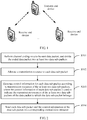
- FIG. 1 is a schematic diagram of a communications scenario of the present invention. Solutions of the present invention may be applied between terminal devices. When a data packet is transmitted, a transmit end device sends the data packet after inserting control information into the data packet, and a receive end device performs processing according to the control information. In a general communications scenario, at least one transmit end device and at least one receive end device are included. As shown in FIG. 1 , one transmit end device and two receive end devices that may perform D2D communication may be included.
- a mobile phone is used as an example in the figure.
- a device of the present invention is not limited to a mobile phone, may further be a tablet computer, an intelligent terminal, or the like, and is not specifically limited.
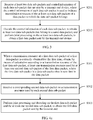
- FIG. 2 is a flowchart of a data packet transmission method according to Embodiment 1 of the present invention. As shown in FIG. 2 , on the basis of a communications scenario shown in FIG. 1 , the solution is executed by a transmit end device. Specific steps of the data packet transmission method include the following steps.
- S101 Perform channel coding on a to-be-sent data packet, and divide the coded data packet into at least two data sub-packets.
- the to-be-sent data packet is relatively large, and therefore, the data packet cannot be directly sent. Therefore, the data packet needs to be blocked after being coded, and the coded data packet is divided into multiple data sub-packets to be separately transmitted.
- each data sub-packet needs to be allocated a transmission resource, including a time resource and a frequency resource.
- S103 Generate control information for each data sub-packet according to transmission resources of the at least two data sub-packets, where the control information of each data sub-packet is used to indicate the transmission resources of the at least two data sub-packets of the data packet to which the data sub-packet belongs.
- the transmit end device needs to generate the control information for the data sub-packet according to the transmission resource of each data sub-packet of the to-be-sent data packet.
- the control information further includes information that can identify the first data packet, as specifically described below.
- the control information includes an information bit that can indicate the transmission resources of the at least two data sub-packets of the data packet to which the data sub-packet belongs. That the control information indicates the transmission resources of the at least two data sub-packets of the data packet includes:
- the control information indicates transmission resource information used by a data sub-packet that is transmitted first in the data packet, and a receive end device may obtain, by means of calculation, transmission resource information of another data sub-packet according to the transmission resource used by the data sub-packet that is transmitted first. That is, the control information of each data sub-packet is specifically used to indicate a transmission resource of a first data sub-packet of the data packet to which the data sub-packet belongs, and the first data sub-packet is a data sub-packet that is sent first in the data packet.
- control information indicates transmission resource information used by a data sub-packet transmitted each time in the data packet, so that the receive end device may determine data sub-packets that belong to a same data packet after successfully receiving multiple data sub-packets.
- the transmission resource of the data sub-packet generally includes a time resource and a frequency resource.
- control information further includes a quantity of times of transmitting the data packet (that is, a quantity of data sub-packets).
- a quantity of times of transmitting the data packet that is, a quantity of data sub-packets.
- a common manner of transmitting data is a fixed quantity of transmission times, and is specified in a protocol in advance. However, when the quantity of the transmission times needs to change, the quantity of the transmission times may also be indicated in the control information, to point out a quantity of times of transmitting the first data packet, so that the receive end device can perform processing.
- each data sub-packet and the control information of the data packet to which the data sub-packet belongs are sent on the corresponding transmission resource, and may be sent to a receive end device in a unicast manner, or may be sent in a multicast or a broadcast manner. This is not limited in the present invention.
- the receive end device After receiving multiple transmitted data sub-packets, the receive end device successively obtains, according to the correctly obtained control information of the data sub-packet, another data sub-packet that belongs to a same data packet, and then performs joint receiving processing on the obtained multiple data sub-packets, to obtain the first data packet that is sent by the transmit end device.
- the method may further include: determining a transmission format for each data sub-packet, where the transmission format includes a modulation order and/or a coding redundancy version number.
- the generating control information for each data sub-packet according to transmission resources of the at least two data sub-packets in step S103 includes: generating the control information for each data sub-packet according to the transmission resources and transmission formats of the at least two data sub-packets, where the control information is further used to indicate the transmission formats of the at least two data sub-packets of the data packet to which the data sub-packet belongs.
- the transmit end device sends each data sub-packet of the to-be-sent data packet and the corresponding control information bit on the corresponding transmission resource, so that the receive end device obtains at least two data sub-packets that belong to a same first data packet from the control information bit corresponding to the received data sub-packet, and performs joint processing to obtain the first data packet.
- the data sub-packet and the control information are transmitted simultaneously, so that the receive end device can identify multiple transmissions of a same data packet according to the control information of each data sub-packet, and perform joint processing on multiple data sub-packets corresponding to the same data packet to obtain the data packet, and therefore, data packet transmission reliability is improved.
- FIG. 3 is a flowchart of a data packet transmission method according to Embodiment 2 of the present invention. As shown in FIG. 3 , on the basis of the communications scenario shown in FIG. 1 , the solution is executed by a receive end device. Specific steps of the data packet transmission method include the following steps.
- S201 Receive at least two data sub-packets and control information of each data sub-packet that are sent by a transmit end device, where the control information of each data sub-packet is used to indicate transmission resources of the at least two data sub-packets of the data packet to which the data sub-packet belongs.
- transmit end devices may not be a same device, and received data sub-packets may not be data sub-packets of a same data packet.
- the receive end device may receive many different data sub-packets sent by one or more transmit end devices.
- Each data sub-packet includes data and control information, and the control information is used to indicate the transmission resources of the at least two data sub-packets of the data packet to which the data sub-packet belongs, so that data sub-packets that belong to a same data packet can be determined from multiple data sub-packets.
- control information of each data sub-packet is specifically used to indicate a transmission resource of a first data sub-packet of the data packet to which the data sub-packet belongs, and the first data sub-packet is a data sub-packet that is sent first in the data packet.
- control information of the data sub-packet may also point out transmission resources of some or all data sub-packets of the data packet, including a time resource and a frequency resource.
- control information of each data sub-packet is further used to indicate transmission formats of the at least two data sub-packets of the data packet to which the data sub-packet belongs, and the transmission format includes a modulation order and/or a coding redundancy version number.
- S202 Decode the control information of each data sub-packet, to obtain at least two data sub-packets that belong to a same data packet; and perform joint processing on the at least two data sub-packets, to obtain a first data packet sent by the transmit end device.
- the receive end device obtains control information from a received data sub-packet, and obtains, according to the control information, another data sub-packet that belongs to a same data packet, for example, the first data sub-packet.
- the receive end device may perform joint processing on multiple received data sub-packets that belong to a same data packet and that are transmitted for multiple times, to obtain the first data packet sent by the transmit end.
- the control information of each data sub-packet is used to indicate transmission resource information (for example, first time-frequency resource information) used for first transmitting the data packet to which the data sub-packet belongs or transmission resource information used for transmitting each data sub-packet of the data packet. That is, an information bit used to indicate a time-frequency resource used for transmitting the first data packet may be added into the original control information, so that the receive end device may determine, according to the control information, a data sub-packet that belongs to a same data packet after receiving multiple data sub-packets.
- transmission resource information for example, first time-frequency resource information
- control information further includes a quantity of times of transmitting the data packet.
- a common manner of transmitting data is a fixed quantity of transmission times, and is specified in a protocol in advance. However, when the quantity of the transmission times needs to change, the quantity of the transmission times may also be indicated in the control information, to point out a quantity of times of transmitting the first data packet.
- the transmit end device divides the to-be-sent data packet into data sub-packets, generates the corresponding control information for each data sub-packet, to indicate the transmission resources of the at least two data sub-packets of the data packet to which the data sub-packet belongs, and sends each data sub-packet and the control information of the data sub-packet on the corresponding transmission resource.
- the receive end device obtains, according to the control information, at least two data sub-packets that belong to the same first data packet from the multiple received data sub-packets, and performs joint processing to obtain the first data packet.
- the data sub-packet and the control information are transmitted simultaneously, so that the receive end device can identify multiple transmitted data sub-packets of the same data packet, and perform joint processing on the multiple data sub-packets corresponding to the same data packet, and therefore, data packet transmission reliability is improved.
- FIG. 4a is a flowchart of a data packet transmission method according to Embodiment 3 of the present invention.
- the solution is executed by a receive end device.
- Control information of a data sub-packet is used to indicate a transmission resource of a first data sub-packet of the data packet to which the data sub-packet belongs, and the first data sub-packet is a data sub-packet that is sent first in the data packet.
- Specific steps of the step S202 in an embodiment in FIG. 3 include the following steps.
- a data packet is transmitted once or for multiple times, and there is corresponding control information, also referred to as scheduling information, for each transmission.
- a transmit end device generates control information for each data sub-packet corresponding to a data packet, to indicate, independently or together with another control information bit, a time resource and a frequency resource used by a data sub-packet transmitted for the first time in a data packet to which the data sub-packet belongs.
- FIG. 4b is a schematic diagram of information of transmitting a data packet for four times.
- a data packet is transmitted for four times, that is, is transmitted as four data sub-packets.
- a data sub-packet transmitted each time has corresponding control information.
- Control information transmitted each time may indicate a transmission resource of at least one data sub-packet of a data packet to which the data sub-packet belongs, so that the receive end device combines data sub-packets obtained by transmitting a same data packet for four times, and detection performance is improved.
- the at least one second data sub-packet corresponding to the same first data packet is received on the transmission resource of each second data sub-packet, and joint processing and decoding are performed with reference to the first data sub-packet, to obtain data sub-packets sent by the transmit end device, so that detection performance is improved.
- FIG. 4b is used as an example.
- a data packet is transmitted for four times, and each transmission is corresponding to control information.
- the control information indicates transmission resources of at least two data sub-packets of the data packet, for example, time-frequency resource information used for sending the first data sub-packet, and a frequency hopping indication is further included, and is used to indicate whether frequency hopping occurs.
- the receive end device points out frequency domain resource information used for the second to fourth data transmissions by using the time-frequency resource information (for example, resource allocation information) and the frequency hopping indication.
- the receive end device when correctly receiving any control information, can learn time-frequency resource information of each data transmission according to a time resource pattern of transmission (T-PRT), resource assignment information, and a frequency hopping indication that are included in the control information, perform receiving, multiple joint processing operations, and decoding, and obtain the data packet sent by the transmit end.
- T-PRT time resource pattern of transmission
- resource assignment information resource assignment information
- frequency hopping indication that are included in the control information
- general control information (that is, SA) further includes T-RPT, resource assignments (RA), frequency hopping indication information, and the like.
- the T-RPT is used to indicate a time-domain resource location for different transmission of the D2D data packet.
- the T-RPT is an index value, and the index value is corresponding to a time-domain resource indication bit table.
- a location 1 in the table indicates different transmission used for the D2D data packet, and another location is 0.
- the frequency hopping indication information indicates, by using 1 bit, whether there is an offset between different transmission at frequency domain resource locations, that is, whether frequency hopping occurs between subframes. 1 indicates yes, and 0 indicates no.
- the RA indicates a start location of occupying a frequency domain resource in a first timeslot for first transmission and a quantity of occupied consecutive PRBs.
- each transmission occupies a same resource location in a frequency domain.
- frequency hopping occurs, each transmission has an offset at a frequency domain resource location.
- a frequency hopping manner is classified into a type I and a type II.
- N UL_hop most significant bits of the RA are used to indicate a type of frequency hopping to be used.
- a determining manner of N UL_hop is related to a quantity of uplink physical resource blocks (PRB). For details, refer to Table 1.
- Table 1 Number of frequency hopping bits N UL_hop vs. system bandwidth System BW #Hopping bits for 2nd slot RA N RB UL ( N UL_hop ) 6-49 1 50-110 2
- N UL_hop bits For a correspondence between values of N UL_hop bits and a frequency hopping type, refer to Table 2.
- Table 2 Hopping bit definition System BW N RB UL Number of frequency hopping bits Information in frequency hopping bits ⁇ PRB ( i ) 6-49 1 0 ⁇ N RB PUSCH / 2 ⁇ + n ⁇ PRB S 1 i mod N RB PUSCH 1 Type 2 PUSCH hopping 50-110 2 00 ⁇ N RB PUSCH / 4 ⁇ + n ⁇ PRB S 1 i mod N RB PUSCH 01 ⁇ ⁇ N RB PUSCH / 4 ⁇ + n ⁇ PRB S 1 i mod N RB PUSCH 10 ⁇ N RB PUSCH / 2 ⁇ + n ⁇ PRB S 1 i mod N RB PUSCH 11 Type 2 PUSCH hopping
- RIV N RB UL N RB UL ⁇ L CRBs ⁇ 1 + N RB UL ⁇ 1 ⁇ RB START .
- RB START and L CRBs may be calculated according to RIV .
- RB START is the smallest sequence value in PRBs occupied for one transmission in a frequency domain
- L CRBs is a quantity of consecutive PRBs used for the transmission from an ( RB START ) th PRB.
- the frequency hopping type I is used as an example for description below.
- N RB HO is a quantity of PRBs used for PUCCH transmission in the frequency domain.
- CURRENT_TX_NB indicates a quantity of times of transmitting a data packet, and is 0 for initial transmission. CURRENT_TX_NB is added by 1 accordingly for each subsequent retransmission.
- n PRB S 1 i n ⁇ PRB S 1 i + N ⁇ RB HO / 2
- n PRB S 1 i RB START .
- the receive end device can learn, in the foregoing computation manner, time-frequency resource information of each data transmission according to the time resource pattern of transmission (T-PRT), the resource assignment information, and the frequency hopping indication that are included in the control information.
- T-PRT time resource pattern of transmission
- the data sub-packet of the to-be-sent data packet and the corresponding control information are transmitted in a multiplexing manner, so that performance losses caused by separate transmission of the data sub-packet and the control information may be reduced.
- Each piece of control information indicates time-frequency resource information used for multiple transmissions of a data packet.
- the receive end device can obtain, by receiving any control information, time-frequency resources used for multiple transmissions of a data packet, and may perform combination receiving on data of multiple transmitted data sub-packets of the data packet, so that receiving reliability is improved.
- the receive end device can directly find, according to time-frequency resource information included in the control information, a time-frequency resource location for transmitting another data sub-packet corresponding to a same data packet. Therefore, the receive end device does not need to detect multiple pieces of control information of different data sub-packets of the same data packet, and processing complexity is reduced.
- FIG. 5 is a flowchart of a data packet transmission method according to Embodiment 4 of the present invention.
- the solution is executed by a receive end device. If control information of each data sub-packet includes a transmission resource of each data sub-packet of a first data packet to which the data sub-packet belongs, specific implementation steps of the step S202 in an embodiment in FIG. 3 include the following steps.
- the transmit end device generates control information for each data sub-packet corresponding to a data packet, to indicate, independently or together with another control information bit, a time frequency resource used for each transmission of the data packet, that is, a transmission resource.
- the receive end device correctly receives and decodes control information of a data sub-packet once, and obtains the control information, the receive end device can obtain time-frequency resource information used by each transmitted data sub-packet of the data packet, and then receive these data sub-packets corresponding to a same data packet on corresponding time-frequency resources.
- S402. Receive at least one data sub-packet on each transmission resource other than the transmission resource used for a current transmission.
- Joint processing and decoding are performed on the obtained at least two data sub-packets that belong to the first data packet, to obtain the first data packet sent by the transmit end, so that detection performance is improved.
- the data sub-packet of the to-be-sent data packet and the corresponding control information are transmitted in a multiplexing manner, so that performance losses caused by separate transmission of the data sub-packet and the control information may be reduced.
- Each piece of control information indicates time-frequency resource information used for multiple transmissions of a data packet.
- the receive end device can obtain, by receiving any control information, time-frequency resources used for multiple transmissions of a data packet, and may perform combination receiving on data of multiple transmitted data sub-packets of the data packet, so that receiving reliability is improved.
- the receive end device can directly obtain a time-frequency resource location for transmitting another data sub-packet corresponding to a same data packet, so that multiple pieces of control information of different data sub-packets of the same data packet avoid to be detected, and processing complexity is reduced.
- FIG. 6 is a flowchart of a data packet transmission method according to Embodiment 5 of the present invention. As shown in FIG. 6 , in a communications scenario shown in FIG. 1 , the solution is executed by a transmit end device. Control information of a data sub-packet may further include an ID and/or a numeral designation of a data packet to which the data sub-packet belongs. Specific steps of the data packet transmission method of the present invention are as follows.
- S501 Perform channel coding on a to-be-sent data packet, and divide the coded data packet into at least two data sub-packets.
- the to-be-sent data packet is relatively large, and therefore, the data packet cannot be directly sent. Therefore, the data packet needs to be blocked after being coded, and the data packet is divided into multiple data sub-packets to be separately transmitted.
- each data sub-packet needs to be allocated a transmission resource, including a time resource and a frequency resource.
- control information for each data sub-packet where the control information of each data sub-packet includes a numeral designation of the data packet to which the data sub-packet belongs.
- the transmit end device needs to generate the control information for the data sub-packet according to the transmission resource of each data sub-packet of the to-be-sent data packet, that is, insert a control information bit into an information bit of the to-be-sent data sub-packet.
- the control information further includes information that can identify the first data packet, for example, a set numeral designation or an identity of the data packet.
- the receive end device may determine a data sub-packet that belongs to a same data packet according to the identity (ID) of the first data packet and the preset numeral designation of the first data packet.
- control information that is used to identify the data packet to which the data sub-packet belongs is added into each data sub-packet, and each data sub-packet is sent on the corresponding transmission resource, and may be sent to a receive end device in a unicast manner, or may be sent in a multicast or a broadcast manner. This is not limited in the present invention.
- the transmit end device inserts the control information bit into each data sub-packet of the to-be-sent data packet, for example, the numeral designation, to indicate the data packet to which the data sub-packet belongs, and sends each data sub-packet on the corresponding transmission resource, so that the receive end device obtains, according to the control information, at least two data sub-packets that belong to the same first data packet from received data sub-packets, and performs joint processing to obtain the first data packet.
- the data packet and the control information are transmitted simultaneously, and the control information that is used to identify the data packet to which the data sub-packet belongs is added, so that the receive end device may recognize multiple transmissions of a same data packet according to the control information of each data sub-packet, and perform joint processing on multiple data sub-packets corresponding to the same data packet to obtain the data packet, and data packet transmission reliability is improved.
- FIG. 7 is a flowchart of a data packet transmission method according to Embodiment 6 of the present invention.
- the solution is executed by a receive end device.
- Control information of a data sub-packet may further include an ID and/or a numeral designation of a data packet to which the data sub-packet belongs.
- Specific steps of the data packet transmission method of the present invention are as follows.
- the transmit end device adds a numeral designation or a data packet ID into the control information of each data sub-packet of the data packet, to indicate, independently or together with another control information, the data packet to which the data sub-packet belongs.
- the numeral designation is used as an example, and may be preconfigured in a system, or may be determined by the transmit end device, for example, a number is randomly selected.
- the receive end device obtains the ID or the numeral designation of the control information bit according to the control information bit of each data sub-packet.
- S602. Decode the control information of each data sub-packet, to obtain a numeral designation carried in the control information of each data sub-packet.
- a data sub-packet having the same data packet ID or numeral designation is obtained, for example, at least two first data sub-packets are obtained.
- the receive end device performs joint processing and decoding on the at least two first data sub-packets, that is, data sub-packets obtained from multiple transmissions of the same data packet, to obtain the first data packet.
- the control information is generated for the data sub-packet, for example, the numeral designation, to identify a data packet to which the data sub-packet belongs, and the control information and the data sub-packet are sent simultaneously, so that performance losses caused by separate transmission of the control information and the data sub-packet are reduced, and data packet transmission reliability is improved.
- the receive end device may recognize multiple transmitted data sub-packets of a data packet, and may perform joint processing on data sub-packets obtained from multiple transmissions of the data packet, so that data packet transmission reliability is further improved.
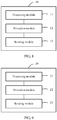
- FIG. 8 is a schematic structural diagram of a transmit end device according to Embodiment 1 of the present invention. As shown in FIG. 8 , the transmit end device 10 includes a processing module 11, an allocation module 12, and a sending module 13.
- the processing module 11 is configured to: perform channel coding on a to-be-sent data packet, and divide the coded data packet into at least two data sub-packets.
- the allocation module 12 is configured to allocate a transmission resource to each data sub-packet.
- the processing module 11 is further configured to generate control information for each data sub-packet according to transmission resources of the at least two data sub-packets, where the control information of each data sub-packet is used to indicate the transmission resources of the at least two data sub-packets of the data packet to which the data sub-packet belongs.
- the sending module 13 is configured to send each data sub-packet and the control information of the data sub-packet on a corresponding transmission resource.
- the transmit end device provided in this embodiment is configured to execute technical solutions of a transmit end device in the method embodiments in FIG. 1 to FIG. 7 , and an implementation principle and a technical effect of the transmit end device are similar to those of the technical solutions.
- the control information is generated for the data sub-packet, for example, a numeral designation, to identify a data packet to which the data sub-packet belongs, and the control information and the data sub-packet are sent simultaneously, so that performance losses caused by separate transmission of the control information and the data sub-packet are reduced, and data packet transmission reliability is improved.
- a receive end device may recognize multiple transmitted data sub-packets of a data packet, and may perform joint processing on data sub-packets obtained from multiple transmissions of the data packet, so that data packet transmission reliability is further improved.
- the control information generated by the processing module 11 for each data sub-packet is specifically used to indicate a transmission resource of a first data sub-packet of the data packet to which the data sub-packet belongs.
- the first data sub-packet is a data sub-packet that is sent first in the data packet, and the transmission resource includes a time resource and a frequency resource.
- the processing module 11 is further configured to determine a transmission format for each data sub-packet, and the transmission format includes a modulation order and/or a coding redundancy version number.
- the processing module 11 is specifically configured to generate the control information for each data sub-packet according to the transmission resources and transmission formats of the at least two data sub-packets, where the control information is further used to indicate the transmission formats of the at least two data sub-packets of the data packet to which the data sub-packet belongs.
- the transmit end device provided in this embodiment is configured to execute the technical solutions of the transmit end device in the method embodiments in FIG. 1 to FIG. 7 , and an implementation principle and a technical effect of the transmit end device are similar to those of the technical solutions, and are not described herein again.
- FIG. 9 is a schematic structural diagram of a transmit end device according to Embodiment 3 of the present invention. As shown in FIG. 9 , the transmit end device 20 includes a processing module 21, an allocation module 22, and a sending module 23.
- the processing module 21 is configured to: perform channel coding on a to-be-sent data packet, and divide the coded data packet into at least two data sub-packets.
- the allocation module 22 is configured to allocate a transmission resource to each data sub-packet.
- the processing module 21 is further configured to generate control information for each data sub-packet, where the control information of each data sub-packet includes a numeral designation of the data packet to which the data sub-packet belongs.
- the sending module 23 is configured to send each data sub-packet and the control information of the data sub-packet on a corresponding transmission resource according to the transmission resource of each data sub-packet.
- the transmit end device provided in this embodiment is configured to execute the technical solutions of the transmit end device in the method embodiments in FIG. 1 to FIG. 7 , and an implementation principle and a technical effect of the transmit end device are similar to those of the technical solutions, and are not described herein again.
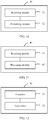
- FIG. 10 is a schematic structural diagram of a receive end device according to Embodiment 1 of the present invention. As shown in FIG. 10 , the receive end device 30 includes a receiving module 31 and a processing module 32.
- the receiving module 31 is configured to receive at least two data sub-packets and control information of each data sub-packet that are sent by a transmit end device, where the control information of each data sub-packet is used to indicate transmission resources of the at least two data sub-packets of the data packet to which the data sub-packet belongs.
- the processing module 32 is configured to: decode the control information of each data sub-packet, to obtain at least two data sub-packets that belong to a same data packet; and perform joint processing on the at least two data sub-packets, to obtain a first data packet sent by the transmit end device.
- the receive end device provided in this embodiment is configured to execute technical solutions of a receive end device in the method embodiments in FIG. 1 to FIG. 7 , and an implementation principle and a technical effect of the receive end device are similar to those of the technical solutions.
- the control information is generated by the receive end device for the data sub-packet, for example, a numeral designation, to identify a data packet to which the data sub-packet belongs, and the control information and the data sub-packet are sent simultaneously, so that performance losses caused by separate transmission of the control information and the data sub-packet are reduced, and data packet transmission reliability is improved.
- the receive end device may recognize multiple transmitted data sub-packets of a data packet, and may perform joint processing on data sub-packets obtained from multiple transmissions of the data packet, so that data packet transmission reliability is further improved.
- the control information of each data sub-packet that is received by the receiving module 31 is specifically used to indicate a transmission resource of a first data sub-packet of the data packet to which the data sub-packet belongs.
- the first data sub-packet is a data sub-packet that is sent first in the data packet, and the transmission resource includes a time resource and a frequency resource.
- the processing module 32 is specifically configured to: when a transmission resource of a first data sub-packet of the first data packet is correctly obtained for the first time, obtain, by means of calculation according to the transmission resource of the first data sub-packet, at least one transmission resource used by at least one second data sub-packet of the first data packet, where the first data sub-packet is a data sub-packet that is sent first in the data packet.
- the receiving module 31 is further configured to receive a corresponding second data sub-packet on a transmission resource used by each second data sub-packet.
- the processing module 32 is further configured to perform joint processing and decoding on the first data sub-packet and the at least one second data sub-packet, to obtain the first data packet sent by the transmit end.
- the processing module 32 is configured to: when the control information of the data sub-packet is correctly obtained for the first time, obtain, according to the control information, the transmission resource of each data sub-packet of the first data packet to which the data sub-packet belongs.
- the receiving module 31 is further configured to receive at least one data sub-packet on each transmission resource other than the transmission resource used for a current transmission.
- the processing module 32 is further configured to perform joint processing and decoding on the at least two data sub-packets that belong to the first data packet, to obtain the first data packet sent by the transmit end.
- the receive end device provided in this embodiment is configured to execute the technical solutions of the receive end device in the method embodiments in FIG. 1 to FIG. 7 , and an implementation principle and a technical effect of the receive end device are similar to those of the technical solutions, and are not described herein again.
- FIG. 11 is a schematic structural diagram of a receive end device according to Embodiment 3 of the present invention. As shown in FIG. 11 , the receive end device 40 includes a receiving module 41 and a processing module 42.
- the receiving module 41 is configured to receive at least two data sub-packets and control information of each data sub-packet that are sent by a transmit end device, where the control information of each data sub-packet includes a numeral designation of a data packet to which the data sub-packet belongs.
- the processing module 42 is configured to decode the control information of each data sub-packet, to obtain a numeral designation carried in the control information of each data sub-packet.
- the processing module 42 is further configured to: obtain, according to a numeral designation corresponding to each data sub-packet, at least two first data sub-packets having a same numeral designation that belongs to a data packet, and perform joint processing and decoding on the at least two first data sub-packets, to obtain a first data packet sent by the transmit end.
- the receive end device provided in this embodiment is configured to execute the technical solutions of the receive end device in the method embodiments in FIG. 1 to FIG. 7 , and an implementation principle and a technical effect of the receive end device are similar to those of the technical solutions, and are not described herein again.
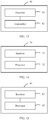
- FIG. 12 is a schematic structural diagram of an entity of a transmit end device according to Embodiment 1 of the present invention. As shown in FIG. 12 , the transmit end device 50 includes:
- the transmit end device provided in this embodiment is configured to execute the technical solutions of the transmit end device in the method embodiments in FIG. 1 to FIG. 7 , and an implementation principle and a technical effect of the transmit end device are similar to those of the technical solutions, and are not described herein again.
- FIG. 13 is a schematic structural diagram of an entity of a transmit end device according to Embodiment 2 of the present invention. As shown in FIG. 13 , the transmit end device 60 includes:
- the transmit end device provided in this embodiment is configured to execute the technical solutions of the transmit end device in the method embodiments in FIG. 1 to FIG. 7 , and an implementation principle and a technical effect of the transmit end device are similar to those of the technical solutions, and are not described herein again.
- FIG. 14 is a schematic structural diagram of an entity of a receive end device according to Embodiment 1 of the present invention. As shown in FIG. 14 , the receive end device 70 includes:
- the receive end device provided in this embodiment is configured to execute the technical solutions of the receive end device in the method embodiments in FIG. 1 to FIG. 7 , and an implementation principle and a technical effect of the receive end device are similar to those of the technical solutions, and are not described herein again.
- FIG. 15 is a schematic structural diagram of an entity of a receive end device according to Embodiment 2 of the present invention. As shown in FIG. 15 , the receive end device 80 includes:
- the receive end device provided in this embodiment is configured to execute the solutions of the receive end device in the method embodiments in FIG. 1 to FIG. 7 , and an implementation principle and a technical effect of the receive end device are similar to those of the technical solutions, and are not described herein again.
- the processor may be a central processing unit (CPU), or may be another general purpose processor, a digital signal processor (DSP), an application-specific integrated circuit (ASIC), or the like.
- the general purpose processor may be a microprocessor, or the processor may be any conventional processor or the like.
- the steps of the method disclosed with reference to the embodiments of the present invention may be directly performed by a hardware processor, or may be performed by using a combination of hardware and software modules in the processor.
- the program may be stored in a computer-readable storage medium.
- the storage medium includes: a read-only memory (ROM), a RAM, a flash memory, a hard disk, a solid state disk, a magnetic tape, a floppy disk , an optical disc, and any combination thereof.
Landscapes
- Engineering & Computer Science (AREA)
- Computer Networks & Wireless Communication (AREA)
- Signal Processing (AREA)
- Mobile Radio Communication Systems (AREA)
Claims (11)
- Datenpaketübertragungsverfahren, umfassend:Durchführen von Kanalcodierung (S101) an einem zu sendenden Datenpaket, und Teilen des codierten Datenpakets in mindestens zwei Datenteilpakete;Zuweisen einer Übertragungsressource (S102) zu jedem Datenteilpaket;Generieren von Steuerinformationen (S103) für jedes Datenteilpaket gemäß Übertragungsressourcen der mindestens zwei Datenteilpakete, wobei die Steuerinformationen von jedem Datenteilpaket verwendet werden, um die Übertragungsressourcen der mindestens zwei Datenteilpakete des Datenpakets anzugeben, zu dem das Datenteilpaket gehört; undSenden von jedem Datenteilpaket und den Steuerinformationen des Datenteilpakets (S104) auf einer entsprechenden Übertragungsressource;wobei die Steuerinformationen von jedem Datenteilpaket spezifisch verwendet werden, um eine Übertragungsressource eines ersten Datenteilpakets des Datenpakets anzugeben, zu dem das Datenteilpaket gehört, und wobei das erste Datenteilpaket ein Datenteilpaket ist, das zuerst in dem Datenpaket gesendet wird.
- Verfahren nach Anspruch 1, wobei die Übertragungsressource eine Zeitressource und eine Frequenzressource umfasst.
- Verfahren nach einem der Ansprüche 1 oder 2, wobei das Verfahren ferner umfasst:Ermitteln eines Übertragungsformats für jedes Datenteilpaket, wobei das Übertragungsformat eine Modulationsordnung und/oder eine Codierredundanzversionsnummer umfasst; unddas Generieren von Steuerinformationen für jedes Datenteilpaket gemäß den Übertragungsressourcen der mindestens zwei Datenteilpakete umfasst:
Generieren der Steuerinformationen für jedes Datenteilpaket gemäß den Übertragungsressourcen und den Übertragungsformaten der mindestens zwei Datenteilpakete, wobei die Steuerinformationen ferner verwendet werden, um die Übertragungsformate der mindestens zwei Datenteilpakete des Datenpakets anzugeben, zu dem das Datenteilpaket gehört. - Datenpaketübertragungsverfahren, umfassend:Empfangen von mindestens zwei Datenteilpaketen und Steuerinformationen (S201) von jedem Datenteilpaket, die durch eine Sendeendvorrichtung gesendet werden, wobei die Steuerinformationen von jedem Datenteilpaket verwendet werden, um Übertragungsressourcen der mindestens zwei Datenteilpakete eines Datenpakets anzugeben, zu dem das Datenteilpaket gehört; undDecodieren der Steuerinformationen von jedem Datenteilpaket (S202), um mindestens zwei Datenteilpakete zu erhalten, die zu demselben Datenpaket gehören, und Durchführen von gemeinsamer Verarbeitung an den mindestens zwei Datenteilpaketen, um ein erstes Datenpaket zu erhalten, das durch die Sendeendvorrichtung gesendet wurde;wobei die Steuerinformationen von jedem Datenteilpaket spezifisch verwendet werden, um eine Übertragungsressource eines ersten Datenteilpakets des Datenpakets anzugeben, zu dem das Datenteilpaket gehört, und wobei das erste Datenteilpaket ein Datenteilpaket ist, das zuerst in dem Datenpaket gesendet wird.
- Verfahren nach Anspruch 4, wobei die Übertragungsressource eine Zeitressource und eine Frequenzressource umfasst.
- Verfahren nach einem der Ansprüche 4 oder 5, wobei die Steuerinformationen von jedem Datenteilpaket ferner verwendet werden, um Übertragungsformate der mindestens zwei Datenteilpakete des Datenpakets anzugeben, zu dem das Datenteilpaket gehört, und wobei die Übertragungsformate eine Modulationsordnung und/oder eine Codierredundanzversionsnummer umfassen.
- Verfahren nach Anspruch 4, wobei das Decodieren der Steuerinformationen von jedem Datenteilpaket (S202), um mindestens zwei Datenteilpakete zu erhalten, die zu demselben Datenpaket gehören, und Durchführen von gemeinsamer Verarbeitung an den mindestens zwei Datenteilpaketen, um ein erstes Datenpaket zu erhalten, das durch die Sendeendvorrichtung gesendet wurde, umfasst:wenn eine Übertragungsressource eines ersten Datenteilpakets des ersten Datenpakets erstmals korrekt erhalten wird, Erhalten von mindestens einer Übertragungsressource, die von mindestens einem zweiten Datenteilpaket des ersten Datenpakets (S301) verwendet wurde, mittels Berechnung gemäß der Übertragungsressource des ersten Datenteilpakets, wobei das erste Datenteilpaket ein Datenteilpaket ist, das zuerst in dem Datenpaket gesendet wird;Empfangen eines entsprechenden zweiten Datenteilpakets (S302) auf einer Übertragungsressource, die von jedem zweiten Datenteilpaket verwendet wird; undDurchführen von gemeinsamer Verarbeitung und Decodierung (S303) an dem ersten Datenteilpaket und dem mindestens einen zweiten Datenteilpaket, um das durch das Sendeende gesendete erste Datenpaket zu erhalten.
- Verfahren nach Anspruch 4, wobei, falls die Steuerinformationen von jedem Datenteilpaket eine Übertragungsressource jedes Datenteilpakets von einem ersten Datenpaket, zu dem das Datenteilpaket gehört, umfassen, das Decodieren der Steuerinformationen für jedes Datenteilpaket, um mindestens zwei Datenteilpakete zu erhalten, die zu demselben Datenpaket gehören, und Durchführen von gemeinsamer Verarbeitung an den mindestens zwei Datenteilpaketen, um ein erstes Datenpaket zu erhalten, das durch die Sendeendvorrichtung gesendet wurde, umfasst:wenn die Steuerinformationen des Datenteilpakets erstmals korrekt erhalten werden, Erhalten der Übertragungsressource von jedem Datenteilpaket des ersten Datenpakets, zu dem das Datenteilpaket gehört, gemäß den Steuerinformationen;Empfangen von mindestens einem Datenteilpaket auf jeder Übertragungsressource, die von der Übertragungsressource verschieden ist, die für eine aktuelle Übertragung verwendet wird; undDurchführen von gemeinsamer Verarbeitung und Decodierung an den mindestens zwei Datenteilpaketen, die zu dem ersten Datenpaket gehören, um das durch das Sendeende gesendete erste Datenpaket zu erhalten.
- Sendeendvorrichtung (10), umfassend:ein Verarbeitungsmodul (11), das konfiguriert ist zum: Durchführen von Kanalcodierung an einem zu sendenden Datenpaket, und Teilen des codierten Datenpakets in mindestens zwei Datenteilpakete;ein Zuweisungsmodul (12), das konfiguriert ist zum Zuweisen einer Übertragungsressource zu jedem Datenteilpaket, wobeidas Verarbeitungsmodul (11) ferner konfiguriert ist zum Generieren von Steuerinformationen für jedes Datenteilpaket gemäß Übertragungsressourcen der mindestens zwei Datenteilpakete, wobei die Steuerinformationen von jedem Datenteilpaket verwendet werden, um die Übertragungsressourcen der mindestens zwei Datenteilpakete des Datenpakets anzugeben, zu dem das Datenteilpaket gehört; undein Sendemodul (13), das konfiguriert ist zum Senden von jedem Datenteilpaket und den Steuerinformationen des Datenteilpakets auf einer entsprechenden Übertragungsressource;wobei die Steuerinformationen, die durch das Verarbeitungsmodul (11) für jedes Datenteilpaket generiert werden, spezifisch verwendet werden, um eine Übertragungsressource eines ersten Datenteilpakets des Datenpakets anzugeben, zu dem das Datenteilpaket gehört, und wobei das erste Datenteilpaket ein Datenteilpaket ist, das zuerst in dem Datenpaket gesendet wird, und wobei die Übertragungsressource eine Zeitressource und eine Frequenzressource umfasst.
- Empfangsendvorrichtung (30), umfassend:ein Empfangsmodul (31), das konfiguriert ist zum Empfangen von mindestens zwei Datenteilpaketen und Steuerinformationen von jedem Datenteilpaket, die durch eine Sendeendvorrichtung gesendet werden, wobei die Steuerinformationen von jedem Datenteilpaket verwendet werden, um Übertragungsressourcen der mindestens zwei Datenteilpakete eines Datenpakets anzugeben, zu dem das Datenteilpaket gehört; undein Verarbeitungsmodul (32), das konfiguriert ist zum Decodieren der Steuerinformationen von jedem Datenteilpaket, um mindestens zwei Datenteilpakete zu erhalten, die zu demselben Datenpaket gehören, und Durchführen von gemeinsamer Verarbeitung an den mindestens zwei Datenteilpaketen, um ein erstes Datenpaket zu erhalten, das durch die Sendeendvorrichtung gesendet wurde;wobei die Steuerinformationen von jedem Datenteilpaket, das von dem Empfangsmodul (32) empfangen wurde, spezifisch verwendet werden, um eine Übertragungsressource eines ersten Datenteilpakets des Datenpakets anzugeben, zu dem das Datenteilpaket gehört, wobei das erste Datenteilpaket ein Datenteilpaket ist, das zuerst in dem Datenpaket gesendet wird, und die Übertragungsressource eine Zeitressource und eine Frequenzressource umfasst.
- Empfangsendvorrichtung (30) nach Anspruch 10, wobei das Verarbeitungsmodul (31) spezifisch für folgendes konfiguriert ist: wenn eine Übertragungsressource eines ersten Datenteilpakets des ersten Datenpakets erstmals korrekt erhalten wird, Erhalten von mindestens einer Übertragungsressource, die von mindestens einem zweiten Datenteilpaket des ersten Datenpakets verwendet wurde, mittels Berechnung gemäß der Übertragungsressource des ersten Datenteilpakets, wobei das erste Datenteilpaket ein Datenteilpaket ist, das zuerst in dem Datenpaket gesendet wird;
das Empfangsmodul (32) ferner konfiguriert ist zum Empfangen eines entsprechenden zweiten Datenteilpaket auf einer Übertragungsressource, die durch jedes zweite Datenteilpaket verwendet wird; und
das Verarbeitungsmodul (31) ferner konfiguriert ist zum Durchführen von gemeinsamer Verarbeitung und Decodierung an dem ersten Datenteilpaket und dem mindestens einen zweiten Datenteilpaket, um das durch das Sendeende gesendete erste Datenpaket zu erhalten.
Applications Claiming Priority (1)
| Application Number | Priority Date | Filing Date | Title |
|---|---|---|---|
| PCT/CN2015/085204 WO2017015833A1 (zh) | 2015-07-27 | 2015-07-27 | 数据包的传输方法和设备 |
Publications (3)
| Publication Number | Publication Date |
|---|---|
| EP3306997A1 EP3306997A1 (de) | 2018-04-11 |
| EP3306997A4 EP3306997A4 (de) | 2018-06-27 |
| EP3306997B1 true EP3306997B1 (de) | 2020-03-11 |
Family
ID=57885622
Family Applications (1)
| Application Number | Title | Priority Date | Filing Date |
|---|---|---|---|
| EP15899185.1A Active EP3306997B1 (de) | 2015-07-27 | 2015-07-27 | Datenpaketübertragungsverfahren und vorrichtung |
Country Status (4)
| Country | Link |
|---|---|
| US (1) | US10687249B2 (de) |
| EP (1) | EP3306997B1 (de) |
| CN (1) | CN107005986B (de) |
| WO (1) | WO2017015833A1 (de) |
Families Citing this family (8)
| Publication number | Priority date | Publication date | Assignee | Title |
|---|---|---|---|---|
| CN113891482B (zh) * | 2015-08-18 | 2024-08-09 | 北京三星通信技术研究有限公司 | 一种d2d通信中调度信息发送和接收的方法与设备 |
| EP3402276B1 (de) * | 2016-01-05 | 2023-07-19 | LG Electronics Inc. | Verfahren und vorrichtung zum senden von daten und steuerinformationen eines endgeräts in einem drahtloskommunikationssystem |
| CN107734644A (zh) * | 2016-08-11 | 2018-02-23 | 株式会社Ntt都科摩 | 信息发送、接收和控制方法,发送设备、接收设备和基站 |
| WO2018179067A1 (ja) * | 2017-03-27 | 2018-10-04 | 日本電気株式会社 | 通信装置、基地局、無線リソース割当方法、及びコンピュータ可読媒体 |
| WO2019201442A1 (en) * | 2018-04-19 | 2019-10-24 | Huawei Technologies Co., Ltd. | Transmitting device and receiving device for wireless communications |
| CN109040213B (zh) * | 2018-07-23 | 2021-06-08 | Oppo广东移动通信有限公司 | 文件下载方法及相关产品 |
| JP7498279B2 (ja) * | 2020-01-07 | 2024-06-11 | 中興通訊股▲ふん▼有限公司 | データを送信するためのシステムおよび方法 |
| CN115150387A (zh) * | 2022-06-14 | 2022-10-04 | 炫彩互动网络科技有限公司 | 一种云游戏中数据传输方法 |
Family Cites Families (13)
| Publication number | Priority date | Publication date | Assignee | Title |
|---|---|---|---|---|
| KR100689543B1 (ko) * | 2003-08-26 | 2007-03-02 | 삼성전자주식회사 | 이동통신 시스템에서 상향링크 패킷 전송을 위한 스케쥴링 요청 방법 및 장치 |
| WO2006105010A1 (en) * | 2005-03-25 | 2006-10-05 | Neocific, Inc. | Methods and apparatus for cellular broadcasting and communication system |
| US8351453B2 (en) * | 2007-12-21 | 2013-01-08 | At&T Intellectual Property I, L.P. | Methods and apparatus to allocate shared resources of a high speed packet access channel in a communication network |
| TWI423612B (zh) * | 2010-05-27 | 2014-01-11 | Acer Inc | 端對端混合式自動重送請求方法及其系統 |
| US9730633B2 (en) | 2011-02-22 | 2017-08-15 | Koninklijke Philips N.V. | Real-time airway check status indicator |
| US8837398B2 (en) * | 2011-11-01 | 2014-09-16 | Google Inc. | Generating transmission schedules |
| CN103491572B (zh) * | 2012-06-14 | 2017-04-12 | 华为技术有限公司 | 数据传输方法、设备及系统 |
| WO2015055257A1 (en) * | 2013-10-18 | 2015-04-23 | Nokia Solutions And Networks Oy | Selection and use of a security agent for device-to-device (d2d) wireless communications |
| KR102281343B1 (ko) * | 2013-10-28 | 2021-07-23 | 엘지전자 주식회사 | 무선 통신 시스템에서 장치 대 장치 단말의 신호 송수신 방법 및 장치 |
| US9661657B2 (en) * | 2013-11-27 | 2017-05-23 | Intel Corporation | TCP traffic adaptation in wireless systems |
| CN104079351A (zh) * | 2014-04-22 | 2014-10-01 | 中国人民解放军信息工程大学 | 一种可见光通信数据传输方法和装置 |
| CN104202740B (zh) * | 2014-05-08 | 2019-07-19 | 中兴通讯股份有限公司 | 通信数据发送方法、装置及用户设备 |
| EP3174333B1 (de) * | 2014-07-23 | 2020-01-01 | LG Electronics Inc. | Vorrichtung und verfahren zur weiterleitung von daten in einem drahtloszugangssystem mit unterstützung von kommunikation zwischen vorrichtungen |
-
2015
- 2015-07-27 CN CN201580065310.4A patent/CN107005986B/zh active Active
- 2015-07-27 WO PCT/CN2015/085204 patent/WO2017015833A1/zh not_active Ceased
- 2015-07-27 EP EP15899185.1A patent/EP3306997B1/de active Active
-
2018
- 2018-01-09 US US15/866,274 patent/US10687249B2/en active Active
Non-Patent Citations (1)
| Title |
|---|
| None * |
Also Published As
| Publication number | Publication date |
|---|---|
| US10687249B2 (en) | 2020-06-16 |
| EP3306997A1 (de) | 2018-04-11 |
| CN107005986A (zh) | 2017-08-01 |
| EP3306997A4 (de) | 2018-06-27 |
| US20180132136A1 (en) | 2018-05-10 |
| WO2017015833A1 (zh) | 2017-02-02 |
| CN107005986B (zh) | 2021-05-14 |
Similar Documents
| Publication | Publication Date | Title |
|---|---|---|
| EP3306997B1 (de) | Datenpaketübertragungsverfahren und vorrichtung | |
| US11051346B2 (en) | Method and apparatus for random access | |
| US20230156782A1 (en) | Random access method, configuration method, and related device | |
| AU2020260378B2 (en) | Resource indication method and related device and system | |
| US10912076B2 (en) | Physical downlink control channel transmission method and apparatus | |
| EP3197060B1 (de) | Datenübertragungsverfahren, vorrichtung und -system | |
| US12010199B2 (en) | Information transmission method, apparatus, and system | |
| EP3166364B1 (de) | Pddch-übertragungsverfahren, basisstation und benutzergerät | |
| EP2863694B1 (de) | Verfahren zur zuweisung von steuerkanalkandidatennummern sowie blinderkennungsfrequenz, basisstation und benutzervorrichtung | |
| EP2747306A1 (de) | Verfahren und vorrichtung zur anzeige von steuerkanälen | |
| CN109088713A (zh) | 一种信息传输方法、用户设备及基站 | |
| EP3128777A2 (de) | Signalwiederübertragungsvorrichtung und verfahren sowie kommunikationssystem | |
| CN106804116B (zh) | 一种反馈信息的传输方法和基站以及用户设备 | |
| KR101913681B1 (ko) | 데이터 전송 방법, 장치 및 시스템 | |
| EP3567951B1 (de) | Verfahren und vorrichtung zur verarbeitung von downlink-steuerungsinformationen | |
| CN108242970B (zh) | 基于资源单位的非许可传输的反馈方法及设备 | |
| EP3618537A1 (de) | Nachrichtenübertragungsverfahren und -vorrichtung, endgerät und basisstation | |
| CN107006003A (zh) | 在多个时间实例中的上行链路资源调度 | |
| EP3247065A1 (de) | Basisstation, benutzerendgerät und trägerzeitplanungsanzeigeverfahren | |
| CN117998592A (zh) | 一种tbs确定方法、装置及存储介质 | |
| US20190098534A1 (en) | Data transmission method, device, and system | |
| CN112533289A (zh) | 上行控制信息传输方法、终端、电子设备和存储介质 | |
| EP3827628B1 (de) | Verfahren und vorrichtung zur anzeige von pdcch-ressourcen | |
| US11778600B2 (en) | Resource allocation method and device |
Legal Events
| Date | Code | Title | Description |
|---|---|---|---|
| STAA | Information on the status of an ep patent application or granted ep patent |
Free format text: STATUS: THE INTERNATIONAL PUBLICATION HAS BEEN MADE |
|
| PUAI | Public reference made under article 153(3) epc to a published international application that has entered the european phase |
Free format text: ORIGINAL CODE: 0009012 |
|
| STAA | Information on the status of an ep patent application or granted ep patent |
Free format text: STATUS: REQUEST FOR EXAMINATION WAS MADE |
|
| 17P | Request for examination filed |
Effective date: 20180102 |
|
| AK | Designated contracting states |
Kind code of ref document: A1 Designated state(s): AL AT BE BG CH CY CZ DE DK EE ES FI FR GB GR HR HU IE IS IT LI LT LU LV MC MK MT NL NO PL PT RO RS SE SI SK SM TR |
|
| AX | Request for extension of the european patent |
Extension state: BA ME |
|
| A4 | Supplementary search report drawn up and despatched |
Effective date: 20180530 |
|
| RIC1 | Information provided on ipc code assigned before grant |
Ipc: H04W 72/12 20090101AFI20180524BHEP |
|
| DAV | Request for validation of the european patent (deleted) | ||
| DAX | Request for extension of the european patent (deleted) | ||
| REG | Reference to a national code |
Ref country code: DE Ref legal event code: R079 Ref document number: 602015048839 Country of ref document: DE Free format text: PREVIOUS MAIN CLASS: H04W0072040000 Ipc: H04W0028060000 |
|
| GRAP | Despatch of communication of intention to grant a patent |
Free format text: ORIGINAL CODE: EPIDOSNIGR1 |
|
| STAA | Information on the status of an ep patent application or granted ep patent |
Free format text: STATUS: GRANT OF PATENT IS INTENDED |
|
| RIC1 | Information provided on ipc code assigned before grant |
Ipc: H04W 92/18 20090101ALI20190913BHEP Ipc: H04W 28/06 20090101AFI20190913BHEP Ipc: H04W 72/04 20090101ALI20190913BHEP |
|
| INTG | Intention to grant announced |
Effective date: 20191001 |
|
| GRAS | Grant fee paid |
Free format text: ORIGINAL CODE: EPIDOSNIGR3 |
|
| GRAA | (expected) grant |
Free format text: ORIGINAL CODE: 0009210 |
|
| STAA | Information on the status of an ep patent application or granted ep patent |
Free format text: STATUS: THE PATENT HAS BEEN GRANTED |
|
| AK | Designated contracting states |
Kind code of ref document: B1 Designated state(s): AL AT BE BG CH CY CZ DE DK EE ES FI FR GB GR HR HU IE IS IT LI LT LU LV MC MK MT NL NO PL PT RO RS SE SI SK SM TR |
|
| REG | Reference to a national code |
Ref country code: GB Ref legal event code: FG4D |
|
| REG | Reference to a national code |
Ref country code: CH Ref legal event code: EP |
|
| REG | Reference to a national code |
Ref country code: AT Ref legal event code: REF Ref document number: 1244714 Country of ref document: AT Kind code of ref document: T Effective date: 20200315 |
|
| REG | Reference to a national code |
Ref country code: IE Ref legal event code: FG4D |
|
| REG | Reference to a national code |
Ref country code: DE Ref legal event code: R096 Ref document number: 602015048839 Country of ref document: DE |
|
| PG25 | Lapsed in a contracting state [announced via postgrant information from national office to epo] |
Ref country code: RS Free format text: LAPSE BECAUSE OF FAILURE TO SUBMIT A TRANSLATION OF THE DESCRIPTION OR TO PAY THE FEE WITHIN THE PRESCRIBED TIME-LIMIT Effective date: 20200311 Ref country code: NO Free format text: LAPSE BECAUSE OF FAILURE TO SUBMIT A TRANSLATION OF THE DESCRIPTION OR TO PAY THE FEE WITHIN THE PRESCRIBED TIME-LIMIT Effective date: 20200611 Ref country code: FI Free format text: LAPSE BECAUSE OF FAILURE TO SUBMIT A TRANSLATION OF THE DESCRIPTION OR TO PAY THE FEE WITHIN THE PRESCRIBED TIME-LIMIT Effective date: 20200311 |
|
| REG | Reference to a national code |
Ref country code: NL Ref legal event code: MP Effective date: 20200311 |
|
| PG25 | Lapsed in a contracting state [announced via postgrant information from national office to epo] |
Ref country code: HR Free format text: LAPSE BECAUSE OF FAILURE TO SUBMIT A TRANSLATION OF THE DESCRIPTION OR TO PAY THE FEE WITHIN THE PRESCRIBED TIME-LIMIT Effective date: 20200311 Ref country code: LV Free format text: LAPSE BECAUSE OF FAILURE TO SUBMIT A TRANSLATION OF THE DESCRIPTION OR TO PAY THE FEE WITHIN THE PRESCRIBED TIME-LIMIT Effective date: 20200311 Ref country code: SE Free format text: LAPSE BECAUSE OF FAILURE TO SUBMIT A TRANSLATION OF THE DESCRIPTION OR TO PAY THE FEE WITHIN THE PRESCRIBED TIME-LIMIT Effective date: 20200311 Ref country code: BG Free format text: LAPSE BECAUSE OF FAILURE TO SUBMIT A TRANSLATION OF THE DESCRIPTION OR TO PAY THE FEE WITHIN THE PRESCRIBED TIME-LIMIT Effective date: 20200611 Ref country code: GR Free format text: LAPSE BECAUSE OF FAILURE TO SUBMIT A TRANSLATION OF THE DESCRIPTION OR TO PAY THE FEE WITHIN THE PRESCRIBED TIME-LIMIT Effective date: 20200612 |
|
| REG | Reference to a national code |
Ref country code: LT Ref legal event code: MG4D |
|
| PG25 | Lapsed in a contracting state [announced via postgrant information from national office to epo] |
Ref country code: NL Free format text: LAPSE BECAUSE OF FAILURE TO SUBMIT A TRANSLATION OF THE DESCRIPTION OR TO PAY THE FEE WITHIN THE PRESCRIBED TIME-LIMIT Effective date: 20200311 |
|
| PG25 | Lapsed in a contracting state [announced via postgrant information from national office to epo] |
Ref country code: IS Free format text: LAPSE BECAUSE OF FAILURE TO SUBMIT A TRANSLATION OF THE DESCRIPTION OR TO PAY THE FEE WITHIN THE PRESCRIBED TIME-LIMIT Effective date: 20200711 Ref country code: RO Free format text: LAPSE BECAUSE OF FAILURE TO SUBMIT A TRANSLATION OF THE DESCRIPTION OR TO PAY THE FEE WITHIN THE PRESCRIBED TIME-LIMIT Effective date: 20200311 Ref country code: PT Free format text: LAPSE BECAUSE OF FAILURE TO SUBMIT A TRANSLATION OF THE DESCRIPTION OR TO PAY THE FEE WITHIN THE PRESCRIBED TIME-LIMIT Effective date: 20200805 Ref country code: SK Free format text: LAPSE BECAUSE OF FAILURE TO SUBMIT A TRANSLATION OF THE DESCRIPTION OR TO PAY THE FEE WITHIN THE PRESCRIBED TIME-LIMIT Effective date: 20200311 Ref country code: SM Free format text: LAPSE BECAUSE OF FAILURE TO SUBMIT A TRANSLATION OF THE DESCRIPTION OR TO PAY THE FEE WITHIN THE PRESCRIBED TIME-LIMIT Effective date: 20200311 Ref country code: EE Free format text: LAPSE BECAUSE OF FAILURE TO SUBMIT A TRANSLATION OF THE DESCRIPTION OR TO PAY THE FEE WITHIN THE PRESCRIBED TIME-LIMIT Effective date: 20200311 Ref country code: LT Free format text: LAPSE BECAUSE OF FAILURE TO SUBMIT A TRANSLATION OF THE DESCRIPTION OR TO PAY THE FEE WITHIN THE PRESCRIBED TIME-LIMIT Effective date: 20200311 Ref country code: CZ Free format text: LAPSE BECAUSE OF FAILURE TO SUBMIT A TRANSLATION OF THE DESCRIPTION OR TO PAY THE FEE WITHIN THE PRESCRIBED TIME-LIMIT Effective date: 20200311 |
|
| REG | Reference to a national code |
Ref country code: AT Ref legal event code: MK05 Ref document number: 1244714 Country of ref document: AT Kind code of ref document: T Effective date: 20200311 |
|
| REG | Reference to a national code |
Ref country code: DE Ref legal event code: R097 Ref document number: 602015048839 Country of ref document: DE |
|
| PLBE | No opposition filed within time limit |
Free format text: ORIGINAL CODE: 0009261 |
|
| STAA | Information on the status of an ep patent application or granted ep patent |
Free format text: STATUS: NO OPPOSITION FILED WITHIN TIME LIMIT |
|
| PG25 | Lapsed in a contracting state [announced via postgrant information from national office to epo] |
Ref country code: AT Free format text: LAPSE BECAUSE OF FAILURE TO SUBMIT A TRANSLATION OF THE DESCRIPTION OR TO PAY THE FEE WITHIN THE PRESCRIBED TIME-LIMIT Effective date: 20200311 Ref country code: DK Free format text: LAPSE BECAUSE OF FAILURE TO SUBMIT A TRANSLATION OF THE DESCRIPTION OR TO PAY THE FEE WITHIN THE PRESCRIBED TIME-LIMIT Effective date: 20200311 Ref country code: IT Free format text: LAPSE BECAUSE OF FAILURE TO SUBMIT A TRANSLATION OF THE DESCRIPTION OR TO PAY THE FEE WITHIN THE PRESCRIBED TIME-LIMIT Effective date: 20200311 Ref country code: ES Free format text: LAPSE BECAUSE OF FAILURE TO SUBMIT A TRANSLATION OF THE DESCRIPTION OR TO PAY THE FEE WITHIN THE PRESCRIBED TIME-LIMIT Effective date: 20200311 |
|
| 26N | No opposition filed |
Effective date: 20201214 |
|
| PG25 | Lapsed in a contracting state [announced via postgrant information from national office to epo] |
Ref country code: MC Free format text: LAPSE BECAUSE OF FAILURE TO SUBMIT A TRANSLATION OF THE DESCRIPTION OR TO PAY THE FEE WITHIN THE PRESCRIBED TIME-LIMIT Effective date: 20200311 Ref country code: SI Free format text: LAPSE BECAUSE OF FAILURE TO SUBMIT A TRANSLATION OF THE DESCRIPTION OR TO PAY THE FEE WITHIN THE PRESCRIBED TIME-LIMIT Effective date: 20200311 Ref country code: PL Free format text: LAPSE BECAUSE OF FAILURE TO SUBMIT A TRANSLATION OF THE DESCRIPTION OR TO PAY THE FEE WITHIN THE PRESCRIBED TIME-LIMIT Effective date: 20200311 |
|
| REG | Reference to a national code |
Ref country code: CH Ref legal event code: PL |
|
| REG | Reference to a national code |
Ref country code: BE Ref legal event code: MM Effective date: 20200731 |
|
| PG25 | Lapsed in a contracting state [announced via postgrant information from national office to epo] |
Ref country code: CH Free format text: LAPSE BECAUSE OF NON-PAYMENT OF DUE FEES Effective date: 20200731 Ref country code: LI Free format text: LAPSE BECAUSE OF NON-PAYMENT OF DUE FEES Effective date: 20200731 Ref country code: LU Free format text: LAPSE BECAUSE OF NON-PAYMENT OF DUE FEES Effective date: 20200727 Ref country code: FR Free format text: LAPSE BECAUSE OF NON-PAYMENT OF DUE FEES Effective date: 20200731 |
|
| PG25 | Lapsed in a contracting state [announced via postgrant information from national office to epo] |
Ref country code: BE Free format text: LAPSE BECAUSE OF NON-PAYMENT OF DUE FEES Effective date: 20200731 |
|
| PG25 | Lapsed in a contracting state [announced via postgrant information from national office to epo] |
Ref country code: IE Free format text: LAPSE BECAUSE OF NON-PAYMENT OF DUE FEES Effective date: 20200727 |
|
| PG25 | Lapsed in a contracting state [announced via postgrant information from national office to epo] |
Ref country code: TR Free format text: LAPSE BECAUSE OF FAILURE TO SUBMIT A TRANSLATION OF THE DESCRIPTION OR TO PAY THE FEE WITHIN THE PRESCRIBED TIME-LIMIT Effective date: 20200311 Ref country code: MT Free format text: LAPSE BECAUSE OF FAILURE TO SUBMIT A TRANSLATION OF THE DESCRIPTION OR TO PAY THE FEE WITHIN THE PRESCRIBED TIME-LIMIT Effective date: 20200311 Ref country code: CY Free format text: LAPSE BECAUSE OF FAILURE TO SUBMIT A TRANSLATION OF THE DESCRIPTION OR TO PAY THE FEE WITHIN THE PRESCRIBED TIME-LIMIT Effective date: 20200311 |
|
| PG25 | Lapsed in a contracting state [announced via postgrant information from national office to epo] |
Ref country code: MK Free format text: LAPSE BECAUSE OF FAILURE TO SUBMIT A TRANSLATION OF THE DESCRIPTION OR TO PAY THE FEE WITHIN THE PRESCRIBED TIME-LIMIT Effective date: 20200311 Ref country code: AL Free format text: LAPSE BECAUSE OF FAILURE TO SUBMIT A TRANSLATION OF THE DESCRIPTION OR TO PAY THE FEE WITHIN THE PRESCRIBED TIME-LIMIT Effective date: 20200311 |
|
| PGFP | Annual fee paid to national office [announced via postgrant information from national office to epo] |
Ref country code: GB Payment date: 20250605 Year of fee payment: 11 |
|
| PGFP | Annual fee paid to national office [announced via postgrant information from national office to epo] |
Ref country code: DE Payment date: 20250604 Year of fee payment: 11 |