EP3307330B1 - Verfahren zur behandlung unter verwendung onkolytischer viren - Google Patents
Verfahren zur behandlung unter verwendung onkolytischer viren Download PDFInfo
- Publication number
- EP3307330B1 EP3307330B1 EP16812381.8A EP16812381A EP3307330B1 EP 3307330 B1 EP3307330 B1 EP 3307330B1 EP 16812381 A EP16812381 A EP 16812381A EP 3307330 B1 EP3307330 B1 EP 3307330B1
- Authority
- EP
- European Patent Office
- Prior art keywords
- vacv
- virus
- decapping
- deficient
- vaccinia virus
- Prior art date
- Legal status (The legal status is an assumption and is not a legal conclusion. Google has not performed a legal analysis and makes no representation as to the accuracy of the status listed.)
- Active
Links
Images






Classifications
-
- A—HUMAN NECESSITIES
- A61—MEDICAL OR VETERINARY SCIENCE; HYGIENE
- A61K—PREPARATIONS FOR MEDICAL, DENTAL OR TOILETRY PURPOSES
- A61K35/00—Medicinal preparations containing materials or reaction products thereof with undetermined constitution
- A61K35/66—Microorganisms or materials therefrom
- A61K35/76—Viruses; Subviral particles; Bacteriophages
- A61K35/768—Oncolytic viruses not provided for in groups A61K35/761 - A61K35/766
-
- A—HUMAN NECESSITIES
- A61—MEDICAL OR VETERINARY SCIENCE; HYGIENE
- A61K—PREPARATIONS FOR MEDICAL, DENTAL OR TOILETRY PURPOSES
- A61K38/00—Medicinal preparations containing peptides
- A61K38/16—Peptides having more than 20 amino acids; Gastrins; Somatostatins; Melanotropins; Derivatives thereof
- A61K38/17—Peptides having more than 20 amino acids; Gastrins; Somatostatins; Melanotropins; Derivatives thereof from animals; from humans
- A61K38/19—Cytokines; Lymphokines; Interferons
-
- A—HUMAN NECESSITIES
- A61—MEDICAL OR VETERINARY SCIENCE; HYGIENE
- A61P—SPECIFIC THERAPEUTIC ACTIVITY OF CHEMICAL COMPOUNDS OR MEDICINAL PREPARATIONS
- A61P35/00—Antineoplastic agents
-
- C—CHEMISTRY; METALLURGY
- C07—ORGANIC CHEMISTRY
- C07K—PEPTIDES
- C07K14/00—Peptides having more than 20 amino acids; Gastrins; Somatostatins; Melanotropins; Derivatives thereof
- C07K14/005—Peptides having more than 20 amino acids; Gastrins; Somatostatins; Melanotropins; Derivatives thereof from viruses
-
- C—CHEMISTRY; METALLURGY
- C12—BIOCHEMISTRY; BEER; SPIRITS; WINE; VINEGAR; MICROBIOLOGY; ENZYMOLOGY; MUTATION OR GENETIC ENGINEERING
- C12N—MICROORGANISMS OR ENZYMES; COMPOSITIONS THEREOF; PROPAGATING, PRESERVING, OR MAINTAINING MICROORGANISMS; MUTATION OR GENETIC ENGINEERING; CULTURE MEDIA
- C12N7/00—Viruses; Bacteriophages; Compositions thereof; Preparation or purification thereof
-
- C—CHEMISTRY; METALLURGY
- C12—BIOCHEMISTRY; BEER; SPIRITS; WINE; VINEGAR; MICROBIOLOGY; ENZYMOLOGY; MUTATION OR GENETIC ENGINEERING
- C12N—MICROORGANISMS OR ENZYMES; COMPOSITIONS THEREOF; PROPAGATING, PRESERVING, OR MAINTAINING MICROORGANISMS; MUTATION OR GENETIC ENGINEERING; CULTURE MEDIA
- C12N2710/00—MICROORGANISMS OR ENZYMES; COMPOSITIONS THEREOF; PROPAGATING, PRESERVING, OR MAINTAINING MICROORGANISMS; MUTATION OR GENETIC ENGINEERING; CULTURE MEDIA dsDNA viruses
- C12N2710/00011—Details
- C12N2710/24011—Poxviridae
- C12N2710/24021—Viruses as such, e.g. new isolates, mutants or their genomic sequences
-
- C—CHEMISTRY; METALLURGY
- C12—BIOCHEMISTRY; BEER; SPIRITS; WINE; VINEGAR; MICROBIOLOGY; ENZYMOLOGY; MUTATION OR GENETIC ENGINEERING
- C12N—MICROORGANISMS OR ENZYMES; COMPOSITIONS THEREOF; PROPAGATING, PRESERVING, OR MAINTAINING MICROORGANISMS; MUTATION OR GENETIC ENGINEERING; CULTURE MEDIA
- C12N2710/00—MICROORGANISMS OR ENZYMES; COMPOSITIONS THEREOF; PROPAGATING, PRESERVING, OR MAINTAINING MICROORGANISMS; MUTATION OR GENETIC ENGINEERING; CULTURE MEDIA dsDNA viruses
- C12N2710/00011—Details
- C12N2710/24011—Poxviridae
- C12N2710/24111—Orthopoxvirus, e.g. vaccinia virus, variola
- C12N2710/24122—New viral proteins or individual genes, new structural or functional aspects of known viral proteins or genes
-
- C—CHEMISTRY; METALLURGY
- C12—BIOCHEMISTRY; BEER; SPIRITS; WINE; VINEGAR; MICROBIOLOGY; ENZYMOLOGY; MUTATION OR GENETIC ENGINEERING
- C12N—MICROORGANISMS OR ENZYMES; COMPOSITIONS THEREOF; PROPAGATING, PRESERVING, OR MAINTAINING MICROORGANISMS; MUTATION OR GENETIC ENGINEERING; CULTURE MEDIA
- C12N2710/00—MICROORGANISMS OR ENZYMES; COMPOSITIONS THEREOF; PROPAGATING, PRESERVING, OR MAINTAINING MICROORGANISMS; MUTATION OR GENETIC ENGINEERING; CULTURE MEDIA dsDNA viruses
- C12N2710/00011—Details
- C12N2710/24011—Poxviridae
- C12N2710/24111—Orthopoxvirus, e.g. vaccinia virus, variola
- C12N2710/24132—Use of virus as therapeutic agent, other than vaccine, e.g. as cytolytic agent
-
- C—CHEMISTRY; METALLURGY
- C12—BIOCHEMISTRY; BEER; SPIRITS; WINE; VINEGAR; MICROBIOLOGY; ENZYMOLOGY; MUTATION OR GENETIC ENGINEERING
- C12N—MICROORGANISMS OR ENZYMES; COMPOSITIONS THEREOF; PROPAGATING, PRESERVING, OR MAINTAINING MICROORGANISMS; MUTATION OR GENETIC ENGINEERING; CULTURE MEDIA
- C12N2710/00—MICROORGANISMS OR ENZYMES; COMPOSITIONS THEREOF; PROPAGATING, PRESERVING, OR MAINTAINING MICROORGANISMS; MUTATION OR GENETIC ENGINEERING; CULTURE MEDIA dsDNA viruses
- C12N2710/00011—Details
- C12N2710/24011—Poxviridae
- C12N2710/24211—Parapoxvirus, e.g. Orf virus
- C12N2710/24221—Viruses as such, e.g. new isolates, mutants or their genomic sequences
-
- C—CHEMISTRY; METALLURGY
- C12—BIOCHEMISTRY; BEER; SPIRITS; WINE; VINEGAR; MICROBIOLOGY; ENZYMOLOGY; MUTATION OR GENETIC ENGINEERING
- C12N—MICROORGANISMS OR ENZYMES; COMPOSITIONS THEREOF; PROPAGATING, PRESERVING, OR MAINTAINING MICROORGANISMS; MUTATION OR GENETIC ENGINEERING; CULTURE MEDIA
- C12N2710/00—MICROORGANISMS OR ENZYMES; COMPOSITIONS THEREOF; PROPAGATING, PRESERVING, OR MAINTAINING MICROORGANISMS; MUTATION OR GENETIC ENGINEERING; CULTURE MEDIA dsDNA viruses
- C12N2710/00011—Details
- C12N2710/24011—Poxviridae
- C12N2710/24211—Parapoxvirus, e.g. Orf virus
- C12N2710/24222—New viral proteins or individual genes, new structural or functional aspects of known viral proteins or genes
Definitions
- the present invention pertains to methods of treatment using oncolytic viruses and more particularly to methods of treating tumors in mammals using decapping deficient mutant virus strains.
- Pharmaceutical formulations containing oncolytic viruses are also disclosed.
- Emergent biological therapies may command tremendous advantages over traditional cancer chemotherapy and radiation, whose efficacies are restricted by toxicity and resistance. Besides reduced toxicity and greater selectivity for tumor cells, new therapies reliant on multiple methods of cell killing distinct from conventional antineoplastic agents and capable of eliciting systemic anti-tumor immune responses promise durable cures and overall survival benefits.
- viruses can be tailored to selectively destroy tumor cells by modifying their genomes. The resulting engineered viruses are attenuated due to deletion of key virulence genes, yet retain the ability to replicate productively in and destroy cancer cells.
- Such variants, which do not cause disease but are selectively virulent in tumors are termed oncolytic viruses (OVs).
- OVs oncolytic viruses
- OVs Tumor destruction driven, in part, by active viral replication within cancer cells is referred to herein as viral oncolysis.
- OVs stimulate systemic, anti-tumor immune responses and are likewise potent immuno-therapeutic agents on their own and in conjunction with immune checkpoint blockade immunotherapy (Zamarin et al., 2014; Zamarin & Wolchok, 2014).
- RNA viruses To thwart production of host defense molecules and stimulate viral mRNA translation, viruses often subvert cellular mRNA decay pathways and manipulate Xrn1 (Gaglia and Glaunsinger, 2010; Read, 2013). While some RNA viruses circumvent Xrn1 action to preserve their genomic integrity (Chapman et al., 2014; Dougherty et al., 2011; Silva et al., 2010), others that produce m 7 GTP-capped mRNAs harness the mRNA exonucleolytic powers of Xrn1 to accelerate host and viral mRNA decay (Gaglia et al., 2012).
- accelerating viral mRNA turnover sharpens transitions between different kinetic classes of temporally transcribed mRNAs and shapes the viral developmental gene expression profile (Kwong and Frenkel, 1987; Read and Frenkel, 1983).
- This is exemplified by mRNA endonucleases encoded by certain herpesviruses, which produce exposed 5'-monophosphate-containing RNA fragments that are degraded by Xrn1 (Covarrubias et al., 2011; Elgadi et al., 1999; Everly et al., 2002; Gaglia et al., 2012).
- viruses including influenza and coronaviruses also encode mRNA endonucleases (Jagger et al., 2012; Kamitani et al., 2006; Plotch et al., 1981); however a role for Xrn1 and the host decay machinery has only been shown for the SARS coronavirus nsp1 (Gaglia et al., 2012).
- vaccinia virus encodes two nudix domain-containing polypeptides related to the cellular Dcp2 decapping enzyme that accelerate mRNA turnover (Parrish and Moss, 2006, 2007; Parrish et al., 2007).
- Decapping enzymes catalyze a reaction whereby the monomethyl guanosine cap (m 7 G) on the 5'-termini of eukaryotic mRNA is cleaved to generate a 5'-monophosphate mRNA.
- Poxviridae family members encode decapping enzymes that utilize both viral and host mRNAs as substrates.
- the prototypical Poxviridae family member Vaccinia virus (VACV) encodes two decapping enzymes, D9 and D10, each of which contains an approximately 23 amino acid conserved motif called the nudix hydrolase motif (or alternatively referred to as the MuT motif).
- This nudix hydrolase or MutT motif is found in a variety of pyrophosphatases and is a signature functional motif required for decapping enzyme activity (Koonin, 1993; Bessman et al, 1996; Dunckley & Parker, 1999; Van Dijk et al., 2002; Wang et al., 2002; Cohen et al., 2005; Parrish et al., 2007).
- genes orthologous to VACV D9 and / or D10 that contain a nudix hydrolase or MutT motif are found in many Poxviridae family members.
- Poxviruses like VacV encode the components required to produce capped, polyadenylated mRNAs (Moss, 2013).
- a virus-encoded heterodimeric cap methyltransferase (Morgan et al., 1984; Niles et al., 1989; Shuman et al., 1980; Venkatesan et al., 1980) and a poly (A) polymerase (Gershon et al., 1991; Moss et al., 1975; Nevins and Joklik, 1977) effectively mark nascent mRNAs with structural features vital for their stability and capacity to be translated.
- D9 and D10 open reading frames encode proteins that stimulate mRNA turnover in infected and uninfected cells and function as decapping enzymes in vitro (Parrish and Moss, 2006, 2007; Parrish et al., 2007). While D9 is expressed early in the viral lifecycle, D10 is expressed later and its expression correlates with the virus-induced suppression of host protein synthesis (Parrish and Moss, 2006).
- D10 may also regulate viral gene expression since it prefers m7GpppG over m7GpppA substrates in vitro and the latter are only found on intermediate and late genes (Parrish et al., 2007). While decapped mRNAs like those produced by D9/10 are posited targets for Xrn1, precisely how Xrn1 might impact infected cell biology has not been investigated.
- Xrn1 plays an unexpected role in VacV biology, as all ongoing protein synthesis ceased in Xrn1-depleted primary human fibroblasts infected with VacV, severely restricting virus growth. This occurred prior to completion of the viral lifecycle and was exacerbated by the absence of D9 decapping enzyme. Moreover, it coincided with dsRNA accumulation and activation of host dsRNA-responsive defenses controlled by PKR, which phosphorylates and inactivates the critical translation initiation factor elF2, and 2'-5' oligoadenylate synthetase, which stimulates rRNA cleavage by RNase L.
- Xrn1-depletion even sensitized uninfected cells to dsRNA treatment.
- a key host mRNA decay enzyme, Xrn1 is required to regulate cytoplasmic dsRNA accumulation and signaling through critical host dsRNA-responsive innate immune sensing pathways in uninfected and VacV infected cells.
- VacV like many viruses, encodes a dsRNA binding protein to limit dsRNA accumulation and signaling
- the host Xrn1 functionally controls dsRNA homeostasis in infected cells, despite the presence of a viral dsRNA binding protein. This challenges existing notions regarding the potency of viral dsRNA antagonists.
- Poxviridae decapping deficient mutants serve as oncolytic agents for use in the treatment of tumors in mammals.
- the term Poxviridae decapping deficient mutant means a Poxviridae family member that is missing or does not encode at least one functional decapping enzyme that contains a nudix hydrolase or MutT motif.
- VacV Poxvirus Vaccinia
- D9, D10 two decapping enzymes
- Xrn1-depleted primary cells resulted in the inhibition of ongoing protein synthesis, severely compromising virus growth. This was aggravated by D9-deficiency and dependent upon a specific virus transcription factor required for intermediate and late mRNA biogenesis.
- Poxviridae decapping deficient mutant viruses in normal cells is impaired because these viruses, while attenuated, potently activate cellular innate anti-viral defenses (Burgess & Mohr, 2015; Liu et al, 2015), likely accounting for their reduced virulence in animals (Liu et al, 2014; 2015).
- intrinsic, anti-viral defenses are impaired in numerous cancer cells and allow the growth of attenuated viruses that are unable to counteract host defenses including PKR and RNase L.
- Poxviridae decapping deficient mutant viruses are attenuated in mice, they remain capable of destroying cancer cells because these tumor cells have deficiencies in many intrinsic host defenses.
- a method for treating a tumor which comprises administering to a subject in need of such treatment an effective amount for treating the tumor of a Poxviridae decapping deficient mutant virus.
- Poxviridae decapping deficient mutant virus is deficient in one or more genes that encode at least one polypeptide with a nudix hydrolase or MuT motif.
- the Poxviridae decapping deficient mutant virus is a member of the sub-family chordopoxviridae.
- chordopoxviridae is a vaccinia virus.
- the vaccinia virus is selected from the group consisting of D9, D10, and D9/10 doubly deficient mutants.
- the vaccinia virus is deficient in a D9 gene or D10 gene or both.
- the effective amount comprises between about 10 4 pfu per kg body weight to about 3 x 10 7 pfu per kg body weight of the subject.
- the subject is a mammal.
- Also disclosed herein is a Poxviridae decapping deficient mutant virus.
- the tumor is a member selected from the group consisting of cancer of the breast, brain, cervix, colon, head & neck, liver, kidney, lung, non-small cell lung, melanoma, mesothelioma, ovary, sarcoma, stomach, uterus and medulloblastoma.
- neuroblastoma ovarian cancer, rhabdomyosarcoma, primary thrombocytosis, primary macroglobulinemia, primary brain tumors, malignant pancreatic insulanoma, malignant carcinoid, urinary bladder cancer, premalignant skin lesions, testicular cancer, lymphomas, thyroid cancer, neuroblastoma, esophageal cancer, genitourinary tract cancer, malignant hypercalcemia, endometrial cancer, adrenal cortical cancer, neoplasms of the endocrine and exocrine pancreas, and prostate cancer.
- the Poxviridae decapping deficient mutant virus is administered in a pharmaceutical formulation.
- the formulation is administered systemically.
- formulation is administered parenterally.
- said formulation is administered by direct injection into the tumor.
- the formulation comprises a pharmaceutically acceptable carrier or diluent.
- a checkpoint inhibitor s administered
- the checkpoint inhibitor is co-administered with the In another aspect, the checkpoint inhibitor is administered separately from the pharmaceutical formulation.
- the method further comprising treating said subject with an anti-cancer therapy selected from the group consisting of chemotherapy, radiation therapy, thermotherapy and TACE (transarterial chemoembolization).
- an anti-cancer therapy selected from the group consisting of chemotherapy, radiation therapy, thermotherapy and TACE (transarterial chemoembolization).
- the subject is a human.
- he subject is an animal.
- the vaccinia virus is selected from the group consisting of VacV strains Western Reserve (ATCC VR-1354), NYCBofH - Wyeth (ATCC VR-1536), Modified Vaccinia Virus Ankara (ATCC VR-1566) and Lister (ATCC
- the Poxviridae decapping deficient mutant further comprise an immune stimulating cytokine selected from the group consisting of IL-1, IL-2, IL-3, IL-4, IL-5, IL-6, IL-7, IL-8, IL-9, IL-10, IL-11, IL-12, IL-13, IL-14, IL-15, IL-16, IL-17 and IL-18-IL-36.
- an immune stimulating cytokine selected from the group consisting of IL-1, IL-2, IL-3, IL-4, IL-5, IL-6, IL-7, IL-8, IL-9, IL-10, IL-11, IL-12, IL-13, IL-14, IL-15, IL-16, IL-17 and IL-18-IL-36.
- said immune stimulating cytokine is selected from the group consisting of a TAP inhibitor, granulocyte macrophage colony stimulating factor (GM-CSF).
- GM-CSF granulocyte macrophage colony stimulating factor
- the Poxviridae decapping deficient mutant further comprises a chemokine selected from the group consisting of CC chemokines, CXC chemokines, C chemokines, and CX 3 C chemokines.
- said Poxviridae decapping deficient mutant comprises a PKR/Ribonuclease L inhibitor selected from the group consisting of Herpes Simplex virus Type 1 (HSV1) Us11, human cytomegalovirus (HCMV) TRS1, reovirus sigma 3, influenza virus NS1, vaccinia virus E3L or K3L genes.
- HSV1 Herpes Simplex virus Type 1
- HCMV human cytomegalovirus
- reovirus sigma 3 influenza virus NS1, vaccinia virus E3L or K3L genes.
- the Poxviridae decapping deficient mutant comprises a thymidine kinase (tk) gene.
- thymidine kinase (tk) gene is from Herpes Simplex virus.
- a pharmaceutical formulation comprising a Poxviridae decapping deficient mutant virus and a pharmaceutically acceptable carrier or diluent.
- the pharmaceutical formulation includes an immune checkpoint inhibitor.
- the immune checkpoint inhibitor comprises an antibody.
- the antibody is directed against a cellular protein selected from the group consisting of PD1, PDL1, CTLA4, Tim-3, BTLA, Lag-3 and Tigit.
- the Poxviridae decapping deficient mutant is deficient in one or more genes which encode at least one polypeptide with a nudix hydrolase or MuT motif.
- the pharmaceutical formulation contains a decapping deficient mutant that is a member of the sub family chordopoxviridae .
- chordopoxviridae sub-family member is a vaccinia virus (VacV).
- the VacV is selected from the group consisting of strains Western Reserve (ATCC VR-1354), NYCBofH - Wyeth (ATCC VR-1536), Modified Vaccinia Virus Ankara (ATCC VR-1566) and Lister (ATCC VR-1549.
- the VacV further comprises an immune stimulating cytokine that is a member selected from the group consisting of IL-1, IL-2, IL-3, IL-4, IL-5, IL-6, IL-7, IL-8, IL-9, IL-10, IL-11, IL-12, IL-13, IL-14, IL-15, IL-16, IL-17 and IL-18-IL-36.
- an immune stimulating cytokine that is a member selected from the group consisting of IL-1, IL-2, IL-3, IL-4, IL-5, IL-6, IL-7, IL-8, IL-9, IL-10, IL-11, IL-12, IL-13, IL-14, IL-15, IL-16, IL-17 and IL-18-IL-36.
- the immune stimulating cytokine is a member selected from the group consisting of a TAP inhibitor, granulocyte macrophage colony stimulating factor (GM-CSF).
- GM-CSF granulocyte macrophage colony stimulating factor
- the Poxviridae decapping deficient mutant further comprises a chemokine selected from the group consisting of CC chemokines, CXC chemokines, C chemokines, and CX 3 C chemokines.
- the Poxviridae decapping deficient mutant comprises a PKR/Ribonuclease L inhibitor selected from the group consisting of Herpes Simplex virus Type 1 (HSV1) Us11, human cytomegalovirus (HCMV) TRS1, reovirus sigma 3 and influenza virus NS1 genes.
- HSV1 Herpes Simplex virus Type 1
- HCMV human cytomegalovirus
- reovirus sigma 3 reovirus sigma 3
- influenza virus NS1 genes selected from the group consisting of Herpes Simplex virus Type 1 (HSV1) Us11, human cytomegalovirus (HCMV) TRS1, reovirus sigma 3 and influenza virus NS1 genes.
- a method for reducing the tumor burden in a mammal by administering to a mammal in need of such treatment an effective amount for reducing the tumor burden of the mammal of a Poxviridae mutant deficient for one or more viral genes that encode decapping enzymes.
- the Poxviridae decapping deficient mutant is deficient in one or more genes which encode at least one polypeptide with a nudix hydrolase or MuT motif.
- the Poxviridae decapping deficient mutant is a member of the sub family chordopoxviridae .
- chordopoxviridae is a vaccinia virus.
- the vaccinia virus is a member selected from the group consisting of D9, D10, and D9/10 doubly deficient mutants.
- the mammal is a human.
- the vaccinia virus is deficient in a D9 gene or D10 gene or both.
- the method comprises administering a pharmaceutical formulation comprising the Poxviridae decapping deficient mutant and a pharmaceutically acceptable excipient.
- the pharmaceutical formulation comprises an immune checkpoint inhibitor.
- the immune checkpoint inhibitor comprises an antibody.
- the method comprises administering the immune checkpoint inhibitor separately from the pharmaceutical formulation.
- the present invention is based on the unexpected discovery that Poxviridae decapping deficient mutants can be used as oncolytic agents for treating mammals afflicted with tumors. This was unexpected because, as described below, the growth of these Poxviridae decapping deficient mutants in normal cells and their virulence in animals is impaired because this virus, while attenuated, potently activates cellular intrinsic anti-viral defenses.
- Poxviridae and viruses from the subgenus chordopoxviridae in particular, deficient in one or more virus-encoded decapping functions for oncolytic virus (OV) immunotherapy.
- OV oncolytic virus
- Poxviruses are considered the best platform for systemic, intravenous delivery of OVs because they can withstand innate defenses in serum (including complement). They are also effective following local administration and can generate systemic anti-tumor immune responses.
- Poxviruses have been made safe by removing the viral gene for thymidine kinase (tk), or ribonucleotide reductase, which restricts growth to dividing cells but also may over-attenuate the virus, crippling its capacity to destroy tumor cells and limiting its ability to induce a systemic anti-tumor immune response.
- modified Poxviridae family members such as Vaccinia virus (VacV) strains deficient in the VacV decapping enzymes D9, D10, or both D9/D10 represents a safe, effective approach for using Poxvirus OVs that can be further modified to i) increase tumor cell killing; and ii) induce a systemic anti-tumor immune response.
- VacV Vaccinia virus
- D9, D10, and D9/D10 doubly-deficient derivatives can be created in a variety of standard VacV viral strains suitable for use in patients (including but not limited to Western Reserve (ATCC VR-1354), NYCBofH - Wyeth (ATCC VR-1536), Modified Vaccinia Virus Ankara (ATCC VR-1566) and Lister (ATCC VR-1549). It has now been discovered that depleting the host mRNA decay enzyme Xrn1, a 5'-3' exoribonuclease, restricts VacV replication (Burgess & Mohr, 2015).
- This phenotype shows a synthetic genetic interaction with deficiencies in the virus-encoded decapping enzymes encoded by the D9 and D10 genes, consistent with their participating in the same genetic pathway (Burgess & Mohr 2015).
- the block to viral replication in the absence of the host enzyme Xrn1 or in the absence of virus-encoded decapping enzymes D9, D10, or a doubly-deficient D9/D10 mutant results from accumulation of double-stranded RNA (dsRNA) in infected cells, a danger signal indicative of virus infection that in turn activates host antiviral defense molecules including PKR and RNase L (Burgess & Mohr, 2015; Liu et al, 2015).
- dsRNA double-stranded RNA
- herpes simplex virus-1 (HSV-1) ICP34.5-deficient derivatives which are defective in controlling PKR and RNase L, are useful oncolytic viruses. While HSV1 ICP34.5-deficient viruses and derivative strains remain attenuated and do not cause disease, they remain capable of destroying cancer cells because these tumor cells have deficiencies in many innate host defenses. There are no homologues of ICP34.5 in VacV or any other Poxviridae family member and the prior art did not implicate Poxviridae genes that encode decapping enzymes in controlling host defenses PKR and RNase L.
- Poxviridae decapping deficient mutants are unable to counter the antiviral host defenses in normal cells, they can preferentially replicate in many cancer cells that lack normal host defenses (including PKR, RNase L) and interferon responsiveness.
- attenuated decapping deficient Poxviridae family member are ideally suited for use as therapeutic oncolytic viruses.
- Poxviridae decapping deficient mutant viruses can replicate in and kill many types of cancer cells, it is conceivable that their oncolytic activity may be restricted in other types of cancer cells and that they are in effect over-attenuated. Thus, they may require further modification to kill cancer cells effectively.
- the virus is passaged multiple times through restrictive, non-permissive cancer cells, such as U373 (SKU 08061901, available from Sigma-Aldrich) or U-251 MG (SKU 09063001, available from Sigma-Aldrich) glioma cells or SKN-SH neuroblastoma cells (available from the American Type Culture Collection [ATCC, Manassas, VA)] as HTB-11), that are known to restrict the growth of viruses unable to counter PKR and RNase L. Such viruses remain attenuated for virulence in animals but selectively kills cancer cells.
- restrictive, non-permissive cancer cells such as U373 (SKU 08061901, available from Sigma-Aldrich) or U-251 MG (SKU 09063001, available from Sigma-Aldrich) glioma cells or SKN-SH neuroblastoma cells (available from the American Type Culture Collection [ATCC, Manassas, VA)] as HTB-11
- U373 SKU
- a recombinant Vaccinia virus deficient in D9, D10, or D9/10 is engineered to express a heterologous [e.g., HSV1 Us11 (McGeoch, D. J., Dolan A., Donald,S. & Rixon, F. J., 1985), Human Cytomegalovirus (HCMV) TRS1 (Chee, M. S.,A. T. Bankier, S. Beck, R. Bohni, C. M. Brown, R. Cerny, T. Horsnell, C. A. I. Hutchison, T. Kouzarides, J. A. Martignetti, E. Preddie, S. C. Satchwell, P.
- HSV1 Us11 McGeoch, D. J., Dolan A., Donald,S. & Rixon, F. J., 1985
- Human Cytomegalovirus (HCMV) TRS1 Human Cytomegalovirus
- Chee M. S.,A.
- the D9, D10 or D9/10 doubly deficient Vaccinia virus can antagonize PKR and RNase L and more effectively kill cancer cells.
- Poxviridae decapping deficient mutant replicates more slowly, it remains vulnerable to clearance by the adaptive immune response that develops post-treatment. The longer the attenuated Poxvirus persists, the greater chance it will have to destroy tumor cells and stimulate a systemic, immunotherapeutic anti-tumor response.
- the D9, D10, or D9/10 doubly-deficient Vaccinia virus mutant derivatives are modified to enhance their efficacy as immunotherapeutic agents by engineering a recombinant that expresses a virus-encoded TAP inhibitor +/- GM-CSF (as described in co-pending application Serial No. 14/343,108 ) from a Poxvirus promoter into their genome.
- Poxvirus tk gene ribonucleotide reductase gene, Poxvirus growth factor gene.
- TAP inhibitor +/- GMCSF the attenuated D9, D10, and D9/10 doubly- deficient Poxvirus derivatives will persist longer in immune competent hosts and more effectively stimulate systemic immunotherapeutic responses.
- the present invention is directed to the use of any Poxviridae decapping deficient mutant virus.
- This includes deletions of one or more viral genes encoding decapping enzymes, replacement of genes encoding decapping enzymes with reporters like EGFP, and catalytically inactive alleles such as point mutations or insertions into the genes encoding decapping enzymes that disrupt their coding capacity.
- Poxviridae decapping deficient mutants can also be combined with other mutations in the viral genome-for example: a thymidine kinase (tk) mutant, a Poxvirus growth factor mutant, a ribonucleotide reductase mutant, or any combination of these mutants.
- any Poxvirus that is deficient in D9 and/or D10 decapping genes or their orthologues that encode decapping enzymes in chordopoxviridae subfamily members can be used as oncolytic viruses in the present invention, irrespective of other mutations present in the Poxvirus genome backbone.
- poxviridae is a virus family.
- Two subfamilies comprise the family Poxviridae: chordopoxviridae , which infect vertebrates, and Entomopoxviridae, which infect invertebrates.
- avipoxviruses (species: Canarypox virus, Fowlpox virus, Juncopox virus, Mynahpox virus, Pigeonpox virus, Psittacinepox virus, Qailpox virus, Sparrowpox virus, Starlingpox virus, Turkeypox virus); Capripoxviruses (species: Goatpox virus, Sheeppox virus, Lumpy skin disease virus); Cervidpox virus (species: Mule deerpox virus); Crocodylidpoxvirus (species: Nile crocodile poxvirus); Leporipoxviruses (species: Hare fibroma virus, Myxoma virus, Rabbit fibroma virus, squirrel fibroma virus); Molluscipox virus,
- Nudix hydrolase motif is found in a variety of pyrophosphatases and is a signature functional motif required for decapping enzyme activity (Koonin, 1993; Bessman et al, 1996; Dunckley & Parker, 1999; Van Dijk et al., 2002; Wang et al., 2002; Cohen et al., 2005; Parrish et al., 2007).
- chordopoxvirus sub-family members can be utilized as oncolytic viruses including myxoma, Yaba-like disease virus, Raccoonpox virus, squirrelpox virus (reviewed in Kim et al. 2015).
- chordopoxviruses including canary pox have been used to derive recombinant vaccine vectors and can be adapted for use in oncolytic virus therapy (for example, see Rerks-Ngarm, S. et al. 2009).
- any member of the chordopoxvirus subfamily can be modified for use as an oncolytic virus in the present invention by rendering decapping enzyme gene or genes (orthologs of VACV D9 or D10) non-functional to achieve preferential growth on cancer cells. This can be done using techniques well known to those of ordinary skill in the art as described in Example 1 below. Inactivation of decapping enzymes in other chordopoxviruses can be accompanied by additional mutations in other viral genes including ribonucleotide reductase or thymidine kinase (tk) as described in Example 11 below.
- tk thymidine kinase
- Poxviruses for use in the present invention include Raccoonpox virus (ATCC ® VR-2212TM); Cowpox virus (ATCC ® VR-302TM); Rabbitpox virus (ATCC® VR-1591TM); Myxoma virus (ATCC ® VR-115TM); Canarypox virus (ATCC ® VR-111TM); Yaba-like disease virus (ATC) Fowlpox virus (ATCC ® VR-229TM); Fowlpox virus (ATCC ® VR-251TM); Fowlpox virus (ATCC ® VR-250TM); Fowlpox virus (ATCC ® VR-249TM); Bovine papular stomatitis virus (ATCC ® VR-801TM); Pseudocowpox virus (ATCC ® VR-634TM); Rabbit fibroma virus (ATCC ® VR-364TM); Squirrel fibroma virus (ATCC ® VR-236TM); Ec
- Additional Poxviruses include:
- Poxviridae decapping deficient mutant viruses of the invention are used in a method of treating the human or animal body.
- viruses of the invention are used in methods of cancer therapy.
- variant Poxviruses of the invention are used to treat cancer by oncolytic virus immunotherapy. This involves a two component mechanism wherein the virus replicates preferentially in the tumor and i) destroys the tumor by direct viral oncolysis; and ii) stimulates an anti-tumor immune response that facilitates a systemic anti-tumor adaptive immune response. Such treatment will reduce the tumor burden in the recipient.
- Viruses of the invention are used in the therapeutic treatment of any solid or non-solid tumor in a mammal, preferably in a human, but can be an animal, including a laboratory animal in the context of a clinical trial or screening or activity experiment.
- the methods and compositions of the present invention are particularly suited to administration to any animal, particularly a mammal, and including, but by no means limited to, domestic animals, such as feline or canine subjects, farm animals, such as but not limited to bovine, equine, caprine, ovine, and porcine subjects, wild animals (whether in the wild or in a zoological garden), research animals, such as mice, rats, rabbits, goats, sheep, pigs, dogs, cats, etc., avian species, such as chickens, turkeys, songbirds, etc., i.e., for veterinary medical use.
- Poxvirus that replicates in cells of the recipient but it does need to be a perfect match.
- vaccinia virus replicates in canine cells and has been used in pre-clinical studies as an oncolytic virus to treat tumors in dogs.
- Poxviruses that replicate poorly in normal cells of a given species may actually replicate in tumor cells of that species.
- myxoma was thought to be a rabbit specific poxvirus but replicates in human tumor cells.
- the determination of the particular Poxvirus to administer can be determined by routine experimentation well known to those of ordinary skill in the art using in vitro assays for inhibition of tumor/cancer cell growth and/or for killing tumor cells, such as colony formation or dye uptake; antitumor/antitumor efficacy experiments are then performed in vivo.
- viruses of the invention are administered to a subject afflicted with prostate, breast, lung, liver, renal cell, endometrial, bladder, colon or cervical carcinoma; adenocarcinoma; melanoma; leukemia; lymphoma; glioma; sarcomas such as soft tissue and bone sarcomas; or cancer of the head and neck, and, preferably, bladder cancer.
- cancer refers to all types of cancer, neoplasm or malignant tumors found in mammals, including leukemia, lymphoma, carcinomas and sarcomas.
- Non-limiting examples of cancers include cancer of the breast, brain, cervix, colon, head & neck, liver, kidney, lung, non-small cell lung, melanoma, mesothelioma, ovary, sarcoma, stomach, uterus and medulloblastoma.
- blood dyscrasia's such as Hodgkin's Disease, Non-Hodgkin's Lymphoma, and multiple myeloma
- neuroblastoma ovarian cancer
- rhabdomyosarcoma primary thrombocytosis
- primary macroglobulinemia primary brain tumors
- malignant pancreatic insulanoma malignant carcinoid
- urinary bladder cancer premalignant skin lesions
- testicular cancer lymphomas
- thyroid cancer neuroblastoma
- esophageal cancer genitourinary tract cancer
- malignant hypercalcemia endometrial cancer
- adrenal cortical cancer neoplasms of the endocrine and exocrine pancreas, and prostate cancer.
- carcinoma refers to a malignant new growth made up of epithelial cells tending to infiltrate the surrounding tissues and give rise to metastases.
- exemplary carcinomas include, for example, acinar carcinoma, acinous carcinoma, adenocystic carcinoma, adenoid cystic carcinoma, carcinoma adenomatosum, carcinoma of adrenal cortex, alveolar carcinoma, alveolar cell carcinoma, basal cell carcinoma, carcinoma basocellulare, basaloid carcinoma, basosquamous cell carcinoma, bronchioalveolar carcinoma, bronchiolar carcinoma, bronchogenic carcinoma, cerebriform carcinoma, cholangiocellular carcinoma, chorionic carcinoma, colloid carcinoma, comedo carcinoma, corpus carcinoma, cribriform carcinoma, carcinoma en cuirasse, carcinoma cutaneum, cylindrical carcinoma, cylindrical cell carcinoma, duct carcinoma, carcinoma durum, embryonal carcinoma, encephaloid carcinoma, epiermoid carcinoma, carcinoma epitheliale adenoides, exophytic carcinoma, carcinoma ex ulcere, carcinoma fibro
- the term "about” or “approximately” usually means within an acceptable error range for the type of value and method of measurement. For example, it can mean within 20%, more preferably within 10%, and most preferably still within 5% of a given value or range. Alternatively, especially in biological systems, the term “about” means within about a log (i.e., an order of magnitude) preferably within a factor of two of a given value.
- the oncolytic viruses provided herein are useful for killing tumor cells selected from the group consisting of astrocytoma, oligodendroglioma, meningioma, neurofibroma, glioblastoma, ependymoma, Schwannoma, neurofibrosarcoma, medulloblastoma, melanoma cells, pancreatic cancer cells, prostate carcinoma cells, breast cancer cells, lung cancer cells, colon cancer cells, hepatoma cells, mesothelioma and epidermoid carcinoma cells.
- the variant Poxvirus oncolytic immunotherapy disclosed herein can be combined with conventional cancer therapies such as chemotherapy, radiation therapy, thermotherapy, surgery (tumor resection) and TACE (transarterial chemoembolization), to treat mammals suffering from tumors or harboring cancer cells.
- cancer therapies such as chemotherapy, radiation therapy, thermotherapy, surgery (tumor resection) and TACE (transarterial chemoembolization)
- TACE transarterial chemoembolization
- cancer therapies such as chemotherapy, radiation therapy, thermotherapy, surgery (tumor resection) and TACE (transarterial chemoembolization)
- cancer therapies such as chemotherapy, radiation therapy, thermotherapy, surgery (tumor resection) and TACE (transarterial chemoembolization)
- anti-tumor/anti-cancer therapies including but by no means limited to small tyrosine kinase inhibitors (e.g., sorafenib, erlotinib,
- tumor growth inhibitors e.g., interferon (IFN)- ⁇ , tumor necrosis factor (TNF)- ⁇ , TNF- ⁇ , and similar cytokines, antagonists of tumor growth factor (TGF)- ⁇ and IL-10, etc.
- angiogenesis inhibitors e.g., interferon (IFN)- ⁇ , tumor necrosis factor (TNF)- ⁇ , TNF- ⁇ , and similar cytokines, antagonists of tumor growth factor (TGF)- ⁇ and IL-10, etc.
- mapatumumab mapsatumumab
- proteosome inhibitors e.g. bortezomib
- cell cycle inhibitors e.g. flavopiridol
- DNA methylation inhibitors e.g. 5-Aza-cytidine
- the mutant Poxviruses of the present invention can also be engineered to express additional immune stimulating cytokines including, but are not limited to: IL-1, IL-2, IL-3, IL-4, IL-5, IL-6 IL-7, IL-8, IL-9, IL-10, IL-11, IL-12, IL-13, IL-14, IL-15, IL-16 and IL-17.
- Additional cytokines include IL-18-IL-36.
- CCL17 other chemokines can also be used, including, but not limited to, CCL1-CCL27 and other CC chemokines, CXCL1-CXCL13 and other CXC chemokines, C chemokines, and CX3C chemokines. Cytokine or chemokine receptors and soluble receptors can also be used.
- different combinations of the above-mentioned (or alternative) cytokines can be used.
- a variant Poxvirus of the invention has demonstrated some degree of activity in vitro at inhibiting tumor/cancer cell growth and/or at killing tumor cells, such as colony formation or dye uptake, antitumor/antitumor efficacy experiments may be performed in vivo.
- Rodent systems can be used for initial assays of antitumor activity since tumor growth rates and survival endpoints are well-defined, and since these animals generally reflect the same types of toxicity and drug metabolism patterns as in humans.
- syngeneic (same gene line) tumors are typically harvested from donor animals, disaggregated, counted and then injected back into syngeneic (same strain) host mice at two different sites on opposite flanks of the same animal.
- This bilateral implant model makes it possible to precisely measure the response of a locally treated tumor and an untreated tumor at a distant site.
- Variant Poxviruses are typically then injected at some later time point(s), preferably by in situ injection into the tumor site or by intravenous infusion into the tail vein. Tumor growth rates and/or survival are determined and compared to untreated controls. In these assays, growth rates are typically measured for tumors growing in the flank of the animal, wherein perpendicular diameters of tumor width are translated into an estimate of total tumor mass or volume. The time to reach a predetermined mass is then compared to the time required for equal tumor growth in the untreated control animals.
- the role of the virus in stimulating an anti-tumor adaptive immune response can be assessed by measuring IFN gamma production of isolated T cells exposed to killed tumor cells.
- the anti-tumor activity of variant Poxviruses of the invention can be evaluated in animals depleted for CD8+ T-cells. This can easily be achieved using anti-CD8+ T cell antibodies by those skilled in the art.
- nude mice Human tumors have been successfully transplanted in a variety of immunologically deficient mouse models.
- a mouse called the nu/nu or "nude” mouse can be used to develop in vivo assays of human tumor growth.
- nude mice which are typically hairless and lack a functional thymus gland
- human tumors millions of cells
- Tumor growth occurs slowly thereafter. This visible development of a palpable tumor mass is called a "take”.
- Anticancer drugs such as the mutant Poxviruses disclosed herein are then injected by some route (intravenous, intramuscular, subcutaneous, per os) into or distal to the tumor implant site, and growth rates are calculated by perpendicular measures of the widest tumor widths as described earlier.
- SCID mice A number of human tumors are known to successfully "take” in the nude mouse model.
- An alternative mouse model for this work involves mice with a severe combined immunodeficiency disease (SCID), in which there is a defect in maturation of lymphocytes. Because of this, SCID mice do not produce functional B- and T-lymphocytes. However, these animals do have normal natural killer (NK) cell activity. Nonetheless, SCID mice will "take” a large number of human tumors. Tumor measurements and drug dosing are generally performed as above. Again, positive compounds in the SCID mouse model are those that inhibit tumor growth rate by >20-50% compared to the untreated control.
- the variant Poxviruses of the invention or compositions, e.g., pharmaceutical formulations, comprising the variant Poxviruses may be administered to a subject, e.g., patient, preferably a human patient suffering from cancer and in need of such treatment as described further below.
- a subject or patient in need treatment with the variant Poxvirus of the invention or compositions, e.g., pharmaceutical formulations, comprising the variant Poxvirus is an individual suffering from cancer, preferably an individual with a solid tumor exhibiting metastases or a non-solid tumor such as leukemia, lymphoma, or myeloma, and preferably is one who would benefit by the administration of the variant Poxvirus or pharmaceutical formulations thereof.
- the aim of therapeutic treatment is to improve the condition of a patient.
- a method of treatment of cancer according to the invention comprises administering a therapeutically effective amount of a variant Poxvirus of the invention or of a pharmaceutical formulation containing the variant Poxvirus to a patient suffering from cancer.
- Administration of an oncolytic Poxvirus variant or composition of the invention to an individual suffering from a tumor will typically kill the cells of the tumor, thus decreasing the size of the tumor and/or reducing or preventing spread of malignant cells from the tumor.
- intravenous administration of the variant Poxvirus will seed infections of tumor beds in metastases, thus facilitating immunotherapeutic responses throughout the patient, promoting a durable anti-tumor response, and leading to increases in overall patient survival.
- the variant Poxvirus of the present invention or pharmaceutical formulations thereof are administered systemically, i.e. parenterally, transmucosally, e.g., orally (per os), nasally, rectally, or transdermally.
- Parental routes include intravenous, intra-arteriole, intra-muscular, intradermal, subcutaneous, intraperitoneal, intraventricular, and intracranial administration.
- a variant Poxvirus -containing composition is administered by injection, intravenous infusion, instillation or inhalation.
- a preferred route of administration is by direct injection or by intravenous infusion.
- therapeutic treatment may be carried out following direct injection of the variant composition into target tissue (i.e., "in situ administration").
- the target tissue may be the tumor or a blood vessel supplying the tumor.
- Variant Poxvirus containing compositions may be formulated for parenteral administration by injection, e.g., by bolus injection or continuous intravenous infusion.
- Formulations for injection may be prepared in unit dosage form, e.g., in ampoules or in multi-dose containers, with an added preservative.
- the compositions may take such forms as suspensions, solutions or emulsions in oily or aqueous vehicles, and may contain formulatory agents such as suspending, stabilizing and/or dispersing agents as is well known in the art.
- variant Poxviridae decapping deficient mutant virus-containing compositions may also be formulated as a depot preparation. Such long acting formulations may be administered by implantation (for example subcutaneously or intramuscularly) or by intramuscular injection.
- the variant Poxvirus -containing compositions may be formulated with suitable polymeric or hydrophobic materials (for example, as an emulsion in an acceptable oil such as petroleum, an animal, vegetable or synthetic origin oil, such as peanut oil, soybean oil, mineral oil, sesame oil) or ion exchange resins, or as sparingly soluble derivatives, for example, as a sparingly soluble salt.
- the therapeutic compound can be delivered in a controlled release system.
- a variant Poxvirus may be administered using intravenous infusion with a continuous pump, in a polymer matrix such as poly-lactic/glutamic acid (PLGA), a pellet containing a mixture of cholesterol and the active ingredient (SilasticR.TM.; Dow Corning, Midland, Mich.; see US Patent No. 5,554,601 ) implanted subcutaneously, an implantable osmotic pump, a transdermal patch, liposomes, or other modes of administration.
- PLGA poly-lactic/glutamic acid
- SilasticR.TM. Dow Corning, Midland, Mich.
- a transdermal patch a transdermal patch
- liposomes or other modes of administration.
- the active ingredient can be delivered in a vesicle, in particular a liposome (see Langer, Science 249:1527-1533 (1990 ); Treat et al., in Liposomes in the Therapy of Infectious Disease and Cancer, Lopez-Berestein and Fidler (eds.), Liss: New York, pp. 353-365 (1989 ); Lopez-Berestein, ibid., pp. 317-327 ; see generally ibid.).
- the routes of administration and dosages described are intended only as a guide since a practitioner of ordinary skill in the art will be able to determine readily the optimum route of administration and dosage.
- the dosage may be determined according to various parameters, especially according to the location of the tumor, the size of the tumor, the age, weight and condition of the patient to be treated and the route of administration. The optimum route of administration will depend on the location and size of the tumor.
- Administration of a variant Poxvirus-containing composition may be once a day, twice a day, or more often, but frequency may be decreased during a maintenance phase of the disease or disorder, e.g., once every second or third day instead of every day or twice a day.
- the dose and the administration frequency will depend on the clinical signs, which confirm maintenance of the remission phase, with the reduction or absence of at least one or more preferably more than one clinical signs of the acute phase known to the person of ordinary skill in the art. More generally, dose and frequency will depend in part on recession of pathological signs and clinical and subclinical symptoms of a disease condition or disorder contemplated for treatment with the present compounds.
- the amount of virus administered by direct injection into the tumor in the case of Poxvirus will be in the range from between about 10 4 and about 10 10 pfu, preferably between about 10 5 and about 10 8 pfu, more preferably between about 10 6 and about 10 9 pfu.
- a therapeutically effective amount in the case of Poxvirus
- 1-4 ml, such as 2 to 3 ml of a pharmaceutical composition comprising the virus and a pharmaceutically acceptable suitable carrier or diluent would be used for direct injection into an individual tumor.
- the amount of virus administered by iv infusion into the tumor (a therapeutically effective amount, as described below) in the case of Poxvirus will be in the range from between about 10 4 pfu per kg body weight to about 3 x 10 7 pfu per kg body weight or an absolute fixed dose of 10 9 or 10 10 pfu.
- terapéuticaally effective when applied to a dose or an amount refers to that quantity of a compound or pharmaceutical composition that is sufficient to result in a desired activity upon administration to a mammal in need thereof.
- therapeutically effective amount/dose refers to the amount/dose of a virus or pharmaceutical composition containing the compound that is sufficient to produce an effective anti-tumor response upon administration to a mammal.
- the dose to be administered can be determined by escalating the dose from a minimum level to an effective concentration. Such dosage adjustments are well known to those of ordinary skill in the art. Knowledge of a dose at which signs of toxicity begin to show may be determined in a similar fashion.
- the minimum effective dose determined by titration and monitoring, is preferred as a therapeutic dose, determined experimentally in murine models and in approved clinical trials for human usage.
- the present invention includes pharmaceutical formulations or dosage forms for treating mammals suffering from a tumor disclosed herein. When formulated in a pharmaceutical composition, the Poxviruses of the present invention can be admixed with a pharmaceutically acceptable carrier or excipient.
- phrases “pharmaceutically acceptable” refers to molecular entities and compositions that are "generally regarded as safe”, e.g., that are physiologically tolerable and do not typically produce an allergic or similar untoward reaction, such as gastric upset, dizziness and the like, when administered to a human.
- the term "pharmaceutically acceptable” means approved by a regulatory agency of the Federal or a state government or listed in the U.S. Pharmacopeia or other generally recognized pharmacopeia for use in animals, and more particularly in humans.
- carrier refers to a diluent, adjuvant, excipient, or vehicles with which the compound is administered.
- Such pharmaceutical carriers can be sterile liquids, such as water and oils, including those of petroleum, animal, vegetable or synthetic origin, such as peanut oil, soybean oil, mineral oil, sesame oil and the like.
- Water or aqueous saline solutions and aqueous dextrose and glycerol solutions are preferably employed as carriers, particularly for injectable solutions. Suitable pharmaceutical carriers are described in "Remington's Pharmaceutical Sciences” by E.W. Martin.
- Monoclonal E3L antiserum was a kind gift from S. Isaacs (Univ. Pennsylvania, PA).
- Polyclonal PABP1 antiserum was a kind gift of S. Morley (Univ. Hampshire, UK).
- I3 antiserum was a kind gift of D. Evans (Univ.
- NHDFs were lysed in cytoplasmic lysis buffer (15mM Tris [pH 7.5], 0.3M NaCl, 15mM MgCl 2 , 1% Triton X-100, 100u/ml RNase inhibitor (Fermentas)) containing complete EDTA-free protease inhibitors (Roche) for 15 min on ice. Samples were centrifuged for 1 min at 12,000 RCF at 4°C and supernatants collected. 5 ⁇ l of extracts were dotted onto PVDF membrane and allowed to dry. RNA was then crosslinked using two pulses of 0.125 J/cm 2 UV light in a Stratalinker (Stratagene). The membrane was then processed as for an immunoblot. Dot blots were quantified from film using Licor Image studio software to calculate signal intensity adjusted for background.
- cytoplasmic lysis buffer 15mM Tris [pH 7.5], 0.3M NaCl, 15mM MgCl 2 , 1% Triton
- VacV recombinants are derived from the WR strain of VACV (ATCC VR- 1354).
- D9 and D10 deficient VACV are constructed by replacing the D9 or D10 open reading frames (ORF) with the EGFP ORF as described (Parrish & Moss, 2006).
- ORF open reading frames
- viruses with catalytic site mutations in D9, D10 or both ORFs are constructed as described (Liu et al, 2014; 2015).
- vD10mu with catalytic site mutations E144Q and E145Q (vD10mu) are isolated by repairing the EGFP mutation in D10-deleted VACV with a D10 allele containing E144Q and E145Q mutations via homologous recombination as described (Liu et al., 2014).
- the D9 catalytic site (vD9mu) mutants are constructed by replacing the EGFP open reading frame (ORF) in D9-deleted VACV (Parrish and Moss, 2006) with a D9 allele containing the catalytic site mutations E129Q and E130Q.
- the D9/D10 doubly-deficient mutant is generated in two steps: homologous recombination is used to replace the D9 ORF of vD10mu with the EGFP ORF; second, the EGFP ORF is replaced by the D9 ORF with active site mutations E129Q and E130Q.
- D9/D10 doubly deficient mutants need to be isolated on BHK21 cells as described (Liu et al., 2015) whereas viruses individually deficient for D9 or D10 are isolated on standard monkey kidney cell lines (i.e., BSC40, BSC1). Plaques are screened (EGFP positive or negative, depending upon the isolation scheme) under a fluorescent microscope and clonally purified. The physical structure of viral recombinants is verified by Southern analysis and direct sequencing of relevant PCR amplified segments.
- Recombinant viruses grown in BSC40 cells [available from the American Type Culture Collection, ATCC, as CRL-2761] are purified by centrifugation through a 36% sucrose cushion followed by centrifugation through a 24%-40% sucrose gradient as described (Liu et al., 2014). BHK-21 cells are used for plaque assay to determine infectivity.
- EXAMPLE 2 Inhibition of infected cell protein synthesis and VacV replication by Xrn1-depletion
- RNA metabolism and translation were identified in a high throughput format, genome-wide RNAi screen for host proteins affecting GFP-expressing VacV spread in an established, transformed cell line, the reliance of the virus on host mRNA decay pathways for infectious virus production was not further investigated (Sivan et al., 2013).
- Normal primary human fibroblasts NHDFs
- ns non-silencing siRNA or one of two independent Xrn1 specific siRNAs and infectious virus production quantified by plaque assay in permissive BSC40 cells.
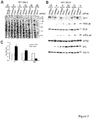
- ns siRNA treated cultures both individual Xrn1-specific siRNAs effectively depleted Xrn1 protein levels and reduced viral replication and spread 100-500-fold ( Fig. 1A, 1B ).
- mock and VacV-infected NHDFs were metabolically labeled with [ 35 S]-containing amino acids and the proteins that were synthesized were separated by SDS-PAGE and visualized by autoradiography.
- the global protein synthesis profile in mock-infected cells was effectively suppressed by VacV infection, which resulted in high level viral protein synthesis ( Fig.
- D9 and D10 decapping enzymes stimulate mRNA decay (Parrish et al., 2007), uncapped mRNAs will accumulate in Xrn1-depleted, VacV-infected cells and perhaps inhibit translation or result in cell stress.
- D9 or D10 were required to globally inhibit translation in Xrn1-depleted NHDFs, the dependence of ongoing protein synthesis on Xrn1 was examined in cells infected with a D9 ( ⁇ D9) or D10-deficient ( ⁇ D10) virus.
- ns siRNA-treated NHDFs infected with ⁇ D9 or ⁇ D10 were modestly elevated compared to WT VacV ( Fig. 1D , compare lanes 7,10 vs 4), they were not sufficient to detectably suppress protein synthesis.
- phosphorylated elF2 ⁇ abundance was further augmented in ⁇ D9 and ⁇ D10-infected cells by Xrn1-depletion ( Fig. 1D , compare lanes 7 vs 8, 9; lanes 10 vs 11, 12).
- EXAMPLE 4 Accumulation of phosphorylated elF2 ⁇ is dependent upon a virus-specific transcription factor in Xrn1-depeted cells.
- Fig. 2A The magnitude to which protein synthesis was suppressed in Xrn1-depleted cultures vs control siRNA treated cultures increased progressively over time, and was greatest at 18 hpi when the virus-imposed suppression of host protein synthesis was strongest.
- Fig. 2A Analysis of these samples by immunoblotting indicated that phosphorylated elF2 ⁇ was more abundant in Xrn1-depleted cultures at all time points tested and the inhibition of protein synthesis correlated precisely with i) phosphorylated elF2 ⁇ levels; and ii) activation of the dsRNA-dependent elF2 ⁇ kinase PKR by phosphorylation ( Fig. 2B ).
- vaccinia encodes two proteins to antagonize elF2 ⁇ phosphorylation (Chang et al., 1992; Seo et al., 2008), one of which is a dsRNA-binding protein that prevents PKR activation (E3L) while the other is an elF2 ⁇ kinase pseudosubstrate (K3L), it was puzzling that robust elF2 ⁇ phosphorylation was observed in Xrn1-depleted cells. One possible explanation for this was a failure to produce E3L and K3L.
- Figure 2B shows that E3L is expressed at similar levels in control and Xrn1 knockdown cells at 6 and 9 hpi, when elF2 ⁇ becomes noticeably more phosphorylated in knockdown cells ( Fig. 2B ). It is therefore not an insufficiency of this protein that is responsible for the phenotype.
- qPCR was performed and showed that E3L and K3L mRNAs were expressed in Xrn1-depleted cells, exceeding those detected in control ns siRNA treated cultures ( Fig. 2C ).
- infected NHDFs were treated with phosphonoaceitic acid (PAA) to inhibit the viral DNA dependent DNA polymerase.
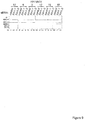
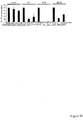
- PAA treatment prevented the cessation of protein synthesis observed in Xrn1-depleted, VacV-infected NHDFs, suggesting that viral DNA synthesis or an event closely associated with viral DNA synthesis like intermediate / late gene expression were required to trigger this phenotype ( Fig. 3A ).
- VacV-induced inhibition of host protein synthesis is typically visible late in infection and is suppressed by PAA
- expression of the viral early/intermediate gene product I3L was used to verify that the PAA-treated cells were indeed infected and had advanced to a stage preceding viral DNA replication ( Fig. 3B ).
- NHDFs were infected with a virus deficient in the intermediate transcription factor A23 ( ⁇ A23)
- ⁇ A23-infected cells replicate viral DNA, they do not express intermediate or late genes whose transcription follows viral DNA synthesis and is absolutely dependent upon the A23 protein.
- protein synthesis proceeds and is not detectably impaired in Xrn1-depleted NHDFs infected with ⁇ A23 ( Fig. 3C, D ). This indicates that the global inhibition of translation in Xrn1-depleted, VacV-infected cells is not triggered by viral DNA synthesis, but is instead dependent upon a specific virus transcription factor required for the biogenesis of discrete intermediate and late populations of VacV mRNAs.
- EXAMPLE 5 Activation of PKR and RNase L is restricted by Xrn1 in VacV-infected cells
- VacV-infected NHDFs each was depleted by RNAi in NHDFs treated with control ns or Xrn1-specific siRNA.
- 2'-5' oligoadenylate synthetases are also encoded by a family of interferon-stimulated genes and are components of a separate arm of host dsRNA-dependent innate defenses.
- the resulting 2'-5' oligoadenylate chains produced by OAS in response to dsRNA in turn selectively activate RNase L, an endonuclease that indiscriminately cleaves mRNAs and ribosomal RNA (rRNA) to inactivate ribosomes and inhibit protein synthesis (Sadler and Williams, 2008).
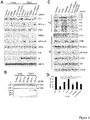
- RNA isolated from mock vs VacV-infected NHDFs treated with control ns or either Xrn1 siRNA was analyzed using a Bioanalyzer Nano LabChip. While Xrn1-depletion resulted in little detectable difference in rRNA abundance in mock-infected cells, 28S and 18S rRNA breakdown products were only detected in VacV-infected NHDFs treated with Xrn1 specific compared to control ns siRNA ( Figs. 4B ; 9 ).
- Xrn1 is required to restrict the activity of both the elF2 ⁇ kinase PKR and RNase L, which is activated by the dsRNA-responsive OAS.
- RNAse L and/or PKR To determine the relative contribution of RNAse L and/or PKR to the global inhibition of translation in Xrn1-depleted NHDFs upon VacV-infection, the capacity of RNAse L or PKR knockdown to prevent the inhibition of protein synthesis in Xrn1-depleted cells infected with VacV was evaluated. While infected cell protein synthesis was similar in cultures treated with control, ns siRNA or siRNAs specific for PKR or RNase L, the inhibition of translation associated with Xrn1-knockdown was most effectively suppressed by co-depletion of RNase L ( Fig. 4C, 4D ).
- EXAMPLE 6 Control of dsRNA accumulation in VacV-infected cells by Xrn1
- dsRNA-responsive host defense proteins were activated in Xrn1-depleted, VacV-infected NHDFs, this demonstrated that overall steady-state dsRNA levels are greater in VacV-infected cells.
- control ns siRNA-treated and Xrn1-depleted NHDFs were mock-infected or infected with VacV. At different times post-infection, cultures were fixed and processed for indirect immunofluorescence using a monoclonal antibody that specifically detects dsRNA.
- dsRNA specific staining was consistently most intense coincident with DAPI-staining cytoplasmic compartments ( Fig. 5C ), showing that dsRNA accumulation is occurring specifically within viral replication compartments.
- EXAMPLE 7 Regulation of the response to exogenous dsRNA in uninfected cells by Xrn1
- NHDFs treated with control ns or Xrn1-specific siRNA were transfected with increasing amounts of synthetic poly(I:C) dsRNA and rates of protein synthesis were evaluated.
- the cellular 5'-3' mRNA exonuclease unexpectedly control the host response to exogenous dsRNA, an important pathogen associated molecular pattern capable of activating potent innate defenses, in uninfected primary human cells.
- Example 8 Treatment of a patient harboring a malignant tumor with the VacV of the present invention.
- HCC hepatocellular carcinoma
- the patients are treated by directly injecting 10 9 pfu of the virus into the tumors using a 21 gauge needle once per week over a 6-10 week period.
- the tumors are injected with virus-containing solution whose volume is equivalent to approximately 25% of the total volume of the tumor spaced at approximately 1 cm intervals.
- EXAMPLE 9 Decapping-deficient VACV replicates similar to wild-type VACV in murine cancer cells.
- D10-deficient VACV recombinants (a single D10 mutation or a doubly-deficient D9/D10) were attenuated in mice relative to a D9-deficient mutant (Liu et al., 2014, 2015).
- Total protein was subsequently harvested, fractionated by SDS PAGE and analyzed by autoradiography ( Fig. 12A ) or immunoblotting ( Fig. 12B ).
- Fig. 12A Compared to control human fibroblasts (NHDFs), less virus-induced suppression of ongoing host cell protein synthesis (host cell shutoff) was observed in cells infected with either WT, D9, or D10-deficient VACV ( Fig 12A ).
- host cell shutoff less virus-induced suppression of ongoing host cell protein synthesis
- VACV proteins accumulated to similar levels in 4T1 or MBT2 cells infected with either WT, D9, or D10-deficient VACV ( Fig. 12B ).
- viral proteins accumulate similarly in murine cancer cell lines infected with decapping-deficient VACVs lacking either the D9 or D10 genes compared to WT VACV.
- MBT2 bladder carcinoma or 4T1 breast carcinoma cells were infected with either WT, D9, or D10-deficient virus at low MOI ( Fig 13A,B ). After 48h, cell free lysates were prepared by freeze thawing and the amount of infectious virus produced quantified by plaque assay in permissive BSC40 cells. In both MBT2 or 4T1 mouse cancer cell lines, decapping deficient VACV mutants grew to similar levels as WT VACV, with only a minor reduction in yield (no more than 4-fold) detected in cells infected with either D9 or D10-deficient viruses.
- Lytic replication was evaluated in an additional murine cancer cell line, MCA38 colon adenocarcinoma ( Fig 13C ). Similar to findings in 4T1 and MBT2, decapping deficient VAV mutants replicated to a similar extent as WT virus. Thus, decapping deficient VACV are nearly as proficient as WT VACV in lytically replicating in representative murine cancer cell lines derived from different mouse genetic backgrounds and can be tested for their oncolytic capacity in mouse tumors.
- EXAMPLE 10 VACV decapping-deficient mutants display oncolytic virus anti-tumor activity in immunocompetent murine models.
- subcutaneous tumors were established in syngeneic mice prior to mock treatment with D9 or D10-deficient VACV.
- 4T1 cells (1x 10 4 ) in DMEM without additives were injected sc into the right flank of 8 week old, female BALB/c mice anesthetized by ip injection of Ketamine (100mg/Kg) and Xylazine (10mg/Kg). Tumor growth was monitored every day using an electronic digital caliper and tumor volume calculated as described (Demaria et al., 2005).
- Fig. 14A Between 6-9 days post-treatment, a statistically significant difference between mock and ⁇ D10-treated tumors was readily observed ( FIG. 14A ). The volume of mock-treated tumors increased to a greater extent and more rapidly than ⁇ D10-treated tumors. This difference increased and persisted through the entire time course of the experiment ( Fig 14A ). This establishes that VACV treatment has anti-tumor activity against 4T1 tumors in syngeneic Balb/c mice and demonstrates that decapping-deficient VACV, such as ⁇ D10, are effective oncolytic viruses.
- MCA38 murine adenocarcinoma cells in media were injected (1 x 10 5 ) subcutaneously into the flank of 4-6 week old, female C57/BI6 mice.
- Tumor size was monitored over time and animals were euthanized when control-treated tumors reached approximately 1200 mm 3 .
- the MCA38A tumors were much more aggressive, progressing more rapidly than 4T1 as evidenced by the death of 3 mice treated with the virus-free control preparation. This may reflect the greater dose of cells used to seed the tumor in these experiments.
- the rapid growth of the tumors necessitated that the animals be euthanized on day 12, effectively ending the experiment. While one mouse died in the ⁇ D9-treated group and two mice died in the ⁇ D10-treated group, the fatalities in each experimental group were less than the control group treated with a virus-free preparation.
- EXAMPLE 11 Preferential replication of D9 or D10 decapping-deficient VACV in human tumor cells compared to non-tumorigenic cells.
- PKR Interferon-induced, double-strand RNA (dsRNA) dependent protein kinase PKR
- PKR is an interferon-induced host gene that is activated by dsRNA, a pathogen associated molecular pattern (PAMP) that accumulates in virus-infected cells and is a signature of virus infection.
- PAMP pathogen associated molecular pattern
- PKR phosphorylates the host translation initiation factor elF2 on its alpha subunit, inactivating this critical translation initiation factor and restricting virus protein synthesis and replication (reviewed by Mohr & Sonenberg, 2012).
- PKR activation is routinely measured by immunoblotting for the phosphorylated form using a T446 phospho-specific anti-PKR antibody (for example see Burgess & Mohr, 2015).
- PKR was not detectably hyperactivated following infection with ⁇ D9 or ⁇ D10 VACV compared to WT VACV.
- cBAL111 cells were either mock-infected or infected.
- the cBAL111 cell line was derived from human fetal liver cells that were immortalized by overexpressing the telomerase reverse transcriptase (Deurholt et al. 2009). These cells display hepatic functionality similar to the parental cells prior to immortalization, expressing immature hepatocyte markers, including glutathione S transferase, cytokeratin 19, CD146 (progenitor cell marker), and produce urea, albumin and cytokeratin 18 (Deurholt et al. 2009). They eliminate galactose and are negative for lidocaine elimination.
- cBAL111 When transplanted in the spleen of immunodeficient mice, cBAL111 engrafted into the liver and partly differentiated into hepatocytes showing expression of human albumin and carbamoylphosphate synthetase without signs of cell fusion (Deurholt et al. 2009). Significantly, cBAL111 cells did not grow in soft agar and were not tumorigenic in nude mice (Deurholt et al. 2009). Remarkably, while phosphorylated PKR was not detected in mock infected or WT VACV-infected cBAL111 cells, activated, phosphorylated PKR was readily detected in cells infected with either ⁇ D9 or ⁇ D10 VACV ( Fig. 15 ).
- PKR is selectively hyperactivated upon infection with ⁇ D9 or ⁇ D10 decapping-deficient VACV, compared to WT VACV, in normal, non-tumorigenic cBAL111 cells.
- ⁇ D9 or ⁇ D10 decapping- deficient VACV hyperactivate cell intrinsic antiviral responses, like PKR, selectively in untransformed, non-tumorigenic, normal cells compared to tumorigenic cells. Since activated PKR is known to restrict virus protein production, viral protein accumulation, a vital marker for productive virus growth, will be restricted in normal cells infected with ⁇ D9 or ⁇ D10 decapping-deficient VACV compared to tumorigenic cancer cells.
- Figure 16 demonstrates VACV proteins accumulated to greater levels in tumorigenic HepG2 cells than in normal, non-tumorigenic cBAL111 cells 48 h post-infection with either ⁇ D9 or ⁇ D10 VACV.
- ⁇ D9 or ⁇ D10 decapping-deficient VACV preferentially produce viral proteins in tumorigenic cancer cells compared to normal, non-tumorigenic cells, underscoring their predilection to preferentially replicate in cancer cells compared to normal cells.
- the restricted accumulation of viral proteins in normal, non-tumorigenic cells infected with ⁇ D9 or ⁇ D10 VACV reflects hyperactivation of these cell intrinsic host defenses like PKR and RNase L in normal cells, but not in cancer cells as shown in Fig 15 .
- Preferential production of viral proteins by ⁇ D9 or ⁇ D10 VACV in cancer cells compared to normal cells helps restrict virus replication and spread to cancer cells, a desirable feature for an oncolytic virus.
- OV efficacy and direct replication in treated tumors correlates strongly with viral protein production (Mohr 1996, Mulvey 1999, Taneja 2001; Mohr, 2005; Mohr & Mulvey, US Patent No. 7,731,952 .).
- restricting protein synthesis in virus-infected cells is a powerful host defense that inhibits virus replication by reducing protein accumulation and limits oncolytic virus replication (Mohr, 2005; Walsh & Mohr, 2004; 2011; Walsh et al, 2008; Burgess & Mohr 2015, this application Fig. 1 ).
- Cell free lysates are prepared by freeze thawing at 24, 36, and 48 hpi and the resulting amount of infectious VACV produced quantified by plaque assay in permissive BSC40 cells.
- EXAMPLE 12 VACV decapping-deficient mutants display oncolytic virus anti-tumor activity in human tumor xenografts in athymic mice.
- HepG2 hepatocellular carcinoma xenografts were established in the flanks of 8 week old, female, athymic (nude) mice. HepG2 human hepatocellular carcinoma cells in media were injected (1 x 10 7 ) subcutaneously into the flank of athymic, Balb/c nude mice. When tumors reached approximately 50 mm 3 (approx.
- mice treated with a control, virus-free preparation survived until they were euthanized on day 20, 40% of the ⁇ D9- treated mice died by day 17, 40% of the ⁇ D10-treated mice died between day 17-18, and the remainder of the VACV-treated mice were euthanized (due to weight loss) on day 18 ( ⁇ D9-treated) or day 20 ( ⁇ D10- treated).
- the absence of the capacity to mount an acquired immune response accounts for the virulence of VACV deficient in only D9 or D10.
- VACV mutants that are attenuated in immunocompetent mouse models are likewise more virulent in athymic, immunocompromised mice, including multi-mutated strains being investigated in human trials as therapeutic oncolytic virus candidates ( US Patent 7,208,313 B2 ).
- D9 or D10-deficient virus are engineered to contain one or more additional mutations.
- a VACV doubly-deficient in both D9 and D10 or by combining VACV deficient in producing functional D9 or D10 with loss of function mutations in other VACV genes to further curb virulence including but not limited to VACV growth factor, VACV ribonucleotide reductase, VACV E3, VACV K3, or VACV tk ( McCart et al., 2001; US Patent 7,208,313 B2 ; Fend et al., 2015; Kim et al., 2006; Thorne et al., 2007).
- VACV recombinants expressing herpesvirus thymidine kinase are constructed (Panicali & Paoletti, 1982). This is a desirable feature for an oncolytic VACV because VACV replication is inhibited by the anti-herpetic antiviral drugs acyclovir and ganciclovir and derivatives thereof in cells expressing the HSV tk gene (Darby et al., 1980).
- This embodiment capitalizes on the capacity of herpesvirus tk enzymes (HSV1, HSV2, VZV and EBV) to specifically activate these anti-viral prodrugs, a particularly useful feature given the safety spectrum of acyclovir and derivatives and the paucity of anti-viral agents with activity against Poxviruses.
- herpesvirus tk enzymes HSV1, HSV2, VZV and EBV
- Such a recombinant VACV expressing a herpesvirus tk gene allows VACV oncolytic virus therapies to be easily controlled with effective, safe anti-virals that are dependent upon herpesvirus tk activity.
- Poxviruses deficient in D9, D10 or both D9 and D10 are engineered to express a herpesvirus tk gene.
- the 5'- end of the herpesvirus tk gene is first fused to a VACV promoter (for example, the VACV tk gene promoter or the VACV 7.5K promoter), and the 3'-end of the tk gene to a VACV transcriptional terminator sequence element.
- the herpesvirus tk gene By selectively cloning appropriate VACV flanking sequences upstream and downstream of the herpesvirus tk gene fused to a VACV promoter in a targeting plasmid vector backbone, the herpesvirus tk gene is integrated and ectopically expressed at nearly any site in the VACV genome as long as it does not disrupt an essential VACV function required for productive virus growth.
- the herpesvirus tk gene modified with a VACV promoter and transcriptional terminator sequence elements replaces or inactivates the endogenous VACV tk gene.
- the herpesvirus tk gene is modified with a VACV promoter and transcriptional terminator and inserted as a transgene elsewhere in the viral genome (i.e.
- VACV viral DNA prepared from a D9, D10, or D9/D10 doubly deficient strain is co-transfected with the aforementioned herpesvirus tk targeting plasmid into permissive cells.
- the starting decapping-deficient strain is first modified by inserting a reporter gene (such as eGFP, RFP, YFP, ⁇ -galactosidease or ⁇ -glucuronidase) at the desired site of herpesvirus tk insertion.
- a reporter gene such as eGFP, RFP, YFP, ⁇ -galactosidease or ⁇ -glucuronidase
- the D9 and/or D10 genes are replaced with eGFP.
- homologous recombination is used to replace the eGFP reporter gene with the herpesvirus tk gene fused to a VACV promoter and transcription terminator element.
- eGFP-negative recombinant VACV results in an eGFP-negative recombinant VACV where the D9 and/or D10 genes have been replaced by the herpesvirus gene which is expressed from a VACV promoter.
- the VACV tk gene is first replaced with an eGFP reporter by homologous recombination as described above.
- homologous recombination is used to screen for eGFP-negative viruses following transfection of the herpesvirus tk targeting plasmid.
- This results in a eGFP-negative recombinant VACV where the endogenous VACV tk gene has been replaced by the herpesvirus tk gene which is expressed from a VACV promoter. Restriction digestion, Southern blotting, and PCR are used to verify the physical structure of recombinant VACV genomes.
- the VACV recombinants expressing herpesvirus tk are sensitive to anti-viral drugs including acyclovir (ACV) and ganciclovir (GCV) and derivatives thereof, whereas VACV that do not express herpesvirus tk are insensitive to ACV, GCV and derivatives thereof.
- the productive growth of VACV expressing herpesvirus tk is inhibited by ACV and GCV and derivatives thereof whereas VACV unable to express herpesvirus tk is unaffected by the drugs.
- the decapping deficient poxviruses like VACV expressing herpesvirus TK have a considerable safety advantage, enabling antiviral therapy of oncolytic VACV with ACV, GCV and derivatives should it become necessary to control the oncolytic VACV with safe, efficacious antiviral drugs.
- antiviral therapy of oncolytic VACV with ACV, GCV and derivatives should it become necessary to control the oncolytic VACV with safe, efficacious antiviral drugs.
- a patient being treated with oncolytic VACV expressing herpesvirus tk become immunosuppressed, or the OV therapy proceeds for some reason in an uncontrolled manner or spread to other organ systems, it is possible to effectively halt the OV therapy by administering ACV, GCV or derivatives by IV or oral administration.
- EXAMPLE 13 Reduction in tumor volume is associated with an increase in infectious virus titer.
- the oncolytic Poxviridae decapping deficient mutant viruses of the present invention are administered one or more times to an individual with cancer, for example hepatocellular carcinoma, by imaging guided intratumoral injection or iv (1 x 10 5 -1 x 10 9 pfu/kg).
- cancer for example hepatocellular carcinoma
- iv (1 x 10 5 -1 x 10 9 pfu/kg.
- the oncolytic virus of the present invention preferentially accumulates proteins and replicates within tumor cells, effectively spreading through the tumor mass.
- sustained virus replication results in increasing amounts of virus available to continue spreading through the tumor.
- TAAs tumor associated antigens
- the oncolytic Poxviridae decapping deficient mutant viruses of the present invention activate cell intrinsic host defenses like PKR and RNase L within non-tumorigenic cells, limiting viral protein accumulation, replication and spread in non-tumorigenic tissue. Because the oncolytic Poxviridae decapping deficient mutant viruses of the present invention preferentially replicate in tumorigenic tissue, compared to non-tumorigenic tissue, there will be little or minimal collateral damage caused by the virus to normal, non-tumorigenic tissue neighboring the tumor masses as the oncolytic Poxvirus does not replicate in a prolonged, sustainable manner in non-tumorigenic tissue. Treatment with the oncolytic Poxviridae decapping deficient mutant virus of the present invention will reduce the mass of tumors locally and systemically, leading to a lasting remission or possible cure, without the toxicity to normal cells associated with conventional radiotherapy and chemotherapy.
Landscapes
- Health & Medical Sciences (AREA)
- Life Sciences & Earth Sciences (AREA)
- Chemical & Material Sciences (AREA)
- General Health & Medical Sciences (AREA)
- Medicinal Chemistry (AREA)
- Organic Chemistry (AREA)
- Virology (AREA)
- Bioinformatics & Cheminformatics (AREA)
- Engineering & Computer Science (AREA)
- Zoology (AREA)
- Genetics & Genomics (AREA)
- Veterinary Medicine (AREA)
- Animal Behavior & Ethology (AREA)
- Public Health (AREA)
- Pharmacology & Pharmacy (AREA)
- Epidemiology (AREA)
- Microbiology (AREA)
- Proteomics, Peptides & Aminoacids (AREA)
- Gastroenterology & Hepatology (AREA)
- Immunology (AREA)
- Biochemistry (AREA)
- Wood Science & Technology (AREA)
- Mycology (AREA)
- Oncology (AREA)
- Biophysics (AREA)
- Molecular Biology (AREA)
- Biotechnology (AREA)
- Biomedical Technology (AREA)
- General Engineering & Computer Science (AREA)
- Nuclear Medicine, Radiotherapy & Molecular Imaging (AREA)
- General Chemical & Material Sciences (AREA)
- Chemical Kinetics & Catalysis (AREA)
- Medicines That Contain Protein Lipid Enzymes And Other Medicines (AREA)
- Medicines Containing Antibodies Or Antigens For Use As Internal Diagnostic Agents (AREA)
- Micro-Organisms Or Cultivation Processes Thereof (AREA)
- Pharmaceuticals Containing Other Organic And Inorganic Compounds (AREA)
Claims (14)
- Eine effektive Menge einer Decapping-defizienten Vacciniavirus-Mutante zur Verwendung bei der Behandlung eines Tumors.
- Die Decapping-defiziente Vacciniavirus-Mutante zur Verwendung nach Anspruch 1, wobei das Vacciniavirus ausgewählt ist aus der Gruppe, bestehend aus D9-, D10- und D9/10 doppelt defizienten Mutanten.
- Die Decapping-defiziente Vacciniavirus-Mutante zur Verwendung nach Anspruch 1 wobei die wirksame Menge von etwa 104 pfu pro kg Körpergewicht bis etwa 3 x 10⁷ pfu pro kg Körpergewicht des Individuums umfasst.
- Die Decapping-defiziente Vacciniavirus-Mutante zur Verwendung nach einem der Ansprüche 1-3, wobei die Decapping-defiziente Vacciniavirus-Mutante in einer pharmazeutischen Formulierung verabreicht wird, und wobei die Formulierung einen pharmazeutisch verträglichen Träger oder ein pharmazeutisch verträgliches Verdünnungsmittel umfasst.
- Die Decapping-defiziente Vacciniavirus-Mutante zur Verwendung nach Anspruch 4, wobei gleichzeitig mit der pharmazeutischen Formulierung ein Checkpoint-Inhibitor verabreicht wird.
- Die Decapping-defiziente Vacciniavirus-Mutante zur Verwendung nach einem der Ansprüche 1-5, die weiterhin die Behandlung mit einer Antitherapie umfasst, die ausgewählt ist aus der Gruppe, bestehend aus Chemotherapie, Strahlentherapie, Thermotherapie und TACE (transarterielle Chemoembolisation).
- Die Decapping-defiziente Vacciniavirus-Mutante zur Verwendung nach einem der Ansprüche 1-6, wobei die Decapping-defiziente Vacciniavirus-Mutante aus einem Vacciniavirus (VacV) erzeugt wird, das ausgewählt ist aus der Gruppe, bestehend aus den VacV-Stämmen Western Reserve (ATCC VR-1354), NYCBofH - Wyeth (ATCC VR-1536), den modifizierten Vacciniaviren Ankara (ATCC VR-1566) und Lister (ATCC VR-1549).
- Die Decapping-defiziente Vacciniavirus-Mutante zur Verwendung nach einem der Ansprüche 1-7, wobei das Vacciniavirus weiterhin ein Immun-stimulierendes Zytokin umfasst, das ausgewählt ist aus der Gruppe, bestehend aus IL-1, IL-2, IL-3, IL-4, IL-5, IL-6, IL-7, IL-8, IL-9, IL-10, IL-11, IL-12, IL-13, IL-14, IL-15, IL-16, IL-17 und IL-18-IL-36.
- Die Decapping-defiziente Vacciniavirus-Mutante zur Verwendung nach einem der Ansprüche 1-8, wobei das Vacciniavirus weiterhin ein Chemokin umfasst, das ausgewählt ist aus der Gruppe, bestehend aus CC-Chemokinen, CXC-Chemokinen, C-Chemokinen und CX3C-Chemokinen.
- Die Decapping-defiziente Vacciniavirus-Mutante zur Verwendung nach einem der Ansprüche 1-9, wobei das Vacciniavirus einen PKR/Ribonuklease L-Inhibitor umfasst, der ausgewählt ist aus der Gruppe, bestehend aus Herpes Simplex Virus Type 1 (HSV1) Us11-, humanem Zytomegalie-Virus (HCMV) TRS1-, Reovirus Sigma 3-, Influenzavirus NS1-, VacciniavirusE3L- oder K3L-Genen.
- Eine pharmazeutische Formulierung, die eine Decapping-defiziente Vacciniavirus-Mutante und einen pharmazeutisch verträglichen Träger oder ein pharmazeutisch verträgliches Verdünnungsmittel und weiterhin einen Immun-Checkpoint-Inhibitor umfasst.
- Die pharmazeutische Formulierung nach Anspruch 11, wobei der Immun-Checkpoint-Inhibitor einen Antikörper umfasst, und wobei der Antikörper gegen ein zelluläres Protein gerichtet ist, ausgewählt ist aus der Gruppe, bestehend aus PD1, PDL1, CTLA4, Tim-3, BTLA, Lag-3 und Tigit.
- Eine effektive Menge einer Vacciniavirus-Mutante, die für ein oder mehrere Gene defizient ist, die Decapping-Enzyme kodieren zur Verwendung bei der Reduzierung der Tumorlast in einem Säuger.
- Die Vacciniavirus-Mutante, die für ein oder mehrere Gene defizient ist, die Decapping-Enzyme kodieren, zur Verwendung nach Anspruch 13, wobei die Decapping-defiziente Vacciniavirus-Mutante aus einem Vacciniavirus(VacV) erzeugt wird, das ausgewählt ist aus der Gruppe, bestehend aus den VacV-Stämmen, Western Reserve (ATCC VR-1354), NYCBofH - Wyeth (ATCC VR-1536), den modifizierten Vacciniaviren Ankara (ATCC VR-1566) und Lister (ATCC VR-1549).
Applications Claiming Priority (2)
| Application Number | Priority Date | Filing Date | Title |
|---|---|---|---|
| US201562175797P | 2015-06-15 | 2015-06-15 | |
| PCT/US2016/037712 WO2016205429A1 (en) | 2015-06-15 | 2016-06-15 | Method of treatment using oncolytic viruses |
Publications (3)
| Publication Number | Publication Date |
|---|---|
| EP3307330A1 EP3307330A1 (de) | 2018-04-18 |
| EP3307330A4 EP3307330A4 (de) | 2019-01-02 |
| EP3307330B1 true EP3307330B1 (de) | 2021-03-10 |
Family
ID=57546324
Family Applications (1)
| Application Number | Title | Priority Date | Filing Date |
|---|---|---|---|
| EP16812381.8A Active EP3307330B1 (de) | 2015-06-15 | 2016-06-15 | Verfahren zur behandlung unter verwendung onkolytischer viren |
Country Status (3)
| Country | Link |
|---|---|
| US (1) | US10967015B2 (de) |
| EP (1) | EP3307330B1 (de) |
| WO (1) | WO2016205429A1 (de) |
Families Citing this family (10)
| Publication number | Priority date | Publication date | Assignee | Title |
|---|---|---|---|---|
| WO2016144564A2 (en) | 2015-02-25 | 2016-09-15 | Memorial Sloan-Kettering Cancer Center | Use of inactivated nonreplicating modified vaccinia virus ankara (mva)as monoimmunotherapy or in combination with immune checkpoint blocking agents for solid tumors |
| CN107847534B (zh) | 2015-04-17 | 2022-10-04 | 纪念斯隆凯特琳癌症中心 | Mva或mvaδe3l作为抗实体瘤的免疫治疗剂的应用 |
| US10512662B2 (en) | 2016-02-25 | 2019-12-24 | Memorial Sloan Kettering Cancer Center | Replication competent attenuated vaccinia viruses with deletion of thymidine kinase with and without the expression of human Flt3L or GM-CSF for cancer immunotherapy |
| US10736962B2 (en) | 2016-02-25 | 2020-08-11 | Memorial Sloan Kettering Cancer Center | Recombinant MVA or MVADELE3L expressing human FLT3L and use thereof as immuno-therapeutic agents against solid tumors |
| US11242509B2 (en) | 2017-05-12 | 2022-02-08 | Memorial Sloan Kettering Cancer Center | Vaccinia virus mutants useful for cancer immunotherapy |
| US20210169957A1 (en) * | 2018-08-17 | 2021-06-10 | Virocure, Inc. | Combined use of squirrel poxvirus and myxoma poxvirus, for treating cancer |
| MX2021003013A (es) | 2018-09-15 | 2021-08-11 | Memorial Sloan Kettering Cancer Center | Poxvirus recombinantes para inmunoterapia contra cáncer. |
| MX2021003539A (es) | 2018-09-26 | 2021-05-27 | Astellas Pharma Inc | Terapia contra el cancer en donde el virus vaccinia oncolitico e inhibidor de punto de control inmunitario se usan en combinacion, y composicion farmaceutica y medicamento de combinacion usado en ella. |
| WO2020153734A1 (ko) * | 2019-01-25 | 2020-07-30 | 바이로큐어 주식회사 | 다람쥐 섬유종 바이러스 및 리오바이러스를 포함하는 암 예방 또는 치료용 약학적 조성물 |
| KR102401077B1 (ko) * | 2019-01-25 | 2022-05-24 | 바이로큐어 주식회사 | 다람쥐 섬유종 바이러스 및 리오바이러스를 포함하는 암 예방 또는 치료용 약학적 조성물 |
Family Cites Families (32)
| Publication number | Priority date | Publication date | Assignee | Title |
|---|---|---|---|---|
| US4818694A (en) | 1982-07-20 | 1989-04-04 | American Cyanamid Company | Production of herpes simplex viral protein |
| FR2601675B1 (fr) | 1986-07-17 | 1988-09-23 | Rhone Poulenc Sante | Derives du taxol, leur preparation et les compositions pharmaceutiques qui les contiennent |
| FR2601676B1 (fr) | 1986-07-17 | 1988-09-23 | Rhone Poulenc Sante | Procede de preparation du taxol et du desacetyl-10 taxol |
| FR2629818B1 (fr) | 1988-04-06 | 1990-11-16 | Centre Nat Rech Scient | Procede de preparation du taxol |
| US5071743A (en) | 1989-10-27 | 1991-12-10 | Her Majesty The Queen In Right Of Canada, As Represented By The National Research Council Of Canada | Process for conducting site-directed mutagenesis |
| FR2662440B1 (fr) | 1990-05-22 | 1992-07-31 | Rhone Poulenc Sante | Procede de preparation stereoselective de derives de la phenylisoserine. |
| FR2662441B1 (fr) | 1990-05-22 | 1992-10-23 | Rhone Poulenc Sante | Procede de preparation enantioselective de derives de la phenylisoserine. |
| JP3442774B2 (ja) | 1991-07-01 | 2003-09-02 | バーレックス ラボラトリーズ,インコーポレイティド | 新規な突然変異誘発法および組成物 |
| FR2678833B1 (fr) | 1991-07-08 | 1995-04-07 | Rhone Poulenc Rorer Sa | Nouvelles compositions pharmaceutiques a base de derives de la classe des taxanes. |
| FR2698543B1 (fr) | 1992-12-02 | 1994-12-30 | Rhone Poulenc Rorer Sa | Nouvelles compositions à base de taxoides. |
| FR2698871B1 (fr) | 1992-12-09 | 1995-02-24 | Rhone Poulenc Rorer Sa | Nouveau taxoïdes, leur préparation et les compositions pharmaceutiques qui les contiennent. |
| US5554601A (en) | 1993-11-05 | 1996-09-10 | University Of Florida | Methods for neuroprotection |
| FR2722191B1 (fr) | 1994-07-08 | 1996-08-23 | Rhone Poulenc Rorer Sa | Procede de preparation du trihydrate du (2r,3s)-3-tertbutoxycarbonylamino-2-hydroxy-3-phenylpropionate de 4-acetoxy2alpha-benzoyloxy-5beta,20epoxy-1,7beta,10beta trihydroxy-9-oxo-tax-11-en-13alpha-yle |
| US5789166A (en) | 1995-12-08 | 1998-08-04 | Stratagene | Circular site-directed mutagenesis |
| US6242222B1 (en) | 1996-06-07 | 2001-06-05 | Massachusetts Institute Of Technology | Programmed sequential mutagenesis |
| US5780270A (en) | 1996-07-17 | 1998-07-14 | Promega Corporation | Site-specific mutagenesis and mutant selection utilizing antibiotic-resistant markers encoding gene products having altered substrate specificity |
| US5824318A (en) | 1996-07-24 | 1998-10-20 | American Cyanamid Company | Avirulent herpetic viruses useful as tumoricidal agents and vaccines |
| US6379674B1 (en) | 1997-08-12 | 2002-04-30 | Georgetown University | Use of herpes vectors for tumor therapy |
| WO2000073479A1 (en) | 1999-05-28 | 2000-12-07 | The Government Of The United States Of America, As Represented By The Secretary, Department Of Health And Human Services | A combined growth factor-deleted and thymidine kinase-deleted vaccinia virus vector |
| ATE371031T1 (de) | 1999-06-08 | 2007-09-15 | Uab Research Foundation | Herpes-simplex virus, das das gen von interleukin-12 exprimiert, und dessen verwendung zur behandlung von krebs |
| IL131212A0 (en) | 1999-08-03 | 2001-01-28 | Yissum Res Dev Co | Recombinant virus and live-virus vaccines |
| ATE312189T1 (de) | 2000-01-21 | 2005-12-15 | Biovex Ltd | Virusstämme für die onkolytische behandlung von krebs |
| ES2366608T3 (es) | 2001-03-27 | 2011-10-21 | The General Hospital Corporation | Vectores víricos y su uso en métodos terapéuticos. |
| ATE421974T1 (de) * | 2001-12-17 | 2009-02-15 | Serono Lab | Chemokine mutanten, die als chemokine antagonisten wirken |
| US6982156B2 (en) * | 2002-03-27 | 2006-01-03 | Trustees Of The University Of Pennsylvania | Compositions and methods modulating variola and vaccinia virus |
| GB0317511D0 (en) | 2003-07-25 | 2003-08-27 | Biovex Ltd | Viral vectors |
| US7731952B2 (en) | 2004-06-24 | 2010-06-08 | New York University | Avirulent oncolytic herpes simplex virus strains engineered to counter the innate host response |
| US8980246B2 (en) * | 2005-09-07 | 2015-03-17 | Sillajen Biotherapeutics, Inc. | Oncolytic vaccinia virus cancer therapy |
| US20100092435A1 (en) | 2006-12-07 | 2010-04-15 | Emmanuel Jacques Henri Joseph Wiertz | Use of a varicellovirus tap-inhibitor for the induction of tumor-or virus-specific immunity against teipp |
| EP2370593B1 (de) * | 2008-11-28 | 2016-03-30 | Emory University | Verfahren zur bestimmung der wirksamkeit von pd-1 antagonisten |
| CN114262690A (zh) * | 2011-04-15 | 2022-04-01 | 吉恩勒克斯公司 | 减毒的痘苗病毒的克隆毒株及其使用方法 |
| FI20115914A7 (fi) * | 2011-09-16 | 2013-03-17 | Oncos Therapeutics Ltd | Muunnettu onkolyyttinen virus |
-
2016
- 2016-06-15 US US15/735,845 patent/US10967015B2/en active Active
- 2016-06-15 EP EP16812381.8A patent/EP3307330B1/de active Active
- 2016-06-15 WO PCT/US2016/037712 patent/WO2016205429A1/en not_active Ceased
Non-Patent Citations (1)
| Title |
|---|
| None * |
Also Published As
| Publication number | Publication date |
|---|---|
| EP3307330A1 (de) | 2018-04-18 |
| US10967015B2 (en) | 2021-04-06 |
| US20180318366A1 (en) | 2018-11-08 |
| EP3307330A4 (de) | 2019-01-02 |
| WO2016205429A1 (en) | 2016-12-22 |
Similar Documents
| Publication | Publication Date | Title |
|---|---|---|
| US10967015B2 (en) | Method of treatment using oncolytic viruses | |
| US11147846B2 (en) | Oncolytic herpes simplex virus and therapeutic uses thereof | |
| Ma et al. | Oncolytic herpes simplex virus and immunotherapy | |
| US20230310526A1 (en) | Replication competent attenuated vaccinia viruses with deletion of thymidine kinase with and without the expression of human flt3l or gm-csf for cancer immunotherapy | |
| US11680248B2 (en) | Recombinant herpes simplex virus and use thereof | |
| CN106068326B (zh) | 溶瘤性hsv载体 | |
| Maes | Felid herpesvirus type 1 infection in cats: a natural host model for alphaherpesvirus pathogenesis | |
| US9919062B2 (en) | Oncolytic vaccinia virus cancer therapy | |
| Ren et al. | Enhancement of CD 8+ T‐cell memory by removal of a vaccinia virus nuclear factor‐κB inhibitor | |
| US12509662B2 (en) | Generation regulatable fusogenic oncolytic herpes simplex virus type 1 virus and methods of use | |
| Hidmark et al. | Humoral responses against coimmunized protein antigen but not against alphavirus-encoded antigens require alpha/beta interferon signaling | |
| WO2020106566A1 (en) | Regulatable fusogenic oncolytic herpes simplex virus type 1 virus and methods of use | |
| Burnase et al. | Advances in Antiviral Strategies for Oral Herpes Infections in Immunocompromised Patients | |
| Sun et al. | Strategies for the Modification of Vaccinia Virus towards a Better Vaccine Vector | |
| Wang et al. | Advances in the immunoescape mechanisms exploited by alphaherpesviruses | |
| EP3594328A1 (de) | Rekombinantes herpes-simplex-virus und verwendung davon | |
| Khatiwada | Characterization of novel immunomodulatory proteins encoded by parapoxvirus ORF virus | |
| Hukkanen et al. | Host responses to herpes simplex virus and herpes simplex virus vectors | |
| WO2025260921A1 (zh) | 一种重组溶瘤病毒及其应用 | |
| Spencer et al. | Herpes simplex virus: A versatile tool for insights into evolution, gene delivery, and tumor immunotherapy | |
| Ayeni | Innate Immune Responses to Replication-Competent and-Deficient HSV-2 | |
| Rodrigues | Characterization of Oncolytic Herpesviruses | |
| Kurban | Exploring the Oncolytic Potentail of a Double Knock-Out Tanapoxvirus Containing FLiC Transgene | |
| Bidula | Development of HSV-1 lacking the immunodominant gB498-505 epitope and analyses of the alternative CD8+ T cell response in the murine ocular infection model | |
| Lee | Host-virus interactions of infectious laryngotracheitis virus infection in cultured cells |
Legal Events
| Date | Code | Title | Description |
|---|---|---|---|
| STAA | Information on the status of an ep patent application or granted ep patent |
Free format text: STATUS: THE INTERNATIONAL PUBLICATION HAS BEEN MADE |
|
| PUAI | Public reference made under article 153(3) epc to a published international application that has entered the european phase |
Free format text: ORIGINAL CODE: 0009012 |
|
| STAA | Information on the status of an ep patent application or granted ep patent |
Free format text: STATUS: REQUEST FOR EXAMINATION WAS MADE |
|
| 17P | Request for examination filed |
Effective date: 20180111 |
|
| AK | Designated contracting states |
Kind code of ref document: A1 Designated state(s): AL AT BE BG CH CY CZ DE DK EE ES FI FR GB GR HR HU IE IS IT LI LT LU LV MC MK MT NL NO PL PT RO RS SE SI SK SM TR |
|
| AX | Request for extension of the european patent |
Extension state: BA ME |
|
| DAV | Request for validation of the european patent (deleted) | ||
| DAX | Request for extension of the european patent (deleted) | ||
| A4 | Supplementary search report drawn up and despatched |
Effective date: 20181129 |
|
| RIC1 | Information provided on ipc code assigned before grant |
Ipc: C07K 14/005 20060101ALI20181123BHEP Ipc: A61K 48/00 20060101AFI20181123BHEP Ipc: C12N 7/04 20060101ALI20181123BHEP Ipc: A61K 35/768 20150101ALI20181123BHEP |
|
| STAA | Information on the status of an ep patent application or granted ep patent |
Free format text: STATUS: EXAMINATION IS IN PROGRESS |
|
| 17Q | First examination report despatched |
Effective date: 20191029 |
|
| GRAP | Despatch of communication of intention to grant a patent |
Free format text: ORIGINAL CODE: EPIDOSNIGR1 |
|
| STAA | Information on the status of an ep patent application or granted ep patent |
Free format text: STATUS: GRANT OF PATENT IS INTENDED |
|
| INTG | Intention to grant announced |
Effective date: 20200922 |
|
| GRAS | Grant fee paid |
Free format text: ORIGINAL CODE: EPIDOSNIGR3 |
|
| GRAA | (expected) grant |
Free format text: ORIGINAL CODE: 0009210 |
|
| STAA | Information on the status of an ep patent application or granted ep patent |
Free format text: STATUS: THE PATENT HAS BEEN GRANTED |
|
| AK | Designated contracting states |
Kind code of ref document: B1 Designated state(s): AL AT BE BG CH CY CZ DE DK EE ES FI FR GB GR HR HU IE IS IT LI LT LU LV MC MK MT NL NO PL PT RO RS SE SI SK SM TR |
|
| REG | Reference to a national code |
Ref country code: GB Ref legal event code: FG4D |
|
| REG | Reference to a national code |
Ref country code: AT Ref legal event code: REF Ref document number: 1369074 Country of ref document: AT Kind code of ref document: T Effective date: 20210315 Ref country code: CH Ref legal event code: EP |
|
| REG | Reference to a national code |
Ref country code: IE Ref legal event code: FG4D |
|
| REG | Reference to a national code |
Ref country code: DE Ref legal event code: R096 Ref document number: 602016054117 Country of ref document: DE |
|
| REG | Reference to a national code |
Ref country code: LT Ref legal event code: MG9D |
|
| PG25 | Lapsed in a contracting state [announced via postgrant information from national office to epo] |
Ref country code: HR Free format text: LAPSE BECAUSE OF FAILURE TO SUBMIT A TRANSLATION OF THE DESCRIPTION OR TO PAY THE FEE WITHIN THE PRESCRIBED TIME-LIMIT Effective date: 20210310 Ref country code: GR Free format text: LAPSE BECAUSE OF FAILURE TO SUBMIT A TRANSLATION OF THE DESCRIPTION OR TO PAY THE FEE WITHIN THE PRESCRIBED TIME-LIMIT Effective date: 20210611 Ref country code: FI Free format text: LAPSE BECAUSE OF FAILURE TO SUBMIT A TRANSLATION OF THE DESCRIPTION OR TO PAY THE FEE WITHIN THE PRESCRIBED TIME-LIMIT Effective date: 20210310 Ref country code: NO Free format text: LAPSE BECAUSE OF FAILURE TO SUBMIT A TRANSLATION OF THE DESCRIPTION OR TO PAY THE FEE WITHIN THE PRESCRIBED TIME-LIMIT Effective date: 20210610 Ref country code: LT Free format text: LAPSE BECAUSE OF FAILURE TO SUBMIT A TRANSLATION OF THE DESCRIPTION OR TO PAY THE FEE WITHIN THE PRESCRIBED TIME-LIMIT Effective date: 20210310 Ref country code: BG Free format text: LAPSE BECAUSE OF FAILURE TO SUBMIT A TRANSLATION OF THE DESCRIPTION OR TO PAY THE FEE WITHIN THE PRESCRIBED TIME-LIMIT Effective date: 20210610 |
|
| REG | Reference to a national code |
Ref country code: AT Ref legal event code: MK05 Ref document number: 1369074 Country of ref document: AT Kind code of ref document: T Effective date: 20210310 |
|
| REG | Reference to a national code |
Ref country code: NL Ref legal event code: MP Effective date: 20210310 |
|
| PG25 | Lapsed in a contracting state [announced via postgrant information from national office to epo] |
Ref country code: SE Free format text: LAPSE BECAUSE OF FAILURE TO SUBMIT A TRANSLATION OF THE DESCRIPTION OR TO PAY THE FEE WITHIN THE PRESCRIBED TIME-LIMIT Effective date: 20210310 Ref country code: RS Free format text: LAPSE BECAUSE OF FAILURE TO SUBMIT A TRANSLATION OF THE DESCRIPTION OR TO PAY THE FEE WITHIN THE PRESCRIBED TIME-LIMIT Effective date: 20210310 Ref country code: LV Free format text: LAPSE BECAUSE OF FAILURE TO SUBMIT A TRANSLATION OF THE DESCRIPTION OR TO PAY THE FEE WITHIN THE PRESCRIBED TIME-LIMIT Effective date: 20210310 |
|
| PG25 | Lapsed in a contracting state [announced via postgrant information from national office to epo] |
Ref country code: NL Free format text: LAPSE BECAUSE OF FAILURE TO SUBMIT A TRANSLATION OF THE DESCRIPTION OR TO PAY THE FEE WITHIN THE PRESCRIBED TIME-LIMIT Effective date: 20210310 |
|
| PG25 | Lapsed in a contracting state [announced via postgrant information from national office to epo] |
Ref country code: SM Free format text: LAPSE BECAUSE OF FAILURE TO SUBMIT A TRANSLATION OF THE DESCRIPTION OR TO PAY THE FEE WITHIN THE PRESCRIBED TIME-LIMIT Effective date: 20210310 Ref country code: AT Free format text: LAPSE BECAUSE OF FAILURE TO SUBMIT A TRANSLATION OF THE DESCRIPTION OR TO PAY THE FEE WITHIN THE PRESCRIBED TIME-LIMIT Effective date: 20210310 Ref country code: EE Free format text: LAPSE BECAUSE OF FAILURE TO SUBMIT A TRANSLATION OF THE DESCRIPTION OR TO PAY THE FEE WITHIN THE PRESCRIBED TIME-LIMIT Effective date: 20210310 Ref country code: CZ Free format text: LAPSE BECAUSE OF FAILURE TO SUBMIT A TRANSLATION OF THE DESCRIPTION OR TO PAY THE FEE WITHIN THE PRESCRIBED TIME-LIMIT Effective date: 20210310 |
|
| PG25 | Lapsed in a contracting state [announced via postgrant information from national office to epo] |
Ref country code: IS Free format text: LAPSE BECAUSE OF FAILURE TO SUBMIT A TRANSLATION OF THE DESCRIPTION OR TO PAY THE FEE WITHIN THE PRESCRIBED TIME-LIMIT Effective date: 20210710 Ref country code: PL Free format text: LAPSE BECAUSE OF FAILURE TO SUBMIT A TRANSLATION OF THE DESCRIPTION OR TO PAY THE FEE WITHIN THE PRESCRIBED TIME-LIMIT Effective date: 20210310 Ref country code: PT Free format text: LAPSE BECAUSE OF FAILURE TO SUBMIT A TRANSLATION OF THE DESCRIPTION OR TO PAY THE FEE WITHIN THE PRESCRIBED TIME-LIMIT Effective date: 20210712 Ref country code: SK Free format text: LAPSE BECAUSE OF FAILURE TO SUBMIT A TRANSLATION OF THE DESCRIPTION OR TO PAY THE FEE WITHIN THE PRESCRIBED TIME-LIMIT Effective date: 20210310 Ref country code: RO Free format text: LAPSE BECAUSE OF FAILURE TO SUBMIT A TRANSLATION OF THE DESCRIPTION OR TO PAY THE FEE WITHIN THE PRESCRIBED TIME-LIMIT Effective date: 20210310 |
|
| REG | Reference to a national code |
Ref country code: DE Ref legal event code: R097 Ref document number: 602016054117 Country of ref document: DE |
|
| PLBE | No opposition filed within time limit |
Free format text: ORIGINAL CODE: 0009261 |
|
| STAA | Information on the status of an ep patent application or granted ep patent |
Free format text: STATUS: NO OPPOSITION FILED WITHIN TIME LIMIT |
|
| PG25 | Lapsed in a contracting state [announced via postgrant information from national office to epo] |
Ref country code: ES Free format text: LAPSE BECAUSE OF FAILURE TO SUBMIT A TRANSLATION OF THE DESCRIPTION OR TO PAY THE FEE WITHIN THE PRESCRIBED TIME-LIMIT Effective date: 20210310 Ref country code: DK Free format text: LAPSE BECAUSE OF FAILURE TO SUBMIT A TRANSLATION OF THE DESCRIPTION OR TO PAY THE FEE WITHIN THE PRESCRIBED TIME-LIMIT Effective date: 20210310 Ref country code: AL Free format text: LAPSE BECAUSE OF FAILURE TO SUBMIT A TRANSLATION OF THE DESCRIPTION OR TO PAY THE FEE WITHIN THE PRESCRIBED TIME-LIMIT Effective date: 20210310 Ref country code: MC Free format text: LAPSE BECAUSE OF FAILURE TO SUBMIT A TRANSLATION OF THE DESCRIPTION OR TO PAY THE FEE WITHIN THE PRESCRIBED TIME-LIMIT Effective date: 20210310 |
|
| REG | Reference to a national code |
Ref country code: CH Ref legal event code: PL |
|
| 26N | No opposition filed |
Effective date: 20211213 |
|
| PG25 | Lapsed in a contracting state [announced via postgrant information from national office to epo] |
Ref country code: SI Free format text: LAPSE BECAUSE OF FAILURE TO SUBMIT A TRANSLATION OF THE DESCRIPTION OR TO PAY THE FEE WITHIN THE PRESCRIBED TIME-LIMIT Effective date: 20210310 |
|
| REG | Reference to a national code |
Ref country code: BE Ref legal event code: MM Effective date: 20210630 |
|
| PG25 | Lapsed in a contracting state [announced via postgrant information from national office to epo] |
Ref country code: LU Free format text: LAPSE BECAUSE OF NON-PAYMENT OF DUE FEES Effective date: 20210615 |
|
| PG25 | Lapsed in a contracting state [announced via postgrant information from national office to epo] |
Ref country code: LI Free format text: LAPSE BECAUSE OF NON-PAYMENT OF DUE FEES Effective date: 20210630 Ref country code: IT Free format text: LAPSE BECAUSE OF FAILURE TO SUBMIT A TRANSLATION OF THE DESCRIPTION OR TO PAY THE FEE WITHIN THE PRESCRIBED TIME-LIMIT Effective date: 20210310 Ref country code: IE Free format text: LAPSE BECAUSE OF NON-PAYMENT OF DUE FEES Effective date: 20210615 Ref country code: CH Free format text: LAPSE BECAUSE OF NON-PAYMENT OF DUE FEES Effective date: 20210630 |
|
| PG25 | Lapsed in a contracting state [announced via postgrant information from national office to epo] |
Ref country code: IS Free format text: LAPSE BECAUSE OF FAILURE TO SUBMIT A TRANSLATION OF THE DESCRIPTION OR TO PAY THE FEE WITHIN THE PRESCRIBED TIME-LIMIT Effective date: 20210710 |
|
| PG25 | Lapsed in a contracting state [announced via postgrant information from national office to epo] |
Ref country code: BE Free format text: LAPSE BECAUSE OF NON-PAYMENT OF DUE FEES Effective date: 20210630 |
|
| P01 | Opt-out of the competence of the unified patent court (upc) registered |
Effective date: 20230523 |
|
| PG25 | Lapsed in a contracting state [announced via postgrant information from national office to epo] |
Ref country code: CY Free format text: LAPSE BECAUSE OF FAILURE TO SUBMIT A TRANSLATION OF THE DESCRIPTION OR TO PAY THE FEE WITHIN THE PRESCRIBED TIME-LIMIT Effective date: 20210310 |
|
| PG25 | Lapsed in a contracting state [announced via postgrant information from national office to epo] |
Ref country code: HU Free format text: LAPSE BECAUSE OF FAILURE TO SUBMIT A TRANSLATION OF THE DESCRIPTION OR TO PAY THE FEE WITHIN THE PRESCRIBED TIME-LIMIT; INVALID AB INITIO Effective date: 20160615 |
|
| PG25 | Lapsed in a contracting state [announced via postgrant information from national office to epo] |
Ref country code: MK Free format text: LAPSE BECAUSE OF FAILURE TO SUBMIT A TRANSLATION OF THE DESCRIPTION OR TO PAY THE FEE WITHIN THE PRESCRIBED TIME-LIMIT Effective date: 20210310 |
|
| PG25 | Lapsed in a contracting state [announced via postgrant information from national office to epo] |
Ref country code: MT Free format text: LAPSE BECAUSE OF FAILURE TO SUBMIT A TRANSLATION OF THE DESCRIPTION OR TO PAY THE FEE WITHIN THE PRESCRIBED TIME-LIMIT Effective date: 20210310 |
|
| PGFP | Annual fee paid to national office [announced via postgrant information from national office to epo] |
Ref country code: DE Payment date: 20250521 Year of fee payment: 10 |
|
| PGFP | Annual fee paid to national office [announced via postgrant information from national office to epo] |
Ref country code: GB Payment date: 20250515 Year of fee payment: 10 |
|
| PGFP | Annual fee paid to national office [announced via postgrant information from national office to epo] |
Ref country code: FR Payment date: 20250523 Year of fee payment: 10 |
|
| PG25 | Lapsed in a contracting state [announced via postgrant information from national office to epo] |
Ref country code: TR Free format text: LAPSE BECAUSE OF FAILURE TO SUBMIT A TRANSLATION OF THE DESCRIPTION OR TO PAY THE FEE WITHIN THE PRESCRIBED TIME-LIMIT Effective date: 20210310 |