EP3307782B1 - Antikörper zur modulation von immunreaktionen - Google Patents
Antikörper zur modulation von immunreaktionen Download PDFInfo
- Publication number
- EP3307782B1 EP3307782B1 EP16806872.4A EP16806872A EP3307782B1 EP 3307782 B1 EP3307782 B1 EP 3307782B1 EP 16806872 A EP16806872 A EP 16806872A EP 3307782 B1 EP3307782 B1 EP 3307782B1
- Authority
- EP
- European Patent Office
- Prior art keywords
- seq
- variable region
- chain variable
- amino acid
- acid sequence
- Prior art date
- Legal status (The legal status is an assumption and is not a legal conclusion. Google has not performed a legal analysis and makes no representation as to the accuracy of the status listed.)
- Active
Links
Images






Classifications
-
- C—CHEMISTRY; METALLURGY
- C07—ORGANIC CHEMISTRY
- C07K—PEPTIDES
- C07K16/00—Immunoglobulins [IG], e.g. monoclonal or polyclonal antibodies
- C07K16/18—Immunoglobulins [IG], e.g. monoclonal or polyclonal antibodies against material from animals or humans
- C07K16/28—Immunoglobulins [IG], e.g. monoclonal or polyclonal antibodies against material from animals or humans against receptors, cell surface antigens or cell surface determinants
- C07K16/2839—Immunoglobulins [IG], e.g. monoclonal or polyclonal antibodies against material from animals or humans against receptors, cell surface antigens or cell surface determinants against the integrin superfamily
- C07K16/2845—Immunoglobulins [IG], e.g. monoclonal or polyclonal antibodies against material from animals or humans against receptors, cell surface antigens or cell surface determinants against the integrin superfamily against integrin beta2-subunit-containing molecules, e.g. CD11, CD18
-
- A—HUMAN NECESSITIES
- A61—MEDICAL OR VETERINARY SCIENCE; HYGIENE
- A61K—PREPARATIONS FOR MEDICAL, DENTAL OR TOILETRY PURPOSES
- A61K31/00—Medicinal preparations containing organic active ingredients
- A61K31/33—Heterocyclic compounds
- A61K31/395—Heterocyclic compounds having nitrogen as a ring hetero atom, e.g. guanethidine or rifamycins
- A61K31/435—Heterocyclic compounds having nitrogen as a ring hetero atom, e.g. guanethidine or rifamycins having six-membered rings with one nitrogen as the only ring hetero atom
-
- A—HUMAN NECESSITIES
- A61—MEDICAL OR VETERINARY SCIENCE; HYGIENE
- A61K—PREPARATIONS FOR MEDICAL, DENTAL OR TOILETRY PURPOSES
- A61K31/00—Medicinal preparations containing organic active ingredients
- A61K31/70—Carbohydrates; Sugars; Derivatives thereof
- A61K31/7088—Compounds having three or more nucleosides or nucleotides
- A61K31/713—Double-stranded nucleic acids or oligonucleotides
-
- A—HUMAN NECESSITIES
- A61—MEDICAL OR VETERINARY SCIENCE; HYGIENE
- A61K—PREPARATIONS FOR MEDICAL, DENTAL OR TOILETRY PURPOSES
- A61K38/00—Medicinal preparations containing peptides
- A61K38/16—Peptides having more than 20 amino acids; Gastrins; Somatostatins; Melanotropins; Derivatives thereof
- A61K38/17—Peptides having more than 20 amino acids; Gastrins; Somatostatins; Melanotropins; Derivatives thereof from animals; from humans
- A61K38/177—Receptors; Cell surface antigens; Cell surface determinants
- A61K38/1774—Immunoglobulin superfamily (e.g. CD2, CD4, CD8, ICAM molecules, B7 molecules, Fc-receptors, MHC-molecules)
-
- A—HUMAN NECESSITIES
- A61—MEDICAL OR VETERINARY SCIENCE; HYGIENE
- A61K—PREPARATIONS FOR MEDICAL, DENTAL OR TOILETRY PURPOSES
- A61K39/00—Medicinal preparations containing antigens or antibodies
- A61K39/395—Antibodies; Immunoglobulins; Immune serum, e.g. antilymphocytic serum
-
- A—HUMAN NECESSITIES
- A61—MEDICAL OR VETERINARY SCIENCE; HYGIENE
- A61K—PREPARATIONS FOR MEDICAL, DENTAL OR TOILETRY PURPOSES
- A61K39/00—Medicinal preparations containing antigens or antibodies
- A61K39/395—Antibodies; Immunoglobulins; Immune serum, e.g. antilymphocytic serum
- A61K39/39533—Antibodies; Immunoglobulins; Immune serum, e.g. antilymphocytic serum against materials from animals
- A61K39/3955—Antibodies; Immunoglobulins; Immune serum, e.g. antilymphocytic serum against materials from animals against proteinaceous materials, e.g. enzymes, hormones, lymphokines
-
- A—HUMAN NECESSITIES
- A61—MEDICAL OR VETERINARY SCIENCE; HYGIENE
- A61K—PREPARATIONS FOR MEDICAL, DENTAL OR TOILETRY PURPOSES
- A61K45/00—Medicinal preparations containing active ingredients not provided for in groups A61K31/00 - A61K41/00
- A61K45/06—Mixtures of active ingredients without chemical characterisation, e.g. antiphlogistics and cardiaca
-
- A—HUMAN NECESSITIES
- A61—MEDICAL OR VETERINARY SCIENCE; HYGIENE
- A61K—PREPARATIONS FOR MEDICAL, DENTAL OR TOILETRY PURPOSES
- A61K47/00—Medicinal preparations characterised by the non-active ingredients used, e.g. carriers or inert additives; Targeting or modifying agents chemically bound to the active ingredient
- A61K47/50—Medicinal preparations characterised by the non-active ingredients used, e.g. carriers or inert additives; Targeting or modifying agents chemically bound to the active ingredient the non-active ingredient being chemically bound to the active ingredient, e.g. polymer-drug conjugates
- A61K47/51—Medicinal preparations characterised by the non-active ingredients used, e.g. carriers or inert additives; Targeting or modifying agents chemically bound to the active ingredient the non-active ingredient being chemically bound to the active ingredient, e.g. polymer-drug conjugates the non-active ingredient being a modifying agent
- A61K47/56—Medicinal preparations characterised by the non-active ingredients used, e.g. carriers or inert additives; Targeting or modifying agents chemically bound to the active ingredient the non-active ingredient being chemically bound to the active ingredient, e.g. polymer-drug conjugates the non-active ingredient being a modifying agent the modifying agent being an organic macromolecular compound, e.g. an oligomeric, polymeric or dendrimeric molecule
- A61K47/59—Medicinal preparations characterised by the non-active ingredients used, e.g. carriers or inert additives; Targeting or modifying agents chemically bound to the active ingredient the non-active ingredient being chemically bound to the active ingredient, e.g. polymer-drug conjugates the non-active ingredient being a modifying agent the modifying agent being an organic macromolecular compound, e.g. an oligomeric, polymeric or dendrimeric molecule obtained otherwise than by reactions only involving carbon-to-carbon unsaturated bonds, e.g. polyureas or polyurethanes
-
- A—HUMAN NECESSITIES
- A61—MEDICAL OR VETERINARY SCIENCE; HYGIENE
- A61K—PREPARATIONS FOR MEDICAL, DENTAL OR TOILETRY PURPOSES
- A61K47/00—Medicinal preparations characterised by the non-active ingredients used, e.g. carriers or inert additives; Targeting or modifying agents chemically bound to the active ingredient
- A61K47/50—Medicinal preparations characterised by the non-active ingredients used, e.g. carriers or inert additives; Targeting or modifying agents chemically bound to the active ingredient the non-active ingredient being chemically bound to the active ingredient, e.g. polymer-drug conjugates
- A61K47/51—Medicinal preparations characterised by the non-active ingredients used, e.g. carriers or inert additives; Targeting or modifying agents chemically bound to the active ingredient the non-active ingredient being chemically bound to the active ingredient, e.g. polymer-drug conjugates the non-active ingredient being a modifying agent
- A61K47/62—Medicinal preparations characterised by the non-active ingredients used, e.g. carriers or inert additives; Targeting or modifying agents chemically bound to the active ingredient the non-active ingredient being chemically bound to the active ingredient, e.g. polymer-drug conjugates the non-active ingredient being a modifying agent the modifying agent being a protein, peptide or polyamino acid
- A61K47/64—Drug-peptide, drug-protein or drug-polyamino acid conjugates, i.e. the modifying agent being a peptide, protein or polyamino acid which is covalently bonded or complexed to a therapeutically active agent
- A61K47/643—Albumins, e.g. HSA, BSA, ovalbumin or a Keyhole Limpet Hemocyanin [KHL]
-
- A—HUMAN NECESSITIES
- A61—MEDICAL OR VETERINARY SCIENCE; HYGIENE
- A61P—SPECIFIC THERAPEUTIC ACTIVITY OF CHEMICAL COMPOUNDS OR MEDICINAL PREPARATIONS
- A61P35/00—Antineoplastic agents
-
- A—HUMAN NECESSITIES
- A61—MEDICAL OR VETERINARY SCIENCE; HYGIENE
- A61P—SPECIFIC THERAPEUTIC ACTIVITY OF CHEMICAL COMPOUNDS OR MEDICINAL PREPARATIONS
- A61P37/00—Drugs for immunological or allergic disorders
- A61P37/02—Immunomodulators
- A61P37/06—Immunosuppressants, e.g. drugs for graft rejection
-
- C—CHEMISTRY; METALLURGY
- C07—ORGANIC CHEMISTRY
- C07K—PEPTIDES
- C07K14/00—Peptides having more than 20 amino acids; Gastrins; Somatostatins; Melanotropins; Derivatives thereof
- C07K14/435—Peptides having more than 20 amino acids; Gastrins; Somatostatins; Melanotropins; Derivatives thereof from animals; from humans
- C07K14/705—Receptors; Cell surface antigens; Cell surface determinants
-
- C—CHEMISTRY; METALLURGY
- C07—ORGANIC CHEMISTRY
- C07K—PEPTIDES
- C07K14/00—Peptides having more than 20 amino acids; Gastrins; Somatostatins; Melanotropins; Derivatives thereof
- C07K14/435—Peptides having more than 20 amino acids; Gastrins; Somatostatins; Melanotropins; Derivatives thereof from animals; from humans
- C07K14/705—Receptors; Cell surface antigens; Cell surface determinants
- C07K14/70503—Immunoglobulin superfamily
-
- C—CHEMISTRY; METALLURGY
- C07—ORGANIC CHEMISTRY
- C07K—PEPTIDES
- C07K16/00—Immunoglobulins [IG], e.g. monoclonal or polyclonal antibodies
- C07K16/18—Immunoglobulins [IG], e.g. monoclonal or polyclonal antibodies against material from animals or humans
- C07K16/28—Immunoglobulins [IG], e.g. monoclonal or polyclonal antibodies against material from animals or humans against receptors, cell surface antigens or cell surface determinants
- C07K16/2803—Immunoglobulins [IG], e.g. monoclonal or polyclonal antibodies against material from animals or humans against receptors, cell surface antigens or cell surface determinants against the immunoglobulin superfamily
- C07K16/2818—Immunoglobulins [IG], e.g. monoclonal or polyclonal antibodies against material from animals or humans against receptors, cell surface antigens or cell surface determinants against the immunoglobulin superfamily against CD28 or CD152
-
- C—CHEMISTRY; METALLURGY
- C07—ORGANIC CHEMISTRY
- C07K—PEPTIDES
- C07K16/00—Immunoglobulins [IG], e.g. monoclonal or polyclonal antibodies
- C07K16/18—Immunoglobulins [IG], e.g. monoclonal or polyclonal antibodies against material from animals or humans
- C07K16/28—Immunoglobulins [IG], e.g. monoclonal or polyclonal antibodies against material from animals or humans against receptors, cell surface antigens or cell surface determinants
- C07K16/2803—Immunoglobulins [IG], e.g. monoclonal or polyclonal antibodies against material from animals or humans against receptors, cell surface antigens or cell surface determinants against the immunoglobulin superfamily
- C07K16/2827—Immunoglobulins [IG], e.g. monoclonal or polyclonal antibodies against material from animals or humans against receptors, cell surface antigens or cell surface determinants against the immunoglobulin superfamily against B7 molecules, e.g. CD80, CD86
-
- A—HUMAN NECESSITIES
- A61—MEDICAL OR VETERINARY SCIENCE; HYGIENE
- A61K—PREPARATIONS FOR MEDICAL, DENTAL OR TOILETRY PURPOSES
- A61K39/00—Medicinal preparations containing antigens or antibodies
- A61K2039/505—Medicinal preparations containing antigens or antibodies comprising antibodies
-
- A—HUMAN NECESSITIES
- A61—MEDICAL OR VETERINARY SCIENCE; HYGIENE
- A61K—PREPARATIONS FOR MEDICAL, DENTAL OR TOILETRY PURPOSES
- A61K39/00—Medicinal preparations containing antigens or antibodies
- A61K2039/505—Medicinal preparations containing antigens or antibodies comprising antibodies
- A61K2039/507—Comprising a combination of two or more separate antibodies
-
- A—HUMAN NECESSITIES
- A61—MEDICAL OR VETERINARY SCIENCE; HYGIENE
- A61K—PREPARATIONS FOR MEDICAL, DENTAL OR TOILETRY PURPOSES
- A61K38/00—Medicinal preparations containing peptides
-
- C—CHEMISTRY; METALLURGY
- C07—ORGANIC CHEMISTRY
- C07K—PEPTIDES
- C07K2317/00—Immunoglobulins specific features
- C07K2317/20—Immunoglobulins specific features characterized by taxonomic origin
- C07K2317/21—Immunoglobulins specific features characterized by taxonomic origin from primates, e.g. man
-
- C—CHEMISTRY; METALLURGY
- C07—ORGANIC CHEMISTRY
- C07K—PEPTIDES
- C07K2317/00—Immunoglobulins specific features
- C07K2317/20—Immunoglobulins specific features characterized by taxonomic origin
- C07K2317/24—Immunoglobulins specific features characterized by taxonomic origin containing regions, domains or residues from different species, e.g. chimeric, humanized or veneered
-
- C—CHEMISTRY; METALLURGY
- C07—ORGANIC CHEMISTRY
- C07K—PEPTIDES
- C07K2317/00—Immunoglobulins specific features
- C07K2317/50—Immunoglobulins specific features characterized by immunoglobulin fragments
- C07K2317/56—Immunoglobulins specific features characterized by immunoglobulin fragments variable (Fv) region, i.e. VH and/or VL
- C07K2317/565—Complementarity determining region [CDR]
-
- C—CHEMISTRY; METALLURGY
- C07—ORGANIC CHEMISTRY
- C07K—PEPTIDES
- C07K2317/00—Immunoglobulins specific features
- C07K2317/70—Immunoglobulins specific features characterized by effect upon binding to a cell or to an antigen
- C07K2317/76—Antagonist effect on antigen, e.g. neutralization or inhibition of binding
-
- C—CHEMISTRY; METALLURGY
- C07—ORGANIC CHEMISTRY
- C07K—PEPTIDES
- C07K2319/00—Fusion polypeptide
- C07K2319/70—Fusion polypeptide containing domain for protein-protein interaction
Definitions
- the present invention relates to the field of immunotherapy. Particularly, the present invention relates to uses of antibodies for modulating immunoresponses by regulating CD11b expression on cells.
- cancer cells express immunogenic antigens can induce effective immune response against tumor formation.
- the tumor microenvironment is rich in components that may trigger TLR signaling to activate anti-tumor response ( Standiford TJ, Keshamouni VG (2012) Breaking the tolerance for tumor: Targeting negative regulators of TLR signaling. Oncoimmunology 1: 340-345 ). It means that, at initial stages of disease, cancer cells may have chance to be recognized and rejected by the immune system which exerts both host-protective- and tumor-modeling actions on developing tumors.
- cancer cells also have numerous negative regulatory mechanisms to evade immune surveillance, such as downregulation of MHC molecules or the antigen processing and presentation machinery, increasing the secretion of inhibitory cytokines, and expressing inhibitory molecules to induce immune tolerance to cancer cells.
- downregulation of MHC molecules or the antigen processing and presentation machinery increasing the secretion of inhibitory cytokines, and expressing inhibitory molecules to induce immune tolerance to cancer cells.
- inhibitory cytokines and expressing inhibitory molecules to induce immune tolerance to cancer cells.
- cancer patients are often considered to have poor immunity.
- Integrin alpha M (CD11b, CR3A, and ITGAM) is one protein subunit that forms the heterodimeric integrin ⁇ M ⁇ 2 molecule that expressed on the surface of many immune cells, including monocytes, granulocytes, macrophage, dendritic cells, natural killer cells, and myeloid-derived suppressor cells. Integrin ⁇ M ⁇ 2 mediates inflammation, by regulating cell adhesion, migration, chemotaxis, and phagocytosis through its promiscuous ligand repertoire. Recent research has indicated a critical role for inflammation by modulating TLR4 response ( Han C, Jin J, Xu S, Liu H, Li N, et al.
- Integrin CD11b negatively regulates TLR-triggered inflammatory responses by activating Syk and promoting degradation of MyD88 and TRIF via Cbl-b. Nat Immunol 11: 734-742 ).
- High avidity ligation of ITAM coupled with ⁇ 2 integrin transiently induces TLR activation, but rapidly inhibits TLR signaling through targeting MyD88 and TRIF for Cbl-b-mediated proteolytic degradation.
- integrin ⁇ M ⁇ 2 may serve as a negative regulator of that selectively inhibits components of TLR-signaling pathway to block the effects of the TLR family ( Wang L, Gordon RA, Huynh L, Su X, Park Min KH, et al. (2010) Indirect inhibition of Toll-like receptor and type I interferon responses by ITAM-coupled receptors and integrins. Immunity 32: 518-530 ).
- PD-L1 is one of the co-inhibitory proteins that is expressed on many types of immune cells at varying levels and is constitutively expressed on monocytes, macrophages and dendritic cells, T-cells, B-cells, epithelial cells, and vascular endothelial cells. Upon positive inductions such as IFN- ⁇ and mitogenic stimulation, PD-L1 would be further up-regulated.
- PD-L1 binds to its receptor, PD-1, found on activated T cells, generating a potent immunosuppression by inducing a co-inhibitory signal in activated T-cells that promotes T-cell apoptosis and anergy ( Butte MJ, Keir ME, Phamduy TB, Sharpe AH, Freeman GJ (2007) Programmed death-1 ligand 1 interacts specifically with the B7-1 costimulatory molecule to inhibit T cell responses.
- the integrity of PD-L1/PD-1 interaction is also important to avoid excessive immune responses. Defects in the interaction between PD-L1 and PD-1 may result in uncontrollable propagation of immune responses leading to conditions such as autoimmune diseases, hypersensitivity, transplantation rejection and graft versus host disorders.
- US 8,008,449 provides isolated monoclonal antibodies, particularly human monoclonal antibodies, that specifically bind to PD-1.
- US 8,354,509 relates to antibodies which block the binding of human Programmed Death Receptor 1 (hPD-1) to its ligands (hPD-L1 or hPD-L2).
- US 8,900,587 discloses antibodies which block binding of hPD-1 to hPD-L1 or hPD-L2 and a method of increasing the activity (or reducing downmodulation) of an immune cell through the PD-1 pathway.
- US 9,067,999 and US 9,073,994 provide compositions for cancer or infection treatment via immunopotentiation caused by inhibition of immunosuppressive signal induced by PD-1, PD-L1, or PD-L2 and therapies using them.
- the antibodies mentioned in the above patents have low response rate to therapy.
- US 20140099254A1 provides a method of inducing an immune response to cancer or infectious disease comprising administering to a subject with cancer or infectious disease a combination of two or more agents selected from the group consisting of (i) a leukocyte redirecting bispecific antibody including ADAM17, CD2, CD3, CD4, CD5, CD6, CD8, CD11a, CD11b, CD14, CD16, CD16b, CD25, CD28, CD30, CD32a, CD40, CD40L, CD44, CD45, CD56, CD57, CD64, CD69, CD74, CD89, CD90, CD137, CD177, CEACAM6, CEACAM8, HLA-DR alpha chain, KIR and SLC44A2; (ii) an interferon; (iii) a checkpoint inhibitor antibody including CTLA4, PD1, PD-L1, LAG3, B7-H3, B7-H4.
- a leukocyte redirecting bispecific antibody including ADAM17, CD2, CD3, CD4, CD5, CD6, CD8, CD11
- WO 2008/016431 relates to the treatment of immune system abnormalities that can be found in lethal human cancers and provides medicaments to correct abnormalities in a subject with cancer, more specifically multivalent polypeptides directed to CD3 and CD11b cell surface markers.
- the present invention unexpectedly found that the expression of PD-L1 can be suppressed by CD11b modulators bound to CD11b on immune cells and/or other cells. Binding of CD11b modulator to CD11b would reduce the PD-L1 expression on LPS-primed monocytes. In LPS-induced immunosuppressed monocytes or monocytes from patients with septic shock, binding of CD11b modulator to CD11b also reduces PD-L1 expression when cells are challenged with LPS.
- the invention provides a composition for use for treating a disease of immune suppression or immune exhaustion by inhibiting PD-L1 expression, wherein the composition comprises an anti-CD11b antibody, that binds to CD11b on a cell and inhibits PD-L1 expression, wherein the disease is an acute and/or chronic infection, sepsis, cancer, or immunosenescence in aging, wherein the anti-CD11b antibody comprises (i) a heavy chain variable region comprising H-CDR1 having the sequence of SEQ ID NO:1, H-CDR2 having the sequence of SEQ ID NO:3, and H-CDR3 having the sequence of SEQ ID NO:5; and a light chain variable region comprising L-CDR1 having the sequence of SEQ ID NO:7, L-CDR2 having the sequence of SEQ ID NO:9, and L-CDR3 having the sequence of SEQ ID NO:11; or (ii) a heavy chain variable region comprising H-CDR1 having the sequence of SEQ ID NO:2, H-CDR2
- the CD11b modulator described herein is an anti-CD11b antibody.
- the immune cell is a T cell or monocyte or granulocyte or macrophage or myeloid-derived suppressor cell or natural killer cell.
- the CD11b binding increases IFN- ⁇ , IL-12 or CD8 T cells.
- the binding of an anti-CD11b antibody to CD11b on a cell treats and/or prevents a disease associated with immunosuppression, wherein the disease associated with immunosuppression or immune exhaustion is an immune cell T-cell exhaustion in an acute and/or chronic infection, a sepsis, an immunodeficiency in cancer or an immunosenescence in aging.
- prevention and/or treatment of a cancer comprises administering an additional active agent or therapy.
- the additional active agent is an immune checkpoint therapy, radiotherapy or chemotherapy.
- the present invention provides an anti-CD11b antibody or an antigen-binding portion thereof, comprising (i) a heavy chain variable region comprising a heavy chain variable region comprising H-CDR1 comprising SEQ ID NO:1, H-CDR2 comprising SEQ ID NO:3 and H-CDR3 comprising SEQ ID NO:5, and (ii) light chain variable regions comprising L-CDR1 comprising SEQ ID NO:7, L-CDR2 comprising SEQ ID NO:9 and L-CDR3 comprising SEQ ID NO:11; or (iii) a heavy chain variable region comprising a heavy chain variable region comprising H-CDR1 comprising SEQ ID NO:2, H-CDR2 comprising SEQ ID NO:4 and H-CDR3 comprising SEQ ID NO:6, and (iv) light chain variable regions comprising L-CDR1 comprising SEQ ID NO:8, L-CDR2 comprising SEQ ID NO:10 and L-CDR3 comprising SEQ ID NO:12.
- the H-CDR1 has the amino acid sequence consisting of SEQ ID NO:1 or 2; H-CDR2 has the amino acid sequence consisting of SEQ ID NO:3 or 4; H-CDR3 has the amino acid sequence consisting of SEQ ID NO:5 or 6; L-CDR1 has the amino acid sequence consisting of SEQ ID NO:7 or 8; L-CDR2 has the amino acid sequence consisting of SEQ ID NO:9 or 10 and L-CDR3 has the amino acid sequence consisting of SEQ ID NO:11 or 12.
- the present invention provides a humanized anti-CD11b antibody or an antigen-binding portion thereof, comprising:
- the invention also provides compositions comprising the anti-CD11b antibody or an antigen-binding portion thereof.
- the invention also provides the inventive composition for use in methods for inhibiting PD-L1 expression in an immune cell, reversing immune suppression or immune exhaustion or inducing pre-existing immunity in an immune cell, determining PD-L1 in a subject, and treating or preventing an acute and/or chronic infection, a in sepsis, an immunodeficiency in cancer or an immunosenescence in aging.
- the present invention surprisingly found that the expression of PD-L1 can be suppressed by the engagement of modulators to CD11b on immune cells and/or other cells, thereby treating and/or preventing diseases associated with immunosuppression such as chronic infections, sepsis, immunodeficiency in cancer and immunosenescence in aging.
- amino acid residues are abbreviated as follows: alanine (Ala; A), asparagine (Asn; N), aspartic acid (Asp; D), arginine (Arg; R), cysteine (Cys; C), glutamic acid (Glu; E), glutamine (Gln; Q), glycine (Gly; G), histidine (His; H), isoleucine (Ile; I), leucine (Leu; L), lysine (Lys; K), methionine (Met; M), phenylalanine (Phe; F), proline (Pro; P), serine (Ser; S), threonine (Thr; T), tryptophan (Trp; W), tyrosine (Tyr; Y), and valine (Val; V).
- CD11b refers to integrin alpha M (ITGAM), which is one subunit of the heterodimeric integrin ⁇ M ⁇ 2.
- IGAM integrin alpha M
- the second subunit of integrin ⁇ M ⁇ 2 is the common integrin ⁇ 2 subunit known as CD18.
- Integrin ⁇ M ⁇ 2 is also call macrophage-1 antigen (Mac-1) or complement receptor 3 (CR3) which is expressed on the surface of leukocytes including monocytes, granulocytes, macrophages, and nature killer cells.
- Mac-1 antigen Mac-1 antigen
- CR3 complement receptor 3
- PD-L1 refers to programmed death-ligand 1 (PD-L1), cluster of differentiation 274 (CD274) or B7 homolog 1 (B7-H1).
- PD-L1 is a 40kDa type 1 transmembrane protein that plays a major role in suppressing the immune system during particular events such as pregnancy, autoimmune disease, cancer, sepsis, and other infectious diseases such as mycobacterium tuberculosis, cytomegalovirus, and hepatitis.
- modulating includes “increasing” or “stimulating,” as well as “decreasing” or “reducing,” typically in a statistically significant or a physiologically significant amount as compared to a control.
- the term "subject" means a human or non-human animal selected for treatment or therapy.
- identity refers to a relationship between two or more polypeptide or protein sequences, as determined by comparing the sequences. In the art, “identity” also refers to the degree of sequence relatedness between polypeptides or proteins, as determined by the match between strings of such sequences. “Identity” can be easily calculated by known bioinformational methods. The "percent identity" of two polynucleotide or two polypeptide sequences is determined by comparing the sequences using the GAP computer program (a part of the GCG Wisconsin Package, version 10.3 (Accelrys, San Diego, Calif.)) using its default parameters.
- peptide As used herein, the terms “peptide,” “polypeptide” and “protein” each refer to a molecule comprising two or more amino acid residues joined to each other by peptide bonds. These terms encompass, e.g., native and artificial proteins, protein fragments and polypeptide analogs (such as muteins, variants, and fusion proteins) of a protein sequence as well as post-translationally, or otherwise covalently or non-covalently, modified proteins.
- a peptide, polypeptide, or protein may be monomeric or polymeric.
- affinity refers to the strength of the sum total of noncovalent interactions between a single binding site of a molecule (e.g., an antibody) and its binding partner (e.g., an antigen).
- binding affinity refers to intrinsic binding affinity which reflects a 1:1 interaction between members of a binding pair (e.g., antibody and antigen).
- the affinity of a molecule X for its partner Y can generally be represented by the dissociation constant (Kd). Affinity can be measured by common methods known in the art, including those described herein. Specific illustrative and exemplary embodiments for measuring binding affinity are described below.
- antibody is used in the broadest sense and specifically covers monoclonal antibodies (including full length monoclonal antibodies), polyclonal antibodies, multispecific antibodies (e.g., bispecific antibodies), monovalent antibodies, multivalent antibodies, and antibody fragments so long as they exhibit the desired biological activity (e.g., Fab and/or single-armed antibodies).
- antibody fragment refers to a molecule other than an intact antibody that comprises a portion of an intact antibody that binds the antigen to which the intact antibody binds.
- antibody fragments include but are not limited to Fv, Fab, Fab', Fab'-SH, F(ab')2; diabodies; linear antibodies; single-chain antibody molecules (e.g., scFv); and multispecific antibodies formed from antibody fragments.
- antigen-binding fragment of an antibody, refers to one or more portions of an antibody that retain the ability to specifically bind to an antigen. It has been shown that the antigen-binding function of an antibody can be performed by fragments of a full-length antibody.
- binding fragments encompassed within the term "antigen-binding fragment" of an antibody include (i) a Fab fragment, a monovalent fragment consisting of the V L , V H , C L and C H1 domains; (ii) a F(ab') 2 fragment, a bivalent fragment comprising two Fab fragments linked by a disulfide bridge at the hinge region; (iii) a Fd fragment consisting of the V H and C H1 domains; (iv) a Fv fragment consisting of the V L and V H domains of a single arm of an antibody, (v) a dAb fragment which consists of a V H domain; and (vi) an isolated complementarity determining region (CDR).
- a Fab fragment a monovalent fragment consisting of the V L , V H , C L and C H1 domains
- F(ab') 2 fragment a bivalent fragment comprising two Fab fragments linked by a disulfide bridge at the hinge region
- CDRs complementarity determining regions
- variable region of an antibody refers to the variable region of the antibody light chain or the variable region of the antibody heavy chain, either alone or in combination.
- the variable regions of the heavy and light chain each consist of four framework regions (FR) connected by three CDRs also known as hypervariable regions.
- the CDRs in each chain are held together in close proximity by the FRs and, with the CDRs from the other chain, contribute to the formation of the antigen-binding site of antibodies.
- Exemplary conventions that can be used to identify the boundaries of CDRs include, e.g., the Kabat definition and the Chothia definition.
- a CDR may refer to CDRs defined by Kabat numbering system.
- humanized antibody or a “humanized antibody fragment” is a specific type of chimeric antibody which includes an immunoglobulin amino acid sequence variant, or fragment thereof, which is capable of binding to a predetermined antigen and which, comprises one or more frameworks (FRs) having substantially the amino acid sequence of a human immunoglobulin and one or more complementarity determining regions (CDRs) having substantially the amino acid sequence of a non-human immunoglobulin.
- This non-human amino acid sequence often referred to as an "import” sequence is typically taken from an "import” antibody domain, particularly a variable domain.
- a humanized antibody includes at least the CDRs or hypervariable region (HVLs) of a non-human antibody, inserted between the FRs of a human heavy or light chain variable domain.
- HVLs hypervariable region
- a "human antibody” is one which possesses an amino acid sequence which corresponds to that of an antibody produced by a human or a human cell or derived from a non-human source that utilizes human antibody repertoires or other human antibody-encoding sequences. This definition of a human antibody specifically excludes a humanized antibody comprising non-human antigen-binding residues.
- chimeric antibody refers to an antibody that contains one or more regions from one antibody and one or more regions from one or more other antibodies.
- the term "heavy chain” includes a full-length heavy chain and fragments thereof having sufficient variable region sequence to confer specificity to an epitope.
- a full-length heavy chain includes a variable region domain, V H , and three constant region domains, CH 1 , CH 2 , and CH 3 .
- the VH domain is at the amino-terminus of the polypeptide, and the CH 3 domain is at the carboxyl-terminus.
- the term "light chain” includes a full-length light chain and fragments thereof having sufficient variable region sequence to confer specificity to an epitope.
- a full-length light chain includes a variable region domain, V L , and a constant region domain. C L .
- the variable region domain of the light chain is at the amino-terminus of the polypeptide.
- pharmaceutically acceptable carrier refers to an ingredient in a pharmaceutical formulation, other than an active ingredient, which is nontoxic to a subject.
- a pharmaceutically acceptable carrier includes, but is not limited to, a buffer, excipient, stabilizer, or preservative.
- the term "subject” refers to a vertebrate, preferably a mammal, more preferably a human. Mammals include, but are not limited to, humans, farm animals, sport animals, and pets.
- an effective amount refers to an amount sufficient to effect beneficial or desired clinical results.
- An effective amount can be administered in one or more administrations.
- an effective amount is an amount that is sufficient to diagnose, palliate, ameliorate, stabilize, reverse, slow or delay the progression of the disease state.
- treatment generally refers to obtaining a desired pharmacologic and/or physiologic effect.
- the effect may be prophylactic in terms of completely or partially preventing a disease or symptom thereof and/or may be therapeutic in terms of a partial or complete stabilization or cure for a disease and/or adverse effect attributable to the disease.
- Treatment covers any treatment of a disease in a mammal, particularly a human, and includes: (a) preventing the disease or symptom from occurring in a subject which may be predisposed to the disease or symptom but has not yet been diagnosed as having it; (b) inhibiting the disease symptom, i.e., arresting its development; or (c) relieving the disease symptom, i.e., causing regression of the disease or symptom.
- preventing refers to a preventative or prophylactic measure that stops a disease state or condition from occurring in a patient or subject. Prevention can also include reducing the likelihood of a disease state or condition from occurring in a patient or subject and impeding or arresting the onset of said disease state or condition.
- the present invention surprisingly found reversion of symptoms associated with immunosuppressed state involved in the sepsis, chronic infection, and cancer through treatment with a CD11b modulator reactive with CD11b molecule expressed on the surface of immune cells.
- the invention provides a composition for use for treating a disease of immune suppression or immune exhaustion by inhibiting PD-L1 expression, wherein the composition comprises an anti-CD11b antibody, that binds to CD11b on a cell and inhibits PD-L1 expression, wherein the disease is an acute and/or chronic infection, sepsis, cancer, or immunosenescence in aging, wherein the anti-CD11b antibody comprises (i) a heavy chain variable region comprising H-CDR1 having the sequence of SEQ ID NO:1, H-CDR2 having the sequence of SEQ ID NO:3, and H-CDR3 having the sequence of SEQ ID NO:5; and a light chain variable region comprising L-CDR1 having the sequence of SEQ ID NO:7, L-CDR2 having the sequence of SEQ ID NO:9, and L-CDR3 having the sequence of SEQ ID NO:11; or (ii) a heavy chain variable region comprising H-CDR1 having the sequence of SEQ ID NO:2, H-
- the invention provides an anti-CD11b antibody comprising (i) a heavy chain variable region comprising H-CDR1 having the sequence of SEQ ID NO:1, H-CDR2 having the sequence of SEQ ID NO:3, and H-CDR3 having the sequence of SEQ ID NO:5; and a light chain variable region comprising L-CDR1 having the sequence of SEQ ID NO:7, L-CDR2 having the sequence of SEQ ID NO:9, and L-CDR3 having the sequence of SEQ ID NO:11; or (ii) a heavy chain variable region comprising H-CDR1 having the sequence of SEQ ID NO:2, H-CDR2 having the sequence of SEQ ID NO:4, and H-CDR3 having the sequence of SEQ ID NO:6; and a light chain variable region comprising L-CDR1 having the sequence of SEQ ID NO:8, L-CDR2 having the sequence of SEQ ID NO:10, and L-CDR3 having the sequence of SEQ ID NO:12.
- the CD11b modulator described herein is an anti-CD11b antibody.
- the anti-CD11b antibody is a monoclonal, chimeric, humanized, human or bispecific anti-CD11b antibody.
- the disease associated with immunosuppression or immune exhaustion is T-cell exhaustion in an acute and/or chronic infection, a sepsis, an immunodeficiency in cancer or an immunosenescence in aging.
- the invention provides the present composition for use in a method for treating or preventing in a subject an acute and/or chronic infection, a sepsis, an immunodeficiency in cancer or an immunosenescence in aging, comprising administering an effective amount of anti-CD11b antibody of the present invention to a subject.
- the cancer described herein is a cancer responsive to immunotherapy.
- the cancer responsive to immunotherapy include, but are not limited to, melanoma, lung cancer, squamous cell carcinomas of the lung, head and neck cancer, breast cancer, ovarian cancer, uterine cancer, prostate cancer, gastric carcinoma, cervical cancer, esophageal carcinoma, bladder cancer, kidney cancer, brain cancer, liver cancer, colon cancer, bone cancer, pancreatic cancer, skin cancer, cutaneous or intraocular malignant melanoma, ovarian cancer, rectal cancer, cancer of the anal region, stomach cancer, testicular cancer, carcinoma of the fallopian tubes, carcinoma of the endometrium, carcinoma of the cervix, carcinoma of the vagina, carcinoma of the vulva, Hodgkin's Disease, non-Hodgkin's lymphoma, esophagus cancer, small intestine cancer, endocrine system cancer, thyroid gland cancer, parathyroid gland cancer, adrenal gland cancer, sarcoma of soft tissue in situ
- the cancer is a cancer metastasis, refractory cancer, relapsed cancer or advanced cancer.
- the composition for use in a method of prevention and/or treatment of a cancer comprises administering an additional active agent or therapy.
- the additional active agent is an immune checkpoint therapy, radiotherapy or chemotherapy.
- the anti-CD11b antibody and the immune checkpoint therapy, radiotherapy or chemotherapy are administered simultaneously, sequentially or separately.
- the immune checkpoint therapy comprises administering an immune checkpoint protein.
- the immune checkpoint protein is an anti-PD-1 ligand or anti-CTLA-4 antibody or anti-PD-L1 antibody, or an antigen binding fragment thereof or any combination thereof.
- the anti-PD-1 ligand include, but are not limited to, an anti-PD-1 antibody (such as nivolumab and pembrolizumab) and the anti-CTLA-4 antibody (such as ipilimumab).
- the chemotherapy comprises administering a chemotherapeutic agent.
- chemotherapeutic agent include, but are not limited to, an alkylating agent, an antimetabolite, an anti-microtubule agent, a topoisomerase inhibitor or a cytotoxic antibiotic.
- the chemotherapeutic agent is cisplatin, 5-Fu, taxol, docetaxel, vinorelbine, vindesine, vinflunine, gemcitabine, methotrexate, gefitinib, lapatinib or erlotinib.
- the anti-CD11b antibody and other agents described herein can be formulated as a formulation or composition.
- the formulations or pharmaceutical compositions of the present invention can be administered in a number of ways depending upon whether local or systemic treatment is desired and upon the area to be treated. Administration can be oral or parenteral.
- the compounds and compositions as described herein are administered parenterally.
- Parenteral administration includes intravenous, intra-arterial, subcutaneous, intraperitoneal or intramuscular injection or infusion.
- formulations or compositions for parenteral administration can include sterile aqueous solutions which can also contain buffers, diluents and other suitable additives such as, but not limited to, penetration enhancers, carrier compounds and other pharmaceutically acceptable carriers or excipients.
- formulations or compositions for oral administration can include, but are not limited to, pharmaceutical carriers, excipients, powders or granules, microparticulates, nanoparticulates, suspensions or solutions in water or non-aqueous media, capsules, gel capsules, sachets, tablets or minitablets. Thickeners, flavoring agents, diluents, emulsifiers, dispersing aids or binders can be desirable.
- Dosing is dependent on severity and responsiveness of the disease state to be treated, with the course of treatment lasting from several days to several months, or until a cure is effected or a diminution of the disease state is achieved. Dosing is also dependent on drug potency and metabolism.
- the level of PD-L1 expression in an immune cell may serve as a new therapeutic target for reversing immunosuppression and immune exhaustion and inducing pre-existing immunity.
- novel anti-CD11b antibodies and their use in methods of treatment and/or prevention of diseases associated with immunosuppression and immune exhaustion, such as cancer immunotherapy, T-cell exhaustion in chronic infections, sepsis, immunodeficiency in cancer and immunosenescence in aging.
- the present invention provides an anti-CD11b antibody or an antigen-binding portion thereof, comprising (i) a heavy chain variable region comprising a heavy chain variable region comprising H-CDR1 comprising SEQ ID NO:1, H-CDR2 comprising SEQ ID NO:3 and H-CDR3 comprising SEQ ID NO:5, and (ii) light chain variable regions comprising L-CDR1 comprising SEQ ID NO:7, L-CDR2 comprising SEQ ID NO:9 and L-CDR3 comprising SEQ ID NO:11; or (iii) a heavy chain variable region comprising a heavy chain variable region comprising H-CDR1 comprising SEQ ID NO:2, H-CDR2 comprising SEQ ID NO:4 and H-CDR3 comprising SEQ ID NO:6, and (iv) light chain variable regions comprising L-CDR1 comprising SEQ ID NO:8, L-CDR2 comprising SEQ ID NO:10, and L-CDR3 comprising SEQ ID NO:12.
- H-CDR1 has the amino acid sequence consisting of SEQ ID NO:1 or 2; H-CDR2 has the amino acid sequence consisting of SEQ ID NO:3 or 4; H-CDR3 has the amino acid sequence consisting of SEQ ID NO:5 or 6; L-CDR1 has the amino acid sequence consisting of SEQ ID NO:7 or 8; L-CDR2 has the amino acid sequence consisting of SEQ ID NO:9 or 10; and L-CDR3 has the amino acid sequence consisting of SEQ ID NO:11 or 12.
- the present invention provides a humanized anti-CD11b antibody or an antigen-binding portion thereof, comprising a heavy chain variable region comprising an amino acid sequence consisting of SEQ ID NO:13 to 22, and a light chain variable region comprising an amino acid sequence consisting of SEQ ID NO:23 to 32.
- the present invention provides a humanized anti-CD11b antibody or an antigen-binding portion thereof, comprising:
- amino acid sequences of SEQ ID Nos: 13 to 32 are listed as follows:
- Monoclonal antibodies can be obtained by injecting mice or chicken with a composition comprising an antigen, removing the spleen to obtain B-lymphocytes, fusing the B-lymphocytes with myeloma cells to produce hybridomas, cloning the hybridomas, selecting positive clones which produce antibodies to the antigen, culturing the clones that produce antibodies to the antigen, and isolating the antibodies from the hybridoma cultures.
- chimeric or humanized antibodies may involve procedures of antibody cloning and construction.
- the antigen-binding variable light chain and variable heavy chain sequences for an antibody of interest may be obtained by a variety of molecular cloning procedures.
- a chimeric antibody is a recombinant protein in which the variable regions of a human antibody have been replaced by the variable regions of, for example, a mouse antibody, including the complementarity-determining regions (CDRs) of the mouse antibody. Chimeric antibodies exhibit decreased immunogenicity and increased stability when administered to a subject. Methods for constructing chimeric antibodies are well known in the art.
- a chimeric monoclonal antibody may be humanized by transferring the mouse CDRs from the heavy and light variable chains of the mouse immunoglobulin into the corresponding variable domains of a human antibody.
- the mouse framework regions (FRs) in the chimeric monoclonal antibody are also replaced with human FR sequences.
- a nucleic acid encoding a VL and/or VH of a humanized antibody that specifically binds CD11b can be cloned or amplified by in vitro methods, such as the polymerase chain reaction (PCR), the ligase chain reaction (LCR), the transcription-based amplification system (TAS) etc.
- PCR polymerase chain reaction
- LCR ligase chain reaction
- TAS transcription-based amplification system
- a polynucleotide encoding the protein can be isolated by polymerase chain reaction of cDNA using primers based on the DNA sequence of the molecule.
- a wide variety of cloning and in vitro amplification methodologies are well known to persons skilled in the art.
- Polynucleotides can also be isolated by screening genomic or cDNA libraries with probes selected from the sequences of the desired polynucleotide under stringent hybridization conditions.
- the polynucleotides include a recombinant DNA which is incorporated into a vector; into an autonomously replicating plasmid or virus; or into the genomic DNA of a prokaryote or eukaryote, or which exists as a separate molecule (for example, a cDNA) independent of other sequences.
- the nucleotides of the invention can be ribonucleotides, deoxyribonucleotides, or modified forms of either nucleotide.
- the term includes single and double forms of DNA.
- DNA sequences encoding a VL and/or VH of a humanized antibody that specifically binds CD11b can be expressed in vitro by DNA transfer into a suitable host cell.
- the cell may be prokaryotic or eukaryotic.
- the term also includes any progeny of the subject host cell. It is understood that all progeny may not be identical to the parental cell since there may be mutations that occur during replication. Methods of stable transfer, meaning that the foreign DNA is continuously maintained in the host, are known in the art.
- Polynucleotide sequences encoding a VL and/or VH of a humanized antibody that specifically binds CD11b can be operatively linked to expression control sequences.
- An expression control sequence operatively linked to a coding sequence is ligated such that expression of the coding sequence is achieved under conditions compatible with the expression control sequences.
- the expression control sequences include, but are not limited to, appropriate promoters, enhancers, transcription terminators, a start codon (for instance, ATG) in front of a protein-encoding gene, splicing signal for introns, maintenance of the correct reading frame of that gene to permit proper translation of mRNA, and stop codons.
- the polynucleotide sequences encoding a VL and/or VH of a humanized antibody that specifically binds CD11b can be inserted into an expression vector.
- the expression vector include, but are not limited to, a plasmid, virus or other vehicle that can be manipulated to allow insertion or incorporation of sequences and can be expressed in either prokaryotes or eukaryotes.
- Hosts can include microbial, yeast, insect and mammalian organisms. Methods of expressing DNA sequences having eukaryotic or viral sequences in prokaryotes are well known in the art.
- Biologically functional viral and plasmid DNA vectors capable of expression and replication in a host are known in the art. Transformation of a host cell with recombinant DNA may be carried out by conventional techniques well known to those skilled in the art.
- Isolation and purification of recombinantly expressed polypeptides may be carried out by conventional means including preparative chromatography and immunological separations.
- Humanization can be performed generally following conventional methods known in the art, by substituting rodent CDRs or CDR sequences for the corresponding sequences of a human antibody. Accordingly, such "humanized" antibodies are antibodies wherein substantially less than an intact human variable domain has been substituted by the corresponding sequence from a non-human species. In practice, humanized antibodies are typically human antibodies in which some CDR residues and possibly some FR residues are substituted by residues from analogous sites in non-human, for example, rodent antibodies.
- variable domains both light and heavy
- the choice of human variable domains, both light and heavy, to be used in making the humanized antibodies is very important to reduce antigenicity.
- the sequence of the variable domain of a rodent antibody is screened against the entire library of known human variable-domain sequences.
- the human sequence which is closest to that of the rodent is then accepted as the human framework (FR) for the humanized antibody.
- FR human framework
- Another method uses a particular framework derived from the consensus sequence of all human antibodies of a particular subgroup of light or heavy chains. The same framework may be used for several different humanized antibodies.
- Antibody binding portions include, for example, Fab, Fab', F(ab) 2 , F(ab') 2 , Fv, scFv and the like. These fragments are produced from intact antibodies using methods well known in the art, for example by proteolytic cleavage with enzymes such as papain (to produce Fab fragments) or pepsin (to produce F(ab') 2 fragments).
- Modifications can be made to a nucleic acid encoding a polypeptide described herein without diminishing its biological activity. Some modifications can be made to facilitate the cloning, expression, or incorporation of the targeting molecule into a fusion protein. Such modifications are well known to those of skill in the art and include, for example, termination codons, a methionine added at the amino terminus to provide an initiation, site, additional amino acids placed on either terminus to create conveniently located restriction sites, or additional amino acids to aid in purification steps.
- the antibodies of the present disclosure can also be constructed in whole or in part using standard peptide synthesis well known in the art.
- the present invention provides compositions comprising an anti-CD11b antibody of the invention.
- such compositions may be administered to subjects.
- the anti-CD11b antibody of the invention may be provided in a composition that comprises one or more other components, including, but not limited to, pharmaceutically acceptable carriers, adjuvants, wetting or emulsifying agents, pH buffering agents, preservatives, and/or any other components suitable for the intended use of the compositions.
- Such compositions can take the form of solutions, suspensions, emulsions and the like.
- pharmaceutically acceptable carrier includes various diluents, excipients and/or vehicles.
- the pharmaceutically acceptable carrier includes, but is not limited to, carriers known to be safe for delivery to human and/or other animal subjects, and/or approved by a regulatory agency of the federal or a state government, and/or listed in the U.S. Pharmacopeia, and/or other generally recognized pharmacopeia, and/or receiving specific or individual approval from one or more generally recognized regulatory agencies for use in humans and/or other animals.
- Such pharmaceutically acceptable carriers include, but are not limited to, water, aqueous solutions (such as saline solutions, buffers, and the like), organic solvents (such as certain alcohols and oils, including those of petroleum, animal, vegetable or synthetic origin, such as peanut oil, soybean oil, mineral oil, sesame oil) and the like.
- the humanized anti-CD11b antibody of the invention may be provided in a composition that comprises one or more "chemotherapeutic agents" that are chemical compounds used in the treatment of a cancer, also called anti-neoplastic drugs.
- chemotherapeutic agents that are chemical compounds used in the treatment of a cancer
- An anti-nucleoplastic drug is usually classified, according to differences in the chemical structure and origin of the drug, into alkylating agents, anti-metabolic drugs, anti-neoplastic antibiotics, anthracycline antibiotics, anti-neoplastic herbal drugs, and hormones.
- the chemotherapeutic drugs against tumor can be classified into (1) cell cycle non-specific agents (CCNSA), such as alkylating agents, anti-neoplastic antibiotics and platinum coordination complexes, etc., and (2) cell cycle specific agents (CCSA), such as anti-metabolic drugs, vinca alkaloids, etc.
- CCNSA cell cycle non-specific agents
- CCSA cell cycle specific agents
- compositions of the invention comprise an "effective amount" of an anti-CD11b antibody of the invention.
- An “effective amount” is an amount required to achieve a desired end result.
- the amount of a humanized anti-CD11b antibody of the invention that is effective to achieve the desired end result will depend on a variety of factors including, but not limited to, the species of the intended subject (e.g. whether human or some other animal species), the age and/or sex of the intended subject, the planned route of administration, the planned dosing regimen, the seriousness of any ongoing diseases or conditions, and the like.
- an effective amount of the humanized anti-CD11b antibody ranges from about 0.01 mg/kg to about 40 mg/kg of body weight per administration; preferably, about 0.01 mg/kg to about 30 mg/kg, about 0.01 mg/kg to about 20 mg/kg, about 0.01 mg/kg to about 10 mg/kg, about 1 mg/kg to about 40 mg/kg, about 1 mg/kg to about 30 mg/kg, about 1 mg/kg to about 20 mg/kg, about 1 mg/kg to about 10 mg/kg, about 2 mg/kg to about 40 mg/kg, about 2 mg/kg to about 30 mg/kg, about 2 mg/kg to about 20 mg/kg, about 2 mg/kg to about 10 mg/kg, about 5 mg/kg to about 40 mg/kg, about 5 mg/kg to about 30 mg/kg, about 5 mg/kg to about 20 mg/kg or about 5 mg/kg to about 10 mg/kg or about 1 mg/kg to about 5 mg/kg.
- the present invention provides methods that comprise administering the humanized anti-CD11b antibody of the invention to a subject.
- Such methods include methods for inhibiting PD-L1 expression in an immune cell, reversing immune suppression or immune exhaustion or inducing pre-existing immunity in an immune cell, detecting PD-L1 in a subject, and treating or preventing an acute and/or chronic infection, a sepsis, an immunodeficiency in cancer or an immunosenescence in aging.
- the anti-CD11b antibodies of the invention can be used in the above-mentioned methods.
- the cancer described herein is a cancer responsive to immunotherapy and the examples of the cancers are as described herein.
- the method of prevention and/or treatment of a cancer comprises administering an additional active agent or therapy.
- the additional active agents, their embodiments and administrations are as described herein.
- Subjects to which the anti-CD11b antibody of the invention, or compositions comprising the anti-CD11b antibody, can be administered include any and all animal species.
- the subjects are mammalian species. Mammalian subjects include, but are not limited to, humans, non-human primates, rodents, rabbits, and ferrets.
- compositions of the present invention may be administered by any convenient route, for example by infusion or bolus injection, by absorption through epithelial or mucocutaneous linings (e.g., oral mucosa, rectal and intestinal mucosa, etc.) and may be administered together with other biologically active agents. Administration can be systemic or local.
- PBMCs peripheral blood mononuclear cells
- GE Healthcare Ficoll-Paque Plus
- C57BL/6 mice (6 to 8 weeks old) were purchased from the National Laboratory Animal Center (Taipei, Taiwan). All animal experiments were performed under specific pathogen-free conditions and in accordance with guidelines approved by the Animal Care and Usage Committee of Mackay memorial hospital (Taipei, Taiwan). The body weight of each mouse was measured at the beginning of treatment and every day during the treatment period.
- B16F10 are murine melanoma cells and LLC1 are murine Lewis lung carcinoma. All cells were derived from C57BL/6 mice.
- DMEM Dulbecco's modified Eagle's medium
- penicillin 100 U/ml
- streptomycin 100 ⁇ g/ml
- LPS from E. coli was obtained from Sigma.
- Murine binding antibodies specific to human CD11b (ICRF44) and mouse IgG1 used for a control antibody were purchased from Biolegend.
- Rat binding antibody specific to murine CD11b (M1/70), rat control IgG2b antibody (LTF-2), Armenian hamster anti-murine PD1 (J43), and Armenian hamster control IgG were purchased from BioXcell. Taxol is a chemotherapy drug obtained from MacKay Memorial hospital
- mice C57BL/6 mice were inoculated subcutaneously with 2 ⁇ 10 5 B16F10 cells or 1 ⁇ 10 6 LLC1 cells. 7 days after tumor inoculation, treatment was started. Tumor-bearing mice were treated intraperitoneally (ip) with different antibodies and a chemotherapy drug twice per week. Mice were monitored and scored for the formation of palpable tumors twice weekly and sacrificed if tumors exceeded the predetermined size of 3000 mm 3 . Tumor volumes were measured with calipers and calculated with the following formula: A ⁇ B 2 ⁇ 0.54, where A is the largest diameter, and B is the smallest diameter.
- mice 2 ⁇ 10 5 B16F10 cells or LLC1 cells were injected into each mouse via tail vein on day 0. On day1, mice were injected ip with various antibodies. Injections were repeated every three to four day. On day15, mice were sacrifice and the amount of tumor seeding was counted as total numbers of nodules presented in the lungs under microscopy. In other experiments, mice were analyzed for the effects of combination therapy for the long term survival of treated mice in each of the groups.
- Monocytes were pre-incubated anti-CD11b (ICRF44), or appropriate isotype control antibodies for 1 hour. The cells were subsequently added with 100 ng/ml LPS and incubated overnight. To analyze the surface phenotype of the LPS primed monocytes, the cells were incubated for 30 minutes on ice in the dark with the following mAbs diluted in phosphate-buffered saline (PBS) containing 1% BSA: PD-L1-FITC, CD80-PE, CD86-PE, HLA-DR-PE, and CD14-PerCP (BD Biosciences). Monocytes, polymorphonuclear leukocytes (PMNs), and lymphocytes are gated based on their FSC/SSC properties. The fluorescence was detected using FACS Calibur, and data analysis was performed using FCS Express version 3 (De Novo Software).
- tumor tissues were digested by collagenase IV (Sigma). Single-cell suspensions were stained with following antibodies: CD45-PE, Ly-6G-FITC, Ly-6C-APC, and CD8b.2-FITC. Tumor-infiltrating leukocytes were gated from CD45+ populations. The fluorescence was detected using FACS Calibur, and data analysis was performed using FCS Express version 3 (De Novo Software).
- WBCs white blood cells
- whole blood cells were lysed by RBC lysis buffer.
- Single-cell suspensions were stained with following antibodies: PD-L1-APC, IAIE-APC, and CD8b.2-FITC (Biolegend).
- Monocytes, polymorphonuclear leukocytes (PMNs), and lymphocytes were based on their FSC/SSC properties.
- the fluorescence was detected using FACS Calibur, and data analysis was performed using FCS Express version 3 (De Novo Software).
- anti-mouse CD11b (M1/70) antibody was tested as a monotherapy in B16F10 murine tumor model.
- C57BL/6 mice were subcutaneously injected with B16F10 cells at Day 0.
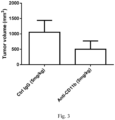
- mice were injected intraperitoneally (ip) with either control IgG (5 mg/kg) or anti-mouse CD11b antibody (5 mg/kg). Injections were repeated every three to four days. Efficiency was determined by monitoring tumor volumes and long term survival for each group.
- binding CD11b with anti-mouse CD11b antibody potently inhibited the subcutaneous growth of B16F10 tumors (control IgG vs.
- anti-CD11b 1054 ⁇ 385.4 mm 3 vs. 502.7 ⁇ 268.2 mm 3 on day 18).
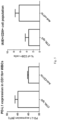
- binding CD11b with anti-CD11b antibody reduced the local accumulation of tumor-infiltrating myeloid-derived suppressor cells (MDSCs), which suppress T cells and resulted in an increase in tumor infiltrated CD8 T cells ( Figure 4 ).
- MDSCs tumor-infiltrating myeloid-derived suppressor cells
- binding CD11b with anti-CD11b antibody shifted an immunosuppressive tumor microenvironment to an immunostimulatory state, which favorably contributes to an antitumor effect.
- CD11b binding also demonstrated efficiency in the distinct syngeneic LLC1 tumor model.
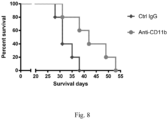
- Treatment with 5 mg/kg of anti-CD11b antibody potently inhibited tumor growth of LLC1 tumor ( Figure 7 ) and prolong animal survival ( Figure 8 ) (median survival day Ctrl IgG: 31 day; Anti-CD11b: 42 day).
- CD11b binding also enhances chemotherapy.
- B16F10 cells were implanted on day 0.
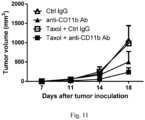
- mice were injected ip with either control IgG (5 mg/kg), anti-mouse CD11b antibody (5 mg/kg), Taxol (10 mg/kg) + control IgG (5 mg/kg), or Taxol (10 mg/kg) + anti-CD11b (5 mg/kg). Injections were repeated every three to four days. As shown in Figure 11 , treatment with a combination of taxol plus anti-CD11b antibody effectively controlled tumor growth.
- Sepsis a systematic inflammatory response syndrome caused by severe infection, remains a worldwide healthcare problem and a life-threatening disease. It is becoming increasingly clear that sepsis initiates a biphasic immunological reaction that varies over time. During the initial phase of sepsis, a systematic hyperinflammatory immune response can systematically produce inflammatory cytokines, including interleukin (IL)-1, IL-6, and tumor necrosis factor (TNF)- ⁇ , which may cause hemodynamic instability, multiorgan dysfunction, coagulation abnormalities, and shock.
- IL interleukin
- TNF tumor necrosis factor
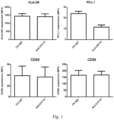
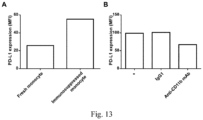
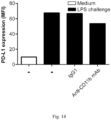
- binding CD11b with anti-CD11b antibody reduced the PD-L1 expression in LPS-induced immunosuppressed monocytes when cells challenged with LPS.
- anti-CD11b antibody (ICRF44) treatment also reduced PD-L1 expression in monocytes from patients with septic shock upon in vitro LPS stimulation ( Figure 14 ).
- variable domain sequences of murine anti-human CD11b antibody were searched against the human antibody database. 10 sets of human framework sequences with high homology to murine anti-human CD11b were chosen as human acceptors for both light and heavy chains. Meanwhile, N-glycosylation motifs were analyzed. Potential glycosylation sites in the candidate human variable regions should therefore be avoided.
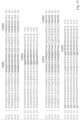
- the humanized variable domains of 10 light chains were denoted as VL1, VL2, VL3, VL4, VL5, LC1, LC2, LC3, LC4, and LC5 ( Figure 15 ); while the humanized variable domains of 10 heavy chains were denoted as VH1, VH2, VH3, VH4, VH5, HC1, HC2, HC3, HC4, and HC5 ( Figure 16 ).
- These light chain and heavy chain peptide sequence may provide humanized antibodies or antigen-binding portions that bind to human anti-CD11b with high affinity.
- humanized anti-CD11b antibodies were determined by flow cytometry using K562 cells expressing CD11b. As shown in Figure 17 , all humanized anti-CD11b antibodies in this example were able to bind to the CD11b transfected K562 cells. In contrast, these antibodies did not bind to K562 cells. Taken together, these results demonstrate that the humanized anti-CD11b antibodies can specifically bind to the CD11b epitope.
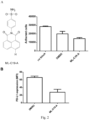
- the antibody was used in LPS-primed monocytes that measure the ability of the antibody to inhibit PD-L1 expression on the surface of monocytes. As shown in Figure 18 , the upregulation of PD-L1 by LPS can be significantly reduced by the humanized anti-CD11b antibodies.
Landscapes
- Health & Medical Sciences (AREA)
- Life Sciences & Earth Sciences (AREA)
- Chemical & Material Sciences (AREA)
- Immunology (AREA)
- Medicinal Chemistry (AREA)
- General Health & Medical Sciences (AREA)
- Organic Chemistry (AREA)
- Engineering & Computer Science (AREA)
- Animal Behavior & Ethology (AREA)
- Public Health (AREA)
- Pharmacology & Pharmacy (AREA)
- Veterinary Medicine (AREA)
- Bioinformatics & Cheminformatics (AREA)
- Proteomics, Peptides & Aminoacids (AREA)
- Molecular Biology (AREA)
- Epidemiology (AREA)
- Biochemistry (AREA)
- Genetics & Genomics (AREA)
- Biophysics (AREA)
- Cell Biology (AREA)
- Zoology (AREA)
- Gastroenterology & Hepatology (AREA)
- Toxicology (AREA)
- Nuclear Medicine, Radiotherapy & Molecular Imaging (AREA)
- General Chemical & Material Sciences (AREA)
- Chemical Kinetics & Catalysis (AREA)
- Transplantation (AREA)
- Microbiology (AREA)
- Mycology (AREA)
- Endocrinology (AREA)
- Medicines Containing Antibodies Or Antigens For Use As Internal Diagnostic Agents (AREA)
- Peptides Or Proteins (AREA)
- Medicines That Contain Protein Lipid Enzymes And Other Medicines (AREA)
- Pharmaceuticals Containing Other Organic And Inorganic Compounds (AREA)
- Biomedical Technology (AREA)
- Urology & Nephrology (AREA)
- Hematology (AREA)
- Nitrogen Condensed Heterocyclic Rings (AREA)
- Thiazole And Isothizaole Compounds (AREA)
- Epoxy Compounds (AREA)
Claims (14)
- Zusammensetzung zur Verwendung beim Behandeln einer Immunsuppressions- oder Immunerschöpfungskrankheit durch Hemmen von PD-L1-Expression, wobei die Zusammensetzung einen Anti-CD11b-Antikörper umfasst, der an CD 11b auf einer Zelle bindet und PD-L1-Expression hemmt, wobei die Krankheit eine akute und/oder chronische Infektion, Sepsis, Krebs oder Immunoseneszenz beim Altern ist, wobei der Anti-CD11b-Antikörper Folgendes umfasst:(i) eine variable Schwerkettenregion, umfassend H-CDR1, die die Sequenz von SEQ ID NO: 1 aufweist, H-CDR2, die die Sequenz von SEQ ID NO: 3 aufweist, und H-CDR3, die die Sequenz von SEQ ID NO: 5 aufweist; und eine variable Leichtkettenregion, umfassend L-CDR1, die die Sequenz von SEQ ID NO: 7 aufweist, L-CDR2, die die Sequenz von SEQ ID NO: 9 aufweist, und L-CDR3, die die Sequenz von SEQ ID NO: 11 aufweist; oder(ii) eine variable Schwerkettenregion, umfassend H-CDR1, die die Sequenz von SEQ ID NO: 2 aufweist, H-CDR2, die die Sequenz von SEQ ID NO: 4 aufweist, und H-CDR3, die die Sequenz von SEQ ID NO: 6 aufweist; und eine variable Leichtkettenregion, umfassend L-CDR1, die die Sequenz von SEQ ID NO: 8 aufweist, L-CDR2, die die Sequenz von SEQ ID NO: 10 aufweist, und L-CDR3, die die Sequenz von SEQ ID NO: 12 aufweist.
- Zusammensetzung zur Verwendung nach Anspruch 1, wobei der Anti-CD11b-Antikörper ein humanisierter Anti-CD11b-Antikörper ist, umfassend:eine variable Schwerkettenregion, umfassend die Aminosäuresequenz von einer von SEQ ID NO: 13 bis SEQ ID NO: 22, undeine variable Leichtkettenregion, umfassend die Aminosäuresequenz von einer von SEQ ID NO: 23 bis SEQ ID NO: 32.
- Zusammensetzung zur Verwendung nach Anspruch 1, wobei der Anti-CD11b-Antikörper ein humanisierter Anti-CD11b-Antikörper ist, umfassend:(a) eine variable Schwerkettenregion, umfassend die Aminosäuresequenz von SEQ ID NO: 13 und eine variable Leichtkettenregion, umfassend die Aminosäuresequenz von SEQ ID NO: 23; oder(b) eine variable Schwerkettenregion, umfassend die Aminosäuresequenz von SEQ ID NO: 14 und eine variable Leichtkettenregion, umfassend die Aminosäuresequenz von SEQ ID NO: 24; oder(c) eine variable Schwerkettenregion, umfassend die Aminosäuresequenz von SEQ ID NO: 15 und eine variable Leichtkettenregion, umfassend die Aminosäuresequenz von SEQ ID NO: 25; oder(d) eine variable Schwerkettenregion, umfassend die Aminosäuresequenz von SEQ ID NO: 16 und eine variable Leichtkettenregion, umfassend die Aminosäuresequenz von SEQ ID NO: 26; oder(e) eine variable Schwerkettenregion, umfassend die Aminosäuresequenz von SEQ ID NO: 17 und eine variable Leichtkettenregion, umfassend die Aminosäuresequenz von SEQ ID NO: 27; oder(f) eine variable Schwerkettenregion, umfassend die Aminosäuresequenz von SEQ ID NO: 18 und eine variable Leichtkettenregion, umfassend die Aminosäuresequenz von SEQ ID NO: 28; oder(g) eine variable Schwerkettenregion, umfassend die Aminosäuresequenz von SEQ ID NO: 19 und eine variable Leichtkettenregion, umfassend die Aminosäuresequenz von SEQ ID NO: 29; oder(h) eine variable Schwerkettenregion, umfassend die Aminosäuresequenz von SEQ ID NO: 20 und eine variable Leichtkettenregion, umfassend die Aminosäuresequenz von SEQ ID NO: 30; oder(i) eine variable Schwerkettenregion, umfassend die Aminosäuresequenz von SEQ ID NO: 21 und eine variable Leichtkettenregion, umfassend die Aminosäuresequenz von SEQ ID NO: 31; oder(j) eine variable Schwerkettenregion, umfassend die Aminosäuresequenz von SEQ ID NO: 22 und eine variable Leichtkettenregion, umfassend die Aminosäuresequenz von SEQ ID NO: 32.
- Zusammensetzung zur Verwendung nach einem der Ansprüche 1 bis 3, wobei der Anti-CD11b-Antikörper ein chimärer, humanisierter oder humaner Antikörper ist.
- Zusammensetzung zur Verwendung nach einem der Ansprüche 1 bis 4, ferner umfassend ein Mittel, das einen Immun-Checkpoint modulieren kann, oder ein Chemotherapeutikum, und wobei die Krankheit Krebs ist.
- Zusammensetzung zur Verwendung nach Anspruch 5, wobei das Mittel, das einen Immun-Checkpoint modulieren kann, ein Anti-PD-1-Antikörper, ein PD-1-Ligand, ein Anti-PD-L1-Antikörper, ein PD-L1-Ligand, ein Anti-CTLA-4-Antikörper, ein CTLA-4-Ligand oder ein Bindungsfragment davon ist.
- Zusammensetzung zur Verwendung nach Anspruch 5, wobei das Chemotherapeutikum ein Alkylierungsmittel, ein Antimetabolit, ein Anti-Mikrotubuli-Mittel, ein Topoisomerase-Hemmer oder ein zytotoxisches Antibiotikum ist.
- Zusammensetzung zur Verwendung nach Anspruch 1, wobei die Krankheit Krebs ist, ausgewählt aus der Gruppe, bestehend aus Melanom, Lungenkrebs, Plattenepithelkarzinomen der Lunge, Kopf- und Halskrebs, Brustkrebs, Eierstockkrebs, Gebärmutterkrebs, Prostatakrebs, Magenkrebs, Gebärmutterhalskrebs, Speiseröhrenkrebs, Blasenkrebs, Nierenkrebs, Hirnkrebs, Leberkrebs, Dickdarmkrebs, Knochenkrebs, Bauchspeicheldrüsenkrebs, Hautkrebs, kutanem oder intraokularem malignem Melanom, Eierstockkrebs, Rektumkarzinom, Krebs in der Analregion, Magenkrebs, Hodenkrebs, Eileiterkrebs, Gebärmutterhalskrebs, Karzinom der Vagina, Karzinom der Vulva, Morbus Hodgkin, Non-Hodgkin-Lymphom, Speiseröhrenkrebs, Dünndarmkrebs, Krebs des endokrinen Systems, Schilddrüsenkrebs, Nebenschilddrüsenkrebs, Nebennierenkrebs, Weichteilsarkom, Harnröhrenkrebs, Peniskrebs, chronischen oder akuten Leukämien einschließlich akuter myeloischer Leukämie, chronischer myeloischer Leukämie, akuter lymphoblastischer Leukämie, chronischer lymphatischer Leukämie, soliden Tumoren im Kindesalter, lymphatischem Lymphom, Nierenbeckenkarzinom, Neoplasma des Zentralnervensystems (ZNS), primärem ZNS-Lymphom, Tumorangiogenese, Spinalachsentumor, Hirnstamm-Gliom, Hypophysenadenom, Kaposi-Sarkom, Epidermoidkrebs, Plattenepithelkarzinom und T-Zell-Lymphom.
- Anti-CD11b-Antikörper oder ein antigenbindender Abschnitt davon, umfassend:(i) eine variable Schwerkettenregion, umfassend H-CDR1, die die Sequenz von SEQ ID NO: 1 aufweist, H-CDR2, die die Sequenz von SEQ ID NO: 3 aufweist, und H-CDR3, die die Sequenz von SEQ ID NO: 5 aufweist; und eine variable Leichtkettenregion, umfassend L-CDR1, die die Sequenz von SEQ ID NO: 7 aufweist, L-CDR2, die die Sequenz von SEQ ID NO: 9 aufweist, und L-CDR3, die die Sequenz von SEQ ID NO: 11 aufweist; oder(ii) eine variable Schwerkettenregion, umfassend H-CDR1, die die Sequenz von SEQ ID NO: 2 aufweist, H-CDR2, die die Sequenz von SEQ ID NO: 4 aufweist, und H-CDR3, die die Sequenz von SEQ ID NO: 6 aufweist; und eine variable Leichtkettenregion, umfassend L-CDR1, die die Sequenz von SEQ ID NO: 8 aufweist, L-CDR2, die die Sequenz von SEQ ID NO: 10 aufweist, und L-CDR3, die die Sequenz von SEQ ID NO: 12 aufweist.
- Anti-CD11b-Antikörper oder der antigenbindende Abschnitt davon nach Anspruch 9, wobei der Anti-CD11b-Antikörper oder der antigenbindende Abschnitt davon ein humanisierter Anti-CD11b-Antikörper oder der antigenbindende Abschnitt davon ist, umfassend:eine variable Schwerkettenregion, umfassend die Aminosäuresequenz von einer von SEQ ID NO: 13 bis SEQ ID NO: 22, undeine variable Leichtkettenregion, umfassend die Aminosäuresequenz von einer von SEQ ID NO: 23 bis SEQ ID NO: 32.
- Anti-CD11b-Antikörper oder der antigenbindende Abschnitt davon nach Anspruch 9, wobei der Anti-CD11b-Antikörper oder der antigenbindende Abschnitt davon ein humanisierter Anti-CD11b-Antikörper oder der antigenbindende Abschnitt davon ist, umfassend:(a) eine variable Schwerkettenregion, umfassend die Aminosäuresequenz von SEQ ID NO: 13 und eine variable Leichtkettenregion, umfassend die Aminosäuresequenz von SEQ ID NO: 23; oder(b) eine variable Schwerkettenregion, umfassend die Aminosäuresequenz von SEQ ID NO: 14 und eine variable Leichtkettenregion, umfassend die Aminosäuresequenz von SEQ ID NO: 24; oder(c) eine variable Schwerkettenregion, umfassend die Aminosäuresequenz von SEQ ID NO: 15 und eine variable Leichtkettenregion, umfassend die Aminosäuresequenz von SEQ ID NO: 25; oder(d) eine variable Schwerkettenregion, umfassend die Aminosäuresequenz von SEQ ID NO: 16 und eine variable Leichtkettenregion, umfassend die Aminosäuresequenz von SEQ ID NO: 26; oder(e) eine variable Schwerkettenregion, umfassend die Aminosäuresequenz von SEQ ID NO: 17 und eine variable Leichtkettenregion, umfassend die Aminosäuresequenz von SEQ ID NO: 27; oder(f) eine variable Schwerkettenregion, umfassend die Aminosäuresequenz von SEQ ID NO: 18 und eine variable Leichtkettenregion, umfassend die Aminosäuresequenz von SEQ ID NO: 28; oder(g) eine variable Schwerkettenregion, umfassend die Aminosäuresequenz von SEQ ID NO: 19 und eine variable Leichtkettenregion, umfassend die Aminosäuresequenz von SEQ ID NO: 29; oder(h) eine variable Schwerkettenregion, umfassend die Aminosäuresequenz von SEQ ID NO: 20 und eine variable Leichtkettenregion, umfassend die Aminosäuresequenz von SEQ ID NO: 30; oder(i) eine variable Schwerkettenregion, umfassend die Aminosäuresequenz von SEQ ID NO: 21 und eine variable Leichtkettenregion, umfassend die Aminosäuresequenz von SEQ ID NO: 31; oder(j) eine variable Schwerkettenregion, umfassend die Aminosäuresequenz von SEQ ID NO: 22 und eine variable Leichtkettenregion, umfassend die Aminosäuresequenz von SEQ ID NO: 32.
- Anti-CD11b-Antikörper oder der antigenbindende Abschnitt davon nach Anspruch 9, wobei der Anti-CD11 b-Antikörper oder der antigenbindende Abschnitt davon ein chimärer, humanisierter oder humaner Antikörper ist.
- Pharmazeutische Zusammensetzung, umfassend den Anti-CD11b-Antikörper oder den antigenbindenden Abschnitt davon nach einem der Ansprüche 9 bis 12.
- Pharmazeutische Zusammensetzung nach Anspruch 13, wobei die Zusammensetzung ferner ein Mittel, das einen Immun-Checkpoint modulieren kann, oder ein chemotherapeutisches Mittel umfasst, und optionalwobei das Mittel, das einen Immun-Checkpoint modulieren kann, ein Anti-PD-1-Antikörper, ein PD-1-Ligand, ein Anti-PD-L1-Antikörper, ein PD-L1-Ligand, ein Anti-CTLA-4-Antikörper, ein CTLA-4-Ligand oder ein Bindungsfragment davon ist, undwobei das Chemotherapeutikum ein Alkylierungsmittel, ein Antimetabolit, ein Anti-Mikrotubuli-Mittel, ein Topoisomerase-Hemmer oder ein zytotoxisches Antibiotikum ist.
Applications Claiming Priority (3)
| Application Number | Priority Date | Filing Date | Title |
|---|---|---|---|
| US201562174673P | 2015-06-12 | 2015-06-12 | |
| US201562174681P | 2015-06-12 | 2015-06-12 | |
| PCT/CN2016/085451 WO2016197974A1 (en) | 2015-06-12 | 2016-06-12 | Methods and antibodies for modulation of immunoresponse |
Publications (4)
| Publication Number | Publication Date |
|---|---|
| EP3307782A1 EP3307782A1 (de) | 2018-04-18 |
| EP3307782A4 EP3307782A4 (de) | 2018-12-26 |
| EP3307782C0 EP3307782C0 (de) | 2025-02-26 |
| EP3307782B1 true EP3307782B1 (de) | 2025-02-26 |
Family
ID=57502886
Family Applications (2)
| Application Number | Title | Priority Date | Filing Date |
|---|---|---|---|
| EP16806872.4A Active EP3307782B1 (de) | 2015-06-12 | 2016-06-12 | Antikörper zur modulation von immunreaktionen |
| EP16806873.2A Withdrawn EP3307297A4 (de) | 2015-06-12 | 2016-06-12 | Verfahren und polypeptide zur modulation von immunreaktionen |
Family Applications After (1)
| Application Number | Title | Priority Date | Filing Date |
|---|---|---|---|
| EP16806873.2A Withdrawn EP3307297A4 (de) | 2015-06-12 | 2016-06-12 | Verfahren und polypeptide zur modulation von immunreaktionen |
Country Status (10)
| Country | Link |
|---|---|
| US (3) | US11685785B2 (de) |
| EP (2) | EP3307782B1 (de) |
| JP (2) | JP7284557B2 (de) |
| KR (4) | KR20220005627A (de) |
| CN (2) | CN107949571A (de) |
| AU (2) | AU2016274175B2 (de) |
| CA (2) | CA2988623C (de) |
| HK (1) | HK1254289A1 (de) |
| RU (2) | RU2757489C2 (de) |
| WO (2) | WO2016197974A1 (de) |
Families Citing this family (22)
| Publication number | Priority date | Publication date | Assignee | Title |
|---|---|---|---|---|
| CN111164104A (zh) | 2017-08-09 | 2020-05-15 | 麻省理工学院 | 白蛋白结合肽缀合物及其方法 |
| US20200255531A1 (en) * | 2017-11-03 | 2020-08-13 | Mackay Memorial Hospital | Method for modulation of tumor associated myeloid cells and enhancing immune checkpoint blockade |
| US11679100B2 (en) | 2018-05-30 | 2023-06-20 | The Regents Of The University Of California | Methods of enhancing immunity |
| CN110711205A (zh) * | 2018-07-13 | 2020-01-21 | 北京中台恒基生物技术有限公司 | 一种肿瘤疫苗及其制备方法 |
| TWI911144B (zh) * | 2018-08-09 | 2026-01-11 | 英屬開曼群島商先知生物科技股份有限公司 | 抑制b型肝炎病毒複製及b型肝炎表面抗原分泌之方法 |
| CN110407865B (zh) * | 2019-08-02 | 2022-04-15 | 山东师范大学 | 基于苯磺酰胺结构的式(i)化合物及其制备方法与应用 |
| US20230330222A1 (en) * | 2020-05-14 | 2023-10-19 | Ascendo Biotechnology, Inc. | Selective targeting of the treml1/md2 interaction by small peptide or protein and its use for vaccine adjuvants |
| CN111647084B (zh) * | 2020-06-13 | 2020-12-01 | 广东赛尔生物科技有限公司 | 抗c-MET抗体及其在治疗癌症中的应用 |
| WO2022011021A1 (en) * | 2020-07-07 | 2022-01-13 | Ascendo Biotechnology, Inc. | Use of conserved peptide epitopes from sars-cov-2 for the development of a broad covid-19 vaccine |
| CA3203552A1 (en) * | 2020-12-30 | 2022-07-07 | Ascendo Biotechnology, Inc. | Monoclonal antibody against human mac-1 and uses thereof |
| WO2022204516A1 (en) * | 2021-03-26 | 2022-09-29 | The General Hospital Corporation | Humanized mab107 |
| KR20240101626A9 (ko) | 2021-11-15 | 2025-12-10 | 아센도 바이오테크놀로지, 인코퍼레이티드 | Treml1 유발 면역억제를 역전시키는 방법 |
| EP4265248A1 (de) * | 2022-04-22 | 2023-10-25 | Université Paris Cité | Verbindungen, die die produktion von proteinen durch immunzellen induzieren |
| WO2024040194A1 (en) | 2022-08-17 | 2024-02-22 | Capstan Therapeutics, Inc. | Conditioning for in vivo immune cell engineering |
| AU2024279278A1 (en) | 2023-05-31 | 2025-12-18 | Capstan Therapeutics, Inc. | Lipid nanoparticle formulations and compositions |
| US20250127728A1 (en) | 2023-10-05 | 2025-04-24 | Capstan Therapeutics, Inc. | Constrained Ionizable Cationic Lipids and Lipid Nanoparticles |
| WO2025076113A1 (en) | 2023-10-05 | 2025-04-10 | Capstan Therapeutics, Inc. | Ionizable cationic lipids with conserved spacing and lipid nanoparticles |
| US20250302763A1 (en) | 2024-02-22 | 2025-10-02 | Capstan Therapeutics, Inc. | Immune engineering amplification |
| WO2025202213A1 (en) | 2024-03-26 | 2025-10-02 | Institut National de la Santé et de la Recherche Médicale | Lipid nanoparticle loaded with antitumoral agent and functionnalized to target immosuppressive cells |
| WO2025217452A1 (en) | 2024-04-11 | 2025-10-16 | Capstan Therapeutics, Inc. | Constrained ionizable cationic lipids and lipid nanoparticles |
| WO2025217454A2 (en) | 2024-04-11 | 2025-10-16 | Capstan Therapeutics, Inc. | Ionizable cationic lipids and lipid nanoparticles |
| WO2025252235A1 (zh) * | 2024-06-07 | 2025-12-11 | 宜坤行健生物医药(上海)有限公司 | 一种用于调节β2整联蛋白的化合物及其药物组合物 |
Family Cites Families (22)
| Publication number | Priority date | Publication date | Assignee | Title |
|---|---|---|---|---|
| US5921534A (en) | 1997-07-03 | 1999-07-13 | Chick Workholding Solutions, Inc. | Detachable jaw for vise-like workholding apparatus |
| AU2003281200A1 (en) | 2002-07-03 | 2004-01-23 | Tasuku Honjo | Immunopotentiating compositions |
| US20040180409A1 (en) * | 2003-03-16 | 2004-09-16 | Mcvicar Daniel | TLT-1, a novel platelet-associated receptor and uses therefor |
| CA2544678C (en) | 2003-11-05 | 2013-12-31 | Sunesis Pharmaceuticals, Inc. | Modulators of cellular adhesion |
| WO2007054128A1 (en) | 2005-11-14 | 2007-05-18 | Dominion Pharmakine S.L. | Novel inhibitors of the lfa-1/icam-1 interaction, and uses thereof |
| GB0507918D0 (en) | 2005-04-19 | 2005-05-25 | Novartis Ag | Organic compounds |
| DK2439273T3 (da) * | 2005-05-09 | 2019-06-03 | Ono Pharmaceutical Co | Humane monoklonale antistoffer til programmeret død-1(pd-1) og fremgangsmåder til behandling af cancer ved anvendelse af anti-pd-1- antistoffer alene eller i kombination med andre immunterapeutika |
| GB0520378D0 (en) | 2005-10-06 | 2005-11-16 | Novartis Ag | Organic compounds |
| EP2079483A4 (de) * | 2006-07-29 | 2010-10-20 | Robert Lamar Bjork Jr | Bispezifische monoklonale antikörper (spezifisch für cd3 und cd11b)-therapeutische arzneimittelsysteme |
| US7553936B2 (en) | 2006-12-04 | 2009-06-30 | The United States of America as represented by Secretary Department of Health and Human Services | Anti-TREM-like transcript-1 (TLT-1) antibodies and compositions |
| WO2008082537A2 (en) * | 2006-12-19 | 2008-07-10 | The General Hospital Corporation | Compounds for modulating integrin cd11b/cd18 |
| BR122017025062B8 (pt) | 2007-06-18 | 2021-07-27 | Merck Sharp & Dohme | anticorpo monoclonal ou fragmento de anticorpo para o receptor de morte programada humano pd-1, polinucleotídeo e composição compreendendo o referido anticorpo ou fragmento |
| WO2010017083A1 (en) * | 2008-08-04 | 2010-02-11 | Wayne State University | Methods of treating cancer with cd11b antibodies |
| LT2555789T (lt) * | 2010-04-08 | 2020-09-25 | INSERM (Institut National de la Santé et de la Recherche Médicale) | Inhibuojantys peptidai, kilę iš trem tipo transkripto 1 (tlt-1), ir jų naudojimas |
| TW201138808A (en) * | 2010-05-03 | 2011-11-16 | Bristol Myers Squibb Co | Serum albumin binding molecules |
| WO2012117091A1 (en) * | 2011-03-02 | 2012-09-07 | Novo Nordisk A/S | Coagulation factor-targeting to tlt-1 on activated platelets |
| EP3147297B1 (de) | 2011-03-31 | 2018-12-12 | INSERM (Institut National de la Santé et de la Recherche Médicale) | Gegen icos gerichtete antikörper und verwendungen davon |
| US9657103B2 (en) | 2012-05-02 | 2017-05-23 | New York University | Methods of treating and preventing Staphylococcus aureus infections and associated conditions |
| US9682143B2 (en) | 2012-08-14 | 2017-06-20 | Ibc Pharmaceuticals, Inc. | Combination therapy for inducing immune response to disease |
| AU2013311606B2 (en) * | 2012-09-07 | 2017-10-05 | Inserm (Institut National De La Sante Et De La Recherche Medicale) | Inhibiting peptides derived from triggering receptor expressed on myeloid cells-1 (TREM-1) Trem-Like Transcript 1 (TLT-1) and uses thereof |
| RU2652876C1 (ru) * | 2016-12-21 | 2018-05-03 | Федеральное государственное автономное образовательное учреждение высшего образования "Национальный исследовательский Нижегородский государственный университет им. Н.И. Лобачевского" | Рекомбинантное антитело, специфичное к фактору некроза опухоли и маркеру иммунных клеток миелоидного ряда |
| CA3203552A1 (en) * | 2020-12-30 | 2022-07-07 | Ascendo Biotechnology, Inc. | Monoclonal antibody against human mac-1 and uses thereof |
-
2016
- 2016-06-12 AU AU2016274175A patent/AU2016274175B2/en not_active Withdrawn - After Issue
- 2016-06-12 CA CA2988623A patent/CA2988623C/en active Active
- 2016-06-12 WO PCT/CN2016/085451 patent/WO2016197974A1/en not_active Ceased
- 2016-06-12 RU RU2018100545A patent/RU2757489C2/ru active
- 2016-06-12 KR KR1020227000032A patent/KR20220005627A/ko not_active Ceased
- 2016-06-12 EP EP16806872.4A patent/EP3307782B1/de active Active
- 2016-06-12 US US15/735,912 patent/US11685785B2/en active Active
- 2016-06-12 AU AU2016276509A patent/AU2016276509B2/en active Active
- 2016-06-12 HK HK18113250.8A patent/HK1254289A1/zh unknown
- 2016-06-12 EP EP16806873.2A patent/EP3307297A4/de not_active Withdrawn
- 2016-06-12 KR KR1020187000986A patent/KR20180012856A/ko not_active Abandoned
- 2016-06-12 JP JP2017564363A patent/JP7284557B2/ja active Active
- 2016-06-12 CN CN201680034398.8A patent/CN107949571A/zh active Pending
- 2016-06-12 US US15/735,949 patent/US20180141991A1/en not_active Abandoned
- 2016-06-12 KR KR1020237019046A patent/KR102661066B1/ko active Active
- 2016-06-12 KR KR1020187001000A patent/KR20180017152A/ko not_active Ceased
- 2016-06-12 JP JP2017564350A patent/JP2018524299A/ja active Pending
- 2016-06-12 WO PCT/CN2016/085452 patent/WO2016197975A1/en not_active Ceased
- 2016-06-12 CA CA2988641A patent/CA2988641A1/en not_active Abandoned
- 2016-06-12 RU RU2018100549A patent/RU2734169C2/ru active
- 2016-06-12 CN CN201680034380.8A patent/CN108135961A/zh active Pending
-
2023
- 2023-05-18 US US18/319,817 patent/US20240002515A1/en active Pending
Also Published As
Similar Documents
| Publication | Publication Date | Title |
|---|---|---|
| US20240002515A1 (en) | Methods and antibodies for modulation of immunoresponse | |
| JP7341217B2 (ja) | 抗cd137抗体 | |
| CN112739379B (zh) | 包含OX40抗原结合位点的Fc结合片段 | |
| RU2734771C2 (ru) | Нейтрализация ингибиторных путей в лимфоцитах | |
| US11713356B2 (en) | Modified bifunctional anti-human signal regulatory protein alpha (SIRPa) antibody and method of use thereof for treating cancer | |
| US20200024358A1 (en) | Trispecific antigen binding proteins | |
| JP2021524478A (ja) | 抗体分子 | |
| CN112334488B (zh) | 靶向免疫检查点的双特异性抗体 | |
| CN111108124B (zh) | 新型抗体以及treg消耗性抗体和免疫刺激性抗体的组合使用 | |
| JP2019520034A (ja) | 新規な抗SIRPa抗体およびそれらの治療適用 | |
| JP2025118688A (ja) | ポリオウイルス受容体(pvr)に対する抗体およびその使用 | |
| IL269577A (en) | Bispecific anti-PD-L1-anti-TIM-3 antibodies | |
| KR20260008083A (ko) | Cd19/cd38 다중특이적 항체 | |
| CN110343180B (zh) | 抗ctla-4抗体及其应用 | |
| CN112625130A (zh) | 抗-tigit抗体及使用之方法 | |
| WO2019192493A1 (zh) | 抗人lag-3单克隆抗体及其应用 | |
| TW201840585A (zh) | 用於白斑病的治療的抗人cxcr3抗體 | |
| TWI790193B (zh) | 調控免疫反應之方法及抗體 | |
| WO2024140816A1 (zh) | 抗cd33/cll1双特异性抗体-自然杀伤细胞偶联物及其用途 | |
| US20250114468A1 (en) | Methods of treating cancer with a combination of a pd1 inhibitor and a targeted immunocytokine | |
| CN113368232B (zh) | 多特异性抗原结合蛋白及其应用 | |
| KR20250152097A (ko) | Btn3a 활성화 항체와 면역 체크포인트 억제제의 조합 | |
| EA045980B1 (ru) | Антитела против рецептора полиовируса (pvr) и их применение |
Legal Events
| Date | Code | Title | Description |
|---|---|---|---|
| STAA | Information on the status of an ep patent application or granted ep patent |
Free format text: STATUS: THE INTERNATIONAL PUBLICATION HAS BEEN MADE |
|
| PUAI | Public reference made under article 153(3) epc to a published international application that has entered the european phase |
Free format text: ORIGINAL CODE: 0009012 |
|
| STAA | Information on the status of an ep patent application or granted ep patent |
Free format text: STATUS: REQUEST FOR EXAMINATION WAS MADE |
|
| 17P | Request for examination filed |
Effective date: 20180110 |
|
| AK | Designated contracting states |
Kind code of ref document: A1 Designated state(s): AL AT BE BG CH CY CZ DE DK EE ES FI FR GB GR HR HU IE IS IT LI LT LU LV MC MK MT NL NO PL PT RO RS SE SI SK SM TR |
|
| AX | Request for extension of the european patent |
Extension state: BA ME |
|
| DAV | Request for validation of the european patent (deleted) | ||
| DAX | Request for extension of the european patent (deleted) | ||
| A4 | Supplementary search report drawn up and despatched |
Effective date: 20181127 |
|
| RIC1 | Information provided on ipc code assigned before grant |
Ipc: A61K 39/395 20060101ALI20181121BHEP Ipc: A61P 31/00 20060101ALI20181121BHEP Ipc: A61P 37/04 20060101ALI20181121BHEP Ipc: C07K 16/28 20060101AFI20181121BHEP Ipc: A61P 35/00 20060101ALI20181121BHEP |
|
| STAA | Information on the status of an ep patent application or granted ep patent |
Free format text: STATUS: EXAMINATION IS IN PROGRESS |
|
| 17Q | First examination report despatched |
Effective date: 20200319 |
|
| REG | Reference to a national code |
Ref country code: DE Ref legal event code: R079 Free format text: PREVIOUS MAIN CLASS: C07K0016280000 Ipc: A61K0038170000 Ref country code: DE Ref legal event code: R079 Ref document number: 602016091382 Country of ref document: DE Free format text: PREVIOUS MAIN CLASS: C07K0016280000 Ipc: A61K0038170000 |
|
| GRAP | Despatch of communication of intention to grant a patent |
Free format text: ORIGINAL CODE: EPIDOSNIGR1 |
|
| STAA | Information on the status of an ep patent application or granted ep patent |
Free format text: STATUS: GRANT OF PATENT IS INTENDED |
|
| RIC1 | Information provided on ipc code assigned before grant |
Ipc: A61P 35/00 20060101ALI20240910BHEP Ipc: A61P 31/00 20060101ALI20240910BHEP Ipc: A61P 37/06 20060101ALI20240910BHEP Ipc: C07K 14/705 20060101ALI20240910BHEP Ipc: A61K 39/395 20060101ALI20240910BHEP Ipc: C07K 16/28 20060101ALI20240910BHEP Ipc: A61K 38/17 20060101AFI20240910BHEP |
|
| INTG | Intention to grant announced |
Effective date: 20241010 |
|
| GRAS | Grant fee paid |
Free format text: ORIGINAL CODE: EPIDOSNIGR3 |
|
| GRAA | (expected) grant |
Free format text: ORIGINAL CODE: 0009210 |
|
| STAA | Information on the status of an ep patent application or granted ep patent |
Free format text: STATUS: THE PATENT HAS BEEN GRANTED |
|
| AK | Designated contracting states |
Kind code of ref document: B1 Designated state(s): AL AT BE BG CH CY CZ DE DK EE ES FI FR GB GR HR HU IE IS IT LI LT LU LV MC MK MT NL NO PL PT RO RS SE SI SK SM TR |
|
| REG | Reference to a national code |
Ref country code: GB Ref legal event code: FG4D |
|
| REG | Reference to a national code |
Ref country code: CH Ref legal event code: EP |
|
| REG | Reference to a national code |
Ref country code: DE Ref legal event code: R096 Ref document number: 602016091382 Country of ref document: DE |
|
| REG | Reference to a national code |
Ref country code: IE Ref legal event code: FG4D |
|
| U01 | Request for unitary effect filed |
Effective date: 20250317 |
|
| U07 | Unitary effect registered |
Designated state(s): AT BE BG DE DK EE FI FR IT LT LU LV MT NL PT RO SE SI Effective date: 20250324 |
|
| PG25 | Lapsed in a contracting state [announced via postgrant information from national office to epo] |
Ref country code: RS Free format text: LAPSE BECAUSE OF FAILURE TO SUBMIT A TRANSLATION OF THE DESCRIPTION OR TO PAY THE FEE WITHIN THE PRESCRIBED TIME-LIMIT Effective date: 20250526 |
|
| PG25 | Lapsed in a contracting state [announced via postgrant information from national office to epo] |
Ref country code: PL Free format text: LAPSE BECAUSE OF FAILURE TO SUBMIT A TRANSLATION OF THE DESCRIPTION OR TO PAY THE FEE WITHIN THE PRESCRIBED TIME-LIMIT Effective date: 20250226 |
|
| PG25 | Lapsed in a contracting state [announced via postgrant information from national office to epo] |
Ref country code: ES Free format text: LAPSE BECAUSE OF FAILURE TO SUBMIT A TRANSLATION OF THE DESCRIPTION OR TO PAY THE FEE WITHIN THE PRESCRIBED TIME-LIMIT Effective date: 20250226 |
|
| PGFP | Annual fee paid to national office [announced via postgrant information from national office to epo] |
Ref country code: GB Payment date: 20250627 Year of fee payment: 10 |
|
| PG25 | Lapsed in a contracting state [announced via postgrant information from national office to epo] |
Ref country code: NO Free format text: LAPSE BECAUSE OF FAILURE TO SUBMIT A TRANSLATION OF THE DESCRIPTION OR TO PAY THE FEE WITHIN THE PRESCRIBED TIME-LIMIT Effective date: 20250526 Ref country code: IS Free format text: LAPSE BECAUSE OF FAILURE TO SUBMIT A TRANSLATION OF THE DESCRIPTION OR TO PAY THE FEE WITHIN THE PRESCRIBED TIME-LIMIT Effective date: 20250626 |
|
| PG25 | Lapsed in a contracting state [announced via postgrant information from national office to epo] |
Ref country code: HR Free format text: LAPSE BECAUSE OF FAILURE TO SUBMIT A TRANSLATION OF THE DESCRIPTION OR TO PAY THE FEE WITHIN THE PRESCRIBED TIME-LIMIT Effective date: 20250226 |
|
| PG25 | Lapsed in a contracting state [announced via postgrant information from national office to epo] |
Ref country code: GR Free format text: LAPSE BECAUSE OF FAILURE TO SUBMIT A TRANSLATION OF THE DESCRIPTION OR TO PAY THE FEE WITHIN THE PRESCRIBED TIME-LIMIT Effective date: 20250527 |
|
| U20 | Renewal fee for the european patent with unitary effect paid |
Year of fee payment: 10 Effective date: 20250628 |
|
| PG25 | Lapsed in a contracting state [announced via postgrant information from national office to epo] |
Ref country code: SM Free format text: LAPSE BECAUSE OF FAILURE TO SUBMIT A TRANSLATION OF THE DESCRIPTION OR TO PAY THE FEE WITHIN THE PRESCRIBED TIME-LIMIT Effective date: 20250226 |
|
| PGFP | Annual fee paid to national office [announced via postgrant information from national office to epo] |
Ref country code: TR Payment date: 20250710 Year of fee payment: 10 |
|
| PGFP | Annual fee paid to national office [announced via postgrant information from national office to epo] |
Ref country code: CH Payment date: 20250701 Year of fee payment: 10 |
|
| PG25 | Lapsed in a contracting state [announced via postgrant information from national office to epo] |
Ref country code: CZ Free format text: LAPSE BECAUSE OF FAILURE TO SUBMIT A TRANSLATION OF THE DESCRIPTION OR TO PAY THE FEE WITHIN THE PRESCRIBED TIME-LIMIT Effective date: 20250226 |
|
| PG25 | Lapsed in a contracting state [announced via postgrant information from national office to epo] |
Ref country code: SK Free format text: LAPSE BECAUSE OF FAILURE TO SUBMIT A TRANSLATION OF THE DESCRIPTION OR TO PAY THE FEE WITHIN THE PRESCRIBED TIME-LIMIT Effective date: 20250226 |
|
| PLBE | No opposition filed within time limit |
Free format text: ORIGINAL CODE: 0009261 |
|
| STAA | Information on the status of an ep patent application or granted ep patent |
Free format text: STATUS: NO OPPOSITION FILED WITHIN TIME LIMIT |
|
| REG | Reference to a national code |
Ref country code: CH Ref legal event code: R18 Free format text: ST27 STATUS EVENT CODE: U-0-0-R10-R18 (AS PROVIDED BY THE NATIONAL OFFICE) Effective date: 20260106 |
|
| REG | Reference to a national code |
Ref country code: CH Ref legal event code: L10 Free format text: ST27 STATUS EVENT CODE: U-0-0-L10-L00 (AS PROVIDED BY THE NATIONAL OFFICE) Effective date: 20260107 |
|
| PG25 | Lapsed in a contracting state [announced via postgrant information from national office to epo] |
Ref country code: MC Free format text: LAPSE BECAUSE OF FAILURE TO SUBMIT A TRANSLATION OF THE DESCRIPTION OR TO PAY THE FEE WITHIN THE PRESCRIBED TIME-LIMIT Effective date: 20250226 |
|
| 26N | No opposition filed |
Effective date: 20251127 |
|
| PG25 | Lapsed in a contracting state [announced via postgrant information from national office to epo] |
Ref country code: IE Free format text: LAPSE BECAUSE OF NON-PAYMENT OF DUE FEES Effective date: 20250612 |