EP3307783B1 - Zusammensetzungen und konjugate mit einem interleukin und polypeptiden, die spezifisch an tgf-beta binden - Google Patents
Zusammensetzungen und konjugate mit einem interleukin und polypeptiden, die spezifisch an tgf-beta binden Download PDFInfo
- Publication number
- EP3307783B1 EP3307783B1 EP16808155.2A EP16808155A EP3307783B1 EP 3307783 B1 EP3307783 B1 EP 3307783B1 EP 16808155 A EP16808155 A EP 16808155A EP 3307783 B1 EP3307783 B1 EP 3307783B1
- Authority
- EP
- European Patent Office
- Prior art keywords
- cells
- disclosure
- cancer
- tgf
- cell
- Prior art date
- Legal status (The legal status is an assumption and is not a legal conclusion. Google has not performed a legal analysis and makes no representation as to the accuracy of the status listed.)
- Active
Links
Images



Classifications
-
- C—CHEMISTRY; METALLURGY
- C07—ORGANIC CHEMISTRY
- C07K—PEPTIDES
- C07K16/00—Immunoglobulins [IG], e.g. monoclonal or polyclonal antibodies
- C07K16/18—Immunoglobulins [IG], e.g. monoclonal or polyclonal antibodies against material from animals or humans
- C07K16/32—Immunoglobulins [IG], e.g. monoclonal or polyclonal antibodies against material from animals or humans against translation products of oncogenes
-
- C—CHEMISTRY; METALLURGY
- C07—ORGANIC CHEMISTRY
- C07K—PEPTIDES
- C07K14/00—Peptides having more than 20 amino acids; Gastrins; Somatostatins; Melanotropins; Derivatives thereof
- C07K14/435—Peptides having more than 20 amino acids; Gastrins; Somatostatins; Melanotropins; Derivatives thereof from animals; from humans
- C07K14/52—Cytokines; Lymphokines; Interferons
- C07K14/54—Interleukins [IL]
-
- A—HUMAN NECESSITIES
- A61—MEDICAL OR VETERINARY SCIENCE; HYGIENE
- A61K—PREPARATIONS FOR MEDICAL, DENTAL OR TOILETRY PURPOSES
- A61K38/00—Medicinal preparations containing peptides
- A61K38/16—Peptides having more than 20 amino acids; Gastrins; Somatostatins; Melanotropins; Derivatives thereof
- A61K38/17—Peptides having more than 20 amino acids; Gastrins; Somatostatins; Melanotropins; Derivatives thereof from animals; from humans
- A61K38/177—Receptors; Cell surface antigens; Cell surface determinants
- A61K38/179—Receptors; Cell surface antigens; Cell surface determinants for growth factors; for growth regulators
-
- A—HUMAN NECESSITIES
- A61—MEDICAL OR VETERINARY SCIENCE; HYGIENE
- A61K—PREPARATIONS FOR MEDICAL, DENTAL OR TOILETRY PURPOSES
- A61K38/00—Medicinal preparations containing peptides
- A61K38/16—Peptides having more than 20 amino acids; Gastrins; Somatostatins; Melanotropins; Derivatives thereof
- A61K38/17—Peptides having more than 20 amino acids; Gastrins; Somatostatins; Melanotropins; Derivatives thereof from animals; from humans
- A61K38/177—Receptors; Cell surface antigens; Cell surface determinants
- A61K38/1793—Receptors; Cell surface antigens; Cell surface determinants for cytokines; for lymphokines; for interferons
-
- A—HUMAN NECESSITIES
- A61—MEDICAL OR VETERINARY SCIENCE; HYGIENE
- A61K—PREPARATIONS FOR MEDICAL, DENTAL OR TOILETRY PURPOSES
- A61K38/00—Medicinal preparations containing peptides
- A61K38/16—Peptides having more than 20 amino acids; Gastrins; Somatostatins; Melanotropins; Derivatives thereof
- A61K38/17—Peptides having more than 20 amino acids; Gastrins; Somatostatins; Melanotropins; Derivatives thereof from animals; from humans
- A61K38/19—Cytokines; Lymphokines; Interferons
- A61K38/20—Interleukins [IL]
- A61K38/2086—IL-13 to IL-16
-
- A—HUMAN NECESSITIES
- A61—MEDICAL OR VETERINARY SCIENCE; HYGIENE
- A61P—SPECIFIC THERAPEUTIC ACTIVITY OF CHEMICAL COMPOUNDS OR MEDICINAL PREPARATIONS
- A61P35/00—Antineoplastic agents
-
- C—CHEMISTRY; METALLURGY
- C07—ORGANIC CHEMISTRY
- C07K—PEPTIDES
- C07K14/00—Peptides having more than 20 amino acids; Gastrins; Somatostatins; Melanotropins; Derivatives thereof
- C07K14/435—Peptides having more than 20 amino acids; Gastrins; Somatostatins; Melanotropins; Derivatives thereof from animals; from humans
- C07K14/475—Growth factors; Growth regulators
- C07K14/495—Transforming growth factor [TGF]
-
- C—CHEMISTRY; METALLURGY
- C07—ORGANIC CHEMISTRY
- C07K—PEPTIDES
- C07K14/00—Peptides having more than 20 amino acids; Gastrins; Somatostatins; Melanotropins; Derivatives thereof
- C07K14/435—Peptides having more than 20 amino acids; Gastrins; Somatostatins; Melanotropins; Derivatives thereof from animals; from humans
- C07K14/52—Cytokines; Lymphokines; Interferons
- C07K14/54—Interleukins [IL]
- C07K14/5443—IL-15
-
- C—CHEMISTRY; METALLURGY
- C07—ORGANIC CHEMISTRY
- C07K—PEPTIDES
- C07K14/00—Peptides having more than 20 amino acids; Gastrins; Somatostatins; Melanotropins; Derivatives thereof
- C07K14/435—Peptides having more than 20 amino acids; Gastrins; Somatostatins; Melanotropins; Derivatives thereof from animals; from humans
- C07K14/705—Receptors; Cell surface antigens; Cell surface determinants
- C07K14/71—Receptors; Cell surface antigens; Cell surface determinants for growth factors; for growth regulators
-
- C—CHEMISTRY; METALLURGY
- C07—ORGANIC CHEMISTRY
- C07K—PEPTIDES
- C07K14/00—Peptides having more than 20 amino acids; Gastrins; Somatostatins; Melanotropins; Derivatives thereof
- C07K14/435—Peptides having more than 20 amino acids; Gastrins; Somatostatins; Melanotropins; Derivatives thereof from animals; from humans
- C07K14/705—Receptors; Cell surface antigens; Cell surface determinants
- C07K14/715—Receptors; Cell surface antigens; Cell surface determinants for cytokines; for lymphokines; for interferons
- C07K14/7155—Receptors; Cell surface antigens; Cell surface determinants for cytokines; for lymphokines; for interferons for interleukins [IL]
-
- C—CHEMISTRY; METALLURGY
- C07—ORGANIC CHEMISTRY
- C07K—PEPTIDES
- C07K16/00—Immunoglobulins [IG], e.g. monoclonal or polyclonal antibodies
- C07K16/18—Immunoglobulins [IG], e.g. monoclonal or polyclonal antibodies against material from animals or humans
- C07K16/28—Immunoglobulins [IG], e.g. monoclonal or polyclonal antibodies against material from animals or humans against receptors, cell surface antigens or cell surface determinants
- C07K16/30—Immunoglobulins [IG], e.g. monoclonal or polyclonal antibodies against material from animals or humans against receptors, cell surface antigens or cell surface determinants from tumour cells
-
- C—CHEMISTRY; METALLURGY
- C12—BIOCHEMISTRY; BEER; SPIRITS; WINE; VINEGAR; MICROBIOLOGY; ENZYMOLOGY; MUTATION OR GENETIC ENGINEERING
- C12N—MICROORGANISMS OR ENZYMES; COMPOSITIONS THEREOF; PROPAGATING, PRESERVING, OR MAINTAINING MICROORGANISMS; MUTATION OR GENETIC ENGINEERING; CULTURE MEDIA
- C12N15/00—Mutation or genetic engineering; DNA or RNA concerning genetic engineering, vectors, e.g. plasmids, or their isolation, preparation or purification; Use of hosts therefor
- C12N15/09—Recombinant DNA-technology
- C12N15/63—Introduction of foreign genetic material using vectors; Vectors; Use of hosts therefor; Regulation of expression
-
- C—CHEMISTRY; METALLURGY
- C07—ORGANIC CHEMISTRY
- C07K—PEPTIDES
- C07K2319/00—Fusion polypeptide
Definitions
- the Sequence Listing associated with this application is provided in text format in lieu of a paper copy.
- the name of the text file containing the Sequence Listing is 15107PCT_ST25.txt.
- the text file is 34 KB, was created on June 7, 2016, and is being submitted electronically via EFS-Web.
- Interleukins are protein based signaling molecules that typically participate in immune responses through stimulation of corresponding cells.
- interleukin 15 IL-15
- IL-15 is a cytokine that is able to activate NK cells and memory T-cells. Due to the stimulant properties of the immune system, this interleukin has anti-tumoral properties.
- Bessard et al. report antitumor activity of a fusion protein of IL-15 and IL-15 receptor ⁇ in metastatic melanoma and colorectal cancer. Mol Cancer Ther, 2009, 8;2736 .
- IL-15 has been used in anti-tumoral therapy in combination with other treatments such as anti-CD40, IL-7 or IL-6 antibodies. See Chou et al., 2009, Vet Immunol Immunopathol, 130:25-34 ; Lin et al., Cancer Lett, 2008, 272(2): 285-95 ; and Zhang et al., Proc Natl Acad Sci USA, 2009, 106:7513-8 . IL-15 is also involved in protection against viral infections.
- interleukin-15 receptor alpha (IL-15R alpha)-sushi is an agonist of IL-15. J Biol Chem, 2006, 281(3):1612-9 .
- compositions comprising apolipoprotein A polypeptide and interleukin 15. See U.S. Patent 8,771,664 . References cited herein are not an admission of prior art.
- compositions and conjugates comprising an interleukin, e.g., IL-15 and a polypeptide that specifically binds TGF-beta.
- an interleukin e.g., IL-15
- a polypeptide that specifically binds TGF-beta is a type II TGF-beta receptor.
- the type II TGF-beta receptor is a human isoform, fragment or variant thereof. Uses for treating or preventing cancer and infectious diseases are contemplated.
- the type II TGF-beta receptor is a human isoform having the sequence of
- the IL-15 is a fragment of a human isoform having the sequence of
- the conjugate further comprises a sushi domain of the IL-15 receptor alpha chain having the sequence of CPPPMSVEHADIWVKSYSLYSRERYICNSGFKRKAGTSSLTECVLNKATNVAHWTTPSLKC (SEQ ID NO: 3).
- the conjugate comprises a polypeptide that specifically binds TGF-beta, a polypeptide that specifically binds IL-15 and an IL-15 fragment, wherein the conjugate has greater than 90, 95, or 98% sequences identity or similarity to
- the invention also relates to polynucleotides encoding conjugates of the invention.
- the invention also relates to vectors comprising polynucleotides of the invention.
- the invention also relates to expression systems comprising vectors of the invention.
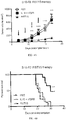
- the invention also relates to conjugates of the invention for use in a method of treating or preventing cancer comprising administering an effective amount of conjugates of the invention to a subject in need thereof.
- the disclosure also relates to methods of treating or preventing cancer comprising isolating immune modulatory cells, such as, NK, T-cells, or B-cells, e.g., from a subject, mixing the cells with compositions or conjugates disclosed herein under conditions such that the cells proliferate and/or become activated and re-administering the cells or replicated versions thereof to a subject in need thereof.
- immune modulatory cells such as, NK, T-cells, or B-cells
- the disclosure also relates to methods of treating cancer comprising isolating lymphoid cells from a subject or from a random donor, mixing the cells with a conjugate disclosed herein under conditions such that the cells proliferate and/or become activated and administering an effective amount of the cells or cells derived therefrom to a subject in need thereof.
- the lymphoid cells may be T-cells, NK and/or B-cells optionally genetically engineered to express other proteins, fusions or chimeric antigen receptors.
- the cancer is a lymphoma, melanoma, hepatocellular carcinoma, colorectal cancer (CRC), castration-resistant prostate cancer (CRPC), non-small-cell lung cancer (NSCLC) and renal cell carcinoma (RCC).
- CRC colorectal cancer
- CRPC castration-resistant prostate cancer
- NSCLC non-small-cell lung cancer
- RRC renal cell carcinoma
- the methods further comprise administering the conjugate in combination with immune checkpoint inhibitors/blockading agents, immunostimulatory cytokines, GM-CSF, anti-PD-1, anti-PD-Ll, anti-CTLA-4, anti-CD40, anti-IL-7, or anti- IL-6 antibodies or combinations thereof.
- the anti-CTLA-4 antibody is ipilimumab
- the anti-PD-1 antibody is selected from nivolumab, pembrolizumab, and pidilizumab
- the anti-PD-Ll is selected from (MDX-1105) BMS-936559, MPDL3280A (atezolizumab), MEDI4736 (durvalumab), and MSB0010718C.
- the methods further comprise administering the conjugate in combination with bevacizumab, erlotinib, ipilimumab, bevacizumab and erlotinib, bevacizumab and erlotinib, lambrolizumab, dasatinib, IL-2, pembrolizumab, cisplatin and pemetrexed, carboplatin and paclitaxel, pegylated IFN- ⁇ 2b, axitinib, lenalidomide and dexamethasone, trametinib and dabrafenib, and IFN- ⁇ .
- compositions and conjugates disclosed herein for the production of a medicament, e.g., a medicament used to treat or prevent diseases and conditions reported herein.
- Embodiments of the present disclosure will employ, unless otherwise indicated, techniques of medicine, organic chemistry, biochemistry, molecular biology, pharmacology, and the like, which are within the skill of the art. Such techniques are explained fully in the literature.
- conjugate refers to molecular entities joined by covalent bonds or other arrangement that provides substantially irreversible binding under physiological conditions.
- two proteins, isolated and/or purified polypeptide sequence may be conjugated together by a linker polymer, e.g., amino acid, polypeptide sequence, ethylene glycol polymer.
- linker polymer e.g., amino acid, polypeptide sequence, ethylene glycol polymer.
- Two proteins may be conjugated together by linking one protein to a ligand and linking the second protein to a receptor, e.g., streptavidin and biotin or an antibody and an epitope.
- the term "combination with” when used to describe administration with an additional treatment means that the agent may be administered prior to, together with, or after the additional treatment, or a combination thereof.
- subject refers to any animal, typically a human patient, livestock, or domestic pet.
- the terms “prevent” and “preventing” include the prevention of the recurrence, spread or onset. It is not intended that the present disclosure be limited to complete prevention. In some embodiments, the onset is delayed, or the severity is reduced.
- the terms “treat” and “treating” are not limited to the case where the subject (e.g. patient) is cured and the disease is eradicated. Rather, embodiments of the present disclosure also contemplate treatment that merely reduces symptoms, and/or delays disease progression.
- amino acid sequence refers to an amino acid sequence of a protein molecule.
- An “amino acid sequence” can be deduced from the nucleic acid sequence encoding the protein.
- terms such as “polypeptide” or “protein” are not meant to limit the amino acid sequence to the deduced amino acid sequence, but include non-naturally occurring amino acids, post-translational modifications of the deduced amino acid sequences, such as amino acid deletions, additions, and modifications such as glycosylation and addition of lipid moieties.
- a polynucleotide sequence encoding" a specified polypeptide refers to a nucleic acid sequence comprising the coding region of a gene or in other words the nucleic acid sequence which encodes a gene product.
- the coding region may be present in a cDNA, genomic DNA or RNA form.
- the oligonucleotide, polynucleotide, or nucleic acid may be single-stranded (i.e., the sense strand) or double-stranded.
- Suitable control elements such as enhancers/promoters, splice junctions, polyadenylation signals, etc.
- the coding region utilized in the expression vectors of the present disclosure may contain endogenous enhancers/promoters, splice junctions, intervening sequences, polyadenylation signals, etc. or a combination of both endogenous and exogenous control elements.
- nucleic acid molecule when made in reference to a nucleic acid molecule refers to a nucleic acid molecule which is comprised of segments of nucleic acid joined together by means of molecular biological techniques.
- recombinant when made in reference to a protein or a polypeptide refers to a protein molecule which is expressed using a recombinant nucleic acid molecule.
- vector refers to a recombinant nucleic acid containing a desired coding sequence and appropriate nucleic acid sequences necessary for the expression of the operably linked coding sequence in a particular host organism or expression system, e.g., cellular or cell-free.
- Nucleic acid sequences necessary for expression in prokaryotes usually include a promoter, an operator (optional), and a ribosome binding site, often along with other sequences.
- Eukaryotic cells are known to utilize promoters, enhancers, and termination and polyadenylation signals.
- Protein "expression systems” refer to in vivo and in vitro (cell free) systems.
- Systems for recombinant protein expression typically utilize cells transfecting with a DNA expression vector that contains the template. The cells are cultured under conditions such that they translate the desired protein. Expressed proteins are extracted for subsequent purification.
- In vivo protein expression systems using prokaryotic and eukaryotic cells are well known. Also, some proteins are recovered using denaturants and protein-refolding procedures.
- In vitro (cell-free) protein expression systems typically use translation-compatible extracts of whole cells or compositions that contain components sufficient for transcription, translation and optionally post-translational modifications such as RNA polymerase, regulatory protein factors, transcription factors, ribosomes, tRNA cofactors, amino acids and nucleotides.
- a “selectable marker” is a nucleic acid introduced into a recombinant vector that encodes a polypeptide that confers a trait suitable for artificial selection or identification (report gene), e.g., beta-lactamase confers antibiotic resistance, which allows an organism expressing beta-lactamase confers antibiotic resistance, which allows an organism expressing beta-lactamase to survive in the presence antibiotic in a growth medium.
- a trait suitable for artificial selection or identification reporter gene
- beta-lactamase confers antibiotic resistance
- Another example is thymidine kinase, which makes the host sensitive to ganciclovir selection. It may be a screenable marker that allows one to distinguish between wanted and unwanted cells based on the presence of absence of an expected color.
- the lac-z-gene produces a beta-galactosidase enzyme which confers a blue color in the presence of X-gal (5-bromo-4-chloro-3-indolyl- ⁇ -D-galactoside). If recombinant insertion inactivates the lac-z-gene, then the resulting colonies are colorless.
- selectable markers e.g., an enzyme that can complement to the inability of an expression organism to synthesize a particular compound required for its growth (auxotrophic) and one able to convert a compound to another that is toxic for growth.
- URA3 an orotidine-5' phosphate decarboxylase, is necessary for uracil biosynthesis and can complement ura3 mutants that are auxotrophic for uracil. URA3 also converts 5-fluoroorotic acid into the toxic compound 5-fluorouracil. Additional contemplated selectable markers include any genes that impart antibacterial resistance or express a fluorescent protein.
- Examples include, but are not limited to, the following genes: ampr, camr, tetr, blasticidinr, neor, hygr, abxr, neomycin phosphotransferase type II gene (nptII), p-glucuronidase (gus), green fluorescent protein (gfp), egfp, yfp, mCherry, p-galactosidase (lacZ), lacZa, lacZAM15, chloramphenicol acetyltransferase (cat), alkaline phosphatase (phoA), bacterial luciferase (luxAB), bialaphos resistance gene (bar), phosphomannose isomerase (pmi), xylose isomerase (xylA), arabitol dehydrogenase (atlD), UDP-glucose:galactose-1-phosphate uridyltransferaseI (galT), feedback-insensitive
- GSA-AT glutamate 1-semialdehyde aminotransferase
- DAAO D-amino acidoxidase
- rstB D-amino acidoxidase
- pflp ferredoxin-like protein
- AtTPS1 trehalose-6-P synthase gene
- lyr lysine racemase
- dapA dihydrodipicolinate synthase
- AtTSB1 tryptophan synthase beta 1
- dhlA mannose-6-phosphate reductase gene
- HPT hygromycin phosphotransferase
- dsdA D-serine ammonialyase
- label refers to a detectable compound or composition that is conjugated directly or indirectly to another molecule, such as an antibody or a protein, to facilitate detection of that molecule.
- labels include fluorescent tags, enzymatic linkages, and radioactive isotopes.
- a "label receptor” refers to incorporation of a heterologous polypeptide in the receptor.
- a label includes the incorporation of a radiolabeled amino acid or the covalent attachment of biotinyl moieties to a polypeptide that can be detected by marked avidin (for example, streptavidin containing a fluorescent marker or enzymatic activity that can be detected by optical or colorimetric methods).
- labels for polypeptides include, but are not limited to, the following: radioisotopes or radionucleotides (such as 35S or 1311) fluorescent labels (such as fluorescein isothiocyanate (FITC), rhodamine, lanthanide phosphors), enzymatic labels (such as horseradish peroxidase, beta-galactosidase, luciferase, alkaline phosphatase), chemiluminescent markers, biotinyl groups, predetermined polypeptide epitopes recognized by a secondary reporter (such as a leucine zipper pair sequences, binding sites for secondary antibodies, metal binding domains, epitope tags), or magnetic agents, such as gadolinium chelates.
- labels are attached by spacer arms of various lengths to reduce potential steric hindrance.
- the disclosure relates to recombinant polypeptides comprising sequences disclosed herein or variants or fusions thereof wherein the amino terminal end or the carbon terminal end of the amino acid sequence are optionally attached to a heterologous amino acid sequence, label, or reporter molecule.
- the disclosure relates to the recombinant vectors comprising a nucleic acid encoding a polypeptide disclosed herein or chimeric protein thereof.
- the recombinant vector optionally comprises a mammalian, human, insect, viral, bacterial, bacterial plasmid, yeast associated origin of replication or gene such as a gene or retroviral gene or lentiviral LTR, TAR, RRE, PE, SLIP, CRS, and INS nucleotide segment or gene selected from tat, rev, nef, vif, vpr, vpu, and vpx or structural genes selected from gag, pol, and env.
- a mammalian, human, insect, viral, bacterial, bacterial plasmid, yeast associated origin of replication or gene such as a gene or retroviral gene or lentiviral LTR, TAR, RRE, PE, SLIP, CRS, and INS nucleotide segment or gene selected from tat, rev, nef, vif, vpr, vpu, and vpx or structural genes selected from gag, pol, and env.
- the recombinant vector optionally comprises a gene vector element (nucleic acid) such as a selectable marker region, lac operon, a CMV promoter, a hybrid chicken B-actin/CMV enhancer (CAG) promoter, tac promoter, T7 RNA polymerase promoter, SP6 RNA polymerase promoter, SV40 promoter, internal ribosome entry site (IRES) sequence, cis-acting woodchuck post regulatory regulatory element (WPRE), scaffold-attachment region (SAR), inverted terminal repeats (ITR), FLAG tag coding region, c-myc tag coding region, metal affinity tag coding region, streptavidin binding peptide tag coding region, polyHis tag coding region, HA tag coding region, MBP tag coding region, GST tag coding region, polyadenylation coding region, SV40 polyadenylation signal, SV40 origin of replication, Col E1 origin of replication, f1 origin, pBR322 origin,
- term “percentage of sequence identity” is calculated by comparing two optimally aligned sequences over the window of comparison, determining the number of positions at which the identical nucleic acid base (e.g., A, T, C, G, U, or I) occurs in both sequences to yield the number of matched positions, dividing the number of matched positions by the total number of positions in the window of comparison (i.e., the window size), and multiplying the result by 100 to yield the percentage of sequence identity.
- the identical nucleic acid base e.g., A, T, C, G, U, or I
- sequence “identity” refers to the number of exactly matching amino acids (expressed as a percentage) in a sequence alignment between two sequences of the alignment calculated using the number of identical positions divided by the greater of the shortest sequence or the number of equivalent positions excluding overhangs wherein internal gaps are counted as an equivalent position.
- polypeptides GGGGGG and GGGGT have a sequence identity of 4 out of 5 or 80%.
- polypeptides GGGPPP and GGGAPPP have a sequence identity of 6 out of 7 or 85%.
- any recitation of sequence identity expressed herein may be substituted for sequence similarity.
- Percent "similarity” is used to quantify the similarity between two sequences of the alignment. This method is identical to determining the identity except that certain amino acids do not have to be identical to have a match. Amino acids are classified as matches if they are among a group with similar properties according to the following amino acid groups: Aromatic - F Y W; hydrophobic-A V I L; Charged positive: R K H; Charged negative - D E; Polar - S T N Q.
- TGF- ⁇ tumor-derived soluble factors
- a fusion protein was designed consisting of proinflammatory murine interleukin-15 (IL-15) linked to the sushi domain of the IL-15R ⁇ chain (IL-15R ⁇ sushi+IL-15) fused in frame to the C'-terminus of a dimeric murine TGF- ⁇ -receptor (type II, T ⁇ RII) ectodomain-based ligand trap, termed FIST-15 (Fusion of Interleukin 15 with Sushi to TGF- ⁇ receptor).
- IL-15 proinflammatory murine interleukin-15
- IL-15R ⁇ sushi+IL-15 fused in frame to the C'-terminus of a dimeric murine TGF- ⁇ -receptor (type II, T ⁇ RII) ectodomain-based ligand trap
- the rationale for the design of this protein is to prevent tumor derived TGF- ⁇ from suppressing the immune response via the TGF- ⁇ ligand trap moiety, while simultaneously providing a potent stimulus for the activation of antitumor responses by an IL-15R agonist (IL-15R ⁇ sushi+IL-15).
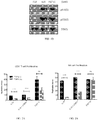
- FIST-15 can neutralize TGF- ⁇ induced SMAD signaling, and induce STAT3 and STAT5 phosphorylation by immunoblot, suggesting that both protein domains are biochemically active. Functionally, FIST-15 is able to induce primary NK- and CD8+ T-cell proliferation at rates greater than IL-15 alone and is capable of overcoming TGF- ⁇ mediated growth inhibition in these cells. Notably, rapid proliferation of the CD8+ central memory phenotype (CD62L+, CD44+) T-cells and upregulation of activation marker CD25 on these cells are seen with FIST-15 treatment. FIST-15 expanded NK- and CD8+ T-cells produce more IFN- ⁇ and TNF- ⁇ compared to IL-15 expanded cells.
- IL-15 expanded NK- and CD8+ T-cell production of these cytokines and anti-tumor effector molecules were significantly diminished by TGF- ⁇ co-treatment, FIST-15 expanded cells were relatively protected from the inhibitory effects of TGF- ⁇ .
- compositions and conjugates are provided.
- compositions and conjugates comprising an interleukin, e.g., IL-15 and a polypeptide that specifically binds TGF-beta.
- an interleukin e.g., IL-15
- a polypeptide that specifically binds TGF-beta is a type II TGF-beta receptor.
- the type II TGF-beta receptor is a human isoform, fragment or variant thereof. Uses for treating or preventing cancer and infectious diseases are contemplated.
- IL-4, 7, 9, 15, and 21 are contemplated.
- this disclosure relates to a composition
- a composition comprising, jointly as conjugates or separately,
- composition refers to a composition of material comprising the indicated components, e.g., the polypeptide TGF-beta receptor, IL-15 and the Sushi domain of the IL-15 receptor alpha chain as well as any other product resulting directly or indirectly from the combination of the different components in any quantities thereof.
- the expert in the art will appreciate that the composition may be formulated as a single formulation or may be presented as a formulation of each one of the components separately so that they can be combined for joint use in the form of a combined preparation.
- the composition may be a kit of parts wherein each component is separately formulated and packaged.
- protein used herein indiscriminately with polypeptide, refers to a chain of amino acids of any length wherein the different amino acids are joined together by peptide bonds or disulphide bridges.
- polynucleotide as used in the present disclosure, relates to a polymer formed by a variable number of monomers wherein the monomers are nucleotides, including ribonucleotides as well as deoxyribonucleotides.
- the polynucleotides include monomers modified by methylation as well as unmodified forms.
- polynucleotide and “nucleic acid” are used indiscriminately in the present disclosure and include mRNA, cDNA and recombinant polynucleotides.
- polynucleotides are not limited to polynucleotides as they appear in nature, and also include polynucleotides where unnatural nucleotide analogues and inter-nucleotide bonds appear.
- Non-limitative examples of this type of unnatural structures include polynucleotides wherein the sugar is different from ribose, polynucleotides wherein the phosphodiester bonds 3'-5' and 2'-5' appear, polynucleotides wherein inverted bonds (3'-3' and 5'-5') appear and branched structures.
- the first component of the disclosure is selected from the group of a TGF-beta receptor polypeptide or a functionally equivalent variant thereof and a nucleic acid encoding a TGF-beta receptor polypeptide or a functionally equivalent variant thereof.
- TGF-beta receptor relates to any member of the TGF-beta receptor family forming part of the high density lipoproteins (HDL) and that is capable of interacting specifically TGF-beta.
- the TGF-beta receptor is a type II TGF-beta receptor such as a human isoform, fragment or variant thereof.
- the type II TGF-beta receptor has greater than 50, 60, 70, 80, 90, 95, or 98% sequences identity or similarity to
- the type II TGF-beta receptor has greater than 50, 60, 70, 80, 90, 95, or 98% sequences identity or similarity to MGRGLLRGLWPLHIVLWTRIASTIPPHVQKSVNNDMIVTDNNGAVKFPQLCKFCDVRFS TCDNQKSCMSNCSITSICEKPQEVCVAVWRKNDENITLETVCHDPKLPYHDFILEDAASP KCIMKEKKKPGETFFMCSCSSDECNDNIIFSEEYNTSNPDLLLVIFQVTGISLLPPLGVAI SVIIIFYCYRVNRQQKLSSTWETGKTRKLMEFSEHCAIILEDDRSDISSTCANNINHNTE LLPIELDTLVGKGRFAEVYKAKLKQNTSEQFETVAVKIFPYEEYASWKTEKDIFSDINLK HENILQFLTAEERKTELGKQYWLITAFHAKGNLQEYLTRHVISWEDLRKLGSSLARGIA HLHSDHTPCGRPKMP
- the fragment is less than 550, 500, 450, 400, 350, 300, 350, 300, 250, 200, 150, or 100 amino acids.
- the first component of the disclosure may be a nucleic acid showing a sequence identity of at least 70%, at least 75%, at least 80%, at least 85%, at least 90%, at least 91%, at least 92%, at least 93%, at least 94%, at least 95%, at least 96%, at least 97%, at least 98% or at least 99% with any of the abovementioned sequences wherein the percentage of identity is determined by using an algorithm of the GAP, BESTFIT or FASTA type whose computer implementation appears in the Wisconsin Genetics Software Package Release 7 (Wisconsin Genetics Software Package Release 7.0, Genetics Computer Group, 575 Science Dr., Madison, Wis.) and which uses the local algorithms of Smith and Waterman (Adv. Appl.
- the first component of the composition of the disclosure is a polynucleotide encoding TGF-beta receptor or a variant thereof capable of hybridizing specifically with any of the native sequences corresponding to TGF-beta receptor of different previously defined mammals.
- Polynucleotides capable of hybridizing specifically with a target polynucleotide is understood, in the context of the present disclosure, as meaning those polynucleotides capable of hybridizing in strict conditions, strict conditions understood as meaning the conditions that allow specific hybridization of two nucleic acids at temperatures of approximately 65° C.
- the second component is any interleukin such as a human IL-1, IL-2, IL-3, IL-4, IL-5, IL-6, IL-7, IL-8, IL-9, IL-10, IL-11, IL-12, IL-13, IL-15, IL-17, or combinations thereof.
- interleukin such as a human IL-1, IL-2, IL-3, IL-4, IL-5, IL-6, IL-7, IL-8, IL-9, IL-10, IL-11, IL-12, IL-13, IL-15, IL-17, or combinations thereof.
- compositions or conjugates comprise IL-15, e.g., a human isoform, fragment or variant thereof.
- IL-15 has greater than 50, 60, 70, 80, 90, 95, or 98% sequences identity or similarity to
- IL-15 has greater than 50, 60, 70, 80, 90, 95, or 98% sequences identity or similarity to MRISKPHLRSISIQCYLCLLLNSHFLTEAGIHVFILGCFSAGLPKTEANWVNVISDLKKIED LIQSMHIDATLYTESDVHPSCKVTAMKCFLLELQVISLESGDASIHDTVENLIILANNSLSS NGNVTESGCKECEELEEKNIKEFLQSFVHIVQMFINTS (SEQ ID NO: 23).
- the fragment is less than 150, 130, 110, 90, 70, 50, or 30 amino acids.
- compositions or conjugates further comprises a sushi domain of the IL-15 receptor alpha chain.
- the sushi domain of the IL-15 receptor alpha chain greater than 50, 60, 70, 80, 90, 95, or 98% sequences identity or similarity to
- the second component of the disclosure is selected from the group of IL-15 or a functionally equivalent variant thereof and of a nucleic acid encoding IL-15 or a functionally equivalent variant thereof.
- IL-15 refers to a cytokine whose isolation, cloning and sequence is described in Grabstein et al. ( U.S. Pat. No. 5,747,024 and Grabstein et al., 1994, Science 246: 965-968 ).
- the term IL-15 includes any polypeptide form with the amino acid sequence of a natural IL-15.
- Examples of IL-15 that may be used forming part of the compositions and fusion proteins of the present disclosure include, IL-15 of rodents (mouse, rat, hamster), human, primate, canine, feline, porcine, equine, bovine, ovine, and similar.
- IL-15 polypeptides of mammals that can form part of the compositions and fusion proteins of the disclosure include, without limitation, IL-15 of human origin and whose amino acid sequence is the one shown in P40933 (SEQ ID NO: 2); mouse IL-15 whose amino acid sequence is shown in P48346, rat IL-15 whose amino acid sequence is shown in P97604, cat IL-15 whose amino acid sequence is shown in O97687 and bovine IL-15 whose amino acid sequence is the one shown in Q28028.
- “Functionally equivalent variant of IL-15” is understood as meaning all those polypeptides resulting from the insertion, substitution or deletion of one or more amino acids from any of the abovementioned sequences of IL-15 and that maintain substantially intact at least one of the functions of IL-15, wherein said function is selected from:
- IL-15 The capacity of IL-15 to inhibit Fas-mediated apoptosis in B-cell precursors, as described by Demirci et al. (Cell Mol Immunol. 2004, 1:123-8 .), which can be determined using standard techniques for determining apoptosis such as TUNEL or the determination of DNA fragmentation by gel electrophoresis and ethidium bromide staining.
- Variants of IL-15 contemplated in the context of the present disclosure include polypeptides showing at least 70%, 72%, 74%, 76%, 78%, 80%, 90%, or 95% of similarity or identity with the IL-15 polypeptides of the mammals mentioned above.
- the degree of identity between two polypeptides is determined using computer-implemented algorithms and methods that are extensively known to experts in the art.
- the identity between two amino acid sequences is preferably determined using the BLASTP algorithm ( BLAST Manual, Altschul, S. et al., NCBI NLM NIH Bethesda, Md. 20894 , Altschul, S., et al., J., 1990, Mol. Biol. 215:403-410 ).
- the second component of the disclosure can be a nucleic acid encoding at least one of the native IL-15 and variants of IL-15 mentioned above.
- the nucleic acids encoding mammal IL-15 can be recovered from nucleic acid repositories and include, without limitation, polynucleotides whose sequences are defined by accession numbers U14407.
- Said polynucleotides include those that show a sequence identity of at least 70%, at least 75%, at least 80%, at least 85%, at least 90%, at least 91%, at least 92%, at least 93%, at least 94%, at least 95%, at least 96%, at least 97%, at least 98% or at least 99% identity with any of the aforesaid sequences wherein the percentage of identity is determined by using one of the algorithms mentioned above.
- the polynucleotides forming the second component of the disclosure are polynucleotides capable of hybridizing specifically with the previously defined polynucleotides. Methods for determining a polynucleotide's capacity to hybridize specifically with a target sequence have been described in detail in the context of the first component of the disclosure.
- the nucleic acid forming the second component of the disclosure can be found operatively bound to a signal sequence allowing secretion into the medium of the IL-15 or functionally equivalent variant.
- Suitable signal sequences for use in the present disclosure include those mentioned previously in the context of the first component of the disclosure.
- the signal sequence forming part of the second component of the composition of the disclosure is the signal sequence of IL-15 itself as previously defined or the signal sequence of one of the immunoglobulins, in particular Ig ⁇ or IgV ⁇ .
- the signal peptide of IL-15 is not utilized in FIST-15 conjugate to direct the secretion of the protein.
- a VEGF signal peptide (MNFLLSWVHWSLALLLYLHHAKWSQA) (SEQ ID NO: 28) is used for protein secretion.
- MNFLLSWVHWSLALLLYLHHAKWSQA SEQ ID NO: 28
- a component of the disclosure is selected from the group of the sushi domain of the IL-15 receptor alpha chain or a functionally equivalent variant thereof.
- IL-15R ⁇ -sushi refers to an amino acid sequence that appears in the extracellular region of the IL-15 receptor alpha chain and that corresponds to the sequence beginning with the first cysteine to appear in the first exon of the gene of the IL-15 receptor alpha chain and ending with the cysteine encoded by exon 4 of the gene of the IL-15 receptor alpha chain.
- the sushi domain is defined as the sequence starting in the first cysteine residue of the IL-15 receptor alpha chain after the signal sequence and ending with the fourth cysteine residue after the signal sequence in the aforesaid sequence.
- Suitable sushi domains for use in the present disclosure include the sushi domain from the human origin IL-15 receptor alpha chain, corresponding to the sequence with UniProt accession number NP-002180 and whose Sushi domain corresponds to the sequence and the sushi domain from the mouse IL-15 receptor alpha chain corresponding to the sequence with Swiss-Prot accession number Q60819 and whose Sushi domain corresponds to the sequence
- “Functionally equivalent variant of the sushi domain of the IL-15 receptor alpha chain” is understood as meaning all those polypeptides resulting from the insertion, substitution or deletion of one or more amino acids of the sequence of any of the sequences of human origin or murine sushi domains mentioned previously and that maintain substantially intact their capacity to bind to IL-15 and increase the proliferative effect of IL-15 in cells expressing the low affinity IL-15 receptor (for example, cells from Mo-7e or 32D ⁇ lines) as described by Mortier et al. (J. Biol. Chem., 2006, 281:1612-1619 ).
- Variants of IL-15R ⁇ -sushi contemplated in the context of the present disclosure include polypeptides showing at least 70%, 72%, 74%, 76%, 78%, 80%, 90%, or 95% similarity or identity with the polypeptides mentioned above.
- the degree of identity between two polypeptides is determined using computer-implemented algorithms and methods extensively known to experts in the art.
- the identity between two amino acid sequences is determined preferably by using the BLASTP algorithm ( BLAST Manual, Altschul, S. et al., NCBI NLM NIH Bethesda, Md. 20894 , Altschul, S., et al., J., 1990, Mol. Biol. 215:403-410 ).
- the third component of the disclosure may be a nucleic acid encoding at least one sushi domain of the IL-15 receptor alpha chain, native and variants thereof as mentioned previously.
- the nucleic acids encoding mammal IL-15R ⁇ -sushi can be recovered from the sequences of the corresponding alpha chains found in the nucleic acid repositories and include, without limitation, the sequences encoding IL-15R ⁇ -sushi of the human IL-15 receptor alpha chain.
- compositions and conjugates of the disclosure may be formed by polypeptides or polynucleotides from different species. Nonetheless, in a preferred embodiment the three components originate from the same animal species. In a preferred embodiment, the three components are of human origin. In another preferred embodiment, the three components are of murine origin.
- compositions or conjugates disclosed herein may further comprise an ApoA polypeptide.
- ApoA polypeptide refers to any member of the Apo A family forming part of the high density lipoproteins (HDL) and that is capable of interacting specifically with receptors on the surface of liver cells thereby guaranteeing its capacity to transport the molecules of interest to this organ joined to the aforesaid Apo A protein.
- the Apo A molecules that can be used in the present invention are selected from the group of ApoA-I, ApoA-II, ApoA-III, ApoA-IV and ApoA-V or of functionally equivalent variants thereof.
- the Apo A protein that is used in the present disclosure is the protein ApoA-I.
- ApoA-I is understood, in the context of the present disclosure, as the mature form of the pre-proApoA-I protein which forms part of high density lipoproteins (HDL).
- ApoA-I is synthesised as a precursor (pre-proApoA-I) containing a secretion signal sequence that is eliminated to make way for the precursor.
- the signal sequence consists of 18 amino acids, the pro-peptide of 6 and the mature form of the protein of 243 amino acids.
- the mature protein form is used lacking the peptide signal and processed.
- the ApoA-I protein is of human origin and its amino acid sequence is UniProt accession number P02647.
- the disclosure contemplates that the first and second components of the composition are polypeptides, said single molecule is a fusion protein comprising (i) a TGF-beta receptor polypeptide or functionally equivalent variant thereof and (ii) IL-15 or a functionally equivalent variant thereof.
- fusion protein refers to polypeptides comprising two or more regions from different or heterologous proteins.
- said single molecule is a polynucleotide encoding a fusion protein comprising (i) a polypeptide comprising a TGF-beta receptor polypeptide or a functionally equivalent variant thereof and (ii) IL-15 or a functionally equivalent variant thereof.
- compositions wherein the first component is in the N-terminal position in relation to the second component and compositions wherein the first component is in the C-terminal position in relation to the second component.
- compositions wherein the first component is in position 5' in relation to the second component contemplates compositions wherein the first component is in position 3' in relation to the second component.
- the first and second component are associated directly, in other words, the C-terminal end of the first component is associated to the N-terminal end of the second component, or the C-terminal end of the second component is associated to the N-terminal end of the first component, or the 3' end of the first component is associated to the 5' end of the second component and compositions wherein the 3' end of the second component is associated to the 5' end of the first component.
- compositions wherein the fusion of the first and second component is carried out through a peptide linker (in the case of the first and second component being of a polypeptidic nature) or through a sequence encoding a peptide linker (in the case of the first and second component being of a polynucleotidic nature).
- linker refers to a molecule that connects two molecules and that frequently allows connected molecules to acquire a functional configuration.
- the linker peptide preferably comprises at least two amino acids, at least three amino acids, at least five amino acids, at least ten amino acids, at least 15 amino acids, at least 20 amino acids, at least 30 amino acids, at least 40 amino acids, at least 50 amino acids, at least 60 amino acids, at least 70 amino acids, at least 80 amino acids, at least 90 amino acids or approximately 100 amino acids.
- Suitable linkers for use in the present disclosure include linkers comprising 2 amino acids or more selected from the group consisting of glycine, serine, alanine and threonine such as, without limitation the linkers of sequence SGGTSGSTSGTGST (SEQ ID NO: 5), AGSSTGSSTGPGSTT (SEQ ID NO: 6), GGSGGAP (SEQ ID NO: 7) and GGGVEGGG (SEQ ID NO: 8) described by Muller, K. M. et al. (Methods. Enzimology, 2000, 328: 261-281 ).
- linker 412: 388-396, 1997 such as the linker of sequence GTKVHMK (SEQ ID NO:9), Linkers based on a subsequence of the linker sheet 3 of human fibronectin, corresponding to amino acids 1992-2102 such as the linker PGTSGQQPSVGQQ (SEQ ID NO: 10) corresponding to amino acids number 2037-2049, and within that subsequence fragment GTSGQ (SEQ ID NO: 11) corresponding to the residues of amino acids 2038-2042 is more preferable.
- Linkers based on the sequence of 10 residues of amino acids of the upper hinge region of murine IgG3 such as the linker of sequence PKPSTPPGSS (SEQ ID NO: 12) which has been used for the production of dimeric antibodies by means of a coiled helix ( Pack P. and Pluckthun, A., 1992, Biochemistry 31:1579-1584 ), linker peptide of sequence GGSSGG (SEQ ID NO: 13), and linker peptide of sequence GGSGGGGSGGGSGGGGSLQ (SEQ ID NO: 14).
- the two components of the conjugates of the disclosure can be connected by a peptide whose sequence contains a cleavage target for a protease, thereby allowing separation of TGF- ⁇ receptor from component (ii).
- Suitable protease cleavage sites for incorporation into the polypeptides of the disclosure include enterokinase (cleavage site DDDDK SEQ ID NO: 15), Xa factor (cleavage site IEDGR, SEQ ID NO: 16), thrombin (cleavage site LVPRGS, SEQ ID NO: 17), TEV protease (cleavage site ENLYFQG, SEQ ID NO:18), PreScission protease (cleavage site LEVLFQGP, SEQ ID NO:19), inteins and similar.
- the cleavage site is that of a protease expressed in tumoral tissues, inflamed tissues or in the liver in such a way that separation of TGF- ⁇ receptor and component (ii) takes place once the conjugate has reached the liver.
- the linker contains a matrix metalloproteinase 9 recognition site (cleavage site LFPTS, SEQ ID NO: 20).
- compositions wherein both the component resulting from the fusion of the first and second component (the fusion protein of TGF- ⁇ receptor with IL-15) and the third component (the Sushi domain of the IL-15 receptor ⁇ chain) are used in the form of a nucleic acid
- the disclosure is not limited to compositions wherein both components are nucleic acids and rather contemplates, as alternatives, compositions wherein the first and/or second component are polypeptides.
- the disclosure relates to a polypeptide comprising a fusion protein formed by TGF- ⁇ receptor and IL-15 and a polypeptide comprising the sushi domain of the IL-15 receptor ⁇ chain.
- the disclosure relates to a polypeptide comprising a fusion protein formed by TGF- ⁇ receptor and IL-15 and a polynucleotide encoding a polypeptide comprising the sushi domain of the IL-15 receptor ⁇ chain.
- the disclosure relates to a polynucleotide encoding a polypeptide comprising a fusion protein formed by TGF- ⁇ receptor and IL-15 and a polypeptide comprising the sushi domain of the IL-15 receptor ⁇ chain.
- the disclosure relates to a polynucleotide encoding a polypeptide comprising a fusion protein formed by TGF- ⁇ receptor and IL-15 and a polynucleotide encoding a polypeptide comprising the sushi domain of the IL-15 receptor ⁇ chain.
- compositions of the disclosure contemplates compositions wherein the ratio between the amounts of the two components can range between 50:1 and 1:50, in particular between 20:1 and 1:20, between 1:10 and 10:1, or between 5:1 and 1:5.
- each one of the components may come from a different species, although it is preferred for the components forming part of a single molecule to come from the same species.
- TGF- ⁇ receptor or the functionally equivalent variant thereof is of human origin and IL-15 or the functionally equivalent variant thereof is of human origin.
- TGF- ⁇ receptor or the functionally equivalent variant thereof is of murine origin and IL-15 or the functionally equivalent variant thereof is of murine origin.
- the single molecule forming the first component of the composition is formed by the human origin TGF- ⁇ receptor polypeptide and human origin IL-15, separated by a linker presenting the GAP sequence.
- the polypeptide comprising the Sushi domain of the IL-15 receptor alpha chain or the functionally equivalent variant thereof may be of human origin or murine origin. Nonetheless, if the components forming the single molecule are both of human origin, it is preferable for the Sushi domain of the IL-15 receptor alpha chain or functionally equivalent variant thereof to also be of human origin. Alternatively, if the components forming the single molecule are both of murine origin, it is preferred for the Sushi domain of the IL-15 receptor alpha chain or functionally equivalent variant thereof to also be of murine origin.
- the disclosure relates to a fusion protein comprising structure of the protein in A-B-C orientation.
- FIST-15 is the TGF-beta receptor followed by the sushi domain followed by IL-15:
- region A of the fusion protein essentially coincides with the first component of the compositions of the disclosure.
- region B of the fusion protein essentially coincides with the second component of the compositions of the disclosure.
- region C of the fusion protein essentially coincides with the third component of the compositions of the disclosure.
- the fusion protein of the disclosure may present different arrangements of regions A, B and C.
- the disclosure contemplates:
- regions A, B and/or C can be directly associated, in other words, wherein the C-terminal amino acid of a region is joined by a peptide bond to the N-terminal amino acid of another region.
- the different regions are joined together by a peptide linker.
- Suitable linkers for the fusion protein of the disclosure are essentially the same as used in the composition of the disclosure and have been described in detail above. The expert in the art will appreciate that the fusion protein may contain one or two peptide linkers depending on whether only two of the three regions are associated together by a linker or whether the three regions are associated by linkers.
- the fusion protein presents a B-C-A-type arrangement, in other words, comprises, in the direction N-to C terminal, the Sushi domain of IL-15R ⁇ (region B), IL-15 (region C) and TGF- ⁇ receptor (region A).
- regions C and B are separated by a linker of type GGSGGGGSGGGSGGGGSLQ (SEQ ID NO: 14).
- regions B and A are separated by a GAP-type linker.
- regions C and B are separated by a linker of type GGSGGGGSGGGSGGGGSLQ (SEQ ID NO: 14) and regions B and A are separated by a GAP-type linker.
- fusion proteins of the disclosure are exemplified with fusion proteins wherein regions A, B and C are of murine origin, the expert in the art will appreciate that the disclosure contemplates fusion proteins wherein each one of the regions A, B and C may be of different origin, from among the different variants of the regions mentioned above.
- the fusion protein comprises a region A of human origin or murine origin, a region B of human origin or murine origin, a region C of human origin or murine origin.
- the three regions come from the same organism.
- regions A, B and C are of murine origin.
- regions A, B and C are of human origin.
- the fusion protein presents an arrangement of the C-B-A type wherein the three components are of human origin and wherein both regions C and B as well as regions B and A are connected by peptide linkers.
- the fusion protein comprises, in the direction N-to C- terminal, the sushi domain of human IL-15R ⁇ (region C), human IL-15 (region B) and human TGF-beta receptor (region A).
- regions C and B are separated by a linker of type GGSGGGGSGGGSGGGGSLQ (SEQ ID NO: 14).
- regions B and A are separated by a GAP-type linker.
- regions C and B are separated by a linker of type GGSGGGGSGGGSGGGGSLQ (SEQ ID NO:14) and regions B and A are separated by a GAP-type linker.
- the fusion protein comprises the sequence defined by SEQ ID NO: 21.
- the fusion protein comprises, in the direction N-to C terminal, the sushi domain of murine IL-15R ⁇ (region C), murine IL-15 (region B) and murine TGF-beta receptor (region A).
- regions C and B are separated by a linker of type GGSGGGGSGGGSGGGGSLQ (SEQ ID NO: 14).
- regions B and A are separated by a GAP-type linker.
- regions C and B are separated by a linker of type GGSGGGGSGGGSGGGGSLQ (SEQ ID NO: 14) and regions B and A are separated by a GAP-type linker.
- the disclosure contemplates a polynucleotide encoding the fusion protein of the disclosure. Given that the fusion protein of the disclosure performs its function from the extracellular medium, it is convenient for the polynucleotide to encode the fusion protein of the disclosure with a signal sequence that allows the fusion protein access to the secretory pathway and the fusion protein's secretion into the medium.
- Suitable signal sequences for use together with the fusion protein include both the signal sequence of any of the fusion protein components (the signal sequence of TGF-beta receptor, signal sequence of IL-15 or signal sequence of the IL-15 receptor a chain) or any signal sequences mentioned above in the context of the first component of the composition of the disclosure, in other words, suitable signal sequences of tissue plasminogen activator (tPA), of the growth hormone, of GM-CSF and of immunoglobulins, and, in particular the signal sequences of Ig ⁇ or of IgV ⁇ .
- tissue plasminogen activator tPA
- the polynucleotide of the disclosure comprises the sequence encoding a fusion protein or conjugate comprising the human origin TGF-beta receptor followed by a human origin Sushi domain, human origin IL-15 and wherein the Sushi domain and IL-15 are separated by a linker of sequence, wherein IL-15 and TGF-beta receptor are separated by a linker of sequence GAP and wherein the fusion is preceded by the signal sequence of the human origin IL-15 receptor alpha chain.
- the polynucleotide of the disclosure comprises the sequence encoding a fusion protein or conjugate comprising the human origin Sushi domain, human origin IL-15 and human origin TGF-beta receptor, wherein the Sushi domain and IL-15 are separated by a linker of sequence, wherein IL-15 and TGF-beta receptor are separated by a linker of sequence GAP and wherein the fusion is preceded by the signal sequence of the human origin IL-15 receptor alpha chain.
- the polynucleotide that encodes the fusion protein of the disclosure can be operatively associated to a regulatory region of expression thereby giving rise to a gene construct. Therefore, in another aspect, the disclosure relates to a gene construct comprising a polynucleotide of the disclosure.
- the construct comprises the polynucleotide of the disclosure placed under the operational control of sequences that regulate the expression of the polynucleotide of the disclosure.
- the expert in the art will appreciate that the polynucleotides of the disclosure must access the nucleus of a target tissue and therein be transcribed and translated to give rise to the biologically active fusion protein.
- any promoter can be used for the gene constructs of the present disclosure on condition that said promoter is compatible with the cells in which the polynucleotide is to be expressed.
- suitable promoters for carrying out the present disclosure include, without necessarily limitation, constitutive promoters such as those derived from the genomes of eukaryote viruses such as the polyomavirus, adenovirus, SV40, CMV, bird sarcoma virus, hepatitis B virus, the metallothionein gene promoter, the thymidine kinase gene promoter of the herpes simplex virus, LTR regions of retroviruses, the immunoglobulin gene promoter, the actin gene promoter, the EF-1alpha gene promoter as well as inducible promoters wherein the expression of the protein depends on the addition of a molecule or exogenous signal, such as the tetracycline system, the NF ⁇ B/UV light system, the Cre/Lox system and the heat shock gene
- the polynucleotides of the disclosure or gene constructs comprising them may form part of a vector.
- the disclosure relates to a vector which comprises a polynucleotide or a gene construct of the disclosure.
- the expert in the art will appreciate that there is no limitation in terms of the type of vector that can be used since said vector may be a cloning vector suitable for propagation and for obtaining the suitable polynucleotides or gene constructs, or expression vectors in different heterologous organisms suitable for purifying the conjugates.
- suitable vectors in accordance with the present disclosure include expression vectors in prokaryotes such as pUC18, pUC19, Bluescript and its derivatives, mp18, mp19, pBR322, pMB9, ColEI, pCRI, RP4, phages and "shuttle" vectors such as pSA3 and pAT28, expression vectors in yeasts such as 2-micra plasmid-type vectors, integration plasmids, YEP vectors, centromeric plasmids and similar, expression vectors in insect cells such as the pAC-series and pVL-series vectors, expression vectors in plants such as vectors of series pIBI, pEarleyGate, pAVA, pCAMBIA, pGSA, pGWB, pMDC, pMY, pORE and similar and expression vectors in superior eukaryotic cells well based in viral vectors (adenovirus, viruses associated to a
- the vector of the disclosure can be used to transform, transfect or infect cells prone to transformation, transfection or infection by said vector.
- Said cells can be prokaryotic or eukaryotic.
- the vector wherein said DNA sequence is introduced may be a plasmid or a vector that, when introduced in a host cell, integrates in said cell's genome and replicates together with the chromosome (or chromosomes) into which it has been integrated.
- Said vector may be obtained by conventional methods known to technicians in the art (Sambrook et al., 2001, quoted supra).
- the disclosure relates to a cell comprising a polynucleotide, a gene construct or a vector of the disclosure, wherefore it has been possible to transform, transfect or infect said cell with a construct or vector provided by this disclosure.
- Transformed, transfected or infected cells can be obtained by conventional methods known to experts in the art (Sambrook et al., 2001, quoted supra).
- said host cell is an animal cell transfected or infected with an appropriate vector.
- Suitable host cells for the expression of the conjugates of the disclosure include, without limitation, the cells of mammals, plants, insects, fungi and bacteria.
- Bacterial cells include, without limitation, the cells of Gram-positive bacteria such as species of the genus Bacillus, Streptomyces and Staphylococcus and cells of Gram-negative bacteria such as cells of the genus Escherichia and Pseudomonas.
- Fungal cells include, preferably, yeast cells such as Saccharomyces, Pichia pastoris and Hansenula polymorpha.
- Insect cells include, without limitation, cells of Drosophila and Sf9 cells.
- Plant cells include, among others, cells from crop plants such as cereals, medicinal or ornamental plants or bulbs.
- Suitable mammal cells for the present disclosure include epithelial cell lines (porcine, etc.), osteosarcoma cell lines (human, etc.), neuroblastoma cell lines (human, etc.), epithelial carcinomas (human, etc.), glial cells (murine, etc.), liver cell lines (monkey, etc.).
- CHO cells Choinese Hamster Ovary
- COS cells BHK cells
- human ECCs NTERA-2 cells D3 cells of the line of mESCs
- human embryonic stem cells such as HS293 and BGV01, SHEF1, SHEF2 and HS181, cells NIH3T3, 293T, REH and MCF-7 and hMSCs cells.
- IL-15 The capacity of IL-15 to promote the proliferation of antigen-sensitized T lymphocytes has been described. Thus, it has been demonstrated that contacting a population of isolated lymphocytes previously exposed to a determined antigen with IL-15 results in an increase in lymphocyte proliferation. This expanded lymphocyte population can be used in adoptive immunotherapy whereby it is subsequently re-administered to the patient from which said initial population has been obtained.
- the disclosure relates to an in vitro method for promoting the expansion of antigen-specific T lymphocytes comprising contacting a population of lymphocytes previously exposed to said antigen with a composition of the disclosure, a fusion protein of the disclosure, a polynucleotide of the disclosure, a vector of the disclosure, a gene construct of the disclosure or a host cell of the disclosure.
- expansion is used in the present disclosure indiscriminately with proliferation and must be understood as cell division or cell growth.
- the expansion may be determined using extensively known methods, such as, for example, the methods described in Transplantation (1999) 67: 605-613 .
- lymphocytes refers to a lymphocyte population capable of recognising a specific antigen.
- lymphocytes are isolated from a patient who has been exposed to said antigen.
- the antigen may be placed in contact with the lymphocyte population in an artificial antigen-presenting system as described in US patents U.S. Pat. Nos. 6,828,150 or 6,787,154 .
- antigen refers to any substance capable of triggering an immune response in a subject who is intolerant to said antigen.
- the antigen may come from the subject himself, in which case it is an autoantigen, or may be an alloantigen, in other words, an antigen derived from an individual of the same species.
- the antigen may be a xenoantigen, in other words, an antigen derived from an individual of a different species.
- the lymphocytes that can be used in the method of the present disclosure include, without limitation, cytotoxic T lymphocytes (CTL), T helper cells, lymphokine-activated cells, tumor-infiltrating lymphocytes (TILS), NK cells, naive cells, memory cells, gamma delta T cells, NKT cells as well as cell populations comprising variable quantities of one or more of the aforesaid cells.
- the lymphocytes are CTL.
- Suitable methods for obtaining CTLs for subsequent expansion in vitro using the method of the disclosure are extensively known to an expert in the art and include, without limitation, isolation from peripheral blood, from umbilical cord blood, from tissues containing lymphocytes.
- the lymphocytes are isolated through drainage from the lymph nodes of patients suffering from a particular disease.
- lymphocytes Once the lymphocytes have been isolated, they are placed in contact with a composition of the disclosure, a fusion protein of the disclosure, a polynucleotide of the disclosure, a vector of the disclosure, a gene construct of the disclosure or a host cell of the disclosure in suitable conditions for lymphocyte expansion to take place.
- a composition of the disclosure a fusion protein of the disclosure, a polynucleotide of the disclosure, a vector of the disclosure, a gene construct of the disclosure or a host cell of the disclosure in suitable conditions for lymphocyte expansion to take place.
- the general conditions for antigen-specific CTL expansion can be established according to well-known methods [for example, Carter J. et al., Immunology, 57 (1), 123-129, (1996 )] and may be routinely optimised by an expert in the art.
- contacting the lymphocytes with the composition, fusion protein, polynucleotide, vector, gene construct or host cell of the disclosure is carried out by means of culturing the lymphocytes in a suitable medium for said cells.
- the cells may be cultured under conventional conditions in a suitable medium for growing lymphocytes which include a Minimum Essential Medium or RPMI 1640 Medium.
- necessary proliferation and viability factors may be added including serum, for example, foetal calf serum or human serum and antibiotics, for example, penicillin, streptomycin.
- the lymphocytes are kept in the necessary conditions for supporting growth, for example, at a suitable temperature of about 37° C. and atmosphere, for example, air plus 5% CO2.
- the lymphocytes can be treated prior to their stimulation using the compounds of the disclosure to promote their activation in vitro, by contacting the lymphocytes with the antigen against which they are specific. This is particularly necessary in the case of patients with tumors producing immunosuppressant substances. To achieve this, it is necessary to stimulate the lymphocyte's culture with the appropriate antigen.
- the antigen is presented to the T cell in such a way that the signal is triggered in the T cell through the TCR/CD3 complex.
- the antigen can be presented to the T cell by means of an antigen-presenting cell.
- antigen-presenting cell refers to a cell that contributes to generating the immune response by means of presenting an antigen to the T lymphocytes.
- Antigen-presenting cells include dendritic cells, mononuclear phagocytes, B lymphocytes or Langerhans cells.
- Antigen-presenting cells may be isolated, for example, from the bone marrow, blood, thymus, epidermis, liver or foetal liver.
- the antigen being a tumoral antigen
- the lymphocyte activation prior to expansion can be carried out using a pathogen-infected cell, for example a virus presenting antigens of the pathogen.
- the treatment of the cells with the compositions, fusion proteins of the disclosure is preferable for the treatment of the cells with the compositions, fusion proteins of the disclosure to be carried out in the presence of an anti-CD3 antibody and, preferably, with a human monoclonal anti-CD3 antibody, and more preferably with OKT3.
- concentration of anti-CD3 antibodies during the expansion process is not especially limited and is, for example, 0.001 to 100 mg/mL, and more preferably 0.01 to 100 mg/mL.
- the cells may be co-cultured with an anti-CD28 antibody, and more preferably with a human monoclonal anti-CD28 antibody.
- the cells can be co-cultured with a lymphocyte-stimulating factor, such as a lectin. Also, one or more of these components can be immobilized to a solid phase.
- the cells can be co-cultured with feeder cells according to the circumstances.
- suitable feeder cells include, without limitation peripheral blood mononuclear cells (PBMCs) and autologous or non-autologous EBV-B cells.
- PBMCs peripheral blood mononuclear cells
- EBV-B cells autologous or non-autologous EBV-B cells.
- the cytotoxic activity of the lymphocyte population obtained following the method of the disclosure can be determined using well-known methods. For example, it is possible to determine the lymphocytes' capacity to provoke a marked target cell's lysis and to determine the release of the marked substance. Alternatively, the cytotoxic activity can be determined by identifying the level of cytokine (for example, GM-CSF and IFN- ⁇ ) produced by the lymphocytes or the target cell.
- cytokine for example, GM-CSF and IFN- ⁇
- the cytotoxic activity can be determined by contacting the lymphocytes with a specific antibody of cytotoxic lymphocytes marked with a first fluorescent molecule and a complex formed by the antigenic peptide and the major complex of histocompatibility marked with a second fluorescent molecule followed by the detection of cells marked with both molecules by means of flow cytometry.
- lymphocyte populations expanded according to the methods of the present disclosure are particularly useful for use in adoptive immunotherapy, in other words, for re-administering to subjects requiring a higher immune response against a specific antigen.
- T lymphocytes are used autologously, in other words, are re-administered to the subject from whom they were originally extracted.
- compositions, polynucleotides and fusion proteins of the disclosure are useful for treating diseases requiring a prolonged dose of compositions and conjugates disclosed herein.
- the disclosure relates to a pharmaceutical preparation comprising a therapeutically effective amount of a composition, a fusion protein, a polynucleotide, a gene construct, a vector or a host cell according to the disclosure and a pharmaceutically acceptable excipient or vehicle.
- Preferred excipients for use in the present disclosure include sugars, starches, celluloses, gums and proteins.
- the pharmaceutical composition of the disclosure is formulated in a pharmaceutical form for administration as a solid (for example tablets, capsules, lozenges, granules, suppositories, crystalline or amorphous sterile solids that can be reconstituted to provide liquid forms, etc.), liquid (for example solutions, suspensions, emulsions, elixirs, lotions, unguents, etc.) or semi-solid (gels, ointments, creams and similar).
- a solid for example tablets, capsules, lozenges, granules, suppositories, crystalline or amorphous sterile solids that can be reconstituted to provide liquid forms, etc.
- liquid for example solutions, suspensions, emulsions, elixirs, lotions, unguents, etc.
- semi-solid gels, ointments,
- compositions of the disclosure can be administered by any route, including, without limitation, oral, intravenous, intramuscular, intraarterial, intramedullary, intratecal, intraventricular, transdermic, subcutaneous, intraperitoneal, intranasal, enteric, topical, sublingual or rectal route.
- routes including, without limitation, oral, intravenous, intramuscular, intraarterial, intramedullary, intratecal, intraventricular, transdermic, subcutaneous, intraperitoneal, intranasal, enteric, topical, sublingual or rectal route.
- compositions comprising said vehicles can be formulated by conventional procedures known in the state of the technique.
- compositions and compounds of the disclosure can be formulated as nanolipoparticles in those cases where the composition comprises an ApoA protein or a fusion of ApoA, TGF-beta receptor, IL-15, and Sushi domain of the IL-15 receptor alpha chain or in those cases where the disclosure contemplates a fusion protein comprising TGF-beta receptor, IL-15 and the sushi domain of IL-15RA.
- ApoA being the major component of high density lipoproteins (HDL).
- Nanolipoparticle is equivalent to the terms “lipoprotein” or “lipoprotein particle” which can be used indiscriminately.
- Nanolipoparticle is understood to mean any water-soluble particle, formed by a nucleus of apolar lipids (such as esterified cholesterol and triglycerides) covered with an external polar layer formed by apoproteins, phospholipids and free cholesterol.
- Nanolipoparticles can be obtained by conventional methods known to technicians in the art.
- the nanolipoparticles can be obtained in vitro through adding cholesterol and phosphatidylcholine to the fusion protein as described in Lerch et al. (Vox Sang, 1996, 71: 155-164 ) or in vivo by using a non-human animal that expresses the conjugate of the disclosure in the liver giving rise to the formation of nanolipoparticles that are secreted into serum, from where they can be isolated.
- the disclosure contemplates specially prepared pharmaceutical compositions for administering said nucleic acids.
- the pharmaceutical compositions can comprise said nucleic acids in naked form, in other words, in the absence of compounds protecting the nucleic acids from degradation by the organism's nucleases, which entails the advantage of eliminating the toxicity associated to the reagents used for transfection.
- Suitable routes of administration for the naked compounds include intravascular, intratumoral, intracraneal, intraperitoneal, intrasplenic, intramuscular, subretinal, subcutaneous, mucous, topical and oral route ( Templeton, 2002, DNA Cell Biol., 21:857-867 ).
- the nucleic acids can be administered forming part of liposomes, conjugated to cholesterol or conjugated to compounds capable of promoting translocation through cell membranes such as the Tat peptide derived from the TAT protein of HIV-1, the third helix of the homeodomain of the Antennapedia protein of D.melanogaster, the VP22 protein of the herpes simplex virus, oligomers of arginine and peptides such as those described in WO07069090 ( Lindgren, A. et al., 2000, Trends Pharmacol. Sci, 21:99-103 , Schwarze, S. R. et al., 2000, Trends Pharmacol.
- the polynucleotide can be administered forming part of a plasmidic vector or of a viral vector, preferably vectors based on an adenovirus, in adeno-associated viruses or in retroviruses, such as viruses based on the virus of murine leukaemia (MLV) or on lentiviruses (HIV, FIV, EIAV).
- a viral vector preferably vectors based on an adenovirus, in adeno-associated viruses or in retroviruses, such as viruses based on the virus of murine leukaemia (MLV) or on lentiviruses (HIV, FIV, EIAV).
- compositions, fusion proteins and polynucleotides of the disclosure are administered by so-called "hydrodynamic administration" as described by Liu, F., et al., (Gene Ther, 1999, 6:1258-66 ).
- hydrodynamic administration as described by Liu, F., et al., (Gene Ther, 1999, 6:1258-66 ).
- the compounds are introduced into the organism intravascularly at high speed and volume, resulting in high levels of transfection with a more widespread distribution. It has been demonstrated that the efficacy of intracellular access depends directly on the volume of fluid administered and on the speed of the injection ( Liu et al., 1999, Science, 305:1437-1441 ).
- mice In mice, the administration has been optimised to values of 1 ml/10 g of body weight over a period of 3-5 seconds ( Hodges et al., 2003, Exp. Opin. Biol. Ther, 3:91-918 ).
- the exact mechanism that allows cellular transfection in vivo with polynucleotides following their hydrodynamic administration is not entirely known.
- administration by the tail vein occurs at a higher rhythm than the heart beat, provoking the administered fluid to accumulate in the superior vena cava. This fluid subsequently accesses the organ's vessels and, subsequently, through fenestration in the aforesaid vessels, accesses the extravascular space.
- the polynucleotide comes into contact with the cells of the target organ before mixing with the blood thereby reducing the possibilities of degradation by nucleases.
- compositions of the disclosure can be administered at doses of less than 10 mg per kilogram of body weight, preferably less than 5, 2, 1, 0.5, 0.1, 0.05, 0.01, 0.005, 0.001, 0.0005, 0.0001, 0.00005 or 0.00001 mg per each kg of body weight and less than 200 nmol of agent, in other words, approximately 4.4 ⁇ 1016 copies per kg of body weight or less than 1500, 750, 300, 150, 75, 15, 7.5, 1.5, 0.75, 0.15 or 0.075 nmol per Kg of body weight.
- the unitary dose can be administered by injection, by inhalation or by topical administration.
- the bifunctional polynucleotides and compositions of the disclosure can be administered directly into the organ in which the target mRNA is expressed in which case doses will be administered of between 0.00001 mg and 3 mg per organ, or preferably between 0.0001 and 0.001 mg per organ, about 0.03 and 3.0 mg per organ, about 0.1 and 3.0 mg per organ or between 0.3 and 3.0 mg per organ.
- the dose will depend on the severity and response to the condition to be treated and may vary between several days and several months or until the condition is seen to remit.
- the optimum dose can be determined by periodically measuring the agent's concentrations in the patient's organism.
- the optimum dose can be determined from the EC50 values obtained through previous in vitro or in vivo tests in animal models.
- the unitary dose can be administered once a day or less than once a day, preferably, less than once every 2, 4, 8 or 30 days. Alternatively, it is possible to administer an initial dose followed by one or several maintenance doses, generally in a lesser amount that the initial dose.
- the maintenance regime may involve treating the patient with doses ranging between 0.01 ⁇ g and 1.4 mg/kg of body weight per day, for example 1, 0.1, 0.01, 0.001, or 0.00001 mg per kg of body weight per day.
- Maintenance doses are administered, preferably, at most once every 5, 10 or 30 days.
- the treatment must continue for a time that will vary according to the type of alteration suffered by the patient, its severity and the patient's condition.
- the patient's evolution must be monitored in order to determine whether the dose ought to be increased in the case of the disease not responding to the treatment or whether the dose ought to be decreased in the case of observing an improvement in the disease or unwanted secondary effects.
- the daily dose can be administered in a single dose or in two or more doses according to the particular circumstances. If a repeated administration or frequent administrations are required, it is advisable to implant an administration device, such as a pump, a semi-permanent catheter (intravenous, intraperitoneal, intracisternal or intracapsular) or a reservoir.
- an administration device such as a pump, a semi-permanent catheter (intravenous, intraperitoneal, intracisternal or intracapsular) or a reservoir.
- the disclosure relates also to the compositions, conjugates, fusion proteins and polynucleotides of the disclosure for use in medicine.
- IL-15 to promote NK cell activity allows to use of the conjugates and compositions of the disclosure to treat patients who can benefit from stimulation of the innate (NK cell-mediated) or adaptive (CD8 lymphocyte-mediated) immune response.
- the disclosure relates to a composition of the disclosure, a fusion protein of the disclosure, a polynucleotide of the disclosure, a vector or a gene construct of the disclosure, or a host cell of the disclosure for use in stimulating an immune response in a subject.
- composition of the disclosure, fusion protein of the disclosure, polynucleotide of the disclosure, vector or gene construct of the disclosure, or host cell of the disclosure are used to treat a disease that requires activation of the immune system in response to an antigen.
- the disclosure relates to the use of a composition of the disclosure, a fusion protein of the disclosure, a polynucleotide of the disclosure, a vector or a gene construct of the disclosure, or a host cell of the disclosure for the manufacture of a medicament for stimulating a subject's immune response to an antigen or to treat a disease requiring activation of the immune system.
- the disclosure relates to a method for promoting the stimulation of an immune response to an antigen or for treating a disease requiring activation of the immune system which comprises the administration to said subject of a composition of the disclosure, a fusion protein of the disclosure, a polynucleotide of the disclosure, a vector or a gene construct of the disclosure, or a host cell of the disclosure.
- stimulation of a subject's immune response refers to the initiation of an immune response against a specific antigen in an individual wherein said response occurs for the first time as well as to the reactivation of the immune response in subjects wherein said immune response has already occurred. It is understood that the immune response can involve both the innate as well as the adaptive immune response, and can involve either a humoral or cellular-type response.
- the capacity of the compounds and compositions of the disclosure to increase a subject's immune response to a specific antigen can be useful for treating diseases associated to the presence of said antigen in the organism, which includes diseases caused by viral infections if dealing with a viral antigen, diseases caused by bacterial infections if dealing with a bacterial antigen, diseases caused by fungal infections if dealing with a fungal antigen, allergies if dealing with an allergen, diseases caused by a parasitic infestation if dealing with a parasitic antigen and/or a tumor if dealing with a tumor cell specific antigen. Therefore, in preferred embodiments, the disease requiring activation of the immune system is selected from the group of an infectious disease and a neoplastic disease.
- Diseases caused by viral infections include, without limitation, diseases caused by infections with the HIV-1 virus (AIDS), by the human herpes virus such as the simple herpes virus (simple herpes, genital herpes), cytomegalovirus (mononucleosis, retinitis, hepatitis), the Epstein Barr virus (infectious mononucleosis, Burkitt's lymphoma and nasopharyngeal carcinoma) and the virus of varicella zoster (chickenpox, herpes zoster); by hepatitis viruses such as hepatitis B virus or hepatitis C virus, by paramyxovirus such as respiratory syncytial virus, the parainfluenza virus, rubella virus, measles virus, mumps virus, human papillomavirus; flavivirus such as the yellow fever virus, dengue fever virus, the virus of tick-transmitted encephalitis
- Diseases caused by bacterial infections include, without limitation, diseases caused by microorganisms of the genus Escherichia, Enterobacter, Salmonella, Staphylococcus, Shigella, Listeria, Aerobacter, Helicobacter, Klebsiella, Proteus, Pseudomonas, Streptococcus, Chlamydia, Mycoplasma, Pneumococcus, Neisseria, Clostridium, Bacillus, Corynebacterium, Mycobacterium, Campylobacter, Vibrio, Serratia, Providencia, Chromobacterium, Brucella, Yersinia, Haemophilus or Bordetella.
- Diseases caused by fungal infections that can be treated using the compounds and combinations of the disclosure include, without limitation, candidiasis, aspergillosis, histoplasmosis, cryptococcal meningitis and similar.
- Parasitic infections that can be treated using the compounds and combinations of the disclosure include, without limitation, malaria, infection by Pneumocystis jiroveci, pneumonia, sleeping sickness, leishmaniosis, cryptosporidiosis, toxoplasmosis and trypanosoma.
- Allergic-type disorders that can be treated using the compounds and compositions of the disclosure include, without limitation, allergies caused by exposure to pollen (allergens of pollen from trees, herbs, weeds, and grasses), allergies caused by exposure to insect allergens (inhalable allergens, allergens from saliva, and poison), dandruff and animal hair allergens and food allergens.
- conjugates and compositions of the disclosure are also suitable for treating hyperproliferative diseases.
- proliferative disease refers to diseases caused by or resulting from inappropriately high levels of cell division, inappropriately low levels of apoptosis or both and include both primary tumors as well as metastases.
- primary tumor refers to a tumor in the primary site where the tumor originated.
- metastasis refers to the process whereby a tumor extends to organism tissues other than those of the tumor's original primary site.
- treatment of a hyperproliferative disease or “treatment of a tumor” is understood to mean the administration of the compounds and compositions of the disclosure in order to prevent or delay the appearance of symptoms, complications, or biochemical indications of the cancer or tumor, to alleviate its symptoms or to prevent or inhibit its growth and progression such as, for example, the appearance of metastasis.
- the treatment may be a prophylactic treatment to delay the appearance of the disease or to prevent the manifestation of its clinical or sub-clinical symptoms or a therapeutic treatment to eliminate or alleviate symptoms after manifestation of the disease or in relation to its treatment through surgery or radiotherapy.
- the cancer to be treated in the context of the present disclosure may be any type of cancer or tumor.
- These tumors or cancer include, and are not limited to, malignancies located in the colon, abdomen, bone, breast, digestive system, liver, pancreas, peritoneum, endocrine glands (adrenal, parathyroid, hypophysis, testicles, ovaries, thymus, thyroid), eye, head and neck, nervous system (central and peripheral), lymphatic system, pelvis, skin, soft tissue, spleen, thorax and genito-urinary apparatus and, more particularly, childhood acute lymphoblastic leukaemia, acute lymphoblastic leukaemia, acute lymphocytic leukaemia, acute myeloid leukaemia, adrenocortical carcinoma, adult (primary) hepatocellular cancer, adult (primary) liver cancer, adult acute lymphocytic leukaemia, adult acute myeloid leukaemia, adult Hodgkin's disease, adult Ho
- the disclosure relates to a vaccine composition
- a vaccine composition comprising an antigen and a composition, fusion protein, polynucleotide, gene construct, vector or host cell according to the disclosure.
- vaccine refers to a composition comprising at least one antigen of interest that allows activation of a subject's immune response to said antigen.
- the purpose of the vaccines is to activate immunity mediated by both cells as well as antibodies.
- cell-mediated immunity includes the stimulation of a T-cell response, mainly, a response mediated by CD4+, and/or a response of CD8+ T cells.
- adjuvant refers to an immunological agent capable of activating the immune system allowing a more intense and more efficient immune response to a vaccine than would be obtained as a result of administering the vaccine without the adjuvant.
- Typical responses to adjuvants include, without limitation, the activation, proliferation and/or differentiation of immune system cells (B cells, T cells, dendritic cells, antigen-presenting cells, macrophages, NK cells), the increased or decreased expression of markers and cytokines, the stimulation of IgA, IgM and/or IgG titres, splenomegalia (increase in spleen cellularity), hyperplasia, the formation of infiltrates in different organs and other types of responses that can be quantified by an expert in the art using standard technology.
- the vaccines that can be used in combination with the combinations and compounds of the disclosure include vaccines presenting one or more antigens selected from the group of a viral antigen, bacterial antigens, a fungal antigen, an allergen or an environmental antigen and a tumoral antigen.
- Viral antigens suitable for use in the vaccines that can be used with the compounds and combinations of the disclosure include HIV-1 antigens (such as tat, nef, gp120 or gp160, gp40, p24, gag, env, vif, vpr, vpu, rev), human herpes viruses, (such as gH, gL gM gB gC gK gE or gD or derivatives thereof) or immediate early protein such as ICP27, ICP47, ICP4, ICP36 of VHS1 or VHS2, cytomegalovirus, especially human, (such as gB or derivatives thereof), Epstein Barr viruses (such as gp350 or derivatives thereof), viruses of varicella zoster (such as gpl, II, III and IE63), or a virus of hepatitis such as the hepatitis B virus (for example surface antigen of hepatitis B or nucleus antigen of he
- Bacterial antigens or derivatives suitable for use in the vaccines that can be used with the compounds and combinations of the disclosure include antigens of Neisseria spp, including N. gonorrhea and N. meningitidis (transferrin binding proteins, lactoferrin binding proteins, PiIC and adhesins); antigens of S. pyogenes (such as M proteins or fragments thereof and C5A protease); antigens of S. agalactiae, S. mutans; H.
- Neisseria spp including N. gonorrhea and N. meningitidis (transferrin binding proteins, lactoferrin binding proteins, PiIC and adhesins); antigens of S. pyogenes (such as M proteins or fragments thereof and C5A protease); antigens of S. agalactiae, S. mutans; H.
- Moraxella spp including M catarrhalis, also known as Branhamella catarrhalis (such as low and high molecular weight adhesins and invasins); antigens of Bordetella spp, including B. pertussis (for example Parapertussis and B. bronchiseptica (such as pertactin, the whooping cough toxin or derivatives thereof, filamentous hemagglutinin, adenylate cyclase, fimbriae); antigens of Mycobacterium spp., including M. tuberculosis, M. bovis, M. leprae, M. avium, M. paratuberculosis, M.
- B. pertussis for example Parapertussis and B. bronchiseptica (such as pertactin, the whooping cough toxin or derivatives thereof, filamentous hemagglutinin, adenylate cyclase, fimbriae
- ESAT6 antigen 85A, -B or -C, MPT 44, MPT59, MPT45, HSPIO, HSP65, HSP70, HSP 75, HSP90, PPD of 19kDa [Rv3763], PPD of 38kDa [Rv0934]
- antigens of Escherichia spp including enterotoxigenic E. coli (for example colonisation factors, thermolabile toxin or derivatives thereof, thermostable toxin or derivatives thereof), antigens of enterohaemorrhagic E. coli and enteropathogenic E.
- coli for example toxin similar to the Shiga-toxin or derivatives thereof
- antigens of Vibrio spp including V. cholera (for example cholera toxin or derivatives thereof); antigens of Shigella spp, including S. sonnei, S. dysenteriae, S. flexnerii; Yersinia spp, including Y. enterocolitica (for example a Yop protein); antigens of Y. pestis, Y. pseudotuberculosis; Campylobacter spp, including C. jejuni (for example toxins, adhesins and invasins); antigens of Salmonella spp, including S. typhi, S.
- V. cholera for example cholera toxin or derivatives thereof
- antigens of Shigella spp including S. sonnei, S. dysenteriae, S. flexnerii
- Yersinia spp including Y. enter
- tetani for example tetanic toxin and derivative thereof
- antigens of C. botulinum for example botulinic toxin and derivative thereof
- antigens of C. difficile for example toxins of clostridium A or B and derivatives thereof
- antigens of Bacillus spp. including B. anthracis (for example the anthrax toxin and derivatives thereof); Corynebacterium spp., including C. diphtheriae (for example diphtheria toxin and derivatives thereof); antigens of Borrelia spp., including B. burgdorferi (for example OspA, OspC, DbpA, DbpB); antigens of B.
- garinii for example OspA, OspC, DbpA, DbpB
- B. afzelii for example OspA, OspC, DbpA, DbpB
- antigens of B. andersonfi for example OspA, OspC, DbpA, DbpB
- antigens of B. hermsii for example E. equi and the agent of human granulocytic ehrlichiosis
- Rickettsia spp including R. rickettsii
- Chlamydia spp. including C.
- trachomatis for example MOMP, heparin-binding proteins
- antigens of Chlamydia pneumoniae for example MOMP, heparin-binding proteins
- antigens of C. psittaci for example MOMP, heparin-binding proteins
- Leptospira spp. including L. interrogans
- Treponema spp. including T. pallidum (for example rare outer membrane proteins), antigens of T. denticola, T. hyodysenteriae
- antigens of Plasmodium spp. including P. falciparum
- Toxoplasma spp. and T. gondii for example SAG2, SAGS, Tg34
- antigens of Entamoeba spp. including E.
- Babesia spp. including B. microti
- Trypanosoma spp. including T. cruzi
- Giardia spp. including G. lamblia
- leishmania spp. including L. major
- Pneumocystis spp. including P. carinii
- Trichomonas spp. including T. vaginalis
- Schisostoma spp. including S. Mansoni.
- Antigens of or derived from yeast such as Candida spp., including C. albicans; Cryptococcus spp., including C. neoformans; antigens of M. tuberculosis (such as Rv2557, Rv2558, RPFs: Rv0837c, Rv1884c, Rv2389c, Rv2450, Rv1009, aceA (Rv0467), PstS1, (Rv0932), SodA (Rv3846), Rv2031c of 16 kDal, Tb Ra12, Tb H9, Tb Ra35, Tb38-1, Erd 14, DPV, MTI, MSL, mTTC2 and hTCC1); antigens of Chlamydia, such as high molecular weight protein (HMWP), ORF3 (document EP 366 412 ) and possible membrane proteins (Pmp); antigens of Streptococcus spp, including S.
- HMWP high mo
- pneumoniae PsaA, PspA, streptolysin, choline binding proteins, the protein antigen pneumolysin, and mutant detoxified derivatives thereof
- antigens derived from Haemophilus spp. including H. influenzae type B (for example PRP and conjugates thereof); antigens of unclassifiable H.
- influenzae such as OMP26, high molecular weight adhesins, P5, P6, protein D and lipoprotein D, and fimbrin and fimbrin derived peptides, or variants of multiple copies or the fusion proteins thereof
- antigens derived from Plasmodium falciparum such as RTS.S, TRAP, MSP1, AMA1, MSP3, EBA, GLURP, RAP1, RAP2, sequestrin, PfEMP1, Pf332, LSA1, LSA3, STARP, SALSA, PfEXP1, Pfs25, Pfs28, PFS27/25, Pfs16, Pfs48/45, Pfs230 and analogues thereof in Plasmodium spp.)
- Fungal antigens suitable for use in the vaccines include, without limitation, for example, components of the fungal antigen of Candida; fungal antigens of Histoplasma such as heat shock protein 60 (HSP60) and other components of fungal antigens of Histoplasma; fungal antigens of cryptococcus such as capsular polysaccharides and other components of fungal antigens of cryptococcus; fungal antigens of coccidia such as antigens of spherula and other components of fungal antigens of coccidia; and fungal antigens of Tinea such as trichophytin and other components of fungal antigens of coccidia.
- HSP60 heat shock protein 60
- Tinea such as trichophytin and other components of fungal antigens of coccidia.
- Protozoan antigens suitable for use in the vaccines include, without limitation, antigens of Plasmodium falciparum such as merozoite surface antigens, sporozoite surface antigens, circumsporozoite antigens, gametocyte/gamete surface antigens, whole blood antigen pf, 55/RESA and other components of plasmoid antigens; antigens of Toxoplasma such as SAG-I, p30 and other components of Toxoplasma antigens; antigens of schistosoma such as glutation-S-transferase, paramyosin and other components of the schistosoma antigen; the antigen of Leishmania and other antigens of Leishmania tales such as gp63, lipophosphoglycan and its associated protein and other components of the Leishmania antigen; and antigens of Trypanosoma cruzi such as the antigen of 75-77 kD
- Allergens or environmental antigens suitable for use in the vaccines include, without limitation, antigens derived from naturally-produced allergens such as pollen allergens (allergens of the pollen from trees, herbs, weeds and grasses), insect allergens (inhalable allergens, from saliva and poison), dandruff and animal hair allergens, and food allergens.
- allergens derived from naturally-produced allergens such as pollen allergens (allergens of the pollen from trees, herbs, weeds and grasses), insect allergens (inhalable allergens, from saliva and poison), dandruff and animal hair allergens, and food allergens.
- Important pollen allergens from trees, grasses and herbs originate from taxonomic orders of Fagales, Oleales, Pinales and Platanaceae including among others birch (Betula), alder (Alnus), hazel nut tree (Corylus), hornbeam (Carpinus) and olive (Olea), cedar (Cryptomeria and Juniperus), banana tree (Platanus), the order of Poales including among others grasses of the genera Lolium, Phleum, Poa, Cynodon, Dactylis, Holcus, Phalaris, Secale and Sorghum, the orders of Asterales and Urticales including among others herbs of the genera Ambrosia, Artemisia and Parietaria.
- allergenic antigens that can be used include the allergens of household dust mites of the genera Dermatophagoides and Euroglyphus, storage mites for example Lepidoglyphys, Glycyphagus and Tyrophagus, those of cockroaches, midges and fleas for example Blatella, Periplaneta, Chironomus and Ctenocepphalides, those of mammals such as cat, dog and horse, birds, poison allergens including those originating from insect stings or bites such as those of the taxonomic order of Hymenoptera including bees (superfamily Apidae), wasps and ants (superfamily Formicoidae).
- allergenic antigens that can be used include inhaled fungal allergens such as from the genera Alternaria and Cladosporium.
- Tumoral antigens suitable for use in the vaccines include, without limitation, MAGE, MART-1/Melan-A, gp100, dipeptidyl peptidase IV (DPPIV), adenosine deaminase binding protein (ADAbp), cyclophilin b, colorectal associated antigen (CRC)-0017-1A/GA733, carcinoembriffy antigen (CEA) and its antigenic epitopes CAP-1 and CAP-2, etv6, aml1, prostate specific antigen (PSA) and its antigenic epitopes PSA-1, PSA-2, and PSA-3, prostate specific membrane antigen (PSMA), T-cell/CD3-c chain receptor, MAGE family of tumor antigens (for example, MAGE-A1, MAGE-A2, MAGE-A3, MAGE-A4, MAGE-A5, MAGE-A6, MAGE-A7, MAGE-A8, MAGE-A9, MAGE-
- compositions of the disclosure specifically, the fusion of TGF-beta receptor and IL-15 or the polynucleotide encoding said fusion and the Sushi domain of the IL-15 receptor alpha chain or the nucleic acid encoding said domain can be presented as a single formulation (for example, as a tablet or capsule comprising a fixed amount of each component) or, otherwise, can be presented as separate formulations for subsequent combination for joint, sequential or separate administration.
- the compositions of the disclosure also contemplate the formulation as a kit of parts wherein the components are formulated separately but are packaged in the same container.
- the formulation of the first and second component of the compositions of the disclosure can be similar, in other words, formulated in a similar way (for example, in tablets or in pills), allowing administration by the same route.
- the two components can be presented in a blister pack. Each blister will contain the medicaments to be consumed throughout the day. If the medicaments need to be administered several times a day, the medicaments corresponding to each administration can be arranged in separate sections of the blister pack, preferably noting on each section of the blister pack the time of day when they need to be administered.
- the components of the composition of the disclosure can be formulated in a different manner so that the different components are administered differently.
- the first component to be formulated as a tablet or capsule for oral administration and for the second component to be formulated for intravenous administration.
- compositions of the disclosure are administered according to methods known to an expert in the art, including, without limitation, intravenous, oral, nasal, parenteral, topical, transdermic, rectal and similar.
- FIST-15 is produced by using mammalian expression systems
- Transient chemical transfection A DNA plasmid containing the cDNA for FIST-15 is chemically transfected (QIAGEN PolyFect) into HEK-293T cells. Conditioned media from transfected cells are harvested 30-40 hours post-transfection and concentrated before protein quantification via ELISA.
- DNA plasmid encoding the FIST-15 cDNA is chemically transfected together with a pVSV-G plasmid into 293-GP2 cells, a viral packaging cell line. Retroviruses containing the FIST-15 cDNA bearing plasmid are then used to infect HEK-293T cells or B16 melanoma cells. FIST-15 cDNA is permanently integrated into the cellular genome of these cells.
- HEK-293T cells may be infected with virus 1-3x. Positive single clones (assayed by GFP expression, also contained on the plasmid) are selected and propagated. Conditioned media from expanded single clones are concentrated before protein quantification via ELISA.
- B16 cells stably transduced to express FIST-15 may be used for experiments that determine the effect of locoregional FIST-15 secretion.
- the FIST-15 protein is composed on an 8x-His-Tag immediately followed by a tobacco etch virus (TEV) protease cleavage site. These two domains allow for purification of the protein.
- TGF- ⁇ receptor type II
- Two extracellular domains of the TGF- ⁇ receptor are linked in tandem to one another (no linker). Following these two receptor domains is a KpnI restriction enzyme site (encoded as GT), which allows for the swapping in of other cytokines immediately C'- of the TGF-beta receptors.
- This construct contains a restriction enzyme site for the swapping of different interleukins in place of IL-15.
- GGSSGG short poly-glycine/serine linker
- SGGSGGGGSGGGSGGGGSLQ poly-glycine/serine linker
- the sushi domain of the IL-15R ⁇ is a 65 amino acid long region of the receptor that is known to interact with IL-15.
- IL-15R ⁇ has a much higher affinity for IL-15 than does the IL-2R ⁇ (CD25) for IL-2 (Kd 10 -11 M vs. Kd 10 -8 M).
- Disruption of residues in the sushi domain by site-directed mutagenesis alters its binding ability to IL-15.
- a description of the IL-15R ⁇ sushi domain was first published in 2001 by Wei et al. (J. Immunol. 2001 Jul 1;167(1):277-82 ).
- IL-15R ⁇ is produced as a chaperone protein with IL-15 and is presented in trans to IL-2/15R ⁇ -chain (CD122) and common gamma chain (y-c, CD132) expressing cells (i.e. the low affinity IL-15 receptor).
- First underlined portion (following the N-terminus, polyhistidine) contains a once repeated human TGF-beta receptor (Type II) ectodomain sequence.
- the second underlined portion is human IL-15 receptor alpha sushi domain, and the third underlined portion is a mature human IL-15 sequence.
- the first and second underlined portions are separated by a Kpnl restriction enzyme site and a first linker.
- the second and third underlined portions are separated by a second linker.
- FIST15 treated NK cells Similar to CD8+ T cells, FIST15 treated NK cells also displayed significantly increased production of IFNy compared to control treated NK cells, upon PMA and ionomycin stimulation. Absolute numbers of NK cells secreting IFN ⁇ , TNF ⁇ , or IL2 were also significantly increased compared to control cytokine treatment.
- the murine B16-F0 melanoma cell line, transduced to express GFP B16-GFP
- B16-GFP was utilized in a cytolytic assay. B16-GFP cells were allowed to adhere overnight before being placed in co-culture with murine NK cells for 48 hours at increasing concentrations of FIST15 or control cytokines.
- Adherent B16-GFP cells were then trypsinized and analyzed by flow cytometry for GFP+ events. While FIST15 had no direct effect on B16-GFP growth, NK cells in the presence of FIST15 significantly diminished B16-GFP growth. Using non-linear regression, a concentration of FIST15 or IL15 and sT ⁇ RII required to inhibit 50% of B16-GFP growth (IC50) could be determined.
- FIST15 Compared to treatment with equimolar IL15 and sT ⁇ RII treated NK cells, FIST15 achieved an IC50 approximately 6-fold lower (1.27 pM, FIST15 vs 7.52 pM, IL15 + sT ⁇ RII) suggesting it is more potent at stimulating NK cell cytolysis of B16-F0 melanoma in vitro. Low or lack of MHC-I expression on target tumor cells has been known to spontaneously induce NK cell-mediated cytolysis.
- MC-38 colon adenocarcinoma cells were utilized. MC-38 cells labeled with CFSE were allowed to adhere overnight before co-culture with NK cells and FIST15 or control cytokines. MC-38 cells were also susceptible to NK cell-mediated lysing in the presence of FIST15, despite their reported MHC-I expression. However, increased concentrations of FIST 15 were required to induce comparable lysis to B16-F0 cells.
- FIST15 Despite the increased concentration required, FIST15 remained more potent at inducing MC-38 cytolysis compared to IL15 and sT ⁇ RII, achieving an IC50 approximately 12-fold lower (8.73 pM, FIST15 vs 104.32 pM, IL15 + sT ⁇ RII). Due to the increased cytolytic capabilities of FIST15 treated NK cells observed; the effect of FIST15 treatment on the expression of effector molecules associated with cytotoxicity was investigated. Significantly higher surface expression of death receptor ligands, such as Fas ligand, and the NK cell activating receptor, NKG2D, were found on the surface of FIST15 treated NK cells, compared to controls.
- death receptor ligands such as Fas ligand
- NKG2D NK cell activating receptor
- FIST15 treated NK cells produced significantly higher amounts of granzyme B, a serine protease released from cytotoxic granules, which activate caspases in target cells to initiate apoptosis.
- a fluorochrome-based cytotoxicity assay was utilized to measure the activity of granzyme B and caspase 6 in B16-F0 cells co-cultured with NK cells and FIST15 or controls. Higher serine protease activity was found within B16-F0 cells cultured with NK cells and FIST15 compared to controls.
- B16-FIST15 In order to test the anti-tumor effects of FIST15 expression in vivo, the effects of locoregional FIST15 expression were determine in the tumor microenvironment. retroviral-transduced B16-F0 cells were generated with a construct encoding FIST15 cDNA. These cells, B16-FIST15, displayed similar in vitro growth kinetics to mock transduced B16-F0 cells, but failed to form tumor in vivo in immunocompetent mice ( Fig. 3A ). Mice receiving B16-FIST15 tumor cells were also protected against subsequent rechallenge by wildtype B 16-F0 melanoma cells ( Fig. 3B ).
- the immune cells that mediated FIST15's anti-tumor effect were determined through the use genetic knockout mouse models lacking individual lymphomyeloid subsets. It was found that only the lack of functional NK cells allowed for the establishment of tumors by B16-FIST15 cells ( Fig. 3C ). In contrast, lack of CD4+, CD8+ T cells, or B cells did not affect the ability of mice to mount anti-tumor responses against B16-FIST15 cells. these genetic knockout strains that had received B16-FIST15 cells were rechallenged with wildtype B16-F0 tumor and found that a lack of B cells resulted in significantly greater tumor growth ( Fig. 3D ).
- FIST15 As a therapeutic agent in the setting of established tumor, 1 x 10 6 wildtype B16-F0 cells were implanted subcutaneously into the flank of immunocompetent C57BL/6 mice and waited seven days for visible tumor to form. Tumor-bearing mice were then treated with intraperitoneal administration of FIST15, IL15 and sT ⁇ RII, or PBS every second day for 7 days (4 doses total) and monitored the mice for tumor progression and survival. FIST15 treated mice displayed a significant delay in tumor growth compared to PBS and IL15 and sT ⁇ RII treated mice ( Fig. 4A ). We also observed a significant improvement in overall survival of FIST15 treated mice compared to controls ( Fig. 4B ).
Landscapes
- Health & Medical Sciences (AREA)
- Life Sciences & Earth Sciences (AREA)
- Chemical & Material Sciences (AREA)
- Organic Chemistry (AREA)
- General Health & Medical Sciences (AREA)
- Medicinal Chemistry (AREA)
- Proteomics, Peptides & Aminoacids (AREA)
- Zoology (AREA)
- Genetics & Genomics (AREA)
- Gastroenterology & Hepatology (AREA)
- Immunology (AREA)
- Biophysics (AREA)
- Biochemistry (AREA)
- Molecular Biology (AREA)
- Toxicology (AREA)
- Cell Biology (AREA)
- Engineering & Computer Science (AREA)
- Bioinformatics & Cheminformatics (AREA)
- Pharmacology & Pharmacy (AREA)
- Animal Behavior & Ethology (AREA)
- Public Health (AREA)
- Veterinary Medicine (AREA)
- Epidemiology (AREA)
- Nuclear Medicine, Radiotherapy & Molecular Imaging (AREA)
- Biomedical Technology (AREA)
- Biotechnology (AREA)
- General Engineering & Computer Science (AREA)
- General Chemical & Material Sciences (AREA)
- Wood Science & Technology (AREA)
- Chemical Kinetics & Catalysis (AREA)
- Oncology (AREA)
- Physics & Mathematics (AREA)
- Plant Pathology (AREA)
- Microbiology (AREA)
- Medicines That Contain Protein Lipid Enzymes And Other Medicines (AREA)
- Peptides Or Proteins (AREA)
Claims (6)
- Konjugat, umfassend ein Polypeptid, das TGF-beta spezifisch bindet, ein Polypeptid, das IL-15 und ein IL-15-Fragment spezifisch bindet, wobei das Konjugat mehr als 90% Sequenzidentität oder Ähnlichkeit mitoder
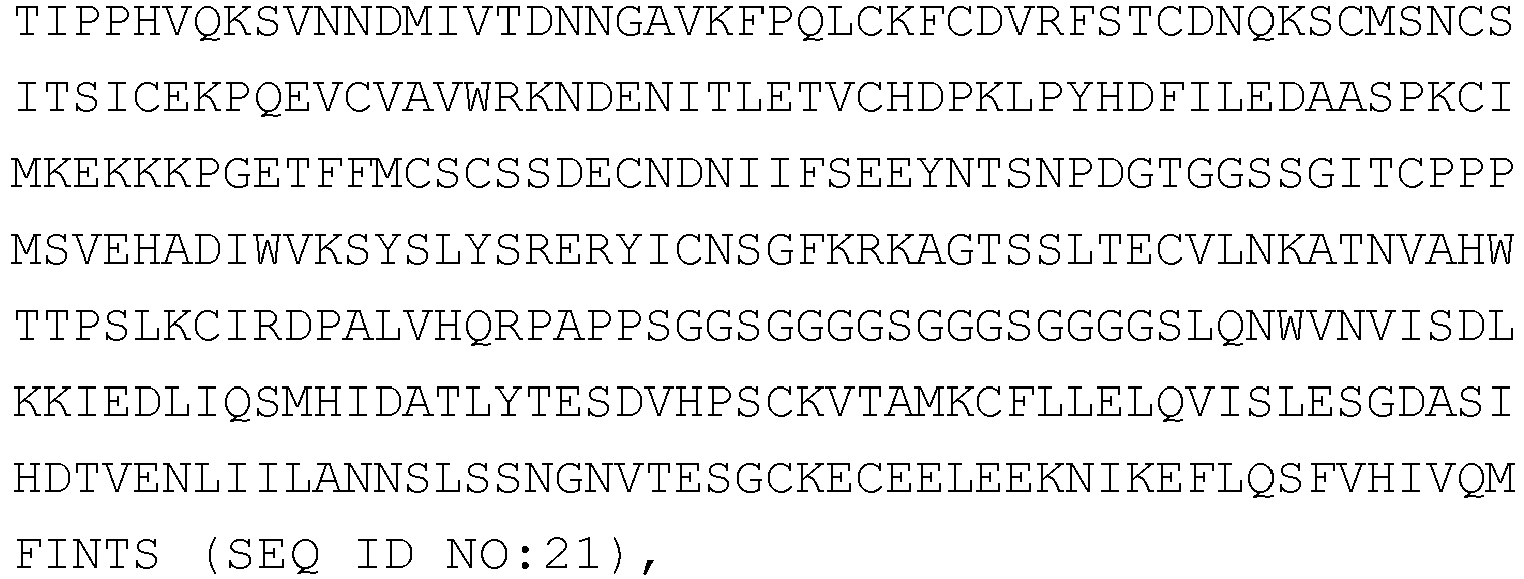 aufweist.
- Polynukleotid, codierend ein Konjugat nach Anspruch 1.
- Vektor, umfassend ein Polynukleotid nach Anspruch 2.
- Expressionssystem, umfassend einen Vektor nach Anspruch 3.
- Konjugat nach Anspruch 1 zur Verwendung bei einem Verfahren zur Behandlung von Krebs, umfassend Verabreichen einer wirksamen Menge einer das Konjugat umfassenden Zusammensetzung an ein dies benötigendes Individuum.
- Konjugat zur Verwendung gemäß Anspruch 5, ferner umfassend Verabreichen des Konjugats in Kombination mit Checkpoint-Inhibitoren, immunstimulierenden Cytokinen, GM-CSF, Anti-PD-1-, Anti-PD-L1-, Anti-CTLA-4-, Anti-CD40-, Anti-IL-7- oder Anti-IL-6-Antikörpern oder Kombinationen davon.
Applications Claiming Priority (2)
| Application Number | Priority Date | Filing Date | Title |
|---|---|---|---|
| US201562173592P | 2015-06-10 | 2015-06-10 | |
| PCT/US2016/036358 WO2016200881A1 (en) | 2015-06-10 | 2016-06-08 | Compositions and conjugates comprising an interleukin and polypeptides that specifically bind tgf-beta |
Publications (3)
| Publication Number | Publication Date |
|---|---|
| EP3307783A1 EP3307783A1 (de) | 2018-04-18 |
| EP3307783A4 EP3307783A4 (de) | 2018-10-24 |
| EP3307783B1 true EP3307783B1 (de) | 2021-01-06 |
Family
ID=57503967
Family Applications (1)
| Application Number | Title | Priority Date | Filing Date |
|---|---|---|---|
| EP16808155.2A Active EP3307783B1 (de) | 2015-06-10 | 2016-06-08 | Zusammensetzungen und konjugate mit einem interleukin und polypeptiden, die spezifisch an tgf-beta binden |
Country Status (3)
| Country | Link |
|---|---|
| US (1) | US12577323B2 (de) |
| EP (1) | EP3307783B1 (de) |
| WO (1) | WO2016200881A1 (de) |
Families Citing this family (14)
| Publication number | Priority date | Publication date | Assignee | Title |
|---|---|---|---|---|
| WO2015164107A1 (en) | 2014-04-23 | 2015-10-29 | Emory University | Compositions of gm-csf and interleukin fusions for immune modulation and uses related thereto |
| US11629340B2 (en) | 2017-03-03 | 2023-04-18 | Obsidian Therapeutics, Inc. | DHFR tunable protein regulation |
| CN119752801A (zh) | 2018-08-01 | 2025-04-04 | 南克维斯特公司 | 用于免疫疗法的基因修饰的包含归巢受体或细胞因子和嵌合抗原受体的四顺反子系统 |
| EP3955955B1 (de) | 2019-04-19 | 2025-02-26 | Synerkine Pharma B.V. | Fusionsprotein mit il13 |
| MX2022002747A (es) | 2019-09-10 | 2022-04-06 | Obsidian Therapeutics Inc | Proteinas de fusion de ca2-il15 para regulacion ajustable. |
| US11230699B2 (en) | 2020-01-28 | 2022-01-25 | Immunitybio, Inc. | Chimeric antigen receptor-modified NK-92 cells targeting EGFR super-family receptors |
| US12187763B2 (en) * | 2020-02-11 | 2025-01-07 | Immunitybio, Inc. | Chromatography resin and uses thereof |
| IT202000007720A1 (it) * | 2020-04-10 | 2021-10-10 | Alessandra Marconi | Peptidi e loro usi |
| TW202233661A (zh) * | 2020-10-20 | 2022-09-01 | 美商克拉治療股份有限公司 | 多功能及多價介白素-TGF-β受體融合多肽 |
| AU2021367306A1 (en) | 2020-10-20 | 2023-06-01 | Cura Therapeutics, Inc. | Multi-functional and multi-valent interleukin-tgf-beta receptor fusion polypeptides |
| WO2022178033A1 (en) * | 2021-02-17 | 2022-08-25 | Cura Therapeutics, Inc. | Anti-pathogen interleukin-tgf-beta receptor fusion polypeptides |
| WO2023049832A1 (en) * | 2021-09-23 | 2023-03-30 | Sagittarius Bio, Inc. | Il-12 and il-15 polypeptides |
| WO2024251290A1 (en) * | 2023-06-09 | 2024-12-12 | Suzhou Cure Genetics Biosciences Co., Limited | Engineered immune cells and uses thereof |
| WO2025184411A1 (en) | 2024-02-27 | 2025-09-04 | Calidi Biotherapeutics (Nevada), Inc. | Serum-resistant eev viruses and uses thereof |
Family Cites Families (12)
| Publication number | Priority date | Publication date | Assignee | Title |
|---|---|---|---|---|
| EP1440090A2 (de) | 2001-10-23 | 2004-07-28 | Centre for Translational Research in Cancer | Ein synthetisches chimäres fusionsprotein und dessen immunotherapeutische verwendungen |
| EP1586585A1 (de) | 2004-04-14 | 2005-10-19 | F. Hoffmann-La Roche Ag | Expressionssystem zur Herstellung von IL-15/Fc-Fusionsproteinen und ihre Verwendung |
| US7553661B2 (en) | 2005-05-31 | 2009-06-30 | Mcgill University | Stromal antigen-presenting cells and use thereof |
| CA2693326A1 (en) | 2006-08-02 | 2008-02-07 | Mcgill University | Gm-csf and il-15 fusokines and methods for modulation of the immune response |
| DK2160401T3 (da) | 2007-05-11 | 2014-10-20 | Altor Bioscience Corp | Fusionsmolekyler og il-15-varianter |
| WO2009152610A1 (en) | 2008-06-20 | 2009-12-23 | The Royal Institution For The Advancement Of Learning/Mcgill University | Interleukin-2/soluble tgf-beta type ii receptor b conjugates and methods and uses thereof |
| KR20110044992A (ko) | 2008-07-02 | 2011-05-03 | 이머전트 프로덕트 디벨롭먼트 시애틀, 엘엘씨 | TGF-β 길항제 다중-표적 결합 단백질 |
| EP2511294B1 (de) | 2009-12-11 | 2014-02-26 | Proyecto de Biomedicina Cima, S.L. | Konjugationen und zusammensetzungen für immunotherapie und antitumorale behandlung |
| EP2619229B1 (de) | 2010-09-21 | 2016-04-06 | Altor BioScience Corporation | Lösliche, multimere il-15- fusionsmoleküle sowie verfahren zu ihrer herstellung und verwendung |
| EP2537933A1 (de) * | 2011-06-24 | 2012-12-26 | Institut National de la Santé et de la Recherche Médicale (INSERM) | Auf IL-15- und IL-15Ralpha-Sushi-Domäne basierende Immunozytokine |
| CA2919725C (en) * | 2013-08-08 | 2023-04-18 | Cytune Pharma | An il-15 and il-15r.aplha. sushi domain based modulokines |
| WO2015164107A1 (en) | 2014-04-23 | 2015-10-29 | Emory University | Compositions of gm-csf and interleukin fusions for immune modulation and uses related thereto |
-
2016
- 2016-06-08 US US15/735,158 patent/US12577323B2/en active Active
- 2016-06-08 WO PCT/US2016/036358 patent/WO2016200881A1/en not_active Ceased
- 2016-06-08 EP EP16808155.2A patent/EP3307783B1/de active Active
Non-Patent Citations (1)
| Title |
|---|
| None * |
Also Published As
| Publication number | Publication date |
|---|---|
| US20180155439A1 (en) | 2018-06-07 |
| WO2016200881A1 (en) | 2016-12-15 |
| US12577323B2 (en) | 2026-03-17 |
| EP3307783A1 (de) | 2018-04-18 |
| EP3307783A4 (de) | 2018-10-24 |
Similar Documents
| Publication | Publication Date | Title |
|---|---|---|
| US12577323B2 (en) | Compositions and conjugates comprising an interleukin and polypeptides that specifically bind TGF-beta | |
| US8771664B2 (en) | Compositions comprising apolipoprotein A polypeptide and interleukin 15, and methods of treatment using the same | |
| US11365231B2 (en) | Interleukin 15 (IL-15) variants | |
| ES2315008T3 (es) | Composiciones que contienen un agente de union a receptor ox-40 o un acido nucleido que codifica el mismo y procedimientos para potenciar la respuesta inmune especifica de antigeno. | |
| ES2862139T3 (es) | Procedimientos de uso de Interleucina 10 para el tratamiento de enfermedades y trastornos | |
| US20200283498A1 (en) | T cell receptor fusions and conjugates and methods of use thereof | |
| ES2498190T3 (es) | Receptores de linfocitos T | |
| ES2322936T3 (es) | Modulacion de las respuestas de las celulas t mediadas por il-2 y por il-15. | |
| US20210052647A1 (en) | Tethered interleukin-15 and interleukin-21 | |
| EP1289564B1 (de) | T-zell-rezeptor fusionen und konjugate und verfahren zu deren verwendung | |
| WO2012127464A2 (en) | Constitutively activated t cells for use in adoptive cell therapy | |
| CN108697776A (zh) | 在产生抗原特异性cd8+t细胞中的白介素-10及其使用方法 | |
| ES2939112T3 (es) | Composiciones y métodos de uso de interleucina-10 en combinación con inhibidores de vías de puntos de control inmunitario | |
| KR20160016725A (ko) | 암 세포에 과발현되는 IL13Rα2에 특이적으로 결합하는 키메라 항원 수용체로 변형된 T 세포 | |
| KR20220131529A (ko) | 변경된 icd stat 신호전달을 갖는 cd122 | |
| CN102131931A (zh) | 递送腺病毒载体的衔接分子 | |
| WO2018162450A1 (en) | New inmunostimulatory compositions comprising an entity of cold inducible rna-binding protein with an antigen for the activation of dendritic cells | |
| EP2374813A1 (de) | Verwendung von phenollöslichen modulinen zur entwicklung von impfstoffen | |
| US20210008167A1 (en) | T cell receptor fusions and conjugates and methods of use thereof | |
| ES2362062A1 (es) | Nuevos conjugados y composiciones para inmunoterapia y tratamiento anti-tumoral. | |
| RU2832154C2 (ru) | Варианты рецептора интерлейкина-2 (il2r) и интерлейкина-2 (il2) для специфической активации иммунных эффекторных клеток |
Legal Events
| Date | Code | Title | Description |
|---|---|---|---|
| STAA | Information on the status of an ep patent application or granted ep patent |
Free format text: STATUS: THE INTERNATIONAL PUBLICATION HAS BEEN MADE |
|
| PUAI | Public reference made under article 153(3) epc to a published international application that has entered the european phase |
Free format text: ORIGINAL CODE: 0009012 |
|
| STAA | Information on the status of an ep patent application or granted ep patent |
Free format text: STATUS: REQUEST FOR EXAMINATION WAS MADE |
|
| 17P | Request for examination filed |
Effective date: 20180103 |
|
| AK | Designated contracting states |
Kind code of ref document: A1 Designated state(s): AL AT BE BG CH CY CZ DE DK EE ES FI FR GB GR HR HU IE IS IT LI LT LU LV MC MK MT NL NO PL PT RO RS SE SI SK SM TR |
|
| AX | Request for extension of the european patent |
Extension state: BA ME |
|
| DAV | Request for validation of the european patent (deleted) | ||
| DAX | Request for extension of the european patent (deleted) | ||
| RIC1 | Information provided on ipc code assigned before grant |
Ipc: C07K 14/715 20060101ALI20180912BHEP Ipc: C07K 14/71 20060101ALI20180912BHEP Ipc: A61P 35/00 20060101ALI20180912BHEP Ipc: C07K 14/54 20060101AFI20180912BHEP |
|
| A4 | Supplementary search report drawn up and despatched |
Effective date: 20180925 |
|
| STAA | Information on the status of an ep patent application or granted ep patent |
Free format text: STATUS: EXAMINATION IS IN PROGRESS |
|
| 17Q | First examination report despatched |
Effective date: 20190521 |
|
| REG | Reference to a national code |
Ref country code: DE Ref legal event code: R079 Ref document number: 602016051118 Country of ref document: DE Free format text: PREVIOUS MAIN CLASS: C07K0016320000 Ipc: C07K0014540000 |
|
| RIC1 | Information provided on ipc code assigned before grant |
Ipc: A61P 35/00 20060101ALI20200617BHEP Ipc: C07K 14/71 20060101ALI20200617BHEP Ipc: A61K 38/20 20060101ALI20200617BHEP Ipc: A61K 38/17 20060101ALI20200617BHEP Ipc: C07K 14/715 20060101ALI20200617BHEP Ipc: C07K 14/54 20060101AFI20200617BHEP |
|
| GRAP | Despatch of communication of intention to grant a patent |
Free format text: ORIGINAL CODE: EPIDOSNIGR1 |
|
| STAA | Information on the status of an ep patent application or granted ep patent |
Free format text: STATUS: GRANT OF PATENT IS INTENDED |
|
| INTG | Intention to grant announced |
Effective date: 20200729 |
|
| GRAS | Grant fee paid |
Free format text: ORIGINAL CODE: EPIDOSNIGR3 |
|
| GRAA | (expected) grant |
Free format text: ORIGINAL CODE: 0009210 |
|
| STAA | Information on the status of an ep patent application or granted ep patent |
Free format text: STATUS: THE PATENT HAS BEEN GRANTED |
|
| AK | Designated contracting states |
Kind code of ref document: B1 Designated state(s): AL AT BE BG CH CY CZ DE DK EE ES FI FR GB GR HR HU IE IS IT LI LT LU LV MC MK MT NL NO PL PT RO RS SE SI SK SM TR |
|
| REG | Reference to a national code |
Ref country code: GB Ref legal event code: FG4D |
|
| REG | Reference to a national code |
Ref country code: AT Ref legal event code: REF Ref document number: 1352271 Country of ref document: AT Kind code of ref document: T Effective date: 20210115 Ref country code: CH Ref legal event code: EP |
|
| REG | Reference to a national code |
Ref country code: DE Ref legal event code: R096 Ref document number: 602016051118 Country of ref document: DE |
|
| REG | Reference to a national code |
Ref country code: IE Ref legal event code: FG4D |
|
| REG | Reference to a national code |
Ref country code: NL Ref legal event code: MP Effective date: 20210106 |
|
| REG | Reference to a national code |
Ref country code: AT Ref legal event code: MK05 Ref document number: 1352271 Country of ref document: AT Kind code of ref document: T Effective date: 20210106 |
|
| REG | Reference to a national code |
Ref country code: LT Ref legal event code: MG9D |
|
| PG25 | Lapsed in a contracting state [announced via postgrant information from national office to epo] |
Ref country code: HR Free format text: LAPSE BECAUSE OF FAILURE TO SUBMIT A TRANSLATION OF THE DESCRIPTION OR TO PAY THE FEE WITHIN THE PRESCRIBED TIME-LIMIT Effective date: 20210106 Ref country code: FI Free format text: LAPSE BECAUSE OF FAILURE TO SUBMIT A TRANSLATION OF THE DESCRIPTION OR TO PAY THE FEE WITHIN THE PRESCRIBED TIME-LIMIT Effective date: 20210106 Ref country code: GR Free format text: LAPSE BECAUSE OF FAILURE TO SUBMIT A TRANSLATION OF THE DESCRIPTION OR TO PAY THE FEE WITHIN THE PRESCRIBED TIME-LIMIT Effective date: 20210407 Ref country code: NO Free format text: LAPSE BECAUSE OF FAILURE TO SUBMIT A TRANSLATION OF THE DESCRIPTION OR TO PAY THE FEE WITHIN THE PRESCRIBED TIME-LIMIT Effective date: 20210406 Ref country code: PT Free format text: LAPSE BECAUSE OF FAILURE TO SUBMIT A TRANSLATION OF THE DESCRIPTION OR TO PAY THE FEE WITHIN THE PRESCRIBED TIME-LIMIT Effective date: 20210506 Ref country code: LT Free format text: LAPSE BECAUSE OF FAILURE TO SUBMIT A TRANSLATION OF THE DESCRIPTION OR TO PAY THE FEE WITHIN THE PRESCRIBED TIME-LIMIT Effective date: 20210106 Ref country code: BG Free format text: LAPSE BECAUSE OF FAILURE TO SUBMIT A TRANSLATION OF THE DESCRIPTION OR TO PAY THE FEE WITHIN THE PRESCRIBED TIME-LIMIT Effective date: 20210406 |
|
| PG25 | Lapsed in a contracting state [announced via postgrant information from national office to epo] |
Ref country code: SE Free format text: LAPSE BECAUSE OF FAILURE TO SUBMIT A TRANSLATION OF THE DESCRIPTION OR TO PAY THE FEE WITHIN THE PRESCRIBED TIME-LIMIT Effective date: 20210106 Ref country code: AT Free format text: LAPSE BECAUSE OF FAILURE TO SUBMIT A TRANSLATION OF THE DESCRIPTION OR TO PAY THE FEE WITHIN THE PRESCRIBED TIME-LIMIT Effective date: 20210106 Ref country code: LV Free format text: LAPSE BECAUSE OF FAILURE TO SUBMIT A TRANSLATION OF THE DESCRIPTION OR TO PAY THE FEE WITHIN THE PRESCRIBED TIME-LIMIT Effective date: 20210106 Ref country code: RS Free format text: LAPSE BECAUSE OF FAILURE TO SUBMIT A TRANSLATION OF THE DESCRIPTION OR TO PAY THE FEE WITHIN THE PRESCRIBED TIME-LIMIT Effective date: 20210106 Ref country code: PL Free format text: LAPSE BECAUSE OF FAILURE TO SUBMIT A TRANSLATION OF THE DESCRIPTION OR TO PAY THE FEE WITHIN THE PRESCRIBED TIME-LIMIT Effective date: 20210106 |
|
| PG25 | Lapsed in a contracting state [announced via postgrant information from national office to epo] |
Ref country code: IS Free format text: LAPSE BECAUSE OF FAILURE TO SUBMIT A TRANSLATION OF THE DESCRIPTION OR TO PAY THE FEE WITHIN THE PRESCRIBED TIME-LIMIT Effective date: 20210506 |
|
| REG | Reference to a national code |
Ref country code: DE Ref legal event code: R097 Ref document number: 602016051118 Country of ref document: DE |
|
| PG25 | Lapsed in a contracting state [announced via postgrant information from national office to epo] |
Ref country code: SM Free format text: LAPSE BECAUSE OF FAILURE TO SUBMIT A TRANSLATION OF THE DESCRIPTION OR TO PAY THE FEE WITHIN THE PRESCRIBED TIME-LIMIT Effective date: 20210106 Ref country code: EE Free format text: LAPSE BECAUSE OF FAILURE TO SUBMIT A TRANSLATION OF THE DESCRIPTION OR TO PAY THE FEE WITHIN THE PRESCRIBED TIME-LIMIT Effective date: 20210106 Ref country code: CZ Free format text: LAPSE BECAUSE OF FAILURE TO SUBMIT A TRANSLATION OF THE DESCRIPTION OR TO PAY THE FEE WITHIN THE PRESCRIBED TIME-LIMIT Effective date: 20210106 |
|
| PLBE | No opposition filed within time limit |
Free format text: ORIGINAL CODE: 0009261 |
|
| STAA | Information on the status of an ep patent application or granted ep patent |
Free format text: STATUS: NO OPPOSITION FILED WITHIN TIME LIMIT |
|
| PG25 | Lapsed in a contracting state [announced via postgrant information from national office to epo] |
Ref country code: DK Free format text: LAPSE BECAUSE OF FAILURE TO SUBMIT A TRANSLATION OF THE DESCRIPTION OR TO PAY THE FEE WITHIN THE PRESCRIBED TIME-LIMIT Effective date: 20210106 Ref country code: RO Free format text: LAPSE BECAUSE OF FAILURE TO SUBMIT A TRANSLATION OF THE DESCRIPTION OR TO PAY THE FEE WITHIN THE PRESCRIBED TIME-LIMIT Effective date: 20210106 Ref country code: SK Free format text: LAPSE BECAUSE OF FAILURE TO SUBMIT A TRANSLATION OF THE DESCRIPTION OR TO PAY THE FEE WITHIN THE PRESCRIBED TIME-LIMIT Effective date: 20210106 |
|
| 26N | No opposition filed |
Effective date: 20211007 |
|
| PG25 | Lapsed in a contracting state [announced via postgrant information from national office to epo] |
Ref country code: ES Free format text: LAPSE BECAUSE OF FAILURE TO SUBMIT A TRANSLATION OF THE DESCRIPTION OR TO PAY THE FEE WITHIN THE PRESCRIBED TIME-LIMIT Effective date: 20210106 Ref country code: AL Free format text: LAPSE BECAUSE OF FAILURE TO SUBMIT A TRANSLATION OF THE DESCRIPTION OR TO PAY THE FEE WITHIN THE PRESCRIBED TIME-LIMIT Effective date: 20210106 Ref country code: MC Free format text: LAPSE BECAUSE OF FAILURE TO SUBMIT A TRANSLATION OF THE DESCRIPTION OR TO PAY THE FEE WITHIN THE PRESCRIBED TIME-LIMIT Effective date: 20210106 |
|
| REG | Reference to a national code |
Ref country code: CH Ref legal event code: PL |
|
| PG25 | Lapsed in a contracting state [announced via postgrant information from national office to epo] |
Ref country code: SI Free format text: LAPSE BECAUSE OF FAILURE TO SUBMIT A TRANSLATION OF THE DESCRIPTION OR TO PAY THE FEE WITHIN THE PRESCRIBED TIME-LIMIT Effective date: 20210106 |
|
| REG | Reference to a national code |
Ref country code: BE Ref legal event code: MM Effective date: 20210630 |
|
| PG25 | Lapsed in a contracting state [announced via postgrant information from national office to epo] |
Ref country code: LU Free format text: LAPSE BECAUSE OF NON-PAYMENT OF DUE FEES Effective date: 20210608 |
|
| PG25 | Lapsed in a contracting state [announced via postgrant information from national office to epo] |
Ref country code: LI Free format text: LAPSE BECAUSE OF NON-PAYMENT OF DUE FEES Effective date: 20210630 Ref country code: IT Free format text: LAPSE BECAUSE OF FAILURE TO SUBMIT A TRANSLATION OF THE DESCRIPTION OR TO PAY THE FEE WITHIN THE PRESCRIBED TIME-LIMIT Effective date: 20210106 Ref country code: IE Free format text: LAPSE BECAUSE OF NON-PAYMENT OF DUE FEES Effective date: 20210608 Ref country code: CH Free format text: LAPSE BECAUSE OF NON-PAYMENT OF DUE FEES Effective date: 20210630 |
|
| PG25 | Lapsed in a contracting state [announced via postgrant information from national office to epo] |
Ref country code: IS Free format text: LAPSE BECAUSE OF FAILURE TO SUBMIT A TRANSLATION OF THE DESCRIPTION OR TO PAY THE FEE WITHIN THE PRESCRIBED TIME-LIMIT Effective date: 20210506 |
|
| PG25 | Lapsed in a contracting state [announced via postgrant information from national office to epo] |
Ref country code: BE Free format text: LAPSE BECAUSE OF NON-PAYMENT OF DUE FEES Effective date: 20210630 |
|
| PG25 | Lapsed in a contracting state [announced via postgrant information from national office to epo] |
Ref country code: NL Free format text: LAPSE BECAUSE OF NON-PAYMENT OF DUE FEES Effective date: 20210206 Ref country code: CY Free format text: LAPSE BECAUSE OF FAILURE TO SUBMIT A TRANSLATION OF THE DESCRIPTION OR TO PAY THE FEE WITHIN THE PRESCRIBED TIME-LIMIT Effective date: 20210106 |
|
| PG25 | Lapsed in a contracting state [announced via postgrant information from national office to epo] |
Ref country code: HU Free format text: LAPSE BECAUSE OF FAILURE TO SUBMIT A TRANSLATION OF THE DESCRIPTION OR TO PAY THE FEE WITHIN THE PRESCRIBED TIME-LIMIT; INVALID AB INITIO Effective date: 20160608 |
|
| PG25 | Lapsed in a contracting state [announced via postgrant information from national office to epo] |
Ref country code: MK Free format text: LAPSE BECAUSE OF FAILURE TO SUBMIT A TRANSLATION OF THE DESCRIPTION OR TO PAY THE FEE WITHIN THE PRESCRIBED TIME-LIMIT Effective date: 20210106 |
|
| PG25 | Lapsed in a contracting state [announced via postgrant information from national office to epo] |
Ref country code: TR Free format text: LAPSE BECAUSE OF FAILURE TO SUBMIT A TRANSLATION OF THE DESCRIPTION OR TO PAY THE FEE WITHIN THE PRESCRIBED TIME-LIMIT Effective date: 20210106 |
|
| PG25 | Lapsed in a contracting state [announced via postgrant information from national office to epo] |
Ref country code: MT Free format text: LAPSE BECAUSE OF FAILURE TO SUBMIT A TRANSLATION OF THE DESCRIPTION OR TO PAY THE FEE WITHIN THE PRESCRIBED TIME-LIMIT Effective date: 20210106 |
|
| PGFP | Annual fee paid to national office [announced via postgrant information from national office to epo] |
Ref country code: DE Payment date: 20250627 Year of fee payment: 10 |
|
| PGFP | Annual fee paid to national office [announced via postgrant information from national office to epo] |
Ref country code: GB Payment date: 20250627 Year of fee payment: 10 |
|
| PGFP | Annual fee paid to national office [announced via postgrant information from national office to epo] |
Ref country code: FR Payment date: 20250625 Year of fee payment: 10 |