EP3308520B1 - System, vorrichtung und verfahren zur verwaltung des lebenszyklus eines sicheren publish/subscribe-systems - Google Patents
System, vorrichtung und verfahren zur verwaltung des lebenszyklus eines sicheren publish/subscribe-systems Download PDFInfo
- Publication number
- EP3308520B1 EP3308520B1 EP16808009.1A EP16808009A EP3308520B1 EP 3308520 B1 EP3308520 B1 EP 3308520B1 EP 16808009 A EP16808009 A EP 16808009A EP 3308520 B1 EP3308520 B1 EP 3308520B1
- Authority
- EP
- European Patent Office
- Prior art keywords
- key
- additional
- filter element
- request
- role
- Prior art date
- Legal status (The legal status is an assumption and is not a legal conclusion. Google has not performed a legal analysis and makes no representation as to the accuracy of the status listed.)
- Active
Links
- 238000000034 method Methods 0.000 title description 22
- 230000015654 memory Effects 0.000 claims description 42
- 230000002123 temporal effect Effects 0.000 claims description 3
- 238000007726 management method Methods 0.000 description 21
- 238000004891 communication Methods 0.000 description 14
- 238000010586 diagram Methods 0.000 description 10
- 238000012545 processing Methods 0.000 description 7
- 230000006870 function Effects 0.000 description 5
- 238000001914 filtration Methods 0.000 description 4
- 230000008569 process Effects 0.000 description 4
- 230000009471 action Effects 0.000 description 3
- 238000013475 authorization Methods 0.000 description 3
- 230000008901 benefit Effects 0.000 description 3
- 238000013500 data storage Methods 0.000 description 3
- 238000005516 engineering process Methods 0.000 description 3
- 230000003993 interaction Effects 0.000 description 3
- 238000013459 approach Methods 0.000 description 2
- 238000012986 modification Methods 0.000 description 2
- 230000004048 modification Effects 0.000 description 2
- 230000003287 optical effect Effects 0.000 description 2
- 238000012384 transportation and delivery Methods 0.000 description 2
- FQWUNUXAOHTLLG-ASDGIDEWSA-N 6-[(3s,6s,9s,12r)-3,6-dibenzyl-2,5,8,11-tetraoxo-1,4,7,10-tetrazabicyclo[10.3.0]pentadecan-9-yl]-n-hydroxyhexanamide Chemical compound C([C@H]1C(=O)N2CCC[C@@H]2C(=O)N[C@H](C(N[C@@H](CC=2C=CC=CC=2)C(=O)N1)=O)CCCCCC(=O)NO)C1=CC=CC=C1 FQWUNUXAOHTLLG-ASDGIDEWSA-N 0.000 description 1
- 238000004378 air conditioning Methods 0.000 description 1
- 230000003190 augmentative effect Effects 0.000 description 1
- 230000006399 behavior Effects 0.000 description 1
- 230000005540 biological transmission Effects 0.000 description 1
- 230000007613 environmental effect Effects 0.000 description 1
- 238000010438 heat treatment Methods 0.000 description 1
- 238000002955 isolation Methods 0.000 description 1
- 230000007774 longterm Effects 0.000 description 1
- 238000010295 mobile communication Methods 0.000 description 1
- 230000006855 networking Effects 0.000 description 1
- 230000004224 protection Effects 0.000 description 1
- 230000004044 response Effects 0.000 description 1
- 238000012216 screening Methods 0.000 description 1
- 239000004065 semiconductor Substances 0.000 description 1
- 238000000926 separation method Methods 0.000 description 1
- 230000011664 signaling Effects 0.000 description 1
- 239000007787 solid Substances 0.000 description 1
- 230000003068 static effect Effects 0.000 description 1
- 101150075118 sub1 gene Proteins 0.000 description 1
- 230000004083 survival effect Effects 0.000 description 1
- 238000013175 transesophageal echocardiography Methods 0.000 description 1
- 238000009423 ventilation Methods 0.000 description 1
Images


Classifications
-
- H—ELECTRICITY
- H04—ELECTRIC COMMUNICATION TECHNIQUE
- H04L—TRANSMISSION OF DIGITAL INFORMATION, e.g. TELEGRAPHIC COMMUNICATION
- H04L63/00—Network architectures or network communication protocols for network security
- H04L63/04—Network architectures or network communication protocols for network security for providing a confidential data exchange among entities communicating through data packet networks
- H04L63/0428—Network architectures or network communication protocols for network security for providing a confidential data exchange among entities communicating through data packet networks wherein the data content is protected, e.g. by encrypting or encapsulating the payload
- H04L63/0435—Network architectures or network communication protocols for network security for providing a confidential data exchange among entities communicating through data packet networks wherein the data content is protected, e.g. by encrypting or encapsulating the payload wherein the sending and receiving network entities apply symmetric encryption, i.e. same key used for encryption and decryption
-
- H—ELECTRICITY
- H04—ELECTRIC COMMUNICATION TECHNIQUE
- H04L—TRANSMISSION OF DIGITAL INFORMATION, e.g. TELEGRAPHIC COMMUNICATION
- H04L63/00—Network architectures or network communication protocols for network security
- H04L63/06—Network architectures or network communication protocols for network security for supporting key management in a packet data network
- H04L63/062—Network architectures or network communication protocols for network security for supporting key management in a packet data network for key distribution, e.g. centrally by trusted party
-
- H—ELECTRICITY
- H04—ELECTRIC COMMUNICATION TECHNIQUE
- H04L—TRANSMISSION OF DIGITAL INFORMATION, e.g. TELEGRAPHIC COMMUNICATION
- H04L63/00—Network architectures or network communication protocols for network security
- H04L63/06—Network architectures or network communication protocols for network security for supporting key management in a packet data network
- H04L63/065—Network architectures or network communication protocols for network security for supporting key management in a packet data network for group communications
-
- H—ELECTRICITY
- H04—ELECTRIC COMMUNICATION TECHNIQUE
- H04L—TRANSMISSION OF DIGITAL INFORMATION, e.g. TELEGRAPHIC COMMUNICATION
- H04L63/00—Network architectures or network communication protocols for network security
- H04L63/08—Network architectures or network communication protocols for network security for authentication of entities
- H04L63/0807—Network architectures or network communication protocols for network security for authentication of entities using tickets, e.g. Kerberos
-
- H—ELECTRICITY
- H04—ELECTRIC COMMUNICATION TECHNIQUE
- H04L—TRANSMISSION OF DIGITAL INFORMATION, e.g. TELEGRAPHIC COMMUNICATION
- H04L63/00—Network architectures or network communication protocols for network security
- H04L63/10—Network architectures or network communication protocols for network security for controlling access to devices or network resources
- H04L63/102—Entity profiles
-
- H—ELECTRICITY
- H04—ELECTRIC COMMUNICATION TECHNIQUE
- H04L—TRANSMISSION OF DIGITAL INFORMATION, e.g. TELEGRAPHIC COMMUNICATION
- H04L67/00—Network arrangements or protocols for supporting network services or applications
- H04L67/01—Protocols
- H04L67/12—Protocols specially adapted for proprietary or special-purpose networking environments, e.g. medical networks, sensor networks, networks in vehicles or remote metering networks
- H04L67/125—Protocols specially adapted for proprietary or special-purpose networking environments, e.g. medical networks, sensor networks, networks in vehicles or remote metering networks involving control of end-device applications over a network
-
- H—ELECTRICITY
- H04—ELECTRIC COMMUNICATION TECHNIQUE
- H04L—TRANSMISSION OF DIGITAL INFORMATION, e.g. TELEGRAPHIC COMMUNICATION
- H04L67/00—Network arrangements or protocols for supporting network services or applications
- H04L67/50—Network services
- H04L67/56—Provisioning of proxy services
- H04L67/562—Brokering proxy services
-
- H—ELECTRICITY
- H04—ELECTRIC COMMUNICATION TECHNIQUE
- H04L—TRANSMISSION OF DIGITAL INFORMATION, e.g. TELEGRAPHIC COMMUNICATION
- H04L69/00—Network arrangements, protocols or services independent of the application payload and not provided for in the other groups of this subclass
- H04L69/03—Protocol definition or specification
-
- H—ELECTRICITY
- H04—ELECTRIC COMMUNICATION TECHNIQUE
- H04W—WIRELESS COMMUNICATION NETWORKS
- H04W12/00—Security arrangements; Authentication; Protecting privacy or anonymity
- H04W12/04—Key management, e.g. using generic bootstrapping architecture [GBA]
- H04W12/041—Key generation or derivation
-
- H—ELECTRICITY
- H04—ELECTRIC COMMUNICATION TECHNIQUE
- H04W—WIRELESS COMMUNICATION NETWORKS
- H04W12/00—Security arrangements; Authentication; Protecting privacy or anonymity
- H04W12/04—Key management, e.g. using generic bootstrapping architecture [GBA]
- H04W12/043—Key management, e.g. using generic bootstrapping architecture [GBA] using a trusted network node as an anchor
- H04W12/0433—Key management protocols
-
- H—ELECTRICITY
- H04—ELECTRIC COMMUNICATION TECHNIQUE
- H04W—WIRELESS COMMUNICATION NETWORKS
- H04W4/00—Services specially adapted for wireless communication networks; Facilities therefor
- H04W4/80—Services using short range communication, e.g. near-field communication [NFC], radio-frequency identification [RFID] or low energy communication
-
- H—ELECTRICITY
- H04—ELECTRIC COMMUNICATION TECHNIQUE
- H04W—WIRELESS COMMUNICATION NETWORKS
- H04W84/00—Network topologies
- H04W84/18—Self-organising networks, e.g. ad-hoc networks or sensor networks
Definitions
- Legacy embedded systems, networks, and fieldbus architectures for factory automation, heating ventilation and air conditioning (HVAC) control, building automation, transportation, and other applications have relied on publish-subscribe (pub-sub) messaging methods to achieve highly scalable networks (having many nodes) while also guaranteeing timely message delivery for automation and control applications.
- control networks have been supplied by proprietary, vertically integrated vendors and have been isolated from corporate backbone networks and the Internet. Such isolation has benefitted security by providing physical separation between control networks (which place a high value on safe operation) and backbone/Internet networks that are largely exposed to malware and a variety of miscreant attacks.
- IoT Internet of things
- US 6 684 331 B1 describes methods and apparatuses for establishing secure multicast communication among multiple multicast proxy service nodes of domains of a replicated directory service that spans a wide area network.
- EP 2 544 425 A2 describes systems and methods to securely disseminate events in publish/subscribe network.
- HARDJONO N SMITH INTEL CORP T: "Fluffy: Simplified Key Exchange for Constrained Environments, draft-hardjono-ace- fluffy-00.txt", FLUFFY: SIMPLIFIED KEY EXCHANGE FOR CONSTRAINED ENVIRONMENTS, DRAFT-HARDJONO-ACE- FLUFFY-OO.TXT, INTERNET ENGINEERING TASK FORCE, IETF, STANDARDWORKINGDRAFT, INTERNET SOCIETY (ISOC) 4, RUE DES FALAISES CH- 1205 GENEVA, SWITZERLAND, 23 March 2015 (2015-03-23), pages 1-26, XP015105605 describes system and methods for simplified key exchange for constrained environments.
- WO 02/07071 A1 describes system and methods for subscriber networks.
- key management techniques are provided to enable each exchange in a pub-sub model to be prefaced by a key exchange.
- pub-sub models often utilize a group (shared symmetric) key that a publisher, subscriber and/or notification consumer first obtains before shared content, which is protected using the group key, can be consumed.
- pub-sub performers including a key management performer, may be isolated from each other by untrusted networks but still be able to obtain keys to apply message integrity and confidentiality protections for pub-sub messages.
- Needham-Schroeder-inspired distributed key management techniques may be used to avoid dependence on a dedicated trusted network for controlling key management specific traffic.
- performers include publishers, subscribers, notification consumers, brokers, and key managers.
- multiple brokers and key managers may be employed to address scalability and load balancing requirements.
- the key manager may be configured to issue keys to each of the pair-wise interactions that may occur between performers. Pairwise keys are used to protect message traffic between paired performers. Some interactions involve multiple performers and may implement use of a group shared key.
- the key manager facilitates provisioning of the group key by issuing a group credential that may be delivered to multiple performers and may have a defined lifetime and scope in which to continue allowing additional performers access to the key during which shared contents can be exchanged under the key.
- Key metadata helps provide context for when and how a key is used. Key metadata accompanies the key so that all parties maintain a consistent understanding of the context, even though the performer actions are distributed.
- Pub-sub group members may be added by obtaining a mini-ticket from a key manager. They may be removed by allowing the mini-ticket to expire. Expansion of a group may be prevented by signaling a key manager to remove a group key such that a mini-ticket containing the group key cannot be issued subsequently.
- This approach benefits from performance advantages of symmetric cryptography for minimal message processing latencies. It also minimizes key management processing semantics by shadowing pub-sub operations with key management prerequisites.
- Embodiments provide a symmetric key manager that issues "tickets" or "mini-tickets” including pub-sub authorizations that restrict which pub-sub role the device can enter in order to perform the requested operation. Furthermore, a pub-sub role assignment given to a mini-ticket can be applied using a trusted execution environment (TEE), where the trusted environment ensures the pub-sub role is performed by an appropriate processor specialized for the intended pub-sub role respectively.
- TEE trusted execution environment
- pub-sub message exchanges can be performed in a given sequence and timing but prefaced by key management exchanges.
- pub-sub systems such as XMPP, DDS, MQTT and others including RESTful approaches may be able to integrate key management messages using native message exchange infrastructure and formatting.
- JSON Web Token is another example message exchange infrastructure that can, when coupled with embodiments addressed herein, protect key management exchanges over pub-sub systems (such as XMPP, DDS, MQTT, RESTful) such that they become integral to a scalable web-based (or enterprise based) key management infrastructure.
- pub-sub systems such as XMPP, DDS, MQTT, RESTful
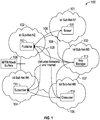
- FIG. 1 shown is a block diagram of a system 100 showing pub-sub performers in accordance with an embodiment.
- Performers include a broker 111 in IoT sub-network N1 101, a publisher 112 in IoT subnetwork N2 102, a key manager 113 in loT subnetwork N3, a subscriber 114 in IoT subnetwork N4, and a consumer 115 in IoT subnetwork N5 105.
- each performer is isolated from each other and vulnerable to man in the middle (MITM) attackers via the MITM attack surface 106 from untrusted inter-networks including the Internet 107.
- MITM man in the middle
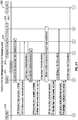
- FIG. 2 shown is a flow diagram of pub-sub role assignment applied during IoT device credentialing in accordance with an embodiment.
- a method 200 is provided for assigning pub-sub role assignments to performers broker 211, publisher 212, subscriber 214, and consumer 215.
- the credentials received allow the various IoT devices/performs to perform their functions.
- FIG. 2 demonstrates an enrollment protocol where the device enrolls (enrollment requests 221, 222, 224, 225, 226) with an identity provider.
- An identity provider 216 may include, for example, a FIDO PKI Certificate Authority. However, an identity provider 216 may instead be handled with a device on-boarding process as defined by the Open Interconnect Consortium.
- an IoT device may enroll with multiple pub-sub roles (e.g., a device or node may be both a publisher and a subscriber for differing topics of a pub-sub protocol or even for the same topic of a pub-sub protocol).
- the device identity credential received may include or provide for both publisher and subscriber roles.
- the specific role that is being exercised may be asserted and included in the ticket issued by the Key Manager.
- a special case of enrollment allows a Subscriber to specify a set of Notification Consumers that are authorized to receive notifications on behalf of the Subscriber, so that Publisher messages that generate notifications can be delivered only to authorized notification consumers, and further constrained to notification consumers who are delegates of a subscriber.
- Embodiments may enable pub-sub stereotyping semantics to become explicit authorizations that may be verified by a performer prior to performing the action. This enables safe operation requirements of the system to be preserved across a distributed topology that crosses untrusted networks.
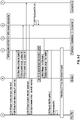
- Method 300 details a pub-sub scenario involving a key manager 313, broker 311, publisher 312, subscriber 314, and notification consumers 315, 316. It is assumed that before element 1 of process 300 occurs, the publisher has already created a topic ("topic1") providing context for message exchange.
- a security model in an embodiment dictates that all exchanges occur over a secure channel (e.g., DTLS), at element 1 the subscriber obtains a shared key for the publisher-broker communication. This key is contained in the ticket credential named "SbBk1" at element 2.
- subscriber 314 sends a request "PSK-REQ" to the key manager 313 for a ticket.
- a "request” and a “reply” include “GSK-REQ”/"PSK-REQ” and "GSK-REP"/"PSK-REP", however "GSK-FET”/"PSK-FET” may also be considered a request and "GSK-DEL"/"PSK-DEL” may also be considered a reply. Further details regarding such requests and replies are located at, for example, https://tools.ietf.org/id/draft-hardjono-ace-fluffy-00***txt,
- the request of element 1 includes a filter element "crlm:topic1" which provides that the realm or topic is "topic 1".
- a pub-sub protocol subscribers may receive only a subset of the total messages published.
- the process of selecting messages for reception and processing may be referred to as filtering.
- Embodiments allow for various forms of filtering such as topic-based and content-based filtering.
- messages are published to "topics" or named logical channels, such as "topic1" in element 1. Subscribers in a topic-based system will receive all messages published to the topics to which they subscribe, and all subscribers to a topic will receive the same messages.
- the publisher is responsible for defining the classes of messages to which subscribers can subscribe.
- the filter element may be for, as an example, topic-based and/or content-based filtering.
- the filter element helps define the "context" for the pub-sub messaging.
- the request of element 1 includes an identity credential, such as the credential from element 234 of FIG. 2 .
- the credential is the privilege attribute certificate (pac) pac:'subscriber'.
- the credential corresponds to a role (i.e., subscriber) for the device with a publish-subscribe protocol.
- the credential may include a certificate from a certificate authority that attests to the role for the first device. This certificate may be used to authenticate messages related to the subscriber.
- the identity credential may be tied to authorization permissions that may be applied to the data protected by the key or permissions related to the use of the key. Such permissions or "privileges" may include READ, WRITE, COPY, MODIFY, DELETE, DISTRIBUTE and DELEGATE privileges as well as whether a node is entitled to publish on a pub-sub topic.
- the request may include other key metadata such as client name (cnm) cnm:Sub1 for subscriber 1 (the identity of the client requesting creation of the key) and server name (snm) snm:Broker indicating the subscriber is requesting a key with which to communicate with the broker.
- client name cnm
- server name snm
- the request itself may be encrypted based on pair-wise keys exchanged between the subscriber and the key manager using, for example, a Diffie-Hellman exchange.
- pairwise credentials asserts that if a device A knows a paired device B shares a pairwise key, only devices A and B share that key.
- Use of a pairwise key can be used by device A to authenticate device B by asserting that if the authentication challenge was not created by device A, then only device B could have supplied the challenge.
- Pairwise keys can be used to establish secure communication between devices A and B that protect data integrity and confidentiality.
- the reply of element 2 (“PSK-REQ”) includes the security ticket, which is restricted to the filter element (crlm:topic1) and includes a key (K1).
- the reply may include other elements not explicitly shown in FIGs. 3-1 and 3-2 , such as an expiration date for when the key expires.
- the broker may establish publishers and notification consumers who produce/consume content respectively.
- element 3 includes a "create" command for such content and the command may be wrapped (i.e., encrypted) with the K1 key.
- the broker obtains a ticket to interact with publishers and subscriber obtains a ticket to interact with the broker. Tickets contain the pub-sub role restriction identified in the "pac" structure. The ticket therefore asserts which pub-sub role the device must assume when processing a request. Notably the key manager relies upon the device credential issued to each device to determine which pub-sub roles the device is allowed to assert. In this way, the ticket doubles as a method for dynamic role switching in a distributed system.
- the broker makes a request for a pair-wise key with which to communicate with the publisher.
- the request includes an identify credential, filter element, and key metadata similar to element 1.
- the reply includes another pair-wise key (K2), which is used to wrap a topic "establish" command in element 6.
- Elements 7-9 are analogous to elements 4-6 but concern efforts to obtain a third pair wise key with which to communicate with a consumer (consumer1).
- Elements 10-12 are analogous to elements 4-6 but concern efforts to obtain a fourth pair wise key with which to communicate with a consumer (consumer2).
- GK1 group key
- the broker is not required to be a trusted third party for all content exchanged over the pub-sub infrastructure. More specifically, in element 13 the publisher sends a request to the key manager. The request content to be published is “chap1" under the topic "topic1". In element 14 the reply includes the GK1, but group keys are not required and other embodiments may use other forms of keys.
- Element 15 shows the effort to publish chapter 1 to the broker and elements 16-17 show the broker pushing the content (wrapped by the group key) to the subscribers.
- Elements 18, 19 show the consumer requesting the group key and receiving the group key with which to decrypt chapter 1 in element 20.
- the fetch message "GSK-FET" includes various fields analogous to those of the request “GSK-REQ", including items such as protocol version, client identity, client realm, multicast group identity, aspects concerning key expiration, anti-reply considerations (e.g., nonce), and the like. The same is true for "GSK-DEL" delivering a key in a manner similar to "GSK-REP". Elements similar to elements 18-20 may be performed for consumer2 316 but are not shown for brevity.
- Diffie-Hellman exchange may apply several techniques for establishing trust in the opposite entity including signing key exchange messages using a manufacturer's key/certificate such as Intel EPID, TCG TPM Attestation Identity Key (AIK), or other embedded credentials. It may further be established using previously negotiated context such as a PIN or other attribute data and further augmented with the exchange of an attestation hash of the device's local TEE configuration and memory state that may be cross-checked with a whitelist.
- a manufacturer's key/certificate such as Intel EPID, TCG TPM Attestation Identity Key (AIK), or other embedded credentials.
- AIK TCG TPM Attestation Identity Key
- Participants in a group can be limited by removing the group key from the key manager. Subsequent requests for the group key cannot be serviced; hence group participation can be constrained. For example, elements 21, 22 show subscriber unsubscribing and the broker deleting the subscriber from the publisher publish audience. Elements 23, 24 address the request to delete the group key from the key manager.
- a TEE within each participant device may be used to enforce the pub-sub roles that are assigned using mini-tickets.
- the TEE ensures the device facility for processing sub role is operational when the pub-sub request is serviced.
- embodiments are not limited to the specific flow described in FIGs. 3-1 and 3-2 .
- a variety of alternative flows may also be used.
- a variety of IoT device roles may be enforced by IoT devices using mini-tickets.
- an IoT device acting as an intermediary may receive a mini-ticket allowing proxying of a message that further is inspected for security screening, anti-malware discovery, reputation building and forensics logging.
- Embodiments thus provide a method in which asymmetric pair-wise and/or group keys are obtained using a key manager service in anticipation of topic-based, content-based publish-subscribe interaction patterns, or a hybrid of these.
- key management messages may be exchanged over an existing IoT messaging framework without relying on a separate dedicated or out-of-band messaging framework.
- Pub-sub context may be associated with a key management service, and further associating a key lifecycle with a pub-sub lifecycle.
- Embodiments may further associate a set of pub-sub privileges to a device credential, and assign a pub-sub role to a mini-ticket. Using a mini-ticket, dynamic role switching can be realized in a distributed system.
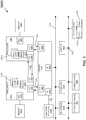
- system 900 may be a smartphone or other wireless communicator or any other IoT device.
- a baseband processor 905 is configured to perform various signal processing with regard to communication signals to be transmitted from or received by the system.
- baseband processor 905 is coupled to an application processor 910, which may be a main CPU of the system to execute an OS and other system software, in addition to user applications such as many well-known social media, mobile and multimedia apps.
- Application processor 910 may further be configured to perform a variety of other computing operations for the device.
- application processor 910 can couple to a user interface/display 920, e.g., a touch screen display.
- application processor 910 may couple to a memory system including a non-volatile memory, namely a flash memory 930 and a system memory, namely a DRAM 935.
- flash memory 930 may include a secure portion 932 in which secrets and other sensitive information may be stored.
- application processor 910 also couples to a capture device 945 such as one or more image capture devices that can record video and/or still images.
- a universal integrated circuit card (UICC) 940 comprises a subscriber identity module, which in some embodiments includes a secure storage 942 to store secure user information.
- System 900 may further include a security processor 950 that may couple to application processor 910.
- a plurality of sensors 925, including one or more multi-axis accelerometers may couple to application processor 910 to enable input of a variety of sensed information such as motion and other environmental information.
- one or more authentication devices 995 may be used to receive, e.g., user biometric input for use in authentication operations.
- a near field communication (NFC) contactless interface 960 is provided that communicates in a NFC near field via an NFC antenna 965. While separate antennae are shown in FIG. 4 , understand that in some implementations one antenna or a different set of antennae may be provided to enable various wireless functionality.
- NFC near field communication
- a power management integrated circuit (PMIC) 915 couples to application processor 910 to perform platform level power management. To this end, PMIC 915 may issue power management requests to application processor 910 to enter certain low power states as desired. Furthermore, based on platform constraints, PMIC 915 may also control the power level of other components of system 900.
- PMIC power management integrated circuit
- a radio frequency (RF) transceiver 970 and a wireless local area network (WLAN) transceiver 975 may be present.
- RF transceiver 970 may be used to receive and transmit wireless data and calls according to a given wireless communication protocol such as 3G or 4G wireless communication protocol such as in accordance with a code division multiple access (CDMA), global system for mobile communication (GSM), long term evolution (LTE) or other protocol.
- CDMA code division multiple access
- GSM global system for mobile communication
- LTE long term evolution
- GPS sensor 980 may be present, with location information being provided to security processor 950 for use as described herein when context information is to be used in a pairing process.
- wireless communications such as receipt or transmission of radio signals, e.g., AM/FM and other signals may also be provided.
- WLAN transceiver 975 local wireless communications, such as according to a BluetoothTM or IEEE 802.11 standard can also be realized.
- multiprocessor system 1000 is a point-to-point interconnect system such as a server system, and includes a first processor 1070 and a second processor 1080 coupled via a point-to-point interconnect 1050.
- processors 1070 and 1080 may be multicore processors such as SoCs, including first and second processor cores (i.e., processor cores 1074a and 1074b and processor cores 1084a and 1084b), although potentially many more cores may be present in the processors.
- processors 1070 and 1080 each may include a secure engine 1075 and 1085 to perform security operations such as attestations, IoT network onboarding or so forth.
- first processor 1070 further includes a memory controller hub (MCH) 1072 and point-to-point (P-P) interfaces 1076 and 1078.
- second processor 1080 includes a MCH 1082 and P-P interfaces 1086 and 1088.
- MCH's 1072 and 1082 couple the processors to respective memories, namely a memory 1032 and a memory 1034, which may be portions of main memory (e.g., a DRAM) locally attached to the respective processors.
- First processor 1070 and second processor 1080 may be coupled to a chipset 1090 via P-P interconnects 1052 and 1054, respectively.
- chipset 1090 includes P-P interfaces 1094 and 1098.
- chipset 1090 includes an interface 1092 to couple chipset 1090 with a high performance graphics engine 1038, by a P-P interconnect 1039.
- chipset 1090 may be coupled to a first bus 1016 via an interface 1096.
- various input/output (I/O) devices 1014 may be coupled to first bus 1016, along with a bus bridge 1018 which couples first bus 1016 to a second bus 1020.
- Various devices may be coupled to second bus 1020 including, for example, a keyboard/mouse 1022, communication devices 1026 and a data storage unit 1028 such as a non-volatile storage or other mass storage device.
- data storage unit 1028 may include code 1030, in one embodiment.
- data storage unit 1028 also includes a trusted storage 1029 to store sensitive information to be protected.
- an audio I/O 1024 may be coupled to second bus 1020.
- Embodiments may be used in many different types of systems.
- a communication device can be arranged to perform the various methods and techniques described herein.
- the scope of the present invention is not limited to a communication device, and instead other embodiments can be directed to other types of apparatus for processing instructions, or one or more machine readable media including instructions that in response to being executed on a computing device, cause the device to carry out one or more of the methods and techniques described herein.
- Embodiments may be implemented in code and may be stored on a non-transitory storage medium having stored thereon instructions which can be used to program a system to perform the instructions. Embodiments also may be implemented in data and may be stored on a non-transitory storage medium, which if used by at least one machine, causes the at least one machine to fabricate at least one integrated circuit to perform one or more operations.
- the storage medium may include, but is not limited to, any type of disk including floppy disks, optical disks, solid state drives (SSDs), compact disk read-only memories (CD-ROMs), compact disk rewritables (CD-RWs), and magneto-optical disks, semiconductor devices such as read-only memories (ROMs), random access memories (RAMs) such as dynamic random access memories (DRAMs), static random access memories (SRAMs), erasable programmable read-only memories (EPROMs), flash memories, electrically erasable programmable read-only memories (EEPROMs), magnetic or optical cards, or any other type of media suitable for storing electronic instructions.
- ROMs read-only memories
- RAMs random access memories
- DRAMs dynamic random access memories
- SRAMs static random access memories
- EPROMs erasable programmable read-only memories
- EEPROMs electrically erasable programmable read-only memories
- magnetic or optical cards or any other type of media suitable for storing electronic instructions.
- An example includes at least one computer readable storage medium comprising instructions that when executed enable a device to: request enrollment of the device with an identity provider, the enrollment including at least one role for the device for a publish-subscribe protocol of a distributed network; receive a device identity credential from the identity provider and store the device identity credential in the device; receive a ticket credential for a first topic associated with a first publisher, the ticket credential including the at least one role for the device; receive a group key from a key manager for a group associated with the publish-subscribe protocol; and receive content for the first topic in the device, the content protected by the group key.
- Example 1 includes at least one computer readable storage medium comprising instructions that when executed enable a system to: receive a first request, for a first security ticket, from a first device, wherein the first request includes: (a)(i) a first device identity credential corresponding to a role for the first device with a publish-subscribe protocol of a distributed network, and (a)(ii) a first filter element associated with the a publish-subscribe protocol; send the first security ticket, which is restricted to the first filter element and includes a first key, to the first device; receive a second request, for a second security ticket, from a second device that is a publisher for the first filter element, wherein the second request includes the first filter element; and send the second security ticket to the second device, the second security ticket being restricted to the first filter element and including a second key that is a symmetric group key.
- the "system” in the above example may be a server, such as key manager, with a function of delivering and managing keys.
- the system may use an environment such as that of FIG. 5 where requests may be stored in memory such as memory 1032, and keys may be generated in elements such as secure engine 1075.
- the "first device” may be mobile computing node using the environment of FIG. 4 , where tickets are communicated via antennae 965, 990 and processed with processor 950 and stored in memory 932.
- a key manager may have a request pushed to it from a device or the key manager may pull the request from a device.
- Providing a key may include pushing the key to a device or having a device pull the key from the key manager or even directing the device to some storage location where the device may get the key.
- devices such as devices 111, 112, 113, 114, 115 as well as server 216 may utilize platforms having one or more secure environments such as the capability for a TEE, in which transactions may be processed as described herein.
- the TEE may be implemented using Intel® SGX technology, Intel® TXT technology, or an ARM TrustZone, among others.
- processors and/or other hardware within such platforms may provide trusted hardware to perform trust assertions, random number generation and other security measures appropriate for given transactions.
- requests as used herein may include a variety of contents not explicitly addressed herein.
- a request message may also include an authenticator section that may be used to authenticate the sender.
- the request body may also be protected with the same key as the authenticator and may include a cryptographic hash of the body that is encrypted with the encrypted part.
- the authenticator may be digitally signed with an asymmetric key. Other values within a message (request or reply) may ensure the key is protected from replay (e.g., message may include a nonce) and other integrity attacks.
- IoT devices 111, 112, 113, 114, 115 may be “constrained.”
- constrained refers to an execution environment that is absent one or more critical resources typical of computation (e.g., memory, storage, computing, networking capacity). The constraint may be threshold based where some level of operation existing resources is depleted, but meaningful function/behavior is achieved. Survivability science is the science of meaningful computation subsequent to loss of computational resources. Some devices may be manufactured to be operating in "survival" mode by default. They can perform some duties but not all that may otherwise be expected of a device.
- a constrained device may be constrained because it may lack credentials due to credential caching and replacement policy that deletes a less used credential in order to find resources for a more immediately used credential.
- the constraint of the storage for credentials requires the device to more frequently consult a key management service to re-obtain the deleted credential.
- the constrained device has a loss of autonomy or possibly loss of security and privacy due to its need to more frequently access credential servers that exist outside of a local realm that includes the device.
- the second key is a symmetric group key
- other embodiments may include pair-wise keys, asymmetric keys, and the like.
- the first and/or second keys may be temporal keys in some embodiment but not in others.
- Example 2 the subject matter of the Example 1 can optionally include the at least one computer readable storage medium further comprising instructions that when executed enable the system to: receive a third request, for a third security ticket, from a third device, wherein the third request includes: (b)(i) a third device identity credential corresponding to a role for the third device with the publish-subscribe protocol, and (b)(ii) the first filter element; and send the third security ticket, which is restricted to the first filter element and includes a third key, to the third device.
- the subject matter of the Examples 1-2 can optionally include the at least one computer readable storage medium wherein the first device is one of a subscriber and a broker for the first filter element and the third device is another of a subscriber and a broker for the first filter element.
- the first and third devices may each be brokers, may each be subscribers, and one may be broker while the other is a subscriber.
- the subject matter of the Examples 1-3 can optionally include the at least one computer readable storage medium wherein the role for the first device corresponds to a first set of publish-subscribe protocol privileges and the role for the third device corresponds to another set of publish-subscribe protocol privileges unequal to the first set of publish-subscribe protocol privileges.
- the first device may be limited to publishing in regards to topic1 and the third device may be limited to consuming in regards to topic1.
- the privileges may be enforced via TEEs in the devices and/or the devices that communicate with the first and third devices.
- the subject matter of the Examples 1-4 can optionally include the at least one computer readable storage medium wherein the first security ticket includes the first device identity credential, which corresponds to a first set of publish-subscribe protocol privileges.
- the first device may be limited to publishing in regards to topic1.
- the subject matter of the Examples 1-5 can optionally include the at least one computer readable storage medium of claim 1, further comprising instructions that when executed enable the system to: receive an additional first request, for an additional first security ticket, from the first device, wherein the additional first request includes an additional first device identity credential corresponding to an additional role for the first device with the publish-subscribe protocol; and send the additional first security ticket, which includes an additional first key, to the first device; wherein the role is unequal to the additional role.
- example 6 provides for dynamic shifting of roles.
- a device may switch from a publisher regarding topic1 to a consumer regarding topic1.
- an identity credential can be a hybrid and may include two or more roles (i.e., both a consumer and a publisher) regarding a topic. This changing of privileges may relate to one topic or may include different topics where the device attains publisher privileges for topic1 but then attains consumer privileges for topicN.
- Another version of example 6 includes the at least one computer readable storage medium of claim 1, further comprising instructions that when executed enable the system to: receive an additional first request, for an additional first security ticket, from the first device, wherein the additional first request includes an additional first device identity credential corresponding to an additional role for the first device with the publish-subscribe protocol; and send the additional first security ticket, which includes an additional first key and the additional first device identity credential, to the first device; wherein the role is unequal to the additional role.
- the subject matter of the Examples 1-6 can optionally include the at least one computer readable storage medium further comprising instructions that when executed enable the system to: receive an additional first request, for an additional first security ticket, from the first device, wherein the additional first request includes: (a)(i) an additional first device identity credential corresponding to an additional role for the first device with the publish-subscribe protocol, and (a)(ii) an additional first filter element associated with the publish-subscribe protocol; send the additional first security ticket, which is restricted to the additional first filter element and includes an additional first key, to the first device; wherein the role is unequal to the additional role and the first filter element is unequal to the additional first filter element.
- Example 8 the subject matter of the Examples 1-7 can optionally include the at least one computer readable storage medium wherein the role is one of publisher and subscriber and the additional role is another of publisher and subscriber.
- the subject matter of the Examples 1-8 can optionally include the at least one computer readable storage medium wherein the first identity credential includes a certificate from a certificate authority that attests to the role for the first device.
- the subject matter of the Examples 1-9 can optionally include the at least one computer readable storage medium wherein the first filter element includes one of a topic for topic-based publish-subscribe protocol and a defined constraint for a content-based publish-subscribe protocol.
- the "defined constraint" may be a keyword or metadata attribute that is searched in or corresponding to content that is to be published.
- the subject matter of the Examples 1-10 can optionally include the at least one computer readable storage medium further comprising instructions that when executed enable the system to: receive the first request from the first device via an unsecure public internet domain; send the first security ticket to the first device via the unsecure public internet domain; receive the second request from the second device via the unsecure public internet domain; and send the second security ticket to the second device via the unsecure public internet domain.
- the subject matter of the Examples 1-11 can optionally include the at least one computer readable storage medium further comprising instructions that when executed enable the system to: receive a third request to delete the symmetric group key from at least one of the first device, the second device, and a third device; and delete the symmetric group key.
- Example 13 the subject matter of the Examples 1-12 can optionally include the at least one computer readable storage medium wherein the symmetric group key is a temporal session key.
- Example 14 includes at least one computer readable storage medium comprising instructions that when executed enable a first device to: request enrollment of the first device with an identity provider, the enrollment including a role for the first device for a publish-subscribe protocol of a distributed network; receive a first device identity credential, from the identity provider and corresponding to the role, and store the first device identity credential in a memory of the first device; send a first request, for a first security ticket, to a key manager, wherein the first request includes: (a)(i) the first device identity credential, and (a)(ii) a first filter element associated with the a publish-subscribe protocol; and receive the first security ticket, which is restricted to the first filter element and includes a first key, from the key manager.
- the "key manager” and/or “identity provider” in the above example may be a server, such as key manager, with a function of delivering and managing keys.
- the "key manager” and/or “identity provider” may use an environment such as that of FIG. 5 where requests may be stored in memory such as memory 1032, and keys may be generated in elements such as secure engine 1075.
- the "first device” may be a mobile computing node using the environment of FIG. 4 , where tickets are communicated via antennae 965, 990 and processed with processor 950 and stored in memory 932.
- the identify provider may include a FIDO PKI Certificate Authority.
- Example 15 the subject matter of the Example 14 can optionally include the at least one computer readable storage medium further comprising instructions that when executed enable the first device to: send a second request, for a second security ticket, to the key manager, wherein (b)(i) the first device is a publisher for the first filter element, and (b)(ii) the second request includes the first filter element; and receive the second security ticket from the key manager, the second security ticket being restricted to the first filter element and including a second key that is a symmetric group key.
- the first device in this instance may be, for example, a publisher that may also have some other form of rights gained via the first key.
- the first device may be a broker that not only publishes but also consumes and requires a group key to do so. This is an alternative embodiment to that of FIGs. 3-1 and 3-2 whereby the broker does not include a group key.
- Example 16 the subject matter of the Examples 14-15 can optionally include the at least one computer readable storage medium further comprising instructions that when executed enable the first device to: receive content, for the first filter element, which is encrypted by the second key; and decrypt the content with the second key.
- Example 17 the subject matter of the Examples 14-16 can optionally include the at least one computer readable storage medium, wherein the first device is one of a subscriber and a broker for the first filter element.
- the subject matter of the Examples 14-17 can optionally include the at least one computer readable storage medium of claim 16, wherein the first security ticket includes the first device identity credential, which corresponds to a first set of publish-subscribe protocol privileges.
- the subject matter of the Examples 14-18 can optionally include the at least one computer readable storage medium further comprising instructions that when executed enable the first device to: request an additional enrollment of the first device with the identity provider, the additional enrollment including an additional role for the first device for the publish-subscribe protocol; receive an additional first device identity credential, from the identity provider and corresponding to the additional role, and store the additional first device identity credential in the memory of the first device; send an additional first request, for an additional first security ticket, to the key manager, wherein the additional first request includes the additional first device identity credential; and receive the additional first security ticket, which includes an additional first key, from the key manager; wherein the role is unequal to the additional role.
- the first device may engage an identity provers like server 216 to dynamically alter its identity with regard to one or more filter elements.
- the subject matter of the Examples 14-19 can optionally include the at least one computer readable storage medium further comprising instructions that when executed enable the first device to: send an additional first request, for an additional first security ticket, to the key manager, wherein the additional first request includes: (a)(i) an additional first device identity credential corresponding to an additional role for the first device with the publish-subscribe protocol, and (a)(ii) an additional first filter element associated with the publish-subscribe protocol; receive the additional first security ticket, which is restricted to the additional first filter element and includes an additional first key, from the key manager; wherein the role is unequal to the additional role and the first filter element is unequal to the additional first filter element.
- the subject matter of the Examples 14-20 can optionally include the at least one computer readable storage medium wherein the first identity credential includes a certificate from a certificate authority that attests to the role for the first device.
- Example 22 the subject matter of the Examples 14-21 can optionally include the at least one computer readable storage medium of claim 14, further comprising instructions that when executed enable the first device to send a third request to delete the symmetric group key to the key manager.
- Example 23 includes an apparatus comprising: at least one memory; and at least one processor, coupled to the memory, to perform operations comprising: request enrollment with an identity provider, the enrollment including a role for the apparatus for a publish-subscribe protocol of a distributed network; receive a first identity credential, from the identity provider and corresponding to the role, and store the first device identity credential in the at least one memory; send a first request, for a first security ticket, to a key manager, wherein the first request includes: (a)(i) the first identity credential, and (a)(ii) a first filter element associated with the a publish-subscribe protocol; and receive the first security ticket, which is restricted to the first filter element and includes a first key, from the key manager.
- the "key manager” and/or “identity provider” in the above example may be a server, such as key manager, with a function of delivering and managing keys.
- the "key manager” and/or “identity provider” may use an environment such as that of FIG. 5 where requests may be stored in memory such as memory 1032, and keys may be generated in elements such as secure engine 1075.
- the "apparatus” may be a mobile computing node using the environment of FIG. 4 , where tickets are communicated via antennae 965, 990 and processed with processor 950 and stored in memory 932.
- the identify provider may include a FIDO PKI Certificate Authority.
- Another version of example 23 includes an apparatus comprising: at least one memory; and at least one processor, coupled to the memory, to perform operations comprising: request at least one enrollment with at least on identity provider, the enrollment including at least one role for the apparatus for a publish-subscribe protocol of a distributed network; receive at least one first identity credential, from the at least one identity provider and corresponding to the at least on role, and store the at least one first device identity credential in the at least one memory; send at least one first request, for at least one first security ticket, to at least one key manager, wherein the at least one first request includes: (a)(i) the at least one first identity credential, and (a)(ii) at least one first filter element associated with the a publish-subscribe protocol; and receive the at least one first security ticket, restricted to the at least one first filter element and including at least one first key, from the at least one key manager.
- contents of a request and/or reply may be distributed among several requests and/or replies and a combination of identifier certificates and keys and the like may be used in various embodiments.
- Example 24 the subject matter of the Example 23 can optionally include wherein the operations comprise: send a second request, for a second security ticket, to the key manager, wherein (b)(i) the apparatus is a publisher for the first filter element, and (b)(ii) the second request includes the first filter element; and receive the second security ticket from the key manager, the second security ticket being restricted to the first filter element and including a second key receive content, for the first filter element, which is encrypted by the second key; and decrypt the content with the second key.
- the operations comprise: send a second request, for a second security ticket, to the key manager, wherein (b)(i) the apparatus is a publisher for the first filter element, and (b)(ii) the second request includes the first filter element; and receive the second security ticket from the key manager, the second security ticket being restricted to the first filter element and including a second key receive content, for the first filter element, which is encrypted by the second key; and decrypt the content with the second key.
- Another version of example 24 includes wherein the operations comprise: send at least one second request, for at least one second security ticket, to the at least one key manager, wherein (b)(i) the apparatus is a publisher for the at least one first filter element, and (b)(ii) the at least one second request includes the at least one first filter element; and receive the at least one second security ticket from the at least one key manager, the at least one second security ticket being restricted to the at least one first filter element and including at least one second key; receive content, for the at least one first filter element, which is encrypted by the at least one second key; and decrypt the content with the at least one second key.
Landscapes
- Engineering & Computer Science (AREA)
- Computer Networks & Wireless Communication (AREA)
- Signal Processing (AREA)
- Computer Security & Cryptography (AREA)
- Computing Systems (AREA)
- Computer Hardware Design (AREA)
- General Engineering & Computer Science (AREA)
- Health & Medical Sciences (AREA)
- General Health & Medical Sciences (AREA)
- Medical Informatics (AREA)
- Storage Device Security (AREA)
- Information Retrieval, Db Structures And Fs Structures Therefor (AREA)
Claims (15)
- Vorrichtung, die Folgendes umfasst:mindestens einen Speicher (935);mindestens einen Prozessor (905, 910), der an den Speicher gekoppelt ist, der konfiguriert ist, Vorgänge durchzuführen, die Folgendes umfassen:Empfangen einer ersten Anfrage nach einem ersten Sicherheitsticket von einer ersten Einrichtung, wobei die erste Anfrage Folgendes enthält: (a)(i) eine Identitätsbescheinigung der ersten Einrichtung, die einer Funktion für die erste Einrichtung mit einem "Publish-Subscribe"-Protokoll eines verteilten Netzes entspricht, und (a)(ii) ein erstes Filterelement, das dem "Publish-Subscribe"-Protokoll zugeordnet ist;Senden des ersten Sicherheitstickets, das auf das erste Filterelement beschränkt ist und einen ersten Schlüssel enthält, zu der ersten Einrichtung;Empfangen einer zweiten Anfrage nach einem zweiten Sicherheitsticket, von einer zweiten Einrichtung, die einem Publisher für das erste Filterelement entspricht, wobei die zweite Anfrage das erste Filterelement enthält; undSenden des zweiten Sicherheitstickets zu der zweiten Einrichtung, wobei das zweite Sicherheitsticket auf das erste Filterelement beschränkt ist und einen zweiten Schlüssel enthält, der einem symmetrischen Gruppenschlüssel entspricht.
- Vorrichtung nach Anspruch 1, wobei die Vorgänge Folgendes umfassen:Empfangen einer dritten Anfrage nach einem dritten Sicherheitsticket von einer dritten Einrichtung, wobei die dritte Anfrage Folgendes enthält: (b)(i) eine Identitätsbescheinigung der dritten Einrichtung, die einer Funktion für die dritte Einrichtung mit dem "Publish-Subscribe"-Protokoll eines verteilten Netzes entspricht, und (b)(ii) das erste Filterelement; undSenden des dritten Sicherheitstickets, das auf das erste Filterelement beschränkt ist und einen dritten Schlüssel enthält, zu der dritten Einrichtung.
- Vorrichtung nach Anspruch 2, wobei die erste Einrichtung einem von einem Teilnehmer und einem Vermittler für das erste Filterelement entspricht und die dritte Einrichtung dem anderen des Teilnehmers und des Vermittlers für das erste Filterelement entspricht.
- Vorrichtung nach Anspruch 2, wobei die Funktion für die erste Einrichtung einem ersten Satz von "Publish-Subscribe"-Protokoll-Privilegien entspricht und die Funktion für die dritte Einrichtung einem anderen Satz von "Publish-Subscribe"-Protokoll-Privilegien entspricht, der ungleich dem ersten Satz von "Publish-Subscribe"-Protokoll-Privilegien ist.
- Vorrichtung nach Anspruch 2, wobei das erste Sicherheitsticket die Identitätsbescheinigung der ersten Einrichtung enthält, die einem ersten Satz von "Publish-Subscribe"-Protokoll-Privilegien entspricht.
- Vorrichtung nach Anspruch 1, wobei die Vorgänge Folgendes umfassen:Empfangen einer zusätzlichen ersten Anfrage nach einem zusätzlichen ersten Sicherheitsticket von der ersten Einrichtung, wobei die zusätzliche erste Anfrage eine zusätzliche Identitätsbescheinigung der ersten Einrichtung enthält, die einer zusätzlichen Funktion für die erste Einrichtung mit dem "Publish-Subscribe"-Protokoll entspricht; undSenden des zusätzlichen ersten Sicherheitstickets, das einen zusätzlichen ersten Schlüssel enthält, zu der ersten Einrichtung;wobei die Funktion ungleich der zusätzlichen Funktion ist.
- Vorrichtung nach Anspruch 1, wobei die Vorgänge Folgendes umfassen:Empfangen einer zusätzlichen ersten Anfrage nach einem zusätzlichen ersten Sicherheitsticket von der ersten Einrichtung, wobei die zusätzliche erste Anfrage Folgendes enthält: (a)(i) eine zusätzliche Identitätsbescheinigung der ersten Einrichtung, die einer zusätzlichen Funktion für die erste Einrichtung mit dem "Publish-Subscribe"-Protokoll entspricht, und (a)(ii) ein zusätzliches erstes Filterelement, das dem "Publish-Subscribe"-Protokoll zugeordnet ist;Senden des zusätzlichen ersten Sicherheitstickets, das auf das erste Filterelement beschränkt ist und einen zusätzlichen ersten Schlüssel enthält, zu der ersten Einrichtung;wobei die Funktion ungleich der zusätzlichen Funktion ist und das erste Filterelement ungleich dem zusätzlichen ersten Filterelement ist.
- Vorrichtung nach Anspruch 7, wobei die Funktion einem von Publisher und Teilnehmer entspricht und die zusätzliche Funktion einem anderen von Publisher und Teilnehmer entspricht.
- Vorrichtung nach Anspruch 1, wobei die erste Identitätsbescheinigung ein Zertifikat von einer Zertifizierungsstelle enthält, das die Funktion für die erste Einrichtung bestätigt.
- Vorrichtung nach Anspruch 1, wobei das erste Filterelement ein Thema für ein themenbasiertes "Publish-Subscribe"-Protokoll oder eine definierte Einschränkung für ein inhaltsbasiertes "Publish-Subscribe"-Protokoll enthält.
- Vorrichtung nach Anspruch 1, wobei die Vorgänge Folgendes umfassen:Empfangen der ersten Anfrage von der ersten Einrichtung über eine unsichere öffentliche Internet-Domain;Senden des ersten Sicherheitstickets zu der ersten Einrichtung über die unsichere öffentliche Internet-Domain;Empfangen der zweiten Anfrage von der zweiten Einrichtung über die unsichere öffentliche Internet-Domain; undSenden des zweiten Sicherheitstickets zu der zweiten Einrichtung über die unsichere öffentliche Internet-Domain.
- Vorrichtung nach Anspruch 1, wobei die Vorgänge Folgendes umfassen:Empfangen einer dritten Anfrage, um den symmetrischen Gruppenschlüssel zu löschen, von der ersten Einrichtung, der zweiten Einrichtung und/oder einer dritten Einrichtung; undLöschen des symmetrischen Gruppenschlüssels.
- Vorrichtung nach Anspruch 1, wobei der symmetrische Gruppenschlüssel ein zeitlicher Sitzungsschlüssel ist.
- Vorrichtung, die Folgendes umfasst:mindestens einen Speicher;mindestens einen Prozessor, der an den Speicher gekoppelt ist, der konfiguriert ist, Vorgänge durchzuführen, die Folgendes umfassen:Anfragen der Aufnahme der Vorrichtung bei einem Identitätsanbieter, wobei die Aufnahme eine Funktion für die Vorrichtung für ein "Publish-Subscribe"-Protokoll eines verteilten Netzes enthält;Empfangen einer Identitätsbescheinigung der ersten Einrichtung von dem Identitätsanbieter und entsprechend der Funktion, und Speichern der Identitätsbescheinigung der ersten Einrichtung in dem mindestens einen Speicher;Senden einer Anfrage nach einem ersten Sicherheitsticket zu einem Schlüsselverwalter, wobei die erste Anfrage Folgendes enthält: (a)(i) die Identitätsbescheinigung der ersten Einrichtung, und (a)(ii) ein erstes Filterelement, das dem "Publish-Subscribe"-Protokoll zugeordnet ist; undEmpfangen des ersten Sicherheitstickets, das auf das erste Filterelement beschränkt ist und einen ersten Schlüssel enthält, von dem Schlüsselverwalter.
- Vorrichtung nach Anspruch 14, wobei die Vorgänge Folgendes umfassen:Senden einer zweiten Anfrage nach einem zweiten Sicherheitsticket zu dem Schlüsselverwalter, wobei (b)(i) die Vorrichtung einem Publisher für das erste Filterelement entspricht, und (b)(ii) die zweite Anfrage das erste Filterelement enthält; undEmpfangen des zweiten Sicherheitstickets von dem Schlüsselverwalter, wobei das zweite Sicherheitsticket auf das erste Filterelement beschränkt ist und einen zweiten Schlüssel enthält, der einem symmetrischen Gruppenschlüssel entspricht.
Applications Claiming Priority (3)
| Application Number | Priority Date | Filing Date | Title |
|---|---|---|---|
| US201562172893P | 2015-06-09 | 2015-06-09 | |
| US14/864,957 US10230696B2 (en) | 2015-06-09 | 2015-09-25 | System, apparatus and method for managing lifecycle of secure publish-subscribe system |
| PCT/US2016/033824 WO2016200595A1 (en) | 2015-06-09 | 2016-05-23 | System, apparatus and method for managing lifecycle of secure publish-subscribe system |
Publications (3)
| Publication Number | Publication Date |
|---|---|
| EP3308520A1 EP3308520A1 (de) | 2018-04-18 |
| EP3308520A4 EP3308520A4 (de) | 2019-01-16 |
| EP3308520B1 true EP3308520B1 (de) | 2020-01-29 |
Family
ID=57504110
Family Applications (1)
| Application Number | Title | Priority Date | Filing Date |
|---|---|---|---|
| EP16808009.1A Active EP3308520B1 (de) | 2015-06-09 | 2016-05-23 | System, vorrichtung und verfahren zur verwaltung des lebenszyklus eines sicheren publish/subscribe-systems |
Country Status (4)
| Country | Link |
|---|---|
| US (1) | US10230696B2 (de) |
| EP (1) | EP3308520B1 (de) |
| CN (1) | CN107637038B (de) |
| WO (1) | WO2016200595A1 (de) |
Families Citing this family (33)
| Publication number | Priority date | Publication date | Assignee | Title |
|---|---|---|---|---|
| US8565689B1 (en) | 2012-06-13 | 2013-10-22 | All Purpose Networks LLC | Optimized broadband wireless network performance through base station application server |
| US9882950B2 (en) | 2012-06-13 | 2018-01-30 | All Purpose Networks LLC | Methods and systems of an all purpose broadband network |
| US9923881B2 (en) | 2015-10-14 | 2018-03-20 | Mcafee, Llc | System, apparatus and method for migrating a device having a platform group |
| GB2552966B (en) * | 2016-08-15 | 2019-12-11 | Arm Ip Ltd | Methods and apparatus for protecting domains of a device from unauthorised accesses |
| US10382307B1 (en) * | 2016-12-22 | 2019-08-13 | Amazon Technologies, Inc. | Transmission of subscription-based messages to Internet of Things (IoT) devices |
| WO2018145056A1 (en) * | 2017-02-06 | 2018-08-09 | Pcms Holdings, Inc. | Securing communication of devices in the internet of things |
| US10687212B2 (en) | 2017-04-07 | 2020-06-16 | At&T Mobility Ii Llc | Mobile network core component for managing security keys |
| US11074226B2 (en) * | 2017-05-24 | 2021-07-27 | 3S International, LLC | Hierarchical computing network and methods thereof |
| US10819696B2 (en) * | 2017-07-13 | 2020-10-27 | Microsoft Technology Licensing, Llc | Key attestation statement generation providing device anonymity |
| EP3429166B1 (de) * | 2017-07-13 | 2021-09-08 | Weeve GmbH | Verfahren zum betreiben eines kommunikationsnetzwerks |
| EP3662370B1 (de) * | 2018-01-08 | 2023-12-27 | All Purpose Networks, Inc. | Internet-der-dinge-system mit effizientem und sicherem kommunikationsnetz |
| WO2020101747A1 (en) | 2018-01-08 | 2020-05-22 | All Purpose Networks, Inc. | Publish-subscribe broker network overlay system |
| CN108429665B (zh) * | 2018-03-22 | 2020-12-15 | 四川长虹电器股份有限公司 | 一种并发通信传输数据的方法 |
| US11018871B2 (en) * | 2018-03-30 | 2021-05-25 | Intel Corporation | Key protection for computing platform |
| US11171940B2 (en) * | 2018-03-30 | 2021-11-09 | Intel Corporation | Secure type-enforced actions |
| JP7185978B2 (ja) * | 2018-07-03 | 2022-12-08 | 株式会社ソラコム | 認証情報の設定を仲介するための装置及び方法 |
| CN109040098A (zh) * | 2018-08-23 | 2018-12-18 | 四川长虹电器股份有限公司 | 一种基于jwt实现mqtt协议认证的方法 |
| KR101940983B1 (ko) * | 2018-11-15 | 2019-01-22 | 주식회사 유니온플레이스 | 멀티캐스트 그룹 내의 디바이스 |
| CN109829276B (zh) * | 2018-12-17 | 2023-05-09 | 航天信息股份有限公司 | 一种基于fido协议身份认证的电子发票统一管理方法及系统 |
| CN113545114B (zh) * | 2019-03-15 | 2024-03-19 | 瑞典爱立信有限公司 | 对网络的无线电通信装置的认证 |
| EP3734478A1 (de) * | 2019-04-29 | 2020-11-04 | Siemens Aktiengesellschaft | Verfahren zur vergabe von zertifikaten, leitsystem, verwendung eines solchen, technische anlage, anlagenkomponente und verwendung eines identitätsproviders |
| JP6678842B1 (ja) * | 2019-07-17 | 2020-04-08 | 三菱電機株式会社 | データ配信システム、データ処理装置、及びプログラム |
| CN111031012B (zh) * | 2019-11-26 | 2021-04-27 | 南京莱斯电子设备有限公司 | 一种实现dds域参与者安全认证的方法 |
| CN110881041A (zh) * | 2019-11-28 | 2020-03-13 | 杭州涂鸦信息技术有限公司 | 一种连接方法、mqtt客户端和mqtt服务端 |
| CN111131501B (zh) * | 2019-12-31 | 2022-03-15 | 郑州信大捷安信息技术股份有限公司 | 一种基于mqtt协议的消息推送系统及方法 |
| US11496301B2 (en) * | 2020-02-21 | 2022-11-08 | International Business Machines Corporation | Publish/subscribe messaging |
| US10771243B1 (en) | 2020-04-29 | 2020-09-08 | Ecosteer Srl | Multicast encryption scheme for data-ownership platform |
| US11722295B2 (en) | 2020-04-30 | 2023-08-08 | Musarubra Us Llc | Methods, apparatus, and articles of manufacture to securely audit communications |
| EP3955537B1 (de) * | 2020-08-10 | 2023-06-07 | Siemens Aktiengesellschaft | Verfahren zur verwaltung von schlüsseln einer sicherheitsgruppe |
| US11947681B2 (en) * | 2020-10-02 | 2024-04-02 | Blockframe, Inc. | Cryptographic secret generation and provisioning |
| EP4260545B1 (de) * | 2020-12-09 | 2026-02-11 | Sony Group Corporation | Broker-vorrichtung, herausgebervorrichtung, herausgeber-teilnehmersystem |
| CN113904778A (zh) * | 2021-10-11 | 2022-01-07 | 东莞理工学院城市学院 | mqtt协议接入物联网设备鉴权实现方法及系统 |
| CN117256168A (zh) * | 2022-04-19 | 2023-12-19 | 北京小米移动软件有限公司 | 信息处理方法及装置、通信设备及存储介质 |
Family Cites Families (24)
| Publication number | Priority date | Publication date | Assignee | Title |
|---|---|---|---|---|
| US6684331B1 (en) | 1999-12-22 | 2004-01-27 | Cisco Technology, Inc. | Method and apparatus for distributing and updating group controllers over a wide area network using a tree structure |
| AUPQ877600A0 (en) | 2000-07-13 | 2000-08-03 | Erg R&D Pty Ltd | A card system |
| US7720910B2 (en) * | 2002-07-26 | 2010-05-18 | International Business Machines Corporation | Interactive filtering electronic messages received from a publication/subscription service |
| US7636783B2 (en) * | 2004-12-06 | 2009-12-22 | Microsoft Corporation | Trial-before-purchase subscription game infrastructure for peer-peer networks |
| GB0501153D0 (en) | 2005-01-20 | 2005-03-02 | Ibm | System and method for subscription management in a messaging system |
| US8365254B2 (en) * | 2005-06-23 | 2013-01-29 | Microsoft Corporation | Unified authorization for heterogeneous applications |
| US7941448B2 (en) | 2005-08-26 | 2011-05-10 | At&T Intellectual Property Ii, Lp | System and method for event driven publish-subscribe communications |
| JP4823717B2 (ja) * | 2006-02-28 | 2011-11-24 | 株式会社日立製作所 | 暗号通信システム、端末状態管理サーバ、暗号通信方法、および端末状態管理方法 |
| US20090119378A1 (en) * | 2007-11-07 | 2009-05-07 | Liang Holdings Llc | Controlling access to an r-smart network |
| CN101262474B (zh) * | 2008-04-22 | 2012-02-01 | 武汉理工大学 | 一种基于跨域授权中介实现角色和组映射的跨域访问控制系统 |
| WO2010090027A1 (ja) | 2009-02-05 | 2010-08-12 | 日本電気株式会社 | 分散型イベント配信システムにおけるブローカノードおよびイベントトピック制御方法 |
| US8341427B2 (en) * | 2009-02-16 | 2012-12-25 | Microsoft Corporation | Trusted cloud computing and services framework |
| DE112010005499T5 (de) * | 2010-04-19 | 2013-03-28 | International Business Machines Corp. | Steuern der Nachrichtenübermittlung beim Publish/Subscribe-Nachrichtenaustausch |
| US8650392B2 (en) * | 2010-05-21 | 2014-02-11 | Microsoft Corporation | Ticket authorization |
| US8738704B2 (en) | 2010-09-07 | 2014-05-27 | Xerox Corporation | Publish/subscribe broker messaging system and method |
| CN102456103A (zh) * | 2010-10-26 | 2012-05-16 | 王芳 | 一种改进的rbac访问控制模型 |
| EP2673712B1 (de) * | 2011-02-09 | 2024-01-17 | Vertiv IT Systems, Inc. | System und verfahren für infrastruktursteuerstoff (icf) |
| US8843580B2 (en) * | 2011-02-20 | 2014-09-23 | International Business Machines Corporation | Criteria-based message publication control and feedback in a publish/subscribe messaging environment |
| US8725814B2 (en) | 2011-02-24 | 2014-05-13 | International Business Machines Corporation | Broker facilitated peer-to-peer publisher collaboration in a publish-subscription environment |
| JP2014515152A (ja) * | 2011-05-18 | 2014-06-26 | インターナショナル・ビジネス・マシーンズ・コーポレーション | 発行/購読メッセージング・システムにおいてメッセージの購読を管理するための方法および装置、ならびにコンピュータ・プログラム |
| US8548172B2 (en) * | 2011-07-08 | 2013-10-01 | Sap Ag | Secure dissemination of events in a publish/subscribe network |
| CN103944924B (zh) * | 2014-05-15 | 2017-04-19 | 重庆邮电大学 | 一种基于RESTful的泛在网发布订阅中间件模型的方法 |
| US9608963B2 (en) * | 2015-04-24 | 2017-03-28 | Cisco Technology, Inc. | Scalable intermediate network device leveraging SSL session ticket extension |
| US20160364553A1 (en) * | 2015-06-09 | 2016-12-15 | Intel Corporation | System, Apparatus And Method For Providing Protected Content In An Internet Of Things (IOT) Network |
-
2015
- 2015-09-25 US US14/864,957 patent/US10230696B2/en not_active Expired - Fee Related
-
2016
- 2016-05-23 CN CN201680026975.9A patent/CN107637038B/zh not_active Expired - Fee Related
- 2016-05-23 WO PCT/US2016/033824 patent/WO2016200595A1/en not_active Ceased
- 2016-05-23 EP EP16808009.1A patent/EP3308520B1/de active Active
Non-Patent Citations (1)
| Title |
|---|
| None * |
Also Published As
| Publication number | Publication date |
|---|---|
| CN107637038A (zh) | 2018-01-26 |
| US10230696B2 (en) | 2019-03-12 |
| EP3308520A1 (de) | 2018-04-18 |
| WO2016200595A1 (en) | 2016-12-15 |
| CN107637038B (zh) | 2021-04-30 |
| EP3308520A4 (de) | 2019-01-16 |
| US20160366111A1 (en) | 2016-12-15 |
Similar Documents
| Publication | Publication Date | Title |
|---|---|---|
| US10230696B2 (en) | System, apparatus and method for managing lifecycle of secure publish-subscribe system | |
| CN107637011B (zh) | 用于物联网网络的自配置密钥管理系统 | |
| EP3308495B1 (de) | System, vorrichtung und verfahren zur gruppenschlüsselverteilung für ein netzwerk | |
| US20160364553A1 (en) | System, Apparatus And Method For Providing Protected Content In An Internet Of Things (IOT) Network | |
| CN107852405B (zh) | 用于服务层的内容安全性的装置 | |
| US9998431B2 (en) | System, apparatus and method for secure network bridging using a rendezvous service and multiple key distribution servers | |
| EP4035334B1 (de) | Zentralisierte sitzungsschlüsselausgabe und rotation | |
| Fremantle et al. | Federated identity and access management for the internet of things | |
| US9646309B2 (en) | Method for authentication and assuring compliance of devices accessing external services | |
| KR101883816B1 (ko) | 클라이언트 디바이스 상에서의 다수의 디지털 저작권 관리 프로토콜 지원 기술 | |
| WO2021150789A1 (en) | Centrally managed pki provisioning and rotation | |
| Manzoor | Securing device connectivity in the industrial internet of things (IoT) | |
| US12184789B2 (en) | Blockchain based certificate pinning | |
| Kaffel-Ben Ayed et al. | A generic Kerberos-based access control system for the cloud | |
| CN116561820A (zh) | 可信数据处理方法及相关装置 | |
| Nimavat Dhaval et al. | A Study on MQTT Protocol Architecture and Security Aspects Within IoT Paradigm | |
| US12500767B2 (en) | Kerberos interdiction and decryption for real-time analysis | |
| Alazzawi et al. | Comparative analysis of security protocols in IoT | |
| Simpson et al. | Enterprise Mobile Ad-Hoc Implementation | |
| CN120856442A (zh) | 一种基于rpc通信的认证鉴权方法及相关装置 | |
| Kumar et al. | A Conceptual Technique for Modelling Security as a Service in Service Oriented Distributed Systems | |
| Li | Research of JMS Security Mechanism | |
| Kelley et al. | Security, Privacy, and Authorization for Mobile Services |
Legal Events
| Date | Code | Title | Description |
|---|---|---|---|
| STAA | Information on the status of an ep patent application or granted ep patent |
Free format text: STATUS: THE INTERNATIONAL PUBLICATION HAS BEEN MADE |
|
| PUAI | Public reference made under article 153(3) epc to a published international application that has entered the european phase |
Free format text: ORIGINAL CODE: 0009012 |
|
| STAA | Information on the status of an ep patent application or granted ep patent |
Free format text: STATUS: REQUEST FOR EXAMINATION WAS MADE |
|
| 17P | Request for examination filed |
Effective date: 20171107 |
|
| AK | Designated contracting states |
Kind code of ref document: A1 Designated state(s): AL AT BE BG CH CY CZ DE DK EE ES FI FR GB GR HR HU IE IS IT LI LT LU LV MC MK MT NL NO PL PT RO RS SE SI SK SM TR |
|
| AX | Request for extension of the european patent |
Extension state: BA ME |
|
| DAV | Request for validation of the european patent (deleted) | ||
| DAX | Request for extension of the european patent (deleted) | ||
| A4 | Supplementary search report drawn up and despatched |
Effective date: 20181219 |
|
| RIC1 | Information provided on ipc code assigned before grant |
Ipc: H04W 12/04 20090101ALI20181213BHEP Ipc: H04L 29/06 20060101AFI20181213BHEP Ipc: H04L 29/08 20060101ALI20181213BHEP |
|
| GRAP | Despatch of communication of intention to grant a patent |
Free format text: ORIGINAL CODE: EPIDOSNIGR1 |
|
| STAA | Information on the status of an ep patent application or granted ep patent |
Free format text: STATUS: GRANT OF PATENT IS INTENDED |
|
| INTG | Intention to grant announced |
Effective date: 20190925 |
|
| GRAS | Grant fee paid |
Free format text: ORIGINAL CODE: EPIDOSNIGR3 |
|
| GRAA | (expected) grant |
Free format text: ORIGINAL CODE: 0009210 |
|
| STAA | Information on the status of an ep patent application or granted ep patent |
Free format text: STATUS: THE PATENT HAS BEEN GRANTED |
|
| AK | Designated contracting states |
Kind code of ref document: B1 Designated state(s): AL AT BE BG CH CY CZ DE DK EE ES FI FR GB GR HR HU IE IS IT LI LT LU LV MC MK MT NL NO PL PT RO RS SE SI SK SM TR |
|
| REG | Reference to a national code |
Ref country code: GB Ref legal event code: FG4D |
|
| REG | Reference to a national code |
Ref country code: CH Ref legal event code: EP |
|
| REG | Reference to a national code |
Ref country code: AT Ref legal event code: REF Ref document number: 1229185 Country of ref document: AT Kind code of ref document: T Effective date: 20200215 |
|
| REG | Reference to a national code |
Ref country code: IE Ref legal event code: FG4D |
|
| REG | Reference to a national code |
Ref country code: DE Ref legal event code: R096 Ref document number: 602016028869 Country of ref document: DE |
|
| REG | Reference to a national code |
Ref country code: NL Ref legal event code: FP |
|
| PG25 | Lapsed in a contracting state [announced via postgrant information from national office to epo] |
Ref country code: NO Free format text: LAPSE BECAUSE OF FAILURE TO SUBMIT A TRANSLATION OF THE DESCRIPTION OR TO PAY THE FEE WITHIN THE PRESCRIBED TIME-LIMIT Effective date: 20200429 Ref country code: FI Free format text: LAPSE BECAUSE OF FAILURE TO SUBMIT A TRANSLATION OF THE DESCRIPTION OR TO PAY THE FEE WITHIN THE PRESCRIBED TIME-LIMIT Effective date: 20200129 Ref country code: RS Free format text: LAPSE BECAUSE OF FAILURE TO SUBMIT A TRANSLATION OF THE DESCRIPTION OR TO PAY THE FEE WITHIN THE PRESCRIBED TIME-LIMIT Effective date: 20200129 Ref country code: PT Free format text: LAPSE BECAUSE OF FAILURE TO SUBMIT A TRANSLATION OF THE DESCRIPTION OR TO PAY THE FEE WITHIN THE PRESCRIBED TIME-LIMIT Effective date: 20200621 |
|
| REG | Reference to a national code |
Ref country code: LT Ref legal event code: MG4D |
|
| PG25 | Lapsed in a contracting state [announced via postgrant information from national office to epo] |
Ref country code: BG Free format text: LAPSE BECAUSE OF FAILURE TO SUBMIT A TRANSLATION OF THE DESCRIPTION OR TO PAY THE FEE WITHIN THE PRESCRIBED TIME-LIMIT Effective date: 20200429 Ref country code: LV Free format text: LAPSE BECAUSE OF FAILURE TO SUBMIT A TRANSLATION OF THE DESCRIPTION OR TO PAY THE FEE WITHIN THE PRESCRIBED TIME-LIMIT Effective date: 20200129 Ref country code: SE Free format text: LAPSE BECAUSE OF FAILURE TO SUBMIT A TRANSLATION OF THE DESCRIPTION OR TO PAY THE FEE WITHIN THE PRESCRIBED TIME-LIMIT Effective date: 20200129 Ref country code: IS Free format text: LAPSE BECAUSE OF FAILURE TO SUBMIT A TRANSLATION OF THE DESCRIPTION OR TO PAY THE FEE WITHIN THE PRESCRIBED TIME-LIMIT Effective date: 20200529 Ref country code: HR Free format text: LAPSE BECAUSE OF FAILURE TO SUBMIT A TRANSLATION OF THE DESCRIPTION OR TO PAY THE FEE WITHIN THE PRESCRIBED TIME-LIMIT Effective date: 20200129 Ref country code: GR Free format text: LAPSE BECAUSE OF FAILURE TO SUBMIT A TRANSLATION OF THE DESCRIPTION OR TO PAY THE FEE WITHIN THE PRESCRIBED TIME-LIMIT Effective date: 20200430 |
|
| PG25 | Lapsed in a contracting state [announced via postgrant information from national office to epo] |
Ref country code: CZ Free format text: LAPSE BECAUSE OF FAILURE TO SUBMIT A TRANSLATION OF THE DESCRIPTION OR TO PAY THE FEE WITHIN THE PRESCRIBED TIME-LIMIT Effective date: 20200129 Ref country code: RO Free format text: LAPSE BECAUSE OF FAILURE TO SUBMIT A TRANSLATION OF THE DESCRIPTION OR TO PAY THE FEE WITHIN THE PRESCRIBED TIME-LIMIT Effective date: 20200129 Ref country code: ES Free format text: LAPSE BECAUSE OF FAILURE TO SUBMIT A TRANSLATION OF THE DESCRIPTION OR TO PAY THE FEE WITHIN THE PRESCRIBED TIME-LIMIT Effective date: 20200129 Ref country code: LT Free format text: LAPSE BECAUSE OF FAILURE TO SUBMIT A TRANSLATION OF THE DESCRIPTION OR TO PAY THE FEE WITHIN THE PRESCRIBED TIME-LIMIT Effective date: 20200129 Ref country code: SM Free format text: LAPSE BECAUSE OF FAILURE TO SUBMIT A TRANSLATION OF THE DESCRIPTION OR TO PAY THE FEE WITHIN THE PRESCRIBED TIME-LIMIT Effective date: 20200129 Ref country code: EE Free format text: LAPSE BECAUSE OF FAILURE TO SUBMIT A TRANSLATION OF THE DESCRIPTION OR TO PAY THE FEE WITHIN THE PRESCRIBED TIME-LIMIT Effective date: 20200129 Ref country code: SK Free format text: LAPSE BECAUSE OF FAILURE TO SUBMIT A TRANSLATION OF THE DESCRIPTION OR TO PAY THE FEE WITHIN THE PRESCRIBED TIME-LIMIT Effective date: 20200129 Ref country code: DK Free format text: LAPSE BECAUSE OF FAILURE TO SUBMIT A TRANSLATION OF THE DESCRIPTION OR TO PAY THE FEE WITHIN THE PRESCRIBED TIME-LIMIT Effective date: 20200129 |
|
| REG | Reference to a national code |
Ref country code: DE Ref legal event code: R097 Ref document number: 602016028869 Country of ref document: DE |
|
| REG | Reference to a national code |
Ref country code: AT Ref legal event code: MK05 Ref document number: 1229185 Country of ref document: AT Kind code of ref document: T Effective date: 20200129 |
|
| PLBE | No opposition filed within time limit |
Free format text: ORIGINAL CODE: 0009261 |
|
| STAA | Information on the status of an ep patent application or granted ep patent |
Free format text: STATUS: NO OPPOSITION FILED WITHIN TIME LIMIT |
|
| 26N | No opposition filed |
Effective date: 20201030 |
|
| PG25 | Lapsed in a contracting state [announced via postgrant information from national office to epo] |
Ref country code: LI Free format text: LAPSE BECAUSE OF NON-PAYMENT OF DUE FEES Effective date: 20200531 Ref country code: MC Free format text: LAPSE BECAUSE OF FAILURE TO SUBMIT A TRANSLATION OF THE DESCRIPTION OR TO PAY THE FEE WITHIN THE PRESCRIBED TIME-LIMIT Effective date: 20200129 Ref country code: CH Free format text: LAPSE BECAUSE OF NON-PAYMENT OF DUE FEES Effective date: 20200531 Ref country code: AT Free format text: LAPSE BECAUSE OF FAILURE TO SUBMIT A TRANSLATION OF THE DESCRIPTION OR TO PAY THE FEE WITHIN THE PRESCRIBED TIME-LIMIT Effective date: 20200129 Ref country code: IT Free format text: LAPSE BECAUSE OF FAILURE TO SUBMIT A TRANSLATION OF THE DESCRIPTION OR TO PAY THE FEE WITHIN THE PRESCRIBED TIME-LIMIT Effective date: 20200129 |
|
| PG25 | Lapsed in a contracting state [announced via postgrant information from national office to epo] |
Ref country code: PL Free format text: LAPSE BECAUSE OF FAILURE TO SUBMIT A TRANSLATION OF THE DESCRIPTION OR TO PAY THE FEE WITHIN THE PRESCRIBED TIME-LIMIT Effective date: 20200129 Ref country code: SI Free format text: LAPSE BECAUSE OF FAILURE TO SUBMIT A TRANSLATION OF THE DESCRIPTION OR TO PAY THE FEE WITHIN THE PRESCRIBED TIME-LIMIT Effective date: 20200129 |
|
| REG | Reference to a national code |
Ref country code: BE Ref legal event code: MM Effective date: 20200531 |
|
| PG25 | Lapsed in a contracting state [announced via postgrant information from national office to epo] |
Ref country code: LU Free format text: LAPSE BECAUSE OF NON-PAYMENT OF DUE FEES Effective date: 20200523 |
|
| PG25 | Lapsed in a contracting state [announced via postgrant information from national office to epo] |
Ref country code: IE Free format text: LAPSE BECAUSE OF NON-PAYMENT OF DUE FEES Effective date: 20200523 |
|
| PG25 | Lapsed in a contracting state [announced via postgrant information from national office to epo] |
Ref country code: BE Free format text: LAPSE BECAUSE OF NON-PAYMENT OF DUE FEES Effective date: 20200531 |
|
| REG | Reference to a national code |
Ref country code: DE Ref legal event code: R079 Ref document number: 602016028869 Country of ref document: DE Free format text: PREVIOUS MAIN CLASS: H04L0029060000 Ipc: H04L0065000000 |
|
| PG25 | Lapsed in a contracting state [announced via postgrant information from national office to epo] |
Ref country code: TR Free format text: LAPSE BECAUSE OF FAILURE TO SUBMIT A TRANSLATION OF THE DESCRIPTION OR TO PAY THE FEE WITHIN THE PRESCRIBED TIME-LIMIT Effective date: 20200129 Ref country code: MT Free format text: LAPSE BECAUSE OF FAILURE TO SUBMIT A TRANSLATION OF THE DESCRIPTION OR TO PAY THE FEE WITHIN THE PRESCRIBED TIME-LIMIT Effective date: 20200129 Ref country code: CY Free format text: LAPSE BECAUSE OF FAILURE TO SUBMIT A TRANSLATION OF THE DESCRIPTION OR TO PAY THE FEE WITHIN THE PRESCRIBED TIME-LIMIT Effective date: 20200129 |
|
| PG25 | Lapsed in a contracting state [announced via postgrant information from national office to epo] |
Ref country code: MK Free format text: LAPSE BECAUSE OF FAILURE TO SUBMIT A TRANSLATION OF THE DESCRIPTION OR TO PAY THE FEE WITHIN THE PRESCRIBED TIME-LIMIT Effective date: 20200129 Ref country code: AL Free format text: LAPSE BECAUSE OF FAILURE TO SUBMIT A TRANSLATION OF THE DESCRIPTION OR TO PAY THE FEE WITHIN THE PRESCRIBED TIME-LIMIT Effective date: 20200129 |
|
| PGFP | Annual fee paid to national office [announced via postgrant information from national office to epo] |
Ref country code: NL Payment date: 20220502 Year of fee payment: 7 |
|
| PGFP | Annual fee paid to national office [announced via postgrant information from national office to epo] |
Ref country code: GB Payment date: 20220425 Year of fee payment: 7 Ref country code: DE Payment date: 20220420 Year of fee payment: 7 |
|
| P01 | Opt-out of the competence of the unified patent court (upc) registered |
Effective date: 20230518 |
|
| REG | Reference to a national code |
Ref country code: DE Ref legal event code: R119 Ref document number: 602016028869 Country of ref document: DE |
|
| REG | Reference to a national code |
Ref country code: NL Ref legal event code: MM Effective date: 20230601 |
|
| GBPC | Gb: european patent ceased through non-payment of renewal fee |
Effective date: 20230523 |
|
| PG25 | Lapsed in a contracting state [announced via postgrant information from national office to epo] |
Ref country code: NL Free format text: LAPSE BECAUSE OF NON-PAYMENT OF DUE FEES Effective date: 20230601 |
|
| PG25 | Lapsed in a contracting state [announced via postgrant information from national office to epo] |
Ref country code: DE Free format text: LAPSE BECAUSE OF NON-PAYMENT OF DUE FEES Effective date: 20231201 Ref country code: GB Free format text: LAPSE BECAUSE OF NON-PAYMENT OF DUE FEES Effective date: 20230523 |
|
| PGFP | Annual fee paid to national office [announced via postgrant information from national office to epo] |
Ref country code: FR Payment date: 20241129 Year of fee payment: 10 |