EP3308568B1 - Verfahren und vorrichtungen zum senden und empfangen von daten - Google Patents
Verfahren und vorrichtungen zum senden und empfangen von daten Download PDFInfo
- Publication number
- EP3308568B1 EP3308568B1 EP15894585.7A EP15894585A EP3308568B1 EP 3308568 B1 EP3308568 B1 EP 3308568B1 EP 15894585 A EP15894585 A EP 15894585A EP 3308568 B1 EP3308568 B1 EP 3308568B1
- Authority
- EP
- European Patent Office
- Prior art keywords
- communication apparatus
- data
- wireless communication
- transmitting
- data transmission
- Prior art date
- Legal status (The legal status is an assumption and is not a legal conclusion. Google has not performed a legal analysis and makes no representation as to the accuracy of the status listed.)
- Not-in-force
Links
Images




Classifications
-
- H—ELECTRICITY
- H04—ELECTRIC COMMUNICATION TECHNIQUE
- H04W—WIRELESS COMMUNICATION NETWORKS
- H04W16/00—Network planning, e.g. coverage or traffic planning tools; Network deployment, e.g. resource partitioning or cells structures
- H04W16/24—Cell structures
- H04W16/28—Cell structures using beam steering
-
- H—ELECTRICITY
- H04—ELECTRIC COMMUNICATION TECHNIQUE
- H04L—TRANSMISSION OF DIGITAL INFORMATION, e.g. TELEGRAPHIC COMMUNICATION
- H04L41/00—Arrangements for maintenance, administration or management of data switching networks, e.g. of packet switching networks
- H04L41/06—Management of faults, events, alarms or notifications
- H04L41/0681—Configuration of triggering conditions
-
- H—ELECTRICITY
- H04—ELECTRIC COMMUNICATION TECHNIQUE
- H04W—WIRELESS COMMUNICATION NETWORKS
- H04W16/00—Network planning, e.g. coverage or traffic planning tools; Network deployment, e.g. resource partitioning or cells structures
- H04W16/02—Resource partitioning among network components, e.g. reuse partitioning
- H04W16/06—Hybrid resource partitioning, e.g. channel borrowing
-
- H—ELECTRICITY
- H04—ELECTRIC COMMUNICATION TECHNIQUE
- H04W—WIRELESS COMMUNICATION NETWORKS
- H04W16/00—Network planning, e.g. coverage or traffic planning tools; Network deployment, e.g. resource partitioning or cells structures
- H04W16/14—Spectrum sharing arrangements between different networks
-
- H—ELECTRICITY
- H04—ELECTRIC COMMUNICATION TECHNIQUE
- H04W—WIRELESS COMMUNICATION NETWORKS
- H04W72/00—Local resource management
- H04W72/04—Wireless resource allocation
- H04W72/044—Wireless resource allocation based on the type of the allocated resource
- H04W72/0446—Resources in time domain, e.g. slots or frames
-
- H—ELECTRICITY
- H04—ELECTRIC COMMUNICATION TECHNIQUE
- H04W—WIRELESS COMMUNICATION NETWORKS
- H04W72/00—Local resource management
- H04W72/50—Allocation or scheduling criteria for wireless resources
- H04W72/54—Allocation or scheduling criteria for wireless resources based on quality criteria
- H04W72/541—Allocation or scheduling criteria for wireless resources based on quality criteria using the level of interference
-
- H—ELECTRICITY
- H04—ELECTRIC COMMUNICATION TECHNIQUE
- H04W—WIRELESS COMMUNICATION NETWORKS
- H04W74/00—Wireless channel access
- H04W74/08—Non-scheduled access, e.g. ALOHA
-
- H—ELECTRICITY
- H04—ELECTRIC COMMUNICATION TECHNIQUE
- H04W—WIRELESS COMMUNICATION NETWORKS
- H04W72/00—Local resource management
- H04W72/04—Wireless resource allocation
- H04W72/044—Wireless resource allocation based on the type of the allocated resource
- H04W72/046—Wireless resource allocation based on the type of the allocated resource the resource being in the space domain, e.g. beams
Definitions
- the disclosure relates to methods and apparatuses for transmitting and receiving data in a wireless communication system, and moreover, to methods and apparatuses for avoiding interference between communication links in a wireless communication system.
- 5G RAT networks wireless communication networks operating in the millimeter-wave band
- path loss in such 5G RAT networks is usually very serious due to high frequencies. Therefore, in order to mitigate the path loss, directional transmission (i.e. high-gain beamforming) realized with an antennas array is typically employed in communication apparatuses (e.g. Access Nodes, User Equipments) in the 5G RAT networks to transmit and/or receive data and/or instructions.
- communication apparatuses e.g. Access Nodes, User Equipments
- 5G RAT networks are also expected to operate in unlicensed millimeter-wave bands which are usually shared between different links, operators, communication systems, and so on. In this case, a mechanism for sharing spectrum/channel is needed in the 5G RAT networks to avoid interference between different communication links.
- LBT Listen Before Talk
- CSMA/CA Carrier Sense Multiple Access with Collision Avoidance
- US 2008/0161035 A1 discloses a method performed by a wireless communication apparatus for receiving data from a further wireless communication apparatus in a channel shared with a communication link.
- WO 2009/123420 A2 discloses a method performed by a first communication apparatus for transmitting data to a second communication apparatus in a communication channel shared with a communication link including a third communication apparatus.
- the inventors realize some problems which rarely occur in Wi-Fi wireless communication networks using the LBT mechanism, while might frequently occur in 5G RAT operating on high frequency bands using the same LBT mechanism.
- a hidden node problem refers to a problem that when a first communication apparatus included in a first communication link for transmitting data is going to transmit data in a shared channel to a second communication apparatus included in the first communication link, it can not hear a second communication link being transmitting data in the shared channel; but if it then starts transmitting data to the second communication apparatus, there will be interference.
- Figure 1 schematically illustrates an example scenario 100 in a 5G RAT network in which a hidden node problem occurs if a LBT mechanism is used.
- Access Nodes hereinafter referred to AN
- AN2 are examples of communication apparatuses for transmitting data
- UE User Equipments
- UE1 are examples of communication apparatuses for receiving data, all of which employ directional transmission, e.g. high gain beamforming.
- AN1 and AN2 are in the receiving (hereinafter, referred to RX) coverage (shown as sectors in Figure 1 ) of UE1 and UE2 respectively, and UE1 and UE2 are in the transmitting (hereinafter, referred to TX) coverage (shown as sectors in Figure 1 ) of AN1 and AN2 respectively.
- RX receiving
- TX transmitting
- UE1 is able to receive data from AN1 and UE2 is able to receive data from AN2.
- Figure 1 it is shown at the left side a listen phase of AN2, and at the right side a talk phase of AN2.
- AN1 is currently transmitting data to UE1 while AN2 is listening.
- AN2 since AN2 is not in the TX coverage of AN1as shown in Figure 1 , even though AN1 is in the RX coverage of AN2, AN2 can not hear AN1 being transmitting data to UE1 and thus considers a channel shared with a communication link between AN1 and UE1 is available. Therefore, in the next phase (i.e.
- AN2 starts transmitting data to UE2.
- UE1 is interfered by AN2' s transmission to UE2.
- a hidden node problem occurs in such a situation. This is not desirable since it will result in transmission failures due to interference.
- an exposed node problem refers to a problem that when a first communication apparatus included in a first communication link for transmitting data is going to transmit data in a shared channel to a second communication apparatus included in the first communication link, it can hear a second communication link being transmitting data in the shared channel and thus wait until the shared channel is idle; but if it starts transmitting data to the second communication apparatus at that time, there will actually be no interference.
- Figure 2 schematically illustrates an example scenario 200 in a 5G RAT network in which an exposed node problem occurs if a LBT mechanism is used.
- AN1, AN2, UE1 and UE2 of Figure 2 are basically the same as those of Figure 1 except their positions and coverage.
- FIG 2 it is shown at the top a listen phase of AN2, and at the bottom a talk phase of AN2.
- AN1 is currently transmitting data to UE1 while AN2 is listening.
- AN2 since AN2 is in the TX coverage of AN1, and AN1 is in the RX coverage of AN2, AN2 can hear AN1 being transmitting data and thus considers a communication channel shared with a communication link between AN1 and UE1 is unavailable. Therefore, in the next phase (i.e. the talk phase), as shown at the bottom of Figure 2 , AN2 would just wait without talk.
- the next phase i.e. the talk phase
- AN2 since AN2 is not in the RX coverage of UE1 and AN1 is not in the RX coverage of UE2, a communication link between AN1 and UE1 (e.g. data transmission from AN1 to UE1) and a communication link between AN2 and UE2 (e.g. data transmission from AN2 to UE2) will actually not interfere with each other. In such a situation, an exposed node problem occurs. This is not desirable since it will result in throughput loss due to low spatial reuse.
- the disclosure seeks to preferably mitigate, alleviate or eliminate one or more of the above mentioned disadvantages singly or in any combination.
- the inventors have realized that in practice, interference occurs much less frequently in 5G RAT networks than in Wi-Fi networks, and thus there is much less need in 5G RAT networks for a mechanism mainly used for avoiding interference (e.g. a LBT mechanism).
- a mechanism mainly for avoiding interference is that, it is shown that in Wi-Fi networks, almost 90% cases have interference when two communication apparatuses for transmitting data (e.g. Access Nodes) become close to each other. This means, in most cases, communication apparatuses in Wi-Fi networks have to solve the interference problem in order to communicate. Therefore, a LBT mechanism is good choice for Wi-Fi networks.
- the disclosure proposes a Listen After Talk (hereinafter, referred to LAT) mechanism to preferably mitigate, alleviate or eliminate one or more of the above mentioned disadvantages.
- LAT Listen After Talk
- the main idea of the LAT mechanism is that when a communication apparatus needs to transmit data, it can directly transmit the data without listening to a shared channel, and later, only when interference is determined, start solving the interference.
- spatial reuse is highly improved in 5G RAT networks as a whole.
- a first communication apparatus generally refers to a communication apparatus for mainly transmitting data
- a second communication apparatus generally refers to a communication apparatus for mainly receiving data, unless other specified.
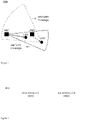
- FIG. 3 schematically illustrates an example of 5G RAT network 300 according to an embodiment of the disclosure.
- 5G RAT network 300 is a wireless network operating in a millimeter-wave band.
- the 5G RAT network 300 comprises two communication links being comprised of two first communication apparatuses for transmitting data in forms of Access Nodes AN1 and AN2 and two second communication apparatuses for receiving data in forms of User Equipments UE1 and UE2, i.e. a first communication link between AN1 and UE1 and a second communication link between AN2 and UE2.
- AN1 transmits data to UE1 via the first communication link and
- AN2 transmits data to UE2 via the second communication link.
- the 5G RAT network 300 may comprise three or more communication links.
- Both of the first communication apparatuses and the second communication apparatuses employ directional transmission realized with e.g. an antenna array, and thus have a sector TX coverage and RX coverage.
- a first communication apparatus is going to transmit data to a second communication apparatus via a communication link between them, then the first communication apparatus should be in the RX coverage of the second communication apparatus and the second communication apparatus should meanwhile be in the TX coverage of the first communication apparatus.
- AN1 has a sector TX coverage and UE1 has a sector RX coverage (not shown). If AN1 is going to transmit data to UE1 via the first communication link, then AN1 must be in the RX coverage of UE1 and UE1 must be in the TX coverage of AN1. This equally applies to AN2 and UE2.
- Examples in this disclosure are discussing communication links which are assumed to operate in a same channel or carrier (i.e. communication links in the 5G RAT network share the same channel or carrier to communicate data) in the 5G RAT network.
- AN1, AN2, UE1 and UE2 operate in a same channel or carrier, which means the first communication link between AN1 and UE1 shares the same channel or carrier with the second communication link between AN2 and UE2.
- interference may occur when communication links works at the same time.
- UE2 since AN1 is in the RX coverage of UE2 and UE2 is in the TX coverage of AN1, UE2 will be interfered by AN1 transmitting data to UE1 when AN2 is transmitting data to UE2 at the same time.
- Figure 3 only illustrates the second communication link being interfered by the first communication link, it can be contemplated that other interference cases may occur, for example, the first communication link is interfered by the second communication link, the second communication link and the first communication link interfere with each other due to overlapping of RX range and TX range of different links.
- the first communication apparatuses for transmitting data are shown as Access Nodes AN1 and AN2.
- the first communication apparatuses for transmitting data may be User Equipments or other communication apparatuses which can transmit data with directional transmission.
- the second communication apparatuses for receiving data are shown as User Equipments UE1 and UE2 in Figure 3
- the second communication apparatuses for receiving data may be Access Nodes or other communication apparatuses which can receive data with directional transmission.
- Figure 4 schematically illustrates a block diagram of a first communication apparatus 400 for transmitting data according to an embodiment of the disclosure.
- the first communication apparatus 400 is adapted to transmit data to a second communication apparatus in a communication channel shared with another communication link including a third communication apparatus.
- the first communication apparatus 400 employs directional transmission (i.e. high gain beamforming) realized with e.g. an antenna array.
- the first communication apparatus 400 may be for example a base station, mobile phone, handheld computer, and so on.
- the first communication apparatus 400 comprises a determining unit 401 adapted to determine there is data to be transmitted to the second communication apparatus and a transmitting unit 402 adapted to transmit the data to the second communication apparatus before listening to the channel.
- the determining unit 401 can be adapted to determine there is data to be transmitted to the second communication apparatus based on various cases. In an embodiment, when the first communication apparatus 400 itself is going to transmit data to the second communication apparatus, then the determining unit 401 may know this need and thus determine there is data to be transmit to the second communication apparatus. In another embodiment, the first communication apparatus 400 as an intermediate may need to forward data or instructions received from another communication apparatus to the second communication apparatus. Therefore, when data or instructions arrive at the first communication apparatus 400, the determining unit 401 may determine there is data to be transmitted to the second communication apparatus.
- the determining unit 401 is further adapted to notify the transmitting unit 402 of its determination result, for example by sending an indication, etc.
- the determining unit 401 can send an indication to notify the transmitting unit 402 that there is data need to be transmitted. Further, size of the data to be transmitted may also be notified. According to the disclosure, other notifying ways can be contemplated.
- the transmitting unit 402 may be adapted to transmit the data to the second communication apparatus before listening.
- the transmitting unit 402 can directly transmit data to other communication apparatuses without listening to a shared channel for determining whether the shared channel is idle, if it needs to transmit data.
- this can save system resources and improve efficiency as a whole since interference rarely occurs and listening is not necessary before transmitting data.
- performing a data transmission is defined as performing at least one data transmission unit.
- a number of data transmission units involved in a data transmission can be directly specified by a communication apparatus itself or negotiated between communication apparatuses.
- a first communication apparatus can specify on its own that or negotiate with another communication apparatus that a data transmission comprises three data transmission units. Then, performing a data transmission comprises performing three data transmission units.
- a number of data transmission units involved in a data transmission may be fixed or varied.
- the three data transmissions can respectively comprise for example, 3, 3 and 3 data transmission units (if fixed) or 1, 2 and 3 data transmission units (if varied).
- a number of data transmission units involved in a data transmission can be indirectly specified by e.g. setting a timer. For example, when performing a data transmission is started, the transmitting unit 402 triggers a timer and begins to perform a first data transmission unit. After the first data transmission unit is performed, the transmitting unit 402 can check whether the timer expires. If it is determined that the timer expires, the transmitting unit 402 can stop performing the data transmission; otherwise, the transmitting unit 402 performs a next data transmission unit and then check the timer again. Next, the transmitting unit 402 repeats the above operations until the timer expires. In this case, the number of data transmission units involved in a data transmission depends on the timer.
- performing each data transmission unit by a first communication apparatus comprises: a first communication apparatus (e.g. the transmitting unit 402 of the first communication apparatus) transmits a data unit to a second communication apparatus and receives a feedback from the second communication apparatus.
- a first communication apparatus e.g. the transmitting unit 402 of the first communication apparatus
- performing each data transmission unit comprises two operations, i.e. transmitting and receiving, which means, only when a data transmission unit ends up, another data transmission unit can be started.
- a data unit may comprise a data header which may among other things include control information indicating e.g. an identifier of a first communication apparatus for transmitting data, an identifier of a second communication apparatus for receiving data, time information about transmission, and so on.
- a data header may comprise e.g. a number of data transmission units included in a data transmission, so that other communication apparatuses may know when a first communication apparatus transmitting this data header will enter an idle state, in order to try to transmit data by themselves when the first communication apparatus is in the idle state.
- a data header may further comprise time length of an idle state, so that other communication apparatuses may know when a first communication apparatus transmitting this data header will end the idle state to perform another data transmission. It is to be realized that the data header can comprise any information depending on the circumstances.
- a data unit can further comprise data payload.
- the transmitting unit 402 may include data payload in the data unit need to be transmitted to a second communication apparatus. It is to be realized that the data payload can be any types of data.
- a feedback received from a second communication apparatus may among other things comprise information or indication indicating e.g. success of transmission, or failure of transmission. It is to be realized that the feedback can comprise any information depending on the circumstances.
- the transmitting unit 402 is thus adapted to repeatedly perform the following steps until data need to be transmitted is completely transmitted to the second communication apparatus: performing a data transmission; and entering an idle state. This typically happens when different communication links do not interfere with each other.
- Figure 6 schematically illustrates a timing chart of two communication links according to an embodiment of the disclosure in which the two communication links do not interfere with each other.
- AN1 and AN2 represent different first communication apparatuses for transmitting data
- UE1 and UE2 represent different second communication apparatuses for receiving data
- AN1-UE1 represents a first communication link in which AN1 transmits data to UE1
- AN2-UE2 represents a second communication link in which AN2 transmits data to UE2
- H+D represents a data unit comprising a data header and a data payload
- A represents a feedback from a second communication apparatus
- IDLE represents an idle state
- a block without pattern represents information in the block being transmitted by a first communication apparatus for transmitting data
- a block with shade represents information in the block transmitted from a second communication apparatus for receiving data.
- Figure 6 since the two communication links (i.e. AN1-UE1 and AN2-UE2) do not interfere with each other, AN1 is repeated between performing a data transmission and entering an idle state, and AN2 is also repeated between performing a data transmission and entering an idle state, until data need to be transmitted is completed transmitted.
- Figure 6 only illustrates two data transmission units being performed in each data transmission, as described above, more or less data transmission units can be performed in each data transmission depending on different circumstances.
- a mechanism for avoiding interference is also needed in 5G RAT networks.
- a first communication apparatus for transmitting data when it has data to transmit, it first transmits data without listening. Only when it is determined later the existence of interference, the first communication apparatus stops transmitting and then listens to a shared channel for a transmitting indication in order to continue transmitting of data.
- the transmitting unit 402 is thus adapted to perform a data transmission; and if interference is determined during the data transmission, stop the data transmission and listen to the shared channel for a transmitting indication in order to continue transmitting data to the second communication apparatus. This usually happens when there is interference between communication links.
- the transmitting unit 402 can be further adapted to, if during the listening, a transmitting indication from the second communication apparatus indicating transmitting of data will be performed is received, then perform another data transmission; and if no interference is determined during the other data transmission, enter an idle state.
- the transmitting indication indicating transmitting of data will be performed is received from the second communication apparatus
- the first communication apparatus knows that the second communication apparatus notifies or instructs it to perform a data transmission in a closely following time slot indicated in the transmitting indication, and thus perform the data transmission in the closely following time slot. If, during the data transmission, there is no interference, the first communication apparatus enters an idle state after the data transmission is completed.
- the transmitting unit 402 can be further adapted to, if during the listening, a transmitting indication from the second communication apparatus indicating transmitting of data from the first communication apparatus to the second communication apparatus will be delayed is received, then delay transmitting of data from the first communication apparatus to the second communication apparatus according to a time slot indicated in the transmitting indication, send another transmitting indication indicating transmitting of data will be performed, perform another data transmission, and if no interference is determined during the other data transmission, enter an idle state.
- a first communication apparatus for transmitting data to a second communication apparatus can listen to a shared channel when it is in an idle state.
- the first communication apparatus when it is e.g. in an idle state, it (i.e. the transmitting unit 402 of the first communication apparatus) likely receives indications or instructions, such as a transmitting indication from the second communication apparatus indicating transmitting of data from the first communication apparatus to the second communication apparatus will be delayed, which is typically sent by the second communication apparatus to notify or instruct the first communication apparatus not to perform a data transmission in a closely following time slot, after the second communication apparatus knows the shared channel will be occupied by another communication link in the closely following time slot, e.g.
- the first communication apparatus will know the closely following time slot indicated in the transmitting indication will be used by the other communication link, and thus delay (i.e. not to perform) its data transmission according to a time slot (i.e. the closely following time slot) indicated in the transmitting indication during which the first communication apparatus would perform a data transmission if such a transmitting indication were not received or there were no interference.
- the first communication apparatus terminates the delaying operation and sends another transmitting indication indicating transmitting of data will be performed, to notify the second communication apparatus or other communication apparatuses that it will occupy the shared channel in a closely following time slot, so that other communication links will know not to occupy the shared channel in the closely following time slot, and thus interference is avoided.
- the first communication apparatus will perform a data transmission in this closely following time slot indicated in the other transmitting indication. After the data transmission is performed by the first communication apparatus, the first communication apparatus will enter an idle state so that the other communication links can try to occupy the shared channel again. According to the above, the communication link between the first communication apparatus and the second communication apparatus and the other communication link will alternately occupy the shared channel until their data is completely transmitted.
- the transmitting unit is further adapted to: perform a data transmission; enter an idle state; and if during the idle state, a transmitting indication from the third communication apparatus indicating transmitting of data will be performed or a transmitting indication from the second communication apparatus indicating transmitting of data from the first communication apparatus to the second communication apparatus will be delayed is received , then as described above, delay transmitting data to the second communication apparatus according to a time slot indicated in the transmitting indication, send another transmitting indication indicating transmitting of data will be performed, perform another data transmission, and if no interference is determined during the other data transmission, then enter an idle state.
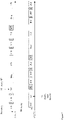
- Figures 7 and 8 give examples of operations of a first communication apparatus for transmitting data (i.e. a transmitting unit 402 included in the first communication apparatus) if there is interference.
- Figures 7 and 8 schematically illustrate timing charts of two communication links according to embodiments of the disclosure respectively.
- Figure 7 illustrates a situation in which one (e.g. AN2-UE2 in Figure 7 ) of the two communication links is interfered by the other
- Figure 8 illustrates a situation in which both of the two communication links are interfered by each other.
- Figures 7 and 8 comprise a transmitting indication NTS (Notify-To-Send) representing that transmitting of data will be performed, a transmitting indication NNTS (Notify-Not-To-Send) representing that transmitting of data from a transmitter to a receiver will be delayed, HD representing a time slot for receiving a data header from a first communication apparatus in the other communication link , and Delay representing a time slot for waiting for another data transmission.
- NTS Notify-To-Send
- NNTS Notify-Not-To-Send
- HD a time slot for receiving a data header from a first communication apparatus in the other communication link
- Delay representing a time slot for waiting for another data transmission.
- AN2 when AN2 determines that data is going to be transmitted, AN2 directly performs a data transmission, including transmitting a data unit and waiting for a feedback from UE2. Since the communication link AN2-UE2 is interfered, AN2 can not receive a feedback from UE2 or it receives a feedback indicating failure of transmission of a data unit. In this case, AN2 determines that data transmission between AN2 and UE2 is interfered. Therefore, AN2 stops performing the data transmission and begins listening to the shared channel in which the present transmission is performed. When a first communication link AN1-UE1 enters an idle state, AN2 will receive from UE2 a NTS indicating AN2 to transmit data.
- AN2 will perform another data transmission within a time slot indicated in e.g. the NTS.
- AN2 if no interference is determined, AN2 then enters an idle state after the other data transmission is completed.
- the first communication link AN1-UE1 is in a Delay state (i.e. in a waiting state) when AN2 performs the other data transmission according to the disclosure , it is necessarily determined that there is no interference at that time. Therefore, after the other data transmission is performed, AN2 enters an idle state.
- performing a data transmission by AN2 comprises performing two data transmission units each comprising a data unit (i.e. H+D) and a feedback (i.e. A).
- a data unit i.e. H+D
- a feedback i.e. A
- UE2 When AN2 is in an idle state (which also means AN2 can listen to the shared channel) after performing the data transmission, UE2 may first receive a NTS indicating AN1 will transmit data in the shared channel in a closely following time slot. Then, UE2 will send a NNTS indicating delaying transmitting of data from AN2 to UE2, to notify or instruct AN2 to delay its data transmission. In an embodiment, the NNTS may further indicate when another communication link will be in idle state (i.e. indicate when AN1-UE1 will be in an idle state, in Figure 7 ) in order to enable the communication link AN2-UE2 to perform a data transmission again.
- AN2 delays transmitting of data till AN1 enters an idle state, then sends a transmitting indication NTS indicating it will transmit data.
- NTS transmitting indication
- UE2 receives the transmitting indication NTS
- AN1 receives the transmitting indication NTS
- it'll delay its data transmission to UE1.
- AN1 is in a Delay state
- AN2 performs a data transmission. If no interference is determined during the data transmission, AN2 enters an idle state after the data transmission is completed. Next, AN2 repeatedly performs the above steps until data is completely transmitted.
- AN1 is repeated between performing a data transmission and entering an idle state. Then, when AN1 is in an idle state, AN1 receives from UE2 a transmitting indication NTS indicating AN2 will transmit data, and accordingly AN1 delay transmitting of data to UE1 according to a time slot indicated in the NTS, and when AN2 is in an idle state, AN1 then send a transmitting indication NTS indicating AN1 will transmit data so that AN2 will delay its data transmission to UE2.
- AN1 After AN1 transmits the NTS, AN1 performs a data transmission, and if no interference is determined during the data transmission, AN1enters an idle state after the data transmission is completed.
- UE1 When AN1 is in an idle state, UE1 may first receive a NTS from AN2 indicating AN2 will transmit data in the shared channel in a closely following time slot. Then, UE1 will send a NNTS indicating delaying transmitting of data from AN1 to UE1. After receiving the NNTS, AN1 will delay transmitting of data to UE1 according to a time slot indicated in the transmitting indication NNTS until AN2 enters idle state. Similarly, when AN2 is in idle state, AN1 sends a transmitting indication indicating that AN1 will occupy the shared channel by transmitting data to UE1, so that the communication link AN2-UE2 will not occupy the shared channel at the same time. Next, AN1 performs another data transmission, and if no interference is determined during the other data transmission, AN1 enters an idle state. Accordingly, AN1 repeatedly performs the above steps until data is completely transmitted.
- FIG. 5 a block diagram of a second communication apparatus 500 for receiving data according to an embodiment of the disclosure is illustrated.
- the second communication apparatus 500 comprises a receiving unit 501 adapted to receive data from a first communication apparatus for transmitting data; a determining unit 502 adapted to determine whether the data transmission between the first communication apparatus and the second communication apparatus is interfered; and a listening unit 503 adapted to, if interference is determined, listen to a shared channel to avoid interference in receiving the data from the first communication apparatus.
- the receiving unit 501 can be further adapted to forward data received from the first communication apparatus to the determining unit 502 in various ways. Then the determining unit 502 can be further adapted to determine whether the data transmission between the first communication apparatus and the second communication apparatus is interfered. In an embodiment, this can be done by the second communication apparatus (i.e. the determining unit 502) determining whether received data can be decoded correctly. If the received data has been decoded correctly, then it is determined that the data transmission between the first communication apparatus and the second communication apparatus is not interfered. Otherwise, the data transmission between the first communication apparatus and the second communication apparatus is interfered. Feedback indicating whether interference exists in the present link will be sent to the first communication apparatus.
- the first communication apparatus can determine the data transmission between the first communication apparatus and the second communication apparatus is not interfered, otherwise, the first communication apparatus can determine the data transmission between the first communication apparatus and the second communication apparatus is interfered. According to the disclosure, other determining method can be contemplated.
- the determining unit 502 can be further adapted to send a determining result to the listening unit 503 which then works depending on the determining result.
- the listening unit 503 can be adapted to, if no interference is determined, send to the first communication apparatus a feedback indicating success of transmission and continue receiving data from the first communication apparatus.
- the listening unit 503 can be adapted to, if interference is determined, listen to a shared channel to avoid interference in receiving the data from the first communication apparatus.
- the listening unit 503 can be adapted to avoid interference in receiving the data from the first communication apparatus in various ways.
- the listening unit 503 can be adapted to, during listening, if a data unit is received from a third communication apparatus within a period of time, send a transmitting indication indicating transmitting of data will be performed according to a time slot indicating in the data unit (i.e. at a time when the third communication apparatus is in an idle state), so that the first communication apparatus performs a data transmission while the third communication apparatus delays its data transmission.
- the listening unit 503 can be adapted to: if no signal is received within a period of time, send a transmitting indication indicating transmitting of data will be performed (after the period of time elapses), in order to make the first communication apparatus performing a data transmission and the third communication apparatus delaying its data transmission.
- Figures 7 and 8 schematically illustrate the two examples of the listening unit 503 respectively.
- UE2 begins to listen to the shared channel, and within a period of time, UE2 receives a data unit from AN1.
- UE2 When AN1 enters an idle state indicated in the data unit, UE2 will send a NTS indicating AN2 will perform a data transmission, to make AN2 perform a data transmission and AN1 delaying transmitting of data.
- UE1 begins to listen to the shared channel. Within a period of time, UE1 can not receive a data unit from AN1 since the communication link AN2-UE2 is also be interfered and not transmitting data at that time. In this case, after the period of time elapses, UE1 can send a NTS indicating AN1 will transmit data, in order to make AN1 performing a data transmission later. In this case, UE2 which is also interfered can receive a data unit from AN1 to avoid interference in receiving data from AN2 as described in Figure 7 .
- both of the two links AN1-UE1 and AN2-UE2 are determined to be interfered after AN1 and AN2 simultaneously transmit a data unit without listening to a shared channel between them, which is different from Figure 7 in which only AN2-UE2 is interfered at the beginning.
- each of UE1 (or AN1) and UE2 (AN2) will randomly generate a timer indicating a period of time during which it will listen to the shared channel.
- the generated period of time of UE1 is less than that of UE2 in length, and thus the generated timer of UE1 will expire before that of UE2.
- UE1 will first send a NTS indicating transmitting of data will be performed, so that AN1 first try to perform a data transmission, thus making both of AN1 and AN2 be able to transmit data later according to the above methods of the disclosure.
- the listening unit 503 can be further adapted to: if a transmitting indication indicating transmitting of data will be performed is received from a third communication apparatus when a first communication apparatus is in an idle state, send a transmitting indication indicating transmitting of data from the first communication apparatus to the second communication apparatus will be delayed, so that the third communication apparatus will perform a data transmission and the first communication apparatus will delay performing a data transmission.
- a transmitting indication i.e. a NNTS
- the listening unit 503 can be optionally adapted to, if interference is determined, then send to the first communication apparatus a feedback indicating failure of transmission and listen to a shared channel.
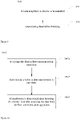
- FIG. 9 a method 900 performed by a first communication apparatus for transmitting data to a second communication apparatus according to an embodiment of the disclosure is illustrated wherein the first communication apparatus and the second communication apparatus employ directional transmission, and a communication link between the first communication apparatus and the second communication apparatus shares a communication channel with another communication link comprising a third communication apparatus.
- the method 900 may include two steps, i.e. step 901 and step 903.
- step 901 the first communication apparatus determines that there is data to be transmitted to the second communication apparatus.
- step 903 the first communication apparatus transmits the data to the second communication apparatus before listening to the channel.
- the transmitting the data to the second communication apparatus by the first communication apparatus before listening to the channel comprises repeatedly performing the following steps until the data is completely transmitted to the second communication apparatus: performing a data transmission; and entering an idle state.
- the transmitting the data to the second communication apparatus by the first communication apparatus before listening to the channel comprises: performing a data transmission; and if interference is determined during the data transmission, stopping the data transmission, and listening to the channel for a transmitting indication in order to continue transmitting of data from the first communication apparatus to the second communication apparatus.
- the method 900 can further comprise: if during the listening, a transmitting indication from the second communication apparatus indicating transmitting of data will be performed is received, performing another data transmission; and if no interference is determined during the other data transmission, entering an idle state.
- the method 900 can further comprise: if during the listening, a transmitting indication from the second communication apparatus indicating transmitting of data from the first communication apparatus to the second communication apparatus will be delayed is received, delaying transmitting of data from the first communication apparatus to the second communication apparatus according to a time slot indicated in the transmitting indication, sending another transmitting indication indicating transmitting of data will be performed, performing another data transmission, and if no interference is determined during the other data transmission, entering an idle state.
- transmitting the data to the second communication apparatus by the first communication apparatus before listening to the channel comprises: performing a data transmission; entering an idle state; and if during the idle state, a transmitting indication from the third communication apparatus indicating transmitting of data will be performed or a transmitting indication from the second communication apparatus indicating transmitting of data from the first communication apparatus to the second communication apparatus will be delayed is received , delaying transmitting of data to the second communication apparatus according to a time slot indicated in the transmitting indication. After sending another transmitting indication indicating transmitting of data will be performed, performing another data transmission, and if no interference is determined during the other data transmission, then entering an idle state.
- the performing a data transmission comprises performing at least one data transmission unit within a specified time slot.
- performing each of the at least one data transmission unit comprises: transmitting a data unit including at least a data header to the second communication apparatus; and receiving a feedback from the second communication apparatus.
- Figure 10 schematically illustrates a method 1000 performed by a second communication apparatus for receiving data from a first communication apparatus according to an embodiment of the disclosure, wherein the first communication apparatus and the second communication apparatus employ directional transmission, and a communication link between the first communication apparatus and the second communication apparatus shares a communication channel with another communication link comprising a third communication apparatus.
- the method 1000 includes three steps, i.e. step 1001, step 1003, and step 1005.
- step 1001 the second communication apparatus receives the data from the first communication apparatus.
- step 1003 the second communication apparatus determines whether the data transmission between the first communication apparatus and the second communication apparatus is interfered.
- step 1005 the second communication apparatus listens to the channel to avoid interference in receiving the data from the first communication apparatus if interference is determined.
- listening to the channel to avoid interference in receiving the data from the first communication apparatus comprises: if a data unit is received from a third communication apparatus within a period of time, sending a transmitting indication indicating transmitting of data will be performed according to a time slot indicating in the data unit.
- listening to the channel to avoid interference in receiving the data from the first communication apparatus may comprise: if no signal is received within a period of time, sending a transmitting indication indicating transmitting of data will be performed.
- the method 1000 further comprises: if a transmitting indication indicating transmitting of data will be performed is received from the third communication apparatus when the first communication apparatus is in an idle state, sending a transmitting indication indicating transmitting of data from the first communication apparatus to the second communication apparatus will be delayed.
- the method 1000 further comprises: if no interference is determined, sending to the first communication apparatus a feedback indicating success of transmission, otherwise sending to the first communication apparatus a feedback indicating failure of transmission.
- a first communication apparatus for transmitting data may comprise a processor and a memory.
- a smart phone is one example of the first communication apparatus, although the first communication apparatus could be a base station, or another appropriate type of devices.
- the processor is typically a microprocessor, such as that found in a personal desktop or laptop computer, a server, a handheld computer, or another kind of computing devices.
- the memory is a component that is capable of storing data for either the short or long term. Examples of the memory include hard disks, removable disks (including optical and magnetic disks), volatile and non-volatile random-access memory (RAM), read-only memory (ROM), flash memory, magnetic tape, etc.
- the memory is an example of computer-readable (or device-readable) storage media.
- the memory may comprise instructions which when executed by the processor causes the first communication apparatus to perform the steps as described above.
- a second communication apparatus for receiving data comprise a processor and a memory.
- the processor and the memory are the same as that of the first communication apparatus for transmitting data. Additionally, the memory comprises instructions which when executed by the processor causes the second communication apparatus to perform the steps as described above.
- the subject matter can be implemented in a computer readable storage medium having stored thereon a computer program.
- the computer program comprises computer program code means adapted to perform all the steps of anyone of the above-mentioned methods when the computer program is run on a computer.
- the disclosure can be implemented in any suitable form including hardware, software, firmware or any combination of these.
- the disclosure may optionally be implemented at least partly as computer software running on one or more data processors and/or digital signal processors.
- the elements and components of an embodiment of the disclosure may be physically, functionally and logically implemented in any suitable way. Indeed the functionality may be implemented in a single unit, in a plurality of units or as part of other functional units. As such, the disclosure may be implemented in a single unit or may be physically and functionally distributed between different units, circuits and processors.
Landscapes
- Engineering & Computer Science (AREA)
- Computer Networks & Wireless Communication (AREA)
- Signal Processing (AREA)
- Quality & Reliability (AREA)
- Mobile Radio Communication Systems (AREA)
Claims (14)
- Verfahren, durchgeführt durch eine erste drahtlose Kommunikationsvorrichtung (400) zum Senden von Daten an eine zweite drahtlose Kommunikationsvorrichtung (500) in einem Kommunikationskanal, der mit einer Kommunikationsverbindung geteilt wird, einschließlich einer dritten drahtlosen Kommunikationsvorrichtung, wobei jede der ersten drahtlosen Kommunikationsvorrichtung, der zweiten drahtlosen Kommunikationsvorrichtung und der dritten drahtlosen Kommunikationsvorrichtung Listen-after-Talk (LAT) in 5G-Funkzugangstechnik (radio access technology, RAT) implementiert, wobei das Verfahren Folgendes umfasst:Bestimmen, dass es Daten gibt, die an die zweite drahtlose Kommunikationsvorrichtung gesendet werden sollen; undSenden der Daten an die zweite drahtlose Kommunikationsvorrichtung, bevor dem Kanal zugehört wird, wobei Kommunikation mit der zweiten drahtlosen Kommunikationsvorrichtung unter Verwendung von gerichtetem Senden durchgeführt wird und wobei das Senden der Daten an die zweite drahtlose Kommunikationsvorrichtung, bevor dem Kanal zugehört wird, Folgendes umfasst:Durchführen einer Datenübertragung und Übergehen in einen Ruhezustand,wenn Interferenz während der Datenübertragung bestimmt wird:Anhalten der Datenübertragung unddem Kanal zuhören für eine Übertragungsangabe, um das Senden von Daten von der ersten drahtlosen Kommunikationsvorrichtung zu der zweiten drahtlosen Kommunikationsvorrichtung fortzuführen,wenn während des Zuhörens die erste drahtlose Kommunikationsvorrichtung eine Übertragungsangabe von der zweiten Kommunikationsvorrichtung empfängt, die das Senden von Daten von der ersten Kommunikationsvorrichtung an die zweite Kommunikationsvorrichtung gemäß einem Zeitfenster angibt, das durch eine Dateneinheit angegeben wird, umfassend einen Datenkopf, dann wird das Senden von Daten gemäß dem Zeitfenster durchgeführt, und wobei das Zeitfenster eine Ruhezustandszeit der dritten drahtlosen Kommunikationsvorrichtung angibt.
- Verfahren nach Anspruch 1, wobei das Senden der Daten an die zweite drahtlose Kommunikationsvorrichtung, bevor dem Kanal zugehört wird, das wiederholte Durchführen der folgenden Schritte umfasst, bis die Daten vollständig an die drahtlose Kommunikationsvorrichtung übertragen werden:Durchführen einer Datenübertragung; undÜbergehen in einen Ruhezustand.
- Verfahren nach Anspruch 1, ferner umfassend:wenn während des Zuhörens eine Übertragungsangabe von der zweiten Kommunikationsvorrichtung, die angibt, dass das Senden von Daten durchgeführt werden wird, empfangen wird, dann Durchführen einer weiteren Datenübertragung; undwenn keine Interferenz während der anderen Datenübertragung bestimmt wird, Übergehen in einen Ruhezustand.
- Verfahren nach Anspruch 1, ferner umfassend:wenn während des Zuhörens eine Übertragungsangabe von der zweiten Kommunikationsvorrichtung, die angibt, dass das Senden von Daten von der ersten Kommunikationsvorrichtung zu der zweiten Kommunikationsvorrichtung verzögert werden wird, empfangen wird, dannVerzögern des Sendens von Daten von der ersten Kommunikationsvorrichtung an die zweite Kommunikationsvorrichtung gemäß einem Zeitfenster, das in der Übertragungsangabe angegeben ist,Senden einer weiteren Übertragungsangabe, die angibt, dass das Senden von Daten durchgeführt werden wird,Durchführen einer weiteren Datenübertragung undwenn keine Interferenz während der anderen Datenübertragung bestimmt wird, Übergehen in einen Ruhezustand.
- Verfahren nach Anspruch 1, wobei das Senden der Daten an die zweite Kommunikationsvorrichtung, bevor man dem Kanal zuhört, Folgendes umfasst:Durchführen einer Datenübertragung;Übergehen in einen Ruhezustand; undwenn während des Ruhezustands eine Übertragungsangabe von der dritten Kommunikationsvorrichtung, die angibt, dass das Senden von Daten durchgeführt wird, oder eine Übertragungsangabe von der zweiten Kommunikationsvorrichtung, die angibt, dass das Senden von Daten von der ersten Kommunikationsvorrichtung an die zweite Kommunikationsvorrichtung verzögert werden wird, empfangen wird, dannVerzögern des Sendens von Daten von der ersten Kommunikationsvorrichtung an die zweite Kommunikationsvorrichtung gemäß einem Zeitfenster, das in der Übertragungsangabe angegeben ist,Senden einer weiteren Übertragungsangabe, die angibt, dass das Senden von Daten durchgeführt werden wird,Durchführen einer weiteren Datenübertragung undwenn keine Interferenz während der anderen Datenübertragung bestimmt wird, dann Übergehen in einen Ruhezustand.
- Verfahren nach einem der Ansprüche 2-5, wobei das Durchführen einer Datenübertragung das Durchführen von mindestens einer Datenübertragungseinheit in einem bestimmten Zeitfenster umfasst, und wobei das Durchführen von jeder der mindestens einen Datenübertragungseinheit Folgendes umfasst:Senden einer Dateneinheit einschließlich mindestens eines Datenkopfs an die zweite drahtlose Kommunikationsvorrichtung; undEmpfangen einer Rückkopplung von der zweiten drahtlosen Kommunikationsvorrichtung.
- Verfahren, durchgeführt durch eine zweite drahtlose Kommunikationsvorrichtung (500) zum Empfangen von Daten von einer ersten drahtlosen Kommunikationsvorrichtung (400) in einem Kanal, der mit einer Kommunikationsverbindung geteilt wird, einschließlich einer dritten drahtlosen Kommunikationsvorrichtung, wobei jede der ersten drahtlosen Kommunikationsvorrichtung, der zweiten drahtlosen Kommunikationsvorrichtung und der dritten drahtlosen Kommunikationsvorrichtung Listen-after-Talk (LAT) in 5G-Funkzugangstechnik (radio access technology, RAT) implementiert, wobei das Verfahren Folgendes umfasst:Empfangen der Daten von der ersten drahtlosen Kommunikationsvorrichtung, wobei Kommunikation zwischen der zweiten drahtlosen Kommunikationsvorrichtung und der ersten drahtlosen Kommunikationsvorrichtung unter Verwendung von gerichtetem Senden durchgeführt wird;Bestimmen, ob die Datenübertragung zwischen der ersten drahtlosen Kommunikationsvorrichtung und der zweiten drahtlosen Kommunikationsvorrichtung gestört ist; undwenn Interferenz bestimmt wird, dann dem Kanal zuhören, um Interferenz beim Empfangen der Daten von der ersten drahtlosen Kommunikationsvorrichtung zu vermeiden,wobei, wenn während des Zuhörens eine Dateneinheit, umfassend einen Datenkopf, von der dritten drahtlosen Kommunikationsvorrichtung in einem Zeitraum empfangen wird, dann Senden einer Übertragungsangabe an die erste drahtlose Kommunikationsvorrichtung, die angibt, dass das Senden von Daten gemäß einem Zeitfenster durchgeführt werden soll, das in der Dateneinheit angegeben wird,wenn in dem Zeitraum kein Signal empfangen wird, dann Senden einer Übertragungsanhabe an die erste drahtlose Kommunikationsvorrichtung, die angibt, dass das Senden von Daten durchgeführt werden wird,wobei Kommunikation zwischen der zweiten drahtlosen Kommunikationsvorrichtung und der dritten drahtlosen Kommunikationsvorrichtung unter Verwendung des gerichteten Sendens durchgeführt wird.
- Verfahren nach Anspruch 7, wobei das dem Kanal Zuhören, um Interferenz beim Empfangen der Daten von der ersten drahtlosen Kommunikationsvorrichtung zu vermeiden, Folgendes umfasst: wenn kein Signal in einem Zeitraum empfangen wird, dann Senden einer Übertragungsangabe, die angibt, dass das Senden von Daten durchgeführt werden wird.
- Verfahren nach einem der Ansprüche 7 bis 8, ferner umfassend: wenn eine Übertragungsangabe, die angibt, dass das Senden von Daten durchgeführt werden wird, von der dritten drahtlosen Kommunikationsvorrichtung empfangen wird, wenn sich die erste drahtlose Kommunikationsvorrichtung in einem Ruhezustand befindet, dann Senden einer Übertragungsangabe, die angibt, dass das Senden von Daten von der ersten drahtlosen Kommunikationsvorrichtung zu der zweiten drahtlosen Kommunikationsvorrichtung verzögert werden wird.
- Verfahren nach Anspruch 7, ferner umfassend: wenn keine Interferenz bestimmt wird, dann Senden an die erste drahtlose Kommunikationsvorrichtung einer Rückkopplung, die eine erfolgreiche Übertragung angibt, oder ansonsten Senden an die erste drahtlose Kommunikationsvorrichtung einer Rückkopplung, die eine fehlgeschlagene Übertragung angibt.
- Erste drahtlose Kommunikationsvorrichtung (400) zum Senden von Daten an eine zweite drahtlose Kommunikationsvorrichtung (500) in einem Kommunikationskanal, der mit einer Kommunikationsverbindung geteilt wird, einschließlich einer dritten drahtlosen Kommunikationsvorrichtung, wobei jede der ersten drahtlosen Kommunikationsvorrichtung, der zweiten drahtlosen Kommunikationsvorrichtung und der dritten drahtlosen Kommunikationsvorrichtung Listen-after-Talk (LAT) in 5G-Funkzugangstechnik (radio access technology, RAT) implementiert, wobei die erste drahtlose Kommunikationsvorrichtung (400) Folgendes umfasst:eine Bestimmungseinheit, die angepasst ist, um zu bestimmen, dass es Daten gibt, die an die zweite drahtlose Kommunikationsvorrichtung gesendet werden sollen; undeine Sendeeinheit, die angepasst ist, um die Daten an die zweite drahtlose Kommunikationsvorrichtung zu senden, bevor dem Kanal zugehört wird, wobei Kommunikation mit der zweiten drahtlosen Kommunikationsvorrichtung unter Verwendung von gerichtetem Senden durchgeführt wird und wobei die Sendeeinheit für Folgendes angepasst ist:Durchführen einer Datenübertragung und Übergehen in einen Ruhezustand,wenn Interferenz während der Datenübertragung bestimmt wirdAnhalten der Datenübertragung unddem Kanal zuhören für eine Übertragungsangabe, um das Senden von Daten von der ersten drahtlosen Kommunikationsvorrichtung zu der zweiten drahtlosen Kommunikationsvorrichtung fortzuführen,
wenn während des Zuhörens die erste drahtlose Kommunikationsvorrichtung eine Übertragungsangabe von der zweiten Kommunikationsvorrichtung empfängt, die das Senden von Daten von der ersten Kommunikationsvorrichtung an die zweite Kommunikationsvorrichtung gemäß einem Zeitfenster angibt, das durch eine Dateneinheit angegeben wird, umfassend einen Datenkopf, dann wird das Senden von Daten gemäß dem Zeitfenster durchgeführt, und wobei das Zeitfenster eine Ruhezustandszeit der dritten drahtlosen Kommunikationsvorrichtung angibt. - Zweite drahtlose Kommunikationsvorrichtung (500) zum Empfangen von Daten von einer ersten drahtlosen Kommunikationsvorrichtung (400) in einem Kanal, der mit einer Kommunikationsverbindung geteilt wird, einschließlich einer dritten drahtlosen Kommunikationsvorrichtung, wobei jede der ersten drahtlosen Kommunikationsvorrichtung, der zweiten drahtlosen Kommunikationsvorrichtung und der dritten drahtlosen Kommunikationsvorrichtung Listen-after-Talk (LAT) in 5G-Funkzugangstechnik (radio access technology, RAT) implementiert, wobei die zweite drahtlose Kommunikationsvorrichtung Folgendes umfasst:eine Empfangseinheit, die angepasst ist, um die Daten von der ersten drahtlosen Kommunikationsvorrichtung zu empfangen, wobei Kommunikation zwischen der zweiten drahtlosen Kommunikationsvorrichtung und der ersten drahtlosen Kommunikationsvorrichtung unter Verwendung von gerichtetem Senden durchgeführt wird;eine Bestimmungseinheit, die angepasst ist, um zu bestimmen, ob die Datenübertragung zwischen der ersten drahtlosen Kommunikationsvorrichtung und der zweiten drahtlosen Kommunikationsvorrichtung gestört ist; undeine Höreinheit, die für Folgendes angepasst ist:wenn Interferenz bestimmt wird, dem Kanal zuhören, um Interferenz beim Empfangen der Daten von der ersten drahtlosen Kommunikationsvorrichtung zu vermeiden, wobei die Höreinheit für Folgendes angepasst ist:
wenn während des Zuhörens eine Dateneinheit, umfassend einen Datenkopf, von der dritten drahtlosen Kommunikationsvorrichtung in einem Zeitraum empfangen wird, dann Senden einer Übertragungsangabe an die erste drahtlose Kommunikationsvorrichtung, die angibt, dass das Senden von Daten gemäß einem Zeitfenster durchgeführt werden wird, das in der Dateneinheit angegeben wird,wenn in dem Zeitraum kein Signal empfangen wird, dann Senden einer Übertragungsanhabe an die erste drahtlose Kommunikationsvorrichtung, die angibt, dass das Senden von Daten durchgeführt werden wird,wobei Kommunikation zwischen der zweiten drahtlosen Kommunikationsvorrichtung und der dritten drahtlosen Kommunikationsvorrichtung unter Verwendung des gerichteten Sendens durchgeführt wird. - Computerlesbares Speichermedium mit einem Computerprogramm, das darauf gespeichert ist, umfassend Computerprogrammcodemittel, die angepasst sind, um alle Schritte nach einem der Ansprüche 1-6 durchzuführen, wenn das Computerprogramm auf einem Computer ausgeführt wird.
- Computerlesbares Speichermedium mit einem Computerprogramm, das darauf gespeichert ist, umfassend Computerprogrammcodemittel, die angepasst sind, um alle Schritte nach einem der Ansprüche 7-10 durchzuführen, wenn das Computerprogramm auf einem Computer ausgeführt wird.
Applications Claiming Priority (1)
| Application Number | Priority Date | Filing Date | Title |
|---|---|---|---|
| PCT/CN2015/081040 WO2016197315A1 (en) | 2015-06-09 | 2015-06-09 | Methods and apparatuses for transmitting and receiving data |
Publications (3)
| Publication Number | Publication Date |
|---|---|
| EP3308568A1 EP3308568A1 (de) | 2018-04-18 |
| EP3308568A4 EP3308568A4 (de) | 2018-11-14 |
| EP3308568B1 true EP3308568B1 (de) | 2022-04-13 |
Family
ID=57502948
Family Applications (1)
| Application Number | Title | Priority Date | Filing Date |
|---|---|---|---|
| EP15894585.7A Not-in-force EP3308568B1 (de) | 2015-06-09 | 2015-06-09 | Verfahren und vorrichtungen zum senden und empfangen von daten |
Country Status (4)
| Country | Link |
|---|---|
| US (1) | US10425836B2 (de) |
| EP (1) | EP3308568B1 (de) |
| CN (1) | CN107615801B (de) |
| WO (1) | WO2016197315A1 (de) |
Families Citing this family (18)
| Publication number | Priority date | Publication date | Assignee | Title |
|---|---|---|---|---|
| US10425965B2 (en) * | 2015-08-11 | 2019-09-24 | Telefonaktiebolaget Lm Ericsson (Publ) | Methods for random access in radio nodes and user equipment |
| CN110226357B (zh) | 2016-12-01 | 2023-05-12 | 瑞典爱立信有限公司 | 用于信道接入的方法和相关的网络节点 |
| WO2018152671A1 (en) * | 2017-02-21 | 2018-08-30 | Telefonaktiebolaget Lm Ericsson (Publ) | Reconfiguration of listen-after-talk procedure |
| CN110603835B (zh) * | 2017-05-09 | 2022-10-18 | 瑞典爱立信有限公司 | 用于传送和接收数据的方法和设备 |
| KR20200007939A (ko) * | 2017-05-16 | 2020-01-22 | 텔레호낙티에볼라게트 엘엠 에릭슨(피유비엘) | 리슨 애프터 토크를 사용하여 멀티캐스트/다중사용자 송신을 지원하는 방법들 및 관련 네트워크 노드들 |
| WO2018209706A1 (en) * | 2017-05-19 | 2018-11-22 | Telefonaktiebolaget Lm Ericsson (Publ) | Methods providing control and data frames using different beam widths and/or frequencies and related wireless communication nodes |
| EP3504919B1 (de) * | 2017-09-13 | 2020-03-04 | Telefonaktiebolaget LM Ericsson (PUBL) | Autonome kommunikation mit koordinationssignalisierung für listen-after-talk-schema |
| EP3701763B1 (de) | 2017-10-24 | 2022-08-10 | Telefonaktiebolaget LM Ericsson (publ) | Listen-after-talk-technik |
| US11968725B2 (en) * | 2017-10-30 | 2024-04-23 | Qualcomm Incorporated | Listen after talk procedure |
| US11388728B2 (en) | 2017-12-08 | 2022-07-12 | Qualcomm Incorporated | Channel availability protocol in a shared spectrum |
| US10764024B2 (en) | 2018-01-11 | 2020-09-01 | At&T Intellectual Property I, L.P. | Multi-beam listen before talk |
| EP3753341A4 (de) | 2018-02-16 | 2021-12-08 | Telefonaktiebolaget LM Ericsson (publ) | Verfahren und system zur autonomen übertragung zur auflösung von kanalstörungen in einem drahtlosen netzwerk unter verwendung eines koordinationsindikators |
| US11470628B2 (en) | 2018-02-16 | 2022-10-11 | Telefonaktiebolagget LM Ericsson (Publ) | Method and system for scheduled uplink transmission in a wireless network |
| US11140708B2 (en) * | 2018-07-30 | 2021-10-05 | Samsung Electronics Co., Ltd. | Method and apparatus for frame based equipment operation of NR unlicensed |
| US10887890B2 (en) | 2019-02-15 | 2021-01-05 | At&T Intellectual Property I, L.P. | Fast multi-beam listen before talk |
| CN115299132A (zh) * | 2020-03-19 | 2022-11-04 | 株式会社Ntt都科摩 | 终端 |
| WO2021189366A1 (zh) * | 2020-03-26 | 2021-09-30 | Oppo广东移动通信有限公司 | 物理信道监测方法和终端设备 |
| JP7629022B2 (ja) * | 2020-10-14 | 2025-02-12 | 中興通訊股▲ふん▼有限公司 | 無線通信のための方法、装置およびコンピュータプログラム製品 |
Citations (2)
| Publication number | Priority date | Publication date | Assignee | Title |
|---|---|---|---|---|
| US20080161035A1 (en) * | 2006-12-28 | 2008-07-03 | Kabushiki Kaisha Toshiba | Communication apparatus |
| US20110038432A1 (en) * | 2009-08-11 | 2011-02-17 | Miodrag Potkonjak | Approach for optimizing energy consumption of multiple-input multiple- output system |
Family Cites Families (6)
| Publication number | Priority date | Publication date | Assignee | Title |
|---|---|---|---|---|
| US20020064167A1 (en) * | 2000-11-29 | 2002-05-30 | Khan Farooq Ullah | Hybrid ARQ with parallel packet transmission |
| US9379741B2 (en) * | 2008-02-13 | 2016-06-28 | Broadcom Corporation | Memory depth optimization in communications systems with ensemble PHY layer requirements |
| CN102318425B (zh) * | 2008-04-02 | 2014-08-13 | Lg电子株式会社 | 分配信道时间的方法、确定兼容链路的方法和处理数据的装置 |
| CN102651869A (zh) * | 2011-02-28 | 2012-08-29 | 中兴通讯股份有限公司 | 一种频谱资源分配方法及装置 |
| CN103747450B (zh) | 2014-01-24 | 2016-04-06 | 宇龙计算机通信科技(深圳)有限公司 | 干扰协调及测量方法和装置、基站和终端 |
| CN104333902B (zh) | 2014-11-06 | 2018-05-15 | 东莞宇龙通信科技有限公司 | 数据同步方法、同步系统、具有基站功能的设备和终端 |
-
2015
- 2015-06-09 EP EP15894585.7A patent/EP3308568B1/de not_active Not-in-force
- 2015-06-09 CN CN201580080834.0A patent/CN107615801B/zh not_active Expired - Fee Related
- 2015-06-09 US US15/575,951 patent/US10425836B2/en not_active Expired - Fee Related
- 2015-06-09 WO PCT/CN2015/081040 patent/WO2016197315A1/en not_active Ceased
Patent Citations (2)
| Publication number | Priority date | Publication date | Assignee | Title |
|---|---|---|---|---|
| US20080161035A1 (en) * | 2006-12-28 | 2008-07-03 | Kabushiki Kaisha Toshiba | Communication apparatus |
| US20110038432A1 (en) * | 2009-08-11 | 2011-02-17 | Miodrag Potkonjak | Approach for optimizing energy consumption of multiple-input multiple- output system |
Also Published As
| Publication number | Publication date |
|---|---|
| EP3308568A4 (de) | 2018-11-14 |
| US10425836B2 (en) | 2019-09-24 |
| CN107615801A (zh) | 2018-01-19 |
| CN107615801B (zh) | 2021-12-31 |
| WO2016197315A1 (en) | 2016-12-15 |
| US20180152851A1 (en) | 2018-05-31 |
| EP3308568A1 (de) | 2018-04-18 |
Similar Documents
| Publication | Publication Date | Title |
|---|---|---|
| EP3308568B1 (de) | Verfahren und vorrichtungen zum senden und empfangen von daten | |
| US11930469B2 (en) | Timing advance in full-duplex communication | |
| US10904826B2 (en) | Methods and systems for autonomous device selection of transmission resources | |
| CN105122664B (zh) | 在无线网络中使用具有波束赋型辅助的多频带 | |
| CA2956576C (en) | Device, network, and method for communications with spatial-specific sensing | |
| CN108809370B (zh) | 用于使用无线网络中的多个频带进行通信的系统 | |
| KR101536136B1 (ko) | 무선 시스템에서 시간의 할당을 전송하기 위한 방법들 및 장치들 | |
| CN110048749A (zh) | 多输入多输出训练方法及无线装置 | |
| CN115956353A (zh) | 全双工定时提前增强 | |
| US11863997B2 (en) | Frame based channel access in wireless communication | |
| KR20130038385A (ko) | 광대역 채널에서 충돌 해결 방법 | |
| US12075457B2 (en) | Systems and methods for channel property assumption determination | |
| JP2020505826A (ja) | 動作チャネルインジケータを送信するための方法およびシステム | |
| CN105706515A (zh) | 接收机信道预留 | |
| CN114868420A (zh) | 与组信息相关联的用于测量和报告的方法 | |
| US20160165619A1 (en) | Multi-frequency directional access point communication | |
| CN116097697B (zh) | 信道接入过程 | |
| RU2709827C1 (ru) | Устройства и способы связи с подготовкой лучеформирования | |
| CN110831173B (zh) | 信息元素的传输方法及装置 | |
| CN114982342B (zh) | 用于资源信令设计和配置的方法 | |
| CN109392048B (zh) | 信号的发送方法、接收方法和装置 | |
| CN109906649B (zh) | 具有用于先说后听方案的协调信令的自包含通信 | |
| JP7753440B2 (ja) | 無線通信ネットワークにおけるヌリングのための方法およびシステム | |
| US20250150904A1 (en) | Data path control in seamless roaming | |
| US12550085B2 (en) | Timing advance loops |
Legal Events
| Date | Code | Title | Description |
|---|---|---|---|
| STAA | Information on the status of an ep patent application or granted ep patent |
Free format text: STATUS: THE INTERNATIONAL PUBLICATION HAS BEEN MADE |
|
| PUAI | Public reference made under article 153(3) epc to a published international application that has entered the european phase |
Free format text: ORIGINAL CODE: 0009012 |
|
| STAA | Information on the status of an ep patent application or granted ep patent |
Free format text: STATUS: REQUEST FOR EXAMINATION WAS MADE |
|
| 17P | Request for examination filed |
Effective date: 20171214 |
|
| AK | Designated contracting states |
Kind code of ref document: A1 Designated state(s): AL AT BE BG CH CY CZ DE DK EE ES FI FR GB GR HR HU IE IS IT LI LT LU LV MC MK MT NL NO PL PT RO RS SE SI SK SM TR |
|
| AX | Request for extension of the european patent |
Extension state: BA ME |
|
| DAV | Request for validation of the european patent (deleted) | ||
| DAX | Request for extension of the european patent (deleted) | ||
| A4 | Supplementary search report drawn up and despatched |
Effective date: 20181015 |
|
| RIC1 | Information provided on ipc code assigned before grant |
Ipc: H04W 16/14 20090101AFI20181009BHEP |
|
| STAA | Information on the status of an ep patent application or granted ep patent |
Free format text: STATUS: EXAMINATION IS IN PROGRESS |
|
| 17Q | First examination report despatched |
Effective date: 20191209 |
|
| GRAP | Despatch of communication of intention to grant a patent |
Free format text: ORIGINAL CODE: EPIDOSNIGR1 |
|
| STAA | Information on the status of an ep patent application or granted ep patent |
Free format text: STATUS: GRANT OF PATENT IS INTENDED |
|
| GRAS | Grant fee paid |
Free format text: ORIGINAL CODE: EPIDOSNIGR3 |
|
| RIC1 | Information provided on ipc code assigned before grant |
Ipc: H04W 74/08 20090101ALI20220124BHEP Ipc: H04W 16/14 20090101AFI20220124BHEP |
|
| INTG | Intention to grant announced |
Effective date: 20220208 |
|
| GRAA | (expected) grant |
Free format text: ORIGINAL CODE: 0009210 |
|
| STAA | Information on the status of an ep patent application or granted ep patent |
Free format text: STATUS: THE PATENT HAS BEEN GRANTED |
|
| AK | Designated contracting states |
Kind code of ref document: B1 Designated state(s): AL AT BE BG CH CY CZ DE DK EE ES FI FR GB GR HR HU IE IS IT LI LT LU LV MC MK MT NL NO PL PT RO RS SE SI SK SM TR |
|
| REG | Reference to a national code |
Ref country code: GB Ref legal event code: FG4D |
|
| REG | Reference to a national code |
Ref country code: CH Ref legal event code: EP |
|
| REG | Reference to a national code |
Ref country code: DE Ref legal event code: R096 Ref document number: 602015078276 Country of ref document: DE |
|
| REG | Reference to a national code |
Ref country code: IE Ref legal event code: FG4D |
|
| REG | Reference to a national code |
Ref country code: AT Ref legal event code: REF Ref document number: 1484341 Country of ref document: AT Kind code of ref document: T Effective date: 20220515 |
|
| PGFP | Annual fee paid to national office [announced via postgrant information from national office to epo] |
Ref country code: GB Payment date: 20220628 Year of fee payment: 8 |
|
| REG | Reference to a national code |
Ref country code: LT Ref legal event code: MG9D |
|
| REG | Reference to a national code |
Ref country code: NL Ref legal event code: MP Effective date: 20220413 |
|
| REG | Reference to a national code |
Ref country code: AT Ref legal event code: MK05 Ref document number: 1484341 Country of ref document: AT Kind code of ref document: T Effective date: 20220413 |
|
| PG25 | Lapsed in a contracting state [announced via postgrant information from national office to epo] |
Ref country code: NL Free format text: LAPSE BECAUSE OF FAILURE TO SUBMIT A TRANSLATION OF THE DESCRIPTION OR TO PAY THE FEE WITHIN THE PRESCRIBED TIME-LIMIT Effective date: 20220413 |
|
| PG25 | Lapsed in a contracting state [announced via postgrant information from national office to epo] |
Ref country code: SE Free format text: LAPSE BECAUSE OF FAILURE TO SUBMIT A TRANSLATION OF THE DESCRIPTION OR TO PAY THE FEE WITHIN THE PRESCRIBED TIME-LIMIT Effective date: 20220413 Ref country code: PT Free format text: LAPSE BECAUSE OF FAILURE TO SUBMIT A TRANSLATION OF THE DESCRIPTION OR TO PAY THE FEE WITHIN THE PRESCRIBED TIME-LIMIT Effective date: 20220816 Ref country code: NO Free format text: LAPSE BECAUSE OF FAILURE TO SUBMIT A TRANSLATION OF THE DESCRIPTION OR TO PAY THE FEE WITHIN THE PRESCRIBED TIME-LIMIT Effective date: 20220713 Ref country code: LT Free format text: LAPSE BECAUSE OF FAILURE TO SUBMIT A TRANSLATION OF THE DESCRIPTION OR TO PAY THE FEE WITHIN THE PRESCRIBED TIME-LIMIT Effective date: 20220413 Ref country code: HR Free format text: LAPSE BECAUSE OF FAILURE TO SUBMIT A TRANSLATION OF THE DESCRIPTION OR TO PAY THE FEE WITHIN THE PRESCRIBED TIME-LIMIT Effective date: 20220413 Ref country code: GR Free format text: LAPSE BECAUSE OF FAILURE TO SUBMIT A TRANSLATION OF THE DESCRIPTION OR TO PAY THE FEE WITHIN THE PRESCRIBED TIME-LIMIT Effective date: 20220714 Ref country code: FI Free format text: LAPSE BECAUSE OF FAILURE TO SUBMIT A TRANSLATION OF THE DESCRIPTION OR TO PAY THE FEE WITHIN THE PRESCRIBED TIME-LIMIT Effective date: 20220413 Ref country code: ES Free format text: LAPSE BECAUSE OF FAILURE TO SUBMIT A TRANSLATION OF THE DESCRIPTION OR TO PAY THE FEE WITHIN THE PRESCRIBED TIME-LIMIT Effective date: 20220413 Ref country code: BG Free format text: LAPSE BECAUSE OF FAILURE TO SUBMIT A TRANSLATION OF THE DESCRIPTION OR TO PAY THE FEE WITHIN THE PRESCRIBED TIME-LIMIT Effective date: 20220713 Ref country code: AT Free format text: LAPSE BECAUSE OF FAILURE TO SUBMIT A TRANSLATION OF THE DESCRIPTION OR TO PAY THE FEE WITHIN THE PRESCRIBED TIME-LIMIT Effective date: 20220413 |
|
| PGFP | Annual fee paid to national office [announced via postgrant information from national office to epo] |
Ref country code: DE Payment date: 20220629 Year of fee payment: 8 |
|
| PG25 | Lapsed in a contracting state [announced via postgrant information from national office to epo] |
Ref country code: RS Free format text: LAPSE BECAUSE OF FAILURE TO SUBMIT A TRANSLATION OF THE DESCRIPTION OR TO PAY THE FEE WITHIN THE PRESCRIBED TIME-LIMIT Effective date: 20220413 Ref country code: PL Free format text: LAPSE BECAUSE OF FAILURE TO SUBMIT A TRANSLATION OF THE DESCRIPTION OR TO PAY THE FEE WITHIN THE PRESCRIBED TIME-LIMIT Effective date: 20220413 Ref country code: LV Free format text: LAPSE BECAUSE OF FAILURE TO SUBMIT A TRANSLATION OF THE DESCRIPTION OR TO PAY THE FEE WITHIN THE PRESCRIBED TIME-LIMIT Effective date: 20220413 Ref country code: IS Free format text: LAPSE BECAUSE OF FAILURE TO SUBMIT A TRANSLATION OF THE DESCRIPTION OR TO PAY THE FEE WITHIN THE PRESCRIBED TIME-LIMIT Effective date: 20220813 |
|
| REG | Reference to a national code |
Ref country code: DE Ref legal event code: R097 Ref document number: 602015078276 Country of ref document: DE |
|
| PG25 | Lapsed in a contracting state [announced via postgrant information from national office to epo] |
Ref country code: SM Free format text: LAPSE BECAUSE OF FAILURE TO SUBMIT A TRANSLATION OF THE DESCRIPTION OR TO PAY THE FEE WITHIN THE PRESCRIBED TIME-LIMIT Effective date: 20220413 Ref country code: SK Free format text: LAPSE BECAUSE OF FAILURE TO SUBMIT A TRANSLATION OF THE DESCRIPTION OR TO PAY THE FEE WITHIN THE PRESCRIBED TIME-LIMIT Effective date: 20220413 Ref country code: RO Free format text: LAPSE BECAUSE OF FAILURE TO SUBMIT A TRANSLATION OF THE DESCRIPTION OR TO PAY THE FEE WITHIN THE PRESCRIBED TIME-LIMIT Effective date: 20220413 Ref country code: MC Free format text: LAPSE BECAUSE OF FAILURE TO SUBMIT A TRANSLATION OF THE DESCRIPTION OR TO PAY THE FEE WITHIN THE PRESCRIBED TIME-LIMIT Effective date: 20220413 Ref country code: EE Free format text: LAPSE BECAUSE OF FAILURE TO SUBMIT A TRANSLATION OF THE DESCRIPTION OR TO PAY THE FEE WITHIN THE PRESCRIBED TIME-LIMIT Effective date: 20220413 Ref country code: DK Free format text: LAPSE BECAUSE OF FAILURE TO SUBMIT A TRANSLATION OF THE DESCRIPTION OR TO PAY THE FEE WITHIN THE PRESCRIBED TIME-LIMIT Effective date: 20220413 Ref country code: CZ Free format text: LAPSE BECAUSE OF FAILURE TO SUBMIT A TRANSLATION OF THE DESCRIPTION OR TO PAY THE FEE WITHIN THE PRESCRIBED TIME-LIMIT Effective date: 20220413 |
|
| REG | Reference to a national code |
Ref country code: CH Ref legal event code: PL |
|
| PLBE | No opposition filed within time limit |
Free format text: ORIGINAL CODE: 0009261 |
|
| STAA | Information on the status of an ep patent application or granted ep patent |
Free format text: STATUS: NO OPPOSITION FILED WITHIN TIME LIMIT |
|
| REG | Reference to a national code |
Ref country code: BE Ref legal event code: MM Effective date: 20220630 |
|
| 26N | No opposition filed |
Effective date: 20230116 |
|
| PG25 | Lapsed in a contracting state [announced via postgrant information from national office to epo] |
Ref country code: AL Free format text: LAPSE BECAUSE OF FAILURE TO SUBMIT A TRANSLATION OF THE DESCRIPTION OR TO PAY THE FEE WITHIN THE PRESCRIBED TIME-LIMIT Effective date: 20220413 |
|
| PG25 | Lapsed in a contracting state [announced via postgrant information from national office to epo] |
Ref country code: LU Free format text: LAPSE BECAUSE OF NON-PAYMENT OF DUE FEES Effective date: 20220609 Ref country code: LI Free format text: LAPSE BECAUSE OF NON-PAYMENT OF DUE FEES Effective date: 20220630 Ref country code: IE Free format text: LAPSE BECAUSE OF NON-PAYMENT OF DUE FEES Effective date: 20220609 Ref country code: FR Free format text: LAPSE BECAUSE OF NON-PAYMENT OF DUE FEES Effective date: 20220613 Ref country code: CH Free format text: LAPSE BECAUSE OF NON-PAYMENT OF DUE FEES Effective date: 20220630 |
|
| PG25 | Lapsed in a contracting state [announced via postgrant information from national office to epo] |
Ref country code: SI Free format text: LAPSE BECAUSE OF FAILURE TO SUBMIT A TRANSLATION OF THE DESCRIPTION OR TO PAY THE FEE WITHIN THE PRESCRIBED TIME-LIMIT Effective date: 20220413 Ref country code: BE Free format text: LAPSE BECAUSE OF NON-PAYMENT OF DUE FEES Effective date: 20220630 |
|
| REG | Reference to a national code |
Ref country code: DE Ref legal event code: R119 Ref document number: 602015078276 Country of ref document: DE |
|
| PG25 | Lapsed in a contracting state [announced via postgrant information from national office to epo] |
Ref country code: IT Free format text: LAPSE BECAUSE OF FAILURE TO SUBMIT A TRANSLATION OF THE DESCRIPTION OR TO PAY THE FEE WITHIN THE PRESCRIBED TIME-LIMIT Effective date: 20220413 |
|
| GBPC | Gb: european patent ceased through non-payment of renewal fee |
Effective date: 20230609 |
|
| PG25 | Lapsed in a contracting state [announced via postgrant information from national office to epo] |
Ref country code: HU Free format text: LAPSE BECAUSE OF FAILURE TO SUBMIT A TRANSLATION OF THE DESCRIPTION OR TO PAY THE FEE WITHIN THE PRESCRIBED TIME-LIMIT; INVALID AB INITIO Effective date: 20150609 |
|
| PG25 | Lapsed in a contracting state [announced via postgrant information from national office to epo] |
Ref country code: MK Free format text: LAPSE BECAUSE OF FAILURE TO SUBMIT A TRANSLATION OF THE DESCRIPTION OR TO PAY THE FEE WITHIN THE PRESCRIBED TIME-LIMIT Effective date: 20220413 Ref country code: DE Free format text: LAPSE BECAUSE OF NON-PAYMENT OF DUE FEES Effective date: 20240103 Ref country code: CY Free format text: LAPSE BECAUSE OF FAILURE TO SUBMIT A TRANSLATION OF THE DESCRIPTION OR TO PAY THE FEE WITHIN THE PRESCRIBED TIME-LIMIT Effective date: 20220413 Ref country code: GB Free format text: LAPSE BECAUSE OF NON-PAYMENT OF DUE FEES Effective date: 20230609 |
|
| PG25 | Lapsed in a contracting state [announced via postgrant information from national office to epo] |
Ref country code: TR Free format text: LAPSE BECAUSE OF FAILURE TO SUBMIT A TRANSLATION OF THE DESCRIPTION OR TO PAY THE FEE WITHIN THE PRESCRIBED TIME-LIMIT Effective date: 20220413 |
|
| PG25 | Lapsed in a contracting state [announced via postgrant information from national office to epo] |
Ref country code: MT Free format text: LAPSE BECAUSE OF FAILURE TO SUBMIT A TRANSLATION OF THE DESCRIPTION OR TO PAY THE FEE WITHIN THE PRESCRIBED TIME-LIMIT Effective date: 20220413 |
|
| PG25 | Lapsed in a contracting state [announced via postgrant information from national office to epo] |
Ref country code: BG Free format text: LAPSE BECAUSE OF FAILURE TO SUBMIT A TRANSLATION OF THE DESCRIPTION OR TO PAY THE FEE WITHIN THE PRESCRIBED TIME-LIMIT Effective date: 20220413 |
|
| PG25 | Lapsed in a contracting state [announced via postgrant information from national office to epo] |
Ref country code: BG Free format text: LAPSE BECAUSE OF FAILURE TO SUBMIT A TRANSLATION OF THE DESCRIPTION OR TO PAY THE FEE WITHIN THE PRESCRIBED TIME-LIMIT Effective date: 20220413 |