EP3309920A2 - Verfahren zum hot-plugging, steuerungsvorrichtung zum hot-plugging, verfahren und vorrichtung für spannungsgleichgewicht - Google Patents
Verfahren zum hot-plugging, steuerungsvorrichtung zum hot-plugging, verfahren und vorrichtung für spannungsgleichgewicht Download PDFInfo
- Publication number
- EP3309920A2 EP3309920A2 EP17193872.3A EP17193872A EP3309920A2 EP 3309920 A2 EP3309920 A2 EP 3309920A2 EP 17193872 A EP17193872 A EP 17193872A EP 3309920 A2 EP3309920 A2 EP 3309920A2
- Authority
- EP
- European Patent Office
- Prior art keywords
- battery unit
- battery
- switch
- branches
- replaced
- Prior art date
- Legal status (The legal status is an assumption and is not a legal conclusion. Google has not performed a legal analysis and makes no representation as to the accuracy of the status listed.)
- Granted
Links
Images
Classifications
-
- H—ELECTRICITY
- H02—GENERATION; CONVERSION OR DISTRIBUTION OF ELECTRIC POWER
- H02J—ELECTRIC POWER NETWORKS; CIRCUIT ARRANGEMENTS OR SYSTEMS FOR SUPPLYING OR DISTRIBUTING ELECTRIC POWER; SYSTEMS FOR STORING ELECTRIC ENERGY
- H02J1/00—Circuit arrangements for DC mains or DC distribution networks
- H02J1/001—Hot plugging or unplugging of load or power modules to or from power distribution networks
-
- H—ELECTRICITY
- H02—GENERATION; CONVERSION OR DISTRIBUTION OF ELECTRIC POWER
- H02J—ELECTRIC POWER NETWORKS; CIRCUIT ARRANGEMENTS OR SYSTEMS FOR SUPPLYING OR DISTRIBUTING ELECTRIC POWER; SYSTEMS FOR STORING ELECTRIC ENERGY
- H02J7/00—Circuit arrangements for charging or discharging batteries or for supplying loads from batteries
- H02J7/60—Circuit arrangements for charging or discharging batteries or for supplying loads from batteries including safety or protection arrangements
- H02J7/685—Circuit arrangements for charging or discharging batteries or for supplying loads from batteries including safety or protection arrangements using connection detecting circuits
-
- H—ELECTRICITY
- H01—ELECTRIC ELEMENTS
- H01M—PROCESSES OR MEANS, e.g. BATTERIES, FOR THE DIRECT CONVERSION OF CHEMICAL ENERGY INTO ELECTRICAL ENERGY
- H01M10/00—Secondary cells; Manufacture thereof
- H01M10/42—Methods or arrangements for servicing or maintenance of secondary cells or secondary half-cells
- H01M10/44—Methods for charging or discharging
- H01M10/441—Methods for charging or discharging for several batteries or cells simultaneously or sequentially
-
- H—ELECTRICITY
- H02—GENERATION; CONVERSION OR DISTRIBUTION OF ELECTRIC POWER
- H02J—ELECTRIC POWER NETWORKS; CIRCUIT ARRANGEMENTS OR SYSTEMS FOR SUPPLYING OR DISTRIBUTING ELECTRIC POWER; SYSTEMS FOR STORING ELECTRIC ENERGY
- H02J1/00—Circuit arrangements for DC mains or DC distribution networks
- H02J1/10—Parallel operation of DC sources
- H02J1/108—Parallel operation of DC sources having arrangements for blocking reverse current flow, e.g. using diodes
-
- H—ELECTRICITY
- H02—GENERATION; CONVERSION OR DISTRIBUTION OF ELECTRIC POWER
- H02J—ELECTRIC POWER NETWORKS; CIRCUIT ARRANGEMENTS OR SYSTEMS FOR SUPPLYING OR DISTRIBUTING ELECTRIC POWER; SYSTEMS FOR STORING ELECTRIC ENERGY
- H02J7/00—Circuit arrangements for charging or discharging batteries or for supplying loads from batteries
- H02J7/34—Parallel operation in networks using both storage and other DC sources, e.g. providing buffering
-
- H—ELECTRICITY
- H02—GENERATION; CONVERSION OR DISTRIBUTION OF ELECTRIC POWER
- H02J—ELECTRIC POWER NETWORKS; CIRCUIT ARRANGEMENTS OR SYSTEMS FOR SUPPLYING OR DISTRIBUTING ELECTRIC POWER; SYSTEMS FOR STORING ELECTRIC ENERGY
- H02J7/00—Circuit arrangements for charging or discharging batteries or for supplying loads from batteries
- H02J7/34—Parallel operation in networks using both storage and other DC sources, e.g. providing buffering
- H02J7/342—The other DC source being a battery actively interacting with the first one, i.e. battery to battery charging
-
- H—ELECTRICITY
- H02—GENERATION; CONVERSION OR DISTRIBUTION OF ELECTRIC POWER
- H02J—ELECTRIC POWER NETWORKS; CIRCUIT ARRANGEMENTS OR SYSTEMS FOR SUPPLYING OR DISTRIBUTING ELECTRIC POWER; SYSTEMS FOR STORING ELECTRIC ENERGY
- H02J7/00—Circuit arrangements for charging or discharging batteries or for supplying loads from batteries
- H02J7/50—Circuit arrangements for charging or discharging batteries or for supplying loads from batteries acting upon multiple batteries simultaneously or sequentially
- H02J7/52—Circuit arrangements for charging or discharging batteries or for supplying loads from batteries acting upon multiple batteries simultaneously or sequentially for charge balancing, e.g. equalisation of charge between batteries
-
- H—ELECTRICITY
- H02—GENERATION; CONVERSION OR DISTRIBUTION OF ELECTRIC POWER
- H02J—ELECTRIC POWER NETWORKS; CIRCUIT ARRANGEMENTS OR SYSTEMS FOR SUPPLYING OR DISTRIBUTING ELECTRIC POWER; SYSTEMS FOR STORING ELECTRIC ENERGY
- H02J9/00—Circuit arrangements for emergency or stand-by power supply, e.g. for emergency lighting
- H02J9/002—Circuit arrangements for emergency or stand-by power supply, e.g. for emergency lighting in which a reserve is maintained in an energy source by disconnecting non-critical loads, e.g. maintaining a reserve of charge in a vehicle battery for starting an engine
-
- H—ELECTRICITY
- H02—GENERATION; CONVERSION OR DISTRIBUTION OF ELECTRIC POWER
- H02J—ELECTRIC POWER NETWORKS; CIRCUIT ARRANGEMENTS OR SYSTEMS FOR SUPPLYING OR DISTRIBUTING ELECTRIC POWER; SYSTEMS FOR STORING ELECTRIC ENERGY
- H02J2207/00—Details of circuit arrangements for charging or discharging batteries or supplying loads from batteries
- H02J2207/40—Details of circuit arrangements for charging or discharging batteries or supplying loads from batteries adapted for charging from various sources, e.g. AC, DC or multivoltage
-
- Y—GENERAL TAGGING OF NEW TECHNOLOGICAL DEVELOPMENTS; GENERAL TAGGING OF CROSS-SECTIONAL TECHNOLOGIES SPANNING OVER SEVERAL SECTIONS OF THE IPC; TECHNICAL SUBJECTS COVERED BY FORMER USPC CROSS-REFERENCE ART COLLECTIONS [XRACs] AND DIGESTS
- Y02—TECHNOLOGIES OR APPLICATIONS FOR MITIGATION OR ADAPTATION AGAINST CLIMATE CHANGE
- Y02E—REDUCTION OF GREENHOUSE GAS [GHG] EMISSIONS, RELATED TO ENERGY GENERATION, TRANSMISSION OR DISTRIBUTION
- Y02E60/00—Enabling technologies; Technologies with a potential or indirect contribution to GHG emissions mitigation
- Y02E60/10—Energy storage using batteries
Definitions
- the present application relates to the field of battery technology, and more particularly to a method for hot-plugging, a control device for hot-plugging, and a method and device for voltage balance.
- the embodiments of the present invention provide a method for hot-plugging, a control device for hot-plugging, and a method and device for voltage balance, which may be used to solve a contradictory problem between the replacement of the battery unit and the normal operation of the power supply system in the related art and a problem caused thereby that the safety and stability of the power supply system are low.
- an embodiment of the present invention provides a method for hot-plugging, including: when there is a battery unit to be replaced in a plurality of parallel battery units, cutting off a branch in which the battery unit to be replaced locates.
- each of the branches in which the battery units locate is connected in series with a switch circuit; and cutting off the branch in which the battery unit to be replaced locates, including: disconnecting a switch circuit connected in series with the branch in which the battery unit to be replaced locates, to turn off a charging function and a discharging function of the battery unit to be replaced.
- the switch circuit includes a charge switch, a discharge switch, a first diode and a second diode; the charge switch and the discharge switch are connected in series, an output terminal of the first diode is connected to an output terminal of the second diode, the charge switch is connected in parallel with the first diode, the discharge switch is connected in parallel with the second diode; and disconnecting the switch circuit connected in series with the branch in which the battery unit to be replaced locates, including: turning off the charge switch of the switch circuit connected in series with the branch in which the battery unit to be replaced locates; and turning off the discharge switch of the switch circuit connected in series with the branch in which the battery unit to be replaced locates.
- a branch in which the battery unit to be replaced locates may be cut off.
- any of the battery units needs to be replaced due to its failure or other abnormalities, it may be controlled to cut off the branch in which the battery unit to be replaced locates.
- the battery unit on the branch may no longer possess the ability to perform energy interaction with other devices and there may be no current on the branch, therefore the security of the process for replacing the battery unit may be guaranteed.
- cutting off one of the branches may not affect the normal operation of other branches.
- the energy interaction between other battery units and power supply devices or power consuming devices may not be affected and the normal operation of the system may not be affected, thereby the safety and stability of the system may be guaranteed.
- the power supply devices may not be power off during the replacement of the battery unit, therefore the power consuming requirements for the power supply system in reality may be satisfied.
- the embodiments of the present invention may solve the contradictory problem between the replacement of the battery unit and the normal operation of the power supply system in the related art and the problem caused thereby that the safety and stability of the power supply system are low.
- an embodiment of the present invention provides a method for voltage balance, including: controlling charging or discharging of each battery unit in accordance with an operating state of each battery unit, after a first battery unit in a plurality of parallel battery units is replaced with a second battery unit.
- each of the branches in which the battery units locate is connected with a charge switch and a discharge switch; controlling charging or discharging of each battery unit when the operating state of each battery unit is in a charging state, including: turning on a charge switch of each of the branches in which the battery units locate and truing off a discharge switch of each of the branches in which the battery units locate; and controlling charging or discharging of each battery unit when the operating state of each battery unit is in a discharging state, including: turning on a discharge switch of each of the branches in which the battery units locate and truing off a charge switch of each of the branches in which the battery units locate.
- each of the branches in which the battery units locate is connected with a charge switch and a discharge switch, and the battery units are connected to each other through a designated charging circuit; controlling charging or discharging of each battery unit when the operating state of each battery unit is in a resting state, including: acquiring an absolute value of a voltage drop between the second battery unit and the other battery units; enabling the designated charging circuit if the absolute value of the voltage drop is greater than or equal to a threshold value for the voltage drop, so as to achieve a voltage balance between the second battery unit and the other battery units through the designated charging circuit; or turning on a charge switch of each of the branches in which the battery units locate and turning on a discharge switch of each of the branches in which the battery units locate if the absolute value of the voltage drop is smaller than the threshold value for the voltage drop, so as to achieve a voltage balance between said second battery unit and said other battery unit through a connected parallel circuit.
- charging or discharging of each battery unit may be controlled in accordance with an operating state of each battery unit, after a first battery unit in a plurality of parallel battery units is replaced with a second battery unit.
- charging or discharging of each battery unit may be controlled in accordance with the operating state of each battery unit, so as to achieve a voltage balance between each battery unit.
- the power supply system may be able to operate normally after the battery unit is replaced, and the safety and stability of thereof may be guaranteed. Therefore, it is guaranteed that with respect to the replacement of the battery unit, the power consuming devices may not be power off, and the power consuming requirements for the power supply system in reality may be satisfied.
- the embodiments of the present invention may solve the problem that the safety and stability of the power supply system are low due to the replacement of the battery unit in the related art.
- an embodiment of the present invention provides a control device for hot-plugging, including: a generating unit to generate a cut-off signal when there is a battery unit to be replaced in a plurality of parallel battery units; a transmitting unit to transmit the cut-off signal to a branch in which the battery unit to be replaced locates to cut off the branch in which the battery unit to be replaced locates.
- each of the branches in which the battery units locate is connected in series with a switch circuit; the transmitting unit is further to transmit the cut-off signal to a switch circuit connected in series with the branch in which the battery unit to be replaced locates, so as to enable the switch circuit to turn off a charging function and a discharging function of the battery unit to be replaced after receiving the cut-off signal.
- the switch circuit includes a charge switch, a discharge switch, a first diode and a second diode; the charge switch and the discharge switch are connected in series, an output terminal of the first diode is connected to an output terminal of the second diode, the charge switch is connected in parallel with the first diode, the discharge switch is connected in parallel with the second diode; and the transmitting unit is further to transmit the cut-off signal to a charge switch and a discharge switch in a switch circuit connected in series with the branch in which the battery unit to be replaced locates respectively, so as to enable the charge switch to disconnect the branch in which the battery unit to be replaced after receiving the cut-off signal and to enable the discharge switch to disconnect the branch in which the battery unit to be replaced after receiving the cut-off signal.
- An embodiment of the present invention provides a control device for hot-plugging.
- a generating unit in the device is used to generate a cut-off signal when there is a battery unit to be replaced in a plurality of parallel battery units, and a transmitting unit in the device is used to transmit the cut-off signal to a branch in which the battery unit to be replaced locates to cut off the branch in which the battery unit to be replaced locates.
- a power supply system including a plurality of parallel battery units when any of the battery units needs to be replaced due to its failure or other abnormality, it may be controlled to cut off the branch in which the battery unit to be replaced locates.
- the battery unit on the branch may no longer possess the ability to perform energy interaction with other devices and there may be no current on the branch, therefore the security of the process for replacing the battery unit may be guaranteed.
- cutting off one of the branches may not affect the normal operation of other branches.
- the energy interaction between other battery units and power supply devices or power consuming devices may not be affected and the normal operation of the system may not be affected, thereby the safety and stability of the system may be guaranteed.
- the power supply devices may not be power off during the replacement of the battery unit, therefore the power consuming requirements for the power supply system in reality may be satisfied.
- the embodiments of the present invention may solve the contradictory problem between the replacement of the battery unit and the normal operation of the power supply system in the related art and the problem caused thereby that the safety and stability of the power supply system are low.
- an embodiment of the present invention provides a device for voltage balance, including: a generating unit to generate a control signal for charging or discharging of each battery unit in accordance with an operating state of each battery unit, after a first battery unit in a plurality of parallel battery units is replaced with a second battery unit; and a transmitting unit to transmit the control signal to each battery unit to enable to control charging or discharging of each battery unit.
- each of the branches in which the battery units locate is connected with a charge switch and a discharge switch; when the operating state of each battery unit is in a charging state, the generating unit is to: generate a first turn-on control signal for instructing the turning on of a charge switch of each of the branches in which the battery units locate, and a first turn-off control signal for instructing the turning off of a discharge switch of each of the branches in which the battery units locate; and the transmitting unit is further to transmit the first turn-on control signal to the charge switch of each of the branches in which the battery units locate and transmit the first turn-off control signal to the discharge switch of each of the branches in which the battery units locate.
- each of the branches in which the battery units locate is connected with a charge switch and a discharge switch; when the operating state of each battery unit is in a discharging state, the generating unit is to: generate a second turn-on control signal for instructing the turning on of a discharge switch of each of the branches in which the battery units locate, and a second turn-off control signal for instructing the turning off of a charge switch of each of the branches in which the battery units locate; and the transmitting unit is further to transmit the second turn-on control signal to a discharge switch of each of the branches in which the battery units locate and transmit the second turn-off control signal to the charge switch of each of the branches in which the battery units locate.
- An embodiment of the present invention provides a device for voltage balance.
- a generating unit in the device is used to generate a control signal for charging or discharging of each battery unit in accordance with an operating state of each battery unit, after a first battery unit in a plurality of parallel battery units is replaced with a second battery unit; and a transmitting unit in the device is used to transmit the control signal to each battery unit to enable charging or discharging of each battery unit.
- a power supply system including a plurality of parallel battery units after the first battery unit is replaced with the second battery unit, if there is a voltage drop between the second battery unit and the other battery units, it is easy to cause failure due to voltage imbalance.
- charging or discharging of each battery unit may be controlled in accordance with the operating state of each battery unit, so as to achieve a voltage balance between each battery unit. It is guaranteed that the power supply system may be able to operate normally after the battery unit is replaced, and the safety and stability of thereof may be guaranteed. Therefore, it is guaranteed that with respect to the replacement of the battery unit, the power consuming devices may not be power off, and the power consuming requirements for the power supply system in reality may be satisfied. Thus, the embodiments of the present invention may solve the problem that the safety and stability of the power supply system are low due to the replacement of the battery unit in the related art.
- control signals and the like may be described using the terms first, second, third, etc. in the embodiments of the present invention, these control signals and the like should not be limited to these terms. These terms are used only to distinguish the control signals from each other.
- a first control signal may also be referred to as a second control signal without departing from the scope of the embodiments of the present invention.
- the second control signal may also be referred to as the first control signal.
- the word “if” used herein may be interpreted as “when” or “while” or “in response to a determination” or “in response to a detection”.
- the phrase “if it is determined” or “if it is detected that (a stated condition or event)” may be interpreted as “when it is determined” or “in response to a determination” or “when it is detected that (a stated condition or event)” or “in response to a detection that (a stated condition or event)”.
- An embodiment of the present invention provides a method for hot-plugging, including: when there is a battery unit to be replaced in a plurality of parallel battery units, cutting off a branch in which the battery unit to be replaced locates.
- the battery unit mentioned in the embodiments of the present invention may include, but not limited to, a cell, a battery pack, a battery cabinet, etc., and the embodiments of the present invention are not particularly limited thereto.
- the battery pack may include, but not limited to, a plurality of cells
- the battery cabinet may include, but not limited to, a plurality of battery packs and hosts.
- a plurality of battery cabinets may be in parallel, wherein a host in one of the plurality of battery cabinets may be used as the host of the whole power supply system.
- the number specified by "a plurality of” in the embodiments of the present invention may be at least two and the specific number may not be limited.
- the number of the battery units to be replaced in the embodiments of the present invention may not be particularly limited.
- the branches in which the S battery units to be replaced locate may be cut off, wherein N is an integer greater than 1, and S is an integer that ranges from 1 to N-1.
- the power supply system may include a power source, or a system including N battery units in parallel and a power source in which the system including N battery units in parallel may be an energy storage system, and N is an integer greater than 1. It will be appreciated that if the power supply system includes only the power source, the system including N battery units in parallel may be located within the power source.
- the power supply system in the embodiments of the present invention may have a charging function and a discharge function, that is, the power supply system may receive power from a power source or other power supply devices, and/or the power supply system may supply power for power consuming devices.
- the power supply device may include, but not limited to, a power transformer, a mutual inductor, a device and apparatus for preventing overvoltages, a switching device, a power distribution and combination device, a power line, a reactive power compensation device, etc.
- the power consuming device may include, but not limited to, an electromechanical device, an electric heating device, an electric welding machine, a direct current power consuming device and direct current power source, a refrigeration and air conditioning device, an electric traction device, an electric lighting device, etc.
- the branch in which the battery unit to be replaced locates may be cut off.
- the parallel battery units on the other branches may not be affected, and the parallel battery units on the other branches may perform energy interaction with other devices normally and the power supply system may also operate normally. Therefore, it is guaranteed that the battery unit to be replaced may be replaced without the power supply system being power off or turn off, that is, the hot-plugging process may be performed safely, and the safety and stability of the power supply system may be guaranteed.
- the plurality of battery units are in parallel, and each of the branches in which the battery units locate may be connected in series with a switch circuit.
- cutting off the branch in which the battery unit to be replaced locates may be implemented by disconnecting a switch circuit connected in series with the branch in which the battery unit to be replaced locates, so as to achieve the purpose of turning off the charging function and the discharging function of the battery unit.
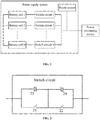
- Fig. 1 is a schematic diagram of a connection relationship of a power supply system in an embodiment of the present invention.
- the power supply system shown in Fig. 1 may include N battery units and a power source, wherein the N battery units are connected in parallel, and each of the branches in which the battery units locate may be connected in series with a switch circuit. Wherein N is an integer greater than 1. As shown in Fig. 1 , the power supply system may also be connected to a power consuming device.
- the switch circuit on that branch may be disconnected.
- Fig. 1 the power supply system shown in Fig. 1 is only used to describe the parallel relationship between the battery units and the relationship between the switch circuits connected in series with each of the branches in which the battery units locate, and which is only a specific embodiment of the power supply system in the embodiments of the present invention, and is not intended to limit the present application.
- the performer of the method for hot-plugging provided in the embodiments of the present invention may be a host.
- the host may generate a disconnection signal and transmit the disconnection signal to the switch circuit on the branch in which the battery unit locates, so that the switch circuit may disconnect the branch after receiving the disconnection signal.
- the host may also monitor the plurality of battery units, and determine whether there is a battery unit to be replaced in the plurality of parallel battery units. For example, the host may collect operating parameters of each battery unit (such as voltage, temperature, current, etc.), and may determine whether there is a battery unit to be replaced based on the operating parameters. In particular, if there is an abnormality in the operating parameters of the battery unit, it can be determined that the battery unit may be a battery unit to be replaced.
- operating parameters of each battery unit such as voltage, temperature, current, etc.
- the switch circuit may include a charge switch 21, a discharge switch 22, a first diode 23, and a second diode 24.
- the charge switch 21 and the discharge switch 22 may be connected in series.
- An output terminal of the first diode 23 may be connected to an output terminal of the second diode 24, the charge switch 21 may be connected in parallel with the first diode 23, and the discharge switch 22 may be connected in parallel with the second diode 24.
- the switch circuit in the power supply system shown in Fig. 1 may be in the circuit structure shown in Fig. 2 , in order to disconnect the switch circuit corresponding to the battery unit to be replaced, the charge switch 21 and the discharge switch 22 may be turned off.
- the host may transmit the disconnection signal to the charge switch 21 and the discharge switch 22 in the switch circuit shown in Fig. 2 , respectively, so that the charge switch 21 may disconnect the connection after receiving the disconnection signal and the discharge switch 22 may also disconnect the connection after receiving the disconnection signal.
- the switch circuit shown in Fig. 2 since the output terminal of the first diode 23 is connected to the output terminal of the second diode 24, the switch circuit may not be turned on, that is, the branch in which the battery unit to be replaced locates may be disconnected.
- both ends of the switch circuit may not be turned on, such that, there may be no energy interaction between the battery unit to be replaced on a side of the switch circuit and the power consuming devices on the other side of the switch circuit, and the battery unit to be replaced may be safely replaced.
- the charge switch 21 shown in Fig. 2 may include a charge relay.
- the discharge switch 22 shown in Fig. 2 may include a discharge relay.
- a branch in which the battery unit to be replaced locates may be cut off.
- any of the battery units needs to be replaced due to its failure or other abnormality, it may be controlled to cut off the branch in which the battery unit to be replaced locates.
- the battery unit on the branch may no longer possess the ability to perform energy interaction with other devices and there may be no current on the branch, therefore the security of the process for replacing the battery unit may be guaranteed.
- cutting off one of the branches may not affect the normal operation of other branches.
- the energy interaction between other battery units and power supply devices or power consuming devices may not be affected and the normal operation of the system may not be affected, thereby the safety and stability of the system may be guaranteed.
- the power supply devices may not be power off during the replacement of the battery unit, therefore the power consuming requirements for the power supply system in reality may be satisfied.
- the embodiments of the present invention may solve the contradictory problem between the replacement of the battery unit and the normal operation of the power supply system in the related art and the problem caused thereby that the safety and stability of the power supply system are low.
- an embodiment of the present invention provides a method for voltage balance, including: controlling charging or discharging of each battery unit in accordance with an operating state of each battery unit, after a first battery unit in a plurality of parallel battery units is replaced with a second battery unit.
- the operating state of each battery unit may include a discharging state, a charging state, and a resting state.
- the power supply devices may supply power for each battery unit; when the operating state of each battery unit is in the discharging state, each battery unit may supply power for the power consuming devices; when the operating state of each battery unit is in the resting state, there may be no energy interaction between each battery unit and the power supply devices and/or the power consuming devices.
- the number of the first battery units and the number of the second battery units are equal, that is, if there are S first battery units failing, it is necessary to replace that S first battery units with S second battery units.
- the embodiments of the present invention do not limit the specific number of S.
- the performer of the method for voltage balance provided in the embodiments of the present invention may be a host.
- the host may generate a control signal for the charging or discharging of each battery unit according to the operating state of each battery unit.
- the control signal may then be transmitted to each battery unit to enable to control charging or discharging of each battery unit.
- the way to control the charging or discharging of each battery unit may include, but not limited to, the following three cases:
- the charging or discharging of each battery unit may be controlled when the operating state of each battery unit is in the charging state.
- each of the branches in which the battery units locate may be connected with a charge switch and a discharge switch.
- the host may generate a first turn-on control signal for instructing the turning on of a charge switch of each of the branches in which the battery units locate and a first turn-off control signal for instructing the turning off of a discharge switch of each of the branches in which the battery units locate; the host may then transmit the first turn-on control signal to the charge switch of each of the branches in which the battery units locate, and transmit the first turn-off control signal to the discharge switch of each of the branches in which the battery units locate; and then the charge switch of each of the branches in which the battery units locate may turn on after receiving the first turn-on control signal, and the discharge switch of each of the branches in which the battery units locate may turn off after receiving the first turn-off control signal, so that the charging or discharging of each battery unit may be controlled.
- each battery unit may have a charging function, that is, the power supply device may charge each battery unit through the switch circuit.
- the voltage of the newly replaced second battery unit may differ from the voltage of the other battery units in the power supply system, it is also necessary to acquire the voltage of the second battery unit and the voltage of the other battery units.
- the host may compare the voltage of the second battery unit and the voltage of the other battery units after acquiring the voltage of the second battery unit and the voltage of the other battery units, and may perform the following two solutions based on the difference between the voltage of the second battery unit and the voltage of the other battery units:
- the host may generate a fifth control signal for instructing the power source to charge the second battery unit, and transmit the fifth control signal to the power source.
- the power source may charge the second battery unit via the branch in which the charge switch in the connected switch circuit locates after receiving the fifth control signal.
- the second battery unit may be directly charged by the power supply devices.
- the charging or discharging of each battery unit may be controlled when the operating state of each battery unit is in the discharging state.
- each of the branches in which the battery units locate may be connected with a charge switch and a discharge switch.
- the host may generate a second turn-on control signal for instructing the turning on of a discharge switch of each of the branches in which the battery units locate and a second turn-off control signal for instructing the turning off of a charge switch of each of the branches in which the battery units locate; the host may then transmit the second turn-on control signal to the discharge switch of each of the branches in which the battery units locate, and transmit the second turn-off control signal to the charge switch of each of the branches in which the battery units locate; and then the discharge switch of each of the branches in which the battery units locate may turn on after receiving the second turn-on control signal, and the charge switch of each of the branches in which the battery units locate may turn off after receiving the second turn-off control signal, so that the charging or discharging of each battery unit may be controlled.
- each battery unit may have a discharge function, that is, each battery unit may charge the power consuming devices through the switch circuit.
- the voltage of the newly replaced second battery unit may differ from the voltage of the other battery units in the power supply system, it is also necessary to acquire the voltage of the second battery unit and the voltage of the other battery units.
- the host may compare the voltage of the second battery unit and the voltage of the other battery units after acquiring the voltage of the second battery unit and the voltage of the other battery units, and may perform the following two solutions based on the difference between the voltage of the second battery unit and the voltage of the other battery units:
- the voltage drop between the voltage of the second battery unit and the voltage of the other battery units is large, and it is necessary to enable the designated charging circuit and charge via the designated charging circuit, so that the voltage of each battery unit may be balanced.
- the host may generate an eighth control signal for instructing the enabling of the designated charging circuit, and transmit the eighth control signal to the designated charging circuit.
- the designated charging circuit may be enabled after receiving the eighth control signal, and the other battery units and the second battery unit may charge each other via the designated charging circuit to achieve voltage balance.
- the other battery units may charge the second battery unit via the designated charging circuit; or if the voltage of the second battery unit is larger than the voltage of the other battery units, the second battery unit may charge the other battery units via the designated charging circuit.
- the threshold value for the voltage drop may be related to the battery unit, and the embodiments of the present invention are not particularly limited thereto. In a specific implementation, the threshold value for the voltage drop is about 300mV.
- Solution D If the absolute value of the voltage drop is smaller than the threshold value for the voltage drop, the charge switch and the discharge switch of each of the branches in which the battery units locate may be turned on, so that the second battery unit and the other battery units may achieve the voltage balance via the connected parallel circuit.
- the charge switch and the discharge switch of each of the branches in which the battery units locate may be turned on, so that the parallel circuit composed of the battery units may be connected, and each battery unit may achieve voltage balance via the parallel circuit.
- the host may generate a ninth turn-on control signal for instructing the turning on of the charge switch of each of the branches in which the battery units locate and a tenth turn-on control signal for instructing the turning on of the discharge switch of each of the branches in which the battery units locate. Then, the ninth turn-on control signal may be transmitted to the charge switch of each of the branches in which the battery units locate and the tenth turn-on control signal may be transmitted to the discharge switch of each of the branches in which the battery units locate.
- the charge switch of each of the branches in which the battery units locate may turn on after receiving the ninth turn-on control signal, and the discharge switch of each of the branches in which the battery units locate may turn on after receiving the tenth turn-on control signal.
- the parallel circuit of the battery units may be connected, and each battery unit may achieve voltage balance via the parallel circuit.
- the other battery units may charge the second battery unit via the parallel circuit; or if the voltage of the second battery unit is larger than the voltage of the other battery units, the second battery unit may charge the other battery units via the parallel circuit.
- the end of the method for voltage balance described above may include, but not limited to, that the voltage of each battery unit achieves the voltage balance, and/or the operating state of each battery unit changes.
- each battery unit ends in one of the above-mentioned operating states, the voltage of each battery unit may not yet achieve the voltage balance. Therefore, when the operating state of each battery unit is another state, the above solution corresponding to the another state may be used to balance the voltage of each battery unit, so as to guarantee the safety and stability of the power supply system.
- the operation state of each battery unit may change from the charging state to another state at the end of the charging process, and the voltage of each battery unit may not yet achieve the voltage balance.
- the operating state of each battery unit is the discharging state
- the voltage of each battery unit may be balanced by the solution for voltage balance corresponding to the discharge state, and which will not be specifically described in the embodiments of the present invention.
- charging or discharging of each battery unit may be controlled in accordance with an operating state of each battery unit, after a first battery unit in a plurality of parallel battery units is replaced with a second battery unit.
- charging or discharging of each battery unit may be controlled in accordance with the operating state of each battery unit, so as to achieve a voltage balance between each battery unit.
- the power supply system may be able to operate normally after the battery unit is replaced, and the safety and stability of thereof may be guaranteed. Therefore, it is guaranteed that with respect to the replacement of the battery unit, the power consuming devices may not be power off, and the power consuming requirements for the power supply system in reality may be satisfied.
- the embodiments of the present invention may solve the problem that the safety and stability of the power supply system are low due to the replacement of the battery unit in the related art.
- an embodiment of the present invention further provides a device for implementing the steps and methods of the above method.
- the embodiments of the present invention provide a control device for hot-plugging.
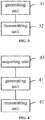
- Fig. 3 is a functional block diagram of the control device for hot-plugging provided in the embodiments of the present invention.
- the device may include: a generating unit 31 to generate a cut-off signal when there is a battery unit to be replaced in a plurality of parallel battery units; a transmitting unit 32 to transmit the cut-off signal to a branch in which the battery unit to be replaced locates to cut off the branch in which the battery unit to be replaced locates.
- each of the branches in which the battery units locate may be connected in series with a switch circuit; the transmitting unit may further be used to transmit the cut-off signal to a switch circuit connected in series with the branch in which the battery unit to be replaced locates, so as to enable the switch circuit to turn off the charging function and the discharging function of the battery unit to be replaced after receiving the cut-off signal.
- the switch circuit may include a charge switch 21, a discharge switch 22, a first diode 23, and a second diode 24.
- the charge switch 21 and the discharge switch 22 may be connected in series.
- the output terminal of the first diode 23 may be connected to the output terminal of the second diode 24.
- the charge switch 21 may be connected in parallel with the first diode 23.
- the discharge switch 22 may be connected in parallel with the second diode 24.
- the transmitting unit 31 may further be used to transmit the cut-off signal to a charge switch and a discharge switch in a switch circuit connected in series with the branch in which the battery unit to be replaced locates respectively, so as to enable the charge switch to disconnect the branch in which the battery unit to be replaced after receiving the cut-off signal and to enable the discharge switch to disconnect the branch in which the battery unit to be replaced after receiving the cut-off signal.
- each unit in this embodiment may perform the method shown in the example 1, a part of this embodiment which is not described in details may refer to the description of the example 1.
- an embodiment of the present invention further provides a device for implementing the steps and methods of the above method.
- an embodiment of the present invention provides a device for voltage balance.
- Fig. 4 is a functional block diagram of the device for voltage balance provided in the embodiments of the present invention.
- the device may include: a generating unit 41 to generate a control signal for charging or discharging of each battery unit in accordance with an operating state of each battery unit, after a first battery unit in a plurality of parallel battery units is replaced with a second battery unit; and a transmitting unit 42 to transmit the control signal to each battery unit to enable to control charging or discharging of each battery unit.
- each of the branches in which the battery units locate may be connected with a charge switch and a discharge switch; when the operating state of each battery unit is in a charging state, the generating unit 41 may be used to: generate a first turn-on control signal for instructing the turning on of a charge switch of each of the branches in which the battery units locate, and a first turn-off control signal for instructing the turning off of a discharge switch of each of the branches in which the battery units locate; and the transmitting unit 42 may be further used to transmit the first turn-on control signal to the charge switch of each of the branches in which the battery units locate and transmit the first turn-off control signal to the discharge switch of each of the branches in which the battery units locate.
- each of the branches in which the battery units locate may be connected with a charge switch and a discharge switch; when the operating state of each battery unit is in a discharging state, the generating unit 41 may be used to: generate a second turn-on control signal for instructing the turning on of a discharge switch of each of the branches in which the battery units locate, and a second turn-off control signal for instructing the turning off of a charge switch of each of the branches in which the battery units locate; and the transmitting unit 42 may be further used to transmit the second turn-on control signal to a discharge switch of each of the branches in which the battery units locate and transmit the second turn-off control signal to the charge switch of each of the branches in which the battery units locate.
- each of the branches in which the battery units locate may be connected with a charge switch and a discharge switch; each battery unit may connected with each other via a designated charging circuit; and the apparatus may further include: an acquisition unit 43 to acquire an absolute value of a voltage drop between the second battery unit and the other battery units when the operating state of each battery unit is in a resting state.
- the generating unit 41 may be further used to generate an eighth control signal for instructing the enabling of the designated charging circuit if the absolute value of the voltage drop is greater than or equal to the threshold value for the voltage drop, or generate a ninth turn-on control signal for instructing the turning on of the charge switch of each of the branches in which the battery units locate and a tenth turn-on control signal for instructing the turning on of the discharge switch of each of the branches in which the battery units locate if the absolute value of the voltage drop is smaller than the threshold value for the voltage drop.
- the transmission unit 42 may be further used to transmit the eighth control signal to the designated charging circuit so that the second battery unit and the other battery units may achieve the voltage balance via the designated charging circuit, or transmit the ninth turn-on control signal to the charge switch of each of the branches in which the battery units locate and the tenth turn-on control signal to the discharge switch of each of the branches in which the battery units locate so that the second battery unit and the other battery units may achieve the voltage balance via the connected parallel circuit.
- each unit in this embodiment may perform the method shown in the example 2, a part of this embodiment which is not described in details may refer to the description of the example 2.
- the disclosed systems, devices and methods may be implemented in other ways.
- the embodiments of the devices described above are merely illustrative, for example, the division of the units is only a logical function division, and there may be additional division ways for actual implementation, for example, a plurality of units or components may be combined or may be integrated into another system, or some features may be ignored or not executed.
- the coupling or direct coupling or communication connection shown or discussed may be an indirect coupling or communication connection through a number of interfaces, devices or units, and may be electrical, mechanical, or other forms.
- the units described as the separated components may or may not be physically separated, and the components shown as units may or may not be physical units, i.e., may be located in one place or may be distributed over a plurality of network units.
- the part or all of the units may be selected according to the actual needs to achieve the purpose of the embodiments.
- the functional units in the various embodiments of the present invention may be integrated in one processing unit, or each unit may be physically and individually existed, or two or more units may be integrated in one unit.
- the above-mentioned integrated unit may be implemented in the form of hardware, or in the form of hardware and software function units.
- the above integrated unit implemented in the form of software function units may be stored in a computer-readable storage medium.
- the software function units described above may be stored in a storage medium, including instructions for enabling a computer device (which may be a personal computer, a server, a network device, etc.) or a processor to perform the steps of the methods described in the various embodiments of the present invention.
- the aforementioned storage medium may include a USB disk, a mobile hard disk, a read-only memory (ROM), a random access memory (RAM), a magnetic disk, or an optical disk, or a variety of media that can store programs.
Landscapes
- Engineering & Computer Science (AREA)
- Power Engineering (AREA)
- Business, Economics & Management (AREA)
- Emergency Management (AREA)
- Manufacturing & Machinery (AREA)
- Chemical & Material Sciences (AREA)
- Chemical Kinetics & Catalysis (AREA)
- Electrochemistry (AREA)
- General Chemical & Material Sciences (AREA)
- Charge And Discharge Circuits For Batteries Or The Like (AREA)
- Secondary Cells (AREA)
Applications Claiming Priority (1)
| Application Number | Priority Date | Filing Date | Title |
|---|---|---|---|
| CN201610895643.6A CN106451623B (zh) | 2016-10-14 | 2016-10-14 | 热插拔方法及热插拔控制装置、电压平衡方法及装置 |
Publications (3)
| Publication Number | Publication Date |
|---|---|
| EP3309920A2 true EP3309920A2 (de) | 2018-04-18 |
| EP3309920A3 EP3309920A3 (de) | 2018-05-30 |
| EP3309920B1 EP3309920B1 (de) | 2020-06-17 |
Family
ID=58175152
Family Applications (1)
| Application Number | Title | Priority Date | Filing Date |
|---|---|---|---|
| EP17193872.3A Active EP3309920B1 (de) | 2016-10-14 | 2017-09-28 | Vorrichtung und verfahren zum spannungsausgleich |
Country Status (3)
| Country | Link |
|---|---|
| US (1) | US10491033B2 (de) |
| EP (1) | EP3309920B1 (de) |
| CN (1) | CN106451623B (de) |
Cited By (1)
| Publication number | Priority date | Publication date | Assignee | Title |
|---|---|---|---|---|
| WO2021150110A1 (en) * | 2020-01-21 | 2021-07-29 | Etergo B.V. | Battery system and battery management method |
Families Citing this family (12)
| Publication number | Priority date | Publication date | Assignee | Title |
|---|---|---|---|---|
| CN107945330B (zh) * | 2017-11-20 | 2019-02-05 | 东峡大通(北京)管理咨询有限公司 | 车辆电池锁开锁方法、装置及车辆 |
| US11594883B2 (en) * | 2018-01-23 | 2023-02-28 | Tdk Corporation | Direct current power supplying system |
| CN113258652B (zh) * | 2018-08-01 | 2025-06-03 | Oppo广东移动通信有限公司 | 电池控制系统和方法、电子设备 |
| CN112537223A (zh) * | 2019-09-20 | 2021-03-23 | 格步计程车控股私人有限公司 | 控制器、包括控制器的电力系统、操作该系统的方法、以及包括该系统的车辆 |
| CN113300451B (zh) * | 2020-02-22 | 2024-11-22 | 坎德拉(深圳)科技创新有限公司 | 供电系统、用电设备及热插拔控制方法 |
| PH12022550036A1 (en) * | 2020-04-02 | 2023-04-12 | Grabtaxi Holdings Pte Ltd | Method of operating an electric power system, electric power system, and computer executable code |
| WO2022170481A1 (zh) * | 2021-02-09 | 2022-08-18 | 宁德时代新能源科技股份有限公司 | 电池充电方法、控制器、电池管理系统、电池和用电装置 |
| CN113715688A (zh) * | 2021-09-27 | 2021-11-30 | 哈尔滨莫翠科技有限公司 | 一种电动汽车动力电池系统用的电池串模块 |
| CN113715689A (zh) * | 2021-09-27 | 2021-11-30 | 哈尔滨莫翠科技有限公司 | 一种电动汽车动力电池系统 |
| US12231043B2 (en) | 2021-10-29 | 2025-02-18 | Vertiv Corporation | Adaptive DC/DC PWM control |
| CN114784393A (zh) * | 2022-04-01 | 2022-07-22 | 天时力(天津)新能源科技有限责任公司 | 一种基于二极管保护的电池组串联热插拔连接系统 |
| CN115799671B (zh) * | 2022-11-14 | 2026-02-27 | 扬州市法马智能设备有限公司 | 一种多电池组热拔插管理系统和方法 |
Family Cites Families (23)
| Publication number | Priority date | Publication date | Assignee | Title |
|---|---|---|---|---|
| US6174617B1 (en) * | 1998-07-20 | 2001-01-16 | Sony Chemicals Corporation | Communication method, remaining capacity calculation method, total capacity calculation method, overcharge protection method, information display method, and battery pack |
| JP2001224138A (ja) * | 2000-02-07 | 2001-08-17 | Hitachi Ltd | 蓄電装置及び蓄電器の電圧検出方法 |
| SE518590C2 (sv) * | 2000-02-16 | 2002-10-29 | Emerson Energy Systems Ab | System för effektinkoppling och återinkoppling |
| TWI317184B (en) * | 2006-07-17 | 2009-11-11 | Compal Electronics Inc | A hybrid battery module with a voltage balance unit and its charging and discharging method |
| CN101295879B (zh) * | 2007-04-24 | 2012-07-18 | 艾默生网络能源系统北美公司 | 供电电路和供电方法 |
| CN101692508A (zh) * | 2009-09-25 | 2010-04-07 | 北京北方专用车新技术发展有限公司 | 锂离子电池组静置状态下的主动均衡方法 |
| JP4932975B2 (ja) * | 2010-05-25 | 2012-05-16 | パナソニック株式会社 | 過電流検知回路、及び電池パック |
| JPWO2012043723A1 (ja) * | 2010-10-01 | 2014-02-24 | 三洋電機株式会社 | 電源装置 |
| CN102480142B (zh) * | 2010-11-26 | 2015-07-22 | 比亚迪股份有限公司 | 电池组并联充电装置及其并联充电方法 |
| FR2971645B1 (fr) * | 2011-02-10 | 2014-02-28 | Commissariat Energie Atomique | Dispositif de protection d'une source de tension contre les surintensites de courant |
| TWI466408B (zh) * | 2012-01-20 | 2014-12-21 | 威盛電子股份有限公司 | 充電電池模組以及充電電池模組充電方法 |
| TWI501507B (zh) * | 2012-07-13 | 2015-09-21 | 蔡富生 | 藉助於虛擬電池機制來進行電池單元控制之方法與裝置 |
| US9496740B2 (en) * | 2013-06-16 | 2016-11-15 | Chris Beckman | Techniques for optimizing power supply output |
| JP5615995B1 (ja) * | 2013-03-29 | 2014-10-29 | 三洋電機株式会社 | 電源システム及び電源システムの充放電制御方法 |
| CN203180596U (zh) * | 2013-04-27 | 2013-09-04 | 惠州市亿能电子有限公司 | 一种ups系统的保护电路 |
| JP2015050842A (ja) * | 2013-09-02 | 2015-03-16 | ソニー株式会社 | 蓄電システム、蓄電制御装置および蓄電制御方法 |
| US20150207345A1 (en) * | 2014-01-22 | 2015-07-23 | Apple Inc. | Rechargeable battery with series-connected, asymmetric banks |
| JP6303812B2 (ja) * | 2014-05-26 | 2018-04-04 | トヨタ自動車株式会社 | 電源制御装置および電源制御方法 |
| CN104009526B (zh) * | 2014-06-16 | 2016-03-23 | 安徽安凯汽车股份有限公司 | 一种电动客车动力电池组主动均衡系统及方法 |
| US9537329B2 (en) * | 2014-08-29 | 2017-01-03 | General Electronics Applications, Inc. | Battery management circuit maintaining cell voltages between a minimum and a maximum during charging and discharging |
| US20160134160A1 (en) * | 2014-11-07 | 2016-05-12 | Schneider Electric It Corporation | Systems and methods for battery management |
| CN105244974A (zh) * | 2015-11-14 | 2016-01-13 | 深圳市格瑞普电池有限公司 | 自均衡修复的方法及装置 |
| CN105656168A (zh) * | 2016-03-24 | 2016-06-08 | 江苏峰谷源储能技术研究院有限公司 | 一种不间断零环流安全快速切换电池组 |
-
2016
- 2016-10-14 CN CN201610895643.6A patent/CN106451623B/zh active Active
-
2017
- 2017-09-28 EP EP17193872.3A patent/EP3309920B1/de active Active
- 2017-09-29 US US15/720,189 patent/US10491033B2/en active Active
Non-Patent Citations (1)
| Title |
|---|
| None |
Cited By (1)
| Publication number | Priority date | Publication date | Assignee | Title |
|---|---|---|---|---|
| WO2021150110A1 (en) * | 2020-01-21 | 2021-07-29 | Etergo B.V. | Battery system and battery management method |
Also Published As
| Publication number | Publication date |
|---|---|
| EP3309920B1 (de) | 2020-06-17 |
| CN106451623B (zh) | 2020-07-03 |
| US10491033B2 (en) | 2019-11-26 |
| EP3309920A3 (de) | 2018-05-30 |
| US20180109133A1 (en) | 2018-04-19 |
| CN106451623A (zh) | 2017-02-22 |
Similar Documents
| Publication | Publication Date | Title |
|---|---|---|
| US10491033B2 (en) | Method for hot-plugging, control device for hot-plugging, method and device for voltage balance | |
| EP3817182B1 (de) | Vorrichtung und verfahren zur steuerung eines batteriemoduls, stromversorgungsvorrichtung und system | |
| RU2690003C2 (ru) | Способ и система модульного сохранения энергии | |
| CN103166301B (zh) | 不间断电源系统和控制电力供应的方法 | |
| US20210328276A1 (en) | Energy storage system | |
| KR20160136283A (ko) | 전원 어댑터, 단말기 및 충전회로 임피던스 이상 처리방법 | |
| JP2011502462A (ja) | 選択スイッチ装置、これを利用した電源供給装置、及びそのスイッチング方法 | |
| US8937406B2 (en) | Uninterruptible power supply system having a simplified voltage detection circuit | |
| US20220285948A1 (en) | Photovoltaic system, optimizer, and method for adjusting working state of optimizer | |
| US10193357B2 (en) | Energy storage system | |
| CN106026351A (zh) | 电源切换选择器 | |
| US11561874B2 (en) | Reserve bus distribution system testing | |
| CN103176100B (zh) | 一种ups中检测蓄电池是否连接正常的方法及装置 | |
| EP3901644B1 (de) | Notstromversorgung für serverschrank und prüfverfahren dafür | |
| US8819470B2 (en) | Switching device, a switching device control method and a switching device control program | |
| CN114079288A (zh) | 一种供电系统、控制方法及存储介质 | |
| KR101227537B1 (ko) | 중성선 복구 기능이 구비된 분배전반 | |
| CN106557144B (zh) | 直流备援设备 | |
| CN202142907U (zh) | Ups连接电路及ups系统 | |
| US10615635B1 (en) | Electrical connector with reserve power support | |
| CN105305572A (zh) | 一种安全热插拔式电池电源系统 | |
| CN106526496B (zh) | 故障检测方法和装置 | |
| CN112910081B (zh) | 供电控制系统及供电控制方法 | |
| CN210156971U (zh) | 一种基于ups的配电装置 | |
| CN114374259B (zh) | 预制化供电模块、供电控制方法及装置、存储介质 |
Legal Events
| Date | Code | Title | Description |
|---|---|---|---|
| PUAI | Public reference made under article 153(3) epc to a published international application that has entered the european phase |
Free format text: ORIGINAL CODE: 0009012 |
|
| STAA | Information on the status of an ep patent application or granted ep patent |
Free format text: STATUS: THE APPLICATION HAS BEEN PUBLISHED |
|
| AK | Designated contracting states |
Kind code of ref document: A2 Designated state(s): AL AT BE BG CH CY CZ DE DK EE ES FI FR GB GR HR HU IE IS IT LI LT LU LV MC MK MT NL NO PL PT RO RS SE SI SK SM TR |
|
| AX | Request for extension of the european patent |
Extension state: BA ME |
|
| PUAL | Search report despatched |
Free format text: ORIGINAL CODE: 0009013 |
|
| AK | Designated contracting states |
Kind code of ref document: A3 Designated state(s): AL AT BE BG CH CY CZ DE DK EE ES FI FR GB GR HR HU IE IS IT LI LT LU LV MC MK MT NL NO PL PT RO RS SE SI SK SM TR |
|
| AX | Request for extension of the european patent |
Extension state: BA ME |
|
| RIC1 | Information provided on ipc code assigned before grant |
Ipc: H02J 7/34 20060101ALI20180420BHEP Ipc: H02J 1/10 20060101AFI20180420BHEP Ipc: H02J 7/00 20060101ALI20180420BHEP |
|
| STAA | Information on the status of an ep patent application or granted ep patent |
Free format text: STATUS: REQUEST FOR EXAMINATION WAS MADE |
|
| 17P | Request for examination filed |
Effective date: 20181130 |
|
| RBV | Designated contracting states (corrected) |
Designated state(s): AL AT BE BG CH CY CZ DE DK EE ES FI FR GB GR HR HU IE IS IT LI LT LU LV MC MK MT NL NO PL PT RO RS SE SI SK SM TR |
|
| STAA | Information on the status of an ep patent application or granted ep patent |
Free format text: STATUS: EXAMINATION IS IN PROGRESS |
|
| 17Q | First examination report despatched |
Effective date: 20190121 |
|
| GRAP | Despatch of communication of intention to grant a patent |
Free format text: ORIGINAL CODE: EPIDOSNIGR1 |
|
| STAA | Information on the status of an ep patent application or granted ep patent |
Free format text: STATUS: GRANT OF PATENT IS INTENDED |
|
| INTG | Intention to grant announced |
Effective date: 20200211 |
|
| GRAS | Grant fee paid |
Free format text: ORIGINAL CODE: EPIDOSNIGR3 |
|
| GRAA | (expected) grant |
Free format text: ORIGINAL CODE: 0009210 |
|
| STAA | Information on the status of an ep patent application or granted ep patent |
Free format text: STATUS: THE PATENT HAS BEEN GRANTED |
|
| AK | Designated contracting states |
Kind code of ref document: B1 Designated state(s): AL AT BE BG CH CY CZ DE DK EE ES FI FR GB GR HR HU IE IS IT LI LT LU LV MC MK MT NL NO PL PT RO RS SE SI SK SM TR |
|
| RAP1 | Party data changed (applicant data changed or rights of an application transferred) |
Owner name: CONTEMPORARY AMPEREX TECHNOLOGY CO., LIMITED |
|
| REG | Reference to a national code |
Ref country code: GB Ref legal event code: FG4D |
|
| RIN1 | Information on inventor provided before grant (corrected) |
Inventor name: WEI, ZHILI Inventor name: HU, ZHIPENG |
|
| REG | Reference to a national code |
Ref country code: CH Ref legal event code: EP |
|
| REG | Reference to a national code |
Ref country code: IE Ref legal event code: FG4D |
|
| REG | Reference to a national code |
Ref country code: DE Ref legal event code: R096 Ref document number: 602017018214 Country of ref document: DE |
|
| REG | Reference to a national code |
Ref country code: AT Ref legal event code: REF Ref document number: 1282509 Country of ref document: AT Kind code of ref document: T Effective date: 20200715 |
|
| PG25 | Lapsed in a contracting state [announced via postgrant information from national office to epo] |
Ref country code: SE Free format text: LAPSE BECAUSE OF FAILURE TO SUBMIT A TRANSLATION OF THE DESCRIPTION OR TO PAY THE FEE WITHIN THE PRESCRIBED TIME-LIMIT Effective date: 20200617 Ref country code: GR Free format text: LAPSE BECAUSE OF FAILURE TO SUBMIT A TRANSLATION OF THE DESCRIPTION OR TO PAY THE FEE WITHIN THE PRESCRIBED TIME-LIMIT Effective date: 20200918 Ref country code: LT Free format text: LAPSE BECAUSE OF FAILURE TO SUBMIT A TRANSLATION OF THE DESCRIPTION OR TO PAY THE FEE WITHIN THE PRESCRIBED TIME-LIMIT Effective date: 20200617 Ref country code: NO Free format text: LAPSE BECAUSE OF FAILURE TO SUBMIT A TRANSLATION OF THE DESCRIPTION OR TO PAY THE FEE WITHIN THE PRESCRIBED TIME-LIMIT Effective date: 20200917 Ref country code: FI Free format text: LAPSE BECAUSE OF FAILURE TO SUBMIT A TRANSLATION OF THE DESCRIPTION OR TO PAY THE FEE WITHIN THE PRESCRIBED TIME-LIMIT Effective date: 20200617 |
|
| REG | Reference to a national code |
Ref country code: LT Ref legal event code: MG4D |
|
| REG | Reference to a national code |
Ref country code: NL Ref legal event code: MP Effective date: 20200617 |
|
| PG25 | Lapsed in a contracting state [announced via postgrant information from national office to epo] |
Ref country code: LV Free format text: LAPSE BECAUSE OF FAILURE TO SUBMIT A TRANSLATION OF THE DESCRIPTION OR TO PAY THE FEE WITHIN THE PRESCRIBED TIME-LIMIT Effective date: 20200617 Ref country code: HR Free format text: LAPSE BECAUSE OF FAILURE TO SUBMIT A TRANSLATION OF THE DESCRIPTION OR TO PAY THE FEE WITHIN THE PRESCRIBED TIME-LIMIT Effective date: 20200617 Ref country code: RS Free format text: LAPSE BECAUSE OF FAILURE TO SUBMIT A TRANSLATION OF THE DESCRIPTION OR TO PAY THE FEE WITHIN THE PRESCRIBED TIME-LIMIT Effective date: 20200617 Ref country code: BG Free format text: LAPSE BECAUSE OF FAILURE TO SUBMIT A TRANSLATION OF THE DESCRIPTION OR TO PAY THE FEE WITHIN THE PRESCRIBED TIME-LIMIT Effective date: 20200917 |
|
| REG | Reference to a national code |
Ref country code: AT Ref legal event code: MK05 Ref document number: 1282509 Country of ref document: AT Kind code of ref document: T Effective date: 20200617 |
|
| PG25 | Lapsed in a contracting state [announced via postgrant information from national office to epo] |
Ref country code: AL Free format text: LAPSE BECAUSE OF FAILURE TO SUBMIT A TRANSLATION OF THE DESCRIPTION OR TO PAY THE FEE WITHIN THE PRESCRIBED TIME-LIMIT Effective date: 20200617 Ref country code: NL Free format text: LAPSE BECAUSE OF FAILURE TO SUBMIT A TRANSLATION OF THE DESCRIPTION OR TO PAY THE FEE WITHIN THE PRESCRIBED TIME-LIMIT Effective date: 20200617 |
|
| PG25 | Lapsed in a contracting state [announced via postgrant information from national office to epo] |
Ref country code: CZ Free format text: LAPSE BECAUSE OF FAILURE TO SUBMIT A TRANSLATION OF THE DESCRIPTION OR TO PAY THE FEE WITHIN THE PRESCRIBED TIME-LIMIT Effective date: 20200617 Ref country code: RO Free format text: LAPSE BECAUSE OF FAILURE TO SUBMIT A TRANSLATION OF THE DESCRIPTION OR TO PAY THE FEE WITHIN THE PRESCRIBED TIME-LIMIT Effective date: 20200617 Ref country code: ES Free format text: LAPSE BECAUSE OF FAILURE TO SUBMIT A TRANSLATION OF THE DESCRIPTION OR TO PAY THE FEE WITHIN THE PRESCRIBED TIME-LIMIT Effective date: 20200617 Ref country code: PT Free format text: LAPSE BECAUSE OF FAILURE TO SUBMIT A TRANSLATION OF THE DESCRIPTION OR TO PAY THE FEE WITHIN THE PRESCRIBED TIME-LIMIT Effective date: 20201019 Ref country code: AT Free format text: LAPSE BECAUSE OF FAILURE TO SUBMIT A TRANSLATION OF THE DESCRIPTION OR TO PAY THE FEE WITHIN THE PRESCRIBED TIME-LIMIT Effective date: 20200617 Ref country code: EE Free format text: LAPSE BECAUSE OF FAILURE TO SUBMIT A TRANSLATION OF THE DESCRIPTION OR TO PAY THE FEE WITHIN THE PRESCRIBED TIME-LIMIT Effective date: 20200617 Ref country code: SM Free format text: LAPSE BECAUSE OF FAILURE TO SUBMIT A TRANSLATION OF THE DESCRIPTION OR TO PAY THE FEE WITHIN THE PRESCRIBED TIME-LIMIT Effective date: 20200617 Ref country code: IT Free format text: LAPSE BECAUSE OF FAILURE TO SUBMIT A TRANSLATION OF THE DESCRIPTION OR TO PAY THE FEE WITHIN THE PRESCRIBED TIME-LIMIT Effective date: 20200617 |
|
| PG25 | Lapsed in a contracting state [announced via postgrant information from national office to epo] |
Ref country code: SK Free format text: LAPSE BECAUSE OF FAILURE TO SUBMIT A TRANSLATION OF THE DESCRIPTION OR TO PAY THE FEE WITHIN THE PRESCRIBED TIME-LIMIT Effective date: 20200617 Ref country code: PL Free format text: LAPSE BECAUSE OF FAILURE TO SUBMIT A TRANSLATION OF THE DESCRIPTION OR TO PAY THE FEE WITHIN THE PRESCRIBED TIME-LIMIT Effective date: 20200617 Ref country code: IS Free format text: LAPSE BECAUSE OF FAILURE TO SUBMIT A TRANSLATION OF THE DESCRIPTION OR TO PAY THE FEE WITHIN THE PRESCRIBED TIME-LIMIT Effective date: 20201017 |
|
| REG | Reference to a national code |
Ref country code: DE Ref legal event code: R097 Ref document number: 602017018214 Country of ref document: DE |
|
| PLBE | No opposition filed within time limit |
Free format text: ORIGINAL CODE: 0009261 |
|
| STAA | Information on the status of an ep patent application or granted ep patent |
Free format text: STATUS: NO OPPOSITION FILED WITHIN TIME LIMIT |
|
| PG25 | Lapsed in a contracting state [announced via postgrant information from national office to epo] |
Ref country code: DK Free format text: LAPSE BECAUSE OF FAILURE TO SUBMIT A TRANSLATION OF THE DESCRIPTION OR TO PAY THE FEE WITHIN THE PRESCRIBED TIME-LIMIT Effective date: 20200617 |
|
| REG | Reference to a national code |
Ref country code: CH Ref legal event code: PL |
|
| 26N | No opposition filed |
Effective date: 20210318 |
|
| PG25 | Lapsed in a contracting state [announced via postgrant information from national office to epo] |
Ref country code: SI Free format text: LAPSE BECAUSE OF FAILURE TO SUBMIT A TRANSLATION OF THE DESCRIPTION OR TO PAY THE FEE WITHIN THE PRESCRIBED TIME-LIMIT Effective date: 20200617 |
|
| REG | Reference to a national code |
Ref country code: BE Ref legal event code: MM Effective date: 20200930 |
|
| PG25 | Lapsed in a contracting state [announced via postgrant information from national office to epo] |
Ref country code: LU Free format text: LAPSE BECAUSE OF NON-PAYMENT OF DUE FEES Effective date: 20200928 |
|
| PG25 | Lapsed in a contracting state [announced via postgrant information from national office to epo] |
Ref country code: CH Free format text: LAPSE BECAUSE OF NON-PAYMENT OF DUE FEES Effective date: 20200930 Ref country code: BE Free format text: LAPSE BECAUSE OF NON-PAYMENT OF DUE FEES Effective date: 20200930 Ref country code: IE Free format text: LAPSE BECAUSE OF NON-PAYMENT OF DUE FEES Effective date: 20200928 Ref country code: LI Free format text: LAPSE BECAUSE OF NON-PAYMENT OF DUE FEES Effective date: 20200930 |
|
| REG | Reference to a national code |
Ref country code: GB Ref legal event code: 732E Free format text: REGISTERED BETWEEN 20220407 AND 20220413 |
|
| PG25 | Lapsed in a contracting state [announced via postgrant information from national office to epo] |
Ref country code: TR Free format text: LAPSE BECAUSE OF FAILURE TO SUBMIT A TRANSLATION OF THE DESCRIPTION OR TO PAY THE FEE WITHIN THE PRESCRIBED TIME-LIMIT Effective date: 20200617 Ref country code: MT Free format text: LAPSE BECAUSE OF FAILURE TO SUBMIT A TRANSLATION OF THE DESCRIPTION OR TO PAY THE FEE WITHIN THE PRESCRIBED TIME-LIMIT Effective date: 20200617 Ref country code: CY Free format text: LAPSE BECAUSE OF FAILURE TO SUBMIT A TRANSLATION OF THE DESCRIPTION OR TO PAY THE FEE WITHIN THE PRESCRIBED TIME-LIMIT Effective date: 20200617 |
|
| REG | Reference to a national code |
Ref country code: DE Ref legal event code: R081 Ref document number: 602017018214 Country of ref document: DE Owner name: CONTEMPORARY AMPEREX RUNZHI SOFTWARE TECHNOLOG, CN Free format text: FORMER OWNER: CONTEMPORARY AMPEREX TECHNOLOGY CO., LIMITED, CITY FUJIAN, JIAOCHENG DISTRICT NINGDE, CN |
|
| PG25 | Lapsed in a contracting state [announced via postgrant information from national office to epo] |
Ref country code: MK Free format text: LAPSE BECAUSE OF FAILURE TO SUBMIT A TRANSLATION OF THE DESCRIPTION OR TO PAY THE FEE WITHIN THE PRESCRIBED TIME-LIMIT Effective date: 20200617 Ref country code: MC Free format text: LAPSE BECAUSE OF FAILURE TO SUBMIT A TRANSLATION OF THE DESCRIPTION OR TO PAY THE FEE WITHIN THE PRESCRIBED TIME-LIMIT Effective date: 20200617 |
|
| P01 | Opt-out of the competence of the unified patent court (upc) registered |
Effective date: 20230516 |
|
| PGFP | Annual fee paid to national office [announced via postgrant information from national office to epo] |
Ref country code: DE Payment date: 20250702 Year of fee payment: 9 |
|
| PGFP | Annual fee paid to national office [announced via postgrant information from national office to epo] |
Ref country code: GB Payment date: 20250703 Year of fee payment: 9 |
|
| PGFP | Annual fee paid to national office [announced via postgrant information from national office to epo] |
Ref country code: FR Payment date: 20250808 Year of fee payment: 9 |