EP3312193A1 - Neuartige rekombinante botulinumneurotoxine mit beschleunigter wirkung - Google Patents
Neuartige rekombinante botulinumneurotoxine mit beschleunigter wirkung Download PDFInfo
- Publication number
- EP3312193A1 EP3312193A1 EP16194560.5A EP16194560A EP3312193A1 EP 3312193 A1 EP3312193 A1 EP 3312193A1 EP 16194560 A EP16194560 A EP 16194560A EP 3312193 A1 EP3312193 A1 EP 3312193A1
- Authority
- EP
- European Patent Office
- Prior art keywords
- neurotoxin
- recombinant
- light chain
- botulinum
- amino acid
- Prior art date
- Legal status (The legal status is an assumption and is not a legal conclusion. Google has not performed a legal analysis and makes no representation as to the accuracy of the status listed.)
- Withdrawn
Links
Images


Classifications
-
- C—CHEMISTRY; METALLURGY
- C07—ORGANIC CHEMISTRY
- C07K—PEPTIDES
- C07K14/00—Peptides having more than 20 amino acids; Gastrins; Somatostatins; Melanotropins; Derivatives thereof
- C07K14/195—Peptides having more than 20 amino acids; Gastrins; Somatostatins; Melanotropins; Derivatives thereof from bacteria
- C07K14/33—Peptides having more than 20 amino acids; Gastrins; Somatostatins; Melanotropins; Derivatives thereof from bacteria from Clostridium (G)
-
- A—HUMAN NECESSITIES
- A61—MEDICAL OR VETERINARY SCIENCE; HYGIENE
- A61K—PREPARATIONS FOR MEDICAL, DENTAL OR TOILETRY PURPOSES
- A61K38/00—Medicinal preparations containing peptides
- A61K38/16—Peptides having more than 20 amino acids; Gastrins; Somatostatins; Melanotropins; Derivatives thereof
- A61K38/164—Peptides having more than 20 amino acids; Gastrins; Somatostatins; Melanotropins; Derivatives thereof from bacteria
-
- A—HUMAN NECESSITIES
- A61—MEDICAL OR VETERINARY SCIENCE; HYGIENE
- A61K—PREPARATIONS FOR MEDICAL, DENTAL OR TOILETRY PURPOSES
- A61K8/00—Cosmetics or similar toiletry preparations
- A61K8/18—Cosmetics or similar toiletry preparations characterised by the composition
- A61K8/30—Cosmetics or similar toiletry preparations characterised by the composition containing organic compounds
- A61K8/64—Proteins; Peptides; Derivatives or degradation products thereof
-
- C—CHEMISTRY; METALLURGY
- C12—BIOCHEMISTRY; BEER; SPIRITS; WINE; VINEGAR; MICROBIOLOGY; ENZYMOLOGY; MUTATION OR GENETIC ENGINEERING
- C12N—MICROORGANISMS OR ENZYMES; COMPOSITIONS THEREOF; PROPAGATING, PRESERVING, OR MAINTAINING MICROORGANISMS; MUTATION OR GENETIC ENGINEERING; CULTURE MEDIA
- C12N9/00—Enzymes; Proenzymes; Compositions thereof; Processes for preparing, activating, inhibiting, separating or purifying enzymes
- C12N9/14—Hydrolases (3)
- C12N9/48—Hydrolases (3) acting on peptide bonds (3.4)
- C12N9/50—Proteinases, e.g. Endopeptidases (3.4.21-3.4.25)
- C12N9/52—Proteinases, e.g. Endopeptidases (3.4.21-3.4.25) derived from bacteria or Archaea
Definitions
- This invention relates to novel recombinant botulinum neurotoxins serotype A exhibiting an accelerated onset and a decreased duration of effect and to methods for the manufacture of such recombinant botulinum neurotoxins.
- These novel recombinant botulinum neurotoxins comprise at least one amino acid modification, wherein said at least one amino acid modification is located at the C-terminus of the light chain at position 419 to 438.
- the invention further relates to pharmaceutical compositions comprising said recombinant neurotoxins as well as pharmaceutical compositions comprising said recombinant neurotoxins together with wild type botulinum neurotoxin.
- the invention further relates to novel recombinant single-chain precursor botulinum neurotoxins and nucleic acid sequences encoding such recombinant single-chain precursor botulinum neurotoxins.
- Clostridium is a genus of anaerobe gram-positive bacteria, belonging to the Firmicutes. Clostridium consists of around 100 species that include common free-living bacteria as well as important pathogens, such as Clostridium botulinum and Clostridium tetani . Both species produce neurotoxins, botulinum toxin and tetanus toxin, respectively. These neurotoxins are potent inhibitors of calcium-dependent neurotransmitter secretion of neuronal cells and are among the strongest toxins known to man. The lethal dose in humans lies between 0.1 ng and 1 ng per kilogram of body weight.
- botulism which is characterised by paralysis of various muscles. Paralysis of the breathing muscles can cause death of the affected individual.
- botulinum neurotoxin BoNT
- tetanus neurotoxin TxNT
- the botulinum toxin acts at the neuromuscular junction and other cholinergic synapses in the peripheral nervous system, inhibiting the release of the neurotransmitter acetylcholine and thereby causing flaccid paralysis
- the tetanus toxin acts mainly in the central nervous system, preventing the release of the inhibitory neurotransmitters GABA (gamma-aminobutyric acid) and glycine by degrading the protein synaptobrevin.
- GABA gamma-aminobutyric acid
- glycine gamma-aminobutyric acid
- the consequent overactivity in the muscles results in generalized contractions of the agonist and antagonist musculature, termed a tetanic spasm (rigid paralysis).
- BoNT/A the immunogenic type of tetanus neurotoxin
- BoNT/H the immunogenic type of tetanus neurotoxin
- Clostridium botulinum strains produce one type of neurotoxin, but strains producing multiple toxins have also been described.
- Botulinum and tetanus neurotoxins have highly homologous amino acid sequences and show a similar domain structure.
- Their biologically active form comprises two peptide chains, a light chain of about 50 kDa and a heavy chain of about 100 kDa, linked by a disulfide bond.
- a linker or loop region whose length varies among different clostridial toxins, is located between the two cysteine residues forming the disulfide bond. This loop region is proteolytically cleaved by an unknown clostridial endoprotease to obtain the biologically active toxin.
- the light chain can then selectively cleave so called SNARE-proteins, which are essential for different steps of neurotransmitter release into the synaptic cleft, e.g. recognition, docking and fusion of neurotransmitter-containing vesicles with the plasma membrane.
- TeNT, BoNT/B, BoNT/D, BoNT/F, and BoNT/G cause proteolytic cleavage of synaptobrevin or VAMP (vesicle-associated membrane protein), BoNT/A and BoNT/E cleave the plasma membrane-associated protein SNAP-25, and BoNT/C cleaves the integral plasma membrane protein syntaxin and SNAP-25.
- Clostridial neurotoxins display variable durations of action that are serotype specific.
- the clinical therapeutic effect of BoNT/A lasts approximately 3 months for neuromuscular disorders and 6 to 12 months for hyperhidrosis.
- the effect of BoNT/E on the other hand, lasts less than 4 weeks.
- the longer lasting therapeutic effect of BoNT/A makes it preferable for certain clinical use compared to the other serotypes, for example serotypes B, C 1 , D, E, F, G.
- One possible explanation for the divergent durations of action might be the distinct subcellular localizations of BoNT serotypes.
- BoNT/A light chain localizes in a punctate manner to the plasma membrane of neuronal cells, co-localizing with its substrate SNAP-25.
- the short-duration BoNT/E serotype is cytoplasmic. Membrane association might protect BoNT/A from cytosolic degradation mechanisms allowing for prolonged persistence of BoNT/A in the neuronal cell.
- botulinum toxin is formed as a protein complex comprising the neurotoxic component and non-toxic proteins.
- the accessory proteins embed the neurotoxic component thereby protecting it from degradation by digestive enzymes in the gastrointestinal tract.
- botulinum neurotoxins of most serotypes are orally toxic.
- Complexes with, for example, 450 kDa or with 900 kDa are obtainable from cultures of Clostridium botulinum.
- botulinum neurotoxins have been used as therapeutic agents in the treatment of dystonias and spasms.
- Preparations comprising botulinum toxin complexes are commercially available, e.g. from Ipsen Ltd (Dysport ® ) or Allergan Inc. (Botox ® ).
- a high purity neurotoxic component, free of any complexing proteins, is for example available from Merz Pharmaceuticals GmbH, Frankfurt (Xeomin ® ).
- Clostridial neurotoxins are usually injected into the affected muscle tissue, bringing the agent close to the neuromuscular end plate, i.e. close to the cellular receptor mediating its uptake into the nerve cell controlling said affected muscle.
- Various degrees of neurotoxin spread have been observed. The neurotoxin spread is thought to depend on the injected amount and the particular neurotoxin preparation. It can result in adverse side effects such as paralysis in nearby muscle tissue, which can largely be avoided by reducing the injected doses to the therapeutically relevant level. Overdosing can also trigger the immune system to generate neutralizing antibodies that inactivate the neurotoxin preventing it from relieving the involuntary muscle activity. Immunologic tolerance to botulinum toxin has been shown to correlate with cumulative doses.
- clostridial neurotoxins are still predominantly produced by fermentation processes using appropriate Clostridium strains.
- industrial production of clostridial neurotoxin from anaerobic Clostridium culture is a cumbersome and time-consuming process. Due to the high toxicity of the final product, the procedure must be performed under strict containment.
- the single-chain precursors are proteolytically cleaved by an unknown clostridial protease to obtain the biologically active di-chain clostridial neurotoxin.
- the degree of neurotoxin activation by proteolytic cleavage varies between different strains and neurotoxin serotypes, which is a major consideration for the manufacture due to the requirement of neurotoxin preparations with a well-defined biological activity.
- the clostridial neurotoxins are produced as protein complexes, in which the neurotoxic component is embedded by accessory proteins. These accessory proteins have no beneficial effect on biological activity or duration of effect. They can however trigger an immune reaction in the patient, resulting in immunity against the clostridial neurotoxin. Manufacture of recombinant clostridial neurotoxins, which are not embedded by auxiliary proteins, might therefore be advantageous.
- clostridial neurotoxins have been expressed in eukaryotic expression systems, such as in Pichia pastoris, Pichia methanolica , Saccharomyces cerevisiae, insect cells and mammalian cells (see WO 2006/017749 ).
- botulinum neurotoxins may be expressed as single-chain precursors, which subsequently have to be proteolytically cleaved to obtain the final biologically active botulinum neurotoxin.
- botulinum neurotoxins may be expressed in high yield in rapidly-growing bacteria as relatively non-toxic single-chain polypeptides.
- botulinum neurotoxin characteristics regarding biological activity, cell specificity, antigenic potential and duration of effect by genetic engineering to obtain recombinant neurotoxins with new therapeutic properties in specific clinical areas.
- Genetic modification of botulinum neurotoxins might allow altering the mode of action or expanding the range of therapeutic targets.
- Botulinum toxin variants exhibiting a decreased duration of effect in neuromuscular tissue than naturally occurring botulinum toxins would be very advantageous for certain indications where a shortened duration of effect is desired.
- US 2002/0127247 describes clostridial neurotoxins comprising modifications in secondary modification sites and exhibiting altered biological persistence.
- WO2011/000929 and WO 2013/068476 disclose modified clostridial neurotoxin with degradation signals in their light chain which reduces the duration of action.
- WO2013/017522 discloses a modified clostridial neurotoxin with altered duration of action due to an artificially introduced Calpain cleavage site.
- botulinum neurotoxins serotype A with a decreased duration of effect and with improved properties, in order to allow for exploitation of the therapeutic potential of BoNT serotype A, which have so far been considered impractical for certain clinical application.
- the decreased duration of effect of a particular botulinum neurotoxin serotype A could be adjusted in a tailor-made fashion in order to address any particular features and demands of a given indication, such as the amount of neurotoxin being administered, frequency of administration etc.
- botulinum neurotoxins serotype A which exhibit a decreased duration of effect in neuromuscular tissue than naturally occurring botulinum toxins serotype A and / or a faster onset than naturally occurring botulinum toxins serotype A. To date, such aspects have not been solved satisfactorily.
- BoNT/A exhibits the longest persistence and was shown to localize in the vicinity of the plasma membrane of neuronal cells, whereas the fast-onset and short-duration BoNT/E serotype is cytosolic.
- additional factors such as degradation, spread or diffusion, and/or translocation rates might have a decisive impact on the differences in the duration and onset of effect for the individual botulinum toxin serotypes.
- botulinum neurotoxins serotype A having such an effect can be obtained by modifying amino acid residues at position 419 to 438 at the C-terminus of the light chain of botulinum neurotoxin serotype A, and by subsequent heterologous expression of the generated construct in recombinant host cells.
- the present invention relates to recombinant botulinum neurotoxin serotype A comprising at least one amino acid modification, wherein said at least one amino acid modification is located at the C-terminus of the light chain at position 419 to 438 (SEQ ID NO 1), wherein said at least one amino acid modification confers a faster onset and/or a shorter duration of effect than an otherwise identical botulinum neurotoxin lacking said at least one amino acid modification.
- the present invention relates to a composition, in particular to a pharmaceutical composition comprising the recombinant botulinum neurotoxin of the present invention.
- the present invention relates to a pharmaceutical composition comprising the recombinant botulinum neurotoxin of the present invention together the wild type botulinum neurotoxin A.
- the present invention relates to the use of the composition of the present invention for cosmetic treatment.
- the present invention relates to a method for the generation of the recombinant botulinum neurotoxin of the present invention, comprising the step of obtaining a recombinant nucleic acid sequence encoding a recombinant single-chain precursor botulinum neurotoxin by modifying the nucleic acid sequence at the C-terminus of the light chain of the botulinum neurotoxin serotype A.
- the present invention relates to a recombinant single-chain precursor botulinum neurotoxin comprising a modified light chain.
- the present invention relates to a nucleic acid sequence encoding the recombinant single-chain precursor botulinum neurotoxin of the present invention.
- the present invention relates to a method for obtaining the nucleic acid sequence of the present invention, comprising the step of modifying a nucleic acid sequence encoding the C-terminus of the light chain of the parental botulinum neurotoxin.
- the present invention relates to a vector comprising the nucleic acid sequence of the present invention, or the nucleic acid sequence obtainable by the method of the present invention.
- the present invention relates to a recombinant host cell comprising the nucleic acid sequence of the present invention, the nucleic acid sequence obtainable by the method of the present invention, or the vector of the present invention.
- the present invention relates to a method for producing the recombinant single-chain precursor botulinum neurotoxin of the present invention, comprising the step of expressing the nucleic acid sequence of the present invention, or the nucleic acid sequence obtainable by the method of the present invention, or the vector of the present invention in a recombinant host cell, or cultivating the recombinant host cell of the present invention under conditions that result in the expression of said nucleic acid sequence.
- the present invention relates to a recombinant botulinum neurotoxin serotype A or a functional variant thereof comprising at least one amino acid modification, wherein said at least one amino acid modification is located at the C-terminus of the light chain at position 419 to 438 with the amino acid sequence numbering as in GenBank accession number YP_001253342.1 or in SEQ ID NO: 1, wherein said at least one amino acid modification confers a faster onset and/or a shorter duration of effect than an otherwise identical botulinum neurotoxin lacking said at least one amino acid modification.
- botulinum neurotoxin refers to a natural neurotoxin obtainable from bacteria Clostridium botulinum, or to a neurotoxin obtainable from alternative sources, including from recombinant technologies or from genetic or chemical modification. Particularly, the botulinum neurotoxins have endopeptidase activity.
- Botulinum neurotoxins are produced as single-chain precursors that are proteolytically cleaved by an unknown clostridial endoprotease within the loop region to obtain the biologically active disulfide-linked di-chain form of the neurotoxin, which comprises two chain elements, a functionally active light chain and a functionally active heavy chain, where one end of the light chain is linked to one end of the heavy chain not via a peptide bond, but via a disulfide bond.
- botulinum neurotoxin light chain refers to that part of a botulinum neurotoxin that comprises an endopeptidase activity responsible for cleaving one or more proteins that is/are part of the so-called SNARE-complex involved in the process resulting in the release of neurotransmitter into the synaptic cleft:
- the light chain has a molecular weight of approx. 50 kDa.
- C-terminus of the light chain comprises to the amino acids AS408-AS438 of BoNT/A.
- botulinum neurotoxin heavy chain refers to that part of a botulinum neurotoxin that is responsible for entry of the neurotoxin into the neuronal cell: In naturally occurring botulinum neurotoxins, the heavy chain has a molecular weight of approx. 100 kDa.
- the term "functionally active botulinum neurotoxin chain” refers to a recombinant clostridial neurotoxin chain able to perform the biological functions of a naturally occurring Clostridium botulinum neurotoxin chain to at least about 50%, particularly to at least about 60%, to at least about 70%, to at least about 80%, and most particularly to at least about 90%, where the biological functions of botulinum neurotoxin chains include, but are not limited to, binding of the heavy chain to the neuronal cell, entry of the neurotoxin into a neuronal cell, release of the light chain from the di-chain neurotoxin, and endopeptidase activity of the light chain.
- WO 95/32738 describes the reconstitution of separately obtained light and heavy chains of tetanus toxin and botulinum toxin. Also cell-based assay methods as described for example in WO2009/114748 , WO 2013/049508 and WO2014/207109 .
- the term “about” or “approximately” means within 20%, alternatively within 10%, including within 5% of a given value or range. Alternatively, especially in biological systems, the term “about” means within about a log (i.e. an order of magnitude), including within a factor of two of a given value.
- the term "recombinant botulinum neurotoxin” refers to a composition comprising a botulinum neurotoxin that is obtained by expression of the neurotoxin in a heterologous cell such as E. coli, and including, but not limited to, the raw material obtained from a fermentation process (supernatant, composition after cell lysis), a fraction comprising a botulinum neurotoxin obtained from separating the ingredients of such a raw material in a purification process, an isolated and essentially pure protein, and a formulation for pharmaceutical and/or aesthetic use comprising a botulinum neurotoxin and additionally pharmaceutically acceptable solvents and/or excipients.
- the term “comprises” or “comprising” means “including, but not limited to”.
- the term is intended to be open-ended, to specify the presence of any stated features, elements, integers, steps or components, but not to preclude the presence or addition of one or more other features, elements, integers, steps, components, or groups thereof.
- the term “comprising” thus includes the more restrictive terms “consisting of” and “consisting essentially of”.
- the present invention relates to a recombinant botulinum neurotoxin serotype A or a functional variant thereof comprising at least one amino acid modification, wherein said at least one amino acid modification is located at the C-terminus of the light chain at position 419 to 438 with the proviso that the two leucines at position 427 and 428 remain unchanged, wherein said at least one amino acid modification confers a faster onset and/or a shorter duration of effect than an otherwise identical botulinum neurotoxin lacking said at least one amino acid modification.
- the structural modification in the BoNT/A light chain comprises at least one amino acid modification which is located at the C-terminus of the light chain at at least one position selected from F419, T420, F423, Y426, R432 and K438.
- the structural modification in the BoNT/A light chain comprises one or more modifications selected from the group consisting of a
- the recombinant botulinum neurotoxin serotype A comprises three amino acid modifications, wherein these modifications are located at the C-terminus of the light chain at position T420, F423 and Y426, in particular wherein these amino acids are substituted as follows T420R, F423M, Y426F as found in SEQ NO 2.
- the recombinant botulinum neurotoxin serotype A comprises three amino acid modifications, wherein these modifications are located at the C-terminus of the light chain at position T420, F423 and Y426, wherein these amino acids are substituted as follows T420E, F423M, Y426F as found in SEQ NO 3.
- the recombinant botulinum neurotoxin serotype A comprises four amino acid modifications, wherein these modifications are located at the C-terminus of the light chain at position T420, Y426, R432, and K438, in particular wherein these amino acids are substituted as follows T420S, Y426F, R432G, K438R as found in SEQ NO 4.
- the term "functional variant of a botulinum neurotoxin” refers to a neurotoxin that differs in the amino acid sequence and/or the nucleic acid sequence encoding the amino acid sequence from a botulinum neurotoxin, but is still functionally active.
- the term “functionally active” refers to the property of a recombinant botulinum neurotoxin to exhibit a biological activity of at least about 20 %, particularly to at least about 40%, at least about 70%, at least about 80%, and most particularly at least about 90% of the biological activity of a naturally occurring parental botulinum neurotoxin, i.e.
- a parental botulinum neurotoxin without modifications at the C-terminus of the light chain where the biological functions include, but are not limited to, binding to the neurotoxin receptor, entry of the neurotoxin into a neuronal cell, release of the light chain from the two-chain neurotoxin, and endopeptidase activity of the light chain, and thus inhibition of neurotransmitter release from the affected nerve cell.
- In vivo assays for assessing biological activity include the mouse LD50 assay and the ex vivo mouse hemidiaphragm assay as described by Pearce et al. ( Pearce 1994, Toxicol. Appl. Pharmacol. 128: 69-77 ) and Dressler et al. ( Dressler 2005, Mov.
- MU Mouse Units
- 1 MU is the amount of neurotoxic component, which kills 50% of a specified mouse population after intraperitoneal injection, i.e. the mouse i.p. LD50.
- a functional variant will maintain key features of the corresponding botulinum neurotoxin serotype A, such as key residues for the endopeptidase activity in the light chain, or key residues for the attachment to the neurotoxin receptors or for translocation through the endosomal membrane in the heavy chain, but may contain modifications comprising a substitution of one or more amino acids of the corresponding botulinum neurotoxin.
- the functional variant of a botulinum neurotoxin additionally comprises a signal peptide.
- said signal peptide will be located at the N-terminus of the neurotoxin.
- Many such signal peptides are known in the art and are comprised by the present invention.
- the signal peptide results in transport of the neurotoxin across a biological membrane, such as the membrane of the endoplasmic reticulum, the Golgi membrane or the plasma membrane of a eukaryotic or prokaryotic cell. It has been found that signal peptides, when attached to the neurotoxin, will mediate secretion of the neurotoxin into the supernatant of the cells.
- the signal peptide will be cleaved off in the course of, or subsequent to, secretion, so that the secreted protein lacks the N-terminal signal peptide, is composed of separate light and heavy chains, which are covalently linked by disulfide bridges, and is proteolytically active.
- the functional variant has a sequence identity of at least about 40%, at least about 50%, at least about 60%, at least about 70% or most particularly at least about 80%, and a sequence homology of at least about 60%, at least about 70%, at least about 80%, at least about 90%, or most particularly at least about 95% to the corresponding part in the parental botulinum neurotoxin serotype A.
- sequence identity of at least about 40%, at least about 50%, at least about 60%, at least about 70% or most particularly at least about 80%
- sequence homology of at least about 60%, at least about 70%, at least about 80%, at least about 90%, or most particularly at least about 95% to the corresponding part in the parental botulinum neurotoxin serotype A.
- identity refers to sequence identity characterized by determining the number of identical amino acids between two nucleic acid sequences or two amino acid sequences wherein the sequences are aligned so that the highest order match is obtained. It can be calculated using published techniques or methods codified in computer programs such as, for example, BLASTP, BLASTN or FASTA ( Altschul 1990, J Mol Biol 215, 403 ). The percent identity values are, in one aspect, calculated over the entire amino acid sequence. A series of programs based on a variety of algorithms is available to the skilled worker for comparing different sequences. In this context, the algorithms of Needleman and Wunsch or Smith and Waterman give particularly reliable results.
- the program PileUp Higgins 1989, CABIOS 5, 151
- the programs Gap and BestFit Needleman 1970, J Mol Biol 48; 443 ; Smith 1981, Adv Appl Math 2, 482
- the sequence identity values recited above in percent (%) are to be determined, in another aspect of the invention, using the program GAP over the entire sequence region with the following settings: Gap Weight: 50, Length Weight: 3, Average Match: 10.000 and Average Mismatch: 0.000, which, unless otherwise specified, shall always be used as standard settings for sequence alignments.
- the nucleic acid sequences encoding the functional homologue and the parental botulinum neurotoxin may differ to a larger extent due to the degeneracy of the genetic code. It is known that the usage of codons is different between prokaryotic and eukaryotic organisms. Thus, when expressing a prokaryotic protein such as a botulinum neurotoxin, in a eukaryotic expression system, it may be necessary, or at least helpful, to adapt the nucleic acid sequence to the codon usage of the expression host cell, meaning that sequence identity or homology may be rather low on the nucleic acid level.
- variant refers to a botulinum neurotoxin that is a chemically, enzymatically, or genetically modified derivative of a corresponding neurotoxin of C. botulinum neurotoxin serotype A.
- a chemically modified derivative may be one that is modified by pyruvation, phosphorylation, sulfatation, lipidation, pegylation, glycosylation and/or the chemical addition of an amino acid or a polypeptide comprising between 2 and about 100 amino acids, including modification occurring in the eukaryotic host cell used for expressing the derivative.
- An enzymatically modified derivative is one that is modified by the activity of enzymes, such as endo- or exoproteolytic enzymes, including modification by enzymes of the eukaryotic host cell used for expressing the derivative.
- a genetically modified derivative is one that has been modified by deletion or substitution of one or more amino acids contained in, or by addition of one or more amino acids (including polypeptides comprising between 2 and about 100 amino acids) to, the amino acid sequence of said botulinum neurotoxin.
- said recombinant botulinum neurotoxin serotype A comprising at least one amino acid modification, wherein said at least one amino acid modification is located at the C-terminus of the light chain at position 419 to 438 shows a faster onset and / or a decreased duration of effect relative to an identical botulinum neurotoxin without the modifications at the C-terminus of the light chain.
- the terms “faster onset of effect” “decreased duration of effect” or “decreased duration of action” refers to a faster induced and a shorter lasting denervation mediated by a botulinum neurotoxin of the present invention.
- administration of a disulfide-linked di-chain botulinum neurotoxin serotype A comprising said modifications at the C-terminus of the light chain results in localized paralysis at an earlier time point and for a shorter period of time relative to administration of an identical disulfide-linked di-chain botulinum neurotoxin serotype A without the modifications at the C-terminus of the light chain.
- the term "decreased duration of effect/action” is defined as a more than about 20%, particularly more than about 50%, more particularly more than about 60% decreased duration of effect of the modified neurotoxin of the present invention relative to the identical unmodified neurotoxin.
- a “decreased duration of effect” can be determined using the "Mouse Running Assay”.
- the “Mouse Running Assay” is well-known to the person skilled in the art and measures the daily running distance of a mouse in a treadmill after a botulinum neurotoxin was injected into the M. gastrocnemius (see Keller JE. Recovery from botulinum neurotoxin poisoning in vivo. Neuroscience. 2006 May 12;139(2):629-37 ).
- the distance which a mouse is able to run in the treadmill the day before the botulinum neurotoxin is injected is used as comparison and is set as 100%.
- a daily running distance of no more than 80% of the initial running distance is regarded as paralysis of the muscle. If the treated mice show a paralysis of the muscle for less than 11 days, preferably less than 10 days, preferably less than 9 days, preferably less than 8 days, preferably less than 7 days post injection of a botulinum neurotoxin serotype A, the botulinum neurotoxin serotype A is considered to exhibit a "decreased duration of effects".
- the treated mice need less than 80%, preferably less than 70%, preferably less than 60%, preferably less than 50%, preferably less than 40% of the time to achieve of 80% of the initial running distance in comparison to the mice treated with the unmodified botulinum neurotoxin serotype A than the botulinum neurotoxin serotype A is considered to exhibit a "decreased duration of effects".
- the term "faster onset of effect/action” is defined as a more than about 10%, particularly more than about 30%, more particularly more than about 50% faster onset of effect of the modified neurotoxin of the present invention relative to the identical neurotoxin without said modifications at the C-terminus of the light chain.
- a "faster onset of effect” can be determined using the "Mouse Running Assay” if the maximum paralytic effect is attained earlier than three days post injection of a botulinum neurotoxin serotype A.
- denervation refers to denervation resulting from administration of a chemodenervating agent, for example a neurotoxin.
- localized denervation or “localized paralysis” refers to denervation of a particular anatomical region, usually a muscle or a group of anatomically and/or physiologically related muscles, which results from administration of a chemodenervating agent, for example a neurotoxin, to the particular anatomical region.
- a chemodenervating agent for example a neurotoxin
- the recombinant botulinum neurotoxins of the present invention might show decreased biological half-life, increased degradation rates, accelerated uptake by neuronal cells, and/or modified intracellular translocation rates, in each case relative to an identical parental botulinum neurotoxin without said modifications at the C-terminus of the light chain.
- the decreased duration of effect is due to a decreased biological half-life.
- biological half-life specifies the lifespan of a protein, for example of a botulinum neurotoxin serotype A, in vivo.
- biological half-life refers to the period of time, by which half of a protein pool is degraded in vivo. For example it refers to the period of time, by which half of the amount of botulinum neurotoxin of one administered dosage is degraded.
- the term "decreased biological half-life” is defined as a more than about 20%, particularly more than about 50%, more particularly more than about 90% decreased biological half-life of the modified neurotoxin of the present invention relative to the identical neurotoxin without said modifications at the C-terminus of the light chain.
- the term "increased degradation rate” means that the modifications at the C- terminus of the light chain possibly enhances the degradation processes of the light chain in the cytosol of the neuron such as, for example, the attack of proteases or modifying enzymes like E3 ligases.
- the half-life of the light chain in the neuron is shortened resulting in a decreased duration of the therapeutic effect.
- the recombinant botulinum neurotoxin is for the use in the treatment of a disease requiring improved chemodenervation, wherein the recombinant botulinum neurotoxin causes shorter lasting denervation relative to an identical botulinum neurotoxin without said modifications at the C-terminus of the light chain.
- the present invention relates to a pharmaceutical or cosmetic composition
- a pharmaceutical or cosmetic composition comprising the recombinant botulinum neurotoxin of the present invention.
- the toxin can be formulated by various techniques dependent on the desired application purposes which are known in the art.
- the (biologically active) botulinum neurotoxin polypeptide can be used in combination with one or more pharmaceutically acceptable carriers as a pharmaceutical composition.
- the pharmaceutically acceptable carrier(s) must be acceptable in the sense of being compatible with the other ingredients of the formulation and being not deleterious to the recipient thereof.
- the pharmaceutical carrier employed may include a solid, a gel, or a liquid.
- Exemplary of solid carriers are lactose, terra alba, sucrose, talc, gelatine, agar, pectin, acacia, magnesium stearate, stearic acid and the like.
- Exemplary of liquid carriers are glycerol, phosphate buffered saline solution, water, emulsions, various types of wetting agents, and the like. Suitable carriers comprise those mentioned above and others well known in the art, see, e.g., Remington's Pharmaceutical Sciences, Mack Publishing Company, Easton, Pennsylvania .
- the pharmaceutical composition can be dissolved in a diluent, prior to administration.
- the diluent is also selected so as not to affect the biological activity of the Neurotoxin product.
- the pharmaceutical composition or formulation may also include other carriers or non-toxic, non-therapeutic, non-immunogenic stabilizers and the like.
- the formulated Neurotoxin product can be present, in an aspect, in liquid or lyophilized form. In an aspect, it can be present together with glycerol, protein stabilizers (HSA) or non-protein stabilizers such as polyvinyl pyrrolidone (PVP), hyaluronic acid or free amino acids.
- suitable non-proteinaceous stabilizers are disclosed in WO 2005/007185 or WO 2006/020208 .
- the formulated Neurotoxin product may be used for human or animal therapy of various diseases or disorders in a therapeutically effective dose or for cosmetic purposes.
- the recombinant botulinum neurotoxin of the present invention or the pharmaceutical composition of the present invention is for use in the treatment of a disease or condition taken from the list of:
- the present invention relates to the use of the composition of the present invention for cosmetic treatment.
- cosmetic treatment relates to uses in cosmetic or aesthetic applications, such as the treatment of wrinkles, crow's feet, glabella frown lines, reduction of the masseter muscle, reduction of the calves, removing of facial asymmetries etc..
- the present invention relates to a pharmaceutical or cosmetic composition
- a pharmaceutical or cosmetic composition comprising the recombinant botulinum neurotoxin of the present invention together with wild type botulinum neurotoxin A.
- the composition shows a faster onset without decreased duration of effect relative to an identical botulinum neurotoxin without the modifications at the C-terminus of the light chain.
- the composition comprises the recombinant botulinum neurotoxin of the present invention together with wild type botulinum neurotoxin A in a dose mixing ratio of 3:1 to 1:3, preferably 3:2, 1:1 or 2:3.
- the present invention relates to a method for the generation of the recombinant botulinum neurotoxin of the present invention, comprising the step of obtaining a recombinant nucleic acid sequence encoding a recombinant single-chain precursor botulinum neurotoxin by the modifying the nucleic acid sequence encoding a parental botulinum neurotoxin at the C-terminus of the light chain.
- the term "recombinant nucleic acid sequence” refers to a nucleic acid, which has been generated by joining genetic material from two different sources.
- single-chain precursor botulinum neurotoxin refers to a single-chain precursor for a disulfide-linked di-chain botulinum neurotoxin, comprising a functionally active botulinum neurotoxin light chain, a functionally active neurotoxin heavy chain, and a loop region linking the C-terminus of the light chain with the N-terminus of the heavy chain.
- the term “recombinant single-chain precursor botulinum neurotoxin” refers to a single-chain precursor botulinum neurotoxin comprising a modified C-terminus of the light chain of the neurotoxin.
- the recombinant single-chain precursor botulinum neurotoxin comprises a protease cleavage site in said loop region.
- Single-chain precursor botulinum neurotoxins have to be proteolytically cleaved to obtain the final biologically active botulinum neurotoxins.
- Proteolytic cleavage may either occur during heterologous expression by host cell enzymes, or by adding proteolytic enzymes to the raw protein material isolated after heterologous expression.
- Naturally occurring botulinum neurotoxins usually contain one or more cleavage signals for proteases which post-translationally cleave the single-chain precursor molecule, so that the final di- or multimeric complex can form.
- botulinum neurotoxins are still predominantly produced by fermentation processes using appropriate Clostridium strains.
- the single-chain precursors are proteolytically cleaved by an unknown clostridial protease to obtain the biologically active di-chain clostridial neurotoxin.
- the single-chain precursor molecule is the precursor of a protease
- autocatalytic cleavage may occur.
- the protease can be a separate non-clostridial enzyme expressed in the same cell.
- WO 2006/076902 describes the proteolytic cleavage of a recombinant clostridial neurotoxin single-chain precursor at a heterologous recognition and cleavage site by incubation of the E. coli host cell lysate.
- proteolytic cleavage is carried out by an unknown E . coli protease.
- modified protease cleavage sites have been introduced recombinantly into the interchain region between the light and heavy chain of clostridial toxins, e.g. protease cleavage sites for human thrombin or non-human proteases (see WO 01/14570 ).
- the protease cleavage site is a site that is cleaved by a protease selected from the list of: thrombin, trypsin, enterokinase, factor Xa, plant papain, insect papain, crustacean papain, enterokinase, human rhinovirus 3C protease, human enterovirus 3C protease, tobacco etch virus protease, Tobacco Vein Mottling Virus, subtilisin and caspase 3.
- a protease selected from the list of: thrombin, trypsin, enterokinase, factor Xa, plant papain, insect papain, crustacean papain, enterokinase, human rhinovirus 3C protease, human enterovirus 3C protease, tobacco etch virus protease, Tobacco Vein Mottling Virus, subtilisin and caspase 3.
- the recombinant single-chain precursor botulinum neurotoxin further comprises a binding tag, particularly selected from the group comprising: glutathione-S-transferase (GST), maltose binding protein (MBP), a His-tag, a StrepTag, or a FLAG-tag.
- GST glutathione-S-transferase
- MBP maltose binding protein
- His-tag His-tag
- StrepTag a FLAG-tag
- parental botulinum neurotoxin refers to an initial botulinum neurotoxin without modifications at the C-terminus of the light chain, selected from a natural botulinum neurotoxin, a functional variant of a natural botulinum neurotoxin or a chimeric botulinum neurotoxin.
- the method for the generation of the recombinant botulinum neurotoxin of the present invention further comprises the step of heterologously expressing said recombinant nucleic acid sequence in a host cell, particularly in a bacterial host cell, more particularly in an E . coli host cell.
- the E. coli cells are selected from E. coli XL1-Blue, Nova Blue, TOP10, XL10-Gold, BL21, and K12.
- the method for the generation of the recombinant botulinum neurotoxin of the present invention additionally comprises at least one of the steps of (i) generating a disulfide-linked di-chain recombinant botulinum neurotoxin comprising a modified C- terminus of the light chain by causing or allowing contacting of said recombinant single-chain precursor botulinum neurotoxin with an endoprotease and (ii) purification of said recombinant single-chain precursor botulinum neurotoxin or said disulfide-linked di-chain recombinant botulinum neurotoxin by chromatography.
- the recombinant single-chain precursor botulinum neurotoxin, or the recombinant disulfide-linked di-chain botulinum neurotoxin is purified after expression, or in the case of the recombinant disulfide-linked di-chain botulinum neurotoxin, after the cleavage reaction.
- the protein is purified by chromatography, particularly by immunoaffinity chromatography, or by chromatography on an ion exchange matrix, a hydrophobic interaction matrix, or a multimodal chromatography matrix, particularly a strong ion exchange matrix, more particularly a strong cation exchange matrix.
- the term "causing ... contacting of said recombinant single-chain precursor botulinum neurotoxin ...with an endoprotease” refers to an active and/or direct step of bringing said neurotoxin and said endoprotease in contact
- the term "allowing contacting of a recombinant single-chain precursor botulinum neurotoxin ...with an endoprotease” refers to an indirect step of establishing conditions in such a way that said neurotoxin and said endoprotease are getting in contact to each other.
- endoprotease refers to a protease that breaks peptide bonds of non-terminal amino acids (i.e. within the polypeptide chain). As they do not attack terminal amino acids, endoproteases cannot break down peptides into monomers.
- cleavage of the recombinant single-chain precursor botulinum neurotoxin is near-complete.
- the term "near-complete” is defined as more than about 95% cleavage, particularly more than about 97.5%, more particularly more than about 99% as determined by SDS-PAGE and subsequent Western Blot or reversed phase chromatography.
- cleavage of the recombinant single-chain precursor botulinum neurotoxin occurs at a heterologous cleavage signal located in the loop region of the recombinant precursor botulinum neurotoxin.
- the cleavage reaction is performed with crude host cell lysates containing said single-chain precursor protein.
- the single-chain precursor protein is purified or partially purified, particularly by a first chromatographic enrichment step, prior to the cleavage reaction.
- the term “purified” relates to more than about 90% purity.
- the term “partially purified” relates to purity of less than about 90% and an enrichment of more than about two fold.
- the present invention relates to a recombinant single-chain botulinum neurotoxin, which is a precursor for the recombinant botulinum neurotoxin of the present invention
- the present invention relates to a recombinant single-chain precursor botulinum neurotoxin comprising a modified C-terminus of the light chain at position 419 to 438.
- the present invention relates to a method for obtaining the nucleic acid sequence of the present invention, comprising the step of modifying a nucleic acid sequence encoding a parental botulinum neurotoxin.
- the present invention relates to a vector comprising the nucleic acid sequence of the present invention, or the nucleic acid sequence obtainable by the method of the present invention.
- the present invention relates to a recombinant host cell comprising the nucleic acid sequence of the present invention, the nucleic acid sequence obtainable by the method of the present invention, or the vector of the present invention.
- the recombinant host cells are selected from E. coli XL1 -Blue, Nova Blue, TOP10, XL10-Gold, BL21, and K12.
- the present invention relates to a method for producing the recombinant single-chain precursor botulinum neurotoxin of the present invention, comprising the step of expressing the nucleic acid sequence of the present invention, or the nucleic acid sequence obtainable by the method of the present invention, or the vector of the present invention in a recombinant host cell, or cultivating the recombinant host cell of the present invention under conditions that result in the expression of said nucleic acid sequence.
- Example 1 Generation and Purification of a BoNT/A with modifications T420R, F423M and Y426F (rBoNT/A-AL5) Molecular biology.
- BoNT/A in E.coli codon optimized gene constructs were cloned into pET29c (dna and protein sequence table TS1). These variants contain C-terminal fused His6- and Strep-affinity tags which can be cleaved after protein purification via thrombin.
- pET29c dna and protein sequence table TS1
- These variants contain C-terminal fused His6- and Strep-affinity tags which can be cleaved after protein purification via thrombin.
- a synthetic gene Thermo Scientific
- T420R F423M Y426F the corresponding mutations of (T420R F423M Y426F) in the BoNT/A1 wild type sequence (SEQ ID NO 1) and restriction sites Sbfl and ScaI was used.
- rBoNT/A variants were performed in Riesenberg media with 50 ⁇ g/mL Kanamycin ⁇ Riesenberg, 1991 #1 ⁇ . Cells were grown in shake flasks (37°C, 175 r.p.m) until an OD600 of 1.5-2 was reached. For induction of protein expression 1 mM IPTG (Fermentas) was added to the E.coli culture. Protein synthesis was performed for 24 h (15 °C, 175 r.p.m.).
- the resulting crude extracts were centrifuged (20,000 r.p.m., 30 min, 4 °C), and the supernatants with the soluble proteins were recovered.
- Protein purification was carried out by fast protein liquid chromatography (GE Healthcare) using a three step purification protocols. The first capture step was performed by IMAC using a HisTrap HP 1 mL column (GE Healthcare). The column was washed (1 ml min-1 working flow) using a two-step protocol with His elution buffer (50 mM Tris, 150 mM NaCl, 400 mM Imidazol pH 8,0). The elution of the toxin proteins occurred at 400 mM Imidazol.
- a Strep-Tactin affinity chromatography was performed as previously described (IBA GmbH).
- a cation exchange chromatography with a HiTrap SP HP 1 mL column (GE Healthcare, Freiburg, Germany) was used.
- the corresponding samples were diluted with SP binding buffer (50 mM Tris, pH 8) and eluted with SP elution buffer (50 mM Tris, 1 M NaCl, pH 8).
- SP binding buffer 50 mM Tris, pH 8
- SP elution buffer 50 mM Tris, 1 M NaCl, pH 8
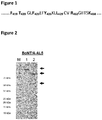
- the SEC running buffer (20 mM Tris, 150 mM NaCl, 2,5 mM CaCl2 pH 7,7) was also used to store the purified protein solutions in aliquots at -20 °C. Each protein was analyzed by applying 0,5-1 ⁇ g on 4-12% gradient SDS-PAGE (Novex Life Technologies) and stained with Coomassie G-250 based SimplyBlue safe stain (Pierce). Each protein was judged >98% pure before applying in vitro or in vivo experiments.
- BoNT/A preparations were activated with Thrombin (Merck Millipore; 8 U/1 mg BoNT) for 24 h at 20 °C yielding > 99% of di-chain toxin. Afterwards the cleavage protease was eliminated with the previously described Strep-Tactin Kit (IBA GmbH).
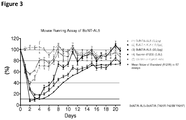
- BoNT/A-AL5 Three different dosages of BoNT/A-AL5, i.e. 5,0 pg, 10,0 pg and 20,0 pg were injected into the M. gastrocnemius of each mice in comparison to standard Xeomin® (0.6U). The mice had been trained in a treadmill. The daily running distance in the treadmill was measured over 21 days. The paralysis caused by the toxins was plotted as percentage of the running distance on the day before the injection, which was set as 100%, against the time (see Figure 3 ).
- Example 3 Generation and Purification of a BoNT/A with mutations T420E, F423M and Y426F (BoNT/A-AL6)
- BoNT/A1 in E.coli codon optimized gene constructs were cloned into pET29c (dna and protein sequence table TS1). These variants contain C-terminal fused His6- and Strep-affinity tags which can be cleaved after protein purification via thrombin.
- pET29c dna and protein sequence table TS1
- These variants contain C-terminal fused His6- and Strep-affinity tags which can be cleaved after protein purification via thrombin.
- a synthetic gene Thermo Scientific
- T420R F423M Y426F the corresponding mutations of (T420R F423M Y426F) in the BoNT/A1 wild type sequence (SEQ ID NO 1) and restriction sites Sbfl and ScaI was used.
- SEQ ID NO 1 BoNT/A1 wild type sequence
- Sbfl and ScaI restriction sites
- rBoNT/A variants were performed in Riesenberg media with 50 ⁇ g/mL Kanamycin ⁇ Riesenberg, 1991 #1 ⁇ . Cells were grown in shake flasks (37°C, 175 r.p.m) until an OD600 of 1.5-2 was reached. For induction of protein expression 1 mM IPTG (Fermentas) was added to the E.coli culture. Protein synthesis was performed for 24 h (15 °C, 175 r.p.m.).
- the resulting crude extracts were centrifuged (20,000 r.p.m., 30 min, 4 °C), and the supernatants with the soluble proteins were recovered.
- Protein purification was carried out by fast protein liquid chromatography (GE Healthcare) using a three step purification protocols. The first capture step was performed by IMAC using a HisTrap HP 1 mL column (GE Healthcare). The column was washed (1 ml min-1 working flow) using a two-step protocol with His elution buffer (50 mM Tris, 150 mM NaCl, 400 mM Imidazol pH 8,0). The elution of the toxin proteins occurred at 400 mM Imidazol.
- a Strep-Tactin affinity chromatography was performed as previously described (IBA GmbH).
- a cation exchange chromatography with a HiTrap SP HP 1 mL column (GE Healthcare, Freiburg, Germany) was used.
- the corresponding samples were diluted with SP binding buffer (50 mM Tris, pH 8) and eluted with SP elution buffer (50 mM Tris, 1 M NaCl, pH 8).
- SP binding buffer 50 mM Tris, pH 8
- SP elution buffer 50 mM Tris, 1 M NaCl, pH 8
- the SEC running buffer (20 mM Tris, 150 mM NaCl, 2,5 mM CaCl2 pH 7,7) was also used to store the purified protein solutions in aliquots at -20 °C. Each protein was analyzed by applying 0,5-1 ⁇ g on 4-12% gradient SDS-PAGE (Novex Life Technologies) and stained with Coomassie G-250 based SimplyBlue safe stain (Pierce). Each protein was judged >98% pure before applying in vitro or in vivo experiments.
- BoNT/A-A6 preparations was activated with Thrombin (Merck Millipore; 8 U/1 mg BoNT) for 24 h at 20 °C yielding > 99% of di-chain toxin. Afterwards the cleavage protease was eliminated with the previously described Strep-Tactin Kit (IBA GmbH).
- B0NT/A-AL6 Three different dosages of B0NT/A-AL6, i.e. 5,0 pg, 10,0 pg and 20,0 pg were injected into the M. gastrocnemius of each mice in comparison to standard Xeomin® (0.6 U).
- the mice had been trained in a treadmill.
- the daily running distance in the treadmill was measured over 21 days.
- the paralysis caused by the toxins was plotted as percentage of the running distance on the day before the injection, which was set as 100%, against the time (see Figure 5 ).
- the maximum paralytic effect was attained after 2 days post injection of a dose (20pg/mouse) equipotent to Xeomin® whereas Xeomin achieved maximum paralysis at day 3-4.
- the duration of paralytic effect of BoNT/A-A6 was markedly shorter when compared with the Xeomin®: after 6 days mice treated with BoNT/A-AL6 were already running a distance of 80% of the initial running distance whereas mice treated with Xeomin® needed about 14 days to achieve this distance.
Landscapes
- Health & Medical Sciences (AREA)
- Life Sciences & Earth Sciences (AREA)
- Chemical & Material Sciences (AREA)
- Organic Chemistry (AREA)
- General Health & Medical Sciences (AREA)
- Genetics & Genomics (AREA)
- Medicinal Chemistry (AREA)
- Engineering & Computer Science (AREA)
- Bioinformatics & Cheminformatics (AREA)
- Public Health (AREA)
- Animal Behavior & Ethology (AREA)
- Wood Science & Technology (AREA)
- Zoology (AREA)
- Biochemistry (AREA)
- Proteomics, Peptides & Aminoacids (AREA)
- Veterinary Medicine (AREA)
- Molecular Biology (AREA)
- Gastroenterology & Hepatology (AREA)
- Epidemiology (AREA)
- General Engineering & Computer Science (AREA)
- Immunology (AREA)
- Pharmacology & Pharmacy (AREA)
- Biophysics (AREA)
- Microbiology (AREA)
- Biotechnology (AREA)
- Biomedical Technology (AREA)
- Birds (AREA)
- Peptides Or Proteins (AREA)
- Medicines That Contain Protein Lipid Enzymes And Other Medicines (AREA)
Priority Applications (1)
| Application Number | Priority Date | Filing Date | Title |
|---|---|---|---|
| EP16194560.5A EP3312193A1 (de) | 2016-10-19 | 2016-10-19 | Neuartige rekombinante botulinumneurotoxine mit beschleunigter wirkung |
Applications Claiming Priority (1)
| Application Number | Priority Date | Filing Date | Title |
|---|---|---|---|
| EP16194560.5A EP3312193A1 (de) | 2016-10-19 | 2016-10-19 | Neuartige rekombinante botulinumneurotoxine mit beschleunigter wirkung |
Publications (1)
| Publication Number | Publication Date |
|---|---|
| EP3312193A1 true EP3312193A1 (de) | 2018-04-25 |
Family
ID=57184324
Family Applications (1)
| Application Number | Title | Priority Date | Filing Date |
|---|---|---|---|
| EP16194560.5A Withdrawn EP3312193A1 (de) | 2016-10-19 | 2016-10-19 | Neuartige rekombinante botulinumneurotoxine mit beschleunigter wirkung |
Country Status (1)
| Country | Link |
|---|---|
| EP (1) | EP3312193A1 (de) |
Cited By (2)
| Publication number | Priority date | Publication date | Assignee | Title |
|---|---|---|---|---|
| EP3753568A1 (de) * | 2019-06-21 | 2020-12-23 | Fastox Pharma SA | Zusammensetzung zur modulierung der botulinum neurotoxin wirkung |
| US11357821B2 (en) * | 2015-06-11 | 2022-06-14 | Merz Pharma Gmbh & Co. Kgaa | Recombinant clostridial neurotoxins with increased duration of effect |
Citations (17)
| Publication number | Priority date | Publication date | Assignee | Title |
|---|---|---|---|---|
| WO1995032738A1 (en) | 1994-05-31 | 1995-12-07 | Allergan, Inc. | Modification of clostridial toxins for use as transport proteins |
| WO2000012728A1 (en) | 1998-08-28 | 2000-03-09 | Promega Corporation | Expression of clostridial toxins and proteins |
| WO2001014570A1 (en) | 1999-08-25 | 2001-03-01 | Allergan Sales, Inc. | Activatable recombinant neurotoxins |
| US20020127247A1 (en) | 2000-11-17 | 2002-09-12 | Allergen Sales, Inc. | Modified clostridial neurotoxins with altered biological persistence |
| WO2005007185A2 (de) | 2003-07-22 | 2005-01-27 | Biotecon Therapeutics Gmbh | Formulierung für proteinarzneimittel ohne zusatz von humanem serumalbumin (hsa) |
| WO2006017749A2 (en) | 2004-08-04 | 2006-02-16 | Allergan, Inc. | Optimizing expression of active botulinum toxin type a |
| WO2006020208A2 (en) | 2004-07-26 | 2006-02-23 | Merz Pharma Gmbh & Co. Kgaa | Therapeutic composition whit a botulinum neurotoxin |
| WO2006076902A2 (de) | 2005-01-21 | 2006-07-27 | Biotecon Therapeutics Gmbh | Rekombinante expression von proteinen in einer disulfidverbrückten, zweikettigen form |
| WO2009114748A1 (en) | 2008-03-14 | 2009-09-17 | Allergan, Inc. | Immuno-based botulinum toxin serotype a activity assays |
| US20100160609A1 (en) * | 2000-07-21 | 2010-06-24 | Allergan, Inc. | Chimera Botulinum Toxin Type E |
| WO2011000929A1 (en) | 2009-07-02 | 2011-01-06 | Merz Pharma Gmbh & Co. Kgaa | Neurotoxins exhibiting shortened biological activity |
| WO2011091419A2 (en) * | 2010-01-25 | 2011-07-28 | New York Universiy | Recombinant derivatives of botulinum neurotoxins engineered for trafficking studies and neuronal delivery |
| WO2013017522A1 (en) | 2011-08-04 | 2013-02-07 | Merz Pharma Gmbh & Co. Kgaa | Alteration of proteolytic cleavage of botulinum neurotoxins |
| WO2013049508A1 (en) | 2011-09-29 | 2013-04-04 | WHITEMARSH, Regina Clare Meyer | Compositions and methods for toxigenicity testing |
| WO2013068476A1 (en) | 2011-11-09 | 2013-05-16 | Merz Pharma Gmbh & Co. Kgaa | Neurotoxins exhibiting shortened biological activity |
| WO2014207109A1 (en) | 2013-06-28 | 2014-12-31 | Merz Pharma Gmbh & Co. Kgaa | Means and methods for the determination of the biological activity of neurotoxin polypeptides in cells |
| US20160159866A1 (en) * | 2014-12-09 | 2016-06-09 | New York University | Clostridial neurotoxin fusion proteins, propeptide fusions, their expression, and use |
-
2016
- 2016-10-19 EP EP16194560.5A patent/EP3312193A1/de not_active Withdrawn
Patent Citations (17)
| Publication number | Priority date | Publication date | Assignee | Title |
|---|---|---|---|---|
| WO1995032738A1 (en) | 1994-05-31 | 1995-12-07 | Allergan, Inc. | Modification of clostridial toxins for use as transport proteins |
| WO2000012728A1 (en) | 1998-08-28 | 2000-03-09 | Promega Corporation | Expression of clostridial toxins and proteins |
| WO2001014570A1 (en) | 1999-08-25 | 2001-03-01 | Allergan Sales, Inc. | Activatable recombinant neurotoxins |
| US20100160609A1 (en) * | 2000-07-21 | 2010-06-24 | Allergan, Inc. | Chimera Botulinum Toxin Type E |
| US20020127247A1 (en) | 2000-11-17 | 2002-09-12 | Allergen Sales, Inc. | Modified clostridial neurotoxins with altered biological persistence |
| WO2005007185A2 (de) | 2003-07-22 | 2005-01-27 | Biotecon Therapeutics Gmbh | Formulierung für proteinarzneimittel ohne zusatz von humanem serumalbumin (hsa) |
| WO2006020208A2 (en) | 2004-07-26 | 2006-02-23 | Merz Pharma Gmbh & Co. Kgaa | Therapeutic composition whit a botulinum neurotoxin |
| WO2006017749A2 (en) | 2004-08-04 | 2006-02-16 | Allergan, Inc. | Optimizing expression of active botulinum toxin type a |
| WO2006076902A2 (de) | 2005-01-21 | 2006-07-27 | Biotecon Therapeutics Gmbh | Rekombinante expression von proteinen in einer disulfidverbrückten, zweikettigen form |
| WO2009114748A1 (en) | 2008-03-14 | 2009-09-17 | Allergan, Inc. | Immuno-based botulinum toxin serotype a activity assays |
| WO2011000929A1 (en) | 2009-07-02 | 2011-01-06 | Merz Pharma Gmbh & Co. Kgaa | Neurotoxins exhibiting shortened biological activity |
| WO2011091419A2 (en) * | 2010-01-25 | 2011-07-28 | New York Universiy | Recombinant derivatives of botulinum neurotoxins engineered for trafficking studies and neuronal delivery |
| WO2013017522A1 (en) | 2011-08-04 | 2013-02-07 | Merz Pharma Gmbh & Co. Kgaa | Alteration of proteolytic cleavage of botulinum neurotoxins |
| WO2013049508A1 (en) | 2011-09-29 | 2013-04-04 | WHITEMARSH, Regina Clare Meyer | Compositions and methods for toxigenicity testing |
| WO2013068476A1 (en) | 2011-11-09 | 2013-05-16 | Merz Pharma Gmbh & Co. Kgaa | Neurotoxins exhibiting shortened biological activity |
| WO2014207109A1 (en) | 2013-06-28 | 2014-12-31 | Merz Pharma Gmbh & Co. Kgaa | Means and methods for the determination of the biological activity of neurotoxin polypeptides in cells |
| US20160159866A1 (en) * | 2014-12-09 | 2016-06-09 | New York University | Clostridial neurotoxin fusion proteins, propeptide fusions, their expression, and use |
Non-Patent Citations (10)
| Title |
|---|
| "Remington's Pharmaceutical Sciences", MACK PUBLISHING COMPANY |
| ALTSCHUL, J MOL BIOL, vol. 215, 1990, pages 403 |
| DRESSLER, MOV. DISORD., vol. 20, 2005, pages 1617 - 1619 |
| HIGGINS, CABIOS, vol. 5, 1989, pages 151 |
| KELLER JE: "Recovery from botulinum neurotoxin poisoning in vivo", NEUROSCIENCE, vol. 139, no. 2, 12 May 2006 (2006-05-12), pages 629 - 37, XP024986329, DOI: doi:10.1016/j.neuroscience.2005.12.029 |
| KELLER, NEUROSCIENCE, vol. 139, 2006, pages 629 - 637 |
| NEEDLEMAN, J MOL BIOL, vol. 48, 1970, pages 443 |
| PEARCE, TOXICOL. APPL. PHARMACOL., vol. 128, 1994, pages 69 - 77 |
| SCHEPS, D ET AL.: "Modified rBoNT/A1 mutants with accelerated onset and shorter duration of effect", 196, 26 December 2016 (2016-12-26), XP002767612, Retrieved from the Internet <URL:http://www.sciencedirect.com/science/article/pii/S0041010116305372> [retrieved on 20170224] * |
| SMITH, ADV APPL MATH, vol. 2, 1981, pages 482 |
Cited By (5)
| Publication number | Priority date | Publication date | Assignee | Title |
|---|---|---|---|---|
| US11357821B2 (en) * | 2015-06-11 | 2022-06-14 | Merz Pharma Gmbh & Co. Kgaa | Recombinant clostridial neurotoxins with increased duration of effect |
| EP3753568A1 (de) * | 2019-06-21 | 2020-12-23 | Fastox Pharma SA | Zusammensetzung zur modulierung der botulinum neurotoxin wirkung |
| WO2020254690A1 (en) * | 2019-06-21 | 2020-12-24 | Fastox Pharma Sa | Composition modulating botulinum neurotoxin effect |
| CN114269384A (zh) * | 2019-06-21 | 2022-04-01 | 法斯托克斯制药有限公司 | 调节肉毒杆菌神经毒素作用的组合物 |
| EP4588520A3 (de) * | 2019-06-21 | 2025-09-17 | Fastox Pharma SA | Zusammensetzung zur modulierung der botulinum-neurotoxin-wirkung |
Similar Documents
| Publication | Publication Date | Title |
|---|---|---|
| EP3113792B1 (de) | Neuartige rekombinante clostridienneurotoxinen mit verlängerter wirkungsdauer | |
| US11357821B2 (en) | Recombinant clostridial neurotoxins with increased duration of effect | |
| US20220010294A1 (en) | Novel recombinant botulinum neurotoxins with increased duration of effect | |
| US20210008156A1 (en) | Novel recombinant botulinum neurotoxins with increased duration of effect | |
| EP3335719A1 (de) | Neuartige rekombinante botulinumneurotoxine mit einer stabilisierten leichten kette | |
| RU2582266C2 (ru) | Нейротоксины, проявляющие сокращенную биологическую активность | |
| US20150322118A1 (en) | Recombinant clostridial neurotoxins with enhanced membrane localization | |
| US11952601B2 (en) | Recombinant botulinum toxin with increased duration of effect | |
| EP3405480B1 (de) | Neuartige rekombinante clostridienneurotoxine mit verlängerter wirkungsdauer | |
| EP2793934B1 (de) | Neuartiges verfahren zur herstellung von di-ketten-proteinen zur verwendung bei menschen | |
| WO2016180533A1 (en) | Novel recombinant clostridial neurotoxins with increased duration of effect | |
| US20200354706A1 (en) | Novel recombinant botulinum toxin with increased duration of effect | |
| US20150232828A1 (en) | Method for the manufacturing of recombinant proteins harbouring an n-terminal lysine | |
| EP3290437A1 (de) | Neuartige rekombinante clostridienneurotoxine mit verkürzter wirkungsdauer | |
| EP3333179A1 (de) | Neuartiges rekombinantes botulinumneurotoxin mit beschleunigtem wirkungseintritt |
Legal Events
| Date | Code | Title | Description |
|---|---|---|---|
| PUAI | Public reference made under article 153(3) epc to a published international application that has entered the european phase |
Free format text: ORIGINAL CODE: 0009012 |
|
| STAA | Information on the status of an ep patent application or granted ep patent |
Free format text: STATUS: THE APPLICATION HAS BEEN PUBLISHED |
|
| AK | Designated contracting states |
Kind code of ref document: A1 Designated state(s): AL AT BE BG CH CY CZ DE DK EE ES FI FR GB GR HR HU IE IS IT LI LT LU LV MC MK MT NL NO PL PT RO RS SE SI SK SM TR |
|
| AX | Request for extension of the european patent |
Extension state: BA ME |
|
| STAA | Information on the status of an ep patent application or granted ep patent |
Free format text: STATUS: THE APPLICATION IS DEEMED TO BE WITHDRAWN |
|
| 18D | Application deemed to be withdrawn |
Effective date: 20181026 |