EP3316544A1 - Procédé de génération et d'authentification de jeton ainsi que serveur d'authentification - Google Patents
Procédé de génération et d'authentification de jeton ainsi que serveur d'authentification Download PDFInfo
- Publication number
- EP3316544A1 EP3316544A1 EP16829619.2A EP16829619A EP3316544A1 EP 3316544 A1 EP3316544 A1 EP 3316544A1 EP 16829619 A EP16829619 A EP 16829619A EP 3316544 A1 EP3316544 A1 EP 3316544A1
- Authority
- EP
- European Patent Office
- Prior art keywords
- token
- authentication server
- authentication
- information
- user
- Prior art date
- Legal status (The legal status is an assumption and is not a legal conclusion. Google has not performed a legal analysis and makes no representation as to the accuracy of the status listed.)
- Granted
Links
Images






Classifications
-
- H—ELECTRICITY
- H04—ELECTRIC COMMUNICATION TECHNIQUE
- H04L—TRANSMISSION OF DIGITAL INFORMATION, e.g. TELEGRAPHIC COMMUNICATION
- H04L63/00—Network architectures or network communication protocols for network security
- H04L63/08—Network architectures or network communication protocols for network security for authentication of entities
-
- H—ELECTRICITY
- H04—ELECTRIC COMMUNICATION TECHNIQUE
- H04L—TRANSMISSION OF DIGITAL INFORMATION, e.g. TELEGRAPHIC COMMUNICATION
- H04L9/00—Cryptographic mechanisms or cryptographic arrangements for secret or secure communications; Network security protocols
- H04L9/32—Cryptographic mechanisms or cryptographic arrangements for secret or secure communications; Network security protocols including means for verifying the identity or authority of a user of the system or for message authentication, e.g. authorization, entity authentication, data integrity or data verification, non-repudiation, key authentication or verification of credentials
- H04L9/321—Cryptographic mechanisms or cryptographic arrangements for secret or secure communications; Network security protocols including means for verifying the identity or authority of a user of the system or for message authentication, e.g. authorization, entity authentication, data integrity or data verification, non-repudiation, key authentication or verification of credentials involving a third party or a trusted authority
- H04L9/3213—Cryptographic mechanisms or cryptographic arrangements for secret or secure communications; Network security protocols including means for verifying the identity or authority of a user of the system or for message authentication, e.g. authorization, entity authentication, data integrity or data verification, non-repudiation, key authentication or verification of credentials involving a third party or a trusted authority using tickets or tokens, e.g. Kerberos
-
- H—ELECTRICITY
- H04—ELECTRIC COMMUNICATION TECHNIQUE
- H04L—TRANSMISSION OF DIGITAL INFORMATION, e.g. TELEGRAPHIC COMMUNICATION
- H04L63/00—Network architectures or network communication protocols for network security
- H04L63/08—Network architectures or network communication protocols for network security for authentication of entities
- H04L63/0807—Network architectures or network communication protocols for network security for authentication of entities using tickets, e.g. Kerberos
-
- H—ELECTRICITY
- H04—ELECTRIC COMMUNICATION TECHNIQUE
- H04L—TRANSMISSION OF DIGITAL INFORMATION, e.g. TELEGRAPHIC COMMUNICATION
- H04L63/00—Network architectures or network communication protocols for network security
- H04L63/08—Network architectures or network communication protocols for network security for authentication of entities
- H04L63/0815—Network architectures or network communication protocols for network security for authentication of entities providing single-sign-on or federations
-
- H—ELECTRICITY
- H04—ELECTRIC COMMUNICATION TECHNIQUE
- H04L—TRANSMISSION OF DIGITAL INFORMATION, e.g. TELEGRAPHIC COMMUNICATION
- H04L63/00—Network architectures or network communication protocols for network security
- H04L63/08—Network architectures or network communication protocols for network security for authentication of entities
- H04L63/083—Network architectures or network communication protocols for network security for authentication of entities using passwords
-
- H—ELECTRICITY
- H04—ELECTRIC COMMUNICATION TECHNIQUE
- H04L—TRANSMISSION OF DIGITAL INFORMATION, e.g. TELEGRAPHIC COMMUNICATION
- H04L67/00—Network arrangements or protocols for supporting network services or applications
- H04L67/01—Protocols
- H04L67/10—Protocols in which an application is distributed across nodes in the network
- H04L67/1001—Protocols in which an application is distributed across nodes in the network for accessing one among a plurality of replicated servers
- H04L67/1004—Server selection for load balancing
-
- H—ELECTRICITY
- H04—ELECTRIC COMMUNICATION TECHNIQUE
- H04L—TRANSMISSION OF DIGITAL INFORMATION, e.g. TELEGRAPHIC COMMUNICATION
- H04L9/00—Cryptographic mechanisms or cryptographic arrangements for secret or secure communications; Network security protocols
- H04L9/32—Cryptographic mechanisms or cryptographic arrangements for secret or secure communications; Network security protocols including means for verifying the identity or authority of a user of the system or for message authentication, e.g. authorization, entity authentication, data integrity or data verification, non-repudiation, key authentication or verification of credentials
-
- H—ELECTRICITY
- H04—ELECTRIC COMMUNICATION TECHNIQUE
- H04L—TRANSMISSION OF DIGITAL INFORMATION, e.g. TELEGRAPHIC COMMUNICATION
- H04L9/00—Cryptographic mechanisms or cryptographic arrangements for secret or secure communications; Network security protocols
- H04L9/32—Cryptographic mechanisms or cryptographic arrangements for secret or secure communications; Network security protocols including means for verifying the identity or authority of a user of the system or for message authentication, e.g. authorization, entity authentication, data integrity or data verification, non-repudiation, key authentication or verification of credentials
- H04L9/3234—Cryptographic mechanisms or cryptographic arrangements for secret or secure communications; Network security protocols including means for verifying the identity or authority of a user of the system or for message authentication, e.g. authorization, entity authentication, data integrity or data verification, non-repudiation, key authentication or verification of credentials involving additional secure or trusted devices, e.g. TPM, smartcard, USB or software token
Definitions
- the present invention relates to the communications field, and in particular, to a token generation and authentication method and an authentication server.
- Single sign-on means that in multiple mutually trusted application systems, a user can access all application systems by logging in only once.
- one website may include multiple application systems.
- a website may include application systems such as an online point of sales, an online shopping mall, a bonus points mall, and a portal. If the website supports single sign-on, the user can access all application systems on the website by logging in to the website only once.
- the website On a website supporting single sign-on, the website generally includes an application system server supporting various application systems and an authentication system for login and token authentication.
- the authentication system of the website generates a token for a user after the user successfully logs in, and then the user may access the application systems by carrying the token.
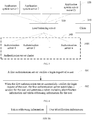
- FIG. 1 shows a single sign-on process of a user by using an example.
- the application system is the online point of sales and the online shopping mall.
- a network architecture includes an online point of sales server, an online shopping mall server, an authentication system, and a client of a user.
- a specific single sign-on process includes the following: When a user accesses an online point of sales, the client sends an access request to the online point of sales server, and the online point of sales server feeds back a login instruction to the client when determining that the user does not log in; the client sends a login request carrying a user name and a password to the authentication system, and the authentication system generates a token for the user after determining, according to the user name and the password, that the user successfully logs in, and then sends the token to the client; afterwards, when the user accesses the online point of sales, the client sends an access request carrying the token to the online point of sales server, the online point of sales server sends the token to the authentication system for authentication, and if the authentication succeeds, the authentication system feeds back user information to the online point of sales server, and the online point of sales server allows the user to access the online point of sales; similarly, when the user accesses an online shopping mall, the client sends an access request carrying the token to the online shopping mall server, the
- an authentication system generally includes a load balancing server and an authentication server cluster.
- the authentication server cluster includes n authentication servers, where n is greater than or equal to 2.
- the load balancing server is separately connected to a client and an application system server.
- the load balancing server distributes the request to an authentication server in the authentication server cluster for processing.
- the load balancing server generally performs a hash operation according to an IP address of the client or the application system server that sends the request, and distributes the received request according to an operation result.
- the load balancing server may distribute a login request of a user sent by the client and a token authentication request of the user sent by the application system server to different authentication servers. That is, an authentication server that generates a token is different from an authentication server that authenticates the token, and as a result, the authentication system cannot correctly perform token authentication, and the user cannot properly access the application system by using the token.
- a session herein is user status information stored after the user successfully logs in by an authentication server that processes the login request of the user, such as a user login status, a token list distributed for the user, or another status.
- the session is established after the user successfully logs in, and is cleared when the user performs no access before timeout.
- an authentication server 1 stores sessions of users A, E, and G
- an authentication server 2 stores sessions of users C and D
- an authentication server 3 stores sessions of users F and H.
- the authentication server 1 needs to replicate the sessions in the authentication servers 2 and 3, the authentication server 2 needs to replicate the sessions in the authentication servers 1 and 3, and the authentication server 3 needs to replicate the sessions in the authentication servers 1 and 2.
- the authentication servers 1, 2, and 3 eventually need to store the sessions of the users A to H.
- Table 1 Authentication server 1 Authentication server 2 Authentication server 3 User A User C User F User E User D User H User G Table 2 Authentication server 1 Authentication server 2 Authentication server 3 User A User C User F User E User D User H User G User A User A User C User E User E User D User G User G User F User F User C User H User H User D
- Each authentication server needs to replicate the sessions in all the other authentication servers, and this greatly consumes data transmission resources in the authentication server cluster.
- each authentication server stores the sessions of all the users, and this imposes a high requirement on an authentication server capacity and wastes storage resources of the authentication server cluster.
- Embodiments of the present invention provide a token generation and authentication method and an authentication server. Data transmission resources and storage resources in an authentication server cluster can be reduced when a token is correctly authenticated.
- an embodiment of the present invention provides a token generation and authentication method, where the method includes:
- the generating, by the first authentication server, a token for the user includes:
- the token further includes security verification information
- the generating, by the first authentication server, a token for the user further includes:
- the method further includes:
- that the first authentication server determines that the storage location indicated by the obtained token addressing information is the first authentication server includes:
- the token carried in the token authentication request further includes the security verification information, and before the obtaining, by the first authentication server, the token addressing information from the token carried in the token authentication request, the method further includes:
- the obtained security verification information is an SHA algorithm private key
- the performing, by the first authentication server according to the obtained security verification information, security verification on the token carried in the token authentication request includes:
- the performing, by the first authentication server according to the obtained identification information, authentication on the token carried in the token authentication request includes:
- an embodiment of the present invention provides a token generation and authentication method.
- the token includes identification information and token addressing information, the identification information is used to identify a session of a user, the token addressing information is used to indicate a storage location of the token in an authentication server cluster, and the method includes:
- the method further includes:
- an embodiment of the present invention provides an authentication server, including:
- the generation unit includes:
- the token further includes security verification information
- the encapsulation subunit is further configured to:
- the authentication server further includes:
- the processing unit is specifically configured to:
- the token carried in the token authentication request further includes the security verification information
- the processing unit is further configured to:
- the obtained security verification information is an SHA algorithm private key
- the processing unit is configured to perform, according to the obtained security verification information, security verification on the token carried in the token authentication request specifically includes:
- the authentication unit is specifically configured to:
- an embodiment of the present invention provides an authentication server.
- the token includes identification information and token addressing information, the identification information is used to identify a session of a user, the token addressing information is used to indicate a storage location of the token in an authentication server cluster, the authentication server is located in the authentication server cluster, and the authentication server includes:
- the receiving unit is further configured to:
- a first authentication server verifies a login request of a user, and when the verification on the login request of the user succeeds, establishes a session for the user and generates a token for the user.
- the token includes identification information and token addressing information, where the identification information is used to identify the session of the user, and the token addressing information is used to indicate a storage location of the token in an authentication server cluster.
- the first authentication server is located in the authentication server cluster.
- the token generated by the first authentication server includes the identification information, so as to ensure that the authentication server cluster can correctly perform authentication on the token.
- the authentication server can forward, according to the token addressing information, the token to the authentication server that stores the token for token authentication. In this way, authentication servers do not need to replicate sessions of each other, thereby reducing data transmission resources and storage resources in the authentication server cluster.
- a network architecture used in a token authentication method includes a client 310, m application system servers 320 (m ⁇ 2), a load balancing server 330, an authentication server cluster 340 that includes n authentication servers 3401 (n ⁇ 2).
- the load balancing server 330 is separately connected to the client 310, the application system servers 320, and the authentication servers 3401.
- the client 310 is used for user login and access to each application system.
- the application system server 320 is configured to provide a user with various services of a corresponding application system.
- the load balancing server 330 is configured to distribute a login request sent by the client and token authentication requests sent by the application system servers to the authentication servers 3401 for processing, and feed back processing results of the authentication servers 3401 to the corresponding client 310 or application system servers 320.
- the authentication server 3401 is configured to process the login request or the token authentication request, and feed back the processing result to the load balancing server 330.
- FIG. 4 is a schematic flowchart of a token generation and authentication method according to an embodiment of the present invention, and the method includes the following steps.
- Step 401 A first authentication server verifies a login request of a user.
- the first authentication server may be any server in an authentication server cluster, and is referred to as the first authentication server only for distinguishing from a second authentication server that is described later.
- the first and the second have no practical meanings.
- Step 402 When the first authentication server successfully verifies the login request of the user, the first authentication server establishes a session for the user and generates a token including identification information and token addressing information for the user.
- the first authentication server is located in the authentication server cluster.
- the conventional token generally includes identification information.
- the identification information may be implemented by user information, session information, or random code, and is used to uniquely identify a session established by an authentication server for a user after the user successfully logs in.
- the authentication server may search the authentication server for the session of the user according to the conventional token and further determine whether the user successfully logs in and whether the conventional token is correct.
- the token in this embodiment of the present invention may include identification information and token addressing information.
- the identification information is used to identify the session established by the authentication server for the user, and the token addressing information is used to indicate a storage location of the token in the authentication server cluster.
- the identification information may be implemented by the conventional token, and in this case, this embodiment of the present invention may be compatible with the prior art.
- the identification information may be specifically implemented by user information, session information, or random code, and is used to uniquely identify a session established by the authentication server for the user after the user successfully logs in.
- the token addressing information may include an address and an authentication service port of the authentication server that generates the token.
- the address of the authentication server may be an internal IP address of the authentication server in the authentication server cluster, a MAC address of the authentication server, or the like, provided that the authentication server can be uniquely identified.
- the authentication service port is used to record a port on which the authentication server provides a service.
- the token may further include security verification information.
- the security verification information is used to perform security verification on the token.
- the security verification information may be a key of an encryption algorithm, such as a secure hash algorithm (SHA, Secure Hash Algorithm) private key.
- SHA secure Hash algorithm
- the token may be obtained by adding the token addressing information to the conventional token.
- the token may be obtained by adding the token addressing information and the security verification information to the conventional token.
- the token may be generated in a layer-by-layer encapsulation manner.
- the token addressing information may be encapsulated outside the identification information; or when the token includes the identification information, the token addressing information, and the security verification information, the token addressing information and the security verification information may be encapsulated layer by layer outside the identification information.
- FIG. 5C for a token structure shown in FIG.
- the conventional token may be generated first, the token addressing information may be encapsulated subsequently, and the security verification information may be encapsulated finally; and correspondingly, for a token requiring authentication, the authentication server first decapsulates the security verification information, and after the verification succeeds, decapsulates the token addressing information, and finally decapsulates the conventional token.
- the generating, by the first authentication server, a token for the user may include:
- the generating, by the first authentication server, a token for the user may include:
- the method may further include:
- That the first authentication server determines that the storage location indicated by the obtained token addressing information is the first authentication server may include:
- the token carried in the token authentication request may further include the security verification information.
- the method may further include:
- the obtained security verification information may be an SHA algorithm private key.
- the performing, by the first authentication server according to the obtained security verification information, security verification on the token carried in the token authentication request may include:
- the performing, by the first authentication server according to the obtained identification information, authentication on the token carried in the token authentication request may include:
- a first authentication server verifies a login request of a user, and when the verification on the login request of the user succeeds, establishes a session for the user and generates a token for the user.
- the token includes identification information and token addressing information.
- the identification information is used to identify the session of the user, and the token addressing information is used to indicate a storage location of the token in an authentication server cluster.
- the first authentication server is located in the authentication server cluster.
- the token generated by the first authentication server includes the identification information, so as to ensure that the authentication server cluster can correctly perform authentication on the token.
- the authentication server can forward, according to the token addressing information, the token to the authentication server that stores the token for token authentication. In this way, authentication servers do not need to replicate sessions of each other, thereby reducing data transmission resources and storage resources in the authentication server cluster.
- FIG. 6 is another schematic flowchart of a token generation and authentication method according to an embodiment of the present invention, and the method includes the following steps.
- Step 601 A second authentication server receives a token authentication request, where the token authentication request includes a token; and obtains token addressing information from the token, where the second authentication server is located in an authentication server cluster.
- Step 602 When the second authentication server determines that a storage location indicated by the token addressing information is not located in the second authentication server, the second authentication server forwards the token to a first authentication server in which the storage location indicated by the token addressing information is located, so that the first authentication server performs authentication on the token.
- the method may further include:
- a second authentication server obtains token addressing information from a token requiring authentication, and when determining that a storage location indicated by the token addressing information is not located in the second authentication server, forwards the token to a first authentication server in which the storage location indicated by the token addressing information is located, so that the first authentication server performs authentication on the token, to ensure that an authentication server cluster can correctly perform authentication on the token.
- the token carries the token addressing information, even if the second authentication server determined by a load balancing server is not an authentication server that stores the token, the second authentication server may also forward, according to the token addressing information, the token to the first authentication server that stores the token for token authentication. Therefore, authentication servers do not need to replicate sessions of each other, thereby reducing data transmission resources and storage resources in the authentication server cluster.
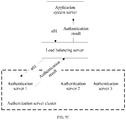
- FIG. 7A is an example of a network architecture according to an embodiment of the present invention.
- the network architecture includes a client, an application system server, a load balancing server, and an authentication server cluster, and the authentication server cluster includes an authentication server 1, an authentication server 2, and an authentication server 3. It is assumed that the authentication server 1 is a first authentication server generating a token for a user of the client.
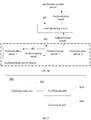
- FIG. 7B is another schematic flowchart of the token generation and authentication method in this embodiment of the present invention.
- a server for token authentication determined by a load balancing server is a first authentication server.
- the method includes the following steps.
- step 701 to step 705 are a process in which a user logs in to a client and obtains a token.
- Step 701 The client sends a login request to the load balancing server, where the login request carries user login information, and the user login information may be a user name and a password.
- the login request may carry a user name and a password of the user A.
- Step 702 The load balancing server determines an authentication server 1 that is to process the login request, and forwards the login request to the authentication server 1.
- the authentication server 1 may be an authentication server in an authentication server cluster.
- the load balancing server may perform a hash operation according to an IP address and the like of the client that sends the login request, to determine an authentication server that is to process a token authentication request.
- Step 703 The authentication server 1 performs login verification according to the user name and the password, and when the verification succeeds, establishes a session for the user and generates a token for the user, where the token includes identification information, token addressing information, and security verification information.
- This embodiment of the present invention concerns only a processing process in which the authentication server generates the token for the user after the login verification succeeds, and constitutes no limitation on a processing process in which the login verification fails, and details are not described.
- the token addressing information may include an address and an authentication service port of the authentication server 1.
- the identification information in the token is generally stored in the session established by the authentication server 1 for the user.
- the identification information is implemented by using a conventional token
- the conventional token is stored in the session established by the authentication server 1 for the user.
- the authentication server 1 in this embodiment of the present invention may only locally store the session established for the user instead of synchronizing the session to another authentication server.
- Table 3 lists examples of sessions stored in the authentication server 1, an authentication server 2, and an authentication server 3.
- the authentication server 1 in Table 3 establishes a session for the user A, and stores conventional tokens A01 and A02 generated for the user A.
- two conventional tokens A01 and A02 generated by the authentication server 1 for the user A are used as an example, and either of A01 and A02 may be used in a use process.
- Table 3 Authentication server 1 Authentication server 2 Authentication server 3 User A, conventional token (A01 and A02) User C, conventional token (C56 and C89) User F, conventional token (F87 and F25) User E, conventional token (E06 and E08) User D, conventional token ... User H, conventional token ... User G, conventional token ...
- Step 704 The authentication server 1 sends the token to the load balancing server.
- Step 705 The load balancing server sends the token to the client.
- step 706 to step 713 are a token authentication process.
- Step 706 The client sends an access request to an application system server, where the access request carries the token of the user.
- Step 707 The application system server sends a token authentication request to the load balancing server, where the token authentication request carries the token.
- Step 708 The load balancing server determines that the authentication server 1 is to process the token authentication request, and forwards the token authentication request to the authentication server 1.
- the load balancing server may perform a hash operation according to an IP address and the like of the application system server that sends the token authentication request, to determine the authentication server 1 that is to process the token authentication request.
- Step 709 The authentication server 1 obtains the token from the token authentication request.
- Step 710 The authentication server 1 obtains the security verification information from the obtained token, performs security verification on the obtained token according to the obtained security verification information, and when the verification succeeds, performs step 711.
- the authentication server 1 may send a verification failure message to the load balancing server, and the load balancing server forwards the verification failure message to the client, and details are not described herein.
- the security verification information is an SHA algorithm private key
- the authentication server 1 may use an SHA algorithm public key to verify the token.
- Step 711 The authentication server 1 obtains the token addressing information from the obtained token, determines whether a storage location indicated by the obtained token addressing information is the authentication server 1, and performs step 712 if the storage location indicated by the obtained token addressing information is the authentication server 1.
- a determining result in this step is definitely that the storage location indicated by the obtained token addressing information is the authentication server 1, and a branch with the determining result being no is not described.
- Step 712 The authentication server 1 obtains the identification information from the obtained token, performs authentication on the obtained token according to the obtained identification information, and performs step 713 after obtaining an authentication result.
- the performing, by the authentication server 1 according to the obtained identification information, authentication on the token may include:
- the authentication server 1 obtains user information of the found session and generates an authentication success message including the user information; or if no session identified by the identification information exists, the authentication server 1 generates an authentication failure message.
- Step 713 The authentication server 1 sends the authentication result to the load balancing server, the load balancing server sends the received authentication result to the application system server, and the application system server responds to the access request of the client according to the authentication result, and the processing process ends.
- the application system server obtains the user information and allows the user to access an application system. If the authentication result is an authentication failure message, the application system server does not allow the user to access an application system.
- the token authentication process in step 706 to step 713 is described by using an example.
- the application system server needs to verify a token a01 in which the conventional token A01 is encapsulated, and then perform steps 706 to 713.
- the authentication server 1 directly performs authentication on the token a01 sent by the load balancing server, and feeds back an authentication result to the application system server by using the load balancing server.
- an authentication server 1 is not only a server that generates a token, but also a server that authenticates the token and that is determined by a load balancing server. It may be determined according to token addressing information in the token that, a storage location indicated by the token addressing information is the authentication server 1. The authentication server 1 performs authentication on the token. Because the authentication server 1 generates the token, the authentication server 1 can correctly perform the authentication on the token.
- an authentication system may determine a scale of the authentication server cluster according to a system capacity and a user scale and dynamically add a new authentication server node, with no need to consider a capacity limit of a single authentication server and overheads of mutual session replication between the authentication servers.
- the load balancing server in this embodiment of the present invention can still select, according to an existing processing method, an authentication server that is to process the login request and the token authentication request, so as to be compatible with the prior art.
- FIG. 8A is another schematic flowchart of a token generation and authentication method according to an embodiment of the present invention.
- an authentication server 1 is a first authentication server that generates a token for a user of a client
- an authentication server 2 is a second authentication server for token authentication determined by a load balancing server.
- the method includes the following steps.
- step 801 to step 807 refer to step 701 to step 707, and details are not repeatedly described herein.
- Step 808 The load balancing server distributes the token authentication request to the authentication server 2.
- Step 809 The authentication server 2 obtains the token from the token authentication request.
- Step 810 The authentication server 2 obtains the security verification information from the obtained token, performs security verification on the obtained token according to the obtained security verification information, and perform step 811 when the verification succeeds.
- the authentication server 2 may send a verification failure message to the load balancing server, and the load balancing server forwards the verification failure message to the client, and details are not described herein.
- Step 811 The authentication server 2 obtains the token addressing information from the obtained token, determines whether a storage location indicated by the obtained token addressing information is the authentication server 2, and performs step 812 if the storage location indicated by the obtained token addressing information is not the authentication server 2.
- step 809 the token authentication request carries the token generated by the authentication server 1 for the user, a determining result in this step is definitely that the storage location indicated by the obtained token addressing information is not the authentication server 2, and a branch with the determining result being yes is not described.
- Step 812 The authentication server 2 forwards the token authentication request to the authentication server 1 indicated by the obtained token addressing information.
- step 813 to step 816 refer to step 709 to step 712, and details are not repeatedly described herein.
- Step 817 The authentication server 1 sends the authentication result to the authentication server 2, the authentication server 2 sends the authentication result to the load balancing server, the load balancing server sends the received authentication result to the application system server, and the application system server responds to the access request of the client according to the authentication result, and the processing process ends.
- the application system server needs to verify a token a01 obtained after a conventional token A01 is encapsulated, and then perform step 806 to step 817.
- the authentication server 2 forwards the token a01 to the authentication server 1 for authentication, the authentication server 1 feeds back an authentication result to the authentication server 2, and the authentication server 2 feeds back the authentication result to the application system server by using the load balancing server.
- an authentication server 2 that authenticates a token of the user is not an authentication server that generates the token
- the authentication server 2 is used as a forwarding node to forward a token authentication request to an authentication server 1 indicated by token addressing information, and the authentication server 1 performs authentication processing on the token, thereby ensuring that an authentication system can correctly perform authentication on the token.
- an authentication system may determine a scale of the authentication server cluster according to a system capacity and a user scale and dynamically add a new authentication server node, with no need to consider a capacity limit of a single authentication server and overheads of mutual session replication between the authentication servers.
- the load balancing server in this embodiment of the present invention can still select, according to an existing processing method, an authentication server that is to process the login request and the token authentication request, so as to be compatible with the prior art.
- an embodiment of the present invention further provides an authentication server.
- an authentication server 900 includes a verification unit 910, an establishment unit 920, and a generation unit 930.
- the verification unit 910 is configured to verify a login request of a user.
- the establishment unit 920 is configured to establish a session for the user when the verification unit 910 successfully verifies the login request of the user.
- the generation unit 930 is configured to generate a token including identification information and token addressing information for the user when the verification unit 910 successfully verifies the login request of the user.
- the identification information is used to identify the session of the user.
- the token addressing information is used to indicate a storage location of the token in an authentication server cluster.
- the authentication server is located in the authentication server cluster.
- the generation unit 930 may include:
- the token may further include security verification information.
- the encapsulation subunit may be further configured to:
- the authentication server 900 may further include:
- processing unit may be specifically configured to:
- the token carried in the token authentication request may further include the security verification information.
- the processing unit may further be configured to:
- the authentication unit may be specifically configured to:
- the authentication server verifies a login request of a user, and when the verification on the login request of the user succeeds, establishes a session for the user and generates a token for the user.
- the token includes identification information and token addressing information.
- the identification information is used to identify the session of the user, and the token addressing information is used to indicate a storage location of the token in an authentication server cluster.
- the authentication server is located in the authentication server cluster.
- the token generated by the authentication server includes the identification information, so as to ensure that the authentication server cluster can correctly perform authentication on the token.
- the authentication server can forward, according to the token addressing information, the token to the authentication server that stores the token for token authentication. In this way, authentication servers do not need to replicate sessions of each other, thereby reducing data transmission resources and storage resources in the authentication server cluster.
- an embodiment of the present invention further provides an authentication server.
- an authentication server 1000 includes a receiving unit 1010, an obtaining unit 1020, and a sending unit 1030.
- the receiving unit 1010 is configured to receive a token authentication request.
- the token authentication request includes a token.
- the obtaining unit 1020 is configured to obtain token addressing information from the token received by the receiving unit 1010.
- the sending unit 1030 is configured to: when a storage location indicated by the token addressing information obtained by the obtaining unit 1020 is not the authentication server, forward, according to the storage location, the token to another authentication server located in a same cluster as the authentication server, so that the another authentication server performs authentication on the token.
- the receiving unit 1010 maybe further configured to:
- the authentication server obtains token addressing information from a token requiring authentication, and when determining that a storage location indicated by the token addressing information is not located in the authentication server, forwards the token to an authentication server in which the storage location indicated by the token addressing information is located, and the authentication server in which the storage location is located performs authentication on the token, so as to ensure that an authentication server cluster can correctly perform authentication on the token.
- the token carries the token addressing information, even if an authentication server determined by a load balancing server is not an authentication server that stores the token, the authentication server determined by the load balancing server can also forward, according to the token addressing information, the token to the authentication server that stores the token for token authentication. In this way, authentication servers do not need to replicate sessions of each other, thereby reducing data transmission resources and storage resources in the authentication server cluster.
- FIG. 11 is a schematic structural diagram of an authentication server according to an embodiment of the present invention.
- the authentication server 1100 includes a processor 1110, a memory 1120, a transceiver 1130, and a bus 1140.
- the processor 1110, the memory 1120, and the transceiver 1130 are connected to each other by using the bus 1140, and the bus 1140 may be an ISA bus, a PCI bus, an EISA bus, or the like.
- the bus may be classified into an address bus, a data bus, a control bus, and the like.
- the bus is represented by using only one thick line in FIG. 11 ; however, it does not indicate that there is only one bus or only one type of bus.
- the memory 1120 is configured to store a program.
- the program may include program code.
- the program code includes a computer operation instruction.
- the memory 1120 may include a high-speed RAM memory, and may further include a non-volatile memory (non-volatile memory), such as at least one magnetic disk storage.
- the transceiver 1130 is configured to connect to another device and communicate with the another device.
- the processor 1110 is configured to execute the program code.
- the processor 1110 is configured to verify a login request of a user, and when the verification on the login request of the user succeeds, establish a session for the user and generate a token including identification information and token addressing information for the user.
- the identification information is used to identify the session of the user.
- the token addressing information is used to indicate a storage location of the token in an authentication server cluster.
- the first authentication server is located in the authentication server cluster.
- the processor 1110 may be configured to implement functions of some or all of units in the verification unit, the establishment unit, the generation unit, the processing unit, and the authentication unit in the embodiment shown in FIG. 9
- the transceiver 1130 is configured to implement a function of the receiving unit in the embodiment shown in FIG. 9 .
- the transceiver 1130 is configured to receive a token authentication request.
- the token authentication request includes a token.
- the processor 1110 is configured to obtain token addressing information from the token.
- the transceiver 1130 is further configured to: when the processor 1110 determines that a storage location indicated by the token addressing information is not the second authentication server, forward, according to the storage location, the token to another authentication server located in a same cluster as the authentication server, so that a first authentication server performs authentication on the token. Both the first authentication server and the second authentication server are located in the authentication server cluster.
- the processor 1110 may be configured to implement a function of the obtaining unit in the embodiment shown in FIG. 10
- the transceiver 1130 may be configured to implement functions of the receiving unit and the sending unit in the embodiment shown in FIG. 10 .
- a token generated by the authentication server includes identification information, so as to ensure that an authentication server cluster can correctly perform authentication on the token.
- the token carries token addressing information, even if an authentication server determined by a load balancing server is not an authentication server that stores the token, the authentication server can forward, according to the token addressing information, the token to the authentication server that stores the token for token authentication. In this way, authentication servers do not need to replicate sessions of each other, thereby reducing data transmission resources and storage resources in the authentication server cluster.
- the technologies in the embodiments of the present invention may be implemented by software in addition to a necessary general hardware platform.
- the technical solutions of the present invention essentially or the part contributing to the prior art may be implemented in a form of a software product.
- the software product is stored in a storage medium, such as a ROM/RAM, a hard disk, or an optical disc, and includes several instructions for instructing a computer device (which may be a personal computer, a server, or a network device) to perform the methods described in the embodiments or some parts of the embodiments of the present invention.
Landscapes
- Engineering & Computer Science (AREA)
- Computer Security & Cryptography (AREA)
- Computer Networks & Wireless Communication (AREA)
- Signal Processing (AREA)
- Computer Hardware Design (AREA)
- Computing Systems (AREA)
- General Engineering & Computer Science (AREA)
- Computer And Data Communications (AREA)
- Management, Administration, Business Operations System, And Electronic Commerce (AREA)
Applications Claiming Priority (2)
| Application Number | Priority Date | Filing Date | Title |
|---|---|---|---|
| CN201510439479.3A CN106375270B (zh) | 2015-07-24 | 2015-07-24 | 令牌生成并认证的方法及认证服务器 |
| PCT/CN2016/080254 WO2017016252A1 (fr) | 2015-07-24 | 2016-04-26 | Procédé de génération et d'authentification de jeton ainsi que serveur d'authentification |
Publications (3)
| Publication Number | Publication Date |
|---|---|
| EP3316544A1 true EP3316544A1 (fr) | 2018-05-02 |
| EP3316544A4 EP3316544A4 (fr) | 2018-05-02 |
| EP3316544B1 EP3316544B1 (fr) | 2023-10-25 |
Family
ID=57880028
Family Applications (1)
| Application Number | Title | Priority Date | Filing Date |
|---|---|---|---|
| EP16829619.2A Active EP3316544B1 (fr) | 2015-07-24 | 2016-04-26 | Procédé de génération et d'authentification de jeton ainsi que serveur d'authentification |
Country Status (3)
| Country | Link |
|---|---|
| EP (1) | EP3316544B1 (fr) |
| CN (1) | CN106375270B (fr) |
| WO (1) | WO2017016252A1 (fr) |
Cited By (4)
| Publication number | Priority date | Publication date | Assignee | Title |
|---|---|---|---|---|
| CN109150862A (zh) * | 2018-08-03 | 2019-01-04 | 福建天泉教育科技有限公司 | 一种实现token漫游的方法及服务端 |
| US11121863B1 (en) | 2020-03-12 | 2021-09-14 | Oracle International Corporation | Browser login sessions via non-extractable asymmetric keys |
| CN114244548A (zh) * | 2021-04-12 | 2022-03-25 | 无锡江南计算技术研究所 | 一种面向云ide的动态调度和用户认证方法 |
| JP2022528124A (ja) * | 2019-04-02 | 2022-06-08 | マイクロソフト テクノロジー ライセンシング,エルエルシー | 位置ベースの番号の割当てに使用するための発信者位置の検証 |
Families Citing this family (13)
| Publication number | Priority date | Publication date | Assignee | Title |
|---|---|---|---|---|
| KR101816651B1 (ko) * | 2017-02-14 | 2018-01-09 | 주식회사 코인플러그 | Utxo 기반 프로토콜의 블록체인 데이터베이스를 사용하여 서비스 제공 서버에 의하여 제공되는 서비스를 이용하기 위한 사용자의 로그인 요청에 대하여 pki 기반의 인증을 통해 로그인을 대행하는 방법 및 이를 이용한 서버 |
| DE102017221300A1 (de) * | 2017-11-28 | 2019-05-29 | Siemens Mobility GmbH | Verfahren und System zum Bereitstellen einer datentechnischen Funktion mittels eines Datenverarbeitungssystems eines spurgebundenen Fahrzeugs |
| CN108769075B (zh) * | 2018-07-06 | 2021-05-18 | 广东微云科技股份有限公司 | 一种寻址登录服务器的方法及系统 |
| CN110799938A (zh) * | 2018-09-30 | 2020-02-14 | 深圳市大疆创新科技有限公司 | 令牌管理方法、装置、芯片及可移动平台 |
| CN109697194A (zh) * | 2018-12-25 | 2019-04-30 | 杭州安恒信息技术股份有限公司 | 一种基于微服务的文件服务方法和系统 |
| CN109743163A (zh) * | 2019-01-03 | 2019-05-10 | 优信拍(北京)信息科技有限公司 | 微服务架构中的权限认证方法、装置及系统 |
| CN109936565A (zh) * | 2019-01-28 | 2019-06-25 | 平安科技(深圳)有限公司 | 登录多个服务集群的方法、装置、计算机设备及存储介质 |
| CN111125674B (zh) * | 2019-12-20 | 2022-03-22 | 中国银联股份有限公司 | 开放式数据处理系统、开放式数据系统及数据处理方法 |
| CN112149076B (zh) * | 2020-10-10 | 2021-07-06 | 上海威固信息技术股份有限公司 | 一种安全的计算机存储系统 |
| CN112866265B (zh) * | 2021-01-27 | 2023-03-24 | 湖南快乐阳光互动娱乐传媒有限公司 | 一种csrf攻击防护方法及装置 |
| CN115865383A (zh) * | 2021-09-23 | 2023-03-28 | 中兴通讯股份有限公司 | 云桌面的认证管理方法和系统、电子设备、可读存储介质 |
| CN114866247B (zh) * | 2022-04-18 | 2024-01-02 | 杭州海康威视数字技术股份有限公司 | 一种通信方法、装置、系统、终端及服务器 |
| CN119316232B (zh) * | 2024-12-17 | 2025-05-23 | 温州大学大数据与信息技术研究院 | 一种基于服务器集群的单点登录方法、装置、介质和设备 |
Family Cites Families (10)
| Publication number | Priority date | Publication date | Assignee | Title |
|---|---|---|---|---|
| US7031945B1 (en) * | 2000-07-24 | 2006-04-18 | Donner Irah H | System and method for reallocating and/or upgrading and/or rewarding tickets, other event admittance means, goods and/or services |
| US7761911B2 (en) * | 2005-11-21 | 2010-07-20 | Oracle International Corporation | Method and apparatus for facilitating single sign-on |
| US20070154016A1 (en) * | 2006-01-05 | 2007-07-05 | Nakhjiri Madjid F | Token-based distributed generation of security keying material |
| US8175875B1 (en) * | 2006-05-19 | 2012-05-08 | Google Inc. | Efficient indexing of documents with similar content |
| CN101605030B (zh) * | 2008-06-13 | 2012-09-05 | 新奥特(北京)视频技术有限公司 | 一种面向电视台应用的基于Active Directory的统一认证实现方法 |
| US8862515B2 (en) * | 2010-05-04 | 2014-10-14 | Sony Corporation | Geographic internet asset filtering for internet video client |
| US8572268B2 (en) * | 2010-06-23 | 2013-10-29 | International Business Machines Corporation | Managing secure sessions |
| US9276929B2 (en) * | 2013-03-15 | 2016-03-01 | Salesforce.Com, Inc. | Method and apparatus for multi-domain authentication |
| CN103595720B (zh) * | 2013-11-15 | 2017-07-07 | 华为技术有限公司 | 卸载数据传输方法、装置和客户端 |
| CN104660409B (zh) * | 2013-11-25 | 2018-10-23 | 北京神州泰岳软件股份有限公司 | 集群环境下系统登录的方法和认证服务器集群 |
-
2015
- 2015-07-24 CN CN201510439479.3A patent/CN106375270B/zh active Active
-
2016
- 2016-04-26 WO PCT/CN2016/080254 patent/WO2017016252A1/fr not_active Ceased
- 2016-04-26 EP EP16829619.2A patent/EP3316544B1/fr active Active
Cited By (8)
| Publication number | Priority date | Publication date | Assignee | Title |
|---|---|---|---|---|
| CN109150862A (zh) * | 2018-08-03 | 2019-01-04 | 福建天泉教育科技有限公司 | 一种实现token漫游的方法及服务端 |
| CN109150862B (zh) * | 2018-08-03 | 2021-06-08 | 福建天泉教育科技有限公司 | 一种实现token漫游的方法及服务端 |
| JP2022528124A (ja) * | 2019-04-02 | 2022-06-08 | マイクロソフト テクノロジー ライセンシング,エルエルシー | 位置ベースの番号の割当てに使用するための発信者位置の検証 |
| JP7592964B2 (ja) | 2019-04-02 | 2024-12-03 | マイクロソフト テクノロジー ライセンシング,エルエルシー | 位置ベースの番号の割当てに使用するための発信者位置の検証 |
| US11121863B1 (en) | 2020-03-12 | 2021-09-14 | Oracle International Corporation | Browser login sessions via non-extractable asymmetric keys |
| WO2021183186A1 (fr) * | 2020-03-12 | 2021-09-16 | Oracle International Corporation | Sessions de connexion à un navigateur par l'intermédiaire de clés asymétriques non extractibles |
| CN114244548A (zh) * | 2021-04-12 | 2022-03-25 | 无锡江南计算技术研究所 | 一种面向云ide的动态调度和用户认证方法 |
| CN114244548B (zh) * | 2021-04-12 | 2023-10-13 | 无锡江南计算技术研究所 | 一种面向云ide的动态调度和用户认证方法 |
Also Published As
| Publication number | Publication date |
|---|---|
| EP3316544A4 (fr) | 2018-05-02 |
| EP3316544B1 (fr) | 2023-10-25 |
| CN106375270B (zh) | 2020-12-08 |
| CN106375270A (zh) | 2017-02-01 |
| WO2017016252A1 (fr) | 2017-02-02 |
Similar Documents
| Publication | Publication Date | Title |
|---|---|---|
| EP3316544B1 (fr) | Procédé de génération et d'authentification de jeton ainsi que serveur d'authentification | |
| US12341901B1 (en) | PKI-based user authentication for web services using blockchain | |
| US20230379316A1 (en) | Tenant-aware distributed application authentication | |
| JP5009294B2 (ja) | 分散シングルサインオンサービス | |
| KR102039316B1 (ko) | 동적 패스워드들을 사용하는 인증을 위한 방법 및 디바이스 | |
| EP3219049B1 (fr) | Protocole de récupération de compte | |
| US9712398B2 (en) | Authenticating connections and program identity in a messaging system | |
| EP2633667B1 (fr) | Système et procédé de conversion de protocole à la volée dans l'obtention d'informations de mise en application de politique | |
| US20190306148A1 (en) | Method for oauth service through blockchain network, and terminal and server using the same | |
| US20140041002A1 (en) | Secure Access Method, Apparatus And System For Cloud Computing | |
| WO2018145605A1 (fr) | Procédé et serveur d'authentification, et dispositif de contrôle d'accès | |
| US20160381001A1 (en) | Method and apparatus for identity authentication between systems | |
| CN104283880A (zh) | 安全工作组管理和通信的系统和方法 | |
| CN105471964A (zh) | 用于数据推送的方法、服务器、客户端以及系统 | |
| US11611551B2 (en) | Authenticate a first device based on a push message to a second device | |
| CN102104483A (zh) | 一种基于负载均衡的单点登录方法、系统和负载均衡设备 | |
| CN113377784B (zh) | 一种基于中间件的数据处理方法、系统和存储介质 | |
| CN105871888A (zh) | 身份验证的方法、装置及系统 | |
| CN102970308A (zh) | 一种用户认证方法及服务器 | |
| CN102546166A (zh) | 一种身份认证方法、系统及装置 | |
| US20190098683A1 (en) | Method and device for associating user with group | |
| CN113612729A (zh) | 一种鉴权认证方法和相关装置 | |
| US9288049B1 (en) | Cryptographically linking data and authentication identifiers without explicit storage of linkage | |
| CN116647345A (zh) | 权限令牌的生成方法以及装置、存储介质、计算机设备 | |
| CN104717187A (zh) | 一种登录方法及设备 |
Legal Events
| Date | Code | Title | Description |
|---|---|---|---|
| STAA | Information on the status of an ep patent application or granted ep patent |
Free format text: STATUS: THE INTERNATIONAL PUBLICATION HAS BEEN MADE |
|
| PUAI | Public reference made under article 153(3) epc to a published international application that has entered the european phase |
Free format text: ORIGINAL CODE: 0009012 |
|
| STAA | Information on the status of an ep patent application or granted ep patent |
Free format text: STATUS: REQUEST FOR EXAMINATION WAS MADE |
|
| 17P | Request for examination filed |
Effective date: 20180123 |
|
| A4 | Supplementary search report drawn up and despatched |
Effective date: 20180314 |
|
| AK | Designated contracting states |
Kind code of ref document: A1 Designated state(s): AL AT BE BG CH CY CZ DE DK EE ES FI FR GB GR HR HU IE IS IT LI LT LU LV MC MK MT NL NO PL PT RO RS SE SI SK SM TR |
|
| AX | Request for extension of the european patent |
Extension state: BA ME |
|
| DAV | Request for validation of the european patent (deleted) | ||
| DAX | Request for extension of the european patent (deleted) | ||
| STAA | Information on the status of an ep patent application or granted ep patent |
Free format text: STATUS: EXAMINATION IS IN PROGRESS |
|
| 17Q | First examination report despatched |
Effective date: 20191212 |
|
| REG | Reference to a national code |
Ref country code: DE Ref legal event code: R079 Free format text: PREVIOUS MAIN CLASS: H04L0029060000 Ipc: H04L0009320000 Ref country code: DE Ref legal event code: R079 Ref document number: 602016083722 Country of ref document: DE Free format text: PREVIOUS MAIN CLASS: H04L0029060000 Ipc: H04L0009320000 |
|
| GRAP | Despatch of communication of intention to grant a patent |
Free format text: ORIGINAL CODE: EPIDOSNIGR1 |
|
| STAA | Information on the status of an ep patent application or granted ep patent |
Free format text: STATUS: GRANT OF PATENT IS INTENDED |
|
| RIC1 | Information provided on ipc code assigned before grant |
Ipc: H04L 67/1004 20220101ALI20230428BHEP Ipc: H04L 9/32 20060101AFI20230428BHEP |
|
| INTG | Intention to grant announced |
Effective date: 20230530 |
|
| GRAS | Grant fee paid |
Free format text: ORIGINAL CODE: EPIDOSNIGR3 |
|
| GRAA | (expected) grant |
Free format text: ORIGINAL CODE: 0009210 |
|
| STAA | Information on the status of an ep patent application or granted ep patent |
Free format text: STATUS: THE PATENT HAS BEEN GRANTED |
|
| AK | Designated contracting states |
Kind code of ref document: B1 Designated state(s): AL AT BE BG CH CY CZ DE DK EE ES FI FR GB GR HR HU IE IS IT LI LT LU LV MC MK MT NL NO PL PT RO RS SE SI SK SM TR |
|
| REG | Reference to a national code |
Ref country code: GB Ref legal event code: FG4D |
|
| REG | Reference to a national code |
Ref country code: CH Ref legal event code: EP |
|
| REG | Reference to a national code |
Ref country code: DE Ref legal event code: R096 Ref document number: 602016083722 Country of ref document: DE |
|
| REG | Reference to a national code |
Ref country code: IE Ref legal event code: FG4D |
|
| REG | Reference to a national code |
Ref country code: LT Ref legal event code: MG9D |
|
| REG | Reference to a national code |
Ref country code: NL Ref legal event code: MP Effective date: 20231025 |
|
| REG | Reference to a national code |
Ref country code: AT Ref legal event code: MK05 Ref document number: 1625792 Country of ref document: AT Kind code of ref document: T Effective date: 20231025 |
|
| PG25 | Lapsed in a contracting state [announced via postgrant information from national office to epo] |
Ref country code: NL Free format text: LAPSE BECAUSE OF FAILURE TO SUBMIT A TRANSLATION OF THE DESCRIPTION OR TO PAY THE FEE WITHIN THE PRESCRIBED TIME-LIMIT Effective date: 20231025 |
|
| PG25 | Lapsed in a contracting state [announced via postgrant information from national office to epo] |
Ref country code: GR Free format text: LAPSE BECAUSE OF FAILURE TO SUBMIT A TRANSLATION OF THE DESCRIPTION OR TO PAY THE FEE WITHIN THE PRESCRIBED TIME-LIMIT Effective date: 20240126 |
|
| PG25 | Lapsed in a contracting state [announced via postgrant information from national office to epo] |
Ref country code: IS Free format text: LAPSE BECAUSE OF FAILURE TO SUBMIT A TRANSLATION OF THE DESCRIPTION OR TO PAY THE FEE WITHIN THE PRESCRIBED TIME-LIMIT Effective date: 20240225 |
|
| PG25 | Lapsed in a contracting state [announced via postgrant information from national office to epo] |
Ref country code: LT Free format text: LAPSE BECAUSE OF FAILURE TO SUBMIT A TRANSLATION OF THE DESCRIPTION OR TO PAY THE FEE WITHIN THE PRESCRIBED TIME-LIMIT Effective date: 20231025 |
|
| PG25 | Lapsed in a contracting state [announced via postgrant information from national office to epo] |
Ref country code: AT Free format text: LAPSE BECAUSE OF FAILURE TO SUBMIT A TRANSLATION OF THE DESCRIPTION OR TO PAY THE FEE WITHIN THE PRESCRIBED TIME-LIMIT Effective date: 20231025 |
|
| PG25 | Lapsed in a contracting state [announced via postgrant information from national office to epo] |
Ref country code: ES Free format text: LAPSE BECAUSE OF FAILURE TO SUBMIT A TRANSLATION OF THE DESCRIPTION OR TO PAY THE FEE WITHIN THE PRESCRIBED TIME-LIMIT Effective date: 20231025 |
|
| PG25 | Lapsed in a contracting state [announced via postgrant information from national office to epo] |
Ref country code: LT Free format text: LAPSE BECAUSE OF FAILURE TO SUBMIT A TRANSLATION OF THE DESCRIPTION OR TO PAY THE FEE WITHIN THE PRESCRIBED TIME-LIMIT Effective date: 20231025 Ref country code: IS Free format text: LAPSE BECAUSE OF FAILURE TO SUBMIT A TRANSLATION OF THE DESCRIPTION OR TO PAY THE FEE WITHIN THE PRESCRIBED TIME-LIMIT Effective date: 20240225 Ref country code: GR Free format text: LAPSE BECAUSE OF FAILURE TO SUBMIT A TRANSLATION OF THE DESCRIPTION OR TO PAY THE FEE WITHIN THE PRESCRIBED TIME-LIMIT Effective date: 20240126 Ref country code: ES Free format text: LAPSE BECAUSE OF FAILURE TO SUBMIT A TRANSLATION OF THE DESCRIPTION OR TO PAY THE FEE WITHIN THE PRESCRIBED TIME-LIMIT Effective date: 20231025 Ref country code: BG Free format text: LAPSE BECAUSE OF FAILURE TO SUBMIT A TRANSLATION OF THE DESCRIPTION OR TO PAY THE FEE WITHIN THE PRESCRIBED TIME-LIMIT Effective date: 20240125 Ref country code: AT Free format text: LAPSE BECAUSE OF FAILURE TO SUBMIT A TRANSLATION OF THE DESCRIPTION OR TO PAY THE FEE WITHIN THE PRESCRIBED TIME-LIMIT Effective date: 20231025 Ref country code: PT Free format text: LAPSE BECAUSE OF FAILURE TO SUBMIT A TRANSLATION OF THE DESCRIPTION OR TO PAY THE FEE WITHIN THE PRESCRIBED TIME-LIMIT Effective date: 20240226 |
|
| PG25 | Lapsed in a contracting state [announced via postgrant information from national office to epo] |
Ref country code: SE Free format text: LAPSE BECAUSE OF FAILURE TO SUBMIT A TRANSLATION OF THE DESCRIPTION OR TO PAY THE FEE WITHIN THE PRESCRIBED TIME-LIMIT Effective date: 20231025 Ref country code: RS Free format text: LAPSE BECAUSE OF FAILURE TO SUBMIT A TRANSLATION OF THE DESCRIPTION OR TO PAY THE FEE WITHIN THE PRESCRIBED TIME-LIMIT Effective date: 20231025 Ref country code: PL Free format text: LAPSE BECAUSE OF FAILURE TO SUBMIT A TRANSLATION OF THE DESCRIPTION OR TO PAY THE FEE WITHIN THE PRESCRIBED TIME-LIMIT Effective date: 20231025 Ref country code: NO Free format text: LAPSE BECAUSE OF FAILURE TO SUBMIT A TRANSLATION OF THE DESCRIPTION OR TO PAY THE FEE WITHIN THE PRESCRIBED TIME-LIMIT Effective date: 20240125 Ref country code: LV Free format text: LAPSE BECAUSE OF FAILURE TO SUBMIT A TRANSLATION OF THE DESCRIPTION OR TO PAY THE FEE WITHIN THE PRESCRIBED TIME-LIMIT Effective date: 20231025 Ref country code: HR Free format text: LAPSE BECAUSE OF FAILURE TO SUBMIT A TRANSLATION OF THE DESCRIPTION OR TO PAY THE FEE WITHIN THE PRESCRIBED TIME-LIMIT Effective date: 20231025 |
|
| PG25 | Lapsed in a contracting state [announced via postgrant information from national office to epo] |
Ref country code: DK Free format text: LAPSE BECAUSE OF FAILURE TO SUBMIT A TRANSLATION OF THE DESCRIPTION OR TO PAY THE FEE WITHIN THE PRESCRIBED TIME-LIMIT Effective date: 20231025 |
|
| PG25 | Lapsed in a contracting state [announced via postgrant information from national office to epo] |
Ref country code: CZ Free format text: LAPSE BECAUSE OF FAILURE TO SUBMIT A TRANSLATION OF THE DESCRIPTION OR TO PAY THE FEE WITHIN THE PRESCRIBED TIME-LIMIT Effective date: 20231025 |
|
| REG | Reference to a national code |
Ref country code: DE Ref legal event code: R097 Ref document number: 602016083722 Country of ref document: DE |
|
| PG25 | Lapsed in a contracting state [announced via postgrant information from national office to epo] |
Ref country code: SK Free format text: LAPSE BECAUSE OF FAILURE TO SUBMIT A TRANSLATION OF THE DESCRIPTION OR TO PAY THE FEE WITHIN THE PRESCRIBED TIME-LIMIT Effective date: 20231025 |
|
| PG25 | Lapsed in a contracting state [announced via postgrant information from national office to epo] |
Ref country code: SM Free format text: LAPSE BECAUSE OF FAILURE TO SUBMIT A TRANSLATION OF THE DESCRIPTION OR TO PAY THE FEE WITHIN THE PRESCRIBED TIME-LIMIT Effective date: 20231025 Ref country code: SK Free format text: LAPSE BECAUSE OF FAILURE TO SUBMIT A TRANSLATION OF THE DESCRIPTION OR TO PAY THE FEE WITHIN THE PRESCRIBED TIME-LIMIT Effective date: 20231025 Ref country code: RO Free format text: LAPSE BECAUSE OF FAILURE TO SUBMIT A TRANSLATION OF THE DESCRIPTION OR TO PAY THE FEE WITHIN THE PRESCRIBED TIME-LIMIT Effective date: 20231025 Ref country code: IT Free format text: LAPSE BECAUSE OF FAILURE TO SUBMIT A TRANSLATION OF THE DESCRIPTION OR TO PAY THE FEE WITHIN THE PRESCRIBED TIME-LIMIT Effective date: 20231025 Ref country code: EE Free format text: LAPSE BECAUSE OF FAILURE TO SUBMIT A TRANSLATION OF THE DESCRIPTION OR TO PAY THE FEE WITHIN THE PRESCRIBED TIME-LIMIT Effective date: 20231025 Ref country code: DK Free format text: LAPSE BECAUSE OF FAILURE TO SUBMIT A TRANSLATION OF THE DESCRIPTION OR TO PAY THE FEE WITHIN THE PRESCRIBED TIME-LIMIT Effective date: 20231025 Ref country code: CZ Free format text: LAPSE BECAUSE OF FAILURE TO SUBMIT A TRANSLATION OF THE DESCRIPTION OR TO PAY THE FEE WITHIN THE PRESCRIBED TIME-LIMIT Effective date: 20231025 |
|
| PLBE | No opposition filed within time limit |
Free format text: ORIGINAL CODE: 0009261 |
|
| STAA | Information on the status of an ep patent application or granted ep patent |
Free format text: STATUS: NO OPPOSITION FILED WITHIN TIME LIMIT |
|
| 26N | No opposition filed |
Effective date: 20240726 |
|
| PG25 | Lapsed in a contracting state [announced via postgrant information from national office to epo] |
Ref country code: SI Free format text: LAPSE BECAUSE OF FAILURE TO SUBMIT A TRANSLATION OF THE DESCRIPTION OR TO PAY THE FEE WITHIN THE PRESCRIBED TIME-LIMIT Effective date: 20231025 |
|
| PG25 | Lapsed in a contracting state [announced via postgrant information from national office to epo] |
Ref country code: SI Free format text: LAPSE BECAUSE OF FAILURE TO SUBMIT A TRANSLATION OF THE DESCRIPTION OR TO PAY THE FEE WITHIN THE PRESCRIBED TIME-LIMIT Effective date: 20231025 |
|
| REG | Reference to a national code |
Ref country code: DE Ref legal event code: R119 Ref document number: 602016083722 Country of ref document: DE |
|
| PG25 | Lapsed in a contracting state [announced via postgrant information from national office to epo] |
Ref country code: MC Free format text: LAPSE BECAUSE OF FAILURE TO SUBMIT A TRANSLATION OF THE DESCRIPTION OR TO PAY THE FEE WITHIN THE PRESCRIBED TIME-LIMIT Effective date: 20231025 |
|
| PG25 | Lapsed in a contracting state [announced via postgrant information from national office to epo] |
Ref country code: MC Free format text: LAPSE BECAUSE OF FAILURE TO SUBMIT A TRANSLATION OF THE DESCRIPTION OR TO PAY THE FEE WITHIN THE PRESCRIBED TIME-LIMIT Effective date: 20231025 |
|
| REG | Reference to a national code |
Ref country code: CH Ref legal event code: PL |
|
| PG25 | Lapsed in a contracting state [announced via postgrant information from national office to epo] |
Ref country code: LU Free format text: LAPSE BECAUSE OF NON-PAYMENT OF DUE FEES Effective date: 20240426 |
|
| REG | Reference to a national code |
Ref country code: BE Ref legal event code: MM Effective date: 20240430 |
|
| PG25 | Lapsed in a contracting state [announced via postgrant information from national office to epo] |
Ref country code: LU Free format text: LAPSE BECAUSE OF NON-PAYMENT OF DUE FEES Effective date: 20240426 |
|
| PG25 | Lapsed in a contracting state [announced via postgrant information from national office to epo] |
Ref country code: DE Free format text: LAPSE BECAUSE OF NON-PAYMENT OF DUE FEES Effective date: 20241105 |
|
| PG25 | Lapsed in a contracting state [announced via postgrant information from national office to epo] |
Ref country code: BE Free format text: LAPSE BECAUSE OF NON-PAYMENT OF DUE FEES Effective date: 20240430 |
|
| PG25 | Lapsed in a contracting state [announced via postgrant information from national office to epo] |
Ref country code: FR Free format text: LAPSE BECAUSE OF NON-PAYMENT OF DUE FEES Effective date: 20240430 |
|
| PG25 | Lapsed in a contracting state [announced via postgrant information from national office to epo] |
Ref country code: FR Free format text: LAPSE BECAUSE OF NON-PAYMENT OF DUE FEES Effective date: 20240430 Ref country code: DE Free format text: LAPSE BECAUSE OF NON-PAYMENT OF DUE FEES Effective date: 20241105 Ref country code: BE Free format text: LAPSE BECAUSE OF NON-PAYMENT OF DUE FEES Effective date: 20240430 Ref country code: CH Free format text: LAPSE BECAUSE OF NON-PAYMENT OF DUE FEES Effective date: 20240430 |
|
| PG25 | Lapsed in a contracting state [announced via postgrant information from national office to epo] |
Ref country code: IE Free format text: LAPSE BECAUSE OF NON-PAYMENT OF DUE FEES Effective date: 20240426 |
|
| PG25 | Lapsed in a contracting state [announced via postgrant information from national office to epo] |
Ref country code: CY Free format text: LAPSE BECAUSE OF FAILURE TO SUBMIT A TRANSLATION OF THE DESCRIPTION OR TO PAY THE FEE WITHIN THE PRESCRIBED TIME-LIMIT; INVALID AB INITIO Effective date: 20160426 |
|
| PG25 | Lapsed in a contracting state [announced via postgrant information from national office to epo] |
Ref country code: HU Free format text: LAPSE BECAUSE OF FAILURE TO SUBMIT A TRANSLATION OF THE DESCRIPTION OR TO PAY THE FEE WITHIN THE PRESCRIBED TIME-LIMIT; INVALID AB INITIO Effective date: 20160426 |
|
| PG25 | Lapsed in a contracting state [announced via postgrant information from national office to epo] |
Ref country code: FI Free format text: LAPSE BECAUSE OF FAILURE TO SUBMIT A TRANSLATION OF THE DESCRIPTION OR TO PAY THE FEE WITHIN THE PRESCRIBED TIME-LIMIT Effective date: 20231025 |
|
| PGFP | Annual fee paid to national office [announced via postgrant information from national office to epo] |
Ref country code: GB Payment date: 20260312 Year of fee payment: 11 |