EP3319626B1 - Bacteriophage strains against proteus mirabilis and uses thereof - Google Patents
Bacteriophage strains against proteus mirabilis and uses thereof Download PDFInfo
- Publication number
- EP3319626B1 EP3319626B1 EP16753961.8A EP16753961A EP3319626B1 EP 3319626 B1 EP3319626 B1 EP 3319626B1 EP 16753961 A EP16753961 A EP 16753961A EP 3319626 B1 EP3319626 B1 EP 3319626B1
- Authority
- EP
- European Patent Office
- Prior art keywords
- strains
- phage
- phages
- mirabilis
- bacteriophages
- Prior art date
- Legal status (The legal status is an assumption and is not a legal conclusion. Google has not performed a legal analysis and makes no representation as to the accuracy of the status listed.)
- Active
Links
Images


Classifications
-
- C—CHEMISTRY; METALLURGY
- C12—BIOCHEMISTRY; BEER; SPIRITS; WINE; VINEGAR; MICROBIOLOGY; ENZYMOLOGY; MUTATION OR GENETIC ENGINEERING
- C12N—MICROORGANISMS OR ENZYMES; COMPOSITIONS THEREOF; PROPAGATING, PRESERVING, OR MAINTAINING MICROORGANISMS; MUTATION OR GENETIC ENGINEERING; CULTURE MEDIA
- C12N7/00—Viruses; Bacteriophages; Compositions thereof; Preparation or purification thereof
-
- A—HUMAN NECESSITIES
- A01—AGRICULTURE; FORESTRY; ANIMAL HUSBANDRY; HUNTING; TRAPPING; FISHING
- A01N—PRESERVATION OF BODIES OF HUMANS OR ANIMALS OR PLANTS OR PARTS THEREOF; BIOCIDES, e.g. AS DISINFECTANTS, AS PESTICIDES OR AS HERBICIDES; PEST REPELLANTS OR ATTRACTANTS; PLANT GROWTH REGULATORS
- A01N63/00—Biocides, pest repellants or attractants, or plant growth regulators containing microorganisms, viruses, microbial fungi, animals or substances produced by, or obtained from, microorganisms, viruses, microbial fungi or animals, e.g. enzymes or fermentates
- A01N63/40—Viruses, e.g. bacteriophages
-
- A—HUMAN NECESSITIES
- A61—MEDICAL OR VETERINARY SCIENCE; HYGIENE
- A61K—PREPARATIONS FOR MEDICAL, DENTAL OR TOILETRY PURPOSES
- A61K35/00—Medicinal preparations containing materials or reaction products thereof with undetermined constitution
- A61K35/66—Microorganisms or materials therefrom
- A61K35/76—Viruses; Subviral particles; Bacteriophages
-
- A—HUMAN NECESSITIES
- A61—MEDICAL OR VETERINARY SCIENCE; HYGIENE
- A61P—SPECIFIC THERAPEUTIC ACTIVITY OF CHEMICAL COMPOUNDS OR MEDICINAL PREPARATIONS
- A61P31/00—Antiinfectives, i.e. antibiotics, antiseptics, chemotherapeutics
- A61P31/04—Antibacterial agents
-
- A—HUMAN NECESSITIES
- A61—MEDICAL OR VETERINARY SCIENCE; HYGIENE
- A61K—PREPARATIONS FOR MEDICAL, DENTAL OR TOILETRY PURPOSES
- A61K39/00—Medicinal preparations containing antigens or antibodies
-
- C—CHEMISTRY; METALLURGY
- C12—BIOCHEMISTRY; BEER; SPIRITS; WINE; VINEGAR; MICROBIOLOGY; ENZYMOLOGY; MUTATION OR GENETIC ENGINEERING
- C12N—MICROORGANISMS OR ENZYMES; COMPOSITIONS THEREOF; PROPAGATING, PRESERVING, OR MAINTAINING MICROORGANISMS; MUTATION OR GENETIC ENGINEERING; CULTURE MEDIA
- C12N2795/00—Bacteriophages
- C12N2795/00011—Details
- C12N2795/00021—Viruses as such, e.g. new isolates, mutants or their genomic sequences
-
- C—CHEMISTRY; METALLURGY
- C12—BIOCHEMISTRY; BEER; SPIRITS; WINE; VINEGAR; MICROBIOLOGY; ENZYMOLOGY; MUTATION OR GENETIC ENGINEERING
- C12N—MICROORGANISMS OR ENZYMES; COMPOSITIONS THEREOF; PROPAGATING, PRESERVING, OR MAINTAINING MICROORGANISMS; MUTATION OR GENETIC ENGINEERING; CULTURE MEDIA
- C12N2795/00—Bacteriophages
- C12N2795/00011—Details
- C12N2795/00031—Uses of virus other than therapeutic or vaccine, e.g. disinfectant
-
- C—CHEMISTRY; METALLURGY
- C12—BIOCHEMISTRY; BEER; SPIRITS; WINE; VINEGAR; MICROBIOLOGY; ENZYMOLOGY; MUTATION OR GENETIC ENGINEERING
- C12N—MICROORGANISMS OR ENZYMES; COMPOSITIONS THEREOF; PROPAGATING, PRESERVING, OR MAINTAINING MICROORGANISMS; MUTATION OR GENETIC ENGINEERING; CULTURE MEDIA
- C12N2795/00—Bacteriophages
- C12N2795/00011—Details
- C12N2795/00032—Use of virus as therapeutic agent, other than vaccine, e.g. as cytolytic agent
Definitions
- the invention relates to bacteriophage strains deposited on June 19, 2015 with the Polish Collection of Microorganisms (PCM) at Instytut Immunologii i Terapii Doswiadczalnej Polskiej Akademii Nauk (The Immunology and Experimental Therapy Institute of the Polish Academy of Science), in Wroc aw, PL (Rudolfa Weigla 1, 53-114 Wroc aw) in accordance with the provisions of the Budapest Treaty on the International Recognition of the Deposit of Microorganisms for the Purposes of Patent Procedure, under the access numbers F/00084, F/00085 and F/00086, for medical and non-medical use.
- PCM Polish Collection of Microorganisms
- bacteriophage strains according to the present invention may be identified also by alternative names i.e. 72APm5211 (F/00084), 39APmC32 (F/00085) and 65APm2833 (F/00086).
- Bacteriophages are viruses possessing a natural ability to destroy bacteria and commonly occurring in the environment as well as human and animal intestinal tracts [ Ackermann H.W.: Bacteriophage taxonomy. Microbiol. Australia, 2011; 2: 90-94 ].
- Bacteriophages have become a tool in the fight against multidrug-resistant microorganisms or undesirable bacteria in the industry as well as a tool used in diagnostics and molecular biology.
- the fight against bacteria involves using virulent phages, which, as a result of the process of propagation in bacteria, lead to their destruction, and release of progeny viruses capable of infecting other bacterial cells [ Maura D., Debarbieux L.: Bacteriophages as twenty-first century antibacterial tools for food and medicine. Apel. Microbiol. Biotechnol., 2011; 90: 851-859 ].
- phages The main advantage of phages is their high specificity towards bacteria, which is connected with the existence of specific receptors on the host cells. In consequence, bacteria belonging to a certain species or even strain are destroyed without affecting the patient's natural microflora. Enzymes produced by phages responsible for the degradation of the bacterial cell wall or capsule arouse interest as potential therapeutic agents or components of disinfectants. These enzymes belong to a novel group of drugs called enzybiotics [ Drulis-Kawa Z., Majkowska-Skrobek G., Maciejewska B., Delattre A.S. and Lavigne R.: Learning from bacteriophages - advantages and limitations of phage and phage-encoded protein applications. Curr. Protein Pept. Sci,, 2012; 13: 699-722 ].
- Lysins are potential antibacterial agents acting mainly against Gram-positive bacteria [Borysowski J., Lobocka M., Mi dzybrodzki R., Weber-D browska B., Górski A.: Potential of bacteriophages and their lysins in the treatment of MRSA. Current status and future perspectives. Biodrugs, 2011; 25: 347-355].
- Free capsule depolymerase 29 J. Virol., 1975; 15: 976-984 ; Clarke B.R., Esumeh F., Roberts I.S.: Cloning, expression, and purification of the K5 capsular polysaccharide lyase (KflA) from coliphage K5A: evidence for two distinct K5 lyase enzymes. J. Bacteriol., 2000; 182: 3761-3766 ], P. aeruginosa [ Bartell P.F., Orr T.E., Lam G.K.L.: Purification and properties of polysaccharide depolymerase associated with phage-infected Pseudomonas aeruginosa. J.
- Streptococcus [ Lindsay A.-M., Zhang M., Mitchell Z., Holden M.T.G., Waller A.S., Sutcliffe I.C., Black G.W.:
- the Streptococcus equi prophage-encoded protein SEQ2045 is a hyaluronan-specific hyaluronate lyase that is produced during equine infection.
- Vibrio cholerae 0139 [ Linnerborg M., Weintraub A., Albert M.J., Widwalm G.: Depolymerization of the capsular polysaccharide from Vibrio cholerae 0139 by a lyase associated with the bacteriophage JA1. Carbohydrate Res., 2001; 333: 263-269 ]. At present there are no data available concerning polysaccharide depolymerases produced by phages specific to Proteus mirabilis (P. mirabilis).
- phage polysaccharide depolymerases play an essential role in the destruction of the matrix of biofilm formed by other bacteria
- P. mirabilis bacteria are Gram-negative opportunistic pathogens belonging to the family Enterobacteriaceae , which mainly cause of urinary tract infections (UTI), especially among catheterized patients or individuals with anatomical and/or physiological defects in the urinary tract or after surgeries [ Jacobsen S.M., Shirtliff M.E.: Proteus mirabilis biofilms and catheter-associated urinary tract infections. Virulence, 2011; 2: 460-465 ]. It has been shown that in the case of catheterized hospital or ambulatory patients, the frequency of UTIs increases by 5% with each day of catheterization.
- UTI urinary tract infections
- P. mirabilis is also associated with rheumatoid arthritis in humans, occurring as a UTI complication caused by these bacteria [ Ebringer A, Rashid T.: Rheumatoid arthritis is an autoimmune disease triggered by Proteus urinary tract infection. Clin. Dev. Immunol. 2006; 13: 41-48 ].
- a strong proteolytic activity of P. mirabilis also leads to meat spoilage [ Bradeeba K., Sivakumaar P.K: Antibiotic susceptibility of selected pathogenic bacteria isolated from raw meat sample obtained from Chidambaram, Tamil Nadu. J. Chem. Pharm. Res., 2013, 5(1): 64-67 ].
- Drugs currently recommended for the treatment of UTIs connected with the presence of a urinary catheter include fluorochinolones (ciprofloxacin), beta lactam antibiotics (amoxicillin with bacterial beta lactamase inhibitor - clavulanic acid, and others) 1 st , 2 nd and 3 rd generation of cephalosporins and aminoglycosides (gentamicin, amikacin). In special cases it is recommended to use combined treatment.
- mirabilis bacilli resistance to ⁇ -lactam antibiotics is connected with the production of AmpC cephalosporinases, extended spectrum beta-lactamases ESBL and carbapenemase [ Datta P., Gupta V., Arora S., Garg S., Chander J.: Epidemiology of extended-spectrum ⁇ -lactamase, AmpC, and carbapenemase production in Proteus mirabilis. Jpn. J. Infect. Dis. 2014; 67(1): 44-6 ]. There is an increasing number of reports on P.
- Silicone catheters are referred to as the gold standard due to their compatibility and the fact that they do not cause cytotoxic changes in the macroorganism tissues [Ostrowska K., Strzelczyk A., Rozalski A., St czek P.: Biofilm bakteryjny jako przyczyna zaka ⁇ e ⁇ ukladu moczowego - mikroorganizmy patogenne, metody prewencji i eradykacji. Post py Higieny i Medycyny Do ⁇ wiadczalnej (Bacterial biofilm as a cause of urinary tract infections - pathogens, methods of prevention and eradication.
- the aim of the present invention is also to provide bacteriophage products for use in medical and veterinary prophylaxis and therapy both alone and/or in combination with other anti-bacterial substances, in particular against bacteria of the species Proteus mirabilis, especially the drug- and multidrug-resistant strains of the species.
- a still further aim of the invention is to provide use of the improved preparations in industry, in particularly in the food industry, especially in meat industry, for control and prevention of colonization by bacteria of the species Proteus mirabilis, especially the drug- and multidrug-resistant strains of the species.
- the present invention relates to the new bacteriophage strains specific against bacteria belonging to the species P. mirabilis, deposited with the Polish Collection of Microorganisms (PCM) under the access numbers: F/00084 (72APm5211), F/00085 (39APmC32), F/00086 (65APm2833), for use in therapy.
- PCM Polish Collection of Microorganisms
- the present invention relates in particular to the new bacteriophage strains specific for bacteria belonging to the species P. mirabilis, deposited with the Polish Collection of Microorganisms (PCM) under the access numbers: F/00084 (72APm5211), F/00085 (39APmC32), F/00086 (65APm2833), in form of complete particles of the single bacteriophage strain or in form of bacteriophage lysates, for use in therapy as anti-bacterial agents, against bacteria of the species Proteus mirabilis, especially the drug- and multidrug-resistant strains of the species, advantageously in urinary tract infections.
- PCM Polish Collection of Microorganisms
- the present invention relates in particular to the new bacteriophage strains specific against bacteria belonging to the species P. mirabilis, deposited with the Polish Collection of Microorganisms (PCM) under the access numbers: F/00084 (72APm5211), F/00085 (39APmC32), F/00086 (65APm2833), in form of a cocktail comprising two or more active bacteriophages or in form of lysates of two or more active bacteriophages, for use in therapy as anti-bacterial agents, against bacteria of the species Proteus mirabilis, especially the drug- and multidrug-resistant strains of the species, advantageously in urinary tract infections.
- PCM Polish Collection of Microorganisms
- the invention relates also to the bacteriophages strains deposited with The Polish Collection of Microorganisms (PCM) under the access numbers: F/00084, F/00085, F/00086, in form of a anti-bacterial preparation comprising at least one bacteriophage strain selected from the above identified strains optionally in the form of a bacteriophage lysate, for use in therapy or prophylaxis of infections caused by bacteria belonging to the species P. mirabilis, especially within the urinary tract.
- the anti-bacterial preparation is adapted to administration in combination or in composition with other medicaments or anti-bacterial agents.
- the invention relates also to the use of the bacteriophages strains deposited with The Polish Collection of Microorganisms (PCM) under the access numbers: F/00084, F/00085, F/00086, for manufacturing of an anti-bacterial preparation for the disinfection of surfaces and instruments of medical use and in food industry, especially meat products, as well as facilities and tools used in meat processing, comprising at least one bacteriophage strain selected from the above identified strains optionally in the form of a bacteriophage lysate, in an effective amount to provide the desired disinfecting effect, optionally in a composition comprising stabilizers and other anti-bacterial agents.
- the manufactured preparations are in liquid form intended for use in as spray, compresses, rinse/wash liquid preparation or wet compresses.
- manufactured preparations or compositions are in gel form intended for coating medical devices, preferably urologic catheters.
- the present invention enabled acquiring valuable preparations that can be used in the treatment and/or prophylaxis of diseases of bacterial etiology and in particular the preparations virulent against bacteria of the species Proteus mirabilis, especially drug- and multidrug-resistant strains of the species and/or able to destroy biofilm matrix of bacteria of the species Proteus mirabilis, especially the drug-and multidrug-resistant strains of the species.
- phage cocktail refers to a mixture for use according to the invention comprising two or three bacteriophages deposited with The Polish Collection of Microorganisms (PCM) under the access numbers: F/00084 (72APm521), F/00085 (39APmC32), F/00086 (65A Pm2833). Phage cocktail may optionally also contain phages other than bacteriophages defined in the claims.
- biofilm eradication or “biofilm destruction” or “inhibition of biofilm formation” is intended herein to mean the destruction of the biofilm or limitation of biofilm formation evaluated by testing the activity of bacterial cell dehydrogenases performed using the MTT assay.
- composition herein means a prophylactically or therapeutically effective composition for use according to the invention comprising bacteriophages deposited under PCT access numbers: F / 00085 (39APmC32), F / 00086 (65A Pm2833), F / 00084 (72APm5211), the bacteriophages being in form of whole particles of a single bacteriophage strain or in form of a phage cocktail, or in form of bacteriophage lysates.
- treatment refers to both treatment and prophylaxis in human and in veterinary medicine, and the therapeutic effect is alleviation or reduction of the infection symptoms and improvement of the patient's condition , as well as preventing the infections and elimination of the effects of the same, up to complete eradication of infections.
- the characteristic feature of these uropathogens is an ability to form biofilm on urological catheters, which contributes to the development of urinary tract infection and complicates treatment.
- 50 uropathogenic P. mirabilis strains were used.
- P. mirabilis strains came from the collection owned by the Department of Immunobiology of Bacteria, University of Lodz.
- strains isolated from urological catheters biofilms to the 13 drugs had been determined earlier [ Moryl M., Torzewska A., Jalmuzna P. and Ró ⁇ alski A.: Analysis of Proteus mirabilis distribution in multi-species biofilms on urinary catheters and determination of bacteria resistance to antimicrobial agents. Pol. J. Microbiol, 2013; 62: 377-384 ].
- Three strains were resistant to all tested drugs, whereas 91%, 86% and 82% of the isolates were resistant to gentamicin, cotrimoxazole and amoxycillin with clavulanic acid, respectively. 41% of the strains were insensitive to ciprofloxacin - a drug recommended in the first instance for the treatment of UTIs.
- Bacteriophages were isolated from urban wastewater purified by centrifugation and filtration through a filter with a pore diameter of 0.2 ⁇ m.
- the purified wastewater samples were mixed at equal volumes with double concentrated TSB and next a fresh host culture was added. After 3 h incubation at 37°C at 150 rpm/min. the culture was inoculated onto a phage nutrient agar plates [ Slopek S., Durlakowa I., Kucharewicz- Krukowska A., Krzywy T., Slopek A., Weber B.: Phage typing of Shigella flexneri. Arch. Immunol. Therap. Exp., 1972; 20(1): 1-60 ].
- the phage nutrient agar was supplemented with phenol (0.1%). After 24h incubation single plaques evidencing the presence of phages were cut out and transferred to nutrient broth pH 7.1, followed by the addition of the host culture. After the phages proliferation, the culture was centrifuged and filtered through filters with a pore diameter of 0.2 ⁇ m. The obtained lysates were diluted and a double agar layer method was performed to determine the titer and isolate single plaques. The procedure was repeated 5 times in order to obtain a pure line of phages. In this way 48 P. mirabilis specific phages were isolated from sewage.
- Phages 39APmC32, 65APm2833 and 72APm5211 formed respectively plaques with a diameter of 3 mm which were clear, surrounded by a 3 mm halo zone; plaques with a diameter of 1 mm which were clear; plaques with a 4 mm diameter surrounded by a 3mm halo zone. Due to the planned use of the phages it was recommended that they should form plaques surrounded by a halo zone, which is formed as a result of the activity of phage enzymes degrading bacterial exopolysaccharides.
- bacteriophages 39APmC32 and 72APm5211 form plaques surrounded by large halo zones, which suggests that they produce polysaccharide depolymerases.
- the other phages also formed plaques surrounded by a halo zone, among which phages designated with the numbers 46, 49A, 56,70 and 71A formed halo zones comparable to that produced by phages defined in the claims. Based on the results obtained during the further studies, these phages were excluded from the invention.
- the susceptibility of 50 uropathogenic P. mirabilis strains to the isolated phages was determined using the "spot-test" method.
- the group of bacteriophages possessing the broadest range of hosts included the phages: 28, 31, 34, 35, 37A, 38, 39A, 45, 65A, 66, 66A and 70.
- a complete or almost complete lysis of the bacterial lawn in at least 35 strains was caused by only 4 phages: 65A (44 strains), 66 (41 strains), 66A (35 strains) and 70 (44 strains). All the strains tested were sensitive to phages 35 and 45, however, a weak lysis of the lawn of the examined strains was observed. A complete or almost complete lysis was caused by these phages only in 30 and 27 strains, respectively.
- the bacteriophage 65A completely lysed the bacterial lawn of as many as 39 P. mirabilis strains studied, with a simultaneous resistance of 2 isolates to this phage.
- strongly lytic phages 66, 66A and 70 were not used in the presently disclosed invention, based on the results obtained in further research.
- phages 39APmC32 and 72APm5211 positive lytic reactions (complete or almost complete lysis of bacteria from 26 and 24 strains, respectively) were observed on the level similar to that of the other 13 phages, including phages 46, 56 and 71A forming plaques with large halo zones.
- viruses 39A and 72A produced plaques surrounded by a large halo zone.
- Bacteriophages which did not meet the requirement of possessing a broad range of hosts were not taken into consideration in spite of forming plaques surrounded by halo zones.
- Type I includes also the phage 46PmC70, which, as mentioned before, formed plaques surrounded by large halo zones.
- the phages possessing the restriction profile I exhibited a 94,3% similarity to the phages presenting profile II (28PmC5, 31PmC8, 35PmC15, 38PmC31).
- Phage 66Pm2867, according to the invention with a lytic activity similar to phage 65A presented the same restriction profile IV.
- the restriction profile IV was 97,1% identical to profile V presented by phage 70Pm4490.
- Type VII was presented only by phage 72A, however, it showed a 97.9% similarity to type VIII characteristic for phage 72B.
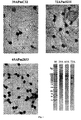
- Bacteriophages 39APmC32, 65APm2833 and 72APm5211, deposited in PCM and marked with the above-mentioned numbers, which are used in the invention have been classified to the order Caudovirales , based on their morphology observed under an electron microscope. Moreover, phages 39APmC32 i 65APm2833 were found to possess a contractile tail, which suggests that they are members of the Myoviridae family. In the case of phage 72APm5211 only virions with noncontractile tails were detected and it probably represents the Siphoviridae family.
- Bacteriophages 39APmC32, 65APm2833 and 72APm5211 which are used in the invention, have been characterized in terms of their susceptibility to physicochemical factors: temperature, pH and chloroform.
- Phages 65A and 72A maintained the level of their activity after 1h incubation at 37°C in buffers with the pH range from 4 to 7, and phage 39A in the pH range from 5 to 7.
- the phages became inactivated after 1h incubation at 37°C in the buffer with pH 2 and 12.
- the titers of phages 39A, 65A and 72A decreased to about 65%-70% after the incubation in PBS with pH 8.
- Catheter associated urinary tract infections pose a serious problem for health care services.
- the probability of the occurrence of UTI increases by 5% with each additional day of catheterization. After 28 days of catheterization infection is diagnosed in almost 100% of patients [ Jacobsen S.M., Stickler D.J., Mobley H.L., Shirtliff M.E.: Complicated catheter associated urinary tract infections due to Escherichia coli and Proteus mirabilis. Clin. Microbiol. Rev., 2008, 21:26-59 ].
- P. mirabilis is isolated from 40% of urine samples from long-term catheterized individuals (over 30 days) [ Mobley HT: Virulence of Proteus mirabilis.
- Urinary tract infections molecular pathogenesis and clinical management. Edited by Mobley HL, Warren JW. Washington DC: ASM Press; 1996:245-270 , quoted after Nicolle L.E.: Catheter associated urinary tract infections. Antimicrob. Resist. Infect. Control 2014, 3:23 ].
- the activity of urease produced by P. mirabilis causes the precipitation of struvite crystals and blocking of the catheter lumen. In consequence, the urine flow is stopped, which might lead to the occurrence of vesicoureteral reflux, resulting in the development of pyelonephritis or even septicemia.
- P . mirabilis causes the precipitation of struvite crystals and blocking of the catheter lumen. In consequence, the urine flow is stopped, which might lead to the occurrence of vesicoureteral reflux, resulting in the development of pyelonephritis or even septicemia.
- mirabilis is isolated in 80% cases of blocked catheters [ Nicolle L.E.: Catheter associated urinary tract infections. Antimicrob. Resist. Infect. Control 2014, 3:23 ].
- P. mirabilis infections especially those caused by drug resistant strains could lead to undesired complications e.g. urinary bladder inflammation, formation of urinary stones, pyelonephritis or bacteriemia.
- 39APmC32, 65APm2833 and 72APm5211 bacteriophages as used in the invention are able to kill planktonic forms of drug-resistant strains of P. mirabilis, and also to destruct mature biofilms formed by the species. Under 24 hours incubation at 37°C in a humidified chamber of 100 ⁇ L samples of pure cultures of 50 P.
- mirabilis strains in concentration of 1x10 7 /mL together with 200 ⁇ L of phage lysates in concentration of 5x10 5 pfu/mL of the nutrient broth pH 7.1, comprising 10 mM MgSO 4 and 10 mM CaCl 2 (the bacteria to phage ratio being 10:1), the tested phages 39A, 65A and 72A inhibited growth of 36, 18 and 35 - respectively, out of the 50 P. mirabilis strains, to the extent higher than 80%, while the growth of respectively 18, 6 and 17 strains was inhibited to the extent greater than 95% when compared to the control cultures of bacteria grown without the addition of phage lysates.
- the phages 39A, 72A and 65A cause greater than 50% reduction of biofilms formed by 31, 28 and 18 - respectively, out of the 50 P. mirabilis strains, whereas among them the biofilms formed by 11, 15 and 6 strains - resp., are destroyed in more than 75% when compared to the control.
- the bacteriophage proteins preferably enzymes that degrade bacterial polysaccharides, the enzymes being secreted by the bacteriophages 39A and 72A for use in the invention additionally are able to decompose bacterial extracellular polysaccharides.
- the two phages produce plaques surrounded by a zone of halo. It suggests the production of polysaccharide depolymerases by the phages.
- the polysaccharides are a major component of the matrix of biofilms. As shown above, the two phages 39A and 72A destroy biofilms formed by 31 and 28 - resp., strains of P.
- a 35PmC15 phage exhibited an activity in eradication of planktonic forms and biofilms of P. mirabilis similar to the activity of the 39A phage, however, in view of the fact that the plaques formed by the aforementioned phage were very small (0.5 mm) and thus it was not possible to obtain reproducible results of its titer determination, it was necessary to exclude the 35PmC15 phage from further studies. In turn, a 66A phage destroyed biofilms of 26 strains to the extent more than 50%, while destroying more than 80% of planktonic forms only of 9 tested strains.
- the titer of each phage within a cocktail was 1x10 7 pfu/mL, i.e. its titer was the same as in preparations comprising individual phage only.
- viability of bacteria was evaluated using the MTT assay.
- the cultures with MTT were incubated preferably for 45 minutes at 37°C in a humidified chamber.
- the 39A, 65A and 72A bacteriophages and the cocktails very strongly (over 90%) inhibited biofilm formation by 9 of the 16 tested P. mirabilis strains.
- the phages caused reduction of biofilm to the extent of about 30-77%.
- the formation of biofilm by only one C77 strain was inhibited to the very low extent of 15-30%.
- a slight interaction of the phages was observed just in case of the 39A/65A phage cocktail and the ternary phage cocktail in inhibiting formation of biofilm by the C44 and C71 strains.
- the effectiveness of the bacteriophages for use according to the invention in form of a cocktail (mixture) in combination with antibiotics used in a classic therapy of P. mirabilis infections was checked.
- the ternary phage cocktail was used in combination with aminoglycoside: amikacin; 3 rd generation cephalosporin: cefotaxime; and fluoroquinolone: norfloxacin. Biofilms of C8, C15 and C31 P.
- mirabilis strains exhibiting low and medium sensitivity to the phage cocktail were incubated for 24 h at 37°C in a humidified chamber with the drugs diluted to half their EUCAST breakpoints in the nutrient broth pH 7.1 supplemented with 10 mM MgSO 4 and 10 mM CaCl 2 and also with the dilutions of the drugs in combination with the phage cocktail wherein a titer of each individual phage was 1x10 7 pfu/mL, as well as with the phage cocktail only. After incubation, bacteria viability in the biofilms was assessed by MTT assay, wherein the cultures were incubated with MTT for 45 minutes at 37°C in a humidified chamber.
- biofilms formed by C8, C15 and C31 P. mirabilis were resistant to the drugs tested. It has been observed that in some cases, amikacin and cefotaxime slightly stimulated the biofilm formation.
- the phage cocktail caused degradation of C31 strain biofilm in about 75%, but it did not destroy biofilms formed by C8 and C15 strains. Synergistic interaction of the phage cocktail and cefotaxime against the biofilms formed by the tested strains was demonstrated.
- the C31 strain biofilm underwent almost 100% reduction under influence of the phage cocktail and cefotaxime, while the biofilms formed by C8 and C15 strains are destroyed to the extent of about 50% and 75-90%, respectively.
- the present invention relates to the development of a product for use in prophylaxis and treatment of infections caused by P. mirabilis, as well as in disinfection of facilities and instruments for medical use and for use with respect to food industry.
- the infections caused by P. mirabilis, in which the product shows its effectiveness in prophylaxis and treatment are in particular the urinary tract infections, especially those associated with long-term catheterization and infections of the respiratory tract, eyes, ears, nose, throat, skin, burns, wounds, as well as other infections not listed here.
- the facilities and instruments for medical use in relation to which the product - as a disinfectant, shows its efficacy in preventing infections caused by P.
- mirabilis are surgery treatment and operating rooms, infirmaries, dispensaries, clinics and urinary catheters of various types, urinary implants such as for example urethra stents.
- the facilities and instruments for use with respect to food industry in relation to which the product - as a disinfectant, shows its efficacy in preventing infections caused by P. mirabilis are slaughterhouses, butcheries, meat factories, grocery stores and the tools used for the raw meat processing.
- Use of the product according to the invention can be done by washing or coating the urinary catheters with purified lysates, phage cocktails, or compositions, as well as by coating the catheters and medical implants with neutral hydrogel comprising the phages, phage cocktails or compositions for use according to the invention.
- the phages, phage cocktails or compositions according to the invention in the form of liquids or spray.
- Phages were isolated from the wastewater collected from the Group Sewage Treatment Plant in Lodz and the Station of Water Supply and Sewage in Zgierz using 50 strains of P. mirabilis, including 22 strains isolated from biofilms on urological catheters, for which drug susceptibility to 13 antibiotics had been determined [ Moryl M., Torzewska A., Jalmuzna P. and Ró ⁇ alski A.: Analysis of Proteus mirabilis distribution in multi-species biofilms on urinary catheters and determination of bacteria resistance to antimicrobial agents. Pol. J. Microbiol, 2013; 62: 377-384 ].
- phage nutrient agar plate [ Slopek S., Durlakowa I., Kucharewicz- Krukowska A., Krzywy T., Slopek A., Weber B.: Phage typing of Shigella flexneri. Arch. Immunol. Therap. Exp., 1972; 20(1): 1-60 ], if the host strain exhibited swarming motility, the phage nutrient agar was supplemented with 0.1% phenol. After harvesting the excess suspension, the plates were incubated for 24 h at 37°C. When added to the medium, phenol prevented swarming of bacteria.
- a single plaque was cut out with a sterile Pasteur pipette and transferred to nutrient broth and then 50 ⁇ L of the 18 h broth culture of the host was added. After 4-hour incubation at 37°C, the cultures were incubated overnight at 4°C. Subsequently, phage lysates were centrifuged 4000 rpm/min, 30 min, at 4°C on a centrifuge Multifuge 3 S-R Heraeus, and the supernatants were filtered through a sterile filter with a pore diameter of 0.2 ⁇ m. The obtained phage lysates were diluted geometrically.
- Phages named 39APmC32, 65APm2833 and 72APm5211 were isolated on P. mirabilis strains C32, 2833 and 5211, respectively.
- a phage nutrient agar was supplemented with 0.1% phenol. Isolated phages 39APmC32, 65APm2833 and 72APm5211 formed characteristic plaques.
- the spectrum of the lytic activity of the isolated phages was determined using 50 uropathogenic P. mirabilis strains described above. Six mL of molten nutrient agar containing 150 ⁇ L of a 20-hour culture of each bacterial strain was poured on a phage nutrient agar plate and, when the agar solidified, 10 ⁇ L of the phage lysate with the number of viral particles 1x10 8 pfu/mL was applied. The titer of the phage was determined by the Gratia method. The plates were incubated for 4 h at 37°C, then overnight at 4°C.
- the degree of lysis of the bacterial layer was defined using a 1-4 scale, taking into account the presence of single plaques in the area where the phage lysate was dropped, wherein 4 was considered as complete bacterial lysis on the spot, 3 - almost clear spot, 2 - medium bacterial lysis on the spot, 1 - weak bacterial lysis on the spot [ Kutter E.: Phage host range and efficiency of plating . In Clokie MRJ, Kropinski AM (Eds): Bacteriophages: methods and protocols. Volume 1: Isolation, characterization, and interactions . Vol. 501, Humana Press, New York, 2009; p. 141-149]. The results are presented in Table 2. The phages selected for the patent application were characterized by the following lytic reactions:
- phages numbered 39APmC32, 65APm2833 and 72APm5211 the pictures were taken by an electron microscope JEOL 1010 TEM at 80 kV.
- 1 mL of phage lysate with a titer of 1,67x10 10 pfu/mL to 1,95x10 10 pfu/mL was centrifuged 24 500xg for 3 h at 4°C. Then, while maintaining the above conditions for centrifugation, the pellet was washed twice with 5% ammonium molybdate solution, pH 6.0.
- Phages remaining in the sediment were suspended in 15 ⁇ L of 5% ammonium molybdate to obtain the titer of 10 11 pfu/mL. Subsequently, 7.5 ⁇ L of the phage suspension was applied to the formvar and carbon coated copper gird, and left for 5 minutes on the filter paper to absorb the sample. The preparations were then stained with 2% uranyl acetate for 1 min. and viewed under a microscope.
- Phage lysates (1x10 7 pfu/mL) were incubated for 30 and 60 min at 50°C, 60°C, 70°C, 80°C. Control phages were incubated at 37°C. After the incubation the lysates were cooled to room temperature and phage titers were determined by the double agar overlay method.
- sterile PBS buffers were prepared (0.015 M Na 2 HPO 4 xH 2 O, 0.15 M NaCl) at pH 2, pH 4, pH 5, pH 6, pH 7, pH 8, pH 10 and a control buffer at pH 7.5.
- phage lysate 100 ⁇ L was added to 900 ⁇ L of each buffer (1x10 7 pfu/mL) and incubated for 1 h in a water bath at 37°C. Then, using 0.4 M NaOH or 3.7% HCl the pH of each sample was adjusted to neutral pH. Titers of bacteriophages in the examined samples were determined by the double agar overlay method.
- the effect of chloroform on the phages was examined by a 2-hour incubation of 0.5 mL of phage lysate (1x10 7 pfu/mL) with 0.5 mL of chloroform at room temperature. Every 15 minutes, the tubes contents were vigorously mixed. After incubation, the samples were centrifuged 10 000 rpm, 10 minutes at room temperature and the aqueous phase was collected into sterile tubes. Titers of the phages in the samples were determined by the Gratia assay.
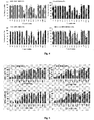
- Bacteriophages 65A and 72A retained activity at a similar level in the range of pH 4 to 7, and 39A in the range of pH 5 to 7 ( Fig. 3A ). pH 2 and 12 completely deactivated the phages. Phage titers 65A and 72A decreased to 70% and 59% after incubation in PBS pH 8 and 10, respectively. The activity of phage 39A dropped to about 65% after incubation in PBS pH 4 and 8 and to 35% at pH 10.
- Bacteriophages incubated at 37°C were used as virus activity control ( FIG. 3B ). Bacteriophages 65A and 72A retained their activity after incubation at 50°C, independently of the incubation time.
- the incubation of phages at 60°C for 0.5 h decreased their activity to 55%, and the incubation for 1 h to about 30-35% of control activity.
- the incubation at 50°C for 0.5 h decreased the activity of phage 39A to 77%, and for 1 h to 50% compared to control.
- the incubation of phage 39A at 60°C for 0.5 h reduced its activity to 37% and for 1 h to 12%.
- the tested phages totally lost their activity at the temperatures 70 and 80°C.
- Fig. 3C show that 50% chloroform resulted in a decrease in the titer of bacteriophages 39APmC32 and 65APm2833 to about 40%, and the 72APm5211 phage titer decreased to 30% of the initial value.
- Fifty P. mirabilis strains were used, including 22 strains isolated from the biofilm formed on the urological catheters and 28 from the urine samples of patients with UTI.
- Bacterial cultures incubated for 20 h at 37°C was diluted 50-fold in nutrient broth pH 7.1 to a final titer of about 1x10 7 /mL.
- Bacterial cultures were applied onto a 96-well flat bottom polystyrene plate in a volume of 100 ⁇ L per well. After 24 hours of incubation at 37°C in a humidified chamber, the medium was collected and bacterial biofilms were washed with sterile 0.85% NaCl.
- phage lysates at the titer 1x10 8 pfu/mL of nutrient broth pH 7.1 supplemented with 10 mM MgSO 4 and 10 mM CaCl 2 were added to appropriate wells.
- Phage suspensions and nutrient broth pH 7.1 supplemented with 10 mM MgSO 4 and 10 mM CaCl 2 which were background control, were added to the other wells.
- Plates were incubated for 24 h at 37°C in a humidified chamber. After incubation, the wells were washed with sterile 0.85% NaCl and 100 ⁇ L of nutrient broth pH 7.1 containing 10 mM MgSO 4 and 10 mM CaCl 2 and 10 ⁇ L of MTT [3-(4,5-dimethyl-2-yl)-2,5 diphenyltetrazolium bromide] at 5 mg/mL PBS were added.
- the medium was collected and to each well 150 ⁇ L of DMSO and 25 ⁇ L of glycine buffer pH 10.6 (50 mL of 0.2 M glycine, 43.5 mL of 0.2 M NaOH, 106.5 mL of bidistilled water) were added to dissolve the formazan crystals.
- the absorbance value was measured at a wavelength of 550 nm on a plate reader Labsystems Ex Multiscan type 355. From the absorbance values of each tested sample the background value was subtracted, which was the absorbance value obtained for the control phage and nutrient broth pH 7.1 supplemented with 10 mM MgSO 4 and 10 mM CaCl 2 . The percentage of P.
- % of biofilm destruction 100% - (A S550 x 100%/ A CB550 ), wherein: A S550 - was the average value of absorbance at 550 nm of the tested sample - biofilm treated with phage; A CB550 - the average value of absorbance at 550 nm of biofilms grown in nutrient broth pH 7.1 supplemented with 10 mM MgSO 4 and 10 mM CaCl 2 without the addition of phages. The results are presented in Table 3 below.
- phage 39A caused an over 50% biofilm reduction in 31 of the 50 P. mirabilis strains studied, whereas biofilms of 11 strains were destroyed by more than 75% compared to control.
- Phage 72A caused an over 50% biofilm reduction in 28 of the 50 P. mirabilis strains, whereas biofilms of 15 strains were destroyed by more than 75% compared to control.
- Phage 65A led to an over 50% biofilm destruction in 18 of the 50 P. mirabilis strains, including the biofilms of 6 strains which were destroyed by more than 75% compared to control.
- Example 3 Study of the planktonic forms of P. mirabilis sensitivity to phages.
- Fifty P. mirabilis strains were used, including 22 strains isolated from the biofilm formed on urinary catheters and 28 from urine samples of patients with UTI.
- Bacterial cultures incubated for 20 h at 37°C were diluted 50-fold in nutrient broth pH 7.1 to a final titer of about 1x10 7 /mL.
- 100 ⁇ L bacterial cultures per well were inoculated onto a 96-well flat bottom polystyrene plate.
- the 200 ⁇ L/well of phage lysate with a titer of 5x10 5 pfu/mL of nutrient broth pH 7.1 containing 10 mM MgSO 4 and 10 mM CaCl 2 was added.
- the background value which was the absorbance value obtained for the control phage and nutrient broth pH 7.1 supplemented with 10 mM MgSO 4 and 10 mM CaCl 2 , was subtracted from the absorbance values of the particular tested samples. The percentage of P.
- % of growth reduction 100% - (A S550X 100%/A CG550 ), wherein: A S550 - was the average value of absorbance at 550 nm wavelength of the tested sample - liquid cultures treated with phages; A CG550 - the mean absorbance value at 550 nm in a liquid culture in nutrient broth pH 7.1 supplemented with 10 mM MgSO 4 and 10 mM CaCl 2 without phages. The results are presented below in Table 4.
- phage 39A inhibited growth by more than 80% in 36 of the 50 P. mirabilis strains tested, whereas the growth of 18 strains was inhibited by over 95% compared to control.
- Phage 65A inhibited growth by more than 80% in 18 of the 50 P. mirabilis strains, including growth inhibition in the case of 6 strains by more than 95% compared to control.
- Phage 72A inhibited growth by more than 80% in 35 of the 50 P. mirabilis strains, whereas the growth of 17 strains was inhibited by more than 95% compared to control.
- Example 4 Study of the phage cocktail influence on biofilm formation and the mature P. mirabilis biofilm.
- phage cocktails 39A/65A, 39A/72A and 65A/72A and a cocktail consisting of three tested phages were used.
- the titers of particular phages in the formulations were 2x10 7 pfu/mL and 1x10 7 pfu/mL for investigating the effect of phages on biofilm formation and mature biofilm, respectively.
- 50 ⁇ L of phage preparations was added to each well.
- mirabilis culture diluted 50-fold in nutrient broth pH 7.1 was inoculated onto a 96-well flat-bottom polystyrene plate and incubated for 24 h at 37°C in a humidified chamber. After incubation, the medium was collected from the the biofilm and the wells were washed with 100 ⁇ L of sterile 0.85% NaCl.
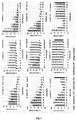
- the bacteriophages 39A, 65A and 72A and the used phage cocktails mostly very strong (even over 90%), inhibited the biofilm formation by the examined P. mirabilis strains ( Fig. 4 ).
- No synergistic inhibiting activity of the phages on the process of biofilm formation was observed.
- the inhibition of biofilm formation by phage cocktails was on the level similar to the inhibition of biofilm formation by single phages with the strongest activity. It is worth mentioning that phages in a cocktail did not inhibit each other's activity.
- Biofilms formed by the tested P. mirabilis strains showed high differentiation in susceptibility to phage preparations ( Fig. 5 ).
- the decrease in metabolic activity of bacteria in biofilms treated with phages in different combinations ranged from 10-20% to 80-90%, depending on the tested strain.
- the biofilms reduction by the two- or three-component phage cocktails used was equal to or slightly higher than the biofilm reduction caused by the strongest acting on the biofilm phage. It is very important that used phages did not inhibit each other's activity, when used in a cocktail. This is of great practical importance, because phage cocktails are characterized by a broader range of sensitive hosts than single phages.
- Example 5 Examination of the synergism of selected drugs with a phage cocktail in P. mirabilis biofilm eradication
- a number of dilutions of particular drugs were performed in a nutrient broth pH 7.1 containing 10mM MgSO 4 and CaCl 2 directly on the plate with biofilm.
- Norfloxacin was diluted in the geometric progression from 512 ⁇ g/mL to 0.25 ⁇ g/mL, amikacin from 512 ⁇ g/mL to 2 ⁇ g/mL and cefotaxime from 128 ⁇ g/mL to 0.5 ⁇ g/mL in the final volume of 100 ⁇ L to obtain the drugs concentration of half their EUCAST breakpoints for determining bacterial sensitivity according to the EUCAST norms.
- the biofilms formed by P. mirabilis strains C8, C15 and C31 were resistant to the activity of the drugs used.
- the phage cocktail caused strain C31 biofilm eradication by about 75% but it did not destroy biofilms formed by strains C8 and C15.
- the synergistic activity of the phage cocktail with cefotaxime against the biofilms of all tested strains was revealed.
- the phage cocktail in connection with cefotaxime caused an almost 100% biofilm reduction, and the biofilms formed by strains C8 and C15 were destroyed on the levels 50% and 75-90%, respectively.
Landscapes
- Health & Medical Sciences (AREA)
- Life Sciences & Earth Sciences (AREA)
- Chemical & Material Sciences (AREA)
- General Health & Medical Sciences (AREA)
- Zoology (AREA)
- Engineering & Computer Science (AREA)
- Virology (AREA)
- Medicinal Chemistry (AREA)
- Microbiology (AREA)
- Wood Science & Technology (AREA)
- Organic Chemistry (AREA)
- Bioinformatics & Cheminformatics (AREA)
- Biotechnology (AREA)
- Genetics & Genomics (AREA)
- Pharmacology & Pharmacy (AREA)
- Public Health (AREA)
- Animal Behavior & Ethology (AREA)
- Veterinary Medicine (AREA)
- Biomedical Technology (AREA)
- Mycology (AREA)
- Epidemiology (AREA)
- General Engineering & Computer Science (AREA)
- Biochemistry (AREA)
- Immunology (AREA)
- Communicable Diseases (AREA)
- Oncology (AREA)
- Chemical Kinetics & Catalysis (AREA)
- General Chemical & Material Sciences (AREA)
- Nuclear Medicine, Radiotherapy & Molecular Imaging (AREA)
- Agronomy & Crop Science (AREA)
- Pest Control & Pesticides (AREA)
- Plant Pathology (AREA)
- Dentistry (AREA)
- Environmental Sciences (AREA)
- Medicines Containing Material From Animals Or Micro-Organisms (AREA)
Priority Applications (2)
| Application Number | Priority Date | Filing Date | Title |
|---|---|---|---|
| SI201630733T SI3319626T1 (sl) | 2015-07-07 | 2016-07-07 | Sevi bakteriofagov proti proteus mirabilis in njihova uporaba |
| PL16753961T PL3319626T3 (pl) | 2015-07-07 | 2016-07-07 | Szczepy bakteriofagów specyficznych wobec Proteus mirabilis oraz ich zastosowanie |
Applications Claiming Priority (4)
| Application Number | Priority Date | Filing Date | Title |
|---|---|---|---|
| PL413052A PL228856B1 (pl) | 2015-07-07 | 2015-07-07 | Szczep bakteriofagowy oraz jego zastosowanie do leczenia infekcji powodowanych przez bakterie Proteus mirabilis zwłaszcza przez szczepy lekooporne |
| PL413054A PL228858B1 (pl) | 2015-07-07 | 2015-07-07 | Szczep bakteriofagowy oraz jego zastosowanie do leczenia zakażeń wywoływanych przez bakterie Proteus mirabilis zwłaszcza przez szczepy lekooporne |
| PL413053A PL228857B1 (pl) | 2015-07-07 | 2015-07-07 | Szczep bakteriofagowy oraz jego zastosowanie do zwalczania bakterii Proteus mirabilis zwłaszcza szczepów lekoopornych |
| PCT/IB2016/000974 WO2017006175A1 (en) | 2015-07-07 | 2016-07-07 | New bacteriophage strains against proteus mirabilis and use thereof |
Publications (2)
| Publication Number | Publication Date |
|---|---|
| EP3319626A1 EP3319626A1 (en) | 2018-05-16 |
| EP3319626B1 true EP3319626B1 (en) | 2020-01-29 |
Family
ID=56740262
Family Applications (1)
| Application Number | Title | Priority Date | Filing Date |
|---|---|---|---|
| EP16753961.8A Active EP3319626B1 (en) | 2015-07-07 | 2016-07-07 | Bacteriophage strains against proteus mirabilis and uses thereof |
Country Status (6)
| Country | Link |
|---|---|
| US (1) | US10435671B2 (pl) |
| EP (1) | EP3319626B1 (pl) |
| DK (1) | DK3319626T3 (pl) |
| PL (1) | PL3319626T3 (pl) |
| SI (1) | SI3319626T1 (pl) |
| WO (1) | WO2017006175A1 (pl) |
Families Citing this family (5)
| Publication number | Priority date | Publication date | Assignee | Title |
|---|---|---|---|---|
| CN112646785B (zh) * | 2020-12-30 | 2022-03-18 | 瑞科盟(青岛)生物工程有限公司 | 一株耐高温烈性变形杆菌噬菌体rdp-sa-20018及其应用 |
| CN112501189A (zh) * | 2020-12-30 | 2021-03-16 | 吉林大学 | 一种能杀死马链球菌马亚种的裂解酶及其医用用途 |
| CN115161288B (zh) * | 2021-11-24 | 2023-08-01 | 菲吉乐科(南京)生物科技有限公司 | 一种耐酸和耐高温的奇异变形杆菌噬菌体及其组合物、试剂盒及其应用 |
| CN116286678A (zh) * | 2023-04-20 | 2023-06-23 | 青岛诺安百特生物技术有限公司 | 一种变形杆菌噬菌体vB_PmiM_PF07及其应用 |
| WO2026021797A1 (en) * | 2024-07-26 | 2026-01-29 | Unilever Ip Holdings B.V. | A composition for biofilm disruption |
-
2016
- 2016-07-07 US US15/742,127 patent/US10435671B2/en active Active
- 2016-07-07 PL PL16753961T patent/PL3319626T3/pl unknown
- 2016-07-07 EP EP16753961.8A patent/EP3319626B1/en active Active
- 2016-07-07 DK DK16753961.8T patent/DK3319626T3/da active
- 2016-07-07 SI SI201630733T patent/SI3319626T1/sl unknown
- 2016-07-07 WO PCT/IB2016/000974 patent/WO2017006175A1/en not_active Ceased
Non-Patent Citations (1)
| Title |
|---|
| None * |
Also Published As
| Publication number | Publication date |
|---|---|
| US20190032022A1 (en) | 2019-01-31 |
| PL3319626T3 (pl) | 2020-11-02 |
| US10435671B2 (en) | 2019-10-08 |
| EP3319626A1 (en) | 2018-05-16 |
| WO2017006175A1 (en) | 2017-01-12 |
| DK3319626T3 (da) | 2020-05-04 |
| SI3319626T1 (sl) | 2020-10-30 |
Similar Documents
| Publication | Publication Date | Title |
|---|---|---|
| Chegini et al. | Bacteriophage therapy against Pseudomonas aeruginosa biofilms: a review | |
| Simoes | Antimicrobial strategies effective against infectious bacterial biofilms | |
| Bleriot et al. | Improving phage therapy by evasion of phage resistance mechanisms | |
| Maszewska et al. | Use of polyvalent bacteriophages to combat biofilm of Proteus mirabilis causing catheter‐associated urinary tract infections | |
| EP3319626B1 (en) | Bacteriophage strains against proteus mirabilis and uses thereof | |
| AU2004258731B2 (en) | Bacteriophage-containing therapeutic agents | |
| JP5464664B2 (ja) | ファージを含有する生体外殺菌組成物 | |
| Yang et al. | Biofilm tolerance, resistance and infections increasing threat of public health | |
| AU2008306626B2 (en) | Anti-bacteria compositions | |
| Naseef Pathoor et al. | Understanding the biofilm development of Acinetobacter baumannii and novel strategies to combat infection | |
| JP2011509964A (ja) | バクテリオファージ製剤およびその用途 | |
| WO2022013314A1 (en) | Bacteriophage cocktails and uses thereof | |
| CN105963680B (zh) | 用于抑制/瓦解生物被膜的抑制剂及其应用 | |
| EP3735221A1 (en) | Bacteriophage compositions for treating pseudomona infections | |
| Rezaei | Bacteriophages for the treatment of resistant bacterial infectious diseases | |
| KR20090059789A (ko) | 활성 생물소재를 포함한 살균조성물, 살균분무기 및 이를이용한 표면 살균방법 | |
| RU2730615C1 (ru) | Антибактериальная композиция (варианты) и применение белка в качестве антимикробного средства, направленного против грамотрицательных бактерий: Pseudomonas aeruginosa, Acinetobacter baumannii, Klebsiella pneumoniae и Salmonella typhi (варианты) | |
| Singh et al. | In vitro efficacy of bacteriophage and colistin combinations in eradicating biofilm formed by colistin-resistant Enterobacter cloacae complex. | |
| CN102342298B (zh) | 包含噬菌体的活体外杀菌组合物 | |
| TWI380777B (zh) | 包含噬菌體之活體外殺菌組成物 | |
| Lokesh et al. | Phage as medicine for bacterial diseases | |
| WO2016146037A1 (zh) | 用于抑制/瓦解生物被膜的抑制剂及其应用 | |
| Ramesh et al. | Phage therapy as an alternative antibacterial therapy | |
| RU2730613C1 (ru) | Антибактериальная композиция (варианты) и применение белка в качестве антимикробного средства, направленного против бактерий Pseudomonas aeruginosa, Klebsiella pneumoniae, Escherichia coli, Salmonella typhi и Staphylococcus haemolyticus (варианты) | |
| PL228856B1 (pl) | Szczep bakteriofagowy oraz jego zastosowanie do leczenia infekcji powodowanych przez bakterie Proteus mirabilis zwłaszcza przez szczepy lekooporne |
Legal Events
| Date | Code | Title | Description |
|---|---|---|---|
| STAA | Information on the status of an ep patent application or granted ep patent |
Free format text: STATUS: THE INTERNATIONAL PUBLICATION HAS BEEN MADE |
|
| PUAI | Public reference made under article 153(3) epc to a published international application that has entered the european phase |
Free format text: ORIGINAL CODE: 0009012 |
|
| STAA | Information on the status of an ep patent application or granted ep patent |
Free format text: STATUS: REQUEST FOR EXAMINATION WAS MADE |
|
| 17P | Request for examination filed |
Effective date: 20180207 |
|
| AK | Designated contracting states |
Kind code of ref document: A1 Designated state(s): AL AT BE BG CH CY CZ DE DK EE ES FI FR GB GR HR HU IE IS IT LI LT LU LV MC MK MT NL NO PL PT RO RS SE SI SK SM TR |
|
| AX | Request for extension of the european patent |
Extension state: BA ME |
|
| DAV | Request for validation of the european patent (deleted) | ||
| DAX | Request for extension of the european patent (deleted) | ||
| STAA | Information on the status of an ep patent application or granted ep patent |
Free format text: STATUS: EXAMINATION IS IN PROGRESS |
|
| 17Q | First examination report despatched |
Effective date: 20190426 |
|
| GRAP | Despatch of communication of intention to grant a patent |
Free format text: ORIGINAL CODE: EPIDOSNIGR1 |
|
| STAA | Information on the status of an ep patent application or granted ep patent |
Free format text: STATUS: GRANT OF PATENT IS INTENDED |
|
| INTG | Intention to grant announced |
Effective date: 20190813 |
|
| GRAS | Grant fee paid |
Free format text: ORIGINAL CODE: EPIDOSNIGR3 |
|
| GRAA | (expected) grant |
Free format text: ORIGINAL CODE: 0009210 |
|
| STAA | Information on the status of an ep patent application or granted ep patent |
Free format text: STATUS: THE PATENT HAS BEEN GRANTED |
|
| AK | Designated contracting states |
Kind code of ref document: B1 Designated state(s): AL AT BE BG CH CY CZ DE DK EE ES FI FR GB GR HR HU IE IS IT LI LT LU LV MC MK MT NL NO PL PT RO RS SE SI SK SM TR |
|
| REG | Reference to a national code |
Ref country code: GB Ref legal event code: FG4D |
|
| REG | Reference to a national code |
Ref country code: CH Ref legal event code: EP |
|
| REG | Reference to a national code |
Ref country code: AT Ref legal event code: REF Ref document number: 1228019 Country of ref document: AT Kind code of ref document: T Effective date: 20200215 |
|
| REG | Reference to a national code |
Ref country code: IE Ref legal event code: FG4D |
|
| REG | Reference to a national code |
Ref country code: DE Ref legal event code: R096 Ref document number: 602016028764 Country of ref document: DE |
|
| REG | Reference to a national code |
Ref country code: DK Ref legal event code: T3 Effective date: 20200429 |
|
| REG | Reference to a national code |
Ref country code: NL Ref legal event code: FP |
|
| REG | Reference to a national code |
Ref country code: SE Ref legal event code: TRGR |
|
| PG25 | Lapsed in a contracting state [announced via postgrant information from national office to epo] |
Ref country code: PT Free format text: LAPSE BECAUSE OF FAILURE TO SUBMIT A TRANSLATION OF THE DESCRIPTION OR TO PAY THE FEE WITHIN THE PRESCRIBED TIME-LIMIT Effective date: 20200621 Ref country code: RS Free format text: LAPSE BECAUSE OF FAILURE TO SUBMIT A TRANSLATION OF THE DESCRIPTION OR TO PAY THE FEE WITHIN THE PRESCRIBED TIME-LIMIT Effective date: 20200129 Ref country code: NO Free format text: LAPSE BECAUSE OF FAILURE TO SUBMIT A TRANSLATION OF THE DESCRIPTION OR TO PAY THE FEE WITHIN THE PRESCRIBED TIME-LIMIT Effective date: 20200429 Ref country code: FI Free format text: LAPSE BECAUSE OF FAILURE TO SUBMIT A TRANSLATION OF THE DESCRIPTION OR TO PAY THE FEE WITHIN THE PRESCRIBED TIME-LIMIT Effective date: 20200129 |
|
| REG | Reference to a national code |
Ref country code: LT Ref legal event code: MG4D |
|
| PG25 | Lapsed in a contracting state [announced via postgrant information from national office to epo] |
Ref country code: IS Free format text: LAPSE BECAUSE OF FAILURE TO SUBMIT A TRANSLATION OF THE DESCRIPTION OR TO PAY THE FEE WITHIN THE PRESCRIBED TIME-LIMIT Effective date: 20200529 Ref country code: LV Free format text: LAPSE BECAUSE OF FAILURE TO SUBMIT A TRANSLATION OF THE DESCRIPTION OR TO PAY THE FEE WITHIN THE PRESCRIBED TIME-LIMIT Effective date: 20200129 Ref country code: HR Free format text: LAPSE BECAUSE OF FAILURE TO SUBMIT A TRANSLATION OF THE DESCRIPTION OR TO PAY THE FEE WITHIN THE PRESCRIBED TIME-LIMIT Effective date: 20200129 Ref country code: GR Free format text: LAPSE BECAUSE OF FAILURE TO SUBMIT A TRANSLATION OF THE DESCRIPTION OR TO PAY THE FEE WITHIN THE PRESCRIBED TIME-LIMIT Effective date: 20200430 Ref country code: BG Free format text: LAPSE BECAUSE OF FAILURE TO SUBMIT A TRANSLATION OF THE DESCRIPTION OR TO PAY THE FEE WITHIN THE PRESCRIBED TIME-LIMIT Effective date: 20200429 |
|
| PG25 | Lapsed in a contracting state [announced via postgrant information from national office to epo] |
Ref country code: ES Free format text: LAPSE BECAUSE OF FAILURE TO SUBMIT A TRANSLATION OF THE DESCRIPTION OR TO PAY THE FEE WITHIN THE PRESCRIBED TIME-LIMIT Effective date: 20200129 Ref country code: LT Free format text: LAPSE BECAUSE OF FAILURE TO SUBMIT A TRANSLATION OF THE DESCRIPTION OR TO PAY THE FEE WITHIN THE PRESCRIBED TIME-LIMIT Effective date: 20200129 Ref country code: SM Free format text: LAPSE BECAUSE OF FAILURE TO SUBMIT A TRANSLATION OF THE DESCRIPTION OR TO PAY THE FEE WITHIN THE PRESCRIBED TIME-LIMIT Effective date: 20200129 Ref country code: EE Free format text: LAPSE BECAUSE OF FAILURE TO SUBMIT A TRANSLATION OF THE DESCRIPTION OR TO PAY THE FEE WITHIN THE PRESCRIBED TIME-LIMIT Effective date: 20200129 Ref country code: RO Free format text: LAPSE BECAUSE OF FAILURE TO SUBMIT A TRANSLATION OF THE DESCRIPTION OR TO PAY THE FEE WITHIN THE PRESCRIBED TIME-LIMIT Effective date: 20200129 Ref country code: CZ Free format text: LAPSE BECAUSE OF FAILURE TO SUBMIT A TRANSLATION OF THE DESCRIPTION OR TO PAY THE FEE WITHIN THE PRESCRIBED TIME-LIMIT Effective date: 20200129 Ref country code: SK Free format text: LAPSE BECAUSE OF FAILURE TO SUBMIT A TRANSLATION OF THE DESCRIPTION OR TO PAY THE FEE WITHIN THE PRESCRIBED TIME-LIMIT Effective date: 20200129 |
|
| REG | Reference to a national code |
Ref country code: DE Ref legal event code: R097 Ref document number: 602016028764 Country of ref document: DE |
|
| REG | Reference to a national code |
Ref country code: AT Ref legal event code: MK05 Ref document number: 1228019 Country of ref document: AT Kind code of ref document: T Effective date: 20200129 |
|
| PLBE | No opposition filed within time limit |
Free format text: ORIGINAL CODE: 0009261 |
|
| STAA | Information on the status of an ep patent application or granted ep patent |
Free format text: STATUS: NO OPPOSITION FILED WITHIN TIME LIMIT |
|
| 26N | No opposition filed |
Effective date: 20201030 |
|
| PG25 | Lapsed in a contracting state [announced via postgrant information from national office to epo] |
Ref country code: AT Free format text: LAPSE BECAUSE OF FAILURE TO SUBMIT A TRANSLATION OF THE DESCRIPTION OR TO PAY THE FEE WITHIN THE PRESCRIBED TIME-LIMIT Effective date: 20200129 |
|
| PG25 | Lapsed in a contracting state [announced via postgrant information from national office to epo] |
Ref country code: MC Free format text: LAPSE BECAUSE OF FAILURE TO SUBMIT A TRANSLATION OF THE DESCRIPTION OR TO PAY THE FEE WITHIN THE PRESCRIBED TIME-LIMIT Effective date: 20200129 |
|
| REG | Reference to a national code |
Ref country code: CH Ref legal event code: PL |
|
| PG25 | Lapsed in a contracting state [announced via postgrant information from national office to epo] |
Ref country code: IE Free format text: LAPSE BECAUSE OF NON-PAYMENT OF DUE FEES Effective date: 20200707 Ref country code: CH Free format text: LAPSE BECAUSE OF NON-PAYMENT OF DUE FEES Effective date: 20200731 Ref country code: LI Free format text: LAPSE BECAUSE OF NON-PAYMENT OF DUE FEES Effective date: 20200731 Ref country code: LU Free format text: LAPSE BECAUSE OF NON-PAYMENT OF DUE FEES Effective date: 20200707 |
|
| PG25 | Lapsed in a contracting state [announced via postgrant information from national office to epo] |
Ref country code: TR Free format text: LAPSE BECAUSE OF FAILURE TO SUBMIT A TRANSLATION OF THE DESCRIPTION OR TO PAY THE FEE WITHIN THE PRESCRIBED TIME-LIMIT Effective date: 20200129 Ref country code: MT Free format text: LAPSE BECAUSE OF FAILURE TO SUBMIT A TRANSLATION OF THE DESCRIPTION OR TO PAY THE FEE WITHIN THE PRESCRIBED TIME-LIMIT Effective date: 20200129 Ref country code: CY Free format text: LAPSE BECAUSE OF FAILURE TO SUBMIT A TRANSLATION OF THE DESCRIPTION OR TO PAY THE FEE WITHIN THE PRESCRIBED TIME-LIMIT Effective date: 20200129 |
|
| PG25 | Lapsed in a contracting state [announced via postgrant information from national office to epo] |
Ref country code: MK Free format text: LAPSE BECAUSE OF FAILURE TO SUBMIT A TRANSLATION OF THE DESCRIPTION OR TO PAY THE FEE WITHIN THE PRESCRIBED TIME-LIMIT Effective date: 20200129 Ref country code: AL Free format text: LAPSE BECAUSE OF FAILURE TO SUBMIT A TRANSLATION OF THE DESCRIPTION OR TO PAY THE FEE WITHIN THE PRESCRIBED TIME-LIMIT Effective date: 20200129 |
|
| P01 | Opt-out of the competence of the unified patent court (upc) registered |
Effective date: 20230919 |
|
| PGFP | Annual fee paid to national office [announced via postgrant information from national office to epo] |
Ref country code: DK Payment date: 20240604 Year of fee payment: 9 |
|
| PGFP | Annual fee paid to national office [announced via postgrant information from national office to epo] |
Ref country code: PL Payment date: 20240604 Year of fee payment: 9 |
|
| PGFP | Annual fee paid to national office [announced via postgrant information from national office to epo] |
Ref country code: NL Payment date: 20240725 Year of fee payment: 9 |
|
| PGFP | Annual fee paid to national office [announced via postgrant information from national office to epo] |
Ref country code: IT Payment date: 20240604 Year of fee payment: 9 |
|
| PGFP | Annual fee paid to national office [announced via postgrant information from national office to epo] |
Ref country code: DE Payment date: 20240611 Year of fee payment: 9 |
|
| PGFP | Annual fee paid to national office [announced via postgrant information from national office to epo] |
Ref country code: GB Payment date: 20240723 Year of fee payment: 9 |
|
| PGFP | Annual fee paid to national office [announced via postgrant information from national office to epo] |
Ref country code: BE Payment date: 20240719 Year of fee payment: 9 |
|
| PGFP | Annual fee paid to national office [announced via postgrant information from national office to epo] |
Ref country code: FR Payment date: 20240730 Year of fee payment: 9 |
|
| PGFP | Annual fee paid to national office [announced via postgrant information from national office to epo] |
Ref country code: SI Payment date: 20240604 Year of fee payment: 9 |
|
| PGFP | Annual fee paid to national office [announced via postgrant information from national office to epo] |
Ref country code: SE Payment date: 20240723 Year of fee payment: 9 |
|
| REG | Reference to a national code |
Ref country code: DE Ref legal event code: R119 Ref document number: 602016028764 Country of ref document: DE |
|
| REG | Reference to a national code |
Ref country code: DK Ref legal event code: EBP Effective date: 20250731 |
|
| REG | Reference to a national code |
Ref country code: NL Ref legal event code: MM Effective date: 20250801 |
|
| GBPC | Gb: european patent ceased through non-payment of renewal fee |
Effective date: 20250707 |
|
| REG | Reference to a national code |
Ref country code: BE Ref legal event code: MM Effective date: 20250731 |
|
| PG25 | Lapsed in a contracting state [announced via postgrant information from national office to epo] |
Ref country code: GB Free format text: LAPSE BECAUSE OF NON-PAYMENT OF DUE FEES Effective date: 20250707 |
|
| PG25 | Lapsed in a contracting state [announced via postgrant information from national office to epo] |
Ref country code: DE Free format text: LAPSE BECAUSE OF NON-PAYMENT OF DUE FEES Effective date: 20260203 |
|
| PG25 | Lapsed in a contracting state [announced via postgrant information from national office to epo] |
Ref country code: BE Free format text: LAPSE BECAUSE OF NON-PAYMENT OF DUE FEES Effective date: 20250731 |
|
| PG25 | Lapsed in a contracting state [announced via postgrant information from national office to epo] |
Ref country code: NL Free format text: LAPSE BECAUSE OF NON-PAYMENT OF DUE FEES Effective date: 20250801 |
|
| PG25 | Lapsed in a contracting state [announced via postgrant information from national office to epo] |
Ref country code: FR Free format text: LAPSE BECAUSE OF NON-PAYMENT OF DUE FEES Effective date: 20250731 |