EP3322438B1 - Inhibiteurs il-8 pour utilisation dans le traitement de certains troubles urologiques - Google Patents
Inhibiteurs il-8 pour utilisation dans le traitement de certains troubles urologiques Download PDFInfo
- Publication number
- EP3322438B1 EP3322438B1 EP16738165.6A EP16738165A EP3322438B1 EP 3322438 B1 EP3322438 B1 EP 3322438B1 EP 16738165 A EP16738165 A EP 16738165A EP 3322438 B1 EP3322438 B1 EP 3322438B1
- Authority
- EP
- European Patent Office
- Prior art keywords
- treatment
- inhibitor
- compd
- cyp
- pbs
- Prior art date
- Legal status (The legal status is an assumption and is not a legal conclusion. Google has not performed a legal analysis and makes no representation as to the accuracy of the status listed.)
- Active
Links
- 0 *C(C(CCC1CC1)(c1ccc(*(C2=*C(N)=CCC2)N)cc1)NCC#C)=O Chemical compound *C(C(CCC1CC1)(c1ccc(*(C2=*C(N)=CCC2)N)cc1)NCC#C)=O 0.000 description 1
Images




Classifications
-
- A—HUMAN NECESSITIES
- A61—MEDICAL OR VETERINARY SCIENCE; HYGIENE
- A61K—PREPARATIONS FOR MEDICAL, DENTAL OR TOILETRY PURPOSES
- A61K39/00—Medicinal preparations containing antigens or antibodies
-
- A—HUMAN NECESSITIES
- A61—MEDICAL OR VETERINARY SCIENCE; HYGIENE
- A61K—PREPARATIONS FOR MEDICAL, DENTAL OR TOILETRY PURPOSES
- A61K31/00—Medicinal preparations containing organic active ingredients
- A61K31/16—Amides, e.g. hydroxamic acids
- A61K31/165—Amides, e.g. hydroxamic acids having aromatic rings, e.g. colchicine, atenolol, progabide
-
- A—HUMAN NECESSITIES
- A61—MEDICAL OR VETERINARY SCIENCE; HYGIENE
- A61K—PREPARATIONS FOR MEDICAL, DENTAL OR TOILETRY PURPOSES
- A61K31/00—Medicinal preparations containing organic active ingredients
- A61K31/33—Heterocyclic compounds
- A61K31/38—Heterocyclic compounds having sulfur as a ring hetero atom
- A61K31/381—Heterocyclic compounds having sulfur as a ring hetero atom having five-membered rings
-
- A—HUMAN NECESSITIES
- A61—MEDICAL OR VETERINARY SCIENCE; HYGIENE
- A61K—PREPARATIONS FOR MEDICAL, DENTAL OR TOILETRY PURPOSES
- A61K31/00—Medicinal preparations containing organic active ingredients
- A61K31/33—Heterocyclic compounds
- A61K31/395—Heterocyclic compounds having nitrogen as a ring hetero atom, e.g. guanethidine or rifamycins
- A61K31/40—Heterocyclic compounds having nitrogen as a ring hetero atom, e.g. guanethidine or rifamycins having five-membered rings with one nitrogen as the only ring hetero atom, e.g. sulpiride, succinimide, tolmetin, buflomedil
- A61K31/407—Heterocyclic compounds having nitrogen as a ring hetero atom, e.g. guanethidine or rifamycins having five-membered rings with one nitrogen as the only ring hetero atom, e.g. sulpiride, succinimide, tolmetin, buflomedil condensed with other heterocyclic ring systems, e.g. ketorolac, physostigmine
-
- A—HUMAN NECESSITIES
- A61—MEDICAL OR VETERINARY SCIENCE; HYGIENE
- A61K—PREPARATIONS FOR MEDICAL, DENTAL OR TOILETRY PURPOSES
- A61K31/00—Medicinal preparations containing organic active ingredients
- A61K31/33—Heterocyclic compounds
- A61K31/395—Heterocyclic compounds having nitrogen as a ring hetero atom, e.g. guanethidine or rifamycins
- A61K31/41—Heterocyclic compounds having nitrogen as a ring hetero atom, e.g. guanethidine or rifamycins having five-membered rings with two or more ring hetero atoms, at least one of which being nitrogen, e.g. tetrazole
- A61K31/4164—1,3-Diazoles
- A61K31/4168—1,3-Diazoles having a nitrogen attached in position 2, e.g. clonidine
-
- A—HUMAN NECESSITIES
- A61—MEDICAL OR VETERINARY SCIENCE; HYGIENE
- A61K—PREPARATIONS FOR MEDICAL, DENTAL OR TOILETRY PURPOSES
- A61K31/00—Medicinal preparations containing organic active ingredients
- A61K31/33—Heterocyclic compounds
- A61K31/395—Heterocyclic compounds having nitrogen as a ring hetero atom, e.g. guanethidine or rifamycins
- A61K31/41—Heterocyclic compounds having nitrogen as a ring hetero atom, e.g. guanethidine or rifamycins having five-membered rings with two or more ring hetero atoms, at least one of which being nitrogen, e.g. tetrazole
- A61K31/42—Oxazoles
- A61K31/421—1,3-Oxazoles, e.g. pemoline, trimethadione
-
- A—HUMAN NECESSITIES
- A61—MEDICAL OR VETERINARY SCIENCE; HYGIENE
- A61K—PREPARATIONS FOR MEDICAL, DENTAL OR TOILETRY PURPOSES
- A61K31/00—Medicinal preparations containing organic active ingredients
- A61K31/33—Heterocyclic compounds
- A61K31/395—Heterocyclic compounds having nitrogen as a ring hetero atom, e.g. guanethidine or rifamycins
- A61K31/41—Heterocyclic compounds having nitrogen as a ring hetero atom, e.g. guanethidine or rifamycins having five-membered rings with two or more ring hetero atoms, at least one of which being nitrogen, e.g. tetrazole
- A61K31/425—Thiazoles
- A61K31/426—1,3-Thiazoles
-
- A—HUMAN NECESSITIES
- A61—MEDICAL OR VETERINARY SCIENCE; HYGIENE
- A61K—PREPARATIONS FOR MEDICAL, DENTAL OR TOILETRY PURPOSES
- A61K31/00—Medicinal preparations containing organic active ingredients
- A61K31/66—Phosphorus compounds
- A61K31/664—Amides of phosphorus acids
-
- A—HUMAN NECESSITIES
- A61—MEDICAL OR VETERINARY SCIENCE; HYGIENE
- A61K—PREPARATIONS FOR MEDICAL, DENTAL OR TOILETRY PURPOSES
- A61K31/00—Medicinal preparations containing organic active ingredients
- A61K31/66—Phosphorus compounds
- A61K31/675—Phosphorus compounds having nitrogen as a ring hetero atom, e.g. pyridoxal phosphate
-
- A—HUMAN NECESSITIES
- A61—MEDICAL OR VETERINARY SCIENCE; HYGIENE
- A61K—PREPARATIONS FOR MEDICAL, DENTAL OR TOILETRY PURPOSES
- A61K31/00—Medicinal preparations containing organic active ingredients
- A61K31/70—Carbohydrates; Sugars; Derivatives thereof
- A61K31/7028—Compounds having saccharide radicals attached to non-saccharide compounds by glycosidic linkages
- A61K31/7034—Compounds having saccharide radicals attached to non-saccharide compounds by glycosidic linkages attached to a carbocyclic compound, e.g. phloridzin
- A61K31/704—Compounds having saccharide radicals attached to non-saccharide compounds by glycosidic linkages attached to a carbocyclic compound, e.g. phloridzin attached to a condensed carbocyclic ring system, e.g. sennosides, thiocolchicosides, escin, daunorubicin
-
- A—HUMAN NECESSITIES
- A61—MEDICAL OR VETERINARY SCIENCE; HYGIENE
- A61K—PREPARATIONS FOR MEDICAL, DENTAL OR TOILETRY PURPOSES
- A61K45/00—Medicinal preparations containing active ingredients not provided for in groups A61K31/00 - A61K41/00
- A61K45/06—Mixtures of active ingredients without chemical characterisation, e.g. antiphlogistics and cardiaca
-
- A—HUMAN NECESSITIES
- A61—MEDICAL OR VETERINARY SCIENCE; HYGIENE
- A61P—SPECIFIC THERAPEUTIC ACTIVITY OF CHEMICAL COMPOUNDS OR MEDICINAL PREPARATIONS
- A61P13/00—Drugs for disorders of the urinary system
- A61P13/10—Drugs for disorders of the urinary system of the bladder
-
- A—HUMAN NECESSITIES
- A61—MEDICAL OR VETERINARY SCIENCE; HYGIENE
- A61K—PREPARATIONS FOR MEDICAL, DENTAL OR TOILETRY PURPOSES
- A61K2300/00—Mixtures or combinations of active ingredients, wherein at least one active ingredient is fully defined in groups A61K31/00 - A61K41/00
Definitions
- the present invention relates to IL-8 inhibitor compounds as defined in the claims for use in the treatment of interstitial cystitis / painful bladder syndrome (IC/PBS) and/or over active bladder (OAB), also including IC/PBS and/or OAB induced by anticancer therapy.
- IC/PBS interstitial cystitis / painful bladder syndrome
- OAB active bladder
- IC/PBS and OAB are chronic inflammatory diseases of the urinary tract characterized by persistent inflammatory processes in the tissue. Symptoms of these diseases vary, however the more common symptoms are mild discomfort, pressure, tenderness, or intense pain in the pelvic area. Symptoms may also include an urgent need to urinate, frequent need to urinate, urgency incontinence or a combination of these symptoms; pain may change in intensity as a bladder fills with urine or as it empties.
- AUA has released guidelines setting out objective criteria for the diagnosis of IC/PBS (Diagnosis and Treatment of Interstitial Cystitis/Bladder Pain Syndrome AUA Guidelines 2011, amended in 2014) and OAB (Diagnosis and Treatment of Overactive Bladder (Non-Neurogenic) in adults: AUA/SUFU Guideline 2014) Multiple approaches are available to treat these pathologies, often used in combination.
- Interventions may include: oral pharmacologic agents [e.g., pentosan polysulfate sodium (PPS, Elmiron), anticholinergic drugs (such as amitriptyline), histamine-receptor antagonists (such as hydroxyzine), tricyclic antidepressants, analgesics, anti-inflammatory agents, immunosuppressive agents (such as cyclosporine A]; intravesical therapies via catheter including dimethylsulfoxide (DMSO), PPS, neurotoxins, hyaluronic acid, chondroitin sulphate, electrical stimulation, and complementary therapies (e.g. acupuncture, hypnosis).
- DMSO dimethylsulfoxide
- PPS pentosan polysulfate sodium
- OAB oxygen depril
- the available treatments are largely insufficient because of their limited efficacy and/or side effects and a need still exists for the identification of more effective and safer medicaments for the treatment of IC/PBS and/or OAB.
- Chemokines constitute a large family of chemotactic cytokines that exert their action via an interaction with receptors belonging to the seven Transmembrane G Protein Coupled Receptor (7TM-GPCRs) family.
- the chemokine system is crucial for the regulation and the control of the basal homeostatic and inflammatory leukocyte movement.
- Interleukin-8 (IL-8; CXCL8) is considered a major mediator of PMN (Polymorphonuclear Neutrophils) recruitment and involved in several pathologies including psoriasis, rheumatoid arthritis, chronic obstructive pulmonary disease and reperfusion injury in transplanted organ ( Griffin et al, Arch Dermatol 1988, 124: 216 ; Fincham et al, J Immunol 1988, 140: 4294 ; Takematsu et al, Arch Dermatol 1993, 129: 74 ; Liu et al, 1997, 100:1256; Jeffery, Thorax 1998, 53: 129 ; Pesci et al, Eur Respir J.
- PMN Polymorphonuclear Neutrophils
- Interleukin-8 The biological activity of Interleukin-8 is mediated by the interaction with the CXCR1 and CXCR2 receptors belonging to the 7TM-GPCR family, that are expressed on the surface of human PMNs.
- the two human receptors are highly homologous (77% aminoacid identity), and the greatest diversity is focused at three regions: the N terminus (the ligand-binding region), the fourth transmembrane domain and the C terminus [ Lee et al, J Biol Chem 1992, 267: 16283 ].
- human CXCR1 is quite selective, binding with high affinity only two chemokines, IL-6 and IL-8, and showing a much higher affinity for IL-8 [ Wolf et al, Eur J Immunol 1998, 28: 164 ].
- human CXCR2 a is a more promiscuous receptor, binding a number of different cytokines and chemokines in addition to the two above, such as for example IL-1, IL-2, IL-3, IL-5, and IL-7 ( Chapman et al., Pharmacology & Therapeutics 121 (2009) 55 ). Therefore, CXCR2 mediates the activity of a number of different mediators.
- the responses are regulated by phosphorylation at specific residues of the C-terminus that causes the association with an heterotrimeric G-protein complex which dissociates into its subunits to stimulate effector molecules and, thereby, causes activation of phospholipase C, resulting in the generation of the intracellular messenger diacylglycerol and inositol 1,4,5-triphosphate.
- CXCR1 and CXCR2 become desensitized and downregulated by internalization of the receptor ( Richardson et al, J Biol Chem 1998; 273: 23830 Richardson et al, J Immunol. 2003, 170: 2904 ; Premont et al, Annu Rev Physiol 2007, 69: 511 ).
- CXCR1 and CXCR2 are phosphorylated via two main mechanisms: a protein kinase C-dependent mechanism and a GRK (GPCR kinase)-dependent mechanism.
- a protein kinase C-dependent mechanism and a GRK (GPCR kinase)-dependent mechanism.
- CXCR1 is required for processes such as chemotaxis and receptor internalization. It has been shown that the two receptors, CXCR1 and CXCR2, are coupled to different intracellular pathways through the interaction with distinct GRK isoforms.
- CXCR1 predominantly couples to GRK2, whereas CXCR2 interacts with GRK6 to negatively regulate receptor sensitization and trafficking, thus affecting cell signaling and angiogenesis ( Raghuwanshi et al, J Immunol 2012, 189: 2824 ).
- CXCR1 slowly internalizes (45% after 60 min) but recovers rapidly (100% after 90 min), whereas CXCR2 internalizes rapidly (95% after 10 min) but recovers slowly (35% after 90 min) at the cell surface [ Richardson et al, J Immunol 2003, 170: 2904 ; Chuntharapai et al, J Immunol 1995, 1995, 155: 2587 ].
- CXCR1 activates PLD1 (phospholipase D1)
- CXCR2 mediates PLD2 (phospholipase D2) activation that catalyzes the hydrolysis of phosphatidylcholine to phosphatidic acid and choline [ Palicz et al, J Biol Chem 2001, 276: 3090 ].
- WO2010/078403 discloses that a number of cytokines, chemokines and growth factors, including IL-8, are increased in the urine of patients affected by urological disorders and hypothesizes that the identification of elevated concentrations of these proteins in the urine can be used as a diagnostic tool. Multiple proteins are identified in the document as potential biomarkers of urological pathologies, all of these being well known inflammation mediators.
- Jiang et al disclose increased levels of pro-inflammatory cytokines and chemokine including IL-1 ⁇ , IL-6, TNF- ⁇ , and IL-8, as well as serum C-reactive protein (CRP), nerve growth factor (NGF) in patients with IC/PBS compared to controls ( PlosOne 2013, 10: e76779 ).
- the above documents teach that IC/PBS is associated with the presence in the urine or serum of the patients of a number of mediators of inflammation, including IL-8, but do not provide any teaching as regards the specific role of each of these mediators in the onset and progression of the disease.
- the documents lack any information on the effect of inhibition of the identified potential markers on the onset and/or progression of urological disorder.
- IL-8 exerts a protective effect of on the urothelium and that lower IL-8 expression levels in the urinary bladder may contribute to pathophysiology of interstitial cystitis and other urological disorders [ Tseng-Rogenski et al, Am J Physiol Renal Physiol 2009, 297: F816-F821 ].
- IL-8 is described as a growth factor essential for normal urothelial tissue survival.
- siRNA small inhibitory RNA
- IL-8 mRNA levels are measured in biopsy samples from bladder and lower IL-8 levels are observed in biopsies from patients with interstitial cystitis.
- IL-8 and/or agents that stimulate IL-8 production may be potential therapeutic agents for the treatment of interstitial cystitis.
- IL-8 As regards IL-8, the above described documents suggest that this chemokine and, in particular, its activity through CXCR1 receptor, plays a pivotal role in normal urothelial cell survival and that a decreased level of expression of IL-8 or CXCR1 in the urinary bladder contributes to the pathophysiology of urinary disorders. Furthermore, they suggest different and opposite roles of CXCR1 and CXCR2 in IC/PBS and OAB.
- the Applicant has now found that, in contrast with the teaching of the prior art, inhibitors of IL-8, are useful in the treatment and/or prevention of IC/PBS and/or OAB, also including IC/PBS and/or OAB induced by anticancer therapy. Accordingly, the first object of the present invention is an IL-8 inhibitor as defined in the claims for use in the treatment and/or prevention of IC/PBS and/or OAB.
- Another object of the present invention involves a method for the treatment and/or prevention of IC/PBS and/or OAB, also including IC/PBS and/or OAB induced by anticancer therapy, in a subject comprising the step of administering to the subject in need thereof a therapeutically effective amount of said IL-8 inhibitor as defined in the claims.
- a further object of the present invention is a pharmaceutical formulation for use in the treatment and/or prevention of IC/PBS and/or OAB comprising (a) an IL-8 inhibitor as defined above and (b) one or more further pharmaceutically active compounds.
- Another object of the present invention is a kit for use in the treatment and/or prevention of IC/PBS and/or OAB, comprising an IL-8 inhibitor as defined above and one or more pharmaceutically active compounds for simultaneous, separate or sequential use.
- a first object of the present invention is an IL-8 inhibitor as defined in the claims for use in the treatment and/or prevention of IC/PBS and/or OAB.
- IC/PBS and OAB can be induced as a collateral effect by anticancer therapy, in particular chemotherapy ( Santos et al Naunyn Schmiedebergs Arch Pharmacol. 2010: 382, 399 ) and radiotherapy to the pelvis ( Denton et al Cochrane database Syst Rev, 2002: CD001773 ).
- said IC/PBS and/or OAB are induced by anticancer therapy, such as chemotherapy or radiotherapy to the pelvis.
- IL-8-inhibitor refers to any compound able to inhibit, partially or totally, the biological activity of IL-8.
- a compound can act by decreasing the expression or activity of IL-8 or by inhibiting the triggering of the intracellular signaling by activation of the IL-8 receptors.
- such compound is preferably either an allosteric inhibitor or an antagonist of CXCR1 or of both CXCR1 and CXCR2 receptors.
- said IL-8 inhibitor is able to inhibit chemotaxis induced by IL-8 in PMNs with a concentration in the low microMolar or nanoMolar range.
- said IL-8 inhibitor is a CXCR1 inhibitor, more preferably it is a dual CXCR1/CXCR2 inhibitor.
- IL-8 inhibitors such as small molecules, peptides and antibodies
- SB225002 Jie Jack, Expert Opinion Ther. Patents, 2001, 11(12), p. 1905-1910
- C(4)-alkyl substituited furanyl cyclobutenediones Chao J. et al., Bioorganic & Medicinal Chemistry Letters 17, 2007, p. 3778-3783
- different small molecules from GlaxoSmithKline, Astra Zeneca, Pfizer and Schering-Plough ( Busch-Petersen J. Current Topics in Medicinal Chemistry, 2006, 6, p. 1345-135 and Allegretti et al, Immunology Letters 2012, Vol. 145, p. 68-78 ).
- preferred compounds according to the invention are 1,3-thiazol-2-ylaminophenylpropionic acid derivatives, 2-phenyl-propionic acid derivatives and their pharmaceutically acceptable salts as defined in the claims.
- said 2-pheny-propionic acid derivatives are compounds of formula (I) wherein
- said compounds of formula (I) have the chiral carbon atom of the phenylproprionic group in the S configuration.
- Particularly preferred compounds of formula (I) according to the inventions are selected from (R,S)-2-(4- ⁇ [4-(trifluoromethyl)-1,3-thiazol-2-yl]amino ⁇ phenyl)propanoic acid or (2S)-2-(4- ⁇ [4-(trifluoromethyl)-1,3-thiazol-2-yl] amino ⁇ phenyl) propanoic acid and pharmaceutically acceptable salts thereof, preferably a sodium salt.
- 2-aryl- propionic acid derivative according to the invention is the sodium salt of (2S)-2-(4- ⁇ [4-(trifluoromethyl)-1,3-thiazol-2-yl] amino ⁇ phenyl) propanoic acid (hereinbelow indicated as Compd.1)
- Compounds of formula (I) are disclosed in WO2010/031835 which also discloses their method of synthesis, their activity as IL-8 inhibitors as well as their use in the treatment of IL-8 dependent pathologies such as transient cerebral ischemia, bullous pemphigoid, rheumatoid arthritis, idiopathic fibrosis, glomerulonephritis and damages caused by ischemia and reperfusion.
- Compd.1 is also specifically disclosed therein and corresponds to compound (3a) of the document.
- Compd. 1 shows a rapid absorption, reaches a maximum concentration (Cmax) in plasma (47.44 ⁇ 25.43 ⁇ g/mL) 2 hr after administration and shows an excellent oral bioavailability.
- Cmax maximum concentration
- Compd. 1 is well absorbed by the oral route, poorly distributed in the tissues and gradually eliminated from plasma.
- said 2-phenyl-propionic acid derivative is a compound of formula (II) or a pharmaceutically acceptable salts thereof, wherein
- said compounds of formula (II) have the chiral carbon atom of the phenylpropionic group in the R configuration.
- the said compound of formula (II) is R(-)-2-[(4'-trifluoromethanesulfonyloxy)phenyl]-N-methanesulfonyl propionamide or a pharmaceutically acceptable salt thereof, preferably a sodium salt.
- said compound of formula (II) is the sodium salt of R(-)-2-[(4'-trifluoromethane sulfonyloxy)phenyl]-N-methanesulfonyl propionamide (hereinbelow indicated as Compd.2).
- 2-( R)-Phenyl-propionic acid derivative of formula (II) are disclosed in WO2005/090295 ; also their method of synthesis, their activity as IL-8 inhibitors as well as their use in the treatment of pathologies like psioriasis, ulcerative colitis, melanoma, chronic obstructive pulmonary diseases (COPD), bullous pemphigo, rheumatoid arthritis, idiopathic fibrosis, glomerulonephritis and damages caused by ischemia and reperfusion is disclosed therein.
- COPD chronic obstructive pulmonary diseases
- Compd.2 is also specifically disclosed therein and corresponds to compound (1a) of the above document.
- Compd.2 is a potent and selective dual CXCR1/CXCR2 non-competitive allosteric inhibitor ( Bertini et al, Br J Pharmacol 2012, 165(2):436-54 ).
- the second object of the present invention is the use of an IL-8 inhibitor as already defined above for the preparation of a medicament for the treatment and/or prevention of IC/PBS and/or OAB.
- said IC/PBS and/or OAB is induced by anticancer therapy, such as chemotherapy or radiotherapy to the pelvis.
- the third object of the present invention is a method for the treatment and/or prevention of IC/PBS or OAB in a subject comprising the step of administering to the subject in need thereof a therapeutically effective amount of an IL-8 inhibitor as already defined above.
- IC/PBS and/or OAB is induced by anticancer therapy, such as chemotherapy or radiotherapy.
- a “therapeutically effective amount” refers to an amount sufficient to achieve treatment or prevention of the disease. Determination of the effective amounts is well within the capability of those skilled in the art based upon the achievement of a desired effect. An effective amount will depend on factors including, but not limited to, the weight of a subject and/or the degree to which the disease or unwanted condition from which a subject suffers.
- treatment and “prevention” as used herein refer to the eradication/amelioration or prevention/delay in onset, respectively, of the disorder being treated or of one or more of the symptoms associated thereof, notwithstanding the fact that the patient may still be afflicted with the underlying disorder.
- the fourth object of the present invention is a pharmaceutical composition comprising an IL-8 inhibitor as defined above for use in the treatment and/or prevention of IC/PBS or OAB in association with pharmaceutically suitable excipients.
- said pharmaceutical composition further comprises at least one further pharmaceutically active compound.
- the fifth object of the present invention is a product or kit comprising:
- said further pharmaceutically active compound of said pharmaceutical composition or kit is an active compound useful for the prevention and treatment of IC /PBS or OAB.
- said further pharmaceutically active compound is a TRPV1 antagonist.
- said pharmaceutically active compound is an active compound that induces, as an undesired effect, IC /PBS or OAB.
- said active compound is an anticancer agent, preferably selected from cyclophosphamide, the Bacillus Calmette-Guerin to be instilled directly into the bladder [ Lamm et al Eur Urol Suppl 2010, 9: 715 ; Hall et al J Urol 2007,178: 2314 ], mitomycin C, adriamycin [ Isaka et al Cancer Chemother 1992, 30: S41-S44 ], or tiaprofenic acid (surgam) [ Buchbinder et al J Clin Epidemiol 2000, 53: 1013 ],
- the inhibitors of IL-8 according to the present invention are formulated in pharmaceutical compositions suitable for use by oral formulation, such as tablets, capsules, syrups, preferably in the form of controlled release formulations, or by parenteral administration, preferably in the form of sterile solutions suitable for intravenous or intramuscular administration.
- oral formulation such as tablets, capsules, syrups
- parenteral administration preferably in the form of sterile solutions suitable for intravenous or intramuscular administration.
- the pharmaceutical compositions can be prepared according to conventional methods, for example as disclosed in Remington, "The Science and Practice of Pharmacy", 21st ed. (Lippincott Williams and Wilkins ).
- the amount of Compd.1 or its pharmaceutically acceptable salt in each of the above-mentioned administration forms will be such as to provide between 3 and 5 mg compound or salt/kg body weight, while the amount of Compd. 2 or its pharmaceutically acceptable salt will be such as to provide between 200 and 300 mg compound or salt/kg body weight.
- the regimen and amount of medicament to be administered will be determined by the physician according to the human pharmacokinetics.
- Cyclophosphamide is a nitrogen mustard-type chemotherapeutic agent, which is used for the treatment of neoplastic diseases. CYP is converted in the kidney to acrolein, which accumulates in the bladder, causing hemorrhagic cystitis leading to bladder overactivity (OAB) and irritative voiding symptoms, which resemble those typical of painful bladder syndrome (PBS), interstitial cystitis (IC) and OAB ( Stillwell et al, Cancer 1988, 61: 451 ; Juszczak et al Folia Med Cracov. 2007, 48: 113 ).
- CYP cyclophosphamide
- mice Female Sprague Dawley rats (Crl:CD(SD)BR, 250-350 g) from Charles River Italy were used in these experiments. Animals were housed with free access to food and water and maintained on a forced 12 hours light-dark cycle at 22-24°C for at least one week before the experiments were carried out. The animals were handled according to internationally accepted principles for care of laboratory animals (E.E.C. Council Directive 86/609, O. J. n° L358, 18/12/86).
- Cyclophosphamide 75 mg/kg i.p. for 3 times, every 3 rd day, was dissolved in distilled water and administered to animals by i.p. route (volume 5 mL/kg). Appropriate weight of Compd.1 or Compd.2 was dissolved in saline, all doses of test compounds were administered by oral gavage (volume 2 mL/kg).
- each rat was placed individually in a clear plastic testing box with a grid floor and allowed to acclimatize for at least 10 min. Visceral sensitivity in response to mechanical stimuli was determined using Von Frey monofilaments (1-2-4-8-15-26-60-100 g) applied in the lower abdominal area (close to the urinary bladder) and on both hind paws plantar surface (to evaluate referred pain).
- Each Von Frey monofilament was applied 5 times at the level of abdomen and 3 times at the level of each paw, in an ascending order of strength at interval of 5 sec.
- a stimulus-induced response was considered positive when the paw was sharply withdrawn, paw licking occurred, or the animal flinched upon removal of the filament.
- Chronic treatment with CYP (75 mg/kg i.p. for 3 times, every 3 rd day), induces a strong decrease in withdrawal thresholds to noxious stimulus measured at the level of low abdomen and hind-paws.
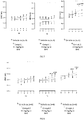
- Basal withdrawal threshold mean values in the different groups utilized ranged between 69.8 and 81.2 grams in abdomen, and between 36.2 and 44.2 grams in hind paws. No statistically significant differences between the basal and pre-treatment values in the different groups of treatment were found. In the control group, nociceptive thresholds of abdomen and hind-paws were not altered after the treatment with vehicle ( Figures 1-5 ).
- Compd.1 and Compd.2 at doses of 10 and 30 mg/kg or vehicle were orally administered to rats 2-9 days after last CYP administration, when painful symptoms were well established.
- Compd.1 at the doses of 10 and 30 mg/kg p.o. induced a statistically significant increase in mechanical threshold in both the abdomen and paws area and the effect of the higher dose was not significantly different from that induced by the lower one ( Figures 1-2 ).
- Compd. 2 at the dose of 30mg/Kg p.o. induced a statistically significant increase in mechanical threshold in both the abdomen and paws area, while at 10 mg/Kg p.o. induced a statistically significant increase in mechanical threshold only in the abdomen ( Figures 1-2 ).
- Compd.1 showed a dose-dependent effect: particularly, at the doses of 7 and 10 mg/kg it showed a good efficacy, inducing a statistical significant reduction of painful hypersensitivity in both the abdominal and plantar surface; at the dose of 3 mg/kg it caused a statistical significant increase of mechanical threshold in both the areas evaluated.
- the withdrawal thresholds after treatment with the dose of 1 mg/kg were not significantly different from the pretreatment values, therefore suggesting that the MED of Compd.1 is 3 mg/kg ( Figures 3-5 ).
- the oral dose of 7 mg/kg of Compd.1 was chosen on the basis of the evaluation reported in Example 1: in fact, this dose was able to reduce visceral hypersensitivity in a more sustained manner than MED (3 mg/kg).
- Compd.1 or vehicle was administered p.o. to animals twice daily (according to the pharmacokinetic profile of the compound) for 6 days, starting from 24 hours after last treatment with CYP, when painful symptoms were well established.
- Nociceptive hypersensitivity was evaluated about 18 hours after the last administration of Compd.1 (or vehicle) in order to evaluate the effect of chronic administration, or a further dosage of compound was administered and evaluation carried out 2 hours thereafter, in order to compare with acute protocol, described in Example 1.
- Compd.1 7. mg/kg twice daily, p.o., for 6 days
- the chronic administration of Compd.1 (7 mg/kg twice daily, p.o., for 6 days) produced an almost complete recovery of withdrawal thresholds in the abdomen and completely reversed the nociceptive hypersensitivity in hind-paws plantar surface.
- Compd.1 fully abolished the painful visceral symptoms in both evaluated areas 2 hours following the last administration ( Figure 6 ).
- the urinary bladders were opened, placed in 10% buffered formalin and stored at room temperature until hystomorphological analysis.
- CYP alone Treatment with CYP alone induced apoptosis of the epithelial cells of the mucosa in all animals in the group. Mitoses were present in the epithelial cells of the basal layers in half of the animals in the group and were associated to a mucosal hyperplasia (diffuse or multifocal) with the exception of one rat where no corresponding hyperplasia was seen. Minimal infiltration of inflammatory cells (mostly lymphocytes and neutrophils), micro-hemorrhages of the mucosa, submucosa or muscle layers, and mucosal erosions were also present in about 50% of the animals (Table 1).
- the microscopic examination showed erosion and hyperplasia of the mucosa and infiltration of inflammatory cells in the submucosa.
- CYP + Compd.1 In the group treated with Compd.1 after the pre-treatment with CYP, the animals presented a pronounced reduced incidence and severity of apoptosis (3/10 rats versus 10/10 in the CYP alone group). Few inflammatory cells were detected in the submucosa of one animal. Mitoses in the epithelial cells were absent as well as erosion of mucosa and micro-hemorrhages, thus resulting in a clear protective/reparative effect of the test item. Mucosal hyperplasia was only present in one animal (Table 1).
- Immunohistochemistry showed a higher grade of positivity for caspases 3 and 9 in the CYP group vs CYP+Compd.1 group, indicating a higher rate of the apoptotic process in the CYP group.
- Ki67 a very well established marker for cell proliferation, has a lower grade of positivity in CYP+Compd.1 group than in CYP group.
- the observed reductions in the group CYP + Compd.1 are biologically relevant.
- mice Female Sprague Dawley rats (Crl:CD(SD)BR, 250-350 g bw) from Charles River Italy were used in these experiments. Animals were housed with free access to food and water and maintained on a forced 12 hours light-dark cycle at 22-24 °C for at least one week before the experiments were carried out. The animals were handled according to internationally accepted principles for care of laboratory animals (E.E.C. Council Directive 86/609, O. J. n° L358, 18/12/86).
- the urinary bladder was gently freed from adhering tissues, emptied and then cannulated, via an incision at the dome, with a polyethylene cannula (Portex, ID 0.58 mm, OD 0.96 mm), which was permanently sutured with silk thread.
- the cannula was exteriorized through a subcutaneous tunnel in the retroscapular area, where it was connected with a plastic adapter, in order to avoid the risk of removal by the animal.
- mice were treated by i.p. route with CYP 175 mg/kg for induction of cystitis.
- rats were utilized one day after catheter implantation at about 24 hours after administrations CYP.
- cystometry allows the detection of continuous cycles of filling and voiding of the bladder named cystometrograms.
- BVC Bladder Volume Capacity
- Basal BVC Basal BVC was evaluated as mean values from the cystometrograms recorded in 30-60 minutes of time prior the treatment ("BASAL"). Then the bladder infusion was stopped, the animals were treated orally with the test compound or vehicle and, after restarting continuous bladder filling with saline for 4 or 5 hours, BVC values after administration were collected.
- BVC parameters were recorded from the cystometrogram over a 4/5 hours period post-dose.
- Drugs were orally administered to fasted rats at doses of 10, 20 and 30 mg/kg dissolved in saline, 24 hours after treatment with CYP (175 mg/5ml/kg i.p.).
- animals showed a decrease of BVC, corresponding to a reduction around 30-50% in comparison with the values before CYP treatment.
- Compd.1 did not induce any changes of BVC.
- Compd.1 at 20 mg/kg showed a moderate increase of BVC statistically different from vehicle and pre-drug treatment at 4 and 5 hours.
- Compd.1 The oral dose of 7 mg/kg of Compd.1 was chosen on the basis of previous evaluations.
- Compd.1 or vehicle was orally administered to animals twice daily (according to the PK profile of the molecule) for 7 days.
- Mesna or vehicle was intraperitoneally administered several times a day for 3 days (when CYP was administered).
- the urinary bladders were opened, placed in 10% buffered formalin and stored at room temperature until completion of hystomorphological analysis (see Example 6 below).
- the basal and pre-treatment values in the different groups of treatment do not show any statistically significant difference.
- the urinary bladders were opened, placed in 10% buffered formalin and stored at room temperature until hystomorphological analysis.
- Compd.1 Treatment with Compd.1 administered 12 hours before and twice per day from the first day of CYP treatment for the following 7 days, clearly reduced the inflammatory, degenerative, proliferative and hemorrhagic lesions caused by CYP, clearly highlighting the protective effect of Compd.1.
- the treatment with Mesna did not exert any protective effect on the CYP-induced cystitis.
- Compd.1 and Compd.2, orally administered at 20 and 30 mg/kg were able to increase the BVC and pre-treatment with Compd.1 resulted to have antinociceptive effect in comparison to Mesna.
- the antihyperalgesic effect of Compd.1 up to 10 days after discontinuation of treatment was evaluated and, as main results, it was observed that animals treated with Compd. 1 has a body weight recovery faster than vehicle-treated animals, in agreement with the evolution of painful symptoms and, in general, the treated animals were healthier than vehicle-treated ones with an observed increase also in survival (65% vs. 50% of vehicle-treated).
- Compd. 1 and Compd. 2 are efficacious in animal models of IC/PBS and may be proposed for further investigation to support the use in humans.
- mice received intraperitoneal (i.p.) injections of CYP (75 mg/Kg every third day for three times).
- a single high dose of Compd.1 (20 mg/kg) was orally administered 12 hours before the first CYP treatment; subsequently Compd.1 (7 mg/kg p.o.) was administered twice a day for 7 days (from day 1 to day 7 from the first CYP administration).
- the oral dose of 7 mg/kg of Compd.1 was chosen on the basis of previous evaluations. Animals blood was collected at day 7 (the same day of the last CYP treatment) at day 8 (about 24 hrs after last CYP administration) and at day 9 (about 48 hrs after last CYP administration).
- Each experimental group was composed of 10 animals, 10 animals treated with CYP + vehicle compound, 10 animals treated with CYP + Compd. 1, and 10 animals (sham) treated with CYP vehicle + vehicle compound.
- the same animal was subjected to 3 blood serial samplings in order to evaluate the time-course of inflammatory mediators content. After thawing and centrifuge to remove any aggregates and lipid residues that could interfere with the reading, the samples were evaluated through quantitative analysis of KC/GRO- ⁇ .
Landscapes
- Health & Medical Sciences (AREA)
- Life Sciences & Earth Sciences (AREA)
- Public Health (AREA)
- Veterinary Medicine (AREA)
- Animal Behavior & Ethology (AREA)
- General Health & Medical Sciences (AREA)
- Chemical & Material Sciences (AREA)
- Medicinal Chemistry (AREA)
- Pharmacology & Pharmacy (AREA)
- Epidemiology (AREA)
- Molecular Biology (AREA)
- General Chemical & Material Sciences (AREA)
- Nuclear Medicine, Radiotherapy & Molecular Imaging (AREA)
- Organic Chemistry (AREA)
- Engineering & Computer Science (AREA)
- Bioinformatics & Cheminformatics (AREA)
- Urology & Nephrology (AREA)
- Chemical Kinetics & Catalysis (AREA)
- Immunology (AREA)
- Mycology (AREA)
- Microbiology (AREA)
- Pharmaceuticals Containing Other Organic And Inorganic Compounds (AREA)
- Medicines That Contain Protein Lipid Enzymes And Other Medicines (AREA)
- Acyclic And Carbocyclic Compounds In Medicinal Compositions (AREA)
- Medicines Containing Antibodies Or Antigens For Use As Internal Diagnostic Agents (AREA)
- Medicines Containing Material From Animals Or Micro-Organisms (AREA)
Claims (11)
- Inhibiteur d'IL-8 pour une utilisation dans le traitement et/ou la prévention de la cystite interstitielle/du syndrome de la vessie douloureuse (IC/PBS) et/ou de la vessie suractive (OAB), qui est un inhibiteur de CXCR1 ou un inhibiteur double de CXCR1 et CXCR2 ayant la formule (I)

dans laquelleR1 est l'hydrogène ;X est OH ;R2 est l'hydrogène ou un alkyle linéaire en Ci à C4 ;Y est un hétéroatome sélectionné parmi S, O et N ;Z est sélectionné parmi un alkyle linéaire ou ramifié en C1 à C4, un alkoxy linéaire ou ramifié en Ci à C4, un haloalkyle en Ci à C3 et un haloalkoxy en Ci à C3 ; ou ayant la formule (II)
dans laquelleR' est l'hydrogène ;R est un résidu de formule SO2Ra dans laquelle Ra est un alkyle linéaire ou ramifié en Ci à C4 ou un haloalkyle en Ci à C3. - Inhibiteur d'IL-8 pour une utilisation selon la revendication 1, dans lequel ladite IC/PBS et/ou vessie suractive (OAB) est induite par une thérapie anticancéreuse ou une radiothérapie au niveau du bassin.
- Inhibiteur d'IL-8 pour une utilisation selon les revendications 1 ou 2, dans lequel ledit inhibiteur d'IL-8 est sélectionné parmi l'acide (R,S)-2-(4-([4-(trifluorométhyl)-1,3-thiazol-2-yl]amino)phényl)propanoïque et l'acide (2S)-2-(4-([4-(trifluorométhyl)-1,3-thiazol-2-yl]amino)phényl)propanoïque, de préférence sous la forme d'un sel de sodium.
- Inhibiteur d'IL-8 pour une utilisation selon les revendications 1 à 3, dans lequel ledit inhibiteur d'IL-8 est le R(-)-2-[(4'-trifluorométhanesulfonyloxy)phényl]-N-méthanesulfonylpropionamide, de préférence son sel de sodium.
- Composition pharmaceutique comprenant un inhibiteur d'IL-8 pour une utilisation selon l'une quelconque des revendications 1 à 4.
- Composition pharmaceutique pour une utilisation selon la revendication 5, comprenant en outre au moins un composé pharmaceutiquement actif supplémentaire.
- Produit ou kit pour une utilisation selon l'une quelconque des revendications 1 à 6, comprenant :A) un inhibiteur d'IL-8 selon l'une quelconque des revendications 1 à 4, ou une composition pharmaceutique selon la revendication 5, etB) au moins un composé pharmaceutiquement actif supplémentaire A) et B) étant deux formulations distinctes pour une utilisation simultanée, distincte ou en séquence.
- Composition pharmaceutique pour une utilisation selon la revendication 6 ou kit pour une utilisation selon la revendication 7, dans lesquels ledit composé pharmaceutiquement actif supplémentaire est un composé actif utile pour la prévention et le traitement de l'IC/PBS et/ou de l'OAB.
- Composition pharmaceutique ou kit pour une utilisation selon la revendication 8, dans lesquels ledit composé pharmaceutiquement actif supplémentaire est un antagoniste de TRPV1.
- Composition pharmaceutique pour une utilisation selon la revendication 6 ou kit pour une utilisation selon la revendication 7, dans lesquels ledit composé pharmaceutiquement actif supplémentaire est un médicament qui induit, comme effet indésirable, une IC/PBS ou une OAB.
- Composition pharmaceutique ou kit pour une utilisation selon la revendication 10 dans lesquels ledit composé pharmaceutiquement actif supplémentaire est sélectionné parmi le cyclophosphamide, le bacille de Calmette et Guérin à instiller directement dans la vessie, la mitomycine C, l'adriamycine ou l'acide tiaprofénique.
Priority Applications (5)
| Application Number | Priority Date | Filing Date | Title |
|---|---|---|---|
| SI201631353T SI3322438T1 (sl) | 2015-07-14 | 2016-07-12 | il-8 inhibitorji za uporabo pri zdravljenju določenih uroloških nepravilnosti |
| PL16738165T PL3322438T3 (pl) | 2015-07-14 | 2016-07-12 | Inhibitory il-8 do zastosowania w leczeniu pewnych zaburzeń urologicznych |
| RS20211225A RS62413B1 (sr) | 2015-07-14 | 2016-07-12 | Inhibitori il-8 za primenu u lečenju određenih uroloških poremećaja |
| SM20210582T SMT202100582T1 (it) | 2015-07-14 | 2016-07-12 | Inibitori di il-8 per l'uso nel trattamento di alcuni disordini urologici |
| HRP20211574TT HRP20211574T1 (hr) | 2015-07-14 | 2016-07-12 | Inhibitori il-8 za primjenu u liječenju određenih uroloških poremećaja |
Applications Claiming Priority (2)
| Application Number | Priority Date | Filing Date | Title |
|---|---|---|---|
| EP15176726.6A EP3117835A1 (fr) | 2015-07-14 | 2015-07-14 | Inhibiteurs il-8 pour utilisation dans le traitement de certains troubles urologiques |
| PCT/EP2016/066511 WO2017009323A1 (fr) | 2015-07-14 | 2016-07-12 | Inhibiteurs d'il-8 destinés à être utilisés dans le traitement de troubles urologiques |
Publications (2)
| Publication Number | Publication Date |
|---|---|
| EP3322438A1 EP3322438A1 (fr) | 2018-05-23 |
| EP3322438B1 true EP3322438B1 (fr) | 2021-09-08 |
Family
ID=53757997
Family Applications (2)
| Application Number | Title | Priority Date | Filing Date |
|---|---|---|---|
| EP15176726.6A Withdrawn EP3117835A1 (fr) | 2015-07-14 | 2015-07-14 | Inhibiteurs il-8 pour utilisation dans le traitement de certains troubles urologiques |
| EP16738165.6A Active EP3322438B1 (fr) | 2015-07-14 | 2016-07-12 | Inhibiteurs il-8 pour utilisation dans le traitement de certains troubles urologiques |
Family Applications Before (1)
| Application Number | Title | Priority Date | Filing Date |
|---|---|---|---|
| EP15176726.6A Withdrawn EP3117835A1 (fr) | 2015-07-14 | 2015-07-14 | Inhibiteurs il-8 pour utilisation dans le traitement de certains troubles urologiques |
Country Status (25)
| Country | Link |
|---|---|
| US (2) | US12150933B2 (fr) |
| EP (2) | EP3117835A1 (fr) |
| JP (1) | JP6937738B2 (fr) |
| KR (1) | KR102622924B1 (fr) |
| CN (1) | CN107921105B (fr) |
| AU (1) | AU2016292902B2 (fr) |
| CA (1) | CA2991810C (fr) |
| CY (1) | CY1125437T1 (fr) |
| DK (1) | DK3322438T3 (fr) |
| EA (2) | EA201890312A1 (fr) |
| ES (1) | ES2894077T3 (fr) |
| HR (1) | HRP20211574T1 (fr) |
| HU (1) | HUE056439T2 (fr) |
| IL (1) | IL256413B (fr) |
| LT (1) | LT3322438T (fr) |
| MA (1) | MA42437A (fr) |
| MD (1) | MD3322438T2 (fr) |
| MX (1) | MX2018000539A (fr) |
| PL (1) | PL3322438T3 (fr) |
| PT (1) | PT3322438T (fr) |
| RS (1) | RS62413B1 (fr) |
| SI (1) | SI3322438T1 (fr) |
| SM (1) | SMT202100582T1 (fr) |
| WO (1) | WO2017009323A1 (fr) |
| ZA (1) | ZA201708608B (fr) |
Families Citing this family (3)
| Publication number | Priority date | Publication date | Assignee | Title |
|---|---|---|---|---|
| EP3342407A1 (fr) * | 2017-01-03 | 2018-07-04 | Dompé farmaceutici S.p.A. | Inihibiteurs il-8 pour utilisation dans le traitement de certains troubles urologiques |
| EP3409277A1 (fr) | 2017-05-30 | 2018-12-05 | Dompé farmaceutici s.p.a. | Inhibiteurs il-8 destinés à être utilisés dans le traitement et/ou la prévention d'infections secondaires bactériennes |
| CN114712377B (zh) * | 2022-04-26 | 2023-08-15 | 江苏师范大学 | 断血流皂苷a在制造药物中的用途 |
Family Cites Families (6)
| Publication number | Priority date | Publication date | Assignee | Title |
|---|---|---|---|---|
| EP0809492A4 (fr) * | 1995-02-17 | 2007-01-24 | Smithkline Beecham Corp | Antagonistes des recepteurs d'il-8 |
| CA2550540A1 (fr) | 2003-12-22 | 2005-07-28 | Schering Corporation | Dioxydes d'isothiazole en tant que ligands du recepteur de la chimiokine cxc et cc |
| PT1776336E (pt) * | 2004-03-23 | 2009-12-18 | Dompe Spa | Derivados de ácido 2-fenilpropiónico e composições farmacêuticas que os contêm |
| EP2166006A1 (fr) * | 2008-09-18 | 2010-03-24 | Dompe' S.P.A. | Acides 2-aryl-propioniques et dérivés et compositions pharmaceutiques les contenant |
| WO2010078403A2 (fr) | 2008-12-30 | 2010-07-08 | Lipella Pharmaceuticals Inc. | Méthodes et compositions pour diagnostiquer des troubles urologiques |
| KR101458947B1 (ko) * | 2013-03-05 | 2014-11-12 | 국립암센터 | 인터루킨-8 앱타머 및 이의 용도 |
-
2015
- 2015-07-14 EP EP15176726.6A patent/EP3117835A1/fr not_active Withdrawn
-
2016
- 2016-07-12 HR HRP20211574TT patent/HRP20211574T1/hr unknown
- 2016-07-12 WO PCT/EP2016/066511 patent/WO2017009323A1/fr not_active Ceased
- 2016-07-12 DK DK16738165.6T patent/DK3322438T3/da active
- 2016-07-12 EP EP16738165.6A patent/EP3322438B1/fr active Active
- 2016-07-12 EA EA201890312A patent/EA201890312A1/ru unknown
- 2016-07-12 HU HUE16738165A patent/HUE056439T2/hu unknown
- 2016-07-12 MD MDE20180523T patent/MD3322438T2/ro not_active IP Right Cessation
- 2016-07-12 LT LTEPPCT/EP2016/066511T patent/LT3322438T/lt unknown
- 2016-07-12 MA MA042437A patent/MA42437A/fr unknown
- 2016-07-12 CN CN201680040741.XA patent/CN107921105B/zh active Active
- 2016-07-12 MX MX2018000539A patent/MX2018000539A/es unknown
- 2016-07-12 PL PL16738165T patent/PL3322438T3/pl unknown
- 2016-07-12 AU AU2016292902A patent/AU2016292902B2/en active Active
- 2016-07-12 SI SI201631353T patent/SI3322438T1/sl unknown
- 2016-07-12 PT PT16738165T patent/PT3322438T/pt unknown
- 2016-07-12 RS RS20211225A patent/RS62413B1/sr unknown
- 2016-07-12 CA CA2991810A patent/CA2991810C/fr active Active
- 2016-07-12 US US15/743,721 patent/US12150933B2/en active Active
- 2016-07-12 ES ES16738165T patent/ES2894077T3/es active Active
- 2016-07-12 EA EA202190242A patent/EA202190242A1/ru unknown
- 2016-07-12 KR KR1020187003415A patent/KR102622924B1/ko active Active
- 2016-07-12 JP JP2018501937A patent/JP6937738B2/ja active Active
- 2016-07-12 SM SM20210582T patent/SMT202100582T1/it unknown
-
2017
- 2017-12-18 ZA ZA2017/08608A patent/ZA201708608B/en unknown
- 2017-12-19 IL IL256413A patent/IL256413B/en active IP Right Grant
-
2021
- 2021-10-13 CY CY20211100885T patent/CY1125437T1/el unknown
-
2024
- 2024-10-17 US US18/918,219 patent/US20250032461A1/en active Pending
Also Published As
Similar Documents
| Publication | Publication Date | Title |
|---|---|---|
| US20250032461A1 (en) | Il-8 inihibitors for use in the treatment of some urological disorders | |
| JP6441267B2 (ja) | 過活動膀胱を治療するためのβ−3アドレナリン受容体アゴニストおよびムスカリン受容体アンタゴニストの組み合わせ | |
| JP6837486B2 (ja) | 加齢に関連する認知障害及び神経炎症を予防及び/又は治療する方法 | |
| US20170304269A1 (en) | Method for treating neurodegenerative diseases | |
| JP2017128578A (ja) | 腎疾患の治療におけるモノおよびジカルボン酸のアミドの使用 | |
| JP7702883B2 (ja) | 神経変性疾患、好ましくはアルツハイマー病を治療するための2-フェニル-6-(1h-イミダゾール-1-イル)キナゾリンの使用 | |
| EP3801546B1 (fr) | Un composé indolique pour le traitement de la cystite interstitielle | |
| HK1247853B (en) | Il-8 inhibitors for use in the treatment of certain urological disorders | |
| BR112018000676B1 (pt) | Inibidores de il-8, composição farmacêutica, produto ou kit para o uso e uso de um inibidor de il-8 | |
| WO2007081061A1 (fr) | Agent therapeutique utilise contre les douleurs neurogenes | |
| EA041905B1 (ru) | Применение ингибиторов il-8 в лечении и/или профилактике интерстициального цистита/синдрома раздраженного мочевого пузыря и/или сверхактивного мочевого пузыря | |
| US20190336484A1 (en) | Il-8 inhibitors for use in the treatment of some urological disorders | |
| US9439879B2 (en) | Treatment of urinary incontinence using nitrone spin traps | |
| HK40049577A (en) | Indole compound for treating interstitial cystitis | |
| JP2021091651A (ja) | 炎症性サイトカインレベル阻害剤およびサイトカイン放出症候群の治療薬物を製造するに用いられる医薬組成物の用途 | |
| EP1778248A1 (fr) | Composition contenant un derive de la thio-uree destinee a prevenir ou a traiter des maladies de la peau prurigineuses ou irritantes |
Legal Events
| Date | Code | Title | Description |
|---|---|---|---|
| REG | Reference to a national code |
Ref country code: HR Ref legal event code: TUEP Ref document number: P20211574T Country of ref document: HR |
|
| STAA | Information on the status of an ep patent application or granted ep patent |
Free format text: STATUS: THE INTERNATIONAL PUBLICATION HAS BEEN MADE |
|
| PUAI | Public reference made under article 153(3) epc to a published international application that has entered the european phase |
Free format text: ORIGINAL CODE: 0009012 |
|
| STAA | Information on the status of an ep patent application or granted ep patent |
Free format text: STATUS: REQUEST FOR EXAMINATION WAS MADE |
|
| 17P | Request for examination filed |
Effective date: 20171213 |
|
| AK | Designated contracting states |
Kind code of ref document: A1 Designated state(s): AL AT BE BG CH CY CZ DE DK EE ES FI FR GB GR HR HU IE IS IT LI LT LU LV MC MK MT NL NO PL PT RO RS SE SI SK SM TR |
|
| AX | Request for extension of the european patent |
Extension state: BA ME |
|
| REG | Reference to a national code |
Ref country code: HK Ref legal event code: DE Ref document number: 1247853 Country of ref document: HK |
|
| STAA | Information on the status of an ep patent application or granted ep patent |
Free format text: STATUS: EXAMINATION IS IN PROGRESS |
|
| 17Q | First examination report despatched |
Effective date: 20191210 |
|
| REG | Reference to a national code |
Ref country code: DE Ref legal event code: R079 Ref document number: 602016063432 Country of ref document: DE Free format text: PREVIOUS MAIN CLASS: A61K0039000000 Ipc: A61K0031165000 |
|
| GRAP | Despatch of communication of intention to grant a patent |
Free format text: ORIGINAL CODE: EPIDOSNIGR1 |
|
| STAA | Information on the status of an ep patent application or granted ep patent |
Free format text: STATUS: GRANT OF PATENT IS INTENDED |
|
| RIC1 | Information provided on ipc code assigned before grant |
Ipc: A61K 45/06 20060101ALI20210408BHEP Ipc: A61K 39/00 20060101ALI20210408BHEP Ipc: A61K 31/664 20060101ALI20210408BHEP Ipc: A61K 31/407 20060101ALI20210408BHEP Ipc: A61K 31/426 20060101ALI20210408BHEP Ipc: A61K 31/675 20060101ALI20210408BHEP Ipc: A61K 31/704 20060101ALI20210408BHEP Ipc: A61P 13/10 20060101ALI20210408BHEP Ipc: A61K 31/381 20060101ALI20210408BHEP Ipc: A61K 31/165 20060101AFI20210408BHEP |
|
| INTG | Intention to grant announced |
Effective date: 20210510 |
|
| RIN1 | Information on inventor provided before grant (corrected) |
Inventor name: ANGELICO, PATRIZIA Inventor name: BRANDOLINI, LAURA Inventor name: BIANCHINI, GIANLUCA Inventor name: CESTA, MARIA, CANDIDA Inventor name: ARAMINI, ANDREA Inventor name: ALLEGRETTI, MARCELLO |
|
| GRAS | Grant fee paid |
Free format text: ORIGINAL CODE: EPIDOSNIGR3 |
|
| GRAA | (expected) grant |
Free format text: ORIGINAL CODE: 0009210 |
|
| STAA | Information on the status of an ep patent application or granted ep patent |
Free format text: STATUS: THE PATENT HAS BEEN GRANTED |
|
| AK | Designated contracting states |
Kind code of ref document: B1 Designated state(s): AL AT BE BG CH CY CZ DE DK EE ES FI FR GB GR HR HU IE IS IT LI LT LU LV MC MK MT NL NO PL PT RO RS SE SI SK SM TR |
|
| REG | Reference to a national code |
Ref country code: GB Ref legal event code: FG4D |
|
| REG | Reference to a national code |
Ref country code: AT Ref legal event code: REF Ref document number: 1427941 Country of ref document: AT Kind code of ref document: T Effective date: 20210915 Ref country code: CH Ref legal event code: EP |
|
| REG | Reference to a national code |
Ref country code: IE Ref legal event code: FG4D |
|
| REG | Reference to a national code |
Ref country code: DE Ref legal event code: R096 Ref document number: 602016063432 Country of ref document: DE |
|
| REG | Reference to a national code |
Ref country code: PT Ref legal event code: SC4A Ref document number: 3322438 Country of ref document: PT Date of ref document: 20211001 Kind code of ref document: T Free format text: AVAILABILITY OF NATIONAL TRANSLATION Effective date: 20210927 |
|
| REG | Reference to a national code |
Ref country code: FI Ref legal event code: FGE |
|
| REG | Reference to a national code |
Ref country code: DK Ref legal event code: T3 Effective date: 20211011 |
|
| REG | Reference to a national code |
Ref country code: SE Ref legal event code: TRGR |
|
| REG | Reference to a national code |
Ref country code: NL Ref legal event code: FP |
|
| REG | Reference to a national code |
Ref country code: NO Ref legal event code: T2 Effective date: 20210908 |
|
| REG | Reference to a national code |
Ref country code: GR Ref legal event code: EP Ref document number: 20210402666 Country of ref document: GR Effective date: 20211111 |
|
| REG | Reference to a national code |
Ref country code: EE Ref legal event code: FG4A Ref document number: E021475 Country of ref document: EE Effective date: 20211013 |
|
| REG | Reference to a national code |
Ref country code: SK Ref legal event code: T3 Ref document number: E 38391 Country of ref document: SK |
|
| REG | Reference to a national code |
Ref country code: MD Ref legal event code: VAGR Ref document number: 3322438 Country of ref document: MD Date of ref document: 20220131 Kind code of ref document: T2 |
|
| REG | Reference to a national code |
Ref country code: HR Ref legal event code: T1PR Ref document number: P20211574 Country of ref document: HR |
|
| REG | Reference to a national code |
Ref country code: ES Ref legal event code: FG2A Ref document number: 2894077 Country of ref document: ES Kind code of ref document: T3 Effective date: 20220211 |
|
| REG | Reference to a national code |
Ref country code: HU Ref legal event code: AG4A Ref document number: E056439 Country of ref document: HU |
|
| REG | Reference to a national code |
Ref country code: DE Ref legal event code: R097 Ref document number: 602016063432 Country of ref document: DE |
|
| PLBE | No opposition filed within time limit |
Free format text: ORIGINAL CODE: 0009261 |
|
| STAA | Information on the status of an ep patent application or granted ep patent |
Free format text: STATUS: NO OPPOSITION FILED WITHIN TIME LIMIT |
|
| REG | Reference to a national code |
Ref country code: HR Ref legal event code: ODRP Ref document number: P20211574 Country of ref document: HR Payment date: 20220620 Year of fee payment: 7 |
|
| 26N | No opposition filed |
Effective date: 20220609 |
|
| REG | Reference to a national code |
Ref country code: MD Ref legal event code: KA4A Ref document number: 3322438 Country of ref document: MD Kind code of ref document: T2 |
|
| VS25 | Lapsed in a validation state [announced via postgrant information from nat. office to epo] |
Ref country code: MD Free format text: LAPSE BECAUSE OF NON-PAYMENT OF DUE FEES Effective date: 20220712 |
|
| P01 | Opt-out of the competence of the unified patent court (upc) registered |
Effective date: 20230528 |
|
| REG | Reference to a national code |
Ref country code: HR Ref legal event code: ODRP Ref document number: P20211574 Country of ref document: HR Payment date: 20230623 Year of fee payment: 8 |
|
| REG | Reference to a national code |
Ref country code: AT Ref legal event code: UEP Ref document number: 1427941 Country of ref document: AT Kind code of ref document: T Effective date: 20210908 |
|
| VS25 | Lapsed in a validation state [announced via postgrant information from nat. office to epo] |
Ref country code: MA Free format text: LAPSE BECAUSE OF FAILURE TO SUBMIT A TRANSLATION OF THE DESCRIPTION OR TO PAY THE FEE WITHIN THE PRESCRIBED TIME-LIMIT Effective date: 20210908 |
|
| REG | Reference to a national code |
Ref country code: HR Ref legal event code: ODRP Ref document number: P20211574 Country of ref document: HR Payment date: 20240619 Year of fee payment: 9 |
|
| PGFP | Annual fee paid to national office [announced via postgrant information from national office to epo] |
Ref country code: SM Payment date: 20250627 Year of fee payment: 10 |
|
| PGFP | Annual fee paid to national office [announced via postgrant information from national office to epo] |
Ref country code: MC Payment date: 20250624 Year of fee payment: 10 |
|
| PGFP | Annual fee paid to national office [announced via postgrant information from national office to epo] |
Ref country code: PL Payment date: 20250620 Year of fee payment: 10 |
|
| PGFP | Annual fee paid to national office [announced via postgrant information from national office to epo] |
Ref country code: LT Payment date: 20250618 Year of fee payment: 10 |
|
| PGFP | Annual fee paid to national office [announced via postgrant information from national office to epo] |
Ref country code: RS Payment date: 20250619 Year of fee payment: 10 |
|
| PGFP | Annual fee paid to national office [announced via postgrant information from national office to epo] |
Ref country code: HR Payment date: 20250624 Year of fee payment: 10 |
|
| PGFP | Annual fee paid to national office [announced via postgrant information from national office to epo] |
Ref country code: PT Payment date: 20250626 Year of fee payment: 10 Ref country code: LV Payment date: 20250618 Year of fee payment: 10 |
|
| PGFP | Annual fee paid to national office [announced via postgrant information from national office to epo] |
Ref country code: EE Payment date: 20250619 Year of fee payment: 10 |
|
| REG | Reference to a national code |
Ref country code: HR Ref legal event code: ODRP Ref document number: P20211574 Country of ref document: HR Payment date: 20250624 Year of fee payment: 10 |
|
| PGFP | Annual fee paid to national office [announced via postgrant information from national office to epo] |
Ref country code: MT Payment date: 20250618 Year of fee payment: 10 |
|
| PGFP | Annual fee paid to national office [announced via postgrant information from national office to epo] |
Ref country code: SK Payment date: 20250618 Year of fee payment: 10 |
|
| PGFP | Annual fee paid to national office [announced via postgrant information from national office to epo] |
Ref country code: CZ Payment date: 20250623 Year of fee payment: 10 |
|
| PGFP | Annual fee paid to national office [announced via postgrant information from national office to epo] |
Ref country code: SI Payment date: 20250617 Year of fee payment: 10 |
|
| PGFP | Annual fee paid to national office [announced via postgrant information from national office to epo] |
Ref country code: HU Payment date: 20250625 Year of fee payment: 10 |
|
| PGFP | Annual fee paid to national office [announced via postgrant information from national office to epo] |
Ref country code: NL Payment date: 20250726 Year of fee payment: 10 Ref country code: LU Payment date: 20250728 Year of fee payment: 10 |
|
| PGFP | Annual fee paid to national office [announced via postgrant information from national office to epo] |
Ref country code: FI Payment date: 20250725 Year of fee payment: 10 Ref country code: ES Payment date: 20250801 Year of fee payment: 10 |
|
| PGFP | Annual fee paid to national office [announced via postgrant information from national office to epo] |
Ref country code: DK Payment date: 20250725 Year of fee payment: 10 Ref country code: DE Payment date: 20250729 Year of fee payment: 10 |
|
| PGFP | Annual fee paid to national office [announced via postgrant information from national office to epo] |
Ref country code: NO Payment date: 20250729 Year of fee payment: 10 Ref country code: GR Payment date: 20250729 Year of fee payment: 10 |
|
| PGFP | Annual fee paid to national office [announced via postgrant information from national office to epo] |
Ref country code: TR Payment date: 20250709 Year of fee payment: 10 Ref country code: IT Payment date: 20250721 Year of fee payment: 10 |
|
| PGFP | Annual fee paid to national office [announced via postgrant information from national office to epo] |
Ref country code: BG Payment date: 20250716 Year of fee payment: 10 Ref country code: BE Payment date: 20250728 Year of fee payment: 10 Ref country code: GB Payment date: 20250728 Year of fee payment: 10 |
|
| PGFP | Annual fee paid to national office [announced via postgrant information from national office to epo] |
Ref country code: AL Payment date: 20250705 Year of fee payment: 10 Ref country code: AT Payment date: 20250620 Year of fee payment: 10 Ref country code: FR Payment date: 20250725 Year of fee payment: 10 |
|
| PGFP | Annual fee paid to national office [announced via postgrant information from national office to epo] |
Ref country code: CH Payment date: 20250801 Year of fee payment: 10 Ref country code: SE Payment date: 20250727 Year of fee payment: 10 |
|
| PGFP | Annual fee paid to national office [announced via postgrant information from national office to epo] |
Ref country code: IE Payment date: 20250728 Year of fee payment: 10 |
|
| PGFP | Annual fee paid to national office [announced via postgrant information from national office to epo] |
Ref country code: RO Payment date: 20250701 Year of fee payment: 10 |
|
| PGFP | Annual fee paid to national office [announced via postgrant information from national office to epo] |
Ref country code: IS Payment date: 20250704 Year of fee payment: 10 |
|
| PGFP | Annual fee paid to national office [announced via postgrant information from national office to epo] |
Ref country code: MK Payment date: 20250619 Year of fee payment: 10 |
|
| PGFP | Annual fee paid to national office [announced via postgrant information from national office to epo] |
Ref country code: CY Payment date: 20250624 Year of fee payment: 10 |