EP3324663B1 - Procédé d'association de dispositifs et dispositif associé - Google Patents
Procédé d'association de dispositifs et dispositif associé Download PDFInfo
- Publication number
- EP3324663B1 EP3324663B1 EP15901932.2A EP15901932A EP3324663B1 EP 3324663 B1 EP3324663 B1 EP 3324663B1 EP 15901932 A EP15901932 A EP 15901932A EP 3324663 B1 EP3324663 B1 EP 3324663B1
- Authority
- EP
- European Patent Office
- Prior art keywords
- terminal
- message
- core network
- network entity
- identity
- Prior art date
- Legal status (The legal status is an assumption and is not a legal conclusion. Google has not performed a legal analysis and makes no representation as to the accuracy of the status listed.)
- Active
Links
Images








Classifications
-
- H—ELECTRICITY
- H04—ELECTRIC COMMUNICATION TECHNIQUE
- H04W—WIRELESS COMMUNICATION NETWORKS
- H04W12/00—Security arrangements; Authentication; Protecting privacy or anonymity
- H04W12/04—Key management, e.g. using generic bootstrapping architecture [GBA]
-
- H—ELECTRICITY
- H04—ELECTRIC COMMUNICATION TECHNIQUE
- H04W—WIRELESS COMMUNICATION NETWORKS
- H04W12/00—Security arrangements; Authentication; Protecting privacy or anonymity
- H04W12/08—Access security
- H04W12/084—Access security using delegated authorisation, e.g. open authorisation [OAuth] protocol
-
- H—ELECTRICITY
- H04—ELECTRIC COMMUNICATION TECHNIQUE
- H04W—WIRELESS COMMUNICATION NETWORKS
- H04W12/00—Security arrangements; Authentication; Protecting privacy or anonymity
- H04W12/30—Security of mobile devices; Security of mobile applications
- H04W12/33—Security of mobile devices; Security of mobile applications using wearable devices, e.g. using a smartwatch or smart-glasses
-
- H—ELECTRICITY
- H04—ELECTRIC COMMUNICATION TECHNIQUE
- H04W—WIRELESS COMMUNICATION NETWORKS
- H04W48/00—Access restriction; Network selection; Access point selection
- H04W48/08—Access restriction or access information delivery, e.g. discovery data delivery
- H04W48/14—Access restriction or access information delivery, e.g. discovery data delivery using user query or user detection
-
- H—ELECTRICITY
- H04—ELECTRIC COMMUNICATION TECHNIQUE
- H04W—WIRELESS COMMUNICATION NETWORKS
- H04W52/00—Power management, e.g. Transmission Power Control [TPC] or power classes
- H04W52/02—Power saving arrangements
- H04W52/0209—Power saving arrangements in terminal devices
- H04W52/0212—Power saving arrangements in terminal devices managed by the network, e.g. network or access point is leader and terminal is follower
- H04W52/0216—Power saving arrangements in terminal devices managed by the network, e.g. network or access point is leader and terminal is follower using a pre-established activity schedule, e.g. traffic indication frame
-
- H—ELECTRICITY
- H04—ELECTRIC COMMUNICATION TECHNIQUE
- H04W—WIRELESS COMMUNICATION NETWORKS
- H04W52/00—Power management, e.g. Transmission Power Control [TPC] or power classes
- H04W52/02—Power saving arrangements
- H04W52/0209—Power saving arrangements in terminal devices
- H04W52/0212—Power saving arrangements in terminal devices managed by the network, e.g. network or access point is leader and terminal is follower
- H04W52/0219—Power saving arrangements in terminal devices managed by the network, e.g. network or access point is leader and terminal is follower where the power saving management affects multiple terminals
-
- H—ELECTRICITY
- H04—ELECTRIC COMMUNICATION TECHNIQUE
- H04W—WIRELESS COMMUNICATION NETWORKS
- H04W76/00—Connection management
- H04W76/10—Connection setup
- H04W76/14—Direct-mode setup
-
- H—ELECTRICITY
- H04—ELECTRIC COMMUNICATION TECHNIQUE
- H04W—WIRELESS COMMUNICATION NETWORKS
- H04W8/00—Network data management
- H04W8/02—Processing of mobility data, e.g. registration information at HLR [Home Location Register] or VLR [Visitor Location Register]; Transfer of mobility data, e.g. between HLR, VLR or external networks
- H04W8/08—Mobility data transfer
-
- H—ELECTRICITY
- H04—ELECTRIC COMMUNICATION TECHNIQUE
- H04W—WIRELESS COMMUNICATION NETWORKS
- H04W52/00—Power management, e.g. Transmission Power Control [TPC] or power classes
- H04W52/02—Power saving arrangements
- H04W52/0209—Power saving arrangements in terminal devices
-
- H—ELECTRICITY
- H04—ELECTRIC COMMUNICATION TECHNIQUE
- H04W—WIRELESS COMMUNICATION NETWORKS
- H04W88/00—Devices specially adapted for wireless communication networks, e.g. terminals, base stations or access point devices
- H04W88/02—Terminal devices
- H04W88/04—Terminal devices adapted for relaying to or from another terminal or user
-
- Y—GENERAL TAGGING OF NEW TECHNOLOGICAL DEVELOPMENTS; GENERAL TAGGING OF CROSS-SECTIONAL TECHNOLOGIES SPANNING OVER SEVERAL SECTIONS OF THE IPC; TECHNICAL SUBJECTS COVERED BY FORMER USPC CROSS-REFERENCE ART COLLECTIONS [XRACs] AND DIGESTS
- Y02—TECHNOLOGIES OR APPLICATIONS FOR MITIGATION OR ADAPTATION AGAINST CLIMATE CHANGE
- Y02D—CLIMATE CHANGE MITIGATION TECHNOLOGIES IN INFORMATION AND COMMUNICATION TECHNOLOGIES [ICT], I.E. INFORMATION AND COMMUNICATION TECHNOLOGIES AIMING AT THE REDUCTION OF THEIR OWN ENERGY USE
- Y02D30/00—Reducing energy consumption in communication networks
- Y02D30/70—Reducing energy consumption in communication networks in wireless communication networks
Definitions
- the present invention relates to the field of communications technologies, and in particular, to a device association method and a related device.
- the wearable device may be a watch in which a SIM (Subscriber Identity Module) card is installed, so that the wearable device can directly connect to a network to implement data transmission.
- SIM Subscriber Identity Module
- the wearable device is generally in a special shape, and this makes it difficult to design an antenna. Currently, only a single antenna can be implemented in the wearable device.
- WO 2014/113630 relates to a method for offloading data traffic from a cellular connection to a WLAN connection via a wireless P2P connection.
- US 2014/079022 discloses a method to implement wireless off-loading: a WTRU may send to a mobile communication network a first Wi-Fi measurement report, and receive from the mobile communication network a Wi-Fi connection command.
- Mobility Management for Interworking between WiMAX and UMTS, Y.2812 (07/12)", ITU-T STANDARD, INTERNATIONAL TELECOMMUNICATION UNION, GENEVA, CH; no.Y.2812 (07/12), 2012-07-29, pages 1-36, XP 017577991 specifies a network discovery and decision procedure being performed before a multi-mode mobile UE (MUE)'s handover to a new access point (AP).
- MUE multi-mode mobile UE
- AP new access point
- WO 2015/035621 discloses how a network side actively instructs a UE which is not within the coverage range of a network to connect to the network.
- the present invention is set out in the appended claims.
- the embodiments and/or examples of the following description, which are not covered by the appended claims, are considered as not being part of the present invention.
- the present invention provides a device association method and a related device to effectively reduce power consumption of a first terminal and effectively improve efficiency of data transmission between the first terminal and a core network entity.
- a device association method includes:
- the receiving, by a core network entity, a first message includes:
- the determining, by the core network entity according to the first list, the second terminal allowed to associate with the first terminal includes: if the core network entity determines that an intersection exists between the first list and a second list, selecting, by the core network entity, the second terminal from the intersection, where the core network entity includes the second list, and the second list includes an identity of one or more second terminals allowed to associate with the first terminal.
- the selecting, by the core network entity, the second terminal from the intersection includes: selecting, by the core network entity, a target second terminal having greatest signal strength from the intersection as the second terminal, where the first list includes the identity of the one or more target second terminals and corresponding signal strength of each target second terminal.
- the first list includes the identity of the one or more target second terminals and corresponding signal strength of each target second terminal
- the determining, by the core network entity according to the first list, the second terminal allowed to associate with the first terminal includes:
- the method further includes:
- the method further includes:
- the receiving, by a core network entity, a first message includes:
- the receiving, by a core network entity, a first message includes:
- the method further includes: sending, by the core network entity, the second message to the second terminal, where the second message includes indication information used to indicate that the first terminal is allowed to associate with the second terminal, so that the second terminal establishes the association with the first terminal according to the indication information.
- the method further includes: sending, by the core network entity, the second message to the first terminal, where the second message includes indication information used to indicate that the first terminal is allowed to associate with the second terminal, and a target key, where the target key is a key on an air interface of a direct channel between the first terminal and the second terminal, so that the second terminal sends the target key to the first terminal and that the first terminal establishes the association with the second terminal according to the indication information and the target key.
- the receiving, by a core network entity, a first message includes:
- the receiving, by a core network entity, a first message includes:
- the method further includes:
- the method further includes:
- the receiving, by a core network entity, a first message includes:
- the method further includes: sending, by the core network entity, a third list to the second terminal, where the third list includes an identity of one or more first terminals allowed to associate with the second terminal, so that when the second terminal determines that an identity of the first terminal is included in the third list or that a converted identity of the first terminal is included in the third list, the second terminal determines that the first terminal is allowed to associate with the second terminal.
- a device association method includes:
- the method before the sending, by a first terminal, a first message to a core network entity, the method further includes:
- the first list includes the identity of the one or more target second terminals and corresponding signal strength of each target second terminal.
- the sending, by a first terminal, a first message to a core network entity includes: sending, by the first terminal, the first message to the second terminal, so that the second terminal forwards the first message to the core network entity, where the first message includes an identity of the first terminal, so that if the core network entity determines that the identity of the first terminal included in the first message satisfies a preset requirement, the core network entity determines that the first terminal is allowed to associate with the second terminal, where the preset requirement is that the identity of the first terminal is included in a third list or that a converted identity of the first terminal is included in a third list, the core network entity includes the third list, and the third list includes an identity of one or more first terminals allowed to associate with the second terminal.
- the sending, by a first terminal, a first message to a core network entity includes: sending, by the first terminal, the first message to the second terminal, so that the second terminal forwards the first message to the core network entity, where the first message includes an identity of the first terminal, so that the core network entity sends a third message to the second terminal, where the third message is used to request the second terminal to determine whether the first terminal is allowed to associate, and the core network entity receives a fourth message returned by the second terminal, where the fourth message includes a determining result of the second terminal, and the core network entity determines, according to the determining result, whether the first terminal is allowed to associate with the second terminal.
- the receiving, by the first terminal, the second message includes: receiving, by the first terminal, the second message sent by the second terminal, where the second message is a message sent by the core network entity to the first terminal by using the second terminal, the second message includes indication information used to indicate that the first terminal is allowed to associate with the second terminal, the first message is further used to trigger the core network entity to send a sixth message to the second terminal, and the sixth message includes the indication information used to indicate that the first terminal is allowed to associate with the second terminal, so that the first terminal and the second terminal establish the association according to the second message and the sixth message.
- the receiving, by the first terminal, the second message includes: receiving, by the first terminal, the second message sent by the second terminal, where the second message is a message sent by the core network entity to the first terminal by using the second terminal, the second message includes indication information used to indicate that the first terminal is allowed to associate with the second terminal, and a target key, the first message is further used to trigger the core network entity to send a sixth message to the second terminal, the sixth message includes the indication information used to indicate that the first terminal is allowed to associate with the second terminal, and the target key, and the target key is a key on an air interface of a direct channel between the first terminal and the second terminal, so that the first terminal and the second terminal establish the association according to the second message and the sixth message.
- a device association method includes: sending, by a second terminal, a first message to a core network entity, so that the core network entity generates a second message when the core network entity determines, according to the first message, that a first terminal is allowed to associate with the second terminal, where the second message is used to establish an association between the first terminal and the second terminal, so that the first terminal can connect to a network by using the second terminal.
- the method before the sending, by a second terminal, a first message to a core network entity, the method further includes: generating, by the second terminal, the first message, where the first message includes an identity of the first terminal, so that if the core network entity determines that the identity of the first terminal included in the first message satisfies a preset requirement, the core network entity determines that the first terminal is allowed to associate with the second terminal, where the preset requirement is that the identity of the first terminal is included in a third list or that a converted identity of the first terminal is included in a third list, the core network entity includes the third list, and the third list includes an identity of one or more first terminals allowed to associate with the second terminal.
- the method before the sending, by a second terminal, a first message to a core network entity, the method further includes:
- the method further includes:
- the method further includes:
- the method before the sending, by a second terminal, a first message to a core network entity, the method further includes:
- the method before the generating, by the second terminal, the first message, the method further includes:
- a device association method includes:
- the seventh message includes an identity of the first terminal
- the determining, by the second terminal according to the seventh message and a third list, whether the first terminal is allowed to associate with the second terminal includes:
- the method further includes:
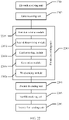
- a core network entity includes:
- the first determining unit is further configured to: if it is determined that an intersection exists between the first list and a second list, select the second terminal from the intersection, where the first determining unit includes the second list, and the second list includes an identity of one or more second terminals allowed to associate with the first terminal.
- the first determining unit is further configured to select a target second terminal having greatest signal strength from the intersection as the second terminal, where the first list includes the identity of the one or more target second terminals and corresponding signal strength of each target second terminal.
- the first list includes the identity of the one or more target second terminals and corresponding signal strength of each target second terminal
- the first determining unit includes:
- the core network entity further includes:
- the core network entity further includes:
- the core network entity further includes: a fifth sending unit, configured to send the second message to the second terminal, where the second message includes indication information used to indicate that the first terminal is allowed to associate with the second terminal, so that the second terminal establishes the association with the first terminal according to the indication information.
- the core network entity further includes: a sixth sending unit, configured to send the second message to the first terminal, where the second message includes indication information used to indicate that the first terminal is allowed to associate with the second terminal, and a target key, where the target key is a key on an air interface of a direct channel between the first terminal and the second terminal, so that the second terminal sends the target key to the first terminal and that the first terminal establishes the association with the second terminal according to the indication information and the target key.
- a sixth sending unit configured to send the second message to the first terminal, where the second message includes indication information used to indicate that the first terminal is allowed to associate with the second terminal, and a target key, where the target key is a key on an air interface of a direct channel between the first terminal and the second terminal, so that the second terminal sends the target key to the first terminal and that the first terminal establishes the association with the second terminal according to the indication information and the target key.
- the core network entity further includes:
- the core network entity further includes:
- the core network entity further includes: a thirteenth sending unit, configured to send a third list to the second terminal, where the third list includes an identity of one or more first terminals allowed to associate with the second terminal, so that when the second terminal determines that an identity of the first terminal is included in the third list or that a converted identity of the first terminal is included in the third list, the second terminal determines that the first terminal is allowed to associate with the second terminal.
- a thirteenth sending unit configured to send a third list to the second terminal, where the third list includes an identity of one or more first terminals allowed to associate with the second terminal, so that when the second terminal determines that an identity of the first terminal is included in the third list or that a converted identity of the first terminal is included in the third list, the second terminal determines that the first terminal is allowed to associate with the second terminal.
- a first terminal includes:
- the first terminal further includes:
- the fourteenth sending unit is further configured to send the first message to the second terminal, so that the second terminal forwards the first message to the core network entity, where the first message includes an identity of the first terminal, so that if the core network entity determines that the identity of the first terminal included in the first message satisfies a preset requirement, the core network entity determines that the first terminal is allowed to associate with the second terminal, where the preset requirement is that the identity of the first terminal is included in a third list or that a converted identity of the first terminal is included in a third list, the core network entity includes the third list, and the third list includes an identity of one or more first terminals allowed to associate with the second terminal.
- the fourteenth sending unit is further configured to send the first message to the second terminal, so that the second terminal forwards the first message to the core network entity, where the first message includes an identity of the first terminal, so that the core network entity sends a third message to the second terminal, where the third message is used to request the second terminal to determine whether the first terminal is allowed to associate, and the core network entity receives a fourth message returned by the second terminal, where the fourth message includes a determining result of the second terminal, and the core network entity determines, according to the determining result, whether the first terminal is allowed to associate with the second terminal.
- the third receiving unit is further configured to receive the second message sent by the second terminal, where the second message is a message sent by the core network entity to the first terminal by using the second terminal, the second message includes indication information used to indicate that the first terminal is allowed to associate with the second terminal, the first message is further used to trigger the core network entity to send a sixth message to the second terminal, and the sixth message includes the indication information used to indicate that the first terminal is allowed to associate with the second terminal, so that the first terminal and the second terminal establish the association according to the second message and the sixth message.
- the third receiving unit is further configured to receive the second message sent by the second terminal, where the second message is a message sent by the core network entity to the first terminal by using the second terminal, the second message includes indication information used to indicate that the first terminal is allowed to associate with the second terminal, and a target key, the first message is further used to trigger the core network entity to send a sixth message to the second terminal, the sixth message includes the indication information used to indicate that the first terminal is allowed to associate with the second terminal, and the target key, and the target key is a key on an air interface of a direct channel between the first terminal and the second terminal, so that the first terminal and the second terminal establish the association according to the second message and the sixth message.
- a second terminal includes: a fifteenth sending unit, configured to send a first message to a core network entity, so that the core network entity generates a second message when the core network entity determines, according to the first message, that a first terminal is allowed to associate with the second terminal, where the second message is used to establish an association between the first terminal and the second terminal, so that the first terminal can connect to a network by using the second terminal.
- a fifteenth sending unit configured to send a first message to a core network entity, so that the core network entity generates a second message when the core network entity determines, according to the first message, that a first terminal is allowed to associate with the second terminal, where the second message is used to establish an association between the first terminal and the second terminal, so that the first terminal can connect to a network by using the second terminal.
- the second terminal further includes: a third generation unit, configured to generate the first message, where the first message includes an identity of the first terminal, so that if the core network entity determines that the identity of the first terminal included in the first message satisfies a preset requirement, the core network entity determines that the first terminal is allowed to associate with the second terminal, where the preset requirement is that the identity of the first terminal is included in a third list or that a converted identity of the first terminal is included in a third list, the core network entity includes the third list, and the third list includes an identity of one or more first terminals allowed to associate with the second terminal.
- a third generation unit configured to generate the first message, where the first message includes an identity of the first terminal, so that if the core network entity determines that the identity of the first terminal included in the first message satisfies a preset requirement, the core network entity determines that the first terminal is allowed to associate with the second terminal, where the preset requirement is that the identity of the first terminal is included in a third list or that a
- the second terminal further includes:
- the second terminal further includes:
- the second terminal further includes:
- the second terminal further includes:
- the second terminal further includes:
- a second terminal includes:
- the seventh message includes an identity of the first terminal
- the fourth determining unit includes:
- the second terminal further includes:
- a communications system includes: the core network entity in any one of the fifth aspect of the present invention to the sixteenth implementation of the fifth aspect of the present invention, the first terminal in any one of the sixth aspect of the present invention to the fifth implementation of the sixth aspect of the present invention, and the second terminal in any one of the seventh aspect of the present invention to the sixth implementation of the seventh aspect of the present invention.
- a core network entity includes a transmitter, a receiver, and a processor, where
- the processor is further configured to: if the processor determines that an intersection exists between the first list and a second list, select, by the processor, the second terminal from the intersection, where the processor includes the second list, and the second list includes an identity of one or more second terminals allowed to associate with the first terminal.
- the processor is further configured to select a target second terminal having greatest signal strength from the intersection as the second terminal, where the first list includes the identity of the one or more target second terminals and corresponding signal strength of each target second terminal.
- the transmitter is configured to send the second message to the second terminal, where the second message includes indication information used to indicate that the first terminal is allowed to associate with the second terminal, so that the second terminal establishes the association with the first terminal according to the indication information.
- the transmitter is configured to send the second message to the first terminal, where the second message includes indication information used to indicate that the first terminal is allowed to associate with the second terminal, and a target key, where the target key is a key on an air interface of a direct channel between the first terminal and the second terminal, so that the second terminal sends the target key to the first terminal and that the first terminal establishes the association with the second terminal according to the indication information and the target key.
- the transmitter is configured to send a third list to the second terminal, where the third list includes an identity of one or more first terminals allowed to associate with the second terminal, so that when the second terminal determines that an identity of the first terminal is included in the third list or that a converted identity of the first terminal is included in the third list, the second terminal determines that the first terminal is allowed to associate with the second terminal.
- a first terminal includes a transmitter, a receiver, and a processor, where
- the transmitter is configured to send the first message to the second terminal, so that the second terminal forwards the first message to the core network entity, where the first message includes an identity of the first terminal, so that if the core network entity determines that the identity of the first terminal included in the first message satisfies a preset requirement, the core network entity determines that the first terminal is allowed to associate with the second terminal, where the preset requirement is that the identity of the first terminal is included in a third list or that a converted identity of the first terminal is included in a third list, the core network entity includes the third list, and the third list includes an identity of one or more first terminals allowed to associate with the second terminal.
- the transmitter is configured to send the first message to the second terminal, so that the second terminal forwards the first message to the core network entity, where the first message includes an identity of the first terminal, so that the core network entity sends a third message to the second terminal, where the third message is used to request the second terminal to determine whether the first terminal is allowed to associate, and the core network entity receives a fourth message returned by the second terminal, where the fourth message includes a determining result of the second terminal, and the core network entity determines, according to the determining result, whether the first terminal is allowed to associate with the second terminal.
- the receiver is configured to receive the second message sent by the second terminal, where the second message is a message sent by the core network entity to the first terminal by using the second terminal, the second message includes indication information used to indicate that the first terminal is allowed to associate with the second terminal, the first message is further used to trigger the core network entity to send a sixth message to the second terminal, and the sixth message includes the indication information used to indicate that the first terminal is allowed to associate with the second terminal, so that the first terminal and the second terminal establish the association according to the second message and the sixth message.
- the receiver is configured to receive the second message sent by the second terminal, where the second message is a message sent by the core network entity to the first terminal by using the second terminal, the second message includes indication information used to indicate that the first terminal is allowed to associate with the second terminal, and a target key, the first message is further used to trigger the core network entity to send a sixth message to the second terminal, the sixth message includes the indication information used to indicate that the first terminal is allowed to associate with the second terminal, and the target key, and the target key is a key on an air interface of a direct channel between the first terminal and the second terminal, so that the first terminal and the second terminal establish the association according to the second message and the sixth message.
- a second terminal includes a transmitter, a receiver, and a processor, where the transmitter is configured to send a first message to a core network entity, so that the core network entity generates a second message when the core network entity determines, according to the first message, that a first terminal is allowed to associate with the second terminal, where the second message is used to establish an association between the first terminal and the second terminal, so that the first terminal can connect to a network by using the second terminal.
- the processor is configured to generate the first message, where the first message includes an identity of the first terminal, so that if the core network entity determines that the identity of the first terminal included in the first message satisfies a preset requirement, the core network entity determines that the first terminal is allowed to associate with the second terminal, where the preset requirement is that the identity of the first terminal is included in a third list or that a converted identity of the first terminal is included in a third list, the core network entity includes the third list, and the third list includes an identity of one or more first terminals allowed to associate with the second terminal.
- a second terminal includes a transmitter, a receiver, and a processor, where
- the present invention provides a device association method and a related device.
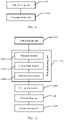
- the method includes: receiving, by a core network entity, a first message; and when the core network entity determines, according to the first message, that a first terminal is allowed to associate with a second terminal, generating, by the core network entity, a second message, where the second message is used to establish an association between the first terminal and the second terminal.
- the device association method shown in this embodiment can be used to implement an association relationship between the first terminal and the second terminal. Therefore, the first terminal having limited power, a limited antenna, and the like can perform data communication with the core network entity by using the second terminal, power consumption of the first terminal is reduced effectively, and efficiency of data transmission between the first terminal and the core network entity can be improved effectively.
- the present invention provides a device association method.
- a device association method provided by an embodiment can be used to implement an association between a wearable device and an intelligent terminal, so that the wearable device can connect to a network by using the intelligent terminal.
- a first terminal is the wearable device, but this is not limited.
- the first terminal shown in this embodiment may be a terminal that can directly communicate with the network or can communicate with the network by using another terminal.
- a second terminal is the intelligent terminal, but this is not limited.
- the intelligent terminal may be any terminal that can communicate with the network, such as a smartphone or a tablet computer.
- an association process between the first terminal and the second terminal enables the second terminal to determine that the first terminal is allowed to access the network by using the second terminal, and enables the first terminal to determine that the network can be accessed by using the second terminal.
- the network herein is a core network of an operator.
- a core network entity included in the network may be a mobility management entity MME, a serving gateway serving GW, or a packet data network gateway PDN GW.
- That the first terminal connects to the network by using the second terminal includes but is not limited to the following form: the first terminal sends data to the PDN GW by using the second terminal; or the first terminal sends signaling to the core network entity by using the second terminal.
- a core network entity receives a first message.
- a device that sends the first message is not limited, so long as after the core network entity receives the first message, the core network entity determines whether a first terminal is allowed to establish an association relationship with a second terminal.
- the core network entity is not limited, so long as the core network entity can communicate with the first terminal and the second terminal and can implement a certain control function.
- the core network entity may be a mobility management entity MME, but in a third-generation mobile communications system environment, the core network entity may be a serving GPRS support node SGSN.
- the core network entity determines, according to the first message, that a first terminal is allowed to associate with a second terminal, the core network entity generates a second message.
- the second message is used to establish an association between the first terminal and the second terminal.
- This embodiment does not limit how the core network entity specifically determines that the first terminal is allowed to associate with the second terminal, so long as the second message used to establish the association between the first terminal and the second terminal can be generated when the first terminal is allowed to associate with the second terminal, so that the first terminal associated with the second terminal can connect to a network by using the second terminal.
- the device association method shown in this embodiment can be used to implement an association relationship between the first terminal and the second terminal. Therefore, the first terminal having limited power, a limited antenna, and the like can perform data communication with the core network entity by using the second terminal, power consumption of the first terminal is reduced effectively, and efficiency of data transmission between the first terminal and the core network entity can be improved effectively.
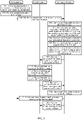
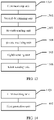
- FIG. 2 shows how the first terminal establishes an association relationship with the second terminal if the first message is sent by the first terminal.
- a first terminal sends a first message to a core network entity.
- the core network entity determines, according to the first message, that the first terminal is allowed to associate with a second terminal, the core network entity generates a second message.
- the first terminal receives a second message.
- the second message is used to establish an association between the first terminal and the second terminal.
- the device association method shown in this embodiment can be used to implement an association relationship between the first terminal and the second terminal. Therefore, the first terminal can connect to a network by using the second terminal, and further, the first terminal having limited power, a limited antenna, and the like can perform data communication with the core network entity by using the second terminal, power consumption of the first terminal is reduced effectively, and efficiency of data transmission between the first terminal and the core network entity can be improved effectively.
- the following describes how the first terminal establishes an association relationship with the second terminal if the first message is sent by the first terminal.
- the first terminal needs to satisfy a preset requirement.
- the preset requirement is that the first terminal has accessed the core network entity and that the first terminal has established an EPS bearer with the network.
- the first terminal performs monitoring to obtain an identity of one or more target second terminals.
- the target second terminal is a terminal near the first terminal.
- the first terminal performs monitoring to obtain an identity of a target second terminal that is near the first terminal and satisfies an access condition.
- the target second terminal that satisfies the access condition may be: the target second terminal performs broadcast, and broadcast content may be that the target second terminal can perform forwarding for the first terminal, so that the first terminal can associate with the core network entity by using the target second terminal, and the target second terminal is a terminal that is monitored by the first terminal and whose signal strength is greater than a preset value.
- the preset value is not limited, and may be set by the first terminal according to different application scenarios.
- the first terminal generates the first message.
- the first message includes a first list.
- the first list includes the identity of the one or more target second terminals monitored by the first terminal.
- the identity of the target second terminal is not limited, so long as the target second terminal uniquely corresponds to the identity of the target second terminal.
- the identity of the target second terminal may be an identity used for broadcasting on a target air interface by the target second terminal, or a globally unique temporary terminal identity GUTI of the target second terminal, or a mobile station international ISDN number MSISDN of the target second terminal, or an international mobile equipment identity IMEI of the target second terminal, and the target air interface is an air interface of a direct channel between the first terminal and the second terminal.
- GUTI globally unique temporary terminal identity
- MSISDN mobile station international ISDN number
- IMEI international mobile equipment identity
- the first list further includes the identity of the one or more target second terminals and corresponding signal strength of each target second terminal.
- the first terminal sends the first message to the core network entity.
- the core network entity receives the first message.
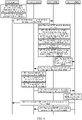
- the core network entity determines whether an intersection exists between the first list and a second list, and if yes, performs step 306, or if no, performs step 307 or step 308.
- the core network entity saves subscription information of a user, and the subscription information includes the second list.
- the second list includes an identity of one or more second terminals allowed to associate with the first terminal.
- the core network entity may determine that the target second terminal in the intersection of the first list and the second list can associate with the first terminal.
- the second list saved by the core network entity includes an international mobile subscriber identity IMSI of the one or more second terminals allowed to associate with the first terminal.
- an identity of a target second terminal reported by the first terminal is an identity used for broadcasting on a target air interface by the target second terminal, or a globally unique temporary terminal identity GUTI of the target second terminal, or a mobile station international ISDN number MSISDN of the target second terminal, or an international mobile equipment identity IMEI of the target second terminal
- the core network entity obtains an IMSI of the target second terminal according to the identity of the target second terminal. Further, if the obtained IMSI of the target second terminal is also included in the second list, it indicates that the target second terminal is a terminal that can associate with the first terminal.
- the core network entity selects the second terminal from the intersection.
- a specific manner of selecting the second terminal from the intersection by the core network entity may be: selecting, by the core network entity, a target second terminal having greatest signal strength from the intersection as the second terminal, where the first list includes the identity of the one or more target second terminals and corresponding signal strength of each target second terminal.
- the core network entity selects a target second terminal having greatest signal strength from the intersection as the second terminal.
- the core network entity determines that the target second terminal is the second terminal.
- step 315 and step 316 may be performed, so that the first terminal establishes an association relationship with the second terminal.
- the core network entity rejects a request of the first terminal.
- the core network entity may reject an association request that is sent by the first terminal by using the first message, and refuse the first terminal to connect to the network by using the second terminal.
- the core network entity selects a target second terminal having greatest signal strength from the first list as the second terminal.
- the core network entity determines that no intersection exists between the first list and the second list, the core network entity does not reject the association request that is sent by the first terminal by using the first message, but selects the target second terminal having greatest signal strength from the first list as the second terminal.
- the core network entity sends a third message to the second terminal.
- the third message is used to request the second terminal to determine whether the first terminal is allowed to associate with the second terminal.
- the core network entity needs to determine that the second terminal is connected to the core network entity. If the second terminal is disconnected from the core network entity, a connection needs to be established between the core network entity and the second terminal.
- the second terminal receives the third message.
- the second terminal receives an operation instruction entered by a user.
- the second terminal may prompt a dialog box to the user according to the third message.
- the user may enter the operation instruction in the dialog box.
- the user instructs whether to allow the first terminal to associate with the second terminal.
- the second terminal generates a fourth message.
- the second terminal generates the fourth message according to the operation instruction entered by the user.
- the fourth message includes a determining result of the second terminal.
- the second terminal uses the determining result to indicate to the user whether the first terminal is allowed to associate with the second terminal.
- the second terminal sends the fourth message to the core network entity.
- the core network entity receives the fourth message.
- the core network entity can determine, according to the determining result, whether the first terminal is allowed to associate with the second terminal.
- the core network entity continues to perform step 315 if the core network entity determines, according to the fourth message, that the user instructs to allow the first terminal to associate with the second terminal.
- the core network entity sends the second message to the first terminal.
- the second message includes an identity of the second terminal.
- the core network entity sends a fifth message to the second terminal.
- the fifth message includes an identity of the first terminal.
- the first terminal and the second terminal establish an association according to the second message and the fifth message, so that the first terminal can connect to the network by using the second terminal.
- the second message shown in step 315 may further include a target key
- the fifth message shown in step 316 may further include the target key
- the target key is a key on the air interface of the direct channel between the first terminal and the second terminal.
- the security of the transmission channel can be effectively ensured by using the target key.
- the core network entity can select, according to a first message that includes a first list and is reported by the first terminal, a second terminal allowed to associate with the first terminal. Therefore, the first terminal can access the core network entity by using the second terminal, a combination is formed between the first terminal and the second terminal, power consumption of the first terminal is reduced effectively, and data transmission efficiency of the first terminal is improved.
- the device association method shown in this embodiment can enhance security of a transmission channel, and prevent a third party from obtaining data.
- the core network entity is a mobility management entity MME
- a specific quantity of the MMEs used to implement the device association method shown in this application scenario is not limited, that is, the quantity of the MMEs may be one or more.
- the quantity of the MMEs used to implement the device association method is two, including a first MME configured to serve the first terminal, and a second MME configured to serve the second terminal.
- the first terminal performs monitoring to obtain an identity of one or more target second terminals.
- the first terminal generates the first message.
- step 401 and step 402 in this embodiment For a specific implementation process of step 401 and step 402 in this embodiment, refer to step 301 and step 302 shown in FIG. 3 . Details are not described again in this application scenario.
- the first terminal sends the first message to the first MME.
- the first MME receives the first message.
- the first MME determines whether an intersection exists between the first list and a second list, and if yes, performs step 406, or if no, performs step 407 or step 408.
- the first MME selects the second terminal from the intersection.
- step 403 to step 406 performed by the first MME in this embodiment refer to step 303 to step 306 performed by the core network entity shown in FIG. 3 .
- the specific process is not described again in this embodiment.
- the first MME rejects a request of the first terminal.
- the first MME selects a target second terminal having greatest signal strength from the first list as the second terminal.
- step 406 or step 408 the first MME performs step 409.
- the first MME sends an association request to the second MME.
- the association request includes an association indication sent by the first MME.
- step 407 the association indication is that the first terminal is allowed to associate with the second terminal. If step 408 is performed, the association indication is that whether the first terminal is allowed to associate with the second terminal is not determined. Therefore, the association indication used to indicate that whether the first terminal is allowed to associate with the second terminal is not determined can trigger the second terminal to perform further determining.
- the second MME performs step 410.
- step 416 and step 417 are performed.
- the second MME sends a third message to the second terminal.
- step 411 For a specific process of step 411 performed by the second MME, refer to the specific process of step 309 performed by the core network entity shown in FIG. 3 . Details are not described again in this step.
- the second terminal receives the third message.
- the second terminal receives an operation instruction entered by a user.
- the second terminal generates a fourth message.
- the second terminal sends the fourth message to the second MME.
- step 411 to step 414 in this application scenario For a specific process of step 411 to step 414 in this application scenario, refer to step 310 to step 313 in FIG. 3 . Details are not described again.
- the second MME receives the fourth message.
- the second MME sends the second message to the first terminal.
- the second MME sends a fifth message to the second terminal.
- step 415 to step 417 performed by the second MME For a specific process of step 415 to step 417 performed by the second MME, refer to step 314 to step 316 performed by the core network entity shown in FIG. 3 . Details are not described again in this embodiment.
- the following describes another method for establishing an association relationship with the second terminal by the first terminal if the first message is sent by the first terminal.
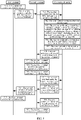
- the first terminal generates a first message.
- the first message includes an identity of the first terminal.
- the identity of the first terminal is not limited, so long as the identity of the first terminal uniquely corresponds to the first terminal.
- the identity of the first terminal may be an international mobile equipment identity IMEI of the first terminal, or a mobile station international ISDN number MSISDN of the first terminal, or an integrated services digital network ISDN of the first terminal, or a globally unique temporary UE identity GUTI of the first terminal, or an IP multimedia public identity IMPU of the first terminal, or a random number.
- the first terminal sends the first message to the second terminal.
- a criterion based on which the first terminal selects the second terminal is not limited, so long as the first terminal can perform data communication with the core network entity by using the second terminal.
- the first terminal may select a terminal that is near the first terminal and whose signal strength is greatest as the second terminal.
- the first terminal sends the first message to the second terminal through an air interface of a direct channel between the first terminal and the second terminal.
- the first message herein may be a non-access stratum NAS tracking area update TAU message sent by the first terminal.
- the second terminal forwards the first message to the core network entity.
- the core network entity receives the first message.
- the core network entity determines whether an identity of the first terminal included in the first message is included in a third list or whether a converted identity of the first terminal is included in a third list, and if yes, performs step 506, or if no, performs step 507 or step 508.
- the core network entity includes the third list, and the third list includes an identity of one or more first terminals allowed to associate with the second terminal.
- the third list saved by the core network entity includes an IMSI of the one or more first terminals allowed to associate with the second terminal.
- the core network entity determines, according to the identity of the first terminal, whether the converted identity of the first terminal is included in a third list, specifically includes: the core network entity determines an IMSI of the first terminal according to the identity of the first terminal, and determines whether the IMSI of the first terminal is included in the third list.
- the core network entity determines that the identity of the first terminal included in the first message is not the IMSI of the first terminal, the core network entity converts the identity of the first terminal, so that the converted identity of the first terminal is the IMSI of the first terminal.
- a type of the identity of the first terminal included in the first message is consistent with that of the identity of the first terminal included in the third list.
- the core network entity determines that the first terminal is allowed to associate with the second terminal.
- step 512 continues to be performed.
- the core network entity determines that the identity of the first terminal is not included in the third list or that the converted identity of the first terminal is not included in the third list, it indicates that the core network entity does not determine whether the first terminal establishes a relationship with the second terminal. In this case, the core network entity may continue to perform step 507 or step 508.
- the core network entity rejects a request of the first terminal.
- the core network entity may refuse the first terminal to connect to the network by using the second terminal.
- the core network entity may prestore a denied access list. If the core network entity determines to reject the request of the first terminal according to the first message including the identity of the first terminal, the core network entity may store the identity of the first terminal in the denied access list, so that when the core network entity receives the identity of the first terminal again, the core network entity may directly reject an access request of the first terminal according to the denied access list.
- the core network entity sends a third message to the second terminal.
- the second terminal receives the third message.
- the second terminal receives an operation instruction entered by a user.
- the second terminal generates a fourth message.
- the second terminal sends the fourth message to the core network entity.
- step 507 to step 512 in this embodiment refer to step 309 to step 313 shown in FIG. 3 . Details are not described again in this embodiment.
- step 513 continues to be performed.
- the core network entity sends a second message to the second terminal.
- the second message includes indication information used to indicate that the first terminal is allowed to associate with the second terminal.
- the second terminal sends the second message to the first terminal.
- the first terminal receives the second message.
- the core network entity sends a sixth message to the second terminal.
- the sixth message includes the indication information used to indicate that the first terminal is allowed to associate with the second terminal.
- step 513 there is no execution time sequence between step 513 and step 516.
- This embodiment is merely an example, and there is no limitation in this regard.
- the second terminal receives the sixth message.
- the first terminal and the second terminal establish an association according to the second message and the sixth message, so that the first terminal can connect to the network by using the second terminal.
- the second message shown in step 514 may further include a target key
- the sixth message shown in step 516 may further include the target key
- the target key is a key on the air interface of the direct channel between the first terminal and the second terminal.
- the security of the transmission channel can be effectively ensured by using the target key.
- the core network entity can determine, according to a first message that includes an identity of the first terminal and is reported by the first terminal, whether the second terminal is allowed to associate with the first terminal. Therefore, the first terminal can access the core network entity by using the second terminal, a combination is formed between the first terminal and the second terminal, power consumption of the first terminal is reduced effectively, and data transmission efficiency of the first terminal is improved.
- the device association method shown in this embodiment can enhance security of a transmission channel, and prevent a third party from obtaining data.
- the core network entity is a mobility management entity MME
- a specific quantity of the MMEs used to implement the device association method shown in this embodiment is not limited, that is, the quantity of the MMEs may be one or more.
- the quantity of the MMEs used to implement the device association method is two, including a first MME configured to serve the first terminal, and a second MME configured to serve the second terminal.
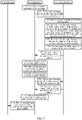
- the first terminal generates a first message.
- the first terminal sends the first message to the second terminal.
- the second terminal determines that it is already connected to the second MME.
- step 604 continues to be performed.
- the second terminal forwards the first message to the second MME.
- the second MME receives the first message.
- the first message may be a TAU message, a service request, or a new NAS message, so long as the first message includes an identity of the first terminal.
- the second MME determines whether an identity of the first terminal included in the first message is included in a third list or whether a converted identity of the first terminal is included in a third list, and if yes, performs step 607, or if no, performs step 608 or step 609.
- the second MME determines that the first terminal is allowed to associate with the second terminal.
- the second MME rejects a request of the first terminal.
- the second MME sends a third message to the second terminal.
- the second terminal receives the third message.
- the second terminal receives an operation instruction entered by a user.
- the second terminal generates a fourth message.
- the second terminal sends the fourth message to the second MME.
- the second MME sends a second message to the second terminal.
- the second terminal sends the second message to the first terminal.
- the first terminal receives the second message.
- the second MME sends a sixth message to the second terminal.
- the second terminal receives the sixth message.
- step 606 to step 618 performed by the second MME in this application scenario refer to step 505 to step 517 performed by the core network entity in FIG. 5 . Details are not described again in this application scenario.
- the following describes how the first terminal establishes an association relationship with the second terminal if the first message is sent by the second terminal.
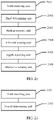
- the second terminal sends a first message to the core network entity.
- the core network entity when the core network entity determines, according to the first message, that the first terminal is allowed to associate with the second terminal, the core network entity generates a second message.
- the second message is used to establish an association between the first terminal and the second terminal, so that the first terminal can connect to the network by using the second terminal.
- the second terminal can send the first message to the core network entity, and further, under control of the core network entity, an association relationship between the first terminal and the second terminal can be implemented. Therefore, the first terminal having limited power, a limited antenna, and the like can perform data communication with the core network entity by using the second terminal, power consumption of the first terminal is reduced effectively, and efficiency of data transmission between the first terminal and the core network entity can be improved effectively.
- the following describes how the first terminal establishes an association relationship with the second terminal if the first message is sent by the second terminal.
- the second terminal generates the first message.
- the first message includes an identity of the first terminal.
- the identity of the first terminal is not limited, so long as the identity of the first terminal uniquely corresponds to the first terminal.
- the identity of the first terminal may be an international mobile equipment identity IMEI of the first terminal, or a mobile station international ISDN number MSISDN of the first terminal, or an integrated services digital network ISDN of the first terminal, or a globally unique temporary UE identity GUTI of the first terminal, or an IP multimedia public identity IMPU of the first terminal, or a random number.
- the second terminal sends the first message to the core network entity.
- the core network entity receives the first message.
- the core network entity determines whether an identity of the first terminal included in the first message is included in a third list or whether a converted identity of the first terminal is included in a third list, and if yes, performs step 705, or if no, performs step 706 or step 707.
- the core network entity includes the third list, and the third list includes an identity of one or more first terminals allowed to associate with the second terminal.
- step 505 shown in FIG. 5 For a detailed description of the third list in this embodiment, refer to step 505 shown in FIG. 5 . Details are not described again in this embodiment.
- the core network entity determines that the first terminal is allowed to associate with the second terminal.
- step 711 continues to be performed.
- the core network entity determines that the identity of the first terminal is not included in the third list or that the converted identity of the first terminal is not included in the third list, it indicates that the core network entity does not determine whether the first terminal establishes a relationship with the second terminal. In this case, the core network entity continues to perform step 706 or step 707.
- the core network entity rejects a request of the first terminal.
- the core network entity sends a third message to the second terminal.
- the second terminal receives the third message.
- the second terminal receives an operation instruction entered by a user.
- the second terminal generates a fourth message.
- the second terminal sends the fourth message to the core network entity.
- step 706 to step 711 in this embodiment refer to step 309 to step 313 shown in FIG. 3 . Details are not described again in this embodiment.
- step 712 continues to be performed.
- the core network entity sends a second message to the second terminal.
- the second message includes indication information used to indicate that the first terminal is allowed to associate with the second terminal.
- the second terminal receives the second message sent by the core network entity.
- the second message includes the indication information used to indicate that the first terminal is allowed to associate with the second terminal.
- the second terminal sends an association response message to the first terminal.
- the second terminal sends the association response message to the first terminal according to the second message, so that the first terminal establishes an association with the second terminal and that the first terminal can connect to the network by using the second terminal.
- the second terminal sends the association response message to the first terminal according to the identity of the first terminal.
- Step 711 and step 714 show how the first terminal establishes an association relationship with the second terminal. It should be clarified that, step 711 and step 714 are merely an example, and are not limited.
- the process of establishing an association between the first terminal and the second terminal may be further implemented by the following steps.
- the core network entity sends the second message to the first terminal.
- the second message includes indication information used to indicate that the first terminal is allowed to associate with the second terminal, and a target key.
- the target key is a key on an air interface of a direct channel between the first terminal and the second terminal.
- the second terminal sends the target key to the first terminal.
- the target key may be carried in the association response message.
- the first terminal establishes the association with the second terminal according to the indication information and the target key.
- the core network entity can determine, according to the first message that includes an identity of the first terminal and is reported by the second terminal, that the first terminal is allowed to associate with the second terminal.
- the core network entity determines, according to the first message, that the first terminal can associate with the second terminal
- the first terminal can access the core network entity by using the second terminal, a combination is formed between the first terminal and the second terminal, power consumption of the first terminal is reduced effectively, and data transmission efficiency of the first terminal is improved.
- the device association method shown in this embodiment can enhance security of a transmission channel, and prevent a third party from obtaining data.
- the core network entity is a mobility management entity MME
- a specific quantity of the MMEs used to implement the device association method shown in this embodiment is not limited, that is, the quantity of the MMEs may be one or more.
- the quantity of the MMEs used to implement the device association method is two, including a first MME configured to serve the first terminal, and a second MME configured to serve the second terminal.
- the device association method is implemented in a TAU update procedure of the first terminal. It should be clarified that, this application scenario is merely an example, and is not limited.
- the first terminal selects a second terminal.
- the first terminal may select a terminal that is near the first terminal and whose signal strength is greatest as the second terminal.
- the first terminal sends a NAS TAU and an identity of the first terminal to the second terminal.
- the NAS TAU and the identity of the first terminal may be mutually independent messages.
- the identity of the first terminal may also be carried in the NAS TAU. Specifically, this is not limited in this application scenario.
- the second terminal generates the first message.
- the first message may be a NAS message.
- the second terminal receives the NAS TAU message and the identity of the first terminal from an air interface of a direct channel between the first terminal and the second terminal, and the second terminal encapsulates the NAS TAU message and the identity of the first terminal into the NAS message to generate the first message.
- the first message may reuse existing UPLINK GENERIC NAS TRANSPORT and DOWNLINK GENERIC NAS TRANSPORT messages, and a new generic message container type is defined to indicate that content of a generic message container is a NAS message of the first terminal, for example, UPLINK WD NAS TRANSPORT and DOWNLINK WD NAS TRANSPORT.
- the description of the first message in this application scenario is an example, and is not limited, so long as the first message includes the identity of the first terminal.
- the second terminal sends the first message to the second MME.
- the second MME determines whether the identity of the first terminal included in the first message is included in a third list or whether a converted identity of the first terminal is included in a third list, and if yes, performs step 806, or if no, performs step 807 or step 808.
- the second MME includes the third list, and the third list includes an identity of one or more first terminals allowed to associate with the second terminal.
- step 505 shown in FIG. 5 For a detailed description of the third list in this embodiment, refer to step 505 shown in FIG. 5 . Details are not described again in this embodiment.
- the second MME determines that the first terminal is allowed to associate with the second terminal.
- step 814 continues to be performed.
- the second MME determines that the identity of the first message is not included in the third list or that the converted identity of the first terminal is not included in the third list, it indicates that the second MME does not determine whether the first terminal establishes a relationship with the second terminal. In this case, the second MME may continue to perform step 807 or step 808.
- the second MME rejects a request of the first terminal.
- the second MME sends a third message to the second terminal.
- the third message may be a NAS message.
- the second terminal receives the third message.
- the second terminal receives an operation instruction entered by a user.
- the second terminal generates a fourth message.
- the second terminal sends the fourth message to the second MME.
- step 807 to step 812 in this embodiment refer to step 309 to step 313 shown in FIG. 3 . Details are not described again in this embodiment.
- step 813 continues to be performed.
- the second MME continues to perform a subsequent TAU procedure.
- the specific TAU procedure performed by the second MME is a procedure in the prior art. Details are not described in this application scenario.
- the second MME sends a second message to the second terminal.
- the second message may include the identity of the first terminal.
- the second message may further include a target key.
- the target key is a key on the air interface of the direct channel between the first terminal and the second terminal.
- the second terminal sends an association response message to the first terminal.
- the second message is a TAU accept message sent by the second MME.
- the second message may further include the target key.
- the target key may be in the TAU accept message, or may be a field parallel to the TAU accept.
- the second MME sends the TAU accept message and the target key to the second terminal by using a NAS message, so that the second terminal can send the association response message carrying the target key to the first terminal.
- the second message includes the identity of the first terminal.
- the second MME sends the second message to the second terminal, so that the second terminal can send, according to the identity of the first terminal in the second message, the TAU accept that the second MME needs to send to the second terminal, to the first terminal through the air interface between the first terminal and the second terminal.
- the second MME determines that the first terminal and the second terminal can establish an association
- the second MME saves an allowed access list in a context of the second terminal, and the second MME stores the identity of the first terminal in the allowed access list.
- the updated allowed access list may be sent to the HSS for storage.
- the second MME determines that the user does not instruct whether to allow the first terminal to associate with the second terminal or that the user selects not to allow the first terminal to associate with the second terminal, the second MME sends a TAU reject message to the first terminal by using the second terminal, where a cause is that the second terminal denies access, and the identity of the first terminal not allowed to access the network is saved in the context of the second terminal.
- the core network entity determines the second terminal that can associate with the first terminal.
- the following describes a device association method how the second terminal determines whether the second terminal can associate with the first terminal.
- a second terminal receives a seventh message sent by a first terminal.
- the seventh message is not limited, so long as the first terminal can use the seventh message to trigger the second terminal to determine whether the first terminal can associate with the second terminal.
- the second terminal determines, according to the seventh message and a third list, whether the first terminal is allowed to associate with the second terminal.
- the third list includes an identity of one or more first terminals allowed to associate with the second terminal.
- the second terminal can determine, according to the third list and the seventh message sent by the first terminal, whether the first terminal is allowed to associate with the second terminal. Therefore, determining by a core network entity is not required, and efficiency of data transmission between the first terminal and the core network entity is improved effectively.
- the following describes a device association method in which the second terminal determines whether the second terminal can associate with the first terminal.
- the second terminal determines the third list.
- the third list shown in this embodiment includes an identity of one or more first terminals allowed to associate with the second terminal.
- the third list may be prestored by the second terminal, that is, the second terminal saves the third list locally.
- the third list saves an identity of a first terminal that a user manually pairs with the second terminal to perform an association, or an identity of a first terminal previously associated with the second terminal.
- the third list shown in this embodiment may be sent by a core network entity, that is, before performing step 1001, the second terminal may further perform a step of receiving the third list sent by the core network entity.
- the core network entity may send the third list to the second terminal in an attach or TAU procedure.
- the identity of the first terminal included in the third list is not limited, so long as the first terminal uniquely corresponds to the identity of the first terminal.
- the identity of the first terminal may be an international mobile equipment identity IMEI of the first terminal, or a mobile station international ISDN number MSISDN of the first terminal, or an integrated services digital network ISDN of the first terminal, or a globally unique temporary UE identity GUTI of the first terminal, or an IP multimedia public identity IMPU of the first terminal.
- the first terminal determines the second terminal.
- the first terminal may monitor its surrounding to obtain a second terminal that is near the first terminal and whose signal strength is greatest.
- the first terminal sends a seventh message to the second terminal.
- the seventh message includes an identity of the first terminal.
- the first terminal may send the seventh message to the second terminal through an air interface between the first terminal and the second terminal.
- the second terminal determines whether an identity of the first terminal included in the seventh message is included in the third list or whether a converted identity of the first terminal is included in the third list, and if yes, performs step 1005, or if no, performs step 1006 or step 1007.
- step 1005 determines that the first terminal is allowed to associate with the second terminal.
- step 1006 or 1007 continues to be performed.
- the second terminal determines that the first terminal is allowed to associate with the second terminal.
- step 1010 may be performed.
- the second terminal rejects an association request of the first terminal.
- the second terminal rejects the association request of the first terminal. In this case, the first terminal cannot establish an association with the second terminal.
- a denied access list may be set on the second terminal.
- the second terminal may store the identity of the rejected first terminal in the denied access list.
- the second terminal receives an operation instruction that is entered by a user and used to instruct whether to allow the first terminal to associate with the second terminal.
- the second terminal generates a determining result according to the operation instruction entered by the user.
- the second terminal sends a fourth message to the core network entity.
- the fourth message includes the determining result.
- the determining result is used to indicate to the user whether the first terminal is allowed to associate with the second terminal.
- the determining result is used to indicate that the first terminal is allowed to associate with the second terminal.
- the determining result is used to indicate that the first terminal is not allowed to associate with the second terminal.
- step 1010 continues to be performed.
- the second terminal sends a first message to the core network entity.
- the second terminal determines that the first terminal associates with the second terminal, the second terminal sends the first message to the core network entity, so that the core network entity can generate, according to the first message, a second message used to establish an association between the first terminal and the second terminal.
- the core network entity receives the first message.
- the first message is used to indicate the second terminal allowed to establish the association with the first terminal.
- the core network entity generates the second message.
- the core network entity generates the second message including a target key.
- the target key is a key on an air interface of a direct channel between the first terminal and the second terminal.
- the core network entity sends the second message to the second terminal.
- the second terminal receives the second message.
- the second terminal forwards the second message to the first terminal.
- the first terminal can establish the association with the second terminal according to the second message, so that the first terminal can connect to a network by using the second terminal.
- an identity of the second terminal is an identity used for broadcasting on a target air interface by the second terminal, or a globally unique temporary terminal identity GUTI of the second terminal, or a mobile station international ISDN number MSISDN of the second terminal, or an international mobile equipment identity IMEI of the second terminal, and the target air interface is the air interface of the direct channel between the first terminal and the second terminal.
- the identity of the first terminal is an international mobile equipment identity IMEI of the first terminal, or a mobile station international ISDN number MSISDN of the first terminal, or an integrated services digital network ISDN of the first terminal, or a globally unique temporary UE identity GUTI of the first terminal, or an IP multimedia public identity IMPU of the first terminal.
- FIG. 11 With reference to FIG. 11 , the following describes a specific structure of a core network entity used to implement the embodiment shown in FIG. 1 .
- the core network entity includes:
- the core network entity shown in this embodiment can be used to implement an association relationship between the first terminal and the second terminal. Therefore, the first terminal having limited power, a limited antenna, and the like can perform data communication with the core network entity by using the second terminal, power consumption of the first terminal is reduced effectively, and efficiency of data transmission between the first terminal and the core network entity can be improved effectively.
- the following describes a specific structure of the core network entity if the first message is sent by the first terminal, and the core network entity shown in this embodiment is used to implement the embodiment shown in FIG. 3 or FIG. 4 .
- the core network entity includes a first receiving unit 1201, a first determining unit 1202, a first generation unit 1203, a first sending unit 1204, and a second sending unit 1205.
- the first receiving unit 1201 receives the first message sent by the first terminal, where the first message includes a first list, the first list includes an identity of one or more target second terminals monitored by the first terminal, and the target second terminal is a terminal that is monitored by the first terminal and whose signal strength is greater than a preset value.
- the first determining unit 1202 is configured to determine, according to the first list, the second terminal allowed to associate with the first terminal.
- the first determining unit 1202 is further configured to: if it is determined that an intersection exists between the first list and a second list, select the second terminal from the intersection, where the first determining unit includes the second list, and the second list includes an identity of one or more second terminals allowed to associate with the first terminal.
- the first determining unit 1202 is further configured to select a target second terminal having greatest signal strength from the intersection as the second terminal, where the first list includes the identity of the one or more target second terminals and corresponding signal strength of each target second terminal.
- the first determining unit 1202 includes:
- the first generation unit 1203 is configured to generate a second message when it is determined, according to the first message, that the first terminal is allowed to associate with the second terminal, where the second message is used to establish an association between the first terminal and the second terminal.
- the first sending unit 1204 is configured to send the second message to the first terminal, where the second message includes an identity of the second terminal.
- the second sending unit 1205 is configured to send a fifth message to the second terminal, where the fifth message includes an identity of the first terminal, so that the first terminal and the second terminal establish the association according to the second message and the fifth message.
- the first sending unit 1204 and the second sending unit 1205 configured to establish the association between the first terminal and the second terminal are an example, and are not limited.
- the units configured to establish the association between the first terminal and the second terminal may also be:
- the following describes a specific structure of the core network entity if the first message is sent by the first terminal, and the core network entity shown in this embodiment is used to implement the embodiment shown in FIG. 5 or FIG. 6 .
- the core network entity includes a first receiving unit 1301, a second determining unit 1302, a seventh sending unit 1303, a second receiving unit 1304, an eighth sending unit 1305, and a ninth sending unit 1306.
- the first receiving unit 1301 receives the first message sent by the first terminal by using the second terminal, where the first message includes an identity of the first terminal.
- the first receiving unit 1301 is further configured to receive the first message sent by the first terminal by using the second terminal, where the first message includes the identity of the first terminal.
- the second determining unit 1302 is configured to: if it is determined that the identity of the first terminal included in the first message is included in a third list or that a converted identity of the first terminal is included in a third list, determine that the first terminal is allowed to associate with the second terminal, where the second determining unit includes the third list, and the third list includes an identity of one or more first terminals allowed to associate with the second terminal.
- the seventh sending unit 1303 is configured to send a third message to the second terminal, where the third message is used to request the second terminal to determine whether the first terminal is allowed to associate.
- the second receiving unit 1304 is configured to receive a fourth message returned by the second terminal, where the fourth message includes a determining result of the second terminal, and the second receiving unit determines, according to the determining result, whether the first terminal is allowed to associate with the second terminal.
- the eighth sending unit 1305 is configured to send the second message to the first terminal by using the second terminal, where the second message includes indication information used to indicate that the first terminal is allowed to associate with the second terminal.
- the ninth sending unit 1306 is configured to send a sixth message to the second terminal, where the sixth message includes the indication information used to indicate that the first terminal is allowed to associate with the second terminal, so that the first terminal and the second terminal establish an association according to the second message and the sixth message.
- the eighth sending unit 1305 and the ninth sending unit 1306 configured to establish the association between the first terminal and the second terminal are an example, and are not limited.
- the units configured to establish the association between the first terminal and the second terminal may also be:
- the following describes a specific structure of the core network entity if the first message is sent by the second terminal.
- the core network entity includes:
- the second terminal can send the first message to the core network entity, and further, under control of the core network entity, an association relationship between the first terminal and the second terminal can be implemented. Therefore, the first terminal having limited power, a limited antenna, and the like can perform data communication with the core network entity by using the second terminal, power consumption of the first terminal is reduced effectively, and efficiency of data transmission between the first terminal and the core network entity can be improved effectively.
- the following describes a specific structure of the core network entity if the first message is sent by the second terminal, and the core network entity shown in this embodiment is used to implement the embodiment shown in FIG. 7 or FIG. 8 .
- a first receiving unit 1501 is configured to receive the first message sent by the second terminal, where the first message includes an identity of the first terminal.
- the first receiving unit 1501 is further configured to receive the first message sent by the second terminal, where the first message includes the identity of the first terminal.
- a first generation unit 1502 is configured to: if the first generation unit determines that the identity of the first terminal included in the first message is included in a third list or that a converted identity of the first terminal is included in a third list, determine, by the first generation unit, that the first terminal is allowed to associate with the second terminal, where the first generation unit includes the third list, and the third list includes an identity of one or more first terminals allowed to associate with the second terminal.
- the first generation unit 1502 specifically includes:
- a fifth sending unit 1503 is configured to send the second message to the second terminal, where the second message includes indication information used to indicate that the first terminal is allowed to associate with the second terminal, so that the second terminal establishes an association with the first terminal according to the indication information.
- the fifth sending unit 1503 configured to establish the association between the first terminal and the second terminal is an example, and is not limited.
- the unit configured to establish the association between the first terminal and the second terminal may also be: a sixth sending unit, configured to send the second message to the first terminal, where the second message includes indication information used to indicate that the first terminal is allowed to associate with the second terminal, and a target key, where the target key is a key on an air interface of a direct channel between the first terminal and the second terminal, so that the second terminal sends the target key to the first terminal and that the first terminal establishes the association with the second terminal according to the indication information and the target key.
- the following describes a specific structure of the core network entity when the second terminal determines whether the second terminal can associate with the first terminal.
- the core network entity shown in this embodiment is used to implement the embodiment shown in FIG. 9 .
- the core network entity includes a first receiving unit 1601, a first generation unit 1602, and a twelfth sending unit 1603.
- the first receiving unit 1601 is configured to receive a first message.
- the first receiving unit 1601 is further configured to receive the first message sent by the second terminal, where the first message is used to indicate the second terminal allowed to establish an association with the first terminal.
- the first generation unit 1602 is configured to generate a second message when it is determined, according to the first message, that the first terminal is allowed to associate with the second terminal, where the second message is used to establish the association between the first terminal and the second terminal.
- the first generation unit 1602 is further configured to generate the second message including a target key, where the target key is a key on an air interface of a direct channel between the first terminal and the second terminal.
- the twelfth sending unit 1603 is configured to send the second message to the second terminal, so that the second terminal forwards the second message to the first terminal.
- the core network entity shown in this embodiment when used to implement the embodiment shown in FIG. 10 , the core network entity further includes: a thirteenth sending unit, configured to send a third list to the second terminal, where the third list includes an identity of one or more first terminals allowed to associate with the second terminal, so that when the second terminal determines that an identity of the first terminal is included in the third list or that a converted identity of the first terminal is included in the third list, the second terminal determines that the first terminal is allowed to associate with the second terminal.
- a thirteenth sending unit configured to send a third list to the second terminal, where the third list includes an identity of one or more first terminals allowed to associate with the second terminal, so that when the second terminal determines that an identity of the first terminal is included in the third list or that a converted identity of the first terminal is included in the third list, the second terminal determines that the first terminal is allowed to associate with the second terminal.
- FIG. 17 the following describes a structure of a first terminal used to implement the embodiment shown in FIG. 2 .
- the first terminal includes:
- FIG. 18 the following describes a specific structure of a first terminal that can implement the embodiment shown in FIG. 3 , FIG. 4 , FIG. 5 , or FIG. 6 .
- a monitoring unit 1801 is configured to perform monitoring to obtain an identity of one or more target second terminals, where the target second terminal is a terminal that is monitored by the monitoring unit and whose signal strength is greater than a preset value.
- a second generation unit 1802 is configured to generate the first message, where the first message includes a first list, and the first list includes the identity of the one or more target second terminals monitored by the monitoring unit, so that the core network entity determines, according to the first list, the second terminal allowed to associate with the first terminal.
- a fourteenth sending unit 1803 is configured to send the first message to the second terminal, so that the second terminal forwards the first message to the core network entity, where the first message includes an identity of the first terminal, so that if the core network entity determines that the identity of the first terminal included in the first message satisfies a preset requirement, the core network entity determines that the first terminal is allowed to associate with the second terminal, where the preset requirement is that the identity of the first terminal is included in a third list or that a converted identity of the first terminal is included in a third list, the core network entity includes the third list, and the third list includes an identity of one or more first terminals allowed to associate with the second terminal.
- the fourteenth sending unit 1803 is further configured to send the first message to the second terminal, so that the second terminal forwards the first message to the core network entity, where the first message includes an identity of the first terminal, so that the core network entity sends a third message to the second terminal, where the third message is used to request the second terminal to determine whether the first terminal is allowed to associate, and the core network entity receives a fourth message returned by the second terminal, where the fourth message includes a determining result of the second terminal, and the core network entity determines, according to the determining result, whether the first terminal is allowed to associate with the second terminal.
- a third receiving unit 1804 is configured to receive the second message sent by the second terminal, where the second message is a message sent by the core network entity to the first terminal by using the second terminal, the second message includes indication information used to indicate that the first terminal is allowed to associate with the second terminal, the first message is further used to trigger the core network entity to send a sixth message to the second terminal, and the sixth message includes the indication information used to indicate that the first terminal is allowed to associate with the second terminal, so that the first terminal and the second terminal establish an association according to the second message and the sixth message.
- the third receiving unit 1804 is further configured to receive the second message sent by the second terminal, where the second message is a message sent by the core network entity to the first terminal by using the second terminal, the second message includes indication information used to indicate that the first terminal is allowed to associate with the second terminal, and a target key, the first message is further used to trigger the core network entity to send a sixth message to the second terminal, the sixth message includes the indication information used to indicate that the first terminal is allowed to associate with the second terminal, and the target key, and the target key is a key on an air interface of a direct channel between the first terminal and the second terminal, so that the first terminal and the second terminal establish an association according to the second message and the sixth message.
- the following describes a structure of a first terminal used to implement a device association method.
- the first terminal includes: a fifteenth sending unit, configured to send a first message to a core network entity, so that the core network entity generates a second message when the core network entity determines, according to the first message, that a first terminal is allowed to associate with the second terminal, where the second message is used to establish an association between the first terminal and the second terminal, so that the first terminal can connect to a network by using the second terminal.
- a fifteenth sending unit configured to send a first message to a core network entity, so that the core network entity generates a second message when the core network entity determines, according to the first message, that a first terminal is allowed to associate with the second terminal, where the second message is used to establish an association between the first terminal and the second terminal, so that the first terminal can connect to a network by using the second terminal.
- FIG. 19 With reference to FIG. 19 , the following describes in detail a specific structure of a second terminal used to implement the device association method in the embodiment shown in FIG. 7 or FIG. 8 .
- the second terminal includes:
- the sixth receiving unit 1908 and the seventeenth sending unit 1909 configured to establish the association between the first terminal and the second terminal are an example, and are not limited.
- the units configured to establish the association between the first terminal and the second terminal may also be:
- FIG. 20 With reference to FIG. 20 , the following describes in detail a specific structure of a second terminal used to implement the device association method in the embodiment shown in FIG. 10 .
- the second terminal includes:
- the second terminal includes:
- An eleventh receiving unit 2201 is configured to receive the third list sent by the core network entity.
- the eleventh receiving unit 2201 may either not be disposed in the second terminal, but the third list is stored in a storage unit of the second terminal.
- a tenth receiving unit 2202 is configured to receive a seventh message sent by a first terminal, where the seventh message includes an identity of the first terminal.
- a fourth determining unit 2203 is configured to determine, according to the seventh message and the third list, whether the first terminal is allowed to associate with the second terminal, where the third list includes an identity of one or more first terminals allowed to associate with the second terminal.
- the fourth determining unit 2203 includes:
- a twentieth sending unit 2204 is configured to send a first message to the core network entity when the second terminal determines that the first terminal associates with the second terminal.
- a twelfth receiving unit 2205 is configured to receive a second message that includes a target key and is sent by the core network entity, where the second message is used to establish an association between the first terminal and the second terminal, and the target key is a key on an air interface of a direct channel between the first terminal and the second terminal.
- a twenty-first sending unit 2206 is configured to forward the second message to the first terminal, so that the first terminal establishes the association with the second terminal.
- the present invention further provides a communications system used to implement a device association.
- the communications system can effectively avoid complexity in manually associating a first terminal with a second terminal by a user, and can effectively reduce power consumption of the first terminal.
- the communications system includes the core network entity shown in any one of FIG. 11 to FIG. 16 , the first terminal shown in FIG. 17 or FIG. 18 , and the second terminal shown in any one of FIG. 19 to FIG. 22 .
- FIG. 11 to FIG. 16 a specific structure of a core network entity is described from a perspective of functional modules.
- the following describes a specific structure of a core network entity from a perspective of hardware with reference to an embodiment shown in FIG. 23 .
- the core network entity includes a transmitter 2301, a receiver 2302, and a processor 2303.
- a quantity of processors 2303 may be one or more, and one is used as an example for description in this embodiment.
- the transmitter 2301, the receiver 2302, and the processor 2303 are connected by a bus, or certainly may be connected in other manners.
- a specific connection manner is not limited in this embodiment.
- a quantity of components of the core network entity that this embodiment of the present invention relates to may be greater than or less than that shown in FIG. 23 .
- Two or more components may be combined, or different components may be configured or disposed, and each component may be implemented in hardware that includes one or more signal processing and/or dedicated integrated circuits, or in software, or in a combination of hardware and software.
- the core network entity is not limited, so long as the core network entity can communicate with the first terminal and the second terminal and can implement a certain control function.
- the core network entity may be a mobility management entity MME, but in a third-generation mobile communications system environment, the core network entity may be a serving GPRS support node SGSN.
- the receiver 2302 is configured to receive a first message.
- a device that sends the first message is not limited, so long as after the receiver 2302 receives the first message, whether a first terminal is allowed to establish an association relationship with a second terminal is determined.
- the processor 2303 is configured to generate a second message when determining, according to the first message, that the first terminal is allowed to associate with the second terminal, where the second message is used to establish the association between the first terminal and the second terminal, so that the first terminal can connect to a network by using the second terminal.
- the first terminal having limited power, a limited antenna, and the like can perform data communication with the core network entity by using the second terminal, power consumption of the first terminal is reduced effectively, and efficiency of data transmission between the first terminal and the core network entity can be improved effectively.
- the receiver 2302 is configured to receive the first message sent by the first terminal, where the first message includes a first list, the first list includes an identity of one or more target second terminals monitored by the first terminal, and the target second terminal is a terminal that is monitored by the first terminal and whose signal strength is greater than a preset value; and the processor 2303 is further configured to determine, according to the first list, the second terminal allowed to associate with the first terminal.
- the processor 2303 is further configured to: if the processor 2303 determines that an intersection exists between the first list and a second list, select, by the processor 2303, the second terminal from the intersection, where the processor 2303 includes the second list, and the second list includes an identity of one or more second terminals allowed to associate with the first terminal.
- the processor 2303 is further configured to select a target second terminal having greatest signal strength from the intersection as the second terminal, where the first list includes the identity of the one or more target second terminals and corresponding signal strength of each target second terminal.
- the first list includes the identity of the one or more target second terminals and corresponding signal strength of each target second terminal, and the processor 2303 is further configured to select a target second terminal having greatest signal strength from the first list as the second terminal;
- the transmitter 2301 is further configured to send the second message to the first terminal, where the second message includes an identity of the second terminal; and the transmitter 2301 is further configured to send a fifth message to the second terminal, where the fifth message includes an identity of the first terminal, so that the first terminal and the second terminal establish the association according to the second message and the fifth message.
- the transmitter 2301 is further configured to send the second message to the first terminal, where the second message includes an identity of the second terminal and a target key; and the transmitter 2301 is further configured to send a fifth message to the second terminal, where the fifth message includes an identity of the first terminal and the target key, and the target key is a key on an air interface of a direct channel between the first terminal and the second terminal, so that the first terminal and the second terminal establish the association according to the second message and the fifth message.
- the receiver 2302 is further configured to receive the first message sent by the second terminal, where the first message includes an identity of the first terminal; and the processor 2303 is further configured to: if the processor 2303 determines that the identity of the first terminal included in the first message is included in a third list or that a converted identity of the first terminal is included in a third list, determine, by the processor 2303, that the first terminal is allowed to associate with the second terminal, where the processor 2303 includes the third list, and the third list includes an identity of one or more first terminals allowed to associate with the second terminal.
- the receiver 2302 is configured to receive the first message sent by the second terminal, where the first message includes an identity of the first terminal;
- the transmitter 2301 is configured to send the second message to the second terminal, where the second message includes indication information used to indicate that the first terminal is allowed to associate with the second terminal, so that the second terminal establishes the association with the first terminal according to the indication information.
- the transmitter 2301 is configured to send the second message to the first terminal, where the second message includes indication information used to indicate that the first terminal is allowed to associate with the second terminal, and a target key, where the target key is a key on an air interface of a direct channel between the first terminal and the second terminal, so that the second terminal sends the target key to the first terminal and that the first terminal establishes the association with the second terminal according to the indication information and the target key.
- the second message includes indication information used to indicate that the first terminal is allowed to associate with the second terminal, and a target key, where the target key is a key on an air interface of a direct channel between the first terminal and the second terminal, so that the second terminal sends the target key to the first terminal and that the first terminal establishes the association with the second terminal according to the indication information and the target key.
- the receiver 2302 is configured to receive the first message sent by the first terminal by using the second terminal, where the first message includes an identity of the first terminal; and the processor 2303 is configured to: if it is determined that the identity of the first terminal included in the first message is included in a third list or that a converted identity of the first terminal is included in a third list, determine that the first terminal is allowed to associate with the second terminal, where the processor 2303 includes the third list, and the third list includes an identity of one or more first terminals allowed to associate with the second terminal.
- the receiver 2302 is configured to receive the first message sent by the first terminal by using the second terminal, where the first message includes an identity of the first terminal;
- the transmitter 2301 is configured to send the second message to the first terminal by using the second terminal, where the second message includes indication information used to indicate that the first terminal is allowed to associate with the second terminal; and the transmitter 2301 is configured to send a sixth message to the second terminal, where the sixth message includes the indication information used to indicate that the first terminal is allowed to associate with the second terminal, so that the first terminal and the second terminal establish the association according to the second message and the sixth message.
- the transmitter 2301 is configured to send the second message to the first terminal by using the second terminal, where the second message includes indication information used to indicate that the first terminal is allowed to associate with the second terminal, and a target key; and the transmitter 2301 is configured to send a sixth message to the second terminal, where the sixth message includes the indication information used to indicate that the first terminal is allowed to associate with the second terminal, and the target key, and the target key is a key on an air interface of a direct channel between the first terminal and the second terminal, so that the first terminal and the second terminal establish the association according to the second message and the sixth message.
- the receiver 2302 is configured to receive the first message sent by the second terminal, where the first message is used to indicate the second terminal allowed to establish the association with the first terminal;
- the transmitter 2301 is configured to send a third list to the second terminal, where the third list includes an identity of one or more first terminals allowed to associate with the second terminal, so that when the second terminal determines that an identity of the first terminal is included in the third list or that a converted identity of the first terminal is included in the third list, the second terminal determines that the first terminal is allowed to associate with the second terminal.
- FIG. 17 and FIG. 18 a specific structure of a first terminal is described from a perspective of functional modules. The following describes a specific structure of a first terminal from a perspective of hardware with reference to an embodiment shown in FIG. 24 .
- the first terminal includes a transmitter 2401, a receiver 2402, and a processor 2403.
- a quantity of processors 2403 may be one or more, and one is used as an example for description in this embodiment.
- the transmitter 2401, the receiver 2402, and the processor 2403 are connected by a bus, or certainly may be connected in other manners.
- a specific connection manner is not limited in this embodiment.
- a quantity of components of the first terminal that this embodiment of the present invention relates to may be greater than or less than that shown in FIG. 24 .
- Two or more components may be combined, or different components may be configured or disposed, and each component may be implemented in hardware that includes one or more signal processing and/or dedicated integrated circuits, or in software, or in a combination of hardware and software.
- the transmitter 2401 is configured to send a first message to a core network entity, so that the core network entity generates a second message when the core network entity determines, according to the first message, that the first terminal is allowed to associate with a second terminal.
- the receiver 2402 is configured to receive the second message, where the second message is used to establish an association between the first terminal and the second terminal, so that the first terminal can connect to a network by using the second terminal.
- the processor 2403 is configured to perform monitoring to obtain an identity of one or more target second terminals, where the target second terminal is a terminal that is monitored by the first terminal and whose signal strength is greater than a preset value, and generate the first message, where the first message includes a first list, and the first list includes the identity of the one or more target second terminals monitored by the first terminal, so that the core network entity determines, according to the first list, the second terminal allowed to associate with the first terminal; and the first list includes the identity of the one or more target second terminals and corresponding signal strength of each target second terminal.
- the transmitter 2401 is configured to send the first message to the second terminal, so that the second terminal forwards the first message to the core network entity, where the first message includes an identity of the first terminal, so that if the core network entity determines that the identity of the first terminal included in the first message satisfies a preset requirement, the core network entity determines that the first terminal is allowed to associate with the second terminal, where the preset requirement is that the identity of the first terminal is included in a third list or that a converted identity of the first terminal is included in a third list, the core network entity includes the third list, and the third list includes an identity of one or more first terminals allowed to associate with the second terminal.
- the transmitter 2401 is configured to send the first message to the second terminal, so that the second terminal forwards the first message to the core network entity, where the first message includes an identity of the first terminal, so that the core network entity sends a third message to the second terminal, where the third message is used to request the second terminal to determine whether the first terminal is allowed to associate, and the core network entity receives a fourth message returned by the second terminal, where the fourth message includes a determining result of the second terminal, and the core network entity determines, according to the determining result, whether the first terminal is allowed to associate with the second terminal.
- the receiver 2402 is configured to receive the second message sent by the second terminal, where the second message is a message sent by the core network entity to the first terminal by using the second terminal, the second message includes indication information used to indicate that the first terminal is allowed to associate with the second terminal, the first message is further used to trigger the core network entity to send a sixth message to the second terminal, and the sixth message includes the indication information used to indicate that the first terminal is allowed to associate with the second terminal, so that the first terminal and the second terminal establish the association according to the second message and the sixth message.
- the second message is a message sent by the core network entity to the first terminal by using the second terminal
- the second message includes indication information used to indicate that the first terminal is allowed to associate with the second terminal
- the first message is further used to trigger the core network entity to send a sixth message to the second terminal
- the sixth message includes the indication information used to indicate that the first terminal is allowed to associate with the second terminal, so that the first terminal and the second terminal establish the association according to the second message and the sixth message.
- the receiver 2402 is configured to receive the second message sent by the second terminal, where the second message is a message sent by the core network entity to the first terminal by using the second terminal, the second message includes indication information used to indicate that the first terminal is allowed to associate with the second terminal, and a target key, the first message is further used to trigger the core network entity to send a sixth message to the second terminal, the sixth message includes the indication information used to indicate that the first terminal is allowed to associate with the second terminal, and the target key, and the target key is a key on an air interface of a direct channel between the first terminal and the second terminal, so that the first terminal and the second terminal establish the association according to the second message and the sixth message.
- a specific structure of a second terminal is described from a perspective of functional modules.
- the following describes a specific structure of a second terminal from a perspective of hardware with reference to an embodiment shown in FIG. 25 .
- the second terminal includes a transmitter 2501, a receiver 2502, and a processor 2503.
- a quantity of processors 2503 may be one or more, and one is used as an example for description in this embodiment.
- the transmitter 2501, the receiver 2502, and the processor 2503 are connected by a bus, or certainly may be connected in other manners.
- a specific connection manner is not limited in this embodiment.
- a quantity of components of the second terminal that this embodiment of the present invention relates to may be greater than or less than that shown in FIG. 25 .
- Two or more components may be combined, or different components may be configured or disposed, and each component may be implemented in hardware that includes one or more signal processing and/or dedicated integrated circuits, or in software, or in a combination of hardware and software.
- the transmitter 2501 is configured to send a first message to a core network entity, so that the core network entity generates a second message when the core network entity determines, according to the first message, that a first terminal is allowed to associate with the second terminal, where the second message is used to establish an association between the first terminal and the second terminal, so that the first terminal can connect to a network by using the second terminal.
- the processor 2503 is configured to generate the first message, where the first message includes an identity of the first terminal, so that if the core network entity determines that the identity of the first terminal included in the first message satisfies a preset requirement, the core network entity determines that the first terminal is allowed to associate with the second terminal, where the preset requirement is that the identity of the first terminal is included in a third list or that a converted identity of the first terminal is included in a third list, the core network entity includes the third list, and the third list includes an identity of one or more first terminals allowed to associate with the second terminal.
- the processor 2503 is configured to generate the first message, where the first message includes an identity of the first terminal, the first message is used to trigger the core network entity to send a third message to the second terminal, and the third message is used to request the second terminal to determine whether the first terminal is allowed to associate with the second terminal;
- the receiver 2502 is configured to receive the second message sent by the core network entity, where the second message includes indication information used to indicate that the first terminal is allowed to associate with the second terminal; and the transmitter 2501 is configured to send the second message to the first terminal, so that the first terminal establishes the association with the secondterminal according to the indication information.
- the receiver 2502 is configured to receive the second message sent by the core network entity, where the second message includes indication information used to indicate that the first terminal is allowed to associate with the second terminal, and a target key, and the target key is a key on an air interface of a direct channel between the first terminal and the second terminal; and the transmitter 2501 is configured to send the target key to the first terminal, so that the first terminal establishes the association with the second terminal according to the indication information and the target key.
- the processor 2503 is configured to generate the first message, where the first message is used to indicate the second terminal allowed to establish the association with the first terminal;
- the receiver 2502 is configured to receive a third list sent by the core network entity, where the third list includes an identity of one or more first terminals allowed to associate with the second terminal; and the processor 2503 is configured to: when determining that an identity of the first terminal is included in the third list or that a converted identity of the first terminal is included in the third list, determine that the first terminal is allowed to associate with the second terminal.
- FIG. 21 and FIG. 22 a specific structure of a second terminal is described from a perspective of functional modules. The following describes a specific structure of a second terminal from a perspective of hardware with reference to an embodiment shown in FIG. 26 .
- the second terminal includes a transmitter 2601, a receiver 2602, and a processor 2603.
- a quantity of processors 2603 may be one or more, and one is used as an example for description in this embodiment.
- the transmitter 2601, the receiver 2602, and the processor 2603 are connected by a bus, or certainly may be connected in other manners.
- a specific connection manner is not limited in this embodiment.
- a quantity of components of the second terminal that this embodiment of the present invention relates to may be greater than or less than that shown in FIG. 26 .
- Two or more components may be combined, or different components may be configured or disposed, and each component may be implemented in hardware that includes one or more signal processing and/or dedicated integrated circuits, or in software, or in a combination of hardware and software.
- the receiver 2602 is configured to receive a seventh message sent by a first terminal.
- the processor 2603 is configured to determine, according to the seventh message and a third list, whether the first terminal is allowed to associate with the second terminal, where the third list includes an identity of one or more first terminals allowed to associate with the second terminal.
- the third list is prestored by the second terminal; or the receiver 2602 is configured to receive the third list sent by the core network entity.
- the processor 2603 is configured to determine whether an identity of the first terminal included in the seventh message is included in the third list or whether a converted identity of the first terminal is included in the third list;
- the transmitter 2601 is configured to send a first message to the core network entity when the second terminal determines that the first terminal associates with the second terminal;
Landscapes
- Engineering & Computer Science (AREA)
- Computer Networks & Wireless Communication (AREA)
- Signal Processing (AREA)
- Computer Security & Cryptography (AREA)
- Databases & Information Systems (AREA)
- Mobile Radio Communication Systems (AREA)
Claims (7)
- Procédé d'association de dispositifs pour la réalisation d'une association entre un dispositif portable sur soi et un terminal intelligent, comprenant :l'envoi (201, 303, 502), par un premier terminal, d'un premier message à une entité de cœur de réseau, de sorte que l'entité de cœur de réseau génère un deuxième message lorsque l'entité de cœur de réseau détermine, selon le premier message, que le premier terminal est autorisé à s'associer à un deuxième terminal ; etla réception (202, 315, 513-515), par le premier terminal, du deuxième message, le deuxième message servant à établir une association entre le premier terminal et le deuxième terminal, de sorte à permettre au premier terminal de se connecter à un réseau au moyen du deuxième terminal ;le premier terminal étant un dispositif portable sur soi, et le deuxième terminal étant un terminal intelligent ;l'entité de cœur de réseau étant une entité de gestion de la mobilité, MME, une passerelle, GW, de desserte, ou une passerelle de réseau de données par paquets, PDN GW;le procédé comprenant en outre, avant l'envoi, par un premier terminal, d'un premier message à une entité de cœur de réseau :la réalisation, par le premier terminal, d'une surveillance afin d'obtenir une identité d'un ou de plusieurs deuxièmes terminaux cibles, le deuxième terminal cible étant un terminal qui est surveillé par le premier terminal et dont la force de signal est supérieure à une valeur prédéfinie ; etla génération, par le premier terminal, du premier message, le premier message comprenant une première liste, et la première liste comprenant l'identité des un ou plusieurs deuxièmes terminaux cibles surveillés par le premier terminal, de sorte que l'entité de cœur de réseau détermine, selon la première liste, le deuxième terminal autorisé à s'associer au premier terminal ;l'envoi, par le premier terminal, du premier message à l'entité de cœur de réseau comprenant :
l'envoi (502), par le premier terminal, du premier message au deuxième terminal, de sorte que le deuxième terminal retransmette (503) le premier message à l'entité de cœur de réseau, le premier message comprenant une identité du premier terminal, de sorte que l'entité de cœur de réseau envoie un troisième message au deuxième terminal, le troisième message servant à demander au deuxième terminal de déterminer si le premier terminal est autorisé à s'associer, et l'entité de cœur de réseau recevant un quatrième message renvoyé par le deuxième terminal, le quatrième message comprenant un résultat de détermination du deuxième terminal, et l'entité de cœur de réseau déterminant, selon le résultat de détermination, si le premier terminal est autorisé à s'associer au deuxième terminal. - Procédé selon la revendication 1, dans lequel la première liste comprend l'identité des un ou plusieurs deuxièmes terminaux cibles et la force de signal correspondante de chaque deuxième terminal cible.
- Procédé selon la revendication 1, dans lequel l'envoi, par un premier terminal, d'un premier message à l'entité de cœur de réseau comprend :
l'envoi (502), par le premier terminal, du premier message au deuxième terminal, de sorte que le deuxième terminal retransmette (503) le premier message à l'entité de cœur de réseau, le premier message comprenant une identité du premier terminal, de sorte que, si l'entité de cœur de réseau détermine que l'identité du premier terminal contenue dans le premier message satisfait à une condition prédéfinie, l'entité de cœur de réseau détermine que le premier terminal est autorisé à s'associer au deuxième terminal, la condition prédéfinie étant que l'identité du premier terminal soit contenue dans une troisième liste ou qu'une identité convertie du premier terminal soit contenue dans une troisième liste, l'entité de cœur de réseau comprenant la troisième liste, et la troisième liste comprenant une identité d'un ou de plusieurs premiers terminaux autorisés à s'associer au deuxième terminal. - Procédé selon l'une quelconque des revendications 1 à 3, dans lequel la réception, par le premier terminal, du deuxième message comprend :
la réception (514, 515), par le premier terminal, du deuxième message envoyé par le deuxième terminal, le deuxième message étant un message envoyé par l'entité de cœur de réseau au premier terminal au moyen du deuxième terminal, le deuxième message comprenant des informations d'indication servant à indiquer que le premier terminal est autorisé à s'associer au deuxième terminal, le premier message servant en outre à déclencher l'envoi, par l'entité de cœur de réseau, d'un sixième message au deuxième terminal, et le sixième message comprenant les informations d'indication servant à indiquer que le premier terminal est autorisé à s'associer au deuxième terminal, de sorte que le premier terminal et le deuxième terminal établissent l'association selon le deuxième message et le sixième message. - Procédé selon l'une quelconque des revendications 1 à 5, dans lequel une identité du deuxième terminal est une identité servant à la diffusion sur une interface air cible par le deuxième terminal, ou une identité temporaire de terminal mondialement unique, GUTI, du deuxième terminal, ou un numéro ISDN international de station mobile, MSISDN, du deuxième terminal, ou une identité internationale d'équipement mobile, IMEI, du deuxième terminal, et l'interface air cible étant l'interface air du canal direct entre le premier terminal et le deuxième terminal ; et
l'identité du premier terminal est une identité internationale d'équipement mobile, IMEI, du premier terminal, ou un numéro ISDN international de station mobile, MSISDN, du premier terminal, ou un réseau numérique à intégration de services, ISDN, du premier terminal, ou une identité temporaire d'UE mondialement unique, GUTI, du premier terminal, ou une identité publique multimédia IP, IMPU, du premier terminal. - Procédé d'association de dispositifs pour la réalisation d'une association entre un dispositif portable sur soi et un terminal intelligent, comprenant :la réception (101, 303-304, 502-504), par une entité de cœur de réseau, d'un premier message ; etlorsque l'entité de cœur de réseau détermine, selon le premier message, qu'un premier terminal est autorisé à s'associer à un deuxième terminal, la génération (102), par l'entité de cœur de réseau, d'un deuxième message, le deuxième message servant à établir une association entre le premier terminal et le deuxième terminal, de sorte à permettre au premier terminal de se connecter à un réseau au moyen du deuxième terminal ;le premier terminal étant un dispositif portable sur soi, et le deuxième terminal étant un terminal intelligent ;l'entité de cœur de réseau étant une entité de gestion de la mobilité, MME, une passerelle, GW, de desserte, ou une passerelle de réseau de données par paquets, PDN GW;la réception, par une entité de cœur de réseau, d'un premier message comprenant :la réception, par l'entité de cœur de réseau, du premier message envoyé par le premier terminal, le premier message comprenant une première liste, la première liste comprenant une identité d'un ou de plusieurs deuxièmes terminaux cibles surveillés par le premier terminal, et le deuxième terminal cible étant un terminal qui est surveillé par le premier terminal et dont la force de signal est supérieure à une valeur prédéfinie ; etle procédé comprenant en outre, après la réception, par une entité de cœur de réseau, d'un premier message :
le détermination, par l'entité de cœur de réseau selon la première liste, du deuxième terminal autorisé à s'associer au premier terminal, la réception du premier message par l'entité de cœur de réseau comprenant :
l'envoi, par le premier terminal, du premier message au deuxième terminal, de sorte que le deuxième terminal retransmette le premier message à l'entité de cœur de réseau, le premier message comprenant une identité du premier terminal, de sorte que l'entité de cœur de réseau envoie un troisième message au deuxième terminal, le troisième message servant à demander au deuxième terminal de déterminer si le premier terminal est autorisé à s'associer, et l'entité de cœur de réseau recevant un quatrième message renvoyé par le deuxième terminal, le quatrième message comprenant un résultat de détermination du deuxième terminal, et l'entité de cœur de réseau déterminant, selon le résultat de détermination, si le premier terminal est autorisé à s'associer au deuxième terminal. - Système, comprenant un premier terminal adapté à réaliser le procédé selon l'une quelconque des revendications 1 à 5, une entité de cœur de réseau adaptée à réaliser le procédé selon la revendication 6, et au moins un deuxième terminal, le premier terminal étant un dispositif portable sur soi, et le deuxième terminal étant un terminal intelligent, et l'entité de cœur de réseau étant une entité de gestion de la mobilité, MME, une passerelle, GW, de desserte, ou une passerelle de réseau de données par paquets, PDN GW.
Applications Claiming Priority (1)
| Application Number | Priority Date | Filing Date | Title |
|---|---|---|---|
| PCT/CN2015/087895 WO2017031661A1 (fr) | 2015-08-24 | 2015-08-24 | Procédé d'association de dispositifs et dispositif associé |
Publications (3)
| Publication Number | Publication Date |
|---|---|
| EP3324663A1 EP3324663A1 (fr) | 2018-05-23 |
| EP3324663A4 EP3324663A4 (fr) | 2018-08-08 |
| EP3324663B1 true EP3324663B1 (fr) | 2023-01-11 |
Family
ID=58099426
Family Applications (1)
| Application Number | Title | Priority Date | Filing Date |
|---|---|---|---|
| EP15901932.2A Active EP3324663B1 (fr) | 2015-08-24 | 2015-08-24 | Procédé d'association de dispositifs et dispositif associé |
Country Status (4)
| Country | Link |
|---|---|
| US (1) | US10511956B2 (fr) |
| EP (1) | EP3324663B1 (fr) |
| CN (1) | CN107211274B (fr) |
| WO (1) | WO2017031661A1 (fr) |
Families Citing this family (5)
| Publication number | Priority date | Publication date | Assignee | Title |
|---|---|---|---|---|
| US20170280270A1 (en) * | 2014-08-31 | 2017-09-28 | Lg Electronics Inc. | Method for controlling application related to third party server in wireless communication system and device for same |
| WO2019023825A1 (fr) * | 2017-07-30 | 2019-02-07 | 华为技术有限公司 | Procédé et dispositif de protection de la confidentialité |
| CN111315035B (zh) * | 2020-02-24 | 2023-11-10 | 华为技术有限公司 | WiFi网络连接方法及设备 |
| WO2021195846A1 (fr) * | 2020-03-30 | 2021-10-07 | Oppo广东移动通信有限公司 | Procédé de rapport d'informations, procédé d'acquisition d'informations, terminal utilisateur et dispositif de réseau |
| CN118870565A (zh) * | 2023-04-28 | 2024-10-29 | 中国移动通信有限公司研究院 | 终端关联方法、设备及可读存储介质 |
Citations (1)
| Publication number | Priority date | Publication date | Assignee | Title |
|---|---|---|---|---|
| CN103501494A (zh) * | 2013-10-14 | 2014-01-08 | 中国联合网络通信集团有限公司 | 移动热点终端接入方法、移动热点终端及移动管理实体 |
Family Cites Families (13)
| Publication number | Priority date | Publication date | Assignee | Title |
|---|---|---|---|---|
| US6614774B1 (en) * | 1998-12-04 | 2003-09-02 | Lucent Technologies Inc. | Method and system for providing wireless mobile server and peer-to-peer services with dynamic DNS update |
| CN101500230B (zh) | 2008-01-30 | 2010-12-08 | 华为技术有限公司 | 建立安全关联的方法和通信网络 |
| CN108347713B (zh) * | 2012-04-27 | 2021-12-28 | 交互数字专利控股公司 | Wtru及由wtru执行的方法 |
| US9875916B2 (en) * | 2012-07-09 | 2018-01-23 | Tokyo Electron Limited | Method of stripping photoresist on a single substrate system |
| EP2896247B1 (fr) | 2012-09-14 | 2020-02-19 | Interdigital Patent Holdings, Inc. | Procédés pour la commande de mobilité pour le transfert par wi-fi dans des systèmes sans fil |
| US10158391B2 (en) | 2012-10-15 | 2018-12-18 | Qualcomm Incorporated | Wireless area network enabled mobile device accessory |
| CN104937976B (zh) * | 2013-01-20 | 2019-03-22 | 苹果公司 | 经由无线对等连接来卸载业务的方法、设备和装置 |
| US9173095B2 (en) * | 2013-03-11 | 2015-10-27 | Intel Corporation | Techniques for authenticating a device for wireless docking |
| CN104244442B (zh) * | 2013-06-06 | 2017-10-20 | 电信科学技术研究院 | 一种邻近通信建立方法及系统 |
| EP2991440B1 (fr) | 2013-09-13 | 2018-06-06 | Huawei Device (Dongguan) Co., Ltd. | Procédé et dispositif de connexion à un réseau |
| CN104618891B (zh) * | 2013-11-04 | 2018-10-19 | 华为终端(东莞)有限公司 | 一种通信方法、终端及核心网实体 |
| EP3691398A1 (fr) * | 2014-02-17 | 2020-08-05 | Provenance Asset Group LLC | Procédé et appareil permettant de faire fonctionner un dispositif auxiliaire |
| CN104852771B (zh) * | 2015-04-22 | 2017-05-24 | 武汉大学 | 一种适用于水声局域网的多跳接入方法 |
-
2015
- 2015-08-24 EP EP15901932.2A patent/EP3324663B1/fr active Active
- 2015-08-24 CN CN201580073937.4A patent/CN107211274B/zh active Active
- 2015-08-24 WO PCT/CN2015/087895 patent/WO2017031661A1/fr not_active Ceased
- 2015-08-24 US US15/755,070 patent/US10511956B2/en active Active
Patent Citations (1)
| Publication number | Priority date | Publication date | Assignee | Title |
|---|---|---|---|---|
| CN103501494A (zh) * | 2013-10-14 | 2014-01-08 | 中国联合网络通信集团有限公司 | 移动热点终端接入方法、移动热点终端及移动管理实体 |
Also Published As
| Publication number | Publication date |
|---|---|
| CN107211274A (zh) | 2017-09-26 |
| US20180249319A1 (en) | 2018-08-30 |
| WO2017031661A1 (fr) | 2017-03-02 |
| EP3324663A1 (fr) | 2018-05-23 |
| EP3324663A4 (fr) | 2018-08-08 |
| CN107211274B (zh) | 2020-11-03 |
| US10511956B2 (en) | 2019-12-17 |
Similar Documents
| Publication | Publication Date | Title |
|---|---|---|
| JP7732544B2 (ja) | 方法、ue、及びamfノード | |
| US11272475B2 (en) | Wireless communication system and method for establishing a connection between user equipment and a mobility management entity thereof | |
| US20200304982A1 (en) | Method and apparatus for performing cell specification procedure for network slice-based nr in wireless communication system | |
| WO2020071536A1 (fr) | Procédure pour mettre à jour les paramètres relatifs à une commande d'accès unifié | |
| JP7400797B2 (ja) | 無線アクセスネットワークノードのための方法及び無線アクセスネットワークノード | |
| CN102340826A (zh) | 一种数据传输的方法和设备 | |
| EP3324663B1 (fr) | Procédé d'association de dispositifs et dispositif associé | |
| US12556902B2 (en) | Notification of disaster condition and alternative PLMNs | |
| CN101640879A (zh) | 系统间切换能力信息获取和系统接入的方法、装置及系统 | |
| US20230269573A1 (en) | Systems and methods for ue context management in sidelink relay scenarios | |
| US20240015493A1 (en) | CORE NETWORK BECOMING AWARE OF PLMNs WITH DISASTER CONDITIONS | |
| KR20240015985A (ko) | 무선 통신 시스템에서 단말 정책을 제공하기 위한 방법 및 장치 | |
| JP2023040195A (ja) | 通信方法、及びユーザ装置 | |
| CN116939505A (zh) | 一种通信方法及装置 | |
| CN111901895A (zh) | 一种建立用户面的方法及装置 | |
| US20220311569A1 (en) | Communication method and apparatus, and device | |
| CN116962978A (zh) | 一种通信方法及相关装置 | |
| KR101809239B1 (ko) | Apn 변경 장치 및 방법과 apn 변경을 위한 무선 단말 장치 및 이를 실행하기 위한 기록매체 | |
| CN114071715A (zh) | 用于寻呼的方法和设备 | |
| KR20200114916A (ko) | 이동 통신 시스템에서 네트워크 분석 정보를 udm을 통해 전달 할 때 nf의 동작과 동기화 방법 | |
| US20230156653A1 (en) | Network requested registration procedure initiation | |
| US10051539B2 (en) | Access network offloading method, device, and system | |
| EP4418697B1 (fr) | Procédé de communication de diffusion/multidiffusion et appareil associé | |
| EP4564987A1 (fr) | Communication relative à une session d'unité de données de protocole (pdu) redondante | |
| CN117998436A (zh) | 一种通信方法及装置 |
Legal Events
| Date | Code | Title | Description |
|---|---|---|---|
| STAA | Information on the status of an ep patent application or granted ep patent |
Free format text: STATUS: THE INTERNATIONAL PUBLICATION HAS BEEN MADE |
|
| PUAI | Public reference made under article 153(3) epc to a published international application that has entered the european phase |
Free format text: ORIGINAL CODE: 0009012 |
|
| STAA | Information on the status of an ep patent application or granted ep patent |
Free format text: STATUS: REQUEST FOR EXAMINATION WAS MADE |
|
| 17P | Request for examination filed |
Effective date: 20180214 |
|
| AK | Designated contracting states |
Kind code of ref document: A1 Designated state(s): AL AT BE BG CH CY CZ DE DK EE ES FI FR GB GR HR HU IE IS IT LI LT LU LV MC MK MT NL NO PL PT RO RS SE SI SK SM TR |
|
| AX | Request for extension of the european patent |
Extension state: BA ME |
|
| RIC1 | Information provided on ipc code assigned before grant |
Ipc: H04W 88/04 20090101ALI20180628BHEP Ipc: H04W 52/02 20090101ALI20180628BHEP Ipc: H04W 12/08 20090101AFI20180628BHEP Ipc: H04W 88/06 20090101ALI20180628BHEP Ipc: H04W 48/08 20090101ALI20180628BHEP |
|
| A4 | Supplementary search report drawn up and despatched |
Effective date: 20180706 |
|
| DAV | Request for validation of the european patent (deleted) | ||
| DAX | Request for extension of the european patent (deleted) | ||
| STAA | Information on the status of an ep patent application or granted ep patent |
Free format text: STATUS: EXAMINATION IS IN PROGRESS |
|
| 17Q | First examination report despatched |
Effective date: 20200217 |
|
| GRAP | Despatch of communication of intention to grant a patent |
Free format text: ORIGINAL CODE: EPIDOSNIGR1 |
|
| STAA | Information on the status of an ep patent application or granted ep patent |
Free format text: STATUS: GRANT OF PATENT IS INTENDED |
|
| RIC1 | Information provided on ipc code assigned before grant |
Ipc: H04W 12/33 20210101ALI20220913BHEP Ipc: H04W 12/084 20210101ALI20220913BHEP Ipc: H04W 12/04 20090101ALI20220913BHEP Ipc: H04W 48/14 20090101ALI20220913BHEP Ipc: H04W 52/02 20090101ALI20220913BHEP Ipc: H04W 88/06 20090101ALI20220913BHEP Ipc: H04W 48/08 20090101ALI20220913BHEP Ipc: H04W 88/04 20090101ALI20220913BHEP Ipc: H04W 12/08 20090101AFI20220913BHEP |
|
| INTG | Intention to grant announced |
Effective date: 20220928 |
|
| GRAS | Grant fee paid |
Free format text: ORIGINAL CODE: EPIDOSNIGR3 |
|
| GRAA | (expected) grant |
Free format text: ORIGINAL CODE: 0009210 |
|
| STAA | Information on the status of an ep patent application or granted ep patent |
Free format text: STATUS: THE PATENT HAS BEEN GRANTED |
|
| AK | Designated contracting states |
Kind code of ref document: B1 Designated state(s): AL AT BE BG CH CY CZ DE DK EE ES FI FR GB GR HR HU IE IS IT LI LT LU LV MC MK MT NL NO PL PT RO RS SE SI SK SM TR |
|
| REG | Reference to a national code |
Ref country code: GB Ref legal event code: FG4D |
|
| REG | Reference to a national code |
Ref country code: CH Ref legal event code: EP |
|
| REG | Reference to a national code |
Ref country code: DE Ref legal event code: R096 Ref document number: 602015082291 Country of ref document: DE |
|
| REG | Reference to a national code |
Ref country code: IE Ref legal event code: FG4D |
|
| REG | Reference to a national code |
Ref country code: AT Ref legal event code: REF Ref document number: 1544142 Country of ref document: AT Kind code of ref document: T Effective date: 20230215 |
|
| REG | Reference to a national code |
Ref country code: LT Ref legal event code: MG9D |
|
| REG | Reference to a national code |
Ref country code: NL Ref legal event code: MP Effective date: 20230111 |
|
| REG | Reference to a national code |
Ref country code: AT Ref legal event code: MK05 Ref document number: 1544142 Country of ref document: AT Kind code of ref document: T Effective date: 20230111 |
|
| PG25 | Lapsed in a contracting state [announced via postgrant information from national office to epo] |
Ref country code: NL Free format text: LAPSE BECAUSE OF FAILURE TO SUBMIT A TRANSLATION OF THE DESCRIPTION OR TO PAY THE FEE WITHIN THE PRESCRIBED TIME-LIMIT Effective date: 20230111 |
|
| PG25 | Lapsed in a contracting state [announced via postgrant information from national office to epo] |
Ref country code: RS Free format text: LAPSE BECAUSE OF FAILURE TO SUBMIT A TRANSLATION OF THE DESCRIPTION OR TO PAY THE FEE WITHIN THE PRESCRIBED TIME-LIMIT Effective date: 20230111 Ref country code: PT Free format text: LAPSE BECAUSE OF FAILURE TO SUBMIT A TRANSLATION OF THE DESCRIPTION OR TO PAY THE FEE WITHIN THE PRESCRIBED TIME-LIMIT Effective date: 20230511 Ref country code: NO Free format text: LAPSE BECAUSE OF FAILURE TO SUBMIT A TRANSLATION OF THE DESCRIPTION OR TO PAY THE FEE WITHIN THE PRESCRIBED TIME-LIMIT Effective date: 20230411 Ref country code: LV Free format text: LAPSE BECAUSE OF FAILURE TO SUBMIT A TRANSLATION OF THE DESCRIPTION OR TO PAY THE FEE WITHIN THE PRESCRIBED TIME-LIMIT Effective date: 20230111 Ref country code: LT Free format text: LAPSE BECAUSE OF FAILURE TO SUBMIT A TRANSLATION OF THE DESCRIPTION OR TO PAY THE FEE WITHIN THE PRESCRIBED TIME-LIMIT Effective date: 20230111 Ref country code: HR Free format text: LAPSE BECAUSE OF FAILURE TO SUBMIT A TRANSLATION OF THE DESCRIPTION OR TO PAY THE FEE WITHIN THE PRESCRIBED TIME-LIMIT Effective date: 20230111 Ref country code: ES Free format text: LAPSE BECAUSE OF FAILURE TO SUBMIT A TRANSLATION OF THE DESCRIPTION OR TO PAY THE FEE WITHIN THE PRESCRIBED TIME-LIMIT Effective date: 20230111 Ref country code: AT Free format text: LAPSE BECAUSE OF FAILURE TO SUBMIT A TRANSLATION OF THE DESCRIPTION OR TO PAY THE FEE WITHIN THE PRESCRIBED TIME-LIMIT Effective date: 20230111 |
|
| PG25 | Lapsed in a contracting state [announced via postgrant information from national office to epo] |
Ref country code: SE Free format text: LAPSE BECAUSE OF FAILURE TO SUBMIT A TRANSLATION OF THE DESCRIPTION OR TO PAY THE FEE WITHIN THE PRESCRIBED TIME-LIMIT Effective date: 20230111 Ref country code: PL Free format text: LAPSE BECAUSE OF FAILURE TO SUBMIT A TRANSLATION OF THE DESCRIPTION OR TO PAY THE FEE WITHIN THE PRESCRIBED TIME-LIMIT Effective date: 20230111 Ref country code: IS Free format text: LAPSE BECAUSE OF FAILURE TO SUBMIT A TRANSLATION OF THE DESCRIPTION OR TO PAY THE FEE WITHIN THE PRESCRIBED TIME-LIMIT Effective date: 20230511 Ref country code: GR Free format text: LAPSE BECAUSE OF FAILURE TO SUBMIT A TRANSLATION OF THE DESCRIPTION OR TO PAY THE FEE WITHIN THE PRESCRIBED TIME-LIMIT Effective date: 20230412 Ref country code: FI Free format text: LAPSE BECAUSE OF FAILURE TO SUBMIT A TRANSLATION OF THE DESCRIPTION OR TO PAY THE FEE WITHIN THE PRESCRIBED TIME-LIMIT Effective date: 20230111 |
|
| REG | Reference to a national code |
Ref country code: DE Ref legal event code: R097 Ref document number: 602015082291 Country of ref document: DE |
|
| PG25 | Lapsed in a contracting state [announced via postgrant information from national office to epo] |
Ref country code: SM Free format text: LAPSE BECAUSE OF FAILURE TO SUBMIT A TRANSLATION OF THE DESCRIPTION OR TO PAY THE FEE WITHIN THE PRESCRIBED TIME-LIMIT Effective date: 20230111 Ref country code: RO Free format text: LAPSE BECAUSE OF FAILURE TO SUBMIT A TRANSLATION OF THE DESCRIPTION OR TO PAY THE FEE WITHIN THE PRESCRIBED TIME-LIMIT Effective date: 20230111 Ref country code: EE Free format text: LAPSE BECAUSE OF FAILURE TO SUBMIT A TRANSLATION OF THE DESCRIPTION OR TO PAY THE FEE WITHIN THE PRESCRIBED TIME-LIMIT Effective date: 20230111 Ref country code: DK Free format text: LAPSE BECAUSE OF FAILURE TO SUBMIT A TRANSLATION OF THE DESCRIPTION OR TO PAY THE FEE WITHIN THE PRESCRIBED TIME-LIMIT Effective date: 20230111 Ref country code: CZ Free format text: LAPSE BECAUSE OF FAILURE TO SUBMIT A TRANSLATION OF THE DESCRIPTION OR TO PAY THE FEE WITHIN THE PRESCRIBED TIME-LIMIT Effective date: 20230111 |
|
| PLBE | No opposition filed within time limit |
Free format text: ORIGINAL CODE: 0009261 |
|
| STAA | Information on the status of an ep patent application or granted ep patent |
Free format text: STATUS: NO OPPOSITION FILED WITHIN TIME LIMIT |
|
| PG25 | Lapsed in a contracting state [announced via postgrant information from national office to epo] |
Ref country code: SK Free format text: LAPSE BECAUSE OF FAILURE TO SUBMIT A TRANSLATION OF THE DESCRIPTION OR TO PAY THE FEE WITHIN THE PRESCRIBED TIME-LIMIT Effective date: 20230111 |
|
| 26N | No opposition filed |
Effective date: 20231012 |
|
| PG25 | Lapsed in a contracting state [announced via postgrant information from national office to epo] |
Ref country code: SI Free format text: LAPSE BECAUSE OF FAILURE TO SUBMIT A TRANSLATION OF THE DESCRIPTION OR TO PAY THE FEE WITHIN THE PRESCRIBED TIME-LIMIT Effective date: 20230111 |
|
| PG25 | Lapsed in a contracting state [announced via postgrant information from national office to epo] |
Ref country code: MC Free format text: LAPSE BECAUSE OF FAILURE TO SUBMIT A TRANSLATION OF THE DESCRIPTION OR TO PAY THE FEE WITHIN THE PRESCRIBED TIME-LIMIT Effective date: 20230111 |
|
| REG | Reference to a national code |
Ref country code: CH Ref legal event code: PL |
|
| PG25 | Lapsed in a contracting state [announced via postgrant information from national office to epo] |
Ref country code: MC Free format text: LAPSE BECAUSE OF FAILURE TO SUBMIT A TRANSLATION OF THE DESCRIPTION OR TO PAY THE FEE WITHIN THE PRESCRIBED TIME-LIMIT Effective date: 20230111 |
|
| PG25 | Lapsed in a contracting state [announced via postgrant information from national office to epo] |
Ref country code: LU Free format text: LAPSE BECAUSE OF NON-PAYMENT OF DUE FEES Effective date: 20230824 |
|
| PG25 | Lapsed in a contracting state [announced via postgrant information from national office to epo] |
Ref country code: LU Free format text: LAPSE BECAUSE OF NON-PAYMENT OF DUE FEES Effective date: 20230824 Ref country code: CH Free format text: LAPSE BECAUSE OF NON-PAYMENT OF DUE FEES Effective date: 20230831 |
|
| REG | Reference to a national code |
Ref country code: BE Ref legal event code: MM Effective date: 20230831 |
|
| REG | Reference to a national code |
Ref country code: IE Ref legal event code: MM4A |
|
| PG25 | Lapsed in a contracting state [announced via postgrant information from national office to epo] |
Ref country code: IT Free format text: LAPSE BECAUSE OF FAILURE TO SUBMIT A TRANSLATION OF THE DESCRIPTION OR TO PAY THE FEE WITHIN THE PRESCRIBED TIME-LIMIT Effective date: 20230111 |
|
| PG25 | Lapsed in a contracting state [announced via postgrant information from national office to epo] |
Ref country code: IE Free format text: LAPSE BECAUSE OF NON-PAYMENT OF DUE FEES Effective date: 20230824 |
|
| PG25 | Lapsed in a contracting state [announced via postgrant information from national office to epo] |
Ref country code: IE Free format text: LAPSE BECAUSE OF NON-PAYMENT OF DUE FEES Effective date: 20230824 Ref country code: FR Free format text: LAPSE BECAUSE OF NON-PAYMENT OF DUE FEES Effective date: 20230831 |
|
| PG25 | Lapsed in a contracting state [announced via postgrant information from national office to epo] |
Ref country code: BE Free format text: LAPSE BECAUSE OF NON-PAYMENT OF DUE FEES Effective date: 20230831 |
|
| PG25 | Lapsed in a contracting state [announced via postgrant information from national office to epo] |
Ref country code: BG Free format text: LAPSE BECAUSE OF FAILURE TO SUBMIT A TRANSLATION OF THE DESCRIPTION OR TO PAY THE FEE WITHIN THE PRESCRIBED TIME-LIMIT Effective date: 20230111 |
|
| PG25 | Lapsed in a contracting state [announced via postgrant information from national office to epo] |
Ref country code: BG Free format text: LAPSE BECAUSE OF FAILURE TO SUBMIT A TRANSLATION OF THE DESCRIPTION OR TO PAY THE FEE WITHIN THE PRESCRIBED TIME-LIMIT Effective date: 20230111 |
|
| PG25 | Lapsed in a contracting state [announced via postgrant information from national office to epo] |
Ref country code: CY Free format text: LAPSE BECAUSE OF FAILURE TO SUBMIT A TRANSLATION OF THE DESCRIPTION OR TO PAY THE FEE WITHIN THE PRESCRIBED TIME-LIMIT; INVALID AB INITIO Effective date: 20150824 |
|
| PG25 | Lapsed in a contracting state [announced via postgrant information from national office to epo] |
Ref country code: HU Free format text: LAPSE BECAUSE OF FAILURE TO SUBMIT A TRANSLATION OF THE DESCRIPTION OR TO PAY THE FEE WITHIN THE PRESCRIBED TIME-LIMIT; INVALID AB INITIO Effective date: 20150824 |
|
| PGFP | Annual fee paid to national office [announced via postgrant information from national office to epo] |
Ref country code: DE Payment date: 20250702 Year of fee payment: 11 |
|
| PGFP | Annual fee paid to national office [announced via postgrant information from national office to epo] |
Ref country code: GB Payment date: 20250703 Year of fee payment: 11 |
|
| PG25 | Lapsed in a contracting state [announced via postgrant information from national office to epo] |
Ref country code: TR Free format text: LAPSE BECAUSE OF FAILURE TO SUBMIT A TRANSLATION OF THE DESCRIPTION OR TO PAY THE FEE WITHIN THE PRESCRIBED TIME-LIMIT Effective date: 20230111 |