EP3324974B1 - Verbindungen, zusammensetzungen, verfahren zur behandlung von erkrankungen und verfahren zur zubereitung von verbindungen - Google Patents
Verbindungen, zusammensetzungen, verfahren zur behandlung von erkrankungen und verfahren zur zubereitung von verbindungen Download PDFInfo
- Publication number
- EP3324974B1 EP3324974B1 EP16831146.2A EP16831146A EP3324974B1 EP 3324974 B1 EP3324974 B1 EP 3324974B1 EP 16831146 A EP16831146 A EP 16831146A EP 3324974 B1 EP3324974 B1 EP 3324974B1
- Authority
- EP
- European Patent Office
- Prior art keywords
- cancer
- compound
- formula
- phenyl
- hydroxy
- Prior art date
- Legal status (The legal status is an assumption and is not a legal conclusion. Google has not performed a legal analysis and makes no representation as to the accuracy of the status listed.)
- Active
Links
Classifications
-
- C—CHEMISTRY; METALLURGY
- C07—ORGANIC CHEMISTRY
- C07D—HETEROCYCLIC COMPOUNDS
- C07D239/00—Heterocyclic compounds containing 1,3-diazine or hydrogenated 1,3-diazine rings
- C07D239/70—Heterocyclic compounds containing 1,3-diazine or hydrogenated 1,3-diazine rings condensed with carbocyclic rings or ring systems
- C07D239/72—Quinazolines; Hydrogenated quinazolines
- C07D239/95—Quinazolines; Hydrogenated quinazolines with hetero atoms directly attached in positions 2 and 4
-
- C—CHEMISTRY; METALLURGY
- C07—ORGANIC CHEMISTRY
- C07D—HETEROCYCLIC COMPOUNDS
- C07D495/00—Heterocyclic compounds containing in the condensed system at least one hetero ring having sulfur atoms as the only ring hetero atoms
- C07D495/02—Heterocyclic compounds containing in the condensed system at least one hetero ring having sulfur atoms as the only ring hetero atoms in which the condensed system contains two hetero rings
- C07D495/04—Ortho-condensed systems
-
- A—HUMAN NECESSITIES
- A61—MEDICAL OR VETERINARY SCIENCE; HYGIENE
- A61K—PREPARATIONS FOR MEDICAL, DENTAL OR TOILETRY PURPOSES
- A61K31/00—Medicinal preparations containing organic active ingredients
- A61K31/33—Heterocyclic compounds
- A61K31/395—Heterocyclic compounds having nitrogen as a ring hetero atom, e.g. guanethidine or rifamycins
- A61K31/495—Heterocyclic compounds having nitrogen as a ring hetero atom, e.g. guanethidine or rifamycins having six-membered rings with two or more nitrogen atoms as the only ring heteroatoms, e.g. piperazine or tetrazines
- A61K31/505—Pyrimidines; Hydrogenated pyrimidines, e.g. trimethoprim
- A61K31/517—Pyrimidines; Hydrogenated pyrimidines, e.g. trimethoprim ortho- or peri-condensed with carbocyclic ring systems, e.g. quinazoline, perimidine
-
- A—HUMAN NECESSITIES
- A61—MEDICAL OR VETERINARY SCIENCE; HYGIENE
- A61K—PREPARATIONS FOR MEDICAL, DENTAL OR TOILETRY PURPOSES
- A61K31/00—Medicinal preparations containing organic active ingredients
- A61K31/33—Heterocyclic compounds
- A61K31/395—Heterocyclic compounds having nitrogen as a ring hetero atom, e.g. guanethidine or rifamycins
- A61K31/495—Heterocyclic compounds having nitrogen as a ring hetero atom, e.g. guanethidine or rifamycins having six-membered rings with two or more nitrogen atoms as the only ring heteroatoms, e.g. piperazine or tetrazines
- A61K31/505—Pyrimidines; Hydrogenated pyrimidines, e.g. trimethoprim
- A61K31/519—Pyrimidines; Hydrogenated pyrimidines, e.g. trimethoprim ortho- or peri-condensed with heterocyclic rings
-
- A—HUMAN NECESSITIES
- A61—MEDICAL OR VETERINARY SCIENCE; HYGIENE
- A61P—SPECIFIC THERAPEUTIC ACTIVITY OF CHEMICAL COMPOUNDS OR MEDICINAL PREPARATIONS
- A61P35/00—Antineoplastic agents
-
- A—HUMAN NECESSITIES
- A61—MEDICAL OR VETERINARY SCIENCE; HYGIENE
- A61P—SPECIFIC THERAPEUTIC ACTIVITY OF CHEMICAL COMPOUNDS OR MEDICINAL PREPARATIONS
- A61P35/00—Antineoplastic agents
- A61P35/04—Antineoplastic agents specific for metastasis
-
- C—CHEMISTRY; METALLURGY
- C07—ORGANIC CHEMISTRY
- C07D—HETEROCYCLIC COMPOUNDS
- C07D239/00—Heterocyclic compounds containing 1,3-diazine or hydrogenated 1,3-diazine rings
- C07D239/70—Heterocyclic compounds containing 1,3-diazine or hydrogenated 1,3-diazine rings condensed with carbocyclic rings or ring systems
- C07D239/72—Quinazolines; Hydrogenated quinazolines
- C07D239/86—Quinazolines; Hydrogenated quinazolines with hetero atoms directly attached in position 4
- C07D239/94—Nitrogen atoms
Definitions
- Ras protein mutations can give rise to cancer. Over 90% of pancreatic tumors appear to be associated with some Ras protein mutations.
- Ras guanine nucleotide exchange factors (RasGEFs) appear to activate Ras-like (Ral) proteins by promoting Ral protein binding to GTP. Activated Ral proteins can sometimes enhance the development of cancer, including tumorigenesis and metastasis.
- RalGEFs Ras guanine nucleotide dissociation stimulator
- RGL1 RGL2
- RGL3 RGL3
- WO 2007/011618 and WO 2007/011623 describe quinazoline derivatives which are claimed to be useful in cancer treatment.
- JP 2002 105082 and EP 1 167 367 describe thienopyrimidine compounds.
- WO 02/00664 describes 2-aminoalkyl-thieno[2,3-D]pyrimidines which are claimed to be useful in the treatment of cardiovascular system and potency disorders.
- Nepomuceno et ⁇ l (2015) ACS Medicinal Chemistry Letters 6(3), 308-312 describes the synthesis and evaluation of quinazolines as inhibitors of the bacterial cell division protein FtsZ.
- JP 2001 139556 describes indenopyridine and indenopyrimidine compounds.
- Vaidya et ⁇ l (1981) Indian Journal of Chemistry 20B, 780-783 describes studies in benzofurans.
- US 2008/207614 describes quinazoline derivatives which are claimed to be useful in lowering blood glucose levels.
- inventive compounds such as Formula (I) are disclosed.
- RalGEF inhibitors are disclosed.
- compositions e.g., pharmaceutical compositions
- Still other embodiments of the invention include compositions (e.g., pharmaceutical compositions) for treating, for example, certain diseases using the inventive compounds.
- Some embodiments include methods of using the inventive compound (e.g., in compositions or in pharmaceutical compositions) for administering and treating (e.g., diseases such as cancer). Further embodiments include methods for making the inventive compounds. Additional embodiments of the invention are also discussed hereir. Any references to methods of treatment in the subsequent paragraphs of this description are to be interpreted as references to the compounds, pharmaceutical compositions and medicaments of the present invention for use in a method for treatment of the human (or animal) body by therapy (or for diagnosis).
- compositions comprising a compound, as disclosed herein (e.g., Formula (I)).
- the amount of the compound is from about 0.0001% (by weight total composition) to about 99%.
- the composition further comprises a formulary ingredient, an adjuvant, or a carrier.
- Some embodiments of the invention include a pharmaceutical composition comprising a compound, as disclosed herein (e.g., Formula (I)).
- the amount of the compound is from about 0.0001% (by weight total composition) to about 50%.
- the pharmaceutical composition further comprises a formulary ingredient, an adjuvant, or a carrier.
- Some embodiments of the invention include a method for providing an animal with a compound comprising one or more administrations of one or more compositions comprising a compound as disclosed herein (e.g., Formula (I)), where the compositions may be the same or different if there is more than one administration.
- at least one of the one or more compositions further comprises a formulary ingredient.
- at least one of the one or more compositions comprises a composition as disclosed herein or a pharmaceutical composition as disclosed herein.
- At least one of the one or more administrations comprises parenteral administration, a mucosal administration, intravenous administration, subcutaneous administration, topical administration, intradermal administration, oral administration, sublingual administration, intranasal administration, or intramuscular administration.
- at least one composition used for at least one administration is different from the composition of at least one other administration.
- the compound of at least one of the one or more compositions is administered to the animal in an amount of from about 0.01 mg/kg animal body weight to about 15 mg/kg animal body weight.
- the animal is a human, a rodent, or a primate.
- Some embodiments of the invention include a compound of formula (I) for use in treating an animal for a disease, comprising one or more administrations of one or more compositions comprising a compound as disclosed here (e.g., Formula (I)), where the compositions may be the same or different if there is more than one administration.
- at least one of the one or more compositions further comprises a formulary ingredient.
- at least one of the one or more compositions comprises a composition as disclosed herein or a pharmaceutical composition as disclosed herein.
- At least one of the one or more administrations comprises parenteral administration, a mucosal administration, intravenous administration, subcutaneous administration, topical administration, intradermal administration, oral administration, sublingual administration, intranasal administration, or intramuscular administration.
- at least one composition used for at least one administration is different from the composition of at least one other administration.
- the compound of at least one of the one or more compositions is administered to the animal in an amount of from about 0.005 mg/kg animal body weight to about 50 mg /kg animal body weight.
- the animal is a human, a rodent, or a primate. In certain embodiments, the animal is in need of the treatment.
- the method is for treating cancer.
- the method is for treating pancreatic cancer, pancreatic ductal adenocarcinoma, lung cancer, liver cancer, colorectal cancer, colon cancer, rectal cancer, melanoma, cutaneous malignant melanoma, melanoma tumorigenesis, bladder cancer, prostate cancer, malignant nerve sheath tumors, multiple myeloma, breast cancer, squamous cell carcinoma, head and neck squamous cell carcinoma, lymphoma, leukemia, bone marrow cancer, non-Hodgkin lymphoma, diffuse large B-cell lymphoma, glioblastoma multiforme, endometrial cancer, kidney cancer, basal cell carcinoma, thyroid cancer, neuroblastoma, ovarian cancer, renal cell carcinoma, hepatocellular carcinoma, chronic lymphocytic leukemia (CLL), acute lymphoblastic leukemia, rhabdomyosarcoma, meningio
- CLL chronic lymphoc
- the method is for treating pancreatic cancer, pancreatic ductal adenocarcinoma, lung cancer, liver cancer, colorectal cancer, colon cancer, rectal cancer, melanoma, cutaneous malignant melanoma, melanoma tumorigenesis, bladder cancer, malignant nerve sheath tumors, multiple myeloma, breast cancer, squamous cell carcinoma, head and neck squamous cell carcinoma, ovarian cancer, prostate cancer, medulloblastoma, cancers that can result in metastasis, cancers resulting from metastasis, or cancerous tumors thereof.
- the method is for treating pancreatic cancer, pancreatic ductal adenocarcinoma, lung cancer, liver cancer, ovarian cancer, prostate cancer, medulloblastoma, cancers that can result in metastasis, cancer resulting from metastasis of pancreatic cancer, lung cancer resulting from metastasis, or cancerous tumors thereof.
- Some embodiments of the invention include a method for preparing a compound as disclosed herein (e.g., Formula (I)) comprising,
- R 11 is -CH 2 -halogen, -CH 2 Br, or -CH 2 Cl.
- the suitable compound to convert an oxo to a halogen is POCl 3 or POBr 3 .
- inventive compounds e.g., compounds of Formula (I)
- Other embodiments include compositions (e.g., pharmaceutical compositions) comprising the inventive compound.
- compositions for treating, for example, certain diseases using the inventive compounds include methods of using the inventive compound (e.g., in compositions or in pharmaceutical compositions) for administering and treating. Further embodiments include methods for making the inventive compound.
- alkyl means a monovalent, straight or branched hydrocarbon chain.
- C 1 -C 7 alkyl or C 1 -C 4 alkyl refer to straight- or branched-chain saturated hydrocarbon groups having from 1 to 7 (e.g., 1, 2, 3, 4, 5, 6, or 7), or 1 to 4 (e.g., 1, 2, 3, or 4), carbon atoms, respectively.
- C 1 -C 7 alkyl groups include, but are not limited to, methyl, ethyl, n-propyl, i-propyl, n-butyl, s-butyl, t-butyl, n-pentyl, s-pentyl, n-hexyl, and n-septyl.
- Examples of C 1 -C 4 alkyl groups include, but are not limited to, methyl, ethyl, n-propyl, i-propyl, n-butyl, s-butyl, and t-butyl.
- alkenyl means a monovalent, straight or branched hydrocarbon chain that includes one or more (e.g., 1, 2, 3, or 4) double bonds.
- alkenyl groups include, but are not limited to, vinyl, allyl, 1-propenyl, 2-propenyl, 1-butenyl, 2-butenyl, 3-butenyl, 1-pentenyl, 2-pentenyl, 3-pentenyl, 4-pentenyl, 1-hexenyl, 2-hexenyl, 3-hexenyl, 4-hexenyl, and 5-hexenyl.
- alkoxy means any of the above alkyl groups which is attached to the remainder of the molecule by an oxygen atom (alkyl-O-).
- alkoxy groups include, but are not limited to, methoxy (sometimes shown as MeO-), ethoxy, isopropoxy, propoxy, and butyloxy.
- alkynyl means a monovalent, straight or branched hydrocarbon chain that includes one or more (e.g., 1, 2, 3, or 4) triple bonds and that also may optionally include one or more (e.g. 1, 2, 3, or 4) double bonds in the chain.
- alkynyl groups include, but are not limited to, ethynyl, 1-propynyl, 2-propynyl, 1-butynyl, 2-butynyl, 3-butynyl, 1-pentynyl, 2-pentynyl, 3-pentynyl, 4-pentynyl, 1-hexynyl, 2-hexynyl, 3-hexynyl, 4-hexynyl, and 5-hexynyl.
- aryl means a monovalent, monocyclic or bicyclic, 5, 6, 7, 8, 9, 10, 11, or 12 member aromatic hydrocarbon group which, when unsubstituted.
- aryl groups include, but are not limited to, phenyl, naphthyl, tolyl, and xylyl.
- aryl groups include, but are not limited to, phenyl, naphthyl, tolyl, and xylyl.
- aryl For an bicyclic aryl that is designated as substituted, one or both rings can be substituted.
- cycloalkyl means a monovalent, monocyclic or bicyclic, 3, 4, 5, 6, 7, 8, 9, 10, 11, or 12 membered hydrocarbon group.
- the rings can be saturated or partially unsaturated.
- cycloalkyl groups include, but are not limited to, cyclopropyl, cyclobutyl, cyclopentyl, cyclohexyl, cycloheptyl, cyclooctyl, and bicycloalkyls (e.g., bicyclooctanes such as [2.2.2]bicyclooctane or [3.3.0]bicyclooctane, bicyclononanes such as [4.3.0]bicyclononane, and bicyclodecanes such as [4.4.0]bicyclodecane (decalin), or spiro compounds).
- a monocyclic cycloalkyl the ring is not aromatic.
- a bicyclic cycloalkyl if one ring is aromatic, then the other is not aromatic.
- a bicyclic cycloalkyl that is designated as substituted one or both rings can be substituted.
- halogen means monovalent Cl, F, Br, or I.
- heteroaryl means a monovalent, monocyclic or bicyclic, 5, 6, 7, 8, 9, 10, 11, or 12 membered, hydrocarbon group, where 1, 2, 3, 4, 5, or 6 carbon atoms are replaced by a hetero atom independently selected from nitrogen, oxygen, or sulfur atom, and the monocyclic or bicyclic ring system is aromatic.
- heteroaryl groups include, but are not limited to, thienyl (or thiophenyl), furyl, indolyl, pyrrolyl, pyridinyl, pyrazinyl, oxazolyl, thiaxolyl, quinolinyl, pyrimidinyl, imidazolyl, triazolyl, tetrazolyl, 1H-pyrazol-4-yl, 1-Me-pyrazol-4-yl, pyridin-3-yl, pyridin-4-yl, 3,5-dimethylisoxazolyl, 1H-pyrrol-3-yl, 3,5-di-Me-pyrazolyl, and 1H-pyrazol-4-yl.
- bicyclic heteroaryl if one ring is aryl, then the other is heteroaryl.
- one or both rings can have one or more hetero atoms.
- a bicyclic heteroaryl that is designated as substituted one or both rings can be substituted.
- heterocyclyl means a monovalent, monocyclic or bicyclic, 5, 6, 7, 8, 9, 10, 11, or 12 membered, hydrocarbon, where 1, 2, 3, 4, 5, or 6 carbon atoms are replaced by a hetero atom independently selected from nitrogen atom, oxygen atom, or sulfur atom, and the monocyclic or bicyclic ring system is not aromatic.
- heterocyclyl groups include, but are not limited to, tetrahydropyran, pyrolidinyl (e.g., pyrrolidin-1-yl, pyrrolidin-2-yl, pyrrolidin-3-yl, or pyrrolidin-4-yl), piperazinyl (e.g., piperazin-1-yl, piperazin-2-yl, piperazin-3-yl, or piperazin-4-yl), piperidinyl (e.g., piperadin-1-yl, piperadin-2-yl, piperadin-3-yl, or piperadin-4-yl), and morpholinyl (e.g., morpholin-1-yl, morpholin-2-yl, morpholin-3-yl, or morpholin-4-yl,).
- pyrolidinyl e.g., pyrrolidin-1-yl, pyrrolidin-2-yl, pyrrolidin-3-yl, or
- bicyclic heterocyclyl if one ring is aromatic (e.g., monocyclic aryl or heteroaryl), then the other ring is not aromatic.
- one or both rings can have one or more hetero atoms.
- a bicyclic heterocyclyl that is designated as substituted one or both rings can be substituted.
- hetero atom means an atom selected from nitrogen atom, oxygen atom, or sulfur atom.
- hydroxy indicates the presence of a monovalent -OH group.
- substituted e.g., as in substituted alkyl
- substituted alkyl means that one or more hydrogen atoms of a chemical group (with one or more hydrogen atoms) can be replaced by one or more non-hydrogen substituents selected from the specified options. The replacement can occur at one or more positions.
- optionally substituted means that one or more hydrogen atoms of a chemical group (with one or more hydrogen atoms) can be, but is not required to be substituted.
- Some compounds of the invention can have one or more chiral centers and can exist in and be isolated in optically active and racemic forms, for any of the one or more chiral centers. Some compounds can exhibit polymorphism.
- the compounds of the present invention e.g., Formula I
- a compound of Formula (I) salts, optical isomers, geometric isomers, salts of said isomers, ethers, esters, and amides thereof, wherein
- R 4 is 5-hydroxy pyridyl, 5-hydroxy pyrid-3-yl, indolyl, 1-indolyl, 1,2,3,4-tetrahydroisoquinolyl, 2-1,2,3,4-tetrahydroisoquinolyl, furyl, 2-furyl, 1,2-methylenedioxyphenyl, 2,3-methylenedioxyphenyl, 2-chlorophenyl, 3-chlorophenyl, 4-chlorophenyl, 2-fluorophenyl, 3-fluorophenyl, 4-fluorophenyl, 2-methoxyphenyl, 3-methoxyphenyl, 4-methoxyphenyl, 2-methylphenyl, 3-methylphenyl, 4-methylphenyl, 2-ethoxyphenyl, 3-ethoxyphenyl, 4-ethoxyphenyl, 2-trifluoromethyl phenyl, 3-trifluoromethyl phenyl, 4-trifluoromethyl phenyl, 2-trifluomethyl pheny
- R 5 is phenyl, 5-hydroxy pyridyl, 5-hydroxy pyrid-3-yl, indolyl, 1-indolyl, 1,2,3,4-tetrahydroisoquinolyl, 2-1,2,3,4-tetrahydroisoquinolyl, 1,2-methylenedioxyphenyl, 2,3-methylenedioxyphenyl, 2-chlorophenyl, 3-chlorophenyl, 4-chlorophenyl, 2-fluorophenyl, 3-fluorophenyl, 4-fluorophenyl, 2-methoxyphenyl, 3-methoxyphenyl, 4-methoxyphenyl, 2-methylphenyl, 3-methylphenyl, 4-methylphenyl, 2-ethoxyphenyl, 3-ethoxyphenyl, 4-ethoxyphenyl, 2-trifluoromethyl phenyl, 3-trifluoromethyl phenyl, 4-trifluoromethyl phenyl, 3,5-dimethoxyphen
- the compounds of Formula (I) can be selected from those specified in Table 1.
- Table 1 Compound Number Structure I-1 I-26 I-27 I-28 I-29 I-30 I-31 I-32 I-43 I-45 I-46 I-54
- compound 1-1 is excluded from the compounds of the invention (e.g., Formula (I)).
- the compounds of Formula (I) can be in the form of salts, optical and geometric isomers, and salts of isomers.
- the compounds can be in various forms, such as uncharged molecules, components of molecular complexes, or non-irritating pharmacologically acceptable salts, including but not limited to hydrochloride, hydrobromide, sulphate, phosphate, nitrate, borate, acetate, maleate, tartrate, and salicylate.
- salts can include metals, amines, or organic cations (e.g. quaternary ammonium).
- simple derivatives of the compounds e.g., ethers, esters, or amides
- which have desirable retention and release characteristics but which are easily hydrolyzed by body pH, enzymes, or other suitable means can be employed.
- the compounds of the invention having a chiral center and can exist in and be isolated in optically active and racemic forms. In other embodiments, compounds may exhibit polymorphism. Some embodiments of the present invention encompass any racemic, optically active, polymorphic, or stereoisomeric form, or mixtures thereof, of a compound described herein.
- the preparation of optically active forms can be accomplished by any suitable method, including but not limited to, resolution of the racemic form by recrystallization techniques, synthesis from optically-active starting materials, chiral synthesis, or chromatographic separation using a chiral stationary phase.
- the compounds of the invention can inhibit the activity of a member of the RalGEF family (e.g., RalGDS, RGL1, RGL2, RGL3) or a combination thereof.
- the compounds of the invention e.g., Formula (I), or 1-1) can inhibit the activity of RalGDS and RGL2.
- the compounds of the invention e.g., Formula (I), or 1-1) can be a pan-RalGEF inhibitor.
- the compounds of the invention (e.g., Formula (I), or 1-1) can inhibit the interaction of K-Ras with RalGDS and can inhibit the interaction of K-Ras with RGL2.
- the compounds of the invention can promote cell cycle arrest/senescence, promote apoptosis, suppress Ral induced secretion, suppress the activation of the NFkB pathway in Ras driven pancreatic carcinoma cells, block the growth and development of cancer stem cells, suppress mitochondrial fission components, or a combination thereof.
- one or more compounds of the invention can be part of a composition and can be in an amount (by weight of the total composition) of at least about 0.0001%, at least about 0.001%, at least about 0.10%, at least about 0.15%, at least about 0.20%, at least about 0.25%, at least about 0.50%, at least about 0.75%, at least about 1%, at least about 10%, at least about 25%, at least about 50%, at least about 75%, at least about 90%, at least about 95%, at least about 99%, at least about 99.99%, no more than about 75%, no more than about 90%, no more than about 95%, no more than about 99%, or no more than about 99.99%, from about 0.0001% to about 99%, from about 0.0001% to about 50%, from about 0.01% to about 95%, from about 1% to about 95%, from about 10% to about 90%, or from about 25% to about 75%.
- one or more compounds of the invention can be purified or isolated in an amount (by weight of the total composition) of at least about 0.0001%, at least about 0.001%, at least about 0.10%, at least about 0.15%, at least about 0.20%, at least about 0.25%, at least about 0.50%, at least about 0.75%, at least about 1%, at least about 10%, at least about 25%, at least about 50%, at least about 75%, at least about 90%, at least about 95%, at least about 99%, at least about 99.99%, no more than about 75%, no more than about 90%, no more than about 95%, no more than about 99%, no more than about 99.99%, from about 0.0001% to about 99%, from about 0.0001% to about 50%, from about 0.01% to about 95%, from about 1% to about 95%, from about 10% to about 90%, or from about 25% to about 75%.
- compositions comprising one or more compounds of the invention (e.g., Formula (I)).
- the composition is a pharmaceutical composition, such as compositions that are suitable for administration to animals (e.g., mammals, primates, monkeys, humans, canine, feline, porcine, mice, rabbits, or rats).
- animals e.g., mammals, primates, monkeys, humans, canine, feline, porcine, mice, rabbits, or rats.
- the pharmaceutical composition is non-toxic, does not cause side effects, or both. In some embodiments, there may be inherent side effects (e.g., it may harm the patient or may be toxic or harmful to some degree in some patients).
- “Therapeutically effective amount” means an amount effective to achieve a desired and/or beneficial effect.
- An effective amount can be administered in one or more administrations.
- a therapeutically effective amount is an amount appropriate to treat an indication.
- treating an indication is meant achieving any desirable effect, such as one or more of palliate, ameliorate, stabilize, reverse, slow, or delay disease progression, increase the quality of life, or to prolong life.
- Such achievement can be measured by any suitable method, such as measurement of tumor size.
- one or more compounds of the invention can be part of a pharmaceutical composition and can be in an amount of at least about 0.0001%, at least about 0.001%, at least about 0.10%, at least about 0.15%, at least about 0.20%, at least about 0.25%, at least about 0.50%, at least about 0.75%, at least about 1%, at least about 10%, at least about 25%, at least about 50%, at least about 75%, at least about 90%, at least about 95%, at least about 99%, at least about 99.99%, no more than about 75%, no more than about 90%, no more than about 95%, no more than about 99%, no more than about 99.99%, from about 0.001% to about 99%, from about 0.001% to about 50%, from about 0.1% to about 99%, from about 1% to about 95%, from about 10% to about 90%, or from about 25% to about 75%.
- the pharmaceutical composition can be presented in a dosage form which is suitable for the topical, subcutaneous, intrathecal, intraperitoneal, oral, parenteral, rectal, cutaneous, nasal, vaginal, or ocular administration route.
- the pharmaceutical composition can be presented in a dosage form which is suitable for parenteral administration, a mucosal administration, intravenous administration, subcutaneous administration, topical administration, intradermal administration, oral administration, sublingual administration, intranasal administration, or intramuscular administration.
- the pharmaceutical composition can be in the form of, for example, tablets, capsules, pills, powders granulates, suspensions, emulsions, solutions, gels (including hydrogels), pastes, ointments, creams, plasters, drenches, delivery devices, suppositories, enemas, injectables, implants, sprays, aerosols or other suitable forms.
- the pharmaceutical composition can include one or more formulary ingredients.
- a "formulary ingredient" can be any suitable ingredient (e.g., suitable for the drug(s), for the dosage of the drug(s), for the timing of release of the drugs(s), for the disease, for the disease state, or for the delivery route) including, but not limited to, water (e.g., boiled water, distilled water, filtered water, pyrogen-free water, or water with chloroform), sugar (e.g., sucrose, glucose, mannitol, sorbitol, xylitol, or syrups made therefrom), ethanol, glycerol, glycols (e.g., propylene glycol), acetone, ethers, DMSO, surfactants (e.g., anionic surfactants, cationic surfactants, zwitterionic surfactants, or nonionic surfactants (e.g., polysorbates)), oils (e.g., animal oils, plant oils (e.g.,
- compositions can be formulated to release the active ingredient (e.g., one or more compounds of the invention such as Formula (I)) substantially immediately upon the administration or any substantially predetermined time or time after administration.
- active ingredient e.g., one or more compounds of the invention such as Formula (I)
- Such formulations can include, for example, controlled release formulations such as various controlled release compositions and coatings.
- formulations can, in certain embodiments, include those incorporating the drug (or control release formulation) into food, food stuffs, feed, or drink.
- inventions of the invention can include methods of administering or treating an organism, which can involve treatment with an amount of at least one compound of the invention (e.g., Formula (I)) that is effective to treat the disease, condition, or disorder that the organism has, or is suspected of having, or is susceptible to, or to bring about a desired physiological effect.
- an amount of at least one compound of the invention e.g., Formula (I)
- the composition or pharmaceutical composition comprises at least one compound of the invention (e.g., Formula (I)) which can be administered to an animal (e.g., mammals, primates, monkeys, or humans) in an amount of about 0.005 to about 50 mg/kg body weight, about 0.01 to about 15 mg/kg body weight, about 0.1 to about 10 mg/kg body weight, about 0.5 to about 7 mg/kg body weight, about 0.005 mg/kg, about 0.01 mg/kg, about 0.05 mg/kg, about 0.1 mg/kg, about 0.5 mg/kg, about 1 mg/kg, about 3 mg/kg, about 5 mg/kg, about 5.5 mg/kg, about 6 mg/kg, about 6.5 mg/kg, about 7 mg/kg, about 7.5 mg/kg, about 8 mg/kg, about 10 mg/kg, about 12 mg/kg, or about 15 mg/kg.
- an animal e.g., mammals, primates, monkeys, or humans
- an animal e.g., mammals, primates, monkeys, or humans
- the dosage can be about 0.5 mg/kg human body weight or about 6.5 mg/kg human body weight.
- some animals e.g., mammals, mice, rabbits, feline, porcine, or canine
- the compounds of the invention can be administered in combination with one or more other therapeutic agents for a given disease, condition, or disorder.
- the compositions can include a unit dose of one or more compounds of the invention (e.g., Formula (I)) in combination with a pharmaceutically acceptable carrier and, in addition, can include other medicinal agents, pharmaceutical agents, carriers, adjuvants, diluents, and excipients.
- the carrier, vehicle or excipient can facilitate administration, delivery and/or improve preservation of the composition.
- the one or more carriers include but are not limited to, saline solutions such as normal saline, Ringer's solution, PBS (phosphate-buffered saline), and generally mixtures of various salts including potassium and phosphate salts with or without sugar additives such as glucose.
- Carriers can include aqueous and non-aqueous sterile injection solutions that can contain antioxidants, buffers, bacteriostats, bactericidal antibiotics, and solutes that render the formulation isotonic with the bodily fluids of the intended recipient; and aqueous and non-aqueous sterile suspensions, which can include suspending agents and thickening agents.
- the one or more excipients can include, but are not limited to water, saline, dextrose, glycerol, ethanol, or the like, and combinations thereof.
- Nontoxic auxiliary substances, such as wetting agents, buffers, or emulsifiers may also be added to the composition.
- Oral formulations can include such normally employed excipients as, for example, pharmaceutical grades of mannitol, lactose, starch, magnesium stearate, sodium saccharine, cellulose, and magnesium carbonate.
- the compounds of the invention can be administered to animals by any number of suitable administration routes or formulations.
- the compounds of the invention can also be used to treat animals for a variety of diseases.
- Animals include but are not limited to mammals, primates, monkeys (e.g., macaque, rhesus macaque, or pig tail macaque), humans, canine, feline, bovine, porcine, avian (e.g., chicken), mice, rabbits, and rats.
- the term "subject” refers to both human and animal subjects.
- the route of administration of the compounds of the invention can be of any suitable route.
- Administration routes can be, but are not limited to the oral route, the parenteral route, the cutaneous route, the nasal route, the rectal route, the vaginal route, and the ocular route.
- administration routes can be parenteral administration, a mucosal administration, intravenous administration, subcutaneous administration, topical administration, intradermal administration, oral administration, sublingual administration, intranasal administration, or intramuscular administration.
- administration route can depend on the compound identity (e.g., the physical and chemical properties of the compound) as well as the age and weight of the animal, the particular disease (e.g., cancer), and the severity of the disease (e.g., stage or severity of cancer). Of course, combinations of administration routes can be administered, as desired.
- Some embodiments of the invention include a method for providing a subject with a composition comprising one or more compounds of the invention (e.g., Formula (I), or 1-1) described herein (e.g., a pharmaceutical composition) which comprises one or more administrations of one or more such compositions; the compositions may be the same or different if there is more than one administration.
- a composition comprising one or more compounds of the invention (e.g., Formula (I), or 1-1) described herein (e.g., a pharmaceutical composition) which comprises one or more administrations of one or more such compositions; the compositions may be the same or different if there is more than one administration.
- Diseases that can be treated in an animal include, but are not limited to cancers.
- a compound of the invention e.g., Formula (I), or 1-1) include, but are not limited to cancers.
- cancers that can be treated in an animal include, but are not limited to cancers associated with a RAS mutation.
- a compound of the invention e.g., Formula (I), or 1-1
- an animal e.g., mammals, porcine, canine, avian (e.g., chicken), bovine, feline, primates, rodents, monkeys, rabbits, mice, rats, and humans
- a compound of the invention e.g., Formula (I), or 1-1
- Formula (I), or 1-1) include, but are not limited to cancers associated with a RAS mutation.
- cancers that can be treated include, but are not limited to, pancreatic cancer (e.g., pancreatic ductal adenocarcinoma), lung cancer, liver cancer, colorectal cancer (e.g., colon cancer or rectal cancer), melanoma (e.g., cutaneous malignant melanoma, melanoma tumorigenesis), bladder cancer, prostate cancer, malignant nerve sheath tumors, multiple myeloma, breast cancer, squamous cell carcinoma (e.g., head and neck squamous cell carcinoma), lymphoma, leukemia, bone marrow cancer, non-Hodgkin lymphoma (e.g., diffuse large B-cell lymphoma), glioblastoma multiforme, endometrial cancer, kidney cancer, basal cell carcinoma, thyroid cancer, neuroblastoma, ovarian cancer, renal cell carcinoma, hepatocellular carcinoma, colon cancer, chronic lymphocytic leukemia (CLL),
- cancers that can be treated include, but are not limited to, pancreatic cancer (e.g., pancreatic ductal adenocarcinoma), lung cancer, liver cancer, colorectal cancer (e.g., colon cancer or rectal cancer), melanoma (e.g., cutaneous malignant melanoma, melanoma tumorigenesis), bladder cancer, malignant nerve sheath tumors, multiple myeloma, breast cancer, squamous cell carcinoma (e.g., head and neck squamous cell carcinoma), ovarian cancer, prostate cancer, medulloblastoma, cancers that can result in metastasis (e.g., pancreatic cancer), cancers resulting from metastasis (e.g., lung cancer), or cancerous tumors thereof.
- pancreatic cancer e.g., pancreatic ductal adenocarcinoma
- lung cancer e.g., liver cancer, colorectal cancer (e.g., colon
- cancers that can be treated include, but are not limited to, pancreatic cancer (e.g., pancreatic ductal adenocarcinoma), lung cancer, liver cancer, ovarian cancer, prostate cancer, medulloblastoma, or cancerous tumors thereof.
- cancers that can be treated include, but are not limited to, pancreatic cancer (e.g., pancreatic ductal adenocarcinoma) or cancerous tumors thereof.
- Animals that can be treated include but are not limited to mammals, rodents, primates, monkeys (e.g., macaque, rhesus macaque, pig tail macaque), humans, canine, feline, porcine, avian (e.g., chicken), bovine, mice, rabbits, and rats.
- the term "subject" refers to both human and animal subjects. In some instances, the animal is in need of the treatment (e.g., by showing signs of disease or cancer, or by having a cancerous tumor).
- cancers that can be treated in an animal include, but are not limited to cancers that can be treated by inhibiting (e.g., reducing the activity or expression of) a member of the RalGEF family (e.g., RalGDS or RGL2), by inhibiting RalGDS, by inhibiting RGL2, or combinations thereof.
- cancers that can be treated in an animal include cancers that can be treated by inhibiting both RalGDS and RGL2.
- treating includes amelioration of the symptoms, relief from the symptoms or effects associated with a condition, decrease in severity of a condition, or preventing, preventively ameliorating symptoms, or otherwise reducing the risk of developing a particular condition.
- reference to “treating” an animal includes but is not limited to prophylactic treatment and therapeutic treatment. Any of the compositions (e.g., pharmaceutical compositions) described herein can be used to treat an animal.
- pancreatic cancer e.g., pancreatic ductal adenocarcinoma
- lung cancer liver cancer
- colorectal cancer e.g., colon cancer or rectal cancer
- melanoma e.g., cutaneous malignant melanoma, melanoma tumorigenesis
- bladder cancer ovarian cancer, prostate cancer, medulloblastoma, or cancerous tumors thereof
- treating can include but is not limited to prophylactic treatment and therapeutic treatment.
- treatment can include, but is not limited to: preventing cancer (e.g., pancreatic cancer (e.g., pancreatic ductal adenocarcinoma), lung cancer, liver cancer, colorectal cancer (e.g., colon cancer or rectal cancer), melanoma (e.g., cutaneous malignant melanoma, melanoma tumorigenesis), bladder cancer, ovarian cancer, prostate cancer, medulloblastoma, or cancerous tumors thereof); reducing the risk of cancer (e.g., pancreatic cancer (e.g., pancreatic ductal adenocarcinoma), lung cancer, liver cancer, colorectal cancer (e.g., colon cancer or rectal cancer), melanoma (e.g., cutaneous malignant melanoma, melanoma tumorigenesis), bladder cancer, ovarian cancer, prostate cancer, medulloblastoma, or cancerous tumors thereof); ameliorating or relieving symptoms of cancer (
- Treatment of an animal can occur using any suitable administration method (such as those disclosed herein) and using any suitable amount of a compound of the invention (e.g., Formula (I), or 1-1).
- methods of treatment comprise treating an animal for cancer (e.g., pancreatic cancer (e.g., pancreatic ductal adenocarcinoma), lung cancer, liver cancer, colorectal cancer (e.g., colon cancer or rectal cancer), melanoma (e.g., cutaneous malignant melanoma, melanoma tumorigenesis), bladder cancer, ovarian cancer, prostate cancer, medulloblastoma, or cancerous tumors thereof).
- cancer e.g., pancreatic cancer (e.g., pancreatic ductal adenocarcinoma), lung cancer, liver cancer, colorectal cancer (e.g., colon cancer or rectal cancer), melanoma (e.g., cutaneous malignant melanoma, melanoma tumorigenesis
- Some embodiments of the invention include a method for treating a subject (e.g., an animal such as a human or primate) with a composition comprising a compound of the invention (e.g., Formula (I), or 1-1) (e.g., a pharmaceutical composition) which comprises one or more administrations of one or more such compositions; the compositions may be the same or different if there is more than one administration.
- a subject e.g., an animal such as a human or primate
- a composition comprising a compound of the invention (e.g., Formula (I), or 1-1) (e.g., a pharmaceutical composition) which comprises one or more administrations of one or more such compositions; the compositions may be the same or different if there is more than one administration.
- the compound for use in treating includes administering an effective amount of a composition comprising a compound of the invention (e.g., Formula (I), or 1-1).
- the term "effective amount” refers to a dosage or a series of dosages sufficient to affect treatment (e.g., to treat cancer, such as but not limited to pancreatic cancer (e.g., pancreatic ductal adenocarcinoma), lung cancer, liver cancer, colorectal cancer (e.g., colon cancer or rectal cancer), melanoma (e.g., cutaneous malignant melanoma, melanoma tumorigenesis), bladder cancer, ovarian cancer, prostate cancer, medulloblastoma, or cancerous tumors thereof) in an animal.
- pancreatic cancer e.g., pancreatic ductal adenocarcinoma
- lung cancer e.g., liver cancer, colorectal cancer (e.g., colon cancer or rectal cancer)
- melanoma e
- an effective amount can encompass a therapeutically effective amount, as disclosed herein.
- an effective amount can vary depending on the subject and the particular treatment being affected. The exact amount that is required can, for example, vary from subject to subject, depending on the age and general condition of the subject, the particular adjuvant being used (if applicable), administration protocol, and the like. As such, the effective amount can, for example, vary based on the particular circumstances, and an appropriate effective amount can be determined in a particular case.
- An effective amount can, for example, include any dosage or composition amount disclosed herein.
- an effective amount of at least one compound of the invention (e.g., Formula (I) such as but not limited to compound 1-1) (which can be administered to an animal such as mammals, primates, monkeys or humans) can be an amount of about 0.005 to about 50 mg/kg body weight, about 0.01 to about 15 mg/kg body weight, about 0.1 to about 10 mg/kg body weight, about 0.5 to about 7 mg/kg body weight, about 0.005 mg/kg, about 0.01 mg/kg, about 0.05 mg/kg, about 0.1 mg/kg, about 0.5 mg/kg, about 1 mg/kg, about 3 mg/kg, about 5 mg/kg, about 5.5 mg/kg, about 6 mg/kg, about 6.5 mg/kg, about 7 mg/kg, about 7.5 mg/kg, about 8 mg/kg, about 10 mg/kg, about 12 mg/kg, or about 15 mg/kg.
- Formula (I) such as but not limited to compound 1-1
- an effective amount of at least one compound of the invention can be an amount of about 0.005 to
- the dosage can be about 0.5 mg/kg human body weight or about 6.5 mg/kg human body weight.
- an effective amount of at least one compound of the invention e.g., Formula (I) such as but not limited to compound 1-1) (which can be administered to an animal such as mammals, rodents, mice, rabbits, feline, porcine, or canine) can be an amount of about 0.005 to about 50 mg/kg body weight, about 0.01 to about 15 mg/kg body weight, about 0.1 to about 10 mg/kg body weight, about 0.5 to about 7 mg/kg body weight, about 0.005 mg/kg, about 0.01 mg/kg, about 0.05 mg/kg, about 0.1 mg/kg, about 1 mg/kg, about 5 mg/kg, about 10 mg/kg, about 20 mg/kg, about 30 mg/kg, about 40 mg/kg, about 50 mg/kg, about 80 mg/kg, about 100 mg/kg, or about 150 mg/kg.
- Formula (I) such as but not limited to compound 1-1
- an effective amount of at least one compound of the invention (e.g., Formula (I) such as but not limited to compound 1-1) (which can be administered to an animal such as mammals, primates, monkeys or humans) can be an amount of about 1 to about 1000 mg/kg body weight, about 5 to about 500 mg/kg body weight, about 10 to about 200 mg/kg body weight, about 25 to about 100 mg/kg body weight, about 1 mg/kg, about 2 mg/kg, about 5 mg/kg, about 10 mg/kg, about 25 mg/kg, about 50 mg/kg, about 100 mg/kg, about 150 mg/kg, about 200 mg/kg, about 300 mg/kg, about 400 mg/kg, about 500 mg/kg, about 600 mg/kg, about 700 mg/kg, about 800 mg/kg, about 900 mg/kg, or about 1000 mg/kg.
- Formula (I) such as but not limited to compound 1-1
- an effective amount of at least one compound of the invention can be an amount of about 1 to about 1000 mg/kg body weight, about 5 to about 500 mg/
- the dosage can be about 20 mg/kg human body weight or about 100 mg/kg human body weight.
- an effective amount of at least one compound of the invention e.g., Formula (I) such as but not limited to compound 1-1) (which can be administered to an animal such as mammals, rodents, mice, rabbits, feline, porcine, or canine) can be an amount of about 1 to about 1000 mg/kg body weight, about 5 to about 500 mg/kg body weight, about 10 to about 200 mg/kg body weight, about 25 to about 100 mg/kg body weight, about 1 mg/kg, about 2 mg/kg, about 5 mg/kg, about 10 mg/kg, about 25 mg/kg, about 50 mg/kg, about 100 mg/kg, about 150 mg/kg, about 200 mg/kg, about 300 mg/kg, about 400 mg/kg, about 500 mg/kg, about 600 mg/kg, about 700 mg/kg, about 800 mg/kg, about 900 mg/kg, or about 1000 mg/kg.
- Formula (I) such as but not limited to compound 1-1
- “Therapeutically effective amount” means an amount effective to achieve a desired and/or beneficial effect (e.g., decreasing tumor size).
- a therapeutically effective amount can be administered in one or more administrations.
- a therapeutically effective amount is an amount appropriate to treat an indication (e.g., to treat cancer).
- treating an indication is meant achieving any desirable effect, such as one or more of palliate, ameliorate, stabilize, reverse, slow, or delay disease (e.g., cancer) progression, increase the quality of life, or to prolong life.
- Such achievement can be measured by any suitable method, such as but not limited to measurement of tumor size.
- the treatments can also include one or more of surgical intervention, chemotherapy, radiation therapy, hormone therapies, immunotherapy, and adjuvant systematic therapies.
- Adjuvants may include but are not limited to chemotherapy (e.g., temozolomide), radiation therapy, antiangiogenic therapy (e.g., bevacizumab), and hormone therapies, such as administration of LHRH agonists; antiestrogens, such as tamoxifen; high-dose progestogens; aromatase inhibitors; and/or adrenalectomy.
- chemotherapy e.g., temozolomide
- radiation therapy e.g., antiangiogenic therapy
- hormone therapies such as administration of LHRH agonists
- antiestrogens such as tamoxifen
- high-dose progestogens aromatase inhibitors
- adrenalectomy e.g., adrenalectomy.
- Chemotherapy can be used as a single-agent or as a combination with known or new therapies.
- the administration of at least one compound of the invention is an adjuvant cancer therapy or part of an adjuvant cancer therapy.
- Adjuvant treatments include treatments by the mechanisms disclosed herein and of cancers as disclosed herein, including, but not limited to tumors.
- Corresponding primary therapies can include, but are not limited to, surgery, chemotherapy, or radiation therapy.
- the adjuvant treatment can be a combination of chemokine receptor antagonists with traditional chemotoxic agents or with immunotherapy that increases the specificity of treatment to the cancer and potentially limits additional systemic side effects.
- a compound of the invention e.g., Formula (I), or 1-1) can be used as adjuvant with other chemotherapeutic agents.
- the use of a compound of the invention may, in some instances, reduce the duration of the dose of both drugs and drug combinations reducing the side effects.
- the treatments disclosed herein can include use of other drugs (e.g., antibiotics) or therapies for treating disease.
- antibiotics can be used to treat infections and can be combined with a compound of the invention to treat disease (e.g., infections associated with cancer).
- IVIG intravenous immunoglobulin
- IVIG intravenous immunoglobulin
- Some embodiments of the present invention include methods for the preparation of compounds of Formula (I).
- the compounds of Formula (I) can be prepared using any suitable method or they can be purchased, if available.
- a compound of Formula (I) can be prepared comprising the step of reacting a compound of Formula (II) with a compound of Formula (III) to result in Formula (IV), which is later made into Formula (I) (e.g., using one or more synthetic steps).
- R 11 can be halogen (e.g., F, Cl, Br, or I) or -CH 2 -halogen. In other embodiments, R 11 can be Cl or -CH 2 Cl. In still other embodiments, R 11 can be -CH 2 -halogen, -CH 2 Br, or -CH 2 Cl.
- R 5 , X, and ring A of Formulas (II), (III), and (IV) are the same as that defined in Formula (I).
- Formula (II) can be prepared using any suitable method or can be purchased if available.
- Formula (III) can be prepared using any suitable method or can be purchased where available.
- Formula (II) can be reacted with Formula (III) under the following conditions:
- Formula (II) and Formula (III) can be in a mixture comprising a solvent (e.g., DMF).
- the mixture can be heated (e.g., using a microwave) at a certain temperature (e.g., about 120°C) for a certain amount of time (e.g., about 2 hours).
- Formula (IV) can then optionally be recovered.
- Formula (III) (e.g., about 1.3 mL or about 1.34 g or about 8.86 mmol) is added to Formula (II) (e.g., about 718 mg or about 3.69 mmol) in about 6 mL (e.g., from about 1 mL to about 20 mL) of DMF (or any suitable solvent).
- the resulting solution is stirred at about 120°C (or from about 90°C to about 150°C) for about 2 hours (or from about 0.5 hours to about 10 hours) under heat (e.g., microwave irradiation). After cooling to room temperature, the mixture can be poured into about 100 mL (or from about 20 mL to about 500 ml) of water.
- the aqueous mixture can stand for about 5 minutes (or from about 1 minute to about 25 minutes) and then be extracted three times (or from one time to 10 times) with about 75 mL portions (or from about 10 mL to about 500 mL) of ethyl acetate (or any suitable solvent).
- the combined organic layers can then be washed (e.g., with brine), dried (e.g., with Na 2 SO 4 ) and concentrated (e.g., in vacuo).
- the crude product can be dissolved in minimal amount of ethyl acetate (or any suitable solvent) and can then be precipitated (e.g., by adding drops of hexanes (or any suitable solvent)) to provide Formula (IV).
- R 5 , X, and ring A of Formula (IV) and Formula (V) are the same as that defined in Formula (I).
- Formula (IV) can be prepared using any suitable method (e.g., see above) or can be purchased if available.
- Formula (IV) can be reacted to provide Formula (V) under the following conditions:
- Formula (IV) can be mixed with POCl 3 (or any suitable compound to convert the oxo of Formula (IV) to Cl or other halogen) and is heated (e.g., with a microwave) at a certain temperature (e.g., about 90°C) for a certain amount of time (e.g., about 3 hours).
- Formula (V) can then optionally be recovered.
- Formula (IV) (e.g., about 309 mg or about 0.971 mmol) in about 3 mL (or from about 0.5 mL to about 20 mL) of POCl 3 (or any suitable compound to convert the oxo of Formula (IV) to Cl or other halogen, such as POBr 3 ) can be stirred at about 90°C (or from about 30°C to about 150°C) for about 3 hours (or from about 0.5 hours to about 20 hours) under heat (e.g., microwave irradiation). After cooling (e.g., to room temperature), the solvent can be removed (e.g., under reduced pressure).
- the residue can be diluted with about 10 mL (or from about 2 mL to about 50 mL) of water (e.g., cold water) containing about 2 g (or from about 0.5 g to about 10 g) of a suitable salt (e.g., potassium carbonate).
- a suitable salt e.g., potassium carbonate
- the aqueous solution can be extracted twice (or once or up to 10 times) with about 10 mL (or from about 1 mL to about 100 mL) portions of any suitable solvent (e.g., ethyl acetate).
- the combined organic layers can be dried (e.g., using Na 2 SO 4 ) and can be concentrated (e.g., in vacuo).
- the concentrate can then be chromatographed (e.g., over silica gel (Combiflash, 4 g column, 0-70%, hexanes-ethyl acetate, 10 minutes)) to provide Formula (V).
- R 1 , R 2 , R 3 , R 4 , R 5 , X and ring A of Formula (V) and Formula (VI) are the same as that defined in Formula (I).
- Formula (V) can be prepared using any suitable method (e.g., see above) or can be purchased where available.
- Formula (VI) can be prepared using any suitable method or can be purchased if available.
- Formula (V) can be reacted with Formula (VI) to provide Formula (I) under the following conditions:
- Formula (V) and Formula (VI) can be in a mixture and heated (e.g., using a microwave) at a certain temperature (e.g., about 100°C) for a certain amount of time (e.g., about 15 hours).
- Formula (I) can then optionally be recovered.
- Formula (V) (e.g., about 208 mg or about 0.636 mmol) in about 20 mL (or from about 1 mL to about 200 mL) of tetrahydrofuran (or any suitable solvent) can be added to Formula (VI) (e.g., about 0.11 mL or about 113 mg or about 0.827 mmol) and to trimethylamine (or any suitable solvent) (e.g., about 0.44 mL or about 321 mg or about 3.18 mmol).
- the resulting solution can be stirred at about 100°C (or from about 40°C to about 300°C) for about 15 hours (or about 2 hours to about 100 hours) under heat (e.g., microwave irradiation) and then can be cooled (e.g., to room temperature).
- the mixture can then be diluted with about 20 mL (or from about 2 mL to about 200 mL) of any suitable solvent (e.g., ethyl acetate) and then can be washed with water (e.g., washed 1, 2, 3, 4, or 5 times).
- the organic phase can be dried (e.g., using Na 2 SO 4 ) and concentrated (e.g., in vacuo).
- the residue can then be chromatographed (e.g., over silica gel (Combiflash, 4 g column, 0 - 100%, hexanes-ethyl acetate, 11 minutes)) to provide Formula (I).
- Formula (I) (or any other formula recited above) can be recovered. Recovery can occur using any suitable method including but not limited to HPLC (e.g., reverse phase), LC, precipitation, centrifugation, column chromatography (e.g., size exclusion chromatography or ion exchange chromatography), use of silica gel, or combinations thereof.
- HPLC e.g., reverse phase
- LC precipitation
- centrifugation e.g., centrifugation
- column chromatography e.g., size exclusion chromatography or ion exchange chromatography
- silica gel e.g., silica gel, or combinations thereof.
- a method for the preparation of a compound of Formula (I) can comprise one or more of the above-mentioned steps. In certain embodiments, a method for preparing a compound of Formula (I) comprises
- the presently-disclosed subject matter is further illustrated by the following specific but non-limiting examples.
- the following examples may include compilations of data that are representative of data gathered at various times during the course of development and experimentation related to the present invention.
- Compound 1-1 was purchased from Molplex (Newcastle upon Tyne, UK).
- Compound I-2 (not according to the invention) is synthesized according to the following synthetic scheme, which is one example of how molecules of Formula (I) can be synthesized.
- FIG. 1 Effects of some compounds of Formula (I) on RalGEF inhibitor on soft agar growth and normal growth in 2D of pancreatic carcinoma cell lines.
- Panc-1 ATCC ® CRL-1469 TM
- MiaPaCa-2 ATCC ® CRL-1420 TM
- Ras containing pancreatic tumor cell lines were plated in soft agar in the presence of 10 ⁇ M or 0.9 ⁇ M of compound 1-1 and scored for the formation of colonies.
- compound 1-1 was then tested for the ability to inhibit cell growth on the same cell lines under normal 2D growth conditions on plastic. "0" is the carrier. Cells were seeded at the same density and scored after two weeks in culture.
- Compound 1-1 blocks the tumorigenic phenotype in vitro at low ⁇ M or sub ⁇ M levels for Panc1 and Mia PaCa-2 (FIGs. 1A and 1B). Compound 1-1 also blocks the tumorigenic phenotype in vitro (data not shown) of the following Ras driven tumor cell lines Caov-3 [Caov3] (ATCC ® HTB-75 TM )(ovarian cancer); D283 Med (ATCC ® HTB-185 TM ) (Medulloblastoma); A549 (ATCC ® CCL-185 TM ) (lung cancer); and LNCaP clone FGC (ATCC ® CRL-1740 TM ) (prostate cancer).
- Caov-3 [Caov3] ATCC ® HTB-75 TM
- D283 Med ATCC ® HTB-185 TM
- A549 ATCC ® CCL-185 TM
- lung cancer lung cancer
- Table 2 Compound (all concentrations 10 ⁇ M) Colonies in agar DMSO 182 ⁇ 7 I-1 0 ⁇ 0 I-26 0 ⁇ 0 I-27 51 ⁇ 9 I-28 54 ⁇ 5 I-29 0 ⁇ 0 I-30 14 ⁇ 2 I-31 14 ⁇ 1 I-32 36 ⁇ 1 I-33 186 ⁇ 4
- Table 3 Compound (concentration in ⁇ M) Colonies in agar DMSO 1686 ⁇ 114 I-45 (10 ⁇ M) 361 ⁇ 49 I-54 (10 ⁇ M) 410 ⁇ 31 I-43 (10 ⁇ M) 272 ⁇ 40 I-46 (10 ⁇ M) 320 ⁇ 22 I-1 (10 ⁇ M) 12 ⁇ 1
- RalGEFs as targets is that their activation can result in transformation, but their activation does not impact normal growth (e.g., in a plate-attached 2D culture). Therefore, according to this theory, a RalGEF inhibitor should block agar growth, but have little effect on normal 2D growth.
- RalGEFS in pancreatic cancer cell transformation FIG. 2. Inhibition of multiple RalGEFs can sometimes have a synergistic inhibitory effect on growth in agar of pancreatic carcinoma cells.
- Soft agar growth inhibition was then measured for the set of 4 cell systems. No effect on normal cell growth in 2D culture was observed (data not shown).
- MiaPaCa-2 cells express only the RalGDS and RGL2 GEF family members. Stable shRNA inhibition of RGL2 inhibits the ability of the cells to grow in soft agar and form tumors in mice.
- FIG. 2A We have now generated Mia-PaCa2 cells stably transfected with shRNA against RalGDS that are partially knocked down (FIG. 2A).
- FIG. 2B shows that single RalGEF knockdown inhibited colony formation but that suppressing both RalGEFs had a greater than additive effect.
- Some compounds of Formula (I) can be pan-RalGEF inhibitors, as shown by blocking the interaction of K-Ras with RalGDS and with RGL2.
- HEK-293 cells were co-transfected with HA-activated K-Ras and GFP-RalGDS (FIG. 3A) or RGL2 (FIG. 3B) in the presence of some compounds. The cells were lysed. The compound to be tested was added to the lysate to a final concentration 10 ⁇ M, which was then incubated with anti-GFP-beads overnight. The immunoprecipitate (IP) was then anlayzed for the presence of Ras by immunoblot (IB).
- FIG. 3A is an example of raw data.
- FIG. 3B shows quantification of the RGL2 data with Compounds 1-1 and 1-2.
- Compound 1-1 interferes with the interaction of Ras and RalGEFs.
- HEK-293 cells were co-transfected with human influenza hemagglutinin (HA) tagged K-Ras 12v and GFP-tagged RalGDS or GFP-tagged RGL2 in the presence or absence of compound 1-1.
- IP immunoprecipitation
- IB immunoblot
- Compound 1-1 (but not carrier) inhibited the stable association of Ras and RalGDS (FIG. 3A).
- RAL2 second RalGEF
- FIG. 3B shows compound 1-1 also inhibited RGL2.
- compound 1-1 appears to be acting as a pan-RalGEF inhibitor.
- Compound 1-2 was also tested using this assay; it was also found to inhibit RGL2 (FIG. 3B).
- FIG. 4 Specific suppression of Ral activation by some compounds of Formula (I) .
- Cells with endogenous hyper-activated Ras were assayed for endogenous Ral activation in the presence or absence of inhbitor (10 ⁇ M) using a Cell Biolabs (SanDiego CA) kit.
- Compound 1-1 was dissolved in DMSO; DMSO serves as the carrier negative control.
- IP is immunoprecipitation.
- IB is immunoblot. Cell lysates were then assayed for the levels of MAPK pathway activation using a phosphoERK antibody. They were the same. Actin is a loading control.
- RalGEFs drive Ral into the active, GTP bound form so it can bind its effector RalBP1. Inactive, GDP bound Ral does not bind RalBP1.
- kits available from several vendors use RalBP1 attached to beads as an affinity reagent specific to the active form of Ral. By measuring the level of activated Ral and comparing it to the total levels of Ral, it is possible to measure the state of endogenous Ral activation.
- Compound 1-1 suppressed the levels of endogenous active Ral (GTP bound) (FIG. 4). This effect was specific as no inhibition of the Ras/Raf/MAPK pathway activation was detected (e.g., levels of phospho ERK did not change).
- NRG mice were provided with s.c. xenografts of Mia-PaCa2 cells. Tissue from the lungs of a carrier treated xenograft mouse and a compound 1-1 treated mouse were assayed for the levels of activated RalA using a pull down assay kit using the manufacter's protocol (Cat. # BK040 from Cytoskeleton, Inc., Denver Colarado). The lung tissue from the treated xenograft animal shows reduced levels of active RalA. In particular, FIG. 5 shows that compound 1-1 appears to suppress the levels of active Ral bound to GTP in the lung tissue in vivo.
- NRG mice were sub-cutaneously inoculated with PBS ("no tumor cells") or 5 ⁇ 10 6 Ras driven Mia-PaCa-2 cells. Mice were allowed to recover for 1 week and then injected (ip) with PBS/DMSO carrier or 10mg/kg of compound 1-1 every other day for 2 weeks. One week later, mice were scored for primary tumor growth and lung metastasis. Effects on the primary tumor arising from the sub-cutaneous xenograft (which can be poorly vascularized and sometimes do not take up drugs well) were not obvious. However, metastasis was inhibited, as shown in FIG. 6A. Quantification is shown in FIG. 6B.
- a or “an” means one or more than one, unless otherwise specified.
- the words “a” or “an” means one or more than one, unless otherwise specified.
- “another” means at least a second or more, unless otherwise specified.
- the phrases “such as”, “for example”, and “e.g.” mean “for example, but not limited to” in that the list following the term (“such as”, “for example”, or “e.g.”) provides some examples but the list is not necessarily a fully inclusive list.
- the word “comprising” means that the items following the word “comprising” may include additional unrecited elements or steps; that is, “comprising” does not exclude additional unrecited steps or elements.
- the term "about,” when referring to a value or to an amount of mass, weight, time, volume, concentration or percentage is meant to encompass variations of in some embodiments ⁇ 20%, in some embodiments ⁇ 10%, in some embodiments ⁇ 5%, in some embodiments ⁇ 1%, in some embodiments ⁇ 0.5%, and in some embodiments ⁇ 0.1% from the specified amount, as such variations are appropriate to perform the disclosed method.
Landscapes
- Chemical & Material Sciences (AREA)
- Organic Chemistry (AREA)
- Health & Medical Sciences (AREA)
- Public Health (AREA)
- Veterinary Medicine (AREA)
- General Health & Medical Sciences (AREA)
- Medicinal Chemistry (AREA)
- Animal Behavior & Ethology (AREA)
- Pharmacology & Pharmacy (AREA)
- Life Sciences & Earth Sciences (AREA)
- Nuclear Medicine, Radiotherapy & Molecular Imaging (AREA)
- General Chemical & Material Sciences (AREA)
- Chemical Kinetics & Catalysis (AREA)
- Epidemiology (AREA)
- Oncology (AREA)
- Pharmaceuticals Containing Other Organic And Inorganic Compounds (AREA)
- Plural Heterocyclic Compounds (AREA)
Claims (15)
- Verbindung, ausgewählt aus Formel (I):
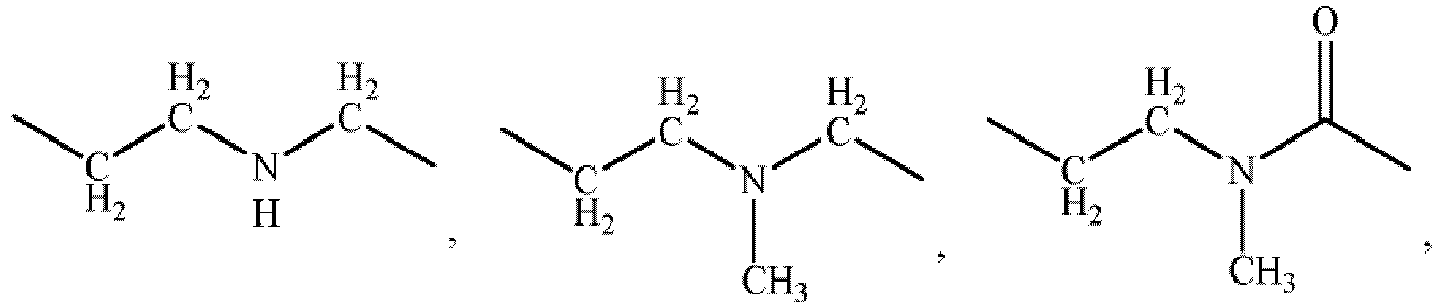
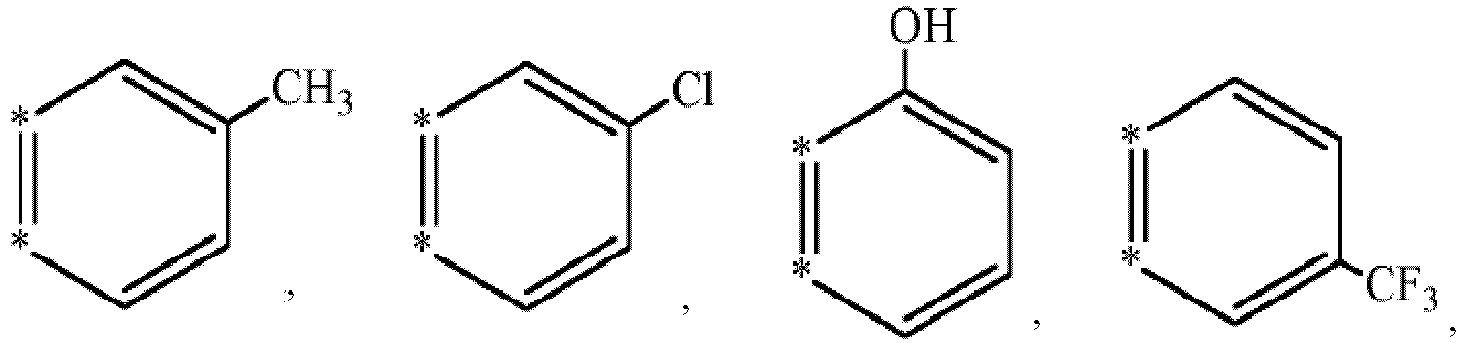
 - R1 für H oder C1-C3-Alkyl steht, wobei das C1-C3-Alkyl optional mit einem oder mehreren von Halogen, Hydroxy (-OH), Methanoyl (-COH), Carboxy (-CO2H), Cyano (-CN), Ethinyl (-CCH), Sulfo (-SO3H), Methyl oder Ethyl substituiert ist; R1 stärker bevorzugt für H, Methyl, Ethyl, perfluoriertes Methyl oder perfluoriertes Ethyl steht;- R2 für H, Halogen, Hydroxy (-OH) , Cyano (-CN), Sulfo (-SO3H), Methyl, Ethyl, Methoxy, perfluoriertes Methyl oder perfluoriertes Ethyl steht;- R3 für H, Halogen, Hydroxy (-OH), Cyano (-CN), Sulfo (-SO3H), Methyl, Ethyl, Methoxy, perfluoriertes Methyl oder perfluoriertes Ethyl steht;- R4 für Cycloalkyl, Heterocyclyl, Aryl oder Heteroaryl steht, wobei Cycloalkyl, Heterocyclyl, Aryl oder Heteroaryl optional mit einem oder mehreren von Halogen, Oxo (=O), Hydroxy (-OH), Methanoyl (-COH), Carboxy (-CO2H), Nitro (-NO2), -NH2, - N(CH3)2, Cyano (-CN), Ethinyl (-CCH), Propinyl, Sulfo (-SO3H), Morpholinyl, -CO-Morpholin-4-yl, Phenyl, -CONH2, -CON(CH3)2, C1-C3-Alkyl, perfluoriertem C1-C3-Alkyl oder C1-C3-Alkoxy substituiert ist; R4 vorzugsweise für Aryl steht, wobei das Aryl optional mit einem oder mehreren von Halogen, Oxo (=O), Hydroxy (-OH), Methanoyl (-COH), Carboxy (-CO2H), Nitro (-NO2), -NH2, - N(CH3)2, Cyano (-CN), Ethinyl (-CCH), Propinyl, Sulfo (-SO3H), Morpholinyl, -CO-Morpholin-4-yl, Phenyl, -CONH2, -CON(CH3)2, C1-C3-Alkyl, perfluoriertem C1-C3-Alkyl oder C1-C3-Alkoxy substituiert ist; R4 stärker bevorzugt für Phenyl steht, wobei das Phenyl optional mit einem oder mehreren von Halogen, Oxo (=O), Hydroxy (-OH), Methanoyl (-COH), Carboxy (-CO2H), Nitro (-NO2), -NH2, -N(CH3)2, Cyano (-CN), Ethinyl (-CCH), Propinyl, Sulfo (-SO3H), Morpholinyl, -CO-Morpholin-4-yl, Phenyl, -CONH2, - CON(CH3)2, C1-C3-Alkyl, perfluoriertem C1-C3-Alkyl oder C1-C3 - Alkoxy substituiert ist; R4 am meisten bevorzugt für 2-(Morpholinyl)ethoxy, -CO-Morpholin-4-yl, 5-Hydroxypyridyl, 5-Hydroxypyrid-3-yl, Indolyl, 1-Indolyl, 1,2,3,4-Tetrahydroisochinolyl, 2-1,2,3,4-Tetrahydroisochinolyl, 1,2-Methylendioxyphenyl, 2,3-Methylendioxyphenyl, Furyl, 2-Furyl, 2-Chlorphenyl, 3-Chlorphenyl, 4-Chlorphenyl, 2-Fluorphenyl, 3-Fluorphenyl, 4-Fluorphenyl, 2-Methoxyphenyl, 3-Methoxyphenyl, 4-Methoxyphenyl, 2-Methylphenyl, 3-Methylphenyl, 4-Methylphenyl, 2-Ethoxyphenyl, 3-Ethoxyphenyl, 4-Ethoxyphenyl, 2-Trifluormethylphenyl, 3-Trifluormethylphenyl, 4-Trifluormethylphenyl, 2-Trifluormethoxyphenyl, 3-Trifluormethoxyphenyl, 4-Trifluormethoxyphenyl, 3,5-Dimethoxyphenyl, 3,5-Diethoxyphenyl, 3,5-Dimethylphenyl, 3,5-Diethylphenyl, 3,5-Dihydroxyphenyl, 3,5-Difluorphenyl, 3,5-Dichlorphenyl, 3,5-Bis-trifluormethylphenyl, Phenyl, Benzyl, Pyridyl, 3-Pyridyl oder Methylendioxyphenyl steht;- R5 für Cycloalkyl, Heterocyclyl, Aryl oder Heteroaryl steht, wobei das Cycloalkyl, Heterocyclyl, Aryl oder Heteroaryl optional mit einem oder mehreren von Halogen, Oxo (=O), Hydroxy (-OH), Methanoyl (-COH), Carboxy (-CO2H), Nitro (-NO2), -NH2, - N(CH3)2, Cyano (-CN), Ethinyl (-CCH), Propinyl, Sulfo (-SO3H), Morpholinyl, -CO-Morpholin-4-yl, -CONH2, -CON(CH3)2, C1-C3-Alkyl, perfluoriertem C1-C3-Alkyl oder C1-C3-Alkoxy substituiert ist; R5 vorzugsweise für Aryl steht, wobei das Aryl optional mit einem oder mehreren von Halogen, Oxo (=O), Hydroxy (-OH), Methanoyl (-COH), Carboxy (-CO2H), Nitro (-NO2), -NH2, -N(CH3)2, Cyano (-CN), Ethinyl (-CCH), Propinyl, Sulfo (-SO3H), Morpholinyl, -CO-Morpholin-4-yl, -CONH2, -CON(CH3)2, C1-C3-Alkyl, perfluoriertem C1-C3-Alkyl oder C1-C3-Alkoxy substituiert ist; R5 stärker bevorzugt für Phenyl steht, wobei das Phenyl optional mit einem oder mehreren von Halogen, Oxo (=0), Hydroxy (-OH), Methanoyl (-COH), Carboxy (-CO2H), Nitro (-NO2), -NH2, -N(CH3)2, Cyano (-CN), Ethinyl (-CCH), Propinyl, Sulfo (-SO3H), Morpholinyl, -CO-Morpholin-4-yl, -CONH2, -CON(CH3)2, C1-C3-Alkyl, perfluoriertem C1-C3-Alkyl oder C1-C3-Alkoxy substituiert ist; R5 am meisten bevorzugt für Phenyl, 5-Hydroxypyridyl, 5-Hydroxypyrid-3-yl, 6-Hydroxypyridyl, 6-Hydroxypyrid-3-yl, 4-Hydroxypyridyl, 4-Hydroxypyrid-3-yl, Indolyl, 1-Indolyl, 1,2,3,4-Tetrahydroisochinolyl, 2-1,2,3,4-Tetrahydroisochinolyl, 1,2-Methylendioxyphenyl, 2,3-Methylendioxyphenyl, -CO-Morpholin-4-yl, 2-(Morpholinyl)ethoxy, 2-Chlorphenyl, 3-Chlorphenyl, 4-Chlorphenyl, 2-Fluorphenyl, 3-Fluorphenyl, 4-Fluorphenyl, 2-Methoxyphenyl, 3-Methoxyphenyl, 4-Methoxyphenyl, 2-Methylphenyl, 3-Methylphenyl, 4-Methylphenyl, 2-Ethoxyphenyl, 3-Ethoxyphenyl, 4-Ethoxyphenyl, 2-Trifluormethylphenyl, 3-Trifluormethylphenyl, 4-Trifluormethylphenyl, 3,5-Dimethoxyphenyl, 3,5-Diethoxyphenyl, 3,5-Dimethylphenyl, 3,5-Diethylphenyl, 3,5-Dihydroxyphenyl, 3,5-Difluorphenyl, 3,5-Dichlorphenyl oder 3,5-Bis-trifluormethylphenyl steht;- X für Folgendes steht:




 - Ring A für Folgendes steht:




- Verbindung nach Anspruch 1, wobei R4 für 5-Hydroxypyridyl, 5-Hydroxypyrid-3-yl, Indolyl, 1-Indolyl, 1,2,3,4-Tetrahydroisochinolyl, 2-1,2,3,4-Tetrahydroisochinolyl, Furyl, 2-Furyl, 1,2-Methylendioxyphenyl, 2,3-Methylendioxyphenyl, 2-Chlorphenyl, 3-Chlorphenyl, 4-Chlorphenyl, 2-Fluorphenyl, 3-Fluorphenyl, 4-Fluorphenyl, 2-Methoxyphenyl, 3-Methoxyphenyl, 4-Methoxyphenyl, 2-Methylphenyl, 3-Methylphenyl, 4-Methylphenyl, 2-Ethoxyphenyl, 3-Ethoxyphenyl, 4-Ethoxyphenyl, 2-Trifluormethylphenyl, 3-Trifluormethylphenyl, 4-Trifluormethylphenyl, 2-Trifluormethoxyphenyl, 3-Trifluormethoxyphenyl, 4-Trifluormethoxyphenyl, 3,5-Dimethoxyphenyl, 3,5-Diethoxyphenyl, 3,5-Dimethylphenyl, 3,5-Diethylphenyl, 3,5-Dihydroxyphenyl, 3,5-Difluorphenyl, 3,5-Dichlorphenyl, 3,5-Bis-trifluormethylphenyl, Phenyl, Benzyl, Pyridyl, 3-Pyridyl oder Methylendioxyphenyl steht.
- Verbindung nach einem der Ansprüche 1-2, wobei R5 für Phenyl, 5-Hydroxypyridyl, 5-Hydroxypyrid-3-yl, Indolyl, 1-Indolyl, 1,2,3,4-Tetrahydroisochinolyl, 2-1,2,3,4-Tetrahydroisochinolyl, 1,2-Methylendioxyphenyl, 2,3-Methylendioxyphenyl, 2-Chlorphenyl, 3-Chlorphenyl, 4-Chlorphenyl, 2-Fluorphenyl, 3-Fluorphenyl, 4-Fluorphenyl, 2-Methoxyphenyl, 3-Methoxyphenyl, 4-Methoxyphenyl, 2-Methylphenyl, 3-Methylphenyl, 4-Methylphenyl, 2-Ethoxyphenyl, 3-Ethoxyphenyl, 4-Ethoxyphenyl, 2-Trifluormethylphenyl, 3-Trifluormethylphenyl, 4-Trifluormethylphenyl, 3,5-Dimethoxyphenyl, 3,5-Diethoxyphenyl, 3,5-Dimethylphenyl, 3,5-Diethylphenyl, 3,5-Dihydroxyphenyl, 3,5-Difluorphenyl, 3,5-Dichlorphenyl oder 3,5-Bis-trifluormethylphenyl steht.
- Verbindung nach einem der Ansprüche 1-3, wobei Formel (I) ausgewählt ist aus I-1, I-26, I-27, I-28, I-29, I-30, 1-31, I-32, I-43, I-45, I-46 und I-54:
I-1 
I-26 
I-27 
I-28 
I-29 
I-30 
I-31 
I-32 
I-43 
I-45 
I-46 
I-54 
- Verbindung nach einem der Ansprüche 1-4, wobei Verbindung I-1 aus Formel (I) ausgeschlossen ist.
- Zusammensetzung oder pharmazeutische Zusammensetzung, umfassend eine Verbindung nach einem der Ansprüche 1-5.
- Verbindung nach einem der Ansprüche 1-5 zur Verwendung bei der Behandlung einer Krankheit, die eine oder mehrere Verabreichungen einer oder mehrerer Zusammensetzungen umfasst, die die Verbindung nach einem der Ansprüche 1-5 umfassen, wobei die Zusammensetzungen gleich oder verschieden sein können, wenn mehr als eine Verabreichung erfolgt.
- Verbindung zur Verwendung nach Anspruch 7, wobei mindestens eine von der einen oder den mehreren Zusammensetzungen die Zusammensetzung oder die pharmazeutische Zusammensetzung nach Anspruch 6 umfasst.
- Verbindung zur Verwendung nach einem der Ansprüche 7-8, wobei mindestens eine von der einen oder den mehreren Verabreichungen eine parenterale Verabreichung, eine mukosale Verabreichung, intravenöse Verabreichung, subkutane Verabreichung, topische Verabreichung, intradermale Verabreichung, orale Verabreichung, sublinguale Verabreichung, intranasale Verabreichung oder intramuskuläre Verabreichung umfasst.
- Verbindung zur Verwendung nach einem der Ansprüche 7-9, wobei, wenn mehr als eine Verabreichung erfolgt, mindestens eine Zusammensetzung, die für mindestens eine Verabreichung verwendet wird, von der Zusammensetzung mindestens einer anderen Verabreichung verschieden ist.
- Verbindung zur Verwendung nach einem der Ansprüche 7-10, wobei es sich bei dem Tier um einen Menschen, einen Nager oder einen Primaten handelt.
- Verbindung zur Verwendung nach einem der Ansprüche 7-11, wobei das Tier einer Behandlung bedarf.
- Verbindung zur Verwendung nach einem der Ansprüche 7-12, wobei es sich bei der Krankheit um Krebs handelt; es sich bei der Krankheit vorzugsweise um Bauchspeicheldrüsenkrebs, duktales Adenokarzinom des Pankreas, Lungenkrebs, Leberkrebs, kolorektalen Krebs, Dickdarmkrebs, Mastdarmkrebs, Melanom, kutanes malignes Melanom, Melanom-Tumorgenese, Blasenkrebs, Prostatakrebs, maligne Nervenscheidentumoren, multiples Myelom, Brustkrebs, Plattenepithelkarzinom, Kopf-Hals-Plattenepithelkarzinom, Lymphom, Leukämie, Knochenmarkkrebs, Non-Hodgkin-Lymphom, diffuses großzelliges B-Zell-Lymphom, Glioblastoma multiforme, Endometriumkrebs, Nierenkrebs, Basalzellkarzinom, Schilddrüsenkrebs, Neuroblastom, Eierstockkrebs, Nierenzellkarzinom, hepatozelluläres Karzinom, chronische lymphatische Leukämie (CLL), akute lymphoblastische Leukämie, Rhabdomyosarkom, Meningeom, Magenkrebs, Gliom, Mundkrebs, Nasopharynxkarzinom, Magenkarzinom, Gebärmutterkrebs, Medulloblastom, Krebsarten, aus denen Metastasen hervorgehen können, aus Metastasen hervorgehende Krebsarten oder Krebsgeschwülste davon handelt; es sich bei der Krankheit stärker bevorzugt um Bauchspeicheldrüsenkrebs, duktales Adenokarzinom des Pankreas, Lungenkrebs, Leberkrebs, kolorektalen Krebs, Dickdarmkrebs, Mastdarmkrebs, Melanom, kutanes malignes Melanom, Melanom-Tumorgenese, Blasenkrebs, maligne Nervenscheidentumoren, multiples Myelom, Brustkrebs, Plattenepithelkarzinom, Kopf-Hals-Plattenepithelkarzinom, Eierstockkrebs, Prostatakrebs, Medulloblastom, Krebsarten, aus denen Metastasen hervorgehen können, aus Metastasen hervorgehende Krebsarten oder Krebsgeschwülste davon handelt.
- Verbindung zur Verwendung nach einem der Ansprüche 7-13, wobei es sich bei der Krankheit um Bauchspeicheldrüsenkrebs, duktales Adenokarzinom des Pankreas, Lungenkrebs, Leberkrebs, Eierstockkrebs, Prostatakrebs, Medulloblastom, Krebsarten, aus denen Metastasen hervorgehen können, aus Metastasen hervorgehende Krebsarten, aus Metastasen hervorgehenden Lungenkrebs oder Krebsgeschwülste davon handelt.
- Verfahren zum Herstellen einer Verbindung nach einem der Ansprüche 1-5, umfassend:(a) Umsetzen einer Verbindung der Formel (II) mit einer Verbindung der Formel (III), um eine Mischung hervorzubringen, die eine Verbindung der Formel (IV) umfasst;(b) Umsetzen einer Verbindung der Formel (IV) mit einer geeigneten Verbindung, um ein Oxo in ein Halogen umzuwandeln, um eine Mischung hervorzubringen, die eine Verbindung der Formel (V) umfasst, vorzugsweise handelt es sich bei der geeigneten Verbindung, um ein Oxo in ein Halogen umzuwandeln, um POCl3 oder POBr3;(c) Umsetzen einer Verbindung der Formel (V) mit einer Verbindung der Formel (VI); und(d) Rückgewinnen von Formel (I), wobei Formel (II) für
 Formel (III) für R5-X-H (III) steht;Formel (IV) für
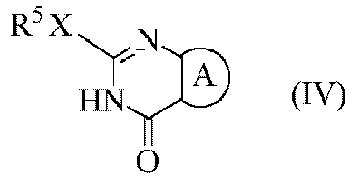 Formel (V) für
 Formel (VI) für
Applications Claiming Priority (2)
| Application Number | Priority Date | Filing Date | Title |
|---|---|---|---|
| US201562196336P | 2015-07-24 | 2015-07-24 | |
| PCT/US2016/043660 WO2017019537A1 (en) | 2015-07-24 | 2016-07-22 | Compounds, compositions, methods for treating diseases, and methods for preparing compounds |
Publications (3)
| Publication Number | Publication Date |
|---|---|
| EP3324974A1 EP3324974A1 (de) | 2018-05-30 |
| EP3324974A4 EP3324974A4 (de) | 2019-01-09 |
| EP3324974B1 true EP3324974B1 (de) | 2022-06-08 |
Family
ID=57885191
Family Applications (1)
| Application Number | Title | Priority Date | Filing Date |
|---|---|---|---|
| EP16831146.2A Active EP3324974B1 (de) | 2015-07-24 | 2016-07-22 | Verbindungen, zusammensetzungen, verfahren zur behandlung von erkrankungen und verfahren zur zubereitung von verbindungen |
Country Status (4)
| Country | Link |
|---|---|
| US (1) | US11312690B2 (de) |
| EP (1) | EP3324974B1 (de) |
| CN (1) | CN108135906A (de) |
| WO (1) | WO2017019537A1 (de) |
Families Citing this family (2)
| Publication number | Priority date | Publication date | Assignee | Title |
|---|---|---|---|---|
| CA3167339A1 (en) | 2020-01-13 | 2021-07-22 | Verge Analytics, Inc. | Substituted pyrazolo-pyrimidines and uses thereof |
| WO2025026209A1 (zh) * | 2023-07-28 | 2025-02-06 | 双翼原创(上海)医药有限公司 | Arf1抑制剂及其应用 |
Family Cites Families (16)
| Publication number | Priority date | Publication date | Assignee | Title |
|---|---|---|---|---|
| DE1470356A1 (de) * | 1964-01-15 | 1970-04-30 | Thomae Gmbh Dr K | Neue Thieno[3,2-d]pyrimidine und Verfahren zu ihrer Herstellung |
| GB1570494A (en) * | 1975-11-28 | 1980-07-02 | Ici Ltd | Thienopyrimidine derivatives and their use as pesticides |
| JP2001139556A (ja) | 1999-03-18 | 2001-05-22 | Nippon Soda Co Ltd | インデノピリジンおよびインデノピリミジン化合物並びにその製造法 |
| EP1167367A4 (de) * | 1999-03-30 | 2002-04-24 | Nippon Soda Co | Thienopyrimidin-verbindungen und verfahren zu ihrer herstellung |
| DE10031585A1 (de) | 2000-06-29 | 2002-01-10 | Merck Patent Gmbh | 2-Aminoalkyl-thieno[2,3-d]pyrimidine |
| JP2002105082A (ja) * | 2000-09-29 | 2002-04-10 | Nippon Soda Co Ltd | 縮合チエノピリミジン化合物、その塩及び製造法 |
| DE10104097A1 (de) * | 2001-01-31 | 2002-08-01 | Merck Patent Gmbh | Pharmazeutische Formulierung enthaltend Thienopyrimidine und Nitrate |
| ES2217956B1 (es) * | 2003-01-23 | 2006-04-01 | Almirall Prodesfarma, S.A. | Nuevos derivados de 4-aminotieno(2,3-d)pirimidin-6-carbonitrilo. |
| MXPA06002618A (es) * | 2003-09-09 | 2006-06-05 | Ono Pharmaceutical Co | Antagonistas del factor de liberacion de corticotropina (crf) y compuestos heterobiciclicos. |
| KR20060079122A (ko) | 2004-12-31 | 2006-07-05 | 에스케이케미칼주식회사 | 당뇨 및 비만 치료예방에 유효한 벤조티아졸 유도체 |
| JP2009501235A (ja) * | 2005-07-15 | 2009-01-15 | シェーリング コーポレイション | 癌処置において有用なキナゾリン誘導体 |
| MX2008000744A (es) * | 2005-07-15 | 2008-03-10 | Schering Corp | Derivados de quinazolina utiles en el tratamiento del cancer. |
| ES2365960B1 (es) | 2010-03-31 | 2012-06-04 | Palobiofarma, S.L | Nuevos antagonistas de los receptores de adenosina. |
| WO2013165320A1 (en) * | 2012-05-04 | 2013-11-07 | Agency For Science, Technology And Research | Treating cancer by increasing expression of socs6 |
| US9062026B2 (en) * | 2012-07-20 | 2015-06-23 | Cleave Biosciences, Inc. | Fused pyrimidines and substituted quinazolines as inhibitors of p97 |
| EP3181564B1 (de) | 2012-11-20 | 2019-09-18 | H. Hoffnabb-La Roche Ag | Aminopyrimidinverbindungen als inhibitoren von t790m-haltigen egfr-mutanten |
-
2016
- 2016-07-22 CN CN201680053496.6A patent/CN108135906A/zh active Pending
- 2016-07-22 EP EP16831146.2A patent/EP3324974B1/de active Active
- 2016-07-22 WO PCT/US2016/043660 patent/WO2017019537A1/en not_active Ceased
- 2016-07-22 US US15/746,819 patent/US11312690B2/en active Active
Also Published As
| Publication number | Publication date |
|---|---|
| US20200079742A1 (en) | 2020-03-12 |
| CN108135906A (zh) | 2018-06-08 |
| EP3324974A1 (de) | 2018-05-30 |
| WO2017019537A1 (en) | 2017-02-02 |
| US11312690B2 (en) | 2022-04-26 |
| EP3324974A4 (de) | 2019-01-09 |
Similar Documents
| Publication | Publication Date | Title |
|---|---|---|
| CN107406438B (zh) | 溴结构域的抑制剂 | |
| US20130281396A1 (en) | Treatment of diseases by epigenetic regulation | |
| KR20220050143A (ko) | Kras-관련 암 치료 방법 | |
| US12029731B2 (en) | Acyl benzo[d]thiazol-2-amine and their methods of use | |
| EP3349754B9 (de) | Pcna-inhibitoren | |
| KR20220029681A (ko) | 특발성 폐 섬유증의 치료 방법 | |
| EP3171870B1 (de) | Proteinphosphatase-2a-inhibitoren zur behandlung myelodysplastischer syndrome | |
| US12152036B2 (en) | Substituted pyrrolo[1,2-α]quinoxalin-4(5H)-ones as CX3CR1 antagonists | |
| WO2018210296A1 (zh) | 一种ezh2抑制剂与btk抑制剂联合在制备治疗肿瘤的药物中的用途 | |
| CA3246041A1 (en) | Tetracyclic compound and its use | |
| US20220194962A1 (en) | Azazinoindazole derivative, preparation method therefor and use thereof | |
| US11312690B2 (en) | Compounds, compositions, methods for treating diseases, and methods for preparing compounds | |
| WO2018204564A1 (en) | Thiosemicarbazone derivatives as anti-cancer agents | |
| US11046670B2 (en) | Piperazinyl norbenzomorphan compounds and methods for using the same | |
| CN119320354B (zh) | hnRNPA2B1激动剂及其与化疗剂联用的肿瘤防治应用 | |
| US12630555B2 (en) | Substituted pyrrolo[1,2-a]quinoxalin-4(5H)-ones as CX3CR1 antagonists | |
| CN119320355B (zh) | hnRNPA2B1激动剂及其与免疫检查点抑制剂联用的肿瘤防治应用 | |
| CN119320352B (zh) | hnRNPA2B1激动剂及其与STING激动剂联用的肿瘤防治应用 | |
| US11708330B2 (en) | Compounds, compositions, methods for treating diseases, and methods for preparing compounds | |
| WO2025146548A1 (en) | Sos1 inhibitors useful to treat pain and cancer | |
| WO2025138293A1 (zh) | hnRNPA2B1激动剂及其与化疗剂联用的肿瘤防治应用 | |
| HK40072488A (en) | Imidazo[4,5-c]pyridine derivatives as toll-like receptor agonists | |
| HK1258793B (en) | Pcna inhibitors | |
| HK1205500A1 (en) | Kinase inhibitors for the treatment of cancer | |
| HK1205500B (en) | Kinase inhibitors for the treatment of cancer |
Legal Events
| Date | Code | Title | Description |
|---|---|---|---|
| STAA | Information on the status of an ep patent application or granted ep patent |
Free format text: STATUS: THE INTERNATIONAL PUBLICATION HAS BEEN MADE |
|
| PUAI | Public reference made under article 153(3) epc to a published international application that has entered the european phase |
Free format text: ORIGINAL CODE: 0009012 |
|
| STAA | Information on the status of an ep patent application or granted ep patent |
Free format text: STATUS: REQUEST FOR EXAMINATION WAS MADE |
|
| 17P | Request for examination filed |
Effective date: 20180208 |
|
| AK | Designated contracting states |
Kind code of ref document: A1 Designated state(s): AL AT BE BG CH CY CZ DE DK EE ES FI FR GB GR HR HU IE IS IT LI LT LU LV MC MK MT NL NO PL PT RO RS SE SI SK SM TR |
|
| AX | Request for extension of the european patent |
Extension state: BA ME |
|
| DAV | Request for validation of the european patent (deleted) | ||
| DAX | Request for extension of the european patent (deleted) | ||
| REG | Reference to a national code |
Ref country code: DE Ref legal event code: R079 Ref document number: 602016072743 Country of ref document: DE Free format text: PREVIOUS MAIN CLASS: A61K0031535000 Ipc: C07D0239940000 |
|
| RIC1 | Information provided on ipc code assigned before grant |
Ipc: C07D 239/94 20060101AFI20181123BHEP Ipc: A61K 31/535 20060101ALI20181123BHEP Ipc: C07D 495/04 20060101ALI20181123BHEP Ipc: A61P 35/00 20060101ALI20181123BHEP |
|
| A4 | Supplementary search report drawn up and despatched |
Effective date: 20181211 |
|
| RIN1 | Information on inventor provided before grant (corrected) |
Inventor name: TRENT, JOHN O. Inventor name: CLARK, GEOFFREY J. Inventor name: BURLISON, JOSEPH A. Inventor name: MIRIYALA, NAGARAJU |
|
| STAA | Information on the status of an ep patent application or granted ep patent |
Free format text: STATUS: EXAMINATION IS IN PROGRESS |
|
| 17Q | First examination report despatched |
Effective date: 20210115 |
|
| GRAP | Despatch of communication of intention to grant a patent |
Free format text: ORIGINAL CODE: EPIDOSNIGR1 |
|
| STAA | Information on the status of an ep patent application or granted ep patent |
Free format text: STATUS: GRANT OF PATENT IS INTENDED |
|
| INTG | Intention to grant announced |
Effective date: 20220110 |
|
| GRAS | Grant fee paid |
Free format text: ORIGINAL CODE: EPIDOSNIGR3 |
|
| GRAA | (expected) grant |
Free format text: ORIGINAL CODE: 0009210 |
|
| STAA | Information on the status of an ep patent application or granted ep patent |
Free format text: STATUS: THE PATENT HAS BEEN GRANTED |
|
| AK | Designated contracting states |
Kind code of ref document: B1 Designated state(s): AL AT BE BG CH CY CZ DE DK EE ES FI FR GB GR HR HU IE IS IT LI LT LU LV MC MK MT NL NO PL PT RO RS SE SI SK SM TR |
|
| REG | Reference to a national code |
Ref country code: GB Ref legal event code: FG4D |
|
| REG | Reference to a national code |
Ref country code: AT Ref legal event code: REF Ref document number: 1496849 Country of ref document: AT Kind code of ref document: T Effective date: 20220615 Ref country code: CH Ref legal event code: EP |
|
| REG | Reference to a national code |
Ref country code: DE Ref legal event code: R096 Ref document number: 602016072743 Country of ref document: DE |
|
| REG | Reference to a national code |
Ref country code: IE Ref legal event code: FG4D |
|
| REG | Reference to a national code |
Ref country code: LT Ref legal event code: MG9D |
|
| REG | Reference to a national code |
Ref country code: NL Ref legal event code: MP Effective date: 20220608 |
|
| PG25 | Lapsed in a contracting state [announced via postgrant information from national office to epo] |
Ref country code: SE Free format text: LAPSE BECAUSE OF FAILURE TO SUBMIT A TRANSLATION OF THE DESCRIPTION OR TO PAY THE FEE WITHIN THE PRESCRIBED TIME-LIMIT Effective date: 20220608 Ref country code: NO Free format text: LAPSE BECAUSE OF FAILURE TO SUBMIT A TRANSLATION OF THE DESCRIPTION OR TO PAY THE FEE WITHIN THE PRESCRIBED TIME-LIMIT Effective date: 20220908 Ref country code: LT Free format text: LAPSE BECAUSE OF FAILURE TO SUBMIT A TRANSLATION OF THE DESCRIPTION OR TO PAY THE FEE WITHIN THE PRESCRIBED TIME-LIMIT Effective date: 20220608 Ref country code: HR Free format text: LAPSE BECAUSE OF FAILURE TO SUBMIT A TRANSLATION OF THE DESCRIPTION OR TO PAY THE FEE WITHIN THE PRESCRIBED TIME-LIMIT Effective date: 20220608 Ref country code: GR Free format text: LAPSE BECAUSE OF FAILURE TO SUBMIT A TRANSLATION OF THE DESCRIPTION OR TO PAY THE FEE WITHIN THE PRESCRIBED TIME-LIMIT Effective date: 20220909 Ref country code: FI Free format text: LAPSE BECAUSE OF FAILURE TO SUBMIT A TRANSLATION OF THE DESCRIPTION OR TO PAY THE FEE WITHIN THE PRESCRIBED TIME-LIMIT Effective date: 20220608 Ref country code: ES Free format text: LAPSE BECAUSE OF FAILURE TO SUBMIT A TRANSLATION OF THE DESCRIPTION OR TO PAY THE FEE WITHIN THE PRESCRIBED TIME-LIMIT Effective date: 20220608 Ref country code: BG Free format text: LAPSE BECAUSE OF FAILURE TO SUBMIT A TRANSLATION OF THE DESCRIPTION OR TO PAY THE FEE WITHIN THE PRESCRIBED TIME-LIMIT Effective date: 20220908 |
|
| REG | Reference to a national code |
Ref country code: AT Ref legal event code: MK05 Ref document number: 1496849 Country of ref document: AT Kind code of ref document: T Effective date: 20220608 |
|
| PG25 | Lapsed in a contracting state [announced via postgrant information from national office to epo] |
Ref country code: RS Free format text: LAPSE BECAUSE OF FAILURE TO SUBMIT A TRANSLATION OF THE DESCRIPTION OR TO PAY THE FEE WITHIN THE PRESCRIBED TIME-LIMIT Effective date: 20220608 Ref country code: LV Free format text: LAPSE BECAUSE OF FAILURE TO SUBMIT A TRANSLATION OF THE DESCRIPTION OR TO PAY THE FEE WITHIN THE PRESCRIBED TIME-LIMIT Effective date: 20220608 |
|
| PG25 | Lapsed in a contracting state [announced via postgrant information from national office to epo] |
Ref country code: NL Free format text: LAPSE BECAUSE OF FAILURE TO SUBMIT A TRANSLATION OF THE DESCRIPTION OR TO PAY THE FEE WITHIN THE PRESCRIBED TIME-LIMIT Effective date: 20220608 |
|
| PG25 | Lapsed in a contracting state [announced via postgrant information from national office to epo] |
Ref country code: SM Free format text: LAPSE BECAUSE OF FAILURE TO SUBMIT A TRANSLATION OF THE DESCRIPTION OR TO PAY THE FEE WITHIN THE PRESCRIBED TIME-LIMIT Effective date: 20220608 Ref country code: SK Free format text: LAPSE BECAUSE OF FAILURE TO SUBMIT A TRANSLATION OF THE DESCRIPTION OR TO PAY THE FEE WITHIN THE PRESCRIBED TIME-LIMIT Effective date: 20220608 Ref country code: RO Free format text: LAPSE BECAUSE OF FAILURE TO SUBMIT A TRANSLATION OF THE DESCRIPTION OR TO PAY THE FEE WITHIN THE PRESCRIBED TIME-LIMIT Effective date: 20220608 Ref country code: PT Free format text: LAPSE BECAUSE OF FAILURE TO SUBMIT A TRANSLATION OF THE DESCRIPTION OR TO PAY THE FEE WITHIN THE PRESCRIBED TIME-LIMIT Effective date: 20221010 Ref country code: EE Free format text: LAPSE BECAUSE OF FAILURE TO SUBMIT A TRANSLATION OF THE DESCRIPTION OR TO PAY THE FEE WITHIN THE PRESCRIBED TIME-LIMIT Effective date: 20220608 Ref country code: CZ Free format text: LAPSE BECAUSE OF FAILURE TO SUBMIT A TRANSLATION OF THE DESCRIPTION OR TO PAY THE FEE WITHIN THE PRESCRIBED TIME-LIMIT Effective date: 20220608 Ref country code: AT Free format text: LAPSE BECAUSE OF FAILURE TO SUBMIT A TRANSLATION OF THE DESCRIPTION OR TO PAY THE FEE WITHIN THE PRESCRIBED TIME-LIMIT Effective date: 20220608 |
|
| PG25 | Lapsed in a contracting state [announced via postgrant information from national office to epo] |
Ref country code: PL Free format text: LAPSE BECAUSE OF FAILURE TO SUBMIT A TRANSLATION OF THE DESCRIPTION OR TO PAY THE FEE WITHIN THE PRESCRIBED TIME-LIMIT Effective date: 20220608 Ref country code: IS Free format text: LAPSE BECAUSE OF FAILURE TO SUBMIT A TRANSLATION OF THE DESCRIPTION OR TO PAY THE FEE WITHIN THE PRESCRIBED TIME-LIMIT Effective date: 20221008 |
|
| REG | Reference to a national code |
Ref country code: CH Ref legal event code: PL |
|
| REG | Reference to a national code |
Ref country code: DE Ref legal event code: R097 Ref document number: 602016072743 Country of ref document: DE |
|
| REG | Reference to a national code |
Ref country code: BE Ref legal event code: MM Effective date: 20220731 |
|
| PG25 | Lapsed in a contracting state [announced via postgrant information from national office to epo] |
Ref country code: MC Free format text: LAPSE BECAUSE OF FAILURE TO SUBMIT A TRANSLATION OF THE DESCRIPTION OR TO PAY THE FEE WITHIN THE PRESCRIBED TIME-LIMIT Effective date: 20220608 Ref country code: AL Free format text: LAPSE BECAUSE OF FAILURE TO SUBMIT A TRANSLATION OF THE DESCRIPTION OR TO PAY THE FEE WITHIN THE PRESCRIBED TIME-LIMIT Effective date: 20220608 |
|
| PLBE | No opposition filed within time limit |
Free format text: ORIGINAL CODE: 0009261 |
|
| STAA | Information on the status of an ep patent application or granted ep patent |
Free format text: STATUS: NO OPPOSITION FILED WITHIN TIME LIMIT |
|
| PG25 | Lapsed in a contracting state [announced via postgrant information from national office to epo] |
Ref country code: LU Free format text: LAPSE BECAUSE OF NON-PAYMENT OF DUE FEES Effective date: 20220722 Ref country code: LI Free format text: LAPSE BECAUSE OF NON-PAYMENT OF DUE FEES Effective date: 20220731 Ref country code: DK Free format text: LAPSE BECAUSE OF FAILURE TO SUBMIT A TRANSLATION OF THE DESCRIPTION OR TO PAY THE FEE WITHIN THE PRESCRIBED TIME-LIMIT Effective date: 20220608 Ref country code: CH Free format text: LAPSE BECAUSE OF NON-PAYMENT OF DUE FEES Effective date: 20220731 |
|
| 26N | No opposition filed |
Effective date: 20230310 |
|
| GBPC | Gb: european patent ceased through non-payment of renewal fee |
Effective date: 20220908 |
|
| PG25 | Lapsed in a contracting state [announced via postgrant information from national office to epo] |
Ref country code: SI Free format text: LAPSE BECAUSE OF FAILURE TO SUBMIT A TRANSLATION OF THE DESCRIPTION OR TO PAY THE FEE WITHIN THE PRESCRIBED TIME-LIMIT Effective date: 20220608 Ref country code: BE Free format text: LAPSE BECAUSE OF NON-PAYMENT OF DUE FEES Effective date: 20220731 |
|
| PG25 | Lapsed in a contracting state [announced via postgrant information from national office to epo] |
Ref country code: IE Free format text: LAPSE BECAUSE OF NON-PAYMENT OF DUE FEES Effective date: 20220722 |
|
| PG25 | Lapsed in a contracting state [announced via postgrant information from national office to epo] |
Ref country code: GB Free format text: LAPSE BECAUSE OF NON-PAYMENT OF DUE FEES Effective date: 20220908 |
|
| PG25 | Lapsed in a contracting state [announced via postgrant information from national office to epo] |
Ref country code: IT Free format text: LAPSE BECAUSE OF FAILURE TO SUBMIT A TRANSLATION OF THE DESCRIPTION OR TO PAY THE FEE WITHIN THE PRESCRIBED TIME-LIMIT Effective date: 20220608 |
|
| PG25 | Lapsed in a contracting state [announced via postgrant information from national office to epo] |
Ref country code: HU Free format text: LAPSE BECAUSE OF FAILURE TO SUBMIT A TRANSLATION OF THE DESCRIPTION OR TO PAY THE FEE WITHIN THE PRESCRIBED TIME-LIMIT; INVALID AB INITIO Effective date: 20160722 |
|
| PG25 | Lapsed in a contracting state [announced via postgrant information from national office to epo] |
Ref country code: MK Free format text: LAPSE BECAUSE OF FAILURE TO SUBMIT A TRANSLATION OF THE DESCRIPTION OR TO PAY THE FEE WITHIN THE PRESCRIBED TIME-LIMIT Effective date: 20220608 Ref country code: CY Free format text: LAPSE BECAUSE OF FAILURE TO SUBMIT A TRANSLATION OF THE DESCRIPTION OR TO PAY THE FEE WITHIN THE PRESCRIBED TIME-LIMIT Effective date: 20220608 |
|
| PG25 | Lapsed in a contracting state [announced via postgrant information from national office to epo] |
Ref country code: MT Free format text: LAPSE BECAUSE OF FAILURE TO SUBMIT A TRANSLATION OF THE DESCRIPTION OR TO PAY THE FEE WITHIN THE PRESCRIBED TIME-LIMIT Effective date: 20220608 |
|
| PG25 | Lapsed in a contracting state [announced via postgrant information from national office to epo] |
Ref country code: BG Free format text: LAPSE BECAUSE OF FAILURE TO SUBMIT A TRANSLATION OF THE DESCRIPTION OR TO PAY THE FEE WITHIN THE PRESCRIBED TIME-LIMIT Effective date: 20220608 |
|
| PG25 | Lapsed in a contracting state [announced via postgrant information from national office to epo] |
Ref country code: BG Free format text: LAPSE BECAUSE OF FAILURE TO SUBMIT A TRANSLATION OF THE DESCRIPTION OR TO PAY THE FEE WITHIN THE PRESCRIBED TIME-LIMIT Effective date: 20220608 |
|
| PG25 | Lapsed in a contracting state [announced via postgrant information from national office to epo] |
Ref country code: TR Free format text: LAPSE BECAUSE OF FAILURE TO SUBMIT A TRANSLATION OF THE DESCRIPTION OR TO PAY THE FEE WITHIN THE PRESCRIBED TIME-LIMIT Effective date: 20220608 |
|
| PGFP | Annual fee paid to national office [announced via postgrant information from national office to epo] |
Ref country code: DE Payment date: 20251121 Year of fee payment: 10 |
|
| PGFP | Annual fee paid to national office [announced via postgrant information from national office to epo] |
Ref country code: FR Payment date: 20251120 Year of fee payment: 10 |