EP3328014A1 - Datenpaketübertragungsverfahren, vorrichtung, knotenvorrichtung und system - Google Patents
Datenpaketübertragungsverfahren, vorrichtung, knotenvorrichtung und system Download PDFInfo
- Publication number
- EP3328014A1 EP3328014A1 EP15901948.8A EP15901948A EP3328014A1 EP 3328014 A1 EP3328014 A1 EP 3328014A1 EP 15901948 A EP15901948 A EP 15901948A EP 3328014 A1 EP3328014 A1 EP 3328014A1
- Authority
- EP
- European Patent Office
- Prior art keywords
- data packet
- authentication code
- message authentication
- node device
- information
- Prior art date
- Legal status (The legal status is an assumption and is not a legal conclusion. Google has not performed a legal analysis and makes no representation as to the accuracy of the status listed.)
- Withdrawn
Links
- 238000000034 method Methods 0.000 title claims abstract description 103
- 230000005540 biological transmission Effects 0.000 title claims abstract description 89
- 238000004422 calculation algorithm Methods 0.000 claims abstract description 262
- 238000004364 calculation method Methods 0.000 claims description 35
- 238000005538 encapsulation Methods 0.000 claims description 13
- 238000010586 diagram Methods 0.000 description 25
- 230000003993 interaction Effects 0.000 description 11
- 238000004891 communication Methods 0.000 description 7
- 230000006870 function Effects 0.000 description 6
- 238000012545 processing Methods 0.000 description 5
- 238000005516 engineering process Methods 0.000 description 2
- 239000000463 material Substances 0.000 description 2
- 230000003287 optical effect Effects 0.000 description 2
- 230000008569 process Effects 0.000 description 2
- 230000004044 response Effects 0.000 description 2
- 238000012546 transfer Methods 0.000 description 2
- 230000008859 change Effects 0.000 description 1
- 238000004883 computer application Methods 0.000 description 1
- 239000012634 fragment Substances 0.000 description 1
- 230000014509 gene expression Effects 0.000 description 1
- 238000012986 modification Methods 0.000 description 1
- 230000004048 modification Effects 0.000 description 1
- 239000013307 optical fiber Substances 0.000 description 1
Images




Classifications
-
- H—ELECTRICITY
- H04—ELECTRIC COMMUNICATION TECHNIQUE
- H04L—TRANSMISSION OF DIGITAL INFORMATION, e.g. TELEGRAPHIC COMMUNICATION
- H04L69/00—Network arrangements, protocols or services independent of the application payload and not provided for in the other groups of this subclass
- H04L69/16—Implementation or adaptation of Internet protocol [IP], of transmission control protocol [TCP] or of user datagram protocol [UDP]
- H04L69/163—In-band adaptation of TCP data exchange; In-band control procedures
-
- H—ELECTRICITY
- H04—ELECTRIC COMMUNICATION TECHNIQUE
- H04L—TRANSMISSION OF DIGITAL INFORMATION, e.g. TELEGRAPHIC COMMUNICATION
- H04L9/00—Cryptographic mechanisms or cryptographic arrangements for secret or secure communications; Network security protocols
- H04L9/06—Cryptographic mechanisms or cryptographic arrangements for secret or secure communications; Network security protocols the encryption apparatus using shift registers or memories for block-wise or stream coding, e.g. DES systems or RC4; Hash functions; Pseudorandom sequence generators
- H04L9/0643—Hash functions, e.g. MD5, SHA, HMAC or f9 MAC
-
- H—ELECTRICITY
- H04—ELECTRIC COMMUNICATION TECHNIQUE
- H04L—TRANSMISSION OF DIGITAL INFORMATION, e.g. TELEGRAPHIC COMMUNICATION
- H04L63/00—Network architectures or network communication protocols for network security
- H04L63/12—Applying verification of the received information
- H04L63/123—Applying verification of the received information received data contents, e.g. message integrity
-
- H—ELECTRICITY
- H04—ELECTRIC COMMUNICATION TECHNIQUE
- H04L—TRANSMISSION OF DIGITAL INFORMATION, e.g. TELEGRAPHIC COMMUNICATION
- H04L63/00—Network architectures or network communication protocols for network security
- H04L63/12—Applying verification of the received information
- H04L63/126—Applying verification of the received information the source of the received data
-
- H—ELECTRICITY
- H04—ELECTRIC COMMUNICATION TECHNIQUE
- H04L—TRANSMISSION OF DIGITAL INFORMATION, e.g. TELEGRAPHIC COMMUNICATION
- H04L63/00—Network architectures or network communication protocols for network security
- H04L63/16—Implementing security features at a particular protocol layer
- H04L63/166—Implementing security features at a particular protocol layer at the transport layer
-
- H—ELECTRICITY
- H04—ELECTRIC COMMUNICATION TECHNIQUE
- H04L—TRANSMISSION OF DIGITAL INFORMATION, e.g. TELEGRAPHIC COMMUNICATION
- H04L69/00—Network arrangements, protocols or services independent of the application payload and not provided for in the other groups of this subclass
- H04L69/16—Implementation or adaptation of Internet protocol [IP], of transmission control protocol [TCP] or of user datagram protocol [UDP]
- H04L69/161—Implementation details of TCP/IP or UDP/IP stack architecture; Specification of modified or new header fields
-
- H—ELECTRICITY
- H04—ELECTRIC COMMUNICATION TECHNIQUE
- H04L—TRANSMISSION OF DIGITAL INFORMATION, e.g. TELEGRAPHIC COMMUNICATION
- H04L9/00—Cryptographic mechanisms or cryptographic arrangements for secret or secure communications; Network security protocols
- H04L9/32—Cryptographic mechanisms or cryptographic arrangements for secret or secure communications; Network security protocols including means for verifying the identity or authority of a user of the system or for message authentication, e.g. authorization, entity authentication, data integrity or data verification, non-repudiation, key authentication or verification of credentials
- H04L9/3236—Cryptographic mechanisms or cryptographic arrangements for secret or secure communications; Network security protocols including means for verifying the identity or authority of a user of the system or for message authentication, e.g. authorization, entity authentication, data integrity or data verification, non-repudiation, key authentication or verification of credentials using cryptographic hash functions
- H04L9/3242—Cryptographic mechanisms or cryptographic arrangements for secret or secure communications; Network security protocols including means for verifying the identity or authority of a user of the system or for message authentication, e.g. authorization, entity authentication, data integrity or data verification, non-repudiation, key authentication or verification of credentials using cryptographic hash functions involving keyed hash functions, e.g. message authentication codes [MACs], CBC-MAC or HMAC
-
- H—ELECTRICITY
- H04—ELECTRIC COMMUNICATION TECHNIQUE
- H04L—TRANSMISSION OF DIGITAL INFORMATION, e.g. TELEGRAPHIC COMMUNICATION
- H04L63/00—Network architectures or network communication protocols for network security
- H04L63/04—Network architectures or network communication protocols for network security for providing a confidential data exchange among entities communicating through data packet networks
- H04L63/0428—Network architectures or network communication protocols for network security for providing a confidential data exchange among entities communicating through data packet networks wherein the data content is protected, e.g. by encrypting or encapsulating the payload
- H04L63/0442—Network architectures or network communication protocols for network security for providing a confidential data exchange among entities communicating through data packet networks wherein the data content is protected, e.g. by encrypting or encapsulating the payload wherein the sending and receiving network entities apply asymmetric encryption, i.e. different keys for encryption and decryption
Definitions
- the present invention relates to the field of computer application technologies, and in particular, to a data packet transmission method, apparatus, and system, and a node device.
- HTTP Hyper Text Transfer Protocol, Hypertext Transfer Protocol
- a sending terminal initiates a request, and establishes a TCP (Transmission Control Protocol, Transmission Control Protocol) connection to a specified port of a receiving terminal.
- the receiving terminal listens, on a specified port, to the request sent by the sending terminal.
- the receiving terminal sends a response message to the sending terminal.
- HTTP2.0 Hyper Text Transfer Protocol, Hypertext Transfer Protocol
- an HTTP2.0 frame is higher layer data sent by an application layer to a transport layer, and includes a 9-byte frame header and a payload (a valid payload).
- the frame header may include a length field.
- One HTTP frame may be encapsulated in at least one TCP data packet, and each TCP data packet is sent to a node device by using a TCP connection.
- the node device After receiving the TCP data packet, the node device usually performs blind parsing on the data packet, that is, decapsulates the received TCP data packet to obtain the HTTP2.0 frame, and determines a boundary of the HTTP2.0 frame according to the length field indicating a data volume of the payload, to further perform data parsing on the HTTP2.0 frame according to data in the payload. Because the data parsing manner is blind parsing, a data type of a data part of the TCP data packet cannot be accurately obtained in the foregoing data parsing manner, resulting in relatively low data parsing efficiency.
- data type information may be added to a header of the TCP data packet, so that the node device obtains the data type of the data part of the TCP data packet according to the data type information.
- the data type information in the header of the TCP data packet is transmitted in plaintext. After intercepting the TCP data packet, an illegal intermediate entity may falsify the data type information in the TCP data packet, resulting in relatively low transmission reliability of the data type information.
- Embodiments of the present invention provide a data packet transmission method, apparatus, and system, and a node device, so as to perform security identification on data type information of a data packet and improve transmission reliability of the data type information.
- a first aspect of the present invention provides a data packet transmission method, including:
- the data packet is a TCP data packet; and after the calculating the data type information and the data packet identification information by using a preset MAC algorithm, to obtain a first message authentication code, the method further includes: adding the data type information and the first message authentication code to a header of the TCP data packet.
- the data packet identification information includes at least one of the following: a send sequence number of the TCP data packet, an acknowledgement sequence number of the TCP data packet, or a preset parameter.
- the method before the obtaining data packet identification information of a data packet, the method further includes: obtaining the preset parameter sent by a TLS layer, where a protocol stack upper layer at which the data packet is located includes the TLS layer.
- the data packet is a TLS data packet; and the sending the data packet that includes the data type information and the first message authentication code to a node device includes:
- the data type information is used to indicate a data type of a data part of a previous TLS data packet of the TLS data packet.
- the data packet identification information is a second message authentication code of a previous TLS data packet of the TLS data packet.
- the method before the obtaining data type information and data packet identification information of a data packet, the method further includes: adding extension identifier information to the TLS data packet, where the extension identifier information is used to indicate that the TLS data packet is a data packet indicating a data type of a data part of a previous TLS data packet of the TLS data packet.
- the method before the sending the data packet that includes the data type information and the first message authentication code to a node device, the method further includes: encrypting the first message authentication code by using a preset private key.
- the method before the encrypting the first message authentication code by using a preset private key, the method further includes: obtaining the preset private key sent by the TLS layer.
- the method before the calculating the data type information and the data packet identification information by using a preset MAC algorithm, to obtain a first message authentication code, the method further includes: when a TCP connection to the node device is established, negotiating with the node device to obtain the preset MAC algorithm.
- the method before the calculating the data type information and the data packet identification information by using a preset MAC algorithm, to obtain a first message authentication code, the method further includes: obtaining the preset MAC algorithm sent by the TLS layer.
- the preset MAC algorithm carries key information; and the calculating the data type information and the data packet identification information by using a preset MAC algorithm, to obtain a first message authentication code includes: calculating the data type information, the data packet identification information, and the key information by using the preset MAC algorithm, to obtain the first message authentication code.
- the method before the calculating the data type information, the data packet identification information, and the key information by using the preset MAC algorithm, to obtain the first message authentication code, the method further includes: when a TCP connection to the node device is established, negotiating with the node device to obtain the key information.
- the method before the calculating the data type information, the data packet identification information, and the key information by using the preset MAC algorithm, to obtain the first message authentication code, the method further includes: obtaining the key information sent by the TLS layer.
- a second aspect of the present invention provides a data packet transmission method, including:
- the data packet is a TCP data packet; and the data packet identification information includes at least one of the following: a send sequence number of the TCP data packet, an acknowledgement sequence number of the TCP data packet, or a preset parameter.
- the method before the obtaining data packet identification information of the data packet, the method further includes: when a TCP connection to the node device is established, interacting with the node device to obtain the preset parameter.
- the data packet is a TLS data packet; and before the obtaining data packet identification information of the data packet, the method further includes: determining that the TLS data packet includes extension identifier information, where the extension identifier information is used to indicate that the TLS data packet is a data packet indicating a data type of a data part of a previous TLS data packet of the TLS data packet.
- the data packet identification information is a second message authentication code of a previous TLS data packet of the TLS data packet.
- the first message authentication code is encrypted by using a preset private key; and after the receiving a data packet sent by a node device, the method further includes: decrypting the first message authentication code by using a preset public key.
- the method before the decrypting the first message authentication code by using a preset public key, the method further includes: when a TCP connection to the node device is established, interacting with the node device to obtain the preset public key.
- the method before the calculating the data type information and the data packet identification information by using a preset MAC algorithm, to obtain a third message authentication code, the method further includes: when a TCP connection to the node device is established, negotiating with the node device to obtain the preset MAC algorithm.
- the method before the calculating the data type information and the data packet identification information by using a preset MAC algorithm, to obtain a third message authentication code, the method further includes: obtaining the preset MAC algorithm sent by the TLS layer.
- the preset MAC algorithm carries key information; and the calculating the data type information and the data packet identification information by using a preset MAC algorithm, to obtain a third message authentication code includes: calculating the data type information, the data packet identification information, and the key information by using the preset MAC algorithm, to obtain the third message authentication code.
- the method before the calculating the data type information, the data packet identification information, and the key information by using the preset MAC algorithm, to obtain the third message authentication code, the method further includes: when a TCP connection to the node device is established, negotiating with the node device to obtain the key information.
- the method before the calculating the data type information, the data packet identification information, and the key information by using the preset MAC algorithm, to obtain the third message authentication code, the method further includes: obtaining the key information sent by the TLS layer.
- a third aspect of the present invention provides a data packet transmission apparatus, including:
- the data packet is a TCP data packet; and the apparatus further includes: an information addition unit, configured to: after the calculation unit calculates the data type information and the data packet identification information by using the preset MAC algorithm, to obtain the first message authentication code, add the data type information and the first message authentication code to a header of the TCP data packet.
- an information addition unit configured to: after the calculation unit calculates the data type information and the data packet identification information by using the preset MAC algorithm, to obtain the first message authentication code, add the data type information and the first message authentication code to a header of the TCP data packet.
- the data packet identification information includes at least one of the following: a send sequence number of the TCP data packet, an acknowledgement sequence number of the TCP data packet, or a preset parameter.
- the apparatus further includes: a preset parameter obtaining unit, configured to: before the information obtaining unit obtains the data packet identification information of the data packet, obtain the preset parameter sent by a TLS layer, where a protocol stack upper layer at which the data packet is located includes the TLS layer.
- the data packet is a TLS data packet; and the data packet sending unit includes:
- the data type information is used to indicate a data type of a data part of a previous TLS data packet of the TLS data packet.
- the data packet identification information is a second message authentication code of a previous TLS data packet of the TLS data packet.
- the apparatus further includes: an information addition unit, configured to: before the information obtaining unit obtains the data type information and the data packet identification information of the data packet, add extension identifier information to the TLS data packet, where the extension identifier information is used to indicate that the TLS data packet is a data packet indicating a data type of a data part of a previous TLS data packet of the TLS data packet.
- the apparatus further includes: an encryption unit, configured to: before the data packet sending unit sends the data packet that includes the data type information and the first message authentication code to the node device, encrypt the first message authentication code by using a preset private key.
- the apparatus further includes: a preset private key obtaining unit, configured to: before the encryption unit encrypts the first message authentication code by using the preset private key, obtain the preset private key sent by the TLS layer.
- the apparatus further includes: an algorithm negotiation unit, configured to: when a TCP connection to the node device is established, negotiate with the node device to obtain the preset MAC algorithm.
- the apparatus further includes: an algorithm negotiation unit, configured to: before the calculation unit calculates the data type information and the data packet identification information by using the preset MAC algorithm, to obtain the first message authentication code, obtain the preset MAC algorithm sent by the TLS layer.
- an algorithm negotiation unit configured to: before the calculation unit calculates the data type information and the data packet identification information by using the preset MAC algorithm, to obtain the first message authentication code, obtain the preset MAC algorithm sent by the TLS layer.
- the preset MAC algorithm carries key information; and the calculation unit is configured to calculate the data type information, the data packet identification information, and the key information by using the preset MAC algorithm, to obtain the first message authentication code.
- the apparatus further includes: a key information negotiation unit, configured to: when a TCP connection to the node device is established, negotiate with the node device to obtain the key information.
- the apparatus further includes: a key information negotiation unit, configured to: before the calculation unit calculates the data type information, the data packet identification information, and the key information by using the preset MAC algorithm, to obtain the first message authentication code, obtain the key information sent by the TLS layer.
- a key information negotiation unit configured to: before the calculation unit calculates the data type information, the data packet identification information, and the key information by using the preset MAC algorithm, to obtain the first message authentication code, obtain the key information sent by the TLS layer.
- a fourth aspect of the present invention provides a node device, including a processor, a memory, and a network interface, where the memory stores a set of program code, and the processor is configured to invoke the program code stored in the memory, to perform the following operations:
- a fifth aspect of the present invention provides a data packet transmission apparatus, including:
- the data packet is a TCP data packet; and the data packet identification information includes at least one of the following: a send sequence number of the TCP data packet, an acknowledgement sequence number of the TCP data packet, or a preset parameter.
- the apparatus further includes: a preset parameter obtaining unit, configured to: when a TCP connection to the node device is established, interact with the node device to obtain the preset parameter.
- the data packet is a TLS data packet; and the apparatus further includes: a determining unit, configured to: before the information obtaining unit obtains the data packet identification information of the data packet, determine that the TLS data packet includes extension identifier information, where the extension identifier information is used to indicate that the TLS data packet is a data packet indicating a data type of a data part of a previous TLS data packet of the TLS data packet.
- the data packet identification information is a second message authentication code of a previous TLS data packet of the TLS data packet.
- the first message authentication code is encrypted by using a preset private key; and the apparatus further includes: a decryption unit, configured to: after the data packet receiving unit receives the data packet sent by the node device, decrypt the first message authentication code by using a preset public key.
- the apparatus further includes: a preset public key obtaining unit, configured to: when a TCP connection to the node device is established, interact with the node device to obtain the preset public key.
- the apparatus further includes: an algorithm negotiation unit, configured to: when a TCP connection to the node device is established, negotiate with the node device to obtain the preset MAC algorithm.
- the apparatus further includes: an algorithm negotiation unit, configured to: before the calculation unit calculates the data type information and the data packet identification information by using the preset MAC algorithm, to obtain the third message authentication code, obtain the preset MAC algorithm sent by the TLS layer.
- an algorithm negotiation unit configured to: before the calculation unit calculates the data type information and the data packet identification information by using the preset MAC algorithm, to obtain the third message authentication code, obtain the preset MAC algorithm sent by the TLS layer.
- the preset MAC algorithm carries key information; and the calculation unit is configured to calculate the data type information, the data packet identification information, and the key information by using the preset MAC algorithm, to obtain the third message authentication code.
- the apparatus further includes: a key information negotiation unit, configured to: when a TCP connection to the node device is established, negotiate with the node device to obtain the key information.
- the apparatus further includes: a key information negotiation unit, configured to: before the calculation unit calculates the data type information, the data packet identification information, and the key information by using the preset MAC algorithm, to obtain the third message authentication code, obtain the key information sent by the TLS layer.
- a key information negotiation unit configured to: before the calculation unit calculates the data type information, the data packet identification information, and the key information by using the preset MAC algorithm, to obtain the third message authentication code, obtain the key information sent by the TLS layer.
- a sixth aspect of the present invention provides a node device, including a processor, a memory, and a network interface, where the memory stores a set of program code, and the processor is configured to invoke the program code stored in the memory, to perform the following operations:
- a seventh aspect of the present invention provides a data packet transmission system, including the data packet transmission apparatus according to the third aspect and the data packet transmission apparatus according to the fifth aspect.
- the data type information and the data packet identification information of the data packet are obtained, the data type information and the data packet identification information are calculated by using the preset MAC algorithm, to obtain the first message authentication code, and the data packet that includes the data type information and the first message authentication code is sent to the node device, so that the node device checks the data type information according to the first message authentication code.
- security identification may be performed on the data type information of the data packet, thereby improving transmission reliability of the data type information.
- data type information of a data packet is added to a header of the data packet, and the data packet to which the data type information is added is sent to a node device, so that the node device obtains a data type of a data part of the data packet according to the data type information. Because the data type information in the header of the data packet is transmitted in plaintext, after intercepting a TCP data packet, an illegal intermediate entity may falsify data type information in the TCP data packet, resulting in relatively low transmission reliability of the data type information.
- the embodiments of the present invention provide a data packet transmission method.
- Data type information and data packet identification information of a data packet are obtained, the data type information and the data packet identification information are calculated by using a preset MAC algorithm, to obtain a first message authentication code, and the data packet that includes the data type information and the first message authentication code is sent to a node device, so that the node device checks the data type information according to the first message authentication code.
- security identification may be performed on the data type information of the data packet, thereby improving transmission reliability of the data type information.
- the data packet mentioned in the embodiments of the present invention may include a TCP data packet or a TLS (Transport Layer Security, Transport Layer Security) data packet.
- the TCP data packet may be obtained by encapsulating one HTTP frame.
- the HTTP frame may be an HTTP2.0 frame.
- HTTP2.0 is located at an application layer.
- the HTTP2.0 frame is data in the application layer.
- One HTTP frame may be encapsulated in at least one TCP data packet.
- a TLS data packet may be obtained by encapsulating one HTTP frame.
- the TLS is located below the application layer and above a transport layer, and is a security protocol providing encryption, identity authentication, and data integrity assurance for network communication, and may encapsulate one HTTP frame in at least one TLS data packet.
- one TLS data packet may be encapsulated in at least one TCP data packet.
- the data type information mentioned in the embodiments of the present invention may be used to indicate a data type of a data part of the data packet.
- the data type of the data part of the data packet may be text, picture, video, audio, or the like.
- the data packet identification information mentioned in the embodiments of the present invention may be used to identify the data packet.
- the data packet identification information may include one or more of a send sequence number of the TCP data packet, an acknowledgement sequence number of the TCP data packet, or a preset parameter.
- the preset parameter may be a random number for the TCP data packet.
- the data packet identification information may be a second message authentication code of a previous TLS data packet of the TLS data packet.
- the previous TLS data packet of the TLS data packet includes a second message authentication code. Different TLS data packets include different second message authentication codes.
- the preset MAC (Message Authentication Code, MAC) algorithm mentioned in the embodiments of the present invention may be: performing a message digest on the data type information and the data packet identification information, to obtain a digest value with a fixed length (for example, 128 bits), and performing encryption processing on the digest value, to obtain the first message authentication code.
- the preset MAC algorithm is, for example, a DES algorithm.
- the preset MAC algorithm may be: performing a message digest on the data type information and the data packet identification information, to obtain a digest value with a fixed length, using the digest value and key information that is obtained through negotiation as inputs, and obtaining the first message authentication code through calculation in a quadratic hash iteration manner.
- the preset MAC algorithm is, for example, an HMAC algorithm.
- the node device mentioned in the embodiments of the present invention may include a client, a proxy server, a parsing server, or the like, for example, a web page browser, an email client, or an email server.
- the data packet transmission method mentioned in the embodiments of the present invention may run on a terminal such as a server, a client, a proxy client, or a proxy server. This is not specifically limited by the embodiments of the present invention.
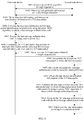
- FIG. 1 is a schematic flowchart of a data packet transmission method according to a first embodiment of the present invention. As shown in the figure, the data packet transmission method in this embodiment of the present invention may include the following steps.
- a terminal may obtain the data type information and the data packet identification information of the data packet.
- the data type information is be used to indicate a data type of a data part of the data packet.
- the data type of the data part of the data packet may be text, picture, video, audio, or the like.
- the data packet identification information is used to identify the data packet.
- the data packet may be a TCP data packet.
- the terminal may encapsulate one HTTP frame in at least one TCP data packet. If a data type of the HTTP frame is text, a data type of a data part of each TCP data packet obtained by encapsulating the HTTP frame is text.
- the terminal may obtain the data type information of the TCP data packet. For example, the data type information may be 0001, and used to indicate that the data type of the data part of the TCP data packet is text or html, that is, text.
- the terminal may further obtain the data packet identification information of the TCP data packet.
- the data packet identification information may include at least one of the following: a send sequence number of the TCP data packet, an acknowledgement sequence number of the TCP data packet, or a preset parameter.
- the preset parameter is a random number for the TCP data packet. An illegal intermediate entity cannot obtain the preset parameter.
- the data packet may be a TLS data packet.
- an HTTP frame is a basic protocol unit of HTTP.
- the HTTP runs at an application layer.
- the TLS data packet is a basic protocol unit of the TLS.
- the TLS runs below the application layer and above a transport layer.
- the terminal may encapsulate one HTTP frame in at least one TLS data packet. If a data type of the HTTP frame is text, a data type of a data part of each TLS data packet obtained by encapsulating the HTTP frame is text.
- the terminal may obtain the data type information of the TLS data packet.
- the data type information may be 0001, and used to indicate that the data type of the data part of the TLS data packet is text or html, that is, text.
- the terminal may further obtain the data packet identification information of the TLS data packet.
- the data packet identification information may be a second message authentication code of a previous TLS data packet of the TLS data packet.
- the terminal when the data packet is a TCP data packet, before obtaining the data packet identification information of the TCP data packet, the terminal may obtain the preset parameter by means of cross-layer interaction between the TLS layer in the terminal and a TCP layer. For example, when the protocol stack upper layer at which the data packet is located includes the TLS layer, the TLS layer may send the preset parameter to the TCP layer, and the terminal may obtain the preset parameter sent by the TLS layer.
- the terminal may add extension identifier information to the TLS data packet.
- the extension identifier information is used to indicate that the TLS data packet is a data packet indicating a data type of a data part of a previous TLS data packet of the TLS data packet.
- the terminal may add the extension identifier information to a header field Content Type of the TLS data packet.
- Extention data (24) in the extension identifier information is used to indicate that the TLS data packet is a data packet indicating a data type of a data part of a previous TLS data packet of the TLS data packet.
- the terminal may add one TLS data packet after the TLS data packet, and add the extension identifier information to the added TLS data packet.
- the extension identifier information is used to indicate that the added TLS data packet is a data packet indicating a data type of a data part of a previous TLS data packet.
- the terminal may calculate the data type information and the data packet identification information by using the preset MAC algorithm, to obtain the first message authentication code.
- the terminal may add the data type information and the first message authentication code to a header of the TCP data packet.
- the terminal may add the data type information and the first message authentication code to an option field of the TCP data packet.
- the terminal may add the data type information to a data part of the TLS data packet, and add the first message authentication code to a MAC field of the TLS data packet.
- the terminal may add the data type information to the data part of the TLS data packet, that is, Plaintext (optionally compressed), and add the first message authentication code to the MAC field of the TLS data packet.
- the terminal may negotiate with the node device to obtain the preset MAC algorithm. For example, when a TCP connection to the node device is established, the terminal may negotiate with the node device to obtain the preset MAC algorithm. Preferably, the terminal may negotiate with the node device in a three-way handshake phase to obtain the preset MAC algorithm. For example, the terminal adds a supported MAC algorithm list to an options field of the data packet, and sends the data packet to which the supported MAC algorithm list is added to the node device.
- the node device After receiving the data packet to which the supported MAC algorithm list is added, the node device selects a MAC algorithm most preferentially supported by the node device from the supported MAC algorithm list, adds the MAC algorithm to a to-be-sent data packet, and sends the to-be-sent data packet to which the MAC algorithm is added to the terminal.
- the terminal obtains the MAC algorithm most preferentially supported by the node device, to implement MAC algorithm negotiation between the terminal and the node device.
- the terminal may obtain the preset MAC algorithm by means of cross-layer interaction between the TLS layer in the terminal and a TCP layer. For example, when the protocol stack upper layer at which the data packet is located includes the TLS layer, the TLS layer may send the preset MAC algorithm to the TCP layer, and the terminal may obtain the preset MAC algorithm sent by the TLS layer.
- the preset MAC algorithm may carry key information.
- the terminal may negotiate with the node device to obtain the preset MAC algorithm and the key information. For example, when a TCP connection to the node device is established, the terminal may negotiate with the node device to obtain the preset MAC algorithm and the key information.
- the terminal may negotiate with the node device in a three-way handshake phase to obtain the preset MAC algorithm and the key information. For example, the terminal adds a supported MAC algorithm list and key information to an options field of the data packet, and sends the data packet to which the supported MAC algorithm list and key information are added to the node device.
- the node device After receiving the data packet to which the supported MAC algorithm list and key information are added, the node device selects a MAC algorithm most preferentially supported by the node device from the supported MAC algorithm list, adds the MAC algorithm and the key information of the node device to a to-be-sent data packet, and sends the to-be-sent data packet to which the MAC algorithm and the key information of the node device are added to the terminal.
- the terminal obtains the MAC algorithm most preferentially supported by the node device and the key information of the node device, to implement MAC algorithm and key information negotiation between the terminal and the node device.
- the preset MAC algorithm may carry key information.
- the terminal before performing MAC calculation on the data type information and the data packet identification information by using the preset MAC algorithm, the terminal may obtain the preset MAC algorithm and the key information by means of cross-layer interaction between the TLS layer in the terminal and a TCP layer.
- the TLS layer may send the preset MAC algorithm and the key information to the TCP layer, and the TCP layer of the terminal may obtain the preset MAC algorithm and the key information that are sent by the TLS layer.
- the terminal may send the data packet that includes the data type information and the first message authentication code to the node device, so that the node device checks the data type information according to the first message authentication code.
- the node device checks the data type information according to the first message authentication code.
- an obtained first message authentication code is different, and the data type information and the data packet identification information cannot be obtained according to the first message authentication code.
- an illegal intermediate entity still cannot obtain the data packet identification information according to the first message authentication code even if the illegal intermediate entity obtains the data type information and the first message authentication code.
- a message authentication code that is obtained by calculating the falsified data type information by using the preset MAC algorithm is different from the first message authentication code in the data packet.
- the first message authentication code may be used by the node device to check whether data type information in a received data packet is falsified.
- the terminal may encapsulate the TLS data packet that includes the data type information and the first message authentication code in at least one TCP data packet, and send the at least one TCP data packet to the node device, so that after receiving the TCP data packet, the node device performs decapsulation to obtain the TLS data packet, and checks the data type information according to the first message authentication code.
- the data type information in the TLS data packet is used to indicate a data type of a data part of a previous TLS data packet of the TLS data packet.
- the data type information in the TCP data packet is used to indicate a data type of a data part of the TCP data packet.
- the terminal before sending the data packet that includes the data type information and the first message authentication code to the node device, the terminal encrypts the first message authentication code by using a preset private key.
- a basic idea of data encryption is to change a representation form of information to fake sensitive information that needs to be protected, so that an unauthorized person cannot know content of the protected information.
- Changing of data encryption or decryption is implemented and controlled by using a key.
- the key is usually a random character string, and is a unique parameter for controlling changing between plaintext and ciphertext.
- Asymmetric encryption needs two keys: a public key (that is, a public key) and a private key (that is, a private key).
- the public key and the private key are one pair.
- the encrypted first message authentication code is a string of digits that can be generated only by an information sending end and that cannot be faked by another device.
- the string of digits is a valid proof of authenticity of the information sent by the information sending end.
- the terminal encrypts the first message authentication code by using the preset private key, and transmits the encrypted first message authentication code and the data type information to the node device.
- the node device can decrypt the encrypted first message authentication code only by using the public key corresponding to the preset private key.
- the received data type information is calculated by using the preset MAC algorithm to obtain a third message authentication code.
- the third message authentication code is compared with the decrypted first message authentication code. If the third message authentication code is the same as the first message authentication code, it indicates that the received data type information is complete, and is not modified during transmission. If the third message authentication code is different from the first message authentication code, it indicates that the data type information is modified. Therefore, the MAC algorithm can be used to check integrity of the data type information.
- the terminal may obtain the preset private key by means of cross-layer interaction between the TLS layer in the terminal and the TCP layer.
- the TLS layer may send the preset private key to the TCP layer
- the TCP layer of the terminal may obtain the preset private key sent by the TLS layer.
- the data type information and the data packet identification information of the data packet are obtained, the data type information and the data packet identification information are calculated by using the preset MAC algorithm, to obtain the first message authentication code, and the data packet that includes the data type information and the first message authentication code is sent to the node device, so that the node device checks the data type information according to the first message authentication code.
- security identification may be performed on the data type information of the data packet, thereby improving transmission reliability of the data type information.
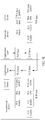
- FIG. 2 is a schematic flowchart of a data packet transmission method according to a second embodiment of the present invention. As shown in the figure, the data packet transmission method in this embodiment of the present invention may include the following steps.
- a terminal may receive the data packet sent by the node device, where the data packet carries the data type information and the first message authentication code.
- the data packet may be a TCP data packet or a TLS data packet.
- the data type information is used to indicate a data type of a data part of the TCP data packet.
- the data type information is used to indicate a data type of a data part of a previous TLS data packet of the TLS data packet.
- the first message authentication code is encrypted by using a preset private key
- the terminal may decrypt the first message authentication code by using a preset public key
- the terminal may interacts with the node device to obtain the preset public key. For example, when a TCP connection to the node device is established, the terminal may interact with the node device to obtain the preset public key. Preferably, the terminal may interact with the node device in a three-way handshake phase to obtain the preset public key. For example, because the first message authentication code is encrypted by using the preset private key, the encrypted first message authentication code can be decrypted only by using a public key corresponding to the preset private key.
- the terminal After receiving the data packet sent by the node device, the terminal may obtain the data packet identification information of the data packet.
- the data packet identification information obtained by the terminal may include at least one of the following: a send sequence number of the TCP data packet, an acknowledgement sequence number of the TCP data packet, or a preset parameter.
- the terminal may interact with the node device to obtain a preset parameter.
- the terminal may interact with the node device to obtain the preset parameter.
- the terminal may interact with the node device in a three-way handshake phase to obtain the preset parameter.
- the node device may add the preset parameter to a header of a previous TCP data packet of the TCP data packet, and sends the TCP data packet to which the preset parameter is added to the terminal.
- the terminal After receiving the TCP data packet to which the preset parameter is added, the terminal obtains the preset parameter.
- the preset parameter is used to indicate that the first message authentication code in the TCP data packet is obtained by calculating the preset parameter.
- the data packet identification information is a second message authentication code of a previous TLS data packet of the TLS data packet.
- the terminal may determine that the TLS data packet includes extension identifier information.
- the extension identifier information is used to indicate that the TLS data packet is a data packet indicating a data type of a data part of a previous TLS data packet of the TLS data packet.
- the terminal may calculate the data type information and the data packet identification information by using the preset MAC algorithm, to obtain the third message authentication code.
- the terminal may negotiate with the node device to obtain the preset MAC algorithm. For example, when a TCP connection to the node device is established, the terminal may negotiate with the node device to obtain the preset MAC algorithm. Preferably, the terminal may negotiate with the node device in a three-way handshake phase to obtain the preset MAC algorithm. For example, the terminal adds a supported MAC algorithm list to an options field of the data packet, and sends the data packet to which the supported MAC algorithm list is added to the node device.
- the node device After receiving the data packet to which the supported MAC algorithm list is added, the node device selects a MAC algorithm most preferentially supported by the node device from the supported MAC algorithm list, adds the MAC algorithm to a to-be-sent data packet, and sends the to-be-sent data packet to which the MAC algorithm is added to the terminal.
- the terminal obtains the MAC algorithm most preferentially supported by the node device, to implement MAC algorithm negotiation between the terminal and the node device.
- the terminal may obtain the preset MAC algorithm by means of cross-layer interaction between a TLS layer in the terminal and a TCP layer. For example, when the protocol stack upper layer at which the data packet is located includes the TLS layer, the TLS layer may send the preset MAC algorithm to the TCP layer, and the terminal may obtain the preset MAC algorithm sent by the TLS layer.
- the preset MAC algorithm may carry key information.
- the terminal may negotiate with the node device to obtain the preset MAC algorithm and the key information. For example, when a TCP connection to the node device is established, the terminal may negotiate with the node device to obtain the preset MAC algorithm and the key information.
- the terminal may negotiate with the node device in a three-way handshake phase to obtain the preset MAC algorithm and the key information. For example, the terminal adds a supported MAC algorithm list and key information to an options field of the data packet, and sends the data packet to which the supported MAC algorithm list and key information are added to the node device.
- the node device After receiving the data packet to which the supported MAC algorithm list and key information are added, the node device selects a MAC algorithm most preferentially supported by the node device from the supported MAC algorithm list, adds the MAC algorithm and the key information of the node device to a to-be-sent data packet, and sends the to-be-sent data packet to which the MAC algorithm and the key information of the node device are added to the terminal.
- the terminal obtains the MAC algorithm most preferentially supported by the node device and the key information of the node device, to implement MAC algorithm and key information negotiation between the terminal and the node device.
- the preset MAC algorithm may carry key information.
- the terminal may obtain the preset MAC algorithm and the key information by means of cross-layer interaction between the TLS layer in the terminal and the TCP layer.
- the TLS layer may send the preset MAC algorithm and the key information to the TCP layer
- the TCP layer of the terminal may obtain the preset MAC algorithm and the key information that are sent by the TLS layer.
- the terminal may compare the first message authentication code with the third message authentication code, to determine whether the first message authentication code is the same as third message authentication code.
- the terminal may check the data type information according to the comparison result.
- the first message authentication code when the first message authentication code is the same as the third message authentication code, it indicates that the received data type information is complete, and is not modified during transmission. Further, the data type of the data part of the data packet may be obtained according to the data type information, to implement data parsing on the data packet.
- the first message authentication code is different from the third message authentication code, it indicates that the data type information is modified, and the terminal discards the data type information.
- the data packet sent by the node device is received, where the data packet carries the data type information and the first message authentication code.
- the data packet identification information of the data packet is obtained.
- the data type information and the data packet identification information are calculated by using the preset MAC algorithm, to obtain the third message authentication code.
- the first message authentication code is compared with the third message authentication code.
- the data type information is checked according to the comparison result. It may be determined, by checking the data type information, whether the data type information is falsified by an illegal intermediate entity.
- FIG. 3 is a schematic flowchart of a data packet transmission method according to a third embodiment of the present invention.
- a first node device sends, to a second node device, a TCP data packet to which data type information and a first message authentication code are added.
- the second node device may be a parsing server.
- the first node device is a client
- the second node device may be a parsing server.
- the parsing server is used to perform data parsing on the received TCP data packet, to obtain a data type of a data part of the TCP data packet.
- the parsing server may include a base station, a router, a packet gateway node, a serving gateway node, or the like. This is not specifically limited by this embodiment of the present invention. As shown in the figure, the data packet transmission method in this embodiment of the present invention may include the following steps.
- a protocol stack upper layer in the first node device may include an application layer, a TCP layer, and the like.
- the first node device may encapsulate an HTTP frame at the application layer in at least one TCP data packet, and send the TCP data packet to which the data type information and the first message authentication code are added to the second node device by using a TCP connection.
- the second node device obtains the data type information in the TCP data packet, checks the data type information, decapsulates the TCP data packet to obtain the HTTP frame, and determines that the data type of the data part of the TCP data packet is a data type of the HTTP frame.
- a protocol stack upper layer in the first node device includes an application layer, a TLS layer, a TCP layer, and the like.
- the first node device may encapsulate an HTTP frame at the application layer in at least one TLS data packet, encapsulate a TLS data packet at the TLS layer in at least one TCP data packet, and send the TCP data packet to which the data type information and the first message authentication code are added to the second node device by using a TCP connection.
- the second node device obtains the data type information in the TCP data packet, checks the data type information, decapsulates the TCP data packet to obtain the TLS data packet, decapsulates the TLS data packet to obtain the HTTP frame, and determines that the data type of the data part of the TCP data packet is a data type of the HTTP frame.
- the first node device may negotiate with the second node device to obtain the preset MAC algorithm. For example, when a TCP connection to the second node device is established, the first node device may negotiate with the second node device to obtain the preset MAC algorithm. For another example, the first node device may obtain the preset MAC algorithm by means of cross-layer interaction between the TLS layer in the first node device and the TCP layer. The second node device may obtain the preset MAC algorithm by means of cross-layer interaction between the TLS layer in the second node device and the TCP layer.
- the first node device may negotiate with the second node device to obtain the preset MAC algorithm and key information. For example, when a TCP connection to the second node device is established, the first node device may negotiate with the second node device to obtain the preset MAC algorithm and the key information. For another example, the first node device may obtain the preset MAC algorithm and the key information by means of cross-layer interaction between the TLS layer in the first node device and the TCP layer. The second node device may obtain the preset MAC algorithm and the key information by means of cross-layer interaction between the TLS layer in the second node device and the TCP layer.
- the first node device and the second node device may regularly negotiate with each other by using preset duration as an update period to obtain the preset MAC algorithm, to implement updating of the preset MAC algorithm.
- the first node device may notify the second node device, so that after receiving the TCP data packet to which the data type information and the encrypted first message authentication code are added, the second node device decrypts the encrypted first message authentication code by using a public key corresponding to the preset private key, and calculates the data type information, the preset parameter, a send sequence number of the TCP data packet, and an acknowledgment sequence number of the TCP data packet by using the preset MAC algorithm obtained through negotiation, to obtain a third message authentication code.
- the preset parameter is a random number for the TCP data packet.
- the preset parameter is used to verify authenticity of the first node device.
- the preset public key and the preset private key are in a one-to-one correspondence. After the first node device encrypts the first message authentication code by using the preset private key, the second node device can decrypt the encrypted first message authentication code only by the public key corresponding to the preset private key.
- an execution order of step S301 and step S302 includes, but is not limited to, the foregoing manner.
- the second node device may negotiate with the first node device to obtain the preset MAC algorithm. This is not specifically limited by this embodiment of the present invention.
- the first node device may obtain the data type information and the data packet identification information of the TCP data packet.
- the data type information is used to indicate the data type of the data part of the TCP data packet.
- the data type information may be 0001, and used to indicate that the data type of the data part of the TCP data packet is text or html, that is, text.
- the data packet identification information may be one or more of a send sequence number of the TCP data packet, an acknowledgement sequence number of the TCP data packet, or the preset parameter obtained through negotiation.
- Different TCP data packets have different send sequence numbers and different acknowledgment sequence numbers.
- the send sequence number and the acknowledgment sequence number may be used to prevent a playback attack.
- the first node device calculates the data type information of the TCP data packet by using the preset MAC algorithm to obtain the first message authentication code, and sends the TCP data packet that includes the data type information and the first message authentication code to the second node device.
- the TCP data packet is intercepted by an illegal intermediate entity during transmission.
- the illegal intermediate entity falsifies the data type information into data type information of a previous TCP data packet, falsifies the first message authentication code into a first message authentication code of the previous TCP data packet, and sends the TCP data packet that includes the falsified data type information and first message authentication code to the second node device.
- the second node device obtains the data type information in the TCP data packet, calculates the obtained data type information by using the preset MAC algorithm to obtain a third message authentication code. If the first message authentication code is the same as the third message authentication code, the second node device considers that the data type information is not falsified. However, actually, the data type information is falsified into the data type information of the previous TCP data packet.
- the second node device calculates the falsified data type information and the obtained send sequence number (or acknowledgment sequence number) of the TCP data packet by using the preset MAC algorithm, to obtain a third message authentication code. Because a different input of a MAC algorithm always indicates a different output of the MAC algorithm, and different TCP data packets have different send sequence numbers and different acknowledgment sequence numbers, the first message authentication code is different from the third message authentication code, and the second node device may determine that the data type information is falsified.
- the first node device encapsulates an HTTP frame in at least one TCP data packet. If a data type of the HTTP frame is text, the data type information of the TCP data packet may be 0001, used to indicate that the data type of the data part of the TCP data packet is text or html, that is, text.
- the first node device may add the data type information to a header field of the TLS data packet.
- the first node device may determine that the data type information in the TLS data packet is the data type information in the TCP data packet. After obtaining the TCP data packet through encapsulation, the first node device may search the header of the TCP data packet for the send sequence number and the acknowledgment sequence number.
- the first node device encapsulates the HTTP frame in at least one TCP data packet, and the data type of the data part of the at least one TCP data packet is the same.
- the first node device encapsulates the HTTP frame in at least one TLS data packet, and separately encapsulates each TLS data packet in at least one TCP data packet.
- the data type of the data part of the at least one TCP data packet is the same.
- the first node device needs to determine only the first TCP data packet and the last TCP data packet in at least one TCP data packet whose data parts have a same data type, and perform data type information security identification on the first TCP data packet and the last TCP data packet.
- the second node device may obtain a data type of a data part of another TCP data packet.
- the first node device may determine at least three consecutive TCP data packets whose data parts have a same data type, select the first TCP data packet and the last TCP data packet from the at least three consecutive TCP data packets whose data parts have a same data type, and obtain data type information and data packet identification information of the first TCP data packet, and data type information and data packet identification information of the last TCP data packet.
- data type information security identification does not need to be performed on each TCP data packet, so that data packet processing efficiency can be improved.
- the first node device when the first node device obtains the preset MAC algorithm and key information by negotiating with the second node device, the first node device may calculate the data type information, the data packet identification information, and the key information by using the preset MAC algorithm, to obtain the first message authentication code.
- the second node device may obtain the data packet identification information of the TCP data packet.
- the data packet identification information may be one or more of a send sequence number of the TCP data packet, an acknowledgement sequence number of the TCP data packet, or the preset parameter obtained through negotiation.
- the second node device may searches a header of the TCP data packet for the send sequence number and the acknowledgment sequence number.
- the preset parameter is obtained through interaction between the first node device and the second node device.
- the second node device may calculate the data type information in the TCP data packet, the obtained data packet identification information, and the key information by using the preset MAC algorithm, to obtain the third message authentication code.
- the first node device obtains the data type information and the data packet identification information of the TCP data packet, calculates the data type information and the data packet identification information by using the preset MAC algorithm, to obtain the first message authentication code, encrypts the first message authentication code by using the preset private key, and sends the TCP data packet that includes the data type information and the encrypted first message authentication code to the second node device.
- the second node device decrypts the encrypted first message authentication code by using the preset public key, calculates the data type information in the TCP data packet and the obtained data packet identification information by using the preset MAC algorithm, to obtain the third message authentication code, compares the first message authentication code with the third message authentication code, and checks the data type information according to the comparison result. In this way, security identification may be performed on the data type information of the data packet, thereby improving transmission reliability of the data type information.
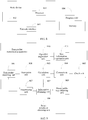
- FIG. 4 is a schematic flowchart of a data packet transmission method according to a fourth embodiment of the present invention.
- a protocol stack upper layer in the first node device includes an application layer, a TLS layer, a TCP layer, and the like.
- a terminal may encapsulate an HTTP frame at the application layer in at least one TLS data packet, and add a TLS data packet after the TLS data packet.
- the added TLS data packet is used to indicate a data type of a data part of a previous TLS data packet.
- the data packet transmission method in this embodiment of the present invention may include the following steps.
- an execution order of step S401 and step S402 includes, but is not limited to, the foregoing manner.
- the second node device may negotiate with the first node device to obtain the preset MAC algorithm. This is not specifically limited by this embodiment of the present invention.
- the first node device encapsulates an HTTP frame at the application layer in at least one TLS data packet, separately adds one TLS data packet after each TLS data packet, separately encapsulates the TLS data packet in at least one TCP data packet, and sends the at least one TCP data packet obtained through encapsulation to the second node device by using a TCP connection.
- the second node device identifies the added TLS data packet according to extension identifier information, obtains data type information in the added TLS data packet, checks the data type information, decapsulates the TCP data packet to obtain the TLS data packet, decapsulates the TLS data packet to obtain the HTTP frame, and determines that a data type of a data part of the added TLS data packet is a data type of a data part of a previous TLS data packet.
- the first node device may obtain data type information and data packet identification information of a TLS data packet that includes the extension identifier information.
- Extention data (24) in the extension identifier information is used to indicate that the TLS data packet is a data packet indicating a data type of a data part of a previous TLS data packet of the TLS data packet.
- the data type information is used to indicate a data type of a data part of a previous TLS data packet of the TLS data packet.
- the data type information of the TLS data packet may be 0001, and used to indicate that the data type of the data part of the previous TLS data packet of the TLS data packet is text or html, that is, text.
- the data packet identification information may be a second message authentication code of the previous TLS data packet.
- the TLS data packet may include a header field (for example, content type, major version, minor version, and compressed length), a data part (that is, Plaintext (optionally compressed)), and a second message authentication code (MAC).
- the first node device may use the second message authentication code of the previous TLS data packet as the data packet identification information of the TLS data packet.
- the second message authentication code may be used to prevent a playback attack.
- the first node device calculates the data type information of the TLS data packet by using the preset MAC algorithm to obtain the first message authentication code, encapsulates the TLS data packet that includes the data type information and the first message authentication code in at least one TCP data packet, and sends the at least one TCP data packet to the second node device.
- the TCP data packet is intercepted by an illegal intermediate entity during transmission.
- the illegal intermediate entity falsifies the data type information into data type information of a previous TLS data packet, falsifies the first message authentication code into a first message authentication code of the previous TLS data packet, and sends the TCP data packet obtained by encapsulating the TLS data packet that includes the falsified data type information and first message authentication code to the second node device.
- the second node device obtains the data type information of the TLS data packet in the TCP data packet, calculates the obtained data type information by using the preset MAC algorithm to obtain a third message authentication code. If the first message authentication code is the same as the third message authentication code, the second node device considers that the data type information is not falsified.
- the second node device calculates the falsified data type information and the obtained second message authentication code by using the preset MAC algorithm, to obtain a third message authentication code. Because a different input of a MAC algorithm always indicates a different output of the MAC algorithm, and different TLS data packets have different second message authentication codes, the first message authentication code is different from the third message authentication code, and the second node device may determine that the data type information is falsified.
- the first node device encapsulates the HTTP frame in at least one TLS data packet, and the data type of the data part of the at least one TLS data packet is the same.
- the first node device needs to determine only the first TLS data packet and the last TLS data packet in at least one TLS data packet whose data parts have a same data type, add one TLS data packet after the first TLS data packet, perform data type information security identification on the added TLS data packet, add one TLS data packet after the last TLS data packet, perform data type information security identification on the added TLS data packet, and send at least one TCP data packet obtained by encapsulating the TLS data packet to the second node device.
- the second node device After obtaining the at least one TCP data packet, if the second node device determines that data type information of the TLS data packet added after the first TLS data packet is not falsified, and data type information of the TLS data packet added after the last TLS data packet is not falsified, the second node device may obtain a data type of a data part of another TLS data packet.
- the first node device may determine at least three consecutive TLS data packets whose data parts have a same data type, select the first TLS data packet and the last TLS data packet from the at least three consecutive TLS data packets whose data parts have a same data type, and obtain data type information and data packet identification information of the TLS data packet added after the first TLS data packet, and data type information and data packet identification information of the TLS data packet added after the last TLS data packet.
- a TLS data packet does not need to be added after each TLS data packet, and data type information security identification does not need to be perform on each TLS data packet, so that data packet processing efficiency can be improved.
- the first node device obtains the data type information and the data packet identification information of the TLS data packet, calculates the data type information and the data packet identification information by using the preset MAC algorithm, to obtain the first message authentication code, encrypts the first message authentication code by using the preset private key, encapsulates the TLS data packet that includes the data type information and the encrypted first message authentication code in at least one TCP data packet, and sends the at least one TCP data packet obtained through encapsulation to the second node device.
- the second node device decapsulates the at least one TCP data packet to obtain the TLS data packet, decrypts the encrypted first message authentication code by using the preset public key, calculates the data type information in the TLS data packet and the obtained data packet identification information by using the preset MAC algorithm, to obtain the third message authentication code, compares the first message authentication code with the third message authentication code, and checks the data type information according to the comparison result. In this way, security identification may be performed on the data type information of the data packet, thereby improving transmission reliability of the data type information.
- An embodiment of the present invention further provides a computer storage medium.
- the computer storage medium may store a program, and when executed, the program performs some or all steps in the method embodiments shown in FIG. 1 , FIG. 3 , or FIG. 4 .
- An embodiment of the present invention further provides a computer storage medium.
- the computer storage medium may store a program, and when executed, the program performs some or all steps in the method embodiments shown in FIG. 2 to FIG. 4 .
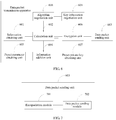
- FIG. 6 is a schematic structural diagram of a data packet transmission apparatus according to an embodiment of the present invention.
- the data packet transmission apparatus may be used to implement some or all steps in the method embodiments shown with reference to FIG. 1 , FIG. 3 , or FIG. 4 .
- the data packet transmission apparatus may include at least an information obtaining unit 601, a calculation unit 602, and a data packet sending unit 603.
- the information obtaining unit 601 is configured to obtain data type information and data packet identification information of a data packet.
- the calculation unit 602 is configured to calculate the data type information and the data packet identification information by using a preset MAC algorithm, to obtain a first message authentication code.
- the data packet sending unit 603 is configured to send the data packet that includes the data type information and the first message authentication code to a node device, so that the node device checks the data type information according to the first message authentication code.
- the data packet is a TCP data packet.
- the data packet transmission apparatus in this embodiment of the present invention may further include: an information addition unit 604, configured to: after the calculation unit 602 calculates the data type information and the data packet identification information by using the preset MAC algorithm, to obtain the first message authentication code, add the data type information and the first message authentication code to a header of the TCP data packet.
- the data packet identification information may include at least one of the following: a send sequence number of the TCP data packet, an acknowledgement sequence number of the TCP data packet, or a preset parameter.
- the data packet transmission apparatus in this embodiment of the present invention may further include: a preset parameter obtaining unit 605, configured to: before the information obtaining unit 601 obtains the data packet identification information of the data packet, obtain the preset parameter sent by a TLS layer, where a protocol stack upper layer at which the data packet is located includes the TLS layer.
- a preset parameter obtaining unit 605 configured to: before the information obtaining unit 601 obtains the data packet identification information of the data packet, obtain the preset parameter sent by a TLS layer, where a protocol stack upper layer at which the data packet is located includes the TLS layer.
- the data packet is a TLS data packet.
- the data packet sending unit 603 in this embodiment of the present invention may further include:
- the data type information is used to indicate a data type of a data part of a previous TLS data packet of the TLS data packet.
- the data packet identification information is a second message authentication code of a previous TLS data packet of the TLS data packet.
- the data packet transmission apparatus in this embodiment of the present invention may further include: an information addition unit 604, configured to: before the information obtaining unit 601 obtains the data type information and the data packet identification information of the data packet, add extension identifier information to the TLS data packet, where the extension identifier information is used to indicate that the TLS data packet is a data packet indicating a data type of a data part of a previous TLS data packet of the TLS data packet.
- an information addition unit 604 configured to: before the information obtaining unit 601 obtains the data type information and the data packet identification information of the data packet, add extension identifier information to the TLS data packet, where the extension identifier information is used to indicate that the TLS data packet is a data packet indicating a data type of a data part of a previous TLS data packet of the TLS data packet.
- the data packet transmission apparatus in this embodiment of the present invention may further include: an encryption unit 606, configured to: before the data packet sending unit 603 sends the data packet that includes the data type information and the first message authentication code to the node device, encrypt the first message authentication code by using a preset private key.
- the data packet transmission apparatus in this embodiment of the present invention may further include: a preset private key obtaining unit 607, configured to: before the encryption unit 606 encrypts the first message authentication code by using the preset private key, obtain the preset private key sent by the TLS layer.
- a preset private key obtaining unit 607 configured to: before the encryption unit 606 encrypts the first message authentication code by using the preset private key, obtain the preset private key sent by the TLS layer.
- the data packet transmission apparatus in this embodiment of the present invention may further include: an algorithm negotiation unit 608, configured to: when a TCP connection to the node device is established, negotiate with the node device to obtain the preset MAC algorithm.
- an algorithm negotiation unit 608 configured to: when a TCP connection to the node device is established, negotiate with the node device to obtain the preset MAC algorithm.
- the data packet transmission apparatus in this embodiment of the present invention may further include: an algorithm negotiation unit 608, configured to: before the calculation unit 602 calculates the data type information and the data packet identification information by using the preset MAC algorithm, to obtain the first message authentication code, obtain the preset MAC algorithm sent by the TLS layer.
- an algorithm negotiation unit 608 configured to: before the calculation unit 602 calculates the data type information and the data packet identification information by using the preset MAC algorithm, to obtain the first message authentication code, obtain the preset MAC algorithm sent by the TLS layer.
- the preset MAC algorithm may carry key information.
- the calculation unit 602 in this embodiment of the present invention is configured to calculate the data type information, the data packet identification information, and the key information by using the preset MAC algorithm, to obtain the first message authentication code.
- the data packet transmission apparatus in this embodiment of the present invention may further include: a key information negotiation unit 609, configured to: when a TCP connection to the node device is established, negotiate with the node device to obtain the key information.
- a key information negotiation unit 609 configured to: when a TCP connection to the node device is established, negotiate with the node device to obtain the key information.
- the data packet transmission apparatus in this embodiment of the present invention may further include: a key information negotiation unit 609, configured to: before the calculation unit 602 calculates the data type information, the data packet identification information, and the key information by using the preset MAC algorithm, to obtain the first message authentication code, obtain the key information sent by the TLS layer.
- a key information negotiation unit 609 configured to: before the calculation unit 602 calculates the data type information, the data packet identification information, and the key information by using the preset MAC algorithm, to obtain the first message authentication code, obtain the key information sent by the TLS layer.
- the information obtaining unit 601 obtains the data type information and the data packet identification information of the data packet.
- the calculation unit 602 calculates the data type information and the data packet identification information by using the preset MAC algorithm, to obtain the first message authentication code.
- the data packet sending unit 603 sends the data packet that includes the data type information and the first message authentication code to the node device, so that the node device checks the data type information according to the first message authentication code. In this way, security identification may be performed on the data type information of the data packet, thereby improving transmission reliability of the data type information.
- FIG. 8 is a schematic structural diagram of a node device according to a first embodiment of the present invention.
- the node device provided in this embodiment of the present invention may be used to implement the methods implemented in the foregoing embodiments of the present invention shown in FIG. 1 , FIG. 3 , or FIG. 4 .
- FIG. 1 , FIG. 3 , or FIG. 4 For ease of description, only parts related to this embodiment of the present invention are illustrated. For specific technical details that are not disclosed, refer to the embodiments of the present invention shown in FIG. 1 , FIG. 3 , or FIG. 4 .
- the node device includes: at least one processor 801, for example, a CPU, at least one network interface 803, a memory 804, and at least one communications bus 802.
- the communications bus 802 is configured to implement connection and communication between the components.
- the network interface 803 may optionally include a standard wired interface or wireless interface (for example, a Wi-Fi interface), and is configured to communicate with an external network.
- the memory 804 may include a high-speed RAM memory, or may further include a non-volatile memory (non-volatile memory), for example, at least one magnetic disk storage.
- the memory 804 may optionally include at least one storage apparatus far away from the processor 801.
- the processor 801 may be combined with the data packet transmission apparatus shown in FIG. 6 .
- the memory 804 stores a set of program code, and the processor 801 invokes the program code stored in the memory 804, to perform the following operations:
- the data packet is a TCP data packet.
- the processor 801 may further perform the following operation: adding the data type information and the first message authentication code to a header of the TCP data packet.
- the data packet identification information includes at least one of the following: a send sequence number of the TCP data packet, an acknowledgement sequence number of the TCP data packet, or a preset parameter.
- the processor 801 may further perform the following operation: obtaining the preset parameter sent by a TLS layer, where a protocol stack upper layer at which the data packet is located includes the TLS layer.
- the data packet is a TLS data packet.
- the sending, by the processor 801, the data packet that includes the data type information and the first message authentication code to a node device by using the network interface 803 may be specifically:
- the data type information is used to indicate a data type of a data part of a previous TLS data packet of the TLS data packet.
- the data packet identification information is a second message authentication code of a previous TLS data packet of the TLS data packet.
- the processor 801 may further perform the following operation: adding extension identifier information to the TLS data packet, where the extension identifier information is used to indicate that the TLS data packet is a data packet indicating a data type of a data part of a previous TLS data packet of the TLS data packet.
- the processor 801 may further perform the following operation: encrypting the first message authentication code by using a preset private key.
- the processor 801 may further perform the following operation: obtaining the preset private key sent by the TLS layer.
- the processor 801 may further perform the following operation: when a TCP connection to the node device is established, negotiating with the node device to obtain the preset MAC algorithm.
- the processor 801 may further perform the following operation: obtaining the preset MAC algorithm sent by the TLS layer.
- the preset MAC algorithm may carry key information.
- the processor 801 calculates the data type information, the data packet identification information, and the key information by using the preset MAC algorithm, to obtain the first message authentication code.
- the processor 801 negotiates with the node device to obtain the key information.
- the processor 801 may further perform the following operation: obtaining the key information sent by the TLS layer.
- the terminal described in this embodiment of the present invention may be configured to implement some or all procedures in the method embodiments described in the present invention with reference to FIG. 1 , FIG. 3 , or FIG. 4 .
- FIG. 9 is a schematic structural diagram of a data packet transmission apparatus according to an embodiment of the present invention.
- the data packet transmission apparatus may be configured to implement some or all steps in the method embodiments shown with reference to FIG. 2 to FIG. 4 .
- the data packet transmission apparatus may include at least a data packet receiving unit 901, an information obtaining unit 902, a calculation unit 903, a comparison unit 904, and a check unit 905.
- the data packet receiving unit 901 is configured to receive a data packet sent by a node device, where the data packet carries data type information and a first message authentication code.
- the information obtaining unit 902 is configured to obtain data packet identification information of the data packet.
- the calculation unit 903 is configured to calculate the data type information and the data packet identification information by using a preset MAC algorithm, to obtain a third message authentication code.
- the calculation unit 904 is configured to compare the first message authentication code with the third message authentication code.
- the check unit 905 is configured to check the data type information according to a comparison result.
- the data packet is a TCP data packet.
- the data packet identification information includes at least one of the following: a send sequence number of the TCP data packet, an acknowledgement sequence number of the TCP data packet, or a preset parameter.
- the data packet transmission apparatus in this embodiment of the present invention may further include: a preset parameter obtaining unit 906, configured to: when a TCP connection to the node device is established, interact with the node device to obtain the preset parameter.
- a preset parameter obtaining unit 906 configured to: when a TCP connection to the node device is established, interact with the node device to obtain the preset parameter.
- the data packet is a TLS data packet.
- the data packet transmission apparatus in this embodiment of the present invention may further include: a determining unit 907, configured to: before the information obtaining unit 902 obtains the data packet identification information of the data packet, determine that the TLS data packet includes extension identifier information, where the extension identifier information is used to indicate that the TLS data packet is a data packet indicating a data type of a data part of a previous TLS data packet of the TLS data packet.
- the data packet identification information is a second message authentication code of a previous TLS data packet of the TLS data packet.
- the first message authentication code is encrypted by using a preset private key.
- the data packet transmission apparatus in this embodiment of the present invention may further include: a decryption unit 908, configured to: after the data packet receiving unit 901 receives the data packet sent by the node device, decrypt the first message authentication code by using a preset public key.
- the data packet transmission apparatus in this embodiment of the present invention may further include: a preset public key obtaining unit 909, configured to: when a TCP connection to the node device is established, interact with the node device to obtain the preset public key.
- a preset public key obtaining unit 909 configured to: when a TCP connection to the node device is established, interact with the node device to obtain the preset public key.
- the data packet transmission apparatus in this embodiment of the present invention may further include: an algorithm negotiation unit 910, configured to: when a TCP connection to the node device is established, negotiate with the node device to obtain the preset MAC algorithm.
- an algorithm negotiation unit 910 configured to: when a TCP connection to the node device is established, negotiate with the node device to obtain the preset MAC algorithm.
- the data packet transmission apparatus in this embodiment of the present invention may further include: an algorithm negotiation unit 910, configured to: before the calculation unit 903 calculates the data type information and the data packet identification information by using the preset MAC algorithm, to obtain the third message authentication code, obtain the preset MAC algorithm sent by the TLS layer.
- an algorithm negotiation unit 910 configured to: before the calculation unit 903 calculates the data type information and the data packet identification information by using the preset MAC algorithm, to obtain the third message authentication code, obtain the preset MAC algorithm sent by the TLS layer.
- the preset MAC algorithm may carry key information.
- the processor 903 calculates the data type information, the data packet identification information, and the key information by using the preset MAC algorithm, to obtain the first message authentication.
- the data packet transmission apparatus in this embodiment of the present invention may further include: a key information negotiation unit 911, configured to: when a TCP connection to the node device is established, negotiate with the node device to obtain the key information.
- a key information negotiation unit 911 configured to: when a TCP connection to the node device is established, negotiate with the node device to obtain the key information.
- the data packet transmission apparatus in this embodiment of the present invention may further include: a key information negotiation unit 911, configured to: before the calculation unit 902 calculates the data type information, the data packet identification information, and the key information by using the preset MAC algorithm, to obtain the first message authentication, obtain the key information sent by the TLS layer.
- a key information negotiation unit 911 configured to: before the calculation unit 902 calculates the data type information, the data packet identification information, and the key information by using the preset MAC algorithm, to obtain the first message authentication, obtain the key information sent by the TLS layer.
- the data packet receiving unit 901 receives the data packet sent by the node device, where the data packet carries the data type information and the first message authentication code.
- the information obtaining unit 902 obtains the data packet identification information of the data packet.
- the calculation unit 903 calculates the data type information and the data packet identification information by using the preset MAC algorithm, to obtain the third message authentication code.
- the comparison unit 904 compares the first message authentication code with the third message authentication code.
- the check unit 905 checks the data type information according to a comparison result. It may be determined, by checking the data type information, whether the data type information is falsified by an illegal intermediate entity.
- FIG. 10 is a schematic structural diagram of a node device according to a second embodiment of the present invention.
- the node device provided in this embodiment of the present invention may be used to implement the methods implemented in the foregoing embodiments of the present invention shown in FIG. 2 to FIG. 4 .
- FIG. 2 to FIG. 4 For ease of description, only parts related to this embodiment of the present invention are illustrated. For specific technical details that are not disclosed, refer to the embodiments of the present invention shown in FIG. 2 to FIG. 4 .
- the node device includes: at least one processor 1001, for example, a CPU, at least one network interface 1003, a memory 1004, and at least one communications bus 1002.
- the communications bus 1002 is configured to implement connection and communication between the components.
- the network interface 1003 may optionally include a standard wired interface or wireless interface (for example, a Wi-Fi interface), and is configured to communicate with an external network.
- the memory 1004 may include a high-speed RAM memory, or may further include a non-volatile memory (non-volatile memory), for example, at least one magnetic disk storage.
- the memory 1004 may optionally include at least one storage apparatus far away from the processor 1001.
- the processor 1001 may be combined with the data packet transmission apparatus shown in FIG. 9 .
- the memory 1004 stores a set of program code, and the processor 1001 invokes the program code stored in the memory 1004, to perform the following operations:
- the data packet is a TCP data packet.
- the data packet identification information includes at least one of the following: a send sequence number of the TCP data packet, an acknowledgement sequence number of the TCP data packet, or a preset parameter.
- the processor 1001 may further perform the following operation: when a TCP connection to the node device is established, interacting with the node device to obtain the preset parameter.
- the data packet is a TLS data packet.
- the processor 1001 may further perform the following operation: determining that the TLS data packet includes extension identifier information, where the extension identifier information is used to indicate that the TLS data packet is a data packet indicating a data type of a data part of a previous TLS data packet of the TLS data packet.
- the data packet identification information is a second message authentication code of a previous TLS data packet of the TLS data packet.
- the first message authentication code is encrypted by using a preset private key.
- the processor 1001 may further perform the following operation: decrypting the first message authentication code by using a preset public key.
- the processor 1001 may further perform the following operation: when a TCP connection to the node device is established, interacting with the node device to obtain the preset public key.
- the processor 1001 may further perform the following operation: when a TCP connection to the node device is established, negotiating with the node device to obtain the preset MAC algorithm.
- the processor 1001 may further perform the following operation: obtaining the preset MAC algorithm sent by the TLS layer.
- the preset MAC algorithm may carry key information.
- the processor 1001 calculates the data type information, the data packet identification information, and the key information by using the preset MAC algorithm, to obtain the third message authentication code.
- the processor 1001 negotiates with the node device to obtain the key information.
- the processor 1001 may further perform the following operation: obtaining the key information sent by the TLS layer.
- the terminal described in this embodiment of the present invention may be configured to implement some or all procedures in the method embodiments described in the present invention with reference to FIG. 2 to FIG. 4 .
- FIG. 11 is a schematic structural diagram of a data packet transmission system according to an embodiment of the present invention.
- the data packet transmission system in this embodiment of the present invention may include at least a first node device 1101 and a second node device 1102.
- the first node device 1101 obtains data type information and data packet identification information of a data packet.
- the first node device 1101 calculates the data type information and the data packet identification information by using a preset MAC algorithm, to obtain a first message authentication code.
- the first node device 1101 sends the data packet that includes the data type information and the first message authentication code to the second node device 1102.
- the second node device 1102 obtains the data packet identification information of the data packet.
- the second node device 1102 calculates the data type information and the data packet identification information by using a preset MAC algorithm, to obtain a third message authentication code.
- the second node device 1102 compares the first message authentication code with the third message authentication code.
- the second node device 1102 checks the data type information according to a comparison result.
- the data packet is a TCP data packet.
- the first node device 1101 may further perform the following operation: adding the data type information and the first message authentication code to a header of the TCP data packet.
- the data packet identification information includes at least one of the following: a send sequence number of the TCP data packet, an acknowledgement sequence number of the TCP data packet, or a preset parameter.
- the first node device 1101 may further perform the following operation: when a TCP connection to the second node device 1102 is established, interacting with the second node device 1102 to obtain the preset parameter.
- the data packet is a TLS data packet.
- the sending, by the first node device 1101, the data packet that includes the data type information and the first message authentication code to the second node device 1102 may be specifically:
- the data type information is used to indicate a data type of a data part of a previous TLS data packet of the TLS data packet.
- the data packet identification information is a second message authentication code of a previous TLS data packet of the TLS data packet.
- the first node device 1101 may further perform the following operation: adding extension identifier information to the TLS data packet, where the extension identifier information is used to indicate that the TLS data packet is a data packet indicating a data type of a data part of a previous TLS data packet of the TLS data packet.
- the first node device 1101 may further perform the following operation: encrypting the first message authentication code by using a preset private key.
- the first node device may further perform the following operation: when a TCP connection to the second node device 1102 is established, negotiating with the second node device 1102 to obtain the preset MAC algorithm.
- the first node device 1101 may further perform the following operation: obtaining the preset MAC algorithm sent by the TLS layer.
- the preset MAC algorithm may carry key information.
- the first node device 1101 calculates the data type information, the data packet identification information, and the key information by using the preset MAC algorithm, to obtain the third message authentication code.
- the first node device 1101 negotiates with the second node device 1102 to obtain the key information.
- the first node device 1101 obtains the key information sent by the TLS layer.
- the first message authentication code is encrypted by using a preset private key.
- the second node device 1102 may further perform the following operation: decrypting the first message authentication code by using a preset public key.
- the second node device 1102 may further perform the following operation: when a TCP connection to the first node device 1101 is established, interacting with the first node device 1101 to obtain the preset public key.
- the first node device 1101 calculates the data type information and the data packet identification information of the data packet by using the preset MAC algorithm, to obtain the first message authentication code, and sends the data packet that includes the data type information and the first message authentication code to the second node device 1102.
- the second node device 1102 obtains the data packet identification information of the data packet, calculates the data type information and the data packet identification information by using the preset MAC algorithm, to obtain the third message authentication code, compares the first message authentication code with the third message authentication code, and checks the data type information according to the comparison result.
- the first node device 1101 may perform security identification on the data type information of the data packet, thereby improving transmission reliability of the data type information.
- a description of a reference term such as "an embodiment”, “some embodiments”, “an example”, “a specific example”, or “some examples” means that a specific feature, structure, material, or characteristic that is described with reference to the embodiment or the example is included in at least one embodiment or example of the present invention.
- the foregoing exemplary expressions of the terms are not necessarily with respect to a same embodiment or example.
- the described specific features, structures, materials, or characteristics may be combined in a proper manner in any one or more of the embodiments or examples.
- a person skilled in the art may integrate or combine different embodiments or examples and characteristics of different embodiments or examples described in the specification, as long as they do not conflict each other.
- first and second are merely intended for a purpose of description, and shall not be understood as an indication or implication of relative importance or implicit indication of the number of indicated technical features. Therefore, a feature limited by “first” or “second” may explicitly or implicitly include at least one of the feature. In the descriptions of the present invention, “multiple” means at least two, for example, two, or three, unless otherwise specifically limited in detail.
- a description of any process or method in the flowcharts or described herein in another manner can be construed as one or more modules, fragments, or parts that include executable instructions used to implement a specific logical function or steps of a process.
- the scope of the preferred implementations of the present invention includes another implementation, where functions can be performed not in an order shown or discussed, including performing the functions basically at the same time or in reverse order according to the functions involved. This should be understood by a person skilled in the technical field to which the embodiments of the present invention belong.
- Logic and/or steps shown in the flowcharts or described herein in other manners, for example, may be considered as a program list of executable instructions that are used to implement logic functions, and may be specifically implemented on any computer-readable medium, for an instruction execution system, apparatus, or device (for example, a computer-based system, a system including a processor, or another system that can fetch instructions from the instruction execution system, apparatus, or device and execute the instructions) to use, or for a combination of the instruction execution system, apparatus, or device to use.
- the "computer-readable medium" may be any apparatus that may include, store, communicate, propagate, or transmit programs, for the instruction execution system, apparatus, or device to use, or for a combination of the instruction execution system, apparatus, or device to use.
- the computer-readable medium includes the following: an electrical portion (an electrical apparatus) with one or more buses, a portable computer cartridge (a magnetic apparatus), a random-access memory (RAM), a read-only memory (ROM), an electrically erasable programmable read-only memory (EPROM or flash memory), an optical fiber apparatus, and a compact disc read-only memory (CD-ROM).
- the computer-readable medium may even be a piece of paper on which the programs can be printed or another appropriate medium. Because, for example, optical scanning may be performed on the paper or the another medium, then processing, such as edition, decoding, or another appropriate means when necessary, may be performed to obtain the programs in an electrical manner, and then the programs are stored in a computer memory.
- parts in the present invention may be implemented by using hardware, software, firmware, or a combination thereof.
- multiple steps or methods may be implemented by using software or firmware that is stored in a memory and is executed by an appropriate instruction execution system.
- any item or a combination of the following well-known technologies in the art may be used for implementation: a discreet logic circuit having a logic gate circuit that is used to implement a logic function for a data signal, an application-specific integrated circuit having an appropriate combinatorial logic circuit, a programmable gate array (PGA), a field programmable gate array (FPGA), and the like.
- a person of ordinary skill in the art may understand that all or some of the steps of the method embodiments may be implemented by a program instructing relevant hardware.
- the program may be stored in a computer readable storage medium. When the program runs, one or a combination of the steps of the method embodiments are performed.
- functional units in the embodiments of the present invention may be integrated into one processing module, or each of the units may exist alone physically, or two or more units are integrated into one module.
- the integrated module may be implemented in a form of hardware, or may be implemented in a form of a software functional module.
- the integrated unit may be stored in a computer-readable storage medium.
- the foregoing storage medium may be a read-only memory, a magnetic disk or an optical disk.
Landscapes
- Engineering & Computer Science (AREA)
- Computer Security & Cryptography (AREA)
- Computer Networks & Wireless Communication (AREA)
- Signal Processing (AREA)
- Power Engineering (AREA)
- Computer Hardware Design (AREA)
- Computing Systems (AREA)
- General Engineering & Computer Science (AREA)
- Mobile Radio Communication Systems (AREA)
- Data Exchanges In Wide-Area Networks (AREA)
- Detection And Prevention Of Errors In Transmission (AREA)
Applications Claiming Priority (1)
| Application Number | Priority Date | Filing Date | Title |
|---|---|---|---|
| PCT/CN2015/087979 WO2017031677A1 (zh) | 2015-08-25 | 2015-08-25 | 一种数据包传输方法、装置、节点设备以及系统 |
Publications (2)
| Publication Number | Publication Date |
|---|---|
| EP3328014A1 true EP3328014A1 (de) | 2018-05-30 |
| EP3328014A4 EP3328014A4 (de) | 2018-08-29 |
Family
ID=58099409
Family Applications (1)
| Application Number | Title | Priority Date | Filing Date |
|---|---|---|---|
| EP15901948.8A Withdrawn EP3328014A4 (de) | 2015-08-25 | 2015-08-25 | Datenpaketübertragungsverfahren, vorrichtung, knotenvorrichtung und system |
Country Status (6)
| Country | Link |
|---|---|
| US (1) | US20180176230A1 (de) |
| EP (1) | EP3328014A4 (de) |
| KR (1) | KR20180039102A (de) |
| CN (1) | CN107431691A (de) |
| BR (1) | BR112018003484A2 (de) |
| WO (1) | WO2017031677A1 (de) |
Families Citing this family (7)
| Publication number | Priority date | Publication date | Assignee | Title |
|---|---|---|---|---|
| WO2017096596A1 (zh) * | 2015-12-10 | 2017-06-15 | 深圳市大疆创新科技有限公司 | 无人机认证方法,安全通信方法及对应系统 |
| KR20190050997A (ko) * | 2016-09-12 | 2019-05-14 | 텔레폰악티에볼라겟엘엠에릭슨(펍) | 무선 로컬 영역 네트워크를 통한 보안 링크 계층 연결을 위한 방법 |
| CN112398800A (zh) * | 2019-08-19 | 2021-02-23 | 华为技术有限公司 | 一种数据处理方法及装置 |
| CN111200830B (zh) * | 2020-01-02 | 2022-04-26 | 腾讯科技(深圳)有限公司 | 数据传输方法及装置、电子设备 |
| CN112954065B (zh) * | 2021-02-26 | 2023-12-29 | 厦门熵基科技有限公司 | 一种数据推送方法、装置、电子设备及存储介质 |
| US20230291568A1 (en) * | 2022-03-14 | 2023-09-14 | Silicon Laboratories Inc. | Per Unit Time Message Authentication Code |
| CN115913618A (zh) * | 2022-09-27 | 2023-04-04 | 武汉安天信息技术有限责任公司 | 基于混合加密的保障tcp通信安全方法、介质及终端 |
Family Cites Families (19)
| Publication number | Priority date | Publication date | Assignee | Title |
|---|---|---|---|---|
| JP3688830B2 (ja) * | 1995-11-30 | 2005-08-31 | 株式会社東芝 | パケット転送方法及びパケット処理装置 |
| US6950523B1 (en) * | 2000-09-29 | 2005-09-27 | Intel Corporation | Secure storage of private keys |
| US7069438B2 (en) * | 2002-08-19 | 2006-06-27 | Sowl Associates, Inc. | Establishing authenticated network connections |
| US8245032B2 (en) * | 2003-03-27 | 2012-08-14 | Avaya Inc. | Method to authenticate packet payloads |
| GB0324364D0 (en) * | 2003-10-17 | 2003-11-19 | Nokia Corp | Authentication of messages in a communication system |
| US7774604B2 (en) * | 2003-12-10 | 2010-08-10 | Mcafee, Inc. | Verifying captured objects before presentation |
| DE102004044764B4 (de) * | 2004-09-16 | 2009-01-08 | Beckhoff Automation Gmbh | Datenübertragungsverfahren und Automatisierungssystem zum Einsatz eines solchen Datenübertragungsverfahrens |
| CN1917426B (zh) * | 2005-08-17 | 2010-12-08 | 国际商业机器公司 | 端口扫描方法与设备及其检测方法与设备、端口扫描系统 |
| US8695089B2 (en) * | 2007-03-30 | 2014-04-08 | International Business Machines Corporation | Method and system for resilient packet traceback in wireless mesh and sensor networks |
| JP4909875B2 (ja) * | 2007-11-27 | 2012-04-04 | アラクサラネットワークス株式会社 | パケット中継装置 |
| CN101521654A (zh) * | 2008-02-29 | 2009-09-02 | 西门子(中国)有限公司 | 一种消息保护方法、发送端设备和接收端设备 |
| CN102347831B (zh) * | 2010-07-26 | 2014-12-03 | 华为技术有限公司 | 时间消息处理方法、装置及系统 |
| JP5770602B2 (ja) * | 2011-10-31 | 2015-08-26 | トヨタ自動車株式会社 | 通信システムにおけるメッセージ認証方法および通信システム |
| WO2014179753A2 (en) * | 2013-05-03 | 2014-11-06 | A10 Networks, Inc. | Facilitating secure network traffic by an application delivery controller |
| CN104219102B (zh) * | 2013-05-29 | 2018-10-30 | 华为技术有限公司 | 一种网络数据压缩统计的方法、装置和系统 |
| CN103428204B (zh) * | 2013-07-29 | 2016-08-10 | 杭州华三通信技术有限公司 | 一种可抵御计时攻击的数据安全实现方法及设备 |
| CN103532668B (zh) * | 2013-10-12 | 2016-11-23 | 成都阜特科技股份有限公司 | 一种确保tcp通信数据完整及正确的方法 |
| CN103957241A (zh) * | 2014-04-16 | 2014-07-30 | 中国工商银行股份有限公司 | 一种基于报文数据的通信方法及装置 |
| CN104333562B (zh) * | 2014-11-27 | 2017-11-03 | 沈文策 | 数据包传输方法及装置 |
-
2015
- 2015-08-25 CN CN201580032690.1A patent/CN107431691A/zh active Pending
- 2015-08-25 BR BR112018003484A patent/BR112018003484A2/pt not_active Application Discontinuation
- 2015-08-25 WO PCT/CN2015/087979 patent/WO2017031677A1/zh not_active Ceased
- 2015-08-25 EP EP15901948.8A patent/EP3328014A4/de not_active Withdrawn
- 2015-08-25 KR KR1020187006449A patent/KR20180039102A/ko not_active Ceased
-
2018
- 2018-02-14 US US15/896,707 patent/US20180176230A1/en not_active Abandoned
Also Published As
| Publication number | Publication date |
|---|---|
| US20180176230A1 (en) | 2018-06-21 |
| KR20180039102A (ko) | 2018-04-17 |
| CN107431691A (zh) | 2017-12-01 |
| WO2017031677A1 (zh) | 2017-03-02 |
| BR112018003484A2 (pt) | 2018-09-25 |
| EP3328014A4 (de) | 2018-08-29 |
Similar Documents
| Publication | Publication Date | Title |
|---|---|---|
| US12003629B2 (en) | Secure server digital signature generation for post-quantum cryptography key encapsulations | |
| US20250141853A1 (en) | Secure Session Resumption using Post-Quantum Cryptography | |
| US11722296B2 (en) | Device securing communications using two post-quantum cryptography key encapsulation mechanisms | |
| US10601594B2 (en) | End-to-end service layer authentication | |
| US12388631B2 (en) | System and methods for secure communication using post-quantum cryptography | |
| US20180176230A1 (en) | Data packet transmission method, apparatus, and system, and node device | |
| Tschofenig et al. | Transport layer security (tls)/datagram transport layer security (dtls) profiles for the internet of things | |
| EP3286896B1 (de) | Skalierbare zwischennetzwerkvorrichtung mit wirksamer nutzung von ssl-sitzung-ticketverlängerung | |
| US10250578B2 (en) | Internet key exchange (IKE) for secure association between devices | |
| US9544767B2 (en) | Encryption key updates in wireless communication systems | |
| CN110166489B (zh) | 一种物联网中数据传输方法、系统、设备及计算机介质 | |
| US12621139B2 (en) | Mac header protection with preexisting keys | |
| CN113973002A (zh) | 一种数据密钥的更新方法及装置 | |
| CN110868294A (zh) | 一种密钥更新方法、装置及设备 | |
| US20240205204A1 (en) | Data transmission protocol execution methods and apparatuses | |
| CN108900540B (zh) | 一种基于双重加密的配电终端的业务数据处理方法 | |
| Fossati | RFC 7925: Transport Layer Security (TLS)/Datagram Transport Layer Security (DTLS) profiles for the Internet of Things | |
| CN115333839A (zh) | 数据安全传输方法、系统、设备及存储介质 | |
| JP6248663B2 (ja) | 伝送システム、および伝送方法 | |
| WO2025096254A1 (en) | Executing cryptographic operations in a secure element platform runtime environment | |
| CN114039812B (zh) | 数据传输通道建立方法、装置、计算机设备和存储介质 | |
| US12632537B2 (en) | Executing cryptographic operations in a secure element platform runtime environment | |
| CN115802346A (zh) | 网络认证方法、装置、电子设备和可读介质 | |
| JP2013211633A (ja) | 通信装置、暗号化通信システム、暗号化通信プログラム、および暗号化通信方法 | |
| HK1240422A1 (en) | Method, apparatus and system for constructing virtual private network |
Legal Events
| Date | Code | Title | Description |
|---|---|---|---|
| PUAI | Public reference made under article 153(3) epc to a published international application that has entered the european phase |
Free format text: ORIGINAL CODE: 0009012 |
|
| 17P | Request for examination filed |
Effective date: 20180219 |
|
| AK | Designated contracting states |
Kind code of ref document: A1 Designated state(s): AL AT BE BG CH CY CZ DE DK EE ES FI FR GB GR HR HU IE IS IT LI LT LU LV MC MK MT NL NO PL PT RO RS SE SI SK SM TR |
|
| AX | Request for extension of the european patent |
Extension state: BA ME |
|
| A4 | Supplementary search report drawn up and despatched |
Effective date: 20180730 |
|
| RIC1 | Information provided on ipc code assigned before grant |
Ipc: H04L 29/06 20060101AFI20180724BHEP Ipc: H04L 9/32 20060101ALI20180724BHEP |
|
| DAV | Request for validation of the european patent (deleted) | ||
| DAX | Request for extension of the european patent (deleted) | ||
| STAA | Information on the status of an ep patent application or granted ep patent |
Free format text: STATUS: THE APPLICATION HAS BEEN WITHDRAWN |
|
| 18W | Application withdrawn |
Effective date: 20191218 |