EP3335760B1 - Stickstoffbasiertes plasma bei niedriger temperatur und atmosphärendruck zur behandlung von muskelschädigung - Google Patents
Stickstoffbasiertes plasma bei niedriger temperatur und atmosphärendruck zur behandlung von muskelschädigung Download PDFInfo
- Publication number
- EP3335760B1 EP3335760B1 EP16835444.7A EP16835444A EP3335760B1 EP 3335760 B1 EP3335760 B1 EP 3335760B1 EP 16835444 A EP16835444 A EP 16835444A EP 3335760 B1 EP3335760 B1 EP 3335760B1
- Authority
- EP
- European Patent Office
- Prior art keywords
- nitrogen
- muscle
- plasma
- atmospheric pressure
- pressure plasma
- Prior art date
- Legal status (The legal status is an assumption and is not a legal conclusion. Google has not performed a legal analysis and makes no representation as to the accuracy of the status listed.)
- Active
Links
Images







Classifications
-
- A—HUMAN NECESSITIES
- A61—MEDICAL OR VETERINARY SCIENCE; HYGIENE
- A61N—ELECTROTHERAPY; MAGNETOTHERAPY; RADIATION THERAPY; ULTRASOUND THERAPY
- A61N1/00—Electrotherapy; Circuits therefor
- A61N1/44—Applying ionised fluids
-
- A—HUMAN NECESSITIES
- A61—MEDICAL OR VETERINARY SCIENCE; HYGIENE
- A61K—PREPARATIONS FOR MEDICAL, DENTAL OR TOILETRY PURPOSES
- A61K33/00—Medicinal preparations containing inorganic active ingredients
-
- C—CHEMISTRY; METALLURGY
- C12—BIOCHEMISTRY; BEER; SPIRITS; WINE; VINEGAR; MICROBIOLOGY; ENZYMOLOGY; MUTATION OR GENETIC ENGINEERING
- C12N—MICROORGANISMS OR ENZYMES; COMPOSITIONS THEREOF; PROPAGATING, PRESERVING, OR MAINTAINING MICROORGANISMS; MUTATION OR GENETIC ENGINEERING; CULTURE MEDIA
- C12N5/00—Undifferentiated human, animal or plant cells, e.g. cell lines; Tissues; Cultivation or maintenance thereof; Culture media therefor
- C12N5/06—Animal cells or tissues; Human cells or tissues
- C12N5/0602—Vertebrate cells
- C12N5/0652—Cells of skeletal and connective tissues; Mesenchyme
- C12N5/0658—Skeletal muscle cells, e.g. myocytes, myotubes, myoblasts
-
- C—CHEMISTRY; METALLURGY
- C12—BIOCHEMISTRY; BEER; SPIRITS; WINE; VINEGAR; MICROBIOLOGY; ENZYMOLOGY; MUTATION OR GENETIC ENGINEERING
- C12N—MICROORGANISMS OR ENZYMES; COMPOSITIONS THEREOF; PROPAGATING, PRESERVING, OR MAINTAINING MICROORGANISMS; MUTATION OR GENETIC ENGINEERING; CULTURE MEDIA
- C12N2500/00—Specific components of cell culture medium
- C12N2500/02—Atmosphere, e.g. low oxygen conditions
Definitions
- the present invention relates to a method for producing a nitrogen-based non-thermal atmospheric pressure plasma for treating damaged muscles or promoting regeneration of damaged muscles, and to a method for treating damaged muscle or promoting regeneration of damaged muscles using the atmospheric pressure plasma.
- muscle injuries include various injuries such as contusions (bruises), lacerations, ischemia, and complete ruptures. These injuries may cause tremendous pain and can incapacitate the affected persons, preventing them from being able to go to work or even to participate in normal daily activities.
- strains also known as stretch-induced injuries
- Strains can account for 30% or more of all injuries treated by occupational or sports medicine professionals.
- a muscle strain injury is characterized by disruption of a muscle-tendon unit. The disruption of the muscle-tendon unit may occur anywhere on the muscle.
- Muscle tissue includes cells having the properties of stem cells called "satellite cells" which reside between the sarcolemma and the basal lamina. In a normal muscular state, these cells exist in an inactive resting state, and when muscle damage occurs, these cells proliferate and differentiate to help regenerate damaged muscle. However, when extensive and deep damage occurs, there is a limit to the spontaneous muscle regeneration by cellular migration and proliferation. Thus, studies have been conducted on various therapeutic agents and therapeutic methods to treat muscle damage by promoting muscle regeneration and to induce muscle regeneration. However, methods such as stem cell transplantation, which have been studied for muscle tissue regeneration and the like, have a limitation in that they cannot be easily applied to patients because they involve surgical procedures. Therefore, there is a need for therapeutic agents and treatment methods for regenerating muscle and treating muscle damage by non-invasive methods.
- Non-thermal atmospheric pressure plasma refers to a state in which electrons among plasma ions and electrons have energy greater than the energy of the ions.
- non-thermal plasma is generated by the change in valence electron state of molecules of a gas, which is caused by bombardment of the molecules with electrons generated from the gas by high-voltage electric discharge.
- the non-thermal plasma is an electrically neutral gas composed of positively or negatively charged radicals (e.g., OH, COOH, CHO, etc.), excited molecules, or ions, which are highly reactive chemical species.
- Plasmas are classified into two categories: high-temperature thermal plasma in which electrons, ions and molecules all have high temperature; and non-thermal plasma in which only electrons have high temperature.
- the high-temperature thermal plasma makes it possible to obtain high temperature, and thus is used mainly to melt materials, and the non-thermal plasma has advantages in that, because only the temperature of electrons therein is high, it may be applied to materials or conditions to which high temperature may not be applied, and in that it provides a simple device.
- Another object of the present invention is to provide a nitrogen-based non-thennal atmospheric pressure plasma for treating damaged muscles or promoting regeneration of damaged muscles, produced by the method.
- Still another object of the present invention is to provide a pharmaceutical composition for treating muscle damage-associated diseases, and a method for treating damaged muscles or promoting regeneration of damaged muscles, which comprise the nitrogen-based non-thermal atmospheric pressure plasma.
- Yet another object of the present invention is to provide a method of promoting migration, proliferation or differentiation of muscle cells, which uses the nitrogen-based non-thermal atmospheric pressure plasma.
- the present invention provides a method for producing a nitrogen-based non-thermal atmospheric pressure plasma for treating damaged muscles or promoting regeneration of damaged muscles, the method comprising the steps of: introducing nitrogen gas as a carrier gas; and applying a discharge initiation voltage of 5 to 10 kV to the introduced nitrogen gas at a frequency of 5 to 20 kHz, thereby producing a nitrogen-based non-thermal atmospheric pressure plasma.
- the present invention also provides a nitrogen-based non-thermal atmospheric pressure plasma for treating damaged muscles or promoting regeneration of damaged muscles, produced by the method
- the present invention also provides a method for treating damaged muscles or promoting regeneration of damaged muscles, which comprise the nitrogen-based non-thermal atmospheric pressure plasma.
- the present invention also provides a pharmaceutical composition for treating muscle damage-associated diseases, which comprise the nitrogen-based non-thermal atmospheric pressure plasma.
- the present invention also provides a method of promoting migration, proliferation or differentiation of muscle cells, the method comprising a step of treating muscle cells in vitro with the nitrogen-based non-thermal atmospheric pressure plasma for treating damaged muscles or promoting regeneration of damaged muscles
- the nitrogen-based non-thermal atmospheric pressure plasma according to the present invention can effectively induce muscle cell activation, migration of muscle cells to damaged sites, muscle cell proliferation and muscle cell differentiation, without surgical operation or during a treatment procedure after surgical operation, and thus can be advantageously used as a novel therapeutic agent and therapeutic method against muscle damage and muscle damage-associated diseases.
- the present invention provides a method for producing a nitrogen-based non-thermal atmospheric pressure plasma for treating damaged muscles or promoting regeneration of damaged muscles, the method comprising the steps of: introducing nitrogen gas as a carrier gas; and applying a discharge initiation voltage of 5 to 10 kV to the introduced nitrogen gas at a frequency of 5 to 20 kHz, thereby producing a nitrogen-based non-thermal atmospheric pressure plasma.
- the present invention also provides a nitrogen-based non-thermal atmospheric pressure plasma for treating damaged muscles or promoting regeneration of damaged muscles, produced by the method.
- the nitrogen-based non-thermal atmospheric pressure plasma of the present invention can effectively induce muscle cell activation, migration of muscle cells to the damaged sites, muscle cell proliferation, and muscle cell differentiation.
- the nitrogen-based non-thermal atmospheric pressure plasma can be advantageously used for treatment of muscle damage and muscle damage-associated diseases.
- plasma refers to an ionized gas that satisfies the Debye shielding. Plasma is considered as one of the four fundamental states of matter (the others being gas, liquid, and solid), and is designated as the fourth state.
- the plasma of the present invention is generated from a neutral gas by phase transition induced by application of an external voltage, and may comprise electrons and cations generated by excitation and ionization of the neutral gas, and may also comprise radicals produced by excitation of the molecular gas.
- any known plasma producing system may be used without limitations as long as it can produce the nitrogen-based non-thermal atmospheric pressure plasma according to the purpose of the present invention.
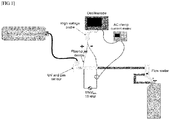
- the plasma producing system of the present invention may comprise an optical emission spectroscope, an oscilloscope, a high-voltage probe, an AC clamp current meter, a plasma jet device, an UV and gas sensor, and a carrier gas supply unit.
- Each electrode that is used in the present invention may be a disc-shaped electrode having a diameter 5 to 10 mm and a thickness of 150 to 250 ⁇ m and having 19 through-holes with a size of 300 to 600 ⁇ m.
- a ceramic spacer serving as an insulating layer may be provided which has an outer diameter of 5 to 20 mm, an inner diameter of 5 to 10 mm, and a thickness of 0.5 to 2 mm.
- a device for applying the plasma to a muscle defect site was designed such that it makes it possible to check the state of the plasma applied to the defect site and prevents the plasma from leaking from the defect site.
- a plasma device comprising a shielding tube connected to a plasma nozzle was used for plasma irradiation. The configuration of this plasma device is shown in FIG. 2 .
- the “carrier gas” is a gas that is used to produce the plasma according to the purpose of the present invention.
- the plasma can be produced by supplying high-voltage current to this gas.
- the carrier gas that is used in the present invention is a nitrogen gas.
- conditions for exposure to the nitrogen-based non-thermal atmospheric pressure plasma for treating muscle damage may be adjusted depending on the amount of plasma gas discharged, the kind of carrier gas, the distance from a plasma source to a defect site, the number of exposures to the plasma, and plasma exposure time.
- the plasma producing system according to the present invention may use a discharge initiation voltage of 5 to 10 kV, preferably 7 to 8 kV. After discharge initiation, the plasma producing system may use a voltage of 1 to 10 kV, preferably 2 to 5 kV, more preferably 3 to 4 kV, at which the plasma is stably discharged.
- a suitable frequency that is used to produce the plasma according to the present invention is 5 to 20 kHz, preferably 10 to 20 kHz, most preferably 15 kHz.
- This plasma producing system generates a non-thermal plasma (NTS) at atmospheric pressure.
- NTS non-thermal plasma
- damaged muscles may include damage to any muscle tissue. Muscle damage may result from physical trauma to muscle tissue, due to an accident, a sports injury, endocrine disorders, disease, wound, or surgery.
- the nitrogen-based non-thermal atmospheric pressure plasma according to the present invention has the effect of treating damaged muscles by one or more selected from the group consisting of muscle cell activation, migration of muscle cells to a damaged site, muscle cell proliferation, and muscle cell differentiation.
- the nitrogen-based non-thermal atmospheric pressure plasma according to the present invention is useful for repairing muscles and treating muscle damage by promoting regeneration of damaged muscles.
- the method of the present invention is also useful for muscle spasm relief.
- the nitrogen-based non-thermal atmospheric pressure plasma according to the present invention directly triggers muscle cell activation and promotes muscle tissue regeneration, unlike general muscle contraction strengthening, and has a very excellent effect of repairing or regenerating muscle tissue in defect sites.
- the nitrogen-based non-thermal atmospheric pressure plasma according to the present invention can be effectively used for treatment of patients having muscle damage and muscle damage-associated diseases, which are caused by muscle tissue death, muscle cell death or the like.
- the treatment according to the present invention includes preventive, palliative and curative treatments.
- the present invention also provides a method for treating damaged muscles or promoting regeneration of damaged muscles in a subject, the method comprising a step of treating a damaged muscle site with the nitrogen-based non-thermal atmospheric pressure plasma for treating damaged muscles or promoting regeneration of damaged muscles, produced by the above-described method.
- the subject is a subject having muscle damage caused by various factors such as an accident, a sports injury, endocrine disorders, disease, wound, or surgery.
- muscle cell activation, migration of muscle cells to a damaged site, muscle cell proliferation and muscle cell differentiation may actively occur, thereby inducing muscle tissue regeneration and differentiation.
- conditions for exposure to the nitrogen-based non-thermal atmospheric pressure plasma of the present invention may be controlled.
- the amount of nitrogen-based non-thennal atmospheric pressure plasma gas discharged may be suitably selected so as to be effective for treatment of muscle damage, it is preferably 2 to 10 L/min, more preferably 3 to 6 L/min.
- the distance from a plasma source to a defect site to be treated against muscle damage may be 0.3 to 10 cm, preferably 0.3 to 5 cm. Even when the nitrogen-based non-thermal atmospheric pressure plasma of the present invention is irradiated to a defect site, it induces no fever phenomenon, and thus has an advantage in that the plasma can be irradiated from a position adjacent to a damaged muscle site.
- conditions for treatment with the nitrogen-based non-thennal atmospheric pressure plasma of the present invention may include treating a damaged muscle site with the plasma 1 to 10 times a day, preferably 1 to 5 times a day, for 5 to 300 seconds, preferably 10 to 200 seconds, more preferably 10 to 120 seconds.
- the nitrogen-based non-thermal atmospheric pressure plasma for treating damaged muscles or promoting regeneration of damaged muscles according to the present invention is characterized in that it is produced using a nitrogen (N 2 ) gas as a carrier gas.
- the plasma produced using nitrogen gas has advantages over plasmas, produced using other carrier gases, in that it can achieve better effects, including regeneration of damaged muscles, promotion of new muscle formation, promotion of muscle cell migration, and muscle cell differentiation, without causing cytotoxicity.
- the nitrogen-based non-thermal atmospheric pressure plasma is produced using a nitrogen gas as a carrier gas, and may be produced and discharged under the following conditions: an initiation voltage of 7 to 8 kV, a stable voltage of 3 to 4 kV, a frequency of 15 kHz, and a plasma discharge amount of 3 to 6 L/min.
- the distance from a plasma source, from which the plasma is discharged, to a defect site to be treated against muscle damage, may be controlled to 0.3 to 5 cm.
- treatment with the plasma may be performed once for 10 to 120 seconds a day, and the period of treatment with the plasma may be suitably adjusted depending on the degree of repair of damaged muscles.
- the present invention also provides a pharmaceutical composition for treating muscle damage-associated diseases, comprising the nitrogen-based non-thermal atmospheric pressure plasma.
- the muscle damage-associated diseases refer to a collection of diseases caused by damaged muscles, and may include muscle cell death caused by various factors, diseases caused by damage to muscle tissue, and the like.
- the muscle damage-associated diseases may include, without limitation, all muscle damage-associated diseases for which treatment with the nitrogen-based non-thermal atmospheric pressure plasma can promote muscle tissue differentiation and activate muscle cells, thereby treating muscle damage.
- Typical examples of the muscle damage-associated diseases include ligament rupture, ligament damage, rotator cuff damage, and the like.
- the nitrogen-based non-thermal atmospheric pressure plasma according to the present invention may be used in combination with primary therapy, for example, chemical therapy or surgery, thereby inducing the more rapid action of the primary therapy and enhancing the muscle damage repair action of the primary therapy.
- primary therapy for example, chemical therapy or surgery
- the nitrogen-based non-thermal atmospheric pressure plasma according to the present invention may be either used to enhance the effect of a main therapeutic agent that is primarily used in drug-based chemotherapy, or applied directly to a site in need of muscle repair without surgery.
- the present invention also provides a kit for treating muscle damage, comprising the system for producing the nitrogen-based non-thermal atmospheric pressure plasma.
- the kit may be used to treat muscle damage by muscle repair, and is preferably a kit for non-invasively treating a damaged muscle site directly with the nitrogen-based non-thermal atmospheric pressure plasma. Since the kit of the present invention comprises a system capable of generating the nitrogen-based non-thermal atmospheric pressure plasma, if required, it makes it possible to apply the plasma to a site in need of treatment, thereby facilitating the treatment of muscle damage and muscle damage-associated diseases.
- treatment refers to irradiating the generated nitrogen-based non-thermal atmospheric pressure plasma directly to a lesion site, a damaged muscle site, or a site in need of muscle repair.
- the kit may comprise a system for producing the nitrogen-based non-thennal atmospheric pressure plasma, and may also comprise instructions describing a method for using the system.
- the present invention also provides a method for promoting migration, proliferation or differentiation of muscle cells, the method comprising a step of treating the muscle cells with the nitrogen-based non-thennal atmospheric pressure plasma for treating damaged muscles or promoting regeneration of damaged muscles.
- Treatment with the nitrogen-based non-thermal atmospheric pressure plasma may be performed both in vitro and in vivo, and can effectively promote migration, proliferation or differentiation of muscle cells in subject or isolated cells, thereby ultimately inducing muscle regeneration.
- these cells may be cultured in growth medium or differentiation medium, preferably growth medium.
- growth medium any medium known in the art, which satisfies conditions for growth of muscle cells, may be used without limitations.
- FIG. 1 shows a system for producing a nitrogen gas-based non-thermal atmospheric pressure plasma (NTP) using nitrogen gas as a carrier gas.
- the system for producing a nitrogen-based non-thermal atmospheric pressure plasma according to the present invention comprises an optical emission spectroscope, an oscilloscope, a high-voltage probe, an AC clamp current meter, a plasma jet device, an UV and gas sensor, and a carrier gas supply unit.
- each electrode that is used to produce a nitrogen-based plasma according to the present invention consists of a disc-shaped electrode having a diameter of 8 mm and a thickness of 200 ⁇ m and having 19 through-holes with a size of 500 ⁇ m, and a ceramic spacer that is used in the present invention consists of a donut-shaped structure having an outer diameter of 11 mm, an inner diameter of 6 mm and a thickness of 1 mm, and serves as an insulating layer between two electrodes. It was found that a discharge initiation voltage for initiating plasma discharge is 7 to 8 kV and that a voltage at which the plasma is stably discharged after discharge initiation is 3 to 4 kV. A suitable frequency that is used to produce the plasma is 15 kHz.
- a device for applying the plasma to a defect site was designed such that it makes it possible to check the state of the plasma applied to the defect site and prevents the plasma from leaking from the defect site.
- a plasma device comprising a shielding tube connected to a plasma nozzle was used for plasma irradiation.
- the configuration of this plasma device is shown in FIG. 2 .
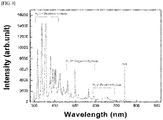
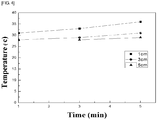
- spectral analysis was performed using an optical emission spectroscope (SC2100, K-MAC, Korea). In addition, temperature changes occurring at different distances were analyzed with a non-contact IR thermometer (Raytek, Santa Cruz, USA). Gas was discharged at a rate of 4 L/min.
- FIG. 3 shows the results of spectral analysis of the nitrogen-based plasma
- FIG. 4 shows temperature changes at an irradiation distance of 1 to 5 cm.
- the maximum temperature was 37 °C, similar to human body temperature, even at an irradiation distance of 1 cm.
- the nitrogen-based non-thermal atmospheric plasma (hereinafter referred to as nitrogen-based plasma) was used in the following experiments.
- a defect site or a site to be tested was treated with a nitrogen-based non-thermal atmospheric pressure plasma produced by controlling the discharge rate of high-pressure nitrogen, introduced into the inlet of a controller, to 3 to 6 L/min by use of a pressure gauge.
- Table 1 Group Treatment Group 1 (C) Untreated control group Group 2 (G) Group treated with nitrogen gas alone Group 3 (P30) Group treated with nitrogen-based plasma for 30 sec Group 4 (P60) Group treated with nitrogen-based plasma for 60 sec
- Group 2 was treated with nitrogen gas alone, discharged through a nozzle, for 30 seconds without plasma discharge.
- the plasma irradiation device shown in FIG. 2 was fixed to the defect sites of groups 3 and 4, and then the defect sites were treated daily with the nitrogen-based plasma, produced in Experimental Example 1, for 30 seconds/day and 60 seconds/day over 7 days and 14 days, respectively, at a gas pressure of 10.
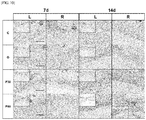
- the defect site tissues and the surrounding tissues were collected on day 7 or day 14. Using the collected tissues, whether the muscle defects would be restored was examined.
- the group treated for 30 seconds will be referred to as P30
- the group treated for 60 seconds will be referred to as P60.
- muscle cells were cultured in differentiation medium and growth medium in vitro, and then treated with the nitrogen-based plasma of Experimental Example 1, and the state of cells in the treated groups and the untreated control group was analyzed by live/dead staining.
- the term "differentiation medium” refers to a medium having a composition for inducing differentiation of muscle cells that proliferated in vitro.
- the differentiation medium was configured such that it can induce cell differentiation by controlling the content of serum.
- the growth medium used in the present invention was a general cell growth medium having a composition making it possible to grow muscle cells in vitro. More specifically, the growth medium used was DMEM medium containing 10% serum. The results of analysis of cell death are shown in FIG. 7 .
- the nitrogen-based plasma of the present invention is a safe material that causes no cytotoxicity.
- tissues were collected from all the treated groups on 7 and 14 days of nitrogen-based plasma irradiation and photographed, and then images thereof were analyzed. Images were captured using a digital camera and calculated using Metamorph_NX image software (Molecular Devices, Sunnyvale, California, USA). The average diameter of twenty muscle defect sites was 8.56 ⁇ 0.47 mm. The removed tissues were stained to verify the consistency of the muscle defects in the rats, and it was shown that the structures of the removed tissue contained muscle with the dermis layers. To prevent treatment with the nitrogen-based plasma from affecting the untreated control group, the non-treatment sites were protected with surgical cloth during the plasma treatment. The distance between each defect site and the plasma nozzle was maintained at 0.4 cm, and the space between each defect site and the plasma irradiation device remained clogged by a shielding film.
- H& E staining hematoxylin & eosin staining
- PSR Picro Sirius red
- MT Masson's trichrome staining
- H&E staining was used to stain the nucleus and cytoplasm of all the cells in tissue, thereby observing the stage of regeneration of the removed muscle tissue and the state of the cells.
- PSR staining was used for the purpose of morphologically distinguishing muscle tissue from the surrounding tissue.
- MT staining was performed to facilitate observation of newly formed muscle while showing the difference in color development between muscle tissue and the surrounding tissue.
- FIG. 8 shows the results of MT staining that stains muscle cells red.
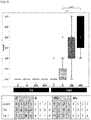
- the stained tissue was scored using a four-point standard score system as shown in Table 2 below, and the results are shown in FIG. 9 .
- Table 2 score Descriptions 0 Muscle expansion from wound margin is null. 1 Muscle expansion from wound margin is less than25%. 2 Muscle expansion from wound margin is 25% to less than 50%. 3 Muscle expansion from wound margin is more than 50%.
- the P30 group showed muscle tissue regeneration corresponding to a score of 0.85 ⁇ 1.07
- the P60 group showed muscle tissue regeneration corresponding to a score of 1.86 ⁇ 1.21.
- These scores were statistically significant different from those of the untreated control group (0.14 ⁇ 0.38) and the group treated with nitrogen gas alone (0.43 ⁇ 0.78) (**P ⁇ 0.01, *** p ⁇ 0.001).
- MyH-3 myosin heavy chain-3
- MyH-3 can be used as a marker for identifying new muscle. Accordingly, tissue was isolated from each of the animal groups, and the expression level of MyH-3 protein in the isolated tissue was measured by Western blot analysis. On 7 days and 14 days of the plasma treatment, expression of MyH-3 in the P60 group treated with the plasma for 60 seconds was analyzed, and the expression pattern of MyH-3 in the tissue was visualized by immunohistochemical staining.
- FIG. 10 shows the results of immunohistochemical staining. As shown in FIG. 10 , it was found that in both the P30 and P60 groups, the MyHC-3 antibody was produced in the direction from the end of normal muscle to the damaged muscle site (i.e., the site from which muscle was removed), and thus the tissue was stained brown.
- FIG. 11 shows the results of Western blot analysis for expression of MyHC-3. As shown in FIG. 11 , it was found that in the test groups treated with the nitrogen-based plasma for 30 second (P30) and 60 seconds (P60), respectively, over 7 days and 14 days, expression of MyHC-3 clearly increased.
- tissue regenerated by treatment with the plasma-based plasma is muscle tissue. This suggests that even 1 to 2 weeks of treatment with the nitrogen-based plasma induces rapid formation of new muscle.
- Example 4 Formation of Muscle Tissue and Induction of Cell Activation by Treatment with Nitrogen-Based Plasma
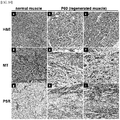
- FIGS. 13 and 14 it was observed that a tissue appearing to be a new muscle fonned by treatment with the nitrogen-based plasma was stained bright orange in PSR staining, clearly unlike other surrounding tissues, and was stained red in MT (Masson's trichrome) staining, indicating that it was stained very similar to normal muscle tissue ( FIGS. 13 and 14 ).
- FIGS. 14e and 14h in the P60 group on day 14, newly termed muscle fibers extending from the periphery of damaged muscle tissue were clearly observed.
- FIGS. 14f and 14i small-caliber myofibers were observed (asterisk) in damaged muscle tissue.
- FIGS. 14f and 14i small-caliber myofibers were observed (asterisk) in damaged muscle tissue.
- myo-nuclei located in the center of newly fonned myofibers were observed (arrow), and as can be seen in FIGS. 14a and 14d , these myo-nuclei were distinguished from myo-nuclei located in the periphery of normal myofibers.
- tissue restoration observed in damaged muscle tissue is attributable to muscle tissue regeneration induced by treatment with the nitrogen-based plasma, and it is achieved through muscle cell activation induced by treatment with the nitrogen-based plasma.
- Example 5 Confirmation of Muscle Cell Activation Induced by Treatment with Nitrogen-Based Plasma
- muscle cells whose activation is in a resting state at the periphery of muscle bundles are converted into a proliferable and activated state when the muscle is damaged, after which these cells migrate to the periphery of the damaged muscle, and then proliferate and differentiate, thereby promoting muscle regeneration. Accordingly, observation was performed of the source of a large number of cells, which are clustered around damaged muscle by treatment with the nitrogen-based plasma, and the state of activation of the cells.
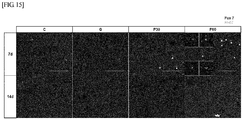
- immunohistochemical staining was performed using Pax 7 antibody, which is expressed in muscle satellite cells in a resting state and an activated state, and Ki-67 antibody which is expressed in growing cells.
- Pax7 and Ki-67 were co-expressed, indicating that the clustered cells in damaged muscle and newly formed muscle are currently in an activated state that can proliferate into muscle satellite cells.
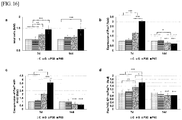
- FIG. 16 the total numbers of cells in the groups treated with the nitrogen-based plasma were 1.2-fold (P30) and 1.4-fold (P60) of the control group on day 7.
- FIG. 16a shows the total number of cells;
- FIG. 16b shows the number of cells expressing Pax-7;
- FIG. 16c shows the number of cells co-expressing Pax-7 and Ki-67; and
- FIG. 16d shows the ratio of Pax-7 to the co-expressed antibodies.
- the numbers of Pax-7 positive cells in the P30 and P60 groups on day 7 were 1.8- and 3.1 -fold larger than that in the control group. With the passage of time, the cell counts in the groups treated with the nitrogen-based plasma were significantly lower.
- the nuclei that stained positively with Ki-67 were detected as proliferating satellite cells in the adjacent regenerating myofibers in the P30 and P60 groups on day 7 but were scarcely visible on day 14. Quantitative analysis of the immunostaining showed that coexpression of Ki-67 with Pax 7 in satellite cells in the P30 and P60 groups treated with the nitrogen-based plasma was 2.0 and 3.6 times higher than that in the control group on day 7, respectively. Similarly, as shown in FIG. 16d , Pax7+/Ki-67+ to Pax7 nuclei in the P30 and P60 groups were 1.3 and 1.6 greater in number than in the control group on day 7, respectively (P ⁇ 0.01 and P ⁇ 0.001).
- muscle cells were seeded in culture plates at a density of approximately 1.25 ⁇ 10 5 cells/cm 2 and grown to confluence.
- Cell migration assays and cell proliferation assays were performed as described in Chang, J. W. et al.
- the wound on the captured image was automatically recognized and measured by Metamorph® NX image software.
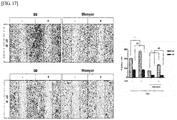
- Eluate of crystal violet staining was measured on a spectrum of 540nm, and the results are shown in FIGS. 17 and 18 .
- growth medium GM was used for in vitro proliferation and differentiation of human muscle cells.
- the percentage of wound recovery area in the group treated with the nitrogen-based plasma was 61.31 ⁇ 6.3, which was 1.5 times higher than the percentage in the control group (42.27 ⁇ 4.13) in cell migration assays under the growth media (GM) condition at 72 hours in vitro. It was observed that the empty space in the cells treated with the nitrogen-based plasma was filled more than the untreated group on the growth medium, indicating that the recovery of the wound was more advanced.
- the number of cells after crystal violet staining was compared with the initial seeded cell number in order to determine the cell proliferation effect of the nitrogen-based plasma.
- the fold increase in the cell number of the group treated with the nitrogen-based plasma was 2.17 ⁇ 0.01, which was significantly higher than that of the control group (1.79 ⁇ 0.02).
- BrdU cell proliferation assay was performed to confirm that treatment with the nitrogen-based plasma could induce muscle cell proliferation, and the results are shown in FIG. 19 .
- the nitrogen-based plasma allows muscle cells to migrate to the borders of damaged muscle tissue. Accordingly, whether treatment with the nitrogen-based plasma can also induce muscle cell differentiation subsequent to promoting muscle cell migration and proliferation was analyzed in growth medium and differentiation medium using Pax 7 antibody, which is expressed in muscle satellite cells, MyoD which is expressed in the middle stage of muscle cell differentiation, and Myogenin (Myo G) antibody which is expressed in the late stage of differentiation. More specifically, primary normal human skeletal muscle myoblasts were obtained from Lonza and cultured to proliferate and differentiate.
- Undifferentiated cells in Clonetics Basal Medium and Bullet Kit medium were induced to differentiate by switching the medium to Dulbecco's modified essential medium supplemented with 2% horse serum, 2 mmol/L glutamines, and 50 U/mL streptomycin and penicillin.
- the cells' differentiation capacities were evaluated by expression of myogenic differentiation markers.
- To examine the relevance of treatment with the nitrogen-based plasma and muscle cell differentiation observation was performed of coexpression of Pax7/MyoD and MyoD/MyoG, which are regarded as major markers of in muscle cell differentiation.
- the results of Western blot analysis and immunohistochemical staining are shown in FIGS. 20 and 21 .
- the cell phenotypes and the expression of proteins and mRNAs known to be involved in myogenesis were observed by Western blot analysis and MHC staining.
- the antibodies used in the Western blot analysis were as follows: MHC (myosin heavy chain) (R&D system, Minneapolis, USA), myogenin (Abcam, Cambridge, UK), creatin kinase M (Santa Cruz, California, USA), MET, p-p38, p38, p-AKT, AKT, and ⁇ -tubulin (Cell Signaling Technology, Danvers, Massachusetts, USA).
- PCR conditions were as follow: denaturation for 3 min at 94°C, amplification for 35 cycles of 30 sec at 94°C, 60.7 °C, and 72 °C, and final extension for 5 min at 72 °C.
- the human myogenin primer sequences used were as follows: F, 5-AGC GCC CCC TCG TGT ATG-3; R, 5-TGT CCC CGG CAA CTT CAG C-3. The results are shown in FIGS. 22 and 23 .
- FIG. 23 The results of immune-fluorescence microscopy are shown in FIG. 23 .
- FIG. 23 it was shown by MHC staining that the myotube formation with expression of MHC was increased by treatment with the nitrogen-based plasma.
- the intracellular expression of myosin heavy chain was also higher in the group treated with the group treated with the nitrogen-based plasma, indicating that the cells were fused with each other.
- the results as described above indicate that treatment with the nitrogen-based plasma promotes muscle cell differentiation.
- the nitrogen-based plasma can promote muscle regeneration by non-invasive and non-contact biological stimulation, and induce muscle cell migration and proliferation in vivo and in vitro to form new muscle fibers, thereby effectively repairing muscle damage.
- the nitrogen-based non-thermal atmospheric pressure plasma according to the present invention can effectively induce muscle cell activation, migration of muscle cells to damaged sites, muscle cell proliferation, and muscle cell differentiation, without surgical operation or during a treatment procedure after surgical operation, and thus can be advantageously used as a novel therapeutic agent and therapeutic method against muscle damage and muscle damage-associated diseases. Accordingly, the nitrogen-based non-thermal atmospheric pressure plasma is industrially applicable.
Landscapes
- Health & Medical Sciences (AREA)
- Life Sciences & Earth Sciences (AREA)
- Engineering & Computer Science (AREA)
- General Health & Medical Sciences (AREA)
- Biomedical Technology (AREA)
- Public Health (AREA)
- Veterinary Medicine (AREA)
- Animal Behavior & Ethology (AREA)
- Chemical & Material Sciences (AREA)
- Radiology & Medical Imaging (AREA)
- Epidemiology (AREA)
- Pharmacology & Pharmacy (AREA)
- Medicinal Chemistry (AREA)
- Nuclear Medicine, Radiotherapy & Molecular Imaging (AREA)
- Inorganic Chemistry (AREA)
- Bioinformatics & Cheminformatics (AREA)
- Zoology (AREA)
- Organic Chemistry (AREA)
- Rheumatology (AREA)
- Genetics & Genomics (AREA)
- Biotechnology (AREA)
- Wood Science & Technology (AREA)
- Microbiology (AREA)
- Biochemistry (AREA)
- General Engineering & Computer Science (AREA)
- Cell Biology (AREA)
- Medicines Containing Material From Animals Or Micro-Organisms (AREA)
- Medicines That Contain Protein Lipid Enzymes And Other Medicines (AREA)
- Pharmaceuticals Containing Other Organic And Inorganic Compounds (AREA)
Claims (6)
- Auf Stickstoff basierendes, nichtthermisches Atmosphärendruckplasma zur Verwendung in einem Verfahren zum Behandeln von geschädigten Muskeln oder zum Fördern der Regeneration von geschädigten Muskeln, wobei das Verfahren einen Schritt eines Behandelns einer Stelle eines geschädigten Muskels mit dem auf Stickstoff basierenden, nichtthermischen Atmosphärendruckplasma umfasst, wobei das auf Stickstoff basierende, nichtthermische Atmosphärendruckplasma durch ein Verfahren hergestellt wird, das die Schritte umfasst:Einbringen von Stickstoffgas als ein Trägergas; undAnlegen einer Entladungsinitiierungsspannung von 5 bis 10 kV an das eingebrachte Stickstoffgas bei einer Frequenz von 5 bis 20 kHz, wodurch ein auf Stickstoff basierendes, nichtthermisches Atmosphärendruckplasma hergestellt wird.
- Auf Stickstoff basierendes, nichtthermisches Atmosphärendruckplasma zur Verwendung gemäß Anspruch 1, wobei das auf Stickstoff basierende, nichtthermische Atmosphärendruckplasma bei 2 bis 10 L/Minute entladen wird.
- Auf Stickstoff basierendes, nichtthermisches Atmosphärendruckplasma zur Verwendung gemäß Anspruch 1, wobei die Stelle eines geschädigten Muskels mit dem auf Stickstoff basierenden, nichtthermischen Atmosphärendruckplasma bei einem Abstand von 0,3 bis 5 cm behandelt wird.
- Auf Stickstoff basierendes, nichtthermisches Atmosphärendruckplasma zur Verwendung gemäß Anspruch 1, wobei eine Behandlung mit dem auf Stickstoff basierenden, nichtthermischen Atmosphärendruckplasma 10 bis 120 Sekunden einmal am Tag erfolgt.
- Verfahren zum Fördern von Migration, Proliferation oder Differenzierung von Muskelzellen, wobei das Verfahren einen Schritt eines Behandelns der Muskelzellen in vitro mit einem auf Stickstoff basierenden, nichtthermischen Atmosphärendruckplasma zum Behandeln von geschädigten Muskeln oder zum Fördern der Regeneration von geschädigten Muskeln umfasst, hergestellt durch ein Verfahren, das die Schritte umfasst:Einbringen von Stickstoffgas als ein Trägergas; undAnlegen einer Entladungsinitiierungsspannung von 5 bis 10 kV an das eingebrachte Stickstoffgas bei einer Frequenz von 5 bis 20 kHz, wodurch ein auf Stickstoff basierendes, nichtthermisches Atmosphärendruckplasma hergestellt wird.
- Verfahren nach Anspruch 5, wobei die Muskelzellen in Wachstumsmedium kultiviert werden.
Applications Claiming Priority (2)
| Application Number | Priority Date | Filing Date | Title |
|---|---|---|---|
| KR20150112564 | 2015-08-10 | ||
| PCT/KR2016/008811 WO2017026804A1 (ko) | 2015-08-10 | 2016-08-10 | 근육 손상 치료용 질소기반 저온 대기압 플라즈마 |
Publications (3)
| Publication Number | Publication Date |
|---|---|
| EP3335760A1 EP3335760A1 (de) | 2018-06-20 |
| EP3335760A4 EP3335760A4 (de) | 2019-04-24 |
| EP3335760B1 true EP3335760B1 (de) | 2021-09-29 |
Family
ID=57983390
Family Applications (1)
| Application Number | Title | Priority Date | Filing Date |
|---|---|---|---|
| EP16835444.7A Active EP3335760B1 (de) | 2015-08-10 | 2016-08-10 | Stickstoffbasiertes plasma bei niedriger temperatur und atmosphärendruck zur behandlung von muskelschädigung |
Country Status (4)
| Country | Link |
|---|---|
| US (2) | US20180229047A1 (de) |
| EP (1) | EP3335760B1 (de) |
| KR (2) | KR102106055B1 (de) |
| WO (1) | WO2017026804A1 (de) |
Families Citing this family (2)
| Publication number | Priority date | Publication date | Assignee | Title |
|---|---|---|---|---|
| US20180229047A1 (en) | 2015-08-10 | 2018-08-16 | Ajou University Industry-Academic Cooperation Foundation | Nitrogen-based, low-temperature atmospheric pressue plasma for treating muscle damage |
| KR101978481B1 (ko) * | 2018-03-13 | 2019-05-14 | 부산대학교병원 | 플라즈마를 이용한 말초신경 치료장치 |
Family Cites Families (15)
| Publication number | Priority date | Publication date | Assignee | Title |
|---|---|---|---|---|
| US6967102B1 (en) * | 1999-03-11 | 2005-11-22 | University Of Manitoba | Nitric oxide manipulation of muscle satellite cell activation |
| US8092643B2 (en) * | 2003-06-16 | 2012-01-10 | Ionfield Systems, Llc | Method and apparatus for cleaning and surface conditioning objects using plasma |
| KR100895939B1 (ko) * | 2005-01-18 | 2009-05-07 | 알마 레이저스 엘티디 | 무선주파수 에너지를 통한 생물학적 조직 가열 방법 및개선된 시스템 |
| WO2006091285A2 (en) * | 2005-01-20 | 2006-08-31 | Cerionx, Inc. | Method and apparatus for cleaning and surface conditioning objects using plasma |
| US8101169B2 (en) * | 2005-02-23 | 2012-01-24 | The Board Of Trustees Of The Leland Stanford Junior University | Ocular gene therapy using avalanche-mediated transfection |
| US7597924B2 (en) * | 2005-08-18 | 2009-10-06 | Boston Scientific Scimed, Inc. | Surface modification of ePTFE and implants using the same |
| ES2571210T3 (es) * | 2007-12-20 | 2016-05-24 | Eidgenössische Technische Hochschule Zürich | Tratamiento a distancia por plasma no térmico a presión atmosférica de materiales particulados sensibles a la temperatura y aparato correspondiente |
| WO2010107744A1 (en) * | 2009-03-16 | 2010-09-23 | Drexel University | Apparatus for atmospheric pressure pin-to-hole spark discharge and uses thereof |
| US8460283B1 (en) * | 2009-04-03 | 2013-06-11 | Old Dominion University | Low temperature plasma generator |
| US8771756B2 (en) * | 2009-12-28 | 2014-07-08 | Colorado State University Research Foundation | Biocompatible materials for medical devices |
| KR101219624B1 (ko) | 2010-11-26 | 2013-01-08 | 경북대학교 산학협력단 | 조직 손상의 치료 또는 조직 재생 촉진용 약학조성물 |
| EP3398618B8 (de) * | 2013-10-31 | 2021-01-20 | Origin, Inc. | Methoden für die bildung eines diskreten materialstroms in einem plasmazustand |
| KR101592081B1 (ko) * | 2014-01-13 | 2016-02-04 | 연세대학교 산학협력단 | 저온 상압 플라즈마를 이용한 p53 결핍 암세포 또는 약물 내성 암세포의 선택적 세포사멸 방법 |
| US9433071B2 (en) | 2014-06-13 | 2016-08-30 | Plasma Innovations, LLC | Dielectric barrier discharge plasma generator |
| US20180229047A1 (en) | 2015-08-10 | 2018-08-16 | Ajou University Industry-Academic Cooperation Foundation | Nitrogen-based, low-temperature atmospheric pressue plasma for treating muscle damage |
-
2016
- 2016-08-10 US US15/750,932 patent/US20180229047A1/en not_active Abandoned
- 2016-08-10 KR KR1020160101938A patent/KR102106055B1/ko active Active
- 2016-08-10 WO PCT/KR2016/008811 patent/WO2017026804A1/ko not_active Ceased
- 2016-08-10 EP EP16835444.7A patent/EP3335760B1/de active Active
-
2018
- 2018-04-30 KR KR1020180050203A patent/KR20180048541A/ko not_active Withdrawn
-
2021
- 2021-12-22 US US17/559,017 patent/US11826578B2/en active Active
Also Published As
| Publication number | Publication date |
|---|---|
| KR20180048541A (ko) | 2018-05-10 |
| EP3335760A1 (de) | 2018-06-20 |
| US20220111221A1 (en) | 2022-04-14 |
| WO2017026804A1 (ko) | 2017-02-16 |
| KR20170018795A (ko) | 2017-02-20 |
| EP3335760A4 (de) | 2019-04-24 |
| US20180229047A1 (en) | 2018-08-16 |
| US11826578B2 (en) | 2023-11-28 |
| KR102106055B1 (ko) | 2020-04-29 |
Similar Documents
| Publication | Publication Date | Title |
|---|---|---|
| US10589092B2 (en) | Methods for enhancing and modulating reversible and irreversible electroporation lesions by manipulating pulse waveforms | |
| Schuster et al. | Visible tumor surface response to physical plasma and apoptotic cell kill in head and neck cancer | |
| Li et al. | Bone marrow-mesenchymal stem cells modulate microglial activation in the peri-infarct area in rats during the acute phase of stroke | |
| US11826578B2 (en) | Nitrogen-based, low-temperature atmospheric pressure plasma for treating muscle damage | |
| CN107681916A (zh) | 一种协同脉冲不可逆电穿孔装置 | |
| KR101248668B1 (ko) | 저온 상압 플라즈마 노출을 이용한 세포의 생장 조절 방법 | |
| Xuan et al. | Bredigite‐based bioactive nerve guidance conduit for pro‐healing macrophage polarization and peripheral nerve regeneration | |
| Mitrokhina et al. | Assessment of the risk of osteosarcoma recurrence in canine long bone replants | |
| Fang et al. | Vascular restoration through local delivery of angiogenic factors stimulates bone regeneration in critical size defects | |
| Sano et al. | Treatment of cancer in vitro using radiation and high-frequency bursts of submicrosecond electrical pulses | |
| Liao et al. | Effects of platelet-rich plasma glue placement at the prostatectomy site on erectile function restoration and cavernous nerve preservation in a nerve-sparing prostatectomy rat model | |
| Kong et al. | Enhancing regeneration and repair of long-distance peripheral nerve defect injuries with continuous microcurrent electrical nerve stimulation | |
| Medina et al. | Huntington's disease: the value of transcranial meganetic stimulation | |
| Su et al. | A self-assembling peptide-based hydrogel containing NF-κ B inhibitors and NGF for peripheral nerve injury repair | |
| Lee et al. | Ferulic acid enhances peripheral nerve regeneration across long gaps | |
| CN120757616A (zh) | 一种促进子宫内膜干细胞对阴蒂敏感神经修复的功能性多肽及应用 | |
| Grässer et al. | Effects of macrophage-activating lipopeptide-2 (MALP-2) on the vascularisation of implanted polyurethane scaffolds seeded with microvascular fragments | |
| CN118317811A (zh) | 一种纳秒脉冲电场的治疗方法及其纳秒脉冲电场治疗装置 | |
| Vilches et al. | Neuropeptides, apoptosis and ion changes in prostate cancer: methods of study and recent developments | |
| Tong et al. | Inhibiting human breast Cancer cells (MCF-7) with alternating Micro-current at intermediate frequency (ACIF) in vitro and in vivo | |
| Gao et al. | Effect of acupotomy on chondrocyte proliferation and expression of CyclinD1, CDK4 and CDK6 in rabbits with knee osteoarthritis | |
| Peressotti et al. | Temporal Interference Stimulation Enhances Neural Regeneration | |
| JP7630805B2 (ja) | 腫瘍性細胞の治療のための装置及び抗腫瘍薬 | |
| 장신뤼 | Preclinical Evaluation of Medical Devices and Biomaterials: Safety and Efficacy Assessment Using Animal Models | |
| Dou et al. | Electronic bra for noninvasive transdermal gene delivery in neoadjuvant therapy of triple-negative breast cancer |
Legal Events
| Date | Code | Title | Description |
|---|---|---|---|
| STAA | Information on the status of an ep patent application or granted ep patent |
Free format text: STATUS: THE INTERNATIONAL PUBLICATION HAS BEEN MADE |
|
| PUAI | Public reference made under article 153(3) epc to a published international application that has entered the european phase |
Free format text: ORIGINAL CODE: 0009012 |
|
| STAA | Information on the status of an ep patent application or granted ep patent |
Free format text: STATUS: REQUEST FOR EXAMINATION WAS MADE |
|
| 17P | Request for examination filed |
Effective date: 20180228 |
|
| AK | Designated contracting states |
Kind code of ref document: A1 Designated state(s): AL AT BE BG CH CY CZ DE DK EE ES FI FR GB GR HR HU IE IS IT LI LT LU LV MC MK MT NL NO PL PT RO RS SE SI SK SM TR |
|
| AX | Request for extension of the european patent |
Extension state: BA ME |
|
| DAV | Request for validation of the european patent (deleted) | ||
| DAX | Request for extension of the european patent (deleted) | ||
| A4 | Supplementary search report drawn up and despatched |
Effective date: 20190321 |
|
| RIC1 | Information provided on ipc code assigned before grant |
Ipc: A61K 33/00 20060101ALI20190315BHEP Ipc: A61N 1/44 20060101AFI20190315BHEP |
|
| GRAP | Despatch of communication of intention to grant a patent |
Free format text: ORIGINAL CODE: EPIDOSNIGR1 |
|
| STAA | Information on the status of an ep patent application or granted ep patent |
Free format text: STATUS: GRANT OF PATENT IS INTENDED |
|
| INTG | Intention to grant announced |
Effective date: 20210323 |
|
| GRAS | Grant fee paid |
Free format text: ORIGINAL CODE: EPIDOSNIGR3 |
|
| RAP3 | Party data changed (applicant data changed or rights of an application transferred) |
Owner name: AJOU UNIVERSITY INDUSTRY-ACADEMIC COOPERATION FOUNDATION |
|
| GRAA | (expected) grant |
Free format text: ORIGINAL CODE: 0009210 |
|
| STAA | Information on the status of an ep patent application or granted ep patent |
Free format text: STATUS: THE PATENT HAS BEEN GRANTED |
|
| AK | Designated contracting states |
Kind code of ref document: B1 Designated state(s): AL AT BE BG CH CY CZ DE DK EE ES FI FR GB GR HR HU IE IS IT LI LT LU LV MC MK MT NL NO PL PT RO RS SE SI SK SM TR |
|
| REG | Reference to a national code |
Ref country code: GB Ref legal event code: FG4D |
|
| REG | Reference to a national code |
Ref country code: DE Ref legal event code: R096 Ref document number: 602016064432 Country of ref document: DE |
|
| REG | Reference to a national code |
Ref country code: CH Ref legal event code: EP Ref country code: AT Ref legal event code: REF Ref document number: 1433679 Country of ref document: AT Kind code of ref document: T Effective date: 20211015 |
|
| REG | Reference to a national code |
Ref country code: IE Ref legal event code: FG4D |
|
| REG | Reference to a national code |
Ref country code: LT Ref legal event code: MG9D |
|
| PG25 | Lapsed in a contracting state [announced via postgrant information from national office to epo] |
Ref country code: RS Free format text: LAPSE BECAUSE OF FAILURE TO SUBMIT A TRANSLATION OF THE DESCRIPTION OR TO PAY THE FEE WITHIN THE PRESCRIBED TIME-LIMIT Effective date: 20210929 Ref country code: SE Free format text: LAPSE BECAUSE OF FAILURE TO SUBMIT A TRANSLATION OF THE DESCRIPTION OR TO PAY THE FEE WITHIN THE PRESCRIBED TIME-LIMIT Effective date: 20210929 Ref country code: NO Free format text: LAPSE BECAUSE OF FAILURE TO SUBMIT A TRANSLATION OF THE DESCRIPTION OR TO PAY THE FEE WITHIN THE PRESCRIBED TIME-LIMIT Effective date: 20211229 Ref country code: HR Free format text: LAPSE BECAUSE OF FAILURE TO SUBMIT A TRANSLATION OF THE DESCRIPTION OR TO PAY THE FEE WITHIN THE PRESCRIBED TIME-LIMIT Effective date: 20210929 Ref country code: FI Free format text: LAPSE BECAUSE OF FAILURE TO SUBMIT A TRANSLATION OF THE DESCRIPTION OR TO PAY THE FEE WITHIN THE PRESCRIBED TIME-LIMIT Effective date: 20210929 Ref country code: LT Free format text: LAPSE BECAUSE OF FAILURE TO SUBMIT A TRANSLATION OF THE DESCRIPTION OR TO PAY THE FEE WITHIN THE PRESCRIBED TIME-LIMIT Effective date: 20210929 Ref country code: BG Free format text: LAPSE BECAUSE OF FAILURE TO SUBMIT A TRANSLATION OF THE DESCRIPTION OR TO PAY THE FEE WITHIN THE PRESCRIBED TIME-LIMIT Effective date: 20211229 |
|
| REG | Reference to a national code |
Ref country code: NL Ref legal event code: MP Effective date: 20210929 |
|
| REG | Reference to a national code |
Ref country code: AT Ref legal event code: MK05 Ref document number: 1433679 Country of ref document: AT Kind code of ref document: T Effective date: 20210929 |
|
| PG25 | Lapsed in a contracting state [announced via postgrant information from national office to epo] |
Ref country code: LV Free format text: LAPSE BECAUSE OF FAILURE TO SUBMIT A TRANSLATION OF THE DESCRIPTION OR TO PAY THE FEE WITHIN THE PRESCRIBED TIME-LIMIT Effective date: 20210929 Ref country code: GR Free format text: LAPSE BECAUSE OF FAILURE TO SUBMIT A TRANSLATION OF THE DESCRIPTION OR TO PAY THE FEE WITHIN THE PRESCRIBED TIME-LIMIT Effective date: 20211230 |
|
| PG25 | Lapsed in a contracting state [announced via postgrant information from national office to epo] |
Ref country code: AT Free format text: LAPSE BECAUSE OF FAILURE TO SUBMIT A TRANSLATION OF THE DESCRIPTION OR TO PAY THE FEE WITHIN THE PRESCRIBED TIME-LIMIT Effective date: 20210929 |
|
| PG25 | Lapsed in a contracting state [announced via postgrant information from national office to epo] |
Ref country code: IS Free format text: LAPSE BECAUSE OF FAILURE TO SUBMIT A TRANSLATION OF THE DESCRIPTION OR TO PAY THE FEE WITHIN THE PRESCRIBED TIME-LIMIT Effective date: 20220129 Ref country code: SK Free format text: LAPSE BECAUSE OF FAILURE TO SUBMIT A TRANSLATION OF THE DESCRIPTION OR TO PAY THE FEE WITHIN THE PRESCRIBED TIME-LIMIT Effective date: 20210929 Ref country code: RO Free format text: LAPSE BECAUSE OF FAILURE TO SUBMIT A TRANSLATION OF THE DESCRIPTION OR TO PAY THE FEE WITHIN THE PRESCRIBED TIME-LIMIT Effective date: 20210929 Ref country code: PT Free format text: LAPSE BECAUSE OF FAILURE TO SUBMIT A TRANSLATION OF THE DESCRIPTION OR TO PAY THE FEE WITHIN THE PRESCRIBED TIME-LIMIT Effective date: 20220131 Ref country code: PL Free format text: LAPSE BECAUSE OF FAILURE TO SUBMIT A TRANSLATION OF THE DESCRIPTION OR TO PAY THE FEE WITHIN THE PRESCRIBED TIME-LIMIT Effective date: 20210929 Ref country code: NL Free format text: LAPSE BECAUSE OF FAILURE TO SUBMIT A TRANSLATION OF THE DESCRIPTION OR TO PAY THE FEE WITHIN THE PRESCRIBED TIME-LIMIT Effective date: 20210929 Ref country code: ES Free format text: LAPSE BECAUSE OF FAILURE TO SUBMIT A TRANSLATION OF THE DESCRIPTION OR TO PAY THE FEE WITHIN THE PRESCRIBED TIME-LIMIT Effective date: 20210929 Ref country code: EE Free format text: LAPSE BECAUSE OF FAILURE TO SUBMIT A TRANSLATION OF THE DESCRIPTION OR TO PAY THE FEE WITHIN THE PRESCRIBED TIME-LIMIT Effective date: 20210929 Ref country code: CZ Free format text: LAPSE BECAUSE OF FAILURE TO SUBMIT A TRANSLATION OF THE DESCRIPTION OR TO PAY THE FEE WITHIN THE PRESCRIBED TIME-LIMIT Effective date: 20210929 Ref country code: AL Free format text: LAPSE BECAUSE OF FAILURE TO SUBMIT A TRANSLATION OF THE DESCRIPTION OR TO PAY THE FEE WITHIN THE PRESCRIBED TIME-LIMIT Effective date: 20210929 |
|
| REG | Reference to a national code |
Ref country code: DE Ref legal event code: R097 Ref document number: 602016064432 Country of ref document: DE |
|
| PG25 | Lapsed in a contracting state [announced via postgrant information from national office to epo] |
Ref country code: DK Free format text: LAPSE BECAUSE OF FAILURE TO SUBMIT A TRANSLATION OF THE DESCRIPTION OR TO PAY THE FEE WITHIN THE PRESCRIBED TIME-LIMIT Effective date: 20210929 |
|
| PLBE | No opposition filed within time limit |
Free format text: ORIGINAL CODE: 0009261 |
|
| STAA | Information on the status of an ep patent application or granted ep patent |
Free format text: STATUS: NO OPPOSITION FILED WITHIN TIME LIMIT |
|
| 26N | No opposition filed |
Effective date: 20220630 |
|
| PG25 | Lapsed in a contracting state [announced via postgrant information from national office to epo] |
Ref country code: SI Free format text: LAPSE BECAUSE OF FAILURE TO SUBMIT A TRANSLATION OF THE DESCRIPTION OR TO PAY THE FEE WITHIN THE PRESCRIBED TIME-LIMIT Effective date: 20210929 |
|
| PG25 | Lapsed in a contracting state [announced via postgrant information from national office to epo] |
Ref country code: IT Free format text: LAPSE BECAUSE OF FAILURE TO SUBMIT A TRANSLATION OF THE DESCRIPTION OR TO PAY THE FEE WITHIN THE PRESCRIBED TIME-LIMIT Effective date: 20210929 |
|
| PG25 | Lapsed in a contracting state [announced via postgrant information from national office to epo] |
Ref country code: MC Free format text: LAPSE BECAUSE OF FAILURE TO SUBMIT A TRANSLATION OF THE DESCRIPTION OR TO PAY THE FEE WITHIN THE PRESCRIBED TIME-LIMIT Effective date: 20210929 |
|
| REG | Reference to a national code |
Ref country code: CH Ref legal event code: PL |
|
| GBPC | Gb: european patent ceased through non-payment of renewal fee |
Effective date: 20220810 |
|
| PG25 | Lapsed in a contracting state [announced via postgrant information from national office to epo] |
Ref country code: LU Free format text: LAPSE BECAUSE OF NON-PAYMENT OF DUE FEES Effective date: 20220810 Ref country code: LI Free format text: LAPSE BECAUSE OF NON-PAYMENT OF DUE FEES Effective date: 20220831 Ref country code: CH Free format text: LAPSE BECAUSE OF NON-PAYMENT OF DUE FEES Effective date: 20220831 |
|
| REG | Reference to a national code |
Ref country code: BE Ref legal event code: MM Effective date: 20220831 |
|
| PG25 | Lapsed in a contracting state [announced via postgrant information from national office to epo] |
Ref country code: IE Free format text: LAPSE BECAUSE OF NON-PAYMENT OF DUE FEES Effective date: 20220810 Ref country code: FR Free format text: LAPSE BECAUSE OF NON-PAYMENT OF DUE FEES Effective date: 20220831 |
|
| PG25 | Lapsed in a contracting state [announced via postgrant information from national office to epo] |
Ref country code: BE Free format text: LAPSE BECAUSE OF NON-PAYMENT OF DUE FEES Effective date: 20220831 |
|
| PG25 | Lapsed in a contracting state [announced via postgrant information from national office to epo] |
Ref country code: GB Free format text: LAPSE BECAUSE OF NON-PAYMENT OF DUE FEES Effective date: 20220810 |
|
| PG25 | Lapsed in a contracting state [announced via postgrant information from national office to epo] |
Ref country code: HU Free format text: LAPSE BECAUSE OF FAILURE TO SUBMIT A TRANSLATION OF THE DESCRIPTION OR TO PAY THE FEE WITHIN THE PRESCRIBED TIME-LIMIT; INVALID AB INITIO Effective date: 20160810 |
|
| PG25 | Lapsed in a contracting state [announced via postgrant information from national office to epo] |
Ref country code: SM Free format text: LAPSE BECAUSE OF FAILURE TO SUBMIT A TRANSLATION OF THE DESCRIPTION OR TO PAY THE FEE WITHIN THE PRESCRIBED TIME-LIMIT Effective date: 20210929 Ref country code: CY Free format text: LAPSE BECAUSE OF FAILURE TO SUBMIT A TRANSLATION OF THE DESCRIPTION OR TO PAY THE FEE WITHIN THE PRESCRIBED TIME-LIMIT Effective date: 20210929 |
|
| PG25 | Lapsed in a contracting state [announced via postgrant information from national office to epo] |
Ref country code: MK Free format text: LAPSE BECAUSE OF FAILURE TO SUBMIT A TRANSLATION OF THE DESCRIPTION OR TO PAY THE FEE WITHIN THE PRESCRIBED TIME-LIMIT Effective date: 20210929 |
|
| PG25 | Lapsed in a contracting state [announced via postgrant information from national office to epo] |
Ref country code: MT Free format text: LAPSE BECAUSE OF FAILURE TO SUBMIT A TRANSLATION OF THE DESCRIPTION OR TO PAY THE FEE WITHIN THE PRESCRIBED TIME-LIMIT Effective date: 20210929 |
|
| PGFP | Annual fee paid to national office [announced via postgrant information from national office to epo] |
Ref country code: DE Payment date: 20250624 Year of fee payment: 10 |
|
| PG25 | Lapsed in a contracting state [announced via postgrant information from national office to epo] |
Ref country code: TR Free format text: LAPSE BECAUSE OF FAILURE TO SUBMIT A TRANSLATION OF THE DESCRIPTION OR TO PAY THE FEE WITHIN THE PRESCRIBED TIME-LIMIT Effective date: 20210929 |