EP3337394B1 - Système et procédé pour bande de suivi et de surveillance de biocapteur - Google Patents
Système et procédé pour bande de suivi et de surveillance de biocapteur Download PDFInfo
- Publication number
- EP3337394B1 EP3337394B1 EP16849834.3A EP16849834A EP3337394B1 EP 3337394 B1 EP3337394 B1 EP 3337394B1 EP 16849834 A EP16849834 A EP 16849834A EP 3337394 B1 EP3337394 B1 EP 3337394B1
- Authority
- EP
- European Patent Office
- Prior art keywords
- biosensor
- value
- patient
- spectral response
- spectral
- Prior art date
- Legal status (The legal status is an assumption and is not a legal conclusion. Google has not performed a legal analysis and makes no representation as to the accuracy of the status listed.)
- Active
Links
Images













Classifications
-
- A—HUMAN NECESSITIES
- A61—MEDICAL OR VETERINARY SCIENCE; HYGIENE
- A61B—DIAGNOSIS; SURGERY; IDENTIFICATION
- A61B5/00—Measuring for diagnostic purposes; Identification of persons
- A61B5/02—Detecting, measuring or recording for evaluating the cardiovascular system, e.g. pulse, heart rate, blood pressure or blood flow
- A61B5/024—Measuring pulse rate or heart rate
- A61B5/02438—Measuring pulse rate or heart rate with portable devices, e.g. worn by the patient
-
- A—HUMAN NECESSITIES
- A61—MEDICAL OR VETERINARY SCIENCE; HYGIENE
- A61B—DIAGNOSIS; SURGERY; IDENTIFICATION
- A61B5/00—Measuring for diagnostic purposes; Identification of persons
- A61B5/02—Detecting, measuring or recording for evaluating the cardiovascular system, e.g. pulse, heart rate, blood pressure or blood flow
- A61B5/0205—Simultaneously evaluating both cardiovascular conditions and different types of body conditions, e.g. heart and respiratory condition
-
- A—HUMAN NECESSITIES
- A61—MEDICAL OR VETERINARY SCIENCE; HYGIENE
- A61B—DIAGNOSIS; SURGERY; IDENTIFICATION
- A61B5/00—Measuring for diagnostic purposes; Identification of persons
- A61B5/02—Detecting, measuring or recording for evaluating the cardiovascular system, e.g. pulse, heart rate, blood pressure or blood flow
- A61B5/0205—Simultaneously evaluating both cardiovascular conditions and different types of body conditions, e.g. heart and respiratory condition
- A61B5/02055—Simultaneously evaluating both cardiovascular condition and temperature
-
- A—HUMAN NECESSITIES
- A61—MEDICAL OR VETERINARY SCIENCE; HYGIENE
- A61B—DIAGNOSIS; SURGERY; IDENTIFICATION
- A61B5/00—Measuring for diagnostic purposes; Identification of persons
- A61B5/02—Detecting, measuring or recording for evaluating the cardiovascular system, e.g. pulse, heart rate, blood pressure or blood flow
- A61B5/021—Measuring pressure in heart or blood vessels
-
- A—HUMAN NECESSITIES
- A61—MEDICAL OR VETERINARY SCIENCE; HYGIENE
- A61B—DIAGNOSIS; SURGERY; IDENTIFICATION
- A61B5/00—Measuring for diagnostic purposes; Identification of persons
- A61B5/02—Detecting, measuring or recording for evaluating the cardiovascular system, e.g. pulse, heart rate, blood pressure or blood flow
- A61B5/024—Measuring pulse rate or heart rate
- A61B5/02416—Measuring pulse rate or heart rate using photoplethysmograph signals, e.g. generated by infrared radiation
-
- A—HUMAN NECESSITIES
- A61—MEDICAL OR VETERINARY SCIENCE; HYGIENE
- A61B—DIAGNOSIS; SURGERY; IDENTIFICATION
- A61B5/00—Measuring for diagnostic purposes; Identification of persons
- A61B5/02—Detecting, measuring or recording for evaluating the cardiovascular system, e.g. pulse, heart rate, blood pressure or blood flow
- A61B5/024—Measuring pulse rate or heart rate
- A61B5/02416—Measuring pulse rate or heart rate using photoplethysmograph signals, e.g. generated by infrared radiation
- A61B5/02427—Details of sensor
-
- A—HUMAN NECESSITIES
- A61—MEDICAL OR VETERINARY SCIENCE; HYGIENE
- A61B—DIAGNOSIS; SURGERY; IDENTIFICATION
- A61B5/00—Measuring for diagnostic purposes; Identification of persons
- A61B5/02—Detecting, measuring or recording for evaluating the cardiovascular system, e.g. pulse, heart rate, blood pressure or blood flow
- A61B5/026—Measuring blood flow
- A61B5/0261—Measuring blood flow using optical means, e.g. infrared light
-
- A—HUMAN NECESSITIES
- A61—MEDICAL OR VETERINARY SCIENCE; HYGIENE
- A61B—DIAGNOSIS; SURGERY; IDENTIFICATION
- A61B5/00—Measuring for diagnostic purposes; Identification of persons
- A61B5/08—Measuring devices for evaluating the respiratory organs
- A61B5/0816—Measuring devices for examining respiratory frequency
-
- A—HUMAN NECESSITIES
- A61—MEDICAL OR VETERINARY SCIENCE; HYGIENE
- A61B—DIAGNOSIS; SURGERY; IDENTIFICATION
- A61B5/00—Measuring for diagnostic purposes; Identification of persons
- A61B5/103—Measuring devices for testing the shape, pattern, colour, size or movement of the body or parts thereof, for diagnostic purposes
- A61B5/11—Measuring movement of the entire body or parts thereof, e.g. head or hand tremor or mobility of a limb
- A61B5/1113—Local tracking of patients, e.g. in a hospital or private home
-
- A—HUMAN NECESSITIES
- A61—MEDICAL OR VETERINARY SCIENCE; HYGIENE
- A61B—DIAGNOSIS; SURGERY; IDENTIFICATION
- A61B5/00—Measuring for diagnostic purposes; Identification of persons
- A61B5/103—Measuring devices for testing the shape, pattern, colour, size or movement of the body or parts thereof, for diagnostic purposes
- A61B5/11—Measuring movement of the entire body or parts thereof, e.g. head or hand tremor or mobility of a limb
- A61B5/1118—Determining activity level
-
- A—HUMAN NECESSITIES
- A61—MEDICAL OR VETERINARY SCIENCE; HYGIENE
- A61B—DIAGNOSIS; SURGERY; IDENTIFICATION
- A61B5/00—Measuring for diagnostic purposes; Identification of persons
- A61B5/145—Measuring characteristics of blood in vivo, e.g. gas concentration or pH-value ; Measuring characteristics of body fluids or tissues, e.g. interstitial fluid or cerebral tissue
- A61B5/14532—Measuring characteristics of blood in vivo, e.g. gas concentration or pH-value ; Measuring characteristics of body fluids or tissues, e.g. interstitial fluid or cerebral tissue for measuring glucose, e.g. by tissue impedance measurement
-
- A—HUMAN NECESSITIES
- A61—MEDICAL OR VETERINARY SCIENCE; HYGIENE
- A61B—DIAGNOSIS; SURGERY; IDENTIFICATION
- A61B5/00—Measuring for diagnostic purposes; Identification of persons
- A61B5/145—Measuring characteristics of blood in vivo, e.g. gas concentration or pH-value ; Measuring characteristics of body fluids or tissues, e.g. interstitial fluid or cerebral tissue
- A61B5/1455—Measuring characteristics of blood in vivo, e.g. gas concentration or pH-value ; Measuring characteristics of body fluids or tissues, e.g. interstitial fluid or cerebral tissue using optical sensors, e.g. spectral photometrical oximeters
-
- A—HUMAN NECESSITIES
- A61—MEDICAL OR VETERINARY SCIENCE; HYGIENE
- A61B—DIAGNOSIS; SURGERY; IDENTIFICATION
- A61B5/00—Measuring for diagnostic purposes; Identification of persons
- A61B5/145—Measuring characteristics of blood in vivo, e.g. gas concentration or pH-value ; Measuring characteristics of body fluids or tissues, e.g. interstitial fluid or cerebral tissue
- A61B5/1455—Measuring characteristics of blood in vivo, e.g. gas concentration or pH-value ; Measuring characteristics of body fluids or tissues, e.g. interstitial fluid or cerebral tissue using optical sensors, e.g. spectral photometrical oximeters
- A61B5/14551—Measuring characteristics of blood in vivo, e.g. gas concentration or pH-value ; Measuring characteristics of body fluids or tissues, e.g. interstitial fluid or cerebral tissue using optical sensors, e.g. spectral photometrical oximeters for measuring blood gases
-
- A—HUMAN NECESSITIES
- A61—MEDICAL OR VETERINARY SCIENCE; HYGIENE
- A61B—DIAGNOSIS; SURGERY; IDENTIFICATION
- A61B5/00—Measuring for diagnostic purposes; Identification of persons
- A61B5/24—Detecting, measuring or recording bioelectric or biomagnetic signals of the body or parts thereof
- A61B5/316—Modalities, i.e. specific diagnostic methods
- A61B5/318—Heart-related electrical modalities, e.g. electrocardiography [ECG]
- A61B5/33—Heart-related electrical modalities, e.g. electrocardiography [ECG] specially adapted for cooperation with other devices
-
- A—HUMAN NECESSITIES
- A61—MEDICAL OR VETERINARY SCIENCE; HYGIENE
- A61B—DIAGNOSIS; SURGERY; IDENTIFICATION
- A61B5/00—Measuring for diagnostic purposes; Identification of persons
- A61B5/48—Other medical applications
- A61B5/4836—Diagnosis combined with treatment in closed-loop systems or methods
- A61B5/4839—Diagnosis combined with treatment in closed-loop systems or methods combined with drug delivery
-
- A—HUMAN NECESSITIES
- A61—MEDICAL OR VETERINARY SCIENCE; HYGIENE
- A61B—DIAGNOSIS; SURGERY; IDENTIFICATION
- A61B5/00—Measuring for diagnostic purposes; Identification of persons
- A61B5/48—Other medical applications
- A61B5/4848—Monitoring or testing the effects of treatment, e.g. of medication
-
- A—HUMAN NECESSITIES
- A61—MEDICAL OR VETERINARY SCIENCE; HYGIENE
- A61B—DIAGNOSIS; SURGERY; IDENTIFICATION
- A61B5/00—Measuring for diagnostic purposes; Identification of persons
- A61B5/68—Arrangements of detecting, measuring or recording means, e.g. sensors, in relation to patient
- A61B5/6801—Arrangements of detecting, measuring or recording means, e.g. sensors, in relation to patient specially adapted to be attached to or worn on the body surface
- A61B5/6802—Sensor mounted on worn items
- A61B5/681—Wristwatch-type devices
-
- A—HUMAN NECESSITIES
- A61—MEDICAL OR VETERINARY SCIENCE; HYGIENE
- A61B—DIAGNOSIS; SURGERY; IDENTIFICATION
- A61B5/00—Measuring for diagnostic purposes; Identification of persons
- A61B5/68—Arrangements of detecting, measuring or recording means, e.g. sensors, in relation to patient
- A61B5/6801—Arrangements of detecting, measuring or recording means, e.g. sensors, in relation to patient specially adapted to be attached to or worn on the body surface
- A61B5/6813—Specially adapted to be attached to a specific body part
- A61B5/6814—Head
- A61B5/6815—Ear
- A61B5/6817—Ear canal
-
- A—HUMAN NECESSITIES
- A61—MEDICAL OR VETERINARY SCIENCE; HYGIENE
- A61B—DIAGNOSIS; SURGERY; IDENTIFICATION
- A61B5/00—Measuring for diagnostic purposes; Identification of persons
- A61B5/68—Arrangements of detecting, measuring or recording means, e.g. sensors, in relation to patient
- A61B5/6801—Arrangements of detecting, measuring or recording means, e.g. sensors, in relation to patient specially adapted to be attached to or worn on the body surface
- A61B5/683—Means for maintaining contact with the body
- A61B5/6831—Straps, bands or harnesses
-
- A—HUMAN NECESSITIES
- A61—MEDICAL OR VETERINARY SCIENCE; HYGIENE
- A61B—DIAGNOSIS; SURGERY; IDENTIFICATION
- A61B5/00—Measuring for diagnostic purposes; Identification of persons
- A61B5/68—Arrangements of detecting, measuring or recording means, e.g. sensors, in relation to patient
- A61B5/6801—Arrangements of detecting, measuring or recording means, e.g. sensors, in relation to patient specially adapted to be attached to or worn on the body surface
- A61B5/683—Means for maintaining contact with the body
- A61B5/6832—Means for maintaining contact with the body using adhesives
- A61B5/6833—Adhesive patches
-
- A—HUMAN NECESSITIES
- A61—MEDICAL OR VETERINARY SCIENCE; HYGIENE
- A61B—DIAGNOSIS; SURGERY; IDENTIFICATION
- A61B5/00—Measuring for diagnostic purposes; Identification of persons
- A61B5/72—Signal processing specially adapted for physiological signals or for diagnostic purposes
- A61B5/7235—Details of waveform analysis
-
- A—HUMAN NECESSITIES
- A61—MEDICAL OR VETERINARY SCIENCE; HYGIENE
- A61B—DIAGNOSIS; SURGERY; IDENTIFICATION
- A61B2562/00—Details of sensors; Constructional details of sensor housings or probes; Accessories for sensors
- A61B2562/08—Sensors provided with means for identification, e.g. barcodes or memory chips
-
- A—HUMAN NECESSITIES
- A61—MEDICAL OR VETERINARY SCIENCE; HYGIENE
- A61B—DIAGNOSIS; SURGERY; IDENTIFICATION
- A61B5/00—Measuring for diagnostic purposes; Identification of persons
- A61B5/68—Arrangements of detecting, measuring or recording means, e.g. sensors, in relation to patient
- A61B5/6801—Arrangements of detecting, measuring or recording means, e.g. sensors, in relation to patient specially adapted to be attached to or worn on the body surface
- A61B5/6813—Specially adapted to be attached to a specific body part
- A61B5/6824—Arm or wrist
-
- A—HUMAN NECESSITIES
- A61—MEDICAL OR VETERINARY SCIENCE; HYGIENE
- A61B—DIAGNOSIS; SURGERY; IDENTIFICATION
- A61B5/00—Measuring for diagnostic purposes; Identification of persons
- A61B5/68—Arrangements of detecting, measuring or recording means, e.g. sensors, in relation to patient
- A61B5/6801—Arrangements of detecting, measuring or recording means, e.g. sensors, in relation to patient specially adapted to be attached to or worn on the body surface
- A61B5/6813—Specially adapted to be attached to a specific body part
- A61B5/6825—Hand
- A61B5/6826—Finger
-
- A—HUMAN NECESSITIES
- A61—MEDICAL OR VETERINARY SCIENCE; HYGIENE
- A61B—DIAGNOSIS; SURGERY; IDENTIFICATION
- A61B5/00—Measuring for diagnostic purposes; Identification of persons
- A61B5/68—Arrangements of detecting, measuring or recording means, e.g. sensors, in relation to patient
- A61B5/6801—Arrangements of detecting, measuring or recording means, e.g. sensors, in relation to patient specially adapted to be attached to or worn on the body surface
- A61B5/6813—Specially adapted to be attached to a specific body part
- A61B5/6829—Foot or ankle
-
- A—HUMAN NECESSITIES
- A61—MEDICAL OR VETERINARY SCIENCE; HYGIENE
- A61B—DIAGNOSIS; SURGERY; IDENTIFICATION
- A61B5/00—Measuring for diagnostic purposes; Identification of persons
- A61B5/68—Arrangements of detecting, measuring or recording means, e.g. sensors, in relation to patient
- A61B5/6801—Arrangements of detecting, measuring or recording means, e.g. sensors, in relation to patient specially adapted to be attached to or worn on the body surface
- A61B5/683—Means for maintaining contact with the body
- A61B5/6832—Means for maintaining contact with the body using adhesives
-
- A—HUMAN NECESSITIES
- A61—MEDICAL OR VETERINARY SCIENCE; HYGIENE
- A61B—DIAGNOSIS; SURGERY; IDENTIFICATION
- A61B5/00—Measuring for diagnostic purposes; Identification of persons
- A61B5/74—Details of notification to user or communication with user or patient; User input means
- A61B5/742—Details of notification to user or communication with user or patient; User input means using visual displays
Definitions
- Tracking of a patient's admission, medical records, and/or administration of medicine and treatments to the patient in a hospital or other healthcare facility currently includes use of a barcode on an armband of the patient.
- the bar code on the patient's armband must be scanned with a physical scanner to identify the patient prior to administering the medicine, recording vitals, performing procedures, etc.
- the biosensor 100 also includes a PPG circuit 110.
- the PPG circuit 110 may be configured to detect oxygen saturation (SaO 2 or SpO 2 ) levels in blood flow, as well as heart rate and blood pressure.
- the PPG circuit 110 is configured to detect concentration levels or indicators of one or more substances in the blood flow of the patient as described in more detail herein.
- Ratio R L ⁇ 1 L ⁇ 2
- Each of the spectral response signals includes AC and DC components I AC+DC .
- a low pass filter is applied to the spectral response signals I AC+DC to isolate the DC component of the first and second spectral response signals I DC .
- the AC fluctuation is due to the pulsatile expansion of the arteriolar bed due to the volume increase in arterial blood.
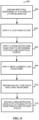
- measurements are taken at different times and a peak detection algorithm or other means is used to determine the diastolic point and the systolic point of the spectral response at 906. The systolic and diastolic measurements are compared in order to compute the aforementioned R ratio.
- the biosensor 100 may store the unique patient identification 172 that is generally included as a barcode on current armbands.
- the biosensor 100 may also store biosensor data measured by the biosensor 100 or EMR 170 of the patient that may be used in one or more applications or systems in the health care chain of a patient.
- the biosensor 100 is programmed with a unique patient identification 172 that is assigned to a patient during admission to a hospital and is used for tracking of the patient through the transceiver 106 of the biosensor 100. As such, a separate scanner is not needed to track a patient or scan an arm band.
- the biosensor 100 monitors the patient's vitals as part of the care management of the patient.
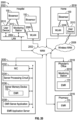
- the EMR application server 1200 includes an EMR server application 2038.
- the EMR server application 2038 is operable to communicate with the biosensors 100 and/or user devices 2010 and monitoring stations 2012.
- the EMR server application 2038 may be a web-based application supported by the EMR application server 2030.
- the EMR application server 2030 may be a web server and support the EMR server application 2038 via a website.
- the EMR server application 2038 is a stand-alone application that is downloaded to the user devices 2010 by the EMR application server 2030 and is operable on the user devices 2010 without access to the EMR application server 2030 or only needs to accesses the EMR application server 2030 for additional information and updates.
- the operation of the biosensor 100 is adjusted at 2114.
- the biosensor 100 may adjust operation of the PPG circuit 110.
- the PPG circuit 110 may adjust a frequency or wavelength in detection of a concentration level of a substance based on the underlying tissue.
- the PPG circuit 110 may adjust an absorption coefficient when determining a concentration level of a substance based on Beer-Lambert principles due to the characteristics of the underlying tissue. Other adjustments may also be implemented depending on predetermined or measured characteristics of the underlying tissue.
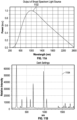
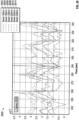
- FIG. 22 illustrates a schematic drawing of an exemplary embodiment of results of clinical data 2200 obtained using an embodiment of the biosensor 100 from a first patient.
- This first patient is a 42 year old female with no known diagnosis of diabetes or other conditions.
- a biosensor 100 is placed on at least one finger of the first patient and the spectral response is measured over the least three wavelengths at 390nm, 660nm and 940nm (and also in range of 1nm to 50nm).
- the graph 2006 illustrates the spectral response or frequency spectrum data obtained for the three wavelengths.
- the spectral response in graph 2206 shows the frequency versus the relative intensity measured by the biosensor 100.
- the biosensor 100 is activated for a patient and programmed with a unique patient identification for identifying the patient.
- the unique patient identification number is programmed into the memory of the biosensor 100 and is associated with the patient and the EMR of the patient.
- the biosensor 100 may be assigned to a patient upon entry to an emergency room at check-in.
- the biosensor 100 may begin tracking the patient's vitals and other biosensor data prior to a first assessment by a healthcare provider.
- a patient's condition may be monitored and alerts generated while a patient is waiting for assessment by physician or other health care provider in an emergency room.
- the physician or other health care provider will then have a record of the patient's vitals and other biosensor data obtained by the biosensor 100 at the assessment.
- the biosensor 100 may be configured for measurements on various skin surfaces of a patient, including on a forehead, arm, wrist, abdominal area, chest, leg, ear lobe, finger, toe, ear canal, etc.
- the biosensor includes one or more sensors for detecting biosensor data, such as a patient's vitals, activity levels, or concentrations of substances in the blood flow of the patient.
- the PPG sensor is configured to monitor concentration levels or indicators of one or more substances in the blood flow of the patient.
Landscapes
- Health & Medical Sciences (AREA)
- Life Sciences & Earth Sciences (AREA)
- Physics & Mathematics (AREA)
- Engineering & Computer Science (AREA)
- General Health & Medical Sciences (AREA)
- Animal Behavior & Ethology (AREA)
- Veterinary Medicine (AREA)
- Public Health (AREA)
- Biophysics (AREA)
- Pathology (AREA)
- Biomedical Technology (AREA)
- Heart & Thoracic Surgery (AREA)
- Medical Informatics (AREA)
- Molecular Biology (AREA)
- Surgery (AREA)
- Cardiology (AREA)
- Physiology (AREA)
- Pulmonology (AREA)
- Optics & Photonics (AREA)
- Oral & Maxillofacial Surgery (AREA)
- Dentistry (AREA)
- Otolaryngology (AREA)
- Spectroscopy & Molecular Physics (AREA)
- Artificial Intelligence (AREA)
- Chemical & Material Sciences (AREA)
- Computer Vision & Pattern Recognition (AREA)
- Psychiatry (AREA)
- Signal Processing (AREA)
- Hematology (AREA)
- Pharmacology & Pharmacy (AREA)
- Vascular Medicine (AREA)
- Medicinal Chemistry (AREA)
- Bioinformatics & Cheminformatics (AREA)
- Emergency Medicine (AREA)
- Measurement Of The Respiration, Hearing Ability, Form, And Blood Characteristics Of Living Organisms (AREA)
Claims (15)
- Système de surveillance des soins de santé comprenant:un bracelet de soins de santé (1710) configuré pour être attaché à un patient;un biocapteur (100) attaché au bracelet de soins de santé (1710), comprenant:un capteur de température (112) configuré pour obtenir la température du patient;un circuit PPG (110) configuré pour émettre de la lumière à plusieurs longueurs d'onde dirigée vers la peau du patient et obtenir plusieurs réponses spectrales à chacune des longueurs d'onde de la lumière réfléchie par la peau;un circuit de traitement (102) et une mémoire (104) qui stocke une identification unique du patient et des instructions qui, lorsqu'elles sont exécutées par le circuit de traitement (102), amènent le circuit de traitement (102) à:
traiter les réponses spectrales à la pluralité de longueurs d'onde, le circuit de traitement (102) étant configuré pour traiter les réponses spectrales à la pluralité de longueurs d'onde en:isolant un point systolique et un point diastolique dans une première réponse spectrale et obtenant une valeur Lλ1 en utilisant un rapport entre le point systolique et le point diastolique dans la première réponse spectrale;isolant un point systolique et un point diastolique dans une deuxième réponse spectrale et obtenant une valeur Lλ2 en utilisant un rapport entre le point systolique et le point diastolique dans la deuxième réponse spectrale; etobtenant une valeur R λ1,λ2 à partir d'un rapport de la valeur Lλ1 et de la valeur Lλ2;déterminer les signes vitaux du patient à l'aide des réponses spectrales, les signes vitaux du patient comprenant les niveaux de saturation en oxygène; etobtenir les niveaux de concentration d'une ou plusieurs substances supplémentaires dans le flux sanguin à l'aide des réponses spectrales; etun émetteur-récepteur sans fil (106) configuré pour transmettre la température, les niveaux de saturation en oxygène, les niveaux de concentration d'une ou plusieurs substances supplémentaires et l'identification unique du patient. - Système de surveillance des soins de santé selon la revendication 1, dans lequel le circuit PPG (110) est configuré pour:obtenir la valeur L λ1 en utilisant la première réponse spectrale autour d'une première longueur d'onde sensible aux niveaux d'oxyde nitrique (NO) dans le flux sanguin; etobtenir la valeur Lλ2 en utilisant la deuxième réponse spectrale autour d'une deuxième longueur d'onde ayant un faible coefficient d'absorption pour l'oxyde nitrique (NO) dans le flux sanguin; etcalculer la valeur R λ1, λ2 à partir du rapport entre la valeur Lλ1 de la première réponse spectrale et de la valeur Lλ2de la deuxième réponse spectrale.
- Système de surveillance des soins de santé selon la revendication 2, dans lequel le circuit de traitement (102) est configuré pour obtenir les niveaux de concentration d'une ou plusieurs substances supplémentaires dans le flux sanguin en utilisant les réponses spectrales en:
obtenant un niveau de concentration de NO dans le flux sanguin à partir de la valeur R λ1, λ2. - Système de surveillance des soins de santé selon la revendication 3, dans lequel le circuit de traitement (102) est configuré pour obtenir les niveaux de concentration d'une ou plusieurs substances supplémentaires dans le flux sanguin en utilisant les réponses spectrales en:
obtenant une concentration de glucose dans le sang à partir de la valeur R λ1, λ2 et d'une table d'étalonnage. - Système de surveillance des soins de santé selon la revendication 1, dans lequel le circuit PPG (110) est configuré pour:obtenir la valeur Lλ1 en utilisant la première réponse spectrale autour d'une première longueur d'onde répondant à une enzyme hépatique P450 dans le flux sanguin; etobtenir la valeur Lλ2 en utilisant la deuxième réponse spectrale autour d'une deuxième longueur d'onde avec un faible coefficient d'absorption pour l'enzyme hépatique P450 dans le flux sanguin; etcalculer la valeur R λ1, λ2 à partir du rapport entre la valeur Lλ1 de la première réponse spectrale et la valeur Lλ2 de la deuxième réponse spectrale.
- Système de surveillance des soins de santé selon la revendication 5, dans lequel le circuit de traitement (102) est configuré pour obtenir les niveaux de concentration d'une ou plusieurs substances supplémentaires dans le flux sanguin en utilisant les réponses spectrales en:
obtenant un niveau de concentration d'alcool dans le flux sanguin à l'aide de la valeur R λ1, λ2 et d'une table d'étalonnage. - Système de surveillance des soins de santé selon la revendication 1, dans lequel le circuit PPG (110) est configuré pour:obtenir la valeur Lλ1 en utilisant la première réponse spectrale autour d'une première longueur d'onde sensible à la couleur des globules blancs dans le flux sanguin; etdéterminer la présence d'une infection à partir de la couleur des globules blancs dans le flux sanguin.
- Système de surveillance des soins de santé selon la revendication 1, dans lequel le circuit PPG (110) est configuré pour:obtenir la première réponse spectrale autour d'une première longueur d'onde sensible aux globules blancs dans le flux sanguin; etdéterminer un modèle spectral à l'aide de la première réponse spectrale, etdéterminer la présence d'une infection à partir du modèle spectral.
- Système de surveillance des soins de santé selon la revendication 1, dans lequel le biocapteur (100) comprend en outre un mécanisme d'attache pour le détachement et l'attachement au bracelet de soins de santé (1710).
- Système de surveillance des soins de santé selon la revendication 1, dans lequel l'émetteur-récepteur sans fil (106) est configuré pour transmettre la température, les niveaux de saturation en oxygène et les niveaux de concentration d'une ou plusieurs substances supplémentaires à un serveur d'application de dossier médical électronique (DME) pour enregistrement dans un dossier médical électronique associé à l'identification unique du patient ou à un dispositif d'utilisateur.
- Système de surveillance des soins de santé selon la revendication 1, dans lequel les niveaux de concentration d'une ou plusieurs substances supplémentaires comprennent au moins deux des éléments suivants: un taux d'alcoolémie, un taux d'enzymes hépatiques, une protéine indicatrice de cancer, un taux de chlorure de sodium, un taux de potassium, un taux de bilirubine et un taux de fer.
- Procédé réalisé par un biocapteur (100) configuré pour être fixé à un patient, ledit procédé comprenant:l'obtention de la température du patient à l'aide d'une sonde de température (112);l'obtention d'une pluralité de réponses spectrales à une pluralité de longueurs d'onde de la lumière réfléchie par la peau du patient par un circuit PPG (110) ;le traitement des réponses spectrales à la pluralité de longueurs d'onde à l'aide d'un circuit de traitement, dans lequel le circuit de traitement est configuré pour traiter les réponses spectrales à la pluralité de longueurs d'onde en:isolant un point systolique et un point diastolique dans une première réponse spectrale et obtenant une valeur Lλ1 en utilisant un rapport entre le point systolique et le point diastolique dans la première réponse spectrale;isolant un point systolique et un point diastolique dans une deuxième réponse spectrale et obtenant une valeur Lλ2 en utilisant un rapport entre le point systolique et le point diastolique dans la deuxième réponse spectrale; etobtenant une valeur R λ1,λ2 à partir d'un rapport entre la valeur Lλ1 et la valeur Lλ2;déterminant les signes vitaux du patient à l'aide des réponses spectrales, les signes vitaux du patient comprenant les niveaux de saturation en oxygène; etdéterminant les niveaux de concentration d'une ou plusieurs substances supplémentaires dans le flux sanguin à l'aide des réponses spectrales; ettransmettant la température, les niveaux de saturation en oxygène, les niveaux de concentration d'une ou plusieurs substances supplémentaires et une identification unique du patient à un dispositif utilisateur.
- Procédé selon la revendication 12, dans lequel l'obtention des niveaux de concentration d'une ou plusieurs substances supplémentaires dans le flux sanguin à l'aide des réponses spectrales comprend :l'obtention de la valeur Lλ1 à l'aide de la première réponse spectrale, la première réponse spectrale étant obtenue autour d'une première longueur d'onde sensible aux niveaux d'oxyde nitrique (NO) dans le flux sanguin;l'obtention de la valeur Lλ2 à l'aide de la deuxième réponse spectrale, la deuxième réponse spectrale étant obtenue autour d'une deuxième longueur d'onde ayant un faible coefficient d'absorption de l'oxyde nitrique (NO) dans le flux sanguin;le calcul de la valeur R λ1, λ2 à partir du rapport entre la valeur Lλ1 de la première réponse spectrale et la valeur Lλ2 de la seconde réponse spectrale; etl'obtention d'un niveau de concentration de NO dans le flux sanguin en utilisant la valeur R λ1, λ2.
- Procédé selon la revendication 12, dans lequel l'obtention des niveaux de concentration d'une ou plusieurs substances supplémentaires dans le flux sanguin à l'aide des réponses spectrales comprend l'obtention d'un niveau de concentration de glucose dans le sang à l'aide de la valeur R λ1, λ2 et d'une table d'étalonnage.
- Procédé selon la revendication 12, dans lequel l'obtention des niveaux de concentration d'une ou plusieurs substances supplémentaires dans le flux sanguin à l'aide des réponses spectrales comprend :l'obtention de la valeur Lλ1 à l'aide de la première réponse spectrale, la première réponse spectrale étant obtenue autour d'une première longueur d'onde sensible à une enzyme hépatique P450 dans le flux sanguin;l'obtention de la valeur Lλ2 à l'aide de la deuxième réponse spectrale, la deuxième réponse spectrale étant obtenue autour d'une deuxième longueur d'onde ayant un faible coefficient d'absorption de l'enzyme hépatique P450 dans le flux sanguin,la détermination de la valeur Rλ1, λ2 à l'aide du rapport entre la valeur Lλ1 de la première réponse spectrale et la valeur Lλ2 de la seconde réponse spectrale; etl'obtention d'un niveau de concentration d'alcool dans le flux sanguin à l'aide de la table d'étalonnage et de la valeur R λ1, λ2.
Applications Claiming Priority (9)
| Application Number | Priority Date | Filing Date | Title |
|---|---|---|---|
| US14/866,500 US10321860B2 (en) | 2015-07-19 | 2015-09-25 | System and method for glucose monitoring |
| US201662276934P | 2016-01-10 | 2016-01-10 | |
| US201662307375P | 2016-03-11 | 2016-03-11 | |
| US201662312614P | 2016-03-24 | 2016-03-24 | |
| US201662373283P | 2016-08-10 | 2016-08-10 | |
| US201662383313P | 2016-09-02 | 2016-09-02 | |
| US15/275,388 US9642578B2 (en) | 2015-07-19 | 2016-09-24 | System and method for health monitoring using a non-invasive, multi-band biosensor |
| US15/275,444 US9642538B2 (en) | 2015-07-19 | 2016-09-25 | System and method for a biosensor monitoring and tracking band |
| PCT/US2016/053632 WO2017053926A1 (fr) | 2015-09-25 | 2016-09-25 | Système et procédé pour bande de suivi et de surveillance de biocapteur |
Publications (4)
| Publication Number | Publication Date |
|---|---|
| EP3337394A1 EP3337394A1 (fr) | 2018-06-27 |
| EP3337394A4 EP3337394A4 (fr) | 2019-08-07 |
| EP3337394B1 true EP3337394B1 (fr) | 2023-11-01 |
| EP3337394C0 EP3337394C0 (fr) | 2023-11-01 |
Family
ID=58387537
Family Applications (1)
| Application Number | Title | Priority Date | Filing Date |
|---|---|---|---|
| EP16849834.3A Active EP3337394B1 (fr) | 2015-09-25 | 2016-09-25 | Système et procédé pour bande de suivi et de surveillance de biocapteur |
Country Status (2)
| Country | Link |
|---|---|
| EP (1) | EP3337394B1 (fr) |
| WO (1) | WO2017053926A1 (fr) |
Family Cites Families (11)
| Publication number | Priority date | Publication date | Assignee | Title |
|---|---|---|---|---|
| US4913150A (en) * | 1986-08-18 | 1990-04-03 | Physio-Control Corporation | Method and apparatus for the automatic calibration of signals employed in oximetry |
| US5137023A (en) * | 1990-04-19 | 1992-08-11 | Worcester Polytechnic Institute | Method and apparatus for monitoring blood analytes noninvasively by pulsatile photoplethysmography |
| US5515847A (en) * | 1993-01-28 | 1996-05-14 | Optiscan, Inc. | Self-emission noninvasive infrared spectrophotometer |
| US7171251B2 (en) * | 2000-02-01 | 2007-01-30 | Spo Medical Equipment Ltd. | Physiological stress detector device and system |
| US7860583B2 (en) * | 2004-08-25 | 2010-12-28 | Carefusion 303, Inc. | System and method for dynamically adjusting patient therapy |
| US8140139B2 (en) * | 2005-06-14 | 2012-03-20 | Dominion Assets, Llc | Method and apparatus for the non-invasive sensing of glucose in a human subject |
| CN102197304B (zh) * | 2008-11-04 | 2013-08-28 | 松下电器产业株式会社 | 测定装置和测定方法 |
| US8948832B2 (en) * | 2012-06-22 | 2015-02-03 | Fitbit, Inc. | Wearable heart rate monitor |
| US20160066863A1 (en) * | 2013-04-05 | 2016-03-10 | Nitto Denko Corporation | METHOD AND APPARATUS FOR DETERMINING SpO2 OF A SUBJECT FROM AN OPTICAL MEASUREMENT |
| US10165946B2 (en) * | 2013-09-25 | 2019-01-01 | Bardy Diagnostics, Inc. | Computer-implemented system and method for providing a personal mobile device-triggered medical intervention |
| US20150148632A1 (en) * | 2013-11-26 | 2015-05-28 | David Alan Benaron | Calorie Monitoring Sensor And Method For Cell Phones, Smart Watches, Occupancy Sensors, And Wearables |
-
2016
- 2016-09-25 WO PCT/US2016/053632 patent/WO2017053926A1/fr not_active Ceased
- 2016-09-25 EP EP16849834.3A patent/EP3337394B1/fr active Active
Also Published As
| Publication number | Publication date |
|---|---|
| WO2017053926A1 (fr) | 2017-03-30 |
| EP3337394C0 (fr) | 2023-11-01 |
| EP3337394A4 (fr) | 2019-08-07 |
| EP3337394A1 (fr) | 2018-06-27 |
Similar Documents
| Publication | Publication Date | Title |
|---|---|---|
| US9974451B2 (en) | System and method for a biosensor monitoring and tracking band | |
| US9980676B2 (en) | System and method for health monitoring using a non-invasive, multi-band biosensor | |
| US12376802B2 (en) | System and method for health monitoring including a user device and biosensor | |
| US11666703B2 (en) | System and method for health monitoring by an ear piece | |
| EP3337390B9 (fr) | Surveillance de la santé à l'aide d'un biocapteur multibande non-invasif | |
| US11737690B2 (en) | System and method for monitoring nitric oxide levels using a non-invasive, multi-band biosensor | |
| EP3399913A2 (fr) | Système et procédé de surveillance médicale comprenant un dispositif utilisateur et un biocapteur | |
| WO2017054006A1 (fr) | Système et procédé pour timbre de biocapteur et d'administration de médicament | |
| EP3443889B1 (fr) | Système de détection d'une sepsie | |
| EP3337394B1 (fr) | Système et procédé pour bande de suivi et de surveillance de biocapteur | |
| WO2018156797A1 (fr) | Système et procédé de surveillance des niveaux de monoxyde d'azote au moyen d'un biocapteur multibande non invasif |
Legal Events
| Date | Code | Title | Description |
|---|---|---|---|
| STAA | Information on the status of an ep patent application or granted ep patent |
Free format text: STATUS: THE INTERNATIONAL PUBLICATION HAS BEEN MADE |
|
| PUAI | Public reference made under article 153(3) epc to a published international application that has entered the european phase |
Free format text: ORIGINAL CODE: 0009012 |
|
| STAA | Information on the status of an ep patent application or granted ep patent |
Free format text: STATUS: REQUEST FOR EXAMINATION WAS MADE |
|
| 17P | Request for examination filed |
Effective date: 20180321 |
|
| AK | Designated contracting states |
Kind code of ref document: A1 Designated state(s): AL AT BE BG CH CY CZ DE DK EE ES FI FR GB GR HR HU IE IS IT LI LT LU LV MC MK MT NL NO PL PT RO RS SE SI SK SM TR |
|
| AX | Request for extension of the european patent |
Extension state: BA ME |
|
| DAV | Request for validation of the european patent (deleted) | ||
| DAX | Request for extension of the european patent (deleted) | ||
| A4 | Supplementary search report drawn up and despatched |
Effective date: 20190709 |
|
| RIC1 | Information provided on ipc code assigned before grant |
Ipc: A61B 5/0205 20060101ALI20190703BHEP Ipc: A61B 5/024 20060101AFI20190703BHEP Ipc: A61B 5/11 20060101ALI20190703BHEP |
|
| STAA | Information on the status of an ep patent application or granted ep patent |
Free format text: STATUS: EXAMINATION IS IN PROGRESS |
|
| 17Q | First examination report despatched |
Effective date: 20200608 |
|
| RAP1 | Party data changed (applicant data changed or rights of an application transferred) |
Owner name: TRILINEAR BIOVENTURES, LLC |
|
| RAP3 | Party data changed (applicant data changed or rights of an application transferred) |
Owner name: TRILINEAR BIOVENTURES, LLC |
|
| GRAP | Despatch of communication of intention to grant a patent |
Free format text: ORIGINAL CODE: EPIDOSNIGR1 |
|
| STAA | Information on the status of an ep patent application or granted ep patent |
Free format text: STATUS: GRANT OF PATENT IS INTENDED |
|
| RIC1 | Information provided on ipc code assigned before grant |
Ipc: A61B 5/021 20060101ALI20230413BHEP Ipc: A61B 5/08 20060101ALI20230413BHEP Ipc: A61B 5/1455 20060101ALI20230413BHEP Ipc: A61B 5/145 20060101ALI20230413BHEP Ipc: A61B 5/026 20060101ALI20230413BHEP Ipc: A61B 5/00 20060101ALI20230413BHEP Ipc: A61B 5/11 20060101ALI20230413BHEP Ipc: A61B 5/0205 20060101ALI20230413BHEP Ipc: A61B 5/024 20060101AFI20230413BHEP |
|
| INTG | Intention to grant announced |
Effective date: 20230516 |
|
| GRAS | Grant fee paid |
Free format text: ORIGINAL CODE: EPIDOSNIGR3 |
|
| GRAA | (expected) grant |
Free format text: ORIGINAL CODE: 0009210 |
|
| STAA | Information on the status of an ep patent application or granted ep patent |
Free format text: STATUS: THE PATENT HAS BEEN GRANTED |
|
| AK | Designated contracting states |
Kind code of ref document: B1 Designated state(s): AL AT BE BG CH CY CZ DE DK EE ES FI FR GB GR HR HU IE IS IT LI LT LU LV MC MK MT NL NO PL PT RO RS SE SI SK SM TR |
|
| REG | Reference to a national code |
Ref country code: GB Ref legal event code: FG4D |
|
| REG | Reference to a national code |
Ref country code: CH Ref legal event code: EP |
|
| REG | Reference to a national code |
Ref country code: DE Ref legal event code: R096 Ref document number: 602016083902 Country of ref document: DE |
|
| REG | Reference to a national code |
Ref country code: IE Ref legal event code: FG4D |
|
| U01 | Request for unitary effect filed |
Effective date: 20231129 |
|
| U07 | Unitary effect registered |
Designated state(s): AT BE BG DE DK EE FI FR IT LT LU LV MT NL PT SE SI Effective date: 20231205 |
|
| PG25 | Lapsed in a contracting state [announced via postgrant information from national office to epo] |
Ref country code: GR Free format text: LAPSE BECAUSE OF FAILURE TO SUBMIT A TRANSLATION OF THE DESCRIPTION OR TO PAY THE FEE WITHIN THE PRESCRIBED TIME-LIMIT Effective date: 20240202 |
|
| PG25 | Lapsed in a contracting state [announced via postgrant information from national office to epo] |
Ref country code: IS Free format text: LAPSE BECAUSE OF FAILURE TO SUBMIT A TRANSLATION OF THE DESCRIPTION OR TO PAY THE FEE WITHIN THE PRESCRIBED TIME-LIMIT Effective date: 20240301 |
|
| PG25 | Lapsed in a contracting state [announced via postgrant information from national office to epo] |
Ref country code: ES Free format text: LAPSE BECAUSE OF FAILURE TO SUBMIT A TRANSLATION OF THE DESCRIPTION OR TO PAY THE FEE WITHIN THE PRESCRIBED TIME-LIMIT Effective date: 20231101 |
|
| PG25 | Lapsed in a contracting state [announced via postgrant information from national office to epo] |
Ref country code: IS Free format text: LAPSE BECAUSE OF FAILURE TO SUBMIT A TRANSLATION OF THE DESCRIPTION OR TO PAY THE FEE WITHIN THE PRESCRIBED TIME-LIMIT Effective date: 20240301 Ref country code: GR Free format text: LAPSE BECAUSE OF FAILURE TO SUBMIT A TRANSLATION OF THE DESCRIPTION OR TO PAY THE FEE WITHIN THE PRESCRIBED TIME-LIMIT Effective date: 20240202 Ref country code: ES Free format text: LAPSE BECAUSE OF FAILURE TO SUBMIT A TRANSLATION OF THE DESCRIPTION OR TO PAY THE FEE WITHIN THE PRESCRIBED TIME-LIMIT Effective date: 20231101 |
|
| PG25 | Lapsed in a contracting state [announced via postgrant information from national office to epo] |
Ref country code: RS Free format text: LAPSE BECAUSE OF FAILURE TO SUBMIT A TRANSLATION OF THE DESCRIPTION OR TO PAY THE FEE WITHIN THE PRESCRIBED TIME-LIMIT Effective date: 20231101 Ref country code: PL Free format text: LAPSE BECAUSE OF FAILURE TO SUBMIT A TRANSLATION OF THE DESCRIPTION OR TO PAY THE FEE WITHIN THE PRESCRIBED TIME-LIMIT Effective date: 20231101 Ref country code: NO Free format text: LAPSE BECAUSE OF FAILURE TO SUBMIT A TRANSLATION OF THE DESCRIPTION OR TO PAY THE FEE WITHIN THE PRESCRIBED TIME-LIMIT Effective date: 20240201 Ref country code: HR Free format text: LAPSE BECAUSE OF FAILURE TO SUBMIT A TRANSLATION OF THE DESCRIPTION OR TO PAY THE FEE WITHIN THE PRESCRIBED TIME-LIMIT Effective date: 20231101 |
|
| PG25 | Lapsed in a contracting state [announced via postgrant information from national office to epo] |
Ref country code: CZ Free format text: LAPSE BECAUSE OF FAILURE TO SUBMIT A TRANSLATION OF THE DESCRIPTION OR TO PAY THE FEE WITHIN THE PRESCRIBED TIME-LIMIT Effective date: 20231101 |
|
| PG25 | Lapsed in a contracting state [announced via postgrant information from national office to epo] |
Ref country code: SK Free format text: LAPSE BECAUSE OF FAILURE TO SUBMIT A TRANSLATION OF THE DESCRIPTION OR TO PAY THE FEE WITHIN THE PRESCRIBED TIME-LIMIT Effective date: 20231101 |
|
| PG25 | Lapsed in a contracting state [announced via postgrant information from national office to epo] |
Ref country code: SM Free format text: LAPSE BECAUSE OF FAILURE TO SUBMIT A TRANSLATION OF THE DESCRIPTION OR TO PAY THE FEE WITHIN THE PRESCRIBED TIME-LIMIT Effective date: 20231101 Ref country code: SK Free format text: LAPSE BECAUSE OF FAILURE TO SUBMIT A TRANSLATION OF THE DESCRIPTION OR TO PAY THE FEE WITHIN THE PRESCRIBED TIME-LIMIT Effective date: 20231101 Ref country code: RO Free format text: LAPSE BECAUSE OF FAILURE TO SUBMIT A TRANSLATION OF THE DESCRIPTION OR TO PAY THE FEE WITHIN THE PRESCRIBED TIME-LIMIT Effective date: 20231101 Ref country code: CZ Free format text: LAPSE BECAUSE OF FAILURE TO SUBMIT A TRANSLATION OF THE DESCRIPTION OR TO PAY THE FEE WITHIN THE PRESCRIBED TIME-LIMIT Effective date: 20231101 |
|
| REG | Reference to a national code |
Ref country code: DE Ref legal event code: R097 Ref document number: 602016083902 Country of ref document: DE |
|
| PLBE | No opposition filed within time limit |
Free format text: ORIGINAL CODE: 0009261 |
|
| STAA | Information on the status of an ep patent application or granted ep patent |
Free format text: STATUS: NO OPPOSITION FILED WITHIN TIME LIMIT |
|
| 26N | No opposition filed |
Effective date: 20240802 |
|
| U20 | Renewal fee for the european patent with unitary effect paid |
Year of fee payment: 9 Effective date: 20240924 |
|
| PG25 | Lapsed in a contracting state [announced via postgrant information from national office to epo] |
Ref country code: MC Free format text: LAPSE BECAUSE OF FAILURE TO SUBMIT A TRANSLATION OF THE DESCRIPTION OR TO PAY THE FEE WITHIN THE PRESCRIBED TIME-LIMIT Effective date: 20231101 |
|
| REG | Reference to a national code |
Ref country code: CH Ref legal event code: PL |
|
| GBPC | Gb: european patent ceased through non-payment of renewal fee |
Effective date: 20240925 |
|
| PG25 | Lapsed in a contracting state [announced via postgrant information from national office to epo] |
Ref country code: GB Free format text: LAPSE BECAUSE OF NON-PAYMENT OF DUE FEES Effective date: 20240925 |
|
| PG25 | Lapsed in a contracting state [announced via postgrant information from national office to epo] |
Ref country code: CH Free format text: LAPSE BECAUSE OF NON-PAYMENT OF DUE FEES Effective date: 20240930 |
|
| PG25 | Lapsed in a contracting state [announced via postgrant information from national office to epo] |
Ref country code: IE Free format text: LAPSE BECAUSE OF NON-PAYMENT OF DUE FEES Effective date: 20240925 |
|
| PG25 | Lapsed in a contracting state [announced via postgrant information from national office to epo] |
Ref country code: CY Free format text: LAPSE BECAUSE OF FAILURE TO SUBMIT A TRANSLATION OF THE DESCRIPTION OR TO PAY THE FEE WITHIN THE PRESCRIBED TIME-LIMIT; INVALID AB INITIO Effective date: 20160925 |
|
| PG25 | Lapsed in a contracting state [announced via postgrant information from national office to epo] |
Ref country code: HU Free format text: LAPSE BECAUSE OF FAILURE TO SUBMIT A TRANSLATION OF THE DESCRIPTION OR TO PAY THE FEE WITHIN THE PRESCRIBED TIME-LIMIT; INVALID AB INITIO Effective date: 20160925 |
|
| U21 | Renewal fee for the european patent with unitary effect paid with additional fee |
Year of fee payment: 10 Effective date: 20260304 |