EP3338423B1 - Fernzugriff auf eine heim-mehrwegeentität - Google Patents
Fernzugriff auf eine heim-mehrwegeentität Download PDFInfo
- Publication number
- EP3338423B1 EP3338423B1 EP15753351.4A EP15753351A EP3338423B1 EP 3338423 B1 EP3338423 B1 EP 3338423B1 EP 15753351 A EP15753351 A EP 15753351A EP 3338423 B1 EP3338423 B1 EP 3338423B1
- Authority
- EP
- European Patent Office
- Prior art keywords
- multipath
- session
- entity
- residential
- network
- Prior art date
- Legal status (The legal status is an assumption and is not a legal conclusion. Google has not performed a legal analysis and makes no representation as to the accuracy of the status listed.)
- Active
Links
Images





Classifications
-
- H—ELECTRICITY
- H04—ELECTRIC COMMUNICATION TECHNIQUE
- H04L—TRANSMISSION OF DIGITAL INFORMATION, e.g. TELEGRAPHIC COMMUNICATION
- H04L69/00—Network arrangements, protocols or services independent of the application payload and not provided for in the other groups of this subclass
- H04L69/14—Multichannel or multilink protocols
-
- H—ELECTRICITY
- H04—ELECTRIC COMMUNICATION TECHNIQUE
- H04L—TRANSMISSION OF DIGITAL INFORMATION, e.g. TELEGRAPHIC COMMUNICATION
- H04L45/00—Routing or path finding of packets in data switching networks
- H04L45/24—Multipath
-
- H—ELECTRICITY
- H04—ELECTRIC COMMUNICATION TECHNIQUE
- H04L—TRANSMISSION OF DIGITAL INFORMATION, e.g. TELEGRAPHIC COMMUNICATION
- H04L65/00—Network arrangements, protocols or services for supporting real-time applications in data packet communication
- H04L65/1066—Session management
- H04L65/1069—Session establishment or de-establishment
-
- H—ELECTRICITY
- H04—ELECTRIC COMMUNICATION TECHNIQUE
- H04W—WIRELESS COMMUNICATION NETWORKS
- H04W40/00—Communication routing or communication path finding
- H04W40/02—Communication route or path selection, e.g. power-based or shortest path routing
Definitions
- the present invention relates to a method for controlling a remote access from a client device to a server connected to a residential multipath entity and to the corresponding multipath control entity controlling the remote access. It furthermore relates to a method for operating the residential multipath entity and to the corresponding multipath entity. Furthermore, a computer program and a carrier comprising the computer program is provided.
- Fig. 1 shows high-level architecture which can help to improve a bandwidth of a data connection between a client end user and the Internet.
- the solution shown in Fig. 1 uses two connections from a client 30 to an internet server 20 accessible over the Internet, e.g. a fixed network 11, such as a DSL connection, and a mobile network 12.
- This solution is known as multipath TCP based hybrid access solution for hybrid access which is based on multipath TCP (transfer control protocol) as defined in IETF.
- the solution involves a customer premises equipment, CPE, 10 on the client side, which provides at least two interfaces, e.g. two WAN (wide area network) interfaces, such as DSL and LTE communicating with a proxy, such as multi-service proxy, MP-TCP Proxy 17 of Fig. 1 .
- CPE customer premises equipment
- MP-TCP Proxy 17 of Fig. 1 .
- the data can be split at MP-TCP Proxy17 and sent via the fixed network 11 and BNG (border network gateway) 14 to CPE 10 and via the mobile network 12 passing PGW 13 (packet gateway).
- a policy control entity 16 controls the policies required for the data transmission.
- normal TCP is used between the CPE device and the client end device and between MSP 17 and the Internet servers.
- a remote access by a client to home content is one important use case. Since DSL speeds are highly asymmetric, remote access to home content suffers from uplink limitations. By way of example, in case of a 6 Mbps (Mega bit per second) DSL line, only 600 kbps (kilo bit per second) are typically available in the uplink direction. For a remote user requesting data from a residential server, these uplink limitations will become a bottleneck for transmitting data from the residential server to the remote user. Thus, it would be desirable to benefit from the hybrid access shown in Fig. 1 so that data from the client 30 can be sent to a remote client using two transmission networks.
- connection establishment is always made via TCP as it is initiated by a non-MP(multipath)-TCP capable end device. Since normal IP routing is used, this TCP session is terminated at the CPE devices. Thus, it is currently not possible to involve the MP-TCP proxy 17.
- a method for controlling a remote access from a client device to a server connected to a residential multipath entity wherein the controlling is carried out by a multipath control entity, wherein the remote access is obtained via a multipath connection including at least two transmission networks between the client device and the server.
- a session request for an establishment of a data session is received from the residential multipath identity, the session request indicating that the session request is for the remote access to the server.
- a session identifier is determined for the remote access including the multipath connection and in response to the received session request, the determined session identifier is transmitted back to the residential multipath entity.
- a session identifier is determined which is needed later on by the residential multipath entity and other entities to identify the required session.
- the multipath control entity furthermore informs a network multipath proxy involved in a multipath connection about the determined session identifier for the remote access.
- the network multipath proxy learns about the session request for the remote access from the multipath control entity, however, the network multipath proxy may also be informed by other entities such as the residential multipath entity about the session identifier.
- the session identifier will then be used by the network multipath proxy to achieve a binding between a session part existing between the residential multipath entity and the network multipath proxy and the other session part generated between the remote client and the network multipath proxy.
- a pool of network multipath proxies is present, wherein in this case one network multipath proxy of the pool which will be involved in the multipath connection may be identified and the identified network multipath proxy may be informed about the session identifier for the remote access.
- the multipath connection may include a wired transmission network and a cellular transmission network.
- the aforementioned response may further comprise an internal network address to be used by the residential multipath proxy for the multipath connection to the network multipath proxy.
- determining a session identifier may comprise determining a network address of a network multipath proxy to be used by the client device for the remote access.
- the determined network address may be transmitted back to the residential multipath entity.
- the determined network address may comprise an IP address and a port number of the network multipath proxy to be used by the client device for the remote access.
- the invention furthermore relates to the corresponding multipath control entity carrying out the steps above and comprising an interface configured to receive the session request and comprising at least one processing unit configured to determine the session identifier and to initiate the transmission of the determined session identifier back to the residential multipath entity.
- a method for operating a residential multipath entity which is connected to a server, wherein the residential multipath entity is configured to provide a multipath connection including at least two transmission networks between the server and a client device.
- the residential multipath entity receives a content request from a client device for a remote access to content provided on the server.
- a session request for an establishment of a data session including the multipath connection is transmitted to a multipath control entity, wherein the session request indicates that the session request is for the remote access from the client device to the server.
- a session response is received from the multipath control entity, wherein the session response comprises a session identifier for the remote access including the multipath connection.
- the multipath connection between the residential multipath proxy and a network multipath proxy involved in a multipath connection which is to be used by the client device for the remote access is established. Furthermore, a network address of the network multipath proxy is determined taking into account the received session identifier. Furthermore, a redirect message is transmitted to the client device including the determined network address of the network multipath proxy.
- the residential multipath entity can determine the network address of the network multipath proxy involved in the multipath connection and can transmit this network address to the remote client.
- the remote client then knows which network node in the network, here the network multipath proxy, should be contacted in order to obtain a remote access to the content on the server.
- the method may further comprise transmitting a session request message to the network multipath proxy for setting up the data session including the multipath connection.
- the received session response may further include an internal network address of the network multipath proxy, wherein the session request message is transmitted to the internal network address of the network multipath proxy.
- the session request message transmitted to the network multipath proxy may comprise the determined session identifier.
- Said determined session identifier may be the network address of the network multipath proxy to be used by the client device for the remote access.
- the session request message may comprise the determined session identifier and the network address of the network multipath proxy to be used by the client device for the remote access.
- the network address of the network multipath proxy to be used by the client device for the remote access may be determined based on a preconfigured link between the session identifier and the network address of the multipath proxy.
- the aforementioned redirect message transmitted to the client device may comprise the network address of the multipath proxy and the session identifier.
- the invention relates to the corresponding residential multipath entity configured to operate as mentioned above, wherein the residential multipath entity, inter alia ,comprises an interface for communication to the at least one server, the client device, the multipath control entity. Furthermore, a processing unit is configured to initiate different operation steps as mentioned above. Furthermore, a proxy is provided configured to establish the multipath connection between the residential multipath entity and the network multipath proxy in the multipath connection.
- the invention furthermore relates to a system comprising the multipath control entity and the residential multipath entity as discussed above.
- a computer program comprising program code to be executed by the at least one processing unit of the multipath control entity or the residential multipath proxy is provided wherein execution of the program code causes the at least one processing unit to execute the method steps described above and as described in further detail below.
- a carrier comprising the computer program is provided. Said carrier may particularly be one of an electronic signal, optical signal, radio signal, or computer readable storage medium.
- the invention addresses this challenge by starting from a remote client provided in a public Internet using a TCP connection over the public Internet to the residential server.
- This connection is then modified in that the remote client in a public Internet uses a TCP connection over the public Internet to the network multipath proxy, e.g. the aforementioned MP-TCP proxy, from where a multipath TCP connection, e.g. over a wired and a wireless network such as a DSL network and a LTE network connection is established to the residential multipath entity or proxy.
- a TCP connection over LAN can be established to the residential server.
- the remote client uses the FQDN of the residential multipath entity for the initial connection setup via TCP.
- the residential multipath entity may then analyze the incoming TCP request and checks whether a multipath TCP (MP-TCP) session should be set up. If this is not the case, then the TCP session will continue in the normal way. If, however, it is decided by the residential multipath entity that a MP-TCP session should be established between the residential multipath entity and a network multipath proxy, the residential multipath entity will, inter alia, check whether interfaces are associated with the different data paths which should be used during the multipath session, e.g. if the LTE interface has an assigned IP address. If not, the residential multipath entity will trigger a PDP (packet data protocol) context activation over LTE which will result in an IP address assigned to the LTE interface.
- PDP packet data protocol
- the residential multipath entity will send a special MP-TCP connection request to a multipath control entity indicating that this connection request has been triggered by a remote client device.
- the multipath control entity will return a session identifier, e.g. an IP address and port number combination back to the multipath control entity.
- the residential multipath control entity can then send an HTTP redirect message back to the remote client which includes the IP address and port number combination instructing the remote client device to re-establish a connection to the IP address and port number combination received in the redirect message.
- the remote client device then knows how to contact the network multipath proxy.
- the remote client device can then send a HTTP connect request to the IP address/port number received in the redirect message. Based on this IP address/port number combination the network multipath proxy involved in the connection can map this connection which was triggered by the multipath control entity in an earlier step.
- the network multipath proxy is able to generate a binding between the two sessions, namely the session from the residential multipath entity to the network multipath proxy and the session from the remote client to the network multipath proxy.
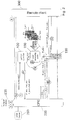
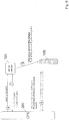
- Fig. 2 shows one possible embodiment how a multipath connection established from a remote client can be established and how a network multipath proxy involved in the multipath connection can combine the different sessions involved.
- the method steps S1, S2, etc. are shown as circles enclosing the corresponding method step, so that the number 1 enclosed by the circle corresponds to step S1.
- a remote client 300 transmits a content request for a remote access to a residential multipath entity 200 or CPE (Customer Premises Equipment) connected to a web server 250, which can be considered to be a residential server in this example.
- CPE Customer Premises Equipment
- step S2 the residential multipath entity checks multipath policies 236 provided in the residential multipath entity where it is decided whether the session is eligible for a multipath connection.
- step S3 the result is sent back to the residential multipath entity 200. If no multipath connection should be set up, a standard HTTP session setup will continue as symbolized in step S3a. If the session is eligible for a multipath connection, the method continues in step S4.
- step S4 a session request for an establishment of a data session including the multipath connection is transmitted to a multipath control entity, here the MP-TCP controller 100.
- the request transmitted in step S4 indicates that the session request is for the remote access from the client device 300 to the server 250.
- step S5 the MP-TCP controller accesses a load balancing entity 150 which may be provided inside or outside the MP-TCP controller in order to identify one network multipath proxy out of a pool of network multipath proxies 180a-180n which should proxy the connection, step S6 providing the response with the selected proxy 180.
- the MP-TCP controller 100 then generates a session identifier which will later on allow the selected network multipath proxy 180 to obtain a binding between a session generated between the residential multipath entity 200 and the network multipath proxy 180 on the one side and the remote client 300 and the network multipath proxy 180 on the other side.
- the session identifier comprises or corresponds to the public IP address and the public port number which the remote client 300 should use later on when accessing the network multipath proxy 180.
- the MP-TCP controller 100 informs the selected proxy 180 about the network address, here the internal IP address and port number and the public network address, IP_pub, Port_pub.
- step S8 the residential multipath entity or CPE 200, if needed, triggers the activation of interfaces associated with the various data paths which should be used during the multipath session.
- the data path can contain a wired and a wireless connection as shown in Fig. 1 , however, two different wired transmission paths or two wireless transmission paths are also possible.
- step S9 the residential multipath entity 200 sets up an MP-TCP session using the internal IP address and port number received in step S7, the network multipath proxy acknowledging the request so that the session is set up.
- step S10 the residential multipath entity 200 sends a redirect message to the remote client including the public IP address and port number as shown in Fig. 2 .
- step S11 the remote client 300 then sends a new session request to the IP address and port number received in the redirect message in step S10.
- step S12 the network multipath proxy 180 can then bring together the session set up in step S9 with the session that was set up in step S11.
- the public IP address and port number is used as a session identifier which helps the multipath network proxy to combine the correct sessions.
- step S7a of Fig. 2 is omitted so that not the MP-TCP controller informs the involved network multipath proxy 180 about the session identifier which, in the present case, is the public IP address combined with the port number to be used by the remote client.
- Step S8 also corresponds to step S8 of Fig. 2 .
- former step S9 has been amended compared to the embodiment of Fig. 2 .
- New step S13 which is also the request for setting up the MP-TCP session includes, in addition to the internal IP number and port number, also the public IP address and public port number.
- the session identifier is in this case not received from the MP-TCP controller 100, but from the residential multipath entity 200.
- the other steps S11 and S12 correspond again to the steps shown in Fig. 2 .
- the public IP and port number was used as session identifier.
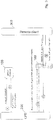
- step S7 of the embodiments disclosed in Figs. 2 and 3 was amended as a new step S14, in which in response to the received session request of step S4, the session response includes, instead of the public port and IP address, a session ID as a session identifier.
- the session identifier can be included into the response in any format which could be a 32 bit unsigned integer
- the CPE 200 has a pre-configured relationship stored in which a public IP address and port number is linked to the session ID.
- Step S15 differs from step S13 by the fact that not the public IP address and port number is included into the session request sent to the proxy 180, but that the session ID is contained in the request, the session ID corresponding to the session ID received in step S14.
- Step S16 has also been slightly amended compared to step S10 in that the redirect message not only includes the public IP address and port number to be used by the remote client, but also the session ID as received in step S14.
- the public IP address is determined based on a pre-configured relationship between session ID and public IP address and based on the session ID received in step S14.
- Step S17 is also amended compared to steps S11 shown in the embodiments of Figs. 2 and 3 as the remote client transmits the request transmitted to the public IP address and port number including the session ID.
- the multipath proxy 180 can again generate a binding between the two different sessions.
- the session ID is the session identifier.
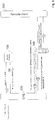
- Fig. 5 shows still another slight amendment compared to the embodiment shown in Figs. 2 to 4 .
- the first difference can be seen in former step S7, new step S18, in which the control entity in the response to the session request only transmits the session ID as session identifier.
- the residential multipath entity can determine based on the session identifier, the corresponding internal and public IP addresses and port numbers as there is a pre-configured link stored in the entity 200, which links the session ID to the IP addresses and port numbers.
- Step S15 corresponds to step S15 of Fig. 4
- steps S16 and S17 also correspond to the steps discussed in connection with Fig. 4 .
- step S19 the control entity 100 includes, in addition to the internal IP address and port number, the public IP address and port number so that again the network multipath proxy 180 is able to combine the sessions generated in step S9 and S11 of Fig. 2 and received at the internal IP address and external IP address.
- Fig. 7 is similar to the embodiment of Fig. 4 , in which step S14 was used to inform the multipath entity 200 about the session ID and where the public IP address and port numbers are deduced based on the received session ID.
- step S20 the controller informs the network proxy 180 about the new session ID.
- Steps S15 to S17 correspond to the steps explained above in connection with Fig. 4 .
- Step S20, informing the network multipath proxy 180 about the session ID is optional and helps to avoid denial-of-service-attacks. The proxy knows a priori which session IDs have been created. Thus, it could reject requests with an unknown session ID.
- Fig. 8 is similar to the embodiment of Fig. 5 so that the MP-TCP controller 100 in step S18 only uses the session ID, and the multipath entity 200 determines the internal and the public IP addresses based on the received session ID.
- Steps S15 to S17 correspond to steps S15 to S17 of Fig. 5 .
- step S21 the proxy is informed about the session ID.
- step S21 is optional.
- the session ID is the session identifier.
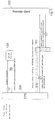
- Fig. 9 shows a high-level summary of the embodiment of Fig. 2 , in which only the multipath proxy 180 is shown as multi-service proxy, MSP, 90 and wherein the residential multipath entity or CPE 200 are shown with the included interfaces used for the multipath connection, here the LTE modem and the DSL modem.
- MSP 90 is considered as a node including the MP-TCP controller 100, the load balancing entity 150 and the network multipath proxy 180.
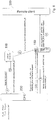
- Step S90 from the remote client device corresponds to step S1 as shown in Fig. 2 and as explained above in connection with Fig. 2 .
- step S91 it is decided whether the session is eligible for a multipath TCP session.
- the CPE triggers the PDP context activation in step S92 if there was no IP address assigned to one of the interfaces, here the LTE interface, and establishes an MP-TCP session with the MSP proxy indicating that the session setup has been triggered for a remote client access as discussed above in the context with step S4. If no IP address has been assigned yet, a PDP context activation over LTE occurs in step S93 as in step S8. As in step S9 of Fig.
- the MP-TCP session is set up in steps S94 and S95 so that a first multipath sub-flow is set up over one of the multipath connections (S96), here the DSL connection, whereas the second sub-flow is set up over a mobile communications network between CPE 200 and the proxy (S97).
- the redirect message is transmitted to the remote client including the IP address received from the MSP, which in this case includes the controller 100 of Fig. 2 (S98).
- the remote client device accesses the MSP using the received IP address and port number (S99).
- the proxy can then find the right MP-TCP session using the IP address and port number combination (S100).
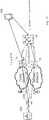
- Fig. 10 shows the generated multipath connection and some of the exchanged messages in the network architecture overview.
- the mobile entity or remote client 300 which is not necessarily a "mobile" entity but could also be a device attached to a fixed network like DSL, then requests a remote access to home server 250 via a residential multipath entity 200 so that, as shown in Fig. 2 , the first request of step S1 is sent via a border network gateway 14 to the residential multipath entity 200.
- the remote client device 300 is then informed about the public IP address and port number of the network multipath proxy as discussed above, the second HTTP request corresponding to step S11 of Fig. 2 can then be sent to the MSP 90.
- the multipath proxy is indicated with reference numeral 90 and includes the MP-TCP controller 100, the load balancing entity 150 and the different multipath proxies 180a to 180n of Fig. 2 .
- the remote client device 300 cannot directly access the multipath proxy as it does not know the address of the multipath proxy involved in the multipath connection.
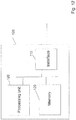
- Fig. 11 shows a schematic view of the residential multipath entity involved in the different message flows discussed above.
- the multipath entity 200 comprises a residential multipath proxy 210 which is connected to DSL modem 211 and LTE modem 212 in the embodiment of Fig. 11 .
- a single one-path connection is set up between the remote client device 300 and the residential multipath entity 200.
- interface 215 is provided which represents the possibility of the multipath entity to communicate with other entities, i.e. to transmit and receive control messages or user data from other entities.
- a processing unit 220 comprising one or more processors is provided and is responsible for the operation of the residential multipath entity 200.
- the processing unit 220 can generate the commands that are needed to carry out the procedures in which the multipath entity 200 is involved.
- a memory unit 230 is provided which can, inter alia, include the multipath policies 236, which indicate whether a multipath connection can be set up or not.
- the memory unit 230 can furthermore store a suitable program code to be executed by the processing unit 220 or to be executed by any of the other entities shown in Fig. 11 .
- the residential multipath proxy is connected to web server 250, the web server including the content 251, the remote client device wants to access.
- Fig. 12 shows an exemplary view of the multipath control entity 100 which comprises an interface 110 for the communication with the other entities such as the residential multipath entity 200 or the load balancing entity 150.
- the interface 110 can be used for the transmission and for the reception of control messages or user data.
- a processing unit 120 comprising one or more processors is provided and is responsible for the operation of the multipath control entity as discussed above and further below.
- the memory 130 can store a suitable program code to be carried out by the processing unit 120 in order to carry out the procedures of the multipath control entity in which the multipath control entity is involved.
- multipath control entity 100 or the residential multipath entity 200 can include further functional entities. Furthermore, in these entities the functional components need not to be separated as indicated in connection with Figs. 11 and 12 . Other combinations of functional units are possible.
- the remote client device may be any type of communication device, e.g. a mobile phone, a portable computer, a laptop, a smart television screen, a tethering access point node, a vehicle such as a car implementing communication functionality, etc.
- a mobile phone e.g. a mobile phone, a portable computer, a laptop, a smart television screen, a tethering access point node, a vehicle such as a car implementing communication functionality, etc.
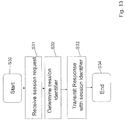
- Fig. 13 summarizes some of the steps carried out by the multipath control entity.
- the method starts in step S30, and in step S31 a session request is received which indicates that a remote access to the server is requested.
- the session request can correspond to step S4 of Fig. 2 .
- a session identifier is determined in step S32.
- the session identifier can be an IP address and port number, however, the session identifier can include a session ID which does not directly indicate the IP address and port number to be used by the remote client device 300 for the remote access to the network multipath proxy 180.
- the session response is transmitted back to the residential multipath entity as discussed, inter alia, in step S7 of Fig. 2 or in step S14 of Fig. 4 .
- the multipath control entity may furthermore inform the network multipath proxy about the session identifier. However, this step may also be carried out by the residential multipath entity 200 and not by the multipath control entity 100.
- step S40 a content request is received, wherein the content request is received from the remote client device 300 for the remote access.
- the session request is generated and transmitted from the residential multipath entity 200 to the multipath control entity 100, wherein the session response is received in step S43 including the session identifier.
- step S44 a multipath connection is established between the residential multipath entity 200 and the network multipath proxy 180, and the network address is determined in step S45, which is the network address of the network multipath proxy to be used by the remote client device 300 for the remote access.
- step S45 the network address may be simply deduced as it is contained in the session response as, inter alia, shown in Fig. 2 .
- a session identifier not including the network address may be received as discussed in connection with Fig. 3 or other figures, and based on the session ID, the residential multipath entity determines the public IP address using a pre-configured configuration.
- step S46 the redirect message with the network address is transmitted to the remote client device 300 so that the remote client device can then use the received network address for accessing the network multipath proxy 180. The method ends in step S47.
- the multipath control entity 100 when a pool of network multipath proxies 180a - 180n are used, one of the network multipath proxies of the pools is identified which will be involved in the multipath connection. Furthermore, the identified network multipath proxy is then informed about the session identifier. This was discussed, inter alia, in connection with steps S5 and S6 of Fig. 2 .
- the multipath connection can include a wired transmission network and a cellular transmission network.
- the invention is not restricted to one wireless and one wired network. Also two or more different wired networks or two or more wireless networks may be used for the multipath connection.
- the multipath control entity 100 informed the network multipath proxy 180 involved in the multipath connection about the determined session identifier for the remote access. This was carried out, inter alia, in step S7a of Fig. 2 .
- the response which is transmitted in response to the received session request can include the internal network address to be used by the residential multipath proxy 180 for the multipath connection to the network multipath proxy 180.
- step S7 of Fig. 2 contains the internal IP address and port number of the network multipath proxy 180.
- the determination of the session identifier can comprise the determination of the network address of the network multipath proxy to be used by the client device for the remote access, wherein the determined network address is then transmitted back to the residential multipath entity as, inter alia, shown in step S7 of Fig. 2 .
- the multipath control entity 100 can inform the network multipath proxy 180 about the determined network address as shown in step 7a of Fig. 2 .
- the session request message may be transmitted to the network multipath proxy 180 for setting up the data session including the multipath connection.
- the residential multipath entity 200 may determine whether a multipath connection including the at least two transmission networks between the client device 300 and the residential multipath entity 200 is allowable for the data session based on multipath policies. Only if the multipath policy is allowed in a multipath connection, the session request is transmitted to the multipath control entity.
- the received session response received by the residential multipath entity 200 from the multipath control entity 100 can furthermore include the internal network address of the network multipath proxy 180 and the session request message transmitted to the network multipath proxy can be transmitted to the internal network address received in the session response.
- the session request transmitted from the residential multipath entity 200 to the network multipath proxy 180 can comprise the session identifier if the session identifier was not received from the multipath control entity 100.
- the determined session identifier may be the network address of the network multipath proxy, or the session request message transmitted to the network multipath proxy may comprise the session ID and the network address of the network multipath proxy.
- the determination of the network address of the multipath proxy to be used by the client device may be also be carried out based on a pre-configured link between the session identifier and the network address of the network multipath proxy. Furthermore, the residential multipath entity 200 may determine whether a network address is assigned to each interface 211, 212 used for the multipath connection. If this is not the case, a network address is assigned to the interface for which no network address was present before. Furthermore, the redirect message transmitted to the client device 300 can comprise the network address of the network multipath proxy and the session identifier.
- a multipath control entity comprising a processing unit and a memory, wherein the memory contains instructions executable by the processing unit, whereby the apparatus is operative to carry out the different steps mentioned above in which the multipath control entity is involved.
- the apparatus is operative to work as discussed above.
- an apparatus is provided comprising means adapted to carry out the above mentioned steps in which the multipath control entity is involved.
- a residential multipath entity comprising a processing unit 220 and a memory 230, wherein the memory contains instructions executable by the processing unit, whereby the residential multipath entity is operative to carry out the different steps mentioned above in which entity 200 is involved.
- the residential multipath entity 200 comprising means adapted to carry out the above mentioned steps in which the multipath control entity is involved.
- the invention enables the access of a remote client device to home content. Furthermore, the combination of the IP address and port number determined by the multipath control entity in some of the embodiments can be used for load balancing on the different network multipath proxies and can be used for mapping the incoming HTTP request to the MP-TCP session which was triggered by the residential multipath entity.
Landscapes
- Engineering & Computer Science (AREA)
- Computer Networks & Wireless Communication (AREA)
- Signal Processing (AREA)
- Computer Security & Cryptography (AREA)
- Business, Economics & Management (AREA)
- General Business, Economics & Management (AREA)
- Multimedia (AREA)
- Mobile Radio Communication Systems (AREA)
- Data Exchanges In Wide-Area Networks (AREA)
- Computer And Data Communications (AREA)
Claims (15)
- Verfahren zur Steuerung durch eine Mehrwege-Steuerentität (100) eines Fernzugriffs von einer Client-Vorrichtung (300) auf einen Server (250), der über eine Mehrwegeverbindung, die mindestens zwei Übertragungsnetzwerke (11, 12) zwischen der Client-Vorrichtung (300) und dem Server (235) aufweist, mit einer Heim-Mehrwegeentität verbunden ist, umfassend:- Empfangen einer Sitzungsanforderung zum Aufbau einer Datensitzung von der Heim-Mehrwegeentität (200), wobei die Sitzungsanforderung angibt, dass die Sitzungsanforderung für den Fernzugriff auf den Server (250) ist,- Bestimmen einer Sitzungskennung für den Fernzugriff, welche die Mehrwegeverbindung aufweist,- Zurücksenden der bestimmten Sitzungskennung in einer Antwort auf die empfangene Sitzungsanforderung an die Heim-Mehrwegeentität.
- Verfahren nach Anspruch 1, ferner umfassend:- Informieren eines Netzwerk-Mehrwege-Proxys (180), der an der Mehrwegeverbindung beteiligt ist, über die bestimmte Sitzungskennung für den Fernzugriff.
- Verfahren nach einem der vorhergehenden Ansprüche, wobei die Antwort ferner eine interne Netzwerkadresse umfasst, die vom Heim-Mehrwege-Proxy für die Mehrwegeverbindung zum Netzwerk-Mehrwege-Proxy verwendet werden soll.
- Verfahren nach einem der vorhergehenden Ansprüche, wobei das Bestimmen einer Sitzungskennung ein Bestimmen einer Netzwerkadresse eines Netzwerk-Mehrwege-Proxys (180) umfasst, die von der Client-Vorrichtung (300) für den Fernzugriff verwendet werden soll.
- Verfahren zum Betreiben einer Heim-Mehrwegeentität, die mit einem Server verbunden ist, wobei die Heim-Mehrwegeentität so konfiguriert ist, dass sie eine Mehrwegeverbindung bereitstellt, die mindestens zwei Übertragungsnetzwerke zwischen dem Server und einer Client-Vorrichtung aufweist, umfassend:- Empfangen einer Inhaltsanforderung von einer Client-Vorrichtung für einen Fernzugriff auf Inhalt, der auf dem Server bereitgestellt wird,- Senden einer Sitzungsanforderung zum Aufbau einer Datensitzung, welche die Mehrwegeverbindung aufweist, an eine Mehrwege-Steuerentität, wobei die Sitzungsanforderung angibt, dass die Sitzungsanforderung für den Fernzugriff von der Client-Vorrichtung auf den Server ist,- Empfangen einer Sitzungsantwort von der Mehrwege-Steuerentität, wobei die Sitzungsanforderung eine Sitzungskennung für den Fernzugriff umfasst, welche die Mehrwegeverbindung aufweist,- Herstellen einer Mehrwegeverbindung zwischen dem Heim-Mehrwege-Proxy und einem Netzwerk-Mehrwege-Proxy, der an der Mehrwegeverbindung beteiligt ist und von der Client-Vorrichtung für den Fernzugriff verwendet werden soll,- Bestimmen einer Netzwerkadresse eines Netzwerk-Mehrwege-Proxys (180) unter Berücksichtigung der empfangenen Sitzungskennung,- Senden einer Umleitungsnachricht an die Client-Vorrichtung, welche die bestimmte Netzwerkadresse des Netzwerk-Mehrwege-Proxys (180) aufweist.
- Verfahren nach Anspruch 5, ferner umfassend ein Senden einer Sitzungsanforderungsnachricht zum Aufbauen der Datensitzung, welche die Mehrwegeverbindung aufweist, an den Netzwerk-Mehrwege-Proxy.
- Verfahren nach Anspruch 5 oder 6, wobei basierend auf Mehrwegerichtlinien bestimmt wird, ob eine Mehrwegeverbindung, die mindestens zwei Übertragungsnetzwerke zwischen der Client-Vorrichtung und der Heim-Mehrwegeentität aufweist, für die Datensitzung zulässig ist, wobei die Sitzungsanforderung nur an die Mehrwege-Steuerentität gesendet wird, wenn die Mehrwegerichtlinien die Mehrwegeverbindung zulassen.
- Verfahren nach Anspruch 6 oder 7, wobei die empfangene Sitzungsantwort ferner eine interne Netzwerkadresse des Netzwerk-Mehrwege-Proxys (180) aufweist, wobei die Sitzungsanforderungsnachricht an die interne Netzwerkadresse des Netzwerk-Mehrwege-Proxys gesendet wird.
- Verfahren nach einem der Ansprüche 5 bis 8, wobei die Umleitungsnachricht, die an die Client-Vorrichtung gesendet wird, die Netzwerkadresse des Mehrwege-Proxys und die Sitzungskennung aufweist.
- Mehrwege-Steuerentität (100), die so konfiguriert ist, dass sie einen Fernzugriff von einer Client-Vorrichtung (300) auf einen Server (250) steuert, der über eine Mehrwegeverbindung, die mindestens zwei Übertragungsnetzwerke (11, 12) zwischen der Client-Vorrichtung (300) und dem Server (250) aufweist, mit einer Heim-Mehrwegeentität verbunden ist, umfassend:- eine Schnittstelle (110), die zum Empfangen einer Sitzungsanforderung zum Aufbau einer Datensitzung von der Heim-Mehrwegeentität (200) konfiguriert ist, wobei die Sitzungsanforderung angibt, dass die Sitzungsanforderung für den Fernzugriff auf den Server ist,- mindestens eine Verarbeitungseinheit (120), die konfiguriert ist zum:- Bestimmen einer Sitzungskennung für den Fernzugriff für die Mehrwegeverbindung,- Initiieren der bestimmten Sitzungskennung in Reaktion auf die empfangene Sitzungsanforderung über die Schnittstelle (110) zurück an die Heim-Mehrwegeentität.
- Mehrwege-Steuerentität nach Anspruch 10, die so konfiguriert ist, dass sie das Verfahren nach einem der Ansprüche 2 bis 4 durchführt.
- Heim-Mehrwegeentität (200), die so konfiguriert ist, dass sie eine Mehrwegeverbindung bereitstellt, die mindestens zwei Übertragungsnetzwerke zwischen der Client-Speichereinheit (235) und einer Client-Vorrichtung (300) aufweist, umfassend:- eine Schnittstelle (210) wenigstens zur Kommunikation mit dem Server (250), der Client-Vorrichtung (300) und einer Mehrwege-Steuerentität (100), wobei die Schnittstelle zum Empfangen einer Inhaltsanforderung von der Client-Vorrichtung (300) für einen Fernzugriff auf Inhalt konfiguriert ist, der auf dem Server bereitgestellt wird,- mindestens eine Verarbeitungseinheit (220), die so konfiguriert ist, dass sie eine Sitzungsanforderung zum Aufbau einer Datensitzung, welche die Mehrwegeverbindung aufweist, über die Schnittstelle (210) an die Mehrwege-Steuerentität (100) sendet, wobei die Sitzungsanforderung angibt, dass die Sitzungsanforderung für den Fernzugriff von der Client-Vorrichtung auf den Server (250) ist,wobei die Schnittstelle zum Empfangen einer Sitzungsantwort von der Mehrwege-Steuerentität konfiguriert ist, wobei die Sitzungsanforderung eine Sitzungskennung für den Fernzugriff umfasst, welche die Mehrwegeverbindung aufweist,
einen Proxy, der zum Herstellen einer Mehrwegeverbindung zwischen der Heim-Mehrwegeentität und dem Netzwerk-Mehrwege-Proxy in der Mehrwegeverbindung konfiguriert ist, wobei die mindestens eine Verarbeitungseinheit so konfiguriert ist, dass sie eine Netzwerkadresse eines Netzwerk-Mehrwege-Proxys (180), die von der Client-Vorrichtung für den Fernzugriff verwendet werden soll, unter Berücksichtigung der empfangenen Sitzungskennung bestimmt und eine Umleitungsnachricht, welche die von der Client-Vorrichtung (300) für den Fernzugriff zu verwendende Netzwerkadresse aufweist, über die Schnittstelle an die Client-Vorrichtung sendet. - Heim-Mehrwegeentität nach Anspruch 12, die so konfiguriert ist, dass sie das Verfahren nach der Ansprüche 6 bis 9 durchführt.
- System, umfassend eine Mehrwege-Steuerentität (100) nach Anspruch 10 oder 11 und eine Heim-Mehrwegeentität nach Anspruch 12 oder 13.
- Computerprogramm, umfassend Programmcode, der von mindestens einer Verarbeitungseinheit (220) einer Mehrwege-Steuerentität oder einer Heim-Mehrwegeentität ausgeführt werden soll, wobei die Ausführung des Programmcodes die mindestens eine Verarbeitungseinheit zum Ausführen eines Verfahrens nach einem der Ansprüche 1 bis 9 veranlasst.
Applications Claiming Priority (1)
| Application Number | Priority Date | Filing Date | Title |
|---|---|---|---|
| PCT/EP2015/068849 WO2017028898A1 (en) | 2015-08-17 | 2015-08-17 | Remote access to a residential multipath entity |
Publications (2)
| Publication Number | Publication Date |
|---|---|
| EP3338423A1 EP3338423A1 (de) | 2018-06-27 |
| EP3338423B1 true EP3338423B1 (de) | 2019-05-08 |
Family
ID=53900811
Family Applications (1)
| Application Number | Title | Priority Date | Filing Date |
|---|---|---|---|
| EP15753351.4A Active EP3338423B1 (de) | 2015-08-17 | 2015-08-17 | Fernzugriff auf eine heim-mehrwegeentität |
Country Status (3)
| Country | Link |
|---|---|
| US (1) | US9929942B2 (de) |
| EP (1) | EP3338423B1 (de) |
| WO (1) | WO2017028898A1 (de) |
Families Citing this family (7)
| Publication number | Priority date | Publication date | Assignee | Title |
|---|---|---|---|---|
| JP6724641B2 (ja) * | 2016-08-03 | 2020-07-15 | 富士通株式会社 | 管理装置、通信システム及び割当方法 |
| US10257283B2 (en) * | 2016-10-03 | 2019-04-09 | International Business Machines Corporation | System, method and computer program product for network function modification |
| CN108075987B (zh) * | 2016-11-17 | 2020-12-08 | 华为技术有限公司 | 一种多路径数据传输方法及设备 |
| US11089138B2 (en) * | 2017-02-15 | 2021-08-10 | Nokia Solutiona and Networks Oy | Network multi-path proxy selection to route data packets |
| US11303560B2 (en) * | 2017-09-15 | 2022-04-12 | Nokia Technologies Oy | HCPE-based intelligent path selection over a multipath network |
| US11902890B2 (en) * | 2018-02-03 | 2024-02-13 | Nokia Technologies Oy | Application based routing of data packets in multi-access communication networks |
| US11330064B2 (en) | 2019-12-04 | 2022-05-10 | At&T Intellectual Property I, L.P. | Method and apparatus to facilitate a multi-point connection with a communication device |
Family Cites Families (8)
| Publication number | Priority date | Publication date | Assignee | Title |
|---|---|---|---|---|
| JPH088860A (ja) * | 1994-06-24 | 1996-01-12 | Sony Corp | 情報提供システム |
| US6862277B2 (en) * | 2002-10-28 | 2005-03-01 | Motorola, Inc. | Method and apparatus for multi-media communication over multiple networks |
| CN101459594B (zh) * | 2007-12-14 | 2011-04-13 | 华为技术有限公司 | Bfd报文的发送方法、链路故障的探测方法及装置 |
| US20100229206A1 (en) * | 2009-03-03 | 2010-09-09 | Viasat, Inc. | Space shifting over forward satellite communication channels |
| EP2495927B1 (de) * | 2011-03-02 | 2014-10-08 | Alcatel Lucent | Konzept zur Bereitstellung von Informationen in einer Datenpaketassoziation und zur Weiterleitung eines Datenpakets |
| US8767625B2 (en) * | 2011-03-18 | 2014-07-01 | Qualcomm Incorporated | Method for concurrent bandwidth aggregation using a second path on a second wireless network that utilizes the packet core network of a first path on a first wireless network |
| US9258344B2 (en) * | 2011-08-01 | 2016-02-09 | Intel Corporation | Multi-hop single sign-on (SSO) for identity provider (IdP) roaming/proxy |
| EP3097670B1 (de) | 2014-01-24 | 2018-05-09 | Telefonaktiebolaget LM Ericsson (publ) | Verfahren, netzwerkknoten, systeme und computerprogrammprodukte zur steuerung der nutzung von mehrweg-tcp |
-
2015
- 2015-08-17 EP EP15753351.4A patent/EP3338423B1/de active Active
- 2015-08-17 US US14/770,958 patent/US9929942B2/en active Active
- 2015-08-17 WO PCT/EP2015/068849 patent/WO2017028898A1/en not_active Ceased
Non-Patent Citations (1)
| Title |
|---|
| None * |
Also Published As
| Publication number | Publication date |
|---|---|
| US9929942B2 (en) | 2018-03-27 |
| EP3338423A1 (de) | 2018-06-27 |
| WO2017028898A1 (en) | 2017-02-23 |
| US20170054631A1 (en) | 2017-02-23 |
Similar Documents
| Publication | Publication Date | Title |
|---|---|---|
| EP3338423B1 (de) | Fernzugriff auf eine heim-mehrwegeentität | |
| US11088942B2 (en) | Method of QUIC communication via multiple paths | |
| US8499083B2 (en) | Relay device and communication system | |
| CN113812134A (zh) | 边缘计算服务中用于管理ue的标识符的方法和设备 | |
| CN1666476B (zh) | 用于在负载平衡环境中通信的系统和方法 | |
| US10819761B2 (en) | Electronic device and method for controlling electronic device | |
| KR20140072193A (ko) | 가상화된 홈 ip 서비스 제공을 위한 아키텍쳐 | |
| CN110495155B (zh) | 用于推荐通信栈的方法 | |
| US20210014284A1 (en) | Security Negotiation in Service Based Architectures (SBA) | |
| GB2494891A (en) | A race condition during MAC authentication is avoided by confirming authentication to DHCP server prior to address allocation. | |
| CN113422725A (zh) | 应用程序的路由选择策略管理方法、系统、设备及介质 | |
| JP7673158B2 (ja) | レジデンシャルゲートウェイへのネットワークアクセスのための装置、方法、および非一時的コンピュータ可読記憶媒体 | |
| CN114257568A (zh) | 数据传输方法及相关设备 | |
| CN104106254A (zh) | 用于实现nat穿越的方法和系统 | |
| EP2939368A1 (de) | Entfernte vpn-bereitstellung eines endpunkts | |
| US10015276B2 (en) | Discovering data network infrastructure services | |
| EP4395447B1 (de) | Verfahren zum verbinden eines benutzergeräts mit einem virtuellen netzwerk als teil einer cloud-provider-infrastruktur, benutzergerät, telekommunikationsnetzwerk, programm und computerlesbares medium | |
| WO2005091594A1 (en) | Method and apparatus for efficiently transferring data within a telecommunications network | |
| EP3747163B1 (de) | Virtuelle schaltung für anwendungsdienst | |
| CN121890053A (zh) | 用于在网络中控制通信的方法、装置和系统 |
Legal Events
| Date | Code | Title | Description |
|---|---|---|---|
| STAA | Information on the status of an ep patent application or granted ep patent |
Free format text: STATUS: THE INTERNATIONAL PUBLICATION HAS BEEN MADE |
|
| PUAI | Public reference made under article 153(3) epc to a published international application that has entered the european phase |
Free format text: ORIGINAL CODE: 0009012 |
|
| STAA | Information on the status of an ep patent application or granted ep patent |
Free format text: STATUS: REQUEST FOR EXAMINATION WAS MADE |
|
| 17P | Request for examination filed |
Effective date: 20180220 |
|
| AK | Designated contracting states |
Kind code of ref document: A1 Designated state(s): AL AT BE BG CH CY CZ DE DK EE ES FI FR GB GR HR HU IE IS IT LI LT LU LV MC MK MT NL NO PL PT RO RS SE SI SK SM TR |
|
| AX | Request for extension of the european patent |
Extension state: BA ME |
|
| DAV | Request for validation of the european patent (deleted) | ||
| DAX | Request for extension of the european patent (deleted) | ||
| GRAP | Despatch of communication of intention to grant a patent |
Free format text: ORIGINAL CODE: EPIDOSNIGR1 |
|
| STAA | Information on the status of an ep patent application or granted ep patent |
Free format text: STATUS: GRANT OF PATENT IS INTENDED |
|
| INTG | Intention to grant announced |
Effective date: 20190222 |
|
| GRAS | Grant fee paid |
Free format text: ORIGINAL CODE: EPIDOSNIGR3 |
|
| GRAA | (expected) grant |
Free format text: ORIGINAL CODE: 0009210 |
|
| STAA | Information on the status of an ep patent application or granted ep patent |
Free format text: STATUS: THE PATENT HAS BEEN GRANTED |
|
| AK | Designated contracting states |
Kind code of ref document: B1 Designated state(s): AL AT BE BG CH CY CZ DE DK EE ES FI FR GB GR HR HU IE IS IT LI LT LU LV MC MK MT NL NO PL PT RO RS SE SI SK SM TR |
|
| REG | Reference to a national code |
Ref country code: GB Ref legal event code: FG4D |
|
| REG | Reference to a national code |
Ref country code: CH Ref legal event code: EP Ref country code: AT Ref legal event code: REF Ref document number: 1132000 Country of ref document: AT Kind code of ref document: T Effective date: 20190515 |
|
| REG | Reference to a national code |
Ref country code: DE Ref legal event code: R096 Ref document number: 602015029879 Country of ref document: DE Ref country code: IE Ref legal event code: FG4D |
|
| REG | Reference to a national code |
Ref country code: NL Ref legal event code: MP Effective date: 20190508 |
|
| REG | Reference to a national code |
Ref country code: LT Ref legal event code: MG4D |
|
| PG25 | Lapsed in a contracting state [announced via postgrant information from national office to epo] |
Ref country code: AL Free format text: LAPSE BECAUSE OF FAILURE TO SUBMIT A TRANSLATION OF THE DESCRIPTION OR TO PAY THE FEE WITHIN THE PRESCRIBED TIME-LIMIT Effective date: 20190508 Ref country code: ES Free format text: LAPSE BECAUSE OF FAILURE TO SUBMIT A TRANSLATION OF THE DESCRIPTION OR TO PAY THE FEE WITHIN THE PRESCRIBED TIME-LIMIT Effective date: 20190508 Ref country code: SE Free format text: LAPSE BECAUSE OF FAILURE TO SUBMIT A TRANSLATION OF THE DESCRIPTION OR TO PAY THE FEE WITHIN THE PRESCRIBED TIME-LIMIT Effective date: 20190508 Ref country code: PT Free format text: LAPSE BECAUSE OF FAILURE TO SUBMIT A TRANSLATION OF THE DESCRIPTION OR TO PAY THE FEE WITHIN THE PRESCRIBED TIME-LIMIT Effective date: 20190908 Ref country code: HR Free format text: LAPSE BECAUSE OF FAILURE TO SUBMIT A TRANSLATION OF THE DESCRIPTION OR TO PAY THE FEE WITHIN THE PRESCRIBED TIME-LIMIT Effective date: 20190508 Ref country code: NO Free format text: LAPSE BECAUSE OF FAILURE TO SUBMIT A TRANSLATION OF THE DESCRIPTION OR TO PAY THE FEE WITHIN THE PRESCRIBED TIME-LIMIT Effective date: 20190808 Ref country code: NL Free format text: LAPSE BECAUSE OF FAILURE TO SUBMIT A TRANSLATION OF THE DESCRIPTION OR TO PAY THE FEE WITHIN THE PRESCRIBED TIME-LIMIT Effective date: 20190508 Ref country code: FI Free format text: LAPSE BECAUSE OF FAILURE TO SUBMIT A TRANSLATION OF THE DESCRIPTION OR TO PAY THE FEE WITHIN THE PRESCRIBED TIME-LIMIT Effective date: 20190508 Ref country code: LT Free format text: LAPSE BECAUSE OF FAILURE TO SUBMIT A TRANSLATION OF THE DESCRIPTION OR TO PAY THE FEE WITHIN THE PRESCRIBED TIME-LIMIT Effective date: 20190508 |
|
| PG25 | Lapsed in a contracting state [announced via postgrant information from national office to epo] |
Ref country code: LV Free format text: LAPSE BECAUSE OF FAILURE TO SUBMIT A TRANSLATION OF THE DESCRIPTION OR TO PAY THE FEE WITHIN THE PRESCRIBED TIME-LIMIT Effective date: 20190508 Ref country code: BG Free format text: LAPSE BECAUSE OF FAILURE TO SUBMIT A TRANSLATION OF THE DESCRIPTION OR TO PAY THE FEE WITHIN THE PRESCRIBED TIME-LIMIT Effective date: 20190808 Ref country code: RS Free format text: LAPSE BECAUSE OF FAILURE TO SUBMIT A TRANSLATION OF THE DESCRIPTION OR TO PAY THE FEE WITHIN THE PRESCRIBED TIME-LIMIT Effective date: 20190508 Ref country code: GR Free format text: LAPSE BECAUSE OF FAILURE TO SUBMIT A TRANSLATION OF THE DESCRIPTION OR TO PAY THE FEE WITHIN THE PRESCRIBED TIME-LIMIT Effective date: 20190809 |
|
| REG | Reference to a national code |
Ref country code: AT Ref legal event code: MK05 Ref document number: 1132000 Country of ref document: AT Kind code of ref document: T Effective date: 20190508 |
|
| PG25 | Lapsed in a contracting state [announced via postgrant information from national office to epo] |
Ref country code: DK Free format text: LAPSE BECAUSE OF FAILURE TO SUBMIT A TRANSLATION OF THE DESCRIPTION OR TO PAY THE FEE WITHIN THE PRESCRIBED TIME-LIMIT Effective date: 20190508 Ref country code: SK Free format text: LAPSE BECAUSE OF FAILURE TO SUBMIT A TRANSLATION OF THE DESCRIPTION OR TO PAY THE FEE WITHIN THE PRESCRIBED TIME-LIMIT Effective date: 20190508 Ref country code: EE Free format text: LAPSE BECAUSE OF FAILURE TO SUBMIT A TRANSLATION OF THE DESCRIPTION OR TO PAY THE FEE WITHIN THE PRESCRIBED TIME-LIMIT Effective date: 20190508 Ref country code: AT Free format text: LAPSE BECAUSE OF FAILURE TO SUBMIT A TRANSLATION OF THE DESCRIPTION OR TO PAY THE FEE WITHIN THE PRESCRIBED TIME-LIMIT Effective date: 20190508 Ref country code: RO Free format text: LAPSE BECAUSE OF FAILURE TO SUBMIT A TRANSLATION OF THE DESCRIPTION OR TO PAY THE FEE WITHIN THE PRESCRIBED TIME-LIMIT Effective date: 20190508 Ref country code: CZ Free format text: LAPSE BECAUSE OF FAILURE TO SUBMIT A TRANSLATION OF THE DESCRIPTION OR TO PAY THE FEE WITHIN THE PRESCRIBED TIME-LIMIT Effective date: 20190508 |
|
| REG | Reference to a national code |
Ref country code: DE Ref legal event code: R097 Ref document number: 602015029879 Country of ref document: DE |
|
| PG25 | Lapsed in a contracting state [announced via postgrant information from national office to epo] |
Ref country code: SM Free format text: LAPSE BECAUSE OF FAILURE TO SUBMIT A TRANSLATION OF THE DESCRIPTION OR TO PAY THE FEE WITHIN THE PRESCRIBED TIME-LIMIT Effective date: 20190508 Ref country code: IT Free format text: LAPSE BECAUSE OF FAILURE TO SUBMIT A TRANSLATION OF THE DESCRIPTION OR TO PAY THE FEE WITHIN THE PRESCRIBED TIME-LIMIT Effective date: 20190508 |
|
| PLBE | No opposition filed within time limit |
Free format text: ORIGINAL CODE: 0009261 |
|
| STAA | Information on the status of an ep patent application or granted ep patent |
Free format text: STATUS: NO OPPOSITION FILED WITHIN TIME LIMIT |
|
| PG25 | Lapsed in a contracting state [announced via postgrant information from national office to epo] |
Ref country code: TR Free format text: LAPSE BECAUSE OF FAILURE TO SUBMIT A TRANSLATION OF THE DESCRIPTION OR TO PAY THE FEE WITHIN THE PRESCRIBED TIME-LIMIT Effective date: 20190508 |
|
| 26N | No opposition filed |
Effective date: 20200211 |
|
| PG25 | Lapsed in a contracting state [announced via postgrant information from national office to epo] |
Ref country code: PL Free format text: LAPSE BECAUSE OF FAILURE TO SUBMIT A TRANSLATION OF THE DESCRIPTION OR TO PAY THE FEE WITHIN THE PRESCRIBED TIME-LIMIT Effective date: 20190508 |
|
| PG25 | Lapsed in a contracting state [announced via postgrant information from national office to epo] |
Ref country code: MC Free format text: LAPSE BECAUSE OF FAILURE TO SUBMIT A TRANSLATION OF THE DESCRIPTION OR TO PAY THE FEE WITHIN THE PRESCRIBED TIME-LIMIT Effective date: 20190508 Ref country code: CH Free format text: LAPSE BECAUSE OF NON-PAYMENT OF DUE FEES Effective date: 20190831 Ref country code: SI Free format text: LAPSE BECAUSE OF FAILURE TO SUBMIT A TRANSLATION OF THE DESCRIPTION OR TO PAY THE FEE WITHIN THE PRESCRIBED TIME-LIMIT Effective date: 20190508 Ref country code: LU Free format text: LAPSE BECAUSE OF NON-PAYMENT OF DUE FEES Effective date: 20190817 Ref country code: LI Free format text: LAPSE BECAUSE OF NON-PAYMENT OF DUE FEES Effective date: 20190831 |
|
| REG | Reference to a national code |
Ref country code: BE Ref legal event code: MM Effective date: 20190831 |
|
| PG25 | Lapsed in a contracting state [announced via postgrant information from national office to epo] |
Ref country code: IE Free format text: LAPSE BECAUSE OF NON-PAYMENT OF DUE FEES Effective date: 20190817 |
|
| PG25 | Lapsed in a contracting state [announced via postgrant information from national office to epo] |
Ref country code: BE Free format text: LAPSE BECAUSE OF NON-PAYMENT OF DUE FEES Effective date: 20190831 |
|
| PG25 | Lapsed in a contracting state [announced via postgrant information from national office to epo] |
Ref country code: CY Free format text: LAPSE BECAUSE OF FAILURE TO SUBMIT A TRANSLATION OF THE DESCRIPTION OR TO PAY THE FEE WITHIN THE PRESCRIBED TIME-LIMIT Effective date: 20190508 |
|
| PG25 | Lapsed in a contracting state [announced via postgrant information from national office to epo] |
Ref country code: IS Free format text: LAPSE BECAUSE OF FAILURE TO SUBMIT A TRANSLATION OF THE DESCRIPTION OR TO PAY THE FEE WITHIN THE PRESCRIBED TIME-LIMIT Effective date: 20190908 |
|
| PG25 | Lapsed in a contracting state [announced via postgrant information from national office to epo] |
Ref country code: HU Free format text: LAPSE BECAUSE OF FAILURE TO SUBMIT A TRANSLATION OF THE DESCRIPTION OR TO PAY THE FEE WITHIN THE PRESCRIBED TIME-LIMIT; INVALID AB INITIO Effective date: 20150817 Ref country code: MT Free format text: LAPSE BECAUSE OF FAILURE TO SUBMIT A TRANSLATION OF THE DESCRIPTION OR TO PAY THE FEE WITHIN THE PRESCRIBED TIME-LIMIT Effective date: 20190508 |
|
| REG | Reference to a national code |
Ref country code: DE Ref legal event code: R079 Ref document number: 602015029879 Country of ref document: DE Free format text: PREVIOUS MAIN CLASS: H04L0029060000 Ipc: H04L0065000000 |
|
| PGFP | Annual fee paid to national office [announced via postgrant information from national office to epo] |
Ref country code: GB Payment date: 20210827 Year of fee payment: 7 |
|
| PG25 | Lapsed in a contracting state [announced via postgrant information from national office to epo] |
Ref country code: MK Free format text: LAPSE BECAUSE OF FAILURE TO SUBMIT A TRANSLATION OF THE DESCRIPTION OR TO PAY THE FEE WITHIN THE PRESCRIBED TIME-LIMIT Effective date: 20190508 |
|
| GBPC | Gb: european patent ceased through non-payment of renewal fee |
Effective date: 20220817 |
|
| PG25 | Lapsed in a contracting state [announced via postgrant information from national office to epo] |
Ref country code: GB Free format text: LAPSE BECAUSE OF NON-PAYMENT OF DUE FEES Effective date: 20220817 |
|
| PGFP | Annual fee paid to national office [announced via postgrant information from national office to epo] |
Ref country code: DE Payment date: 20250827 Year of fee payment: 11 |
|
| PGFP | Annual fee paid to national office [announced via postgrant information from national office to epo] |
Ref country code: FR Payment date: 20250825 Year of fee payment: 11 |