EP3340036B1 - Systeme und verfahren für peer-to-peer build-sharing - Google Patents
Systeme und verfahren für peer-to-peer build-sharing Download PDFInfo
- Publication number
- EP3340036B1 EP3340036B1 EP17204387.9A EP17204387A EP3340036B1 EP 3340036 B1 EP3340036 B1 EP 3340036B1 EP 17204387 A EP17204387 A EP 17204387A EP 3340036 B1 EP3340036 B1 EP 3340036B1
- Authority
- EP
- European Patent Office
- Prior art keywords
- build
- peer
- objects
- systems
- action request
- Prior art date
- Legal status (The legal status is an assumption and is not a legal conclusion. Google has not performed a legal analysis and makes no representation as to the accuracy of the status listed.)
- Active
Links
Images




Classifications
-
- G—PHYSICS
- G06—COMPUTING OR CALCULATING; COUNTING
- G06F—ELECTRIC DIGITAL DATA PROCESSING
- G06F8/00—Arrangements for software engineering
- G06F8/60—Software deployment
- G06F8/65—Updates
-
- G—PHYSICS
- G06—COMPUTING OR CALCULATING; COUNTING
- G06F—ELECTRIC DIGITAL DATA PROCESSING
- G06F8/00—Arrangements for software engineering
- G06F8/70—Software maintenance or management
- G06F8/71—Version control; Configuration management
-
- G—PHYSICS
- G06—COMPUTING OR CALCULATING; COUNTING
- G06F—ELECTRIC DIGITAL DATA PROCESSING
- G06F16/00—Information retrieval; Database structures therefor; File system structures therefor
- G06F16/20—Information retrieval; Database structures therefor; File system structures therefor of structured data, e.g. relational data
- G06F16/22—Indexing; Data structures therefor; Storage structures
- G06F16/2228—Indexing structures
- G06F16/2246—Trees, e.g. B+trees
-
- G—PHYSICS
- G06—COMPUTING OR CALCULATING; COUNTING
- G06F—ELECTRIC DIGITAL DATA PROCESSING
- G06F16/00—Information retrieval; Database structures therefor; File system structures therefor
- G06F16/20—Information retrieval; Database structures therefor; File system structures therefor of structured data, e.g. relational data
- G06F16/28—Databases characterised by their database models, e.g. relational or object models
- G06F16/284—Relational databases
-
- G—PHYSICS
- G06—COMPUTING OR CALCULATING; COUNTING
- G06F—ELECTRIC DIGITAL DATA PROCESSING
- G06F16/00—Information retrieval; Database structures therefor; File system structures therefor
- G06F16/90—Details of database functions independent of the retrieved data types
- G06F16/95—Retrieval from the web
- G06F16/951—Indexing; Web crawling techniques
-
- H—ELECTRICITY
- H04—ELECTRIC COMMUNICATION TECHNIQUE
- H04L—TRANSMISSION OF DIGITAL INFORMATION, e.g. TELEGRAPHIC COMMUNICATION
- H04L67/00—Network arrangements or protocols for supporting network services or applications
- H04L67/01—Protocols
- H04L67/10—Protocols in which an application is distributed across nodes in the network
-
- G—PHYSICS
- G06—COMPUTING OR CALCULATING; COUNTING
- G06F—ELECTRIC DIGITAL DATA PROCESSING
- G06F8/00—Arrangements for software engineering
- G06F8/30—Creation or generation of source code
- G06F8/36—Software reuse
-
- G—PHYSICS
- G06—COMPUTING OR CALCULATING; COUNTING
- G06F—ELECTRIC DIGITAL DATA PROCESSING
- G06F9/00—Arrangements for program control, e.g. control units
- G06F9/06—Arrangements for program control, e.g. control units using stored programs, i.e. using an internal store of processing equipment to receive or retain programs
- G06F9/46—Multiprogramming arrangements
- G06F9/50—Allocation of resources, e.g. of the central processing unit [CPU]
- G06F9/5061—Partitioning or combining of resources
Definitions
- This disclosure relates to technical approaches for managing data repositories, and more particularly to technical approaches for peer-to-peer build sharing of data in a repository system associated with one or more peer-to-peer nodes.
- build systems e.g., software build systems
- a software build system may be implemented as a server system, and compiled builds may be fetched from a single source of the server system.
- a bottle-neck may be created by the server system, which may result in poor performance, high resources utilization, and/or system crashes.
- US2014/0282450 discloses a method for software build optimization which can be used over communication networks. It also allows for data comparison between in- and outputs of the software build process during first and subsequent executions of the build process.
- a computing system is configured to obtain one or more build objects (e.g., a portion of a build or an entire build) from multiple sources.
- the computing system can obtain build objects from one or more peer build systems, in addition to, or instead of, an originating build system.
- a peer build system can create (or, re-create) an entire build from build objects obtained from one or more other peer build systems without ever having to communicate with an originating build system.
- the relative change between the builds can be provided to one or more peer build systems over a communication network, rather than providing the entire new build over the communication network.
- This technical solution can, for example, reduce latency and bandwidth requirements associated with generating new builds.
- one or more peer build systems are geographically close to each other (e.g., within a particular data center), and take advantage of network locality and/or low-latency networks to improve performance.
- This technical solution can improve overall build system performance when, for example, the originating build system is executing at a different geographic location relative to the peer build systems.
- Various embodiments of the present disclosure include systems, methods, and non-transitory computer readable media configured to obtain a build object over a communication network, the build object comprising at least a portion of a first build.
- the build object is stored (e.g., locally).
- a build modification object is obtained over the communication network, the build modification object comprising a change between the first build and a second build.
- the build object is updated using the build modification object obtained over the communication network. At least a portion of the updated build object is provided to a first peer build system over the communication network.
- the build object comprises a hash tree structure.
- the build object comprises a plurality of content items, each of the content items comprising any of a file or a binary, each of the content items stored as an element of the hash tree structure.
- the build object obtained over the communication network comprises the build object obtained from a second peer build system over the communication network
- the build modification object obtained over the communication network comprises the build modification object obtained over the communication from an originating build system storing a complete instance of the first build and a complete instance of the second build.
- the build object comprises an immutable build object
- the updating the build object comprises generating a second build object using the build modification object
- the systems, methods, and non-transitory computer readable media are configured to predict one or more respective build objects stored by a plurality of respective peer build systems; receive a build action request; select a third peer build system from the plurality of respective peer build systems based on the build action request and the prediction; obtain a second build object from the third peer build system based on the build action request; determine whether the second build object satisfies the build action request; if the second build object satisfies the build action request, process the build action request using the second build object; and if the second build object does not satisfy the build action request, iteratively obtain one or more different build objects from one or more different peer build systems from the plurality of respective build systems until a particular build object of the one or more different build objects satisfies the build action request; and process the build action request using the particular build object of the one or more different build objects.
- the selecting a third peer build system from the plurality of respective peer build systems based on the build action request and the prediction comprises selecting a particular peer build system predicted to store a particular build object indicated by the build action request.
- the particular peer build system is selected based on a latency relative to one or more other peers of the plurality of peers predicted to store the particular build object indicated by the build action request.
- the systems, methods, and non-transitory computer readable media are configured to obtain one or more additional build objects from one or more additional peer build systems; and create a complete instance of the second build from the updated build object and the one or more additional build objects, the complete instance of the second build comprising a hash tree structure.
- the build object is stored in a Merkle tree structure, and the build object comprises a portion of a software build.
- build systems e.g., software build systems
- a software build system may be implemented as a server system, and compiled builds are fetched from a single source of the server system.
- a bottle-neck may be created by the server system, which may result in poor performance, high resources utilization, or system crashes.
- a computing system is configured to obtain one or more build objects (e.g., a portion of a build or an entire build) from multiple sources.
- the computing system can obtain build objects from one or more peer build systems, in addition to, or instead of, an originating build system.
- a peer build system can create (or, re-create) an entire build from build objects obtained from one or more other peer build systems without ever having to communicate with an originating build system.
- the relative change between the builds can be provided to one or more peer build systems over a communication network, rather than providing the entire new build over the communication network.
- This technical solution can, for example, reduce latency and bandwidth requirements associated with generating new builds.
- one or more peer build systems are geographically close to each other (e.g., within a particular data center), and take advantage of network locality and/or low-latency networks to improve performance.
- This technical solution can improve overall build system performance when, for example, the originating build system is executing at a different geographic location relative to the peer build systems.
- FIG. 1 depicts a diagram of an example of a system 100 for peer-to-peer build object sharing according to some embodiments.
- the example system 100 shown in FIG. 1 includes an originating build system 102, peer build systems 104-1 to 104-n (individually, the peer build system 104, collectively, the peer build systems 104), user systems 106-1 to 106-n (individually, the user system 106, collectively, the user systems 106), and a communication network 108.
- the originating build system 102 functions to store one or more builds (e.g., software builds).
- functionality of the originating build system 102 can be performed by one or more workstations, server systems, desktop computers, laptop computers, mobile devices, and the like.
- the originating build system 102 may store a build as one or more build objects.
- a build object may comprise a complete build or a portion of a build.
- a build object includes a plurality of content items.
- a content item can include one or more files (e.g., source code files), one or more binaries (e.g., BLOBs), one or more artifacts (e.g., software artifacts), and the like.
- build objects comprise one or more tree structures.
- tree structures can include directory or non-directory tree structures, hash trees, and Merkle trees.
- content items may be stored in leaf nodes of a tree structure, although in some embodiments, they may be stored in other nodes of the tree structure.
- builds objects are immutable. This may help ensure build integrity without having to maintain complex versioning systems or account for caching or other memory errors.
- the systems described herein may generate new corresponding build objects, rather than modifying existing build objects.
- "updating,” as used herein may include generating a new object (e.g., build object), and/or modifying an existing object (e.g., if an object is not immutable).
- the originating build system 102 functions to generate builds and/or build objects.
- the originating build system 102 may compile source code into binary code or artifacts, package binary code, and generate BLOBs.
- a build is generated by one or more other systems, and the existing build is provided to the originating build system 102 (e.g., over a communication network).
- the originating build system 102 can generate one or more build objects from the existing build.
- the originating build system 102 functions to determine a change between build objects. For example, a first build object may have been generated using a set of content items, and a second build object may have been generated after a subset of the content items have changed (e.g., in response to a user system updating a file or binary).
- the originating build system 102 can compare the first and second build objects. For example, the originating build system 102 can compare hash values of nodes within corresponding build objects to determine which portions of the build objects have changed.
- the originating build system 102 can store the change in one or more build modification objects.
- a build modification object can include a portion of the hash tree structure that changed relative to another build object (e.g., pervious iteration of the build object).
- the originating build system 102 functions to receive build action requests, process build action requests, and respond to build action requests.
- a build action request can include one or more requests to generate a build and/or build object, provide a build and/or build object, or portion thereof, perform automated testing (e.g., unit testing) or other build automation processes, perform continuous integration actions or continuous delivery actions, or other requests to perform functionality described herein.
- the originating build system 102 may process build action requests received in response to user input (e.g., a user requesting a new build) and/or automatically (e.g., in response to a continuous integration action).
- the peer build systems 104 function to facilitate peer-to-peer sharing of builds and corresponding build objects.
- functionality of the peer build systems 104 can be performed by one or more workstations, server systems, desktop computers, laptop computers, mobile devices (e.g., smartphone, cell phone, smartwatch, tablet computer, etc.), and the like.
- the peer build systems 104 function to obtain build objects from one or more systems (e.g., other peer build systems 104 or an originating build system 102), provide build objects to one or more systems (e.g., other peer build systems 104), store build objects, and process build action requests.
- a peer build system 104 may obtain unchanged build objects from one or more other peer build systems 104, and obtain changed build objects from an originating build system 102.
- the user systems 106 function to allow users to generate content items, request build actions, and communicate with other systems described herein.
- the users systems 106 can generate or update source code files, add or remove peer build systems to a network (or, "swarm") of peer build systems, create swarms, modify configurations of peer build systems or originating build systems, and the like.
- the functionality of the user systems 106 can be performed by one or more workstations, server systems, desktop computers, laptop computers, or mobile devices.
- the user systems 106 may function to execute local and/or networked-based applications (e.g., web browsers, remote communication clients, or software development platforms and environments).
- the communication network 108 represents one or more computer networks (e.g., LAN, WAN, or the like) or other transmission mediums.
- the one or more computer networks may have the same or different performance characteristics (e.g., latency, bandwidth, and the like).
- the communication network 108 can provide communication between any of the originating build system 102, the peer build systems 104, and the user systems 106.
- the communication network can provide communication between components of the systems 102 - 106.
- the communication network 108 comprises one or more computing devices, routers, cables, buses, and/or other network topologies.
- the communication network 108 may be wired and/or wireless.
- the communication network 108 may comprise the Internet, one or more wide area networks (WANs) or local area networks (LANs), one or more networks that may be public, private, IP-based, non-IP based, and so forth. Communication networks and transmission mediums are discussed further herein.
- FIG. 2 depicts a flowchart 200 of an example of a method for peer-to-peer build object sharing according to some embodiments.
- the flowchart 200 illustrates by way of example a sequence of steps. It should be understood the steps may be reorganized for parallel execution, or reordered, as applicable. Moreover, some steps that could have been included may have been removed to avoid providing too much information for the sake of clarity and some steps that were included could be removed, but may have been included for the sake of illustrative clarity.
- an originating build system stores a first build object.
- the first build object may comprise a complete build generated from a set of content items.
- the originating build system stores a second build object.
- the second build object may comprise a complete build generated in response to a modification to one or more of the content items.
- the originating build system determines a change between the first and second build objects.
- the originating build system provides the change to one or more first peer build systems.
- the originating build system may provide the change in response to a build action request.
- at least one of the one or more peer build systems update a third build object using the change.
- the third build object may comprise at least a portion of the first build object.
- the at least one peer build system provides at least a portion of the updated third build object to one or more second peer build systems.
- the updated third build object may be provided in response to a build action request being processed by one or more of the second peer build systems.
- the one or more second peer build systems update a fourth build object using the at the least the portion of the updated third build object.
- the fourth build object may comprise at least a portion of the first build object.
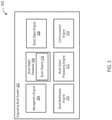
- FIG. 3 depicts a diagram 300 of an example of an originating build system 302 according to some embodiments.
- the originating build system 302 includes a management engine 304, a build object datastore 306, a build object engine 308, a build modification engine 310, a build action processing engine 312, and a communication engine 314.
- the management engine 304 functions to manage (e.g., create, read, update, delete, or otherwise access) build objects 316 stored in the build object datastore 306.
- the management engine 304 can perform any of these operations manually (e.g., by a user interacting with a GUI), automatically (e.g., triggered by one or more of the engines 308 - 314, discussed below), or both.
- the management engine 304 comprises a library of executable instructions which are executable by a processor for performing any of the aforementioned management operations.
- the build object datastore 306 may be any structure and/or structures suitable for storing the build objects 316.
- the build object datastore 306, as well as the other datastore described herein, may comprise a relational database, an active database, a self-referential database, a table, a matrix, an array, a flat file, a non-relational No-SQL system, or other system suitable for storing tree structured data.
- the build objects 316 include of a variety of hashes, data attributes, methods, or other parameters. As discussed elsewhere herein, the build objects 316 comprise tree structures, such as hash tree structures or Merkle tree structures. According to the invention, each build object 316 includes multiple content items stored in corresponding nodes (e.g., leaf nodes) of a hash tree. In some embodiments, the content items are only stored in leaf nodes, although in other embodiments, it may be otherwise.
- the build object engine 308 functions to generate builds objects.
- the build object engine 308 may generate build objects 316 in response to build action requests, user input, or build trigger conditions.
- Build trigger conditions may include generating one or more new build objects 316 when an existing build has changed.
- the build object engine 308 estimates a change between a current build object 316 and a predicted build object based on a current state of the content items associated with the current build.
- the build object engine 308 compares the estimated change to a threshold condition (e.g., estimated change is greater than a predetermined percentage), and generates new build objects 316 based on the comparison.
- a threshold condition e.g., estimated change is greater than a predetermined percentage
- the build object engine 308 may automatically generate a new build object 316.
- the build modification engine 310 functions to determine one or more changes between two or more build objects.
- the build modification engine 310 generates one or more build modification objects based on the one or more changes.
- a build modification object may comprise a type of build object 316, and may be stored in the build object datastore 306.
- a build modification object may comprise a tree structure storing at least a portion of a build that has changed relative to one or more other builds.
- the build modification engine 310 provides build modification objects to remote systems (e.g., peer build systems) instead of providing an entire build, which may reduce bandwidth usage, and reduce an amount of time for remote systems to update local build objects (e.g., that are used for processing build action requests).
- remote systems e.g., peer build systems
- the build action processing engine 312 functions to handle (e.g., receive, process, and respond to) build action requests.
- the build action processing engine 312 may receive requests to generate new build objects, and trigger one or more components of the originating build system 302 (e.g., build object engine 308) to generate new objects.
- the communication engine 314 functions to send requests, transmit and, receive communications, and/or otherwise provide communication with one or a plurality of systems.
- the communication engine 314 functions to encrypt and decrypt communications.
- the communication engine 314 may function send requests to and receive data from a system through a network or a portion of a network.
- the communication engine 314 may send requests and receive data through a connection, all or a portion of which may be a wireless connection.
- the communication engine 314 may request and receive messages, and/or other communications from associated systems.
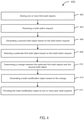
- FIG. 4 depicts a flowchart 400 of an example of a method of operation of an originating build system for determining modifications of build objects and providing the modifications to one or more peer build systems according to some embodiments.
- an originating build system stores one or more first build objects.
- a management engine stores the one or more first build objects in a build object datastore.
- the originating build system receives a build action request.
- a build action processing engine receives the request.
- the originating build system generates a second build object based on the build action request.
- a build object engine generates second build object.
- the originating build system selects a particular first build object from the one or more first build objects based on the build action request.
- the build action processing engine selects the build particular first build object.
- the originating build system determines a change between the particular first build object and the second build object.
- a build modification engine determines the change.
- the originating build system generates a build modification object based on the change.
- the build modification engine determines the change.
- the originating build system provides the build modification to one or more peer build systems.
- a communication engine provides the build modification to one or more peer build systems over a communication network.
- FIG. 5 depicts a diagram 500 of an example of a peer build system 502 according to some embodiments.
- the peer build system includes a management engine 504, a build object datastore 506, an identifier object datastore 508, a peer build object engine 510, an identifier object generation engine 512, a peer selection engine 514, a build action processing engine 516, and a communication engine 518.
- the management engine 504 functions to manage (e.g., create, read, update, delete, or otherwise access) build objects 522 stored in the build object datastore 506, local build identifier object 524 stored in the identifier object datastore 508, and peer build identifier object 526 stored in the identifier object datastore 508.
- the management engine 504 can perform any of these operations manually (e.g., by a user interacting with a GUI), automatically (e.g., triggered by one or more of the engines 510 - 518, discussed below), or both.
- the management engine 504 comprises a library of executable instructions which are executable by a processor for performing any of the aforementioned management operations.
- the build object datastore 506 may be any structure and/or structures suitable for storing the build objects 522, the local build identifier object 524, and the peer build identifier object 526.
- the build objects 522 store tree structured data, and include of a variety of hashes, data attributes, methods, or other parameters.
- the build objects 522 may comprise the build objects described elsewhere herein, or copies of those build objects.
- the local build identifier object 524 indicates an estimation (or, "prediction") of one or more build objects 522 stored, or otherwise maintained, local to the peer build system 502.
- the local build identifier object 524 may include a variety of hashes, data attributes, methods, or other parameters.
- the local build identifier object 524 comprises a probabilistic data structure (e.g., a bloom filter) that may allow other systems (e.g., peer build systems, originating build systems, or user systems) to estimate builds objects, or state thereof, stored by the peer build system 502.
- the peer build identifier object 526 indicates an estimation of one or more build objects stored by one or more other peer build systems.
- the peer build identifier object 526 may include a variety of hashes, data attributes, methods, or other parameters.
- the peer build identifier object 526 comprises a list, or other suitable structure, of one or more other systems (e.g., peer build systems or originating build systems) and the estimated build objects stored by those systems. This can allow for example, the peer build system 502 to predict the builds objects stored by the other systems.
- the local build identifier object 524 comprises the local build identifier objects of one or more other peer build systems.
- the peer build identifier object 526 indicates performance characteristics associated with one or more of the other peer systems.
- the peer build identifier object 526 may indicate a latency for some or all of the other peers systems. This may allow, for example, the peer build system 502 to obtain build objects from peer build systems associated with the lowest relative latency.
- the peer build object engine 510 functions to create a build or a portion of a build using build objects stored locally and/or obtained from remote systems (e.g., other peer build systems or originating build systems). For example, the peer build object engine 510 may obtain unchanged build objects (e.g., build objects that are unchanged relative to corresponding build objects stored by an originating build system) from one or more other peer build systems, and obtain changed build objects and/or build modification objects from an originating build system.
- unchanged build objects e.g., build objects that are unchanged relative to corresponding build objects stored by an originating build system
- the peer build object engine 510 functions to provide one or more build objects 522 to one or more other systems (e.g., peer build systems).
- the peer build object engine 510 may provide build objects 522 in response to a request from another systems, or in response to a trigger condition. For example, if the peer build system 502 receives a change from an originating build system or another peer build system, it may propagate that change to one or more other peer build systems.
- the identifier object generation engine 512 functions to generate the local build identifier object 524 and the peer build identifier object 526.
- the identifier object generation engine 512 may generate the local build identifier object 524 from some or all of the hashes of the locally stored build objects 522, and generate the peer build identifier object 526 from the local build identifier objects of one or more other systems (e.g., peer build systems or originating build systems).
- the peer selection engine 514 functions to determine other peer build system from which to obtain build objects, and/or determine other peer build systems to receive some or all of the build objects 522. For example, the peer selection engine 514 may identify a set of peer build systems using the estimated build objects indicated by the peer build identifier object 526, and order the set of the peer build systems based on the performance characteristics indicated by the peer build identifier object 526. The peer selection engine 514 may identify the peer build system having the most suitable performance characteristics (e.g., lowest latency). In some embodiments, the peer selection engine 514 may further function to determine whether an obtained build object is the correct build object. For example, the peer build system 502 may use hashes of the obtained build object to perform the determination. If an incorrect build object is obtained (e.g., because the peer build identifier object 526 incorrectly predicted the build objects stored by that peer build system), the peer build system 502 may retry until the correct build object is obtained.
- the peer build system 502 may use hashes of the obtained build object to
- the build action processing engine 516 functions to handle (e.g., receive, process, and respond to) build action requests.
- the build action processing engine 516 may receive build action requests to perform unit testing or other build automation processes.
- the build action processing engine 516 may perform the actions (e.g., unit testing) and trigger other components of the peer build system 502 in support of those action.
- the build action processing engine 516 trigger peer object engine to obtain build objects from other systems in order to create a build, or portion thereof, on which to perform unit testing.
- the communication engine 314 functions to send requests, transmit and, receive communications, and/or otherwise provide communication with one or a plurality of systems.
- the communication engine 314 functions to encrypt and decrypt communications.
- the communication engine 314 may function send requests to and receive data from a system through a network or a portion of a network.
- the communication engine 314 may send requests and receive data through a connection, all or a portion of which may be a wireless connection.
- the communication engine 314 may request and receive messages, and/or other communications from associated systems.
- FIG. 6 depicts a flowchart 600 of an example of a method of operation of a peer build system for peer-to-peer build object sharing according to some embodiments.
- a peer build system obtains a build object.
- the build object may be obtained from one or more other peer build systems, or an originating build system.
- a communication engine and/or or a peer build object engine obtains the build object over a communication network.
- the peer build system stores the build object.
- a management engine locally stores the build object in a build object datastore of the peer build system.
- the peer build system obtains a build modification object.
- the communication engine and/or the build object engine obtains from the build modification object from an originating build system over the communication network.
- the peer build system updates the build object based on the modification objection.
- the peer build system may replace the build object with the modification object, or generate a new object that includes the unchanged portions of the build object and the relative changes of the build modification object.
- the peer build object engine updates the build object.
- the peer build system provides the updated build object to one or more other peer build systems.
- the communication engine and/or peer build engine provides the updated build object a peer build system identified by a peer selection engine.
- FIG. 7 depicts a flowchart 700 of an example of a method of operation of a peer build system for peer-to-peer build object sharing according to some embodiments.
- a peer build system generates a local build identifier object.
- the peer build system may generate the local build identifier object in response to connecting to a swarm of peer build systems.
- an identifier object generation engine generates the local build identifier object.
- the peer build system provides the local build identifier object to one or more other systems (e.g., peer build systems and/or originating build systems).
- the peer build system may provide the local build identifier object to some or all of the currently connected peer build systems.
- the peer build system may automatically provide the local build identifier object (e.g., in response to joining a swarm) and/or in response to a request from a peer build system.
- a communication engine provides the local build identifier object to some or all of the other currently connected peer build systems.
- the peer build system generates a peer build identifier object.
- the peer build system may obtain a local build identifier object from each currently connected peer build systems, and/or as additional peer build systems connect to the swarm.
- the obtained local build identifier object may comprise a delta local build identifier object.
- the peer build system may obtain a change relative to the currently stored local build identifier object, as opposed to the entire object.
- local build identifier objects and/or delta local build identifier objects may be compressed.
- the communication engine obtains the local build identifier objects, and an identifier object generation engine generates the peer build identifier object from the obtained local build identifier objects.
- the peer build system receives a build action request.
- a build action request may be received from a user system, an originating build system, or another peer build system.
- the communication engine and/or a build action processing engine receives the build action request.
- the peer build system selects another peer build system based on the build action request and the peer build identifier object.
- the peer build system can identify a set of one or more particular peer build systems predicted to have a particular build object needed to perform one or more build actions indicated in the build action request.
- the peer build system may select the other peer system from the set of one or more particular peer systems based on performance characteristics of the particular peer system, e.g., as indicated by the peer build identifier object.
- a peer selection engine selection the other peer build system.
- the peer build system obtains a build from the selected peer system.
- the build object may be a build needed to perform one or more build actions indicated in the build action request.
- a communication engine and/or peer build object engine obtains the build object from the selected peer system.
- the peer build system determines whether obtained build is the correct build (e.g., to satisfy the build action request). In some embodiments, the peer selection engine performs the determinations. In step 716, if the obtained build object is not the correct build object, the peer build system may discard the obtained build object and return to step 710 and retry with another build object (e.g., from a next peer build system based indicated by the peer build system object).
- the peer build system stores the object if the build object is correct and determines whether to obtain additional build objects, e.g., to satisfy the build action request (step 720). In some embodiments, the build action processing engine determines whether to obtain additional build objects. If the peer build system determines not to obtain additional build objects, the peer build system processes the build action request (step 722). Alternatively, if the peer build system determines to obtain at one additional build object, the method may return to step 710.
- FIG. 8 depicts a block diagram of an example of a computer system 800 upon which any of the embodiments described herein may be implemented.
- the computer system 800 includes a bus 802 or other communication mechanism for communicating information, one or more hardware processors 804 coupled with bus 802 for processing information.
- Hardware processor(s) 804 maybe, for example, one or more general purpose microprocessors.
- the computer system 800 also includes a main memory 806, such as a random access memory (RAM), cache and/or other dynamic storage devices, coupled to bus 802 for storing information and instructions to be executed by processor 804.
- Main memory 806 also may be used for storing temporary variables or other intermediate information during execution of instructions to be executed by processor 804.
- Such instructions when stored in storage media accessible to processor 804, render computer system 800 into a special-purpose machine that is customized to perform the operations specified in the instructions.
- the computer system 800 further includes a read only memory (ROM) 808 or other static storage device coupled to bus 802 for storing static information and instructions for processor 804.
- ROM read only memory
- a storage device 810 such as a magnetic disk, optical disk, or USB thumb drive (Flash drive), etc., is provided and coupled to bus 802 for storing information and instructions.
- the computer system 800 may be coupled via bus 802 to a display 812, such as a cathode ray tube (CRT) or LCD display (or touch screen), for displaying information to a computer user.
- a display 812 such as a cathode ray tube (CRT) or LCD display (or touch screen)
- An input device 814 is coupled to bus 802 for communicating information and command selections to processor 804.
- cursor control 816 is Another type of user input device
- cursor control 816 such as a mouse, a trackball, or cursor direction keys for communicating direction information and command selections to processor 804 and for controlling cursor movement on display 812.
- This input device typically has two degrees of freedom in two axes, a first axis (e.g., x) and a second axis (e.g., y), that allows the device to specify positions in a plane.
- the same direction information and command selections as cursor control may be implemented via receiving touches on a touch screen without a cursor.
- the computing system 800 may include a user interface module to implement a GUI that may be stored in a mass storage device as executable software codes that are executed by the computing device(s).
- This and other modules may include, by way of example, components, such as software components, object-oriented software components, class components and task components, processes, functions, attributes, procedures, subroutines, segments of program code, drivers, firmware, microcode, circuitry, data, databases, data structures, tables, arrays, and variables.
- module refers to logic embodied in hardware or firmware, or to a collection of software instructions, possibly having entry and exit points, written in a programming language, such as, for example, Java, C or C++.
- a software module may be compiled and linked into an executable program, installed in a dynamic link library, or may be written in an interpreted programming language such as, for example, BASIC, Perl, or Python. It will be appreciated that software modules may be callable from other modules or from themselves, and/or may be invoked in response to detected events or interrupts.
- Software modules configured for execution on computing devices may be provided on a computer readable medium, such as a compact disc, digital video disc, flash drive, magnetic disc, or any other tangible medium, or as a digital download (and may be originally stored in a compressed or installable format that requires installation, decompression or decryption prior to execution).
- Such software code may be stored, partially or fully, on a memory device of the executing computing device, for execution by the computing device.
- Software instructions may be embedded in firmware, such as an EPROM.
- hardware modules may be comprised of connected logic units, such as gates and flip-flops, and/or may be comprised of programmable units, such as programmable gate arrays or processors.
- the modules or computing device functionality described herein are preferably implemented as software modules, but may be represented in hardware or firmware. Generally, the modules described herein refer to logical modules that may be combined with other modules or divided into sub-modules despite their physical organization or storage.
- the computer system 800 may implement the techniques described herein using customized hard-wired logic, one or more ASICs or FPGAs, firmware and/or program logic which in combination with the computer system causes or programs computer system 800 to be a special-purpose machine. According to one embodiment, the techniques herein are performed by computer system 800 in response to processor(s) 804 executing one or more sequences of one or more instructions contained in main memory 806. Such instructions may be read into main memory 806 from another storage medium, such as storage device 810. Execution of the sequences of instructions contained in main memory 806 causes processor(s) 804 to perform the process steps described herein. In alternative embodiments, hard-wired circuitry may be used in place of or in combination with software instructions.
- non-transitory media refers to any media that store data and/or instructions that cause a machine to operate in a specific fashion. Such non-transitory media may comprise non-volatile media and/or volatile media.
- Non-volatile media includes, for example, optical or magnetic disks, such as storage device 810.
- Volatile media includes dynamic memory, such as main memory 806.
- non-transitory media include, for example, a floppy disk, a flexible disk, hard disk, solid state drive, magnetic tape, or any other magnetic data storage medium, a CD-ROM, any other optical data storage medium, any physical medium with patterns of holes, a RAM, a PROM, and EPROM, a FLASH-EPROM, NVRAM, any other memory chip or cartridge, and networked versions of the same.
- Non-transitory media is distinct from but may be used in conjunction with transmission media.
- Transmission media participates in transferring information between non-transitory media.
- transmission media includes coaxial cables, copper wire and fiber optics, including the wires that comprise bus 802.
- transmission media can also take the form of acoustic or light waves, such as those generated during radio-wave and infra-red data communications.
- Various forms of media may be involved in carrying one or more sequences of one or more instructions to processor 804 for execution.
- the instructions may initially be carried on a magnetic disk or solid state drive of a remote computer.
- the remote computer can load the instructions into its dynamic memory and send the instructions over a telephone line using a modem.
- a modem local to computer system 800 can receive the data on the telephone line and use an infra-red transmitter to convert the data to an infra-red signal.
- An infra-red detector can receive the data carried in the infra-red signal and appropriate circuitry can place the data on bus 802.
- Bus 802 carries the data to main memory 806, from which processor 804 retrieves and executes the instructions.
- the instructions received by main memory 806 may retrieves and executes the instructions.
- the instructions received by main memory 806 may optionally be stored on storage device 810 either before or after execution by processor 804.
- the computer system 800 also includes a communication interface 818 coupled to bus 802.
- Communication interface 818 provides a two-way data communication coupling to one or more network links that are connected to one or more local networks.
- communication interface 818 may be an integrated services digital network (ISDN) card, cable modem, satellite modem, or a modem to provide a data communication connection to a corresponding type of telephone line.
- ISDN integrated services digital network
- communication interface 818 may be a local area network (LAN) card to provide a data communication connection to a compatible LAN (or WAN component to communicated with a WAN).
- LAN local area network
- Wireless links may also be implemented.
- communication interface 818 sends and receives electrical, electromagnetic or optical signals that carry digital data streams representing various types of information.
- a network link typically provides data communication through one or more networks to other data devices.
- a network link may provide a connection through local network to a host computer or to data equipment operated by an Internet Service Provider (ISP).
- ISP Internet Service Provider
- the ISP in turn provides data communication services through the world wide packet data communication network now commonly referred to as the "Internet”.
- Internet Internet
- Local network and Internet both use electrical, electromagnetic or optical signals that carry digital data streams.
- the signals through the various networks and the signals on network link and through communication interface 818, which carry the digital data to and from computer system 800, are example forms of transmission media.
- the computer system 800 can send messages and receive data, including program code, through the network(s), network link and communication interface 818.
- a server might transmit a requested code for an application program through the Internet, the ISP, the local network and the communication interface 818.
- the received code may be executed by processor 804 as it is received, and/or stored in storage device 810, or other non-volatile storage for later execution.
- Engines may constitute either software engines (e.g., code embodied on a machine-readable medium) or hardware engines.
- a "hardware engine” is a tangible unit capable of performing certain operations and may be configured or arranged in a certain physical manner.
- one or more computer systems e.g., a standalone computer system, a client computer system, or a server computer system
- one or more hardware engines of a computer system e.g., a processor or a group of processors
- software e.g., an application or application portion
- a hardware engine may be implemented mechanically, electronically, or any suitable combination thereof.
- a hardware engine may include dedicated circuitry or logic that is permanently configured to perform certain operations.
- a hardware engine may be a special-purpose processor, such as a Field-Programmable Gate Array (FPGA) or an Application Specific Integrated Circuit (ASIC).
- a hardware engine may also include programmable logic or circuitry that is temporarily configured by software to perform certain operations.
- a hardware engine may include software executed by a general-purpose processor or other programmable processor. Once configured by such software, hardware engines become specific machines (or specific components of a machine) uniquely tailored to perform the configured functions and are no longer general-purpose processors.
- hardware engine should be understood to encompass a tangible entity, be that an entity that is physically constructed, permanently configured (e.g., hardwired), or temporarily configured (e.g., programmed) to operate in a certain manner or to perform certain operations described herein.
- hardware-implemented engine refers to a hardware engine. Considering embodiments in which hardware engines are temporarily configured (e.g., programmed), each of the hardware engines need not be configured or instantiated at any one instance in time.
- a hardware engine comprises a general-purpose processor configured by software to become a special-purpose processor
- the general-purpose processor may be configured as respectively different special-purpose processors (e.g., comprising different hardware engines) at different times.
- Software accordingly configures a particular processor or processors, for example, to constitute a particular hardware engine at one instance of time and to constitute a different hardware engine at a different instance of time.
- Hardware engines can provide information to, and receive information from, other hardware engines. Accordingly, the described hardware engines may be regarded as being communicatively coupled. Where multiple hardware engines exist contemporaneously, communications may be achieved through signal transmission (e.g., over appropriate circuits and buses) between or among two or more of the hardware engines. In embodiments in which multiple hardware engines are configured or instantiated at different times, communications between such hardware engines may be achieved, for example, through the storage and retrieval of information in memory structures to which the multiple hardware engines have access. For example, one hardware engine may perform an operation and store the output of that operation in a memory device to which it is communicatively coupled. A further hardware engine may then, at a later time, access the memory device to retrieve and process the stored output. Hardware engines may also initiate communications with input or output devices, and can operate on a resource (e.g., a collection of information).
- a resource e.g., a collection of information
- processors may be temporarily configured (e.g., by software) or permanently configured to perform the relevant operations. Whether temporarily or permanently configured, such processors may constitute processor-implemented engines that operate to perform one or more operations or functions described herein.
- processor-implemented engine refers to a hardware engine implemented using one or more processors.
- the methods described herein may be at least partially processor-implemented, with a particular processor or processors being an example of hardware.
- a particular processor or processors being an example of hardware.
- the operations of a method may be performed by one or more processors or processor-implemented engines.
- the one or more processors may also operate to support performance of the relevant operations in a "cloud computing" environment or as a "software as a service” (SaaS).
- SaaS software as a service
- at least some of the operations may be performed by a group of computers (as examples of machines including processors), with these operations being accessible via a network (e.g., the Internet) and via one or more appropriate interfaces (e.g., an Application Program Interface (API)).
- API Application Program Interface
- processors or processor-implemented engines may be located in a single geographic location (e.g., within a home environment, an office environment, or a server farm). In other example embodiments, the processors or processor-implemented engines may be distributed across a number of geographic locations.
- an "engine,” “system,” “datastore,” and/or “database” may comprise software, hardware, firmware, and/or circuitry.
- one or more software programs comprising instructions capable of being executable by a processor may perform one or more of the functions of the engines, datastores, databases, or systems described herein.
- circuitry may perform the same or similar functions.
- Alternative embodiments may comprise more, less, or functionally equivalent engines, systems, datastores, or databases, and still be within the scope of present embodiments.
- the functionality of the various systems, engines, datastores, and/or databases may be combined or divided differently.
- the datastores described herein may be any suitable structure (e.g., an active database, a relational database, a self-referential database, a table, a matrix, an array, a flat file, a documented-oriented storage system, a non-relational No-SQL system, and the like), and may be cloud-based or otherwise.
- suitable structure e.g., an active database, a relational database, a self-referential database, a table, a matrix, an array, a flat file, a documented-oriented storage system, a non-relational No-SQL system, and the like
- cloud-based or otherwise e.g., an active database, a relational database, a self-referential database, a table, a matrix, an array, a flat file, a documented-oriented storage system, a non-relational No-SQL system, and the like
- the term "or" may be construed in either an inclusive or exclusive sense. Moreover, plural instances may be provided for resources, operations, or structures described herein as a single instance. Additionally, boundaries between various resources, operations, engines, engines, and data stores are somewhat arbitrary, and particular operations are illustrated in a context of specific illustrative configurations. Other allocations of functionality are envisioned and may fall within a scope of various embodiments of the present disclosure. In general, structures and functionality presented as separate resources in the example configurations may be implemented as a combined structure or resource. Similarly, structures and functionality presented as a single resource may be implemented as separate resources. These and other variations, modifications, additions, and improvements fall within a scope of embodiments of the present disclosure as represented by the appended claims. The specification and drawings are, accordingly, to be regarded in an illustrative rather than a restrictive sense.
Landscapes
- Engineering & Computer Science (AREA)
- Theoretical Computer Science (AREA)
- General Engineering & Computer Science (AREA)
- Software Systems (AREA)
- Physics & Mathematics (AREA)
- General Physics & Mathematics (AREA)
- Databases & Information Systems (AREA)
- Computer Security & Cryptography (AREA)
- Data Mining & Analysis (AREA)
- Computer Networks & Wireless Communication (AREA)
- Signal Processing (AREA)
- Information Transfer Between Computers (AREA)
Claims (13)
- Verfahren, das durch ein Rechensystem implementiert wird, das einen oder mehrere physische Prozessoren und Speichermedien beinhaltet, die maschinenlesbare Anweisungen speichern, wobei das Verfahren Folgendes umfasst:Erhalten (602) eines Erstellungsobjekts über ein Kommunikationsnetzwerk, wobei das Erstellungsobjekt einen Abschnitt einer ersten Erstellung umfasst und das Erstellungsobjekt ein beliebiges von einem oder mehreren Hashes, Datenattributen, Verfahren, Parametern, Baumstrukturen und mehreren Inhaltselementen umfasst, die in entsprechenden Knoten eines Hash-Baums gespeichert sind;Speichern (604) des Erstellungsobjekts;Erhalten (606) von einem oder mehreren Erstellungsmodifikationsobjekten über das Kommunikationsnetzwerk anstelle einer gesamten Erstellung, wobei die Erstellungsmodifikationsobjekte eine Änderung zwischen der ersten Erstellung und einer zweiten Erstellung umfassen, wobei das eine oder die mehreren Erstellungsmodifikationsobjekte eine Baumstruktur umfassen, die einen Abschnitt der lokalen Erstellung speichert, die sich geändert hat, wobei das eine oder die mehreren Erstellungsmodifikationsobjekte erzeugt werden, indem eine Änderung zwischen einem aktuellen Erstellungsobjekt und einem vorhergesagten Erstellungsobjekt basierend auf einem aktuellen Zustand von einem oder mehreren Inhaltselementen geschätzt wird, die der ersten Erstellung zugeordnet sind, wobei der aktuelle Zustand angibt, ob das eine oder die mehreren Inhaltselemente neu oder modifiziert sind oder nicht, Vergleichen der geschätzten Änderung mit einem Schwellenzustand und Erzeugen, basierend auf dem Vergleich, von einem oder mehreren neuen Erstellungsobjekten, Bestimmen von einer oder mehreren Änderungen zwischen aktuellem Erstellungsobjekt und dem einen oder den mehreren neuen Erstellungsobjekten, und Erzeugen des einen oder der mehreren Erstellungsmodifikationsobjekte basierend auf der einen oder den mehreren bestimmten Änderungen zwischen dem aktuellen Erstellungsobjekt und dem einen oder mehreren neuen Erstellungsobj ekten;Aktualisieren (608) des Erstellungsobjekts unter Verwendung des einen oder der mehreren Erstellungsmodifikationsobjekte, die über das Kommunikationsnetzwerk erhalten werden; undBereitstellen (610) von zumindest einem Abschnitt des aktualisierten Erstellungsobjekts an ein erstes Peer-Erstellungssystem über das Kommunikationsnetzwerk.
- Verfahren nach Anspruch 1, wobei ein Erstellungsobj ekt eine Hash-Baumstruktur umfasst.
- Verfahren nach Anspruch 2, wobei ein Erstellungsobjekt eine Vielzahl von Inhaltselementen umfasst, wobei jedes der Inhaltselemente ein beliebiges von einer Datei oder einer Binärdatei umfasst, wobei jedes der Inhaltselemente als ein Element der Hash-Baumstruktur gespeichert ist.
- Verfahren nach Anspruch 1, wobei das Erhalten des Erstellungsobjekts über das Kommunikationsnetzwerk das Erhalten des Erstellungsobjekts von einem zweiten Peer-Erstellungssystem über das Kommunikationsnetzwerk umfasst und das Erhalten des einen oder der mehreren Erstellungsmodifikationsobjekte über das Kommunikationsnetzwerk das Erhalten des einen oder der mehreren Erstellungsmodifikationsobjekte über die Kommunikation von einem ursprünglichen Erstellungssystem umfasst, das eine vollständige Instanz der ersten Erstellung und eine vollständige Instanz der zweiten Erstellung speichert.
- Verfahren nach Anspruch 1, wobei das Erstellungsobjekt ein unveränderliches Erstellungsobjekt umfasst und das Aktualisieren des unveränderlichen Erstellungsobjekts das Erzeugen eines neuen Erstellungsobjekts unter Verwendung des einen oder der mehreren Erstellungsmodifikationsobj ekte umfasst.
- Verfahren nach Anspruch 1, ferner umfassend:Vorhersagen, unter Verwendung einer probabilistischen Datenstruktur einer Vielzahl von Peer-Erstellungssystemen, von einem oder mehreren jeweiligen Erstellungsobjekten, die durch die Vielzahl von jeweiligen Peer-Erstellungssystemen gespeichert werden;Empfangen einer Erstellungshandlungsanforderung;Auswählen eines dritten Peer-Erstellungssystems aus der Vielzahl von jeweiligen Peer-Erstellungssystemen basierend auf der Erstellungshandlungsanforderung und der Vorhersage;Erhalten eines zweiten Erstellungsobjekts von dem dritten Peer-Erstellungssystem basierend auf der Erstellungshandlungsanforderung;Bestimmen, ob das zweite Erstellungsobjekt die Erstellungshandlungsanforderung erfüllt;wenn das zweite Erstellungsobjekt die Erstellungshandlungsanforderung erfüllt, Verarbeiten der Erstellungshandlungsanforderung unter Verwendung des zweiten Erstellungsobjekts; undwenn das zweite Erstellungsobjekt die Erstellungshandlungsanforderung nicht erfüllt, iteratives Erhalten von einem oder mehreren unterschiedlichen Erstellungsobjekten von einem oder mehreren unterschiedlichen Peer-Erstellungssystemen aus der Vielzahl von jeweiligen Erstellungssystemen, bis ein bestimmtes Erstellungsobjekt des einen oder der mehreren unterschiedlichen Erstellungsobjekte die Erstellungshandlungsanforderung erfüllt; und Verarbeiten der Erstellungshandlungsanforderung unter Verwendung des bestimmten Erstellungsobjekts des einen oder der mehreren unterschiedlichen Erstellungsobjekte.
- Verfahren nach Anspruch 6, wobei das Auswählen eines dritten Peer-Erstellungssystems aus der Vielzahl von jeweiligen Peer-Erstellungssystemen basierend auf der Erstellungshandlungsanforderung und der Vorhersage das Auswählen eines bestimmten Peer-Erstellungssystems umfasst, von dem vorhergesagt wird, dass es ein bestimmtes Erstellungsobjekt speichert, das durch die Erstellungshandlungsanforderung angegeben wird.
- Verfahren nach Anspruch 7, wobei das bestimmte Peer-Erstellungssystem basierend auf einer Latenzzeit relativ zu einem oder mehreren anderen Peers aus der Vielzahl von Peers ausgewählt wird, von denen vorhergesagt wird, dass sie das bestimmte Erstellungsobjekt speichern, das durch die Erstellungshandlungsanforderung angegeben wird.
- Verfahren nach Anspruch 1, ferner umfassend:Erhalten von einem oder mehreren zusätzlichen Erstellungsobjekten von einem oder mehreren zusätzlichen Peer-Erstellungssystemen; undErschaffen einer vollständigen Instanz der zweiten Erstellung aus dem aktualisierten einen oder mehreren Erstellungsobjekten und dem einen oder den mehreren zusätzlichen Erstellungsobjekten, wobei die vollständige Instanz der zweiten Erstellung eine Hash-Baumstruktur umfasst.
- Verfahren nach Anspruch 1, wobei das Speichern eines Erstellungsobjekts das Speichern des Erstellungsobjekts in einer Merkle-Baumstruktur umfasst, wobei das Erstellungsobjekt einen Abschnitt einer Softwareerstellung umfasst.
- Verfahren, das durch ein Rechensystem implementiert wird, das einen oder mehrere physische Prozessoren und Speichermedien beinhaltet, die maschinenlesbare Anweisungen speichern, wobei das Verfahren Folgendes umfasst:Erhalten eines aktuellen Erstellungsobjekts über ein Kommunikationsnetzwerk, wobei das Erstellungsobjekt einen Abschnitt einer aktuellen Erstellung umfasst und das aktuelle Erstellungsobjekt ein beliebiges von einem oder mehreren Hashes, Datenattributen, Verfahren, Parametern, Baumstrukturen und mehreren Inhaltselementen umfasst, die in entsprechenden Knoten eines Hash-Baums gespeichert sind;Speichern des aktuellen Erstellungsobjekts;Schätzen einer Änderung zwischen dem aktuellen Erstellungsobjekt und einem vorhergesagten Erstellungsobj ekt basierend auf einem aktuellen Zustand von einem oder mehreren Inhaltselementen, die der aktuellen Erstellung zugeordnet sind, wobei der aktuelle Zustand angibt, ob das eine oder die mehreren Inhaltselemente neu oder modifiziert sind oder nicht;Vergleichen der geschätzten Änderung mit einem Schwellenzustand;Erzeugen, als Reaktion auf den Vergleich, von einem oder mehreren neuen Erstellungsobj ekten;Bestimmen von einer oder mehreren Änderungen zwischen dem aktuellen Erstellungsobjekt und dem einen oder den mehreren neuen Erstellungsobjekten;Erzeugen von einem oder mehreren Erstellungsmodifikationsobjekten basierend auf der einen oder den mehreren bestimmten Änderungen zwischen dem aktuellen Erstellungsobjekt und dem vorhergesagten Erstellungsobjekt, wobei zumindest eines von dem einen oder den mehreren Erstellungsmodifikationsobj ekten eine Baumstruktur umfasst, die zumindest einen Abschnitt einer Erstellung speichert, die sich relativ zu einer oder mehreren anderen Erstellungen geändert hat;Bereitstellen des einen oder der mehreren Erstellungsmodifikationsobjekte an zumindest ein Peer-Erstellungssystem ohne eine vollständige Erstellung bereitzustellen, wobei das eine oder die mehreren lokalen Erstellungsobjekte dazu in der Lage sind, zum Verarbeiten von Erstellungshandlungsanforderungen verwendet zu werden.
- System, umfassend:einen oder mehrere Prozessoren; undeinen Speicher, der Anweisungen speichert, die, wenn sie durch den einen oder die mehreren Prozesse ausgeführt werden, das System veranlassen, das Verfahren nach einem vorhergehenden Anspruch durchzuführen.
- Nichtflüchtiges computerlesbares Medium, das Anweisungen umfasst, die, wenn sie ausgeführt werden, einen oder mehrere Prozessoren veranlassen, das Verfahren nach einem der Ansprüche 1 bis 11 durchzuführen.
Applications Claiming Priority (2)
| Application Number | Priority Date | Filing Date | Title |
|---|---|---|---|
| US201662437559P | 2016-12-21 | 2016-12-21 | |
| US15/484,980 US10223099B2 (en) | 2016-12-21 | 2017-04-11 | Systems and methods for peer-to-peer build sharing |
Publications (2)
| Publication Number | Publication Date |
|---|---|
| EP3340036A1 EP3340036A1 (de) | 2018-06-27 |
| EP3340036B1 true EP3340036B1 (de) | 2022-03-23 |
Family
ID=60569636
Family Applications (1)
| Application Number | Title | Priority Date | Filing Date |
|---|---|---|---|
| EP17204387.9A Active EP3340036B1 (de) | 2016-12-21 | 2017-11-29 | Systeme und verfahren für peer-to-peer build-sharing |
Country Status (2)
| Country | Link |
|---|---|
| US (2) | US10223099B2 (de) |
| EP (1) | EP3340036B1 (de) |
Families Citing this family (7)
| Publication number | Priority date | Publication date | Assignee | Title |
|---|---|---|---|---|
| US10223099B2 (en) | 2016-12-21 | 2019-03-05 | Palantir Technologies Inc. | Systems and methods for peer-to-peer build sharing |
| US10956130B2 (en) * | 2018-07-05 | 2021-03-23 | Jpmorgan Chase Bank, N.A. | Method and system for implementing a cloud infrastructure visualizer and generator |
| USD941836S1 (en) | 2020-01-17 | 2022-01-25 | Target Brands, Inc. | Display panel or portion thereof with a computer-generated graphical user interface |
| US11847170B2 (en) | 2020-01-17 | 2023-12-19 | Target Brands, Inc. | Data visualization tool with guided visualization creation and secure publication features, and graphical user interface thereof |
| US11921991B2 (en) | 2020-01-17 | 2024-03-05 | Target Brands, Inc. | Data visualization tool with guided visualization creation and secure publication features, and graphical user interface thereof |
| US12175218B2 (en) * | 2022-11-18 | 2024-12-24 | Stripe, Inc. | Systems and methods for remotebuild action-merging |
| US12386598B2 (en) * | 2022-11-18 | 2025-08-12 | Stripe, Inc. | Systems and methods for a remotebuild tree cache |
Family Cites Families (150)
| Publication number | Priority date | Publication date | Assignee | Title |
|---|---|---|---|---|
| US5437032A (en) | 1993-11-04 | 1995-07-25 | International Business Machines Corporation | Task scheduler for a miltiprocessor system |
| US5560005A (en) | 1994-02-25 | 1996-09-24 | Actamed Corp. | Methods and systems for object-based relational distributed databases |
| US5872973A (en) | 1995-10-26 | 1999-02-16 | Viewsoft, Inc. | Method for managing dynamic relations between objects in dynamic object-oriented languages |
| US6366933B1 (en) | 1995-10-27 | 2002-04-02 | At&T Corp. | Method and apparatus for tracking and viewing changes on the web |
| US5897636A (en) | 1996-07-11 | 1999-04-27 | Tandem Corporation Incorporated | Distributed object computer system with hierarchical name space versioning |
| JP2940501B2 (ja) | 1996-12-25 | 1999-08-25 | 日本電気株式会社 | ドキュメント分類装置及び方法 |
| US6477527B2 (en) | 1997-05-09 | 2002-11-05 | International Business Machines Corporation | System, method, and program for object building in queries over object views |
| US6073129A (en) | 1997-12-29 | 2000-06-06 | Bull Hn Information Systems Inc. | Method and apparatus for improving the performance of a database management system through a central cache mechanism |
| US6510504B2 (en) | 1998-06-29 | 2003-01-21 | Oracle Corporation | Methods and apparatus for memory allocation for object instances in an object-oriented software environment |
| US6243717B1 (en) | 1998-09-01 | 2001-06-05 | Camstar Systems, Inc. | System and method for implementing revision management of linked data entities and user dependent terminology |
| US6161098A (en) | 1998-09-14 | 2000-12-12 | Folio (Fn), Inc. | Method and apparatus for enabling small investors with a portfolio of securities to manage taxable events within the portfolio |
| US6418438B1 (en) | 1998-12-16 | 2002-07-09 | Microsoft Corporation | Dynamic scalable lock mechanism |
| US7111231B1 (en) | 1999-02-24 | 2006-09-19 | Intellisync Corporation | System and methodology for dynamic application environment employing runtime execution templates |
| US6574635B2 (en) | 1999-03-03 | 2003-06-03 | Siebel Systems, Inc. | Application instantiation based upon attributes and values stored in a meta data repository, including tiering of application layers objects and components |
| US6304873B1 (en) | 1999-07-06 | 2001-10-16 | Compaq Computer Corporation | System and method for performing database operations and for skipping over tuples locked in an incompatible mode |
| US7039863B1 (en) | 1999-07-23 | 2006-05-02 | Adobe Systems Incorporated | Computer generation of documents using layout elements and content elements |
| US6560620B1 (en) | 1999-08-03 | 2003-05-06 | Aplix Research, Inc. | Hierarchical document comparison system and method |
| US6976210B1 (en) | 1999-08-31 | 2005-12-13 | Lucent Technologies Inc. | Method and apparatus for web-site-independent personalization from multiple sites having user-determined extraction functionality |
| US7630986B1 (en) | 1999-10-27 | 2009-12-08 | Pinpoint, Incorporated | Secure data interchange |
| US7216115B1 (en) | 1999-11-10 | 2007-05-08 | Fastcase.Com, Inc. | Apparatus and method for displaying records responsive to a database query |
| US7194680B1 (en) | 1999-12-07 | 2007-03-20 | Adobe Systems Incorporated | Formatting content by example |
| US20040117387A1 (en) | 2000-02-25 | 2004-06-17 | Vincent Civetta | Database sizing and diagnostic utility |
| US6745382B1 (en) | 2000-04-13 | 2004-06-01 | Worldcom, Inc. | CORBA wrappers for rules automation technology |
| ATE346343T1 (de) | 2000-11-08 | 2006-12-15 | Ibm | Reduzierung von ausschlusskonflikten in sql- transaktionen |
| US7058648B1 (en) | 2000-12-01 | 2006-06-06 | Oracle International Corporation | Hierarchy-based secured document repository |
| JP2002222083A (ja) | 2001-01-29 | 2002-08-09 | Fujitsu Ltd | 事例蓄積装置および方法 |
| US20060265397A1 (en) | 2001-03-06 | 2006-11-23 | Knowledge Vector, Inc. | Methods, systems, and computer program products for extensible, profile-and context-based information correlation, routing and distribution |
| JP3842573B2 (ja) | 2001-03-30 | 2006-11-08 | 株式会社東芝 | 構造化文書検索方法、構造化文書管理装置及びプログラム |
| US6980984B1 (en) | 2001-05-16 | 2005-12-27 | Kanisa, Inc. | Content provider systems and methods using structured data |
| US20030130993A1 (en) | 2001-08-08 | 2003-07-10 | Quiver, Inc. | Document categorization engine |
| US6877136B2 (en) | 2001-10-26 | 2005-04-05 | United Services Automobile Association (Usaa) | System and method of providing electronic access to one or more documents |
| US7475242B2 (en) | 2001-12-18 | 2009-01-06 | Hewlett-Packard Development Company, L.P. | Controlling the distribution of information |
| US7426559B2 (en) | 2002-05-09 | 2008-09-16 | International Business Machines Corporation | Method for sequential coordination of external database application events with asynchronous internal database events |
| US7539680B2 (en) | 2002-05-10 | 2009-05-26 | Lsi Corporation | Revision control for database of evolved design |
| US7461158B2 (en) | 2002-08-07 | 2008-12-02 | Intelliden, Inc. | System and method for controlling access rights to network resources |
| US7076508B2 (en) | 2002-08-12 | 2006-07-11 | International Business Machines Corporation | Method, system, and program for merging log entries from multiple recovery log files |
| AU2003284118A1 (en) | 2002-10-14 | 2004-05-04 | Battelle Memorial Institute | Information reservoir |
| US20040078251A1 (en) | 2002-10-16 | 2004-04-22 | Demarcken Carl G. | Dividing a travel query into sub-queries |
| US20040148301A1 (en) | 2003-01-24 | 2004-07-29 | Mckay Christopher W.T. | Compressed data structure for a database |
| US7539976B1 (en) * | 2003-03-25 | 2009-05-26 | Electric Cloud, Inc. | System and method for intelligently distributing source files within a distributed program build architecture |
| US7139772B2 (en) | 2003-08-01 | 2006-11-21 | Oracle International Corporation | Ownership reassignment in a shared-nothing database system |
| US8627489B2 (en) | 2003-10-31 | 2014-01-07 | Adobe Systems Incorporated | Distributed document version control |
| US7324995B2 (en) | 2003-11-17 | 2008-01-29 | Rackable Systems Inc. | Method for retrieving and modifying data elements on a shared medium |
| US7672950B2 (en) | 2004-05-04 | 2010-03-02 | The Boston Consulting Group, Inc. | Method and apparatus for selecting, analyzing, and visualizing related database records as a network |
| WO2006002234A2 (en) | 2004-06-22 | 2006-01-05 | Coras, Inc. | Systems and methods for software based on business concepts |
| US20070271317A1 (en) | 2004-08-16 | 2007-11-22 | Beinsync Ltd. | System and Method for the Synchronization of Data Across Multiple Computing Devices |
| US20060074881A1 (en) | 2004-10-02 | 2006-04-06 | Adventnet, Inc. | Structure independent searching in disparate databases |
| US20060080316A1 (en) | 2004-10-08 | 2006-04-13 | Meridio Ltd | Multiple indexing of an electronic document to selectively permit access to the content and metadata thereof |
| GB0422750D0 (en) | 2004-10-13 | 2004-11-17 | Ciphergrid Ltd | Remote database technique |
| US7574409B2 (en) | 2004-11-04 | 2009-08-11 | Vericept Corporation | Method, apparatus, and system for clustering and classification |
| US7418461B2 (en) | 2005-01-14 | 2008-08-26 | Microsoft Corporation | Schema conformance for database servers |
| US8200700B2 (en) | 2005-02-01 | 2012-06-12 | Newsilike Media Group, Inc | Systems and methods for use of structured and unstructured distributed data |
| US8271436B2 (en) | 2005-02-07 | 2012-09-18 | Mimosa Systems, Inc. | Retro-fitting synthetic full copies of data |
| US20060242630A1 (en) | 2005-03-09 | 2006-10-26 | Maxis Co., Ltd. | Process for preparing design procedure document and apparatus for the same |
| US7725728B2 (en) | 2005-03-23 | 2010-05-25 | Business Objects Data Integration, Inc. | Apparatus and method for dynamically auditing data migration to produce metadata |
| US20060218491A1 (en) | 2005-03-25 | 2006-09-28 | International Business Machines Corporation | System, method and program product for community review of documents |
| US8145686B2 (en) | 2005-05-06 | 2012-03-27 | Microsoft Corporation | Maintenance of link level consistency between database and file system |
| US20070050429A1 (en) | 2005-08-26 | 2007-03-01 | Centric Software, Inc. | Time-range locking for temporal database and branched-and-temporal databases |
| US8032885B2 (en) | 2005-10-11 | 2011-10-04 | Oracle International Corporation | Method and medium for combining operation commands into database submission groups |
| US7725530B2 (en) | 2005-12-12 | 2010-05-25 | Google Inc. | Proxy server collection of data for module incorporation into a container document |
| US7730082B2 (en) | 2005-12-12 | 2010-06-01 | Google Inc. | Remote module incorporation into a container document |
| US7730109B2 (en) | 2005-12-12 | 2010-06-01 | Google, Inc. | Message catalogs for remote modules |
| US8185819B2 (en) | 2005-12-12 | 2012-05-22 | Google Inc. | Module specification for a module to be incorporated into a container document |
| US7792809B2 (en) | 2005-12-19 | 2010-09-07 | Tera data US, Inc. | Database system |
| US7606844B2 (en) | 2005-12-19 | 2009-10-20 | Commvault Systems, Inc. | System and method for performing replication copy storage operations |
| US8698809B2 (en) | 2006-03-03 | 2014-04-15 | Donya Labs Ab | Creation and rendering of hierarchical digital multimedia data |
| US8458661B2 (en) * | 2006-03-31 | 2013-06-04 | Ebay Inc. | Distributed parallel build system |
| US7752123B2 (en) | 2006-04-28 | 2010-07-06 | Townsend Analytics Ltd. | Order management system and method for electronic securities trading |
| CN101641674B (zh) | 2006-10-05 | 2012-10-10 | 斯普兰克公司 | 时间序列搜索引擎 |
| US7761407B1 (en) | 2006-10-10 | 2010-07-20 | Medallia, Inc. | Use of primary and secondary indexes to facilitate aggregation of records of an OLAP data cube |
| US7840525B2 (en) | 2006-10-11 | 2010-11-23 | Ruby Jonathan P | Extended transactions |
| US7912875B2 (en) | 2006-10-31 | 2011-03-22 | Business Objects Software Ltd. | Apparatus and method for filtering data using nested panels |
| US8229902B2 (en) | 2006-11-01 | 2012-07-24 | Ab Initio Technology Llc | Managing storage of individually accessible data units |
| US7792868B2 (en) | 2006-11-10 | 2010-09-07 | Microsoft Corporation | Data object linking and browsing tool |
| US7962495B2 (en) | 2006-11-20 | 2011-06-14 | Palantir Technologies, Inc. | Creating data in a data store using a dynamic ontology |
| JP4923990B2 (ja) | 2006-12-04 | 2012-04-25 | 株式会社日立製作所 | フェイルオーバ方法、およびその計算機システム。 |
| US8126848B2 (en) | 2006-12-07 | 2012-02-28 | Robert Edward Wagner | Automated method for identifying and repairing logical data discrepancies between database replicas in a database cluster |
| US8930331B2 (en) | 2007-02-21 | 2015-01-06 | Palantir Technologies | Providing unique views of data based on changes or rules |
| US7873557B2 (en) | 2007-02-28 | 2011-01-18 | Aaron Guidotti | Information, document, and compliance management for financial professionals, clients, and supervisors |
| US7814084B2 (en) | 2007-03-21 | 2010-10-12 | Schmap Inc. | Contact information capture and link redirection |
| US20090164387A1 (en) | 2007-04-17 | 2009-06-25 | Semandex Networks Inc. | Systems and methods for providing semantically enhanced financial information |
| US7644238B2 (en) | 2007-06-01 | 2010-01-05 | Microsoft Corporation | Timestamp based transactional memory |
| US9489216B2 (en) | 2007-07-26 | 2016-11-08 | Sap Se | Active tiled user interface |
| US7644106B2 (en) | 2007-07-30 | 2010-01-05 | Oracle International Corporation | Avoiding lock contention by using a wait for completion mechanism |
| US20090106308A1 (en) | 2007-10-18 | 2009-04-23 | Christopher Killian | Complexity estimation of data objects |
| US20090172669A1 (en) | 2007-12-28 | 2009-07-02 | International Business Machines Corporation | Use of redundancy groups in runtime computer management of business applications |
| US8010886B2 (en) | 2008-01-04 | 2011-08-30 | Microsoft Corporation | Intelligently representing files in a view |
| US8229945B2 (en) | 2008-03-20 | 2012-07-24 | Schooner Information Technology, Inc. | Scalable database management software on a cluster of nodes using a shared-distributed flash memory |
| JP4585579B2 (ja) | 2008-04-24 | 2010-11-24 | 株式会社日立製作所 | データ管理方法、データ管理プログラム、及び、データ管理装置 |
| US8688622B2 (en) | 2008-06-02 | 2014-04-01 | The Boeing Company | Methods and systems for loading data into a temporal data warehouse |
| US7962458B2 (en) | 2008-06-12 | 2011-06-14 | Gravic, Inc. | Method for replicating explicit locks in a data replication engine |
| US8301593B2 (en) | 2008-06-12 | 2012-10-30 | Gravic, Inc. | Mixed mode synchronous and asynchronous replication system |
| FI127113B (fi) | 2008-06-17 | 2017-11-15 | Tekla Corp | Tiedon haku |
| US8037040B2 (en) | 2008-08-08 | 2011-10-11 | Oracle International Corporation | Generating continuous query notifications |
| JP4612715B2 (ja) | 2008-09-05 | 2011-01-12 | 株式会社日立製作所 | 情報処理システム、データ更新方法およびデータ更新プログラム |
| US8041714B2 (en) | 2008-09-15 | 2011-10-18 | Palantir Technologies, Inc. | Filter chains with associated views for exploring large data sets |
| US20100114887A1 (en) | 2008-10-17 | 2010-05-06 | Google Inc. | Textual Disambiguation Using Social Connections |
| US8306947B2 (en) | 2008-10-30 | 2012-11-06 | Hewlett-Packard Development Company, L.P. | Replication of operations on objects distributed in a storage system |
| US7974943B2 (en) | 2008-10-30 | 2011-07-05 | Hewlett-Packard Development Company, L.P. | Building a synchronized target database |
| US10002161B2 (en) | 2008-12-03 | 2018-06-19 | Sap Se | Multithreading and concurrency control for a rule-based transaction engine |
| US8204859B2 (en) | 2008-12-10 | 2012-06-19 | Commvault Systems, Inc. | Systems and methods for managing replicated database data |
| KR101207510B1 (ko) | 2008-12-18 | 2012-12-03 | 한국전자통신연구원 | 클러스터 데이터 관리시스템 및 클러스터 데이터 관리 시스템에서 공유 재수행 로그를 이용한 데이터 재구축 방법 |
| US8346820B2 (en) | 2008-12-22 | 2013-01-01 | Google Inc. | Asynchronous distributed garbage collection for replicated storage clusters |
| EP2221733A1 (de) | 2009-02-17 | 2010-08-25 | AMADEUS sas | Verfahren für die Zulassung der Beurteilung in einer Produktionsdatenbank von neu eingetragenen Daten vor der Freigabe |
| US8886689B2 (en) | 2009-02-17 | 2014-11-11 | Trane U.S. Inc. | Efficient storage of data allowing for multiple level granularity retrieval |
| US8078825B2 (en) | 2009-03-11 | 2011-12-13 | Oracle America, Inc. | Composite hash and list partitioning of database tables |
| US8954752B2 (en) * | 2011-02-23 | 2015-02-10 | International Business Machines Corporation | Building and distributing secure object software |
| US8209699B2 (en) | 2009-07-10 | 2012-06-26 | Teradata Us, Inc. | System and method for subunit operations in a database |
| WO2011007301A1 (en) * | 2009-07-15 | 2011-01-20 | Koninklijke Philips Electronics N.V. | Method for securely broadcasting sensitive data in a wireless network |
| US20110047540A1 (en) | 2009-08-24 | 2011-02-24 | Embarcadero Technologies Inc. | System and Methodology for Automating Delivery, Licensing, and Availability of Software Products |
| US20110184813A1 (en) | 2009-09-14 | 2011-07-28 | Cbs Interactive, Inc. | Targeting offers to users of a web site |
| US20110161132A1 (en) | 2009-12-29 | 2011-06-30 | Sukriti Goel | Method and system for extracting process sequences |
| US8572023B2 (en) | 2010-04-14 | 2013-10-29 | Bank Of America Corporation | Data services framework workflow processing |
| US10198463B2 (en) | 2010-04-16 | 2019-02-05 | Salesforce.Com, Inc. | Methods and systems for appending data to large data volumes in a multi-tenant store |
| WO2012025915A1 (en) | 2010-07-21 | 2012-03-01 | Sqream Technologies Ltd | A system and method for the parallel execution of database queries over cpus and multi core processors |
| US8661335B2 (en) | 2010-09-20 | 2014-02-25 | Blackberry Limited | Methods and systems for identifying content elements |
| EP2638682A4 (de) | 2010-11-12 | 2014-07-23 | Realnetworks Inc | Verkehrsmanagement in adaptiven streaming-protokollen |
| CN102467596B (zh) | 2010-11-15 | 2016-09-21 | 商业对象软件有限公司 | 仪表板评估器 |
| US20120136804A1 (en) | 2010-11-30 | 2012-05-31 | Raymond J. Lucia, SR. | Wealth Management System and Method |
| US9378294B2 (en) | 2010-12-17 | 2016-06-28 | Microsoft Technology Licensing, Llc | Presenting source regions of rendered source web pages in target regions of target web pages |
| US9092482B2 (en) | 2013-03-14 | 2015-07-28 | Palantir Technologies, Inc. | Fair scheduling for mixed-query loads |
| US8799240B2 (en) | 2011-06-23 | 2014-08-05 | Palantir Technologies, Inc. | System and method for investigating large amounts of data |
| US9280532B2 (en) | 2011-08-02 | 2016-03-08 | Palantir Technologies, Inc. | System and method for accessing rich objects via spreadsheets |
| US9552201B2 (en) * | 2011-08-31 | 2017-01-24 | Avaya Inc. | System and method for incremental software installation |
| US8504542B2 (en) | 2011-09-02 | 2013-08-06 | Palantir Technologies, Inc. | Multi-row transactions |
| US8849776B2 (en) | 2011-10-17 | 2014-09-30 | Yahoo! Inc. | Method and system for resolving data inconsistency |
| US20130151388A1 (en) | 2011-12-12 | 2013-06-13 | Visa International Service Association | Systems and methods to identify affluence levels of accounts |
| EP2662782A1 (de) | 2012-05-10 | 2013-11-13 | Siemens Aktiengesellschaft | Verfahren und System zum Speichern von Daten in einer Datenbank |
| US9767108B2 (en) | 2012-07-13 | 2017-09-19 | Hitachi Solutions, Ltd. | Retrieval device, method for controlling retrieval device, and recording medium |
| US20140149272A1 (en) | 2012-08-17 | 2014-05-29 | Trueex Group Llc | Interoffice bank offered rate financial product and implementation |
| US8676857B1 (en) | 2012-08-23 | 2014-03-18 | International Business Machines Corporation | Context-based search for a data store related to a graph node |
| CN103731447B (zh) | 2012-10-11 | 2019-03-26 | 腾讯科技(深圳)有限公司 | 一种数据查询方法及系统 |
| US9195506B2 (en) | 2012-12-21 | 2015-11-24 | International Business Machines Corporation | Processor provisioning by a middleware processing system for a plurality of logical processor partitions |
| US9230280B1 (en) | 2013-03-15 | 2016-01-05 | Palantir Technologies Inc. | Clustering data based on indications of financial malfeasance |
| US9286043B2 (en) * | 2013-03-15 | 2016-03-15 | Microsoft Technology Licensing, Llc | Software build optimization |
| US9390162B2 (en) | 2013-04-25 | 2016-07-12 | International Business Machines Corporation | Management of a database system |
| CN104243425B (zh) | 2013-06-19 | 2018-09-04 | 深圳市腾讯计算机系统有限公司 | 一种在内容分发网络中进行内容管理的方法、装置及系统 |
| US9047480B2 (en) | 2013-08-01 | 2015-06-02 | Bitglass, Inc. | Secure application access system |
| US9787760B2 (en) | 2013-09-24 | 2017-10-10 | Chad Folkening | Platform for building virtual entities using equity systems |
| US9116975B2 (en) | 2013-10-18 | 2015-08-25 | Palantir Technologies Inc. | Systems and user interfaces for dynamic and interactive simultaneous querying of multiple data stores |
| US9043696B1 (en) | 2014-01-03 | 2015-05-26 | Palantir Technologies Inc. | Systems and methods for visual definition of data associations |
| US9836502B2 (en) | 2014-01-30 | 2017-12-05 | Splunk Inc. | Panel templates for visualization of data within an interactive dashboard |
| US9009827B1 (en) | 2014-02-20 | 2015-04-14 | Palantir Technologies Inc. | Security sharing system |
| US9250893B2 (en) * | 2014-05-14 | 2016-02-02 | Western Digital Technologies, Inc. | Virtualized and automated software build system |
| KR102147246B1 (ko) | 2014-05-26 | 2020-08-24 | 삼성전자 주식회사 | 통신 네트워크에서 성능 개선을 위한 방법 및 장치 |
| US9454281B2 (en) | 2014-09-03 | 2016-09-27 | Palantir Technologies Inc. | System for providing dynamic linked panels in user interface |
| US9977918B2 (en) * | 2015-09-30 | 2018-05-22 | Robert Bosch Gmbh | Method and system for verifiable searchable symmetric encryption |
| US10698675B2 (en) * | 2016-12-19 | 2020-06-30 | International Business Machines Corporation | Decentralized automated software updates via blockchain |
| US10223099B2 (en) | 2016-12-21 | 2019-03-05 | Palantir Technologies Inc. | Systems and methods for peer-to-peer build sharing |
| US10210170B2 (en) * | 2017-01-28 | 2019-02-19 | Microsoft Technology Licensing, Llc | Chunk storage deduplication using graph structures |
-
2017
- 2017-04-11 US US15/484,980 patent/US10223099B2/en active Active
- 2017-11-29 EP EP17204387.9A patent/EP3340036B1/de active Active
-
2018
- 2018-12-12 US US16/218,325 patent/US10713035B2/en active Active
Non-Patent Citations (1)
| Title |
|---|
| None * |
Also Published As
| Publication number | Publication date |
|---|---|
| US20180173514A1 (en) | 2018-06-21 |
| US10713035B2 (en) | 2020-07-14 |
| EP3340036A1 (de) | 2018-06-27 |
| US10223099B2 (en) | 2019-03-05 |
| US20190114163A1 (en) | 2019-04-18 |
Similar Documents
| Publication | Publication Date | Title |
|---|---|---|
| EP3340036B1 (de) | Systeme und verfahren für peer-to-peer build-sharing | |
| US10732861B2 (en) | Generating and providing low-latency cached content | |
| US10019452B2 (en) | Topology aware distributed storage system | |
| EP3926485B1 (de) | Systeme und verfahren zur adaptiven datenreplikation | |
| US11228646B2 (en) | Systems and methods for generating, deploying, and managing data infrastructure stacks | |
| US20240095259A1 (en) | Systems and methods for data replication synchronization | |
| US11924035B2 (en) | Systems and methods for continuous configuration deployment | |
| US12007961B2 (en) | Schema evolution | |
| US20160212248A1 (en) | Retry mechanism for data loading from on-premise datasource to cloud | |
| US10169081B2 (en) | Use of concurrent time bucket generations for scalable scheduling of operations in a computer system | |
| US10795839B1 (en) | Systems and methods for creating pipeline paths | |
| US20250103610A1 (en) | Document intelligence integration into ingestion pipeline | |
| US20210133173A1 (en) | Systems and methods for artifact peering within a multi-master collaborative environment |
Legal Events
| Date | Code | Title | Description |
|---|---|---|---|
| PUAI | Public reference made under article 153(3) epc to a published international application that has entered the european phase |
Free format text: ORIGINAL CODE: 0009012 |
|
| STAA | Information on the status of an ep patent application or granted ep patent |
Free format text: STATUS: THE APPLICATION HAS BEEN PUBLISHED |
|
| AK | Designated contracting states |
Kind code of ref document: A1 Designated state(s): AL AT BE BG CH CY CZ DE DK EE ES FI FR GB GR HR HU IE IS IT LI LT LU LV MC MK MT NL NO PL PT RO RS SE SI SK SM TR |
|
| AX | Request for extension of the european patent |
Extension state: BA ME |
|
| STAA | Information on the status of an ep patent application or granted ep patent |
Free format text: STATUS: REQUEST FOR EXAMINATION WAS MADE |
|
| 17P | Request for examination filed |
Effective date: 20181228 |
|
| RBV | Designated contracting states (corrected) |
Designated state(s): AL AT BE BG CH CY CZ DE DK EE ES FI FR GB GR HR HU IE IS IT LI LT LU LV MC MK MT NL NO PL PT RO RS SE SI SK SM TR |
|
| STAA | Information on the status of an ep patent application or granted ep patent |
Free format text: STATUS: EXAMINATION IS IN PROGRESS |
|
| 17Q | First examination report despatched |
Effective date: 20190617 |
|
| RIC1 | Information provided on ipc code assigned before grant |
Ipc: G06F 8/36 20180101ALN20211026BHEP Ipc: G06F 9/50 20060101ALI20211026BHEP Ipc: H04L 29/08 20060101ALI20211026BHEP Ipc: G06F 8/71 20180101AFI20211026BHEP |
|
| GRAP | Despatch of communication of intention to grant a patent |
Free format text: ORIGINAL CODE: EPIDOSNIGR1 |
|
| STAA | Information on the status of an ep patent application or granted ep patent |
Free format text: STATUS: GRANT OF PATENT IS INTENDED |
|
| INTG | Intention to grant announced |
Effective date: 20211210 |
|
| RIC1 | Information provided on ipc code assigned before grant |
Ipc: G06F 8/36 20180101ALN20211126BHEP Ipc: G06F 9/50 20060101ALI20211126BHEP Ipc: H04L 29/08 20060101ALI20211126BHEP Ipc: G06F 8/71 20180101AFI20211126BHEP |
|
| GRAS | Grant fee paid |
Free format text: ORIGINAL CODE: EPIDOSNIGR3 |
|
| GRAA | (expected) grant |
Free format text: ORIGINAL CODE: 0009210 |
|
| STAA | Information on the status of an ep patent application or granted ep patent |
Free format text: STATUS: THE PATENT HAS BEEN GRANTED |
|
| AK | Designated contracting states |
Kind code of ref document: B1 Designated state(s): AL AT BE BG CH CY CZ DE DK EE ES FI FR GB GR HR HU IE IS IT LI LT LU LV MC MK MT NL NO PL PT RO RS SE SI SK SM TR |
|
| REG | Reference to a national code |
Ref country code: GB Ref legal event code: FG4D |
|
| REG | Reference to a national code |
Ref country code: CH Ref legal event code: EP |
|
| REG | Reference to a national code |
Ref country code: IE Ref legal event code: FG4D |
|
| REG | Reference to a national code |
Ref country code: DE Ref legal event code: R096 Ref document number: 602017054868 Country of ref document: DE |
|
| REG | Reference to a national code |
Ref country code: AT Ref legal event code: REF Ref document number: 1477926 Country of ref document: AT Kind code of ref document: T Effective date: 20220415 |
|
| REG | Reference to a national code |
Ref country code: LT Ref legal event code: MG9D |
|
| REG | Reference to a national code |
Ref country code: NL Ref legal event code: MP Effective date: 20220323 |
|
| PG25 | Lapsed in a contracting state [announced via postgrant information from national office to epo] |
Ref country code: SE Free format text: LAPSE BECAUSE OF FAILURE TO SUBMIT A TRANSLATION OF THE DESCRIPTION OR TO PAY THE FEE WITHIN THE PRESCRIBED TIME-LIMIT Effective date: 20220323 Ref country code: RS Free format text: LAPSE BECAUSE OF FAILURE TO SUBMIT A TRANSLATION OF THE DESCRIPTION OR TO PAY THE FEE WITHIN THE PRESCRIBED TIME-LIMIT Effective date: 20220323 Ref country code: NO Free format text: LAPSE BECAUSE OF FAILURE TO SUBMIT A TRANSLATION OF THE DESCRIPTION OR TO PAY THE FEE WITHIN THE PRESCRIBED TIME-LIMIT Effective date: 20220623 Ref country code: LT Free format text: LAPSE BECAUSE OF FAILURE TO SUBMIT A TRANSLATION OF THE DESCRIPTION OR TO PAY THE FEE WITHIN THE PRESCRIBED TIME-LIMIT Effective date: 20220323 Ref country code: HR Free format text: LAPSE BECAUSE OF FAILURE TO SUBMIT A TRANSLATION OF THE DESCRIPTION OR TO PAY THE FEE WITHIN THE PRESCRIBED TIME-LIMIT Effective date: 20220323 Ref country code: BG Free format text: LAPSE BECAUSE OF FAILURE TO SUBMIT A TRANSLATION OF THE DESCRIPTION OR TO PAY THE FEE WITHIN THE PRESCRIBED TIME-LIMIT Effective date: 20220623 |
|
| REG | Reference to a national code |
Ref country code: AT Ref legal event code: MK05 Ref document number: 1477926 Country of ref document: AT Kind code of ref document: T Effective date: 20220323 |
|
| PG25 | Lapsed in a contracting state [announced via postgrant information from national office to epo] |
Ref country code: LV Free format text: LAPSE BECAUSE OF FAILURE TO SUBMIT A TRANSLATION OF THE DESCRIPTION OR TO PAY THE FEE WITHIN THE PRESCRIBED TIME-LIMIT Effective date: 20220323 Ref country code: GR Free format text: LAPSE BECAUSE OF FAILURE TO SUBMIT A TRANSLATION OF THE DESCRIPTION OR TO PAY THE FEE WITHIN THE PRESCRIBED TIME-LIMIT Effective date: 20220624 Ref country code: FI Free format text: LAPSE BECAUSE OF FAILURE TO SUBMIT A TRANSLATION OF THE DESCRIPTION OR TO PAY THE FEE WITHIN THE PRESCRIBED TIME-LIMIT Effective date: 20220323 |
|
| PG25 | Lapsed in a contracting state [announced via postgrant information from national office to epo] |
Ref country code: NL Free format text: LAPSE BECAUSE OF FAILURE TO SUBMIT A TRANSLATION OF THE DESCRIPTION OR TO PAY THE FEE WITHIN THE PRESCRIBED TIME-LIMIT Effective date: 20220323 |
|
| PG25 | Lapsed in a contracting state [announced via postgrant information from national office to epo] |
Ref country code: SM Free format text: LAPSE BECAUSE OF FAILURE TO SUBMIT A TRANSLATION OF THE DESCRIPTION OR TO PAY THE FEE WITHIN THE PRESCRIBED TIME-LIMIT Effective date: 20220323 Ref country code: SK Free format text: LAPSE BECAUSE OF FAILURE TO SUBMIT A TRANSLATION OF THE DESCRIPTION OR TO PAY THE FEE WITHIN THE PRESCRIBED TIME-LIMIT Effective date: 20220323 Ref country code: RO Free format text: LAPSE BECAUSE OF FAILURE TO SUBMIT A TRANSLATION OF THE DESCRIPTION OR TO PAY THE FEE WITHIN THE PRESCRIBED TIME-LIMIT Effective date: 20220323 Ref country code: PT Free format text: LAPSE BECAUSE OF FAILURE TO SUBMIT A TRANSLATION OF THE DESCRIPTION OR TO PAY THE FEE WITHIN THE PRESCRIBED TIME-LIMIT Effective date: 20220725 Ref country code: ES Free format text: LAPSE BECAUSE OF FAILURE TO SUBMIT A TRANSLATION OF THE DESCRIPTION OR TO PAY THE FEE WITHIN THE PRESCRIBED TIME-LIMIT Effective date: 20220323 Ref country code: EE Free format text: LAPSE BECAUSE OF FAILURE TO SUBMIT A TRANSLATION OF THE DESCRIPTION OR TO PAY THE FEE WITHIN THE PRESCRIBED TIME-LIMIT Effective date: 20220323 Ref country code: CZ Free format text: LAPSE BECAUSE OF FAILURE TO SUBMIT A TRANSLATION OF THE DESCRIPTION OR TO PAY THE FEE WITHIN THE PRESCRIBED TIME-LIMIT Effective date: 20220323 Ref country code: AT Free format text: LAPSE BECAUSE OF FAILURE TO SUBMIT A TRANSLATION OF THE DESCRIPTION OR TO PAY THE FEE WITHIN THE PRESCRIBED TIME-LIMIT Effective date: 20220323 |
|
| PG25 | Lapsed in a contracting state [announced via postgrant information from national office to epo] |
Ref country code: PL Free format text: LAPSE BECAUSE OF FAILURE TO SUBMIT A TRANSLATION OF THE DESCRIPTION OR TO PAY THE FEE WITHIN THE PRESCRIBED TIME-LIMIT Effective date: 20220323 Ref country code: IS Free format text: LAPSE BECAUSE OF FAILURE TO SUBMIT A TRANSLATION OF THE DESCRIPTION OR TO PAY THE FEE WITHIN THE PRESCRIBED TIME-LIMIT Effective date: 20220723 Ref country code: AL Free format text: LAPSE BECAUSE OF FAILURE TO SUBMIT A TRANSLATION OF THE DESCRIPTION OR TO PAY THE FEE WITHIN THE PRESCRIBED TIME-LIMIT Effective date: 20220323 |
|
| RAP4 | Party data changed (patent owner data changed or rights of a patent transferred) |
Owner name: PALANTIR TECHNOLOGIES INC. |
|
| REG | Reference to a national code |
Ref country code: DE Ref legal event code: R097 Ref document number: 602017054868 Country of ref document: DE |
|
| PLBE | No opposition filed within time limit |
Free format text: ORIGINAL CODE: 0009261 |
|
| STAA | Information on the status of an ep patent application or granted ep patent |
Free format text: STATUS: NO OPPOSITION FILED WITHIN TIME LIMIT |
|
| PG25 | Lapsed in a contracting state [announced via postgrant information from national office to epo] |
Ref country code: DK Free format text: LAPSE BECAUSE OF FAILURE TO SUBMIT A TRANSLATION OF THE DESCRIPTION OR TO PAY THE FEE WITHIN THE PRESCRIBED TIME-LIMIT Effective date: 20220323 |
|
| 26N | No opposition filed |
Effective date: 20230102 |
|
| PG25 | Lapsed in a contracting state [announced via postgrant information from national office to epo] |
Ref country code: SI Free format text: LAPSE BECAUSE OF FAILURE TO SUBMIT A TRANSLATION OF THE DESCRIPTION OR TO PAY THE FEE WITHIN THE PRESCRIBED TIME-LIMIT Effective date: 20220323 |
|
| PG25 | Lapsed in a contracting state [announced via postgrant information from national office to epo] |
Ref country code: MC Free format text: LAPSE BECAUSE OF FAILURE TO SUBMIT A TRANSLATION OF THE DESCRIPTION OR TO PAY THE FEE WITHIN THE PRESCRIBED TIME-LIMIT Effective date: 20220323 |
|
| P01 | Opt-out of the competence of the unified patent court (upc) registered |
Effective date: 20230526 |
|
| REG | Reference to a national code |
Ref country code: BE Ref legal event code: MM Effective date: 20221130 |
|
| PG25 | Lapsed in a contracting state [announced via postgrant information from national office to epo] |
Ref country code: IT Free format text: LAPSE BECAUSE OF FAILURE TO SUBMIT A TRANSLATION OF THE DESCRIPTION OR TO PAY THE FEE WITHIN THE PRESCRIBED TIME-LIMIT Effective date: 20220323 |
|
| PG25 | Lapsed in a contracting state [announced via postgrant information from national office to epo] |
Ref country code: LU Free format text: LAPSE BECAUSE OF NON-PAYMENT OF DUE FEES Effective date: 20221129 |
|
| PG25 | Lapsed in a contracting state [announced via postgrant information from national office to epo] |
Ref country code: IE Free format text: LAPSE BECAUSE OF NON-PAYMENT OF DUE FEES Effective date: 20221129 |
|
| PG25 | Lapsed in a contracting state [announced via postgrant information from national office to epo] |
Ref country code: BE Free format text: LAPSE BECAUSE OF NON-PAYMENT OF DUE FEES Effective date: 20221130 |
|
| PG25 | Lapsed in a contracting state [announced via postgrant information from national office to epo] |
Ref country code: HU Free format text: LAPSE BECAUSE OF FAILURE TO SUBMIT A TRANSLATION OF THE DESCRIPTION OR TO PAY THE FEE WITHIN THE PRESCRIBED TIME-LIMIT; INVALID AB INITIO Effective date: 20171129 |
|
| PG25 | Lapsed in a contracting state [announced via postgrant information from national office to epo] |
Ref country code: CY Free format text: LAPSE BECAUSE OF FAILURE TO SUBMIT A TRANSLATION OF THE DESCRIPTION OR TO PAY THE FEE WITHIN THE PRESCRIBED TIME-LIMIT Effective date: 20220323 |
|
| PG25 | Lapsed in a contracting state [announced via postgrant information from national office to epo] |
Ref country code: MK Free format text: LAPSE BECAUSE OF FAILURE TO SUBMIT A TRANSLATION OF THE DESCRIPTION OR TO PAY THE FEE WITHIN THE PRESCRIBED TIME-LIMIT Effective date: 20220323 |
|
| REG | Reference to a national code |
Ref country code: DE Ref legal event code: R081 Ref document number: 602017054868 Country of ref document: DE Owner name: PALANTIR TECHNOLOGIES INC., DENVER, US Free format text: FORMER OWNER: PALANTIR TECHNOLOGIES INC., PALO ALTO, CA, US |
|
| PG25 | Lapsed in a contracting state [announced via postgrant information from national office to epo] |
Ref country code: MT Free format text: LAPSE BECAUSE OF FAILURE TO SUBMIT A TRANSLATION OF THE DESCRIPTION OR TO PAY THE FEE WITHIN THE PRESCRIBED TIME-LIMIT Effective date: 20220323 |
|
| REG | Reference to a national code |
Ref country code: CH Ref legal event code: U11 Free format text: ST27 STATUS EVENT CODE: U-0-0-U10-U11 (AS PROVIDED BY THE NATIONAL OFFICE) Effective date: 20251201 |
|
| PG25 | Lapsed in a contracting state [announced via postgrant information from national office to epo] |
Ref country code: TR Free format text: LAPSE BECAUSE OF FAILURE TO SUBMIT A TRANSLATION OF THE DESCRIPTION OR TO PAY THE FEE WITHIN THE PRESCRIBED TIME-LIMIT Effective date: 20220323 |
|
| PGFP | Annual fee paid to national office [announced via postgrant information from national office to epo] |
Ref country code: DE Payment date: 20251022 Year of fee payment: 9 |
|
| PGFP | Annual fee paid to national office [announced via postgrant information from national office to epo] |
Ref country code: GB Payment date: 20251022 Year of fee payment: 9 |
|
| PGFP | Annual fee paid to national office [announced via postgrant information from national office to epo] |
Ref country code: FR Payment date: 20251022 Year of fee payment: 9 |
|
| PGFP | Annual fee paid to national office [announced via postgrant information from national office to epo] |
Ref country code: CH Payment date: 20251201 Year of fee payment: 9 |