EP3342880A1 - Verfahren zur rt-pcr- und hla-typisierung mithilfe von rohem blut - Google Patents
Verfahren zur rt-pcr- und hla-typisierung mithilfe von rohem blut Download PDFInfo
- Publication number
- EP3342880A1 EP3342880A1 EP17200168.7A EP17200168A EP3342880A1 EP 3342880 A1 EP3342880 A1 EP 3342880A1 EP 17200168 A EP17200168 A EP 17200168A EP 3342880 A1 EP3342880 A1 EP 3342880A1
- Authority
- EP
- European Patent Office
- Prior art keywords
- hla
- pcr
- amplicon
- gene
- sample
- Prior art date
- Legal status (The legal status is an assumption and is not a legal conclusion. Google has not performed a legal analysis and makes no representation as to the accuracy of the status listed.)
- Withdrawn
Links
Images










Classifications
-
- C—CHEMISTRY; METALLURGY
- C12—BIOCHEMISTRY; BEER; SPIRITS; WINE; VINEGAR; MICROBIOLOGY; ENZYMOLOGY; MUTATION OR GENETIC ENGINEERING
- C12Q—MEASURING OR TESTING PROCESSES INVOLVING ENZYMES, NUCLEIC ACIDS OR MICROORGANISMS; COMPOSITIONS OR TEST PAPERS THEREFOR; PROCESSES OF PREPARING SUCH COMPOSITIONS; CONDITION-RESPONSIVE CONTROL IN MICROBIOLOGICAL OR ENZYMOLOGICAL PROCESSES
- C12Q1/00—Measuring or testing processes involving enzymes, nucleic acids or microorganisms; Compositions therefor; Processes of preparing such compositions
- C12Q1/68—Measuring or testing processes involving enzymes, nucleic acids or microorganisms; Compositions therefor; Processes of preparing such compositions involving nucleic acids
- C12Q1/6876—Nucleic acid products used in the analysis of nucleic acids, e.g. primers or probes
- C12Q1/6881—Nucleic acid products used in the analysis of nucleic acids, e.g. primers or probes for tissue or cell typing, e.g. human leukocyte antigen [HLA] probes
-
- C—CHEMISTRY; METALLURGY
- C12—BIOCHEMISTRY; BEER; SPIRITS; WINE; VINEGAR; MICROBIOLOGY; ENZYMOLOGY; MUTATION OR GENETIC ENGINEERING
- C12N—MICROORGANISMS OR ENZYMES; COMPOSITIONS THEREOF; PROPAGATING, PRESERVING, OR MAINTAINING MICROORGANISMS; MUTATION OR GENETIC ENGINEERING; CULTURE MEDIA
- C12N15/00—Mutation or genetic engineering; DNA or RNA concerning genetic engineering, vectors, e.g. plasmids, or their isolation, preparation or purification; Use of hosts therefor
- C12N15/09—Recombinant DNA-technology
- C12N15/10—Processes for the isolation, preparation or purification of DNA or RNA
- C12N15/1003—Extracting or separating nucleic acids from biological samples, e.g. pure separation or isolation methods; Conditions, buffers or apparatuses therefor
-
- C—CHEMISTRY; METALLURGY
- C12—BIOCHEMISTRY; BEER; SPIRITS; WINE; VINEGAR; MICROBIOLOGY; ENZYMOLOGY; MUTATION OR GENETIC ENGINEERING
- C12Q—MEASURING OR TESTING PROCESSES INVOLVING ENZYMES, NUCLEIC ACIDS OR MICROORGANISMS; COMPOSITIONS OR TEST PAPERS THEREFOR; PROCESSES OF PREPARING SUCH COMPOSITIONS; CONDITION-RESPONSIVE CONTROL IN MICROBIOLOGICAL OR ENZYMOLOGICAL PROCESSES
- C12Q1/00—Measuring or testing processes involving enzymes, nucleic acids or microorganisms; Compositions therefor; Processes of preparing such compositions
- C12Q1/02—Measuring or testing processes involving enzymes, nucleic acids or microorganisms; Compositions therefor; Processes of preparing such compositions involving viable microorganisms
- C12Q1/04—Determining presence or kind of microorganism; Use of selective media for testing antibiotics or bacteriocides; Compositions containing a chemical indicator therefor
-
- C—CHEMISTRY; METALLURGY
- C12—BIOCHEMISTRY; BEER; SPIRITS; WINE; VINEGAR; MICROBIOLOGY; ENZYMOLOGY; MUTATION OR GENETIC ENGINEERING
- C12Q—MEASURING OR TESTING PROCESSES INVOLVING ENZYMES, NUCLEIC ACIDS OR MICROORGANISMS; COMPOSITIONS OR TEST PAPERS THEREFOR; PROCESSES OF PREPARING SUCH COMPOSITIONS; CONDITION-RESPONSIVE CONTROL IN MICROBIOLOGICAL OR ENZYMOLOGICAL PROCESSES
- C12Q1/00—Measuring or testing processes involving enzymes, nucleic acids or microorganisms; Compositions therefor; Processes of preparing such compositions
- C12Q1/68—Measuring or testing processes involving enzymes, nucleic acids or microorganisms; Compositions therefor; Processes of preparing such compositions involving nucleic acids
- C12Q1/6876—Nucleic acid products used in the analysis of nucleic acids, e.g. primers or probes
- C12Q1/6888—Nucleic acid products used in the analysis of nucleic acids, e.g. primers or probes for detection or identification of organisms
- C12Q1/689—Nucleic acid products used in the analysis of nucleic acids, e.g. primers or probes for detection or identification of organisms for bacteria
-
- C—CHEMISTRY; METALLURGY
- C12—BIOCHEMISTRY; BEER; SPIRITS; WINE; VINEGAR; MICROBIOLOGY; ENZYMOLOGY; MUTATION OR GENETIC ENGINEERING
- C12Q—MEASURING OR TESTING PROCESSES INVOLVING ENZYMES, NUCLEIC ACIDS OR MICROORGANISMS; COMPOSITIONS OR TEST PAPERS THEREFOR; PROCESSES OF PREPARING SUCH COMPOSITIONS; CONDITION-RESPONSIVE CONTROL IN MICROBIOLOGICAL OR ENZYMOLOGICAL PROCESSES
- C12Q2600/00—Oligonucleotides characterized by their use
- C12Q2600/156—Polymorphic or mutational markers
Definitions
- the present invention relates to the fields of PCR and HLA-typing. More specifically, the present invention discloses methods and systems for a tandem PCR process to amplify DNA or RNA within a raw biological specimen and subsequent HLA-typing thereof on an individual or population scale in a field or medical office environment.
- Table 1 demonstrates the very large range of diagnostic and public health applications for HLA-typing.
- Table I HLA-B Allele Clinical Correlation with Allele Clinical Utility of HLA-B Screening
- B*07 Ebola Protective (with B*14).
- B*07 + B*14 are highly enriched in those who survive B*0801 Susceptibility to HIV-2 infection HIV-2 screen for AIDS
- B*11 Chlamydia trachomatis Protective against blindness from Predictive of those who do not develop blindness
- Non-fatal response to Ebola B*07 and B*14 are highly enriched in those who survive.
- B*1502 Adverse Drug Response carbamazepine-induced Stevens-Johnson in Chinese FDA: All Chinese should be screened before Rx.
- B*1503 Poor AIDS prognosis after HIV-2 infection HIV-2 screen for AIDS B*17 Leukemia in children. ALL high leukocyte counts at presentation.
- B*17 and A*33 may combine to predict male relapse.
- B*27 Reactive Arthritis B*27 associated with enhanced risk of all forms of severe Reactive Arthritis.
- B*27 Crohn's Disease HLA-B*27 appears to convey a very high risk of developing axial inflammation in Crohn's disease. B*27 not associated with absolute Crohn's risk, but with subsequent inflammation.
- B*27 HIV-1 All B*27 alleles Protective,HIV-1 Elite Controller. Also seems to correlate with early work on vaccines.
- B*3503 HIV-1 B*3501 is protective for HIV progression. Other B*35 alleles show rapid HIV progression. As for B*57, a subtle change in B*35 allele has significant effects.
- B*39 Diabetes Type I diabetes genetic risk explained by B*39 Plus HLA-DQB1 and HLA-DRB1. Whole genome scanning study in Nature.
- B*4402 Cervical Cancer Enhanced squamous cell cervical cancer RISK with one or more of A*0201-Cw*0501, DRB1*0401, or DQB1*0301. HLA explains enhanced genetic risk for cervical cancer.
- B*4402 is the central theme.
- B*51 Behcet's disease Autoimmune disease of the vasculature. B*51 is strongly correlated with severity.
- B*57 HCV Protective effect. All B*57s correlated with spontaneous recovery.
- B*5701 HIV-1 Protective effect HIV-1 Elite Controller. Highest genetic correlation. HLA-C may be a secondary player. The role of B*5701 in HIV risk on infection is the gold standard in host effects in infectious disease.
- B*5702 HIV-1 Not Protective HIV-1 Elite Controller B*5701 and B*5702 must be cleanly resolved at high resolution for HIV progression and Abacvir ADR B*5801
- Adverse drug response Allopurinol sensitivity in Chinese.
- HLA typing literally requires the effort of an entire molecular genetics laboratory.
- Incoming blood specimens must first be purified by methods such as spin columns or magnetic beads, followed by quantitation of the purified DNA by methods such as PicoGreen fluorimetry or UV absorbance.
- the quantified DNA is then subjected to PCR amplification and, following PCR, is then analyzed by high throughput re-sequencing or, more recently, by multiplex hybridization analysis by beads or by microarrays.
- the resulting workflow requires the effort of a full molecular genetics laboratory, and at least one full day to compile the final HLA-typing data.
- the complexity of such a standard workflow also introduces major concerns related to chain-of-custody and the requirement for complex and costly LIMS systems and workflow standard operating procedures, to keep track of sample flow through the several processing and analysis workstations.
- the present invention is deficient in a hands-free or automated, real-time high-resolution method of HLA typing without a need for first externally purifying the DNA from a sample.
- the present invention fulfills this long-standing need and desire in the art.
- the present invention is directed to a method for amplifying a DNA of interest.
- the method comprises obtaining a raw sample comprising DNA, performing a first PCR on the raw sample to produce a first amplicon and diluting the first amplicon.
- a second PCR is performed thereon until all primers used in the second PCR reaction are consumed to produce a second amplicon, thereby amplifying the input sample DNA to a final amplified DNA product concentration that is limited by the primer concentration in the second PCR reaction, said second PCR reaction independent of the amount or purity of the DNA comprising the original sample.
- the present invention is directed to a related invention where the first PCR is performed on a set of gene targets in parallel on the raw sample to produce the first set of amplicons and diluting the first set of amplicons.
- a second PCR is performed on the first set using the entire set of primary amplicon products as a set of templates for the second PCR reaction until all secondary PCR primers are consumed to produce a second amplicon set, thereby amplifying the DNA
- the present invention is directed to another related method further comprising labeling the second PCR primer pairs with one or more fluorophores.
- the present invention is directed to yet another related method where the DNA comprises one or more genes of interest and the method further comprises hybridizing the second amplicon to probes having sequences of allele variations associated with the gene of interest, detecting a fluorescence pattern from the hybridized amplicon and assigning an allelotype based on the fluorescence pattern.
- the present invention is directed to yet another related method further comprising sequencing the second amplicon for an analysis thereof.
- the present invention also is directed to a method for amplifying one or more RNAs of interest.
- the method comprises obtaining a raw biological sample from an individual, performing a first reverse transcription PCR on the raw biological sample to produce a first cDNA amplicon(s) and diluting the first amplicon(s) and performing a second PCR thereon until all primers are consumed to produce a second amplicon(s), thereby amplifying the RNA(s) of interest.
- the present invention is directed to a related method further comprising labeling the second PCR primer pairs with one or more fluorophores.
- the present invention is directed to another related method further comprising hybridizing the second amplicon(s) to probes having sequences complementary to an area of interest in a gene sequence, detecting a fluorescence pattern from the hybridized amplicon and identifying one or more gene(s) or allelotype(s) thereof based on the fluorescence pattern.
- the present invention is directed to yet another related method further comprising sequencing the second amplicon for an analysis thereof.
- the present invention is directed further to a method for allelotyping a gene of interest.
- the method comprises obtaining a raw biological sample from one or more individuals, performing a first PCR on the raw biological sample using primers specific to the gene locus or a defined set of gene loci to produce a first amplicon or set of amplicons and then diluting the first amplicon or first set of amplicons and performing a second PCR with these amplicons serving as the template for the second PCR reaction using primers specific to an exon or a set of exons within the gene locus until all primers are consumed to produce an amplicon set from the second PCR reaction.
- the second amplicon set is hybridized to probes having sequences of allele variations associated with the gene or gene set of interest, a signal is detected from the hybridized amplicon set and allelotype(s) are assigned based on the detected hybridization signals.
- the term, "a” or “an” may mean one or more.
- the words “a” or “an” when used in conjunction with the word “comprising”, the words “a” or “an” may mean one or more than one.
- another or “other” may mean at least a second or more of the same or different claim element or components thereof.
- the terms "individual” or “population” refers to donors or potential donors of the biological specimen, for example, raw blood, used in the amplification and HLA-typing methods described herein.
- raw sample or “raw biological sample” refer to an unprocessed or unpurified sample, with the exception of those steps required to rehydrate the raw sample if it is or has been dried, that is used for a first amplification as described herein.
- a method for amplifying a DNA of interest comprising obtaining a raw sample comprising DNA; performing a first PCR on the raw sample to produce a first amplicon; diluting the first amplicon; and performing a second PCR thereon until all primers used in the second PCR reaction are consumed to produce a second amplicon, thereby amplifying the input sample DNA to a final amplified DNA product concentration that is limited by the primer concentration in the second PCR reaction, said second PCR reaction independent of the amount or purity of the DNA comprising the original sample.
- the method may comprise labeling the second PCR primer with one or more fluorophores.
- An example of a fluorophore is a cyanine dye.
- the method may comprise sequencing the second amplicon for an analysis thereof.
- analysis may determine one or more of identity, paternity of an individual, forensic information, tissue matching, risk factors for the development of disease, or response to medication.
- the method may comprise performing the first PCR on a set of gene targets in parallel on the raw sample to produce a first set of amplicons; diluting the first set of amplicons; and performing a second PCR thereon, using the entire set of primary amplicon products as a set of templates for the second PCR reaction until all secondary PCR primers are consumed to produce a second amplicon set, thereby amplifying the DNA.
- less than 5 gene targets less than 10 gene targets or less than 20 gene targets may be amplified in parallel.
- the gene targets may be HLA-DRB1, DQ-A1 and DQB1. may be DQ-A1 and DQ-B1 or may be HLA-B and KIR.
- the gene targets are two hypervariable regions near the mitochondrial origin of replication and one or more additional mitochondrial genes.
- the gene targets may be segments of microbe-specific microbial 16S DNA genes such that the method detects microbes in the raw samples.
- the DNA comprises one or more genes of interest and the method may further comprise hybridizing the second amplicon to probes having sequences of allele variations associated with the gene of interest; detecting a fluorescence pattern from the hybridized amplicon; and assigning an allelotype based on the fluorescence pattern.
- the gene(s) of interest may be an an HLA-A gene, an HLA-B gene, an HLA-DRB1 gene, an HLA-DQA1 gene, or an HLA-DQB1 gene.
- the primers for the first PCR may be locus-specific primers. Examples of locus-specific primers may have sequences shown in SEQ ID NOS: 1-14. Also, in all embodiments the primers for the second PCR reaction target DNA sequences may be contained within the amplified product of the first PCR reaction. In one aspect, the primers for the second PCR reaction may be a set of multiple exon-specific primers. Particularly, exon-specific primers may have sequences shown in SEQ ID NOS: 15-27.
- the raw sample may be fresh or rehydrated and comprises unprocessed fluid blood, dried unprocessed blood, a fresh buccal swab sample, a dried buccal swab sample, fecal material, a vaginal sample or a sample obtained by swabbing an animate or inanimate surface or object.
- the DNA may be mitochondrial DNA.
- a method for amplifying one or more RNAs of interest comprising obtaining a raw biological sample from an individual; performing a first reverse transcription PCR on the raw biological sample to produce a first cDNA amplicon(s); diluting the first amplicon(s) and performing a second PCR thereon until all primers are consumed to produce a second amplicon(s), thereby amplifying the RNA(s) of interest.
- the method comprises labeling the second PCR primers with one or more fluorophores.
- a fluorophore is a cyanine dye.
- the raw biological sample may be fresh or rehydrated and comprises blood, a buccal sample, or a vaginal sample or other sample obtained by swabbing an animate surface or object.
- the method may comprise hybridizing the second amplicon or set of amplicons to probes having sequences complementary to an area of interest in a gene sequence; detecting a fluorescence pattern from the hybridized amplicon; and identifying one or more genes or allelotypes thereof based on the fluorescence pattern.
- a gene are one or more of an HLA-A gene, an HLA-B gene, an HLA-DRB1 gene, an HLA DQA1 gene, an HLA DQB1 gene or a KIR gene.
- the method may further comprise sequencing the second amplicon(s) for an analysis thereof. In this aspect analysis may determine one or more of identity, paternity of an individual, forensic information, tissue matching, risk factors for the development of disease, or response to medication.
- the second PCR may be linear PCR and the second amplicon(s) are cRNA(s).
- the second PCR may be real time PCR and the primers are exon specific to the first cDNA amplicon(s).
- the first amplicon(s) are one or more of an HLA-A, an HLA-B or an HLA-DBR1, an HLA-DQA1, or an HLA-DQ-B1 cDNA(s) and the exon-specific primers have a sequence shown in SEQ ID NOS: 15-27
- the raw sample may be as described supra.
- a method for allelotyping a gene of interest comprising obtaining a raw biological sample from one or more individuals; performing a first PCR on the raw biological sample using primers specific to the gene locus or a defined set of gene loci to produce a first amplicon or first set of amplicons; diluting the first amplicon or first set of amplicons and performing a second PCR with the amplicon(s) serving as the template for the second PCR reaction using primers specific to an exon or a set of exons within the gene locus until all primers are consumed to produce an amplicon set from the second PCR reaction; hybridizing the second amplicon or amplicon set to probes having sequences of allele variations associated with the gene or gene set of interest; detecting a signal from the hybridized amplicon or amplicon set; and assigning an allelotype based on the detected hybridization signal.
- the first amplicon or amplicon set may be cDNA amp
- the detectable signal may be fluorescence where the second PCR primer pairs are labeled with one or more fluorophores.
- a fluorophore is a cyanine dye.
- the first and second PCR primer sequences, the gene of interest and the raw biological sample may be as described supra.
- the individuals may comprise a population in a field environment.
- kits for individual or population-scale amplification and HLA-typing of DNA or RNA using a raw specimen For example, although not limited to, microfabricated devices or "Lab-on-a-Chip" (LoC) devices provide high value, clinically relevant applications in diagnostics or public health.
- LoC Lab-on-a-Chip
- Implementing the instant methods and systems enables a rapid, miniaturized point-of-collection analysis of DNA or RNA that significantly lowers costs in equipment and consumables.
- the methods and systems provided herein allow the user to completely bypass DNA purification and subsequent DNA quantitation prior to HLA-typing.
- the present invention provides a method of DNA or RNA amplification from a raw biological specimen.
- the specimen may be, but not limited to, blood, such as is obtained from a finger prick on one or more individuals or heel prick on neonates and older infants.
- the specimen may be used immediately in droplet form for amplification or dried onto a card, e.g., a Guthrie card, for subsequent re-hydration, followed by amplification or other processing.
- the methods for obtaining a blood sample or drop, as well as drying, storing and rehydrating a blood drop are well-known and standard in the art.
- the quantity of raw blood or rehydrated dried blood useful for amplification is about 1-2 microliters.
- the raw blood samples may be collected from a single individual or from a population. Collection of samples may be performed in the field, at a diagnostic laboratory or in a clinic or doctor's office. Amplification of DNA and subsequent HLA-typing using the amplicon may be performed in real-time at the point of collection.
- the specimen may also be, but not limited to, epithelial cells, such as is obtained from a cheek swab with a Q-tip on one or more adults or neonates or older infants.
- the specimen may be used immediately as a wet swab for amplification or air-dried for subsequent re-hydration, followed by amplification or other processing.
- the methods for obtaining a swab sample, as well as drying, storing and rehydrating a swab sample are well-known and standard in the art.
- the quantity of raw moist swab material or rehydrated dried swab material useful for amplification is about 1-2 microliters.
- the raw swab samples may be collected from a single individual or from a population. Collection of samples may be performed in the field, at a diagnostic laboratory or in a clinic or doctor's office. Amplification of DNA and subsequent HLA-typing using the amplicon may be performed in real-time at the point of collection or upon shipping to a regional laboratory.
- PCR amplification of DNA is performed on the collected raw specimen without having to first purify the DNA: using highly gene- or locus-specific primers, as is currently done via well-known and standard methods. Examples of locus specific primers have the sequences shown in SEQ ID NOS: 1-14. Tandem PCRs (PCR #1, the PCR #2) are run such that the first PCR reaction occurs on the raw specimen, such as blood, or rehydrated dried blood spots, rehydrated raw swab eluate or a fecal sample. It is known that because of uncontrolled contamination of the specimen with PCR inhibitors in the blood or swab material, the yield of the primary PCR reaction can vary significantly. This has been responsible for the general failure of such raw blood or raw swab PCR in a commercial setting.
- the second PCR reaction occurs using the product of the first PCR reaction with a subset or sub-sequence of locus-specific primers, such as, but not limited to, exon-specific primers.
- locus-specific primers such as, but not limited to, exon-specific primers.
- exon specific primers have the sequences shown in SEQ ID NOS: 15-27.
- the product of the first PCR reaction is significantly diluted into the second PCR reaction, thus minimizing the effect of PCR inhibitors that had contaminated the raw specimen at the outset.
- the net result is a predetermined amount of final PCR product always being obtained via the use of this series of two PCR reactions, i.e., the amount of final product always will be determined by the amount of PCR primer used in the second of the two PCR reactions.
- the overall tandem PCR reaction is thus substantially independent of uncontrolled variations in PCR inhibitor contamination within the original raw sample.
- RNA amplification may be accomplished using the tandem PCR methods described herein. As with DNA amplification, a raw blood sample, either fresh or a rehydrated dry sample is obtained and a reverse transcription (RT) PCR is performed followed by PCR, e.g., real time PCR, endpoint PCR or linear cRNA amplification or synthesis.
- RT reverse transcription
- the amplicon which may be, but not limited to, an amplified human leukocyte antigen gene HLA-A, HLA-B or HLA-DRB1 or DQA1 or DQB1 gene or the HLA receptor KIR, is hybridized to a microarray or chip comprising panels of overlapping probes spanning a region of interest within one or more exons in the gene, such as an allele variation as in a single nucleotide polymorphism.
- the exon-specific primers may be labeled with a moiety or dye that produce a detectable signal. For example, with fluorophore-labeled primers, e.g., with a cyanine dye such as Cy3 or Cy5, which are exon specific.
- Hybridized amplicon-probe pairs can therefore be detected and hybridization patterns associated with an allelotype.
- a representative microarray design is disclosed in U.S. Patent No. 7,354,710 and U.S. Publication Nos. 20070298425 and 20090011949 all to Hogan et al. and all hereby incorporated by reference. Also, for example, U.S. Publication No. 20070298425 discloses HLA primers to amplify HLA-A, HLA-B and HLA-DRB1 genes and HLA probe sequences accounting for allele variations in the HLA-A, HLA-B and HLA-DRB1 genes suitable for site-specific hybridization.
- a nucleic acid sequence or length analysis may be performed on the second DNA or RNA amplicon using standard and known procedures, such as, but not limited to pyrosequencing. Such analysis is useful to obtain HLA types, or to obtain the identity and/or paternity of an individual. For example, length dependent analysis of nucleic acids is the basis for most current human identification via the short terminal repeat (STR)-based identifier reaction. Also, sequence or length analysis may provide useful forensic information from samples obtained at, for example, a crime scene. Furthermore, the tandem PCR reactions described herein may be performed on mitochondrial DNA for the purposes of human identification. Using mitochondrial DNA may be particularly useful when the sample is compromised, such as very small or degraded, because of its increased copy number.
- STR short terminal repeat
- tandem PCR methods provided herein are useful when the sample mitochondrial DNA comprises two hyper-variable regions near the mitochondrial origin of replication and one or more additional mitochondrial genes.
- the tandem PCR reactions described herein may be performed on genes or gene sets other than HLA or KIR or mitochondrial DNA, particularly gene set analysis for the purposes of assessing disease risk or response to medication.
- the tandem PCR reactions may be performed on segments of microbe-specific microbial 16S DNA genes. Because microbial 16S DNA genes differ among microbes, the methods described herein are useful for detecting microbes present in the raw samples, for example, fecal matter.
- the instant methods are not limited to raw blood as the sample source. Most particularly, the methods can be used to process DNA- or RNA-containing specimens obtained by swabbing the inside of the mouth or the vaginal area, or a skin surface or other surfaces or objects. Furthermore, the swabbed surfaces or objects may be inanimate and the obtained sample may be processed via the instant methods to obtain evidence at a crime scene.
- the resulting sample can be used directly, by squeezing the fluid from the swab, without DNA purification, to support tandem PCR or tandem RT-then-PCR as described herein.
- the swab-containing sample is dry, or became dry after air-drying, it may be rehydrated and then, the resulting re-hydrated swab sample may be used, also without nucleic acid purification, to support the instant methods described herein.
- the PCR amplification methods provided herein may be designed for performance on a system comprising a Laboratory on a Chip (LoC), for example, but not limited to, an HLA.
- the HLA-LoC replaces the entire workflow required for current, standard and well-known HLA-typing protocols with a single integrated workstation that requires only one technician for operation. A single technician needs only to load prefabricated chips and reagents into the workstation and to pipette the input blood specimens into the chip. Also, if necessary, one technician can tend to several stations in parallel. A hands-off duty cycle from sample loading to final HLA-type is less than 1 hour per specimen.
- the HLA-LoC is suitable for use in a doctor's office on an individual basis or field clinic among a population. In addition it is contemplated that with automation the HLA-Loc could become the standard for all HLA-typing labs.
- an HLA-typing system comprises means for running tandem PCR, such as a PCR module, an HLA-LoC chip, a microarray platform for hybridization which includes a microarray reader and software for digitizing and analyzing hybridization data.
- the system also comprises the necessary processors and memory and storage components as required to operate the system and as are known and standard in the art. It is contemplated that all of the sample processing steps are automated in a simple cartridge format.
- the two analytical instruments comprising the system i.e., the PCR module and microarray reader are integrated into one inexpensive device, using a modular architecture approach. With the modular approach this system can be optimized to meet various throughput requirements from those occurring at point-of-collection in a doctor's office or field clinic or, at the other extreme, those occurring in a centralized laboratory, such as in an ASHI-certified tissue typing laboratory.
- the instant methods of HLA typing or analysis of other genes is not limited to Lab on a Chip applications.
- the instant methods may also be used to enable HLA-typing without nucleic acid purification for batchwise processing (in a non Lab on a Chip format) as would be performed if the tandem reactions were performed in lots of 96 reactions in parallel, to be followed by analysis of the resulting secondary PCR amplicon by microarrays, or other methods of genetic analysis that could be performed in parallel.
- PCR #1+PCR #2 methods and systems may be used for other PCR-based genetic tests to replace the standard DNA purification+DNA quantitation + PCR steps.
- the method of HLA-typing provided herein is useful for other medical or health applications.
- HLA-typing is required for solid organ transplantation and bone marrow and stem cell transplantation.
- the instant methods of HLA-typing may be useful for public health applications, such as, but not limited to, personalized vaccination responsiveness, HLA-based variation in infectious disease risk and HLA-based sensitivity to autoimmune diseases.
- a purification free RNA analysis is useful as a diagnostic tool for early stage sepsis, or adverse drug reaction (ADR) using raw blood lymphocyte RNA expression as the analyte set of interest.
- ADR adverse drug reaction
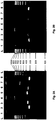
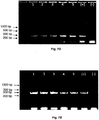
- Positive controls on the gel refer to the product of the same tandem HLA PCR reactions, but instead using 10ng of highly-purified Roche DNA as the original sample input.
- the amount of final 2° amplicon obtained from 2 ⁇ l of raw blood is nearly independent of the amount of 1° amplicon used in the reaction, and similar in specificity & mass yield, to the amplified HLA product obtained from 10ng of purified Roche DNA.
- HLA locus-specific amplicons are generated from 2 ⁇ l whole fluid blood ( Fig. 2A ) via the PCR reaction using the Phusion Blood Direct® kit commercially available from Finnzymes (Woburn, Mass). Reaction conditions are as follows: 1 x Phusion® Blood PCR Buffer, 0.8 ⁇ l Phusion® Blood DNA Polymerase, 1.75mM EDTA, 400nM each primer in a 20 ⁇ l reaction volume. Reactions are cycled using the following protocol: initial denaturing at 98°C for 5 minutes followed by 35 cycles of i) denature at 98°C for 5 seconds, ii) anneal at 70°C for 5 seconds, and iii) extend at 72°C for 30 seconds, and one final extension at 72°C for 1 minute.
- HLA-A locus primary primer pair HLA-A locus primary primer pair
- HLA-B locus primary primer pair set HLA-B locus primary primer pair set:
- HLA-DRB1 locus primary primer pair set
- PCR reactions are performed using Applied Biosystems' (Foster City, CA) Amplitaq Gold® DNA Polymerase in a 100 ⁇ l reaction volume with the following components: 5 ⁇ l of 1:100 diluted locus specific PCR product, 1 x PCR Buffer II, 1.5mM MgCL 2 , 0.16mg/ml BSA (fraction V), 0.2mM each dNTP, 400nM each primer, and 4 units of Amplitaq Gold® DNA Polymerase.
- Cycling conditions are: initial denaturation at 94°C for 2 minutes followed by 40 cycles of (i) denaturing at 98°C for 30 seconds, (ii) annealing at 68°C for 30 seconds, and (iii) extension at 72°C for 30 seconds, then a final extension step of 72°C for 7 minutes.
- Exon-specific PCR primers are labeled with Cyannine 3 dye to facilitate detection of positive hybridization events by laser excitation/emission in a microarray scanner such as a ProScan Array HT (Perkin-Elmer, Waltham, MA).
- HLA-A exon 2 secondary primer pair HLA-A exon 2 secondary primer pair
- HLA-A exon 3 secondary primer pair HLA-A exon 3 secondary primer pair
- HLA-B exon 2 secondary primer pair HLA-B exon 2 secondary primer pair
- Exon-specific PCR's amplified in a single PCR reaction as a set, are used as target in self assembling single base discriminatory microarray hybridizations using the following procedure: Microarray slides are pre-rinsed with ddiH2O at 40°C for 15 minutes before assembling into Grace Bio-Labs (Bend, OR) ProPlate Multi-Array Slide System. Each of the 16 wells on a microarray slide/Poroplate superstructure is equilibrated with 75 ⁇ l pre-hybridization buffer consisting of 3x SSC (Sigma-Aldrich, St. Louis, MO) and 5x Denhardt's Solution (Amresco, Inc. Solon, OH).
- 3x SSC Sigma-Aldrich, St. Louis, MO
- 5x Denhardt's Solution Amresco, Inc. Solon, OH
- Target PCR product is combined with other reagents to make a hybridization cocktail consisting of 3x SSC, 5x Denhardt's Solution, and 50% exon-specific PCR product. This cocktail is then denatured for 5 minutes at 99°C followed by snap-cooling to -20°C for 3 minutes immediately prior to hybridization to a genotyping microarray. Denatured PCR product is applied to previously equilibrated microarrays and are allowed to hybridize at 25°C for 16 hours. After hybridization arrays are washed twice with 100 ⁇ l per well of 0.2x SSC for 15 minutes each wash.
- Array cassettes are disassembled and slides are washed in bulk format briefly with 0.2x SSC then dried by centrifugation at 60 x g in an Eppendorf 5810 centrifuge. Fluorescence data is acquired by scanning slides in a Perkin-Elmer Scan-Array Lite laser scanner using Cyannine3 and Cyannine5 channels set for 60% and 40% PMT gain, respectively. Resulting data files, consisting of a quantitative fluorescence measurement for each probe feature on a microarray slide, are analyzed by software developed by Genomics USA in order to generate HLA genotype calls.
- the LoC microarray platform (In-CheckTM) system integrates PCR amplification and microarray detection processes for genetic testing in a single lab-on-a-chip.
- the system is designed for identification of complex nucleic-acid analytes, such as in HLA-typing, by integrating PCR amplification and hybridization on a single low-density microarray.
- the system is based on a technology that monolithically integrates a PCR micro-reactor fluidically connected with a hybridization reactor composed of a low-density microarray on a miniaturized silicon lab-on-chip (LoC).
- the PCR module (In-CheckTM) has integrated silicon heaters, temperature sensor and miniaturized 25 ⁇ l volume which allow the PCR module to perform the rapid heating and cooling cycles required for highly reliable, end-point PCR.
- the PCR module is thermally driven by the temperature control system (TCS; In-CheckTM).
- TCS temperature control system
- In-CheckTM The TCS allows fast and programmable temperature cycling in a way that allows 5 different LoC tests to be performed in parallel.
- the LoC is a disposable device that is manufactured using silicon-semiconductor MEMS technology and is mounted on a 1"x3" plastic slide that provides the necessary mechanical, thermal & electric connections.
- the silicon chip is an electrically active system that monolithically integrates a 25 ⁇ l PCR reactor with a hybridization area of 30 ⁇ l that hosts a low density microarray of up to 500 spots in 1 cm2. Accurate temp control is maintained through 3 resistive heaters and temp sensors located above the PCR reactor.
- the microarray module is fluidically connected to the PCR chambers on the LOC (In-CheckTM) and is coupled to an on-chip temperature control system, thus allowing full temperature control during hybridization and washing.
- the microarray module is read by inserting the entire 1"x3" LoC into the microarray optical reader (OR; In-CheckTM).
- scanning by the OR typically takes less than 60 seconds, followed by direct data transfer to additional software, such as Ricimer (GenUSA, www.GenomicsUSA.com), for genotyping. Samples are applied directly to the LoC with ordinary lab tools via the loading station.
- All processing can be performed by staff with only routine biochemical training. It is expected with raw blood as the sample input, as many as 50 HLA-Loc tests could be done per day, per workstation (5 at a time on the PCR module) with essentially only a manual pipetting as the requisite lab equipment.
- Numerical analysis of a microarray image is based on "spot finding" and the integration of hybridization signal intensity, within a spot, once circumscribed. Such spot finding and integration is now a routine functionality in imager software.
- Automated image analysis by employing the use of a Cy5 labeled 25mer Oligo-dT oligonucleotide, which has been doped at 5% density within each probe element printed onto the array. By introducing such a marker and using both standard optical channels of the imager (Cy5 for the marker and Cy3 for the hybridization signal) it is possible to localize each probe spot, independently of others: in a sense, the number of fiducial markers equals that of the hybridization signals, to create redundancy.
- the Ricimer software determines allele calls based on the presence or absence of hybridization signal from the printed probes. This is accomplished by what is in essence a two-stage process of elimination. The first stage involves examining each probe that is reported to be "off' and comparing the sequence of that probe with the known allele sequences. If an allele's sequence matches the sequence of one or more of the "off" probes then that allele is eliminated as a candidate, as it cannot be one of the pair of alleles present in the sample.
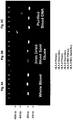
- Raw anonymized raw blood was obtained from Memorial Blood Labs, Minneapolis MN and was stored frozen at -20C until needed. Thawed raw blood was used directly as the template for the primary, locus-specific HLA PCR reactions required for HLA-Chip analysis.
- the corresponding dried blood samples were prepared by pipetting fresh, never frozen, blood onto standard Whatman-GE Guthrie cards, followed by 72 hrs of drying at 25 ⁇ C in a laminar flow hood, then storage in a sealed pouch, at 25 ⁇ C, thereafter.
- a 2mm circular punch was excised from the blood card, to which was added 100 ⁇ l of 100mM Boric acid and 1mM EDTA at pH 7.5. The punch was then heated for 2hrs 70C to rehydrate the blood spot, and to elute the contents of blood spot into solution. The resulting fluid phase was then mixed by pipetting. The rehydrated punches were then stored at -20 ⁇ C until analysis.
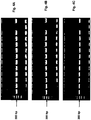
- Positive controls on the gel refer to the product of the same tandem HLA PCR reactions, but instead using 10ng of highly-purified Roche DNA as the original sample input. As seen, the amount of final 2° amplicon obtained from 1 ⁇ l of raw blood, is nearly independent of the sample used in the reaction, and similar in specificity & mass yield, to the amplified HLA product obtained from 10ng of purified Roche DNA.
- De-identified buccal swabs were procured from local donors. Four swabs were collected from each participant by vigorously swabbing up and down twenty times per each quadrant of the mouth and placed into 15mL conical tubes. Whole mouth swabs were taken from 12 individuals: A1-A12. Samples were dried for 72 hours under laminar flow hood. Dried swabs were then rehydrated in 150 ⁇ l of rehydration buffer (100mM Borate + 1 mM EDTA) and solubilized at 70 ⁇ C for 2 x hours. The resulting fluid phase was then mixed by pipetting. The rehydrated swabs were then stored at -20 ⁇ C until analysis.
- rehydration buffer 100mM Borate + 1 mM EDTA
- a nested (tandem) PCR reaction was then performed for each of the HLA loci of interest. 1 ⁇ l of raw swab eluate was used for a primary 25 ⁇ L PCR reaction employing Roche Taq polymerase'. The subsequent (secondary) PCR was then performed upon 2.5 ⁇ L of the primary amplicon product in a total PCR reaction volume of 25 ⁇ L, also employing Roche Taq polymerase. Upon completion, the residual sample (up to half the recovered volume) was extracted via QIAamp DNA Blood Mini Kit (Qiagen catalog #51104). The resulting purified DNA was run on the same microarray HLA-typing platform. Unpurified and purified buccal DNA were analyzed via microarray technology for HLA typing.
- the matched, de-identified DNA from buccal swabs was compared to HLA types obtained on the raw, unpurified samples via gel electrophoresis.
- One microliter of each of the resulting 2° PCR reaction product was then loaded onto a standard acrylamide gel.
- Figures 6B-6D display the primary PCR reactions specific for HLA-A, HLA-B & HLA-DRB1 for these 12 raw buccal swab samples
- Figures 6E-6G display the secondary PCR reactions specific for HLA-A, HLA-B & HLA-DRB1 for the sample 12 raw buccal swab samples.
- the yield of primary PCR product is highly variable among the set of 12 raw, re-hydrated buccal swabs samples ( Figs. 6B-6D )
- the subsequent secondary PCR reaction has generated a series of amplified exons which are nearly identical in yield and specificity, among the set of 12 raw buccal swab specimens ( Figs. 6E-6G ).
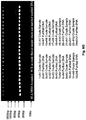
- HLA locus-specific amplicons for HLA-A plus HLA-DRB1, and HLA-B and HLA-DRB1 are generated from 1 ⁇ l whole fluid blood ( Fig. 7A-7B , 7G-7H ) via the PCR reaction using FastStart Taq DNA Polymerase under the following conditions: 1x PCR Buffer (without Mg ++ ), 1.5mM MgCl 2 , 0.16mg/ml BSA (fraction V), 0.05 ⁇ M each dNTP, 400nM of each locus-specific primer for each of the genes being amplified in parallel, and 1 unit of Taq in a total reaction volume of 25 ⁇ l.
- a second reaction can be performed were the exons 2 and 3 for HLA-A or HLA-B can be simultaneously amplified with exon 2 from HLA-DRB1.
- the above mentioned PCR reactions are performed using Applied Biosystems' (Foster City, CA) Amplitaq Gold® DNA Polymerase in a 100 ⁇ l reaction volume with the following components: 5 ⁇ l of 1:100 diluted locus specific PCR product, 1 x PCR Buffer II, 1.5mM MgCL 2 , 0.16mg/ml BSA (fraction V), 0.2mM each dNTP, 400nM each primer of interest, and 4 units of Amplitaq Gold® DNA Polymerase.
- Cycling conditions are: initial denaturation at 94°C for 2 minutes followed by 40 cycles of (i) denaturing at 98°C for 30 seconds, (ii) annealing at 68°C for 30 seconds, and (iii) extension at 72°C for 30 seconds, then a final extension step of 72°C for 7 minutes.
- Exon-specific PCR primers are labeled with Cyannine 3 dye to facilitate detection of positive hybridization events by laser excitation/emission in a microarray scanner such as a ProScan Array HT (Perkin-Elmer, Waltham, MA).
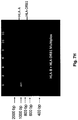
- Hybridization of the genes amplified in parallel are performed where the products of the secondary amplification of exons 2 and 3 of HLA-A and HLA-B, and exon 2 of HLA-DRB1 can be hybridized to the corresponding HLA-Chips obtaining successful matching genotypes in preliminary data collection ( Fig. 7F )
- the product of the secondary PCR of genes amplified in parallel such as HLA-A and HLA-DRB1 can be hybridized to either an HLA-A chip or an HLA-DRB1 chip, the same applies for the secondary PCR product of HLA-B and HLA-DRB1 multiplex ( Fig. 7L ).
- the microbial content of ordinary human stool comprises 10 +10 up to 10 +11 microbes per CC, which is nearly 1% by mass. Based on that very high cell density, the density of 16S gene DNA in those same samples will therefore also exceed 10 +10 up to 10 +11 16S gene segments per CC, or about 10 +7 copies per ⁇ l.
- the tandem PCR reactions of the kind described in Examples 1-9 function well on about 10ng human DNA (about 2,000 copies) per ⁇ l.
- 16S DNA is presented at a copy number density that is at least 1,000 times greater than displayed in Examples 1-9 for raw blood or buccal swabs. Based on that very high copy number, it is therefore possible to use the technology described herein to perform 16S DNA based microbial diversity analysis upon unpurified fecal matter:
Landscapes
- Chemical & Material Sciences (AREA)
- Life Sciences & Earth Sciences (AREA)
- Organic Chemistry (AREA)
- Health & Medical Sciences (AREA)
- Proteomics, Peptides & Aminoacids (AREA)
- Engineering & Computer Science (AREA)
- Analytical Chemistry (AREA)
- Zoology (AREA)
- Wood Science & Technology (AREA)
- Genetics & Genomics (AREA)
- Immunology (AREA)
- General Engineering & Computer Science (AREA)
- Biotechnology (AREA)
- Bioinformatics & Cheminformatics (AREA)
- Physics & Mathematics (AREA)
- Biophysics (AREA)
- Biochemistry (AREA)
- Microbiology (AREA)
- Molecular Biology (AREA)
- General Health & Medical Sciences (AREA)
- Cell Biology (AREA)
- Biomedical Technology (AREA)
- Crystallography & Structural Chemistry (AREA)
- Plant Pathology (AREA)
- Toxicology (AREA)
- Measuring Or Testing Involving Enzymes Or Micro-Organisms (AREA)
Applications Claiming Priority (3)
| Application Number | Priority Date | Filing Date | Title |
|---|---|---|---|
| US28140409P | 2009-11-16 | 2009-11-16 | |
| US12/924,301 US8771951B2 (en) | 2009-11-16 | 2010-09-24 | Methods for PCR and HLA typing using raw blood |
| EP10830333.0A EP2501827B1 (de) | 2009-11-16 | 2010-11-16 | Verfahren zur pcr- und hla-typisierung mithilfe von rohem blut |
Related Parent Applications (2)
| Application Number | Title | Priority Date | Filing Date |
|---|---|---|---|
| EP10830333.0A Division EP2501827B1 (de) | 2009-11-16 | 2010-11-16 | Verfahren zur pcr- und hla-typisierung mithilfe von rohem blut |
| EP10830333.0A Division-Into EP2501827B1 (de) | 2009-11-16 | 2010-11-16 | Verfahren zur pcr- und hla-typisierung mithilfe von rohem blut |
Publications (1)
| Publication Number | Publication Date |
|---|---|
| EP3342880A1 true EP3342880A1 (de) | 2018-07-04 |
Family
ID=43992285
Family Applications (2)
| Application Number | Title | Priority Date | Filing Date |
|---|---|---|---|
| EP10830333.0A Not-in-force EP2501827B1 (de) | 2009-11-16 | 2010-11-16 | Verfahren zur pcr- und hla-typisierung mithilfe von rohem blut |
| EP17200168.7A Withdrawn EP3342880A1 (de) | 2009-11-16 | 2010-11-16 | Verfahren zur rt-pcr- und hla-typisierung mithilfe von rohem blut |
Family Applications Before (1)
| Application Number | Title | Priority Date | Filing Date |
|---|---|---|---|
| EP10830333.0A Not-in-force EP2501827B1 (de) | 2009-11-16 | 2010-11-16 | Verfahren zur pcr- und hla-typisierung mithilfe von rohem blut |
Country Status (7)
| Country | Link |
|---|---|
| US (1) | US8771951B2 (de) |
| EP (2) | EP2501827B1 (de) |
| KR (1) | KR101953176B1 (de) |
| CN (1) | CN102834525B (de) |
| AU (2) | AU2010318721A1 (de) |
| CA (1) | CA2786118C (de) |
| WO (1) | WO2011059508A2 (de) |
Families Citing this family (12)
| Publication number | Priority date | Publication date | Assignee | Title |
|---|---|---|---|---|
| EP2199956A1 (de) * | 2008-12-18 | 2010-06-23 | Siemens Aktiengesellschaft | Verfahren und System zum Verwalten von Ergebnissen eines Analyseverfahrens an Gegenständen, die entlang einer technischen Verfahrenslinie gehandhabt werden |
| US20160068901A1 (en) * | 2013-05-01 | 2016-03-10 | Advanced Liquid Logic, Inc. | Analysis of DNA |
| US20150353989A1 (en) | 2014-06-09 | 2015-12-10 | Illumina Cambridge Limited | Sample preparation for nucleic acid amplification |
| US10900065B2 (en) | 2014-11-14 | 2021-01-26 | University Of Washington | Methods and kits for labeling cellular molecules |
| EP3878974A1 (de) * | 2015-07-06 | 2021-09-15 | Illumina Cambridge Limited | Probenvorbereitung zur nukleinsäureamplifikation |
| CN104946779B (zh) * | 2015-07-14 | 2018-06-12 | 陕西佰美基因股份有限公司 | 一种检测HLA-B*57:01等位基因的TaqMan探针实时荧光PCR方法 |
| SMT202100712T1 (it) | 2015-08-17 | 2022-01-10 | Kura Oncology Inc | Metodi di trattamento di pazienti di cancro con inibitori di farnesil trasferasi |
| US11646103B2 (en) * | 2017-09-06 | 2023-05-09 | Nant Holdings Ip, Llc | HLA tissue matching and methods therefor |
| CN107988345A (zh) * | 2017-12-05 | 2018-05-04 | 广东药科大学 | Hla-a*02亚型分型的方法 |
| EP3866815B1 (de) | 2018-10-19 | 2024-05-01 | Regents Of The University Of Minnesota | Transplantationstoleranzinduktion mit carbodiimidbehandeltem tolerierendem impfstoff |
| CN117363711A (zh) * | 2023-10-13 | 2024-01-09 | 广州艾乐贝拉生命科学研究有限公司 | 一种从外周血中获取hla分型数据的方法及其应用 |
| WO2025175212A1 (en) * | 2024-02-15 | 2025-08-21 | Life Technologies Corporation | Methods for rapid extraction-free genotyping |
Citations (7)
| Publication number | Priority date | Publication date | Assignee | Title |
|---|---|---|---|---|
| JP2002101889A (ja) * | 2000-09-29 | 2002-04-09 | Genome Science Laboratories Co Ltd | 新規遺伝子型判定方法 |
| GB2415503A (en) * | 2004-06-09 | 2005-12-28 | B S C R Ltd | Recovering stem cells from cord blood |
| WO2006094360A1 (en) * | 2005-03-11 | 2006-09-14 | Molecular Plant Breeding Nominees Ltd | Method of amplifying nucleic acid |
| US20070190540A1 (en) * | 2005-09-01 | 2007-08-16 | Corbett Life Science Pty Ltd | Methods for the amplification, quantitation and identification of nucleic acids |
| US20070298425A1 (en) | 2006-02-27 | 2007-12-27 | Hogan Michael E | Population scale HLA-typing and uses thereof |
| US7354710B2 (en) | 2001-07-11 | 2008-04-08 | Genomics Usa, Inc. | Methods and devices based upon a novel form of nucleic acid duplex on a surface |
| US20090011949A1 (en) | 2001-07-11 | 2009-01-08 | Hogan Michael E | Methods and devices based upon a novel form of nucleic acid duplex on a surface |
Family Cites Families (4)
| Publication number | Priority date | Publication date | Assignee | Title |
|---|---|---|---|---|
| DE69213112T2 (de) * | 1991-06-20 | 1997-04-03 | Hoffmann La Roche | Verbesserte Methoden zur Nukleinsäure-Amplifizierung |
| US5910413A (en) * | 1997-10-10 | 1999-06-08 | Visible Genetics, Inc. | Method and kit for amplification, sequencing and typing of classical HLA class I genes |
| CA2439402A1 (en) * | 2001-03-02 | 2002-09-12 | University Of Pittsburgh Of The Commonwealth System Of Higher Education | Pcr method |
| CN1898395B (zh) * | 2003-10-13 | 2014-02-12 | 戴尔斯瑞克斯实验室 | 基于引物的核酸的多重扩增的方法和试剂盒 |
-
2010
- 2010-09-24 US US12/924,301 patent/US8771951B2/en active Active
- 2010-11-16 AU AU2010318721A patent/AU2010318721A1/en not_active Abandoned
- 2010-11-16 CN CN201080060981.9A patent/CN102834525B/zh not_active Expired - Fee Related
- 2010-11-16 WO PCT/US2010/002981 patent/WO2011059508A2/en not_active Ceased
- 2010-11-16 EP EP10830333.0A patent/EP2501827B1/de not_active Not-in-force
- 2010-11-16 CA CA2786118A patent/CA2786118C/en active Active
- 2010-11-16 EP EP17200168.7A patent/EP3342880A1/de not_active Withdrawn
- 2010-11-16 KR KR1020127015754A patent/KR101953176B1/ko not_active Expired - Fee Related
-
2016
- 2016-12-01 AU AU2016266065A patent/AU2016266065B2/en not_active Ceased
Patent Citations (7)
| Publication number | Priority date | Publication date | Assignee | Title |
|---|---|---|---|---|
| JP2002101889A (ja) * | 2000-09-29 | 2002-04-09 | Genome Science Laboratories Co Ltd | 新規遺伝子型判定方法 |
| US7354710B2 (en) | 2001-07-11 | 2008-04-08 | Genomics Usa, Inc. | Methods and devices based upon a novel form of nucleic acid duplex on a surface |
| US20090011949A1 (en) | 2001-07-11 | 2009-01-08 | Hogan Michael E | Methods and devices based upon a novel form of nucleic acid duplex on a surface |
| GB2415503A (en) * | 2004-06-09 | 2005-12-28 | B S C R Ltd | Recovering stem cells from cord blood |
| WO2006094360A1 (en) * | 2005-03-11 | 2006-09-14 | Molecular Plant Breeding Nominees Ltd | Method of amplifying nucleic acid |
| US20070190540A1 (en) * | 2005-09-01 | 2007-08-16 | Corbett Life Science Pty Ltd | Methods for the amplification, quantitation and identification of nucleic acids |
| US20070298425A1 (en) | 2006-02-27 | 2007-12-27 | Hogan Michael E | Population scale HLA-typing and uses thereof |
Non-Patent Citations (7)
| Title |
|---|
| GUSTAVO H. KIJAK ET AL: "Development and Application of a High-Throughput HIV Type 1 Genotyping Assay to Identify CRF02_AG in West/West Central Africa", AIDS RESEARCH AND HUMAN RETROVIRUSES, vol. 20, no. 5, 1 May 2004 (2004-05-01), pages 521 - 530, XP055057289, ISSN: 0889-2229, DOI: 10.1089/088922204323087778 * |
| KANE M ET AL: "Application of less primer method to multiplex PCR", INTERNATIONAL CONGRESS SERIES, EXCERPTA MEDICA, AMSTERDAM, NL, vol. 1288, 1 April 2006 (2006-04-01), pages 694 - 696, XP027936653, ISSN: 0531-5131, [retrieved on 20060401] * |
| LEE-JUN C WONG ET AL: "Detection of Mitochondrial DNA Mutations in the Tumor and Cerebrospinal Fluid of Medulloblastoma Patients", CANCER RESEARCH, 15 July 2003 (2003-07-15), pages 3866 - 3871, XP055057301, Retrieved from the Internet <URL:http://cancerres.aacrjournals.org/content/63/14/3866.full.pdf+html> [retrieved on 20130321] * |
| LOPEZ G ET AL: "9-OR: Microarray-based HLA Typing, on Unpurifed DNA Samples from Blood and Succal Swabs", HUMAN IMMUNOLOGY, NEW YORK, NY, US, vol. 71, 27 September 2010 (2010-09-27), pages S8, XP027281147, ISSN: 0198-8859, [retrieved on 20100901] * |
| PAK YANG CHUM ET AL: "Direct PCR from blood preserved on Whatman FTA and 903 Cards using Phusion Blood Direct PCR Kit", 1 December 2008 (2008-12-01), pages 1 - 1, XP055057288, Retrieved from the Internet <URL:http://www.thermofisher.com.au/Uploads/file/Scientific/Applications/Life-Science-Research-Technologies/Direct-PCR-from-blood-preserved-on-Whatman-FTA-and-903-Cards.pdf> [retrieved on 20130321] * |
| S. A. GILBERT ET AL: "Typing of Bovine Viral Diarrhea Viruses Directly from Blood of Persistently Infected Cattle by Multiplex PCR", JOURNAL OF CLINICAL MICROBIOLOGY, 1 June 1999 (1999-06-01), UNITED STATES, pages 2020 - 2023, XP055462904, Retrieved from the Internet <URL:http://jcm.asm.org/content/37/6/2020.full.pdf#page=1&view=FitH> * |
| TASARA T ET AL: "Development and evaluation of a Mycobacterium avium subspecies paratuberculosis (MAP) specific multiplex PCR assay", INTERNATIONAL JOURNAL OF FOOD MICROBIOLOGY, ELSEVIER SCIENCE PUBLISHERS, AMSTERDAM, NL, vol. 104, no. 3, 25 October 2005 (2005-10-25), pages 279 - 287, XP027663086, ISSN: 0168-1605, [retrieved on 20051025] * |
Also Published As
| Publication number | Publication date |
|---|---|
| WO2011059508A2 (en) | 2011-05-19 |
| EP2501827A2 (de) | 2012-09-26 |
| KR20120107964A (ko) | 2012-10-04 |
| AU2010318721A1 (en) | 2012-07-05 |
| WO2011059508A3 (en) | 2011-10-06 |
| AU2016266065A1 (en) | 2016-12-22 |
| CN102834525A (zh) | 2012-12-19 |
| CN102834525B (zh) | 2016-01-20 |
| CA2786118A1 (en) | 2011-05-19 |
| EP2501827A4 (de) | 2013-05-15 |
| AU2016266065B2 (en) | 2019-06-06 |
| KR101953176B1 (ko) | 2019-03-04 |
| EP2501827B1 (de) | 2017-12-20 |
| US20110117553A1 (en) | 2011-05-19 |
| CA2786118C (en) | 2020-09-15 |
| US8771951B2 (en) | 2014-07-08 |
Similar Documents
| Publication | Publication Date | Title |
|---|---|---|
| AU2016266065B2 (en) | Methods for pcr and hla typing using raw blood | |
| US20250109439A1 (en) | Methods for determining fraction of fetal nucleic acids in maternal samples | |
| US10337066B2 (en) | Methods for PCR and HLA typing using unpurified samples | |
| EP1759011B1 (de) | Nachweis chromosomaler störungen | |
| US9512479B2 (en) | Methods for sample tracking | |
| AU2010343276B2 (en) | Methods for determining fraction of fetal nucleic acid in maternal samples | |
| US20050191636A1 (en) | Detection of STRP, such as fragile X syndrome | |
| JP4989493B2 (ja) | 分子内プローブによる核酸配列の検出方法 | |
| JP2011516069A (ja) | 多数の標的の増幅のためのアンプリコンレスキューマルチプレックスポリメラーゼ連鎖反応 | |
| CN105358709A (zh) | 用于检测基因组拷贝数变化的系统和方法 | |
| US7732138B2 (en) | Rapid genotyping analysis and the device thereof | |
| Brion et al. | New technologies in the genetic approach to sudden cardiac death in the young | |
| US20090061440A1 (en) | Method for amplifying plural nucleic acid sequences for discrimination | |
| CN106715692A (zh) | 改善的ngs工艺流程 | |
| Ge et al. | Detection of fetal DNA in maternal plasma by microarray coupled with emulsions PCR | |
| US20060078881A1 (en) | Method and kit for detection of mutations in mitochondrial dna | |
| WO2005079173A2 (en) | A plynucleotide associated with a colon cancer comprising single nucleotide polymorphism, microarray and diagnostic kit comprising the same and method for diagnosing a colon cancer using the polynucleotide | |
| CN118339310A (zh) | 用于检测核酸序列负荷的组合物、试剂盒和方法 | |
| HK1106553A (en) | Detection of chromosomal disorders | |
| JP2003135069A (ja) | 塩基多型の同定方法 | |
| JP2009125018A (ja) | ハプロタイプの検出法 |
Legal Events
| Date | Code | Title | Description |
|---|---|---|---|
| PUAI | Public reference made under article 153(3) epc to a published international application that has entered the european phase |
Free format text: ORIGINAL CODE: 0009012 |
|
| STAA | Information on the status of an ep patent application or granted ep patent |
Free format text: STATUS: THE APPLICATION HAS BEEN PUBLISHED |
|
| AC | Divisional application: reference to earlier application |
Ref document number: 2501827 Country of ref document: EP Kind code of ref document: P |
|
| AK | Designated contracting states |
Kind code of ref document: A1 Designated state(s): AL AT BE BG CH CY CZ DE DK EE ES FI FR GB GR HR HU IE IS IT LI LT LU LV MC MK MT NL NO PL PT RO RS SE SI SK SM TR |
|
| STAA | Information on the status of an ep patent application or granted ep patent |
Free format text: STATUS: REQUEST FOR EXAMINATION WAS MADE |
|
| 17P | Request for examination filed |
Effective date: 20190104 |
|
| RBV | Designated contracting states (corrected) |
Designated state(s): AL AT BE BG CH CY CZ DE DK EE ES FI FR GB GR HR HU IE IS IT LI LT LU LV MC MK MT NL NO PL PT RO RS SE SI SK SM TR |
|
| STAA | Information on the status of an ep patent application or granted ep patent |
Free format text: STATUS: EXAMINATION IS IN PROGRESS |
|
| 17Q | First examination report despatched |
Effective date: 20191105 |
|
| STAA | Information on the status of an ep patent application or granted ep patent |
Free format text: STATUS: THE APPLICATION IS DEEMED TO BE WITHDRAWN |
|
| 18D | Application deemed to be withdrawn |
Effective date: 20210323 |