EP3347034B1 - Composition liant le récepteur du facteur de croissance des hépatocytes (hgfr) pour son utilisation dans une méthode de traitement du trouble ou de la cicatrisation de la cornée - Google Patents
Composition liant le récepteur du facteur de croissance des hépatocytes (hgfr) pour son utilisation dans une méthode de traitement du trouble ou de la cicatrisation de la cornée Download PDFInfo
- Publication number
- EP3347034B1 EP3347034B1 EP16845118.5A EP16845118A EP3347034B1 EP 3347034 B1 EP3347034 B1 EP 3347034B1 EP 16845118 A EP16845118 A EP 16845118A EP 3347034 B1 EP3347034 B1 EP 3347034B1
- Authority
- EP
- European Patent Office
- Prior art keywords
- hgf
- growth factor
- corneal
- hepatocyte growth
- amino acid
- Prior art date
- Legal status (The legal status is an assumption and is not a legal conclusion. Google has not performed a legal analysis and makes no representation as to the accuracy of the status listed.)
- Active
Links
Images



Classifications
-
- A—HUMAN NECESSITIES
- A61—MEDICAL OR VETERINARY SCIENCE; HYGIENE
- A61K—PREPARATIONS FOR MEDICAL, DENTAL OR TOILETRY PURPOSES
- A61K38/00—Medicinal preparations containing peptides
- A61K38/16—Peptides having more than 20 amino acids; Gastrins; Somatostatins; Melanotropins; Derivatives thereof
- A61K38/17—Peptides having more than 20 amino acids; Gastrins; Somatostatins; Melanotropins; Derivatives thereof from animals; from humans
- A61K38/18—Growth factors; Growth regulators
- A61K38/1833—Hepatocyte growth factor; Scatter factor; Tumor cytotoxic factor II
-
- A—HUMAN NECESSITIES
- A61—MEDICAL OR VETERINARY SCIENCE; HYGIENE
- A61K—PREPARATIONS FOR MEDICAL, DENTAL OR TOILETRY PURPOSES
- A61K9/00—Medicinal preparations characterised by special physical form
- A61K9/0012—Galenical forms characterised by the site of application
- A61K9/0048—Eye, e.g. artificial tears
-
- A—HUMAN NECESSITIES
- A61—MEDICAL OR VETERINARY SCIENCE; HYGIENE
- A61P—SPECIFIC THERAPEUTIC ACTIVITY OF CHEMICAL COMPOUNDS OR MEDICINAL PREPARATIONS
- A61P27/00—Drugs for disorders of the senses
- A61P27/02—Ophthalmic agents
-
- C—CHEMISTRY; METALLURGY
- C07—ORGANIC CHEMISTRY
- C07K—PEPTIDES
- C07K14/00—Peptides having more than 20 amino acids; Gastrins; Somatostatins; Melanotropins; Derivatives thereof
-
- C—CHEMISTRY; METALLURGY
- C07—ORGANIC CHEMISTRY
- C07K—PEPTIDES
- C07K14/00—Peptides having more than 20 amino acids; Gastrins; Somatostatins; Melanotropins; Derivatives thereof
- C07K14/435—Peptides having more than 20 amino acids; Gastrins; Somatostatins; Melanotropins; Derivatives thereof from animals; from humans
- C07K14/475—Growth factors; Growth regulators
- C07K14/4753—Hepatocyte growth factor; Scatter factor; Tumor cytotoxic factor II
Definitions
- the present invention relates to compositions and uses for treating and preventing corneal haze and scarring.
- Corneal diseases and injuries account for the second leading non-refractive - cause of blindness affecting over 10 million people worldwide.
- a number of pathological conditions can lead to corneal scarring, including: injuries (e.g. chemical burns/industrial accidents); infection (e.g. contact lens-related infection or optical herpes); and laser vision correction (PRK).
- injuries e.g. chemical burns/industrial accidents
- infection e.g. contact lens-related infection or optical herpes
- PRK laser vision correction
- the invention relates to a hepatocyte growth factor receptor (HGFR)-binding composition
- HGFR hepatocyte growth factor receptor
- HGF hepatocyte growth factor
- the HGF agent is a polypeptide having an amino acid sequence that is at least 95% identical to SEQ ID NO: 1 or a fragment thereof, wherein the fragment is capable of reducing corneal haze or scarring and wherein the fragment:
- the invention described herein also relates to the pharmaceutical formulation for use in the treatment and prevention of corneal haze and scarring resulting from disease or injury.
- the disclosure also provides for methods for the treatment and prevention of corneal haze or scarring in a subject in need of such treatment by administering the formulations (e.g., topically or subconjunctivally) directly to the eye, e.g., onto the surface of the cornea, or to a region, e.g., region adjacent to the cornea, of the eye of the subject.
- the subject is preferably a mammal in need of such treatment, e.g., a subject that has been diagnosed with corneal haze or scarring or a predisposition thereto.
- the subject has suffered one or more injuries (e.g. chemical burns/industrial accidents), infection (e.g. contact lens-related infection or optical herpes), and/or laser vision correction (PRK) surgery or is expected to undergo a surgery.
- the mammal can be any mammal, e.g., a human, a primate, a mouse, a rat, a dog, a cat, a horse, as well as livestock or animals grown for food consumption, e.g., cattle, sheep, pigs, chickens, and goats.
- the mammal is a human.
- Corneal haze or scarring is a clouding or reduction in transparency of the cornea. It can be a side effect of ocular disease, injury or surgery, e.g., as a result of an aggressive wound response. Corneal haze or scarring describes a cloudy or opaque appearance of the cornea. The cornea is normally clear, so corneal haze can greatly impair vision. Although the haze or scarring can occur in any part of the cornea, it is most often found within the thicker, middle layer of the cornea, called the stroma. Corneal haze or scarring is most often caused by inflammatory cells and other debris that is activated during trauma, infection or surgery. Corneal haze or scarring can be graded on a scale of 1 to 4 as shown in Table 1 below.
- identifying a subject in need of treatment comprises determining or calculating the grade scale (e.g., trace, mild, moderate, or severe) of the subject's cornea transparency.
- Table 1. Grading Scale for Corneal Haze/Scarring None 0 Transparent, clear Trace +1 Minimal loss of transparency. Only the epithelium and/or the anterior half of the stroma is involved as observed with an optical section of the slit lamp. Mild +2 Dull-glass appearance. The cloudiness extends past the anterior half of the stroma. Moderate +3 Involvement of the entire thickness of the stroma. The affected stroma has lost its marble-like appearance and is homogeneously white. With optical section, the endothelium is still visible, Severe +4 Involvement of the entire thickness of the stroma. With optical section, cannot clearly visualize the endothelium.
- the method of treating corneal haze or scarring is carried out by identifying a subject who has been identified as having experienced an incident or predilection to corneal haze or scarring, and administering to an ocular or adnexal tissue a composition comprising an effective amount of a purified hepatocyte growth factor (HGF) agent or compound that binds to and/or induces HGF or cMET mediated signal transduction.
- HGF agent may include HGF, or a truncation, modification, mimetic, agonist or analog thereof.
- HGF agent is able to induce HGF-mediated signal transduction by HGF-receptor (HGFR or cMET), and may include, without limitation, a natural protein, recombinant protein or peptide and fusion or chimeric protein able to bind HGFR, and biologic or chemical small molecule agonist of HGFR.
- a small molecule is a compound that is less than 2000 daltons in mass. The molecular mass of the small molecule is preferably less than 1000 daltons, more preferably less than 600 daltons, e.g. , the compound is less than 500 daltons, 400 daltons, 300 daltons, 200 daltons, or 100 daltons.
- HGF agents can be used alone or in conjunction with additional HGF agents or other therapies.
- HGF agents are not inclusive of other growth factors including epidermal growth factor (EGF), fibroblast growth factor (FGF), platelet-derived growth factor (PDGF), nerve growth factor (NGF) and synthetic or naturally occurring mixtures thereof including plasma rich in growth factors (PRGF).
- EGF epidermal growth factor
- FGF fibroblast growth factor
- PDGF platelet-derived growth factor
- NGF nerve growth factor
- PRGF synthetic or naturally occurring mixtures thereof including plasma rich in growth factors
- the pharmaceutical formulations for use of the present invention comprising the HGF agents are preferably formulated for ophthalmic delivery, e.g., corneal delivery or administration such that the corneal stroma is permeated.
- Stromal cells are physiologically and phenotypically different from epithelial cells and it is in the stroma, not any other layer of the cornea, where haze and scarring is seen.
- the pharmaceutical compositions are formulated for subconjunctival administration.
- the administration includes contacting the compositions described herein with corneal stroma or corneal stromal cells in a subject in need thereof.
- the pharmaceutical compositions are formulated for topical administration to the eye or region of the eye.
- the formulation may comprise one or more tear substitutes.
- the formulation alternatively comprises an ophthalmic lubricant.
- the pH of the formulation may be between 5.5 and 7.5 (e.g., about 5.5, 5.6, 5.7, 5.8, 5.9, 6, 6.1, 6.2, 6.3, 6.4, 6.5, 6.6, 6.7, 6.8, 6.9, 7, 7.1, 7.2, 7.3, 7.4, 7.5).
- the pH of the formulation is about 7.4.
- the formulation may be in the form of a single dose unit or in the form of a multi-dose system.
- Suitable forms of the composition include a solid, a paste, an ointment, a gel, a liquid, an aerosol, a mist, a polymer, a film, an emulsion, or a suspension.
- the composition is incorporated into or coated onto a contact lens.
- the formulation is an aqueous formulation.
- aqueous typically denotes an aqueous composition wherein the carrier is to an extent of >50%, more preferably >75% and in particular >90% by weight water.
- Polynucleotides, polypeptides, or other agents are purified and/or isolated.
- an "isolated” or “purified” nucleic acid molecule, polynucleotide, polypeptide, or protein is substantially free of other cellular material, or culture medium when produced by recombinant techniques, or chemical precursors or other chemicals when chemically synthesized.
- cell populations are substantially free of other cellular material, or culture medium.
- Purified compounds are at least 60% by weight (dry weight) the compound of interest.
- the preparation is at least 75%, more preferably at least 90%, and most preferably at least 99%, by weight the compound of interest.
- a purified compound is one that is at least 90%, 91%, 92%, 93%, 94%, 95%, 98%, 99%, or 100% (w/w) of the desired compound by weight. Purity is measured by any appropriate standard method, for example, by column chromatography, thin layer chromatography, or high-performance liquid chromatography (HPLC) analysis.
- a purified or isolated polynucleotide ribonucleic acid (RNA) or deoxyribonucleic acid (DNA)
- RNA ribonucleic acid
- DNA deoxyribonucleic acid
- a purified or isolated polypeptide is free of the amino acids or sequences that flank it in its naturally-occurring state. Purified also defines a degree of sterility that is safe for administration to a human subject, e.g., lacking infectious or toxic agents.
- composition for use in a method may further comprise the administration of a second therapeutic agent.
- a second therapeutic agent includes a steroid, other biologic or small molecule-based anti-inflammatory treatments (e.g. cytokine targeting).
- the HGF agent may be administered at a frequency that affords optimal effectiveness.
- the HGF agent is administered every 72 hours, every 48 hours, every 24 hours, every 12 hours, every 6 hours, every 3 hours, every 1 hour, or any other appropriate interval.
- the HGF agent is administered for 1 day, 2 days, 3 days, 4 days, 5 days, 7 days, 14 days, 30 days, 60 days, 90 days, or 120 days.
- Administration may be following an injury or insult to the corneal, or administered prior to surgery to prevent corneal haze and scarring from occurring.
- Traum or insult to the cornea may be the result of injuries (e.g. chemical burns/industrial accidents); infection (e.g. contact lens-related infection or optical herpes); and laser vision correction (PRK).
- injuries e.g. chemical burns/industrial accidents
- infection e.g. contact lens-related infection or optical herpes
- PRK laser vision correction
- the HGF agent may be administered for long-term use, i.e., more than 120 days, more than 150 days, more than 180 days, more than 210 days, more than 240 days, more than 270 days, more than 300 days, more than 330 days or more than 360 days.
- Also disclosed is a method of preventing corneal haze or scarring comprising identifying a subject who is at risk for developing corneal haze or scarring, and administering to an ocular or adnexal tissue a composition comprising an effective amount of an HGF agent.
- the subject is asymptomatic, but at high risk for developing corneal haze or scarring.
- the composition for use in a method further comprises the administration of a pharmaceutically acceptable carrier.
- pharmaceutically acceptable is art-recognized and refers to compositions, polymers and other materials and/or dosage forms which are, within the scope of sound medical judgment, suitable for use in contact with the tissues of human beings and animals without excessive toxicity, irritation, allergic response, or other problem or complication, commensurate with a reasonable benefit/risk ratio.
- the composition for use in a method may further comprise administration of an "ophthalmically acceptable" carrier.
- pharmaceutically acceptable carrier refers to, for example, pharmaceutically acceptable materials, compositions or vehicles, such as a liquid or solid filler, diluent, excipient, solvent or encapsulating material, involved in carrying or transporting any supplement or composition, or component thereof, from one organ, or portion of the body, to another organ, or portion of the body.
- a pharmaceutically acceptable carrier is non-pyrogenic.
- materials which may serve as pharmaceutically acceptable carriers include: (1) sugars, such as lactose, glucose and sucrose; (2) starches, such as corn starch and potato starch; (3) cellulose, and its derivatives, such as sodium carboxymethyl cellulose, ethyl cellulose and cellulose acetate; (4) powdered tragacanth; (5) malt; (6) gelatin; (7) talc; (8) excipients, such as cocoa butter and suppository waxes; (9) oils, such as peanut oil, cottonseed oil, sunflower oil, sesame oil, olive oil, corn oil and soybean oil; (10) glycols, such as propylene glycol; (11) polyols, such as glycerin, sorbitol, mannitol and polyethylene glycol; (12) esters, such as ethyl oleate and ethyl laurate; (13) agar; (14) buffering agents, such as magnesium hydroxide and aluminum hydroxide; (15) alg
- Excipients for topical administration of the compositions for use of the present invention preferentially promote drug penetration through the ocular surface and corneal epithelium and into the corneal stroma.
- Example excipients that are suitable for preferential drug delivery, e.g., at least 10%, 25%, 50%, 75%, 2-fold, 5-fold, 10-fold, or more, to the corneal stroma compared to other ocular anatomical locations include polysaccharides and derivatives thereof (e.g., chitosan, n-carboxymethyl chitosan, chitosan HCL, N-trimethylchitosan, xyloglucan, hyaluronic acid, alginic acid, cellan gum, cyclodextrans, etc.); nanoparticles (e.g., nanoparticles conjugated, e.g., covalently linked, to a drug for use of the present invention); liposomes, e.g., into which or onto which the compound/
- ophthalmically acceptable refers to compositions comprising excipients, emulsifiers, wetting agents, carriers or fillers that are suitable for application to the tissues of the eye and eye area.
- Such ophthalmically acceptable compositions may comprise for example, the polyethylene glycols designated 200, 300, 400 and 600, or Carbowax designated 1000, 1500, 4000, 6000 and 10000, complexing agents, such as disodium-EDTA or EDTA, antioxidants, such as ascorbic acid, acetylcysteine, cysteine, sodium hydrogen sulfite, butylhydroxyanisole, butyl-hydroxy- toluene; stabilizers, such as thiourea, thiosorbitol, sodium dioctyl sulfosuccinate or monothioglycerol; or other excipients, such as, for example, lauric acid sorbitol ester, triethanol amine oleate or palmitic acid ester.
- tear substitute refers to molecules or compositions which lubricate, "wet,” approximate the consistency of endogenous tears, aid in natural tear buildup, or otherwise provide temporary relief of dry eye symptoms and conditions upon ocular administration.
- polypeptide peptide
- protein protein
- amino acid polymers in which one or more amino acid residue is an artificial chemical mimetic of a corresponding naturally occurring amino acid, as well as to naturally occurring amino acid polymers and non-naturally occurring amino acid polymers.
- substantially pure is meant a nucleotide or polypeptide that has been separated from the components that naturally accompany it.
- the nucleotides and polypeptides are substantially pure when they are at least 60%, 70%, 80%, 90%, 95%, or even 99 - 100%, by weight, free from the proteins and naturally-occurring organic molecules with they are naturally associated.
- Consatively modified variations of a particular polynucleotide sequence refers to those polynucleotides that encode identical or essentially identical amino acid sequences, or where the polynucleotide does not encode an amino acid sequence, to essentially identical sequences. Because of the degeneracy of the genetic code, a large number of functionally identical nucleic acids encode any given polypeptide. For instance, the codons CGU, CGC, CGA, CGG, AGA, and AGG all encode the amino acid arginine. Thus, at every position where an arginine is specified by a codon, the codon can be altered to any of the corresponding codons described without altering the encoded polypeptide.
- nucleic acid variations are "silent substitutions” or “silent variations,” which are one species of “conservatively modified variations.” Every polynucleotide sequence described herein which encodes a polypeptide also describes every possible silent variation, except where otherwise noted. Thus, silent substitutions are an implied feature of every nucleic acid sequence which encodes an amino acid.
- silent substitutions are an implied feature of every nucleic acid sequence which encodes an amino acid.
- amino acid substitutions in one or a few amino acids in an amino acid sequence are substituted with different amino acids with highly similar properties are also readily identified as being highly similar to a particular amino acid sequence, or to a particular nucleic acid sequence which encodes an amino acid. Such conservatively substituted variations of any particular sequence are a feature of the present disclosure. Individual substitutions, deletions or additions which alter, add or delete a single amino acid or a small percentage of amino acids (typically less than 5%, more typically less than 1%) in an encoded sequence are "conservatively modified variations" where the alterations result in the substitution of an amino acid with a chemically similar amino acid. Conservative substitution tables providing functionally similar amino acids are well known in the art.
- isolated nucleic acid is meant a nucleic acid that is free of the genes which flank it in the naturally-occurring genome of the organism from which the nucleic acid is derived.
- the term covers, for example: (a) a DNA which is part of a naturally occurring genomic DNA molecule, but is not flanked by both of the nucleic acid sequences that flank that part of the molecule in the genome of the organism in which it naturally occurs; (b) a nucleic acid incorporated into a vector or into the genomic DNA of a prokaryote or eukaryote in a manner, such that the resulting molecule is not identical to any naturally occurring vector or genomic DNA; (c) a separate molecule such as a cDNA, a genomic fragment, a fragment produced by polymerase chain reaction (PCR), or a restriction fragment; and (d) a recombinant nucleotide sequence that is part of a hybrid gene, i.e., a gene encoding a fusion protein
- Isolated nucleic acid molecules may further include molecules produced synthetically, as well as any nucleic acids that have been altered chemically and/or that have modified backbones.
- the isolated nucleic acid is a purified cDNA or RNA polynucleotide.
- percent sequence identity refers to the overlap of sequences in an amino acid or nucleic acid sequence.
- identity refers to the subunit sequence similarity between two polymeric molecules, e.g ., two polynucleotides or two polypeptides. When a subunit position in both of the two molecules is occupied by the same monomeric subunit, e.g ., if a position in each of two peptides is occupied by serine, then they are identical at that position.
- the identity between two sequences is a direct function of the number of matching or identical positions, e.g ., if half (e.g., 5 positions in a polymer 10 subunits in length), of the positions in two peptide or compound sequences are identical, then the two sequences are 50% identical; if 90% of the positions, e.g ., 9 of 10 are matched, the two sequences share 90% sequence identity.
- the identity between two sequences is a direct function of the number of matching or identical positions. Thus, if a portion of the reference sequence is deleted in a particular peptide, that deleted section is not counted for purposes of calculating sequence identity.
- Similarity or “percent similarity” in the context of two or more polypeptide sequences, refer to two or more sequences or subsequences that are the same or have a specified percentage of amino acid residues, or conservative substitutions thereof, that are the same when compared and aligned for maximum correspondence, as measured using one of the following sequence comparison algorithms, or by visual inspection.
- HGF agents of the present invention may include a polypeptide having an amino acid sequence that is at least 95%, at least 96%, at least 97%, at least 98%, at least 99%, at least 99.5%, or at least 99.9% identical to human HGF (SEQ ID NO: 1).
- HGF agents of the invention may further include a fragment thereof, wherein the fragment is capable of reducing corneal haze or scarring and wherein the fragment:
- nucleic acid molecule primarily refers to the physical nucleic acid and the phrase “nucleic acid sequence” refers to the linear list of nucleotides of the nucleic acid molecule, the two phrases can be used interchangeably.
- an effective amount is meant an amount of a compound, alone or in a combination, required to reduce or prevent corneal haze or scarring disease in a mammal.
- an effective amount is an amount sufficient to inhibit differentiation of corneal fibroblasts upon treatment with a composition described herein for at least about 10%, 20%, 30%, 40%, 50%, 60%, 70%, 80%, 90% or more compared to the level without treatment of a composition described herein.
- an effective amount is an amount sufficient to inhibit ⁇ -smooth muscle actin ( ⁇ SMA) expression upon treatment with a composition described herein for at least about 10%, 20%, 30%, 40%, 50%, 60%, 70%, 80%, 90% or more compared to the level without treatment of a composition described herein. In some cases, an effective amount is an amount sufficient to increase stratification of corneal epithelial cells upon treatment with a composition described herein for at least 10%, 20%, 30%, 40%, 50%, 60%, 70%, 80%, 90% or more compared to the level without treatment of a composition described herein.
- ⁇ SMA smooth muscle actin
- an effective amount is an amount sufficient to increase c-met expression upon treatment with a composition described herein for at least 10%, 20%, 30%, 40%, 50%, 60%, 70%, 80%, 90% or more compared to the level without treatment of a composition described herein. In some cases, an effective amount is an amount sufficient to restore the thickness of an injured cornea to about 50%, 60%, 70%, 80%, 90%, 95% or higher percentage of the normal (i.e., healthy) cornea thickness. Ultimately, the attending physician or veterinarian decides the appropriate amount and dosage regimen.
- treating and “treatment” as used herein refer to the administration of an agent or formulation to a clinically symptomatic individual afflicted with an adverse condition, disorder, or disease, e.g., corneal haze or scarring, so as to effect a reduction in severity and/or frequency of symptoms, eliminate the symptoms and/or their underlying cause, and/or facilitate improvement or remediation of damage.
- an adverse condition, disorder, or disease e.g., corneal haze or scarring
- preventing and prevention refer to the administration of an agent or composition to a clinically asymptomatic individual who is susceptible or predisposed to a particular adverse condition, disorder, or disease, and thus relates to the prevention of the occurrence of symptoms and/or their underlying cause, e.g . being characterized as a PRK patient, chemical burn victim, or ocular injury victim.
- transitional term “comprising,” which is synonymous with “including,” “containing,” or “characterized by,” is inclusive or open-ended and does not exclude additional, unrecited elements or method steps.
- the transitional phrase “consisting of” excludes any element, step, or ingredient not specified in the claim.
- the transitional phrase “consisting essentially of” limits the scope of a claim to the specified materials or steps "and those that do not materially affect the basic and novel characteristic(s)" of the claimed invention.
- Human hepatocyte growth factor (GenBank Accession No.: P14210.2) has the following amino acid sequence (SEQ ID NO: 1):
- HGF agents may comprise full length HGF (SEQ ID NO: 1). HGF agents may also comprise truncated HGF or certain domains of the full length peptide, e.g., fragments of the full length or parent protein HGF.
- fragment means a portion of a polypeptide or polynucleotide that is less than the entire polypeptide or polynucleotide.
- a "functional fragment" of a reference protein is a fragment of the polypeptide that is shorter than the full-length, immature, or mature polypeptide and has at least 25% (e.g., at least 30%, 40%, 50%, 60%, 70%, 80%, 90%, 95%, 98%, 99%, or even 100% or more) of the activity of full-length mature reference protein.
- the activity to reduce corneal haze or scarring is a polypeptide having an amino acid sequence that is at least 95% identical to SEQ ID NO: 1 or a fragment thereof, wherein the fragment is capable of reducing corneal haze or scarring and wherein the fragment:
- the mature protein comprises amino acid 32-494 (underlined).
- Other examples include, amino acids 126-207, 208-289, 302-384, and 388-470 each of which comprise Kringle domains which may each, individually be involved in binding mediators.
- the HGF agents described herein may include a polypeptide having an amino acid sequence of SEQ ID NO: 1.
- the HGF agents described herein may include a polypeptide having an amino acid sequence of residues 32-494 of SEQ ID NO: 1.
- the HGF agents described herein may include a polypeptide having an amino acid sequence of residues 126-207 of SEQ ID NO: 1.
- the HGF agents described herein may include a polypeptide having an amino acid sequence of residues 208-289 of SEQ ID NO: 1.
- the HGF agents described herein may include a polypeptide having an amino acid sequence of residues 302-384 of SEQ ID NO: 1.
- the HGF agents described herein may include a polypeptide having an amino acid sequence of residues 388-470 of SEQ ID NO: 1.
- the HGF agents described herein may include a fragment of SEQ ID NO: 1. It is disclosed that a fragment can be between 3-10 amino acids, 10-20 amino acids, 20-40 amino acids, 40-56 amino acids in length or even longer. Amino acid sequences having at least 70% amino acid identity, preferably at least 80% amino acid identity, more preferably at least 90% identity, and most preferably 95% identity to the fragments described herein are also included within the disclosure described herein.
- the present invention provides compositions for use in methods of treatment for corneal haze and scarring.
- the use for the treatment of corneal haze and scarring in humans may be carried out by therapeutic administration of HGF or a fragment thereof onto or into the cornea or in combination with either pharmaceutically suitable vehicle or another therapeutic agent.
- the HGF agent comprises HGF or an agent able to induce HGF-mediated signal transduction by HGF-receptor (HGFR or cMET), and may include, without limitation, a natural protein, recombinant protein or peptide and fusion or chimeric protein able to bind HGFR, and biologic or chemical small molecule agonist of HGFR.
- the HGF agent for use in the invention is a polypeptide having an amino acid sequence that is at least 95% identical to SEQ ID NO: 1 or a fragment thereof, wherein the fragment is capable of reducing corneal haze or scarring and wherein the fragment:
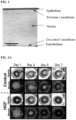
- the cornea is comprised of multiple layers with different thickness, cellular make-up and function. Layers of the cornea include the epithelium, bowman's membrane or layer, the stroma, Descemet's membrane or layer, and the endothelium. Each of the layers is illustrated in FIG. 1 .
- the epithelium is the layer of cells that cover the surface of the cornea. It is only about 5-6 cell layers thick and quickly regenerates when the cornea is injured. If the injury penetrates more deeply into the cornea, it may leave a scar. Scars leave opaque areas, causing the corneal to lose its clarity and luster.
- Bowman's membrane lies just beneath the epithelium. Because this layer is very tough and difficult to penetrate, it protects the cornea from injury.
- the stroma is the thickest layer and lies just beneath Bowman's membrane. It is composed of tiny collagen fibrils that run parallel to each other. This special formation of the collagen fibrils gives the cornea its clarity.
- HGF agents act at the stroma of the cornea to prevent and treat corneal haze or scarring. HGF agents inhibit expression of ⁇ -smooth muscle actin within the keratocytes of the corneal stroma to suppress keratocyte function and migration of inflammatory cells to corneal stroma that prevent development of corneal haze and scarring. These keratocytes do not exist in other corneal layers.
- Corneal haze is not an epithelial or endothelial cell event. Corneal haze and scarring is a stromal condition, which primarily occurs due to the dysfunction of corneal stroma components, including excessive expression of actin and collagen fibers by keratocytes, and infiltration of inflammatory cells and differentiation of keratocytes into myofibroblasts. These cellular processes are distinct from corneal epithelial cell proliferation.
- Descemet's membrane lies between the stroma and the endothelium.
- the endothelium is just underneath Descemet's and is only one cell layer thick. This layer pumps water from the cornea, keeping it clear. If damaged or disease, these cells will not regenerate.
- HGF hypoxia-reduction GF-R expressing cells
- Steroids are broad spectrum and non-selective in their action, which commonly lead to non-specific immunosuppression and secondary infection.
- Table 3 the risk of secondary infection is reduced using the compositions and methods described herein and cell proliferation is increased relative to treatment with steroids leading to reduced side effects and increased rates and further degree of healing and prevention.
- the administering comprises contacting the composition with corneal stroma of the subject.
- the identifying comprises calculating a grade scale of the subject's cornea transparency as described in Table 1.
- the topical ophthalmic formulations are useful to treat corneal haze or scarring.
- the invention also provides compositions for use in methods for the treatment of corneal haze or scarring in a subject in need of such treatment by administering a composition described herein (e.g., an ophthalmic formulation of the present invention) directly to the eye or region of the eye of the subject.
- administering step may comprise contacting the ophthalmic formulations described herein with corneal stroma or corneal stromal cells.
- compositions comprising HGF agents fragments, or agonists thereof of the invention may be used for the treatment of corneal haze or scarring.
- the pharmaceutical compositions are formulated for topical administration to the eye (e.g., subconjunctival administration; eye drops).
- the pharmaceutical compositions may further comprise a tear substitute.
- Suitable tear substitutes may comprise glycerin, propylene glycol, HPMC (hydroxypropyl methylcellulose, hypromellose), Dextran 70, mineral oil, petrolatum, Carbopol 980, povidone, CMC (carboxyl methylcellulose sodium), PVA (polyvinyl alcohol) or other ingredients both active an inactive.
- compositions for use in methods for treating corneal haze or scarring in a subject in need thereof comprising administering to the eye surface of the subject a pharmaceutical composition comprising an effective amount of at least one (e.g., 1, 2, 3, 4, 5, 6, 7, 8, etc .) HGF agent(s).
- HGF agent(s) e.g., 1, 2, 3, 4, 5, 6, 7, 8, etc .
- the administration of HGF agent(s) to the eye of a subject in need of treatment of corneal haze or scarring is also effective to mitigate or reduce one or more symptoms associated with a disease or condition on the corneal surface.
- An effective amount is an amount that reduces the haze/scarring score by at least one unit, e.g., the units shown in Table 1. For example, an effective amount reduces the score from a "+3" to a "+2".
- the subject is preferably a human, but may be another mammal, for example a dog, a cat, a rabbit, a mouse, a rat
- the formulations may contain an effective amount of HGF agent and optionally one or more additional active ingredients that are effective for the intended use. Particular dosages are also selected based on a number of factors including the age, sex, species and condition of the subject. Effective amounts can also be extrapolated from dose-response curves derived from in vitro test systems or from animal models.
- effective amount means an amount of HGF agent(s) that is sufficient to prevent, eliminate, or reduce corneal haze or scarring.
- the effective amount is the amount sufficient for the treatment or prevention of corneal haze or scarring.
- Treatment in this context refers to reducing or ameliorating at least one symptom as a result of corneal haze or scarring.
- prevention in this context refers to a reduction in the frequency of, or a delay in the onset of, symptoms associated with a disease or condition, relative to a subject who does not receive the composition.
- the methods described herein inhibit differentiation of corneal fibroblasts for at least about 10%, 20%, 30%, 40%, 50%, 60%, 70%, 80%, 90% or more upon administration of a composition described herein compared to the level without administration of a composition described herein.
- the methods described herein inhibit ⁇ -smooth muscle actin ( ⁇ SMA) expression for at least about 10%, 20%, 30%, 40%, 50%, 60%, 70%, 80%, 90% or more upon administration of a composition described herein compared to the level without administration of a composition described herein.
- the uses described herein increase stratification of corneal epithelial cells for at least 10%, 20%, 30%, 40%, 50%, 60%, 70%, 80%, 90% or more upon administration of a composition described herein compared to the level without administration of a composition described herein.
- the uses described herein increase c-met expression for at least 10%, 20%, 30%, 40%, 50%, 60%, 70%, 80%, 90% or more upon administration of a composition described herein compared to the level without administration of a composition described herein.
- the uses described herein restore the thickness of an injured cornea to about 50%, 60%, 70%, 80%, 90%, 95% or higher percentage of that of a normal (i.e., healthy) cornea thickness upon administration of a composition described herein.
- the uses described herein inhibit trafficking of inflammatory leukocytes to an injured cornea for at least 10%, 20%, 30%, 40%, 50%, 60%, 70%, 80%, 90% or more upon administration of a composition described herein compared to the level without administration of a composition described herein.
- compositions for use in methods of treating corneal haze or scarring in a subject comprising use of the formulations described above.
- a composition for use in a method of treating corneal haze or scarring may comprise administering to the eye surface of the subject a pharmaceutical composition comprising an effective amount of at least one HGF agent and a tear substitute in a pharmaceutically acceptable carrier.
- HGF agents may be formulated in combination with a suitable pharmaceutical carrier.
- suitable pharmaceutical carrier comprise a therapeutically effective amount of the HGF agent, and a pharmaceutically acceptable carrier (excipient).
- excipient include, but are not limited to, saline, buffered saline, dextrose, water, glycerol, ethanol, and combinations thereof. Formulation should suit the mode of administration, and is well within the skill of the art.
- the pharmaceutical compositions for use of the invention may comprise combinations of at least one (e.g., 1, 2, 3, 4, 5, 6, etc .) HGF agent.
- the pharmaceutical compositions are formulated for subconjunctival administration.
- the pharmaceutical compositions are formulated for topical administration to the eye (e.g., subconjunctival administration; eye drops).
- the pharmaceutical compositions may further comprise a tear substitute.
- the concentration of HGF agents are from about 0.001% to about 10.0% (w/v), e.g., about 0.001% to about 5%, about 0.001% to about 2.5%, about 0.001% to about 1%, about 0.001% to about 0.5%, about 0.005 to about 0.5%, about 0.005% to about 0.05%, about 0.01%.
- the concentration of HGF agent is effective to restore corneal thickness to that of a normal corneal and/or to inhibit trafficking of inflammatory leukocytes to an injured cornea.
- the pharmaceutical compositions for use according to the present invention are formulated as solutions, suspensions and other dosage forms for topical administration.
- Aqueous solutions are generally preferred, based on ease of formulation, as well as a patient's ability to easily administer such compositions by means of instilling one to two drops of the solutions in the affected eyes.
- the compositions may also be suspensions, viscous or semi-viscous gels, or other types of solid or semi-solid compositions.
- any of a variety of carriers may be used in the formulations of the present invention including water, mixtures of water and water-miscible solvents, such as C1- to C7-alkanols, vegetable oils or mineral oils comprising from 0.5 to 5% non-toxic water-soluble polymers, natural products, such as gelatin, alginates, pectins, tragacanth, karaya gum, xanthan gum, carrageenin, agar and acacia, starch derivatives, such as starch acetate and hydroxypropyl starch, and also other synthetic products, such as polyvinyl alcohol, polyvinylpyrrolidone, polyvinyl methyl ether, polyethylene oxide, preferably cross-linked polyacrylic acid, such as neutral Carbopol, or mixtures of those polymers.
- water-miscible solvents such as C1- to C7-alkanols, vegetable oils or mineral oils comprising from 0.5 to 5% non-toxic water-soluble polymers, natural
- the concentration of the carrier is, typically, from 1 to 100000 times the concentration of the active ingredient.
- Additional ingredients that may be included in the formulation include tonicity enhancers, preservatives, solubilizers, non-toxic excipients, demulcents, sequestering agents, pH adjusting agents, co-solvents and viscosity building agents.
- buffers may especially be useful.
- the pH of the present solutions should be maintained within the range of about 4.0 to 8.0 (e.g., about 4, 4.1, 4.2, 4.3, 4.4, 4.5, 4.6, 4.7, 4.8, 4.9, 5, 5.1, 5.2, 5.3, 5.4, 5.5, 5.6, 5.7, 5.8, 5.9, 6, 6.1, 6.2, 6.3, 6.4, 6.5, 6.6, 6.7, 6.8, 6.9, 7, 7.1, 7.2, 7.3, 7.4, 7.5, 7.6, 7.7, 7.8, 7.9, 8), more preferably about 4.0 to 6.0 (e.g., about 4, 4.1, 4.2, 4.3, 4.4, 4.5, 4.6, 4.7, 4.8, 4.9, 5, 5.1, 5.2, 5.3, 5.4, 5.5, 5.6, 5.7, 5.8, 5.9, 6) , more preferably about 6.5 to 7.8 (e.g., about 6.5, 6.6, 6) , more preferably about 6.5 to 7.8
- Suitable buffers may be added, such as boric acid, sodium borate, potassium citrate, citric acid, sodium bicarbonate, TRIS, and various mixed phosphate buffers (including combinations of Na 2 HPO 4 , NaH 2 PO 4 and KH 2 PO 4 ) and mixtures thereof. Borate buffers are preferred. Generally, buffers will be used in amounts ranging from about 0.05 to 10 percent by weight.
- Tonicity is adjusted if needed typically by tonicity enhancing agents.
- Such agents may, for example be of ionic and/or non-ionic type.
- ionic tonicity enhancers are alkali metal or earth metal halides, such as, for example, CaCl 2 , KBr, KCl, LiCl, Nal, NaBr or NaCl, Na 2 SO 4 or boric acid.
- Non-ionic tonicity enhancing agents are, for example, urea, glycerol, sorbitol, mannitol, propylene glycol, or dextrose.
- aqueous solutions for use of the present invention are typically adjusted with tonicity agents to approximate the osmotic pressure of normal lachrymal fluids which is equivalent to a 0.9% ⁇ 0.1% solution of sodium chloride or a 2.5% ⁇ 0.3% solution of glycerol.
- An osmolality of about 225 to 400 mOsm/kg is preferred, more preferably 280 to 320 mOsm.
- the at least one HGF agent(s) may be administered by the use of or in the form of hydrogels, drug-eluting contact lenses, and nanosystems (liposomal systems, dendrimers, solid biodegradable nanoparticles, nanogels), and/or irrigating solutions.
- Ophthalmic formulations are also contemplated as being within the scope of this invention.
- the eye drop may be formulated with or without one or more tear substitutes.
- pharmaceutical compositions comprising an effective amount of one or more (e.g., 1, 2, 3, 4, 5, 6, 7, 8, 9, etc .) HGF agent(s), and a tear substitute in a pharmaceutically acceptable carrier for use in the treatment of corneal haze or scarring.
- the HGF agents and tear substitute may act synergistically to provide a longer dwell time of the HGF agent on the cornea, thus increasing duration and efficacy of action.
- tear substitutes include, but are not limited to: monomeric polyols, such as, glycerol, propylene glycol, and ethylene glycol; polymeric polyols such as polyethylene glycol; cellulose esters such hydroxypropylmethyl cellulose, carboxy methylcellulose sodium and hydroxy propylcellulose; dextrans such as dextran 70; water soluble proteins such as gelatin; vinyl polymers, such as polyvinyl alcohol, polyvinylpyrrolidone, and povidone; and carbomers, such as carbomer 934P, carbomer 941, carbomer 940 and carbomer 974P.
- monomeric polyols such as, glycerol, propylene glycol, and ethylene glycol
- polymeric polyols such as polyethylene glycol
- cellulose esters such hydroxypropylmethyl cellulose, carboxy methylcellulose sodium and hydroxy propylcellulose
- dextrans such as dextran 70
- water soluble proteins such as gelatin
- tear substitutes are commercially available, which include, but are not limited to cellulose esters such as Bion Tears ® , Celluvisc ® , Genteal ® , OccuCoat ® , Refresh ® , Teargen II ® , Tears Naturale ® , Tears Natural II ® , Tears Naturale Free ® , and TheraTears ® ; and polyvinyl alcohols such as Akwa Tears ® , HypoTears ® , Moisture Eyes ® , Murine Lubricating ® , and Visine Tears ® .
- cellulose esters such as Bion Tears ® , Celluvisc ® , Genteal ® , OccuCoat ® , Refresh ® , Teargen II ® , Tears Naturale ® , Tears Natural II ® , Tears Naturale Free ® , and TheraTears
- Tear substitutes may also be comprised of paraffins, such as the commercially available Lacri-Lube ® ointments. Other commercially available ointments that are used as tear substitutes include Lubrifresh PM ® , Moisture Eyes PM ® and Refresh PM ® .
- the tear substitute contains hydroxypropylmethylcellulose.
- the tear substitute is Genteal ® lubricating eye drops.
- GenTeal ® (CibaVision--Novartis) is a sterile lubricant eye drop containing hydroxypropyl methylcellulose 3 mg/g and preserved with sodium perborate.
- compositions for use of the invention may comprise combinations of one or more HGF agent(s) and one or more tear substitutes.
- the effective amount of the active agents in the formulation will depend on absorption, inactivation, and excretion rates of the drug as well as the delivery rate of the compound from the formulation. It is to be noted that dosage values may also vary with the severity of the condition to be alleviated. It is to be further understood that for any particular subject, specific dosage regimens should be adjusted over time according to the individual need and the professional judgment of the person administering or supervising the administration of the compositions. Typically, dosing will be determined using techniques known to one skilled in the art.
- any compound of the present invention will vary depending on the symptoms, age and other physical characteristics of the patient, the nature and severity of the disorder to be treated or prevented, the degree of comfort desired, the route of administration, and the form of the supplement. Any of the subject formulations may be administered in a single dose or in divided doses. Dosages for the formulations for use of the present invention may be readily determined by techniques known to those of skill in the art or as taught herein.
- an effective dose or amount, and any possible effects on the timing of administration of the formulation may need to be identified for any particular formulation of the present invention. This may be accomplished by routine experiment as described herein.
- the effectiveness of any formulation and method of treatment or prevention may be assessed by administering the formulation and assessing the effect of the administration by measuring one or more indices associated with the efficacy of the active agent and with the degree of comfort to the patient, as described herein, and comparing the post-treatment values of these indices to the values of the same indices prior to treatment or by comparing the post-treatment values of these indices to the values of the same indices using a different formulation.
- the precise time of administration and amount of any particular formulation that will yield the most effective treatment in a given patient will depend upon the activity, pharmacokinetics, and bioavailability of a particular compound, physiological condition of the patient (including age, sex, disease type and stage, general physical condition, responsiveness to a given dosage and type of medication), route of administration, and the like.
- the guidelines presented herein may be used to optimize the treatment, e.g., determining the optimum time and/or amount of administration, which will require no more than routine experimentation consisting of monitoring the subject and adjusting the dosage and/or timing.
- the combined use of several active agents formulated into the compositions for use of the present invention may reduce the required dosage for any individual component because the onset and duration of effect of the different components may be complimentary.
- the different active agents may be delivered together or separately, and simultaneously or at different times within the day.
- the formulations for use of the present invention may be packaged as either a single dose product or a multi-dose product.
- the single dose product is sterile prior to opening of the package and all of the composition in the package is intended to be consumed in a single application to one or both eyes of a patient.
- the use of an antimicrobial preservative to maintain the sterility of the composition after the package is opened is generally unnecessary.
- Multi-dose products are also sterile prior to opening of the package.
- the container for the composition may be opened many times before all of the composition in the container is consumed, the multi-dose products must have sufficient antimicrobial activity to ensure that the compositions will not become contaminated by microbes as a result of the repeated opening and handling of the container.
- the level of antimicrobial activity required for this purpose is well known to those skilled in the art, and is specified in official publications, such as the United States Pharmacopoeia (“USP”) and corresponding publications in other countries. Detailed descriptions of the specifications for preservation of ophthalmic pharmaceutical products against microbial contamination and the procedures for evaluating the preservative efficacy of specific formulations are provided in those publications. In the United States, preservative efficacy standards are generally referred to as the "USP PET” requirements. (The acronym “PET” stands for "preservative efficacy testing.”)
- kits for the packaging and/or storage and/or use of the formulations described herein, as well as kits for the practice of the methods described herein.
- kits may comprise one or more containers containing one or more ophthalmic solutions, tablets, or capsules of this invention.
- the kits can be designed to facilitate one or more aspects of shipping, use, and storage.
- kits may optionally include instructional materials containing directions (i.e., protocols) disclosing means of use of the formulations provided therein. While the instructional materials typically comprise written or printed materials they are not limited to such. Any medium capable of storing such instructions and communicating them to an end user is contemplated by this invention. Such media include, but are not limited to electronic storage media (e.g., magnetic discs, tapes, cartridges, chips), optical media (e.g. CD ROM), and the like. Such media may include addresses to internet sites that provide such instructional materials.
- Example 1 Topical HGF inhibits development of corneal haze and scarring, and promotes wound healing
- Corneal injury was induced by mechanical removal of the complete corneal epithelium using Algerbrush-11 in C57131_6 mice. Complete removal of the corneal epithelium results in injury to the layers below including the corneal stroma. Under a dissecting microscope, the central area of the cornea was demarcated with a 3-mm trephine, and rotated gently to cut into the stroma. The circular area was traced with a sharp pair of surgical forceps, and then corneal epithelium and basement membrane, including the anterior portion of the stroma, were removed using a hand-held ALGERBRUSH II TM (Alger Equipment Co., Tx).
- FIG. 2A indicates reduced opacity and increased wound healing in the days following injury in treated animals relative to control.
- the decrease in opacity in treated animals is statistically significant at 5 days post injury ( FIG. 2B ).
- the decreased in wounded area indicated by the green staining is statistically decreased at 1, 3 and 5 days post injury ( FIG. 2C ).
- Example 2 HGF inhibits expression of ⁇ -smooth muscle actin ( ⁇ SMA: a factor that causes scarring) by corneal keratocytes
- Corneal haze and scarring in the stromal layer of the cornea can lead to visual degradation and blindness.
- Prevention, inhibition or reduction of scarring via inhibition of ⁇ -SMA in these tissues is effective to treat corneal haze and scarring and therefor aid improvement of vision.
- Example 3 Topical HGF treatment inhibits trafficking and homing of inflammatory leukocytes to the injured corneas
- Corneal injury was induced by mechanical removal of the complete corneal epithelium using ALGERBRUSH-II TM in C57BL6 mice. Thereafter, murine recombinant HGF was topically applied (dose: 3 ⁇ l of 0.01% HGF in PBS per eye) to the injured eye twice daily. A control group received a similar dosage of mouse serum albumin.
- Example 4 Topical HGF treatment restores corneal tissue structure and thickness in injury
- Corneal injury was induced by mechanical removal of the complete corneal epithelium using ALGERBRUSH-II TM in C57BL6 mice. Thereafter, murine recombinant HGF was topically applied (dose: 3 ⁇ l of 0.01% HGF in PBS per eye) to the injured eye twice daily. A control group received a similar dosage of mouse serum albumin.
- corneas were harvested and cross sections were stained with hematoxylin and eosin (H&E).
- FIG. 5A shows representative micrographs showing tissue structure of normal, control injured and HGF-treated corneas.
- Example 5 HGF treatment augments stratification of epithelial cells after corneal injury
- HGF augments stratification of epithelial cells after corneal injury.
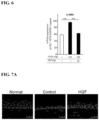
- corneas were harvested from normal, albumin-treated and HGF-treated mice. Corneal cross sections were stained with the nuclear stain DAPI to visualize corneal epithelial cell layer using confocal microscope (400X) ( FIG. 7A ).
- HGF promotes HGF-R (c-met) expression in the cornea after injury.
- corneas were harvested from normal (checked bar), mouse albumin-treated control injured (white bar) and HGF-treated (black bar) injured groups.
- Total RNA was isolated from harvested corneas.
- HGF-R mRNA expression was quantitated using real-time PCR.
Landscapes
- Health & Medical Sciences (AREA)
- Chemical & Material Sciences (AREA)
- Life Sciences & Earth Sciences (AREA)
- Gastroenterology & Hepatology (AREA)
- Organic Chemistry (AREA)
- Medicinal Chemistry (AREA)
- General Health & Medical Sciences (AREA)
- Proteomics, Peptides & Aminoacids (AREA)
- Veterinary Medicine (AREA)
- Pharmacology & Pharmacy (AREA)
- Animal Behavior & Ethology (AREA)
- Public Health (AREA)
- Bioinformatics & Cheminformatics (AREA)
- Engineering & Computer Science (AREA)
- Zoology (AREA)
- Biochemistry (AREA)
- Biophysics (AREA)
- Genetics & Genomics (AREA)
- Molecular Biology (AREA)
- Epidemiology (AREA)
- Ophthalmology & Optometry (AREA)
- Immunology (AREA)
- Chemical Kinetics & Catalysis (AREA)
- General Chemical & Material Sciences (AREA)
- Nuclear Medicine, Radiotherapy & Molecular Imaging (AREA)
- Toxicology (AREA)
- Medicines That Contain Protein Lipid Enzymes And Other Medicines (AREA)
- Medicinal Preparation (AREA)
- Peptides Or Proteins (AREA)
Claims (8)
- Composition se liant au récepteur du facteur de croissance des hépatocytes (HGFR) comprenant au moins un agent de facteur de croissance des hépatocytes (HGF) purifié destinée à être utilisée dans un procédé de traitement d'une opacité ou d'une cicatrice cornéenne, dans laquelle l'agent de HGF est un polypeptide possédant une séquence d'acides aminés qui est au moins 95 % identique à SEQ ID NO: 1 ou un fragment de celle-ci, dans laquelle le fragment est capable de réduire une opacité ou une cicatrice cornéenne, et dans laquelle le fragment :comprend une séquence d'acides aminés des résidus 32-494 de SEQ ID NO: 1 ; oucomprend une séquence d'acides aminés des résidus 126-207 de SEQ ID NO: 1 ; oucomprend une séquence d'acides aminés des résidus 208-289 de SEQ ID NO: 1 ; oucomprend une séquence d'acides aminés des résidus 302-384 de SEQ ID NO: 1 ; oucomprend une séquence d'acides aminés des résidus 388-470 de SEQ ID NO: 1.
- Composition se liant au récepteur du facteur de croissance des hépatocytes (HGFR) comprenant au moins un agent de facteur de croissance des hépatocytes (HGF) purifié destinée à être utilisée selon la revendication 1, dans laquelle la composition comprenant au moins un agent de HGF purifié comprend en outre un excipient pénétrant le stroma cornéen.
- Composition se liant au récepteur du facteur de croissance des hépatocytes (HGFR) comprenant au moins un agent de facteur de croissance des hépatocytes (HGF) purifié destinée à être utilisée selon la revendication 1, dans laquelle l'agent de HGF purifié est présent en une concentration de 0,001 % à 1 % p/v, de préférence 0,005 % à 0,05 % p/v, de manière davantage préférée environ 0,01 % p/v.
- Composition se liant au récepteur du facteur de croissance des hépatocytes (HGFR) comprenant au moins un agent de facteur de croissance des hépatocytes (HGF) purifié destinée à être utilisée selon la revendication 1,dans laquelle la composition est administrée quotidiennement pendant 5 jours après une lésion à la cornée ; oudans laquelle la composition est administrée quotidiennement pendant 3 jours après une lésion à la cornée ; oudans laquelle la composition est administrée quotidiennement pendant 1 jour après une lésion à la cornée.
- Composition se liant au récepteur du facteur de croissance des hépatocytes (HGFR) comprenant au moins un agent de facteur de croissance des hépatocytes (HGF) purifié destinée à être utilisée selon la revendication 1, dans laquelle le procédé comprend l'administration de ladite composition à un sujet,dans laquelle l'administration comprend une administration topique ou une administration sous-conjonctivale ; oudans laquelle l'administration comprend la mise en contact de la composition avec le stroma cornéen du sujet.
- Composition se liant au récepteur du facteur de croissance des hépatocytes (HGFR) comprenant au moins un agent de facteur de croissance des hépatocytes (HGF) purifié destinée à être utilisée selon la revendication 1, dans laquelle la composition est formulée sous forme de collyre.
- Composition se liant au récepteur du facteur de croissance des hépatocytes (HGFR) comprenant au moins un agent de facteur de croissance des hépatocytes (HGF) purifié destinée à être utilisée selon la revendication 1, dans laquelle le polypeptide possède une séquence d'acides aminés qui est au moins 98 % identique à SEQ ID NO: 1.
- Composition se liant au récepteur du facteur de croissance des hépatocytes (HGFR) comprenant au moins un agent de facteur de croissance des hépatocytes (HGF) purifié destinée à être utilisée selon la revendication 1, dans laquelle le polypeptide possède une séquence d'acides aminés qui est au moins 99 % identique à SEQ ID NO: 1.
Priority Applications (1)
| Application Number | Priority Date | Filing Date | Title |
|---|---|---|---|
| EP24174882.1A EP4417259A3 (fr) | 2015-09-11 | 2016-09-09 | Compositions et procédés pour la prévention et le traitement du voile cornéen et de la cicatrisation |
Applications Claiming Priority (2)
| Application Number | Priority Date | Filing Date | Title |
|---|---|---|---|
| US201562217611P | 2015-09-11 | 2015-09-11 | |
| PCT/US2016/050945 WO2017044743A1 (fr) | 2015-09-11 | 2016-09-09 | Compositions et méthodes pour prévenir et traiter l'opacité et la cicatrisation cornéennes |
Related Child Applications (1)
| Application Number | Title | Priority Date | Filing Date |
|---|---|---|---|
| EP24174882.1A Division EP4417259A3 (fr) | 2015-09-11 | 2016-09-09 | Compositions et procédés pour la prévention et le traitement du voile cornéen et de la cicatrisation |
Publications (4)
| Publication Number | Publication Date |
|---|---|
| EP3347034A1 EP3347034A1 (fr) | 2018-07-18 |
| EP3347034A4 EP3347034A4 (fr) | 2019-05-08 |
| EP3347034C0 EP3347034C0 (fr) | 2024-05-29 |
| EP3347034B1 true EP3347034B1 (fr) | 2024-05-29 |
Family
ID=58240852
Family Applications (2)
| Application Number | Title | Priority Date | Filing Date |
|---|---|---|---|
| EP24174882.1A Pending EP4417259A3 (fr) | 2015-09-11 | 2016-09-09 | Compositions et procédés pour la prévention et le traitement du voile cornéen et de la cicatrisation |
| EP16845118.5A Active EP3347034B1 (fr) | 2015-09-11 | 2016-09-09 | Composition liant le récepteur du facteur de croissance des hépatocytes (hgfr) pour son utilisation dans une méthode de traitement du trouble ou de la cicatrisation de la cornée |
Family Applications Before (1)
| Application Number | Title | Priority Date | Filing Date |
|---|---|---|---|
| EP24174882.1A Pending EP4417259A3 (fr) | 2015-09-11 | 2016-09-09 | Compositions et procédés pour la prévention et le traitement du voile cornéen et de la cicatrisation |
Country Status (7)
| Country | Link |
|---|---|
| US (4) | US10449234B2 (fr) |
| EP (2) | EP4417259A3 (fr) |
| JP (4) | JP6929273B2 (fr) |
| AU (3) | AU2016320905B2 (fr) |
| CA (1) | CA2999511C (fr) |
| ES (1) | ES2983338T3 (fr) |
| WO (1) | WO2017044743A1 (fr) |
Families Citing this family (6)
| Publication number | Priority date | Publication date | Assignee | Title |
|---|---|---|---|---|
| US10449234B2 (en) | 2015-09-11 | 2019-10-22 | The Schepens Eye Research Institute, Inc. | Compositions and methods for prevention and treatment of corneal haze and scarring |
| WO2019155833A1 (fr) * | 2018-02-07 | 2019-08-15 | 学校法人日本医科大学 | Vecteur viral adéno-associé amélioré |
| AU2019356549A1 (en) * | 2018-10-09 | 2021-05-27 | The Board Of Trustees Of The Leland Stanford Junior University | Engineered fibroblast growth factor variants combined with engineered hepatocyte growth factor variants for treatment |
| EP3934623A4 (fr) * | 2019-03-08 | 2022-11-23 | University of Pittsburgh - Of the Commonwealth System of Higher Education | Revêtement d'administration de médicament multicouche pour lentille de contact |
| EP3962511A4 (fr) * | 2019-04-29 | 2023-01-18 | The Board of Trustees of the Leland Stanford Junior University | Procédés de traitement oculaire utilisant un fragment dimère génétiquement modifié de facteur de croissance des hépatocytes |
| US20230022990A1 (en) | 2021-05-14 | 2023-01-26 | Claris Biotherapeutics, Inc. | Compositions of growth factor for the treatment of eye disease |
Family Cites Families (16)
| Publication number | Priority date | Publication date | Assignee | Title |
|---|---|---|---|---|
| US6566098B1 (en) * | 1990-09-14 | 2003-05-20 | The United States Of America As Represented By The Department Of Health And Human Services | DNA encoding truncated hepatocyte growth factor variants |
| US5589451A (en) | 1992-09-21 | 1996-12-31 | Board Of Regents, The University Of Texas System | Methods and treaments for corneal healing with hepatocyte and keratinocyte growth factors |
| US5703047A (en) * | 1992-09-21 | 1997-12-30 | Board Of Regents, The University Of Texas System | Methods and treatments for corneal healing with growth factors |
| JP3962097B2 (ja) * | 1994-03-18 | 2007-08-22 | 敏一 中村 | 免疫抑制剤による副作用の軽減剤 |
| US20020136721A1 (en) * | 1998-02-17 | 2002-09-26 | Schwall Ralph H. | Hepatocyte growth factor receptor antagonists and uses thereof |
| ATE400277T1 (de) | 1998-03-05 | 2008-07-15 | Senju Pharma Co | Pharmazeutische zusammenstellung zur vorbeugung und behandlung von mit zellkrankheiten des augenhintergrundes zusammenhängenden krankheiten |
| US20030148950A1 (en) * | 2001-10-09 | 2003-08-07 | Li Xin | Kringle domain 1 of human hepatocyte growth factor and uses therefor |
| US7202066B2 (en) * | 2002-01-29 | 2007-04-10 | Carrington Laboratories, Inc. | Combination of a growth factor and a protease enzyme |
| AU2003270118A1 (en) * | 2002-08-30 | 2004-03-19 | F. Hoffmann-La Roche Ag | Scatter factor/hepatocyte growth factor antagonist nk4 for the treatment of glioma |
| EP2014676B1 (fr) * | 2006-04-20 | 2012-03-07 | Kringle Pharma Inc. | Mutant de la protéine précurseur du hgf et sa forme activée |
| US8575099B2 (en) * | 2006-04-20 | 2013-11-05 | Osaka University | Agent for treating polyglutamine aggregation-caused disease or suppressing onset thereof |
| US20070167935A1 (en) * | 2007-01-19 | 2007-07-19 | Serdarevic Olivia N | Methods and compositions for optimizing the outcomes of refractive laser surgery of the cornea |
| US9556248B2 (en) * | 2010-03-19 | 2017-01-31 | The Board Of Trustees Of The Leland Stanford Junior University | Hepatocyte growth factor fragments that function as potent met receptor agonists and antagonists |
| US9610245B2 (en) | 2011-03-14 | 2017-04-04 | Drug Delivery Solutions Limited | Ophthalmic composition |
| US8999938B2 (en) * | 2013-06-21 | 2015-04-07 | Gnt Llc | Ophthalmic lipophilic drug delivery vehicle formulations |
| US10449234B2 (en) | 2015-09-11 | 2019-10-22 | The Schepens Eye Research Institute, Inc. | Compositions and methods for prevention and treatment of corneal haze and scarring |
-
2016
- 2016-09-09 US US15/759,203 patent/US10449234B2/en active Active
- 2016-09-09 AU AU2016320905A patent/AU2016320905B2/en active Active
- 2016-09-09 EP EP24174882.1A patent/EP4417259A3/fr active Pending
- 2016-09-09 EP EP16845118.5A patent/EP3347034B1/fr active Active
- 2016-09-09 CA CA2999511A patent/CA2999511C/fr active Active
- 2016-09-09 ES ES16845118T patent/ES2983338T3/es active Active
- 2016-09-09 JP JP2018512858A patent/JP6929273B2/ja active Active
- 2016-09-09 WO PCT/US2016/050945 patent/WO2017044743A1/fr not_active Ceased
-
2019
- 2019-10-18 US US16/657,913 patent/US20200121758A1/en not_active Abandoned
-
2021
- 2021-04-20 US US17/235,653 patent/US11759499B2/en active Active
- 2021-08-10 JP JP2021130457A patent/JP2021181472A/ja active Pending
- 2021-12-17 AU AU2021286438A patent/AU2021286438B2/en active Active
-
2023
- 2023-06-01 US US18/327,544 patent/US20240123032A1/en active Pending
- 2023-10-19 JP JP2023179927A patent/JP2023179739A/ja active Pending
-
2025
- 2025-03-04 AU AU2025201563A patent/AU2025201563A1/en active Pending
- 2025-09-24 JP JP2025157838A patent/JP2025181979A/ja active Pending
Non-Patent Citations (4)
| Title |
|---|
| ANONYMOUS: "Facts About Dry Eye", 5 September 2015 (2015-09-05), XP055711861, Retrieved from the Internet <URL:https://web.archive.org/web/20150905104213/https://nei.nih.gov/health/dryeye/dryeye> [retrieved on 20200706] * |
| GAMBATO C ET AL: "Mitomycin C modulation of corneal wound healing after photorefractive keratectomy in highly myopic eyes", OPHTHALMOLOGY, ELSEVIER, AMSTERDAM, NL, vol. 112, no. 2, 1 February 2005 (2005-02-01), pages 208 - 218, XP027635454, ISSN: 0161-6420, [retrieved on 20050201] * |
| KUNIO MATSUMOTO ET AL: "HGF-Met Pathway in Regeneration and Drug Discovery", BIOMEDICINES, vol. 2, no. 4, 31 October 2014 (2014-10-31), pages 275 - 300, XP055412657, DOI: 10.3390/biomedicines2040275 * |
| STEVEN E WILSON ET AL: "Lacrimal Gland HGF, KGF, and EGF mRNA Levels Increase after Corneal Epithelial Wounding", INVESTIGATIVE OPHTHALMOLOGY & VISUAL SCIENCE, vol. 40, no. 10, 1 September 1999 (1999-09-01), pages 2185 - 2190, XP055711641, ISSN: 0146-0404 * |
Also Published As
| Publication number | Publication date |
|---|---|
| US20200121758A1 (en) | 2020-04-23 |
| EP4417259A2 (fr) | 2024-08-21 |
| US10449234B2 (en) | 2019-10-22 |
| JP2018526412A (ja) | 2018-09-13 |
| US20240123032A1 (en) | 2024-04-18 |
| EP4417259A3 (fr) | 2024-10-23 |
| US11759499B2 (en) | 2023-09-19 |
| JP2023179739A (ja) | 2023-12-19 |
| AU2016320905B2 (en) | 2021-10-07 |
| EP3347034A1 (fr) | 2018-07-18 |
| AU2016320905A1 (en) | 2018-04-05 |
| EP3347034A4 (fr) | 2019-05-08 |
| WO2017044743A1 (fr) | 2017-03-16 |
| AU2021286438B2 (en) | 2024-12-05 |
| AU2021286438A1 (en) | 2022-01-20 |
| CA2999511A1 (fr) | 2017-03-16 |
| US20180256685A1 (en) | 2018-09-13 |
| EP3347034C0 (fr) | 2024-05-29 |
| US20210299219A1 (en) | 2021-09-30 |
| ES2983338T3 (es) | 2024-10-22 |
| HK1258026A1 (en) | 2019-11-01 |
| JP2021181472A (ja) | 2021-11-25 |
| JP2025181979A (ja) | 2025-12-11 |
| CA2999511C (fr) | 2024-01-23 |
| AU2025201563A1 (en) | 2025-03-27 |
| JP6929273B2 (ja) | 2021-09-01 |
Similar Documents
| Publication | Publication Date | Title |
|---|---|---|
| US11759499B2 (en) | Compositions and methods for prevention and treatment of corneal haze and scarring | |
| EP3886858B1 (fr) | Composés pour le traitement de maladies des yeux associées à une vascularisation excessive | |
| JP2002515858A (ja) | 角膜移植に起因する疾患を処置するための殺菌/浸透性増強(bpi)タンパク質 | |
| CN109152776B (zh) | 用于对视网膜神经退行性疾病的局部眼治疗的二肽基肽酶-4抑制剂 | |
| WO2016060917A2 (fr) | Formulations pour le traitement à l'histatine | |
| EP3096777B1 (fr) | Traitement de remplacement des cellules caliciformes | |
| EP3338792B1 (fr) | Composition de prévention/traitement de lésions de la cornée comportant comme principes actifs de la thymosine bêta 4 et de l'acide citrique | |
| KR102023827B1 (ko) | 안구 건조증 질환의 치료 및/또는 예방을 위한 짧은 합성 펩티드의 용도 | |
| WO2022097156A1 (fr) | Traitement de troubles rétiniens | |
| HK40061312A (en) | Compounds for treatment of eye diseases associated with excessive vascularisation | |
| HK40061312B (en) | Compounds for treatment of eye diseases associated with excessive vascularisation | |
| WO2013148305A1 (fr) | Procédé de traitement de la rétinopathie diabétique | |
| JPWO2001091779A1 (ja) | 角膜創傷治療剤 | |
| KR20170021667A (ko) | 티모신 β4를 유효성분으로 포함하는 신경영양성각막염 치료용 조성물 |
Legal Events
| Date | Code | Title | Description |
|---|---|---|---|
| STAA | Information on the status of an ep patent application or granted ep patent |
Free format text: STATUS: THE INTERNATIONAL PUBLICATION HAS BEEN MADE |
|
| PUAI | Public reference made under article 153(3) epc to a published international application that has entered the european phase |
Free format text: ORIGINAL CODE: 0009012 |
|
| STAA | Information on the status of an ep patent application or granted ep patent |
Free format text: STATUS: REQUEST FOR EXAMINATION WAS MADE |
|
| 17P | Request for examination filed |
Effective date: 20180309 |
|
| AK | Designated contracting states |
Kind code of ref document: A1 Designated state(s): AL AT BE BG CH CY CZ DE DK EE ES FI FR GB GR HR HU IE IS IT LI LT LU LV MC MK MT NL NO PL PT RO RS SE SI SK SM TR |
|
| AX | Request for extension of the european patent |
Extension state: BA ME |
|
| DAV | Request for validation of the european patent (deleted) | ||
| DAX | Request for extension of the european patent (deleted) | ||
| RIC1 | Information provided on ipc code assigned before grant |
Ipc: A61K 38/16 20060101AFI20190327BHEP Ipc: A61K 38/18 20060101ALI20190327BHEP Ipc: C07K 14/00 20060101ALI20190327BHEP Ipc: A61P 27/02 20060101ALI20190327BHEP |
|
| A4 | Supplementary search report drawn up and despatched |
Effective date: 20190405 |
|
| REG | Reference to a national code |
Ref country code: HK Ref legal event code: DE Ref document number: 1258026 Country of ref document: HK |
|
| STAA | Information on the status of an ep patent application or granted ep patent |
Free format text: STATUS: EXAMINATION IS IN PROGRESS |
|
| 17Q | First examination report despatched |
Effective date: 20200710 |
|
| GRAP | Despatch of communication of intention to grant a patent |
Free format text: ORIGINAL CODE: EPIDOSNIGR1 |
|
| STAA | Information on the status of an ep patent application or granted ep patent |
Free format text: STATUS: GRANT OF PATENT IS INTENDED |
|
| INTG | Intention to grant announced |
Effective date: 20240102 |
|
| GRAS | Grant fee paid |
Free format text: ORIGINAL CODE: EPIDOSNIGR3 |
|
| GRAA | (expected) grant |
Free format text: ORIGINAL CODE: 0009210 |
|
| STAA | Information on the status of an ep patent application or granted ep patent |
Free format text: STATUS: THE PATENT HAS BEEN GRANTED |
|
| AK | Designated contracting states |
Kind code of ref document: B1 Designated state(s): AL AT BE BG CH CY CZ DE DK EE ES FI FR GB GR HR HU IE IS IT LI LT LU LV MC MK MT NL NO PL PT RO RS SE SI SK SM TR |
|
| REG | Reference to a national code |
Ref country code: CH Ref legal event code: EP |
|
| REG | Reference to a national code |
Ref country code: IE Ref legal event code: FG4D |
|
| REG | Reference to a national code |
Ref country code: DE Ref legal event code: R096 Ref document number: 602016087763 Country of ref document: DE |
|
| U01 | Request for unitary effect filed |
Effective date: 20240604 |
|
| U07 | Unitary effect registered |
Designated state(s): AT BE BG DE DK EE FI FR IT LT LU LV MT NL PT SE SI Effective date: 20240613 |
|
| PG25 | Lapsed in a contracting state [announced via postgrant information from national office to epo] |
Ref country code: IS Free format text: LAPSE BECAUSE OF FAILURE TO SUBMIT A TRANSLATION OF THE DESCRIPTION OR TO PAY THE FEE WITHIN THE PRESCRIBED TIME-LIMIT Effective date: 20240929 |
|
| PG25 | Lapsed in a contracting state [announced via postgrant information from national office to epo] |
Ref country code: HR Free format text: LAPSE BECAUSE OF FAILURE TO SUBMIT A TRANSLATION OF THE DESCRIPTION OR TO PAY THE FEE WITHIN THE PRESCRIBED TIME-LIMIT Effective date: 20240529 |
|
| PG25 | Lapsed in a contracting state [announced via postgrant information from national office to epo] |
Ref country code: GR Free format text: LAPSE BECAUSE OF FAILURE TO SUBMIT A TRANSLATION OF THE DESCRIPTION OR TO PAY THE FEE WITHIN THE PRESCRIBED TIME-LIMIT Effective date: 20240830 |
|
| REG | Reference to a national code |
Ref country code: ES Ref legal event code: FG2A Ref document number: 2983338 Country of ref document: ES Kind code of ref document: T3 Effective date: 20241022 |
|
| PG25 | Lapsed in a contracting state [announced via postgrant information from national office to epo] |
Ref country code: PL Free format text: LAPSE BECAUSE OF FAILURE TO SUBMIT A TRANSLATION OF THE DESCRIPTION OR TO PAY THE FEE WITHIN THE PRESCRIBED TIME-LIMIT Effective date: 20240529 |
|
| PG25 | Lapsed in a contracting state [announced via postgrant information from national office to epo] |
Ref country code: PL Free format text: LAPSE BECAUSE OF FAILURE TO SUBMIT A TRANSLATION OF THE DESCRIPTION OR TO PAY THE FEE WITHIN THE PRESCRIBED TIME-LIMIT Effective date: 20240529 Ref country code: NO Free format text: LAPSE BECAUSE OF FAILURE TO SUBMIT A TRANSLATION OF THE DESCRIPTION OR TO PAY THE FEE WITHIN THE PRESCRIBED TIME-LIMIT Effective date: 20240829 Ref country code: IS Free format text: LAPSE BECAUSE OF FAILURE TO SUBMIT A TRANSLATION OF THE DESCRIPTION OR TO PAY THE FEE WITHIN THE PRESCRIBED TIME-LIMIT Effective date: 20240929 Ref country code: HR Free format text: LAPSE BECAUSE OF FAILURE TO SUBMIT A TRANSLATION OF THE DESCRIPTION OR TO PAY THE FEE WITHIN THE PRESCRIBED TIME-LIMIT Effective date: 20240529 Ref country code: GR Free format text: LAPSE BECAUSE OF FAILURE TO SUBMIT A TRANSLATION OF THE DESCRIPTION OR TO PAY THE FEE WITHIN THE PRESCRIBED TIME-LIMIT Effective date: 20240830 Ref country code: RS Free format text: LAPSE BECAUSE OF FAILURE TO SUBMIT A TRANSLATION OF THE DESCRIPTION OR TO PAY THE FEE WITHIN THE PRESCRIBED TIME-LIMIT Effective date: 20240829 |
|
| U21 | Renewal fee for the european patent with unitary effect paid with additional fee |
Year of fee payment: 9 Effective date: 20241127 |
|
| PG25 | Lapsed in a contracting state [announced via postgrant information from national office to epo] |
Ref country code: CZ Free format text: LAPSE BECAUSE OF FAILURE TO SUBMIT A TRANSLATION OF THE DESCRIPTION OR TO PAY THE FEE WITHIN THE PRESCRIBED TIME-LIMIT Effective date: 20240529 |
|
| PG25 | Lapsed in a contracting state [announced via postgrant information from national office to epo] |
Ref country code: RO Free format text: LAPSE BECAUSE OF FAILURE TO SUBMIT A TRANSLATION OF THE DESCRIPTION OR TO PAY THE FEE WITHIN THE PRESCRIBED TIME-LIMIT Effective date: 20240529 Ref country code: SK Free format text: LAPSE BECAUSE OF FAILURE TO SUBMIT A TRANSLATION OF THE DESCRIPTION OR TO PAY THE FEE WITHIN THE PRESCRIBED TIME-LIMIT Effective date: 20240529 |
|
| PG25 | Lapsed in a contracting state [announced via postgrant information from national office to epo] |
Ref country code: SM Free format text: LAPSE BECAUSE OF FAILURE TO SUBMIT A TRANSLATION OF THE DESCRIPTION OR TO PAY THE FEE WITHIN THE PRESCRIBED TIME-LIMIT Effective date: 20240529 |
|
| PG25 | Lapsed in a contracting state [announced via postgrant information from national office to epo] |
Ref country code: SM Free format text: LAPSE BECAUSE OF FAILURE TO SUBMIT A TRANSLATION OF THE DESCRIPTION OR TO PAY THE FEE WITHIN THE PRESCRIBED TIME-LIMIT Effective date: 20240529 Ref country code: SK Free format text: LAPSE BECAUSE OF FAILURE TO SUBMIT A TRANSLATION OF THE DESCRIPTION OR TO PAY THE FEE WITHIN THE PRESCRIBED TIME-LIMIT Effective date: 20240529 Ref country code: RO Free format text: LAPSE BECAUSE OF FAILURE TO SUBMIT A TRANSLATION OF THE DESCRIPTION OR TO PAY THE FEE WITHIN THE PRESCRIBED TIME-LIMIT Effective date: 20240529 Ref country code: CZ Free format text: LAPSE BECAUSE OF FAILURE TO SUBMIT A TRANSLATION OF THE DESCRIPTION OR TO PAY THE FEE WITHIN THE PRESCRIBED TIME-LIMIT Effective date: 20240529 |
|
| PLBE | No opposition filed within time limit |
Free format text: ORIGINAL CODE: 0009261 |
|
| STAA | Information on the status of an ep patent application or granted ep patent |
Free format text: STATUS: NO OPPOSITION FILED WITHIN TIME LIMIT |
|
| PG25 | Lapsed in a contracting state [announced via postgrant information from national office to epo] |
Ref country code: MC Free format text: LAPSE BECAUSE OF FAILURE TO SUBMIT A TRANSLATION OF THE DESCRIPTION OR TO PAY THE FEE WITHIN THE PRESCRIBED TIME-LIMIT Effective date: 20240529 |
|
| REG | Reference to a national code |
Ref country code: CH Ref legal event code: PL |
|
| 26N | No opposition filed |
Effective date: 20250303 |
|
| U1K | Transfer of rights of the unitary patent after the registration of the unitary effect |
Owner name: MASSACHUSETTS EYE AND EAR INFIRMARY; US |
|
| REG | Reference to a national code |
Ref country code: GB Ref legal event code: 732E Free format text: REGISTERED BETWEEN 20250424 AND 20250430 |
|
| PG25 | Lapsed in a contracting state [announced via postgrant information from national office to epo] |
Ref country code: CH Free format text: LAPSE BECAUSE OF NON-PAYMENT OF DUE FEES Effective date: 20240930 |
|
| PG25 | Lapsed in a contracting state [announced via postgrant information from national office to epo] |
Ref country code: IE Free format text: LAPSE BECAUSE OF NON-PAYMENT OF DUE FEES Effective date: 20240909 |
|
| PGFP | Annual fee paid to national office [announced via postgrant information from national office to epo] |
Ref country code: GB Payment date: 20250929 Year of fee payment: 10 |
|
| U20 | Renewal fee for the european patent with unitary effect paid |
Year of fee payment: 10 Effective date: 20250929 |
|
| PG25 | Lapsed in a contracting state [announced via postgrant information from national office to epo] |
Ref country code: CY Free format text: LAPSE BECAUSE OF FAILURE TO SUBMIT A TRANSLATION OF THE DESCRIPTION OR TO PAY THE FEE WITHIN THE PRESCRIBED TIME-LIMIT; INVALID AB INITIO Effective date: 20160909 |
|
| PGFP | Annual fee paid to national office [announced via postgrant information from national office to epo] |
Ref country code: ES Payment date: 20251001 Year of fee payment: 10 |
|
| PG25 | Lapsed in a contracting state [announced via postgrant information from national office to epo] |
Ref country code: HU Free format text: LAPSE BECAUSE OF FAILURE TO SUBMIT A TRANSLATION OF THE DESCRIPTION OR TO PAY THE FEE WITHIN THE PRESCRIBED TIME-LIMIT; INVALID AB INITIO Effective date: 20160909 |
|
| REG | Reference to a national code |
Ref country code: ES Ref legal event code: PC2A Owner name: MASSACHUSETTS EYE & EAR INFIRMARY Effective date: 20260325 |