EP3347464B1 - Activité dnase h de la protéine cas9 de neisseria meningitidis - Google Patents
Activité dnase h de la protéine cas9 de neisseria meningitidis Download PDFInfo
- Publication number
- EP3347464B1 EP3347464B1 EP16844934.6A EP16844934A EP3347464B1 EP 3347464 B1 EP3347464 B1 EP 3347464B1 EP 16844934 A EP16844934 A EP 16844934A EP 3347464 B1 EP3347464 B1 EP 3347464B1
- Authority
- EP
- European Patent Office
- Prior art keywords
- nmecas9
- sequence
- cleavage
- pam
- dna
- Prior art date
- Legal status (The legal status is an assumption and is not a legal conclusion. Google has not performed a legal analysis and makes no representation as to the accuracy of the status listed.)
- Active
Links
Images












Classifications
-
- C—CHEMISTRY; METALLURGY
- C12—BIOCHEMISTRY; BEER; SPIRITS; WINE; VINEGAR; MICROBIOLOGY; ENZYMOLOGY; MUTATION OR GENETIC ENGINEERING
- C12N—MICROORGANISMS OR ENZYMES; COMPOSITIONS THEREOF; PROPAGATING, PRESERVING, OR MAINTAINING MICROORGANISMS; MUTATION OR GENETIC ENGINEERING; CULTURE MEDIA
- C12N9/00—Enzymes; Proenzymes; Compositions thereof; Processes for preparing, activating, inhibiting, separating or purifying enzymes
- C12N9/14—Hydrolases (3)
- C12N9/16—Hydrolases (3) acting on ester bonds (3.1)
- C12N9/22—Ribonucleases [RNase]; Deoxyribonucleases [DNase]
-
- C—CHEMISTRY; METALLURGY
- C12—BIOCHEMISTRY; BEER; SPIRITS; WINE; VINEGAR; MICROBIOLOGY; ENZYMOLOGY; MUTATION OR GENETIC ENGINEERING
- C12N—MICROORGANISMS OR ENZYMES; COMPOSITIONS THEREOF; PROPAGATING, PRESERVING, OR MAINTAINING MICROORGANISMS; MUTATION OR GENETIC ENGINEERING; CULTURE MEDIA
- C12N9/00—Enzymes; Proenzymes; Compositions thereof; Processes for preparing, activating, inhibiting, separating or purifying enzymes
- C12N9/14—Hydrolases (3)
- C12N9/16—Hydrolases (3) acting on ester bonds (3.1)
- C12N9/22—Ribonucleases [RNase]; Deoxyribonucleases [DNase]
- C12N9/222—Clustered regularly interspaced short palindromic repeats [CRISPR]-associated [CAS] enzymes
-
- C—CHEMISTRY; METALLURGY
- C12—BIOCHEMISTRY; BEER; SPIRITS; WINE; VINEGAR; MICROBIOLOGY; ENZYMOLOGY; MUTATION OR GENETIC ENGINEERING
- C12N—MICROORGANISMS OR ENZYMES; COMPOSITIONS THEREOF; PROPAGATING, PRESERVING, OR MAINTAINING MICROORGANISMS; MUTATION OR GENETIC ENGINEERING; CULTURE MEDIA
- C12N15/00—Mutation or genetic engineering; DNA or RNA concerning genetic engineering, vectors, e.g. plasmids, or their isolation, preparation or purification; Use of hosts therefor
- C12N15/09—Recombinant DNA-technology
- C12N15/11—DNA or RNA fragments; Modified forms thereof; Non-coding nucleic acids having a biological activity
-
- A—HUMAN NECESSITIES
- A61—MEDICAL OR VETERINARY SCIENCE; HYGIENE
- A61K—PREPARATIONS FOR MEDICAL, DENTAL OR TOILETRY PURPOSES
- A61K38/00—Medicinal preparations containing peptides
-
- C—CHEMISTRY; METALLURGY
- C12—BIOCHEMISTRY; BEER; SPIRITS; WINE; VINEGAR; MICROBIOLOGY; ENZYMOLOGY; MUTATION OR GENETIC ENGINEERING
- C12N—MICROORGANISMS OR ENZYMES; COMPOSITIONS THEREOF; PROPAGATING, PRESERVING, OR MAINTAINING MICROORGANISMS; MUTATION OR GENETIC ENGINEERING; CULTURE MEDIA
- C12N2310/00—Structure or type of the nucleic acid
- C12N2310/10—Type of nucleic acid
- C12N2310/20—Type of nucleic acid involving clustered regularly interspaced short palindromic repeats [CRISPR]
Definitions
- the present invention is related to the field of gene editing.
- a Neisseria meningitidis Cas9 (NmeCas9) enzyme that efficiently cleaves single-stranded DNA (ssDNA) in an RNA-guided, tracrRNA-independent, guide-sequence-non-specific manner.
- NmeCas9 "DNase H” cleavage sites are measured from the 5' end of a ssDNA's RNA-paired region.
- Type II CRISPR-Cas systems in bacteria defend against invasive genomes by using a single protein, Cas9, as a dual RNA-guided nuclease that creates double-stranded (dsDNA) DNA breaks.
- Dual RNAs CRISPR RNA (crRNA) and tracrRNA
- Cas9's DNA targeting activities observed to date.
- Targeting requires a short protospacer adjacent motif (PAM) as well as crRNA-DNA complementarity.
- PAM protospacer adjacent motif
- Many strains of the human pathogen Neisseria meningitidis carry a compact Cas9 (NmeCas9) that can serve to limit genetic exchange via natural transformation.
- Cas9 orthologues including NmeCas9 have recently been adopted for RNA-guided genome engineering and DNA binding, adding to the need to define better their activities and properties.
- WO2013/142578 discloses a Cas9-crRNA complex of the Streptococcus thermophilus CRISPR3/Cas system and use for cleavage of DNA bearing a nucleotide sequence complementary to the crRNA and a proto-spacer adjacent motif.
- NmeCas9 Neisseria meningitidis Cas9
- ssDNA single-stranded DNA
- tracrRNA-independent, guide-sequence-non-specific manner RNA-guided, tracrRNA-independent, guide-sequence-non-specific manner.
- NmeCas9 "DNase H" cleavage sites are measured from the 5' end of a ssDNA's RNA-paired region.
- the present invention provides a composition comprising a Neisseria meningitidis Cas9 (NmeCas9) enzyme and a guide RNA (gRNA) sequence, wherein the gRNA lacks a transactivating CRISPR RNA (tracrRNA) sequence.
- the gRNA sequence comprises a CRISPR RNA (crRNA) sequence.
- the composition further comprises a single stranded deoxyribonucleic acid (ssDNA) sequence.
- the composition does not comprise a double stranded deoxyribonucleic acid (dsDNA) sequence.
- the ssDNA sequence comprises a protospacer adjacent motif (PAM).
- the crRNA sequence comprises at least one complementary region to the PAM. In one embodiment, the ssDNA sequence lacks a PAM. In one embodiment, the crRNA sequence comprises at least one complementary sequence to the ssDNA. In one embodiment, the gRNA sequence is seventeen nucleotides. In one embodiment, the NmeCas9 protein comprises an intact HNH domain. In one embodiment, the crRNA sequence comprises a mutated CRISPR repeat region. In one embodiment, the crRNA sequence does not have a CRISPR repeat region. In one embodiment, the ssDNA comprises a linker sequence adjacent to the PAM. In one embodiment, the linker sequence is approximately 2-6 nucleotides. In one embodiment, the linker sequence is 4 nucleotides.
- Described herein is a method, comprising; a) providing: i) a patient exhibiting at least one symptom of a virus infection; and ii) a pharmaceutical composition comprising a Neisseria meningitidis Cas9 (NmeCas9) enzyme and a guide RNA (gRNA) sequence, wherein the sgRNA lacks a transactivating CRISPR RNA (tracrRNA) sequence; and b) administering the pharmaceutical composition to the patient under conditions such that at least one symptom of the virus infection is reduced.
- the gRNA sequence may comprise a CRISPR RNA (crRNA) sequence.
- the virus infection may comprise a single stranded viral deoxyribonucleic acid sequence.
- the administering of the pharmaceutical composition may cleave the single stranded viral deoxyribonucleic acid sequence.
- the single stranded viral deoxyribonucleic acid may be single stranded hepatitis B virus deoxyribonucleic acid.
- the single stranded viral deoxyribonucleic acid may be single stranded retrovirus deoxyribonucleic acid.
- the single stranded retrovirus deoxyribonucleic acid may be single stranded lentivirus deoxyribonucleic acid.
- the single stranded retrovirus deoxyribonucleic acid may be single stranded human immunodeficiency virus deoxyribonucleic acid.
- Described herein is a method, comprising: a) providing: i) a composition comprising a Neisseria meningitidis Cas9 (NmeCas9) enzyme and a guide RNA (gRNA) sequence, wherein the gRNA lacks a transactivating CRISPR RNA (tracrRNA) sequence; and ii) a mixture comprising double stranded deoxyribonucleic acid sequences and single stranded deoxyribonucleic acid sequences; b) contacting the composition with said mixture, under conditions such that the single stranded deoxyribonucleic acid sequences are cleaved; and c) purifying the double stranded deoxyribonucleic acid sequences from the mixture.
- the gRNA sequence may comprise a CRISPR RNA (crRNA) sequence.
- the term "edit” “editing” or “edited” refers to a method of altering a nucleic acid sequence of a polynucleotide (e.g., for example, a wild type naturally occurring nucleic acid sequence or a mutated naturally occurring sequence) by selective deletion of a specific genomic target.
- a specific genomic target includes, but is not limited to, a chromosomal region, a gene, a promoter, an open reading frame or any nucleic acid sequence.
- the term "specific genomic target” refers to a pre-identified nucleic acid sequence of any composition and/or length.
- a specific genomic target includes, but is not limited to, a chromosomal region, a gene, a promoter, an open reading frame or any nucleic acid sequence.
- the present invention interrogates these specific genomic target sequences with complementary sequences of gRNA.
- lentiviral vector refers to a gene delivery vehicle adapted from lentiviruses, a subclass of Retroviruses.
- Lentiviruses have recently been adapted as gene delivery vehicles (vectors) thanks to their ability to integrate into the genome of non-dividing cells, which is the unique feature of Lentiviruses as other Retroviruses can infect only dividing cells.
- the viral genome in the form of RNA is reverse-transcribed when the virus enters the cell to produce DNA, which is then inserted into the genome at a random position by the viral integrase enzyme.
- CRISPRs or “Clustered Regularly Interspaced Short Palindromic Repeats” refers to an acronym for DNA loci that contain multiple, short, direct repetitions of base sequences. Each repetition contains a series of bases followed by 30 or so base pairs known as “spacer DNA”.
- the spacers are short segments of DNA from a virus and may serve as a 'memory' of past exposures to facilitate an adaptive defense against future invasions.
- CRISPR-associated (cas) refers to genes often associated with CRISPR repeat-spacer arrays.
- Cas9 refers to a nuclease from Type II CRISPR systems, an enzyme specialized for generating double-strand breaks in DNA, with two active cutting sites (the HNH and RuvC domains), one for each strand of the double helix.
- Jinek combined tracrRNA and spacer RNA into a "single-guide RNA" (sgRNA) molecule that, mixed with Cas9, could find and cleave DNA targets through Watson-Crick pairing between the guide sequence within the sgRNA and the target DNA sequence.
- sgRNA single-guide RNA
- catalytically active Cas9 refers to an unmodified Cas9 nuclease comprising full nuclease activity.
- effector domain refers to a protein domain that can: 1) affect either transcriptional repression or activation, 2) catalytically modify histones, or 3) catalytically chemically modify DNA.
- fluorescent protein refers to a protein domain that comprises at least one organic compound moiety that emits fluorescent light in response to the appropriate wavelengths.
- fluorescent proteins may emit red, blue and/or green light.
- Such proteins are readily commercially available including, but not limited to: i) mCherry (Clonetech Laboratories): excitation: 556/20 nm (wavelength/bandwidth); emission: 630/91 nm; ii) sfGFP (Invitrogen): excitation: 470/28 nm; emission: 512/23 nm; iii) TagBFP (Evrogen): excitation 387/11 nm; emission 464/23 nm.
- sgRNA refers to single guide RNA used in conjunction with CRISPR associated systems (Cas). sgRNAs contains nucleotides of sequence complementary to the desired target site. Watson-crick pairing of the sgRNA with the target site recruits the nuclease-deficient Cas9 to bind the DNA at that locus.
- orthogonal refers targets that are non-overlapping, uncorrelated, or independent. For example, if two orthogonal nuclease-deficient Cas9 gene fused to different effector domains were implemented, the sgRNAs coded for each would not cross-talk or overlap. Not all nuclease-deficient Cas9 genes operate the same, which enables the use of orthogonal nuclease-deficient Cas9 gene fused to a different effector domains provided the appropriate orthogonal sgRNAs.
- phenotypic change refers to the composite of an organism's observable characteristics or traits, such as its morphology, development, biochemical or physiological properties, phenology, behavior, and products of behavior. Phenotypes result from the expression of an organism's genes as well as the influence of environmental factors and the interactions between the two.
- promoter refers to a region of DNA that initiates transcription of a particular gene. Promoters are located near the genes they transcribe, on the same strand and upstream of the transcribed DNA (towards the 3' region of the anti-sense strand, also called template strand and non-coding strand).
- the term “constitutive promoter” refers to promoters that are active in all circumstances in the cell.
- inducible promoter or “regulated promoter” refers to promoters that become active in response to specific stimuli.
- Nucleic acid sequence and “nucleotide sequence” as used herein refer to an oligonucleotide or polynucleotide, and fragments or portions thereof, and to DNA or RNA of genomic or synthetic origin which may be single- or double-stranded, and represent the sense or antisense strand.
- an isolated nucleic acid refers to any nucleic acid molecule that has been removed from its natural state (e.g., removed from a cell and is, in a preferred embodiment, free of other genomic nucleic acid).
- amino acid sequence and “polypeptide sequence” as used herein, are interchangeable and to refer to a sequence of amino acids.
- portion when in reference to a protein (as in “a portion of a given protein”) refers to fragments of that protein.
- the fragments may range in size from four amino acid residues to the entire amino acid sequence minus one amino acid.
- portion when used in reference to a nucleotide sequence refers to fragments of that nucleotide sequence.
- the fragments may range in size from 5 nucleotide residues to the entire nucleotide sequence minus one nucleic acid residue.
- the terms “complementary” or “complementarity” are used in reference to “polynucleotides” and “oligonucleotides” (which are interchangeable terms that refer to a sequence of nucleotides) related by the base-pairing rules.
- the sequence “C-A-G-T” is complementary to the sequence “G-T-C-A.”
- Complementarity can be “partial” or “total.”
- Partial complementarity is where one or more nucleic acid bases is not matched according to the base pairing rules.
- Total or “complete” complementarity between nucleic acids is where each and every nucleic acid base is matched with another base under the base pairing rules.
- the degree of complementarity between nucleic acid strands has significant effects on the efficiency and strength of hybridization between nucleic acid strands. This is of particular importance in amplification reactions, as well as detection methods which depend upon binding between nucleic acids.
- nucleotide sequences refer to a degree of complementarity with other nucleotide sequences. There may be partial homology or complete homology (i.e., identity).
- a nucleotide sequence which is partially complementary, i.e., “substantially homologous,” to a nucleic acid sequence is one that at least partially inhibits a completely complementary sequence from hybridizing to a target nucleic acid sequence. The inhibition of hybridization of the completely complementary sequence to the target sequence may be examined using a hybridization assay (Southern or Northern blot, solution hybridization and the like) under conditions of low stringency.
- a substantially homologous sequence or probe will compete for and inhibit the binding (i.e., the hybridization) of a completely homologous sequence to a target sequence under conditions of low stringency. This is not to say that conditions of low stringency are such that non-specific binding is permitted; low stringency conditions require that the binding of two sequences to one another be a specific (i.e., selective) interaction.
- the absence of non-specific binding may be tested by the use of a second target sequence which lacks even a partial degree of complementarity (e.g., less than about 30% identity); in the absence of non-specific binding the probe will not hybridize to the second non-complementary target.
- homologous refers to the degree of identity of the primary structure between two amino acid sequences. Such a degree of identity may be directed to a portion of each amino acid sequence, or to the entire length of the amino acid sequence.
- Two or more amino acid sequences that are “substantially homologous” may have at least 50% identity, preferably at least 75% identity, more preferably at least 85% identity, most preferably at least 95%, or 100% identity.
- oligonucleotide sequence which is a "homolog” is defined herein as an oligonucleotide sequence which exhibits greater than or equal to 50% identity to a sequence, when sequences having a length of 100 bp or larger are compared.
- Low stringency conditions comprise conditions equivalent to binding or hybridization at 42°C in a solution consisting of 5 x SSPE (43.8 g/l NaCl, 6.9 g/l NaH 2 PO 4 ⁇ H 2 O and 1.85 g/l EDTA, pH adjusted to 7.4 with NaOH), 0.1% SDS, 5x Denhardt's reagent ⁇ 50x Denhardt's contains per 500 ml: 5 g Ficoll (Type 400, Pharmacia), 5 g BSA (Fraction V; Sigma) ⁇ and 100 ⁇ g/ml denatured salmon sperm DNA followed by washing in a solution comprising 5x SSPE, 0.1% SDS at 42°C when a probe of about 500 nucleotides in length is employed.
- 5 x SSPE 43.8 g/l NaCl, 6.9 g/l NaH 2 PO 4 ⁇ H 2 O and 1.85 g/l EDTA, pH adjusted to 7.4 with NaOH
- low stringency conditions may also be employed to comprise low stringency conditions; factors such as the length and nature (DNA, RNA, base composition) of the probe and nature of the target ( DNA, RNA, base composition, present in solution or immobilized, etc.) and the concentration of the salts and other components (e.g., the presence or absence of formamide, dextran sulfate, polyethylene glycol), as well as components of the hybridization solution may be varied to generate conditions of low stringency hybridization different from, but equivalent to, the above listed conditions.
- conditions which promote hybridization under conditions of high stringency e.g., increasing the temperature of the hybridization and/or wash steps, the use of formamide in the hybridization solution, etc.
- high stringency e.g., increasing the temperature of the hybridization and/or wash steps, the use of formamide in the hybridization solution, etc.
- hybridization is used in reference to the pairing of complementary nucleic acids using any process by which a strand of nucleic acid joins with a complementary strand through base pairing to form a hybridization complex.
- Hybridization and the strength of hybridization is impacted by such factors as the degree of complementarity between the nucleic acids, stringency of the conditions involved, the T m of the formed hybrid, and the G:C ratio within the nucleic acids.
- hybridization complex refers to a complex formed between two nucleic acid sequences by virtue of the formation of hydrogen bounds between complementary G and C bases and between complementary A and T bases; these hydrogen bonds may be further stabilized by base stacking interactions.
- the two complementary nucleic acid sequences hydrogen bond in an antiparallel configuration.
- a hybridization complex may be formed in solution (e.g., C 0 t or R 0 t analysis) or between one nucleic acid sequence present in solution and another nucleic acid sequence immobilized to a solid support (e.g., a nylon membrane or a nitrocellulose filter as employed in Southern and Northern blotting, dot blotting or a glass slide as employed in in situ hybridization, including FISH (fluorescent in situ hybridization)).
- a solid support e.g., a nylon membrane or a nitrocellulose filter as employed in Southern and Northern blotting, dot blotting or a glass slide as employed in in situ hybridization, including FISH (fluorescent in situ hybridization)
- T m is used in reference to the "melting temperature.”
- the melting temperature is the temperature at which a population of double-stranded nucleic acid molecules becomes half dissociated into single strands.
- T m 81.5 + 0.41 (% G+C)
- stringency is used in reference to the conditions of temperature, ionic strength, and the presence of other compounds such as organic solvents, under which nucleic acid hybridizations are conducted. "Stringency” typically occurs in a range from about T m to about 20°C to 25°C below T m .
- a “stringent hybridization” can be used to identify or detect identical polynucleotide sequences or to identify or detect similar or related polynucleotide sequences. For example, when fragments are employed in hybridization reactions under stringent conditions the hybridization of fragments which contain unique sequences (i.e., regions which are either non-homologous to or which contain less than about 50% homology or complementarity) are favored. Alternatively, when conditions of "weak” or “low” stringency are used hybridization may occur with nucleic acids that are derived from organisms that are genetically diverse (i.e., for example, the frequency of complementary sequences is usually low between such organisms).
- probe refers; to an oligonucleotide (i.e., a sequence of nucleotides), whether occurring naturally as in a purified restriction digest or produced synthetically, recombinantly or by PCR amplification, which is capable of hybridizing to another oligonucleotide of interest.
- a probe may be single-stranded or double-stranded. Probes are useful in the detection, identification and isolation of particular gene sequences.
- any probe used in the present invention will be labeled with any "reporter molecule,” so that is detectable in any detection system, including, but not limited to enzyme (e.g., ELISA, as well as enzyme-based histochemical assays), fluorescent, radioactive, and luminescent systems. It is not intended that the present invention be limited to any particular detection system or label.
- restriction endonucleases and “restriction enzymes” refer to bacterial enzymes, each of which cut double-stranded DNA at or near a specific nucleotide sequence.
- DNA molecules are said to have "5' ends” and "3' ends” because mononucleotides are reacted to make oligonucleotides in a manner such that the 5' phosphate of one mononucleotide pentose ring is attached to the 3' oxygen of its neighbor in one direction via a phosphodiester linkage. Therefore, an end of an oligonucleotide is referred to as the "5' end” if its 5' phosphate is not linked to the 3' oxygen of a mononucleotide pentose ring.
- an end of an oligonucleotide is referred to as the "3' end” if its 3' oxygen is not linked to a 5' phosphate of another mononucleotide pentose ring.
- a nucleic acid sequence even if internal to a larger oligonucleotide, also may be said to have 5' and 3' ends.
- discrete elements are referred to as being “upstream” or 5' of the "downstream” or 3' elements. This terminology reflects the fact that transcription proceeds in a 5' to 3' fashion along the DNA strand.
- the promoter and enhancer elements which direct transcription of a linked gene are generally located 5' or upstream of the coding region. However, enhancer elements can exert their effect even when located 3' of the promoter element and the coding region. Transcription termination and polyadenylation signals are located 3' or downstream of the coding region.
- transfection or "transfected” refers to the introduction of foreign DNA into a cell.
- nucleic acid molecule encoding refers to the order or sequence of deoxyribonucleotides along a strand of deoxyribonucleic acid. The order of these deoxyribonucleotides determines the order of amino acids along the polypeptide (protein) chain. The DNA sequence thus codes for the amino acid sequence.
- the term “gene” means the deoxyribonucleotide sequences comprising the coding region of a structural gene and including sequences located adjacent to the coding region on both the 5' and 3' ends for a distance of about 1 kb on either end such that the gene corresponds to the length of the full-length mRNA.
- the sequences which are located 5' of the coding region and which are present on the mRNA are referred to as 5' non-translated sequences.
- the sequences which are located 3' or downstream of the coding region and which are present on the mRNA are referred to as 3' non-translated sequences.
- the term “gene” encompasses both cDNA and genomic forms of a gene.
- a genomic form or clone of a gene contains the coding region interrupted with non-coding sequences termed "introns” or “intervening regions” or “intervening sequences.”
- Introns are segments of a gene which are transcribed into heterogeneous nuclear RNA (hnRNA); introns may contain regulatory elements such as enhancers. Introns are removed or “spliced out” from the nuclear or primary transcript; introns therefore are absent in the messenger RNA (mRNA) transcript.
- mRNA messenger RNA
- genomic forms of a gene may also include sequences located on both the 5' and 3' end of the sequences which are present on the RNA transcript. These sequences are referred to as "flanking" sequences or regions (these flanking sequences are located 5' or 3' to the non-translated sequences present on the mRNA transcript).
- the 5' flanking region may contain regulatory sequences such as promoters and enhancers which control or influence the transcription of the gene.
- the 3' flanking region may contain sequences which direct the termination of transcription, posttranscriptional cleavage and polyadenylation.
- label or “detectable label” are used herein, to refer to any composition detectable by spectroscopic, photochemical, biochemical, immunochemical, electrical, optical or chemical means.
- labels include biotin for staining with labeled streptavidin conjugate, magnetic beads (e.g., Dynabeads ® ), fluorescent dyes (e.g., fluorescein, texas red, rhodamine, green fluorescent protein, and the like), radiolabels (e.g., 3 H, 125 I, 35 S, 14 C, or 32 P), enzymes (e.g., horse radish peroxidase, alkaline phosphatase and others commonly used in an ELISA), and calorimetric labels such as colloidal gold or colored glass or plastic (e.g., polystyrene, polypropylene, latex, etc.) beads.
- fluorescent dyes e.g., fluorescein, texas red, rhodamine, green fluorescent protein,
- Patents teaching the use of such labels include, but are not limited to, U.S. Pat. Nos. 3,817,837 ; 3,850,752 ; 3,939,350 ; 3,996,345 ; 4,277,437 ; 4,275,149 ; and 4,366,241 .
- the labels contemplated in the present invention may be detected by many methods. For example, radiolabels may be detected using photographic film or scintillation counters, fluorescent markers may be detected using a photodetector to detect emitted light.
- Enzymatic labels are typically detected by providing the enzyme with a substrate and detecting, the reaction product produced by the action of the enzyme on the substrate, and calorimetric labels are detected by simply visualizing the colored label.
- the present invention is related to the field of gene editing.
- a Neisseria meningitidis Cas9 (NmeCas9) enzyme that efficiently cleaves single-stranded DNA (ssDNA) in an RNA-guided, tracrRNA-independent, guide-sequence-non-specific manner.
- NmeCas9 "DNase H” cleavage sites are measured from the 5' end of a ssDNA's RNA-paired region.
- the present invention contemplates a recombinant NmeCas9 comprising DNase H activity. Although it is not necessary to understand the mechanism of an invention, it is believed that NmeCas9 DNase H activity clearly distinguishes NmeCas9 from other Cas9 orthologues characterized to date. In one embodiment, NmeCas9 efficiently catalyzes tracrRNA-independent cleavage of a single-stranded DNA (ssDNA) target.
- ssDNA single-stranded DNA
- NmeCas9 has a clear substrate preference, i.e. it cleaves only ssDNA, but not dsDNA. Described herein is a composition comprising an ssDNA-RNA paired region having DNase H cleavage sites that are measured from the 5' end.
- NmeCas9 single strand DNA cleavage does not require the presence of a PAM in a ssDNA target.
- this activity is referred to herein as NmeCas9 DNase H activity that provides RNA-guided ssDNA cleavage activity that is PAM-independent and tracrRNA-independent.
- NmeCas9 DNase H activity provides several advantages over similar systems conventional in the art.
- NmeCas9 DNase H activity has advantages over ZFNs and TALENs in that it only requires a new short guide RNA for each target site, while ZFNs and TALENs require a new pair of proteins for every target site.
- NmeCas9 DNase H activity can catalyze programmable ssDNA cleavage, thereby employing much shorter ( ⁇ 17-18 nt) RNA guides that do not contain any sequences derived from either a tracrRNA or a CRISPR repeat.
- NmeCas9 When programmed without tracrRNA or CRISPR repeats, NmeCas9 has a clear substrate preference, i.e. cleaves only ssDNA, but not dsDNA. NmeCas9 DNase H activity has advantages over RNase H. RNase H is believed to degrade the RNA strand of a RNA-DNA hybrid with little or no sequence preference. In contrast, NmeCas9's DNase activity makes specific cuts and has the opposite nucleic acid specificity, in that it cleaves the DNA strand of the hybrid duplex and not the RNA strand. The DNase H cut sites are determined by a ruler mechanism measured from the 5' end of the ssDNA's RNA-paired region.
- NmeCas9 was found to be able to cleave single-stranded DNA (ssDNA) targets in a manner that is RNA-guided but both PAM-independent and tracrRNA-independent. Beyond the requirement for guide-target pairing, this activity has no apparent sequence requirements, and cleavage sites are measured from the 5' end of the DNA substrate's RNA-paired region. These results indicate that tracrRNA domains are not strictly required for enzymatic activation of NmeCas9, and expand the list of targeting activities exhibited by these revolutionary RNA-guided nucleases.
- the present invention contemplates an NmeCas9 comprising DNase H activity (NmeCas9/DNase H) to provide a programmable, RNA-guided "restriction enzyme” that cleaves ssDNA, with no sequence constraints whatsoever in the target.
- the NmeCas9/DNase H comprising a seventeen (17) nt RNA guide. While conventional Cas9s can cleave ssDNA they require a much longer single guide RNA, thereby making them considerably more expensive or cumbersome to obtain and employ.
- the present invention contemplates an NmeCas9/DNase H providing a programmable destruction of single-stranded DNA regions in a genome.
- the single-stranded DNA regions comprise DNA viruses.
- the DNA virus is Hepatitis B virus.
- a NmeCase9/DNase H would not cleave unwanted and/or off-target lesions in the host cell genome.
- the present invention contemplates an NmeCas9/DNase H providing a sequence non-specific clearance (i.e. not programmed by exogenous RNA guides) of retroviruses (such as lentivirus and human immunodeficiency virus; HIV) that rely on RNA-DNA hybrid intermediates.
- CRISPR Clustered Regularly Interspaced Short Palindromic Repeat
- DSB double-strand break
- RNA-guided adaptive immune system that is widespread in bacteria and archaea has been engineered for targeted DNA cleavage or gene regulation in prokaryotic and eukaryotic genomes.
- This system generally has three components: i) a Cas9 endonuclease; ii) a tracrRNA, and iii) a target-specifying crRNA.
- the machinery can be further streamlined into a two-component system.
- Genome editing and dsDNA cleavage by Cas9 endonucleases is facilitated by regions of sgRNAs that correspond to the tracrRNA and to the CRISPR repeat within crRNAs.
- Two Cas9 nuclease domains i.e., for example, RuvC and HNH
- DSB Double Stranded Break
- the target DNA sequence that base-pairs with the crRNA is referred to as the "protospacer.”
- Cleavage of dsDNAs by Cas9 also depends on the presence of a short motif called a protospacer adjacent motif (PAM) that flanks the target region recognized by crRNA base pairing.
- PAM protospacer adjacent motif
- Type II CRISPR/Cas systems from different bacteria have distinct PAM requirements.
- S. pyogenes Cas9 S. pyogenes Cas9
- NmeCas9 N. meningitidis
- the PAM is 5'-NNNNGATT3' (in both cases the dash represents the terminal nucleotide of the crRNA-paired sequence).
- CRISPR clustered, regularly interspaced, short palindromic repeats loci and CRISPR-associated (Cas) proteins provide an RNA-guided adaptive immune system for bacteria and archaea (Barrangou and Marraffini, 2014; van der Oost et al., 2014; Sontheimer and Barrangou, 2015).
- CRISPRs consist of -24-48 base pair (bp) repeats separated by similarly sized, non-repetitive spacers, which often match the sequences of fragments of phage genomes or plasmids (Bolotin et al., 2005; Mojica et al., 2005; Pourcel et al., 2005).
- CRISPR-Cas pathways Genetic interference specified by CRISPR-Cas pathways can protect against phage infection (Barrangou et al., 2007), and can also limit horizontal gene transfer (Marraffini and Sontheimer, 2008; Bikard et al., 2012; Zhang et al., 2013).
- CRISPR RNAs (crRNAs) (Brouns et al., 2008; Hale et al., 2008) are usually processed from a longer crRNA precursor (pre-crRNA). Each crRNA associates with one or more Cas proteins to form an interference complex that locates complementary "protospacer" regions in the foreign nucleic acids, and makes sequence-specific cuts in the invasive genetic element, preventing its establishment or expression (Barrangou and Marraffini, 2014; van der Oost et al., 2014; Sontheimer and Barrangou, 2015).
- CRISPR-Cas systems are classified into five major types (I-V), based primarily on the identities of the Cas proteins involved in crRNA processing and interference (Makarova et al., 2015).
- the only Cas proteins shared by all five types are Cas1 and Cas2, both of which are important for acquiring new CRISPR spacers (Yosef et al., 2012; Nunez et al., 2014; Nunez et al., 2015), but dispensable for the interference function of existing spacers (Brouns et al., 2008).
- Type II systems are distinguished partially by the involvement of a single protein (Cas9), which includes RuvC and HNH nuclease domains, for interference (Sapranauskas et al., 2011; Gasiunas et al., 2012; Jinek et al., 2012), along with a transactivating CRISPR RNA (tracrRNA) (Deltcheva et al., 2011) that functions in both pre-crRNA processing and interference.
- the type II systems are further divided into subtypes II-A, -B, and -C, based in part on the presence or absence of additional spacer acquisition factors Csn2 and Cas4 (Makarova et al., 2015).
- Some pathogenic bacteria carry type II systems that are not only involved in genome defense, but that also modulate bacterial physiology and pathogenicity (Gunderson and Cianciotto, 2013; Louwen et al., 2013; Sampson et al., 2013; Sampson et al., 2014).
- Interest in type II CRISPR-Cas systems has increased dramatically due to its successful adoption as an RNA-guided, locus-specific, genome editing and DNA binding platform in eukaryotes (Doudna and Charpentier, 2014; Hsu et al., 2014).
- Cas9 functions as an RNA-programmable DNA endonuclease using the HNH and RuvC nuclease domains to cleave the crRNA-complementary and non-complementary strands, respectively (Gasiunas et al., 2012; Jinek et al., 2012).
- the normally separate crRNA and tracrRNA cofactors can be fused into a single-guide RNA (sgRNA) without loss of activity (Jinek et al., 2012).
- Target cleavage by Cas9 requires the presence of a short (usually 2-5 nt) protospacer adjacent motif (PAM) that flanks the target region specified by crRNAs (Deveau et al., 2008; Garneau et al., 2010; Gasiunas et al., 2012; Jinek et al., 2012), and the PAM sequence varies among Cas9 orthologs.
- CrRNA/target complementarity must be nearly perfect in the 7-12 nt "cleavage site" region proximal to the PAM (Sapranauskas et al., 2011; Gasiunas et al., 2012; Jinek et al., 2012).
- NmeCas9 (Zhang et al., 2013) is of interest because it is almost 300 amino acids smaller than the commonly used SpyCas9, and this reduced size may facilitate its delivery via virus or mRNA-based vectors. More recently, a second Cas9 in this smaller size range from 6 Staphylococcus aureus (SauCas9, Type II-A) has also been adopted for genome editing (Ran et al., 2015).
- Certain pairs of Cas9 proteins and their respective guide RNAs are orthogonal (i.e., a guide RNA loads into the intended cognate Cas9 but not into the orthologous Cas9) (Esvelt et al., 2013; Briner et al., 2014; Fonfara et al., 2014), facilitating multiplexed applications.
- apo-SpyCas9 Jinek et al., 2014
- its complexes with an sgRNA Jiang et al., 2015
- an sgRNA and an ssDNA target show that the protein consists of two main lobes, a recognition lobe and a nuclease lobe, and that the RNA-DNA heteroduplex is bound at the interface of the two lobes.
- the structure of SpyCas9 with an sgRNA and a partially duplexed target DNA revealed the molecular basis for SpyCas9's recognition of its 5'-NGG-3' PAM (Anders et al., 2014).
- the GG dinucleotide present in the non-crRNA-complementary strand is recognized by major groove interactions mediated by two arginines in the C-terminal domain of SpyCas9 (Anders et al., 2014).
- NmeCas9 for target DNA cleavage and cellular interference.
- the data show that NmeCas9 has many characteristics in common with SpyCas9, Sth1Cas9, Sth3Cas9, and SauCas9 (characterized as Cas9 orthologs), including cleavage site specificity, mismatch sensitivity, and protospacer-PAM linker length dependence.
- NmeCas9 differs from SpyCas9 in that mutation of either strand of the target PAM inhibits doublestranded (ds) DNA target cleavage.
- ds doublestranded
- NmeCas9 can efficiently cleave single-stranded target DNA (ssDNA) in a crRNA-guided fashion, and this "DNase H-like" activity depends upon an intact HNH domain.
- ssDNA single-stranded target DNA
- NmeCas9 has target recognition capabilities that have not been observed previously in other orthologs and that could be useful for engineering applications.
- CRISPR Clustered regularly interspaced short palindromic repeat
- Cas CRISPR-associated genes
- the Cas9 nuclease from Streptococcus pyogenes can be guided to specific sites in the human genome through base-pair complementation between a 20 nucleotide guide region of an engineered single-guide RNA (sgRNA) and a genomic target sequence (Mali et al., 2013b; Cho et al., 2013; Cong et al., 2013; Jinek et al., 2013).
- sgRNA engineered single-guide RNA
- a catalytically-inactive programmable RNA-dependent DNA-binding protein can be generated by mutating the endonuclease domains within Cas9, which can modulate transcription in bacteria or eukaryotes either directly (Qi et al., 2013; Bikard et al., 2013) or through an incorporated effector domain (Gilbert et al., 2013a; Mali et al., 2013a; Konermann et al., 2013; Maeder et al., 2013; and Perez-Pinera et al., 2013).
- CRISPR-based defense systems are found broadly in bacterial and archaeal systems.
- Type II systems employ a single protein, Cas9, to facilitate RNA-guided cleavage of a target DNA sequence complementary to the sgRNA and the protospacer adjacent motif (PAM) recognized by Cas9, where both elements must be recognized to achieve efficient DNA cleavage.
- PAM protospacer adjacent motif
- the Cas9 nuclease from S. pyogenes can be targeted to a specific sequence through Watson-Crick pairing between a 20 nucleotide guide region of an engineered single-guide RNA (sgRNA) and a target sequence.
- sgRNA engineered single-guide RNA
- the N. meningitidis Cas9 recognizes a larger PAM element and employs a different (orthogonal) guide RNA. Hou, Z. et al. (2013) "Efficient genome engineering in human pluripotent stem cells using Cas9 from Neisseria meningitidis," P.N.A.S.
- CRISPR-Cas systems Various systems involving CRISPR-Cas systems have been described.
- a prokaryotic type II CRISPR-Cas systems can be adapted to enable targeted genome modifications across a range of eukaryotes.
- Mali P. et al. (2013).
- the reference describes an engineered system to enable RNA-guided genome regulation in human cells by tethering transcriptional activation domains either directly to a nuclease-null Cas9 protein or to an aptamer-modified single guide RNA (sgRNA).
- sgRNA single guide RNA
- a transcriptional activation-based assay was developed to determine the landscape of off-target binding of sgRNA:Cas9 complexes and compared it with the off-target activity of transcription activator-like (TALs) effectors.
- TALs transcription activator-like
- a CRISPR targeting process that relies on CRISPR components is sequence-specific and, upon simultaneous introduction of a plurality of custom guide RNA (gRNAs), can effect multiplex editing of target loci.
- gRNAs custom guide RNA
- the reference describes engineering the type II bacterial CRISPR system to function with custom (gRNA) in human cells.
- gRNA custom guide RNA
- the reference describes the results as establishing an RNA-guided editing tool for facile, robust, and multiplexable human genome engineering.
- a CRISPR-Cas system from Neisseria meningitides has been used to demonstrate efficient targeting of an endogenous gene in three hPSC lines using homology-directed repair (HDR). Hou, et al. (2013).
- the Cas9 RNA-guided endonuclease from N. meningitidis (NmeCas9) recognizes a 5'-NNNNGATT-3' protospacer adjacent motif (PAM) different from those recognized by Cas9 proteins from S. pyogenes and S. thermophilus (SpyCas9 and SthCas9, respectively). Similar to SpyCas9, NmeCas9 is able to use a single-guide RNA (sgRNA) to direct its activity. Because of its distinct protospacer adjacent motif, the N. meningitidis CRISPR-Cas machinery increases the sequence contexts amenable to RNA-directed genome editing.
- sgRNA single-guide RNA
- CRISPRi system derived from the Streptococcus pyogenes CRISPR pathway has been described, requiring only the coexpression of a catalytically inactive Cas9 protein (lacking nuclease activity) and a customizable single guide RNA (sgRNA). Larson, M. H. et al. (2013) "CRISPR interference (CRISPRi) for sequence-specific control of gene expression,” Nat. Protoc. 8(11), 2180-2196 .
- the Cas9-sgRNA complex binds to DNA elements complementary to the sgRNA and causes a steric block that halts transcript elongation by RNA polymerase, resulting in the repression of the target gene.
- the present invention may utilize as targets any one of a number of CRISPR repetitive tandem repeat sequences. See, Table 1.
- Table 1 Exemplary Types Of CRISPR Tandem Repetitive Targets Genomic Location Repeat Sequence Template Telomeres TTAGGG Pericentromeric (Satellite II/III) ATTCC Expansions CTG; GGGGCC Subtelomeric/Acrocentric (chromosome specific) 10 - 100 base pairs
- Table 2 Cas9 Ortholog PAM Recognition Sequences Cas9 Bacterial Source Target DNA Sequence Size sgRNA Source PAM Sequences S.
- Spy Cas9 9 - 20 mers Spy sgRNA NGG NAG NGT N. meningitidis (Nme Cas9) 20-24 mers Nme sgRNA NNNNGATT NNNNGTTT NNNNGCTT S. thermophilus (Sth Cas9) 20 mers St1 sgRNA NNAGAAW NNGGAAW NNAGGAW NNAGGGW
- an S. pyogenes dCas9 comprises a 20 mer target DNA sequence, an Spy sgRNA sequence and an NGG PAM sequence.
- Figure 2 Described herein is a binding configuration of an S. pyogenes dCas9 comprises a 20 mer target DNA sequence, an Spy sgRNA sequence and an NGG PAM sequence.
- NmeCas9 N. meningitidis strain 8013; MC8013
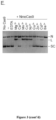
- RuvC (D16A) and HNH (H588A) domain active site mutants, as well as the corresponding double mutant (D16A, H588A) were also purified.
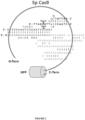
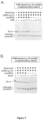
- Figure 3A In vitro transcription was used to generate a tracrRNA and a crRNA containing spacer 9 (sp 9) from strain 8013. The complex of these RNAs, when paired with protospacer 9 (ps 9) target DNA (including the PAM region), is depicted. See, Figure 3B . This protospacer 9 target sequence was previously validated as a functional target in CRISPR interference of DNA transformation (Zhang et al., 2013).
- Plasmid cleavage assays showed that NmeCas9 cleaves dsDNA containing the matched protospacer and the reaction requires the cognate crRNA, tracrRNA, and magnesium. See, Figure 3C .
- Sanger sequencing of the linearized plasmid identified the primary cleavage site to be between the 3rd and 4th nts of the protospacer counting from the PAM-proximal end. See, Figure 3D .
- NmeCas9 exhibited robust activity at salt (KCl) concentration lower than 300 nM, and minimal or no activity above 500 nM.
- Figure 4B Divalent metal ion specificity of NmeCas9's DNA cleavage activity was also tested.
- Figure 3E Divalent metals such as Mg2+, Mn2+, Co2+, and Ni2+ support cleavage of both strands, whereas Ca2+ and Ba2+ only support plasmid nicking, suggesting that they can function with only one of the endonuclease domains of NmeCas9.
- Other metals such as Cu2+, Zn2+ and Cd2+ support little or no NmeCas9 cleavage.
- NmeCas9 A schematic representation of the domain organization of NmeCas9 is shown where three RuvC motifs together comprise an active RuvC domain. See, Figure 5A .
- residues D16 (in the RuvC-I domain) and H588 (in the HNH domain) of NmeCas9 are essential active site residues of the enzyme (Esvelt et al., 2013; Zhang et al., 2013; Keams et al., 2015).
- mutant proteins D16A, H588A, and the double mutant (D16A, H588A) were expressed and purified. See, Figure 3A .
- the plasmid cleavage assays showed that D16A and H588A mutants could each nick the plasmid, whereas the double mutant was inactive.
- Mg2+ supported the activity of both RuvC and HNH domains
- divalent metals such as Ca2+ and Ba2+ only supported the catalytic activity of the HNH domain. See, Figure 5B .
- NmeCas9 like all other Cas9 orthologs studied to date, is an RNA-guided DNA endonuclease requiring tracrRNA, a cognate crRNA, and a divalent metal ion for activity.
- the HNH and the RuvC domains each cleave the crRNA-complementary and non-complementary DNA strands, respectively, targeting 3-4 bp into the protospacer, and each domain has different metal cofactor requirements.
- NmeCas9 Cleaves ssDNA Targets In A CrRNA-Programmed But TracrRNA-Independent Fashion
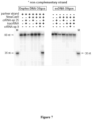
- NmeCas9 requires both RNAs to cleave either a supercoiled plasmid DNA or alternatively a 60bp, fully duplexed dsDNA substrate. See, Figure 3C and Figure 7 , respectively.
- the data shown herein demonstrate that no cleavage was observed when either NmeCas9, tracrRNA, or cognate crRNA (sp 25) was omitted from the reaction.
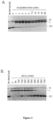
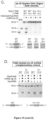
- NmeCas9 When using the complementary strand ssDNA substrate, NmeCas9 also catalyzed cleavage when programmed with both cognate crRNA (sp 25) and tracrRNA. See, Figure 6B . The most predominant product was 25 nt, indicating cleavage between the third and fourth nts of the protospacer, though smaller amounts of cleavage were also observed one nt upstream and downstream from this site. Surprisingly, robust cleavage of the complementary strand was also achieved when NmeCas9 is programmed with the cognate crRNA alone, i.e. without the tracrRNA.
- An electrophoretic mobility shift assay was performed to investigate whether both RNAs were required for stable ssDNA binding by NmeCas9. All divalent metal ions were omitted from the binding reaction to render NmeCas9 catalytically inactive.
- a 50-nt, fluorescently labelled, ssDNA target (containing ps 25 and the PAM) was bound by NmeCas9 when a cognate crRNA (sp 25) and the tracrRNA were both present, but not when a non-cognate crRNA (sp 23) was used instead.
- the mature crRNAs for NmeCas9 contain a 24 nt sequence derived from CRISPR spacers and a 24 nt sequence derived from the CRISPR repeats. Zhang et al., 2013; see, also Figure 6A .
- the cleavage pattern of the ssDNA target was not affected by the serial 3' truncations of CRISPR repeat, nor by replacement of the 24 nt N. meningitidis repeat with a 20 nt S. pyogenes repeat (crRNA, Spy repeat).
- This activity is reminiscent of the RNase H activity that cleaves the RNA strand of an RNA-DNA hybrid duplex (with little or no sequence preference), except that NmeCas9's activity has the opposite nucleic acid specificity (i.e. it cleaves the DNA strand of the hybrid duplex), and it cleaves at specific locations.
- NmeCas9's activity has the opposite nucleic acid specificity (i.e. it cleaves the DNA strand of the hybrid duplex), and it cleaves at specific locations.
- Tadokoro and Kanaya 2009.
- the present invention contemplates that this tracrRNA-independent, RNA-guided ssDNA cleavage activity as DNase H-like.
- NmeCas9's DNase H activity requires a pre-loaded guide RNA, it was tested whether it can cleave the ssDNA in an RNA-DNA hybrid that was pre formed in solution, in the absence of the enzyme. TracrRNA-independent ssDNA cleavage was assayed using guide RNAs that were either pre-annealed with the ssDNA target before the addition of NmeCas9, or pre-incubated with NmeCas9 before the addition of DNA target. See, Figure 8B , right and Figure 8B , left, respectively. The cleavage patterns were similar under these two conditions, reinforcing the idea that NmeCas9 has a DNase H activity that cleaves the DNA strand of a RNA-DNA hybrid.
- NmeCas9's DNase H activity may be set by a ruler mechanism that measures from the 5' end of the ssDNA's RNA paired region. This activity requires a minimum of 17-18 bps of RNA-DNA hybrid duplex, since the activity was lost when a 16 nt guide RNA was used. See, Figure 8C , compare substrates 3, 4, and 5. A DNA guide that contains sequences identical to the sp 25 crRNA did not support NmeCas9's ssDNA cleavage activity at all, regardless of the tracrRNA's presence. See, Figure 8D , substrate 2.
- Meningococcal cells are constitutively competent for natural transformation, which requires the degradation of one of the two DNA strands during uptake into the cytoplasm. Rotman and Seifert, 2014. The internalized ssDNA is then thought to associate with RecA protein, single-strand binding protein (SSB), or both, to protect against nuclease degradation and to facilitate the identification of complementary chromosomal sequences for homologous recombination. Johnston et al., 2014.
- SSB single-strand binding protein
- Type I and II CRISPR/Cas systems generally have a protospacer adjacent motif (PAM) flanking the target region.
- PAMs for Cas9 endonucleases are usually short (i.e., for example, approximately 2-5 nt) and located 3' of the target relative to the non-complementary strand, while the PAM sequences and lengths vary among Cas9 orthologues.
- a single A to C mutation (GATT to GCTT) is also well-tolerated for a NmeCas9-mediated genome editing in human ES cells. Hou et al., 2013. Furthermore, a library depletion experiment in E. coli indicated that the NmeCas9 PAM has a very strong preference for guanine at the first position. Esvelt et al., 2013.
- each nucleotide base (e.g., each single nt) of the GATT PAM was mutated to its Watson-Crick complement in the context of a ps 9 plasmid, and assayed plasmid cleavage by NmeCas9 in vitro.
- the 2A to 2T and 4T to 4A mutations were readily cleaved (like the wild-type PAM), while the 1Gto 1C and 3T to 3A mutations abolished cleavage. See, Figure 10A .
- the 2A3T to 2T3A partial cleavage defect is in agreement with the loss of cellular interference observed previously with the GTAT mutant PAM, indicating that the in vitro and cellular results are consistent. Zhang et al., 2013.
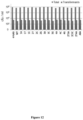
- a cellular transformation interference assay was then performed to study 1 nt PAM variants in the context of ps 25. Twelve single-nt variants were created in a GATT PAM, and the ability of each mutant to license CRISPR interference was tested in MC8013 cells during natural transformation, as described previously. Zhang et al., 2013. The data show that a ps25 plasmid with a wild-type PAM elicited interference, as reflected by the complete loss of transformants compared to the empty plasmid. See, Figure 10B , upper panel. All three variants at the first guanine of the PAM led to major interference defects. In contrast, eight of the nine single-nt mutations in the other three PAM nts were permissive for interference.
- NmeCas9 has a stringent preference for the guanine within the GATT PAM, and a high degree of tolerance for most single-nt variants at the 2nd, 3rd and 4th PAM positions.
- the same series of PAM variants in the context of a different protospacer (ps 24) yielded very similar results.
- Figure 11 Consequently, it appears that NmeCas9 has a strong preference for a guanine at the first position, as well as tolerance of different nts at other PAM positions in bacteria which are not spacer context-dependent.
- NmeCas9 requires a PAM element on both strands of the duplex DNA substrates, or that recognition elements on one strand or the other can only be engaged in the context of a base-paired configuration.
- ssDNA oligonucleotide cleavage was compared using two fluorescent ssDNA substrates, one with a wild-type PAM and the other with no PAM.
- the "No PAM” substrate was cleaved as efficiently by NmeCas9 as the wild-type counterpart, regardless of whether the tracrRNA is present. See, Figure 10D .
- This observation suggests that the PAM is not necessary for NmeCas9-mediated ssDNA cleavage, in line with previous reports for SpyCas9 and SthCas9. Gasiunas et al., 2012; Jinek et al., 2012; and Nishimasu et al., 2014.
- a short (i.e., for example, approximately 1- 4 nts) non-conserved linker separates a PAM and an adjacent protospacer.
- the actual length of this linker varies among individual Cas9 orthologs.
- NmeCas9 was then tested for tolerance of linker length variations during interference in N. meningitidis cells.
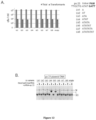
- a potential target for spacer 23 of MC8013 was constructed in which the PAM and protospacer 23 were separated by a 4 nt "ATAT" linker. See, Figure 13A , right panel. This construct was verified as fully functional in CRISPR interference using the natural transformation assay. See, Figure 13A , left panel, LK4. Then the alternating A/T linker region was shortened or extended to separate a PAM sequence from a protospacer by 1 to 8 nts. See, Figure 13A , right panel.
- Cas9 endonucleases induce mostly blunt-ended double-strand breaks between the 3rd and 4th base pairs at a PAM-proximal end of protospacers.
- Type II-A SthCas9 from strain LMG18311 showed that its HNH and RuvC nuclease domains use different mechanisms to determine their cleavage sites on the two DNA strands: i) an RuvC domain cut is measured from a PAM; and ii) an HNH domain cut is at a fixed position within the protospacer without reference to a PAM. Chen et al., 2014. To determine whether the Type II-C NmeCas9 employs a similar mechanism, cleavage sites were mapped with strand-specific, end-labelled, oligonucleotide substrates bearing ps25 and its GATT PAM, separated by different linker lengths (e.g., between approximately 2-6 bp).
- NmeCas9 When the label was on the non-complementary strand, thereby allowing RuvC domain activity to be assessed, NmeCas9 efficiently cleaved a 4 bp linker substrate to generate a 35 nt product. Although NmeCas9 cleavage efficiency was much lower with the other variant linker length substrates, the RuvC cleavage site moved in concert. See, Figure 13C . These results revealed that a RuvC domain of NmeCas9 determines the cleavage site on the non-complementary strand by a "ruler" mechanism, cutting primarily between the 7th and 8th nts 5' of the GATT PAM.
- SpyCas9 requires near-perfect complementarity to the cleavage site (e.g., for example, an -7-12 PAM-proximal bps of a protospacer) for CRISPR interference and efficient genome editing.
- cleavage site e.g., for example, an -7-12 PAM-proximal bps of a protospacer
- An sgRNA which is an engineered, chimeric fusion of mature crRNA and tracrRNA, is capable of directing Cas9 catalyzed programmable DNA cleavage and genome editing.
- Previous reports in human ES and iPS cells showed that an sgRNA works as efficiently as dual crRNA and tracrRNA in NmeCas9-directed genome editing. Hou et al., 2013.
- the ⁇ 7nt substrate showed no NmeCas9 cleavage defects and the ⁇ 14nt and ⁇ 22nt RNAs exhibited modest cleavage defects, whereas the ⁇ 45nt, ⁇ 57nt and ⁇ 69nt sgRNAs were completely defective. See, Figure 16B .
- These results suggest that the 3' terminal 7 nts are dispensable for cleavage, partial or total disruption ( ⁇ 14nt, ⁇ 22nt) of the terminal hairpin modestly impedes NmeCas9 function, and complete removal ( ⁇ 45nt, ⁇ 57nt and ⁇ 69nt) of the hairpin, or nexus plus the hairpin, abolishes NmeCas9 cleavage.
- NmeCas9 sgRNA variants were generated with most of the nexus (e.g., int 2) or upper stem (e.g., int 1) deleted. See, Figure 16A . Severe NmeCas9 cleavage defects were observed for the nexus deletion (e.g., int 2), whereas no defects were detected for the upper stem deletion (e.g., int1). Figure 16B . This result shows that the nexus of the NmeCas9 sgRNA plays a role in NmeCas9 function, while the upper stem is dispensable, similar to the type II-A systems. Briner et al., 2014.
- NmeCas9 has a strong preference for G at the first position of the GATT PAM, both in its native cellular environment and in vitro, corroborating findings from an earlier study of orthogonal Cas9s using E. coli as a surrogate.
- PAMs The actual sequences and lengths of PAMs vary among different type II systems. Deveau et al., 2008; Gasiunas et al., 2012; Jinek et al., 2012; Esvelt et al., 2013; Zhang et al., 2013; Chen et al., 2014; Fonfara et al., 2014; and Ran et al., 2015.
- a subset of Cas9 orthologs including but not limited to, S. pyogenes, S. mutants, S. thermophilus and N. meningitidis, use PAMs that begin with one or two guanosines.
- SthCas9 from LMG18311 requires a GYAAA PAM and, like NmeCas9, tolerates single-nt PAM mutations in all positions except for a first G. Chen et al., 2014. However, effects of 2-nt (or more) variants from this PAM consensus were not defined. Structural analyses showed that SpyCas9 uses two conserved arginine residues to recognize the two guanosines in the GG PAM. Anders et al., 2014. These two arginines are not well conserved in Cas9s from many type II-C and some type II-A systems.
- tracrRNA or a tracrRNA-derived portion of an sgRNA was an essential component for Cas9 activity. Bernick et al., 2012; Barrangou and Marraffini, 2014; Doudna and Charpentier, 2014; Hsu et al., 2014; van der Oost et al., 2014; and Sontheimer and Barrangou, 2015.
- the tracrRNA-equivalent part of an sgRNA base-pairs with the crRNA repeat forms multiple 3' hairpins, and is contacted extensively by SpyCas9, as revealed by recent structural reports.
- the tracrRNA also contains a "nexus" stem-loop that imparts specificity and enforces orthogonality among Cas9/tracrRNA pairs. Briner et al., 2014.
- the present invention contemplates an NmeCas9 that cleaves ssDNA molecules efficiently in the absence of a tracrRNA. See, Figure 6 and Figure 8 .
- the predominant cut site for the DNase H activity is shifted 1 nt towards the PAM-proximal end of the protospacer, although additional, secondary cuts are also observed.
- NmeCas9-directed ssDNA cleavage appears to be as efficient as cleavage of dsDNAs (plasmids or oligonucleotide duplexes). See, Figures 3 , 6 and 8 .
- NmeCas9 The structure of NmeCas9 is not known, and the only Type II-C Cas9 to be structurally characterized is AnaCas9, and this data in the apo form only (i.e. without bound guides or targets). Jinek et al., 2014.
- Crystal structures of SpyCas9 have been solved in the apo state (Jinek et al., 2014), with bound sgRNA (Jiang et al., 2015), and with sgRNA recognizing a fully single-stranded (Nishimasu et al., 2014) or partially double-stranded (Anders et al., 2014) DNA target.
- these crystal structures reveal that the apo enzyme is found in an unproductive conformation and that sgRNA binding to SpyCas9 induces extensive domain movements (including the HNH domain) that lead to catalytic activation.
- the HNH domain of apo-SpyCas9 faces outwards away from the body of the nuclease lobe, and it appears to be autoinhibited, in addition to being poorly ordered in the crystal. Jinek et al., 2014. Although the HNH domain of apo-AnaCas9 is located in an equivalent position to that of apo-SpyCas9, it has fewer contacts with the C-terminal domain and it is more ordered. In the SpyCas9 complex structures the guide/target heteroduplex is trapped in a tunnel formed by the RuvC, HNH and REC domains, at the interface between the two lobes of the protein. Anders et al., 2014; and Nishimasu et al., 2014.
- NmeCas9 are interesting in light of known modes of genetic exchange in meningococci and many other bacteria. Natural transformation proceeds through the internalization of exogenous DNAs in single-stranded forms without strand preference, followed by integration into host chromosomes by homology-based recombination. Internalized ssDNAs are coated with RecA and ssDNA-binding proteins that facilitate homology searches along the bacterial chromosome in preparation for homologous recombination, and the data presented herein show that these proteins do not inhibit Cas9 activity in vitro. The heterologous sequences remain single-stranded in the recombination intermediates, and then become double stranded after chromosomal replication. Johnston et al., 2014.
- NmeCas9 can potentially target ssDNA regardless of whether tracrRNA availability provides a route toward sequence-specific transformation interference in a manner that does not require a lethal chromosome breakage event.
- the ability to target a chromosome in a tracrRNA-dependent manner would then enable any transformed "escapers" from earlier ssDNA-targeting phases to subject to a second round of restriction.
- a ⁇ tracr strain exhibited a complete rather than partial loss of transformation interference, indicating that conditions under which tracrRNA-independent ssDNA interference could occur, if any, have yet to be identified.
- another potential natural ssDNA target could be the genomic ssDNA of filamentous phages, such as those reported previously in meningococci. Kawai et al., 2005.
- Type II CRISPR-Cas loci has only a single tracrRNA transcription unit, whereas there are much larger numbers of CRISPR repeats (i.e., for example, up to 105 in a strain of Mycoplasma gallisepticum) in Type II pre-CRISPR RNAs. Accordingly, a complete use of a CRISPR locus' transcriptional output would require a substantial molar excess of tracrRNA, which could be challenging to generate, especially for large CRISPR loci. This problem could be exacerbated even further in the case of N.
- pre-crRNAs are generated from numerous promoters (e.g., one for each CRISPR repeat), potentially increasing the stoichiometric imbalance between the tracrRNA and the crRNA repeats.
- potential benefits of tracrRNA-independent functions such as the RNA-guided ssDNA cleaving activity during interference with natural ssDNAs such as those that enter the cell during natural transformation.
- the present invention contemplates that NmeCas9 DNase H activity could provide a programmable, RNA-guided restriction enzyme that cleaves ssDNA.
- the NmeCas9 lacks a tracrRNA sequence.
- NmeCas9 functions as a sequence-specific DNase with clear substrate preference in that NmeCas9 cuts ssDNA efficiently, but does not cut dsDNA. This unique feature distinguishes NmeCas9 from other Cas9 orthologs biochemically characterized to date as site-specific and ssDNA-specific DNases are uncommon in the art.
- This ssDNA-selective activity could also have utility within eukaryotic cells, for instance in destroying single-stranded regions of the genomes of certain DNA viruses such as Hepatitis B virus. Dienstag, 2008.
- NmeCas9 could be used for such a purpose with little or no risk of collateral damage to the host cell's dsDNA genome.
- compositions e.g., comprising the compounds described above.
- the pharmaceutical compositions may be administered in a number of ways depending upon whether local or systemic treatment is desired and upon the area to be treated. Administration may be topical (including ophthalmic and to mucous membranes including vaginal and rectal delivery), pulmonary (e.g., by inhalation or insufflation of powders or aerosols, including by nebulizer; intratracheal, intranasal, epidermal and transdermal), oral or parenteral.
- Parenteral administration includes intravenous, intraarterial, subcutaneous, intraperitoneal or intramuscular injection or infusion; or intracranial, e.g., intrathecal or intraventricular, administration.
- compositions and formulations for topical administration may include transdermal patches, ointments, lotions, creams, gels, drops, suppositories, sprays, liquids and powders.
- Conventional pharmaceutical carriers, aqueous, powder or oily bases, thickeners and the like may be necessary or desirable.
- compositions and formulations for oral administration include powders or granules, suspensions or solutions in water or non-aqueous media, capsules, sachets or tablets. Thickeners, flavoring agents, diluents, emulsifiers, dispersing aids or binders may be desirable.
- compositions and formulations for parenteral, intrathecal or intraventricular administration may include sterile aqueous solutions that may also contain buffers, diluents and other suitable additives such as, but not limited to, penetration enhancers, carrier compounds and other pharmaceutically acceptable carriers or excipients.
- compositions include, but are not limited to, solutions, emulsions, and liposome-containing formulations. These compositions may be generated from a variety of components that include, but are not limited to, preformed liquids, self-emulsifying solids and self-emulsifying semisolids.
- the pharmaceutical formulations may be prepared according to conventional techniques well known in the pharmaceutical industry. Such techniques include the step of bringing into association the active ingredients with the pharmaceutical carrier(s) or excipient(s). In general the formulations are prepared by uniformly and intimately bringing into association the active ingredients with liquid carriers or finely divided solid carriers or both, and then, if necessary, shaping the product.
- compositions of the present invention may be formulated into any of many possible dosage forms such as, but not limited to, tablets, capsules, liquid syrups, soft gels, suppositories, and enemas.
- the compositions of the present invention may also be formulated as suspensions in aqueous, non-aqueous or mixed media.
- Aqueous suspensions may further contain substances that increase the viscosity of the suspension including, for example, sodium carboxymethylcellulose, sorbitol and/or dextran.
- the suspension may also contain stabilizers.
- compositions may be formulated and used as foams.
- Pharmaceutical foams include formulations such as, but not limited to, emulsions, microemulsions, creams, jellies and liposomes. While basically similar in nature these formulations vary in the components and the consistency of the final product.
- Agents that enhance uptake of oligonucleotides at the cellular level may also be added to the compositions of the present invention.
- cationic lipids such as lipofectin ( U.S. Pat. No. 5,705,188 ), cationic glycerol derivatives, and polycationic molecules, such as polylysine ( WO 97/30731 ), also enhance the cellular uptake of oligonucleotides.
- compositions of the present invention may additionally contain other adjunct components conventionally found in pharmaceutical compositions.
- the compositions may contain additional, compatible, pharmaceutically-active materials such as, for example, antipruritics, astringents, local anesthetics or anti-inflammatory agents, or may contain additional materials useful in physically formulating various dosage forms of the compositions of the present invention, such as dyes, flavoring agents, preservatives, antioxidants, opacifiers, thickening agents and stabilizers.
- additional materials useful in physically formulating various dosage forms of the compositions of the present invention such as dyes, flavoring agents, preservatives, antioxidants, opacifiers, thickening agents and stabilizers.
- such materials when added, should not unduly interfere with the biological activities of the components of the compositions of the present invention.
- the formulations can be sterilized and, if desired, mixed with auxiliary agents, e.g., lubricants, preservatives, stabilizers, wetting agents, emulsifiers, salts for influencing osmotic pressure, buffers, colorings, flavorings and/or aromatic substances and the like which do not deleteriously interact with the nucleic acid(s) of the formulation.
- auxiliary agents e.g., lubricants, preservatives, stabilizers, wetting agents, emulsifiers, salts for influencing osmotic pressure, buffers, colorings, flavorings and/or aromatic substances and the like which do not deleteriously interact with the nucleic acid(s) of the formulation.
- Dosing is dependent on severity and responsiveness of the disease state to be treated, with the course of treatment lasting from several days to several months, or until a cure is effected or a diminution of the disease state is achieved.
- Optimal dosing schedules can be calculated from measurements of drug accumulation in the body of the patient. The administering physician can easily determine optimum dosages, dosing methodologies and repetition rates. Optimum dosages may vary depending on the relative potency of individual oligonucleotides, and can generally be estimated based on EC 50 s found to be effective in in vitro and in vivo animal models or based on the examples described herein.
- dosage is from 0.01 ⁇ g to 100 g per kg of body weight, and may be given once or more daily, weekly, monthly or yearly.
- the treating physician can estimate repetition rates for dosing based on measured residence times and concentrations of the drug in bodily fluids or tissues.
- kits are described herein.
- the kits preferably include one or more containers containing a composition comprising a composition comprising a Neisseria meningitidis Cas9 (NmeCas9) enzyme and a guide RNA (gRNA) sequence, wherein the gRNA lacks a transactivating CRISPR RNA (tracrRNA) sequence.
- a second container comprising a gRNA sequence comprises a CRISPR RNA (crRNA) sequence and a set of instructions for administering the composition to a patient with a single stranded deoxyribonucleic acid virus infection.
- the crRNA sequence may comprise at least one complementary sequence to the viral single stranded deoxyribonucleic acid.
- the kit can optionally include additional containers having a composition comprising a gRNA sequence that is seventeen nucleotides.
- the kit can optionally include additional containers having a composition comprising a crRNA sequence with a mutated CRISPR repeat region.
- the kit can optionally include additional containers having a composition comprising a crRNA sequences that does not have a CRISPR repeat region.
- the kit can optionally include enzymes capable of performing PCR (i.e., for example, DNA polymerase, Taq polymerase and/or restriction enzymes).
- the kit can optionally include a delivery vehicle for said vectors (e.g., a liposome).
- the reagents may be provided suspended in the excipient and/or delivery vehicle or may be provided as a separate component which can be later combined with the excipient and/or delivery vehicle.
- the kit may optionally contain additional therapeutics to be co-administered with the vectors to affect the desired transcriptional regulation.
- kits may also optionally include appropriate systems (e.g. opaque containers) or stabilizers (e.g. antioxidants) to prevent degradation of the reagents by light or other adverse conditions.
- appropriate systems e.g. opaque containers
- stabilizers e.g. antioxidants
- kits may optionally include instructional materials. While the instructional materials typically comprise written or printed materials they are not limited to such. Any medium capable of storing such instructions and communicating them to an end user is contemplated herein. Such media include, but are not limited to electronic storage media (e.g., magnetic discs, tapes, cartridges, chips), optical media (e.g., CD ROM), and the like. Such media may include addresses to internet sites that provide such instructional materials.
- electronic storage media e.g., magnetic discs, tapes, cartridges, chips
- optical media e.g., CD ROM
- N. meningitidis 8013 (MC8013), mutant derivatives plasmids and oligonucleotides are listed in the Tables below.
- GCB GC Medium Base
- Mutant strains were generated by transformation with appropriately constructed plasmids, and confirmed by PCR and DNA sequencing.
- the unmarked ⁇ crispr strain was created by a two-step transformation strategy as previously described for creating the unmarked ⁇ cas9 strain.
- a ⁇ crispr strain was transformed with genomic DNA (gDNA) isolated from the ⁇ tracr strain, followed by KanR selection. Zhang et al., 2013.
- wt and variant copies of the sgRNA were cloned into pGCC2 and transformed the resulting plasmids into the ⁇ crispr ⁇ tracr strain.
- SmR streptomycin-resistant
- CmR chloramphenicol acetyltransferase, conferring chloramphenicol resistance
- SmR CmS colonies were screened by PCR to confirm replacement of the dual marker cassette with the unmarked crispr deletion.
- sp 25 sgRNA variants were generated and cloned into plasmid pGCC2, transformed the resulting plasmids into the parental ⁇ crispr ⁇ tracr strain, and selected erythromycin-resistant (ErmR) transformants.
- RNAs were generated by in vitro transcription using a MEGAscript T7 kit (Ambion) and gel purified. Transcription templates were gel-purified PCR products, linearized plasmids, or annealed DNA oligonucleotides carrying the T7 promoter sequence.
- NmeCas9 genes of MC8013 were cloned into the pMCSG7 vector using Ligation Independent Cloning. Stols et al., 2002.
- the resulting NmeCas9 protein contains an N-terminal His6-tag, followed by a Tobacco Etch Virus (TEV) protease site to remove the His-tag by TEV cleavage.
- TEV Tobacco Etch Virus
- the plasmid was transformed into BL21(DE3) Rosetta cells.
- the cells were grown in terrific broth medium at 36 °C to an OD600 of ⁇ 0.8, transferred to ice to reduce the temperature to around 16°C, induced with 0.5 mM ⁇ -D-1-thiogalactopyranoside (IPTG), and grown overnight at 16°C for protein expression.
- Cell pellets were re-suspended in re-suspension buffer (50 mM TRIS pH 8, 500 mM NaCl, 10% glycerol, and 5 mM imidazole) and stored at -80°C.
- protease inhibitors [Benzimidine (1 mM), Pepstatin (1 ⁇ g/ml), and PMSF (1 mM)] were added to the cell suspension. The cells were then incubated while sequentially adding Lysozyme (0.625 mg/ml), Brij58 (0.1%), and DNase (0.02 mg/mL, along with 10 mM MgCl2), with 30 minutes of gentle rocking at 4°C for each step. This was followed by a gentle sonication of the cells.
- the cell lysate was spun at 35,000 rpm for 30 minutes and the supernatant was filtered through a 0.2 ⁇ m filter.
- the salt concentration of the supernatant was adjusted to 1M NaCl, and 0.2% Polyethyleneimine (PEI) was added slowly to the supernatant while stirring at 4°C, for a total period of 30 minutes.
- the solution was spun at 18,000 rpm at 4°C for 30 minutes, during which NmeCas9 separated into the supernatant.
- Solid ammonium sulfate was added to the supernatant to a final concentration of 50% (29.1 g for a 100 ml solution) and stirred at 4°C for 30 minutes.
- the solution was spun at 18,000 rpm for 30 minutes and the majority of NmeCas9 settled in the pellet.
- the pellet was solubilized in Buffer A (re-suspension buffer supplemented with salt to a final 1 M NaCl concentration, along with 1 mM PMSF).
- Buffer A re-suspension buffer supplemented with salt to a final 1 M NaCl concentration, along with 1 mM PMSF.
- the protein solution was loaded onto a Ni-NTA column that was equilibrated with the same buffer. After loading, the column was washed with around 500 mL of Buffer A to remove any unbound or loosely bound contaminating protein followed by 100 mL Buffer A supplemented with 20 mM Imidazole, and finally with Buffer A with 350 mM Imidazole to elute the protein.
- Protein was dialyzed into S-column buffer (20 mM HEPES pH 7.5, 250 mM KCl, 10% glycerol, 1 mM DTT, and 1 mM PMSF) and simultaneously incubated with TEV protease [(1:50 (mg/ml)] to cleave the His-tag.
- S-column buffer (20 mM HEPES pH 7.5, 250 mM KCl, 10% glycerol, 1 mM DTT, and 1 mM PMSF
- TEV protease [(1:50 (mg/ml)] to cleave the His-tag.
- the protein was passed through a Ni-NTA column to deplete the His-tag and the uncleaved NmeCas9.
- the flow-through from the Ni-NTA column was loaded onto a MonoS column and eluted by a salt gradient from 250 mM to 1.5 M KCl.
- the pure fractions were pooled and dialyzed into S200-column buffer (20 mM HEPES pH 7.5, 500 mM KCl, 10% glycerol, 1 mM DTT, and 1 mM PMSF).
- S200-column buffer (20 mM HEPES pH 7.5, 500 mM KCl, 10% glycerol, 1 mM DTT, and 1 mM PMSF).
- S200-column buffer 20 mM HEPES pH 7.5, 500 mM KCl, 10% glycerol, 1 mM DTT, and 1 mM PMSF.
- S200 gel filtration column
- Plasmid DNA (300 ng, ⁇ 9 nM) was incubated with NmeCas9 protein (50-500 nM) and preannealed crRNA:tracrRNA duplex (1:1, 50-500 nM) in standard cleavage buffer [20 mM HEPES (pH 7.5), 150 mM KCl, 10% glycerol, 1 mM DTT, and 10 mM MgCl2] at 37°C for 5- 30 min. Other divalent metals were also tested at 10 mM. The reactions were resolved by 0.6-1% agarose gels and visualized by ethidium bromide staining.
- IDT gel-purified DNA oligonucleotides
- DNA oligonucleotides [5-10 nM for 32P-labeled, or 25-50 nM for 6-carboxyfluorescein (FAM)-labeled oligos] were incubated with NmeCas9 proteins (500 nM) and pre-annealed crRNA:tracrRNA duplex (1:1, 500 nM) in standard cleavage buffer (described above) at 37°C for 30 min. Reactions were resolved on 15% denaturing PAGE and visualized with a Phosphorimager or ImageQuant LAS 4000 imager. Reactions with 32P-labeled oligos were purified by phenol/chloroform extraction and ethanol precipitation before electrophoresis.
- IDT DNA oligonucleotides
- FAM-labeled ssDNA oligonucleotides IDT, 25-50 nM
- NmeCas9 500nM
- various small RNAs 500 nM
- standard cleavage buffer without Mg2+
- Plasmids used in this study are listed in accordance with Example I.
- E. coli Top10 competent cells (Invitrogen) were used for cloning. All plasmids were verified by DNA sequencing. Regular and overlapping PCRs for cloning were done using Platinum Pfx DNA Polymerase (Invitrogen).
- Protospacer plasmids i.e., for example, pGCC2 or pYZEJS040 and their derivatives
- in vitro cleavage and N. meningitidis transformation assays were constructed as described previously. Zhang et al., 2013.
- All PAM and cleavage site mutants of the protospacer plasmids were created by QuikChange (Agilent) mutagenesis.
- Plasmids for creating N. meningitidis ⁇ crispr ⁇ tracrRNA strains with sgRNA complementation were constructed by overlapping PCR or regular PCR and ligation as previously described. Zhang et al., 2013.
- the wild type NmeCas9 gene was cloned into the pMCSG7 vector to create the plasmid for overexpression of NmeCas9 protein, and derivative plasmids for mutant NmeCas9 proteins were constructed by QuikChange (Agilent) mutagenesis.
- FAM-labeled ssDNA oligonucleotide (IDT, Coralville IA) was incubated in standard cleavage buffer, with increasing concentrations of SSB (0.05, 0.5, 5, 50 ng/ ⁇ L) or RecA (2, 20, 200 ng/ ⁇ L) proteins (NEB) at 37°C for 10 min.
- SSB 0.05, 0.5, 5, 50 ng/ ⁇ L
- RecA 2, 20, 200 ng/ ⁇ L proteins
Landscapes
- Health & Medical Sciences (AREA)
- Life Sciences & Earth Sciences (AREA)
- Engineering & Computer Science (AREA)
- Genetics & Genomics (AREA)
- Chemical & Material Sciences (AREA)
- Molecular Biology (AREA)
- Organic Chemistry (AREA)
- Zoology (AREA)
- Wood Science & Technology (AREA)
- Bioinformatics & Cheminformatics (AREA)
- Biomedical Technology (AREA)
- General Engineering & Computer Science (AREA)
- Biotechnology (AREA)
- Microbiology (AREA)
- Biochemistry (AREA)
- General Health & Medical Sciences (AREA)
- Medicinal Chemistry (AREA)
- Plant Pathology (AREA)
- Biophysics (AREA)
- Physics & Mathematics (AREA)
- Measuring Or Testing Involving Enzymes Or Micro-Organisms (AREA)
- Micro-Organisms Or Cultivation Processes Thereof (AREA)
Claims (15)
- Composition comprenant une enzyme de Neisseria meningitidis Cas9 (NmeCas9) et une séquence d'ARN guide (ARNg), l'ARNg étant dépourvu d'une séquence d'ARN CRISPR de transactivation (tracrARN).
- Composition selon la revendication 1, dans laquelle ladite séquence d'ARNg comprend une séquence d'ARN CRISPR (ARNcr).
- Composition selon la revendication 1, dans laquelle ladite composition comprend en outre une séquence d'acide désoxyribonucléique simple brin (ADNsb).
- Composition selon la revendication 1, dans laquelle ladite composition ne comprend pas de séquence d'acide désoxyribonucléique double brin (ADNdb).
- Composition selon la revendication 3, dans laquelle ladite séquence d'ADN double brin comprend un motif adjacent à un protoespaceur (PAM).
- Composition selon la revendication 5, dans laquelle ladite séquence d'ARNcr comprend au moins une région complémentaire audit PAM.
- Composition selon la revendication 3, dans laquelle ladite séquence d'ADNsb est dépourvue de PAM.
- Composition selon la revendication 2, dans laquelle ladite séquence d'ARNcr comprend au moins une séquence complémentaire audit ADNsb.
- Composition selon la revendication 1, dans laquelle ladite séquence d'ARNg est composée de dix-sept nucléotides.
- Composition selon la revendication 1, dans laquelle ladite protéine NmeCas9 comprend un domaine HNH intact.
- Composition selon la revendication 2, dans laquelle ladite séquence d'ARNcr comprend une région de répétition de CRISPR mutée.
- Composition selon la revendication 2, dans laquelle ladite séquence d'ARNcr ne possède pas de région de répétition CRISPR.
- Composition selon la revendication 5, dans laquelle ledit ADNsb comprend une séquence de liaison adjacente audit PAM.
- Composition selon la revendication 13, dans laquelle ladite séquence de liaison comprend environ 2 à 6 nucléotides.
- Composition selon la revendication 13, dans laquelle ladite séquence de liaison est composée de 4 nucléotides.
Applications Claiming Priority (2)
| Application Number | Priority Date | Filing Date | Title |
|---|---|---|---|
| US201562215424P | 2015-09-08 | 2015-09-08 | |
| PCT/US2016/050396 WO2017044419A1 (fr) | 2015-09-08 | 2016-09-06 | Activité dnase h de la protéine cas9 de neisseria meningitidis |
Publications (3)
| Publication Number | Publication Date |
|---|---|
| EP3347464A1 EP3347464A1 (fr) | 2018-07-18 |
| EP3347464A4 EP3347464A4 (fr) | 2019-06-19 |
| EP3347464B1 true EP3347464B1 (fr) | 2024-01-24 |
Family
ID=58239925
Family Applications (1)
| Application Number | Title | Priority Date | Filing Date |
|---|---|---|---|
| EP16844934.6A Active EP3347464B1 (fr) | 2015-09-08 | 2016-09-06 | Activité dnase h de la protéine cas9 de neisseria meningitidis |
Country Status (4)
| Country | Link |
|---|---|
| US (2) | US11453864B2 (fr) |
| EP (1) | EP3347464B1 (fr) |
| CA (1) | CA3036409C (fr) |
| WO (1) | WO2017044419A1 (fr) |
Families Citing this family (35)
| Publication number | Priority date | Publication date | Assignee | Title |
|---|---|---|---|---|
| WO2013066438A2 (fr) | 2011-07-22 | 2013-05-10 | President And Fellows Of Harvard College | Évaluation et amélioration de la spécificité de clivage des nucléases |
| US20150044192A1 (en) | 2013-08-09 | 2015-02-12 | President And Fellows Of Harvard College | Methods for identifying a target site of a cas9 nuclease |
| US9359599B2 (en) | 2013-08-22 | 2016-06-07 | President And Fellows Of Harvard College | Engineered transcription activator-like effector (TALE) domains and uses thereof |
| US9526784B2 (en) | 2013-09-06 | 2016-12-27 | President And Fellows Of Harvard College | Delivery system for functional nucleases |
| US9388430B2 (en) | 2013-09-06 | 2016-07-12 | President And Fellows Of Harvard College | Cas9-recombinase fusion proteins and uses thereof |
| US9340799B2 (en) | 2013-09-06 | 2016-05-17 | President And Fellows Of Harvard College | MRNA-sensing switchable gRNAs |
| US20150166984A1 (en) | 2013-12-12 | 2015-06-18 | President And Fellows Of Harvard College | Methods for correcting alpha-antitrypsin point mutations |
| WO2016022363A2 (fr) | 2014-07-30 | 2016-02-11 | President And Fellows Of Harvard College | Protéines cas9 comprenant des intéines dépendant de ligands |
| SG10202104041PA (en) | 2015-10-23 | 2021-06-29 | Harvard College | Nucleobase editors and uses thereof |
| KR20250103795A (ko) | 2016-08-03 | 2025-07-07 | 프레지던트 앤드 펠로우즈 오브 하바드 칼리지 | 아데노신 핵염기 편집제 및 그의 용도 |
| US11661590B2 (en) | 2016-08-09 | 2023-05-30 | President And Fellows Of Harvard College | Programmable CAS9-recombinase fusion proteins and uses thereof |
| WO2018039438A1 (fr) | 2016-08-24 | 2018-03-01 | President And Fellows Of Harvard College | Incorporation d'acides aminés non naturels dans des protéines au moyen de l'édition de bases |
| SG11201903089RA (en) | 2016-10-14 | 2019-05-30 | Harvard College | Aav delivery of nucleobase editors |
| WO2018119359A1 (fr) | 2016-12-23 | 2018-06-28 | President And Fellows Of Harvard College | Édition du gène récepteur ccr5 pour protéger contre l'infection par le vih |
| EP3592381A1 (fr) | 2017-03-09 | 2020-01-15 | President and Fellows of Harvard College | Vaccin contre le cancer |
| US11898179B2 (en) | 2017-03-09 | 2024-02-13 | President And Fellows Of Harvard College | Suppression of pain by gene editing |
| WO2018165629A1 (fr) | 2017-03-10 | 2018-09-13 | President And Fellows Of Harvard College | Éditeur de base cytosine à guanine |
| WO2018176009A1 (fr) | 2017-03-23 | 2018-09-27 | President And Fellows Of Harvard College | Éditeurs de nucléobase comprenant des protéines de liaison à l'adn programmable par acides nucléiques |
| WO2018209320A1 (fr) | 2017-05-12 | 2018-11-15 | President And Fellows Of Harvard College | Arn guides incorporés par aptazyme pour une utilisation avec crispr-cas9 dans l'édition du génome et l'activation transcriptionnelle |
| CN111801345A (zh) | 2017-07-28 | 2020-10-20 | 哈佛大学的校长及成员们 | 使用噬菌体辅助连续进化(pace)的进化碱基编辑器的方法和组合物 |
| EP3676376B1 (fr) | 2017-08-30 | 2025-01-15 | President and Fellows of Harvard College | Éditeurs de bases à haut rendement comprenant une gam |
| US11795443B2 (en) | 2017-10-16 | 2023-10-24 | The Broad Institute, Inc. | Uses of adenosine base editors |
| WO2019118949A1 (fr) | 2017-12-15 | 2019-06-20 | The Broad Institute, Inc. | Systèmes et procédés de prédiction des résultats de la réparation en ingénierie génétique |
| EP3794130A4 (fr) | 2018-05-16 | 2022-07-27 | Synthego Corporation | Méthodes et systèmes de conception et d'utilisation d'arn guide |
| US12157760B2 (en) | 2018-05-23 | 2024-12-03 | The Broad Institute, Inc. | Base editors and uses thereof |
| EP3820495A4 (fr) | 2018-07-09 | 2022-07-20 | The Broad Institute Inc. | Modificateurs d'arn épigénétiques programmables par arn et leurs utilisations |
| WO2020092453A1 (fr) | 2018-10-29 | 2020-05-07 | The Broad Institute, Inc. | Éditeurs de nucléobases comprenant geocas9 et utilisations associées |
| CN113015799A (zh) * | 2018-11-16 | 2021-06-22 | 国立大学法人大阪大学 | 经基因组编辑的细胞的制造方法 |
| US12351837B2 (en) | 2019-01-23 | 2025-07-08 | The Broad Institute, Inc. | Supernegatively charged proteins and uses thereof |
| EP3942043A2 (fr) | 2019-03-19 | 2022-01-26 | The Broad Institute, Inc. | Procédés et compositions pour l'édition de séquences nucléotidiques |
| WO2020214842A1 (fr) | 2019-04-17 | 2020-10-22 | The Broad Institute, Inc. | Éditeurs de base d'adénine présentant des effets hors cible réduits |
| US12435330B2 (en) | 2019-10-10 | 2025-10-07 | The Broad Institute, Inc. | Methods and compositions for prime editing RNA |
| WO2021155775A1 (fr) * | 2020-02-03 | 2021-08-12 | 苏州克睿基因生物科技有限公司 | Procédé et kit de détection d'acide nucléique cible |
| BR112022022603A2 (pt) | 2020-05-08 | 2023-01-17 | Broad Inst Inc | Métodos e composições para edição simultânea de ambas as fitas de sequência alvo de nucleotídeos de fita dupla |
| IL324634A (en) | 2023-05-15 | 2026-01-01 | Nchroma Bio Inc | Compositions and methods for epigenetic regulation of hbv gene expression |
Family Cites Families (15)
| Publication number | Priority date | Publication date | Assignee | Title |
|---|---|---|---|---|
| NL154598B (nl) | 1970-11-10 | 1977-09-15 | Organon Nv | Werkwijze voor het aantonen en bepalen van laagmoleculire verbindingen en van eiwitten die deze verbindingen specifiek kunnen binden, alsmede testverpakking. |
| US3817837A (en) | 1971-05-14 | 1974-06-18 | Syva Corp | Enzyme amplification assay |
| US3939350A (en) | 1974-04-29 | 1976-02-17 | Board Of Trustees Of The Leland Stanford Junior University | Fluorescent immunoassay employing total reflection for activation |
| US3996345A (en) | 1974-08-12 | 1976-12-07 | Syva Company | Fluorescence quenching with immunological pairs in immunoassays |
| US4275149A (en) | 1978-11-24 | 1981-06-23 | Syva Company | Macromolecular environment control in specific receptor assays |
| US4277437A (en) | 1978-04-05 | 1981-07-07 | Syva Company | Kit for carrying out chemically induced fluorescence immunoassay |
| US4366241A (en) | 1980-08-07 | 1982-12-28 | Syva Company | Concentrating zone method in heterogeneous immunoassays |
| AU6045094A (en) | 1993-02-19 | 1994-09-14 | Nippon Shinyaku Co. Ltd. | Drug composition containing nucleic acid copolymer |
| US5994316A (en) | 1996-02-21 | 1999-11-30 | The Immune Response Corporation | Method of preparing polynucleotide-carrier complexes for delivery to cells |
| WO2013141680A1 (fr) | 2012-03-20 | 2013-09-26 | Vilnius University | Clivage d'adn dirigé par arn par le complexe cas9-arncr |
| US9637739B2 (en) | 2012-03-20 | 2017-05-02 | Vilnius University | RNA-directed DNA cleavage by the Cas9-crRNA complex |
| US8959494B2 (en) | 2012-03-20 | 2015-02-17 | Massively Parallel Technologies Inc. | Parallelism from functional decomposition |
| LT3401400T (lt) * | 2012-05-25 | 2019-06-10 | The Regents Of The University Of California | Būdai ir kompozicijos, skirtos rnr molekulės nukreipiamai tikslinės dnr modifikacijai ir rnr molekulės nukreipiamam transkripcijos moduliavimui |
| WO2014190181A1 (fr) * | 2013-05-22 | 2014-11-27 | Northwestern University | Clivage de l'adn orienté vers arn et édition génétique par l'enzyme cas9 provenant de neisseria meningitidis |
| EP3835419A1 (fr) | 2013-12-12 | 2021-06-16 | The Regents of The University of California | Procédés et compositions pour modifier un acide nucléique cible monobrin |
-
2016
- 2016-09-06 EP EP16844934.6A patent/EP3347464B1/fr active Active
- 2016-09-06 US US15/758,394 patent/US11453864B2/en active Active
- 2016-09-06 WO PCT/US2016/050396 patent/WO2017044419A1/fr not_active Ceased
- 2016-09-06 CA CA3036409A patent/CA3036409C/fr active Active
-
2022
- 2022-07-21 US US17/870,336 patent/US12104183B2/en active Active
Also Published As
| Publication number | Publication date |
|---|---|
| EP3347464A1 (fr) | 2018-07-18 |
| WO2017044419A1 (fr) | 2017-03-16 |
| EP3347464A4 (fr) | 2019-06-19 |
| CA3036409C (fr) | 2023-07-11 |
| CA3036409A1 (fr) | 2017-03-16 |
| US20180355331A1 (en) | 2018-12-13 |
| US20230132569A1 (en) | 2023-05-04 |
| US11453864B2 (en) | 2022-09-27 |
| US12104183B2 (en) | 2024-10-01 |
Similar Documents
| Publication | Publication Date | Title |
|---|---|---|
| US12104183B2 (en) | DNase H activity of Neisseria meningitidis Cas9 | |
| US20230272394A1 (en) | RNA-DIRECTED DNA CLEAVAGE BY THE Cas9-crRNA COMPLEX | |
| US11920181B2 (en) | Nuclease profiling system | |
| US10633642B2 (en) | Engineered CRISPR-Cas9 nucleases | |
| Zhang et al. | DNase H activity of Neisseria meningitidis Cas9 | |
| Stoddard | Homing endonuclease structure and function | |
| Jurica et al. | Homing endonucleases: structure, function and evolution | |
| US20170058271A1 (en) | Engineered CRISPR-Cas9 Nucleases | |
| CA2996888A1 (fr) | Nucleases crispr-cas9 modifiees | |
| WO2013141680A1 (fr) | Clivage d'adn dirigé par arn par le complexe cas9-arncr | |
| KR20230044544A (ko) | Cas9 변이체 및 그의 용도 | |
| Braun et al. | RNA processing | |
| Cromwell | Tailoring CRISPR/Cas specificity using chemically modified guide RNAs | |
| WO2026020120A1 (fr) | Augmentation de la fidélité d'édition du génome cas9 par atténuation du potentiel d'appariement de bases watson-crick d'arn guide | |
| HK40020386A (en) | Rna-directed dna cleavage by the cas9-crrna complex | |
| Kamali-Moghaddam | Co-operative recombination mechanisms promoting gene clustering and lateral transfer of antibacterial drug resistance | |
| Derbyshire et al. | DNA Transposons: Different Proteins and Mechanisms but Similar Rearrangements | |
| HK1206392B (en) | Rna-directed dna cleavage by the cas9-crrna complex | |
| Carte | Characterization of CRISPR RNA biogenesis pathways in Streptococcus thermophilus |
Legal Events
| Date | Code | Title | Description |
|---|---|---|---|
| STAA | Information on the status of an ep patent application or granted ep patent |
Free format text: STATUS: THE INTERNATIONAL PUBLICATION HAS BEEN MADE |
|
| PUAI | Public reference made under article 153(3) epc to a published international application that has entered the european phase |
Free format text: ORIGINAL CODE: 0009012 |
|
| STAA | Information on the status of an ep patent application or granted ep patent |
Free format text: STATUS: REQUEST FOR EXAMINATION WAS MADE |
|
| 17P | Request for examination filed |
Effective date: 20180406 |
|
| AK | Designated contracting states |
Kind code of ref document: A1 Designated state(s): AL AT BE BG CH CY CZ DE DK EE ES FI FR GB GR HR HU IE IS IT LI LT LU LV MC MK MT NL NO PL PT RO RS SE SI SK SM TR |
|
| AX | Request for extension of the european patent |
Extension state: BA ME |
|
| DAV | Request for validation of the european patent (deleted) | ||
| DAX | Request for extension of the european patent (deleted) | ||
| A4 | Supplementary search report drawn up and despatched |
Effective date: 20190522 |
|
| RIC1 | Information provided on ipc code assigned before grant |
Ipc: C12N 9/22 20060101AFI20190516BHEP Ipc: C12N 15/85 20060101ALI20190516BHEP |
|
| STAA | Information on the status of an ep patent application or granted ep patent |
Free format text: STATUS: EXAMINATION IS IN PROGRESS |
|
| 17Q | First examination report despatched |
Effective date: 20200910 |
|
| P01 | Opt-out of the competence of the unified patent court (upc) registered |
Effective date: 20230602 |
|
| GRAP | Despatch of communication of intention to grant a patent |
Free format text: ORIGINAL CODE: EPIDOSNIGR1 |
|
| STAA | Information on the status of an ep patent application or granted ep patent |
Free format text: STATUS: GRANT OF PATENT IS INTENDED |
|
| INTG | Intention to grant announced |
Effective date: 20230901 |
|
| GRAS | Grant fee paid |
Free format text: ORIGINAL CODE: EPIDOSNIGR3 |
|
| GRAA | (expected) grant |
Free format text: ORIGINAL CODE: 0009210 |
|
| STAA | Information on the status of an ep patent application or granted ep patent |
Free format text: STATUS: THE PATENT HAS BEEN GRANTED |
|
| AK | Designated contracting states |
Kind code of ref document: B1 Designated state(s): AL AT BE BG CH CY CZ DE DK EE ES FI FR GB GR HR HU IE IS IT LI LT LU LV MC MK MT NL NO PL PT RO RS SE SI SK SM TR |
|
| REG | Reference to a national code |
Ref country code: GB Ref legal event code: FG4D |
|
| REG | Reference to a national code |
Ref country code: CH Ref legal event code: EP |
|
| REG | Reference to a national code |
Ref country code: IE Ref legal event code: FG4D |
|
| REG | Reference to a national code |
Ref country code: DE Ref legal event code: R096 Ref document number: 602016085518 Country of ref document: DE |
|
| REG | Reference to a national code |
Ref country code: LT Ref legal event code: MG9D |
|
| REG | Reference to a national code |
Ref country code: NL Ref legal event code: MP Effective date: 20240124 |
|
| PG25 | Lapsed in a contracting state [announced via postgrant information from national office to epo] |
Ref country code: NL Free format text: LAPSE BECAUSE OF FAILURE TO SUBMIT A TRANSLATION OF THE DESCRIPTION OR TO PAY THE FEE WITHIN THE PRESCRIBED TIME-LIMIT Effective date: 20240124 |
|
| PG25 | Lapsed in a contracting state [announced via postgrant information from national office to epo] |
Ref country code: NL Free format text: LAPSE BECAUSE OF FAILURE TO SUBMIT A TRANSLATION OF THE DESCRIPTION OR TO PAY THE FEE WITHIN THE PRESCRIBED TIME-LIMIT Effective date: 20240124 |
|
| PG25 | Lapsed in a contracting state [announced via postgrant information from national office to epo] |
Ref country code: IS Free format text: LAPSE BECAUSE OF FAILURE TO SUBMIT A TRANSLATION OF THE DESCRIPTION OR TO PAY THE FEE WITHIN THE PRESCRIBED TIME-LIMIT Effective date: 20240524 |
|
| PG25 | Lapsed in a contracting state [announced via postgrant information from national office to epo] |
Ref country code: LT Free format text: LAPSE BECAUSE OF FAILURE TO SUBMIT A TRANSLATION OF THE DESCRIPTION OR TO PAY THE FEE WITHIN THE PRESCRIBED TIME-LIMIT Effective date: 20240124 |
|
| PG25 | Lapsed in a contracting state [announced via postgrant information from national office to epo] |
Ref country code: GR Free format text: LAPSE BECAUSE OF FAILURE TO SUBMIT A TRANSLATION OF THE DESCRIPTION OR TO PAY THE FEE WITHIN THE PRESCRIBED TIME-LIMIT Effective date: 20240425 |
|
| REG | Reference to a national code |
Ref country code: AT Ref legal event code: MK05 Ref document number: 1652238 Country of ref document: AT Kind code of ref document: T Effective date: 20240124 |
|
| PG25 | Lapsed in a contracting state [announced via postgrant information from national office to epo] |
Ref country code: RS Free format text: LAPSE BECAUSE OF FAILURE TO SUBMIT A TRANSLATION OF THE DESCRIPTION OR TO PAY THE FEE WITHIN THE PRESCRIBED TIME-LIMIT Effective date: 20240424 Ref country code: HR Free format text: LAPSE BECAUSE OF FAILURE TO SUBMIT A TRANSLATION OF THE DESCRIPTION OR TO PAY THE FEE WITHIN THE PRESCRIBED TIME-LIMIT Effective date: 20240124 |
|
| PG25 | Lapsed in a contracting state [announced via postgrant information from national office to epo] |
Ref country code: ES Free format text: LAPSE BECAUSE OF FAILURE TO SUBMIT A TRANSLATION OF THE DESCRIPTION OR TO PAY THE FEE WITHIN THE PRESCRIBED TIME-LIMIT Effective date: 20240124 |
|
| PG25 | Lapsed in a contracting state [announced via postgrant information from national office to epo] |
Ref country code: AT Free format text: LAPSE BECAUSE OF FAILURE TO SUBMIT A TRANSLATION OF THE DESCRIPTION OR TO PAY THE FEE WITHIN THE PRESCRIBED TIME-LIMIT Effective date: 20240124 |
|
| PG25 | Lapsed in a contracting state [announced via postgrant information from national office to epo] |
Ref country code: RS Free format text: LAPSE BECAUSE OF FAILURE TO SUBMIT A TRANSLATION OF THE DESCRIPTION OR TO PAY THE FEE WITHIN THE PRESCRIBED TIME-LIMIT Effective date: 20240424 Ref country code: NO Free format text: LAPSE BECAUSE OF FAILURE TO SUBMIT A TRANSLATION OF THE DESCRIPTION OR TO PAY THE FEE WITHIN THE PRESCRIBED TIME-LIMIT Effective date: 20240424 Ref country code: LT Free format text: LAPSE BECAUSE OF FAILURE TO SUBMIT A TRANSLATION OF THE DESCRIPTION OR TO PAY THE FEE WITHIN THE PRESCRIBED TIME-LIMIT Effective date: 20240124 Ref country code: IS Free format text: LAPSE BECAUSE OF FAILURE TO SUBMIT A TRANSLATION OF THE DESCRIPTION OR TO PAY THE FEE WITHIN THE PRESCRIBED TIME-LIMIT Effective date: 20240524 Ref country code: HR Free format text: LAPSE BECAUSE OF FAILURE TO SUBMIT A TRANSLATION OF THE DESCRIPTION OR TO PAY THE FEE WITHIN THE PRESCRIBED TIME-LIMIT Effective date: 20240124 Ref country code: GR Free format text: LAPSE BECAUSE OF FAILURE TO SUBMIT A TRANSLATION OF THE DESCRIPTION OR TO PAY THE FEE WITHIN THE PRESCRIBED TIME-LIMIT Effective date: 20240425 Ref country code: FI Free format text: LAPSE BECAUSE OF FAILURE TO SUBMIT A TRANSLATION OF THE DESCRIPTION OR TO PAY THE FEE WITHIN THE PRESCRIBED TIME-LIMIT Effective date: 20240124 Ref country code: ES Free format text: LAPSE BECAUSE OF FAILURE TO SUBMIT A TRANSLATION OF THE DESCRIPTION OR TO PAY THE FEE WITHIN THE PRESCRIBED TIME-LIMIT Effective date: 20240124 Ref country code: BG Free format text: LAPSE BECAUSE OF FAILURE TO SUBMIT A TRANSLATION OF THE DESCRIPTION OR TO PAY THE FEE WITHIN THE PRESCRIBED TIME-LIMIT Effective date: 20240124 Ref country code: AT Free format text: LAPSE BECAUSE OF FAILURE TO SUBMIT A TRANSLATION OF THE DESCRIPTION OR TO PAY THE FEE WITHIN THE PRESCRIBED TIME-LIMIT Effective date: 20240124 |
|
| PG25 | Lapsed in a contracting state [announced via postgrant information from national office to epo] |
Ref country code: PL Free format text: LAPSE BECAUSE OF FAILURE TO SUBMIT A TRANSLATION OF THE DESCRIPTION OR TO PAY THE FEE WITHIN THE PRESCRIBED TIME-LIMIT Effective date: 20240124 Ref country code: PT Free format text: LAPSE BECAUSE OF FAILURE TO SUBMIT A TRANSLATION OF THE DESCRIPTION OR TO PAY THE FEE WITHIN THE PRESCRIBED TIME-LIMIT Effective date: 20240524 |
|
| PG25 | Lapsed in a contracting state [announced via postgrant information from national office to epo] |
Ref country code: SE Free format text: LAPSE BECAUSE OF FAILURE TO SUBMIT A TRANSLATION OF THE DESCRIPTION OR TO PAY THE FEE WITHIN THE PRESCRIBED TIME-LIMIT Effective date: 20240124 Ref country code: PT Free format text: LAPSE BECAUSE OF FAILURE TO SUBMIT A TRANSLATION OF THE DESCRIPTION OR TO PAY THE FEE WITHIN THE PRESCRIBED TIME-LIMIT Effective date: 20240524 Ref country code: PL Free format text: LAPSE BECAUSE OF FAILURE TO SUBMIT A TRANSLATION OF THE DESCRIPTION OR TO PAY THE FEE WITHIN THE PRESCRIBED TIME-LIMIT Effective date: 20240124 Ref country code: LV Free format text: LAPSE BECAUSE OF FAILURE TO SUBMIT A TRANSLATION OF THE DESCRIPTION OR TO PAY THE FEE WITHIN THE PRESCRIBED TIME-LIMIT Effective date: 20240124 |
|
| PG25 | Lapsed in a contracting state [announced via postgrant information from national office to epo] |
Ref country code: DK Free format text: LAPSE BECAUSE OF FAILURE TO SUBMIT A TRANSLATION OF THE DESCRIPTION OR TO PAY THE FEE WITHIN THE PRESCRIBED TIME-LIMIT Effective date: 20240124 |
|
| PG25 | Lapsed in a contracting state [announced via postgrant information from national office to epo] |
Ref country code: SM Free format text: LAPSE BECAUSE OF FAILURE TO SUBMIT A TRANSLATION OF THE DESCRIPTION OR TO PAY THE FEE WITHIN THE PRESCRIBED TIME-LIMIT Effective date: 20240124 |
|
| PG25 | Lapsed in a contracting state [announced via postgrant information from national office to epo] |
Ref country code: CZ Free format text: LAPSE BECAUSE OF FAILURE TO SUBMIT A TRANSLATION OF THE DESCRIPTION OR TO PAY THE FEE WITHIN THE PRESCRIBED TIME-LIMIT Effective date: 20240124 Ref country code: EE Free format text: LAPSE BECAUSE OF FAILURE TO SUBMIT A TRANSLATION OF THE DESCRIPTION OR TO PAY THE FEE WITHIN THE PRESCRIBED TIME-LIMIT Effective date: 20240124 |
|
| REG | Reference to a national code |
Ref country code: DE Ref legal event code: R097 Ref document number: 602016085518 Country of ref document: DE |
|
| PG25 | Lapsed in a contracting state [announced via postgrant information from national office to epo] |
Ref country code: SK Free format text: LAPSE BECAUSE OF FAILURE TO SUBMIT A TRANSLATION OF THE DESCRIPTION OR TO PAY THE FEE WITHIN THE PRESCRIBED TIME-LIMIT Effective date: 20240124 |
|
| PG25 | Lapsed in a contracting state [announced via postgrant information from national office to epo] |
Ref country code: SM Free format text: LAPSE BECAUSE OF FAILURE TO SUBMIT A TRANSLATION OF THE DESCRIPTION OR TO PAY THE FEE WITHIN THE PRESCRIBED TIME-LIMIT Effective date: 20240124 Ref country code: SK Free format text: LAPSE BECAUSE OF FAILURE TO SUBMIT A TRANSLATION OF THE DESCRIPTION OR TO PAY THE FEE WITHIN THE PRESCRIBED TIME-LIMIT Effective date: 20240124 Ref country code: RO Free format text: LAPSE BECAUSE OF FAILURE TO SUBMIT A TRANSLATION OF THE DESCRIPTION OR TO PAY THE FEE WITHIN THE PRESCRIBED TIME-LIMIT Effective date: 20240124 Ref country code: EE Free format text: LAPSE BECAUSE OF FAILURE TO SUBMIT A TRANSLATION OF THE DESCRIPTION OR TO PAY THE FEE WITHIN THE PRESCRIBED TIME-LIMIT Effective date: 20240124 Ref country code: DK Free format text: LAPSE BECAUSE OF FAILURE TO SUBMIT A TRANSLATION OF THE DESCRIPTION OR TO PAY THE FEE WITHIN THE PRESCRIBED TIME-LIMIT Effective date: 20240124 Ref country code: CZ Free format text: LAPSE BECAUSE OF FAILURE TO SUBMIT A TRANSLATION OF THE DESCRIPTION OR TO PAY THE FEE WITHIN THE PRESCRIBED TIME-LIMIT Effective date: 20240124 |
|
| PLBE | No opposition filed within time limit |
Free format text: ORIGINAL CODE: 0009261 |
|
| STAA | Information on the status of an ep patent application or granted ep patent |
Free format text: STATUS: NO OPPOSITION FILED WITHIN TIME LIMIT |
|
| PG25 | Lapsed in a contracting state [announced via postgrant information from national office to epo] |
Ref country code: IT Free format text: LAPSE BECAUSE OF FAILURE TO SUBMIT A TRANSLATION OF THE DESCRIPTION OR TO PAY THE FEE WITHIN THE PRESCRIBED TIME-LIMIT Effective date: 20240124 |
|
| PG25 | Lapsed in a contracting state [announced via postgrant information from national office to epo] |
Ref country code: IT Free format text: LAPSE BECAUSE OF FAILURE TO SUBMIT A TRANSLATION OF THE DESCRIPTION OR TO PAY THE FEE WITHIN THE PRESCRIBED TIME-LIMIT Effective date: 20240124 |
|
| 26N | No opposition filed |
Effective date: 20241025 |
|
| PG25 | Lapsed in a contracting state [announced via postgrant information from national office to epo] |
Ref country code: SI Free format text: LAPSE BECAUSE OF FAILURE TO SUBMIT A TRANSLATION OF THE DESCRIPTION OR TO PAY THE FEE WITHIN THE PRESCRIBED TIME-LIMIT Effective date: 20240124 Ref country code: MC Free format text: LAPSE BECAUSE OF FAILURE TO SUBMIT A TRANSLATION OF THE DESCRIPTION OR TO PAY THE FEE WITHIN THE PRESCRIBED TIME-LIMIT Effective date: 20240124 |
|
| REG | Reference to a national code |
Ref country code: CH Ref legal event code: PL |
|
| PG25 | Lapsed in a contracting state [announced via postgrant information from national office to epo] |
Ref country code: LU Free format text: LAPSE BECAUSE OF NON-PAYMENT OF DUE FEES Effective date: 20240906 |
|
| REG | Reference to a national code |
Ref country code: BE Ref legal event code: MM Effective date: 20240930 |
|
| PG25 | Lapsed in a contracting state [announced via postgrant information from national office to epo] |
Ref country code: BE Free format text: LAPSE BECAUSE OF NON-PAYMENT OF DUE FEES Effective date: 20240930 |
|
| PG25 | Lapsed in a contracting state [announced via postgrant information from national office to epo] |
Ref country code: CH Free format text: LAPSE BECAUSE OF NON-PAYMENT OF DUE FEES Effective date: 20240930 |
|
| PG25 | Lapsed in a contracting state [announced via postgrant information from national office to epo] |
Ref country code: IE Free format text: LAPSE BECAUSE OF NON-PAYMENT OF DUE FEES Effective date: 20240906 |
|
| PGFP | Annual fee paid to national office [announced via postgrant information from national office to epo] |
Ref country code: DE Payment date: 20250929 Year of fee payment: 10 |
|
| PGFP | Annual fee paid to national office [announced via postgrant information from national office to epo] |
Ref country code: GB Payment date: 20250929 Year of fee payment: 10 |
|
| PGFP | Annual fee paid to national office [announced via postgrant information from national office to epo] |
Ref country code: FR Payment date: 20250925 Year of fee payment: 10 |
|
| PG25 | Lapsed in a contracting state [announced via postgrant information from national office to epo] |
Ref country code: CY Free format text: LAPSE BECAUSE OF FAILURE TO SUBMIT A TRANSLATION OF THE DESCRIPTION OR TO PAY THE FEE WITHIN THE PRESCRIBED TIME-LIMIT; INVALID AB INITIO Effective date: 20160906 |
|
| PG25 | Lapsed in a contracting state [announced via postgrant information from national office to epo] |
Ref country code: HU Free format text: LAPSE BECAUSE OF FAILURE TO SUBMIT A TRANSLATION OF THE DESCRIPTION OR TO PAY THE FEE WITHIN THE PRESCRIBED TIME-LIMIT; INVALID AB INITIO Effective date: 20160906 |