EP3348637B1 - Chimäres lockmittel - Google Patents
Chimäres lockmittel Download PDFInfo
- Publication number
- EP3348637B1 EP3348637B1 EP16844500.5A EP16844500A EP3348637B1 EP 3348637 B1 EP3348637 B1 EP 3348637B1 EP 16844500 A EP16844500 A EP 16844500A EP 3348637 B1 EP3348637 B1 EP 3348637B1
- Authority
- EP
- European Patent Office
- Prior art keywords
- decoy
- binding site
- strand
- 15mer
- binding
- Prior art date
- Legal status (The legal status is an assumption and is not a legal conclusion. Google has not performed a legal analysis and makes no representation as to the accuracy of the status listed.)
- Active
Links
Images



Classifications
-
- C—CHEMISTRY; METALLURGY
- C12—BIOCHEMISTRY; BEER; SPIRITS; WINE; VINEGAR; MICROBIOLOGY; ENZYMOLOGY; MUTATION OR GENETIC ENGINEERING
- C12N—MICROORGANISMS OR ENZYMES; COMPOSITIONS THEREOF; PROPAGATING, PRESERVING, OR MAINTAINING MICROORGANISMS; MUTATION OR GENETIC ENGINEERING; CULTURE MEDIA
- C12N15/00—Mutation or genetic engineering; DNA or RNA concerning genetic engineering, vectors, e.g. plasmids, or their isolation, preparation or purification; Use of hosts therefor
- C12N15/09—Recombinant DNA-technology
- C12N15/11—DNA or RNA fragments; Modified forms thereof; Non-coding nucleic acids having a biological activity
- C12N15/113—Non-coding nucleic acids modulating the expression of genes, e.g. antisense oligonucleotides; Antisense DNA or RNA; Triplex- forming oligonucleotides; Catalytic nucleic acids, e.g. ribozymes; Nucleic acids used in co-suppression or gene silencing
-
- C—CHEMISTRY; METALLURGY
- C12—BIOCHEMISTRY; BEER; SPIRITS; WINE; VINEGAR; MICROBIOLOGY; ENZYMOLOGY; MUTATION OR GENETIC ENGINEERING
- C12N—MICROORGANISMS OR ENZYMES; COMPOSITIONS THEREOF; PROPAGATING, PRESERVING, OR MAINTAINING MICROORGANISMS; MUTATION OR GENETIC ENGINEERING; CULTURE MEDIA
- C12N15/00—Mutation or genetic engineering; DNA or RNA concerning genetic engineering, vectors, e.g. plasmids, or their isolation, preparation or purification; Use of hosts therefor
- C12N15/09—Recombinant DNA-technology
-
- C—CHEMISTRY; METALLURGY
- C12—BIOCHEMISTRY; BEER; SPIRITS; WINE; VINEGAR; MICROBIOLOGY; ENZYMOLOGY; MUTATION OR GENETIC ENGINEERING
- C12N—MICROORGANISMS OR ENZYMES; COMPOSITIONS THEREOF; PROPAGATING, PRESERVING, OR MAINTAINING MICROORGANISMS; MUTATION OR GENETIC ENGINEERING; CULTURE MEDIA
- C12N2310/00—Structure or type of the nucleic acid
- C12N2310/10—Type of nucleic acid
- C12N2310/13—Decoys
-
- C—CHEMISTRY; METALLURGY
- C12—BIOCHEMISTRY; BEER; SPIRITS; WINE; VINEGAR; MICROBIOLOGY; ENZYMOLOGY; MUTATION OR GENETIC ENGINEERING
- C12N—MICROORGANISMS OR ENZYMES; COMPOSITIONS THEREOF; PROPAGATING, PRESERVING, OR MAINTAINING MICROORGANISMS; MUTATION OR GENETIC ENGINEERING; CULTURE MEDIA
- C12N2310/00—Structure or type of the nucleic acid
- C12N2310/30—Chemical structure
- C12N2310/31—Chemical structure of the backbone
- C12N2310/315—Phosphorothioates
-
- C—CHEMISTRY; METALLURGY
- C12—BIOCHEMISTRY; BEER; SPIRITS; WINE; VINEGAR; MICROBIOLOGY; ENZYMOLOGY; MUTATION OR GENETIC ENGINEERING
- C12N—MICROORGANISMS OR ENZYMES; COMPOSITIONS THEREOF; PROPAGATING, PRESERVING, OR MAINTAINING MICROORGANISMS; MUTATION OR GENETIC ENGINEERING; CULTURE MEDIA
- C12N2310/00—Structure or type of the nucleic acid
- C12N2310/30—Chemical structure
- C12N2310/35—Nature of the modification
- C12N2310/351—Conjugate
- C12N2310/3515—Lipophilic moiety, e.g. cholesterol
-
- C—CHEMISTRY; METALLURGY
- C12—BIOCHEMISTRY; BEER; SPIRITS; WINE; VINEGAR; MICROBIOLOGY; ENZYMOLOGY; MUTATION OR GENETIC ENGINEERING
- C12N—MICROORGANISMS OR ENZYMES; COMPOSITIONS THEREOF; PROPAGATING, PRESERVING, OR MAINTAINING MICROORGANISMS; MUTATION OR GENETIC ENGINEERING; CULTURE MEDIA
- C12N2310/00—Structure or type of the nucleic acid
- C12N2310/30—Chemical structure
- C12N2310/35—Nature of the modification
- C12N2310/351—Conjugate
- C12N2310/3517—Marker; Tag
-
- C—CHEMISTRY; METALLURGY
- C12—BIOCHEMISTRY; BEER; SPIRITS; WINE; VINEGAR; MICROBIOLOGY; ENZYMOLOGY; MUTATION OR GENETIC ENGINEERING
- C12N—MICROORGANISMS OR ENZYMES; COMPOSITIONS THEREOF; PROPAGATING, PRESERVING, OR MAINTAINING MICROORGANISMS; MUTATION OR GENETIC ENGINEERING; CULTURE MEDIA
- C12N2310/00—Structure or type of the nucleic acid
- C12N2310/30—Chemical structure
- C12N2310/35—Nature of the modification
- C12N2310/353—Nature of the modification linked to the nucleic acid via an atom other than carbon
Definitions
- the present invention relates to a double-stranded oligonucleotide decoy (hereinafter also referred to as "chimeric decoy”) showing binding affinities for two transcription factors.
- chimeric decoy double-stranded oligonucleotide decoy showing binding affinities for two transcription factors.
- oligonucleotide decoys showing a binding affinity for a transcription factor are known (e.g., Patent Documents 1 to 6 and Non-patent Documents 1 and 2). It is known to treat or prevent diseases caused by a transcription factor by administering a decoy for the transcription factor to reduce the activity of the transcription factor of interest.
- the word "decoy” means “decoy” in English and refers to those having a structure that resembles one to which a certain substance should originally bind or act.
- a decoy mainly used for a transcription factor is a double-stranded oligonucleotide having the same DNA sequence as the binding region of the transcription factor on the genome gene.
- the oligonucleotide acts as a fake (decoy) of the real binding region on the genomic gene and binds with the transcription factor. Therefore, the oligonucleotide is called decoy.
- Patent Document 2 Various double-stranded oligonucleotide decoys showing inhibitory activities to a plurality of different transcription factors are known (e.g., Patent Document 2). Administration of such a decoy provides simultaneous inhibition of activities of the plurality of different transcription factors, which may be advantageous for treatment or prevention of diseases.
- Patent Document 2 discloses a decoy capable of binding to NF-KB, a transcription factor involved in inflammation, and to E2F, a transcription factor involved in cell proliferation, and describes that the decoy simultaneously inhibits inflammatory response and cell proliferation in an anastomotic site of an artificial blood vessel to prevent restenosis of the artificial blood vessel.
- Patent Document 2 two transcription factor-binding sites are arranged in tandem on the same strand with an interval of several bases, so that the size thereof is larger than the sum of the size of each binding site and the decoy from the example is 28 mer ("mer" indicates the number of nucleotides in a single strand constituting a double strand; the same shall apply hereinafter).
- Patent Document 3 also describes a double-stranded oligonucleotide decoy having two transcription factor-binding sites, wherein the two transcription factor binding sites are arranged in tandem in the same strand as in Patent Document 2 and may partly overlap and wherein the decoy size is preferably 20 to 40 mer.
- Patent Document 1 JP 2010-090103 A
- Non-patent Document 1 Ryuichi Patent Document 2: WO 2006/043722 A MORISHTA, Igakuno Ayumi 2011.07.30
- Patent Document 3 JP 2010-526541 A Vol.238, No.5, p. 529/535
- Patent Document 4 JP 2005-523703
- Non-patent Document 2 Takashi MIYAKE
- Patent Document 5 JP 2011-032269 A et al., Nichiyakurishi, 2007, Vol.129, p. 158-162
- Patent Document 6 JP 2014-037358 A
- Double-stranded oligonucleotides decoys are produced by chemically synthesizing an oligonucleotide having the desired base sequence.
- Oligonucleic acids are chemically synthesized by condensation synthesis of nucleoside units, and the yield is about 98% per unit in the case of phosphorothioate DNA.
- the synthetic yield varies depending on the multiplier of the chain length. For example, in the case of 20 mer, the theoretical synthetic yield is 68%, but in the case of 60 mer, the synthesis yield decreases to 30% and impurities also increase, so that the difference in yield further increases after separation and purification. Therefore, shortening the chain length is an extremely important factor for reducing the synthesis cost.
- the synthesis cost greatly increases.
- higher manufacturing costs naturally increase the price of medicines, increase the burden on patients, and become obstacles to widespread use. Therefore, a decoy having a small size is desired.
- an object of the present invention is to provide a double-stranded oligonucleotide decoy comprising two transcription factor-binding sites while keeping its size small.
- each binding site is about 10 mer.
- the present inventors have found that the size of the decoy comprising each binding site for two transcription factors can be greatly reduced by placing each sense strand of each binding site in a different strand and arranging them so that each of the sense strands of each binding site at least partly hybridizes each other, thereby completing the present invention.
- the present invention provides a double-stranded oligonucleotide decoy showing binding affinities for two transcription factors, comprising a first binding site for a first transcription factor and a second binding site for a second transcription factor, wherein a first strand comprising the sense strand of the first binding site and a second strand comprising the sense strand of the second binding site are hybridized to form a double strand in which the sense strand of the first binding site and the sense strand of the second binding site are at least partly hybridized, wherein the decoy is a hairpin double strand and has a size of from 13 mer to 15 mer.
- the present invention first provided a double-stranded oligonucleotide decoy comprising two transcription factor-binding sites while keeping its size small. Since the decoy of the present invention is small in size, and so it is easily and inexpensively synthesized and further, when used as a pharmaceutical agent, can reduce the medicine price, the present invention is expected to greatly contribute to medical treatment using decoy.
- the double-stranded oligonucleotide decoy of the present invention comprises a first binding site for a first transcription factor and a second binding site for a second transcription factor.
- a first strand comprising the sense strand of the first binding site and a second strand comprising the sense strand of the second binding site are hybridized to form a double strand.
- the sense strand of the first binding site and the sense strand of the second binding site are at least partly hybridized.
- NF- ⁇ B/STAT6-15mer-B The structure of NF- ⁇ B/STAT6-15mer-B is represented by the following Formula [I] (SEQ ID NO: 1).
- the first transcription factor is NF- ⁇ B
- the second transcription factor is STAT6.
- the first and second strands are complementary, and thus the second strand is a complementary strand of the first strand.
- the sequence GGGATTTCCT (SEQ ID NO: 2), which is designated by capital letters, is the binding site for NF- ⁇ B
- the sequence TTCCCAGGAAA (SEQ ID NO: 3), which is designated by capital letters (this sequence is written, in the Formula [I], with its 3' end on the left since it is a complementary strand; and thus this sequence and the sequence represented in the Formula [I] are the same in fact though they are written in opposite directions), is the binding site for STAT6.
- Consensus sequences of transcription factors are often represented by general formulae.
- the consensus sequence of NF- ⁇ B is GGGRHTYYHC (SEQ ID NO: 4) (wherein R represents A or G, Y represents C or T, and H represents A, C or T), and the consensus sequence of STAT6 is TTCNNNNGAA (SEQ ID NO: 5) (wherein N represents A, G, T or C). Therefore, the binding site GGGATTTCCT for NF- ⁇ B in the first strand is the same as the consensus sequence of NF- ⁇ B, except that only one base at the 3' end mismatches with the consensus sequence of NF- ⁇ B.
- the binding site TTCCCAGGAAA for STAT6 in the second strand contains the whole of the consensus sequence of STAT6.
- the base sequence of the sense strand is described, though the binding site for and the consensus sequence ofthe transcription factor are double-stranded.
- the base sequences ofthe binding sites and the consensus sequences as described above are all the base sequences ofthe sense strands.
- the first strand contains the sense strand ofthe binding site for NF- ⁇ B
- the second strand contains the sense strand ofthe binding site for STAT6.
- the sequence ATTTCCT in the sense strand ofthe binding site for NF- ⁇ B and the sequence AGGAAA in the sense strand ofthe binding site for STAT 6 are hybridized, that is, the sense strand ofthe first binding site and the sense strand ofthe second binding site are at least partly hybridized.
- the sense strands of two transcription-factor binding sites are placed in different strands and are at least partly hybridized, so that the binding sites for both transcription factors are present at least partly overlapping.
- the most preferred size is 15 mer.
- the transcription-factor binding sites each preferably contains the whole of the consensus sequence ofeach transcription factorfrom the viewpoint ofbinding activity, but in that case, the freedom ofselection in the combination of transcription factors is greatly limited.
- the binding site for each transcription factor may have one single base substitution compared with the consensus sequence of each transcription factor (as described above, in NF- ⁇ B/STAT6-15mer-B, the binding site for NF- ⁇ B in the first strand has one single base substitution compared with the consensus sequence of NF- ⁇ B).
- This single base substitution greatly increases the degree of freedom for selecting combination of transcription factors and makes it possible to employ various combinations of transcription factors. Although up to two base substitutions can be tolerated, one single base substitution is preferred from the viewpoint of binding activity.
- any combination can be used as long as the sense strands of the binding sites for them can be at least partly hybridized.
- decoys were prepared in the Examples below using the combinations of, for example, NF- ⁇ B and Ets1, NF- ⁇ B and NF-AT, NF- ⁇ B and STAT1, and NF- ⁇ B and NF-IL6. Even if the combination of transcription factors is the same, two or more decoys differing in base sequence can often be prepared.
- decoy having the structure represented by the following Formula [II] (NF- ⁇ B/STAT6-15mer-A) (SEQ ID NO: 6) was also prepared as a combination of NF- ⁇ B and STAT6.
- NF- ⁇ B/NF-AT-15mer-A SEQ ID NO: 9
- NF- ⁇ B/NF-AT-15mer-B SEQ ID NO: 10
- NF-IL6 is TKNNGNAAK (wherein K is G or T, and N is A, G, T or C)
- decoys having the structures represented by the following Formulae [IX] and [X] were prepared as combinations of NF- ⁇ B and NF-IL6.
- Combinations of transcription factors are not limited to the above examples, and other examples include, but are not limited to, a combination of Est-1 and STAT-1, a combination of Est-1 and STAT-6, a combination of Est-1 and NF-AT, a combination of Est-1 and NF-IF6, a combination of STAT-1 and NF-IL6, and a combination of STAT-6 and NF-IL-6. Since the consensus sequence of each transcription factor is well known, one skilled in the art can easily design the chimeric decoy of the present invention for a combination of two selected transcription factors. However, since the above-mentioned requirement need to be satisfied, it is not always possible to design the chimeric decoy of the present invention for any and all combinations of transcription factors.
- the oligonucleotide constituting the chimeric decoy of the present invention may be DNA or RNA, but DNA is preferred from the viewpoint of the binding activities to transcription factors and the stability.
- a chimeric decoy may be a simple double strand, or may be a hairpin or dumbbell (staple) decoy in which one or both ends of each strand are bound via a spacer. Hairpin and dumbbell decoys are preferred because of their higher stability. When comprehensively evaluating the binding activities to transcription factors and the stability, the hairpin decoy is most preferred.
- the chimeric decoy of the present invention is a hairpin double strand.
- the hairpin decoy has a structure in which the 3' end of the first strand and the 5' end of the second strand are bound via a spacer, as shown in the above-described Formulae [I] to [X]. Hairpin double-stranded oligonucleotide decoys themselves are well known and are described in detail in, for example, Patent Document 1.
- Examples of the spacer include -OPO 2 -(OCH 2 CH 2 )n 3 -OPO 2 O-,-OPO 2 -(OCH 2 CH 2 CH 2 )n 3 -OPO 2 O- and -OPO 2 O-(CH 2 )n 4 -OPO 2 O-, preferably-OPO 2 -(OCH 2 CH 2 )n 3 -OPO 2 O- and -OPO 2 O-(CH 2 )n 4 -OPO 2 O-.
- n 3 represents an integer of 4 to 8, preferably an integer of 5 to 7, more preferably 6, and n 4 represents an integer of 3 to 12.
- the -OPO 2 O- at each end of the spacer each represents a phosphodiester bond bound to the 3' or 5' position of the sugar of the adjacent nucleotide.
- the portion excluding -OPO 2 O- at both ends of the spacer may be referred to as "spacer moiety" below.
- the spacer moieties of the double-stranded oligonucleotide decoys having the structure represented by the formulae [I] to [X] prepared in the examples below are all dodecylene groups.
- the hairpin double-stranded oligonucleotide decoy can be synthesized, for example, by first synthesizing a single-stranded oligonucleotide to which a spacer is to be bound at its 5' end by a conventional method; attaching a spacer to its 5' end; attaching the 3' position of a prescribed nucleotide to the other end of the spacer; and further attaching prescribed oligonucleotides to the 5' end of the nucleotide one by one by a conventional method.
- Reagents for introducing various spacers (derivatives of spacers) for preparing hairpin double-stranded oligonucleotides are commercially available, and hairpin double stranded oligonucleotides can be easily prepared by using these commercially available spacer reagents according to their instructions. Examples of the commercially available reagents that can be used include the following.
- the oligonucleotide part is preferably DNA in essence, but bonds between at least two adjacent nucleotides (and/or, in the case of a nucleotide adjacent to a spacer moiety, a bond between the nucleotide and the spacer moiety) may be subjected to a modification for nuclease resistance to increase the resistance to nuclease.
- modification for nuclease resistance means a modification that makes DNA less susceptible to degradation by nuclease than natural DNA, and such DNA modification itself is well-known.
- modification for nuclease resistance include phosphorothioation (sometimes referred to herein as "sulfur modification"), phosphorodithioation, and phosphoroamidation.
- sulfur modification is preferred.
- Sulfur modification means converting one of two non-bridging oxygen atoms bound to a phosphorus atom that constitutes a phosphodiester bond between adjacent nucleotides to a sulfur atom as described above. Techniques for sulfur modification of any linkages between adjacent nucleotides themselves are well known.
- a sulfur modification reagent CPRII, 3H-1,2-benzodithiole-3-one-1,1-dioxide
- sulfur-modified oligonucleotides are commercially synthesized.
- a base sequence includes those in which a part or all of the linkages between the nucleotides and between the spacer and the nucleotide is sulfur-modified or not sulfur-modified at all, unless the context clearly indicates otherwise.
- the chimeric decoy of the present invention can be administered as it is, or can also be administered after it is conjugated with a substance constituting an appropriate drug delivery system (DDS).
- DDSs for an oligonucleotide include liposomes containing cationic substances, cell membrane permeable peptides, polymers containing them, and atelocollagen. These can also be used in administration of the chimeric decoys of the present invention.
- the chimeric decoy of the present invention can also be conjugated to PLGA (polylactic acid/glycolic acid copolymer) nanoparticles for administration.
- PLGA nanoparticles are particles having a diameter of tens of nanometers to hundreds of nanometers composed of PLGA.
- PLGA nanoparticles are manufactured as particles for DDS (e.g., Hosokawa Micron), so commercially available technology can be preferably used.
- DDS e.g., Hosokawa Micron
- the 5' end of the first strand of the chimeric decoy is preferably conjugated to PLGA nanoparticles via a disulfide linker and an amino linker.
- the chimeric decoy of the present invention Since the chimeric decoy of the present invention has binding sites for two transcription factors, it can reduce the activities of these two transcription factors (it should be noted, however, that two transcription factors are not simultaneously bound to a single decoy molecule). Therefore, the chimeric decoy of the present invention can be used for treatment and prevention of various diseases caused by high activities of these two transcription factors.
- decoys having a binding site for NF- ⁇ B can be used as an active ingredient in pharmaceutical agents in which an NF- ⁇ B decoy is used as an active ingredient.
- Such pharmaceutical agents are recognized to be effective for the treatment and prevention of various diseases described below:
- Vascular restenosis acute coronary syndrome, cerebral ischemia, myocardial infarction, reperfusion injury associated with ischemic disease, atopic dermatitis, psoriasis vulgaris, contact dermatitis, keloid, decubitus, ulcerative colitis, Crohn's disease, nephropathy, glomerulosclerosis, albuminuria, nephritis, renal failure, chronic rheumatoid arthritis, osteoarthritis, intervertebral disc degeneration, asthma, chronic obstructive pulmonary disease, cystic fibrosis, aortic aneurysm, cerebral aneurysm; as well as
- a decoy having a binding site for STAT6 is useful for treating and preventing, for example, respiratory diseases such as asthma, allergic diseases such as allergic rhinitis and allergic conjunctivitis, atopic asthma, atopic dermatitis, ulcerative colitis, Crohn's disease, arthropathy, chronic pain, and cancer;
- a decoy having a binding site for Ets1 is useful for treating and preventing, for example, ischemic heart failure, ischemic cerebrovascular disease, ischemic lung disease, worse prognosis after organ transplantation or organ surgery, reperfusion injury, post-PTCA restenosis, nephritis, hepatitis, arthritis, acute renal failure, chronic renal failure, arteriosclerosis, rheumatism, multiple sclerosis, and cancer;
- a decoy having a binding site for NF-AT is useful for treating and preventing, for example, osteoporosis/arthropathy, autoimmune disease, infectious disease, and cancer;
- the chimeric decoy of the present invention may be used for reducing the activities of two transcription factors that are desired to be simultaneously reduced in activity.
- two transcription factors effective for treating or preventing the same disease can be combined to further enhance the therapeutic or preventive effect, or two functionally-related transcription factors may be combined.
- completely unrelated transcription factors may also be combined.
- the route of administration of the decoy is not particularly limited, but may be preferably parenteral administration such as intravenous administration, intramuscular administration, subcutaneous administration, dermal administration, or direct administration to the target organ or tissue.
- the dosage is appropriately selected depending on, for example, the target disease, symptoms of the patient, and the route of administration, but usually 0.1 to 10000 nmol, preferably 1 to 1000 nmol, and more preferably 10 to 100 nmol per day for an adult may be administered.
- Formulation can be carried out by a conventional method.
- an injection solution it can be in the form of a solution in which the chimeric decoy of the present invention is dissolved in physiological saline.
- Additives commonly used in the field of pharmaceutical preparations such as preservatives, buffers, solubilizers, emulsifiers, diluents, and isotonizing agents may be appropriately mixed during formulation.
- the formulation may contain other medicinal ingredients.
- the hairpin decoys were each synthesized by chemically synthesizing a second strand; then attaching a spacer (dodecylene chain) to the 5' end thereof; attaching the 3' position of a prescribed nucleotide to the other end of the spacer; and further attaching prescribed oligonucleotides one by one to the 5' end of the nucleotide by a conventional method. Bonding of the dodecylene chain was carried out using a commercially available reagent (trade name: Spacer C 12 CE Phosphoramidite, Glen Research, USA) according to its instructions.
- the binding activity was measured.
- the binding activity was measured in the following manner.
- TransAM TM NF- ⁇ B p65 Cat.No. 40096: TransAM TM STAT Family: Cat.No. 42296, TransAM TM NFATc1: Cat.No. 40296, TransAM TM C/EBP ⁇ / ⁇ : Cat.No. 44196, Active Motif, Inc
- the decoy solution and a Jurkat cell derived from human T-cell lymphoma
- HeLa cell derived from human cervical cancer
- the concentration value of each of the decoy solutions was converted into logarithm, and an approximate curve was prepared by plotting the concentration values converted into logarithm (5 to 10 points within a concentration range of 0.005 to 400 nmol/L) on the horizontal axis and the percentage value of each of the groups on the vertical axis to calculate the IC50 (inhibition concentration 50%) at each reaction time.
- the resulting reaction solution was subjected to polyacrylamide gel electrophoresis, transferred to a nylon membrane, cross-linked with UV, blocked, and then added with Stabilized Streptavidin-Horseradish Peroxidase Conjugate according to the kit instructions, washed, and subjected to chemiluminescence.
- Mouse macrophage-derived RAW 264.7 cells were seeded (in a 24-well plate: at 4.0 ⁇ 10 4 cells /well/250 ⁇ L) and cultured at 37°C and 5% CO 2 for 24 hours (in RPMI 1640 containing 10% FBS). Using a gene transfer reagent (FuGENE HD Transfection Reagent: Cat. No. E 2311, Promega), 20 nmol/L of each of the decoy solutions was transfected into the cells. Then, the cells were stimulated with LPS (at 100 ng/mL, for 24 hours).
- FuGENE HD Transfection Reagent Cat. No. E 2311, Promega
- the culture supernatant was collected, and the concentration of each cytokine was measured using a commercially available cytokine ELISA kit (Mouse IL-1 beta/IL-IF2 Quantikine ELISA Kit: Cat.No. MLB00C, Mouse IL-6 Quantikine ELISA Kit: Cat.No. M6000B, Mouse TNF-alpha Quantikine ELISA Kit: Cat.No. MTA00B, R&D systems).
- Example 8 (NF- ⁇ B/STAT6-15mer-B) is considered to exert the most excellent effect from a comprehensive viewpoint. Thus, in the following examples, NF- ⁇ B/STAT6-15mer-B was used.
- NF- ⁇ B/STAT6-15mer-B prepared in Example 8 above was bound to PLGA nanoparticles. Specifically, this operation was carried out as follows. When the hairpin oligonucleotide was synthesized, an amino linker was added to the 5' end. On the other hand, the carboxyl group at the terminal of PLGA (manufactured by Wako Pure Chemical Industries) was converted to highly-reactive N-hydroxysuccinimide (NHS) ester, and this was coupled with the amino group at the terminal of the oligonucleotide by an amide bond to form a PLGA-conjugated oligonucleotide.
- NHS N-hydroxysuccinimide
- a disulfide bond was inserted between the oligonucleotide and the amino group, which disulfide bond was also added on the synthesizer.
- a commercially available product for oligonucleotide synthesis can be used for the amino linker or the disulfide bond-containing linker.
- the resulting PLGA-conjugated NF- ⁇ B/STAT6-15mer-B was mixed with PLGA, acetone, ethanol and water and dropped into a mixed solvent of polyvinyl alcohol, chitosan and water to form particles. Then, the solvent was distilled away and filtered under pressure to obtain a solution containing particles. In addition, freeze-drying was carried out when necessary.
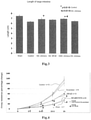
- a chronic phase model was used in which C57BL/6J mice (male, 6 week-old) were allowed to freely drink 1.5% DSS (dextran sodium sulfate) solution for 21 days and treatment was started on Day 7 when the pathology was established.
- DSS distal sodium sulfate
- the administrated group and dosage are shown in Table 3 below.
- 200 ⁇ L/mouse of each substance to be administered was administered by gavage (equivalent to 10 mL/kg when the mouse weight was 20 g).
- the administration was performed six times in total, three days a week from Day 7 (Days 7, 9, 11, 14, 16 and 18) with the drinking start date set as Day 0.
- DAIs Disease Activity Index
- the HSD-chimera group Compared with the NS-NF- ⁇ B group, the HSD-chimera group had a higher effect in any of the evaluation items.
- mice Female C57BL/6J mice (10 to 12 week-old) were intraperitoneally sensitized with 20 ⁇ g of OVA (ovalbumin) + 2 mg of Alum on the first day (Day 0) and Day 14. Inflammation was induced in the respiratory tract by inhalation of 1% OVA for 20 min on Day 21, 22 and 23 to prepare a pathological condition model.
- OVA ovalbuproin
- mice were inhaled with Methacholine, a bronchoconstrictor (3.1, 6.25, 12.5 and 25 mg/mL) on Day 24, and the airway resistance was measured as follows.
- Methacholine (MCh)-induced airway hyperreactivity (AHR) was measured under anesthesia 24 hours after the last OVA challenge (Day 24).
- Mice were subjected to tracheostomy under general anesthesia, cannulation and mechanical ventilation (150 breaths/minute, 200 ⁇ E tidal volume).
- Pancuronium bromide 0.1 mg/kg was administered for inhibiting the neuromuscular reaction. Invasive airway resistance and compliance were then measured by Resistance & Compliance System (Buxco Electronics).
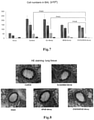
- Fig. 4 Since AHR is a major feature of asthma and an important therapeutic target, the present inventors investigated the effect of NF- ⁇ B decoy ODN and chimeric decoy ODN on MCh-induced dose-dependent AHR enhancement in OVA-treated mice.
- mice treated with physiological saline (control group) and scrambled decoy ODN the airway resistance remarkably increased depending on the dose of MCh, and there was no difference in responses to MCh between the two groups.
- mice treated with NF- ⁇ B decoy ODN and chimeric decoy ODN the increase in airway resistance was remarkably inhibited.
- Response to MCh was completely improved by chimeric decoy ODN, and the effect of chimeric decoy ODN was significantly higher than the effect of NF- ⁇ B decoy ODN only ( Fig. 4 ).
- chimeric decoy ODN, NF- ⁇ B decoy ODN, or scrambled decoy ODN (20 nmol in 25 ⁇ L physiological saline per mouse) was intratracheally administered to OVA-sensitized mice on Day 18 (3 days before OVA inhalation) using MicroSprayer ® aerosolizer (Model 1A-1C, Penn-Century, Pennsylvania) capable of aerosolizing chemical-containing solutions.
- physiological saline 25 ⁇ L per mouse
- mice were anesthetized by intraperitoneal injection of xylazine (10 mg/Kg) and ketamine (100 mg/Kg).
- Intratracheal administration of FITC-labeled chimeric decoy ODN was also carried out in OVA-sensitized mice 3 days before inhalation of OVA, and the lung tissues were obtained 1 day after OVA challenge. Frozen sections (5 ⁇ m) of these lung tissues were prepared and examined using fluorescence microscopy.
- the airway lumen of each mouse was washed three times with 0.4 mL of ice-cold PBS. Total cell number in the BALF was counted using hemocytometer. Cells were stained with Diff-Quik solution to discriminate blood cells. Using ELISA, the concentrations of IL-4 (R&D Systems), IL-5 (Thermo Fisher Scientific) and IL-13 (R&D Systems) in the BALF were also measured.
- Nuclear extracts were prepared from the lung tissues by a conventional method. Expressions of NF- ⁇ B and STAT6 in the nuclear extracts after OVA challenge were analyzed using a gel shift assay system (Promega, Wisconsin). As a primer, ODN (5'-CCTTGAAGGGATTTCCCTCC-3'; only the sense strand is shown) comprising an NF- ⁇ B binding site or ODN (5'-GTATTTCCCAGAAAAGGAAC-3'; only the sense strand is shown) comprising a STAT6 binding site was labeled with [ ⁇ - 32 P] ATP at the 3' end.
- a conjugated mixture (10 ⁇ L) containing 32 P-labeled primer (10,000 cpm) and 1 ⁇ g of poly(deoxyinosinic-deoxycytidylic) acid was incubated with 10 ⁇ g of the nuclear extract for 30 minutes at room temperature and then applied to a 6% polyacrylamide gel.
- a sample incubated with an excess of (100 times) unlabeled ODN was used as a control.
- the gels were subjected to electrophoresis, dried and analyzed by autoradiography.
- VECTASTAIN Elite ABC kit immunohistochemical staining by immunoperoxidase/avidin-biotin complex method was performed.
- the immune complex was identified with 0.05% 3,3'-diaminobenzidine, and nuclear staining with hematoxylin was performed.
- Lung frozen sections (5 ⁇ m) were stained with a rat monoclonal antibody against F4/80 (1:500, Bio-Rad) and analyzed for macrophage accumulation. IgG was used instead of the primary antibody and served as a negative control. Positively stained cells and all cells were counted and statistically analyzed.
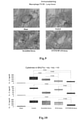
- FITC-labeled decoy ODN was administered 3 days before OVA inhalation and histological examination showed that fluorescence could be detected mainly in lymphocytes in the alveolar space and in the peribronchial region after OVA challenge. Immunofluorescent staining revealed that FITC-labeled ODN was also detected in migrating macrophages ( Fig. 5 ).
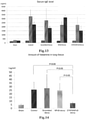
- EMSA The inhibitory effect of chimeric decoy ODN on activation of target transcription factor was evaluated by EMSA. Activations of both NF- ⁇ B and STAT6 were markedly elevated in the nuclear extract of lungs of an OVA-sensitized mouse treated with physiological saline (control) or scrambled decoy ODN. On the other hand, activations of both NF- ⁇ B and STAT6 were markedly inhibited by introduction of chimeric decoy ODN, and activation of NF- ⁇ B was also inhibited by introduction of NF- ⁇ B decoy ODN alone ( Fig. 6 ).
- chimeric decoy ODN To clarify the therapeutic effect of chimeric decoy ODN, we investigated the molecular mechanism of prevention of worsening of asthma. First, we evaluated the anti-inflammatory effect of chimeric decoy ODN. Total cell number in BALF increased in all treatment groups after OVA sensitization and challenge. However, in mice treated with NF- ⁇ B decoy ODN and chimeric decoy ODN, a significant decrease in eosinophil count was observed. Further, this decreasing effect of chimeric decoy ODN was significantly greater than that of NF- ⁇ B decoy ODN ( Fig. 7 ).
- NF- ⁇ B decoy ODN only inhibited IL-4 secretion ( Fig. 10 ).
Landscapes
- Life Sciences & Earth Sciences (AREA)
- Engineering & Computer Science (AREA)
- Genetics & Genomics (AREA)
- Health & Medical Sciences (AREA)
- Biomedical Technology (AREA)
- Wood Science & Technology (AREA)
- Organic Chemistry (AREA)
- Chemical & Material Sciences (AREA)
- Biotechnology (AREA)
- General Engineering & Computer Science (AREA)
- Zoology (AREA)
- Bioinformatics & Cheminformatics (AREA)
- Molecular Biology (AREA)
- Microbiology (AREA)
- Plant Pathology (AREA)
- Biophysics (AREA)
- Biochemistry (AREA)
- General Health & Medical Sciences (AREA)
- Physics & Mathematics (AREA)
- Pharmaceuticals Containing Other Organic And Inorganic Compounds (AREA)
- Medicines That Contain Protein Lipid Enzymes And Other Medicines (AREA)
- Saccharide Compounds (AREA)
- Medicinal Preparation (AREA)
Claims (9)
- Doppelsträngiger Oligonucleotid-Köder, der Bindungsaffinitäten für zwei Transkriptionsfaktoren aufweist, umfassend eine erste Bindungsstelle für einen ersten Transkriptionsfaktor und eine zweite Bindungsstelle für einen zweiten Transkriptionsfaktor,wobei ein erster Strang, der den Sense-Strang der ersten Bindungsstelle umfasst, und ein zweiter Strang, der den Sense-Strang der zweiten Bindungsstelle umfasst, hybridisiert sind, um einen Doppelstrang zu bilden, in dem der Sense-Strang der ersten Bindungsstelle und der Sense-Strang der zweiten Bindungsstelle zumindest teilweise hybridisiert sind;wobei der Köder ein Haarnadel-Doppelstrang ist und eine Größe von 13-mer bis 15-mer aufweist.
- Köder nach Anspruch 1, wobei zumindest eine der Bindungsstellen eine Einzelbasen-Substitution in der Konsensussequenz jedes Transkriptionsfaktors aufweist.
- Köder nach Anspruch 1 oder 2, umfassend jede Bindungsstelle für insgesamt zwei unterschiedliche Transkriptionsfaktoren, wobei die zwei unterschiedlichen Transkriptionsfaktoren aus den folgenden Kombinationen (1) bis (5) ausgewählt sind:(1) NF-κB und Ets1(2) NF-κB und NF-AT(3) NF-κB und STAT1(4) NF-κB und STAT6(5) NF-κB und NF-IL6.
- Köder nach Anspruch 3, wobei die zwei unterschiedlichen Transkriptionsfaktoren NF-kB und STAT6 sind.
- Köder nach Anspruch 3, dessen Basensequenz durch SEQ ID NO: 1, 6, 7, 8, 9, 10, 11, 12, 13 oder 14 dargestellt ist.
- Köder nach Anspruch 4, dessen Basensequenz durch SEQ ID NO: 1 dargestellt ist.
- Köder nach einem der Ansprüche 1 bis 6 mit einer Größe von 15-mer.
- Köder nach einem der Ansprüche 1 bis 7, wobei zumindest ein Teil der Bindungen zwischen jedem Nucleotid in dem doppelsträngigen Oligonucleotid, das den Köder ausmacht, eine Thiophosphat-Bindung umfasst.
- Köder nach einem der Ansprüche 1 bis 8, wobei das 5'-Ende des Köders entweder über einen Linker oder direkt an ein PLGA-Nanopartikel gebunden ist.
Applications Claiming Priority (2)
| Application Number | Priority Date | Filing Date | Title |
|---|---|---|---|
| JP2015177341 | 2015-09-09 | ||
| PCT/JP2016/076659 WO2017043639A1 (ja) | 2015-09-09 | 2016-09-09 | キメラデコイ |
Publications (3)
| Publication Number | Publication Date |
|---|---|
| EP3348637A1 EP3348637A1 (de) | 2018-07-18 |
| EP3348637A4 EP3348637A4 (de) | 2019-02-27 |
| EP3348637B1 true EP3348637B1 (de) | 2022-03-09 |
Family
ID=58239950
Family Applications (1)
| Application Number | Title | Priority Date | Filing Date |
|---|---|---|---|
| EP16844500.5A Active EP3348637B1 (de) | 2015-09-09 | 2016-09-09 | Chimäres lockmittel |
Country Status (5)
| Country | Link |
|---|---|
| US (1) | US11453880B2 (de) |
| EP (1) | EP3348637B1 (de) |
| JP (1) | JP6993230B2 (de) |
| ES (1) | ES2912176T3 (de) |
| WO (1) | WO2017043639A1 (de) |
Families Citing this family (3)
| Publication number | Priority date | Publication date | Assignee | Title |
|---|---|---|---|---|
| US20220072026A1 (en) * | 2018-12-24 | 2022-03-10 | The Regents Of The University Of California | Treatment of spinal conditions with chimera decoy |
| JP2023510907A (ja) * | 2020-01-15 | 2023-03-15 | ザ リージェンツ オブ ザ ユニバーシティ オブ カリフォルニア | キメラデコイによる炎症抑制の延長及び/又は脊椎痛治療の延長に関連する方法及び組成物 |
| WO2024044770A1 (en) * | 2022-08-26 | 2024-02-29 | Core Biotherapeutics, Inc. | Oligonucleotides for the treatment of breast cancer |
Family Cites Families (8)
| Publication number | Priority date | Publication date | Assignee | Title |
|---|---|---|---|---|
| KR100874798B1 (ko) * | 2002-04-26 | 2008-12-19 | 이인규 | 전사시 dna 결합부위를 포함하는 원형의 아령형 디코이올리고뉴클레오티드 |
| DE10257421A1 (de) * | 2002-12-09 | 2004-07-08 | Grünenthal GmbH | Regulatorische Elemente im 5'-Bereich des VR1-Gens |
| ATE509100T1 (de) | 2004-10-22 | 2011-05-15 | Anges Mg Inc | Chimäre (doppel-) attrappe |
| US20140314864A1 (en) * | 2006-03-31 | 2014-10-23 | Massachusetts Institute Of Technology | System for Targeted Delivery of Therapeutic Agents |
| JP5646320B2 (ja) * | 2007-05-11 | 2014-12-24 | アダイニクス, インコーポレイテッド | 遺伝子発現と疼痛 |
| JP5601777B2 (ja) | 2008-02-13 | 2014-10-08 | 株式会社ジーンデザイン | 新規オリゴヌクレオチド誘導体及びそれから成るNF−κBデコイ |
| JP5730508B2 (ja) | 2009-07-10 | 2015-06-10 | アンジェスMg株式会社 | 炎症性腸疾患の治療又は予防剤 |
| JP5992247B2 (ja) | 2012-08-13 | 2016-09-14 | 国立大学法人大阪大学 | 核酸医薬経口製剤 |
-
2016
- 2016-09-09 EP EP16844500.5A patent/EP3348637B1/de active Active
- 2016-09-09 ES ES16844500T patent/ES2912176T3/es active Active
- 2016-09-09 WO PCT/JP2016/076659 patent/WO2017043639A1/ja not_active Ceased
- 2016-09-09 JP JP2017538547A patent/JP6993230B2/ja not_active Expired - Fee Related
- 2016-09-09 US US15/758,584 patent/US11453880B2/en active Active
Also Published As
| Publication number | Publication date |
|---|---|
| EP3348637A4 (de) | 2019-02-27 |
| US11453880B2 (en) | 2022-09-27 |
| WO2017043639A1 (ja) | 2017-03-16 |
| ES2912176T3 (es) | 2022-05-24 |
| US20180298381A1 (en) | 2018-10-18 |
| EP3348637A1 (de) | 2018-07-18 |
| JP6993230B2 (ja) | 2022-01-13 |
| JPWO2017043639A1 (ja) | 2018-06-21 |
Similar Documents
| Publication | Publication Date | Title |
|---|---|---|
| JP6944942B2 (ja) | IL4Rα、TRPA1、またはF2RL1を標的とするRNA複合体を用いたアトピー性皮膚炎および喘息の治療 | |
| US9994847B2 (en) | miR-29 mimics and uses thereof | |
| US12544449B2 (en) | Antisense nucleic acid targeting PCSK9 | |
| JP2015518710A (ja) | ヘモグロビン遺伝子ファミリー発現を調節するための組成物及び方法 | |
| JP2015518712A (ja) | Mecp2発現を調節するための組成物及び方法 | |
| JP2015523855A (ja) | Apoa1及びabca1発現を調節するための組成物及び方法 | |
| JP2015518711A (ja) | Bdnf発現を調節するための組成物及び方法 | |
| JPWO2017068790A1 (ja) | 核酸複合体 | |
| US11453880B2 (en) | Chimeric decoy | |
| EP3750561A1 (de) | Hautdurchdringender träger mit nukleinsäurekomplex und dessen verwendung | |
| JPWO2017068791A1 (ja) | 少なくとも1つのバルジ構造を有する核酸複合体 | |
| JP2011505798A5 (de) | ||
| US20200318113A1 (en) | Polynucleotide conjugates and uses thereof | |
| KR101168726B1 (ko) | 암 치료용 약학 조성물 | |
| JP7788561B2 (ja) | アンチセンスオリゴヌクレオチド及びその使用 | |
| KR20070089980A (ko) | 염증성 장 질환의 치료를 위한 치료용 안티센스올리고뉴클레오티드 조성물 | |
| EP4023297A1 (de) | Nukleinsäurearzneimittel gegen magenkrebsmolekül | |
| Dirin et al. | Tissue Distribution, Metabolism, and Clearance | |
| JP5601777B2 (ja) | 新規オリゴヌクレオチド誘導体及びそれから成るNF−κBデコイ | |
| TW202536177A (zh) | 針對 ezh2 剪接的反義寡核苷酸及其用於治療癌症和腎臟疾病的用途 | |
| KR20250122469A (ko) | 암 및 대사 질환의 치료를 위한 조성물 및 방법 | |
| CN114225051A (zh) | 一种用于治疗银屑病的药物及其应用 | |
| JP2011032269A (ja) | 炎症性腸疾患の治療又は予防剤 | |
| KR20160147674A (ko) | STAT3 유전자 특이적 siRNA, 그러한 siRNA를 포함하는 이중나선 올리고 RNA 구조체, 이를 포함하는 조성물 및 이의 용도 |
Legal Events
| Date | Code | Title | Description |
|---|---|---|---|
| STAA | Information on the status of an ep patent application or granted ep patent |
Free format text: STATUS: THE INTERNATIONAL PUBLICATION HAS BEEN MADE |
|
| PUAI | Public reference made under article 153(3) epc to a published international application that has entered the european phase |
Free format text: ORIGINAL CODE: 0009012 |
|
| STAA | Information on the status of an ep patent application or granted ep patent |
Free format text: STATUS: REQUEST FOR EXAMINATION WAS MADE |
|
| 17P | Request for examination filed |
Effective date: 20180409 |
|
| AK | Designated contracting states |
Kind code of ref document: A1 Designated state(s): AL AT BE BG CH CY CZ DE DK EE ES FI FR GB GR HR HU IE IS IT LI LT LU LV MC MK MT NL NO PL PT RO RS SE SI SK SM TR |
|
| AX | Request for extension of the european patent |
Extension state: BA ME |
|
| DAV | Request for validation of the european patent (deleted) | ||
| DAX | Request for extension of the european patent (deleted) | ||
| A4 | Supplementary search report drawn up and despatched |
Effective date: 20190130 |
|
| RIC1 | Information provided on ipc code assigned before grant |
Ipc: C12N 15/09 20060101AFI20190124BHEP |
|
| STAA | Information on the status of an ep patent application or granted ep patent |
Free format text: STATUS: EXAMINATION IS IN PROGRESS |
|
| 17Q | First examination report despatched |
Effective date: 20200902 |
|
| GRAP | Despatch of communication of intention to grant a patent |
Free format text: ORIGINAL CODE: EPIDOSNIGR1 |
|
| STAA | Information on the status of an ep patent application or granted ep patent |
Free format text: STATUS: GRANT OF PATENT IS INTENDED |
|
| INTG | Intention to grant announced |
Effective date: 20211004 |
|
| GRAS | Grant fee paid |
Free format text: ORIGINAL CODE: EPIDOSNIGR3 |
|
| GRAA | (expected) grant |
Free format text: ORIGINAL CODE: 0009210 |
|
| STAA | Information on the status of an ep patent application or granted ep patent |
Free format text: STATUS: THE PATENT HAS BEEN GRANTED |
|
| AK | Designated contracting states |
Kind code of ref document: B1 Designated state(s): AL AT BE BG CH CY CZ DE DK EE ES FI FR GB GR HR HU IE IS IT LI LT LU LV MC MK MT NL NO PL PT RO RS SE SI SK SM TR |
|
| REG | Reference to a national code |
Ref country code: GB Ref legal event code: FG4D |
|
| REG | Reference to a national code |
Ref country code: CH Ref legal event code: EP Ref country code: AT Ref legal event code: REF Ref document number: 1474188 Country of ref document: AT Kind code of ref document: T Effective date: 20220315 |
|
| REG | Reference to a national code |
Ref country code: DE Ref legal event code: R096 Ref document number: 602016069916 Country of ref document: DE |
|
| REG | Reference to a national code |
Ref country code: IE Ref legal event code: FG4D |
|
| REG | Reference to a national code |
Ref country code: ES Ref legal event code: FG2A Ref document number: 2912176 Country of ref document: ES Kind code of ref document: T3 Effective date: 20220524 |
|
| REG | Reference to a national code |
Ref country code: LT Ref legal event code: MG9D |
|
| REG | Reference to a national code |
Ref country code: NL Ref legal event code: MP Effective date: 20220309 |
|
| PG25 | Lapsed in a contracting state [announced via postgrant information from national office to epo] |
Ref country code: SE Free format text: LAPSE BECAUSE OF FAILURE TO SUBMIT A TRANSLATION OF THE DESCRIPTION OR TO PAY THE FEE WITHIN THE PRESCRIBED TIME-LIMIT Effective date: 20220309 Ref country code: RS Free format text: LAPSE BECAUSE OF FAILURE TO SUBMIT A TRANSLATION OF THE DESCRIPTION OR TO PAY THE FEE WITHIN THE PRESCRIBED TIME-LIMIT Effective date: 20220309 Ref country code: NO Free format text: LAPSE BECAUSE OF FAILURE TO SUBMIT A TRANSLATION OF THE DESCRIPTION OR TO PAY THE FEE WITHIN THE PRESCRIBED TIME-LIMIT Effective date: 20220609 Ref country code: LT Free format text: LAPSE BECAUSE OF FAILURE TO SUBMIT A TRANSLATION OF THE DESCRIPTION OR TO PAY THE FEE WITHIN THE PRESCRIBED TIME-LIMIT Effective date: 20220309 Ref country code: HR Free format text: LAPSE BECAUSE OF FAILURE TO SUBMIT A TRANSLATION OF THE DESCRIPTION OR TO PAY THE FEE WITHIN THE PRESCRIBED TIME-LIMIT Effective date: 20220309 Ref country code: BG Free format text: LAPSE BECAUSE OF FAILURE TO SUBMIT A TRANSLATION OF THE DESCRIPTION OR TO PAY THE FEE WITHIN THE PRESCRIBED TIME-LIMIT Effective date: 20220609 |
|
| REG | Reference to a national code |
Ref country code: AT Ref legal event code: MK05 Ref document number: 1474188 Country of ref document: AT Kind code of ref document: T Effective date: 20220309 |
|
| PG25 | Lapsed in a contracting state [announced via postgrant information from national office to epo] |
Ref country code: LV Free format text: LAPSE BECAUSE OF FAILURE TO SUBMIT A TRANSLATION OF THE DESCRIPTION OR TO PAY THE FEE WITHIN THE PRESCRIBED TIME-LIMIT Effective date: 20220309 Ref country code: GR Free format text: LAPSE BECAUSE OF FAILURE TO SUBMIT A TRANSLATION OF THE DESCRIPTION OR TO PAY THE FEE WITHIN THE PRESCRIBED TIME-LIMIT Effective date: 20220610 Ref country code: FI Free format text: LAPSE BECAUSE OF FAILURE TO SUBMIT A TRANSLATION OF THE DESCRIPTION OR TO PAY THE FEE WITHIN THE PRESCRIBED TIME-LIMIT Effective date: 20220309 |
|
| PG25 | Lapsed in a contracting state [announced via postgrant information from national office to epo] |
Ref country code: NL Free format text: LAPSE BECAUSE OF FAILURE TO SUBMIT A TRANSLATION OF THE DESCRIPTION OR TO PAY THE FEE WITHIN THE PRESCRIBED TIME-LIMIT Effective date: 20220309 |
|
| PG25 | Lapsed in a contracting state [announced via postgrant information from national office to epo] |
Ref country code: SM Free format text: LAPSE BECAUSE OF FAILURE TO SUBMIT A TRANSLATION OF THE DESCRIPTION OR TO PAY THE FEE WITHIN THE PRESCRIBED TIME-LIMIT Effective date: 20220309 Ref country code: SK Free format text: LAPSE BECAUSE OF FAILURE TO SUBMIT A TRANSLATION OF THE DESCRIPTION OR TO PAY THE FEE WITHIN THE PRESCRIBED TIME-LIMIT Effective date: 20220309 Ref country code: RO Free format text: LAPSE BECAUSE OF FAILURE TO SUBMIT A TRANSLATION OF THE DESCRIPTION OR TO PAY THE FEE WITHIN THE PRESCRIBED TIME-LIMIT Effective date: 20220309 Ref country code: PT Free format text: LAPSE BECAUSE OF FAILURE TO SUBMIT A TRANSLATION OF THE DESCRIPTION OR TO PAY THE FEE WITHIN THE PRESCRIBED TIME-LIMIT Effective date: 20220711 Ref country code: EE Free format text: LAPSE BECAUSE OF FAILURE TO SUBMIT A TRANSLATION OF THE DESCRIPTION OR TO PAY THE FEE WITHIN THE PRESCRIBED TIME-LIMIT Effective date: 20220309 Ref country code: CZ Free format text: LAPSE BECAUSE OF FAILURE TO SUBMIT A TRANSLATION OF THE DESCRIPTION OR TO PAY THE FEE WITHIN THE PRESCRIBED TIME-LIMIT Effective date: 20220309 Ref country code: AT Free format text: LAPSE BECAUSE OF FAILURE TO SUBMIT A TRANSLATION OF THE DESCRIPTION OR TO PAY THE FEE WITHIN THE PRESCRIBED TIME-LIMIT Effective date: 20220309 |
|
| PG25 | Lapsed in a contracting state [announced via postgrant information from national office to epo] |
Ref country code: PL Free format text: LAPSE BECAUSE OF FAILURE TO SUBMIT A TRANSLATION OF THE DESCRIPTION OR TO PAY THE FEE WITHIN THE PRESCRIBED TIME-LIMIT Effective date: 20220309 Ref country code: IS Free format text: LAPSE BECAUSE OF FAILURE TO SUBMIT A TRANSLATION OF THE DESCRIPTION OR TO PAY THE FEE WITHIN THE PRESCRIBED TIME-LIMIT Effective date: 20220709 Ref country code: AL Free format text: LAPSE BECAUSE OF FAILURE TO SUBMIT A TRANSLATION OF THE DESCRIPTION OR TO PAY THE FEE WITHIN THE PRESCRIBED TIME-LIMIT Effective date: 20220309 |
|
| REG | Reference to a national code |
Ref country code: DE Ref legal event code: R097 Ref document number: 602016069916 Country of ref document: DE |
|
| PLBE | No opposition filed within time limit |
Free format text: ORIGINAL CODE: 0009261 |
|
| STAA | Information on the status of an ep patent application or granted ep patent |
Free format text: STATUS: NO OPPOSITION FILED WITHIN TIME LIMIT |
|
| PG25 | Lapsed in a contracting state [announced via postgrant information from national office to epo] |
Ref country code: DK Free format text: LAPSE BECAUSE OF FAILURE TO SUBMIT A TRANSLATION OF THE DESCRIPTION OR TO PAY THE FEE WITHIN THE PRESCRIBED TIME-LIMIT Effective date: 20220309 |
|
| 26N | No opposition filed |
Effective date: 20221212 |
|
| PG25 | Lapsed in a contracting state [announced via postgrant information from national office to epo] |
Ref country code: SI Free format text: LAPSE BECAUSE OF FAILURE TO SUBMIT A TRANSLATION OF THE DESCRIPTION OR TO PAY THE FEE WITHIN THE PRESCRIBED TIME-LIMIT Effective date: 20220309 |
|
| PG25 | Lapsed in a contracting state [announced via postgrant information from national office to epo] |
Ref country code: MC Free format text: LAPSE BECAUSE OF FAILURE TO SUBMIT A TRANSLATION OF THE DESCRIPTION OR TO PAY THE FEE WITHIN THE PRESCRIBED TIME-LIMIT Effective date: 20220309 |
|
| REG | Reference to a national code |
Ref country code: BE Ref legal event code: MM Effective date: 20220930 |
|
| PG25 | Lapsed in a contracting state [announced via postgrant information from national office to epo] |
Ref country code: LU Free format text: LAPSE BECAUSE OF NON-PAYMENT OF DUE FEES Effective date: 20220909 |
|
| PG25 | Lapsed in a contracting state [announced via postgrant information from national office to epo] |
Ref country code: IE Free format text: LAPSE BECAUSE OF NON-PAYMENT OF DUE FEES Effective date: 20220909 |
|
| PG25 | Lapsed in a contracting state [announced via postgrant information from national office to epo] |
Ref country code: BE Free format text: LAPSE BECAUSE OF NON-PAYMENT OF DUE FEES Effective date: 20220930 |
|
| PGFP | Annual fee paid to national office [announced via postgrant information from national office to epo] |
Ref country code: GB Payment date: 20230918 Year of fee payment: 8 |
|
| PGFP | Annual fee paid to national office [announced via postgrant information from national office to epo] |
Ref country code: FR Payment date: 20230921 Year of fee payment: 8 Ref country code: DE Payment date: 20230921 Year of fee payment: 8 |
|
| PGFP | Annual fee paid to national office [announced via postgrant information from national office to epo] |
Ref country code: ES Payment date: 20231002 Year of fee payment: 8 |
|
| PGFP | Annual fee paid to national office [announced via postgrant information from national office to epo] |
Ref country code: IT Payment date: 20230925 Year of fee payment: 8 Ref country code: CH Payment date: 20231001 Year of fee payment: 8 |
|
| PG25 | Lapsed in a contracting state [announced via postgrant information from national office to epo] |
Ref country code: HU Free format text: LAPSE BECAUSE OF FAILURE TO SUBMIT A TRANSLATION OF THE DESCRIPTION OR TO PAY THE FEE WITHIN THE PRESCRIBED TIME-LIMIT; INVALID AB INITIO Effective date: 20160909 |
|
| PG25 | Lapsed in a contracting state [announced via postgrant information from national office to epo] |
Ref country code: CY Free format text: LAPSE BECAUSE OF FAILURE TO SUBMIT A TRANSLATION OF THE DESCRIPTION OR TO PAY THE FEE WITHIN THE PRESCRIBED TIME-LIMIT Effective date: 20220309 |
|
| PG25 | Lapsed in a contracting state [announced via postgrant information from national office to epo] |
Ref country code: MK Free format text: LAPSE BECAUSE OF FAILURE TO SUBMIT A TRANSLATION OF THE DESCRIPTION OR TO PAY THE FEE WITHIN THE PRESCRIBED TIME-LIMIT Effective date: 20220309 |
|
| PG25 | Lapsed in a contracting state [announced via postgrant information from national office to epo] |
Ref country code: MT Free format text: LAPSE BECAUSE OF FAILURE TO SUBMIT A TRANSLATION OF THE DESCRIPTION OR TO PAY THE FEE WITHIN THE PRESCRIBED TIME-LIMIT Effective date: 20220309 |
|
| REG | Reference to a national code |
Ref country code: DE Ref legal event code: R119 Ref document number: 602016069916 Country of ref document: DE |
|
| REG | Reference to a national code |
Ref country code: CH Ref legal event code: PL |
|
| GBPC | Gb: european patent ceased through non-payment of renewal fee |
Effective date: 20240909 |
|
| PG25 | Lapsed in a contracting state [announced via postgrant information from national office to epo] |
Ref country code: DE Free format text: LAPSE BECAUSE OF NON-PAYMENT OF DUE FEES Effective date: 20250401 |
|
| PG25 | Lapsed in a contracting state [announced via postgrant information from national office to epo] |
Ref country code: GB Free format text: LAPSE BECAUSE OF NON-PAYMENT OF DUE FEES Effective date: 20240909 |
|
| PG25 | Lapsed in a contracting state [announced via postgrant information from national office to epo] |
Ref country code: IT Free format text: LAPSE BECAUSE OF NON-PAYMENT OF DUE FEES Effective date: 20240909 |
|
| PG25 | Lapsed in a contracting state [announced via postgrant information from national office to epo] |
Ref country code: FR Free format text: LAPSE BECAUSE OF NON-PAYMENT OF DUE FEES Effective date: 20240930 |
|
| PG25 | Lapsed in a contracting state [announced via postgrant information from national office to epo] |
Ref country code: CH Free format text: LAPSE BECAUSE OF NON-PAYMENT OF DUE FEES Effective date: 20240930 |
|
| REG | Reference to a national code |
Ref country code: ES Ref legal event code: FD2A Effective date: 20251028 |
|
| PG25 | Lapsed in a contracting state [announced via postgrant information from national office to epo] |
Ref country code: TR Free format text: LAPSE BECAUSE OF FAILURE TO SUBMIT A TRANSLATION OF THE DESCRIPTION OR TO PAY THE FEE WITHIN THE PRESCRIBED TIME-LIMIT Effective date: 20220309 |
|
| PG25 | Lapsed in a contracting state [announced via postgrant information from national office to epo] |
Ref country code: ES Free format text: LAPSE BECAUSE OF NON-PAYMENT OF DUE FEES Effective date: 20240910 |