EP3349006A1 - Procédé et appareil pour tester un état immunitaire - Google Patents
Procédé et appareil pour tester un état immunitaire Download PDFInfo
- Publication number
- EP3349006A1 EP3349006A1 EP16861864.3A EP16861864A EP3349006A1 EP 3349006 A1 EP3349006 A1 EP 3349006A1 EP 16861864 A EP16861864 A EP 16861864A EP 3349006 A1 EP3349006 A1 EP 3349006A1
- Authority
- EP
- European Patent Office
- Prior art keywords
- cells
- total number
- white blood
- immune
- lymphocytes
- Prior art date
- Legal status (The legal status is an assumption and is not a legal conclusion. Google has not performed a legal analysis and makes no representation as to the accuracy of the status listed.)
- Ceased
Links
Images




Classifications
-
- G—PHYSICS
- G01—MEASURING; TESTING
- G01N—INVESTIGATING OR ANALYSING MATERIALS BY DETERMINING THEIR CHEMICAL OR PHYSICAL PROPERTIES
- G01N33/00—Investigating or analysing materials by specific methods not covered by groups G01N1/00 - G01N31/00
- G01N33/48—Biological material, e.g. blood, urine; Haemocytometers
- G01N33/50—Chemical analysis of biological material, e.g. blood, urine; Testing involving biospecific ligand binding methods; Immunological testing
- G01N33/5005—Chemical analysis of biological material, e.g. blood, urine; Testing involving biospecific ligand binding methods; Immunological testing involving human or animal cells
- G01N33/5091—Chemical analysis of biological material, e.g. blood, urine; Testing involving biospecific ligand binding methods; Immunological testing involving human or animal cells for testing the pathological state of an organism
-
- G—PHYSICS
- G01—MEASURING; TESTING
- G01N—INVESTIGATING OR ANALYSING MATERIALS BY DETERMINING THEIR CHEMICAL OR PHYSICAL PROPERTIES
- G01N33/00—Investigating or analysing materials by specific methods not covered by groups G01N1/00 - G01N31/00
- G01N33/48—Biological material, e.g. blood, urine; Haemocytometers
-
- G—PHYSICS
- G01—MEASURING; TESTING
- G01N—INVESTIGATING OR ANALYSING MATERIALS BY DETERMINING THEIR CHEMICAL OR PHYSICAL PROPERTIES
- G01N33/00—Investigating or analysing materials by specific methods not covered by groups G01N1/00 - G01N31/00
- G01N33/48—Biological material, e.g. blood, urine; Haemocytometers
- G01N33/483—Physical analysis of biological material
- G01N33/487—Physical analysis of biological material of liquid biological material
- G01N33/49—Blood
-
- G—PHYSICS
- G01—MEASURING; TESTING
- G01N—INVESTIGATING OR ANALYSING MATERIALS BY DETERMINING THEIR CHEMICAL OR PHYSICAL PROPERTIES
- G01N33/00—Investigating or analysing materials by specific methods not covered by groups G01N1/00 - G01N31/00
- G01N33/48—Biological material, e.g. blood, urine; Haemocytometers
- G01N33/50—Chemical analysis of biological material, e.g. blood, urine; Testing involving biospecific ligand binding methods; Immunological testing
- G01N33/5005—Chemical analysis of biological material, e.g. blood, urine; Testing involving biospecific ligand binding methods; Immunological testing involving human or animal cells
- G01N33/5094—Chemical analysis of biological material, e.g. blood, urine; Testing involving biospecific ligand binding methods; Immunological testing involving human or animal cells for blood cell populations
-
- G—PHYSICS
- G01—MEASURING; TESTING
- G01N—INVESTIGATING OR ANALYSING MATERIALS BY DETERMINING THEIR CHEMICAL OR PHYSICAL PROPERTIES
- G01N33/00—Investigating or analysing materials by specific methods not covered by groups G01N1/00 - G01N31/00
- G01N33/48—Biological material, e.g. blood, urine; Haemocytometers
- G01N33/50—Chemical analysis of biological material, e.g. blood, urine; Testing involving biospecific ligand binding methods; Immunological testing
- G01N33/53—Immunoassay; Biospecific binding assay; Materials therefor
- G01N33/569—Immunoassay; Biospecific binding assay; Materials therefor for microorganisms, e.g. protozoa, bacteria, viruses
- G01N33/56966—Animal cells
- G01N33/56972—White blood cells
-
- G—PHYSICS
- G01—MEASURING; TESTING
- G01N—INVESTIGATING OR ANALYSING MATERIALS BY DETERMINING THEIR CHEMICAL OR PHYSICAL PROPERTIES
- G01N15/00—Investigating characteristics of particles; Investigating permeability, pore-volume or surface-area of porous materials
- G01N15/10—Investigating individual particles
- G01N15/14—Optical investigation techniques, e.g. flow cytometry
- G01N15/1468—Optical investigation techniques, e.g. flow cytometry with spatial resolution of the texture or inner structure of the particle
- G01N15/147—Optical investigation techniques, e.g. flow cytometry with spatial resolution of the texture or inner structure of the particle the analysis being performed on a sample stream
-
- G—PHYSICS
- G01—MEASURING; TESTING
- G01N—INVESTIGATING OR ANALYSING MATERIALS BY DETERMINING THEIR CHEMICAL OR PHYSICAL PROPERTIES
- G01N15/00—Investigating characteristics of particles; Investigating permeability, pore-volume or surface-area of porous materials
- G01N15/01—Investigating characteristics of particles; Investigating permeability, pore-volume or surface-area of porous materials specially adapted for biological cells, e.g. blood cells
- G01N2015/016—White blood cells
-
- G—PHYSICS
- G01—MEASURING; TESTING
- G01N—INVESTIGATING OR ANALYSING MATERIALS BY DETERMINING THEIR CHEMICAL OR PHYSICAL PROPERTIES
- G01N15/00—Investigating characteristics of particles; Investigating permeability, pore-volume or surface-area of porous materials
- G01N15/10—Investigating individual particles
- G01N15/14—Optical investigation techniques, e.g. flow cytometry
- G01N15/1468—Optical investigation techniques, e.g. flow cytometry with spatial resolution of the texture or inner structure of the particle
- G01N2015/1472—Optical investigation techniques, e.g. flow cytometry with spatial resolution of the texture or inner structure of the particle with colour
Definitions
- the present invention relates to a method and a testing apparatus an immune state.
- the test is carried based on a proportion of each of immune cell subgroups and the like.
- an object of the present invention is to provide a method of testing an immune state, which does not use an expensive testing apparatus or an expensive kit for testing, does not use a complex procedure such as a PCR technique, and is capable of testing an immune state of a subject in more detail in a simple and inexpensive manner.
- a method of testing an immune state includes: a step of calculating a total number of white blood cells serving as immune cells in a body of a subject and a number of each of immune cell subgroups based on test information on blood counts of blood components and white blood cell images of the subject and analysis information on CD classification of monoclonal antibodies that bind to surface antigens of the white blood cells; and a step of analyzing the immune state of the subject based on a proportion and a change in the numbers of the immune cell subgroups.
- the present invention it becomes possible to test an immune state of a subject in more detail and in a simple and inexpensive manner without requiring the use of an expensive testing apparatus or an expensive kit for testing and without requiring a complex procedure such as a PCR technique, based on test results of blood counts and white blood cell images obtained by a blood collection test generally performed in clinical settings as well as analysis results of the CD classification of monoclonal antibodies which bind to surface antigens which are present on the surfaces of white blood cells. Further, based on this immune state, it becomes possible to find out disease such as cancer and to perceive effects of medication, side effects of anticancer treatment and the like, effects of immunotherapy, a state of prognosis and the like in a simple and clear manner.
- a method of testing an immune state has a step of calculating a total number of white blood cells serving as immune cells in a body of a subject and a number of each of immune cell subgroups based on test information on blood counts of blood components and white blood cell images of the subject and analysis information on the CD classification of monoclonal antibodies that bind to surface antigens of white blood cells, and a step of analyzing the immune state of the subject based on a proportion of and a change in the numbers of the immune cell subgroups.
- the method of testing the immune state has the steps as described above, and makes it possible to test an immune state of a subject in a simple and inexpensive manner without requiring the use of an expensive testing apparatus or an expensive test kit as well as without requiring a complex procedure such as a PCR technique, by finding out states (proportions) of the immune cell subgroups in blood.
- a method of testing an immune state which makes it possible to provide test results which enable finding out various diseases such as cancer and diseases involved in immunity at an early stage and understanding effects of medication, side effects of anticancer treatment and the like, effects of immunotherapy, a state of prognosis and the like is provided.
- cancer metastases occur at a cellular level of micrometastases (micrometastatic lesions) and are invisible to the naked eye. Accordingly, unless cancer cells are completely extinguished, the body of the patient falls into a state where the body has no ability against the metastasis of cancer cells, in a state where the immune strength decreases by the use of an anticancer agent. It is thought, as a result, that systemic metastases of the cancer may occur.
- NK cells natural killer cells
- the activity of NK cells plays an important role in relapse prevention of cancer.
- 7-year survival rate of a group of patients with lung cancer after surgery who received a cellular immunotherapy and that of a group of patients who received only a traditional remedy there was a two-fold difference.
- Nivolmab i.e., therapeutic agent of a PD1 antibody, developed by Ono Pharmaceutical Co., Ltd., acts on activated lymphocytes and plays a role in triggering further activation. Accordingly, using this type of the immunotherapeutic agents may cause severe side effects on patients with intractable autoimmune diseases other than cancer patients, such as patients with multiple sclerosis, rheumatism and systemic lupus erythematosus.
- the inventor found out that a state of immune strength of a patient can be perceived by analyzing a proportion of each of immune cells subgroups (white blood cell subgroups) in white blood cells, and has completed the present invention. That is, the inventor has made it possible to test an immune state in a simple manner, based on blood counts (complete blood cell count) and white blood cell images (white blood cell demarcation) in a blood collection test which is generally performed in clinical settings, as well as analysis results of the CD classification (CD: cluster of differentiation) of monoclonal antibodies which bind to surface antigens which are present on the surfaces of white blood cells.
- CD classification CD: cluster of differentiation
- White blood cells are roughly divided into three kinds, i.e., granulocytes, monocytes (mononuclear cells) and lymphocytes. Granulocytes are further divided into three subgroups, i.e., eosinophils, neutrophils, and basophils. Monocytes are present as a subgroup of mononuclear leukocytes in blood.
- the lymphocyte subgroup includes helper T cells (CD4-positive T cells), killer T cells (CD8-positive T cells), B cells, NK (natural killer) cells, and NKT (natural killer T) cells.
- helper T cells CD4-positive T cells
- killer T cells CD8-positive T cells
- B cells B cells
- NK natural killer cells
- NKT natural killer T cells
- the B cells and the NKT cells are involved in Th2 humoral immunity such as production of antibodies.
- the NK cells and the killer T cells are involved in Th1 cellular immunity such as removal of virus-infected cells, cancer cells and wasted cells.
- the helper T cells take charge of the center of immune system.
- the granulocyte subgroups (eosinophils, basophils, and neutrophils), monocytes, and the NK cells are innate immune cells.
- the killer T cells, the helper T cells, the B cells and the like are adaptive immune (acquired immune) cells.
- the NKT cells have both the properties of innate immune cells and those of adaptive immune cells. Further, the NK cells and the NKT cells are cells of an early induction reaction, which determine the flow of immunity that is induced at several hours after infection.
- a state of the body's immune system (the health degree), a flow of the body's immune system, immune abnormality at early stage, and states from effects of medication to therapeutic effects (states from therapeutic effects to side effects) against cancer and each of other diseases, by analyzing states of the above-described immune cell subgroups.
- test results of blood counts of blood components and white blood cell images of a subject are obtained. From the test information, the number of white blood cells and white blood cell images are obtained.
- a method of testing blood counts and white blood cell images a method of testing which is generally used in clinical settings may be used. For example, by collecting blood from a subject and requesting a clinical center or the like to conduct a test, the test information can be obtained without having an expensive testing apparatus and the like in a simple and inexpensive manner.
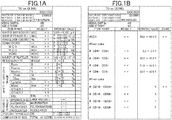
- Fig. 1A shows an image of a list of test results of blood counts of blood components and white blood cell images of a subject.
- WBC is the number of the white blood cells in 1 ⁇ l, and among the items of the white blood cell images (information on fractionation of white blood cells), "Baso” is a proportion (%) of basophils in the white blood cells, “Eosino” is a proportion (%) of eosinophils therein, “Neutro” is a proportion (%) of neutrophils therein, “Lympho” is a proportion (%) of lymphocytes therein, and “Mono” is a proportion (%) of monocytes therein.
- analysis results of CD numbers of surface antigens of the white blood cells (immune cells) are obtained.
- an analysis method a known analysis method may be used.
- the analysis is performed by a Two Color Flow Cytometry analysis method.
- analysis results obtained in a clinical center or the like may be also used.
- CD3, CD4, CD8, CD16 and CD56 are used.
- CD3 is an antigen which is present on membrane surfaces of all the T cells.
- CD4 is an antigen which is present on membrane surfaces of the helper T cells (CD4-positive T cells).
- CD8 is an antigen which is present on membrane surfaces of the killer T cells (CD8-positive T cells).
- CD16 is an antigen which is present on membrane surfaces of the NK cells.
- CD56 is an antigen which is present on membrane surfaces of the NK cells and the NKT cells.
- helper T cells express a property of "CD3+CD4+", the killer T cells express that of "CD3+CD8+”, the B cells express that of "CD3-CD56-”, the NK cells express that of "CD3-CD56+”, and the NKT cells express that of "CD3+CD56+”, respectively.
- Fig. 1B shows an image of a list of analysis results (analysis information) of the CD classification according to a Two Color Flow Cytometry analysis method.
- the total number of the white blood cells (immune cells) and the total number (the number) of each of the white blood cell subgroups (immune cell subgroups) in the body of the subject are calculated based on the number of the white blood cells obtained from the test information ("WBC" in Fig. 1A ) and the information on fractionation of the white blood cells ("Baso”, “Eosino”, “Neutro”, “Lympho” and “Mono” in Fig. 1A ), according to the following calculation formulae (1) to (5).
- the total number of the white blood cells is calculated according to the calculation formula (1).
- the total number of the white blood cells is calculated according to the calculation formula (2).
- the total number of granulocytes the total number of white blood cells ⁇ granulocytes basophils + eosinophils + neutrophils %
- the total number of monocytes the total number of white blood cells ⁇ monocytes %
- the total number of lymphocytes the total number of white blood cells ⁇ lymphocytes %
- the total number of the T cells, the total number of the B cells, the total number of the NK cells and the total number of the NKT cells in the lymphocyte subgroup are calculated based on the calculated total number of the lymphocytes and analysis information on the CD classification shown in Fig. 1B .
- the total number of the helper T cells and the total number of the killer T cells are calculated.
- the total number of the T cells is calculated according to the following calculation formula (6).
- the total number of the helper T cells and the total number of the killer T cells are calculated based on the calculated total number of the T cells according to the following calculation formulae (7) and (8).
- the total number of the non-T cells other than the T cells is calculated based on the total number of the T cells and the total number of the lymphocytes according to the following calculation formula (9).
- the total number of the B cells, the total number of the NK cells and the total number of the NKT cells are calculated based on the calculated total number of the non-T cells and the total number of the T cells according to the following calculation formulae (10), (11) and (12). Meanwhile, the number of each of the components in 1 ⁇ l can be calculated according to each of the above-described calculation formulae. [Math.
- the total number of T cells the total number of lymphocytes ⁇ CD3 + %
- the total number of CD4 + T cells the total number of T cells ⁇ CD4 + %
- the total number of CD8 + T cells the total number of T cells ⁇ CD8 + %
- the total number of non-T cells the total number of lymphocytes ⁇ 100 ⁇ CD3 + )
- the total number of B cells the total number of non-T cells ⁇ CD 16 ⁇ / CD56 ⁇ %
- the total number of NK cells the total number of non-T cells ⁇ CD 16 + / CD56 + + CD 16 + / CD56 ⁇ %
- the total number of NKT cells the total number of T cells ⁇ ( CD 16 ⁇ / CD56 + %
- An immune state of a subject can be analyzed in a simple manner based on an increase or decrease and a proportion of each of the granulocytes (eosinophils, basophils and neutrophils), the monocytes, and the lymphocytes (helper T cells, killer T cells, B cells, NK cells and NKT cells), calculated as described above. Meanwhile, the calculation which uses the above-described calculation formulae and the analysis of the immune state hereinafter can be performed in a faster and more accurate manner by performing the calculation and the analysis using a testing apparatus described below.
- Fig. 2 roughly shows the correlation of cellular immunity and humoral immunity in immune cells.
- the helper T cells CD4-positive T cells
- the Th1 cells mainly produce IFN- ⁇ and are involved in activation of cellular immunity and the like.
- the Th2 cells mainly produce interleukin-4 (IL-4) and are involved in humoral immunity.
- the Th17 is present often in the gastrointestinal tract such as small intestine, produces interleukin-17 (IL-17), and is involved in autoimmunity such as inflammatory response.
- regulatory T-cells which play a role in inhibitory regulation against excessive immune response (immune tolerance) or the like are present as a kind of T cells.
- a state of Th1 cellular immunity in which the Th1 cells are involved can be identified by analyzing the sum of the number of the NK cells and the number of the killer T cells, the increase or decrease in them and the like.
- a state of Th2 humoral immunity in which the Th2 cells are involved can be identified by analyzing the sum of the number of the NKT cells and the number of the B cells, the increase or decrease in them and the like.
- Figs. 3A to 3C show test results of the immune state (the numbers of white blood cell subgroups) of a woman with renal cancer after surgery and pie charts of the proportions of white blood cell subgroups based on the test results.
- Fig. 3(A) shows a pie chart which shows the proportion of each component of white blood cell subgroups, and an example of the calculation of the numbers of white blood cell subgroups calculated based on the proportions on the left side of the pie chart.
- Fig. 3(B) is a pie chart which shows the proportion of the monocyte subgroup and the proportions of lymphocyte subgroups.
- Fig. 3(C) is a pie chart which only shows the proportions of lymphocyte subgroups.
- Figs. 3A to 3C show a state of cellular immunity > humoral immunity and it is understood that Fig. 3 shows patterns of strong anticancer immunity. Further, the ratio of granulocytes and monocytes and lymphocytes shows a good balance, and shows a state of Th1 (NK cells + killer T cells) > Th2 (NKT cells + B cells). From the ratio, it is understood that the state is that of the cellular immunity dominance. In this way, it is understood that the postoperative progress is favorable.
- Fig. 4A shows test results of a patient (male) with end-stage esophageal cancer under medical treatment with an anticancer agent.
- Fig. 4B shows test results of a healthy subject (normal) who is an elderly (female).
- Fig. 4C shows test results of a patient (female) with colon cancer who had been under the treatment with an anticancer agent until one year ago.
- Each of the figures shows pie charts which show the proportions of the white blood cell subgroups, the total numbers of the white blood cell subgroups, and the like.
- the health degree of the immune state can be identified by checking the balance between the sympathetic nerve and the parasympathetic nerve. Accordingly, the method of testing the immune state according to the present embodiment is suitable for medical checkup and screening.
- a state where the number of granulocytes increases is the state of the sympathetic nerve dominance (due to infection, stress by the use of an anticancer agent, being at a late stage to an end stage of cancer and the like).
- a state where the number of lymphocytes increases is the state of the parasympathetic nerve dominance (due to being with autoimmune disease, allergic disease, hypersensitivity, obesity and the like).
- the case shown in Fig. 4A is a patient with end-stage cancer who is under medical treatment with an anticancer agent, and shows an abnormal decrease ( ⁇ ) in lymphocytes.
- the case shown in Fig. 4B is a healthy elderly, and shows an ideal ratio of granulocytes and lymphocytes, and a good balance between the sympathetic nerve and the parasympathetic nerve.
- the case shown in Fig. 4C is a patient with colon cancer who had been under the treatment with an anticancer agent until one year ago. In the case shown in Fig. 4C , a persistent decrease in lymphocytes is observed even though one year has lapsed after the termination of medical treatment with an anticancer agent, and it is understood that the case is in a situation of the immunosuppression and the sympathetic nerve dominance.
- the strength of autoimmunity is analyzed from the number of the subgroup of helper T cells (CD4) which are lymphocytes that play a role as the center of immune system.
- CD4 helper T cells
- Fig. 5(A) shows test results obtained from a patient with chronic rheumatoid arthritis
- Fig. 5(B) shows test results obtained from a patient with atopic dermatitis.
- states of B cells/helper T cells (CD4) > 1 that is, states of B cells > helper T cells (CD4) are shown.
- the states show the Th2 humoral immunity dominance (the deviation to Th2 humoral immunity).
- the body's immune system is analyzed based on the correlation of cellular immunity and humoral immunity shown in Fig. 2 .
- Th2 immune abnormality the deviation to Th2 humoral immunity and the like
- allergic disease atopic dermatitis
- myasthenia gravis chronic active hepatitis (HBsAg(-))
- membranous glomerulonephritis pemphigus vulgaris
- hyperthyroidism or hypothyroidism sarcoidosis and the like
- chronic rheumatoid arthritis SLE, urticaria, bronchial asthma and the like are considered.
- avian influenza, influenza, SARS and the like are considered.
- Th1 immune abnormality the deviation to Th1 cellular immunity and the like
- contact dermatitis an early stage of cancer
- tuberculosis fungal infection
- viral hepatitis a virus that causes a spasmodic fibrosis
- plaque psoriasis a virus that causes a spasmodic fibrosis
- multiple sclerosis a systemic hematomasis
- Th17 immune abnormality ulcerative colitis, Crohn's disease, allergic disease such as irritable bowel disease and the like are considered.
- the testing apparatus can be constructed of an arithmetic unit having an arithmetic function such as a personal computer (PC), a tablet terminal, a PDA, a smartphone and a computing machine.
- PC personal computer
- PDA personal digital assistant
- smartphone a computing machine.
- An embodiment of the testing apparatus using a PC is described hereinafter with reference to Figs. 6A and Fig. 6B .
- a testing apparatus 10 is mainly equipped with a CPU (Central Processing Unit) 11 which controls the whole operation of the testing apparatus 10, a RAM (Random Access Memory) 12 used as a work area of the CPU 11, a ROM (Read Only Memory) 13 for storing each of various kinds of programs such as a testing program executed by the CPU 11, a storage unit (memory) 14 composed of a recording medium such as a nonvolatile semiconductor memory (e.g., a flash memory), an SD card and an external hard disk, a communication I/F 15 connected to a communication network wiredly or wirelessly, a monitor (display unit) 16, an output unit 17 and an input unit 18.
- the testing apparatus 10 has a component connected to the PC such as a CD-ROM drive and an external device I/F.
- the testing apparatus 10 includes the input unit 18, the storage unit 14, the monitor 16, the output unit 17, and the calculation unit 20.
- the input unit 18 has a function of inputting test results of blood and analysis results of the CD classification into the calculation unit 20.
- the input unit 18 for example, a keyboard, a mouse, and a touch panel may be used.
- a medical doctor and the like can directly input test results of blood and analysis results of the CD classification through the input unit 18.
- the information can be also sent to the calculation unit 20, by downloading through the internet communication and by copying from a USB memory and the like.
- the storage unit 14 has a function of storing each kind of information.
- analysis information on the CD classification of monoclonal antibodies that bind to surface antigens of white blood cells, which is described in the above-described explanation of the method of testing and the like are stored.
- the monitor 16 (display unit) has a function of displaying each kind of information such as a calculation results calculated by the calculation unit 20 and an analysis result.
- a liquid crystal display may be used.
- the output unit 17 has a function of outputting each kind of information such as the calculation results calculated by the calculation unit 20 and analysis results.
- a printer may be used.
- the calculation unit 20 has a function of calculating the total number of white blood cells and the number of each of immune cell subgroups based on the analysis information obtained from the storage unit 14 and blood counts and test information inputted from the input unit 18, by executing the calculation formulae as describe above, a function of analyzing an immune state of a subject based on a proportion of and a change in the numbers of the immune cell subgroups, and a function of outputting an analysis result.
- the program installed in the above-described testing apparatus 10 is a program for making a computer execute a step of calculating the total number of white blood cells serving as immune cells in the body of a subject and the number of each of immune cell subgroups based on test information on blood counts of blood components and white blood cell images of the subject and analysis information on the CD classification of monoclonal antibodies that bind to surface antigens of white blood cells in accordance with the calculation formulae as described above, and a step of analyzing the immune state of the subject based on a proportion and a change in the numbers of the immune cell subgroups.
- a program includes not only a program created by a computer programming language and installed in a PC, but also a function created by Excel or other software, a macro and the like.
- the total number of each of fractions of white blood cells can be calculated in a fast and accurate manner by the calculation unit 20.
- a medical doctor and a patient (a subject) can recognize the immune state visually and easily by displaying the calculation results on the monitor 16 or printing out the calculation results by a printer of the output unit 17.
- the calculation unit 20 makes it possible to show the results graphically and to edit a display screen and a print layout in a more accurate and faster manner.
- testing apparatus 10 and the program according to the present embodiment make it possible to test (analyze) the immune state of the subject in a simple and inexpensive manner.
- the testing apparatus 10 and the program according to the present embodiment is therefore suitably used for medical checkup and screening, analyzing cases of cancer treatment and immunosuppression, analyzing the body's immune system such as connective tissue disease and allergic disease and the like.
- the method of testing and the testing apparatus 10 of the immune state make it possible to carry out analyses of cancer, diseases related to immunity and the like in a simple and inexpensive manner.
Landscapes
- Health & Medical Sciences (AREA)
- Life Sciences & Earth Sciences (AREA)
- Engineering & Computer Science (AREA)
- Immunology (AREA)
- Hematology (AREA)
- Chemical & Material Sciences (AREA)
- Biomedical Technology (AREA)
- Molecular Biology (AREA)
- Urology & Nephrology (AREA)
- Cell Biology (AREA)
- Physics & Mathematics (AREA)
- General Physics & Mathematics (AREA)
- General Health & Medical Sciences (AREA)
- Pathology (AREA)
- Biochemistry (AREA)
- Food Science & Technology (AREA)
- Medicinal Chemistry (AREA)
- Analytical Chemistry (AREA)
- Tropical Medicine & Parasitology (AREA)
- Microbiology (AREA)
- Biotechnology (AREA)
- Zoology (AREA)
- Virology (AREA)
- Ecology (AREA)
- Physiology (AREA)
- Biophysics (AREA)
- Investigating Or Analysing Biological Materials (AREA)
- Measuring Or Testing Involving Enzymes Or Micro-Organisms (AREA)
Applications Claiming Priority (2)
| Application Number | Priority Date | Filing Date | Title |
|---|---|---|---|
| JP2015218530A JP6100867B1 (ja) | 2015-11-06 | 2015-11-06 | 免疫状態の分析のための検査方法 |
| PCT/JP2016/078940 WO2017077796A1 (fr) | 2015-11-06 | 2016-09-29 | Procédé et appareil pour tester un état immunitaire |
Publications (2)
| Publication Number | Publication Date |
|---|---|
| EP3349006A1 true EP3349006A1 (fr) | 2018-07-18 |
| EP3349006A4 EP3349006A4 (fr) | 2018-07-18 |
Family
ID=58363207
Family Applications (1)
| Application Number | Title | Priority Date | Filing Date |
|---|---|---|---|
| EP16861864.3A Ceased EP3349006A4 (fr) | 2015-11-06 | 2016-09-29 | Procédé et appareil pour tester un état immunitaire |
Country Status (7)
| Country | Link |
|---|---|
| US (2) | US20180259504A1 (fr) |
| EP (1) | EP3349006A4 (fr) |
| JP (1) | JP6100867B1 (fr) |
| CN (1) | CN107110844B (fr) |
| SG (1) | SG11201706514VA (fr) |
| TW (1) | TWI669505B (fr) |
| WO (1) | WO2017077796A1 (fr) |
Cited By (2)
| Publication number | Priority date | Publication date | Assignee | Title |
|---|---|---|---|---|
| WO2024108156A3 (fr) * | 2022-11-17 | 2024-07-11 | Bostongene Corporation | Immunoprofilage complet de sang périphérique |
| US12462941B2 (en) | 2023-04-13 | 2025-11-04 | Bostongene Corporation | Pan-cancer tumor microenvironment classification based on immune escape mechanisms and immune infiltration |
Families Citing this family (8)
| Publication number | Priority date | Publication date | Assignee | Title |
|---|---|---|---|---|
| KR102018006B1 (ko) * | 2017-06-02 | 2019-09-04 | 이종균 | 대장 직장암 환자와 정상인의 말초혈액 내 면역세포의 분포 차이를 이용하여 면역력을 평가하고 암 발병 유무에 대한 정보를 제공하는 방법 및 이를 이용한 진단키트 |
| CN110988324B (zh) * | 2019-11-29 | 2021-08-24 | 广州市雷德医学检验实验室有限公司 | 免疫状态确定系统、方法、装置及存储介质 |
| US11959908B2 (en) * | 2019-12-17 | 2024-04-16 | Arkray, Inc. | Measurement device and measurement method |
| WO2021179177A1 (fr) * | 2020-03-10 | 2021-09-16 | 深圳迈瑞生物医疗电子股份有限公司 | Analyseur de sang, méthode d'analyse sanguine et support d'enregistrement lisible par ordinateur |
| JP6796737B1 (ja) * | 2020-06-02 | 2020-12-09 | 振武 曽 | 多項目自動血球計数装置 |
| TWI878741B (zh) * | 2022-11-02 | 2025-04-01 | 何鈞軒 | 將淋巴球或自然殺手細胞用於製備治療個體的癌症的醫藥組合物的用途 |
| KR102700249B1 (ko) * | 2022-12-26 | 2024-08-29 | 경북대학교 산학협력단 | 미세 먼지 센싱 방법 및 이를 수행하는 미세 먼지 센싱 장치 |
| WO2025203279A1 (fr) * | 2024-03-26 | 2025-10-02 | 振武 曽 | Dispositif de génération d'immuno-dynamique et procédé de génération d'immuno-dynamique |
Family Cites Families (10)
| Publication number | Priority date | Publication date | Assignee | Title |
|---|---|---|---|---|
| JP2673567B2 (ja) * | 1987-12-10 | 1997-11-05 | 株式会社日本抗体研究所 | 血液中の顆粒球除去方法及びこれに用いる顆粒球除去装置 |
| US5583713A (en) * | 1994-07-22 | 1996-12-10 | Analog Devices, Inc. | Pipelined demodulation and ADC conversion scheme for disk drive servo system |
| AU3326000A (en) * | 1999-03-26 | 2000-10-16 | George Hosokawa | Means of early examination of malignant tumor |
| JP4181034B2 (ja) * | 2001-07-11 | 2008-11-12 | ナショナル ヘルス ラボラトリー サービス | 細胞計数 |
| EP2253956A3 (fr) * | 2004-05-24 | 2011-07-06 | Baylor Research Institute | Procédé d'evaluation de réponse immunitaire |
| US8815524B2 (en) * | 2006-06-15 | 2014-08-26 | National University Corporation, Tokyo Medical And Dental University | Immunity evaluation method, immunity evaluation apparatus, immunity evaluation program and data recording medium having the immunity evaluation program stored therein |
| EP2663864B8 (fr) * | 2011-01-14 | 2019-06-05 | iRepertoire, Inc. | Procédé d'évaluation de la biodiversité et son utilisation |
| KR102094326B1 (ko) * | 2012-05-03 | 2020-03-30 | 미디얼 리서치 리미티드 | 위장암의 위험을 평가하는 방법 및 시스템 |
| EP2682750A1 (fr) * | 2012-07-02 | 2014-01-08 | Sotio a.s. | DEL et procédé de fabrication de DEL |
| US10208346B2 (en) * | 2013-04-19 | 2019-02-19 | Epiontis Gmbh | Method for identifying the quantitative cellular composition in a biological sample |
-
2015
- 2015-11-06 JP JP2015218530A patent/JP6100867B1/ja not_active Expired - Fee Related
-
2016
- 2016-09-29 EP EP16861864.3A patent/EP3349006A4/fr not_active Ceased
- 2016-09-29 SG SG11201706514VA patent/SG11201706514VA/en unknown
- 2016-09-29 CN CN201680006060.1A patent/CN107110844B/zh active Active
- 2016-09-29 WO PCT/JP2016/078940 patent/WO2017077796A1/fr not_active Ceased
- 2016-09-29 US US15/548,399 patent/US20180259504A1/en not_active Abandoned
- 2016-11-03 TW TW105135751A patent/TWI669505B/zh active
-
2020
- 2020-02-21 US US16/797,288 patent/US20200191775A1/en not_active Abandoned
Cited By (3)
| Publication number | Priority date | Publication date | Assignee | Title |
|---|---|---|---|---|
| WO2024108156A3 (fr) * | 2022-11-17 | 2024-07-11 | Bostongene Corporation | Immunoprofilage complet de sang périphérique |
| US12584844B2 (en) | 2022-11-17 | 2026-03-24 | Bostongene Corporation | Flow cytometry immunoprofiling of peripheral blood |
| US12462941B2 (en) | 2023-04-13 | 2025-11-04 | Bostongene Corporation | Pan-cancer tumor microenvironment classification based on immune escape mechanisms and immune infiltration |
Also Published As
| Publication number | Publication date |
|---|---|
| CN107110844B (zh) | 2019-07-16 |
| TWI669505B (zh) | 2019-08-21 |
| SG11201706514VA (en) | 2017-09-28 |
| TW201730559A (zh) | 2017-09-01 |
| US20200191775A1 (en) | 2020-06-18 |
| CN107110844A (zh) | 2017-08-29 |
| JP2017090158A (ja) | 2017-05-25 |
| WO2017077796A1 (fr) | 2017-05-11 |
| US20180259504A1 (en) | 2018-09-13 |
| EP3349006A4 (fr) | 2018-07-18 |
| JP6100867B1 (ja) | 2017-03-22 |
Similar Documents
| Publication | Publication Date | Title |
|---|---|---|
| US20200191775A1 (en) | Method for treating a disease | |
| Peng et al. | The gut microbiome is associated with clinical response to anti–PD-1/PD-L1 immunotherapy in gastrointestinal cancer | |
| Nahid et al. | Aptamer-based proteomic signature of intensive phase treatment response in pulmonary tuberculosis | |
| Komrokji et al. | Autoimmune diseases and myelodysplastic syndromes | |
| Sandhya et al. | Clinical characteristics and outcome of primary Sjogren’s syndrome: a large Asian Indian cohort | |
| CN108350510B (zh) | 用于胃肠健康相关病症的源自微生物群系的诊断及治疗方法和系统 | |
| Gonda et al. | Elevated neutrophil-to-lymphocyte ratio is associated with nutritional impairment, immune suppression, resistance to S-1 plus cisplatin, and poor prognosis in patients with stage IV gastric cancer | |
| Rotti et al. | Immunophenotyping of normal individuals classified on the basis of human dosha prakriti | |
| AU2016321350A1 (en) | Method and system for microbiome-derived diagnostics and therapeutics for oral health | |
| Yin et al. | A molecular graded prognostic assessment (molGPA) model specific for estimating survival in lung cancer patients with leptomeningeal metastases | |
| Gautam et al. | Global histone modification analysis reveals hypoacetylated H3 and H4 histones in B Cells from systemic lupus erythematosus patients | |
| Li et al. | Down-regulation of lncRNA-AK001085 and its influences on the diagnosis of ankylosing spondylitis | |
| Sanchez et al. | Differential effects of two therapeutic cancer vaccines on short-and long-term survival populations among patients with advanced lung cancer | |
| Zhou et al. | CD99 refers to the activity of inflammatory bowel disease | |
| Nishikawa et al. | Distinct immunity dynamics of natural killer cells in mild and moderate COVID-19 cases during the Omicron variant phase | |
| Parikh et al. | The kidney biopsy in lupus nephritis: time to move beyond histology | |
| Zafeiris et al. | Discovery and application of immune biomarkers for hematological malignancies | |
| Huang et al. | Severe sarcoidosis demonstrates heterogenous immune dysregulation across different peripheral immune cell types: a single-center single cell multi-omic analysis | |
| Zhang et al. | Reduced CD37 expression in B cell subsets after stimulation and its clinical relevance in primary Sjögren's syndrome | |
| Chae et al. | P1. 04-12 Mass Spectrometry-Based Serum Proteomic Signature as a Potential Biomarker for Survival in NSCLC Patients with Immunotherapy | |
| Pawlak-Bus et al. | FRI0184 ATTRIBUTION OF NEUROPSYCHIATRIC MANIFESTATIONS TO SYSTEMIC LUPUS ERYTHEMATOSUS IN POLISH COHORT OF PATIENTS WITH THE USE OF THE ITALIAN MODEL | |
| CN119495427B (zh) | 一种辅助预测免疫相关不良反应的方法、设备和介质 | |
| Ferreira et al. | Prognostic tools in palliative care: a scope review | |
| Moccia et al. | Movement disorders as presenting symptoms of AIDS | |
| Palukuri et al. | Outcomes of chronic myeloid leukemia with T315I mutation in the absence of targeted therapy or hematopoietic stem cell transplantation |
Legal Events
| Date | Code | Title | Description |
|---|---|---|---|
| STAA | Information on the status of an ep patent application or granted ep patent |
Free format text: STATUS: THE INTERNATIONAL PUBLICATION HAS BEEN MADE |
|
| PUAI | Public reference made under article 153(3) epc to a published international application that has entered the european phase |
Free format text: ORIGINAL CODE: 0009012 |
|
| STAA | Information on the status of an ep patent application or granted ep patent |
Free format text: STATUS: REQUEST FOR EXAMINATION WAS MADE |
|
| 17P | Request for examination filed |
Effective date: 20180413 |
|
| A4 | Supplementary search report drawn up and despatched |
Effective date: 20180611 |
|
| AK | Designated contracting states |
Kind code of ref document: A1 Designated state(s): AL AT BE BG CH CY CZ DE DK EE ES FI FR GB GR HR HU IE IS IT LI LT LU LV MC MK MT NL NO PL PT RO RS SE SI SK SM TR |
|
| AX | Request for extension of the european patent |
Extension state: BA ME |
|
| DAV | Request for validation of the european patent (deleted) | ||
| DAX | Request for extension of the european patent (deleted) | ||
| STAA | Information on the status of an ep patent application or granted ep patent |
Free format text: STATUS: EXAMINATION IS IN PROGRESS |
|
| 17Q | First examination report despatched |
Effective date: 20190607 |
|
| REG | Reference to a national code |
Ref country code: DE Ref legal event code: R003 |
|
| STAA | Information on the status of an ep patent application or granted ep patent |
Free format text: STATUS: THE APPLICATION HAS BEEN REFUSED |
|
| 18R | Application refused |
Effective date: 20211121 |