EP3351254A1 - Zusammensetzung zur prävention oder behandlung von entzündlichen erkrankungen mit sod3 überexprimierenden stammzellen als wirkstoff - Google Patents
Zusammensetzung zur prävention oder behandlung von entzündlichen erkrankungen mit sod3 überexprimierenden stammzellen als wirkstoff Download PDFInfo
- Publication number
- EP3351254A1 EP3351254A1 EP16846918.7A EP16846918A EP3351254A1 EP 3351254 A1 EP3351254 A1 EP 3351254A1 EP 16846918 A EP16846918 A EP 16846918A EP 3351254 A1 EP3351254 A1 EP 3351254A1
- Authority
- EP
- European Patent Office
- Prior art keywords
- sod3
- mscs
- disease
- cells
- stem cells
- Prior art date
- Legal status (The legal status is an assumption and is not a legal conclusion. Google has not performed a legal analysis and makes no representation as to the accuracy of the status listed.)
- Withdrawn
Links
Images








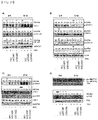


Classifications
-
- A—HUMAN NECESSITIES
- A61—MEDICAL OR VETERINARY SCIENCE; HYGIENE
- A61K—PREPARATIONS FOR MEDICAL, DENTAL OR TOILETRY PURPOSES
- A61K35/00—Medicinal preparations containing materials or reaction products thereof with undetermined constitution
- A61K35/12—Materials from mammals; Compositions comprising non-specified tissues or cells; Compositions comprising non-embryonic stem cells; Genetically modified cells
- A61K35/28—Bone marrow; Haematopoietic stem cells; Mesenchymal stem cells of any origin, e.g. adipose-derived stem cells
-
- A—HUMAN NECESSITIES
- A61—MEDICAL OR VETERINARY SCIENCE; HYGIENE
- A61P—SPECIFIC THERAPEUTIC ACTIVITY OF CHEMICAL COMPOUNDS OR MEDICINAL PREPARATIONS
- A61P17/00—Drugs for dermatological disorders
-
- A—HUMAN NECESSITIES
- A61—MEDICAL OR VETERINARY SCIENCE; HYGIENE
- A61K—PREPARATIONS FOR MEDICAL, DENTAL OR TOILETRY PURPOSES
- A61K35/00—Medicinal preparations containing materials or reaction products thereof with undetermined constitution
- A61K35/12—Materials from mammals; Compositions comprising non-specified tissues or cells; Compositions comprising non-embryonic stem cells; Genetically modified cells
- A61K35/48—Reproductive organs
- A61K35/50—Placenta; Placental stem cells; Amniotic fluid; Amnion; Amniotic stem cells
-
- A—HUMAN NECESSITIES
- A61—MEDICAL OR VETERINARY SCIENCE; HYGIENE
- A61K—PREPARATIONS FOR MEDICAL, DENTAL OR TOILETRY PURPOSES
- A61K35/00—Medicinal preparations containing materials or reaction products thereof with undetermined constitution
- A61K35/12—Materials from mammals; Compositions comprising non-specified tissues or cells; Compositions comprising non-embryonic stem cells; Genetically modified cells
- A61K35/48—Reproductive organs
- A61K35/51—Umbilical cord; Umbilical cord blood; Umbilical stem cells
-
- A—HUMAN NECESSITIES
- A61—MEDICAL OR VETERINARY SCIENCE; HYGIENE
- A61K—PREPARATIONS FOR MEDICAL, DENTAL OR TOILETRY PURPOSES
- A61K38/00—Medicinal preparations containing peptides
- A61K38/16—Peptides having more than 20 amino acids; Gastrins; Somatostatins; Melanotropins; Derivatives thereof
- A61K38/43—Enzymes; Proenzymes; Derivatives thereof
- A61K38/44—Oxidoreductases (1)
- A61K38/446—Superoxide dismutase (1.15)
-
- C—CHEMISTRY; METALLURGY
- C12—BIOCHEMISTRY; BEER; SPIRITS; WINE; VINEGAR; MICROBIOLOGY; ENZYMOLOGY; MUTATION OR GENETIC ENGINEERING
- C12N—MICROORGANISMS OR ENZYMES; COMPOSITIONS THEREOF; PROPAGATING, PRESERVING, OR MAINTAINING MICROORGANISMS; MUTATION OR GENETIC ENGINEERING; CULTURE MEDIA
- C12N15/00—Mutation or genetic engineering; DNA or RNA concerning genetic engineering, vectors, e.g. plasmids, or their isolation, preparation or purification; Use of hosts therefor
- C12N15/09—Recombinant DNA-technology
- C12N15/63—Introduction of foreign genetic material using vectors; Vectors; Use of hosts therefor; Regulation of expression
- C12N15/79—Vectors or expression systems specially adapted for eukaryotic hosts
- C12N15/85—Vectors or expression systems specially adapted for eukaryotic hosts for animal cells
-
- C—CHEMISTRY; METALLURGY
- C12—BIOCHEMISTRY; BEER; SPIRITS; WINE; VINEGAR; MICROBIOLOGY; ENZYMOLOGY; MUTATION OR GENETIC ENGINEERING
- C12N—MICROORGANISMS OR ENZYMES; COMPOSITIONS THEREOF; PROPAGATING, PRESERVING, OR MAINTAINING MICROORGANISMS; MUTATION OR GENETIC ENGINEERING; CULTURE MEDIA
- C12N5/00—Undifferentiated human, animal or plant cells, e.g. cell lines; Tissues; Cultivation or maintenance thereof; Culture media therefor
- C12N5/06—Animal cells or tissues; Human cells or tissues
- C12N5/0602—Vertebrate cells
- C12N5/0652—Cells of skeletal and connective tissues; Mesenchyme
- C12N5/0662—Stem cells
-
- C—CHEMISTRY; METALLURGY
- C12—BIOCHEMISTRY; BEER; SPIRITS; WINE; VINEGAR; MICROBIOLOGY; ENZYMOLOGY; MUTATION OR GENETIC ENGINEERING
- C12Y—ENZYMES
- C12Y115/00—Oxidoreductases acting on superoxide as acceptor (1.15)
- C12Y115/01—Oxidoreductases acting on superoxide as acceptor (1.15) with NAD or NADP as acceptor (1.15.1)
- C12Y115/01001—Superoxide dismutase (1.15.1.1)
-
- Y—GENERAL TAGGING OF NEW TECHNOLOGICAL DEVELOPMENTS; GENERAL TAGGING OF CROSS-SECTIONAL TECHNOLOGIES SPANNING OVER SEVERAL SECTIONS OF THE IPC; TECHNICAL SUBJECTS COVERED BY FORMER USPC CROSS-REFERENCE ART COLLECTIONS [XRACs] AND DIGESTS
- Y02—TECHNOLOGIES OR APPLICATIONS FOR MITIGATION OR ADAPTATION AGAINST CLIMATE CHANGE
- Y02A—TECHNOLOGIES FOR ADAPTATION TO CLIMATE CHANGE
- Y02A50/00—TECHNOLOGIES FOR ADAPTATION TO CLIMATE CHANGE in human health protection, e.g. against extreme weather
- Y02A50/30—Against vector-borne diseases, e.g. mosquito-borne, fly-borne, tick-borne or waterborne diseases whose impact is exacerbated by climate change
Definitions
- the present invention relates to a composition comprising, as an active ingredient, stem cells overexpressing extracellular superoxide dismutase (SOD3) for preventing or treating an inflammatory disease and, more specifically, to a pharmaceutical composition comprising, as an active ingredient, stem cells overexpressing SOD3 for preventing or treating an inflammatory disease.
- SOD3 extracellular superoxide dismutase
- the inflammatory disease refers to a condition in which edema, redness, and pain, together with the infiltration of immune cells, are shown and histological changes appear in several organs or tissues of the human body due to various external stimulations or internal factors. Such inflammation is triggered by various chemical factors produced from damaged tissues and migrating cells, and these chemical factors are known to vary according to the type of inflammatory process. In normal cases, the living body neutralizes or removes pathogenic factors through inflammatory responses and regenerates damaged tissues to restore normal structures and functions, but if not, the living body proceeds to a diseased state, such as chronic inflammation.
- prophylactic or therapeutic agents for treating such inflammatory diseases are largely classified into steroidal and non-steroidal prophylactic or therapeutic agents for inflammatory diseases.
- most synthetic prophylactic or therapeutic agents for inflammatory diseases have several side effects as well as main actions, and therefore, there is an urgent need to develop prophylactic or therapeutic agents for inflammatory diseases having excellent efficacy and few side effects.
- MSCs Mesenchymal stem cells
- These cells can mediate potential immunoregulatory effects on various cells by regulating adaptive and innate immune responses, emerging as a novel alternative to treat autoimmune diseases.
- these cells are known to have immunosuppressive and anti-inflammatory effects (European Patent No. EP02298861 and US Patent Publication No. US20120269774 ) and to inhibit the activation and proliferation of T cells ( Li ZJ et al., PloS ONE 8(10): 77159, 2013 ).
- MSC myelogenous leukemia
- MSC therapeutic agents optimized to have a more potent effect on inflammation-related diseases have not yet been developed. Therefore, there is an urgent need to develop MSC therapeutic agents suitable for the prevention or treatment of inflammatory diseases.
- the present inventors during the research of therapeutic agents for inflammatory diseases, including stem cells suitable for the prevention and treatment of inflammatory diseases while having remarkably few side effects, have found that the overexpression of SOD3 in mesenchymal stem cells (MSCs) significantly enhances immunomodulatory and antioxidative activities, and thus have completed the present invention.
- MSCs mesenchymal stem cells
- an aspect of the present invention is to provide a pharmaceutical composition for preventing or treating an inflammatory disease, the pharmaceutical composition comprising, as an active ingredient, stem cells overexpressing extracellular superoxide dismutase (SOD3).
- SOD3 superoxide dismutase
- Another aspect of the present invention is to provide a use of stem cells overexpressing SOD3 for preparing a preparation for treatment of an inflammatory disease.
- Still another aspect of the present invention is to provide a method for treating an inflammatory disease, the method being characterized by administering an effective amount of a pharmaceutical composition to a subject in need thereof, the pharmaceutical composition comprising, as an active ingredient, stem cells overexpressing SOD3.
- a pharmaceutical composition for preventing or treating an inflammatory disease comprising, as an active ingredient, stem cells overexpressing extracellular superoxide dismutase (SOD3).
- SOD3 superoxide dismutase
- stem cells overexpressing SOD3 for preparing a preparation for treatment of an inflammatory disease.
- in accordance with still another aspect of the present invention is to provide a method for treating an inflammatory disease, the method being characterized by administering an effective amount of a pharmaceutical composition to a subject in need thereof, the pharmaceutical composition comprising, as an active ingredient, stem cells overexpressing SOD3.
- the present invention provides a pharmaceutical composition for preventing or treating an inflammatory disease, the pharmaceutical composition comprising, as an active ingredient, stem cells overexpressing extracellular superoxide dismutase (SOD3)
- the pharmaceutical composition according to the present invention may be a composition comprising SOD3 as an active ingredient, a composition consisting of SOD3 as an active ingredient, or a composition essentially consisting of SOD3 as an active ingredient.
- the term “comprising” is used synonymously with “including”, “containing” or “characterized by”, and does not exclude specifically additional, unrecited elements or method steps in the composition and the method according to the present invention.
- the term “consisting of” excludes additional elements, steps, or ingredients that are not otherwise indicated.
- the term “essentially consisting of” is meant that in the scope of a composition or method, the term includes described materials or steps as well as any material or step that does not substantially affect basic characteristics thereof.
- protein is used interchangeably with the term “polypeptide” or “peptide”, and refers to, for example, a polymer of amino acid residues, as typically found in proteins in nature.
- SOD3 superoxide dismutase 3, extracellular
- EC-SOD extracellular superoxide dismutase
- the amino acid sequence of human wild-type (WT) SOD3 protein is known by accession number NP_003093.2 and the nucleotide sequence of mRNA encoding human SOD3 protein is known by accession number NM_003102.2 in the NCBI Genbank database.
- SOD3 protein catalyzes the dismutation of anions, is present in the extracellular matrix through extracellular secretion, and shows anti-angiogenic, anti-inflammatory, anti-chemotactic, and anticancer effects.
- the SOD3 protein has been known to have useful effects in the treatment of diseases, such as skin cancer, pigmentary disease, photoaging, dermatitis, disorders of epidermal proliferation, psoriasis, atopy, urticaria, and allergy (Korean Patent No. 100676502 ) and to also have effects in the prevention and treatment of diseases caused by angiogenesis (Korean Patent No. 101019470 ).
- the SOD3 protein has been known to have useful effects in the cancer diseases, such as colon cancer, lung cancer, liver cancer, gastric cancer, esophageal cancer, pancreatic cancer, gallbladder cancer, kidney cancer, bladder cancer, prostate cancer, testicular cancer, cervical cancer, endometrial cancer, choriocarcinoma, ovarian cancer, breast cancer, thyroid cancer, brain cancer, head and neck cancer, malignant melanoma, and lymphoma (Korean Patent Publication No. 10-2008-108876 .
- cancer diseases such as colon cancer, lung cancer, liver cancer, gastric cancer, esophageal cancer, pancreatic cancer, gallbladder cancer, kidney cancer, bladder cancer, prostate cancer, testicular cancer, cervical cancer, endometrial cancer, choriocarcinoma, ovarian cancer, breast cancer, thyroid cancer, brain cancer, head and neck cancer, malignant melanoma, and lymphoma
- cancer diseases such as colon cancer, lung cancer, liver cancer, gastric cancer,
- the SOD3 means a protein derived mammals including humans and mice, preferably humans, and may include, most preferably, the amino acid sequence of human wild-type SOD3 protein represented by SEQ ID NO:1, or the amino acid sequence of recombinant SOD3 protein (209E-SOD3) represented by SEQ ID NO: 3.
- the human wild-type SOD3 is composed of a signal peptide of from the start amino acid methionine at the N-terminal site to the 18th amino acid alanine, and activated SOD3 consists of 222 amino acids with the signal peptide removed.
- SOD3 has a heparin binding domain in the C-terminal region (amino acid residues Nos. 210-215).
- the amino acid sequence of the full-length human SOD3 composed of 240 amino acid residues including the signal peptide is as shown in SEQ ID NO: 1.
- the SOD3 in the present invention may be composed of 209 amino acids obtained by removing, from the full-length human SOD3, the signal peptide at the N-terminal site and 13 amino acids (amino acid residue Nos. 210-222) containing the heparin binding domain of the C-terminal site.
- the SOD3 protein, from which the signal peptide and the heparin domain have been removed, may be referred to as 209E-SOD3 or 209E, and may have preferably the amino acid sequence represented by SEQ ID NO: 3.
- the 209E-SOD3 protein may bind with anti-SOD3 antibody, and has been confirmed to have the same enzyme activity and ROS scavenging activity as wild-type SOD3 (Korean Patent Publication No. 10-2008-0108876 ).
- the SOD3 in the present invention includes a functional equivalent, a functional derivative, and a fragment of the SDO3 protein, which have substantially equivalent physiological activity to wild-type SOD3 or 209E-SOD3 protein.
- the substantially equivalent physiological activity means having the equivalent enzyme activity and/or extracellular secretion and intracellular permeability to wild-type SOD3, and a protein with the substantially equivalent physiological activity, when overexpressed in stem cells, preferably mesenchymal stem cells, enhances immune and inflammation-modulating ability of stem cells due to the equivalent enzyme activity to SOD3.
- the immune and inflammation-modulating ability of stem cells means, specifically, inhibiting infiltration of immune cells due to inflammation, inhibiting proliferation and differentiation of pro-inflammatory T cells and expression of pro-inflammatory mediators/cytokines, increasing proliferation and differentiation of Treg cells and expression of Treg-related cytokines, and inhibiting phosphorylation of NFkB signaling system, and these are as described in the specification with respect to the characteristics of stem cells overexpressing SOD3 of the present invention.
- the functional equivalent of SOD3 may be a polypeptide having sequence homology of at least 70%, preferably at least 80%, and more preferably at least 90% with the amino acid sequence represented by SEQ ID NO: 1 or SEQ ID NO: 3.
- the functional equivalent may result from the addition, substitution, or deletion of a portion of the amino acid sequence of SOD3 of the present invention.
- the substitution of amino acid is preferably a conservative substitution.
- amino acids examples include aliphatic amino acids (Gly, Ala, Pro), hydrophobic amino acids (Ile, Leu, Val), aromatic amino acids (Phe, Tyr, Trp), acidic amino acids (Asp, Glu), basic amino acids (His, Lys, Arg, Gln, Asn), and sulfur-containing amino acids (Cys, Met).
- the functional equivalent includes a variant in which some of the amino acids are deleted from the amino acid sequence of SOD of the present invention. The deletion or substitution of amino acids is preferably located at a region that is not directly associated with the physiological activity of the SOD3 protein.
- the functional equivalent also includes a variant with addition of several amino acids in both terminal ends of the amino acid sequence of the SOD3 or in the sequence thereof.
- the functional equivalent may be a peptide in which a portion of the full-length SOD3 has been removed without affecting the enzyme activity of SOD3, such as 209E-SOD3, and may be a polymorphic protein of SOD3, such as small nucleotide polymorphism (SNP) having the substantially equivalent physiological activity to SOD3 protein.
- SNP small nucleotide polymorphism
- the scope of the functional equivalent of the present invention also includes a polypeptide derivative which has a modification of a portion of the chemical structure of the SOD3 protein of the present invention while maintaining the fundamental backbone and physiological activity of the SOD3 protein and physiological activity thereof
- a modification include, but are not limited to, structural modifications for changing stability, intercellular permeability, storability, volatility, or solubility of the SOD3 protein of the present invention.
- the stem cells overexpressing SOD3, contained as an active ingredient in the pharmaceutical composition of the present invention may be preferably mesenchymal stem cells.
- the "mesenchymal stem cell (MSC)" in the present invention refers to a multipotent progenitor cell prior to the differentiation into cells of specific organs, such as bone, cartilage, fat tissue, tendon, nerve tissue, fibroblast, and muscle cell.
- the mesenchymal stem cells in the present invention are contained in the composition in an undifferentiated state, that is, a state of stem cells.
- the mesenchymal stem cells of the present invention may be derived from mammals, and preferably humans.
- the mesenchymal stem cells of the present invention may be derived from a tissue selected from the group consisting of umbilical cord, umbilical cord blood, placenta, bone marrow, adipose tissue, muscle, amniotic fluid, and amniotic membrane.
- the mesenchymal stem cells of the present invention may be umbilical cord blood or placenta-derived mesenchymal stem cells, and most preferably, may be umbilical cord blood-derived mesenchymal stem cells.
- the umbilical cord blood or placenta-derived mesenchymal stem cells have excellent differentiation and proliferation abilities compared with bone marrow-derived mesenchymal stem cells.
- umbilical cord blood used herein refers to the blood collected from the umbilical vein connecting the placenta and fetus in a mammal.
- the umbilical cord blood can be easily collected from the umbilical vein of a donor at the time of birth. More specifically, in the case of normal vaginal delivery, the umbilical cord blood can be collected from the umbilical vein, which has been expelled out of the uterus while the placenta still remains in the uterus. In addition, in the case of cesarean section, the umbilical cord blood is collected from the umbilical vein while the placenta has also been expelled out the uterus after birth.
- placental stem cells refers to stem cells or progenitor cells derived from the mammalian placenta regardless of the shape, cell surface markers, or number of passages after primary culture, and the placental stem cells are cells adhering to a tissue culture substrate, for example, a tissue culture plastic or fibronectin coated tissue culture plate.
- tissue culture substrate for example, a tissue culture plastic or fibronectin coated tissue culture plate.
- placental stem cells used herein does not refer to trophoblasts. If cells have at least one of the features of stem cells, for example, the ability to differentiate into at least one cell type, such cells are stem cells.
- Mesenchymal stem cells may be isolated from the placenta or umbilical cord blood by a method known in the art.
- the mesenchymal stem cells may be isolated by any isolation method known in the art. Examples of such a method include density gradient fractionation, immunoselection, and differential adhesion separation.
- the isolation and culture of mesenchymal stem cells from the umbilical cord blood or placenta can be carried out by any method that has been used in the conventional art.
- the culture of the isolated mesenchymal stem cells may be carried out in a cell culture medium known in the art, and examples of the cell culture medium may include, but are not limited to, DMEM medium, McCoys 5A medium, Eagle's basal medium, CMRL medium, Glasgow minimum essential medium, Ham's F-12 medium, Iscove's modified Dulbecco's medium, Leibovitz's L-15 medium, RPMI 1640 medium, KSB-3 basal medium.
- one or more auxiliary ingredients may be added to the cell culture medium as needed, and antibiotic and antifungal agents for preventing the contamination of microorganisms, including fetal bovine serum and sera of horse or human, may be used.
- the isolated or cultured stem cells may be stored by any method known in the art before use.
- stem cells may be freeze-stored after cryoprotection treatment.
- the cryoprotection treatment may be carried out using a cytoprotective agent, such as DMSO, glycerol, polyvinylpyrrolidone, polyethylene glycol, albumin, dextran, sucrose, ethylene glycol, i-erythritol, D-ribitol, D- mannitol, D-sorbitol, i-inositol, D-lactose, or choline chloride, and these cytoprotective agents are known in the art.
- a cytoprotective agent such as DMSO, glycerol, polyvinylpyrrolidone, polyethylene glycol, albumin, dextran, sucrose, ethylene glycol, i-erythritol, D-ribitol, D- mannitol, D-sorbitol,
- the stem cells overexpressing SOD3 according to the present invention may be obtained by transfecting stem cells with a recombinant expression vector comprising a polynucleotide encoding SOD3.
- the term “expression” means the production of proteins or nucleic acids in cells, and the term “overexpression” means an excessive increase in the expression level of a particular gene compared with a normal state or a general state.
- the stem cells overexpressing SOD3 are specially stem cells, of which the expression level of the SOD3 protein is increased and thus the activity of SOD3 protein is increased.
- polynucleotide or “nucleic acid” refers to single or double-stranded deoxyribonucleotide (DNA) or ribonucleotide (RNA). Unless otherwise limited, the term includes known analogs of naturally occurring nucleotides that hybridize with nucleic acids in a manner similar to naturally occurring nucleotides.
- the most common method of SOD overexpression in stem cells is to increase the copy number of SOD3 gene by artificially or experimentally introducing a polynucleotide comprising SOD3 gene into stem cells.
- the injection of an exogenous polynucleotide, which is not originally retained by cells, into the cells is called transfection, and as a result, the change of genetic traits of the cells is called transformation.
- the procedure in which the exogenous polynucleotide is injected into the cells through a virus or virus-derived vector is called transduction.
- transformation As used herein, the terms “transformation”, “transfection”, and “transduction” refer to having different genetic traits from the wild-type by the introduction of an exogenous polynucleotide into cells or such a procedure, and these terms are used with similar meanings.
- the polynucleotide encoding SOD3 may be SOD3 gene derived from mammals, and preferably may include the nucleotide sequence encoding human wild-type SOD3 and represented by SEQ ID NO: 2, or the nucleotide sequence encoding 209E-SOD3 and represented by SEQ ID NO: 4.
- the polynucleotide encoding SOD3 includes the nucleotide sequence of human SOD3, preferably a sequence that shows substantial identity with the nucleotide sequence represented by SEQ ID NO: 2 or SEQ ID NO: 4.
- the substantial identity means having at least 70% sequence homology when the polynucleotide encoding human SOD3 and any other nucleotide sequence as a comparative target are aligned as much as possible and then compared and analyzed using analysis methods and algorithms that are commonly used in the art.
- the protein encoded by a nucleotide sequence, which is substantially homologous to the polynucleotide encoding SOD3 may be SOD3 protein or preferably a functional equivalent of a protein including the amino acid sequence represented by SEQ ID NO: 1 or SEQ ID NO: 3.
- the functional equivalents of the SOD3 protein are as described above in the specification.
- the term "recombinant expression vector” refers to a vector capable of expressing a target protein or a target nucleic acid (RNA) in suitable host cells, and indicates a gene construct containing an essential regulatory element operatively linked so as to express a polynucleotide (gene) insert.
- operatively linked refers to the functional linkage of a nucleic acid expression regulatory sequence and a nucleic acid sequence encoding a target protein or RNA so as to perform general functions.
- the term means that a nucleic acid sequence encoding a protein or RNA is linked in such a manner that gene expression is enabled by an expression regulatory sequence, and for example, a promoter should be operatively linked to a nucleic acid sequence encoding a protein or RNA to affect the expression of the coding nucleic acid sequence.
- the operative linkage with a recombinant vector may be carried out by using a gene recombinant technique that is well known in the art, and site-specific DNA cleavage and linkage are carried out using an enzyme that is generally known in the art.
- the recombinant expression vector of the present invention is not particularly limited to a kind thereof so long as the vector is commonly used in a cloning field, and examples of the recombinant expression vector include, but are not limited to, a plasmid vector, a cosmid vector, a bacteriophage vector, and a virus vector.
- a virus-derived vector may be used.
- Examples of the plasmid may include Escherichia coli- derived plasmids (pBR322, pBR325, pUC118, pUC119, and pET-22b (+)), Bacillus subtilis -derived plasmids (pUB110 and pTP5), and yeast-derived plasmids (YEp13, YEp24, and YCp50).
- Examples of the virus may include: animal viruses, such as retrovirus, adenovirus, and vaccinia virus; and insect viruses, such as baculovirus, but are not limited thereto.
- the expression vector comprising a nucleic acid according to the present invention may be introduced into stem cells by a method known in the art, for example, but is not limited to, transient transfection, microinjection, transduction, cell fusion, calcium phosphate precipitation, liposome-mediated transfection, DEAE dextran- mediated transfection, polybrene-mediated transfection, electroporation, gene gun, and a known method for injecting a nucleic acid into cells.
- the stem cells overexpressing SOD3 may be stem cells transfected by injecting a recombinant expression vector comprising a polynucleotide encoding SOD3 into mesenchymal stem cells using electroporation or virus-mediated transfection.
- the stem cells of the present invention may be prepared by the following steps using a recombinant virus vector: (a) preparing a recombinant virus vector comprising a DNA construct in which a shuttle vector, a nucleic acid encoding SOD3 and/or a protein transfection domain are operatively linked; (b) preparing an SOD3 expression recombinant virus by transfecting the recombinant virus vector into a virus-producing cell line; and (c) infecting mesenchymal stem cells with the SOD3 expression recombinant virus.
- the shuttle vector examples include PUB110, PGX1416, PGX1417, PUL61, PSA77, and PGX1418.
- pCA14 Invitrogen
- the virus vector of the present invention is selected from the group consisting of a retrovirus vector, an adenovirus vector, an adeno-associated virus (AAV) vector, a vaccinia virus vector, a herpes virus vector, a lentivirus vector, and an avipox virus vector.
- the virus vector of the present invention may be preferably an adenovirus vector.
- the mesenchymal stem cells (MSCs) transfected by SOD3 to overexpress SOD3 according to the present invention has increased expressions of genes having immunosuppressive functions, and exerts potent immunomodulatory ability by regulating the functions and infiltration of neutrophils and dendritic cells in inflammatory responses. Also, it was confirmed that MSCs overexpressing SOD3 remarkably reduced the expressions of pro-inflammatory mediators/cytokines, especially, inhibited the activation of TRL-7 and NFkB. Examples of the present invention suggest that MSCs overexpressing SOD3 can be an effective therapeutic agent for an inflammatory disease.
- the stem cells overexpressing SOD3 of the present invention has at least one of the following properties:
- the immunoregulatory abilities of stem cells overexpressing SOD3, especially mesenchymal stem cells (MSC), which have been revealed through various cell experiments and animal experiments by the present inventors, are specifically as follows.
- MSCs overexpressing SOD3 can effectively regulate inflammation and transplant rejection, which may occur in patients with autoimmune diseases, such as asthma, psoriasis, and atopy, and transplant patients, through increased expression of HO-1 or IDO-1.
- SOD3-MSCs promoted the differentiation of undifferentiated T cells into Treg cells and inhibited the differentiation of undifferentiated T cells into Th17 cells and other T cells compared with MSC not-overexpressing SOD3.
- mice experiments were conducted using models of acute and aggressive dermatitis, such as psoriasis, among inflammatory diseases.
- the lesions of chronic and acute dermatitis which were determined by skin symptoms such as erythema and scaling, dermal thickness, and infiltration of immune cells into skin, were more effectively improved in mice administered with SOD3-MSCs rather than mice administered with MSCs.
- SOD3-MSCs Similar to the results confirmed in the cellular experiments, it was also confirmed that the expressions of pro-inflammatory mediators were more effectively inhibited and the expression of IL-10 associated with Treg cells was increased in mice administered with SOD3-MSCs. It was additionally confirmed that the NFkB signaling system was especially inhibited in signaling pathway experiments.
- mice administered with SOD3-MSCs were remarkably alleviated in mice administered with SOD3-MSCs rather than mice administered with MSCs.
- treatment means a clinical procedure intended to alter a natural course of an individual or cell to be treated, and may also be performed for the prevention of clinical pathology.
- Preferable effects of the treatment include suppressing occurrence or recurrence of diseases, alleviating symptoms, reducing direct or indirect pathological consequences of diseases, reducing disease progression rates, improving, bettering, or relieving disease conditions, or improving prognosis.
- prevention refers to all actions that suppress the onset of diseases or delays the progress of disease.
- the inflammatory disease which is the target of the prevention or treatment in the present invention, may be preferably a Th2 or Th17-mediated disease.
- the "Th2 or Th17-mediated disease” refers to a disease mediated by Th2 cells or Th17 cells.
- the Th2 or Th17-mediated disease in the present invention may be preferably selected from the group consisting of a transplant rejection, an autoimmune disease, an inflammatory bowel disease, an inflammatory eye disease, an inflammatory skin disease, and an allergic disease.
- the Th2-mediated disease refers to a disease mediated by Th2 cells, and means a disease caused by the production and activity of allergen-specific Th2 cells causing allergy.
- Th2 cells are immune cells that express CD4 and T cell receptor (TCR), and are involved in humoral immunity while secreting cytokines, such as IL-4, IL-5, IL-6, and IL-13 through the actions of GATA3 transcription factors.
- TCR T cell receptor
- the overactivation of Th2 cells against autoantigen has been reported to result in mast cell and IgE-involved allergies and hyperimmune responses. It can be seen that Th2-mediated diseases including atopic dermatitis, other skin diseases associated with atopy, allergic rhinitis, and allergic asthma can be treated by inhibiting the differentiation or activation of Th2.
- the Th17-mediated disease refers to a disease, which is caused or worsened by an imbalance between Th17/Treg cells due to the excessive differentiation of Th17 cells or excessive activity of Th17 cells.
- Th17 cells which are representative pro-inflammatory cells, differentiate through the actions of transcription factors, such as ROR ⁇ t and STAT-3, when naive CD4 + T cells undergo antigenic stimulations in the presence of TGF ⁇ and IL-6.
- Th17 cells secrete inflammatory cytokines IL-17, IL-21, IL-22, and the like, and infiltrate into inflamed peripheral tissues to interact with macrophages, dendritic cells, fibroblasts, vascular endothelial cells, osteoclasts, and the like, thereby amplifying the secretion of inflammatory cytokines and other inflammatory factors and causing tissue damage.
- Th17 cells have revealed to be major pathogenic cells in various autoimmune diseases, allergic diseases, inflammatory diseases, and transplant rejections. Contrary to Th17 cells, Treg cells are cells functioning to regulate inflammation, and naive CD4 + T cell differentiate with the expression of transcription factors, such as Foxp3, when receiving proper antigenic stimulation in the presence of TGF ⁇ .
- the mature Treg cells are known to reduce the proliferation and activity of T cells through cytokines, such as TGF ⁇ and IL-10.
- the Treg cells especially, play an important role in self-tolerance in the immune system, and the possibility of treating autoimmune diseases and transplant rejections by regulating Treg activity has been suggested in animal experiments using mouse models or the like.
- the Treg cells and Th17 cells have opposite functions of suppressing inflammation or amplifying inflammation, respectively. However, these cells are differentiated from the same progenitor cells, and balanced in a healthy normal state.
- the direction of differentiation into Treg or Th17 cells is determined depending on the kind of inflammatory cytokine that is present when naive CD4 + T cells differentiate by TGF ⁇ and antigenic stimulation, and Th17-mediated diseases are caused when the balance between Treg cells and Th17 cells, which should properly control each other, is broken due to excessive differentiation or activity of pathogenic Th17 cells. Therefore, it can be seen that Th17-mediated diseases can be treated by inhibiting the proliferation and differentiation of Th17 cells and inducing the differentiation of Treg cells to restore the balance and homeostasis between the immune cells.
- the present inventors have confirmed in the examples through the cellular and animal experiments that MSCs transfected to overexpress SOD3 (SOD3-MSCs) inhibited the differentiation of Th2 and Th1 cells and increased the differentiation of Treg cells. It was confirmed that, in particular T cell differentiation conditions, the expression levels of Th2 markers, such as IL-4 and GATA3, and Th17 markers, such as ROR ⁇ t and IL-17, were remarkably reduced and on the contrary, the expression levels of Treg markers, such as Foxp3, TGF ⁇ , and IL-10, were greatly increased in naive CD4 + T cells co-cultured with SOD3-MSCs compared with a control not-co-cultured with MSCs or T cells co-cultured with MSCs not-overexpressing SOD3, and thus SOD3-MSCs inhibited the differentiation of Th2 and Th17 cells and promoted the differentiation of Treg cells (example ⁇ 1-7>).
- Th2 markers such as IL-4 and GATA3
- Th17 markers such
- the inflammatory disease may be one or more disease selected from the group consisting of acute or chronic transplant rejection, graft versus host disease, inflammatory bowel disease, Crohn's disease, ulcerative colitis, inflammatory skin disease, multiple sclerosis, pancreatitis, traumatic shock, bronchial asthma, allergic rhinitis, allergic conjunctivitis, cystic fibrosis, acute bronchitis, chronic bronchitis, acute bronchiolitis, chronic bronchiolitis, osteoarthritis, gout, spondyloarthropathies, ankylosing spondylitis, Reiter's syndrome, psoriatic arthropathy, bowel disease spondylitis, juvenile arthropathy, juvenile ankylosing spondylitis, reactive arthropathy, infectious arthritis, post-infectious arthritis, Lou Gehrig's disease, nodular polyarteritis, hypersensitive vasculitis, Lou Gehrig's granulomatosis, polymyalg
- the "transplant rejection” may be specifically an acute or chronic transplant rejection resulting from apoptosis and tissue necrosis caused by the infiltration and attack of in vivo immune cells into transplant organs of transplant patients after the transplant of solid organs, such as heart, lung, heart and lung complex, liver, kidney, pancreas, skin, bowel, or cornea, and may be graft-versus-host disease (GVHD) after the transplant of bone marrow.
- solid organs such as heart, lung, heart and lung complex, liver, kidney, pancreas, skin, bowel, or cornea
- GVHD graft-versus-host disease
- the inflammatory skin disease is one or more disease selected from the group consisting of psoriasis, atopic dermatitis, eczematous dermatitis, contact dermatitis, seborrheic dermatitis, pityriasis rosea, squamous cellulitis, vasculitis, pityriasis rubra pilaris, cellulitis, folliculitis, carbuncle, pemphigus, bullous pemphigus, epidermolysis bullosa, urticaria, angioedema, vasculitis, erythema, and cutaneous eosinophilia.
- the pharmaceutical composition comprising, as an active ingredient, stem cells overexpressing SOD3 of the present invention may further contain a pharmaceutically acceptable carrier and diluent.
- the pharmaceutically acceptable carrier and diluent may be biologically and physiologically compatible with recipients receiving the same.
- Examples of the pharmaceutically acceptable diluent may be, but are not limited to, saline, aqueous buffers, solvents and/or dispersion media.
- the present invention provides a pharmaceutical composition comprising, as an active ingredient, stem cells overexpressing SOD3 for preventing or treating an autoimmune disease or transplant rejection.
- Th17 cells are commonly involved in autoimmune diseases or transplant rejection, and according to the establishment by the present inventors, MSCs overexpressing SOD3 inhibit the proliferation and differentiation of Th17 cells and promote the differentiation of Treg cells regulating inflammation.
- MSCs overexpressing SOD3 inhibit the proliferation and differentiation of Th17 cells and promote the differentiation of Treg cells regulating inflammation.
- immunosuppressive functions such as icIL-1Ra, TGF- ⁇ , IL-10, HO-1, and IDO-1
- the "transplant rejection”, as described above, may be an acute or chronic transplant rejection occurring in transplant patients after the transplant of solid organs, such as heart, lung, heart and lung complex, liver, and may be graft-versus-host disease (GVHD) occurring in transplant patients after the transplant of bone marrow.
- solid organs such as heart, lung, heart and lung complex, liver
- GVHD graft-versus-host disease
- the "autoimmune disease” refers to a disease that occurs by a body immune system attacking internal normal cells or proteins but not antigens derived from the outside, and specific examples of the autoimmune disease include systemic lupus erythematosus, lupus, rheumatoid arthritis, autoimmune hepatitis, autoimmune hemolytic disease, drug-induced autoimmune hemolytic anemia, autoimmune inner ear disease, Meniere's disease, type 1 diabetes, lupus, Behcet's disease, Crohn's disease, Guillain-Barre syndrome, autoimmune thyroiditis, Hashimoto's thyroiditis, ulcerative colitis, Sjogren's syndrome, scleroderma, multiple sclerosis, nodular polyarteritis, psoriasis, atopic dermatitis, albumin, Pemphigus vulgaris, dermatomyositis, myasthenia gravis, and Addison's disease.
- transplant rejections and autoimmune diseases both are often accompanied by hyper-inflammatory responses, and thus are also classified as inflammatory diseases, and therefore, some of the diseases described herein as inflammatory diseases may belong thereto.
- composition of the present invention may be formulated by a method known in the art so as to provide rapid, sustained, or delayed release of an active ingredient after the pharmaceutical composition is administered to mammals.
- the pharmaceutical composition of the present invention is preferably formulated in the form of an injection.
- administration routes may include, but are not limited to, transdermal, intramuscular, intraperitoneal, intravenous, subcutaneous, intranasal, intrathecal, and intraoral routes.
- mice were administered with SOD3-transfected MSCs through subcutaneous injection to investigate the therapeutic effect.
- the pharmaceutical composition of the present invention may be applied using catheterization, and according to a peripheral vein approach, cells can be injected through a catheter with a single lump or several smaller aliquots.
- Examples of the administration of cells using a catheter may include standard peripheral venous catheterization, central venous catheterization, or intravenous delivery through pulmonary catheterization.
- An effective dose of the pharmaceutical composition of the present invention may be properly determined according to the foregoing particular uses by a person skilled in the art considering various factors, such as the route of administration, the time of administration, the number of times of treatment, the period of treatment, and patient's age, weight, health condition, sex, severity of disease, susceptibility to drugs, diet, and excretion rate.
- the term "effective amount” refers to an amount sufficient to exhibit an effect of alleviation, treatment, prevention, detection, or diagnosis of inflammatory diseases, autoimmune diseases, or transplant rejections when administered to a subject
- the term "subject” may be an animal, preferably a mammal, most preferably an animal including a human, and may be cells, tissues, organs, or the like derived from an animal. The subject may be a patient in need of treatment.
- the method of the present invention may employ stem cells in an amount as needed in order to inhibit inflammation responses.
- the stem cells may include 1 x 10 2 , 1 x 10 5 , 1 x 10 7 , 1 x 10 8 , 1 x 10 9 , or more stem cells.
- 2 x 10 6 SOD3-transfected MSCs were subcutaneously injected into mouse models.
- the administration may be performed once a day or divided into several times.
- the pharmaceutical composition of the present invention may be administered alone or co-administered with another therapeutic agent known to have effects in the prevention or treatment of inflammatory diseases, autoimmune diseases, and transplant rejections.
- the pharmaceutical composition and another therapeutic agent may be administered sequentially or simultaneously.
- the pharmaceutical composition of the present invention is preferably administered in an amount such that the maximum effect can be obtained in a minimal amount without side effects, and such an amount can be easily determined by a person skilled in the art.
- the present invention provides a use of stem cells overexpressing SOD3 for preparing a preparation for treatment of an inflammatory disease.
- the inflammation-modulating activity of the stem cells overexpressing SOD3 of the present invention especially, mesenchymal stem cells (MSCs) overexpressing SOD3, therapeutic effects of inflammation diseases on the basis of inflammation-modulating activity, and the manufacturing method for stem cells overexpressing SOD3 are as described in the specification.
- MSCs mesenchymal stem cells
- the present invention provides a method for treating an inflammatory disease, the method being characterized by administering an effective amount of a pharmaceutical composition comprising, as an active ingredient, stem cells overexpressing SOD3 to a subject in need thereof.
- the pharmaceutical composition according to the present invention may be a composition comprising SOD3 as an active ingredient, a composition consisting of SOD3 as an active ingredient, or a composition essentially consisting of SOD3 as an active ingredient.
- the inflammation-modulating activity of the stem cells overexpressing SOD3 according to the present invention especially, mesenchymal stem cells (MSCs) overexpressing SOD3, therapeutic effects of inflammation diseases on the basis of inflammation-modulating activity, and the effective amount and the administration manner to exhibit therapeutic effects may be referred to in the specification.
- MSCs mesenchymal stem cells
- the present invention provides a composition comprising, as an active ingredient, stem cells overexpressing SOD3 for preventing or treating an inflammatory disease.
- the mesenchymal stem cells (MSCs) transfected by SOD3 to overexpress SOD3 have more potent antioxidative activity and immunomodulatory functions compared with general MSCs, and therefore, SOD3-transinduced MSCs can be an effective therapeutic agent for an inflammation disease, an autoimmune disease, or a transplant rejection.
- Human umbilical cord blood derived mesenchymal stem cells were collected from blood samples of human umbilical cord with the consent of donors.
- the blood samples of umbilical cord were stored in a blood collection bag containing citrate phosphate glucose as an anti-coagulant. Treatments for experiments were conducted within 24 hours. A fraction of the mononuclear cells was separated by centrifugation in a Ficoll-Paque PLUS gradient (Amersham Biosciences).
- the fraction was washed with HBSS (Jeil Biotech Services), and resuspended in low-glucose Dulbecco's modified Eagle's medium (DMEM, Invitrogen Corp), 20% fetal bovine serum (Gibco-BRL), 2 mM L-glutamine, 1 mM sodium pyruvate, and 1% antibiotic/antimycotic (Life Technologies).
- the antibiotic/antimycotic contains 100 U/ml penicillin, 100 ⁇ g/ml streptomycin, and 25 ⁇ g/ml amphotericin B.
- non-adherent cells were discarded, and adherent cells were cultured with two medium changes per week. Cells were maintained at 37 ⁇ in a humidified atmosphere containing 5% CO 2 . Approximately 60% of the confluent cells were detached with 0.1% trypsin-EDTA and re-plated in culture flasks.
- the immunophenotypes of the hUCB-MSC were assessed for the presence of positive markers for MSC-related antigens and the absence of markers for hematopoietic lineage markers by flow cytometry (Epics XL, Beckman Coulter).
- the positive markers include CD90 (Thy-1), CD105 (endoglin), and SH3 (CD73), and the hematopoietic lineage markers include CD34 and CD45 and endothelial markers such as CD31.
- the cells were positive for HLA class I but negative for HLA-DR.
- the respective fluorescent conjugated monoclonal antibodies were obtained from Becton Dickinson.
- FIGS. 1 to 4 The experimental results in FIGS. 1 to 4 were obtained by using SOD3-transfected MSCs by electroporation.
- electrical stimulation 1000 voltage, 1 pulse
- MSCs MSCs according to the Neon TM protocol (Invitrogen) to increase the permeability of cell membranes and inject DNA into cells, and the presence or absence of DNA overexpression was determined by obtaining proteins, followed by western blotting or by amplifying the human SOD3 gene (Genbank accession number NM_003102.2) by PCR, followed by identification on the 5% agarose gel.
- the amplification program consisted of 94 ⁇ 5 min; 94 ⁇ 40 s, 57 ⁇ 30 s, 72 ⁇ 60 s (35 cycle); 72 ⁇ 10 min; and 4 ⁇ 0- ⁇ ( ⁇ is infinite, meaning that there is no specified time).
- Adenovirus expression vector an transfection conditions for SOD3 transfection
- FIGS. 5 to 21 The experimental results in FIGS. 5 to 21 were obtained by using SOD3-transfected MSCs by electroporation.
- pRC/CMV hSOD3 vector containing human SOD3 was inserted into E1 shuttle vector pCA14 by homologous recombination.
- Merge shuttle vector and vector dE1-k35/LacZ were integrated again by homologous recombination to generate the final construct dE1-k35/SOD3.
- Supernatants containing recombinant adenoviruses were separated from plaque and amplified on 293 cells.
- Mesenchymal stem cells (MSCs) were then transfected with prepared adenoviral human SOD3 and control LacZ at 10 multiplicity of infection (MOI).
- the enzyme activity of SOD3 was confirmed by measuring superoxide radicals. 200M xanthine (Sigma) and 50M WST-1 (Dojindo) in PBS were mixed with 20 ⁇ l of sample, followed by treatment with 0.0005 units of XOD (Sigma), and then the formazan dye signal development was spectroscopically measured.
- MTT assay was conducted to measure the cell proliferation of MSCs (Man et al., 2006; Weichert et al., 1991). 6x10 3 MSCs were incubated for 24 hours, and the cultured MSCs were transfected with human SOD3 gene using electroporation, and at 24 hours, 48 hours, and 72 hours, corresponding wells were treated with 20 ⁇ l of MTT (5mg/ml), and further incubated for 4 hours. Medium was removed, and the cells were lysed with 100 ⁇ l of dimethyl sulfoxide per well, and the absorbance was measured using absorption wavelength of 595 nm (Bio-Tek Instruments, Winooski, VT, USA).
- MSCs were dispensed on 6-well plates and incubated for 24 hours, and then stimulated with 10 ng/ml TNF- ⁇ and 100 U/ml IFN- ⁇ for 1 hour.
- the cells were stabilized with Hanks balanced salt solution (HBSS) for 30 minutes, and then stained with 10 ⁇ M 2,7-dichlorofluorescin diacetate (H2DCF-DA) at 37 ⁇ for 30 minutes.
- HBSS Hanks balanced salt solution
- H2DCF-DA 2,7-dichlorofluorescin diacetate
- ROS was observed by a confocal microscope at an emission wavelength of 513 nm and an excitation wavelength of 488 nm through DCF-fluorescence, and fluorescence was measured by a fluorescence spectrophotometer (Synergy, BIOTEK, US).
- MSCs were incubated by the following method, and the gene expression was analyzed in the presence or absence of stimulations with TNF- ⁇ and IFN- ⁇ :
- cDNA was synthesized from 1 ⁇ l of total RNA using QuantiTect Reverse Transcription Kit (QIAGEN). Briefly, genomic DNA was removed from template RNA using gDNA wipeout buffer, incubated at 42 ⁇ for 2 m, and immediately stored on ice. Thereafter, the reverse transcriptase, RT buffer, and RT primer mix were mixed with the template RNA, and the reaction was carried out at 42 ⁇ for 15 m and at 95 ⁇ for 3 m. The synthesized cDNA was stored at -20 ⁇ before use.
- QIAGEN QuantiTect Reverse Transcription Kit
- the primer sequences used for RT-PCR and real-time PCR were as follows, and were customized by Bioneer (Korea): icIL-1Ra forward 5'-TTATGGGCAGCAGCTCAGTT-3'(SEQ ID NO: 15), reverse 5'-TTGACACAGGACAGGCACAT -3'(SEQ ID NO: 16); sIL-1Ra forward 5'-TCCGCAGTCACCTAATCACTC-3'(SEQ ID NO: 17), reverse 5'-TTGACACAGGACAGGCACAT-3'(SEQ ID NO: 18); unspliced IL-1Ra forward 5'-GGCCTCCGCAGTCACCTAATCACTCT -3'(SEQ ID NO: 19), reverse 5'-GGTCGCACTATCC ACATCTGGG-3'(SEQ ID NO: 20); HO-1 forward 5'-CCTGGTGTCCCTTCAATCAT-3'(SEQ ID NO: 21), reverse 5'-GGCGATGAGGTGGAATACAT-3'(SEQ ID NO: 22); I
- PGE2 prostaglandin E2
- 100 ⁇ l of standard diluent tissue Culture Media
- 100 ⁇ l of standard material was added to appropriate wells.
- 100 ⁇ l of samples were added to the wells.
- 50 ⁇ l of assay buffer was added to the NSB wells, and 50 ⁇ l of blue conjugate was added to each well except total activity (TA) and blank wells.
- 50 ⁇ l of yellow antibody was added to each well, and incubated in a plate shaker (500 rpm or less) for 2 h. Each well was washed three times with 400 ⁇ l wash solution.
- Carboxyfluorescein diacetate succinimidyl ester (CFSE)-MLR assay was performed to determine the proliferation of CD4 + and CD8 + T cells co-cultured with MSCa and SOD3-transfected MSCs.
- the assay was performed by plating 1x10 6 CFSE-labeled responder cells (whole spleen cells from C57BL/6 mice) in triplicate in 24-well plates (Costar, Corning, NY). The cells were stimulated with 1x10 6 stimulator cells (Balb/c mouse cells) irradiated with 3000cGY. For CFSE labeling, 200x10 6 cells/ml of responder cells were resuspended in PBS.
- CFSE (Molecular Probes, Inc) was added to make a final concentration of 5 ⁇ M, and the cells, while protected from light, were gently shaken at room temperature for 10 minutes. CFSE labeling of cells was stopped by the addition of cold RPMI 1640 growth medium (GIBCO) and kept on ice for 5 minutes. The cells were pelleted and washed twice with the growth medium and resuspended.
- Both the CFSE-labeled responder cells and irradiated stimulator cells were adjusted to a concentration of 2 ⁇ 10 6 cells/ml in the growth medium, and co-cultured in a total volume of 1 ml in 24-well plates with MSCs or SOD3-transfected MSCs at a ratio of 10:1 and incubated at 37 ⁇ , in 5% CO 2 and 100% humidity. After a 5-day culture period, cells were harvested, washed twice, and resuspended in PBS. Subordinate factors of responder cells were quantified by using the FITC conjugated anti-mouse CD4 and PE-conjugated anti-mouse CD8 (BD Biosciences Pharmingen).
- Naive CD4 + T cells were isolated by negative selection from spleens and lymph nodes of C57BL/6 mice using MACS column (Miltenyi Biotech). The isolated cells were activated by plate-bound anti-CD3 antibody, and anti-CD28 antibody (2 ⁇ g/ml) added to RPMI 1640 medium containing 10% FBS, 2 mM glutamine, and 1% penicillin-streptomycin.
- the cells were polarized under Th1 polarizing conditions (10 ⁇ g/ml anti-IL4 Ab, 10 ng/ml IL-12), Th2 polarizing conditions (10 ⁇ g/ml anti-IFN- ⁇ Ab, 10 ng/ml IL-4), Th17 polarizing condition (20 ng/ml IL-6, 5 ng/ml TGF- ⁇ , 10 ⁇ g/ml IFN- ⁇ antibody, 10 ⁇ g/ml IL-4 antibody) or Treg polarizing conditions (5 ng/ml TGF- ⁇ and 10 ng/ml IL-2), and then co-cultured with MSCs or SOD3-transfected MSCs at a ratio of 10:1 for 4 days. All cytokines and antibodies used for CD4 + T cell differentiation were purchased from BD Biosciences. After 4 days, the cells were harvested for mRNA expression analysis using cytokines or molecules specific for Th1, Th2, Th17, or Treg cell differentiation.
- mice used in the experiments were 8-week aged C57BL/6 mice and fed with standard mouse feed and water without specific pathogen, and the experiments were performed following the regulations of the clergy Ethics Committee of the clergy University in accordance with the guidelines of the Ministry of Health and Welfare.
- IMQ imiquimod
- atopy-like dermatitis a mixture of 10 ⁇ g of OVA protein and 4 mg of aluminum hydroxide as an antigen adjuvant was intraperitoneally injected into mice grown in SPF conditions at the start of the experiment (D0), day 7 (D7), and day 14 (D14), so that the animals were sensitized.
- a patch was prepared by wetting 1x1cm 2 gauze in 100 ⁇ g of OVA dissolved in 100 ⁇ l of PBS, and then attached to the shaved back of the mice to induce immune responses for 7 days.
- the immune responses were again induced by OVA patch in the same manner for one week starting from day 35.
- MSCs, LacZ-MSCs, and SOD3-MSCs were injected into the lesion site on day 42 after the start of the experiment, and skin changes were observed to the naked eye on day 49.
- the back skin cells and blood plasma were obtained from the mice at day 6 and 12 after IMQ coating to determine the cAMP concentration.
- cAMP concentration analysis cAMP ELISA kit (BD immunocytometry) was used.
- the back skin cells were obtained from mice at day 6 and 12, and fixed in 4% paraformaldehyde (PFA) and embedded in paraffin.
- PFA paraformaldehyde
- 4 ⁇ m-thick tissue sections were prepared using a rotary microtome (Leica). Then, the tissue sections were dewaxed using xylene and dehydrated through gradients of alcohol. The pre-treated tissue sections were then stained with Hematoxylene and eosin stain (H and E stain). The fluorescent immunohistochemistry was performed by incubated the tissue sections with primary antibodies against CD4, CD8, CD11c, or Gr-1 and then proper fluorescence-labeled secondary antibodies against Alexa fluor 488 and Alexa fluor 647.
- Total spleen cells were harvested from each group of mice and resuspended in MACS buffer (1xPBS with 0.5% BSA). The cells were stained with FITC-conjugated anti-mouse CD4, PE-conjugated anti-mouse CD8, APC-conjugated anti-mouse Gr1, and PE-conjugated anti-mouse CD11c. After the staining was done for 30 minutes, the cells were washed with MACS buffer, followed by centrifugation, and then the cells were resuspended in 500 ⁇ l of MACS buffer for FACS analysis.
- Primer sequences for determining the expression levels of Foxp3, T-bet, GATA3, ROR ⁇ t, and SOD3 are as follows: Foxp3 forward GCAACAGCACTGGAACCTTC(SEQ ID NO: 5), Foxp3 reverse GCATTGCTTGAGGCTGCGTA(SEQ ID NO: 6); T-bet forward AGCCAGCCAAACAGAGAAGA(SEQ ID NO: 7), T-bet reverse AATGTGCACCCTTCAAACCC(SEQ ID NO: 8); GATA3 forward ACATGTCATCCCTGAGCCAC(SEQ ID NO: 9), GATA3 reverse AGGAACTCTTCGCACACTTG(SEQ ID NO: 10); ROR ⁇ t forward GCCTACAAT GCCACCACC(SEQ ID NO: 11), ROR ⁇ t reverse ATT GAT GAG AAC CAG GGC(SEQ ID NO: 12); SOD3 forward TGTTGGAGCAGAGGAGAAGCTCAAC(SEQ ID NO: 13); and SOD3 reverse AAGCTCTCTTGGAGCA
- GAPDH mRNA was used as an endogenous control.
- PCR was performed using Rotor-Gene 6000 (Corbett) and QuantiTect SYBR Green PCR Kit(Qiagen). The amplification program consisted of 1 cycle at 95 ⁇ for 10 ⁇ min, followed by 35 cycles of at 95 ⁇ for 20 ⁇ seconds, 55 ⁇ for 20 ⁇ seconds, and 72 ⁇ for 20 ⁇ seconds.
- Total protein was extracted using mice back skin. Equal amount of proteins were loaded per lane, followed by electrophoresis, and the proteins are blotted on membranes. Target proteins were incubated with primary antibodies specific for target molecules and detected using enhanced chemiluminescence system (GE health care Life Sciences).
- MSCs mesenchymal stem cells
- SOD3 protein expression patterns and SOD3 activity of human SOD3 gene-transfected mesenchymal stem cells (MSCs) were investigated.
- MSCs were transfected with human SOD3 gene using electrophoresis and harvested after 24 hours, and the protein expression levels were investigated by performing RT-PCR and western blot.
- the SOD3 activity was determined by measuring the amount of superoxide radicals present in the cell culture solution cultured for 24 hours.
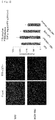
- FIG. 1 it can be seen that SDO3 mRNA ( FIG. 1A ) and SOD3 protein ( FIG. 1B ) were overexpressed in SOD3-transfected MSCs (SOD3-MSC) compared with untransfected MSCs (MSC).
- SOD3-MSCs showed remarkably higher SOD3 activity than MSCs ( FIG. 1C ). It was verified that SOD3-transfected MSCs overexpressed SOD3 and had high SOD3 activity.
- ROS reactive oxygen species
- MSCs were transfected with human SOD3 gene using electrophoresis, and stimulated with TNF- ⁇ (10ng/ml) and IFN- ⁇ (100U/ml) for 1 hour.
- the generated ROS were fluorescence-stained with H2DCF-DA and measured using a fluorescence spectrophotometer.
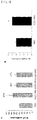
- ROS were generated in large amounts due to TNF- ⁇ /IFN- ⁇ stimulations to show strong fluorescence intensity in untransfected MSCs, but the amount of ROS was not greatly changed even after the stimulations with TNF- ⁇ /IFN- ⁇ in SOD3-MSCs compared with a control treated with PBS, and a fluorescence reduction tendency was rather observed. That is, it was verified that the reactive oxygen species generation ability was greatly suppressed in SOD3-MSCs compared with untransfected MSCs.
- SOD3-MSCs showed an improvement in cell proliferation ( FIG. 3A ) and a remarkable increase in the number of cells ( FIG. 3B ) up to 72 hours from 24 hours after the transfection.
- FIG. 3A The above results indicate that SOD3-induced transfection promotes the cell proliferation of MSCs.
- the increased cell proliferation activity of SOD3-transfected MSCs suggests the possibility that SOD3-transfected MSCs have higher therapeutic efficiency when developed into cell therapeutic agents for inflammatory diseases.
- SOD3-MSCs resulted from the transfection by electrophoresis or MSCs were stimulated with TNF- ⁇ and IFN- ⁇ for 12 hours while co-cultured with the human keratinocytes HaCaT cells, and then HaCaT cells were harvested.
- the levels of various inflammatory cytokines expressed by HaCaT cells are measured by qRT-PCT.
- IL-1 ⁇ , IL-1 ⁇ , TNF- ⁇ , and CCL-20 cytokines were greatly increased by TNF- ⁇ and IFN- ⁇ stimulations in HaCaT cells co-cultured with MSCs (MSC) and the expression levels of the above cytokines were effectively suppressed in HaCaT cells co-cultured with SOD3-transfected MSCs overexpressing SOD3 (SOD3-MSCs).
- CXCL-1 the expression level was hardly changed due to TNF- ⁇ and IFN- ⁇ stimulations in HaCaT cells co-cultured with untransfected MSCs (MSC), but the expression level was further reduced in HaCaT cells co-cultured with SOD3-MSCs (SOD-MSC).
- TGF- ⁇ which is both an anti-inflammatory cytokine and a Treg marker
- SOD-MSC SOD3-MSCs
- MSC untransfected MSCs
- IL-1Ra intracellular IL-1Ra
- sIL-1Ra soluble IL-1Ra
- unspliced IL-1Ra HO-1, IDO-1, TGF- ⁇ , galectin-1, and IL-10
- RT-PCR RT-PCR in the presence or absence of TNF- ⁇ (10 ng/ml) and IFN- ⁇ (100 U/ml)
- the relative expression level of icIL-1Ra was analyzed by real-time PCR ( FIG. 5B ), and GAPDHA was used as a control.
- supernatants in which MSCs were cultured were obtained, and the PGE2 concentration was determined using PGE2 ELISA kit (Enzo Life Sciences, NY, USA).
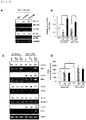
- the expression levels of various genes having immunosuppressive functions were significantly increased in MSCs transfected to overexpress SOD3 (SOD3-MSC) compared with untransfected MSCs (MSC) or LacZ-transfected MSCs (LacZ-MSC) as a control.
- SOD3-MSC overexpress SOD3
- MSC untransfected MSCs
- LacZ-MSC LacZ-transfected MSCs
- the expressions of IDO-1 and IL-10 were increased in MSCs stimulated with TNF- ⁇ and IFN- ⁇ , but the expressions of these genes were further increased in SOD3-MSCs.
- the overexpression of SOD3 did not greatly affect the amount of PGE2 secreted ( FIG. 5D ) or the expression level of galactin-1.
- TGF- ⁇ and HO-1 are involved to promote the production of IL-10 and the formation of immunosuppressive Treg cells but inhibit pro-inflammatory cytokines in vitro and in vivo.
- HO-1 was confirmed to inhibit Th17 responses and exhibit anti-inflammatory activity by inhibiting p-STAT3-ROR ⁇ t pathway to regulate the kinetics of ROR ⁇ t and Foxp3 expressions, so that HO-1 is a novel therapeutic target for asthma, psoriasis, atopic dermatitis, and the like.
- IDO-1 indoleamine-2,3-dioxygenase-1
- GVHD acute graft-versus-host disease
- the induction of activation of the catabolic pathway of tryptophan, such as HO-1 or IDO-1 by the overexpression of SOD3 in MSCs can be a potent therapeutic target for a number of autoimmune diseases.
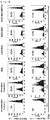
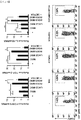
- the CFSE based-mixed lymphocyte reaction (MLR) experiment was performed while T cells isolated from different species of mice (C67BL/6 and BalB/C) were co-cultured without MSCs, or with untreated MSCs, LacZ-transfected MSCs, or SOD3-transfected MSCs according to the experiment condition, and then flow cytometry was subjected to CD4 + or CD8 + cells ( FIG. 6 ) and the flow cytometry assay results were quantified ( FIG. 7 ).
- MLR lymphocyte reaction
- the proliferation of CD4 + T cells and CD8 + T cells was suppressed in the co-culture with untreated MSCs (MSC) or LacZ-transfected MSCs (LACZ-MSC) compared with the co-culture without MSCs (No MSCs), and the proliferation of T cells was further suppressed in the co-culture with SOD3-transfected MSCs (SOD3-MSC).
- SOD3-MSCs treated with the SOD3 inhibitor DETCA SOD3-MSC+DETCA
- Naive T cells were co-cultured with untreated MSCs (MSC), LacZ-MSCs, or SOD3-MSCs according to the experimental conditions in each differentiation condition of Th1, Th2, Th17, or Treg cells, and the expression levels of differentiation-related major transcription factors expressed by differentiated T cells were measured by real-time qRT-PCR.
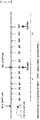
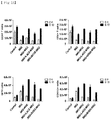
- the expression patterns of lineage-specific transcription factors and cytokines IFN ⁇ , T-bet, IL-4, GATA3, IL-17, ROR ⁇ t, and CCL20 of T cells cultured in Th1, Th2, and Th17 differentiation conditions were determined by mRNA measurement, and as a result, it was verified that the expressions of the above genes were reduced in T cells co-cultured with untreated MSCs (MSC) or LacZ-MSCs (LACZ-MSC) compared with a control co-cultured without MSCs ((+) in FIG. 7 ), and the expressions of the transcription factors and cytokines were further remarkably reduced in the cells co-cultured with SOD3-MSCs.
- SOD3-MSCs The gene expression inhibitory effect by SOD3-MSCs was more potent for Th17 cell-specific genes IL-17, ROR ⁇ t, and CCL-20. Meanwhile, the co-culture with SOD3-MSCs added with the SOD3 inhibitor DETCA (SOD3-MSC+DETCA) showed the gene expression inhibitory effects at similar levels to the co-culture with MSCs or LacZ-MSCs, and these results indicate that the synergistic effect of SOD3-MSCs on the inhibition of gene expression is induced by SOD3 activity.
- the expression patterns of lineage-specific transcription factors and cytokines Foxp3, TGF- ⁇ , and IL-10 of T cells cultured in Treg differentiation conditions were determined by mRNA measurement, and as a result, it was verified that the expressions of the above genes were increased in T cells co-cultured with untreated MSCs (MSC) or LacZ-MSC(LACZ-MSC) compared with a control co-cultured without MSCs ((+) in FIG. 9 ), and the expressions of the transcription factors and cytokines were further remarkably increased in the cells co-cultured with SOD3-MSCs.
- IMQ imiquimod
- each group of mice five mice per group were subcutaneously injected with untreated MSCs, LacZ-transfected MSCs, SOD3-transfected MSCs at 2x10 6 cells before IMQ application, and then IMQ was consecutively applied to the shaved back of the mice for 12 days, to conduct comparative observation of inflammation responses occurring the skin.
- the back skin tissue of the mice was collected, the tissue samples were stained with H&E, and the epidermal thickness was measured.
- mice with the IMQ application without subcutaneous injection of MSCs started to display signs of erythema, scaling, and thickening, which can be confirmed by the naked eye, accompanied by inflammation symptoms, after 2-3 days. Such symptoms were clearly observed 6 days after the start of the experiment (Day 6), and continued until 12 days after the start of the experiment (Day 12).
- the mice injected with untreated MSCs (MSC) or LacZ-transfected MSCs (LACZ-MSC) showed a tendency to alleviate IMQ-induced skin symptoms.
- SOD3-MSC SOD3-transfected MSCs
- the dermal thickness which was measured from the skin tissue sections of control mice and each group of mice, also showed similar results compared with the skin inflammation conditions observed to the naked eye.
- IMQ application without MSC injection remarkably increased the epidermal thickness compared with the control, and the injection of MSCs or LacZ-MSCs reduced the IMQ-induced dermal thickness.
- the mice injected with SOD3-MSCs showed little increase in the dermal thickness after IMQ application, which corresponded similar levels compared with the control without IMQ application.
- the epidermal thickness was significantly thin in the mice injected with SOD3-MSCs compared with the mice injected with MSCs or LacZ-MSCs.
- composition and recruitment of immune cells in spleens and skin of mice with IMQ-induced dermatitis were investigated.
- CD4 + T cells, CD8 + T cells, neutrophils (Gr1 + cells), and dendritic cells (CD11c + cells), which constitute the spleens of the mice injected with respective types of MSCs according to the experimental conditions, were examined by flow cytometry ( FIG. 14 ), and the back skin tissue sections of the mice with IMQ application were stained with different kinds of immune cell markers and the number of cells was measured ( FIG. 15 and 16 ).
- CD4 + T cells and CD8 + T cells were reduced in the spleens of the mice treated with IMQ compared with the control mice not treated with IMQ, and CD4 + T cells and CD8 + T cells were slightly increased in the mice injected with MSCs.
- the numbers of neutrophils (Gr1 + cells) and dendritic cells (CD11c + cells) in the spleens were increased due to IMQ treatment, and the number of neutrophils and dendritic cells were reduced due to SOD3-MSC treatment.
- CD3 + T cells, CD8 + T cells (data not shown), neutrophils (Gr1 + ), and dendritic cells (CD11c + ) were all remarkably increased in the skin due to IMQ treatment, and the infiltration of immune cells induced by IMQ was reduced in the mice treated with MSCs or LacZ-MSCs. The filtration was further suppressed in the mice treated with SOD3-MSCs than the mice treated with the other types of MCSs, and thus T cells, neutrophils, and dendritic cells in the skin tissues were observed to be all remarkably reduced.
- the expression patterns of cytokines in the back skin of the mice with skin inflammations induced by IMQ were measured by qRT-PCR.
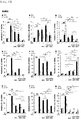
- RNA levels of various inflammatory cytokines were significantly increased due to IMQ application, and the expression levels of these cytokines had a slight reduction tendency in the mice injected with MSCs or LacZ-MSCs.
- the inhibitory effect on the expressions of these inflammatory cytokines was observed to be the greatest in the mice injected with SOD3-MSCs compared with the mice injected with the other types of MSCs.
- the expression levels of IL-17 and IL-22, expressed in Th17 cells, and IL-23, IL-1 ⁇ , IL-6, and TNF- ⁇ as major inflammatory mediator cytokines were observed to be remarkably reduced by SOD3-MSCs.
- IL-10 which is an antiinflammatory cytokine and is associated with the inflammation modulation of Treg, was slightly increased due to MSC treatment unlike the other inflammatory cytokines, and the IL-10 increase effect was observed to be excellent in SOD3-MSCs.
- IMQ has been known to activate TLR-7 and/or TLR-8 and exhibit biological effects through subordinate NFkB signaling systems. Therefore, the effect of the treatment with MSCs, including MSCs overexpressing or not-overexpressing SOD3, on signaling by TLR-7/TRL-8 was investigated by western blot experiments using IMQ-applied skin.
- TLR-7 and phosphorylated NFkB were activated and the expression levels thereof were also increased in the back skin of the IMQ-applied mice ( FIG. 18A ).
- the signaling of TLR-7 activated by IMQ showed a reduction tendency due to the treatment with MSCs or LacZ-MSCs, and was further reduced by SOD3-MSCs. Similar results were also observed in STAT1/3 and JAK1. However, SOD3-MSCs showed a significant inhibitory effect on, especially, NF-kB signaling systems.
- Inflammation is triggered when T-helper cells stimulated by antigens infiltrating into the body proliferate to secrete inflammation-inducing substances.
- the proliferation of T-helper cells occurs by a changed ratio of cAMP to cGMP, which are two substances responsible for cell division.
- the high cGMP concentration results in faster cell division, and the high cAMP concentration results in slow cell division.
- the imbalance of such a ratio increases the likelihood of suffering from inflammatory diseases.
- the cGMP concentration in cells or blood plasma is high in many psoriasis patients. Therefore, the cAMP concentration in the blood plasma of the mice treated with the respective types of MSCs according to the experimental conditions was measured by ELISA.
- the cAMP level in the blood plasma of the mice injected with MSCs or LacZ-MSCs was increased compared with a control group, and especially, the cAMP level in the blood plasma of the mice injected with SOD3-MSCs was observed to be the highest. Such a tendency was more apparent on day 6 of IMQ application.
- the in vivo inflammation regulatory effect of MSCs overexpressing SOD3 was investigated using other animal models.
- Atopic-like dermatitis was induced in Balb/C mice using ovalbumin (OVA) as an antigen, and the inflammation inhibitory effects by MSCs were compared and observed.
- OVA ovalbumin
- a mixture of OVA protein and aluminum hydroxide as an antigen adjuvant was intraperitoneally injected into mice grown in SPF conditions at the start of the experiment (D0), day 7 (D7), and day 14 (D14), so that the animals were sensitized.
- a patch was prepared by wetting 1x1cm 2 gauze in 100 ⁇ g of OVA dissolved in 100 ⁇ l of PBS, and then attached to the shaved back of the mice to induce immune responses for 7 days.
- the immune responses were again induced by OVA patch in the same manner for one week starting from day 35.
- MSCs, LacZ-MSCs, and SOD3-MSCs were injected into the lesion site on day 42 after the start of the experiment (five mice per group) according to the experimental conditions, and skin changes were observed to the naked eye on day 49.
- the mesenchymal stem cells overexpressing SOD3 have more potent antioxidative activity, immunoregulatory functions, and cellular immunoregulatory functions than general mesenchymal stem cells.
- the mesenchymal stem cells overexpressing SOD3 can be favorably used in the development of more effective stem cell therapeutics for inflammatory diseases, autoimmune diseases, or transplant rejections.
Landscapes
- Health & Medical Sciences (AREA)
- Life Sciences & Earth Sciences (AREA)
- Engineering & Computer Science (AREA)
- Chemical & Material Sciences (AREA)
- Zoology (AREA)
- Developmental Biology & Embryology (AREA)
- Cell Biology (AREA)
- General Health & Medical Sciences (AREA)
- Biomedical Technology (AREA)
- Biotechnology (AREA)
- Genetics & Genomics (AREA)
- Immunology (AREA)
- Organic Chemistry (AREA)
- Bioinformatics & Cheminformatics (AREA)
- Medicinal Chemistry (AREA)
- Veterinary Medicine (AREA)
- Public Health (AREA)
- Animal Behavior & Ethology (AREA)
- Pharmacology & Pharmacy (AREA)
- Epidemiology (AREA)
- Wood Science & Technology (AREA)
- General Engineering & Computer Science (AREA)
- Virology (AREA)
- Biochemistry (AREA)
- Hematology (AREA)
- Reproductive Health (AREA)
- Microbiology (AREA)
- Biophysics (AREA)
- Physics & Mathematics (AREA)
- Molecular Biology (AREA)
- Plant Pathology (AREA)
- Pregnancy & Childbirth (AREA)
- Nuclear Medicine, Radiotherapy & Molecular Imaging (AREA)
- General Chemical & Material Sciences (AREA)
- Chemical Kinetics & Catalysis (AREA)
- Dermatology (AREA)
- Gastroenterology & Hepatology (AREA)
- Proteomics, Peptides & Aminoacids (AREA)
- Rheumatology (AREA)
- Medicines Containing Material From Animals Or Micro-Organisms (AREA)
Applications Claiming Priority (2)
| Application Number | Priority Date | Filing Date | Title |
|---|---|---|---|
| KR20150130377 | 2015-09-15 | ||
| PCT/KR2016/010414 WO2017048097A1 (ko) | 2015-09-15 | 2016-09-19 | Sod3를 과발현하는 줄기세포를 유효성분으로 포함하는 염증성 질환의 예방 또는 치료용 조성물 |
Publications (2)
| Publication Number | Publication Date |
|---|---|
| EP3351254A1 true EP3351254A1 (de) | 2018-07-25 |
| EP3351254A4 EP3351254A4 (de) | 2019-07-17 |
Family
ID=58289166
Family Applications (1)
| Application Number | Title | Priority Date | Filing Date |
|---|---|---|---|
| EP16846918.7A Withdrawn EP3351254A4 (de) | 2015-09-15 | 2016-09-19 | Zusammensetzung zur prävention oder behandlung von entzündlichen erkrankungen mit sod3 überexprimierenden stammzellen als wirkstoff |
Country Status (6)
| Country | Link |
|---|---|
| US (2) | US11730766B2 (de) |
| EP (1) | EP3351254A4 (de) |
| JP (1) | JP6992983B2 (de) |
| KR (1) | KR102245312B1 (de) |
| CN (1) | CN108430480B (de) |
| WO (1) | WO2017048097A1 (de) |
Cited By (2)
| Publication number | Priority date | Publication date | Assignee | Title |
|---|---|---|---|---|
| WO2019195387A1 (en) * | 2018-04-03 | 2019-10-10 | Cornell University | Gene therapy for oxidative stress |
| AU2022204563B2 (en) * | 2021-07-15 | 2024-03-14 | Jining Medical University | Application and method of superoxide dismutase in preparing medicine for treating psoriasis |
Families Citing this family (19)
| Publication number | Priority date | Publication date | Assignee | Title |
|---|---|---|---|---|
| MY173386A (en) * | 2016-06-09 | 2020-01-21 | Cytopeutics Sdn Bhd | A cell-based composition and use thereof for treatment of vernal keratoconjunctivitis |
| KR101966330B1 (ko) * | 2017-05-18 | 2019-04-05 | 가톨릭대학교 산학협력단 | Sod3를 함유하는 건성안의 예방 또는 치료용 조성물 |
| WO2020085534A1 (ko) * | 2018-10-25 | 2020-04-30 | 가톨릭대학교 산학협력단 | Sod3를 과발현시킨 제대혈 유래 줄기세포를 유효성분으로 포함하는 아토피 피부염의 예방 또는 치료용 조성물 |
| KR20210066005A (ko) * | 2018-10-25 | 2021-06-04 | 가톨릭대학교 산학협력단 | Sod3를 과발현시킨 줄기세포 유래 세포외 소낭의 신규한 용도 |
| CN110108883A (zh) * | 2018-10-27 | 2019-08-09 | 广州呼吸健康研究院 | 用于筛选与靶治疗ards患者的msc精准医学的标志物组合 |
| US20220010281A1 (en) * | 2018-10-29 | 2022-01-13 | Ottawa Hospital Research Institute | Genetically-engineered mesenchymal stem cells overexpressing aoah and uses thereof |
| CN109512893A (zh) * | 2018-11-05 | 2019-03-26 | 北京世纪劲得生物技术有限公司 | 间充质干细胞及其注射液和组合物在高尿酸血症中的应用 |
| WO2020121800A1 (ja) * | 2018-12-14 | 2020-06-18 | ロート製薬株式会社 | 間葉系幹細胞、免疫疾患治療剤及び抗炎症剤 |
| CN109486771B (zh) * | 2018-12-29 | 2021-02-12 | 深圳市旷逸生物科技有限公司 | 一种高表达sod3的cho细胞株构建方法及sod3蛋白纯化方法 |
| CN110747161B (zh) * | 2019-11-28 | 2021-03-19 | 河南赛诺特生物技术有限公司 | 一种羊水细胞培养基 |
| CN111471648A (zh) * | 2020-04-10 | 2020-07-31 | 南京大学 | 一种预处理活化的间充质干细胞的制备方法及其在髓系白血病治疗中的应用 |
| KR102519971B1 (ko) * | 2020-07-31 | 2023-04-11 | 서울대학교병원 | 염증성 질환의 예방 또는 치료용 조성물 및 이의 용도 |
| US20230405051A1 (en) * | 2020-10-22 | 2023-12-21 | The Catholic University Of Korea Industry-Academic Cooperation Foundation | Pharmaceutical composition for prevention or treatment of rheumatoid arthritis, comprising, as active ingredient, stem cells having expression of specific genes increased or decreased therein |
| JP7846908B2 (ja) * | 2020-12-22 | 2026-04-16 | ハンス ファーマ カンパニー リミテッド | 臍帯由来間葉系幹細胞培養液を有効成分として含む皮膚改善用組成物 |
| CN115245521B (zh) * | 2021-04-28 | 2024-07-26 | 时比曼生物科技(上海)有限公司 | 含有干细胞胞外囊泡的滴鼻剂及其在治疗脑神经血管疾病中的应用 |
| CN116059252A (zh) * | 2021-10-29 | 2023-05-05 | 安徽楚沅生物科技有限公司 | 用于预防或治疗肠炎和肠癌的药物 |
| KR20240060975A (ko) | 2022-10-31 | 2024-05-08 | 재단법인 오송첨단의료산업진흥재단 | 재조합 sod3 단백질의 생산 방법 |
| CN116103243A (zh) * | 2023-02-02 | 2023-05-12 | 山东大学第二医院 | 一种过表达人IL-1Ra的间充质干细胞及其应用 |
| CN117159589B (zh) * | 2023-11-01 | 2024-02-13 | 北京国卫生物科技有限公司 | 治疗系统性红斑狼疮的干细胞治疗方法 |
Family Cites Families (17)
| Publication number | Priority date | Publication date | Assignee | Title |
|---|---|---|---|---|
| CN1094641A (zh) * | 1993-05-03 | 1994-11-09 | 山东省医学科学院放射医学研究所 | 放射性皮炎膏 |
| US6127356A (en) * | 1993-10-15 | 2000-10-03 | Duke University | Oxidant scavengers |
| US5994339A (en) * | 1993-10-15 | 1999-11-30 | University Of Alabama At Birmingham Research Foundation | Oxidant scavengers |
| JP2001136985A (ja) * | 1999-09-01 | 2001-05-22 | Dnavec Research Inc | Ec−sodの全身性自己免疫疾患の治療用途 |
| FI20010898A0 (fi) | 2001-04-30 | 2001-04-30 | Ylae Herttuala Seppo | Ekstrasellulaarinen superoksididismutaasi (EC-SOD) geeniterapia restenoosoin ehkäisemiseksi |
| US7740839B2 (en) | 2003-10-31 | 2010-06-22 | Tae-Yoon Kim | EC SOD and cell transducing EC SOD and use thereof |
| US8318803B2 (en) * | 2003-10-31 | 2012-11-27 | Tae-Yoon Kim | EC SOD and use thereof |
| EP3461884B1 (de) | 2004-03-22 | 2025-05-28 | Mesoblast International Sàrl | Mesenchymale stammzellen und verwendungen davon |
| WO2008036374A2 (en) | 2006-09-21 | 2008-03-27 | Medistem Laboratories, Inc. | Allogeneic stem cell transplants in non-conditioned recipients |
| WO2008115039A1 (en) * | 2007-03-22 | 2008-09-25 | Industry Academic Cooperation Foundation, The Catholic University Of Korea | Novel use of ec-sod and method for preparing thereof |
| KR101019470B1 (ko) | 2007-03-22 | 2011-03-07 | 신동헌 | Ec sod 단백질을 유효성분으로 하는 혈관신생에 의한질병의 예방 또는 치료용 조성물 |
| EP2300607A2 (de) * | 2008-06-26 | 2011-03-30 | Spectrum Health Innovations, LLC | Verfahren zur behandlung und verhinderung von strahlungsschäden mithilfe genetisch modifizierter mesenchymaler stammzellen |
| WO2011047345A2 (en) * | 2009-10-15 | 2011-04-21 | Tai June Yoo | Methods of treating diseases of conditions using mesenchymal stem cells |
| CN103687940B (zh) * | 2011-07-06 | 2016-10-12 | 希司托赛尔有限公司 | 用于间充质干细胞的处理方法及其在氧化应激相关疾病治疗中的应用 |
| WO2013050405A1 (en) * | 2011-10-03 | 2013-04-11 | INSERM (Institut National de la Santé et de la Recherche Médicale) | Methods and pharmaceutical compositions for the treatment of th2 mediated diseases |
| CN102660580A (zh) | 2012-05-18 | 2012-09-12 | 深圳市北科生物科技有限公司 | Sod基因修饰间充质干细胞的构建方法及其应用 |
| KR101774931B1 (ko) | 2015-10-14 | 2017-09-05 | 가톨릭대학교 산학협력단 | 식물에서의 발현이 최적화된 재조합 ec-sod 유전자와 이를 이용한 재조합 ec-sod 단백질의 대량 생산 방법 |
-
2016
- 2016-09-19 JP JP2018515146A patent/JP6992983B2/ja active Active
- 2016-09-19 CN CN201680066523.3A patent/CN108430480B/zh active Active
- 2016-09-19 KR KR1020160119281A patent/KR102245312B1/ko active Active
- 2016-09-19 US US15/760,106 patent/US11730766B2/en active Active
- 2016-09-19 WO PCT/KR2016/010414 patent/WO2017048097A1/ko not_active Ceased
- 2016-09-19 EP EP16846918.7A patent/EP3351254A4/de not_active Withdrawn
-
2023
- 2023-06-14 US US18/209,857 patent/US20240075072A1/en active Pending
Cited By (2)
| Publication number | Priority date | Publication date | Assignee | Title |
|---|---|---|---|---|
| WO2019195387A1 (en) * | 2018-04-03 | 2019-10-10 | Cornell University | Gene therapy for oxidative stress |
| AU2022204563B2 (en) * | 2021-07-15 | 2024-03-14 | Jining Medical University | Application and method of superoxide dismutase in preparing medicine for treating psoriasis |
Also Published As
| Publication number | Publication date |
|---|---|
| WO2017048097A1 (ko) | 2017-03-23 |
| CN108430480A (zh) | 2018-08-21 |
| CN108430480B (zh) | 2022-08-02 |
| US11730766B2 (en) | 2023-08-22 |
| US20240075072A1 (en) | 2024-03-07 |
| KR102245312B1 (ko) | 2021-05-27 |
| KR20170032872A (ko) | 2017-03-23 |
| US20180344774A1 (en) | 2018-12-06 |
| EP3351254A4 (de) | 2019-07-17 |
| JP6992983B2 (ja) | 2022-01-13 |
| JP2018527403A (ja) | 2018-09-20 |
Similar Documents
| Publication | Publication Date | Title |
|---|---|---|
| US20240075072A1 (en) | Composition for preventing or treating inflammatory diseases, containing, as active ingredient stem cells overexpressing sod3 | |
| KR101993027B1 (ko) | 줄기 세포 마이크로입자 | |
| Lee et al. | Enhancement of bone regeneration by gene delivery of BMP2/Runx2 bicistronic vector into adipose-derived stromal cells | |
| KR102827786B1 (ko) | 조작된 항원 제시 세포 및 이의 용도 | |
| KR20150059168A (ko) | 줄기 세포 마이크로입자 | |
| JP7849972B2 (ja) | 高機能な製造されたabcb5+間葉系幹細胞 | |
| JP2021512090A (ja) | 免疫細胞に薬剤を送達するための組成物及び方法 | |
| JP2019535691A (ja) | 間葉系幹細胞集団、それらの生成物およびそれらの使用 | |
| CN110088623A (zh) | 选择用于治疗免疫病症的高效干细胞的方法 | |
| JP2020519668A (ja) | 老化の阻害および老化関連障害の治療の方法 | |
| CN117413062A (zh) | 基因沉默 | |
| Dong et al. | Mesenchymal stem cells inhibited dendritic cells via the regulation of STAT1 and STAT6 phosphorylation in experimental autoimmune uveitis | |
| RU2727900C2 (ru) | Фармацевтическая композиция для предотвращения или лечения заболеваний, опосредованных регуляторными т-клетками | |
| US11879137B2 (en) | Treatment of type 1 diabetes and autoimmune diseases or disorders | |
| KR20210066005A (ko) | Sod3를 과발현시킨 줄기세포 유래 세포외 소낭의 신규한 용도 | |
| KR20190080217A (ko) | Chi3l1 억제제를 유효성분으로 하는 암의 폐 전이 예방 또는 치료용 약학 조성물 | |
| EP3402508A1 (de) | Verfahren und zusammensetzungen zur modulation der thymusfunktion | |
| KR101892071B1 (ko) | 불멸화된 중간엽 줄기세포주의 제조방법 | |
| US20130005037A1 (en) | Method of treating myocardial injury | |
| WO2006066247A2 (en) | Methods and compositions for extending telomere length and increasing cell lifespan | |
| Gong et al. | Attenuation of experimental autoimmune myocarditis by si-RNA mediated CD40 silencing | |
| KR20190015154A (ko) | Trail 및 cd를 발현하는 중간엽줄기세포를 유효성분으로 포함하는 암의 예방 또는 치료용 약학 조성물 | |
| Rostami et al. | The Human IL‐23 Decoy Receptor Inhibits T‐Cells Producing IL‐17 by Genetically Engineered Mesenchymal Stem Cells | |
| Shao et al. | Extracellular Vesicles from miR-146a Overexpressing Mesenchymal Stem Cells Attenuate Imiquimod-Induced Psoriasis by Regulating Cytokine Expression | |
| US20250136992A1 (en) | Anti-pten rna interference oligonucleotides and uses thereof |
Legal Events
| Date | Code | Title | Description |
|---|---|---|---|
| STAA | Information on the status of an ep patent application or granted ep patent |
Free format text: STATUS: THE INTERNATIONAL PUBLICATION HAS BEEN MADE |
|
| PUAI | Public reference made under article 153(3) epc to a published international application that has entered the european phase |
Free format text: ORIGINAL CODE: 0009012 |
|
| STAA | Information on the status of an ep patent application or granted ep patent |
Free format text: STATUS: REQUEST FOR EXAMINATION WAS MADE |
|
| 17P | Request for examination filed |
Effective date: 20180413 |
|
| AK | Designated contracting states |
Kind code of ref document: A1 Designated state(s): AL AT BE BG CH CY CZ DE DK EE ES FI FR GB GR HR HU IE IS IT LI LT LU LV MC MK MT NL NO PL PT RO RS SE SI SK SM TR |
|
| AX | Request for extension of the european patent |
Extension state: BA ME |
|
| DAV | Request for validation of the european patent (deleted) | ||
| DAX | Request for extension of the european patent (deleted) | ||
| RIC1 | Information provided on ipc code assigned before grant |
Ipc: A61K 35/51 20150101ALI20190301BHEP Ipc: A61K 35/50 20150101ALI20190301BHEP Ipc: A61P 17/00 20060101ALI20190301BHEP Ipc: C12N 5/0775 20100101ALI20190301BHEP Ipc: C12N 15/85 20060101ALI20190301BHEP Ipc: A61K 35/28 20150101AFI20190301BHEP |
|
| A4 | Supplementary search report drawn up and despatched |
Effective date: 20190619 |
|
| RIC1 | Information provided on ipc code assigned before grant |
Ipc: A61K 35/51 20150101ALI20190612BHEP Ipc: C12N 15/85 20060101ALI20190612BHEP Ipc: A61K 35/50 20150101ALI20190612BHEP Ipc: A61K 35/28 20150101AFI20190612BHEP Ipc: A61P 17/00 20060101ALI20190612BHEP Ipc: C12N 5/0775 20100101ALI20190612BHEP |
|
| STAA | Information on the status of an ep patent application or granted ep patent |
Free format text: STATUS: EXAMINATION IS IN PROGRESS |
|
| 17Q | First examination report despatched |
Effective date: 20220316 |
|
| STAA | Information on the status of an ep patent application or granted ep patent |
Free format text: STATUS: THE APPLICATION IS DEEMED TO BE WITHDRAWN |
|
| 18D | Application deemed to be withdrawn |
Effective date: 20250415 |