EP3363232B1 - Procédé et dispositif permettant la configuration d'une transmission de données par un canal de transmission d'un système de communication sans fil avec une régulation de surcharge décentralisée - Google Patents
Procédé et dispositif permettant la configuration d'une transmission de données par un canal de transmission d'un système de communication sans fil avec une régulation de surcharge décentralisée Download PDFInfo
- Publication number
- EP3363232B1 EP3363232B1 EP16769901.6A EP16769901A EP3363232B1 EP 3363232 B1 EP3363232 B1 EP 3363232B1 EP 16769901 A EP16769901 A EP 16769901A EP 3363232 B1 EP3363232 B1 EP 3363232B1
- Authority
- EP
- European Patent Office
- Prior art keywords
- percent
- data transmission
- activated
- state
- transmission interval
- Prior art date
- Legal status (The legal status is an assumption and is not a legal conclusion. Google has not performed a legal analysis and makes no representation as to the accuracy of the status listed.)
- Active
Links
Images

Classifications
-
- H—ELECTRICITY
- H04—ELECTRIC COMMUNICATION TECHNIQUE
- H04W—WIRELESS COMMUNICATION NETWORKS
- H04W28/00—Network traffic management; Network resource management
- H04W28/02—Traffic management, e.g. flow control or congestion control
- H04W28/0252—Traffic management, e.g. flow control or congestion control per individual bearer or channel
-
- H—ELECTRICITY
- H04—ELECTRIC COMMUNICATION TECHNIQUE
- H04L—TRANSMISSION OF DIGITAL INFORMATION, e.g. TELEGRAPHIC COMMUNICATION
- H04L47/00—Traffic control in data switching networks
- H04L47/10—Flow control; Congestion control
- H04L47/28—Flow control; Congestion control in relation to timing considerations
-
- H—ELECTRICITY
- H04—ELECTRIC COMMUNICATION TECHNIQUE
- H04W—WIRELESS COMMUNICATION NETWORKS
- H04W28/00—Network traffic management; Network resource management
- H04W28/02—Traffic management, e.g. flow control or congestion control
- H04W28/0205—Traffic management, e.g. flow control or congestion control at the air interface
-
- H—ELECTRICITY
- H04—ELECTRIC COMMUNICATION TECHNIQUE
- H04W—WIRELESS COMMUNICATION NETWORKS
- H04W72/00—Local resource management
- H04W72/50—Allocation or scheduling criteria for wireless resources
- H04W72/53—Allocation or scheduling criteria for wireless resources based on regulatory allocation policies
-
- H—ELECTRICITY
- H04—ELECTRIC COMMUNICATION TECHNIQUE
- H04W—WIRELESS COMMUNICATION NETWORKS
- H04W74/00—Wireless channel access
- H04W74/08—Non-scheduled access, e.g. ALOHA
- H04W74/0866—Non-scheduled access, e.g. ALOHA using a dedicated channel for access
- H04W74/0875—Non-scheduled access, e.g. ALOHA using a dedicated channel for access with assigned priorities based access
-
- H—ELECTRICITY
- H04—ELECTRIC COMMUNICATION TECHNIQUE
- H04W—WIRELESS COMMUNICATION NETWORKS
- H04W74/00—Wireless channel access
- H04W74/08—Non-scheduled access, e.g. ALOHA
- H04W74/0866—Non-scheduled access, e.g. ALOHA using a dedicated channel for access
- H04W74/0891—Non-scheduled access, e.g. ALOHA using a dedicated channel for access for synchronized access
-
- H—ELECTRICITY
- H04—ELECTRIC COMMUNICATION TECHNIQUE
- H04L—TRANSMISSION OF DIGITAL INFORMATION, e.g. TELEGRAPHIC COMMUNICATION
- H04L47/00—Traffic control in data switching networks
- H04L47/10—Flow control; Congestion control
- H04L47/22—Traffic shaping
-
- H—ELECTRICITY
- H04—ELECTRIC COMMUNICATION TECHNIQUE
- H04L—TRANSMISSION OF DIGITAL INFORMATION, e.g. TELEGRAPHIC COMMUNICATION
- H04L47/00—Traffic control in data switching networks
- H04L47/10—Flow control; Congestion control
- H04L47/24—Traffic characterised by specific attributes, e.g. priority or QoS
-
- H—ELECTRICITY
- H04—ELECTRIC COMMUNICATION TECHNIQUE
- H04W—WIRELESS COMMUNICATION NETWORKS
- H04W84/00—Network topologies
- H04W84/005—Moving wireless networks
-
- H—ELECTRICITY
- H04—ELECTRIC COMMUNICATION TECHNIQUE
- H04W—WIRELESS COMMUNICATION NETWORKS
- H04W84/00—Network topologies
- H04W84/18—Self-organising networks, e.g. ad-hoc networks or sensor networks
Definitions
- the invention relates to a method and a device for configuring data transmission via a transmission channel of a wireless communication system with decentralized overload control, as well as a vehicle and a computer program product.
- control of data traffic or messages is an important point in communication networks in order to increase or guarantee reliability and efficiency. This is also an important point for C2C (car-to-car) networks, since safety-relevant information must be transmitted with low latency and high reliability even in situations with high vehicle density and / or speed.
- a jointly used transmission medium that is to say all participants or vehicles use the same transmission channel, is used in an ad-hoc network without central control. For this reason, a decentralized overload control DCC (Decentralized Congestion Control) is often suggested. Due to the high mobility of the participants, the decentralized overload control must be able to handle situations with rapidly changing channel loads.
- DCC Decentralized Congestion Control
- ETSI TS 102 687 describes the basics of the decentralized overload control DCC with four mechanisms, the power control, the transmission rate control, the sensitivity control and the data rate control. The division into relaxed, activated and restricted states is described.
- ETSI TS 102 724 describes DP overload control profiles (DCC profiles).
- DE 10 2012 208 645 A1 and DE 10 2013 205 058 A1 disclose a method for operating a stationary facility in which an address is assigned in accordance with the determined geographical position.
- DE 10 2013 013 621 A1 discloses a security-compliant channel change in intelligent transport systems, the channel change being carried out as a function of a risk of conflict with other road users.
- DE 10 2014 201 648 A1 discloses a method for communication within an ad-hoc cooperating, in particular wireless, motor vehicle communication system in which a determination of one's own position takes place in the current lane.
- ETSI TR 101 612 V1.1.1 discloses a performance test of reactive and linearly adaptive DCC mechanisms. The reactive approach is based, for example, on a relaxed, five active and one restricted DCC state, with each active state being assigned a restriction of the usable Rtx in the channel, and the linearly adaptive approach sets a target CL and then adapts the Rtx positively or negatively to achieve the target CL.
- ETSI TR 101 613 V1 .1 .1 (2015-09) describes a validation device and results for a cross-layer DCC management unit for operation in an ITS G5A and ITS G5B medium using one relaxed, five active and one restricted DCC state.
- the invention is now based on the object of improving the data traffic of a wireless communication system with decentralized overload control.
- the method according to the invention for configuring a data transmission via a transmission channel of a wireless communication system with decentralized overload control comprises a restricted state and five activated states, the division of which is based on a channel load in the transmission channel.
- the transmission channel can comprise one or more physical channels and / or logical channels, such as control or service channels.
- the channel load indicates the load or loading of the transmission channel by data or messages and is specified as a percentage. The percentage of the channel load is then the occupied portion of the total bandwidth, which corresponds to 100 percent, of the channel.
- the method according to the invention has the advantage that the performance is improved, particularly under difficult conditions with regard to the packet error rate, packet collisions and the packet transmission delay or latency. It has been shown that specifying five activated states means that the states are only changed relatively rarely, although the bandwidth of each of the five activated states is narrower than the activated state that is usually provided. The efficiency of the data transmission can be increased due to the lower number of changes or the more frequent stay of the decentralized overload control in one of the active states.
- Each of the five activated states can be defined for a channel load of six percent to ten percent, preferably eight percent. This bandwidth has been shown to be particularly advantageous during tests.
- the relaxed state (Rel) is defined for a channel load of 0 percent to less than 17 to 21 percent
- a first activated state is defined for a channel load of 17 to 21 percent to less than 25 to 29 percent
- a second activated state is defined for a channel load of 25 to 29 percent to less than 33 to 37 percent
- a third activated state is defined for a channel load of 33 to 37 percent to less than 41 to 45 percent
- a fourth activated state is defined for a Channel load from 41 to 45 percent to less than 49 to 53 percent
- a fifth activated state is defined for a channel load of 49 to 53 percent to less than 57 to 61 percent
- the restricted state is defined for a channel load of greater than or equal to 57 to 61 Percent is defined.
- the relaxed state (Rel) is defined for a channel load of greater than or equal to 0 percent to less than 19 percent
- a first activated state is defined for a channel load of greater than or equal to 19 percent to less than 27 percent
- a second activated state is defined for a channel load of greater than or equal to 27 percent to less than 35 percent
- a third activated state is defined for a channel load of greater than or equal to 35 percent to less than 43 percent
- a fourth activated state is defined for a channel load of greater than or equal to 43 percent to less than 51 percent
- a fifth activated state is defined for a channel load of greater than or equal to 51 percent to less than 59 percent
- the restricted state is defined for a channel load of greater than or equal to 59 percent.
- a specific data transmission interval is assigned to each of the states.
- the data transmission interval is usually measured in milliseconds (ms) and indicates the period from which the next message or the next data may be sent over the transmission channel.
- the data transmission interval indicates the pause between two transmissions or between two accesses to the transmission channel in which the subscriber is not allowed to access the transmission channel.
- the data transmission interval for the relaxed state is 40 to 80, preferably 60 ms, for a first activated state 80 to 120, preferably 100 ms, for a second activated state 160 to 200, preferably 180 ms, for a third activated State 240 to 280, preferably 260 ms, for a fourth activated state 320 to 360, preferably 340 ms, for a fifth activated state 400 to 440, preferably 420 ms and for the restricted state 440 to 480, preferably 460 ms. It has been shown that these increasing data transmission intervals deliver very good results.
- each congestion control profile being assigned a specific data transmission interval for each state.
- the overload control profiles so to speak, introduce a second dimension for decentralized overload control, which increases efficiency and flexibility.
- a fifth overload control profile can be defined for routing other services such as a smartphone. Certain subscribers and / or services or types of data or messages can be prioritized or treated with less priority by means of the overload regulation profiles.
- the same minimum specific data transmission interval is assigned to a first congestion control profile for each state.
- the minimum data transmission interval will be correspond to the minimum possible latency of the communication system, i.e. transmitter, transmission link and / or receiver.
- An overload control profile is available that allows a particularly prioritized transmission, for example for very relevant information such as in the event of an accident.
- a first overload control profile is assigned a data transmission interval of 100 ms for each state, that a data transmission interval of 100 ms is assigned to a second and third overload control profile for the relaxed state, and a data transmission interval of 140 ms is assigned for a first activated state , a data transmission interval of 180 ms is assigned for a second activated state, a data transmission interval of 220 ms is assigned for a third activated state, a data transmission interval of 260 ms is assigned for a fourth activated state, a data transmission interval of 300 ms is assigned for a fifth activated state is assigned and a data transmission interval of 340 ms is assigned for the restricted state and that a data transmission interval of 100 ms is assigned to a fourth overload control profile for the relaxed state, for a first activated state is assigned a data transmission interval of 350 ms, for a second activated state a data transmission interval of 600 ms is assigned, for a third activated state a data transmission interval
- Decentralized Environment Notification Messages can be sent via a first and / or second overload control profile and / or Cooperative Awareness Message (CAM) messages can be sent via a third overload control profile.
- DENM Decentralized Environment Notification Messages
- CAM Cooperative Awareness Message
- the wireless communication system can be an ad-hoc network for the communication of mobile devices, in particular a network based on a WLAN standard.
- the decentralized overload control described is particularly suitable for such networks.
- the wireless communication system can be an ITS G5 network.
- the ITS (Intelligent Transportation System) G5 network is defined for these purposes and is therefore particularly suitable.
- the device according to the invention for configuring data transmission via a transmission channel of a wireless communication system with decentralized overload control provides that the device, in particular a control device for a vehicle or a mobile radio device, is set up to carry out a method as described above.
- the method promises particular advantages in reliable data transmission due to the high mobility and / or speed of the participants. The same advantages and modifications as described above apply.
- the vehicle according to the invention comprises a device as described above.
- the same advantages and modifications as described above apply.
- the computer program product according to the invention comprises program code for carrying out the method described above when the program product is executed on a computing unit or a device described above.
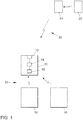
- Figure 1 shows a mobile device, here in this example in the form of a vehicle 10, such as a car, truck, motorcycle, bus or train. All land, air and water vehicles are regarded as vehicles here.
- the mobile device can also be a mobile computer, such as a tablet, or a mobile phone, such as a smartphone.
- the vehicle 10 contains a communication unit 12 which is in wireless or wired communication with a control unit 14 of the vehicle.
- the communication unit 12 is, for example, a transmitting / receiving unit for a V2X communication specified WLAN according to the IEEE 802.11p standard.
- the control device 14 can be a dedicated control device, for example for communication services or a car-to-X system.
- the control device can also be a computing unit such as a microprocessor.
- the vehicle 10 or the control device 14 includes a decentralized overload control 16, or a divider of a decentralized overload control.
- the decentralized overload control 16 is used to configure or control transmission properties of the communication unit 12.
- the communication unit 12 is used to establish a connection and / or communication between the vehicle 10 and further vehicles 18 which are identical or similar to the vehicle 10 in order to enable participation in a communication service 20.
- the other vehicles 18 contain one or more control units and a communication unit.
- the communication service 20 is, for example, a V2X or Vehicle-to-X service or a cellular service. Such services are referred to, for example, as car-to-car systems, car-to-infrastructure systems or car-to-X systems, where the X stands as a placeholder for any infrastructure facilities, other vehicles and other road users.
- Car2C Car2X
- C2C C2C or C2X systems
- V2V vehicle-to-vehicle systems
- V2I vehicle-to-infrastructure systems
- V2X vehicle-to-X systems
- the communication service 20 has at least one common transmission channel that is used or usable by all subscribers or vehicles.
- the communication service 20 is an ad-hoc network, that is to say a network without a central office Control in which the participants, such as vehicles 10 and 18, can log on and off at will.
- the communication service 20 is an ITS G5 network developed for car-to-X systems.
- the vehicles 18 communicate directly with the vehicle 10. It is also possible for other vehicles, such as the vehicle 22, to communicate indirectly via an installation 24, for example.
- the installation 24 can also be another stationary device, such as an infrastructure unit, for example a traffic light or a transmission mast, or another vehicle.
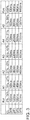
- the decentralized overload control 16 comprises a total of seven states, a relaxed state Rel, a first activated state A1, a second activated state A2, a third activated state A3, a fourth activated state A4, a fifth activated state A5 and a restricted state Res, whose classifications are based on a channel load CL in the transmission channel.
- the relaxed state Rel the decentralized overload control 16 is not active, there the channel load is very low.
- the activated states A1 to A5 the decentralized overload control 16 is active, since there is a sometimes considerable (here up to 59%) channel load CL.
- the restricted state Res the channel load CL is so great that normal operation is difficult to maintain.
- the first activated state A1 starts at 19% channel load.
- the 0 to less than 19% channel load selected here for the relaxed state Rel have proven to be well dimensioned for free operation and a smooth transition between the relaxed state Rel and the activated states.
- the second activated state A2 is defined for a channel load CL of greater than or equal to 27 percent to less than 35 percent
- the third activated state A3 is defined for a channel load of greater than or equal to 35 percent to less than 43 percent
- the fourth activated state A4 for a channel load of greater than or equal to 43 percent to less than 51 percent is defined
- the fifth activated state A5 for a channel load of greater than or equal to 51 Percent to less than 59 percent is defined and that the restricted state Res is defined for a channel load of greater than or equal to 59 percent.
- each subscriber or the communication unit 12 of the subscriber is put into a state of the decentralized overload control 16.
- a specific data transmission interval T OFF is specified for the subscriber, which defines how long the subscriber is not allowed to access the transmission channel.
- the data transmission interval T OFF for the relaxed state Rel is 60 ms, for the first activated state A1 100 ms, for the second activated state A2 180 ms, for the third activated state A3 260 ms, for the fourth activated state A4 340 ms, for the fifth activated state A5 420 ms and for the restricted state Res 460 ms.
- the graded selection of the data transmission interval T OFF sets a prioritization by which the repetition frequency of the access to the transmission channel by the subscriber is regulated.
- FIG 3 a further table of a decentralized overload control 16 is shown.
- the tables from the Figures 2 and 3 can for example in a memory of the participant, for example in a control device 14 of a vehicle 10 or a register of a microprocessor of a smartphone.
- each overload control profile DP0, DP1, DP2, DP3 being assigned a specific data transmission interval for each status Rel, A1-A5 and Res.
- An overload control profile can be assigned to a subscriber or a data or message type; this can be permanent or temporary.
- a second dimension or a second aspect for prioritization during transmission or access to the transmission channel is introduced via the profile.
- a minimum data transmission interval of 100 ms is assigned to the first overload control profile DP0 for each state.
- Subscribers or messages with this profile can access the transmission channel at maximum frequency regardless of the channel load CL.
- the second and third overload control profiles DP 1 and DP2 are assigned a data transmission interval of 100 ms for the relaxed state Rel, a data transmission interval of 140 ms for the first activated state A1 and a data transmission interval of 180 ms for the second activated state A2, for which A data transmission interval of 220 ms is assigned to the third activated state A3, a data transmission interval of 260 ms is assigned to the fourth activated state A4, a data transmission interval of 300 ms is assigned to the fifth activated state A5 and a data transmission interval of 340 ms is assigned to the restricted state Res.
- the fourth overload control profile DP3 is assigned a data transmission interval of 100 ms for the relaxed state Rel, a data transmission interval of 350 ms for the first activated state A1, a data transmission interval of 600 ms for the second activated state A2 and a data transmission interval of 600 ms for the third activated state A3 Assigned a data transmission interval of 850 ms, assigned a data transmission interval of 1100 ms for the fourth activated state A4, assigned a data transmission interval of 1350 ms for the fifth activated state A5 and assigned a data transmission interval of 1600 ms for the restricted state Res.
- signals for example to increase the brake pressure, are assigned to the overload control profile DP1.
- Such messages or signals can be viewed as Decentralized Environment Notification Messages (DENM) messages.
- DENM Decentralized Environment Notification Messages
- Position reports that contain information about the participant such as speed, direction and the like and can be sent cyclically, such as every 100 ms assigned to the overload control profile DP2. These messages can correspond to Cooperative Awareness Message (CAM) messages.
- CAM Cooperative Awareness Message
- the fourth overload control profile DP3 Messages from convenience functions, such as access to the Internet or a status message from a traffic light, are assigned to the fourth overload control profile DP3, for example. If, for example, the signal from a traffic light that it still has a red phase of a certain period, for example seven seconds, is delayed by 1 second by the decentralized overload control 16, the receiver can be set up to display the difference between the specified period and the delay to calculate. In this example, the receiving subscriber is informed that the red phase continues for six seconds.
- One or more, preferably not more than two, further overload control profiles can be provided in order, for example, to provide an open channel for further participants, such as a smartphone.
- further participants such as a smartphone.
- the communication system can also offer bandwidth for subscribers outside the system.
- the participants outside the system can be integrated via appropriate gateways or interfaces.
Landscapes
- Engineering & Computer Science (AREA)
- Computer Networks & Wireless Communication (AREA)
- Signal Processing (AREA)
- Mobile Radio Communication Systems (AREA)
Claims (13)
- Procédé permettant la configuration d'une transmission de données par un canal de transmission d'un système de communication sans fil (20) avec une régulation de surcharge décentralisée (16), dans lequel la régulation de surcharge décentralisée (16) comporte un état détendu (Rel), un état restreint (Res) et cinq états activés (A1, A2, A3, A4, A5) et dans lequel la répartition de tous les états est basée sur une charge de canal (CL) dans le canal de transmission, caractérisé en ce que quatre profils de régulation de surcharge (DP0, DP1, DP2, DP3) sont prévus pour une hiérarchisation lors de la transmission de données ou un accès au canal de transmission, dans lequel à chaque profil de régulation de surcharge (DP0, DP1, DP2, DP3) est attribué un intervalle de transmission de données spécifique (TOFF) pour chaque état, dans lequel l'intervalle de transmission de données spécifique indique la pause entre deux émissions, respectivement entre deux accès au canal de transmission et dans lequel à un premier profil de régulation de surcharge (DP0) pour chaque état, le même intervalle de transmission de données spécifique minimum (TOFF) est attribué.
- Procédé selon la revendication 1, caractérisé en ce que chacun des cinq états activés (A1, A2, A3, A4, A5) est défini pour une charge de canal (CL) de six pour cent à dix pour cent, de préférence huit pour cent.
- Procédé selon l'une quelconque des revendications précédentes, caractérisé en ce que l'état détendu (Rel) est défini pour une charge de canal (CL) de 0 pour cent à moins de 17 à 21 pour cent, en ce qu'un premier des cinq états activés (A1) est défini pour une charge de canal (CL) de 17 à 21 pour cent à moins de 25 à 29 pour cent, en ce qu'un deuxième des cinq états activés (A2) est défini pour une charge de canal (CL) de 25 à 29 pour cent à moins de 33 à 37 pour cent, en ce qu'un troisième des cinq états activés (A3) est défini pour une charge de canal (CL) de 33 à 37 pour cent à moins de 41 à 45 pour cent, en ce qu'un quatrième des cinq états activés (A4) est défini pour une charge de canal (CL) de 41 à 45 pour cent à moins de 49 à 53 pour cent, en ce qu'un cinquième des cinq états activés (A5) est défini pour une charge de canal (CL) de 49 à 53 pour cent à moins de 57 à 61 pour cent et en ce que l'état restreint (Res) est défini pour une charge de canal (CL) de 57 ou plus à 61 pour cent.
- Procédé selon les revendications précédentes 1 et 2, caractérisé en ce que l'état détendu (Rel) est défini pour une charge de canal (CL) de 0 pour cent ou plus à moins de 19 pour cent, en ce qu'un premier des cinq états activés (A1) est défini pour une charge de canal (CL) de 19 pour cent ou plus à moins de 27 pour cent, en ce qu'un deuxième des cinq états activés (A2) est défini pour une charge de canal (CL) de 27 pour cent ou plus à moins de 35 pour cent, en ce qu'un troisième des cinq états activés (A3) est défini pour une charge de canal (CL) de 35 pour cent ou plus à moins de 43 pour cent, en ce qu'un quatrième des cinq états activés (A4) est défini pour une charge de canal (CL) de 43 pour cent ou plus à moins de 51 pour cent, en ce qu'un cinquième des cinq états activés (A5) est défini pour une charge de canal (CL) de 51 pour cent ou plus à moins de 59 pour cent et en ce que l'état restreint (Res) est défini pour une charge de canal (CL) de 59 pour cent ou plus.
- Procédé selon la revendication 1, caractérisé en ce que l'intervalle de transmission de données spécifique (TOFF), pour l'état détendu (Rel), est de 40 à 80, de préférence 60 ms, pour un premier des cinq états activés (A1) de 80 à 120, de préférence 100 ms, pour un deuxième des cinq états activés (A2) de 160 à 200, de préférence 180 ms, pour un troisième des cinq états activés (A3) de 240 à 280, de préférence 260 ms, pour un quatrième des cinq états activés (A4) de 320 à 360, de préférence 340 ms, pour un cinquième des cinq états activés (A5) de 400 à 440, de préférence 420 ms et pour l'état restreint (Res) de 440 à 480, de préférence 460 ms.
- Procédé selon l'une quelconque des revendications précédentes, caractérisé en ce que, au premier profil de régulation de surcharge (DPO) des quatre profils de régulation de surcharge pour chaque état (Rel, A1, A2, A3, A4, A5, Res), un intervalle de transmission de données (TOFF) de 100 ms est attribué, en ce qu'à un deuxième et un troisième profil de régulation de surcharge (DP1, DP2) des quatre profils de régulation de surcharge pour l'état détendu (Rel), un intervalle de transmission de données (TOFF) de 100 ms est attribué, pour un premier état activé (A1) des cinq états activés, un intervalle de transmission de données (TOFF) de 140 ms est attribué, pour un deuxième état activé (A2) des cinq états activés, un intervalle de transmission de données (TOFF) de 180 ms est attribué, pour un troisième état activé (A3) des cinq états activés, un intervalle de transmission de données (TOFF) de 220 ms est attribué, pour un quatrième état activé (A4) des cinq états activés, un intervalle de transmission de données (TOFF) de 260 ms est attribué, pour un cinquième état activé (A5) des cinq états activés, un intervalle de transmission de données (TOFF) de 300 ms est attribué et pour l'état restreint (Res), un intervalle de transmission de données (TOFF) de 340 ms est attribué et en ce qu'à un quatrième profil de régulation de surcharge (DP3) des quatre profils de régulation de surcharge, pour l'état détendu (Rel), un intervalle de transmission de données (TOFF) de 100 ms est attribué, pour un premier état activé (A1) des cinq états activés, un intervalle de transmission de données (TOFF) de 350 ms est attribué, pour un deuxième état activé (A2) des cinq états activés, un intervalle de transmission de données (TOFF) de 600 ms est attribué, pour un troisième état activé (A3) des cinq états activés, un intervalle de transmission de données (TOFF) de 850 ms est attribué, pour un quatrième état activé (A4) des cinq états activés, un intervalle de transmission de données (TOFF) de 1100 ms est attribué, pour un cinquième état activé (A5) des cinq états activés, un intervalle de transmission de données (TOFF) de 1350 ms est attribué et pour l'état restreint (Res), un intervalle de transmission de données (TOFF) de 1600 ms est attribué.
- Procédé selon l'une quelconque des revendications précédentes, caractérisé en ce que, sur le premier et/ou un deuxième profil de régulation de surcharge (DPO, DP1) des quatre profils de transmission, des messages de notification d'environnement décentralisé (DENM) sont envoyés et/ou en ce que, sur un troisième profil de transmission (DP2) des quatre profils de régulation de surcharge, des messages de sensibilisation coopératifs (CAM) sont envoyés.
- Procédé selon l'une quelconque des revendications précédentes, caractérisé en ce que le système de communication sans fil (20) est un réseau ad-hoc pour la communication d'appareils mobiles.
- Procédé selon l'une quelconque des revendications précédentes, caractérisé en ce que le système de communication sans fil (20) est un réseau ITS G5 ou un réseau ad-hoc pour la communication d'appareils mobiles selon une norme WLAN.
- Dispositif permettant la configuration d'une transmission de données sur un canal de transmission d'un système de communication sans fil (20) avec une régulation de surcharge décentralisée (16), caractérisé en ce que le dispositif est conçu pour réaliser un procédé selon l'une quelconque des revendications 1 à 9.
- Dispositif selon la revendication 10, caractérisé en ce que le dispositif est un appareil de commande (14) pour un véhicule (10) ou un téléphone mobile.
- Véhicule (10) comportant un dispositif selon la revendication 11 ou 11.
- Produit de programme informatique comprenant un code de programme pour la réalisation du procédé selon l'une quelconque des revendications 1 à 9, lorsque le produit de programme est exécuté sur une unité de calcul ou un dispositif selon la revendication 10 ou 11.
Applications Claiming Priority (2)
| Application Number | Priority Date | Filing Date | Title |
|---|---|---|---|
| DE102015219785.9A DE102015219785A1 (de) | 2015-10-13 | 2015-10-13 | Verfahren und Vorrichtung zur Konfiguration einer Datenübertragung über einen Übertragungskanal eines drahtlosen Kommunikationssystems mit dezentraler Überlastregelung |
| PCT/EP2016/071393 WO2017063801A1 (fr) | 2015-10-13 | 2016-09-12 | Procédé et dispositif permettant la configuration d'une transmission de données par un canal de transmission d'un système de communication sans fil avec une régulation de surcharge décentralisée |
Publications (2)
| Publication Number | Publication Date |
|---|---|
| EP3363232A1 EP3363232A1 (fr) | 2018-08-22 |
| EP3363232B1 true EP3363232B1 (fr) | 2021-05-05 |
Family
ID=56979528
Family Applications (1)
| Application Number | Title | Priority Date | Filing Date |
|---|---|---|---|
| EP16769901.6A Active EP3363232B1 (fr) | 2015-10-13 | 2016-09-12 | Procédé et dispositif permettant la configuration d'une transmission de données par un canal de transmission d'un système de communication sans fil avec une régulation de surcharge décentralisée |
Country Status (5)
| Country | Link |
|---|---|
| US (1) | US10616790B2 (fr) |
| EP (1) | EP3363232B1 (fr) |
| CN (1) | CN108141783B (fr) |
| DE (1) | DE102015219785A1 (fr) |
| WO (1) | WO2017063801A1 (fr) |
Families Citing this family (6)
| Publication number | Priority date | Publication date | Assignee | Title |
|---|---|---|---|---|
| WO2017171529A1 (fr) * | 2016-04-01 | 2017-10-05 | 엘지전자 주식회사 | Procédé destiné à la sélection de ressources de transmission v2x au moyen d'un terminal dans un système de communication sans fil et terminal utilisant ledit procédé |
| CN107171965B (zh) * | 2017-05-31 | 2019-10-18 | 华南理工大学 | 基于分布式拥塞控制策略的车联网跨层机会路由方法 |
| EP3418844B1 (fr) * | 2017-06-23 | 2021-05-19 | Volkswagen Aktiengesellschaft | Appareil, procédé et programme informatique pour un contrôleur de groupement locale |
| JP7250472B2 (ja) * | 2018-10-18 | 2023-04-03 | Hapsモバイル株式会社 | 基地局装置、プログラム、制御装置及び制御方法 |
| KR102936555B1 (ko) | 2019-05-03 | 2026-03-06 | 삼성전자주식회사 | 차량의 주행을 보조하는 전자 장치 및 방법 |
| DE102022123608A1 (de) | 2022-09-15 | 2024-03-21 | ASFINAG Maut Service GmbH | Verfahren zum infrastrukturgestützten Assistieren eines Kraftfahrzeugs |
Family Cites Families (11)
| Publication number | Priority date | Publication date | Assignee | Title |
|---|---|---|---|---|
| CN101741433B (zh) * | 2008-11-18 | 2013-02-27 | 上海摩波彼克半导体有限公司 | 无线通信系统上行传输中基于功率控制的tfc选择方法 |
| DE102011077882A1 (de) * | 2011-06-21 | 2012-12-27 | Siemens Aktiengesellschaft | Mobiles Ad-hoc-Netzwerk |
| DE102012208645A1 (de) | 2012-05-23 | 2013-11-28 | Siemens Aktiengesellschaft | Verfahren zum Betreiben einer stationären Einrichtung sowie stationäre Einrichtung innerhalb eines Systems zur Kommunikation |
| US20140272971A1 (en) * | 2013-03-14 | 2014-09-18 | Health Diagnostic Laboratory, Inc. | Unheated extraction of genomic dna in an automated laboratory system |
| DE102013205057B3 (de) * | 2013-03-21 | 2014-08-28 | Siemens Aktiengesellschaft | Verfahren zum Betreiben einer stationären Einrichtung sowie stationäre Einrichtung innerhalb eines Systems zur Kommunikation |
| DE102013205058A1 (de) | 2013-03-21 | 2014-09-25 | Siemens Aktiengesellschaft | Verfahren zum Betreiben einer stationären Einrichtung sowie stationäre Einrichtung innerhalb eines Systems zur Kommunikation |
| DE102013013621A1 (de) | 2013-08-15 | 2015-02-19 | Bayerische Motoren Werke Aktiengesellschaft | Sicherheitskonformer Kanalwechsel in intelligenten Transportsvstemen |
| DE102014201648A1 (de) | 2014-01-30 | 2015-07-30 | Siemens Aktiengesellschaft | Verfahren zur Kommunikation innerhalb eines nach Art des ad-hoc zusammenwirkenden, insbesondere Drahtlos-, Kraftfahrzeugkommunikationssystems, Einrichtung der Verkehrsinfrastruktur sowie Verkehrsteilnehmereinrichtung |
| US9980193B2 (en) * | 2014-12-12 | 2018-05-22 | Telefonaktiebolaget Lm Ericsson (Publ) | Transport format for communications |
| WO2016138649A1 (fr) * | 2015-03-04 | 2016-09-09 | 华为技术有限公司 | Procédé de communication et dispositif associé |
| WO2016198320A1 (fr) * | 2015-06-08 | 2016-12-15 | Nec Europe Ltd. | Procédé de fonctionnement à multiples canaux dans un réseau de véhicule et réseau de véhicule |
-
2015
- 2015-10-13 DE DE102015219785.9A patent/DE102015219785A1/de not_active Withdrawn
-
2016
- 2016-09-12 CN CN201680060157.0A patent/CN108141783B/zh active Active
- 2016-09-12 EP EP16769901.6A patent/EP3363232B1/fr active Active
- 2016-09-12 US US15/767,658 patent/US10616790B2/en active Active
- 2016-09-12 WO PCT/EP2016/071393 patent/WO2017063801A1/fr not_active Ceased
Also Published As
| Publication number | Publication date |
|---|---|
| US20180310200A1 (en) | 2018-10-25 |
| CN108141783A (zh) | 2018-06-08 |
| DE102015219785A1 (de) | 2017-04-13 |
| CN108141783B (zh) | 2021-10-26 |
| US10616790B2 (en) | 2020-04-07 |
| EP3363232A1 (fr) | 2018-08-22 |
| WO2017063801A1 (fr) | 2017-04-20 |
Similar Documents
| Publication | Publication Date | Title |
|---|---|---|
| EP3363232B1 (fr) | Procédé et dispositif permettant la configuration d'une transmission de données par un canal de transmission d'un système de communication sans fil avec une régulation de surcharge décentralisée | |
| DE102016105784B4 (de) | Verfahren und Vorrichtung eines dynamischen Wi-Fi-Multikanalwechsels basierend auf einem Datenverkehrskontext | |
| EP2684416B1 (fr) | Dispositif émitteur radio / récepteur radio et procede de communication dans un systeme de communication de vehicule du type d'interaction ad hoc, notamment sans fil | |
| WO2005043832A1 (fr) | Procede, station radio et produit programme informatique pour l'acces a des ressources radio dans un systeme de communication radio ad hoc | |
| EP3092829A1 (fr) | Unité de communication centrale d'un véhicule à moteur | |
| EP3656165A1 (fr) | Procédé de fonctionnement d'une unité de réseau côté infrastructure de réseau, unité de réseau côté infrastructure de réseau, procédé de fonctionnement d'une unité de réseau côté route et unité de réseau côté route | |
| EP3656176B1 (fr) | Procédé pour faire fonctionner une unité réseau côté route et unité réseau côté route | |
| WO2004019639A1 (fr) | Procede d'utilisation d'un systeme radio et station emettrice et systeme radio | |
| EP3146795A1 (fr) | Dispositif chef de groupe qui fait office de passerelle entre un réseau ad hoc de véhicules et un réseau cellulaire | |
| EP3656163A1 (fr) | Procédé de fonctionnement d'une unité de réseau côté infrastructure de réseau, unité de réseau côté infrastructure de réseau, procédé de fonctionnement d'une unité de réseau côté route, unité de réseau côté route | |
| DE102004024647B4 (de) | Verfahren und Funkstation zur Regulierung von Zugriffsraten in einem Funkkommunikationssystem | |
| DE102013214946A1 (de) | Kommunikationsvorrichtung für ein Fahrzeug und System | |
| DE102006014308A1 (de) | Verfahren zur Multi-Hop-Datenübertragung in einem ad-hoc-Netz mit versteckten Knoten | |
| WO2005096552A1 (fr) | Procede pour attribuer des ressources radio pour un reseau local sans fil wlan | |
| EP3277050B1 (fr) | Entite d'acces radio | |
| DE102009044757B4 (de) | Dienst-Übermittlungsverfahren und Dienst-Bereitstellungsvorrichtung | |
| WO2020193019A1 (fr) | Procédé de sélection d'une première technologie de transmission ou d'une seconde technologie de transmission en fonction d'une exigence d'un cas d'application actuel ainsi que dispositif de calcul électronique | |
| DE102011105454B4 (de) | Verfahren zum Übertragen von Daten | |
| EP1719291A1 (fr) | Procede, station intermediaire et dispositif de controle central pour transmettre des donnees commutees en paquets dans un reseau radio a organisation autonome | |
| DE10044828C2 (de) | Verfahren zur Steuerung der Auslastung eines lokalen Netzes und Vorrichtung zur Durchführung des Verfahrens | |
| EP3656180B1 (fr) | Première unité de réseau côté route et procédé de fonctionnement de la première unité de réseau côté route | |
| DE102007036875B4 (de) | Verfahren und Vorrichtung zur Datenübertragung in einem Funknetzwerk von oder zu einem Kraftfahrzeug | |
| DE10129740A1 (de) | Übertragungssystem für Interfahrzeug-Kommunikation | |
| WO2006134060A1 (fr) | Procede et dispositif de transfert de donnees | |
| WO2005096562A1 (fr) | Procede de transmission de signal dans un systeme de communication radio |
Legal Events
| Date | Code | Title | Description |
|---|---|---|---|
| STAA | Information on the status of an ep patent application or granted ep patent |
Free format text: STATUS: THE INTERNATIONAL PUBLICATION HAS BEEN MADE |
|
| PUAI | Public reference made under article 153(3) epc to a published international application that has entered the european phase |
Free format text: ORIGINAL CODE: 0009012 |
|
| STAA | Information on the status of an ep patent application or granted ep patent |
Free format text: STATUS: REQUEST FOR EXAMINATION WAS MADE |
|
| 17P | Request for examination filed |
Effective date: 20180514 |
|
| AK | Designated contracting states |
Kind code of ref document: A1 Designated state(s): AL AT BE BG CH CY CZ DE DK EE ES FI FR GB GR HR HU IE IS IT LI LT LU LV MC MK MT NL NO PL PT RO RS SE SI SK SM TR |
|
| AX | Request for extension of the european patent |
Extension state: BA ME |
|
| DAV | Request for validation of the european patent (deleted) | ||
| DAX | Request for extension of the european patent (deleted) | ||
| STAA | Information on the status of an ep patent application or granted ep patent |
Free format text: STATUS: EXAMINATION IS IN PROGRESS |
|
| 17Q | First examination report despatched |
Effective date: 20200415 |
|
| GRAP | Despatch of communication of intention to grant a patent |
Free format text: ORIGINAL CODE: EPIDOSNIGR1 |
|
| STAA | Information on the status of an ep patent application or granted ep patent |
Free format text: STATUS: GRANT OF PATENT IS INTENDED |
|
| INTG | Intention to grant announced |
Effective date: 20200819 |
|
| GRAJ | Information related to disapproval of communication of intention to grant by the applicant or resumption of examination proceedings by the epo deleted |
Free format text: ORIGINAL CODE: EPIDOSDIGR1 |
|
| STAA | Information on the status of an ep patent application or granted ep patent |
Free format text: STATUS: EXAMINATION IS IN PROGRESS |
|
| GRAP | Despatch of communication of intention to grant a patent |
Free format text: ORIGINAL CODE: EPIDOSNIGR1 |
|
| STAA | Information on the status of an ep patent application or granted ep patent |
Free format text: STATUS: GRANT OF PATENT IS INTENDED |
|
| INTC | Intention to grant announced (deleted) | ||
| INTG | Intention to grant announced |
Effective date: 20201209 |
|
| GRAS | Grant fee paid |
Free format text: ORIGINAL CODE: EPIDOSNIGR3 |
|
| GRAA | (expected) grant |
Free format text: ORIGINAL CODE: 0009210 |
|
| STAA | Information on the status of an ep patent application or granted ep patent |
Free format text: STATUS: THE PATENT HAS BEEN GRANTED |
|
| AK | Designated contracting states |
Kind code of ref document: B1 Designated state(s): AL AT BE BG CH CY CZ DE DK EE ES FI FR GB GR HR HU IE IS IT LI LT LU LV MC MK MT NL NO PL PT RO RS SE SI SK SM TR |
|
| REG | Reference to a national code |
Ref country code: GB Ref legal event code: FG4D Free format text: NOT ENGLISH |
|
| REG | Reference to a national code |
Ref country code: CH Ref legal event code: EP |
|
| REG | Reference to a national code |
Ref country code: AT Ref legal event code: REF Ref document number: 1391396 Country of ref document: AT Kind code of ref document: T Effective date: 20210515 |
|
| REG | Reference to a national code |
Ref country code: IE Ref legal event code: FG4D Free format text: LANGUAGE OF EP DOCUMENT: GERMAN |
|
| REG | Reference to a national code |
Ref country code: DE Ref legal event code: R096 Ref document number: 502016012999 Country of ref document: DE |
|
| REG | Reference to a national code |
Ref country code: SE Ref legal event code: TRGR |
|
| REG | Reference to a national code |
Ref country code: LT Ref legal event code: MG9D |
|
| PG25 | Lapsed in a contracting state [announced via postgrant information from national office to epo] |
Ref country code: FI Free format text: LAPSE BECAUSE OF FAILURE TO SUBMIT A TRANSLATION OF THE DESCRIPTION OR TO PAY THE FEE WITHIN THE PRESCRIBED TIME-LIMIT Effective date: 20210505 Ref country code: LT Free format text: LAPSE BECAUSE OF FAILURE TO SUBMIT A TRANSLATION OF THE DESCRIPTION OR TO PAY THE FEE WITHIN THE PRESCRIBED TIME-LIMIT Effective date: 20210505 Ref country code: BG Free format text: LAPSE BECAUSE OF FAILURE TO SUBMIT A TRANSLATION OF THE DESCRIPTION OR TO PAY THE FEE WITHIN THE PRESCRIBED TIME-LIMIT Effective date: 20210805 Ref country code: HR Free format text: LAPSE BECAUSE OF FAILURE TO SUBMIT A TRANSLATION OF THE DESCRIPTION OR TO PAY THE FEE WITHIN THE PRESCRIBED TIME-LIMIT Effective date: 20210505 |
|
| PG25 | Lapsed in a contracting state [announced via postgrant information from national office to epo] |
Ref country code: PL Free format text: LAPSE BECAUSE OF FAILURE TO SUBMIT A TRANSLATION OF THE DESCRIPTION OR TO PAY THE FEE WITHIN THE PRESCRIBED TIME-LIMIT Effective date: 20210505 Ref country code: NO Free format text: LAPSE BECAUSE OF FAILURE TO SUBMIT A TRANSLATION OF THE DESCRIPTION OR TO PAY THE FEE WITHIN THE PRESCRIBED TIME-LIMIT Effective date: 20210805 Ref country code: PT Free format text: LAPSE BECAUSE OF FAILURE TO SUBMIT A TRANSLATION OF THE DESCRIPTION OR TO PAY THE FEE WITHIN THE PRESCRIBED TIME-LIMIT Effective date: 20210906 Ref country code: RS Free format text: LAPSE BECAUSE OF FAILURE TO SUBMIT A TRANSLATION OF THE DESCRIPTION OR TO PAY THE FEE WITHIN THE PRESCRIBED TIME-LIMIT Effective date: 20210505 Ref country code: GR Free format text: LAPSE BECAUSE OF FAILURE TO SUBMIT A TRANSLATION OF THE DESCRIPTION OR TO PAY THE FEE WITHIN THE PRESCRIBED TIME-LIMIT Effective date: 20210806 Ref country code: IS Free format text: LAPSE BECAUSE OF FAILURE TO SUBMIT A TRANSLATION OF THE DESCRIPTION OR TO PAY THE FEE WITHIN THE PRESCRIBED TIME-LIMIT Effective date: 20210905 Ref country code: LV Free format text: LAPSE BECAUSE OF FAILURE TO SUBMIT A TRANSLATION OF THE DESCRIPTION OR TO PAY THE FEE WITHIN THE PRESCRIBED TIME-LIMIT Effective date: 20210505 |
|
| REG | Reference to a national code |
Ref country code: NL Ref legal event code: MP Effective date: 20210505 |
|
| PG25 | Lapsed in a contracting state [announced via postgrant information from national office to epo] |
Ref country code: NL Free format text: LAPSE BECAUSE OF FAILURE TO SUBMIT A TRANSLATION OF THE DESCRIPTION OR TO PAY THE FEE WITHIN THE PRESCRIBED TIME-LIMIT Effective date: 20210505 |
|
| PG25 | Lapsed in a contracting state [announced via postgrant information from national office to epo] |
Ref country code: SK Free format text: LAPSE BECAUSE OF FAILURE TO SUBMIT A TRANSLATION OF THE DESCRIPTION OR TO PAY THE FEE WITHIN THE PRESCRIBED TIME-LIMIT Effective date: 20210505 Ref country code: SM Free format text: LAPSE BECAUSE OF FAILURE TO SUBMIT A TRANSLATION OF THE DESCRIPTION OR TO PAY THE FEE WITHIN THE PRESCRIBED TIME-LIMIT Effective date: 20210505 Ref country code: CZ Free format text: LAPSE BECAUSE OF FAILURE TO SUBMIT A TRANSLATION OF THE DESCRIPTION OR TO PAY THE FEE WITHIN THE PRESCRIBED TIME-LIMIT Effective date: 20210505 Ref country code: DK Free format text: LAPSE BECAUSE OF FAILURE TO SUBMIT A TRANSLATION OF THE DESCRIPTION OR TO PAY THE FEE WITHIN THE PRESCRIBED TIME-LIMIT Effective date: 20210505 Ref country code: EE Free format text: LAPSE BECAUSE OF FAILURE TO SUBMIT A TRANSLATION OF THE DESCRIPTION OR TO PAY THE FEE WITHIN THE PRESCRIBED TIME-LIMIT Effective date: 20210505 Ref country code: ES Free format text: LAPSE BECAUSE OF FAILURE TO SUBMIT A TRANSLATION OF THE DESCRIPTION OR TO PAY THE FEE WITHIN THE PRESCRIBED TIME-LIMIT Effective date: 20210505 Ref country code: RO Free format text: LAPSE BECAUSE OF FAILURE TO SUBMIT A TRANSLATION OF THE DESCRIPTION OR TO PAY THE FEE WITHIN THE PRESCRIBED TIME-LIMIT Effective date: 20210505 |
|
| REG | Reference to a national code |
Ref country code: DE Ref legal event code: R097 Ref document number: 502016012999 Country of ref document: DE |
|
| PLBE | No opposition filed within time limit |
Free format text: ORIGINAL CODE: 0009261 |
|
| STAA | Information on the status of an ep patent application or granted ep patent |
Free format text: STATUS: NO OPPOSITION FILED WITHIN TIME LIMIT |
|
| 26N | No opposition filed |
Effective date: 20220208 |
|
| REG | Reference to a national code |
Ref country code: CH Ref legal event code: PL |
|
| REG | Reference to a national code |
Ref country code: BE Ref legal event code: MM Effective date: 20210930 |
|
| PG25 | Lapsed in a contracting state [announced via postgrant information from national office to epo] |
Ref country code: IS Free format text: LAPSE BECAUSE OF FAILURE TO SUBMIT A TRANSLATION OF THE DESCRIPTION OR TO PAY THE FEE WITHIN THE PRESCRIBED TIME-LIMIT Effective date: 20210905 Ref country code: MC Free format text: LAPSE BECAUSE OF FAILURE TO SUBMIT A TRANSLATION OF THE DESCRIPTION OR TO PAY THE FEE WITHIN THE PRESCRIBED TIME-LIMIT Effective date: 20210505 Ref country code: AL Free format text: LAPSE BECAUSE OF FAILURE TO SUBMIT A TRANSLATION OF THE DESCRIPTION OR TO PAY THE FEE WITHIN THE PRESCRIBED TIME-LIMIT Effective date: 20210505 |
|
| PG25 | Lapsed in a contracting state [announced via postgrant information from national office to epo] |
Ref country code: LU Free format text: LAPSE BECAUSE OF NON-PAYMENT OF DUE FEES Effective date: 20210912 Ref country code: IT Free format text: LAPSE BECAUSE OF FAILURE TO SUBMIT A TRANSLATION OF THE DESCRIPTION OR TO PAY THE FEE WITHIN THE PRESCRIBED TIME-LIMIT Effective date: 20210505 Ref country code: IE Free format text: LAPSE BECAUSE OF NON-PAYMENT OF DUE FEES Effective date: 20210912 Ref country code: BE Free format text: LAPSE BECAUSE OF NON-PAYMENT OF DUE FEES Effective date: 20210930 |
|
| PG25 | Lapsed in a contracting state [announced via postgrant information from national office to epo] |
Ref country code: LI Free format text: LAPSE BECAUSE OF NON-PAYMENT OF DUE FEES Effective date: 20210930 Ref country code: CH Free format text: LAPSE BECAUSE OF NON-PAYMENT OF DUE FEES Effective date: 20210930 |
|
| REG | Reference to a national code |
Ref country code: AT Ref legal event code: MM01 Ref document number: 1391396 Country of ref document: AT Kind code of ref document: T Effective date: 20210912 |
|
| PG25 | Lapsed in a contracting state [announced via postgrant information from national office to epo] |
Ref country code: AT Free format text: LAPSE BECAUSE OF NON-PAYMENT OF DUE FEES Effective date: 20210912 |
|
| P01 | Opt-out of the competence of the unified patent court (upc) registered |
Effective date: 20230523 |
|
| PG25 | Lapsed in a contracting state [announced via postgrant information from national office to epo] |
Ref country code: CY Free format text: LAPSE BECAUSE OF FAILURE TO SUBMIT A TRANSLATION OF THE DESCRIPTION OR TO PAY THE FEE WITHIN THE PRESCRIBED TIME-LIMIT Effective date: 20210505 |
|
| PG25 | Lapsed in a contracting state [announced via postgrant information from national office to epo] |
Ref country code: HU Free format text: LAPSE BECAUSE OF FAILURE TO SUBMIT A TRANSLATION OF THE DESCRIPTION OR TO PAY THE FEE WITHIN THE PRESCRIBED TIME-LIMIT; INVALID AB INITIO Effective date: 20160912 |
|
| PG25 | Lapsed in a contracting state [announced via postgrant information from national office to epo] |
Ref country code: MK Free format text: LAPSE BECAUSE OF FAILURE TO SUBMIT A TRANSLATION OF THE DESCRIPTION OR TO PAY THE FEE WITHIN THE PRESCRIBED TIME-LIMIT Effective date: 20210505 |
|
| PG25 | Lapsed in a contracting state [announced via postgrant information from national office to epo] |
Ref country code: TR Free format text: LAPSE BECAUSE OF FAILURE TO SUBMIT A TRANSLATION OF THE DESCRIPTION OR TO PAY THE FEE WITHIN THE PRESCRIBED TIME-LIMIT Effective date: 20210505 |
|
| PG25 | Lapsed in a contracting state [announced via postgrant information from national office to epo] |
Ref country code: MT Free format text: LAPSE BECAUSE OF FAILURE TO SUBMIT A TRANSLATION OF THE DESCRIPTION OR TO PAY THE FEE WITHIN THE PRESCRIBED TIME-LIMIT Effective date: 20210505 |
|
| PGFP | Annual fee paid to national office [announced via postgrant information from national office to epo] |
Ref country code: DE Payment date: 20250930 Year of fee payment: 10 |
|
| PGFP | Annual fee paid to national office [announced via postgrant information from national office to epo] |
Ref country code: GB Payment date: 20250923 Year of fee payment: 10 |
|
| PGFP | Annual fee paid to national office [announced via postgrant information from national office to epo] |
Ref country code: FR Payment date: 20250925 Year of fee payment: 10 |
|
| PGFP | Annual fee paid to national office [announced via postgrant information from national office to epo] |
Ref country code: SE Payment date: 20250924 Year of fee payment: 10 |