EP3367724A1 - Procédé et dispositif pour transmettre des données - Google Patents
Procédé et dispositif pour transmettre des données Download PDFInfo
- Publication number
- EP3367724A1 EP3367724A1 EP18151520.6A EP18151520A EP3367724A1 EP 3367724 A1 EP3367724 A1 EP 3367724A1 EP 18151520 A EP18151520 A EP 18151520A EP 3367724 A1 EP3367724 A1 EP 3367724A1
- Authority
- EP
- European Patent Office
- Prior art keywords
- buffered data
- scheduling information
- phr
- uplink resource
- bsr
- Prior art date
- Legal status (The legal status is an assumption and is not a legal conclusion. Google has not performed a legal analysis and makes no representation as to the accuracy of the status listed.)
- Withdrawn
Links
- 238000000034 method Methods 0.000 title claims abstract description 41
- 230000001960 triggered effect Effects 0.000 claims description 125
- 230000005540 biological transmission Effects 0.000 abstract description 40
- 230000011664 signaling Effects 0.000 abstract description 9
- 238000004904 shortening Methods 0.000 abstract description 3
- 238000010295 mobile communication Methods 0.000 abstract description 2
- 230000008569 process Effects 0.000 description 7
- 238000005516 engineering process Methods 0.000 description 5
- 238000004891 communication Methods 0.000 description 3
- 230000003111 delayed effect Effects 0.000 description 3
- 238000010586 diagram Methods 0.000 description 3
- 230000007774 longterm Effects 0.000 description 2
- 230000000737 periodic effect Effects 0.000 description 2
- 239000002699 waste material Substances 0.000 description 2
- 230000006978 adaptation Effects 0.000 description 1
- 230000009286 beneficial effect Effects 0.000 description 1
- 230000001413 cellular effect Effects 0.000 description 1
- 230000006872 improvement Effects 0.000 description 1
- 230000004048 modification Effects 0.000 description 1
- 238000012986 modification Methods 0.000 description 1
- 230000003287 optical effect Effects 0.000 description 1
- 238000013468 resource allocation Methods 0.000 description 1
- 230000007704 transition Effects 0.000 description 1
Images




Classifications
-
- H—ELECTRICITY
- H04—ELECTRIC COMMUNICATION TECHNIQUE
- H04W—WIRELESS COMMUNICATION NETWORKS
- H04W28/00—Network traffic management; Network resource management
- H04W28/02—Traffic management, e.g. flow control or congestion control
- H04W28/0205—Traffic management, e.g. flow control or congestion control at the air interface
-
- H—ELECTRICITY
- H04—ELECTRIC COMMUNICATION TECHNIQUE
- H04W—WIRELESS COMMUNICATION NETWORKS
- H04W72/00—Local resource management
- H04W72/12—Wireless traffic scheduling
- H04W72/1221—Wireless traffic scheduling based on age of data to be sent
-
- H—ELECTRICITY
- H04—ELECTRIC COMMUNICATION TECHNIQUE
- H04W—WIRELESS COMMUNICATION NETWORKS
- H04W72/00—Local resource management
- H04W72/20—Control channels or signalling for resource management
- H04W72/21—Control channels or signalling for resource management in the uplink direction of a wireless link, i.e. towards the network
Definitions
- the present invention relates to the field of mobile communications, and in particular, to a method and a device for transmitting data.
- the wireless access technology for a wireless cellular mobile network is developing continuously to meet demands for a higher rate, a broader coverage and a larger capacity of future users.
- the technology evolution is from a 3G system to an LTE (Long Term Evolution, long term evolution) system, and further to an LTE-Advanced system.
- LTE Long Term Evolution, long term evolution
- both an uplink and a downlink support fast scheduling and link adaptation technologies. Therefore, the LTE system may perform allocation of time-frequency resource based on an instant demand of a user and a channel state.
- the LTE system may divide frequency domain resource into a plurality of segments, and therefore the LTE system may schedule resource for a plurality of user equipments (User Equipment, UE for short) at the same time on the same sub-frame.
- Radio resource used by a UE to transmit uplink data to the network rely on a base station, such as an eNodeB for allocation.
- the eNodeB notifies the UE of the radio resource allocated to a specific UE in a signaling manner, and the UE transmits the uplink data on resource indicated by the signaling.
- the eNodeB needs to determine the size of resource allocated to a specific UE. To avoid unnecessary radio resource waste as far as possible, the eNodeB needs to allocate proper resource to the UE to achieve the objective of fully utilizing the radio resource. To achieve the objective, the UE needs to report to the eNodeB its buffered data volume in a signaling manner, then the eNodeB comprehensively evaluate priority, amount, and other factors of the buffered data volume, and finally initiates data scheduling for users.
- data transmitted by the UE may be transmitted through a plurality of times of scheduling. Therefore, the communications technology may specify the transmission priority of different types of information units such as a MAC CE (media access control control element, Media Access Control Element) or an SDU (Service Data Unit, service data unit), that is, data with a higher priority is preferentially multiplexed on a transport block (TB, transport block) for transmission.
- a MAC CE media access control control element, Media Access Control Element
- SDU Service Data Unit
- TB transport block
- data transmission due to the transmission of unnecessary MAC CEs, data transmission is incomplete, and further unnecessary signaling scheduling is caused, so that a delay occurs in data transmission, and data transmission requires a long period of time.
- embodiments of the present invention provide a method and a device for transmitting data.
- the technical solutions are as follows.
- a method for transmitting data including:
- a device for transmitting data including:
- a user equipment including any foregoing device for transmitting data.
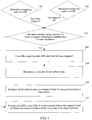
- FIG. 1 is a flowchart of a method for transmitting data according to an embodiment of the present invention.
- the execution body in this embodiment is a user equipment. Referring to FIG. 1 , the embodiment specifically includes:
- the foregoing buffered data may be all buffered data.
- the current triggering state of the scheduling information in the present invention may be a current triggering state of each piece of scheduling information, or a current triggering state of all scheduling information, or a current triggering state of at least two pieces of scheduling information.
- the foregoing scheduling information includes a BSR and/or a PHR. In the following embodiments, only the BSR and the PHR are used as examples for description.
- Step 102 Multiplex the scheduling information and the buffered data which have been determined to be multiplexed on a transport block for transmission.
- FIG. 2 is a flowchart of a method for transmitting data according to an embodiment of the present invention.
- the execution bodies in this embodiment are a user equipment and a base station. Referring to FIG. 2 , the specifically includes:
- the BSR may be triggered through expiration of a periodic BSR timer. Besides, the BSR may be triggered by other conditions, which is not specifically limited in this embodiment.
- Step 202 Determine a triggering state of a PHR (Power Headroom Report, power headroom report).
- the PHR may be triggered through periodic expiration of a PHR timer. Besides, the PHR may be triggered by other conditions, which is not specifically limited in this embodiment.
- Step 203 Determine whether the current uplink resource UL Grant allocated by a base station to a user equipment is capable of bearing all buffered data of the user equipment after determining that the triggering states of the BSR and the PHR are "have been triggered", and if yes, perform step 204; if no, perform step 207, where the determining whether the current uplink resource UL Grant allocated by a base station to a user equipment is capable of bearing all buffered data of the user equipment is to determine whether the uplink resource obtained by the user equipment are greater than the uplink resource required for all the buffered data.
- a UL Grant is an uplink resource obtained by the user equipment.
- All the buffered data is buffered by user equipments.
- a base station needs to transmit control signaling for scheduling before the user equipments transmit data so as to facilitate resource allocation for the user equipments. Assuming that all buffered data needed to be transmitted by the user equipments requires uplink resource of 100 bytes, resource allocated by the base station may be capable of bearing 100 bytes, or may not be capable of bearing 100 bytes. Therefore, bearing capacity of resource needs to be determined before the user equipments obtain the resource provided by the base station.
- Step 204 Determine whether the uplink resource is capable of further bearing the PHR, and if no, perform step 205.
- Step 205 If the uplink resource is incapable of bearing all the buffered data and the PHR, maintain the triggering state of the BSR that has been triggered, and determine to multiplex the BSR, the PHR, and a part of the buffered data that is capable of being borne by remaining resource of the uplink resource.
- step 205 the obtained uplink resource is incapable of bearing all buffered data and the PHR.
- the PHR and the BSR are completely transmitted, and then the remaining uplink resource after the PHR and the BSR are borne are used for bearing the buffered data.
- the buffered data borne by the uplink resource is a part of all the buffered data, and the BSR notifies the base station of the rest of the buffered data.
- Step 206 Multiplex the scheduling information and the buffered data which have been determined to be multiplexed on a transport block for being transmitted to the base station.
- a person skilled in the art may know that, in the prior art, when uplink resource is capable of bearing all data needs to be transmitted but incapable of bearing a BSR and all data, and the uplink resource is incapable of bearing all buffered data and a PHR, the transmission of the BSR is canceled, however, since the PHR has been triggered, and the multiplexing priority of the PHR is higher than that of the data to be transmitted, the PHR, in this situation, takes precedence over the data in being multiplexed on a transport block. Therefore, the buffered data of the user equipment cannot be transmitted completely.
- the base station cannot know the buffered data volume of the user equipment in advance because the BSR isi not received. As a result, the base station cannot allocate appropriate uplink resource for sequent scheduling of the user equipment.
- the triggering state of the BSR that has been triggered is maintained and the BSR is transmitted to notify the base station of how much data is to be transmitted subsequently, thereby preventing data waste and allowing the base station to timely determine the state of the user equipment.
- multiplexing refers to that data on a plurality of logical channels is multiplexed on one transport block for transmission.
- a service of a video phone involves two logical channels, and is multiplexed onto one transport block for transmission.
- step 205 if the uplink resource is incapable of bearing not only all the buffered data and the PHR, but also all the buffered data and the BSR, cancel the triggering state of the BSR that has been triggered or cancel the triggering state of the PHR that has been triggered and multiplex the buffered data, or cancel the triggering state of the PHR that has been triggered and multiplex the buffered data, or cancel the triggering state of the BSR that has been triggered and multiplex the buffered data.
- Step 207 Multiplex, according to the original priority, the BSR, or the PHR, or all the buffered data on the transport block for being transmitted to the base station.
- FIG. 3 is a flowchart of a method for transmitting data according to an embodiment of the present invention.
- the execution bodies in this embodiment are a user equipment and a base station.
- FIG. 2 shows that, whether uplink resource is capable of further bearing the PHR is determined, and a determining result is that the uplink resource is incapable of bearing data to be transmitted and the PHR; while in the embodiment shown in FIG. 3 , the determining result is that the uplink resource is capable of bearing data to be transmitted and the PHR.
- the embodiment specifically includes:
- steps 301 to 304 is the same as that of steps 201 to 204, and details are not described herein again.
- Step 305 Determine whether the uplink resource is capable of bearing data to be transmitted, the PHR, and the BSR. If no, perform step 306.
- Step 306 When the uplink resource is capable of bearing all buffered data and the PHR but incapable of bearing all buffered data, the PHR, and the BSR, determine to multiplex all the buffered data and the PHR.
- the triggering state of the BSR that has been triggered may be further canceled to prevent sequent reporting of the BSR.
- Step 307 Multiplex the PHR and all buffered data on a transport block for being transmitted to the base station.
- Step 308 Multiplex, according to the original priority, the BSR, or the PHR, or all the buffered data on the transport block for being transmitted to the base station.
- FIG. 4 is a flowchart of a method for transmitting data according to an embodiment of the present invention.
- the execution bodies in this embodiment are a user equipment and a base station.
- the difference between FIG. 3 and FIG. 4 is that: in the embodiment shown in FIG. 3 , whether uplink resource is capable of further bearing the PHR is determined, and the determining result is that the uplink resource is capable of bearing all buffered data and the PHR; while in the embodiment shown in FIG. 4 , whether uplink resource is capable of further bearing the BSR is determined, and the determining result is that the uplink resource is capable of bearing all the buffered data and the BSR.
- the embodiment specifically includes:
- steps 401 to 404 is the same as that of steps 201 to 204, and details are not described herein again.
- Step 405 Determine whether the uplink resource is capable of bearing all buffered data, the PHR, and the BSR. If no, perform step 406.
- Step 406 When the uplink resource is capable of bearing all buffered data and the BSR but incapable of bearing all buffered data, the PHR, and the BSR, determine to multiplex all the buffered data and the BSR.
- the triggering state of the PHR that has been triggered may be further canceled, or the PHR that has been triggered may be delayed being multiplexed and the buffered data is preferentially transmitted to reduce a data delay.
- Step 407 Multiplex the BSR and all the buffered data on a transport block for being transmitted to the base station.
- Step 408 Multiplex, according to the original priority, the BSR, or the PHR, or all the buffered data on the transport block for being transmitted to the base station.
- FIG. 5 is a flowchart of a method for transmitting data according to an embodiment of the present invention.
- the execution bodies in this embodiment are a user equipment and a base station.
- the difference between the embodiment shown in FIG. 5 and those shown in FIG. 2 to FIG. 4 is that: in the embodiments shown in FIG. 2 to FIG. 4 , the triggering states of the BSR and the PHR are both "have been triggered”; while in the embodiment shown in FIG. 5 , the triggering state of the BSR is "have been triggered", and the triggering state of the PHR is determined to be "not triggered yet".
- the embodiment specifically includes:
- steps 501 to 503 is the same as that of steps 201 to 203, and details are not described herein again.
- Step 504 Cancel the triggering state of the BSR that has been triggered.
- Step 505 Determine to multiplex all buffered data.
- Step 506 Multiplex all the buffered data on a transport block for being transmitted to the base station.
- Step 507 Multiplex, according to the original priority, the BSR, or the PHR, or all the buffered data on the transport block for being transmitted to the base station.
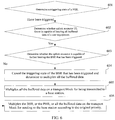
- FIG. 6 is a flowchart of a method for transmitting data according to an embodiment of the present invention.
- the execution bodies in this embodiment are a user equipment and a base station.
- the difference between the embodiment shown in FIG. 6 and those shown in FIG. 2 to FIG. 5 is that: in the embodiments shown in FIG. 2 to FIG. 5 , the triggering states of the BSR and the PHR are both determined; while in the embodiment shown in FIG. 6 , the triggering state of only one type of scheduling information is determined.
- adopting a BSR as the scheduling information is merely taken as an example for description. Referring to FIG. 6 , the embodiment specifically includes:
- step 601 when the determination performed in step 601 is to determine the triggering state of the PHR and the determining result is that the triggering state of the PHR is "have been triggered". If the current uplink resource allocated to the user equipment by the base station are determined to be capable of bearing all buffered data buffered by the user equipment, whether the uplink resource is capable of bearing the PHR that has been triggered should be further determined, if not, the triggering state of the PHR that has been triggered may be canceled and it is determined to multiplex all the buffered data; or the triggering state of the PHR that has been triggered is canceled and it is determined to multiplex all the buffered data; or the triggering state of the PHR that has been triggered is maintained and it is determined to multiplex the buffered data and multiplexing the PHR is delayed.
- Step 606 Multiplex, according to the original priority, the BSR, or the PHR, or all the buffered data on the transport block for being transmitted to the base station.
- FIG. 7 is a flowchart of a method for transmitting data according to an embodiment of the present invention.
- the execution bodies in this embodiment are a user equipment and a base station.
- scheduling information may include a PHR or an extended PHR.
- the scheduling information includes an extended PHR whose bytes are more than twice of that of the PHR, about 4 to 13 bytes. Therefore, when uplink resource is capable of bearing all the buffered data and the BSR, but incapable of bearing all the buffered data and the extended PHR, the multiplexing content is different from that in the embodiments shown in FIG. 2 to FIG. 6 .
- the embodiment specifically includes:
- steps 701 to 704 is the same as that of steps 201 to 204, and details are not described herein again.
- Step 705 Determine whether the uplink resource is capable of bearing data to be transmitted, the extended PHR, and the BSR. If no, perform step 706.
- Step 706 When the uplink resource is capable of bearing all buffered data and the BSR but incapable of bearing all buffered data and the extended PHR, cancel the triggering state of the extended PHR that has been triggered or delay multiplexing extended PHR, and determine to multiplex all the buffered data and the BSR.
- Step 707 Multiplex all the buffered data and the BSR on a transport block for being transmitted to the base station.
- Step 708 Multiplex, according to the original priority, the BSR, or the extended PHR, or all the buffered data on the transport block for being transmitted to the base station.
- all the buffered data in the embodiments shown in FIG. 1 to FIG. 7 includes a C-RNTI (Cell Radio Network Temporary Identifier, cell radio network temporary identifier) and/or a control plane message.
- C-RNTI Cell Radio Network Temporary Identifier, cell radio network temporary identifier
- One-to-one map all the buffered data to the foregoing embodiments according to the difference on the triggering state and so on in the scheduling information. Specifically, determine that a BSR has been triggered or determine that a PHR has been triggered; and determine whether the current uplink resource UL Grant allocated by a base station to a user equipment is capable of bearing the C-RNTI and the control plane message (for example, an RRC connection reconfiguration complete message).
- the triggering state of the BSR that has been triggered may be maintained or canceled, or the triggering state of the PHR that has been triggered may be canceled, or the triggering state of the PHR that has been triggered is maintained and multiplexing the PHR is delayed, and the C-RNTI and the control plane message are multiplexed on a transport block for being transmitted to the base station.
- the uplink resource is capable of bearing the C-RNTI and the control plane message but incapable of bearing the PHR
- the BSR, the C-RNTI and the control plane message the triggering state of the BSR that has been triggered may be maintained or canceled, and the C-RNTI and the control plane message are multiplexed on a transport block for being transmitted to the base station.
- the uplink resource is capable of bearing the C-RNTI, the BSR, and the control plane message but incapable of bearing the PHR
- the BSR, the C-RNTI and the control plane message the triggering state of the PHR that has been triggered may be maintained or canceled, and the C-RNTI, the BSR, and the control plane message are multiplexed on a transport block for being transmitted to the base station.
- the uplink resource is capable of bearing the C-RNTI and the control plane message but incapable of bearing the PHR, the C-RNTI, and the control plane message, maintain the triggering state of the PHR that has been triggered and delay multiplexing the PHR, and multiplex the C-RNTI and the control plane message on a transport block for being transmitted to the base station.
- the scheduling information may further include a non-continuous reception indication (used to notify a base station of entering a non-continuous reception period) and a no data transmission indication (used to indicate to the base station that no data need to be transmitted later).
- the priority of all the scheduling information is higher than that of all buffered data.
- multiplexing content may be determined through determining uplink resource required for transmitting all the buffered data need to be transmitted, acquired uplink resource, and the scheduling information.
- the C-RNTI and the control plane message is preferentially multiplexed, and whether to multiplex the scheduling information is determined according to the result about whether multiplexing content includes the scheduling information.
- determine whether acquired uplink resource is capable of bearing all buffered data beforehand determines whether acquired uplink resource is capable of bearing all buffered data beforehand, and if yes, further determine whether the acquired uplink resource is capable of bearing scheduling information.
- determine whether the acquired uplink resource is capable of bearing the scheduling information and all the buffered data beforehand if no, further determine whether the acquired uplink resource is capable of bearing all the buffered data, and then according to the determining result, cancel or maintain the triggering state of the scheduling information, and determine the scheduling information to be multiplexed and/or the buffered data to be multiplexed.
- FIG. 8 is a schematic structural diagram of a device for transmitting data according to an embodiment of the present invention, including:
- the multiplexing content determining module 801 includes at least one of: a first multiplexing unit, a second multiplexing unit, a third multiplexing unit, a fourth multiplexing unit, a fifth multiplexing unit, a sixth multiplexing unit, and a seventh multiplexing unit.
- the scheduling information includes a BSR and/or a PHR.
- the multiplexing content determining module 801 includes: a scheduling information triggering state determining unit 8011, an uplink resource determining unit 8012, and a first multiplexing unit 8013.
- the scheduling information triggering state determining unit 8011 is configured to determine that triggering states of the BSR and the PHR are "have been triggered”.
- the uplink resource determining unit 8012 is configured to determine that uplink resource is capable of bearing buffered data but incapable of bearing the buffered data and the PHR.
- the first multiplexing unit 8013 is configured to: when the scheduling information triggering state determining unit determines that the triggering states of the BSR and the PHR are "have been triggered", and the uplink resource determining unit determines that the uplink resource is capable of bearing the buffered data but incapable of bearing the buffered data and the PHR, maintain the triggering state of the BSR that has been triggered and determine to multiplex the BSR, the PHR, and a part of the buffered data that is capable of being borne by remaining resource of the uplink resource.
- the scheduling information includes the BSR and/or the PHR.
- the multiplexing content determining module 801 includes: the scheduling information triggering state determining unit 8011, the uplink resource determining unit 8012, and a second multiplexing unit 8014.
- the scheduling information triggering state determining unit 8011 is configured to determine that the triggering states of the BSR and the PHR are "have been triggered".
- the uplink resource determining unit 8012 is configured to determine that uplink resource is capable of bearing buffered data but incapable of bearing the buffered data and the PHR.
- the second multiplexing unit 8014 is configured to: when the scheduling information triggering state determining unit determines that the triggering states of the BSR and the PHR are "have been triggered", and the uplink resource determining unit determines that the uplink resource is capable of bearing the buffered data but incapable of bearing the buffered data and the PHR, and incapable of bearing the buffered data and the BSR, cancel the triggering state of the BSR that has been triggered and determine to multiplex the buffered data, or cancel the triggering state of the PHR that has been triggered and determine to multiplex the buffered data, or maintain the triggering state of the PHR that has been triggered and determine to multiplex the buffered data.
- the scheduling information includes the BSR and/or the PHR.
- the multiplexing content determining module 801 includes: a scheduling information triggering state determining unit 8011, an uplink resource determining unit 8012, and a third multiplexing unit 8015.
- the scheduling information triggering state determining unit 8011 is configured to determine that the triggering states of the BSR and the PHR are "have been triggered".
- the uplink resource determining unit 8012 is configured to determine that uplink resource is capable of bearing buffered data but incapable of bearing the buffered data and the PHR.
- the third multiplexing unit 8015 is configured to: when the scheduling information triggering state determining unit determines that the triggering states of the BSR and the PHR are "have been triggered", and the uplink resource determining unit determines that the uplink resource is capable of bearing the buffered data and capable of bearing the buffered data and the BSR but incapable of bearing the buffered data, the BSR, and the PHR, determine to multiplex the buffered data and the BSR.
- the scheduling information includes the BSR and/or the PHR.
- the multiplexing content determining module 801 includes: a scheduling information triggering state determining unit 8011, an uplink resource determining unit 8012, and a fourth multiplexing unit 8016.
- the scheduling information triggering state determining unit 8011 is configured to determine that the triggering states of the BSR and the PHR are "have been triggered".
- the uplink resource determining unit 8012 is configured to determine that uplink resource is capable of bearing buffered data but incapable of bearing the buffered data and the PHR.
- the fourth multiplexing unit 8016 is configured to: when the scheduling information triggering state determining unit determines that the triggering states of the BSR and the PHR are "have been triggered", and the uplink resource determining unit determines that the uplink resource is capable of bearing the buffered data and capable of bearing the buffered data and the PHR but incapable of bearing the buffered data, the BSR, and the PHR, determine to multiplex the buffered data and the PHR.
- the scheduling information includes the BSR and/or the PHR.
- the multiplexing content determining module 801 includes: a scheduling information triggering state determining unit 8011, an uplink resource determining unit 8012, and a fifth multiplexing unit 8017.
- the fifth multiplexing unit 8017 is configured to: when the scheduling information triggering state determining unit determines that the triggering state of the BSR is "have been triggered” and the triggering state of the PHR is "not triggered yet", and the uplink resource determining unit determines that the uplink resource is capable of bearing the buffered data, cancel the triggering state of the BSR that has been triggered and determine to multiplex the buffered data.
- the scheduling information includes the BSR and/or the PHR.
- the multiplexing content determining module 801 includes: a scheduling information triggering state determining unit 8011, an uplink resource determining unit 8012, and a sixth multiplexing unit 8018.
- the sixth multiplexing unit 8018 is configured to: when the scheduling information triggering state determining unit determines that the triggering states of the BSR and the PHR are "have been triggered", and the uplink resource determining unit determines that the uplink resource is capable of bearing the buffered data and incapable of bearing the buffered data and the BSR that has been triggered, cancel the triggering state of the BSR that has been triggered and determine to multiplex the buffered data, or the sixth multiplexing unit 8018 is configured to: when the scheduling information triggering state determining unit determines that the triggering states of the BSR and the PHR are "have been triggered", and the uplink resource determining unit determines that the uplink resource is incapable of bearing the buffered data and the PHR that has been triggered, cancel the triggering state of the PHR that has been triggered and determine to multiplex the buffered data, or the sixth multiplexing unit 8018 is configured to: when the scheduling information triggering state determining unit determines that the triggering states of the BSR and the PHR
- the scheduling information includes the BSR and/or the PHR.
- the multiplexing content determining module 801 includes: a scheduling information triggering state determining unit 8011, an uplink resource determining unit 8012, and a seventh multiplexing unit 8019.
- the seventh multiplexing unit 8019 is configured to: when the scheduling information includes an extended PHR, the scheduling information triggering state determining unit determines that the triggering states of the BSR and the PHR are "have been triggered", and the uplink resource determining unit determines that the uplink resource is capable of bearing the buffered data and capable of bearing the buffered data and the BSR but incapable of bearing the buffered data and the PHR, delay multiplexing the PHR and determine to multiplex the buffered data and the BSR.
- the buffered data includes a cell radio network temporary identifier and/or a control plane message of a user equipment.
- the device provided in this embodiment may be a user equipment. Reference may be made to the method embodiments for the specific implementation process, and details are not described herein again.
- a user equipment includes the device for transmitting data according to any one of the foregoing embodiments.
- the user equipment provided in this embodiment may specifically be a mobile terminal, and is based on the same concept as the method embodiments. Therefore, reference may be made to the method embodiments for the specific implementation process, and details are not described herein again.
- Embodiment 1 A method for transmitting data, comprising:
- Embodiment 2 The method according to Embodiment 1, wherein:
- Embodiment 3 The method according to Embodiment 1, wherein the determining the triggering state of the scheduling information according to the current triggering state of the scheduling information, the uplink resource required for transmitting the buffered data, and the acquired uplink resource, and determining the scheduling information to be multiplexed and/or the buffered data to be multiplexed, comprises:
- Embodiment 4 The method according to Embodiment 1, wherein the determining the triggering state of the scheduling information according to the current triggering state of the scheduling information, the uplink resource required for transmitting buffered data, and the acquired uplink resource, and determining the scheduling information to be multiplexed and/or the buffered data to be multiplexed, comprises:
- Embodiment 5 The method according to Embodiment 1, wherein when the scheduling information comprises an extended PHR, the determining the triggering state of the scheduling information according to the current triggering state of the scheduling information, the uplink resource required for transmitting buffered data, and the acquired uplink resource, and determining the scheduling information to be multiplexed and/or the buffered data to be multiplexed comprises:
- Embodiment 6 The method according to any one of Embodiments 1 to 5, wherein: the buffered data comprises a cell radio network temporary identifier of the user equipment and/or a control plane message of the user equipment.
- Embodiment 7 A device for transmitting data, comprising:
- Embodiment 8 The device according to Embodiment 7, wherein the scheduling information comprises a BSR and/or a PHR, and the multiplexing content determining module comprises: a scheduling information triggering state determining unit, an uplink resource determining unit, and a first multiplexing unit, wherein:
- Embodiment 9 The device according to Embodiment 7, wherein the scheduling information comprises a BSR and/or a PHR, and the multiplexing content determining module comprises: a scheduling information triggering state determining unit, an uplink resource determining unit, and a second multiplexing unit, wherein:
- Embodiment 10 The device according to Embodiment 7, wherein the scheduling information comprises a BSR and/or a PHR, and the multiplexing content determining module comprises: a scheduling information triggering state determining unit, an uplink resource determining unit, and a third multiplexing unit, wherein:
- Embodiment 11 The device according to Embodiment 7, wherein the scheduling information comprises a BSR and/or a PHR, and the multiplexing content determining module comprises: a scheduling information triggering state determining unit, an uplink resource determining unit, and a fourth multiplexing unit, wherein:
- Embodiment 12 The device according to Embodiment 7, wherein the scheduling information comprises a BSR and/or a PHR, and the multiplexing content determining module comprises: a scheduling information triggering state determining unit, an uplink resource determining unit, and a fifth multiplexing unit, wherein: the fifth multiplexing unit is configured to: when the scheduling information triggering state determining unit determines that a triggering state of the BSR is "have been triggered" and a triggering state of the PHR is "not triggered yet", and the uplink resource determining unit determines that the uplink resource is capable of bearing the buffered data, cancel the triggering state of the BSR that has been triggered and determine to multiplex the buffered data.
- the scheduling information comprises a BSR and/or a PHR
- the multiplexing content determining module comprises: a scheduling information triggering state determining unit, an uplink resource determining unit, and a fifth multiplexing unit, wherein: the fifth multiplexing unit is configured to: when the scheduling information
- Embodiment 13 The device according to Embodiment 7, wherein the scheduling information comprises a BSR and/or a PHR, and the multiplexing content determining module comprises: a scheduling information triggering state determining unit, an uplink resource determining unit, and a sixth multiplexing unit, wherein:
- Embodiment 14 The device according to Embodiment 7, wherein the scheduling information comprises a BSR and/or a PHR, and the multiplexing content determining module comprises: a scheduling information triggering state determining unit, an uplink resource determining unit, and a seventh multiplexing unit, wherein: the seventh multiplexing unit is configured to: when the scheduling information comprise an extended PHR the scheduling information triggering state determining unit determines that triggering states of the BSR and the PHR are "have been triggered", and the uplink resource determining unit determines that the uplink resource is capable of bearing the buffered data and capable of bearing the buffered data and the BSR but incapable of bearing the buffered data and the PHR, delay multiplexing the PHR and determine to multiplex the buffered data and the BSR.
- the scheduling information comprises a BSR and/or a PHR
- the multiplexing content determining module comprises: a scheduling information triggering state determining unit, an uplink resource determining unit, and a seventh multiplexing unit, where
- Embodiment 15 The device according to any one of Embodiments 7 to 14, wherein the buffered data comprises a cell radio network temporary identifier and/or a control plane message of the user equipment.
- Embodiment 16 A user equipment, wherein the user equipment comprises the device for transmitting data according to any one of Embodiments 7 to 12.
- the program may be stored in a readable storage medium, and the storage medium may include any medium that is capable of storing program codes, such as a ROM, a RAM, a magnetic disk, or an optical disk.
Landscapes
- Engineering & Computer Science (AREA)
- Computer Networks & Wireless Communication (AREA)
- Signal Processing (AREA)
- Mobile Radio Communication Systems (AREA)
Applications Claiming Priority (3)
| Application Number | Priority Date | Filing Date | Title |
|---|---|---|---|
| CN201110081210.4A CN102740483B (zh) | 2011-03-31 | 2011-03-31 | 数据发送方法和装置 |
| PCT/CN2012/072660 WO2012130062A1 (fr) | 2011-03-31 | 2012-03-21 | Procédé et dispositif de transmission de données |
| EP12762792.5A EP2677804B1 (fr) | 2011-03-31 | 2012-03-21 | Procédé et dispositif de transmission de données |
Related Parent Applications (2)
| Application Number | Title | Priority Date | Filing Date |
|---|---|---|---|
| EP12762792.5A Division EP2677804B1 (fr) | 2011-03-31 | 2012-03-21 | Procédé et dispositif de transmission de données |
| EP12762792.5A Division-Into EP2677804B1 (fr) | 2011-03-31 | 2012-03-21 | Procédé et dispositif de transmission de données |
Publications (1)
| Publication Number | Publication Date |
|---|---|
| EP3367724A1 true EP3367724A1 (fr) | 2018-08-29 |
Family
ID=46929435
Family Applications (2)
| Application Number | Title | Priority Date | Filing Date |
|---|---|---|---|
| EP12762792.5A Not-in-force EP2677804B1 (fr) | 2011-03-31 | 2012-03-21 | Procédé et dispositif de transmission de données |
| EP18151520.6A Withdrawn EP3367724A1 (fr) | 2011-03-31 | 2012-03-21 | Procédé et dispositif pour transmettre des données |
Family Applications Before (1)
| Application Number | Title | Priority Date | Filing Date |
|---|---|---|---|
| EP12762792.5A Not-in-force EP2677804B1 (fr) | 2011-03-31 | 2012-03-21 | Procédé et dispositif de transmission de données |
Country Status (3)
| Country | Link |
|---|---|
| EP (2) | EP2677804B1 (fr) |
| CN (1) | CN102740483B (fr) |
| WO (1) | WO2012130062A1 (fr) |
Families Citing this family (8)
| Publication number | Priority date | Publication date | Assignee | Title |
|---|---|---|---|---|
| CN103814615A (zh) | 2013-09-11 | 2014-05-21 | 华为技术有限公司 | 一种数据传输方法及用户设备 |
| US20160014794A1 (en) * | 2014-07-08 | 2016-01-14 | Htc Corporation | Device and Method of Handling Device-to-Device communication |
| WO2018098762A1 (fr) * | 2016-11-30 | 2018-06-07 | 华为技术有限公司 | Procédé de transmission d'informations, station de base et appareil terminal |
| CN108924930B (zh) * | 2017-03-24 | 2024-05-21 | 华为技术有限公司 | 无线连接建立方法及装置 |
| EP3689058B1 (fr) | 2017-09-28 | 2025-08-27 | Nokia Technologies Oy | Procédé, appareil, produit programme d'ordinateur et programme informatique |
| CN109587781A (zh) * | 2017-09-29 | 2019-04-05 | 中兴通讯股份有限公司 | 信息上报方法及装置 |
| US11647417B2 (en) * | 2017-10-30 | 2023-05-09 | Nokia Technologies Oy | Method, apparatus, computer program product and computer program |
| US20240114461A1 (en) * | 2022-10-03 | 2024-04-04 | Qualcomm Incorporated | Piggybacking energy requests and reports on bsr |
Family Cites Families (4)
| Publication number | Priority date | Publication date | Assignee | Title |
|---|---|---|---|---|
| CN101127748A (zh) * | 2006-08-15 | 2008-02-20 | 大唐移动通信设备有限公司 | Ofdm移动通信系统中上行同步命令字的发送方法及装置 |
| CN101296480B (zh) * | 2007-04-26 | 2012-01-11 | 中兴通讯股份有限公司 | 增强上行链路调度信息的触发及数据分配方法和装置 |
| US9125164B2 (en) * | 2008-06-18 | 2015-09-01 | Lg Electronics Inc. | Method of transmitting power headroom reporting in wireless communication system |
| CN101925128B (zh) * | 2009-06-17 | 2012-07-04 | 电信科学技术研究院 | 一种上报缓存状态报告的方法及装置 |
-
2011
- 2011-03-31 CN CN201110081210.4A patent/CN102740483B/zh not_active Expired - Fee Related
-
2012
- 2012-03-21 EP EP12762792.5A patent/EP2677804B1/fr not_active Not-in-force
- 2012-03-21 EP EP18151520.6A patent/EP3367724A1/fr not_active Withdrawn
- 2012-03-21 WO PCT/CN2012/072660 patent/WO2012130062A1/fr not_active Ceased
Non-Patent Citations (2)
| Title |
|---|
| "LTE; Evolved Universal Terrestrial Radio Access (E-UTRA); Medium Access Control (MAC) protocol specification (3GPP TS 36.321 version 10.0.0 Release 10)", TECHNICAL SPECIFICATION, EUROPEAN TELECOMMUNICATIONS STANDARDS INSTITUTE (ETSI), 650, ROUTE DES LUCIOLES ; F-06921 SOPHIA-ANTIPOLIS ; FRANCE, vol. 3GPP RAN 2, no. V10.0.0, 1 January 2011 (2011-01-01), XP014062147 * |
| NOKIA SIEMENS NETWORKS: "Power Headroom Reporting", vol. R2-082197, no. 62, 5 May 2008 (2008-05-05), pages 1 - 4, XP002537452, Retrieved from the Internet <URL:ftp://ftp.3gpp.org/TSG_RAN/WG2_RL2/TSGR2_62/Docs/R2-082197.zip> [retrieved on 20090716] * |
Also Published As
| Publication number | Publication date |
|---|---|
| EP2677804A1 (fr) | 2013-12-25 |
| EP2677804A4 (fr) | 2014-04-02 |
| WO2012130062A1 (fr) | 2012-10-04 |
| EP2677804B1 (fr) | 2018-05-09 |
| CN102740483B (zh) | 2015-09-23 |
| CN102740483A (zh) | 2012-10-17 |
Similar Documents
| Publication | Publication Date | Title |
|---|---|---|
| US10813088B2 (en) | Method for allocating uplink resources in a wireless communication system and a device therefor | |
| US10652873B2 (en) | Method and apparatus for effectively providing TDD configuration information to user equipment and determining uplink transmission timing in mobile communication system supporting TDD | |
| US10601555B2 (en) | Multicarrier-based data transmission method and apparatus in mobile communication system | |
| US10383102B2 (en) | Method for performing a PDCCH monitoring in a carrier aggregation with at least one SCell operating in an unlicensed spectrum and a device therefor | |
| EP3367724A1 (fr) | Procédé et dispositif pour transmettre des données | |
| US9999033B2 (en) | Method for calculating and reporting a buffer status and device therefor | |
| RU2559201C2 (ru) | Управление мощностью передачи для физических каналов произвольного доступа | |
| EP3393171B1 (fr) | Attribution de ressources dans une cellule cible après le transfert | |
| EP2849367B1 (fr) | Procédé et appareil de transmission/réception de données à l'aide d'une pluralité de porteuses dans un système de communication mobile | |
| EP3982580A1 (fr) | Procédé et appareil de transmission et de réception de données à l'aide d'une pluralité de porteuses d'un système de communication sans fil | |
| US20090190538A1 (en) | Base station apparatus | |
| JP2015065706A (ja) | 移動通信システムにおけるスケジューリング情報を処理する方法及び装置 | |
| US9661651B2 (en) | Forwarding a buffer status report for dual connectivity | |
| EP2557883A2 (fr) | Procédé et dispositif de transmission inverse dans un système de communication mobile | |
| EP3100533B1 (fr) | Procédé de transmission de données multiporteuse et appareil dans un système de communication mobile | |
| EP3837797A1 (fr) | Dispositif de communication, équipement d'infrastructure et procédés | |
| EP3281442B1 (fr) | Procédé pour rapporter un abandon de transmission de données dans une agrégation de porteuses avec au moins une cellule secondaire fonctionnant dans un spectre non autorisé et dispositif associé |
Legal Events
| Date | Code | Title | Description |
|---|---|---|---|
| PUAI | Public reference made under article 153(3) epc to a published international application that has entered the european phase |
Free format text: ORIGINAL CODE: 0009012 |
|
| STAA | Information on the status of an ep patent application or granted ep patent |
Free format text: STATUS: THE APPLICATION HAS BEEN PUBLISHED |
|
| AC | Divisional application: reference to earlier application |
Ref document number: 2677804 Country of ref document: EP Kind code of ref document: P |
|
| AK | Designated contracting states |
Kind code of ref document: A1 Designated state(s): AL AT BE BG CH CY CZ DE DK EE ES FI FR GB GR HR HU IE IS IT LI LT LU LV MC MK MT NL NO PL PT RO RS SE SI SK SM TR |
|
| STAA | Information on the status of an ep patent application or granted ep patent |
Free format text: STATUS: REQUEST FOR EXAMINATION WAS MADE |
|
| 17P | Request for examination filed |
Effective date: 20190213 |
|
| RBV | Designated contracting states (corrected) |
Designated state(s): AL AT BE BG CH CY CZ DE DK EE ES FI FR GB GR HR HU IE IS IT LI LT LU LV MC MK MT NL NO PL PT RO RS SE SI SK SM TR |
|
| GRAP | Despatch of communication of intention to grant a patent |
Free format text: ORIGINAL CODE: EPIDOSNIGR1 |
|
| STAA | Information on the status of an ep patent application or granted ep patent |
Free format text: STATUS: GRANT OF PATENT IS INTENDED |
|
| INTG | Intention to grant announced |
Effective date: 20200506 |
|
| GRAS | Grant fee paid |
Free format text: ORIGINAL CODE: EPIDOSNIGR3 |
|
| STAA | Information on the status of an ep patent application or granted ep patent |
Free format text: STATUS: THE APPLICATION IS DEEMED TO BE WITHDRAWN |
|
| 18D | Application deemed to be withdrawn |
Effective date: 20200917 |