EP3369838B1 - Zinklegiertes stahlblech mit ausgezeichneter biegebearbeitbarkeit und herstellungsverfahren dafür - Google Patents
Zinklegiertes stahlblech mit ausgezeichneter biegebearbeitbarkeit und herstellungsverfahren dafür Download PDFInfo
- Publication number
- EP3369838B1 EP3369838B1 EP16860213.4A EP16860213A EP3369838B1 EP 3369838 B1 EP3369838 B1 EP 3369838B1 EP 16860213 A EP16860213 A EP 16860213A EP 3369838 B1 EP3369838 B1 EP 3369838B1
- Authority
- EP
- European Patent Office
- Prior art keywords
- zinc alloy
- steel sheet
- plated steel
- alloy plated
- single phase
- Prior art date
- Legal status (The legal status is an assumption and is not a legal conclusion. Google has not performed a legal analysis and makes no representation as to the accuracy of the status listed.)
- Active
Links
Images
Classifications
-
- C—CHEMISTRY; METALLURGY
- C23—COATING METALLIC MATERIAL; COATING MATERIAL WITH METALLIC MATERIAL; CHEMICAL SURFACE TREATMENT; DIFFUSION TREATMENT OF METALLIC MATERIAL; COATING BY VACUUM EVAPORATION, BY SPUTTERING, BY ION IMPLANTATION OR BY CHEMICAL VAPOUR DEPOSITION, IN GENERAL; INHIBITING CORROSION OF METALLIC MATERIAL OR INCRUSTATION IN GENERAL
- C23C—COATING METALLIC MATERIAL; COATING MATERIAL WITH METALLIC MATERIAL; SURFACE TREATMENT OF METALLIC MATERIAL BY DIFFUSION INTO THE SURFACE, BY CHEMICAL CONVERSION OR SUBSTITUTION; COATING BY VACUUM EVAPORATION, BY SPUTTERING, BY ION IMPLANTATION OR BY CHEMICAL VAPOUR DEPOSITION, IN GENERAL
- C23C2/00—Hot-dipping or immersion processes for applying the coating material in the molten state without affecting the shape; Apparatus therefor
- C23C2/04—Hot-dipping or immersion processes for applying the coating material in the molten state without affecting the shape; Apparatus therefor characterised by the coating material
- C23C2/06—Zinc or cadmium or alloys based thereon
-
- C—CHEMISTRY; METALLURGY
- C23—COATING METALLIC MATERIAL; COATING MATERIAL WITH METALLIC MATERIAL; CHEMICAL SURFACE TREATMENT; DIFFUSION TREATMENT OF METALLIC MATERIAL; COATING BY VACUUM EVAPORATION, BY SPUTTERING, BY ION IMPLANTATION OR BY CHEMICAL VAPOUR DEPOSITION, IN GENERAL; INHIBITING CORROSION OF METALLIC MATERIAL OR INCRUSTATION IN GENERAL
- C23C—COATING METALLIC MATERIAL; COATING MATERIAL WITH METALLIC MATERIAL; SURFACE TREATMENT OF METALLIC MATERIAL BY DIFFUSION INTO THE SURFACE, BY CHEMICAL CONVERSION OR SUBSTITUTION; COATING BY VACUUM EVAPORATION, BY SPUTTERING, BY ION IMPLANTATION OR BY CHEMICAL VAPOUR DEPOSITION, IN GENERAL
- C23C2/00—Hot-dipping or immersion processes for applying the coating material in the molten state without affecting the shape; Apparatus therefor
- C23C2/14—Removing excess of molten coatings; Controlling or regulating the coating thickness
-
- C—CHEMISTRY; METALLURGY
- C23—COATING METALLIC MATERIAL; COATING MATERIAL WITH METALLIC MATERIAL; CHEMICAL SURFACE TREATMENT; DIFFUSION TREATMENT OF METALLIC MATERIAL; COATING BY VACUUM EVAPORATION, BY SPUTTERING, BY ION IMPLANTATION OR BY CHEMICAL VAPOUR DEPOSITION, IN GENERAL; INHIBITING CORROSION OF METALLIC MATERIAL OR INCRUSTATION IN GENERAL
- C23C—COATING METALLIC MATERIAL; COATING MATERIAL WITH METALLIC MATERIAL; SURFACE TREATMENT OF METALLIC MATERIAL BY DIFFUSION INTO THE SURFACE, BY CHEMICAL CONVERSION OR SUBSTITUTION; COATING BY VACUUM EVAPORATION, BY SPUTTERING, BY ION IMPLANTATION OR BY CHEMICAL VAPOUR DEPOSITION, IN GENERAL
- C23C2/00—Hot-dipping or immersion processes for applying the coating material in the molten state without affecting the shape; Apparatus therefor
- C23C2/14—Removing excess of molten coatings; Controlling or regulating the coating thickness
- C23C2/16—Removing excess of molten coatings; Controlling or regulating the coating thickness using fluids under pressure, e.g. air knives
-
- C—CHEMISTRY; METALLURGY
- C23—COATING METALLIC MATERIAL; COATING MATERIAL WITH METALLIC MATERIAL; CHEMICAL SURFACE TREATMENT; DIFFUSION TREATMENT OF METALLIC MATERIAL; COATING BY VACUUM EVAPORATION, BY SPUTTERING, BY ION IMPLANTATION OR BY CHEMICAL VAPOUR DEPOSITION, IN GENERAL; INHIBITING CORROSION OF METALLIC MATERIAL OR INCRUSTATION IN GENERAL
- C23C—COATING METALLIC MATERIAL; COATING MATERIAL WITH METALLIC MATERIAL; SURFACE TREATMENT OF METALLIC MATERIAL BY DIFFUSION INTO THE SURFACE, BY CHEMICAL CONVERSION OR SUBSTITUTION; COATING BY VACUUM EVAPORATION, BY SPUTTERING, BY ION IMPLANTATION OR BY CHEMICAL VAPOUR DEPOSITION, IN GENERAL
- C23C2/00—Hot-dipping or immersion processes for applying the coating material in the molten state without affecting the shape; Apparatus therefor
- C23C2/14—Removing excess of molten coatings; Controlling or regulating the coating thickness
- C23C2/16—Removing excess of molten coatings; Controlling or regulating the coating thickness using fluids under pressure, e.g. air knives
- C23C2/18—Removing excess of molten coatings from elongated material
-
- C—CHEMISTRY; METALLURGY
- C23—COATING METALLIC MATERIAL; COATING MATERIAL WITH METALLIC MATERIAL; CHEMICAL SURFACE TREATMENT; DIFFUSION TREATMENT OF METALLIC MATERIAL; COATING BY VACUUM EVAPORATION, BY SPUTTERING, BY ION IMPLANTATION OR BY CHEMICAL VAPOUR DEPOSITION, IN GENERAL; INHIBITING CORROSION OF METALLIC MATERIAL OR INCRUSTATION IN GENERAL
- C23C—COATING METALLIC MATERIAL; COATING MATERIAL WITH METALLIC MATERIAL; SURFACE TREATMENT OF METALLIC MATERIAL BY DIFFUSION INTO THE SURFACE, BY CHEMICAL CONVERSION OR SUBSTITUTION; COATING BY VACUUM EVAPORATION, BY SPUTTERING, BY ION IMPLANTATION OR BY CHEMICAL VAPOUR DEPOSITION, IN GENERAL
- C23C2/00—Hot-dipping or immersion processes for applying the coating material in the molten state without affecting the shape; Apparatus therefor
- C23C2/14—Removing excess of molten coatings; Controlling or regulating the coating thickness
- C23C2/16—Removing excess of molten coatings; Controlling or regulating the coating thickness using fluids under pressure, e.g. air knives
- C23C2/18—Removing excess of molten coatings from elongated material
- C23C2/20—Strips; Plates
-
- C—CHEMISTRY; METALLURGY
- C23—COATING METALLIC MATERIAL; COATING MATERIAL WITH METALLIC MATERIAL; CHEMICAL SURFACE TREATMENT; DIFFUSION TREATMENT OF METALLIC MATERIAL; COATING BY VACUUM EVAPORATION, BY SPUTTERING, BY ION IMPLANTATION OR BY CHEMICAL VAPOUR DEPOSITION, IN GENERAL; INHIBITING CORROSION OF METALLIC MATERIAL OR INCRUSTATION IN GENERAL
- C23C—COATING METALLIC MATERIAL; COATING MATERIAL WITH METALLIC MATERIAL; SURFACE TREATMENT OF METALLIC MATERIAL BY DIFFUSION INTO THE SURFACE, BY CHEMICAL CONVERSION OR SUBSTITUTION; COATING BY VACUUM EVAPORATION, BY SPUTTERING, BY ION IMPLANTATION OR BY CHEMICAL VAPOUR DEPOSITION, IN GENERAL
- C23C2/00—Hot-dipping or immersion processes for applying the coating material in the molten state without affecting the shape; Apparatus therefor
- C23C2/26—After-treatment
-
- C—CHEMISTRY; METALLURGY
- C23—COATING METALLIC MATERIAL; COATING MATERIAL WITH METALLIC MATERIAL; CHEMICAL SURFACE TREATMENT; DIFFUSION TREATMENT OF METALLIC MATERIAL; COATING BY VACUUM EVAPORATION, BY SPUTTERING, BY ION IMPLANTATION OR BY CHEMICAL VAPOUR DEPOSITION, IN GENERAL; INHIBITING CORROSION OF METALLIC MATERIAL OR INCRUSTATION IN GENERAL
- C23C—COATING METALLIC MATERIAL; COATING MATERIAL WITH METALLIC MATERIAL; SURFACE TREATMENT OF METALLIC MATERIAL BY DIFFUSION INTO THE SURFACE, BY CHEMICAL CONVERSION OR SUBSTITUTION; COATING BY VACUUM EVAPORATION, BY SPUTTERING, BY ION IMPLANTATION OR BY CHEMICAL VAPOUR DEPOSITION, IN GENERAL
- C23C2/00—Hot-dipping or immersion processes for applying the coating material in the molten state without affecting the shape; Apparatus therefor
- C23C2/26—After-treatment
- C23C2/261—After-treatment in a gas atmosphere, e.g. inert or reducing atmosphere
-
- C—CHEMISTRY; METALLURGY
- C23—COATING METALLIC MATERIAL; COATING MATERIAL WITH METALLIC MATERIAL; CHEMICAL SURFACE TREATMENT; DIFFUSION TREATMENT OF METALLIC MATERIAL; COATING BY VACUUM EVAPORATION, BY SPUTTERING, BY ION IMPLANTATION OR BY CHEMICAL VAPOUR DEPOSITION, IN GENERAL; INHIBITING CORROSION OF METALLIC MATERIAL OR INCRUSTATION IN GENERAL
- C23C—COATING METALLIC MATERIAL; COATING MATERIAL WITH METALLIC MATERIAL; SURFACE TREATMENT OF METALLIC MATERIAL BY DIFFUSION INTO THE SURFACE, BY CHEMICAL CONVERSION OR SUBSTITUTION; COATING BY VACUUM EVAPORATION, BY SPUTTERING, BY ION IMPLANTATION OR BY CHEMICAL VAPOUR DEPOSITION, IN GENERAL
- C23C2/00—Hot-dipping or immersion processes for applying the coating material in the molten state without affecting the shape; Apparatus therefor
- C23C2/34—Hot-dipping or immersion processes for applying the coating material in the molten state without affecting the shape; Apparatus therefor characterised by the shape of the material to be treated
- C23C2/36—Elongated material
- C23C2/40—Plates; Strips
-
- C—CHEMISTRY; METALLURGY
- C22—METALLURGY; FERROUS OR NON-FERROUS ALLOYS; TREATMENT OF ALLOYS OR NON-FERROUS METALS
- C22C—ALLOYS
- C22C18/00—Alloys based on zinc
- C22C18/04—Alloys based on zinc with aluminium as the next major constituent
-
- Y—GENERAL TAGGING OF NEW TECHNOLOGICAL DEVELOPMENTS; GENERAL TAGGING OF CROSS-SECTIONAL TECHNOLOGIES SPANNING OVER SEVERAL SECTIONS OF THE IPC; TECHNICAL SUBJECTS COVERED BY FORMER USPC CROSS-REFERENCE ART COLLECTIONS [XRACs] AND DIGESTS
- Y10—TECHNICAL SUBJECTS COVERED BY FORMER USPC
- Y10T—TECHNICAL SUBJECTS COVERED BY FORMER US CLASSIFICATION
- Y10T428/00—Stock material or miscellaneous articles
- Y10T428/12—All metal or with adjacent metals
- Y10T428/12493—Composite; i.e., plural, adjacent, spatially distinct metal components [e.g., layers, joint, etc.]
- Y10T428/12771—Transition metal-base component
- Y10T428/12785—Group IIB metal-base component
- Y10T428/12792—Zn-base component
- Y10T428/12799—Next to Fe-base component [e.g., galvanized]
Definitions
- the present disclosure relates to a zinc alloy plated steel sheet having high bending workability and a method for manufacturing the zinc alloy plated steel sheet.
- a zinc plating method for suppressing the corrosion of iron by cathodic protection has high anti-corrosion efficiency and economic feasibility, and thus has been widely used in manufacturing steel materials having high corrosion resistance.
- hot-dip zinc plated steel sheets manufactured by dipping a steel material into molten zinc to form a plating layer, are obtainable through simple manufacturing processes and are relatively inexpensive, as compared to electro-zinc plated steel sheets, and thus, demand therefor has increased in a wide range of industries, such as the automotive industry, the home appliance industry, and the construction industry.
- the zinc alloy plated steel sheet includes large amounts of Zn-Al-Mg-based intermetallic compounds in a plating layer thereof as a result of thermodynamic reaction between zinc (Zn), aluminum (Al), and magnesium (Mg), and such intermetallic compounds may cause cracks in the plating layer during a bending process because of high hardness of the intermetallic compounds, thereby lowering the bending workability of the zinc alloy plated steel sheet.
- Zinc alloy plated steel sheets and methods of manufacturing thereof are disclosed in WO 2012/091385 and EP 2 876 182 .
- a method for manufacturing a zinc alloy plated steel sheet may include: preparing a zinc alloy plating bath including magnesium (Mg) and aluminum (Al); obtaining a zinc alloy plated steel sheet by dipping a base steel sheet into the zinc alloy plating bath to plate the base steel sheet; wiping the zinc alloy plated steel sheet with gas to adjust a plating weight; and after adjusting the plating weight of the zinc alloy plated steel sheet, cooling the zinc alloy plated steel sheet by spraying droplets of water or an aqueous solution onto the zinc alloy plated steel sheet and then using air, wherein when the droplets are sprayed, a droplet spray start temperature ranges from 405°C to 425°C, a droplet spray stop temperature ranges from 380°C to 400°C.
- a droplet spray start temperature ranges from 405°C to 425°C
- a droplet spray stop temperature ranges from 380°C to 400°C.
- an embodiment of the present disclosure provides a zinc alloy plated steel sheet having high bending workability as well as high corrosion resistance.
- the zinc alloy plated steel sheet of the embodiment has high surface quality.
- the zinc alloy plated steel sheet of the embodiment has high scratch resistance.
- the zinc alloy plated steel sheet includes a base steel sheet and a zinc alloy plating layer.
- the base steel sheet is not limited to a particular type.
- a hot-rolled steel sheet or a cold-rolled steel sheet commonly used as a base steel sheet of a zinc alloy plated steel sheet may be used.
- hot-rolled steel sheets have a large amount of surface oxide scale that lowers plating adhesion and thus plating quality, and thus a hot-rolled steel sheet from which oxide scale has been previously removed using an acid solution may be used as the base steel sheet.
- the zinc alloy plating layer may be formed on one or each side of the base steel sheet.
- the zinc alloy plating layer includes, by wt%, aluminum (Al): 0.5% to 3%, magnesium (Mg): 0.5% to 3%, and the balance of zinc (Zn) and inevitable impurities.
- magnesium (Mg) reacts with zinc (Zn) and aluminum (Al) and forms a Zn-Al-Mg-based intermetallic compound, thereby functioning as a key element improving the corrosion resistance of the zinc alloy plated steel sheet. If the content of magnesium (Mg) is excessively low, the Zn-Al-Mg-based intermetallic compound is not present in sufficient amounts in the microstructure of the zinc alloy plating layer, and thus corrosion resistance may not be sufficiently improved. Therefore, the amount of magnesium (Mg) in the zinc alloy plating layer is 0.5 wt% or greater, preferably 1.0 wt% or greater.
- the amount of magnesium (Mg) in the zinc alloy plating layer is 3 wt% or less, preferably 2.9 wt% or less.
- Aluminum (Al) suppresses the formation of Mg oxide dross and reacts with zinc (Zn) and magnesium (Mg) to form the Zn-Al-Mg-based intermetallic compound in the zinc alloy plating layer, thereby functioning as a key element improving the corrosion resistance of the zinc alloy plated steel sheet. If the content of aluminum (Al) is excessively low, the formation of Mg dross is not sufficiently suppressed, and the Zn-Al-Mg-based intermetallic compound is not present in sufficient amounts in the microstructure of the zinc alloy plating layer, which may result in insufficient improvements in corrosion resistance. Therefore, the amount of aluminum (Al) in the zinc alloy plating layer is 0.5 wt% or greater, preferably 0.6 wt% or greater.
- the amount of aluminum (Al) in the zinc alloy plating layer is 3 wt% or less, preferably 2.6 wt% or less.
- the contents of magnesium (Mg) and aluminum (Al) in the zinc alloy plating layer may satisfy the following Formula 2. If [Mg]/[Al] is 1.0 or less, scratch resistance may deteriorate, and if [Mg]/[Al] is greater than 4.0, Mg-based dross may be formed in large amounts in a hot-dip plating bath to lower workability. 1.0 ⁇ Mg / Al ⁇ 4.0 where [Mg] and [Al] refer to the weight percentages (wt%) of corresponding elements, respectively.
- the zinc alloy plating layer may include a Zn single phase structure as a microstructure and the Zn-Al-Mg-based intermetallic compound.
- the Zn-Al-Mg-based intermetallic compound is not limited to a particular type.
- the Zn-Al-Mg-based intermetallic compound may include at least one selected from the group consisting of a Zn/Al/MgZn 2 ternary eutectic structure, a Zn/MgZn 2 binary eutectic structure, a Zn/Al binary eutectic structure, and an MgZn 2 single phase structure.
- the inventors have conducted in-depth research into improving the bending workability of zinc alloy plated steel sheets and found that if a Zn single phase structure having a hexagonal close packing (HCP) structure is grown in a (0001) orientation in the microstructure of the zinc alloy plating layer, ductility increases owing to easy slippage, and thus cracks are markedly reduced in a bending process.
- HCP hexagonal close packing
- the degree (f) of (0001) preferred orientation is adjusted to be 50% or greater, more preferably 60% or greater.
- f % I basal / I total ⁇ 100 where I total refers to the integral of all diffraction peaks of the Zn single phase structure when an X-ray diffraction pattern is measured within the range of 2 theta from 10° to 100° using a Cu-K ⁇ source, and I basal refers to the integral of diffraction peaks of the Zn single phase structure relating to a basal plane.
- the inventors have found that if the Zn single phase structure coarsely formed in the zinc alloy plating layer is refined in size, it is also helpful to reduce cracking during a bending process.
- the average grain diameter of the Zn single phase structure may be preferably adjusted to be 15 ⁇ m or less, more preferably 12 ⁇ m or less, and even more preferably 10 ⁇ m or less.
- the "average grain diameter" of the Zn single phase structure refers to the average of equivalent circular diameters of the Zn single phase structure measured by observing a thicknesswise cross-section of the zinc alloy plating layer.
- the zinc alloy plated steel sheet of the present disclosure has high corrosion resistance and bending workability as well.
- the zinc alloy plated steel sheet of the present disclosure may have a good appearance.
- the number of black spots per unit area may be equal to or less than 0.1/cm 2 on the surface of the zinc alloy plated steel sheet.
- the area fraction of the Zn single phase structure may preferably be 40% or less (excluding 0%) on the surface of the zinc alloy plating layer. That is, the appearance of the zinc alloy plated steel sheet may be improved by maximizing the fraction of the Zn-Al-Mg-based intermetallic compound present on the surface of the zinc alloy plating layer.
- the zinc alloy plated steel sheet of the present disclosure may also have high scratch resistance.
- the sum of the area fractions of the Zn/MgZn 2 binary eutectic structure and the Zn/Al/MgZn 2 ternary eutectic structure may be 50% or greater (excluding 100%), and the area fraction of the MgZn 2 single phase structure may be 10% or less (including 0%).
- the MgZn 2 single phase structure has high hardness and thus causes cracks during a machining process, and thus the area fraction of the MgZn 2 single phase structure may be adjusted to be as low as possible.
- the zinc alloy plated steel sheet of the present disclosure may be manufactured by various methods without limitation. However, for example, when the zinc alloy plating layer solidifies from a molten state, the zinc alloy plating layer is cooled by spraying droplets thereon and then cooled with air to obtain the above-described degree of preferred orientation and average grain diameter.
- droplets may be sprayed by a charge spray method to attach the droplets by electrostatic attraction between the droplets and the zinc alloy plated steel sheet.
- This charge spray method may be helpful in forming fine, uniform droplets and reducing the amount of droplets colliding with and bouncing off the zinc alloy plated steel sheet after being sprayed on the zinc alloy plated steel sheet, thereby facilitating rapid cooling of the zinc alloy plating layer from the molten state and having a positive effect on the growth of the Zn single phase structure in the (0001) orientation and refinement of the Zn single phase structure.
- the droplets may be droplets of a phosphate aqueous solution capable of rapidly cooling the zinc alloy plating layer from the molten state through an endothermic reaction and thus effective in growing the Zn single phase structure in the (0001) orientation and refining the Zn single phase structure.
- the phosphate aqueous solution may include an aqueous solution of ammonium hydrogen phosphate ((NH 4 ) 2 HPO 4 ), an aqueous solution of sodium ammonium hydrogen phosphate (NaNH 4 HPO 4 ), an aqueous solution of zinc dihydrogen phosphate (Zn(H 2 PO 4 ) 2 ), and an aqueous solution of calcium phosphate (Ca 3 (PO 4 ) 2 ).
- the content of the phosphate aqueous solution may be 1 wt% to 3 wt%. If the content of the phosphate aqueous solution is less than 1 wt%, the effect of the phosphate aqueous solution may not be sufficient. If the content of the phosphate aqueous solution is greater than 3 wt%, the effect of the phosphate aqueous solution is saturated, and nozzle clogging may occur in a continuous production process, lowering productivity.
- the droplets are sprayed at a droplet spray start temperature of 405°C to 425°C, and more preferably 410°C to 420°C.
- the term "droplet spray start temperature” refers to a surface temperature of the zinc alloy plated steel sheet at the start time of droplet spraying. If the droplet spray start temperature is less than 405°C, solidification of the Zn single phase structure may have already started, and thus black spots may be formed on the surface of the zinc alloy plated steel sheet. Conversely, if the droplet spray start temperature is greater than 425°C, droplets may not effectively undergo an endothermic reaction, and thus it may be difficult to obtain an intended structure.
- the droplets are sprayed at a droplet spray stop temperature of 380°C to 400°C, and more preferably 390°C to 400°C.
- droplet spray stop temperature refers to a surface temperature of the zinc alloy plated steel sheet at a point in time at which spraying of droplets stops. If the droplet spray stop temperature is greater than 400°C, an endothermic reaction by the droplets may occur ineffectively, and thus it may be difficult to obtain an intended structure.
- a Mg 2 Zn 11 phase may be formed due to over cooling while the Zn/MgZn 2 binary eutectic phase and the Zn/Al/MgZn 2 ternary phase start to solidify, and thus many black spots may be formed, decreasing the degree of (0001) preferred orientation of the Zn single phase structure.
- the difference between the droplet spray start temperature and the droplet spray stop temperature may be 15°C or greater. If the difference is less than 15°C, the droplets may not undergo an effective endothermic reaction, and thus it may be difficult to obtain an intended structure.
- the droplets may be sprayed in an amount of 50 g/m 2 to 100 g/m 2 . If the spraying amount of the droplets is less than 50 g/m 2 , the effect of the droplets may be insufficient, and if the spraying amount of the droplets is greater than 100 g/m 2 , the effect of the droplets may be saturated.
- Low carbon cold-rolled steel sheets each having a thickness of 0.8 mm, a width of 100 mm, and a length of 200 mm were prepared as base steel sheets for plating test samples, and then foreign substances such as rolling oil were removed from the surfaces of the base steel sheets by dipping the base steel sheets into acetone and washing the base steel sheets with ultrasonic waves. Thereafter, a 750°C reducing atmosphere heat treatment commonly performed to guarantee mechanical characteristics of steel sheets in the hot-dipping plating field was performed on the base steel sheets, and then the base steel sheets were dipped into plating baths (bath temperature: 460°C) having compositions shown in Table 1 below to fabricate zinc alloy plated steel sheets.
- bath temperature: 460°C plating baths
- Comparative Sample 5 was prepared by performing a gas wiping process on a zinc alloy plated steel sheet fabricated using the same plating bath as that used to fabricate Inventive Sample 1 to adjust a plating weight to be 70 g/m 2 on each side, and then cooling the zinc alloy plated steel sheet using a general cooling device at an average cooling rate of 12°C/sec until the plating layer of the zinc alloy plated steel sheet was completely solidified (at about 300°C or less).
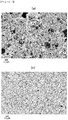
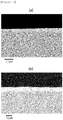
- the microstructures of the fabricated zinc alloy plated steel sheets were observed using an FE-SEM (SUPRA-55VP, Zeiss) as illustrated in FIGS. 1 and 2 , and the average grain diameter of a Zn single phase structure of each of the zinc alloy plated steel sheets was measured as shown in Table 2 below.
- f % I basal / I total ⁇ 100
- I total refers to the integral of all diffraction peaks of the Zn single phase structure when an X-ray diffraction pattern was measured within the range of 2 theta from 10° to 100° using a Cu-K ⁇ source
- I basal refers to the integral of diffraction peaks of the Zn single phase structure relating to a basal plane.
- a salt spray test (based on KS-C-0223) was performed on each of the zinc alloy plated steel sheets to facilitate corrosion, and then the time taken until the area fraction of red rust on the surface of each plating layer was 5% was measured.
- Comparative Samples 1 to 5 had high corrosion resistance, Comparative Samples 1 to 5 had poor bending workability because the (f) values thereof were less than 50%.
- FIG. 1A and 1B are views illustrating results of an observation of a surface microstructure of Inventive Sample 1 of the present disclosure and an observation of a surface microstructure of Comparative Sample 5
- FIGS. 2A and 2B are views illustrating results of an observation of a cross-sectional microstructure of Inventive Sample 1 of the present disclosure and an observation of a cross-sectional microstructure of Comparative Sample 5.
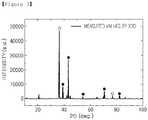
- FIG. 3 is a view illustrating results of X-ray diffractometer (XRD) analysis of Inventive Sample 1.
- XRD X-ray diffractometer
- Low carbon cold-rolled steel sheets each having a thickness of 0.8 mm, a width of 100 mm, and a length of 200 mm were prepared as base steel sheets for plating test samples, and then foreign substances such as rolling oil were removed from the surfaces of the base steel sheets by dipping the base steel sheets into acetone and washing the base steel sheets with ultrasonic waves. Thereafter, a 750°C reducing atmosphere heat treatment commonly performed to guarantee mechanical characteristics of steel sheets in the hot-dipping plating field was performed on the base steel sheets, and then the base steel sheets were dipped into plating baths having compositions shown in Table 3 below to fabricate zinc alloy plated steel sheets. Thereafter, each of the zinc alloy plated steel sheets was wiped with gas to adjust a plating weight to be 70 g/m 2 on each side. Then, the zinc alloy plated steel sheets were cooled under the same conditions as Inventive Sample 1 of Example 1.
- a friction test (linear friction test) was performed by rubbing the surface of each of the zinc alloy plated steel sheets 20 times with a tool head at a constant pressure.
- a target load was 333.3 kgf
- a pressure was 3.736 MPa
- the tool head traveled 200 mm per rub
- the speed of the tool head was 20 mm/s.
- each of the zinc alloy plated steel sheets was inserted into a salt spray tester, and the time taken until the occurrence of red rust was measured according to international standard ASTM B117-11. In that time, a 5% salt solution (35°C, pH 6.8) was sprayed at a rate of 2 ml/80 cm 2 per hour.
- a 5% salt solution 35°C, pH 6.8 was sprayed at a rate of 2 ml/80 cm 2 per hour.
- each of Comparative Samples A, B, D, and E had poor appearance because the area fraction of a Zn single phase structure present on the surface of a plating layer was excessively high, and each of Comparative Samples A to G had poor scratch resistance because the area fractions of a Zn/MgZn 2 binary eutectic structure and a Zn/Al/MgZn 2 ternary eutectic structure are excessively low.
Landscapes
- Chemical & Material Sciences (AREA)
- Chemical Kinetics & Catalysis (AREA)
- Engineering & Computer Science (AREA)
- Materials Engineering (AREA)
- Mechanical Engineering (AREA)
- Metallurgy (AREA)
- Organic Chemistry (AREA)
- Coating With Molten Metal (AREA)
- Application Of Or Painting With Fluid Materials (AREA)
- Laminated Bodies (AREA)
Claims (16)
- Mit Zinklegierung plattiertes Stahlblech, umfassend ein Basisstahlblech und eine Zinklegierungsplattierungsschicht,
wobei die Zinklegierungsplattierungsschicht in Gewichts-% Aluminium (A|): 0,5 % bis 3 %, Magnesium (Mg): 0,5 % bis 3 % und einen Rest aus Zink (Zn) und unvermeidbaren Verunreinigungen umfasst, und die Zinklegierungsplattierungsschicht eine Zn-Einzelphasenstruktur als Mikrostruktur und eine intermetallische Verbindung auf Zn-Al-Mg-Basis umfasst, und
die Zn-Einzelphasenstruktur einen Grad (f) an (0001) Vorzugsorientierung, die durch die nachstehende Formel 1 ausgedrückt ist, innerhalb eines Bereichs von 50 % oder mehr hat,
- Mit Zinklegierung plattiertes Stahlblech nach Anspruch 1, wobei die Zn-Einzelphasenstruktur einen Grad (f) an (0001) Vorzugsorientierung, die durch die Formel 1 ausgedrückt ist, innerhalb eines Bereichs von 60 % oder mehr hat.
- Mit Zinklegierung plattiertes Stahlblech nach Anspruch 1, wobei die intermetallische Verbindung auf Zn-Al-Mg-Basis mindestens eine Struktur hat, die aus der Gruppe ausgewählt ist, die aus einer binären eutektischen Struktur aus Zn/MgZn2, einer binären eutektischen Struktur aus Zn/Al, einer MgZn2-Einzelphasenstruktur und einer ternären eutektischen Struktur aus Zn/Al/MgZn2 besteht.
- Mit Zinklegierung plattiertes Stahlblech nach Anspruch 1, wobei ein Flächenanteil der Zn-Einzelphasenstruktur auf einer Oberfläche der Zinklegierungsplattierungsschicht 40 % oder weniger, 0 % ausgeschlossen, beträgt.
- Mit Zinklegierung plattiertes Stahlblech nach Anspruch 1, wobei ein Gesamtflächenanteil einer binären eutektischen Struktur aus Zn/MgZn2 und einer ternären eutektische Struktur aus Zn/Al/MgZn2 50 % oder mehr, 100 % ausgeschlossen, auf einer Oberfläche der Zinklegierungsplattierungsschicht beträgt.
- Mit Zinklegierung plattiertes Stahlblech nach Anspruch 1, wobei ein Flächenanteil einer MgZn2-Einzelphasenstruktur auf einer Oberfläche der Zinklegierungsplattierungsschicht 10 % oder weniger, 0 % ausgeschlossen, beträgt.
- Mit Zinklegierung plattiertes Stahlblech nach Anspruch 1, wobei ein mittlerer Korndurchmesser der Zn-Einzelphasenstruktur, der an einem in einer Blechdickenrichtung ermittelten Querschnitt der Zinklegierungsplattierungsschicht beobachtet wurde, 15 µm oder weniger, 0 µm ausgeschlossen, beträgt.
- Mit Zinklegierung plattiertes Stahlblech nach Anspruch 1, wobei die Zinklegierungsplattierungsschicht die nachstehende Formel 2 erfüllt:

- Mit Zinklegierung plattiertes Stahlblech nach Anspruch 1, wobei eine Anzahl schwarzer Flecken pro Einheitsfläche 0,1/cm2 oder weniger auf einer Oberfläche des Zinklegierungsplattierungsschicht beträgt.
- Verfahren zum Herstellen eines mit Zinklegierung plattierten Stahlblechs, wobei das Verfahren umfasst:Vorbereiten eines Zinklegierungsplattierungsbads, das in Gew.-% Aluminium (Al): 0,5 % bis 3 %, Magnesium (Mg): 0,5 % bis 3 % und einen Rest aus Zink (Zn) und unvermeidbaren Verunreinigungen umfasst,Erhalten eines mit Zinklegierung plattierten Stahlblechs durch Eintauchen eines Basisstahlblechs in das Zinklegierungsplattierungsbad, um das Basisstahlblech zu plattieren;Abstreifen des mit Zinklegierung plattierten Stahlblechs mit Gas, um ein Plattierungsgewicht anzupassen; undNach dem Anpassen des Plattierungsgewichts des mit Zinklegierung plattierten Stahlblechs, Abkühlen des mit Zinklegierung plattierten Stahlblechs, indem Wassertröpfchen oder eine wässrige Lösung auf das mit Zinklegierung plattierten Stahlblech aufgesprüht werden und dann Luft verwendet wird,wobei, wenn die Tröpfchen aufgesprüht werden, eine Tröpfchensprühbeginntemperatur von 405° C bis 425° C reicht, eine Tröpfchensprühstopptemperatur von 380° C bis 400° C reicht.
- Verfahren nach Anspruch 10, wobei, wenn die Tröpfchen aufgesprüht werden, ein Unterschied zwischen der Tröpfchensprühbeginntemperatur und der Tröpfchensprühstopptemperatur 15° C oder mehr beträgt.
- Verfahren nach Anspruch 10, wobei die Tröpfchen durch ein Ladungssprühverfahren aufgesprüht werden, um die Tröpfchen durch elektrostatische Anziehung zwischen den Tröpfchen und dem mit Zinklegierung plattierten Stahlblech anhaften zu lassen.
- Verfahren nach Anspruch 10, wobei die Tröpfchen in einer Menge von 50 g/m2 bis 100 g/m2 aufgesprüht werden.
- Verfahren nach Anspruch 10, wobei es sich bei der wässrigen Lösung um eine wässrige Phosphatlösung handelt.
- Verfahren nach Anspruch 14, wobei die wässrige Phosphatlösung mindestens eine wässrige Lösung umfasst, die aus der Gruppe ausgewählt ist, die aus einer wässrigen Lösung aus Ammoniumhydrogenphosphat ((NH4)2HPO4), einer wässrigen Lösung aus Natriumammoniumhydrogenphosphat (NaNH4HPO4), einer wässrigen Lösung aus Zinkdihydrogenphosphat (Zn(H2PO4)2) und einer wässrigen Lösung aus Calciumphosphat (Ca3(PO4)2) besteht.
- Verfahren nach Anspruch 14, wobei die wässrige Phosphatlösung eine Konzentration von 1 Gew.-% bis 3 Gew.-% hat.
Applications Claiming Priority (2)
| Application Number | Priority Date | Filing Date | Title |
|---|---|---|---|
| KR20150148793 | 2015-10-26 | ||
| PCT/KR2016/012098 WO2017074030A1 (ko) | 2015-10-26 | 2016-10-26 | 굽힘가공성이 우수한 아연합금도금강판 및 그 제조방법 |
Publications (3)
| Publication Number | Publication Date |
|---|---|
| EP3369838A1 EP3369838A1 (de) | 2018-09-05 |
| EP3369838A4 EP3369838A4 (de) | 2018-09-05 |
| EP3369838B1 true EP3369838B1 (de) | 2019-08-21 |
Family
ID=58743980
Family Applications (1)
| Application Number | Title | Priority Date | Filing Date |
|---|---|---|---|
| EP16860213.4A Active EP3369838B1 (de) | 2015-10-26 | 2016-10-26 | Zinklegiertes stahlblech mit ausgezeichneter biegebearbeitbarkeit und herstellungsverfahren dafür |
Country Status (5)
| Country | Link |
|---|---|
| US (1) | US20180320260A1 (de) |
| EP (1) | EP3369838B1 (de) |
| JP (1) | JP6983153B2 (de) |
| KR (1) | KR101819381B1 (de) |
| CN (1) | CN108350555A (de) |
Families Citing this family (11)
| Publication number | Priority date | Publication date | Assignee | Title |
|---|---|---|---|---|
| KR101847567B1 (ko) | 2015-12-24 | 2018-04-10 | 주식회사 포스코 | 미세하고 균일한 도금 조직을 갖는 도금 강판 |
| CN110191973B (zh) * | 2017-01-16 | 2021-04-20 | 日本制铁株式会社 | 镀覆钢材 |
| MX2021012534A (es) * | 2019-04-19 | 2021-11-12 | Nippon Steel Corp | Lamina de acero enchapada. |
| MY197182A (en) * | 2019-06-26 | 2023-05-30 | Posco | Plated steel wire and manufacturing method for the same |
| WO2021038102A1 (en) | 2019-08-30 | 2021-03-04 | Rijksuniversiteit Groningen | Characterization method of formability properties of zinc alloy coating on a metal substrate |
| CN111155044B (zh) * | 2019-12-13 | 2021-09-21 | 首钢集团有限公司 | 一种提高锌铝镁镀层钢表面质量的方法、锌铝镁镀层 |
| KR102666358B1 (ko) * | 2020-03-03 | 2024-05-14 | 제이에프이 스틸 가부시키가이샤 | 열간 프레스 부재 및 그의 제조 방법 |
| KR102453011B1 (ko) | 2020-12-21 | 2022-10-12 | 주식회사 포스코 | 실러 접착성이 우수한 도금 강판 및 이의 제조방법 |
| DE102021107873A1 (de) * | 2021-03-29 | 2022-09-29 | Thyssenkrupp Steel Europe Ag | Schmelztauchbeschichtetes Stahlblech |
| EP4538409A1 (de) * | 2022-06-10 | 2025-04-16 | Nippon Steel Corporation | Feuerverzinktes stahlblech auf zn-al-mg-basis |
| KR102672418B1 (ko) * | 2022-07-29 | 2024-06-07 | 현대제철 주식회사 | 도금강판 및 그 제조방법 |
Family Cites Families (13)
| Publication number | Priority date | Publication date | Assignee | Title |
|---|---|---|---|---|
| JP3179401B2 (ja) * | 1996-12-13 | 2001-06-25 | 日新製鋼株式会社 | 耐食性および表面外観の良好な溶融Zn−Al−Mgめっき鋼板およびその製造法 |
| CN1193113C (zh) * | 1996-12-13 | 2005-03-16 | 日新制钢株式会社 | 耐腐蚀性和表面外观良好的熔融Zn-Al-Mg电镀钢板和其制备方法 |
| JP3149129B2 (ja) * | 1997-03-04 | 2001-03-26 | 日新製鋼株式会社 | 耐食性および表面外観の良好な溶融Zn−Al−Mg系めっき鋼板およびその製造法 |
| JP3888784B2 (ja) * | 1998-09-21 | 2007-03-07 | 日新製鋼株式会社 | 溶融Zn基めっき鋼板のエッジしわ防止法 |
| JP4522552B2 (ja) * | 2000-07-10 | 2010-08-11 | 日新製鋼株式会社 | 耐黒変性ミニマイズドスパングル溶融亜鉛めっき鋼板並びに処理液およびその使用法 |
| JP3580261B2 (ja) * | 2001-03-23 | 2004-10-20 | 住友金属工業株式会社 | 溶融Zn−Al−Mgめっき鋼板およびその製造方法 |
| JP3732141B2 (ja) * | 2001-11-09 | 2006-01-05 | 新日本製鐵株式会社 | 加工後の耐食性に優れた溶融亜鉛−Al系合金めっき鋼板及びその製造方法 |
| JP4546884B2 (ja) * | 2004-07-07 | 2010-09-22 | 新日本製鐵株式会社 | 加工部耐食性に優れる表面処理めっき鋼板 |
| MX2007007844A (es) * | 2004-12-28 | 2008-02-19 | Posco | Chapa de acero galvanizado sin lentejuela, metodo de fabricacion de este y dispositivo que se utiliza para este. |
| KR20120075235A (ko) * | 2010-12-28 | 2012-07-06 | 주식회사 포스코 | 고내식 용융아연합금 도금강판과 그 제조방법 |
| JP5816703B2 (ja) * | 2011-01-20 | 2015-11-18 | ポスコ | 深絞り性及び極低温耐接合脆性に優れた溶融亜鉛めっき鋼板及びその製造方法 |
| KR101417304B1 (ko) * | 2012-07-23 | 2014-07-08 | 주식회사 포스코 | 내식성 및 표면외관이 우수한 용융아연합금 도금강판 및 그 제조방법 |
| KR20150052376A (ko) * | 2013-10-30 | 2015-05-14 | 주식회사 포스코 | 내식성이 우수한 용융아연합금 도금강판 및 그 제조방법 |
-
2016
- 2016-10-26 US US15/770,615 patent/US20180320260A1/en not_active Abandoned
- 2016-10-26 CN CN201680064509.XA patent/CN108350555A/zh active Pending
- 2016-10-26 EP EP16860213.4A patent/EP3369838B1/de active Active
- 2016-10-26 JP JP2018521248A patent/JP6983153B2/ja active Active
- 2016-10-26 KR KR1020160140342A patent/KR101819381B1/ko active Active
Non-Patent Citations (1)
| Title |
|---|
| None * |
Also Published As
| Publication number | Publication date |
|---|---|
| KR101819381B1 (ko) | 2018-01-18 |
| CN108350555A (zh) | 2018-07-31 |
| JP2018532889A (ja) | 2018-11-08 |
| US20180320260A1 (en) | 2018-11-08 |
| JP6983153B2 (ja) | 2021-12-17 |
| EP3369838A1 (de) | 2018-09-05 |
| EP3369838A4 (de) | 2018-09-05 |
| KR20170049422A (ko) | 2017-05-10 |
Similar Documents
| Publication | Publication Date | Title |
|---|---|---|
| EP3369838A1 (de) | Zinklegiertes stahlblech mit exzellenter biegebearbeitbarkeit und herstellungsverfahren dafür | |
| EP3239346B1 (de) | Stahlblech aus einer feuerverzinkten legierung mit hervorragender phosphatierbarkeit und punktschweissbarkeit sowie verfahren zur herstellung davon | |
| EP3396004B1 (de) | Verfahren zur herstellung eines plattierten stahlmaterials mit hervorragender reibungsbeständigkeit und weissrostbeständigkeit | |
| EP3239347B1 (de) | Mit zinklegierung plattiertes stahlmaterial mit hervorragender schweissbarkeit und verarbeitungsteilkorrosionsbeständigkeit und verfahren zur herstellung davon | |
| EP2659017B1 (de) | In hohem masse korrosionsbeständiges, feuerverzinktes und plattiertes zn-legierung-stahlblech sowie verfahren zu seiner herstellung | |
| EP2816139B1 (de) | Plattiertes stahlblech zum warmpressen sowie verfahren zum warmpressen des plattierten stahlblechs | |
| EP3604604B1 (de) | Feuerverzinktes al-beschichtetes stahlblech und verfahren zur herstellung davon | |
| JP6025980B2 (ja) | 耐食性及び表面外観に優れた溶融亜鉛合金めっき鋼板及びその製造方法 | |
| CN111527232A (zh) | 加工后耐蚀性优异的镀锌合金钢材及其制造方法 | |
| EP2980261B1 (de) | Mit geschmolzenem al-zn beschichtetes stahlblech und verfahren zur herstellung davon | |
| JP2001115247A (ja) | 耐食性に優れたZn−Al−Mg−Si合金めっき鋼材およびその製造方法 | |
| EP1905859B1 (de) | Nach dem heisstauchverfahren mit einem sn-zn-system beschichtetes stahlblech mit guter korrosionsbeständigkeit | |
| EP4079923A1 (de) | Schmelztauchbeschichtetes stahlmaterial mit ausgezeichneten korrosionsschutzeigenschaften und verfahren zum herstellen desselben | |
| EP3730664A1 (de) | Mit aluminiumlegierungsschmelze plattiertes stahlblech mit ausgezeichneter korrosionsbeständigkeit und schweissbarkeit sowie verfahren zu seiner herstellung | |
| EP3561136A1 (de) | Legierungsplattiertes stahlmaterial mit hervorragender rissbeständigkeit und verfahren zur herstellung davon | |
| WO2018181392A1 (ja) | 溶融Al系めっき鋼板とその製造方法 | |
| EP4696807A1 (de) | Plattiertes stahlblech auf zn-al-mg-si-basis | |
| EP0562115A1 (de) | Blech aus aluminium-legierung mit verbesserter pressverformbarkeit und verfahren zur herstellung | |
| JP2000054156A (ja) | 塗装後耐蝕性に優れたAl合金材 | |
| JP2000117189A (ja) | 成形加工後の耐蝕性に優れたプレコートAl合金材 |
Legal Events
| Date | Code | Title | Description |
|---|---|---|---|
| STAA | Information on the status of an ep patent application or granted ep patent |
Free format text: STATUS: THE INTERNATIONAL PUBLICATION HAS BEEN MADE |
|
| PUAI | Public reference made under article 153(3) epc to a published international application that has entered the european phase |
Free format text: ORIGINAL CODE: 0009012 |
|
| STAA | Information on the status of an ep patent application or granted ep patent |
Free format text: STATUS: REQUEST FOR EXAMINATION WAS MADE |
|
| 17P | Request for examination filed |
Effective date: 20180516 |
|
| A4 | Supplementary search report drawn up and despatched |
Effective date: 20180626 |
|
| AK | Designated contracting states |
Kind code of ref document: A1 Designated state(s): AL AT BE BG CH CY CZ DE DK EE ES FI FR GB GR HR HU IE IS IT LI LT LU LV MC MK MT NL NO PL PT RO RS SE SI SK SM TR |
|
| AX | Request for extension of the european patent |
Extension state: BA ME |
|
| DAV | Request for validation of the european patent (deleted) | ||
| DAX | Request for extension of the european patent (deleted) | ||
| GRAP | Despatch of communication of intention to grant a patent |
Free format text: ORIGINAL CODE: EPIDOSNIGR1 |
|
| STAA | Information on the status of an ep patent application or granted ep patent |
Free format text: STATUS: GRANT OF PATENT IS INTENDED |
|
| RIC1 | Information provided on ipc code assigned before grant |
Ipc: C23C 2/26 20060101ALI20190207BHEP Ipc: C23C 2/16 20060101ALI20190207BHEP Ipc: C23C 2/18 20060101ALI20190207BHEP Ipc: C23C 2/40 20060101ALI20190207BHEP Ipc: C22C 18/04 20060101ALI20190207BHEP Ipc: C23C 2/14 20060101ALI20190207BHEP Ipc: C23C 2/20 20060101ALI20190207BHEP Ipc: C23C 2/06 20060101AFI20190207BHEP |
|
| INTG | Intention to grant announced |
Effective date: 20190306 |
|
| GRAS | Grant fee paid |
Free format text: ORIGINAL CODE: EPIDOSNIGR3 |
|
| GRAA | (expected) grant |
Free format text: ORIGINAL CODE: 0009210 |
|
| STAA | Information on the status of an ep patent application or granted ep patent |
Free format text: STATUS: THE PATENT HAS BEEN GRANTED |
|
| AK | Designated contracting states |
Kind code of ref document: B1 Designated state(s): AL AT BE BG CH CY CZ DE DK EE ES FI FR GB GR HR HU IE IS IT LI LT LU LV MC MK MT NL NO PL PT RO RS SE SI SK SM TR |
|
| REG | Reference to a national code |
Ref country code: GB Ref legal event code: FG4D |
|
| REG | Reference to a national code |
Ref country code: CH Ref legal event code: EP |
|
| REG | Reference to a national code |
Ref country code: DE Ref legal event code: R096 Ref document number: 602016019212 Country of ref document: DE |
|
| REG | Reference to a national code |
Ref country code: AT Ref legal event code: REF Ref document number: 1169845 Country of ref document: AT Kind code of ref document: T Effective date: 20190915 |
|
| REG | Reference to a national code |
Ref country code: IE Ref legal event code: FG4D |
|
| REG | Reference to a national code |
Ref country code: NL Ref legal event code: FP |
|
| REG | Reference to a national code |
Ref country code: LT Ref legal event code: MG4D |
|
| PG25 | Lapsed in a contracting state [announced via postgrant information from national office to epo] |
Ref country code: FI Free format text: LAPSE BECAUSE OF FAILURE TO SUBMIT A TRANSLATION OF THE DESCRIPTION OR TO PAY THE FEE WITHIN THE PRESCRIBED TIME-LIMIT Effective date: 20190821 Ref country code: LT Free format text: LAPSE BECAUSE OF FAILURE TO SUBMIT A TRANSLATION OF THE DESCRIPTION OR TO PAY THE FEE WITHIN THE PRESCRIBED TIME-LIMIT Effective date: 20190821 Ref country code: SE Free format text: LAPSE BECAUSE OF FAILURE TO SUBMIT A TRANSLATION OF THE DESCRIPTION OR TO PAY THE FEE WITHIN THE PRESCRIBED TIME-LIMIT Effective date: 20190821 Ref country code: PT Free format text: LAPSE BECAUSE OF FAILURE TO SUBMIT A TRANSLATION OF THE DESCRIPTION OR TO PAY THE FEE WITHIN THE PRESCRIBED TIME-LIMIT Effective date: 20191223 Ref country code: HR Free format text: LAPSE BECAUSE OF FAILURE TO SUBMIT A TRANSLATION OF THE DESCRIPTION OR TO PAY THE FEE WITHIN THE PRESCRIBED TIME-LIMIT Effective date: 20190821 Ref country code: BG Free format text: LAPSE BECAUSE OF FAILURE TO SUBMIT A TRANSLATION OF THE DESCRIPTION OR TO PAY THE FEE WITHIN THE PRESCRIBED TIME-LIMIT Effective date: 20191121 Ref country code: NO Free format text: LAPSE BECAUSE OF FAILURE TO SUBMIT A TRANSLATION OF THE DESCRIPTION OR TO PAY THE FEE WITHIN THE PRESCRIBED TIME-LIMIT Effective date: 20191121 |
|
| PG25 | Lapsed in a contracting state [announced via postgrant information from national office to epo] |
Ref country code: IS Free format text: LAPSE BECAUSE OF FAILURE TO SUBMIT A TRANSLATION OF THE DESCRIPTION OR TO PAY THE FEE WITHIN THE PRESCRIBED TIME-LIMIT Effective date: 20191221 Ref country code: ES Free format text: LAPSE BECAUSE OF FAILURE TO SUBMIT A TRANSLATION OF THE DESCRIPTION OR TO PAY THE FEE WITHIN THE PRESCRIBED TIME-LIMIT Effective date: 20190821 Ref country code: AL Free format text: LAPSE BECAUSE OF FAILURE TO SUBMIT A TRANSLATION OF THE DESCRIPTION OR TO PAY THE FEE WITHIN THE PRESCRIBED TIME-LIMIT Effective date: 20190821 Ref country code: LV Free format text: LAPSE BECAUSE OF FAILURE TO SUBMIT A TRANSLATION OF THE DESCRIPTION OR TO PAY THE FEE WITHIN THE PRESCRIBED TIME-LIMIT Effective date: 20190821 Ref country code: GR Free format text: LAPSE BECAUSE OF FAILURE TO SUBMIT A TRANSLATION OF THE DESCRIPTION OR TO PAY THE FEE WITHIN THE PRESCRIBED TIME-LIMIT Effective date: 20191122 Ref country code: RS Free format text: LAPSE BECAUSE OF FAILURE TO SUBMIT A TRANSLATION OF THE DESCRIPTION OR TO PAY THE FEE WITHIN THE PRESCRIBED TIME-LIMIT Effective date: 20190821 |
|
| REG | Reference to a national code |
Ref country code: AT Ref legal event code: MK05 Ref document number: 1169845 Country of ref document: AT Kind code of ref document: T Effective date: 20190821 |
|
| PG25 | Lapsed in a contracting state [announced via postgrant information from national office to epo] |
Ref country code: TR Free format text: LAPSE BECAUSE OF FAILURE TO SUBMIT A TRANSLATION OF THE DESCRIPTION OR TO PAY THE FEE WITHIN THE PRESCRIBED TIME-LIMIT Effective date: 20190821 |
|
| PG25 | Lapsed in a contracting state [announced via postgrant information from national office to epo] |
Ref country code: DK Free format text: LAPSE BECAUSE OF FAILURE TO SUBMIT A TRANSLATION OF THE DESCRIPTION OR TO PAY THE FEE WITHIN THE PRESCRIBED TIME-LIMIT Effective date: 20190821 Ref country code: AT Free format text: LAPSE BECAUSE OF FAILURE TO SUBMIT A TRANSLATION OF THE DESCRIPTION OR TO PAY THE FEE WITHIN THE PRESCRIBED TIME-LIMIT Effective date: 20190821 Ref country code: EE Free format text: LAPSE BECAUSE OF FAILURE TO SUBMIT A TRANSLATION OF THE DESCRIPTION OR TO PAY THE FEE WITHIN THE PRESCRIBED TIME-LIMIT Effective date: 20190821 Ref country code: PL Free format text: LAPSE BECAUSE OF FAILURE TO SUBMIT A TRANSLATION OF THE DESCRIPTION OR TO PAY THE FEE WITHIN THE PRESCRIBED TIME-LIMIT Effective date: 20190821 Ref country code: RO Free format text: LAPSE BECAUSE OF FAILURE TO SUBMIT A TRANSLATION OF THE DESCRIPTION OR TO PAY THE FEE WITHIN THE PRESCRIBED TIME-LIMIT Effective date: 20190821 |
|
| PG25 | Lapsed in a contracting state [announced via postgrant information from national office to epo] |
Ref country code: SM Free format text: LAPSE BECAUSE OF FAILURE TO SUBMIT A TRANSLATION OF THE DESCRIPTION OR TO PAY THE FEE WITHIN THE PRESCRIBED TIME-LIMIT Effective date: 20190821 Ref country code: SK Free format text: LAPSE BECAUSE OF FAILURE TO SUBMIT A TRANSLATION OF THE DESCRIPTION OR TO PAY THE FEE WITHIN THE PRESCRIBED TIME-LIMIT Effective date: 20190821 Ref country code: MC Free format text: LAPSE BECAUSE OF FAILURE TO SUBMIT A TRANSLATION OF THE DESCRIPTION OR TO PAY THE FEE WITHIN THE PRESCRIBED TIME-LIMIT Effective date: 20190821 Ref country code: IS Free format text: LAPSE BECAUSE OF FAILURE TO SUBMIT A TRANSLATION OF THE DESCRIPTION OR TO PAY THE FEE WITHIN THE PRESCRIBED TIME-LIMIT Effective date: 20200224 Ref country code: CZ Free format text: LAPSE BECAUSE OF FAILURE TO SUBMIT A TRANSLATION OF THE DESCRIPTION OR TO PAY THE FEE WITHIN THE PRESCRIBED TIME-LIMIT Effective date: 20190821 |
|
| REG | Reference to a national code |
Ref country code: CH Ref legal event code: PL |
|
| REG | Reference to a national code |
Ref country code: DE Ref legal event code: R097 Ref document number: 602016019212 Country of ref document: DE |
|
| PLBE | No opposition filed within time limit |
Free format text: ORIGINAL CODE: 0009261 |
|
| STAA | Information on the status of an ep patent application or granted ep patent |
Free format text: STATUS: NO OPPOSITION FILED WITHIN TIME LIMIT |
|
| PG2D | Information on lapse in contracting state deleted |
Ref country code: IS |
|
| PG25 | Lapsed in a contracting state [announced via postgrant information from national office to epo] |
Ref country code: LI Free format text: LAPSE BECAUSE OF NON-PAYMENT OF DUE FEES Effective date: 20191031 Ref country code: CH Free format text: LAPSE BECAUSE OF NON-PAYMENT OF DUE FEES Effective date: 20191031 Ref country code: LU Free format text: LAPSE BECAUSE OF NON-PAYMENT OF DUE FEES Effective date: 20191026 |
|
| 26N | No opposition filed |
Effective date: 20200603 |
|
| REG | Reference to a national code |
Ref country code: BE Ref legal event code: MM Effective date: 20191031 |
|
| PG25 | Lapsed in a contracting state [announced via postgrant information from national office to epo] |
Ref country code: SI Free format text: LAPSE BECAUSE OF FAILURE TO SUBMIT A TRANSLATION OF THE DESCRIPTION OR TO PAY THE FEE WITHIN THE PRESCRIBED TIME-LIMIT Effective date: 20190821 Ref country code: BE Free format text: LAPSE BECAUSE OF NON-PAYMENT OF DUE FEES Effective date: 20191031 |
|
| PG25 | Lapsed in a contracting state [announced via postgrant information from national office to epo] |
Ref country code: IE Free format text: LAPSE BECAUSE OF NON-PAYMENT OF DUE FEES Effective date: 20191026 |
|
| PG25 | Lapsed in a contracting state [announced via postgrant information from national office to epo] |
Ref country code: CY Free format text: LAPSE BECAUSE OF FAILURE TO SUBMIT A TRANSLATION OF THE DESCRIPTION OR TO PAY THE FEE WITHIN THE PRESCRIBED TIME-LIMIT Effective date: 20190821 |
|
| PG25 | Lapsed in a contracting state [announced via postgrant information from national office to epo] |
Ref country code: HU Free format text: LAPSE BECAUSE OF FAILURE TO SUBMIT A TRANSLATION OF THE DESCRIPTION OR TO PAY THE FEE WITHIN THE PRESCRIBED TIME-LIMIT; INVALID AB INITIO Effective date: 20161026 Ref country code: MT Free format text: LAPSE BECAUSE OF FAILURE TO SUBMIT A TRANSLATION OF THE DESCRIPTION OR TO PAY THE FEE WITHIN THE PRESCRIBED TIME-LIMIT Effective date: 20190821 |
|
| PG25 | Lapsed in a contracting state [announced via postgrant information from national office to epo] |
Ref country code: MK Free format text: LAPSE BECAUSE OF FAILURE TO SUBMIT A TRANSLATION OF THE DESCRIPTION OR TO PAY THE FEE WITHIN THE PRESCRIBED TIME-LIMIT Effective date: 20190821 |
|
| REG | Reference to a national code |
Ref country code: DE Ref legal event code: R081 Ref document number: 602016019212 Country of ref document: DE Owner name: POSCO CO., LTD, POHANG-SI, KR Free format text: FORMER OWNER: POSCO, POHANG-SI, GYEONGSANGBUK-DO, KR Ref country code: DE Ref legal event code: R081 Ref document number: 602016019212 Country of ref document: DE Owner name: POSCO CO., LTD, POHANG- SI, KR Free format text: FORMER OWNER: POSCO, POHANG-SI, GYEONGSANGBUK-DO, KR Ref country code: DE Ref legal event code: R081 Ref document number: 602016019212 Country of ref document: DE Owner name: POSCO HOLDINGS INC., KR Free format text: FORMER OWNER: POSCO, POHANG-SI, GYEONGSANGBUK-DO, KR |
|
| REG | Reference to a national code |
Ref country code: NL Ref legal event code: PD Owner name: POSCO HOLDINGS INC.; KR Free format text: DETAILS ASSIGNMENT: CHANGE OF OWNER(S), CHANGE OF LEGAL ENTITY; FORMER OWNER NAME: POSCO Effective date: 20221026 |
|
| REG | Reference to a national code |
Ref country code: GB Ref legal event code: 732E Free format text: REGISTERED BETWEEN 20221027 AND 20221102 |
|
| REG | Reference to a national code |
Ref country code: NL Ref legal event code: PD Owner name: POSCO CO., LTD; KO Free format text: DETAILS ASSIGNMENT: CHANGE OF OWNER(S), ASSIGNMENT; FORMER OWNER NAME: POSCO Effective date: 20221109 |
|
| REG | Reference to a national code |
Ref country code: DE Ref legal event code: R081 Ref document number: 602016019212 Country of ref document: DE Owner name: POSCO CO., LTD, POHANG-SI, KR Free format text: FORMER OWNER: POSCO HOLDINGS INC., SEOUL, KR Ref country code: DE Ref legal event code: R081 Ref document number: 602016019212 Country of ref document: DE Owner name: POSCO CO., LTD, POHANG- SI, KR Free format text: FORMER OWNER: POSCO HOLDINGS INC., SEOUL, KR |
|
| PGFP | Annual fee paid to national office [announced via postgrant information from national office to epo] |
Ref country code: NL Payment date: 20251002 Year of fee payment: 10 |
|
| PGFP | Annual fee paid to national office [announced via postgrant information from national office to epo] |
Ref country code: DE Payment date: 20251002 Year of fee payment: 10 |
|
| PGFP | Annual fee paid to national office [announced via postgrant information from national office to epo] |
Ref country code: GB Payment date: 20251001 Year of fee payment: 10 |
|
| PGFP | Annual fee paid to national office [announced via postgrant information from national office to epo] |
Ref country code: IT Payment date: 20251002 Year of fee payment: 10 |
|
| PGFP | Annual fee paid to national office [announced via postgrant information from national office to epo] |
Ref country code: FR Payment date: 20251001 Year of fee payment: 10 |