EP3371318B1 - Procédé pour la production et l'extraction de l'acide dihydrolipoïque - Google Patents
Procédé pour la production et l'extraction de l'acide dihydrolipoïque Download PDFInfo
- Publication number
- EP3371318B1 EP3371318B1 EP16867017.2A EP16867017A EP3371318B1 EP 3371318 B1 EP3371318 B1 EP 3371318B1 EP 16867017 A EP16867017 A EP 16867017A EP 3371318 B1 EP3371318 B1 EP 3371318B1
- Authority
- EP
- European Patent Office
- Prior art keywords
- oil
- dhla
- broth
- microbial broth
- edible
- Prior art date
- Legal status (The legal status is an assumption and is not a legal conclusion. Google has not performed a legal analysis and makes no representation as to the accuracy of the status listed.)
- Active
Links
Images



Classifications
-
- C—CHEMISTRY; METALLURGY
- C12—BIOCHEMISTRY; BEER; SPIRITS; WINE; VINEGAR; MICROBIOLOGY; ENZYMOLOGY; MUTATION OR GENETIC ENGINEERING
- C12P—FERMENTATION OR ENZYME-USING PROCESSES TO SYNTHESISE A DESIRED CHEMICAL COMPOUND OR COMPOSITION OR TO SEPARATE OPTICAL ISOMERS FROM A RACEMIC MIXTURE
- C12P11/00—Preparation of sulfur-containing organic compounds
-
- A—HUMAN NECESSITIES
- A23—FOODS OR FOODSTUFFS; TREATMENT THEREOF, NOT COVERED BY OTHER CLASSES
- A23L—FOODS, FOODSTUFFS OR NON-ALCOHOLIC BEVERAGES, NOT OTHERWISE PROVIDED FOR; PREPARATION OR TREATMENT THEREOF
- A23L29/00—Foods or foodstuffs containing additives; Preparation or treatment thereof
- A23L29/03—Organic compounds
- A23L29/035—Organic compounds containing oxygen as heteroatom
- A23L29/04—Fatty acids or derivatives
-
- A—HUMAN NECESSITIES
- A23—FOODS OR FOODSTUFFS; TREATMENT THEREOF, NOT COVERED BY OTHER CLASSES
- A23L—FOODS, FOODSTUFFS OR NON-ALCOHOLIC BEVERAGES, NOT OTHERWISE PROVIDED FOR; PREPARATION OR TREATMENT THEREOF
- A23L33/00—Modifying nutritive qualities of foods; Dietetic products; Preparation or treatment thereof
- A23L33/10—Modifying nutritive qualities of foods; Dietetic products; Preparation or treatment thereof using additives
- A23L33/115—Fatty acids or derivatives thereof; Fats or oils
-
- C—CHEMISTRY; METALLURGY
- C11—ANIMAL OR VEGETABLE OILS, FATS, FATTY SUBSTANCES OR WAXES; FATTY ACIDS THEREFROM; DETERGENTS; CANDLES
- C11B—PRODUCING, e.g. BY PRESSING RAW MATERIALS OR BY EXTRACTION FROM WASTE MATERIALS, REFINING OR PRESERVING FATS, FATTY SUBSTANCES, e.g. LANOLIN, FATTY OILS OR WAXES; ESSENTIAL OILS; PERFUMES
- C11B1/00—Production of fats or fatty oils from raw materials
- C11B1/02—Pretreatment
- C11B1/025—Pretreatment by enzymes or microorganisms, living or dead
-
- C—CHEMISTRY; METALLURGY
- C11—ANIMAL OR VEGETABLE OILS, FATS, FATTY SUBSTANCES OR WAXES; FATTY ACIDS THEREFROM; DETERGENTS; CANDLES
- C11B—PRODUCING, e.g. BY PRESSING RAW MATERIALS OR BY EXTRACTION FROM WASTE MATERIALS, REFINING OR PRESERVING FATS, FATTY SUBSTANCES, e.g. LANOLIN, FATTY OILS OR WAXES; ESSENTIAL OILS; PERFUMES
- C11B3/00—Refining fats or fatty oils
- C11B3/003—Refining fats or fatty oils by enzymes or microorganisms, living or dead
-
- C—CHEMISTRY; METALLURGY
- C11—ANIMAL OR VEGETABLE OILS, FATS, FATTY SUBSTANCES OR WAXES; FATTY ACIDS THEREFROM; DETERGENTS; CANDLES
- C11B—PRODUCING, e.g. BY PRESSING RAW MATERIALS OR BY EXTRACTION FROM WASTE MATERIALS, REFINING OR PRESERVING FATS, FATTY SUBSTANCES, e.g. LANOLIN, FATTY OILS OR WAXES; ESSENTIAL OILS; PERFUMES
- C11B3/00—Refining fats or fatty oils
- C11B3/006—Refining fats or fatty oils by extraction
-
- A—HUMAN NECESSITIES
- A23—FOODS OR FOODSTUFFS; TREATMENT THEREOF, NOT COVERED BY OTHER CLASSES
- A23V—INDEXING SCHEME RELATING TO FOODS, FOODSTUFFS OR NON-ALCOHOLIC BEVERAGES AND LACTIC OR PROPIONIC ACID BACTERIA USED IN FOODSTUFFS OR FOOD PREPARATION
- A23V2400/00—Lactic or propionic acid bacteria
- A23V2400/11—Lactobacillus
- A23V2400/125—Casei
Definitions
- the present invention relates to the biotransformation of R-lipoic acid to dihydrolipoic acid (DHLA).
- the process ferments the lipoic acid with bacteria selected from the genus of any of the following bacteria: Lactobacillus, Enterococcus, Pediococcus, or Bacillus. More particularly the present invention relates to a method for the extraction of DHLA utilizing a non-traditional solvent system, namely a food oil. Generally the DHLA that is produced in the present method is isolated from cells which have been inactivated or killed.
- Dihydrolipoic acid is a valuable nutrient substance. Its production and isolation is made difficult due to the ease of oxidation to its disulfide form, namely, lipoic acid, under various standard conditions.
- DHLA is typically produced within the body through the redox conversion of lipoic acid or alpha-lipoic acid (ALA) during normal metabolic activity.
- ALA alpha-lipoic acid
- the body generally only produces an amount of DHLA sufficient to assist in metabolic function.
- DHLA has been shown, at least in part, to be an effective antioxidant and chelating agent that can be utilized to scavenge reactive nitrogen species (RNS) and reactive oxygen species (ROS) such as, for example, singlet oxygen, that can contribute to a number of degradative pathological syndromes such as diabetes, glaucoma, atherosclerosis, and other neuropathies.
- RNS reactive nitrogen species
- ROS reactive oxygen species
- DHLA has also been found, at least in part, to be effective to prevent or repair oxidative damage in cells and to regenerate certain important nutrients in the body such as, for example, vitamins C and E.
- DHLA commercially available; only ALA which is derived from non-living sources which have no DNA and may induce cellular DNA degradation especially in long term use.
- ALA used in the cell to make minimal amounts of DHLA is not beneficial for long term use.
- DHLA derived from once living sources includes DNA which is known to support cell DNA.
- stabilized dihydrolipoic acid (DHLA) for use in a medicament or nutritional supplement is derived from a once living source.
- the stabilized DHLA compound can be derived from a microbiological culture media including at least one live probiotic organism, R-lipoic acid, and at least one nutraceutical or nutritive agent.
- DHLA derived from a microbiological culture media including at least one live probiotic organism, R-lipoic acid and at least one nutritive agent, is provided.
- the stabilized DHLA may be prepared by dispersing the microbiological media in distilled water to form a broth, incubating the broth at a predetermined temperature for a select period of time to induce probiotic activity, adding organic ethanol to the broth to halt the probiotic activity, and separating the derived stabilized DHLA from the broth.
- the composition is used in medicament or nutritional supplement.
- This invention relates to biotransformation of lipoic acid to dihydrolipoic acid (DHLA) utilizing bacteria.
- DHLA dihydrolipoic acid
- a general object of the invention is to provide a method for producing beneficial compounds including DHLA, or a salt thereof, for use in a medicament or a nutritional supplement.
- a method for producing DHLA including dispersing a microbiological culture media including at least one live probiotic organism, R-lipoic acid, and/or at least one nutritive agent in distilled water to form a broth, incubating the broth at a predetermined temperature for a select period of time to induce probiotic activity; optionally adding organic ethanol to halt the probiotic activity, and separating the desired compound from the broth by means of olive oil extraction.
- DHLA dihydrolipoic acid
- ROS reactive oxygen species
- ROS are byproducts of the normal metabolic processes of living organisms. ROS include oxygen-derived free radicals and non-radical derivatives that can cause oxidative damage to biological structures. ROS have also been shown to play a role in the aging process and a number of pathological syndromes such as, for example, diabetes. However, oxidative damage caused by ROS can be reduced or prevented through a number of mechanisms such as, for example, the use of antioxidants that can react directly with ROS in the body.
- nutraceutical or nutritive agents can be utilized in the microbiological culture media of the invention, suitable nutraceutical or nutritive agents should contribute to the production of the desired beneficial compound as well as to the stability of the microbiological media.
- the particular nutraceutical or nutritive agent or agents utilized in the microbiological culture media will depend upon the beneficial compound to be derived. For example, if the beneficial compound to be derived from the microbiological culture media is stabilized dihydrolipoic acid (DHLA), the nutritive agent contained in the microbiological media may be tumeric rhizome ( curcuma longa ).
- DHLA dihydrolipoic acid
- the nutraceutical or nutritive agent utilized in the microbiological culture media may be a synthetic form or precursor of the beneficial compound to be derived or may be a naturally occurring source of the beneficial compound, such as, for example, a plant or herb, which must be processed in order to isolate the beneficial compound.
- DHLA a nutraceutical or active pharmaceutical ingredient
- API active pharmaceutical ingredient
- Dihydrolipoate DL-6,8-dithioloctanoic acid
- Dihydrolipoate is tested for its neuroprotective activity using models of hypoxic and excitotoxic neuronal damage in vitro and rodent models of cerebral ischemia in vivo.
- Dihydrolipoate similarly to dimethylthiourea, is able to protect neurons against ischemic damage by diminishing the accumulation of reactive oxygen species within the cerebral tissue.
- the process as described herein provides a way to produce large quantities of DHLA in a relatively short amount of time. Further, the extraction method provides a way to extract out the DHLA and lipoic acid without conventional solvents normally used in extraction process. This process leaves no solvent residue which would normally be present in the final product of all solvent extraction processes.
- the process in it principal embodiment contains the following ingredients to produce DHLA in situ.
- the conversion ratio is not as high as other exemplary methods, and the amount of time it takes to reach peak conversion is longer than 21 days.
- Lactobacillus fermentum R-Lipoic Acid Turmeric (rhizome source) N-Acetyl L Cysteine NADH Molasses RO Water Sodium Hydroxide Hydrochloric acid Olive Oil Rice Protein Yeast Flakes Organic cane sugar Manganese Sulfate Magnesium Sulfate Dipotassium Phosphate Natamycin
- DHLA Generally solvent systems that dissolve R-lipoic acid can be used to extract out DHLA. However solvents that are immiscible with water are preferred to avoid extracting out the water soluble components, or at least minimizing co-extraction of such components.
- the bacteria used also can be altered. Most bacteria produce DHLA. The bacterial species described herein and listed are some of the most efficient when used in DHLA production, for example, and produced the largest yield.
- the following ingredients are used to produce DHLA on a large scale in situ.
- Nucleocell Nucleotides are available from Future Food, Santa Rosa, California.
- Natamycin 50% is available from ProFood International, Inc., Lisle, Illinois.
- a useful olive oil for the extraction is Cibariaixie Olive Oil, Riverside, California.
- oils include edible oils, including food or vegetable oils that may be used in embodiments of the process, and also include, but are not limited to, grape seed oil, sesame oil, borage oil, fish oil, sea buckthorne oil, flax oil, coconut oil, peanut oil, canola oil, jojoba oil, corn oil, palm oil, evening primrose oil, amaranth oil, safflower oil, soybean oil, sunflower oil, palm oil, cotton seed oil, almond oil, cashew oil, hazelnut oil, macademia oil, pecan oil, pistachio oil, walnut oil, acai oil, blackcurrant oil, apricot oil, argan oil, artichoke oil, avocado oil, babassu oil, ben oil, borneo tallow nut oil, buffalo gourd oil, carob pod oil, coriander seed oil, false flax oil, hemp oil, kapok seed oil, lallem
- One or more edible oils may be used in the production process for the biotransformation of lipoic acid to DHLA.
- the first edible oil and the second edible oil can be the same or different, and the edible oil is selected from the group consisting of food oil, vegetable oil, botanical oil, grape seed oil, sesame oil, borage oil, fish oil, sea buckthorne oil, flax oil, coconut oil, peanut oil, canola oil, jojoba oil, corn oil, palm oil, evening primrose oil, amaranth oil, safflower oil, soybean oil, sunflower oil, palm oil, cotton seed oil, almond oil, cashew oil, hazelnut oil, macademia oil, pecan oil, pistachio oil, walnut oil, acai oil, blackcurrant oil, apricot oil, argan oil, artichoke oil, avocado oil, babassu oil, ben oil, borneo tallow nut oil, buffalo gourd oil, carob pod oil, coriander seed oil, false flax oil, hemp
- Biotransformation is carried out in a fermentation process for the production of DHLA, using lipoic acid as a feedstock. It is understood that the microbiological culture contains bacterial cells of one or more species as described. The microbiological culture is used to prepare a microbial broth containing yeast.
- the broth provided by the above list of ingredients contains several unexpected advantages and beneficial properties.
- the fermentation broth includes the following properties in terms of one or more of the components.
- the rice protein and L-Cysteine i.e., in the form of N-acetyl-L-cysteine
- each may provide nitrogenous and carbonaceous compounds.
- Yeast flakes provide essential B-Vitamins and organic cane sugar (sucrose) is the fermentable carbohydrate and energy source.
- Olive oil (broth portion) supplies oleic acid and other fatty acids required for metabolism of Lactobacilli.
- Magnesium sulfate and manganese sulfate provide essential ions for multiplication of Lactobacilli.
- Phosphate salt provides good buffering action. Natamycin prevents mold and yeast growth. Glutathione, L-arginine, N-acetyl L-cysteine and NADH are growth promoters and reducing agents. Turmeric can prevent R-Lipoic acid (as starting material feedstock) from polymerizing. Nucleotides are utilized as a growth factor(s). Aussie minerals can provide essential minerals. Molasses provides additional growth factors for the Lactobacillus organisms.
- DHLA Bulk Fermentation Process (Batch mode) (1) A 48 hour inoculation culture is prepared from the stock culture of L. Casei and L. Fermentum as follows.
- Both in-process and finished product samples were analyzed following test method TM9802-095.
- the bulk fermentation samples were prepared daily by pipetting 2.000 mL of sample into a 50 mL volumetric flask and diluting to volume with DHLA bulk fermentation diluent (0.1% w/v glutathione and N-acetyl-L-cysteine, 0.1% phosphoric acid v/v in acetonitrile/di-water (499:499:2)).
- the samples were filtered using syringe filters into HPLC vials, discarding the first 1-2 mL of filtrate.
- the finished product samples were prepared by pipetting 2.000 mL of sample into a 50 mL volumetric flask and diluting to volume with IPA. The samples were filtered using syringe filters into HPLC vials, discarding the first 1-2 mL of filtrate. Representative HPLC conditions are outlined in Table 7 below.
- Table 8 shows the results from each day up until processing (see also, line graph in Fig. 3 ).
- a DHLA standard was prepared daily and was injected at different volumes to form a curve in order to calculate the area of each peak.
- a continuous progression of DHLA conversion was observed each day after Day 7 ( Figure 3 ).
- Figure 4A shows an HPLC chromatogram of the DHLA standard
- Figure 4B shows an HPLC chromatogram of a DHLA sample produced after 14 days of fermentation. TABLE 8 Day DHLA mg/ml Rel.
- the isolated DHLA-containing oil layer can be assayed for DHLA content or antioxidant activity.
- the resulting olive oil layer containing DHLA can have a DHLA concentration of about 10 mg/ml. In another embodiment, the resulting olive oil layer containing DHLA can have a DHLA concentration of from about 5 mg/ml to about 20 mg/ml.
- the bacterial cells may be lysed or inactivated by ethanol. That is, the cells can be inactivated, or killed. Stated in another way, the dead cells may be considered "once-living.” Stated in another way, the lysed or inactivated cells may have a "cell status" wherein the CFU count is near zero (0) or essentially zero (0). Standard plate count with MRS agar is utilized to evaluate the viability of the cells.
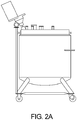
- the DHLA production process (10) is shown.
- the microbial broth made from the microbiological culture is added on 'Day Zero (0)' to reactor (20). After fermentation for about 48 hours, in the example microbial broth is fed with ingredients on 'Day 3' and including feedstock R-Lipoic Acid, and fermentation in reactor (20) is continued for 14-21 days.
- the fermentation batch is fed with the 'Day 12' ingredients, namely molasses, rice protein, yeast flakes, and Natamycin, in water.
- the batch is adjusted to a pH of 2.0 and the olive oil (30) is added to the fermented microbial broth in reactor (20) for extraction of DHLA product.
- DHLA is isolated in the olive oil layer (40).
- the product of process (10) is a DHLA-containing oil layer (40).
- Useful DHLA salts can include addition salts of carboxylic acids including sodium, potassium, magnesium, calcium, and the like.
- Non-living sources lack DNA which is known to emit coherent light capable of nourishing and regenerating cellular DNA.
- non-living source nutrients enter the cell they may induce DNA degradation and early cell death.
- compounds derived from once living sources sustain cell DNA.
- compounds derived from a once living source are more suitable for ingestion because they more closely approximate the compounds which are naturally ingested or produced within the body and thus they are safer, especially for long term use.
- One exemplary DNA source is Nucleocell nucleotides as used herein.
- At least one probiotic organism can be selected from Lactobacillus species, Bifidobacterium species, Enterococcus species, generally accepted as safe (GRAS) Streptococcus thermophilus, and combinations thereof.
- the process described herein ferments the lipoic acid with bacteria selected from the genus of any of the following bacteria: Lactobacillus, Enterococcus, Pediococcus, or Bacillus.
- Lactobacillus species include, but are not limited to, L. acidophilus, L. paracasei, L. fermentum, L. rhamnosus, L. johnsonii, L. plantarum, L. reuteri, L. salivarius, L. brevis, L. bulgaricus, L. helveticus, L. grasseri, L. casei, L. lactis, and combinations thereof.
- Enterococcus species include, but are not limited to, E. faceum, E. faecalis, E. durans, E. gallinarum, and combinations thereof.
- nutraceutical or nutritive agents can be utilized in the microbiological culture media of the invention, suitable nutraceutical or nutritive agents should contribute to the production of the desired beneficial compound as well as to the stability of the microbiological media.
- the particular nutraceutical or nutritive agent or agents utilized in the microbiological culture media will depend upon the beneficial compound to be derived. For example, if the beneficial compound to be derived from the microbiological culture media is stabilized dihydrolipoic acid (DHLA), the nutritive agent contained in the microbiological media may be tumeric rhizome ( curcuma longa ).
- DHLA dihydrolipoic acid
- the nutraceutical or nutritive agent utilized in the microbiological culture media may be a synthetic form or precursor of the beneficial compound to be derived or may be naturally occurring source of the beneficial compound , such as, for example, a plant or herb, which must be processed in order to isolate the beneficial compound.
- stabilized dihydrolipoic acid for use in a medicament or nutritional supplement is derived from a once living source.
- the stabilized DHLA compound can be derived from a microbiological culture media including at least one live probiotic organism, R -lipoic acid, and at least one nutraceutical or nutritive agent.
- Synthetic sources of alpha-lipoic acid generally include, in equal amounts, R -lipoic acid and S -lipoic acid.
- R -lipoic acid is utilized in the microbiological culture media and microbial fermentation broth.
- nutraceuticals or nutritive agents can be utilized in the microbiological culture media of the invention, suitable nutraceuticals or nutritive agents should contribute to the production of DHLA as well as contribute to the stability of the microbiological media.
- the nutraceutical or nutritive agent can be turmeric rhizome ( curcuma longa ).
- the stabilized dihydrolipoic acid (DHLA) of the present invention may be prepared by dispersing a microbiological culture media including at least one live probiotic organism, R -lipoic acid and at least one nutritive agent in distilled water to form a microbial broth.
- the broth is then incubated at a predetermined or preferred pH range (e.g., about 8.0), and temperature range such as, for example, about 35°C to about 40°C, for a select period of time such as, for example, about 72 to about 336 hours (i.e. about 3 to about 14 days) to induce probiotic activity.
- organic ethanol may be added to the broth to halt the probiotic activity and preserve the synthesized compounds.
- the product DHLA is separated from the broth by oil extraction and used to prepare a medicament or nutritional supplement.
Landscapes
- Chemical & Material Sciences (AREA)
- Life Sciences & Earth Sciences (AREA)
- Engineering & Computer Science (AREA)
- Organic Chemistry (AREA)
- Wood Science & Technology (AREA)
- Microbiology (AREA)
- Chemical Kinetics & Catalysis (AREA)
- Oil, Petroleum & Natural Gas (AREA)
- Biochemistry (AREA)
- Health & Medical Sciences (AREA)
- Zoology (AREA)
- Nutrition Science (AREA)
- Food Science & Technology (AREA)
- Polymers & Plastics (AREA)
- Biotechnology (AREA)
- General Chemical & Material Sciences (AREA)
- Bioinformatics & Cheminformatics (AREA)
- General Engineering & Computer Science (AREA)
- General Health & Medical Sciences (AREA)
- Genetics & Genomics (AREA)
- Mycology (AREA)
- Preparation Of Compounds By Using Micro-Organisms (AREA)
- Coloring Foods And Improving Nutritive Qualities (AREA)
- Medicines Containing Material From Animals Or Micro-Organisms (AREA)
- Micro-Organisms Or Cultivation Processes Thereof (AREA)
- Pharmaceuticals Containing Other Organic And Inorganic Compounds (AREA)
- Earth Drilling (AREA)
Claims (13)
- Procédé de production d'acide dihydrolipoïque (DHLA) ou d'un sel de celui-ci, comprenant les étapes consistant à :(a) préparer une culture microbiologique comprenant au moins une espèce de Lactobacillus spp., Enterococcus spp., Pediococcus spp., ou Bacillus spp. ;(b) traiter un bouillon aqueux contenant de la mélasse, de la N-acétyl-L-cystéine, des protéines de riz, de la levure nutritive, du sucre, un ou plusieurs sels minéraux, un ou plusieurs nucléotides, et une première huile comestible, par la culture microbiologique afin de former un bouillon microbien ;(c) incuber le bouillon microbien à une température allant de 35°C à 40°C pendant au moins 48 heures ;(d) alimenter le bouillon microbien avec de l'acide R-lipoïque, du rhizome de curcuma, de la N-acétyl-L-cystéine, du glutathion, de la L-arginine et du NADH ;(e) ajuster le pH jusqu'à environ 8,0 ;(f) incuber le bouillon microbien pendant au moins 10 jours ;(g) éventuellement alimenter le bouillon microbien après les au moins 12 jours par de la mélasse, des protéines de riz, de la levure nutritive, et de la natamycine ;(h) éventuellement ajuster le pH jusqu'à environ 8,0 ;(j) incuber le bouillon microbien pendant d'au moins 2 jours à 9 jours ;(k) ajuster le pH jusqu'à environ 2,0 ;(l) ajouter une deuxième huile comestible selon un volume de 60-100% du volume de bouillon microbien total, et de l'eau selon un volume d'environ 100% du volume de bouillon microbien total, afin de former deux couches ;(m) mélanger la couche d'huile comestible et la couche aqueuse afin d'effectuer l'extraction du DHLA, ou d'un sel de celui-ci, dans la couche d'huile comestible ; et(n) séparer la couche d'huile comestible contenant le DHLA, ou un sel de celui-ci.
- Procédé selon la revendication 1, dans lequel la culture microbiologique comprend L. casei et L. fermentum.
- Procédé selon la revendication 1, dans lequel les étapes d'incubation sont effectuées à une température allant de 35°C à 40°C.
- Procédé selon la revendication 1, dans lequel l'acide R-lipoïque est ajouté au bouillon microbien selon une quantité allant de 20 g/kg à 40 g/kg sur la base du poids total du bouillon microbien.
- Procédé selon la revendication 1, dans lequel la couche d'huile comestible contenant du DHLA, ou un sel de celui-ci, possède une concentration en DHLA d'environ 10 mg/ml.
- Procédé selon la revendication 1, dans lequel la première huile comestible et la deuxième huile comestible peuvent être identiques ou différentes, et la première huile comestible et la deuxième huile comestible sont choisies chacune indépendamment dans le groupe constitué par l'huile d'olive, l'huile de pépins de raisin, l'huile de sésame, l'huile de bourrache, l'huile de poisson, l'huile d'argousier, l'huile de lin, l'huile de noix de coco, l'huile d'arachide, l'huile de canola, l'huile de jojoba, l'huile de maïs, l'huile de palme, l'huile d'onagre, l'huile d'amarante, l'huile de carthame, l'huile de soja, l'huile de tournesol, l'huile de palme, l'huile de coton, l'huile d'amande, l'huile de noix de cajou, l'huile de noisette, l'huile de noix de macadamia, l'huile de noix de Pécan, l'huile de pistache, l'huile de noix, l'huile d'açaï, l'huile de pépins de cassis, l'huile d'amande d'abricot, l'huile d'argan, l'huile d'artichaut, l'huile d'avocat, l'huile de babassu, l'huile de Ben, l'huile d'illipé de Bornéo, l'huile de Cucurbita foetidissima, l'huile de gousses de caroube, l'huile de graines de coriandre, l'huile de caméline, l'huile de chanvre, l'huile de kapok, l'huile Lallemantia, l'huile de limnanthe, l'huile de moutarde, l'huile d'okra, l'huile de périlla, l'huile de Péqui, l'huile de pignons, l'huile d'oeillette, l'huile d'amandes de pruneaux, l'huile de graines de potiron, l'huile de quinoa, l'huile de Ramtil, l'huile de riz, l'huile de thé, l'huile de chardon, et l'huile de germe de blé.
- Procédé selon la revendication 6, dans lequel la première huile comestible et la deuxième huile comestible sont constituées chacune d'huile d'olive.
- Procédé selon la revendication 7, dans lequel la couche d'huile comestible contenant du DHLA, ou un sel de celui-ci, possède une concentration en DHLA d'environ 10 mg/ml.
- Procédé selon la revendication 1 de production d'acide dihydrolipoïque (DHLA) ou d'un sel de celui-ci, comprenant les étapes consistant à :(a) préparer une culture microbiologique comprenant au moins une espèce de Lactobacillus spp., Enterococcus spp., Pediococcus spp., ou Bacillus spp. ;(b) traiter un bouillon aqueux contenant de la mélasse, de la N-acétyl-L-cystéine, des protéines de riz, de la levure nutritive, du sucre, un ou plusieurs sels minéraux, un ou plusieurs nucléotides, et de l'huile d'olive, par la culture microbiologique afin de former un bouillon microbien ;(c) incuber le bouillon microbien à une température allant de 35°C à 40°C pendant au moins environ 48 heures ;(d) alimenter le bouillon microbien avec de l'acide R-lipoïque, du rhizome de curcuma, de la N-acétyl-L-cystéine, du glutathion, de la L-arginine et du NADH ;(e) ajuster le pH jusqu'à environ 8,0 ;(f) incuber le bouillon microbien pendant au moins environ 10 jours ;(g) éventuellement alimenter le bouillon microbien après les au moins 12 jours par de la mélasse, des protéines de riz, de la levure nutritive, et de la natamycine ;(h) éventuellement ajuster le pH jusqu'à environ 8,0 ;(j) incuber le bouillon microbien pendant d'au moins 2 jours à 9 jours ;(k) ajuster le pH jusqu'à environ 2,0 ;(l) ajouter de l'huile d'olive selon un volume de 60-100% du volume de bouillon microbien total, et de l'eau selon un volume d'environ 100% du volume de bouillon microbien total, afin de former deux couches ;(m) mélanger la couche d'huile d'olive et la couche aqueuse afin d'effectuer l'extraction du DHLA, ou d'un sel de celui-ci, dans la couche d'huile d'olive ; et(n) séparer la couche d'huile d'olive contenant le DHLA, ou un sel de celui-ci.
- Procédé selon la revendication 9, dans lequel la culture microbiologique comprend L. casei et L. fermentum.
- Procédé selon la revendication 9, dans lequel les étapes d'incubation sont effectuées à une température allant de 35°C à 40°C.
- Procédé selon la revendication 9, dans lequel l'acide R-lipoïque est ajouté au bouillon microbien selon une quantité allant de 20 g/kg à 40 g/kg sur la base du poids total du bouillon microbien.
- Procédé selon la revendication 9, dans lequel la couche d'huile d'olive contenant du DHLA, ou un sel de celui-ci, possède une concentration en DHLA d'environ 10 mg/ml.
Applications Claiming Priority (2)
| Application Number | Priority Date | Filing Date | Title |
|---|---|---|---|
| US14/943,185 US9944960B2 (en) | 2015-11-17 | 2015-11-17 | Process for microbial production of dihydrolipoic acid and extraction of dihydrolipoic acid with edible oils |
| PCT/US2016/062228 WO2017087488A1 (fr) | 2015-11-17 | 2016-11-16 | Procédé pour la production et l'extraction de l'acide dihydrolipoïque |
Publications (3)
| Publication Number | Publication Date |
|---|---|
| EP3371318A1 EP3371318A1 (fr) | 2018-09-12 |
| EP3371318A4 EP3371318A4 (fr) | 2018-09-12 |
| EP3371318B1 true EP3371318B1 (fr) | 2019-04-24 |
Family
ID=58690464
Family Applications (1)
| Application Number | Title | Priority Date | Filing Date |
|---|---|---|---|
| EP16867017.2A Active EP3371318B1 (fr) | 2015-11-17 | 2016-11-16 | Procédé pour la production et l'extraction de l'acide dihydrolipoïque |
Country Status (9)
| Country | Link |
|---|---|
| US (1) | US9944960B2 (fr) |
| EP (1) | EP3371318B1 (fr) |
| JP (1) | JP6792783B2 (fr) |
| CN (1) | CN108463556B (fr) |
| CA (1) | CA3004622C (fr) |
| ES (1) | ES2734270T3 (fr) |
| LT (1) | LT3371318T (fr) |
| MX (1) | MX379894B (fr) |
| WO (1) | WO2017087488A1 (fr) |
Families Citing this family (2)
| Publication number | Priority date | Publication date | Assignee | Title |
|---|---|---|---|---|
| CN110643532B (zh) * | 2019-09-24 | 2020-11-13 | 扬州大学 | 油脂降解的副干酪乳杆菌及其应用 |
| DE102020207975B4 (de) | 2020-06-26 | 2025-04-17 | Deep Care Gmbh | Verfahren und Vorrichtung zur Verminderung der durch das Sitz- und Bewegungsverhalten eines Nutzers verursachten gesundheitlichen Belastung |
Family Cites Families (21)
| Publication number | Priority date | Publication date | Assignee | Title |
|---|---|---|---|---|
| JPS6027396A (ja) * | 1983-07-22 | 1985-02-12 | Kyowa Hakko Kogyo Co Ltd | グルタチオンの製法 |
| DE4113750A1 (de) * | 1991-04-26 | 1992-10-29 | Boehringer Mannheim Gmbh | Verbesserung der renaturierung bei der sekretion von disulfidverbrueckten proteinen |
| JP2756225B2 (ja) * | 1993-09-16 | 1998-05-25 | フジッコ株式会社 | 可食性ゲルの製造方法 |
| EP1307442A2 (fr) * | 2000-08-02 | 2003-05-07 | Basf Aktiengesellschaft | Procede de production d'acide lipoique et d'acide dihydrolipoique |
| JP2004514716A (ja) | 2000-11-30 | 2004-05-20 | ビーエーエスエフ アクチェンゲゼルシャフト | リポ酸およびジヒドロリポ酸の調製方法 |
| JP2003304892A (ja) * | 2002-04-12 | 2003-10-28 | Daicel Chem Ind Ltd | 光学活性なハロフェニルエタノール誘導体の製造方法 |
| DE10258127A1 (de) | 2002-12-12 | 2004-07-08 | Consortium für elektrochemische Industrie GmbH | Verfahen zur fermentativen Herstellung von R-α-Liponsäure |
| DE10332623A1 (de) | 2003-07-17 | 2005-02-03 | Consortium für elektrochemische Industrie GmbH | Zellen und Verfahren zur fermentativen Herstellung von R-alpha-Liponsäure |
| US8530209B2 (en) | 2003-11-26 | 2013-09-10 | Premier Research Labs, Lp | Method for producing probiotically derived compounds |
| US8304217B2 (en) | 2003-11-26 | 2012-11-06 | Premier Research Labs, Lp | Stabilized dihydrolipoic acid and method of producing same |
| JP2005312393A (ja) * | 2004-04-30 | 2005-11-10 | Niigata Prefecture | バクテリオシンの生産方法,バクテリオシン含有物及び清酒製造方法 |
| JP4253296B2 (ja) * | 2004-12-16 | 2009-04-08 | 尚文 石川 | 健康美容食品 |
| JP2006282609A (ja) * | 2005-04-01 | 2006-10-19 | Japan Natural Laboratory Co Ltd | 安定化αーリポ酸配合化粧料、育毛剤び抗肥満用食品 |
| JP5157001B2 (ja) * | 2005-04-30 | 2013-03-06 | ビーエイチエヌ株式会社 | 安定化α−リポ酸組成物及びその利用 |
| NZ571619A (en) * | 2006-05-28 | 2011-10-28 | Cipla Medpro Res And Dev Pty Ltd | Probiotic strain of Enterococcus mundtii and the broad-spectrum bacteriocin ST4SA |
| WO2008129358A2 (fr) * | 2006-08-01 | 2008-10-30 | Ocean Nutrition Canada Ltd. | Microbes produisant des huiles et procedes de modification associes |
| JP4074652B1 (ja) * | 2007-03-26 | 2008-04-09 | 株式会社フローラ | カテキン誘導体の製造方法 |
| US20090078581A1 (en) * | 2007-09-24 | 2009-03-26 | Applied Intellectual Capital | Configurations and Methods of Reduction of Lipoic Acid |
| US20110262976A1 (en) | 2008-01-17 | 2011-10-27 | Indigene Pharmaceuticals, Inc. | PRODUCTION OF R-a-LIPOIC ACID BY FERMENTATION USING GENETICALLY ENGINEERED MICROORGANISMS |
| JP2010213609A (ja) * | 2009-03-16 | 2010-09-30 | Ryukyu Bio Resource Kaihatsu:Kk | ガジュツ又はキョウオウの醗酵処理物 |
| WO2015050809A1 (fr) * | 2013-10-01 | 2015-04-09 | Novozymes A/S | Procédés de production de produits de fermentation |
-
2015
- 2015-11-17 US US14/943,185 patent/US9944960B2/en active Active
-
2016
- 2016-11-16 LT LTEP16867017.2T patent/LT3371318T/lt unknown
- 2016-11-16 ES ES16867017T patent/ES2734270T3/es active Active
- 2016-11-16 CN CN201680074674.3A patent/CN108463556B/zh active Active
- 2016-11-16 EP EP16867017.2A patent/EP3371318B1/fr active Active
- 2016-11-16 JP JP2018545119A patent/JP6792783B2/ja active Active
- 2016-11-16 WO PCT/US2016/062228 patent/WO2017087488A1/fr not_active Ceased
- 2016-11-16 MX MX2018006049A patent/MX379894B/es unknown
- 2016-11-16 CA CA3004622A patent/CA3004622C/fr active Active
Non-Patent Citations (1)
| Title |
|---|
| None * |
Also Published As
| Publication number | Publication date |
|---|---|
| CA3004622C (fr) | 2024-04-23 |
| MX2018006049A (es) | 2019-01-30 |
| US9944960B2 (en) | 2018-04-17 |
| EP3371318A1 (fr) | 2018-09-12 |
| US20170137852A1 (en) | 2017-05-18 |
| ES2734270T3 (es) | 2019-12-05 |
| CA3004622A1 (fr) | 2017-05-26 |
| LT3371318T (lt) | 2019-09-25 |
| CN108463556B (zh) | 2019-10-18 |
| WO2017087488A1 (fr) | 2017-05-26 |
| JP2018537126A (ja) | 2018-12-20 |
| CN108463556A (zh) | 2018-08-28 |
| EP3371318A4 (fr) | 2018-09-12 |
| MX379894B (es) | 2025-03-11 |
| JP6792783B2 (ja) | 2020-12-02 |
Similar Documents
| Publication | Publication Date | Title |
|---|---|---|
| Filannino et al. | Lactic acid fermentation enriches the profile of biogenic fatty acid derivatives of avocado fruit (Persea americana Mill.) | |
| US12036252B2 (en) | Pairing probiotics and prebiotics, methods for growth and use, separately and in combination | |
| US9427452B2 (en) | Method for preparing fermentation broth of fruits and vegetables | |
| KR101330864B1 (ko) | 펙티나아제를 이용한 진세노사이드 Rd가 강화된 발효인삼 또는 발효홍삼의 제조방법 | |
| US20100254948A1 (en) | Process for the preparation of gamma-amino butyric acid (gaba) by the use of lactic acid bacteria (lab) on agro-and food-industry surplus | |
| Martin et al. | Growth parameters for the yeast Rhodotorula rubra grown in peat extracts | |
| Jalilian et al. | Enhanced vitamin B12 production using Chlorella vulgaris | |
| CA2996386A1 (fr) | Procede ameliore pour fabriquer de la fucoxanthine et/ou des polysaccharides a partir de microalgues | |
| JP7225086B2 (ja) | 新規微生物、およびそれを用いたウロリチン類の製造方法 | |
| KR101148513B1 (ko) | 천마를 활용한 에르고티오닌 증강조성물 제조방법 | |
| KR101703909B1 (ko) | 셀레늄-하이드록시산 화합물로부터 유래한 유기 셀레늄이 농축된 비광합성 미생물 및 그의 영양, 화장 및 의약 분야에의 적용 | |
| Zhang et al. | High-density cultivation of Phaffia rhodozyma SFAS-TZ08 in sweet potato juice for astaxanthin production | |
| US9944960B2 (en) | Process for microbial production of dihydrolipoic acid and extraction of dihydrolipoic acid with edible oils | |
| Liang et al. | Metabolic profiles of Flammulina velutipes residues during Lactiplantibacillus plantarum fermentation | |
| KR100516377B1 (ko) | 공역화 리놀렌산을 생산하는 신규한 균주, 이를 함유하는 캡슐제 및 이를 이용한 기능성 식품 | |
| HK1260960A1 (en) | Process for production and extraction of dihydrolipoic acid | |
| HK1260960B (en) | Process for production and extraction of dihydrolipoic acid | |
| CN107964556B (zh) | 一种利用微生物转化山奈酚生产紫云英苷的方法 | |
| KR101823634B1 (ko) | 공액리놀레산을 생산하는 락토바실러스 헬베티커스 cbg-c23 균주 및 이의 용도 | |
| Lee et al. | Biotransformation of ginsenosides by eoyukjang-derived lactic acid bacteria in mountain-cultivated ginseng | |
| CN117017842B (zh) | 一种具有舒缓修护功效的酵母菌发酵产物滤液及其制备方法 | |
| CN104789610B (zh) | 一种乳酸菌在生产γ‑氨基丁酸中的应用 | |
| CN101155923A (zh) | 用于产生源于益生菌的化合物的方法 | |
| Karetkin et al. | Submerged Heterogeneous Fermentation of Lactic Acid Bacteria | |
| KR101098991B1 (ko) | 매자나무 목질부를 발효하기 위한 배양 배지 및 그를 이용한 발효방법과 그 발효물 |
Legal Events
| Date | Code | Title | Description |
|---|---|---|---|
| STAA | Information on the status of an ep patent application or granted ep patent |
Free format text: STATUS: THE INTERNATIONAL PUBLICATION HAS BEEN MADE |
|
| PUAI | Public reference made under article 153(3) epc to a published international application that has entered the european phase |
Free format text: ORIGINAL CODE: 0009012 |
|
| STAA | Information on the status of an ep patent application or granted ep patent |
Free format text: STATUS: REQUEST FOR EXAMINATION WAS MADE |
|
| 17P | Request for examination filed |
Effective date: 20180604 |
|
| A4 | Supplementary search report drawn up and despatched |
Effective date: 20180717 |
|
| AK | Designated contracting states |
Kind code of ref document: A1 Designated state(s): AL AT BE BG CH CY CZ DE DK EE ES FI FR GB GR HR HU IE IS IT LI LT LU LV MC MK MT NL NO PL PT RO RS SE SI SK SM TR |
|
| AX | Request for extension of the european patent |
Extension state: BA ME |
|
| GRAP | Despatch of communication of intention to grant a patent |
Free format text: ORIGINAL CODE: EPIDOSNIGR1 |
|
| STAA | Information on the status of an ep patent application or granted ep patent |
Free format text: STATUS: GRANT OF PATENT IS INTENDED |
|
| INTG | Intention to grant announced |
Effective date: 20181120 |
|
| DAV | Request for validation of the european patent (deleted) | ||
| DAX | Request for extension of the european patent (deleted) | ||
| GRAS | Grant fee paid |
Free format text: ORIGINAL CODE: EPIDOSNIGR3 |
|
| GRAA | (expected) grant |
Free format text: ORIGINAL CODE: 0009210 |
|
| STAA | Information on the status of an ep patent application or granted ep patent |
Free format text: STATUS: THE PATENT HAS BEEN GRANTED |
|
| AK | Designated contracting states |
Kind code of ref document: B1 Designated state(s): AL AT BE BG CH CY CZ DE DK EE ES FI FR GB GR HR HU IE IS IT LI LT LU LV MC MK MT NL NO PL PT RO RS SE SI SK SM TR |
|
| REG | Reference to a national code |
Ref country code: GB Ref legal event code: FG4D |
|
| REG | Reference to a national code |
Ref country code: CH Ref legal event code: EP |
|
| REG | Reference to a national code |
Ref country code: DE Ref legal event code: R096 Ref document number: 602016012991 Country of ref document: DE |
|
| REG | Reference to a national code |
Ref country code: AT Ref legal event code: REF Ref document number: 1124198 Country of ref document: AT Kind code of ref document: T Effective date: 20190515 Ref country code: IE Ref legal event code: FG4D |
|
| REG | Reference to a national code |
Ref country code: SE Ref legal event code: TRGR |
|
| REG | Reference to a national code |
Ref country code: NL Ref legal event code: MP Effective date: 20190424 |
|
| PG25 | Lapsed in a contracting state [announced via postgrant information from national office to epo] |
Ref country code: NL Free format text: LAPSE BECAUSE OF FAILURE TO SUBMIT A TRANSLATION OF THE DESCRIPTION OR TO PAY THE FEE WITHIN THE PRESCRIBED TIME-LIMIT Effective date: 20190424 |
|
| PG25 | Lapsed in a contracting state [announced via postgrant information from national office to epo] |
Ref country code: NO Free format text: LAPSE BECAUSE OF FAILURE TO SUBMIT A TRANSLATION OF THE DESCRIPTION OR TO PAY THE FEE WITHIN THE PRESCRIBED TIME-LIMIT Effective date: 20190724 Ref country code: FI Free format text: LAPSE BECAUSE OF FAILURE TO SUBMIT A TRANSLATION OF THE DESCRIPTION OR TO PAY THE FEE WITHIN THE PRESCRIBED TIME-LIMIT Effective date: 20190424 Ref country code: HR Free format text: LAPSE BECAUSE OF FAILURE TO SUBMIT A TRANSLATION OF THE DESCRIPTION OR TO PAY THE FEE WITHIN THE PRESCRIBED TIME-LIMIT Effective date: 20190424 Ref country code: PT Free format text: LAPSE BECAUSE OF FAILURE TO SUBMIT A TRANSLATION OF THE DESCRIPTION OR TO PAY THE FEE WITHIN THE PRESCRIBED TIME-LIMIT Effective date: 20190824 Ref country code: AL Free format text: LAPSE BECAUSE OF FAILURE TO SUBMIT A TRANSLATION OF THE DESCRIPTION OR TO PAY THE FEE WITHIN THE PRESCRIBED TIME-LIMIT Effective date: 20190424 |
|
| PG25 | Lapsed in a contracting state [announced via postgrant information from national office to epo] |
Ref country code: LV Free format text: LAPSE BECAUSE OF FAILURE TO SUBMIT A TRANSLATION OF THE DESCRIPTION OR TO PAY THE FEE WITHIN THE PRESCRIBED TIME-LIMIT Effective date: 20190424 Ref country code: BG Free format text: LAPSE BECAUSE OF FAILURE TO SUBMIT A TRANSLATION OF THE DESCRIPTION OR TO PAY THE FEE WITHIN THE PRESCRIBED TIME-LIMIT Effective date: 20190724 Ref country code: PL Free format text: LAPSE BECAUSE OF FAILURE TO SUBMIT A TRANSLATION OF THE DESCRIPTION OR TO PAY THE FEE WITHIN THE PRESCRIBED TIME-LIMIT Effective date: 20190424 Ref country code: RS Free format text: LAPSE BECAUSE OF FAILURE TO SUBMIT A TRANSLATION OF THE DESCRIPTION OR TO PAY THE FEE WITHIN THE PRESCRIBED TIME-LIMIT Effective date: 20190424 Ref country code: GR Free format text: LAPSE BECAUSE OF FAILURE TO SUBMIT A TRANSLATION OF THE DESCRIPTION OR TO PAY THE FEE WITHIN THE PRESCRIBED TIME-LIMIT Effective date: 20190725 |
|
| REG | Reference to a national code |
Ref country code: ES Ref legal event code: FG2A Ref document number: 2734270 Country of ref document: ES Kind code of ref document: T3 Effective date: 20191205 |
|
| REG | Reference to a national code |
Ref country code: AT Ref legal event code: MK05 Ref document number: 1124198 Country of ref document: AT Kind code of ref document: T Effective date: 20190424 |
|
| REG | Reference to a national code |
Ref country code: HK Ref legal event code: DE Ref document number: 1260960 Country of ref document: HK |
|
| PG25 | Lapsed in a contracting state [announced via postgrant information from national office to epo] |
Ref country code: IS Free format text: LAPSE BECAUSE OF FAILURE TO SUBMIT A TRANSLATION OF THE DESCRIPTION OR TO PAY THE FEE WITHIN THE PRESCRIBED TIME-LIMIT Effective date: 20190824 |
|
| REG | Reference to a national code |
Ref country code: DE Ref legal event code: R097 Ref document number: 602016012991 Country of ref document: DE |
|
| PG25 | Lapsed in a contracting state [announced via postgrant information from national office to epo] |
Ref country code: SK Free format text: LAPSE BECAUSE OF FAILURE TO SUBMIT A TRANSLATION OF THE DESCRIPTION OR TO PAY THE FEE WITHIN THE PRESCRIBED TIME-LIMIT Effective date: 20190424 Ref country code: AT Free format text: LAPSE BECAUSE OF FAILURE TO SUBMIT A TRANSLATION OF THE DESCRIPTION OR TO PAY THE FEE WITHIN THE PRESCRIBED TIME-LIMIT Effective date: 20190424 Ref country code: DK Free format text: LAPSE BECAUSE OF FAILURE TO SUBMIT A TRANSLATION OF THE DESCRIPTION OR TO PAY THE FEE WITHIN THE PRESCRIBED TIME-LIMIT Effective date: 20190424 Ref country code: EE Free format text: LAPSE BECAUSE OF FAILURE TO SUBMIT A TRANSLATION OF THE DESCRIPTION OR TO PAY THE FEE WITHIN THE PRESCRIBED TIME-LIMIT Effective date: 20190424 Ref country code: CZ Free format text: LAPSE BECAUSE OF FAILURE TO SUBMIT A TRANSLATION OF THE DESCRIPTION OR TO PAY THE FEE WITHIN THE PRESCRIBED TIME-LIMIT Effective date: 20190424 Ref country code: RO Free format text: LAPSE BECAUSE OF FAILURE TO SUBMIT A TRANSLATION OF THE DESCRIPTION OR TO PAY THE FEE WITHIN THE PRESCRIBED TIME-LIMIT Effective date: 20190424 |
|
| PG25 | Lapsed in a contracting state [announced via postgrant information from national office to epo] |
Ref country code: SM Free format text: LAPSE BECAUSE OF FAILURE TO SUBMIT A TRANSLATION OF THE DESCRIPTION OR TO PAY THE FEE WITHIN THE PRESCRIBED TIME-LIMIT Effective date: 20190424 |
|
| PLBE | No opposition filed within time limit |
Free format text: ORIGINAL CODE: 0009261 |
|
| STAA | Information on the status of an ep patent application or granted ep patent |
Free format text: STATUS: NO OPPOSITION FILED WITHIN TIME LIMIT |
|
| PG25 | Lapsed in a contracting state [announced via postgrant information from national office to epo] |
Ref country code: TR Free format text: LAPSE BECAUSE OF FAILURE TO SUBMIT A TRANSLATION OF THE DESCRIPTION OR TO PAY THE FEE WITHIN THE PRESCRIBED TIME-LIMIT Effective date: 20190424 |
|
| 26N | No opposition filed |
Effective date: 20200127 |
|
| REG | Reference to a national code |
Ref country code: CH Ref legal event code: PL |
|
| PG25 | Lapsed in a contracting state [announced via postgrant information from national office to epo] |
Ref country code: MC Free format text: LAPSE BECAUSE OF FAILURE TO SUBMIT A TRANSLATION OF THE DESCRIPTION OR TO PAY THE FEE WITHIN THE PRESCRIBED TIME-LIMIT Effective date: 20190424 Ref country code: LI Free format text: LAPSE BECAUSE OF NON-PAYMENT OF DUE FEES Effective date: 20191130 Ref country code: CH Free format text: LAPSE BECAUSE OF NON-PAYMENT OF DUE FEES Effective date: 20191130 Ref country code: LU Free format text: LAPSE BECAUSE OF NON-PAYMENT OF DUE FEES Effective date: 20191116 |
|
| REG | Reference to a national code |
Ref country code: BE Ref legal event code: MM Effective date: 20191130 |
|
| PG25 | Lapsed in a contracting state [announced via postgrant information from national office to epo] |
Ref country code: IE Free format text: LAPSE BECAUSE OF NON-PAYMENT OF DUE FEES Effective date: 20191116 |
|
| PG25 | Lapsed in a contracting state [announced via postgrant information from national office to epo] |
Ref country code: BE Free format text: LAPSE BECAUSE OF NON-PAYMENT OF DUE FEES Effective date: 20191130 |
|
| PG25 | Lapsed in a contracting state [announced via postgrant information from national office to epo] |
Ref country code: CY Free format text: LAPSE BECAUSE OF FAILURE TO SUBMIT A TRANSLATION OF THE DESCRIPTION OR TO PAY THE FEE WITHIN THE PRESCRIBED TIME-LIMIT Effective date: 20190424 |
|
| PG25 | Lapsed in a contracting state [announced via postgrant information from national office to epo] |
Ref country code: HU Free format text: LAPSE BECAUSE OF FAILURE TO SUBMIT A TRANSLATION OF THE DESCRIPTION OR TO PAY THE FEE WITHIN THE PRESCRIBED TIME-LIMIT; INVALID AB INITIO Effective date: 20161116 Ref country code: MT Free format text: LAPSE BECAUSE OF FAILURE TO SUBMIT A TRANSLATION OF THE DESCRIPTION OR TO PAY THE FEE WITHIN THE PRESCRIBED TIME-LIMIT Effective date: 20190424 |
|
| PG25 | Lapsed in a contracting state [announced via postgrant information from national office to epo] |
Ref country code: SI Free format text: LAPSE BECAUSE OF FAILURE TO SUBMIT A TRANSLATION OF THE DESCRIPTION OR TO PAY THE FEE WITHIN THE PRESCRIBED TIME-LIMIT Effective date: 20190424 |
|
| PG25 | Lapsed in a contracting state [announced via postgrant information from national office to epo] |
Ref country code: MK Free format text: LAPSE BECAUSE OF FAILURE TO SUBMIT A TRANSLATION OF THE DESCRIPTION OR TO PAY THE FEE WITHIN THE PRESCRIBED TIME-LIMIT Effective date: 20190424 |
|
| PG25 | Lapsed in a contracting state [announced via postgrant information from national office to epo] |
Ref country code: IT Free format text: LAPSE BECAUSE OF NON-PAYMENT OF DUE FEES Effective date: 20231116 |
|
| PG25 | Lapsed in a contracting state [announced via postgrant information from national office to epo] |
Ref country code: IT Free format text: LAPSE BECAUSE OF NON-PAYMENT OF DUE FEES Effective date: 20231116 |
|
| PGFP | Annual fee paid to national office [announced via postgrant information from national office to epo] |
Ref country code: DE Payment date: 20251022 Year of fee payment: 10 |
|
| PGFP | Annual fee paid to national office [announced via postgrant information from national office to epo] |
Ref country code: LT Payment date: 20251022 Year of fee payment: 10 Ref country code: GB Payment date: 20251023 Year of fee payment: 10 |
|
| PGFP | Annual fee paid to national office [announced via postgrant information from national office to epo] |
Ref country code: IT Payment date: 20251022 Year of fee payment: 10 |
|
| PGFP | Annual fee paid to national office [announced via postgrant information from national office to epo] |
Ref country code: FR Payment date: 20251022 Year of fee payment: 10 |
|
| PGFP | Annual fee paid to national office [announced via postgrant information from national office to epo] |
Ref country code: SE Payment date: 20251022 Year of fee payment: 10 |
|
| PGFP | Annual fee paid to national office [announced via postgrant information from national office to epo] |
Ref country code: ES Payment date: 20251201 Year of fee payment: 10 |
|
| PG25 | Lapsed in a contracting state [announced via postgrant information from national office to epo] |
Ref country code: IT Free format text: LAPSE BECAUSE OF NON-PAYMENT OF DUE FEES Effective date: 20231116 |
|
| PGRI | Patent reinstated in contracting state [announced from national office to epo] |
Ref country code: IT Effective date: 20241220 |