EP3374501B1 - Crispr-assoziierte (cas) proteine mit verminderter immunogenität - Google Patents
Crispr-assoziierte (cas) proteine mit verminderter immunogenität Download PDFInfo
- Publication number
- EP3374501B1 EP3374501B1 EP16797827.9A EP16797827A EP3374501B1 EP 3374501 B1 EP3374501 B1 EP 3374501B1 EP 16797827 A EP16797827 A EP 16797827A EP 3374501 B1 EP3374501 B1 EP 3374501B1
- Authority
- EP
- European Patent Office
- Prior art keywords
- protein
- cas9
- amino acid
- cell
- cas protein
- Prior art date
- Legal status (The legal status is an assumption and is not a legal conclusion. Google has not performed a legal analysis and makes no representation as to the accuracy of the status listed.)
- Active
Links
Images















































Classifications
-
- C—CHEMISTRY; METALLURGY
- C07—ORGANIC CHEMISTRY
- C07K—PEPTIDES
- C07K14/00—Peptides having more than 20 amino acids; Gastrins; Somatostatins; Melanotropins; Derivatives thereof
- C07K14/195—Peptides having more than 20 amino acids; Gastrins; Somatostatins; Melanotropins; Derivatives thereof from bacteria
- C07K14/315—Peptides having more than 20 amino acids; Gastrins; Somatostatins; Melanotropins; Derivatives thereof from bacteria from Streptococcus (G), e.g. Enterococci
-
- C—CHEMISTRY; METALLURGY
- C12—BIOCHEMISTRY; BEER; SPIRITS; WINE; VINEGAR; MICROBIOLOGY; ENZYMOLOGY; MUTATION OR GENETIC ENGINEERING
- C12N—MICROORGANISMS OR ENZYMES; COMPOSITIONS THEREOF; PROPAGATING, PRESERVING, OR MAINTAINING MICROORGANISMS; MUTATION OR GENETIC ENGINEERING; CULTURE MEDIA
- C12N9/00—Enzymes; Proenzymes; Compositions thereof; Processes for preparing, activating, inhibiting, separating or purifying enzymes
- C12N9/14—Hydrolases (3)
- C12N9/16—Hydrolases (3) acting on ester bonds (3.1)
- C12N9/22—Ribonucleases [RNase]; Deoxyribonucleases [DNase]
-
- C—CHEMISTRY; METALLURGY
- C12—BIOCHEMISTRY; BEER; SPIRITS; WINE; VINEGAR; MICROBIOLOGY; ENZYMOLOGY; MUTATION OR GENETIC ENGINEERING
- C12N—MICROORGANISMS OR ENZYMES; COMPOSITIONS THEREOF; PROPAGATING, PRESERVING, OR MAINTAINING MICROORGANISMS; MUTATION OR GENETIC ENGINEERING; CULTURE MEDIA
- C12N15/00—Mutation or genetic engineering; DNA or RNA concerning genetic engineering, vectors, e.g. plasmids, or their isolation, preparation or purification; Use of hosts therefor
- C12N15/09—Recombinant DNA-technology
- C12N15/63—Introduction of foreign genetic material using vectors; Vectors; Use of hosts therefor; Regulation of expression
- C12N15/79—Vectors or expression systems specially adapted for eukaryotic hosts
- C12N15/85—Vectors or expression systems specially adapted for eukaryotic hosts for animal cells
- C12N15/86—Viral vectors
-
- C—CHEMISTRY; METALLURGY
- C12—BIOCHEMISTRY; BEER; SPIRITS; WINE; VINEGAR; MICROBIOLOGY; ENZYMOLOGY; MUTATION OR GENETIC ENGINEERING
- C12N—MICROORGANISMS OR ENZYMES; COMPOSITIONS THEREOF; PROPAGATING, PRESERVING, OR MAINTAINING MICROORGANISMS; MUTATION OR GENETIC ENGINEERING; CULTURE MEDIA
- C12N15/00—Mutation or genetic engineering; DNA or RNA concerning genetic engineering, vectors, e.g. plasmids, or their isolation, preparation or purification; Use of hosts therefor
- C12N15/09—Recombinant DNA-technology
- C12N15/87—Introduction of foreign genetic material using processes not otherwise provided for, e.g. co-transformation
- C12N15/90—Stable introduction of foreign DNA into chromosome
- C12N15/902—Stable introduction of foreign DNA into chromosome using homologous recombination
- C12N15/907—Stable introduction of foreign DNA into chromosome using homologous recombination in mammalian cells
-
- C—CHEMISTRY; METALLURGY
- C12—BIOCHEMISTRY; BEER; SPIRITS; WINE; VINEGAR; MICROBIOLOGY; ENZYMOLOGY; MUTATION OR GENETIC ENGINEERING
- C12N—MICROORGANISMS OR ENZYMES; COMPOSITIONS THEREOF; PROPAGATING, PRESERVING, OR MAINTAINING MICROORGANISMS; MUTATION OR GENETIC ENGINEERING; CULTURE MEDIA
- C12N9/00—Enzymes; Proenzymes; Compositions thereof; Processes for preparing, activating, inhibiting, separating or purifying enzymes
- C12N9/14—Hydrolases (3)
- C12N9/16—Hydrolases (3) acting on ester bonds (3.1)
- C12N9/22—Ribonucleases [RNase]; Deoxyribonucleases [DNase]
- C12N9/222—Clustered regularly interspaced short palindromic repeats [CRISPR]-associated [CAS] enzymes
-
- G—PHYSICS
- G01—MEASURING; TESTING
- G01N—INVESTIGATING OR ANALYSING MATERIALS BY DETERMINING THEIR CHEMICAL OR PHYSICAL PROPERTIES
- G01N33/00—Investigating or analysing materials by specific methods not covered by groups G01N1/00 - G01N31/00
- G01N33/48—Biological material, e.g. blood, urine; Haemocytometers
- G01N33/50—Chemical analysis of biological material, e.g. blood, urine; Testing involving biospecific ligand binding methods; Immunological testing
- G01N33/68—Chemical analysis of biological material, e.g. blood, urine; Testing involving biospecific ligand binding methods; Immunological testing involving proteins, peptides or amino acids
- G01N33/6878—Chemical analysis of biological material, e.g. blood, urine; Testing involving biospecific ligand binding methods; Immunological testing involving proteins, peptides or amino acids in epitope analysis
-
- C—CHEMISTRY; METALLURGY
- C12—BIOCHEMISTRY; BEER; SPIRITS; WINE; VINEGAR; MICROBIOLOGY; ENZYMOLOGY; MUTATION OR GENETIC ENGINEERING
- C12N—MICROORGANISMS OR ENZYMES; COMPOSITIONS THEREOF; PROPAGATING, PRESERVING, OR MAINTAINING MICROORGANISMS; MUTATION OR GENETIC ENGINEERING; CULTURE MEDIA
- C12N15/00—Mutation or genetic engineering; DNA or RNA concerning genetic engineering, vectors, e.g. plasmids, or their isolation, preparation or purification; Use of hosts therefor
- C12N15/09—Recombinant DNA-technology
- C12N15/10—Processes for the isolation, preparation or purification of DNA or RNA
- C12N15/102—Mutagenizing nucleic acids
-
- C—CHEMISTRY; METALLURGY
- C12—BIOCHEMISTRY; BEER; SPIRITS; WINE; VINEGAR; MICROBIOLOGY; ENZYMOLOGY; MUTATION OR GENETIC ENGINEERING
- C12N—MICROORGANISMS OR ENZYMES; COMPOSITIONS THEREOF; PROPAGATING, PRESERVING, OR MAINTAINING MICROORGANISMS; MUTATION OR GENETIC ENGINEERING; CULTURE MEDIA
- C12N2310/00—Structure or type of the nucleic acid
- C12N2310/10—Type of nucleic acid
- C12N2310/20—Type of nucleic acid involving clustered regularly interspaced short palindromic repeats [CRISPR]
-
- C—CHEMISTRY; METALLURGY
- C12—BIOCHEMISTRY; BEER; SPIRITS; WINE; VINEGAR; MICROBIOLOGY; ENZYMOLOGY; MUTATION OR GENETIC ENGINEERING
- C12N—MICROORGANISMS OR ENZYMES; COMPOSITIONS THEREOF; PROPAGATING, PRESERVING, OR MAINTAINING MICROORGANISMS; MUTATION OR GENETIC ENGINEERING; CULTURE MEDIA
- C12N2710/00—MICROORGANISMS OR ENZYMES; COMPOSITIONS THEREOF; PROPAGATING, PRESERVING, OR MAINTAINING MICROORGANISMS; MUTATION OR GENETIC ENGINEERING; CULTURE MEDIA dsDNA viruses
- C12N2710/00011—Details
- C12N2710/10011—Adenoviridae
- C12N2710/10041—Use of virus, viral particle or viral elements as a vector
- C12N2710/10045—Special targeting system for viral vectors
Definitions
- the field of the invention is cellular and molecular biology and genetic engineering. Specifically, the invention relates to methods of reducing the immunogenicity of CRISPR-associated (Cas) proteins and the modified Cas proteins produced therefrom.
- the invention relates also to an isolated nucleic acid molecule comprising the sequence encoding a modified Cas protein with reduced immunogenicity, a vector comprising said nucleic acid, and a cell comprising the recombinant protein of the invention or the nucleic acid of the invention.
- the invention relates to a library for identifying a CRISPR-associated (Cas) protein with reduced immunogenicity.
- CRISPR Clustered Regularly Interspaced Short Palindromic Repeats
- Cas proteins associated proteins
- CRISPR-Cas systems have been classified into three main types: Type I, Type II, and Type III.
- Type I, Type II, and Type III The main defining features of the separate Types are the various cas genes, and the respective proteins they encode, that are employed.
- cas1 and cas2 genes appear to be universal across the three main Types, whereas cas3, cas9, and cas10 are thought to be specific to the Type I, Type II, and Type III systems, respectively. See, e . g ., Barrangou, R. and Marraffini, L.A., "CRISPR-Cas systems: prokaryotes upgrade to adaptive immunity," Mol. Cell. 54(2):234-44 (2014 ).
- the CRISPR-Cas system functions by capturing short regions of invading viral or plasmid DNA and integrating the captured DNA into the host genome to form so-called CRISPR arrays that are interspaced by repeated sequences within the CRISPR locus. This acquisition of DNA into CRISPR arrays is followed by transcription and RNA processing.
- CRISPR RNA processing proceeds differently.
- the transcribed RNA is paired with a transactivating RNA (tracrRNA) before being cleaved by RNase III to form an individual CRISPR-RNA (crRNA).
- the crRNA is further processed after binding by the Cas9 nuclease to produce the mature crRNA.
- the crRNA/Cas9 complex subsequently binds to DNA containing sequences complimentary to the captured regions (termed protospacers).
- the Cas9 protein then cleaves both strands of DNA in a site-specific manner, forming a double-strand break (DSB).
- gRNA small guide RNA
- the CRISPR-Cas9 gene editing system has been used successfully in a wide range of organisms and cell lines, both in order to induce DSB formation using the wild type Cas9 protein or to nick a single DNA strand using a mutant protein termed Cas9n/Cas9 D10A (see, e.g., Mali et al., (2013) and Sander and Joung, "CRISPR-Cas sytems for editing, regulating and targeting genomes," Nature Biotechnology 32(4):347-55 (2014 )).
- the Cas9n/Cas9 D10A nickase avoids indel creation (the result of repair through non-homologous end-joining) while stimulating the endogenous homologous recombination machinery.
- the Cas9n/Cas9 D10A nickase can be used to insert regions of DNA into the genome with high-fidelity.
- CRISPR system In addition to genome editing, the CRISPR system has a multitude of other applications, including regulating gene expression, genetic circuit construction, and functional genomics, amongst others. Reviewed in Sander, J.D. and Joung, J.K. "CRISPR-Cas systems for editing, regulating and targeting genomes," Nature Biotech. 32(4):347-55 (2014 ).
- CRISPR can be used to aid insertion of heterologous DNA sequences to support cell engineering.
- a good example of this is in the generation of immunotherapies involving genetically engineered T cells, or CAR-T (chimeric antigen receptors) T-cell mediated therapies. See, e.g., Maus et al., "Adoptive immunotherapy for cancer or viruses," Annual Rev. Immunol. 32:189-225 (2014 ).
- graft or transplant rejection also termed host-versus-graft reaction
- Tissue rejection can be mediated by humoral and cellular immune responses.
- genetically modified cells generated for the purpose of incorporating a missing copy of a gene (gene therapy) or to help the patient eliminating cancerous cells (e . g ., CAR-T therapies)
- cancerous cells e . g ., CAR-T therapies
- Such recognition would trigger a rejection reaction, which could potentially render ineffective such treatments or, in severe cases, potentially cause auto-immune reactions.
- the Cas protein is encoded by the cell (e.g. following viral delivery)
- there is a potential risk that cells engineered to express Cas proteins could present Cas peptides on their HLA (human leukocyte antigen) Class I proteins and trigger an immune reaction.
- HLA human leukocyte antigen
- Cas9 protein is "transfected" (ex vivo) there is additional potential risk of HLA Class II-mediated humoral or anaphylactic responses.
- the present invention reduces the immunogenicity of Cas proteins, e . g ., Cas9 proteins.
- Cas9 is a bacterial protein, it is highly likely that it will contain immunogenic epitopes, as has been confirmed by a recent study ( Wang et al., Human Gene Therapy 26(7):432-442 (2015 )).
- the role of Cas protein immunogenicity in the use of CRISPR for therapeutic applications will depend on factors such as the method utilized to engineer the therapeutic cells (including the Cas9 delivery method) and the duration for which the Cas9 protein is required to be present in the recipient cell in order for the engineering to be efficacious.
- the invention is directed to a method for reducing the immunogenicity of a CRISPR-associated (Cas) protein, the method comprising introducing one or more amino acid substitutions into one or more residues corresponding to one or more major histocompatibility (MHC) Class I and/or Class II binding sites of the Cas protein to form a recombinant Cas protein; wherein the Cas protein is a Cas9 protein comprising an amino acid sequence having at least 95% identity to SEQ ID NO:5; and wherein the one or more amino acid substitution is selected from one or more of the following substitutions: Positio n Original residue Possible substitutions 105 F D,E 106 L D,E,G,K,P,Q,R 107 V D,E,G 258 L D, E, G, K, P 263 K A,D,E,G,N,P,S,T 264 L A,D,E,G,H,K,N,P,Q,R,S,T,V 265 Q D
- the epitope mapping is in silico epitope mapping.
- the epitope mapping comprises incubating an antigen presenting cell (APC) in the presence of a Cas protein, and identifying one or more peptides derived from the Cas protein bound to a major histocompatibility (MHC) Class I and/or Class II protein of the APC.
- APC antigen presenting cell
- MHC major histocompatibility
- the method further comprises isolating at least a portion of the MHC Class I and/or MHC Class II proteins from the APC.
- the MHC Class I and/or MHC Class II proteins are isolated by immunoprecipitation.
- at least one or more Cas peptides bound to the MHC Class I and/or MHC Class II proteins is identified by mass spectrometry.
- the method further comprises assaying the immunogenicity of the recombinant Cas protein by exposing the recombinant Cas protein to a population of T-cells and comparing the level of T-cell activation to the level of T-cell activation induced by a corresponding wild-type Cas protein.
- the T-cell activation is determined by measuring T-cell proliferation.
- the T-cell proliferation is measured by flow cytometry or ELISpot.
- the T-cells are CD4+ T-cells.
- the T-cells are CD8+ T-cells.
- the method further comprises assaying the immunogenicity of the recombinant Cas protein by exposing the recombinant Cas protein to a population of B-cells and comparing the level of B-cell activation to the level of B-cell activation induced by a corresponding wild-type Cas protein.
- the MHC Class I and MHC Class II proteins are HLA Class I and HLA Class II proteins, respectively.
- the recombinant Cas protein is derived from a prokaryote.
- the prokaryote is a bacterium.
- the bacterium is from the genera Streptococcus, Staphylococcus, or Neisseria.
- the bacterium is Streptococcus pyogenes, Streptococcus thermophilus, Staphylococcus aureus, or Neisseria meningtidis.
- the recombinant Cas protein is derived from Cas3, Cas9, or Cas10.
- the recombinant Cas protein is derived from a Cas9-like protein, such as Cpf1, disclosed in Zetsche et al., "Cpf1 is a Single RNA-Guided Endonuclease of a Class 2 CRISPR-Cas System," Cell 163:759-771 (2015 ).
- the recombinant Cas protein is derived from Cas9.
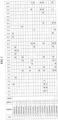
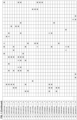
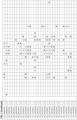
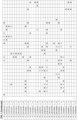
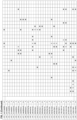
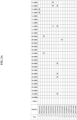
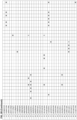
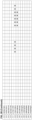
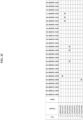
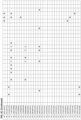
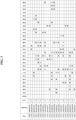
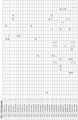
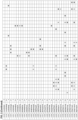
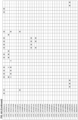
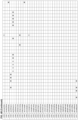
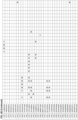
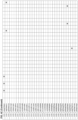
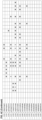
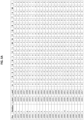
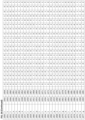
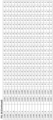
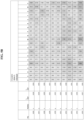
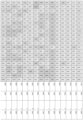
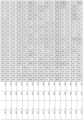
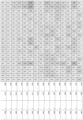
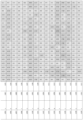
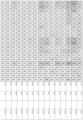
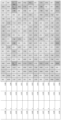
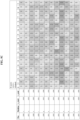
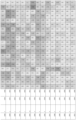
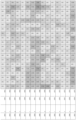
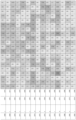
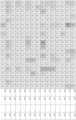
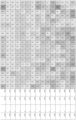
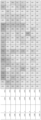
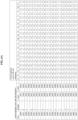
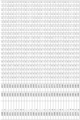
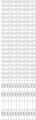
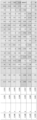
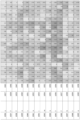
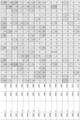
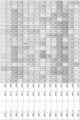
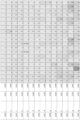
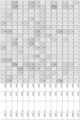
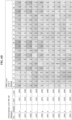
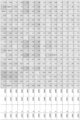
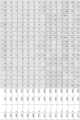
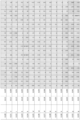
- residues selected for substitution which are contained within the one or more major histocompatibility (MHC) Class I and/or Class II bound epitopes are selected from the residues designated in Figure 9 .
- the residues for substitution are selected from residues 16, 18, 31, 71, 81-82, 86, 97, 98, 105, 118, 126, 128, 132, 135, 136, 138-139, 155, 158, 164, 168, 185, 188, 192, 196, 216, 244, 271, 275, 278-279, 290, 300, 321, 333, 337, 351-352, 359, 362, 373, 375, 383, 395, 418, 419, 422-423, 430, 432-433, 462, 511-517, 553, 575, 578, 580, 583, 591, 594, 598, 626-627, 653-655, 694, 702, 704, 741, 746-748,
- residues for substitution are selected from residues 5, 7, 9-11, 25-27, 31, 33, 43, 47, 51, 85, 90, 97-98, 118-119, 128, 136, 168-170, 181, 184, 186, 188, 196, 211, 222, 229, 248, 252, 256, 264, 266-267, 278, 292, 300, 302, 305-306, 308, 312, 321, 322, 324, 334, 335, 351, 352, 359, 362, 363, 372, 375, 377, 380, 383, 390-391, 399, 403, 405, 409, 410, 432, 450-451, 455-456, 462, 469, 471, 473, 476, 488, 491-492, 529-530, 534, 539, 548, 553, 557-559, 561, 564, 578, 594-595, 598, 600-601, 606, 615, 631-632, 636, 639, 64
- residues for substitution are selected from residues 8, 50, 53-54, 76, 77, 79, 82, 89, 92-93, 135, 147, 169, 176-180, 183-184, 203, 208, 211, 240-241, 248, 251-252, 266, 268, 271-273, 278, 280, 305, 307-308, 347-348, 350, 353, 356, 372, 375-377, 379, 381, 412, 467, 595, 607, 628, 631, 643, 649, 676, 688-690, 702, 718, 724-726, 728, 735, 754-756, 764, 788, 792, 795-796, 799, 828, 835, 864-865, 871-873, 875-876, 932, 934-935, 990, 1024, 1030, 1055, 1069, 1071-1072, and/or 1097 of Streptococcus thermophilus
- residues for substitution are selected from residues 5, 6, 8, 10, 12, 15, 19, 20, 23, 28, 33-35, 37-38, 40, 43-47, 50, 69-70, 75-76, 79, 82, 93, 118, 120-121, 135-139, 159, 162, 165,169, 183-184, 186, 189, 196, 207, 211, 234, 238, 241, 251-252, 254, 256, 273, 298, 304-307, 309, 314, 347, 350, 356-357, 359, 362, 364, 367-368, 372, 375, 377-378, 381, 384, 386, 388, 396, 400, 401, 427, 429, 431-432, 455, 457, 467, 478, 506-511, 523, 528-529, 538-539, 545, 554-556, 567-568, 577, 588, 597, 600, 607, 631, 641, 643, 670,
- residues for substitution are selected from residues 18, 48, 51, 55, 70, 72, 86, 89, 176, 197, 211-212, 219-221, 223, 233, 235-236, 239-241, 256, 277, 345, 347, 351, 358, 389, 407-408, 415, 420-421, 444, 468, 500, 519, 565, 568-569, 573, 604, 609, 625, 651, 657, 664, 666, 669, 675, 683, 688, 698-703, 705, 707-708, 713, 744, 754, 760, 769-771, 773-774, 808-809, 837, 855, 857-858, 897, 904-905, 912, 914, 918, 931, 939, 942, 947, 962, 966-967, 971, 974, 996, 1001 and/or 1004 of Staphylococcus aureus
- residues for substitution are selected from residues 5, 18, 21, 23, 26, 29, 34, 35, 51, 66-67, 70-72, 74, 76, 110, 118, 124, 132, 140, 145, 165, 170-171, 176, 190, 193, 197-198, 201-202, 204, 212, 216, 223, 229-230, 232, 234, 240, 244-245, 247, 249, 251, 262, 269, 277-278, 281, 283-284, 303, 305, 313, 329-330, 332, 335, 347-348, 351, 354-355, 358, 362, 364, 366, 368, 383, 386-387, 404, 407-408, 420, 423, 430, 444, 464, 470, 474-476, 478-480, 508-510, 519, 523-527, 529, 532, 535-536, 538, 541, 543, 555, 558,
- the one or more residues corresponding to the one or more major histocompatibility (MHC) Class I and/or Class II binding sites is selected from residues 24-26, 74-75, 77-78, 97, 106, 111, 113, 116, 118, 127, 136-138, 144, 226, 231, 272, 279-280, 287-288, 297, 304-305, 310, 317, 331-332, 335, 337, 342, 417, 423, 425, 427-430, 435, 441, 467, 472, 487, 516, 547, 554, 590, 592, 595-596, 599-600, 623, 632, 635-637, 639, 643-644, 646, 671-672, 675-676, 680, 686, 690, 692-694, 707, 710, 744, 746-748, 750, 752-753, 778-779, 806-807, 836,
- residues for substitution are selected from residues 12, 17, 41, 43-46, 49, 68, 95, 97, 120, 122, 125, 130, 158, 174, 185, 196, 199, 203, 205, 208, 212-213, 227, 235, 238-239, 254-255, 257, 260, 262-263, 283, 287, 289, 304, 311, 329-332, 337, 360, 365, 372, 374, 386, 388-391, 407-408, 410-412, 434, 439, 448, 458, 472, 478, 481, 487-488, 491-495, 497, 511, 513-515, 519, 537, 541, 545, 553-554, 556, 558-559, 568, 573, 577, 596, 604, 611, 632, 635, 643-644, 651, 662, 680-681, 685, 694, 702, 705-707, 7
- the MHC Class I and/or Class II binding sites of the Cas protein comprises a peptide comprising 9 (9mer) or 10 (10mer) amino acids.
- the introduced amino acid substitution is a naturally occurring amino acid.
- the invention is directed to a recombinant CRISPR-associated (Cas) protein comprising one or more amino acid substitutions in one or more residues corresponding to one or more MHC Class I and/or MHC Class II binding sites in a wild-type Cas protein, wherein the recombinant Cas protein has reduced immunogenicity compared to a wild-type Cas protein; wherein the recombinant Cas protein is derived from a wild-type Cas9 protein comprising an amino acid sequence having at least 95% identity to SEQ ID NO:5; and wherein the one or more amino acid substitution is selected from one or more of the following substitutions: Position Original residue Possible substitutions 105 F D,E 106 L D,E,G,K,P,Q,R 107 V D,E,G 258 L D, E, G, K, P 263 K A,D,E,G,N,P,S,T 264 L A,D,E,G,H,K,N,P,Q,R,
- the recombinant Cas protein comprises two or more amino acid substitutions.
- the recombinant Cas protein comprises one or more amino acid substitutions is selected from one or more of: L106D, K263D, L696G, L847D, and I1281D.
- the MHC Class I and/or Class II binding sites of the Cas protein comprises a peptide comprising 9 (9mer) or 10 (10mer) amino acids.
- the introduced amino acid substitution is a naturally occurring amino acid.
- the wild-type Cas protein comprises an amino sequence having at least 95% identity to the amino acid sequence of any one of SEQ ID NOs: 1-4.
- the invention is directed to a recombinant CRISPR-associated (Cas) protein made by a process comprising introducing one or more amino acid substitutions into one or more residues corresponding to one or more MHC Class I and/or MHC Class II binding sites of a wild-type Cas protein to form the recombinant Cas protein, wherein the recombinant Cas protein has reduced immunogenicity compared to the wild-type Cas protein.
- the position of the one or more amino acid substitutions is determined by epitope mapping. As described herein, the epitope mapping is performed using in silico methods.
- the epitope mapping is performed by a method comprising incubating an antigen presenting cell (APC) in the presence of a Cas protein and identifying peptides derived from the Cas protein bound to major histocompatibility (MHC) Class I and/or Class II proteins.
- APC antigen presenting cell
- MHC major histocompatibility
- at least a portion of the MHC Class I and/or MHC Class II proteins bound to the Cas peptides is isolated.
- the MHC Class I and/or MHC Class II proteins bound to the Cas peptides are isolated by immunoprecipitation.
- Described herein is a recombinant CRISPR-associated (Cas) protein comprising one or more substitutions in one or more amino acid residues of a wild-type Cas protein as designated in Figure 9 , wherein the recombinant Cas protein has reduced immunogenicity compared to the wild-type Cas protein.
- Cas CRISPR-associated
- the invention is directed to an isolated nucleic acid molecule comprising a nucleotide sequence that encodes a recombinant CRISPR-associated (Cas) protein, wherein the recombinant Cas protein has one or more amino acid substitutions in one or more residues corresponding to one or more MHC Class I and/or MHC Class II binding sites of a wild-type Cas protein, wherein the recombinant Cas protein has reduced immunogenicity compared to a wild-type Cas protein; wherein the recombinant Cas protein is derived from a wild-type Cas9 protein comprising an amino acid sequence having at least 95% identity to SEQ ID NO:5; and wherein the one or more amino acid substitution is selected from one or more of the following substitutions: Position Original residue Possible substitutions 105 F D,E 106 L D,E,G,K,P,Q,R 107 V D,E,G 258 L D, E, G, K, P 263 K A,D,E,
- the recombinant Cas protein comprises two or more amino acid substitutions.
- the one or more amino acid substitutions is selected from one or more of: L106D, K263D, L696G, L847D, and I1281D.
- the invention is directed to a vector comprising the nucleic acid as described herein.
- the vector is a viral vector.
- the viral vector is an adeno-associated viral vector or a lentiviral vector.
- the invention is directed to a cell comprising the recombinant Cas protein as described herein. In some embodiments, the invention is directed to a cell comprising the nucleic acid as described herein. In some embodiments, the invention is directed to a cell comprising a vector as described herein. As described herein, the cell is a prokaryotic cell. As described herein, the cell is an E. coli cell. As described herein, the cell is a eukaryotic cell. As described herein, the cell is a mammalian cell. As described herein, the cell is a lymphocytic cell, a myeloid cell, an induced pluripotent stem cell (iPSC), or a T cell, although all mammalian cell types are envisaged as being used in the invention.
- iPSC induced pluripotent stem cell
- the invention is directed to a library for identifying a CRISPR-associated (Cas) protein with reduced immunogenicity, the library comprising at least one recombinant Cas protein comprising one or more amino acid substitutions in one or more residues corresponding to one or more MHC Class I and/or MHC Class II binding sites of a wild-type Cas protein, wherein the at least one recombinant Cas protein is derived from a wild-type Cas9 protein comprising an amino acid sequence having at least 95% identity to SEQ ID NO:5; and wherein the one or more amino acid substitution is selected from one or more of the following substitutions: Position Original residue Possible substitutions 105 F D,E 106 L D,E,G,K,P,Q,R 107 V D,E,G 258 L D, E, G, K, P 263 K A,D,E,G,N,P,S,T 264 L A,D,E,G,H,K,N,P,Q,R,S,T
- the recombinant Cas protein comprises two or more amino acid substitutions.
- the one or more substitution is selected from one or more of: L106D, K263D, L696G, L847D, and I1281D.
- Described herein is a method for altering the DNA sequence and/or gene expression at a genomic location containing a target sequence, the method comprising introducing into a cell containing the genetic element a guide RNA that hybridizes to the target sequence and a recombinant CRISPR-associated (Cas) protein comprising one or more amino acid substitutions in one or more residues corresponding to one or more MHC Class I and/or MHC Class II binding sites in a wild-type Cas protein, wherein expression of the one or more genetic elements is altered.
- the guide RNA and/or the recombinant Cas protein are transfected into the cell.
- the guide RNA and/or the recombinant Cas protein are located on a vector.
- the guide RNA and the recombinant Cas protein are located on the same vector.
- the vector is a viral vector.
- the viral vector is an adeno-associated viral vector or a lentiviral vector.
- the disclosure is directed to a recombinant CRISPR-associated (Cas) protein, wherein said protein comprises one or more amino acid variation compared to a while-type Cas protein, wherein the one or more amino acid variation is at one or more positions corresponding to amino acid residues in the polypeptide of SEQ ID NO: 5, wherein the variation is at a position selected from the group consisting of (i) residues 100 to 120, (ii) residues 250 to 280, (iii) residues 690 to 710, (iv) residues 840 to 860, and (v) residues 1270 to 1295.
- Cas CRISPR-associated
- the variation is at a position selected from the group consisting of (i) residues 102 to 120, (ii) residues 253 to 277, (iii) residues 692 to 709, (iv) residues 692 to 709, and (v) residues 1276 to 1292.
- the variation is at a position selected from residues 102 to 120. As described herein, the variation is at a position selected from residues 253 to 277. As described herein, the variation is at a position selected from residues 692 to 709. As described herein, the variation is at a position selected from residues 692 to 709. As described herein, the variation is at a position selected from residues 1276 to 1292.
- the recombinant Cas protein comprises two or more amino acid variations. In some embodiments, the recombinant Cas protein comprises three or more amino acid variations. In some embodiments, the recombinant Cas protein comprises five or more amino acid variations.
- the amino acid variation is a substitution of SEQ ID NO: 5 selected from the group consisting of one or more of the following: Position Original residue Possible substitutions 105 F D,E 106 L D,E,G,K,P,Q,R 107 V D,E,G 258 L D, E, G, K, P 263 K A,D,E,G,N,P,S,T 264 L A,D,E,G,H,K,N,P,Q,R,S,T,V 265 Q D,E,G,N,P,T 266 L A,D,E,G,N,P,Q,S,T, V 267 S A,D,E,G,H,P,T 696 L E,G,P 846 F E,W 847 L D,E,F,G,H,K,N,P,Q,S,T,W 852 I D,E,F,G,Y 855 K D,E,G,P,S 1278 K A,D,E,F,F,F,
- the amino acid variation is a substitution of SEQ ID NO: 5, wherein said amino acid substitutions include the following: L106D, K263D, L696G, L847D, and I1281D.
- amino acid variation is determined using in silico epitope mapping.
- the amino acid variation is a substitution of one or more amino acids with one or more different amino acids.
- the amino acid variation comprises replacing one or more of asparagine, glutamine, leucine, lysine, methionine, serine, threonine, and valine residues with a different amino acid.
- the amino acid variation comprises replacing a polar amino acid with a nonpolar amino acid.
- the amino acid variation comprises replacing a hydrophilic amino acid with a hydrophobic amino acid.
- the amino acid variation is an insertion of one or more amino acids residues. As described herein, the amino acid variation is a deletion of one or more amino acid residues.
- the wild-type Cas protein has a sequence 90% identical to SEQ ID NO: 5.
- the wild-type Cas protein is derived from a prokaryote.
- the prokaryote is a bacterium.
- the bacterium is from the genera Streptococcus, Staphylococcus, or Neisseria.
- the bacterium is Streptococcus pyogenes, Streptococcus thermophilus, Staphylococcus aureus, or Neisseria meningitidis.
- the recombinant Cas protein is derived from Cas3, Cas9, or Cas10. In some embodiments, the recombinant Cas protein is derived from Cas9.
- the disclosure is directed to a polynucleotide encoding any Cas protein as described herein. In some embodiments, the disclosure is directed to an expression vector comprising any polynucleotide as described herein. In some embodiments, the disclosure is directed to a host cell comprising any expression vector as described herein.
- the invention provided herein uses components of the CRISPR-Cas system, which can be utilized to accomplish genomic engineering, including gene editing and altering expression of a gene and/or genetic element. Such genomic engineering can be used in various therapeutic strategies, including the treatment of genetic diseases.
- described herein are methods for creating Cas proteins with reduced immunogenicity that can be used in conjunction with other CRISPR components.
- described herein are recombinant Cas proteins with reduced immunogenicity, isolated nucleic acids that encode such recombinant Cas proteins, vectors comprising these nucleic acids, and cells comprising the nucleic acids and/or vectors.
- the creation of Cas proteins with reduced immunogenicity may allow for more stable, efficient, and efficacious use of the CRISPR-Cas system in a host organism, including humans.
- the term "about” is used to indicate that a value includes the inherent variation of error for the method/device being employed to determine the value, or the variation that exists among the study subjects. Typically the term is meant to encompass approximately or less than 1%, 2%, 3%, 4%, 5%, 6%, 7%, 8%, 9%, 10%, 11%, 12%, 13%, 14%, 15%, 16%, 17%, 18%, 19% or 20% variability depending on the situation.
- the words “comprising” (and any form of comprising, such as “comprise” and “comprises”), “having” (and any form of having, such as “have” and “has”), “including” (and any form of including, such as “includes” and “include”) or “containing” (and any form of containing, such as “contains” and “contain”) are inclusive or openended and do not exclude additional, unrecited, elements or method steps. It is contemplated that any embodiment discussed in this specification can be implemented with respect to any method, system, host cells, expression vectors, and/or composition of the invention. Furthermore, compositions, systems, host cells, and/or vectors of the invention can be used to achieve methods and proteins of the invention.
- nucleic acid means a polymeric compound comprising covalently linked nucleotides.
- nucleic acid includes polyribonucleic acid (RNA) and polydeoxyribonucleic acid (DNA), both of which may be single- or double-stranded.
- DNA includes, but is not limited to, complimentary DNA (cDNA), genomic DNA, plasmid or vector DNA, and synthetic DNA.
- the invention is directed to a polynucleotide encoding any one of the polypeptides disclosed herein, e.g., is directed to a polynucleotide encoding a Cas protein or variant thereof. In some embodiments, the invention is directed to a polynucleotide encoding Cas3, Cas9, Cas10 or variants thereof.
- a “gene” refers to an assembly of nucleotides that encode a polypeptide, and includes cDNA and genomic DNA nucleic acid molecules. “Gene” also refers to a nucleic acid fragment that can act as a regulatory sequences preceding (5' non-coding sequences) and following (3' non-coding sequences) the coding sequence.
- peptide refers to a polymeric form of amino acids of any length, which can include coded and non-coded amino acids, chemically or biochemically modified or derivatized amino acids, and polypeptides having modified peptide backbones.
- amino acid refers to a compound containing both a carboxyl (-COOH) and amino (-NH 2 ) group.
- amino acid refers to both natural and unnatural, i.e., synthetic, amino acids.
- Natural amino acids include Alanine (Ala; A); Arginine (Arg, R); Asparagine (Asn; N); Aspartic acid (Asp; D); Cysteine (Cys; C); Glutamine (Gln; Q); Glutamic acid (Glu; E ); Glycine (Gly; G); Histidine (His; H); Isoleucine (Ile; I); Leucine (Leu; L); Lysine (Lys; K); Methionine (Met; M); Phenylalanine (Phe; F); Proline (Pro; P); Serine (Ser; S); Threonine (Thr; T); Tryptophan (Trp; W); Tyrosine (Tyr; Y); and Valine (Val; V).
- amino acid substitution refers to a polypeptide or protein comprising one or more substitutions of a wild-type or naturally occurring amino acid with a different amino acid relative to the wild-type or naturally occurring amino acid at that amino acid residue.
- the substituted amino acid of the invention may be a synthetic or naturally occurring amino acid.
- the substituted amino acid is a naturally occurring amino acid selected from the group consisting of: A, R, N, D, C, Q, E, G, H, I, L, K, M, F, P, S, T, W, Y, and V. Substitution mutants may be described using an abbreviated system.
- a substitution mutation in which the fifth (5 th ) amino acid residue is substituted may be abbreviated as "X5Y,” wherein “X” is the wild-type or naturally occurring amino acid to be replaced, “5" is the amino acid residue within the protein or polypeptide, and “Y” is the substituted, or non-wild-type or non-naturally occurring, amino acid.
- recombinant when used in reference to a nucleic acid molecule, peptide, polypeptide, or protein means of, or resulting from, a new combination of genetic material that is not known to exist in nature.
- a recombinant molecule can be produced by any of the well-known techniques available in the field of recombinant technology, including, but not limited to, polymerase chain reaction (PCR), gene splicing ( e . g ., using restriction endonucleases), and solid state synthesis of nucleic acid molecules, peptides, or proteins.
- PCR polymerase chain reaction
- gene splicing e . g ., using restriction endonucleases
- solid state synthesis of nucleic acid molecules, peptides, or proteins solid state synthesis of nucleic acid molecules, peptides, or proteins.
- isolated polypeptide, protein, peptide, or nucleic acid is a molecule that has been removed from its natural environment. It is also to be understood that “isolated” polypeptides, proteins, peptides, or nucleic acids may be formulated with excipients such as diluents or adjuvants and still be considered isolated.
- sequence identity or “% identity” in the context of nucleic acid sequences or amino acid sequences refers to the percentage of residues in the compared sequences that are the same when the sequences are aligned over a specified comparison window.
- a comparison window can be a segment of at least 10 to over 1000 residues in which the sequences can be aligned and compared.
- Methods of alignment for determination of sequence identity are well-known can be performed using publically available databases such as BLAST (blast.ncbi.nlm.nih.gov/Blast.cgi.).
- Perfect identity or “% identity” when referring to amino acid sequences can be determined by methods known in the art.
- percent identity of two amino acid sequences is determined using the algorithm of Karlin and Altschul, Proc. Natl. Acad. Sci. USA 87:2264-68, 1990 , modified as in Karlin and Altschul Proc. Natl. Acad. Sci. USA 90:5873-77, 1993 .
- Such an algorithm is incorporated into the NBLAST and XBLAST programs (version 2.0) of Altschul, et al., J. Mol. Biol. 215:403-10 (1990 ).
- Gapped BLAST can be utilized as described in Altschul et al., Nucleic Acids Res. 25(17):3389-3402, 1997 .
- the default parameters of the respective programs e.g., XBLAST and NBLAST.
- polypeptides or nucleic acid molecules have 70%, at least 70%, 75%, at least 75%, 80%, at least 80%, 85%, at least 85%, 90%, at least 90%, 95%, at least 95%, 97%, at least 97%, 98%, at least 98%, 99%, or at least 99% or 100% sequence identity with a reference polypeptide or nucleic acid molecule, respectively (or a fragment of the reference polypeptide or nucleic acid molecule).
- polypeptides or nucleic acid molecules have about 70%, at least about 70%, about 75%, at least about 75%, about 80%, at least about 80%, about 85%, at least about 85%, about 90%, at least about 90%, about 95%, at least about 95%, about 97%, at least about 97%, about 98%, at least about 98%, about 99%, at least about 99% or about 100% sequence identity with a reference polypeptide or nucleic acid molecule, respectively (or a fragment of the reference polypeptide or nucleic acid molecule).
- RNA molecule that binds to CRISPR-Cas components and targets them to a specific location within the target DNA is referred to herein as "guide RNA,” “gRNA,” or “small guide RNA” and may also be referred to herein as a “DNA-targeting RNA.”
- a guide RNA comprises at least two nucleotide segments: at least one "DNA-binding segment” and at least one "polypeptide-binding segment.”
- segment is meant a part, section, or region of a molecule, e.g., a contiguous stretch of nucleotides of an RNA molecule.
- the definition of "segment,” unless otherwise specifically defined, is not limited to a specific number of total base pairs.
- the guide RNA can be introduced into the target cell as an isolated RNA molecule, or is introduced into the cell using an expression vector containing DNA encoding the guide RNA.
- the "DNA-binding segment" (or “DNA-targeting sequence”) of the guide RNA comprises a nucleotide sequence that is complementary to a specific sequence within a target DNA.
- the guide RNA of the current disclosure can include one or more polypeptide-binding sequences/segments.
- the polypeptide-binding segment (or "protein-binding sequence") of the guide RNA interacts with the RNA-binding domain of a Cas protein of the current disclosure.
- Such polypeptide-binding segments or sequences are known to those of skill in the art, e.g., those disclosed in U.S. patent application publications 2014/0068797 , 2014/0273037 , 2014/0273226 , 2014/0295556 , 2014/0295557 , 2014/0349405 , 2015/0045546 , 2015/0071898 , 2015/0071899 , and 2015/0071906 .
- T cell or "T-cell” are used interchangeably and refer to a type of lymphocytic cell that plays a central role in cell-mediated immunity and expresses a T-cell receptor (TCR) on its surface.
- T-cells include CD4+ and CD8+ T-cells but are distinguished from other lymphocytes, such as B cells and natural killer cells (NK cells).
- MHC protein refers to a set of cell surface molecules encoded by a large gene family that play a significant role in the immune system of vertebrates. A key function of these proteins is to bind peptide fragments derived from endogenous or exogenous (foreign) proteins and display them on the cell surface for recognition by the appropriate T-cells of the host organism.
- the MHC gene family is divided into three subgroups: Class I, Class II, and Class III.
- the human MHC Class I and Class II genes are also referred to as human leukocyte antigen (HLA) - HLA Class I and HLA Class II, respectively.
- HLA-A HLA-B
- HLA-C HLA-DPA1
- HLA-DPB1 HLA-DQA1
- HLA-DQB1 HLA-DRA
- HLA-DRB1 HLA-DRB345.
- Binding or “interaction” as used herein refers to a non-covalent interaction between macromolecules (e . g ., between DNA and RNA, or between a polypeptide and a polynucleotide). "Binding” may also be referred to as “associated with” or “interacting.” "Binding” as used herein means that the binding partners are capable of binding to each other (e.g., will not necessarily bind to each other). Some portions of a binding interaction may be sequence-specific, but not all components of a binding interaction need be sequence-specific (e.g., contacts with phosphate residues in a DNA backbone).
- Binding interactions are generally characterized by a dissociation constant (Kd), e.g., less than 1 mM, less than 100 uM, less than 10 uM, less than 1 uM, less than 100 nM, less than 10 nM.
- Kd dissociation constant
- Binding interactions are generally characterized by a dissociation constant (Kd), e.g., less than 1 mM, less than 100 uM, less than 10 uM, less than 1 uM, less than 100 nM, less than 10 nM.
- Kd dissociation constant
- promoter refers to a DNA regulatory region/sequence capable of binding RNA polymerase and involved in initiating transcription of a downstream coding or non-coding sequence.
- the promoter sequence includes the transcription initiation site and extends upstream to include the minimum number of bases or elements necessary to initiate transcription at levels detectable above background.
- the promoter sequence includes a transcription initiation site, as well as protein binding domains responsible for the binding of RNA polymerase.
- Eukaryotic promoters will often, but not always, contain "TATA" boxes and "CAT” boxes.
- Various promoters, including inducible promoters may be used to drive the various vectors of the present invention.
- a “vector” or “expression vector” is a replicon, such as a plasmid, phage, virus, or cosmid, to which another DNA segment may be attached to bring about the replication and/or expression of the attached DNA segment in a cell.
- Vector includes episomal ( e . g ., plasmids) and non episomal vectors.
- the vector is an episomal vector, which is removed/lost from a population of cells after a number of cellular generations, e.g., by asymmetric partitioning.
- vector includes both viral and nonviral means for introducing a nucleic acid molecule into a cell in vitro, in vivo, or ex vivo.
- Vectors may be introduced into the desired host cells by well-known methods, including, but not limited to, transfection, transduction, cell fusion, and lipofection.
- Vectors can comprise various regulatory elements including promoters.
- vector designs can be based on constructs designed by Mali et al. "Cas9 as a versatile tool for engineering biology," Nature Methods 10:957-63 (2013 ).
- the invention is directed to an expression vector comprising any of the polynucleotides described herein, e.g., an expression vector comprising polynucleotides encoding a Cas protein or variant thereof. In some embodiments, the invention is directed to an expression vector comprising polynucleotides encoding a Cas3, Cas9, or Cas10 protein or variant thereof.
- Transfection means the introduction of an exogenous nucleic acid molecule, including a vector, into a cell.
- a "transfected" cell comprises an exogenous nucleic acid molecule inside the cell and a “transformed” cell is one in which the exogenous nucleic acid molecule within the cell induces a phenotypic change in the cell.
- the transfected nucleic acid molecule can be integrated into the host cell's genomic DNA and/or can be maintained by the cell, temporarily or for a prolonged period of time, extra-chromosomally.
- Host cells or organisms that express exogenous nucleic acid molecules or fragments are referred to as "recombinant,” “transformed,” or “transgenic” organisms.
- the invention is directed to a host cell comprising any of the expression vectors described herein, e.g., an expression vector comprising a polynucleotide encoding a Cas protein or variant thereof. In some embodiments, the invention is directed to a host cell comprising an expression vector comprising a polynucleotide encoding a Cas3, Cas 9 or Cas10 protein or variant thereof.
- in silico refers to a process or analysis preformed on a computer, including computer modeling and computer simulation. In some embodiments, the term “in silico” refers to the EPIBASE ® epitope prediction method.
- Cas proteins are a critical component in the CRISPR-Cas system, which can be used for, inter alia, genome editing, gene regulation, genetic circuit construction, and functional genomics. While the Cas1 and Cas2 proteins appear to be universal to all the presently identified CRISPR systems, the Cas3, Cas9, and Cas 10 proteins are thought to be specific to the Type I, Type II, and Type III CRISPR systems, respectively.
- the recombinant Cas protein with reduced immunogenicity is derived from a Cas3, Cas9, or Cas10 protein. In some embodiments, the recombinant Cas protein with reduced immunogenicity, including methods of deriving such a protein, is derived from a Cas9 protein.
- Cas9 variants have been identified in a range of bacterial species and a number have been functionally characterized. See, e.g., Chylinski, et al., "Classification and evolution of type II CRISPR-Cas systems," Nucleic Acids Research 42(10):6091-105 (2014 ), Ran, et al., "In vivo genome editing using Staphylococcus aureus Cas9," Nature 520(7546):186-91 (2015 ) and Esvelt, et al., “Orthogonal Cas9 proteins for RNA-guided gene regulation and editing," Nature Methods 10(11):1116-21 (2013 ).
- Cas9 variants from Streptococcus pyogenes, Streptococcus thermophilus, staphylococcus aureus, and Neisseria meningitidis have been well-characterized.
- the recombinant Cas protein with reduced immunogenicity is derived from a Cas9 protein from a bacterium of the genera, Streptococcus, Staphylococcus, or Neisseria.
- the recombinant Cas9 protein is derived from a Cas9 protein from Streptococcus pyogenes, Streptococcus thermophilus, Staphylococcus aureus, or Neisseria meningitidis. In some embodiments, the recombinant Cas9 protein is derived from a Streptococcus pyogenes Cas9 protein. In other embodiments, the recombinant Cas9 protein is derived from a Staphylococcus aureus Cas9 protein.
- SEQ ID NO: 1 that encodes the Streptococcus pyogenes Cas9 protein:
- SEQ ID NO: 2 encodes the Streptococcus thermophilus Cas9 protein:
- SEQ ID NO: 3 that encodes the Staphylococcus aureus Cas9 protein:
- SEQ ID NO: 4 exemplary nucleotide sequence that encodes the Neisseria meningitidis Cas9 protein:
- the recombinant Cas protein is derived from a Cas protein encoded by a nucleic acid molecule comprising a nucleotide sequence having at least 70%, at least 75%, at least 80%, at least 85%, at least 90%, at least 95%, at least 96%, at least 97%, at least 98%, at least 99%, or 100% identity with the nucleotide sequence of SEQ ID NO: 1.
- the recombinant Cas protein is derived from a Cas protein encoded by a nucleic acid molecule comprising a nucleotide sequence having at least 70%, at least 75%, at least 80%, at least 85%, at least 90%, at least 95%, at least 96%, at least 97%, at least 98%, at least 99%, or 100% identity with the nucleotide sequence of SEQ ID NO: 2.
- the recombinant Cas protein is derived from a Cas protein encoded by a nucleic acid molecule comprising a nucleotide sequence having at least 70%, at least 75%, at least 80%, at least 85%, at least 90%, at least 95%, at least 96%, at least 97%, at least 98%, at least 99%, or 100% identity with the nucleotide sequence of SEQ ID NO: 3.
- the recombinant Cas protein is derived from a Cas protein encoded by a nucleic acid molecule comprising a nucleotide sequence having at least 70%, at least 75%, at least 80%, at least 85%, at least 90%, at least 95%, at least 96%, at least 97%, at least 98%, at least 99%, or 100% identity with the nucleotide sequence of SEQ ID NO: 4.
- the recombinant Cas protein is derived from a Cas protein comprising an amino acid sequence having at least 70%, at least 75%, at least 80%, at least 85%, at least 90%, at least 95%, at least 96%, at least 97%, at least 98%, at least 99%, or 100% identity with the amino acid sequence of SEQ ID NO: 5.
- the recombinant Cas protein is derived from a Cas protein comprising an amino acid sequence having at least 70%, at least 75%, at least 80%, at least 85%, at least 90%, at least 95%, at least 96%, at least 97%, at least 98%, at least 99%, or 100% identity with the amino acid sequence of SEQ ID NO: 6.
- the recombinant Cas protein is derived from a Cas protein comprising an amino acid sequence having at least 70%, at least 75%, at least 80%, at least 85%, at least 90%, at least 95%, at least 96%, at least 97%, at least 98%, at least 99%, or 100% identity with the amino acid sequence of SEQ ID NO: 7.
- the recombinant Cas protein is derived from a Cas protein comprising an amino acid sequence having at least 70%, at least 75%, at least 80%, at least 85%, at least 90%, at least 95%, at least 96%, at least 97%, at least 98%, at least 99%, or 100% identity with the amino acid sequence of SEQ ID NO: 8.
- the present invention is also directed to recombinant Cas proteins comprising one or more amino acid substitutions in one or more residues corresponding to one or more MHC Class I and/or MHC Class II binding sites in a wild-type Cas protein.
- the recombinant Cas protein is derived from the wild-type protein containing the corresponding MHC Class I and/or Class II binding sites.
- the recombinant Cas protein has reduced immunogenicity compared to the wild-type Cas protein from which it is derived.
- the recombinant Cas protein is isolated and in other embodiments it is located within a cell.
- the recombinant Cas protein is derived from a Cas9-like protein, such as Cpf1, disclosed in Zetsche et al., "Cpf1 is a Single RNA-Guided Endonuclease of a Class 2 CRISPR-Cas System," Cell 163:759-771 (2015 ).
- the disclosure is directed to a recombinant CRISPR-associated (Cas) protein, wherein said protein comprises one or more amino acid variation compared to a while-type Cas protein, wherein the one or more amino acid variation is at one or more positions corresponding to amino acid residues in the polypeptide of SEQ ID NO: 5, wherein the variation is at a position selected from the group consisting of (i) residues 100 to 120, (ii) residues 250 to 280, (iii) residues 690 to 710, (iv) residues 840 to 860, and (v) residues 1276 to 1292.
- Cas CRISPR-associated
- the variation is at a position selected from residues 102 to 120. In some embodiments, the variation is at a position selected from residues 253 to 277. In some embodiments, the variation is at a position selected from residues 692 to 709. In some embodiments, the variation is at a position selected from residues 692 to 709. In some embodiments, the variation is at a position selected from residues 1276 to 1292.
- the recombinant Cas protein comprises two or more amino acid variations. In some embodiments, the recombinant Cas protein comprises three or more amino acid variations. In some embodiments, the amino acid variation is determined using in silico epitope mapping.
- variation when referring to a variation at a given polypeptide residue position, refers to any modifications at those residues.
- variation can refer to substituting (i.e., replacing) an amino acid (i.e., residue) at a given position with a different amino acid.
- the amino acid can be substituted with a different amino acid having a different property.
- Various predictive algorithms for determining the immunogenic properties of a polypeptide are known in the art, and can include (1) the ratio between the frequencies of asparagine, glutamine, leucine, lysine, methionine, serine, threonine, and valine residues in the stretch and the remaining antigen sequence; (2) Grantham polarity scale ( Grantham et al., Science. 185: 862-864 (1974 )); (3) Karplus and Schulz flexibility scale ( Karplus et al., Naturwissenschaften 72: 212-213 (1985 )); (4) Kolaskar and Tongaonkar antigenicity scale ( Kolaskar et al., FEBS Lett.
- EPIBASE ® can be used to determine what amino acid can be used to reduce immunogenicity of the polypeptide.
- one or more of asparagine, glutamine, leucine, lysine, methionine, serine, threonine, and valine residues can be replaced with a different amino acid.
- the amino acid variation comprises replacing a polar amino acid with a nonpolar amino acid.
- the amino acid variation comprises replacing a hydrophilic amino acid with a hydrophobic amino acid.
- amino acid with a large side chain can be replaced with an amino acid with a smaller side chain.
- the term variation can refer to deleting one or more amino acids residues into the Cas protein.
- 2, 3, 4, 5, 6, 7, 8, 9, 10, 12, 14, 16, 18 or 20 amino acids can be deleted in one epitope.
- one or more amino acids can be deleted from two or more epitopes on the same protein.
- the deletions are not contiguous on the polypeptide, e.g., one deletion can occur on one region of the polypeptide, and a separate deletion can occur on a separate part of the polypeptide.
- the term variation can refer to inserting one or more amino acid residues into the Cas protein.
- 2, 3, 4, 5, 6, 7, 8, 9, 10, 12, 14, 16, 18 or 20 amino acids can be inserted in one epitope.
- one or more amino acids can be inserted into two or more epitopes on the same protein.
- the insertions are not contiguous on the polypeptide, e.g., one insertion can occur on one region of the polypeptide, and a separate insertion can occur on a separate part of the polypeptide.
- the Cas protein can have various types of variations.
- the Cas protein can have one or more amino acid substitutions, one or more amino acid deletions, and one or more amino acid insertions.
- the wild-type Cas protein has a sequence 90% identical to SEQ ID NO: 5. In some embodiments, the wild-type Cas protein has a sequence 90% identical to SEQ ID NO: 6. In some embodiments, the wild-type Cas protein has a sequence 90% identical to SEQ ID NO: 7. In some embodiments, the wild-type Cas protein has a sequence 90% identical to SEQ ID NO: 8. In some embodiments, the wild-type Cas protein has a sequence 91%, 92%, 93%, 94%, 95%, 96%, 97%, 98% or 99% identical to SEQ ID NO: 5.
- the wild-type Cas protein has a sequence 91%, 92%, 93%, 94%, 95%, 96%, 97%, 98% or 99% identical to SEQ ID NO: 6. In some embodiments, the wild-type Cas protein has a sequence 91%, 92%, 93%, 94%, 95%, 96%, 97%, 98% or 99% identical to SEQ ID NO: 7. In some embodiments, the wild-type Cas protein has a sequence 91%, 92%, 93%, 94%, 95%, 96%, 97%, 98% or 99% identical to SEQ ID NO: 8.
- the wild-type Cas protein is derived from a prokaryote.
- the prokaryote is a bacterium.
- the bacterium is from the genera Streptococcus, Staphylococcus, or Neisseria.
- the bacterium is Streptococcus pyogenes, Streptococcus thermophilus, Staphylococcus aureus, or Neisseria meningitidis.
- the recombinant Cas protein is derived from Cas3, Cas9, or Cas10. In some embodiments, the recombinant Cas protein is derived from Cas9.
- the polynucleotides or expression vectors encoding Cas proteins are placed in a host cell, e.g, a prokaryote or eukaryote cell.
- a host cell e.g, a prokaryote or eukaryote cell.
- the devices, facilities and methods described herein are suitable for culturing any desired cell line including prokaryotic and/or eukaryotic cell lines. Further, in some embodiments, the devices, facilities and methods are suitable for culturing suspension cells or anchorage-dependent (adherent) cells and are suitable for production operations configured for production of pharmaceutical and biopharmaceutical products-such as polypeptide products, nucleic acid products (for example DNA or RNA).
- the host cells express or produce a product, such as a Cas protein or variant thereof, or expression vectors encoding the Cas protein or variant thereof.
- devices, facilities and methods allow for the production of host eukaryotic cells comprising the described expression vectors, e.g., mammalian cells or lower eukaryotic cells such as for example yeast cells or filamentous fungi cells, or prokaryotic cells such as Gram-positive or Gram-negative cells, synthesised by the host cells in a large-scale manner.
- the devices, facilities, and methods can include any desired volume or production capacity including but not limited to bench-scale, pilot-scale, and full production scale capacities.
- the host cells can be generated using devices, facilities, and methods including any suitable reactor(s) including but not limited to stirred tank, airlift, fiber, microfiber, hollow fiber, ceramic matrix, fluidized bed, fixed bed, and/or spouted bed bioreactors.
- suitable reactor(s) including but not limited to stirred tank, airlift, fiber, microfiber, hollow fiber, ceramic matrix, fluidized bed, fixed bed, and/or spouted bed bioreactors.
- reactor can include a fermentor or fermentation unit, or any other reaction vessel and the term “reactor” is used interchangeably with “fermentor.”
- an example bioreactor unit can perform one or more, or all, of the following: feeding of nutrients and/or carbon sources, injection of suitable gas (e.g., oxygen), inlet and outlet flow of fermentation or cell culture medium, separation of gas and liquid phases, maintenance of temperature, maintenance of oxygen and CO2 levels, maintenance of pH level, agitation (e.g., stirring), and/or cleaning/sterilizing.
- Example reactor units such as a fermentation unit, may contain multiple reactors within the unit, for example the unit can have 1, 2, 3, 4, 5, 10, 15, 20, 25, 30, 35, 40, 45, 50, 60, 70, 80, 90, or 100, or more bioreactors in each unit and/or a facility may contain multiple units having a single or multiple reactors within the facility.
- the bioreactor can be suitable for batch, semi fed-batch, fed-batch, perfusion, and/or a continuous fermentation processes. Any suitable reactor diameter can be used.
- the bioreactor can have a volume between about 100 mL and about 50,000 L.
- Non-limiting examples include a volume of 100 mL, 250 mL, 500 mL, 750 mL, 1 liter, 2 liters, 3 liters, 4 liters, 5 liters, 6 liters, 7 liters, 8 liters, 9 liters, 10 liters, 15 liters, 20 liters, 25 liters, 30 liters, 40 liters, 50 liters, 60 liters, 70 liters, 80 liters, 90 liters, 100 liters, 150 liters, 200 liters, 250 liters, 300 liters, 350 liters, 400 liters, 450 liters, 500 liters, 550 liters, 600 liters, 650 liters, 700 liters, 750 liters, 800 liters, 850 liters, 900 liters, 950 liters, 1000 liters, 1500 liters, 2000 liters, 2500 liters, 3000 liters, 3
- suitable reactors can be multi-use, single-use, disposable, or non-disposable and can be formed of any suitable material including metal alloys such as stainless steel (e.g., 316L or any other suitable stainless steel) and Inconel, plastics, and/or glass.
- metal alloys such as stainless steel (e.g., 316L or any other suitable stainless steel) and Inconel, plastics, and/or glass.
- the methods described herein can also include any suitable unit operation and/or equipment not otherwise mentioned, such as operations and/or equipment for separation, purification, and isolation of Cas proteins or variants thereof, or expression vectors expressing the Cas proteins or variants thereof.
- Any suitable facility and environment can be used, such as traditional stick-built facilities, modular, mobile and temporary facilities, or any other suitable construction, facility, and/or layout.
- modular clean-rooms can be used.
- the devices, systems, and methods described herein can be housed and/or performed in a single location or facility or alternatively be housed and/or performed at separate or multiple locations and/or facilities.
- the host cells are eukaryotic cells, e.g., mammalian cells.
- the mammalian cells can be for example human or rodent or bovine cell lines or cell strains. Examples of such cells, cell lines or cell strains are e.g.
- mouse myeloma (NSO)-cell lines Chinese hamster ovary (CHO)-cell lines, HT1080, H9, HepG2, MCF7, MDBK Jurkat, NIH3T3, PC12, BHK (baby hamster kidney cell), VERO, SP2/0, YB2/0, Y0, C127, L cell, COS, e.g., COS1 and COS7, QC1-3,HEK-293, VERO, PER.C6, HeLA, EB1, EB2, EB3, oncolytic or hybridoma-cell lines.
- the mammalian cells are CHO-cell lines.
- the cell is a CHO cell.
- the cell is a CHO-K1 cell, a CHO-K1 SV cell, a DG44 CHO cell, a DUXB11 CHO cell, a CHOS, a CHO GS knock-out cell, a CHO FUT8 GS knock-out cell, a CHOZN, or a CHO-derived cell.
- the CHO GS knock-out cell e.g., GSKO cell
- the CHO FUT8 knockout cell is, for example, the Potelligent ® CHOK1 SV (Lonza Biologics, Inc.).
- Eukaryotic cells can also be avian cells, cell lines or cell strains, such as for example, EBx ® cells, EB14, EB24, EB26, EB66, or EBvl3.
- the host cells are stem cells.
- the stem cells can be, for example, pluripotent stem cells, including embryonic stem cells (ESCs), adult stem cells, induced pluripotent stem cells (iPSCs), tissue specific stem cells (e.g., hematopoietic stem cells) and mesenchymal stem cells (MSCs).
- ESCs embryonic stem cells
- iPSCs induced pluripotent stem cells
- MSCs mesenchymal stem cells
- the host cell is a differentiated form of any of the cells described herein. In one embodiment, the host cell is a cell derived from any primary cell in culture.
- the host cell is a hepatocyte such as a human hepatocyte, animal hepatocyte, or a non-parenchymal cell.
- the host cell can be a plateable metabolism qualified human hepatocyte, a plateable induction qualified human hepatocyte, plateable Qualyst Transporter Certified TM human hepatocyte, suspension qualified human hepatocyte (including 10-donor and 20-donor pooled hepatocytes), human hepatic kupffer cells, human hepatic stellate cells, dog hepatocytes (including single and pooled Beagle hepatocytes), mouse hepatocytes (including CD-1 and C57BI/6 hepatocytes), rat hepatocytes (including Sprague-Dawley, Wistar Han, and Wistar hepatocytes), monkey hepatocytes (including Cynomolgus or Rhesus monkey hepatocytes), cat hepatocytes (including Domestic Shorthair he
- the host cell is a lower eukaryotic cell such as e.g. a yeast cell (e.g., Pichia genus (e.g. Pichia pastoris, Pichia methanolica, Pichia kluyveri, and Pichia angusta), Komagataella genus (e.g. Komagataella pastoris, Komagataella pseudopastoris or Komagataella phaffii), Saccharomyces genus (e.g. Saccharomyces cerevisae, cerevisiae, Saccharomyces kluyveri, Saccharomyces uvarum), Kluyveromyces genus (e.g.
- a yeast cell e.g., Pichia genus (e.g. Pichia pastoris, Pichia methanolica, Pichia kluyveri, and Pichia angusta)
- Komagataella genus e.g. Komagataella pastor
- Kluyveromyces lactis, Kluyveromyces marxianus the Candida genus (e.g. Candida utilis, Candida cacaoi, Candida boidinii,), the Geotrichum genus (e.g. Geotrichum fermentans), Hansenula polymorpha, Yarrowia lipolytica, or Schizosaccharomyces pombe.
- Candida genus e.g. Candida utilis, Candida cacaoi, Candida boidinii,
- Geotrichum genus e.g. Geotrichum fermentans
- Hansenula polymorpha Yarrowia lipolytica
- Schizosaccharomyces pombe Preferred is the species Pichia pastoris.
- Examples for Pichia pastoris strains are X33, GS115, KM71, KM71H; and CBS7435.
- the host cell is a fungal cell (e.g. Aspergillus (such as A. niger, A. fumigatus, A. orzyae, A. nidula), Acremonium (such as A. thermophilum), Chaetomium (such as C. thermophilum), Chrysosporium (such as C. thermophile), Cordyceps (such as C. militaris), Corynascus, Ctenomyces, Fusarium (such as F. oxysporum), Glomerella (such as G. graminicola), Hypocrea (such as H. jecorina), Magnaporthe (such as M. orzyae), Myceliophthora (such as M.
- Aspergillus such as A. niger, A. fumigatus, A. orzyae, A. nidula
- Acremonium such as A. thermophilum
- Chaetomium such as C. thermophilum
- thermophile nctria (such as N. heamatococca), Neurospora (such as N. crassa), Penicillium, Sporotrichum (such as S. thermophile), Thielavia (such as T. terrestris, T. heterothallica), Trichoderma (such as T. reesei), or Verticillium (such as V. dahlia)).
- Nectria such as N. heamatococca
- Neurospora such as N. crassa
- Penicillium such as S. thermophile
- Thielavia such as T. terrestris, T. heterothallica
- Trichoderma such as T. reesei
- Verticillium such as V. dahlia
- the host cell is an insect cell (e.g., Sf9, Mimic TM Sf9, Sf21, High Five TM (BT1-TN-5B1-4), or BT1-Ea88 cells), an algae cell (e.g., of the genus Amphora, Bacillariophyceae, Dunaliella, Chlorella, Chlamydomonas, Cyanophyta (cyanobacteria), Nannochloropsis, Spirulina,or Ochromonas), or a plant cell (e.g., cells from monocotyledonous plants (e.g., maize, rice, wheat, or Setaria), or from a dicotyledonous plants (e.g., cassava, potato, soybean, tomato, tobacco, alfalfa, Physcomitrella patens or Arabidopsis).
- insect cell e.g., Sf9, Mimic TM Sf9, Sf21, High Five TM (BT1-TN-5B1-4), or
- the host cell is a bacterial or prokaryotic cell.
- the host cell is a Gram-positive cells such as Bacillus, Streptomyces Streptococcus, Staphylococcus or Lactobacillus.
- Bacillus that can be used is, e.g. the B.subtilis, B.amyloliquefaciens, B.licheniformis, B.natto, or B.megaterium.
- the cell is B.subtilis, such as B.subtilis 3NA and B.subtilis 168.
- Bacillus is obtainable from, e.g., the Bacillus Genetic Stock Center , Biological Sciences 556, 484 West 12 th Avenue, Columbus OH 43210-1214.
- the host cell is a Gram-negative cell, such as Salmonella spp. or Escherichia coli, such as e.g., TG1, TG2, W3110, DH1, DHB4, DH5a, HMS 174, HMS174 (DE3), NM533, C600, HB101, JM109, MC4100, XL1-Blue and Origami, as well as those derived from E.coli B-strains, such as for example BL-21 or BL21 (DE3), all of which are commercially available.
- Salmonella spp. or Escherichia coli such as e.g., TG1, TG2, W3110, DH1, DHB4, DH5a, HMS 174, HMS174 (DE3), NM533, C600, HB101, JM109, MC4100, XL1-Blue and Origami, as well as those derived from E.coli B-strains, such as for example BL-21 or BL21
- Suitable host cells are commercially available, for example, from culture collections such as the DSMZ (Deutsche Sammlung von Mikroorganismen and Zellkulturen GmbH, Braunschweig, Germany) or the American Type Culture Collection (ATCC).
- DSMZ Deutsche Sammlung von Mikroorganismen and Zellkulturen GmbH, Braunschweig, Germany
- ATCC American Type Culture Collection
- cytotoxic T lymphocyte In humans, a cytotoxic T lymphocyte (CTL) response is initiated when a T-cell's unique T-cell receptor (TCR) recognizes a peptide bound to the HLA Class I molecules, displayed on the surface of most nucleated cells. Only those peptides with sufficient affinity for the HLA Class I receptor can be presented on the cell's surface, and potentially trigger a CTL response. Knowing which peptides within a protein have a strong affinity for HLA Class I receptors is therefore an important step towards determining the immunogenic regions of the protein.
- CTL cytotoxic T lymphocyte
- the HLA Class I molecule is made of up two polypeptide chains: the ⁇ chain and ⁇ -2 microglobulin, each of which is derived from a different gene. Individuals express multiple genes encoding the ⁇ -chain: A, B, C, E, F, G, K and L. The dominant ⁇ -chain genes, A-C, are highly polymorphic. Different HLA Class I molecules are described as HLA allotypes.
- peptides from an exogenous protein that correspond to (known) self-peptides will normally not induce a CTL response, even if they have a high affinity for HLA Class I receptors. It is not always clear which endogenous proteins are presented and as such give rise to self-peptides.
- T h T-helper response is sparked when a T h Cell's unique T-Cell receptor (TCR) recognizes a peptide bound to the HLA Class II molecules displayed on antigen presenting cells (APCs). These peptides are generated from proteins internalized by an antigen presenting cell, and then cleaved through its endosomal cleavage pathway. Only those peptides with sufficient affinity for the HLA Class II receptor can be presented on the cells surface and potentially trigger a T h response. Knowing which peptides within a protein have a strong affinity for HLA Class II receptors is therefore an important step towards determining the protein's immunogenic regions.
- TCR T h Cell's unique T-Cell receptor
- HLA Class II genes can be complicated by the fact that there are several HLA Class II genes, almost all of which are highly polymorphic.
- Each HLA Class II molecule consists of an ⁇ and ⁇ chain, each derived from a different gene, which further increases the number of possible HLA Class II molecules.
- every human individual expresses the following genes: DRA/DRB, DQA/DQB and DPA/DPB. Of these, only DRA is non-polymorphic.
- a "second" DRB gene (DRB3, DRB4 or DRB5) may also be present, whose product also associates with the DRA chain.
- an individual's T-cell population has been selected not to contain cells that recognize "self-peptides" presented on HLA Class II receptors. These are peptides derived from endogenous proteins after internalization by an antigen presenting cell. Therefore, peptides from an exogenous protein which correspond to (known) self-peptides will normally not induce a T h response, even if they have a high affinity for HLA Class II receptors. It is not clear which endogenous proteins are internalized and as such give rise to self-peptides. See Kirschmann, et al., "Naturally processed peptides from rheumatoid arthritis associated and non-associated HLA-DR alleles," J. Immunol.
- B cell receptors are responsible for selective uptake of antigens and presentation on B cells via HLA Class II, for subsequent interaction with T cell receptors found on T helper cells.
- B cell epitopes can also be conformational, as they are found in the native context of the protein.
- B cell epitopes makes in silico prediction problematic relative to T cell epitopes (HLA binding).
- in vitro assays can be used to identify B cell activation in response to either full length proteins (conformational and linear epitopes) or derived peptides (linear epitopes) covering the relevant regions.
- Certain embodiments of the present invention are directed to methods for making a recombinant Cas protein having reduced immunogenicity, i.e., with a reduced ability to elicit a CTL or T h response in a host, such as a human.
- the method comprises introducing one or more amino acid residues corresponding to one or more histocompatibility (MHC) Class I and/or Class II binding sites of the Cas protein to form a recombinant Cas protein, wherein the recombinant Cas protein has reduced immunogenicity compared to the Cas protein from which it was derived.
- the position of the amino acid substitution(s) is determined through epitope mapping.
- the position of the amino acid substitution(s) is determined using in silico epitope mapping and in some embodiments the position of the amino acid substitution(s) is determined using cell-based epitope mapping.
- the position of one or more amino acid substitutions for reducing the immunogenicity of a Cas protein is selected through in silico epitope mapping.
- Methods for in silico prediction of immunogenicity that can be used in the present invention are available from academic and commercial sources. Examples include those provided by Lonza (EPIBASE ® ; see, e.g., U.S. Patent No. 7,702,465 and EP1516275 ) and the Centre of Biological Sequence Analysis at the Technical University of Denmark (NetMHC; cbs.dtu.dk/services/NetMHC/).
- epitope mapping of Cas proteins is performed using cell-based methods. For example, in certain embodiments, antigen presenting cells (APCs) are incubated in the presence of Cas proteins. Subsequently, MHC Class I and Class II proteins (e . g ., HLA Class I and Class II proteins) are isolated from the APCs and the Cas9-derived peptides bound the MHC Class I and/or Class II proteins are identified. In certain embodiments, the MHC Class I and Class II proteins are isolated by immunoprecipitation. In some embodiments, the Cas9 derived peptides bound the MHC Class I and Class II proteins are identified by mass spectrometry (MS).
- MS mass spectrometry
- short synthetic peptides representing putative T-cell epitopes from the Cas proteins are incubated with cells (e . g ., dendritic cells (DCs)).
- the cells are co-cultured with CD4+ and/or CD8+ T-cells and T-cell activation is determined.
- the amount of T-cell activation is indicative of the immunogenicity of the putative epitope where higher T-cell activation indicates a more immunogenic peptide or epitope.
- T-cell activation is measured by flow cytometry or FluoroSpot.
- the immunogenicity of recombinant Cas proteins made by the methods described herein is determined by measuring the level of T-cell activation induced by such recombinant proteins.
- the T-cells comprise CD4+ and/or CD8+ T-cells.
- the level of activation of T-cells is measured using methods well-known in the art, including, but not limited to, flow cytometry and/or FluoroSpot.
- the level of T-cell activation induced by the recombinant Cas protein is compared to the level of T-cell activation induced by the wild-type Cas protein from which the recombinant Cas protein was derived.
- the recombinant Cas protein is considered to have reduced immunogenicity.
- MAPPs MHC-associated Peptide Proteomics
- MHC-associated Peptide Proteomics (MAPPs) assays are used to identify prominent epitopes from the Cas protein.
- MAPPs technology is a high-throughput approach yielding hundreds of peptide sequences from a small amount of starting material, allowing sequence analysis of self-peptide repertoires from low abundance cell types. See, e.g., Rohn, et al., Nature Immunol. 5:909-918 (2004 ), and Penna et al., J. Immunol. 167:1862-1866 (2001 ).
- MHC-associated Peptide Proteomics (MAPPs) assay involves in vitro identification of HLA class II or class I associated peptides, which are processed by professional antigen presenting cells (APCs) such as dendritic cells, and used to identify specific peptides that are bound to either Class II or Class I antigens. Antigen uptake, processing and presentation processes are taken into account.
- the naturally processed HLA class II-associated peptides or class I-associated peptides are identified by liquid chromatography-mass spectrometry ( Kropshofer and Spindelfaner (2005) in Antigen Presenting Cells: From Mechanisms to Drug Development, eds. Kropshofer and Vogt, Wiley-VCH, Weinheim, 159-98 ).
- the present invention is also directed to recombinant Cas proteins made by the methods described above.
- the invention is directed to a recombinant Cas protein made by a process comprising introducing one or more amino acid substitutions into one or more residues corresponding to one or more MHC Class I and/or Class II binding sites of a wild-type Cas protein to form the recombinant protein.
- the recombinant Cas protein made by the methods disclosed herein has reduced immunogenicity compared to a wild-type Cas protein.
- the Cas protein can be expressed intracellularly by transduced cells. Immunogenicity responses to the Cas would thus be largely mediated by MHC Class I receptors (e.g., HLA Class I receptors), which are present in all nucleated cells, thereby activating CD8+ T cells.
- MHC Class I receptors e.g., HLA Class I receptors
- Cas protein expression may only be required transiently.
- delivery of the Cas protein into cells can be achieved using non-integrative viral vectors.
- the expression of CRISPR-Cas system components is required for extended periods - for example, when used in gene circuits which are permanently integrated into the genome of target cells.
- immunogenicity can have elevated relevance in relation to potential selective clearance of cells stably expressing Cas protein by the immune system.
- the Cas proteins and methods of the present invention can be used in ex vivo gene editing, such as CAR-T type therapies. These embodiments may involve modification of cells from human donors.
- viral vectors can be also used; however, there is the additional option to directly transfect the Cas protein (along with in-vitro transcribed guide RNA and donor DNA) into cultured cells.
- MHC Class I and Class II e . g ., HLA Class 1 and HLA Class 2 receptors may be involved.
- cross-presentation can result in presentation of peptides derived from extracellular proteins by HLA Class I receptors, adding additional weight to considering immunogenicity of Cas proteins in relation to both Class I and Class II HLA presentation.
- the present invention is also directed to a cell comprising the recombinant Cas protein of the invention, a nucleic acid expressing the recombinant protein of the invention, and/or a vector comprising a nucleic acid of the invention.
- the cell is a prokaryotic cell, for example an E. coli cell.
- the cell is a mammalian cell.
- the cell is a eukaryotic cell, for example, a lymphocytic cell, a myeloid cell, an induced pluripotent stem cell (iPSC), or a T cell, although all mammalian cell types are envisage as being used in the invention.
- the present invention also encompasses a library comprising at least one recombinant Cas protein comprising one or more amino acid substitutions in one or more residues corresponding to one or more MHC Class I and/or MHC Class II binding sites of a wild-type Cas protein.
- the library can be used to screen for functional recombinant Cas proteins, including recombinant Cas proteins with reduced immunogenicity. This is important as it is highly likely that many amino acid substitutions that reduce immunogenicity may also reduce Cas functionality that is essential to its application.
- the immunogenicity of functional recombinant Cas proteins in the library can be assessed using well-known techniques, including those described herein.
- the description also refers to methods for altering the DNA sequence at defined genomic locations containing a target sequence comprising introducing into a cell containing the target genetic element a guide RNA that hybridizes to the target sequence and a recombinant Cas protein of the invention.
- S. pyogenes Cas9 has been more extensively characterized for in vitro gene-editing studies, whereas S . aureus Cas9 has also been utilized for in vivo gene editing, in part due to its smaller size facilitating delivery via adeno-associated virus (AAV) vectors.
- AAV adeno-associated virus
- Example 1 In-silico prediction of Cas9 immunogenic epitopes for Cas9 variants and cell based immunogenicity assays for wildtype Cas9 (S. pyogenes )
- Example 1.1 In silico prediction of HLA Class I and Class II binding for Cas9 proteins
- This process involves creating a profile sequence for HLA Class I & Class II T-cell epitopes using in silico methods such as those described above, for Cas9 sequences from Streptococcus pyogenes, Streptococcus thermophilus, staphylococcus aureus, and Neisseria meningitidis
- a randomizer algorithm was applied to assess effects of amino acid substitutions on immunogenicity of all 9 and 10mer (containing 9 or 10 amino acid residues, respectively) sequences within the Cas9 proteins. This indicates whether potential substitutions can increase or decrease the immunogenicity of the associated 9mer or 10mer.
- HLA Class I epitopes were mapped for the four Cas9 variant sequences provided above (SEQ ID NOs: 1-4), but are exemplified for Streptococcus pyogenes Cas9 (SEQ ID NO: 5) below.
- the platform analyzes the HLA binding specificities of all 9 and 10-mer peptides derived from a target sequence (for more details refer to paragraphs below).
- Profiling is performed at the allotype level for a total of 28 HLA Class I receptors.
- EPIBASE ® calculates binding affinity of a peptide for each of the 28 HLA Class I receptors. Based on this, peptides are classified as strong (S), medium (M), or non (N) binders.
- the allotypes predicted were selected based on frequencies in a variety of populations (Caucasian, Indo-European, Oriental, North Oriental, West African, East African, Mestizo and Austronesian).
- Table 1 Compiled data are presented in Table 1, indicating the number of Streptococcus pyogenes Cas9 epitopes specific to each HLA allotype. Peptides in the two binding classes (S and M) are counted separately. Table 1: Strong and medium binding Streptococcus pyogenes Cas9 epitopes for HLA-A and HLA-B. Total numbers of epitopes in each category for 9-mer and 10-mer sequences are presented (values for different allotypes are represented separately, with allotype references restricted to two digits).
- HLA Class I epitope maps for two regions of Streptococcus pyogenes Cas9 are shown in Figures 1 and 3 respectively. The latter region was selected as an exemplar region with high S epitope counts.
- allotype frequencies can be helpful to further assess the global immunogenic response of the protein of interest. It is remarked that allotype frequencies cannot just be added up to estimate total population response: epitope processing, clustering of binders into short sequence fragments, immunodominance, T-cell receptor properties, presence of B-cell epitopes (antigenicity) and Mendelian genetics are all factors that complicate global immunogenicity assessment. As a result, the population response can be different from the sum of allotype frequencies.
- HLA Class II epitopes have been mapped for the four Cas9 variants sequences provided above (SEQ ID NOs: 1-4), but are exemplified for Streptococcus pyogenes Cas9 (SEQ ID NO: 5), below.
- the platform analyzes the HLA binding specificities of all 10-mer peptides derived from a target sequence (for more details refer to the paragraphs below).
- Profiling is performed at the allotype level for a number of HLA Class II receptors. Table 2 indicates the number of Streptococcus pyogenes Cas9 epitopes specific to each receptor.
- EPIBASE ® calculates the binding affinity of a peptide for each of the available HLA Class II receptors. Based on this, peptides are classified as strong (S), medium (M), or non-binders (N). We refer to Kapoerchan et al ., for the successful usage of EPIBASE ® in predicting binders against selected HLA Class II receptors. Table 2 : Strong and medium binding Streptococcus pyogenes Cas9 epitopes for different HLA Class II allotypes. Total numbers of epitopes in each category for 10-mer sequences are presented (values for different allotypes are represented separately, with allotype references restricted to two digits).
- HLA Class II epitope maps for two regions of Streptococcus pyogenes Cas9 are shown in Figures 2 and 4 respectively. The latter region was selected as an exemplar region with high S epitope counts.
- T h Cell activation/proliferation is generally interpreted in terms of the DRB1 specificity. However, it can also be important to take into account the possible contribution of the DRB3/4/5, DQ and DP genes.
- Allotype frequencies cannot simply be added together to estimate the total population response: epitope processing, clustering of binders into short sequence fragments, immunodominance, T-cell receptor properties, presence of B-cell epitopes (antigenicity) and Mendelian genetics are all factors which contribute to a global immunogenicity assessment. As a result, the population response can be different from the sum of allotype frequencies.
- Figures 5A and 6A in the randomization plots indicates the effect of each amino acid substitution on the number of HLA allotypes binding the specific epitope.
- a positive score indicates that the substitution increases the number of binders, where a negative score does the opposite.
- a three-dimensional model was generated using the coordinates of a publically available Cas9 complex crystal structure in the protein data-bank (PDB) ( see Nishimasu, et al., "Crystal structure of Cas9 in complex with guide RNA and target DNA," Cell 156(5):935-49 (2014 )
- This structural model can be used to assess structural criteria for each amino acid residue.
- This information can be combined with immunogenicity data from Example 1.1 to prioritize sequence modifications of the Cas9 protein which are likely to maintain functionality while reducing immunogenicity.
- Those epitopes that were chosen for further characterization were aligned to corresponding domains of other species. Based, at least in part, on these alignments, three-dimensional molecular models of the target epitopes were generated. Functionally relevant positions/regions in the Cas9 proteins were identified and mapped into the three-dimensional structure of the proteins.
- Example 1.3 Prioritisation of Cas9 amino acid substitutions based on Examples 1.1 and 1.2
- Examples 1.1 and 1.2 were used to identify which epitopes could be targeted to both minimize immunogenicity risks while also retaining as much biological activity as possible in the recombinant, i.e ., engineered, protein.
- Such domains have been described by Nishimasu et al. (2014).
- one criterion utilized was to avoid changing amino acids present within 5 angstroms of the known nuclease domains of Cas9.
- amino acid substitutions were selected to preserve structural features of the Cas9 protein (e.g ., alpha helices/beta- sheets) as much as possible.
- a global list of positions/regions that can be randomized/changed for potential reduced immunogenicity can be generated. Assessment of the effect of amino acid substitution of the identified regions can be carried out in multiple ways.
- Assays were carried out, using purified, non-deimmunised ("wildtype"), Cas9 proteins, i.e ., SEQ ID NOs: 5-8, in order to assess the starting level of immunogenicity relative to proteins of known immunogenicity (shown in Figure 10A and 10B ).
- a histidine purification tag (his-tag), known to be non-immunogenic, was added in order to facilitate purification.
- PBMCs peripheral blood mononuclear cells
- HLA Class I presentation can occur even in cases where cells are exposed "externally” to whole antigens (a phenomenon known as "cross-presentation”). This was used to explore how antigen presentation can influence the activation of CD4+ (helper T-cells) or CD8+ (cytotoxic T-cells) lymphocytes.
- PBMCs were incubated with recombinant Cas9 protein (Cas9 protein with incorporated amino acid substitutions determined from the analysis in Examples 1.1-1.3 above).
- the recombinant Cas9 protein was purified to eliminate LPS (lipopolysaccharide) contamination (endotoxin can induce T cell activation and hence give false positive results).
- CD4+ or CD8+ T-cell activation was assessed by measuring the proliferation of the T-cells by flow cytometry or FluoroSpot. Activation of CD4+ T-cells indicated the presence of HLA Class II T-cell epitopes, whereas the activation of CD8+ T-cells indicated that HLA Class I epitopes were present in the Cas9 protein sequence.
- Example 1.5 HLA Class I and HLA Class II MAPPS (MHC-associated Peptide Proteomics) assay
- This assay involved immunoprecipitation of HLA Class I (HLA-A, B and C) or HLA Class II (HLA-DR, DP and DQ) proteins from antigen presenting cells (APCs) previously incubated in the presence of antigen, i.e ., Cas9 protein.
- Cas9-derived peptides bound to the HLA molecules were acid-eluted and identified by Mass Spectrometry (MS).
- MS Mass Spectrometry
- Analysis of HLA Class I bound peptides may additionally be carried out using cells expressing and/or transfected with Cas9.
- These assays evaluate the relative immunogenicity of different Cas9-derived peptides by incubating dendritic cells (DC) with short synthetic peptides representing the potential T-cell epitopes from Cas9 and co-culturing them with autologous T-cells (CD4+ or CD8+) to evaluate the impact of each peptide on T-cell activation.
- DC dendritic cells
- CD4+ or CD8+ autologous T-cells
- B cell receptors are responsible for selective uptake of antigens and presentation on B cells via HLA Class II, for subsequent interaction with T cell receptors found on T helper cells.
- B cell epitopes can also be conformational, as they are found in the native context of the protein.
- B cell epitopes makes in silico prediction problematic relative to T cell epitopes (HLA binding).
- in vitro assays can be used to identify B cell activation in response to either full length proteins (conformational and linear epitopes) or derived peptides (linear epitopes) covering the relevant regions.
- Example 2.1 Generation and preparation of mammalian expression vectors for Cas9 variants and gRNAs
- transient vectors for mammalian expression of recombinant Cas9 can be generated for a number of Cas9 variants.
- Vector designs can be based on constructs designed by Mali et al. "Cas9 as a versatile tool for engineering biology," Nature Methods 10:957-63 (2013 ) - see Supplementary Figure S1. Coding sequences for different Cas9 variants (either from different bacterial species, or containing modified immunogenic epitopes) can be inserted in place of the S. pyogenes sequence as appropriate. Guide RNA and Cas9 regions can be synthesized by a gene synthesis company ( e.g ., GeneART/DNA2.0) and cloned into a standard E. coli cloning vector.
- a gene synthesis company e.g ., GeneART/DNA2.0
- RNA sequences can be appropriate to the Cas9 variant in question, i.e., as described by Esvelt (2013) and Ran et al. (2015). Large preparations of these vectors can be made using standard plasmid preparation procedures (e.g ., Qiagen Maxi-prep) in order to produce DNA suitable for transfection.
- Cas9 and guide RNA plasmids can be co-precipitated (standard sodium acetate/ethanol precipitation) and re-suspended in TE ready for transfection. Final DNA concentrations are assessed by spectrophotometry (Nanodrop instrument, or equivalent) before being adjusted to compensate for variable precipitation efficiency.
- Example 2.2 Testing of in-vitro functionality in CHO cells (vs. WT control) using model cell line expressing eGFP.
- a Chinese hamster ovary cell line derived from CHOK1SV and containing stably integrated copies of eGFP can be used to test functionality of the different Cas9 variants identified above as having potential reduced immunogenicity.
- expression of eGFP is constitutive and is directed by the cytomegalovirus (CMV) promoter.
- CMV cytomegalovirus
- a gRNA vector can be designed to target a region early in the eGFP coding sequence. Co-transfection of the gRNA and Cas9 vector will result in introduction of double-strand breaks (DSB) in the eGFP coding sequence. DSBs are repaired by the cell's endogenous DNA repair machinery but this is largely error prone, resulting in introduction of small insertions and deletions (indels). In the majority of cases, indels result in frame shift mutations to the coding sequence, which would prevent production of functional (fluorescent) eGFP.
- DSB double-strand breaks
- Cas9 variants Functionality of Cas9 variants can be assessed by knock-down of eGFP flurourescence 2-4 days after transfection and/or by analysis of genomic DNA-derived PCR products flanking the target site. In all cases, results from Cas9 variants can be compared to the unmodified sequences in order to assess relative functionality.
- PCR products can be treated with an enzyme that cleaves heteroduplex DNA (e.g ., T7EI) and analyzed qualitatively by gel electrophoresis. In this case, the percentage of the PCR product that is cleaved by the T7EI enzyme is indicative of the efficiency, i.e ., functionality, of the Cas9 enzyme.
- the PCR products can be sequenced using next generation sequencing techniques, where the high level repeat sequencing of the PCR product gives a quantitative measure of the different modified or unmodified sequences present (again indicating Cas9 functionality).
- One approach would be to utilize a cell line with an integrated, substrate dependent suicide gene. Viral transduction of the cell line with DNA encoding the Cas9 library plus a guide RNA targeting the suicide gene would result in introduction of a double strand break (DSB) early in the suicide gene coding sequence where the Cas9 is functional. Addition of the suicide gene substrate would kill cells where Cas9 had failed to cleave the suicide gene sequence. Cas9 sequences could be recovered from surviving cells and analyzed by next-generation sequencing. Limitations imposed by library construction methods and transduction efficiency, for example, would inform the number of variants that could be screened using the selected method. Results from Example 2, in which ever from, will need to be ranked/prioritized in order to provide a practical number of variants for input to the process of Example 3 below.
- DSB double strand break
- Example 3.1 Expression of S. pyogenes Cas9 protein in E. coli
- Cas9 from S. pyogenes can be expressed in E.coli using methods and expression constructs described by Gagnon et al. (2014), or equivalent. See Gagnon, et al. "Efficient mutagenesis by Cas9 protein-mediated oligonucleotide insertion and large-scale assessment of single-guide RNAs," PLOS One 9(8):e106396 (2014 ). All variants will contain a 6xHis-tag (SEQ ID NO: 9) to aid purification.
- Selected variants will feature SV40 (or alternative) nuclear localization sequences to test additional impact on immunogenicity. It is currently unclear whether such sequences would be required for the therapeutic use of Cas9.
- Example 3.2 Purification of E. coli -derived Cas9 protein
- Cas9 purification methods can be tested and endotoxin load assessed (aim 5-10mg, ⁇ 1EU/mg).
- a commercial nickel column can be used for protein purification (such as the Ni-NTA system from Life Technologies) according to the manufacturer's instructions. This can be followed by a Capto Q (GE Life Sciences) purification step to reduce endotoxin load.
- Endotoxin levels can be assessed by a commercial assay (such as the Endosafe-PTS system from Charles River), according to the manufacturer's instructions. Proteins can be quantified during purification procedure and in the final eluted product by Bradford assay or A280 reading on suitable spectrophotometer (Nanodrop or equivalent).
- Example 3.1 Based on data from Examples 1 and 2 above, a range of different recombinant Cas9 variants can be produced and purified.
- E. coli expression vectors tested in Example 3.1 can be modified to encode for the preferred recombinant Cas9 variant sequences using standard molecular cloning techniques. Proteins can be expressed and purified as described in Example 3.2 above.
- Cas9 variants produced and purified in Example 3 above can be assessed again in PBMC samples obtained from the same donors assessed in Example 1.
- PBMCs can be incubated with different endotoxin-free Cas9 variants (up to 10-12).
- CD4+ or CD8+ T-cell activation can be assessed by measuring the proliferation of the T-cells by flow cytometry or ELISpot.
- CD4+ or CD8+ T-cell activation can be assessed for each one of the new variants and compared to that of the parental (wild-type) molecule. Analysis of the response will determine whether additional cycles of re-engineering would be required to reduce even further the immunogenicity of the protein.
- EPIBASE ® in silico platform was used to identify residue substitutions in these clusters which are predicted to remove HLA binders from these regions.
- Table 4 contains a list of residues and possible amino acid substitutions (the list is not exclusive) which reduce/remove HLA binding in the identified clusters.
- Table 4 contains a predicted reduction in DRB 1 score of the protein if one of the suggested substitutions is made.
- the immunogenic risk of a protein or peptide can be represented by an approximate score, the DRB 1 score, calculated taking into account a number of factors including the numbers of critical HLA binders and the population frequencies of the affected HLA allotypes. Table 4. List of residues and possible amino acid substitutions removing/reducing HLA binding.
- the following example demonstrates a reduction in predicted immunogenic risk if five substitutions (one in each cluster) are made. Calculations were determined using the following substitutions in the amino acid sequence of Cas9: L106D, K263D, L696G, L847D, I1281D.
- the deimmunised version of Cas9 protein has a reduced DRB 1 score, as shown in Table 5, with overall reduction by 295. Looking at the DRB 1 score restricted to the combined five clusters, the original Cas9 has a DRB1 score of 177.6 and the deimmunised Cas9 protein has a DRB1 score of 23.3, achieving an 87% reduction.
- DRB 1 scores of the Cas9 protein and deimmunised Cas9 protein with five substitutions DRB 1 score for whole protein DRB 1 score due to five clusters * Number of critical epitopes in five cluster regions * Cas9 12693.6 177.6 16 Deimmunised Cas9 with 5 substitutions 12398.6 23.3 9 * Only epitopes/binders fully contained in the five clusters are included.
Landscapes
- Health & Medical Sciences (AREA)
- Life Sciences & Earth Sciences (AREA)
- Chemical & Material Sciences (AREA)
- Genetics & Genomics (AREA)
- Engineering & Computer Science (AREA)
- Organic Chemistry (AREA)
- Molecular Biology (AREA)
- Biomedical Technology (AREA)
- Wood Science & Technology (AREA)
- Bioinformatics & Cheminformatics (AREA)
- Zoology (AREA)
- Biotechnology (AREA)
- General Engineering & Computer Science (AREA)
- Biochemistry (AREA)
- General Health & Medical Sciences (AREA)
- Microbiology (AREA)
- Medicinal Chemistry (AREA)
- Biophysics (AREA)
- Physics & Mathematics (AREA)
- Immunology (AREA)
- Cell Biology (AREA)
- Proteomics, Peptides & Aminoacids (AREA)
- Hematology (AREA)
- Plant Pathology (AREA)
- Urology & Nephrology (AREA)
- Virology (AREA)
- Food Science & Technology (AREA)
- Analytical Chemistry (AREA)
- General Physics & Mathematics (AREA)
- Pathology (AREA)
- Gastroenterology & Hepatology (AREA)
- Mycology (AREA)
- Peptides Or Proteins (AREA)
- Micro-Organisms Or Cultivation Processes Thereof (AREA)
Claims (12)
- Verfahren zum Verringern der Immunogenizität eines CRISPR-assoziierten bzw. Cas-Proteins, wobei das Verfahren das Einführen einer oder mehrerer Aminosäure-Substitutionen in einen oder mehrere Reste umfasst, die einer oder mehreren wichtigen Histokompatibilitäts-(MHC)-Klasse-I- und/oder -Klasse-II-Bindungsstellen des Cas-Proteins entsprechen, um ein rekombinantes Cas-Protein zu bilden; wobei das Cas-Protein ein Cas9-Protein ist, das eine Aminosäuresequenz umfasst, die mindestens 95 % Identität zu SEQ ID NO:5 aufweist; und wobei die eine oder die mehreren Aminosäure-Substitutionen ausgewählt ist/sind aus einer oder mehreren der folgenden Substitutionen:
Position Ursprünglicher Rest Mögliche Substitutionen 105 F D, E 106 L D, E, G, K, P, Q, R 107 V D, E, G 258 L D, E, G, K, P 263 K A, D, E, G, N, P, S, T 264 L A, D, E, G, H, K, N, P, Q, R, S, T, V 265 Q D, E, G, N, P, T 266 L A, D, E, G, N, P, Q, S, T, V 267 S A, D, E, G, H, P, T 696 L E, G, P 846 F E, W 847 L D, E, F, G, H, K, N, P, Q, S, T, W 852 I D, E, F, G, Y 855 K D, E, G, P, S 1278 K A, D, E, F, G, N, P, Q, S, T, V, W 1279 R D, E, H, K, Q 1280 V A, D, E, G, K, N, P, Q, S, T 1281 I A, D, E, F, G, H, K, N, P, Q, R, S, T, W 1282 L A, D, E, G, H, N, P, S, T - Rekombinantes CRISPR-assoziiertes bzw. Cas-Protein, umfassend eine oder mehrere Aminosäure-Substitutionen in einem oder mehreren Resten, die einer oder mehreren Histokompatibilitäts-(MHC)-Klasse-I- und/oder -Klasse-II-Bindungsstellen in einem Cas-Protein vom Wildtyp entsprechen, wobei das rekombinante Cas-Protein eine verringerte Immunogenizität verglichen mit einem Cas-Protein vom Wildtyp aufweist;wobei das rekombinante Cas-Protein von einem Cas9-Protein vom Wildtyp abgeleitet ist, das eine Aminosäuresequenz umfasst, die mindestens 95 % Identität zu SEQ ID NO:5 aufweist, undwobei die eine oder die mehreren Aminosäure-Substitutionen ausgewählt ist/sind aus einer oder mehreren der folgenden Substitutionen:
Position Ursprünglicher Rest Mögliche Substitutionen 105 F D, E 106 L D, E, G, K, P, Q, R 107 V D, E, G 258 L D, E, G, K, P 263 K A, D, E, G, N, P, S, T 264 L A, D, E, G, H, K, N, P, Q, R, S, T, V 265 Q D, E, G, N, P, T 266 L A, D, E, G, N, P, Q, S, T, V 267 S A, D, E, G, H, P, T 696 L E, G, P 846 F E, W 847 L D, E, F, G, H, K, N, P, Q, S, T, W 852 I D, E, F, G, Y 855 K D, E, G, P, S 1278 K A, D, E, F, G, N, P, Q, S, T, V, W 1279 R D, E, H, K, Q 1280 V A, D, E, G, K, N, P, Q, S, T 1281 I A, D, E, F, G, H, K, N, P, Q, R, S, T, W 1282 L A, D, E, G, H, N, P, S, T - Rekombinantes Cas-Protein nach Anspruch 2, wobei das rekombinante Cas-Protein zwei oder mehr Aminosäure-Substitutionen umfasst.
- Rekombinantes Cas-Protein nach Anspruch 2, wobei eine oder mehrere Aminosäure-Substitutionen ausgewählt ist/sind aus einer oder mehreren von: L106D, K263D, L696G, L847D und I1281D.
- Isoliertes Nukleinsäuremolekül, umfassend eine Nukleotidsequenz, die für ein rekombinantes CRISPR-assoziiertes bzw. Cas-Protein kodiert, wobei das rekombinante Cas-Protein eine oder mehrere Aminosäure-Substitutionen in einem oder mehreren Resten aufweist, die einer oder mehreren Histokompatibilitäts-(MHC)-Klasse-I- und/oder -Klasse-II-Bindungsstellen eines Cas-Proteins vom Wildtyp entsprechen, wobei das rekombinante Cas-Protein eine verringerte Immunogenizität verglichen mit einem Cas-Protein vom Wildtyp aufweist;
wobei das rekombinante Cas-Protein von einem Cas9-Protein vom Wildtyp abgeleitet ist, das eine Aminosäuresequenz umfasst, die mindestens 95 % Identität zu SEQ ID NO:5 aufweist; und wobei die eine oder die mehreren Aminosäure-Substitutionen ausgewählt ist/sind aus einer oder mehreren der folgenden Substitutionen:Position Ursprünglicher Rest Mögliche Substitutionen 105 F D, E 106 L D, E, G, K, P, Q, R 107 V D, E, G 258 L D, E, G, K, P 263 K A, D, E, G, N, P, S, T 264 L A, D, E, G, H, K, N, P, Q, R, S, T, V 265 Q D, E, G, N, P, T 266 L A, D, E, G, N, P, Q, S, T, V 267 S A, D, E, G, H, P, T 696 L E, G, P 846 F E, W 847 L D, E, F, G, H, K, N, P, Q, S, T, W 852 I D, E, F, G, Y 855 K D, E, G, P, S 1278 K A, D, E, F, G, N, P, Q, S, T, V, W 1279 R D, E, H, K, Q 1280 V A, D, E, G, K, N, P, Q, S, T 1281 I A, D, E, F, G, H, K, N, P, Q, R, S, T, W 1282 L A, D, E, G, H, N, P, S, T - Isolierte Nukleinsäure nach Anspruch 5, wobei das rekombinante Cas-Protein zwei oder mehr Aminosäure-Substitutionen umfasst.
- Isolierte Nukleinsäure nach Anspruch 5, wobei die eine oder die mehreren Aminosäure-Substitutionen ausgewählt ist/sind aus einer oder mehreren von: L106D, K263D, L696G, L847D und Il28lD.
- Vektor, umfassend die Nukleinsäure nach einem der Ansprüche 5-7.
- Zelle, umfassend das rekombinante Cas-Protein nach einem der Ansprüche 2-4, oder die Nukleinsäure nach einem der Ansprüche 5-7, oder den Vektor nach Anspruch 8.
- Bibliothek zum Identifizieren eines CRISPR-assoziierten bzw. Cas-Proteins mit verringerter Immunogenizität, wobei die Bibliothek mindestens ein rekombinantes Cas-Protein umfasst, das eine oder mehrere Aminosäure-Substitutionen in einem oder mehreren Resten umfasst, die einer oder mehreren Histokompatibilitäts-(MHC)-Klasse-I- und/oder -Klasse-II-Bindungsstellen eines Cas-Proteins vom Wildtyp entsprechen,wobei das zumindest eine rekombinante Cas-Protein von einem Cas9-Protein vom Wildtyp abgeleitet ist, das eine Aminosäuresequenz umfasst, die mindestens 95 % Identität zu SEQ ID NO:5 aufweist; undwobei die eine oder die mehreren Aminosäure-Substitutionen ausgewählt ist/sind aus einer oder mehreren der folgenden Substitutionen:
Position Ursprünglicher Rest Mögliche Substitutionen 105 F D, E 106 L D, E, G, K, P, Q, R 107 V D,E,G 258 L D, E, G, K, P 263 K A, D, E, G, N, P, S, T 264 L A, D, E, G, H, K, N, P, Q, R, S, T, V 265 Q D, E, G, N, P, T 266 L A, D, E, G, N, P, Q, S, T, V 267 S A, D, E, G, H, P, T 696 L E, G, P 846 F E, W 847 L D, E, F, G, H, K, N, P, Q, S, T, W 852 I D, E, F, G, Y 855 K D, E, G, P, S 1278 K A, D, E, F, G, N, P, Q, S, T, V, W 1279 R D, E, H, K, Q 1280 V A, D, E, G, K, N, P, Q, S, T 1281 I A, D, E, F, G, H, K, N, P, Q, R, S, T, W 1282 L A, D, E, G, H, N, P, S, T - Bibliothek nach Anspruch 10, wobei das rekombinante Gas-Protein zwei oder mehr Aminosäure-Substitutionen umfasst.
- Bibliothek nach Anspruch 10, wobei die eine oder die mehreren Substitutionen ausgewählt ist/sind aus einer oder mehreren von: L106D, K263D, L696G, L847D und I1281D.
Applications Claiming Priority (2)
| Application Number | Priority Date | Filing Date | Title |
|---|---|---|---|
| US201562253961P | 2015-11-11 | 2015-11-11 | |
| PCT/EP2016/077487 WO2017081288A1 (en) | 2015-11-11 | 2016-11-11 | Crispr-associated (cas) proteins with reduced immunogenicity |
Publications (2)
| Publication Number | Publication Date |
|---|---|
| EP3374501A1 EP3374501A1 (de) | 2018-09-19 |
| EP3374501B1 true EP3374501B1 (de) | 2023-07-12 |
Family
ID=57345911
Family Applications (1)
| Application Number | Title | Priority Date | Filing Date |
|---|---|---|---|
| EP16797827.9A Active EP3374501B1 (de) | 2015-11-11 | 2016-11-11 | Crispr-assoziierte (cas) proteine mit verminderter immunogenität |
Country Status (3)
| Country | Link |
|---|---|
| US (1) | US11566052B2 (de) |
| EP (1) | EP3374501B1 (de) |
| WO (1) | WO2017081288A1 (de) |
Families Citing this family (57)
| Publication number | Priority date | Publication date | Assignee | Title |
|---|---|---|---|---|
| US10323236B2 (en) | 2011-07-22 | 2019-06-18 | President And Fellows Of Harvard College | Evaluation and improvement of nuclease cleavage specificity |
| US9828582B2 (en) | 2013-03-19 | 2017-11-28 | Duke University | Compositions and methods for the induction and tuning of gene expression |
| US9163284B2 (en) | 2013-08-09 | 2015-10-20 | President And Fellows Of Harvard College | Methods for identifying a target site of a Cas9 nuclease |
| US9359599B2 (en) | 2013-08-22 | 2016-06-07 | President And Fellows Of Harvard College | Engineered transcription activator-like effector (TALE) domains and uses thereof |
| US9228207B2 (en) | 2013-09-06 | 2016-01-05 | President And Fellows Of Harvard College | Switchable gRNAs comprising aptamers |
| US9526784B2 (en) | 2013-09-06 | 2016-12-27 | President And Fellows Of Harvard College | Delivery system for functional nucleases |
| US9322037B2 (en) | 2013-09-06 | 2016-04-26 | President And Fellows Of Harvard College | Cas9-FokI fusion proteins and uses thereof |
| US20150165054A1 (en) | 2013-12-12 | 2015-06-18 | President And Fellows Of Harvard College | Methods for correcting caspase-9 point mutations |
| US10077453B2 (en) | 2014-07-30 | 2018-09-18 | President And Fellows Of Harvard College | CAS9 proteins including ligand-dependent inteins |
| WO2016130600A2 (en) | 2015-02-09 | 2016-08-18 | Duke University | Compositions and methods for epigenome editing |
| KR20230156800A (ko) | 2015-03-03 | 2023-11-14 | 더 제너럴 하스피탈 코포레이션 | 변경된 PAM 특이성을 갖는 조작된 CRISPR-Cas9 뉴클레아제 |
| JP6799586B2 (ja) * | 2015-08-28 | 2020-12-16 | ザ ジェネラル ホスピタル コーポレイション | 遺伝子操作CRISPR−Cas9ヌクレアーゼ |
| IL310721B2 (en) | 2015-10-23 | 2025-11-01 | Harvard College | Nucleobase editors and uses thereof |
| EP3374501B1 (de) | 2015-11-11 | 2023-07-12 | Lonza Ltd | Crispr-assoziierte (cas) proteine mit verminderter immunogenität |
| KR102787119B1 (ko) | 2015-11-30 | 2025-03-27 | 듀크 유니버시티 | 유전자 편집에 의한 인간 디스트로핀 유전자의 교정을 위한 치료용 표적 및 사용 방법 |
| US20190127713A1 (en) | 2016-04-13 | 2019-05-02 | Duke University | Crispr/cas9-based repressors for silencing gene targets in vivo and methods of use |
| JP7490211B2 (ja) | 2016-07-19 | 2024-05-27 | デューク ユニバーシティ | Cpf1に基づくゲノム編集の治療適用 |
| CN110214183A (zh) | 2016-08-03 | 2019-09-06 | 哈佛大学的校长及成员们 | 腺苷核碱基编辑器及其用途 |
| WO2018031683A1 (en) | 2016-08-09 | 2018-02-15 | President And Fellows Of Harvard College | Programmable cas9-recombinase fusion proteins and uses thereof |
| US11542509B2 (en) | 2016-08-24 | 2023-01-03 | President And Fellows Of Harvard College | Incorporation of unnatural amino acids into proteins using base editing |
| KR102622411B1 (ko) | 2016-10-14 | 2024-01-10 | 프레지던트 앤드 펠로우즈 오브 하바드 칼리지 | 핵염기 에디터의 aav 전달 |
| EP3555297A1 (de) | 2016-12-19 | 2019-10-23 | Editas Medicine, Inc. | Bewertung von nuklease-spaltung |
| WO2018119359A1 (en) | 2016-12-23 | 2018-06-28 | President And Fellows Of Harvard College | Editing of ccr5 receptor gene to protect against hiv infection |
| EP3592853A1 (de) | 2017-03-09 | 2020-01-15 | President and Fellows of Harvard College | Unterdrückung von schmerzen durch geneditierung |
| US12390514B2 (en) | 2017-03-09 | 2025-08-19 | President And Fellows Of Harvard College | Cancer vaccine |
| US11542496B2 (en) | 2017-03-10 | 2023-01-03 | President And Fellows Of Harvard College | Cytosine to guanine base editor |
| KR20240116572A (ko) | 2017-03-23 | 2024-07-29 | 프레지던트 앤드 펠로우즈 오브 하바드 칼리지 | 핵산 프로그램가능한 dna 결합 단백질을 포함하는 핵염기 편집제 |
| US11560566B2 (en) | 2017-05-12 | 2023-01-24 | President And Fellows Of Harvard College | Aptazyme-embedded guide RNAs for use with CRISPR-Cas9 in genome editing and transcriptional activation |
| MX2019014640A (es) | 2017-06-09 | 2020-10-05 | Editas Medicine Inc | Nucleasas de repeticiones palíndromicas agrupadas y regularmente interespaciadas de proteina asociada 9 (cas9) genomanipuladas. |
| CA3067914A1 (en) | 2017-06-30 | 2019-01-03 | Cellectis | Cellular immunotherapy for repetitive administration |
| WO2019018041A1 (en) | 2017-07-21 | 2019-01-24 | Arizona Board Of Regents On Behalf Of Arizona State University | MODULATION OF THE IMMUNE RESPONSE OF A HOST SPECIFIC TO HUMAN CAS9 |
| CN111801345A (zh) | 2017-07-28 | 2020-10-20 | 哈佛大学的校长及成员们 | 使用噬菌体辅助连续进化(pace)的进化碱基编辑器的方法和组合物 |
| CA3073448A1 (en) | 2017-08-23 | 2019-02-28 | The General Hospital Corporation | Engineered crispr-cas9 nucleases with altered pam specificity |
| EP3676376B1 (de) | 2017-08-30 | 2025-01-15 | President and Fellows of Harvard College | Hocheffiziente baseneditoren mit gam |
| KR20250107288A (ko) | 2017-10-16 | 2025-07-11 | 더 브로드 인스티튜트, 인코퍼레이티드 | 아데노신 염기 편집제의 용도 |
| US12406749B2 (en) | 2017-12-15 | 2025-09-02 | The Broad Institute, Inc. | Systems and methods for predicting repair outcomes in genetic engineering |
| EP3740580A4 (de) | 2018-01-19 | 2021-10-20 | Duke University | Genom-engineering mit crispr-cas-systemen bei eukaryonten |
| CN111712566A (zh) | 2018-02-08 | 2020-09-25 | 应用干细胞有限公司 | 用于筛选靶基因变体的方法 |
| US20230109885A1 (en) * | 2018-02-08 | 2023-04-13 | Applied Stemcell, Inc. | Methods for screening variant of target gene |
| EP3768833A1 (de) * | 2018-03-22 | 2021-01-27 | Charité - Universitätsmedizin Berlin | Crispr-assoziierte proteinreaktive t-zell-immunität |
| US12157760B2 (en) | 2018-05-23 | 2024-12-03 | The Broad Institute, Inc. | Base editors and uses thereof |
| US12522807B2 (en) | 2018-07-09 | 2026-01-13 | The Broad Institute, Inc. | RNA programmable epigenetic RNA modifiers and uses thereof |
| WO2020092453A1 (en) | 2018-10-29 | 2020-05-07 | The Broad Institute, Inc. | Nucleobase editors comprising geocas9 and uses thereof |
| US12258594B2 (en) * | 2018-12-05 | 2025-03-25 | The Broad Institute, Inc. | Cas proteins with reduced immunogenicity and methods of screening thereof |
| US12351837B2 (en) | 2019-01-23 | 2025-07-08 | The Broad Institute, Inc. | Supernegatively charged proteins and uses thereof |
| WO2020191233A1 (en) | 2019-03-19 | 2020-09-24 | The Broad Institute, Inc. | Methods and compositions for editing nucleotide sequences |
| RU2707542C1 (ru) * | 2019-03-28 | 2019-11-27 | Федеральное бюджетное учреждение науки "Центральный научно-исследовательский институт эпидемиологии" Федеральной службы по надзору в сфере защиты прав потребителей и благополучия человека (ФБУН ЦНИИ Эпидемиологии Роспотребнадзора) | Способ получения препарата рекомбинантной нуклеазы CAS, по существу, свободного от бактериальных эндотоксинов, полученный данным способом препарат и содержащий его набор для использования в системе CRISPR/Cas |
| US12473543B2 (en) | 2019-04-17 | 2025-11-18 | The Broad Institute, Inc. | Adenine base editors with reduced off-target effects |
| US12435330B2 (en) | 2019-10-10 | 2025-10-07 | The Broad Institute, Inc. | Methods and compositions for prime editing RNA |
| WO2021151073A2 (en) | 2020-01-24 | 2021-07-29 | The General Hospital Corporation | Unconstrained genome targeting with near-pamless engineered crispr-cas9 variants |
| WO2021151085A2 (en) | 2020-01-24 | 2021-07-29 | The General Hospital Corporation | Crispr-cas enzymes with enhanced on-target activity |
| JP2023523327A (ja) * | 2020-04-27 | 2023-06-02 | フラッグシップ・パイオニアリング・イノベーションズ・ブイアイ,エルエルシー | モデルベースの最適化を使用したタンパク質の最適化 |
| IL297761A (en) | 2020-05-08 | 2022-12-01 | Broad Inst Inc | Methods and compositions for simultaneously editing two helices of a designated double-helix nucleotide sequence |
| EP3915575A1 (de) * | 2020-05-29 | 2021-12-01 | Imnate Sarl | Impfstoffformulierungen |
| JP2023551678A (ja) * | 2020-12-02 | 2023-12-12 | ザ リージェンツ オブ ザ ユニバーシティ オブ カリフォルニア | 免疫直交性aavおよび免疫ステルスcrispr-casの操作 |
| WO2024211453A1 (en) * | 2023-04-03 | 2024-10-10 | The Broad Institute, Inc. | Engineered type v cas polynucleotides with reduced immunogenicity and uses thereof |
| WO2025076303A1 (en) * | 2023-10-05 | 2025-04-10 | Amgen Inc. | Major histocompatibility complex (mhc)-associated peptide proteomics (mapps) assay for immunogenicity risk assessment of biotherapeutic attributes |
Family Cites Families (17)
| Publication number | Priority date | Publication date | Assignee | Title |
|---|---|---|---|---|
| IT1258959B (it) | 1992-06-09 | 1996-03-11 | Impianto a moduli mobili per lo sviluppo e la produzione di prodotti biotecnologici su scala pilota | |
| AU2003236728A1 (en) | 2002-06-10 | 2003-12-22 | Algonomics N.V. | Method for predicting the binding affinity of mhc/peptide complexes |
| US8298054B2 (en) | 2004-02-03 | 2012-10-30 | Xcellerex, Inc. | System and method for manufacturing |
| DK1773976T4 (da) | 2004-06-04 | 2020-02-10 | Global Life Sciences Solutions Usa Llc | Engangsbioreaktorsystemer og -fremgangsmåder |
| WO2007067656A2 (en) | 2005-12-05 | 2007-06-14 | Hope Ernest G | Prevalidated, modular good manufacturing practice-compliant facility |
| WO2011139708A2 (en) | 2010-04-26 | 2011-11-10 | Toyota Motor Engineering & Manufacturing North America, Inc. | Improved hydrogen release from complex metal hydrides by solvation in ionic liquids |
| US10371394B2 (en) | 2010-09-20 | 2019-08-06 | Biologics Modular Llc | Mobile, modular cleanroom facility |
| US9388373B2 (en) | 2011-03-08 | 2016-07-12 | University Of Maryland Baltimore County | Microscale bioprocessing system and method for protein manufacturing |
| US9637739B2 (en) | 2012-03-20 | 2017-05-02 | Vilnius University | RNA-directed DNA cleavage by the Cas9-crRNA complex |
| AU2013266968B2 (en) | 2012-05-25 | 2017-06-29 | Emmanuelle CHARPENTIER | Methods and compositions for RNA-directed target DNA modification and for RNA-directed modulation of transcription |
| US9234213B2 (en) | 2013-03-15 | 2016-01-12 | System Biosciences, Llc | Compositions and methods directed to CRISPR/Cas genomic engineering systems |
| CN112301024A (zh) | 2013-03-15 | 2021-02-02 | 通用医疗公司 | 使用RNA引导的FokI核酸酶(RFN)提高RNA引导的基因组编辑的特异性 |
| CA2913234A1 (en) | 2013-05-22 | 2014-11-27 | Northwestern University | Rna-directed dna cleavage and gene editing by cas9 enzyme from neisseria meningitidis |
| CN105492611A (zh) * | 2013-06-17 | 2016-04-13 | 布罗德研究所有限公司 | 用于序列操纵的优化的crispr-cas双切口酶系统、方法以及组合物 |
| US9526784B2 (en) | 2013-09-06 | 2016-12-27 | President And Fellows Of Harvard College | Delivery system for functional nucleases |
| US9322037B2 (en) | 2013-09-06 | 2016-04-26 | President And Fellows Of Harvard College | Cas9-FokI fusion proteins and uses thereof |
| EP3374501B1 (de) | 2015-11-11 | 2023-07-12 | Lonza Ltd | Crispr-assoziierte (cas) proteine mit verminderter immunogenität |
-
2016
- 2016-11-11 EP EP16797827.9A patent/EP3374501B1/de active Active
- 2016-11-11 WO PCT/EP2016/077487 patent/WO2017081288A1/en not_active Ceased
- 2016-11-11 US US15/775,294 patent/US11566052B2/en active Active
Non-Patent Citations (2)
| Title |
|---|
| DAVID COX ET AL: "Therapeutic genome editing: prospects and challenges", NATURE MEDICINE, vol. 21, no. 2, 28 February 2015 (2015-02-28), New York, pages 121 - 131, XP055285107, ISSN: 1078-8956, DOI: 10.1038/nm.3793 * |
| IAN M SLAYMAKER ET AL: "Rationally engineered Cas9 nucleases with improved specificity", SCIENCE, AAAS, AMERICAN ASSOC. FOR THE ADVANCEMENT OF SCIENCE, US, vol. 351, no. 6268, 1 January 2016 (2016-01-01), pages 84 - 88, XP002757561, ISSN: 0036-8075, [retrieved on 20151201], DOI: 10.1126/SCIENCE.AAD5227 * |
Also Published As
| Publication number | Publication date |
|---|---|
| WO2017081288A1 (en) | 2017-05-18 |
| US11566052B2 (en) | 2023-01-31 |
| HK1253323A1 (en) | 2019-06-14 |
| EP3374501A1 (de) | 2018-09-19 |
| US20180319850A1 (en) | 2018-11-08 |
Similar Documents
| Publication | Publication Date | Title |
|---|---|---|
| EP3374501B1 (de) | Crispr-assoziierte (cas) proteine mit verminderter immunogenität | |
| US11197467B2 (en) | Delivery, use and therapeutic applications of the CRISPR-cas systems and compositions for modeling mutations in leukocytes | |
| CN107109422B (zh) | 使用由两个载体表达的拆分的Cas9的基因组编辑 | |
| CN106103699B (zh) | 体细胞单倍体人类细胞系 | |
| JP2018532419A (ja) | CRISPR−Cas sgRNAライブラリー | |
| WO2020223553A9 (en) | Novel omni crispr nucleases | |
| WO2020041387A1 (en) | Degradation domain modifications for spatio-temporal control of rna-guided nucleases | |
| US12552844B2 (en) | De-epitoped alpha gliadin and use of same for the management of celiac disease and gluten sensitivity | |
| CN118325904B (zh) | 高度靶向人类HLA-A基因的sgRNA、其组合物及应用 | |
| CN116033910A (zh) | 编辑b细胞中b2m基因座的方法和组合物 | |
| CN120041438A (zh) | 用于改进的基因编辑的组合物和方法 | |
| WO2022120103A1 (en) | Engineering immune orthoganol aav and immune stealth crispr-cas | |
| JP2022512868A (ja) | C2c1ヌクレアーゼに基づくゲノム編集のためのシステムおよび方法 | |
| de Groot et al. | A specialist macaque MHC class I molecule with HLA-B* 27–like peptide-binding characteristics | |
| US20260078343A1 (en) | Engineered Cell and Application Thereof | |
| WO2023091987A2 (en) | Omni 263, 264, 266, 268, 269, 271, 274, 275, 276, 278, 279, 280, 281, 283, 284, 286,287, 288, 290, 291, 293, 294, 295, 296, 297, 298, 299, 300, 301, 302, 303, 304, 305, 307,308, 309, 310, 311, 312, 313, 314, 315, 316, 317, 318, 319, 320, 321, 322, 323, 324, 325,326, 327, 329, 330, 331, 332, 333, 334, 336, 337, 338, 339, 340, 341, 342, 343, 344, 345,346, 347, 348, 349, 350, 351, 352, 353, 354, 356, 357, 358, 359, 360, 361, 362, 363, 364,365, 366, 367, 368, 369, 370, 371, 372, 373, 375, 376, 377, 378, 380, 381, 382, 383, 384, 385, and 386 crispr nucleases | |
| WO2022087135A1 (en) | Novel omni 56, 58, 65, 68, 71, 75, 78, and 84 crispr nucleases | |
| HK1253323B (en) | Crispr-associated (cas) proteins with reduced immunogenicity | |
| Vogel et al. | Mass spectrometry reveals changes in MHC I antigen presentation after lentivector expression of a gene regulation system | |
| WO2024246301A1 (en) | Methods for identifying tale base editors off-sites | |
| AU2021387979A1 (en) | Modified high molecular weight glutenin subunit and uses thereof | |
| CN114908101A (zh) | 一种β-1,3-葡聚糖结合蛋白基因敲除的Aag2细胞系及其构建方法与应用 | |
| EP4688815A1 (de) | Cho-zellen mit optimiertem wirtszellenproteinprofil | |
| WO2023233003A1 (en) | Tale base editors for gene and cell therapy | |
| EP4532712A1 (de) | Tale-baseneditoren für gen- und zelltherapie |
Legal Events
| Date | Code | Title | Description |
|---|---|---|---|
| STAA | Information on the status of an ep patent application or granted ep patent |
Free format text: STATUS: UNKNOWN |
|
| STAA | Information on the status of an ep patent application or granted ep patent |
Free format text: STATUS: THE INTERNATIONAL PUBLICATION HAS BEEN MADE |
|
| PUAI | Public reference made under article 153(3) epc to a published international application that has entered the european phase |
Free format text: ORIGINAL CODE: 0009012 |
|
| STAA | Information on the status of an ep patent application or granted ep patent |
Free format text: STATUS: REQUEST FOR EXAMINATION WAS MADE |
|
| 17P | Request for examination filed |
Effective date: 20180611 |
|
| AK | Designated contracting states |
Kind code of ref document: A1 Designated state(s): AL AT BE BG CH CY CZ DE DK EE ES FI FR GB GR HR HU IE IS IT LI LT LU LV MC MK MT NL NO PL PT RO RS SE SI SK SM TR |
|
| AX | Request for extension of the european patent |
Extension state: BA ME |
|
| DAV | Request for validation of the european patent (deleted) | ||
| DAX | Request for extension of the european patent (deleted) | ||
| REG | Reference to a national code |
Ref country code: HK Ref legal event code: DE Ref document number: 1253323 Country of ref document: HK |
|
| STAA | Information on the status of an ep patent application or granted ep patent |
Free format text: STATUS: EXAMINATION IS IN PROGRESS |
|
| PUAG | Search results despatched under rule 164(2) epc together with communication from examining division |
Free format text: ORIGINAL CODE: 0009017 |
|
| 17Q | First examination report despatched |
Effective date: 20190710 |
|
| B565 | Issuance of search results under rule 164(2) epc |
Effective date: 20190710 |
|
| RIC1 | Information provided on ipc code assigned before grant |
Ipc: C12N 15/52 20060101ALI20190705BHEP Ipc: C12N 9/22 20060101AFI20190705BHEP |
|
| GRAP | Despatch of communication of intention to grant a patent |
Free format text: ORIGINAL CODE: EPIDOSNIGR1 |
|
| STAA | Information on the status of an ep patent application or granted ep patent |
Free format text: STATUS: GRANT OF PATENT IS INTENDED |
|
| INTG | Intention to grant announced |
Effective date: 20230316 |
|
| GRAS | Grant fee paid |
Free format text: ORIGINAL CODE: EPIDOSNIGR3 |
|
| GRAA | (expected) grant |
Free format text: ORIGINAL CODE: 0009210 |
|
| STAA | Information on the status of an ep patent application or granted ep patent |
Free format text: STATUS: THE PATENT HAS BEEN GRANTED |
|
| AK | Designated contracting states |
Kind code of ref document: B1 Designated state(s): AL AT BE BG CH CY CZ DE DK EE ES FI FR GB GR HR HU IE IS IT LI LT LU LV MC MK MT NL NO PL PT RO RS SE SI SK SM TR |
|
| REG | Reference to a national code |
Ref country code: CH Ref legal event code: EP |
|
| REG | Reference to a national code |
Ref country code: DE Ref legal event code: R096 Ref document number: 602016080998 Country of ref document: DE |
|
| REG | Reference to a national code |
Ref country code: IE Ref legal event code: FG4D |
|
| REG | Reference to a national code |
Ref country code: NL Ref legal event code: FP |
|
| REG | Reference to a national code |
Ref country code: LT Ref legal event code: MG9D |
|
| REG | Reference to a national code |
Ref country code: AT Ref legal event code: MK05 Ref document number: 1587162 Country of ref document: AT Kind code of ref document: T Effective date: 20230712 |
|
| PG25 | Lapsed in a contracting state [announced via postgrant information from national office to epo] |
Ref country code: GR Free format text: LAPSE BECAUSE OF FAILURE TO SUBMIT A TRANSLATION OF THE DESCRIPTION OR TO PAY THE FEE WITHIN THE PRESCRIBED TIME-LIMIT Effective date: 20231013 |
|
| PG25 | Lapsed in a contracting state [announced via postgrant information from national office to epo] |
Ref country code: ES Free format text: LAPSE BECAUSE OF FAILURE TO SUBMIT A TRANSLATION OF THE DESCRIPTION OR TO PAY THE FEE WITHIN THE PRESCRIBED TIME-LIMIT Effective date: 20230712 |
|
| PG25 | Lapsed in a contracting state [announced via postgrant information from national office to epo] |
Ref country code: IS Free format text: LAPSE BECAUSE OF FAILURE TO SUBMIT A TRANSLATION OF THE DESCRIPTION OR TO PAY THE FEE WITHIN THE PRESCRIBED TIME-LIMIT Effective date: 20231112 |
|
| PG25 | Lapsed in a contracting state [announced via postgrant information from national office to epo] |
Ref country code: SE Free format text: LAPSE BECAUSE OF FAILURE TO SUBMIT A TRANSLATION OF THE DESCRIPTION OR TO PAY THE FEE WITHIN THE PRESCRIBED TIME-LIMIT Effective date: 20230712 Ref country code: RS Free format text: LAPSE BECAUSE OF FAILURE TO SUBMIT A TRANSLATION OF THE DESCRIPTION OR TO PAY THE FEE WITHIN THE PRESCRIBED TIME-LIMIT Effective date: 20230712 Ref country code: PT Free format text: LAPSE BECAUSE OF FAILURE TO SUBMIT A TRANSLATION OF THE DESCRIPTION OR TO PAY THE FEE WITHIN THE PRESCRIBED TIME-LIMIT Effective date: 20231113 Ref country code: NO Free format text: LAPSE BECAUSE OF FAILURE TO SUBMIT A TRANSLATION OF THE DESCRIPTION OR TO PAY THE FEE WITHIN THE PRESCRIBED TIME-LIMIT Effective date: 20231012 Ref country code: LV Free format text: LAPSE BECAUSE OF FAILURE TO SUBMIT A TRANSLATION OF THE DESCRIPTION OR TO PAY THE FEE WITHIN THE PRESCRIBED TIME-LIMIT Effective date: 20230712 Ref country code: LT Free format text: LAPSE BECAUSE OF FAILURE TO SUBMIT A TRANSLATION OF THE DESCRIPTION OR TO PAY THE FEE WITHIN THE PRESCRIBED TIME-LIMIT Effective date: 20230712 Ref country code: IS Free format text: LAPSE BECAUSE OF FAILURE TO SUBMIT A TRANSLATION OF THE DESCRIPTION OR TO PAY THE FEE WITHIN THE PRESCRIBED TIME-LIMIT Effective date: 20231112 Ref country code: HR Free format text: LAPSE BECAUSE OF FAILURE TO SUBMIT A TRANSLATION OF THE DESCRIPTION OR TO PAY THE FEE WITHIN THE PRESCRIBED TIME-LIMIT Effective date: 20230712 Ref country code: GR Free format text: LAPSE BECAUSE OF FAILURE TO SUBMIT A TRANSLATION OF THE DESCRIPTION OR TO PAY THE FEE WITHIN THE PRESCRIBED TIME-LIMIT Effective date: 20231013 Ref country code: FI Free format text: LAPSE BECAUSE OF FAILURE TO SUBMIT A TRANSLATION OF THE DESCRIPTION OR TO PAY THE FEE WITHIN THE PRESCRIBED TIME-LIMIT Effective date: 20230712 Ref country code: ES Free format text: LAPSE BECAUSE OF FAILURE TO SUBMIT A TRANSLATION OF THE DESCRIPTION OR TO PAY THE FEE WITHIN THE PRESCRIBED TIME-LIMIT Effective date: 20230712 Ref country code: AT Free format text: LAPSE BECAUSE OF FAILURE TO SUBMIT A TRANSLATION OF THE DESCRIPTION OR TO PAY THE FEE WITHIN THE PRESCRIBED TIME-LIMIT Effective date: 20230712 |
|
| PG25 | Lapsed in a contracting state [announced via postgrant information from national office to epo] |
Ref country code: PL Free format text: LAPSE BECAUSE OF FAILURE TO SUBMIT A TRANSLATION OF THE DESCRIPTION OR TO PAY THE FEE WITHIN THE PRESCRIBED TIME-LIMIT Effective date: 20230712 |
|
| REG | Reference to a national code |
Ref country code: DE Ref legal event code: R097 Ref document number: 602016080998 Country of ref document: DE |
|
| PG25 | Lapsed in a contracting state [announced via postgrant information from national office to epo] |
Ref country code: SM Free format text: LAPSE BECAUSE OF FAILURE TO SUBMIT A TRANSLATION OF THE DESCRIPTION OR TO PAY THE FEE WITHIN THE PRESCRIBED TIME-LIMIT Effective date: 20230712 Ref country code: RO Free format text: LAPSE BECAUSE OF FAILURE TO SUBMIT A TRANSLATION OF THE DESCRIPTION OR TO PAY THE FEE WITHIN THE PRESCRIBED TIME-LIMIT Effective date: 20230712 Ref country code: EE Free format text: LAPSE BECAUSE OF FAILURE TO SUBMIT A TRANSLATION OF THE DESCRIPTION OR TO PAY THE FEE WITHIN THE PRESCRIBED TIME-LIMIT Effective date: 20230712 Ref country code: DK Free format text: LAPSE BECAUSE OF FAILURE TO SUBMIT A TRANSLATION OF THE DESCRIPTION OR TO PAY THE FEE WITHIN THE PRESCRIBED TIME-LIMIT Effective date: 20230712 Ref country code: CZ Free format text: LAPSE BECAUSE OF FAILURE TO SUBMIT A TRANSLATION OF THE DESCRIPTION OR TO PAY THE FEE WITHIN THE PRESCRIBED TIME-LIMIT Effective date: 20230712 Ref country code: SK Free format text: LAPSE BECAUSE OF FAILURE TO SUBMIT A TRANSLATION OF THE DESCRIPTION OR TO PAY THE FEE WITHIN THE PRESCRIBED TIME-LIMIT Effective date: 20230712 |
|
| PLBE | No opposition filed within time limit |
Free format text: ORIGINAL CODE: 0009261 |
|
| STAA | Information on the status of an ep patent application or granted ep patent |
Free format text: STATUS: NO OPPOSITION FILED WITHIN TIME LIMIT |
|
| PG25 | Lapsed in a contracting state [announced via postgrant information from national office to epo] |
Ref country code: IT Free format text: LAPSE BECAUSE OF FAILURE TO SUBMIT A TRANSLATION OF THE DESCRIPTION OR TO PAY THE FEE WITHIN THE PRESCRIBED TIME-LIMIT Effective date: 20230712 |
|
| 26N | No opposition filed |
Effective date: 20240415 |
|
| PG25 | Lapsed in a contracting state [announced via postgrant information from national office to epo] |
Ref country code: MC Free format text: LAPSE BECAUSE OF FAILURE TO SUBMIT A TRANSLATION OF THE DESCRIPTION OR TO PAY THE FEE WITHIN THE PRESCRIBED TIME-LIMIT Effective date: 20230712 |
|
| PG25 | Lapsed in a contracting state [announced via postgrant information from national office to epo] |
Ref country code: LU Free format text: LAPSE BECAUSE OF NON-PAYMENT OF DUE FEES Effective date: 20231111 |
|
| PG25 | Lapsed in a contracting state [announced via postgrant information from national office to epo] |
Ref country code: MC Free format text: LAPSE BECAUSE OF FAILURE TO SUBMIT A TRANSLATION OF THE DESCRIPTION OR TO PAY THE FEE WITHIN THE PRESCRIBED TIME-LIMIT Effective date: 20230712 Ref country code: LU Free format text: LAPSE BECAUSE OF NON-PAYMENT OF DUE FEES Effective date: 20231111 Ref country code: SI Free format text: LAPSE BECAUSE OF FAILURE TO SUBMIT A TRANSLATION OF THE DESCRIPTION OR TO PAY THE FEE WITHIN THE PRESCRIBED TIME-LIMIT Effective date: 20230712 |
|
| REG | Reference to a national code |
Ref country code: BE Ref legal event code: MM Effective date: 20231130 |
|
| REG | Reference to a national code |
Ref country code: IE Ref legal event code: MM4A |
|
| PG25 | Lapsed in a contracting state [announced via postgrant information from national office to epo] |
Ref country code: IE Free format text: LAPSE BECAUSE OF NON-PAYMENT OF DUE FEES Effective date: 20231111 |
|
| PG25 | Lapsed in a contracting state [announced via postgrant information from national office to epo] |
Ref country code: BE Free format text: LAPSE BECAUSE OF NON-PAYMENT OF DUE FEES Effective date: 20231130 |
|
| PG25 | Lapsed in a contracting state [announced via postgrant information from national office to epo] |
Ref country code: IE Free format text: LAPSE BECAUSE OF NON-PAYMENT OF DUE FEES Effective date: 20231111 Ref country code: BE Free format text: LAPSE BECAUSE OF NON-PAYMENT OF DUE FEES Effective date: 20231130 |
|
| PG25 | Lapsed in a contracting state [announced via postgrant information from national office to epo] |
Ref country code: BG Free format text: LAPSE BECAUSE OF FAILURE TO SUBMIT A TRANSLATION OF THE DESCRIPTION OR TO PAY THE FEE WITHIN THE PRESCRIBED TIME-LIMIT Effective date: 20230712 |
|
| PG25 | Lapsed in a contracting state [announced via postgrant information from national office to epo] |
Ref country code: BG Free format text: LAPSE BECAUSE OF FAILURE TO SUBMIT A TRANSLATION OF THE DESCRIPTION OR TO PAY THE FEE WITHIN THE PRESCRIBED TIME-LIMIT Effective date: 20230712 |
|
| PG25 | Lapsed in a contracting state [announced via postgrant information from national office to epo] |
Ref country code: CY Free format text: LAPSE BECAUSE OF FAILURE TO SUBMIT A TRANSLATION OF THE DESCRIPTION OR TO PAY THE FEE WITHIN THE PRESCRIBED TIME-LIMIT; INVALID AB INITIO Effective date: 20161111 |
|
| PG25 | Lapsed in a contracting state [announced via postgrant information from national office to epo] |
Ref country code: HU Free format text: LAPSE BECAUSE OF FAILURE TO SUBMIT A TRANSLATION OF THE DESCRIPTION OR TO PAY THE FEE WITHIN THE PRESCRIBED TIME-LIMIT; INVALID AB INITIO Effective date: 20161111 |
|
| REG | Reference to a national code |
Ref country code: CH Ref legal event code: U11 Free format text: ST27 STATUS EVENT CODE: U-0-0-U10-U11 (AS PROVIDED BY THE NATIONAL OFFICE) Effective date: 20251201 |
|
| PG25 | Lapsed in a contracting state [announced via postgrant information from national office to epo] |
Ref country code: TR Free format text: LAPSE BECAUSE OF FAILURE TO SUBMIT A TRANSLATION OF THE DESCRIPTION OR TO PAY THE FEE WITHIN THE PRESCRIBED TIME-LIMIT Effective date: 20230712 |
|
| PGFP | Annual fee paid to national office [announced via postgrant information from national office to epo] |
Ref country code: NL Payment date: 20251124 Year of fee payment: 10 |
|
| PGFP | Annual fee paid to national office [announced via postgrant information from national office to epo] |
Ref country code: DE Payment date: 20251126 Year of fee payment: 10 |
|
| PGFP | Annual fee paid to national office [announced via postgrant information from national office to epo] |
Ref country code: GB Payment date: 20251125 Year of fee payment: 10 |
|
| PGFP | Annual fee paid to national office [announced via postgrant information from national office to epo] |
Ref country code: FR Payment date: 20251124 Year of fee payment: 10 |
|
| PGFP | Annual fee paid to national office [announced via postgrant information from national office to epo] |
Ref country code: CH Payment date: 20251201 Year of fee payment: 10 |