EP3377903B1 - Utilisation de la trop-2 en circulation dans du sérum comme nouveau biomarqueur de tumeur - Google Patents
Utilisation de la trop-2 en circulation dans du sérum comme nouveau biomarqueur de tumeur Download PDFInfo
- Publication number
- EP3377903B1 EP3377903B1 EP16797460.9A EP16797460A EP3377903B1 EP 3377903 B1 EP3377903 B1 EP 3377903B1 EP 16797460 A EP16797460 A EP 16797460A EP 3377903 B1 EP3377903 B1 EP 3377903B1
- Authority
- EP
- European Patent Office
- Prior art keywords
- trop
- serum
- levels
- tumor
- adk
- Prior art date
- Legal status (The legal status is an assumption and is not a legal conclusion. Google has not performed a legal analysis and makes no representation as to the accuracy of the status listed.)
- Active
Links
Images


Classifications
-
- G—PHYSICS
- G01—MEASURING; TESTING
- G01N—INVESTIGATING OR ANALYSING MATERIALS BY DETERMINING THEIR CHEMICAL OR PHYSICAL PROPERTIES
- G01N33/00—Investigating or analysing materials by specific methods not covered by groups G01N1/00 - G01N31/00
- G01N33/48—Biological material, e.g. blood, urine; Haemocytometers
- G01N33/50—Chemical analysis of biological material, e.g. blood, urine; Testing involving biospecific ligand binding methods; Immunological testing
- G01N33/53—Immunoassay; Biospecific binding assay; Materials therefor
- G01N33/575—Immunoassay; Biospecific binding assay; Materials therefor for cancer
-
- C—CHEMISTRY; METALLURGY
- C07—ORGANIC CHEMISTRY
- C07K—PEPTIDES
- C07K16/00—Immunoglobulins [IG], e.g. monoclonal or polyclonal antibodies
- C07K16/18—Immunoglobulins [IG], e.g. monoclonal or polyclonal antibodies against material from animals or humans
- C07K16/28—Immunoglobulins [IG], e.g. monoclonal or polyclonal antibodies against material from animals or humans against receptors, cell surface antigens or cell surface determinants
-
- G—PHYSICS
- G01—MEASURING; TESTING
- G01N—INVESTIGATING OR ANALYSING MATERIALS BY DETERMINING THEIR CHEMICAL OR PHYSICAL PROPERTIES
- G01N2800/00—Detection or diagnosis of diseases
- G01N2800/50—Determining the risk of developing a disease
-
- G—PHYSICS
- G01—MEASURING; TESTING
- G01N—INVESTIGATING OR ANALYSING MATERIALS BY DETERMINING THEIR CHEMICAL OR PHYSICAL PROPERTIES
- G01N2800/00—Detection or diagnosis of diseases
- G01N2800/52—Predicting or monitoring the response to treatment, e.g. for selection of therapy based on assay results in personalised medicine; Prognosis
-
- G—PHYSICS
- G01—MEASURING; TESTING
- G01N—INVESTIGATING OR ANALYSING MATERIALS BY DETERMINING THEIR CHEMICAL OR PHYSICAL PROPERTIES
- G01N2800/00—Detection or diagnosis of diseases
- G01N2800/56—Staging of a disease; Further complications associated with the disease
Definitions
- the present invention relates to the use of circulating serum Trop-2 as a biomarker that can be used in the clinic as an indicator of tumor burden and to monitor the progression of tumor disease and the efficacy of anti-tumor therapies.
- the present invention also relates to methods to detect the Trop-2 protein in unfractionated serum.
- Biomarkers associated with the initiation and metastasis of tumors have been analyzed and used in clinical practice for more than 30 years. These molecules have been defined as “tumor markers” or “biomarkers”. Such biomarkers can be measured both in the tumor tissue and in the body fluids. Biomarkers that are released by the tumor into the bloodstream (i.e. serum biomarkers), can be used for the non-invasive discovery of tumor masses that are below the detection limits, for the evaluation of tumor spreading at different stages of disease and for monitoring tumor evolution and tumor relapse following therapy. This is even more important for tumors with high prevalence, for example breast, colorectal, stomach, pancreas, prostate, uterus, endometrium, ovary, lung, bladder, kidney and thyroid tumors.
- ER and PgR are proteins that belong to the family of nuclear receptors: a portion of these proteins binds to specific sections of DNA in the cell, another part of the molecule binds instead to specific molecules such as the steroid hormones estrogen and progesterone.
- Urokinase-type plasminogen activator (uPA), its receptor (uPAR) and inhibitor (PAI-1) are enzymes which play a key role in the degradation and remodeling of the extracellular matrix of tissues.
- uPA/PAI-1 a high level of uPA/PAI-1 is generally associated with an aggressive disease and patients who show such levels of these proteins are characterized by reduced survival.
- uPA and PAI -1 were often found to be the most effective parameters, after the number of positive lymph nodes, in predicting survival.
- the surgically treated patients who have high levels of these two biomarkers had doubled the risk of relapsing or dying from this disease (Sweep, Geurts-Moespot et al. 1998, Paradiso, Volpe et al. 2002).
- tumor markers have been proposed for breast cancer. These include mucins of the MUC-1 family (e.g. the CA 15.3, BR 27.29, MCA, CA 549 glycoproteins), the carcinoembryonic antigen (CEA), oncoproteins (eg HER-2/c-erbB-2) and cytokeratins (e.g. tissue polypeptide antigen, TPA; specific tissue polypeptide antigen, TPS.
- the TPA test is a broad spectrum test that measures cytokeratins 8, 18 and 19. TPS and CYFRA 21-1 are instead more specific and measure cytokeratin 18 and cytokeratin 19 respectively) (van Dalen 1996).
- the combination of one MUC-1 marker with the CEA marker is often recommended in breast cancer patients.
- Tumor marker measuring could provide additional guidance beyond the pathological stage of the disease: high levels of CA 15.3 and/or CEA in patients with apparently localized disease could suggest the presence of metastases (Jager, Eibner et al. 2000, Ebeling, Stieber et al. 2002). Elevated levels of CEA (e.g.> 20 ng / ml) and CA 15.3 (e.g.> 50 U / ml) have been found in 40-50% and 50-70% respectively of patients with distant metastases (Molina, Zanon et al. 1995, Tomlinson, Whyman et al. 1995, Molina, Jo et al. 1996, Jager, Eibner et al. 2000).
- the Authors of the present invention have shown that the monomeric membrane glycoprotein Trop-2 is expressed at high levels in the vast majority of human carcinomas (Trerotola, Cantanelli et al. 2013, Ambrogi, Fornili et al. 2014), including breast, colorectal, endometrium, kidney, ovary, stomach, lung and prostate tumors.
- the homologous Trop-1 molecule is expressed at hgh levels in aggressive, rapidly growing breast cancers, in lung cancers (Piyathilake, Frost et al.
- Trop-1 is able to stimulate proliferation and metastization of tumor cells (Wurfel, Rosel et al. 1999, Munz, Kieu et al. 2004, Zanna, Trerotola et al. 2007).
- the Authors of the present invention have shown that Trop-2 plays a similar role. Trop-2 overexpression stimulates tumor cell proliferation both in vitro and in vivo (Trerotola, Cantanelli et al. 2013, Ambrogi, Fornili et al.
- the cytoplasmic tail of both the human and the murine Trop-2 contains a conserved serine that can be phosphorilated by PKC (Basu, Goldenberg et al. 1995), and a phosphatidylinositol-binding consensus sequence (Alberti 1998, El Sewedy, Fornaro et al. 1998, Alberti 1999, Ciccarelli, Acciarito et al. 2000).
- the Authors of the present invention showed that Trop-2 stimulates an increase in cytoplasmic calcium levels following cross-linking (Ripani, Sacchetti et al. 1998).
- Cytoplasmic Ca 2+ plays an important role in the regulation of the physiological responses of mammalian cells (Tsien and Tsien 1990, Meldolesi, Clementi et al. 1991). In particular cytoplasmic Ca 2+ is involved in the cell cycle regulation of actively proliferating cells and especially tumor cells (Dixon, Bowler et al. 1997). Therefore Trop-2 is a key signal transduction molecule that drives fundamental signalling pathways for cell growth (Guerra, Trerotola et al. 2013, Trerotola, Cantanelli et al.
- Imaging diagnostic techniques including mammography, ultrasound, MRI, PET
- mass screening O'Flynn, Wilson et al. 2010, Gutwein, Ang et al. 2011, Williams, Yao et al. 2011
- sensitivity of these methods may be insufficient.
- breast cancer mammography and ultrasound are not able to detect tumors that are smaller than 0.5 cm of diameter.
- aggressive tumors it is possible that a tumor of that size has already spread to other parts of the body, making the necessary therapies extremely difficult and risky for the patient.
- Molecules that induce tumor proliferation may be released in soluble form in the circulating blood as a result of proteolytic cleavage.
- Molecules that are released in soluble form in the bloodstream are often subjected to enzymatic attack (e.g. proteolytic degradation) which causes rapid elimination of such molecules.
- enzymatic attack e.g. proteolytic degradation
- Such markers are potentially able to reveal the presence of the disease at the earliest stages of its development, particularly in the most aggressive tumors. However the tumors markers that have been used so far do not have sufficient sensitivity and specificity to be used effectively (Gion and Daidone 2004).
- Trop-2 can be proteolytically processed (Stoyanova, Goldstein et al. 2012), with the release of the cytoplasmic tail, which is then translocated into the nucleus, where it acts as a signal inducer.
- the patent application WO2011109440 describes how in peripheral blood it is possible to detect the presence of Trop-2 in vesicles.
- Chen and colleagues Chen and colleagues (Chen, Lai et al. 2012) have identified the Trop-2 protein in particulate fractions that were isolated from urinary fluid from patients with bladder cancer. Such urinary fluid collects the proteic material that is released locally by the tumor into the bladder lumen.
- Polyclonal antibodies are a collection of immunoglobulin molecules that target different epitopes on a molecule, thus recognizing multiple sites on an antigen. Tipically they have high sensitivity (different antibody molecules bind to one antigen molecule) and tolerate changes in the antigen such as sequence polymorphisms or denaturation, and are therefore preferred for Western blotting applications with SDS-PAGE gel electrophoresis.
- polyclonal antibodies also include non-specific and/or low affinity antibodies, are variable from batch to batch, and are necessarily produced in animals.
- Monoclonal antibodies are produced from a single B cell against a single epitope, and are therefore homogeneous and consistently reproducible. Moreover, the use of animals is limited to the first phase of antibody generation (preparation of splenocytes from immunized animal, usually mice or rats), while the subsequent antibody production can be performed indefinitely in vitro, even on a large scale.
- monoclonal antibodies can vary greatly in their affinity towards the target molecule; they may display low sensitivity, since they recognize a single epitope and bind the target molecule with a 1:1 ratio; they may fail to recognize epitope variants. Hence obtaining a suitable monoclonal antibody requires a great effort, with no guarantee of success, and it is often considered to be too demanding for detection purposes.
- secondary antibodies can show low level of cross-recognition between different species. This could result in false positives when applied to a IgG-rich sample (such as serum) and this would be especially apparent in conditions of maximal sensitivity of the assay.
- the Authors of the present invention have investigated whether the Trop-2 that is expressed by tumor cells is released in soluble form in the circulating blood and if this Trop-2 has sufficient stability and resistance to proteolytic degradation to remain in the bloodstream in measurable quantities.
- the Authors also investigated whether the amount of Trop-2 in unfractionated serum from cancer patients is a circulating biomarker that associates with tumor burden and/or progression and with response to therapy. To do this the Authors have applied Western blot analysis with anti-Trop-2 antibodies to samples of unfractioned serum from patients with breast carcinoma or adenoma, patients with colorectal carcinoma, and healthy donors. For the breast cancer patients, tumor tissue samples were also analyzed in parallel.
- the Authors of the present invention have shown for the first time that the Trop-2 protein measured in the unfractionated serum of patients with different types of cancer can be used as a new tumor biomarker that is non-invasive and able to reveal the presence of tumor cells with specificity of up to 100%.
- the Authors have determined that Trop-2 is released and remains in the bloodstream and that the circulating Trop-2 levels vary significantly, with higher levels associated with cancer patients.
- the Authors have shown that the circulating Trop-2 levels measured in the unfractionated serum correlate with tumor stage, where the highest levels of circulating Trop-2 are associated with tumors at more advanced pathological stages.
- the Authors have also developed a novel Western blot assay that can detect Trop-2 in serum samples with high sensitivity, specificity and robustness by means of specific, directly-labelled anti-Trop-2 monoclonal antibodies and samples run under non-reducing conditions.
- a specific object of the present invention is a method for the monitoring of the presence of disease in a patient, wherein the disease consists in local or metastatic cancer.
- This method is characterized in that Trop-2 is measured directly in the serum as obtained from the patient, without the need to perform fractionations, enrichments in specific fractions, or washes, and the Trop-2 levels measured in these conditions allow to monitor the tumor load of this same patient.
- circulating Trop-2 is a tumor biomarker that is directly usable in the clinic for non-invasive monitoring of local or metastatic tumors.
- the local or metastatic tumors which can be monitored by using the Trop-2 protein as a biomarker according to the present invention can be non-exclusively selected in the group that consists of breast, colorectal, stomach, pancreas, prostate, cervix, endometrium, ovary, lung, bladder, kidney and thyroid cancers.
- Another specific object of the present invention is a method where serum is taken from the same patient at two or more times and the Trop-2 protein that is present in all of the serum samples is measured, said method characterized by the fact that an increase in the levels of the Trop -2 protein in the last sample of at least 10% compared to the previous sample indicates local or metastasic tumor progression, while decreased levels of the Trop-2 protein in the last sample of at least 10% compared to the previous sample indicates local or metastatic tumor regression.
- a further object of the present invention is a method for evaluating the effectiveness of cancer therapy in a tumor patient, wherein serum samples are taken from the patient before the start of the antitumor therapy and during or after the antitumor therapy and the levels of the Trop-2 protein in all of the serum samples are measured, and characterized by the fact that a decrease of at least 10% of the Trop-2 protein levels in serum taken from the patient during or after treatment, compared to the levels of the Trop -2 protein in serum taken from the same patient before therapy indicates therapeutic efficacy.
- the anti-cancer therapies whose effectiveness can be monitored using the Trop-2 protein as a biomarker according to the present invention can be chosen in a non-exclusive manner in the group consisting of surgery, radiation, chemotherapeutic drugs, alkylating agents, topoisomerase inhibitors, antimetabolites, anticancer antibiotics, mitotic inhibitors, corticosteroids, differentiating agents, hormonal therapy, kinase inhibitors, anti-cancer antibodies, proteasome inhibitors, either alone or combined with each other, for the treatment of local or metastatic tumors non-exclusively selected in the group that consists of breast, colorectal, stomach, pancreas, prostate, cervix, endometrium, ovary, lung, bladder, kidney and thyroid cancers.
- the molecule or compound able to specifically bind the human Trop-2 protein can be an antibody or an antibody fragment, or a chemical derivatization thereof, such as conjugation with enzymes, fluorophore labelling, or biotin labelling, as non-exclusive examples, and corresponding ligands, such as avidin or anti-biotin antibodies or biotin-binding peptides as non-exclusive examples.
- in-house raised anti-Trop-2 polyclonal antibodies are used to detect the presence of Trop-2 in the serum.
- the Trop-2-binding antibody or antibody fragment, derivative or conjugate is or derives from the 2EF monoclonal antibody produced by the hybridoma deposited at the Advanced Biotechnology Center (ABC) of Genoa (Italy) with the number PD 08021, or the 2G10 monoclonal antibody produced by the hybridoma deposited at the Genoa ABC with the number PD 08020, or the 4F6 monoclonal antibody produced by the hybridoma deposited at the Genoa ABC with the number PD 08019.
- ABS Advanced Biotechnology Center
- the Trop-2-binding antibody or antibody fragment, derivative or conjugate is or derives from a chimeric or humanized antibody that recognises and binds the same epitopes or epitope as the 2EF or 2G10 or 4F6 monoclonal antibodies as above, as taught in the patent number WO 2016/087651 . Recognition of the same epitope by different antibodies can be demonstrated by binding competition experiments using full-length antigens.
- the method for the detection/quantification of the antibody binding to the human Trop-2 protein can use as non-exclusive example substances in the group consisting of fluorescent molecules, molecules that are labelled with radioactive isotopes, enzymes that produce spectrophotometry-detectable substances.
- these can be conjugated to a secondary antibody (two-step detection).
- the labelling molecules is directly linked to the anti-Trop-2 (primary) antibody as described above, for one-step detection.
- the method for the detection of Trop-2 in whole serum uses Western blotting technique.
- the serum samples are analyzed by Western blotting in denaturing but non-reducing conditions, i.e.with SDS but in the absence of reducing agents such as merchaptoethanol or DTT. These conditions preserve the cysteine disulphide bridges of the Trop-2 globular domain (aa 31-145 in P099758.3) which was found by the Authors to contain the epitope that is recognized by the 2EF antibody (Alberti Saverio: "Anti-Trop-2 monoclonal antibodies and uses thereof in the treatment and diagnosis of tumors" PCT/WO 2010/089782 ).
- the recombinant fluorescent Trop-2 competitor can be engineered for specific mutations/post-translational modifications and allow the measurement of tumor-specific Trop-2 isoforms, for example, glycosylation variants, by means of corresponding antibodies (Ambrogi, Fornili et al. 2014).
- kits for the detection and quantification of the serum levels of the Trop-2 biomarker by specific immunobinding comprising or consisting of an antibody or an antibody fragment, including a scFv, a Fv fragment, a Fab, fragment, a F(ab)2 fragment, a bifunctional hybrid antibody, a multimeric antibody, or an immunoconjugate containing, by way of non-exclusive example, fluorophores, enzymes, or radioactive isotopes.
- kit can also include as a non-exclusive example protein standards, and/or detection means, and/or a manual of instruction.
- the antibody, or antibody fragment or derivative or conjugate is the 2EF or the 2G10 or the 4F6 monoclonal antibody or corresponding chimeric or humanized antibodies or antibodies that bind to the same Trop-2 epitopes that are recognized by 2EF or 2G10 or 4F6.
- the anti-Trop-2 antibody, or antibody fragment or derivative or conjugate is directly conjugated to horseradish peroxidase (hrp).
- the present invention finds application in the clinical field for the monitoring of local or metastatic cancer, where the Trop-2 protein in the serum of tumor patients constitutes a non-invasive biomarker.
- Trop-2 can be quantified in cancer patient sera that have been obtained from a venous blood sampling with the techniques that are known in the art.
- the serum may be fresh or frozen, and can be used as such or diluted, as non-exclusive example, in PBS, to optimize the signal / noise ratio, according to the examples that are described below.
- the quantification of Trop-2 can be comparative, for example by comparing the quantity of the Trop-2 present in the serum of a patient with cancer with the quantity of the Trop-2 present in a mixture of sera from cancer-free individuals, or absolute, comparing the quantity of the Trop-2 present in the serum of a patient with cancer with known amounts of purified or recombinant Trop-2 protein, in accordance with the use of reference standard curves known in the art.
- Tumor evolution over time and during or after therapy can be followed for example by taking multiple blood samples at different times and quantifying the Trop-2 protein in the sera taken at different times either by comparison or with reference to an internal standard.
- the initial sample can act as a reference for assessing changes in Trop-2 levels.
- sera may be stored according to techniques known in the art, for example in a -20 ° C or -80 ° C freezer to allow multiple and subsequent analysis.
- Fluorescent and non-fluorescent recombinant Trop-2 can be produced through the recombinant DNA techniques that are known in the art.
- a nucleic acid molecule that codes for Trop-2 fused to a fluorophore may be generated for example by gene synthesis or by PCR amplification.
- the nucleic acid molecule can be cloned into an expression vector, with the recombinant DNA techniques that are known in the art.
- a vector for the expression of recombinant fluorescent Trop-2 can be inserted into host cell lines for the production of the corresponding protein, for example bacteria, yeasts, insect cells, mammalian cells, by transformation, transfection, infection. These methods are known in the art and corresponding kits are commercially available.
- Recombinant fluorescent Trop-2 can be stored within the host cell or secreted, and can be purified from cell lysates or from the culture medium according to the techniques that are known in the art. Mutant / modified Trop-2 forms can be produced with the recombinant DNA techniques that are known in the art.
- Anti Trop-2 antibodies can be produced, purified and labelled with the standard techniques that are known in the art.
- EXAMPLE 1 Feasibility study of the use of circulating Trop-2 as measured in unfractionated serum as a tumor biormarker.
- circulating Trop-2 levels were assessed by Western blotting, using a polyclonal anti-Trop-2 antibody that was produced by the Authors.
- recombinant human Trop-2 was produced in bacteria, using pET or pQE (Qiagen, Chatsworth, CA) expression vectors (Fornaro, Dell'Arciprete et al. 1995). Constructs encoding N-ter 6-His tagged Trop-2 extracytoplasmic region (comprised between the leader sequence and the transmembrane region) (Fornaro, Dell'Arciprete et al.
- Anti-Trop-2 polyclonal antibodies were obtained by immunizing New Zealand White rabbits (Charles River Laboratories, Wilmington, MA) with purified recombinant human Trop-2, following standard protocols (Zanna, Trerotola et al. 2007). Immune rabbit sera were purified by antigen-affinity chromatography on N-hydroxysuccinimide (NHS) Sepharose (GE Healthcare Bio-Sciences AB, Uppsala, Sweden) conjugated with purified recombinant human Trop-2 according to standard protocols (Sacchetti and Alberti 1999, Sacchetti, Cappetti et al. 2001). Conjugation yields were verified by SDS-PAGE analysis of flow-through solutions. Purified polyclonal anti-Trop-2 antibodies were quantified by SDS-PAGE and Coomassie staining, and titrated by Western blot and flow cytofluorimetric analyses.
- NHS N-hydroxysuccinimide
- hrp horseradish peroxidase
- Ab102890 Abcam, Cambridge, UK
- the hrp-antibody conjugates were titrated by Western blot against purified Trop-2 protein and cell lysates from Trop-2 expressing HCT166 colon cancer cell transfectants.
- the 2EF-hrp antibody conjugate displayed the highest sensitivity, which was similar to that of the rabbit anti-Trop-2 polyclonal antibody.
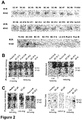
- the labelled antibodies were then tested on unfractionated serum samples in Western blot assays in non reducing and reducing conditions, revealed by SuperSignalTM West Femto Maximum Sensitivity Substrate; the AF650 biotinilated anti-Trop-2 polyclonal antibody was used for comparison ( Figure 2 , B - C).
- Non reducing conditions preserve protein disulphide bridges and were predicted to maintain the conformation of the Trop-2 globular domain that is specifically targeted by the 2EF monoclonal antibody.
- polyclonal anti-Trop-2 antibodies showed a very high level of background signal ( Figure 2, B ).
- the 2EF-hrp could detect a single Trop-2 band with absolute specificity ( Figure 2, C ).
- Trop-2 serum levels On the basis of Trop-2 serum levels, the samples analyzed were divided into three classes: barely detectable (+/-), low (+), medium (++) and high (+++) levels of expression (Table 3). Trop-2 was found to be present in all normal samples at barely detectable levels. On the contrary all higher-than-baseline Trop-2 serum levels were found in patients with breast cancer (100% specificity). Among breast cancers, 17 out of 22 (77% sensitivity) showed elevated levels versus unaffected individuals ( Figure 2 , Table3). Of note, benign fibroadenomas, albeit expressing high levels of Trop-2, did not show increased Trop-2 serum levels (Table 3). Trop-2 circulating levels showed rather broad dynamic ranges in breat cancer patients.
- the highest levels ( ⁇ ++) were found in a subset of tumor samples (12/22; 54%). This suggested a correlation with other parameters that are linked to tumor development (see below).
- the 2EF-hrp monoclonal antibody was also used on a subset of samples and confirmed the presence of higher levels of circulating Trop-2 levels in tumor samples with respect to healthy controls.
- Tissue sections were incubated with goat polyclonal anti-Trop-2 (p)Ab (AF650; R&D Systems, Inc. Minneapolis, MN), at a dilution of 1:25 for 40 min at room temperature, followed by incubation with rabbit anti-goat IgG (Santa Cruz Biotechnology, CA). Finally, the tissue sections were incubated with HRP detection reagent kit (TS-125-HR, LabVision) and 3,3-diaminobenzidine (DAKO), 10 min at room temperature. Nuclei were counterstained with Mayer's hematoxylin for 3 seconds. Slides were dehydrated with ascending alcohol series and mounted.
- p polyclonal anti-Trop-2
- DAKO 3,3-diaminobenzidine
- IHS immunohistochemical score
- Estrogen (ER) and progesteron (PgR) receptors were measured in fresh or frozed breast cancer biopsies according to the dextran coated radioligand binding assay (LBA) reference method. Briefly, gragments of tumor tissues were cleaned from necrotic areas and fat, cut into smaller pieces and transferred into a Teflon capsule, prechilled in liquid nitrogen, containing a tungsten carbide sphere for frozen tissue fragmentation upon shaking. The pulverized tissue was transferred to prechilled, calibrated polycarbonate tubes and dissolved phosphate buffer at 4 °C.
- a suspension of charcoal-dextran (500 ⁇ l) was then added to each sample and the mixture was incubated 10 min on ice under shaking.
- the charcoal-dextran suspension was utilized to trap the estradiol (whether labeled or unlabeled), that did not bind the ER receptors.
- the samples were centrifuged for 15 min at 4,000 g at 4 °C, and the supernatants, containing the receptors-ligand complexes, were counted by scintillation. As receptor binding can reveal non-specific components, only cold-ligand-dispaceable binding was taken into account. To this end, Scatchard plots were drawn, in which the concentration of labeled ligand present in the samples, was represented as a function of bound and unbound radioactivity. Linear fitting of measurements indicated a correct performance of the assay. Specific binding had dissociation constants of 1x10 -9 to 1x10 -10 M.
- the total protein content was determined using the Coomassie Protein Assay kit (Pierce), a modification of the Coomassie protein-dye binding colorimetric method.
- the labeled ligand specifically bound to the sample was normalized by the total protein content, and expressed as Fm/mg of total protein.
- the sensitivity limit for ER ⁇ and PgR assays was approximately 5 Fm/ml. Validated cut-off values ⁇ 10 Fm/mg of protein were utilized to indicate expression of ER ⁇ and PgR.
- the concentration of uPA and PAI-1 was measured with enzyme-linked immunosorbement assay (ELISA) immunometric procedures, using kits from American Diagnostica Inc.
- ELISA enzyme-linked immunosorbement assay
- aliquots (100 ⁇ l) of tissue samples prepared according to the same procedure described for the determination of hormone receptors were inoculated in 96 wells pre-coated with antibodies specific for uPA or PAI-1.
- the sample-antibody mixture was incubated for 18-20 hours at 4 °C or on ice.
- the complex formed by target molecules and antibodies was revealed using biotinylated secondary antibodies for 1h at room temperature (sandwich ELISA). After washing, streptavidin-enzyme were added and incubated for 1 h at room temperature. Substrate was added and the mixture was incubated at room temperature for 20 min for spectrophotometric colorimetry. Absolute amounts were determined by comparison with a calibration curve containing known and scalar pure uPA or PAI-1.
- the amounts of uPA and PAI-1 were expressed as a function of the total protein content of the samples (ng/mg of total protein).
- IHC analyses showed an association between serum Trop-2 levels and Trop-2 membrane expression in the tumor cells (breast cancer # 7, 9 e 16). A stronger correlation was observed between the tumor volume, the expression levels of serum Trop-2 and the stage of disease. This correlates with the product of time of tumor persistence in the body and of tumor Trop-2 release over time. Notably, the Trop-2 protein is stable and this determines in vivo persistence and as a consequence the high circulating Trop-2 levels associated with tumor burden. Consistent with this, correlation with pathological stage was found in 6 patients with breast cancer (samples # 2, 4, 5, 6, 8, 11) (Table 1 and Table 2).
- Circulating Trop-2 levels were additionally correlated with tumor proteolytic balance (uPA/PAI-1; Table 3). At least 10% of the samples (sera # 6 and 7) showed a correlation between proteolytic index (uPA/PAI-1) and circulating Trop-2 levels, suggesting involvement of distinct proteolytic pathways and/or tumor cell lysis.
- the biological samples that were used come from the San Giacomo hospital/ASL 8 of Castelfranco Veneto (Italy), Unit of Cytodiagnostics and Pathological Anatomy and Histology, and from the University hospital of Bari (Italy). An informed consent was obtained in accordance with current regulations.
Landscapes
- Health & Medical Sciences (AREA)
- Life Sciences & Earth Sciences (AREA)
- Immunology (AREA)
- Chemical & Material Sciences (AREA)
- Engineering & Computer Science (AREA)
- Molecular Biology (AREA)
- Urology & Nephrology (AREA)
- Biomedical Technology (AREA)
- Hematology (AREA)
- General Health & Medical Sciences (AREA)
- Medicinal Chemistry (AREA)
- Biochemistry (AREA)
- Organic Chemistry (AREA)
- Analytical Chemistry (AREA)
- Physics & Mathematics (AREA)
- Cell Biology (AREA)
- Pathology (AREA)
- Microbiology (AREA)
- General Physics & Mathematics (AREA)
- Food Science & Technology (AREA)
- Biotechnology (AREA)
- Biophysics (AREA)
- Genetics & Genomics (AREA)
- Proteomics, Peptides & Aminoacids (AREA)
- Peptides Or Proteins (AREA)
- Measuring Or Testing Involving Enzymes Or Micro-Organisms (AREA)
- Medicines Containing Material From Animals Or Micro-Organisms (AREA)
- Hospice & Palliative Care (AREA)
- Oncology (AREA)
Claims (6)
- Procédé de contrôle in vitro non invasive de la présence de maladies tumorales chez un patient, dans laquelle la protéine Trop-2 présente dans l'échantillon de sérum non fractionné du patient est utilisée comme marqueur biologique d'une tumeur en circulation, la présence de maladies tumorales étant indiquée par les niveaux de circulation de la protéine Trop-2 supérieure d'au moins 10% aux niveaux de circulation de la protéine Trop-2 chez les personnes en bonne santé correspondantes.
- Procédé selon la revendication 1, dans lequel la maladie tumorale est constituée de tumeurs locales ou métastatiques, choisies dans le groupe constitué par les cancers du sein, du côlon-rectum, de l' estomac, du pancréas, de la prostate, du col utérin, de l'endomètre, des ovaires, des poumons, de la vessie, des reins et de la thyroïde.
- Procédé selon la revendication 1, caractérisé en ce que du même patient le sérum est prélève à deux moments différents ou plus et que l'on mesure la protéine Trop-2 présente dans tous les échantillons de sérum, caractérisé en ce qu'une augmentation d'au moins 10% des niveaux de la protéine Trop-2 dans l'échantillon suivant, comparés à l'échantillon précédent, sont utilisés pour indiquer la progression tumorale.
- Procédé selon la revendication 1, dans lequel le sérum est prélevé à deux moments différents ou plus du même patient, et la protéine Trop-2 présente dans tous les échantillons de sérum est mesurée, caractérisée en ce qu'une diminution d'au moins 10% des niveaux de protéine Trop-2 dans l'échantillon suivant par rapport à l'échantillon précédent, est utilisé pour indiquer une régression tumorale.
- Procédé de détermination in vitro de l'efficacité du traitement anticancéreux chez un patient cancéreux, dans lequel les niveaux de sérum obtenus du patient avant le début du traitement anticancéreux et pendant ou après le traitement anticancéreux permettent de mesurer les niveaux de la protéine Trop 2 présents dans tous les échantillons de sérum, et caractérisé en ce qu'une diminution d'au moins 10% des niveaux de protéine Trop-2 présents dans le sérum du patient, pendant ou après le traitement, comparée aux niveaux de protéine Trop-2 dans le sérum de même patient, avant de commencer le traitement, indique son efficacité thérapeutique.
- Procédé selon la revendication 5, dans lequel la thérapie anticancéreuse est choisie dans le groupe comprenant la chirurgie, la radiothérapie, des médicaments chimio-thérapeutiques, des agents alkylants, des inhibiteurs de la topoisomérase, des antimétabolites, des antibiotiques antitumoraux, des inhibiteurs de la mitose, des corticostéroïdes, des agents de différentiation, une hormonothérapie, des inhibiteurs de la kinase, des anticorps anti-tumoraux, des inhibiteurs du protéasome, seuls ou en combinaison, pour le traitement de tumeurs locales ou métastatiques selon la revendication 2.
Applications Claiming Priority (2)
| Application Number | Priority Date | Filing Date | Title |
|---|---|---|---|
| ITUB2015A005701A ITUB20155701A1 (it) | 2015-11-19 | 2015-11-19 | Uso di Trop-2 circolante sierico come nuovo biomarcatore tumorale |
| PCT/EP2016/025148 WO2017084763A1 (fr) | 2015-11-19 | 2016-11-17 | Utilisation de la trop-2 en circulation dans du sérum comme nouveau biomarqueur de tumeur |
Publications (2)
| Publication Number | Publication Date |
|---|---|
| EP3377903A1 EP3377903A1 (fr) | 2018-09-26 |
| EP3377903B1 true EP3377903B1 (fr) | 2019-08-21 |
Family
ID=55447020
Family Applications (1)
| Application Number | Title | Priority Date | Filing Date |
|---|---|---|---|
| EP16797460.9A Active EP3377903B1 (fr) | 2015-11-19 | 2016-11-17 | Utilisation de la trop-2 en circulation dans du sérum comme nouveau biomarqueur de tumeur |
Country Status (4)
| Country | Link |
|---|---|
| US (1) | US20180328928A1 (fr) |
| EP (1) | EP3377903B1 (fr) |
| IT (1) | ITUB20155701A1 (fr) |
| WO (1) | WO2017084763A1 (fr) |
Families Citing this family (5)
| Publication number | Priority date | Publication date | Assignee | Title |
|---|---|---|---|---|
| CN108680750A (zh) * | 2017-12-29 | 2018-10-19 | 广西壮族自治区人民医院 | Trop2蛋白表达量的elisa检测方法及试剂盒 |
| WO2019204741A1 (fr) * | 2018-04-19 | 2019-10-24 | The Regents Of The University Of California | Méthode et dispositif de détection de siglec-12 |
| CN112646038B (zh) * | 2019-10-11 | 2025-06-03 | 迈威(上海)生物科技股份有限公司 | 抗人Trop-2抗体及其应用 |
| IT202000031838A1 (it) * | 2020-12-22 | 2022-06-22 | Saverio Alberti | Piattaforma per ottenere anticorpi monoclonali diretti contro antigeni processati tumore-specifici |
| CN115308279B (zh) * | 2022-08-31 | 2024-12-13 | 中国科学院上海微系统与信息技术研究所 | 一种基于免疫亲和的阻抗生物传感器及其制备方法以及应用 |
Family Cites Families (7)
| Publication number | Priority date | Publication date | Assignee | Title |
|---|---|---|---|---|
| JP4912894B2 (ja) * | 2004-02-19 | 2012-04-11 | イェール ユニバーシティー | プロテオーム技術を使用した癌タンパク質バイオマーカーの同定 |
| EP1938104A2 (fr) * | 2005-10-17 | 2008-07-02 | Institute for Systems Biology | Glycoproteines derivees de tissus et du serum et leurs methodes d'utilisation |
| CA2750038C (fr) | 2009-02-05 | 2016-10-04 | Oncoxx S.R.L. | Anticorps monoclonaux anti-trop-2 et leurs utilisations dans le traitement et le diagnostic de tumeurs |
| EP2542696B1 (fr) | 2010-03-01 | 2016-09-28 | Caris Life Sciences Switzerland Holdings GmbH | Biomarqueurs pour théranostique |
| ITCH20120008A1 (it) | 2012-05-16 | 2013-11-17 | Saverio Alberti | Uso di trop-2 come marcatore predittivo di risposta a terapia anti-tumorale basata su inibitori di cd9, akt e vie di segnale collegate |
| EP3227340B1 (fr) | 2014-12-04 | 2020-06-17 | Mediterranea Theranostic S.R.L. | Anticorps monoclonaux anti-pré-trop-2 humanisés et leurs utilisations |
| AU2016252771B2 (en) * | 2015-04-22 | 2021-12-16 | Immunomedics, Inc. | Isolation, detection, diagnosis and/or characterization of circulating Trop-2-positive cancer cells |
-
2015
- 2015-11-19 IT ITUB2015A005701A patent/ITUB20155701A1/it unknown
-
2016
- 2016-11-17 WO PCT/EP2016/025148 patent/WO2017084763A1/fr not_active Ceased
- 2016-11-17 US US15/775,169 patent/US20180328928A1/en not_active Abandoned
- 2016-11-17 EP EP16797460.9A patent/EP3377903B1/fr active Active
Non-Patent Citations (1)
| Title |
|---|
| None * |
Also Published As
| Publication number | Publication date |
|---|---|
| WO2017084763A1 (fr) | 2017-05-26 |
| EP3377903A1 (fr) | 2018-09-26 |
| US20180328928A1 (en) | 2018-11-15 |
| ITUB20155701A1 (it) | 2017-05-19 |
Similar Documents
| Publication | Publication Date | Title |
|---|---|---|
| Molina et al. | Tumor markers in breast cancer–European Group on Tumor Markers recommendations | |
| Ye et al. | Proteomic-based discovery and characterization of glycosylated eosinophil-derived neurotoxin and COOH-terminal osteopontin fragments for ovarian cancer in urine | |
| CA2764386C (fr) | Anticorps p35-her2 et leurs utilisations | |
| Arumugam et al. | S100P: a novel therapeutic target for cancer | |
| EP3377903B1 (fr) | Utilisation de la trop-2 en circulation dans du sérum comme nouveau biomarqueur de tumeur | |
| CN101828114B (zh) | 妇科癌症的检出方法 | |
| EP2213686A1 (fr) | Marqueurs de tumeur et procédés d'utilisation correspondants | |
| AU2013332512C1 (en) | SHON as a prognostic biomarker for cancer and as a predictor of response to endocrine therapy | |
| Harris et al. | c-erbB-2 in serum of patients with breast cancer | |
| Hellstrom et al. | Anti-mesothelin antibodies and circulating mesothelin relate to the clinical state in ovarian cancer patients | |
| EP3144676B1 (fr) | Kit comprenant un anticorps se liant spécifiquement à la protéine du facteur b du complément et anticorps se liant spécifiquement à la protéine d'antigène carbohydrate 19-9 pour le diagnostic du cancer du pancréas | |
| US20130058966A1 (en) | Anti-pdef antibodies and uses thereof | |
| EP1636584B1 (fr) | Utilisation de la proteine cellulaire liant l'acide retinoique (crabp ii), comme marqueur du cancer du sein | |
| KR102417089B1 (ko) | 암세포막 cxcl12를 포함하는 직장 샘암종 예후 예측용 바이오마커 조성물 | |
| EP1676134B1 (fr) | Utilisation d'une proteine spee (spermidine synthase) en tant que marqueur du cancer du sein | |
| JP2022153482A (ja) | 癌のバイオマーカーとしてのpd-ecgf | |
| WO2010030980A2 (fr) | Akt et clusterine utilisés comme biomarqueurs de sensibilité à un traitement chimiothérapeutique | |
| KR101415927B1 (ko) | 항―tmap/ckap2 항체를 포함하는 암의 예후 진단용 조성물 | |
| KR101594287B1 (ko) | 보체인자 b 단백질에 특이적으로 결합하는 항체를 포함하는 췌장암 진단용 키트 | |
| CN1752104B (zh) | 突触蛋白γ的单克隆抗体及其应用 | |
| Schneiderhan-Marra et al. | Multiplexed immunoassays for the analysis of breast cancer biopsies | |
| Lumachi et al. | Serum tumor markers in breast cancer | |
| WO2005040805A1 (fr) | Utilisation de la proteine masp en tant que marqueur pour le cancer du sein | |
| WO2014108707A1 (fr) | Indentification de patients pour thérapie contre le cancer du sein utilisant des éléments de la famille t128 en tant que marqueurs | |
| Kuk | Mining the Ovarian Cancer Ascites Proteome for the Identification of Candidate Cancer Biomarkers |
Legal Events
| Date | Code | Title | Description |
|---|---|---|---|
| STAA | Information on the status of an ep patent application or granted ep patent |
Free format text: STATUS: UNKNOWN |
|
| STAA | Information on the status of an ep patent application or granted ep patent |
Free format text: STATUS: THE INTERNATIONAL PUBLICATION HAS BEEN MADE |
|
| PUAI | Public reference made under article 153(3) epc to a published international application that has entered the european phase |
Free format text: ORIGINAL CODE: 0009012 |
|
| STAA | Information on the status of an ep patent application or granted ep patent |
Free format text: STATUS: REQUEST FOR EXAMINATION WAS MADE |
|
| 17P | Request for examination filed |
Effective date: 20180619 |
|
| AK | Designated contracting states |
Kind code of ref document: A1 Designated state(s): AL AT BE BG CH CY CZ DE DK EE ES FI FR GB GR HR HU IE IS IT LI LT LU LV MC MK MT NL NO PL PT RO RS SE SI SK SM TR |
|
| AX | Request for extension of the european patent |
Extension state: BA ME |
|
| DAV | Request for validation of the european patent (deleted) | ||
| DAX | Request for extension of the european patent (deleted) | ||
| GRAP | Despatch of communication of intention to grant a patent |
Free format text: ORIGINAL CODE: EPIDOSNIGR1 |
|
| STAA | Information on the status of an ep patent application or granted ep patent |
Free format text: STATUS: GRANT OF PATENT IS INTENDED |
|
| INTG | Intention to grant announced |
Effective date: 20190328 |
|
| RIN1 | Information on inventor provided before grant (corrected) |
Inventor name: ALBERTI, SAVERIO Inventor name: GUERRA, EMANUELA Inventor name: TREROTOLA, MARCO |
|
| GRAS | Grant fee paid |
Free format text: ORIGINAL CODE: EPIDOSNIGR3 |
|
| GRAA | (expected) grant |
Free format text: ORIGINAL CODE: 0009210 |
|
| STAA | Information on the status of an ep patent application or granted ep patent |
Free format text: STATUS: THE PATENT HAS BEEN GRANTED |
|
| RAP1 | Party data changed (applicant data changed or rights of an application transferred) |
Owner name: MEDITERRANEA THERANOSTIC S.R.L. |
|
| AK | Designated contracting states |
Kind code of ref document: B1 Designated state(s): AL AT BE BG CH CY CZ DE DK EE ES FI FR GB GR HR HU IE IS IT LI LT LU LV MC MK MT NL NO PL PT RO RS SE SI SK SM TR |
|
| REG | Reference to a national code |
Ref country code: GB Ref legal event code: FG4D |
|
| REG | Reference to a national code |
Ref country code: CH Ref legal event code: EP |
|
| REG | Reference to a national code |
Ref country code: DE Ref legal event code: R096 Ref document number: 602016019154 Country of ref document: DE |
|
| REG | Reference to a national code |
Ref country code: AT Ref legal event code: REF Ref document number: 1170336 Country of ref document: AT Kind code of ref document: T Effective date: 20190915 |
|
| REG | Reference to a national code |
Ref country code: IE Ref legal event code: FG4D |
|
| REG | Reference to a national code |
Ref country code: LT Ref legal event code: MG4D |
|
| REG | Reference to a national code |
Ref country code: NL Ref legal event code: MP Effective date: 20190821 |
|
| PG25 | Lapsed in a contracting state [announced via postgrant information from national office to epo] |
Ref country code: PT Free format text: LAPSE BECAUSE OF FAILURE TO SUBMIT A TRANSLATION OF THE DESCRIPTION OR TO PAY THE FEE WITHIN THE PRESCRIBED TIME-LIMIT Effective date: 20191223 Ref country code: LT Free format text: LAPSE BECAUSE OF FAILURE TO SUBMIT A TRANSLATION OF THE DESCRIPTION OR TO PAY THE FEE WITHIN THE PRESCRIBED TIME-LIMIT Effective date: 20190821 Ref country code: NL Free format text: LAPSE BECAUSE OF FAILURE TO SUBMIT A TRANSLATION OF THE DESCRIPTION OR TO PAY THE FEE WITHIN THE PRESCRIBED TIME-LIMIT Effective date: 20190821 Ref country code: HR Free format text: LAPSE BECAUSE OF FAILURE TO SUBMIT A TRANSLATION OF THE DESCRIPTION OR TO PAY THE FEE WITHIN THE PRESCRIBED TIME-LIMIT Effective date: 20190821 Ref country code: SE Free format text: LAPSE BECAUSE OF FAILURE TO SUBMIT A TRANSLATION OF THE DESCRIPTION OR TO PAY THE FEE WITHIN THE PRESCRIBED TIME-LIMIT Effective date: 20190821 Ref country code: BG Free format text: LAPSE BECAUSE OF FAILURE TO SUBMIT A TRANSLATION OF THE DESCRIPTION OR TO PAY THE FEE WITHIN THE PRESCRIBED TIME-LIMIT Effective date: 20191121 Ref country code: FI Free format text: LAPSE BECAUSE OF FAILURE TO SUBMIT A TRANSLATION OF THE DESCRIPTION OR TO PAY THE FEE WITHIN THE PRESCRIBED TIME-LIMIT Effective date: 20190821 Ref country code: NO Free format text: LAPSE BECAUSE OF FAILURE TO SUBMIT A TRANSLATION OF THE DESCRIPTION OR TO PAY THE FEE WITHIN THE PRESCRIBED TIME-LIMIT Effective date: 20191121 |
|
| PG25 | Lapsed in a contracting state [announced via postgrant information from national office to epo] |
Ref country code: ES Free format text: LAPSE BECAUSE OF FAILURE TO SUBMIT A TRANSLATION OF THE DESCRIPTION OR TO PAY THE FEE WITHIN THE PRESCRIBED TIME-LIMIT Effective date: 20190821 Ref country code: IS Free format text: LAPSE BECAUSE OF FAILURE TO SUBMIT A TRANSLATION OF THE DESCRIPTION OR TO PAY THE FEE WITHIN THE PRESCRIBED TIME-LIMIT Effective date: 20191221 Ref country code: RS Free format text: LAPSE BECAUSE OF FAILURE TO SUBMIT A TRANSLATION OF THE DESCRIPTION OR TO PAY THE FEE WITHIN THE PRESCRIBED TIME-LIMIT Effective date: 20190821 Ref country code: GR Free format text: LAPSE BECAUSE OF FAILURE TO SUBMIT A TRANSLATION OF THE DESCRIPTION OR TO PAY THE FEE WITHIN THE PRESCRIBED TIME-LIMIT Effective date: 20191122 Ref country code: LV Free format text: LAPSE BECAUSE OF FAILURE TO SUBMIT A TRANSLATION OF THE DESCRIPTION OR TO PAY THE FEE WITHIN THE PRESCRIBED TIME-LIMIT Effective date: 20190821 Ref country code: AL Free format text: LAPSE BECAUSE OF FAILURE TO SUBMIT A TRANSLATION OF THE DESCRIPTION OR TO PAY THE FEE WITHIN THE PRESCRIBED TIME-LIMIT Effective date: 20190821 |
|
| REG | Reference to a national code |
Ref country code: AT Ref legal event code: MK05 Ref document number: 1170336 Country of ref document: AT Kind code of ref document: T Effective date: 20190821 |
|
| PG25 | Lapsed in a contracting state [announced via postgrant information from national office to epo] |
Ref country code: TR Free format text: LAPSE BECAUSE OF FAILURE TO SUBMIT A TRANSLATION OF THE DESCRIPTION OR TO PAY THE FEE WITHIN THE PRESCRIBED TIME-LIMIT Effective date: 20190821 |
|
| PG25 | Lapsed in a contracting state [announced via postgrant information from national office to epo] |
Ref country code: RO Free format text: LAPSE BECAUSE OF FAILURE TO SUBMIT A TRANSLATION OF THE DESCRIPTION OR TO PAY THE FEE WITHIN THE PRESCRIBED TIME-LIMIT Effective date: 20190821 Ref country code: IT Free format text: LAPSE BECAUSE OF FAILURE TO SUBMIT A TRANSLATION OF THE DESCRIPTION OR TO PAY THE FEE WITHIN THE PRESCRIBED TIME-LIMIT Effective date: 20190821 Ref country code: EE Free format text: LAPSE BECAUSE OF FAILURE TO SUBMIT A TRANSLATION OF THE DESCRIPTION OR TO PAY THE FEE WITHIN THE PRESCRIBED TIME-LIMIT Effective date: 20190821 Ref country code: AT Free format text: LAPSE BECAUSE OF FAILURE TO SUBMIT A TRANSLATION OF THE DESCRIPTION OR TO PAY THE FEE WITHIN THE PRESCRIBED TIME-LIMIT Effective date: 20190821 Ref country code: DK Free format text: LAPSE BECAUSE OF FAILURE TO SUBMIT A TRANSLATION OF THE DESCRIPTION OR TO PAY THE FEE WITHIN THE PRESCRIBED TIME-LIMIT Effective date: 20190821 Ref country code: PL Free format text: LAPSE BECAUSE OF FAILURE TO SUBMIT A TRANSLATION OF THE DESCRIPTION OR TO PAY THE FEE WITHIN THE PRESCRIBED TIME-LIMIT Effective date: 20190821 |
|
| PG25 | Lapsed in a contracting state [announced via postgrant information from national office to epo] |
Ref country code: SK Free format text: LAPSE BECAUSE OF FAILURE TO SUBMIT A TRANSLATION OF THE DESCRIPTION OR TO PAY THE FEE WITHIN THE PRESCRIBED TIME-LIMIT Effective date: 20190821 Ref country code: IS Free format text: LAPSE BECAUSE OF FAILURE TO SUBMIT A TRANSLATION OF THE DESCRIPTION OR TO PAY THE FEE WITHIN THE PRESCRIBED TIME-LIMIT Effective date: 20200224 Ref country code: SM Free format text: LAPSE BECAUSE OF FAILURE TO SUBMIT A TRANSLATION OF THE DESCRIPTION OR TO PAY THE FEE WITHIN THE PRESCRIBED TIME-LIMIT Effective date: 20190821 Ref country code: CZ Free format text: LAPSE BECAUSE OF FAILURE TO SUBMIT A TRANSLATION OF THE DESCRIPTION OR TO PAY THE FEE WITHIN THE PRESCRIBED TIME-LIMIT Effective date: 20190821 |
|
| REG | Reference to a national code |
Ref country code: DE Ref legal event code: R097 Ref document number: 602016019154 Country of ref document: DE |
|
| REG | Reference to a national code |
Ref country code: CH Ref legal event code: PL |
|
| PLBE | No opposition filed within time limit |
Free format text: ORIGINAL CODE: 0009261 |
|
| STAA | Information on the status of an ep patent application or granted ep patent |
Free format text: STATUS: NO OPPOSITION FILED WITHIN TIME LIMIT |
|
| PG2D | Information on lapse in contracting state deleted |
Ref country code: IS |
|
| PG25 | Lapsed in a contracting state [announced via postgrant information from national office to epo] |
Ref country code: MC Free format text: LAPSE BECAUSE OF FAILURE TO SUBMIT A TRANSLATION OF THE DESCRIPTION OR TO PAY THE FEE WITHIN THE PRESCRIBED TIME-LIMIT Effective date: 20190821 Ref country code: CH Free format text: LAPSE BECAUSE OF NON-PAYMENT OF DUE FEES Effective date: 20191130 Ref country code: LI Free format text: LAPSE BECAUSE OF NON-PAYMENT OF DUE FEES Effective date: 20191130 Ref country code: LU Free format text: LAPSE BECAUSE OF NON-PAYMENT OF DUE FEES Effective date: 20191117 |
|
| 26N | No opposition filed |
Effective date: 20200603 |
|
| REG | Reference to a national code |
Ref country code: BE Ref legal event code: MM Effective date: 20191130 |
|
| PG25 | Lapsed in a contracting state [announced via postgrant information from national office to epo] |
Ref country code: SI Free format text: LAPSE BECAUSE OF FAILURE TO SUBMIT A TRANSLATION OF THE DESCRIPTION OR TO PAY THE FEE WITHIN THE PRESCRIBED TIME-LIMIT Effective date: 20190821 |
|
| PG25 | Lapsed in a contracting state [announced via postgrant information from national office to epo] |
Ref country code: IE Free format text: LAPSE BECAUSE OF NON-PAYMENT OF DUE FEES Effective date: 20191117 |
|
| PG25 | Lapsed in a contracting state [announced via postgrant information from national office to epo] |
Ref country code: BE Free format text: LAPSE BECAUSE OF NON-PAYMENT OF DUE FEES Effective date: 20191130 |
|
| PG25 | Lapsed in a contracting state [announced via postgrant information from national office to epo] |
Ref country code: CY Free format text: LAPSE BECAUSE OF FAILURE TO SUBMIT A TRANSLATION OF THE DESCRIPTION OR TO PAY THE FEE WITHIN THE PRESCRIBED TIME-LIMIT Effective date: 20190821 |
|
| PG25 | Lapsed in a contracting state [announced via postgrant information from national office to epo] |
Ref country code: MT Free format text: LAPSE BECAUSE OF FAILURE TO SUBMIT A TRANSLATION OF THE DESCRIPTION OR TO PAY THE FEE WITHIN THE PRESCRIBED TIME-LIMIT Effective date: 20190821 Ref country code: HU Free format text: LAPSE BECAUSE OF FAILURE TO SUBMIT A TRANSLATION OF THE DESCRIPTION OR TO PAY THE FEE WITHIN THE PRESCRIBED TIME-LIMIT; INVALID AB INITIO Effective date: 20161117 |
|
| PG25 | Lapsed in a contracting state [announced via postgrant information from national office to epo] |
Ref country code: MK Free format text: LAPSE BECAUSE OF FAILURE TO SUBMIT A TRANSLATION OF THE DESCRIPTION OR TO PAY THE FEE WITHIN THE PRESCRIBED TIME-LIMIT Effective date: 20190821 |
|
| REG | Reference to a national code |
Ref country code: DE Ref legal event code: R082 Ref document number: 602016019154 Country of ref document: DE Representative=s name: KRAUS & LEDERER PARTGMBB, DE |
|
| REG | Reference to a national code |
Ref country code: DE Ref legal event code: R079 Ref document number: 602016019154 Country of ref document: DE Free format text: PREVIOUS MAIN CLASS: G01N0033574000 Ipc: G01N0033575000 |
|
| PGFP | Annual fee paid to national office [announced via postgrant information from national office to epo] |
Ref country code: DE Payment date: 20251119 Year of fee payment: 10 |
|
| PGFP | Annual fee paid to national office [announced via postgrant information from national office to epo] |
Ref country code: GB Payment date: 20251121 Year of fee payment: 10 |
|
| PGFP | Annual fee paid to national office [announced via postgrant information from national office to epo] |
Ref country code: FR Payment date: 20251126 Year of fee payment: 10 |