EP3378873B1 - Monoklonale anti-claudin-1-antikörper zur vorbeugung und behandlung von hepatozellulärem karzinom - Google Patents
Monoklonale anti-claudin-1-antikörper zur vorbeugung und behandlung von hepatozellulärem karzinom Download PDFInfo
- Publication number
- EP3378873B1 EP3378873B1 EP18169550.3A EP18169550A EP3378873B1 EP 3378873 B1 EP3378873 B1 EP 3378873B1 EP 18169550 A EP18169550 A EP 18169550A EP 3378873 B1 EP3378873 B1 EP 3378873B1
- Authority
- EP
- European Patent Office
- Prior art keywords
- antibody
- claudin
- hcv
- hcc
- cldn1
- Prior art date
- Legal status (The legal status is an assumption and is not a legal conclusion. Google has not performed a legal analysis and makes no representation as to the accuracy of the status listed.)
- Active
Links
Images




Classifications
-
- A—HUMAN NECESSITIES
- A61—MEDICAL OR VETERINARY SCIENCE; HYGIENE
- A61K—PREPARATIONS FOR MEDICAL, DENTAL OR TOILETRY PURPOSES
- A61K39/00—Medicinal preparations containing antigens or antibodies
- A61K39/395—Antibodies; Immunoglobulins; Immune serum, e.g. antilymphocytic serum
- A61K39/39533—Antibodies; Immunoglobulins; Immune serum, e.g. antilymphocytic serum against materials from animals
- A61K39/39558—Antibodies; Immunoglobulins; Immune serum, e.g. antilymphocytic serum against materials from animals against tumor tissues, cells, antigens
-
- A—HUMAN NECESSITIES
- A61—MEDICAL OR VETERINARY SCIENCE; HYGIENE
- A61K—PREPARATIONS FOR MEDICAL, DENTAL OR TOILETRY PURPOSES
- A61K39/00—Medicinal preparations containing antigens or antibodies
- A61K39/395—Antibodies; Immunoglobulins; Immune serum, e.g. antilymphocytic serum
-
- A—HUMAN NECESSITIES
- A61—MEDICAL OR VETERINARY SCIENCE; HYGIENE
- A61K—PREPARATIONS FOR MEDICAL, DENTAL OR TOILETRY PURPOSES
- A61K45/00—Medicinal preparations containing active ingredients not provided for in groups A61K31/00 - A61K41/00
- A61K45/06—Mixtures of active ingredients without chemical characterisation, e.g. antiphlogistics and cardiaca
-
- A—HUMAN NECESSITIES
- A61—MEDICAL OR VETERINARY SCIENCE; HYGIENE
- A61P—SPECIFIC THERAPEUTIC ACTIVITY OF CHEMICAL COMPOUNDS OR MEDICINAL PREPARATIONS
- A61P1/00—Drugs for disorders of the alimentary tract or the digestive system
- A61P1/16—Drugs for disorders of the alimentary tract or the digestive system for liver or gallbladder disorders, e.g. hepatoprotective agents, cholagogues, litholytics
-
- A—HUMAN NECESSITIES
- A61—MEDICAL OR VETERINARY SCIENCE; HYGIENE
- A61P—SPECIFIC THERAPEUTIC ACTIVITY OF CHEMICAL COMPOUNDS OR MEDICINAL PREPARATIONS
- A61P35/00—Antineoplastic agents
-
- C—CHEMISTRY; METALLURGY
- C07—ORGANIC CHEMISTRY
- C07K—PEPTIDES
- C07K16/00—Immunoglobulins [IG], e.g. monoclonal or polyclonal antibodies
- C07K16/18—Immunoglobulins [IG], e.g. monoclonal or polyclonal antibodies against material from animals or humans
- C07K16/28—Immunoglobulins [IG], e.g. monoclonal or polyclonal antibodies against material from animals or humans against receptors, cell surface antigens or cell surface determinants
-
- A—HUMAN NECESSITIES
- A61—MEDICAL OR VETERINARY SCIENCE; HYGIENE
- A61K—PREPARATIONS FOR MEDICAL, DENTAL OR TOILETRY PURPOSES
- A61K39/00—Medicinal preparations containing antigens or antibodies
- A61K2039/505—Medicinal preparations containing antigens or antibodies comprising antibodies
-
- A—HUMAN NECESSITIES
- A61—MEDICAL OR VETERINARY SCIENCE; HYGIENE
- A61K—PREPARATIONS FOR MEDICAL, DENTAL OR TOILETRY PURPOSES
- A61K2300/00—Mixtures or combinations of active ingredients, wherein at least one active ingredient is fully defined in groups A61K31/00 - A61K41/00
-
- C—CHEMISTRY; METALLURGY
- C07—ORGANIC CHEMISTRY
- C07K—PEPTIDES
- C07K2317/00—Immunoglobulins specific features
- C07K2317/70—Immunoglobulins specific features characterized by effect upon binding to a cell or to an antigen
-
- C—CHEMISTRY; METALLURGY
- C07—ORGANIC CHEMISTRY
- C07K—PEPTIDES
- C07K2317/00—Immunoglobulins specific features
- C07K2317/70—Immunoglobulins specific features characterized by effect upon binding to a cell or to an antigen
- C07K2317/76—Antagonist effect on antigen, e.g. neutralization or inhibition of binding
Definitions
- HCC Hepatocellular carcinoma
- GLOBOCAN 2012 Estimated Cancer Incidence, Mortality and Prevalence Worldwide in 2012 - webpage: globocan.iarc.fr.
- HCC accounts for more than 500,000 new cases per year and nearly as many deaths due to poor disease prognosis.
- Chronic hepatitis C virus (HCV) infection is the most important risk factor for developing liver cirrhosis and HCC ( El-Serag, N Engl J Med., 2011, 365(12): 1118-1127 ). It is estimated that approximately 3% of the world population is chronically infected with HCV (World Health Organization).
- HCC hepatitis B virus
- alcoholic liver disease alcoholic liver disease
- non-alcoholic fatty liver disease hepatitis B virus
- HBV hepatitis B virus
- Less common causes include hereditary hemochromatosis, alpha 1-antitrypsin deficiency, auto-immune hepatitis, some porphyrias, Wilson's disease, aflatoxin exposure.
- the distribution of these risk factors among patients with HCC is highly variable, depending on geographic region, and on race or ethnic group. Most of these risk factors lead to the formation and progression of cirrhosis, which is present in 80 to 90% of patients with HCC.
- the 5-year cumulative risk for the development of HCC in patients with cirrhosis ranges between 5% and 30%, depending on the cause, region or ethnic group, and stage of cirrhosis.
- end-stage liver disease and HCC resulted in 6,342 liver transplants associated with costs of more than 1 billion US dollars for the procedure alone (see NIH webpage: optn.transplant.hrsa.gov/latestData/step2.asp).
- HCC may be avoided by addressing the underlying cause in the early stage of the disease
- strategies to prevent HCC in patients with established cirrhosis and advanced fibrosis, in which the risk of HCC persists despite treatment of the underlying cause are lacking. Indeed, even curing HCV infection does not eliminate the risk of HCC development when advanced fibrosis is already present ( van der Meer et al., JAMA, 2012, 308(24): 2584-2593 ).
- curative treatment options for patients with cirrhotic HCC are mainly limited to liver transplantation, an impractical, invasive and resource-intensive solution.
- the present invention relates to systems and strategies for the prevention and/or treatment of hepatocellular carcinoma (HCC) irrespective of the etiology.
- HCC hepatocellular carcinoma
- the present invention is directed to the use of anti-Claudin-1 antibodies for preventing and/or treating hepatocellular carcinoma, including hepatocellular carcinoma that is not associated with HCV infection and hepatocellular carcinoma that has developed, or that is susceptible of developing, after HCV infection has been cured.
- the Applicants have demonstrated that the antibody impairs the EGFR-MAPK signalling pathway and expression of inflammatory response genes, which have been suggested as drivers for hepatocarcinogenesis.
- the anti-Claudin 1 monoclonal antibody was the most potent to reverse the HCC high-risk signature.
- the present invention provides an anti-Claudin 1 antibody, or a biologically active fragment thereof, for use in the prevention or treatment of a non-HCV-associated hepatocellular carcinoma in a subject, i.e., in a subject that has never been infected with HCV or in a subject that has been cured from HCV infection.
- the non-HCV associated hepatocellular carcinoma is associated with hepatitis B virus (HBV) infection, alcoholism, non-alcoholic fatty liver disease (NAFLD), hereditary hemochromatosis, alpha 1 antitrypsin deficiency, porphyria cutanea tarda, Wilson's disease, tyrosinemia, glycogen storage diseases, autoimmune hepatitis, primary biliary cirrhosis, or exposure to aflatoxins.
- HBV hepatitis B virus
- NAFLD non-alcoholic fatty liver disease
- hereditary hemochromatosis alpha 1 antitrypsin deficiency
- porphyria cutanea tarda Wilson's disease
- tyrosinemia glycogen storage diseases
- autoimmune hepatitis hepatitis
- primary biliary cirrhosis or exposure to aflatoxins.
- the non-HCV-associated hepatocellular carcinoma is hepatocellular carcinoma of unknown origin.
- the anti-Claudin 1 antibody is a polyclonal antibody. In other embodiments, the anti-Claudin 1 antibody is a monoclonal antibody.
- the anti-Claudin 1 antibody is a monoclonal antibody secreted by a hybridoma cell line co-deposited by INSERM and GENOVAC at the DSMZ on July 29, 2008 under an Accession Number selected from the group consisting of DSM ACC2931, DSM ACC2932, DSM ACC2933, DSM ACC2934, DSM ACC2935, DSM ACC2936, DSM ACC2937, and DSM ACC2938.
- the anti-Claudin 1 antibody comprises the six complementary determining regions (CDRs) of a monoclonal antibody secreted by a hybridoma cell line co-deposited by INSERM and GENOVAC at the DSMZ on July 29, 2008 under an Accession Number selected from the group consisting of DSM ACC2931, DSM ACC2932, DSM ACC2933, DSM ACC2934, DSM ACC2935, DSM ACC2936, DSM ACC2937, and DSM ACC2938.
- CDRs complementary determining regions
- the anti-Claudin 1 antibody is humanized, de-immunized or chimeric.
- a biologically active fragment of an anti-Claudin 1 antibody is a fragment that retains the biological property of the antibody to interfere with liver cell signalling and to reverse a patient-derived HCC risk signature.
- the present invention encompasses the use of any molecule that comprises an anti-Claudin-1 antibody, or a biologically active fragment thereof, including chimeric antibodies, humanized antibodies, de-immunized antibodies and antibody-derived molecules comprising at least one complementary determining region (CDR) from either a heavy chain or light chain variable region of an anti-Claudin-1 monoclonal antibody secreted by a hybridoma cell line, including molecules such as Fab fragments, F(ab') 2 fragments, Fd fragments, Sc antibodies (single chain antibodies), diabodies, individual antibody light single chains, individual antibody heavy chains, chimeric fusions between antibody chains and other molecules, and antibody conjugates, such as antibodies conjugated to a diagnostic agent (detectable moiety) or therapeutic agent, so long as these antibody-related molecules retain the biological property to interfere with liver cell signalling and/or to reverse a patient-derived HCC risk signature and/or to prevent or treat non-HCV-associated hepatocellular carcinoma.
- CDR complementary determining region
- the present invention provides a method for preventing hepatocellular carcinoma in a subject suffering from a non-HCV-associated liver disease, said method comprising a step of administering to the subject in need thereof an effective amount of an anti-Claudin 1 antibody or a biologically active fragment thereof.
- the subject suffering from liver disease has never been infected with HCV or has been cured from HCV infection.
- the underlying cause of the non-HCV associated liver disease is selected from the group consisting of hepatitis B virus (HBV) infection, alcoholism, non-alcoholic fatty liver disease (NAFLD), hereditary hemochromatosis, alpha 1 antitrypsin deficiency, porphyria cutanea tarda, Wilson's disease, tyrosinemia, glycogen storage diseases, autoimmune hepatitis, primary biliary cirrhosis, and exposure to aflatoxins.
- HBV hepatitis B virus
- NAFLD non-alcoholic fatty liver disease
- hereditary hemochromatosis alpha 1 antitrypsin deficiency
- porphyria cutanea tarda Wilson's disease
- tyrosinemia glycogen storage diseases
- autoimmune hepatitis hepatitis
- primary biliary cirrhosis primary biliary cirrhosis
- exposure to aflatoxins hepatitis B virus
- the present invention provides a method of treating non-HCV-associated hepatocellular carcinoma in a subject, said method comprising a step of administering to the subject in need thereof an effective amount of an anti-Claudin 1 antibody or a biologically active fragment thereof.
- the subject suffering from hepatocellular carcinoma has never been infected with HCV or has been cured from HCV infection.
- the non-HCV-associated hepatocellular carcinoma carcinoma is associated with hepatitis B virus (HVB) infection, alcoholism, non-alcoholic fatty liver disease (NAFLD), hereditary hemochromatosis, alpha 1 antitrypsin deficiency, porphyria cutanea tarda, Wilson's disease, tyrosinemia, glycogen storage diseases, autoimmune hepatitis, primary biliary cirrhosis, or exposure to aflatoxins.
- HVB hepatitis B virus
- NAFLD non-alcoholic fatty liver disease
- hereditary hemochromatosis alpha 1 antitrypsin deficiency
- porphyria cutanea tarda Wilson's disease
- tyrosinemia glycogen storage diseases
- autoimmune hepatitis hepatitis
- primary biliary cirrhosis or exposure to aflatoxins.
- the non-HCV-associated hepatocellular carcinoma is hepatocellular carcinoma of unknown origin.
- anti-Claudin 1 antibodies and biologically active fragments thereof that may be used in the practice of the method of prevention of the present invention and in the method of treatment of the present invention are as described above.
- the present invention provides a pharmaceutical composition
- a pharmaceutical composition comprising an effective amount of an anti-Claudin 1 antibody, or a biologically active fragment thereof, and at least one pharmaceutically acceptable carrier or excipient, for use in the prevention or treatment of a non-HCV associated hepatocellular carcinoma in a subject, i.e., a subject that has never been infected with HCV or in as subject that has been cured from HCV infection.
- the non-HCV associated hepatocellular carcinoma is associated with hepatitis B virus infection, alcoholism, non-alcoholic fatty liver disease (NAFLD), hereditary hemochromatosis, alpha 1 antitrypsin deficiency, porphyria cutanea tarda, Wilson's disease, tyrosinemia, glycogen storage diseases, autoimmune hepatitis, primary biliary cirrhosis, or exposure to aflatoxins.
- the non-HCV-associated hepatocellular carcinoma is hepatocellular carcinoma of unknown origin.
- anti-Claudin 1 antibodies and biologically active fragments thereof that may be present in a pharmaceutical composition according to the present invention are as described above.
- a pharmaceutical composition according to present invention further comprises an additional therapeutic agent.
- the additional therapeutic agent may be is selected from the group consisting of anti-viral agents, anti-inflammatory agents, immunomodulatory agents, analgesics, antimicrobial agents, antibacterial agents, antibiotics, antioxidants, antiseptic agents, anti-cancer agents and combinations thereof.
- the present invention provides an anti-Claudin 1 antibody, or a biologically active fragment thereof, for the manufacture of a medicament for the prevention and/or treatment of non-HCV-associated hepatocellular carcinoma in a subject.
- the term "subject” refers to a human or another mammal (e.g ., primate, dog, cat, goat, horse, pig, mouse, rat, rabbit, and the like), that can develop hepatocellular carcinoma, but may or may not be suffering from the disease.
- Non-human subjects may be transgenic or otherwise modified animals.
- the subject is a human being.
- the subject is often referred to as an "individual” or a "patient”
- the term “individual” does not denote a particular age, and thus encompasses newborns, children, teenagers, and adults.
- patient more specifically refers to an individual suffering from a disease. In the practice of the present invention, a patient will generally be diagnosed with a liver disease.
- treatment is used herein to characterize a method or process that is aimed at (1) delaying or preventing the onset of a disease or condition (e.g., hepatocellular carcinoma); (2) slowing down or stopping the progression, aggravation, or deterioration of the symptoms of the disease or condition (e.g ., liver disease); (3) bringing about amelioration of the symptoms of the disease or condition; or (4) curing the disease or condition.
- a treatment may be administered prior to the onset of the disease or condition, for a prophylactic or preventive action.
- a treatment may be administered after initiation of the disease or condition, for a therapeutic action.
- hepatocellular carcinoma and " HCC” are used herein interchangeably. They refer to the most common type of liver cancer, also called malignant hepatoma.
- HCV-associated hepatocellular carcinoma and HCV-associated liver disease” refers to hepatocellular carcinoma and liver disease respectively that are secondary to infection with hepatitis C virus (HCV).
- non-HCV-associated hepatocellular carcinoma refers to hepatocellular carcinoma that develops, or that is susceptible of developing, in a patient who has never been infected with HCV.
- Non-HCV-associated hepatocellular carcinoma also includes hepatocellular carcinoma that develops, or that is susceptible of developing, in a patient who has been cured from HCV infection.
- non-HCV-associated liver disease refers to a liver disease that has developed in a patient who has never been infected with HCV or in patient who has been cured from HCV infection.
- non-HCV-associated hepatocellular carcinoma/liver disease examples include hepatocellular carcinoma/liver disease secondary to hepatitis B virus (HBV) infection, alcoholic liver disease, non-alcoholic fatty liver disease, hereditary hemochromatosis, alpha 1-antitrypsin deficiency, auto-immune hepatitis, some porphyrias, Wilson's disease, aflatoxin exposure, type 2 diabetes, obesity, etc..., as well as hepatocellular carcinoma/liver disease of unknown origin.
- HBV hepatitis B virus
- a “pharmaceutical composition” is defined herein as comprising an effective amount of at least one anti-Claudin 1 antibody (or a biologically active fragment thereof), and at least one pharmaceutically acceptable carrier or excipient.
- the term "effective amount” refers to any amount of a compound, agent, antibody, or composition that is sufficient to fulfil its intended purpose(s), e.g., a desired biological or medicinal response in a cell, tissue, system or subject.
- the purpose(s) may be: to prevent the onset of hepatocellular carcinoma, to slow down, alleviate or stop the progression, aggravation or deterioration of the symptoms of liver disease or hepatocellular carcinoma; to bring about amelioration of the symptoms of the disease, or to cure the hepatocellular carcinoma.
- pharmaceutically acceptable carrier or excipient refers to a carrier medium which does not interfere with the effectiveness of the biological activity of the active ingredient(s) and which is not excessively toxic to the host at the concentration at which it is administered.
- the term includes solvents, dispersion, media, coatings, antibacterial and antifungal agents, isotonic agents, and adsorption delaying agents, and the like.
- solvents, dispersion, media, coatings, antibacterial and antifungal agents, isotonic agents, and adsorption delaying agents, and the like are well known in the art (see for example " Remington's Pharmaceutical Sciences", E.W. Martin, 18th Ed., 1990, Mack Publishing Co.: Easton, PA , which is incorporated herein by reference in its entirety).
- human Claudin-1 or human CLDN1 refers to a protein having the sequence shown in NCBI Accession Number NP_066924, or any naturally occurring variants commonly found in HCV permissive human populations.
- extracellular domain or ectodomain of Claudin-1 refers to the region of the Claudin-1 sequence that extends into the extracellular space ( i.e., the space outside a cell).
- antibody refers to any immunoglobulin (i.e., an intact immunoglobulin molecule, an active portion of an immunoglobulin molecule, etc.) that binds to a specific epitope.
- the term encompasses monoclonal antibodies and polyclonal antibodies. All derivatives and fragments thereof, which maintain specific binding ability, are also included in the term.
- the term also covers any protein having a binding domain, which is homologous or largely homologous to an immunoglobulin-binding domain. These proteins may be derived from natural sources, or partly or wholly synthetically produced.
- specific binding when used in reference to an antibody, refers to an antibody binding to a predetermined antigen.
- the antibody binds with an affinity of at least 1 x 10 7 M -1 , and binds to the predetermined antigen with an affinity that is at least two-fold greater than the affinity for binding to a non-specific antigen (e.g., BSA, casein).
- a non-specific antigen e.g., BSA, casein
- isolated means a protein or polypeptide, which by virtue of its origin or manipulation is separated from at least some of the components with which it is naturally associated or with which it is associated when initially obtained.
- isolated it is alternatively or additionally meant that the protein or polypeptide of interest is produced or synthesized by the hand of man.
- protein , " polypeptide " , and “ peptide” are used herein interchangeably, and refer to amino acid sequences of a variety of lengths, either in their neutral (uncharged) forms or as salts, and either unmodified or modified by glycosylation, side-chain oxidation, or phosphorylation.
- the amino acid sequence is a full-length native protein. In other embodiments, the amino acid sequence is a smaller fragment of the full-length protein.
- the amino acid sequence is modified by additional substituents attached to the amino acid side chains, such as glycosyl units, lipids, or inorganic ions such as phosphates, as well as modifications relating to chemical conversions of the chains such as oxidation of sulfydryl groups.
- the term “protein” (or its equivalent terms) is intended to include the amino acid sequence of the full-length native protein, or a fragment thereof, subject to those modifications that do not significantly change its specific properties.
- the term “protein” encompasses protein isoforms, i.e., variants that are encoded by the same gene, but that differ in their pI or MW, or both.
- Such isoforms can differ in their amino acid sequence (e.g ., as a result of allelic variation, alternative splicing or limited proteolysis), or in the alternative, may arise from differential post-translational modification (e.g ., glycosylation, acylation, phosphorylation).
- differential post-translational modification e.g ., glycosylation, acylation, phosphorylation
- analog refers to a polypeptide that possesses a similar or identical function as the protein but need not necessarily comprise an amino acid sequence that is similar or identical to the amino acid sequence of the protein or a structure that is similar or identical to that of the protein.
- a protein analog has an amino acid sequence that is at least 30%, more preferably, at least 35%, 40%, 45%, 50%, 55%, 60%, 65%, 70%, 75%, 80%, 85%, 90%, 95% or 99% identical to the amino acid sequence of the protein.
- fragment or the term “ portion” , as used herein in reference to a protein, refers to a polypeptide comprising an amino acid sequence of at least 5 consecutive amino acid residues (preferably, at least about: 10, 15, 20, 25, 30, 35, 40, 50, 60, 70, 80, 90, 100, 125, 150, 175, 200, 250 or more amino acid residues) of the amino acid sequence of a protein.
- the fragment of a protein may or may not possess a functional activity of the protein.
- biologically active refers to a molecule that shares sufficient amino acid sequence identity or homology with the protein to exhibit similar or identical properties to the protein.
- a biologically active fragment of an anti-Claudin 1 antibody is a fragment that retains the ability of the antibody to interfere with liver cell signalling and to reverse a patient-derived HCC risk signature.
- homologous (or “homology” ), as used herein, is synonymous with the term “identity” and refers to the sequence similarity between two polypeptide molecules or between two nucleic acid molecules. When a position in both compared sequences is occupied by the same base or same amino acid residue, the respective molecules are then homologous at that position. The percentage of homology between two sequences corresponds to the number of matching or homologous positions shared by the two sequences divided by the number of positions compared and multiplied by 100. Generally, a comparison is made when two sequences are aligned to give maximum homology. Homologous amino acid sequences share identical or similar amino acid sequences.
- Similar residues are conservative substitutions for, or "allowed point mutations" of, corresponding amino acid residues in a reference sequence.
- "Conservative substitutions" of a residue in a reference sequence are substitutions that are physically or functionally similar to the corresponding reference residue, e.g. that have a similar size, shape, electric charge, chemical properties, including the ability to form covalent or hydrogen bonds, or the like.
- Particularly preferred conservative substitutions are those fulfilling the criteria defined for an "accepted point mutation" as described by Dayhoff et al. ("Atlas of Protein Sequence and Structure", 1978, Nat. Biomed. Res. Foundation, Washington, DC, Suppl. 3, 22: 354-352 ).
- labeling means labeling proteins and polypeptides, including antibodies, are well-known in the art.
- Labeled polypeptides can be prepared by incorporation of or conjugation to a label, that is directly or indirectly detectable by spectroscopic, photochemical, biochemical, immunochemical, electrical, optical or chemical means, or any other suitable means.
- Suitable detectable agents include, but are not limited to, various ligands, radionuclides, fluorescent dyes, chemiluminescent agents, microparticles, enzymes, colorimetric labels, magnetic labels, and haptens.
- the present invention concerns the use of anti-claudin 1 antibodies for the prevention and/or treatment of hepatocellular carcinoma, in particular for the prevention and/or treatment of hepatocellular carcinoma that is not HCV-associated.
- the present Applicants have previously developed monoclonal antibodies directed against human Claudin-1 and demonstrated that these monoclonal antibodies cure HCV infection in vivo without detectable adverse effects ( EP 08 305 597 and WO 2010/034812 ). They have now demonstrated that these monoclonal antibodies interfere with liver cell signaling and reverse a patient-derived HCC risk signature in a liver cell-based model system, and that the modulation of signaling and transcriptional reprogramming is independent of the antiviral activity of the antibody.
- Claudin 1 is a tight junction protein expressed in various tissues. In hepatocytes, it plays an important role in forming barrier separating blood and bile ( Zona et al., Viruses, 2014, 6(2): 875-892 ).
- CLDN1 has been shown to play a dual role in liver disease that is HCV-associated: it is an essential host factor for HCV infection serving as a viral cell entry factor required for initiation, dissemination and maintenance of infection ( Evans et al., Nature, 2007, 446(7137): 801-805 ; Mailly et al., "Clearance of persistent hepatitis C virus infection using a claudin-1-targeting monoclonal antibody", Nat Biotech, 2015, in iress ).
- CLDN1 has been reported to be involved in carcinogenesis via modulation of cell signaling ( Suh et al., Oncogene, 2013, 32(41): 4873-4882 ) or via induction of the expression of matrix metalloproteinases ( Oku et al., Cancer Res, 2006, 66(10): 5251-5257 ). Furthermore, CLDN1 expresion has been shown to be increased in HCC compared to non-diseased liver tissue ( Stebbing et al., Oncogene, 2013, 32(41): 4871-4872 ).
- Anti-Claudin 1 antibodies that can be used in the practice of the present invention include any antibody which was raised against Claudin 1 and which can be shown to interfere with liver cell signaling and to reverse a patient-derived HCC risk signature, for example in a liver cell-based model system
- WO 2015/014657 relates to anti-claudin 1 antibodies for use in the treatment of colorectal cancer.
- WO 2015/014657 uses the anti-claudinl antibodies produced by hybridomas able to inhibit the formation of colonies for all cell lines excepted for the claudin -negative cell line, indicating that this effect is specific of the binding to Claudin 1
- anti-Claudin 1 antibodies examples include, in particular, the polyclonal and monoclonal anti-CLDNl antibodies that were developed by the present Applicants (see EP 08 305 597 and WO 2010/034812 , Fofana et al., Gastroenterology, 2010, 139(3): 953-64, 964.e1-4 ). As described in these documents, eight monoclonal antibodies have been produced by genetic immunization and shown to efficiently inhibit HCV infection by targeting the extracellular domain of Claudin-1.
- these monoclonal anti-CLDNl antibodies have been demonstrated to efficiently inhibit HCV infection of all major genotypes as well as highly variable HCV quasispecies in individual patients. Furthermore, these antibodies efficiently blocked entry of highly infectious HCV escape variants that were resistant to neutralizing antibodies in six patients with HCV re-infection during liver transplantation.
- the monoclonal anti-Claudin 1 antibodies are called OM-4A4-D4, OM-7C8-A8, OM-6D9-A6, OM-7D4-C1, OM-6E1-B5, OM-3E5-B6, OM-8A9-A3, and OM-7D3-B3.
- suitable anti-Claudin 1 antibodies are monoclonal antibodies secreted by any one of the hybridoma cell lines deposited by INSERM (one of the Applicants) and GENOVAC at the DSMZ (Deutsche Sammlung von Mikro-organismen und Zellkuturen GmbH, Inhoffen No 7 B, 38124 Braunschweig, Germany) on July 29, 2008 under Accession Numbers DSM ACC2931, DSM ACC2932, DSM ACC2933, DSM ACC2934, DSM ACC2935, DSM ACC2936, DSM ACC2937, and DSM ACC2938 (described in EP 08 305 597 and WO 2010/034812 ).
- Suitable anti-Claudin 1 antibodies include those disclosed in European Pat. No. EP 1 167 389 , U.S. Pat. No. 6,627,439 , in international patent application published under No. WO 201/132307 and in international patent applications published under No. WO 2015/014659 and No. WO 2015/014357 , and in Yamashita et al., J. Pharmacol. Exp. Ther., 2015, 353(1): 112-118 .
- the anti-Claudin 1 antibodies suitable for use in the present invention may be polyclonal antibodies or monoclonal antibodies.
- the anti-Claudin 1 antibodies may be prepared by any other suitable method known in the art.
- an anti-Claudin 1 monoclonal antibody may be prepared by recombinant DNA methods. These methods generally involve isolation of the genes encoding the desired antibody, transfer of the genes into a suitable vector, and bulk expression in a cell culture system.
- the genes or DNA encoding the desired monoclonal antibody may be readily isolated and sequenced using conventional procedures (e.g ., using oligonucleotide probes that are capable of binding specifically to genes encoding the heavy and light chains of murine antibodies).
- Hybridoma cell lines may serve as a preferred source of such DNA.
- Suitable host cells for recombinant production of antibodies include, but are not limited to, appropriate mammalian host cells, such as CHO, HeLa, or CV1.
- Suitable expression plasmids include, without limitation, pcDNA3.1 Zeo, pIND(SP1), pREP8 (all commercially available from Invitrogen, Carlsbad, CA, USA), and the like.
- the antibody genes may be expressed via viral or retroviral vectors, including MLV-based vectors, vaccinia virus-based vectors, and the like. Cells may be grown using standard methods, in suitable culture media such as, for example, DMEM and RPMI-1640 medium.
- the anti-Claudin 1 antibodies may be expressed as single chain antibodies.
- Isolation and purification of recombinantly produced antibodies may be performed by standard methods.
- an anti-Claudin 1 monoclonal antibody may be recovered and purified from cell cultures by protein A purification, ammonium sulphate or ethanol precipitation, acid extraction, anion or cation exchange chromatography, phosphocellulose chromatography, hydrophobic interaction chromatography, affinity chromatography, such as Protein A column, hydroxylapatite chromatography, lectin chromatography, or any suitable combination of these methods.
- High performance liquid chromatography (HPLC) can also be employed for purification.
- an anti-Claudin 1 antibody for use according to the present invention may be obtained from commercial sources.
- an anti-Claudin 1 antibody is used in its native form. In other embodiments, it is truncated ( e.g., via enzymatic cleavage or other suitable method) to provide immunoglobulin fragments or portions, in particular, fragments or portions that are biologically active.
- Biologically active fragments or portions of an anti-Claudin 1 antibody include fragments or portions that retain the ability of the antibody to interfere with liver cell signaling and reverse a patient-derived HCC risk signature, for example in a liver cell-based model system such as the 186-liver gene signature system used by the present Applicants (see Examples below), and/or the ability to prevent hepatocellular carcinoma and/or treat hepatocellular carcinoma.
- a biologically active fragment or portion of an anti-Claudin 1 antibody may be a Fab fragment or portion, a F(ab') 2 fragment or portion, a variable domain, or one or more CDRs (complementary determining regions) of the antibody (for example an antibody that comprises all 6 CDRs of an anti-Claudin 1 monoclonal antibody.
- a biologically active fragment or portion of an anti-Claudin 1 antibody may be derived from the carboxyl portion or terminus of the antibody protein and may comprise an Fc fragment, an Fd fragment or an Fv fragment.
- Anti-Claudin 1 antibody fragments of the present invention may be produced by any suitable method known in the art including, but not limited to, enzymatic cleavage (e.g., proteolytic digestion of intact antibodies) or by synthetic or recombinant techniques.
- F(ab') 2 , Fab, Fv and ScFv (single chain Fv) antibody fragments can, for example, be expressed in and secreted from mammalian host cells or from E. coli.
- Antibodies can also be produced in a variety of truncated forms using antibody genes in which one or more stop codons have been introduced upstream of the natural stop site. The various portions of antibodies can be joined together chemically by conventional techniques, or can be prepared as a contiguous protein using genetic engineering techniques.
- Anti-Claudin 1 antibodies (or biologically active fragments thereof) suitable for use according to the present invention may be produced in a modified form, such as a fusion protein (i.e., an immunoglobulin molecule or portion linked to a polypeptide entity).
- a fusion protein i.e., an immunoglobulin molecule or portion linked to a polypeptide entity
- the fusion protein retains the biological property of the antibody.
- a polypeptide entity to be fused to an anti-Claudin 1 antibody, or a biologically active fragment thereof may be selected to confer any of a number of advantageous properties to the resulting fusion protein.
- the polypeptide entity may be selected to provide increased expression of the recombinant fusion protein.
- the polypeptide entity may facilitate purification of the fusion protein, for example, by acting as a ligand in affinity purification.
- a proteolytic cleavage site may be added to the recombinant protein so that the desired sequence can ultimately be separated from the polypeptide entity after purification.
- the polypeptide entity may also be selected to confer an improved stability to the fusion protein, when stability is a goal.
- suitable polypeptide entities include, for example, polyhistidine tags, that allow for the easy purification of the resulting fusion protein on a nickel chelating column.
- Glutathione-S-transferase (GST), maltose B binding protein, or protein A are other examples of suitable polypeptide entities.
- An anti-Claudin 1 antibody for use according to the present invention may be re-engineered so as to optimize stability, solubility, in vivo half-life, or ability to bind additional targets. Genetic engineering approaches as well as chemical modifications to accomplish any or all of these changes in properties are well known in the art. For example, the addition, removal, and/or modification of the constant regions of an antibody are known to play a particularly important role in the bioavailability, distribution, and half-life of therapeutically administered antibodies.
- Additional fusion proteins of the invention may be generated through the techniques of DNA shuffling well known in the art (see, for example, U.S. Pat. Nos. 5,605,793 ; 5,811,238 ; 5,830,721 ; 5,834,252 ; and 5,837,458 ).
- Anti-Claudin 1 antibodies suitable for use according to the present invention may also be "humanized”: sequence differences between rodent antibodies and human sequences can be minimized by replacing residues which differ from those in the human sequences by site-directed mutagenesis of individual residues or by grafting of entire regions or by chemical synthesis. Humanized antibodies can also be produced using recombinant methods. In the humanized form of the antibody, some, most or all of the amino acids outside the CDR regions are replaced with amino acids from human immunoglobulin molecules, while some, most or all amino acids within one or more CDR regions are unchanged. Small additions, deletions, insertions, substitutions or modifications of amino acids are permissible as long as they do not significantly modify the biological activity of the resulting antibody.
- Suitable human "replacement" immunoglobulin molecules include IgG1, IgG2, IgG2a, IgG2b, IgG3, IgG4, IgA, IgM, IgD or IgE molecules, and fragments thereof.
- the T-cell epitopes present in rodent antibodies can be modified by mutation (de-immunization) to generate non-immunogenic rodent antibodies that can be applied for therapeutic purposes in humans (see webpage: accurobio.com).
- Anti-Claudin 1 antibodies (or biologically active variants or fragments thereof) suitable for use according to the present invention may be functionally linked ( e.g., by chemical coupling, genetic fusion, non-covalent association or otherwise) to one or more other molecular entities.
- Methods for the preparation of such modified antibodies (or conjugated antibodies) are known in the art (see, for example, " Affinity Techniques. Enzyme Purification: Part B", Methods in Enzymol., 1974, Vol. 34, Jakoby and Wilneck (Eds.), Academic Press: New York, NY ; and Wilchek and Bayer, Anal. Biochem., 1988, 171: 1-32 ).
- molecular entities are attached at positions on the antibody molecule that do not interfere with the binding properties of the resulting conjugate, e.g ., positions that do not participate in the specific binding of the antibody to its target.
- the antibody molecule and molecular entity may be covalently, directly linked to each other. Or, alternatively, the antibody molecule and molecular entity may be covalently linked to each other through a linker group. This can be accomplished by using any of a wide variety of stable bifunctional agents well known in the art, including homofunctional and heterofunctional linkers.
- an anti-Claudin 1 antibody (or a biologically active fragment thereof) for use according to the present invention is conjugated to a therapeutic moiety.
- a therapeutic moiety Any of a wide variety of therapeutic moieties may be suitable for use in the practice of the present invention including, without limitation, cytotoxins (e.g ., cytostatic or cytocidal agents), therapeutic agents, and radioactive metal ions (e.g ., alpha-emitters and alpha-emitters attached to macrocyclic chelators such as DOTA).
- Cytotoxins or cytotoxc agents include any agent that is detrimental to cells.
- Examples include, but are not limited to, paclitaxol, cytochalasin B, gramicidin D, ethidium bromide, emetine, mitomycin, etoposide, tenoposide, vincristine, vinblastine, colchicin, doxorubicin, daunorubicin, dihydroxy anthracin dione, mitoxantrone, mithramycin, actinomycin D, 1-dehydrotestosterone, glucocorticoids, procaine, tetracaine, lidocaine, propranolol, thymidine kinase, endonuclease, RNAse, and puromycin and fragments, variants or homologs thereof.
- Therapeutic agents include, but are not limited to, antimetabolites (e.g ., methotrexate, 6-mercaptopurine, 6-thioguanine, cytarabine, 5-fluorouracil decarbazine), alkylating agents (e.g.
- BSNU carmustine
- CCNU lomustine
- cyclothosphamide busulfan, dibromomannitol, streptozotocin, mitomycin C, and cisdichlorodiamine platinum (II) (DDP) cisplatin
- proteins or polypeptides possessing a desired biological activity include, but are not limited to, toxins (e.g ., abrin, ricin A, alpha toxin, pseudomonas exotoxin, diphtheria toxin, saporin, momordin, gelonin, pokeweed antiviral protein, alpha-sarcin and cholera toxin); proteins such as tumor necrosis factor, alpha-interferon, beta-interferon, nerve growth factor, platelet derived growth factor, tissue plasminogen activator; apoptotic agents ( e.g., TNF- ⁇ , TNF- ⁇ ) or, biological response modifiers (e.g ., lymphokines, interleukin-1 (IL-1), interleukin-2 (IL-2), interleukin-6 (IL-6), granulocyte macrophage colony stimulating factor (GM-CSF), granulocyte colony stimulating factor (G-CSF), or other growth factors).
- toxins e.g abrin, ric
- an antibody of the present invention may be conjugated to a detectable agent.
- detectable agents can be used in the practice of the present invention, including, without limitation, various ligands, radionuclides (e.g ., 3 H, 125 I, 131 I, and the like), fluorescent dyes (e.g ., fluorescein isothiocyanate, rhodamine, phycoerytherin, phycocyanin, allophycocyanin, o-phthalaldehyde and fluorescamine), chemiluminescent agents ( e.g ., luciferin, luciferase and aequorin), microparticles (such as, for example, quantum dots, nanocrystals, phosphors and the like), enzymes (such as, for example, those used in an ELISA, i.e., horseradish peroxidase, beta-galacto
- molecular entities that can be conjugated to an antibody of the present invention (or a biologically active fragment thereof) include, but are not limited to, linear or branched hydrophilic polymeric groups, fatty acid groups, or fatty ester groups.
- anti-Claudin 1 antibodies can be used under the form of full length antibodies, biologically active variants or fragments thereof, chimeric antibodies, humanized antibodies, and antibody-derived molecules comprising at least one complementary determining region (CDR) from either a heavy chain or light chain variable region of an anti-Claudin 1 antibody, including molecules such as Fab fragments, F(ab') 2 fragments, Fd fragments, Fabc fragments, Sc antibodies (single chain antibodies), diabodies, individual antibody light single chains, individual antibody heavy chains, chimeric fusions between antibody chains and other molecules, and antibody conjugates, such as antibodies conjugated to a therapeutic agent or a detectable agent.
- CDR complementary determining region
- anti-Claudin 1 antibody-related molecules will be shown to interfere with liver cell signaling and to reverse a patient-derived HCC risk signature (such as the 186-liver gene signature system used by the present Applicants - see Examples).
- a patient-derived HCC risk signature such as the 186-liver gene signature system used by the present Applicants - see Examples.
- anti-Claudin 1 antibodies are more potent than antiviral agents and other candidate compounds for HCC chemoprotection at reversing HCC high-risk signature. Therefore, anti-Claudin 1 antibodies, or biologically active fragments thereof, may be used in prophylactic and therapeutic methods to prevent and/or treat hepatocellular carcinoma.
- Methods of treatment of the present invention may be accomplished using an anti-Claudin 1 antibody, or a biologically active fragment thereof, or a pharmaceutical composition comprising such an antibody or fragment (see below).
- These methods generally comprise administration of an effective amount of an anti-Claudin-1 antibody, or biologically active fragment thereof, or of a pharmaceutical composition thereof, to a subject in need thereof. Administration may be performed using any of the administration methods known to one skilled in the art (see below).
- the present invention provides a method for preventing a patient suffering from a liver disease from developing hepatocellular carcinoma.
- the liver disease or pathology may be inflammation of the liver, liver fibrosis, and/or cirrhosis.
- the underlying cause of the liver disease is not HCV infection.
- the invention provides a method for preventing and/or treating non-HCV-associated hepatocellular carcinoma, i.e., for preventing and/or treating hepatocellular carcinoma that develops, or that is susceptible of developing, in a patient who has never been infected with HCV, or in a patient who has been cured from HCV infection.
- the underlying cause of the liver disease is HBV infection.
- Chronic infection with HBV leads to cirrhosis of the liver and is, with chronic HCV infection, responsible for making liver cancer the most common cancer in many parts of the world.
- HCC risk is around 20 times higher in people with HBV and/or HCV infection in Western industrialized countries, where prevalence of infection is low.
- the liver disease may be alcoholic liver disease, where the underlying cause of the liver disease is alcoholism.
- Alcohol intake has been definitely recognized as a cause of chronic liver diseases, including hepatocellular carcinoma.
- Alcohol could be involved in the development of HCC through both direct (genotoxic) and indirect mechanisms.
- An indirect mechanism includes the development of cirrhosis, which is probably the most common pathway to liver carcinogenesis in developed countries.
- the underlying cause of the liver disease is non-alcoholic fatty liver disease (NAFLD).
- NAFLD non-alcoholic fatty liver disease
- NAFLD is the most common liver disorder in the Western industrialized countries. It is considered to be the hepatic manifestation of the metabolic syndrome. Thus, NAFLD tends to develop in people who are overweight or obese, and/or who have diabetes, high cholesterol or high triglycerides. For most people, NAFLD cause no signs and symptoms, and no complications. But in some people with NAFLD, the fat that accumulates in the liver can cause inflamation and scarring in the liver that is believed to result in fibrosis and cirrhosis. This more serious form of NAFLD is sometimes called non-alcoholic steatohepatitis. It is worth noting that metabolic syndrome and type 2 diabetes have been demonstrated to be independent risk factors of HCC.
- the underlying cause of the liver disease is an inherited metabolic disease, such as hereditary hemochromatosis.
- People with hereditary hemochromatosis absorb too much iron from their food. The iron settles in tissues throughout the body, including the liver. If enough iron builds up in the liver, it can lead to cirrhosis.
- Other inherited metabolic diseases that are risk factors for hepatocellular carcinoma include, alpha 1 antitrypsin deficiency, porphyria cutanea tarda, Wilson's disease, tyrosinemia, and glycogen storage diseases.
- the underlying cause of the liver disease is autoimmune hepatitis (also called lupoid hepatitis).
- Autoimmune hepatitis is a chronic disease of the liver that occurs when the body's immune system attacks cells of the liver causing the liver to be inflamed.
- Another autoimmune disease that affects the liver and can cause cirrhosis is primary biliary cirrhosis or PBC.
- PBC is an autoimmune condition, in which the immune system slowly attacks the bile ducts in the liver. When the bile ducts are damaged, bile builds up in the liver and over time damages the tissue. This can lead to scaring, fibrosis and cirrhosis.
- the underlying cause of liver disease is exposure to aflatoxins.
- Aflatoxins are poisons produced by a fungus that grows on crops (such as peanuts, wheat, soybeans, corn, and rice) that are stored poorly. Long term exposure to these substances is a major risk for liver cancer. The risk is increased even more in people with HCV or HBV infection. In developed countries, the content of aflatoxin in foods is regulated through testing. Aflatoxin contamination is more common in certain parts of Africa and Asia.
- the underlying cause of liver disease is unknown or the liver disease is caused by yet to be discovered agents including agents of genetic origin, infectious agents or chemical and/or physical liver toxic agents.
- Administration of an anti-Claudin 1 antibody, or of a pharmaceutical composition thereof, to patients suffering from non-HCV associated liver diseases according to the present invention may slow, reduce, stop or alleviate the progression of the liver disease, in particular the progression to cirrhosis and/or to hepatocellular carcinoma, or reverse the progression to the point of curing the liver disease.
- administering may result in amelioration of at least one of the symptoms experienced by the individual including, but not limited to, decreased appetite, weight loss, fatigue, abdominal pain, jaundice, itching, flu-like symptoms, muscle pain, joint pain, intermittent low-grade fevers, itching, sleep disturbances, nausea, diarrhea, dyspepsia, cognitive changes, depression, headaches, and mood swings; symptoms of cirrhosis such as ascites, bruising and bleeding tendency, bone pain, varices (especially in the stomach and esophagus), steatorrhea, jaundice and hepatic encephalopathy.
- symptoms experienced by the individual including, but not limited to, decreased appetite, weight loss, fatigue, abdominal pain, jaundice, itching, flu-like symptoms, muscle pain, joint pain, intermittent low-grade fevers, itching, sleep disturbances, nausea, diarrhea, dyspepsia, cognitive changes, depression, headaches, and mood swings; symptoms of cirrhosis such as ascites, bruising and bleeding tendency, bone pain,
- administering may result in prevention of liver transplantation.
- the effects of a treatment according to the invention may be monitored using any of the assays known in the art for the diagnosis of the liver disease affecting the patient.
- assays include, but are not limited to, serological blood tests, and liver function tests to measure one or more of albumin, alanine transaminase (ALT), alkaline phosphatase (ALP), aspartate transaminase (AST), and gamma glutamyl transpeptidase (GGT), and liver imaging techniques such as magnetic resonance elastography (MRE), magnetic resonance imaging (MRI), computerized tomography (CT) and ultrasound. Biopsy may also be performed.
- MRE magnetic resonance elastography
- MRI magnetic resonance imaging
- CT computerized tomography
- ultrasound ultrasound
- Such assays may also include analysis of liver cell signaling, transcriptional or proteomic changes, as described in the Examples below, in a biological sample obtained from the subject receiving a treatment according to the present invention.
- Liver cells that can be analyzed include hepatocytes, Kupffer cells, stellate cells, endothelial cells, fibroblasts, macrophages, and immune cells including, but not limited to, T-, B- and NK cells.
- an anti-Claudin 1 antibody (or a biologically active fragment thereof) or a pharmaceutical composition thereof is administered alone according to a method of prevention or treatment of the present invention.
- an anti-Claudin 1 antibody (or a biologically active fragment thereof) or a pharmaceutical composition thereof is administered in combination with at least one additional therapeutic agent.
- the anti-Claudin 1 antibody (or biologically active fragment thereof), or pharmaceutical composition thereof may be administered prior to administration of the therapeutic agent, concurrently with the therapeutic agent, and/or following administration of the therapeutic agent.
- Therapeutic agents that may be administered in combination with an anti-Claudin 1 antibody (or biologically active fragment thereof), or a pharmaceutical composition thereof may be selected among a large variety of biologically active compounds that are known in the art to have a beneficial effect in the treatment of liver disease and/or in the treatment of the underlying cause of the liver disease.
- the therapeutic agent(s) will differ depending on the nature of the liver disease that affects the patient.
- the therapeutic agent(s) when the patient is suffering from a liver disease associated with HBV infection, the therapeutic agent(s) may be pegylated interferon (PEG-IFN) or nucleoside or nucleotide analogues that are used in the prevention of HCC in HBV infected patients.
- the therapeutic agent(s) may be corticosteroids and/or antioxidants such as S-adenosyl methionine.
- the therapeutic agent(s) When the patient has non-alcoholic fatty liver disease, the therapeutic agent(s) may be insulin sensitizers (such as metformin and thiazolidinediones, e.g .
- the therapeutic agent(s) may be iron chelation drugs (such as chloroquine and hydroxychloroquine).
- the therapeutic agent(s) may be inhaled forms of alpha 1 antitrypsin.
- the therapeutic agent(s) may be iron chelating drugs (such as chloroquine and hydroxychloroquine).
- the therapeutic agent(s) may be cupper chelating drugs (such as penicillamine and trientine hydrochloride) and zinc acetate, which prevent the body from absorbing copper from food.
- the therapeutic agent(s) may be corticosteroids and/or immune system suppressors.
- the therapeutic agent(s) may be ursodeoxycholic acid (which is the major medication to show the progression of the disease), immunosuppressive agents, methothrexate, corticosteroids, cyclosporine and antipruritic agents.
- An anti-Claudin 1 antibody, or a biologically active fragment thereof, (optionally after formulation with one or more appropriate pharmaceutically acceptable carriers or excipients), in a desired dosage can be administered to a subject in need thereof by any suitable route.
- Various delivery systems are known and can be used to administer antibodies, including tablets, capsules, injectable solutions, encapsulation in liposomes, microparticles, microcapsules, etc.
- Methods of administration include, but are not limited to, dermal, intradermal, intramuscular, intraperitoneal, intralesional, intravenous, subcutaneous, intranasal, pulmonary, epidural, ocular, and oral routes.
- An anti-Claudin 1 antibody, or a biologically active fragment thereof, or a pharmaceutical composition thereof may be administered by any convenient or other appropriate route, for example, by infusion or bolus injection, by absorption through epithelial or mucocutaneous linings ( e.g ., oral, mucosa, rectal and intestinal mucosa, etc). Administration can be systemic or local. Parenteral administration may be preferentially directed to the patient's liver, such as by catheterization to hepatic arteries or into a bile duct or into the portal vein.
- the antibody and therapeutic agent may be administered by the same route (e.g., intravenously) or by different routes (e.g ., intravenously and orally).
- An anti-Claudin 1 antibody, or a biologically active fragment thereof, (optionally after formulation with one or more appropriate pharmaceutically acceptable carriers or excipients), will be administered in a dosage such that the amount delivered is effective for the intended purpose.
- the route of administration, formulation and dosage administered will depend upon the therapeutic effect desired, the severity of the condition to be treated if already present, the presence of any infection, the age, sex, weight, and general health condition of the patient as well as upon the potency, bioavailability, and in vivo half-life of the antibody or composition used, the use (or not) of concomitant therapies, and other clinical factors. These factors are readily determinable by the attending physician in the course of the therapy.
- the dosage to be administered can be determined from studies using animal models (e.g ., chimpanzee or mice). Adjusting the dose to achieve maximal efficacy based on these or other methods are well known in the art and are within the capabilities of trained physicians. As studies are conducted using anti-Claudin 1 antibodies, further information will emerge regarding the appropriate dosage levels and duration of treatment.
- a treatment according to the present invention may consist of a single dose or multiple doses.
- administration of an anti-Claudin 1 antibody, or a biologically active fragment thereof, (or a pharmaceutical composition thereof) may be constant for a certain period of time or periodic and at specific intervals, e.g ., hourly, daily, weekly (or at some other multiple day interval), monthly, yearly ( e.g., in a time release form).
- the delivery may occur at multiple times during a given time period, e.g ., two or more times per week; two or more times per month, and the like.
- the delivery may be continuous delivery for a period of time, e.g ., intravenous delivery.
- the amount of anti-Claudin 1 antibody, or a biologically active fragment thereof, (or a pharmaceutical composition thereof) administered will preferably be in the range of about 1 ng/kg to about 100 mg/kg body weight of the subject, for example, between about 100 ng/kg and about 50 mg/kg body weight of the subject; or between about 1 ⁇ g/kg and about 10 mg/kg body weight of the subject, or between about 100 ⁇ g/kg and about 1 mg/kg body weight of the subject.
- the amount of anti-Claudin 1 antibody, or of a biologically active fragment thereof, (or of a pharmaceutical composition thereof) administered will be such that the amount would have no effect on HCV load if it had been administered to a HCV infected patient.
- anti-Claudin-1 antibodies may be administered per se or as a pharmaceutical composition.
- the present invention provides pharmaceutical compositions comprising an effective amount of an anti-Claudin 1 antibody, or a biologically active fragment thereof, described herein and at least one pharmaceutically acceptable carrier or excipient for use in the prevention or treatment of hepatocellular carcinoma.
- the composition further comprises one or more additional biologically active agents.
- the antibodies or pharmaceutical compositions may be administered in any amount and using any route of administration effective for achieving the desired prophylactic and/or therapeutic effect.
- the optimal pharmaceutical formulation can be varied depending upon the route of administration and desired dosage. Such formulations may influence the physical state, stability, rate of in vivo release, and rate of in vivo clearance of the administered active ingredient.
- compositions of the present invention may be formulated in dosage unit form for ease of administration and uniformity of dosage.
- unit dosage form refers to a physically discrete unit of an anti-Claudin-1 antibody, or a biologically active fragment thereof, for the patient to be treated. It will be understood, however, that the total daily dosage of the compositions will be decided by the attending physician within the scope of sound medical judgement.
- sterile injectable preparations for example, sterile injectable aqueous or oleaginous suspensions may be formulated according to the known art using suitable dispersing or wetting agents, and suspending agents.
- the sterile injectable preparation may also be a sterile injectable solution, suspension or emulsion in a non-toxic parenterally acceptable diluent or solvent, for example, as a solution in 2,3-butanediol.
- acceptable vehicles and solvents that may be employed are water, Ringer's solution, U.S.P. and isotonic sodium chloride solution.
- sterile, fixed oils are conventionally employed as a solution or suspending medium.
- any bland fixed oil can be employed including synthetic mono- or di-glycerides.
- Fatty acids such as oleic acid may also be used in the preparation of injectable formulations.
- Sterile liquid carriers are useful in sterile liquid form compositions for parenteral administration.
- Injectable formulations can be sterilized, for example, by filtration through a bacterial-retaining filter, or by incorporating sterilizing agents in the form of sterile solid compositions which can be dissolved or dispersed in sterile water or other sterile injectable medium prior to use.
- Liquid pharmaceutical compositions which are sterile solutions or suspensions can be administered by, for example, intravenous, intramuscular, intraperitoneal or subcutaneous injection. Injection may be via single push or by gradual infusion. Where necessary or desired, the composition may include a local anesthetic to ease pain at the site of injection.
- an active ingredient here an anti-Claudin-1 antibody, or a biologically active fragment thereof
- Delaying absorption of a parenterally administered active ingredient may be accomplished by dissolving or suspending the ingredient in an oil vehicle.
- injectable depot forms are made by forming micro-encapsulated matrices of the active ingredient in biodegradable polymers such as polylactide-polyglycolide. Depending upon the ratio of active ingredient to polymer and the nature of the particular polymer employed, the rate of ingredient release can be controlled. Examples of other biodegradable polymers include poly(orthoesters) and poly(anhydrides). Depot injectable formulations can also be prepared by entrapping the active ingredient in liposomes or microemulsions which are compatible with body tissues.
- Liquid dosage forms for oral administration include, but are not limited to, pharmaceutically acceptable emulsions, microemulsions, solutions, suspensions, syrups, elixirs, and pressurized compositions.
- the liquid dosage form may contain inert diluents commonly used in the art such as, for example, water or other solvent, solubilising agents and emulsifiers such as ethyl alcohol, isopropyl alcohol, ethyl carbonate, ethyl acetate, benzyl alcohol, benzyl benzoate, propylene glycol, 1,3-butylene glycol, dimethylformamide, oils (in particular, cotton seed, ground nut, corn, germ, olive, castor, and sesame oils), glycerol, tetrahydrofurfuryl alcohol, polyethylene glycols, and fatty acid esters of sorbitan and mixtures thereof.
- inert diluents commonly used in the art such as, for example,
- the oral compositions can also include adjuvants such as wetting agents, suspending agents, preservatives, sweetening, flavouring, and perfuming agents, thickening agents, colors, viscosity regulators, stabilizes or osmo-regulators.
- suitable liquid carriers for oral administration include water (potentially containing additives as above, e.g ., cellulose derivatives, such as sodium carboxymethyl cellulose solution), alcohols (including monohydric alcohols and polyhydric alcohols such as glycols) and their derivatives, and oils ( e.g ., fractionated coconut oil and arachis oil).
- the liquid carrier can be halogenated hydrocarbon or other pharmaceutically acceptable propellant.
- Solid dosage forms for oral administration include, for example, capsules, tablets, pills, powders, and granules.
- an anti-Claudin-1 antibody, or a biologically active fragment thereof may be mixed with at least one inert, physiologically acceptable excipient or carrier such as sodium citrate or dicalcium phosphate and one or more of: (a) fillers or extenders such as starches, lactose, sucrose, glucose, mannital, and silicic acid; (b) binders such as, for example, carboxymethylcellulose, alginates, gelatine, polyvinylpyrrolidone, sucrose, and acacia; (c) humectants such as glycerol; (d) disintegrating agents such as agar-agar, calcium carbonate, potato or tapioca starch, alginic acid, certain silicates, and sodium carbonate; (e) solution retarding agents such as paraffin; absorption accelerators such as quaternary ammonium compounds; (g) fillers
- excipients suitable for solid formulations include surface modifying agents such as non-ionic and anionic surface modifying agents.
- surface modifying agents include, but are not limited to, poloxamer 188, benzalkonium chloride, calcium stearate, cetostearyl alcohol, cetomacrogol emulsifying wax, sorbitan esters, colloidal silicon dioxide, phosphates, sodium dodecylsulfate, magnesium aluminum silicate, and triethanolamine.
- the dosage form may also comprise buffering agents.
- Solid compositions of a similar type may also be employed as fillers in soft and hard-filled gelatine capsules using such excipients as lactose or milk sugar as well as high molecular weight polyethylene glycols and the like.
- the solid dosage forms of tablets, dragees, capsules, pills, and granules can be prepared with coatings and shells such as enteric coatings, release controlling coatings and other coatings well known in the pharmaceutical formulating art. They may optionally contain opacifying agents and can also be of a composition such that they release the active ingredient(s) only, or preferably, in a certain part of the intestinal tract, optionally, in a delaying manner.
- Examples of embedding compositions which can be used include polymeric substances and waxes.
- an inventive composition may be desirable to administer an inventive composition locally to an area in need of treatment (e.g ., the liver). This may be achieved, for example, and not by way of limitation, by local infusion during surgery (e.g., liver transplant), topical application, by injection, by means of a catheter, by means of suppository, or by means of a skin patch or stent or other implant.
- the composition is preferably formulated as a gel, an ointment, a lotion, or a cream which can include carriers such as water, glycerol, alcohol, propylene glycol, fatty alcohols, triglycerides, fatty acid esters, or mineral oil.
- carriers such as water, glycerol, alcohol, propylene glycol, fatty alcohols, triglycerides, fatty acid esters, or mineral oil.
- Other topical carriers include liquid petroleum, isopropyl palmitate, polyethylene glycol, ethanol (95%), polyoxyethylenemonolaurat (5%) in water, or sodium lauryl sulphate (5%) in water.
- Other materials such as antioxidants, humectants, viscosity stabilizers, and similar agents may be added as necessary.
- the pharmaceutical compositions may be disposed within transdermal devices placed upon, in, or under the skin.
- transdermal devices include patches, implants, and injections which release the active ingredient by either passive or active release mechanisms.
- Transdermal administrations include all administration across the surface of the body and the inner linings of bodily passage including epithelial and mucosal tissues. Such administrations may be carried out using the present compositions in lotions, creams, foams, patches, suspensions, solutions, and suppositories (rectal and vaginal).
- Transdermal administration may be accomplished through the use of a transdermal patch containing an active ingredient (i.e., an anti-Claudin-1 antibody, or a biologically active fragment thereof) and a carrier that is non-toxic to the skin, and allows the delivery of the ingredient for systemic absorption into the bloodstream via the skin.
- the carrier may take any number of forms such as creams and ointments, pastes, gels, and occlusive devices.
- the creams and ointments may be viscous liquid or semisolid emulsions of either the oil-in-water or water-in-oil type. Pastes comprised of absorptive powders dispersed in petroleum or hydrophilic petroleum containing the active ingredient may be suitable.
- a variety of occlusive devices may be used to release the active ingredient into the bloodstream such as a semi-permeable membrane covering a reservoir containing the active ingredient with or without a carrier, or a matrix containing the active ingredient.
- Suppository formulations may be made from traditional materials, including cocoa butter, with or without the addition of waxes to alter the suppository's melting point, and glycerine.
- Water soluble suppository bases such as polyethylene glycols of various molecular weights, may also be used.
- an anti-Claudin-1 antibody is the only active ingredient in a pharmaceutical composition of the present invention.
- the pharmaceutical composition further comprises one or more biologically active agents.
- suitable biologically active agents include, but are not limited to, therapeutic agents such as anti-viral agents, anti-inflammatory agents, immunomodulatory agents, analgesics, antimicrobial agents, kinase inhibitors, signalling inhibitors, antibacterial agents, antibiotics, antioxidants, antiseptic agents, and combinations thereof.
- the anti-Claudin-1 antibody and additional therapeutic agent(s) may be combined in one or more preparations for simultaneous, separate or sequential administration of the anti-Claudin-1 antibody and therapeutic agent(s). More specifically, an inventive composition may be formulated in such a way that the antibody and therapeutic agent(s) can be administered together or independently from each other. For example, an anti-Claudin-1 antibody and a therapeutic agent can be formulated together in a single composition. Alternatively, they may be maintained ( e.g ., in different compositions and/or containers) and administered separately.
- the present invention provides a pharmaceutical pack or kit comprising one or more containers (e.g ., vials, ampoules, test tubes, flasks or bottles) containing one or more ingredients of an inventive pharmaceutical composition, allowing administration of an anti-Claudin-1 antibody, or a biologically active fragment thereof.
- containers e.g ., vials, ampoules, test tubes, flasks or bottles
- an inventive pharmaceutical composition allowing administration of an anti-Claudin-1 antibody, or a biologically active fragment thereof.
- Different ingredients of a pharmaceutical pack or kit may be supplied in a solid ( e.g ., lyophilized) or liquid form. Each ingredient will generally be suitable as aliquoted in its respective container or provided in a concentrated form. Pharmaceutical packs or kits may include media for the reconstitution of lyophilized ingredients. Individual containers of the kits will preferably be maintained in close confinement for commercial sale.
- a pharmaceutical pack or kit includes one or more additional therapeutic agent(s) as described above.
- Optionally associated with the container(s) can be a notice or package insert in the form prescribed by a governmental agency regulating the manufacture, use or sale of pharmaceutical or biological products, which notice reflects approval by the agency of manufacture, use or sale for human administration.
- the notice of package insert may contain instructions for use of a pharmaceutical composition according to methods of treatment disclosed herein.
- An identifier e.g., a bar code, radio frequency, ID tags, etc.
- the identifier can be used, for example, to uniquely identify the kit for purposes of quality control, inventory control, tracking movement between workstations, etc.
- anti-claudin-1 monoclonal antibodies were produced as previously described ( Fofana et al., Gastroenterology, 2010, 139: 953-964 , e1-4).
- Erlotinib was purchased from IC Laboratories; and interferon-alpha 2a from Roche. Daclatasvir and sofosbuvir were synthesized by Acme Biosciences. Pioglitazone, metformin and DMSO were purchased from Sigma-Aldrich.
- the Human Phospho-RTK Array kit was obtained from R&D Systems.
- the ECL reagent and Hyperfilms were purchased from GE Healthcare.
- the Alexa-Fluor® 647 anti-mouse IgG (goat) and Alexa-Fluor® 647 anti-human IgG (goat) were purchased from Jackson ImmunoResearch. Dapi was obtained from Life Technologies.
- Huh7.5.1 cells have already been described ( Zhong et al., Proc Natl Acad Sci USA, 2005, 102(26): 9294-9299 ).
- For proliferation arrest and differentiation Huh7.5.1 dif cells
- 2.5.10 4 to 3.10 4 Huh7.5.1 cells were cultured in Dulbecco's Modified Eagle Medium (DMEM) containing 1% dimethylsulfoxide (DMSO).
- DMEM Dulbecco's Modified Eagle Medium
- DMSO dimethylsulfoxide
- HCV Infection of Huh7.5.1 dif cells Cell culture-derived HCVcc Jc1 (genotype 2a/2a) ( Pietschmann et al., Proc Natl Acad Sci USA, 2006, 103(19): 7408-7413 ) were generated in Huh7.5.1 cells as previously described ( Wakita et al., Nat Med., 2005,11(7): 791-796 ). HCVcc infectivity was determined by calculating the 50% tissue culture infectious doses (TCID 50 ) in infection experiments as previously described ( Lindenbach et al., Science, 2005, 309(5734): 623-626 ).
- HCV infection was assessed by qRT-PCR of intracellular HCV RNA ( Xiao et al., Gut, 2015, 64(3): 483-494 ) as well as by immunostaining using an HCV E2-specific AP33 antibody as previously described ( Krieger et al., Hepatology. 2010, 51(4): 1144-1157 ).
- Phospho-array analysis was performed using the Proteome Prolifer Human Phospho-kinase Array (R&D Systems) as previously described by the manufacturer. For imaging, blots were incubated with ECL (GE Healthcare) and exposed to ECL Hyperfilm (GE Heathcare). Phospho-kinase array results were quantified by integrating the dot blot densities using Image J software (NIH).
- Huh7.5.1 dif cells were incubated with either a combination of 1 nM daclatasvir and 1 ⁇ M sofosbuvir; 10 IU/mL interferon-alpha 2a; 1, 10 or 100 ⁇ g/mL CLDN1-specific mAb; or 0.1 mM erlotinib in the presence of 1% DMSO. Cells incubated with 1% DMSO served as negative control. Three (3) days after treatment, the cells were lysed, total RNA was purified as described above, and analyzed for gene expression and intracellular viral load as described above.
- nCounter assay genes were considered significanly expressed with t-test FDR ⁇ 0.05 and fold changes of ⁇ 1.8.
- network analysis was performed using canonical pathways from Ingenuity Knowledge Base repository (Ingenuity Systems Inc.).
- 186-gene HCC risk signature makes use of a 186-gene HCC risk signature in non-cancerous liver tissue, which has been shown to be strongly associated with HCC predictive risk in patients with cirrhosis caused by hepatitis C virus (HCV), hepatitis B virus (HBV) and alcoholism ( Hoshida et al., N Engl J Med., 2008, 359(19): 1995-2004 ; Hoshida et al., Gastroenterology. 2013, 144(5): 1024-1030 ; King et al., Gut, 2014, 20. pii: gutjnl-2014-307862.
- HCV hepatitis C virus
- HBV hepatitis B virus
- alcoholism Hoshida et al., N Engl J Med., 2008, 359(19): 1995-2004 ; Hoshida et al., Gastroenterology. 2013, 144(5): 1024-1030 ; King et al
- the 186-gene HCC risk signature represents a valuable tool to monitor progression of HCC and to understand what pathways play a role in HCC development.
- the present Applicants have recently developed a simple and robust liver cell-based system with inducible 186-gene HCC risk signature.
- the HCC high-rick signature was induced by persistent HBV infection, HCV infection or ethanol exposure.
- they have identified drivers of the HCC high-risk signature, including EGFR signaling, and showed reversal of the HCC high-risk signature by erlotinib ( S.
- a CLDN1-specific mAb was found to reverse the HCC high-risk gene expression signature in a liver cell-based model for liver disease progression and hepatocarcinogenesis.
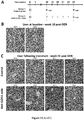
- the Applicants used a previously developed model based on poorly proliferative Huh7.5.1 cells (Huh7.5.1 dif ) in which the HCC-related 186-gene signature can be readily induced upon exposure to recombinant HCV (strain Jc1 - Bauhofer et al., Gastroenterology, 2012, 143(2): 429-438 e8) (see Figure 1A ).
- the CLDN1-specific mAb was added to Huh7.5.1 dif cells 7 days after viral inoculation, a time point at which the vast majority of cells was persistently infected with HCV as assessed by immunocytochemical assay (see Figure 1B ). Ertolinib was used as a positive control for reversal of the gene signature.
- the effect of the CLDN1-specific mAb treatment on the expression of the HCV-induced HCC-related 186-gene signature was then assessed using digital transcript counting technology (nCounter assay) ( Hoshida et al., N Engl J Med., 2008, 359(19): 1995-2004 ; King et al., Gut, 2014, 20. pii: gutjnl-2014-307862.
- GSEA Gene Set Enrichment Analysis
- HCC prediction model showed the reversal of HCC-high risk genes following CLDN1-specific mAb.
- the Applicants compared its effects to those of direct-acting antivirals (DAAs), interferon alpha and pioglitazone, compounds that the present Applicants have previously shown to partially suppress the HCC high-risk genes using GSEA.
- DAAs direct-acting antivirals
- Metformin a compound that was previously shown not to exhibit any effect on the HCC risk signature, was used as a negative control.
- the present Applicants found that the CLDN1-specific mAb reverses HCC high-risk genes more potently than the other tested compounds (see Figure 2A ).
- the CLDN1-specific mAb was found to impair EGF-MAPK signalling as a driver for hepatocarcinogenesis.
- HCV uses EGFR and Claudin-1 as host dependency factors to entert the hepatocyte in cell culture and in vivo ( Mailly et al., Clearance of persistent hepatitis C virus infection using a claudin-1-targeting monoclonal antibody, Nat Biotech, 2015, 33(5): 549-554 ; Lupberger et al., Hepatology, 2013, 58(4): 1225-1235 ; Lupberger et al., Nat Med., 2011, 17(5): 589-559 ; Zona et al., Cell Host Microbe, 2013, 13(3): 302-313 ).
- the present Applicants investigated virus-induced signaling in virus-infected liver cells. Taking advantage of the novel model system to study HCV disease biology (see Figure 1 ), they screened the activation state of hepatocyte canonical signaling pathways, as previously described ( Lupberger et al., Hepatology, 2013, 58(4): 1225-1235 ; Lupberger et al., Nat Med., 2011, 17(5): 589-59 ; Zona et al., Cell Host Microbe, 2013, 13(3): 302-313 ).
- HCV infection triggers activation of specific host signaling networks, including EGFR pathway as shown by virus-induced EGFR phosphorylation (see Figure 3A-B ), enhanced EGF and EGFR expression and significant induction of experimentally-defined EGF target gene signatures (see Figure 3C ).
- EGF/EGFR pathway was also observed in HBV-infected as well as in ethanol-treated cells, albeit at a lower level (see Figure 3D-E ).
- perturbation data show that the anti-Claudin 1 mAb inhibits ERK1/2 signaling (see Figure 3F ).
- Significant suppression of gene expression of the EGFR pathway was also observed by analysis of the EGFR oncogenic signatures in cancer (see Figure 3G ).
- Single sample GSEA ssGSEA
- Single sample GSEA showed the suppression of EGFR signaling and EGFR-related genes even at low doses of the CLDN1-specific antibody (data not shown).
- the involvement of the EGFR pathway was further supported by network analysis of differentially expressed genes showing the suppression of EGFR (see Figure 4A ) and MAPK signaling pathways (see Figure 4B ).
- the CLDN1-specific mAb was found to impair expression of genes related to liver disease as well as inflammatory response genes which are drivers of hepatocarcinogenesis. Furthermore, functional enrichment analysis of differentially expressed genes showed that inflammatory responses genes, including NF- ⁇ B, EBV, LMP1, MyD88 and TLR signaling, were down-regulated as shown in part A of Table 2 below) and Figure 5 , while the expression of genes involved in metastatic pathways was up-regulated (see part B of Table 2 below). Table 2.
- CLDN1-specific mAb treatment suppresses inflammatory-related genes and induces metabolic-related genes. Huh7.5.1 dif cells were HCV Jc1 infected. Following isolation of total RNA there were subjected to NanoString analysis.
- Intensity expression values were normalized and log transformed. Differentially expressed genes have FDR p-values ⁇ 0.05 and fold change of ⁇ 1.9. Pathway analysis was performed using ToppGene Suite A. Down-regulated genes belong to MAPK, NF- ⁇ B, and Toll-like receptor signaling, while B. up-regulated genes belong to metabolism-related pathways. p-value FDR q-value A.
- FDR p-values ⁇ 0.05 were considered significant.
- Dual specificity phosphatase 5 0.002 -1.94 ANXA1 Annexin A1 0.005 -1.93
- EGF Epidermal growth factor 0.005 -1.94
- SLC12A2 Solute carrier family 12 sodium/potassium/ chloride transporter
- member 2 0.006 -1.95 PODXL Podocalyxin-like 0.022 -1.95
- CLDN1 a well characterized HCV entry factor and antiviral target to prevent and treat HCV infection
- a CLDN1-specific mAb reverses HCC high-risk genes in a liver cell-based model system where a HCC risk signature common to different etiologies was induced by persistent HCV infection.
- the CLDN1-specific monoclonal antibody reversed this HCC risk signature more potently than any other antivirals (direct acting anti-viral, interferon alpha) or potential HCC chemopreventive agents (erlotinib, pioglitazone) that they tested.
- the CLDN1-specific mAb was found to be able to reverse the HCC risk signature at concentrations that do not have an effect on HCV load, demonstrating that the CLDN1-specific mAb may prevent the progression of HCC independently of its effect as an antiviral agent and thus exhibit a broad HCC chemoprotective activity independently of the underlying etiology.
- the present Applicants have shown that the CLDN1-specific mAb reverses the expression of 8 out of 9 genes commonly induced by different HCC etiologies with the exception of GPX2.
- CLDN1 expression increases during HCC, in particular in cirrhotic liver patients ( Stebbing et al., Oncogene, 2013, 32(41): 4871-4872 ) and it has been shown to contribute to epithelial-mesenchymal transition (EMT), an early step in tumor progression.
- EMT epithelial-mesenchymal transition
- the underlying molecular mechanism may involve the intracellular signaling cascades downstream of CLDN1 mainly via the activation of c-Abl-PKC-ERK1/2 axis which promotes epithelial mesenchymal transition (EMT) through the activation of MMP-2 ( Suh et al., Oncogene, 2013, 32(41):4873-4882 ; Yoon et al., J Biol Chem., 2010, 285(1): 226-233 ).
- EMT epithelial mesenchymal transition
- the Applicants showed that the CLDN1-specific mAb impairs EGFR/MAPK signalling (see Figure 3F,G ), a driver for hepatocarcinogenesis ( Fuchs et al., Hepatology, 2014, 59(4): 1577-1590 ; Lanaya et al., Nat Cell Biol., 2014, 16(10): 972-981, 1-7 ).
- the functional enrichment analysis showed that the CLDN1-specific mAb suppressed expression of pathways related to EGF (see Figure 4A ) and MAPK signalling (see Figure 4B ).
- the inflammatory pathway of NF-KB was shown to be suppressed (see Figure 5 ).
- This pathway plays an important role in aggravating liver injury by promoting inflammatory responses in fibrotic livers and promotes the progression into HCC and metastasis at a later stage ( Ning et al., Hepatology, 2014, 60(5): 1607-1619 ; Shen et al., Hepatology, 2014, 60(6): 2065-2076 ; Song et al., Hepatology, 2014, 60(5): 1659-1673 ). Furthermore, several pathways belonging to MyD88 signaling, a major player in Toll-like receptor signaling, as well as TLR7 and 9 pathways were down-regulated after CLDN1-specific mAb treatment (see Part A of Table 1 above).
- the CLDN1-specific mAb is suitable for prevention and treatment of HCC.
- DMEM Dulbecco's Modified Eagle Medium
- DMSO dimethylsulfoxide
- HCV Infection and CLDN1-specific mAb Treatment Huh7.5.1 dif cells were plated in 6-well plates and infected with HCVcc Jc1 (genotype 2a/2a) ( Pietschmann et al., PNAS USA, 2006, 103: 7408-7413 ; Wakita et al., Nature medicine. 2005, 11(7): 791-796 ).
- CLDN1-specific mAb or control Ab (10 ⁇ g/ml) was added at day 7 post-infection. HCV infection was assessed at day 10 by qRT-PCR of intracellular RNA as previously described ( Xiaa et al., PLoS pathogens. 2014, 10(5): e1004128 ).
- HBV Infection and CLDN1-specific mAb Treatment HepG2-NTCP cells were plated in 12-well plates and infected with either recombinant HBV (strain ayw, genotype D) ( Ladner et al., Antimicrobial agents and chemotherapy, 1997, 41(8): 1715-20 ) or serum-purified HBV ( Habersetzer et al., Liver international: Official Journal of the International Association for the Study of the Liver, 2015, 35(1): 130-139 ).
- Human CLDN1-specific mAb or control Ab (10 ⁇ g/ml) was added for 7 days.
- Rat CLDN1-specific mAb or control Ab (10 ⁇ g/ml) was added for 3 days following 7 days of infection. HBV infection was assessed at day 7 or 10 post-infection by qRT-PCR quantification of HBV pregenomic RNA (pgRNA) as previously described ( Verrier et al., Hepatology, 2016, 63(1): 35-48 ).
- Huh7.5.1 dif cells were plated in 6-well plates and exposed to ethanol (40 mM) and treated with CLDN1-specific or control Ab (10 ⁇ g/ml) for 10 days.
- Fresh medium containing ethanol and antibodies was replenished daily ( Ye et al., Drug and alcohol dependence, 2010, 112(1-2): 107-116 ).
- CLDN1-specific mAbs reverse the patient-derived panetiology 32-gene HCC risk signature in HBV-infected liver cell-based model.
- the Applicants next assessed their ability to reverse HCC-risk genes modulated by HBV infection.
- a 32-gene signature derived from the previously described 186-gene HCC-risk signature has been shown to have the highest significance for prediction of liver disease progression and HCC development in all major HCC etiologies (HCV, HBV, alcohol and NASH) ( King et al., Gut, 2014, 64(8): 1296-1302 ).
- HepG2 liver-derived cells over-expressing NTCP, a cell entry factor for HBV were infected with HBV and treated with human CLDN1-specific or control mAbs for 7 days ( Figure 7A ).
- Treatment with the human CLDN1-specific mAb resulted in the induction of the HCC low-risk gene expression and suppression of the HCC high-risk genes ( Figure 7C ).
- CLDN1-specific mAbs reverse the patient-derived panetiology 32-gene HCC risk signature in ethanol-exposed liver cell-based model.
- the Applicants assessed the ability of the antibody to reverse HCC-risk genes modulated by a 10-day ethanol exposure of Huh7.5.1 dif cells ( Figure 8A ). They thus investigated whether the 32-gene HCC-risk signature ( King et al., Gut, 2014, 64(8): 1296-1302 ) can be reversed in Huh7.5.1 dif cells following treatment of ethanol-exposed cells with CLDN1-specific mAbs.
- CLDN1-specific mAb reverses the Warburg-like metabolic shift associated with increased cancer risk and cancer in the liver cell-based model.
- Mass spectrometry-based metabolomic profiling of HCV Jc1-infected Huh7.5.1 dif cells revealed alteration of steady-state metabolite pools in hepatocytes, including pronounced effects on lactate.
- metabolic labeling analysis demonstrated an elevation of the lactate influx into HCV Jc1-infected hepatocytes - a known Warburg-like metabolic shift associated with malignant transformation and cancer ( Cantor et al., Cancer discovery, 2012, 2(10): 881-898 ).
- CLDN1-specific mAb treatment reverses epithelial to mesenchymal (EMT) transition regulators.
- EMT epithelial to mesenchymal
- Snail, Slug and Zeb1 transcription factors Snail, Slug and Zeb1 which have been associated with the invasiveness of the tumor ( Nie et al., Oncogene, 2015, doi: 10.1038/onc.2015.428 ).
- the CLDN1-specific mAbs reverse the HCC-risk gene expression induced by the main causes of HCC (HCV infection, HBV infection and ethanol), the mAbs are suitable to prevent and/or treat HCC independent of its etiology including viral, metabolic and other causes.
- DEN diethylnitrosamine
Landscapes
- Health & Medical Sciences (AREA)
- Chemical & Material Sciences (AREA)
- Life Sciences & Earth Sciences (AREA)
- Medicinal Chemistry (AREA)
- General Health & Medical Sciences (AREA)
- Immunology (AREA)
- Organic Chemistry (AREA)
- Animal Behavior & Ethology (AREA)
- Public Health (AREA)
- Veterinary Medicine (AREA)
- Pharmacology & Pharmacy (AREA)
- Epidemiology (AREA)
- Engineering & Computer Science (AREA)
- Biophysics (AREA)
- Bioinformatics & Cheminformatics (AREA)
- Biochemistry (AREA)
- Genetics & Genomics (AREA)
- Molecular Biology (AREA)
- Proteomics, Peptides & Aminoacids (AREA)
- Mycology (AREA)
- Microbiology (AREA)
- Oncology (AREA)
- Biomedical Technology (AREA)
- Nuclear Medicine, Radiotherapy & Molecular Imaging (AREA)
- Chemical Kinetics & Catalysis (AREA)
- General Chemical & Material Sciences (AREA)
- Gastroenterology & Hepatology (AREA)
- Peptides Or Proteins (AREA)
- Medicines Containing Antibodies Or Antigens For Use As Internal Diagnostic Agents (AREA)
- Medicines That Contain Protein Lipid Enzymes And Other Medicines (AREA)
- Preparation Of Compounds By Using Micro-Organisms (AREA)
- Micro-Organisms Or Cultivation Processes Thereof (AREA)
Claims (17)
- Anti-Claudin-1-Antikörper zur Verwendung bei der Behandlung oder Vorbeugung einer nichtalkoholischen Fettlebererkrankung (NAFLD) bei einem Subjekt, wobei der Anti-Claudin-1-Antikörper auf die extrazelluläre Domäne von Claudin-1 abzielt.
- Anti-Claudin-1-Antikörper zur Verwendung nach Anspruch 1, wobei die NAFLD eine nichtalkoholische Steatohepatitis (NASH) ist.
- Anti-Claudin-1-Antikörper zur Verwendung nach Anspruch 1 oder Anspruch 2, wobei die NAFLD nicht HCV-assoziiert ist.
- Anti-Claudin-1-Antikörper zur Verwendung nach Anspruch 3, wobei das Subjekt niemals mit HCV infiziert oder von einer HCV-Infektion geheilt wurde.
- Anti-Claudin-1-Antikörper zur Verwendung nach einem der Ansprüche 1 bis 4, wobei das Fortschreiten der NAFLD verlangsamt, verringert, gestoppt, gelindert oder umgekehrt wird.
- Anti-Claudin-1-Antikörper zur Verwendung nach einem der Ansprüche 1 bis 5, wobei der Anti-Claudin-1-Antikörper ein monoklonaler Antikörper ist.
- Anti-Claudin-1-Antikörper zur Verwendung nach einem der Ansprüche 1 bis 6, wobei der Anti-Claudin-1-Antikörper ein monoklonaler Antikörper ist, der von einer Hybridomzelllinie sekretiert ist, hinterlegt am 29. Juli 2008 beim DSMZ unter einer Zugangsnummer, ausgewählt aus der Gruppe, bestehend aus DSM ACC2931, DSM ACC2932, DSM ACC2933, DSM ACC2934, DSM ACC2935, DSM ACC2936, DSM ACC2937 und DSM ACC2938.
- Anti-Claudin-1-Antikörper zur Verwendung nach einem der Ansprüche 1 bis 7, wobei der Anti-Claudin-1-Antikörper die sechs Complementarity Determining Regions (CDRs) eines monoklonalen Antikörpers umfasst, der von einer Hybridomzellinie, wie in Anspruch 7 definiert, sekretiert ist.
- Anti-Claudin-1-Antikörper zur Verwendung nach einem der Ansprüche 1 bis 8, wobei der Antikörper humanisiert, deimmunisiert oder chimär ist.
- Pharmazeutische Zusammensetzung, umfassend eine wirksame Menge eines Anti-Claudin-1-Antikörpers und mindestens einen pharmazeutisch akzeptablen Hilfsstoff zur Verwendung bei der Behandlung oder Vorbeugung einer NAFLD bei einem Subjekt, wobei der Anti-Claudin-1-Antikörper auf die extrazelluläre Domäne von Claudin-1 abzielt.
- Pharmazeutische Zusammensetzung zur Verwendung nach Anspruch 10, wobei die NAFLD NASH ist.
- Pharmazeutische Zusammensetzung zur Verwendung nach Anspruch 10 oder Anspruch 11, wobei die NAFLD nicht HCV-assoziiert ist.
- Pharmazeutische Zusammensetzung zur Verwendung nach Anspruch 12, wobei das Subjekt niemals mit HCV infiziert oder von einer HCV-Infektion geheilt wurde.
- Pharmazeutische Zusammensetzung zur Verwendung nach einem der Ansprüche 10 bis 13, wobei ein Fortschreiten der NAFLD verlangsamt, verringert, gestoppt, gelindert oder umgekehrt wird.
- Pharmazeutische Zusammensetzung zur Verwendung nach einem der Ansprüche 10 bis 14, wobei der monoklonale Anti-Claudin-1-Antikörper wie in einem der Ansprüche 6 bis 9 definiert ist.
- Pharmazeutische Zusammensetzung zur Verwendung nach einem der Ansprüche 10 bis 15, ferner umfassend ein zusätzliches therapeutisches Mittel.
- Pharmazeutische Zusammensetzung zur Verwendung nach Anspruch 16, wobei das zusätzliche therapeutische Mittel ausgewählt ist aus der Gruppe, bestehend aus antiviralen Mitteln, entzündungshemmenden Mitteln, immunmodulatorischen Mitteln, Analgetika, antimikrobiellen Mitteln, Kinaseinhibitoren, Molekülen, die die Signalübertragung stören, antibakteriellen Mittel, Antibiotika, Antioxidantien, Antiseptika, Antikrebsmittel und Kombinationen davon.
Priority Applications (1)
| Application Number | Priority Date | Filing Date | Title |
|---|---|---|---|
| EP21155963.8A EP3943506A1 (de) | 2015-03-19 | 2016-03-18 | Monoklonale anti-claudin-1-antikörper zur vorbeugung und behandlung von hepatozellulärem karzinom |
Applications Claiming Priority (3)
| Application Number | Priority Date | Filing Date | Title |
|---|---|---|---|
| EP15159872.9A EP3070103A1 (de) | 2015-03-19 | 2015-03-19 | Monoklonale anti-claudin 1-antikörper zur vorbeugung und behandlung von hepatozellulärem karzinom |
| EP16714287.6A EP3271394B1 (de) | 2015-03-19 | 2016-03-18 | Monoklonale anti-claudin 1-antikörper zur vorbeugung von hepatozellulärem karzinom |
| PCT/EP2016/055942 WO2016146809A1 (en) | 2015-03-19 | 2016-03-18 | Anti-claudin 1 monoclonal antibodies for the prevention and treatment of hepatocellular carcinoma |
Related Parent Applications (2)
| Application Number | Title | Priority Date | Filing Date |
|---|---|---|---|
| EP16714287.6A Division EP3271394B1 (de) | 2015-03-19 | 2016-03-18 | Monoklonale anti-claudin 1-antikörper zur vorbeugung von hepatozellulärem karzinom |
| EP16714287.6A Division-Into EP3271394B1 (de) | 2015-03-19 | 2016-03-18 | Monoklonale anti-claudin 1-antikörper zur vorbeugung von hepatozellulärem karzinom |
Related Child Applications (2)
| Application Number | Title | Priority Date | Filing Date |
|---|---|---|---|
| EP21155963.8A Division EP3943506A1 (de) | 2015-03-19 | 2016-03-18 | Monoklonale anti-claudin-1-antikörper zur vorbeugung und behandlung von hepatozellulärem karzinom |
| EP21155963.8A Division-Into EP3943506A1 (de) | 2015-03-19 | 2016-03-18 | Monoklonale anti-claudin-1-antikörper zur vorbeugung und behandlung von hepatozellulärem karzinom |
Publications (2)
| Publication Number | Publication Date |
|---|---|
| EP3378873A1 EP3378873A1 (de) | 2018-09-26 |
| EP3378873B1 true EP3378873B1 (de) | 2021-03-24 |
Family
ID=52686246
Family Applications (4)
| Application Number | Title | Priority Date | Filing Date |
|---|---|---|---|
| EP15159872.9A Withdrawn EP3070103A1 (de) | 2015-03-19 | 2015-03-19 | Monoklonale anti-claudin 1-antikörper zur vorbeugung und behandlung von hepatozellulärem karzinom |
| EP16714287.6A Active EP3271394B1 (de) | 2015-03-19 | 2016-03-18 | Monoklonale anti-claudin 1-antikörper zur vorbeugung von hepatozellulärem karzinom |
| EP18169550.3A Active EP3378873B1 (de) | 2015-03-19 | 2016-03-18 | Monoklonale anti-claudin-1-antikörper zur vorbeugung und behandlung von hepatozellulärem karzinom |
| EP21155963.8A Withdrawn EP3943506A1 (de) | 2015-03-19 | 2016-03-18 | Monoklonale anti-claudin-1-antikörper zur vorbeugung und behandlung von hepatozellulärem karzinom |
Family Applications Before (2)
| Application Number | Title | Priority Date | Filing Date |
|---|---|---|---|
| EP15159872.9A Withdrawn EP3070103A1 (de) | 2015-03-19 | 2015-03-19 | Monoklonale anti-claudin 1-antikörper zur vorbeugung und behandlung von hepatozellulärem karzinom |
| EP16714287.6A Active EP3271394B1 (de) | 2015-03-19 | 2016-03-18 | Monoklonale anti-claudin 1-antikörper zur vorbeugung von hepatozellulärem karzinom |
Family Applications After (1)
| Application Number | Title | Priority Date | Filing Date |
|---|---|---|---|
| EP21155963.8A Withdrawn EP3943506A1 (de) | 2015-03-19 | 2016-03-18 | Monoklonale anti-claudin-1-antikörper zur vorbeugung und behandlung von hepatozellulärem karzinom |
Country Status (9)
| Country | Link |
|---|---|
| US (2) | US10815298B2 (de) |
| EP (4) | EP3070103A1 (de) |
| KR (2) | KR102318975B1 (de) |
| CN (1) | CN107666912B (de) |
| AU (1) | AU2016232104B2 (de) |
| CA (1) | CA2978833C (de) |
| ES (2) | ES2952057T3 (de) |
| RU (1) | RU2770021C2 (de) |
| WO (1) | WO2016146809A1 (de) |
Families Citing this family (13)
| Publication number | Priority date | Publication date | Assignee | Title |
|---|---|---|---|---|
| CN111234013B (zh) * | 2018-11-29 | 2022-01-11 | 清华大学 | 乙肝病毒的中和抗体b430及其应用 |
| EP3721899A1 (de) | 2019-04-08 | 2020-10-14 | China Medical University | Kombinationstherapien mit einem dendritischen zellen-basierten impfstoff und einem immun-checkpoint-inhibitor |
| EP3821946A1 (de) * | 2019-11-12 | 2021-05-19 | Université de Strasbourg | Monoklonale anti-claudin-1-antikörper zur prävention und behandlung von fibrotischen erkrankungen |
| WO2023102546A1 (en) * | 2021-12-03 | 2023-06-08 | The Board Of Trustees Of The Leland Stanford Junior University | Liver viscoelastic changes and biomarkers for cancer invasion |
| JP2025508076A (ja) | 2022-03-08 | 2025-03-21 | アレンティス・セラピューティクス・アクチェンゲゼルシャフト | T細胞の利用能を向上させるための抗クローディン-1抗体の使用 |
| WO2023233363A1 (en) | 2022-06-01 | 2023-12-07 | Alentis Therapeutics Ag | Use of anti-claudin-1 antibodies to treat cholangiopathies |
| US20250326835A1 (en) | 2022-06-01 | 2025-10-23 | Alentis Therapeutics Ag | Use of anti-claudin-1 antibodies to treat cholangiocarcinoma |
| US20260015416A1 (en) * | 2022-09-30 | 2026-01-15 | Alentis Therapeutics Ag | Treatment of drug-resistant hepatocellular carcinoma |
| CN121605309A (zh) | 2023-03-23 | 2026-03-03 | 阿伦蒂斯治疗股份公司 | 使用抗紧密连接蛋白-1抗体的癌症治疗的生物标志物 |
| WO2025224335A1 (en) | 2024-04-26 | 2025-10-30 | Alentis Therapeutics Ag | Anti-cldn1 antibody-drug conjugates comprising mmae and methods of use thereof |
| WO2025224337A1 (en) | 2024-04-26 | 2025-10-30 | Alentis Therapeutics Ag | Anti-cldn1 antibody-drug conjugates comprising exatecan and methods of use thereof |
| WO2026057702A1 (en) | 2024-09-12 | 2026-03-19 | Alentis Therapeutics Ag | Claudin-1/egfr bispecific antibodies |
| WO2026057723A1 (en) | 2024-09-12 | 2026-03-19 | Alentis Therapeutics Ag | Claudin-1/egfr bispecific antibodies for targeted degradation |
Family Cites Families (12)
| Publication number | Priority date | Publication date | Assignee | Title |
|---|---|---|---|---|
| US5837458A (en) | 1994-02-17 | 1998-11-17 | Maxygen, Inc. | Methods and compositions for cellular and metabolic engineering |
| US5605793A (en) | 1994-02-17 | 1997-02-25 | Affymax Technologies N.V. | Methods for in vitro recombination |
| US5834252A (en) | 1995-04-18 | 1998-11-10 | Glaxo Group Limited | End-complementary polymerase reaction |
| AU750296B2 (en) | 2000-06-23 | 2002-07-11 | F. Hoffmann-La Roche Ag | Antibodies against SEMP1, methods for their production and uses thereof |
| NZ612578A (en) * | 2005-08-19 | 2014-11-28 | Abbvie Inc | Dual variable domain immunoglobin and uses thereof |
| WO2010034812A1 (en) | 2008-09-25 | 2010-04-01 | INSERM (Institut National de la Santé et de la Recherche Médicale) | Monoclonal anti-claudin 1 antibodies for the inhibition of hepatitis c virus infection |
| WO2011147863A1 (en) * | 2010-05-25 | 2011-12-01 | INSERM (Institut National de la Santé et de la Recherche Médicale) | Combination of anti-envelope antibodies and anti-receptor antibodies for the treatment and prevention of hcv infection |
| EA030462B1 (ru) * | 2011-05-16 | 2018-08-31 | Дженентек, Инк. | Агонисты fgfr1 и способы их применения |
| JP6393875B2 (ja) | 2013-02-28 | 2018-09-26 | 公益財団法人ヒューマンサイエンス振興財団 | 抗体 |
| DE102014213489A1 (de) | 2013-07-31 | 2015-02-05 | Schaeffler Technologies Gmbh & Co. Kg | Hydraulisches Betätigungssystem |
| US9931416B2 (en) | 2013-08-02 | 2018-04-03 | Inserm (Institut National De La Sante Et De La Recherche Medicale) | Anti-claudin 1 antibodies for use in the treatment of colorectal cancer |
| JP2016528221A (ja) | 2013-08-02 | 2016-09-15 | アンスティチュ ナショナル ドゥ ラ サンテ エ ドゥ ラ ルシェルシュ メディカル | 抗クローディン1抗体およびその使用 |
-
2015
- 2015-03-19 EP EP15159872.9A patent/EP3070103A1/de not_active Withdrawn
-
2016
- 2016-03-18 CN CN201680016596.1A patent/CN107666912B/zh active Active
- 2016-03-18 CA CA2978833A patent/CA2978833C/en active Active
- 2016-03-18 KR KR1020217001666A patent/KR102318975B1/ko active Active
- 2016-03-18 AU AU2016232104A patent/AU2016232104B2/en active Active
- 2016-03-18 ES ES16714287T patent/ES2952057T3/es active Active
- 2016-03-18 WO PCT/EP2016/055942 patent/WO2016146809A1/en not_active Ceased
- 2016-03-18 RU RU2017136634A patent/RU2770021C2/ru active
- 2016-03-18 KR KR1020177030145A patent/KR102241568B1/ko active Active
- 2016-03-18 EP EP16714287.6A patent/EP3271394B1/de active Active
- 2016-03-18 EP EP18169550.3A patent/EP3378873B1/de active Active
- 2016-03-18 ES ES18169550T patent/ES2877182T3/es active Active
- 2016-03-18 EP EP21155963.8A patent/EP3943506A1/de not_active Withdrawn
- 2016-03-18 US US15/557,969 patent/US10815298B2/en active Active
-
2018
- 2018-05-15 US US15/979,609 patent/US10927170B2/en active Active
Non-Patent Citations (1)
| Title |
|---|
| None * |
Also Published As
| Publication number | Publication date |
|---|---|
| RU2017136634A3 (de) | 2019-08-26 |
| ES2877182T3 (es) | 2021-11-16 |
| CA2978833A1 (en) | 2016-09-22 |
| EP3378873A1 (de) | 2018-09-26 |
| US20180057587A1 (en) | 2018-03-01 |
| CN107666912B (zh) | 2021-06-18 |
| RU2770021C2 (ru) | 2022-04-14 |
| WO2016146809A1 (en) | 2016-09-22 |
| EP3943506A1 (de) | 2022-01-26 |
| KR102318975B1 (ko) | 2021-10-29 |
| US20180258169A1 (en) | 2018-09-13 |
| KR20180005657A (ko) | 2018-01-16 |
| AU2016232104A1 (en) | 2017-09-21 |
| EP3070103A1 (de) | 2016-09-21 |
| EP3271394B1 (de) | 2023-06-14 |
| US10927170B2 (en) | 2021-02-23 |
| EP3271394A1 (de) | 2018-01-24 |
| RU2017136634A (ru) | 2019-04-19 |
| KR102241568B1 (ko) | 2021-04-19 |
| KR20210010639A (ko) | 2021-01-27 |
| ES2952057T3 (es) | 2023-10-26 |
| US10815298B2 (en) | 2020-10-27 |
| CN107666912A (zh) | 2018-02-06 |
| AU2016232104B2 (en) | 2021-06-03 |
| CA2978833C (en) | 2024-02-13 |
Similar Documents
| Publication | Publication Date | Title |
|---|---|---|
| US10927170B2 (en) | Anti-claudin 1 monoclonal antibodies for the prevention and treatment of hepatocellular carcinoma | |
| JP7767281B2 (ja) | 線維性疾患の予防及び処置のための抗クローディン-1モノクローナル抗体。 | |
| KR20110061634A (ko) | C형 간염 바이러스의 감염 억제용 모노클로날 항-클라우딘 1 항체 | |
| JP2014500862A5 (de) | ||
| US11786585B2 (en) | Anti-IGFBP-3R antibodies and methods of treating an IGFBP-3R expressing cancer | |
| WO2013024155A1 (en) | Combinations of anti-hcv-entry factor antibodies and direct acting antivirals for the treatment and the prevention of hcv infection | |
| CN105873950A (zh) | 用于治疗和诊断癌症的抗s100a7抗体 | |
| JP2025518748A (ja) | 胆管症を治療するための抗クローディン-1抗体の使用 | |
| US20130129676A1 (en) | Combination of anti-envelope antibodies and anti-receptor antibodies for the treatment and prevention of hcv infection | |
| WO2013024157A2 (en) | Combinations of host targeting agents for the treatment and the prevention of hcv infection | |
| WO2013024156A2 (en) | Combinations of anti-hcv-entry factor antibodies and interferons for the treatment and the prevention of hcv infection |
Legal Events
| Date | Code | Title | Description |
|---|---|---|---|
| PUAI | Public reference made under article 153(3) epc to a published international application that has entered the european phase |
Free format text: ORIGINAL CODE: 0009012 |
|
| STAA | Information on the status of an ep patent application or granted ep patent |
Free format text: STATUS: THE APPLICATION HAS BEEN PUBLISHED |
|
| AC | Divisional application: reference to earlier application |
Ref document number: 3271394 Country of ref document: EP Kind code of ref document: P |
|
| AK | Designated contracting states |
Kind code of ref document: A1 Designated state(s): AL AT BE BG CH CY CZ DE DK EE ES FI FR GB GR HR HU IE IS IT LI LT LU LV MC MK MT NL NO PL PT RO RS SE SI SK SM TR |
|
| RIN1 | Information on inventor provided before grant (corrected) |
Inventor name: BAUMERT, THOMAS Inventor name: ROBINET, ERIC Inventor name: ZEISEL, MIRJAM |
|
| STAA | Information on the status of an ep patent application or granted ep patent |
Free format text: STATUS: REQUEST FOR EXAMINATION WAS MADE |
|
| 17P | Request for examination filed |
Effective date: 20190325 |
|
| RBV | Designated contracting states (corrected) |
Designated state(s): AL AT BE BG CH CY CZ DE DK EE ES FI FR GB GR HR HU IE IS IT LI LT LU LV MC MK MT NL NO PL PT RO RS SE SI SK SM TR |
|
| STAA | Information on the status of an ep patent application or granted ep patent |
Free format text: STATUS: EXAMINATION IS IN PROGRESS |
|
| 17Q | First examination report despatched |
Effective date: 20190808 |
|
| GRAP | Despatch of communication of intention to grant a patent |
Free format text: ORIGINAL CODE: EPIDOSNIGR1 |
|
| STAA | Information on the status of an ep patent application or granted ep patent |
Free format text: STATUS: GRANT OF PATENT IS INTENDED |
|
| INTG | Intention to grant announced |
Effective date: 20201009 |
|
| GRAS | Grant fee paid |
Free format text: ORIGINAL CODE: EPIDOSNIGR3 |
|
| GRAA | (expected) grant |
Free format text: ORIGINAL CODE: 0009210 |
|
| STAA | Information on the status of an ep patent application or granted ep patent |
Free format text: STATUS: THE PATENT HAS BEEN GRANTED |
|
| AC | Divisional application: reference to earlier application |
Ref document number: 3271394 Country of ref document: EP Kind code of ref document: P |
|
| AK | Designated contracting states |
Kind code of ref document: B1 Designated state(s): AL AT BE BG CH CY CZ DE DK EE ES FI FR GB GR HR HU IE IS IT LI LT LU LV MC MK MT NL NO PL PT RO RS SE SI SK SM TR |
|
| REG | Reference to a national code |
Ref country code: GB Ref legal event code: FG4D |
|
| REG | Reference to a national code |
Ref country code: CH Ref legal event code: EP |
|
| REG | Reference to a national code |
Ref country code: IE Ref legal event code: FG4D |
|
| REG | Reference to a national code |
Ref country code: AT Ref legal event code: REF Ref document number: 1374434 Country of ref document: AT Kind code of ref document: T Effective date: 20210415 Ref country code: DE Ref legal event code: R096 Ref document number: 602016055073 Country of ref document: DE |
|
| REG | Reference to a national code |
Ref country code: LT Ref legal event code: MG9D |
|
| PG25 | Lapsed in a contracting state [announced via postgrant information from national office to epo] |
Ref country code: GR Free format text: LAPSE BECAUSE OF FAILURE TO SUBMIT A TRANSLATION OF THE DESCRIPTION OR TO PAY THE FEE WITHIN THE PRESCRIBED TIME-LIMIT Effective date: 20210625 Ref country code: HR Free format text: LAPSE BECAUSE OF FAILURE TO SUBMIT A TRANSLATION OF THE DESCRIPTION OR TO PAY THE FEE WITHIN THE PRESCRIBED TIME-LIMIT Effective date: 20210324 Ref country code: FI Free format text: LAPSE BECAUSE OF FAILURE TO SUBMIT A TRANSLATION OF THE DESCRIPTION OR TO PAY THE FEE WITHIN THE PRESCRIBED TIME-LIMIT Effective date: 20210324 Ref country code: BG Free format text: LAPSE BECAUSE OF FAILURE TO SUBMIT A TRANSLATION OF THE DESCRIPTION OR TO PAY THE FEE WITHIN THE PRESCRIBED TIME-LIMIT Effective date: 20210624 Ref country code: NO Free format text: LAPSE BECAUSE OF FAILURE TO SUBMIT A TRANSLATION OF THE DESCRIPTION OR TO PAY THE FEE WITHIN THE PRESCRIBED TIME-LIMIT Effective date: 20210624 |
|
| PG25 | Lapsed in a contracting state [announced via postgrant information from national office to epo] |
Ref country code: SE Free format text: LAPSE BECAUSE OF FAILURE TO SUBMIT A TRANSLATION OF THE DESCRIPTION OR TO PAY THE FEE WITHIN THE PRESCRIBED TIME-LIMIT Effective date: 20210324 Ref country code: LV Free format text: LAPSE BECAUSE OF FAILURE TO SUBMIT A TRANSLATION OF THE DESCRIPTION OR TO PAY THE FEE WITHIN THE PRESCRIBED TIME-LIMIT Effective date: 20210324 Ref country code: RS Free format text: LAPSE BECAUSE OF FAILURE TO SUBMIT A TRANSLATION OF THE DESCRIPTION OR TO PAY THE FEE WITHIN THE PRESCRIBED TIME-LIMIT Effective date: 20210324 |
|
| REG | Reference to a national code |
Ref country code: NL Ref legal event code: MP Effective date: 20210324 |
|
| REG | Reference to a national code |
Ref country code: AT Ref legal event code: MK05 Ref document number: 1374434 Country of ref document: AT Kind code of ref document: T Effective date: 20210324 |
|
| PG25 | Lapsed in a contracting state [announced via postgrant information from national office to epo] |
Ref country code: NL Free format text: LAPSE BECAUSE OF FAILURE TO SUBMIT A TRANSLATION OF THE DESCRIPTION OR TO PAY THE FEE WITHIN THE PRESCRIBED TIME-LIMIT Effective date: 20210324 |
|
| PG25 | Lapsed in a contracting state [announced via postgrant information from national office to epo] |
Ref country code: EE Free format text: LAPSE BECAUSE OF FAILURE TO SUBMIT A TRANSLATION OF THE DESCRIPTION OR TO PAY THE FEE WITHIN THE PRESCRIBED TIME-LIMIT Effective date: 20210324 Ref country code: CZ Free format text: LAPSE BECAUSE OF FAILURE TO SUBMIT A TRANSLATION OF THE DESCRIPTION OR TO PAY THE FEE WITHIN THE PRESCRIBED TIME-LIMIT Effective date: 20210324 Ref country code: LT Free format text: LAPSE BECAUSE OF FAILURE TO SUBMIT A TRANSLATION OF THE DESCRIPTION OR TO PAY THE FEE WITHIN THE PRESCRIBED TIME-LIMIT Effective date: 20210324 Ref country code: AT Free format text: LAPSE BECAUSE OF FAILURE TO SUBMIT A TRANSLATION OF THE DESCRIPTION OR TO PAY THE FEE WITHIN THE PRESCRIBED TIME-LIMIT Effective date: 20210324 Ref country code: SM Free format text: LAPSE BECAUSE OF FAILURE TO SUBMIT A TRANSLATION OF THE DESCRIPTION OR TO PAY THE FEE WITHIN THE PRESCRIBED TIME-LIMIT Effective date: 20210324 |
|
| REG | Reference to a national code |
Ref country code: ES Ref legal event code: FG2A Ref document number: 2877182 Country of ref document: ES Kind code of ref document: T3 Effective date: 20211116 |
|
| PG25 | Lapsed in a contracting state [announced via postgrant information from national office to epo] |
Ref country code: IS Free format text: LAPSE BECAUSE OF FAILURE TO SUBMIT A TRANSLATION OF THE DESCRIPTION OR TO PAY THE FEE WITHIN THE PRESCRIBED TIME-LIMIT Effective date: 20210724 Ref country code: RO Free format text: LAPSE BECAUSE OF FAILURE TO SUBMIT A TRANSLATION OF THE DESCRIPTION OR TO PAY THE FEE WITHIN THE PRESCRIBED TIME-LIMIT Effective date: 20210324 Ref country code: SK Free format text: LAPSE BECAUSE OF FAILURE TO SUBMIT A TRANSLATION OF THE DESCRIPTION OR TO PAY THE FEE WITHIN THE PRESCRIBED TIME-LIMIT Effective date: 20210324 Ref country code: PT Free format text: LAPSE BECAUSE OF FAILURE TO SUBMIT A TRANSLATION OF THE DESCRIPTION OR TO PAY THE FEE WITHIN THE PRESCRIBED TIME-LIMIT Effective date: 20210726 Ref country code: PL Free format text: LAPSE BECAUSE OF FAILURE TO SUBMIT A TRANSLATION OF THE DESCRIPTION OR TO PAY THE FEE WITHIN THE PRESCRIBED TIME-LIMIT Effective date: 20210324 |
|
| REG | Reference to a national code |
Ref country code: DE Ref legal event code: R097 Ref document number: 602016055073 Country of ref document: DE |
|
| PG25 | Lapsed in a contracting state [announced via postgrant information from national office to epo] |
Ref country code: AL Free format text: LAPSE BECAUSE OF FAILURE TO SUBMIT A TRANSLATION OF THE DESCRIPTION OR TO PAY THE FEE WITHIN THE PRESCRIBED TIME-LIMIT Effective date: 20210324 Ref country code: DK Free format text: LAPSE BECAUSE OF FAILURE TO SUBMIT A TRANSLATION OF THE DESCRIPTION OR TO PAY THE FEE WITHIN THE PRESCRIBED TIME-LIMIT Effective date: 20210324 |
|
| PLBE | No opposition filed within time limit |
Free format text: ORIGINAL CODE: 0009261 |
|
| STAA | Information on the status of an ep patent application or granted ep patent |
Free format text: STATUS: NO OPPOSITION FILED WITHIN TIME LIMIT |
|
| PG25 | Lapsed in a contracting state [announced via postgrant information from national office to epo] |
Ref country code: SI Free format text: LAPSE BECAUSE OF FAILURE TO SUBMIT A TRANSLATION OF THE DESCRIPTION OR TO PAY THE FEE WITHIN THE PRESCRIBED TIME-LIMIT Effective date: 20210324 |
|
| 26N | No opposition filed |
Effective date: 20220104 |
|
| PG25 | Lapsed in a contracting state [announced via postgrant information from national office to epo] |
Ref country code: IS Free format text: LAPSE BECAUSE OF FAILURE TO SUBMIT A TRANSLATION OF THE DESCRIPTION OR TO PAY THE FEE WITHIN THE PRESCRIBED TIME-LIMIT Effective date: 20210724 |
|
| PG25 | Lapsed in a contracting state [announced via postgrant information from national office to epo] |
Ref country code: MC Free format text: LAPSE BECAUSE OF FAILURE TO SUBMIT A TRANSLATION OF THE DESCRIPTION OR TO PAY THE FEE WITHIN THE PRESCRIBED TIME-LIMIT Effective date: 20210324 |
|
| REG | Reference to a national code |
Ref country code: BE Ref legal event code: MM Effective date: 20220331 |
|
| PG25 | Lapsed in a contracting state [announced via postgrant information from national office to epo] |
Ref country code: LU Free format text: LAPSE BECAUSE OF NON-PAYMENT OF DUE FEES Effective date: 20220318 Ref country code: IE Free format text: LAPSE BECAUSE OF NON-PAYMENT OF DUE FEES Effective date: 20220318 |
|
| PG25 | Lapsed in a contracting state [announced via postgrant information from national office to epo] |
Ref country code: BE Free format text: LAPSE BECAUSE OF NON-PAYMENT OF DUE FEES Effective date: 20220331 |
|
| P01 | Opt-out of the competence of the unified patent court (upc) registered |
Effective date: 20230530 |
|
| PG25 | Lapsed in a contracting state [announced via postgrant information from national office to epo] |
Ref country code: HU Free format text: LAPSE BECAUSE OF FAILURE TO SUBMIT A TRANSLATION OF THE DESCRIPTION OR TO PAY THE FEE WITHIN THE PRESCRIBED TIME-LIMIT; INVALID AB INITIO Effective date: 20160318 |
|
| PG25 | Lapsed in a contracting state [announced via postgrant information from national office to epo] |
Ref country code: MK Free format text: LAPSE BECAUSE OF FAILURE TO SUBMIT A TRANSLATION OF THE DESCRIPTION OR TO PAY THE FEE WITHIN THE PRESCRIBED TIME-LIMIT Effective date: 20210324 Ref country code: CY Free format text: LAPSE BECAUSE OF FAILURE TO SUBMIT A TRANSLATION OF THE DESCRIPTION OR TO PAY THE FEE WITHIN THE PRESCRIBED TIME-LIMIT Effective date: 20210324 |
|
| PG25 | Lapsed in a contracting state [announced via postgrant information from national office to epo] |
Ref country code: TR Free format text: LAPSE BECAUSE OF FAILURE TO SUBMIT A TRANSLATION OF THE DESCRIPTION OR TO PAY THE FEE WITHIN THE PRESCRIBED TIME-LIMIT Effective date: 20210324 |
|
| PG25 | Lapsed in a contracting state [announced via postgrant information from national office to epo] |
Ref country code: MT Free format text: LAPSE BECAUSE OF FAILURE TO SUBMIT A TRANSLATION OF THE DESCRIPTION OR TO PAY THE FEE WITHIN THE PRESCRIBED TIME-LIMIT Effective date: 20210324 |
|
| PGFP | Annual fee paid to national office [announced via postgrant information from national office to epo] |
Ref country code: ES Payment date: 20250417 Year of fee payment: 10 |
|
| PGFP | Annual fee paid to national office [announced via postgrant information from national office to epo] |
Ref country code: CH Payment date: 20250401 Year of fee payment: 10 |
|
| REG | Reference to a national code |
Ref country code: CH Ref legal event code: U11 Free format text: ST27 STATUS EVENT CODE: U-0-0-U10-U11 (AS PROVIDED BY THE NATIONAL OFFICE) Effective date: 20260401 |
|
| PGFP | Annual fee paid to national office [announced via postgrant information from national office to epo] |
Ref country code: GB Payment date: 20260303 Year of fee payment: 11 |
|
| PGFP | Annual fee paid to national office [announced via postgrant information from national office to epo] |
Ref country code: DE Payment date: 20260317 Year of fee payment: 11 |
|
| PGFP | Annual fee paid to national office [announced via postgrant information from national office to epo] |
Ref country code: IT Payment date: 20260310 Year of fee payment: 11 |
|
| PGFP | Annual fee paid to national office [announced via postgrant information from national office to epo] |
Ref country code: FR Payment date: 20260306 Year of fee payment: 11 |