EP3378949A1 - Verfahren zur bestimmung der potenziellen wirksamkeit von krebstherapie - Google Patents
Verfahren zur bestimmung der potenziellen wirksamkeit von krebstherapie Download PDFInfo
- Publication number
- EP3378949A1 EP3378949A1 EP17305327.3A EP17305327A EP3378949A1 EP 3378949 A1 EP3378949 A1 EP 3378949A1 EP 17305327 A EP17305327 A EP 17305327A EP 3378949 A1 EP3378949 A1 EP 3378949A1
- Authority
- EP
- European Patent Office
- Prior art keywords
- seq
- individual
- otu
- group
- metabolism
- Prior art date
- Legal status (The legal status is an assumption and is not a legal conclusion. Google has not performed a legal analysis and makes no representation as to the accuracy of the status listed.)
- Ceased
Links
Images







Classifications
-
- C—CHEMISTRY; METALLURGY
- C12—BIOCHEMISTRY; BEER; SPIRITS; WINE; VINEGAR; MICROBIOLOGY; ENZYMOLOGY; MUTATION OR GENETIC ENGINEERING
- C12Q—MEASURING OR TESTING PROCESSES INVOLVING ENZYMES, NUCLEIC ACIDS OR MICROORGANISMS; COMPOSITIONS OR TEST PAPERS THEREFOR; PROCESSES OF PREPARING SUCH COMPOSITIONS; CONDITION-RESPONSIVE CONTROL IN MICROBIOLOGICAL OR ENZYMOLOGICAL PROCESSES
- C12Q1/00—Measuring or testing processes involving enzymes, nucleic acids or microorganisms; Compositions therefor; Processes of preparing such compositions
- C12Q1/68—Measuring or testing processes involving enzymes, nucleic acids or microorganisms; Compositions therefor; Processes of preparing such compositions involving nucleic acids
- C12Q1/6876—Nucleic acid products used in the analysis of nucleic acids, e.g. primers or probes
- C12Q1/6883—Nucleic acid products used in the analysis of nucleic acids, e.g. primers or probes for diseases caused by alterations of genetic material
- C12Q1/6886—Nucleic acid products used in the analysis of nucleic acids, e.g. primers or probes for diseases caused by alterations of genetic material for cancer
-
- A—HUMAN NECESSITIES
- A61—MEDICAL OR VETERINARY SCIENCE; HYGIENE
- A61K—PREPARATIONS FOR MEDICAL, DENTAL OR TOILETRY PURPOSES
- A61K35/00—Medicinal preparations containing materials or reaction products thereof with undetermined constitution
- A61K35/66—Microorganisms or materials therefrom
- A61K35/74—Bacteria
-
- A—HUMAN NECESSITIES
- A61—MEDICAL OR VETERINARY SCIENCE; HYGIENE
- A61K—PREPARATIONS FOR MEDICAL, DENTAL OR TOILETRY PURPOSES
- A61K9/00—Medicinal preparations characterised by special physical form
- A61K9/0012—Galenical forms characterised by the site of application
- A61K9/0053—Mouth and digestive tract, i.e. intraoral and peroral administration
- A61K9/0056—Mouth soluble or dispersible forms; Suckable, eatable, chewable coherent forms; Forms rapidly disintegrating in the mouth; Lozenges; Lollipops; Bite capsules; Baked products; Baits or other oral forms for animals
-
- A—HUMAN NECESSITIES
- A61—MEDICAL OR VETERINARY SCIENCE; HYGIENE
- A61K—PREPARATIONS FOR MEDICAL, DENTAL OR TOILETRY PURPOSES
- A61K9/00—Medicinal preparations characterised by special physical form
- A61K9/0012—Galenical forms characterised by the site of application
- A61K9/0053—Mouth and digestive tract, i.e. intraoral and peroral administration
- A61K9/0065—Forms with gastric retention, e.g. floating on gastric juice, adhering to gastric mucosa, expanding to prevent passage through the pylorus
-
- C—CHEMISTRY; METALLURGY
- C12—BIOCHEMISTRY; BEER; SPIRITS; WINE; VINEGAR; MICROBIOLOGY; ENZYMOLOGY; MUTATION OR GENETIC ENGINEERING
- C12Q—MEASURING OR TESTING PROCESSES INVOLVING ENZYMES, NUCLEIC ACIDS OR MICROORGANISMS; COMPOSITIONS OR TEST PAPERS THEREFOR; PROCESSES OF PREPARING SUCH COMPOSITIONS; CONDITION-RESPONSIVE CONTROL IN MICROBIOLOGICAL OR ENZYMOLOGICAL PROCESSES
- C12Q1/00—Measuring or testing processes involving enzymes, nucleic acids or microorganisms; Compositions therefor; Processes of preparing such compositions
- C12Q1/68—Measuring or testing processes involving enzymes, nucleic acids or microorganisms; Compositions therefor; Processes of preparing such compositions involving nucleic acids
- C12Q1/6876—Nucleic acid products used in the analysis of nucleic acids, e.g. primers or probes
- C12Q1/6888—Nucleic acid products used in the analysis of nucleic acids, e.g. primers or probes for detection or identification of organisms
- C12Q1/689—Nucleic acid products used in the analysis of nucleic acids, e.g. primers or probes for detection or identification of organisms for bacteria
-
- G—PHYSICS
- G01—MEASURING; TESTING
- G01N—INVESTIGATING OR ANALYSING MATERIALS BY DETERMINING THEIR CHEMICAL OR PHYSICAL PROPERTIES
- G01N33/00—Investigating or analysing materials by specific methods not covered by groups G01N1/00 - G01N31/00
- G01N33/48—Biological material, e.g. blood, urine; Haemocytometers
- G01N33/50—Chemical analysis of biological material, e.g. blood, urine; Testing involving biospecific ligand binding methods; Immunological testing
- G01N33/53—Immunoassay; Biospecific binding assay; Materials therefor
- G01N33/575—Immunoassay; Biospecific binding assay; Materials therefor for cancer
- G01N33/5751—Immunoassay; Biospecific binding assay; Materials therefor for cancer of the skin, e.g. melanoma
-
- C—CHEMISTRY; METALLURGY
- C12—BIOCHEMISTRY; BEER; SPIRITS; WINE; VINEGAR; MICROBIOLOGY; ENZYMOLOGY; MUTATION OR GENETIC ENGINEERING
- C12Q—MEASURING OR TESTING PROCESSES INVOLVING ENZYMES, NUCLEIC ACIDS OR MICROORGANISMS; COMPOSITIONS OR TEST PAPERS THEREFOR; PROCESSES OF PREPARING SUCH COMPOSITIONS; CONDITION-RESPONSIVE CONTROL IN MICROBIOLOGICAL OR ENZYMOLOGICAL PROCESSES
- C12Q2600/00—Oligonucleotides characterized by their use
- C12Q2600/106—Pharmacogenomics, i.e. genetic variability in individual responses to drugs and drug metabolism
-
- G—PHYSICS
- G01—MEASURING; TESTING
- G01N—INVESTIGATING OR ANALYSING MATERIALS BY DETERMINING THEIR CHEMICAL OR PHYSICAL PROPERTIES
- G01N2333/00—Assays involving biological materials from specific organisms or of a specific nature
- G01N2333/435—Assays involving biological materials from specific organisms or of a specific nature from animals; from humans
- G01N2333/705—Assays involving receptors, cell surface antigens or cell surface determinants
- G01N2333/70503—Immunoglobulin superfamily, e.g. VCAMs, PECAM, LFA-3
- G01N2333/70521—CD28, CD152
-
- G—PHYSICS
- G01—MEASURING; TESTING
- G01N—INVESTIGATING OR ANALYSING MATERIALS BY DETERMINING THEIR CHEMICAL OR PHYSICAL PROPERTIES
- G01N2800/00—Detection or diagnosis of diseases
- G01N2800/52—Predicting or monitoring the response to treatment, e.g. for selection of therapy based on assay results in personalised medicine; Prognosis
Definitions
- the present invention relates to the field of anticancer treatment, more specifically to methods for ex vivo determining whether a patient with metastatic melanoma is likely to benefit from a treatment with an anti CTLA-4 molecule, preferably ipilimumab, by analysing the gut microbiota in a fecal sample from said patient.
- an anti CTLA-4 molecule preferably ipilimumab
- Immunotherapy has become a major therapeutic strategy in oncology.
- the trail was blazed by an antibody directed against Cytotoxic T-lymphocyte-associated antigen 4 (CTLA-4), namely ipilimumab, which demonstrated a significant survival benefit in patients with metastatic melanoma (MM). 1,2 It has previously been reported that 22% of MM patients treated with ipilimumab have a prolonged survival. 3
- CTL-4 Cytotoxic T-lymphocyte-associated antigen 4
- CTLA-4 is a homolog of CD28; it down regulates T cell costimulation during antigen presentation, and thus constitutes a non-specific negative checkpoint of the immune response.
- Ipilimumab reactivates T cells that are primed in lymphoid organs, regardless of the antigen specificity, and therefore affects a much wider repertoire of T cells than those involved in the anti-cancer response. 7,8 This probably explains why CTLA-4 blockade is associated with numerous and various immune-related adverse events (irAE). These irAE mainly affect the skin, the gut, the endocrine glands and the liver.
- IBD inflammatory bowel disease
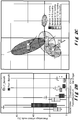
- Inventors have conducted prospective study on patients with metastatic melanoma treated with ipilimumab. Fecal microbiota composition was assessed at baseline and before each ipilimumab infusion. Microbiota was studied using 16S rRNA gene sequencing; patients were clustered based on dominant microbiota pattern.
- Ipilimumab led to a higher Inducible T-cell COStimulator induction on CD4+ T cells and to a higher increase in serum CD25 in patients who belonged to cluster A.
- Baseline gut microbiota enriched with Faecalibacterium and other Firmicutes is associated with beneficial clinical response to ipilimumab and more frequent occurrence of ipilimumab-associated colitis.
- the present invention thus relates to a method for predicting the response of an individual to an anticancer treatment with anti-CTL4 molecules comprising the steps of:
- the "relative abundance" of an OTU is defined as a percentage of the number of sequences grouped into this OTU to the total number of sequences in a fecal sample.
- OTU should group at least two 16S rRNA gene sequences (singletons, i.e. OTU containing only one sequence, are not considered).
- the determination of gut microbial composition and of the relative abundance of a given OTU can be determined with classical and appropriate method known by the person skilled in the art.
- said determination is performed on total DNA extracted from human fecal or mucosal or tissue sample by 16S rRNA gene sequencing, such as Sanger, 454 pyrosequencing, MiSeq or HiSeq technologies. Determination can also be performed by quantitative PCR technology with specific probes targeting either the specific OTU sequence or its affiliated bacterial isolate and any sequences having at least 97%, preferably 98%, 99% or 100%, identity with the nucleic sequence of said OTU.
- OTU relative abundance is assessed by applying a detection threshold of either 0.2%, or preferably 1%, of the total number of sequences (per sample).
- the table I below illustrates mean, median, range, 1 st quartile and 3rd quartile of relative abundance of each OTUs (SEQ. ID. N°1 to SEQ. ID. N°16) in each response Group (ie RESPONDERS vs. NON RESPONDERS to a CTLA4 treatment, see the experimental part below).
- Two criteria have been defined, one taking into account a threshold of relative abundance of the OTU (crit 2), and a second one taking into account detection level of each OTU (crit 1).
- the present invention relates to a method for predicting the response of an individual to an anticancer treatment with anti-CTL4 molecules comprising the steps of:
- a patient that is a "good responder to an anticancer treatment” is a patient who is affected with a cancer and who will show a clinically significant response after receiving said anticancer treatment; the clinically significant response may be assessed by clinical examination (body weight, general status, pain and palpable mass, if any), biomarkers and imaging studies (ultrasonography, CT scan, PAT scan, MRI).
- cancer means all types of cancers.
- the cancers can be solid or non solid cancers.
- Non limitative example of cancers are head and neck squamous cell carcinoma, Hodgkin's lymphoma, urothelial cancer of the bladder, mismatch repair deficient colorectal cancer, gastric cancer and merkel cell carcinoma.
- treatment refers to any reduction of the progression, severity and/or duration of cancer.
- the individual is a patient with metastatic melanoma.
- anti-CTL4 molecule is an anti-CTL4 antibody, such as ipilimumab.
- the method of the invention allows to determine whether a patient with metastatic melanoma is likely to benefit from a treatment with ipilimumab by analysis the gut microbiota in a feces sample from said patient.
- Gut microbiote relates to the population of microorganisms living in the intestine of any organism belonging to the animal kingdom; in the present invention, said organism is preferably a human.
- the gut microbial composition evolves throughout the entire life and is the result of different environmental influences.
- Dysbiosis refers to the deleterious loss of balance in gut microbial composition that may arise in some specific situations.
- the fecal sample is collected at any moment before deciding the beginning of the anticancer treatment or at any moment during said treatment; preferably, the fecal sample is collected before the start of the anticancer treatment. In any case, it is collected in a patient without colitis.
- OTU means operational taxonomic unit; in the present invention, an OTU regroups bacterial 16S sequences sharing the same or similar (at least 97% of sequence identity) and is named "denovo#". Each OTU is affiliated to a bacterial species, either isolated or not, cultured or uncultured when sharing 98% or more sequence similarity with a sequence described in public databases.
- step (ii) of the method of the invention consists in determining the relative abundance or the presence or the absence of at least two, three, four, five or six sequences having at least 97%, preferably 98%, 99% or 100%, identity with the nucleic sequence of OTUs selected in the group consisting of: denovo3066 of SEQ. ID. N°1, denovo991 of SEQ. ID. N°2, denovo4666 of SEQ. ID. N°3, denovo5905 of SEQ. ID. N°4, denovo3795 of SEQ. ID. N°5, denovo4787 of SEQ. ID. N°6, denovo453 of SEQ. ID. N°7, denovo4054 of SEQ. ID.
- N°8 denovo3816 of SEQ. ID. N°9, denovo3657 of SEQ. ID. N°10, denovo5800 of SEQ. ID. N°11, denovo5178 of SEQ. ID. N°12, denovo3073 of SEQ. ID. N°13, denovo3428 of SEQ. ID. N°14, denovo892 of SEQ. ID. N°15 and denovo2582 of SEQ. ID. N°16.
- AUC Areas under the curves
- step (ii) aims to determine relative abundance (enrichment or depletion) of the above listed OTUs combination; the following relative abundance of said combinations of OTUs in the gut microbiote of an individual means that said individual is a good responder to said anticancer treatment:
- step (ii) aims to determine the presence of the absence of the above listed OTUs combination; the following results observed for said combinations of OTUs in the gut microbiote of an individual means that said individual is a good responder to said anticancer treatment: Combination presence absence A SEQ. ID. N°: 7, 12 SEQ. ID. N°: 8, 9, 10, 11 B SEQ. ID. N°: 12 SEQ. ID. N°: 8, 9, 10, 11 C SEQ. ID. N°:1, 6, 7 SEQ. ID. N°: 8, 9, 10 D SEQ. ID. N°: 1, 7 SEQ. ID. N°: 8, 9, 10 E SEQ. ID. N°: 1, 6 SEQ. ID. N°: 9, 10 F SEQ.
- Table III shows the correspondence between OTU and their affiliated bacterial isolate/species : Table III OTUs SEQ. ID. N° affiliated bacterial isolate/species Corresponding bacterial 16S sequence SEQ. ID. N° denovo3066 1 Parabacteroides distasonis 17 denovo991 2 uncultured bacterium NA48 AY975552 (Clostridium XIVa / Fusicatenibacter saccharivorans) 18 denovo4666 3 butyrate producing bacterium SS2 1 AY305319 (Anaerostipes hadrus) 19 denovo5905 4 uncultured bacterium C3 13 GQ896957 (Ruminococcus / Oscillibacter valericigenes) 20 denovo3795 5 Faecalibacterium prausnitzii 21 denovo4787 6 Gemmiger formicilis 22 denovo453 7 uncultured bacterium RL246 aai74e12 DQ793623 (Un
- step (ii) of the method of the invention consists in detecting the relative abundance and/or the presence or absence of at least one of the bacterial isolate/species affiliated to the OTU of SEQ. ID. N°1 to 12 by culturing a feces sample on appropriate culture medium and in appropriate culture conditions, wherein enrichment or presence in an individual's gut microbiote of bacterial isolate/species selected in the group consisting of Parabacteroides distasonis, uncultured bacterium NA48 AY975552 (Clostridium XIVa / Fusicatenibacter saccharivorans), butyrate producing bacterium SS2 1 AY305319 (Anaerostipes hadrus), uncultured bacterium C3 13 GQ896957 (Ruminococcus / Oscillibacter valericigenes), Faecalibacterium prausnitzii, Gemmiger formicilis, uncultured bacterium RL246 a
- step (ii) of the method according to the present invention consists in determining the relative abundance of at least one OTU comprising a nucleic acid fragment of 300 to 1500 pb having a sequence of at least 97%, preferably 98%, 99% or 100%, identity with a nucleic acid fragment sequence of a 16S rRNA selected in the group consisting of: SEQ. ID. N°16, SEQ. ID. N°17, SEQ. ID. N°18, SEQ. ID. N°19, SEQ. ID. N°20, SEQ. ID. N°21, SEQ. ID. N°22, SEQ. ID. N°23, SEQ. ID. N°24, SEQ. ID. N°25, SEQ. ID. N°26, SEQ. ID. N°27 and SEQ. ID. N°28.
- the present invention thus also relates to a method for predicting the response of an individual to an anticancer treatment with anti-CTL4 molecules comprising the step of determining the presence or the absence of at least one metabolite (described as KEGG ID) selected in the group consisting of:
- Ipilimumab was administered intravenously every 3 weeks at a dose of 3 or 10 mg/Kg and could be continued after V 4 , at a maintenance dose of one infusion every 12 weeks, in patients whose disease was controlled (response or stable disease).
- ipilimumab Response to ipilimumab was assessed by several criteria. Long-term clinical benefit was defined by response decrease of tumour burden ⁇ 50% relative to baseline, according to immune related response criteria [15, 16]) or stable disease (decrease of tumour burden of less than 50% but with less than 25% increase relative to nadir) for more than 6 months. Patients with poor benefit were defined as patients with a lack of long term benefit, i.e. with progression-free survival of less than 6 months (with immune related progressive disease defined as a confirmed increase in tumor burden ⁇ 25% relative to nadir) [15, 16]. All responses were confirmed by a subsequent assessment no less than 4 weeks from the date first documented.
- Fecal samples were collected anaerobically at baseline (V 1 ), prior to each ipilimumab infusion (V 2 , V 3 , V 4 ), at the end of the treatment (V 5 ) and at the time of colitis (V Tox ) and were kept at -80°C until analysis.
- Total DNA was extracted from fecal sample aliquots ( ⁇ 150mg), as previously described using both physical and chemical lysis [17].
- V3-V4 region of the 16S rRNA gene was amplified with the following primers: V3F «TACGGRAGGCAGCAG» (V3F bac339F modified with R instead of G) ( Wilson KH, et al. J Clin Microbiol. 1990 ) and V4R «GGACTACCAGGGTATCTAAT» bac806R.
- the Random Forest classifier was applied to relative abundance data of distributed bacterial genera and OTUs to assess the variable importance of microbial components in the classification of each patient to a certain phenotype [3].
- the random forest machine learning analyses were applied to identify bacterial genera level that differentiates fecal community composition between groups.
- the purpose of a classifier such as random forest is to learn a function that maps a set of input values or predictors (here, relative to genera abundances) to a discrete output value (here, relative to clinical groups).
- Random forest is a powerful classifier that can use nonlinear relationships and complex dependencies between taxa.
- the degree of the success of the method is its ability to classify unseen samples correctly, estimated by training it on a subset of samples, and using it to categorize the remaining samples [3].
- the cross-validation error is compared with the baseline error that would be achieved by always predicting the most common category. Random forest analysis was performed for each comparison on 5000 rarefied versions of the data.
- random forest assigns an importance score to each genus by estimating the increase in error caused by eliminating that genus from the set of predictors. It also reports the Gini importance of a variable, which is computed as the sum of the Gini impurity decrease of every node in the forest for which that variable was used for splitting.
- the LEfSe (linear discriminant analysis effect size) algorithm [4] was applied for high dimensional discovery of biomarkers that discriminate between patients that will have colitis but who may also respond (or not) to ipilimumab. The algorithm is freely available at http://huttenhower.sph.harvard.edu/galaxy/.
- T cells have a crucial role in the maintenance of immune homeostasis in the gut and are supposed to be a major target for anti-CTLA-4 treatment [19].
- the heterodimer ⁇ 4 ⁇ 7 plays a crucial role in the intestinal homing of T cells; we monitored ⁇ 4 + ⁇ 7 + T cells to gain some insight in the mechanism of ipilimumab-induced colitis.
- OS overall survival
- PFS progression-free survival
- Competing risk analysis is a method to deal with competing events, in order to avoid selection bias induced by informative censoring.
- toxicity cumulative incidence function was estimated through a competing risk analysis in which toxicity was the event of interest, death or progression was the competing event and patients alive without progression or toxicity at their last follow-up were censored from the date of last follow-up.
- the toxicity cumulative incidence functions in the different gut microbiota clusters and for the different conventional CD4 levels were estimated using the SAS macro %CIF and compared using the stratified Gray's test [27, 28]. These analyses were performed using SAS software, Version 9.4 (SAS Institute Inc., Cary, NC, USA).
- Microbiota composition is not modified by ipilimumab treatment, except at the time of colitis
- the gut microbiota was not significantly modified over the course of the ipilimumab treatment.
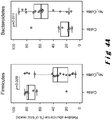
- Main bacterial phyla, Firmicutes and Bacteroidetes remained stable over time. Even though bacterial genera proportions differed between the different time points, they were not significantly altered by ipilimumab treatment (Wilcoxon test p>0.05).
- diversity was not altered by ipilimumab injections as assessed by both Shannon and Simpson indices. Altogether these data indicate that ipilimumab does not induce a gut microbial dysbiosis in patients with MM.
- Baseline microbiota composition is associated with subsequent clinical response and immune-related colitis
- fecal microbiota at V 1 allowed the correct classification of 84.6% of patients into either the long-term or poor clinical benefit category, and the accuracy reached more than 99% (5,000 bootstraps) for patients with poor benefit, as assessed by a Random Forest analysis.
- the receiver operating characteristic (ROC) curve provided an area under the curve (AUC) of 0.77, which indicates a fair classification based on overall microbial composition.
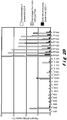
- OTUs linear discriminant analysis effect size (LEfSe) analysis
- Bacteroidetes phylum such as B. uniformis, B. vulgatus and Parabacteroides distasonis
- OTUs associated with subsequent colitis related mostly to the Firmicutes phylum (8/9 OTUs).
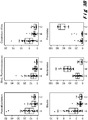
- the Inducible T-cell COStimulator (ICOS) molecule is significantly up-regulated on CD4 + T cells after ipilimumab treatment in patients who belong to Faecalibacterium -driven Cluster A
- Faecalibacterium -driven Cluster A and clinical benefit were associated with low baseline percentage of circulating ⁇ 4 + ⁇ 7 + T cells and CD4 + Tregs.
- KEGG IDs A specific set of metabolic pathways (described as KEGG IDs) have been highlighted specifically associated with response to anti CTLA4 (see Table V below) or toxicity to anti CTLA4 (see Table IV below).
Landscapes
- Health & Medical Sciences (AREA)
- Life Sciences & Earth Sciences (AREA)
- Chemical & Material Sciences (AREA)
- Engineering & Computer Science (AREA)
- Immunology (AREA)
- General Health & Medical Sciences (AREA)
- Molecular Biology (AREA)
- Analytical Chemistry (AREA)
- Medicinal Chemistry (AREA)
- Microbiology (AREA)
- Organic Chemistry (AREA)
- Proteomics, Peptides & Aminoacids (AREA)
- Veterinary Medicine (AREA)
- Zoology (AREA)
- Pharmacology & Pharmacy (AREA)
- Epidemiology (AREA)
- Animal Behavior & Ethology (AREA)
- Public Health (AREA)
- Wood Science & Technology (AREA)
- Pathology (AREA)
- Physics & Mathematics (AREA)
- Biotechnology (AREA)
- Urology & Nephrology (AREA)
- Hematology (AREA)
- Biomedical Technology (AREA)
- Biochemistry (AREA)
- Genetics & Genomics (AREA)
- Nutrition Science (AREA)
- Physiology (AREA)
- Mycology (AREA)
- Food Science & Technology (AREA)
- General Engineering & Computer Science (AREA)
- General Physics & Mathematics (AREA)
- Bioinformatics & Cheminformatics (AREA)
- Biophysics (AREA)
- Cell Biology (AREA)
- Oncology (AREA)
- Hospice & Palliative Care (AREA)
- Measuring Or Testing Involving Enzymes Or Micro-Organisms (AREA)
- Medicinal Preparation (AREA)
Priority Applications (5)
| Application Number | Priority Date | Filing Date | Title |
|---|---|---|---|
| EP17305327.3A EP3378949A1 (de) | 2017-03-22 | 2017-03-22 | Verfahren zur bestimmung der potenziellen wirksamkeit von krebstherapie |
| JP2019548421A JP2020511442A (ja) | 2017-03-22 | 2018-03-22 | 抗癌治療の潜在的有効性を決定する方法 |
| US16/494,095 US20200129566A1 (en) | 2017-03-22 | 2018-03-22 | Method for determining the potential efficacy of anticancer treatment |
| EP18711382.4A EP3601614A1 (de) | 2017-03-22 | 2018-03-22 | Verfahren zur bestimmung der potenziellen wirksamkeit von krebstherapie |
| PCT/EP2018/057361 WO2018172483A1 (en) | 2017-03-22 | 2018-03-22 | Method for determining the potential efficacy of anticancer treatment |
Applications Claiming Priority (1)
| Application Number | Priority Date | Filing Date | Title |
|---|---|---|---|
| EP17305327.3A EP3378949A1 (de) | 2017-03-22 | 2017-03-22 | Verfahren zur bestimmung der potenziellen wirksamkeit von krebstherapie |
Publications (1)
| Publication Number | Publication Date |
|---|---|
| EP3378949A1 true EP3378949A1 (de) | 2018-09-26 |
Family
ID=58579122
Family Applications (2)
| Application Number | Title | Priority Date | Filing Date |
|---|---|---|---|
| EP17305327.3A Ceased EP3378949A1 (de) | 2017-03-22 | 2017-03-22 | Verfahren zur bestimmung der potenziellen wirksamkeit von krebstherapie |
| EP18711382.4A Withdrawn EP3601614A1 (de) | 2017-03-22 | 2018-03-22 | Verfahren zur bestimmung der potenziellen wirksamkeit von krebstherapie |
Family Applications After (1)
| Application Number | Title | Priority Date | Filing Date |
|---|---|---|---|
| EP18711382.4A Withdrawn EP3601614A1 (de) | 2017-03-22 | 2018-03-22 | Verfahren zur bestimmung der potenziellen wirksamkeit von krebstherapie |
Country Status (4)
| Country | Link |
|---|---|
| US (1) | US20200129566A1 (de) |
| EP (2) | EP3378949A1 (de) |
| JP (1) | JP2020511442A (de) |
| WO (1) | WO2018172483A1 (de) |
Cited By (2)
| Publication number | Priority date | Publication date | Assignee | Title |
|---|---|---|---|---|
| US11376285B2 (en) | 2020-05-19 | 2022-07-05 | Microbiotica Limited | Bacterial biomarker |
| EP4428242A4 (de) * | 2021-11-05 | 2025-12-10 | Yakult Honsha Kk | Verfahren zur bestimmung des risikos eines unerwünschten ereignisses |
Families Citing this family (4)
| Publication number | Priority date | Publication date | Assignee | Title |
|---|---|---|---|---|
| WO2019195823A1 (en) * | 2018-04-06 | 2019-10-10 | The Board Of Regents Of The University Of Texas System | Prediction and treatment of immunotherapeutic toxicity |
| US12421518B2 (en) | 2018-12-10 | 2025-09-23 | Tenza, Inc. | Methods and compositions for treating hyperoxaluria |
| EP3950929A4 (de) * | 2019-03-28 | 2023-01-04 | CJ Bioscience, Inc. | Faecalibacterium sp. mikrobe und antikrebszusammensetzung damit |
| US20220218761A1 (en) * | 2019-05-06 | 2022-07-14 | The General Hospital Corporation | Monitoring and altering the gut microbiome in disease |
Citations (2)
| Publication number | Priority date | Publication date | Assignee | Title |
|---|---|---|---|---|
| WO2015075688A1 (en) * | 2013-11-21 | 2015-05-28 | Institut Gustave Roussy | Microbiota composition, as a marker of responsiveness to chemotherapy, and use of microbial modulators (pre-, pro- or synbiotics) for improving the efficacy of a cancer treatment |
| WO2016063263A2 (en) * | 2014-10-23 | 2016-04-28 | Institut Gustave Roussy | Methods and products for modulating microbiota composition for improving the efficacy of a cancer treatment with an immune checkpoint blocker |
Family Cites Families (12)
| Publication number | Priority date | Publication date | Assignee | Title |
|---|---|---|---|---|
| US3261761A (en) | 1962-05-07 | 1966-07-19 | Arthur W Anderson | Method of freeze drying bacterial cultures |
| US4205132A (en) | 1978-07-17 | 1980-05-27 | Microlife Technics, Inc. | Lyophilization of bacteria |
| US6368586B1 (en) | 1996-01-26 | 2002-04-09 | Brown University Research Foundation | Methods and compositions for enhancing the bioadhesive properties of polymers |
| PL1920781T3 (pl) * | 2006-11-10 | 2015-06-30 | Glycotope Gmbh | Kompozycje zawierające core-1-dodatnie mikroorganizmy i ich zastosowanie w leczeniu lub profilaktyce nowotworów |
| WO2012098358A1 (en) | 2011-01-20 | 2012-07-26 | Biopharma Technology Ltd | Freeze drying method |
| US20140363397A1 (en) * | 2011-09-14 | 2014-12-11 | Queen's University At Kingston | Method for treatment of disorders of the gastrointestinal system |
| WO2014029578A1 (en) | 2012-08-24 | 2014-02-27 | Haldor Topsøe A/S | Method and catalyzed filter element with improved alkali-resistance for flue gas cleaning |
| SG11201503966PA (en) * | 2012-11-23 | 2015-06-29 | Seres Health Inc | Synergistic bacterial compositions and methods of production and use thereof |
| US9956282B2 (en) * | 2013-12-16 | 2018-05-01 | Seres Therapeutics, Inc. | Bacterial compositions and methods of use thereof for treatment of immune system disorders |
| US20190381115A1 (en) * | 2014-11-13 | 2019-12-19 | Institut National De La Recherche Agronomique (Inra) | Faecalibacterium prausnitzii strains for treating and preventing gastrointestinal pain |
| MA41020A (fr) * | 2014-11-25 | 2017-10-03 | Evelo Biosciences Inc | Compositions probiotiques et prébiotiques, et leurs procédés d'utilisation pour la modulation du microbiome |
| EA201792547A1 (ru) * | 2015-05-21 | 2018-04-30 | Иеда Рисеч Энд Девелопмент Ко. Лтд. | Популяции бактерий для стимуляции состояния здоровья |
-
2017
- 2017-03-22 EP EP17305327.3A patent/EP3378949A1/de not_active Ceased
-
2018
- 2018-03-22 US US16/494,095 patent/US20200129566A1/en not_active Abandoned
- 2018-03-22 JP JP2019548421A patent/JP2020511442A/ja active Pending
- 2018-03-22 WO PCT/EP2018/057361 patent/WO2018172483A1/en not_active Ceased
- 2018-03-22 EP EP18711382.4A patent/EP3601614A1/de not_active Withdrawn
Patent Citations (2)
| Publication number | Priority date | Publication date | Assignee | Title |
|---|---|---|---|---|
| WO2015075688A1 (en) * | 2013-11-21 | 2015-05-28 | Institut Gustave Roussy | Microbiota composition, as a marker of responsiveness to chemotherapy, and use of microbial modulators (pre-, pro- or synbiotics) for improving the efficacy of a cancer treatment |
| WO2016063263A2 (en) * | 2014-10-23 | 2016-04-28 | Institut Gustave Roussy | Methods and products for modulating microbiota composition for improving the efficacy of a cancer treatment with an immune checkpoint blocker |
Non-Patent Citations (47)
| Title |
|---|
| A. SIVAN ET AL: "Commensal Bifidobacterium promotes antitumor immunity and facilitates anti-PD-L1 efficacy", SCIENCE, vol. 350, no. 6264, 27 November 2015 (2015-11-27), pages 1084 - 1089, XP055310361, ISSN: 0036-8075, DOI: 10.1126/science.aac4255 * |
| ABRAHAM C; CHO JH, INFLAMMATORY BOWEL DISEASE. N. ENGL. J. MED, vol. 361, no. 21, 2009, pages 2066 - 2078 |
| BECK KE; BLANSFIELD JA; TRAN KQ ET AL.: "Enterocolitis in Patients With Cancer After Antibody Blockade of Cytotoxic T-Lymphocyte-Associated Antigen 4", J. CLIN. ONCOL, vol. 24, no. 15, 2006, pages 2283 - 2289, XP009069988, DOI: doi:10.1200/JCO.2005.04.5716 |
| CEBULA A; SEWERYN M; REMPALA GA ET AL.: "Thymus-derived regulatory T cells contribute to tolerance to commensal microbiota", NATURE, vol. 497, no. 7448, 2013, pages 258 - 262 |
| CHAPUT N; FLAMENT C; LOCHER C ET AL.: "Phase I clinical trial combining imatinib mesylate and IL-2: HLA-DR(+) NK cell levels correlate with disease outcome", ONCOIMMUNOLOGY, vol. 2, no. 2, 2013, pages E23080 |
| CHASSAING B; DARFEUILLE-MICHAUD A: "The Commensal Microbiota and Enteropathogens in the Pathogenesis of Inflammatory Bowel Diseases", GASTROENTEROLOGY, vol. 140, no. 6, 2011, pages 1720 - 1728, XP028480605, DOI: doi:10.1053/j.gastro.2011.01.054 |
| CHEN H; LIAKOU CI; KAMAT A ET AL.: "Anti-CTLA-4 therapy results in higher CD4+ICOShi T cell frequency and IFN-gamma levels in both nonmalignant and malignant prostate tissues", PROC. NATL. ACAD. SCI. U. S. A., vol. 106, no. 8, 2009, pages 2729 - 2734 |
| DEVILLARD E; MCINTOSH FM; DUNCAN SH; WALLACE RJ: "Metabolism of linoleic acid by human gut bacteria: different routes for biosynthesis of conjugated linoleic acid", J. BACTERIOL., vol. 189, no. 6, 2007, pages 2566 - 2570 |
| DUBIN K; CALLAHAN MK; REN B ET AL.: "Intestinal microbiome analyses identify melanoma patients at risk for checkpoint-blockade-induced colitis", NAT. COMMUN, vol. 7, 2016, pages 10391 |
| FU T; HE Q; SHARMA P: "The ICOS/ICOSL Pathway Is Required for Optimal Antitumor Responses Mediated by Anti-CTLA-4 Therapy", CANCER RES., vol. 71, no. 16, 2011, pages 5445 - 5454, XP055315732, DOI: doi:10.1158/0008-5472.CAN-11-1138 |
| GRAY RJ.: "A Class of $K$-Sample Tests for Comparing the Cumulative Incidence of a Competing Risk", ANN STAT, vol. 16, no. 3, 1988, pages 1141 - 1154 |
| GUIGOZ Y; DORE J; SCHIFFRIN EJ.: "The inflammatory status of old age can be nurtured from the intestinal environment", CURR. OPIN. CLIN. NUTR. METAB. CARE, vol. 11, no. 1, 2008, pages 13 - 20 |
| GUPTA A; DE FELICE KM; LOFTUS EV; KHANNA S: "Systematic review: colitis associated with anti-CTLA-4 therapy", ALIMENT. PHARMACOL. THER., vol. 42, no. 4, 2015, pages 406 - 417 |
| HEDIN CR; MCCARTHY NE; LOUIS P ET AL.: "Altered intestinal microbiota and blood T cell phenotype are shared by patients with Crohn's disease and their unaffected siblings", GUT, vol. 63, no. 10, 2014, pages 1578 - 1586 |
| HODI FS; CHESNEY J; PAVLICK AC ET AL.: "Combined nivolumab and ipilimumab versus ipilimumab alone in patients with advanced melanoma: 2-year overall survival outcomes in a multicentre, randomised, controlled, phase 2 trial", LANCET ONCOL., vol. 17, no. 11, 2016, pages 1558 - 1568, XP029794232, DOI: doi:10.1016/S1470-2045(16)30366-7 |
| HODI FS; O'DAY SJ; MCDERMOTT DF ET AL.: "Improved Survival with Ipilimumab in Patients with Metastatic Melanoma", N. ENGL. J. MED., vol. 363, no. 8, 2010, pages 711 - 723, XP055015428, DOI: doi:10.1056/NEJMoa1003466 |
| KLATZMANN D; ABBAS AK: "The promise of low-dose interleukin-2 therapy for autoimmune and inflammatory diseases", NAT. REV. IMMUNOL., vol. 15, no. 5, 2015, pages 283 - 294, XP055408855, DOI: doi:10.1038/nri3823 |
| LARKIN J; HODI FS; WOLCHOK JD: "Combined Nivolumab and Ipilimumab or Monotherapy in Untreated Melanoma", N. ENGL. J. MED., vol. 373, no. 13, 2015, pages 1270 - 1271 |
| LE CHATELIER E; NIELSEN T; QIN J ET AL.: "Richness of human gut microbiome correlates with metabolic markers", NATURE, vol. 500, no. 7464, 2013, pages 541 - 546, XP055087499, DOI: doi:10.1038/nature12506 |
| LEPAGE P; HASLER R; SPEHLMANN ME ET AL.: "Twin Study Indicates Loss of Interaction Between Microbiota and Mucosa of Patients With Ulcerative Colitis", GASTROENTEROLOGY, vol. 141, no. L, 2011, pages 227 - 236, XP028296745, DOI: doi:10.1053/j.gastro.2011.04.011 |
| LIAKOU CI; KAMAT A; TANG DN ET AL.: "CTLA-4 blockade increases IFN -producing CD4+ICOShi cells to shift the ratio of effector to regulatory T cells in cancer patients", PROC. NATL. ACAD. SCI., vol. 105, no. 39, 2008, pages 14987 - 14992, XP002621188, DOI: doi:10.1073/pnas.0806075105 |
| LIN G; SO Y; JOHNSTON G: "Proc. SAS Glob. Forum 2012 Conf.", 2012, CARY NC SAS INST. INC, article "Analysing survival data with competing risks using SAS* software" |
| LOTZE MT; CUSTER MC; SHARROW SO ET AL.: "In vivo administration of purified human interleukin-2 to patients with cancer: development of interleukin-2 receptor positive cells and circulating soluble interleukin-2 receptors following interleukin-2 administration", CANCER RES., vol. 47, no. 8, 1987, pages 2188 - 2195 |
| LUKIW WJ.: "Bacteroides fragilis Lipopolysaccharide and Inflammatory Signaling in Alzheimer's Disease", FRONT. MICROBIOL., vol. 7, 2016, pages 1544 |
| M. VETIZOU ET AL: "Anticancer immunotherapy by CTLA-4 blockade relies on the gut microbiota", SCIENCE, vol. 350, no. 6264, 27 November 2015 (2015-11-27), pages 1079 - 1084, XP055310374, ISSN: 0036-8075, DOI: 10.1126/science.aad1329 * |
| MARTHEY L; MATEUS C; MUSSINI C ET AL.: "Cancer Immunotherapy with Anti-CTLA-4 Monoclonal Antibodies Induces an Inflammatory Bowel Disease", ECCOJC, vol. 10, no. 4, 2016, pages 395 - 401 |
| MATHEWSON ND; JENQ R; MATHEW AV ET AL.: "Gut microbiome-derived metabolites modulate intestinal epithelial cell damage and mitigate graft-versus-host disease", NAT. IMMUNOL., vol. 17, no. 5, 2016, pages 505 - 513 |
| MAYNARD CL; ELSON CO; HATTON RD; WEAVER CT: "Reciprocal interactions of the intestinal microbiota and immune system", NATURE, vol. 489, no. 7415, 2012, pages 231 - 241 |
| PARDOLL DM.: "The blockade of immune checkpoints in cancer immunotherapy", NAT. REV. CANCER, vol. 12, no. 4, 2012, pages 252 - 264, XP055415943, DOI: doi:10.1038/nrc3239 |
| PNG CW; LINDEN SK; GILSHENAN KS ET AL.: "Mucolytic bacteria with increased prevalence in IBD mucosa augment in vitro utilization of mucin by other bacteria", AM. J. GASTROENTEROL., vol. 105, no. 11, 2010, pages 2420 - 2428, XP055327161, DOI: doi:10.1038/ajg.2010.281 |
| POSTOW MA; CALLAHAN MK; WOLCHOK JD: "Immune Checkpoint Blockade in Cancer Therapy", J. CLIN. ONCOL., vol. 33, no. 17, 2015, pages 1974 - 1982, XP055320016, DOI: doi:10.1200/JCO.2014.59.4358 |
| READ S; GREENWALD R; IZCUE A ET AL.: "Blockade of CTLA-4 on CD4+CD25+ regulatory T cells abrogates their function in vivo", J. IMMUNOL., vol. 177, no. 7, 2006, pages 4376 - 4383 |
| RILEY JL; BLAIR PJ; MUSSER JT ET AL.: "ICOS Costimulation Requires IL-2 and Can Be Prevented by CTLA-4 Engagement", J. IMMUNOL., vol. 166, no. 8, 2001, pages 4943 - 4948, XP002701590, DOI: doi:10.4049/jimmunol.166.8.4943 |
| ROBERT C; THOMAS L; BONDARENKO I ET AL.: "Ipilimumab plus dacarbazine for previously untreated metastatic melanoma", N. ENGL. J. MED., vol. 364, no. 26, 2011, pages 2517 - 2526 |
| ROMANO E; KUSIO-KOBIALKA M; FOUKAS PG ET AL.: "Ipilimumab-dependent cell-mediated cytotoxicity of regulatory T cells ex vivo by nonclassical monocytes in melanoma patients", PROC. NATL. ACAD. SCI. U. S. A., vol. 112, no. 19, 2015, pages 6140 - 6145 |
| SCHADENDORF D; HODI FS; ROBERT C ET AL.: "Pooled Analysis of Long-Term Survival Data From Phase II and Phase III Trials of Ipilimumab in Unresectable or Metastatic Melanoma", J. CLIN. ONCOL., vol. 33, no. 17, 2015, pages 1889 - 1894 |
| SEKSIK P: "Alterations of the dominant faecal bacterial groups in patients with Crohn's disease of the colon", GUT, vol. 52, no. 2, 2003, pages 237 - 242, XP002384047, DOI: doi:10.1136/gut.52.2.237 |
| SIM GC; MARTIN-OROZCO N; JIN L ET AL.: "IL-2 therapy promotes suppressive ICOS+ Treg expansion in melanoma patients", J. CLIN. INVEST., vol. 124, no. 1, 2014, pages 99 - 110 |
| SIVAN A; CORRALES L; HUBERT N ET AL.: "Commensal Bifidobacterium promotes antitumor immunity and facilitates anti-PD-Ll efficacy", SCIENCE, vol. 350, no. 6264, 2015, pages 1084 - 1089, XP055310361, DOI: doi:10.1126/science.aac4255 |
| SMITH PM; HOWITT MR; PANIKOV N ET AL.: "The microbial metabolites, short-chain fatty acids, regulate colonic Treg cell homeostasis", SCIENCE, vol. 341, no. 6145, 2013, pages 569 - 573, XP055247108, DOI: doi:10.1126/science.1241165 |
| SNYDER A; MAKAROV V; MERGHOUB T ET AL.: "Genetic basis for clinical response to CTLA-4 blockade in melanoma", N. ENGL. J. MED., vol. 371, no. 23, 2014, pages 2189 - 2199, XP055262135, DOI: doi:10.1056/NEJMoa1406498 |
| SOKOL H; PIGNEUR B; WATTERLOT L ET AL.: "Faecalibacterium prausnitzii is an antiinflammatory commensal bacterium identified by gut microbiota analysis of Crohn disease patients", PROC. NATL. ACAD. SCI. U. S. A., vol. 105, no. 43, 2008, pages 16731 - 16736, XP002579466, DOI: doi:10.1073/PNAS.0804812105 |
| VETIZOU M; PITT JM; DAILLERE R ET AL.: "Anticancer immunotherapy by CTLA-4 blockade relies on the gut microbiota", SCIENCE, vol. 350, no. 6264, 2015, pages 1079 - 1084, XP055310374, DOI: doi:10.1126/science.aad1329 |
| WEBER JS; KAHLER KC; HAUSCHILD A: "Management of Immune-Related Adverse Events and Kinetics of Response With Ipilimumab", J. CLIN. ONCOL., vol. 30, no. 21, 2012, pages 2691 - 2697 |
| WOLCHOK JD; HOOS A; O'DAY S ET AL.: "Guidelines for the evaluation of immune therapy activity in solid tumors: immune-related response criteria", CLIN. CANCER RES. OFF. J. AM. ASSOC. CANCER RES., vol. 15, no. 23, 2009, pages 7412 - 7420 |
| YU A; SNOWHITE I; VENDRAME F ET AL.: "Selective IL-2 responsiveness of regulatory T cells through multiple intrinsic mechanisms supports the use of low-dose IL-2 therapy in type 1 diabetes", DIABETES, vol. 64, no. 6, 2015, pages 2172 - 2183, XP055350944, DOI: doi:10.2337/db14-1322 |
| ZARUHI A. KHACHATRYAN ET AL: "Predominant Role of Host Genetics in Controlling the Composition of Gut Microbiota", PLOS ONE, vol. 3, no. 8, 26 August 2008 (2008-08-26), pages e3064, XP055405606, DOI: 10.1371/journal.pone.0003064 * |
Cited By (3)
| Publication number | Priority date | Publication date | Assignee | Title |
|---|---|---|---|---|
| US11376285B2 (en) | 2020-05-19 | 2022-07-05 | Microbiotica Limited | Bacterial biomarker |
| US11439671B2 (en) * | 2020-05-19 | 2022-09-13 | Microbiotica Limited | Therapeutic bacterial composition |
| EP4428242A4 (de) * | 2021-11-05 | 2025-12-10 | Yakult Honsha Kk | Verfahren zur bestimmung des risikos eines unerwünschten ereignisses |
Also Published As
| Publication number | Publication date |
|---|---|
| JP2020511442A (ja) | 2020-04-16 |
| US20200129566A1 (en) | 2020-04-30 |
| EP3601614A1 (de) | 2020-02-05 |
| WO2018172483A1 (en) | 2018-09-27 |
Similar Documents
| Publication | Publication Date | Title |
|---|---|---|
| Chaput et al. | Baseline gut microbiota predicts clinical response and colitis in metastatic melanoma patients treated with ipilimumab | |
| Derosa et al. | Intestinal Akkermansia muciniphila predicts clinical response to PD-1 blockade in patients with advanced non-small-cell lung cancer | |
| Roberti et al. | Chemotherapy-induced ileal crypt apoptosis and the ileal microbiome shape immunosurveillance and prognosis of proximal colon cancer | |
| EP3378949A1 (de) | Verfahren zur bestimmung der potenziellen wirksamkeit von krebstherapie | |
| US11344586B2 (en) | Microbiota composition, as a marker of responsiveness to chemotherapy, and use of microbial modulators (pre-, pro- or synbiotics) for improving the efficacy of a cancer treatment | |
| CN110267651B (zh) | 通过调节微生物组来增强免疫检查点阻断疗法的方法 | |
| Peiffer et al. | Composition of gastrointestinal microbiota in association with treatment response in individuals with metastatic castrate resistant prostate cancer progressing on enzalutamide and initiating treatment with anti-PD-1 (pembrolizumab) | |
| US12246044B2 (en) | Bacterial and cell compositions for the treatment of colorectal cancer and methods for assessing a prognosis for patients having the same | |
| CN113645981A (zh) | 用于治疗癌症的方法和组合物 | |
| CN110582291A (zh) | 抗pd1/pd-l1/pd-l2抗体的反应性标志物和功效改善用调节剂 | |
| US20230151430A1 (en) | Methods and compositions for identifying and treating subjects at risk of poor cancer survival | |
| US20240398876A1 (en) | Biological marker of intestinal dysbiosis, useful for predicting the response of a cancer patient to an anti-pdi drug | |
| Medeiros et al. | Salivary microbiome changes distinguish response to chemoradiotherapy in patients with oral cancer | |
| US20240277778A1 (en) | Compositions and methods for determining responsiveness to immune checkpoint inhibitors (ici), increasing effectiveness of ici, and treating cancer | |
| EP4611779A1 (de) | Prädiktive bewertung des ergebnisses einer krebsimmuntherapie auf basis der ökologischen analyse der darmflora | |
| Sarkar et al. | Fluctuations in gut microbiome composition during immune checkpoint inhibitor therapy | |
| Jan et al. | A consortium of seven commensal bacteria promotes gut microbiota recovery and strengthens ecological barrier against vancomycin-resistant enterococci | |
| JP2024541067A (ja) | がん生存及びcar t細胞毒性を予測するための方法及び組成物 | |
| CN118660711A (zh) | 用于预测癌症存活率和car t细胞毒性的方法和组合物 | |
| Beckabir | Understanding, Predicting, and Improving Immune Checkpoint Blockade Immunotherapy Response in Bladder Cancer | |
| Lattanzi | iNKT cells contribute to colorectal cancer progression inducing neutrophils pro-tumorigenic functions | |
| CN120555625A (zh) | 与肝癌预后相关的菌群标志物及其应用 | |
| Colbert et al. | Tumor-Resident Lactobacillus iners Confers Chemoradiation Resistance in Cervical Cancer Patients Through Acquired Metabolic Functions |
Legal Events
| Date | Code | Title | Description |
|---|---|---|---|
| PUAI | Public reference made under article 153(3) epc to a published international application that has entered the european phase |
Free format text: ORIGINAL CODE: 0009012 |
|
| AK | Designated contracting states |
Kind code of ref document: A1 Designated state(s): AL AT BE BG CH CY CZ DE DK EE ES FI FR GB GR HR HU IE IS IT LI LT LU LV MC MK MT NL NO PL PT RO RS SE SI SK SM TR |
|
| AX | Request for extension of the european patent |
Extension state: BA ME |
|
| 18R | Application refused |
Effective date: 20181015 |