EP3382963B1 - Procédé et système de régulation auto-adaptative de bande passante pour plate-forme de cdn - Google Patents
Procédé et système de régulation auto-adaptative de bande passante pour plate-forme de cdn Download PDFInfo
- Publication number
- EP3382963B1 EP3382963B1 EP16880661.0A EP16880661A EP3382963B1 EP 3382963 B1 EP3382963 B1 EP 3382963B1 EP 16880661 A EP16880661 A EP 16880661A EP 3382963 B1 EP3382963 B1 EP 3382963B1
- Authority
- EP
- European Patent Office
- Prior art keywords
- proxy
- control
- data
- cdn
- control center
- Prior art date
- Legal status (The legal status is an assumption and is not a legal conclusion. Google has not performed a legal analysis and makes no representation as to the accuracy of the status listed.)
- Active
Links
Images


Classifications
-
- H—ELECTRICITY
- H04—ELECTRIC COMMUNICATION TECHNIQUE
- H04L—TRANSMISSION OF DIGITAL INFORMATION, e.g. TELEGRAPHIC COMMUNICATION
- H04L65/00—Network arrangements, protocols or services for supporting real-time applications in data packet communication
- H04L65/80—Responding to QoS
-
- H—ELECTRICITY
- H04—ELECTRIC COMMUNICATION TECHNIQUE
- H04L—TRANSMISSION OF DIGITAL INFORMATION, e.g. TELEGRAPHIC COMMUNICATION
- H04L47/00—Traffic control in data switching networks
- H04L47/70—Admission control; Resource allocation
- H04L47/76—Admission control; Resource allocation using dynamic resource allocation, e.g. in-call renegotiation requested by the user or requested by the network in response to changing network conditions
-
- H—ELECTRICITY
- H04—ELECTRIC COMMUNICATION TECHNIQUE
- H04L—TRANSMISSION OF DIGITAL INFORMATION, e.g. TELEGRAPHIC COMMUNICATION
- H04L41/00—Arrangements for maintenance, administration or management of data switching networks, e.g. of packet switching networks
- H04L41/08—Configuration management of networks or network elements
- H04L41/0896—Bandwidth or capacity management, i.e. automatically increasing or decreasing capacities
-
- H—ELECTRICITY
- H04—ELECTRIC COMMUNICATION TECHNIQUE
- H04L—TRANSMISSION OF DIGITAL INFORMATION, e.g. TELEGRAPHIC COMMUNICATION
- H04L41/00—Arrangements for maintenance, administration or management of data switching networks, e.g. of packet switching networks
- H04L41/16—Arrangements for maintenance, administration or management of data switching networks, e.g. of packet switching networks using machine learning or artificial intelligence
-
- H—ELECTRICITY
- H04—ELECTRIC COMMUNICATION TECHNIQUE
- H04L—TRANSMISSION OF DIGITAL INFORMATION, e.g. TELEGRAPHIC COMMUNICATION
- H04L65/00—Network arrangements, protocols or services for supporting real-time applications in data packet communication
- H04L65/60—Network streaming of media packets
- H04L65/61—Network streaming of media packets for supporting one-way streaming services, e.g. Internet radio
- H04L65/612—Network streaming of media packets for supporting one-way streaming services, e.g. Internet radio for unicast
-
- H—ELECTRICITY
- H04—ELECTRIC COMMUNICATION TECHNIQUE
- H04L—TRANSMISSION OF DIGITAL INFORMATION, e.g. TELEGRAPHIC COMMUNICATION
- H04L67/00—Network arrangements or protocols for supporting network services or applications
- H04L67/2866—Architectures; Arrangements
- H04L67/289—Intermediate processing functionally located close to the data consumer application, e.g. in same machine, in same home or in same sub-network
-
- H—ELECTRICITY
- H04—ELECTRIC COMMUNICATION TECHNIQUE
- H04L—TRANSMISSION OF DIGITAL INFORMATION, e.g. TELEGRAPHIC COMMUNICATION
- H04L67/00—Network arrangements or protocols for supporting network services or applications
- H04L67/50—Network services
- H04L67/56—Provisioning of proxy services
-
- H—ELECTRICITY
- H04—ELECTRIC COMMUNICATION TECHNIQUE
- H04L—TRANSMISSION OF DIGITAL INFORMATION, e.g. TELEGRAPHIC COMMUNICATION
- H04L67/00—Network arrangements or protocols for supporting network services or applications
- H04L67/50—Network services
- H04L67/56—Provisioning of proxy services
- H04L67/568—Storing data temporarily at an intermediate stage, e.g. caching
- H04L67/5682—Policies or rules for updating, deleting or replacing the stored data
-
- G—PHYSICS
- G06—COMPUTING OR CALCULATING; COUNTING
- G06F—ELECTRIC DIGITAL DATA PROCESSING
- G06F3/00—Input arrangements for transferring data to be processed into a form capable of being handled by the computer; Output arrangements for transferring data from processing unit to output unit, e.g. interface arrangements
- G06F3/01—Input arrangements or combined input and output arrangements for interaction between user and computer
- G06F3/048—Interaction techniques based on graphical user interfaces [GUI]
- G06F3/0484—Interaction techniques based on graphical user interfaces [GUI] for the control of specific functions or operations, e.g. selecting or manipulating an object, an image or a displayed text element, setting a parameter value or selecting a range
- G06F3/04847—Interaction techniques to control parameter settings, e.g. interaction with sliders or dials
-
- H—ELECTRICITY
- H04—ELECTRIC COMMUNICATION TECHNIQUE
- H04L—TRANSMISSION OF DIGITAL INFORMATION, e.g. TELEGRAPHIC COMMUNICATION
- H04L67/00—Network arrangements or protocols for supporting network services or applications
- H04L67/01—Protocols
- H04L67/10—Protocols in which an application is distributed across nodes in the network
Definitions
- the present disclosure generally relates to the field of self-protection of content delivery network (CDN) and, specifically, relates to the self-protection method and system for the self-adaptive bandwidth traffic control.
- CDN content delivery network
- the digital content can include web objects (e.g., text, graphics, URL, and script), downloadable objects (e.g., media files, software, and documents), web applications, stream media (e.g., audio and video contents), etc.
- web objects e.g., text, graphics, URL, and script
- downloadable objects e.g., media files, software, and documents
- web applications e.g., audio and video contents
- streaming media e.g., audio and video contents
- Providing digital contents to a large number of clients in various geographical locations can be challenging to the service providers.
- a service provider may not be able to provide sufficient server resources and/or network bandwidth to serve all the clients requesting for digital contents within a certain amount of time.
- the traffic between the service provider and a client geographically remote from the service provider, requires routing through a large number of internet servers across a great geographical distance, the client may experience a high-level wait time and/or low transfer rate.
- CDN technology has been provided.
- the full name of CDN is content delivery network.
- the goal of the technology is, by adding a new network architecture in the conventional internet, to publish the content of the website to an "edge" of the network that is the closest to the user, so that the user may obtain the desired content at a nearest location and the network congestion in the internet may be solved.
- the response time when the user accesses the website can be improved. Slow response when a user accesses the website caused by reasons such as a small network bandwidth, a great number of user accesses, and a non-uniformed distribution of network nodes, can be solved comprehensively in technic.
- CDN is a distributed network that is established on a bearer network and is formed by service nodes distributed in different regions. It transfers source content to the edge closest to a user using certain rules, such that the user can obtain the content from a nearest location, thereby reducing the requirements on the bandwidth of the backbone network and increasing the response speed of website to the user's access. It can be shown from the description of the CDN technology that, by using CDN technology, information from a remote data center may be transferred to a local server, and the task may be completed when a local user accesses the local server. Simply speaking, the CDN is a strategic deployment of an overall system, including four important elements i.e., distributed storage, load balancing, network request redirection, and content managing.
- the content managing and the global network traffic managing are the core of the CDN.
- CDN can ensure the content based on a user's request is provided as service in a highly efficient manner.
- content service is based on caching servers, also known as proxy caches.
- a proxy cache may be located on an edge of a network, and is only a "Single Hop" away from the user.
- a proxy cache is a transparent mirror of the source server (often located at the data center of the CDN service provider) of the content provider.
- This architecture enables the CDN service providers to represent their clients, i.e., content providers, and to provide better experience for the ultimate user. These users do not tolerate any delay in response time of requests.
- CDN technology approximately 70%-95% of the content access to the entire website may be processed, the pressure on the servers can be reduced, and the performance and the scalability of the website can be improved.
- CND bandwidth control lines for accelerating the client may be configured in advance on the platform.
- the threshold values of the control lines are often determined through static planning configuration after communicating with the clients.
- the CDN technology provides one of the various control modes, e.g., direct disconnection, returning to client source station, and slow connection, based on the static planning configuration, for bandwidth control, so that the bandwidth usage may be reduced to ensure the normal service of the platform.
- the abovementioned conventional control line mechanism may cause the CDN platform, when still being able to provide service, to stop part of the service because of the limitation of the previously planned control lines, to solve the bandwidth problem.
- the use of CDN resources cannot be maximized.
- a sudden increase in business volume or a temporary increase in business volume of one client may cause the entire CDN platform to have decreased service resources and decreased service capacity. As a result, many other clients on the platform may also be affected.
- bandwidth-affecting factors taken into account when allocation values are commanded are relatively simple. Often, only factors such as bandwidth or traffic are taken into account. Thus, the allocation may deviate largely from the practical usage conditions, causing some resources to be overloaded and some resources to be too idle. The unreasonable allocation of resources seriously affects the security and stability of the CDN platform.
- CDN resources are becoming more and more widely distributed.
- the number of machines used for CDN is increasing.
- many aspects, such as the timeliness of data collection, policy generation, and control allocation no longer satisfy the needs of CDN platform.
- the network bandwidth cannot be sufficiently controlled in real-time or be controlled with sufficient precision.
- the document US 2004/0117427 A1 discloses an adaptative and scalable system for distributing streaming media, in which processing into a plurality of output formats is controlled in a real-time distributed manner.
- the document US 2014/0344425 A1 discloses a framework supporting content delivery and comprising a plurality of devices, each device configured to run at least one content delivery service of a plurality of content delivery services.
- the document WO 02/35799 A2 discloses payload files which are selectively partitioned in blocks and the blocks are distributed to a plurality of distribution stations at the edge of the network qualified to have the data.
- the technical problem to be solved by the present disclosure is to provide a method and a system for self-adaptive bandwidth control of a CDN platform.
- the present disclosure provides a good self-protection capacity to the CDN platform.
- FIG. 1 illustrates the system structure to implement the embodiments of the present disclosure.
- the system platform of the present disclosure may mainly be formed by a CDN service resource pool 102, a collection control distributed proxy cluster 104, a Ul platform 106, and a control center 108.
- the CDN service resource pool 102 may include a plurality of CDN service resources 102-1, ..., and 102-n.
- the proxy cluster 104 may include a plurality of proxies 104-1, ..., and 104-n. It should be noted that the CDN service resources 102-1, ..., and 102-n, and proxies 104-1, ..., and 104-n may include any numbers of CDN service resources and proxies, and should not be limited by the quantities shown in the figure.
- the data center 108 may include a data gathering and analyzing module 108a and a control line module 108b.
- the CDN service resources may refer to various resources used to provide CDN services, such as servers and websites.
- the self-adaptive control of the CDN resources is configured to reasonably allocate the CDN service resources so as to provide self-protection capacity for the CDN platform.
- the Ul platform 106 may provide a unified configuration portal and function operation interface.
- the Ul platform may be used to automatically connect a plurality of modules in the entire system, so as to control the entire system for self-adaptive bandwidth control.
- a user may manage the configuration, operation, and maintenance of the entire system through the Ul platform.
- a proxy is often located on an edge of a network, thus, it may also be referred to as an edge proxy.
- a proxy may perform a task registration on the control center 108, and obtain, by registration, the CDN service resources that need to be controlled from the control center. Also, when a proxy malfunctions, the proxies may automatically perform task scheduling, to ensure all the service resources are allocated to proxies to be controlled. The registration process by the proxy may be further illustrated in detailed in FIG. 2 . Further, the proxy may perform corresponding data collection and combination for the proxy-controllable CDN service resources, and may transfer the processed data, through an optimized UDP protocol, to the control center 108.
- the control center 108 may, in real-time, collect the data of a machine data set collected and gathered by the proxies.
- the data gathering and analyzing module 108a may, in real-time, gather and analyze various factors contained in the data, and calculate data such as the redundant ratio data of a resource and the bandwidth growth ratio of a client channel.
- the control center 108 may compare the data with the corresponding ratios configured on the UI. If the comparison result satisfies the set comparison result, the control line module 108b may generate a self-adaptive control line.
- the data gathering and analysis may be further illustrated in detail in FIG. 3 .
- the control center 108 may finally generate the control command required by each CDN service resource in the CDN service resource pool 102 based on the generated self-adaptive control line, and finally allocate the task and the control command to all the proxy servers located on the edge based on the range for proxy-controllable CDN service resources.
- the proxy may process the task and further generate a corresponding control policy.
- the proxy may allocate the task and the control policy to the corresponding CDN service resources to realize the self-protection of the CDN platform.
- FIG. 2 illustrates an exemplary flow chart of a proxy registration consistent with the disclosed embodiments of the present disclosure.
- all the proxies at the edge may implement node self-managing through the configuration of nodes (104-1, ..., 104-n).
- Each self-managing machine (proxy) may actively upload a heartbeat packet containing the operation status and load condition of the machine, to the control center 108, as shown in step 202.
- the control center 108 may further collect the heartbeat packets.
- step 206 by determining whether the difference, between the time a latest heartbeat packet was uploaded and the current time, exceeds the configured expiration time of a heartbeat packet, it may be determined that whether the self-managing machine (proxy) that sends the heartbeat packet is still alive.
- the self-managing machine proxy
- the data content e.g., whether the software is running OK
- the proxy may also be used to determine whether the proxy that sends the heartbeat packet is still alive.
- the process may proceed to step 208.
- the proxy registration may be successful.
- the control center 108 may, based on the configuration information planned on the CDN platform by the proxy, assign a range for proxy-controllable CDN service resources, to the proxy.
- the process may proceed to step 210.
- the control center 108 may remove the proxy from the CDN service resource task planned on the CDN platform, and may perform a diffusion search based on regional proximity principles to obtain other alive proxies for taking over the CDN service resources originally controlled by the malfunctioned proxy.
- the self-scheduling of the proxies may be realized.
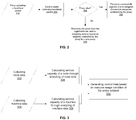
- the proxy may obtain the range for proxy-controllable CDN service resources from the control center 108. Further, the data gathering and analyzing process shown in FIG. 3 may be executed.
- the proxy may collect data from a switch of a node of CDN service resources, to obtain the real-time bandwidth data (e.g., real-time bandwidth value) of the node.
- the real-time bandwidth data e.g., real-time bandwidth value
- the proxy may collect the data on the server containing the CDN service resources, to obtain machine data of the server such as the real-time bandwidth, software health condition, and various physical properties (e.g., information of CPU, memory, and load)
- machine data of the server such as the real-time bandwidth, software health condition, and various physical properties (e.g., information of CPU, memory, and load)
- the planned expected available bandwidth value may be stored on the CDN platform.
- the service capacity of each node may be calculated.
- step 308 based on the machine data of the server, e.g., real-time bandwidth, health value, and various physical properties, the proportions of impact on the machine may be comprehensively analyzed to calculate the machine service capacity of each server.
- the machine data of the server e.g., real-time bandwidth, health value, and various physical properties
- step 310 after collecting the data of the CDN resource node and the machine service capacity, big data analysis may be performed through the client channel and the association relation between the client channel and its usage of resources. After the analysis, if ratios such as the redundant ratio value of the client channel resource and the bandwidth increase ratio value of the client channel already satisfy the redundant ratio value or bandwidth increase ratio value configured on the UI, a control line (also known as self-adaptive control line) may be generated based on the current bandwidth capacity of the channel.
- a control line also known as self-adaptive control line
- control center 108 may combine the data collected from each CDN service resource to generate a control command for each proxy and allocate the control command to each proxy machine.
- control policies may be distributed for the CDN server based on the generation of control policies shown in FIG. 4 , according to the disclosed embodiments.
- a proxy may, based on the range for proxy-controllable CDN service resources distributed by the control center 108 to the proxy, collect network data such as the number of requests and the number of rejections, and the current bandwidth, of each CDN server.
- the proxy analyzing and calculating, by the proxy, an actual bandwidth of the CDN server using a forecasting algorithm, based on the network data including the number of requests, the number of rejections, and the current bandwidth; and performing, by the proxy, a self-learning and adjustment to generate a control policy for each proxy-controllable CDN service resource, based on a calculated actual bandwidth, data of allocated control command in history, and a final control condition, wherein the self-learning and adjustment includes: for a task in a control process, ensuring a smoothness of the control process through a secondary adjustment of bandwidth values assigned to channels including policy allocation analysis and controlling of control value fluctuation window before and after the control process over a period of time, and ensuring an improved precision of the control process through a negative feedback learning.
- the bandwidth brought by each request may be forecasted based on historical request condition, to predict the actual bandwidth based on network data such as the number of requests, the number rejections, and the current bandwidth, if no rejection has occurred. Also, model matching of the historical bandwidth and support vector regression (SVR) may be used to forecast the growth trend of the bandwidth.
- SVR support vector regression
- a control policy may be assigned to the server set.
- the policy may include a bandwidth control value.
- the self-managing machine may, based on the bandwidth and load capacity of each machine in the server set, collected in real-time, properly distribute the bandwidth control policy values among the machines.
- each server may be assigned a final allocated control value.
- control policy After generating the control policy, the control policy may be allocated to corresponding CDN service resources to realize the self-protection of the CDN platform.
- the tasks being controlled may also be processed as follows: by taking into account the maximum value of the distributed control and the minimum value of the distributed control, configured in a period of time, the policy may be distributed. By setting a certain variation amplitude, large fluctuation of values, distributed before and after the control, may be prevented. Also, a negative feedback learning may be used. That is, after the distribution of control values, if the error, between the previously predicted value and the actual collected value after the control, is too large, the actual distributed control value may be targeted for adjustment to ensure the precision of the control.
- the proxy may send the policy to the corresponding CDN server for bandwidth management.
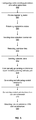
- FIGS. 2-4 After the description of aspects of the solution of self-adaptive bandwidth control of the CDN platform, the overall operation of the self-adaptive bandwidth control of CDN platform in the disclosed embodiments shown FIGS. 2-4 may be exemplified in FIG. 5 .
- the Ul platform 106 may configure corresponding parameters of a self-adaptive task and may push the data, containing the configured related parameters, to the control center 108 after the configuration is completed.
- Node self-managing technique may be applied on each node on an edge of the network, and each edge may be deployed with proxies (i.e., proxy servers).
- proxies i.e., proxy servers
- each machine room may be arranged with one proxy machine, the plurality of proxy machines may form a collection control distributed proxy cluster 104.
- each proxy in the proxy cluster may perform task registration on the control center 108.
- the specific process of the task registration by the proxies may be referred to the description of FIG. 2 , and is not repeated herein.
- the control center 108 may, based on the physical region properties (e.g., the province of the machine room where the machine is located), network status (e.g., the effect of access between nodes, often measured using ping delay and packet loss rate), machine status (machine data such as the usage of CPU and load), and whether the available status registered through the Ul (e.g., man-made registration label of the platform) containing a usable status, distribute the corresponding range for proxy-controllable CDN service resources to the proxy, and use the range for proxy-controllable CDN service resources as the registration status data to return to the proxy.
- the physical region properties e.g., the province of the machine room where the machine is located
- network status e.g., the effect of access between nodes, often measured using ping delay and packet loss rate
- machine status machine data such as the usage of CPU and load
- the available status registered through the Ul e.g., man-made registration label of the platform
- the proxy on the edge after receiving the registration status data returned by the control center 108, may obtain the information of the proxy-controllable CDN server resources assigned to the proxy, contained in the registration status data. Also, in step 508, the proxy may send data collection commands to the proxy-controllable CDN service resources through the defined data port.
- a CDN service resource 102-n may, based on the collected data type contained in the data collection command sent by the proxy, return the real-time data to the proxy that sent the data collection command.
- the proxy may gather the collected data according to certain rules, and send the gathered collected data to the control center 108.
- the control center 108 may perform gathering and accumulation of the data of the entire network, and may, by applying data analysis, automatically generate corresponding control lines based on the resource usage by clients and the usage condition of the machines and nodes from the data after the gathering.
- the specific process of the data gathering and analysis may be referred to the previous detailed description of FIG. 3 , and is not repeated herein. Because the control lines are dynamically generated based on data collected in real-time from the CDN service resources, thus, compared with the predetermined fixed control lines in conventional technology, the present disclosure may better enable the bandwidth allocation to match the actual network operation. The usage of the network resources may be improved.
- control center 108 may, based on control lines generated from combining the data collected from each CDN service resource, generate a control command for each proxy and allocate the control command to each proxy machine.
- control center may generate the control line in real-time, based on comparing the service capacity of each node and the service capacity of each server to a set standard.
- control policy e.g., control command
- the proxy may perform self-learning and adjustment based on the data collected in real-time, the allocated control command data in history, and the final control condition.
- control policy e.g., control command
- the generation of the control policies may be described in the previous detailed description of FIG. 4 , and is not repeated herein. However, if the control command has expired, the control command may be ignored, i.e., no control policy may be executed.
- the proxy may finally allocate the control policies, e.g., in the form of control commands, to the CDN service resources that actually provide service, to realize the final self-adaptive bandwidth control effect.
- control policies e.g., in the form of control commands
- the solution provided by the present disclosure uses the method in which the policies are generated in the control center and distributed control is applied on the edges.
- the data transfer uses a protocol such as an improved stable transfer protocol, and the protocol is an independently developed transfer protocol supported by UDP.
- the protocol may perform router detection by fully using the resource advantage of CDN nodes.
- an optimized transfer path may be intelligently selected based on the condition of each router, to improve the timeliness and stability of the control.
- the principles and specific implementation of the disclosed method for self-adaptive bandwidth control of CDN platform may be fully understood.
- the abovementioned method for self-adaptive bandwidth control includes the following advantages:
Landscapes
- Engineering & Computer Science (AREA)
- Computer Networks & Wireless Communication (AREA)
- Signal Processing (AREA)
- Multimedia (AREA)
- Artificial Intelligence (AREA)
- Computer Vision & Pattern Recognition (AREA)
- Databases & Information Systems (AREA)
- Evolutionary Computation (AREA)
- Medical Informatics (AREA)
- Software Systems (AREA)
- Data Exchanges In Wide-Area Networks (AREA)
Claims (11)
- Procédé de contrôle auto-adaptatif de la bande passante d'une plateforme CDN, comprenant :la configuration (502) de paramètres correspondants pour une tâche auto adaptative de bande passante par l'intermédiaire d'une plateforme UI (106) et l'envoi des paramètres à un centre de contrôle (108) ;l'enregistrement (504), par un mandataire parmi une pluralité de mandataires (104 ; 104-1 ; 104-n), sur le centre de contrôle (108) ;
une fois le mandataire enregistré avec succès,l'attribution (506), par le centre de contrôle (108), d'une plage de ressources de service CDN contrôlables par mandataire (102 ; 102-1 ; 102-n) au mandataire ;
sur la base de la plage de ressources de service CDN contrôlables par mandataire,l'envoi (508), par le mandataire, d'une commande de collecte de données aux ressources de service CDN dans la plage ;
après avoir reçu la commande de collecte de données,le renvoi (510), par les ressources de service CDN, de données en temps réel au mandataire qui envoie la commande de collecte de données, dans lequel les données en temps réel comprennent des données de bande passante en temps réel d'un nœud et des données de machine ;
l'envoi, par le mandataire, de données collectées au centre de commande ;dans lequel les données collectées comprennent des données obtenues en rassemblant (512) les données en temps réel par le mandataire ;le rassemblement (514), par le centre de contrôle (108), des données collectées, et la génération, par le centre de contrôle (108), d'une ligne de contrôle par une analyse de données ;
sur la base de données collectées de chaque ressource de service CDN combinées avec la ligne de contrôle,la génération (516), par le centre de contrôle (108), d'une commande de contrôle pour le mandataire ; et
après la réception de la commande de contrôle,l'exécution (518), par le mandataire, d'un auto-apprentissage et d'un ajustement pour générer une politique de contrôle pour chaque ressource de service CDN contrôlable par mandataire,et l'allocation (520), par le mandataire, de la politique de contrôle à une ressource de service CDN correspondante. - Procédé selon la revendication 1, dans lequel l'enregistrement, par un mandataire d'une pluralité de mandataires, sur le centre de contrôle comprend :l'envoi actif (202), par le mandataire, d'un paquet de battement de cœur au centre de contrôle ;la collecte (204), par le centre de contrôle, du paquet de battement de cœur, et la détermination (206), par le centre de contrôle, selon laquelle le mandataire qui envoie le paquet de battement de cœur est toujours actif ou non sur la base d'un état d'expiration et d'un contenu de données contenus dans le paquet de battement de cœur ;lorsqu'il est déterminé (208) que le mandataire est actif, un enregistrement de mandataire est réussi et le centre de contrôle attribue une plage de ressources de service CDN contrôlables par mandataire au mandataire sur la base d'informations de configuration planifiées sur la plateforme CDN par le mandataire ; etlorsqu'il est déterminé (210) que le mandataire n'est pas actif, le centre de contrôle supprime une tâche de ressources de service CDN planifiée sur la plateforme CDN par le mandataire et utilise d'autres mandataires actifs pour relayer les ressources de service CDN initialement contrôlées par le mandataire.
- Procédé selon la revendication 2, dans lequel le rassemblement, par le centre de contrôle, des données collectées, et la génération, par le centre de contrôle, d'une ligne de contrôle par une analyse de données comprend :la collecte (304), par le mandataire, de données de nœuds des ressources de service CDN, et l'envoi, par le mandataire, de données collectées des nœuds au centre de contrôle ; et l'analyse et la comparaison (306), par le centre de contrôle, d'une valeur de bande passante disponible prévue et stockée avec la bande passante en temps réel des nœuds contenus dans les données collectées, après un processus de filtrage, pour calculer une capacité de service de chaque nœud ;la collecte (304), par le mandataire, de données de serveurs des ressources de service CDN, et l'envoi, par le mandataire, de données collectées des serveurs au centre de contrôle ; et l'analyse complète (308), par le centre de contrôle, des données collectées des serveurs pour calculer une capacité de service de chaque serveur, sur la base de données de machine associées aux serveurs ; etla génération (310) en temps réel, par le centre de contrôle, d'une ligne de contrôle, sur la base de la comparaison de la capacité de service de chaque nœud et de la capacité de service de chaque serveur à une norme prédéfinie.
- Procédé selon la revendication 3, dans lequel l'exécution, par le mandataire, d'un auto-apprentissage et d'un ajustement pour générer une politique de contrôle pour chaque ressource de service CDN contrôlable par mandataire comprend :la collecte (402), par le mandataire, de données de réseau comprenant un certain nombre de demandes, un certain nombre de rejets et une bande passante actuelle de chaque serveur CDN dans la plage sur la base de la plage de ressources de service CDN contrôlables par mandataire attribuées par le centre de contrôle au mandataire ;l'analyse et le calcul (404), par le mandataire, d'une bande passante réelle du serveur CDN en utilisant un algorithme de prévision, sur la base des données de réseau comprenant le nombre de demandes, le nombre de rejets et la bande passante actuelle ; etl'exécution (406), par le mandataire, d'un auto-apprentissage et d'un ajustement pour générer une politique de contrôle pour chaque ressource de service CDN contrôlable par mandataire, sur la base d'une bande passante réelle calculée, de données d'une commande de contrôle allouée dans l'historique et d'une condition de contrôle finale,dans lequel l'auto-apprentissage et l'ajustement comprennent : pour une tâche dans un processus de contrôle, la garantie (408) d'une fluidité du processus de contrôle grâce à un ajustement secondaire des valeurs de bande passante attribuées aux canaux, y compris l'analyse d'allocation de politique et le contrôle de la fenêtre de fluctuation des valeurs de contrôle avant et après le processus de contrôle au cours d'une certaine période, et la garantie d'une meilleure précision du processus de contrôle grâce à un apprentissage par réaction négative.
- Procédé selon la revendication 1, dans lequel un protocole UDP stable amélioré est utilisé pour le transfert de données, le protocole UDP stable amélioré effectuant une détection de routeur en utilisant pleinement les avantages des ressources des nœuds CDN de sorte qu'un chemin optimisé soit sélectionné intelligemment pendant le transfert de données en fonction des conditions de chaque routeur, pour améliorer la rapidité et la fiabilité du processus de contrôle.
- Procédé selon la revendication 1, comprenant en outre : après la réception de la commande de contrôle, la détermination, par le mandataire, selon laquelle la commande de contrôle a expiré ou non ; lorsque la commande de contrôle est toujours valide, le mandataire exécute une étape de génération de la politique de contrôle et lorsque la commande de contrôle a expiré, le mandataire ignore la commande de contrôle.
- Procédé selon la revendication 1, dans lequel, dans le procédé, toutes les données sont stockées dans une mémoire sans être stockées sous forme de fichiers, pour améliorer la rapidité du processus de contrôle.
- Procédé selon la revendication 4, comprenant en outre : l'attribution d'une politique de contrôle à un ensemble de serveurs, sur la base de la bande passante réelle calculée du canal sur le serveur CDN, de la capacité de service du nœud contenant l'ensemble de serveurs et de la capacité de service de la machine de l'ensemble de serveurs.
- Procédé selon la revendication 4, comprenant en outre : l'envoi de la politique, par le mandataire, au serveur CDN correspondant pour la gestion de la bande passante.
- Procédé selon la revendication 4, comprenant en outre : la distribution de la plage correspondante de ressources de service CDN contrôlables par mandataire au mandataire sur la base des propriétés de la région physique, de l'état du réseau, de l'état de la machine et si l'état disponible enregistré par l'intermédiaire de l'UI contient un état utilisable et l'utilisation de la plage de ressources de service CDN contrôlables par mandataire comme données d'état d'enregistrement ; et le renvoi au mandataire des données d'état d'enregistrement, par le centre de contrôle.
- Système de contrôle auto-adaptatif de la bande passante d'une plateforme CDN, comprenant :une plate-forme UI (106), destinée à configurer des paramètres correspondants pour une tâche auto-adaptative de bande passante et à envoyer les paramètres à un centre de contrôle (108) ;une pluralité de ressources de service CDN (102 ; 102-1 ; 102-n), destinées à fournir un service CDN ;un ou plusieurs mandataires (104 ; 104-1 ; 104-n), destiné(s) à contrôler une ou plusieurs de la pluralité de ressources de service CDN (102 ; 102-1 ; 102-n) ;le centre de contrôle (108), configuré pour :une fois qu'un mandataire est enregistré avec succès dessus, attribuer (506) une plage de ressources de service CDN contrôlables par mandataire au mandataire ;rassembler (512) des données collectées par le mandataire et générer une ligne de contrôle par l'analyse de données ;sur la base des données collectées de chaque ressource de service CDN combinées avec la ligne de contrôle, générer une commande de contrôle ; etdans lequel le mandataire est configuré pour :s'enregistrer dans le centre de contrôle (108) ;envoyer (508) une commande de collecte de données aux ressources de service CDN dans la plage, sur la base de la plage de ressources de service CDN contrôlables par mandataire envoyées par le centre de contrôle (108) ;envoyer les données collectées (512) au centre de contrôle (108), dans lequel les données collectées comprennent des données obtenues en rassemblant (514) des données en temps réel par le mandataire ; etaprès que le centre de contrôle (108) a reçu la commande de contrôle, effectuer (516-518) un auto-apprentissage et un ajustement pour générer une politique de contrôle pour chaque ressource de service CDN contrôlable par mandataire, et allouer (520) la politique de contrôle à une ressource de service CDN correspondante ; etles ressources de service CDN sont configurées pour :
après avoir reçu la commande de collecte de données, renvoyer des données en temps réel au mandataire qui envoie la commande de collecte de données, dans lequel les données en temps réel comprennent des données de bande passante en temps réel d'un nœud et des données de machine.
Applications Claiming Priority (2)
| Application Number | Priority Date | Filing Date | Title |
|---|---|---|---|
| CN201511009412.2A CN105634992B (zh) | 2015-12-29 | 2015-12-29 | Cdn平台自适应带宽控制方法和系统 |
| PCT/CN2016/097987 WO2017113868A1 (fr) | 2015-12-29 | 2016-09-04 | Procédé et système de régulation auto-adaptative de bande passante pour plate-forme de cdn |
Publications (3)
| Publication Number | Publication Date |
|---|---|
| EP3382963A1 EP3382963A1 (fr) | 2018-10-03 |
| EP3382963A4 EP3382963A4 (fr) | 2018-11-21 |
| EP3382963B1 true EP3382963B1 (fr) | 2020-03-25 |
Family
ID=56049503
Family Applications (1)
| Application Number | Title | Priority Date | Filing Date |
|---|---|---|---|
| EP16880661.0A Active EP3382963B1 (fr) | 2015-12-29 | 2016-09-04 | Procédé et système de régulation auto-adaptative de bande passante pour plate-forme de cdn |
Country Status (4)
| Country | Link |
|---|---|
| US (1) | US10574586B2 (fr) |
| EP (1) | EP3382963B1 (fr) |
| CN (1) | CN105634992B (fr) |
| WO (1) | WO2017113868A1 (fr) |
Families Citing this family (29)
| Publication number | Priority date | Publication date | Assignee | Title |
|---|---|---|---|---|
| CN105634992B (zh) | 2015-12-29 | 2019-01-11 | 网宿科技股份有限公司 | Cdn平台自适应带宽控制方法和系统 |
| CN107623580B (zh) * | 2016-07-15 | 2021-06-29 | 阿里巴巴集团控股有限公司 | 内容分发网络中的任务处理方法、装置和系统 |
| CN106385455A (zh) * | 2016-09-23 | 2017-02-08 | 成都知道创宇信息技术有限公司 | 一种基于cdn镜像的整站锁设置方法 |
| CN108241528B (zh) * | 2017-01-19 | 2020-10-09 | 上海直真君智科技有限公司 | 一种用户自定义海量网络安全数据动态采集方法 |
| CN107124375B (zh) * | 2017-03-27 | 2020-02-18 | 网宿科技股份有限公司 | Cdn网络带宽资源的错峰调度方法、系统以及服务器 |
| CN106850859A (zh) * | 2017-03-28 | 2017-06-13 | 浙江大学 | 一种基于sdn的cdn网络的用户请求分配方法 |
| CN107733681B (zh) | 2017-07-28 | 2018-10-30 | 贵州白山云科技有限公司 | 一种调度方案配置方法和装置 |
| CN107634868B (zh) | 2017-10-29 | 2020-06-23 | 网宿科技股份有限公司 | 一种管理网络服务的方法和系统 |
| WO2019142413A1 (fr) * | 2018-01-18 | 2019-07-25 | 日本電気株式会社 | Dispositif de communication, procédé de commande de trafic, support lisible par ordinateur non transitoire contenant un programme de commande, dispositif de commande |
| CN109361622B (zh) * | 2018-11-30 | 2022-04-05 | 网宿科技股份有限公司 | 对cdn系统的业务连接进行带宽控制的方法及cdn系统 |
| CN111464323B (zh) * | 2019-01-18 | 2024-10-18 | 北京沃东天骏信息技术有限公司 | 节点带宽的调度方法和调度装置 |
| JP7109391B2 (ja) * | 2019-02-26 | 2022-07-29 | 株式会社日立製作所 | 不正通信検知装置および不正通信検知プログラム |
| CN110221917B (zh) * | 2019-05-23 | 2023-02-28 | 创新先进技术有限公司 | 用于分配流式数据的方法及装置 |
| CN110191007B (zh) * | 2019-06-27 | 2022-05-03 | 广州虎牙科技有限公司 | 节点管理方法、系统及计算机可读存储介质 |
| CN111225279B (zh) * | 2020-01-06 | 2022-03-22 | 浙江云诺通信科技有限公司 | 一种基于宽带电视cdn智能调度算法 |
| CN111585824B (zh) * | 2020-05-21 | 2022-10-25 | 北京奇艺世纪科技有限公司 | 资源分发方法、装置、系统及电子设备 |
| CN111756646B (zh) * | 2020-07-08 | 2023-09-29 | 腾讯科技(深圳)有限公司 | 网络传输控制方法、装置、计算机设备及存储介质 |
| CN112260962B (zh) * | 2020-10-16 | 2023-01-24 | 网宿科技股份有限公司 | 一种带宽控制方法及装置 |
| CN114629737B (zh) * | 2020-12-14 | 2024-03-12 | 深圳Tcl新技术有限公司 | 一种带宽调整方法、装置、网关设备及存储介质 |
| US12175364B2 (en) | 2021-01-29 | 2024-12-24 | World Wide Technology Holding Co., LLC | Reinforcement-learning modeling interfaces |
| US12373702B2 (en) | 2021-01-29 | 2025-07-29 | World Wide Technology Holding Co., LLC | Training a digital twin in artificial intelligence-defined networking |
| US11606265B2 (en) | 2021-01-29 | 2023-03-14 | World Wide Technology Holding Co., LLC | Network control in artificial intelligence-defined networking |
| CN112911007A (zh) * | 2021-02-04 | 2021-06-04 | 上海七牛信息技术有限公司 | 一种pcdn资源管理系统及pcdn资源管理方法 |
| CN113672486B (zh) * | 2021-08-18 | 2024-07-26 | 上海哔哩哔哩科技有限公司 | 卡顿分析方法及cdn服务器 |
| CN113950056B (zh) * | 2021-10-20 | 2024-10-01 | 中国联合网络通信集团有限公司 | 带宽分配方法、装置及存储介质 |
| CN114071569B (zh) * | 2021-11-04 | 2023-06-16 | 中国联合网络通信集团有限公司 | 一种数据传输方法、装置和电子设备 |
| CN114448809B (zh) * | 2021-12-22 | 2024-11-26 | 网宿科技股份有限公司 | Cdn加速资源的规划方法、装置、设备及存储介质 |
| CN115842845B (zh) * | 2022-11-17 | 2026-04-28 | 天翼云科技有限公司 | 一种基于cdn的组合指令下发方法和装置 |
| US12177094B2 (en) | 2023-02-02 | 2024-12-24 | Bank Of America Corporation | System and method for servicing requests in a decentralized network |
Family Cites Families (20)
| Publication number | Priority date | Publication date | Assignee | Title |
|---|---|---|---|---|
| CN100525288C (zh) * | 2000-10-26 | 2009-08-05 | 普里斯梅迪亚网络有限公司 | 网络中大有效负载分布的方法和装置 |
| US20040117427A1 (en) * | 2001-03-16 | 2004-06-17 | Anystream, Inc. | System and method for distributing streaming media |
| CN101150421B (zh) | 2006-09-22 | 2011-05-04 | 华为技术有限公司 | 一种分布式内容分发方法、边缘服务器和内容分发网 |
| US20090163183A1 (en) * | 2007-10-04 | 2009-06-25 | O'donoghue Hugh | Recommendation generation systems, apparatus and methods |
| CN101242432B (zh) * | 2008-02-28 | 2012-03-28 | 蓝汛网络科技(北京)有限公司 | 一种互联网内容分发方法、系统及装置 |
| US8069236B2 (en) * | 2008-12-12 | 2011-11-29 | At&T Intellectual Property I, L.P. | Flow control of events based on threshold, grace period, and event signature |
| GB2496720A (en) * | 2010-09-14 | 2013-05-22 | Mocana Corp | Agent-based bandwidth monitoring for predictive network selection |
| EP2581831A1 (fr) | 2011-10-14 | 2013-04-17 | Alcatel Lucent | Procédé et appareil pour attribuer de manière dynamique des ressources d'une infrastructure de serveur distribué |
| US10652087B2 (en) * | 2012-12-13 | 2020-05-12 | Level 3 Communications, Llc | Content delivery framework having fill services |
| US20140226711A1 (en) * | 2013-02-13 | 2014-08-14 | Hcl Technologies Limited | System and method for self-adaptive streaming of multimedia content |
| EP2962462A4 (fr) | 2013-07-24 | 2016-04-06 | Huawei Tech Co Ltd | Système et procédé pour diffusion adaptative en continu assistée par réseau |
| US10841353B2 (en) * | 2013-11-01 | 2020-11-17 | Ericsson Ab | System and method for optimizing defragmentation of content in a content delivery network |
| US9516084B2 (en) * | 2013-11-01 | 2016-12-06 | Ericsson Ab | System and method for pre-provisioning adaptive bitrate (ABR) assets in a content delivery network |
| US9712408B2 (en) * | 2014-03-17 | 2017-07-18 | Telefonaktiebolaget L M Ericsson (Publ) | Bandwidth management in a content distribution network |
| US20150304187A1 (en) * | 2014-04-17 | 2015-10-22 | Invent.ly LLC | Bandwidth Management in Local Premise Networks |
| US20160188821A1 (en) * | 2014-12-24 | 2016-06-30 | Larry Ozeran | System and method for aggregation and intelligent analysis of individual health data with multimodal communication |
| CN104660700B (zh) * | 2015-03-03 | 2019-02-19 | 网宿科技股份有限公司 | 一种内容分发网络的方法和系统 |
| CN104994123B (zh) * | 2015-05-12 | 2018-10-02 | 段利平 | 一种cdn云平台及cdn云平台的流量调度方法 |
| US9774889B2 (en) * | 2015-09-10 | 2017-09-26 | Verizon Patent And Licensing Inc. | Content delivery network integration for home media client content |
| CN105634992B (zh) * | 2015-12-29 | 2019-01-11 | 网宿科技股份有限公司 | Cdn平台自适应带宽控制方法和系统 |
-
2015
- 2015-12-29 CN CN201511009412.2A patent/CN105634992B/zh active Active
-
2016
- 2016-09-04 US US15/769,610 patent/US10574586B2/en not_active Expired - Fee Related
- 2016-09-04 WO PCT/CN2016/097987 patent/WO2017113868A1/fr not_active Ceased
- 2016-09-04 EP EP16880661.0A patent/EP3382963B1/fr active Active
Non-Patent Citations (1)
| Title |
|---|
| None * |
Also Published As
| Publication number | Publication date |
|---|---|
| US10574586B2 (en) | 2020-02-25 |
| US20180316623A1 (en) | 2018-11-01 |
| EP3382963A4 (fr) | 2018-11-21 |
| EP3382963A1 (fr) | 2018-10-03 |
| WO2017113868A1 (fr) | 2017-07-06 |
| CN105634992A (zh) | 2016-06-01 |
| CN105634992B (zh) | 2019-01-11 |
Similar Documents
| Publication | Publication Date | Title |
|---|---|---|
| EP3382963B1 (fr) | Procédé et système de régulation auto-adaptative de bande passante pour plate-forme de cdn | |
| US12058049B1 (en) | Predictive overlay network architecture | |
| US20230053164A1 (en) | Intelligently pre-positioning and migrating compute capacity in an overlay network, with compute handoff and data consistency | |
| US12452334B2 (en) | Adaptive overlay network architecture | |
| Bhat et al. | Network assisted content distribution for adaptive bitrate video streaming | |
| EP2028804B1 (fr) | Système de distribution de média, appareil et procédé de lecture de média en continu | |
| CN101540775B (zh) | 内容分发方法、装置与内容分发网络系统 | |
| CN105656876A (zh) | 一种直播视频的播放方法、装置及系统 | |
| Viola et al. | Predictive CDN selection for video delivery based on LSTM network performance forecasts and cost-effective trade-offs | |
| CN120295787A (zh) | 用于在数字网络中分发应用逻辑的系统和方法 | |
| CN105554046A (zh) | 内容分发系统对终端请求的调度方法、装置及设备 | |
| CN118233521A (zh) | 服务资源的调度方法及装置 | |
| CN102780610B (zh) | 网关QoS保障方法及分组交换网络系统 | |
| Dong et al. | A novel distribution service policy for crowdsourced live streaming in cloud platform | |
| Gama et al. | An orchestrator architecture for multi-tier edge/cloud video streaming services | |
| CN103685344A (zh) | 一种用于多p2p缓存节点的协同方法和系统 | |
| CN105577646A (zh) | 用户侧带宽聚合的方法、设备和内容分发系统 | |
| Kalan et al. | Implementation of sand architecture using sdn | |
| Khalid et al. | An SDN-based device-aware live video service for inter-domain adaptive bitrate streaming | |
| EP3949307B1 (fr) | Entité de communication et procédé destiné à la transmission d'un flux de données vidéo | |
| CN117061420A (zh) | 路由路径确定方法、装置、设备、介质以及程序产品 | |
| CN120321201A (zh) | 内容分发网络调度方法、系统和设备 | |
| Tian et al. | Traffic Flow Analysis | |
| Khalid et al. | An SDN-based device-aware live video service for inter-domain | |
| Meng et al. | Elastic caching solutions for content dissemination services elastic caching solutions for content dissemination services of ip-based internet technologies prospective |
Legal Events
| Date | Code | Title | Description |
|---|---|---|---|
| STAA | Information on the status of an ep patent application or granted ep patent |
Free format text: STATUS: THE INTERNATIONAL PUBLICATION HAS BEEN MADE |
|
| PUAI | Public reference made under article 153(3) epc to a published international application that has entered the european phase |
Free format text: ORIGINAL CODE: 0009012 |
|
| STAA | Information on the status of an ep patent application or granted ep patent |
Free format text: STATUS: REQUEST FOR EXAMINATION WAS MADE |
|
| 17P | Request for examination filed |
Effective date: 20180629 |
|
| AK | Designated contracting states |
Kind code of ref document: A1 Designated state(s): AL AT BE BG CH CY CZ DE DK EE ES FI FR GB GR HR HU IE IS IT LI LT LU LV MC MK MT NL NO PL PT RO RS SE SI SK SM TR |
|
| AX | Request for extension of the european patent |
Extension state: BA ME |
|
| A4 | Supplementary search report drawn up and despatched |
Effective date: 20181023 |
|
| RIC1 | Information provided on ipc code assigned before grant |
Ipc: H04L 12/917 20130101AFI20181017BHEP Ipc: H04L 12/923 20130101ALI20181017BHEP Ipc: H04L 29/06 20060101ALI20181017BHEP Ipc: H04L 29/08 20060101ALI20181017BHEP |
|
| DAV | Request for validation of the european patent (deleted) | ||
| DAX | Request for extension of the european patent (deleted) | ||
| STAA | Information on the status of an ep patent application or granted ep patent |
Free format text: STATUS: EXAMINATION IS IN PROGRESS |
|
| 17Q | First examination report despatched |
Effective date: 20190702 |
|
| GRAP | Despatch of communication of intention to grant a patent |
Free format text: ORIGINAL CODE: EPIDOSNIGR1 |
|
| STAA | Information on the status of an ep patent application or granted ep patent |
Free format text: STATUS: GRANT OF PATENT IS INTENDED |
|
| INTG | Intention to grant announced |
Effective date: 20191126 |
|
| GRAS | Grant fee paid |
Free format text: ORIGINAL CODE: EPIDOSNIGR3 |
|
| GRAA | (expected) grant |
Free format text: ORIGINAL CODE: 0009210 |
|
| STAA | Information on the status of an ep patent application or granted ep patent |
Free format text: STATUS: THE PATENT HAS BEEN GRANTED |
|
| AK | Designated contracting states |
Kind code of ref document: B1 Designated state(s): AL AT BE BG CH CY CZ DE DK EE ES FI FR GB GR HR HU IE IS IT LI LT LU LV MC MK MT NL NO PL PT RO RS SE SI SK SM TR |
|
| REG | Reference to a national code |
Ref country code: GB Ref legal event code: FG4D |
|
| REG | Reference to a national code |
Ref country code: AT Ref legal event code: REF Ref document number: 1249870 Country of ref document: AT Kind code of ref document: T Effective date: 20200415 Ref country code: IE Ref legal event code: FG4D |
|
| REG | Reference to a national code |
Ref country code: DE Ref legal event code: R096 Ref document number: 602016032765 Country of ref document: DE |
|
| PG25 | Lapsed in a contracting state [announced via postgrant information from national office to epo] |
Ref country code: RS Free format text: LAPSE BECAUSE OF FAILURE TO SUBMIT A TRANSLATION OF THE DESCRIPTION OR TO PAY THE FEE WITHIN THE PRESCRIBED TIME-LIMIT Effective date: 20200325 Ref country code: NO Free format text: LAPSE BECAUSE OF FAILURE TO SUBMIT A TRANSLATION OF THE DESCRIPTION OR TO PAY THE FEE WITHIN THE PRESCRIBED TIME-LIMIT Effective date: 20200625 Ref country code: FI Free format text: LAPSE BECAUSE OF FAILURE TO SUBMIT A TRANSLATION OF THE DESCRIPTION OR TO PAY THE FEE WITHIN THE PRESCRIBED TIME-LIMIT Effective date: 20200325 |
|
| PG25 | Lapsed in a contracting state [announced via postgrant information from national office to epo] |
Ref country code: LV Free format text: LAPSE BECAUSE OF FAILURE TO SUBMIT A TRANSLATION OF THE DESCRIPTION OR TO PAY THE FEE WITHIN THE PRESCRIBED TIME-LIMIT Effective date: 20200325 Ref country code: SE Free format text: LAPSE BECAUSE OF FAILURE TO SUBMIT A TRANSLATION OF THE DESCRIPTION OR TO PAY THE FEE WITHIN THE PRESCRIBED TIME-LIMIT Effective date: 20200325 Ref country code: HR Free format text: LAPSE BECAUSE OF FAILURE TO SUBMIT A TRANSLATION OF THE DESCRIPTION OR TO PAY THE FEE WITHIN THE PRESCRIBED TIME-LIMIT Effective date: 20200325 Ref country code: GR Free format text: LAPSE BECAUSE OF FAILURE TO SUBMIT A TRANSLATION OF THE DESCRIPTION OR TO PAY THE FEE WITHIN THE PRESCRIBED TIME-LIMIT Effective date: 20200626 Ref country code: BG Free format text: LAPSE BECAUSE OF FAILURE TO SUBMIT A TRANSLATION OF THE DESCRIPTION OR TO PAY THE FEE WITHIN THE PRESCRIBED TIME-LIMIT Effective date: 20200625 |
|
| REG | Reference to a national code |
Ref country code: NL Ref legal event code: MP Effective date: 20200325 |
|
| REG | Reference to a national code |
Ref country code: LT Ref legal event code: MG4D |
|
| PG25 | Lapsed in a contracting state [announced via postgrant information from national office to epo] |
Ref country code: NL Free format text: LAPSE BECAUSE OF FAILURE TO SUBMIT A TRANSLATION OF THE DESCRIPTION OR TO PAY THE FEE WITHIN THE PRESCRIBED TIME-LIMIT Effective date: 20200325 |
|
| PG25 | Lapsed in a contracting state [announced via postgrant information from national office to epo] |
Ref country code: SK Free format text: LAPSE BECAUSE OF FAILURE TO SUBMIT A TRANSLATION OF THE DESCRIPTION OR TO PAY THE FEE WITHIN THE PRESCRIBED TIME-LIMIT Effective date: 20200325 Ref country code: SM Free format text: LAPSE BECAUSE OF FAILURE TO SUBMIT A TRANSLATION OF THE DESCRIPTION OR TO PAY THE FEE WITHIN THE PRESCRIBED TIME-LIMIT Effective date: 20200325 Ref country code: EE Free format text: LAPSE BECAUSE OF FAILURE TO SUBMIT A TRANSLATION OF THE DESCRIPTION OR TO PAY THE FEE WITHIN THE PRESCRIBED TIME-LIMIT Effective date: 20200325 Ref country code: CZ Free format text: LAPSE BECAUSE OF FAILURE TO SUBMIT A TRANSLATION OF THE DESCRIPTION OR TO PAY THE FEE WITHIN THE PRESCRIBED TIME-LIMIT Effective date: 20200325 Ref country code: RO Free format text: LAPSE BECAUSE OF FAILURE TO SUBMIT A TRANSLATION OF THE DESCRIPTION OR TO PAY THE FEE WITHIN THE PRESCRIBED TIME-LIMIT Effective date: 20200325 Ref country code: PT Free format text: LAPSE BECAUSE OF FAILURE TO SUBMIT A TRANSLATION OF THE DESCRIPTION OR TO PAY THE FEE WITHIN THE PRESCRIBED TIME-LIMIT Effective date: 20200818 Ref country code: LT Free format text: LAPSE BECAUSE OF FAILURE TO SUBMIT A TRANSLATION OF THE DESCRIPTION OR TO PAY THE FEE WITHIN THE PRESCRIBED TIME-LIMIT Effective date: 20200325 Ref country code: IS Free format text: LAPSE BECAUSE OF FAILURE TO SUBMIT A TRANSLATION OF THE DESCRIPTION OR TO PAY THE FEE WITHIN THE PRESCRIBED TIME-LIMIT Effective date: 20200725 |
|
| REG | Reference to a national code |
Ref country code: AT Ref legal event code: MK05 Ref document number: 1249870 Country of ref document: AT Kind code of ref document: T Effective date: 20200325 |
|
| REG | Reference to a national code |
Ref country code: DE Ref legal event code: R097 Ref document number: 602016032765 Country of ref document: DE |
|
| PG25 | Lapsed in a contracting state [announced via postgrant information from national office to epo] |
Ref country code: ES Free format text: LAPSE BECAUSE OF FAILURE TO SUBMIT A TRANSLATION OF THE DESCRIPTION OR TO PAY THE FEE WITHIN THE PRESCRIBED TIME-LIMIT Effective date: 20200325 Ref country code: AT Free format text: LAPSE BECAUSE OF FAILURE TO SUBMIT A TRANSLATION OF THE DESCRIPTION OR TO PAY THE FEE WITHIN THE PRESCRIBED TIME-LIMIT Effective date: 20200325 Ref country code: IT Free format text: LAPSE BECAUSE OF FAILURE TO SUBMIT A TRANSLATION OF THE DESCRIPTION OR TO PAY THE FEE WITHIN THE PRESCRIBED TIME-LIMIT Effective date: 20200325 Ref country code: DK Free format text: LAPSE BECAUSE OF FAILURE TO SUBMIT A TRANSLATION OF THE DESCRIPTION OR TO PAY THE FEE WITHIN THE PRESCRIBED TIME-LIMIT Effective date: 20200325 |
|
| PLBE | No opposition filed within time limit |
Free format text: ORIGINAL CODE: 0009261 |
|
| STAA | Information on the status of an ep patent application or granted ep patent |
Free format text: STATUS: NO OPPOSITION FILED WITHIN TIME LIMIT |
|
| PG25 | Lapsed in a contracting state [announced via postgrant information from national office to epo] |
Ref country code: PL Free format text: LAPSE BECAUSE OF FAILURE TO SUBMIT A TRANSLATION OF THE DESCRIPTION OR TO PAY THE FEE WITHIN THE PRESCRIBED TIME-LIMIT Effective date: 20200325 |
|
| 26N | No opposition filed |
Effective date: 20210112 |
|
| REG | Reference to a national code |
Ref country code: CH Ref legal event code: PL |
|
| PG25 | Lapsed in a contracting state [announced via postgrant information from national office to epo] |
Ref country code: SI Free format text: LAPSE BECAUSE OF FAILURE TO SUBMIT A TRANSLATION OF THE DESCRIPTION OR TO PAY THE FEE WITHIN THE PRESCRIBED TIME-LIMIT Effective date: 20200325 |
|
| REG | Reference to a national code |
Ref country code: BE Ref legal event code: MM Effective date: 20200930 |
|
| PG25 | Lapsed in a contracting state [announced via postgrant information from national office to epo] |
Ref country code: LU Free format text: LAPSE BECAUSE OF NON-PAYMENT OF DUE FEES Effective date: 20200904 |
|
| PG25 | Lapsed in a contracting state [announced via postgrant information from national office to epo] |
Ref country code: LI Free format text: LAPSE BECAUSE OF NON-PAYMENT OF DUE FEES Effective date: 20200930 Ref country code: IE Free format text: LAPSE BECAUSE OF NON-PAYMENT OF DUE FEES Effective date: 20200904 Ref country code: BE Free format text: LAPSE BECAUSE OF NON-PAYMENT OF DUE FEES Effective date: 20200930 Ref country code: CH Free format text: LAPSE BECAUSE OF NON-PAYMENT OF DUE FEES Effective date: 20200930 |
|
| PGFP | Annual fee paid to national office [announced via postgrant information from national office to epo] |
Ref country code: FR Payment date: 20210930 Year of fee payment: 6 |
|
| REG | Reference to a national code |
Ref country code: DE Ref legal event code: R079 Ref document number: 602016032765 Country of ref document: DE Free format text: PREVIOUS MAIN CLASS: H04L0012917000 Ipc: H04L0047760000 |
|
| PGFP | Annual fee paid to national office [announced via postgrant information from national office to epo] |
Ref country code: GB Payment date: 20210928 Year of fee payment: 6 Ref country code: DE Payment date: 20210908 Year of fee payment: 6 |
|
| PG25 | Lapsed in a contracting state [announced via postgrant information from national office to epo] |
Ref country code: TR Free format text: LAPSE BECAUSE OF FAILURE TO SUBMIT A TRANSLATION OF THE DESCRIPTION OR TO PAY THE FEE WITHIN THE PRESCRIBED TIME-LIMIT Effective date: 20200325 Ref country code: MT Free format text: LAPSE BECAUSE OF FAILURE TO SUBMIT A TRANSLATION OF THE DESCRIPTION OR TO PAY THE FEE WITHIN THE PRESCRIBED TIME-LIMIT Effective date: 20200325 Ref country code: CY Free format text: LAPSE BECAUSE OF FAILURE TO SUBMIT A TRANSLATION OF THE DESCRIPTION OR TO PAY THE FEE WITHIN THE PRESCRIBED TIME-LIMIT Effective date: 20200325 |
|
| PG25 | Lapsed in a contracting state [announced via postgrant information from national office to epo] |
Ref country code: MK Free format text: LAPSE BECAUSE OF FAILURE TO SUBMIT A TRANSLATION OF THE DESCRIPTION OR TO PAY THE FEE WITHIN THE PRESCRIBED TIME-LIMIT Effective date: 20200325 Ref country code: MC Free format text: LAPSE BECAUSE OF FAILURE TO SUBMIT A TRANSLATION OF THE DESCRIPTION OR TO PAY THE FEE WITHIN THE PRESCRIBED TIME-LIMIT Effective date: 20200325 Ref country code: AL Free format text: LAPSE BECAUSE OF FAILURE TO SUBMIT A TRANSLATION OF THE DESCRIPTION OR TO PAY THE FEE WITHIN THE PRESCRIBED TIME-LIMIT Effective date: 20200325 |
|
| REG | Reference to a national code |
Ref country code: DE Ref legal event code: R119 Ref document number: 602016032765 Country of ref document: DE |
|
| GBPC | Gb: european patent ceased through non-payment of renewal fee |
Effective date: 20220904 |
|
| PG25 | Lapsed in a contracting state [announced via postgrant information from national office to epo] |
Ref country code: FR Free format text: LAPSE BECAUSE OF NON-PAYMENT OF DUE FEES Effective date: 20220930 Ref country code: DE Free format text: LAPSE BECAUSE OF NON-PAYMENT OF DUE FEES Effective date: 20230401 |
|
| PG25 | Lapsed in a contracting state [announced via postgrant information from national office to epo] |
Ref country code: GB Free format text: LAPSE BECAUSE OF NON-PAYMENT OF DUE FEES Effective date: 20220904 |