EP3382995B1 - Système serveur et programme informatique pour système serveur - Google Patents
Système serveur et programme informatique pour système serveur Download PDFInfo
- Publication number
- EP3382995B1 EP3382995B1 EP17200428.5A EP17200428A EP3382995B1 EP 3382995 B1 EP3382995 B1 EP 3382995B1 EP 17200428 A EP17200428 A EP 17200428A EP 3382995 B1 EP3382995 B1 EP 3382995B1
- Authority
- EP
- European Patent Office
- Prior art keywords
- target
- server
- url
- terminal device
- information
- Prior art date
- Legal status (The legal status is an assumption and is not a legal conclusion. Google has not performed a legal analysis and makes no representation as to the accuracy of the status listed.)
- Active
Links
Images





Classifications
-
- G—PHYSICS
- G06—COMPUTING OR CALCULATING; COUNTING
- G06F—ELECTRIC DIGITAL DATA PROCESSING
- G06F16/00—Information retrieval; Database structures therefor; File system structures therefor
- G06F16/90—Details of database functions independent of the retrieved data types
- G06F16/95—Retrieval from the web
- G06F16/955—Retrieval from the web using information identifiers, e.g. uniform resource locators [URL]
- G06F16/9566—URL specific, e.g. using aliases, detecting broken or misspelled links
-
- G—PHYSICS
- G06—COMPUTING OR CALCULATING; COUNTING
- G06F—ELECTRIC DIGITAL DATA PROCESSING
- G06F3/00—Input arrangements for transferring data to be processed into a form capable of being handled by the computer; Output arrangements for transferring data from processing unit to output unit, e.g. interface arrangements
- G06F3/12—Digital output to print unit, e.g. line printer, chain printer
- G06F3/1201—Dedicated interfaces to print systems
- G06F3/1202—Dedicated interfaces to print systems specifically adapted to achieve a particular effect
- G06F3/1203—Improving or facilitating administration, e.g. print management
-
- G—PHYSICS
- G06—COMPUTING OR CALCULATING; COUNTING
- G06F—ELECTRIC DIGITAL DATA PROCESSING
- G06F16/00—Information retrieval; Database structures therefor; File system structures therefor
- G06F16/90—Details of database functions independent of the retrieved data types
- G06F16/95—Retrieval from the web
- G06F16/958—Organisation or management of web site content, e.g. publishing, maintaining pages or automatic linking
- G06F16/986—Document structures and storage, e.g. HTML extensions
-
- G—PHYSICS
- G06—COMPUTING OR CALCULATING; COUNTING
- G06F—ELECTRIC DIGITAL DATA PROCESSING
- G06F3/00—Input arrangements for transferring data to be processed into a form capable of being handled by the computer; Output arrangements for transferring data from processing unit to output unit, e.g. interface arrangements
- G06F3/12—Digital output to print unit, e.g. line printer, chain printer
- G06F3/1201—Dedicated interfaces to print systems
- G06F3/1223—Dedicated interfaces to print systems specifically adapted to use a particular technique
- G06F3/1237—Print job management
- G06F3/1273—Print job history, e.g. logging, accounting, tracking
-
- G—PHYSICS
- G06—COMPUTING OR CALCULATING; COUNTING
- G06F—ELECTRIC DIGITAL DATA PROCESSING
- G06F3/00—Input arrangements for transferring data to be processed into a form capable of being handled by the computer; Output arrangements for transferring data from processing unit to output unit, e.g. interface arrangements
- G06F3/12—Digital output to print unit, e.g. line printer, chain printer
- G06F3/1201—Dedicated interfaces to print systems
- G06F3/1278—Dedicated interfaces to print systems specifically adapted to adopt a particular infrastructure
- G06F3/1285—Remote printer device, e.g. being remote from client or server
-
- H—ELECTRICITY
- H04—ELECTRIC COMMUNICATION TECHNIQUE
- H04L—TRANSMISSION OF DIGITAL INFORMATION, e.g. TELEGRAPHIC COMMUNICATION
- H04L12/00—Data switching networks
- H04L12/02—Details
-
- H—ELECTRICITY
- H04—ELECTRIC COMMUNICATION TECHNIQUE
- H04L—TRANSMISSION OF DIGITAL INFORMATION, e.g. TELEGRAPHIC COMMUNICATION
- H04L67/00—Network arrangements or protocols for supporting network services or applications
- H04L67/01—Protocols
- H04L67/02—Protocols based on web technology, e.g. hypertext transfer protocol [HTTP]
-
- H—ELECTRICITY
- H04—ELECTRIC COMMUNICATION TECHNIQUE
- H04L—TRANSMISSION OF DIGITAL INFORMATION, e.g. TELEGRAPHIC COMMUNICATION
- H04L67/00—Network arrangements or protocols for supporting network services or applications
- H04L67/50—Network services
- H04L67/535—Tracking the activity of the user
Definitions
- the disclosure relates to a server system comprising a status management server.
- the server system further comprises a web server configured to transmit web page data to a terminal device.
- a known network system for example as disclosed in Japanese Laid-Open Patent Publication No. 2001-344196 , includes a user terminal, a web site server, and an information storage server.
- the web site server transfers user terminal information to the information storage server.
- This configuration enables the information storage server to store information indicative of a history of an access of the user terminal to the web site server.
- US 2003/0023703 discloses a method of providing support to a user of a computer peripheral including sensing a peripheral indicia at a computer and registering the peripheral and downloading from a server additional information about the peripheral based on the peripheral indicia.
- the peripheral indicia includes any of a model number, a part number, a serial number, a date of manufacturer and a configuration indicia.
- Registering the peripheral is performed by launching a communications browser to connect to the server.
- the method also senses a peripheral condition at the computer where the peripheral condition includes either an error code or a code indicative of a consumable reaching a predetermined threshold or both. This method accesses the server at an address defined by the peripheral condition, and the server provides the browser with additional information about the peripheral condition.
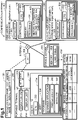
- a communication system 2 includes a printer 100, a portable terminal 200, a web server 400, a log server 500, and a service server 600.
- the printer 100 and the portable terminal 200 are connected to a wireless local area network (“LAN") formed by an access point (“AP") 300.
- the printer 100 and the portable terminal 200 are allowed to communicate with each other, via the AP 300.
- the AP 300 is connected to the Internet 4. This enables the printer 100 and the portable terminal 200 to access to the Internet 4, via the AP 300.
- a wired LAN may be used for the wireless LAN.
- Each of the separate servers 400, 500, and 600 is located on the Internet 4.
- the printer 100 is a peripheral device of, for example, the portable terminal 200.
- the printer 100 is configured to execute a printing function.
- the printer 100 has a printer name "AAA”, a model name "X1", and a serial number "ZZZ".
- the portable terminal 200 is a portable terminal device, such as a mobile telephone, a smartphone, a PDA, a notebook PC, a tablet PC, a portable music playback device, and a portable movie playback device.
- a stationary terminal device may be used for the portable terminal 200.
- the portable terminal 200 includes an operation unit 212, a display unit 214, a network interface ("I/F") 216, and a controller 230.
- the operation unit 212 includes a plurality of keys. A user may operate the operation unit 212 to input or provide various instructions to the portable terminal 200.
- the display unit 214 includes a display configured to display various information.
- the display unit 214 includes a touch panel display that functions as an operation unit.
- the operation unit 212 and the display unit 214 may be collectively referred to as "the terminal operation unit”.
- the network I/F 216 establishes a wireless connection with the AP 300.
- the controller 230 includes a CPU 232 and a memory 234.
- the CPU 232 is configured to execute various processing based on programs 236 stored in the memory 234.
- the memory 234 includes a ROM and a RAM.
- the programs 236 include a browser application 238, a printer driver 240, and an installer 242.
- the browser application 238 is a general-purpose web browser application.
- the browser application 238 includes, for example, Internet Explorer "IE" (registered trademark of Microsoft Corporation), Safari (registered trademark of Apple, Inc.), and Google Chrome (registered trademark of Google, Inc.).
- the printer driver 240 is a program for generating print data using image-representing data of an image to be printed and supplying or forwarding the print data to the printer 100.
- the installer 242 is a program for installing the printer driver 240 into the portable terminal 200.
- the printer driver 240 and the installer 242 may be installed into the portable terminal 200 from, for example, computer-readable recording medium shipped together with the printer 100, or from a server on the Internet 4.
- the web server 400 is a server provided on the Internet 4 by a vendor of the printer 100 (hereinafter referred to as "the printer vendor"), supplying web page data representing web pages.
- the domain name of the web server 400 is "webserver.com”.
- the web server 400 includes a network I/F 420 and a controller 430.
- the network I/F 420 is connected to the Internet 4.
- the controller 430 includes a CPU 432 and a memory 434.
- the CPU 432 is configured to execute various processing based on programs 436 stored in the memory 434.
- the memory 434 includes a ROM and a RAM. Although not depicted, the memory 434 stores web page data (e.g., data in HyperText Markup Language (“HTML”) format, and image data) representing web pages.
- HTML HyperText Markup Language
- the web server 400 supplies the web page data in the memory 434, to the portable terminal 200.
- the log server 500 is a server for storing a history of accesses to web pages.
- the server is provided on the Internet 4 by a business operator different from the printer vendor.
- the log server 500 is provided by Google (registered trademark of Google, Inc.).
- the log server 500 may be provided by other business operators (e.g., the printer vendor).
- the domain name of the log server 500 is an example of "logserver.com”.
- the log server 500 includes a network I/F 520 and a controller 530.
- the network I/F 520 is connected to the Internet 4.
- the controller 530 includes a CPU 532 and a memory 534.
- the CPU 532 is configured to execute various processing based on programs 536 stored in the memory 534.
- the memory 534 includes a ROM and a RAM.
- the memory 534 is configured to store history information 538 that indicates a history of accesses to web pages.
- the service server 600 is a server provided by the printer vendor on the Internet 4, managing statuses of the printer 100 to provide services in association with the statuses.
- the service server 600 includes a memory 634.
- the memory 634 includes a ROM and a RAM.
- the memory 634 stores a user table 636.
- the user table 636 includes user information, model names of printers, serial numbers of the printers, consumables information, and an update time, which are associated with each other.
- the user information includes information of a user of a printer, such as name, gender, age, and address.
- the user of the printer 100 may log in to the service server 600 using the portable terminal 200 and may register user information "U1" into the user table 636.
- the extensible messaging and presence protocol "XMPP" connection which is an "always-on" connection, is established.
- the printer 100 For establishing the XMPP connection between the service server 600 and the printer 100, the printer 100 transmits the model name "XI" and the serial number "ZZZ" to the service server 600. These pieces of information are registered in the user table 636.
- the consumables information represents a remaining amount in a consumable item, such as an ink cartridge or a toner cartridge, installed in a printer.
- the service server 600 receives consumables information and an update time of the consumables information from the printer 100.
- the service server 600 records the received consumables information and its update time in the user table 636.
- the update time is a time at which consumables information representing a residual amount in the consumable item was updated in response to execution of the printing function of the printer 100.
- a user operates the operation unit 212 of the portable terminal 200 to activate the installer 242.
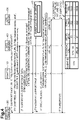
- the portable terminal 200 broadcasts, at step T12, search signals via the wireless LAN, in accordance with the installer 242.
- the search signal is a signal for requesting each of one or more peripheral devices connected to the AP 300 to transmit a response signal including device information of the one or more peripheral devices (e.g., the printer name, the model name, and the serial number).
- the printer 100 transmits, at step T14, a response signal including device information of the printer 100 (e.g., the printer name "AAA”, the model name "X1", and the serial number "ZZZ") to the portable terminal 200.
- device information of the printer 100 e.g., the printer name "AAA”, the model name "X1", and the serial number "ZZZ"
- the portable terminal 200 In response to receiving a response signal from each of the one or more peripheral devices including the printer 100 at step T14, the portable terminal 200 displays, at step T16, a selection screen SS in the display unit 214 in accordance with the installer 242.
- the selection screen SS includes a printer name and a model name of each of the one or more peripheral devices.
- the user operates the operation unit 212 of the portable terminal 200 to select the printer name "AAA" of the printer 100 in the selection screen SS.
- the portable terminal 200 installs, at step T20, the printer driver 240 in accordance with the installer 242. At this time, the portable terminal 200 associates the device information of the printer 100 selected at step T18, with the printer driver 240 in accordance with the installer 242.
- the portable terminal 200 Upon completion of the installation of the printer driver 240, the portable terminal 200 generates a uniform resource locator ("URL") 12 in accordance with the installer 242, and supplies (e.g., forwards) the URL 12 to the browser application 238, at step T22.
- a URL typically includes a scheme portion, an authority portion, a pass portion, and a query portion.
- the portable terminal 200 identifies a URL 12a (e.g., "http://webserver.com/fin") predetermined in the installer 242.
- the URL 12a includes a domain name of the web server 400 "webserver.com”.
- the portable terminal 200 generates the URL 12 by adding a query string 12b to the URL 12a.
- the portable terminal 200 supplies the generated URL 12 to the browser application 238.
- the portable terminal 200 transmits, at step T30, a GET request including the URL 12 as a transmission destination URL, to the web server 400 in accordance with the browser application 238.
- the transmission destination URL represents a destination to which the GET request is to be transmitted.
- the web server 400 extracts, at step T32, strings in the URL 12, which is included in the GET request.
- the web server 400 extracts a string in the URL 12 preceding the mark "?" (e.g., scheme, authority and pass portions) as the URL 12a, and a string following the mark "?" (e.g., query portion) as the query string 12b.
- the web server 400 further extracts the model name "X1" and the serial number "ZZZ" of the printer 100 from the query string 12b.
- the web server 400 thus extracts the model name "XI” and the serial number "ZZZ" from the transmission destination URL 12.
- information, such as the model name "X1” may be written in the particular portion of the GET request.
- the web server 400 may extract the information from the particular portion.
- the web server 400 generates a cookie file using the extracted model name "XI” and the serial number "ZZZ".
- the cookie file includes a cookie name region in which a cookie name is written and a domain region in which domain information is written.
- the cookie file which includes the information of the printer 100 (e.g., the model name "XI” and the serial number "ZZZ”), is associated with the information of the printer 100.
- the web server 400 transmits, to the portable terminal 200, a response including complete page data corresponding to the URL 12a, the cookie file generated at step T34, and Google Tag Manager ("GTM") ("Google” is a registered trademark of Google, Inc.).
- the complete page data is HTML data representing an installation complete page, which indicates the printer driver 240 has been installed.
- the GTM is instructive information for causing the portable terminal 200 to access the log server 500.
- the GTM includes a client ID (e.g., "YYY"), an access destination URL (e.g., a URL 14 "http://logserver.com/regist"), and a virtual URL generating command.
- the access destination URL represents a destination to which the portable terminal 200 is to access.
- a client ID is a unique ID assigned to a respective vendor (e.g., client) who operates a server on the Internet 4.
- the client ID "YYY” may be assigned to a client, e.g., the printer vendor.
- the access destination URL 14 includes a domain name of the log server 500 (e.g., "logserver.com”). Use of the access destination URL 14 may enable the portable terminal 200 to access the log server 500.
- the virtual URL generating command is written in JavaScript (a registered trademark of Sun Microsystems, Inc.) that can be interpreted by the browser application 238 of the portable terminal 200.
- the virtual URL generating command is a command for causing the portable terminal 200 to generate a virtual URL.
- the portable terminal 200 In response to receiving the response from the web server 400 at step T36, the portable terminal 200 displays, at step T38 in Fig. 3 , an installation complete page PI in the display unit 214, in accordance with the browser application 238.
- the installation complete page PI is represented by the complete page data included in the response.
- the page PI thus notifies the user that the printer driver 240 has been installed.
- the installation complete page P1 includes a URL of a download page (e.g., "http://webserver.com/apps") for downloading various applications provided by the printer vendor.
- the user selection of the URL causes the portable terminal 200 to access the download page in accordance with the browser application 238.
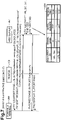
- the portable terminal 200 stores, in the memory 234, the cookie file included in the response received at step T36 in Fig. 3 , in accordance with the browser application 238. If a user provides an instruction to designate a URL including the string "webserver.com", which is the same string as written in the domain region of the cookie file, the portable terminal 200 transmits a GET request including the URL and the cookie file stored in the memory 234 to the web server 400.
- the virtual URL 18 includes the URL 12a in the virtual URL generating command and a query string which is the string 17 in the virtual URL generating command.
- the portable terminal 200 extracts the client ID "YYY" and the access destination URL 14 from the GTM included in the response received at step T36 in Fig. 2 .
- the portable terminal 200 transmits a GET request to the log server 500 in accordance with the browser application 238.
- the GET request includes the extracted URL 14 as a transmission destination URL, the extracted client ID "YYY”, and the generated virtual URL 18.
- the virtual URL 18 is not a transmission destination URL but serves to notify the log server 500 of the string constituting the virtual URL 18.
- the log server 500 In response to receiving the GET request at step T50, the log server 500 extracts, at step T52, information from the GET request. More specifically, the log server 500 extracts the client ID "YYY", a string of the virtual URL 18 preceding the mark "?" as the URL 12a, and a string of the virtual URL 18 following the mark "?” as the query string 17. The log server 500 further extracts the model name "XI” and the serial number "ZZZ" of the printer 100 from the query string 17.
- the log server 500 records, in the memory 534, the extracted pieces of information (e.g., the client ID "YYY”, the URL 12a, the model name "X1", and the serial number "ZZZ”), and a receive time (e.g., "2017/3/30 16:00") in association with each other, as the history information 538.
- the receive time is a time at which the log server 500 has received a GET request from the portable terminal 200.
- the URL 12a accessed by the portable terminal 200 based on a user instruction is associated with the printer 100 (e.g., the model name "X1", the serial number "ZZZ”) by the recording of the information in the memory 534 as the history information 583.
- the log server 500 transmits a response to the GET request received at step T50 to the portable terminal 200.
- the response does not include web page data.
- the GET request at step T50 is not a signal for requesting web page data but a signal for recording the pieces of information included in the GET request into the log server 500.
- Fig. 4 processes or steps to be executed in connection with designation of a support page on the web server 400 are described below.
- the processes are executed subsequent to the processes in Figs. 2 and 3 .
- the support page is designated in the portable terminal 200.
- the support page provides solutions to errors that occur in the printer 100.
- the processes to be executed by the portable terminal 200 in Fig. 4 may be executed by the browser application 238 of the portable terminal 200. Therefore, the expression "by the browser application 238" is omitted when the processes are described.
- a user may activate the browser application 238 in the portable terminal 200.
- the user operates the terminal operation unit to designate a URL 20 (e.g., "http://webserver.com/support") corresponding to the support page.
- the user provides an instruction to designate the URL 20 to the portable terminal 200.
- the portable terminal 200 refers to the stored cookie file (in step T40 in Fig. 3 ) and determines that the URL 20 includes the same domain name "webserver.com", as written in the domain region of the cookie file.
- the portable terminal 200 transmits to the web server 400, a GET request including the URL 20, as a transmission destination URL, and the cookie file.
- a GET request including the URL 20, as a transmission destination URL, and the cookie file.
- the portable terminal 200 determines that the URL does not include the domain name "webserver.com” included in the cookie file. In this case, the portable terminal 200 transmits a GET request that includes the particular URL as a transmission destination URL but does not include the cookie file.
- the web server 400 determines that the GET request includes the cookie file. In this case, the web server 400 transmits, at step T114, a response including the support page data corresponding to the URL 20 and the GTM, to the portable terminal 200. In other words, the web server 400 determines that the portable terminal 200 has already stored the cookie file therein, and accordingly does not transmit the cookie file to the portable terminal 200, unlike step T36 in Fig. 2 in which the web server 400 transmits the cookie file to the portable terminal 200.
- the GTM in the response transmitted at step T114 is similar to that transmitted at step T36 in Fig.
- the GTM further includes a virtual URL generating command.
- the string 17 may be generated in the following manner.
- the web server 400 extracts the model name "XI” and the serial number "ZZZ” from the cookie file included in the GET request received at step T112 and generates the string 17 including the extracted "X1" and "ZZZ”.
- the portable terminal 200 displays, at step T120, a support page P2 represented by the support page data in the display unit 214.
- the support page P2 includes a box or field for entering a content of an error occurred in the printer 100.
- a user may input the content of an error using the operation unit 212 to obtain solutions to the error.
- the virtual URL 22 includes the URL 20 in the virtual URL generating command and a query string which is the string 17 in the virtual URL generating command.
- Step T130 is similar to step T50 in Fig. 3 except that the virtual URL 22 is used in step T130.
- the log server 500 In response to receiving the GET request at step T130, the log server 500 extracts, at step T132, information from the GET, similar to step T52 in Fig. 3 . In other words, the log server 500 extracts the client ID "YYY”, the URL 20, the model name "X1", and the serial number "ZZZ".
- the log server 500 records, in the memory 534, the extracted pieces of information (e.g., the client ID "YYY”, the URL 20, the model name "X1", and the serial number "ZZZ”) and a receive time in association with each other, as the history information 538.
- the receive time is a time at which the log server 500 has received a GET request from the portable terminal 200.
- the URL 20 accessed by the portable terminal 200 in accordance with a user instruction is associated with the printer 100 by the recording of the information in the memory 534 as the history information 583.
- the receive time may be a time when the log server 500 records the pieces of information in the memory 534.
- the web server 400 may transmit, at step T114, a response including information representing the receive time of the GET request (hereinafter referred to as the "accessed time"), to the portable terminal 200.
- the log server 500 may extract information including the accessed time, and record, at step T132, the accessed time in the memory 534 as a receive time.
- Step T134 is similar to step T54 in Fig. 3 . Upon finishing step T134, processes to be executed in connection with the designation of the support page end.
- Fig. 5 communication to be executed between the printer 100 and the service server 600 is described.
- the user information "U1," the model name "X1,” and the serial number "ZZZ” are registered in the user table 636 of the service server 600 in association with each other (refer to Fig. 1 ).
- the XMPP connection is established between the printer 100 and the service server 600, which enables a request from the service server 600 to be transmitted to the printer 100.
- the service server 600 transmits a printer information request to the printer 100.
- the printer information request may be repeatedly transmitted at a regular interval.
- the service server 600 receives, at step T232, the printer information from the printer 100.
- the printer information includes the model name "X1,” the serial number "ZZZ," consumables information (e.g., "10% remaining” as in Fig. 5 ), and an update time of the consumables information (e.g., "2017/3/30 15:00").
- the service server 600 records the consumables information "10% remaining” and the update time "2017/3/30 15:00,” included in the printer information, in the user table 636, in association with the model name "X1" and the serial number "ZZZ".
- the service server 600 may record a time at which the service server 600 has received the printer information.
- the service server 600 may record a time at which the service server 600 records consumables information.
- the service server 600 may execute service for dispatching new or replacement consumables, as a residual amount represented in the received consumables information is less than or equal to a predetermined value (e.g., "20%"). For example, a name and address included in the user information"U1" may be used for the dispatching service.
- the service may allow a user to obtain a new replacement automatically as a residual amount in his/her consumable item of the printer 100 is reduced.
- the service server 600 may receive information representing other statuses (e.g., the number of printed pages and presence or absence of error occurrences) from the printer 100, instead of consumables information. For example, if the service server 600 receives error information indicating, for example, an occurrence of a sheet jam, the printer vendor may analyze the history information 538 and the user table 636 to identify which web page was viewed when the printer 100 had the sheet jam error.
- the web server 400 in responses to receiving, from the portable terminal 200, a GET request including the model name "XI" and the serial number "ZZZ” of the printer 100 (step T30 in Fig. 2 ), transmits a cookie file including the model name "X1" and the serial number "ZZZ” to the portable terminal 200 (step T36).
- a user providing, to the portable terminal 200, an instruction for designating the URL 20 corresponding to the support page in the web server 400 (step T110 in Fig.
- the web server 400 receives a GET request including the URL 20 and the cookie file, from the portable terminal 200 (step T112) and transmit a response including the support page data and the GTM, to the portable terminal 200 (step T114).
- the GTM is a command for causing the portable terminal 200 to transmit the URL 20, the model name "XI” and the serial number "ZZZ”, to the log server 500, and causing the log server 500 to store the pieces of information in association with each other in the memory 534 of the log server 500 (step T130). Transmission of the pieces of information by the portable terminal 200 in accordance with the GTM may cause the URL 20, the model name "X1", and the serial number "ZZZ" to be recorded in association with each other as the history information 538.
- a history of an access to the URL 20, and the printer 100 may be associated with each other.
- Use of the history information 538 may enable the printer vendor to know the web page (e.g., the URL 20) accessed by the user, as well as the model name "XI" and the serial number "ZZZ". Such information will be useful to the printer vendor and may be used by the printer vendor, for example, as described below.
- the printer vendor may revise the web page to offer more contents relating to the model name "X1".
- use of information on a web page accessed by the user of the printer 100, which has the serial number "ZZZ", as well as the user information "U1" associated with the serial number "ZZZ” in the user table 636 of the service server 600 may allow the printer vendor to analyze the relationship between the web page and characteristics or attributes of the user, such as gender and age. As a result of the analysis, the printer vendor may revise the web page to suit users of different genders and/or ages.
- use of information on a web page accessed by the user of the printer 100, which has the serial number "ZZZ", as well as the consumables information associated with the serial number "ZZZ" in the user table 636 of the service server 600 may allow the printer vendor to analyze the relationship between the web page and the residual amount of the consumables. As a result of the analysis, for example, the printer vendor may revise the web page to enable users to readily purchase consumables.
- information representing the number of printed pages may be recorded in the user table 636 instead of the consumables information. This configuration may allow the printer vendor to identify the web page frequently accessed by users who print a relatively large number of pages.
- the receive time which is approximate or closer to a time that the web server 400 has received a GET request at step T112 in Fig. 4 , is recorded as the history information 538 of the log server 500, and the update time of the consumables information is recorded in the user table 636 of the service server 600. This may allow the printer vendor to identify which web page was viewed when consumables were reduced to what extent.
- the portable terminal 200 receives information, such as the model name "X1" and the serial number "ZZZ", from the printer 100 (step T14 in Fig. 2 ).
- the portable terminal 200 transmits a GET request including the pieces of information, such as "X1", to the web server 400 (step T30).
- the portable terminal 200 receives a cookie file from the web server 400 (step T36 in Fig. 2 ) and stores the cookie file (step T40 in Fig. 3 ).
- the cookie file may thus be automatically stored in the portable terminal 200 in connection with the installation of the printer driver 240 in the portable terminal 20. This may eliminate a user's operation for storing the cookie file in the portable terminal 200.
- the printer 100 is an example of a "target peripheral device".
- the portable terminal 200 is an example of a "terminal device”.
- the service server 600 is an example of a "status management server”.
- the device information e.g., the printer name, the model name, and the serial number
- the serial number "ZZZ" of the printer 10 is an example of "identification information”.
- the model name "X1" is an example of "model number information”.
- the cookie file is an example of "specific data”.
- the support page data is an example of "first web page data”.
- the complete page data is an example of "second web page data”.
- the URL 20 is an example of a "first URL”.
- the URL 12 is an example of a "second URL”.
- the URL 22 is an example of a "third URL”.
- the URL 12a is an example of "location information”.
- the GET request at step T112 in Fig. 4 is an example of a "first page request” and the GET request at step T30 in Fig. 2 is an example of a "second page request”.
- the memory 534 of the log server 500 is an example of a "first memory”.
- the domain "webserver.com” is an example of a "web server domain”.
- the consumables information is an example of "status information”.
- the GTM is an example of a "transmission request”.
- the receive time in the history information 538 is an example of "first time information”.
- the update time in the user table 636 is an example of "second time information”.
- the second illustrative embodiment does not include the log server 500.
- the memory 434 of the web server 400 may store history information 438
- Steps T310-T332 are similar to steps T10-T32 in Fig. 2 .
- the web server 400 records, in the memory 434, pieces of information extracted at step T332 (e.g., the URL 12a, the model name "X1", and the serial number "ZZZ"), and a receive time in association with each other, as the history information 438.
- the receive time is a time (e.g., the accessed time) at which the web server 400 has received a GET request from the portable terminal 200.
- the receive time may be a time when the web server 400 records information in the memory 434.
- Step T334 is similar to step T34 in Fig. 2 .
- Step T336 is similar to step T36 in Fig. 2 except for the GTM, which is not included in the response in step T336.
- Steps T338 and T340 are similar to steps T38 and T40 in Fig. 3 , respectively.
- Steps T410 and T412 are similar to steps T110 and T112 in Fig. 4 , respectively.
- the web server 400 extracts the URL 20 from the GET request received at step T412, as well as the model name "XI” and the serial number "ZZZ” from the cookie file.
- the web server 400 records, in the memory 434, the pieces of information extracted at step T414 (e.g., the URL 20, the model name "X1", and the serial number "ZZZ”), and the receive time in association with each other, as the history information 438.
- the URL 20, the model name "XI” and the serial number "ZZZ” may be recorded in association with each other in the web server 400, as the history information 438.
- a history of an access to the URL 20 and the printer 100 may be associated with each other.
- Use of the history information 438 may enable the printer vendor to know the web page (e.g., the URL 20) accessed by the user, as well as the model name "XI” and the serial number "ZZZ”. The access history may thus be used effectively.
- the GET request at T412 in Fig. 7 is an example of the "first page request” and the GET request at step T330 in Fig. 6 is an example of the "second page request”.
- the memory 434 of the web server 400 is an example of the "first memory”.
- the receive time in the history information 438 is an example of the "first time information”.
- Modification 1 Referring to Fig. 8 , a first modification is described.
- the memory 434 of the web server 400 prestores a cookie table 440 including a plurality of cookie files.
- step T10 to T32 in Fig. 2 are executed in a similar manner.
- the web server 400 records the model name "X1" and the serial number "ZZZ", which are extracted at step T32, in the cookie table 440 by associating those pieces of information with a first cookie file among the plurality of cookie files.
- the web server 400 transmits, to the portable terminal 200, a response including the complete page data, the first cookie file, and the GTM.
- Step T538 is similar to step T38 in Fig. 3 .
- Step T540 is similar to step T40 except that the first cookie file is stored in step T540. After that, the step T50 to T54 in Fig. 3 are executed in a similar manner.
- Step T610 is similar to step T110 in Fig. 4 .
- the portable terminal 200 transmits, at step T612, a GET request including the URL 20 and the first cookie file, to the web server 400.
- step T612 a GET request including the URL 20 and the first cookie file
- step T612 a GET request including the URL 20 and the first cookie file
- step T612 a GET request including the URL 20 and the first cookie file
- Subsequent steps are executed similarly to steps T114-T134 in Fig. 4 .
- "generating unit" may be omitted.
- the web server 400 may transmit, to the portable terminal 200, a response including the complete page data and the cookie file, but not including the GTM. In this case (or in this configuration), the portable terminal 200 does not execute step T50 in Fig. 3 . Before or after transmitting the response including the complete page data and the cookie file but not including the GTM to the portable terminal 200, the web server 400 may transmit the client ID "YYY", the URL 12a, the model name "X1", and the serial number "ZZZ" to the log server 500. The log server 500 may record these pieces of information in the memory 534. Similarly, at step T114 in Fig.
- the web server 400 may transmit, to the portable terminal 200, a response including the support page data but not including the GTM. In this case, the portable terminal 200 does not execute step T130 in Fig. 4 . Before or after transmitting the response including the support page data but not including the GTM to the portable terminal 200, the web server 400 may transmit the client ID "YYY", the URL 20, the model name "X1", and the serial number "ZZZ", to the log server 500. The log server 500 may record these pieces of information in the memory 534.
- the web server 400 may record, in the memory 434, the cookie file in the GET request.
- the web server 400 may transmit to the portable terminal 200 a virtual URL generating command that does not include the string 17 but includes file identification information (e.g., a file ID) which identifies the cookie file.
- file identification information e.g., a file ID
- the portable terminal 200 may transmit, to the log server 500, a GET request including the client ID, the transmission destination URL 14, a portion of the virtual URL 22 (e.g., the URL 20) that does not include the query string 17, and the file identification information.
- the log server 500 may record the URL 20 and the file identification information in association with each other in the memory 534, as the history information 538.
- the model name "XI” and the serial number "ZZZ” included in the cookie file recorded in the memory 434 of the web server 400 are associated with the URL 20 recorded in the memory 534 of the log server 50, via the file identification information.
- This modification may also allow the printer vendor to know the web page (e.g., the URL 20) accessed by the user, as well as the model name "XI” and the serial number "ZZZ”. The access history may thus be used effectively.
- combination of the memory 434 of the web server 400 and the memory 534 of the log server 500 is an example of the "first memory”.
- a GET request including one of the model name "XI” and the serial number "ZZZ” may be used.
- subsequent steps may use the one of the model name "XI” and the serial number "ZZZ”.
- This modification may allow the printer vendor to know the web page accessed by the user, as well as the one of the model name "XI” and the serial number "ZZZ”.
- the target related-information may include at least one of the identification information for identifying a target peripheral device, and the model number information of the target peripheral device.
- the "target peripheral device” is not limited to the printer 100, but may be, for example, a scanner or a multi-functional device.
- the web server 400 may transmit a particular file, which is different from the cookie file, to the portable terminal 200.
- the particular file may not include the domain name "webserver.com” of the web server 400 but may include the model name "XI” and the serial number "ZZZ".
- the browser application 238 of the portable terminal 200 accesses any web server on the Internet, the particular file may be transmitted from the portable terminal 200 to the web server.
- the web server 400 may receive a GET request including the particular file from the portable terminal 200, and extracts the model name "XI” and the serial number "ZZZ" from the particular file.
- This modification may also enable the web page accessed by the user and the printer 100 to be associated with each other.
- the particular file is an example of the "specific data”, and the "specific data” does not include domain information.
- the portable terminal 200 may transmit, to the web server 400, a GET request that does not include the model name "XI” and the serial number "ZZZ” in connection with the installation of the printer driver 240.
- steps T32 and T34 are not executed, and at step T36, the cookie file and the GTM are not transmitted to the portable terminal 200.
- the portable terminal 200 transmits the model name "XI” and the serial number "ZZZ" to the web server 400.
- the first transmitting unit does not necessarily transmit target related-information received from the target peripheral device to the web server.
- each of the processes in Figs. 2-8 is performed by the CPU 432 of the web server 400, the CPU 532 of the log server 500, the CPU 232 of the portable terminal 200, or a CPU (not depicted) of the service server 600, each of which executes programs (e.g., software).
- programs e.g., software
- at least one of processes in Figs. 2-8 may be executed by hardware, e.g., a logical circuit.
Landscapes
- Engineering & Computer Science (AREA)
- Theoretical Computer Science (AREA)
- General Engineering & Computer Science (AREA)
- Physics & Mathematics (AREA)
- General Physics & Mathematics (AREA)
- Databases & Information Systems (AREA)
- Human Computer Interaction (AREA)
- Computer Networks & Wireless Communication (AREA)
- Signal Processing (AREA)
- Data Mining & Analysis (AREA)
- Computer Hardware Design (AREA)
- Information Transfer Between Computers (AREA)
- Facsimiles In General (AREA)
Claims (14)
- Système de serveur comprenant :un serveur Web (400) comprenant :une unité de réception d'informations liées côté serveur pour recevoir, à partir d'un dispositif terminal (200), des informations liées à la cible relatives à un dispositif périphérique cible (100), les informations liées à la cible comprenant au moins une parmi des informations d'identification pour identifier le dispositif périphérique cible (100) et des informations de numéro de modèle représentant un numéro de modèle du dispositif périphérique cible (100), le dispositif périphérique cible (100) étant utilisé par un utilisateur du dispositif terminal (200) ;une unité de transmission de données spécifiques pour transmettre, après réception des informations liées à la cible du dispositif terminal (200), des données spécifiques correspondant aux informations liées à la cible au dispositif terminal (200) ;une unité de réception de demande de page pour recevoir, dans un cas où l'utilisateur entre une instruction dans le dispositif terminal (200) pour spécifier une première URL, adresse universelle, correspondant aux premières données de page Web dans le serveur Web (400), une première demande de page comprenant la première URL et les données spécifiques provenant du dispositif terminal (200), après transmission des données spécifiques au dispositif terminal (200) ;une première unité de transmission de données de page Web pour transmettre, après réception de la première demande de page, les premières données de page Web correspondant à la première URL comprise dans la première demande de page au dispositif terminal (200) ; etune unité d'exécution de processus pour exécuter, après réception de la première demande de page, un processus spécifique pour stocker 1) la première URL comprise dans la première demande de page et correspondant aux premières données de page Web auxquelles accède le dispositif terminal (200) en réponse à l'instruction de l'utilisateur et 2) les informations liées à la cible liées au dispositif périphérique cible (100) et correspondant aux données spécifiques comprises dans la première demande de page, en association les unes avec les autres dans une première mémoire, de sorte que les premières données de page Web auxquelles accède le dispositif terminal (200) en réponse à l'instruction de l'utilisateur utilisant le dispositif périphérique cible (100) peuvent être spécifiées ;le système de serveur comprenant en outre un serveur de gestion d'état (600) différent du serveur Web (400), le serveur de gestion d'état (600) comprenant :une seconde mémoire ;une unité de réception d'état pour recevoir, depuis le dispositif périphérique cible (100), les informations liées à la cible et les informations d'état représentant un état du dispositif périphérique cible (100) ; etune unité de stockage d'état pour stocker les informations liées à la cible et les informations d'état dans la seconde mémoire en association les unes avec les autres, dans lequel le processus spécifique comprend un processus pour stocker, dans la première mémoire, les premières informations temporelles relatives au temps auquel la première demande de page est reçue,dans lequel la première URL, les informations liées à la cible et les premières informations temporelles sont stockées dans la première mémoire en association les unes avec les autres,dans lequel l'unité de stockage d'état du serveur de gestion d'état (600) stocke, dans la seconde mémoire, les informations liées à la cible, les informations d'état et les secondes informations temporelles, les secondes informations temporelles représentant le temps auquel le dispositif périphérique cible (100) a l'état représenté par les informations d'état.
- Système de serveur selon la revendication 1, caractérisé en ce que les données spécifiques sont un fichier cookie.
- Système de serveur selon la revendication 1 ou 2, dans lequel le serveur Web (400) comprend en outre :une unité de génération pour générer les données spécifiques comprenant les informations liées à la cible en réponse à la réception des informations liées à la cible depuis le dispositif terminal (200),l'unité de transmission de données spécifiques transmet les données spécifiques générées au dispositif terminal (200).
- Système de serveur selon la revendication 1, 2 ou 3, dans lequell'unité de réception d'informations liées côté serveur reçoit, depuis le dispositif terminal (200), une seconde demande de page avant de recevoir la première demande de page, la seconde demande de page comprenant les informations liées à la cible et une seconde URL, mais ne comprenant pas les données spécifiques, la seconde URL correspondant aux secondes données de page Web dans le serveur Web (400) et comprenant des informations de zone représentant la zone de stockage de la seconde page Web dans laquelle les informations de zone et les informations liées à la cible peuvent être décrites comme une demande,le serveur Web (400) comprend en outre :une seconde unité de transmission de données de page Web pour transmettre, après réception de la seconde demande de page, des secondes données de page Web correspondant à la seconde URL comprise dans la seconde demande de page au dispositif terminal (200),l'unité de transmission de données spécifiques transmet les données spécifiques au dispositif terminal (200) après que la seconde demande de page ne comprenant pas les données spécifiques a été reçue depuis le dispositif terminal (200),l'unité de transmission de données spécifiques ne transmet pas les données spécifiques au dispositif terminal (200) après que la première demande de page comprenant les données spécifiques a été reçue depuis le dispositif terminal (200).
- Système de serveur selon l'une quelconque des revendications précédentes, dans lequelles données spécifiques comprennent des informations de domaine représentant un domaine du serveur Web (400), etune unité de réception de demande de page reçoit la première demande de page comprenant la première URL et les données spécifiques depuis le dispositif terminal (200) dans un cas où l'utilisateur entre l'instruction dans le dispositif terminal (200) pour spécifier la première URL comprenant le domaine du serveur Web (400).
- Système de serveur selon l'une quelconque des revendications précédentes, dans lequelle serveur Web (400) comprend en outre la première mémoire,l'unité d'exécution de processus stocke la première URL et les informations liées à la cible dans la première mémoire en association les unes avec les autres.
- Système de serveur selon la revendication 1, comprenant en outre :
un serveur de journalisation (500) étant différent du serveur Web (400) et comprenant la première mémoire, dans lequel
l'unité d'exécution de processus du serveur Web (400) exécute le processus spécifique pour amener le serveur de journalisation (500) à stocker, dans la première mémoire du serveur de journalisation (500), la première URL et les informations liées à la cible en association les unes avec les autres. - Système de serveur selon la revendication 7, dans lequell'unité d'exécution de processus du serveur Web (400) transmet, dans le processus spécifique, une demande de transmission comprenant la première URL et les informations liées à la cible au dispositif terminal (200),la demande de transmission est destinée à amener le dispositif terminal (200) à transmettre la première URL et les informations liées à la cible au serveur de journalisation (500), de sorte que le serveur de journalisation (500) stocke la première URL et les informations liées à la cible dans la première mémoire du serveur de journalisation (500) en association les unes avec les autres.
- Système de serveur selon la revendication 8, dans lequel
la demande de transmission est destinée à amener le dispositif terminal (200) à générer une troisième URL comprenant (1) une chaîne de caractères représentant la première URL et (2) les informations liées à la cible décrites comme une demande, et pour transmettre la troisième URL au serveur de journalisation (500). - Système de communication comprenant :le système serveur selon la revendication 1 ; etun dispositif terminal (200) comprenant :une première unité de transmission pour transmettre les informations liées à la cible au serveur Web (400) ;une unité de réception de données spécifiques pour recevoir les données spécifiques depuis le serveur Web (400) après avoir transmis les informations liées à la cible au serveur Web (400) ;une seconde unité de transmission pour transmettre, dans un cas où l'utilisateur entre l'instruction pour spécifier la première URL correspondant aux premières données de page Web dans le serveur Web (400), la première demande de page comprenant la première URL et les données spécifiques au serveur web (400), après réception des données spécifiques ;une unité de réception de données de page Web pour recevoir les premières données de page Web depuis le serveur Web (400) après avoir transmis la première demande de page ; etune première unité de commande d'affichage pour amener une unité d'affichage du dispositif terminal (200) à afficher une première page Web en utilisant les premières données de page Web.
- Système de communication selon la revendication 10, dans lequelle système de communication comprend en outre un serveur de journalisation (500) étant différent du serveur Web (400) et comprend la première mémoire,l'unité d'exécution de processus du serveur Web (400) transmet un demande de transmission comprenant la première URL et les informations liées à la cible au dispositif terminal (200),la demande de transmission est destinée à amener le dispositif terminal (200) à transmettre la première URL et les informations liées à la cible au serveur de journal (500), de sorte que le serveur de journalisation (500) stocke la première URL et les informations liées à la cible dans la première mémoire du serveur de journalisation (500) en association les unes avec les autres,le dispositif terminal (200) comprend en outre :une unité de réception de demande pour recevoir la demande de transmission depuis le serveur Web (400) après avoir transmis la première demande de page au serveur Web (400) ; etune troisième unité de transmission pour transmettre la première URL et les informations liées à la cible au serveur de journalisation (500) en réponse à la demande de transmission.
- Système de communication selon la revendication 10 ou 11, dans lequel le dispositif terminal (200) comprend en outre :
une unité de réception d'informations liées côté terminal pour recevoir les informations liées à la cible depuis le dispositif périphérique cible (100),
la première unité de transmission du dispositif terminal (200) transmet les informations liées à la cible reçues au serveur Web (400). - Système de communication selon la revendication 12, dans lequell'unité de réception d'informations liées côté terminal acquiert, à partir de chacun d'au moins un des dispositifs périphériques comprenant le dispositif périphérique cible (100), des informations liées relatives à chacun de l'au moins un des dispositifs périphériques,le dispositif terminal (200) comprend en outre :
une seconde unité de commande d'affichage pour amener l'unité d'affichage du dispositif terminal (200) à afficher un écran de sélection pour sélectionner un dispositif périphérique à partir de l'au moins un des dispositifs périphériques,la première unité de transmission du dispositif terminal (200) transmet, au serveur Web (400), les informations liées à la cible relatives au dispositif périphérique cible (100) sélectionné par l'utilisateur via l'écran de sélection. - Programme informatique pour un système de serveur, le programme informatique amenant le processeur d'un serveur Web (400) à effectuer :la réception, à partir d'un dispositif terminal (200), d'informations liées à la cible relatives à un dispositif périphérique cible (100), les informations liées à la cible comprenant au moins des informations d'identification pour identifier le dispositif périphérique cible (100) et des informations de numéro de modèle représentant un numéro de modèle du dispositif périphérique cible (100), le dispositif périphérique cible (100) étant utilisé par un utilisateur du dispositif terminal (200) ;la transmission, après réception des informations liées à la cible depuis le dispositif terminal (200), de données spécifiques correspondant aux informations liées à la cible au dispositif terminal (200) ;la réception, dans un cas où l'utilisateur entre une instruction dans le dispositif terminal (200) pour spécifier une première URL (adresse universelle) correspondant aux premières données de page Web dans le serveur Web (400), d'une première demande de page comprenant la première URL et les données spécifiques depuis le dispositif terminal (200), après transmission des données spécifiques au dispositif terminal (200) ;la transmission, après réception de la première demande de page, des premières données de page Web correspondant à la première URL comprise dans la première demande de page au dispositif terminal (200) ;l'exécution, après réception de la première demande de page, d'un processus spécifique pour stocker (1) la première URL comprise dans la première demande de page et correspondant aux premières données de page Web auxquelles accède le dispositif terminal (200) en réponse à l'instruction de l'utilisateur et (2) les informations liées à la cible relatives au dispositif périphérique cible (100) et correspondant aux données spécifiques comprises dans la première demande de page, en association les unes avec les autres dans une première mémoire, de sorte que les premières données de page Web auxquelles accède le dispositif terminal (200) en réponse à l'instruction de l'utilisateur utilisant le dispositif périphérique cible (100) peuvent être spécifiées ;le programme informatique amenant en outre le processeur d'un serveur de gestion d'état (600) différent du serveur Web (400) à effectuer :la réception, depuis le dispositif périphérique cible (100), d'informations liées à la cible et d'informations d'état représentant un état du périphérique cible (100) ; etle stockage des informations liées à la cible et des informations d'état dans une seconde mémoire en association les unes avec les autres, la seconde mémoire étant comprise dans le serveur de gestion d'état (600),dans lequel le processus spécifique comprend un processus pour stocker, dans la première mémoire, des premières informations temporelles relatives au temps auquel la première demande de page est reçue,dans lequel la première URL, les informations liées à la cible et les premières informations temporelles sont stockées dans la première mémoire en association les unes avec les autres,dans lequel l'unité de stockage d'état du serveur de gestion d'état (600) stockent, dans la seconde mémoire, les informations liées à la cible, les informations d'état et les secondes informations temporelles, les secondes informations temporelles représentant le temps auquel le dispositif périphérique cible (100) a l'état représenté par les informations d'état.
Applications Claiming Priority (1)
| Application Number | Priority Date | Filing Date | Title |
|---|---|---|---|
| JP2017071975A JP6855881B2 (ja) | 2017-03-31 | 2017-03-31 | ウェブサーバ |
Publications (2)
| Publication Number | Publication Date |
|---|---|
| EP3382995A1 EP3382995A1 (fr) | 2018-10-03 |
| EP3382995B1 true EP3382995B1 (fr) | 2022-04-20 |
Family
ID=60301793
Family Applications (1)
| Application Number | Title | Priority Date | Filing Date |
|---|---|---|---|
| EP17200428.5A Active EP3382995B1 (fr) | 2017-03-31 | 2017-11-07 | Système serveur et programme informatique pour système serveur |
Country Status (4)
| Country | Link |
|---|---|
| US (1) | US10878055B2 (fr) |
| EP (1) | EP3382995B1 (fr) |
| JP (1) | JP6855881B2 (fr) |
| CN (1) | CN108696566B (fr) |
Families Citing this family (5)
| Publication number | Priority date | Publication date | Assignee | Title |
|---|---|---|---|---|
| US11537751B2 (en) | 2017-11-02 | 2022-12-27 | T-Mobile Usa, Inc. | Using machine learning algorithm to ascertain network devices used with anonymous identifiers |
| US10762238B2 (en) * | 2017-11-02 | 2020-09-01 | T-Mobile Usa, Inc. | Ascertaining network devices used with anonymous identifiers |
| JP7415424B2 (ja) | 2019-10-15 | 2024-01-17 | ブラザー工業株式会社 | 制御プログラム、情報処理装置 |
| JP7757725B2 (ja) * | 2021-11-16 | 2025-10-22 | ブラザー工業株式会社 | 端末装置のための第1のコンピュータプログラム、端末装置によって実行される方法、及び、端末装置 |
| CN114221947A (zh) * | 2022-02-21 | 2022-03-22 | 浪潮通用软件有限公司 | 电脑外设设备数据采集的方法、系统、设备和存储介质 |
Family Cites Families (12)
| Publication number | Priority date | Publication date | Assignee | Title |
|---|---|---|---|---|
| US6629134B2 (en) | 1999-09-16 | 2003-09-30 | Xerox Corporation | Context sensitive web-based user support |
| JP2001344196A (ja) | 2000-05-31 | 2001-12-14 | Sony Corp | アクセス履歴管理システム、およびアクセス履歴管理方法、並びにプログラム提供媒体 |
| US20030110412A1 (en) * | 2001-06-19 | 2003-06-12 | Xerox Corporation | System and method for automated printer diagnostics |
| US20030014368A1 (en) | 2001-07-09 | 2003-01-16 | Travelers Express Inc. | Systems, methods and apparatus for secure printing of negotiable instruments |
| JP4205357B2 (ja) * | 2002-03-29 | 2009-01-07 | ブラザー工業株式会社 | サービス提供システム、機器及びサービス提供方法 |
| JP4371729B2 (ja) * | 2003-08-08 | 2009-11-25 | キヤノン株式会社 | オンラインサービスシステム、転送サーバ装置、クライアント端末、サービス提供装置及びそれらの制御方法並びにプログラム |
| JP4396721B2 (ja) * | 2007-03-29 | 2010-01-13 | ブラザー工業株式会社 | 通信システム |
| JP5203978B2 (ja) * | 2009-01-06 | 2013-06-05 | キヤノン株式会社 | プリンタ、クライアント端末及びそれらの制御方法、プログラム |
| JP2012014267A (ja) * | 2010-06-29 | 2012-01-19 | Canon Electronics Inc | 情報分析装置、情報分析方法、情報分析システムおよびプログラム |
| JP5348280B2 (ja) * | 2011-06-30 | 2013-11-20 | キヤノンマーケティングジャパン株式会社 | 情報処理装置およびその制御方法、プログラム |
| JP5673453B2 (ja) * | 2011-09-07 | 2015-02-18 | ブラザー工業株式会社 | 通信システム |
| CN104283839B (zh) * | 2013-07-02 | 2019-09-17 | 腾讯科技(深圳)有限公司 | 一种获取Cookie的方法和装置 |
-
2017
- 2017-03-31 JP JP2017071975A patent/JP6855881B2/ja active Active
- 2017-10-30 US US15/796,934 patent/US10878055B2/en active Active
- 2017-11-07 EP EP17200428.5A patent/EP3382995B1/fr active Active
- 2017-11-28 CN CN201711214514.7A patent/CN108696566B/zh active Active
Also Published As
| Publication number | Publication date |
|---|---|
| CN108696566B (zh) | 2022-04-15 |
| US10878055B2 (en) | 2020-12-29 |
| JP2018173850A (ja) | 2018-11-08 |
| JP6855881B2 (ja) | 2021-04-07 |
| EP3382995A1 (fr) | 2018-10-03 |
| CN108696566A (zh) | 2018-10-23 |
| US20180285467A1 (en) | 2018-10-04 |
Similar Documents
| Publication | Publication Date | Title |
|---|---|---|
| EP3382995B1 (fr) | Système serveur et programme informatique pour système serveur | |
| US8522156B2 (en) | Method, system and program for supporting input of execution parameter of predetermined software to input field | |
| CN100462970C (zh) | 无干扰小端口提交打印的方法与系统 | |
| CN100440208C (zh) | 改进万维网设备中超文本标记语言页面表现的方法和系统 | |
| CN100421091C (zh) | 设备信息获取方法和服务器设备 | |
| US7734773B2 (en) | Web system, communication control device, and storage medium | |
| JP4270992B2 (ja) | 情報処理装置、情報処理方法、情報処理プログラム、サービス提供装置、サービス提供方法、サービス提供プログラム及び記録媒体 | |
| US20050225795A1 (en) | Automatic customization of printer drivers | |
| JP7275760B2 (ja) | 画像処理システム | |
| US20030172148A1 (en) | Printing system with expanded user assistance capabilities | |
| CN102132316A (zh) | 发现网站的替换用户体验 | |
| JP4297811B2 (ja) | 情報提供装置、情報提供方法、及びプログラム | |
| JP4641530B2 (ja) | 情報処理装置、ドライバ処理方法、プログラム | |
| US20190310804A1 (en) | Terminal apparatus and image forming system | |
| US8422040B2 (en) | Image forming system and method, management apparatus, and recording medium | |
| US20040172622A1 (en) | Systems, methods and computer program products for performing a task in a software application | |
| US20060225081A1 (en) | Method for managing a peripheral and computer system using same | |
| JP2007122189A (ja) | スケジュール実行装置及びプログラム | |
| JP7102918B2 (ja) | サーバとサーバシステムとサーバのためのコンピュータプログラム | |
| JP2010086454A (ja) | 通信プログラム、通信装置および通信システム | |
| JP2003036227A (ja) | 印刷システムのサーバコンピュータ、印刷システム制御方法、印刷システム制御プログラム、および、印刷システム制御プログラムを記録したコンピュータ読み取り可能な記録媒体 | |
| JP7757725B2 (ja) | 端末装置のための第1のコンピュータプログラム、端末装置によって実行される方法、及び、端末装置 | |
| JP2004326141A (ja) | 画像処理装置及びプログラム | |
| WO2008011314A2 (fr) | Url conditionnel destiné à des dispositifs informatiques | |
| KR20060007589A (ko) | Ce 기기에서의 웹문서 표시 방법 |
Legal Events
| Date | Code | Title | Description |
|---|---|---|---|
| PUAI | Public reference made under article 153(3) epc to a published international application that has entered the european phase |
Free format text: ORIGINAL CODE: 0009012 |
|
| STAA | Information on the status of an ep patent application or granted ep patent |
Free format text: STATUS: THE APPLICATION HAS BEEN PUBLISHED |
|
| AK | Designated contracting states |
Kind code of ref document: A1 Designated state(s): AL AT BE BG CH CY CZ DE DK EE ES FI FR GB GR HR HU IE IS IT LI LT LU LV MC MK MT NL NO PL PT RO RS SE SI SK SM TR |
|
| AX | Request for extension of the european patent |
Extension state: BA ME |
|
| STAA | Information on the status of an ep patent application or granted ep patent |
Free format text: STATUS: REQUEST FOR EXAMINATION WAS MADE |
|
| 17P | Request for examination filed |
Effective date: 20190321 |
|
| RBV | Designated contracting states (corrected) |
Designated state(s): AL AT BE BG CH CY CZ DE DK EE ES FI FR GB GR HR HU IE IS IT LI LT LU LV MC MK MT NL NO PL PT RO RS SE SI SK SM TR |
|
| STAA | Information on the status of an ep patent application or granted ep patent |
Free format text: STATUS: EXAMINATION IS IN PROGRESS |
|
| 17Q | First examination report despatched |
Effective date: 20200224 |
|
| GRAP | Despatch of communication of intention to grant a patent |
Free format text: ORIGINAL CODE: EPIDOSNIGR1 |
|
| STAA | Information on the status of an ep patent application or granted ep patent |
Free format text: STATUS: GRANT OF PATENT IS INTENDED |
|
| INTG | Intention to grant announced |
Effective date: 20211213 |
|
| GRAS | Grant fee paid |
Free format text: ORIGINAL CODE: EPIDOSNIGR3 |
|
| GRAA | (expected) grant |
Free format text: ORIGINAL CODE: 0009210 |
|
| STAA | Information on the status of an ep patent application or granted ep patent |
Free format text: STATUS: THE PATENT HAS BEEN GRANTED |
|
| AK | Designated contracting states |
Kind code of ref document: B1 Designated state(s): AL AT BE BG CH CY CZ DE DK EE ES FI FR GB GR HR HU IE IS IT LI LT LU LV MC MK MT NL NO PL PT RO RS SE SI SK SM TR |
|
| REG | Reference to a national code |
Ref country code: GB Ref legal event code: FG4D |
|
| REG | Reference to a national code |
Ref country code: CH Ref legal event code: EP |
|
| REG | Reference to a national code |
Ref country code: IE Ref legal event code: FG4D |
|
| REG | Reference to a national code |
Ref country code: DE Ref legal event code: R096 Ref document number: 602017056181 Country of ref document: DE |
|
| REG | Reference to a national code |
Ref country code: AT Ref legal event code: REF Ref document number: 1486062 Country of ref document: AT Kind code of ref document: T Effective date: 20220515 |
|
| REG | Reference to a national code |
Ref country code: LT Ref legal event code: MG9D |
|
| REG | Reference to a national code |
Ref country code: NL Ref legal event code: MP Effective date: 20220420 |
|
| REG | Reference to a national code |
Ref country code: AT Ref legal event code: MK05 Ref document number: 1486062 Country of ref document: AT Kind code of ref document: T Effective date: 20220420 |
|
| PG25 | Lapsed in a contracting state [announced via postgrant information from national office to epo] |
Ref country code: NL Free format text: LAPSE BECAUSE OF FAILURE TO SUBMIT A TRANSLATION OF THE DESCRIPTION OR TO PAY THE FEE WITHIN THE PRESCRIBED TIME-LIMIT Effective date: 20220420 |
|
| PG25 | Lapsed in a contracting state [announced via postgrant information from national office to epo] |
Ref country code: SE Free format text: LAPSE BECAUSE OF FAILURE TO SUBMIT A TRANSLATION OF THE DESCRIPTION OR TO PAY THE FEE WITHIN THE PRESCRIBED TIME-LIMIT Effective date: 20220420 Ref country code: PT Free format text: LAPSE BECAUSE OF FAILURE TO SUBMIT A TRANSLATION OF THE DESCRIPTION OR TO PAY THE FEE WITHIN THE PRESCRIBED TIME-LIMIT Effective date: 20220822 Ref country code: NO Free format text: LAPSE BECAUSE OF FAILURE TO SUBMIT A TRANSLATION OF THE DESCRIPTION OR TO PAY THE FEE WITHIN THE PRESCRIBED TIME-LIMIT Effective date: 20220720 Ref country code: LT Free format text: LAPSE BECAUSE OF FAILURE TO SUBMIT A TRANSLATION OF THE DESCRIPTION OR TO PAY THE FEE WITHIN THE PRESCRIBED TIME-LIMIT Effective date: 20220420 Ref country code: HR Free format text: LAPSE BECAUSE OF FAILURE TO SUBMIT A TRANSLATION OF THE DESCRIPTION OR TO PAY THE FEE WITHIN THE PRESCRIBED TIME-LIMIT Effective date: 20220420 Ref country code: GR Free format text: LAPSE BECAUSE OF FAILURE TO SUBMIT A TRANSLATION OF THE DESCRIPTION OR TO PAY THE FEE WITHIN THE PRESCRIBED TIME-LIMIT Effective date: 20220721 Ref country code: FI Free format text: LAPSE BECAUSE OF FAILURE TO SUBMIT A TRANSLATION OF THE DESCRIPTION OR TO PAY THE FEE WITHIN THE PRESCRIBED TIME-LIMIT Effective date: 20220420 Ref country code: ES Free format text: LAPSE BECAUSE OF FAILURE TO SUBMIT A TRANSLATION OF THE DESCRIPTION OR TO PAY THE FEE WITHIN THE PRESCRIBED TIME-LIMIT Effective date: 20220420 Ref country code: BG Free format text: LAPSE BECAUSE OF FAILURE TO SUBMIT A TRANSLATION OF THE DESCRIPTION OR TO PAY THE FEE WITHIN THE PRESCRIBED TIME-LIMIT Effective date: 20220720 Ref country code: AT Free format text: LAPSE BECAUSE OF FAILURE TO SUBMIT A TRANSLATION OF THE DESCRIPTION OR TO PAY THE FEE WITHIN THE PRESCRIBED TIME-LIMIT Effective date: 20220420 |
|
| PG25 | Lapsed in a contracting state [announced via postgrant information from national office to epo] |
Ref country code: RS Free format text: LAPSE BECAUSE OF FAILURE TO SUBMIT A TRANSLATION OF THE DESCRIPTION OR TO PAY THE FEE WITHIN THE PRESCRIBED TIME-LIMIT Effective date: 20220420 Ref country code: PL Free format text: LAPSE BECAUSE OF FAILURE TO SUBMIT A TRANSLATION OF THE DESCRIPTION OR TO PAY THE FEE WITHIN THE PRESCRIBED TIME-LIMIT Effective date: 20220420 Ref country code: LV Free format text: LAPSE BECAUSE OF FAILURE TO SUBMIT A TRANSLATION OF THE DESCRIPTION OR TO PAY THE FEE WITHIN THE PRESCRIBED TIME-LIMIT Effective date: 20220420 Ref country code: IS Free format text: LAPSE BECAUSE OF FAILURE TO SUBMIT A TRANSLATION OF THE DESCRIPTION OR TO PAY THE FEE WITHIN THE PRESCRIBED TIME-LIMIT Effective date: 20220820 |
|
| REG | Reference to a national code |
Ref country code: DE Ref legal event code: R097 Ref document number: 602017056181 Country of ref document: DE |
|
| PG25 | Lapsed in a contracting state [announced via postgrant information from national office to epo] |
Ref country code: SM Free format text: LAPSE BECAUSE OF FAILURE TO SUBMIT A TRANSLATION OF THE DESCRIPTION OR TO PAY THE FEE WITHIN THE PRESCRIBED TIME-LIMIT Effective date: 20220420 Ref country code: SK Free format text: LAPSE BECAUSE OF FAILURE TO SUBMIT A TRANSLATION OF THE DESCRIPTION OR TO PAY THE FEE WITHIN THE PRESCRIBED TIME-LIMIT Effective date: 20220420 Ref country code: RO Free format text: LAPSE BECAUSE OF FAILURE TO SUBMIT A TRANSLATION OF THE DESCRIPTION OR TO PAY THE FEE WITHIN THE PRESCRIBED TIME-LIMIT Effective date: 20220420 Ref country code: EE Free format text: LAPSE BECAUSE OF FAILURE TO SUBMIT A TRANSLATION OF THE DESCRIPTION OR TO PAY THE FEE WITHIN THE PRESCRIBED TIME-LIMIT Effective date: 20220420 Ref country code: DK Free format text: LAPSE BECAUSE OF FAILURE TO SUBMIT A TRANSLATION OF THE DESCRIPTION OR TO PAY THE FEE WITHIN THE PRESCRIBED TIME-LIMIT Effective date: 20220420 Ref country code: CZ Free format text: LAPSE BECAUSE OF FAILURE TO SUBMIT A TRANSLATION OF THE DESCRIPTION OR TO PAY THE FEE WITHIN THE PRESCRIBED TIME-LIMIT Effective date: 20220420 |
|
| PLBE | No opposition filed within time limit |
Free format text: ORIGINAL CODE: 0009261 |
|
| STAA | Information on the status of an ep patent application or granted ep patent |
Free format text: STATUS: NO OPPOSITION FILED WITHIN TIME LIMIT |
|
| 26N | No opposition filed |
Effective date: 20230123 |
|
| PG25 | Lapsed in a contracting state [announced via postgrant information from national office to epo] |
Ref country code: AL Free format text: LAPSE BECAUSE OF FAILURE TO SUBMIT A TRANSLATION OF THE DESCRIPTION OR TO PAY THE FEE WITHIN THE PRESCRIBED TIME-LIMIT Effective date: 20220420 |
|
| PG25 | Lapsed in a contracting state [announced via postgrant information from national office to epo] |
Ref country code: SI Free format text: LAPSE BECAUSE OF FAILURE TO SUBMIT A TRANSLATION OF THE DESCRIPTION OR TO PAY THE FEE WITHIN THE PRESCRIBED TIME-LIMIT Effective date: 20220420 |
|
| PG25 | Lapsed in a contracting state [announced via postgrant information from national office to epo] |
Ref country code: MC Free format text: LAPSE BECAUSE OF FAILURE TO SUBMIT A TRANSLATION OF THE DESCRIPTION OR TO PAY THE FEE WITHIN THE PRESCRIBED TIME-LIMIT Effective date: 20220420 |
|
| REG | Reference to a national code |
Ref country code: CH Ref legal event code: PL |
|
| P01 | Opt-out of the competence of the unified patent court (upc) registered |
Effective date: 20230529 |
|
| REG | Reference to a national code |
Ref country code: BE Ref legal event code: MM Effective date: 20221130 |
|
| PG25 | Lapsed in a contracting state [announced via postgrant information from national office to epo] |
Ref country code: LI Free format text: LAPSE BECAUSE OF NON-PAYMENT OF DUE FEES Effective date: 20221130 Ref country code: CH Free format text: LAPSE BECAUSE OF NON-PAYMENT OF DUE FEES Effective date: 20221130 |
|
| PG25 | Lapsed in a contracting state [announced via postgrant information from national office to epo] |
Ref country code: LU Free format text: LAPSE BECAUSE OF NON-PAYMENT OF DUE FEES Effective date: 20221107 |
|
| PG25 | Lapsed in a contracting state [announced via postgrant information from national office to epo] |
Ref country code: IE Free format text: LAPSE BECAUSE OF NON-PAYMENT OF DUE FEES Effective date: 20221107 |
|
| PG25 | Lapsed in a contracting state [announced via postgrant information from national office to epo] |
Ref country code: BE Free format text: LAPSE BECAUSE OF NON-PAYMENT OF DUE FEES Effective date: 20221130 |
|
| PG25 | Lapsed in a contracting state [announced via postgrant information from national office to epo] |
Ref country code: IT Free format text: LAPSE BECAUSE OF FAILURE TO SUBMIT A TRANSLATION OF THE DESCRIPTION OR TO PAY THE FEE WITHIN THE PRESCRIBED TIME-LIMIT Effective date: 20220420 |
|
| PG25 | Lapsed in a contracting state [announced via postgrant information from national office to epo] |
Ref country code: HU Free format text: LAPSE BECAUSE OF FAILURE TO SUBMIT A TRANSLATION OF THE DESCRIPTION OR TO PAY THE FEE WITHIN THE PRESCRIBED TIME-LIMIT; INVALID AB INITIO Effective date: 20171107 |
|
| PG25 | Lapsed in a contracting state [announced via postgrant information from national office to epo] |
Ref country code: CY Free format text: LAPSE BECAUSE OF FAILURE TO SUBMIT A TRANSLATION OF THE DESCRIPTION OR TO PAY THE FEE WITHIN THE PRESCRIBED TIME-LIMIT Effective date: 20220420 |
|
| PG25 | Lapsed in a contracting state [announced via postgrant information from national office to epo] |
Ref country code: MK Free format text: LAPSE BECAUSE OF FAILURE TO SUBMIT A TRANSLATION OF THE DESCRIPTION OR TO PAY THE FEE WITHIN THE PRESCRIBED TIME-LIMIT Effective date: 20220420 |
|
| PG25 | Lapsed in a contracting state [announced via postgrant information from national office to epo] |
Ref country code: MT Free format text: LAPSE BECAUSE OF FAILURE TO SUBMIT A TRANSLATION OF THE DESCRIPTION OR TO PAY THE FEE WITHIN THE PRESCRIBED TIME-LIMIT Effective date: 20220420 |
|
| PG25 | Lapsed in a contracting state [announced via postgrant information from national office to epo] |
Ref country code: BG Free format text: LAPSE BECAUSE OF FAILURE TO SUBMIT A TRANSLATION OF THE DESCRIPTION OR TO PAY THE FEE WITHIN THE PRESCRIBED TIME-LIMIT Effective date: 20220420 |
|
| PG25 | Lapsed in a contracting state [announced via postgrant information from national office to epo] |
Ref country code: BG Free format text: LAPSE BECAUSE OF FAILURE TO SUBMIT A TRANSLATION OF THE DESCRIPTION OR TO PAY THE FEE WITHIN THE PRESCRIBED TIME-LIMIT Effective date: 20220420 |
|
| PG25 | Lapsed in a contracting state [announced via postgrant information from national office to epo] |
Ref country code: TR Free format text: LAPSE BECAUSE OF FAILURE TO SUBMIT A TRANSLATION OF THE DESCRIPTION OR TO PAY THE FEE WITHIN THE PRESCRIBED TIME-LIMIT Effective date: 20220420 |
|
| PGFP | Annual fee paid to national office [announced via postgrant information from national office to epo] |
Ref country code: DE Payment date: 20251013 Year of fee payment: 9 |
|
| PGFP | Annual fee paid to national office [announced via postgrant information from national office to epo] |
Ref country code: GB Payment date: 20251009 Year of fee payment: 9 |
|
| PGFP | Annual fee paid to national office [announced via postgrant information from national office to epo] |
Ref country code: FR Payment date: 20251013 Year of fee payment: 9 |