EP3384708B1 - Mesures de sélection de cellule en mode de veille - Google Patents
Mesures de sélection de cellule en mode de veille Download PDFInfo
- Publication number
- EP3384708B1 EP3384708B1 EP16802094.9A EP16802094A EP3384708B1 EP 3384708 B1 EP3384708 B1 EP 3384708B1 EP 16802094 A EP16802094 A EP 16802094A EP 3384708 B1 EP3384708 B1 EP 3384708B1
- Authority
- EP
- European Patent Office
- Prior art keywords
- idle
- time resources
- cell selection
- type
- mode cell
- Prior art date
- Legal status (The legal status is an assumption and is not a legal conclusion. Google has not performed a legal analysis and makes no representation as to the accuracy of the status listed.)
- Active
Links
Images



Classifications
-
- H—ELECTRICITY
- H04—ELECTRIC COMMUNICATION TECHNIQUE
- H04W—WIRELESS COMMUNICATION NETWORKS
- H04W48/00—Access restriction; Network selection; Access point selection
- H04W48/08—Access restriction or access information delivery, e.g. discovery data delivery
- H04W48/12—Access restriction or access information delivery, e.g. discovery data delivery using downlink control channel
-
- H—ELECTRICITY
- H04—ELECTRIC COMMUNICATION TECHNIQUE
- H04L—TRANSMISSION OF DIGITAL INFORMATION, e.g. TELEGRAPHIC COMMUNICATION
- H04L27/00—Modulated-carrier systems
- H04L27/0006—Assessment of spectral gaps suitable for allocating digitally modulated signals, e.g. for carrier allocation in cognitive radio
-
- H—ELECTRICITY
- H04—ELECTRIC COMMUNICATION TECHNIQUE
- H04L—TRANSMISSION OF DIGITAL INFORMATION, e.g. TELEGRAPHIC COMMUNICATION
- H04L5/00—Arrangements affording multiple use of the transmission path
- H04L5/0001—Arrangements for dividing the transmission path
- H04L5/0003—Two-dimensional division
- H04L5/0005—Time-frequency
- H04L5/0007—Time-frequency the frequencies being orthogonal, e.g. OFDM(A) or DMT
- H04L5/001—Time-frequency the frequencies being orthogonal, e.g. OFDM(A) or DMT the frequencies being arranged in component carriers
-
- H—ELECTRICITY
- H04—ELECTRIC COMMUNICATION TECHNIQUE
- H04L—TRANSMISSION OF DIGITAL INFORMATION, e.g. TELEGRAPHIC COMMUNICATION
- H04L5/00—Arrangements affording multiple use of the transmission path
- H04L5/003—Arrangements for allocating sub-channels of the transmission path
- H04L5/0048—Allocation of pilot signals, i.e. of signals known to the receiver
-
- H—ELECTRICITY
- H04—ELECTRIC COMMUNICATION TECHNIQUE
- H04L—TRANSMISSION OF DIGITAL INFORMATION, e.g. TELEGRAPHIC COMMUNICATION
- H04L5/00—Arrangements affording multiple use of the transmission path
- H04L5/0091—Signalling for the administration of the divided path, e.g. signalling of configuration information
-
- H—ELECTRICITY
- H04—ELECTRIC COMMUNICATION TECHNIQUE
- H04L—TRANSMISSION OF DIGITAL INFORMATION, e.g. TELEGRAPHIC COMMUNICATION
- H04L5/00—Arrangements affording multiple use of the transmission path
- H04L5/0091—Signalling for the administration of the divided path, e.g. signalling of configuration information
- H04L5/0094—Indication of how sub-channels of the path are allocated
-
- H—ELECTRICITY
- H04—ELECTRIC COMMUNICATION TECHNIQUE
- H04W—WIRELESS COMMUNICATION NETWORKS
- H04W48/00—Access restriction; Network selection; Access point selection
- H04W48/16—Discovering, processing access restriction or access information
-
- H—ELECTRICITY
- H04—ELECTRIC COMMUNICATION TECHNIQUE
- H04L—TRANSMISSION OF DIGITAL INFORMATION, e.g. TELEGRAPHIC COMMUNICATION
- H04L5/00—Arrangements affording multiple use of the transmission path
- H04L5/0091—Signalling for the administration of the divided path, e.g. signalling of configuration information
- H04L5/0096—Indication of changes in allocation
- H04L5/0098—Signalling of the activation or deactivation of component carriers, subcarriers or frequency bands
-
- H—ELECTRICITY
- H04—ELECTRIC COMMUNICATION TECHNIQUE
- H04W—WIRELESS COMMUNICATION NETWORKS
- H04W16/00—Network planning, e.g. coverage or traffic planning tools; Network deployment, e.g. resource partitioning or cells structures
- H04W16/14—Spectrum sharing arrangements between different networks
-
- H—ELECTRICITY
- H04—ELECTRIC COMMUNICATION TECHNIQUE
- H04W—WIRELESS COMMUNICATION NETWORKS
- H04W48/00—Access restriction; Network selection; Access point selection
- H04W48/20—Selecting an access point
Definitions
- One feature of a cellular network is camping by a communication device on a cell without establishing a radio resource control (RRC) connection with the cellular network.
- camping on a cell involves the communication device tuning to at least some of the control channels of the cell.
- camping on a cell enables the communication device to, for example: (i) acquire system information for the cell; (ii) readily establish a RRC (Radio Resource Control) connection with the network by initially accessing the network on the control channels of the cell; (iii) be paged by the network, if e.g. there is a call for the communication device or data to be transmitted to the communication device; and (iv) receive public warning information such as earthquake and tsunami warning system (EWTS) information and/or commercial mobile alert system (CMAS) information.
- EWTS earthquake and tsunami warning system
- CMAS commercial mobile alert system
- the selection by a communication device of a cell on which to camp is typically at least partly based on idle-mode measurements at the communication device of signals transmitted by one or more cells.
- the inventors for the present application have identified the challenge of facilitating efficient and reliable idle-mode measurements at a communication device, particularly for cell selection in unlicensed spectrum, when there is not necessarily transmission of downlink signals for cell selection in all time resources indicated in cell selection information; for example, there may be no transmission of downlink signals for cell selection in time resources where a listen-before-talk (LBT) procedure fails (i.e. the channel is sensed as busy).
- LBT listen-before-talk
- Document WO 2015/124208 A1 describes a signalling scheme for providing timing information regarding a network node operating in discontinuous transmission mode to a communication device.
- a method for a communication device comprising: making at least one type of idle-mode cell selection measurement for at least one carrier in unlicensed spectrum in time resources determined from broadcast system information; and refraining from making said at least one type of idle-mode cell selection measurement for said at least one carrier outside of said time resources.
- the method further comprises determining on the basis of said system information time resources in which a cell node will attempt to transmit signals suitable for idle-mode cell selection measurements.
- said signals are reference signals.
- the reference signals are discovery reference signals.
- said system information explicitly indicates said time resources, implicitly indicates said time resources, or provides information by which a communication device is capable of determining said time resources based on other additional information.
- the method further comprises making said at least one type of idle-mode cell selection measurement in said time resources for at least a currently selected cell, and one or more neighbouring cells.
- said at least one type of idle-mode selection measurement for at least one neighbouring cell is made at the same time as said at least one type of idle-mode selection measurement for said currently selected cell.
- said at least one type of idle-mode selection measurement for at least one neighbouring cell is made at a different time to said at least one type of idle-mode selection measurement for said currently selected cell.
- the method further comprises using said at least one type of idle-mode cell selection measurement to select a preferred cell on which to camp.
- the method further comprises selecting a cell on which to camp based at least partly also on broadcast information indicative of one or more selection thresholds for one or more cells.
- the method further comprises: making said at least one type of idle-mode cell selection measurement for a plurality of carriers in said time resources; and refraining from making said at least one type of idle-mode cell measurement for said plurality of carriers outside of said time resources.
- the method further comprises: selecting a cell on which to camp based at least partly on the basis of said at least one type of idle-mode cell selection measurement in said time resources.
- said broadcast system information identifies said time resources by reference to one or more of: periodicity, duration and offset relative to a reference time.
- said reference time is the transmission time of a reference signal recognisable to the communication device as a time reference signal.
- an apparatus for a communication device comprising: a processor and memory including computer program code, wherein the memory and computer program code are configured to, with the processor, cause the apparatus to: make at least one type of idle-mode cell selection measurement for at least one carrier in unlicensed spectrum in time resources determined from broadcast system information; and refrain from making said at least one type of idle-mode cell selection measurement for said at least one carrier outside of said time resources.
- the memory and computer program code are further configured to, with the processor, cause the apparatus to: determine on the basis of said system information time resources in which a cell node will attempt to transmit signals suitable for idle-mode cell selection measurements.
- said signals are reference signals.
- the reference signals are discovery reference signals.
- said system information explicitly indicates said time resources, implicitly indicates said time resources, or provides information by which a communication device is capable of determining said time resources based on other additional information.
- the memory and computer program code are further configured to, with the processor, cause the apparatus to: make said at least one type of idle-mode cell selection measurement in said time resources for at least a currently selected cell, and one or more neighbouring cells.
- said at least one type of idle-mode selection measurement for at least one neighbouring cell is made at the same time as said at least one type of idle-mode selection measurement for said currently selected cell.
- said at least one type of idle-mode selection measurement for at least one neighbouring cell is made at a different time to said at least one type of idle-mode selection measurement for said currently selected cell.
- the memory and computer program code are further configured to, with the processor, cause the apparatus to: use said at least one type of idle-mode cell selection measurement to select a preferred cell on which to camp.
- the memory and computer program code are further configured to, with the processor, cause the apparatus to: select a cell on which to camp based at least partly also on broadcast information indicative of one or more selection thresholds for one or more cells.
- the memory and computer program code are further configured to, with the processor, cause the apparatus to: make said at least one type of idle-mode cell selection measurement for a plurality of carriers in said time resources; and refraining from making said at least one type of idle-mode cell measurement for said plurality of carriers outside of said time resources.
- the memory and computer program code are further configured to, with the processor, cause the apparatus to: select a cell on which to camp based at least partly on the basis of said at least one type of idle-mode cell selection measurement in said time resources.
- said broadcast system information identifies said time resources by reference to one or more of: periodicity, duration and offset relative to a reference time.
- a computer program product comprising program code means which when loaded into a computer controls the computer to: make at a communication device at least one type of idle-mode cell selection measurement for at least one carrier in unlicensed spectrum in time resources determined from broadcast system information; and refrain from making said at least one type of idle-mode cell selection measurement for said at least one carrier outside of said time resources.
- a technique according to an embodiment of the present invention is described in detail below for the example of making idle-mode cell selection measurements for LTE (Long Term Evolution) access network cells operating on unlicensed spectrum, but the same technique is applicable to making idle-mode cell selection measurements for other kinds of cells.
- LTE Long Term Evolution
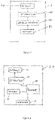
- Figure 1 schematically shows an example of a user equipment (UE) 8 located within the coverage area of a plurality of LTE access network eNBs 2 belonging to three access networks and operating cells on unlicensed spectrum.
- a LTE access network may also comprises a large number of macro cells (not shown) operated on licensed spectrum and e.g. smaller cells (not shown) e.g. femto cells, pico cells also operated on licensed spectrum; but some LTE networks may equally consist solely of cells operating on unlicensed spectrum.
- Figure 1 only shows a small number of cells operating on unlicensed spectrum, but a LTE access network may comprises a large number of these cells.
- each of the unlicensed spectrum cell nodes (eNBs) 2 are connected to an evolved packet core (EPC) 6 for the network to which they belong, which EPC 6 includes a mobile management entity (MME) 10; but some access networks (such as access networks consisting solely of cells operating on unlicensed spectrum) may not comprise any evolved packet core, but will comprise a MME to which each cell node (access point) is connected.
- MME mobile management entity
- One function of the mobile management entity 10 is to maintain tracking area (TA) lists indicating the location areas in which each UE 8 camped on some cell of the respective network is located, so that a UE camped on some cell of the network can be readily paged in e.g. the event that there is a call for the UE or data to be transmitted to the UE.
- TA tracking area
- Each LTE cellular radio access network may also include other elements, but these are not shown in Figure 1 for conciseness.
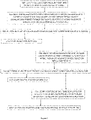
- FIG 2 shows a schematic view of an example of apparatus for UE 8.
- the UE 8 may be used for various tasks such as making and receiving phone calls, receiving and sending data from and to a data network, and experiencing, for example, multimedia or other content.
- the UE 8 may be any device at least capable of both recovering data/information from radio signals transmitted by eNBs of the network (for both unlicensed and licensed spectrum cells), and transmitting radio signals including data/information recoverable by the eNBs of the network.
- Non-limiting examples of user equipment (UE) 8 include smartphones, tablets, personal computers, and devices without any user interface, such as devices that are designed for machine type communications (MTC).
- MTC machine type communications
- a baseband processor 34 operating in accordance with program code stored at memory 32, controls the generation and transmission of radio signals via radio-frequency front end 36 and antenna 38.
- the RF front end may include an analogue transceiver, filters, a duplexer, and antenna switch. Also, the combination of antenna 38, RF front end 36 and baseband processor 34 recovers data/information from radio signals reaching UE 8 from e.g. eNBs 2 operating unlicensed spectrum cells.
- the UE 8 may also comprise an application processor (not shown) that generates user data for transmission via radio signals, and processes user data recovered from radio signals by baseband processor 34 and stored at memory 32.
- the application processor and the baseband processor 34 may be implemented as separate chips or combined into a single chip.
- the memory 32 may be implemented as one or more chips.
- the memory 32 may include both read-only memory and random-access memory. The above elements may be provided on one or more circuit boards.
- the UE may include additional other elements not shown in Figure 2 .
- the UE 8 may include a user interface such as key pad 201, voice commands, touch sensitive screen or pad, combinations thereof or the like, via which a user may control operation of the UE 8.
- the UE 8 may also include a display, a speaker and a microphone.
- the UE 8 may comprise appropriate connectors (either wired or wireless) to other devices and/or for connecting external accessories (e.g. hands-free equipment) thereto.
- FIG 3 shows an example of apparatus for use at each of the eNBs 2 of Figure 1 operating unlicensed spectrum cells.
- a broadband processor 20, operating in accordance with program code stored at memory 22, (a) controls the generation and transmission of radio signals via the combination of radio-frequency front end 24 and antenna 26; and (b) recovers data from radio signals reaching the eNB from e.g. UE 8.
- the RF front end may include an analogue transceiver, filters, a duplexer, and antenna switch. Both the processor 20 and the memory 22 may be implemented as one or more chips.
- the memory 22 may include both read-only memory and random-access memory. The above elements may be provided on one or more circuit boards.
- the apparatus also comprises an interface 28 for transferring data to and from one or more other parts of the same access network such as e.g. the EPC 6 and other eNBs in the same access network.
- Figures 6 to 8 illustrate an example of operations at eNBs 2 and UE 8 according to one embodiment for this example. All operations carried out by the processor 34 follow program code stored at memory 32; and all operations carried out by the processor 20 follow program code stored at memory 22.
- the baseband processor 20 at eNB 2 transmits (via RF front end 24 and antenna 26), on broadcast channel radio resources of an unlicensed spectrum cell, system information including cell selection measurement information (STEP 700) for idle-mode UEs.
- the cell selection information includes an indication of time resources 40 in which to make idle-mode measurements of discovery reference signals (DRS) 42 for the purpose of selecting which cell to camp on in idle mode.
- DRS Discovery Reference Signal
- the cell selection information indicates time resources 40 in which DRS (Primary Synchronisation Signal (PSS)/ Secondary Synchronisation Signal (SSS)/ Cell-specific Reference Signal (CRS)) for the cell allow relatively reliable and good-quality RRM (Radio Resource Management) measurements, because e.g. there is less risk of transmission power fluctuations due to multicarrier operation.
- DRS Primary Synchronisation Signal
- SSS Secondary Synchronisation Signal
- CRS Cell-specific Reference Signal
- the cell selection information is for use by UE 8 currently camped on the cell to determine when to make idle-mode cell selection measurements on the corresponding carrier frequency. In this way UE 8 can perform measurements on the cell it is camping on, as well as on e.g. neighbouring cells of the same network operating on the same (unlicensed) carrier frequency, whereby the UE 8 may further limit the time required to perform intra-frequency (i.e.
- the cell selection measurement information may also apply to other (unlicensed) carrier frequencies, whereby the UE 8 may further limit the time required to perform idle mode measurements not only on the carrier frequency of the currently-selected cell, but also on one or more other (unlicensed) carrier frequencies that have equal or higher priority, and even also on one or more lower priority carrier frequencies.
- a UE 8 may know the priority level assigned to each carrier frequency by the network, by means of e.g. broadcast system information or information received from the network when the most recent RRC connection between the UE and the network was released.
- the system information may identify time resources for making cell selection measurements, by e.g. reference to one or more of periodicity, duration and offset relative to a reference sub-frame.
- the system information may include one or more of: (i) a 2-bit field indicating a time period at which time resources for cell selection measurements exist; (ii) a 2-3 bit field indicating duration of time resources for cell selection measurements: and (iii) a 2-3 bit field indicating the location of time resources for cell selection measurements relative to a reference sub-frame.
- the reference sub-frame is determined by the UE as the sub-frame in which the system information is transmitted. All of this system information content may, for example, be jointly coded into a single broadcast message.
- the reference sub-frame is determined by the UE as the sub-frame in which it detects a specific reference signal (e.g. a reference signal recognisable to the user equipment as being of use for idle-mode cell selection measurements).
- the UE baseband processor 34 of a UE 8 camped on the eNB cell acquires the cell selection measurement information from the system information broadcast by the eNB on the broadcast channel radio resources (STEP 600), and stores the cell selection measurement information in memory 32.
- the UE baseband processor 34 makes idle-mode measurements of DRS 42 selectively in the time resources 40 indicated in the cell selection measurement information (i.e. does not make idle-mode measurements of DRS 42 for cell selection purposes outside the indicated time resources 40), for at least the carrier frequency of the currently-selected cell, and also for one or more carrier frequencies having a priority level equal to or higher than that of the carrier frequency of the currently selected cell, if the idle-mode cell selection information also applies to such other carrier frequencies (STEP 602).
- the UE baseband processor 34 stores the results of the idle-mode measurements at memory 32.
- the UE baseband processor 34 compares the idle-mode measurement results against one or more pre-configured thresholds (also stored at memory 32) related to idle-mode cell (re)selection, including e.g. one or more RSRP (Reference Signal Received Power) thresholds and/or one or more RSRQ (Reference Signal Received Power) thresholds; and determines whether any of the measured cells meet the preconfigured conditions related to cell (re)selection (STEP 604).
- pre-configured thresholds also stored at memory 32
- RSRP Reference Signal Received Power
- RSRQ Reference Signal Received Power
- the UE baseband processor 34 either remains camped in idle-mode on the currently-selected cell (if the currently selected cell meets the conditions for cell selection, and there are no higher priority cells (i.e. cells operated on a carrier frequency with higher priority than that of the currently selected cell) , or initiates idle-mode procedures for cell re-selection towards a higher priority cell (if one of the higher priority cells meets the conditions for idle-mode cell selection) (STEP 606). Even if another cell operating on the same carrier frequency (or another equal priority carrier frequency) has a higher signal strength or quality than the currently selected cell, the UE may decide to stay camped on the currently selected cell, if the signal strength or quality of the currently selected cell is sufficiently high.
- the UE baseband processor 34 determines that another cell (on the same carrier frequency, or on a different carrier frequency with an equal or higher priority level) has a RSRP that is both (i) higher than the RSRP for the currently-selected cell by a certain offset value, and (ii) above a preconfigured RSRP threshold for idle-mode cell selection, the UE baseband processor 34 initiates idle-mode cell re-selection towards the other cell (after having verified that the cell is of a type on which UEs can camp, e.g. it belongs to the same network).
- the UE may be configured not to re-select a higher RSRP cell operating on the same carrier frequency (or other equal priority carrier frequency), if the RSRP for the currently-selected cell is sufficiently high.
- the UE baseband processor 34 makes measurements of DRS 42 in the time resources 40 indicated in the idle-mode cell selection measurement information for cells belonging to the same network as the currently-selected cell but operating on carrier frequencies having a lower priority level than the carrier frequency of the currently-selected cell (STEP 608).
- the UE baseband processor 34 determines whether any of these lower priority frequency cells meet the pre-configured conditions for cell selection (STEP 610).
- the UE baseband processor 34 initiates the procedures for idle-mode cell re-selection towards the lower priority cell meeting the conditions for idle-mode cell selection (STEP 612).
- the UE baseband processor 34 searches outside the time resources 40 indicated in the cell system information for a specific type of DRS recognisable to the UE as being of use for idle-mode cell selection measurements (STEP 614 of Figure 6 ).
- the eNB baseband processors 20 of one or more eNBs 2 operating one or more cells on unlicensed spectrum may transmit this specific type of DRS 44 in some time resources; and transmit one or more other types of DRS 46 (recognisable to the UE as not being of use for idle-mode cell selection measurements) in other time resources (STEP 800 of Figure 8 ).
- the above-mentioned specific type of DRS could additionally be recognised by UEs as an indication that the cell is an unlicensed spectrum cell on which UEs can camp (i.e. not an unlicensed spectrum cell on which UEs cannot camp, such as a licensed-assisted-access (LAA) cell specified in LTE Release 13 as an unlicensed spectrum cell which can only be used as a secondary cell by UEs that are connected to a primary cell operated on licensed spectrum).
- LAA licensed-assisted-access
- the specific type of DRS may also be used as a time reference from which a UE can determine the timing of DRS transmissions suitable for idle-mode cell selection measurements.
- the above-mentioned specific type of DRS may, for example, be characterised by the inclusion of an additional PSS sequence in the DRS.
- the specific type of DRS may, for example, be characterised by being scrambled with a network-specific signature.
- the UE baseband processor 34 makes DRS idle-mode measurements of those DRS detected outside the time resources indicated in the cell selection measurement information, and retains for idle-mode cell selection determinations (by storage at memory 32) only those idle-mode measurements for DRS 44 including the above-mentioned indication (STEP 616).
- the UE baseband processor 34 then again compares the retained idle-mode measurement results against one or more preconfigured thresholds (also stored at memory 32) related to idle-mode cell (re)selection, including e.g. one or more RSRP thresholds and/or one or more RSRQ thresholds; and determines whether any of the measured cells meet the preconfigured conditions related to cell (re)selection.
- the above-described measurement of DRS outside the time resources indicated in the cell selection information may be performed in stages for different carrier frequencies in order of priority level.
- the restriction on performing cell selection measurements for one or more cells selectively in the time resources indicated in the idle-mode cell selection measurement information may only apply to a limited one or more types of idle-mode cell selection measurements.
- the restrictions may apply only to RSRP and RSRQ measurements, or apply only to RSRP, RSRQ and (Received Signal Strength Indicator) measurements.
- the system information includes explicit idle-mode cell selection information explicitly indicating the time resources at which to make idle-mode cell selection measurements.
- the time resources at which to make idle-mode cell selection measurements may be implicit from information included in the system information for other primary purpose(s); or the UE 8 may be capable of determining the time resources for making idle-mode cell selection measurements based partly on information included in the broadcast system information and other information outside of the broadcast system information, such as information derivable from cell transmission patterns observed by the UE 8.
- the above-described techniques facilitate a reduction in power consumption at idle-mode UEs by limiting the amount of time a UE needs to perform cell search and RRM measurements when camping on a cell.
- the above-described technique also facilitates better reliability of RRM measurements by an idle mode UE camped on a cell, by providing the UE with an indication of when reliable intra-frequency and inter-frequency RRM measurements can be made.
- the present invention has particular (but not exclusive) use in networks enabling standalone operation on unlicensed spectrum, according to which the eNB/UE wireless interface relies solely on unlicensed spectrum without any anchor carrier on licensed spectrum.
- Appropriately adapted computer program code product may be used for implementing the embodiments, when loaded to a computer.
- the program code product for providing the operation may be stored on and provided by means of a carrier medium such as a carrier disc, card or tape.
- a possibility is to download the program code product via a data network.
- Implementation may be provided with appropriate software in a server.
- Embodiments of the invention may be practiced in various components such as integrated circuit modules.
- the design of integrated circuits is by and large a highly automated process.
- Complex and powerful software tools are available for converting a logic level design into a semiconductor circuit design ready to be etched and formed on a semiconductor substrate.
- Programs such as those provided by Synopsys, Inc. of Mountain View, California and Cadence Design, of San Jose, California automatically route conductors and locate components on a semiconductor chip using well established rules of design as well as libraries of pre stored design modules.
- the resultant design in a standardized electronic format (e.g., Opus, GDSII, or the like) may be transmitted to a semiconductor fabrication facility or "fab" for fabrication.
- the above-described measurement of DRS outside the time resources indicated in the cell selection information may be performed in stages for different carrier frequencies in order of priority level.
- the restriction on performing cell selection measurements for one or more cells selectively in the time resources indicated in the idle-mode cell selection measurement information may only apply to a limited one or more types of idle-mode cell selection measurements.
- the restrictions may apply only to RSRP and RSRQ measurements, or apply only to RSRP, RSRQ and (Received Signal Strength Indicator) measurements.
- the system information includes explicit idle-mode cell selection information explicitly indicating the time resources at which to make idle-mode cell selection measurements.
- the time resources at which to make idle-mode cell selection measurements may be implicit from information included in the system information for other primary purpose(s); or the UE 8 may be capable of determining the time resources for making idle-mode cell selection measurements based partly on information included in the broadcast system information and other information outside of the broadcast system information, such as information derivable from cell transmission patterns observed by the UE 8.
- the above-described techniques facilitate a reduction in power consumption at idle-mode UEs by limiting the amount of time a UE needs to perform cell search and RRM measurements when camping on a cell.
- the above-described technique also facilitates better reliability of RRM measurements by an idle mode UE camped on a cell, by providing the UE with an indication of when reliable intra-frequency and inter-frequency RRM measurements can be made.
- the present invention has particular (but not exclusive) use in networks enabling standalone operation on unlicensed spectrum, according to which the eNB/UE wireless interface relies solely on unlicensed spectrum without any anchor carrier on licensed spectrum.
- Appropriately adapted computer program code product may be used for implementing the embodiments, when loaded to a computer.
- the program code product for providing the operation may be stored on and provided by means of a carrier medium such as a carrier disc, card or tape.
- a possibility is to download the program code product via a data network.
- Implementation may be provided with appropriate software in a server.
- Embodiments of the invention may be practiced in various components such as integrated circuit modules.
- the design of integrated circuits is by and large a highly automated process.
- Complex and powerful software tools are available for converting a logic level design into a semiconductor circuit design ready to be etched and formed on a semiconductor substrate.
- Programs such as those provided by Synopsys, Inc. of Mountain View, California and Cadence Design, of San Jose, California automatically route conductors and locate components on a semiconductor chip using well established rules of design as well as libraries of pre stored design modules.
- the resultant design in a standardized electronic format (e.g., Opus, GDSII, or the like) may be transmitted to a semiconductor fabrication facility or "fab" for fabrication.
Landscapes
- Engineering & Computer Science (AREA)
- Signal Processing (AREA)
- Computer Networks & Wireless Communication (AREA)
- Computer Security & Cryptography (AREA)
- Physics & Mathematics (AREA)
- Health & Medical Sciences (AREA)
- General Health & Medical Sciences (AREA)
- Spectroscopy & Molecular Physics (AREA)
- Mobile Radio Communication Systems (AREA)
Claims (19)
- Procédé mis en œuvre par un dispositif de communication comprenant : la réalisation d'au moins un type de mesure de sélection de cellule en mode inactif pour au moins une porteuse dans un spectre sans licence dans des ressources temporelles déterminées à partir d'informations de système de diffusion ; et l'abstention de réaliser ledit au moins un type de mesure de sélection de cellule en mode inactif pour ladite au moins une porteuse en dehors desdites ressources temporelles.
- Procédé selon la revendication 1, comprenant la détermination, sur la base desdites informations système, de ressources temporelles dans lesquelles un noeud de cellule tentera de transmettre des signaux appropriés pour des mesures de sélection de cellule en mode inactif.
- Procédé selon la revendication 2, dans lequel lesdits signaux sont des signaux de référence de découverte.
- Procédé selon l'une quelconque des revendications 1 à 3, dans lequel lesdites informations système indiquent explicitement lesdites ressources temporelles, indiquent implicitement lesdites ressources temporelles, ou fournissent des informations grâce auxquelles un dispositif de communication est en mesure de déterminer lesdites ressources temporelles sur la base d'autres informations supplémentaires.
- Procédé selon l'une quelconque des revendications 1 à 4, comprenant la réalisation dudit au moins un type de mesure de sélection de cellule en mode inactif dans lesdites ressources temporelles pour au moins une cellule actuellement sélectionnée, et une ou plusieurs cellules voisines.
- Procédé selon l'une quelconque des revendications précédentes, comprenant : la réalisation dudit au moins un type de mesure de sélection de cellule en mode inactif pour une pluralité de porteuses dans lesdites ressources temporelles ; et l'abstention de réaliser ledit au moins un type de mesure de sélection de cellule en mode inactif pour ladite pluralité de porteuses en dehors desdites ressources temporelles.
- Procédé selon l'une quelconque des revendications précédentes, comprenant en outre : la sélection d'une cellule sur laquelle camper en se basant au moins partiellement sur ledit au moins un type de mesure de sélection de cellule en mode inactif dans lesdites ressources temporelles.
- Procédé selon l'une quelconque des revendications précédentes, dans lequel lesdites informations de système de diffusion identifient lesdites ressources temporelles par référence à un ou plusieurs parmi : une périodicité, une durée et un décalage par rapport à un temps de référence.
- Procédé selon la revendication 8, dans lequel ledit temps de référence est le temps de transmission d'un signal de référence reconnaissable par le dispositif de communication comme un signal de référence temporel.
- Appareil (8) pour un dispositif de communication comprenant : un processeur (34) et une mémoire (32) comportant un code de programme informatique, dans lequel la mémoire (32) et le code de programme informatique sont configurés pour, avec le processeur (34), amener l'appareil (8) à : réaliser au moins un type de mesure de sélection de cellule en mode inactif pour au moins une porteuse dans un spectre sans licence dans des ressources temporelles déterminées à partir d'informations de système de diffusion ; et s'abstenir de réaliser ledit au moins un type de mesure de sélection de cellule en mode inactif pour ladite au moins une porteuse en dehors desdites ressources temporelles.
- Appareil selon la revendication 10, dans lequel la mémoire et le code de programme informatique sont en outre configurés pour, avec le processeur, amener l'appareil à : déterminer sur la base desdites informations système ressources temporelles dans lesquelles un nœud de cellule tentera de transmettre des signaux appropriés pour des mesures de sélection de cellule en mode inactif.
- Appareil selon la revendication 11, dans lequel lesdits signaux sont des signaux de référence de découverte.
- Appareil selon l'une quelconque des revendications 10 à 12, dans lequel lesdites informations système indiquent explicitement lesdites ressources temporelles, indiquent implicitement lesdites ressources temporelles, ou fournissent des informations grâce auxquelles un dispositif de communication est en mesure de déterminer lesdites ressources temporelles sur la base d'autres informations supplémentaires.
- Appareil selon l'une quelconque des revendications 10 à 13, dans lequel la mémoire et le code de programme informatique sont en outre configurés pour, avec le processeur, amener l'appareil à : réaliser ledit au moins un type de mesure de sélection de cellule en mode inactif dans lesdites ressources temporelles pour au moins une cellule actuellement sélectionnée, et une ou plusieurs cellules voisines.
- Appareil selon l'une quelconque des revendications 10 à 14, dans lequel la mémoire et le code de programme informatique sont en outre configurés pour, avec le processeur, amener l'appareil à : réaliser ledit au moins un type de mesure de sélection de cellule en mode inactif pour une pluralité de porteuses dans lesdites ressources temporelles ; et s'abstenir de réaliser ledit au moins un type de mesure de sélection de cellule en mode inactif pour ladite pluralité de porteuses en dehors desdites ressources temporelles.
- Appareil selon l'une quelconque des revendications 10 à 15, dans lequel la mémoire et le code de programme informatique sont en outre configurés pour, avec le processeur, amener l'appareil à : sélectionner une cellule sur laquelle camper en se basant au moins partiellement sur ledit au moins un type de mesure de sélection de cellule en mode inactif dans lesdites ressources temporelles.
- Appareil selon l'une quelconque des revendications 10 à 16, dans lequel lesdites informations de système de diffusion identifient lesdites ressources temporelles par référence à un ou plusieurs parmi : une périodicité, une durée et un décalage par rapport à un temps de référence.
- Appareil selon la revendication 17, dans lequel ledit temps de référence est le temps de transmission d'un signal de référence reconnaissable par le dispositif de communication comme un signal de référence temporel.
- Produit de programme informatique comprenant des moyens de code de programme, qui, lorsqu'il est chargé dans un appareil de traitement des données pour un dispositif de communication, commande le dispositif de communication pour effectuer les étapes de l'une quelconque des revendications 1 à 9.
Applications Claiming Priority (2)
| Application Number | Priority Date | Filing Date | Title |
|---|---|---|---|
| EP2015078543 | 2015-12-03 | ||
| PCT/EP2016/079209 WO2017093282A1 (fr) | 2015-12-03 | 2016-11-30 | Mesures de sélection de cellule en mode de veille |
Publications (2)
| Publication Number | Publication Date |
|---|---|
| EP3384708A1 EP3384708A1 (fr) | 2018-10-10 |
| EP3384708B1 true EP3384708B1 (fr) | 2022-08-24 |
Family
ID=57421869
Family Applications (1)
| Application Number | Title | Priority Date | Filing Date |
|---|---|---|---|
| EP16802094.9A Active EP3384708B1 (fr) | 2015-12-03 | 2016-11-30 | Mesures de sélection de cellule en mode de veille |
Country Status (4)
| Country | Link |
|---|---|
| US (1) | US10979965B2 (fr) |
| EP (1) | EP3384708B1 (fr) |
| ES (1) | ES2927120T3 (fr) |
| WO (1) | WO2017093282A1 (fr) |
Families Citing this family (9)
| Publication number | Priority date | Publication date | Assignee | Title |
|---|---|---|---|---|
| KR102394203B1 (ko) * | 2017-07-07 | 2022-05-04 | 삼성전자주식회사 | 무선 통신 시스템에서 기지국 부하 분산을 위한 장치 및 방법 |
| US11064424B2 (en) * | 2017-07-25 | 2021-07-13 | Qualcomm Incorporated | Shared spectrum synchronization design |
| EP3703421B1 (fr) * | 2019-02-28 | 2021-07-07 | LG Electronics Inc. | Procédé et appareil pour système d'avertissement public sur une fréquence sans licence dans un système de communication sans fil |
| CN113728677A (zh) | 2019-05-02 | 2021-11-30 | 苹果公司 | 新无线电未许可(nr-u)空闲模式操作 |
| EP4025003B1 (fr) * | 2019-09-12 | 2025-04-23 | Huawei Technologies Co., Ltd. | Procédé de redirection et dispositif associé |
| CN115804156B (zh) * | 2020-06-26 | 2025-07-25 | 高通股份有限公司 | 用于配置对半双工ue的补充下行链路支持的技术 |
| WO2022217460A1 (fr) * | 2021-04-13 | 2022-10-20 | 北京小米移动软件有限公司 | Procédé et appareil de relâchement de mesure, et support de stockage |
| CN115334565A (zh) * | 2021-05-11 | 2022-11-11 | 华为技术有限公司 | 通信方法以及相关联的装置、介质和芯片 |
| EP4292339A4 (fr) | 2021-05-13 | 2024-07-10 | Samsung Electronics Co., Ltd. | Procédé et système permettant de gérer une sélection de cellule dans un réseau cellulaire sur la base d'une caractéristique de mesure précoce |
Citations (1)
| Publication number | Priority date | Publication date | Assignee | Title |
|---|---|---|---|---|
| WO2016022064A2 (fr) * | 2014-08-07 | 2016-02-11 | Telefonaktiebolaget L M Ericsson (Publ) | Alignement d'écarts de mesurage et de signaux de découverte |
Family Cites Families (5)
| Publication number | Priority date | Publication date | Assignee | Title |
|---|---|---|---|---|
| CN104737599B (zh) | 2012-11-06 | 2018-10-26 | 诺基亚通信公司 | 用于从处于较不活跃模式中的小区或网络接收定时信息的方法和装置 |
| PL2946515T3 (pl) | 2013-01-18 | 2021-11-02 | Nokia Solutions And Networks Oy | Transmisja sygnału odniesienia z wielu komórek w trybie uśpienia |
| EP3097711B1 (fr) * | 2014-01-31 | 2018-12-05 | Huawei Technologies Co., Ltd. | Dispositif, réseau, et procédé d'adaptation réseau et d'utilisation d'un signal de référence de recherche en liaison descendante |
| JP6323964B2 (ja) * | 2014-02-21 | 2018-05-16 | 華為技術有限公司Huawei Technologies Co.,Ltd. | Dtxを使用した基地局のアクティブ状態に関するタイミング情報の送信 |
| CN107408999B (zh) * | 2015-03-17 | 2019-04-05 | Lg电子株式会社 | 在无线通信系统中执行测量的方法及用户设备 |
-
2016
- 2016-11-30 EP EP16802094.9A patent/EP3384708B1/fr active Active
- 2016-11-30 US US15/780,422 patent/US10979965B2/en active Active
- 2016-11-30 WO PCT/EP2016/079209 patent/WO2017093282A1/fr not_active Ceased
- 2016-11-30 ES ES16802094T patent/ES2927120T3/es active Active
Patent Citations (1)
| Publication number | Priority date | Publication date | Assignee | Title |
|---|---|---|---|---|
| WO2016022064A2 (fr) * | 2014-08-07 | 2016-02-11 | Telefonaktiebolaget L M Ericsson (Publ) | Alignement d'écarts de mesurage et de signaux de découverte |
Non-Patent Citations (1)
| Title |
|---|
| SAMSUNG: "Discussion on LAA DRS design", vol. RAN WG1, no. Fukuoka, Japan; 20150525 - 20150529, 24 May 2015 (2015-05-24), XP050972415, Retrieved from the Internet <URL:http://www.3gpp.org/ftp/Meetings_3GPP_SYNC/RAN1/Docs/> [retrieved on 20150524] * |
Also Published As
| Publication number | Publication date |
|---|---|
| ES2927120T3 (es) | 2022-11-02 |
| US20180359683A1 (en) | 2018-12-13 |
| EP3384708A1 (fr) | 2018-10-10 |
| WO2017093282A1 (fr) | 2017-06-08 |
| US10979965B2 (en) | 2021-04-13 |
Similar Documents
| Publication | Publication Date | Title |
|---|---|---|
| US10979965B2 (en) | Idle-mode cell selection measurements | |
| AU2010364311B2 (en) | Sub-frame configuration | |
| EP3522619B1 (fr) | Communication sans fil dans des réseaux hétérogènes | |
| US10903926B2 (en) | Terminal side and base station side device, terminal device, base station, and wireless communication method | |
| US9369950B2 (en) | User equipment and method of searching for a cell | |
| KR20140039149A (ko) | 이웃 셀들과 통신하기 위한 방법 및 장치 | |
| EP3542586A1 (fr) | Utilisation opportuniste d'instances de drs dans des systèmes autonomes lte-u | |
| US20250240681A1 (en) | Communication method and apparatus | |
| EP3413677A1 (fr) | Dispositif électronique dans un système de communication sans fil, et procédé de communication sans fil | |
| WO2012160246A1 (fr) | Informations de redirection préconfigurées | |
| US20150230153A1 (en) | Local cell discovery in macro-assisted enhanced local area | |
| US20190141588A1 (en) | Information configuration method and device | |
| US20140357274A1 (en) | Cell handovers | |
| US11395282B2 (en) | Cellular burst detection in unlicensed spectrum | |
| KR101985954B1 (ko) | 셀 선택 | |
| US20130336154A1 (en) | Sharing Radio Resources Between Access Nodes with Different Access Restrictions | |
| EP3275242B1 (fr) | Determination d'une cellule de réetablissement | |
| US10757679B2 (en) | Controlling communication devices by actions triggered by paging | |
| WO2025166770A1 (fr) | Procédés et appareil de détermination d'état et d'indication, système de communication et support de stockage | |
| HK40012194A (en) | Wireless communication in heterogeneous networks | |
| HK40012194B (en) | Wireless communication in heterogeneous networks | |
| WO2013190501A2 (fr) | Système et procédé de communication sans fil | |
| WO2011134517A1 (fr) | Gestion des interférences |
Legal Events
| Date | Code | Title | Description |
|---|---|---|---|
| STAA | Information on the status of an ep patent application or granted ep patent |
Free format text: STATUS: UNKNOWN |
|
| STAA | Information on the status of an ep patent application or granted ep patent |
Free format text: STATUS: THE INTERNATIONAL PUBLICATION HAS BEEN MADE |
|
| PUAI | Public reference made under article 153(3) epc to a published international application that has entered the european phase |
Free format text: ORIGINAL CODE: 0009012 |
|
| STAA | Information on the status of an ep patent application or granted ep patent |
Free format text: STATUS: REQUEST FOR EXAMINATION WAS MADE |
|
| 17P | Request for examination filed |
Effective date: 20180703 |
|
| AK | Designated contracting states |
Kind code of ref document: A1 Designated state(s): AL AT BE BG CH CY CZ DE DK EE ES FI FR GB GR HR HU IE IS IT LI LT LU LV MC MK MT NL NO PL PT RO RS SE SI SK SM TR |
|
| AX | Request for extension of the european patent |
Extension state: BA ME |
|
| DAV | Request for validation of the european patent (deleted) | ||
| DAX | Request for extension of the european patent (deleted) | ||
| RAP1 | Party data changed (applicant data changed or rights of an application transferred) |
Owner name: NOKIA SOLUTIONS AND NETWORKS OY |
|
| PUAG | Search results despatched under rule 164(2) epc together with communication from examining division |
Free format text: ORIGINAL CODE: 0009017 |
|
| STAA | Information on the status of an ep patent application or granted ep patent |
Free format text: STATUS: EXAMINATION IS IN PROGRESS |
|
| 17Q | First examination report despatched |
Effective date: 20201021 |
|
| B565 | Issuance of search results under rule 164(2) epc |
Effective date: 20201021 |
|
| RIC1 | Information provided on ipc code assigned before grant |
Ipc: H04W 48/12 20090101AFI20201016BHEP Ipc: H04W 48/16 20090101ALI20201016BHEP |
|
| REG | Reference to a national code |
Ref country code: DE Ref legal event code: R079 Ref document number: 602016074510 Country of ref document: DE Free format text: PREVIOUS MAIN CLASS: H04W0048120000 Ipc: H04L0005000000 |
|
| RIC1 | Information provided on ipc code assigned before grant |
Ipc: H04W 16/14 20090101ALN20220324BHEP Ipc: H04W 48/16 20090101ALI20220324BHEP Ipc: H04W 48/12 20090101ALI20220324BHEP Ipc: H04L 5/00 20060101AFI20220324BHEP |
|
| GRAP | Despatch of communication of intention to grant a patent |
Free format text: ORIGINAL CODE: EPIDOSNIGR1 |
|
| STAA | Information on the status of an ep patent application or granted ep patent |
Free format text: STATUS: GRANT OF PATENT IS INTENDED |
|
| INTG | Intention to grant announced |
Effective date: 20220509 |
|
| GRAS | Grant fee paid |
Free format text: ORIGINAL CODE: EPIDOSNIGR3 |
|
| GRAA | (expected) grant |
Free format text: ORIGINAL CODE: 0009210 |
|
| STAA | Information on the status of an ep patent application or granted ep patent |
Free format text: STATUS: THE PATENT HAS BEEN GRANTED |
|
| AK | Designated contracting states |
Kind code of ref document: B1 Designated state(s): AL AT BE BG CH CY CZ DE DK EE ES FI FR GB GR HR HU IE IS IT LI LT LU LV MC MK MT NL NO PL PT RO RS SE SI SK SM TR |
|
| REG | Reference to a national code |
Ref country code: CH Ref legal event code: EP |
|
| REG | Reference to a national code |
Ref country code: IE Ref legal event code: FG4D |
|
| REG | Reference to a national code |
Ref country code: AT Ref legal event code: REF Ref document number: 1514437 Country of ref document: AT Kind code of ref document: T Effective date: 20220915 Ref country code: DE Ref legal event code: R096 Ref document number: 602016074510 Country of ref document: DE |
|
| REG | Reference to a national code |
Ref country code: NL Ref legal event code: FP |
|
| REG | Reference to a national code |
Ref country code: ES Ref legal event code: FG2A Ref document number: 2927120 Country of ref document: ES Kind code of ref document: T3 Effective date: 20221102 |
|
| REG | Reference to a national code |
Ref country code: LT Ref legal event code: MG9D |
|
| PG25 | Lapsed in a contracting state [announced via postgrant information from national office to epo] |
Ref country code: SE Free format text: LAPSE BECAUSE OF FAILURE TO SUBMIT A TRANSLATION OF THE DESCRIPTION OR TO PAY THE FEE WITHIN THE PRESCRIBED TIME-LIMIT Effective date: 20220824 Ref country code: RS Free format text: LAPSE BECAUSE OF FAILURE TO SUBMIT A TRANSLATION OF THE DESCRIPTION OR TO PAY THE FEE WITHIN THE PRESCRIBED TIME-LIMIT Effective date: 20220824 Ref country code: PT Free format text: LAPSE BECAUSE OF FAILURE TO SUBMIT A TRANSLATION OF THE DESCRIPTION OR TO PAY THE FEE WITHIN THE PRESCRIBED TIME-LIMIT Effective date: 20221226 Ref country code: NO Free format text: LAPSE BECAUSE OF FAILURE TO SUBMIT A TRANSLATION OF THE DESCRIPTION OR TO PAY THE FEE WITHIN THE PRESCRIBED TIME-LIMIT Effective date: 20221124 Ref country code: LV Free format text: LAPSE BECAUSE OF FAILURE TO SUBMIT A TRANSLATION OF THE DESCRIPTION OR TO PAY THE FEE WITHIN THE PRESCRIBED TIME-LIMIT Effective date: 20220824 Ref country code: LT Free format text: LAPSE BECAUSE OF FAILURE TO SUBMIT A TRANSLATION OF THE DESCRIPTION OR TO PAY THE FEE WITHIN THE PRESCRIBED TIME-LIMIT Effective date: 20220824 Ref country code: FI Free format text: LAPSE BECAUSE OF FAILURE TO SUBMIT A TRANSLATION OF THE DESCRIPTION OR TO PAY THE FEE WITHIN THE PRESCRIBED TIME-LIMIT Effective date: 20220824 |
|
| REG | Reference to a national code |
Ref country code: AT Ref legal event code: MK05 Ref document number: 1514437 Country of ref document: AT Kind code of ref document: T Effective date: 20220824 |
|
| PG25 | Lapsed in a contracting state [announced via postgrant information from national office to epo] |
Ref country code: PL Free format text: LAPSE BECAUSE OF FAILURE TO SUBMIT A TRANSLATION OF THE DESCRIPTION OR TO PAY THE FEE WITHIN THE PRESCRIBED TIME-LIMIT Effective date: 20220824 Ref country code: IS Free format text: LAPSE BECAUSE OF FAILURE TO SUBMIT A TRANSLATION OF THE DESCRIPTION OR TO PAY THE FEE WITHIN THE PRESCRIBED TIME-LIMIT Effective date: 20221224 Ref country code: HR Free format text: LAPSE BECAUSE OF FAILURE TO SUBMIT A TRANSLATION OF THE DESCRIPTION OR TO PAY THE FEE WITHIN THE PRESCRIBED TIME-LIMIT Effective date: 20220824 Ref country code: GR Free format text: LAPSE BECAUSE OF FAILURE TO SUBMIT A TRANSLATION OF THE DESCRIPTION OR TO PAY THE FEE WITHIN THE PRESCRIBED TIME-LIMIT Effective date: 20221125 |
|
| PG25 | Lapsed in a contracting state [announced via postgrant information from national office to epo] |
Ref country code: SM Free format text: LAPSE BECAUSE OF FAILURE TO SUBMIT A TRANSLATION OF THE DESCRIPTION OR TO PAY THE FEE WITHIN THE PRESCRIBED TIME-LIMIT Effective date: 20220824 Ref country code: RO Free format text: LAPSE BECAUSE OF FAILURE TO SUBMIT A TRANSLATION OF THE DESCRIPTION OR TO PAY THE FEE WITHIN THE PRESCRIBED TIME-LIMIT Effective date: 20220824 Ref country code: DK Free format text: LAPSE BECAUSE OF FAILURE TO SUBMIT A TRANSLATION OF THE DESCRIPTION OR TO PAY THE FEE WITHIN THE PRESCRIBED TIME-LIMIT Effective date: 20220824 Ref country code: CZ Free format text: LAPSE BECAUSE OF FAILURE TO SUBMIT A TRANSLATION OF THE DESCRIPTION OR TO PAY THE FEE WITHIN THE PRESCRIBED TIME-LIMIT Effective date: 20220824 Ref country code: AT Free format text: LAPSE BECAUSE OF FAILURE TO SUBMIT A TRANSLATION OF THE DESCRIPTION OR TO PAY THE FEE WITHIN THE PRESCRIBED TIME-LIMIT Effective date: 20220824 |
|
| REG | Reference to a national code |
Ref country code: DE Ref legal event code: R097 Ref document number: 602016074510 Country of ref document: DE |
|
| PG25 | Lapsed in a contracting state [announced via postgrant information from national office to epo] |
Ref country code: SK Free format text: LAPSE BECAUSE OF FAILURE TO SUBMIT A TRANSLATION OF THE DESCRIPTION OR TO PAY THE FEE WITHIN THE PRESCRIBED TIME-LIMIT Effective date: 20220824 Ref country code: EE Free format text: LAPSE BECAUSE OF FAILURE TO SUBMIT A TRANSLATION OF THE DESCRIPTION OR TO PAY THE FEE WITHIN THE PRESCRIBED TIME-LIMIT Effective date: 20220824 |
|
| PG25 | Lapsed in a contracting state [announced via postgrant information from national office to epo] |
Ref country code: MC Free format text: LAPSE BECAUSE OF FAILURE TO SUBMIT A TRANSLATION OF THE DESCRIPTION OR TO PAY THE FEE WITHIN THE PRESCRIBED TIME-LIMIT Effective date: 20220824 Ref country code: AL Free format text: LAPSE BECAUSE OF FAILURE TO SUBMIT A TRANSLATION OF THE DESCRIPTION OR TO PAY THE FEE WITHIN THE PRESCRIBED TIME-LIMIT Effective date: 20220824 |
|
| PLBE | No opposition filed within time limit |
Free format text: ORIGINAL CODE: 0009261 |
|
| REG | Reference to a national code |
Ref country code: CH Ref legal event code: PL |
|
| STAA | Information on the status of an ep patent application or granted ep patent |
Free format text: STATUS: NO OPPOSITION FILED WITHIN TIME LIMIT |
|
| P01 | Opt-out of the competence of the unified patent court (upc) registered |
Effective date: 20230527 |
|
| REG | Reference to a national code |
Ref country code: BE Ref legal event code: MM Effective date: 20221130 |
|
| PG25 | Lapsed in a contracting state [announced via postgrant information from national office to epo] |
Ref country code: LI Free format text: LAPSE BECAUSE OF NON-PAYMENT OF DUE FEES Effective date: 20221130 Ref country code: CH Free format text: LAPSE BECAUSE OF NON-PAYMENT OF DUE FEES Effective date: 20221130 |
|
| 26N | No opposition filed |
Effective date: 20230525 |
|
| PG25 | Lapsed in a contracting state [announced via postgrant information from national office to epo] |
Ref country code: SI Free format text: LAPSE BECAUSE OF FAILURE TO SUBMIT A TRANSLATION OF THE DESCRIPTION OR TO PAY THE FEE WITHIN THE PRESCRIBED TIME-LIMIT Effective date: 20220824 Ref country code: LU Free format text: LAPSE BECAUSE OF NON-PAYMENT OF DUE FEES Effective date: 20221130 |
|
| PG25 | Lapsed in a contracting state [announced via postgrant information from national office to epo] |
Ref country code: IE Free format text: LAPSE BECAUSE OF NON-PAYMENT OF DUE FEES Effective date: 20221130 |
|
| PG25 | Lapsed in a contracting state [announced via postgrant information from national office to epo] |
Ref country code: BE Free format text: LAPSE BECAUSE OF NON-PAYMENT OF DUE FEES Effective date: 20221130 |
|
| PG25 | Lapsed in a contracting state [announced via postgrant information from national office to epo] |
Ref country code: HU Free format text: LAPSE BECAUSE OF FAILURE TO SUBMIT A TRANSLATION OF THE DESCRIPTION OR TO PAY THE FEE WITHIN THE PRESCRIBED TIME-LIMIT; INVALID AB INITIO Effective date: 20161130 |
|
| PG25 | Lapsed in a contracting state [announced via postgrant information from national office to epo] |
Ref country code: CY Free format text: LAPSE BECAUSE OF FAILURE TO SUBMIT A TRANSLATION OF THE DESCRIPTION OR TO PAY THE FEE WITHIN THE PRESCRIBED TIME-LIMIT Effective date: 20220824 |
|
| PG25 | Lapsed in a contracting state [announced via postgrant information from national office to epo] |
Ref country code: MK Free format text: LAPSE BECAUSE OF FAILURE TO SUBMIT A TRANSLATION OF THE DESCRIPTION OR TO PAY THE FEE WITHIN THE PRESCRIBED TIME-LIMIT Effective date: 20220824 |
|
| PG25 | Lapsed in a contracting state [announced via postgrant information from national office to epo] |
Ref country code: BG Free format text: LAPSE BECAUSE OF FAILURE TO SUBMIT A TRANSLATION OF THE DESCRIPTION OR TO PAY THE FEE WITHIN THE PRESCRIBED TIME-LIMIT Effective date: 20220824 |
|
| PG25 | Lapsed in a contracting state [announced via postgrant information from national office to epo] |
Ref country code: MT Free format text: LAPSE BECAUSE OF FAILURE TO SUBMIT A TRANSLATION OF THE DESCRIPTION OR TO PAY THE FEE WITHIN THE PRESCRIBED TIME-LIMIT Effective date: 20220824 |
|
| PGFP | Annual fee paid to national office [announced via postgrant information from national office to epo] |
Ref country code: FR Payment date: 20250930 Year of fee payment: 10 |
|
| PGFP | Annual fee paid to national office [announced via postgrant information from national office to epo] |
Ref country code: NL Payment date: 20251003 Year of fee payment: 10 |
|
| PG25 | Lapsed in a contracting state [announced via postgrant information from national office to epo] |
Ref country code: TR Free format text: LAPSE BECAUSE OF FAILURE TO SUBMIT A TRANSLATION OF THE DESCRIPTION OR TO PAY THE FEE WITHIN THE PRESCRIBED TIME-LIMIT Effective date: 20220824 |
|
| PGFP | Annual fee paid to national office [announced via postgrant information from national office to epo] |
Ref country code: DE Payment date: 20250930 Year of fee payment: 10 |
|
| PGFP | Annual fee paid to national office [announced via postgrant information from national office to epo] |
Ref country code: GB Payment date: 20251001 Year of fee payment: 10 |
|
| PGFP | Annual fee paid to national office [announced via postgrant information from national office to epo] |
Ref country code: IT Payment date: 20251022 Year of fee payment: 10 |
|
| PGFP | Annual fee paid to national office [announced via postgrant information from national office to epo] |
Ref country code: ES Payment date: 20251211 Year of fee payment: 10 |